
-Analysis-
PARIS — These were parliamentary elections considered decisive in the balance of power between Russia and Europe. Even if Moldova is a tiny country with a population of just two and a half million, it is critically located between Romania, a member of the European Union and NATO, and Ukraine, which is at war with Vladimir Putin’s Russia.
Official results show that President Maia Sandu’s pro-European Party of Action and Solidarity is well ahead, likely to narrowly secure an absolute majority. The main opposition force, the so-called Patriotic Electoral Bloc — which, despite its name, is aligned with Moscow — finished a distant second with about 26% of the vote.
Many feared an outcome similar to what happened in Georgia a few months ago: the pro-Russian party won contested elections, changing the balance of power in a pivotal region.
In both Moldova and Georgia, two former Soviet republics that have been independent since the collapse of the USSR in 1991, we are seeing the same triggers that led to the war in Ukraine. They have chosen Europe, and are coming up against Putin’s fierce determination to keep them within Russia’s sphere of influence.
The war in Ukraine effectively began in 2014 with Russia’s annexation of Crimea and the destabilization of Donbas, following the Maidan revolution in Kyiv, which reaffirmed the country’s choice of closer ties with Europe.
Moscow’s orbit
Like Ukraine, Moldova and Georgia have been granted candidate status for European Union membership, a show of their desire to break free from Moscow’s orbit. Instead, accession talks with Georgia were suspended after last December’s elections and the subsequent crackdown.
Moldova has become one of the latest fronts in Putin’s war against Ukraine’s allies
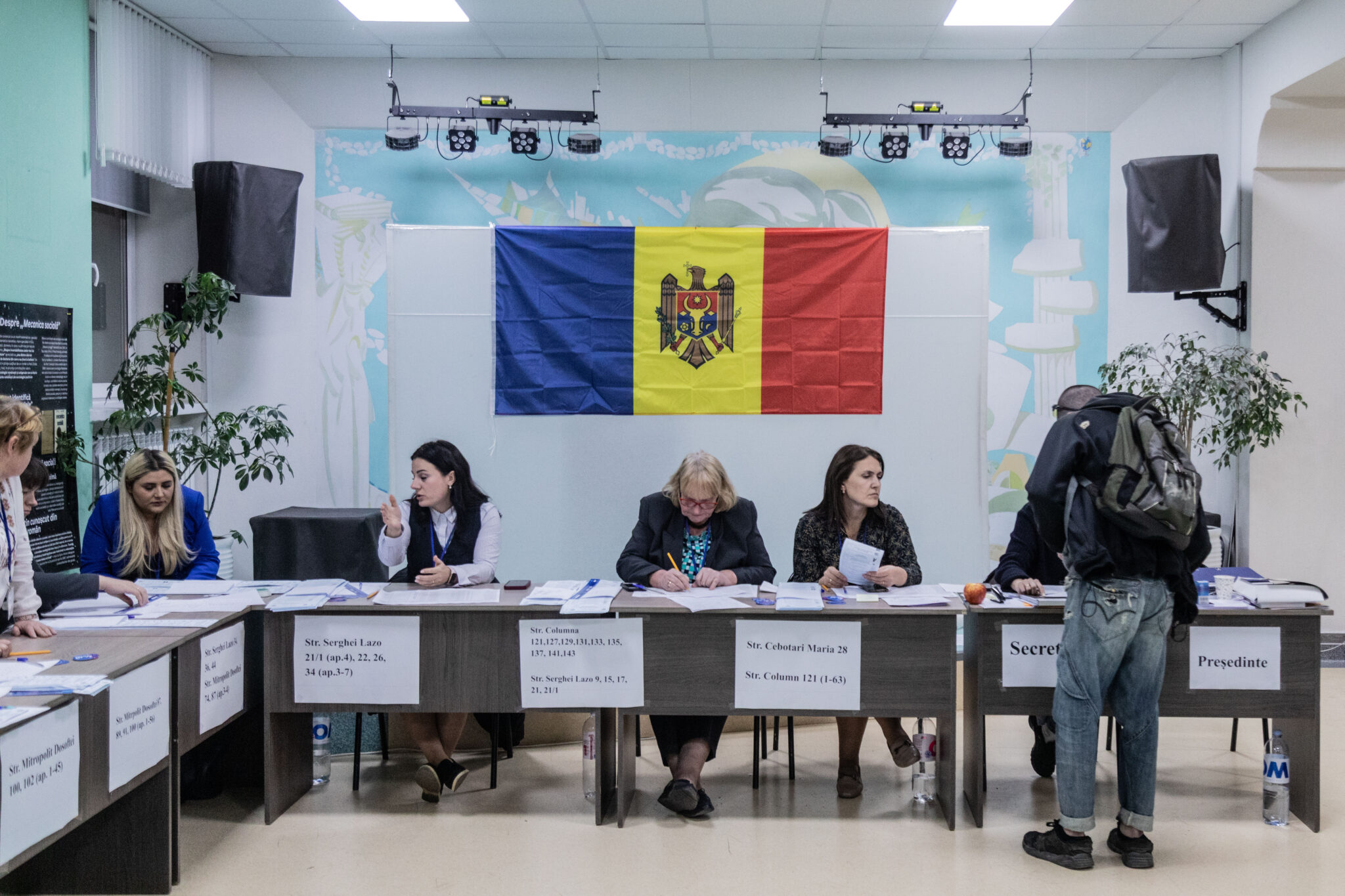
Moldova’s election campaign sparked fears of a repeat of the Georgian scenario, marked by mass disinformation, vote-buying, and the mobilization of Orthodox clergy in support of the pro-Russian movement. Election day itself was turbulent, with cyberattacks targeting electoral systems and bomb threats reported at polling stations for the Moldovan diaspora in several European cities.
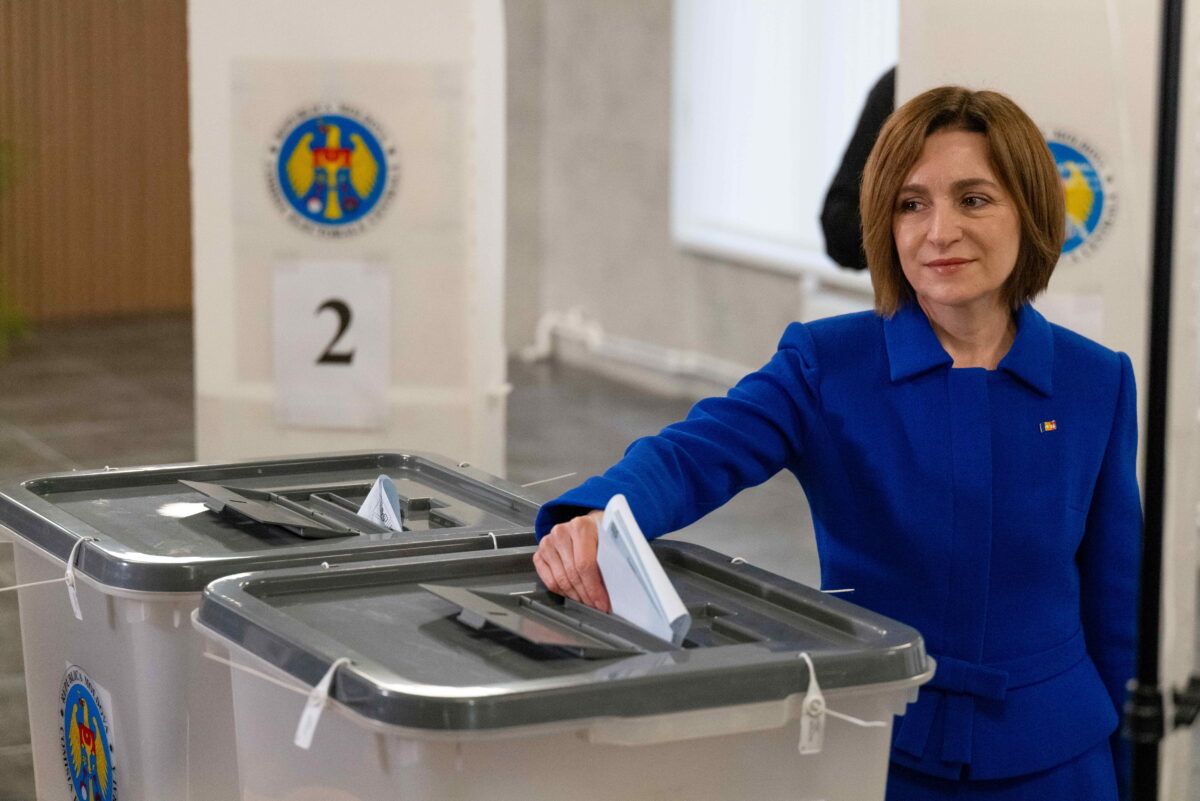
Maia Sandu’s party has secured victory, a win for a determined leader who remains steadfast in her push for closer ties with Europe. The result is a clear setback for Putin, but the battle is not over. The opposition has already called for protests beginning today, raising the prospect of a turbulent post-election period.
Hybrid war
Moldova has become one of the latest fronts in Vladimir Putin’s multifaceted war against Ukraine’s allies. He has already tightened his grip on Belarus, sidelined Georgia, and turned to intimidation tactics against NATO countries — hallmarks of hybrid warfare.
In recent months, this has meant Russian drones and aircraft testing NATO air defenses, disinformation campaigns flooding Europe, and even crude provocations such as pig heads placed outside mosques in France to stoke division.
Moldova may be small and limited in global influence, but in standing up to pressure from Putin, it has demonstrated that resistance is possible.