Why do the autocrats of this first quarter of the 21st century from Donald Trump to Jair Bolsonaro hate women so much? It may have something to do with the role of female activism in strengthening and expanding democracy.

 Worldcrunch
Why do the autocrats of this first quarter of the 21st century from Donald Trump to Jair Bolsonaro hate women so much? It may have something to do with the role of female activism in strengthening and expanding democracy.
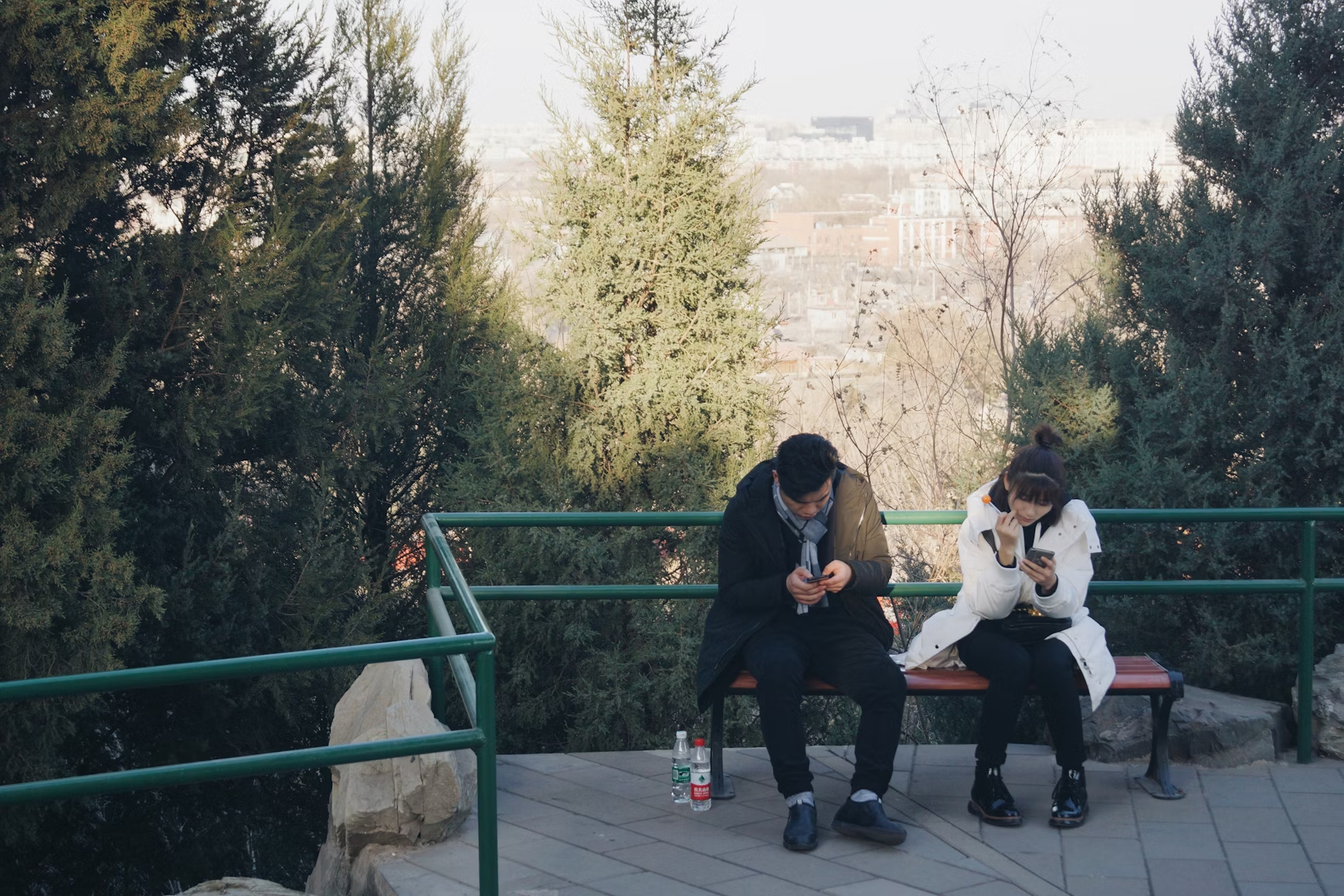
Why are birth rates continuing to fall? Beyond old conservative-progressive social debates, we must look at the way screens have changed our daily lives — creating barriers to the most basic starting point for procreation: face-to-face human connection.
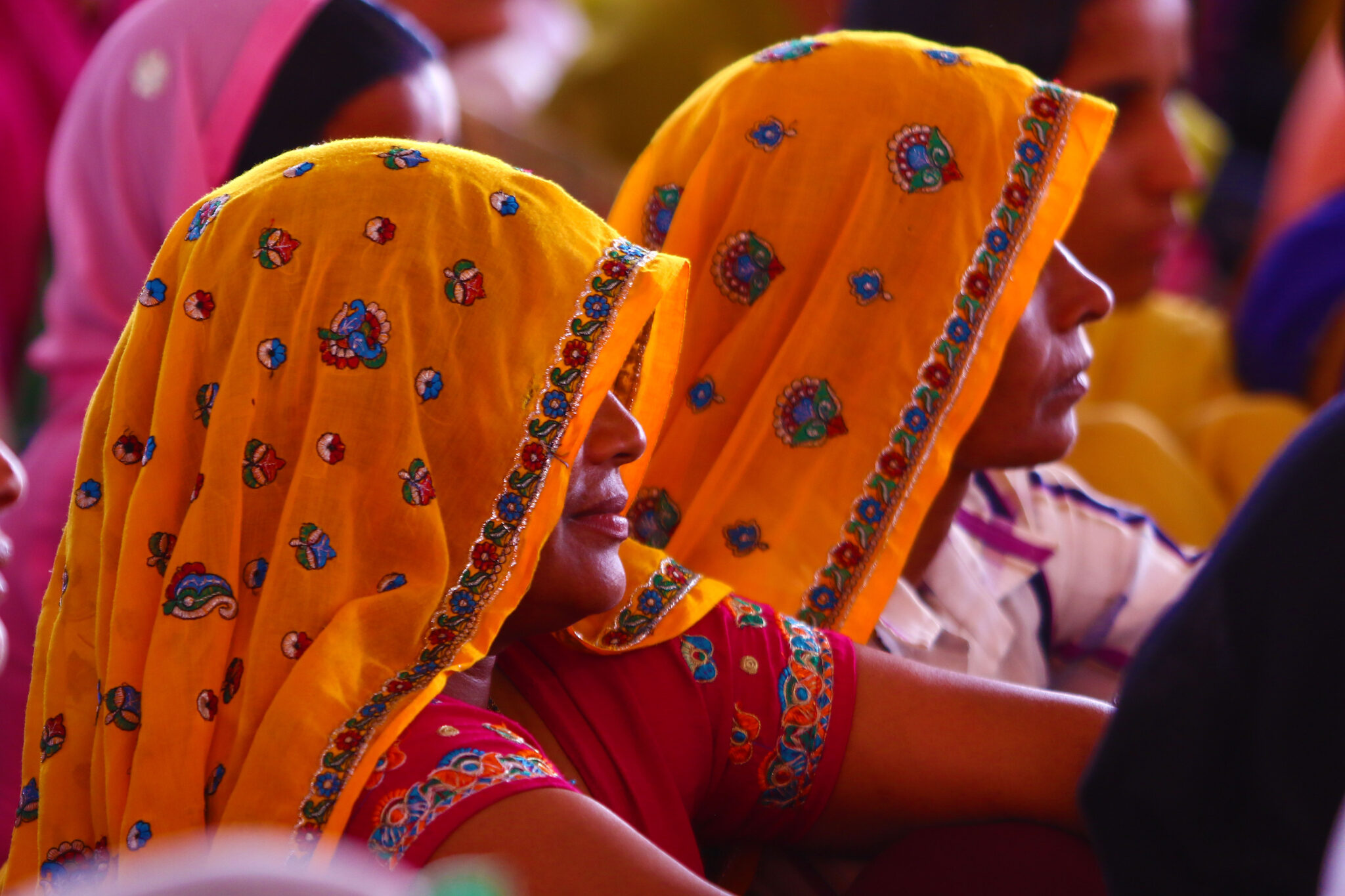
The burden of maintaining the “purity” of caste falls unequally on women.
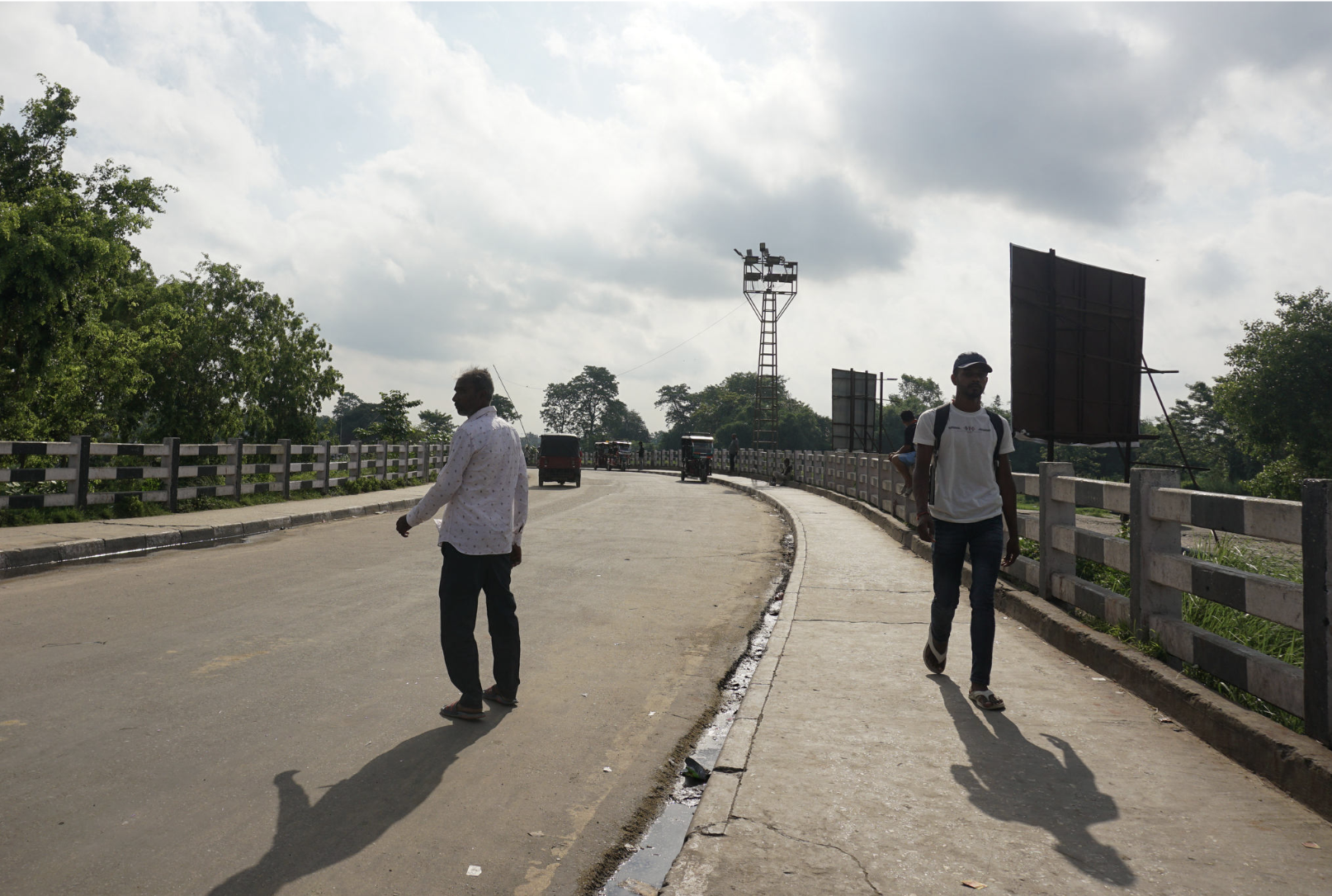
Nepal was late to adopt social media. Now that it’s arrived, cross-border traffickers have access to a much wider field of exploitation.

A writer revisits his own machismo as the discourse between the genders evolves.

Fifty years on, the mass walkout by 90% of Icelandic women still shapes politics, pay equity, and gender norms, from Vigdís Finnbogadóttir’s presidency to today’s parental leave model.
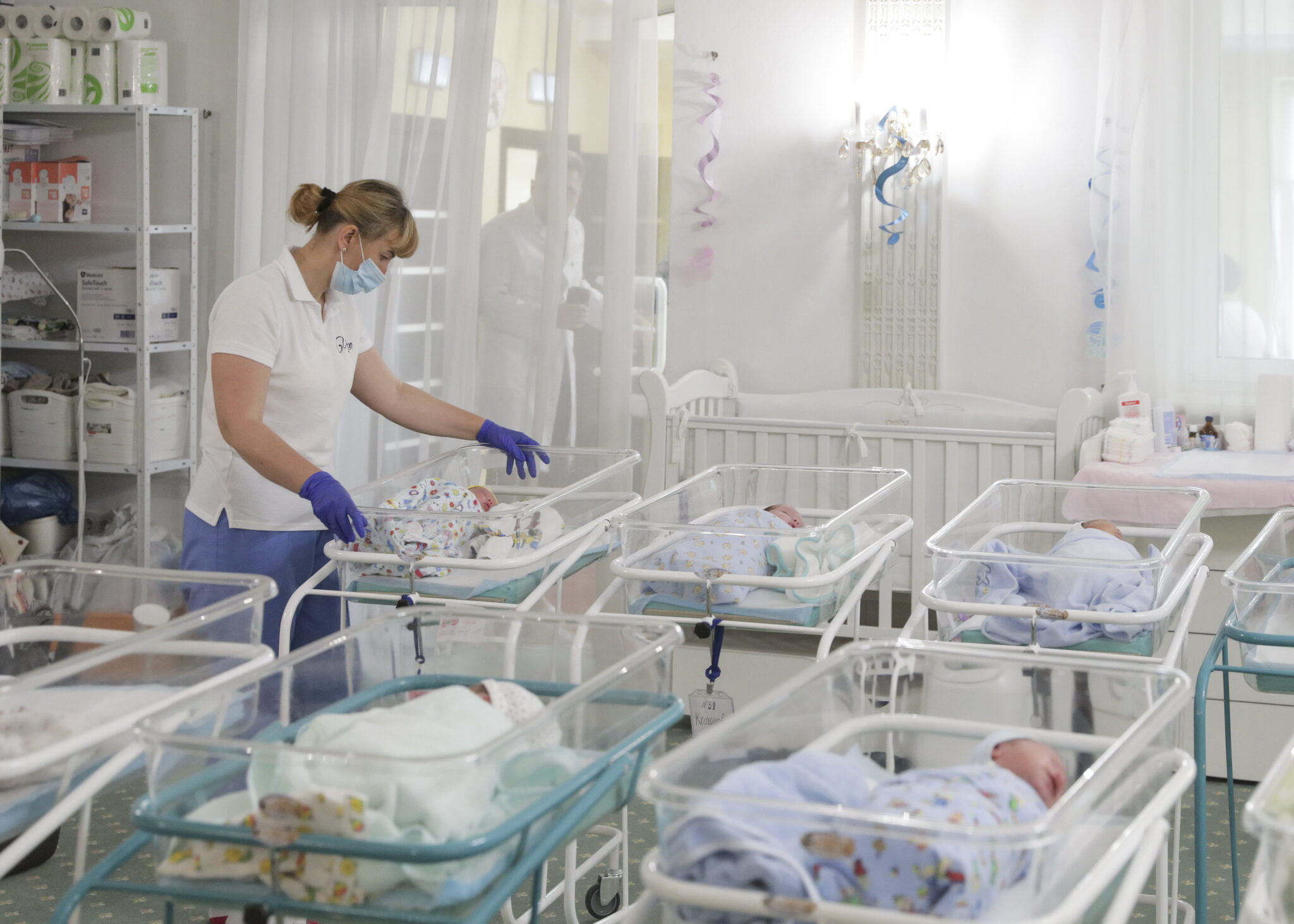
Surrogacy’s health risks raise ethical issues over whether the practice is exploitative and should be banned.
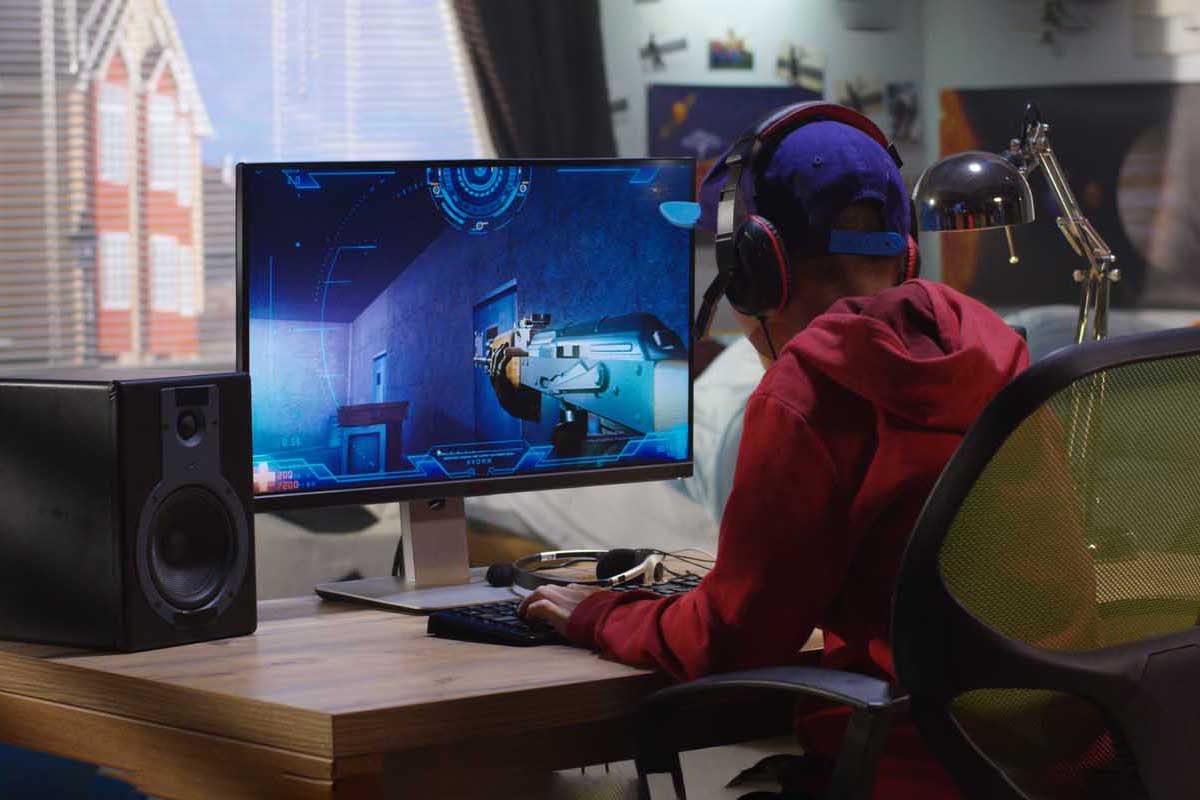
A decade after the Gamergate scandal, women in the gaming world continue to face abuse, while research shows misogyny has become embedded in gaming culture despite industry pledges to change.
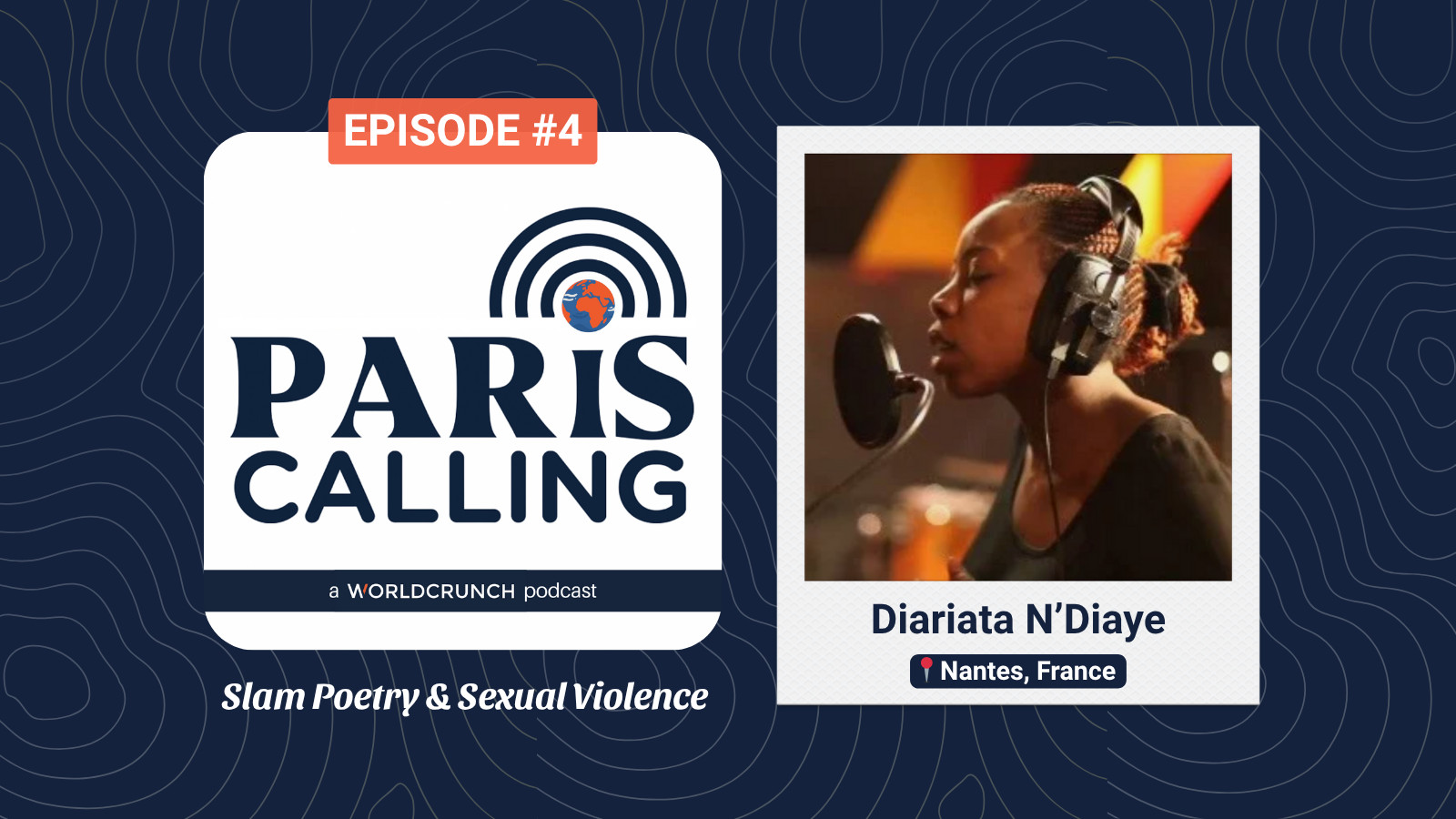
Paris Calling, Worldcrunch’s new podcast series, where each episode introduces you to a notable person, from somewhere in the world, in their own voice, in English. Today, we have Diariata N’Diaye, a French slam poet and activist who founded an association raising awareness among young people about sexual violence.
The UK government will not meet its pledge to halve violence against women and girls unless it tackles tech companies.
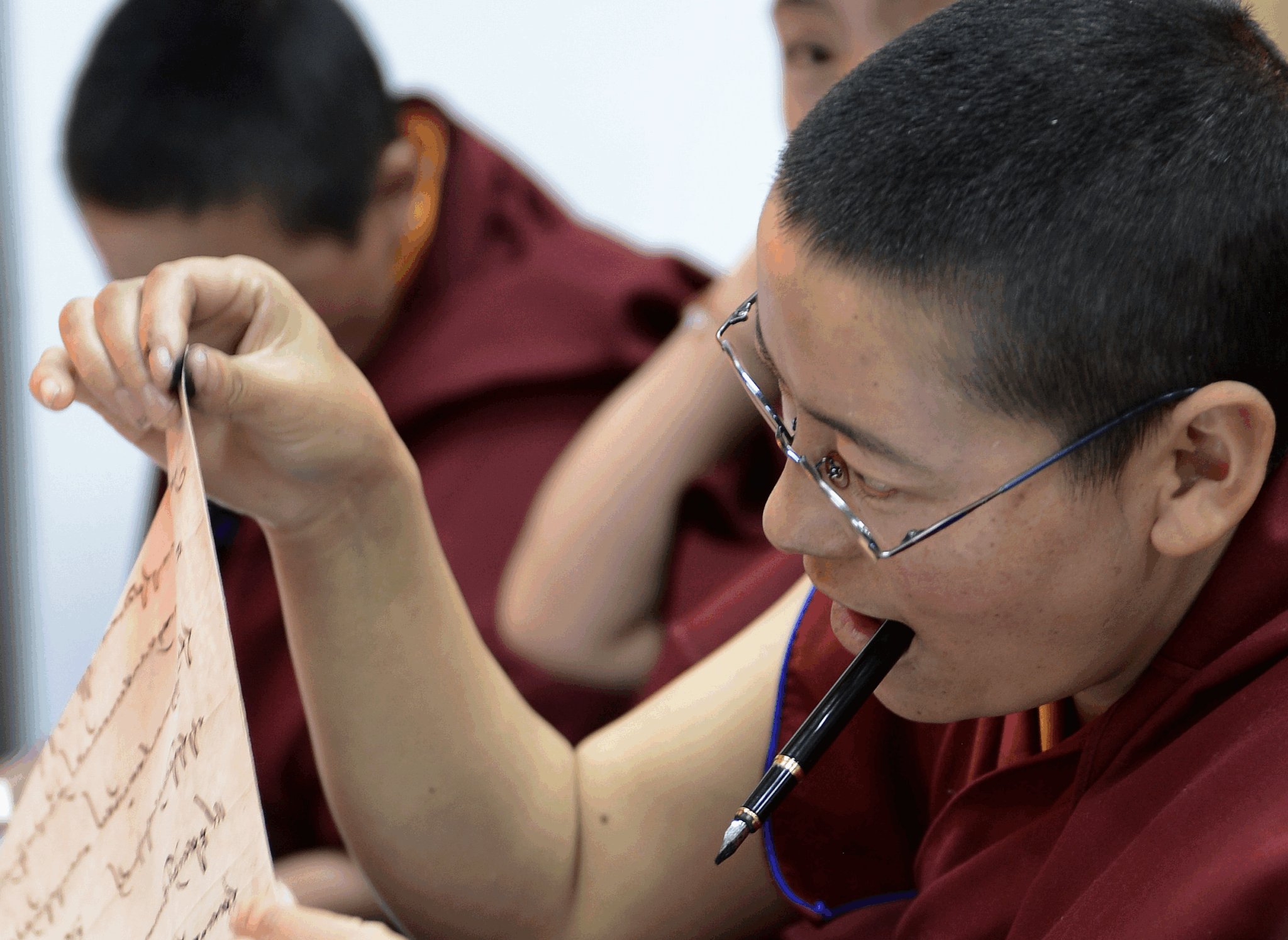
Tibetan Buddhist nuns are breaking centuries-old barriers, earning the highest degrees in their tradition and taking on leadership roles across monastic and community institutions.
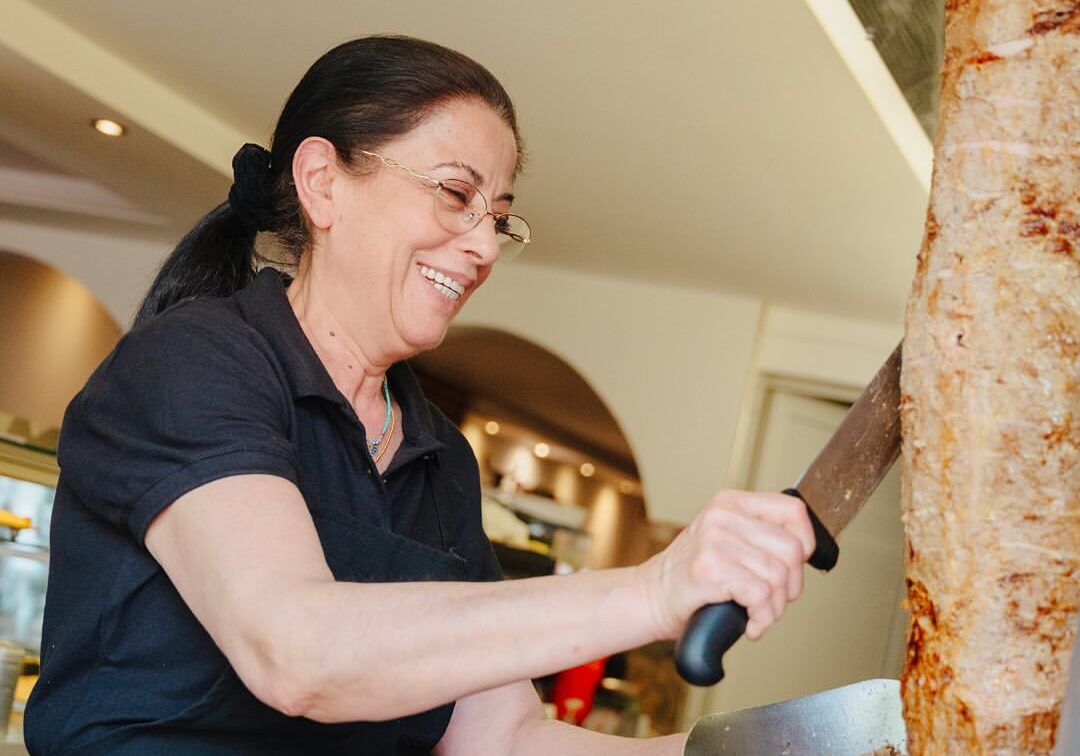
It’s 122° F at the kebab grill. My mother has been standing there for 35 years, and I’ve been joining her there every day now, even though I’m still at university. Because that’s our form of resistance.

Paris Calling, Worldcrunch’s new podcast series, where each episode introduces you to a notable person, from somewhere in the world, in their own voice, in English. Today, we have Karol Noroña, an Ecuadorian investigative journalist who was forced into exile after her work on her country’s cartels led to death threats.
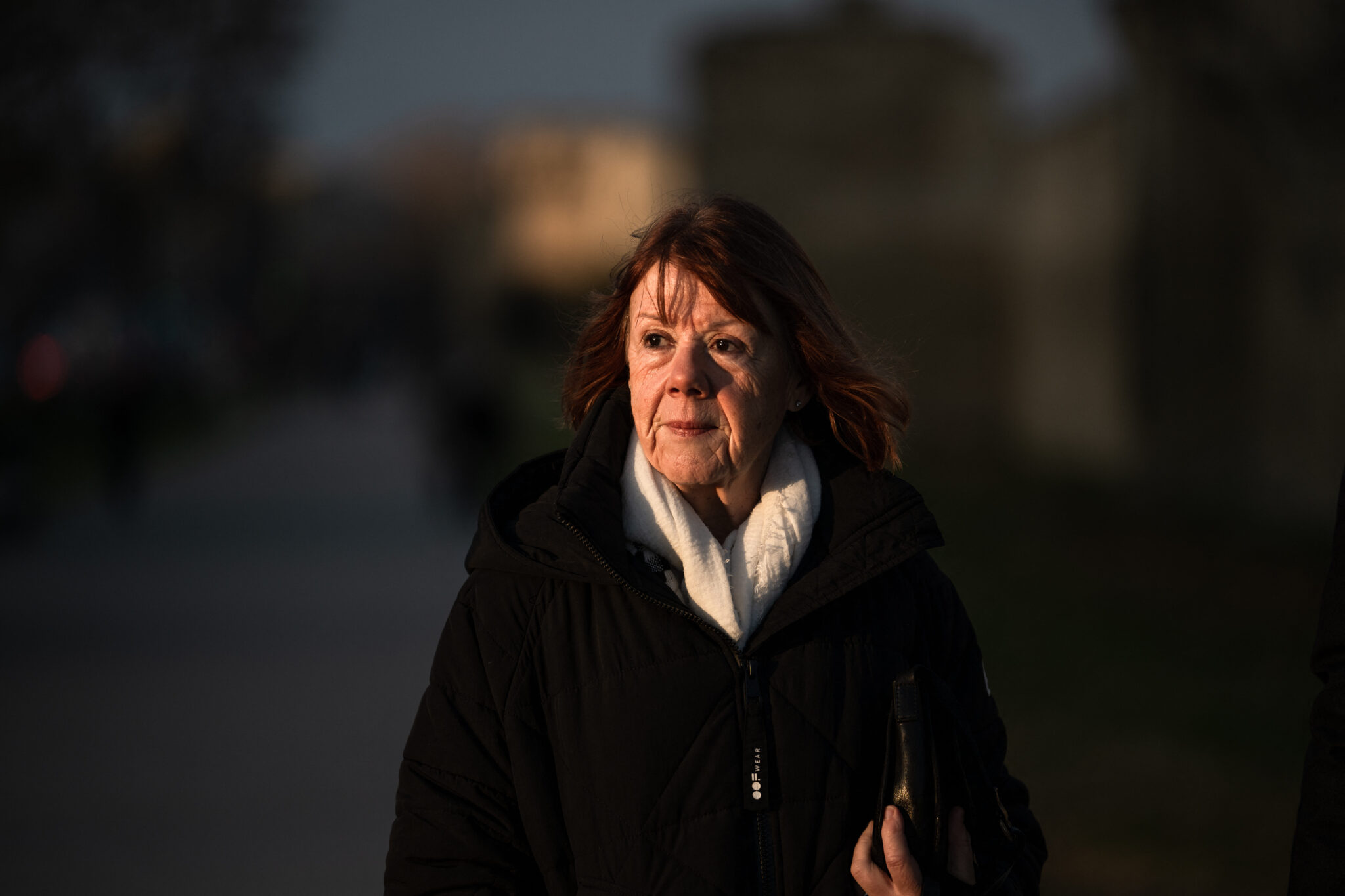
A year has passed since the start of this historic Mazan rape trial. Far from the courtroom in Avignon, how has the woman who became a global icon emerged from her journey into the depths of darkness?
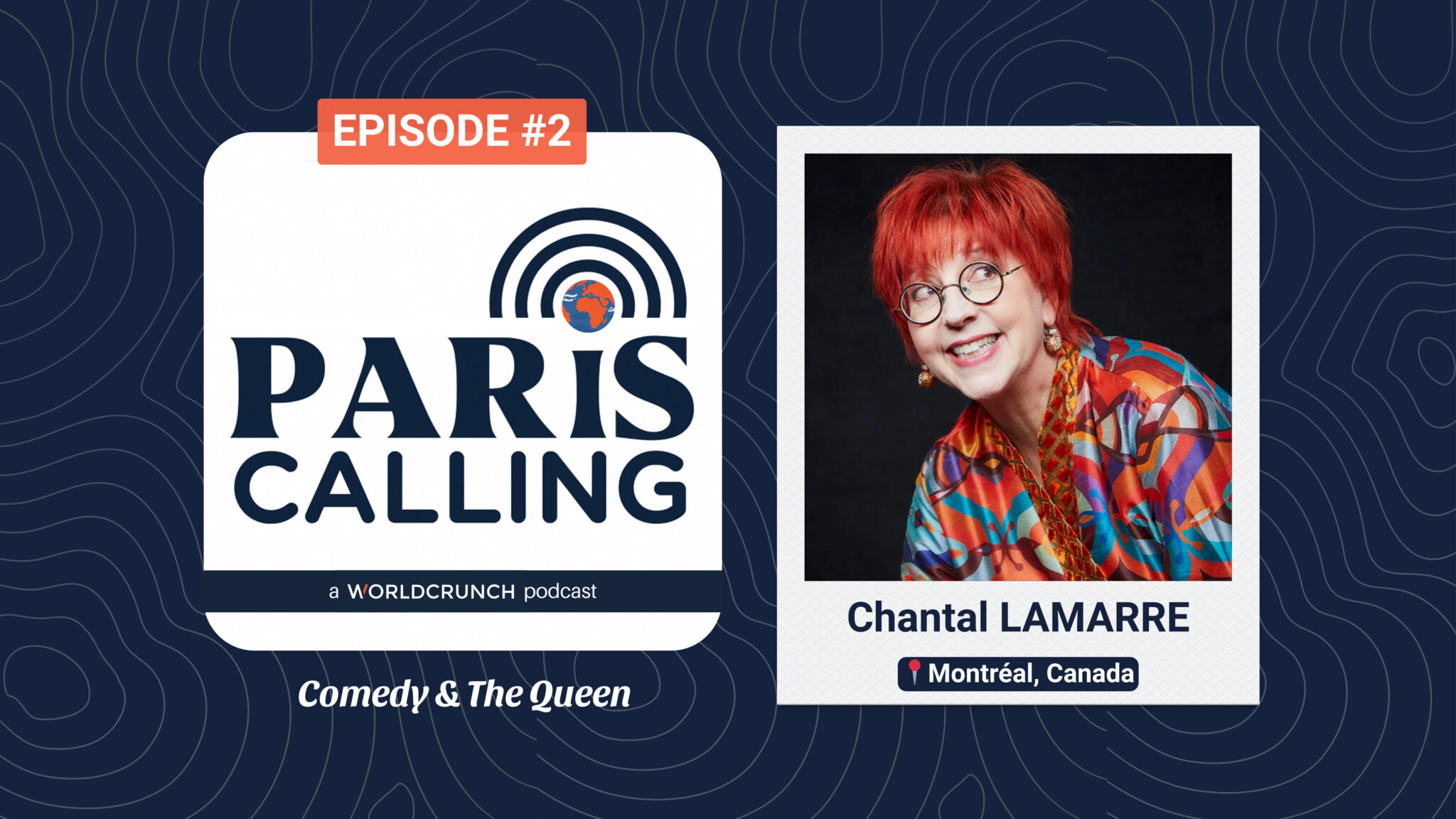
Paris Calling, Worldcrunch’s new podcast series, where each episode introduces you to a notable person, from somewhere in the world, in their own voice, in English. Today, we have Chantal Lamarre, a well-known Canadian comedian, actor, and TV presenter who walks us through her self-discovering journey from a shy kid to an outspoken performer, and plenty more material in between.
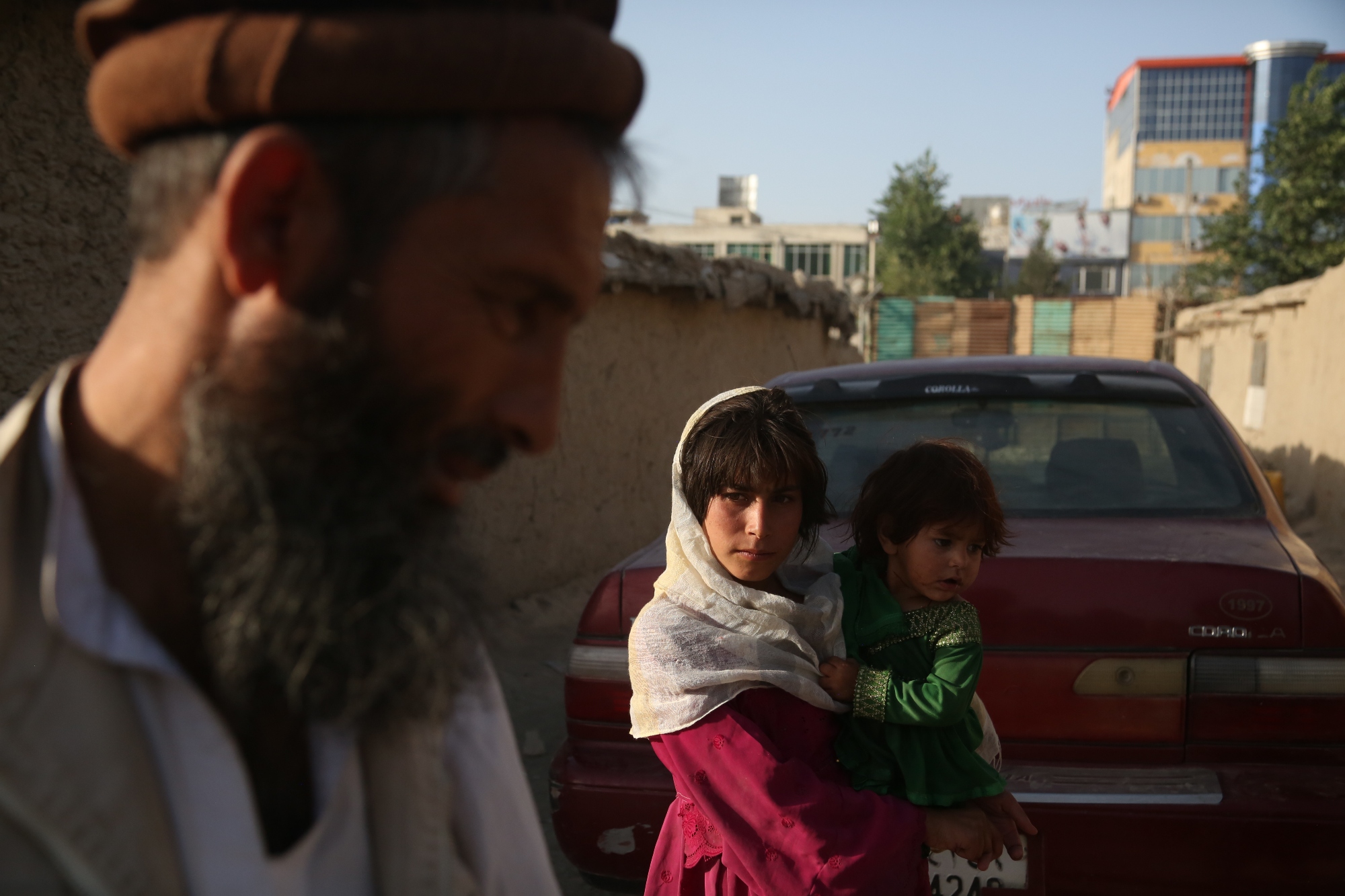
In Afghanistan, where it is considered a disgrace to have only daughters in a family, some families raise their girls as boys — giving them male names, boys’ clothes and the freedoms typically denied to Afghan girls. But what happens to these girls when they grow up?
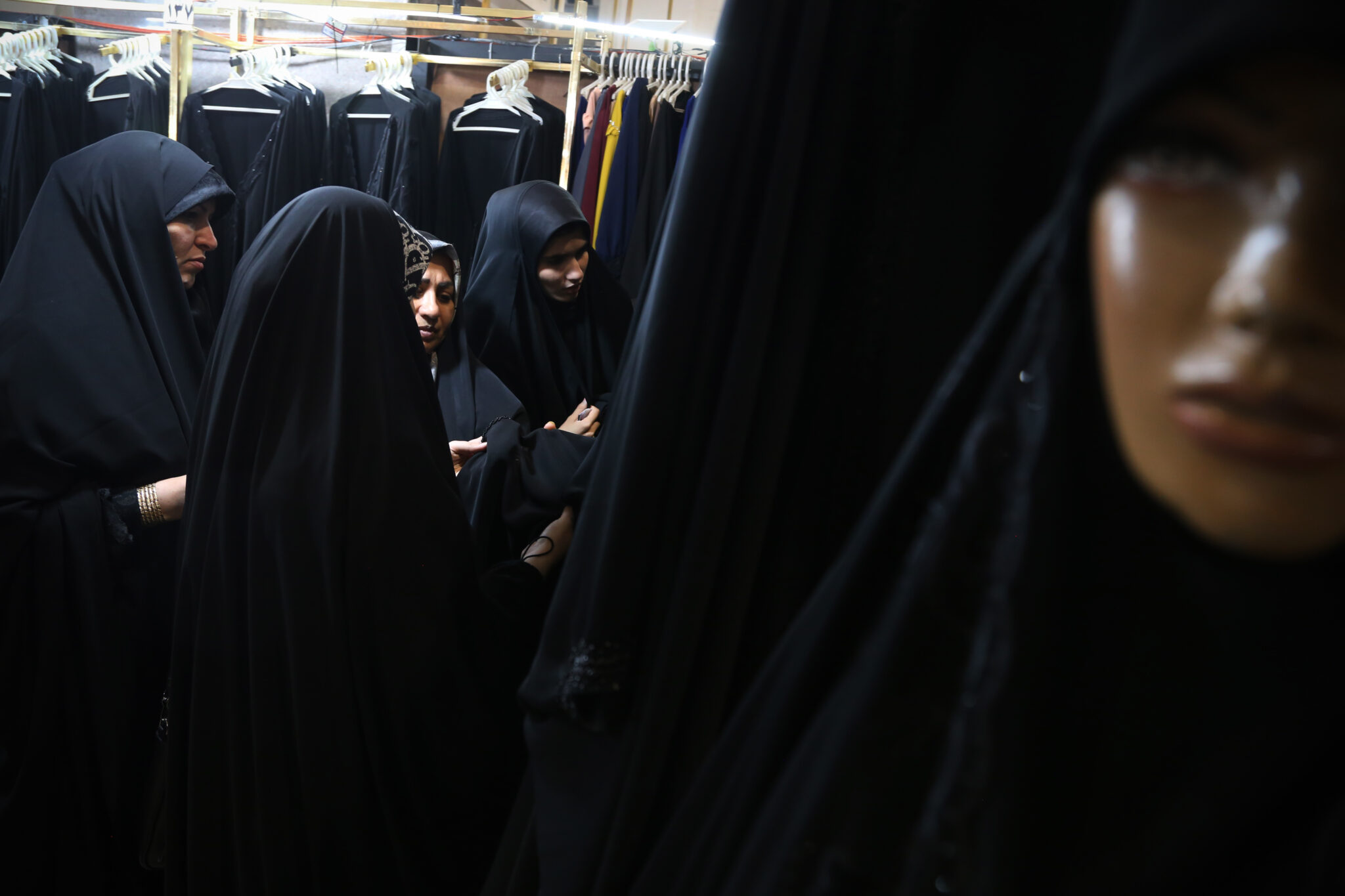
In Muslim-majority societies, discriminatory laws, cultural traditions, and religious justifications conspire to make the murder of women an accepted norm rather than a societal tragedy.
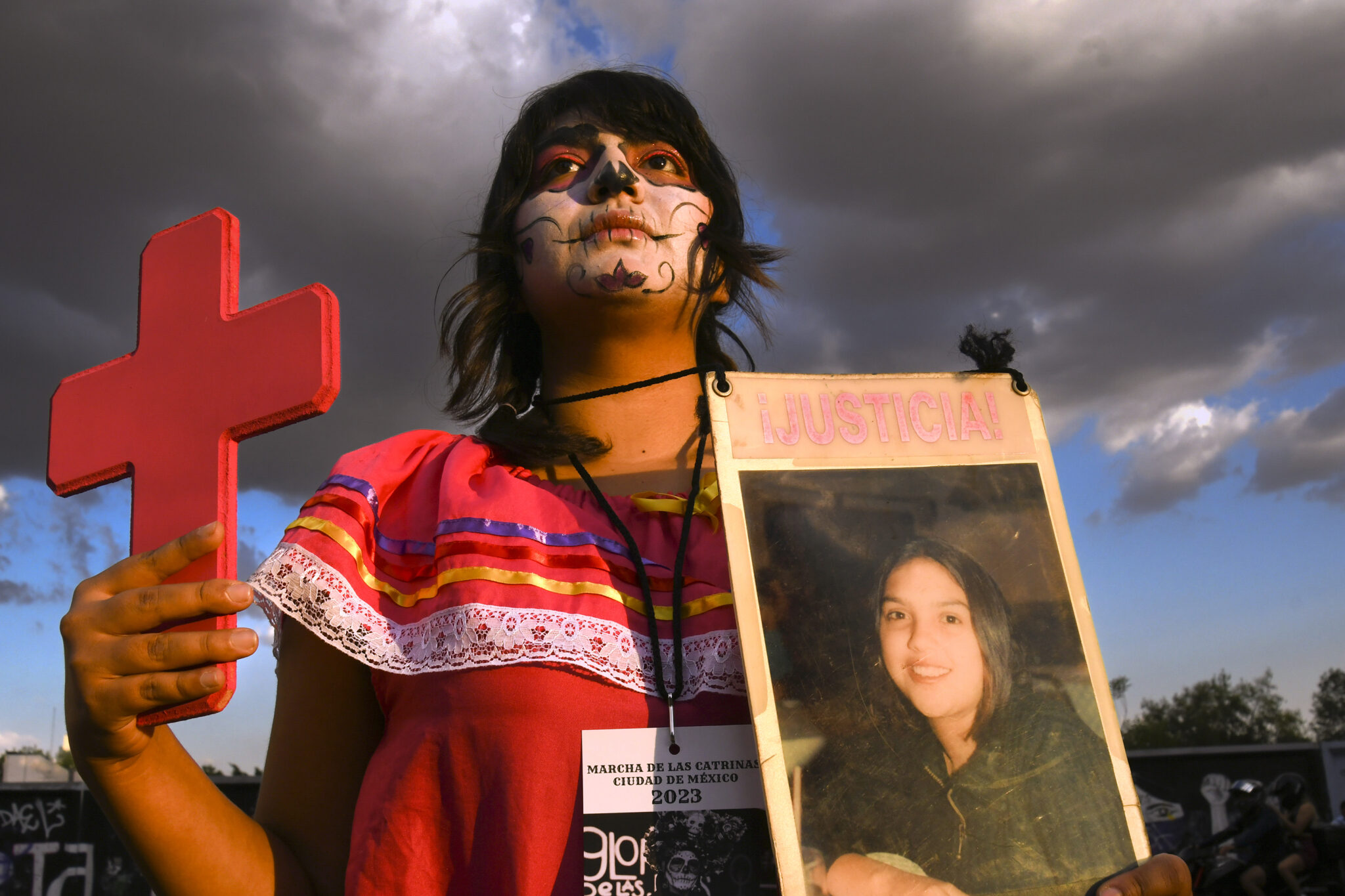
Since its entry into force in June 2016, a Mexican law intended to protect juvenile criminals has been flagged by the families of femicide victims as hindering their access to justice.
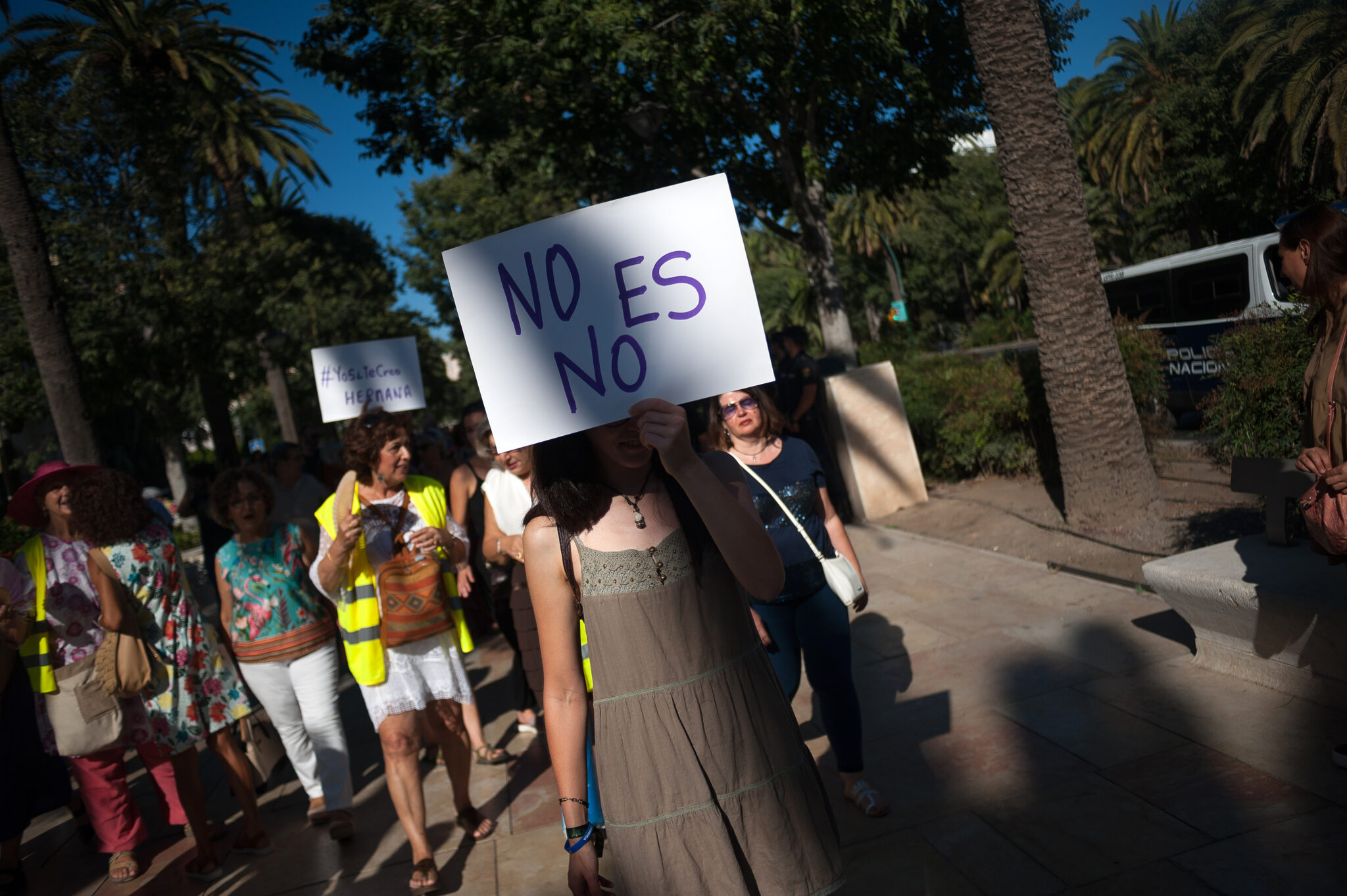
Talking about sexuality and embracing feminist theory collectively is key to dismantling the patriarchal scripts that normalize sexist and sexual violence. By integrating theory with emotion and practice, we reclaim pleasure, rewrite consent, and forge healthier, more egalitarian relationships.

From unpaid caregiving and beauty routines to the hidden burden of emotional support, some women are starting to demand compensation for the work they do in relationships — work that often benefits men for a lifetime.
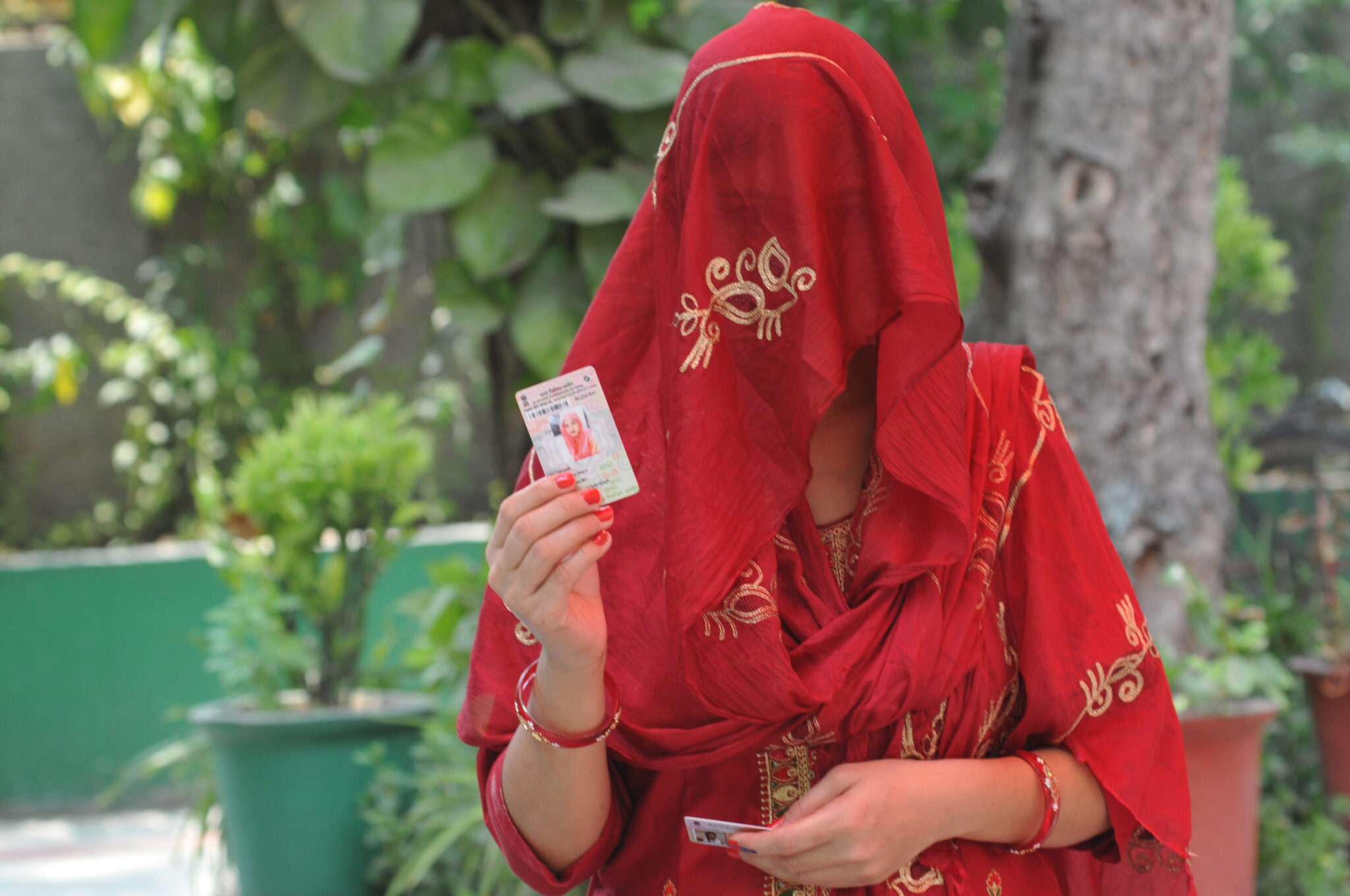
Some women say cash transfer schemes are paternalistic. Others say they’re the only way to get the money they need.

In today’s families, too many women are exhausted, raising children alone in silence. Too many men feel lost, unsure of how to step in. Ignacio Pereyra spoke with Laura Baena and Maite Egoscozabal of Malasmadres — a movement born to dismantle the myth of the perfect mother — about how to rebuild the bridge between the sexes in a world that has changed faster than our old roles allow.
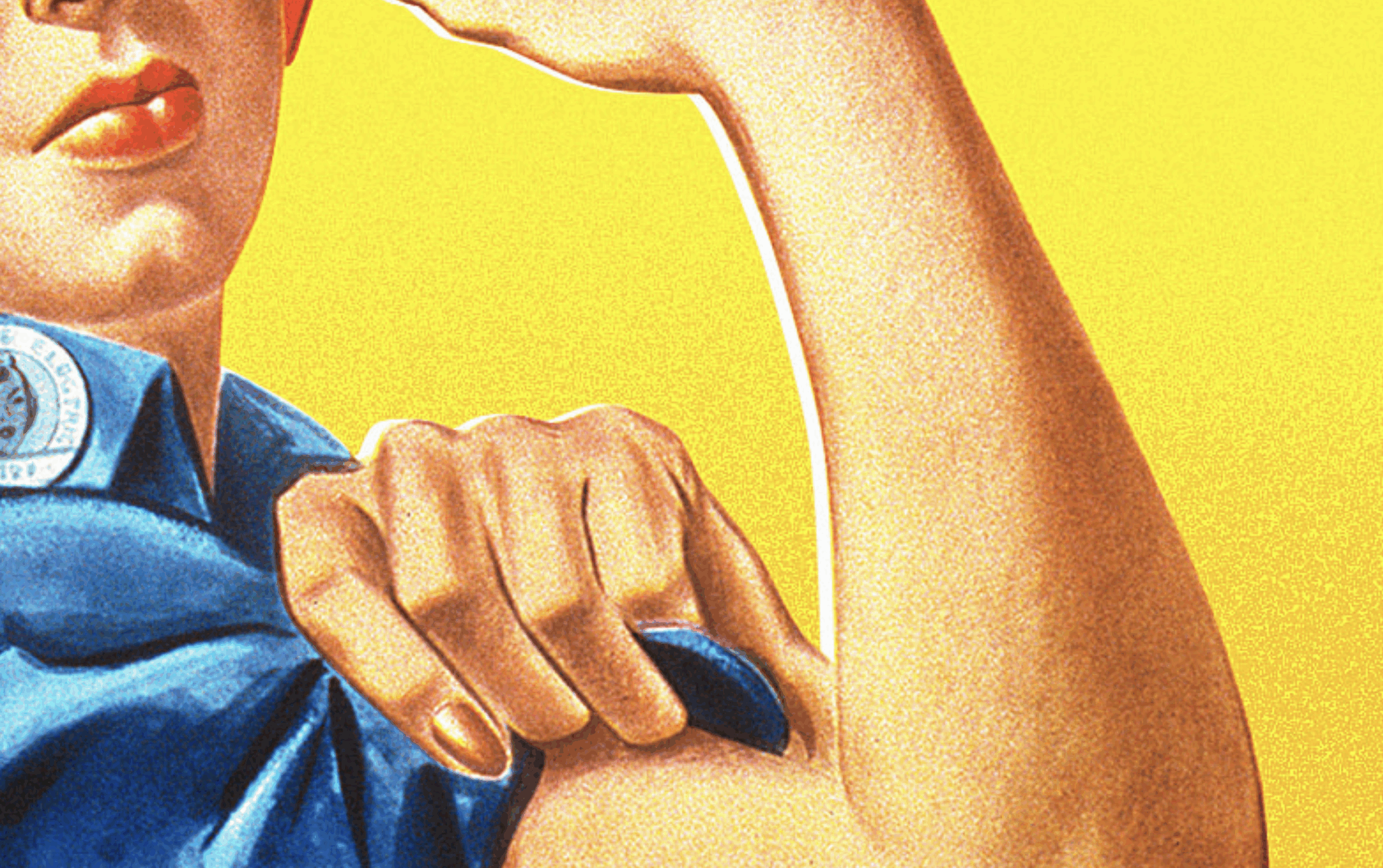
In the 1950s, despite an outward appearance of fulfilled lives, American housewives endured a hidden malaise — “the problem that has no name” — a silent yet pervasive discontent. Self-esteem, which has long been neglected among women, can be nurtured and developed, for both personal and collective wellbeing.
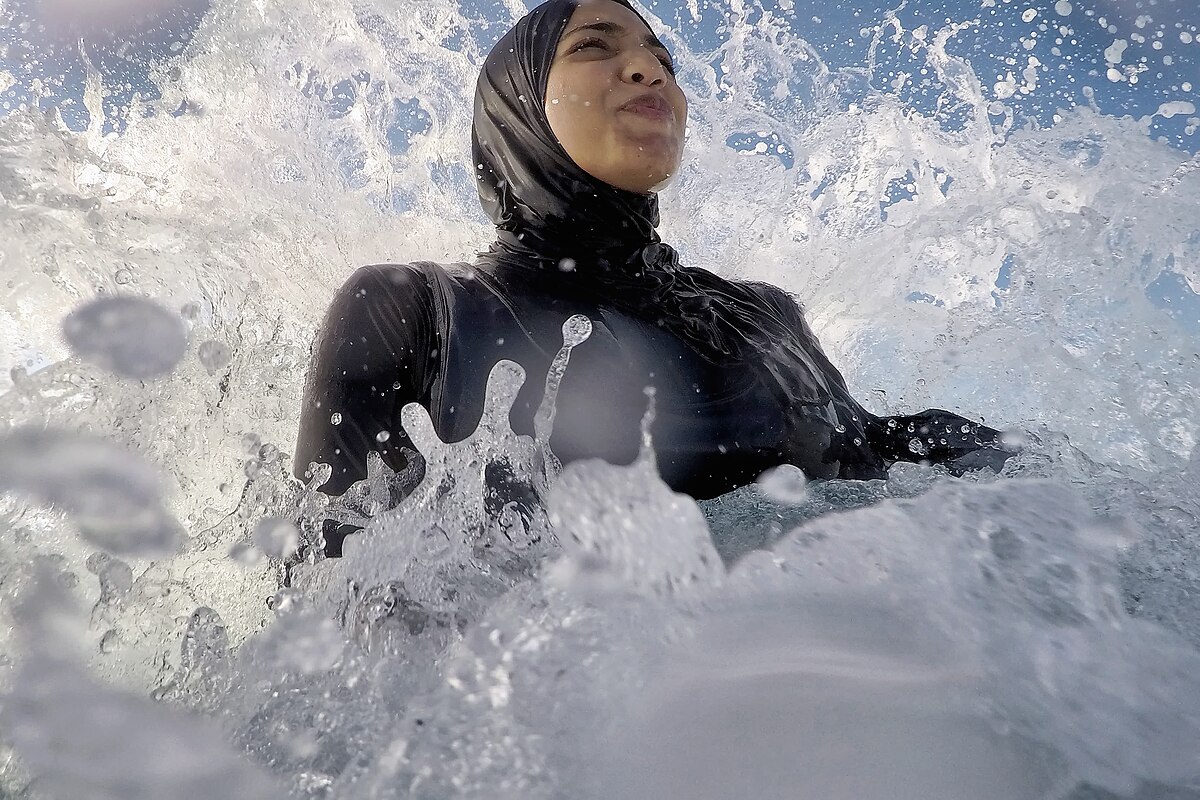
To many Middle Eastern women, the burkini is an elegant compromise between faith and freedom. But to others, it’s a social threat.
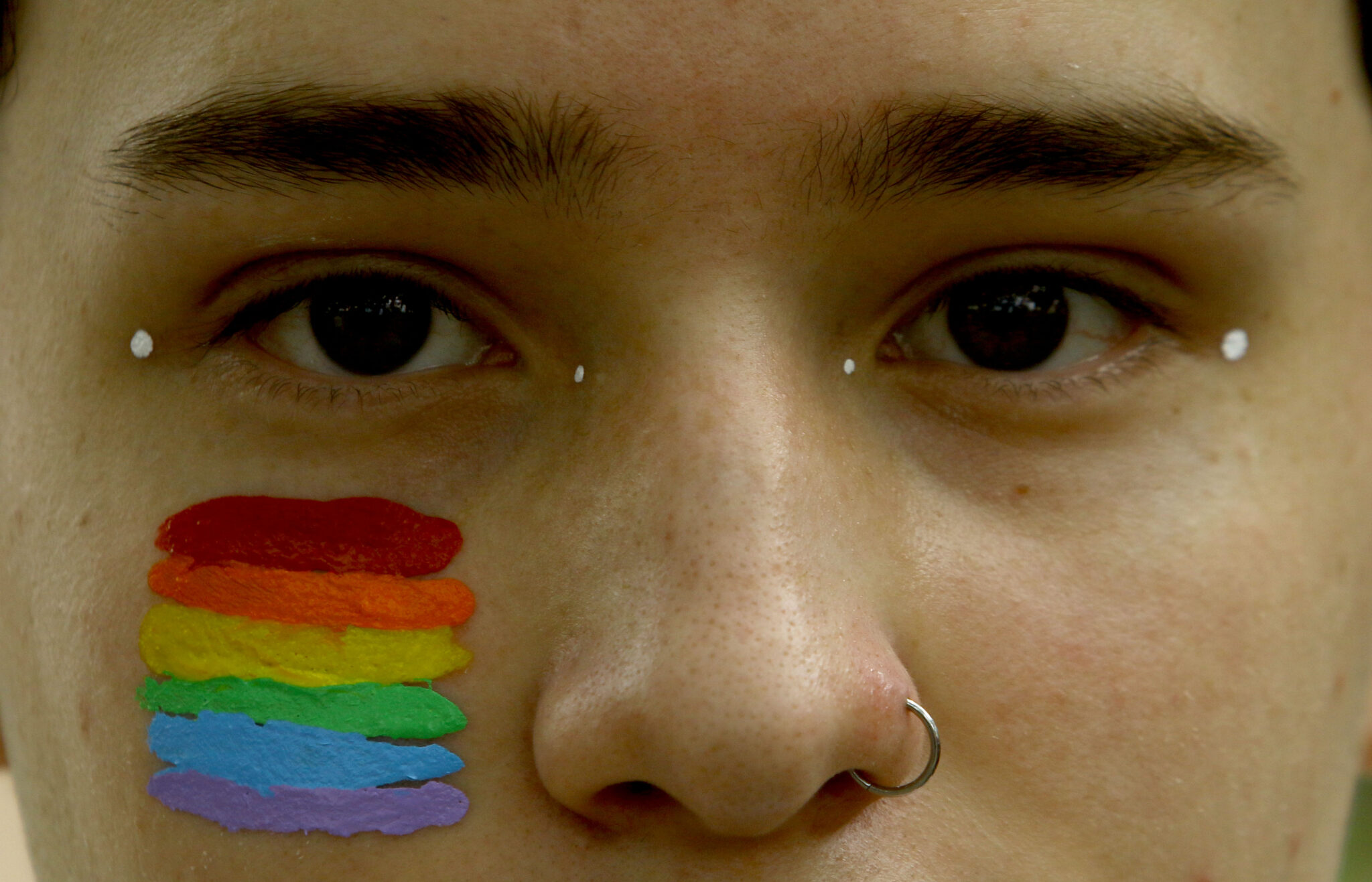
Five activists from organizations and collectives in Venezuela spoke to Latin American feminist media Volcánicas about how the anti-NGO law affects their work and puts their lives at risk.
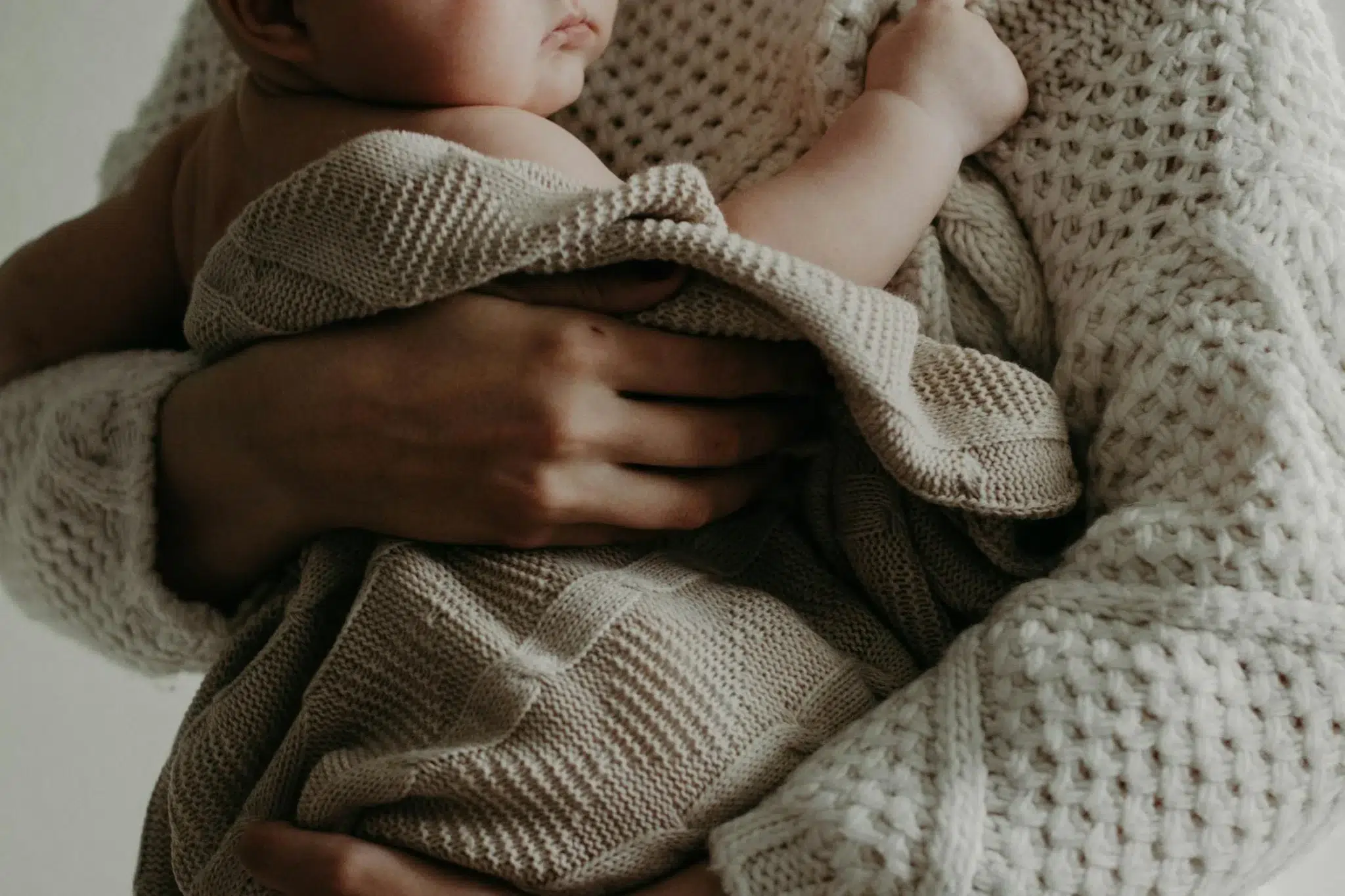
The author, a 49-year-old Kindergarten mom, shares her own experience — and looks at the emerging science about raising children later in adulthood.
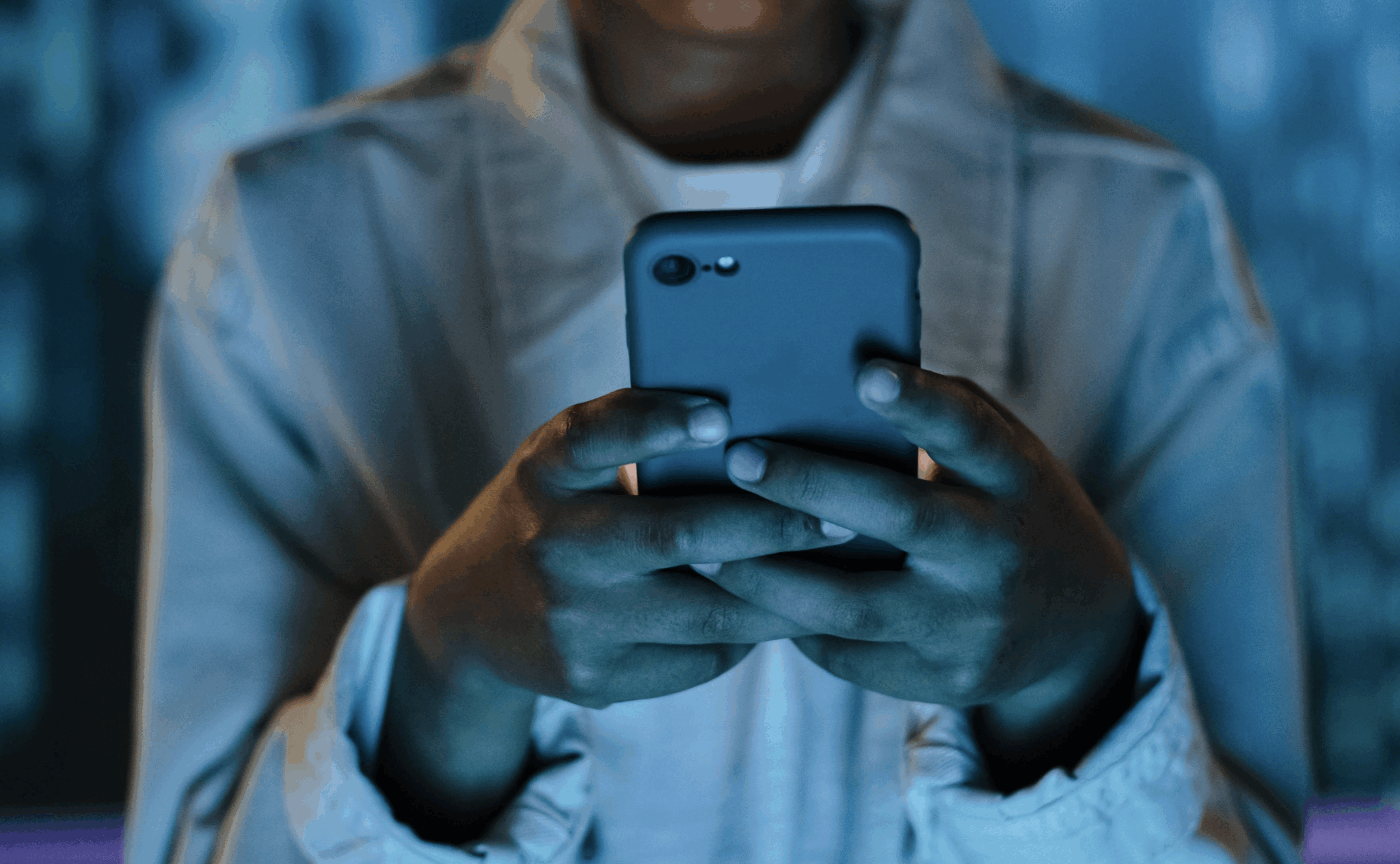
While parents are busy working, ideologues are targeting their children online with misogynistic propaganda. Die Zeit’s Caroline Rosales always thought it could never happen to her.

Long seen as a gesture of male camaraderie, the humble back pat may hold unexpected power. Why women should start doing it too, and how it could reshape success in the workplace.
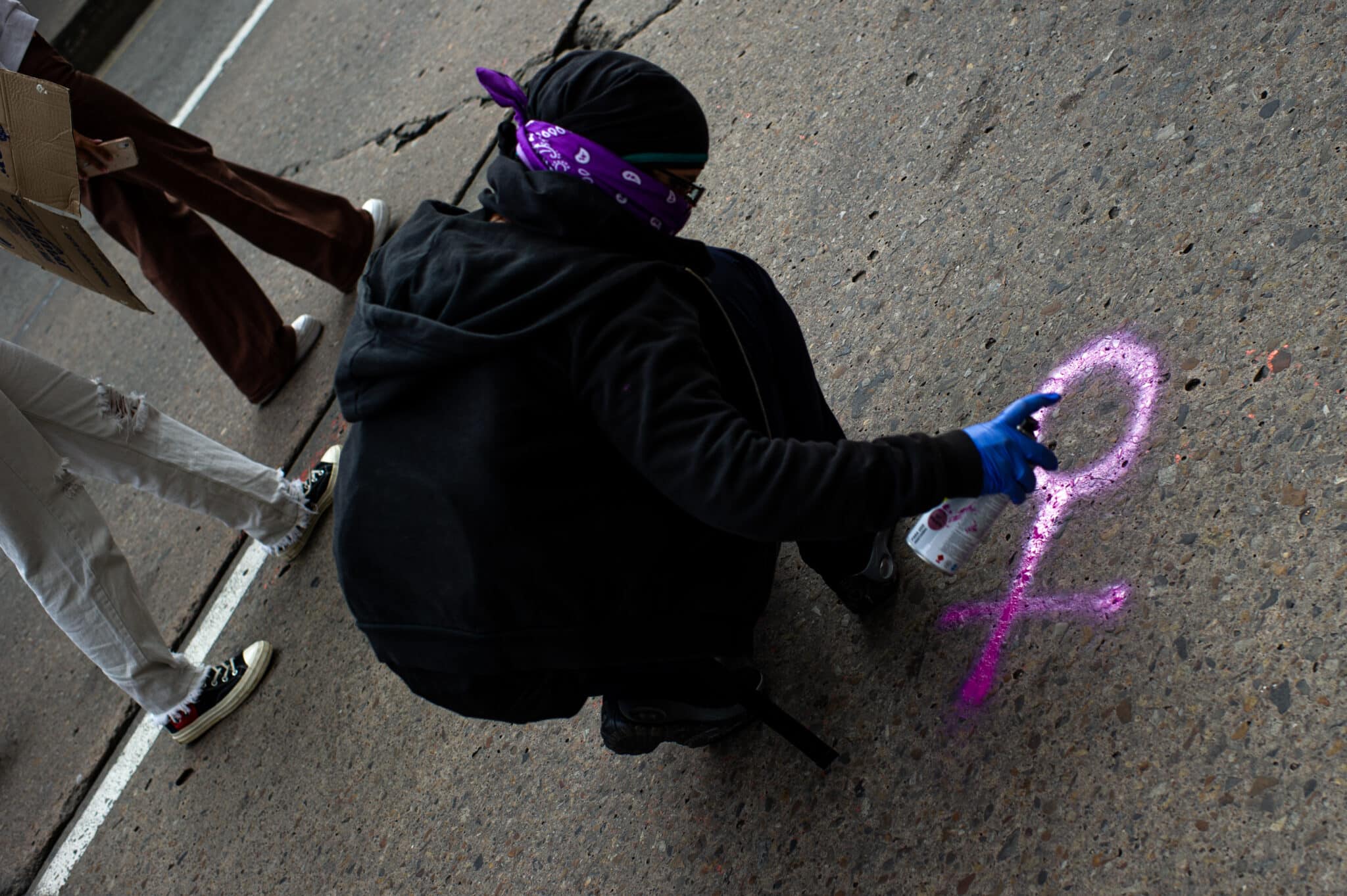
Nothing in cities and spaces is random. Bathroom lines, street names, and the maps we use every day also tell a story of inequality. Feminist geography seeks to make visible what is often overlooked and proposes a more equitable way of inhabiting space.

The murder of an 14-year-old girl in Italy by her ex-boyfriend has sparked reflection on how patterns of control and possession, long associated with adult relationships, are now increasingly present among adolescents.
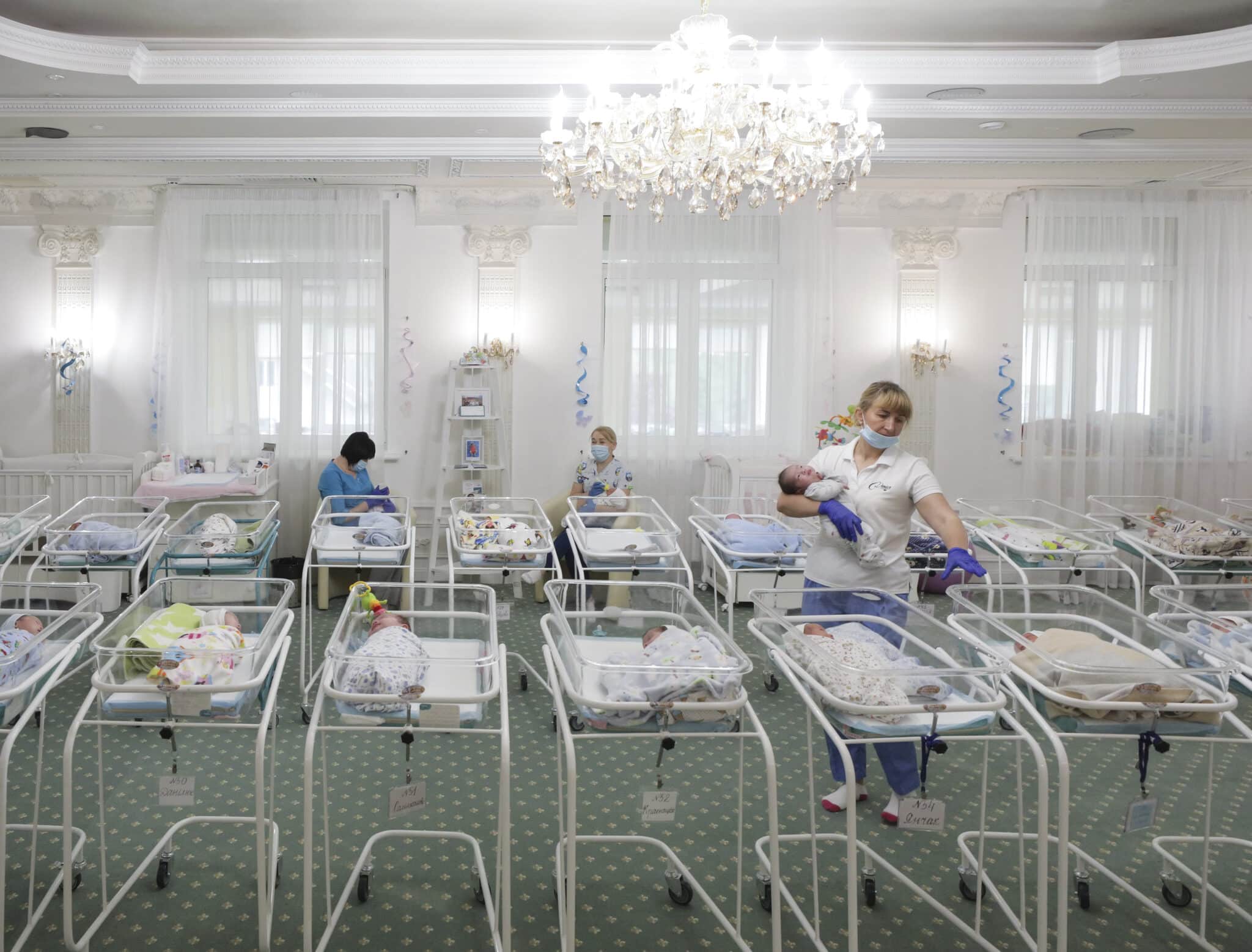
Since the start of the Russian invasion, Ukrainian surrogacy clinics have expanded their market to China and the Arab countries and have increased the range of services, including births in Greece, Cyprus and Georgia.
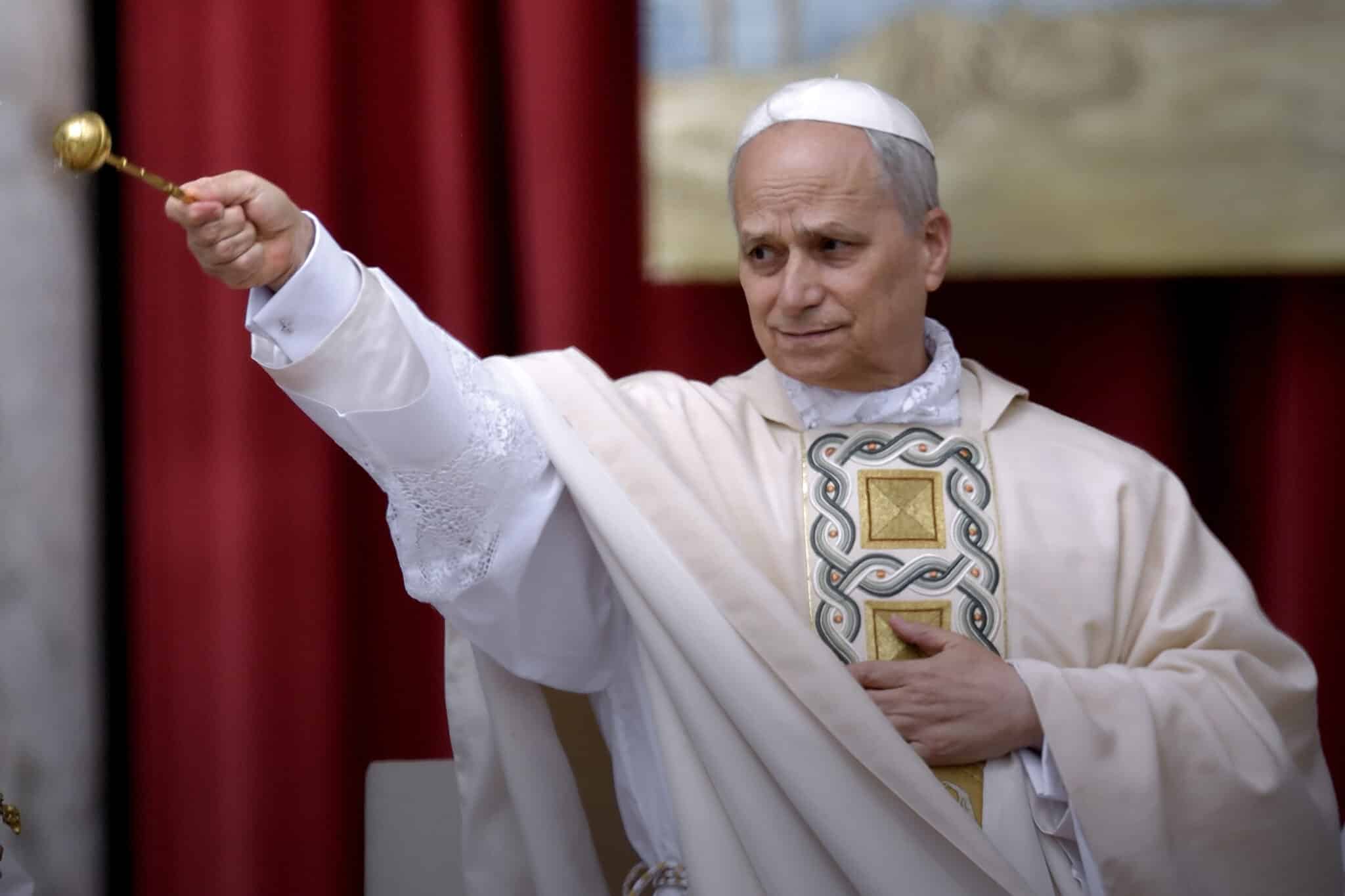
With the arrival of the new Pope, can we expect a new stance from the Catholic Church on the rights of women and LGBTQ+ people?
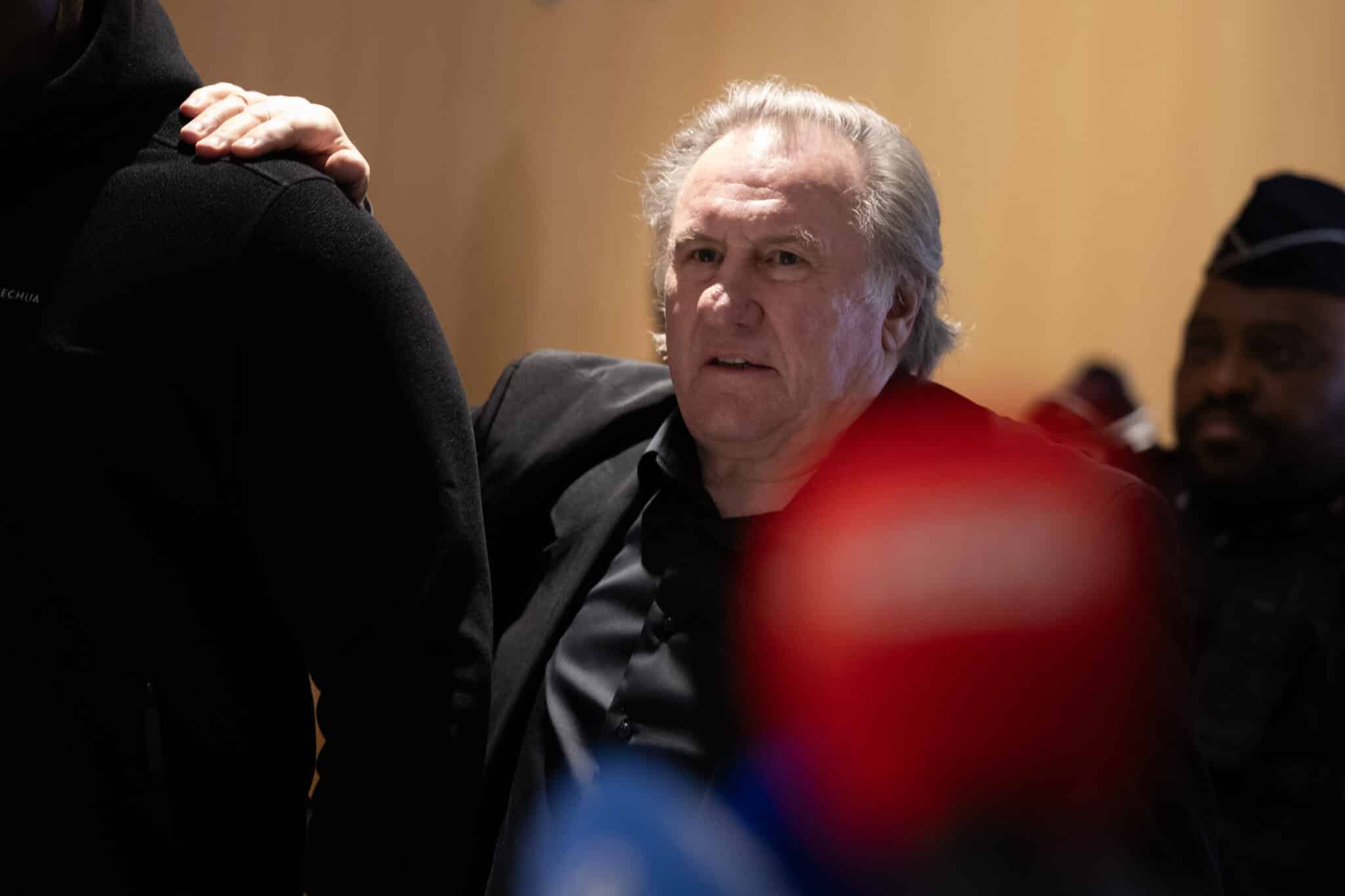
For years, critics have tried to bury #MeToo, often holding up high-profile acquittals as proof of its demise. Yet, when convictions occur, no one calls it a victory for the movement. This contradiction reveals a deep misunderstanding of what #MeToo was — and an urgent need for it to stay alive.
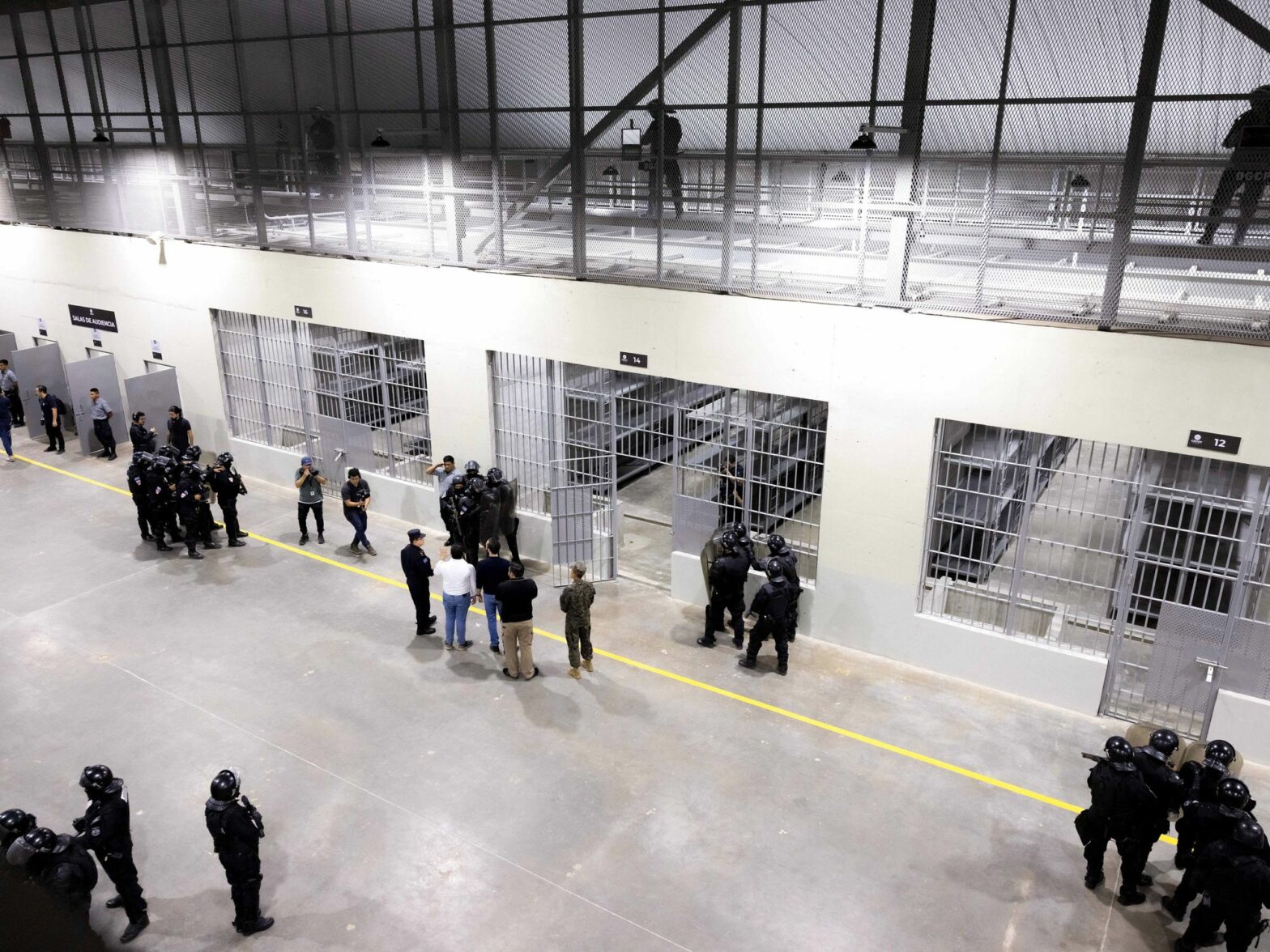
Human rights groups warn that El Salvador’s prisons are marked by overcrowding, lack of access to basic services and repeated rights violations — but that the situation is even worse for women, who are already vulnerable sector of the population.
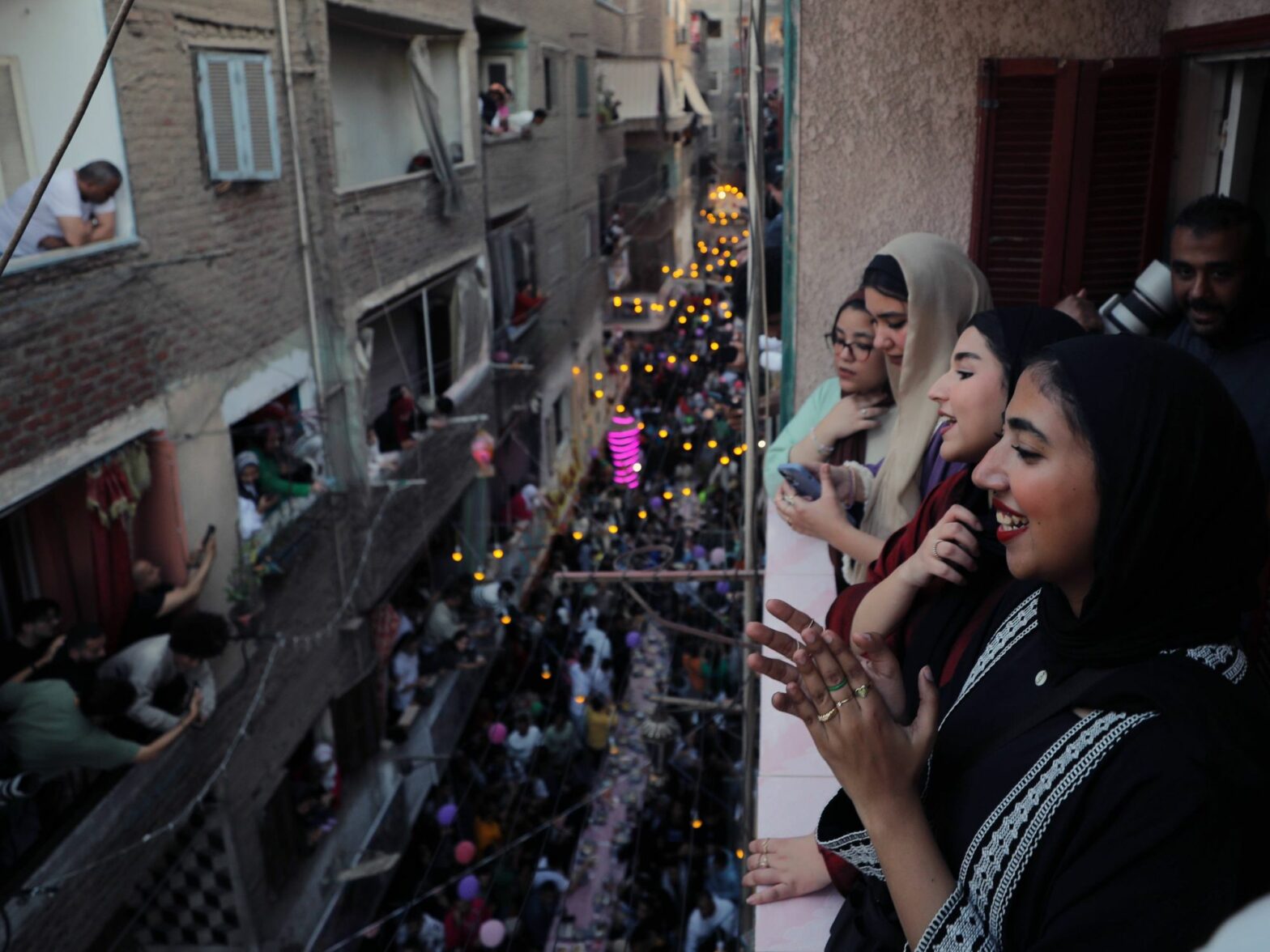
Yet another female social media influencer is facing accusations of violating Egyptian family values. This crackdown, which is linked to Egypt’s broader social and legal climate, disproportionately impacts women.
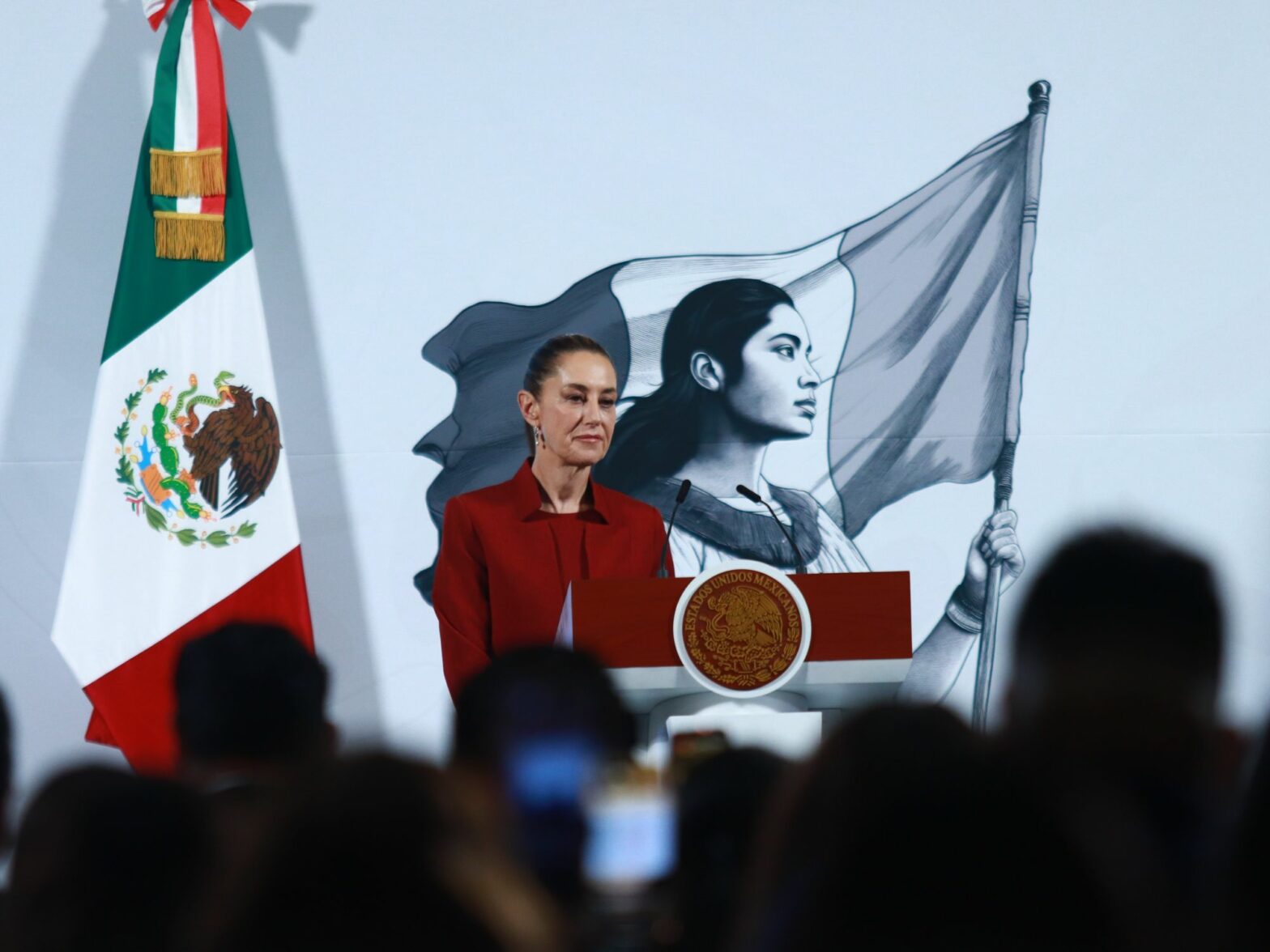
More good news this week from Mexico’s President Claudia Sheinbaum, who has avoided new tariffs from the U.S. What’s the secret to her success? It has to do with her pragmatic interpretation of from the same socialist National Regeneration Movement as her predecessor, Andrés Manuel López Obrador.
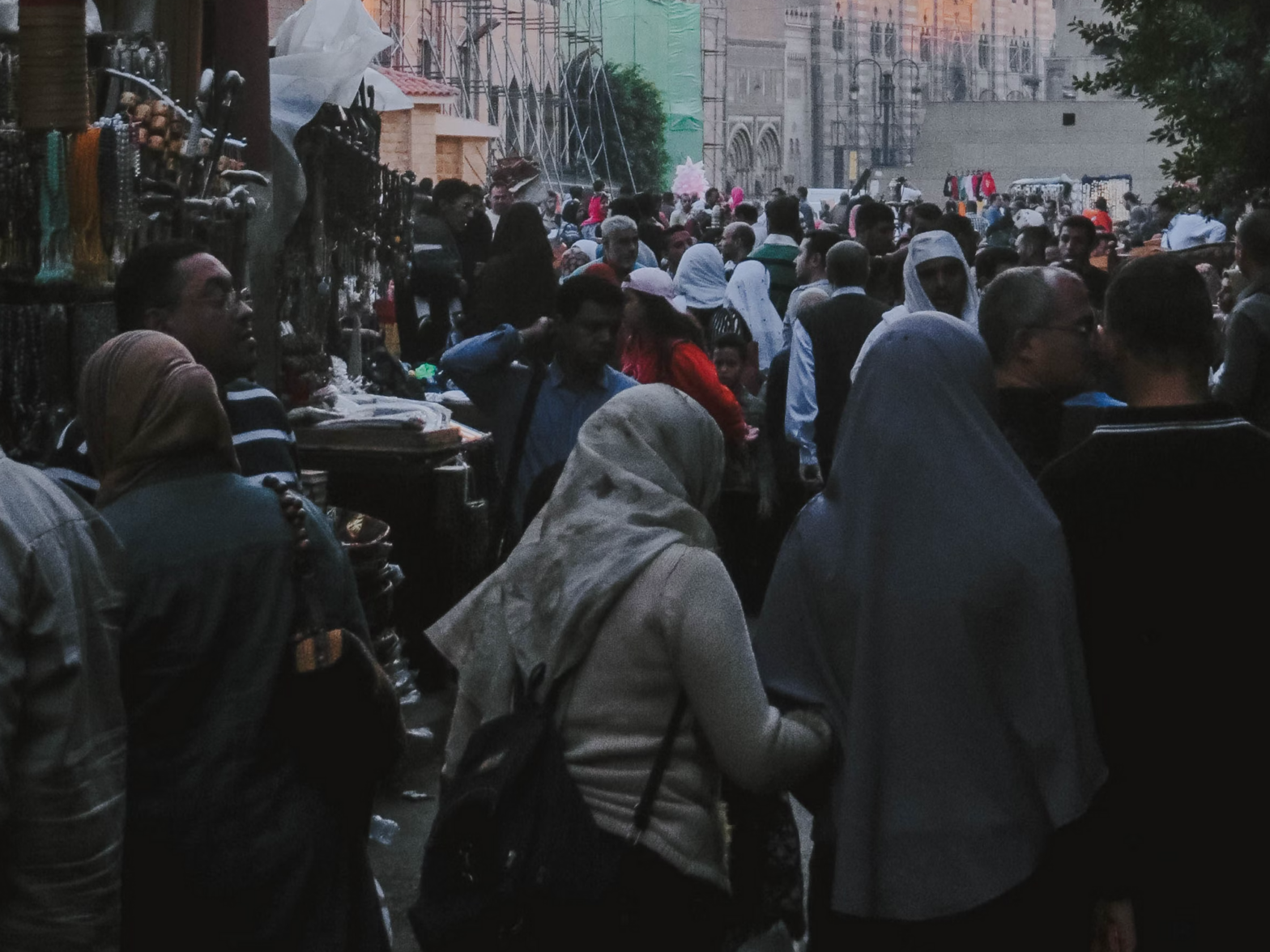
Reducing sentences in family violence cases isn’t uncommon in Egypt. So women struggle from both: their families and the courts.
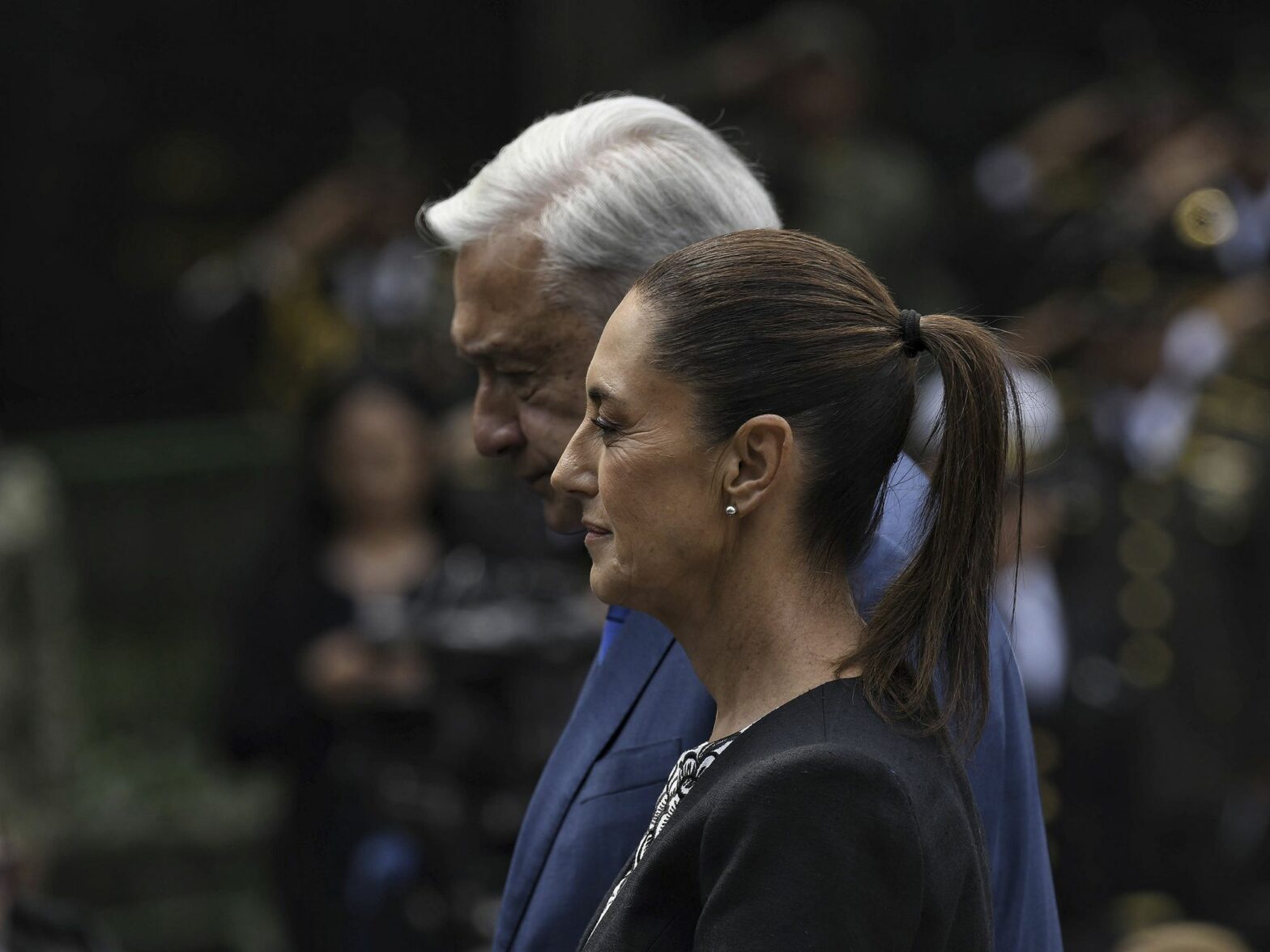
While Mexico’s President Claudia Sheinbaum comes from the same socialist National Regeneration Movement as her predecessor, Andrés Manuel López Obrador, their stories are different. What does that mean for the country’s future?
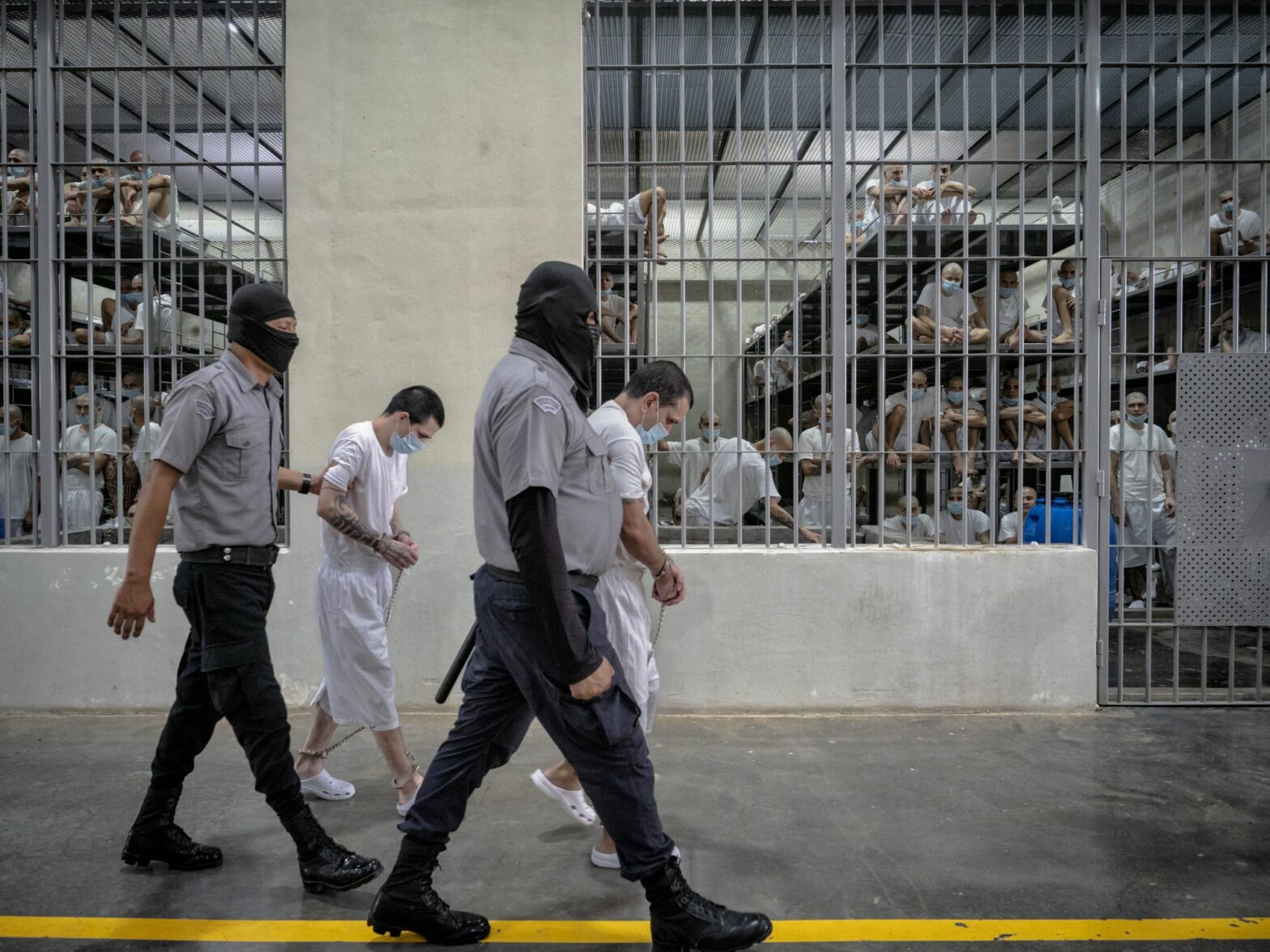
Human rights groups warn that El Salvador’s prisons are marked by overcrowding, lack of access to basic services and repeated rights violations — but that the situation is even worse for women, who are already vulnerable sector of the population.
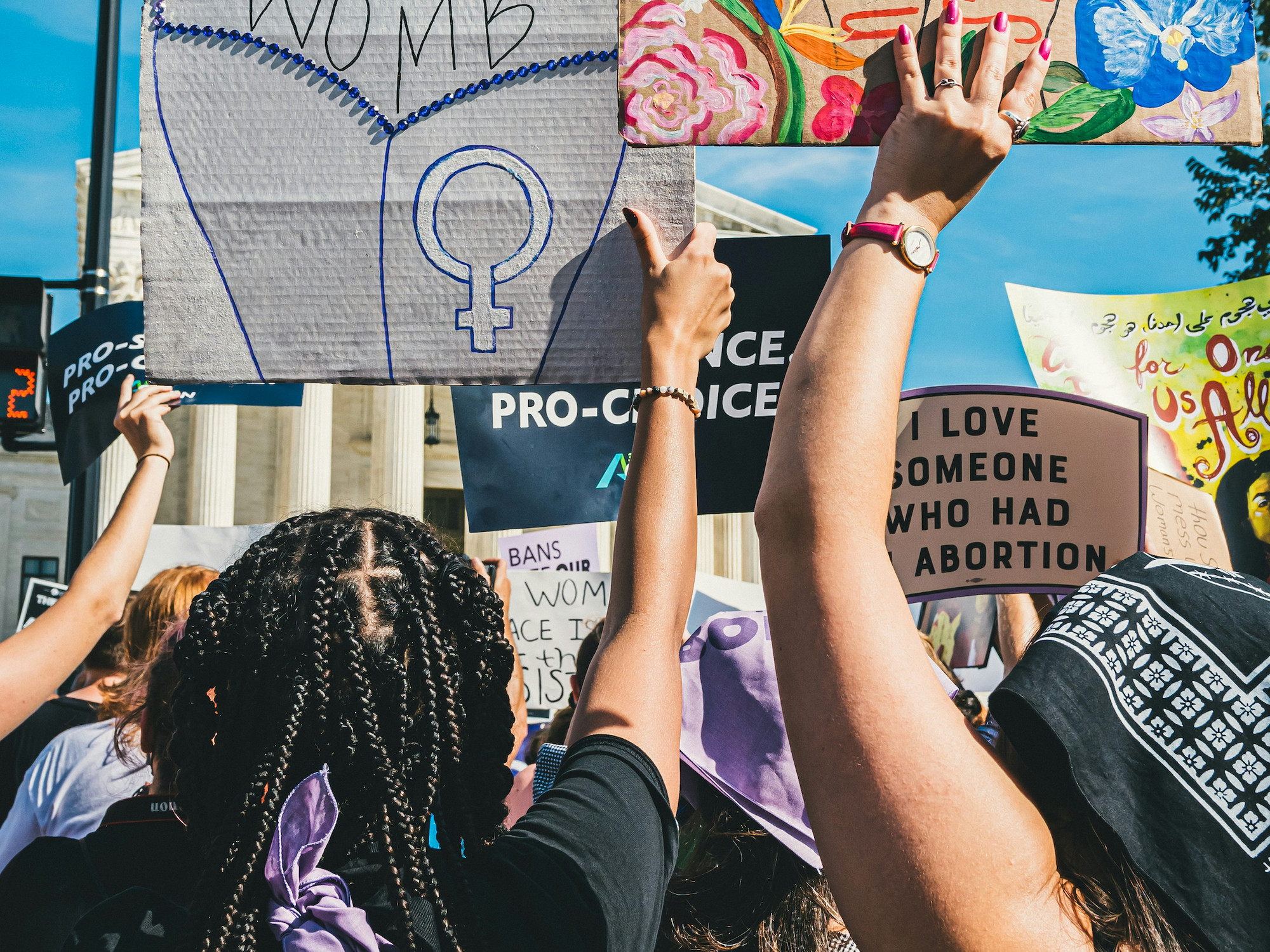
In countries steeped in patriarchal culture, like Poland and South Korea, fighting for feminist values could be driving some women to give up childbirth. As the word marks International Women’s Day on March 8, we take a look at international examples of women pushing back against societal expectations.