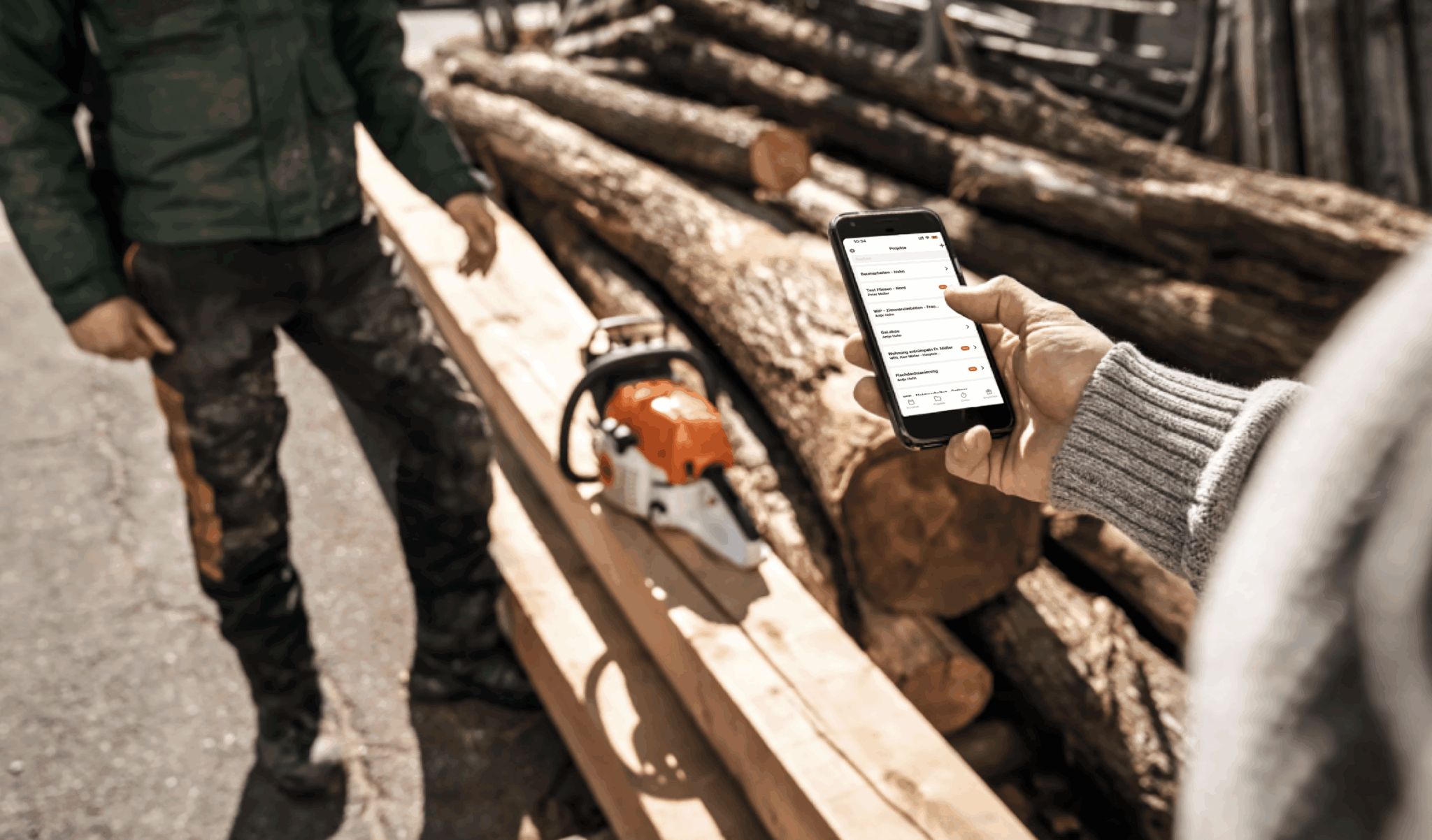
Hamburg’s Plancraft develops voice-driven tools for small craft businesses to log on-site measurements, prepare estimates, and triage customer calls, signaling a cautious entry of AI into conservative trades amid a skilled-labor squeeze.
 Worldcrunch
Hamburg’s Plancraft develops voice-driven tools for small craft businesses to log on-site measurements, prepare estimates, and triage customer calls, signaling a cautious entry of AI into conservative trades amid a skilled-labor squeeze.
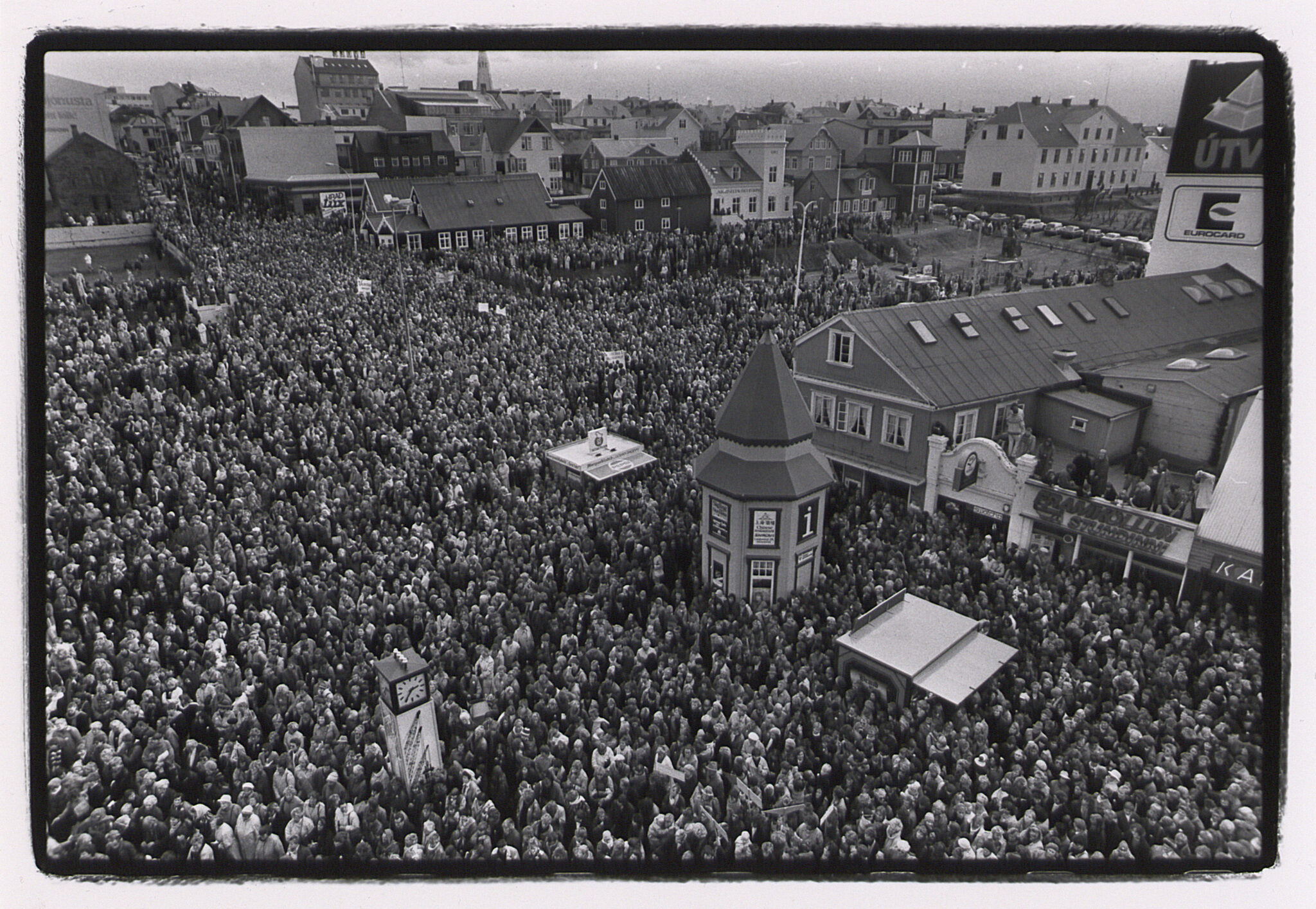
Fifty years on, the mass walkout by 90% of Icelandic women still shapes politics, pay equity, and gender norms, from Vigdís Finnbogadóttir’s presidency to today’s parental leave model.
Despite record employment, millions are opting out of full-time work: it’s a trend that risks undermining growth, pensions, and the country’s future.

From TikTok’s glorified youth culture to academic pressure, debt, and social comparison, new research and personal stories suggest real happiness may come much later than expected.

Pessimism weighs on both body and mind. But research shows optimism can be trained, and even small steps can make a difference.

Nothing would happen at the Oktoberfest without waiters. Die Zeit wired one of them with a microphone to get a behind-the-scenes look at what it takes to survive Munich’s world-famous festival.
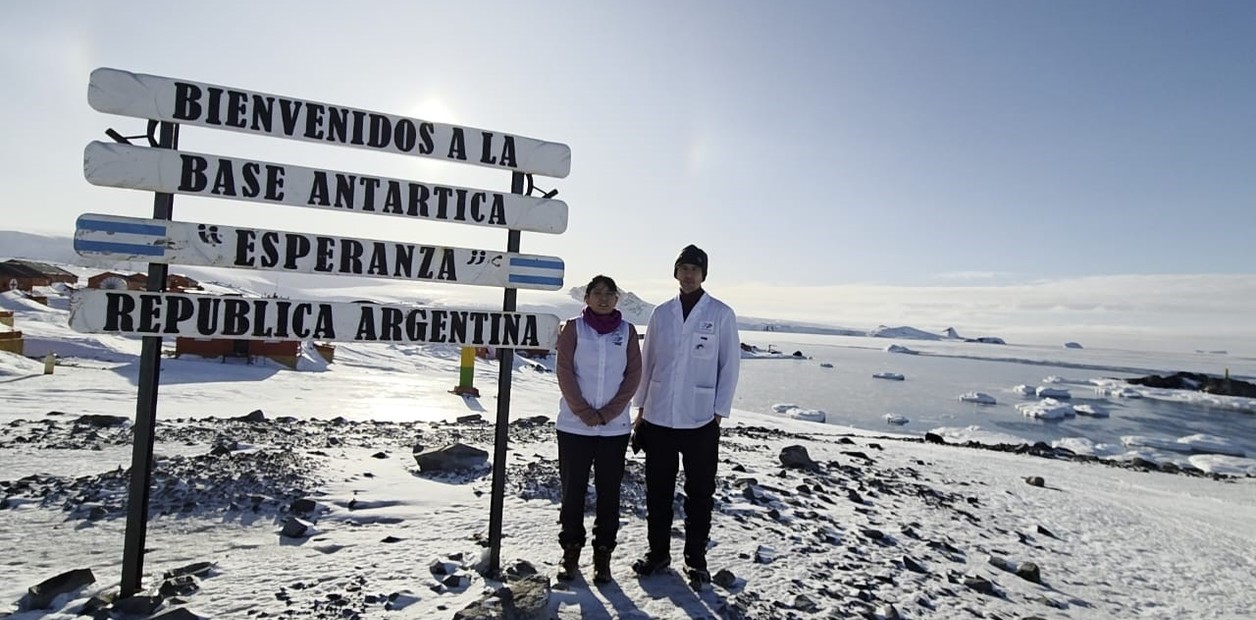
At the only school in Antarctica, students balance lessons, play, and survival skills while living alongside their families at Esperanza Base.

While French law theoretically allows employers to justify job cuts by the introduction of Artificial Intelligence, unions and labor law experts are warning that AI is becoming an alibi for unjustified cost-cutting.
Some call it “Grandparent Slave” syndrome, where grandma (and sometimes grandpa) are increasingly forced into caregiving duties that leave them exhausted and can even affect their health.
Fresh rose, citrus wood… Some companies have started diffusing tailored-made scents in their office premises to improve their employees’ well-being. But it’s not an easy task to please everyone — and to avoid making some feel nauseous.

The Macron government says France needs to work more — and it has a point. The French people disagree — and they’re not wrong. Here’s why, and how to bridge the gap.

Happiness applications promise to make users measurably happier in eight weeks. But is happiness a skill that can be taught? For Die Zeit, science writer Maria Mast put an app to the test.
Many young Vietnamese pay huge sums to get a training position in Germany. Only very few of them have any idea what they are getting themselves into. It’s a troubling twist to the eternal struggles of the immigrant journey.
High language requirements, a one-size integration policy, and discrimination. Despite the need for labour, landing a job in Sweden has become a hurdle race for college-educated migrants, a new joint investigation with Lighthouse Reports shows.
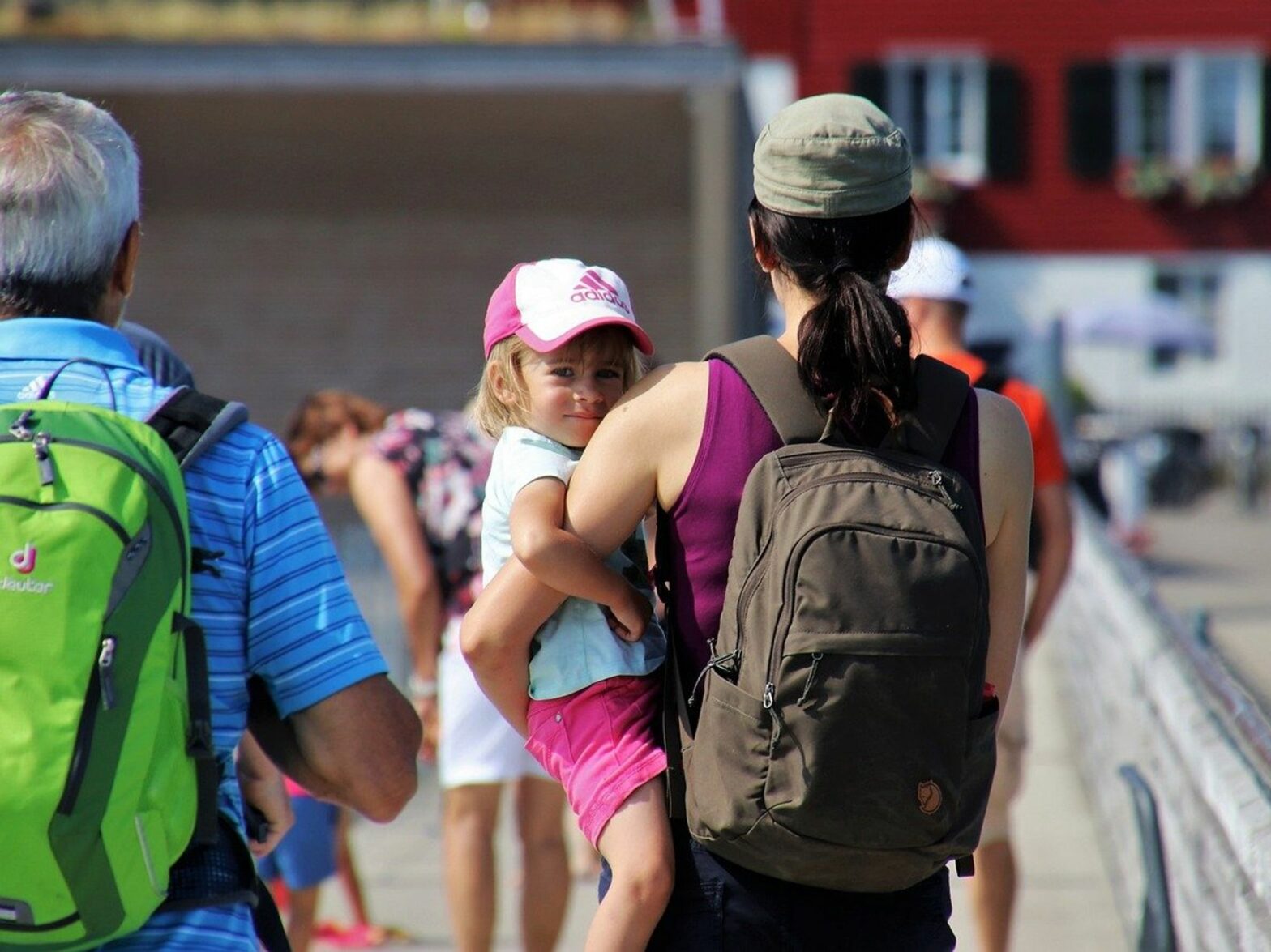
The arrival of a child is rarely discussed publicly by female bosses. A number of them told Les Echos about special time in their lives, and revealed some tips on how to juggle their professional and private lives.
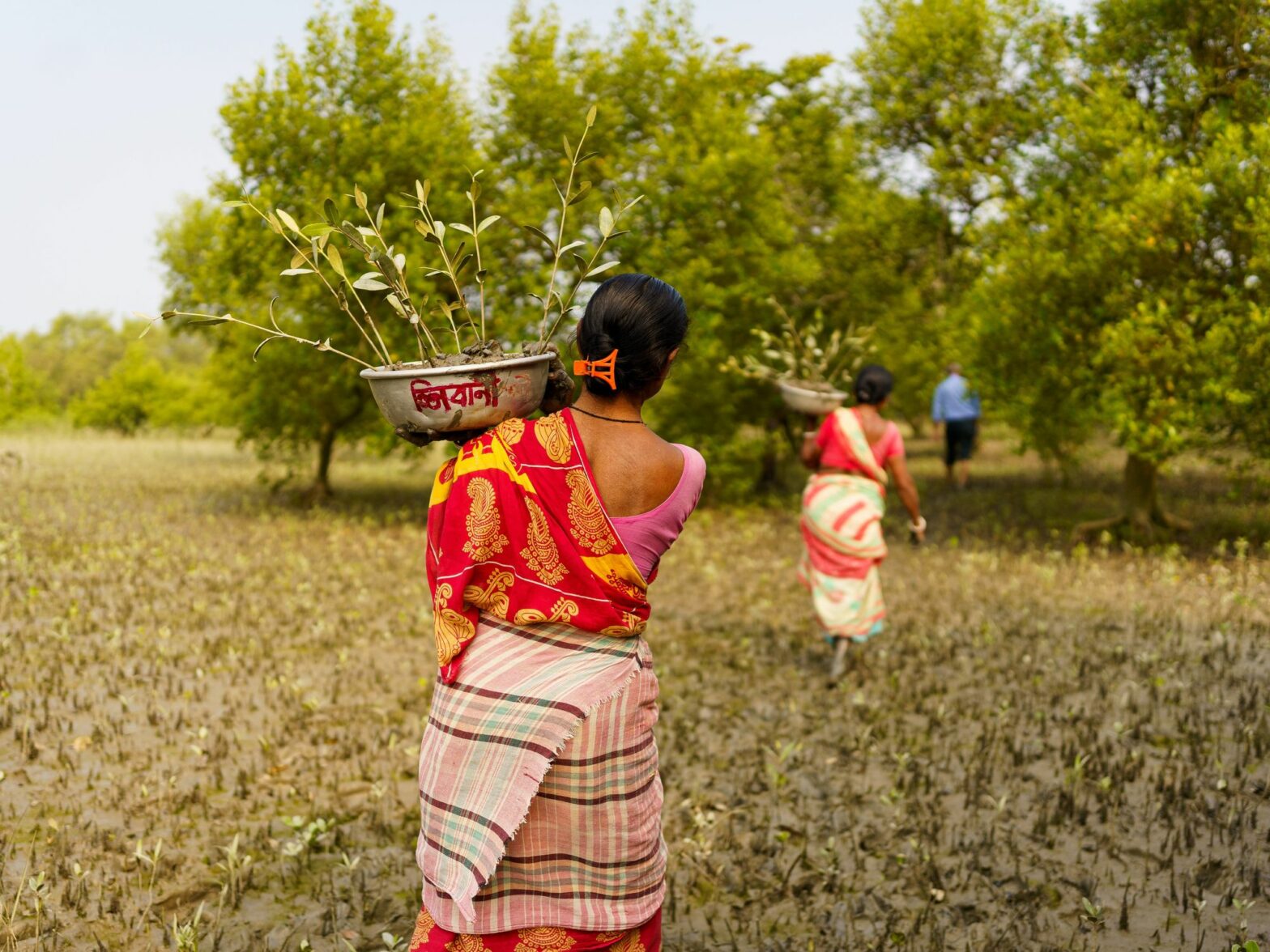
All informal workers face climate change and it impacts their livelihood — reduced income as well as reduced hours of work. Workers talk about fatigue and dehydration, excessive sweating, and general mental stress and anxiety.

What qualifies as an occupational accident when an employee is working from home? In France, despite regulations intended to be simple in substance and form, many teleworking accidents end up in the courts’ blind spot.
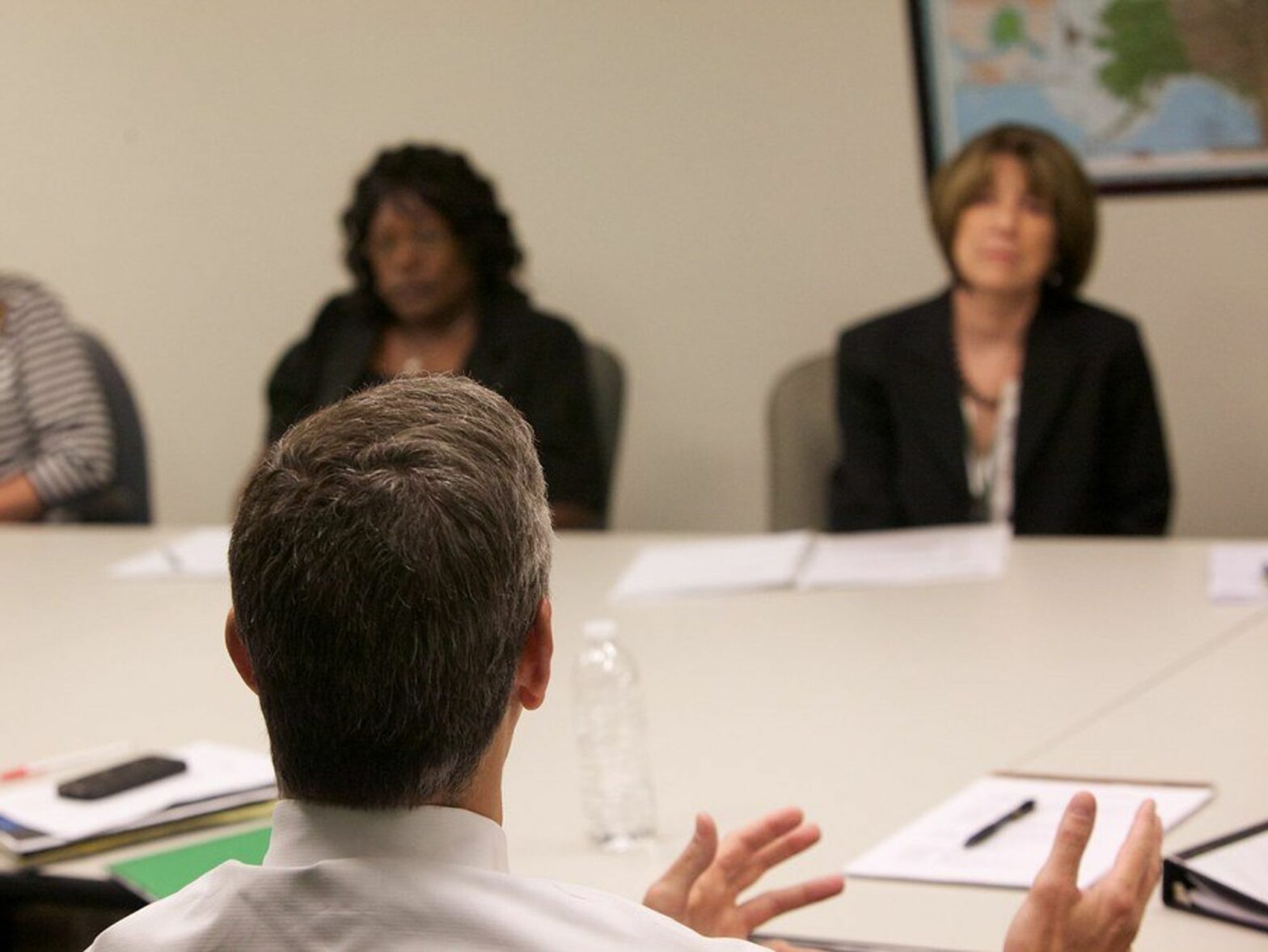
A new study published by LinkedIn Actualités in France, shows a notable gender difference in how companies decide who gets to work from hom. What factors explain this gap? They may (or may not) surprise you.

Working neither from the office nor from home: the flexible concept of “workation” is appealing not only to digital nomads but increasingly to regular employees who want to find new ways to for peak work-life balance.
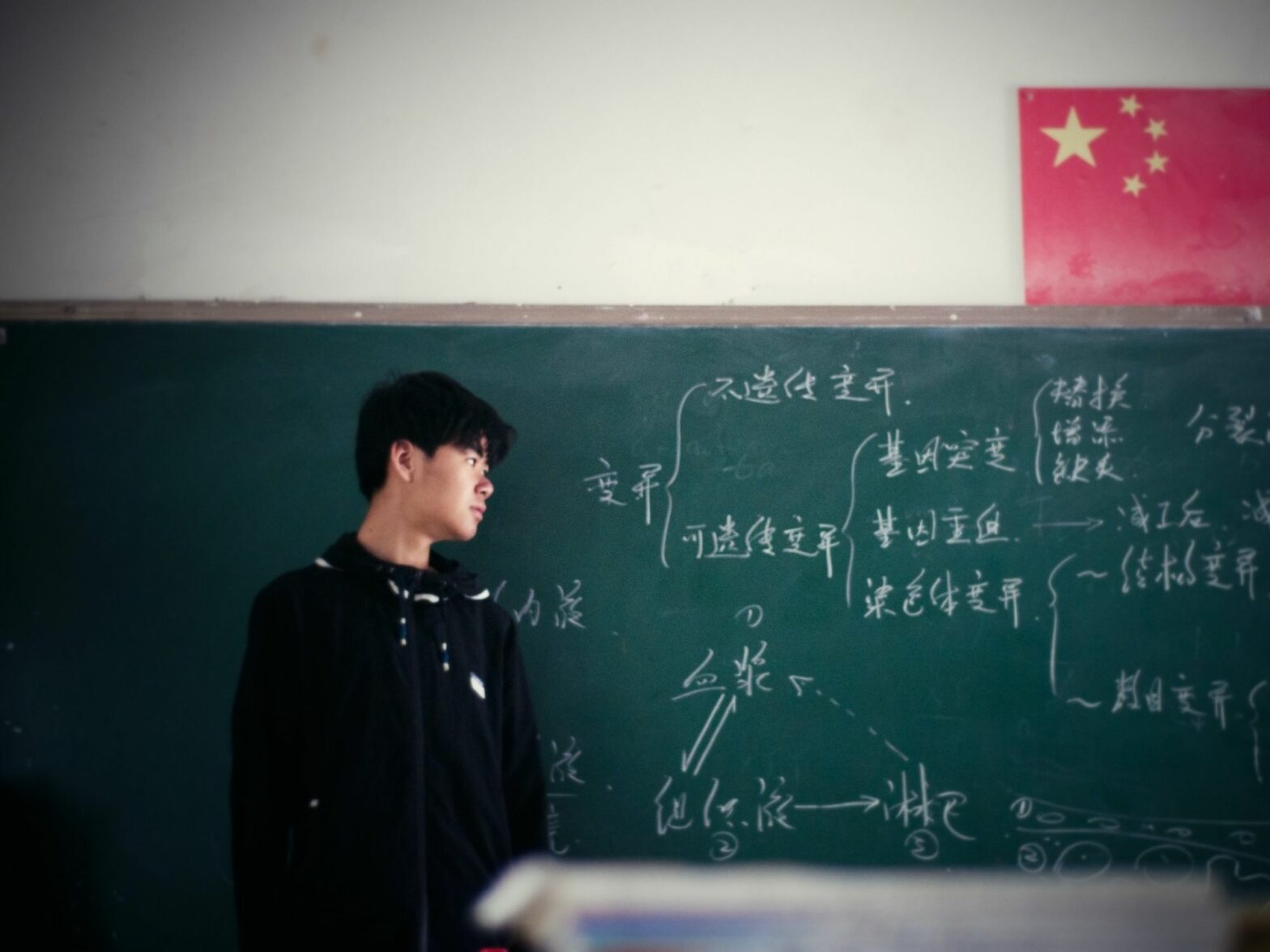
China’s exam-oriented culture fails to foster imagination, which is necessary to create better employees and better people.

Journalist Noor Swirki writes about what its like for Palestinian journalists working from Gaza, with everything on the line, every night and day.

Finding a seat on the Karmabhoomi Express is close to impossible. A closer look at why so many migrant workers travel on it, and out of Bengal, offers a grim picture.
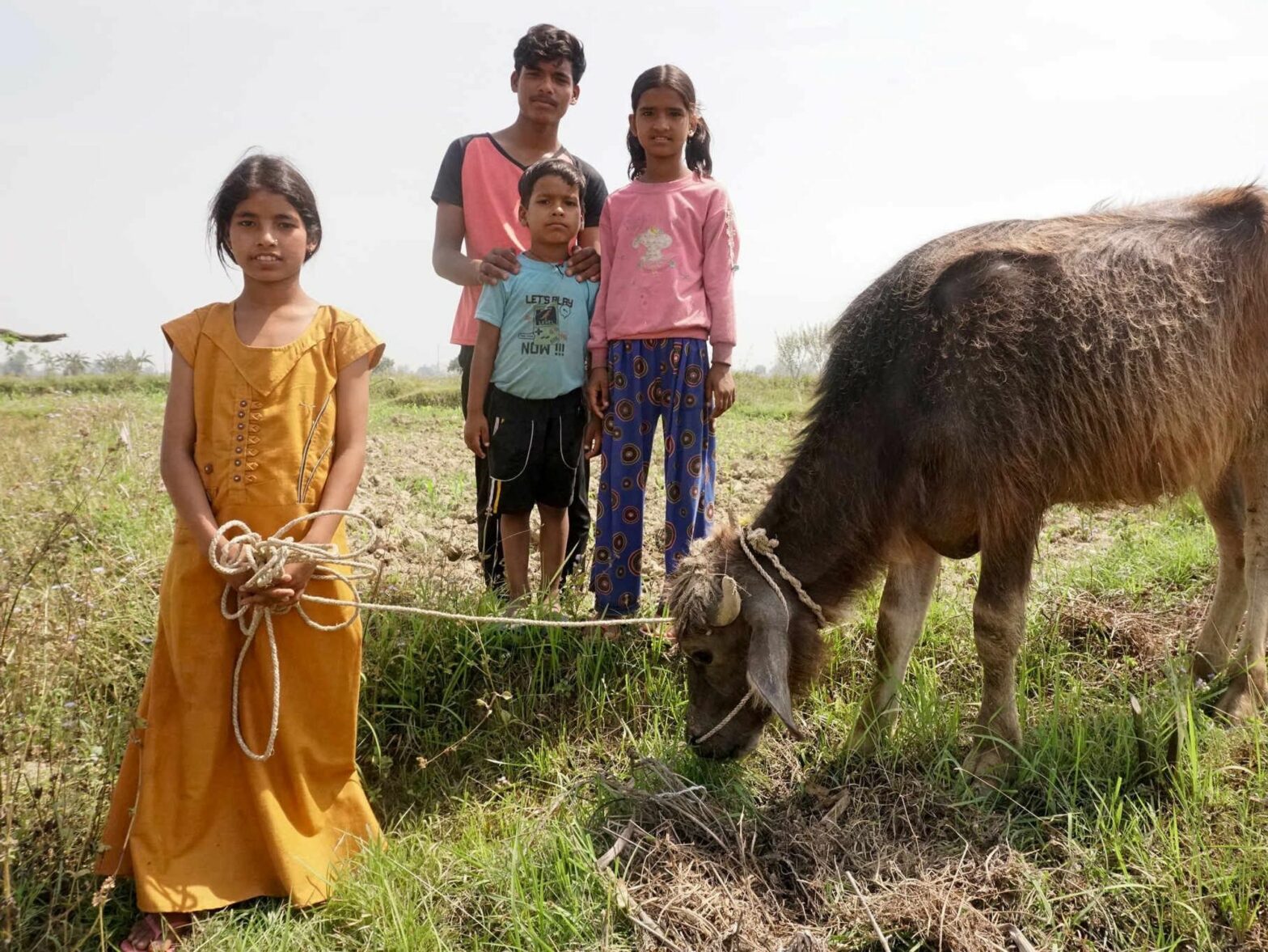
Children left to fend for themselves when their parents seek work abroad often suffer emotional struggles and educational setbacks. Now, psychologists are raising alarms about the quiet but building crisis.
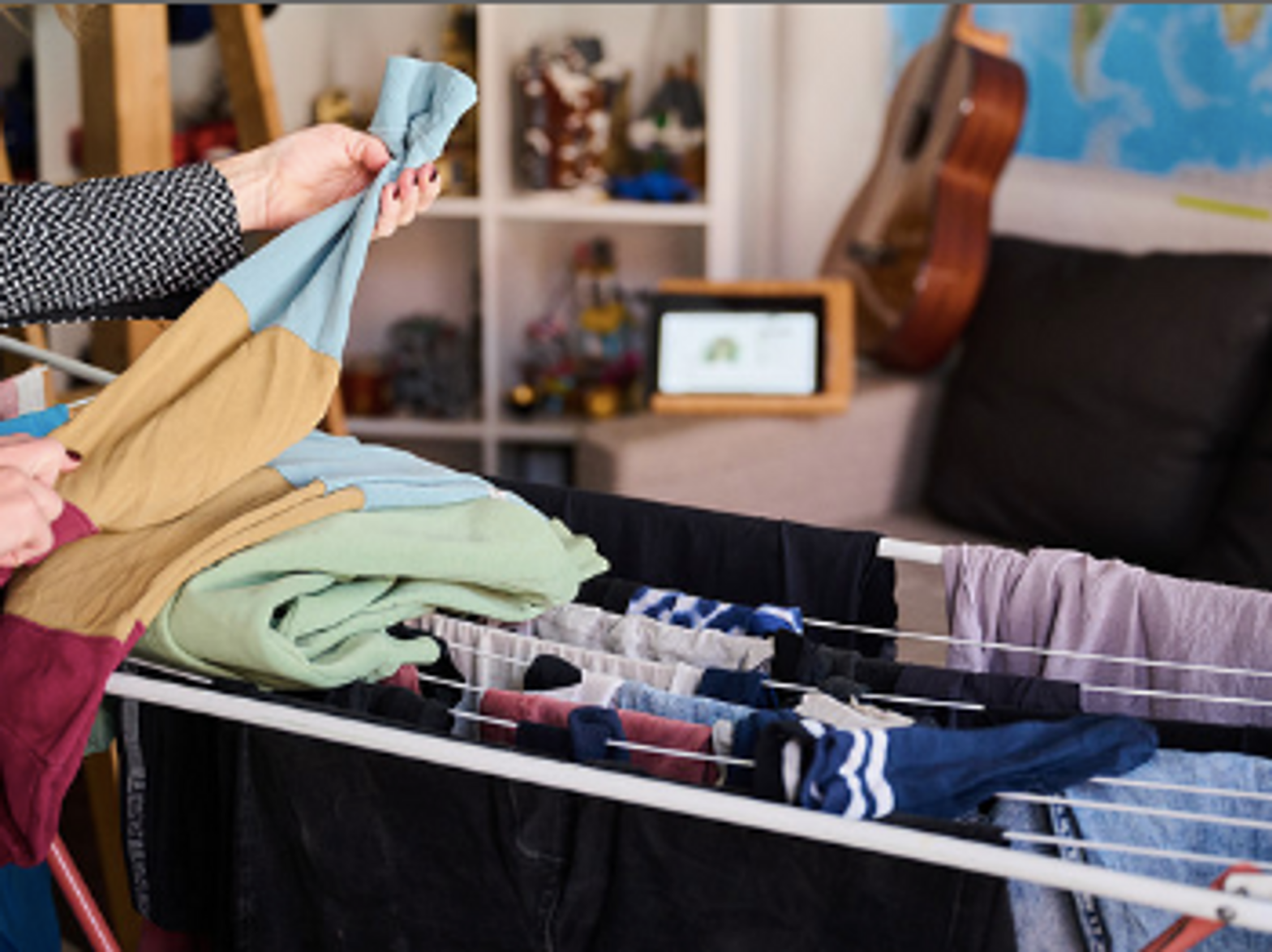
Eye-tracking webcams, keystroke recorders, screen captures of visited sites. With the rise in remote work, employee monitoring software has become the norm in the U.S.. But in Europe, things are more complicated.
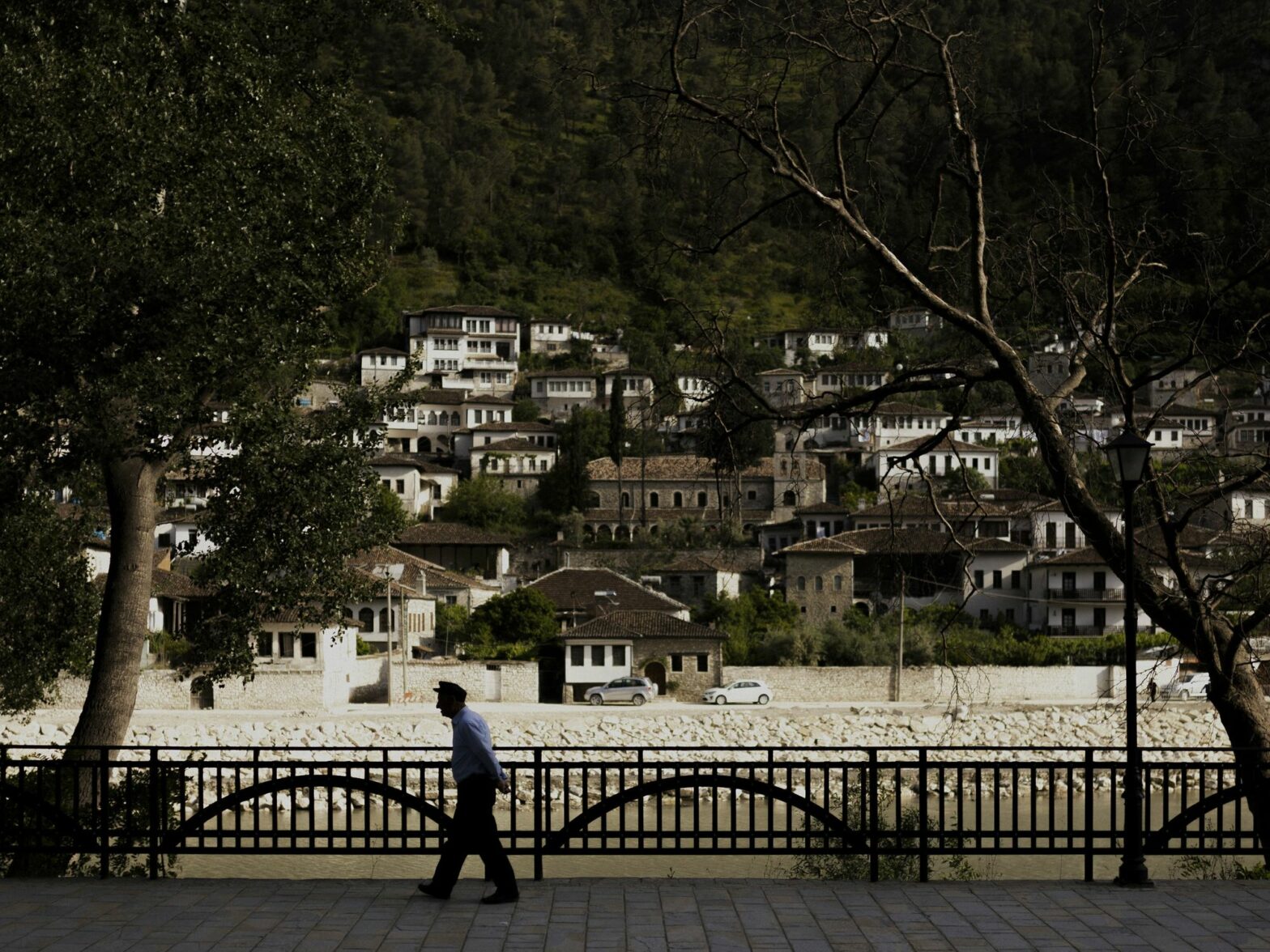
Since the fall of communism in 1991, the small Balkan state has been slowly but inexorably emptying itself, at the pace of incessant waves of emigration. With an aging and declining population and a birth rate in free fall, it is facing all kinds of challenges.
BBC’s office in Cairo is on strike for the third time in three months, demanding higher wages. The British broadcaster has long een able to recruit at lower rates because it could offer editorial freedom that is difficult to find in Egypt.
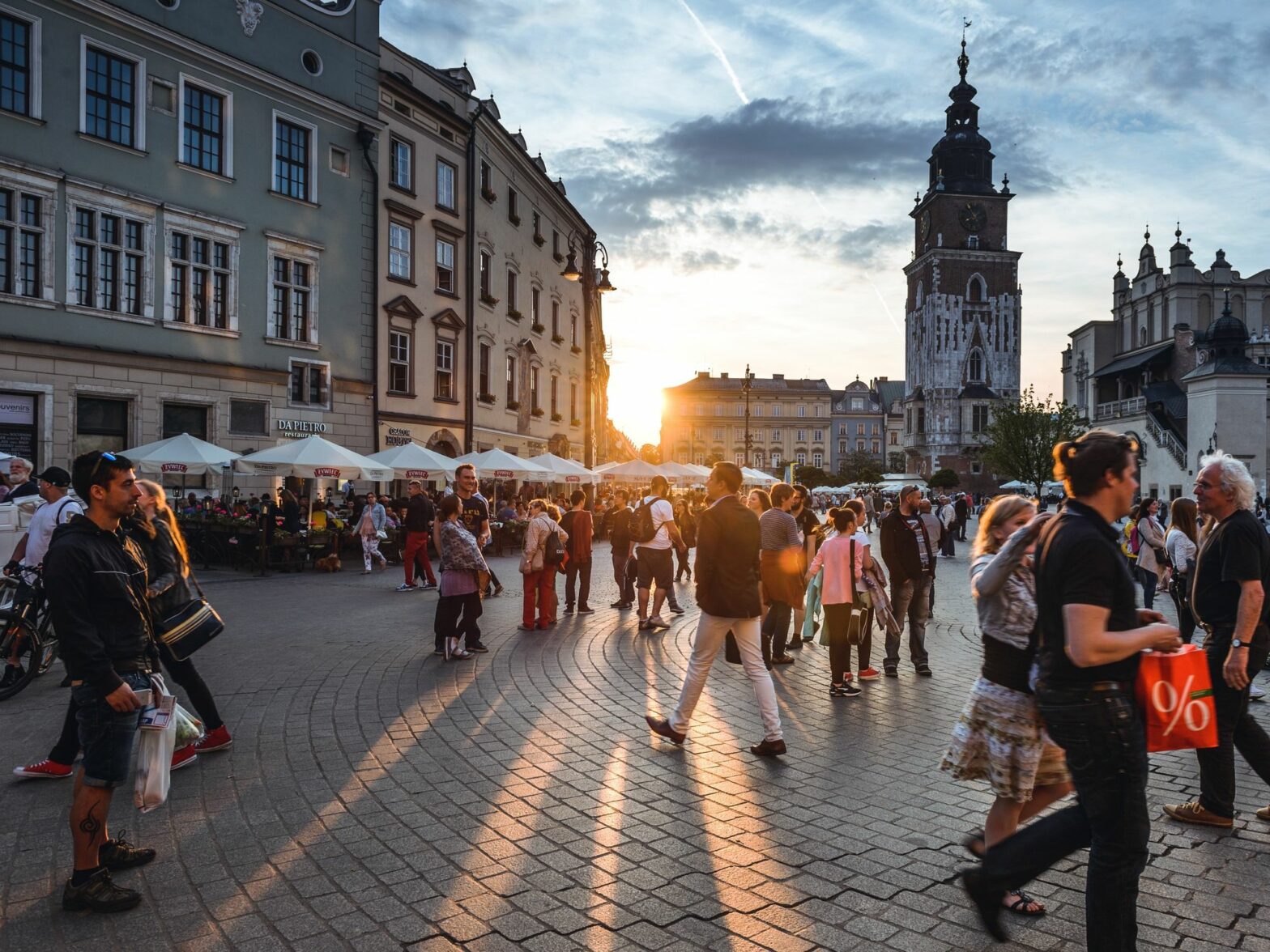
As the Polish capital is outpaced by cities such as Kraków and Gdańsk for earnings, the question is posed of what the future holds for the Polish job market and Warsaw.
Will it help you, control you … or replace you?
Connected watches don’t just tell the time, they give meaning to life.

Climate quitting is a lasting residue of the larger mass resignation since the pandemic. The phenomenon mostly involves young people who change or quit their jobs if they consider it harmful to the planet.
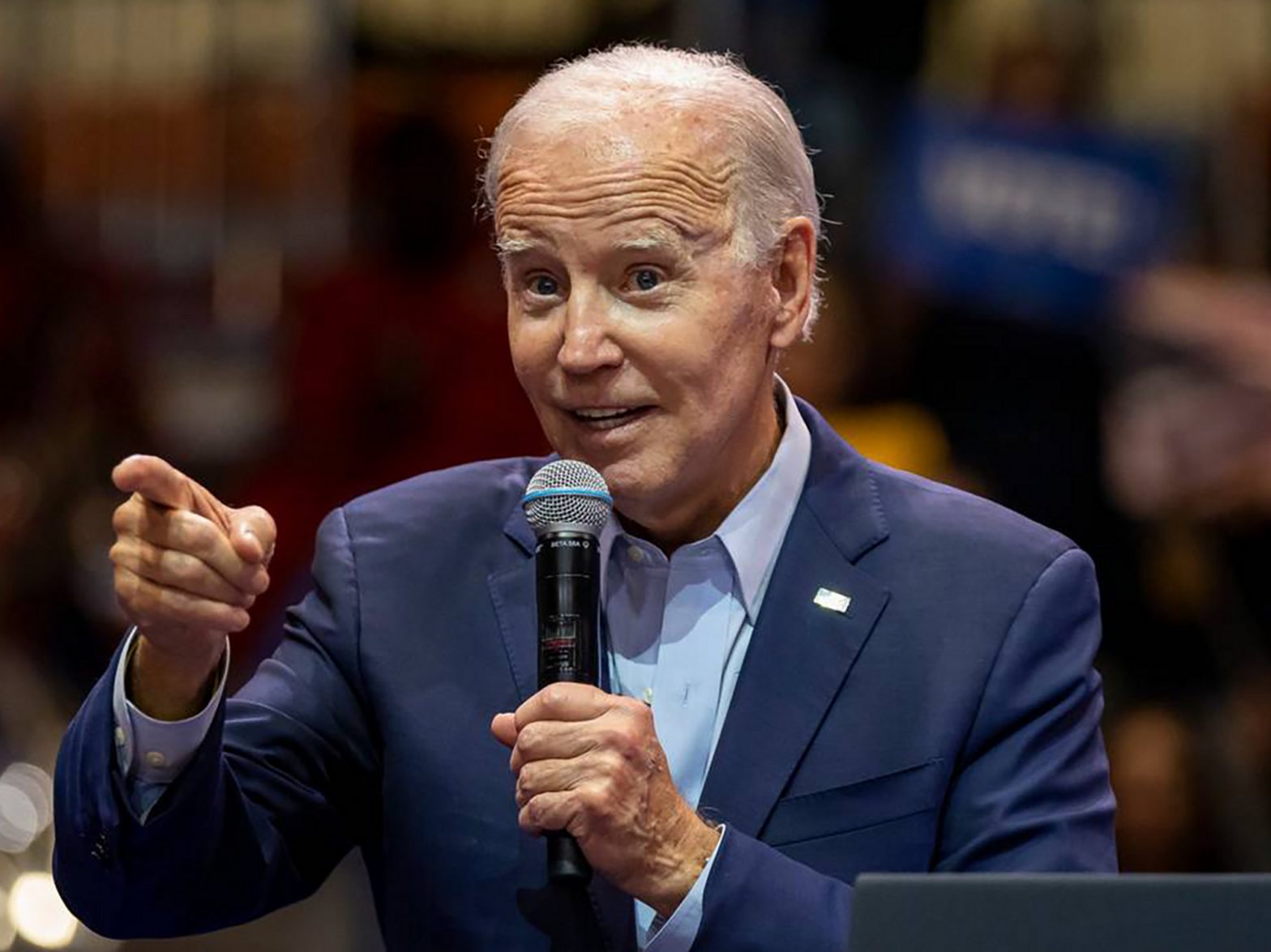
Subsidies to green industries and the promotion of “quality” jobs: Joe Biden’s economic policy is driven by an American form of “productivism,” which French business daily Les Echos says has allowed the country to regain the upper hand in both economics and politics.
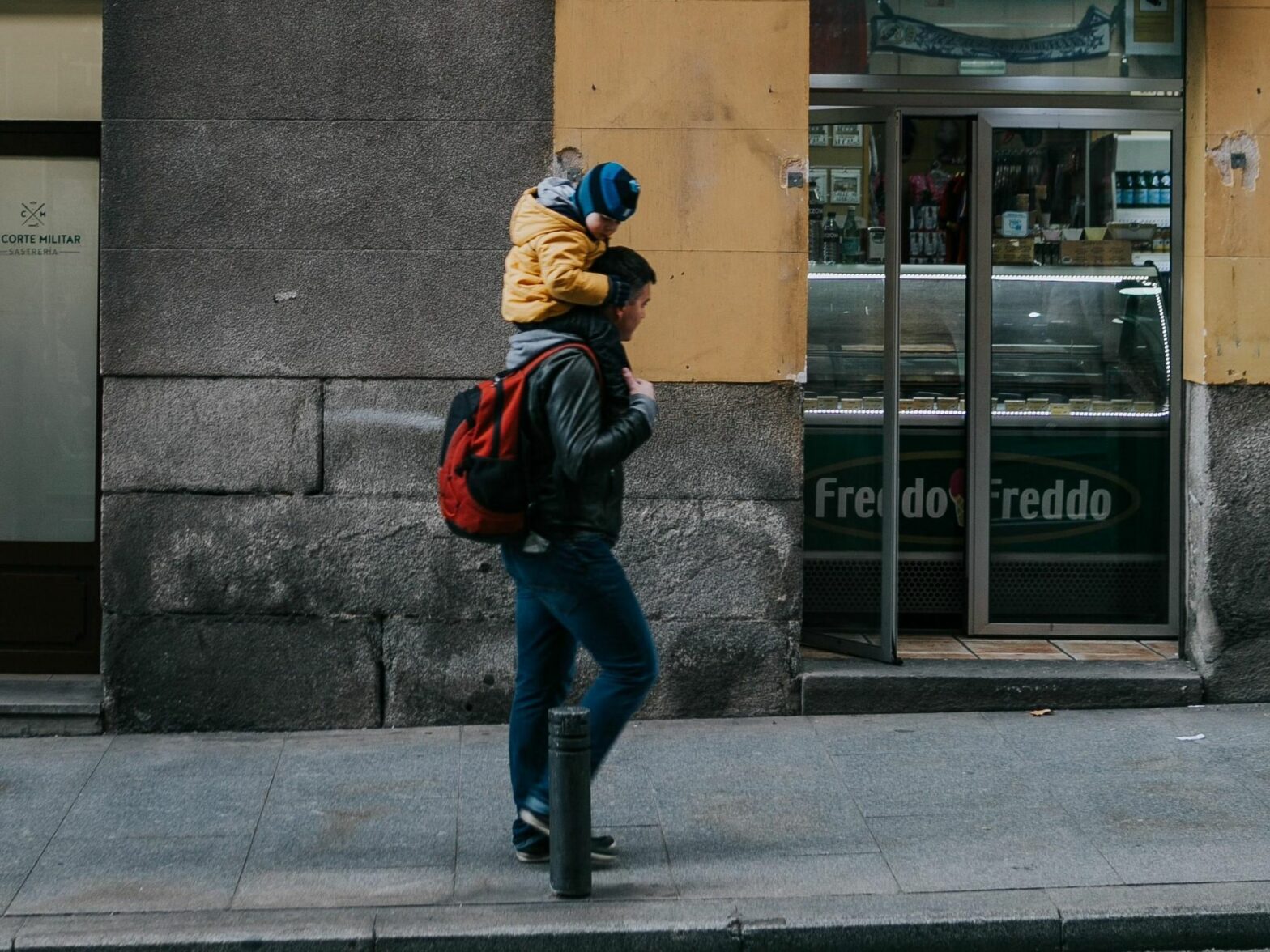
As a father myself, I’m now better able to understand the pressures my own dad faced. It’s helped me face my own internal demands to constantly be more productive and do better.
The world of work is at a crossroads. A new French study published last week shows that in the span of four years, jobs offering remote work have increased tenfold since 2017, as the world grapples with the long-term impact of COVID-19. The profound questioning of the necessity to “go to the office” that the […]
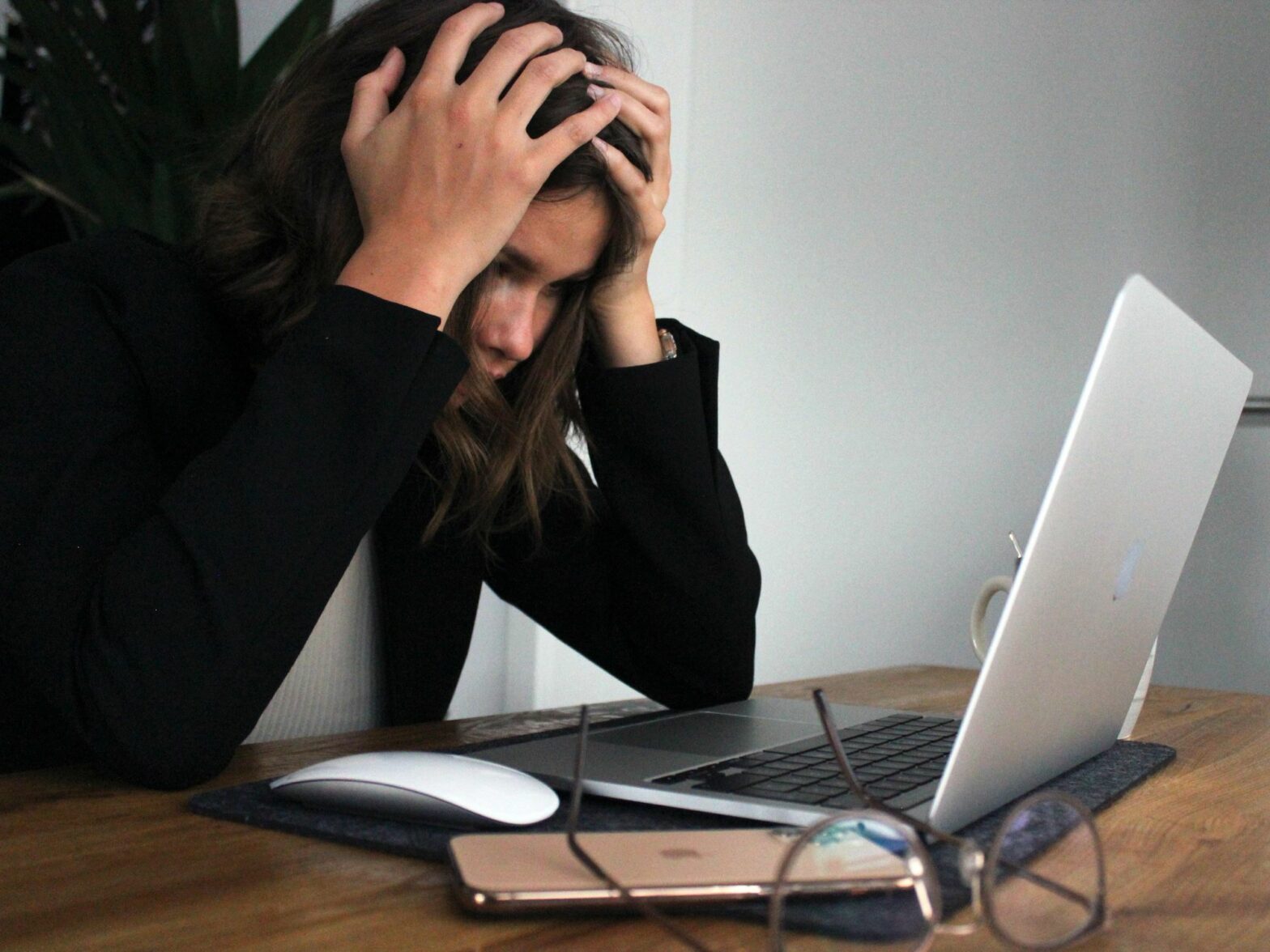
Feeling overworked but not yet burned out? Often the problem is “burn-on,” an under-researched phenomenon whose sufferers desperately struggle to keep up and meet their own expectations — with dangerous consequences for their health.
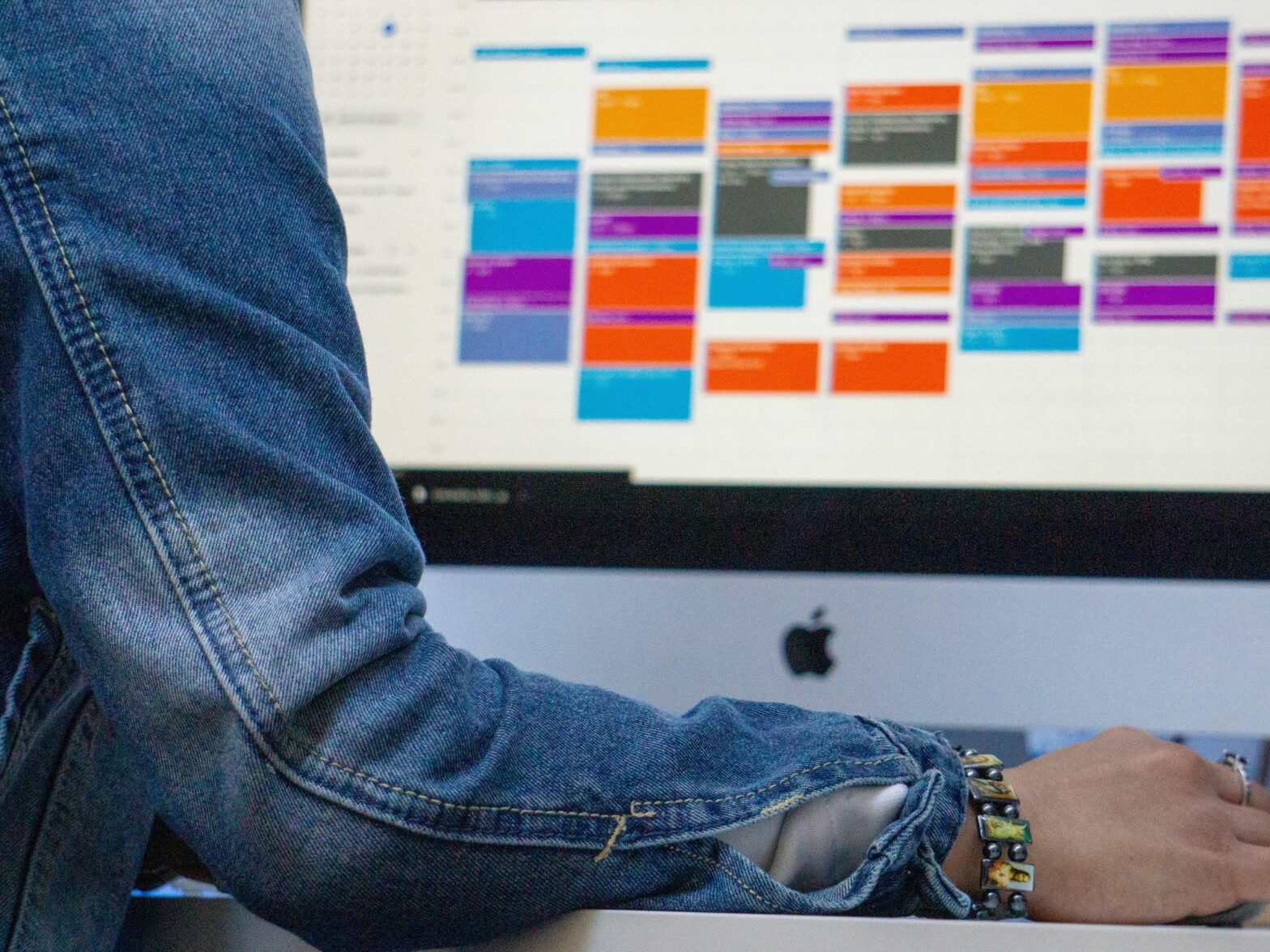
Germany’s ruling Social Democratic Party recently called for the introduction of a 25-hour work week, arguing that it’s the only way to end “self-exploitation.” What a strange understanding of work, argues one German expert in labor law.

Hard questions amid the increasing use of software algorithms to take on managerial functions, such as hiring, firing and evaluating employees.

A French politician recently made the case for the “right to laziness”. In the era of the “great resignation” or “quiet quitting”, the idea is not as far-fetched as it sounds. After all, history shows us that work is a very recent human passion.

Initially used to measure the link between exploited resources and final results in the industrial production process, the concept of productivity is the most widely used economic indicator. It is also sorely out-of-date.
Jobs for Ukrainian refugees, too busy to quit in Hong Kong, the rise of ‘asynchronous’ work….and more
As Britain begins the world’s largest trial of the four-day work week, other European nations are experimenting with the idea too. Could a permanent three-day weekend be in reach for workers elsewhere?