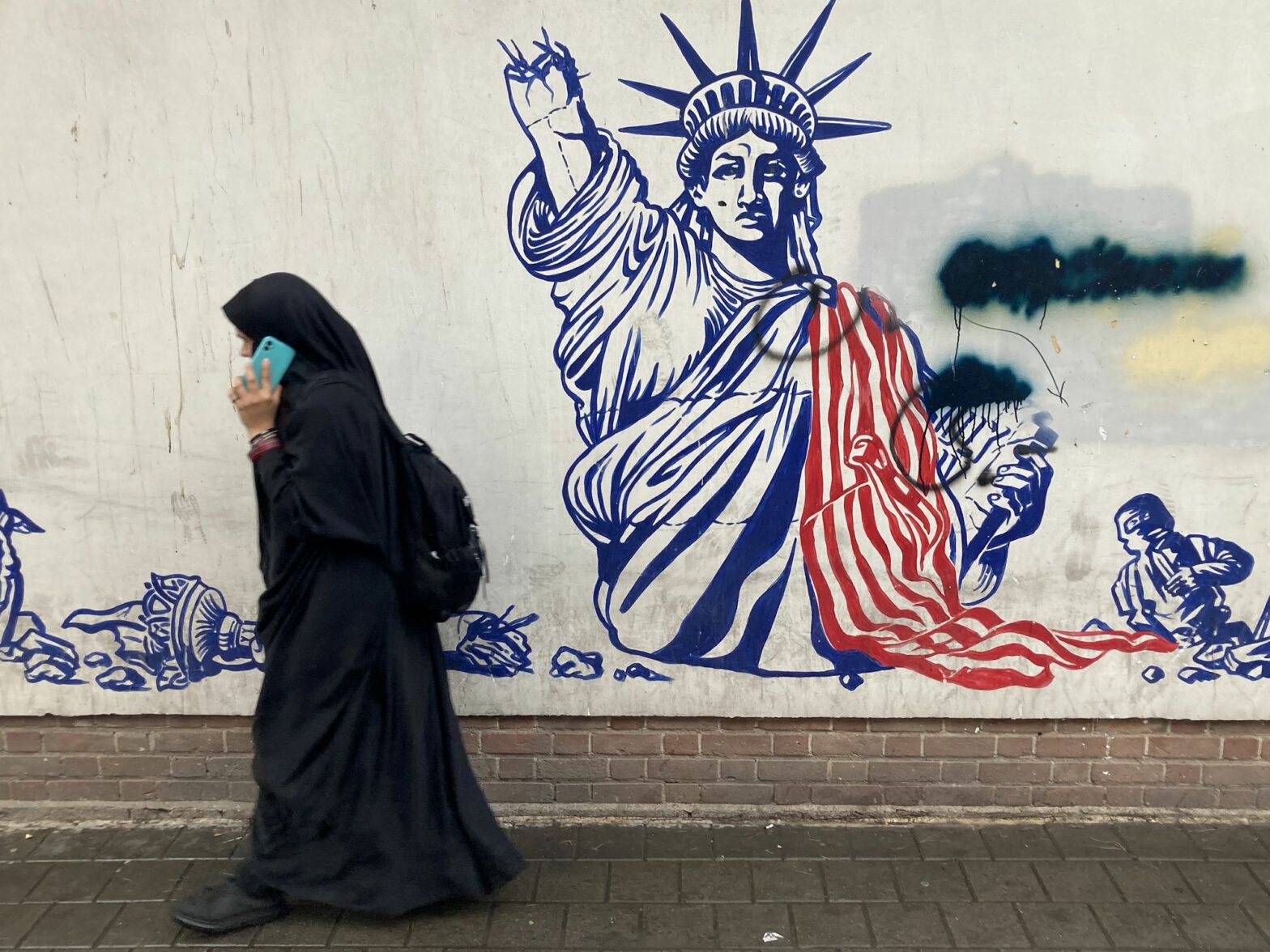
Given Donald Trump’s hardline with Volodymyr Zelensky, the U.S president may be even more draconian with Iran, which seems to have an even worse hand than during Trump’s first term.
 Worldcrunch
Given Donald Trump’s hardline with Volodymyr Zelensky, the U.S president may be even more draconian with Iran, which seems to have an even worse hand than during Trump’s first term.
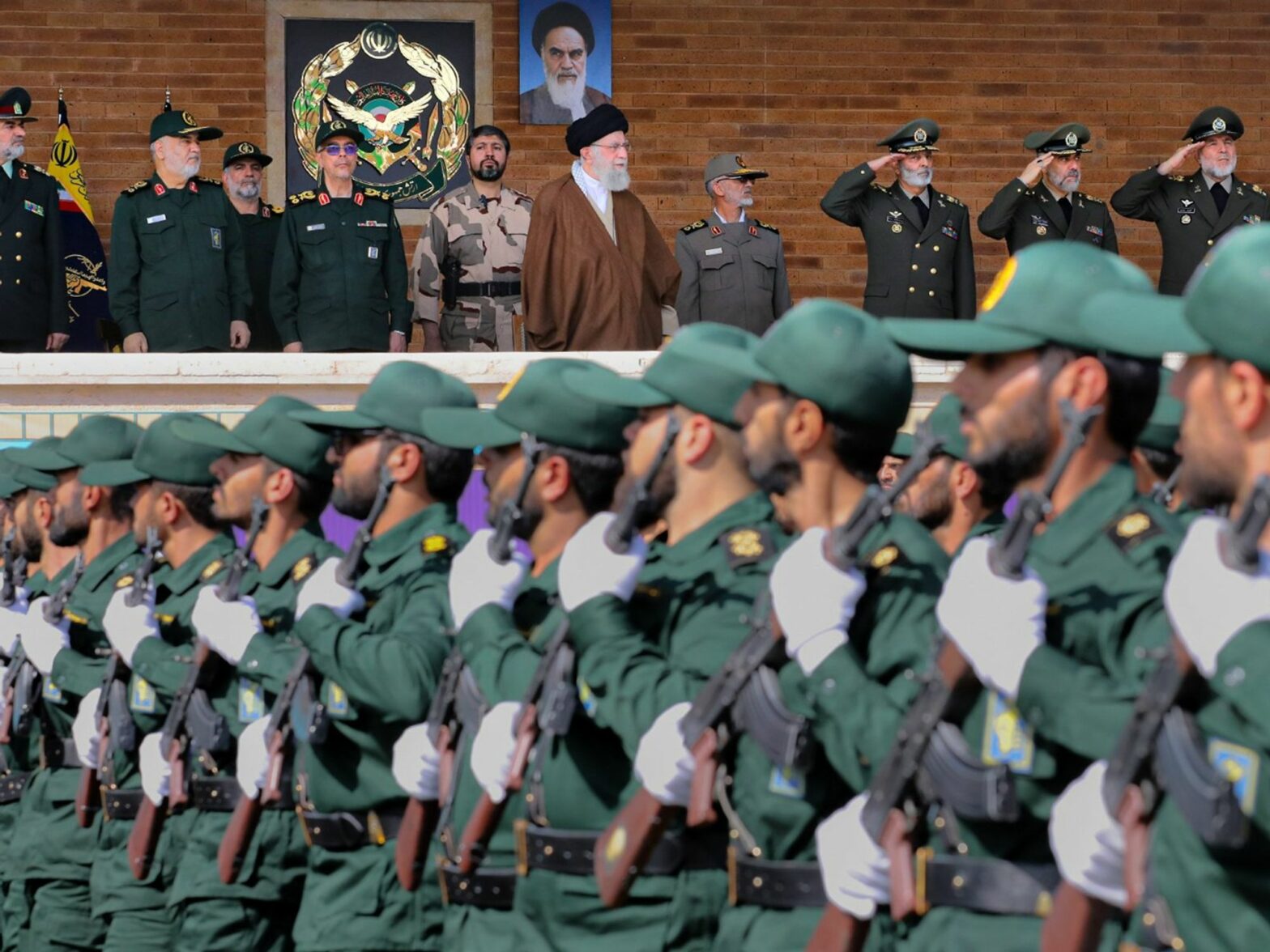
Iranian officials are still wondering how its dear ally Bashar al-Assad fell so fast, and why his military was lost before the rebellion even started.
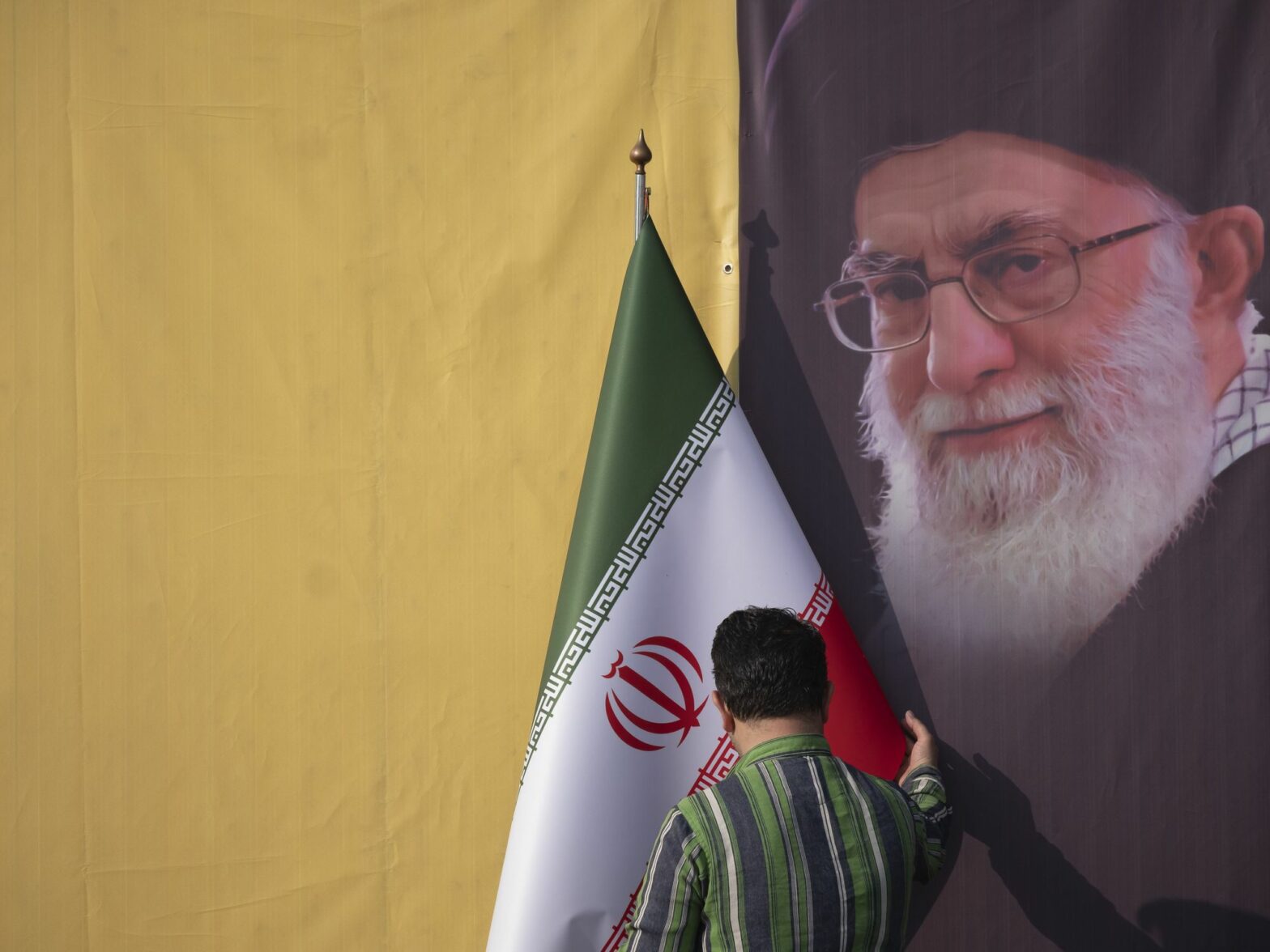
Members of the Tehran regime are cautiously broaching the question of who will be Iran’s next Supreme Leader, but is this of real public concern or a ploy to distract an exasperated population from the country’s dismal socio-economic conditions?
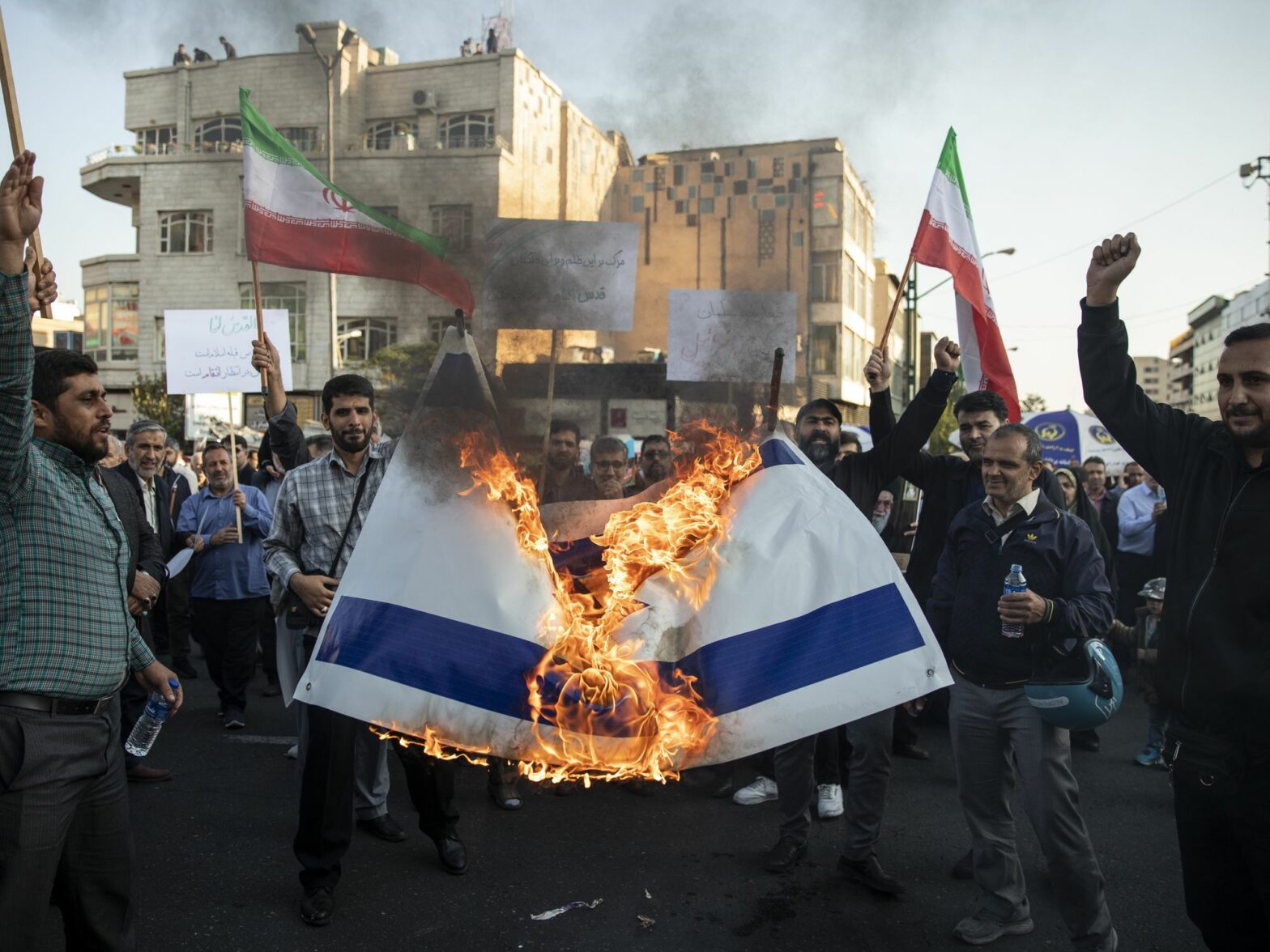
Iran’s 40-year policy of seeking the destruction of the Jewish state and “taking back” Jerusalem became the north star of the Tehran’s foreign policy. Now it may be its undoing.
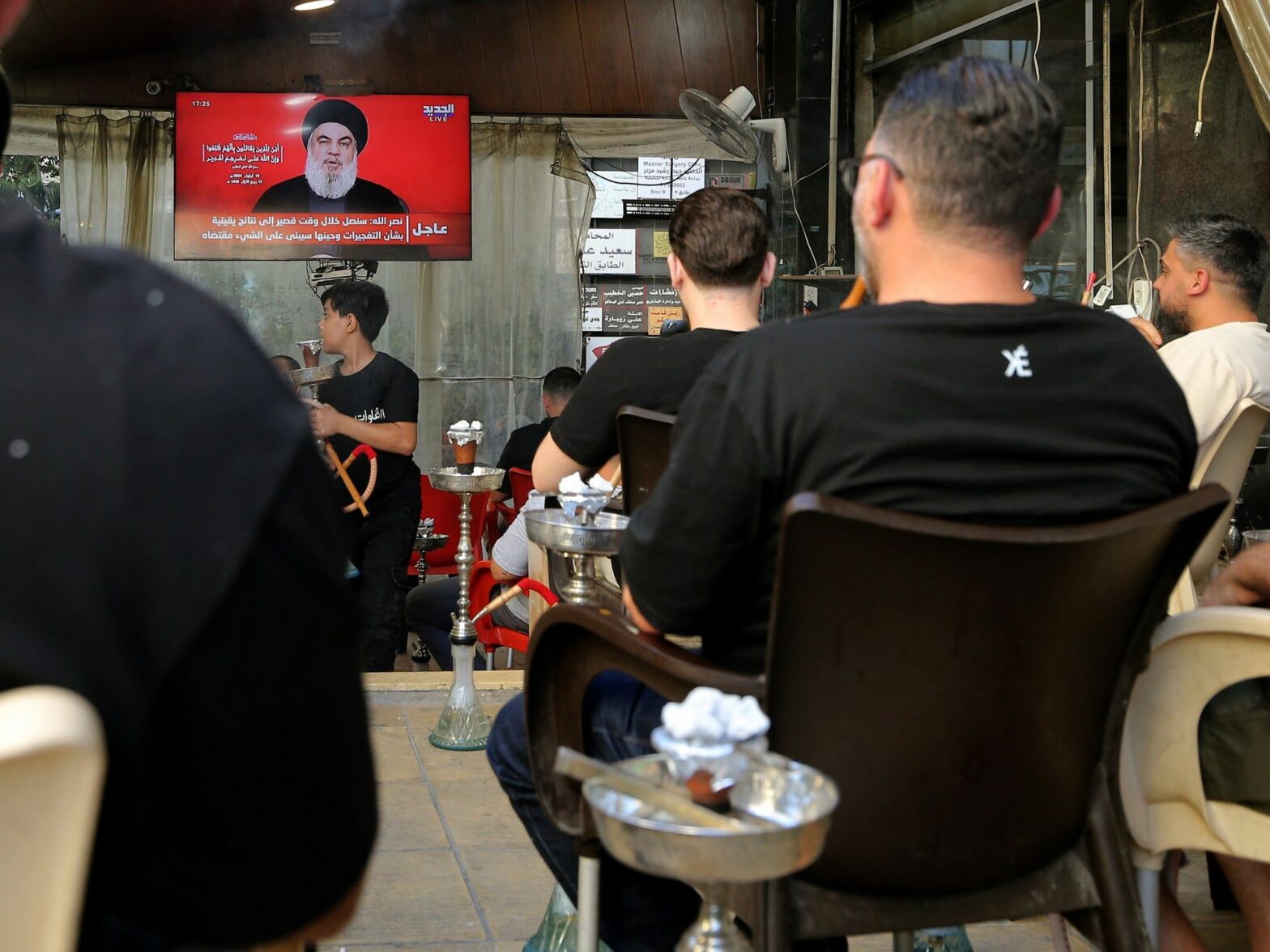
After a series of Hezbollah pager and walkie-talkie explosions attributed to Israel, Hassan Nasrallah, the movement’s leader, promised to retaliate, while Israel stepped up its air raids. But neither side has a strategic vision beyond the battlefield.
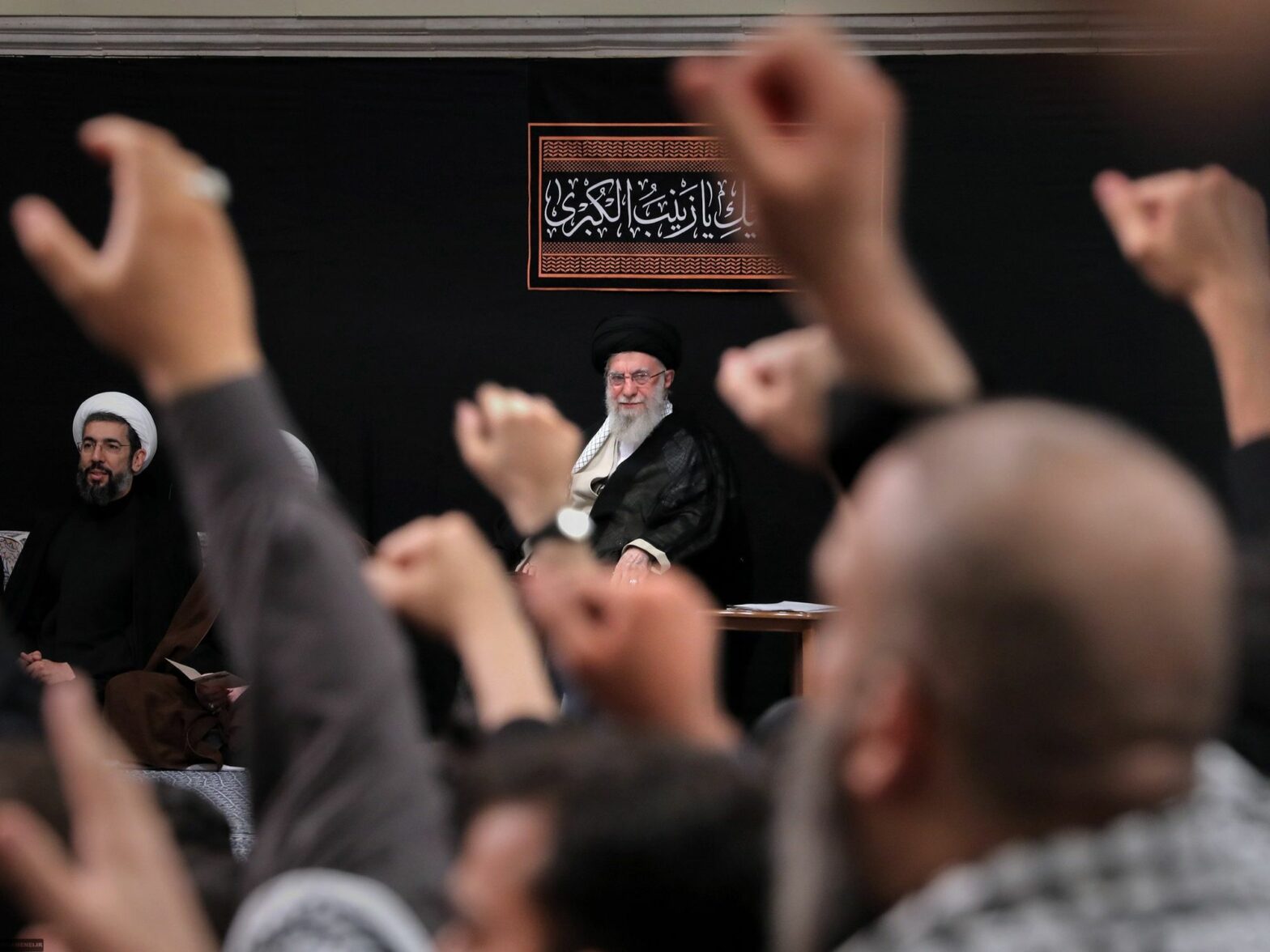
With an economy in ruins and facing an unstable foreign environment, the Islamic Republic of Iran has signaled, with the return of seasoned diplomats to top positions, that it wants to talk again. But, as always, those who call the shots in Tehran are loath to negotiate anything crucial with the West.
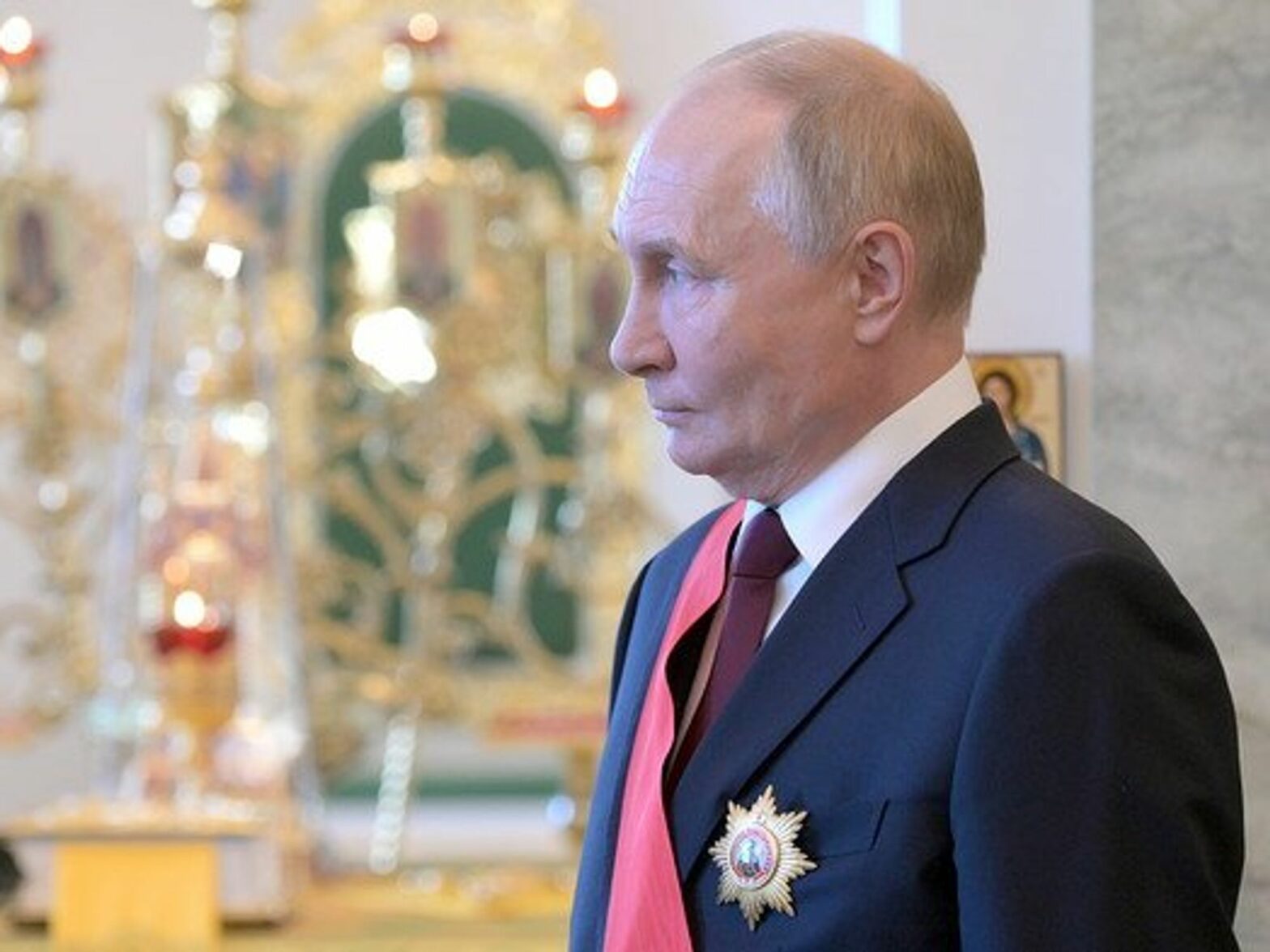
Russia’s pro-war influencers, or so-called ‘Z’-bloggers, have sought to blame those responsible for Ukraine’s breakthrough into the Kursk region. Yet Russian President Vladimir Putin’s name never comes up. Fear of reprisals is only one reason; another is belief in Putin’s infallibility.
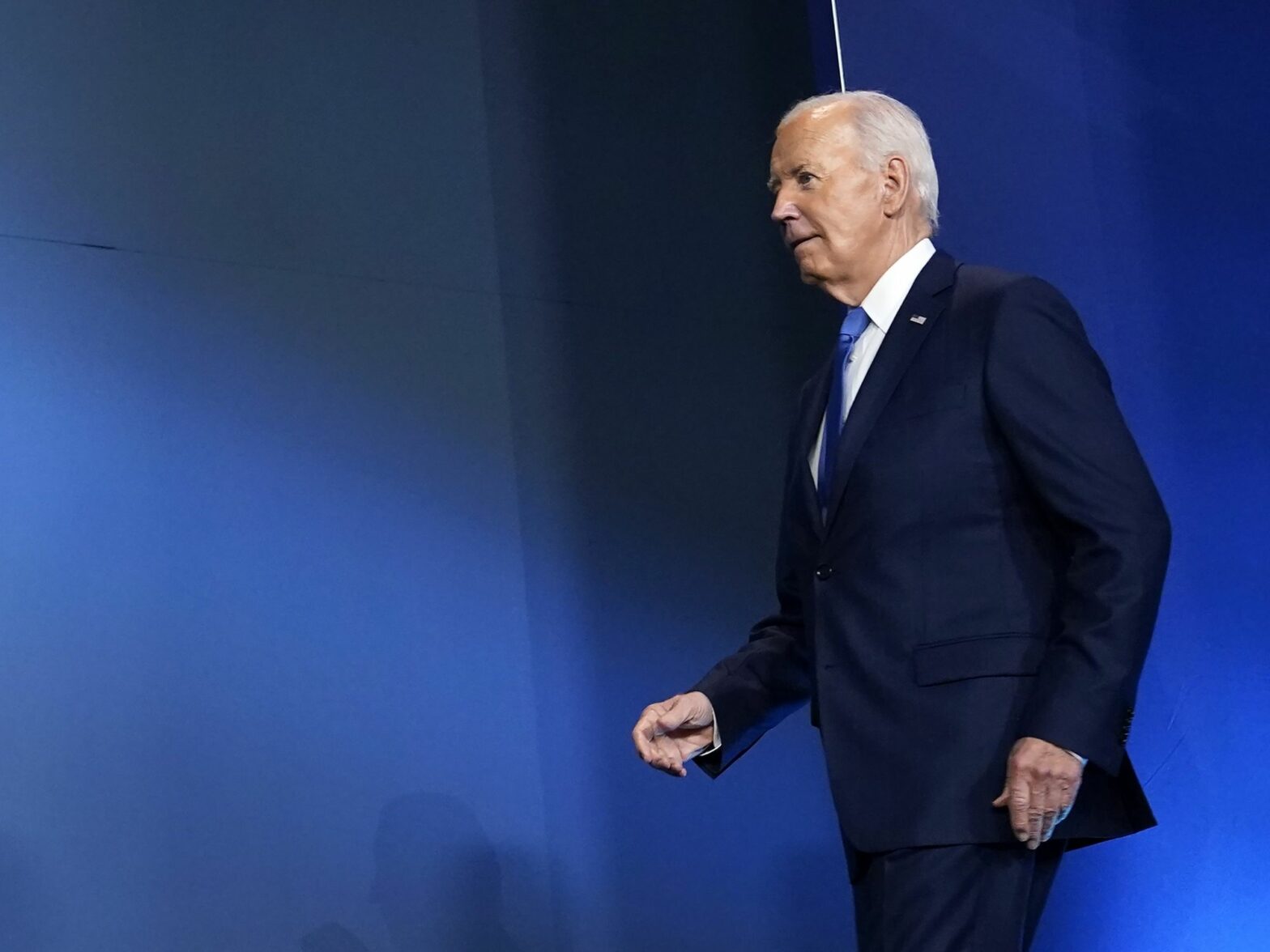
Everywhere stars rise to power as charismatic demagogues and risk-takers, but these very qualities breed in them an implacable desire to control all power and push away all they see as worthy replacements.
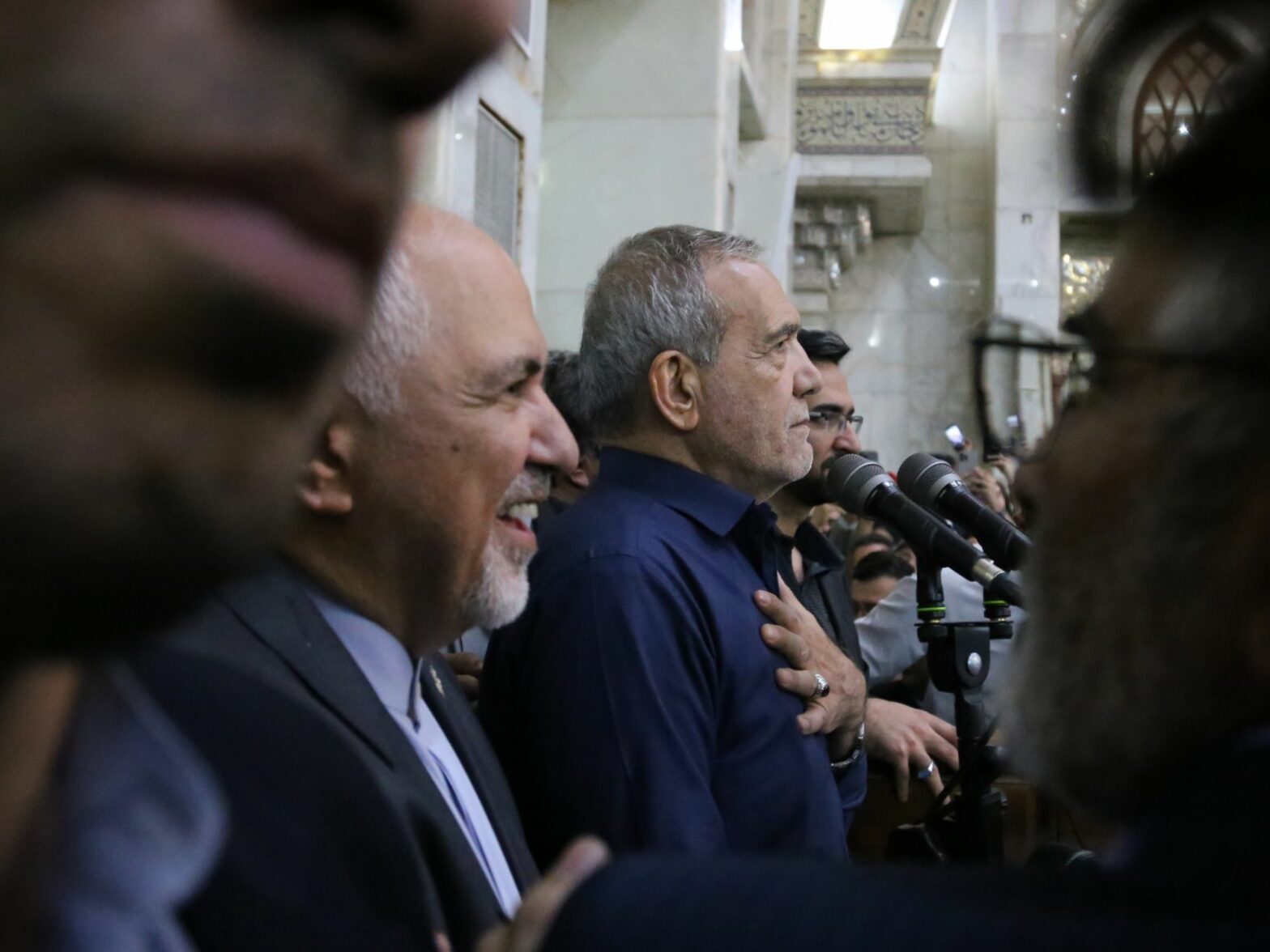
Fearing Europe’s shift to the right and a second Trump term, Tehran has dusted off its reformist credentials — with president-elect Masoud Pezeshkian and veteran diplomat Mohammed Javad Zarif — to show the West it is willing to talk. But this ploy will not work again.
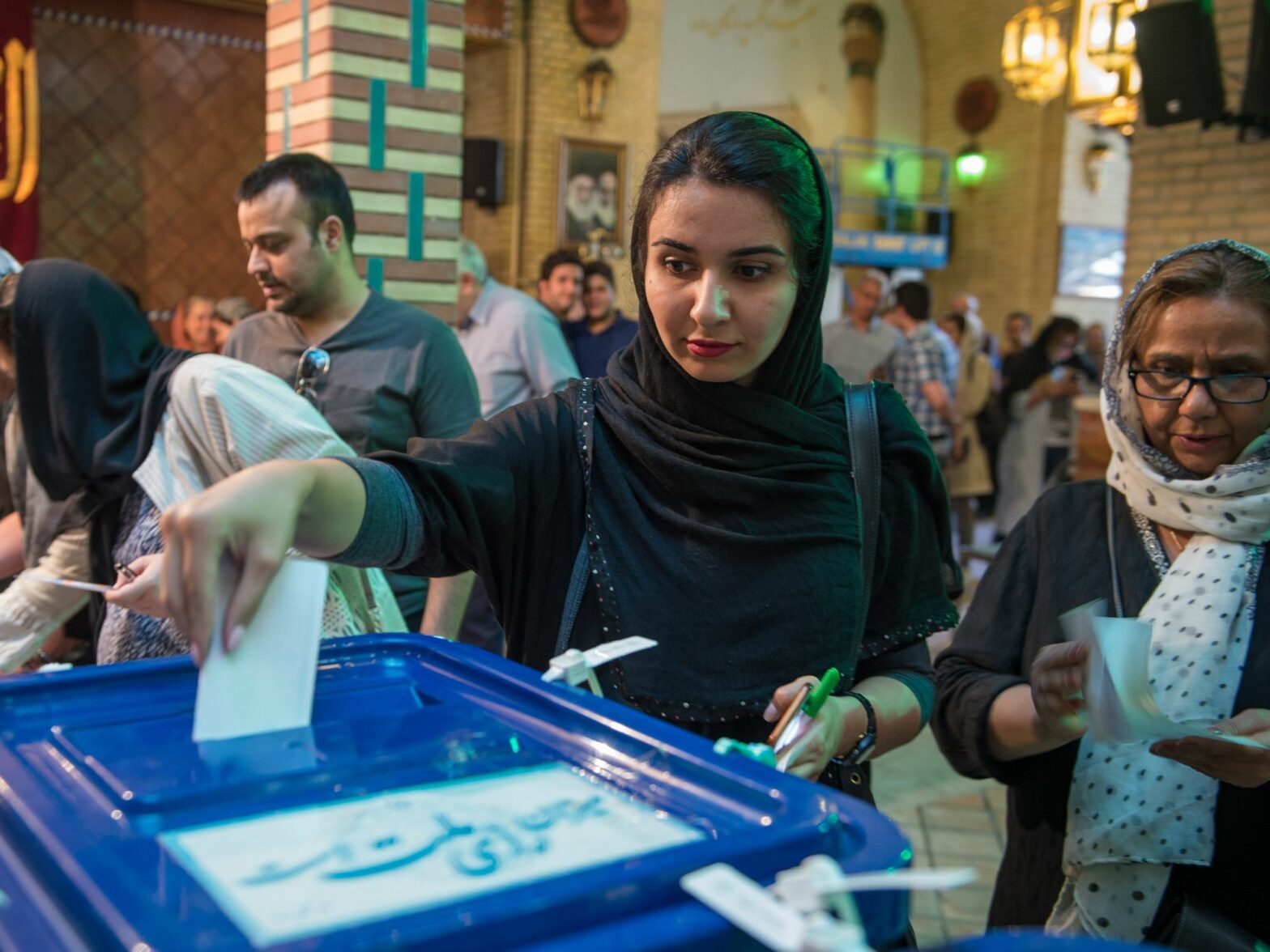
Iran’s regime has selected six candidates for the presidential elections due in late June, and possibly even a winner, just as millions of Iranians may have made their own choice, to no longer vote in a dictatorship.
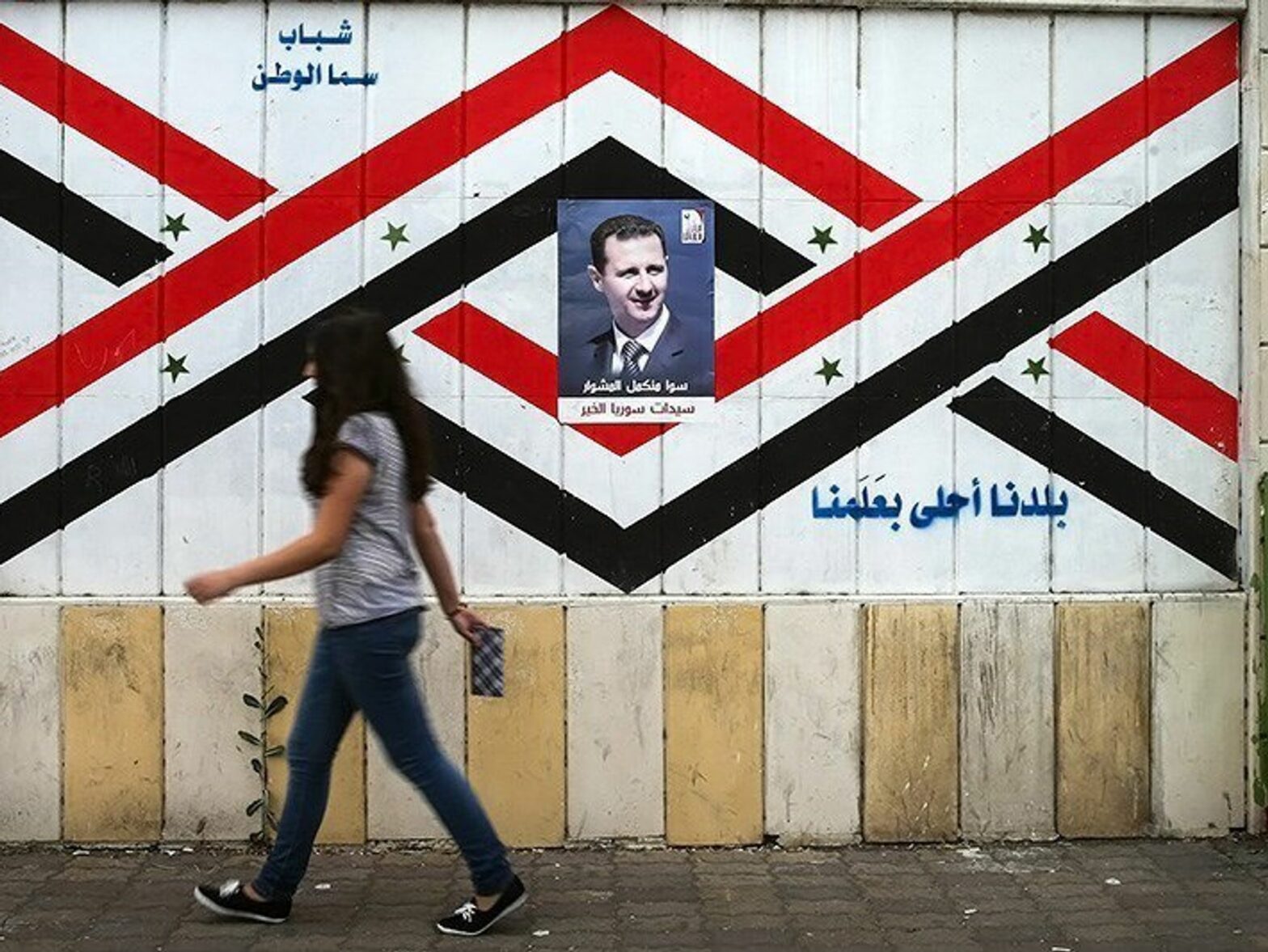
Under pressure from Arab states and Russia, which calls the shots in Syria, President Bashar al-Assad is tiptoeing away from the Iranian regime, a troublesome ally that has nevertheless spent billions of dollars to help keep him in power.
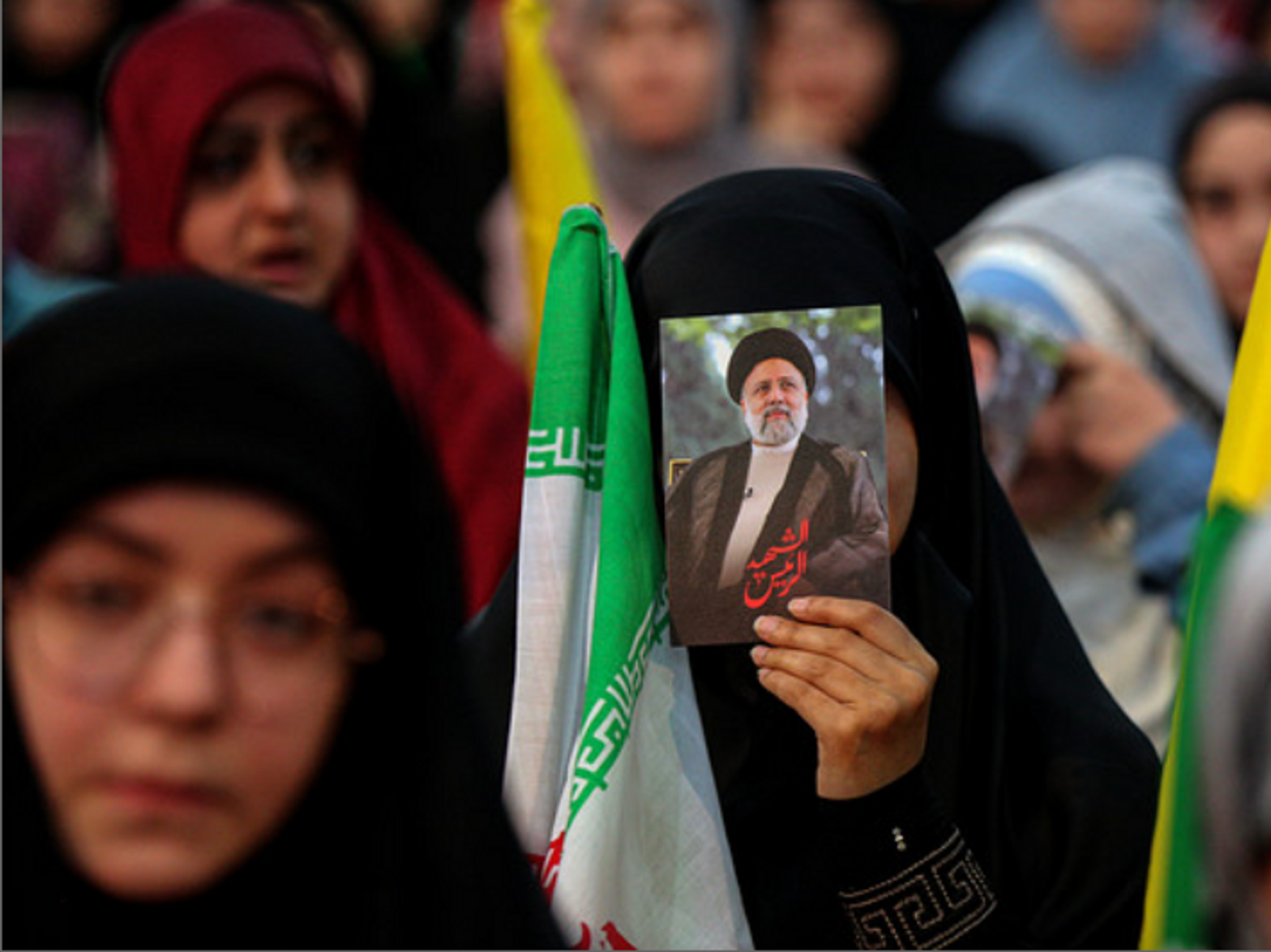
In spite of the Iranian regime’s inclination to conclude the matter of the president’s recent fatal helicopter crash, murmurs around a possible murder plot or a foreign strike are not going away.
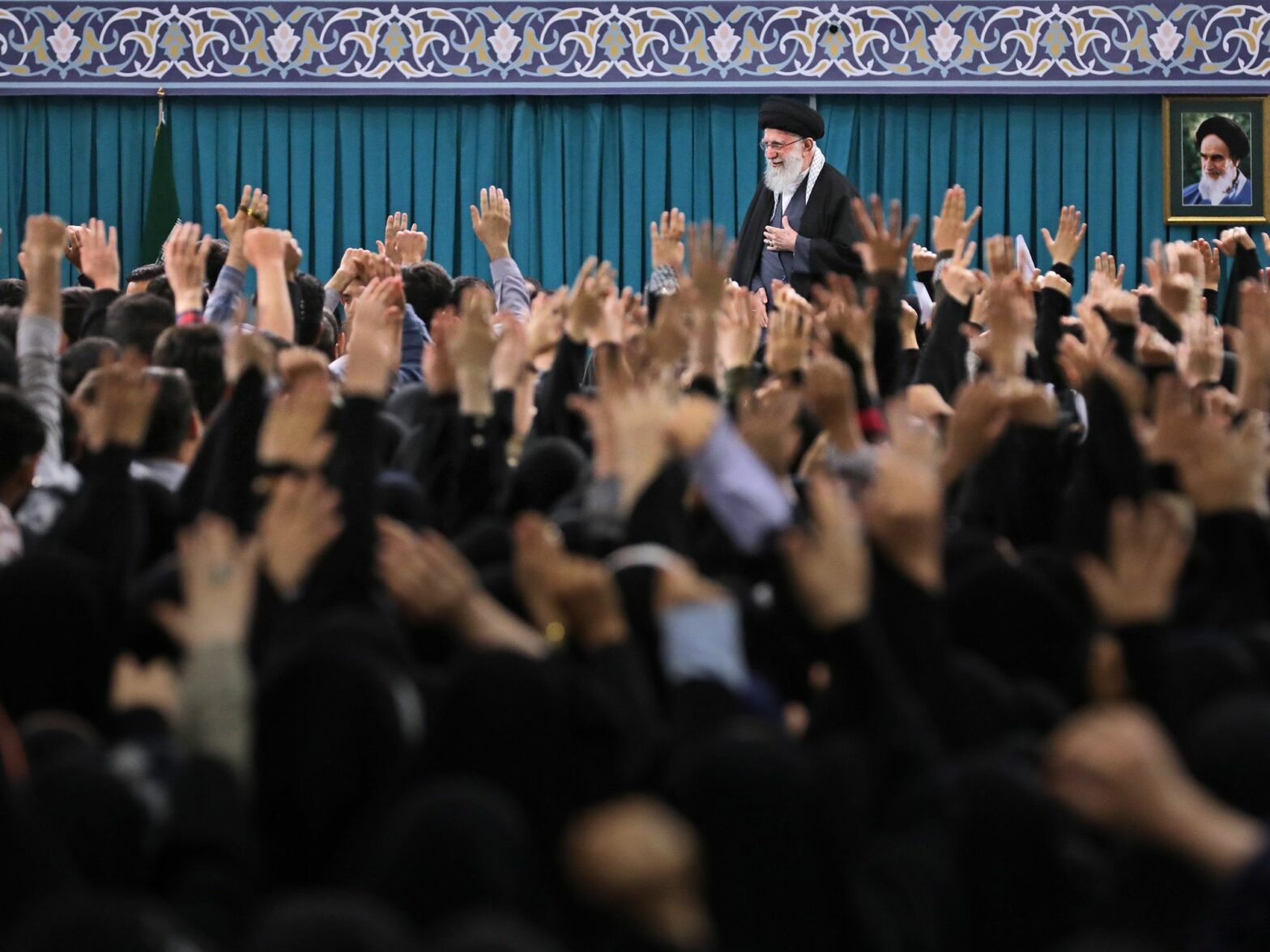
The death of Iran’s hardline president might create some political terrain for moderates there and stabilize relations with a complacent West and especially the Biden administration, eager to put a lid on the Middle East before November’s presidential elections.
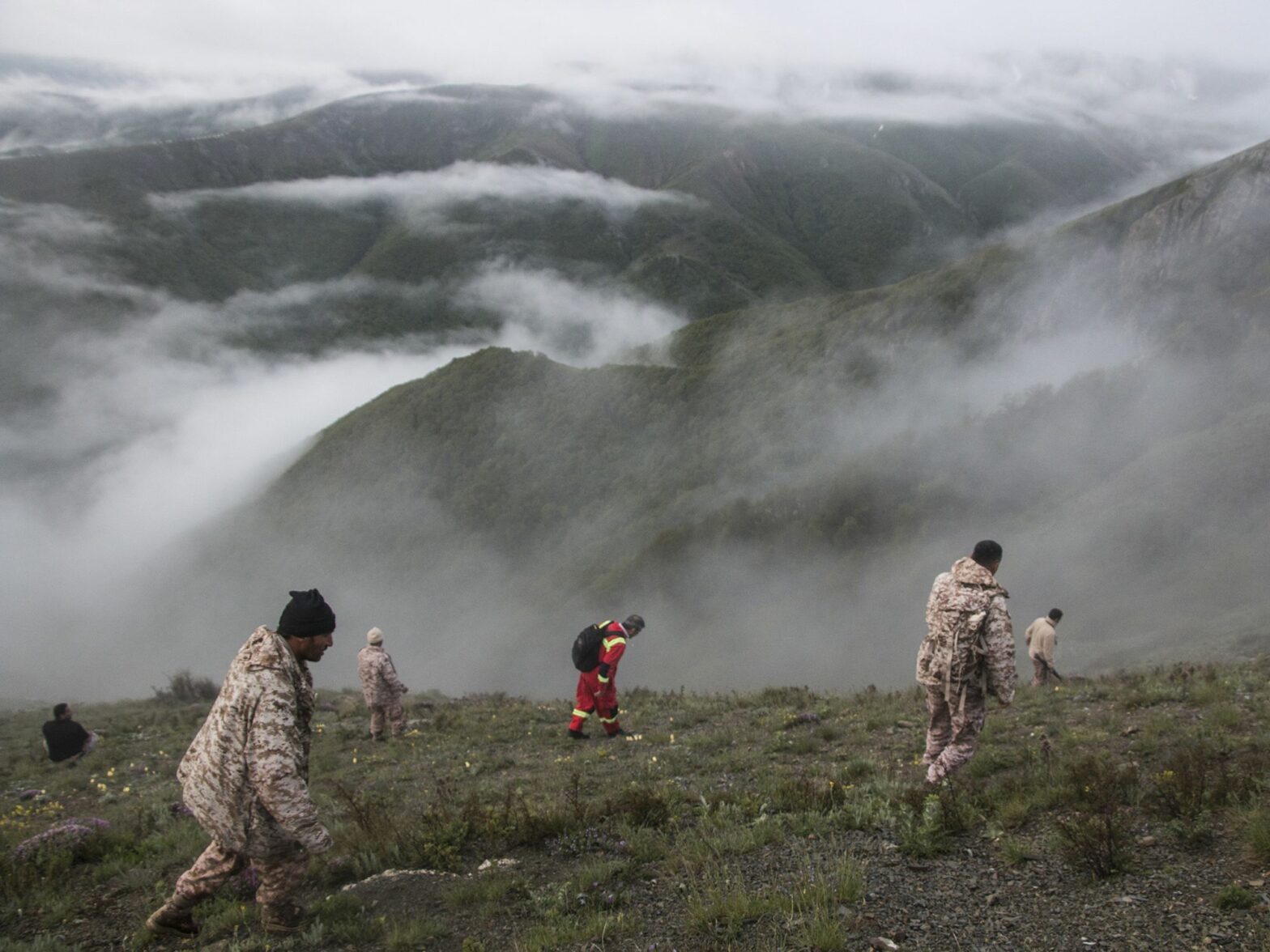
In spite of the political or diplomatic headaches this could cause, there are preliminary grounds for not ruling out foul play as causing the Iranian president’s helicopter to crash days ago, reports the leading independent Persian-language news site.
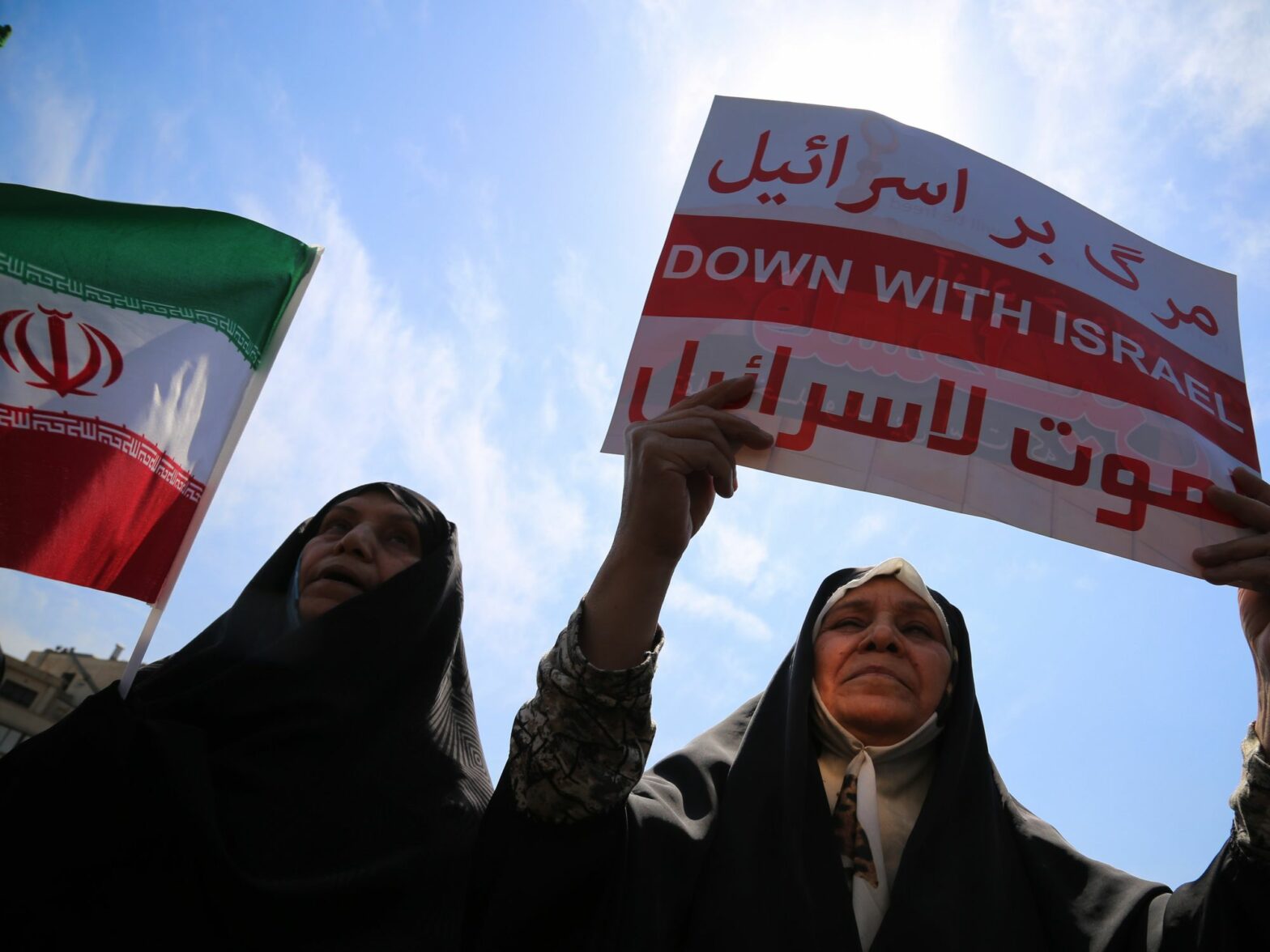
Israel’s recent strike on central Iran was a warning shot for Tehran, tempered by a desire to close the recent spate of tit-for-tat attacks and by pressure from the U.S. Yet this may have only ended round one of the Iran-Israeli showdown.
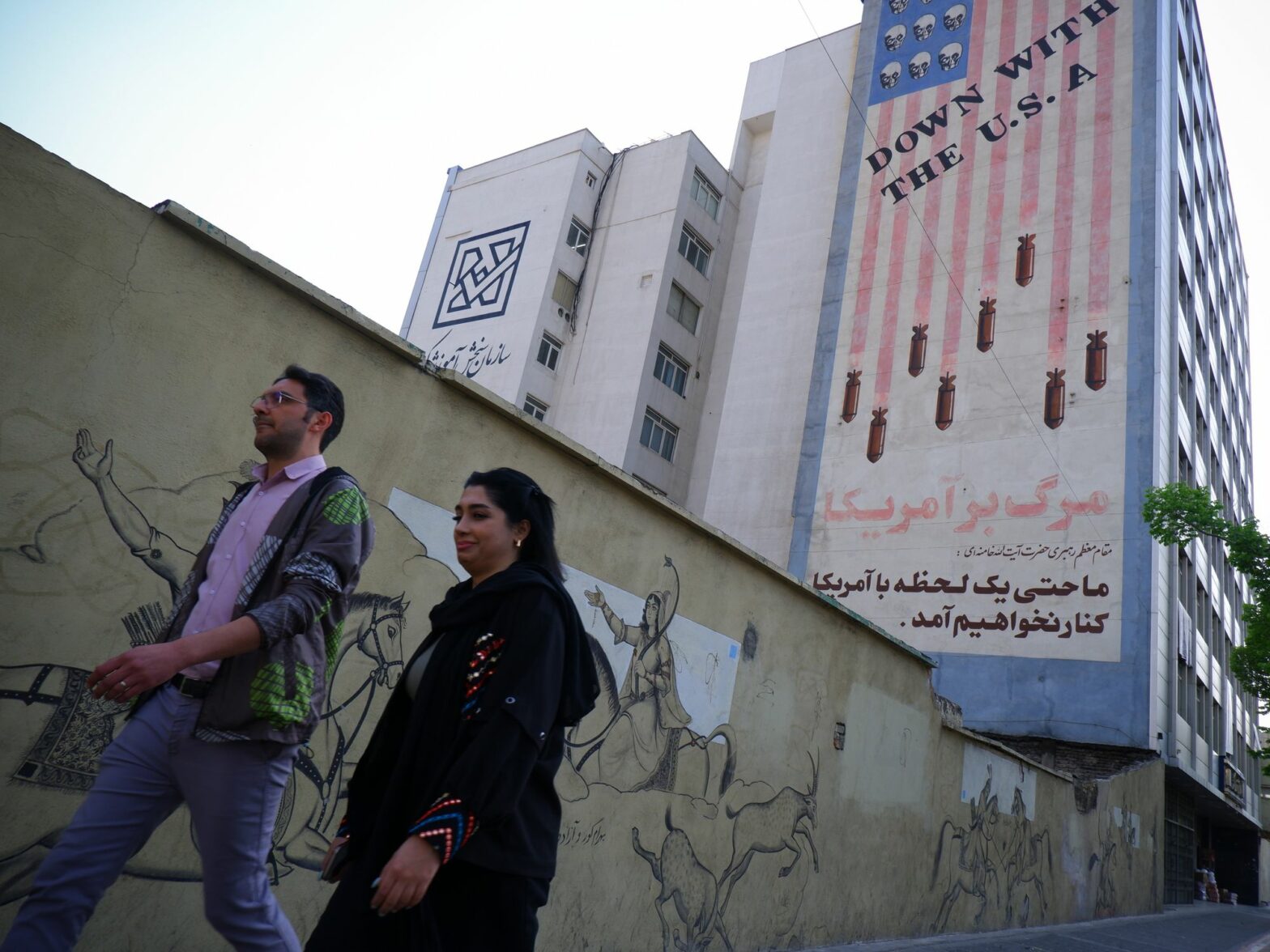
Iranian authorities are enforcing Islamic dress norms with renewed vigor and the backing of a new law, and insist a “hostile West” is goading Iranian women into living indecent lives.
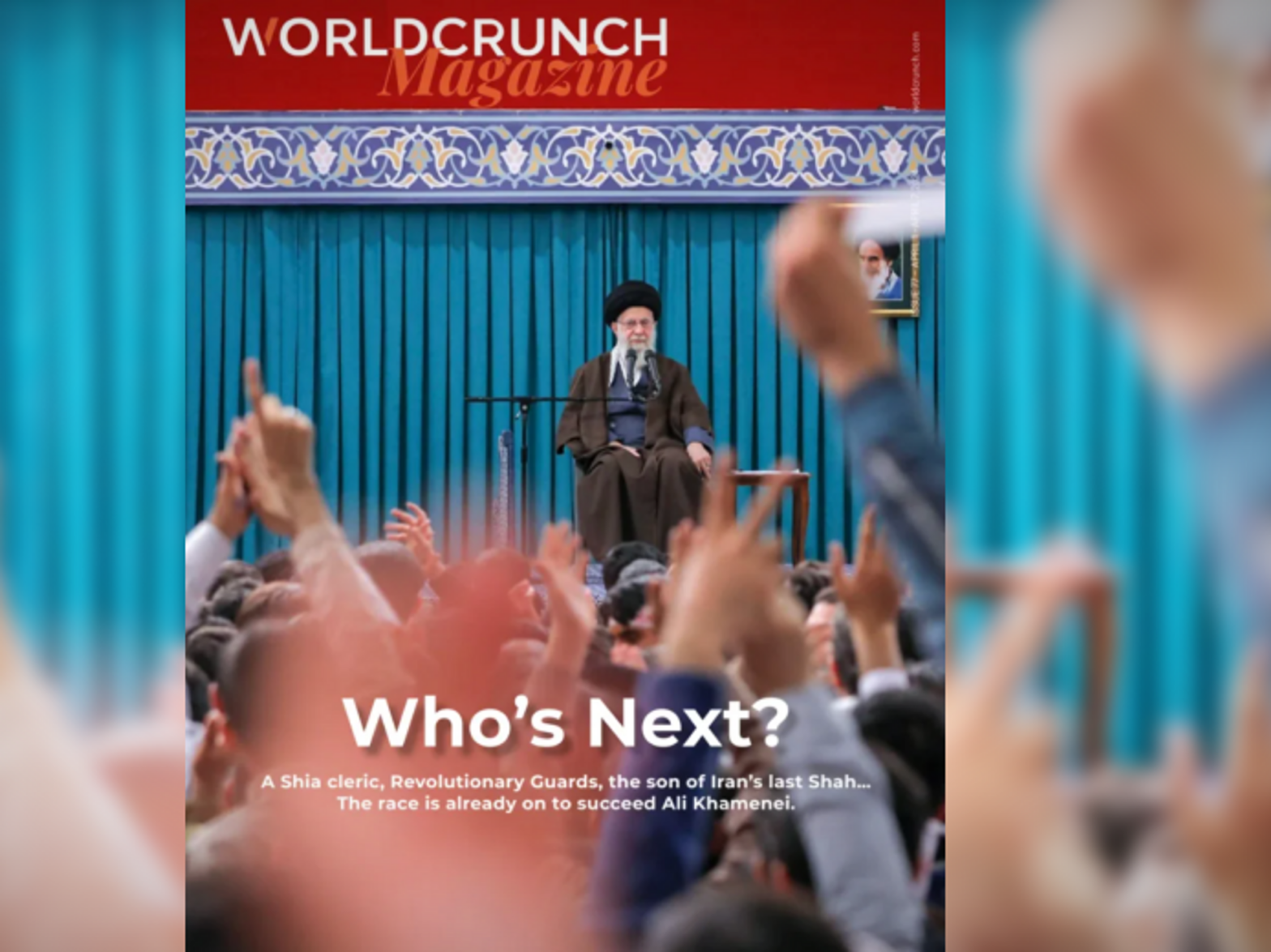
April 1 – April 7, 2024
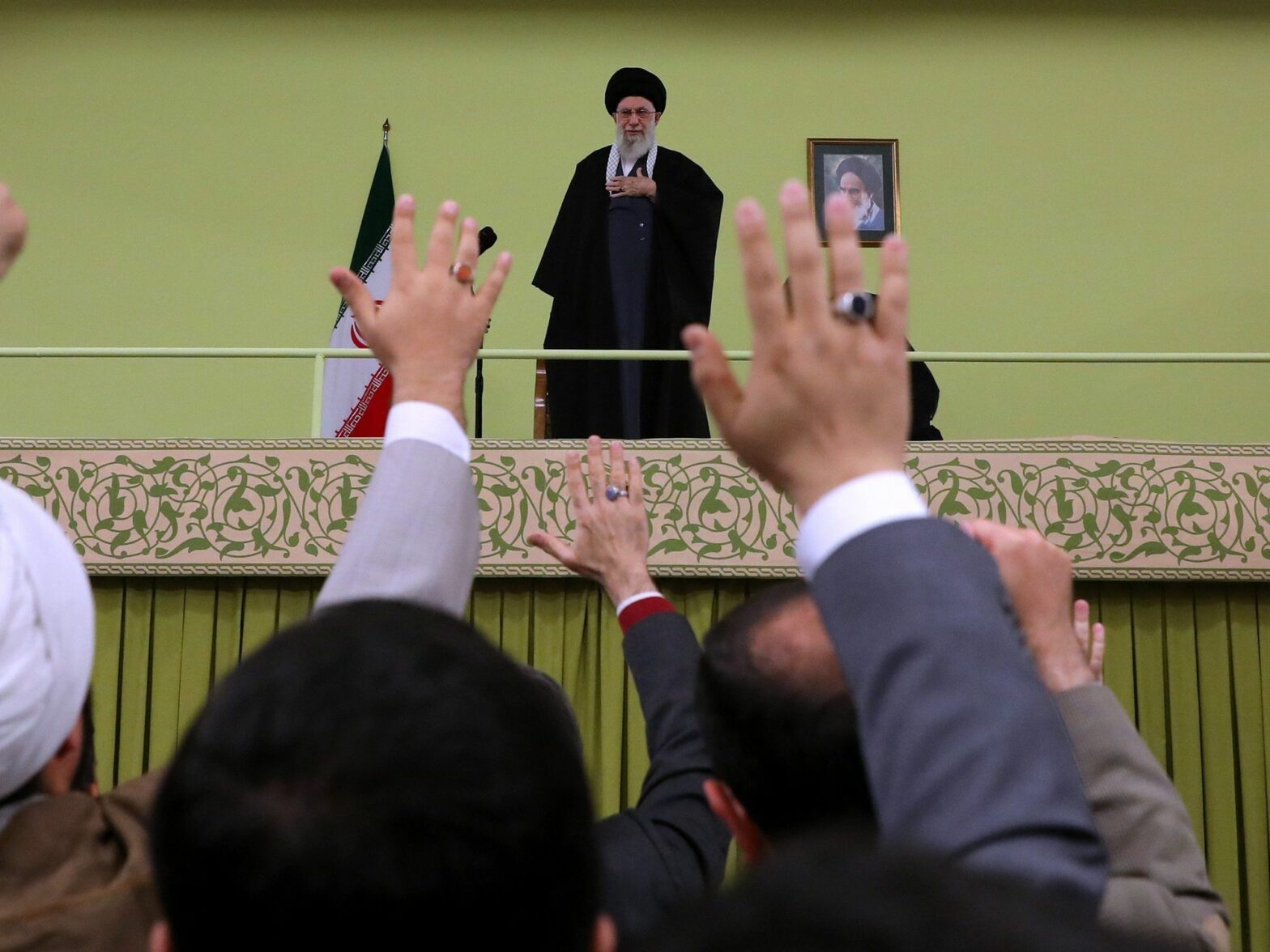
Iran’s Supreme Leader Ali Khamenei, now 84, has been in power since 1989. What will happen when he dies? His death may lead to a hybrid military-Islamic regime, with members of the Revolutionary Guards imposing a more pragmatic yet equally corrupt regime. It is time for the opposition to find a unified leader they can rally behind and that can help mobilize Iranians in the transition.
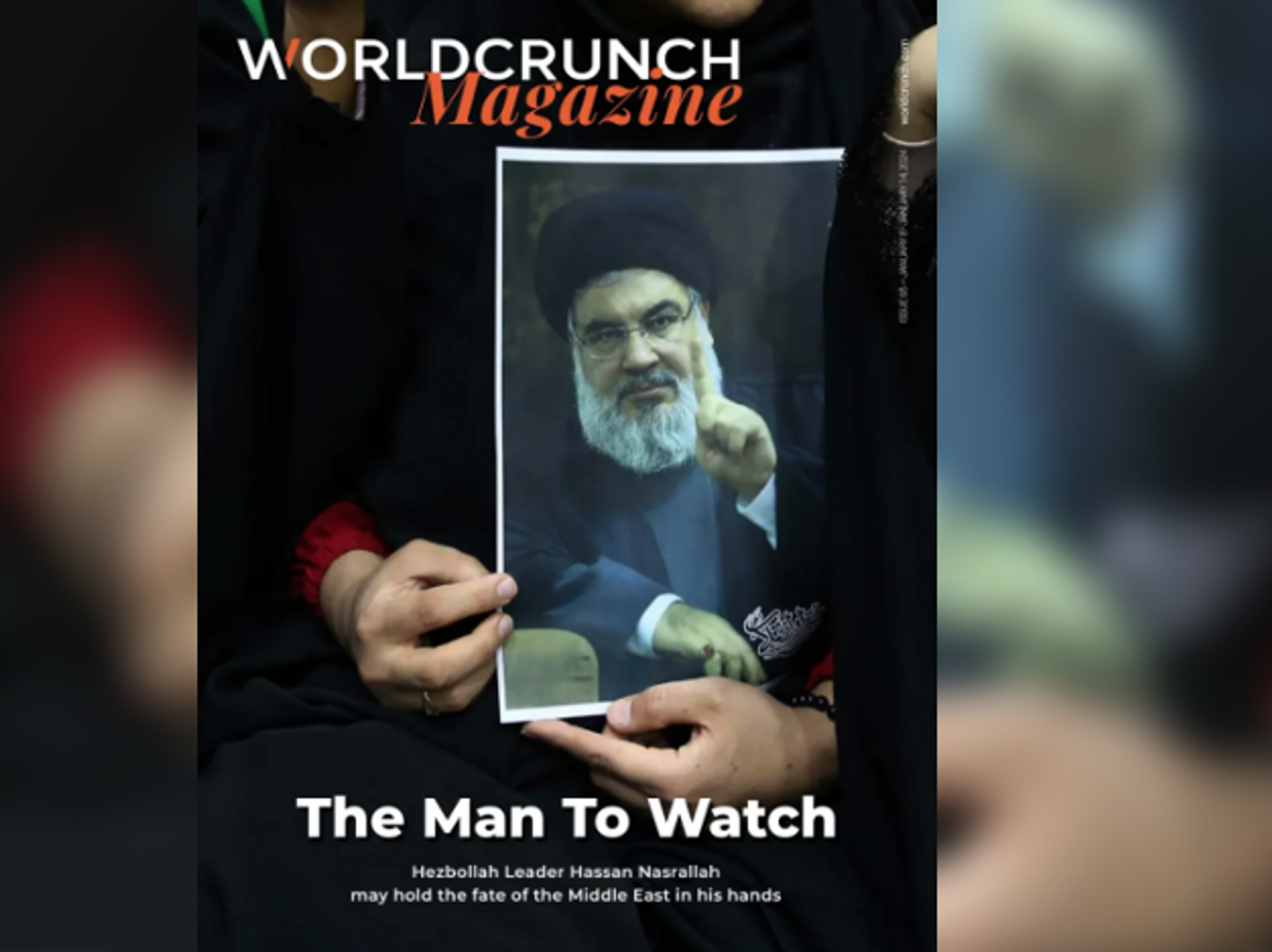
January 8 – January 14, 2024
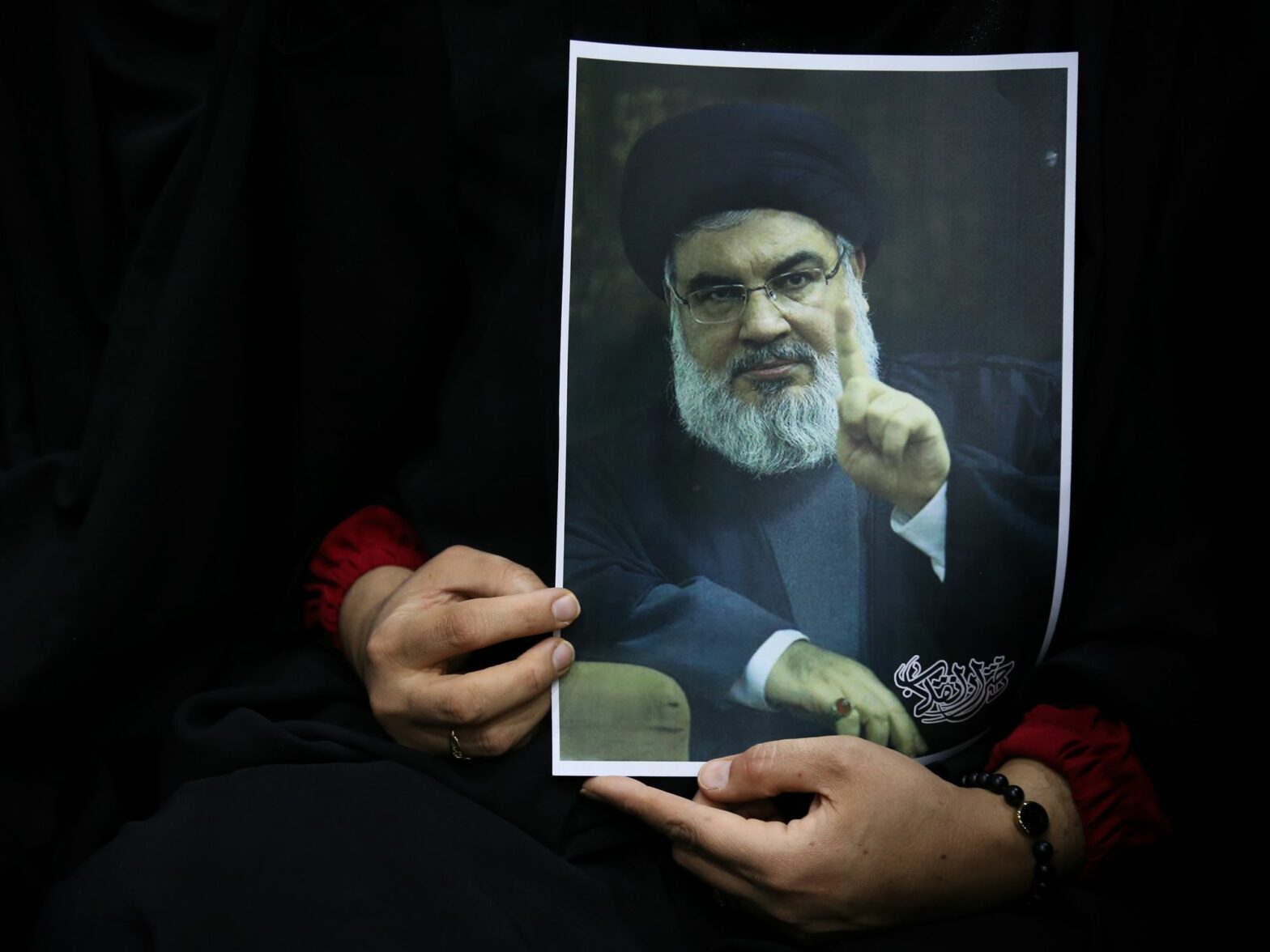
Iran’s constitution effectively allows any Shia theologian to become Supreme Leader, and the maneuvering to succeed Ali Khamenei now appears to include Hassan Nasrallah, longtime influential leader of Lebanon’s Hezbollah militia. It could redraw the map of the Middle East, but would ordinary Iranians and politicians stomach such an audacious imposition?
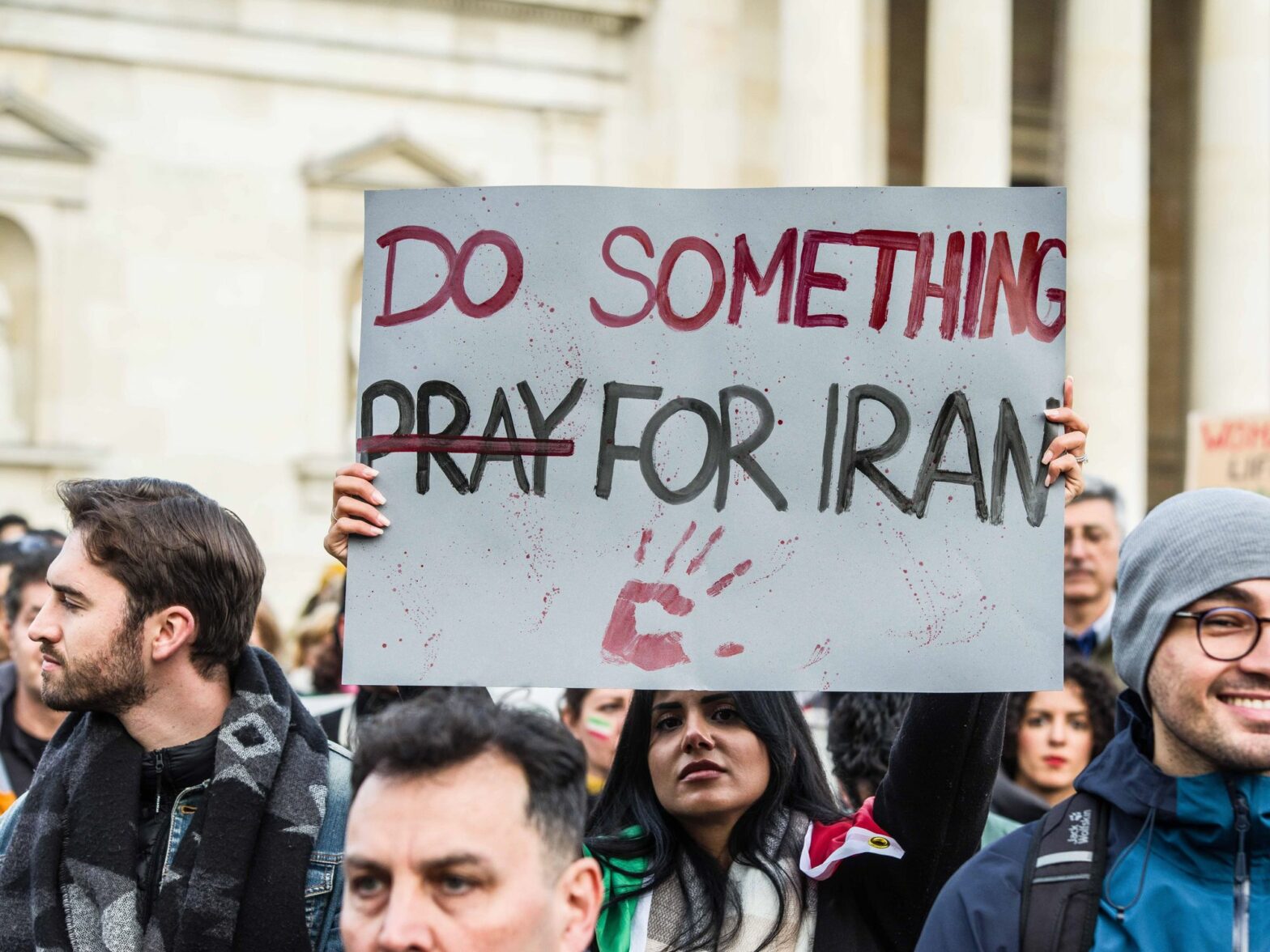
Inside Iran, people are risking their lives to fight the oppressive Islamic Republic. Now, they need support from compatriots abroad and Western democracies to bring an end to this decades-long fight for democracy.
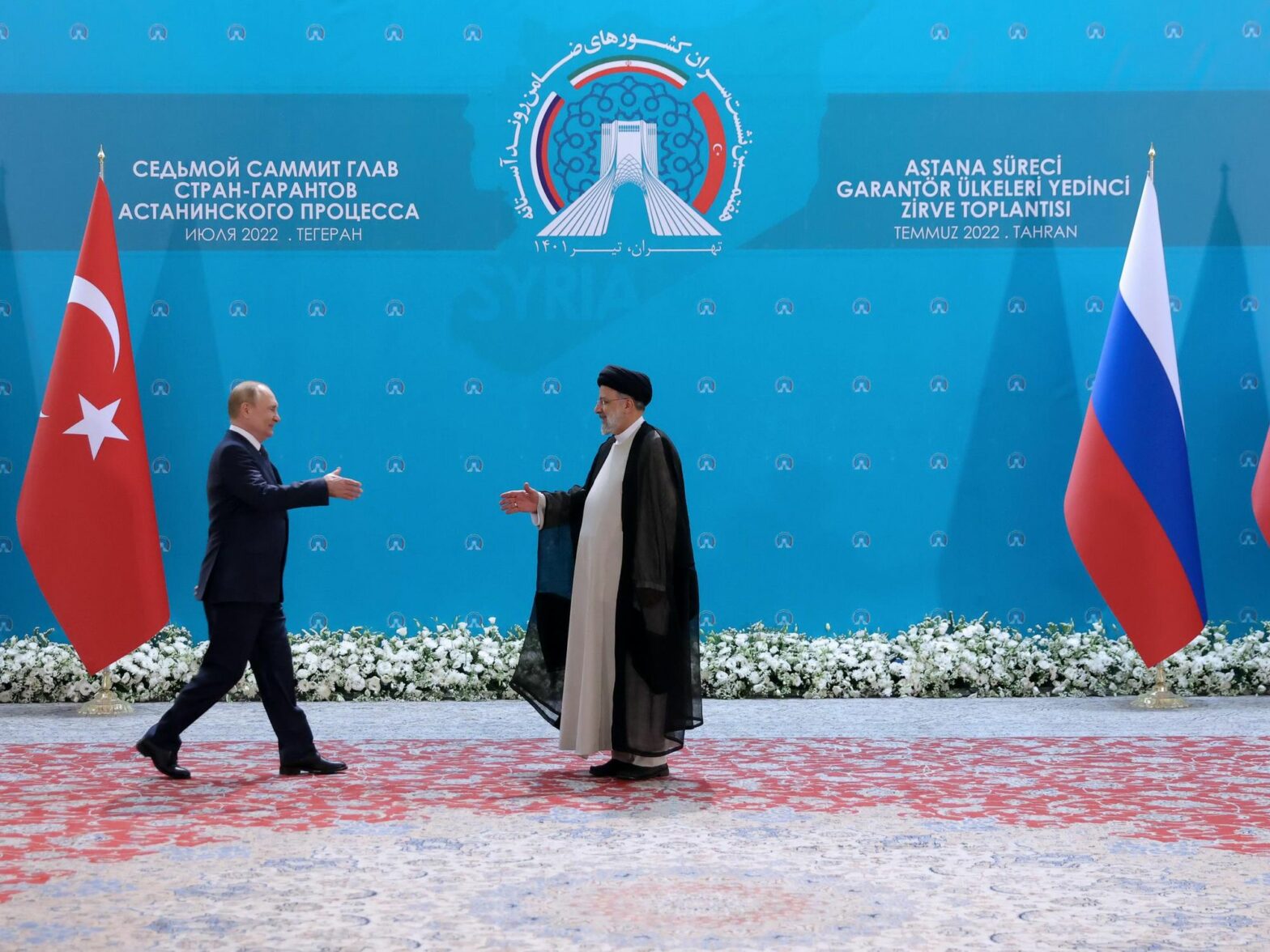
The Supreme Leader’s advisers in Tehran argue the Islamic Republic must back Russia in Ukraine because Russia is fighting a common enemy: the Western alliance.
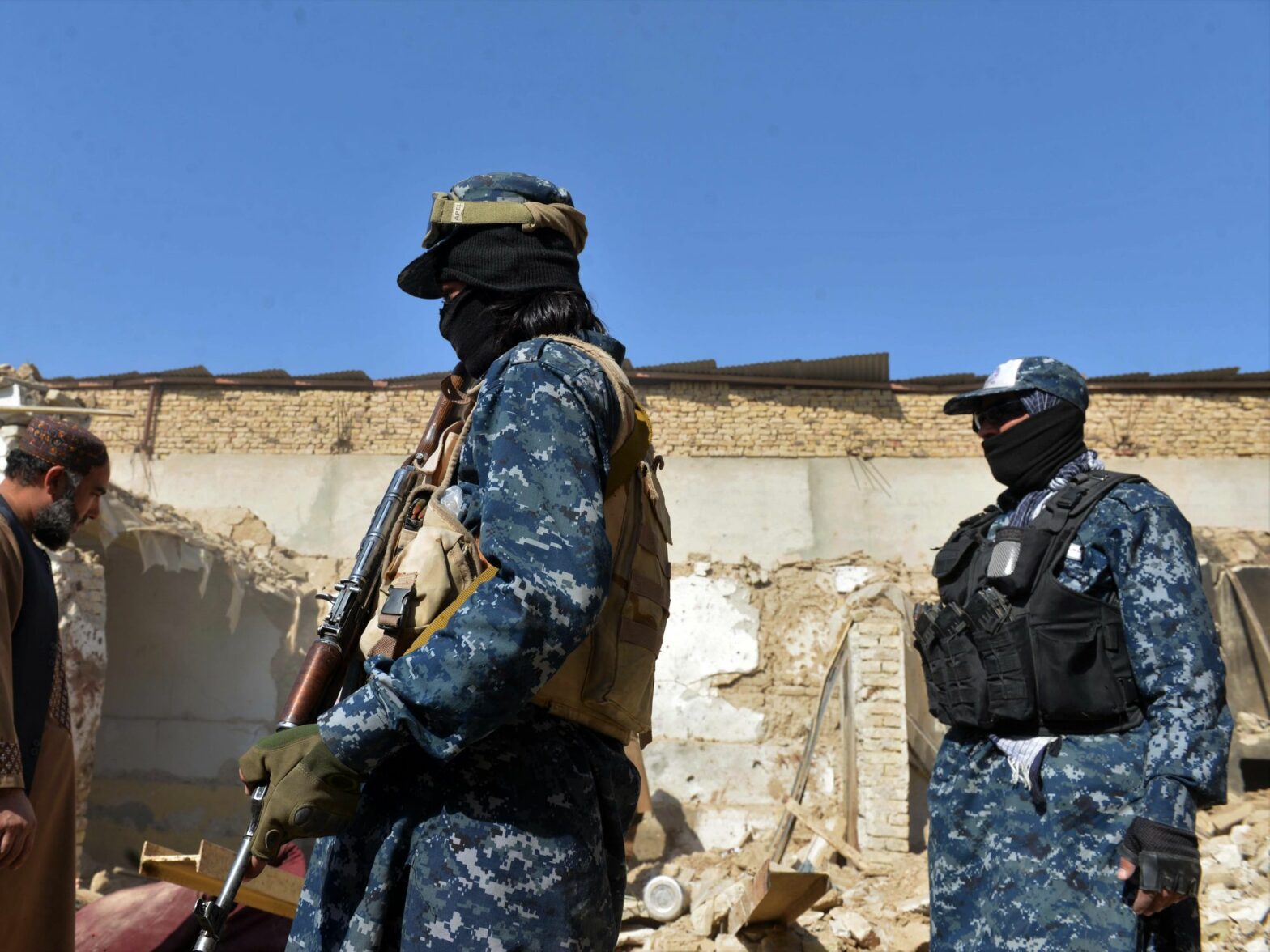
After the Sunni fundamentalist Taliban rulers retook control of Afghanistan, there were initial, friendly signals exchanged with Iran’s Shia regime. But a recent border skirmish recalls tensions from the 1990s, when Iran massed troops on the Afghan frontier.
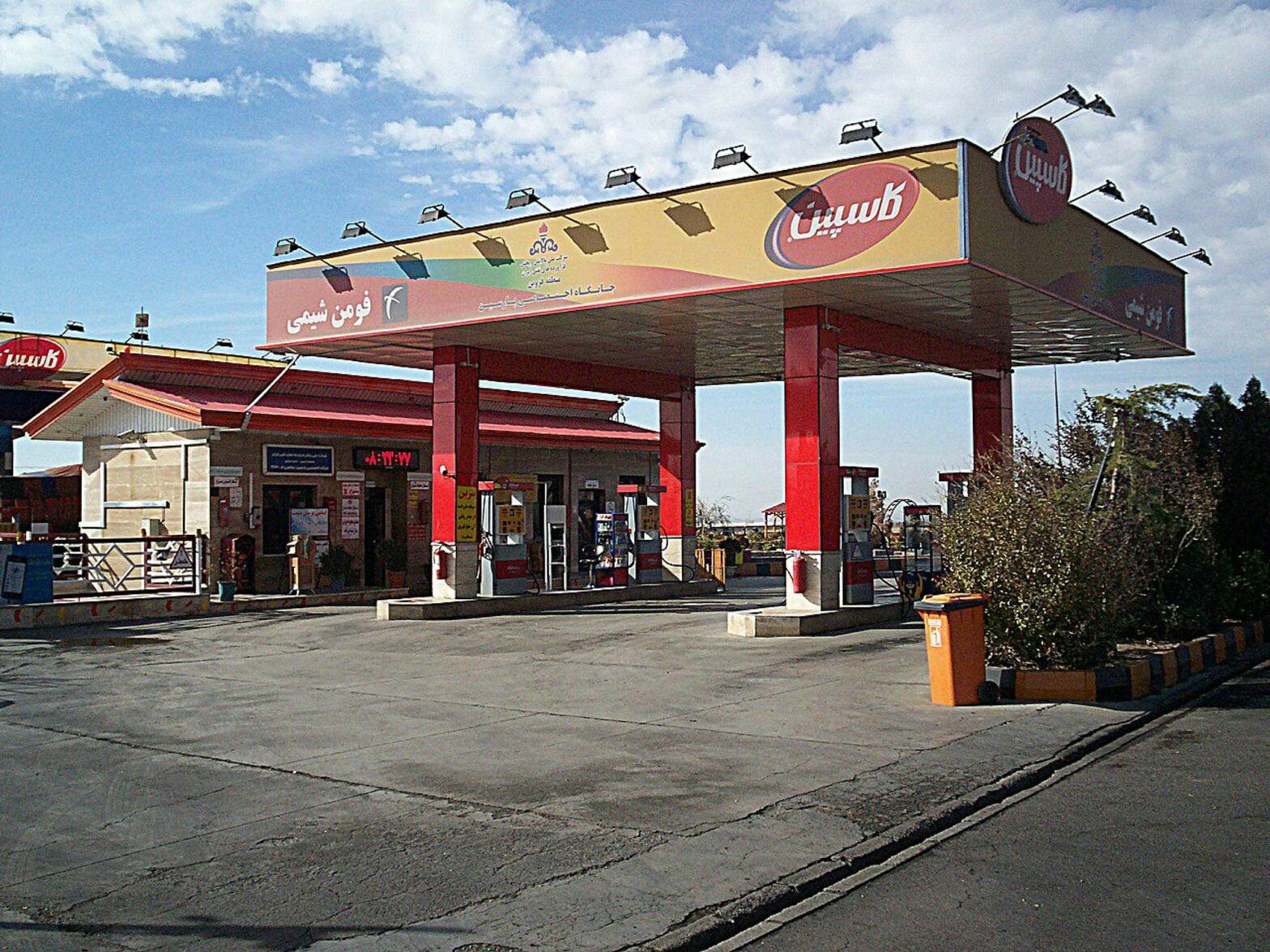
Gas stations in many Iranian cities had trouble supplying fuel earlier in the week in what was a suspected cyberattack on the fuel distribution system. One Tehran daily on Thursday blamed Israel, which may have carried out similar acts in past years, to weaken Iran’s hostile regime. The incident reportedly disrupted the credit and debit […]
There seemed to be confusion among Iranian politicians about the Supreme Leader’s “real” position on Iran’s negotiations with the West on its nuclear program, the Persian language edition of Radio France Internationale is reporting, citing several Iranian press reports. The Supreme Leader Ayatollah Ali Khamenei, who has the final say on Iran’s key domestic and […]