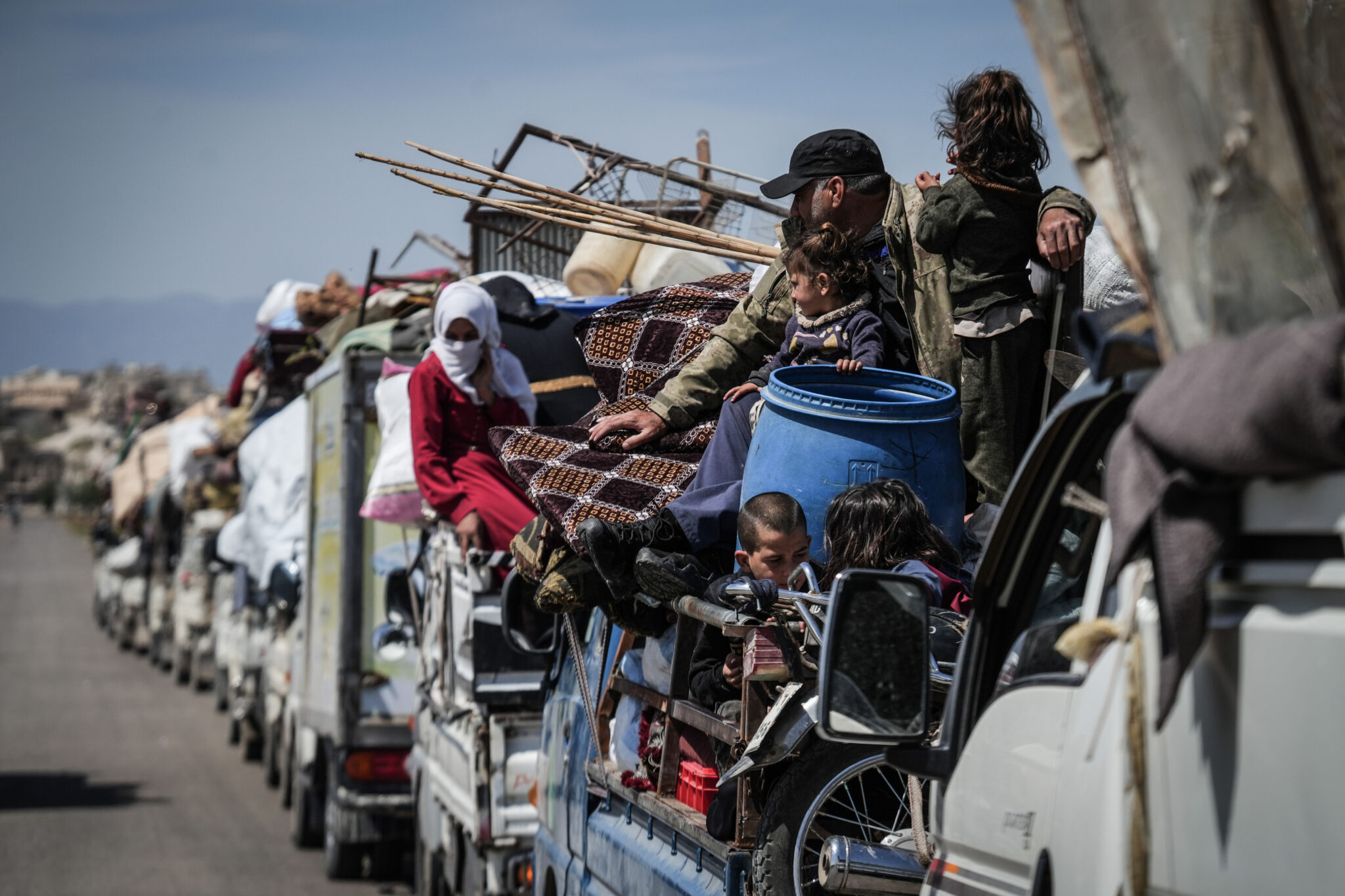
After Assad fled to Russia, Moscow opened the door for asylum and humanitarian protection to many Syrians, including former military members. Yet their journeys north are very different.
 Worldcrunch
After Assad fled to Russia, Moscow opened the door for asylum and humanitarian protection to many Syrians, including former military members. Yet their journeys north are very different.
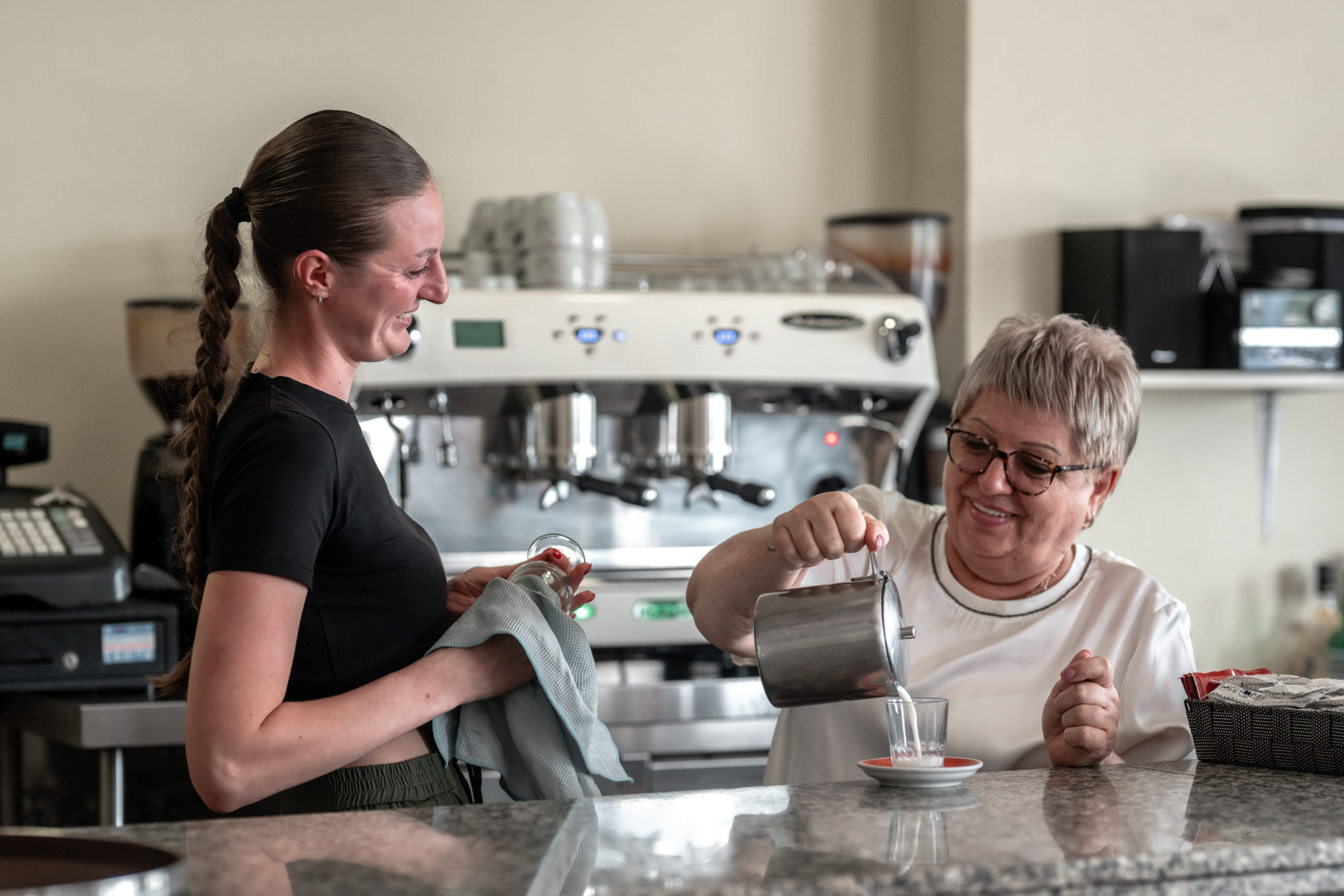
In a small Valencian town shaped by migration and memory, everyday places like lunch bars have become unexpected points of arrival for people displaced by war and economic upheaval. Alberic (Valencia, Spain) is one such place, where new lives quietly take root amid sandwiches, shared routines, and informal networks of support.
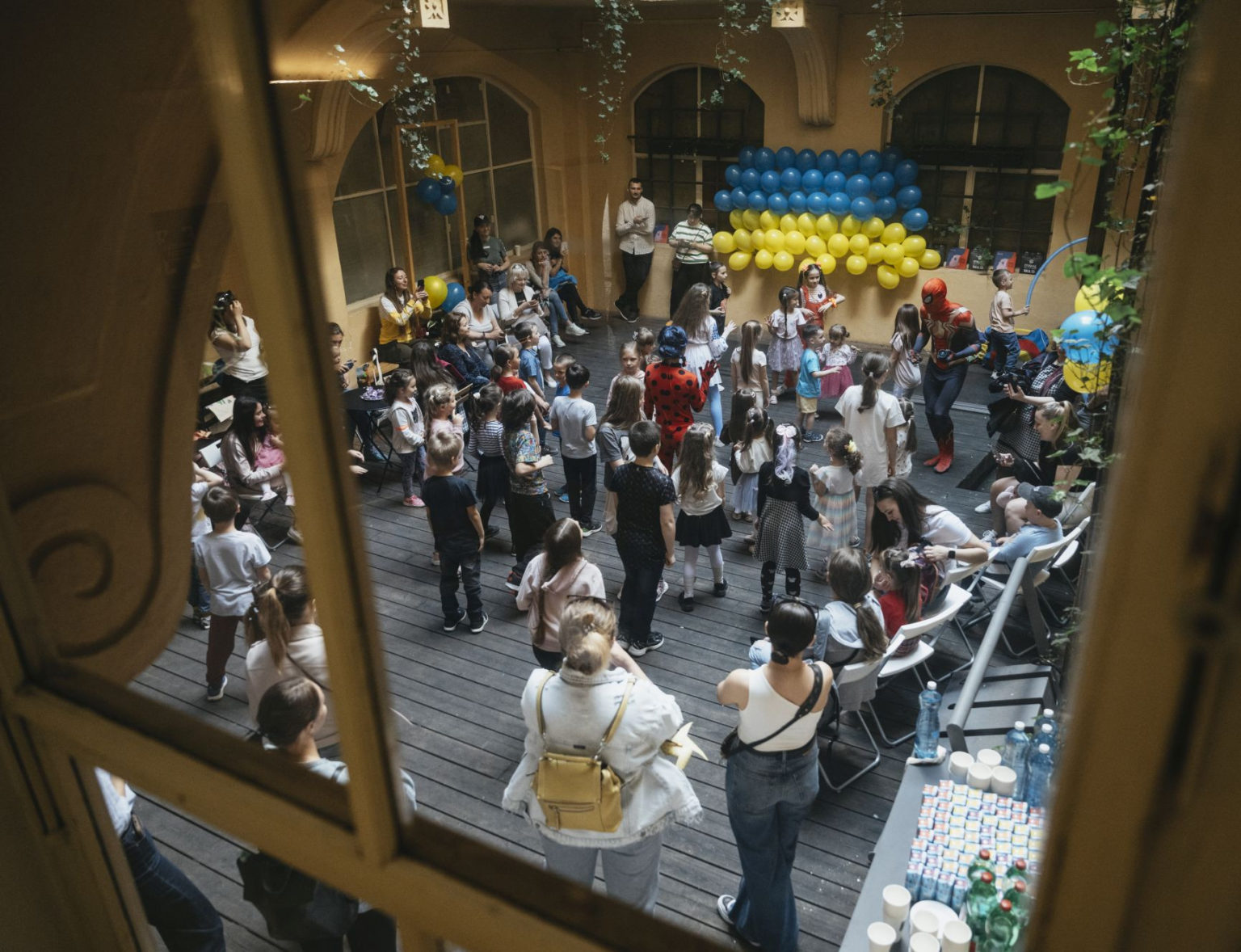
Most are working and paying taxes. Yet hundreds of thousands of women given refuge in Czechia must deal with public distrust and a shrinking pool of state aid.
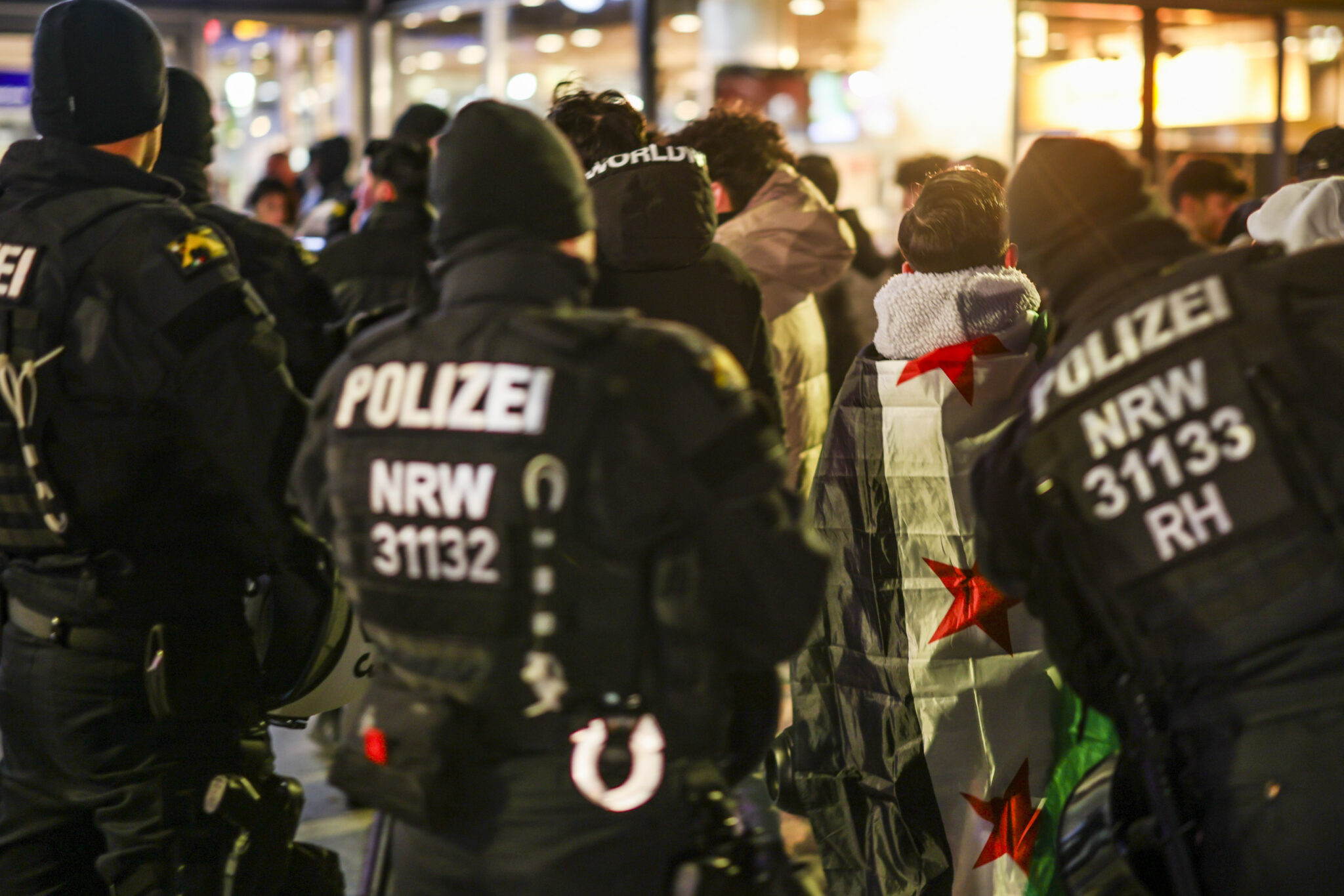
When conservative German politician Jens Spahn urges Syrian refugees to return home out of “patriotic duty,” his words reveal more about Germany’s politics than about the Syrians themselves.
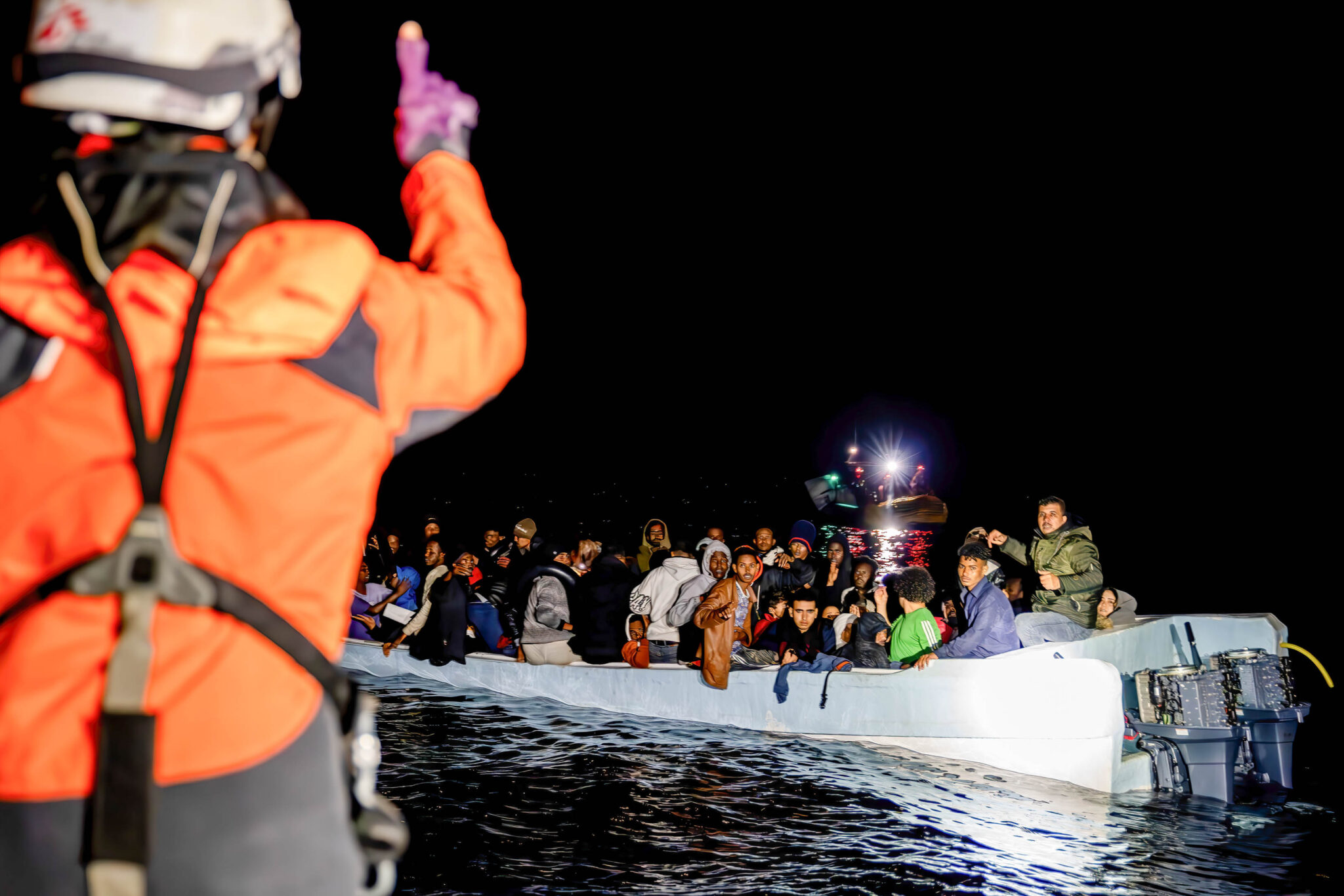
A warning from Monica Minardi, president of the Italian branch of Doctors Without Borders, on how EU and Italian policies dehumanize migrants, empower Libyan abuses, strip reception services, and dodge safe legal routes as the “Fortress Europe” deal is silently renewed.
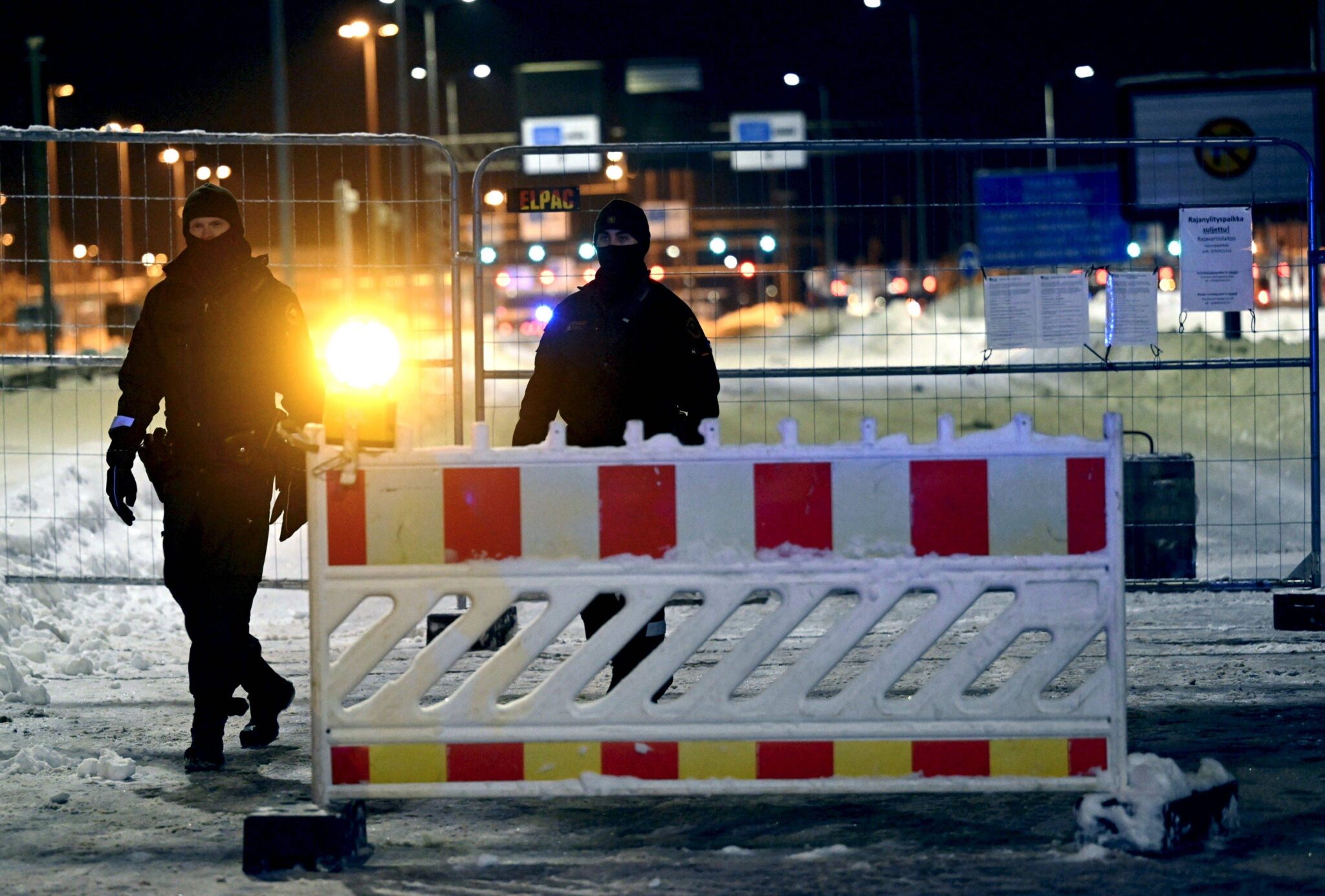
Since the Russian border was closed, people in the far east of Finland have been living with a new Iron Curtain that is reshaping daily life and upending the regional economy.
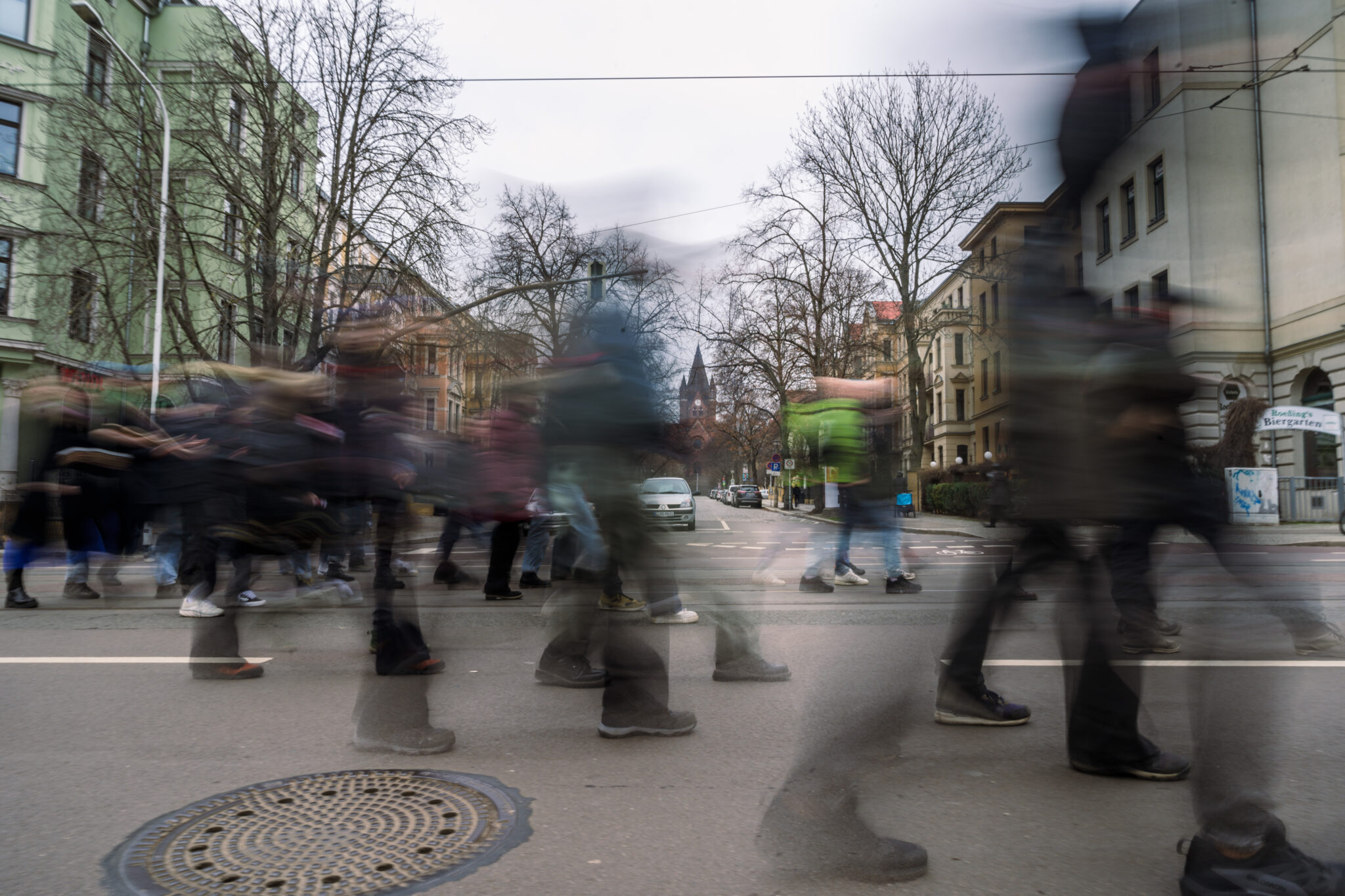
While the political debate and far right fixate on visible problems, new research shows that Germany’s everyday institutions quietly succeed in integrating refugees, often without anyone noticing.
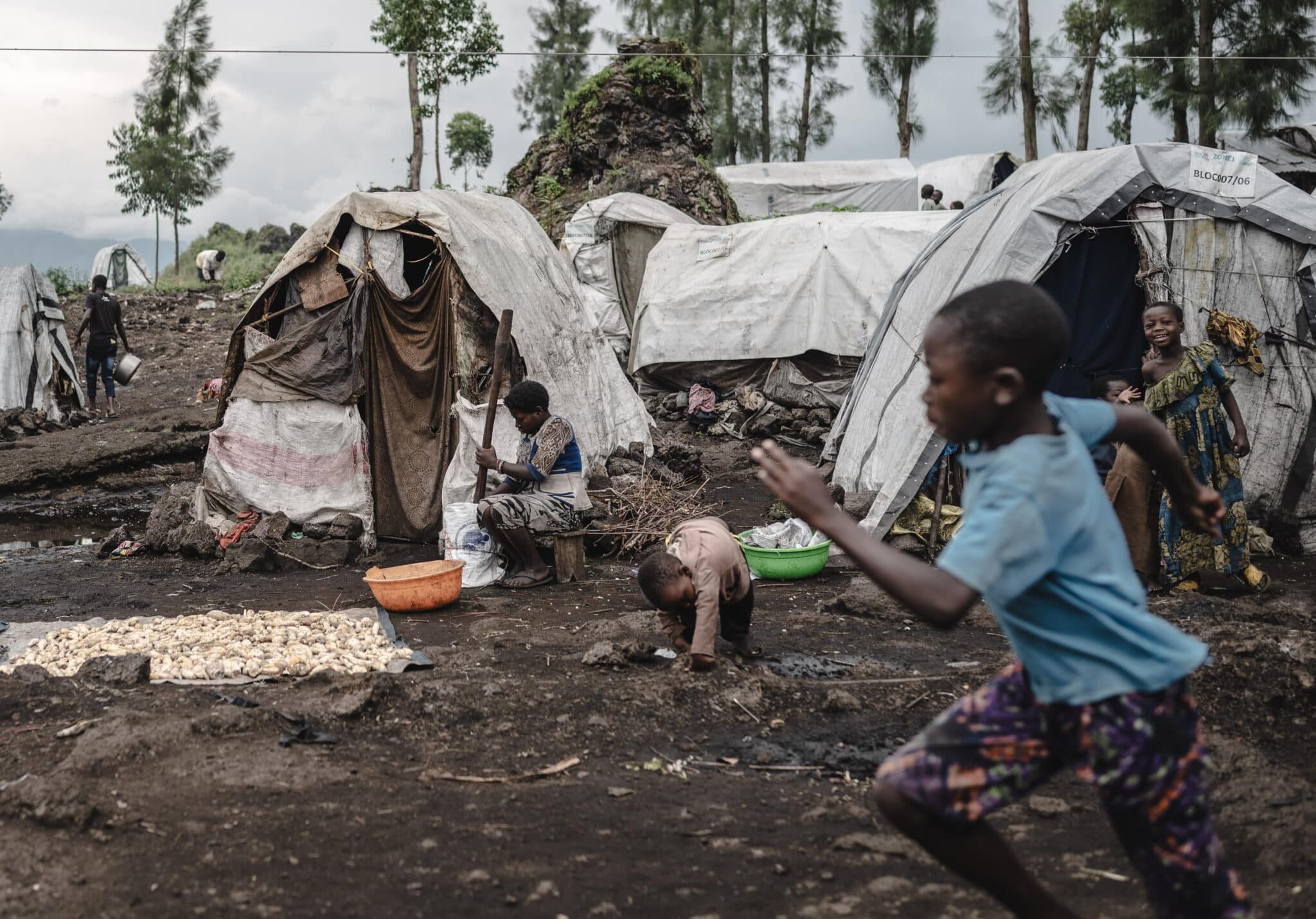
An appeal signed by 75 Nobel Prize winners calls on the world to take action to end the suffering of Congolese civilians in the mineral-rich eastern Democratic Republic of the Congo. But they have little chance of being heard — despite our shared responsibility.
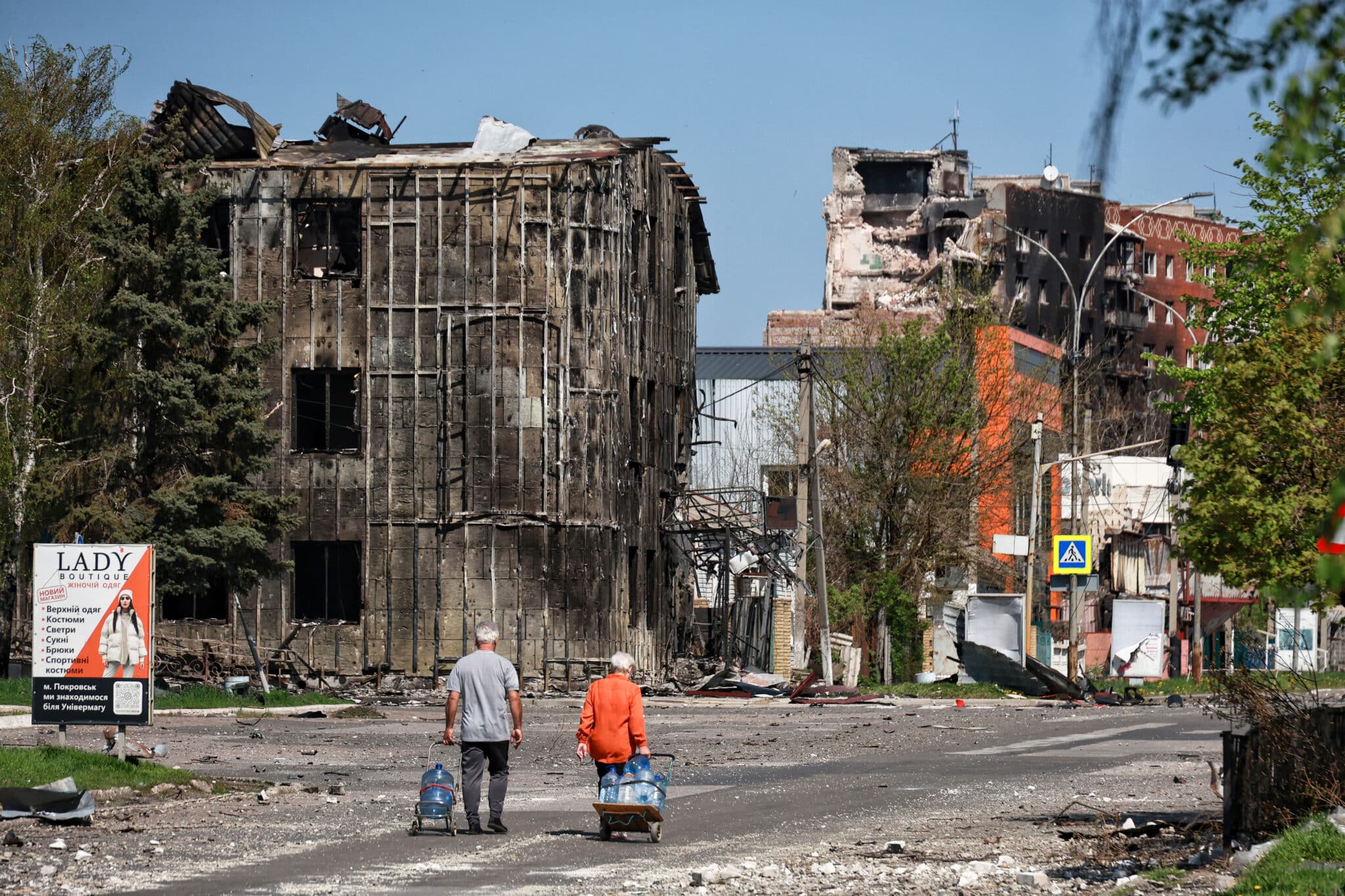
With Russian troops slowly but steadily advancing, and Western support wavering, we should be well aware that a Ukrainian defeat would trigger mass displacement, destabilize Europe, and hand Putin a historic opportunity. We risk sleepwalking into a historic disaster.
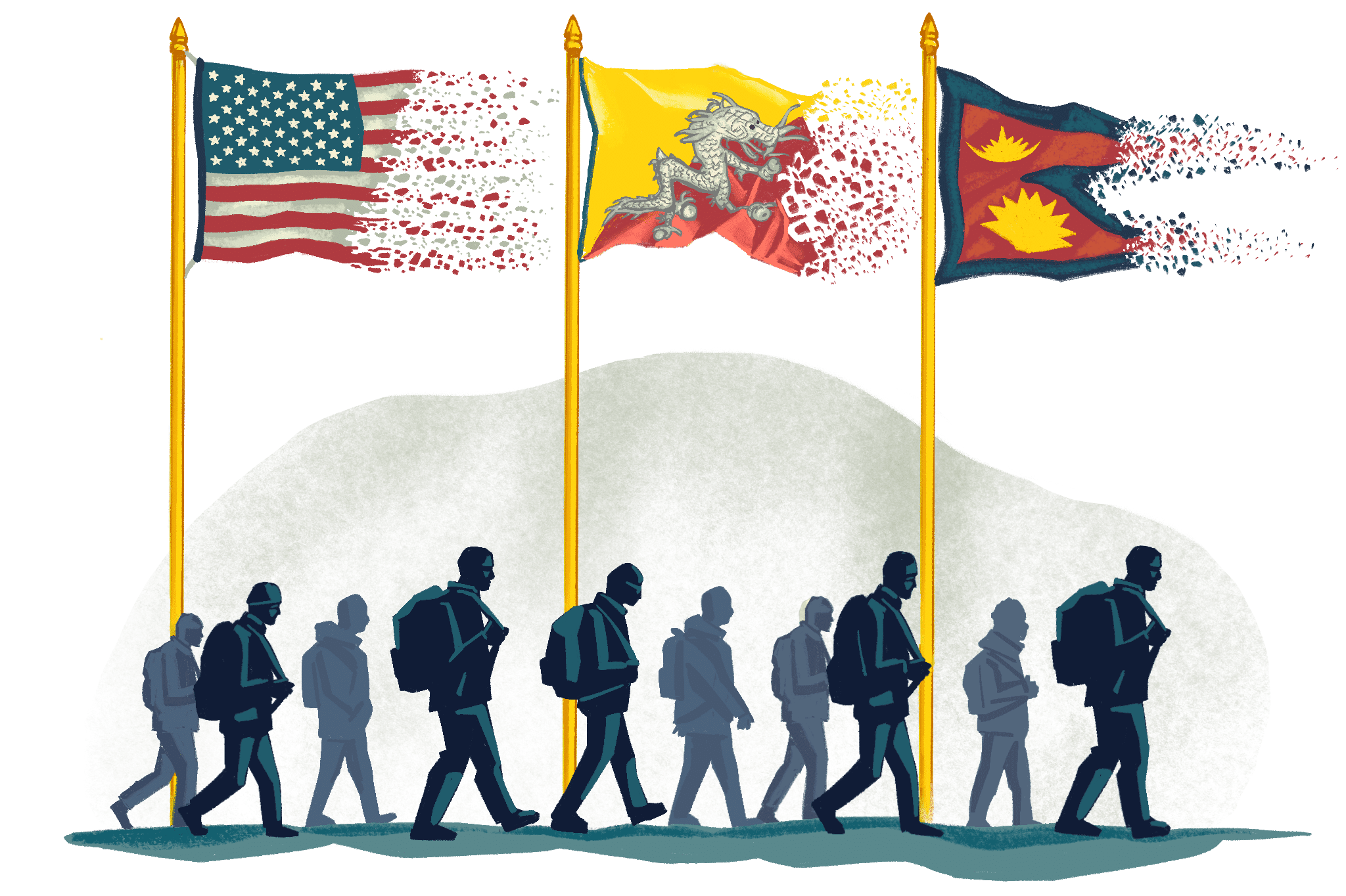
Deported by the U.S. and rejected by Bhutan, dozens of former refugees are now stranded in Nepal without citizenship or legal status. Their statelessness raises urgent legal and human rights questions about the consequences of deportation.
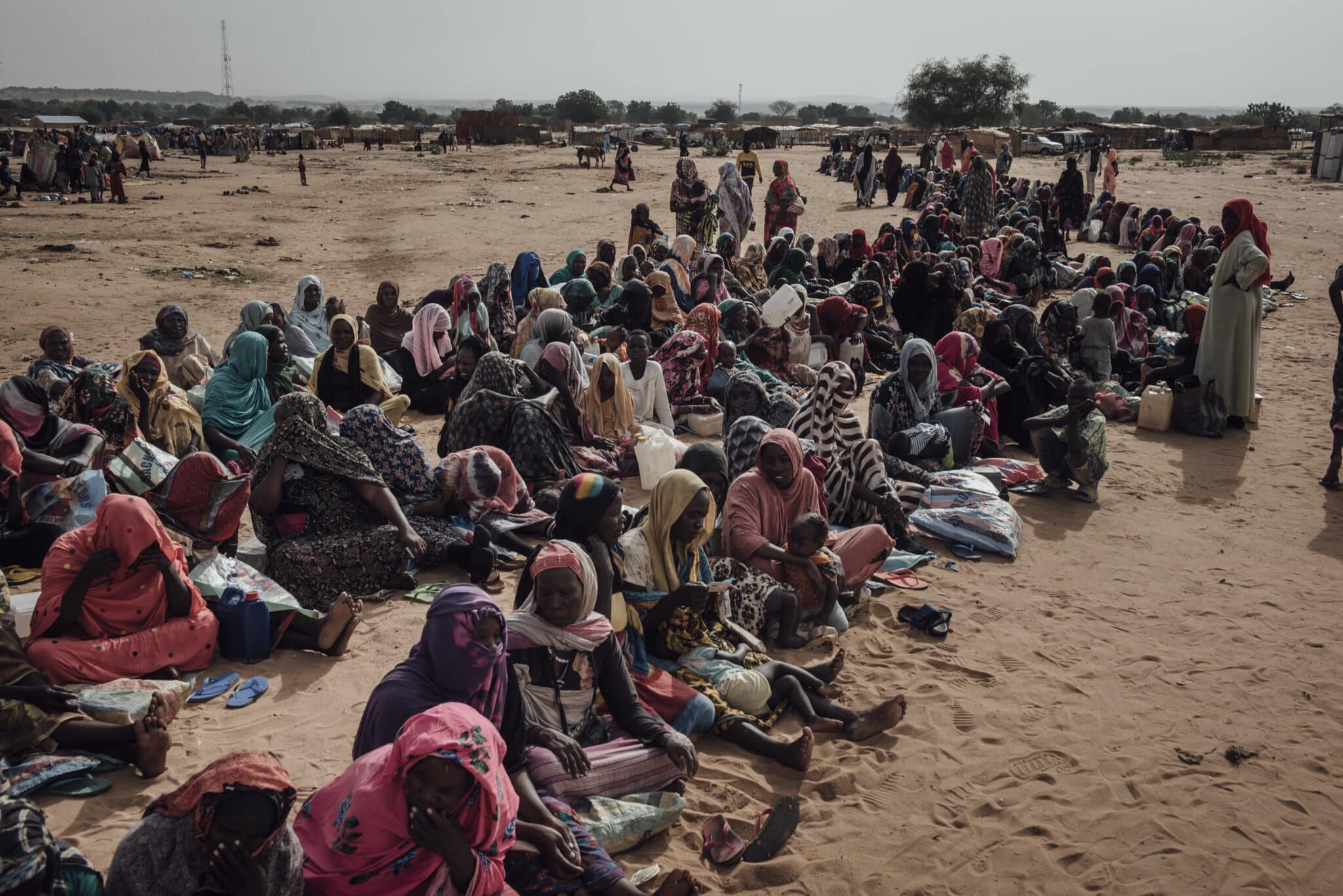
La Stampa journalist Francesca Mannocchi reports from Chad, where she spoke to some of the 700,000 Sudanese refugees who have fled the civil war that is ravaging the country. Their hopes to find a safer place were crushed by lack of funding and resources, creating yet another threat to their lives: famine.
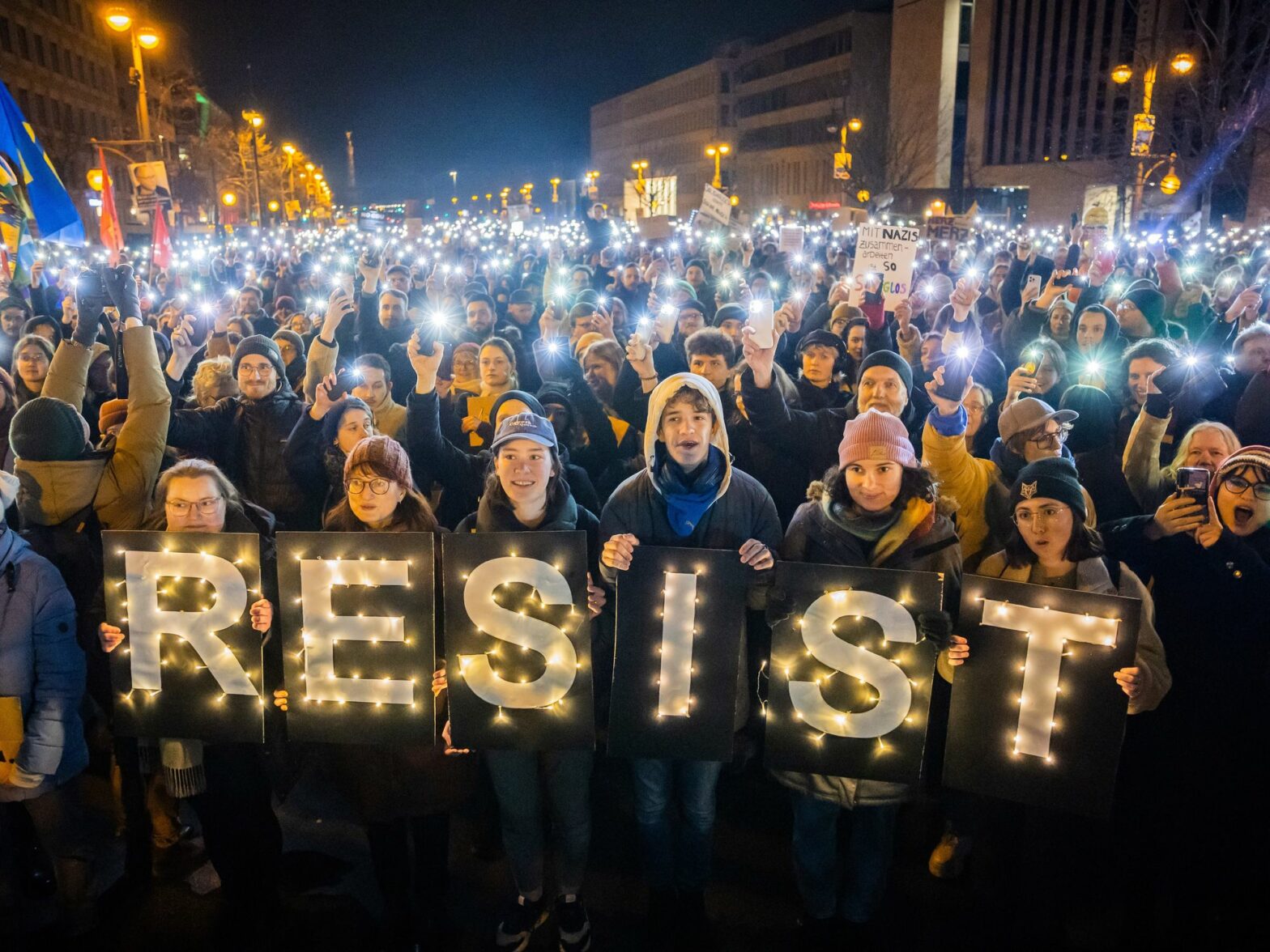
How Germany, like other countries in the West, can avoid sweeping judgments and take a clear-eyed approach to a complex reality.
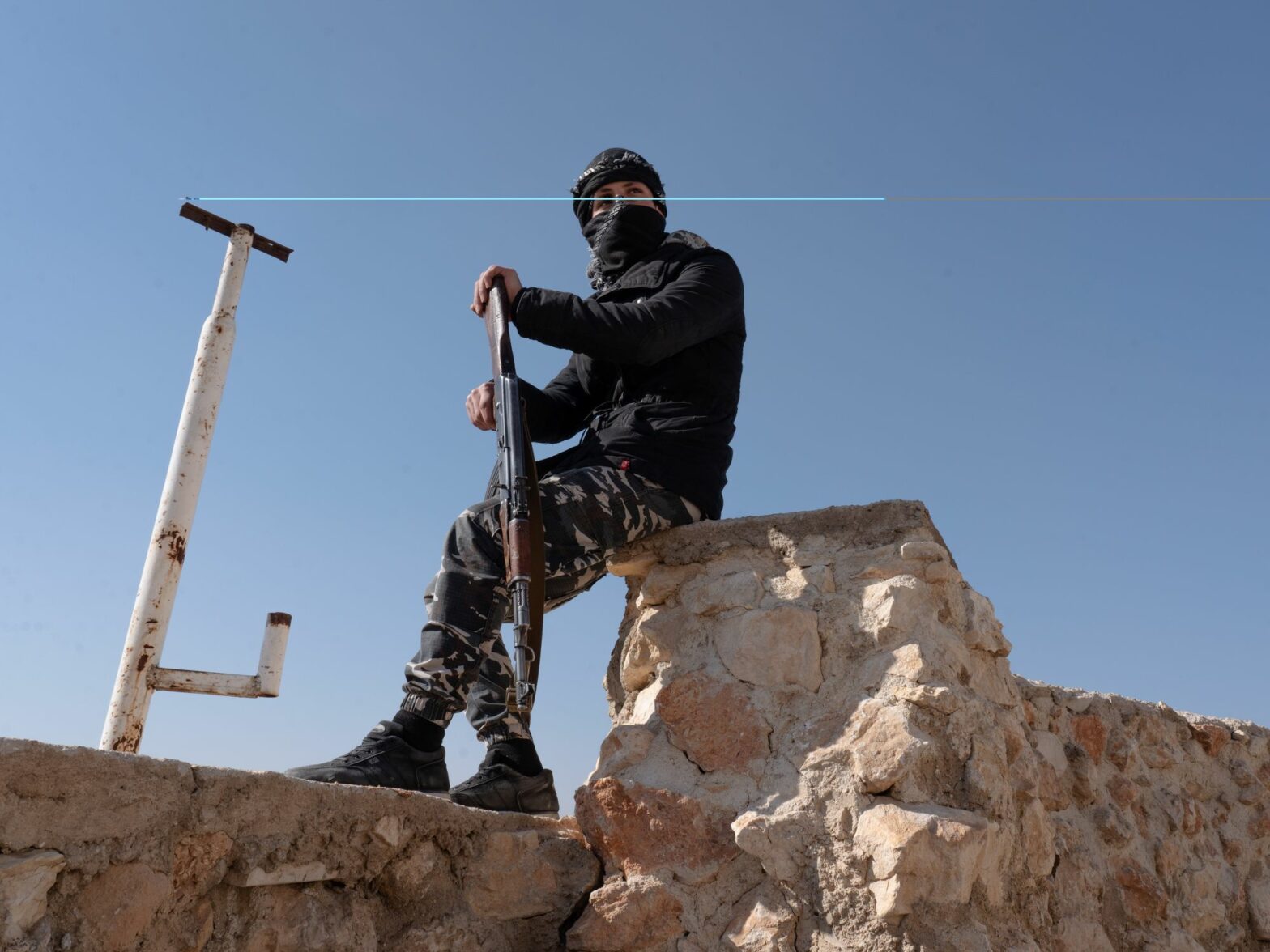
Palestinians must engage in deep domestic dialogue to end their division and agree on a set of principles to address the towering challenges they face, including their ties with Syria’s new rulers.
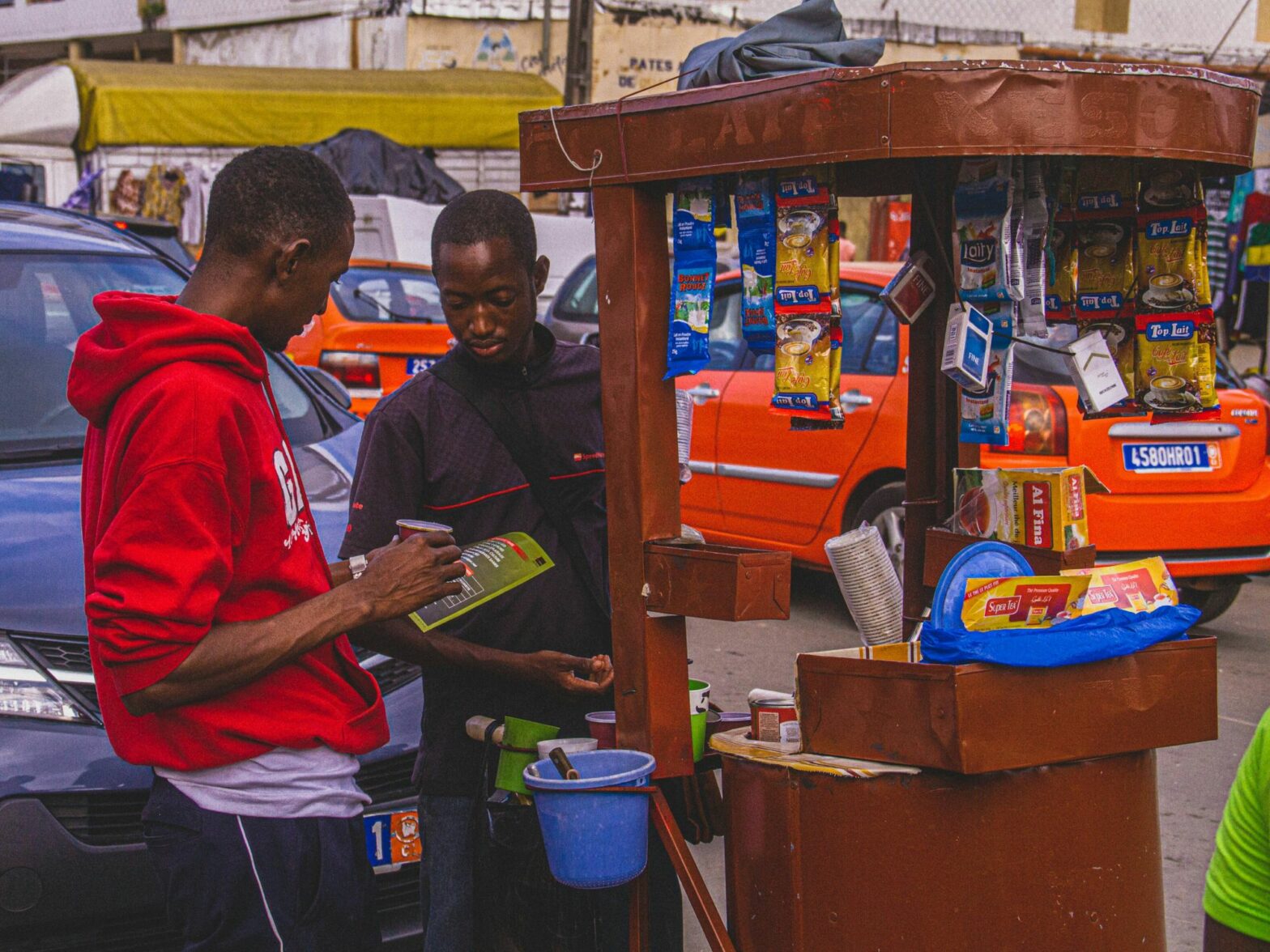
Germany needs 400,000 skilled workers from abroad every year. So why does the visa application process make it incredibly difficult for them to come to the country? For Die Zeit, Simon Langemann reports on one young Ivorian’s efforts to move legally to Germany as a migrant worker.
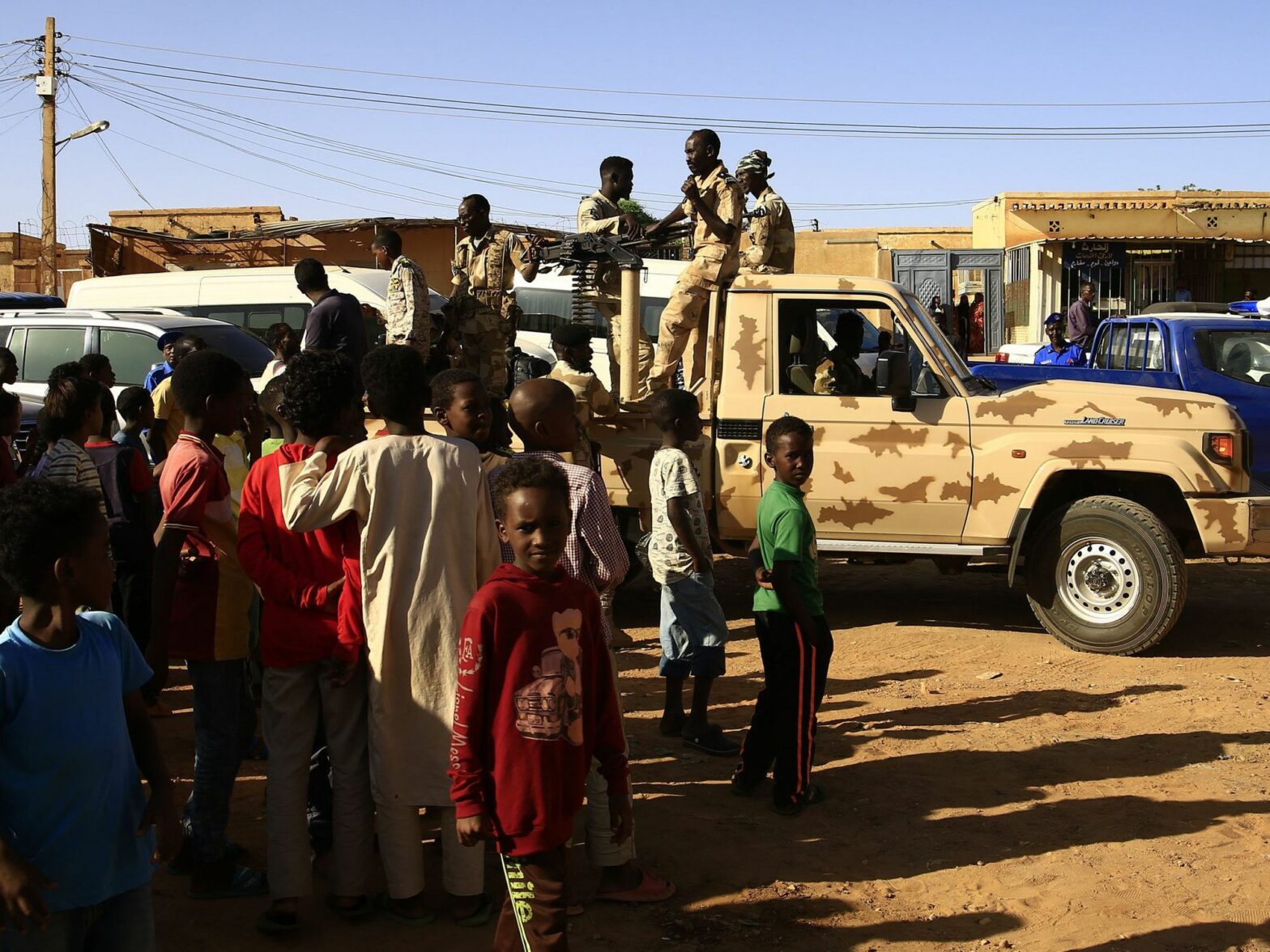
The military has cleared many neighborhoods in Khartoum and Omdurman from RSF fighters, paving the road for many refugees to return home.
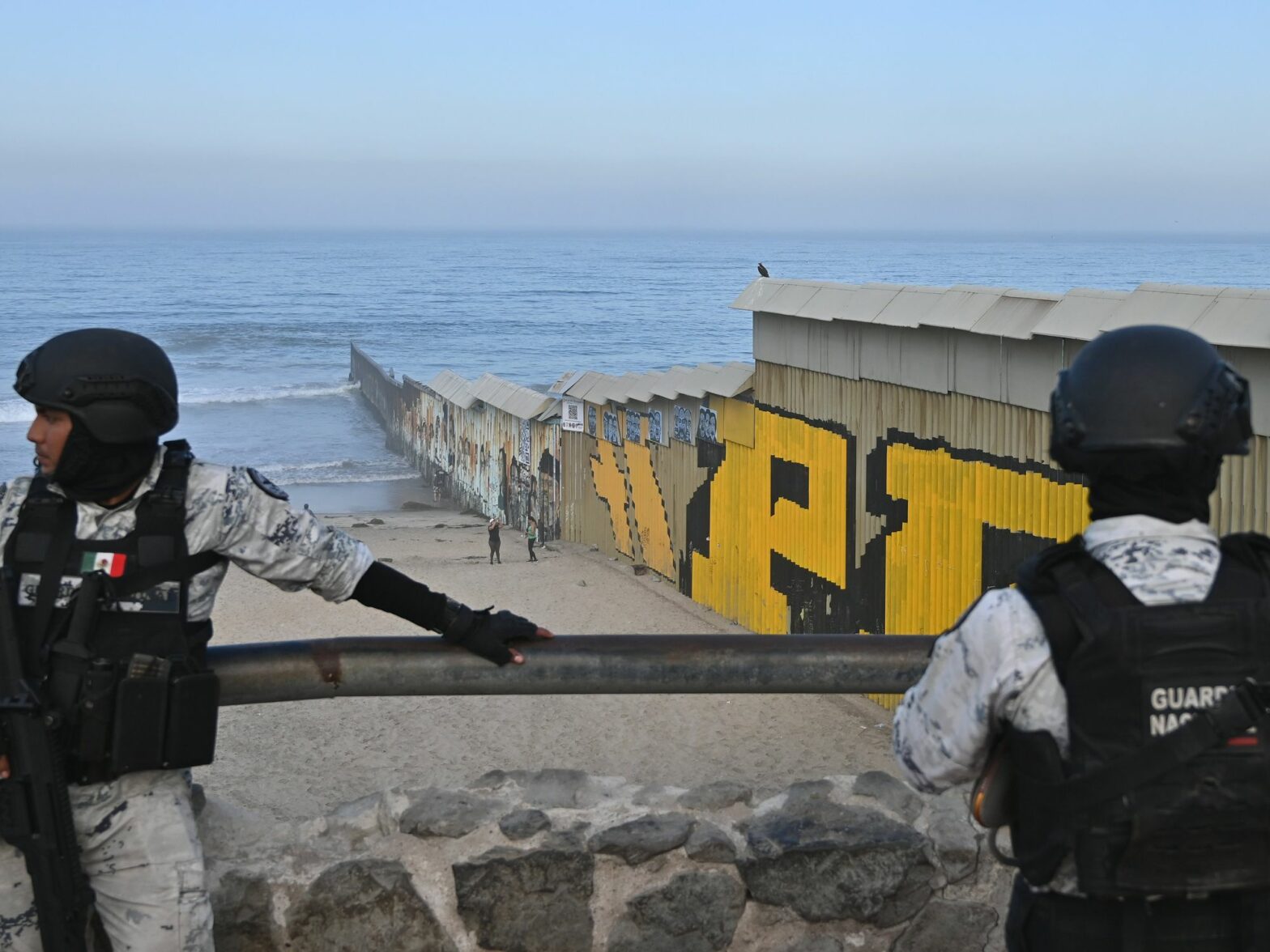
November 9 marks 35 years since the fall of the Berlin Wall. Once seen as a step toward open borders, walls and fences now span a quarter of the world’s land borders today. It’s central to what’s being called the “rebordering” among nations around the world.
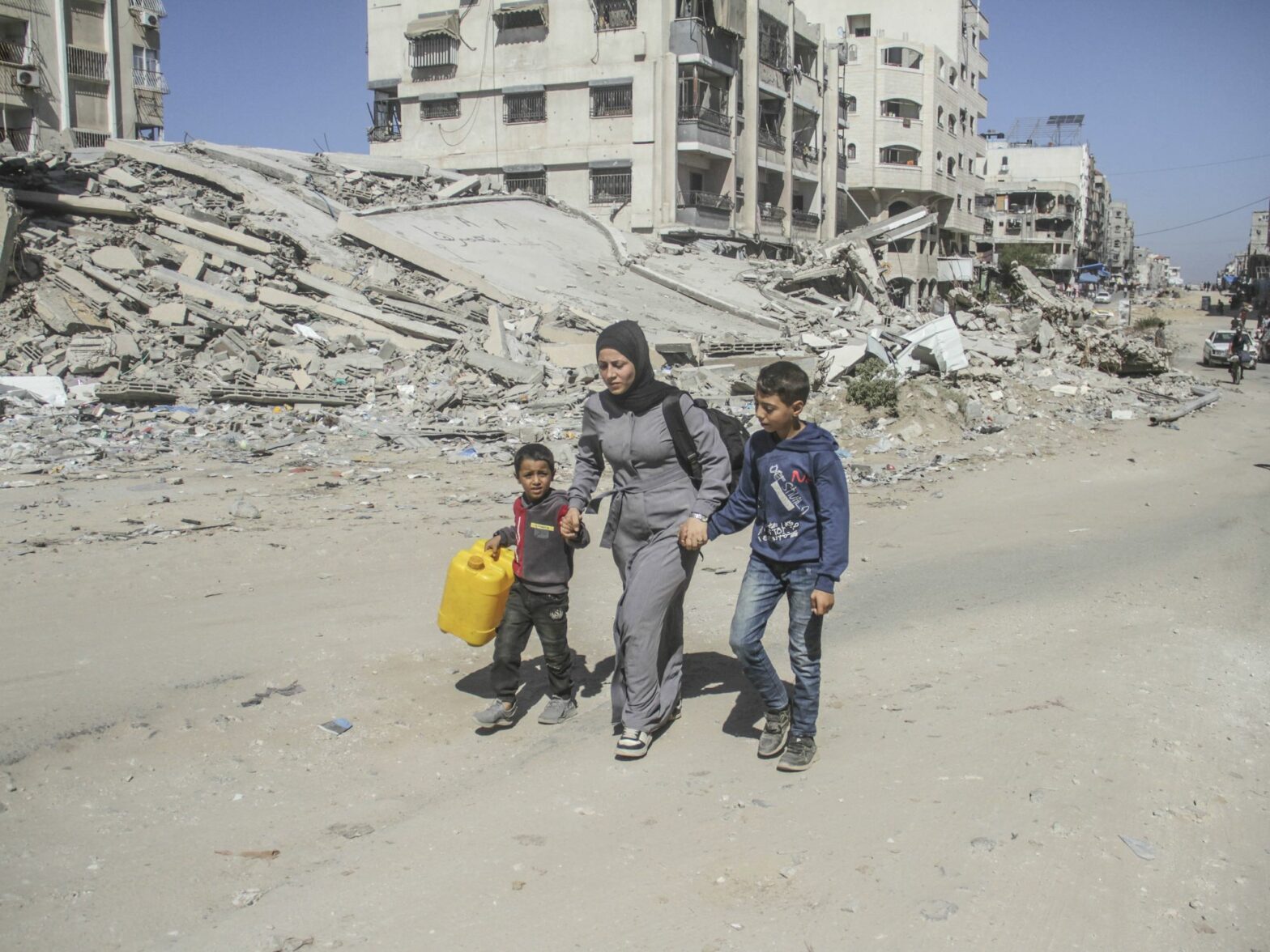
Israel’s new offensive in northern Gaza is trying to make the region uninhabitable, and force Palestinians into the south, toward the Egyptian border and into the Sinai. But since the start of the war, Egypt is dead set against taking in more war refugees.
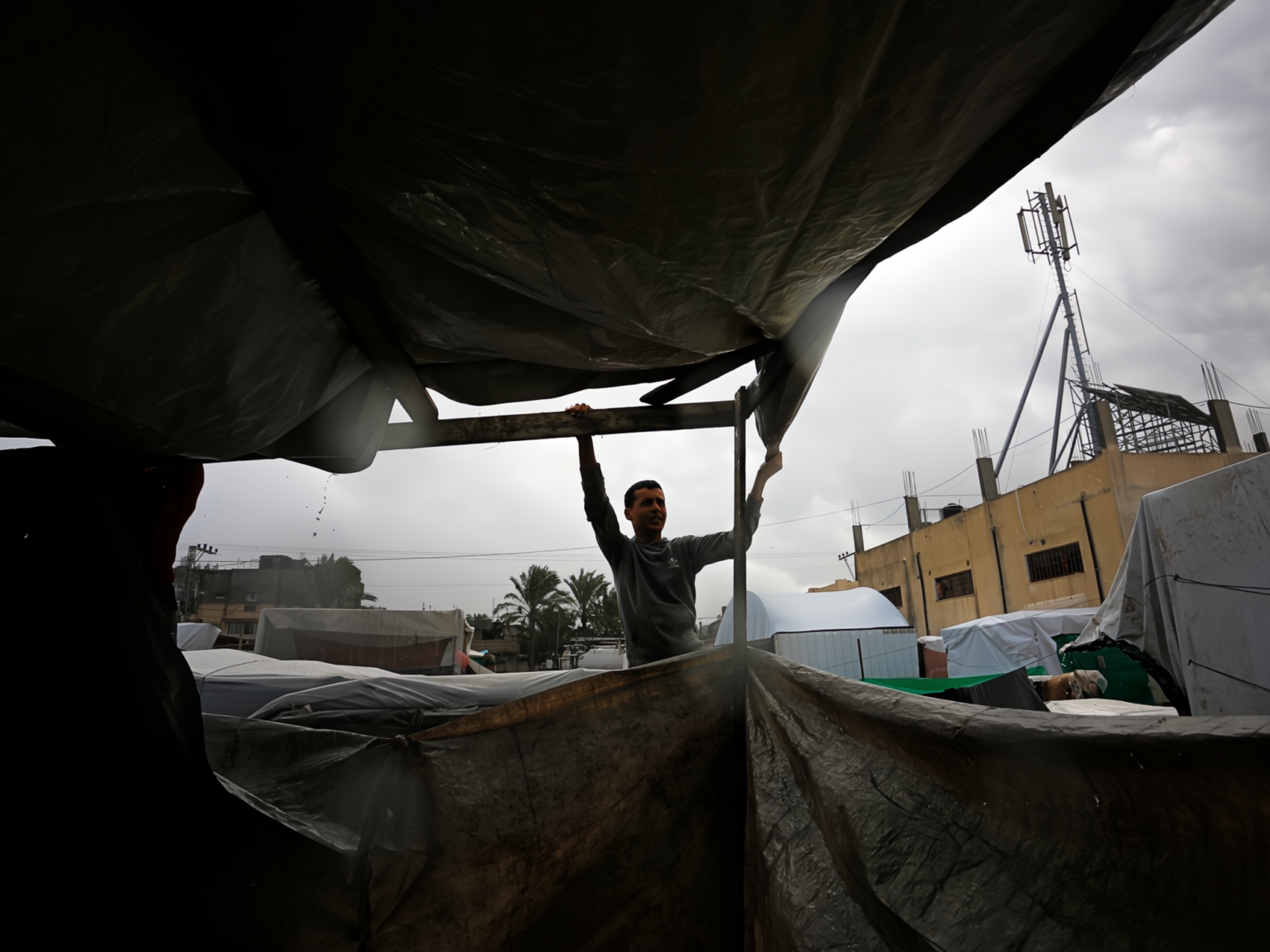
With up to two million displaced, United Nations designated more than 50 sites and shelters as the most vulnerable areas for floods and rainfall across Gaza. But as some people have been displaced multiple times, and humanitarian aid is being blocked, refugees have few options to shelter themselves ahead of the upcoming winter.
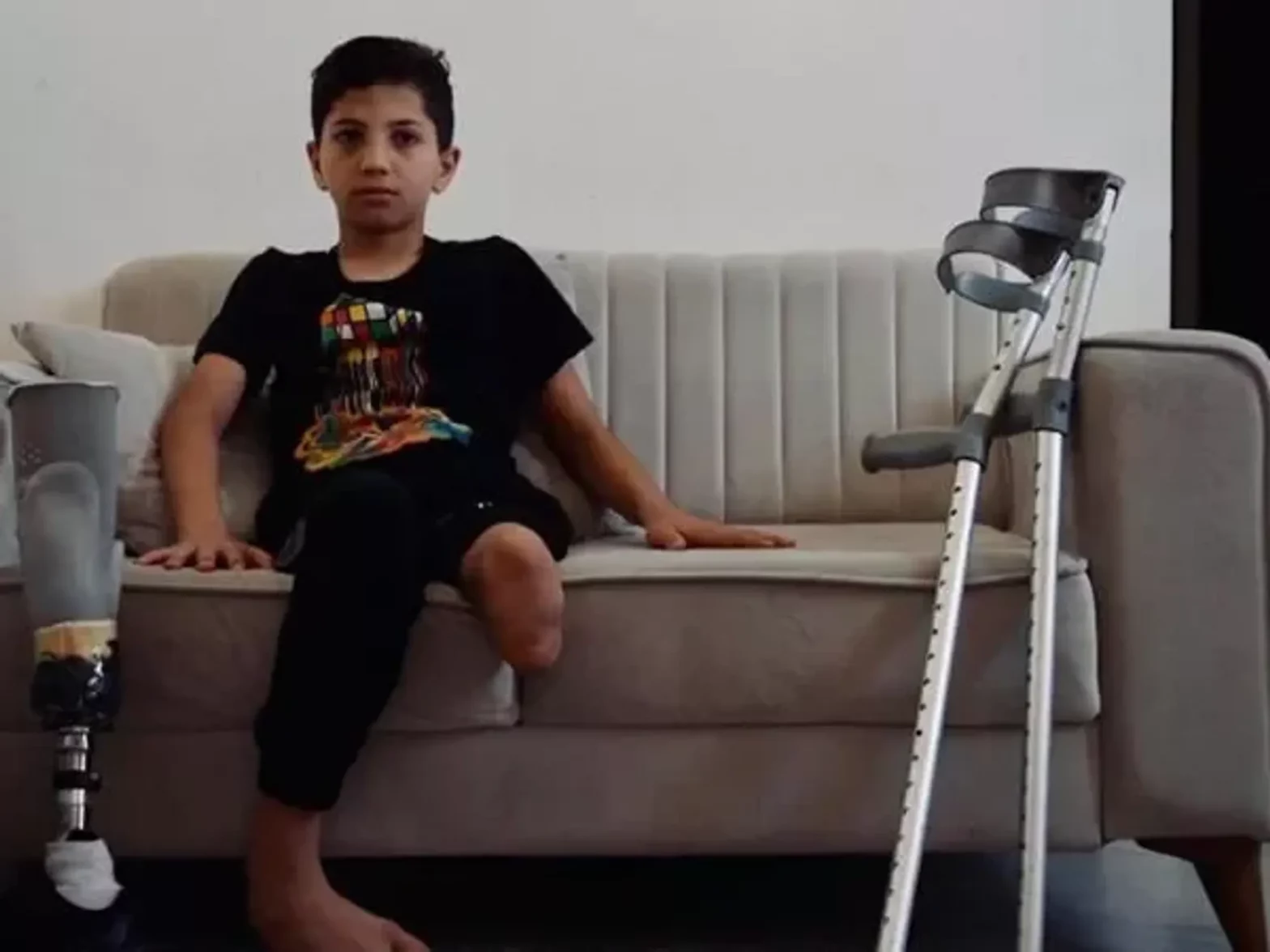
Wounded by the bombs, some had to face surgeries on kitchen tables. La Stampa reporter Francesca Mannocchi met them and their parents in Doha, Qatar, where they seek refuge.

Updated August 22, 2024 at 11:50 a.m. The Alan Kurdi photograph was taken on this day in 2015. What is the Alan Kurdi picture by Nilüfer Demir? The Alan Kurdi picture is a photograph taken by Turkish photojournalist Nilüfer Demir. It depicts the lifeless body of two-year-old Syrian toddler Alan Kurdi lying face down on […]
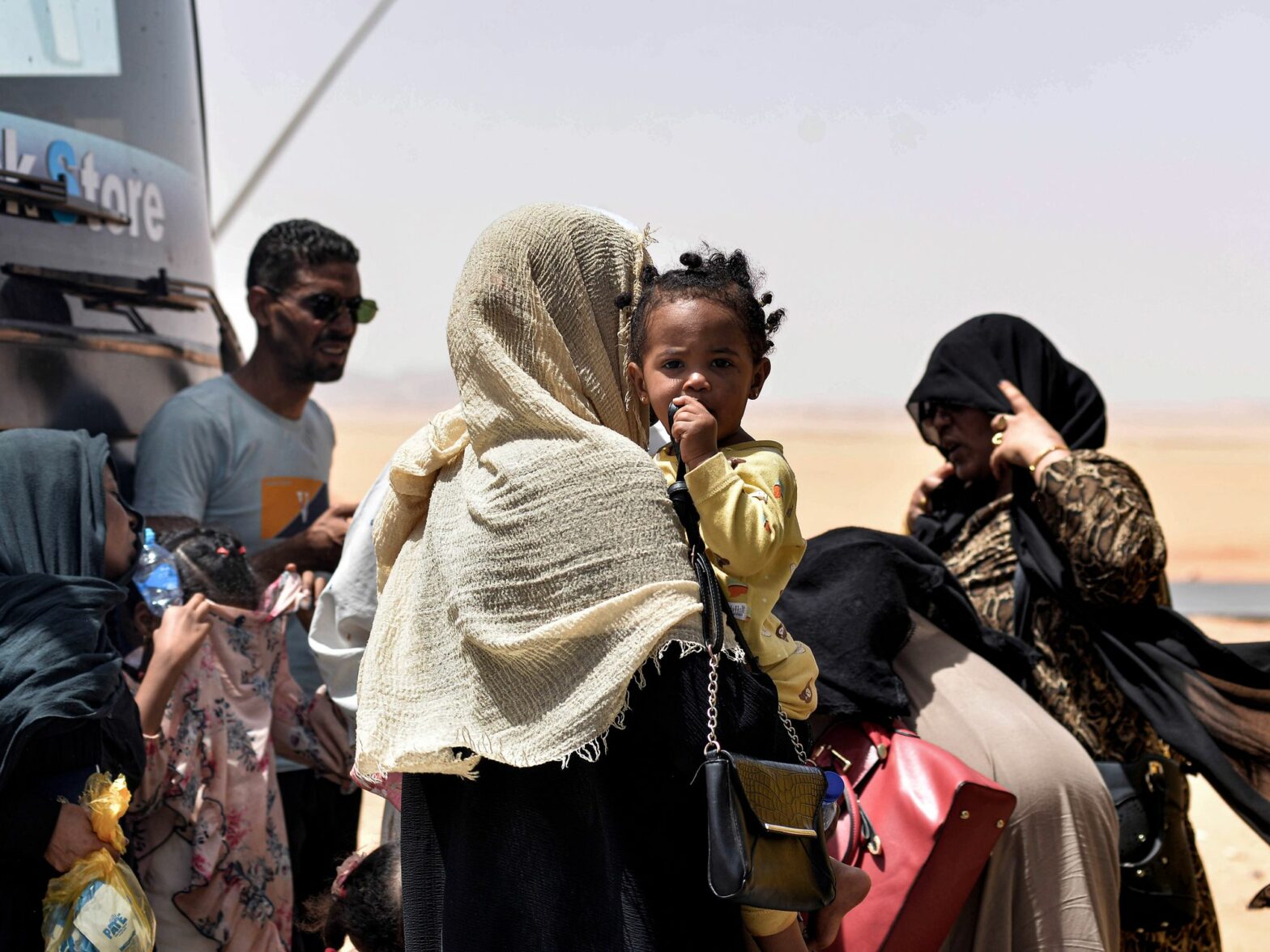
Hundreds of thousands of migrants are in limbo in Tunisia, which has in recent years become a major transit point for migrants fleeing conflicts and poverty in Africa and the Middle East for better lives in Europe. Women in particular lack basic rights, including sexual and reproductive health services.
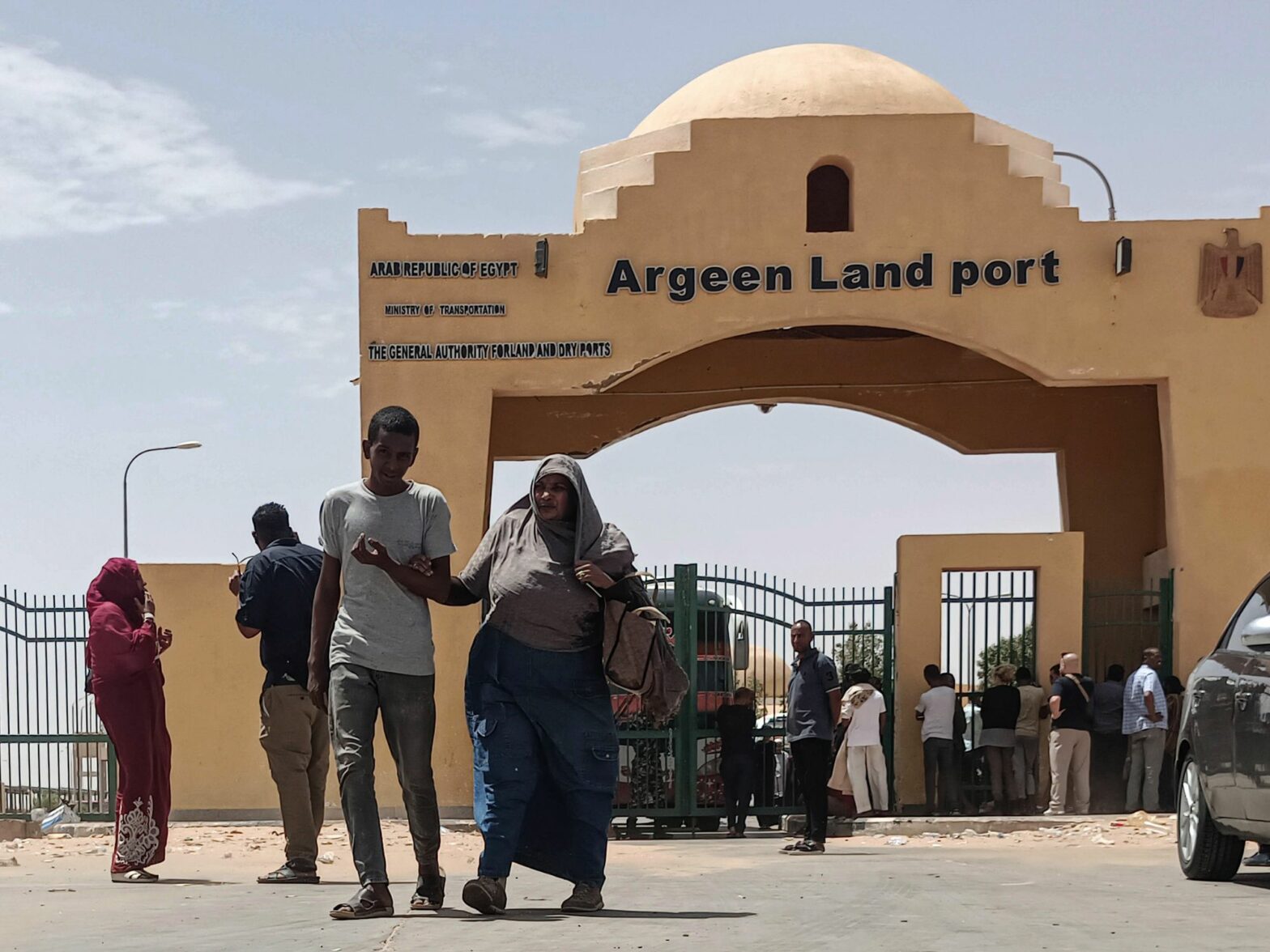
Is there anyone among us who can live with the guilt of turning away those who escaped death and sought refuge in Egypt? Can our conscience bear the death of an individual because we closed our door and let him die?
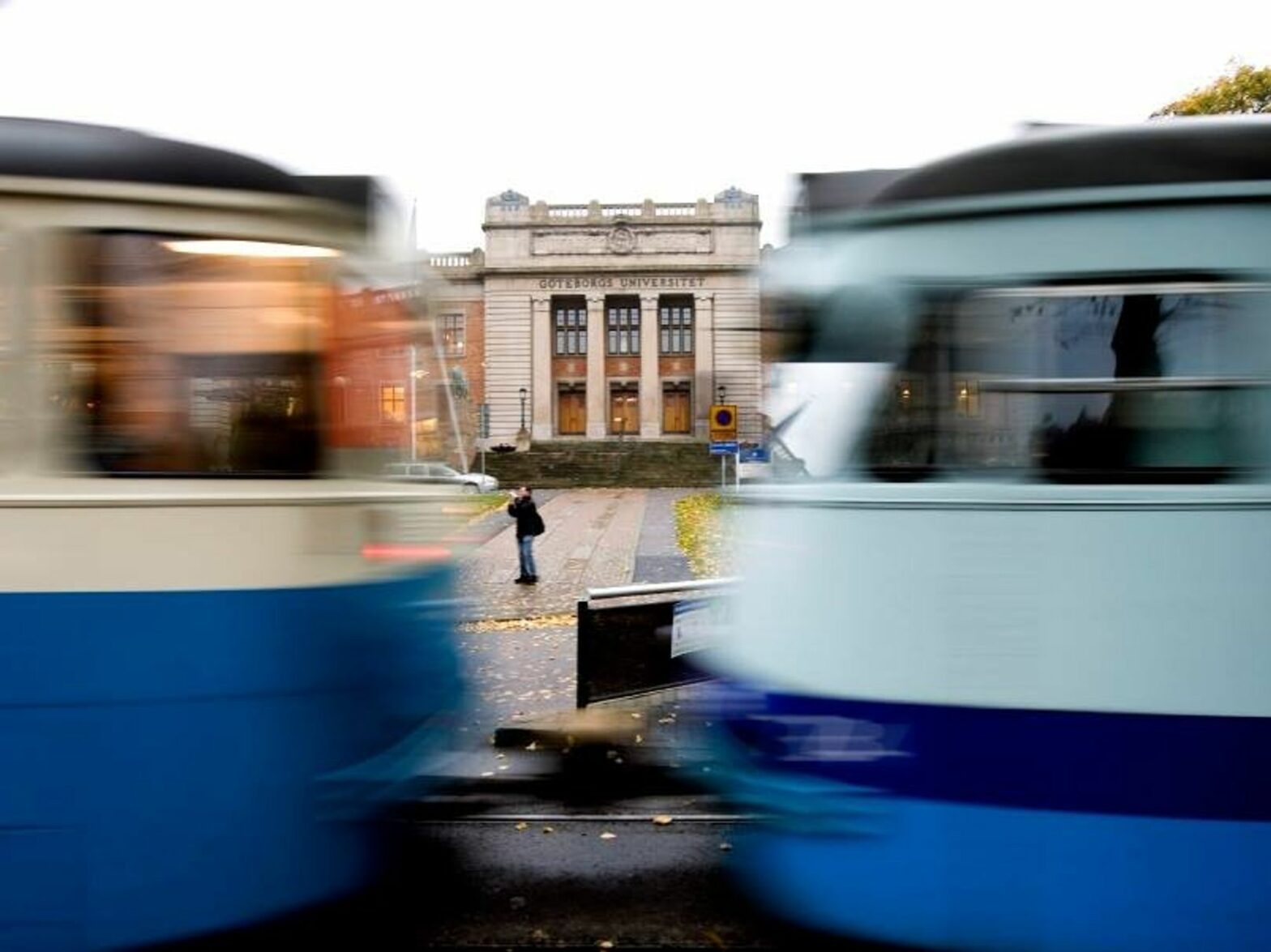
High language requirements, a one-size integration policy, and discrimination. Despite the need for labour, landing a job in Sweden has become a hurdle race for college-educated migrants, a new joint investigation with Lighthouse Reports shows.
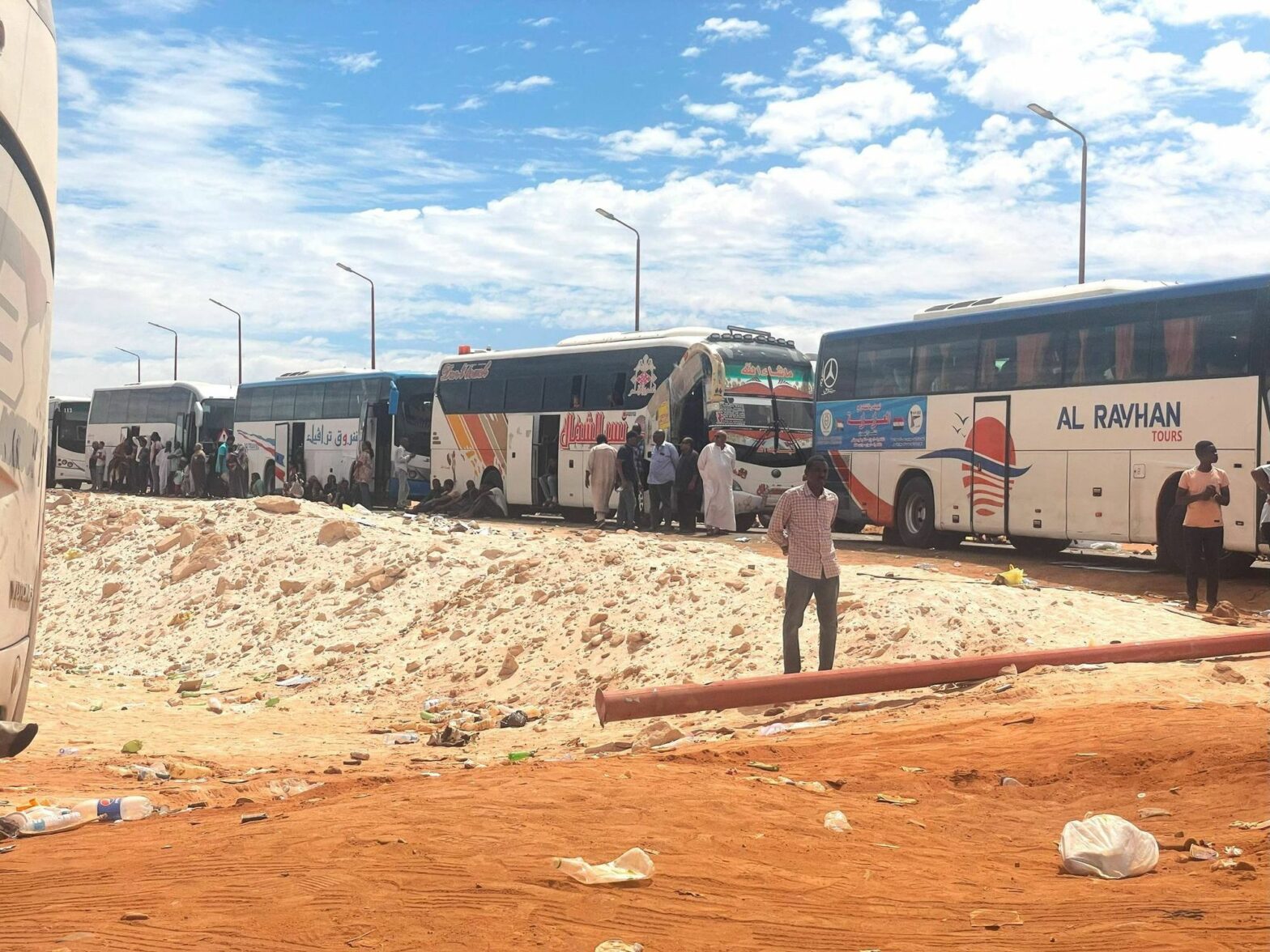
Hundreds of migrants and asylum seekers have been detained, many of them deported, in recent months in Egypt amid an orchestrated campaign that is targeting African refugees in the country.
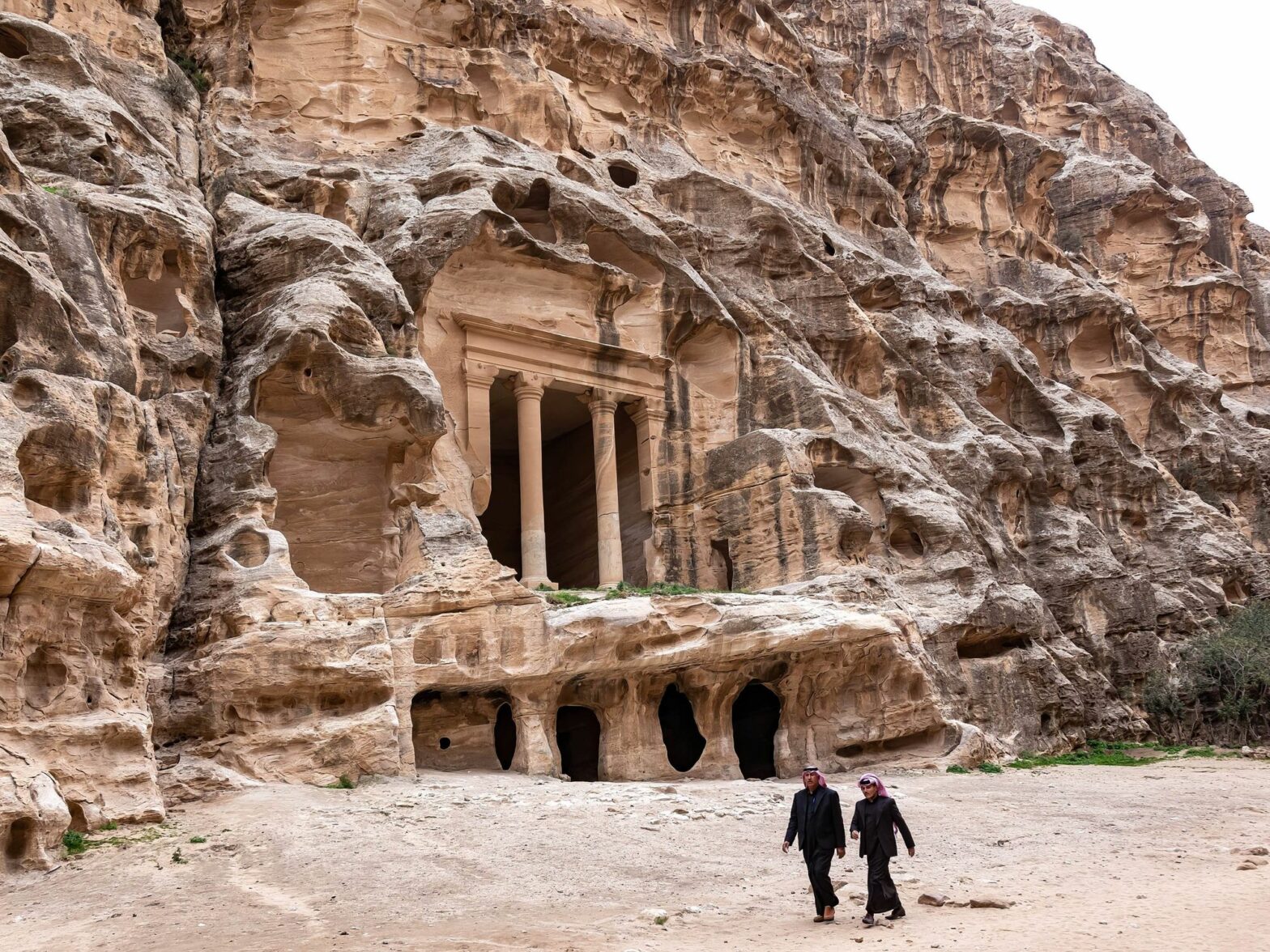
Just across the border from Israel, the Kingdom of Jordan is feeling the effects of the war with both the most personal and economic ramifications.
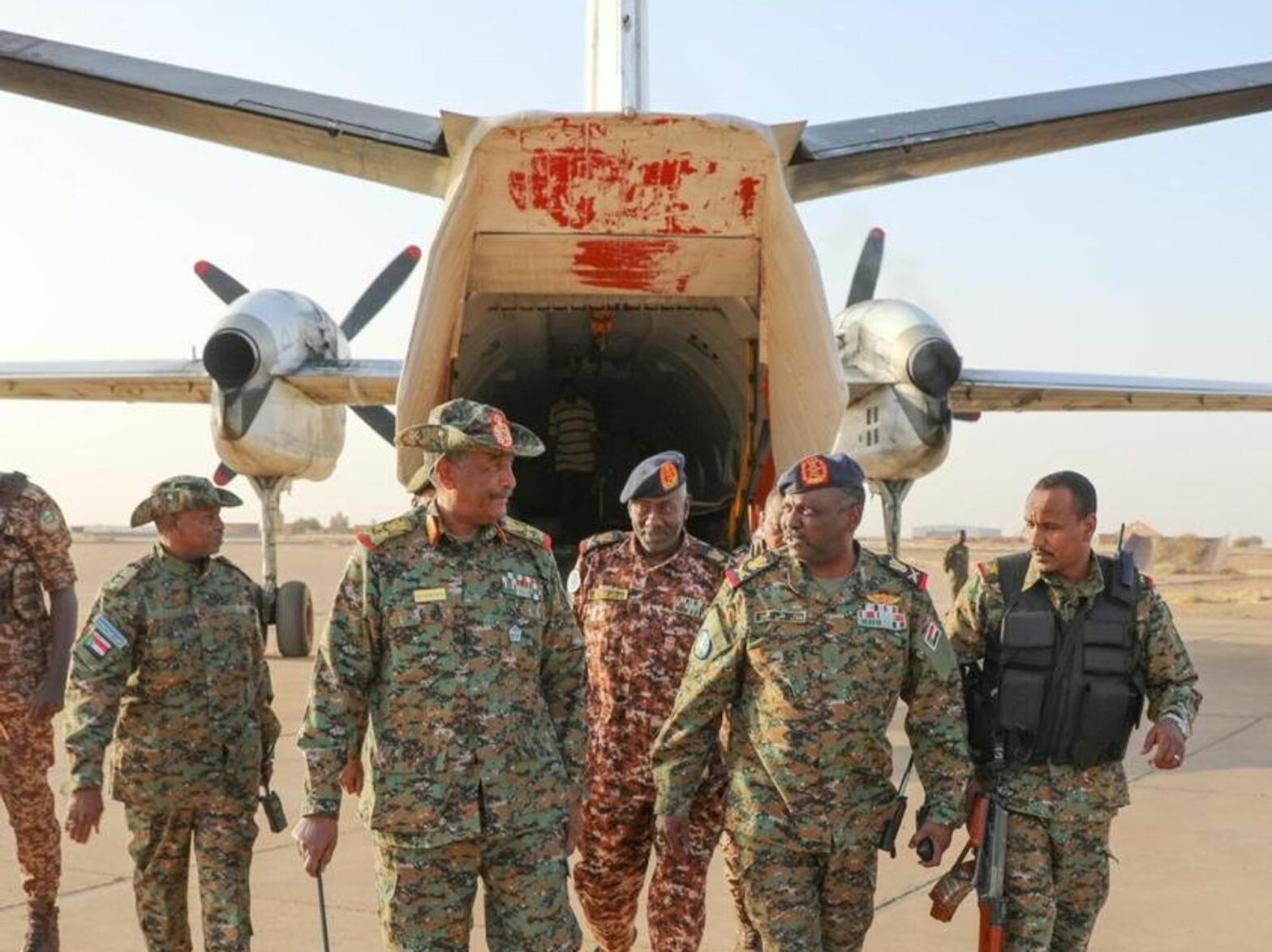
As neither side is able to achieve a decisive victory the Sudanese army and the paramilitary Rapid Support Forces have resorted to attrition tactics in their stalemated conflict.
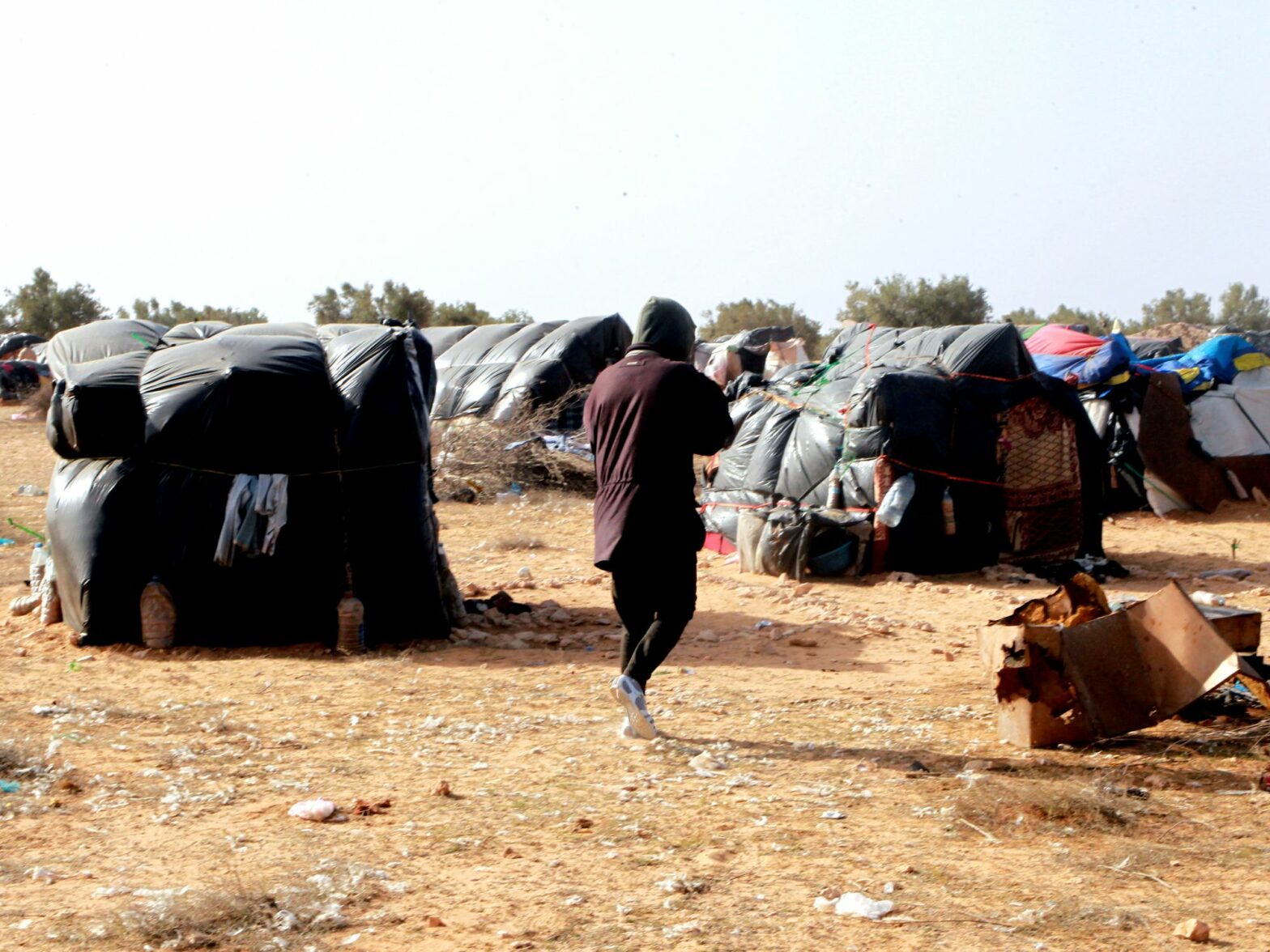
Arrests of migrants, camp destruction operations and searches of NGO premises: since the end of April, the anti-migrant policy has taken on an unprecedented scale.
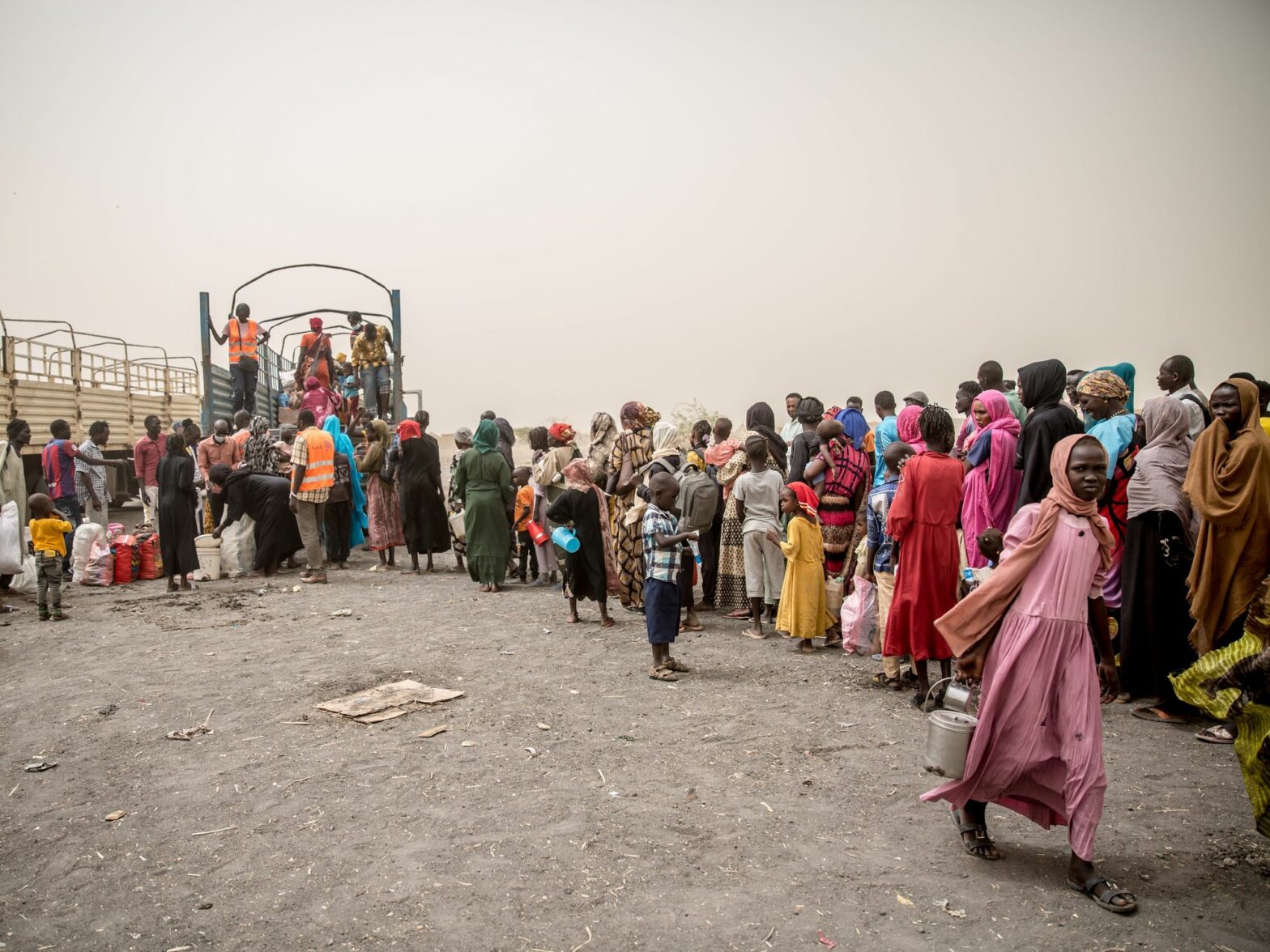
Many Sudanese fleeing the war in their country are risking their lives and cross to Egypt through the desert road. They pay traffickers between $300 and $509 for each person for the perilous trip.
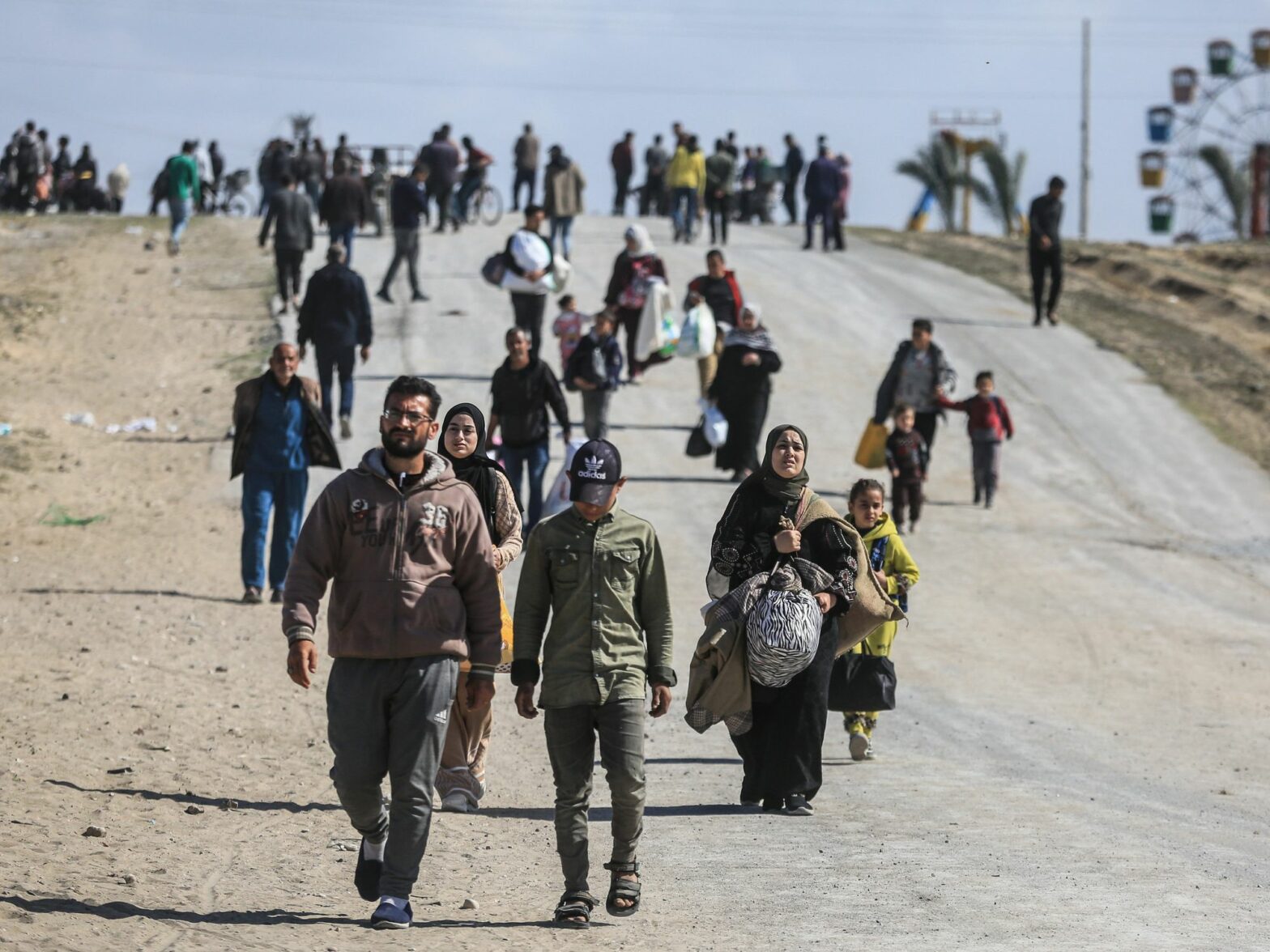
An Egyptian journalist surprised by the growing and incomprehensible campaign over the past months that raises slogans against Arab “refugees” who were forced by civil wars in their countries — Iraq, Syria, Yemen and Sudan — to reside in Egypt.
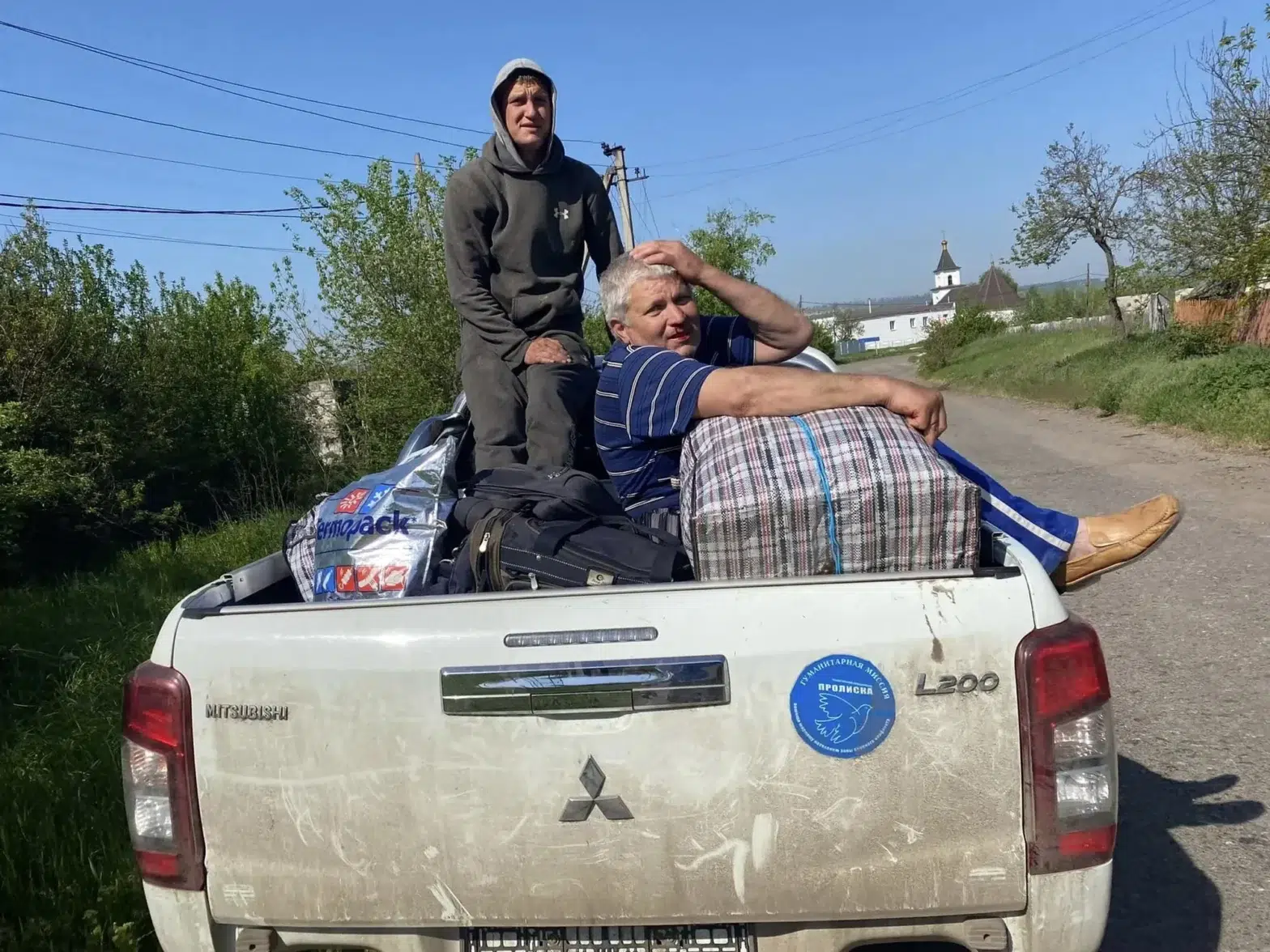
After going on humanitarian missions in Kenya and Rwanda, Ukrainian surgeon Evgeniy Tkachev returned home in 2014 when the Donbas war broke out. He recounts his experiences as a medical volunteer then and now, as his hometown of Chasiv Yar is being stormed by Russian troops.
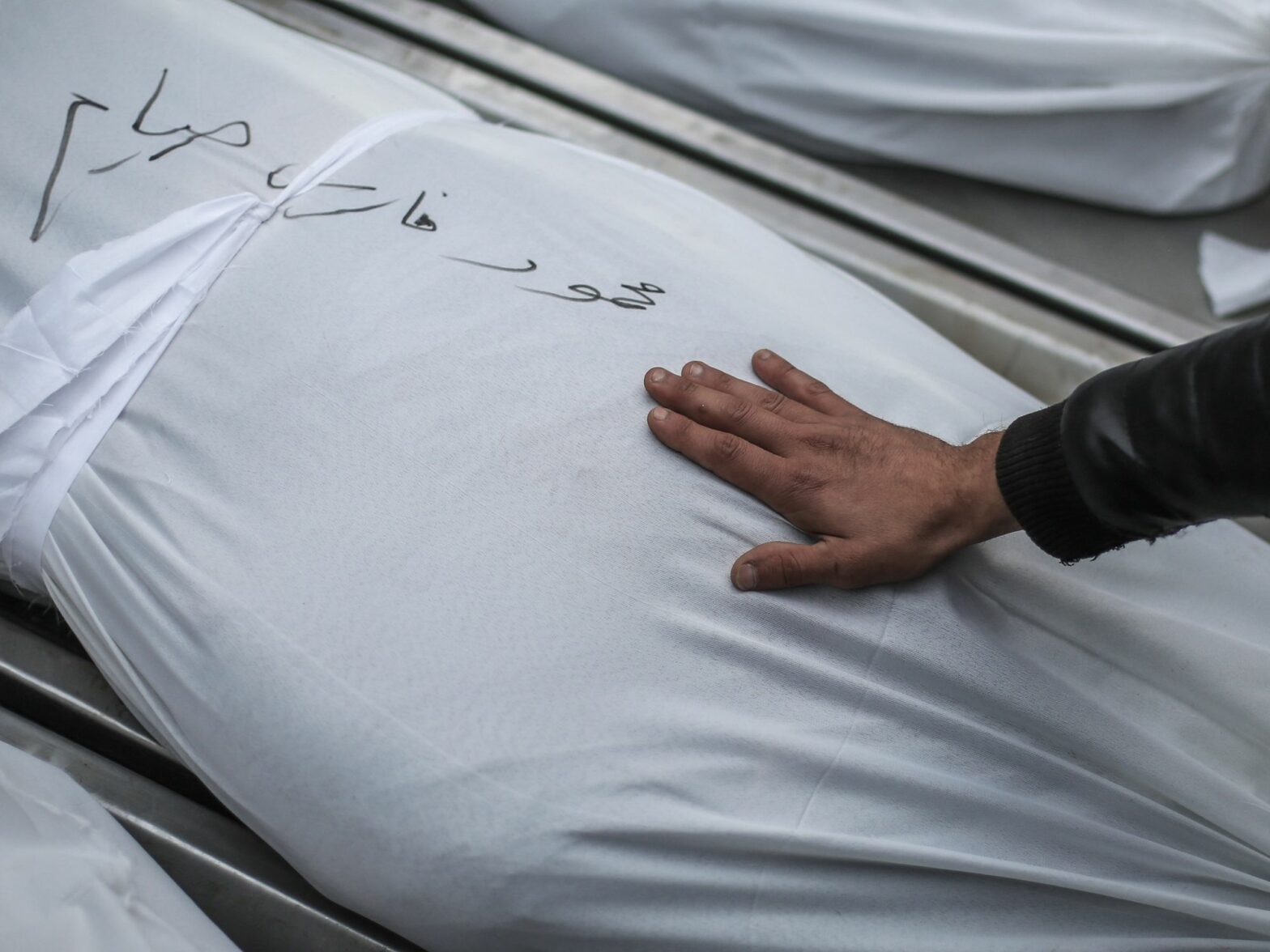
The brother of Palestinian journalist Mohamed Abu Shahma chose to return home to Khan Younis despite Israel’s offensive on the city. He paid the ultimate price.
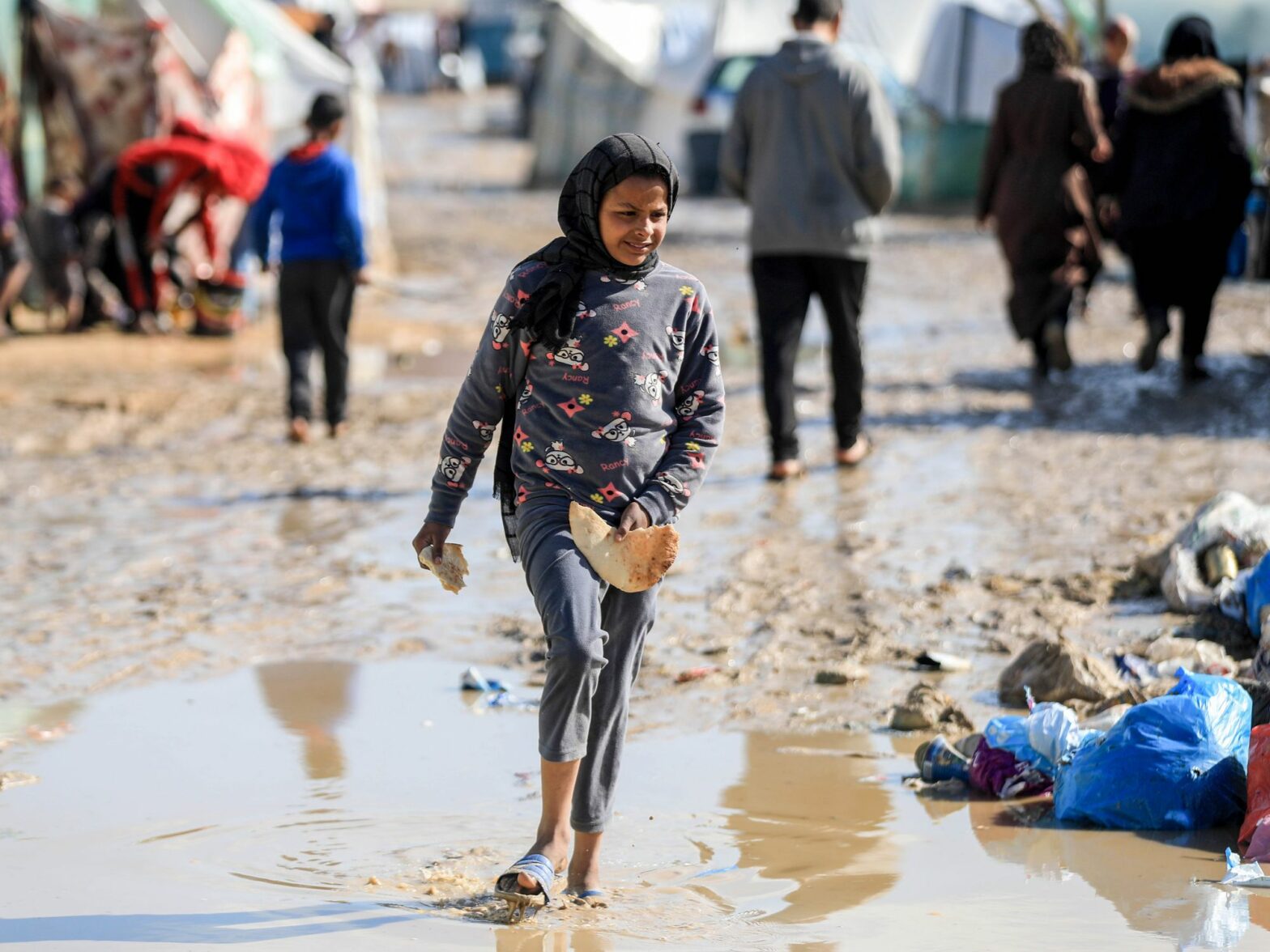
Going to the bathroom, one of the most basic human needs, has become extremely difficult to address in Gaza, as hundreds of thousands of people are left without the proper infrastructure, and streets are sometimes flooded with wastewater.
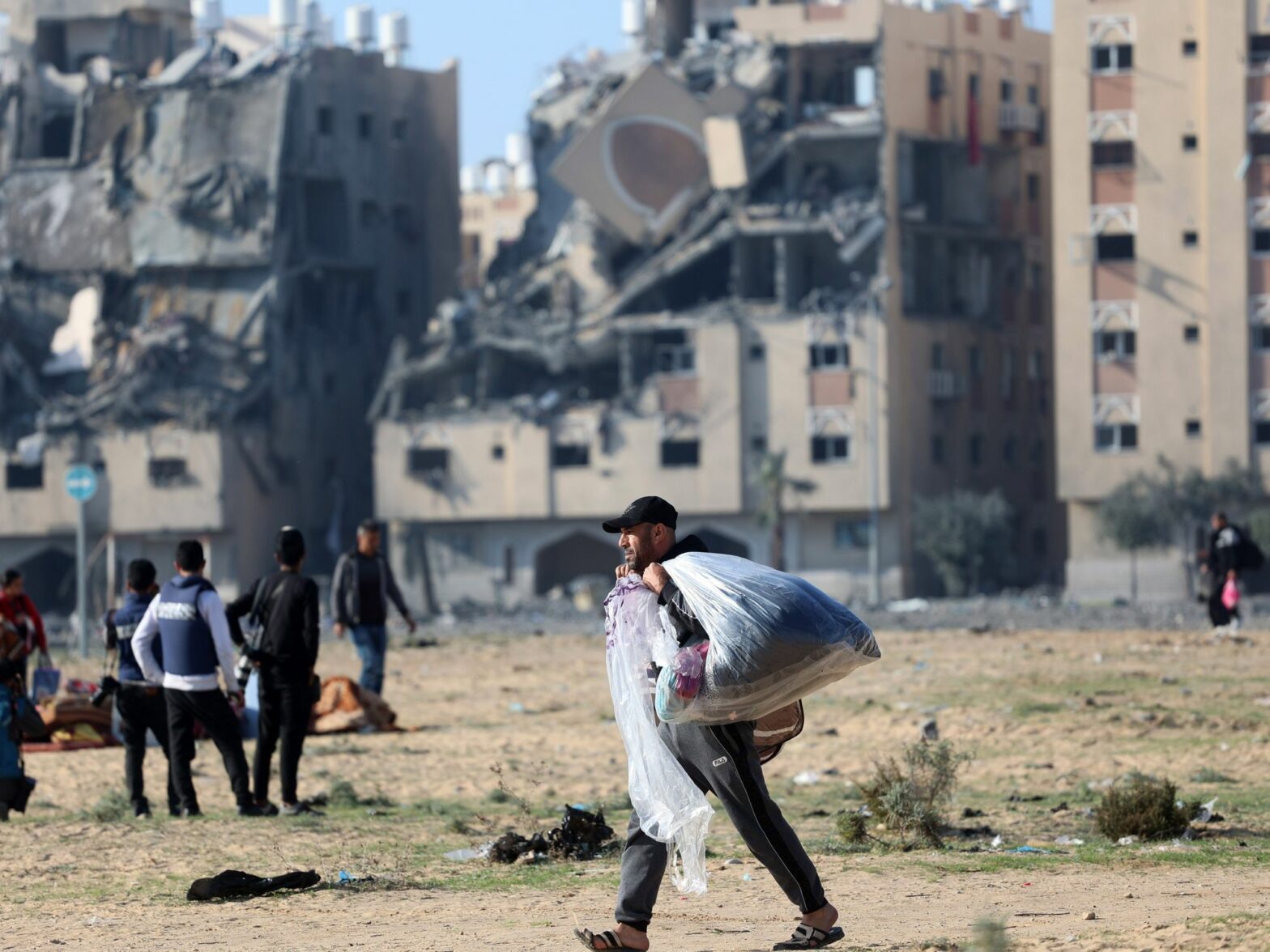
Omar Sharara, a journalist for the Cairo-based media Mada Masr reports on his exchanges with a Aden, a Palestinian photojournalist in Gaza, since the war began. Amid bombings and communications blackouts, Aden relays his family’s efforts to seek shelter.
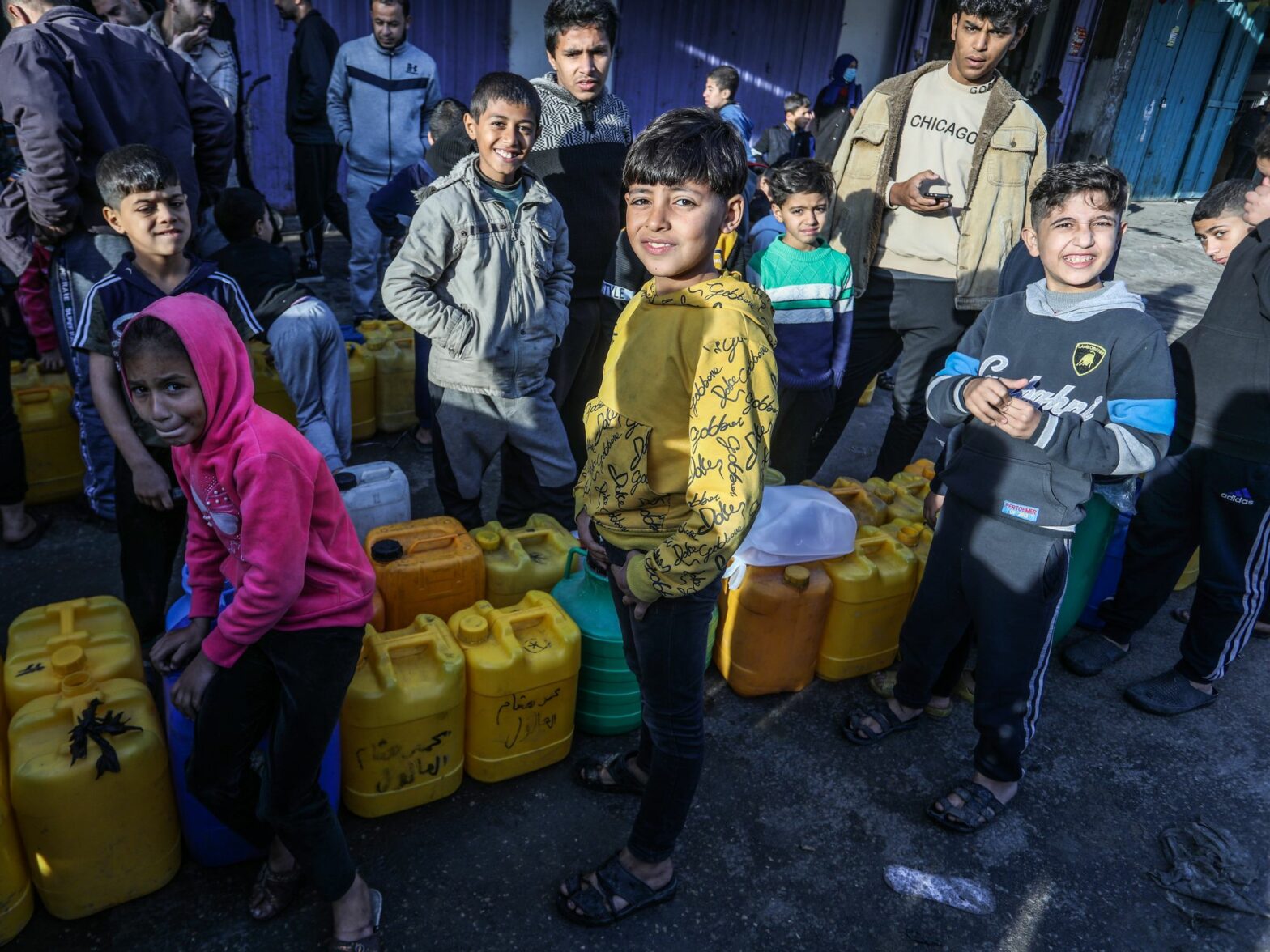
Displaced Palestinian families are streaming into Rafah on Gaza’s southernmost border, with Egypt, fleeing Israel’s relentless bombardment. With more than one million people now cramped in the town, conditions are dire and many fear another “Nakba,” pushed out of their homeland for good.
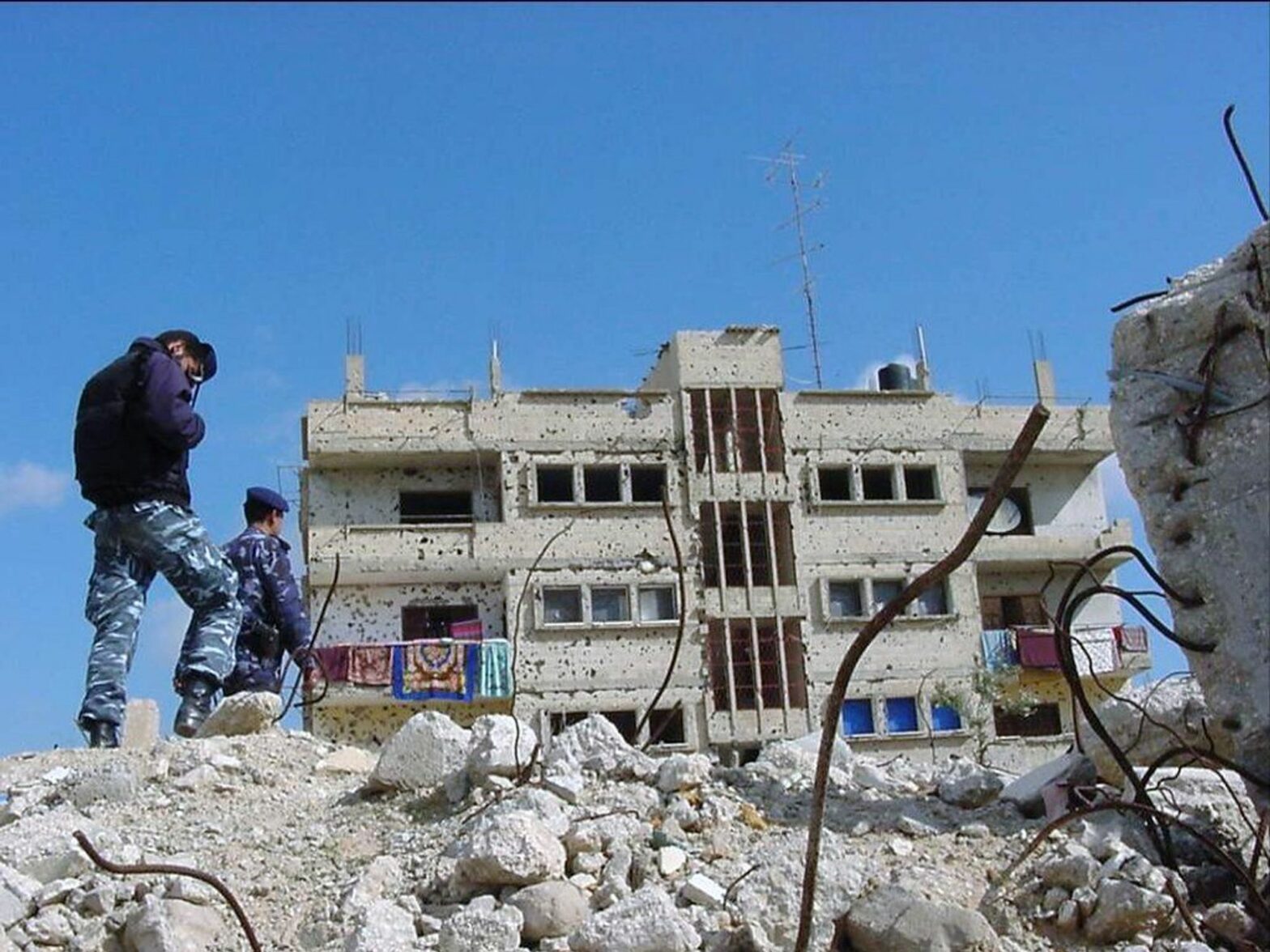
Israel is pushing for more control of the disputed passage near the Egypt-Gaza border, testing Egypt’s security stance and threatening the peace treaty between the two nations.
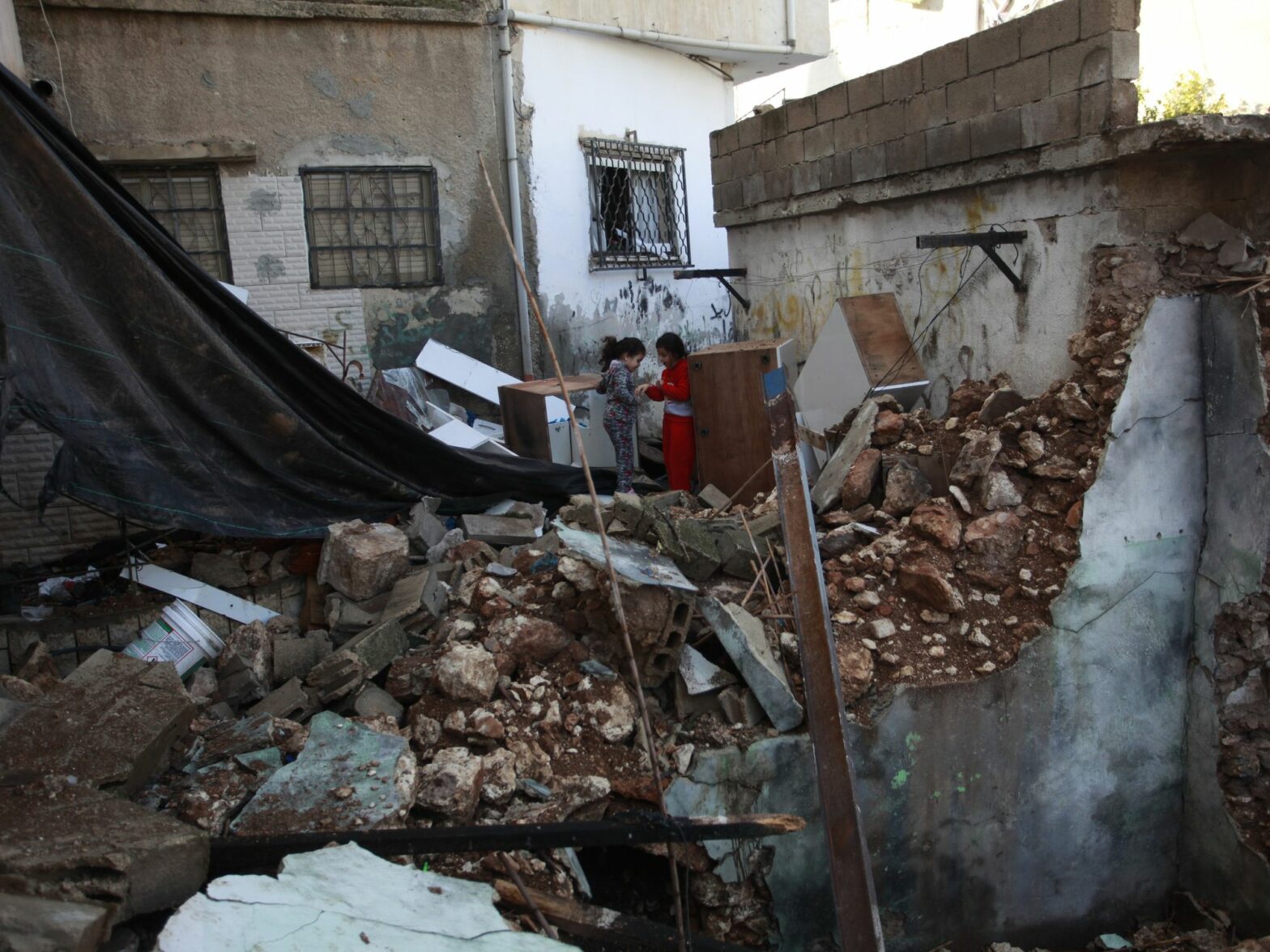
The Jenin refugee camp is rapidly spinning out of control, as the West Bank security coordination between Israel and the Palestinian Authority dissolves. The Israeli military wants to make an example of this symbol of Palestinian resistance in the West Bank.
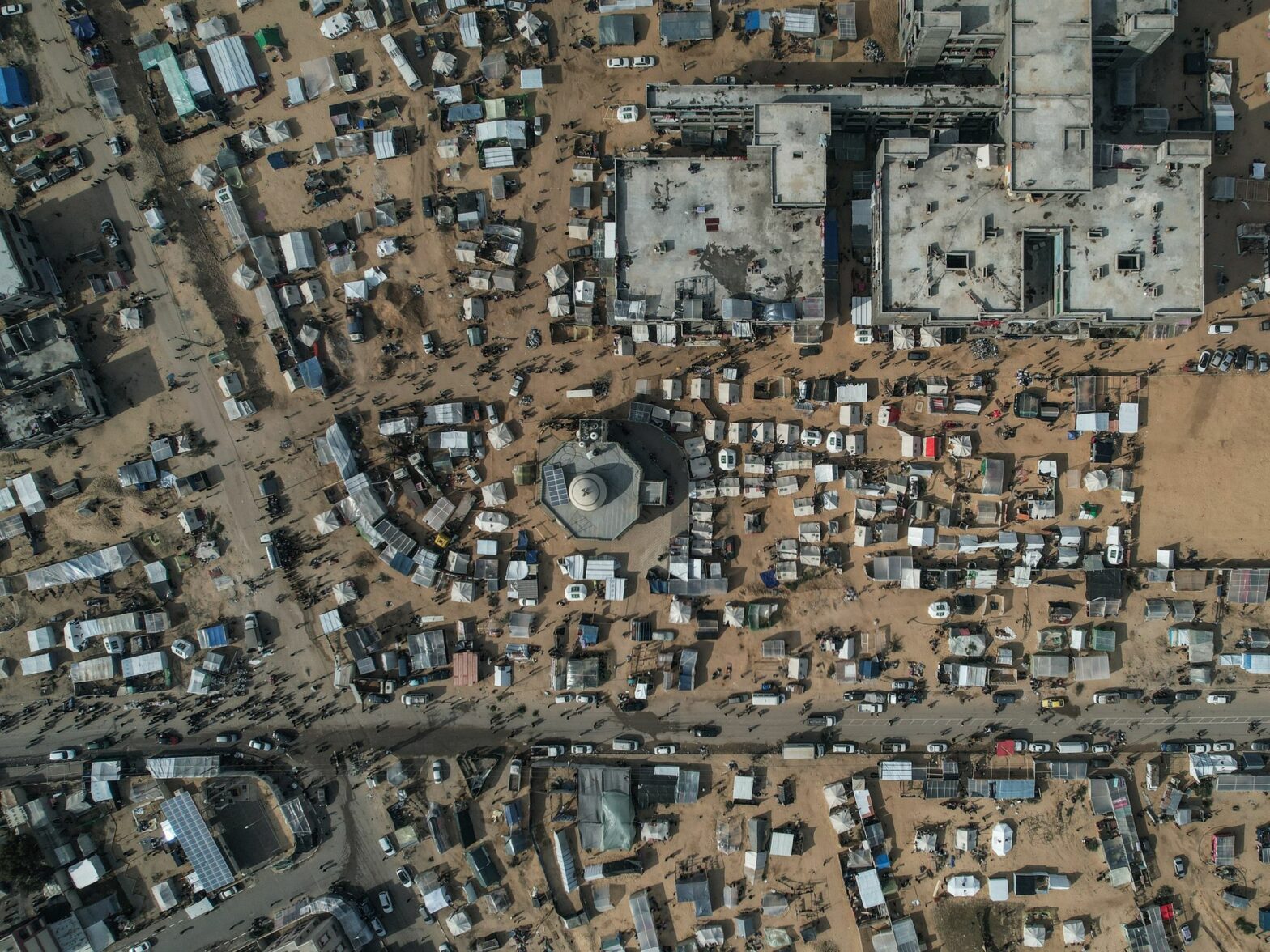
Palestinians are being terrorized by Israel’s attacks and constantly shifting evacuation orders. Meanwhile, no country in or out of the region has agreed to take in refugees, and Gazans may not even go, still haunted by the “Nakba,” the mass displacement of Palestinians after 1948. The rising death count is the clearest sign of a truly desperate situation.
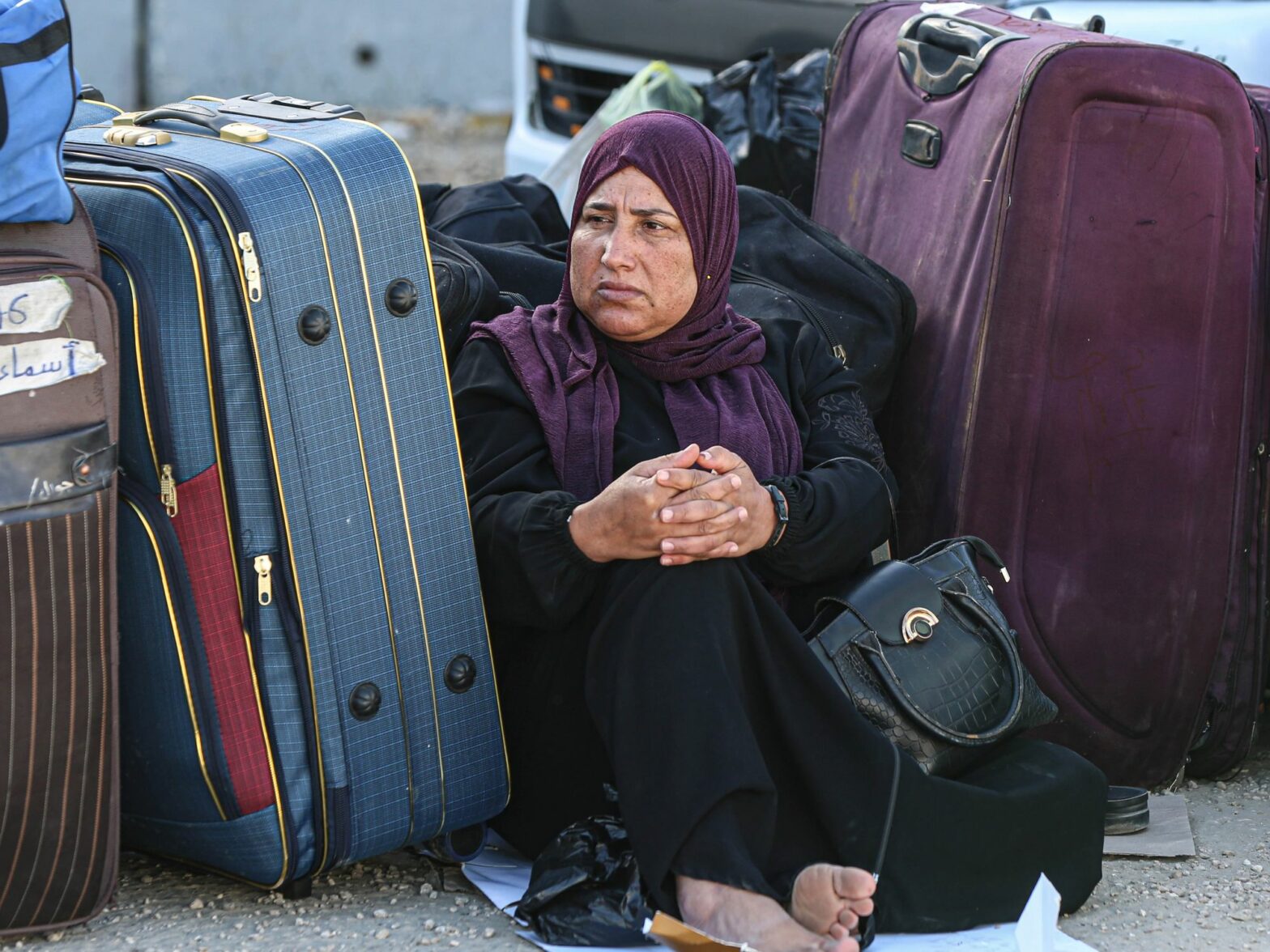
Having been stuck outside their besieged homeland, hundreds of Palestinians have reentered Gaza, preferring to risk it all to be close to loved ones.
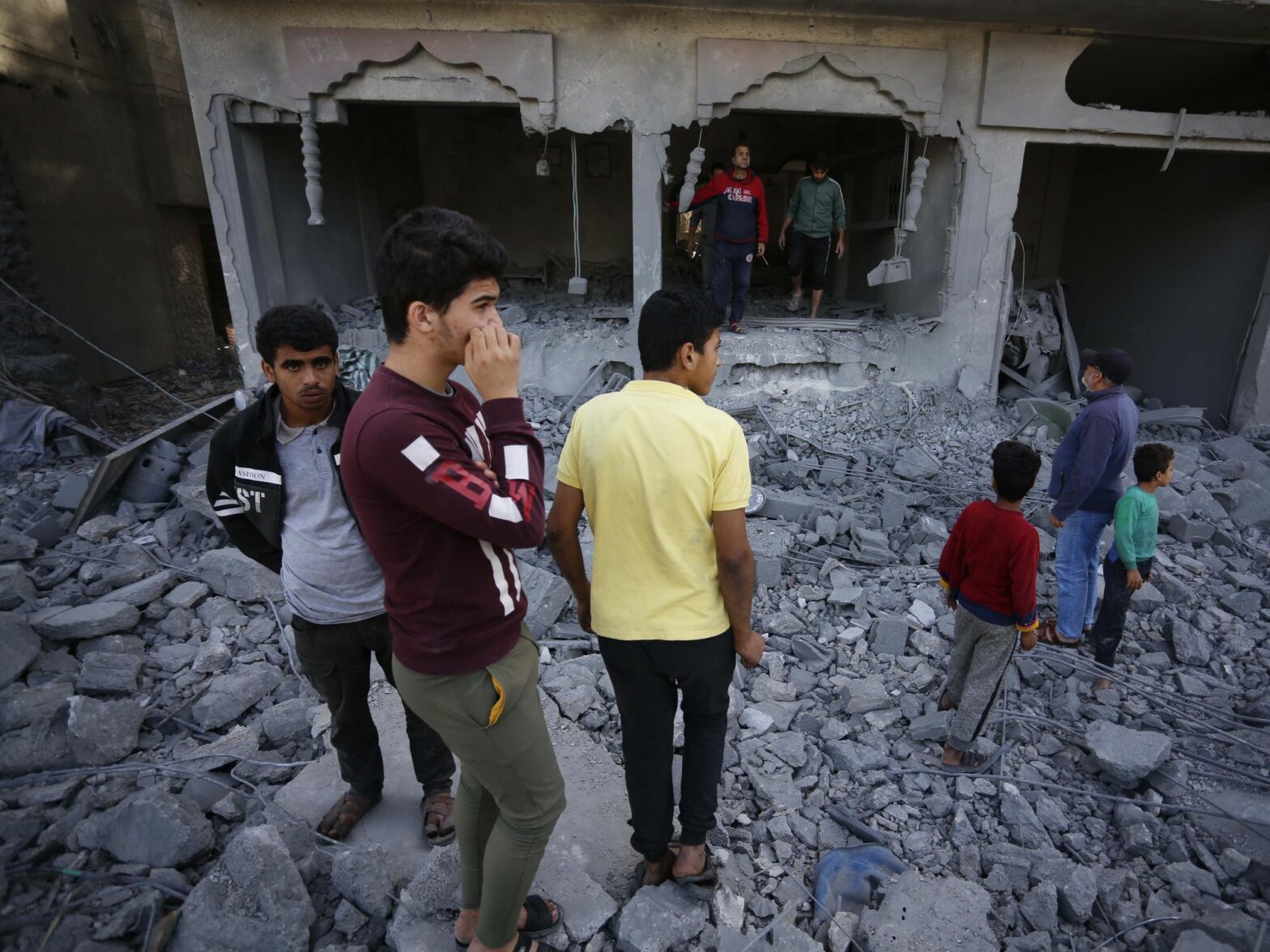
With Qatar now confirming that the temporary truce will begin Friday morning, ordinary Gazans may be able to breathe for the first time since Oct. 7. But for most, the task ahead is a mix of heartbreak and the most practical tasks to survive. And there’s the question hanging over all: can the ceasefire become permanent?
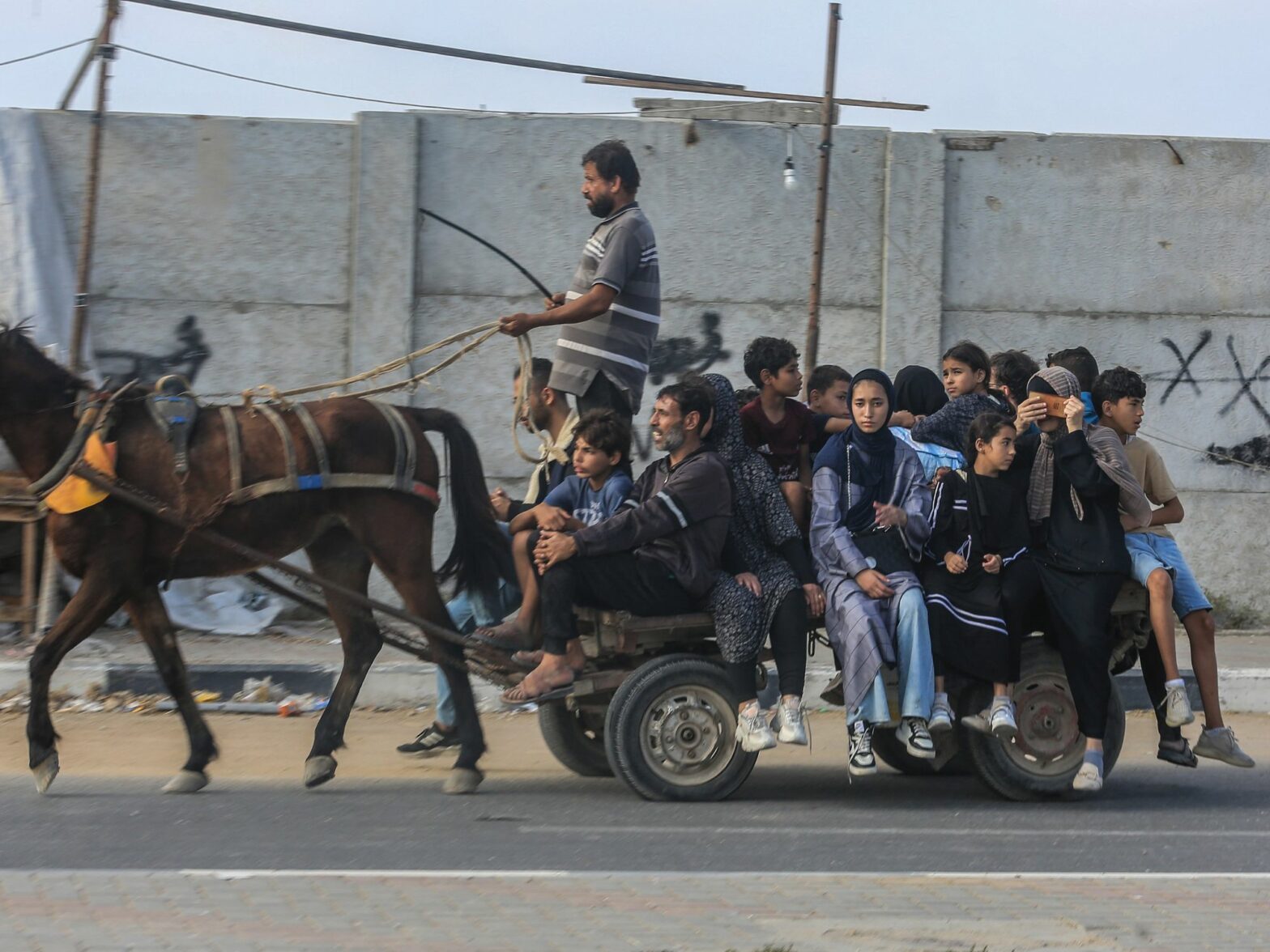
After last Thursday’s announcement of daily, four-hour humanitarian pauses in the northern part of Gaza, masses of Palestinians fled southward. But the journey is anything but safe and easy.