The German elections showed rising support for the far-right AfD, and increased dissatisfaction running rampant in German society, Polish columnist Bartosz T. Wielinski asks whether this runs the risk of history of the early 20th century repeating.
 Worldcrunch
The German elections showed rising support for the far-right AfD, and increased dissatisfaction running rampant in German society, Polish columnist Bartosz T. Wielinski asks whether this runs the risk of history of the early 20th century repeating.
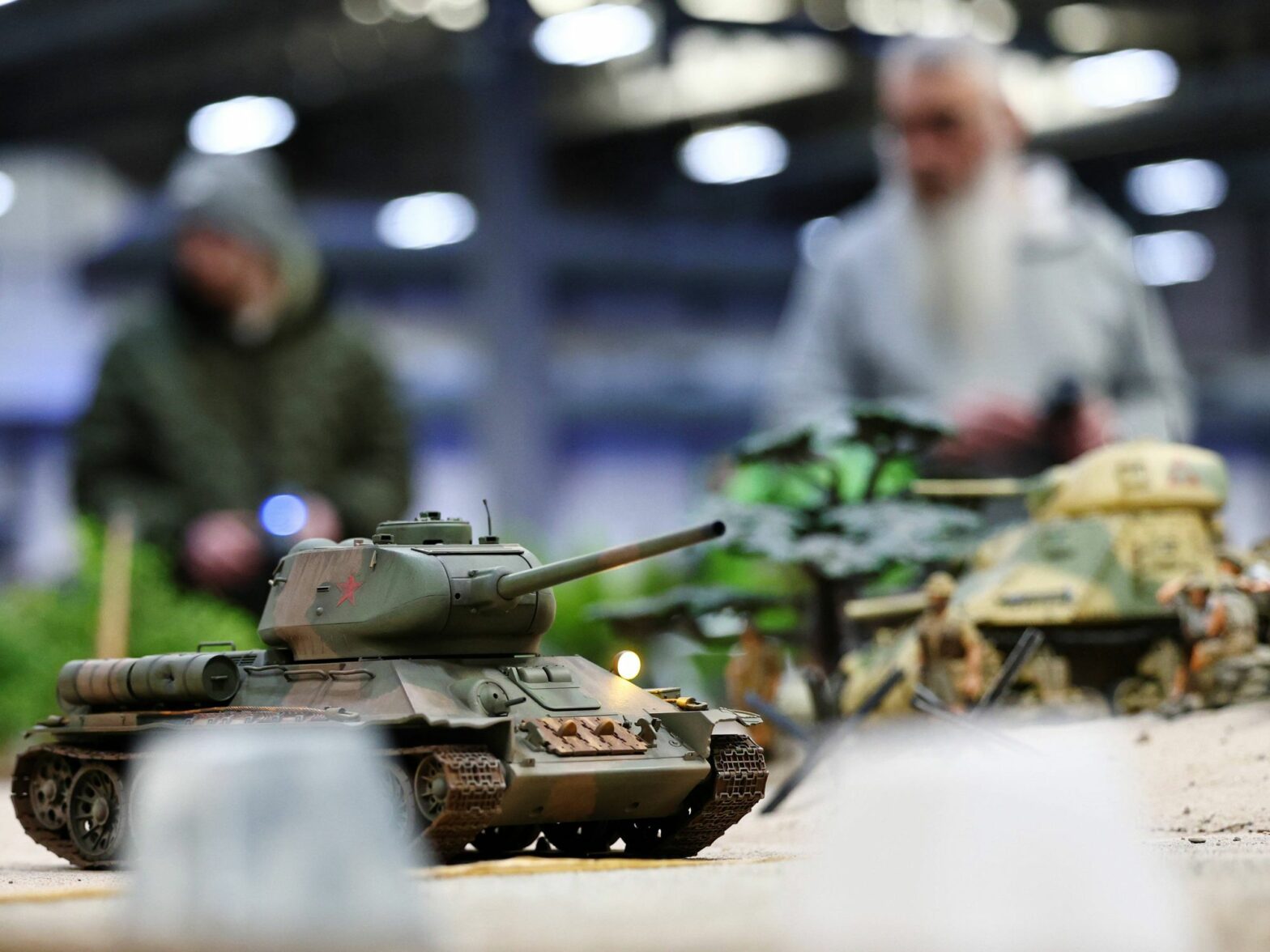
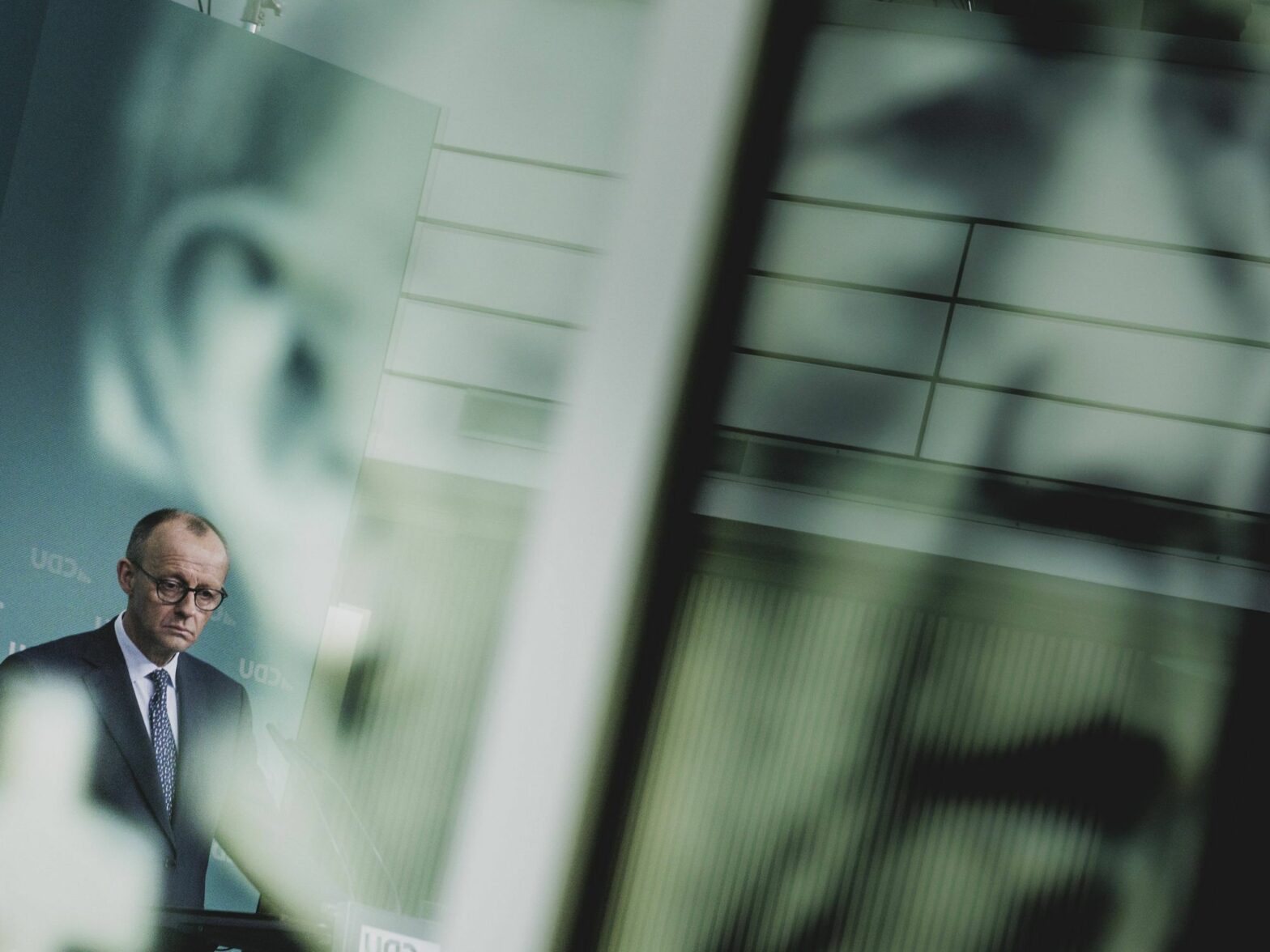
It is now clear that Germany needs to invest a lot more money in defense. Friedrich Merz, who is likely to be Germany’s next chancellor, has yet to come up with a plan to do this.
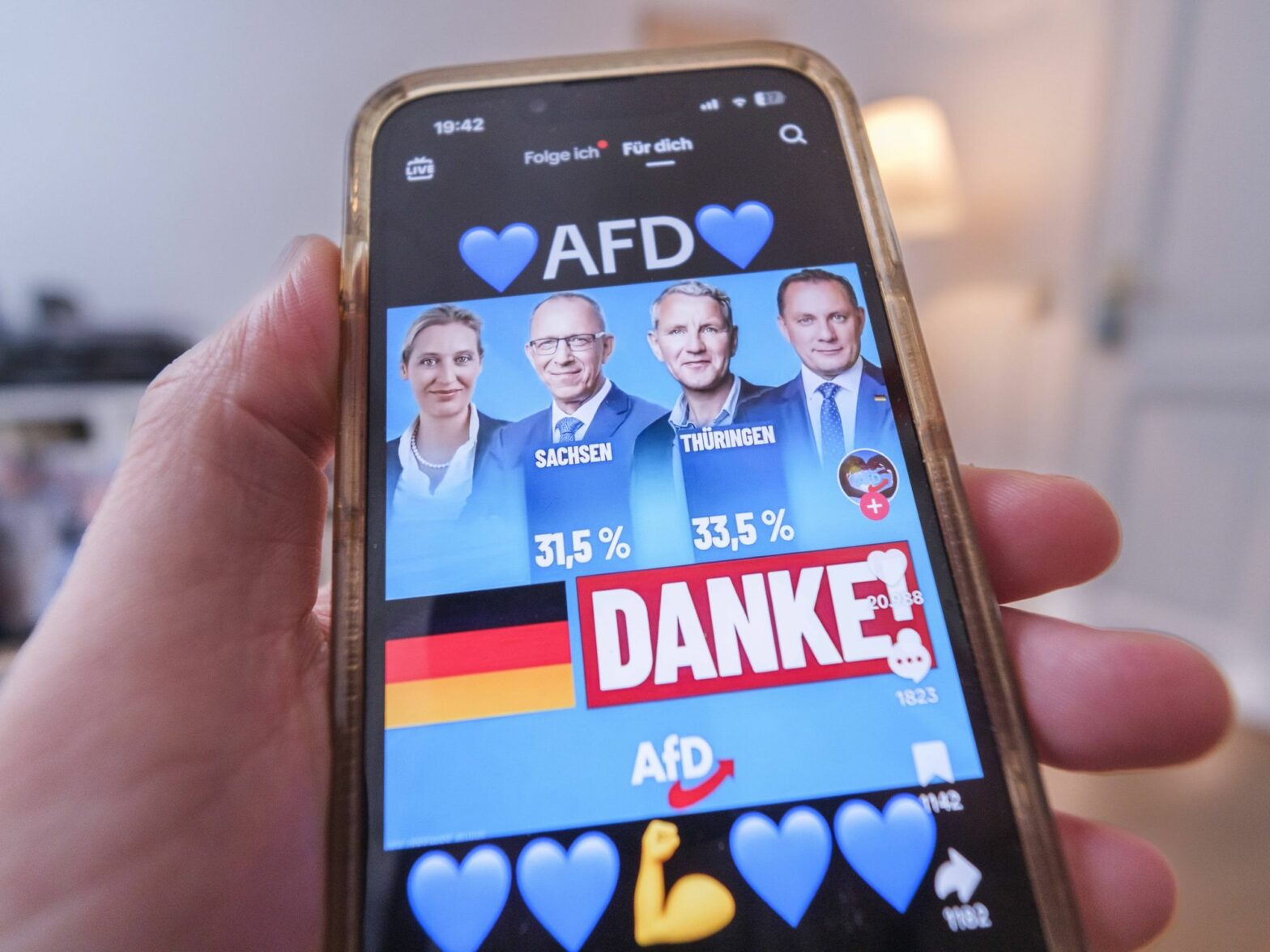
Germany’s AfD has leveraged TikTok as a key tool in its political strategy, flooding the platform with catchy, populist posts whose virality has strengthened the party’s far-right discourse among a younger demographic.
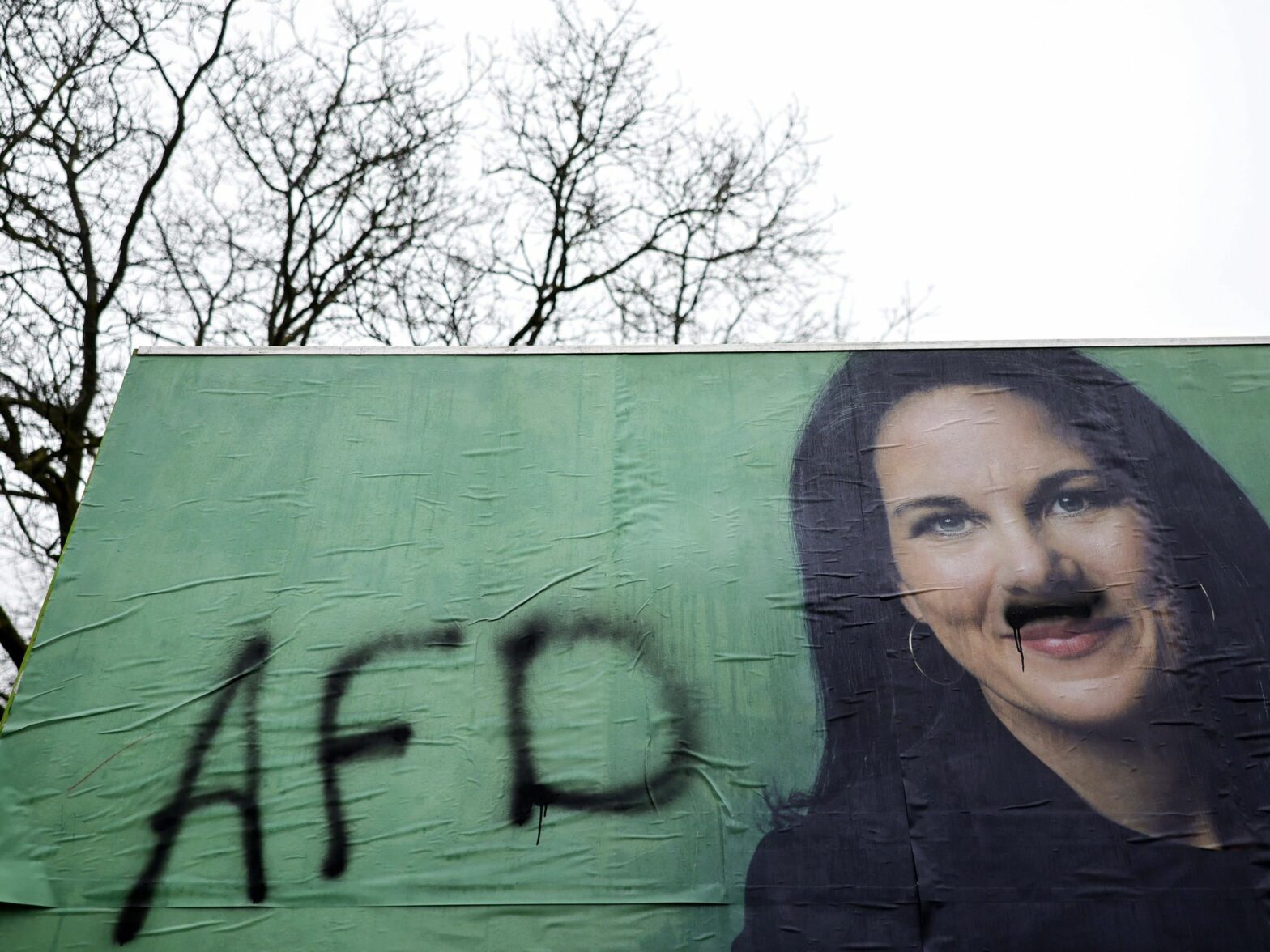
An analysis of all election programs shows that German political parties have never been more right-wing than today. Of course, there’s the AfD — but other groups have also toughened their stance.
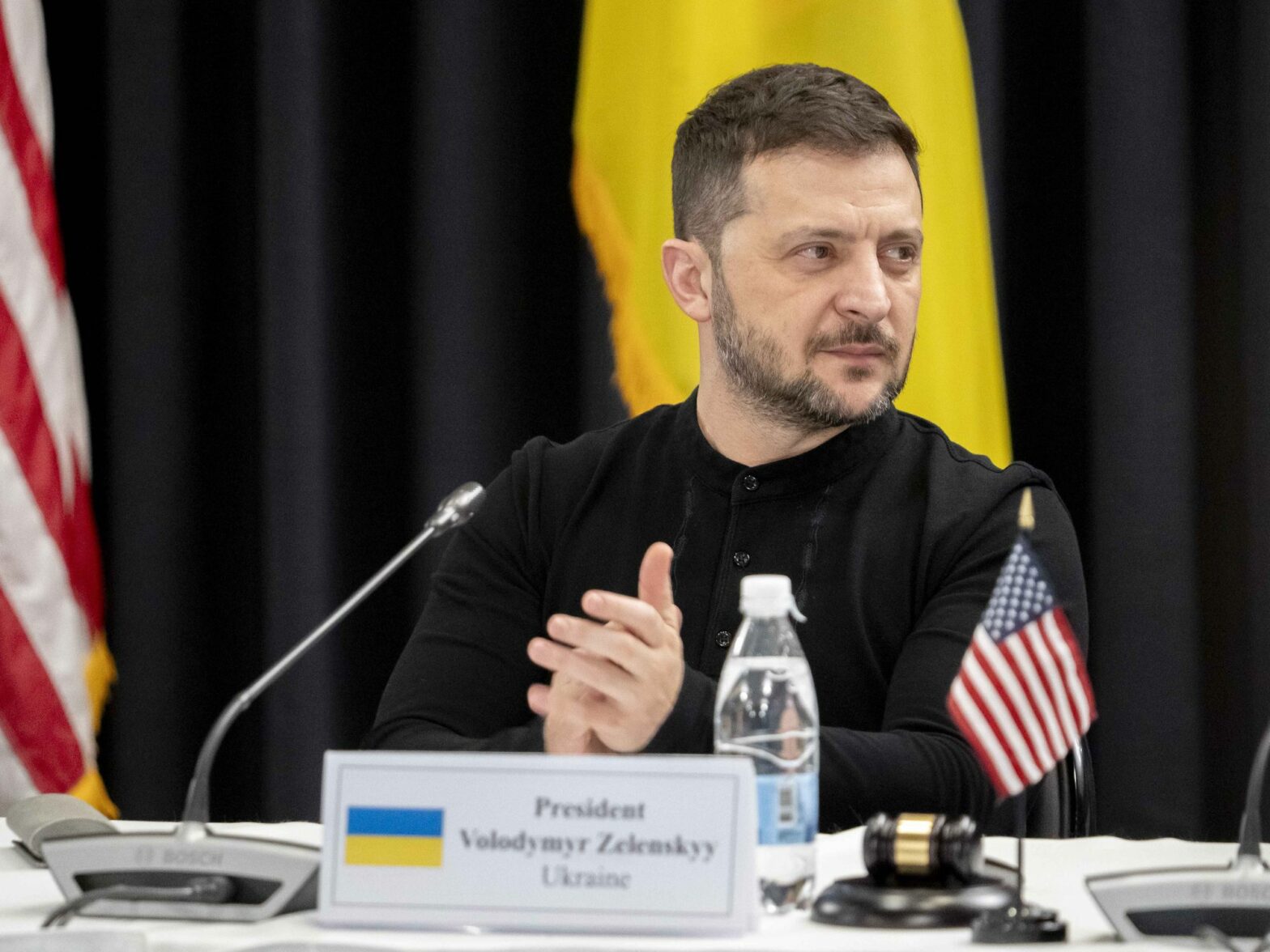
Donald Trump suggested that U.S. aid to Ukraine could be secured through the country’s rare earth deposits — those precious metals over which China holds a global monopoly. In reality, the idea was first pitched by Ukrainian President Volodymyr Zelensky, who knew exactly what kind of argument would resonate with Trump.
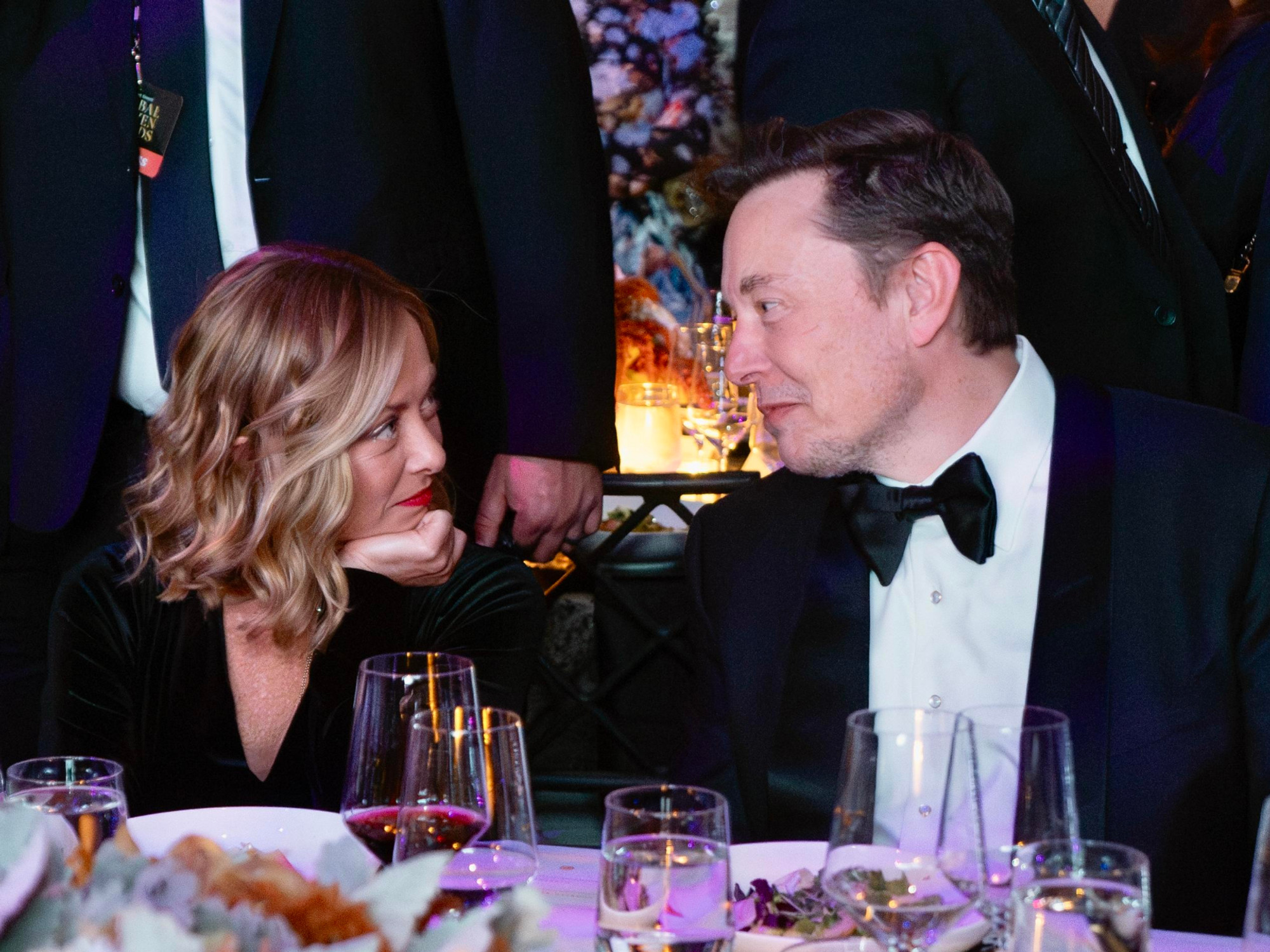
Emmanuel Macron, Keir Starmer, and Olaf Scholz have all responded in the past few days to Elon Musk statements siding with Europe’s far right. Among top European leaders, U.S. tech billionaire seems to only have eyes for Italy’s Giorgia Meloni.
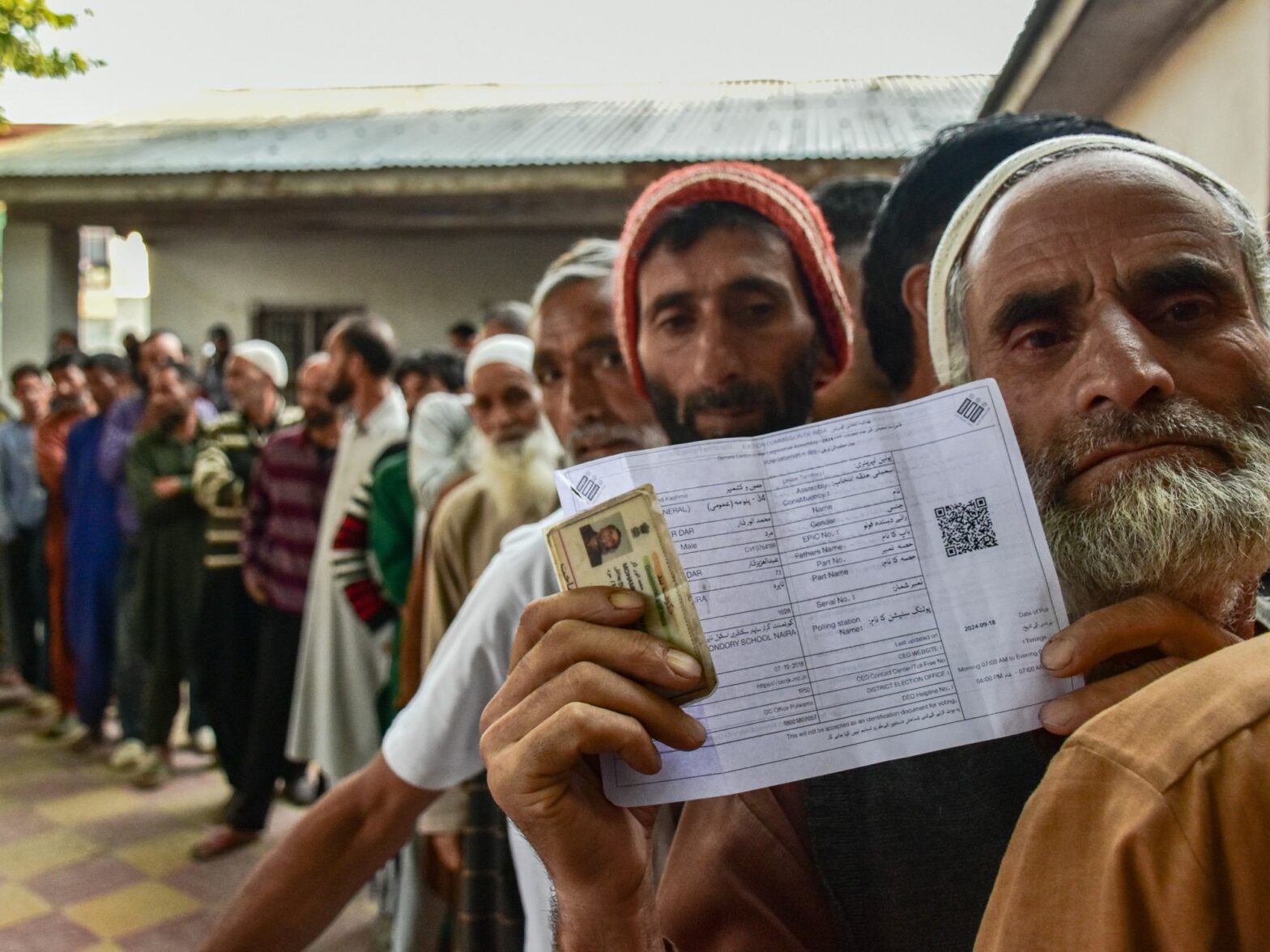
Looking back, 2024 was a year of momentous elections around the world. The results, from country to country, show overall that the global health of democracy remains precarious when some of those who win elections do not seem to believe in the political system which brought them to power.
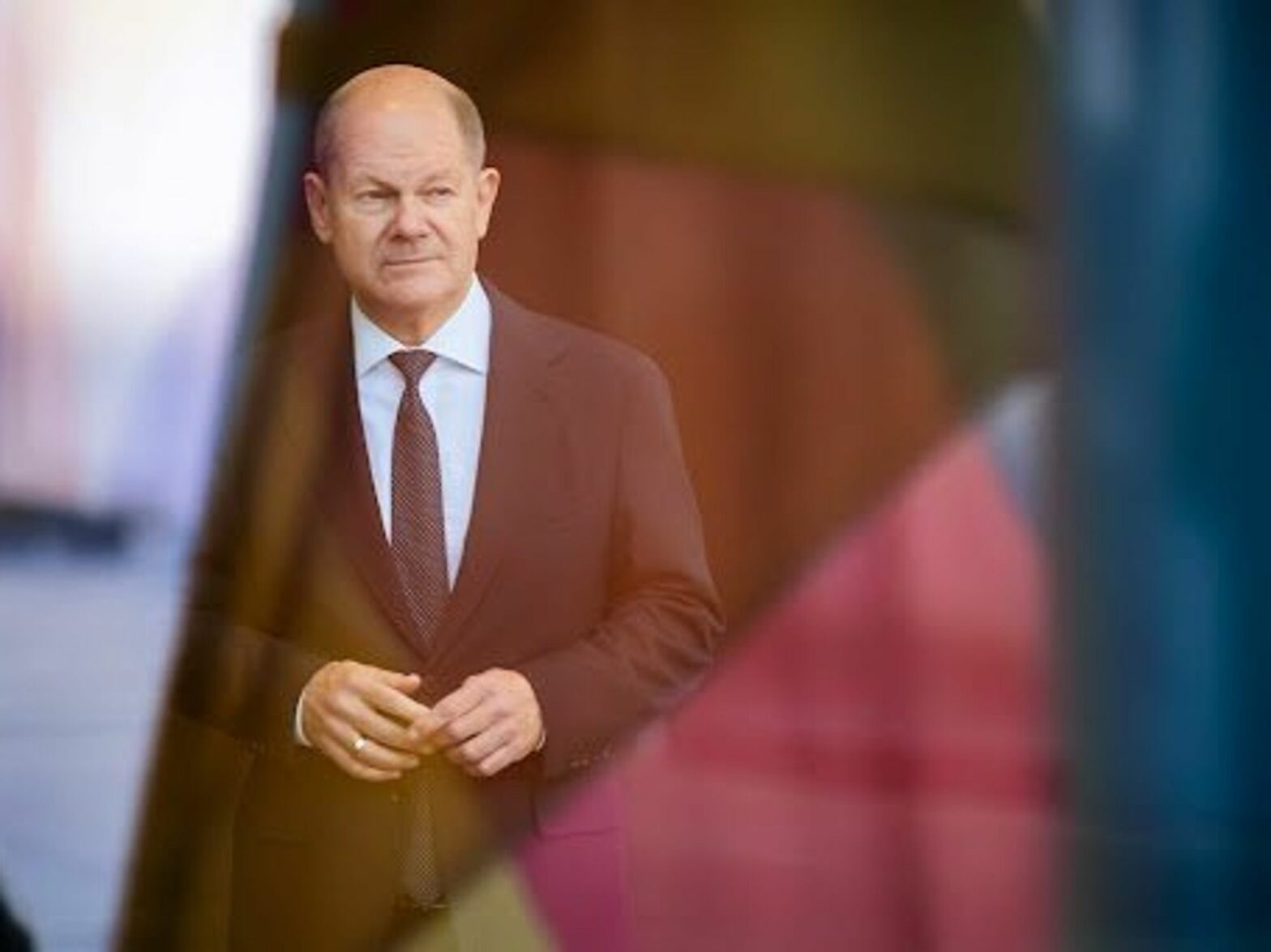
The Chancellor has lost the voters’ trust—and his finger-pointing and failure to take responsibility only deepens the damage. The fallout will be felt far beyond his own tenure and may weigh on Germany for years to come.
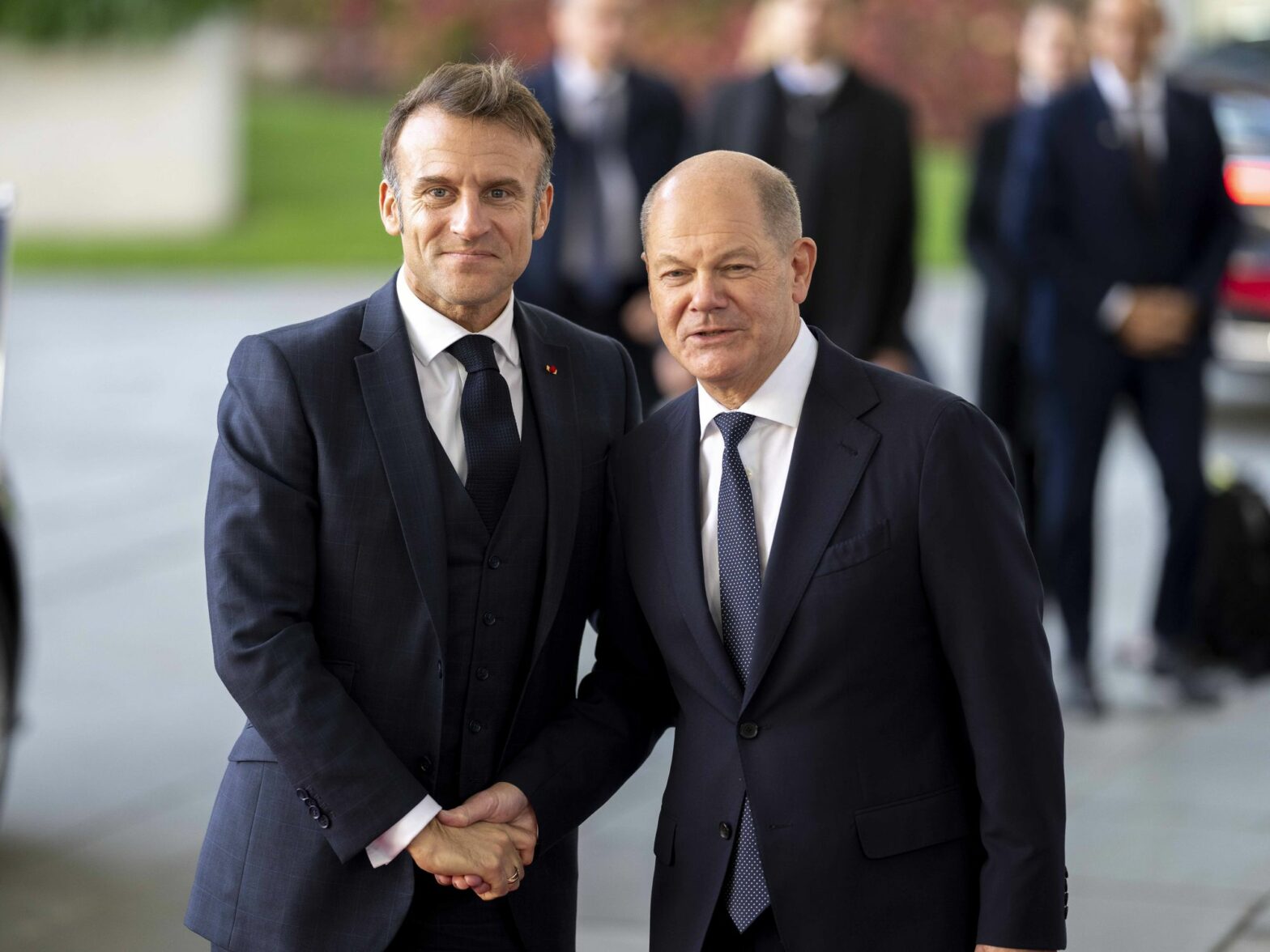
Having long been the driving force of the European Union, France and Germany are facing multiple crises simultaneously, threatening the balance of their relationship. It couldn’t have come at a worse time.
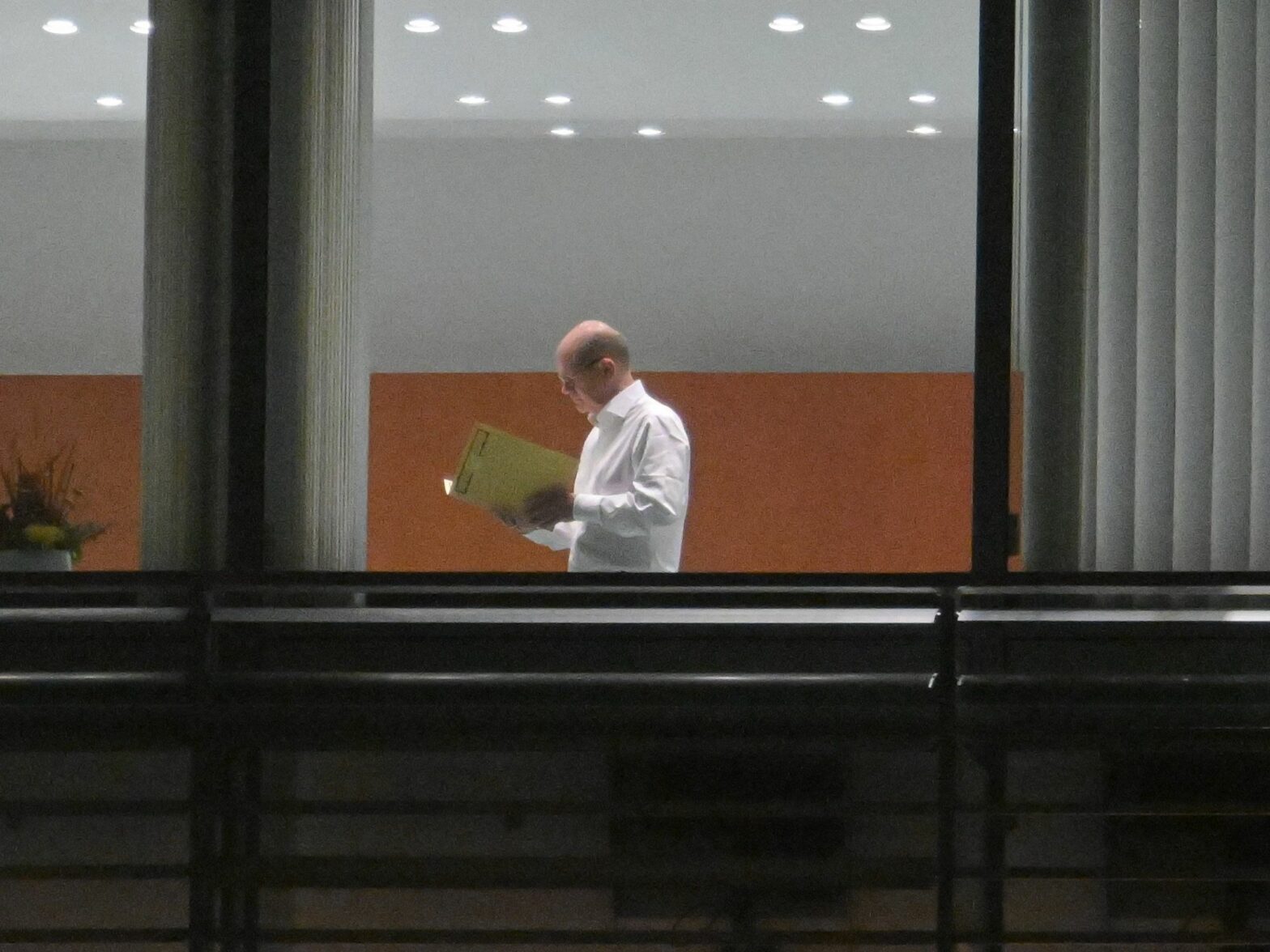
Following the collapse of Germany’s governing traffic light coalition on Wednesday, Chancellor Olaf Scholz and former Finance Minister Christian Lindner are pointing fingers at each other — hardly a wise move as Donald Trump’s reelection sends a chill through democracies worldwide.
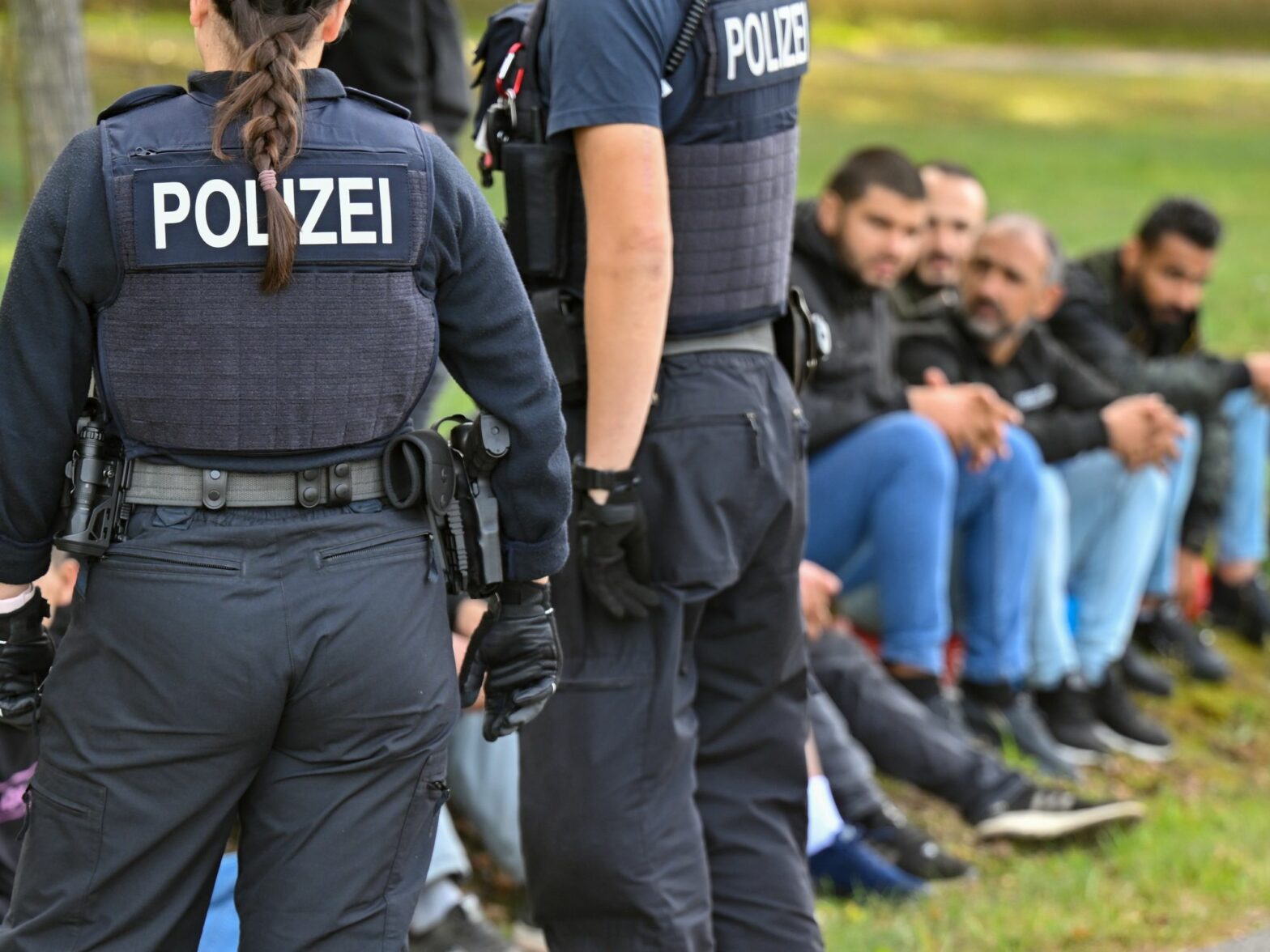
With new border controls with its EU neighbors, Germany is once again proving that it does not trust its European partners. This puts the whole European single market project at risk.
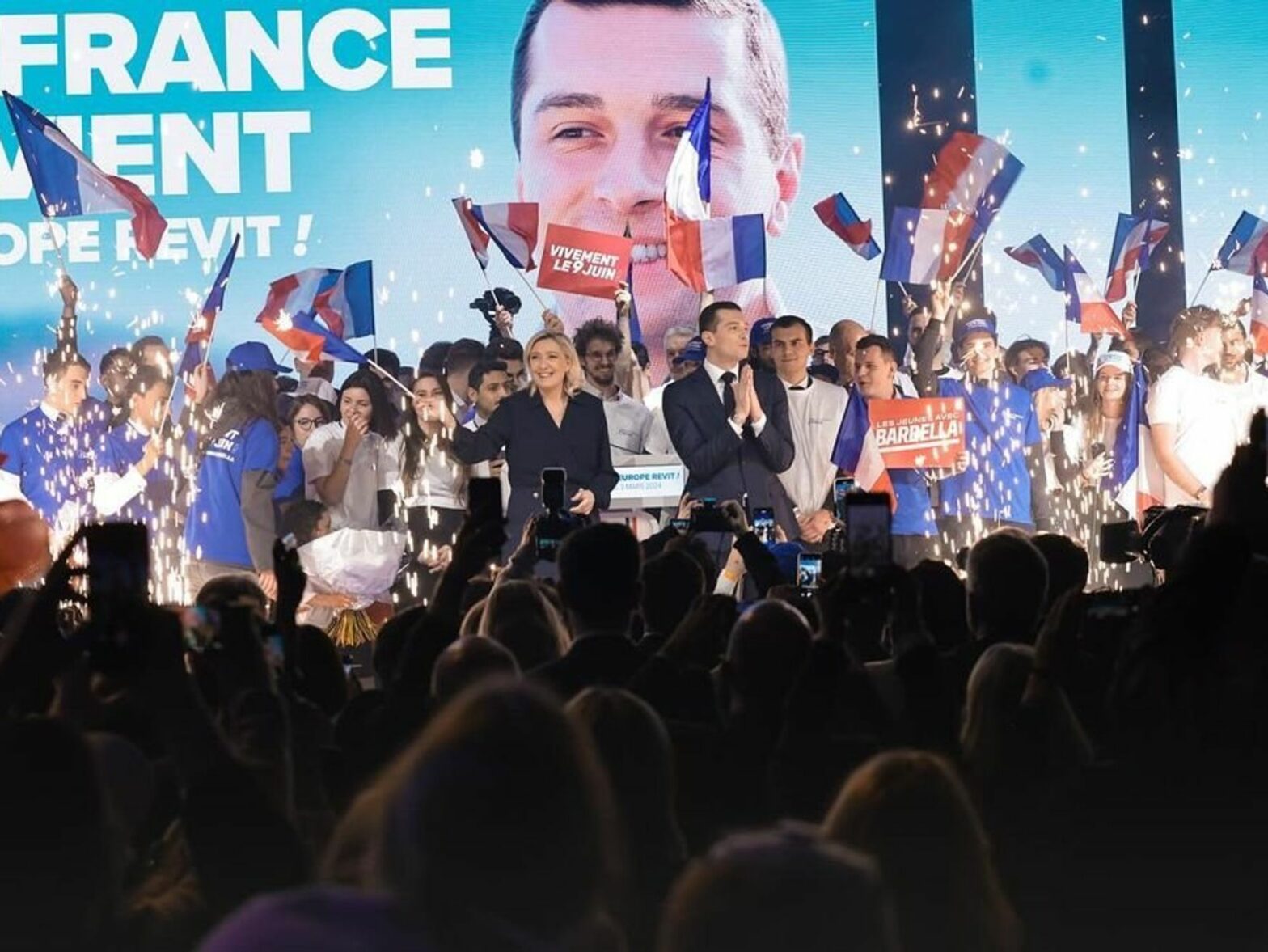
France’s European partners fear the outcome of the upcoming snap legislative elections and its consequences for the EU. German Chancellor Olaf Scholz has called for the victory of a party “other than Marine Le Pen’s,” a sign of this growing concern.
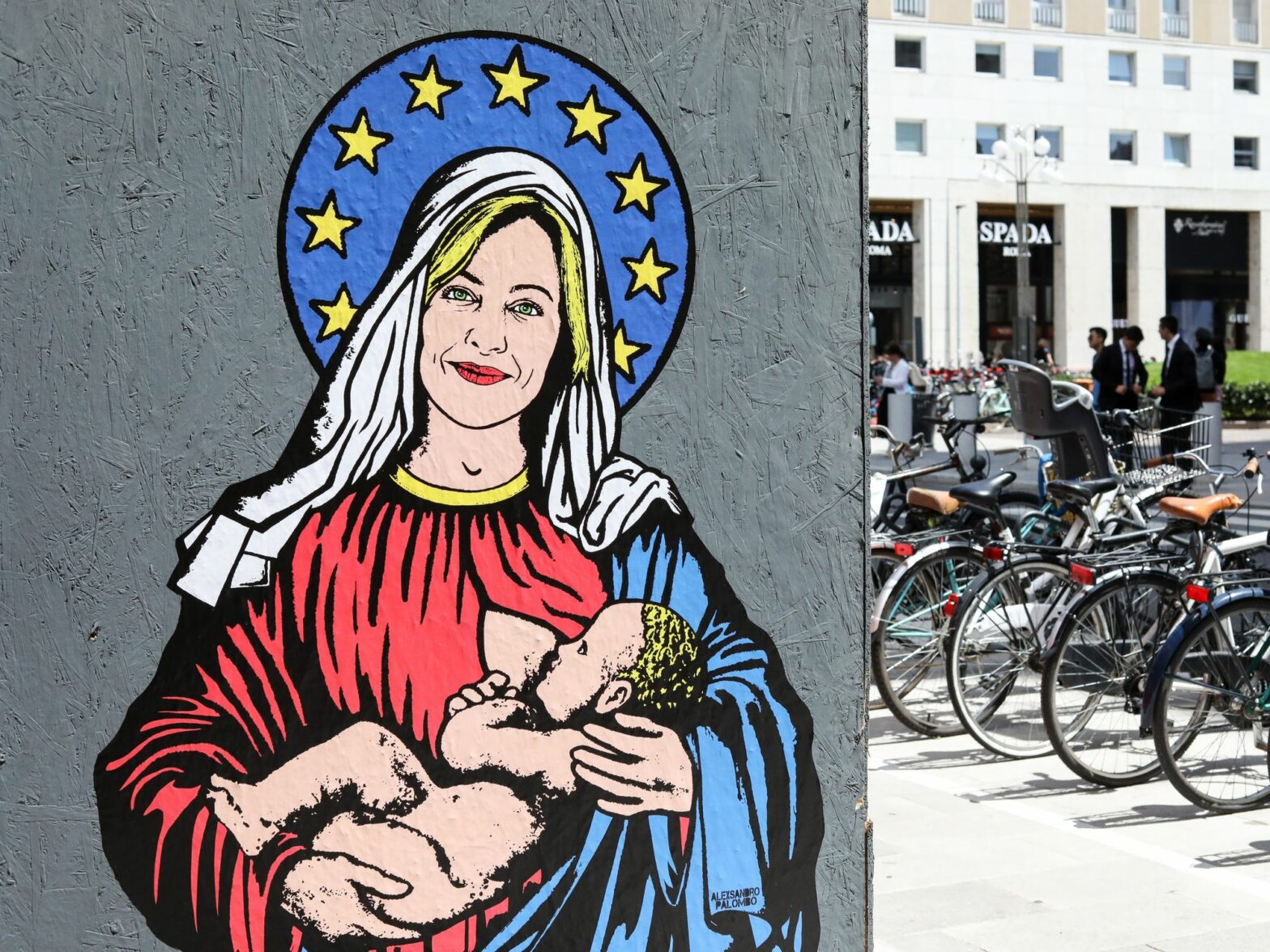
German Chancellor Olaf Scholz’s declaration labeling Italian Prime Minister Giorgia Meloni as “extreme right-wing” is a politically charged move. But is this assessment fair, given Meloni’s strong support for Ukraine and responsible economic decisions — or is there some demonizing and distracting at play?
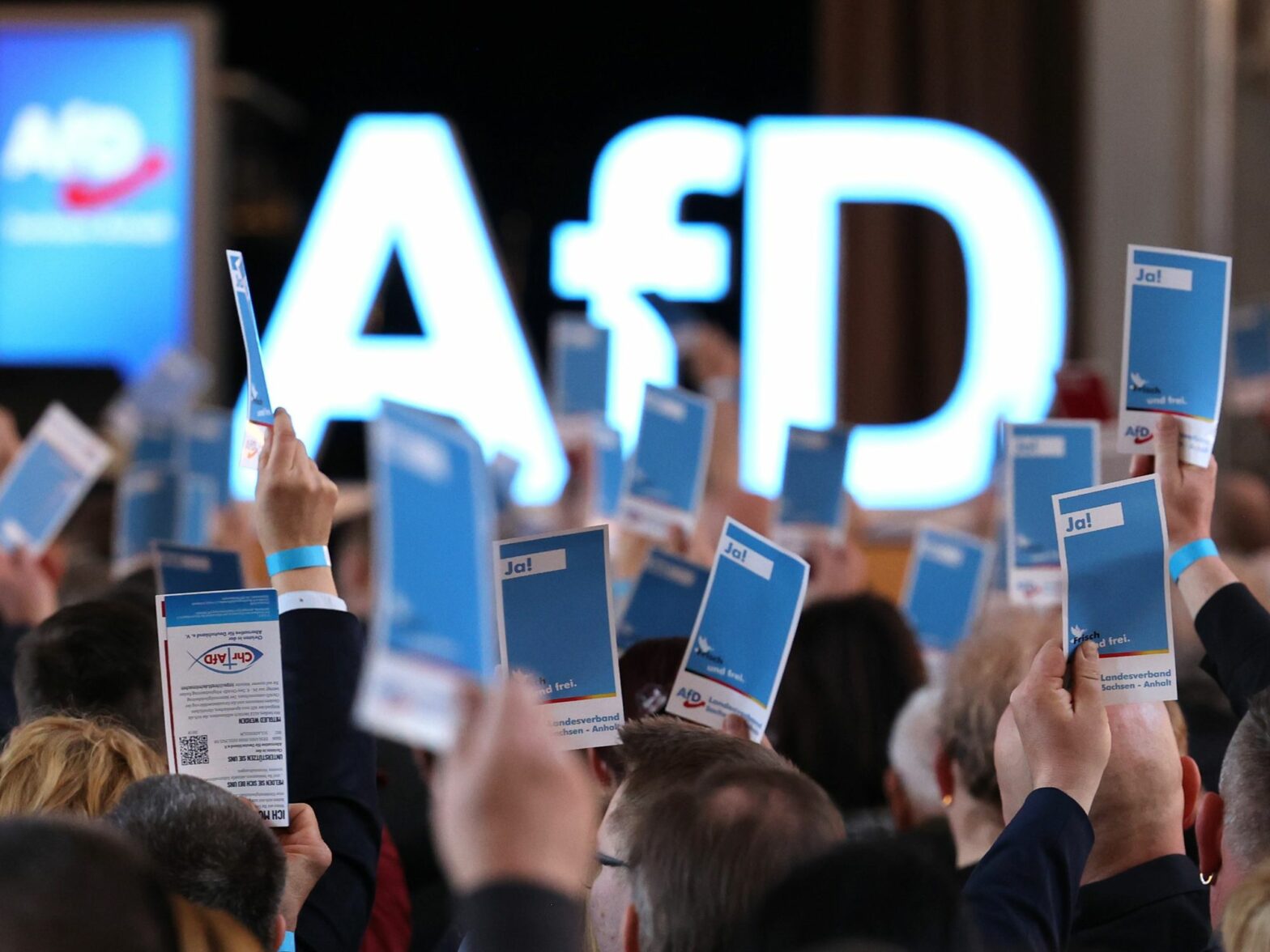
There’s the risk both for over and underestimating the unprecedented gains of far-right parties in the European elections.
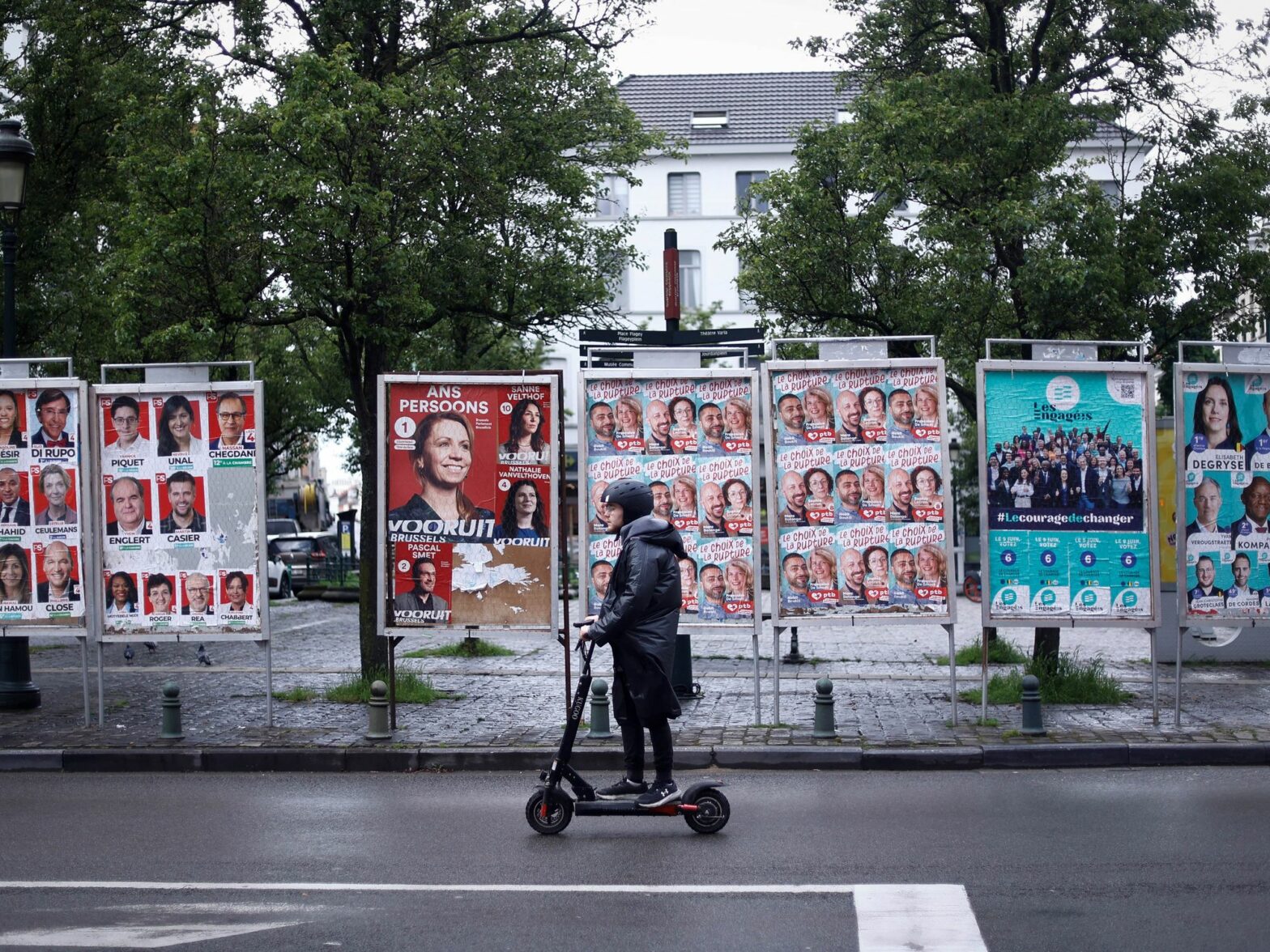
This week, 360 million voters across the EU will elect 720 Members of the European Parliament. Nationalist and far-right forces are expected to gain ground. At stake is the Europe’s ability to implement its security and competitiveness agenda over the next five years.
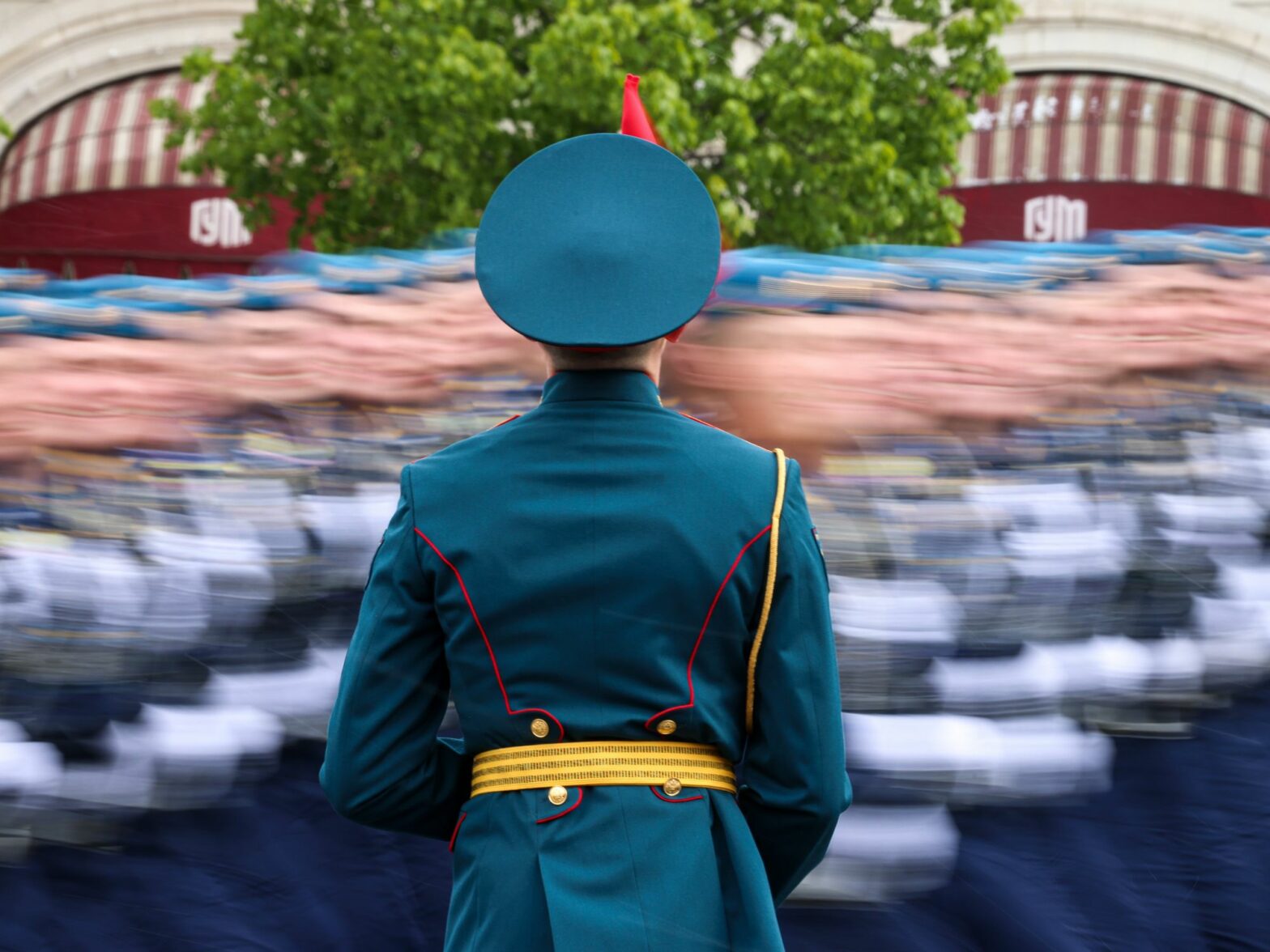
The competing May 8 and May 9 World War II victory celebrations, and an upcoming D-Day snub to Vladimir Putin, show how uncertain the future appears right now. Perhaps even more uncertain than the Cold War.
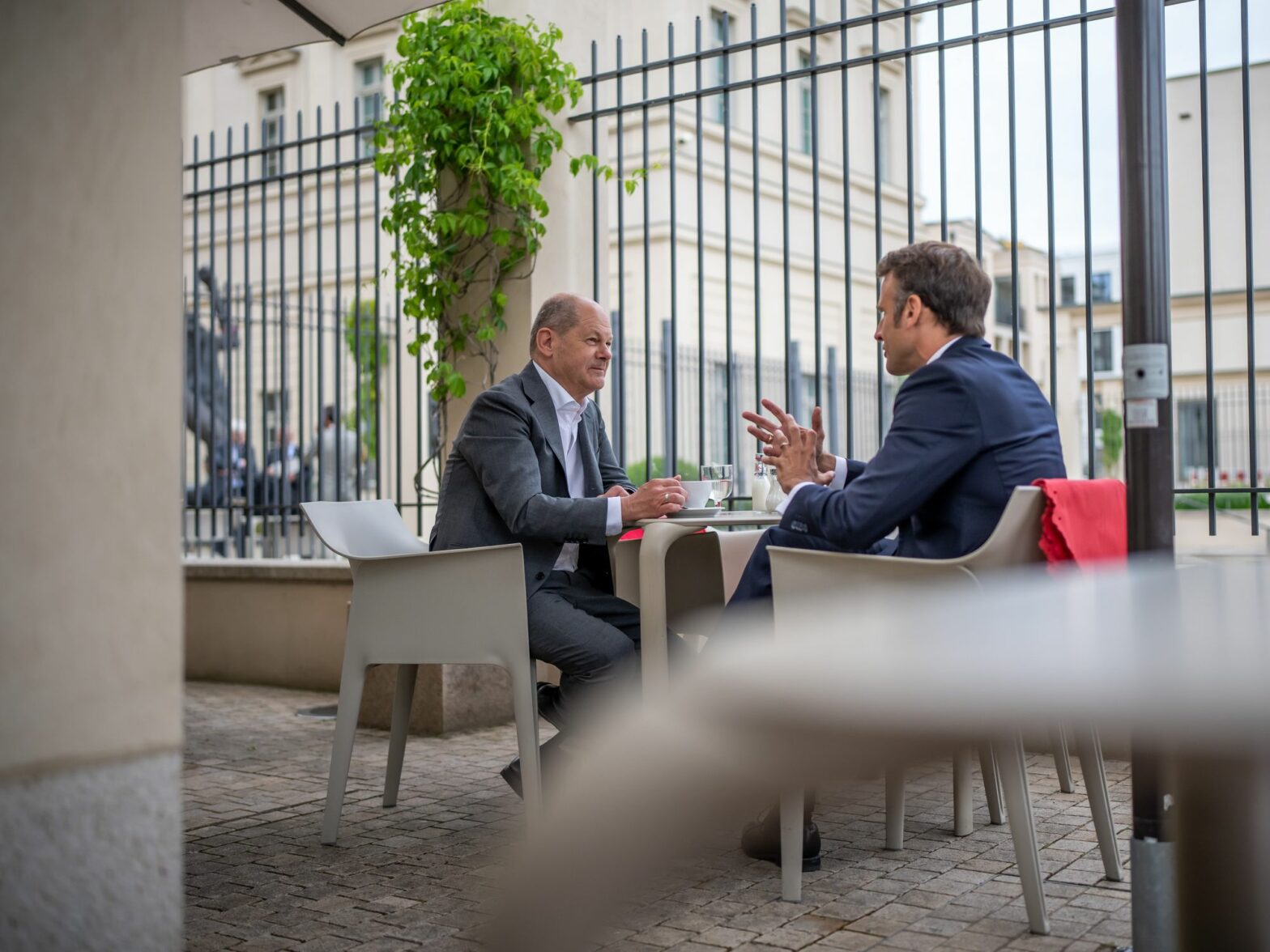
The French President and the German Chancellor, joined by their wives, dined together in a top Parisian restaurant on Thursday evening; a “private” meal at a decisive moment for “Europe in mortal danger,” as Emmanuel Macron repeated in a new interview.
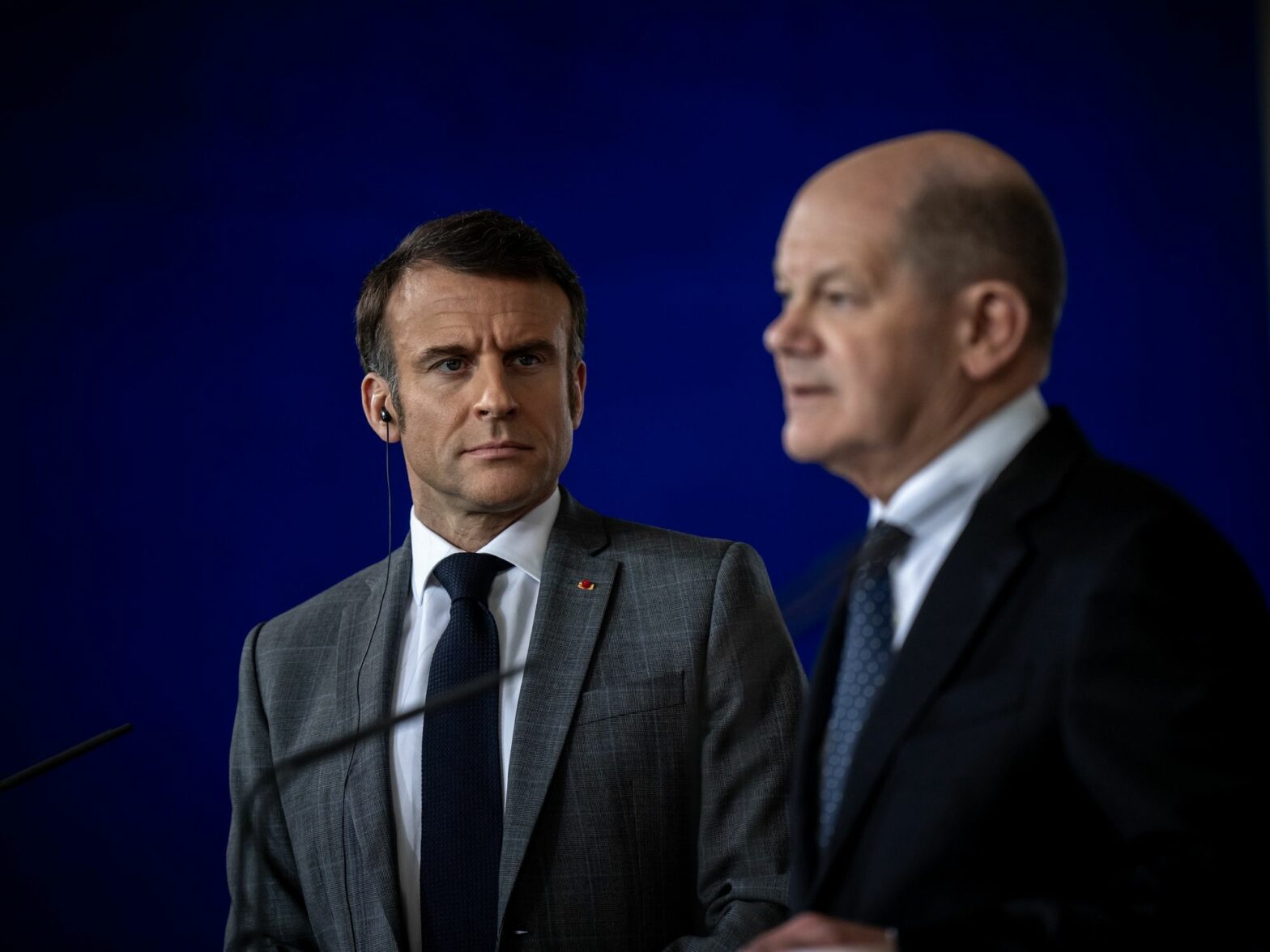
While Germany’s Scholz has chosen to walk a tightrope, France’s Macron has made a major U-turn on. While differences between Berlin and Paris are not new, the intensifying war in Ukraine has changed the situation.
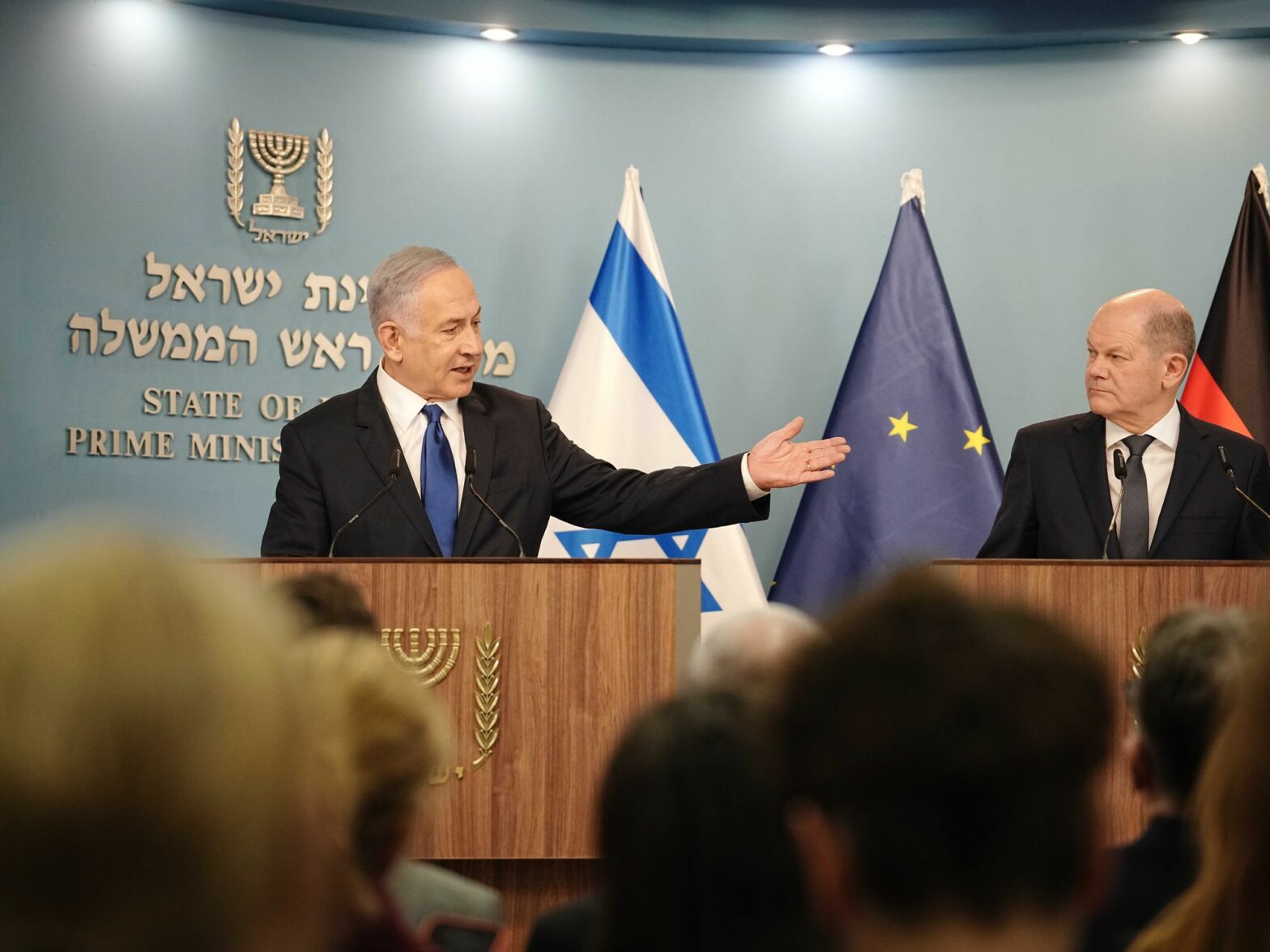
As Western leaders criticize Netanyahu and his war in Gaza, the Israeli Prime Minister apparently remains fully confident in forging ahead with a hardline that leaves a brutal human toll.
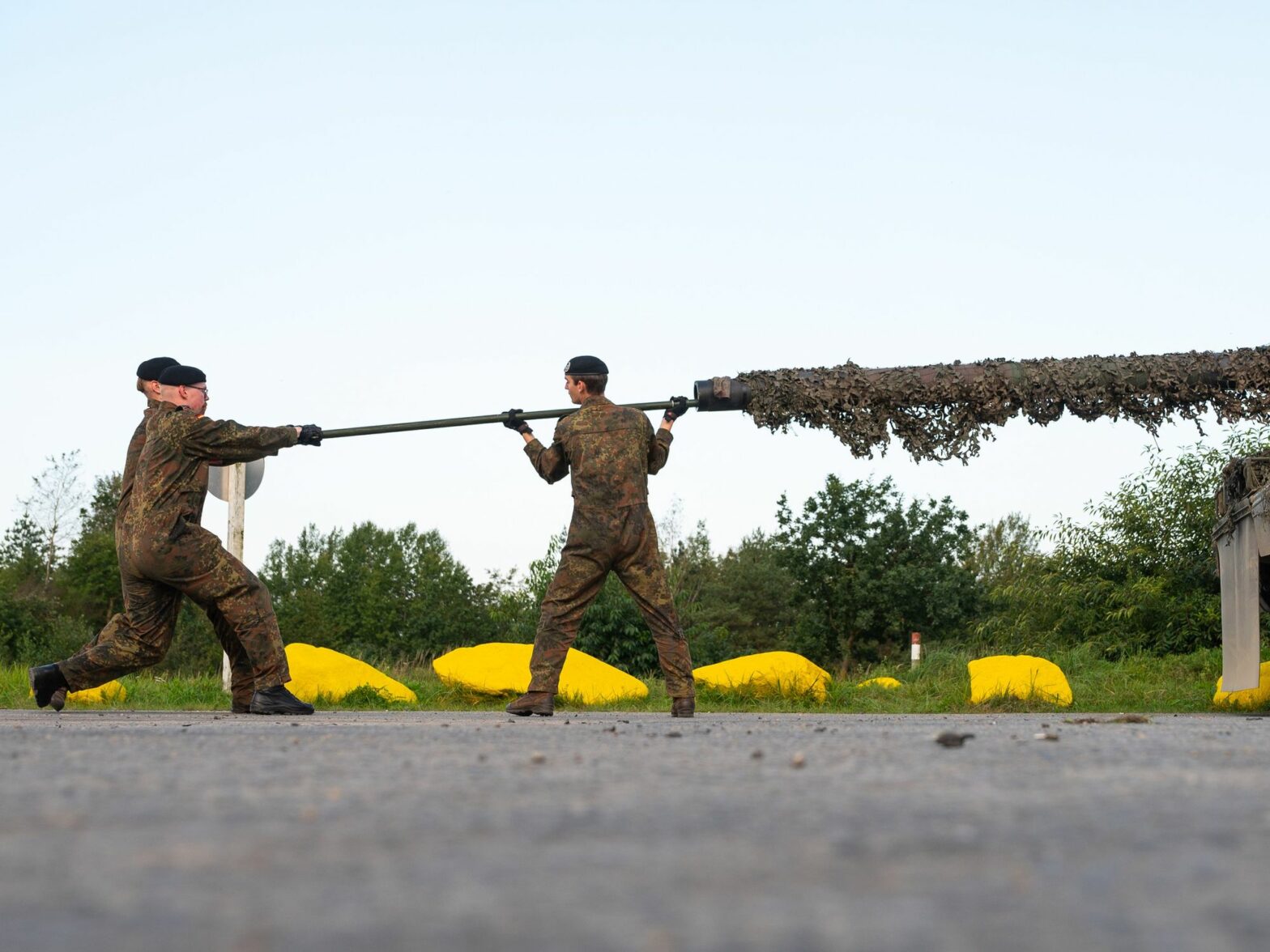
Beyond the embarrassment for the German military, and Moscow’s exploitation for propaganda purposes, the deeper significance of the intercepted conversations is in how far European unity remains on the war in Ukraine.
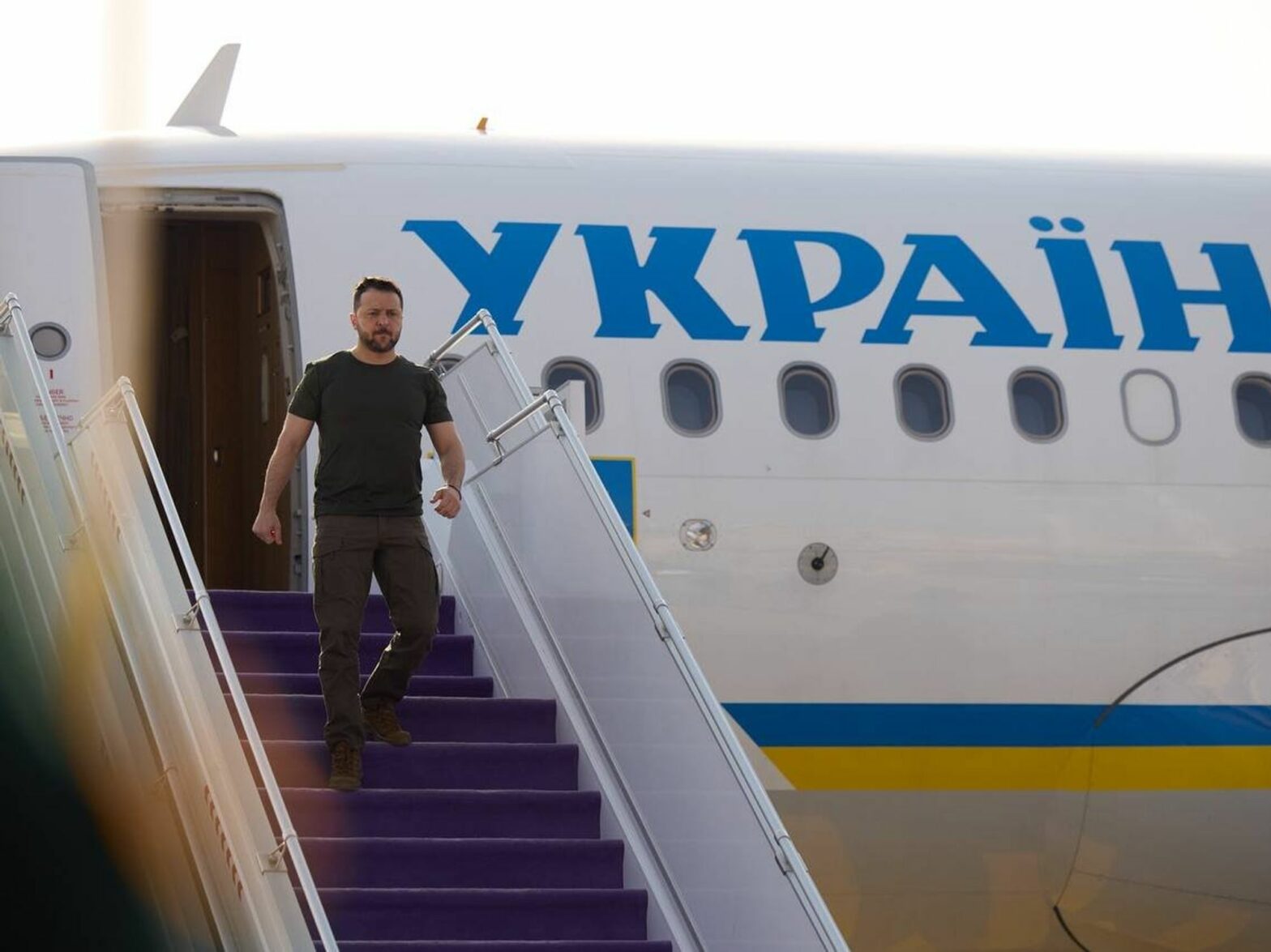
The fact that the Ukrainian army has been forced onto the defensive is mainly due to sluggish support from the West. However, there is another factor at play that is contributing to the dangerous situation: the leadership approach of President Zelensky is being increasingly called into question.
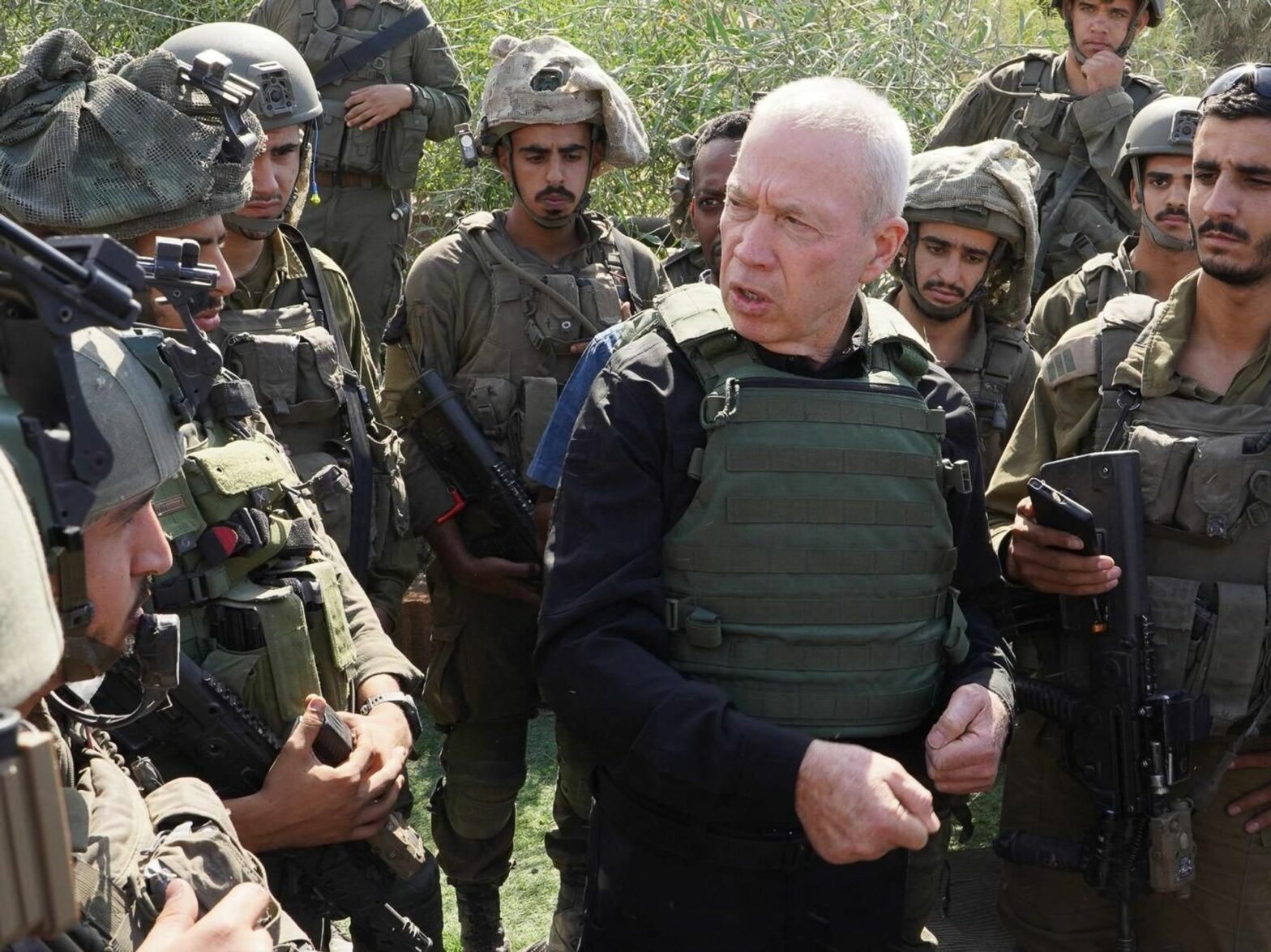
Also: Russia and Iran blast Biden’s speech, Aid blocked at Rafah crossing, Explosion at Gaza’s oldest church. And more…
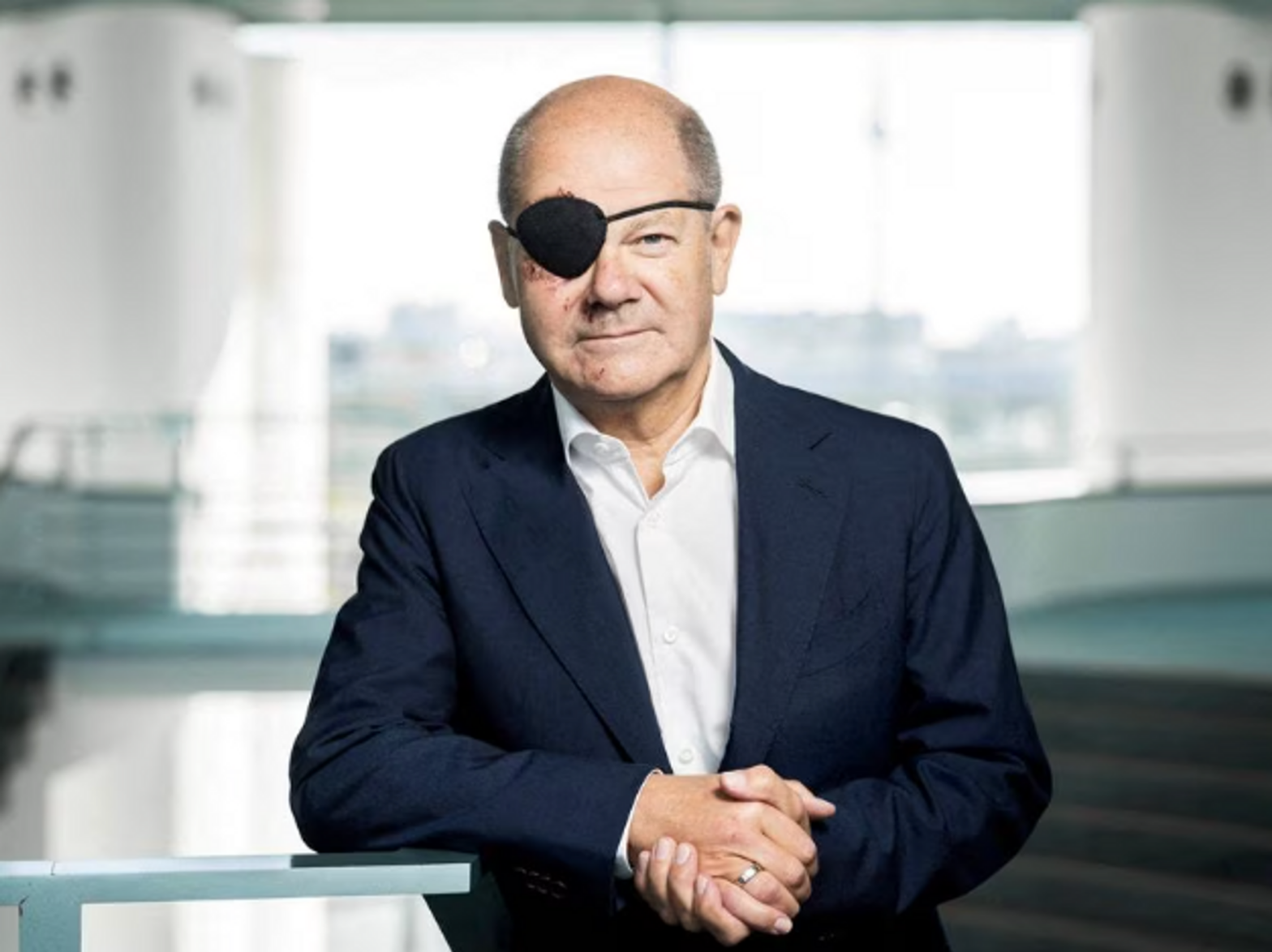
? *مرحبا Welcome to Tuesday, where reports say Kim Jong-un plans to meet Vladimir Putin to discuss supplying Moscow with weapons, Hong Kong’s top court moves to recognize same-sex civil unions, and German Chancellor Olaf Scholz keeps his sense of humor after a bad tumble. Meanwhile, we look at the questionable “dark tourism” industry already […]
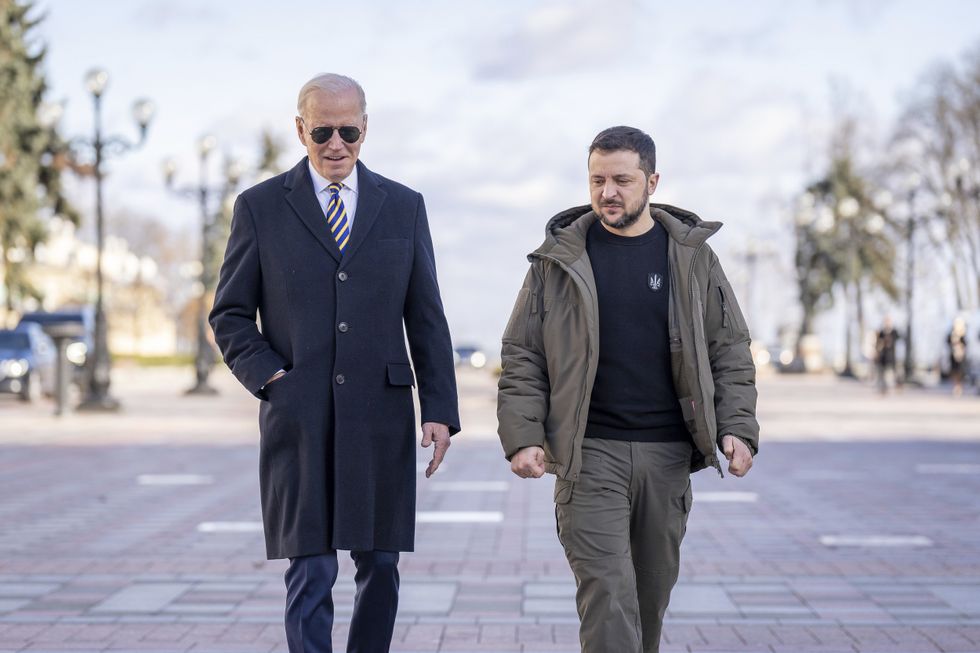
With a decisive deal with Putin out of the question, the only way to create a lasting peace is to recreate some fundamental dynamics of the Cold War.
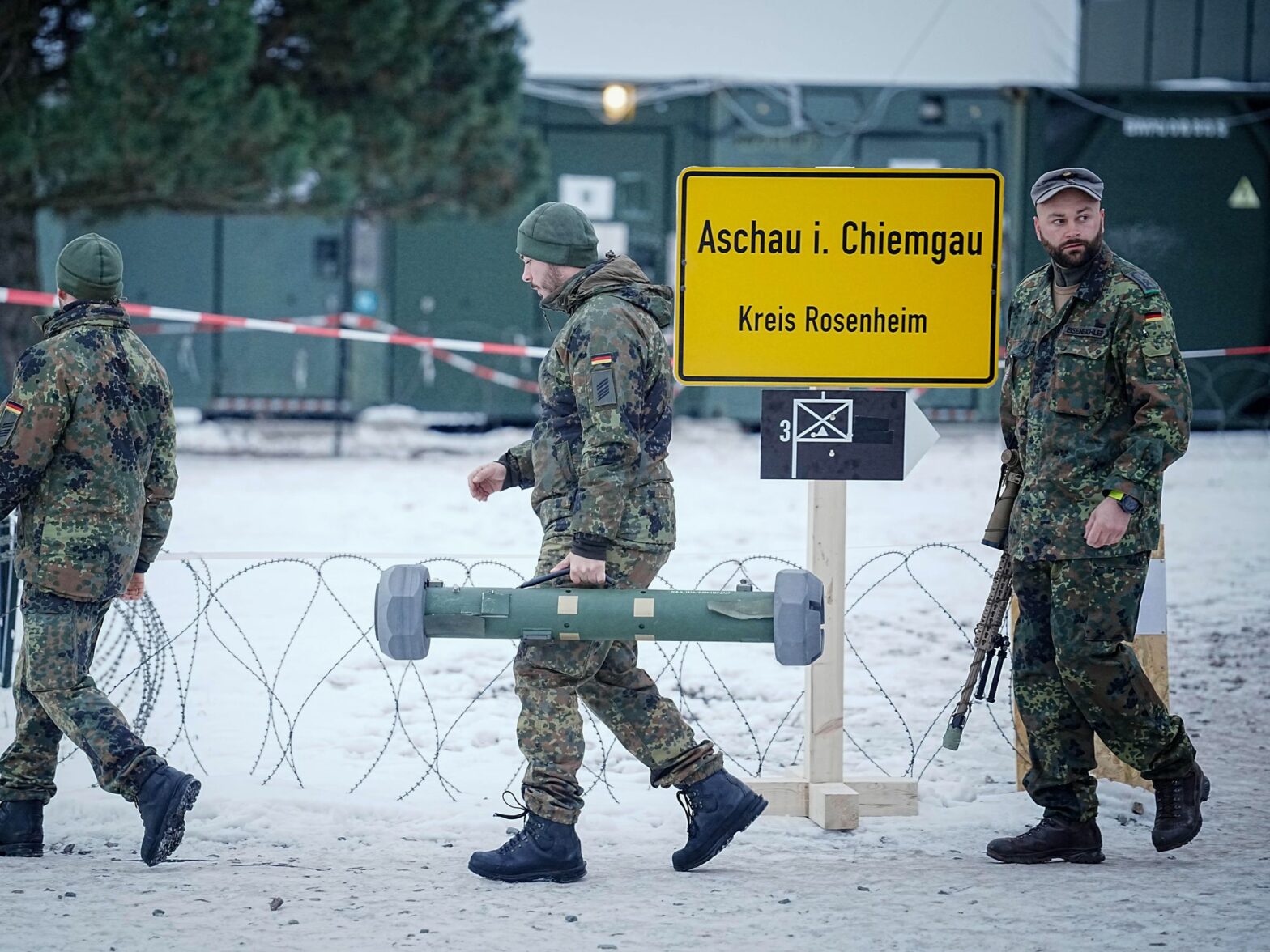
A new future is unfolding in real time, one that leaders in France, Germany and beyond could not have envisioned even a year ago.
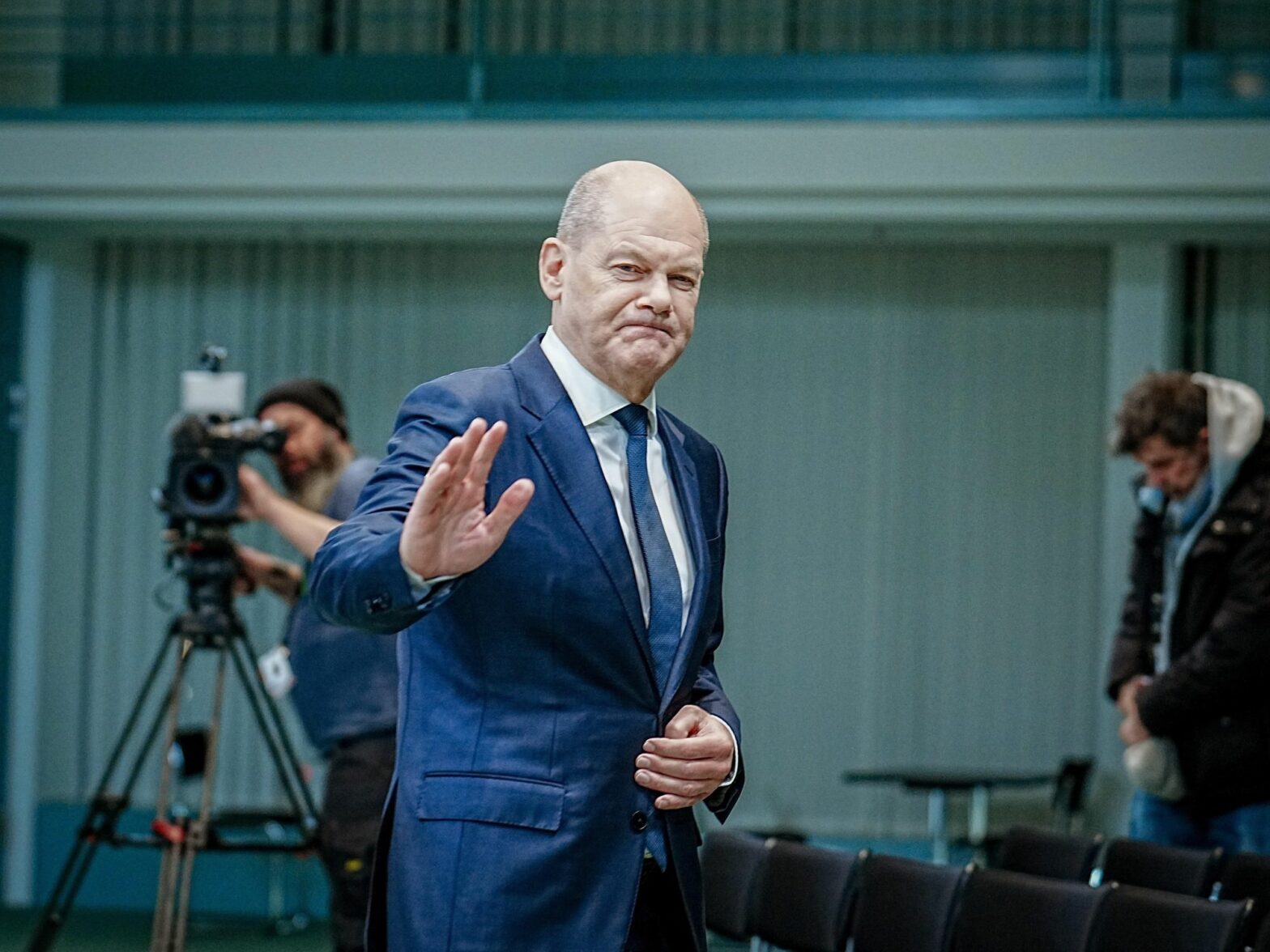
Praising the courage of the Ukrainian people, German Chancellor Olaf Scholz assured Kyiv of Germany’s support for “as long as it is needed.” Not nearly enough, according to the country’s opposition.
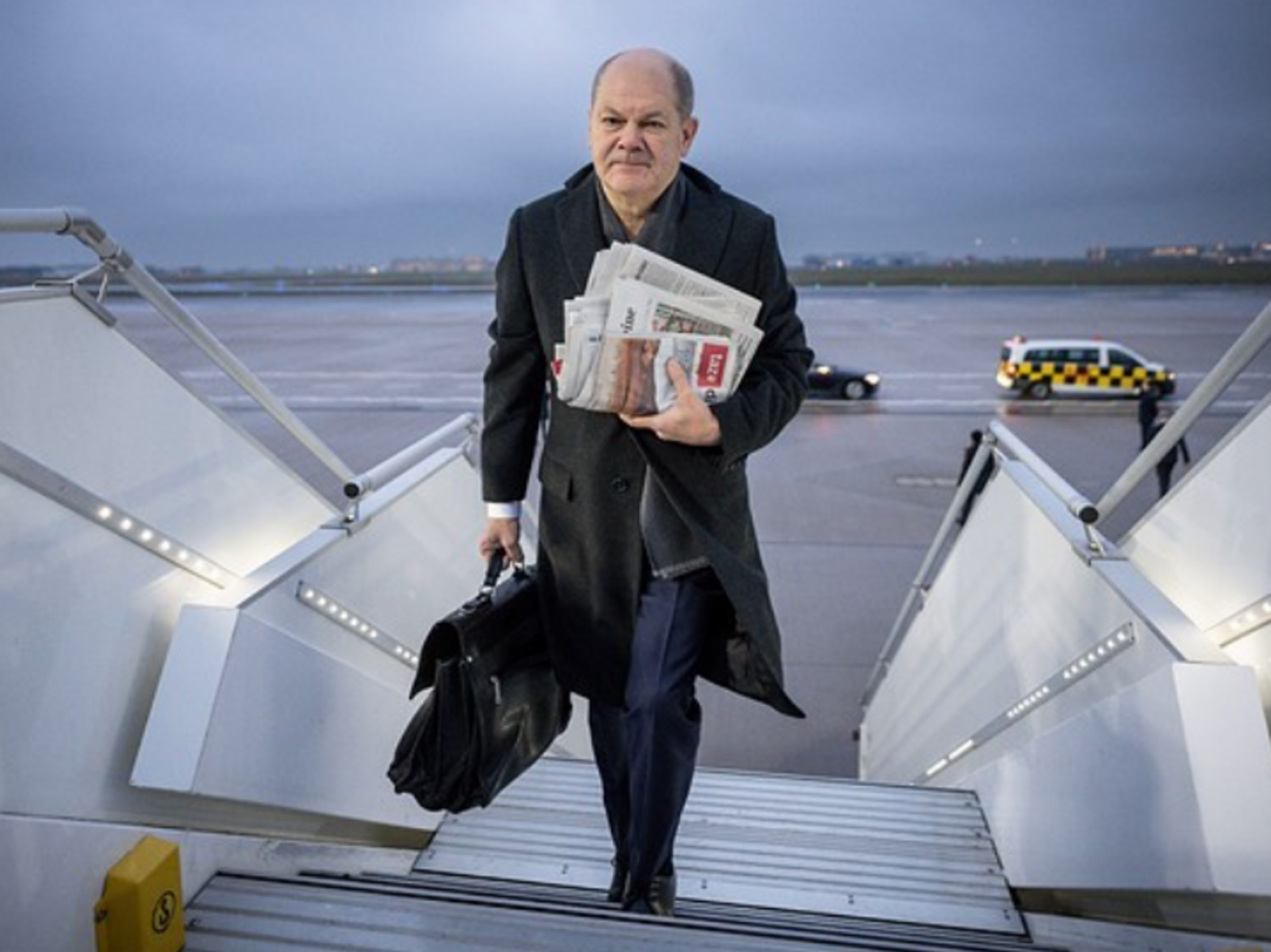
Olaf Scholz took over for Angela Merkel a year ago, but for many he remains a mysterious figure through a series of tumultuous events, including his wavering on the war in Ukraine.
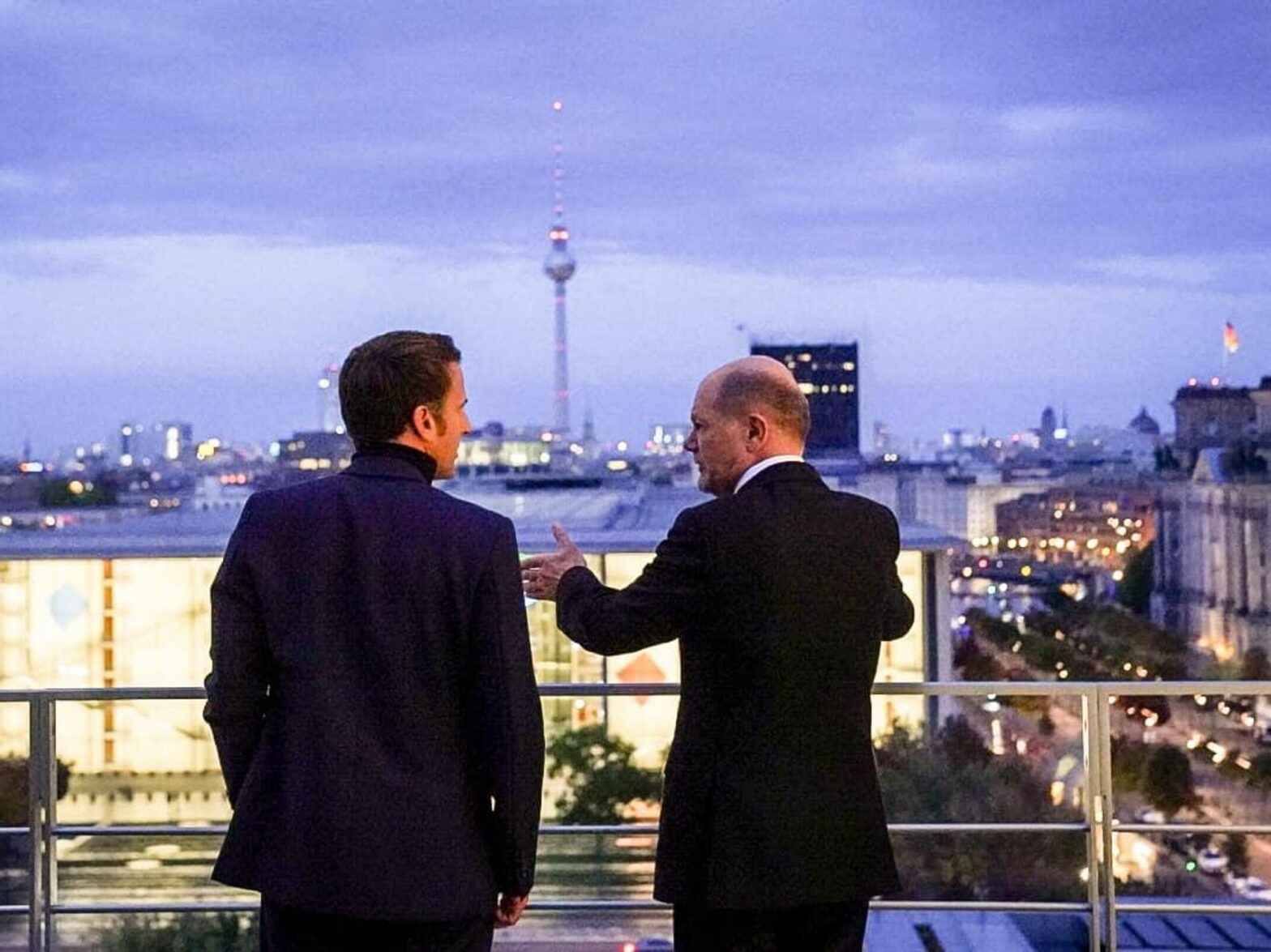
In a world divided between democracies and autocracies, the autocrats can count on the democrats eventually dividing among themselves— the freedom to disagree is, after all, the very cornerstone of democracy.
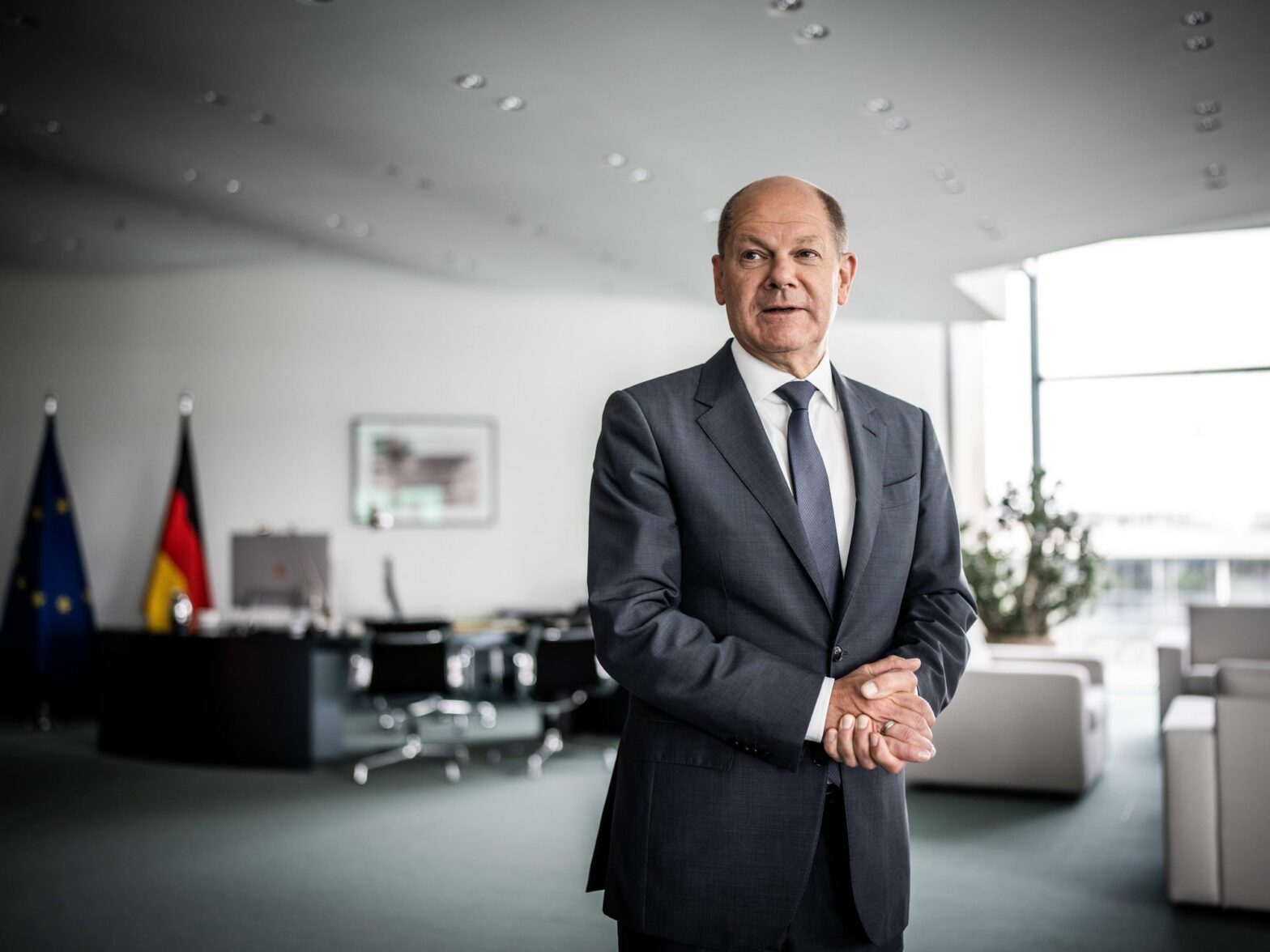
As successor to Angela Merkel, Olaf Scholz is facing a wealth of challenges at home and abroad. In the coming days, he faces key international summits while a domestic energy crisis begins to spiral. Is the new Chancellor up to the challenge?
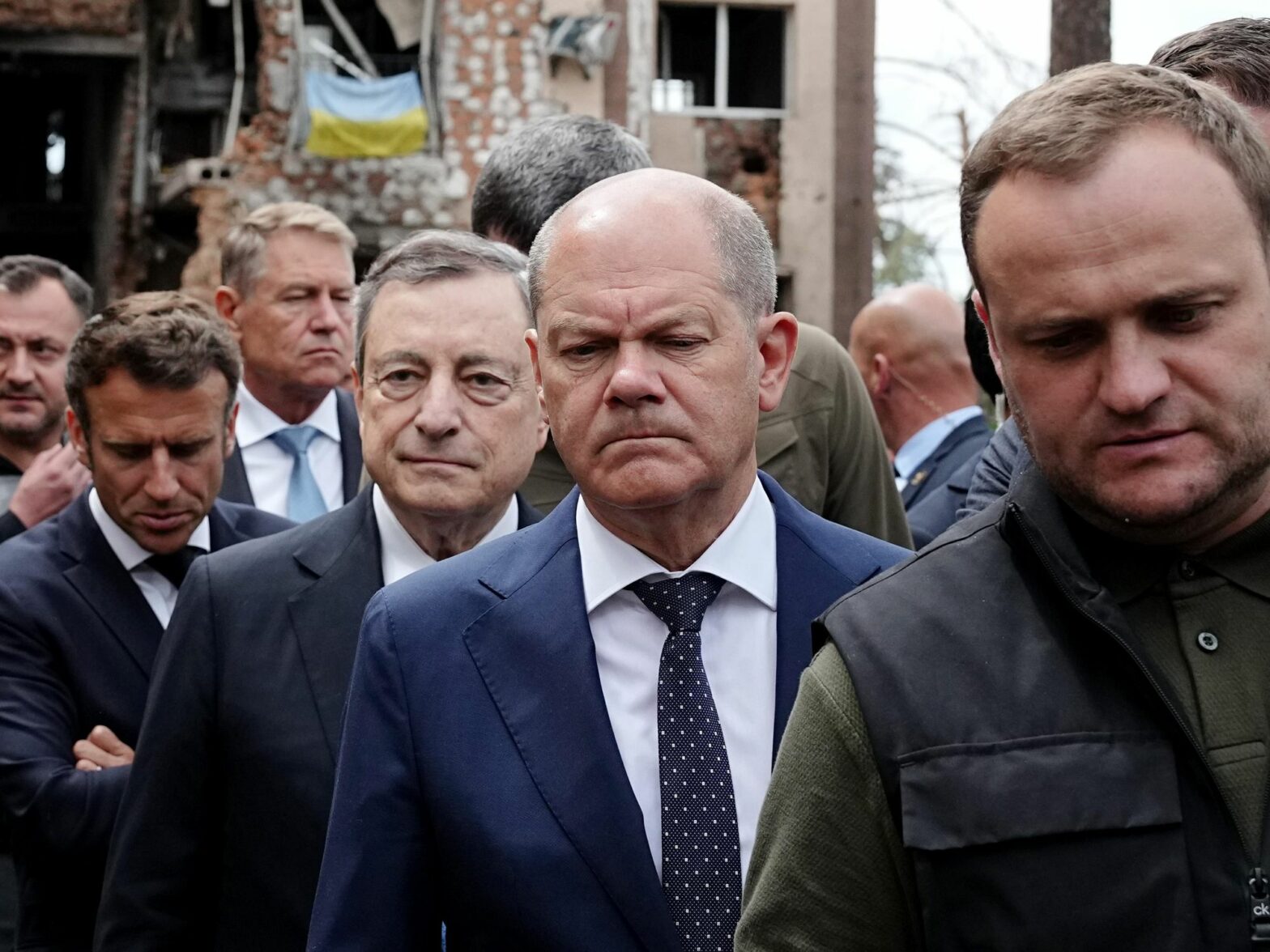
Ukrainians assess their friends, enemies and frenemies…
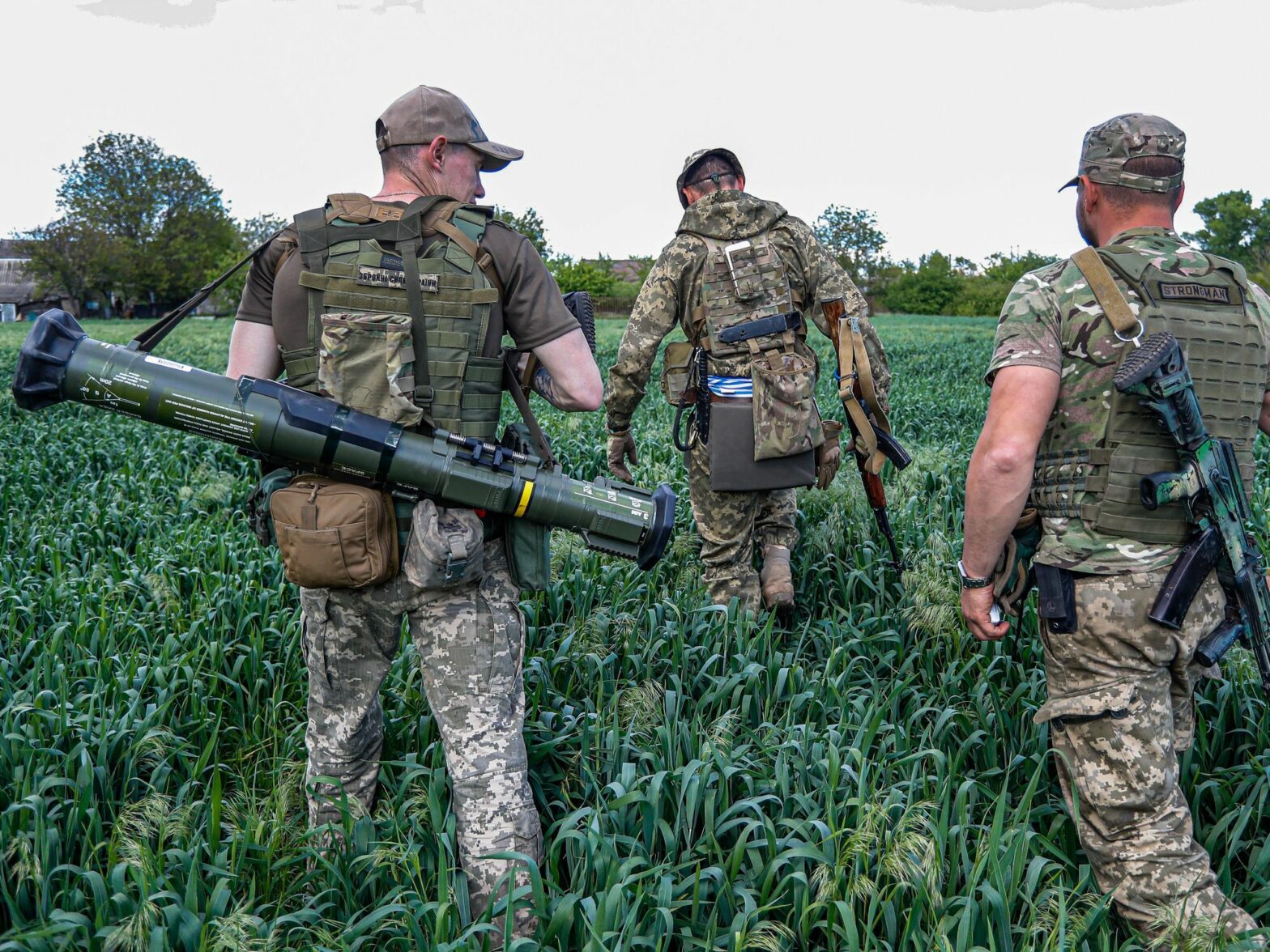
The U.S. and Europe have again committed to supplying weapons to Kyiv, whose gratitude has its limits in the face of the life-and-death struggle against the Russian invasion.
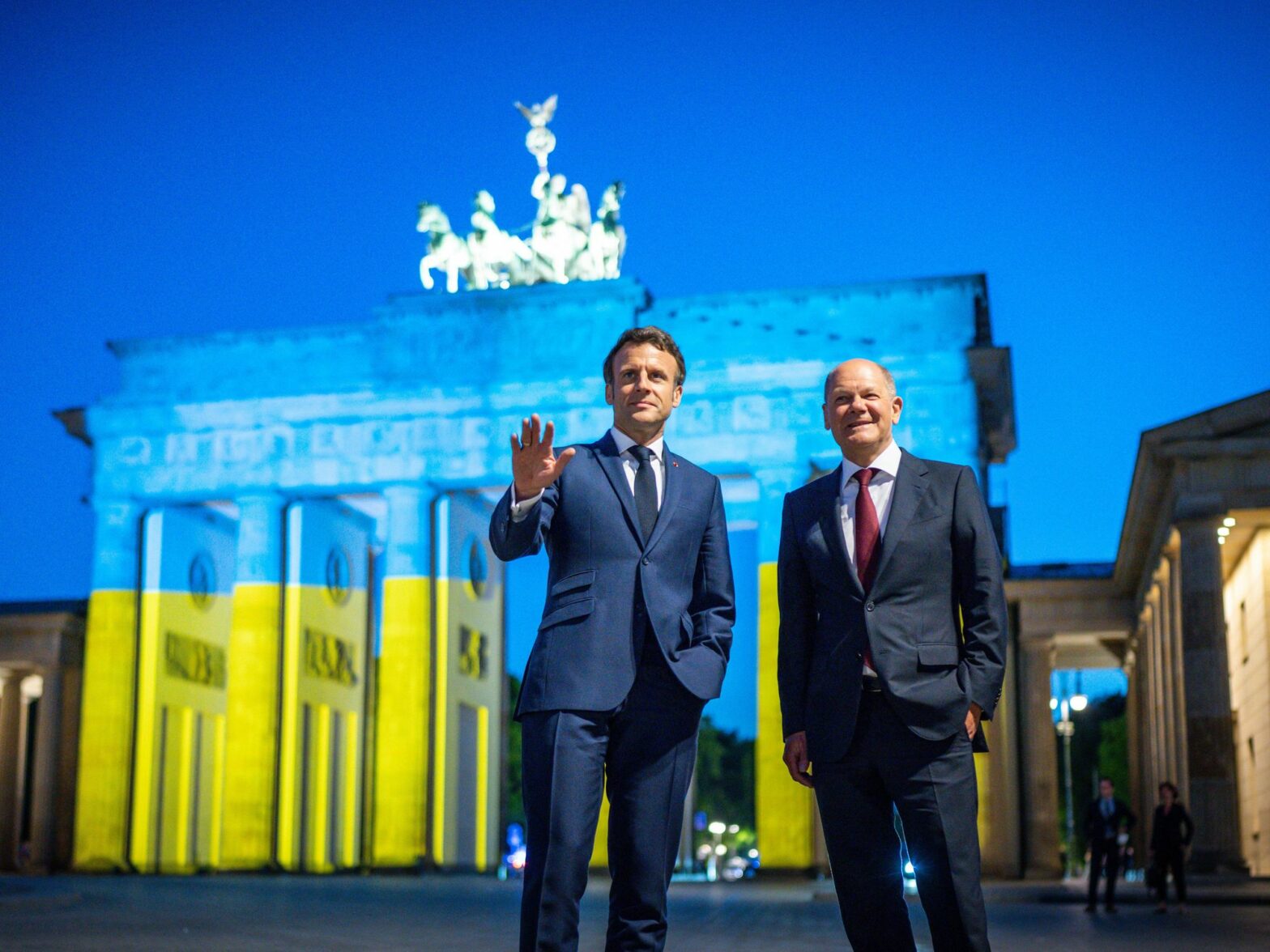
French President Emmanuel Macron has proposed a new European Political Community, with support from Germany’s Olaf Scholz, that would include Ukraine in a second-tier union. No, this is not about European “core values” — it’s just the latest attempt by the EU’s two biggest players to be sure not to upset Vladimir Putin.
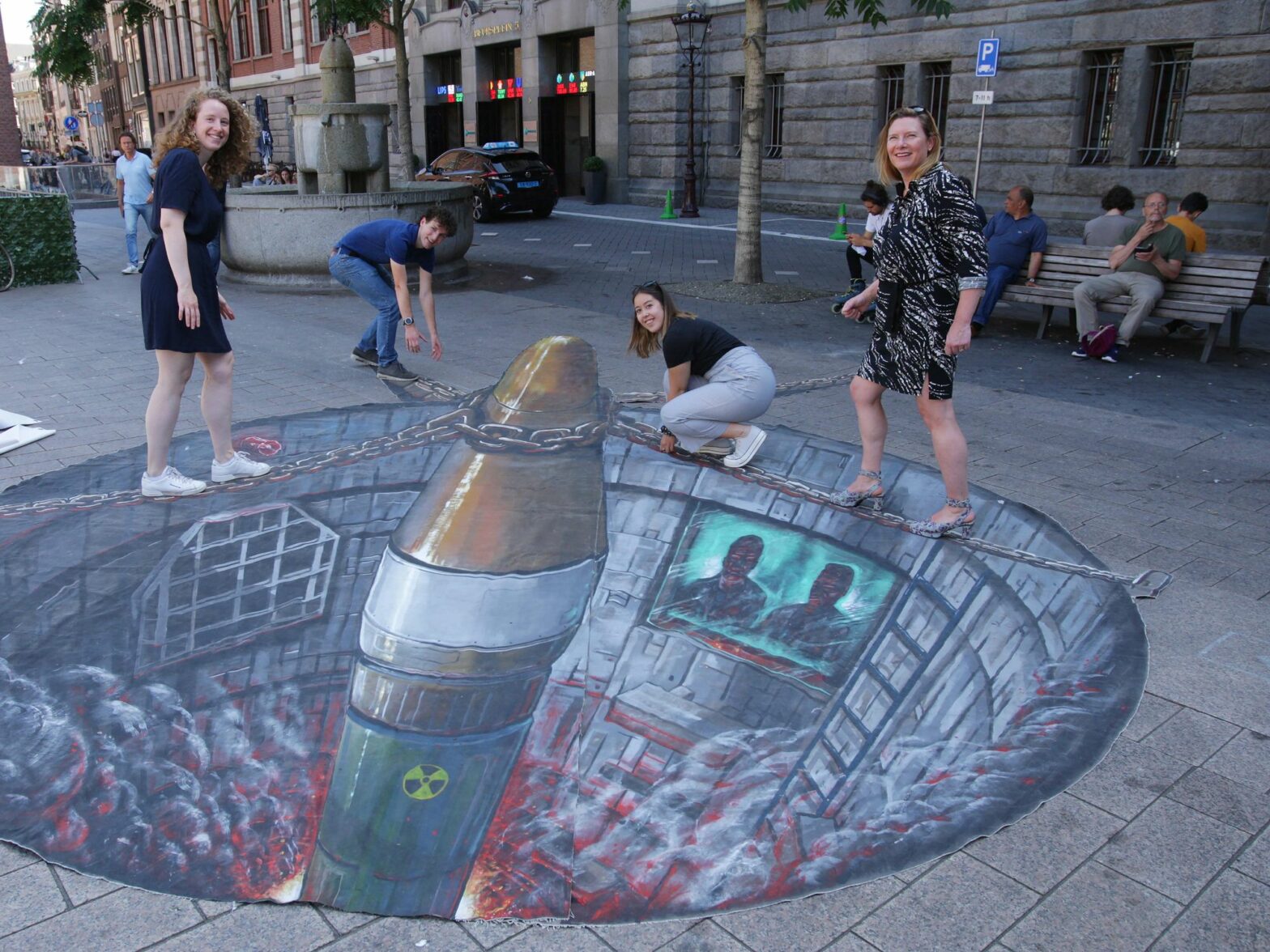
Baby boomers who grew up under the threat of nuclear armageddon warn against a nuclear escalation of the war in Ukraine. But the younger generations are not cowed by Putin’s blackmail. And that’s a very good thing.
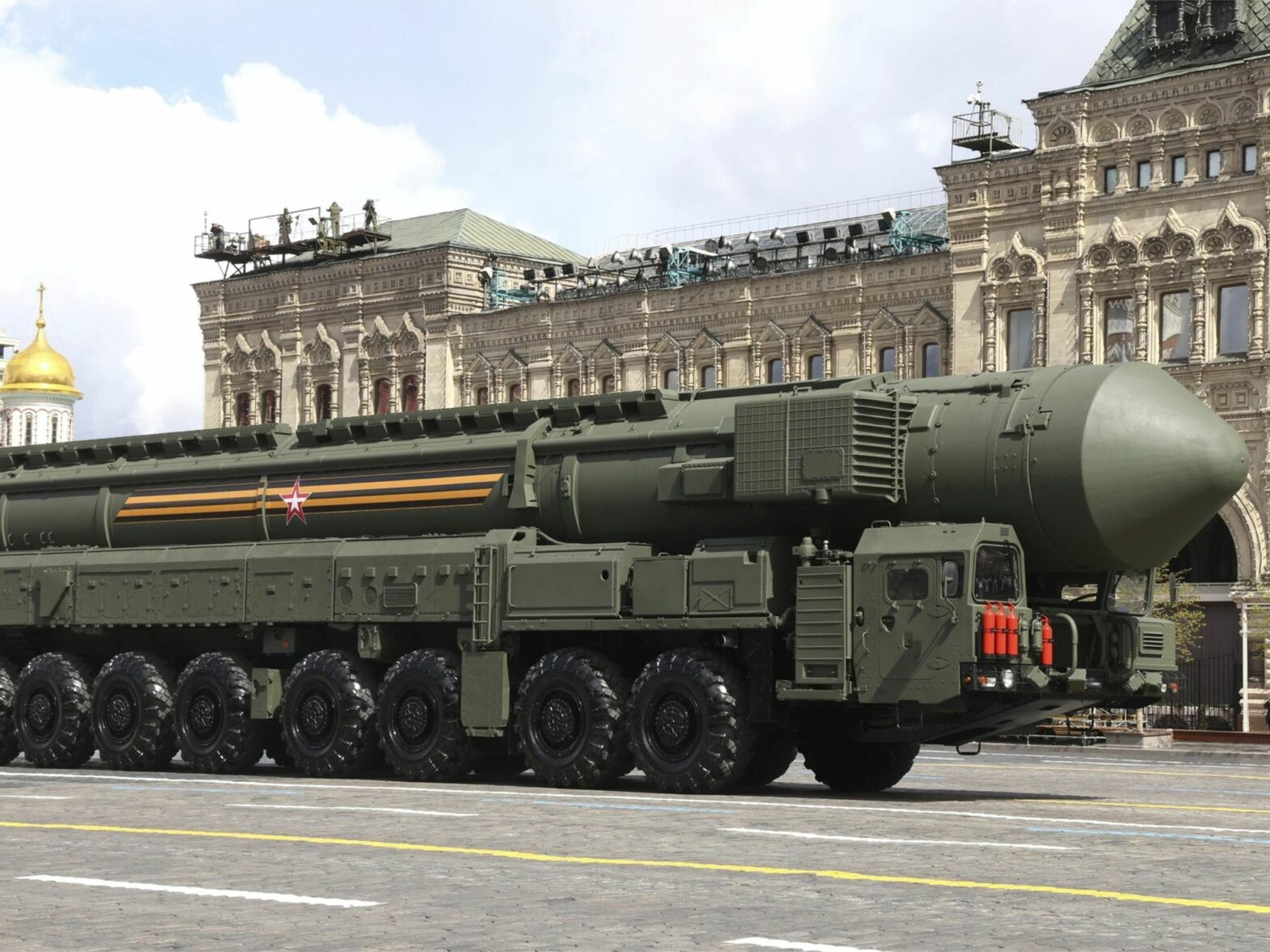
Russian propaganda plays on the revival of the West’s fear of a nuclear attack, especially knowing how close European capitals are to Moscow’s atomic warheads. But Europe must remember the lessons of the Cold War and not play into Putin’s hands.
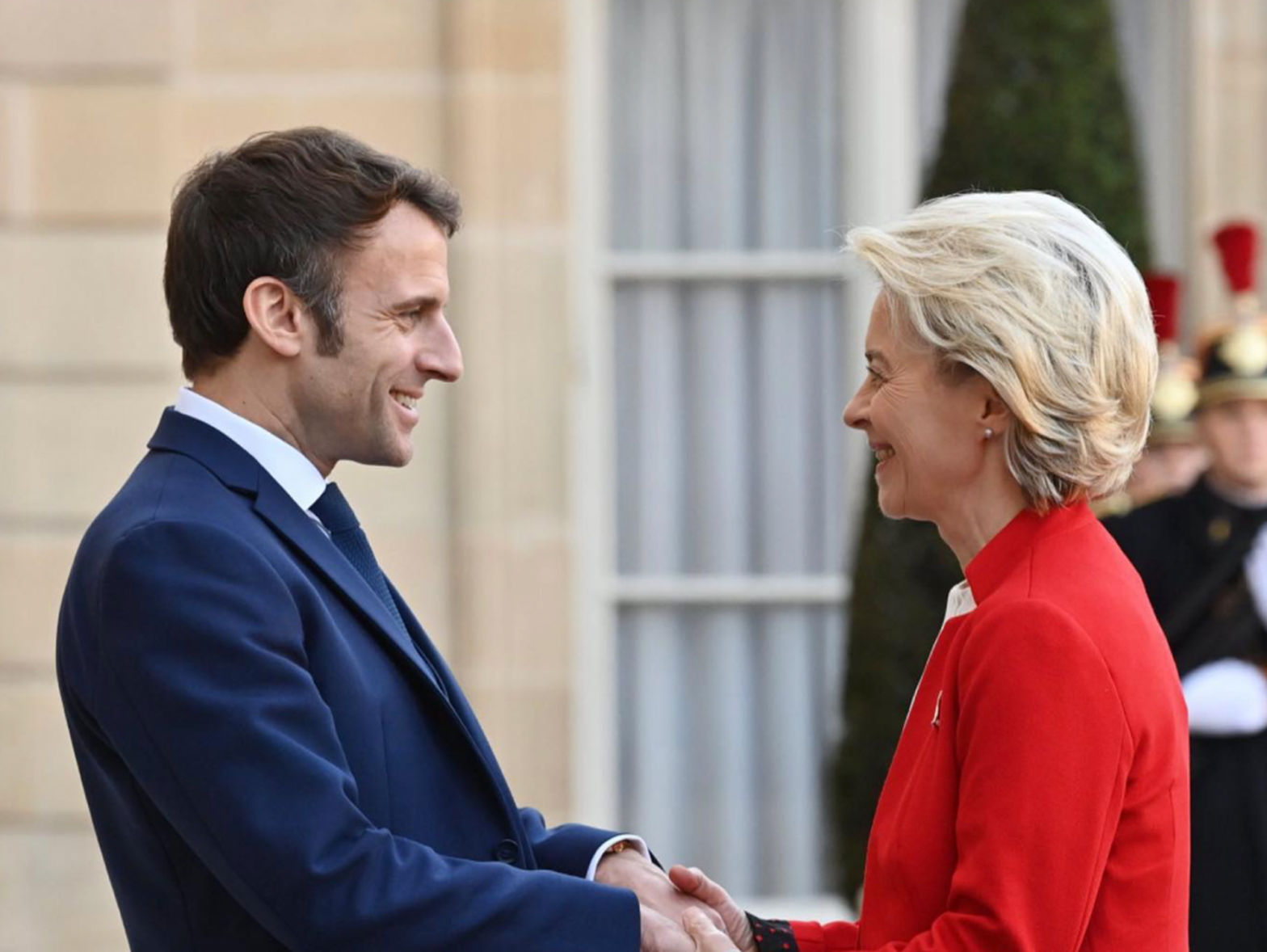
Having long articulated a strong pro-European stance, Emmanuel Macron’s reelection comes on the heels of Russia’s invasion of Ukraine and Angela Merkel’s departure. It is a clear opportunity for the French president to take a key leadership role in the world. How should he approach it?
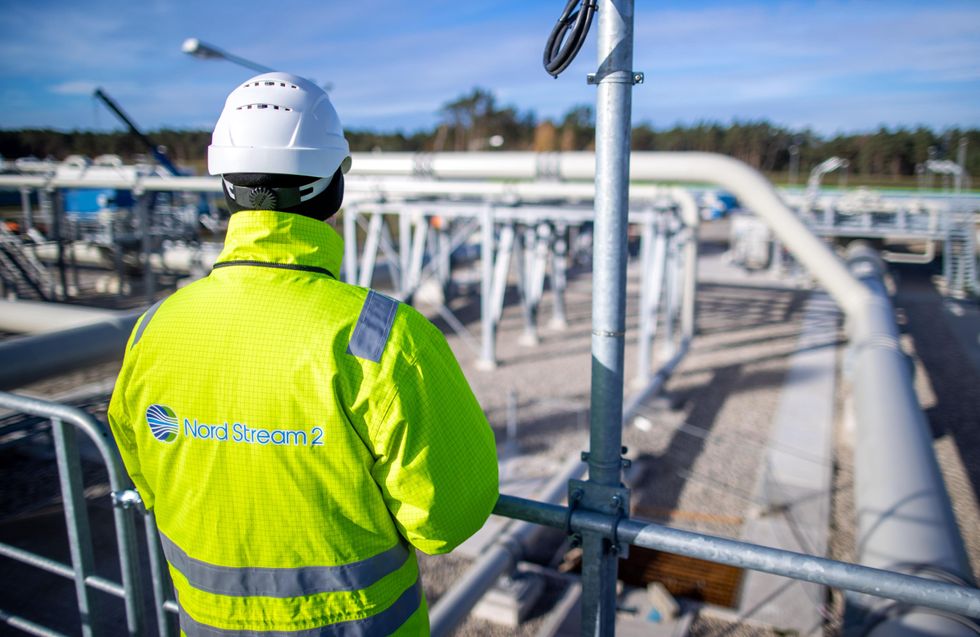
The United States expects Germany to put a halt to the Nord Stream 2 gas pipeline in the event of a Russian invasion of Ukraine. But the Americans are not mentioning the fact that they themselves import plenty of oil from Russia.
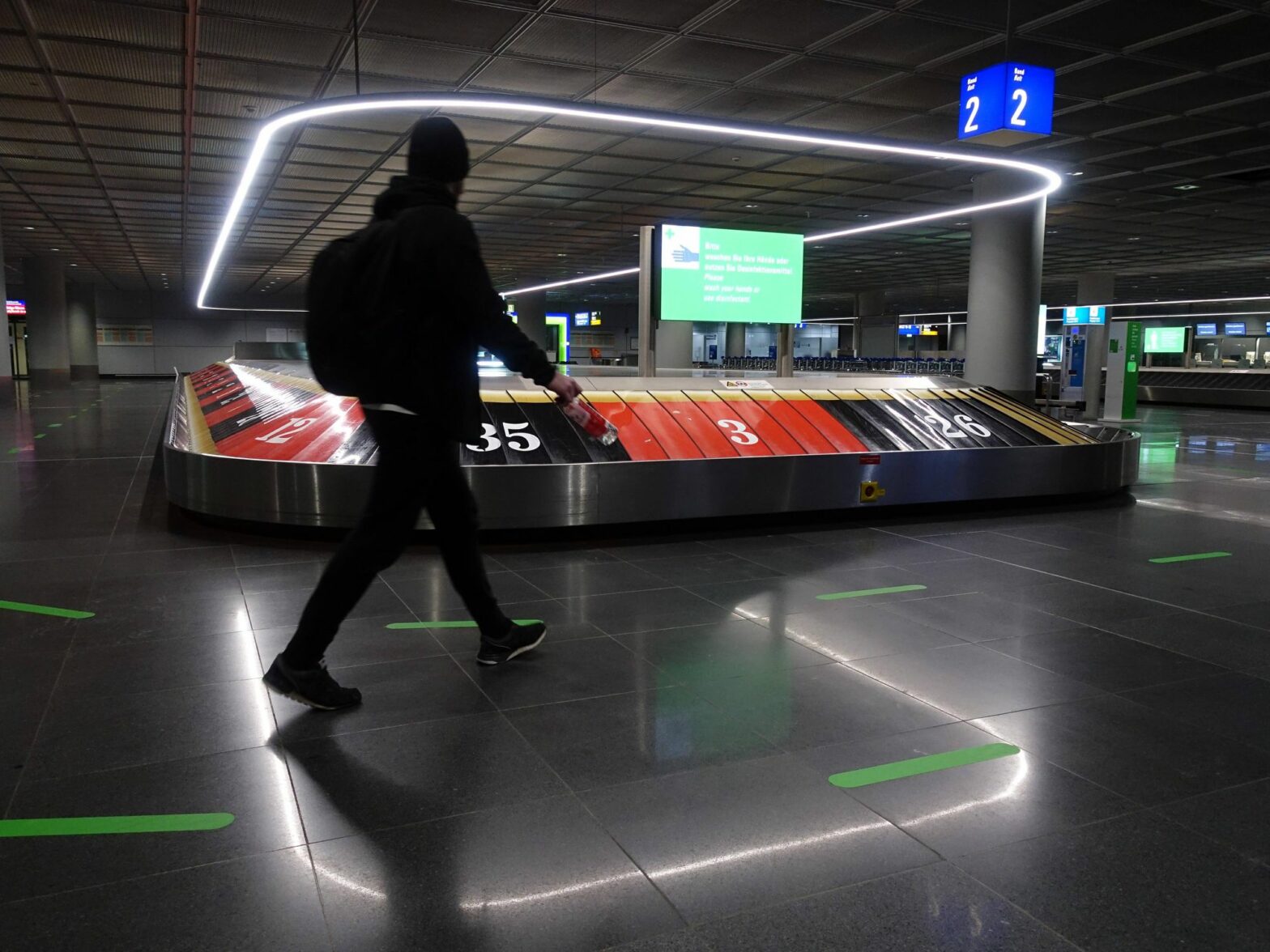
Economic stagnation, a polarized society, politicians losing the plot – German citizens’ opinion of their country seems to be going downhill, and we’re warned that many are planning to emigrate. However, the facts paint a very different picture.
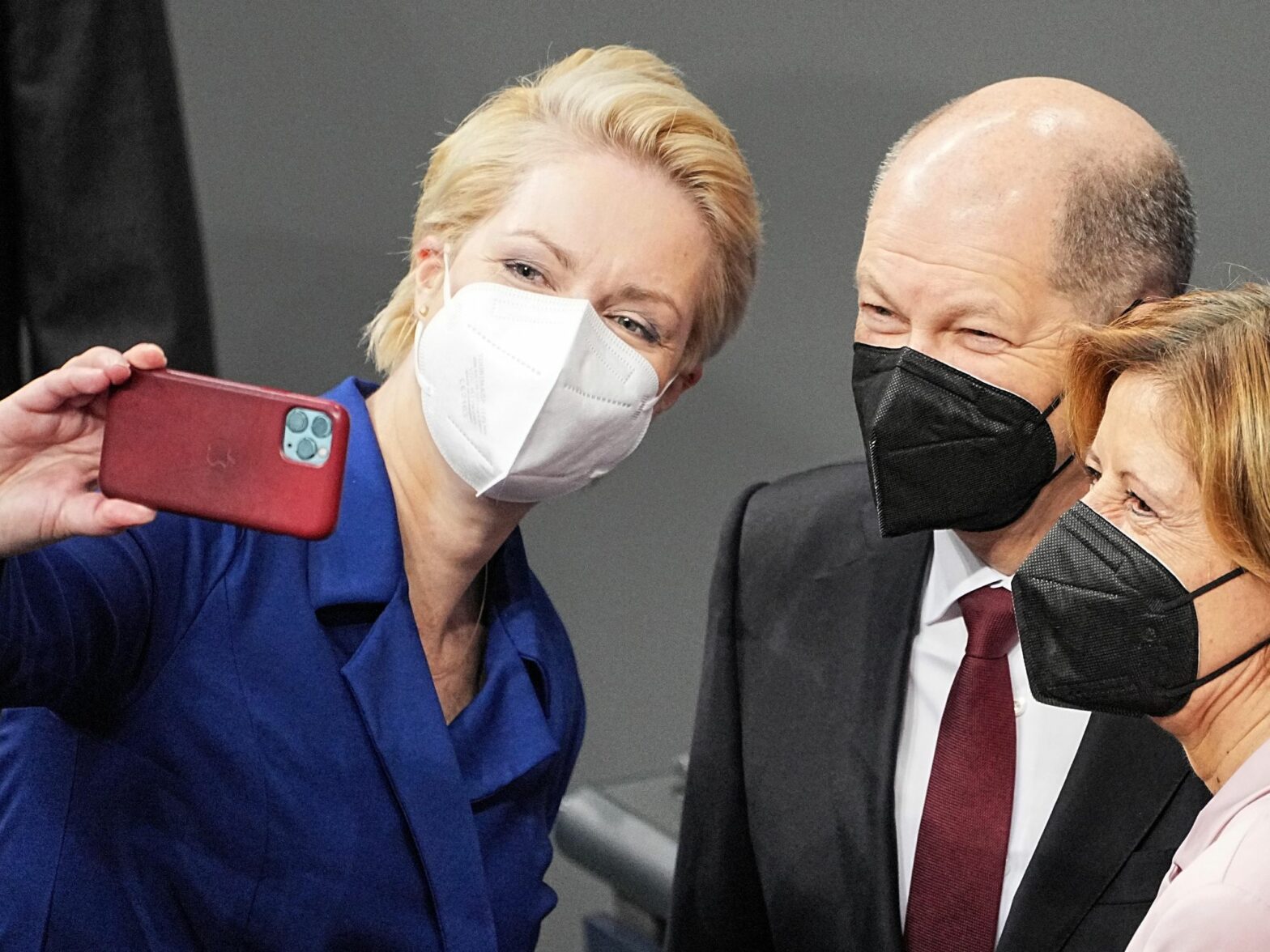
From afar, new Swedish Prime Minister Magdalena Andersson and incoming German Chancellor Olaf Scholz share much, both in their views and the political system where they rule. But subtle differences, which arose in the rubble of World War II, can be everything.