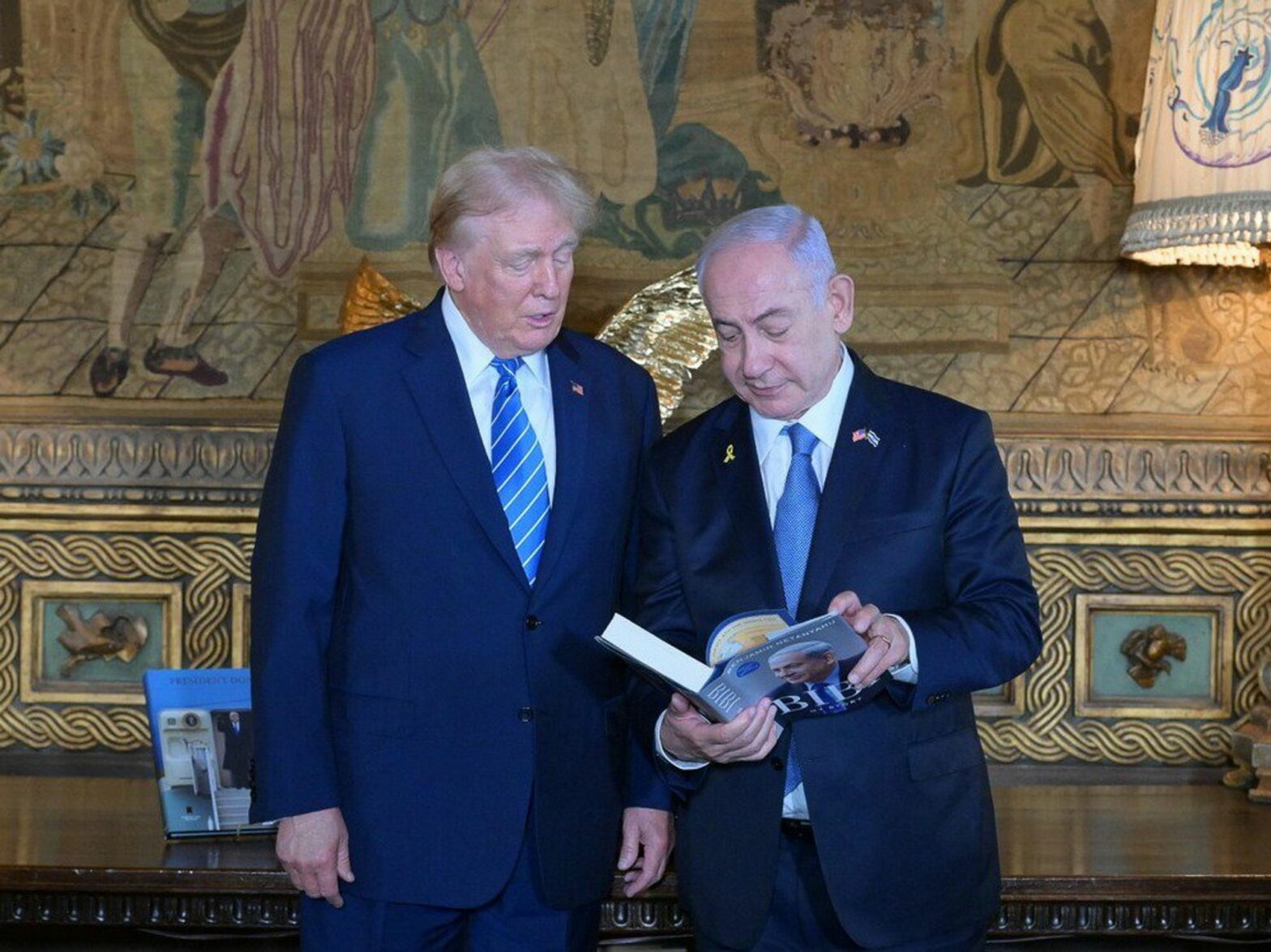
A Donald Trump victory would likely mean that the expected calm in the confrontation between Israel and Iran in the coming weeks will be just a warrior’s rest.
 Worldcrunch
A Donald Trump victory would likely mean that the expected calm in the confrontation between Israel and Iran in the coming weeks will be just a warrior’s rest.
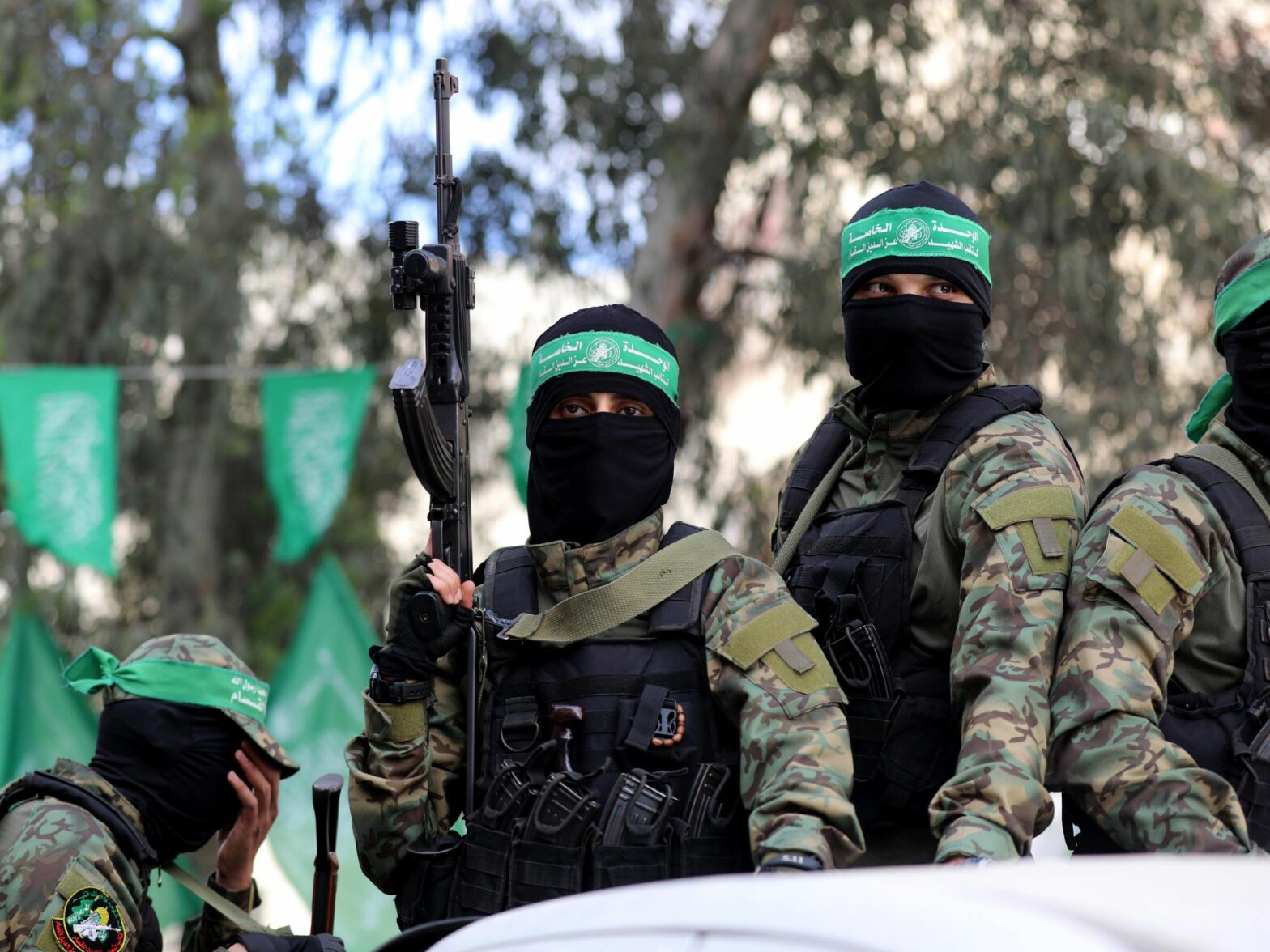
The question of who will succeed Yahya Sinwar is essentially a question of whether Hamas will return from its “Iranian exile” and embrace the Muslim Brotherhood.
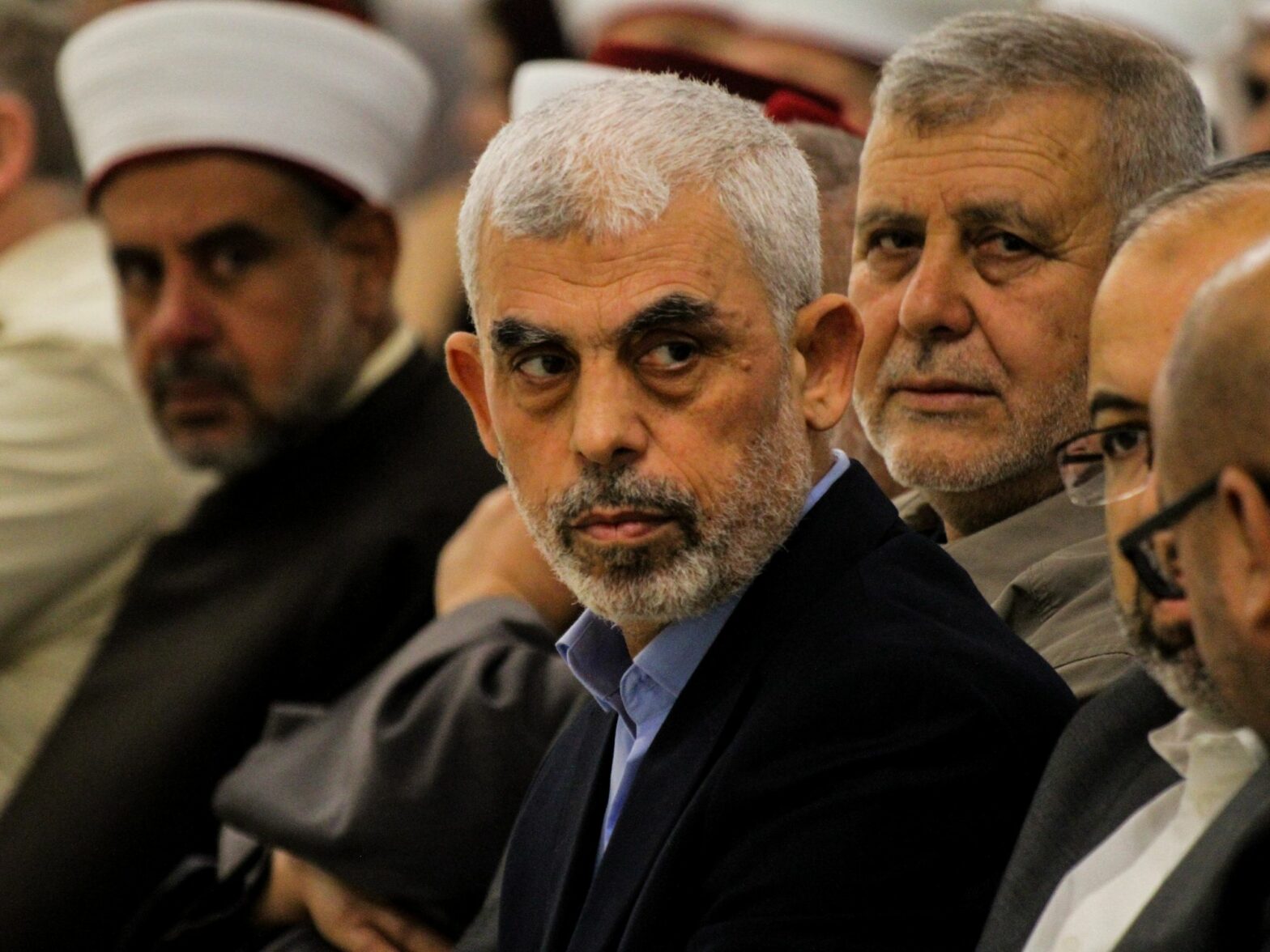
The Israeli military says Yahya Sinwar, the Hamas leader, has been killed in Gaza. The strike is a major victory for Israel, closing a chapter in recent Palestinian history in which Sinwar rose to the top of Hamas, and bet everything on the Oct. 7 attack, which made him more divisive than ever among the people of Gaza.
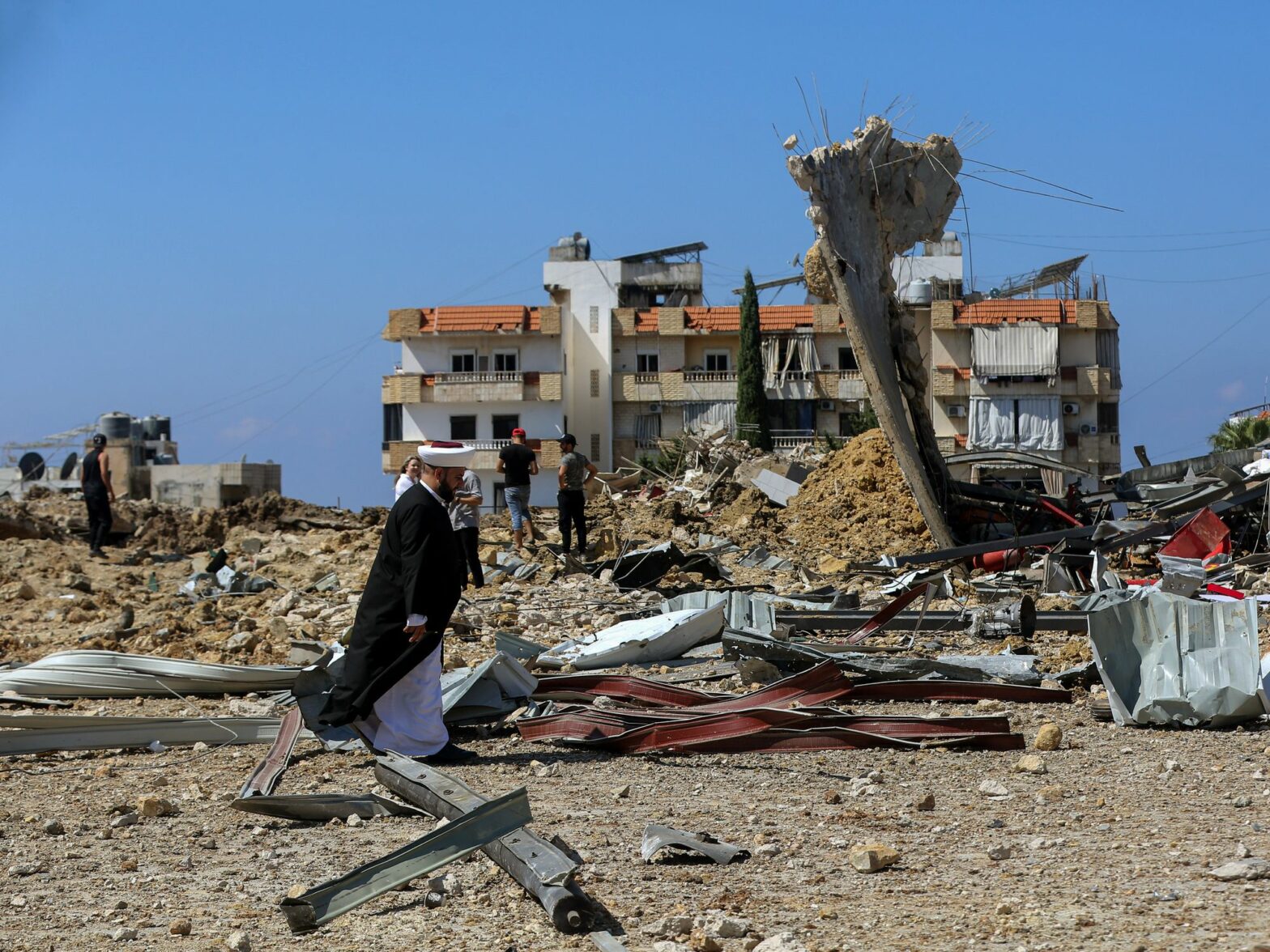
Israeli Prime Minister Benjamin Netanyahu laid out a careful plot to push and ultimately shatter the long-established “rules of engagement” in the Middle East. It caught everyone, from Iran to Hezbollah to the White House, by surprise. The aim is to remake the whole region to revolve around Israel.
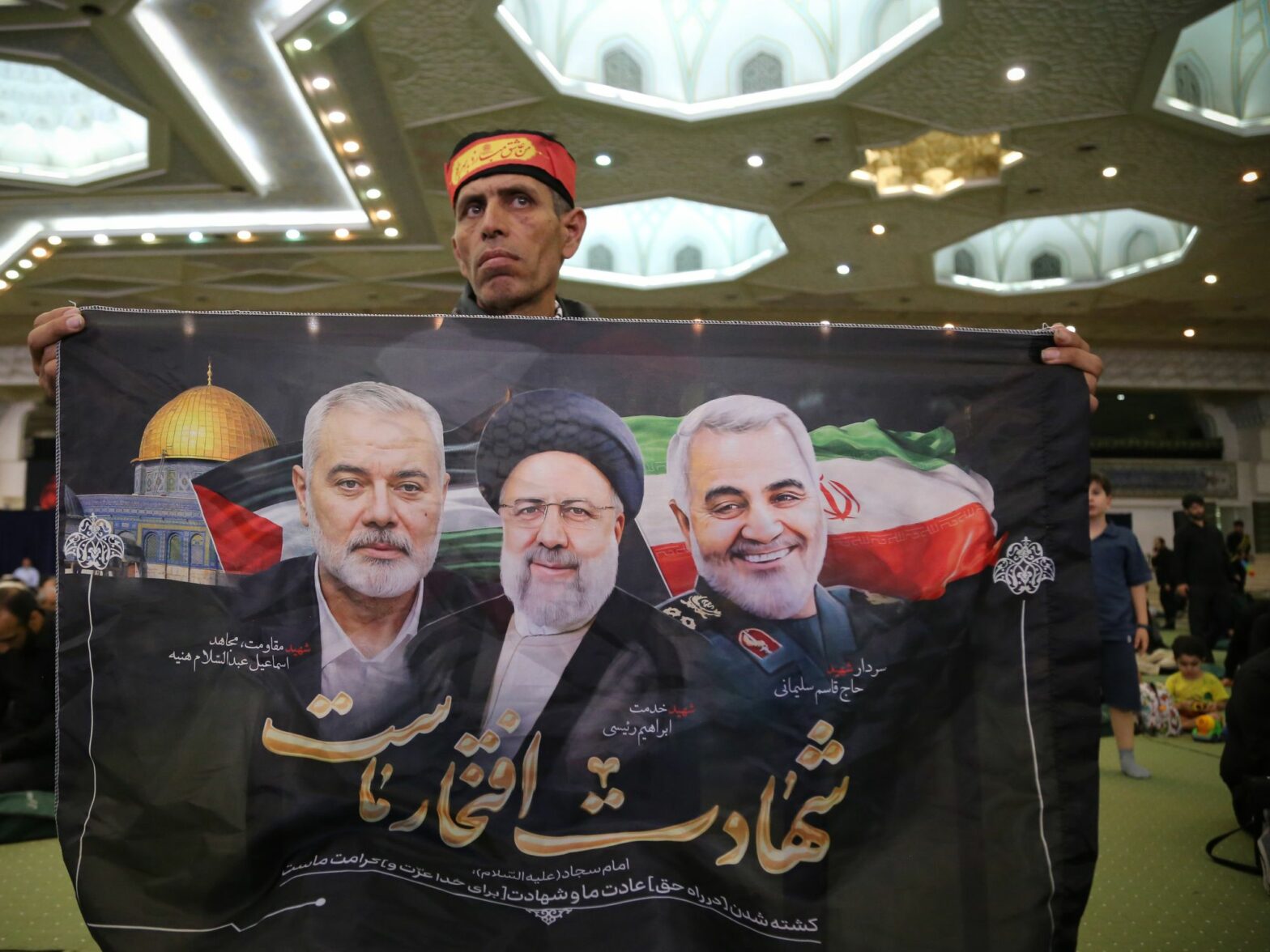
It’s been weeks since Hamas leader Ismail Haniyeh’s killing in Tehran. Will Iran end up striking Israel, as it promptly said it would, or persist in an unnerving waiting game, leaving the rest of the word in the dark as to its plans, resolve and capabilities?
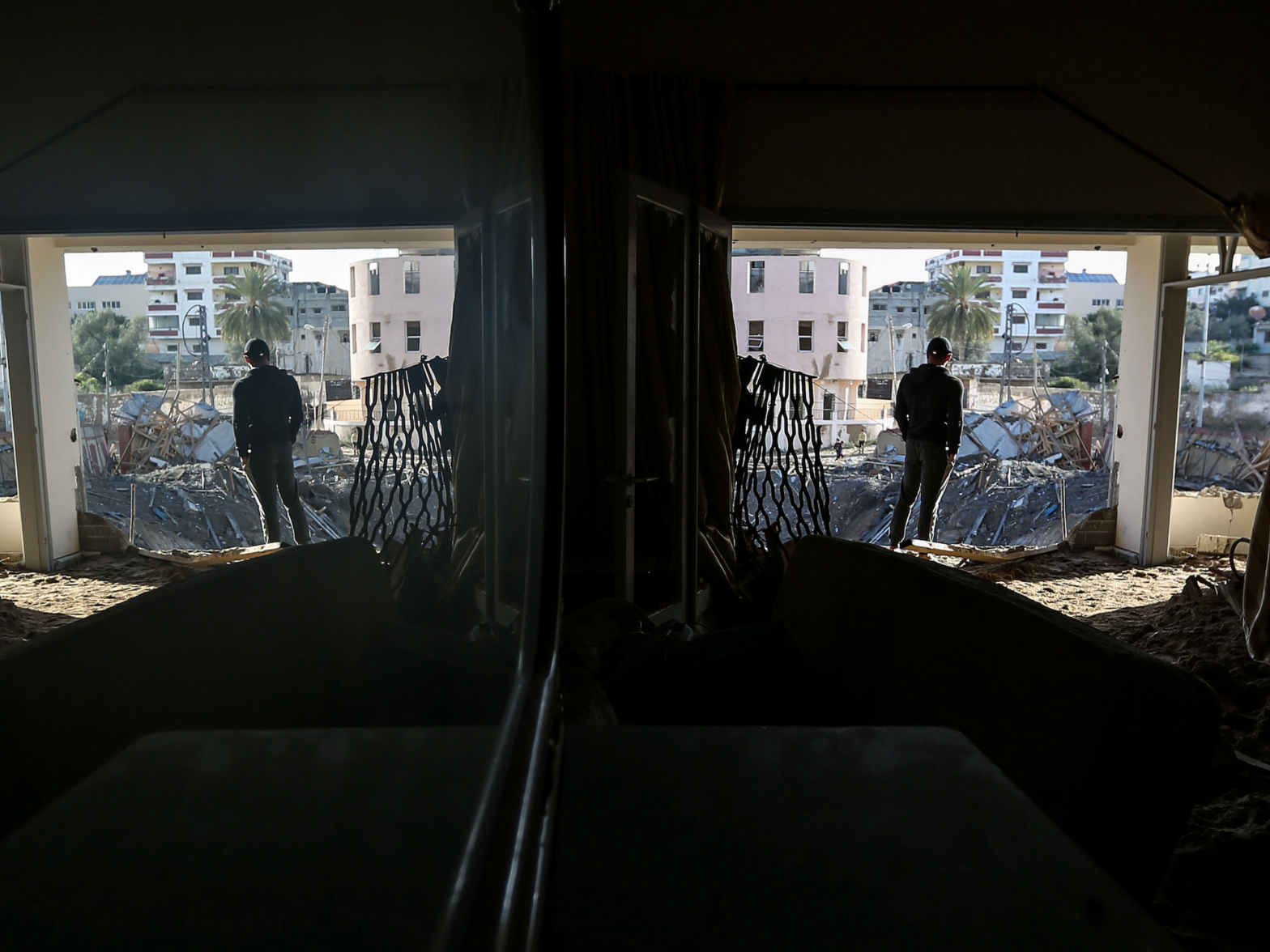
Almost 10 months after the Oct. 7 attack, the Middle East appears to be on the verge of a second act of tragedy. This new escalation of the conflict could result in regional war on a massive scale.
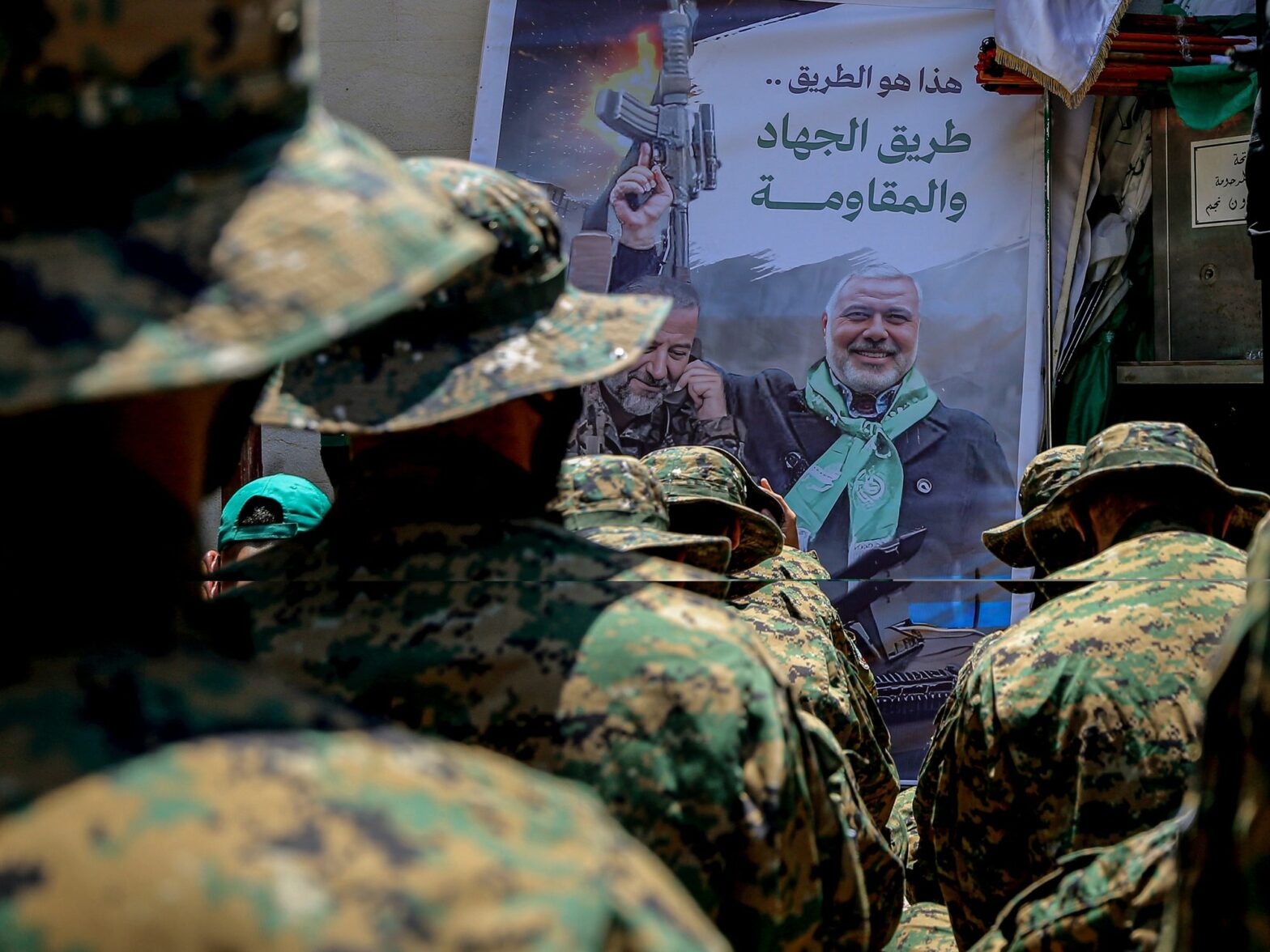
The assassination of Ismail Haniyeh has become the subject of an unhealthy debate between Palestinians and Syrians. Yet this discussion misses the point and has allowed Israel to benefit from the situation.
August 5 – August 11, 2024
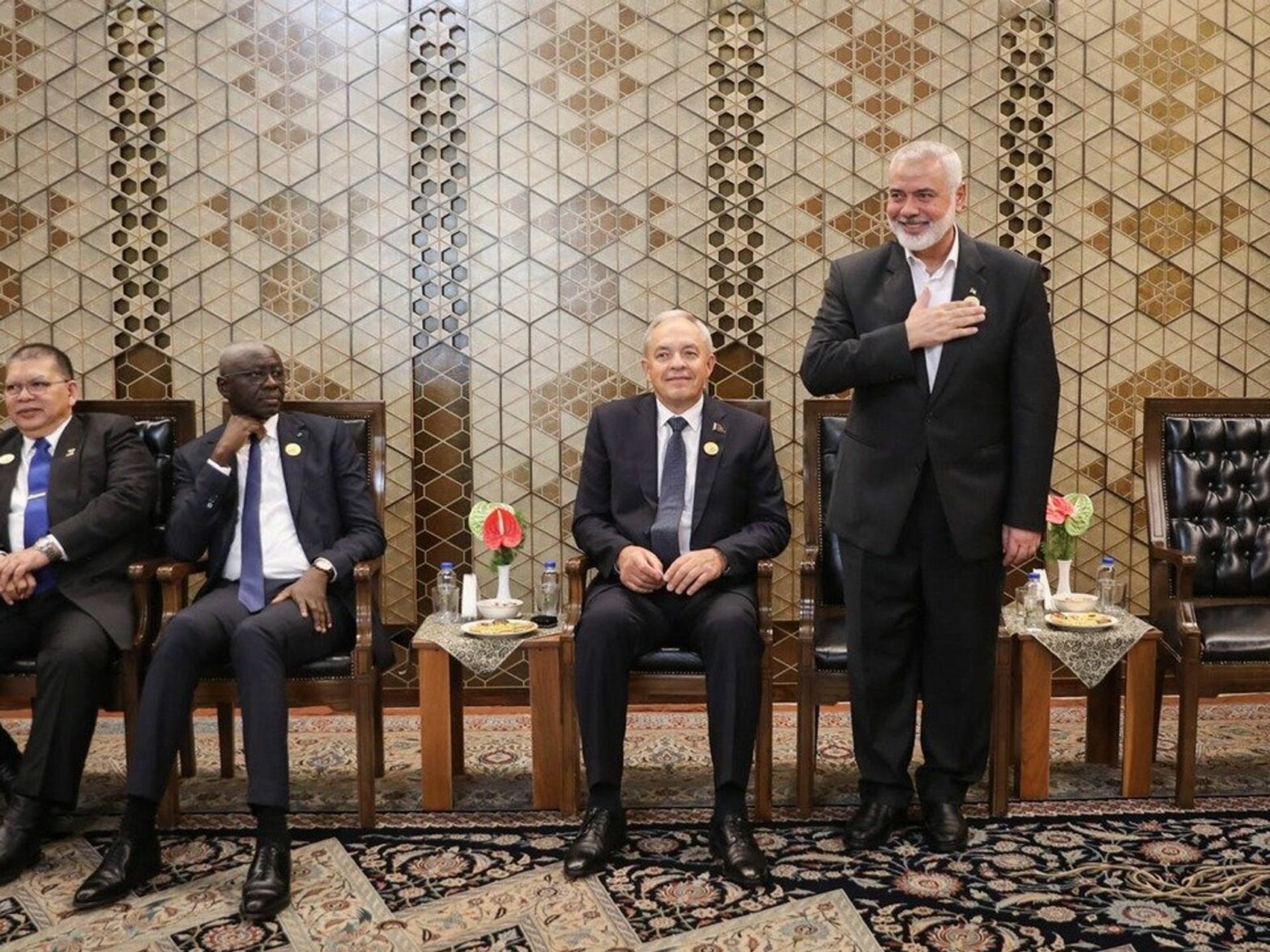
The killing of Ismail Haniyeh was not merely the assassination of Hamas’ political leader; it ended the life of a figure who could bring consensus to the Palestinian cause.
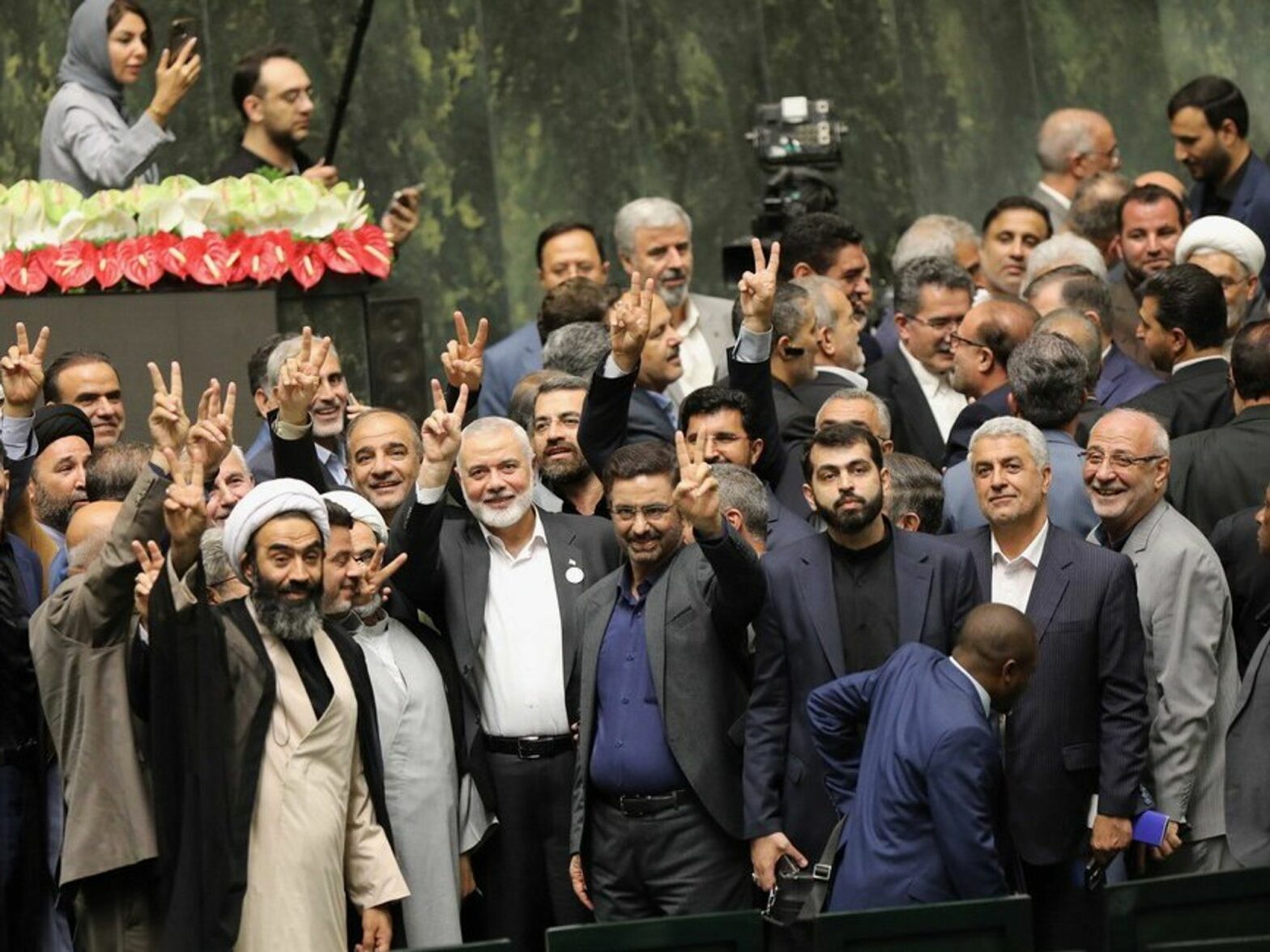
Tehran claims the visiting Hamas leader was struck down in the capital with a “high-tech” missile or drone, so his killing could not be attributed to another security lapse on the ground against the chief suspect, Israel.
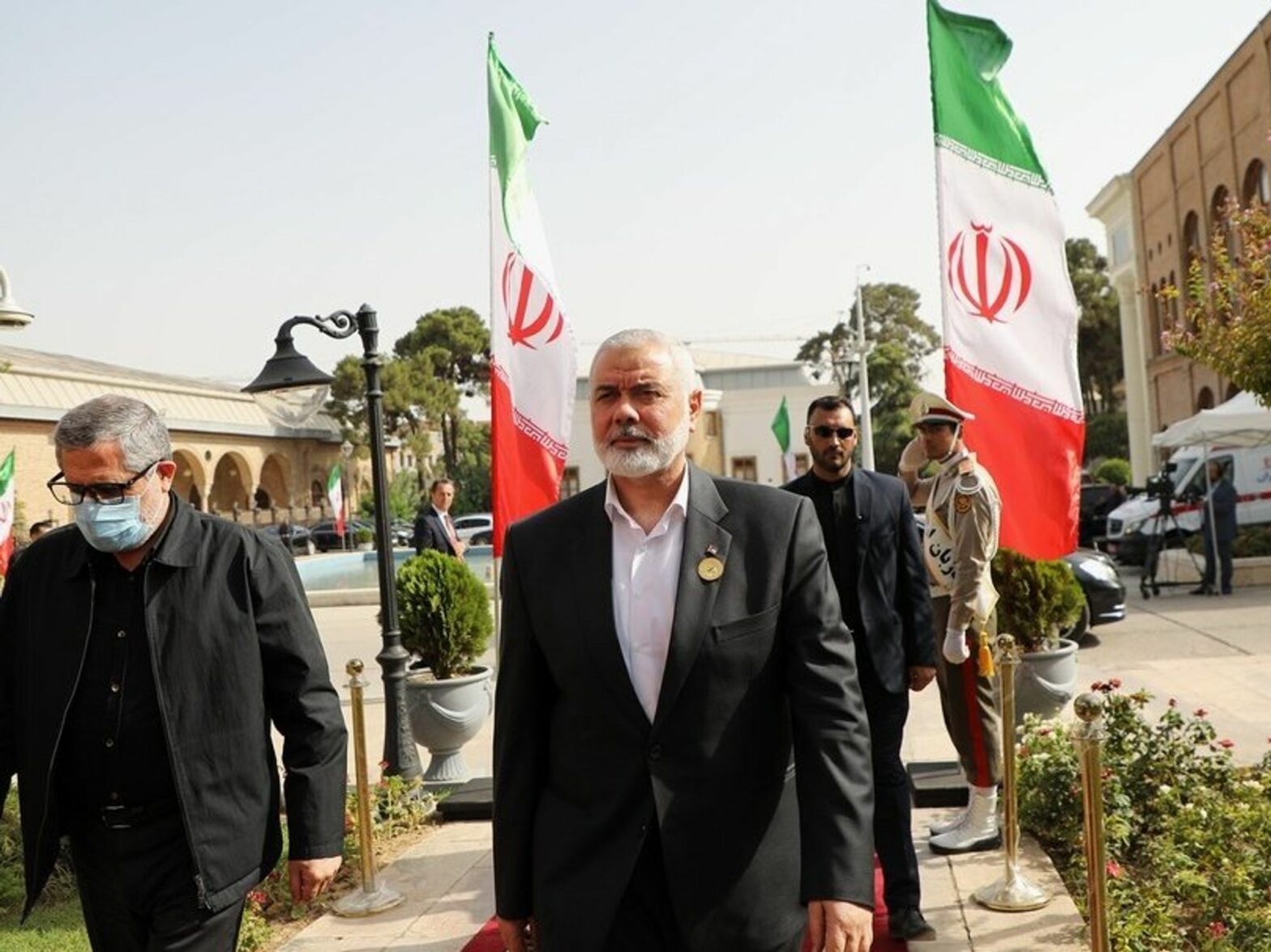
Hamas reported that its leader Ismail Haniyeh was assassinated in the early hours of Wednesday morning in Iran, most likely by Israel, drawing fears of wider escalation in this region already shaken by the war in Gaza and on the Israeli-Lebanese border.
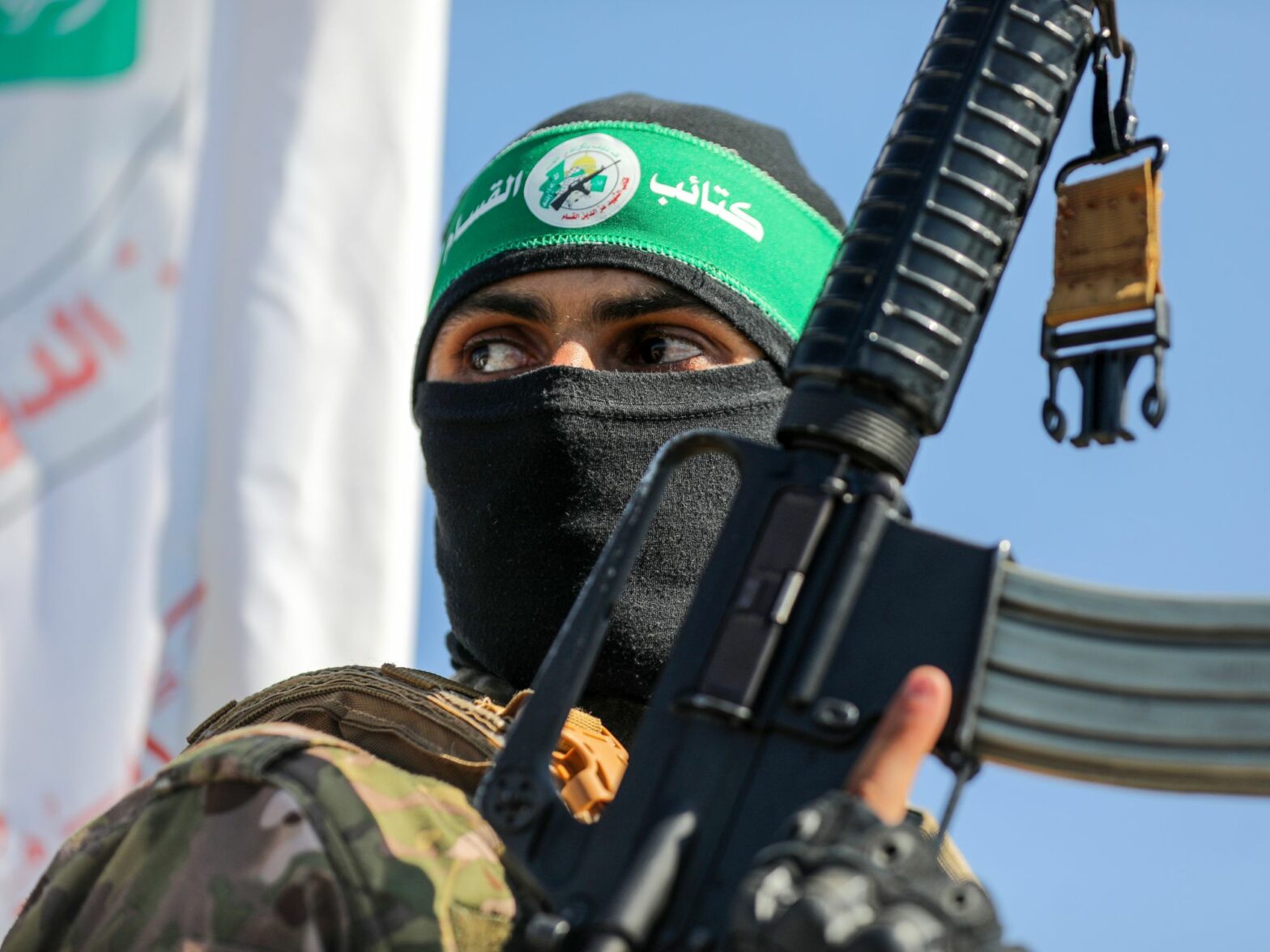
The concept of “resistance” adopted by militants in the Middle East has a close relationship with oppression and “divine victory,” which Hamas and Hezbollah both embrace in a false interpretation of the Koran, despite the heavy human and material losses inflicted.
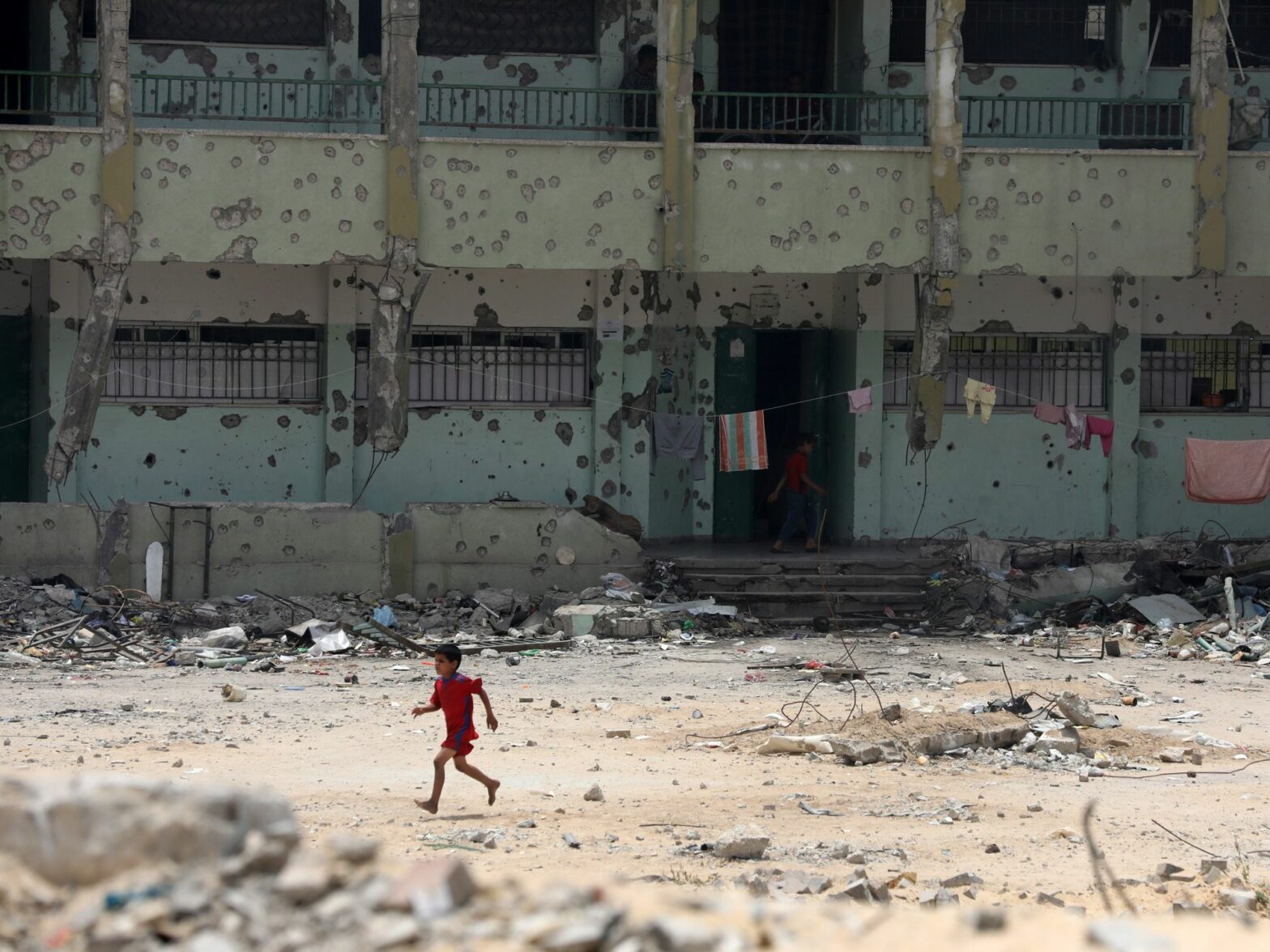
The efforts of chief prosecutor Karim Khan to try Israel’s Prime Minister and Defense Minister over the Gaza war could be a starting point to hold Israeli political and military officials accountable for crimes have committed over many years against Palestinians.
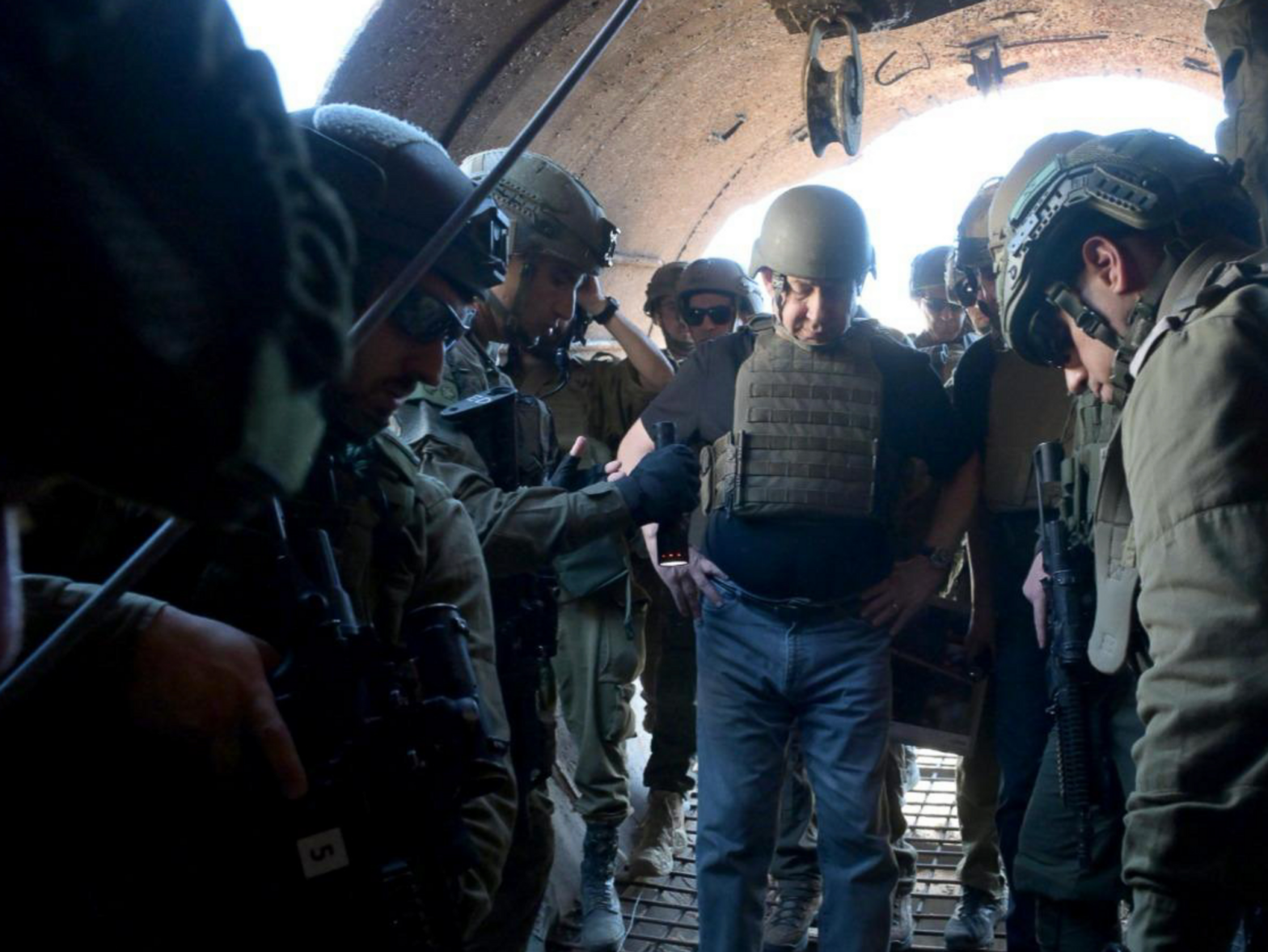
By helping to intercept Iran’s counter attack against Israel, the U.S. and Western allies, along with Jordan, have deprived Benjamin Netanyahu of a pretext to expand the war and to divert attention from his actions in Gaza.

Benjamin Netanyahu has firmly rejected Hamas’ latest counter-proposal to Israel’s offer for a ceasefire. Still, a new round of negotiations has begun in Cairo — and it’s ever more clear that the first question that must be resolved is the if, how, when and who of the 140 Israeli hostages will be released. Hamas knows they are its best bargaining chip.
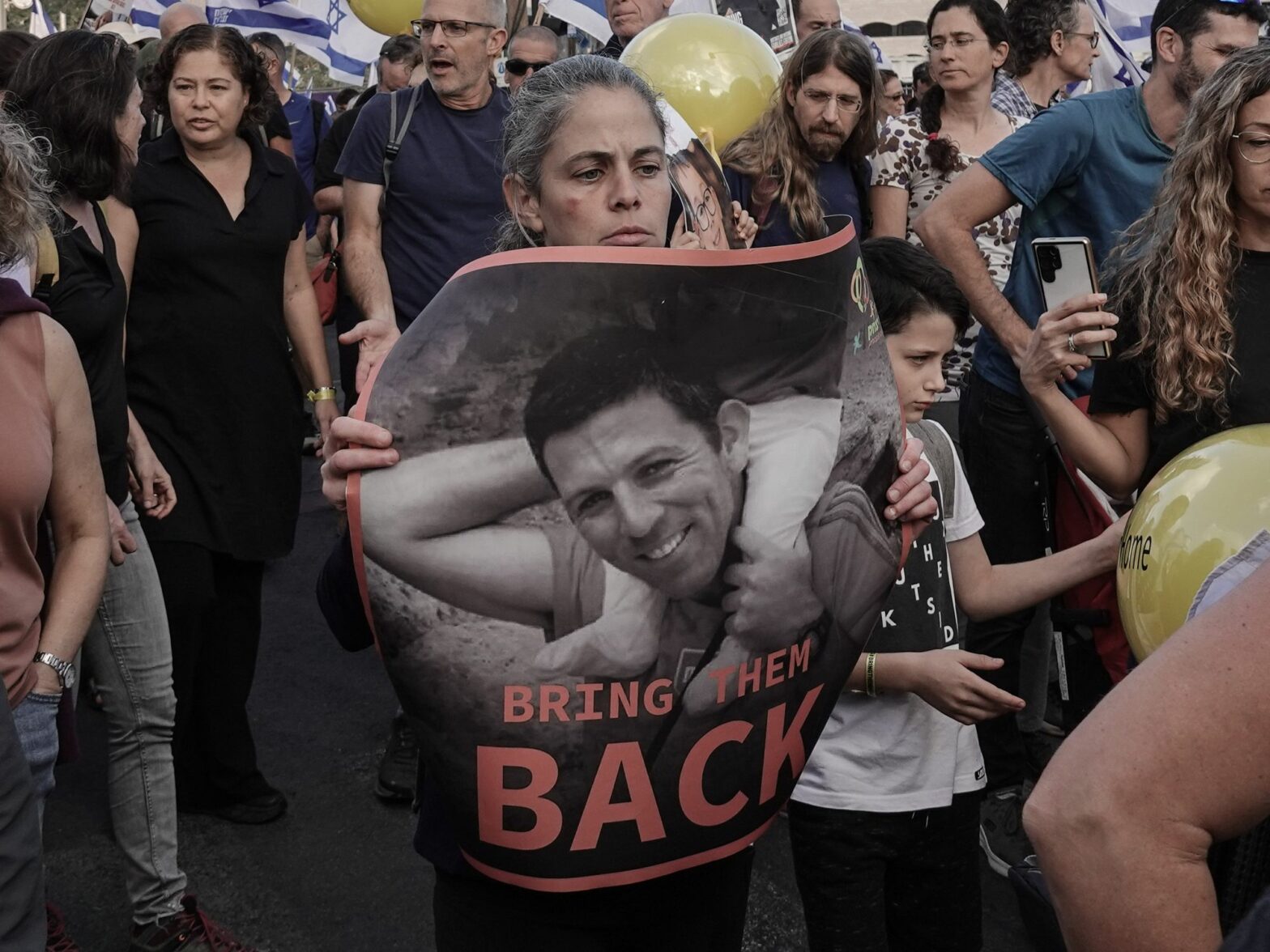
Israeli Prime Minister Benjamin Netanyahu has pushed ahead a deal negotiated via Qatar, for a four-day truce and an exchange of 50 hostages for 150 Palestinian prisoners. Though the humanitarian and political pressure was mounting, Israel’s all-out assault is suddenly halted, with unforeseen consequences for the future.