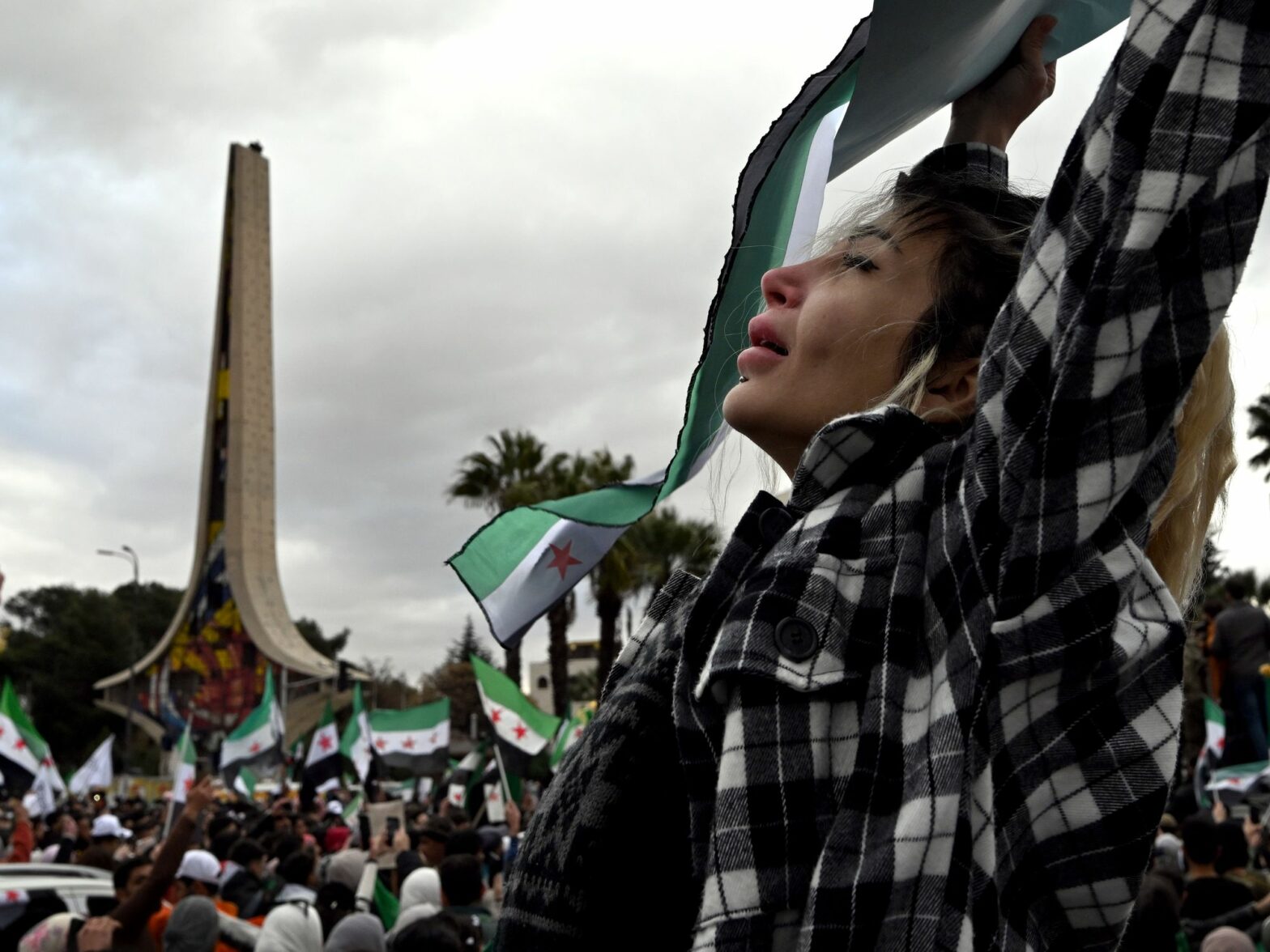
It appears that Syria’s new rulers, Hayat Tahrir al-Sham, are refusing to respond to the social and political demands of former President Bashar al-Assad’s Alawite minority, risking a sectarian conflict in the war-torn country.
 Worldcrunch
It appears that Syria’s new rulers, Hayat Tahrir al-Sham, are refusing to respond to the social and political demands of former President Bashar al-Assad’s Alawite minority, risking a sectarian conflict in the war-torn country.
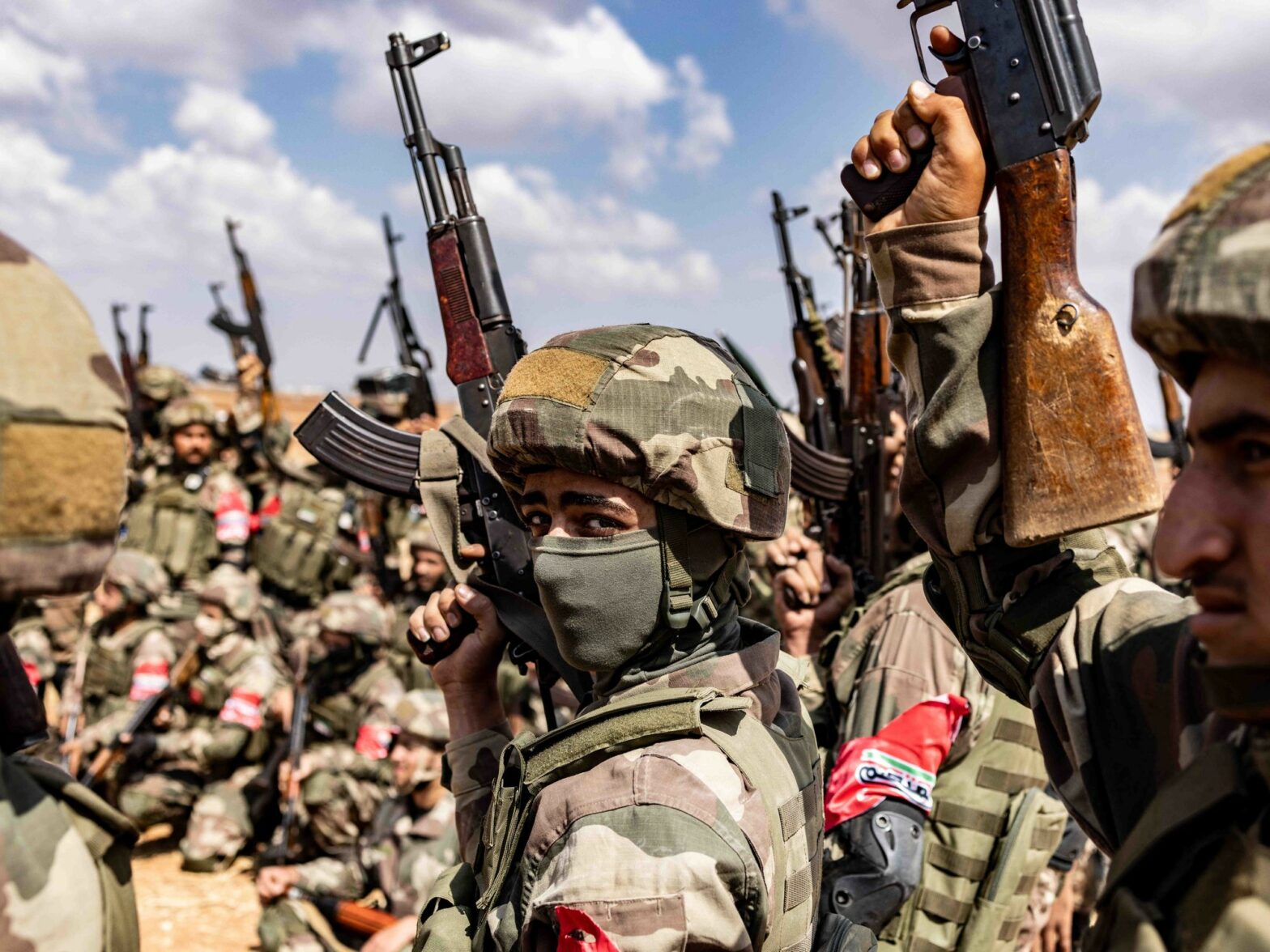
Many parties in Syria have resorted to foreign fighters. Following the Assad regime’s downfall, the country’s new government has two options to tackle the issue of thousands of foreign fighters there: either abandoning them, or integrating them into Syrian society.
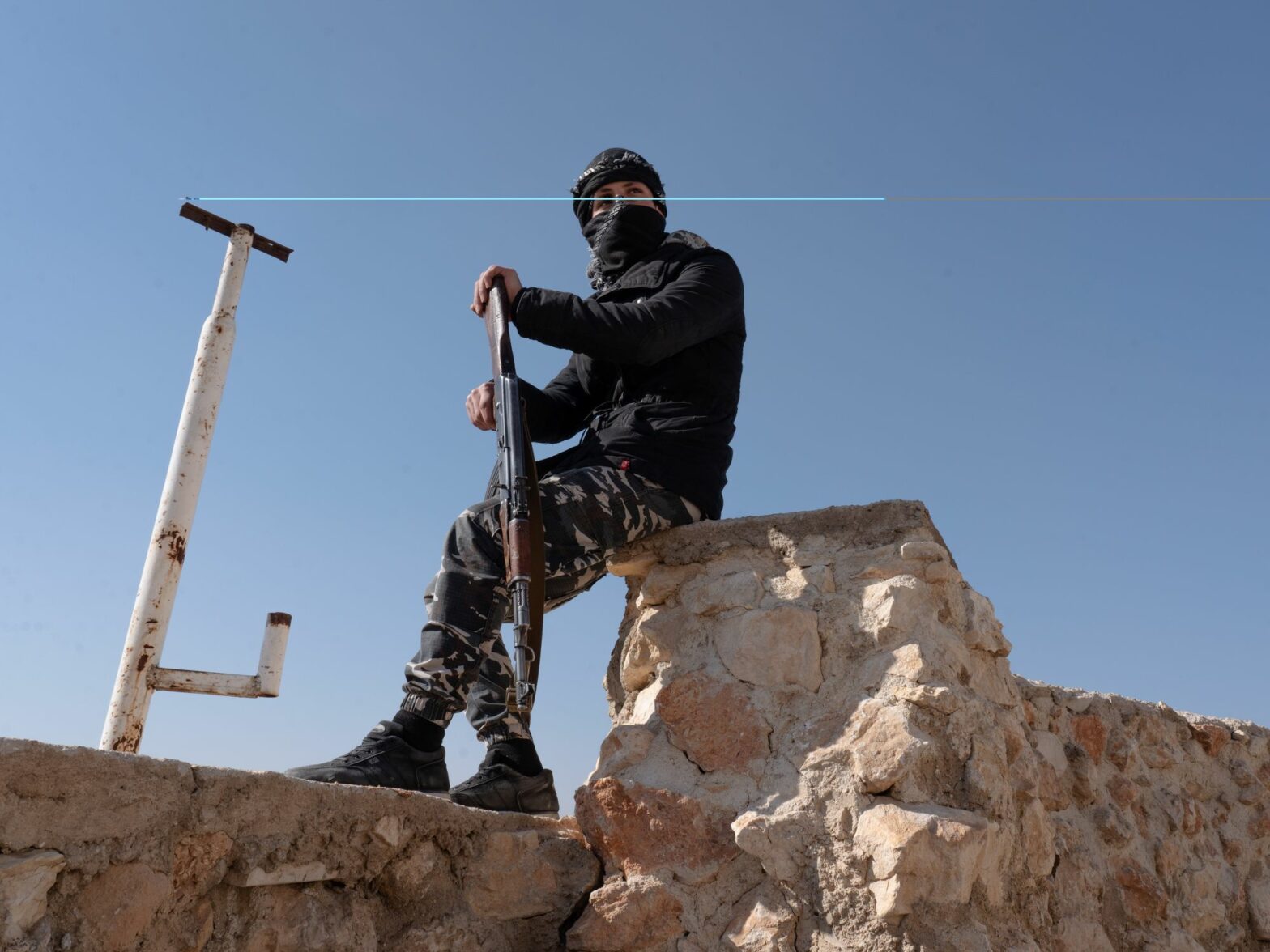
Palestinians must engage in deep domestic dialogue to end their division and agree on a set of principles to address the towering challenges they face, including their ties with Syria’s new rulers.
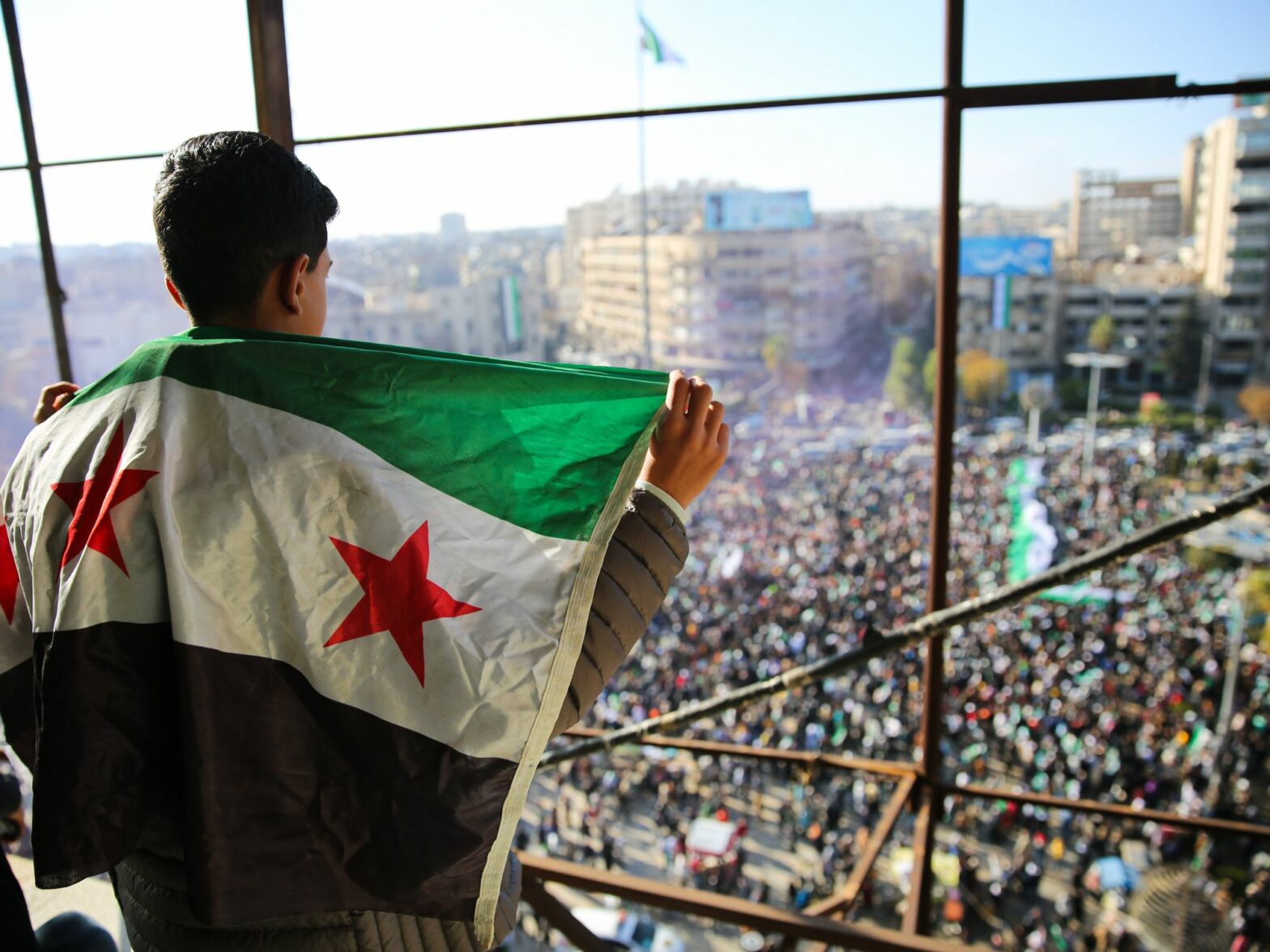
In Syria, the Muslim Brotherhoods and the Kurds have long suffered from repression more than other factions in Syrian society. They suffered not only because of their opposition to the regime but also their identities. Rebuilding a functional Syrian state requires deep reflection and hard compromise on what the nation’s identity and laws will be.
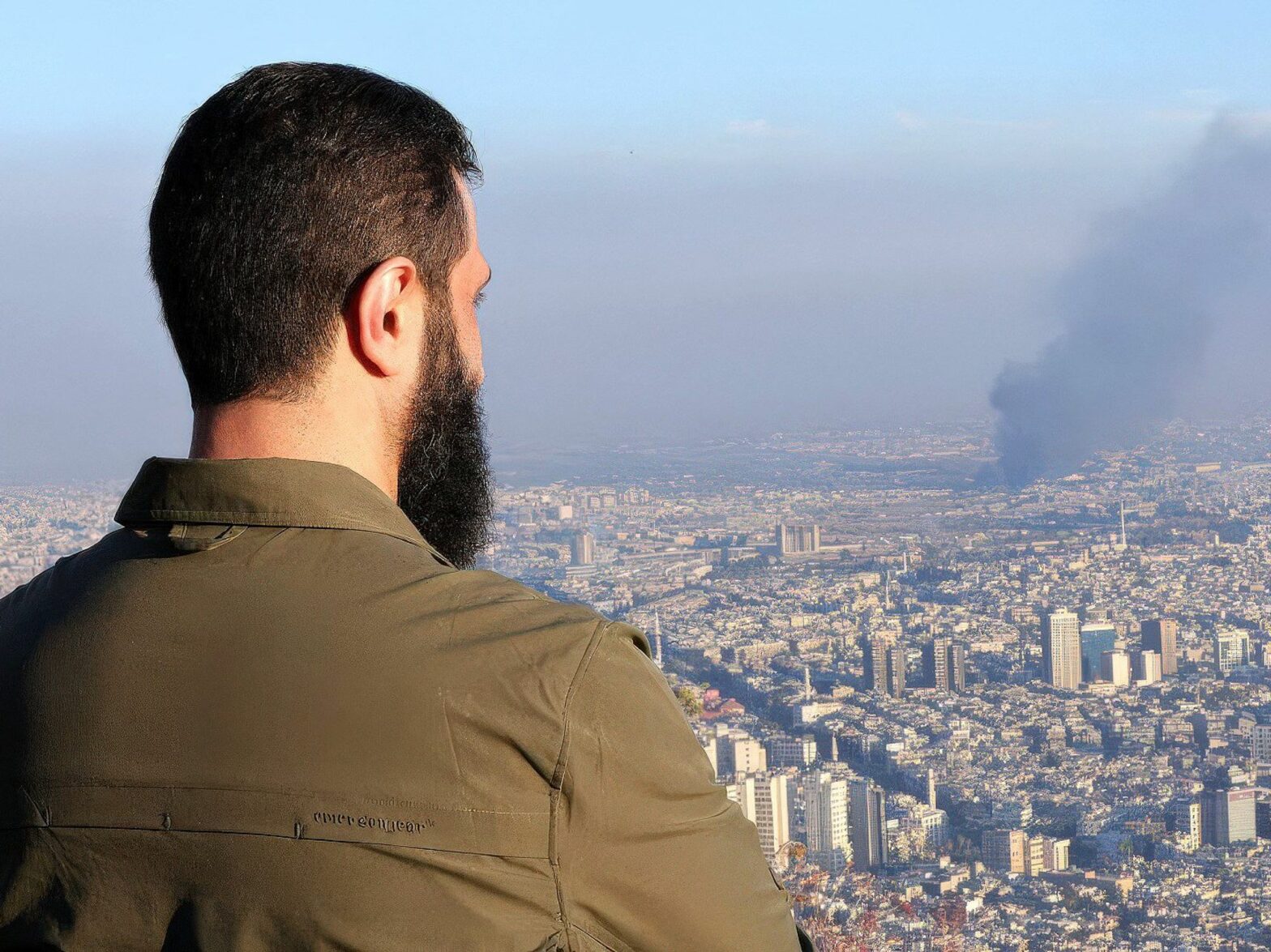
Following the fall of Bashar al-Assad’s regime, there are many questions about the future of Syria. Yet the regional and international powers who planned his collapse did not consider the Syrian people or their future in their calculations. Syrians may be out of Assad’s frying pan, but they’ve been thrown into a fire of armed fundamentalist groups.