Six centuries after the Arab world’s greatest philologist traced a cultural fault line between Bedouins and urban Arabs, that same divide echoes in today’s Middle East conflicts — from ISIS and al-Nusra to Gaza’s shifting alliances.

 Worldcrunch
Six centuries after the Arab world’s greatest philologist traced a cultural fault line between Bedouins and urban Arabs, that same divide echoes in today’s Middle East conflicts — from ISIS and al-Nusra to Gaza’s shifting alliances.
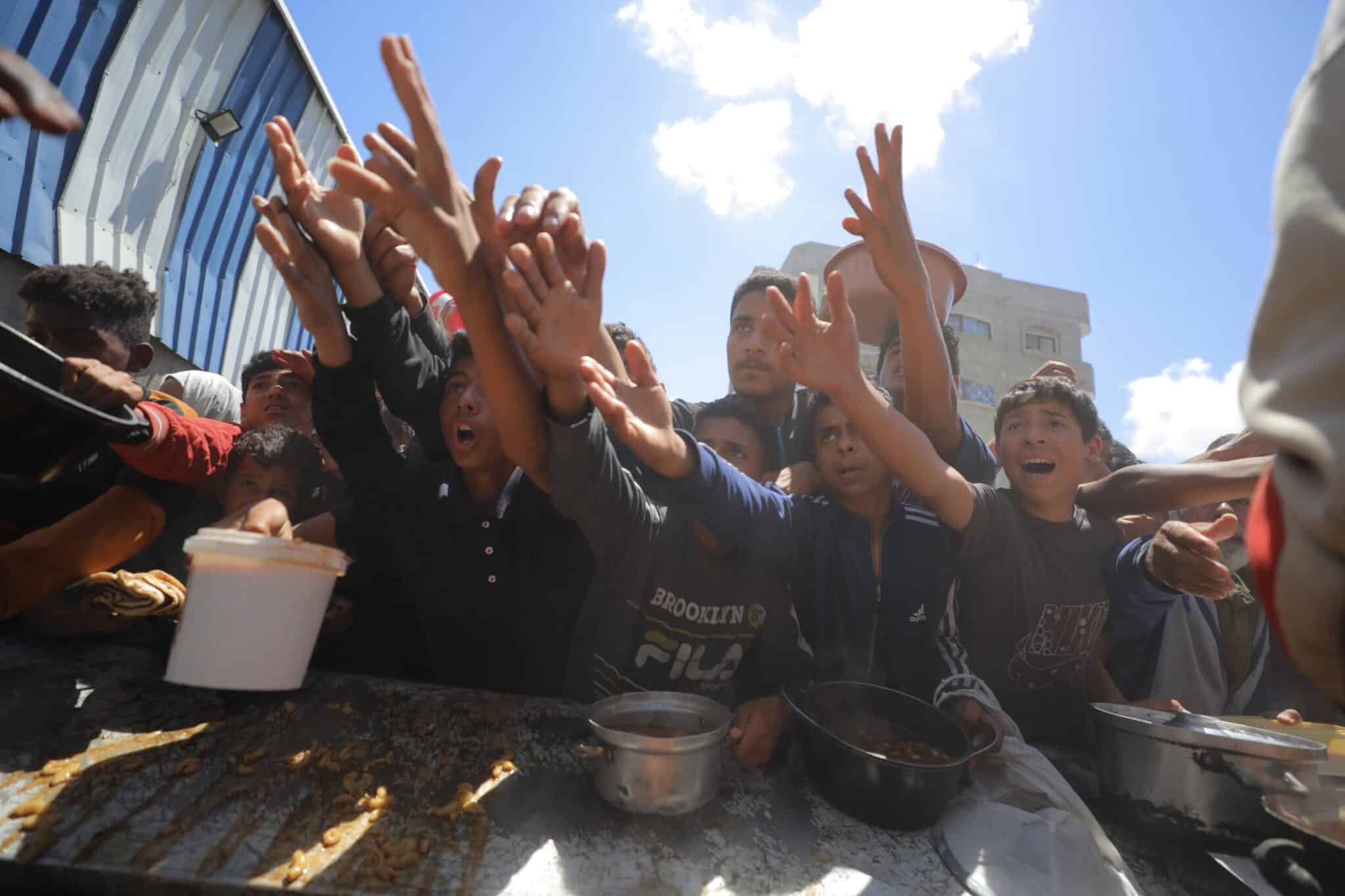
More than two months after Israel closed the borders into Gaza and blocked aid from entering the enclave, the UN World Food Programme has warned that the entire population of the Gaza Strip is at risk of famine.

In just the past 24 hours, the gulf between the Trump Administration and its (former) European allies has widened even further. Both on Ukraine and Gaza.
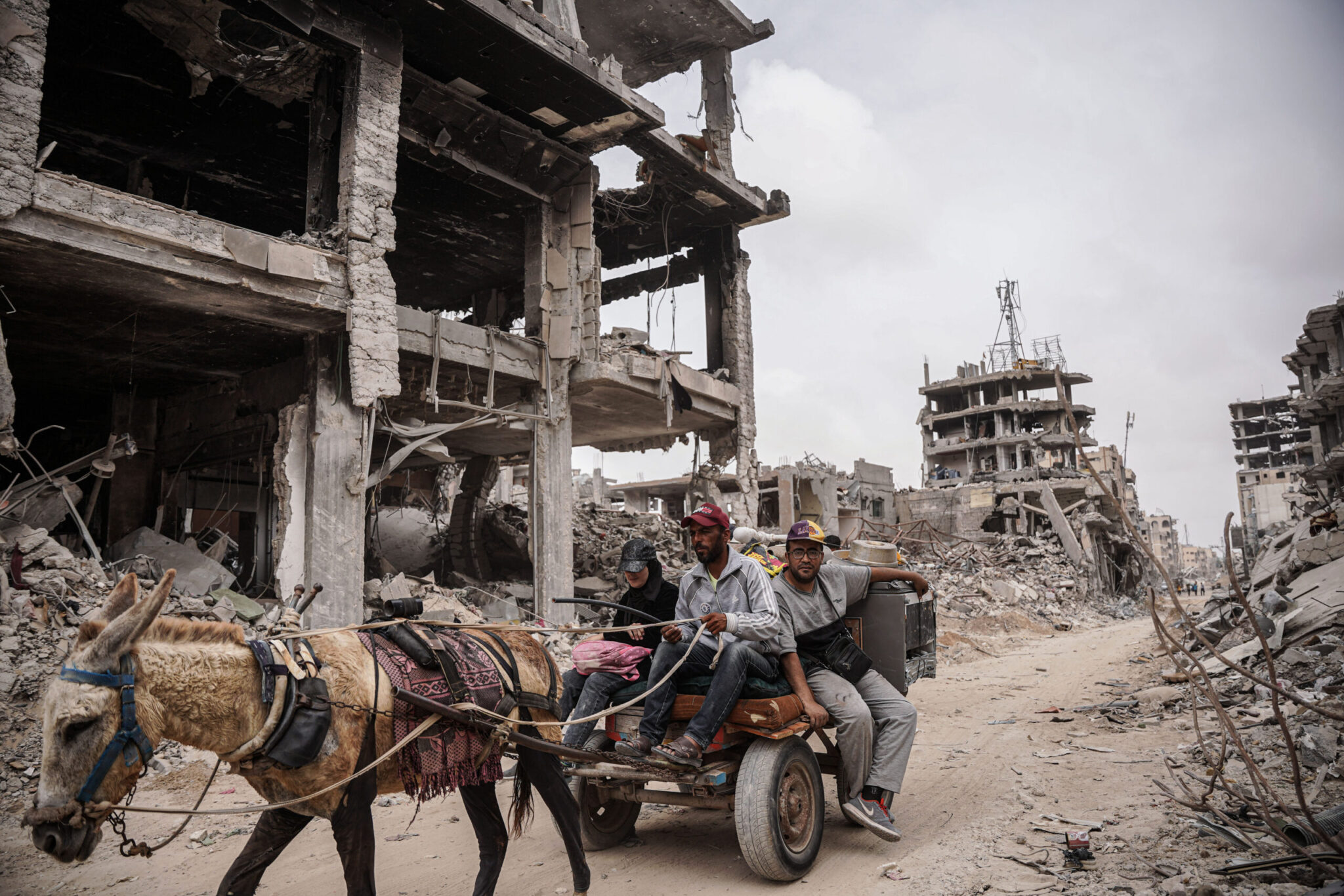
Trump and Netanyahu have both pushed the idea of forcing Palestinians out of Gaza, but it has gotten nowhere. The specter of a massive displacement of people has gotten vocal push back from large parts of the world. Instead, the recent return to slaughtering innocents doesn’t seem to provoke must international opposition.
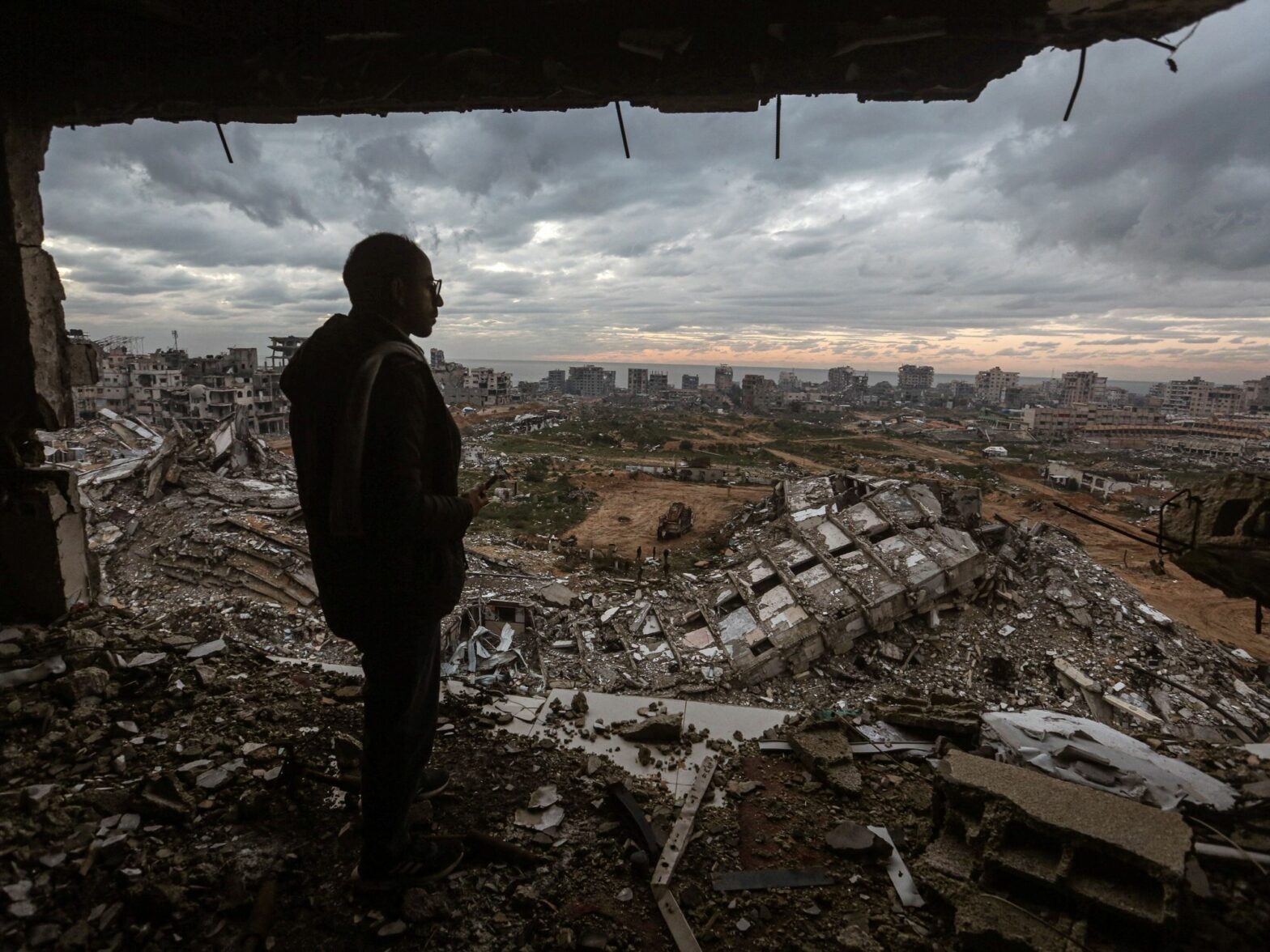
As Gazan families struggle to find food and shelter amid the rubble, the future remains uncertain. Residents remain in a constant state of waiting, oscillating between hope and despair.

While the U.S. President has mostly focused on his real estate vision of a new “Riviera” along the coastal enclave, there are also untapped off-shore gas fields that Trump may be after.

While the U.S. President has mostly focused on his real estate vision of a new “Riviera” along the coastal enclave, there are also untapped off-shore gas fields that Trump may be after.
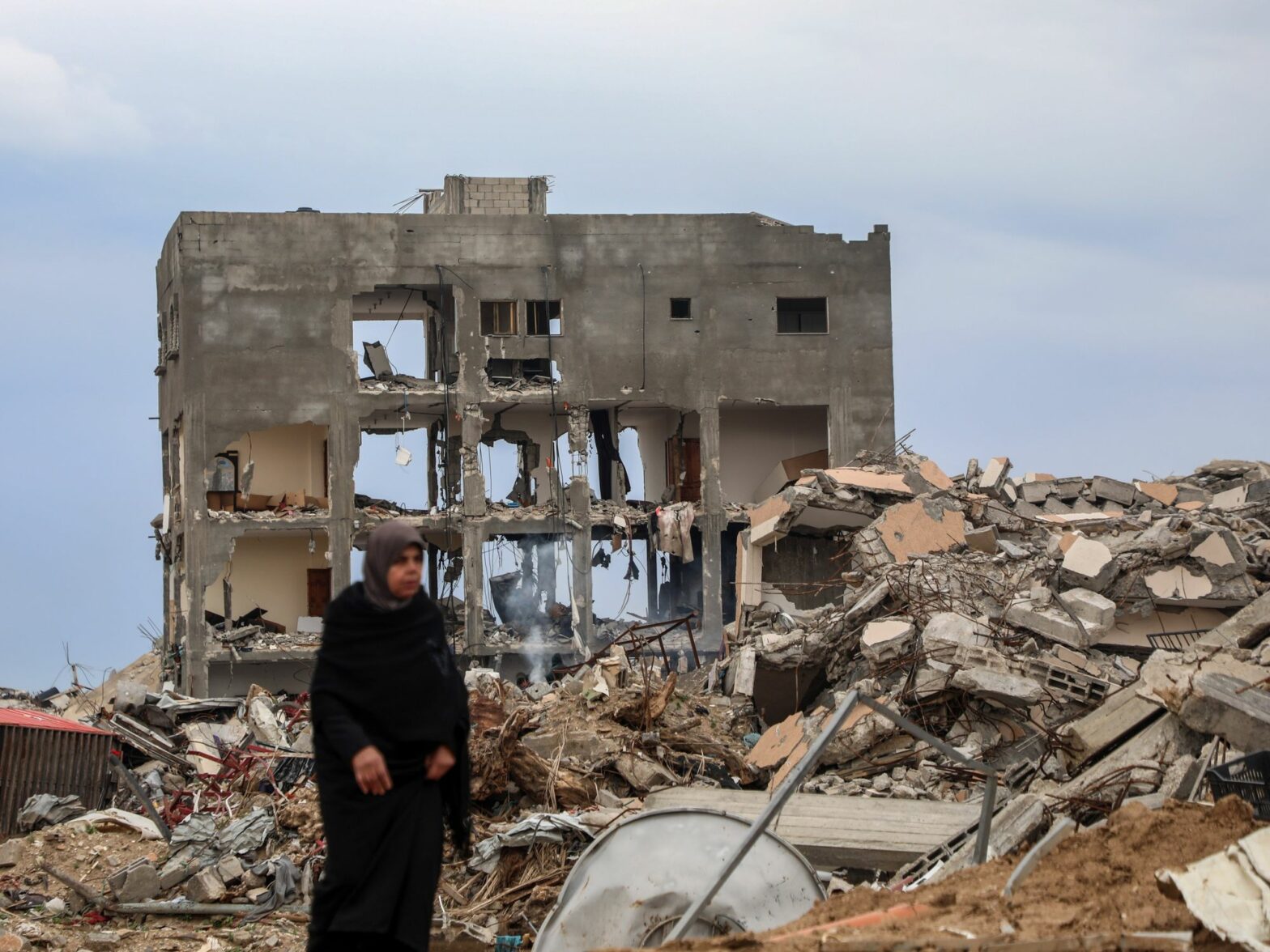
Donald Trump made ever more clearly Monday that he is serious about relocating Palestinians permanently outside Gaza. It’s a plan that the entire Arab world categorically rejects, and puts the U.S. back on the hook for resolving the thorniest of Middle East conflicts.
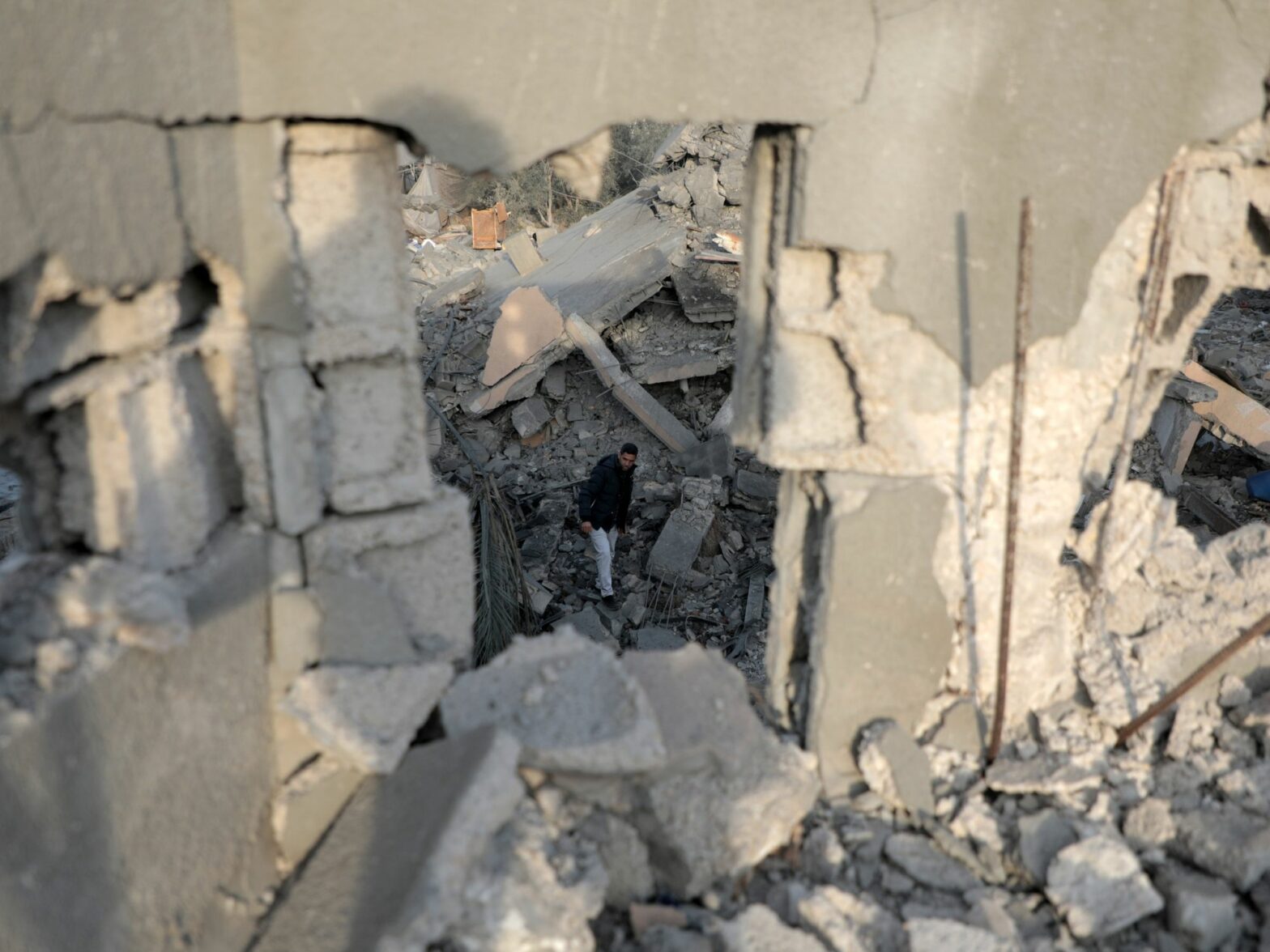
A Palestinian journalist in Gaza chronicles his long road back to the north, walking along with hundreds of thousands of displaced people returning to their homes. He, like most others, arrived at his family house reduced to rubble. What do you do then? What do you tell the kids?

What’s Donald Trump aiming for with his flood of provocative statements? Part distraction, part negotiating ploy, it’s all meant to allow the marketer-in-chief to always claim victory.
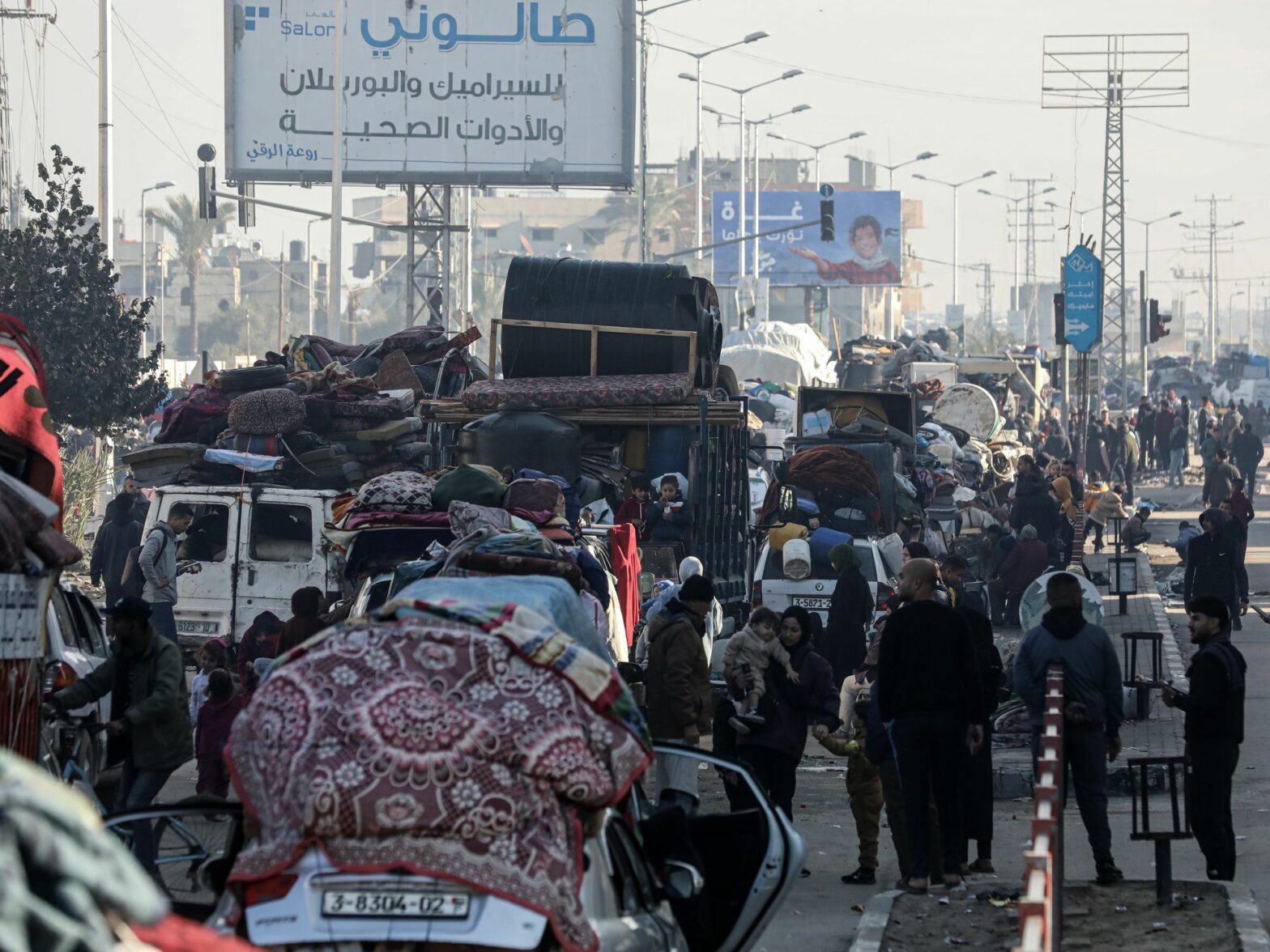
Donald Trump’s proposal to send Palestinians from Gaza to Egypt and Jordan has been embraced by the Israeli far-right but rejected by Palestinians and the countries involved. It amounts to illegal ethnic cleansing and revives an ugly history of Nakba. But it today’s world, it might even happen.
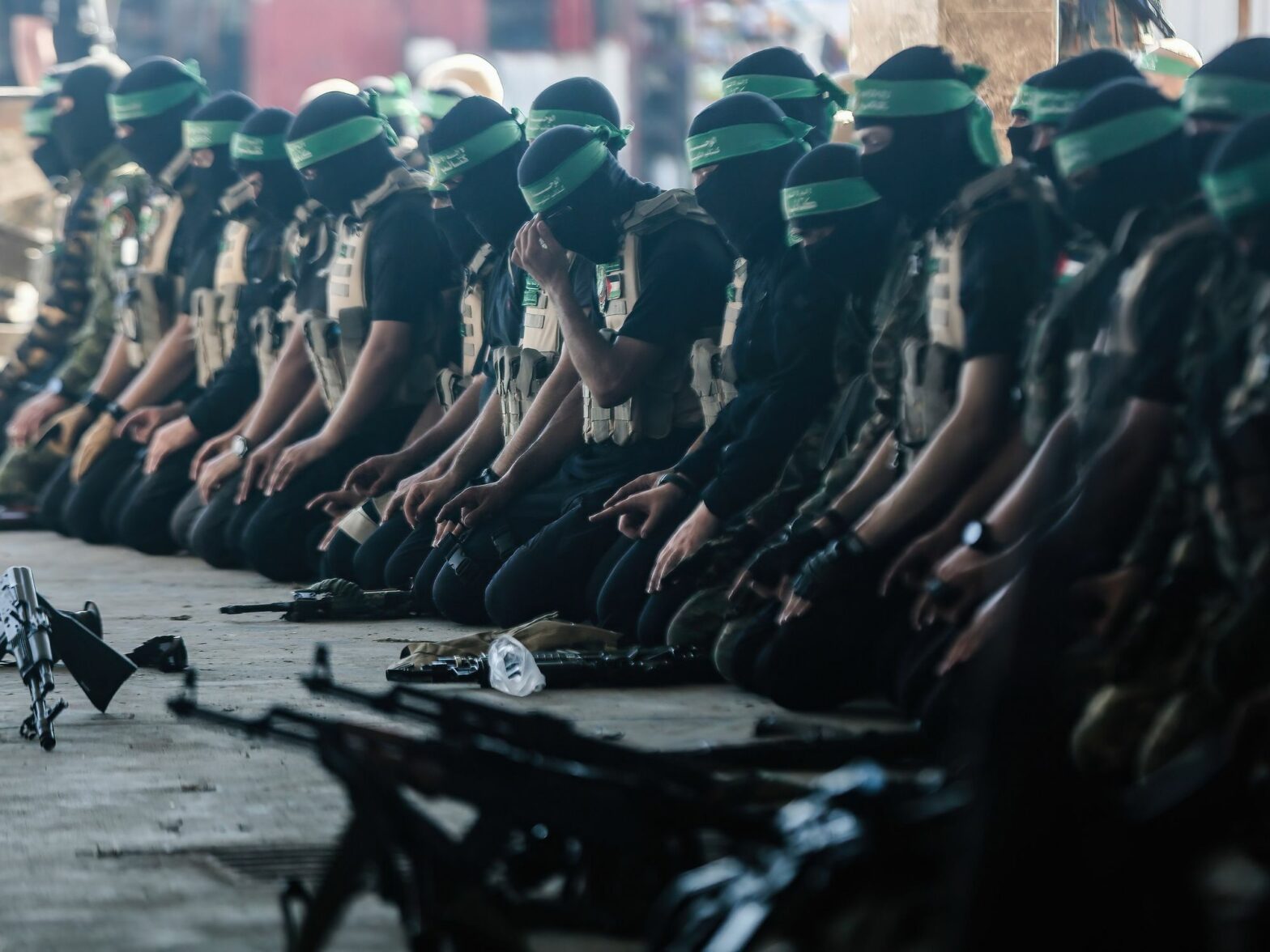
Israel has killed thousands of Hamas fighters. But the Gaza-based terrorist organization has not yet been completely destroyed, nor have its allied militias in the region.
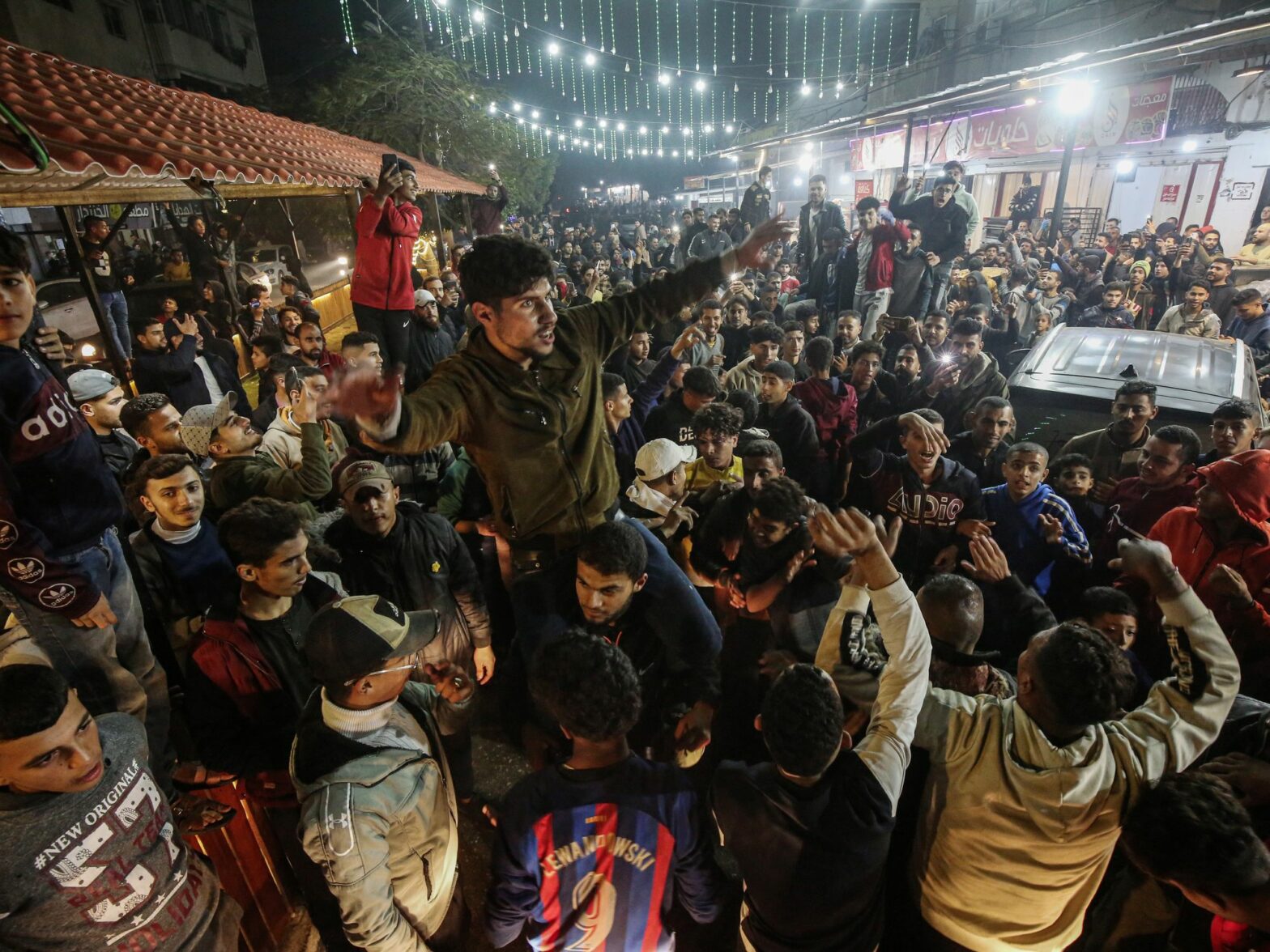
Israel and Hamas have reached a ceasefire agreement brokered by the United States — with an important role played by Donald Trump — along with Qatar and Egypt. It’s a relief to families of hostages and Palestinians in Gaza but also raises the question of the “day after,” which remains unwritten.
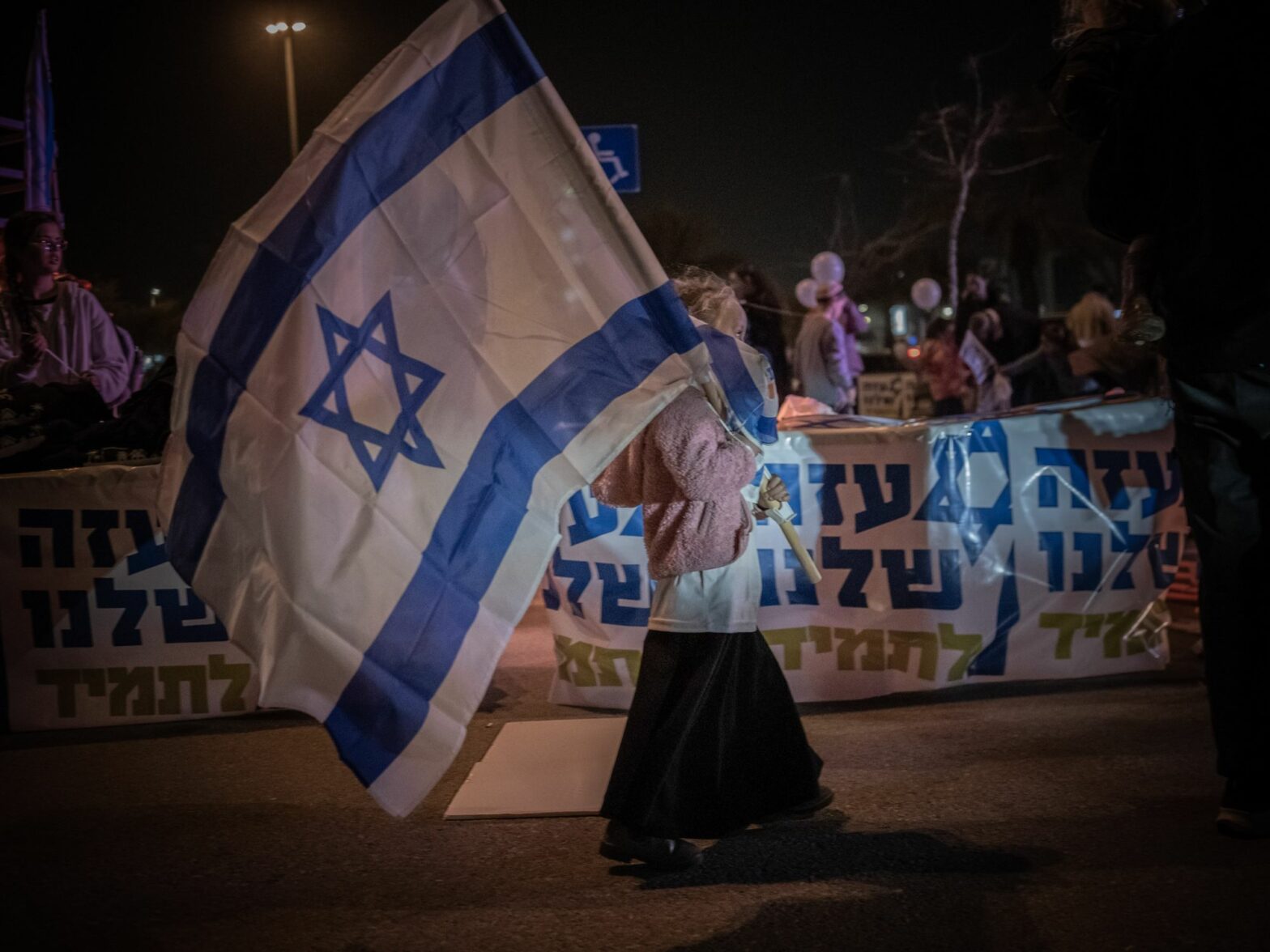
The radical far-right in Israel’s government is demanding to build settlements in the Gaza Strip. Israel’s army is creating the conditions for this.
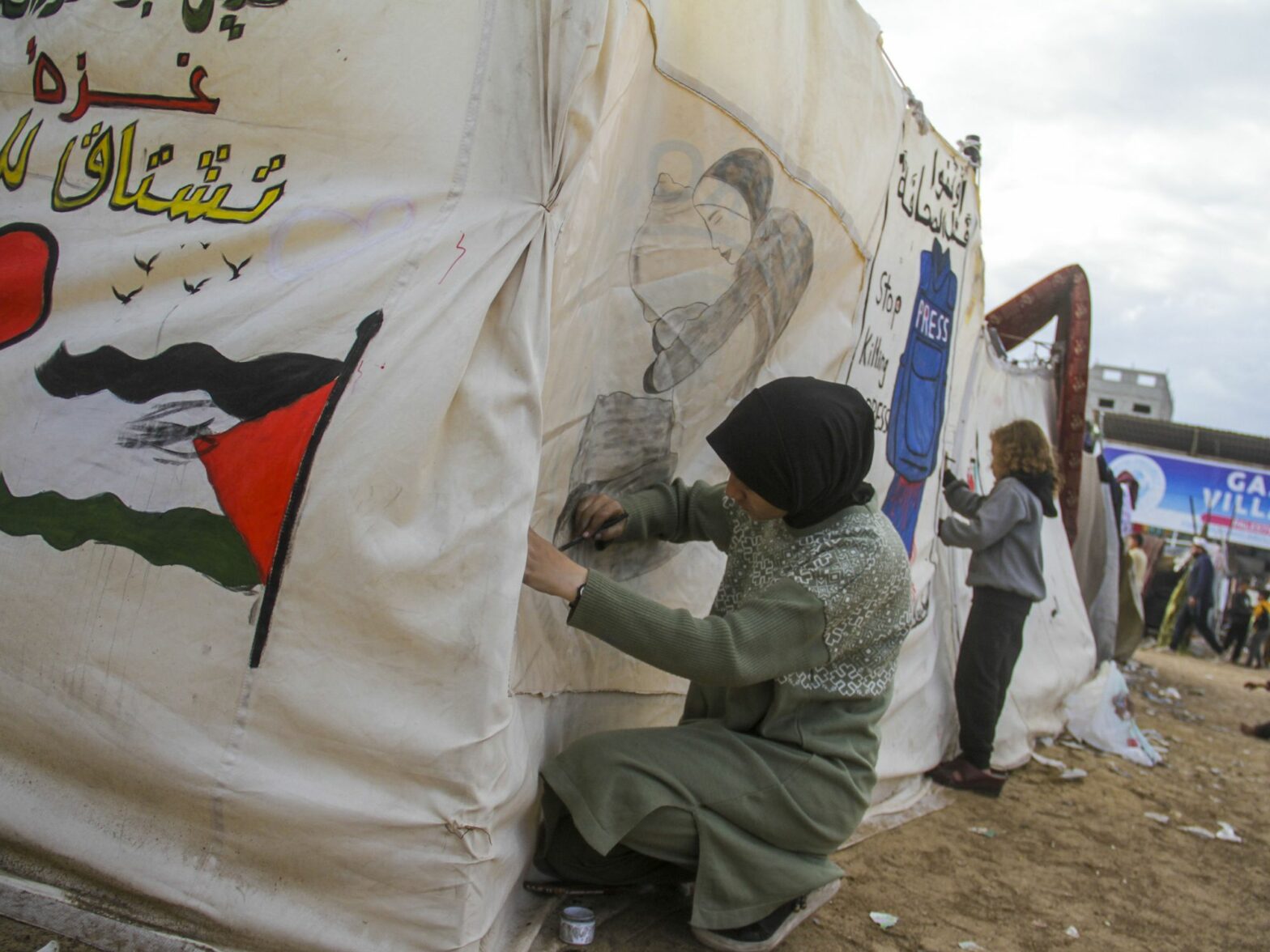
Palestinians need to rationalize their anger and resentment for the sake of a humanitarian project that enjoys global support.
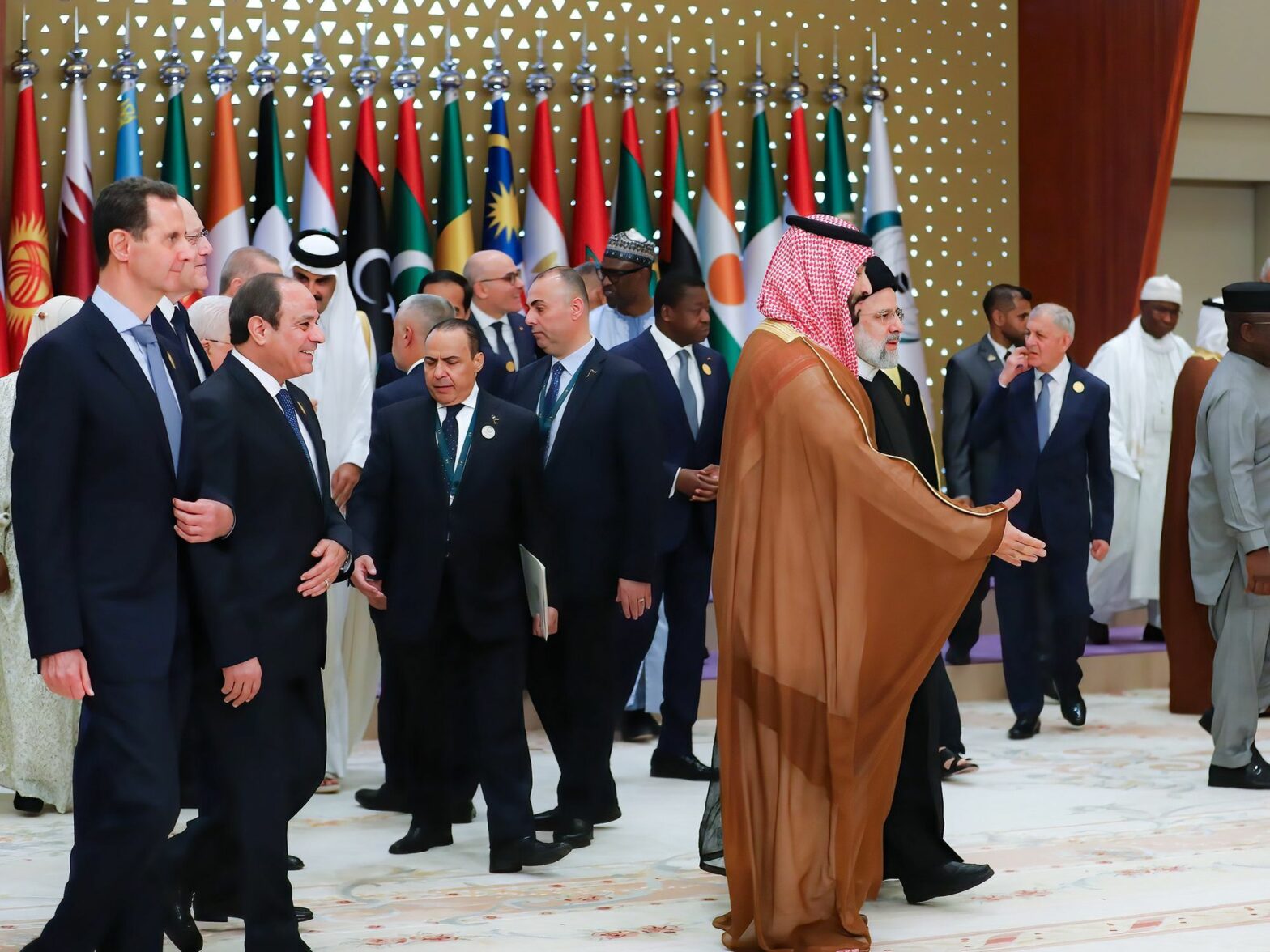
Will the Arabs take the initiative to take tangible measures before the fire reaches their countries, or will they be forced to be mere tools and bases to protect Israel? After the six-day war of 1967, the Three No’s of an Arab Summit set a new hardline. That should be the model now.
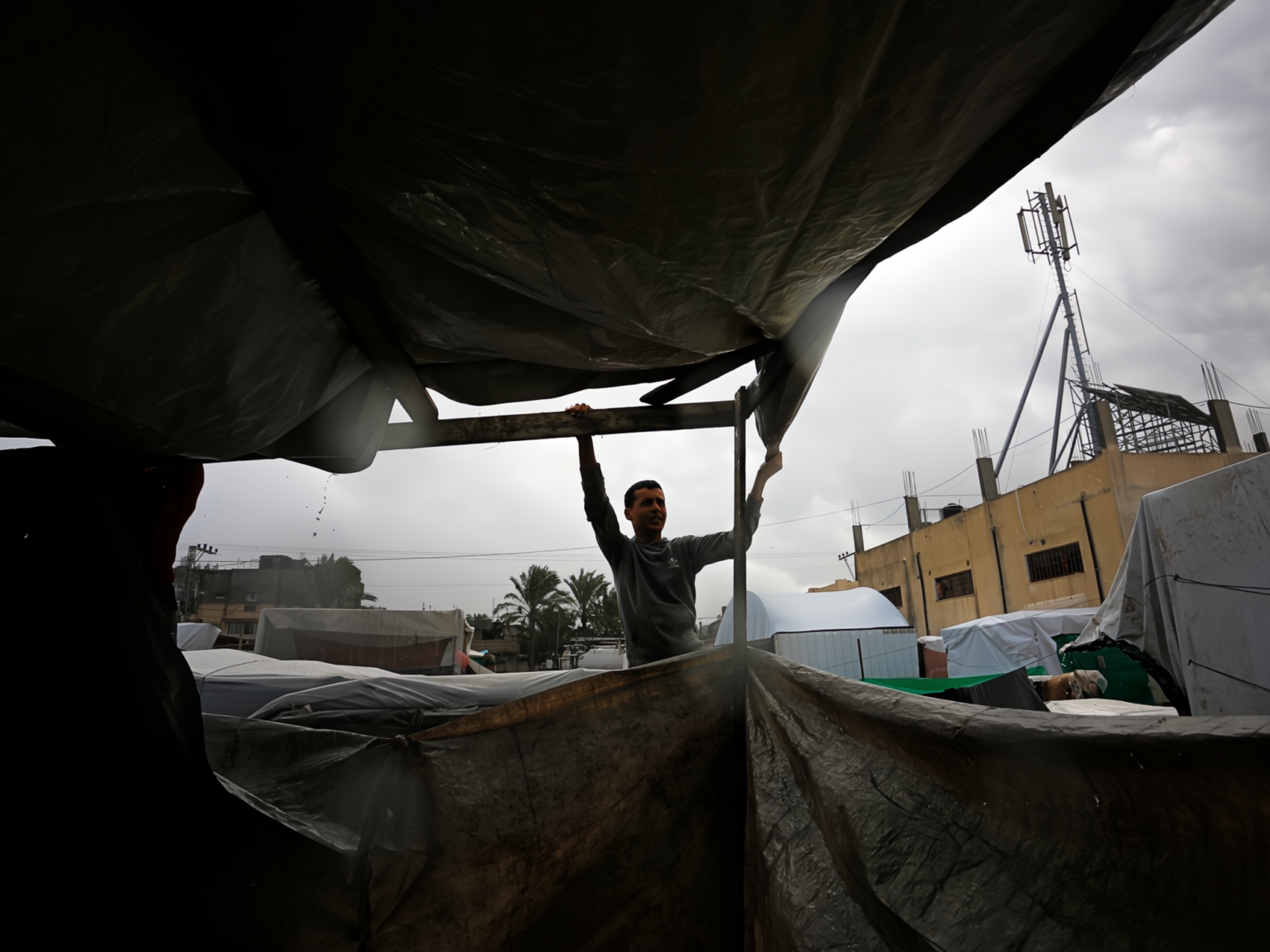
With up to two million displaced, United Nations designated more than 50 sites and shelters as the most vulnerable areas for floods and rainfall across Gaza. But as some people have been displaced multiple times, and humanitarian aid is being blocked, refugees have few options to shelter themselves ahead of the upcoming winter.
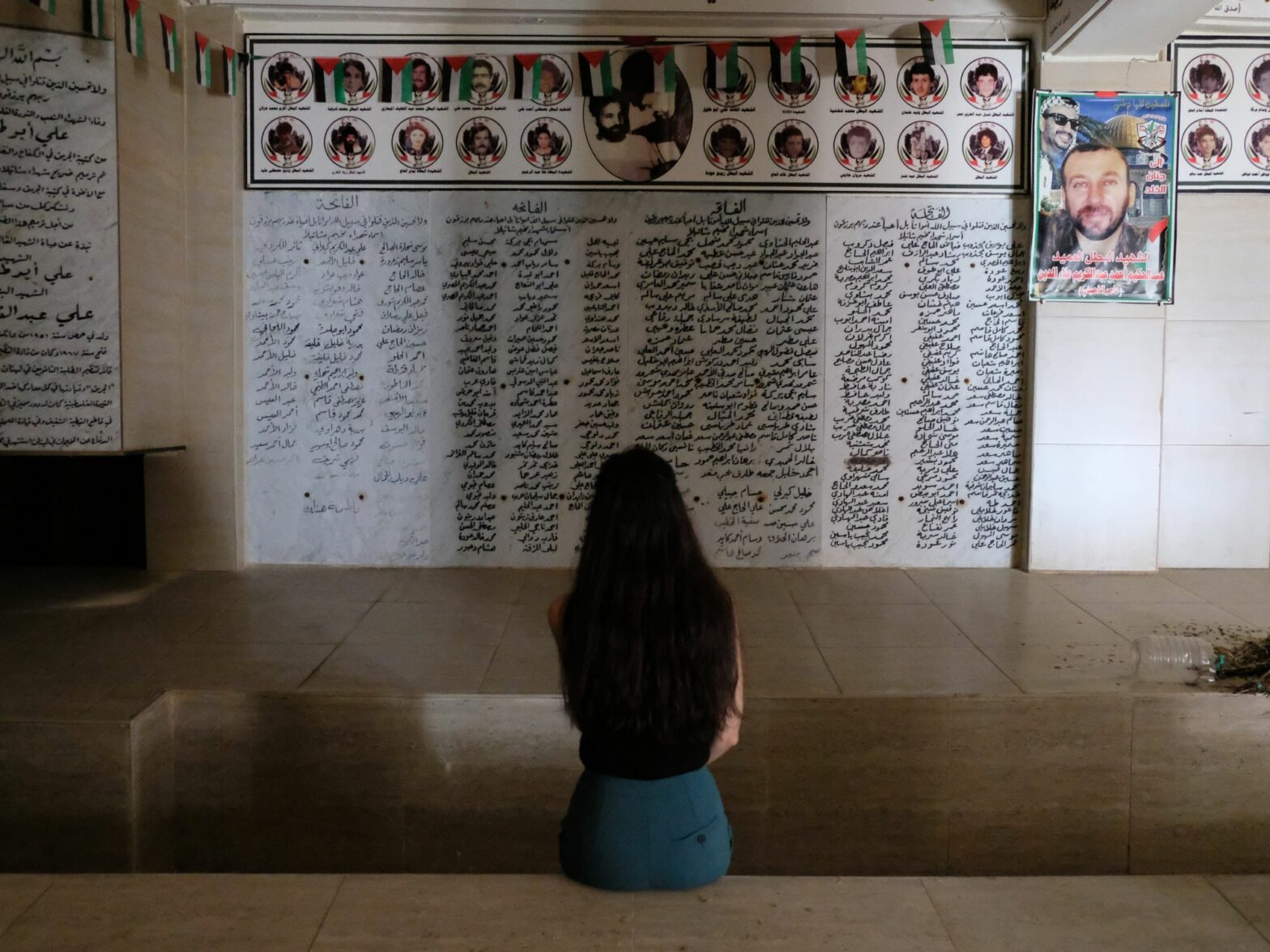
Israel is on the hunt in Lebanon one more time, with apparent early successes. But it has again ignored the fact that something always rises from the ashes.

Updated Oct. 14, 2024 at 11:00 a.m. Thirty years ago on this day, the Nobel Peace Prize was awarded to Yasser Arafat, Yitzhak Rabin and Shimon Peres. Why were Yasser Arafat, Yitzhak Rabin, and Shimon Peres awarded the Nobel Peace Prize? Yasser Arafat, Yitzhak Rabin, and Shimon Peres were awarded the Nobel Peace Prize in […]
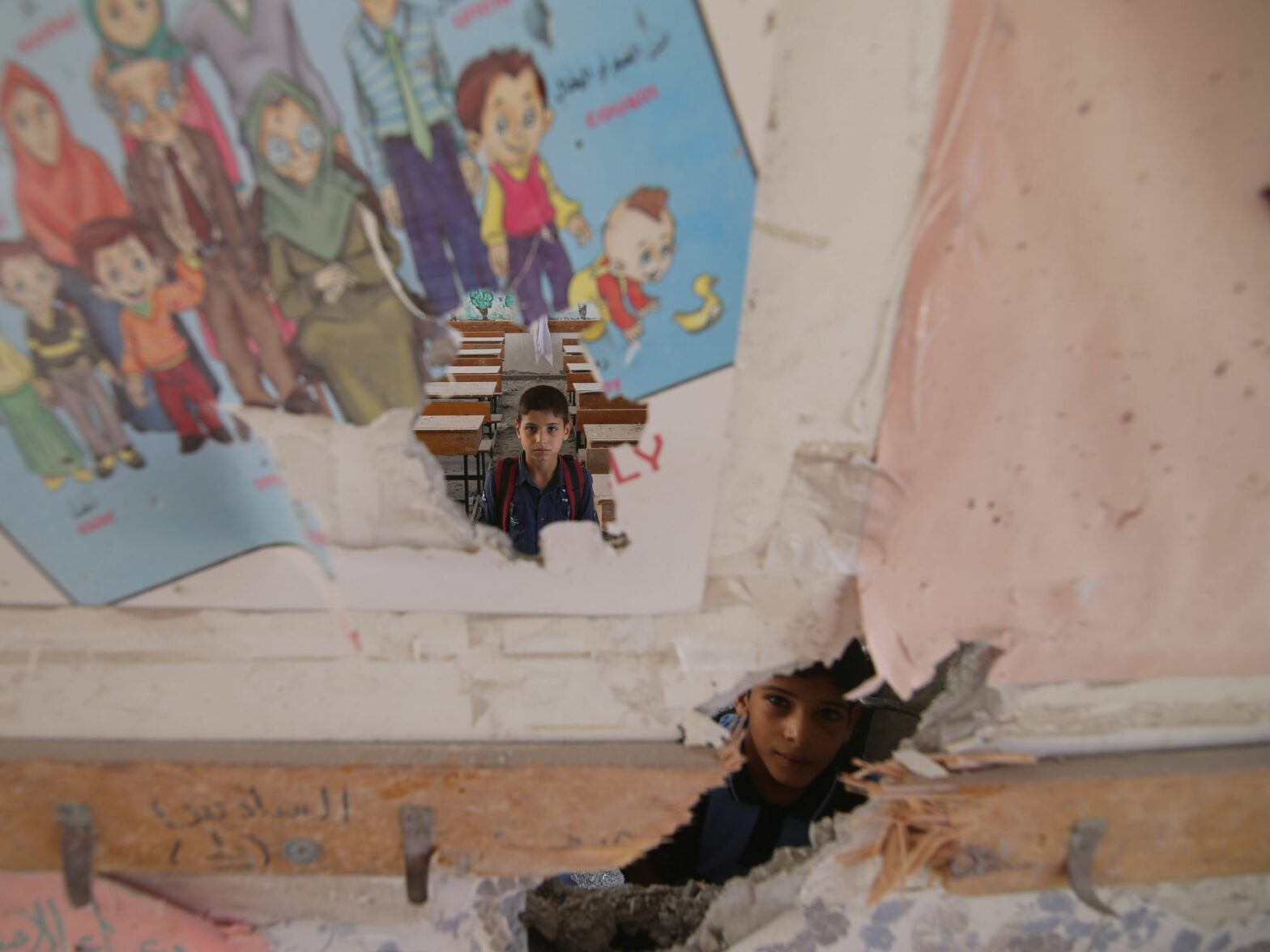
Egyptian authorities give Gaza’s refugees a 45-day tourist visa which doesn’t allow them to apply for residency, study or work in the country. But online learning platforms, including the West Bank’s official educational system, are helping children with their schooling, despite the war.
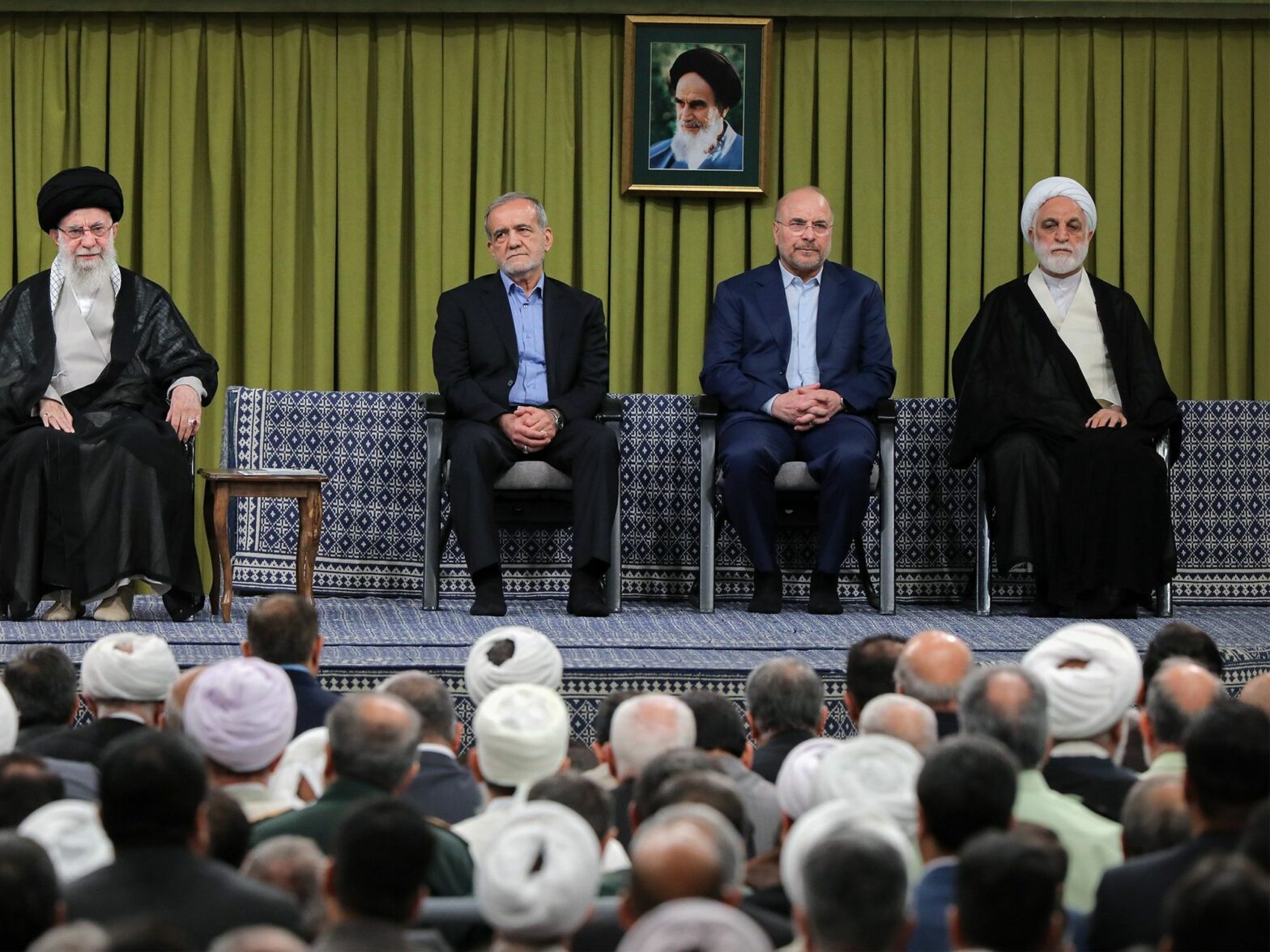
As the conflict rages on across the Israeli-Lebanese border, Iran, which is Hezbollah’s principal sponsor, appears to be doing all it can to avert a war spreading around the Middle East. It could wind up on Tehran’s doorstep.
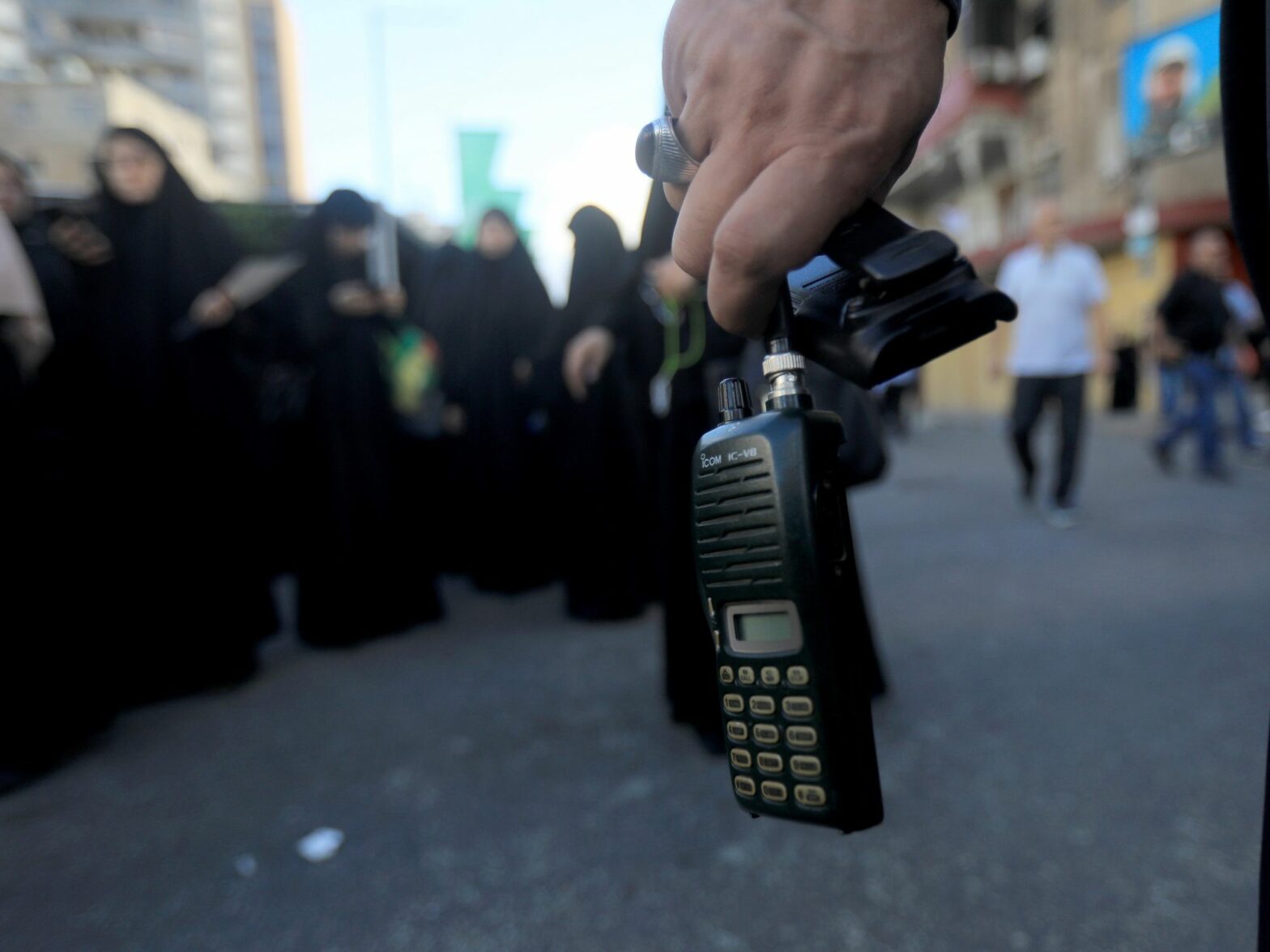
With its unprecedented attacks on pagers and walkie-talkies in Lebanon that again killed innocent victims, Israel now faces the risk of losing the war not just on moral and legal grounds, but also from a strategic perspective.
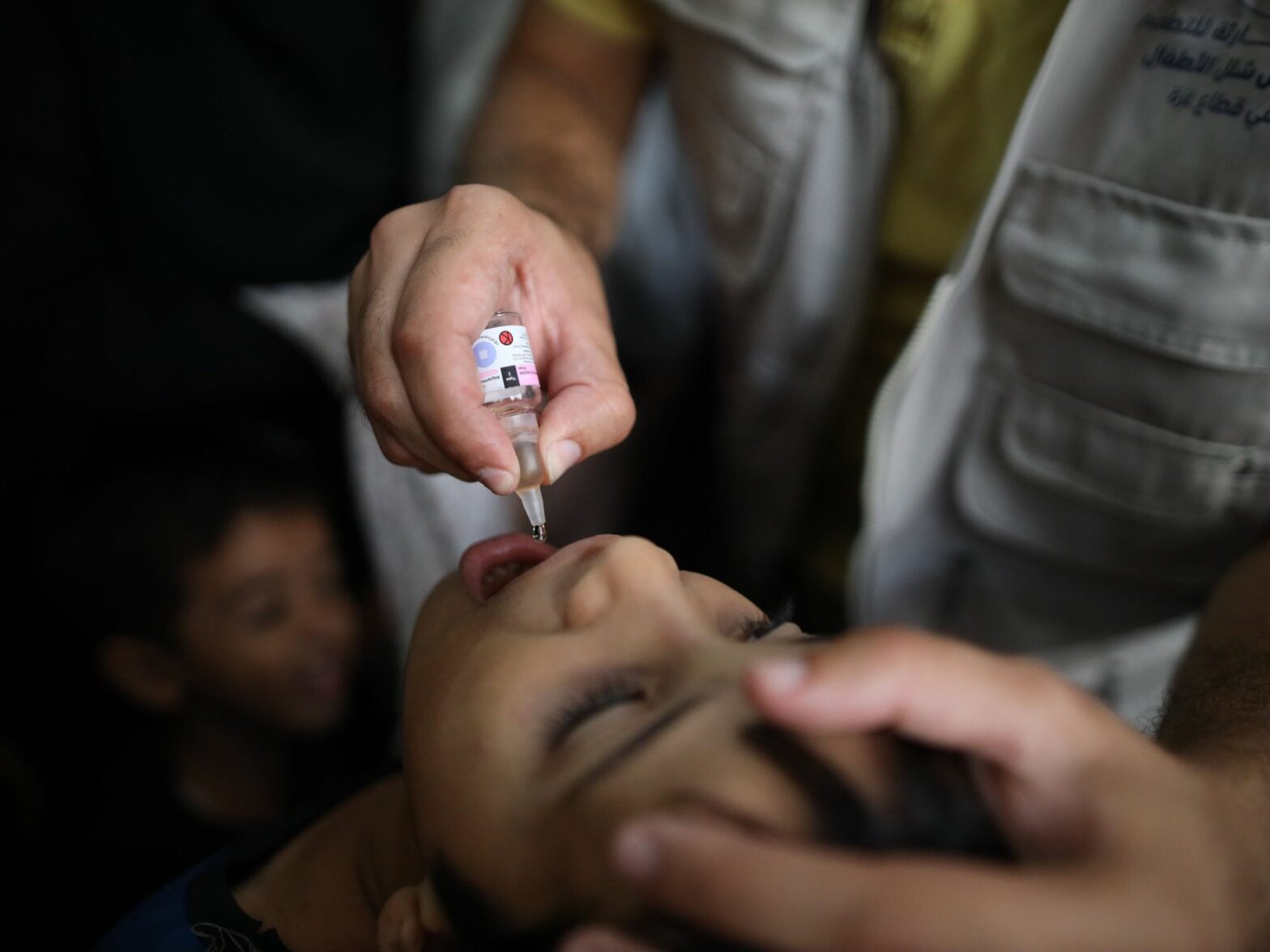
Efforts to vaccinate children in Gaza are undoubtedly motivated in part by moral reasons, but they also stem from the world’s concern – especially in neighboring countries – about the virus becoming endemic in the Palestinian enclave. The writer recalls how it can all implode, or spread, at any time.
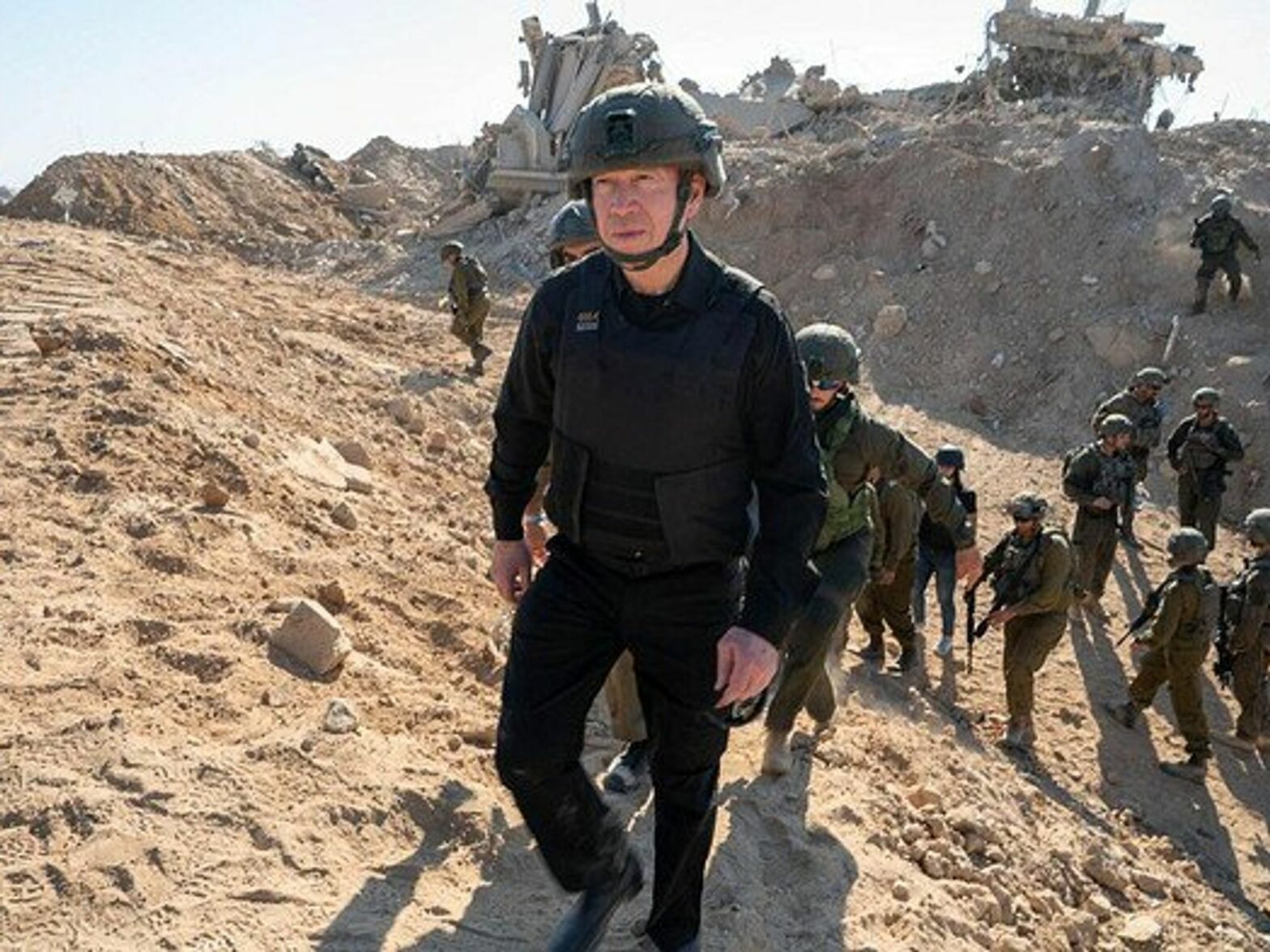
The Philadelphi Corridor has again become a sticking point in the ceasefire talks between Hamas and Israel. It’s all premeditated as Prime Minister Benjamin Netanyahu pursues his undeclared goal: keep fighting in order to occupy Gaza.
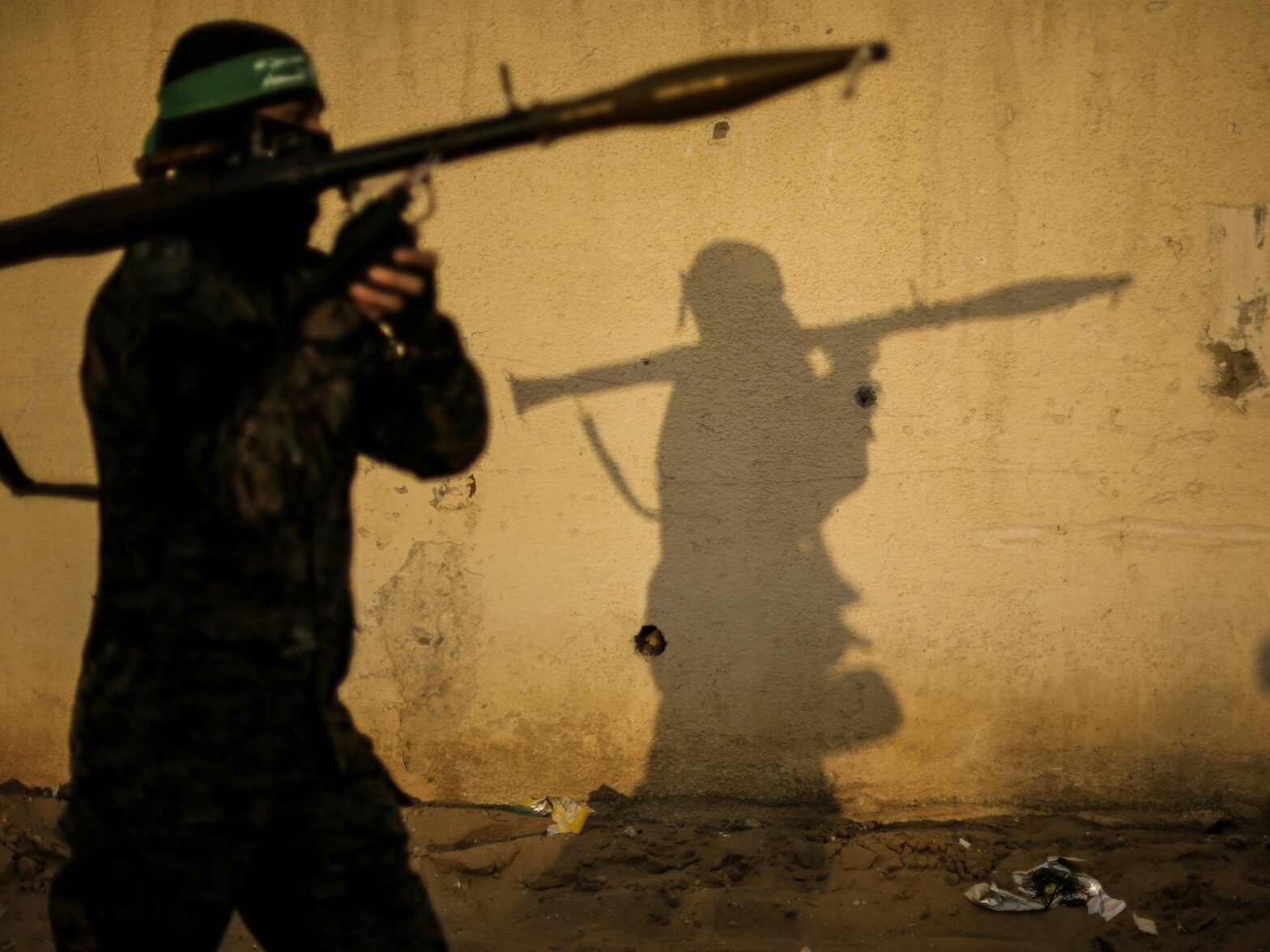
Since Oct. 7, the Israel-Hamas conflict has continued to spread, deepening divisions within Israeli society and radicalizing a section of public opinion. Radicals both in Israel and Hamas are taking advantage of the chaos of war to prevent peace — just as they did in the 1990s. For how long will the world allow them to do so?

As the vice president is now virtually assured to face Donald Trump on November 5, questions arise on what her election to U.S. president would mean for the rest of the world.
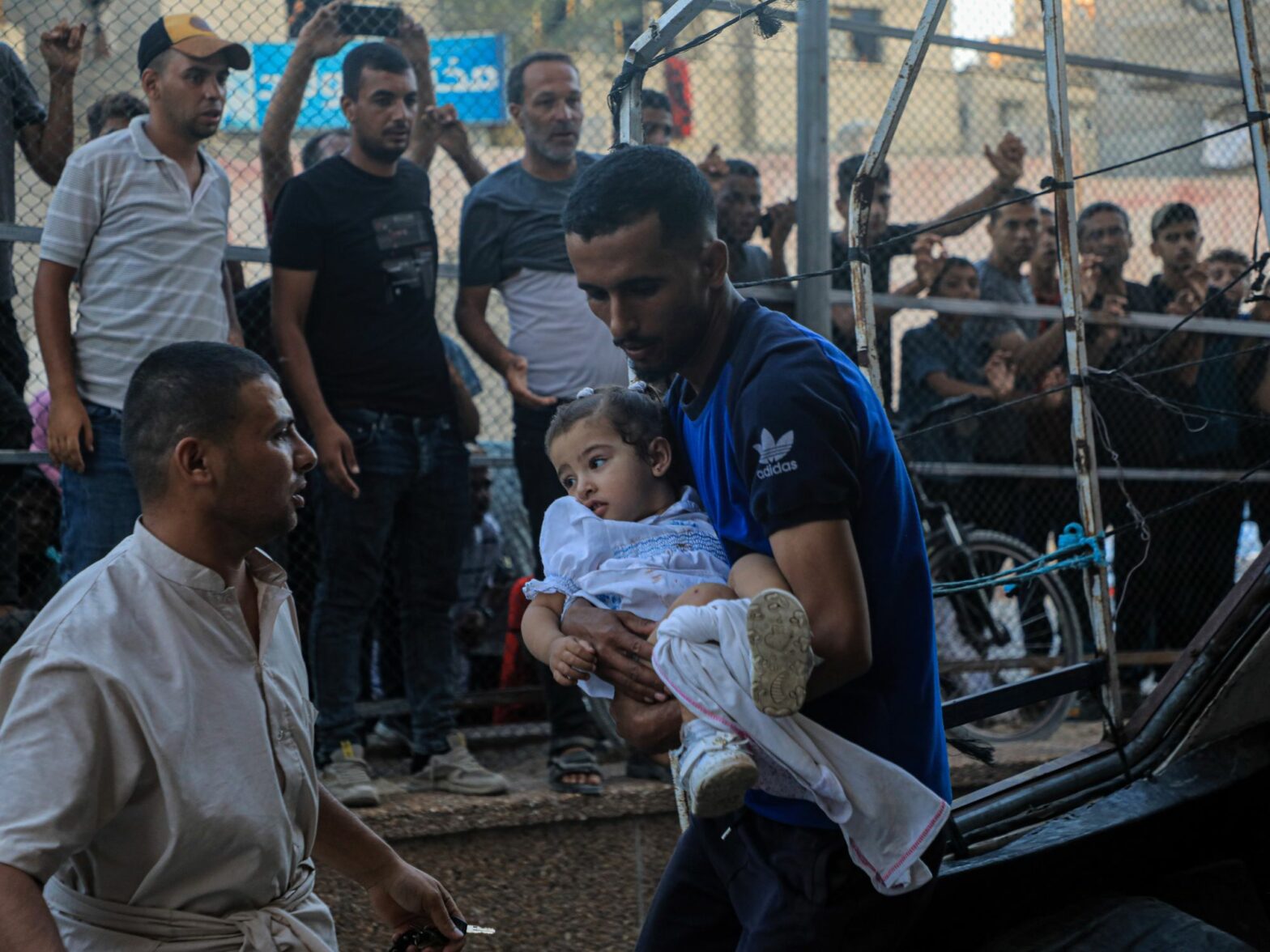
An Israeli missile struck children playing soccer in a schoolyard a day after international outrage at Russia’s bombing of Ukraine’s largest children’s hospital. As the Israel-Hamas war drags on, ceasefire negotiations get harder as the rest of the world looks away.
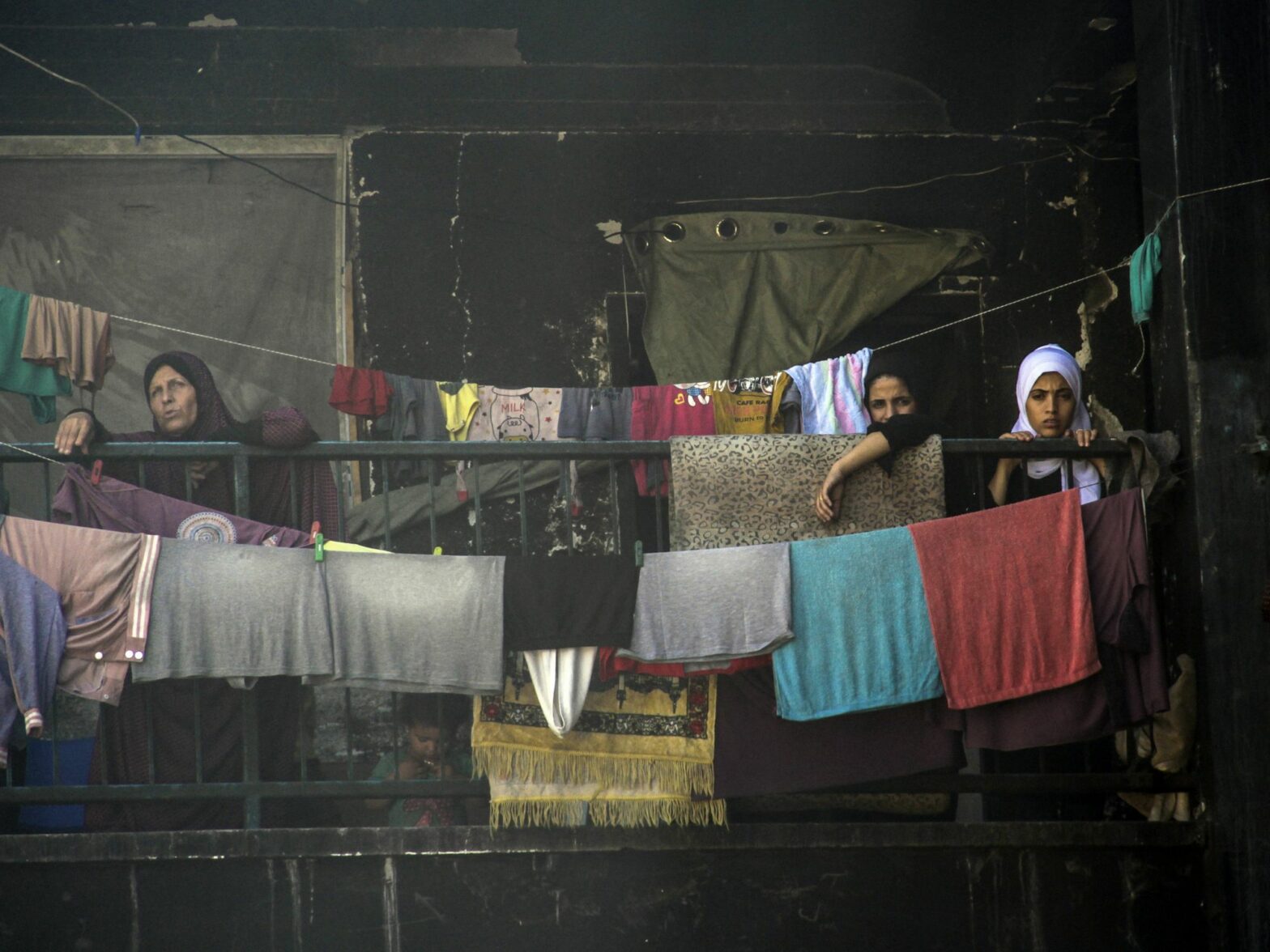
As the war in Gaza nears nine months, bombardments continue, even in the camps where displaced people live. Death and fear are everywhere, as is hunger. Palestinian human rights activist Moustafa Ibrahim is also displaced now. In this personal essay, he addresses the hopelessness that people in Gaza face as they see Israel committing genocide.
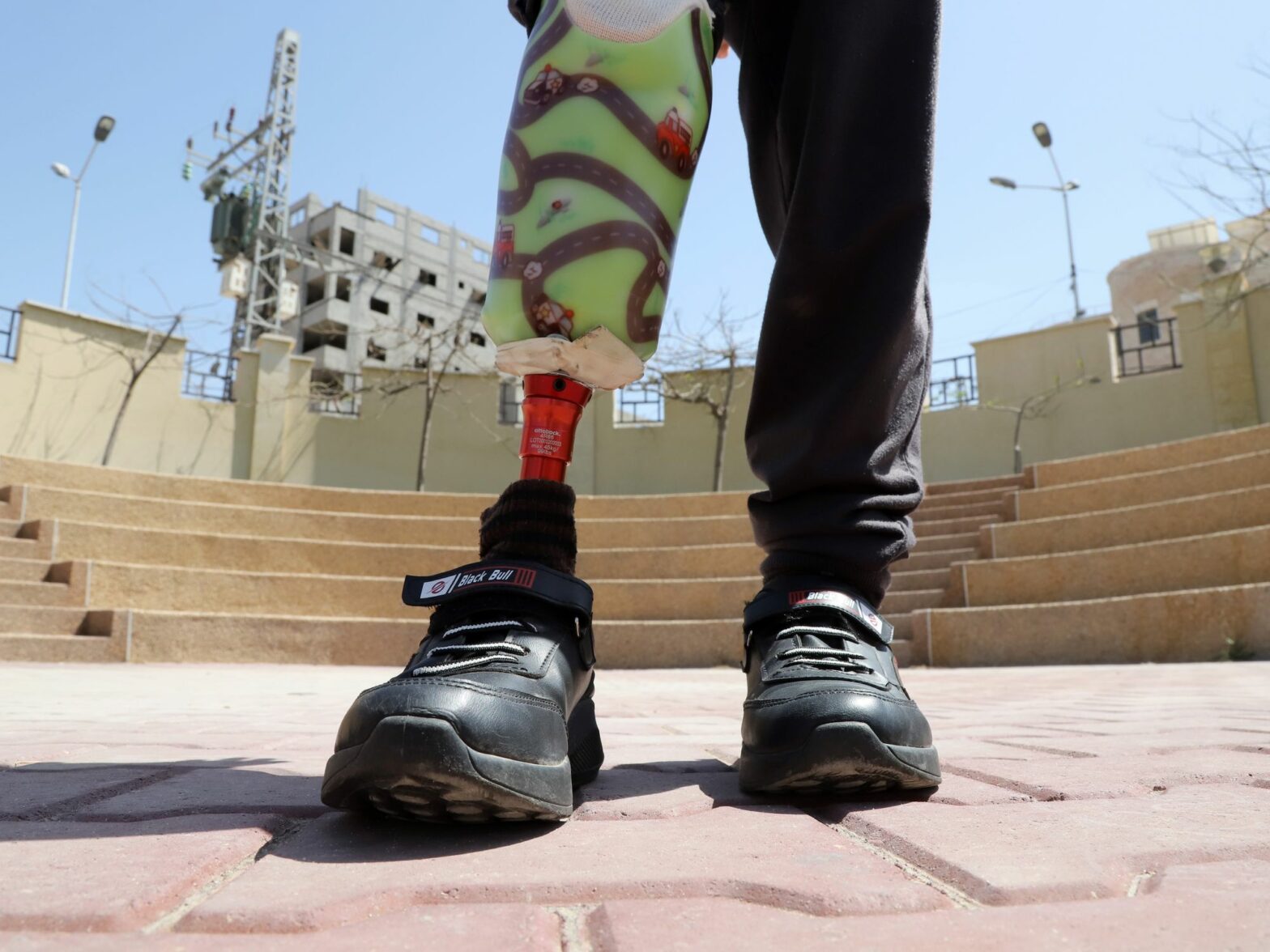
From the Nakba to now, Palestinian authors have used the trope of amputation as a literary symbol of loss and unity in the face of adversity.
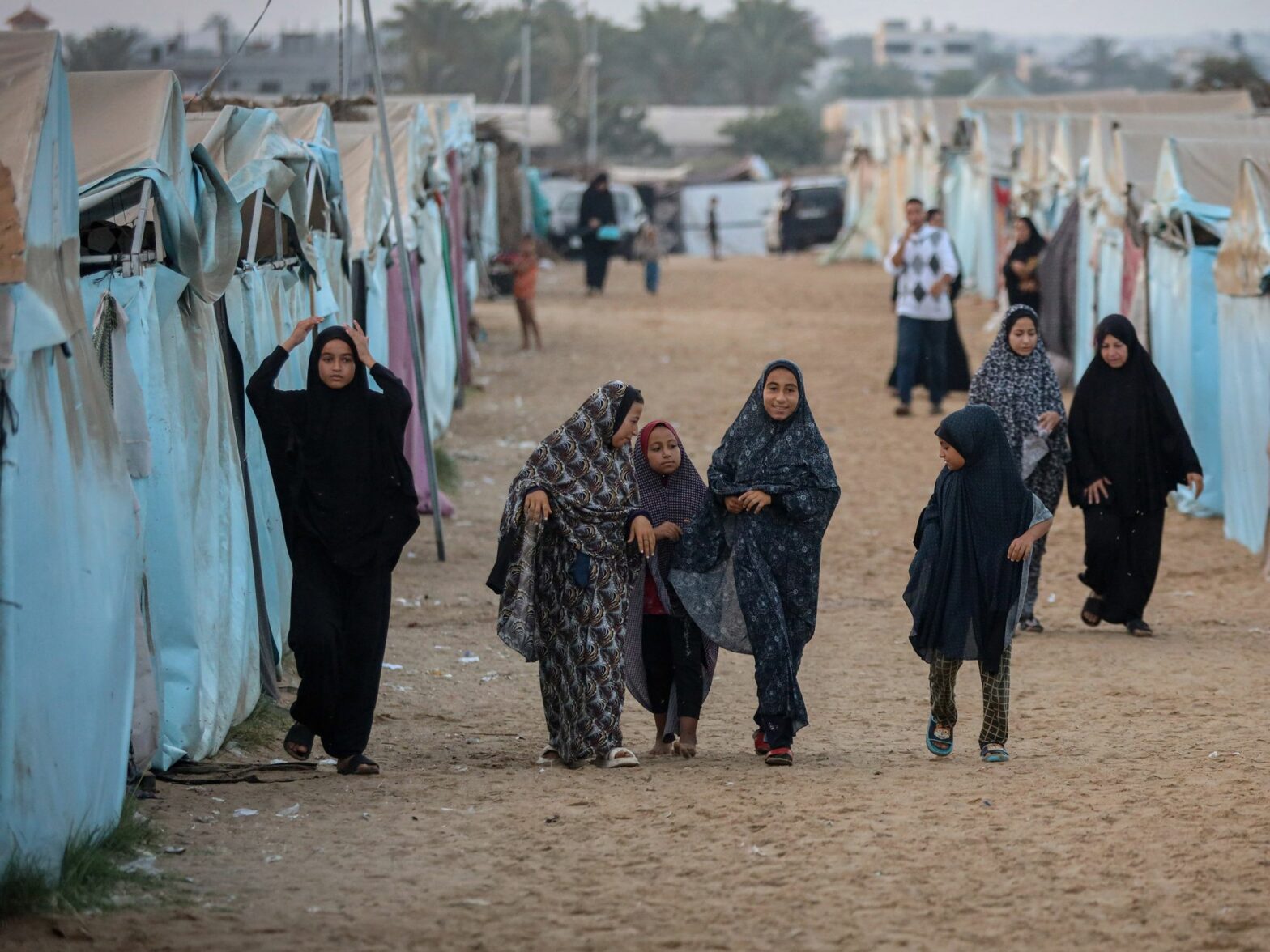
The Israel-Hamas war, now in its 9th month, has made the Eid al-Adha celebrations impossible for the Palestinians in Gaza. They spent the holiday amid relentless bombing, killing and destruction.
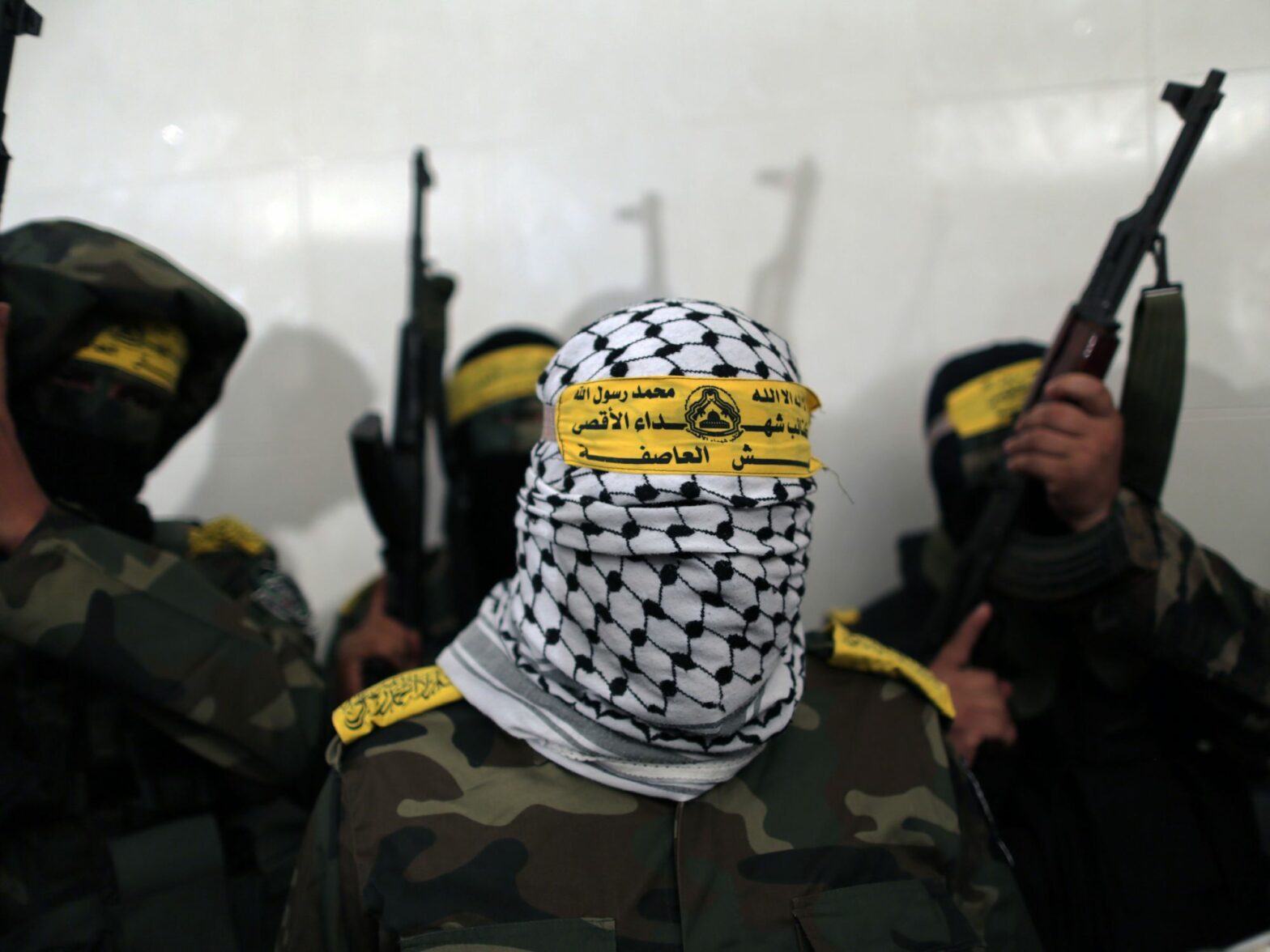
The political project in the Arab world, both of tyrants and their opponents, has been focused on visions of glory and repeating slogans. But what is a movement if it doesn’t seek to improve the lives of those for whom it claims to speak?
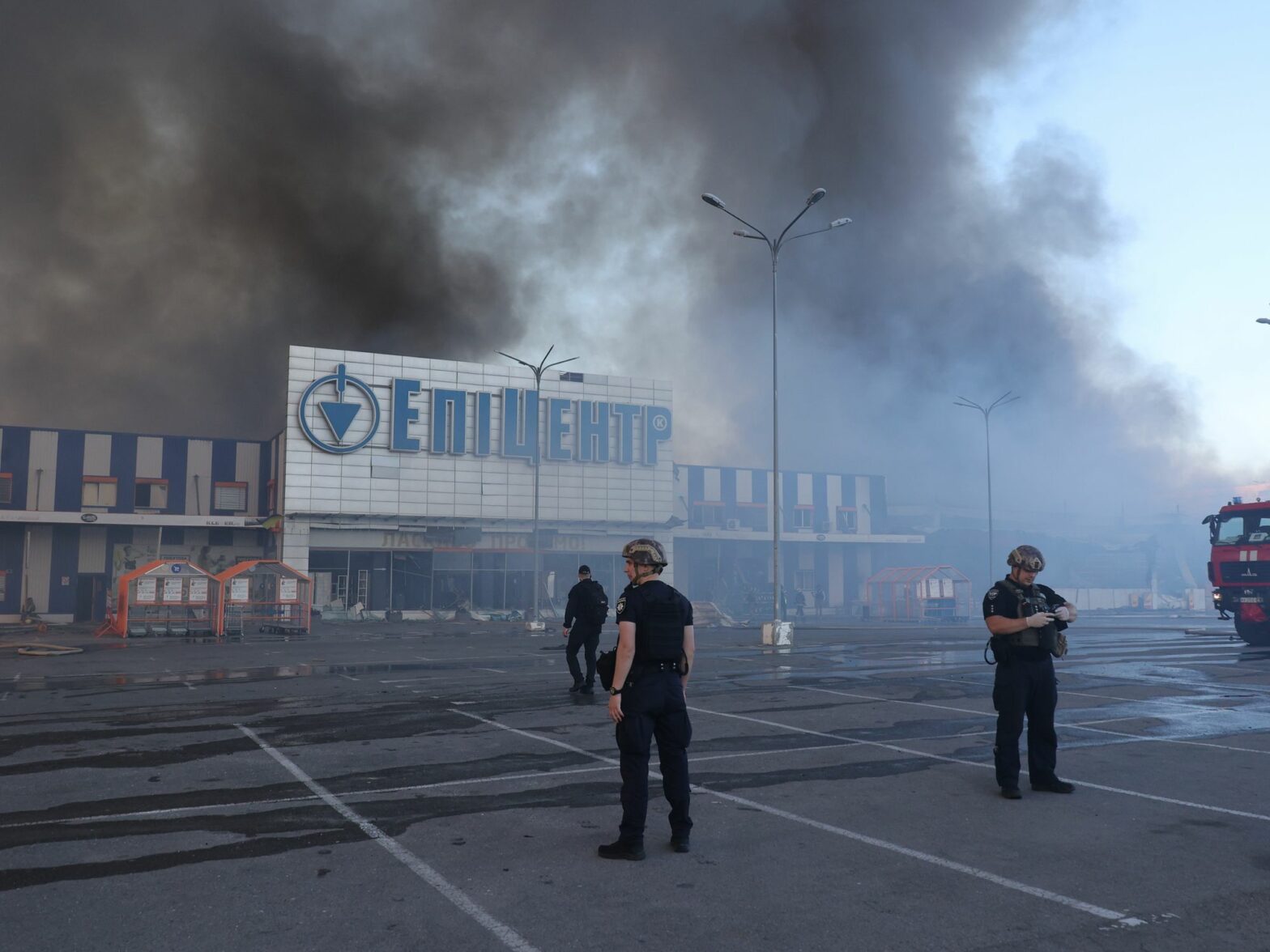
Ukraine is not allowed to attack Russian territory. Israel, on the other hand, has free rein. These are the would-be restrictions of Western weapons in two wars that might seem to have little in common.
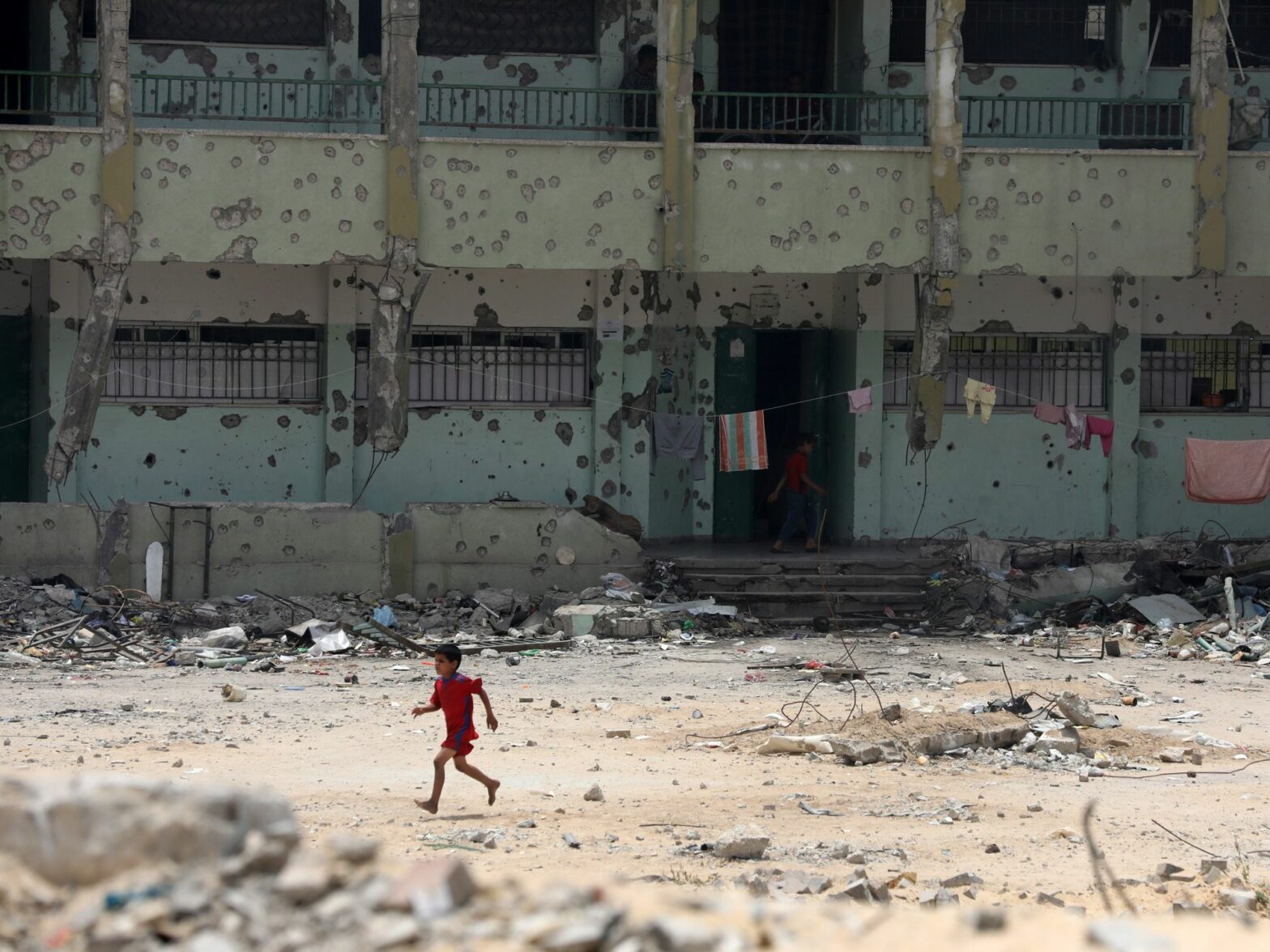
The efforts of chief prosecutor Karim Khan to try Israel’s Prime Minister and Defense Minister over the Gaza war could be a starting point to hold Israeli political and military officials accountable for crimes have committed over many years against Palestinians.
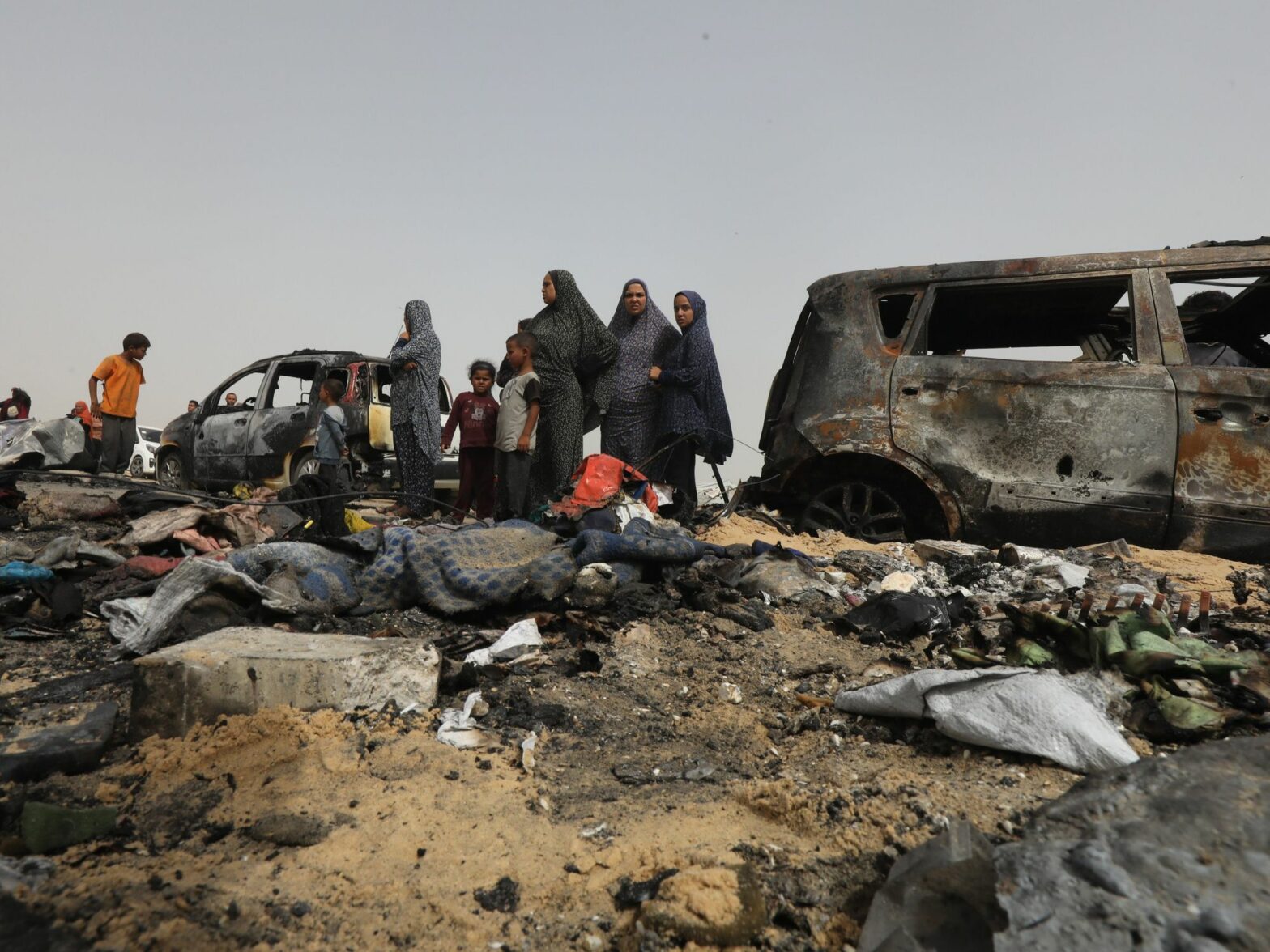
Benjamin Netanyahu spoke of a “tragic accident” after the deadly bombing of a camp for displaced Palestinians near Rafah; but this rare act of contrition does not mean the Israeli leader has changed his strategy, despite the indignation of the rest of the world at the number of civilians killed.
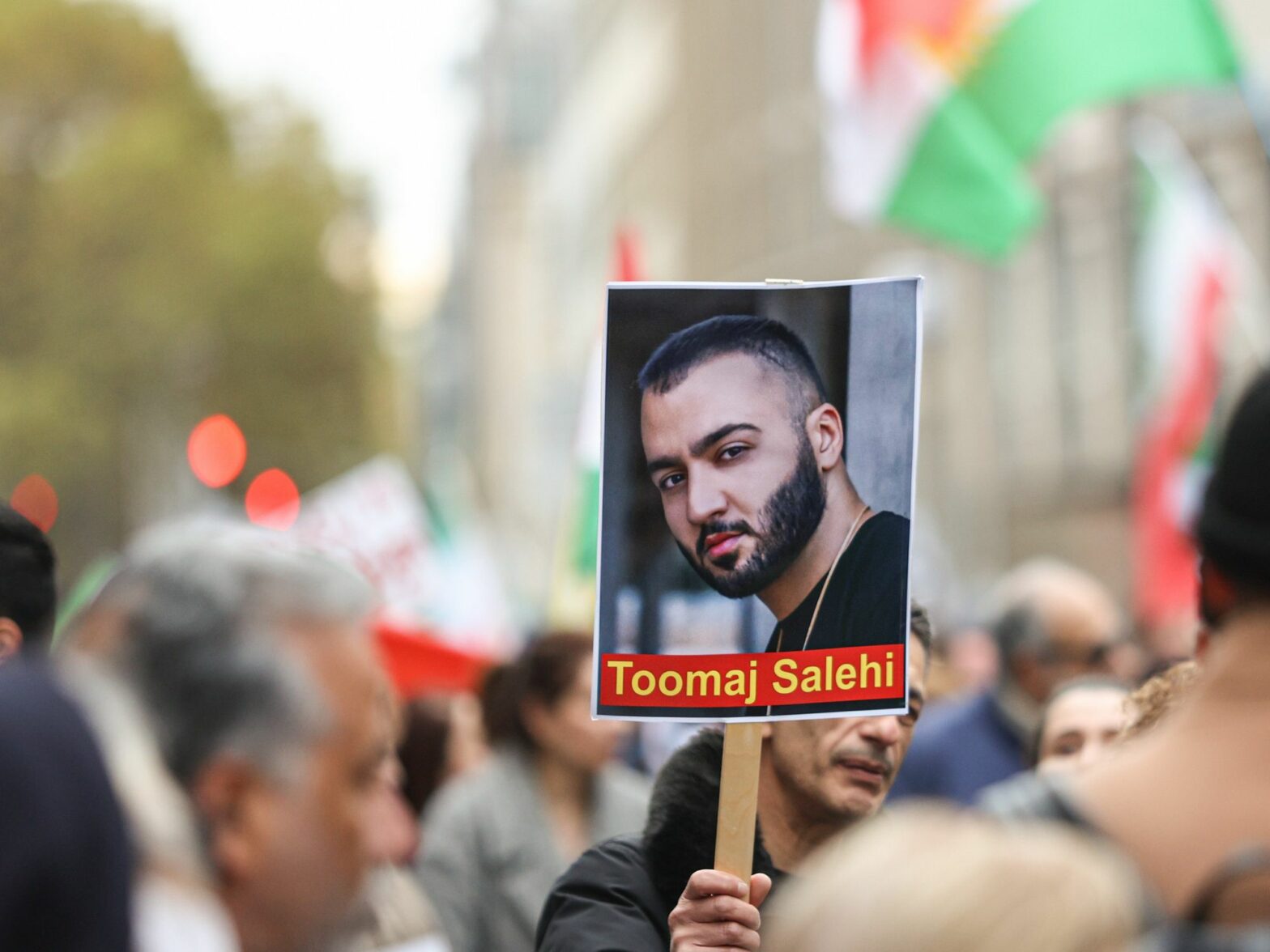
Injustice and inhumanity comes in many forms and places in the Middle East, including the Iranian regime’s death sentence for the rapper Toomaj. Why can’t those protesting the deaths of civilians in Gaza take a moment to try to save this innocent life as well?
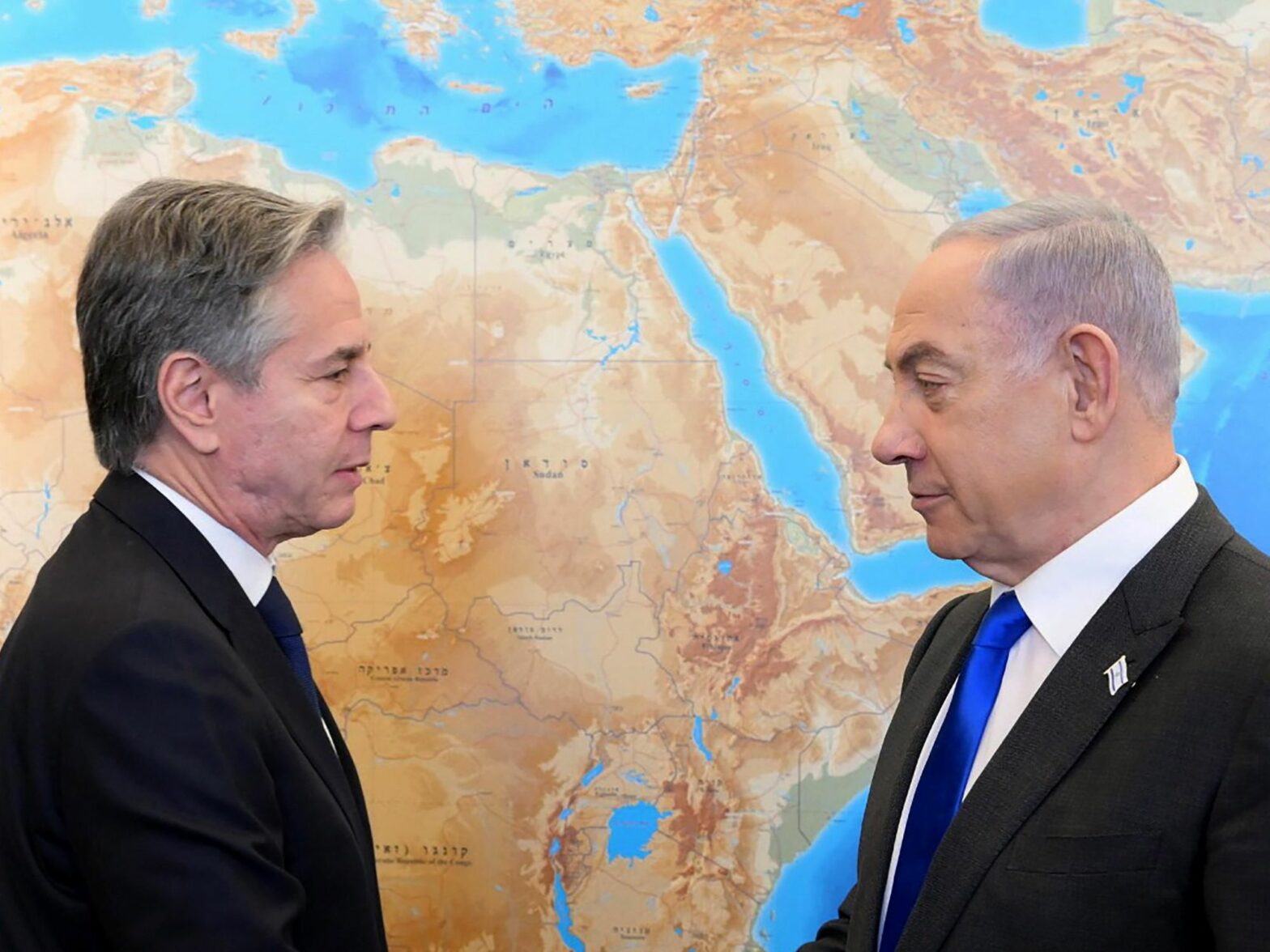
Have the ruling institutions in the United States learned the lesson and realized that the main means of confronting Iran’s influence — if they really wanted to — is to put pressure on Israel.
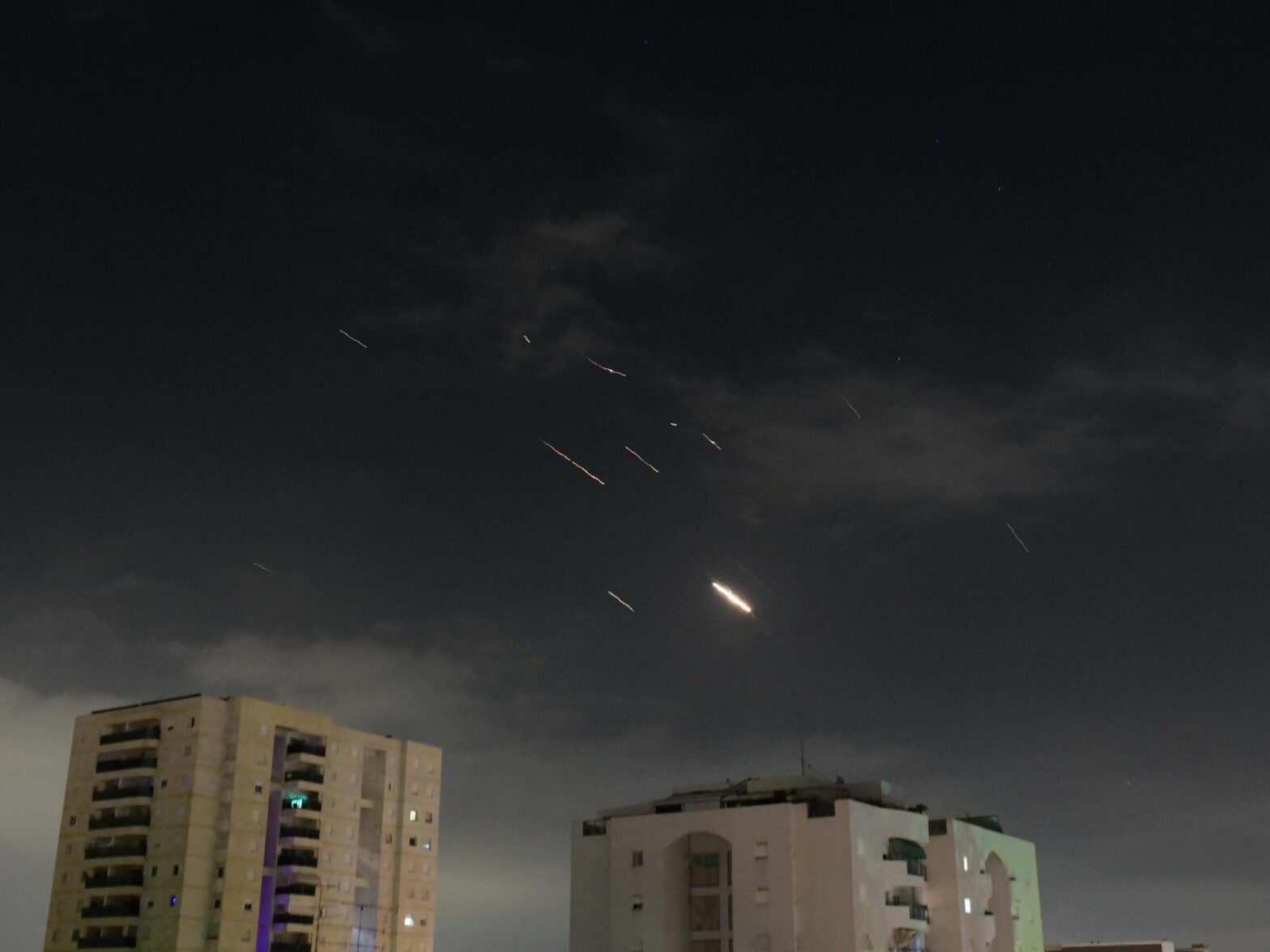
The world watches as Netanyahu walks that fine line between deterrence and escalation.
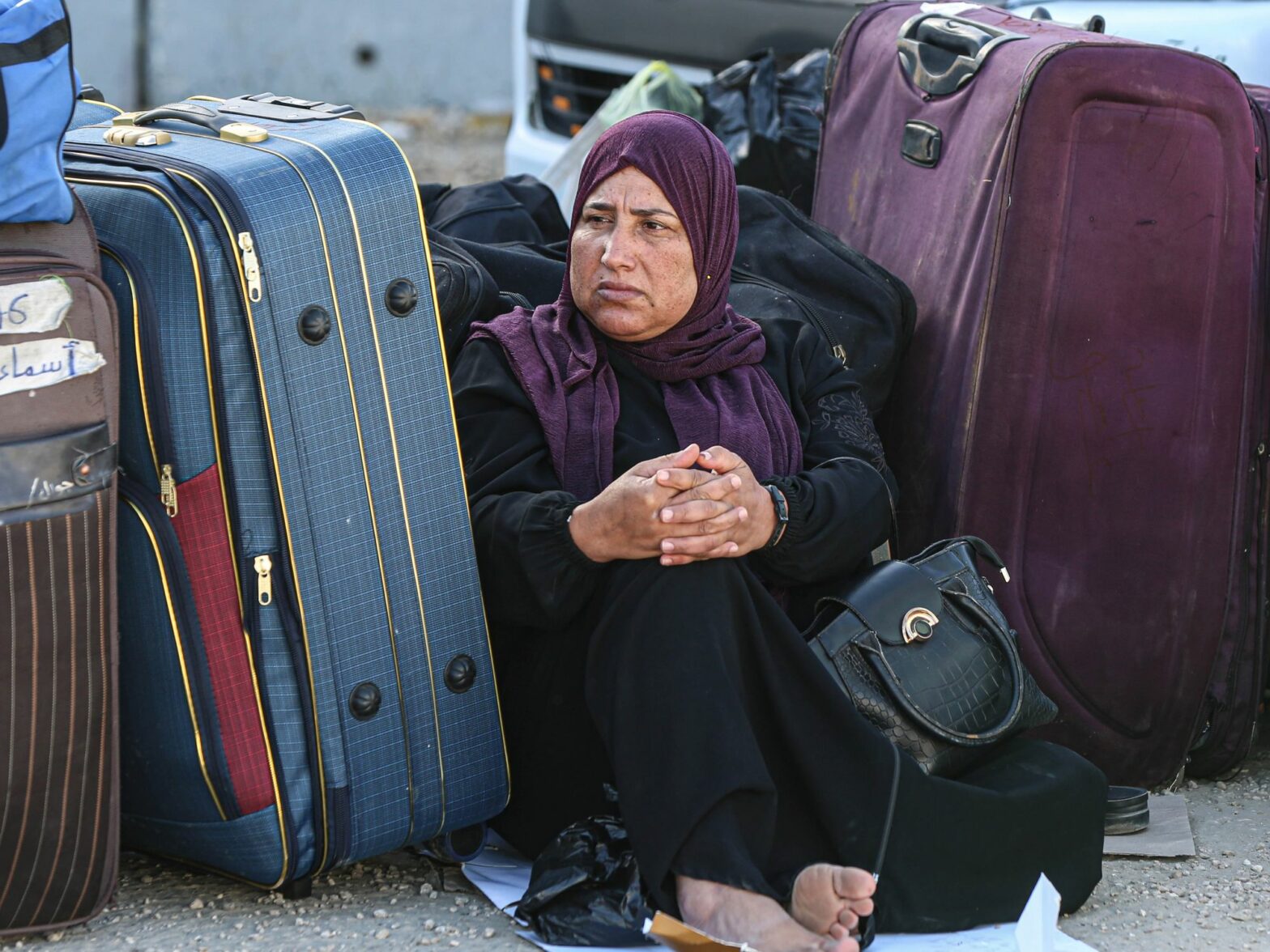
In late March, the Palestinian embassy in Cairo organized a crossing for Palestinians back into Gaza. Al Manassa talks with some of the Palestinians preparing to leave the safety of Egypt about their motivations for returning to the war-torn homeland.
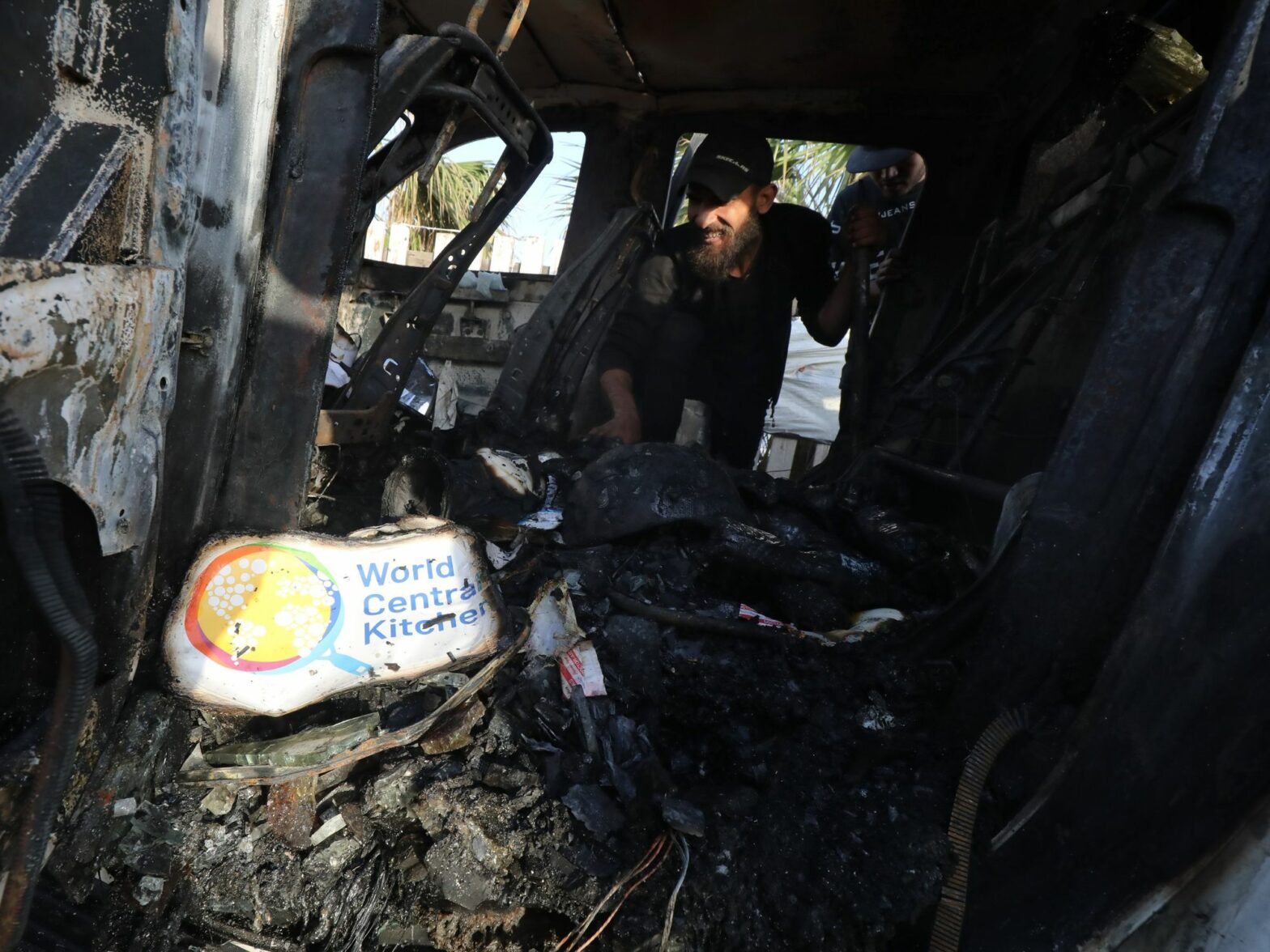
The Israeli drone strike that killed seven aid workers in Gaza has set off an international outcry. And Israeli Prime Minister Benjamin Netanyahu’s reaction was a reminder that cutting off humanitarian aid has been part of the strategy from the start of the war in Gaza.
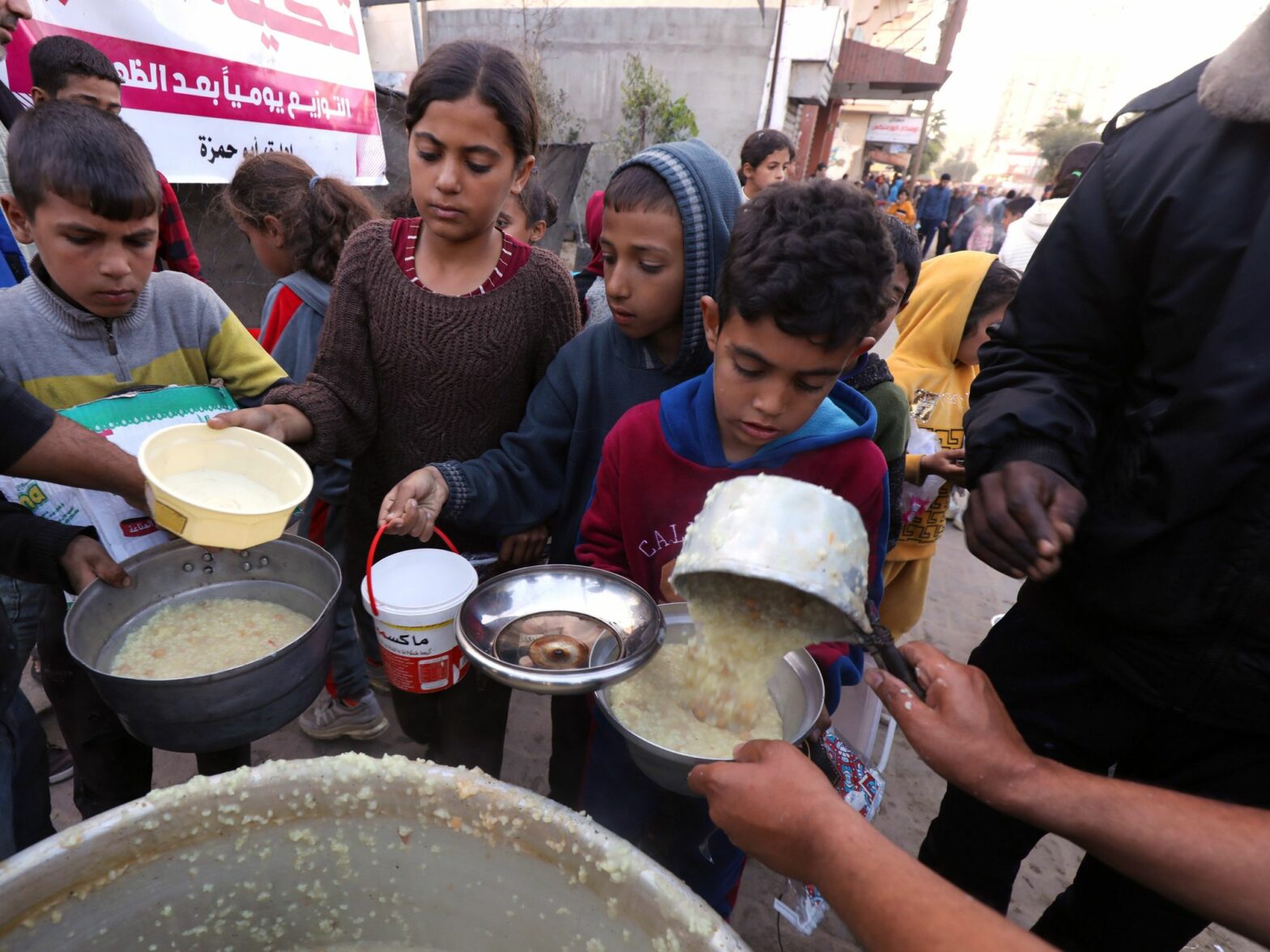
With the Israel-Hamas war now in its sixth month and hunger worsening in Gaza, Palestinian have begun fasting for Ramadan. Al Manassa spent the first day of the Muslim holy month with a displaced family in their tent in Mawasi.