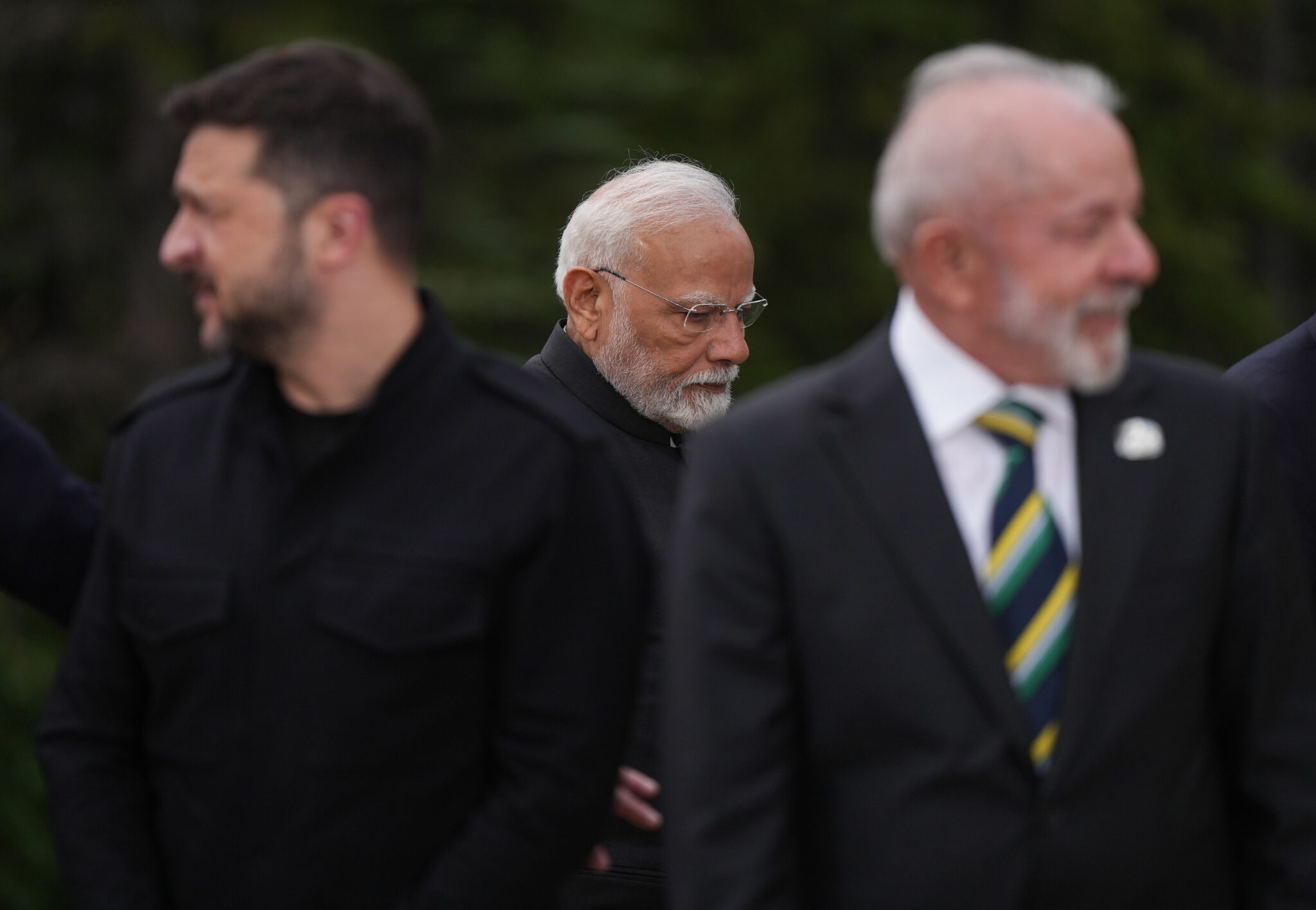
India’s inconsistent stance on Gaza reflects a broader diplomatic drift — from principled leadership to transactional alignment.
 Worldcrunch
India’s inconsistent stance on Gaza reflects a broader diplomatic drift — from principled leadership to transactional alignment.
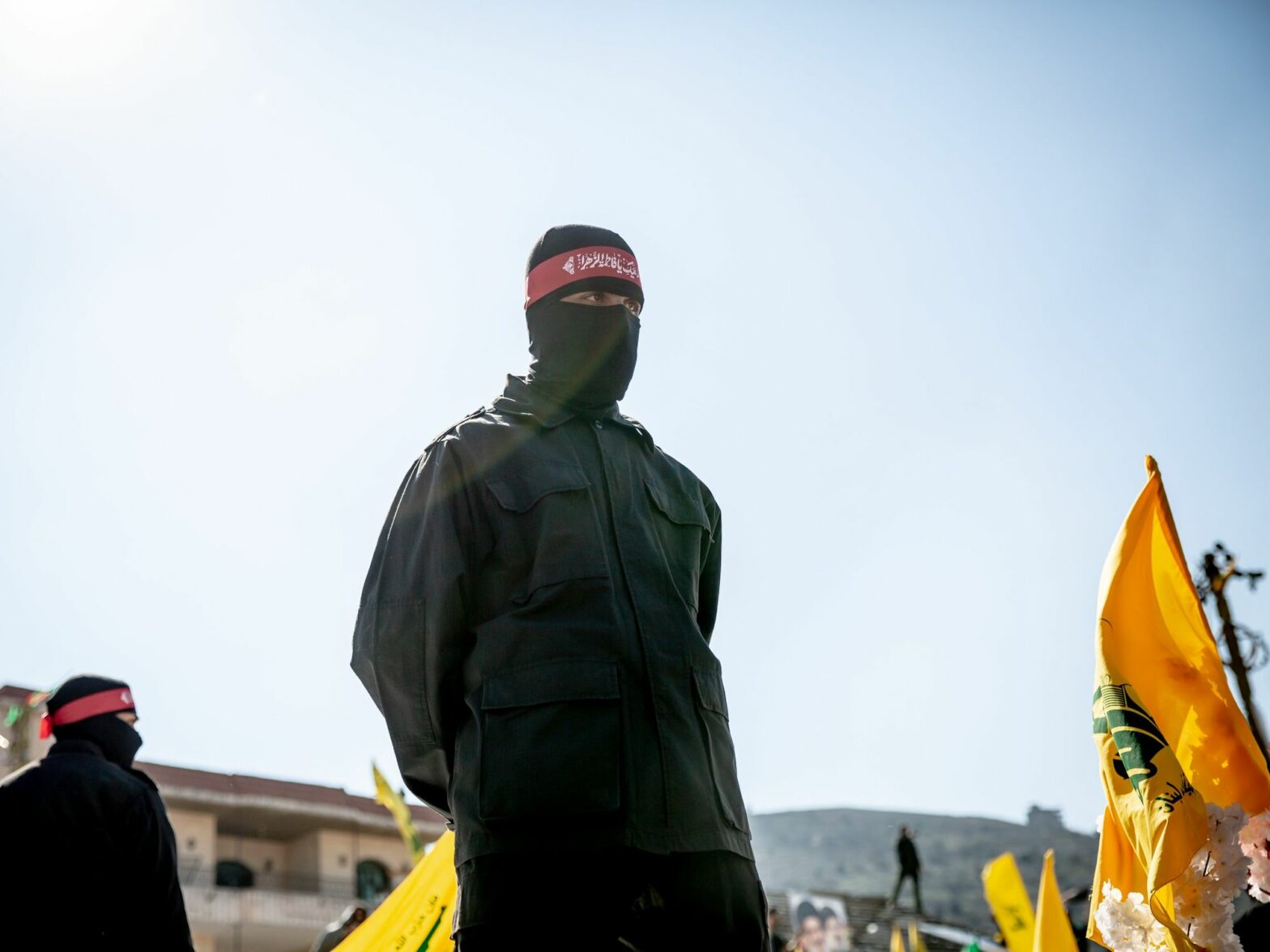
After suffering losses last year, Lebanon’s Hezbollah militia has transferred its war against Israel from the ground to cyberspace — at the risk of undermining the precarious ceasefire between the two countries.
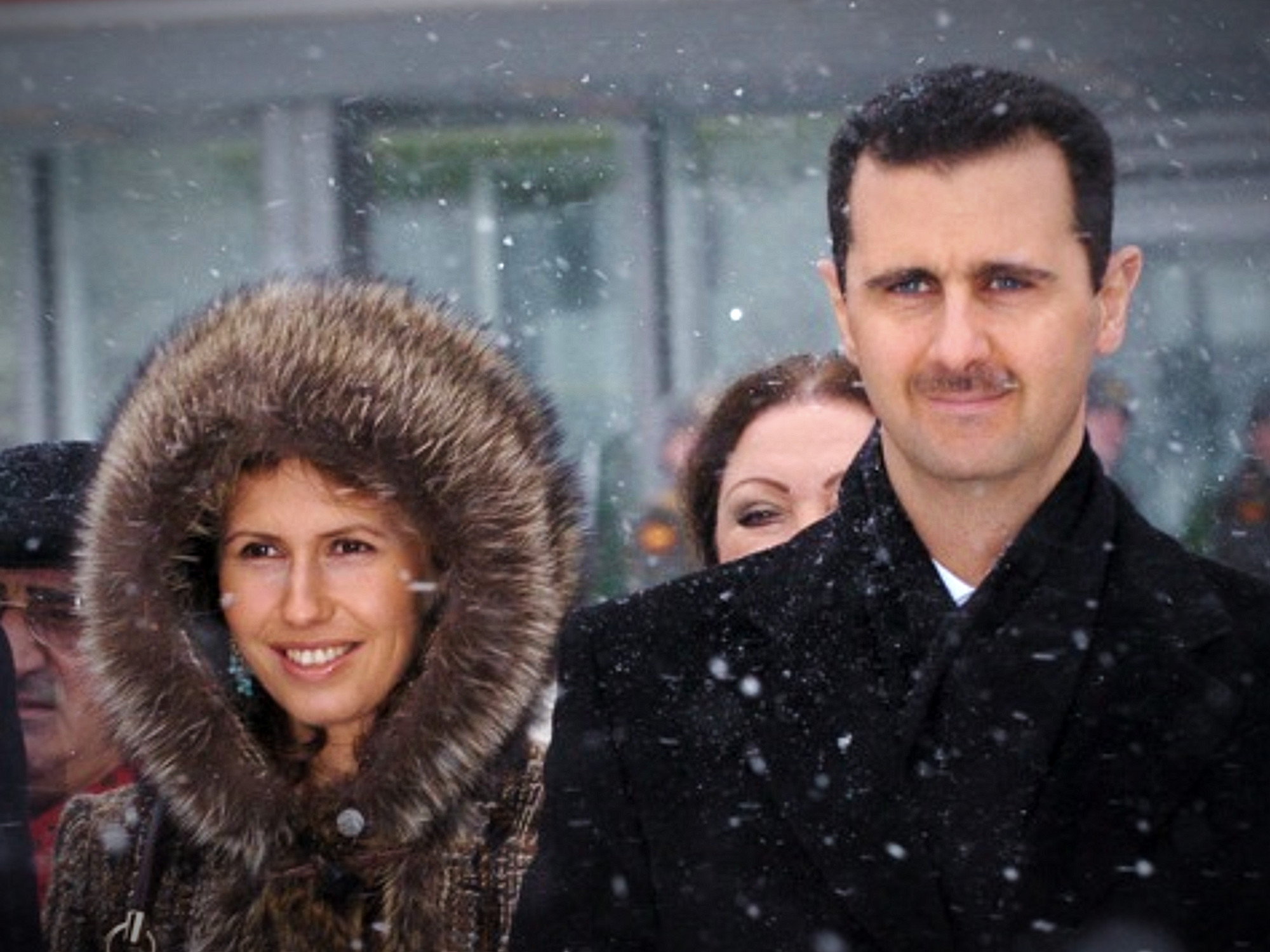
Despite her pleasant air and sense of fashion, the now former Syrian First Lady Asma al-Assad was bound to be tied to her husband’s fate. Born and raised in the UK, she was respected by some for openly battling cancer and later adored in China for her glamour. Still, she was largely despised at home for having helped cover her husband’s long list of alleged war crimes.
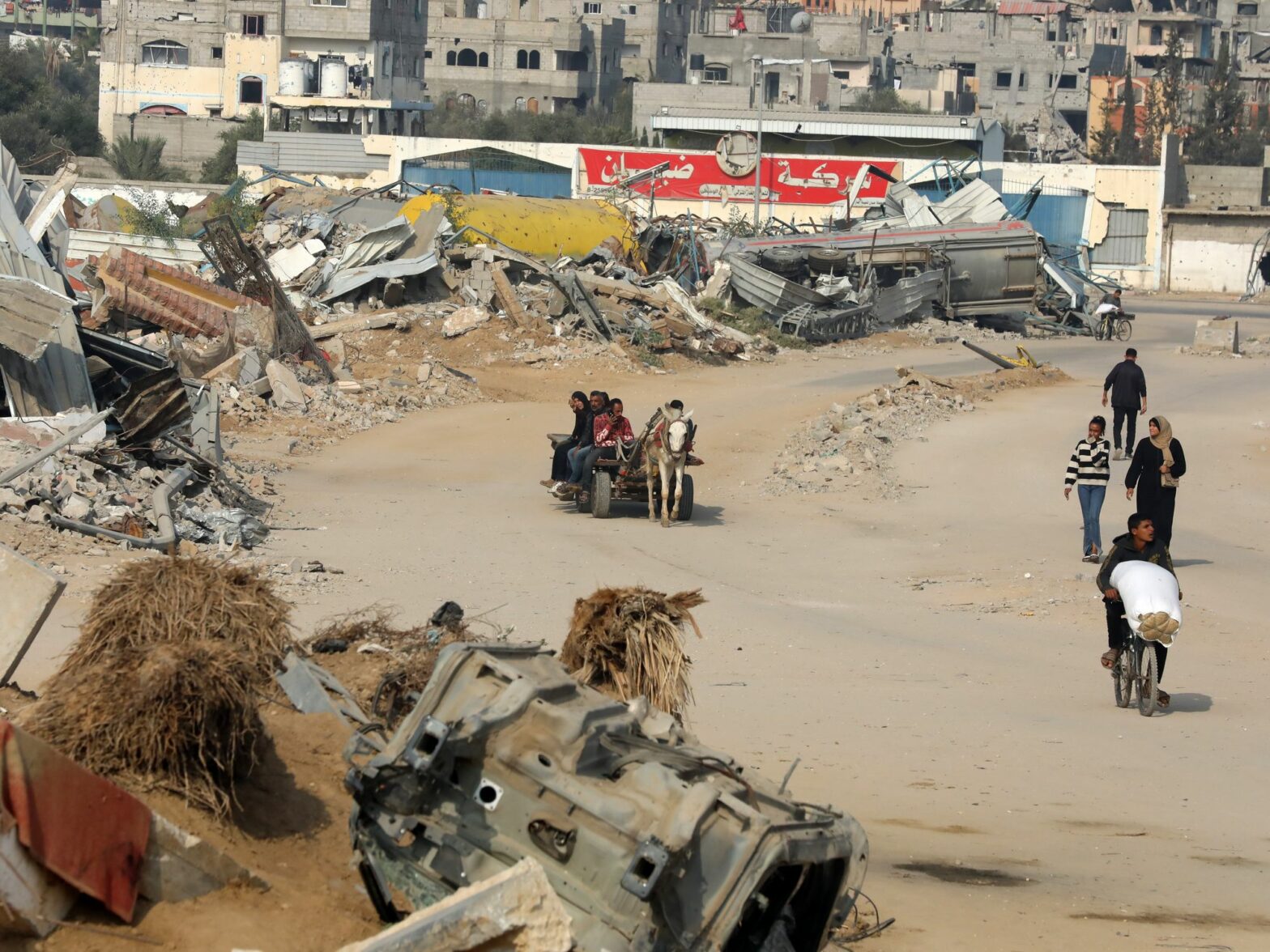
Having played a precious though ultimately futile role as mediator, Qatar announced it will step back from Gaza talks as both sides remain uninterested in a ceasefire. And following Trump’s election victory, there’s a notable new appointment to represent Israel in Washington.
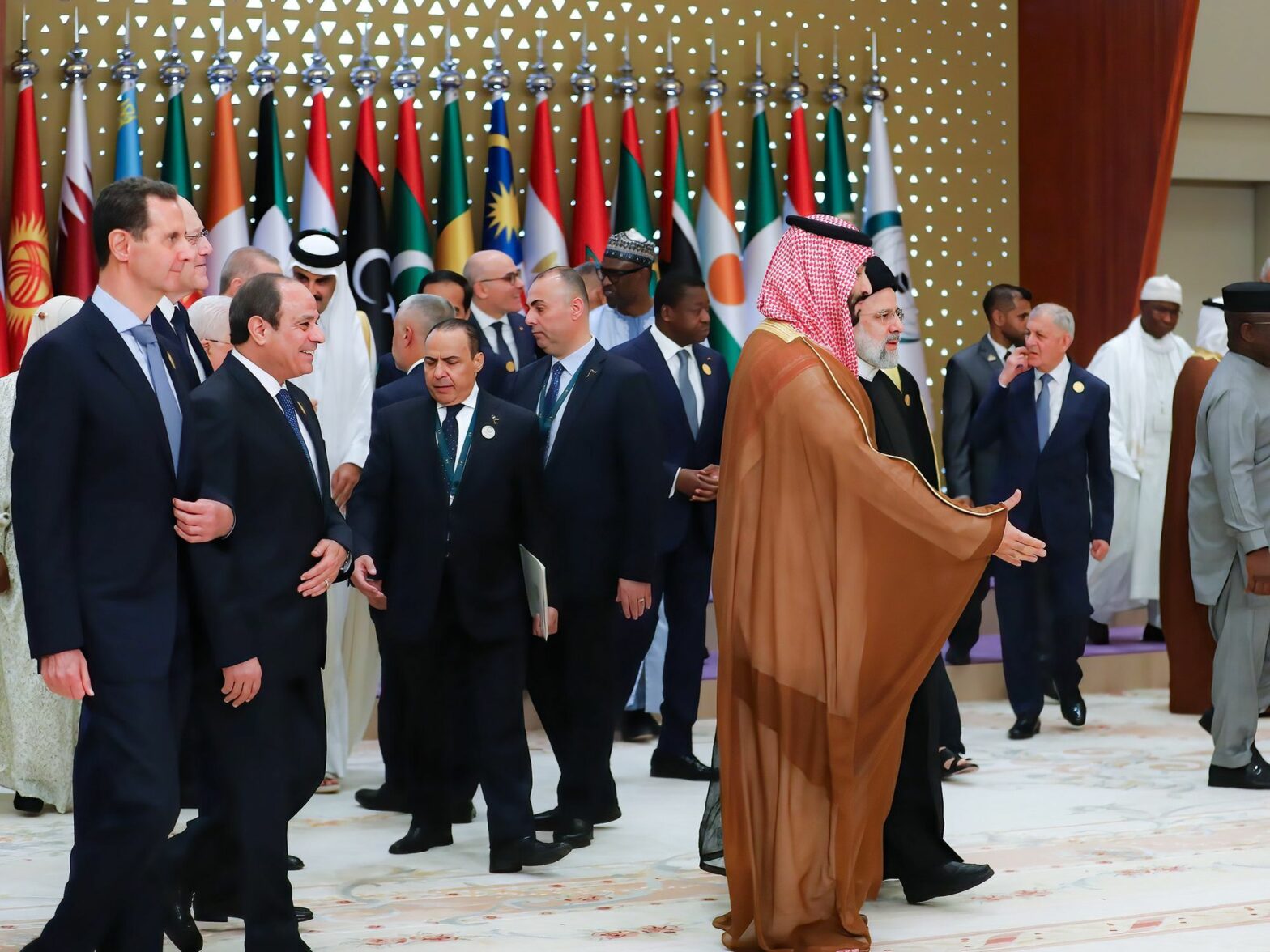
Will the Arabs take the initiative to take tangible measures before the fire reaches their countries, or will they be forced to be mere tools and bases to protect Israel? After the six-day war of 1967, the Three No’s of an Arab Summit set a new hardline. That should be the model now.
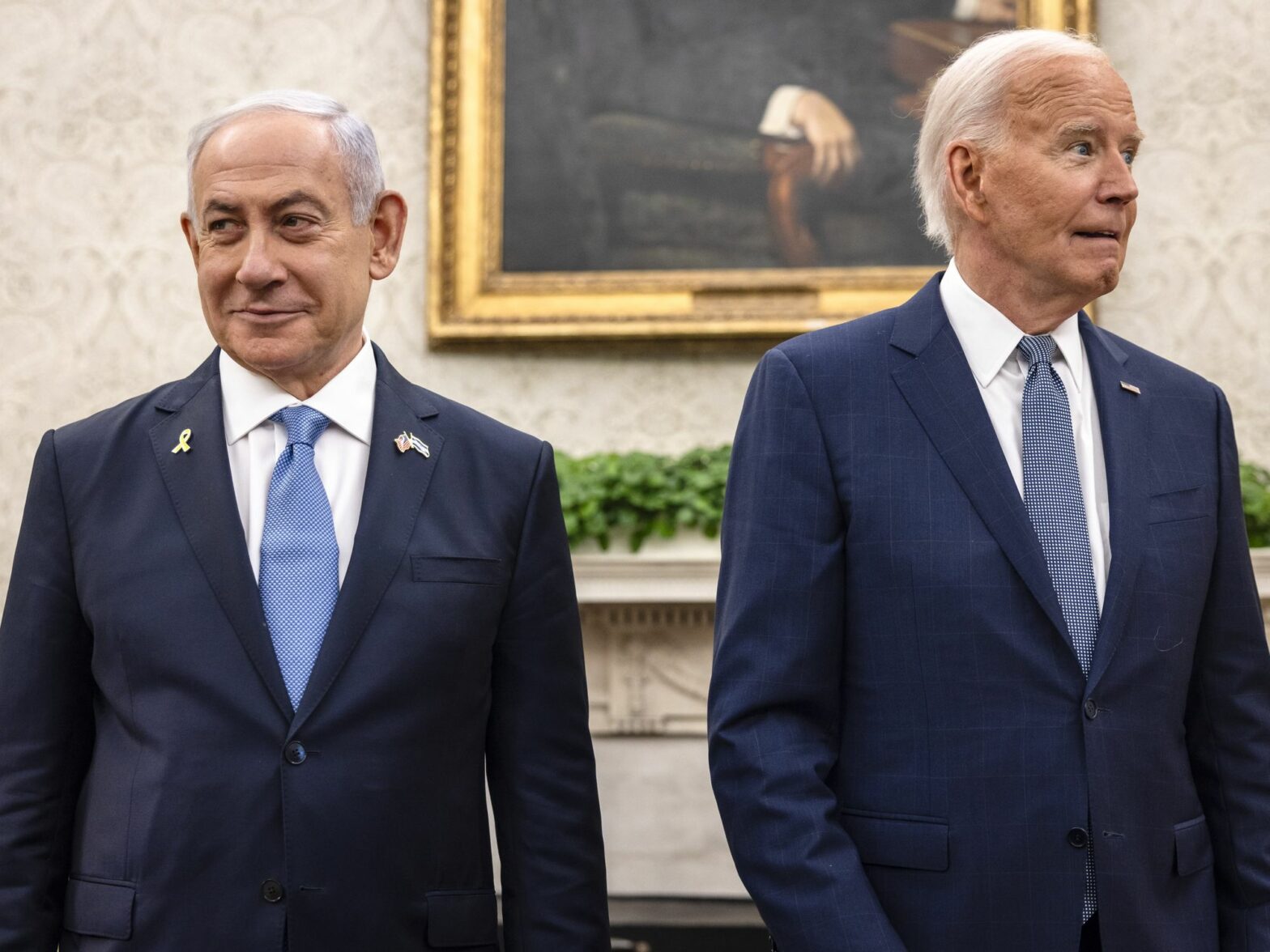
Never since it became the “great protector” of the Jewish state has the United States shown so much weakness towards Israel, as the Israeli prime minister stays one step ahead of his adversaries in a cunning maneuver to help Trump return to the White House.
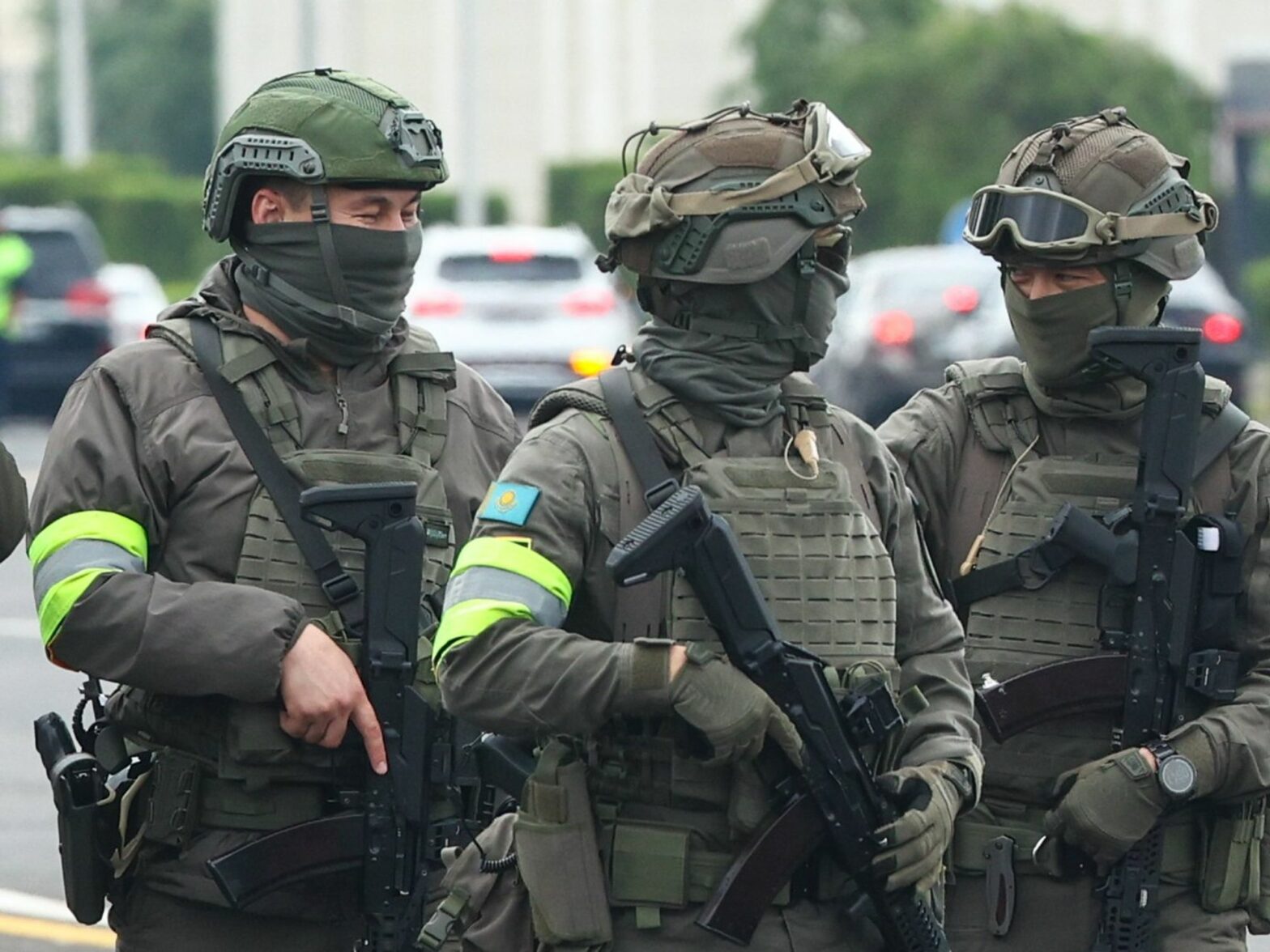
In Kazakhstan, prison sentences are regularly handed down for separatist activity. Yet the defendants in such cases are overwhelmingly “online separatists” — people far removed from politics and activism. Who are they and why does the state consider them such a threat?
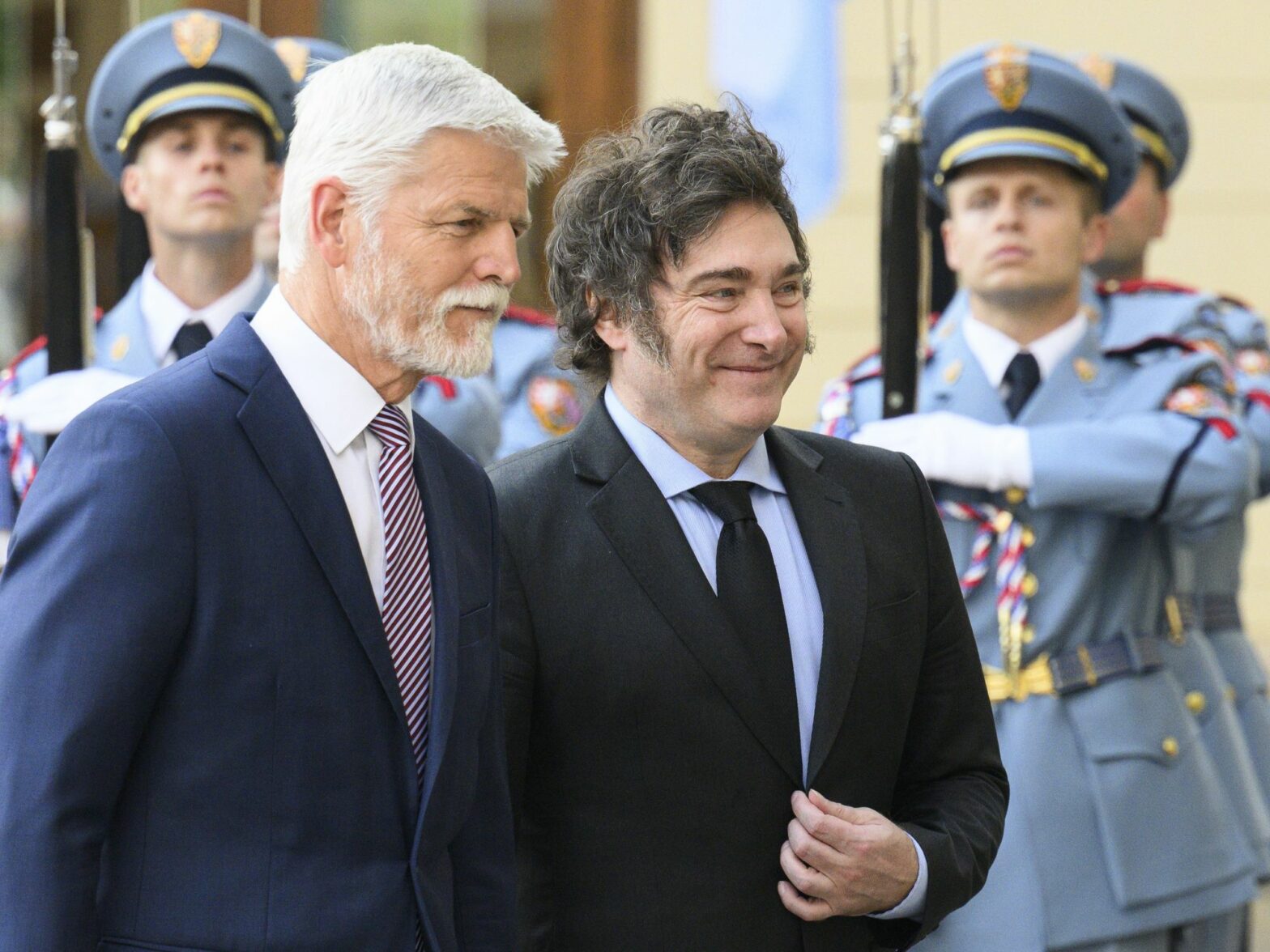
Argentina’s rabidly neo-liberal president, Javier Milei, is downsizing the state at home and curbing diplomacy to the bare minimum of promoting the free market, lambasting communism, and nurturing ties with just two, cherished states, Israel and the United States.
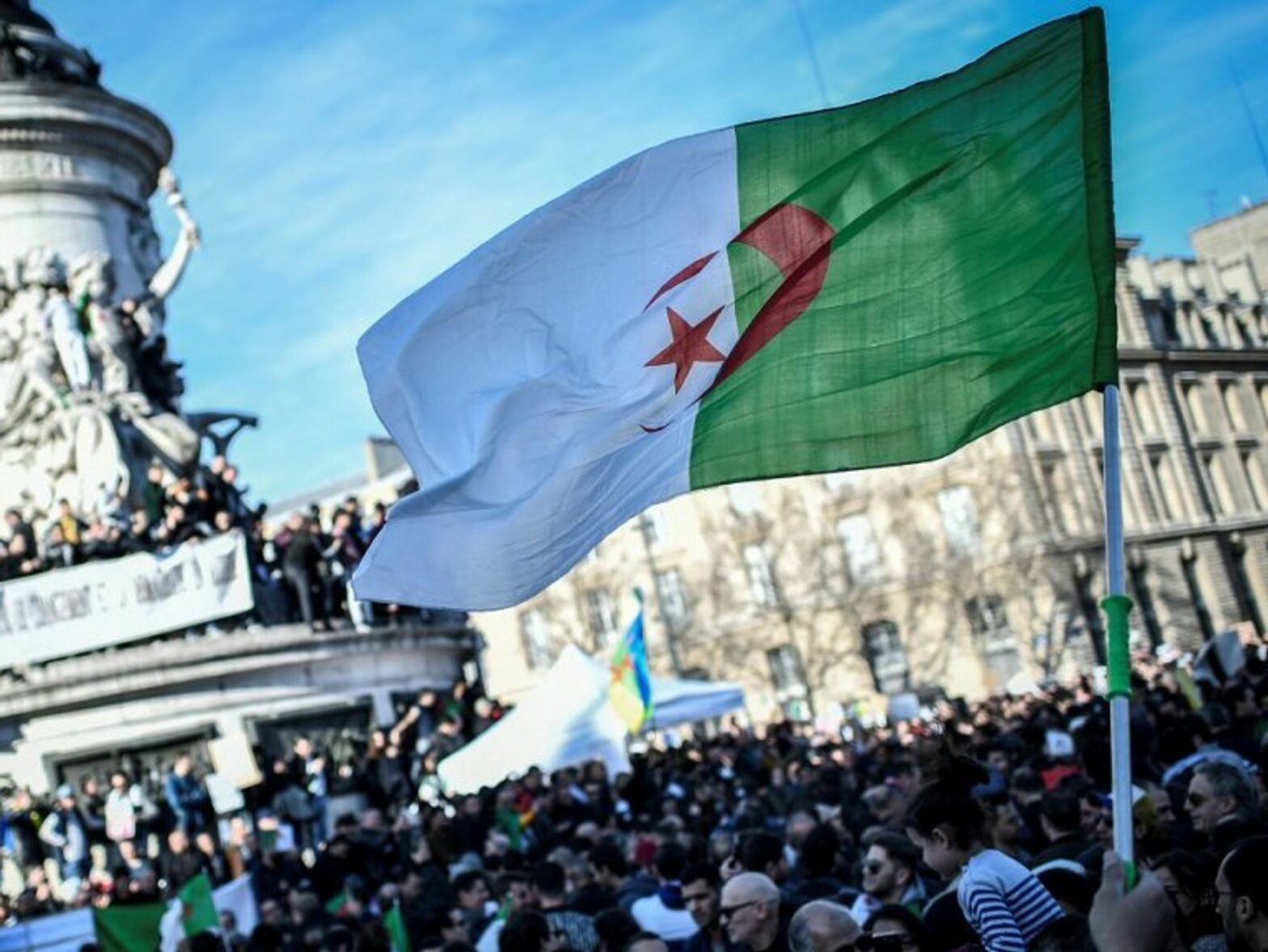
As France prepares for snap legislative elections that are expected to see a surge by the far-right Rassemblement National party, the country’s Algerian community is preparing for the worst. Some have even applied for citizenship in the North African nation of their forebears.
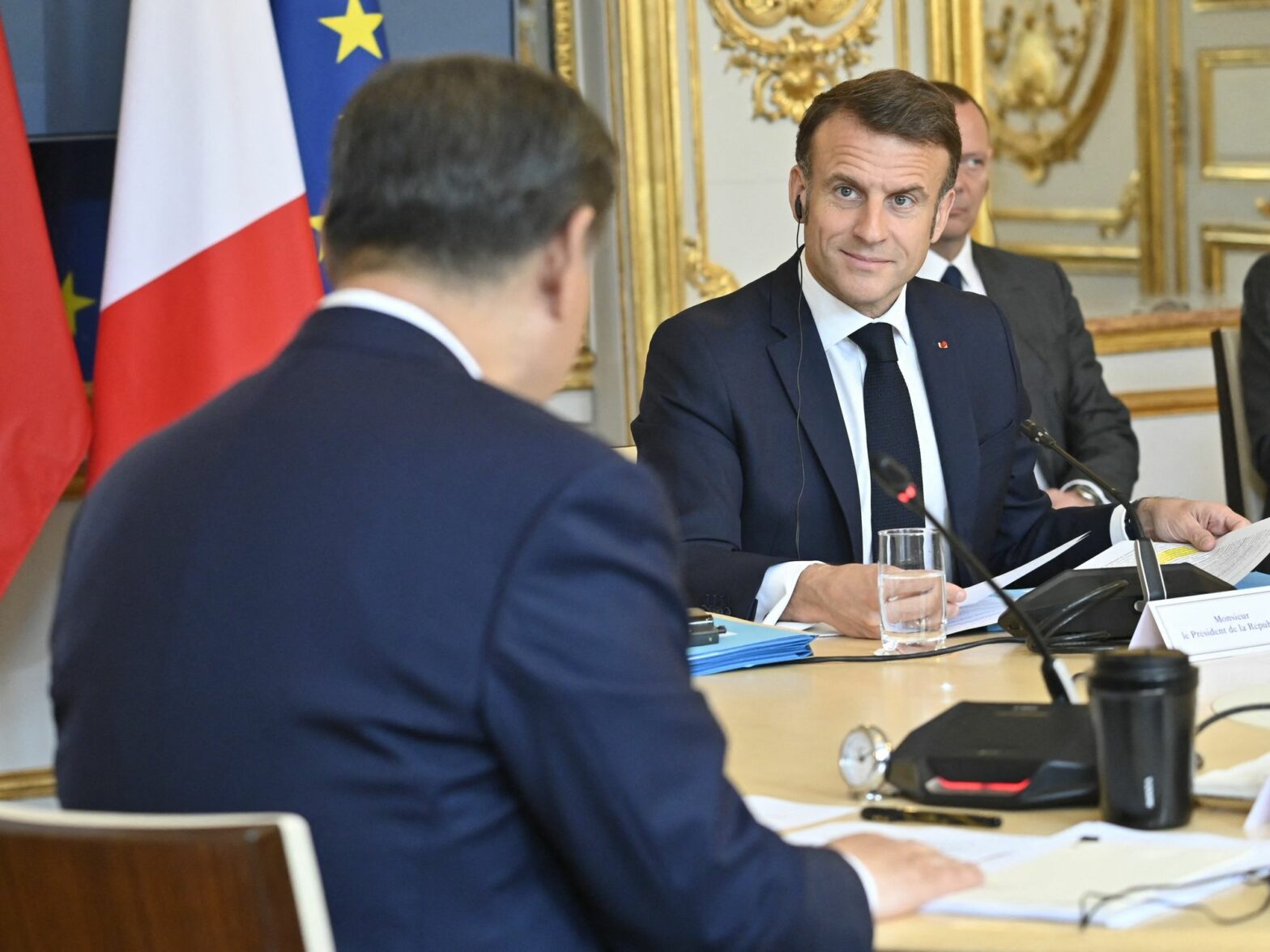
The Chinese president is in France for the 60th anniversary of French-Chinese diplomatic relations. He will play up Europe’s independence from the United States, but behind the smiles will be the war in Ukraine and the Russian-Chinese “friendship.”
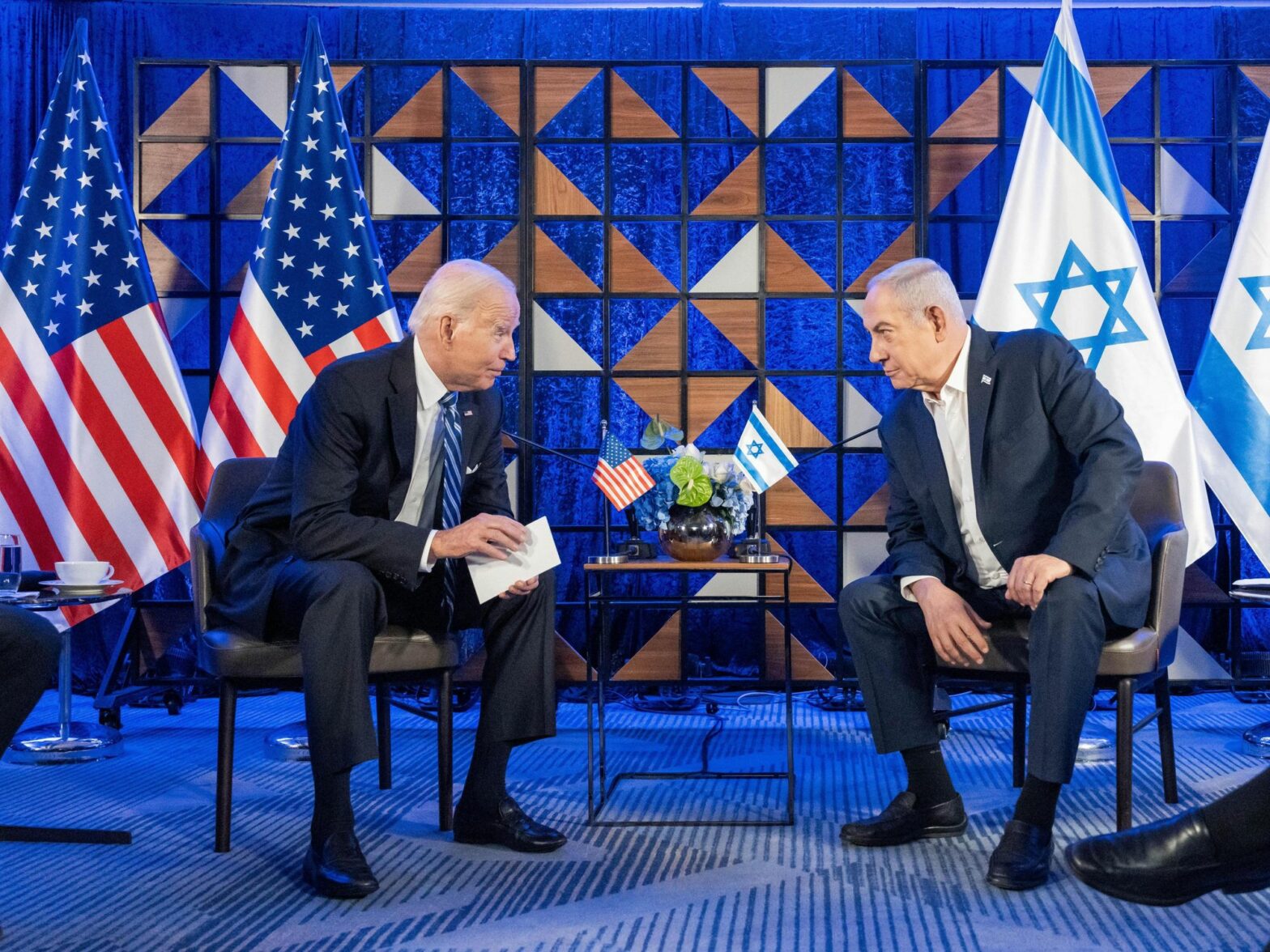
The rising tensions between U.S. President Joe Biden and Israeli Prime Minister Benjamin Netanyahu are about different visions of the geopolitics of the Middle East — but the stakes are also personal for each leader.
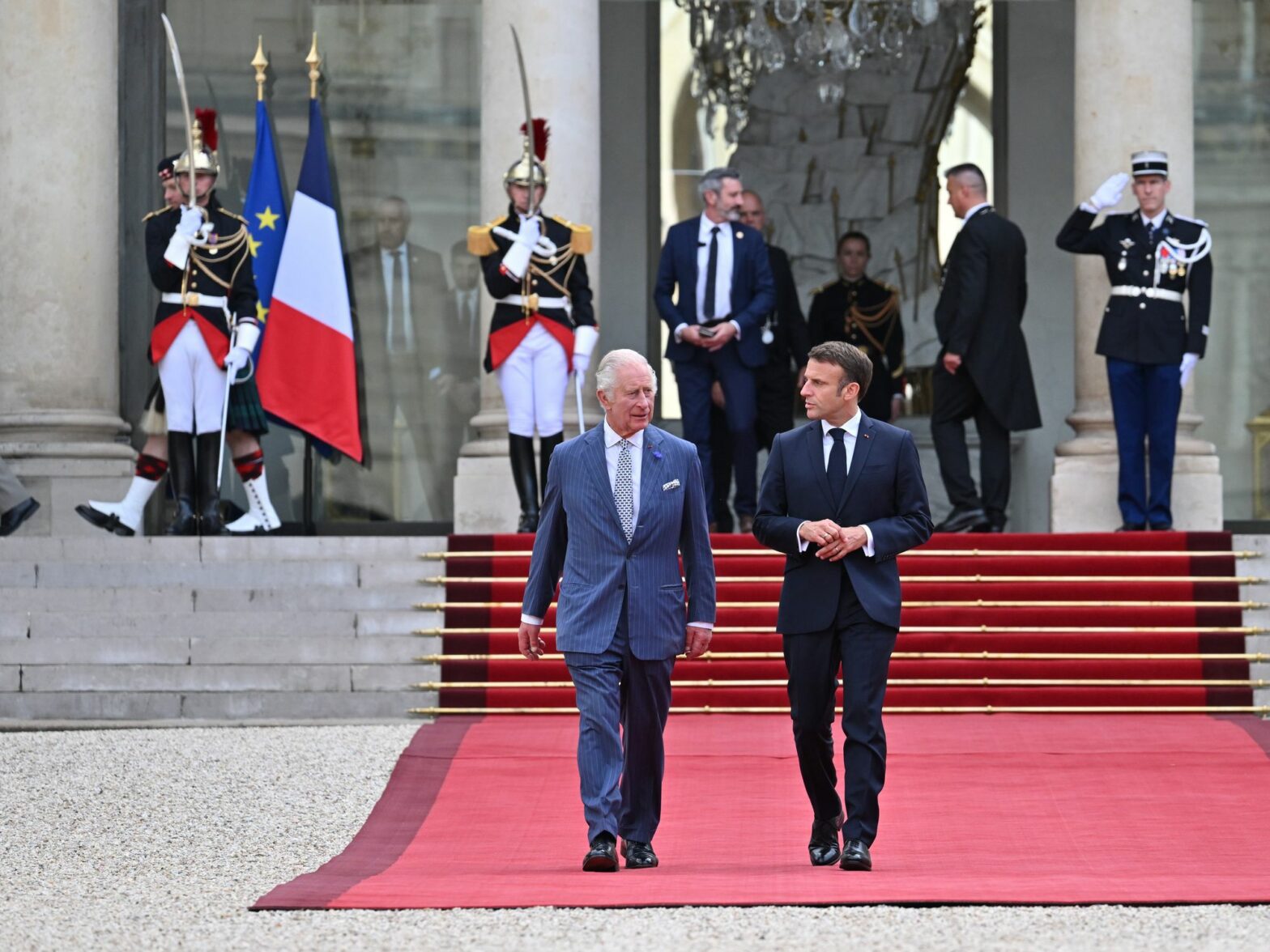
Organizing summits, placing flags, following schedules, dealing with the unexpected … The agents of France’s Quai d’Orsay who oversee the reception of foreign leaders and promote the country’s image don’t have an easy job.
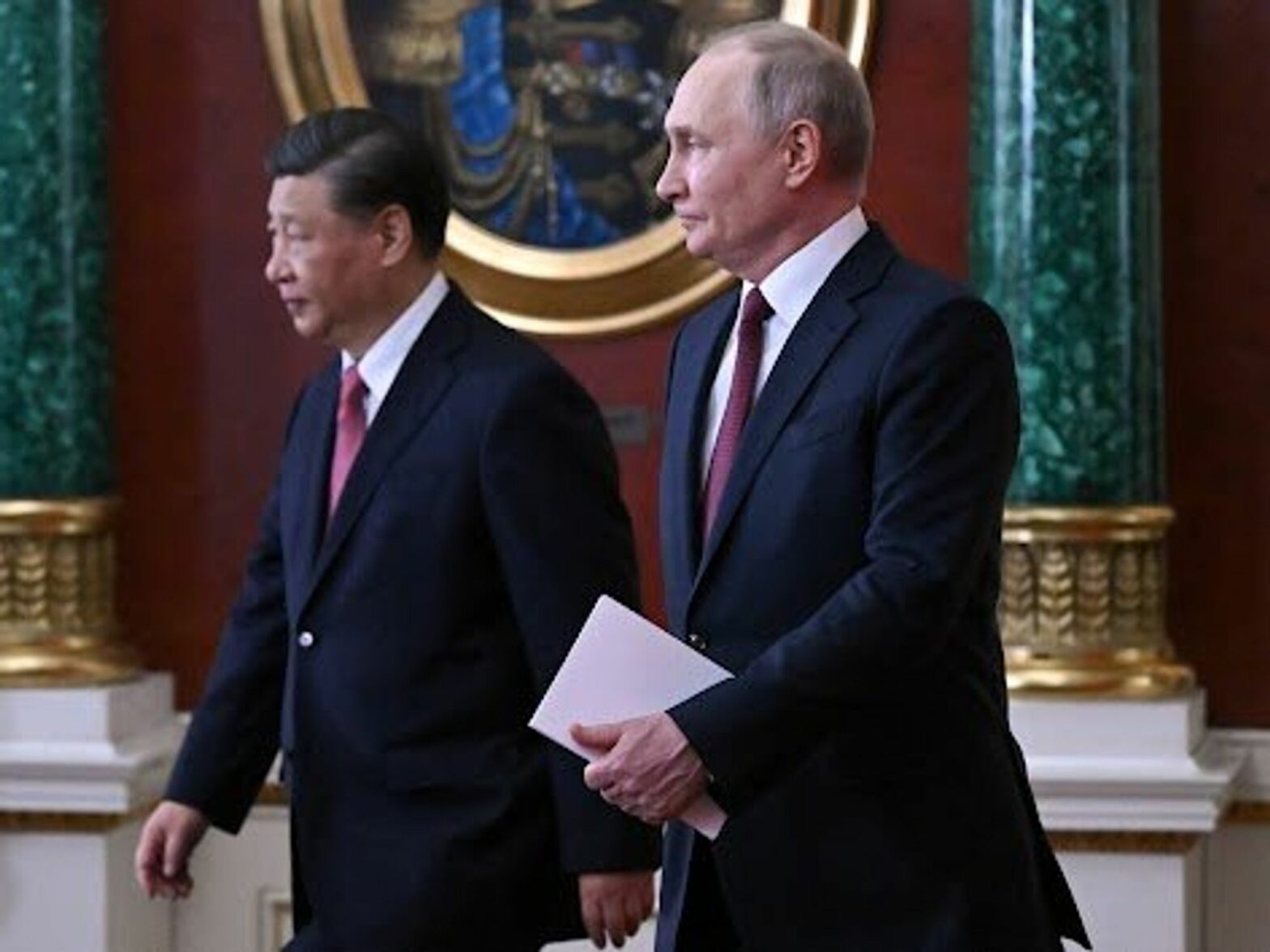
The West is a spent force, say China, Russia and their global clique, yet it retains plenty of decisive cards including a choice to back Ukraine to the hilt. The year may yet reveal the world’s rising, and ranking, powers.
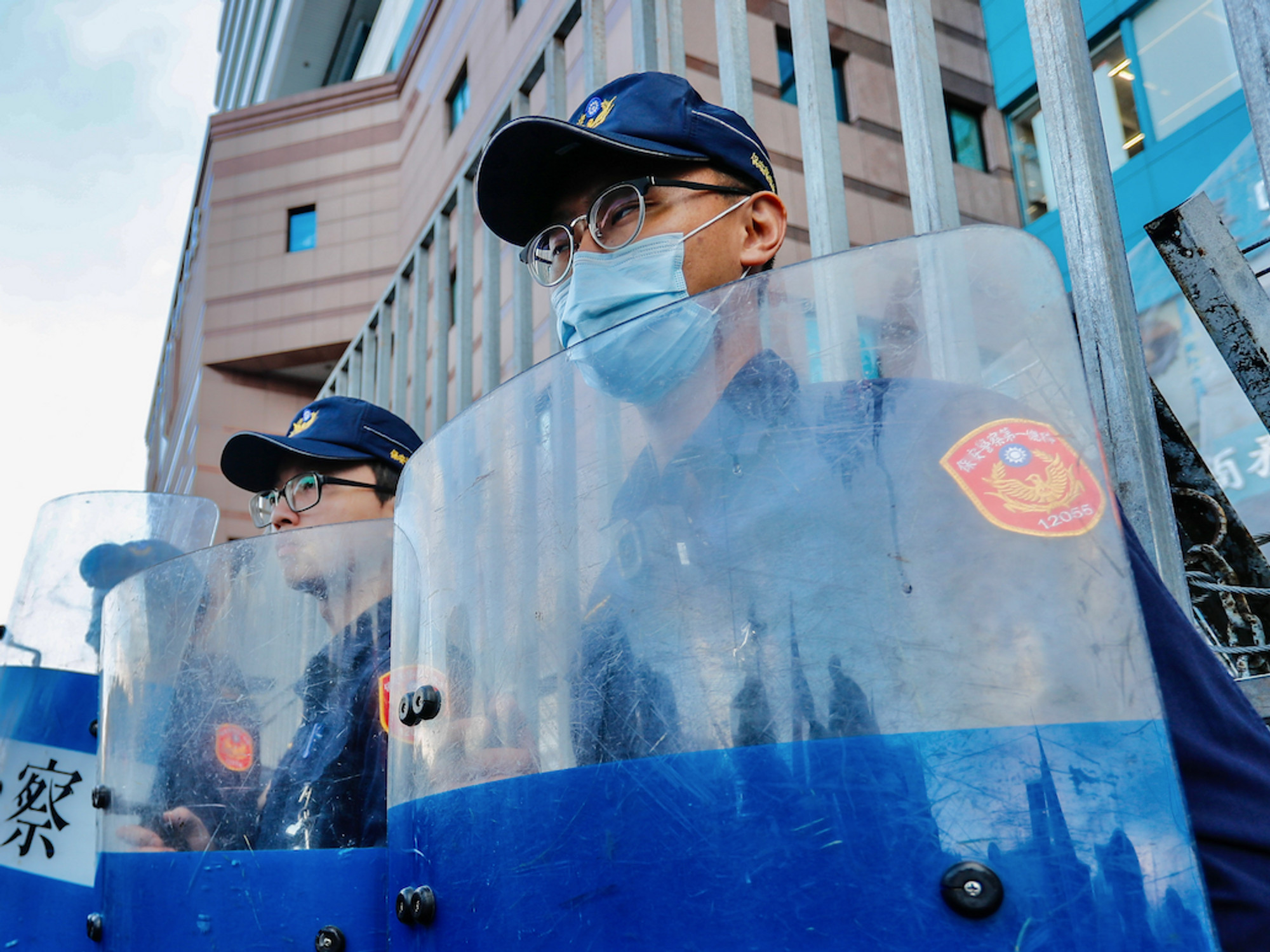
Taiwanese, though under the weight of a far more powerful neighbor, have the tendency to idealize Israel and fail to create a self-definition beyond the island nation’s anti-China image.
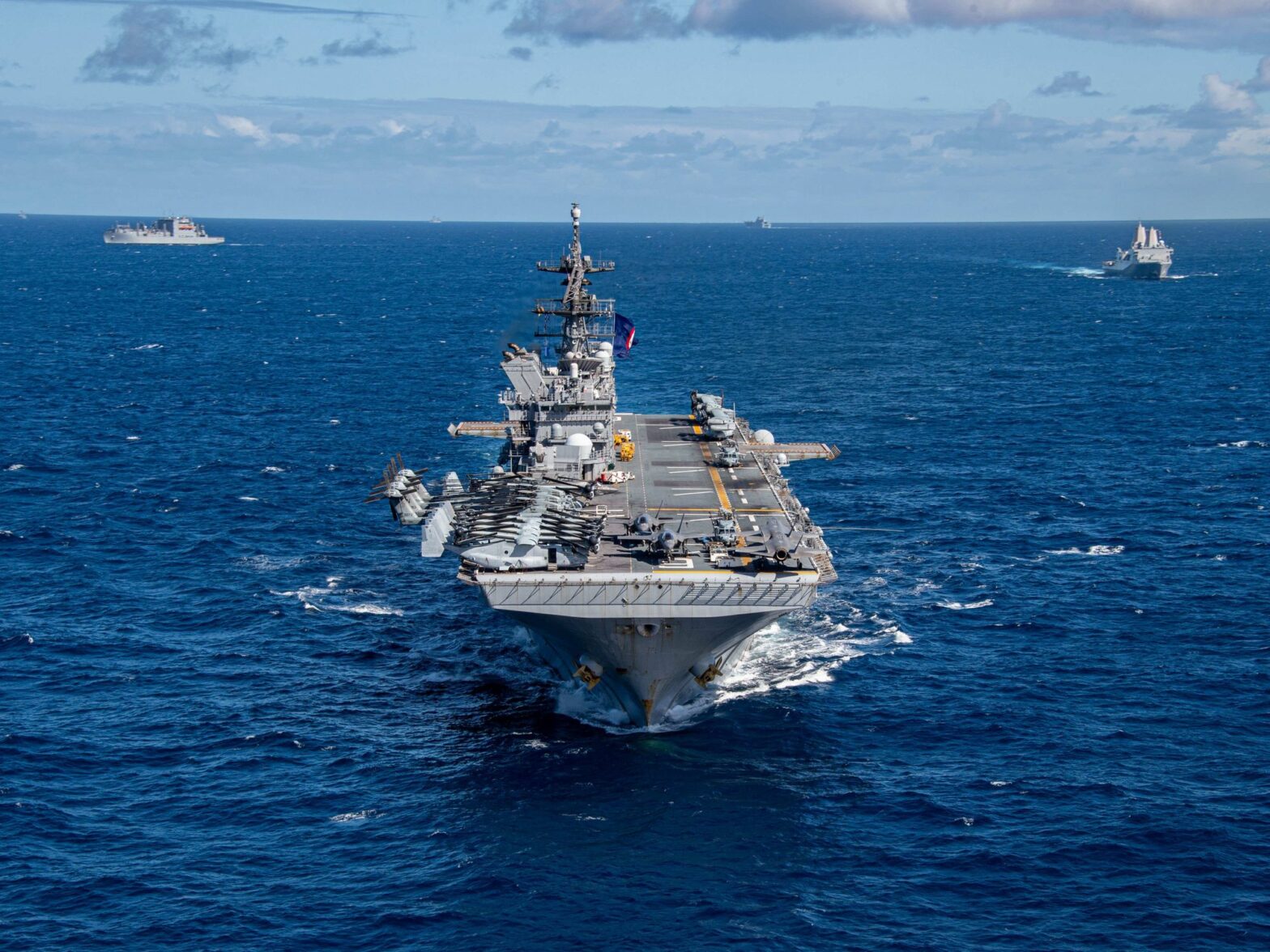
In the wake of Hamas’s attack on Israel, the United States, often projected as no longer wanting to be the region’s policeman, finds itself deploying aircraft carriers in the eastern Mediterranean and conducting F16 raids against Iranian targets in Syria. But the epoch-shifting challenge is elsewhere.
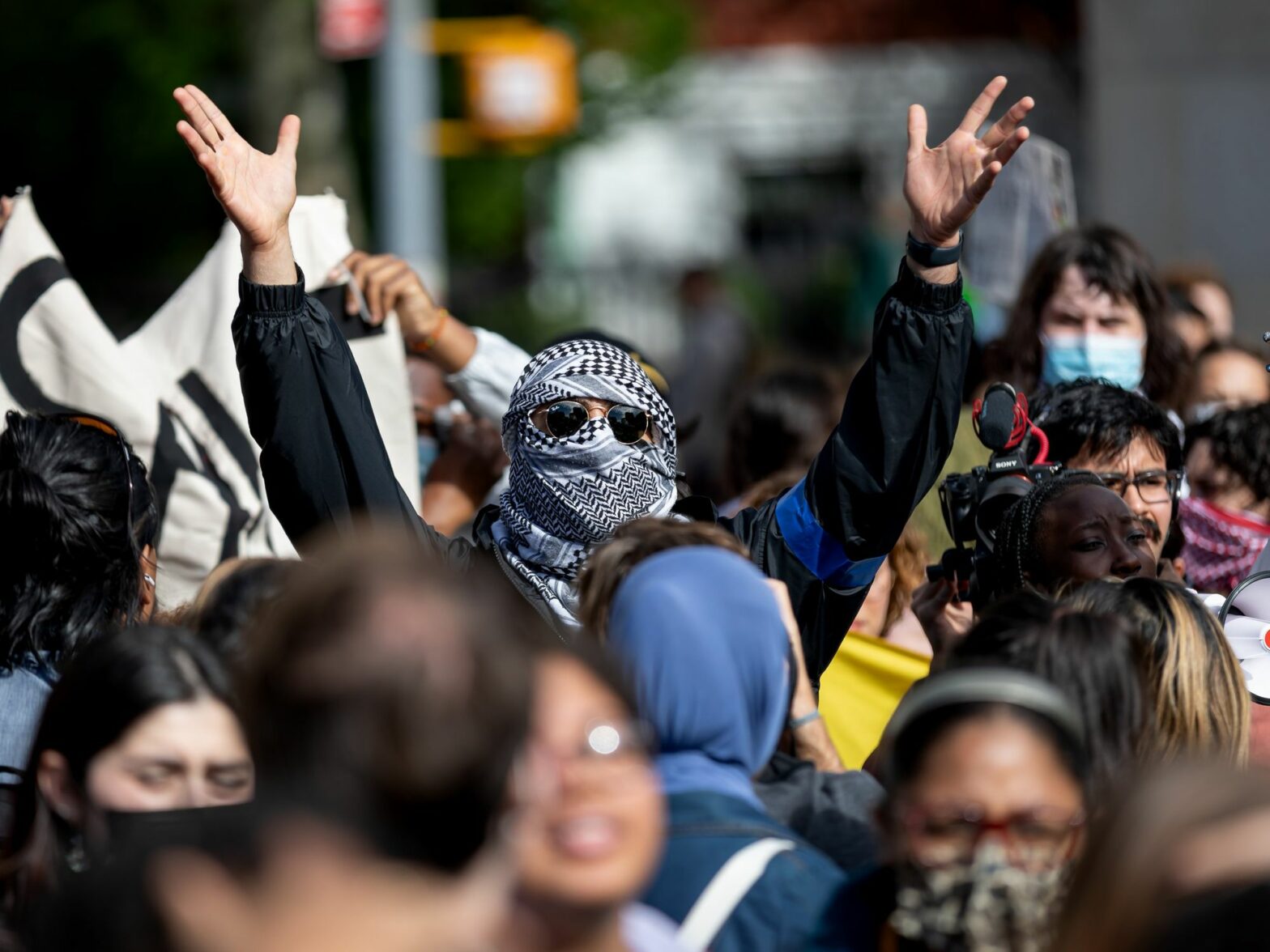
Even as casualties are mounting and bombs keep falling on civilians in Gaza, Western countries fail to reach a consensus and unambiguously call for a ceasefire. It’s a mix of history, alliances and being too careful.
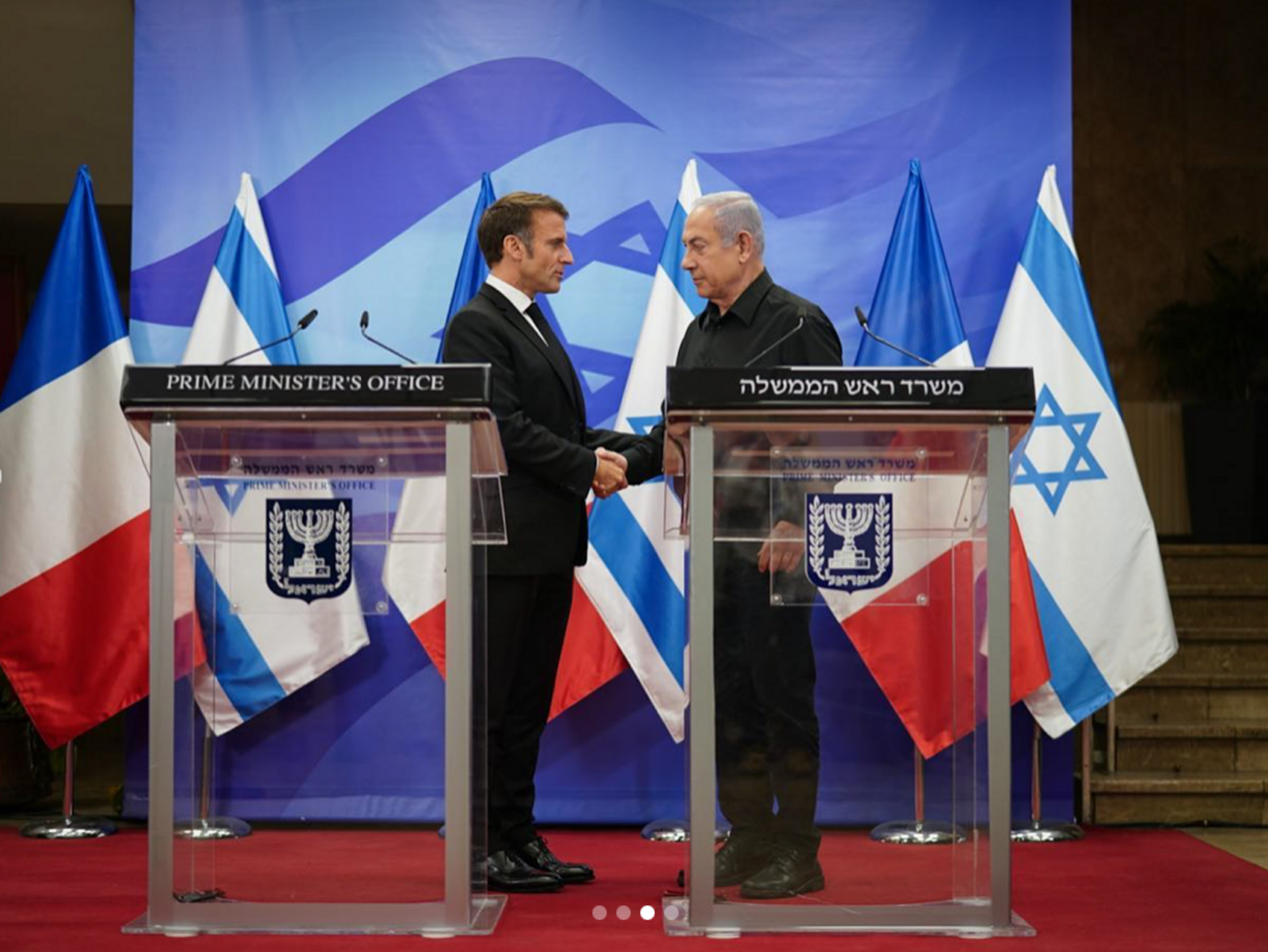
The French president is expected to call for a “humanitarian pause” in Israel and the opening of a “political perspective” for the Palestinians, while displaying his solidarity with Israel. A singular voice, which recalls France’s past commitments, but in a radically changed context.
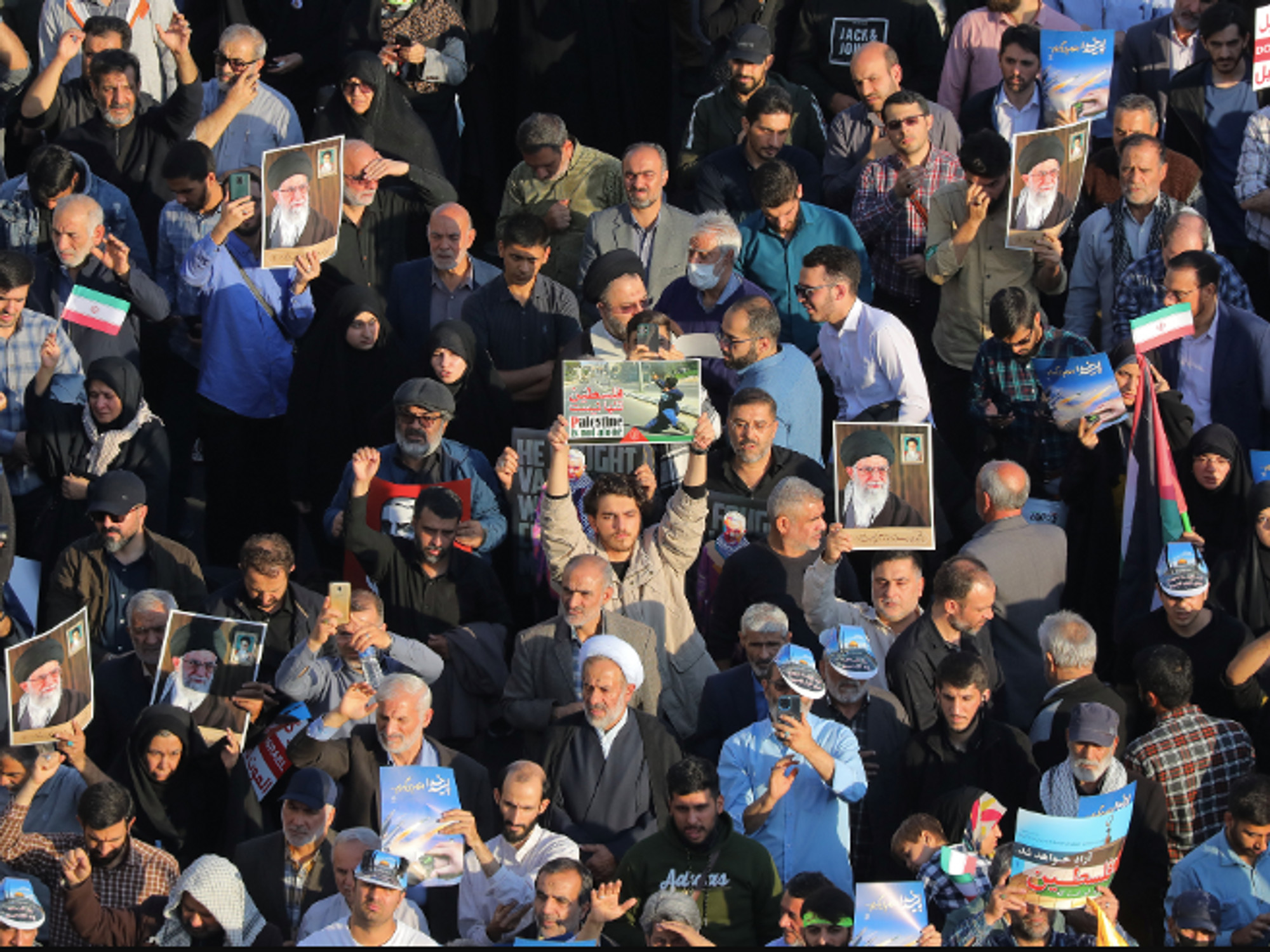
What happens next in the Middle East, including a possible expansion of the war at the Israeli-Lebanon border, will be determined by choices that are made in different capitals. Keep your eye on Tehran.
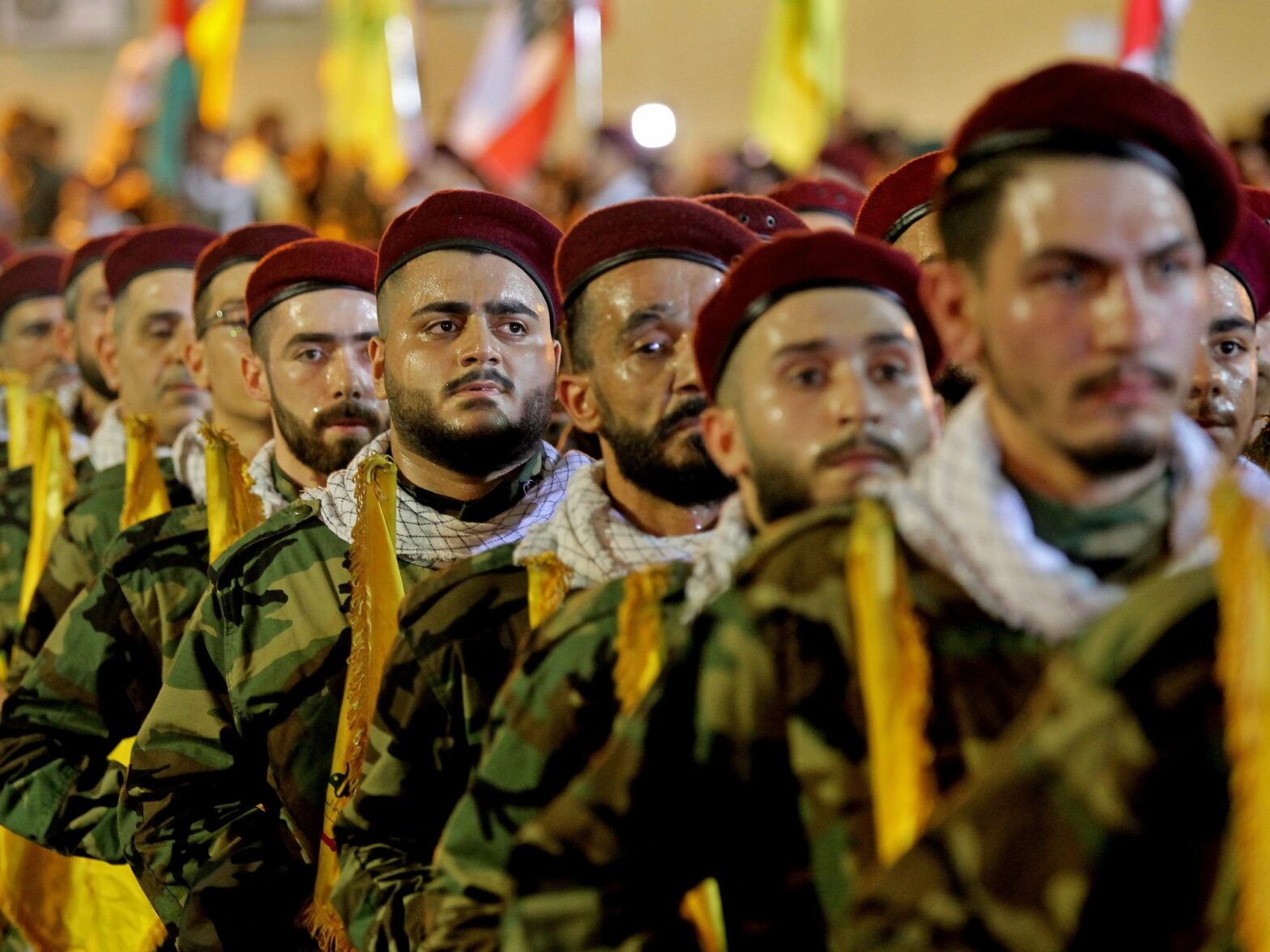
For decades now, the Islamic Republic of Iran has created, armed and trained paramilitary groups in several Middle Eastern states, all of which are believed to stand at the ready to strike Israel and Western targets at Tehran’s command.
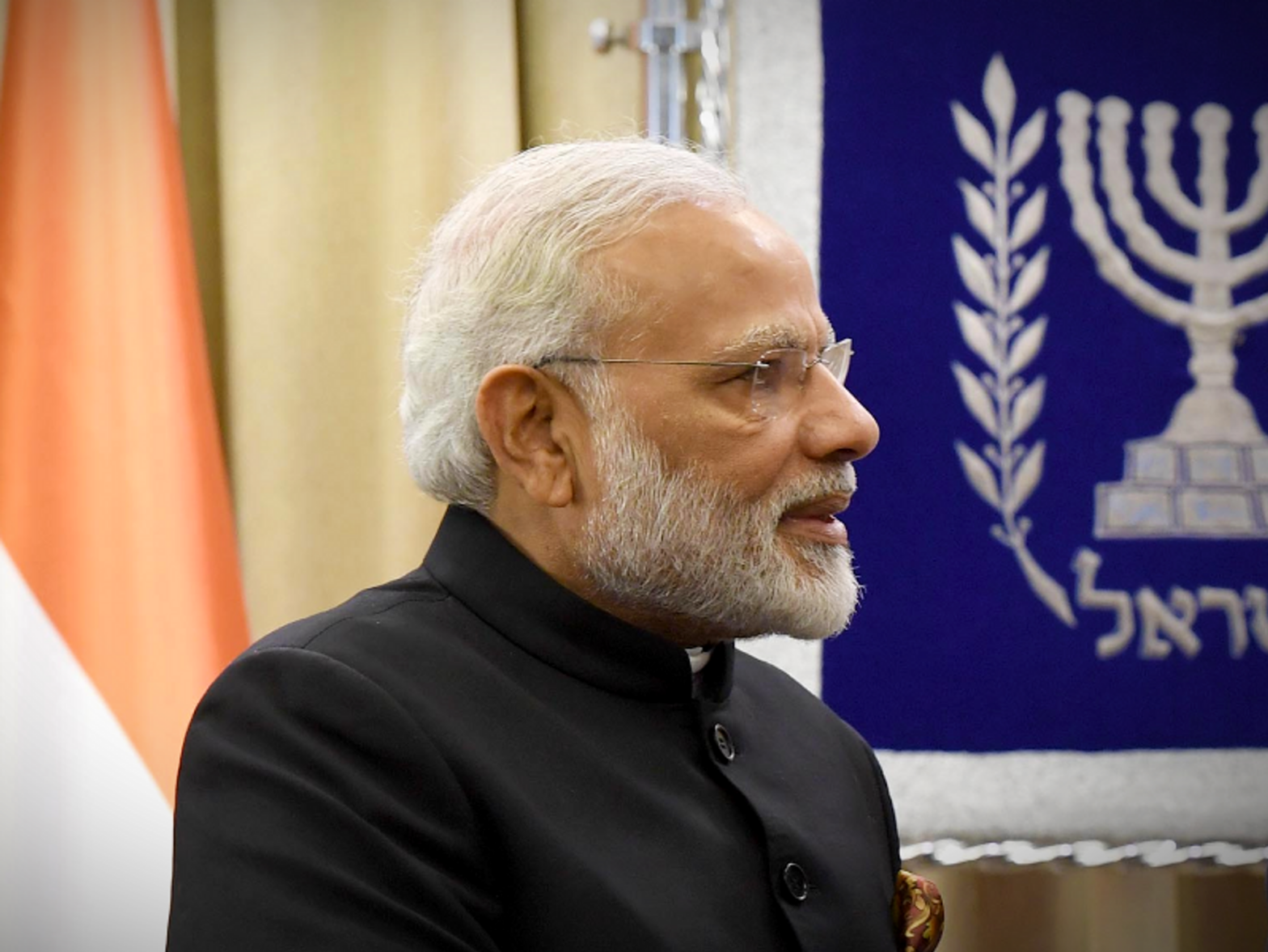
The Indian government’s decision to move from its historic stance on the Israel-Palestine conflict and to actively support Israel following Hamas’ Oct. 7 attack is not only questionable, writes a New Delhi commentator, but it could also have consequences for the country on a diplomatic and geopolitical level.
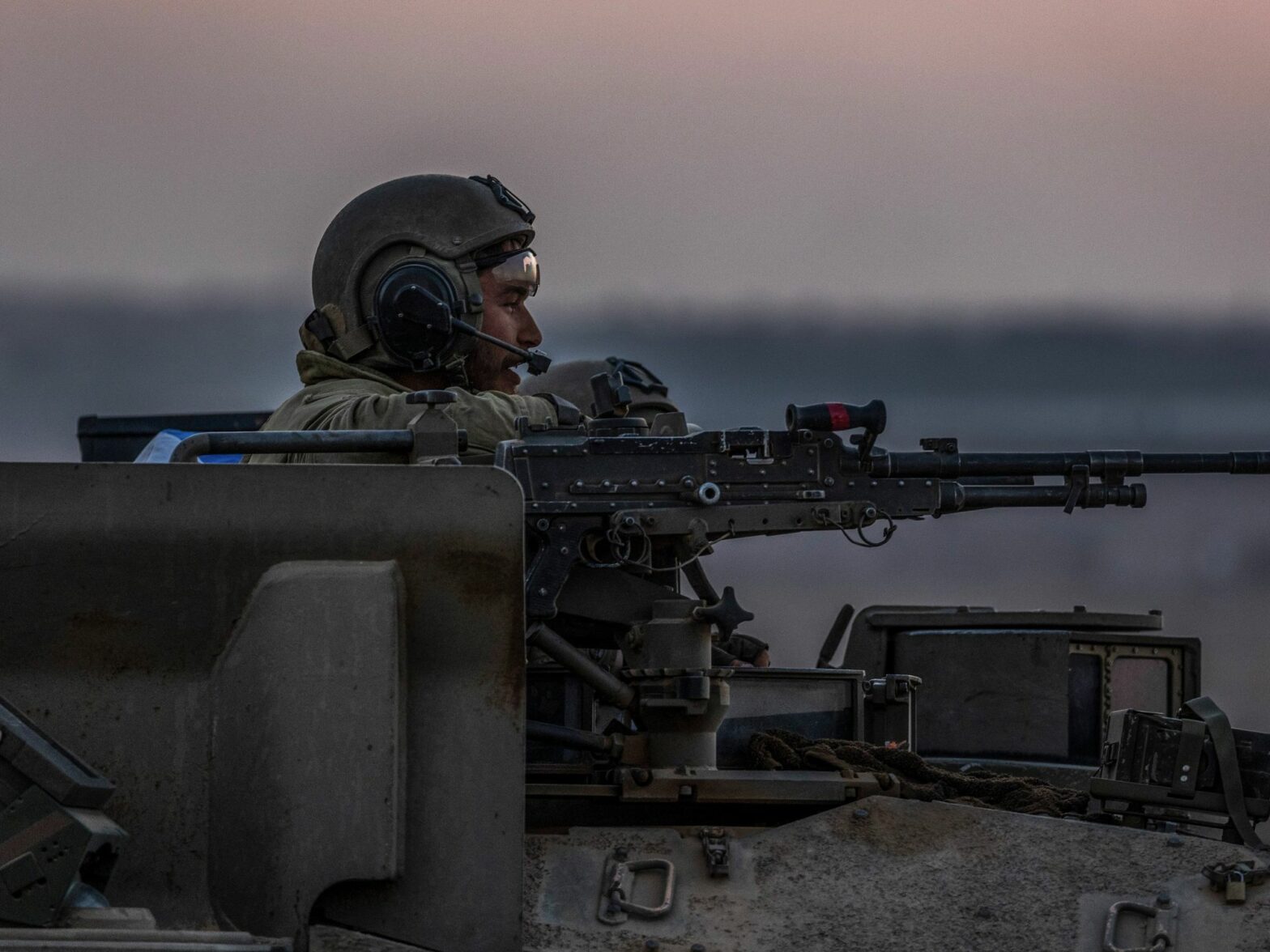
After extending its complete support to Israel in the wake of the October 7 attacks, the West has started to soften its stance and demand that the state follow international law. But there are scant signs that Israel will let up its all-out assault in Gaza.
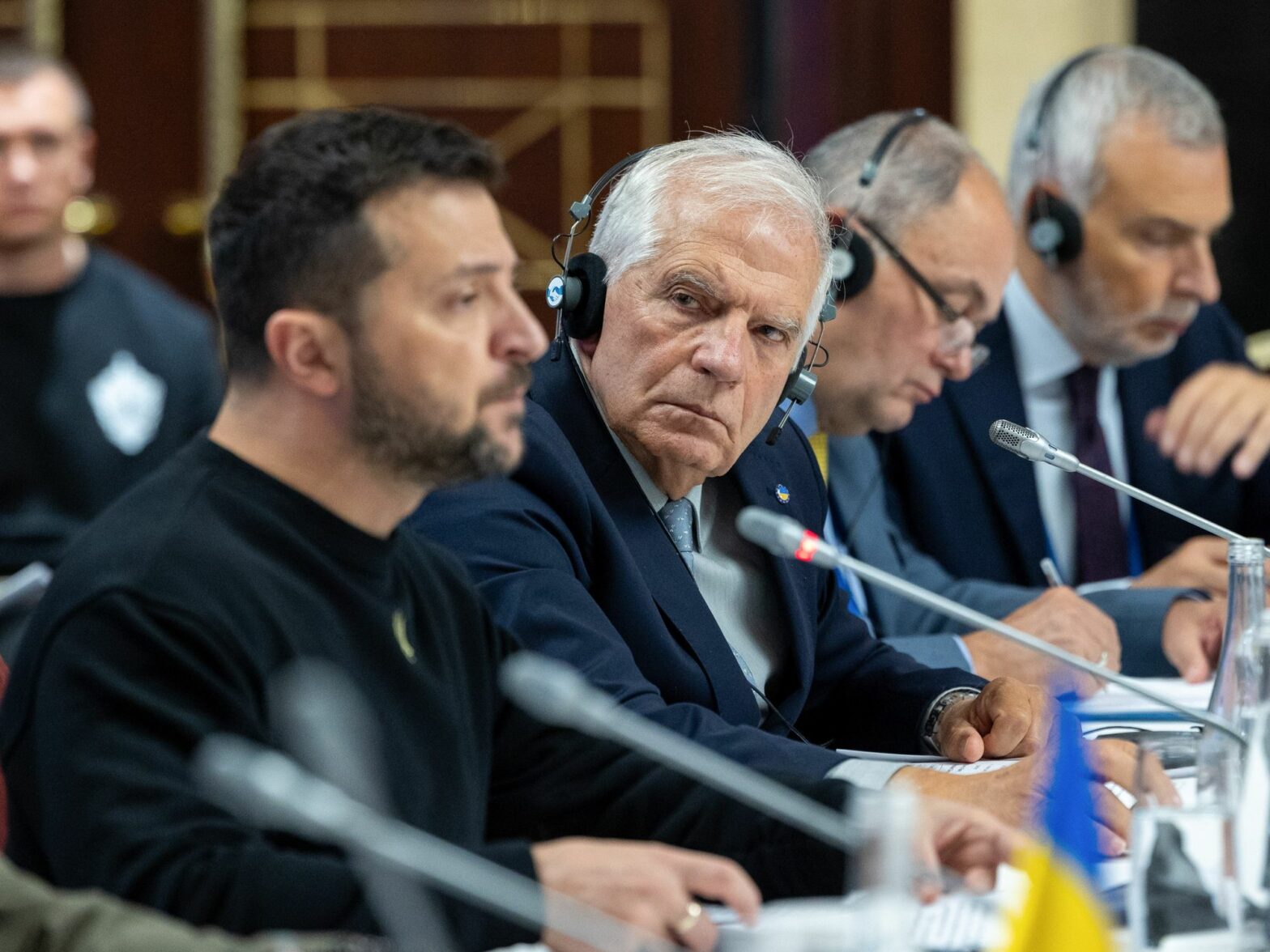
Europe’s foreign ministers traveled together to Kyiv yesterday to reaffirm their support for Ukraine. It is necessary after the first signs of “fatigue” in Western support, from a Polish about-face to the victory of a pro-Russian prime minister in Slovakia.
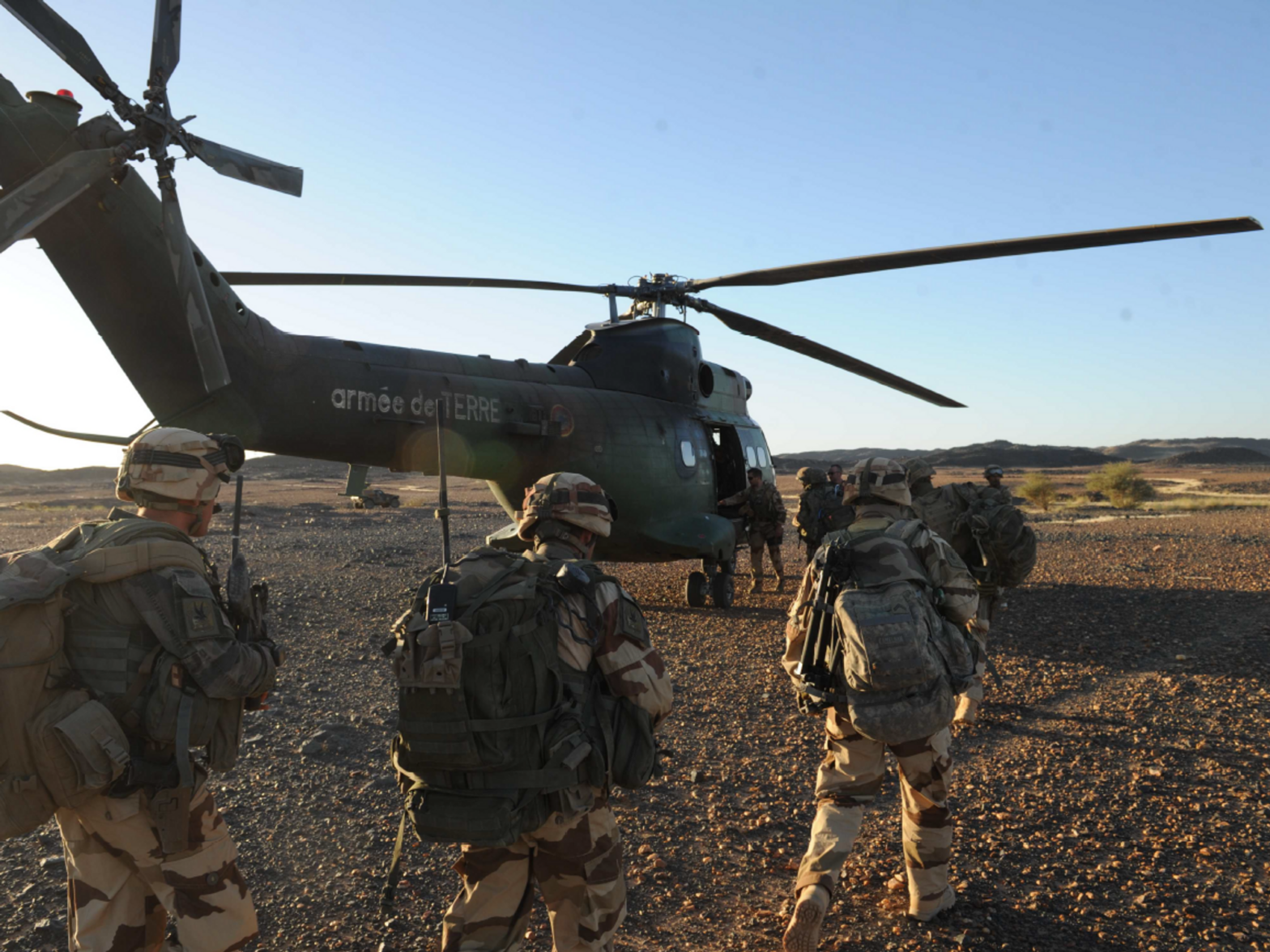
Emmanuel Macron announced on Sunday evening the recall of the French ambassador to Niger, and the departure of the 1,500 French soldiers stationed there: the end of a dangerous impasse. France is being forced to wholly review its African policy.
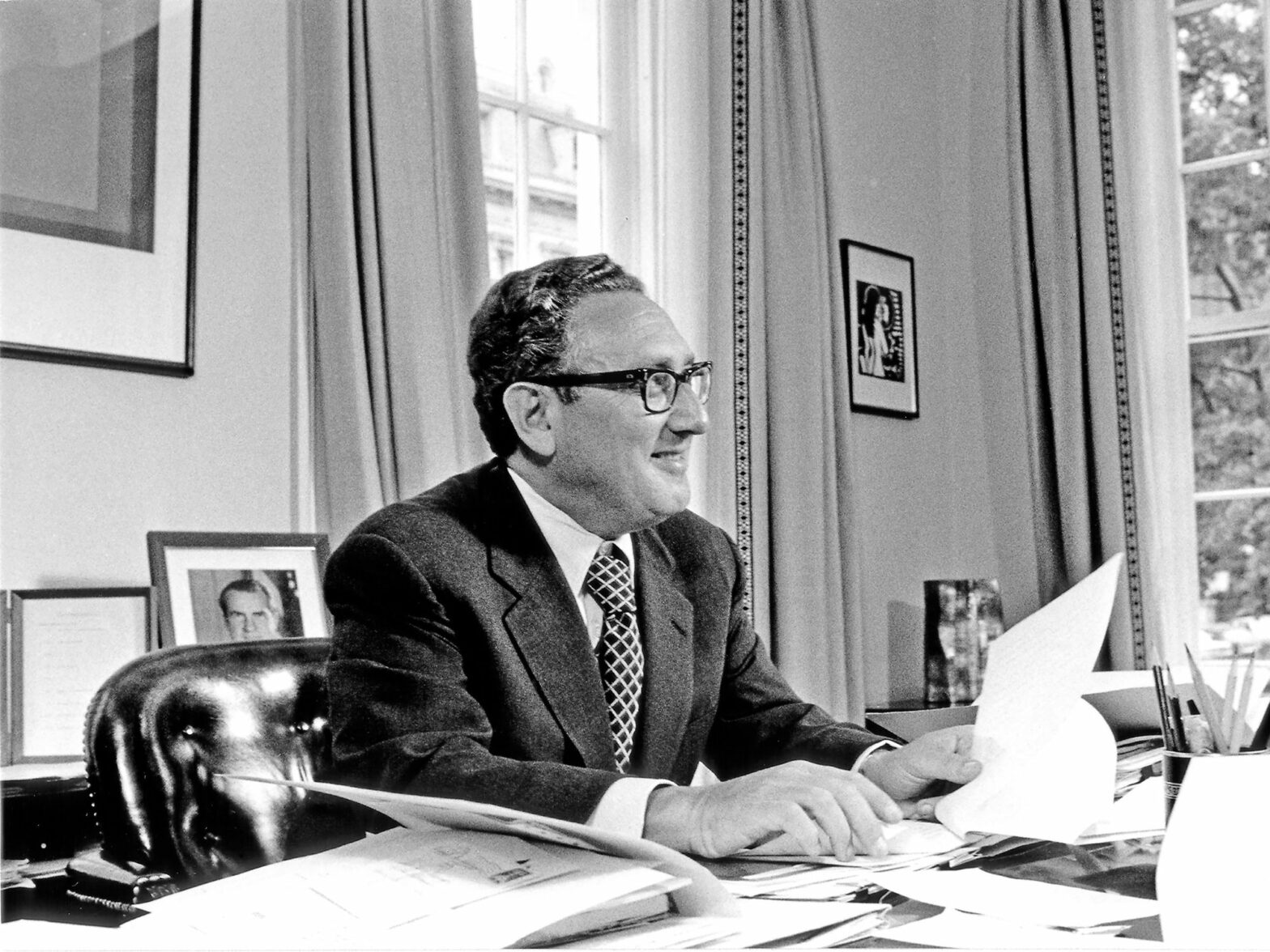
A diplomatic genius for some, a war criminal for others, Henry Kissinger has just turned 100. An opportunity for Dominique Moïsi, who has known him well, to reflect on the German-born U.S. diplomat’s roots and driving raison d’être.
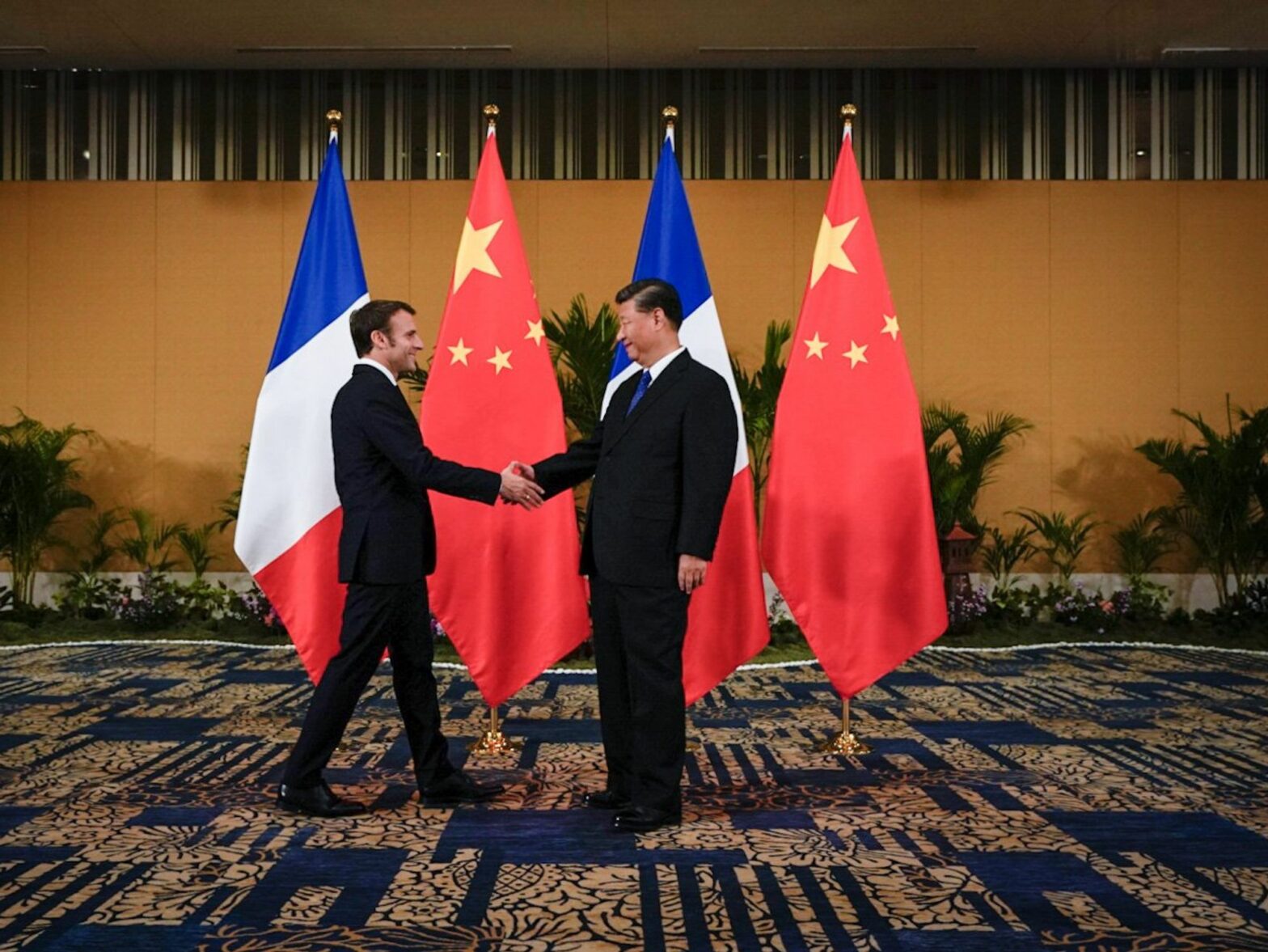
On a visit to China this week, French President Emmanuel Macron will try to improve the image of French companies and to renew diplomatic ties with Beijing, which may be the most pivotal outside player in the Ukraine-Russia conflict.
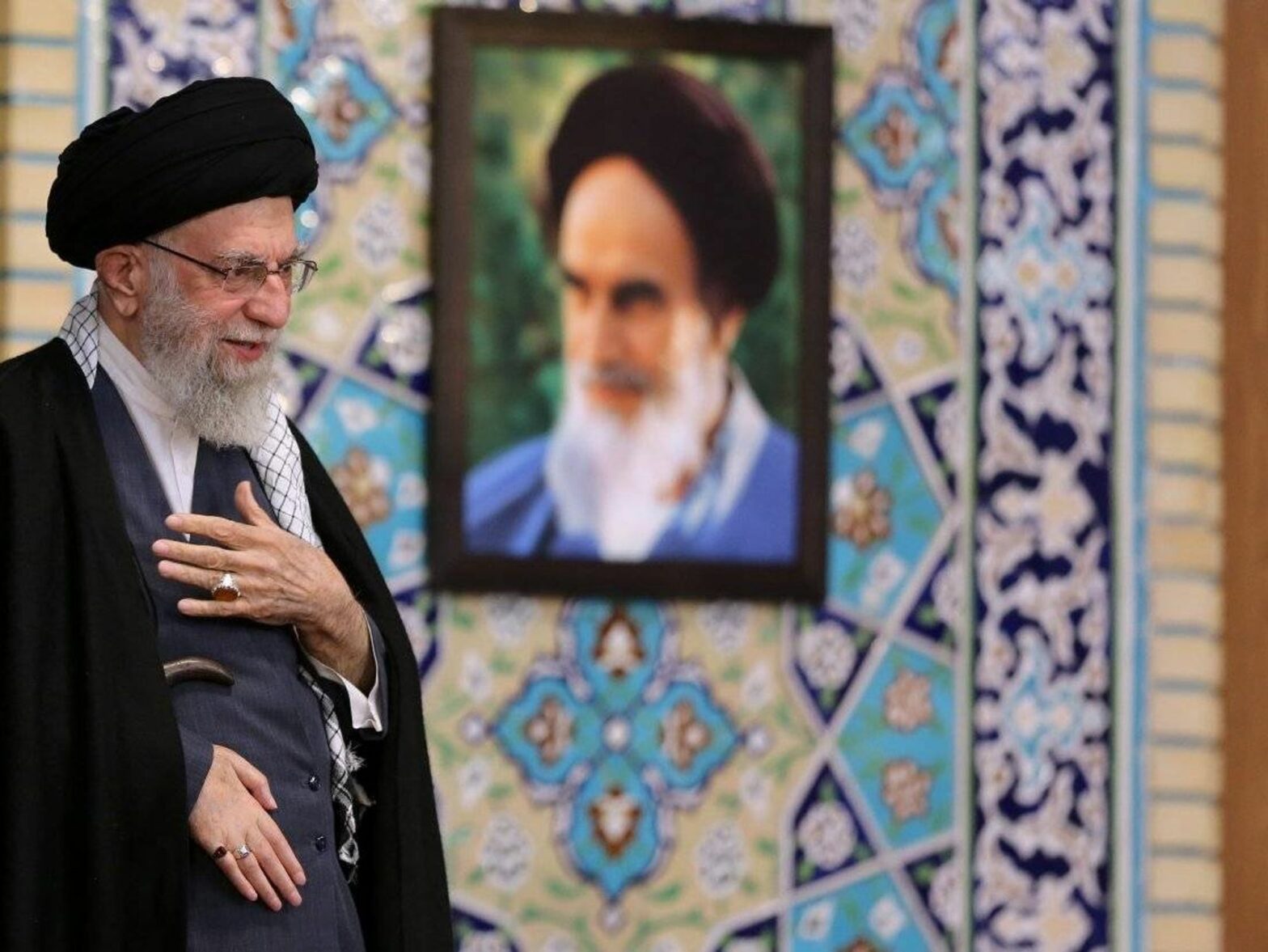
Iran’s Supreme leader Ali Khamenei recently sent out a special envoy to ease tensions with wealthy Arab neighbors. He’s hoping to end the country’s international isolation and dismal economic conditions that contributed to last year’s mass protests.
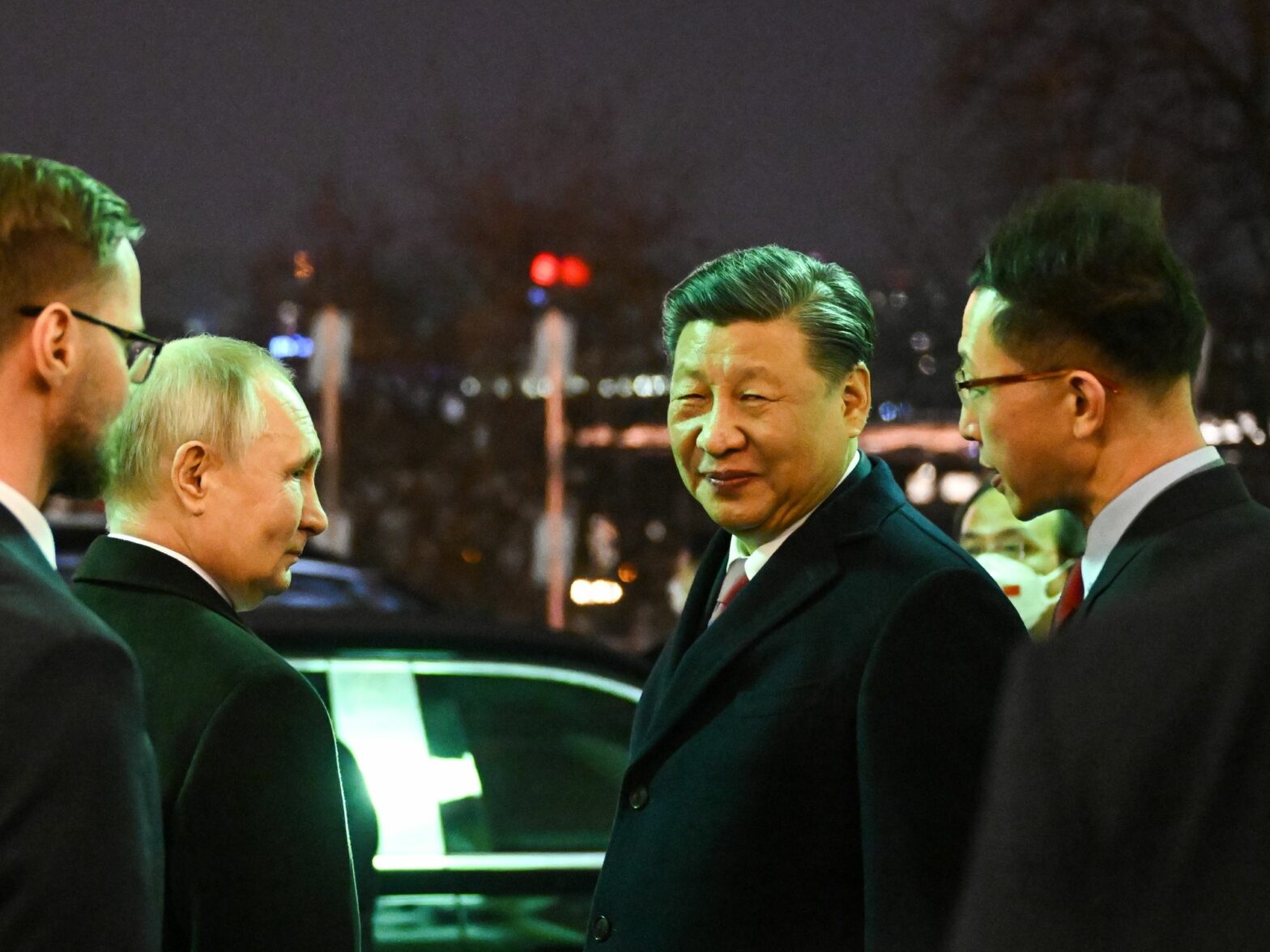
China has adopted a stance of pro-Putin neutrality since the start of Russia’s invasion. But this is not an alliance of equals. China has the upper-hand and sees the opportunity to present itself as an alternative world leader.
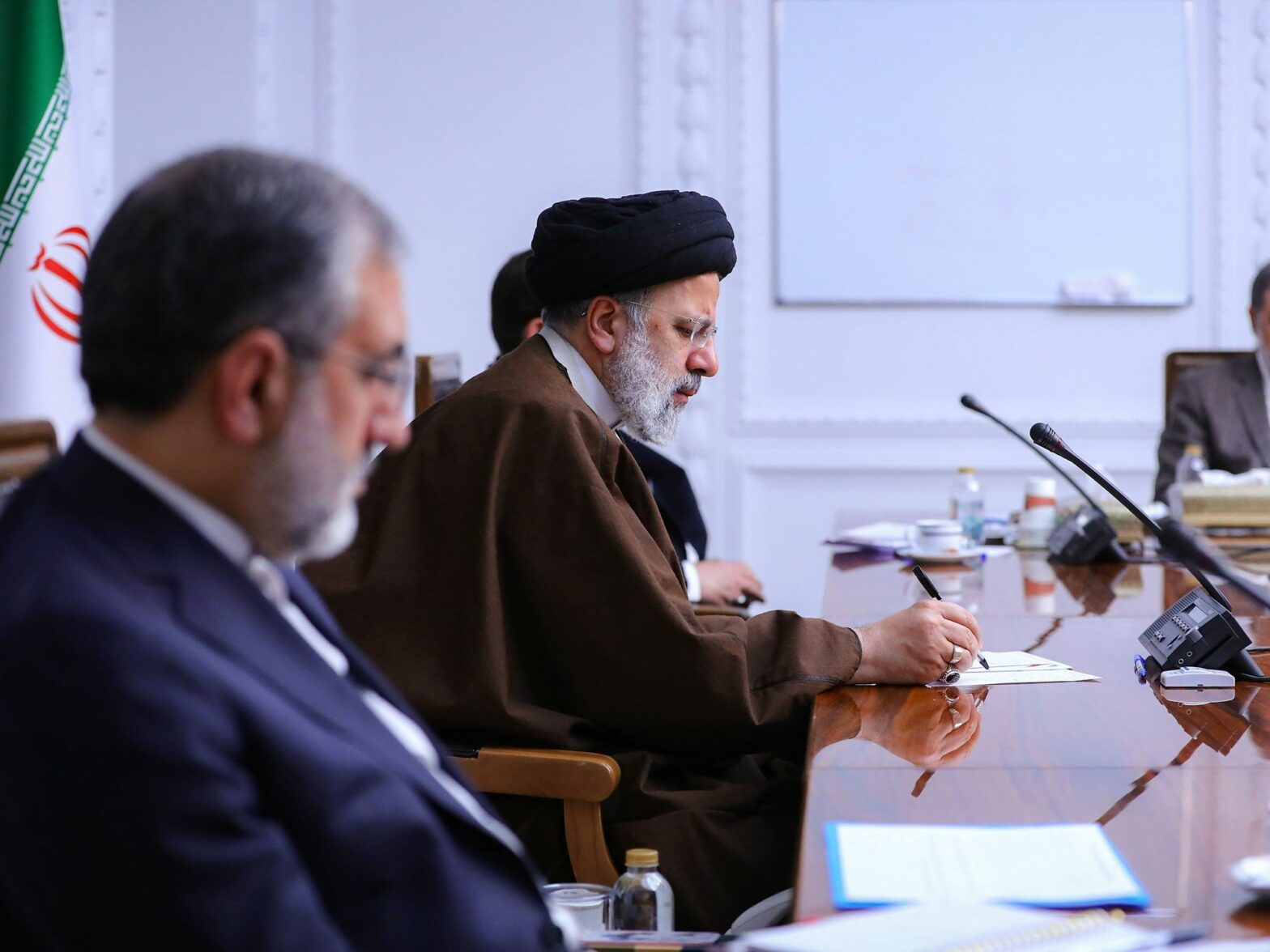
Iran and Saudi Arabia have announced they will restore diplomatic relations. The news may have proved startling — especially China’s role — but is unlikely to dispel long-standing distrust between two regional rivals.
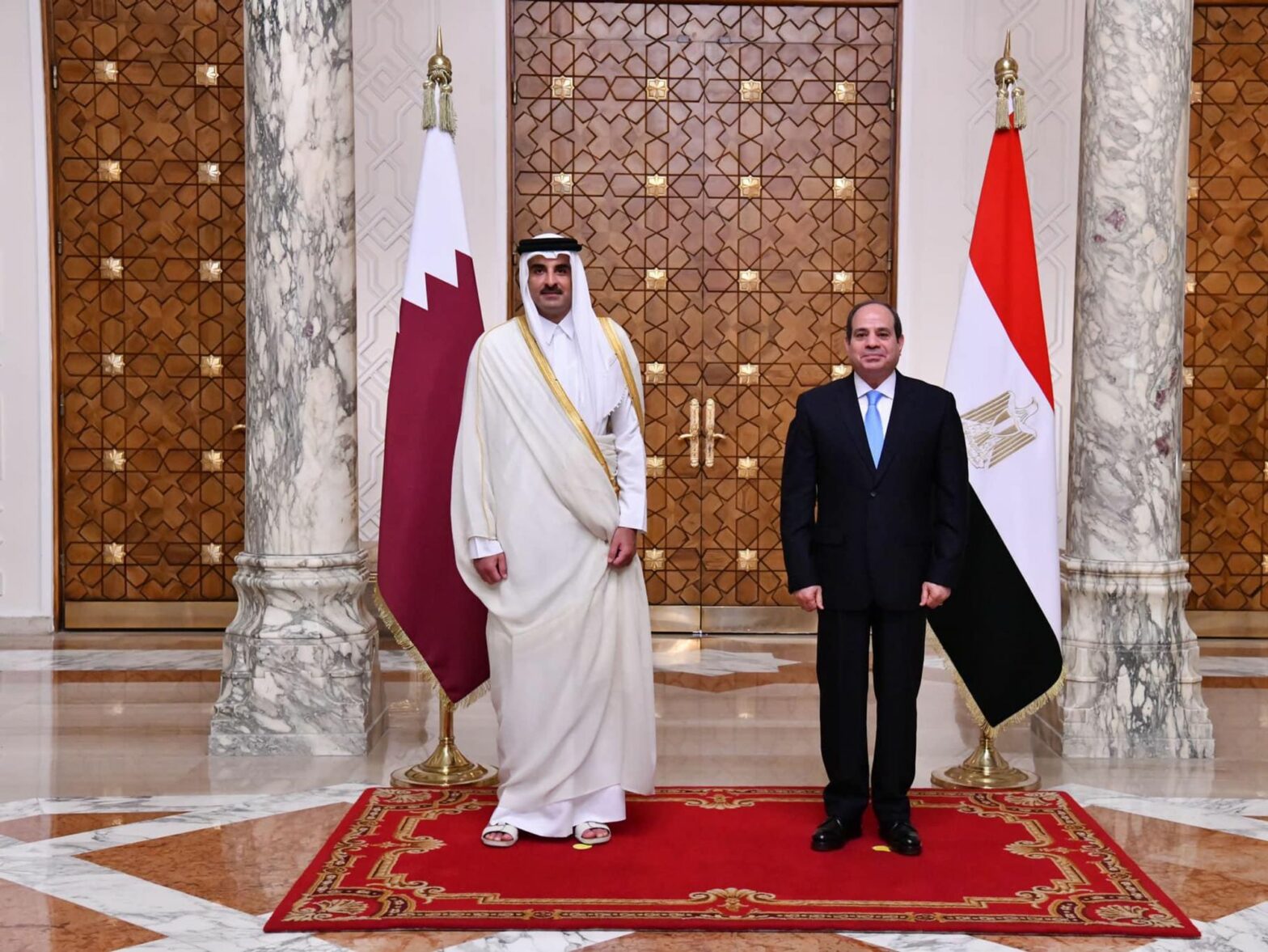
For Cairo, Qatar had been part of an “axis of evil,” with anger directed at Al Jazeera, the main Qatari outlet, and others critical of Egypt after the Muslim Brotherhood ouster. But the vitriol is now gone, with the first ever visit by Egyptian President al-Sisi to Doha.
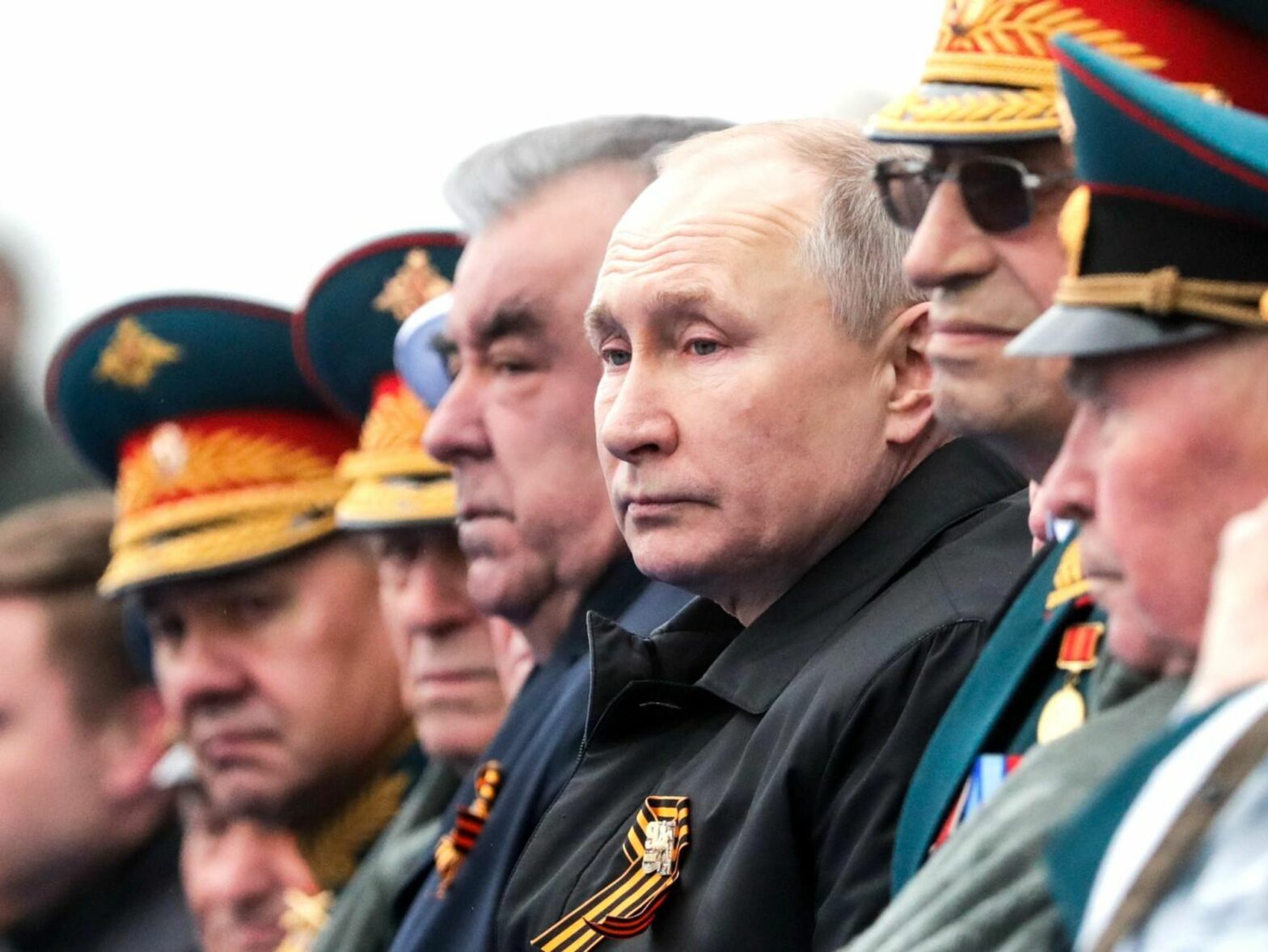
French President Emmanuel Macron is making a point of keeping an open dialogue with Putin, hoping to avoid a world war at all costs. But he needs to get his historical comparisons (and world wars) in order.
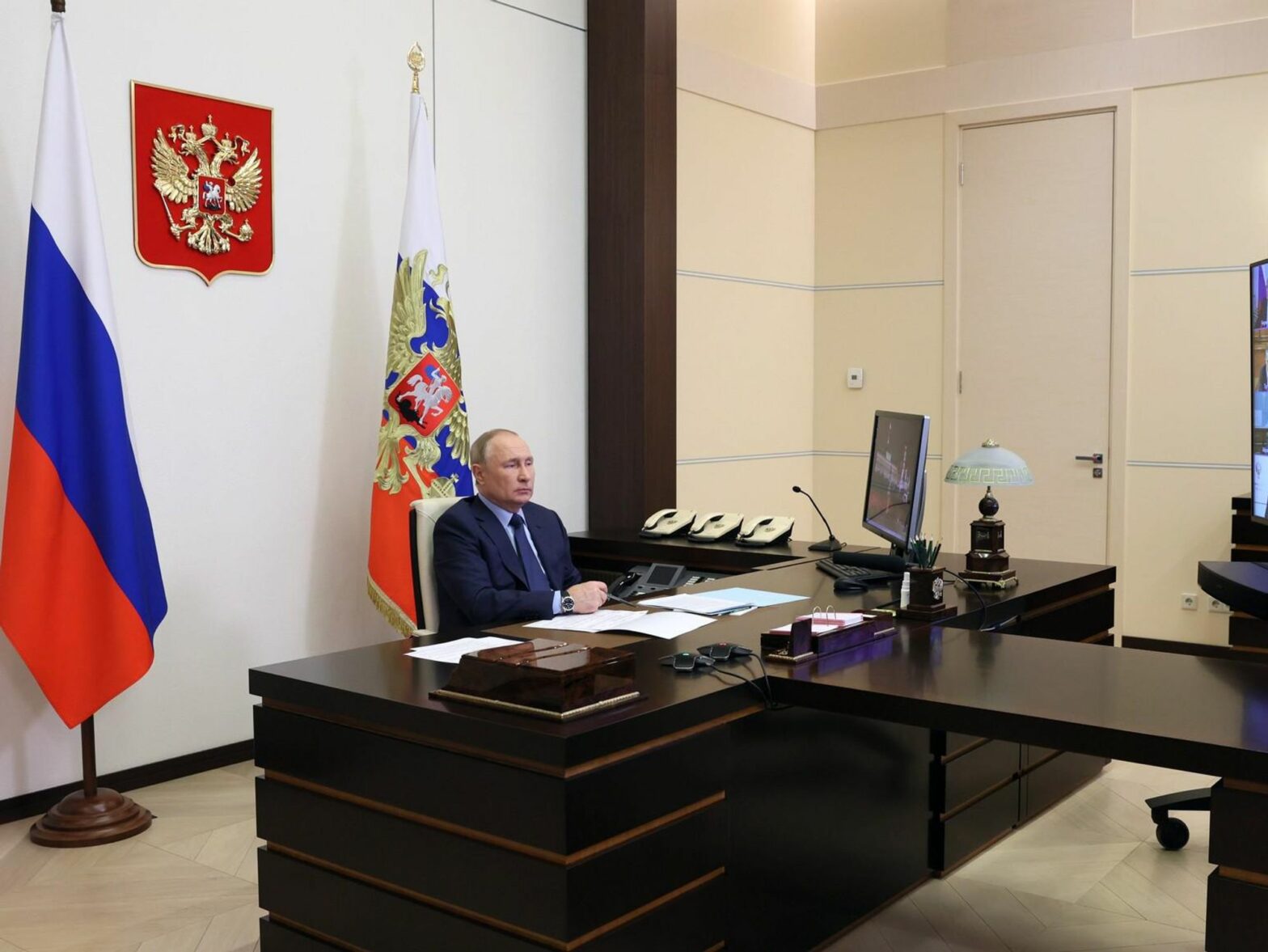
A mind map of the Russian leader’s possible plans to increase his influence, and expand his territory.
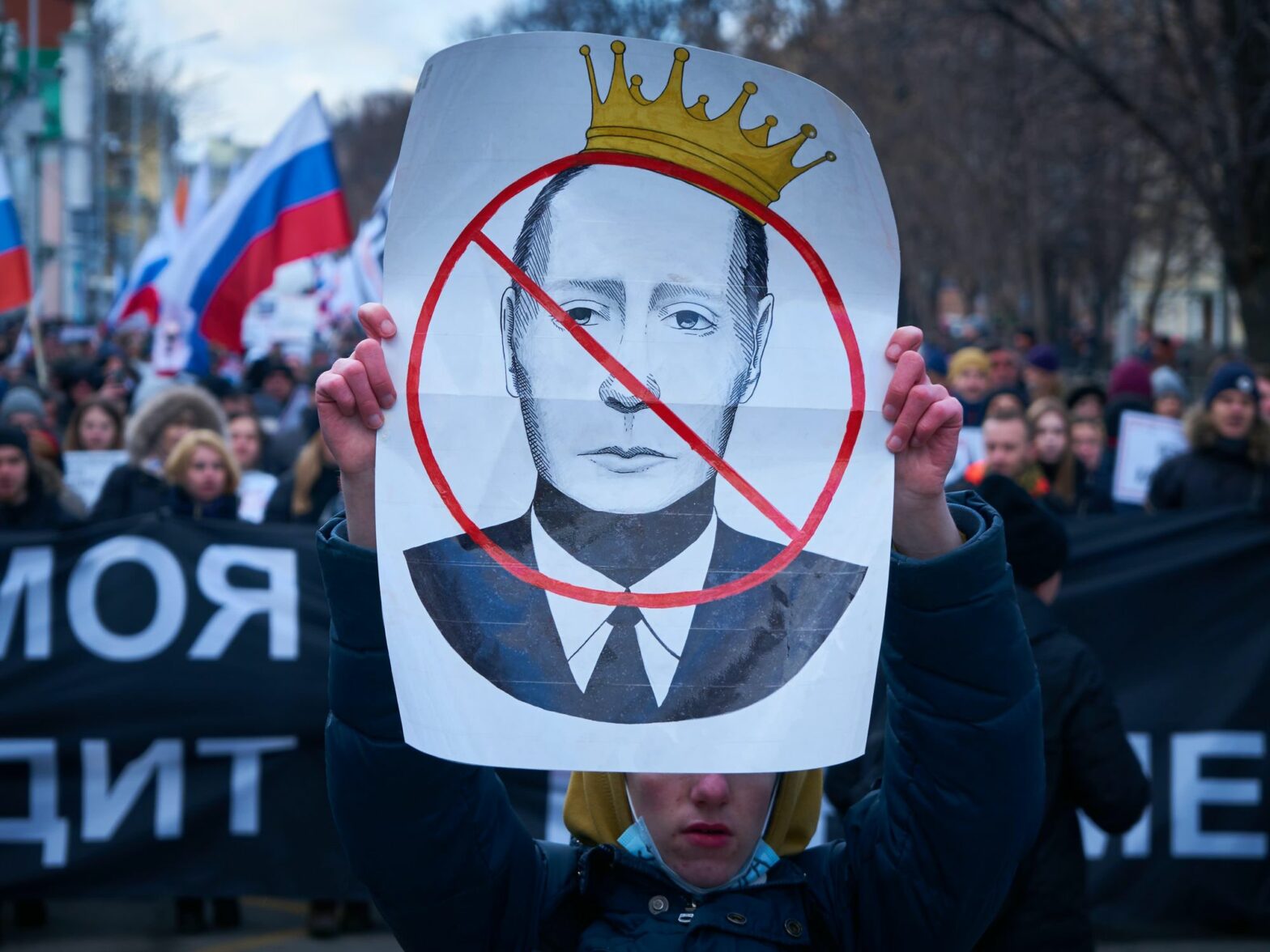
In the year since the arrest of Vladimir Putin’s last opponent a new Cold War has begun. In the absence of internal enemies, Russia’s increasingly powerful yet isolated ruler must turn to external targets.

Echoing its cultural diplomacy of the early 20th century, the United States is gifting vaccines to Latin America as part of a renewed “good neighbor” policy.
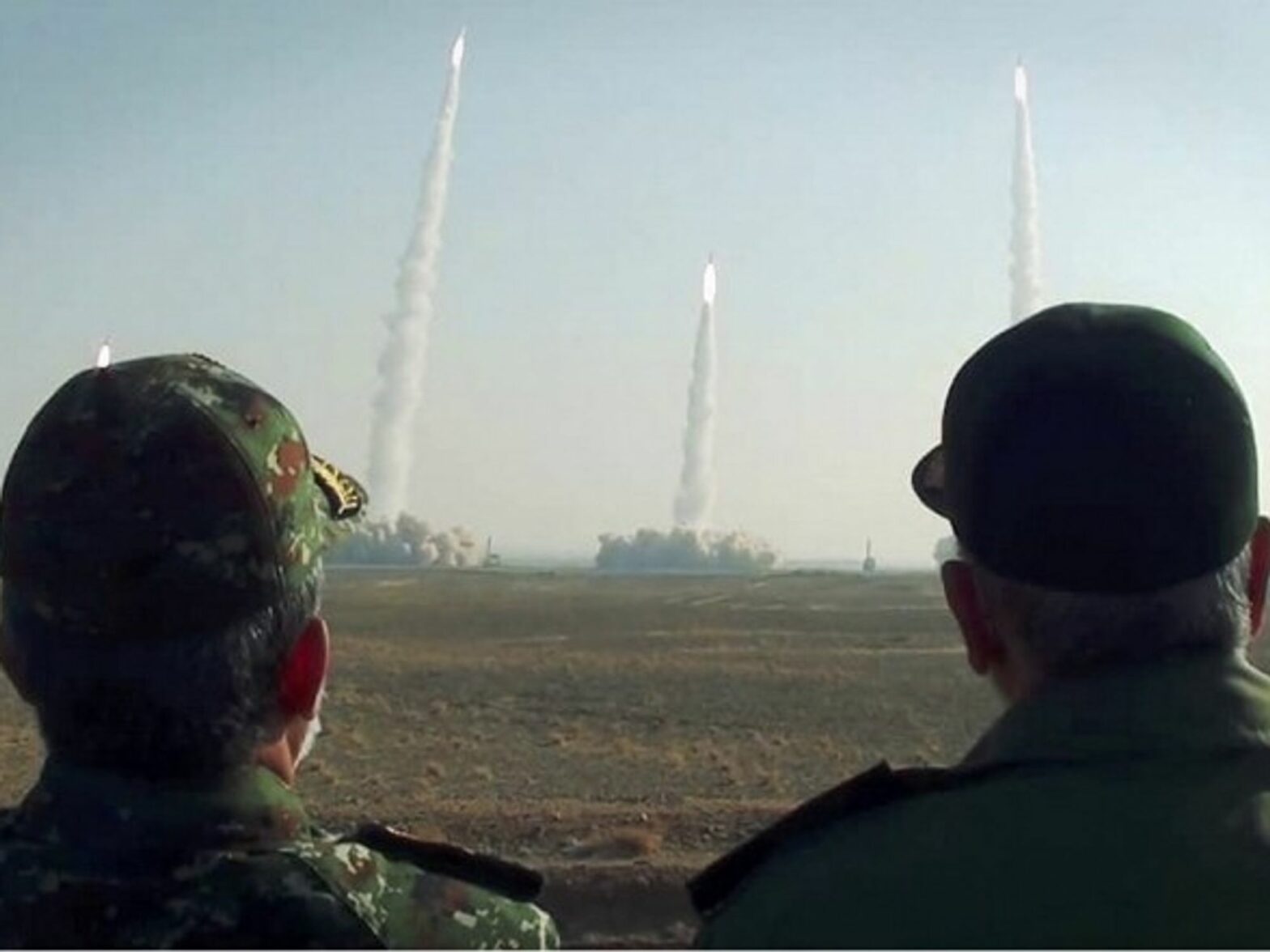
Since 1979, Iran’s presence on the African continent has been part of a push for ideological expansion and anti-Americanism, to the detriment of economic and political relations.
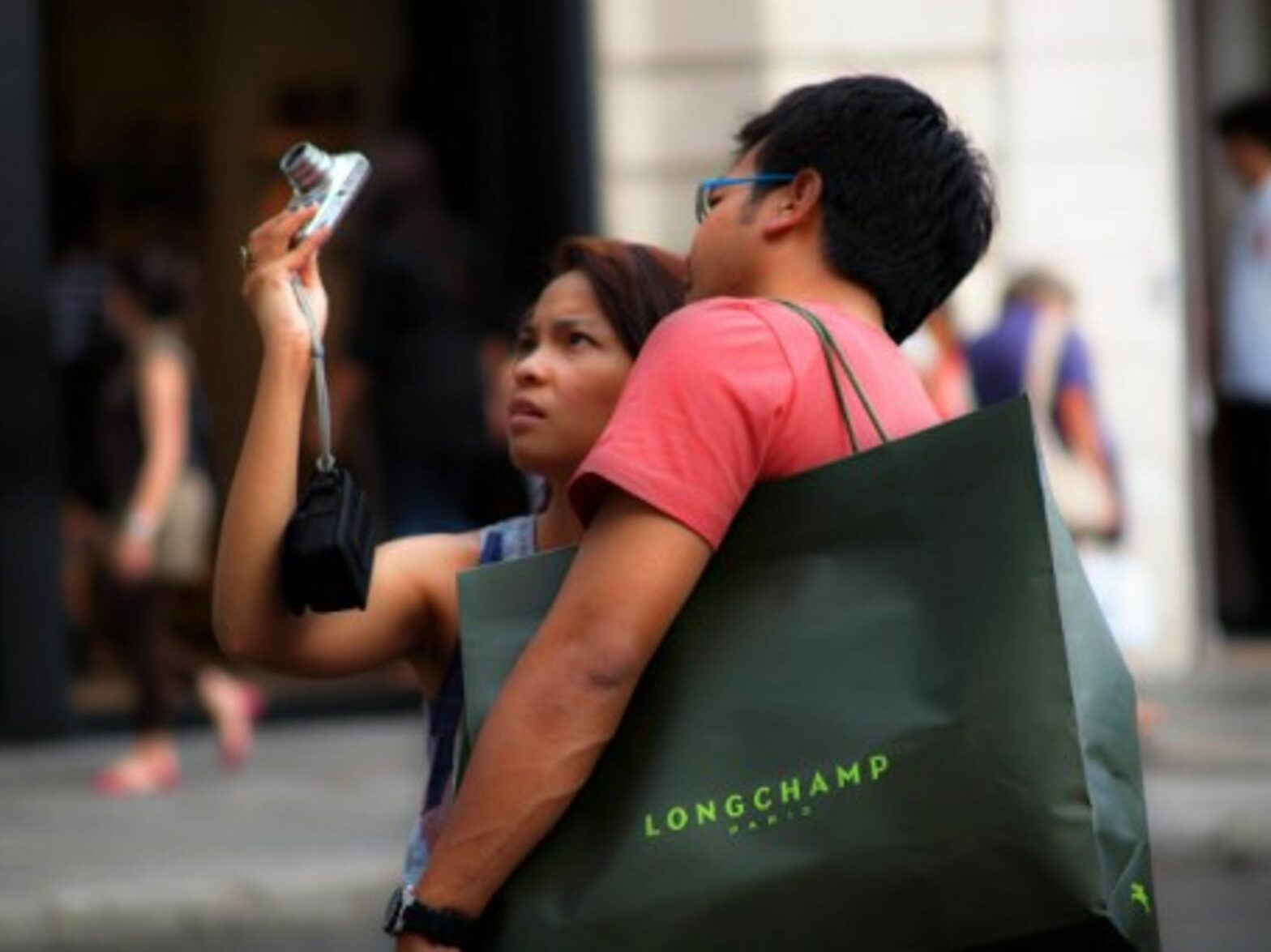
It’s a business decision, above all.
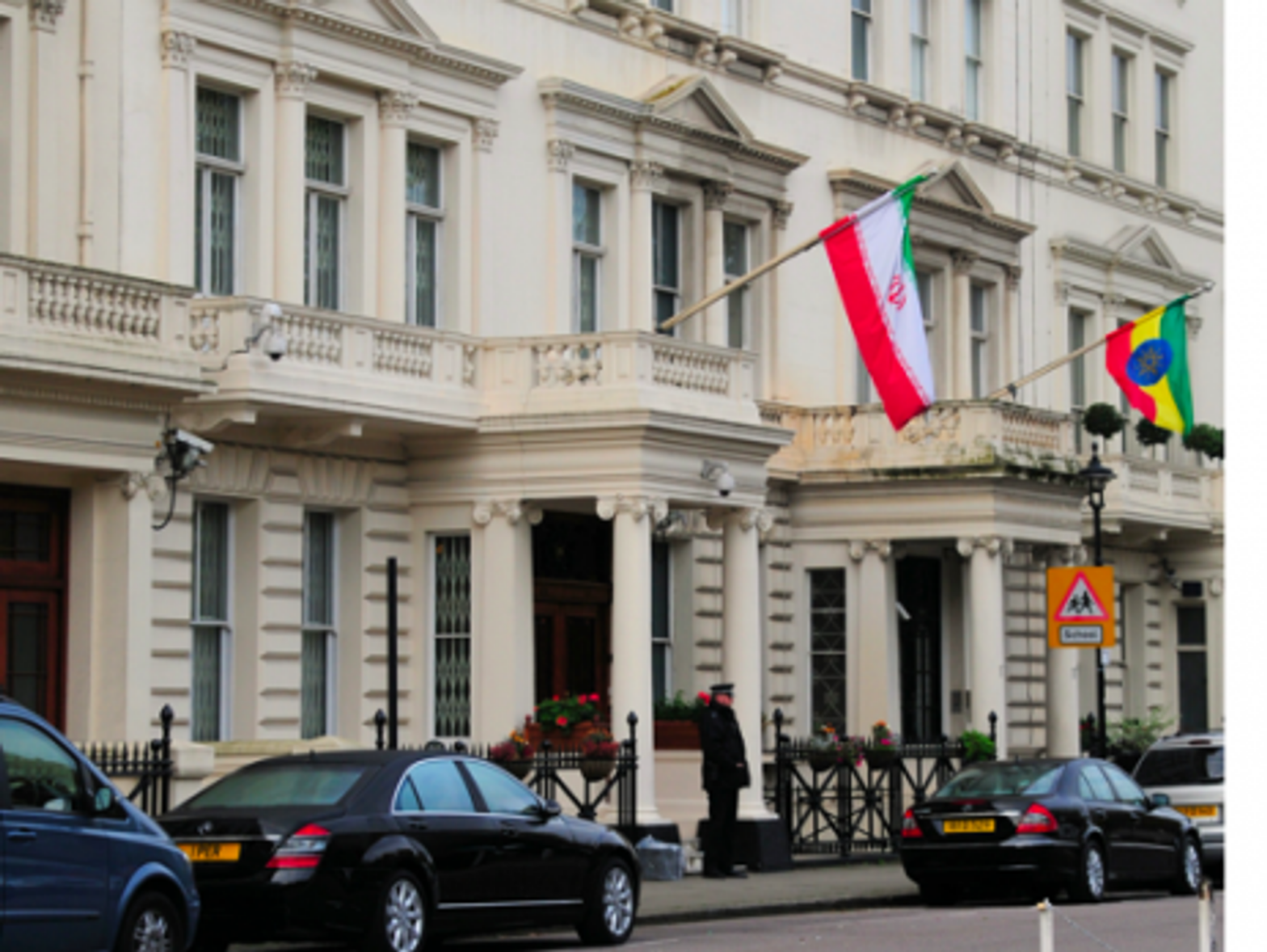
In another context, it might simply seem like diplomatic business-as-usual. But in Tehran, with potential game-changing nuclear talks in the balance, visits by the Austrian Foreign Minister and a key official of the British Foreign Office are being viewed as further proof that Iran want to move toward rapprochement with the West. In particular, the […]