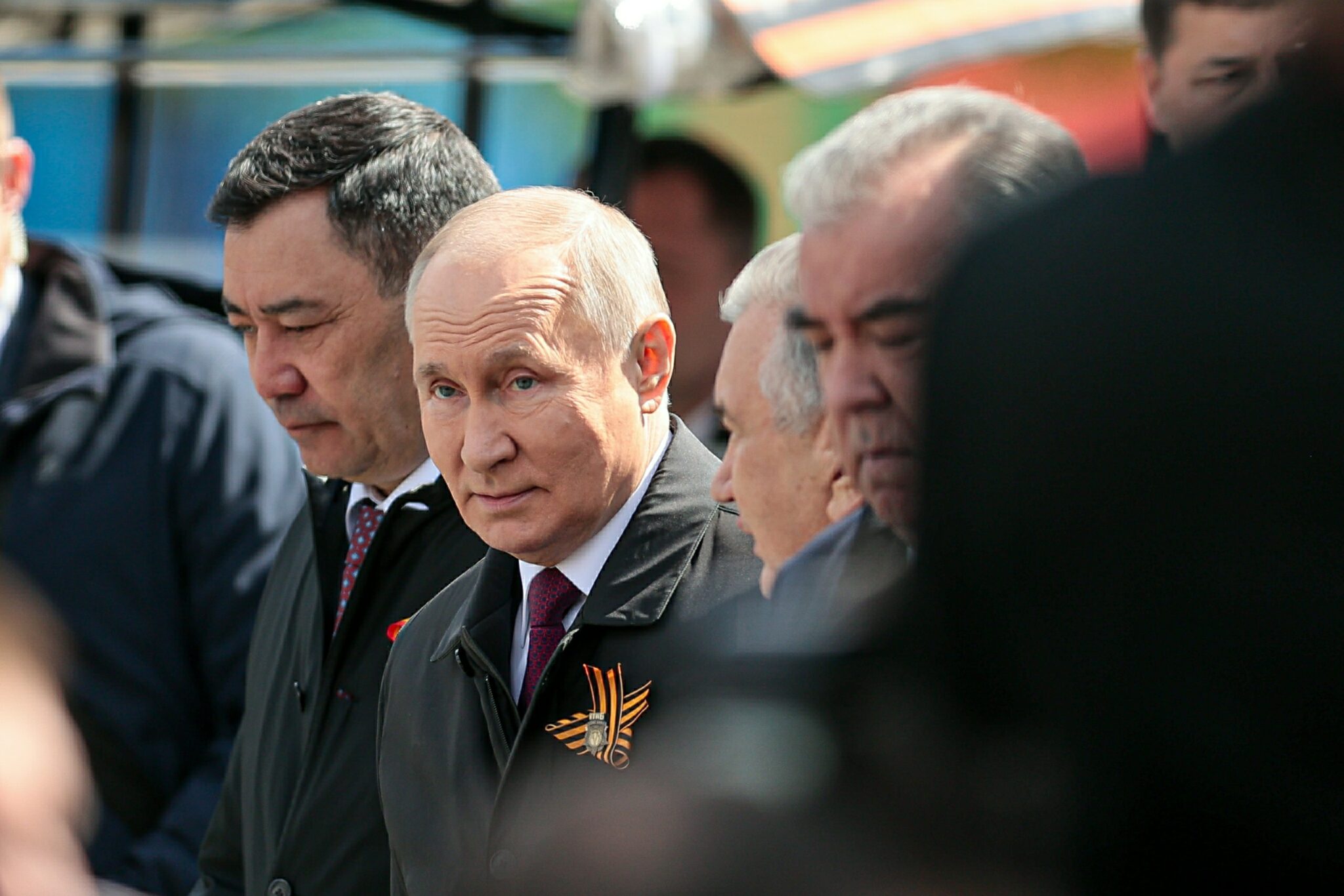
Central Asian presidents have been fixtures at Moscow’s Victory Day parades since 2022, but this year, their visits were preceded by a wave of diplomatic tensions.
 Worldcrunch
Central Asian presidents have been fixtures at Moscow’s Victory Day parades since 2022, but this year, their visits were preceded by a wave of diplomatic tensions.
As official data vanishes from Russian state reports, independent experts warn that losses from Putin’s war in Ukraine are becoming too large to hide.
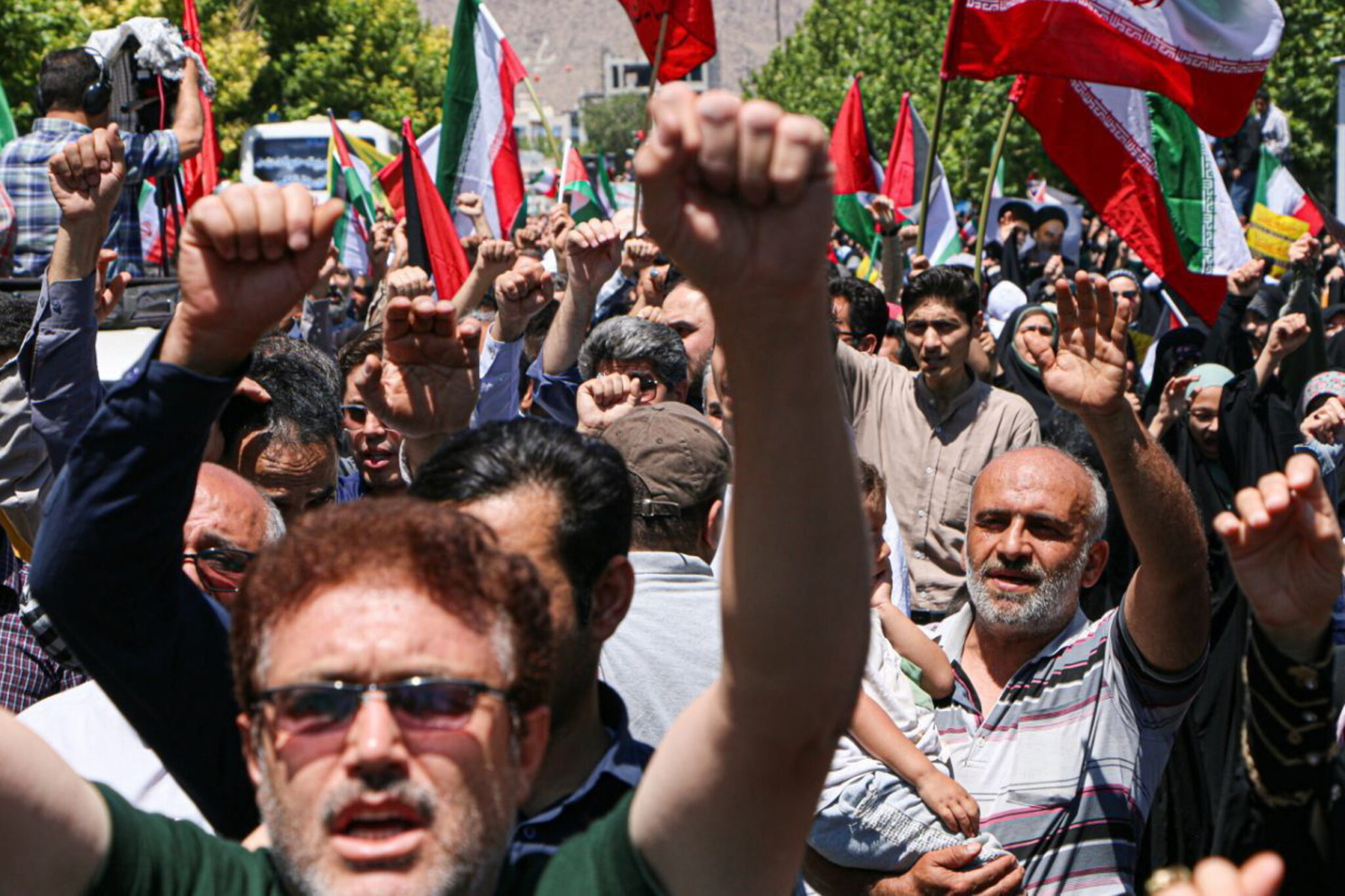
Like Spain after Franco, La Stampa’s Bernard Guetta argues, Iran faces a crucial choice between authoritarian decay and democratic renewal. Before time runs out.
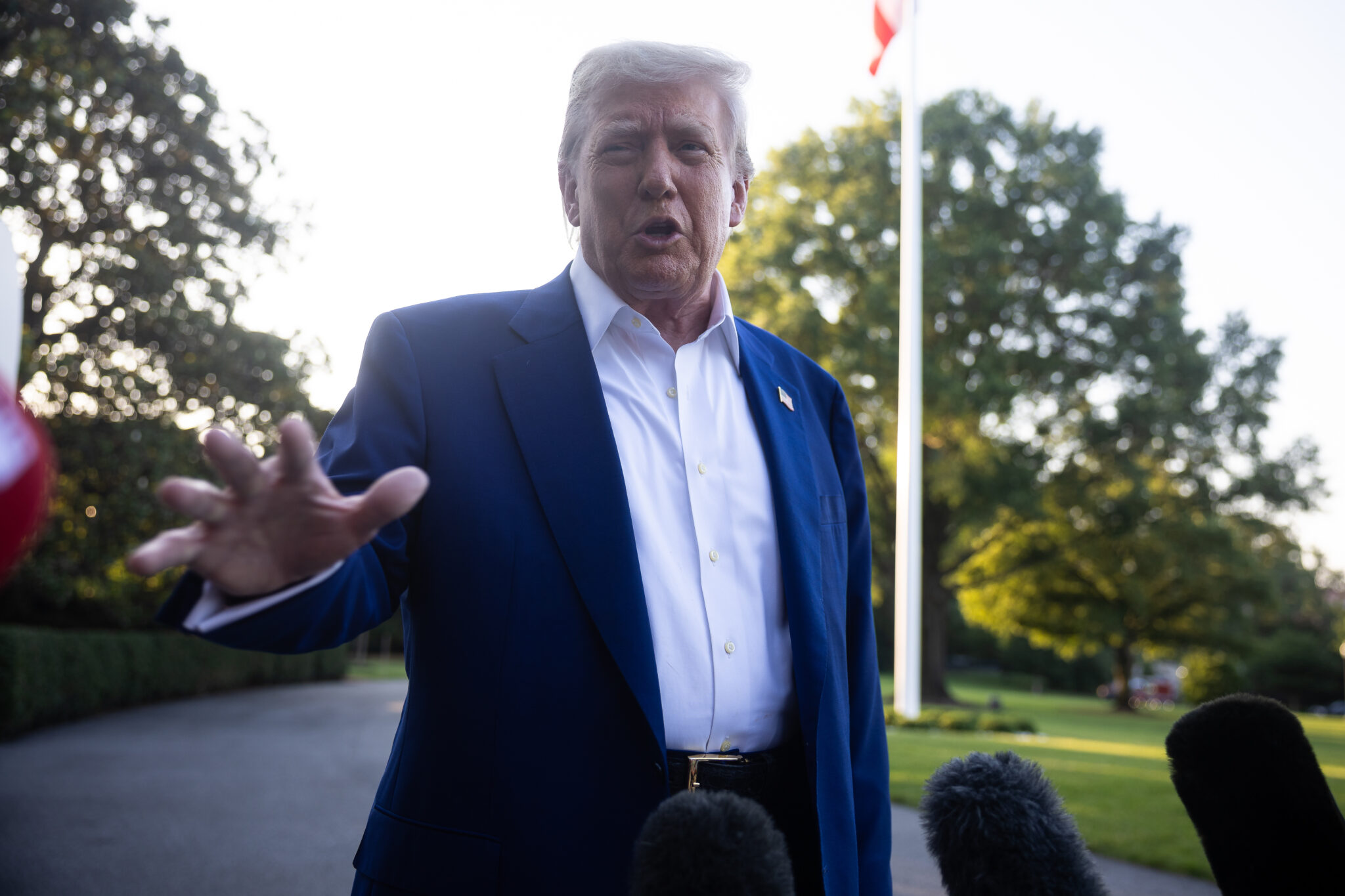
One moment he’s launching strikes, the next he’s declaring a ceasefire. At this speed, the surrealism of the Trump era is most evident. We journalists should be the ones to cut through that fog. Just not instantly.
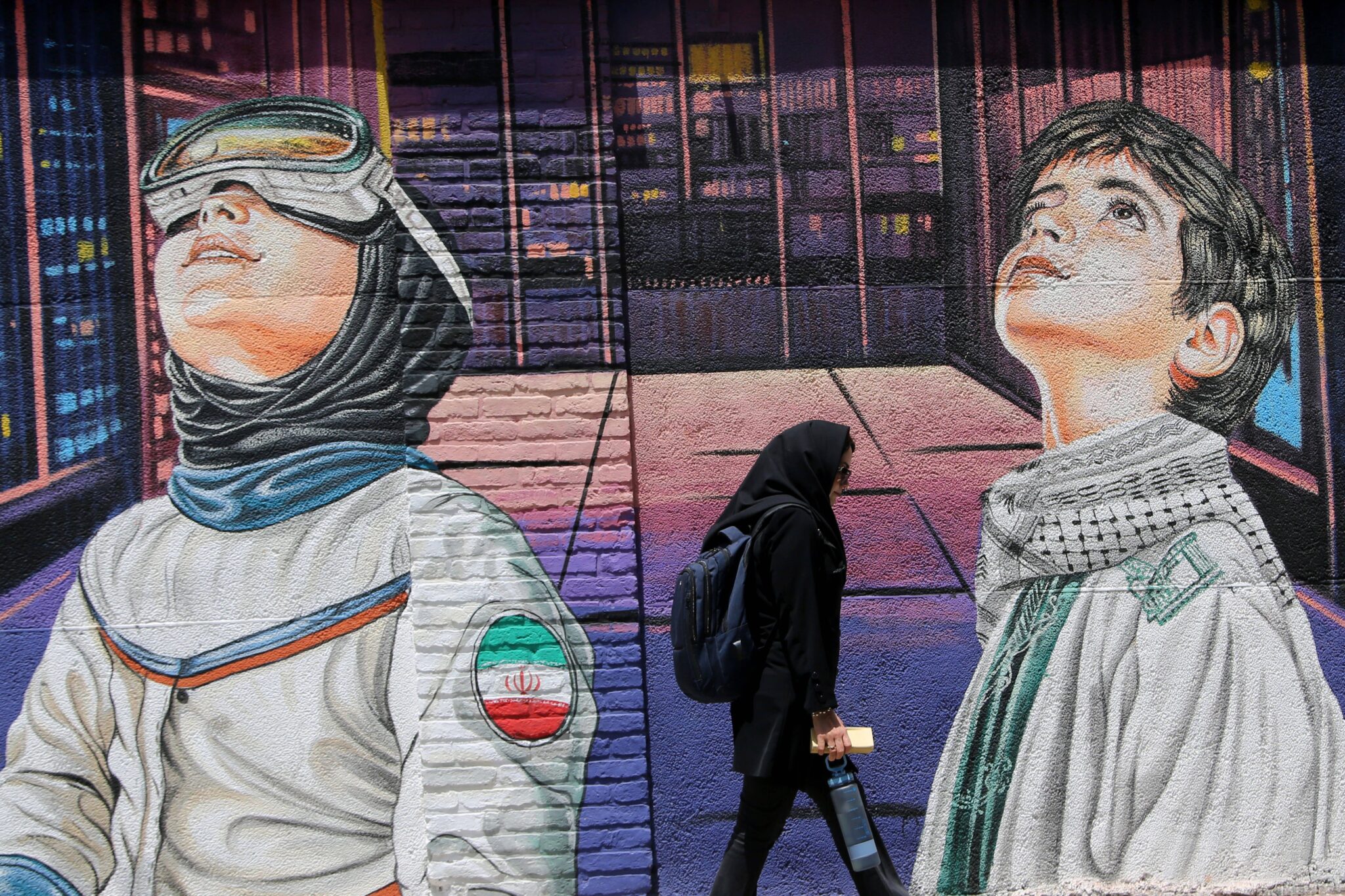
As war broke out with Israel, Iran plunged into an unprecedented internet blackout — cutting off 91 million people, silencing civil society, and tightening the regime’s digital grip.
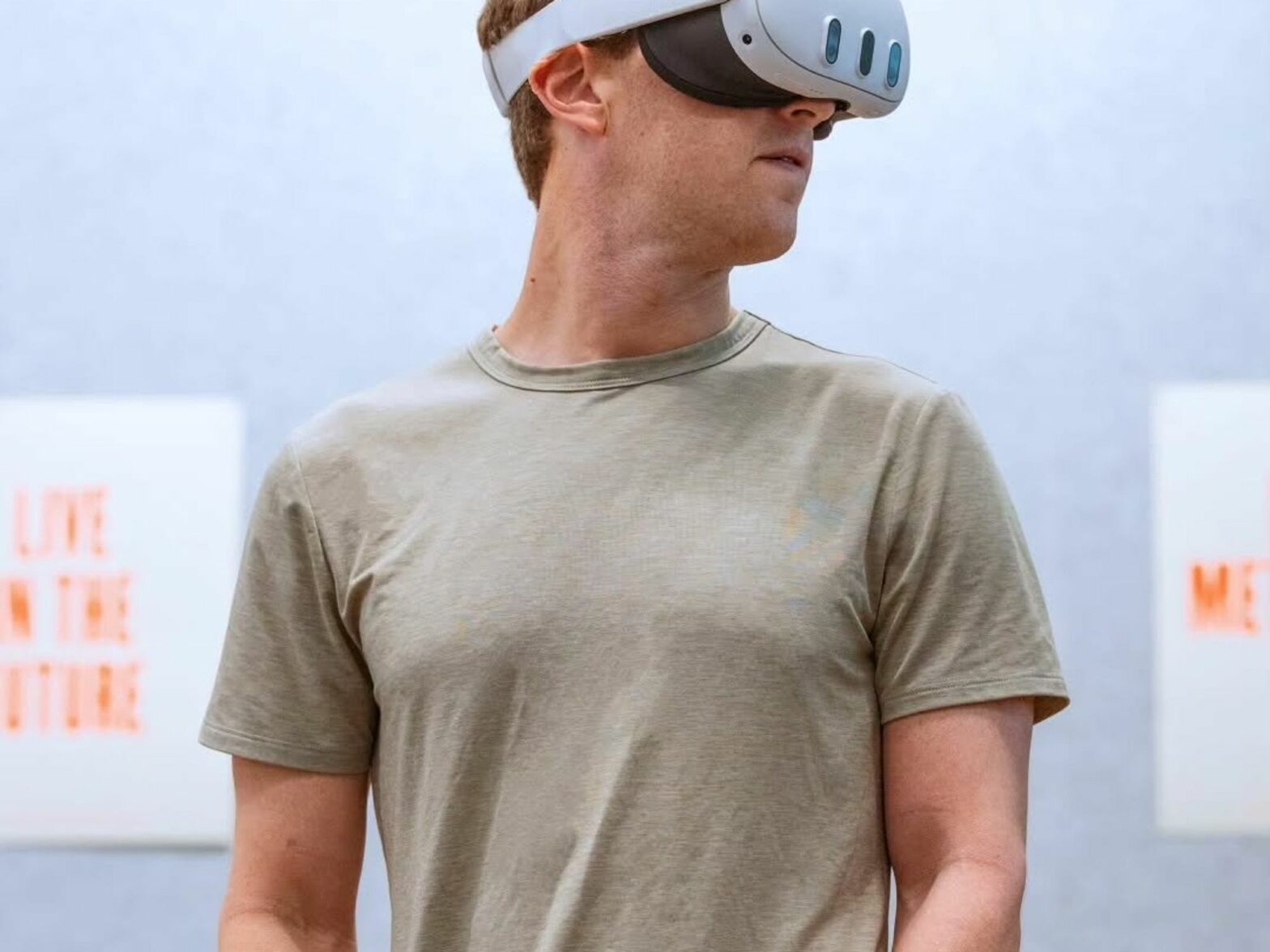
The dramatic shift by Meta, which announced it will abandon its fact-checking program, does not bode well for the fight against the spread of misinformation and disinformation online.
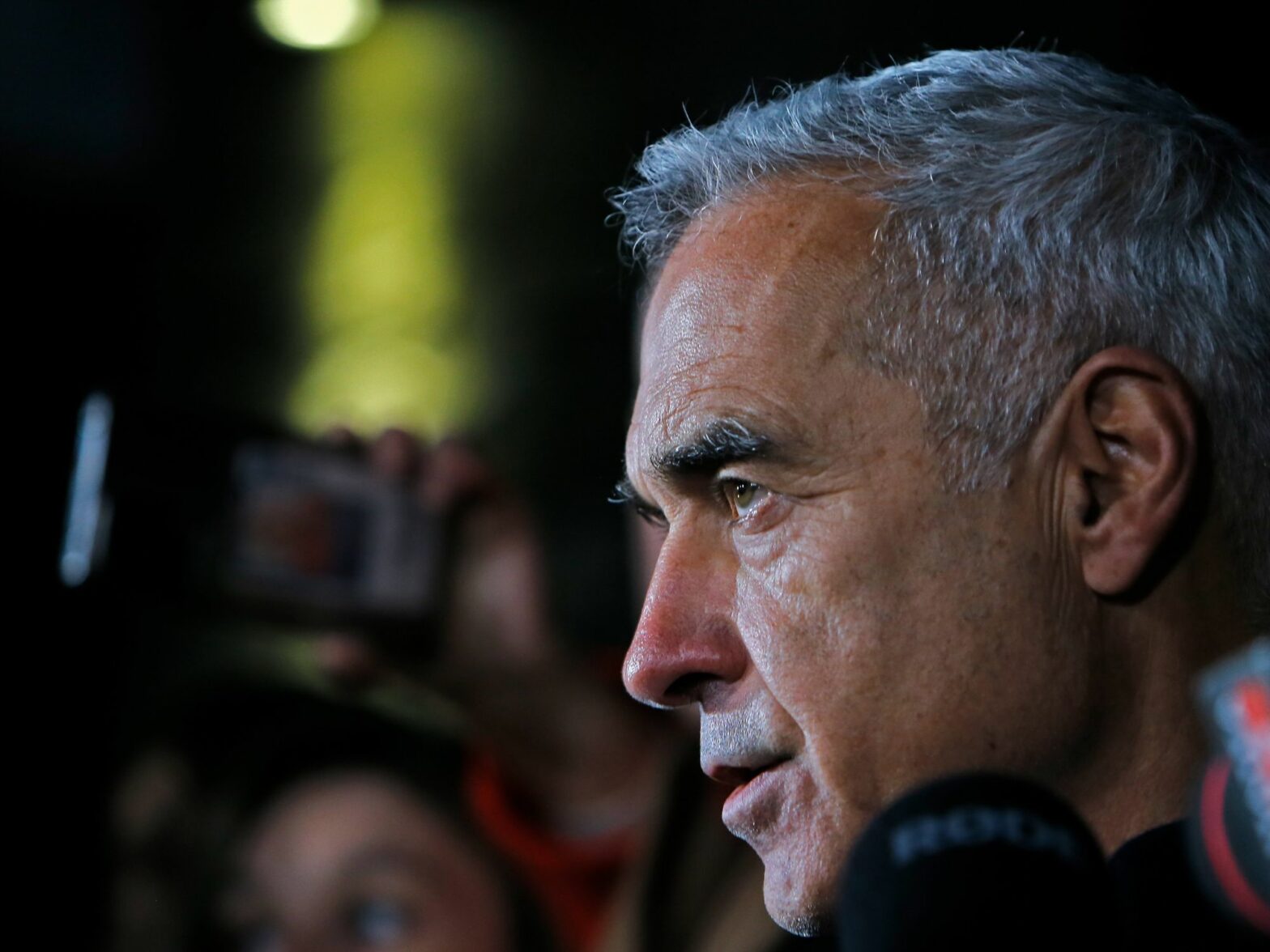
Romania’s out-of-nowhere far right presidential candidate Călin Georgescu has become the latest case study showing just how much sway social media platforms can have over elections, going even farther than Donald Trump on Elon Musk’s X.
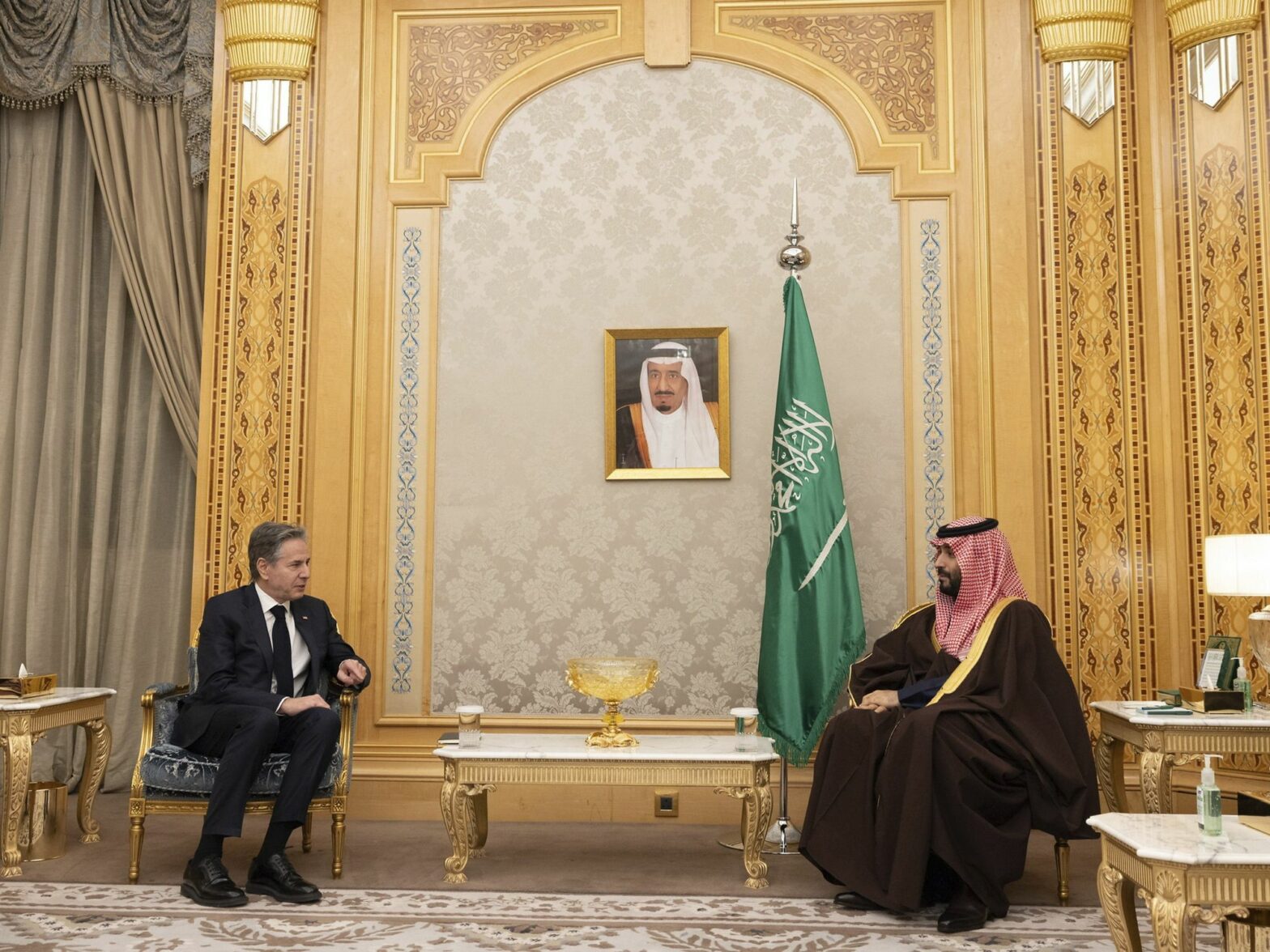
The ongoing crackdown on critics of the MBS regime becomes more difficult with the dire situation in Gaza and the ambiguity of Saudi foreign policy.
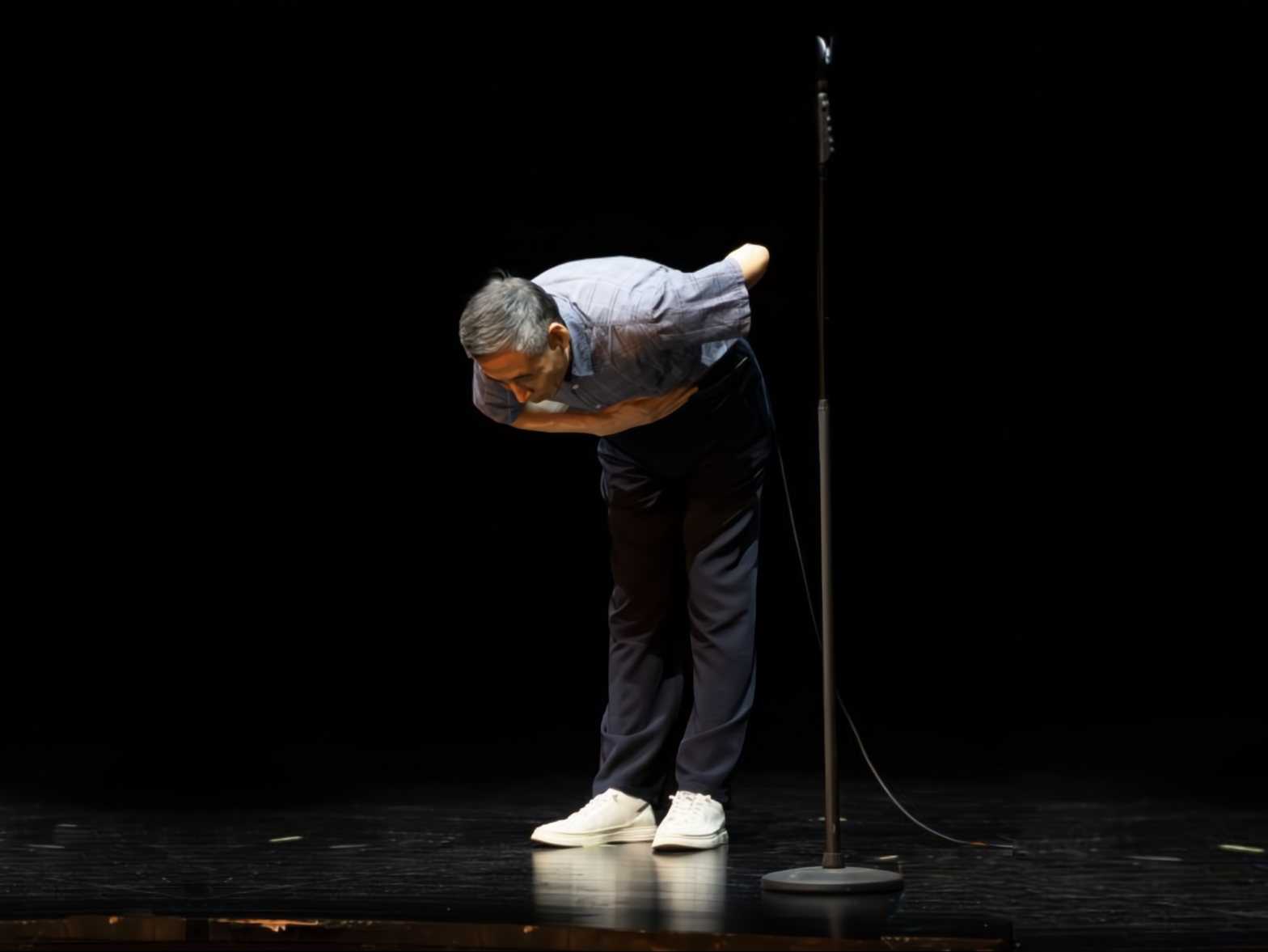
In China, stand-up comics must submit their sets to a state censor. Plus, there are self-appointed wannabe censors online (like on all social media!). How do would-be professional standup comedians handle this blatantly gray zone?
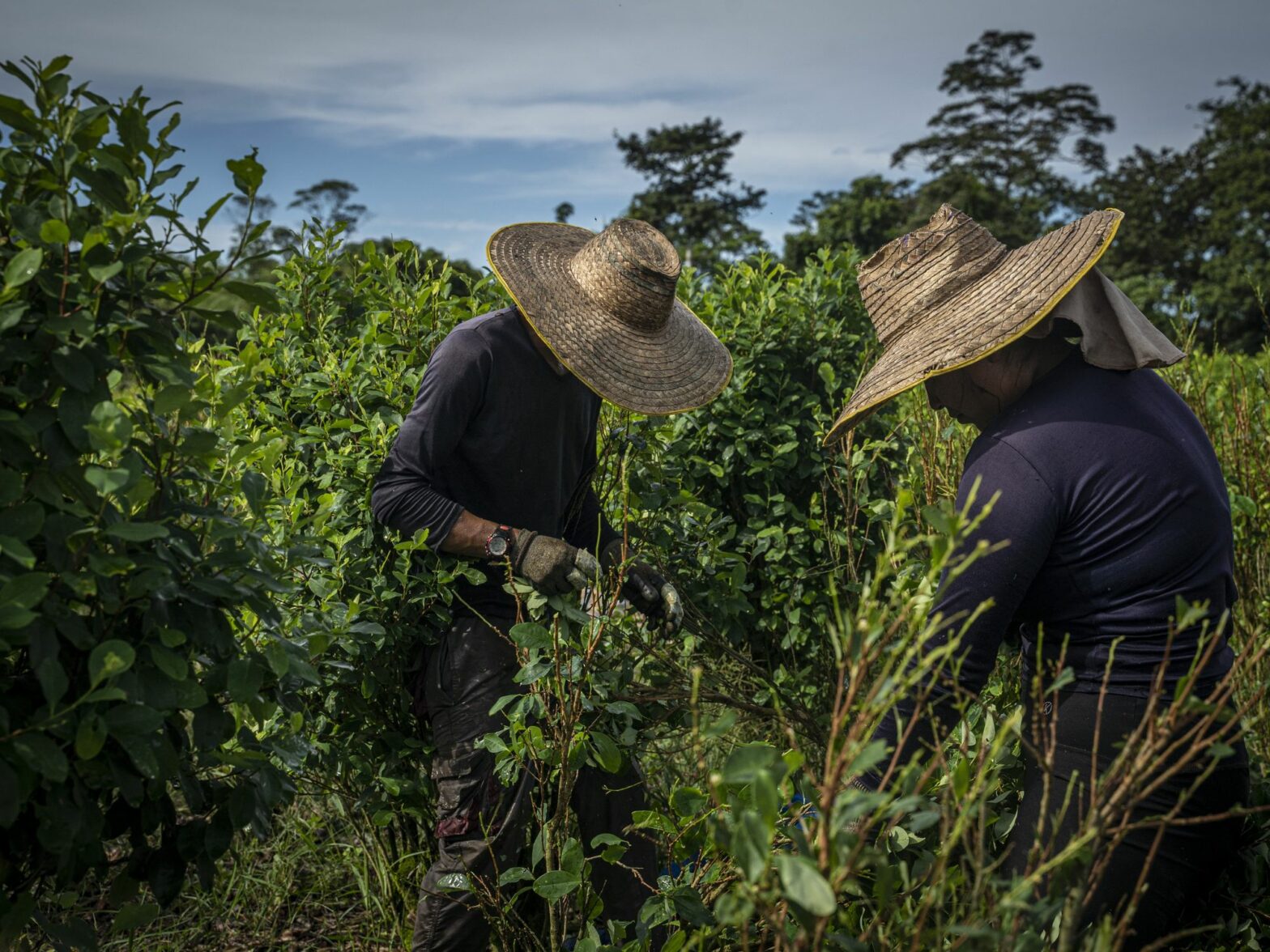
A new generation of coca leaf growers and pickers is posting video content on social media. They show their life in the fields, how the crops grow, the laboratories where they create the coca paste, and even the exit routes for drug trafficking. And while they used to be stigmatized, and threatened by armed groups, their content is escaping censorship and violence.
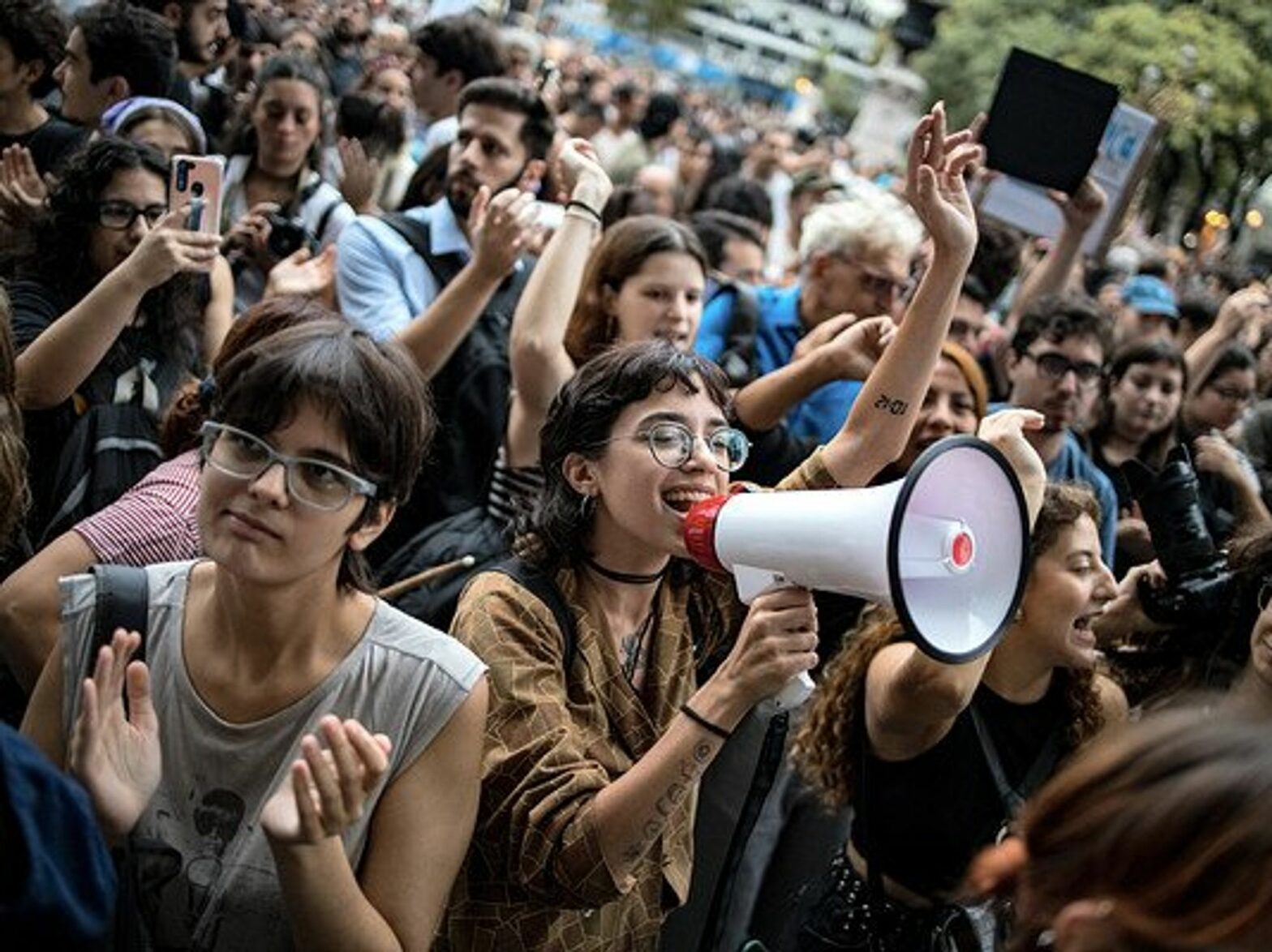
Advances in the fight against direct and indirect censorship have forced the enemies of freedom of expression to seek other, more subtle methods to distort and weaken public debate.
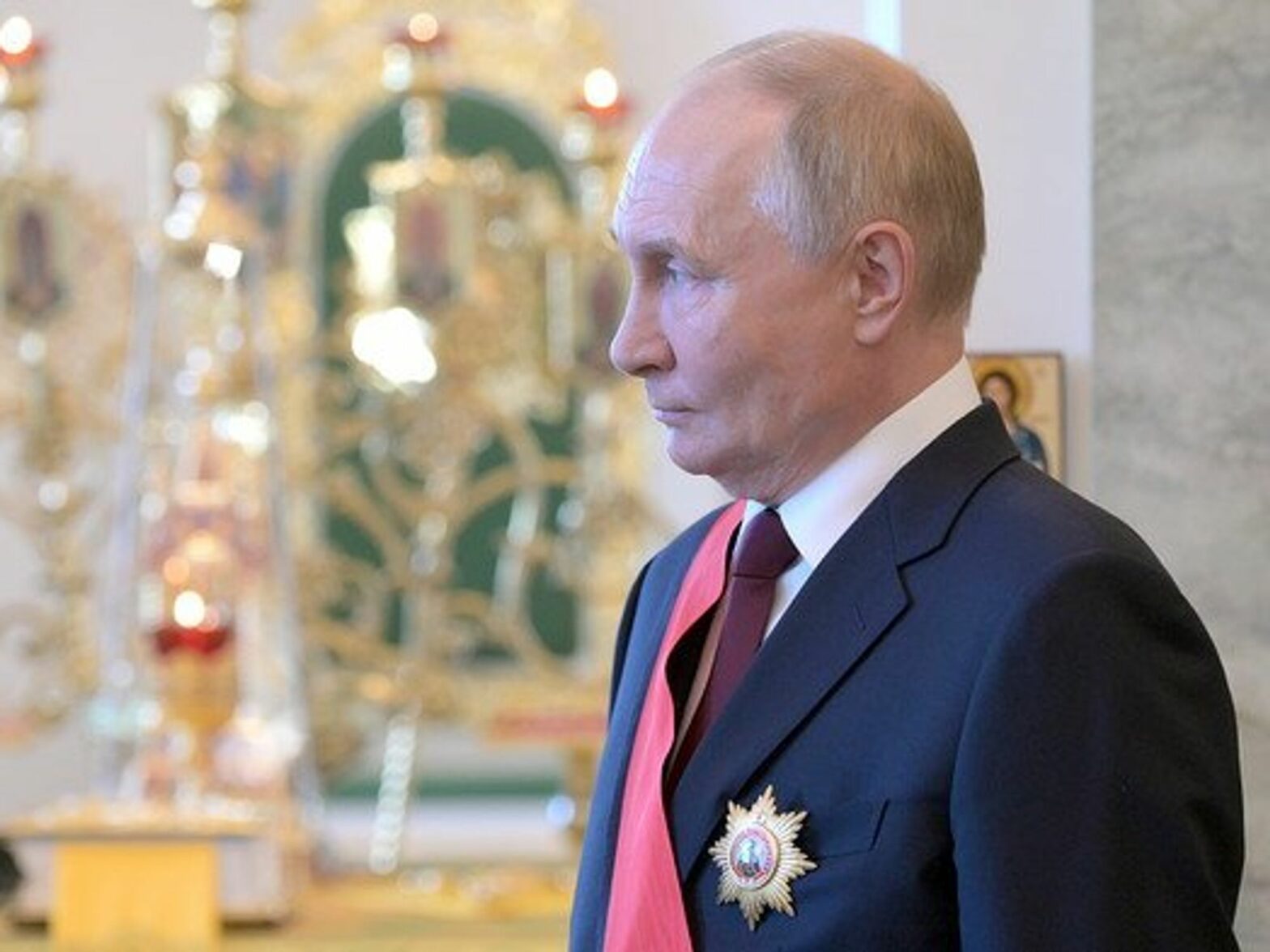
Russia’s pro-war influencers, or so-called ‘Z’-bloggers, have sought to blame those responsible for Ukraine’s breakthrough into the Kursk region. Yet Russian President Vladimir Putin’s name never comes up. Fear of reprisals is only one reason; another is belief in Putin’s infallibility.
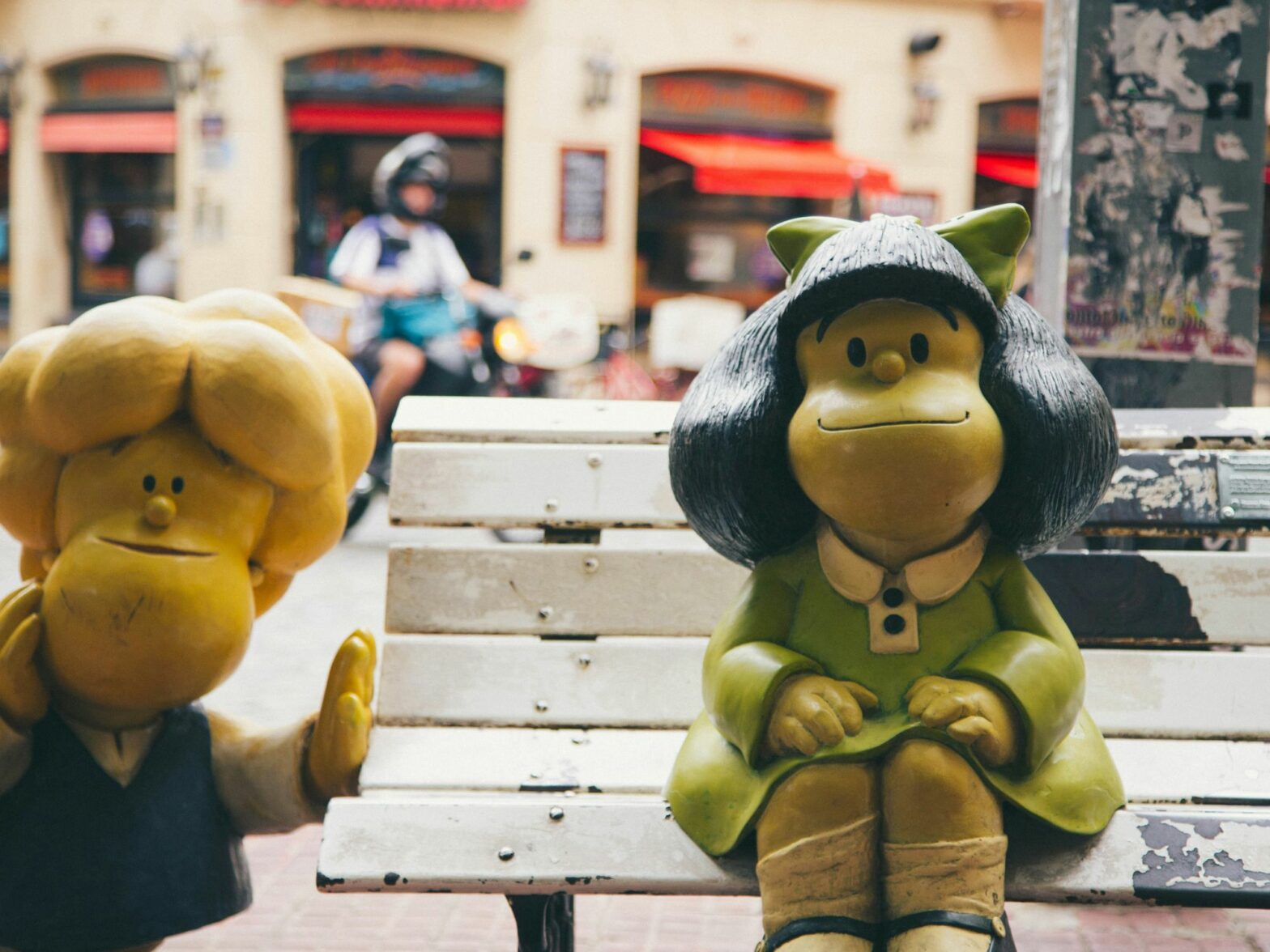
The Argentine comic strip, who is now about to get its own Netflix series, was created at a time when Latin America was going through political censorship. A testament to Mafalda’s innocent-but-serious attitude toward world problems, an excellent example of how young people often see more clearly than the rest of us.
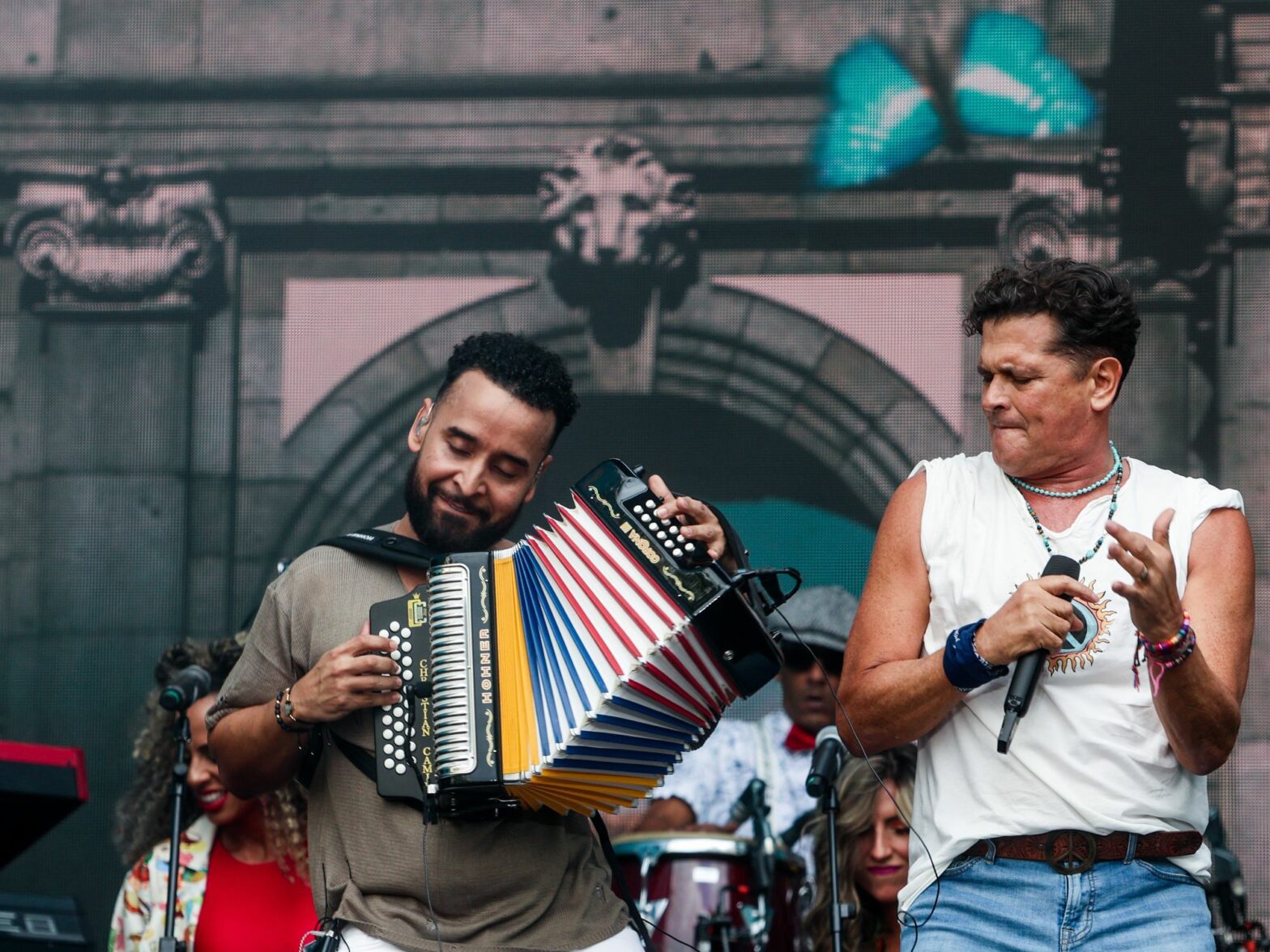
The recent outrage of Colombians online over a singer’s reported criticism of the country’s late, great novelist García Márquez, showed perfectly how jingoism and a primitive hatred of freedom go hand in hand.
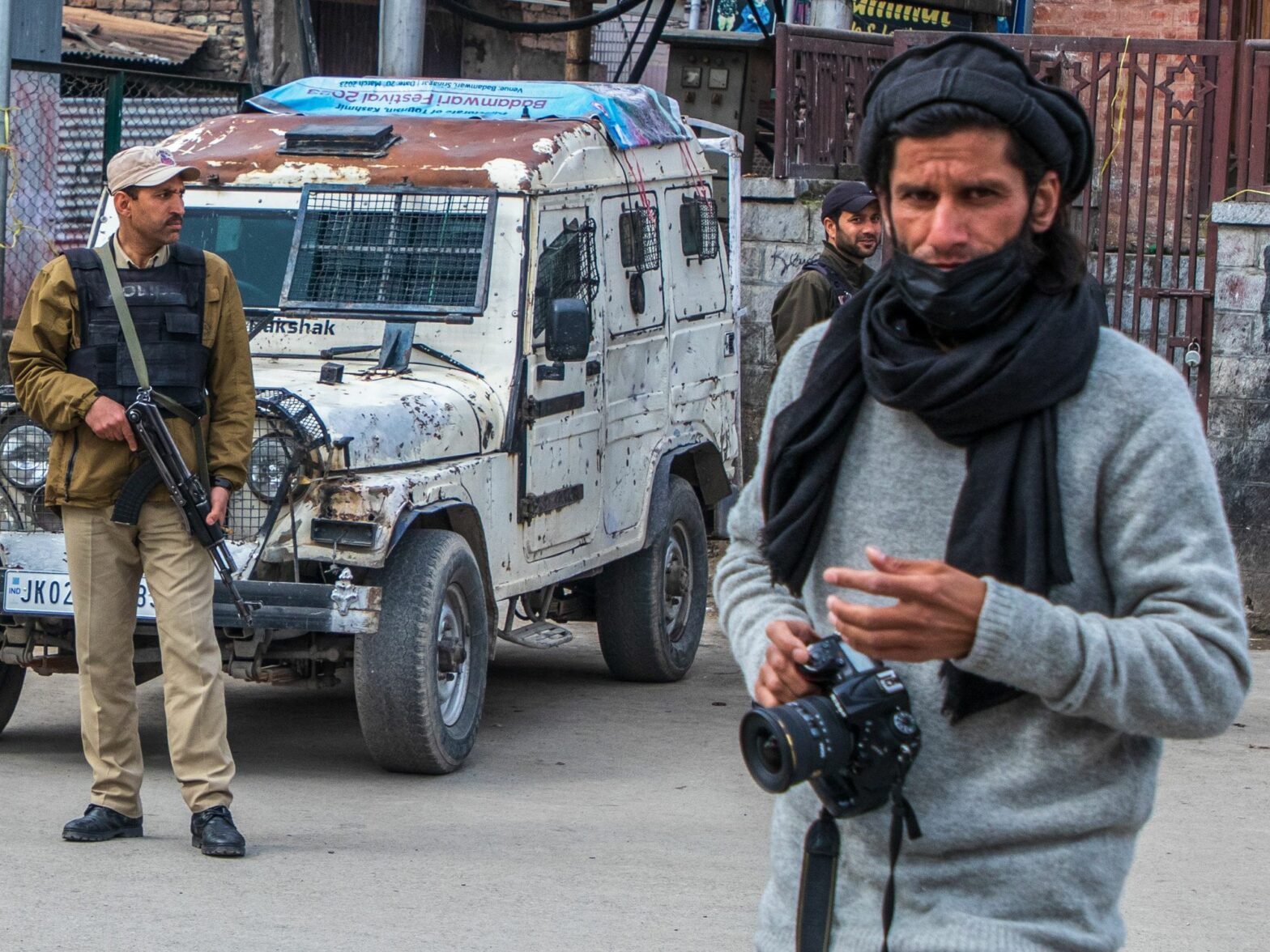
In India, journalists are either ousted from the country, jailed, penalized or criticized for a stance when reporting on government inattention to some issues. In the process the focus sometimes, is on the teller, not the story.
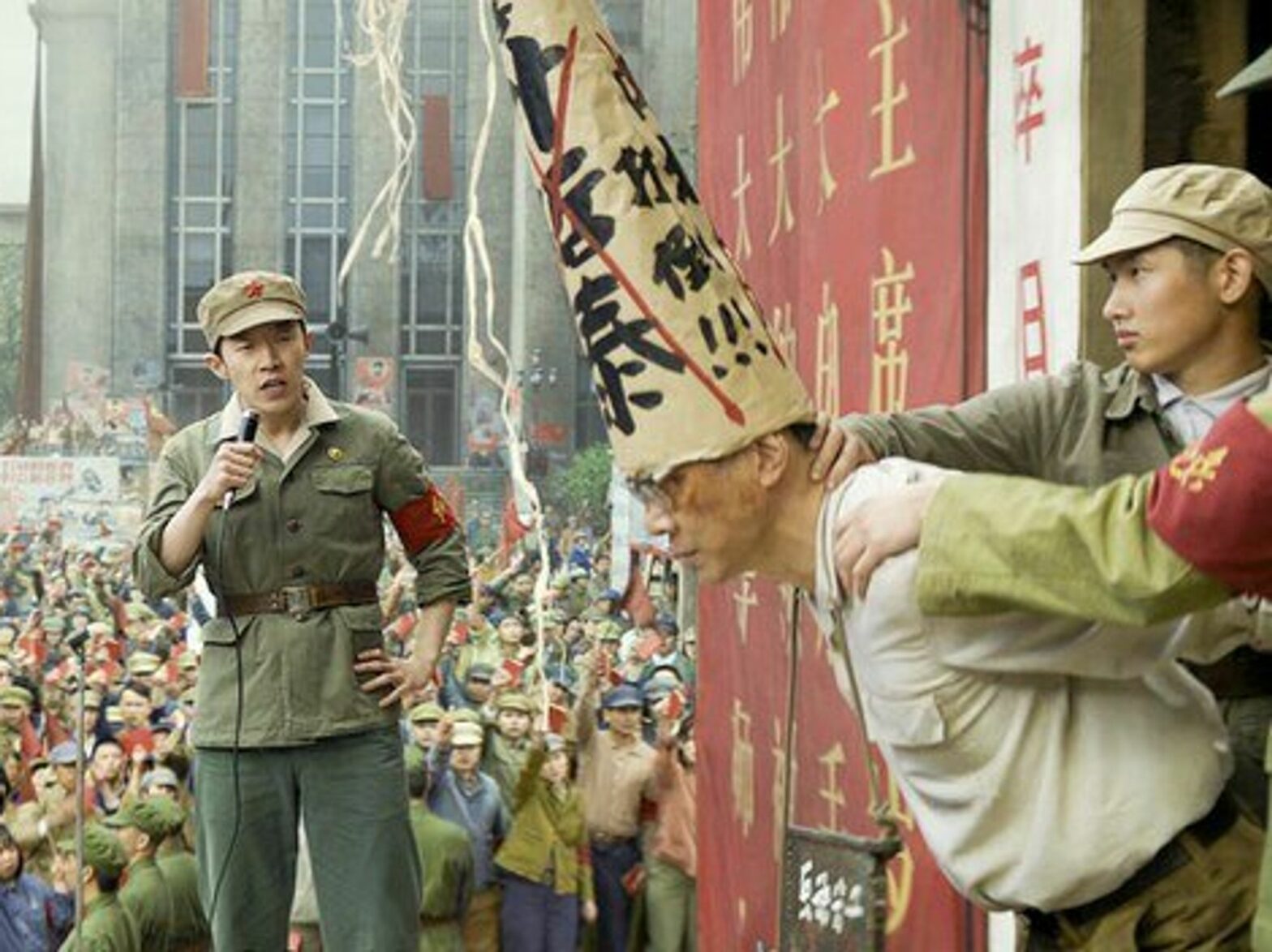
The success of the Netflix series 3 Body Problem, adapted from a famous Chinese science fiction novel, has rekindled hostility between Beijing and Washington. But what is really behind China’s attacks on American cultural hegemony?
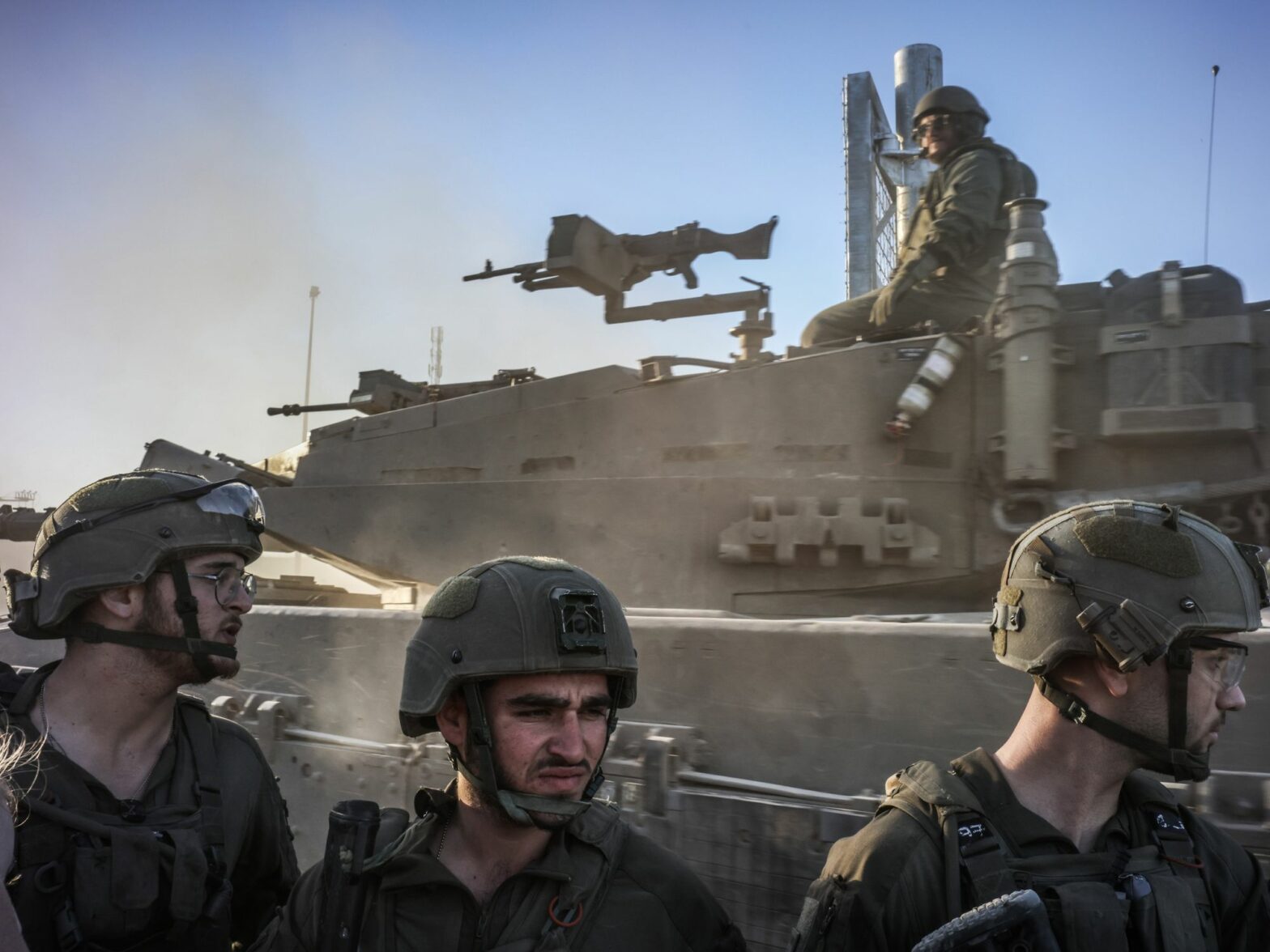
The eighth part of an anthology of poetry from the IDF’s front line soldiers prompted the withdrawal of its copies, with some poems articulating an Israeli “call for revenge.” Sometimes only poetry can truly expose the brutal truth.
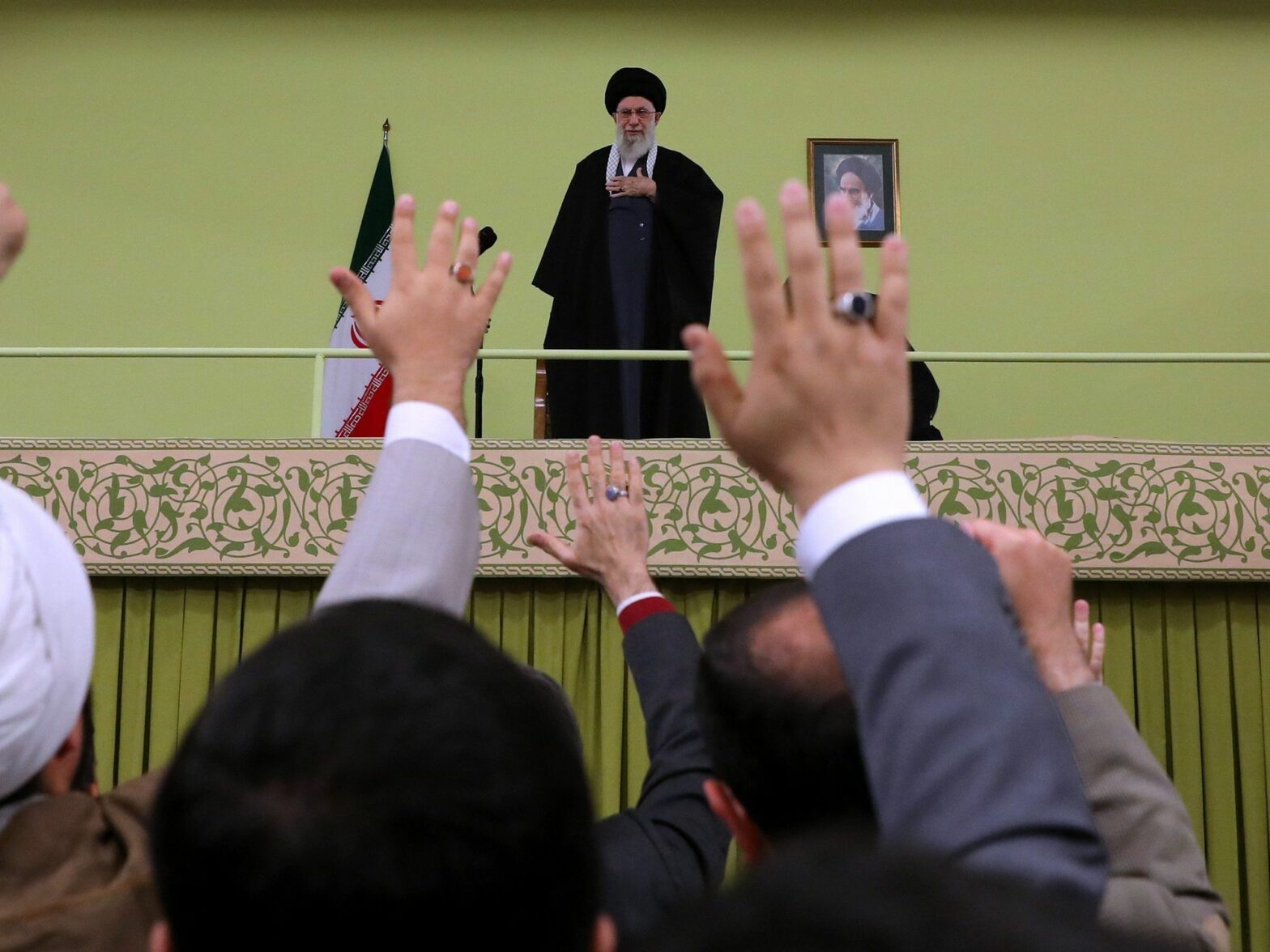
Iran’s Supreme Leader Ali Khamenei, now 84, has been in power since 1989. What will happen when he dies? His death may lead to a hybrid military-Islamic regime, with members of the Revolutionary Guards imposing a more pragmatic yet equally corrupt regime. It is time for the opposition to find a unified leader they can rally behind and that can help mobilize Iranians in the transition.
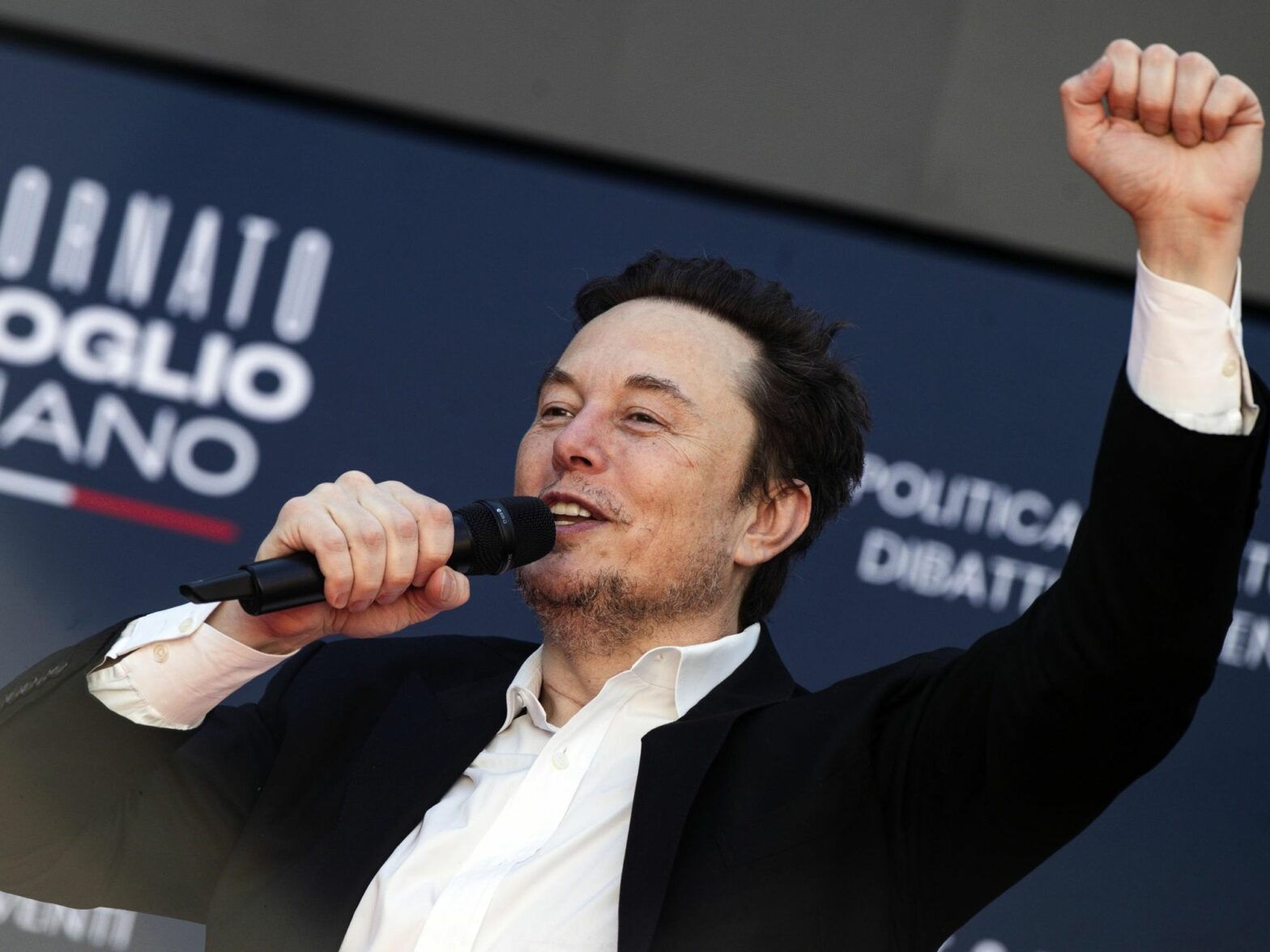
The American billionaire and founder of Tesla and SpaceX is increasingly openly supporting the ideas of the radical right and Donald Trump. Long gone are the days when Silicon Valley voted Democrat: Elon Musk is the embodiment of this openly self-assured “tech right”.
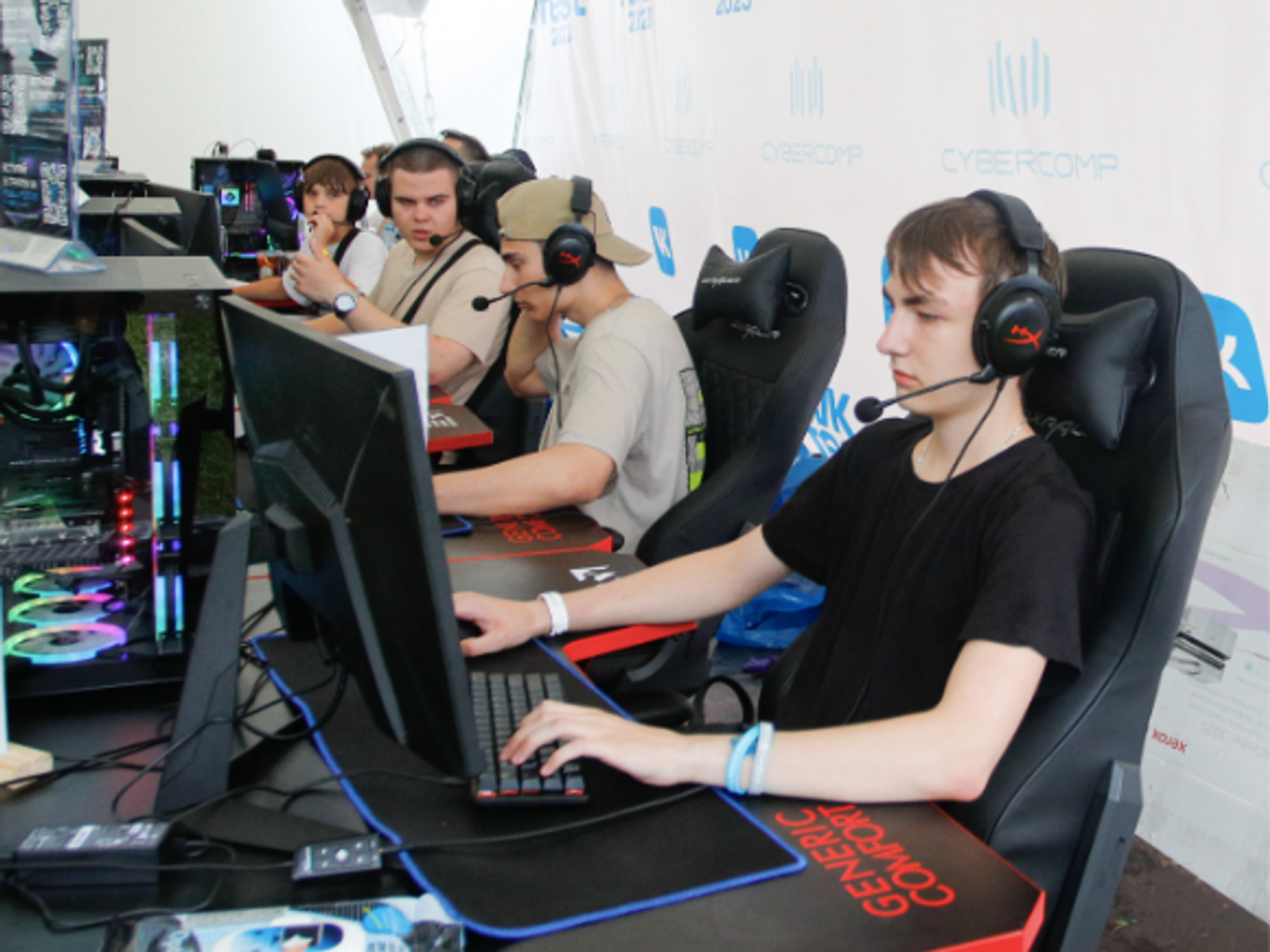
There have been increasing incidents at the regional level that indicate the Kremlin is developing a system, with elements from Chinese and Iranian censorship, to restrict internet access to build a new higher level of control over information.
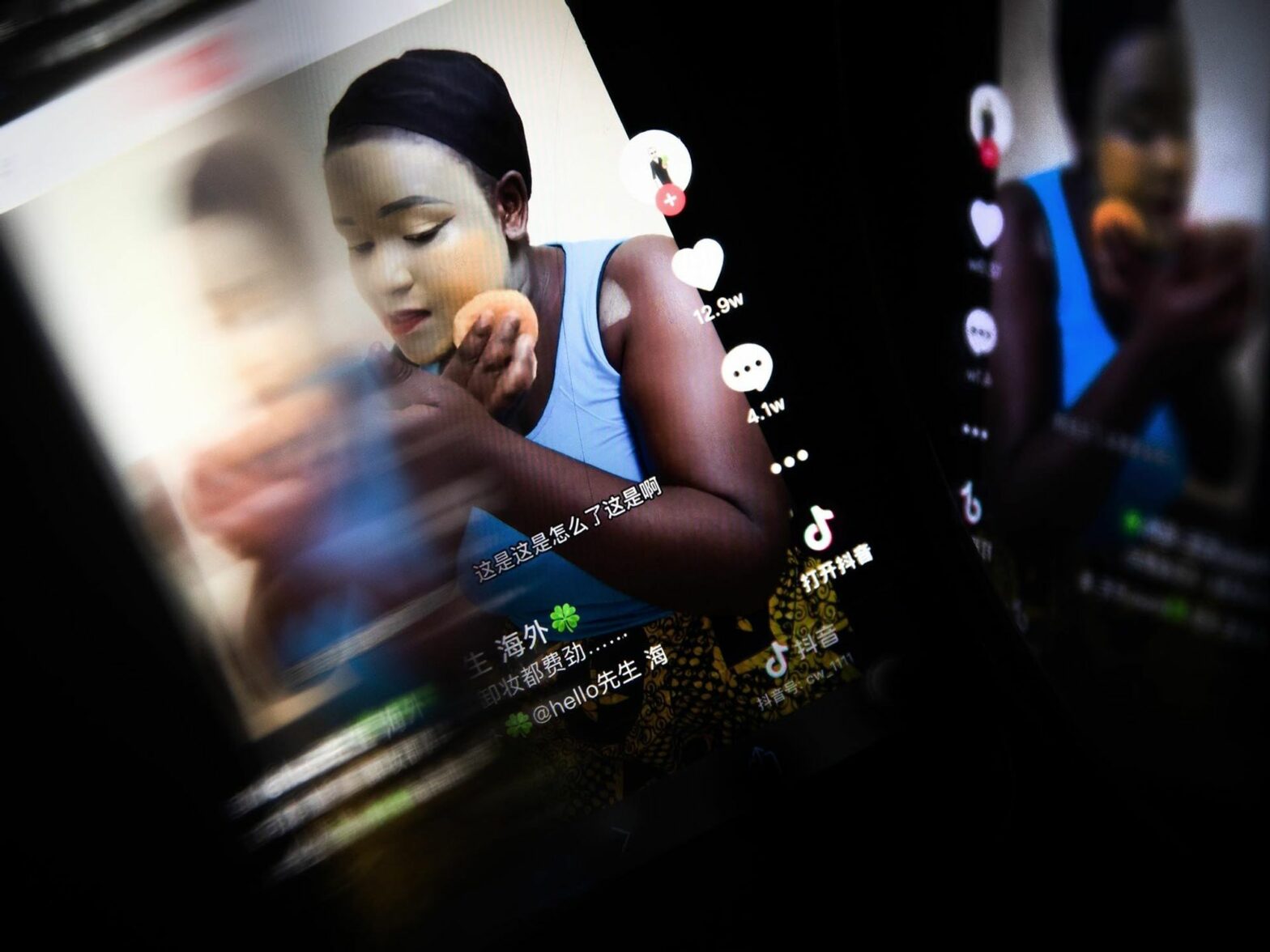
What has driven the rise and slow decline of Chinese social media influencers on the African continent? A mix of business, racism and censorship — and short attention spans of all of the above.
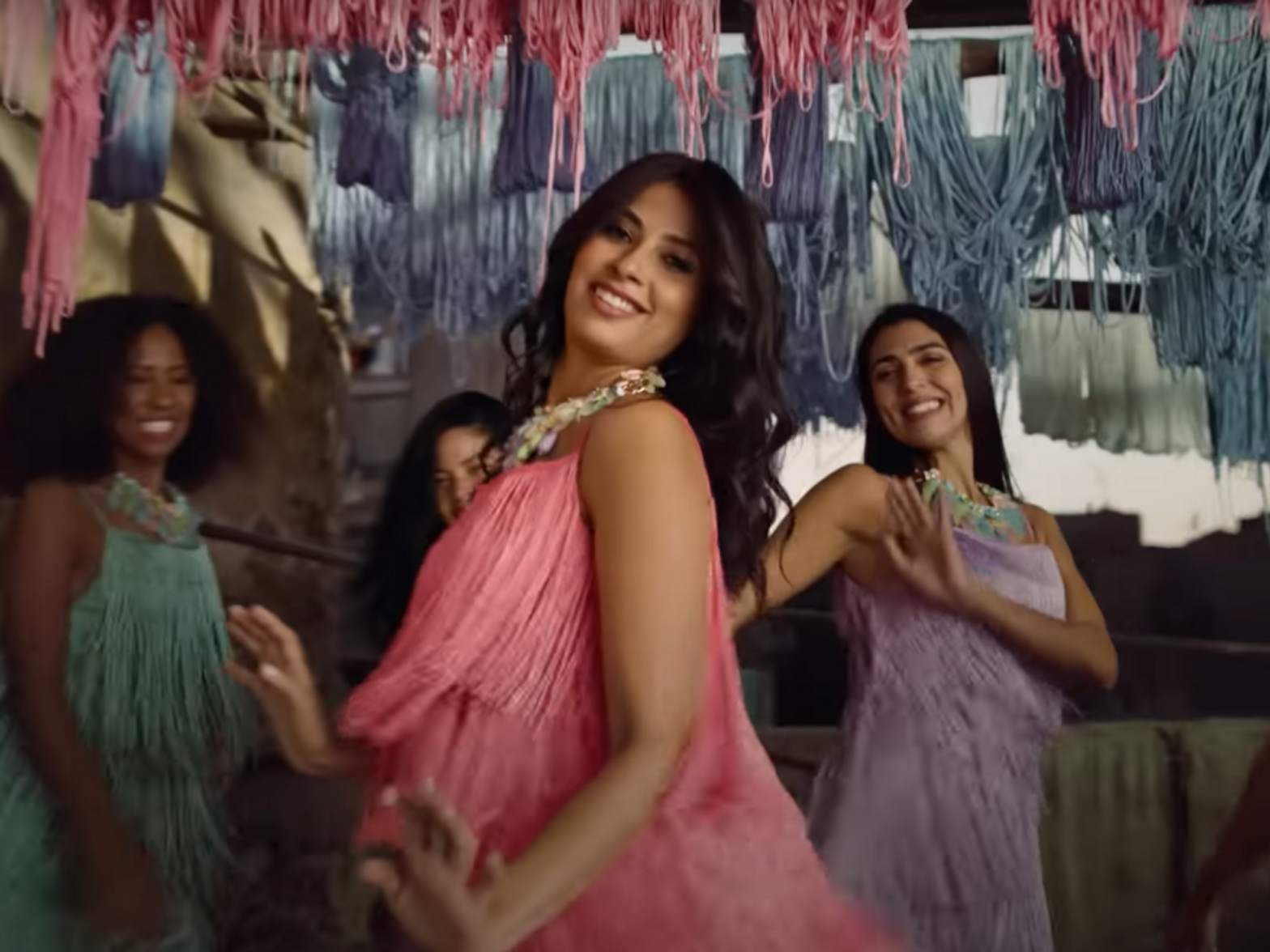
For more than two decades, the Egyptian singer and dancer Ruby has pushed the conservative limits of society. Her latest song is more sexually explicit than ever.
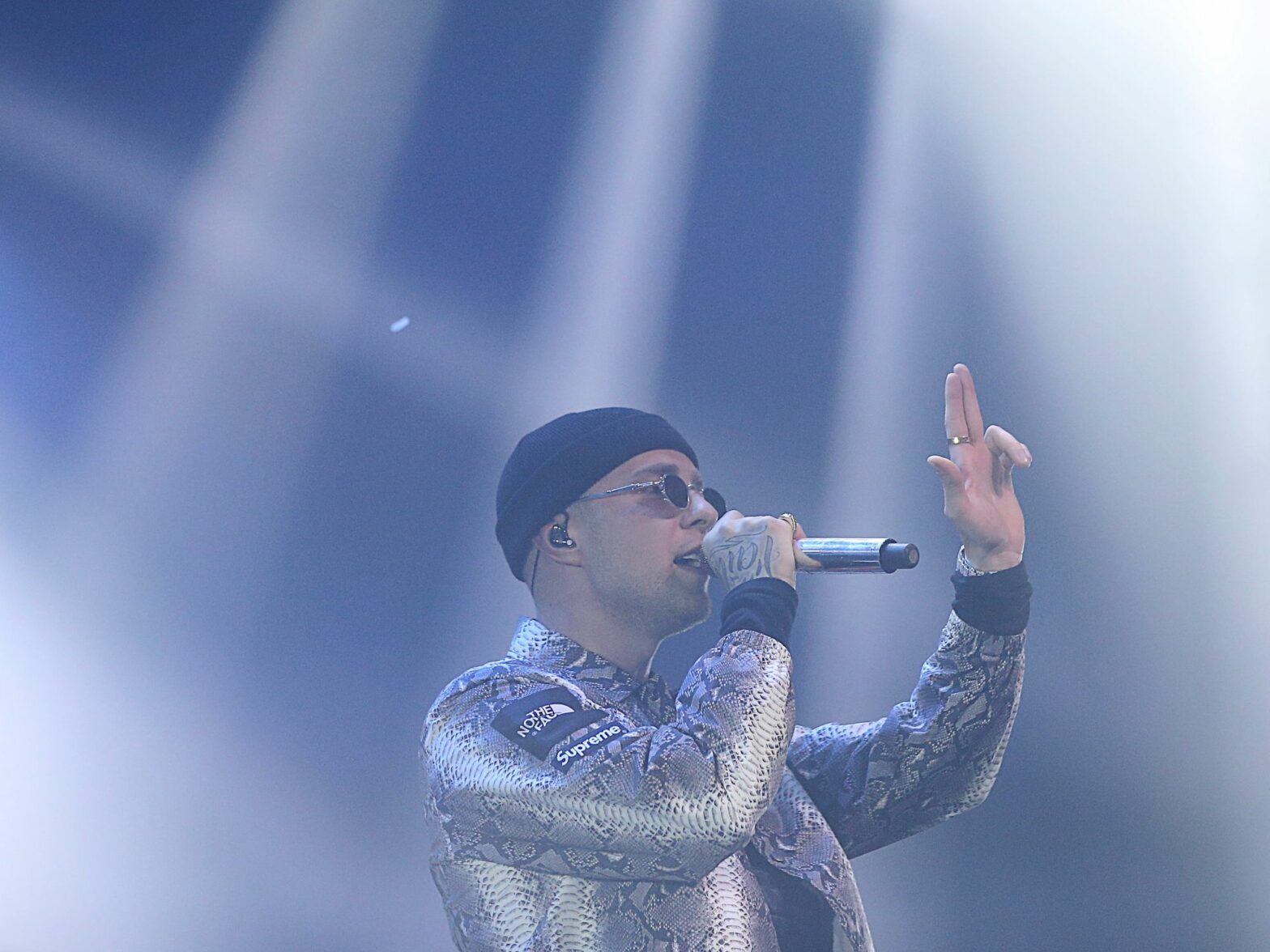
Censorship in Russia has increased rapidly over the last couple of decades, especially since their invasion of Ukraine. Russian rap, which has often challenged the politics and society of Russia, has become even more censored than before, even causing some rappers to emigrate.
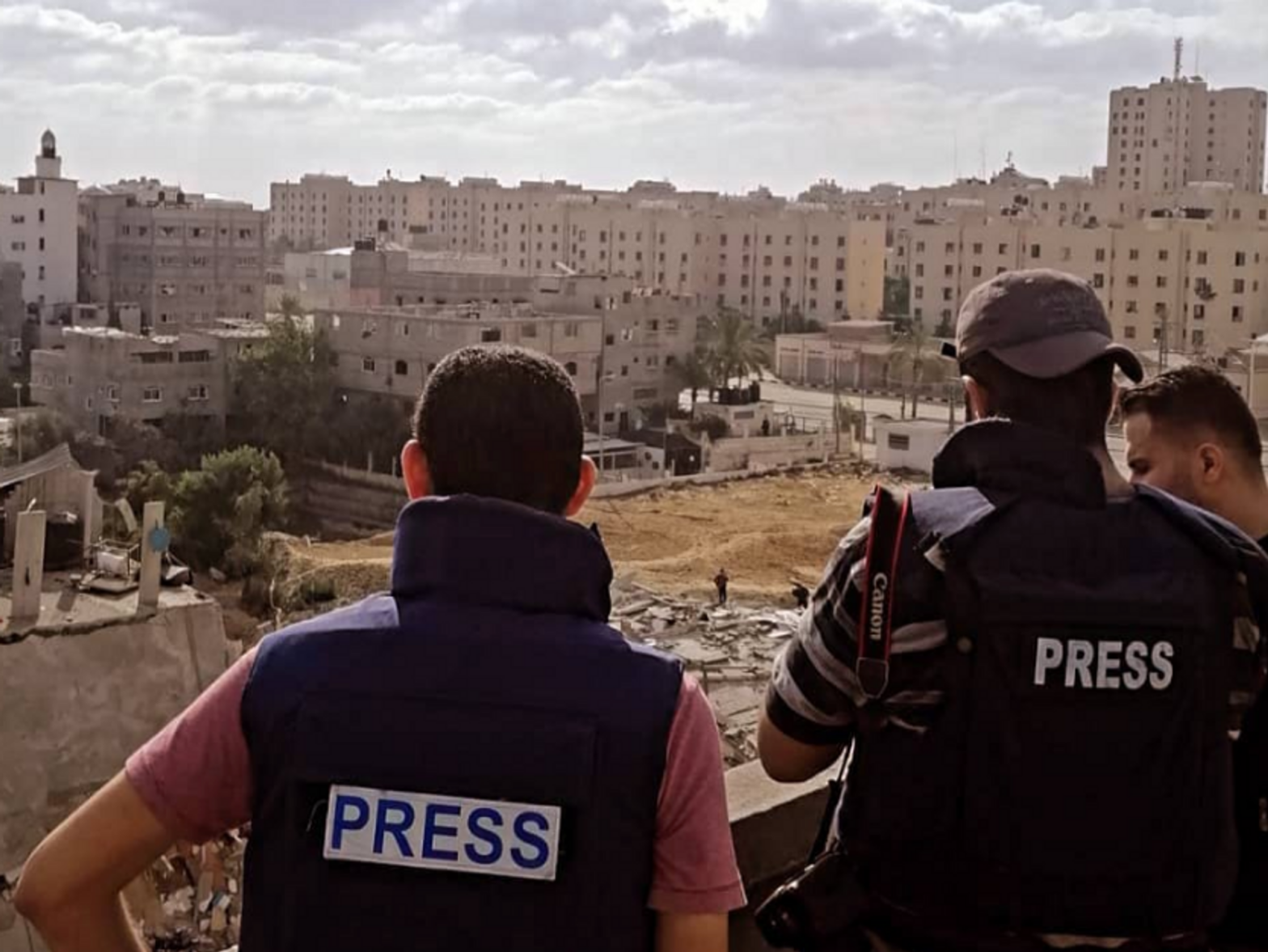
Since the beginning of Israel’s attacks on Gaza, journalists on the ground have been on the front lines, and many of them have already lost their lives. Meanwhile, the media machine in the rest of the world has gone wild, with even the most prominent media outlets spreading fake news.
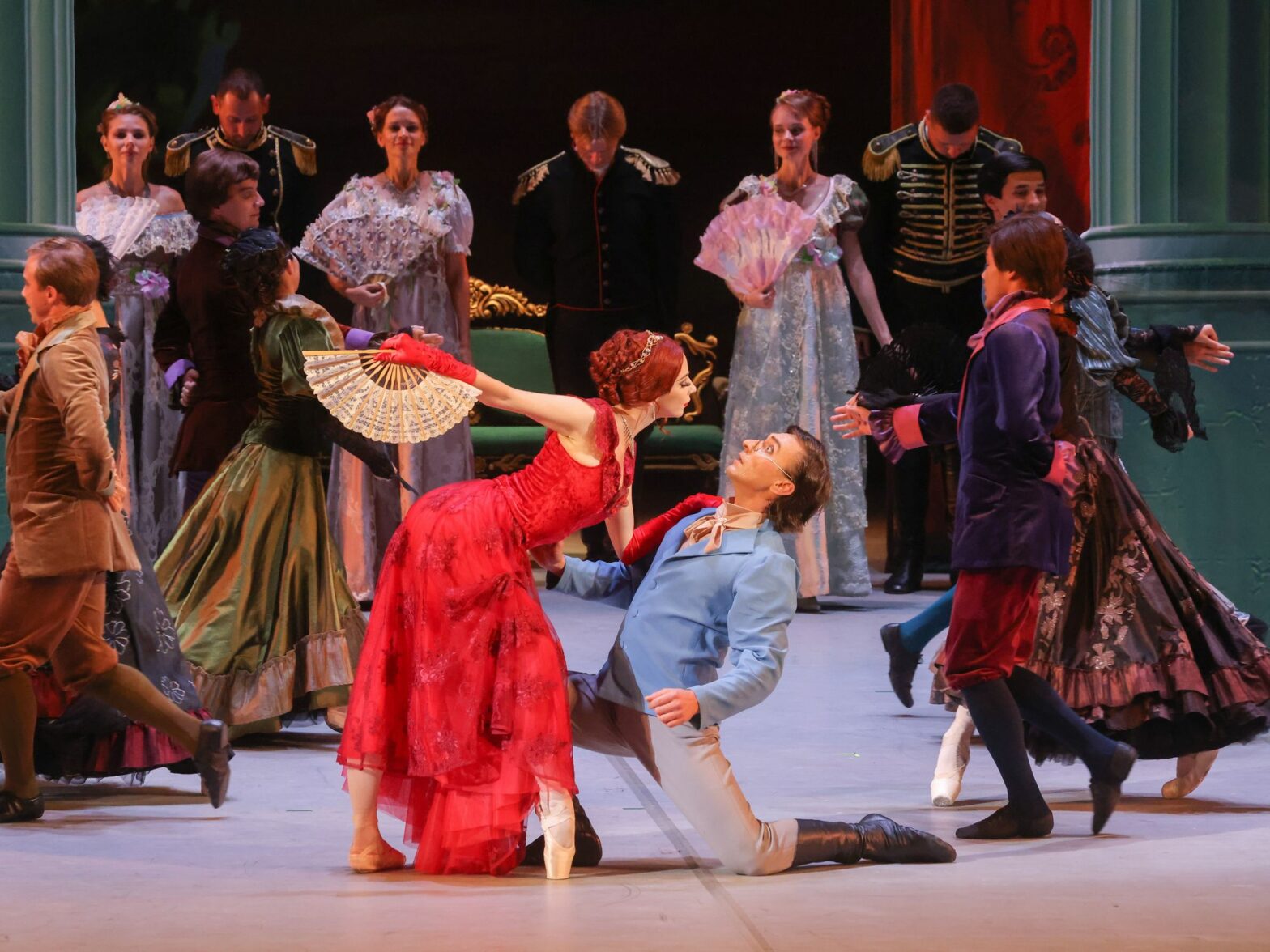
Censoring art because of creators’ political views is nothing new in Russia — but it’s rarely acknowledged. Now, the director of the Bolshoi ballet is saying the quiet part aloud.
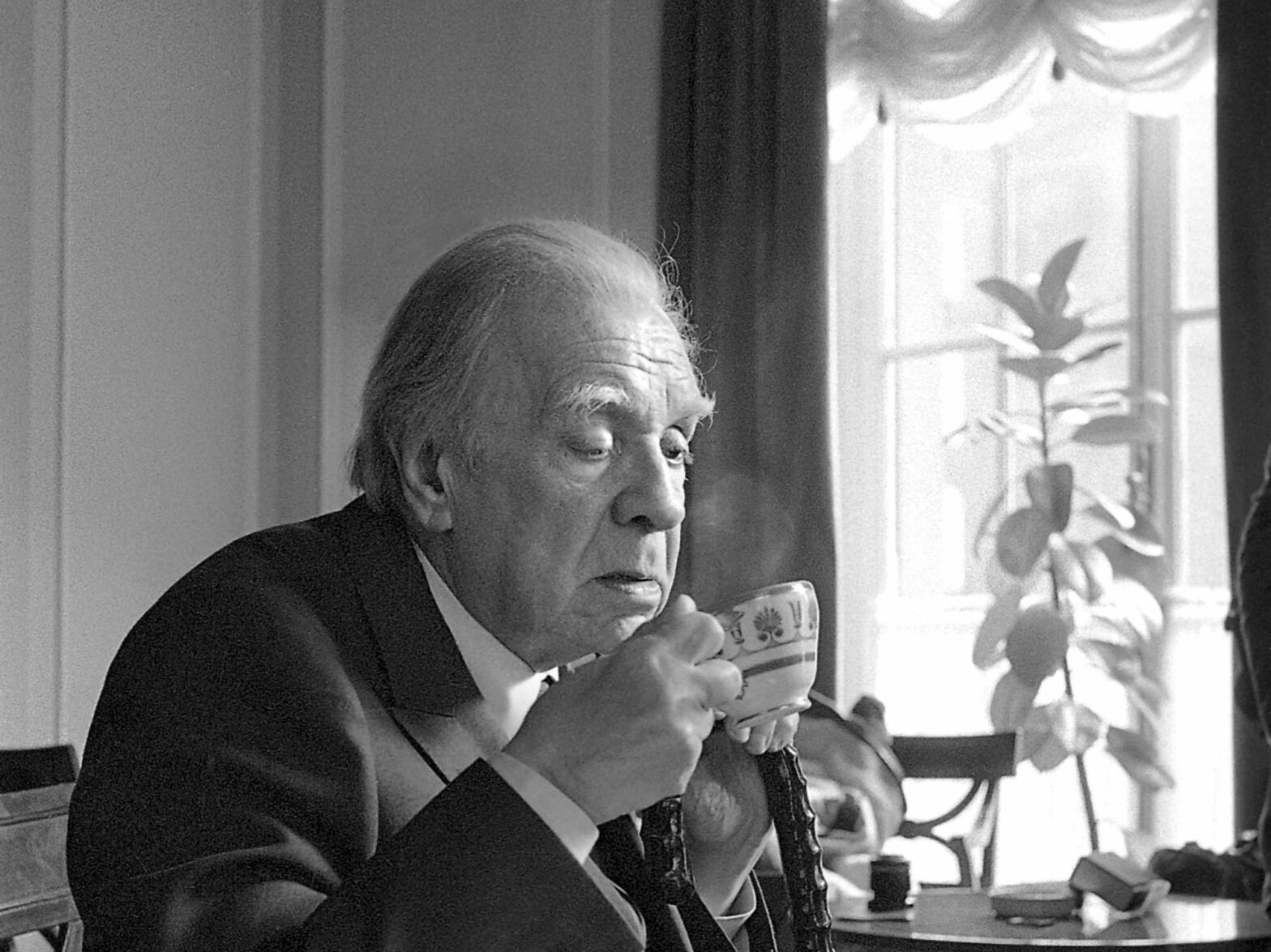
The vigorous liberalism of Argentina’s literary giant, Jorge Luis Borges, and his disdain for the 20th century’s oppressive regimes, may yet make him an icon of today’s youthful, if less learned, libertarians.
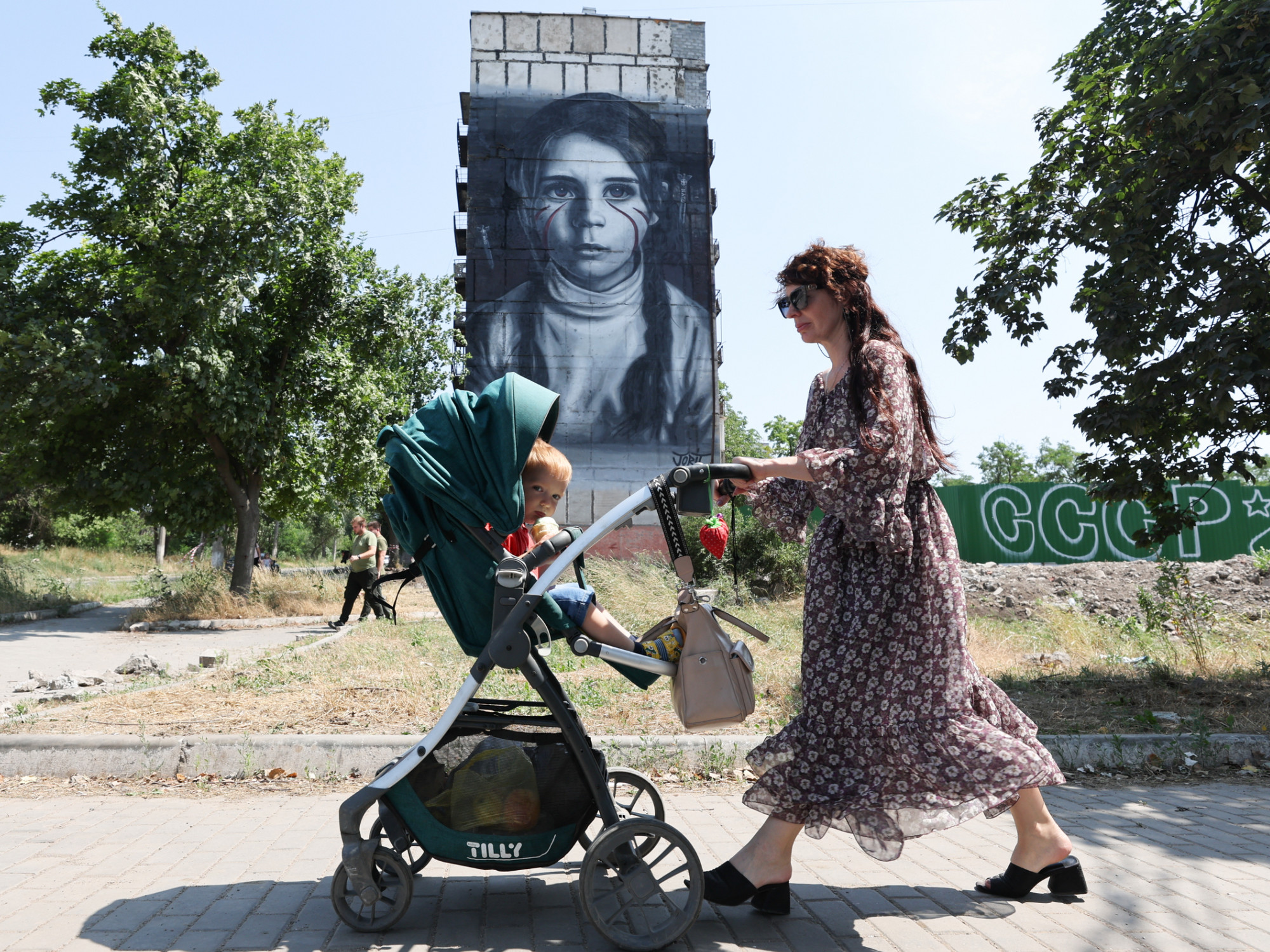
Russia has occupied of parts of Ukraine for almost a decade, busy promoting a pro-Russian narrative in those territories. Moscow’s aim is to ensure loyalty and deliberately create tensions among Ukrainians in free territories. It is a formula that has been
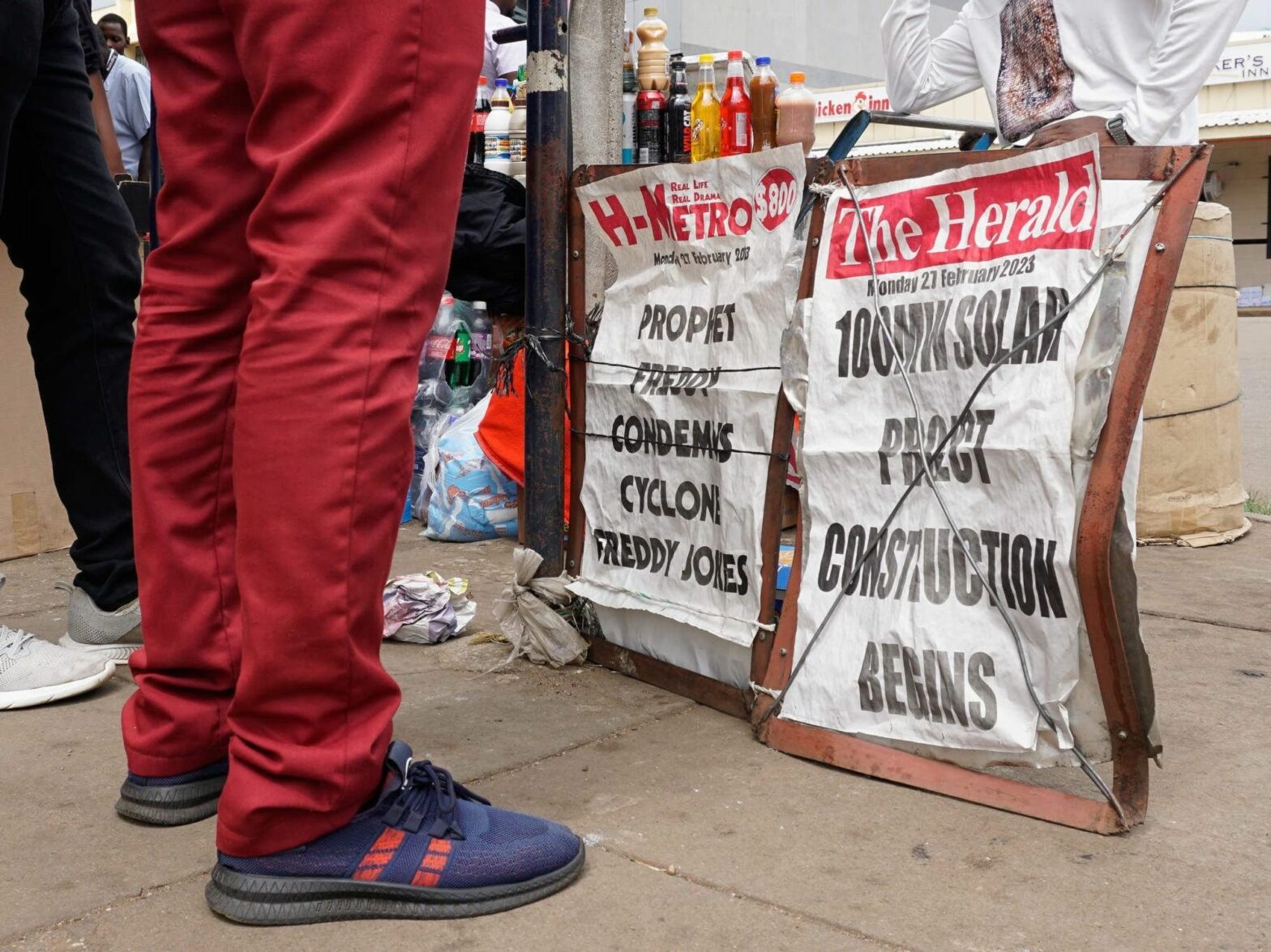
Free speech advocates are concerned that the government has been using the Criminal Law Codification and Reform Act to keep citizens and journalists from expressing political opinions.
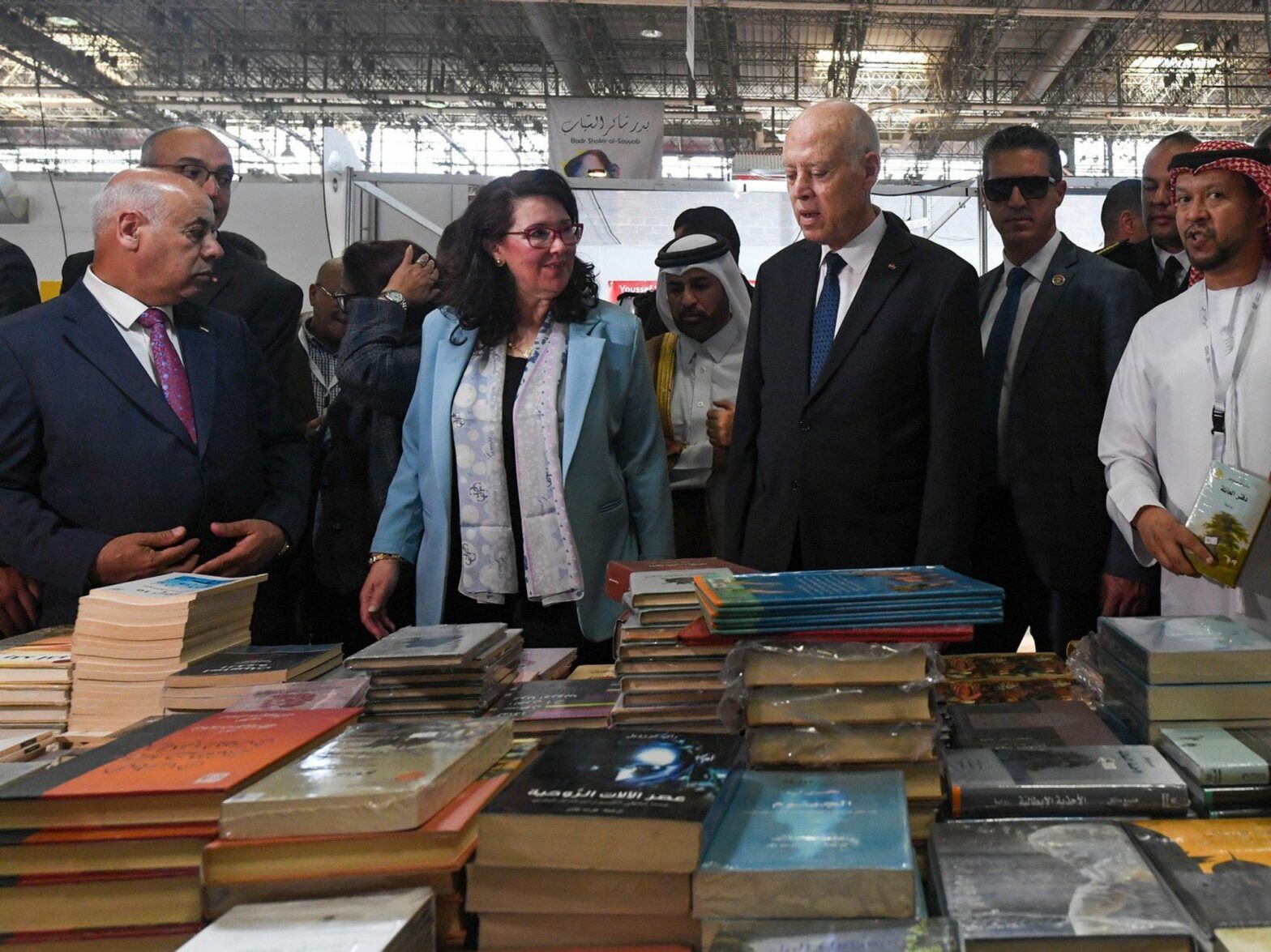
The recently completed 37th International Book Fair in Tunis became a flashpoint of growing concerns that Tunisian President Kaïs Saïed is cracking down on freedom of speech.
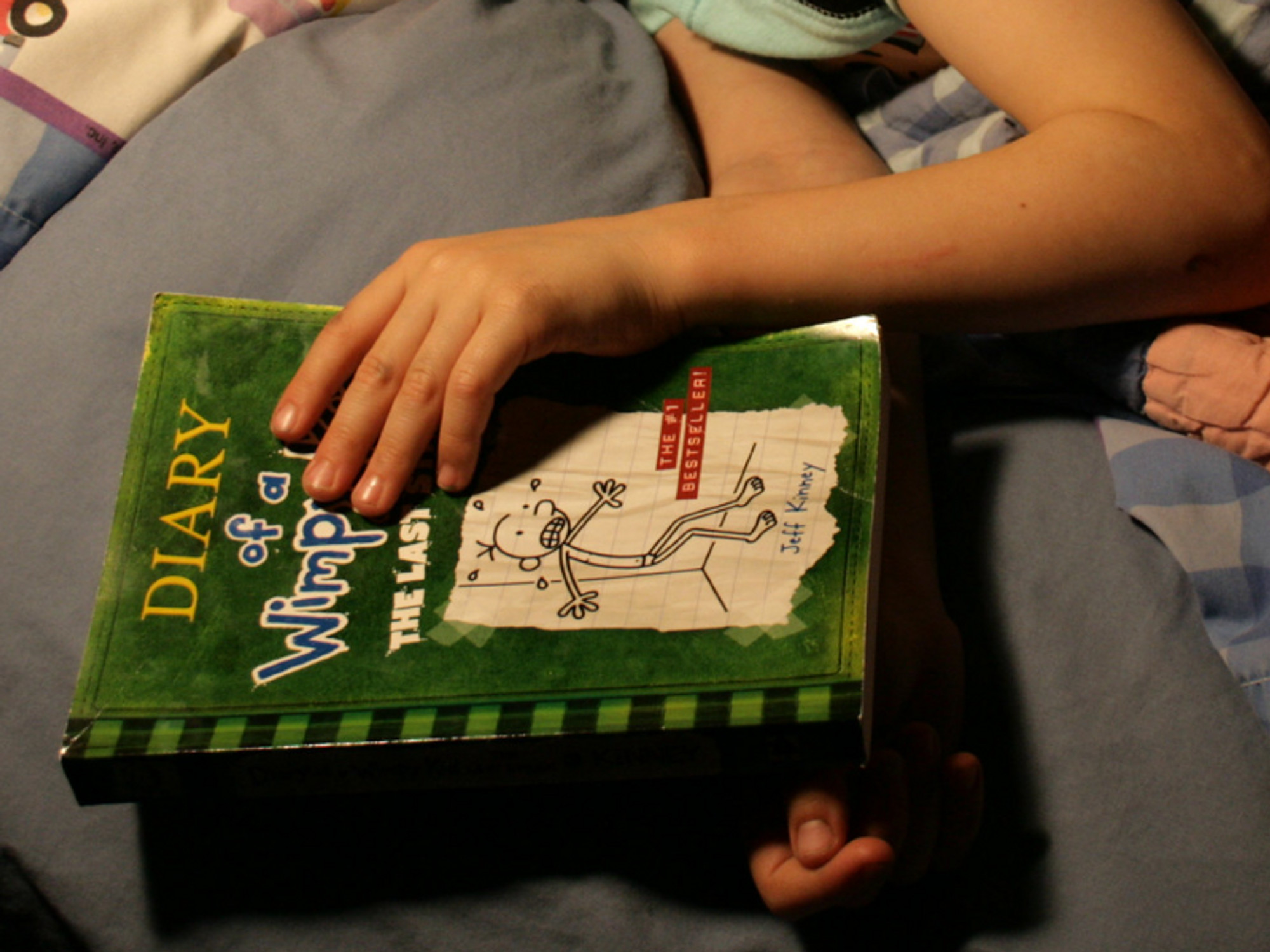
Welcome to Worldcrunch’s LGBTQ+ International. We bring you up-to-speed each week on a topic you may follow closely at home, but can now see from different places and perspectives around the world. Discover the latest news on everything LGBTQ+ — from all corners of the planet. All in one smooth scroll! This week featuring: TW: […]
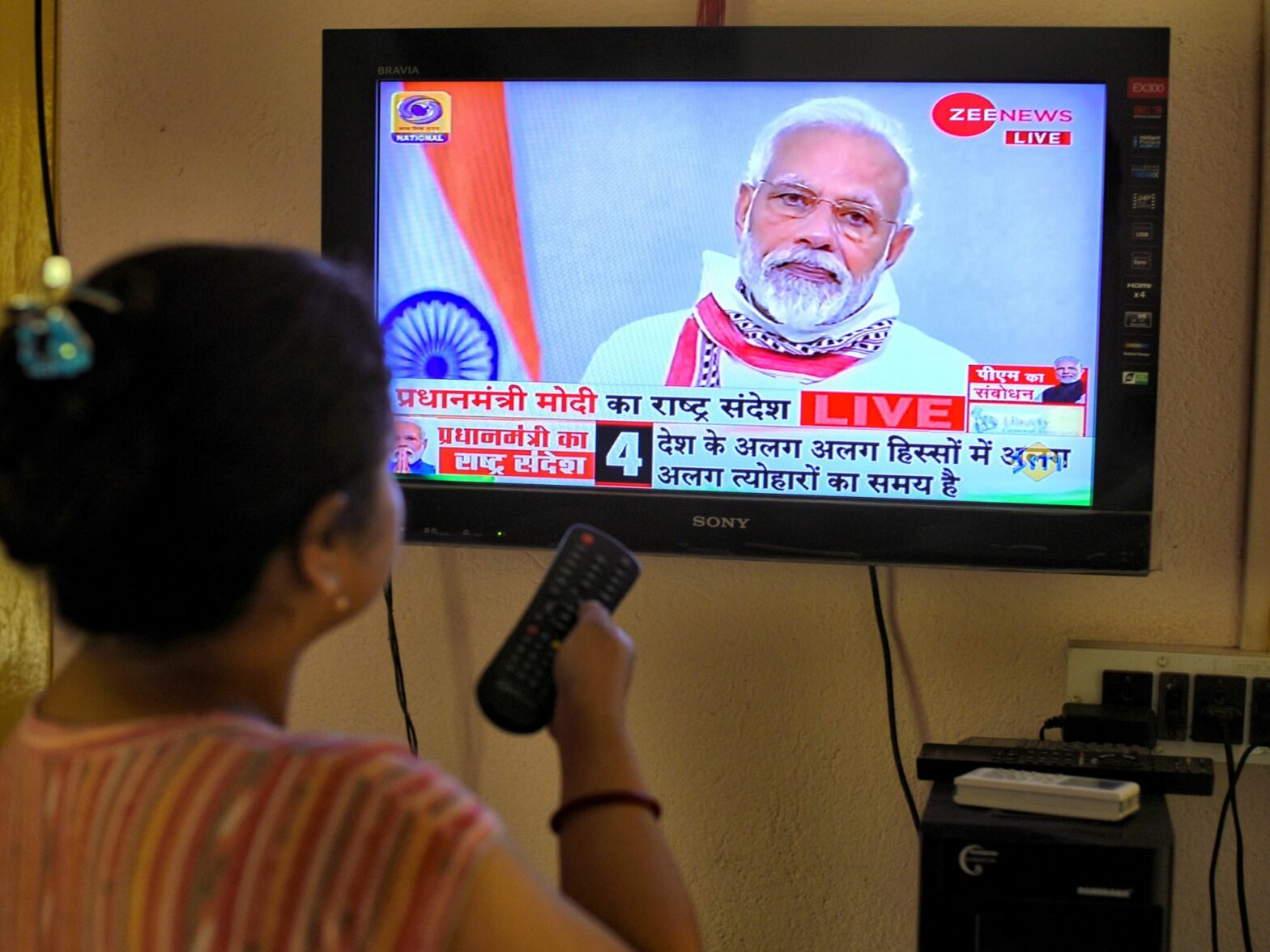
The Modi government’s attempts to censor the media and intimidate independent journalism pose a grave danger to Indian democracy.
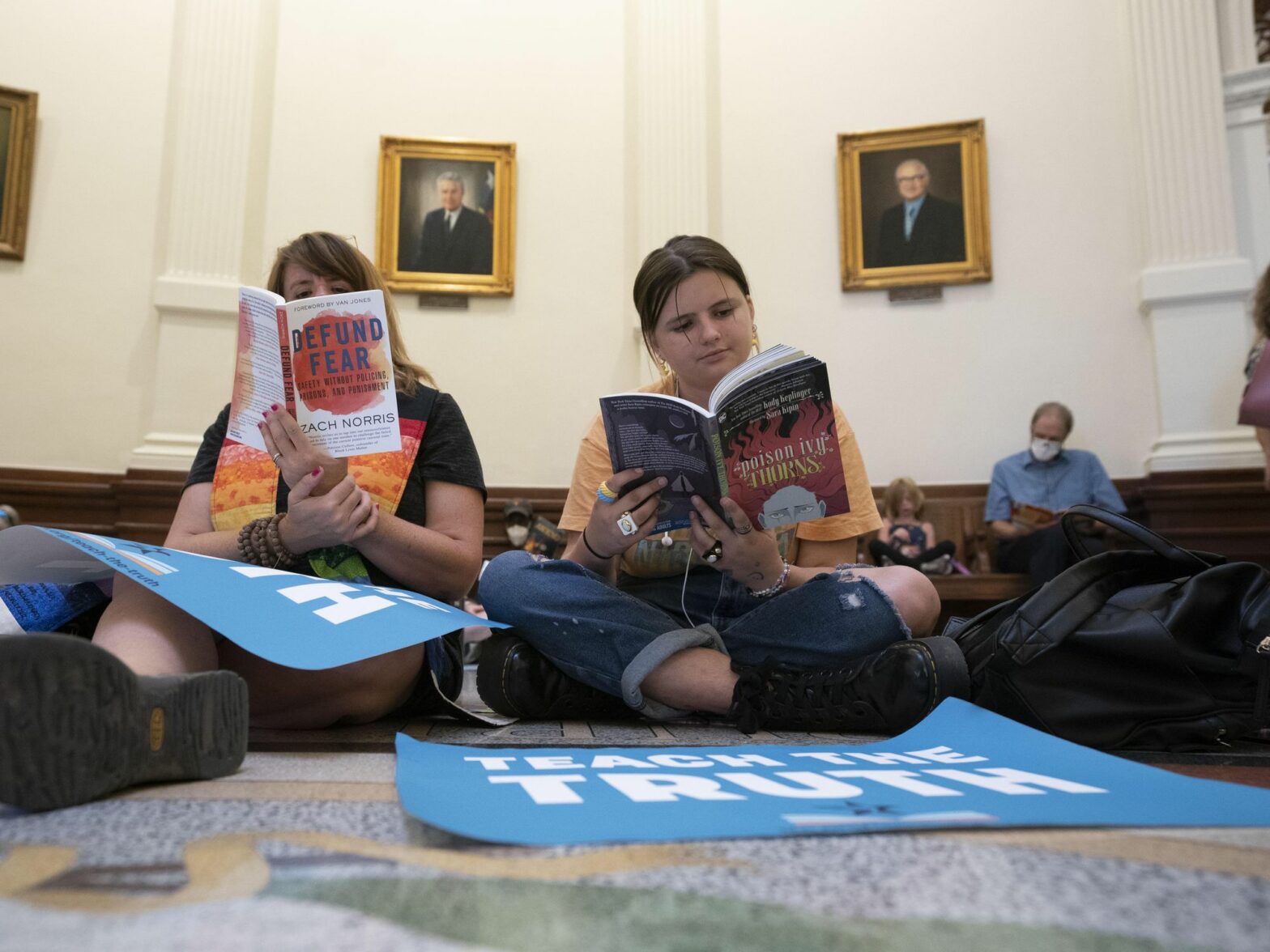
Readers can be unduly critical of authors for a range of reasons, from old-fashioned spite to the modern phenomenon of wokeness. But writers should not consider these people enemies, but rather guides to help dig deeper.
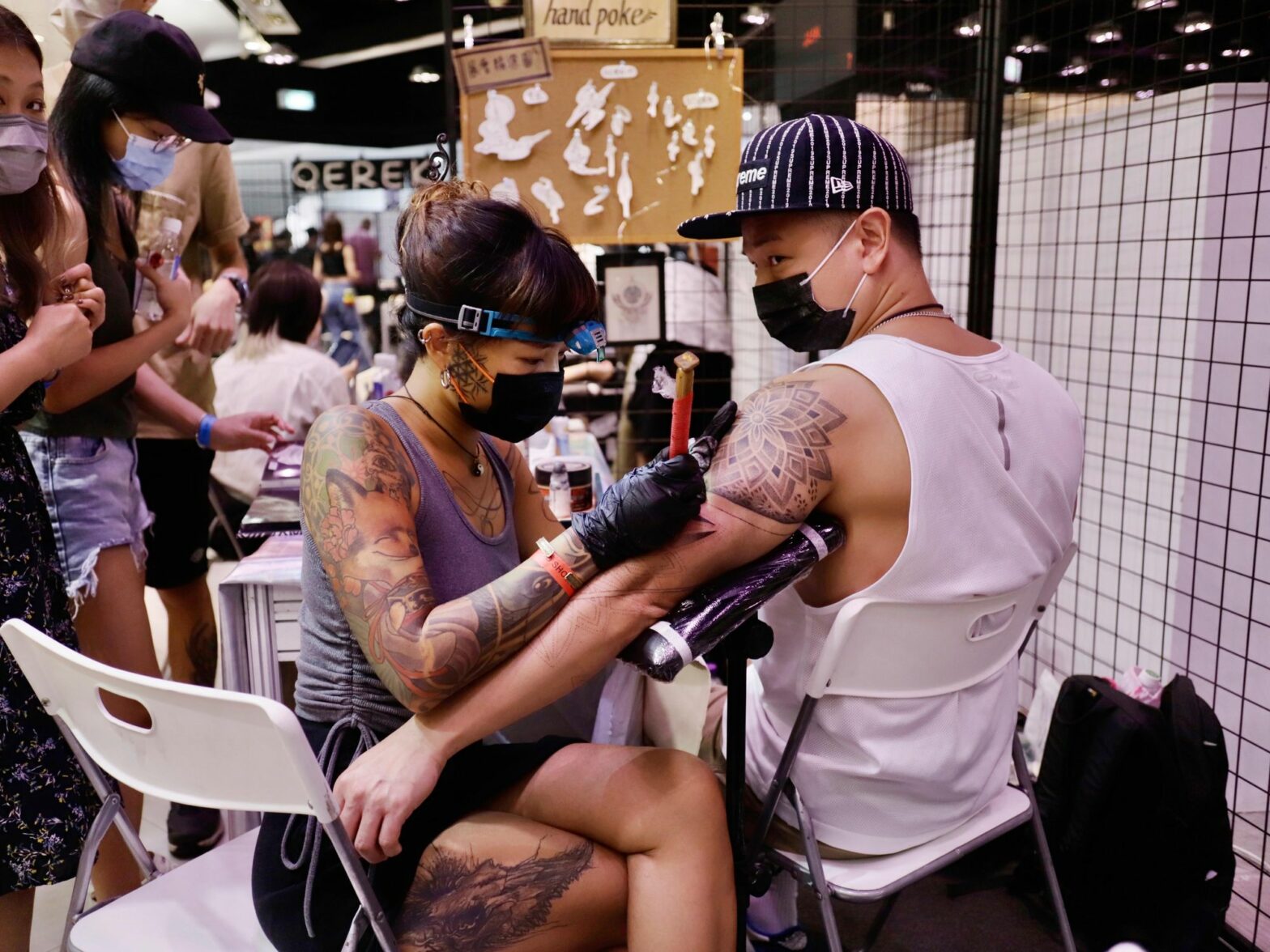
A new regulation in China is cracking down hard on tattoos. The law is ostensibly about minors, but some argue that it’s going too far and actively erasing the glorious Chinese past.
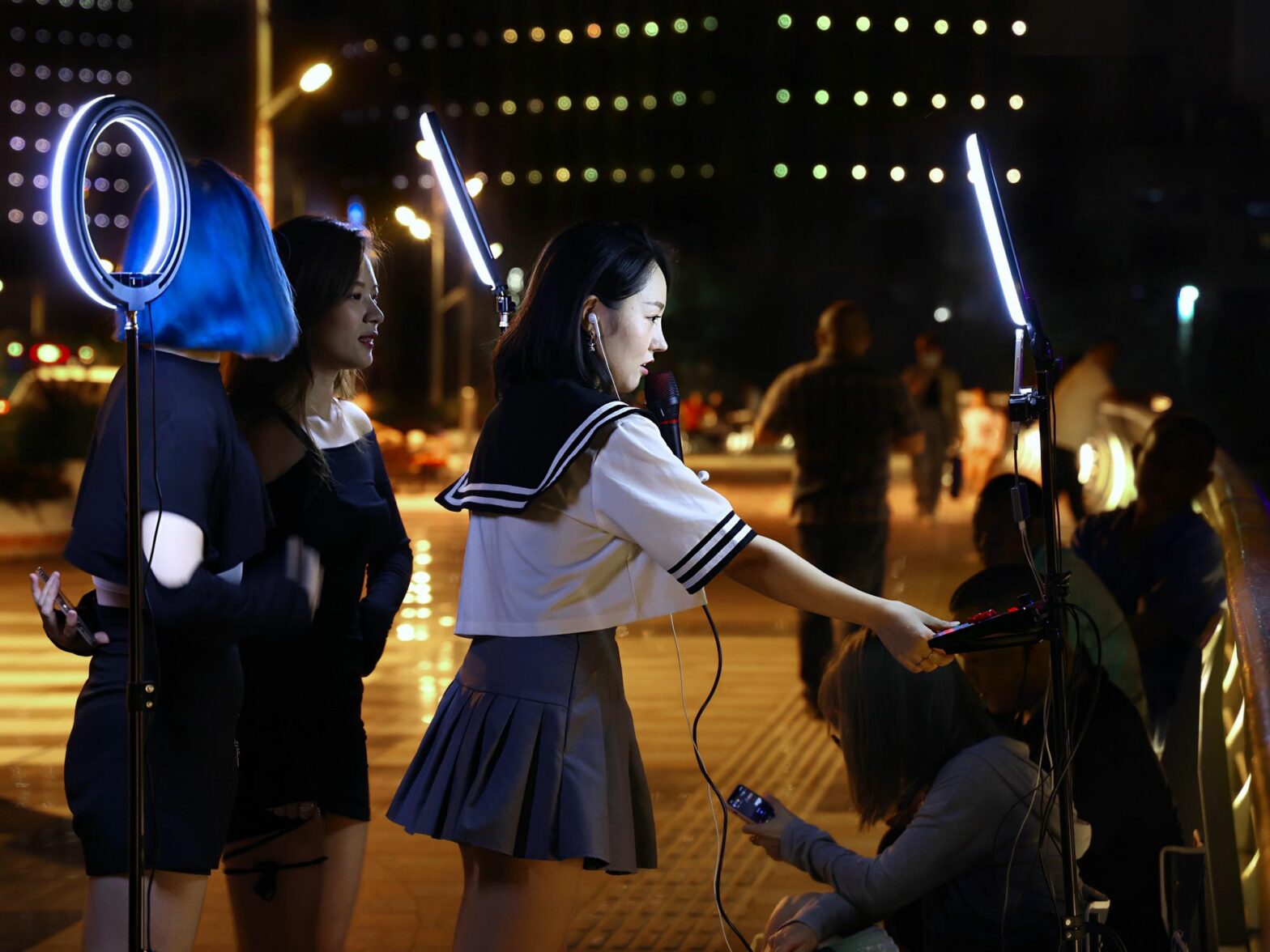
It may have taken a little while, but the Chinese Communist Party woke up to the risks of losing control of information flows on livestream platforms.
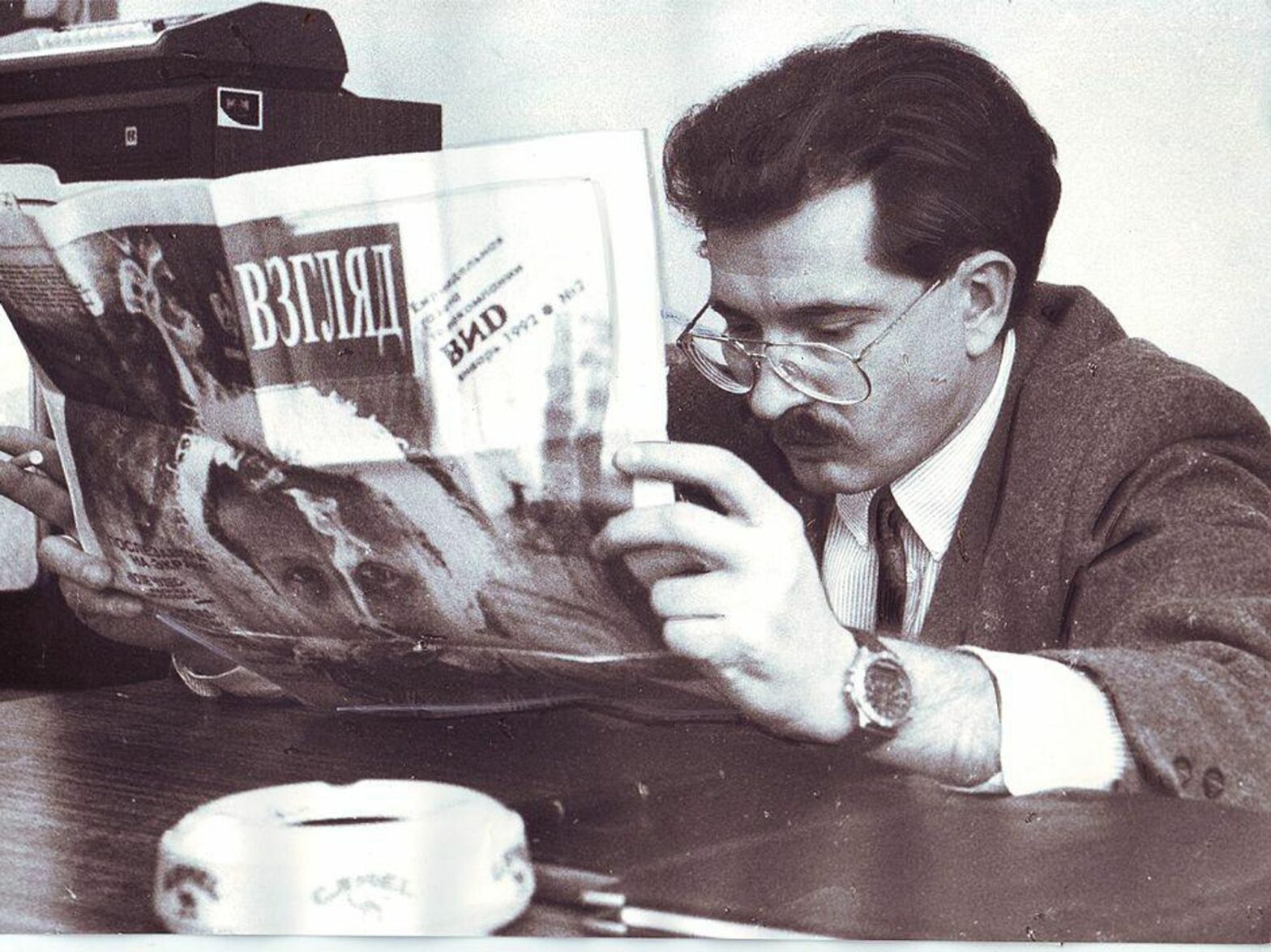
Ukrainian journalist Anna Akage looks back on the glory days of post-Soviet, high-quality journalism, which captured her ima and how quickly it was bound to be replaced by a “new truth” permeating Russian society.
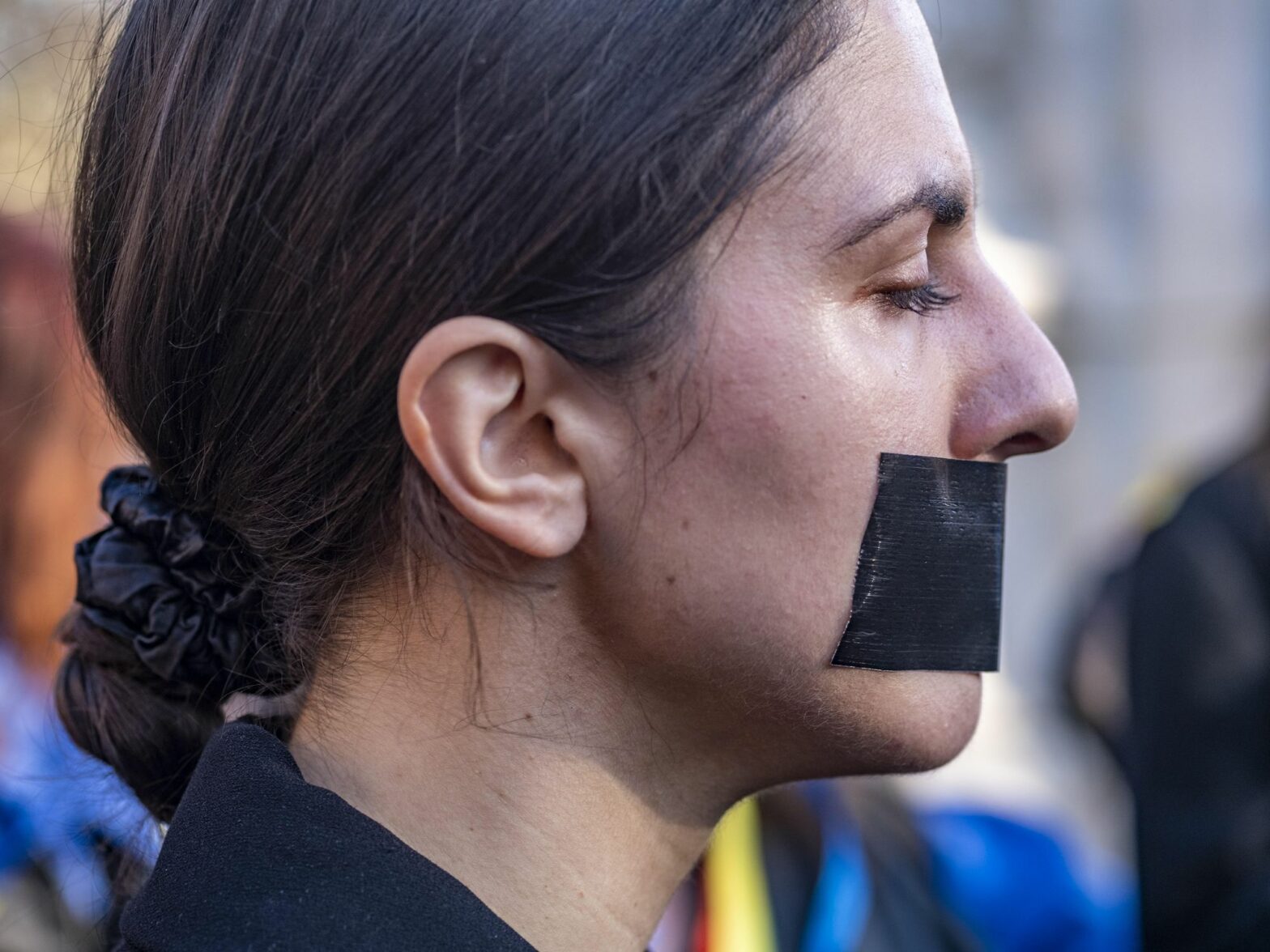
English Professor Jacob Edmond takes a look at the creative ways that Russian journalists, writers and artists are turning forced silence into powerful statements.
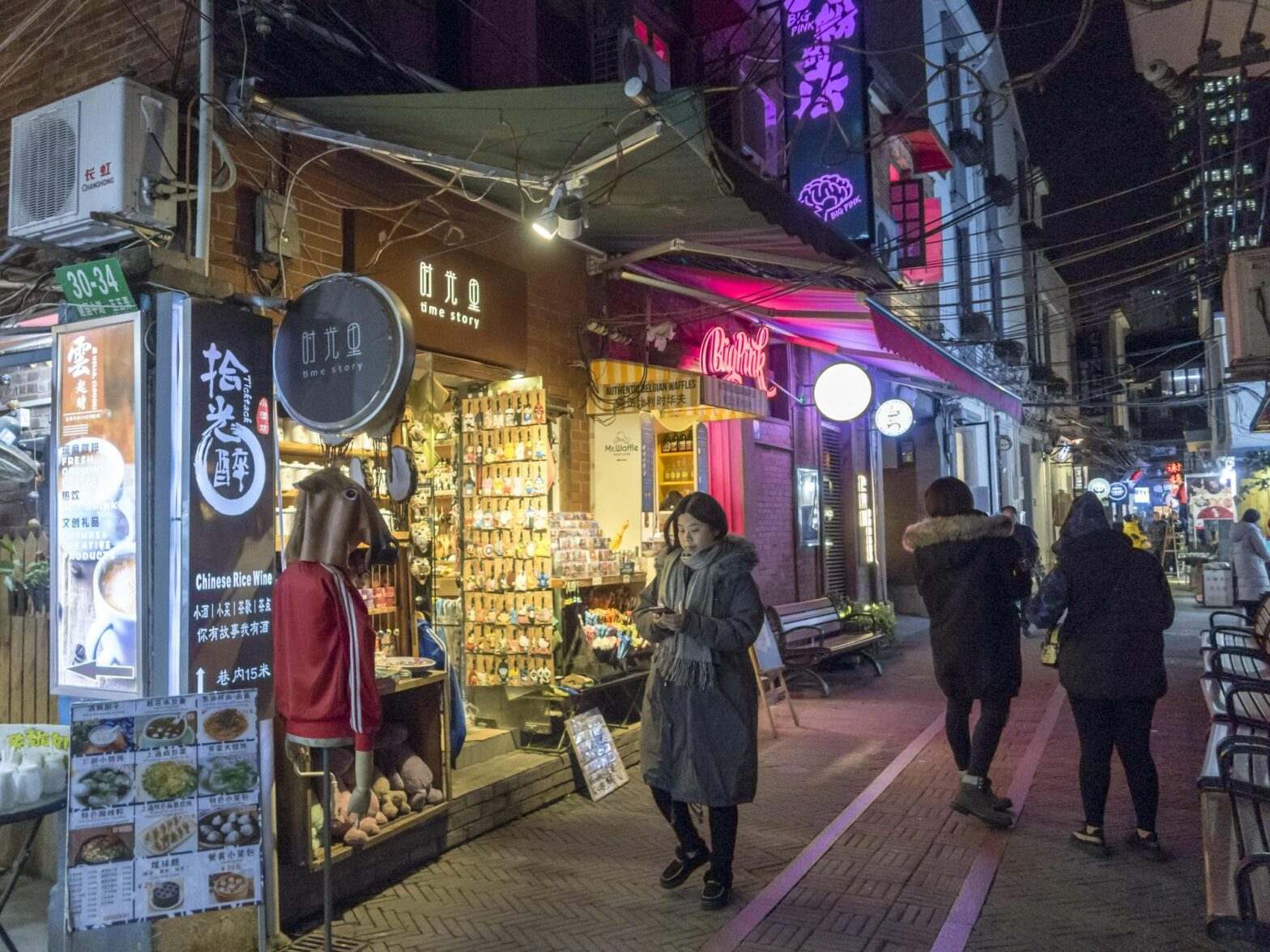
Not only strict rules of freedom of movement as part of Zero-COVID policy but also an increase in censorship has raised many questions for the expat population in the megacity of 26 million that had long enjoyed a kind of special status in China as a place of freedom and openness. A recent survey of foreigners in the Chinese megacity found that 48% of respondents said they would leave Shanghai within the next year.
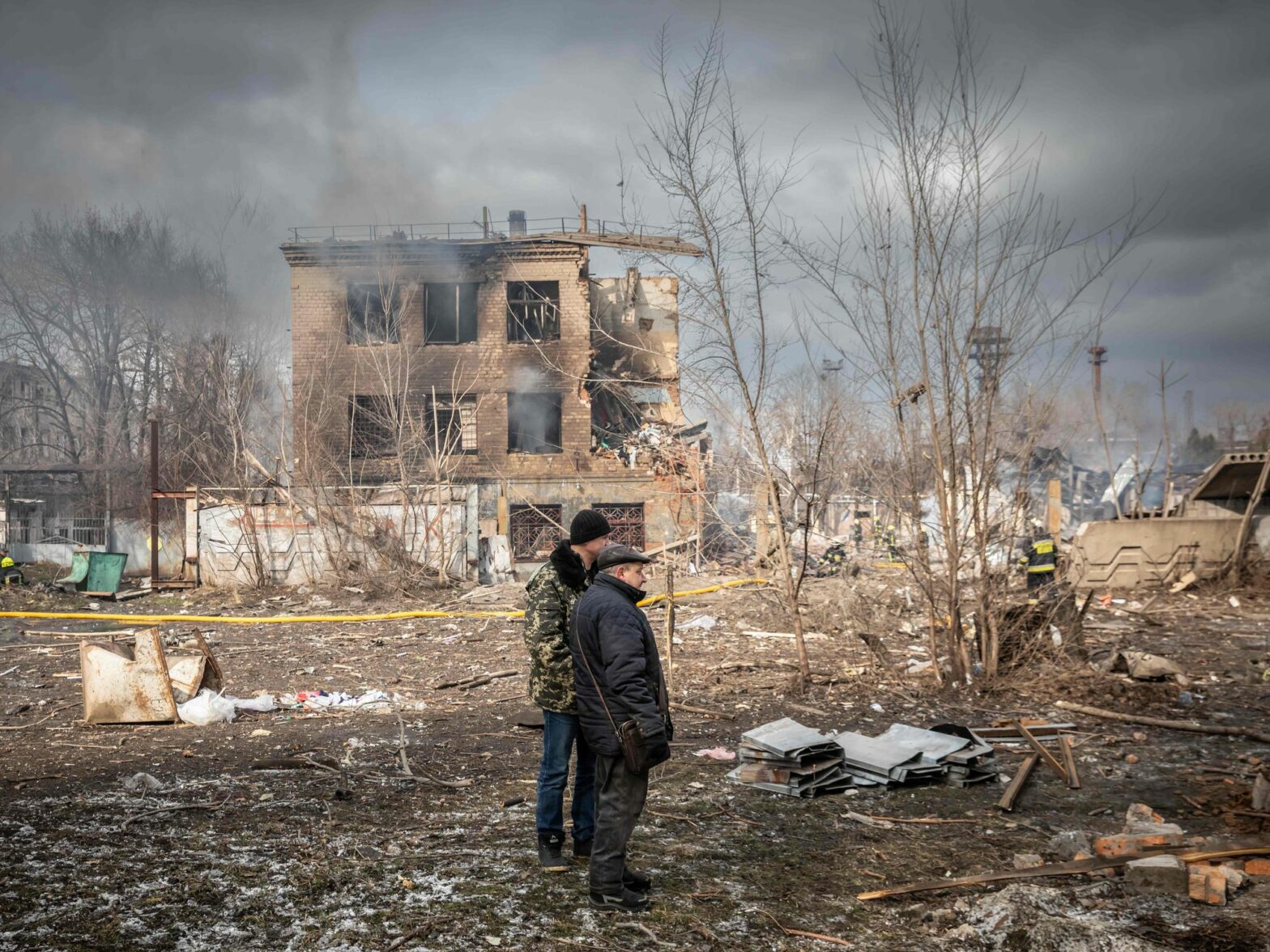
In Ukraine, those who do not want to fight on the front or who want negotiations cannot say so publicly for fear of accusations of being traitors.
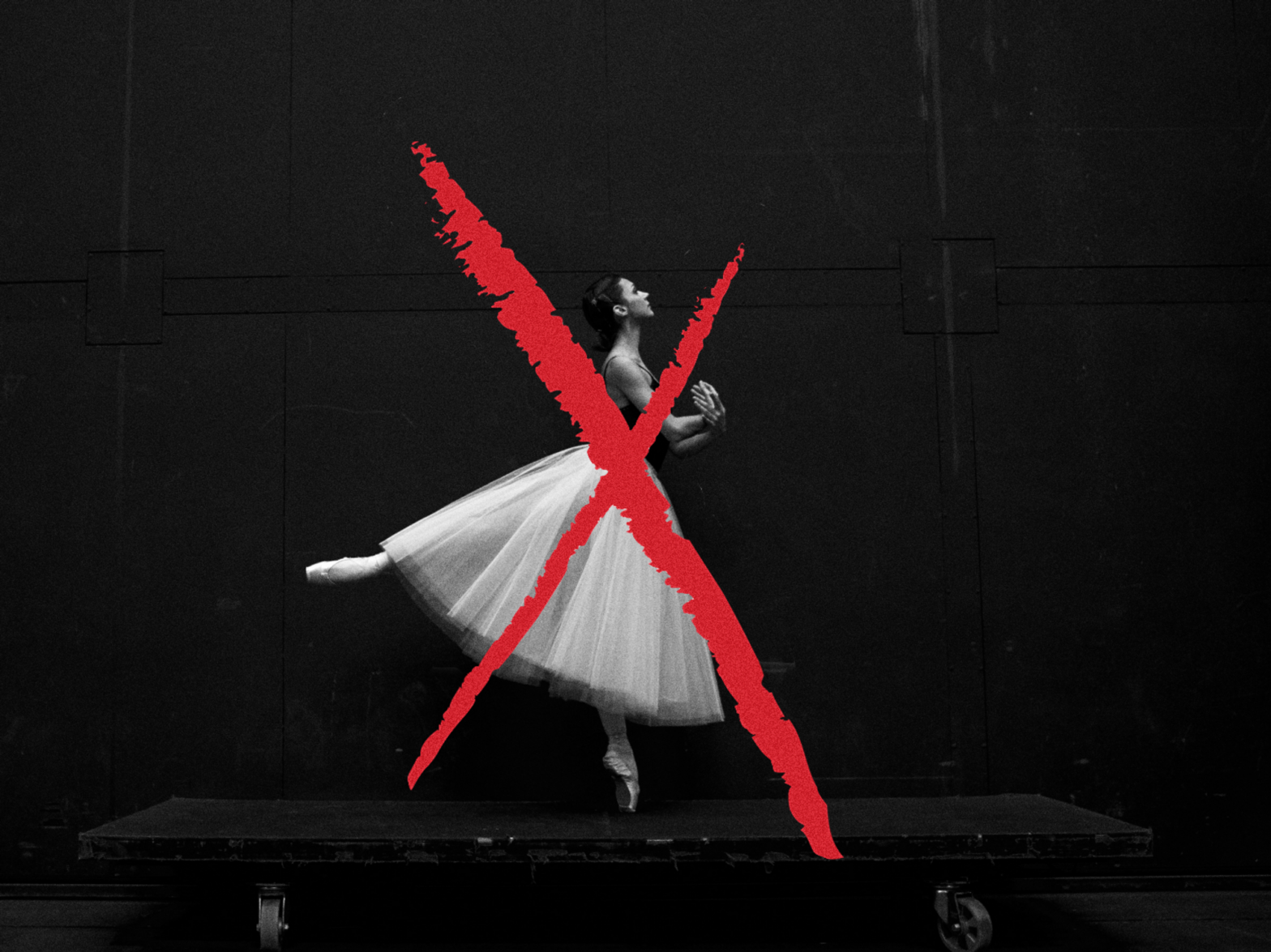
From Tolstoy and the Bolshoi Ballet to Russia Today, the West is banishing Russian composers, artists and media. But is banishment of culture the right move in times of war?
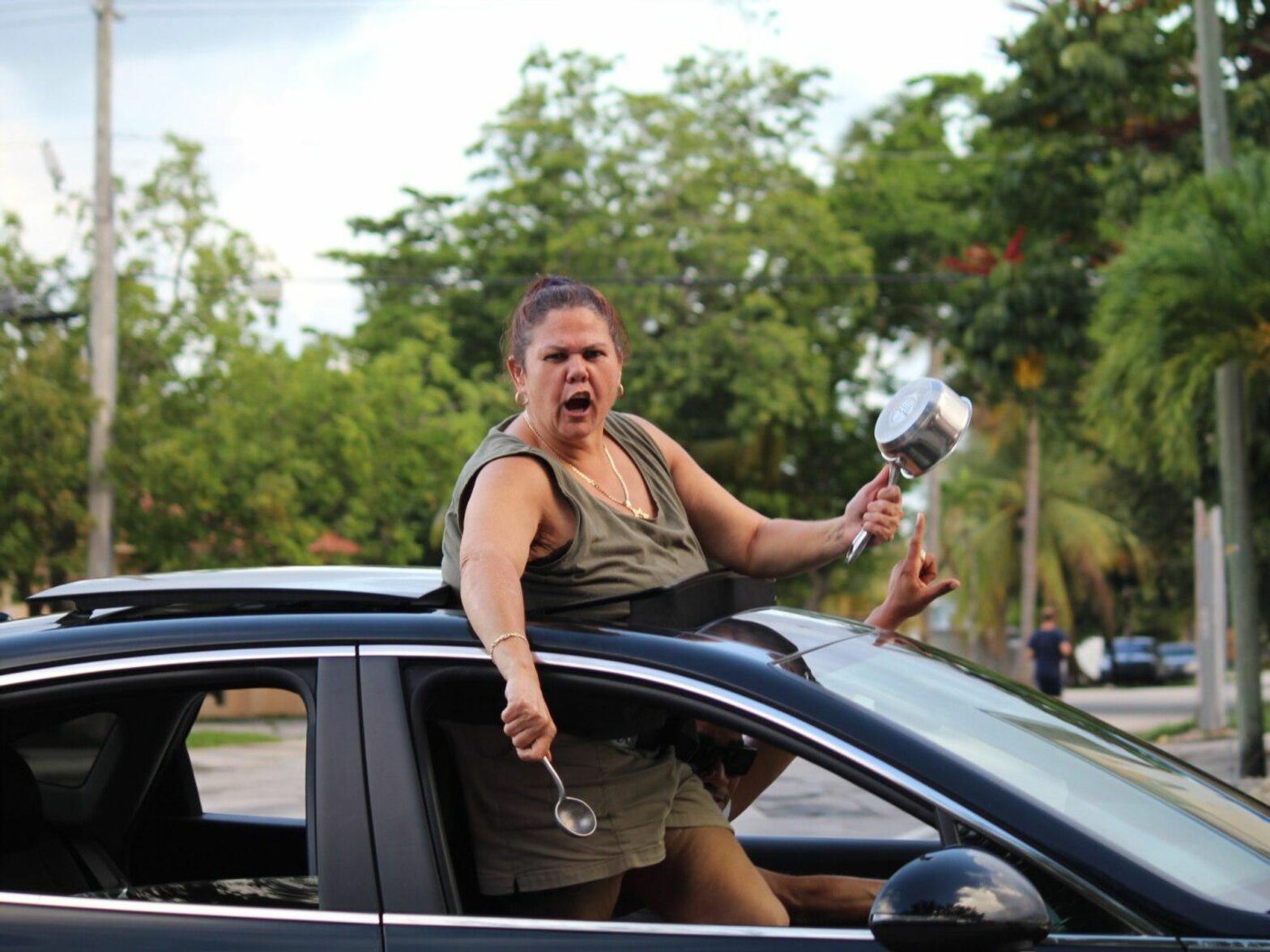
The Cuban government has once again jailed dissenting artists or forced them to flee. But anger at the 60-year dictatorship has spread far beyond artistic circles and the regime no longer has the power to silence people.