OpenAI, Nvidia, Microsoft… all caught inside the same investment circle. Here’s why the AI bubble is poised to pop.
 Worldcrunch
OpenAI, Nvidia, Microsoft… all caught inside the same investment circle. Here’s why the AI bubble is poised to pop.
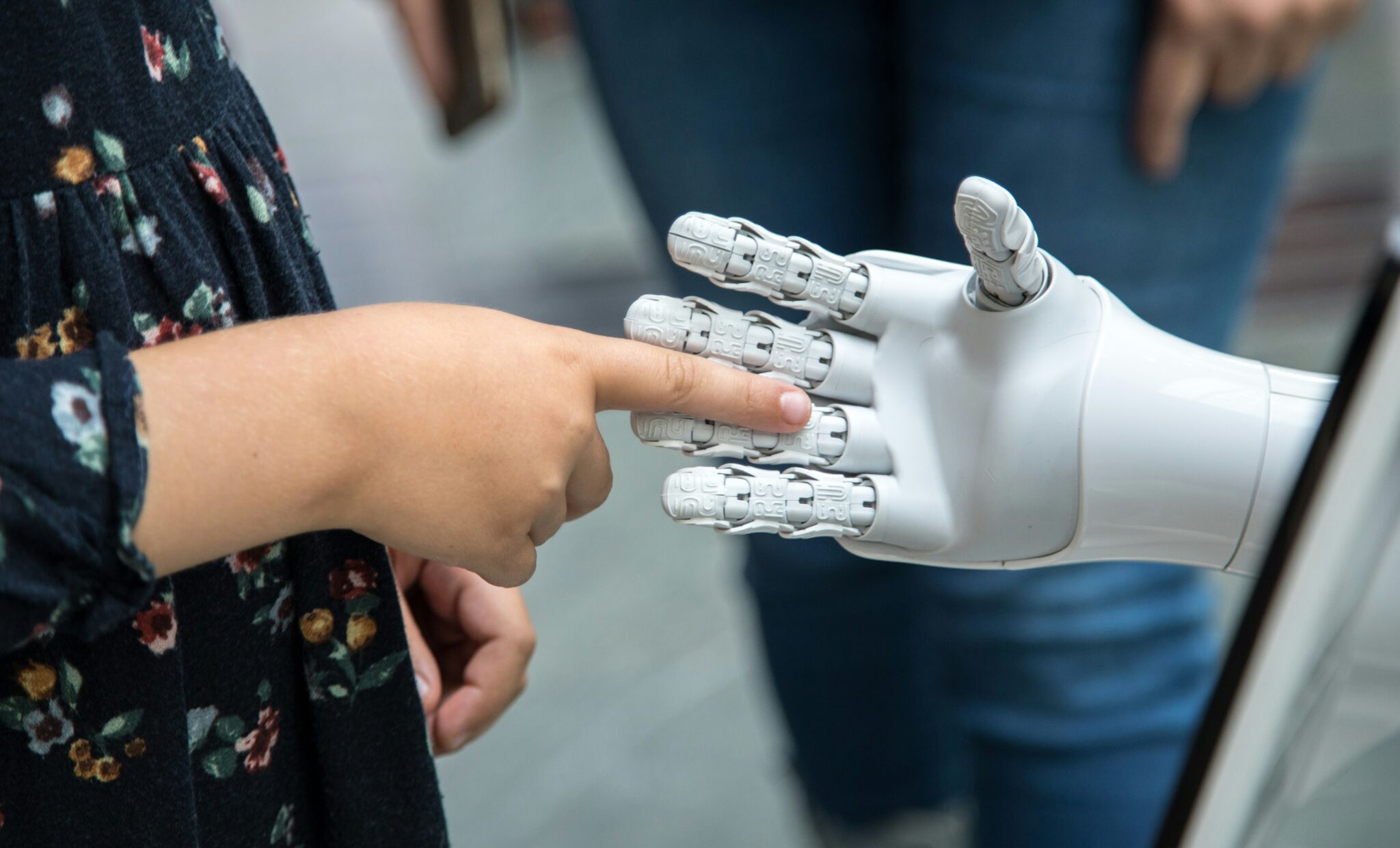
Why do some people love using artificial intelligence tools while others feel anxious or suspicious of them? The answer isn’t just about how AI works. It’s about how we work.
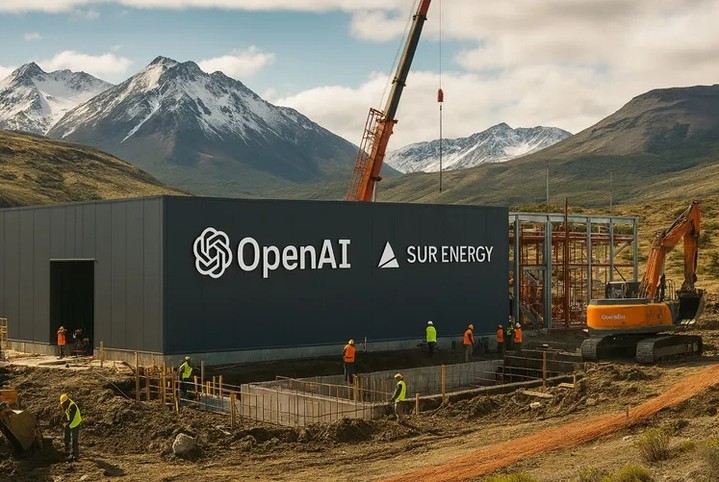
The arrival of OpenAI in Patagonia marks the beginning of a new hub: a southern location combining clean energy, scientific talent, and political stability.

Researchers in China say a rising number of unemployed university graduates feel as though they are being forced to pursue master’s or doctoral degrees. It is distorting the entire Chinese academia system.
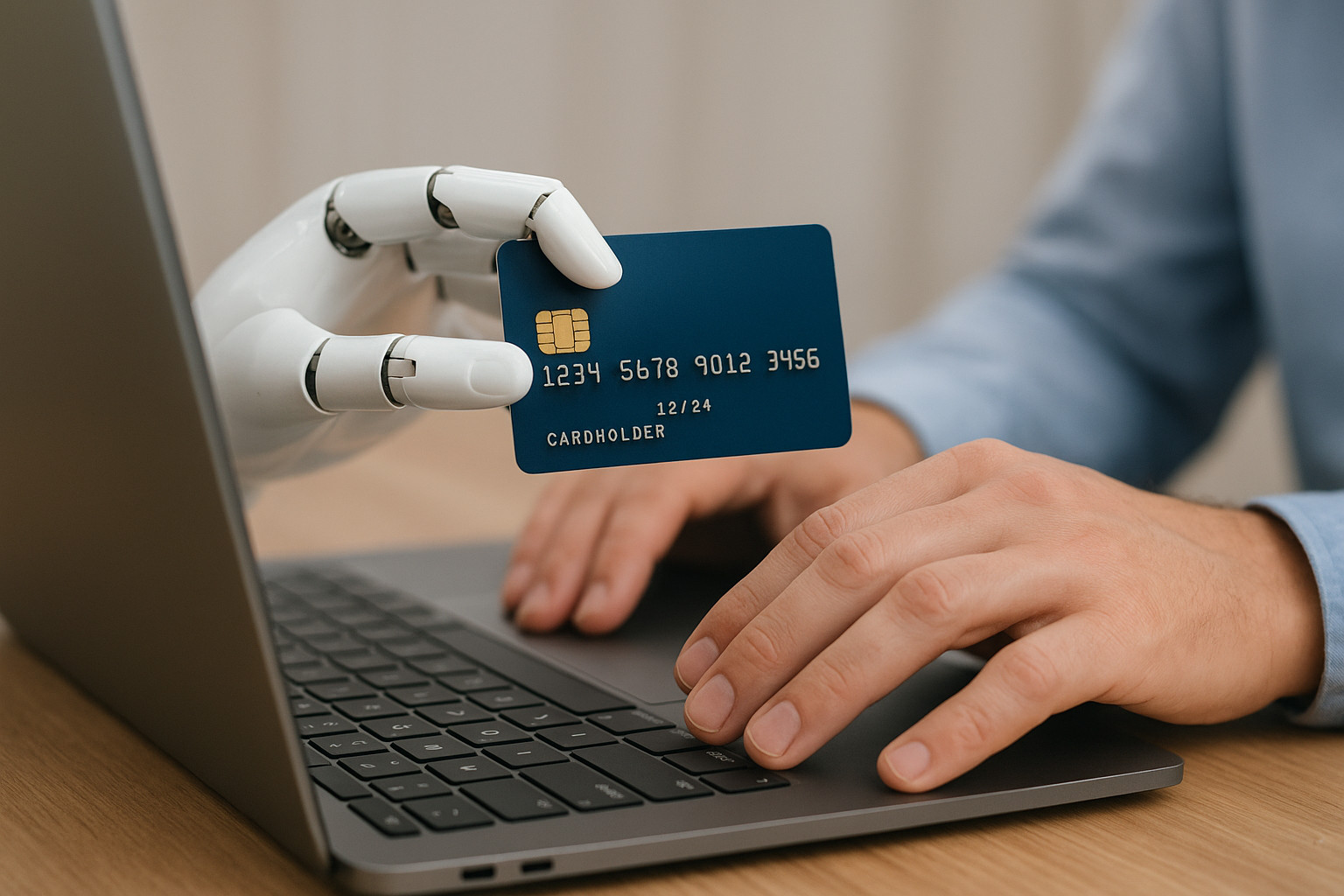
As ChatGPT learns your habits and starts spending on your behalf, the future of online shopping may belong to the bots.

On the Russian army’s channel Zvezda (“Star”), a program entirely generated by algorithms takes fierce aim at Western leaders.

As AI begins to guide users through sensitive topics like suicide, the legal and ethical lines that once protected tech companies are being tested.
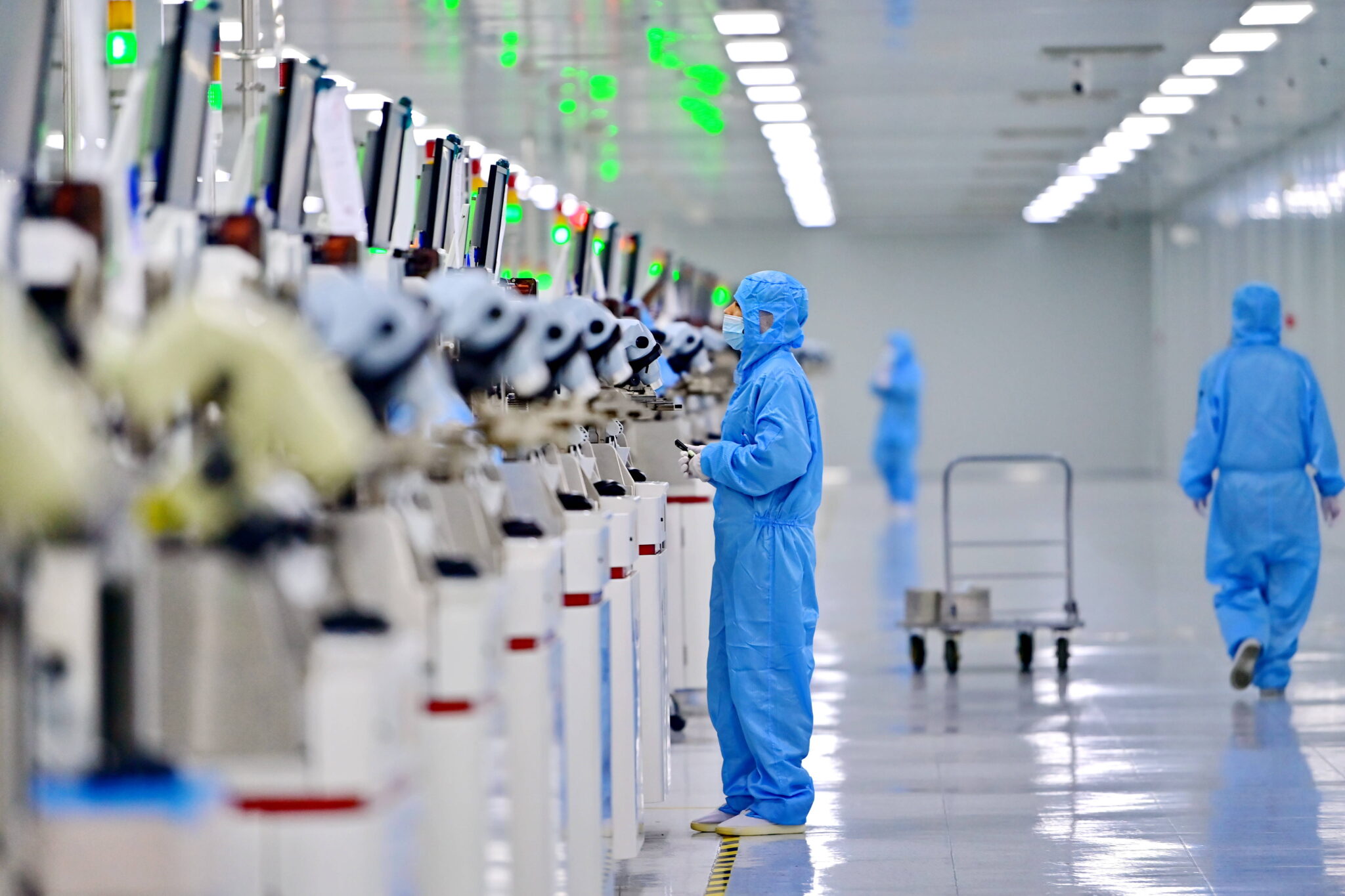
China has banned imports of semiconductors from the American company Nvidia, marking a new episode in their technological war with the United States. China is standing up to Donald Trump, bolstered by its technological capabilities that rival those of the Silicon Valley giants.
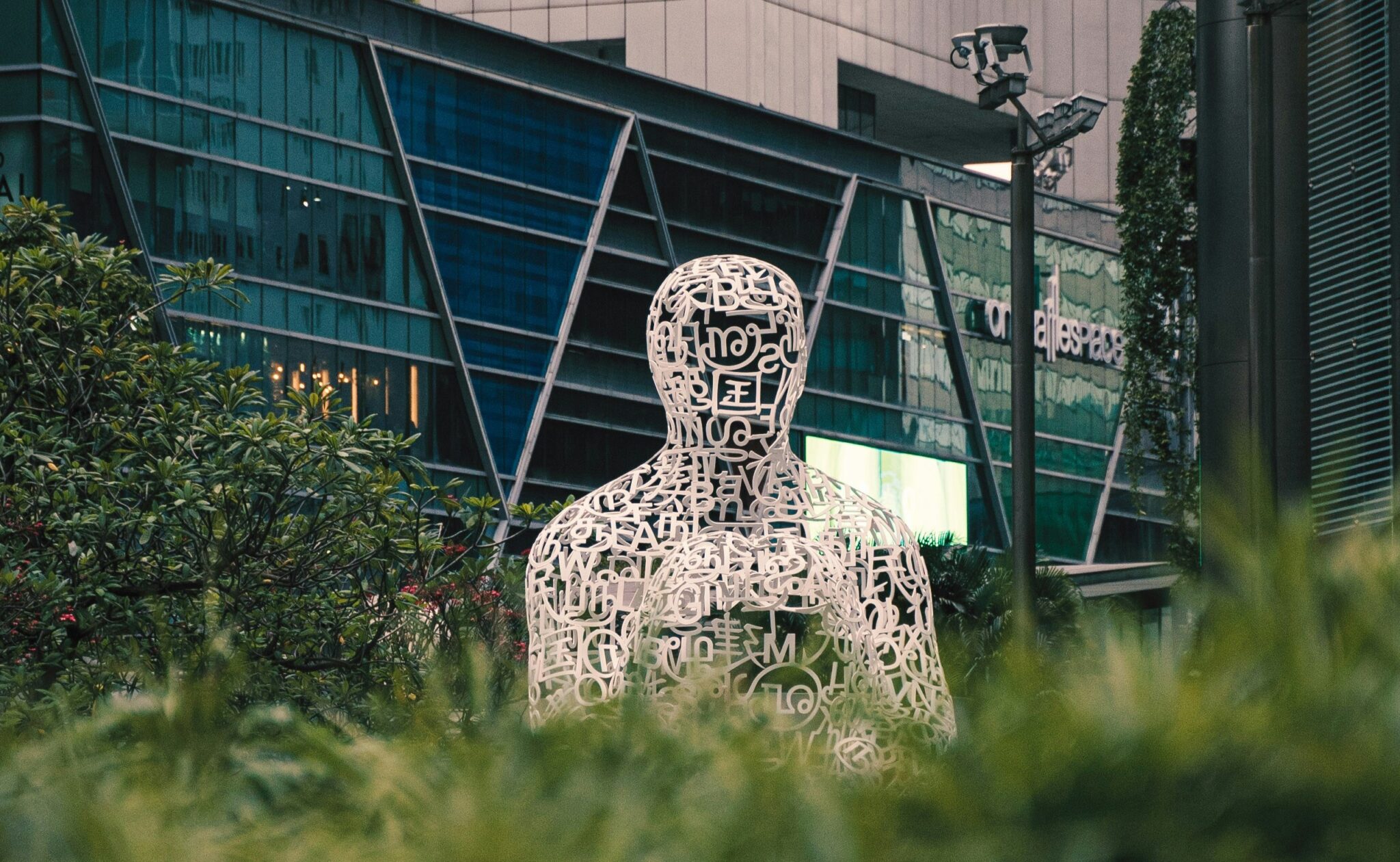
Many of the world’s languages aren’t adequately represented in the data used to train chatbots and other AI-based tools. If we fail to be more inclusive, the next generation of AI will encode a world that risks being extremely biased, both linguistically and culturally.

The assassination of top Iranian commanders proves again that few intelligence agencies in the world seem to be as effective as the Israeli Mossad. And few seem to have so little moral boundaries.

While French law theoretically allows employers to justify job cuts by the introduction of Artificial Intelligence, unions and labor law experts are warning that AI is becoming an alibi for unjustified cost-cutting.
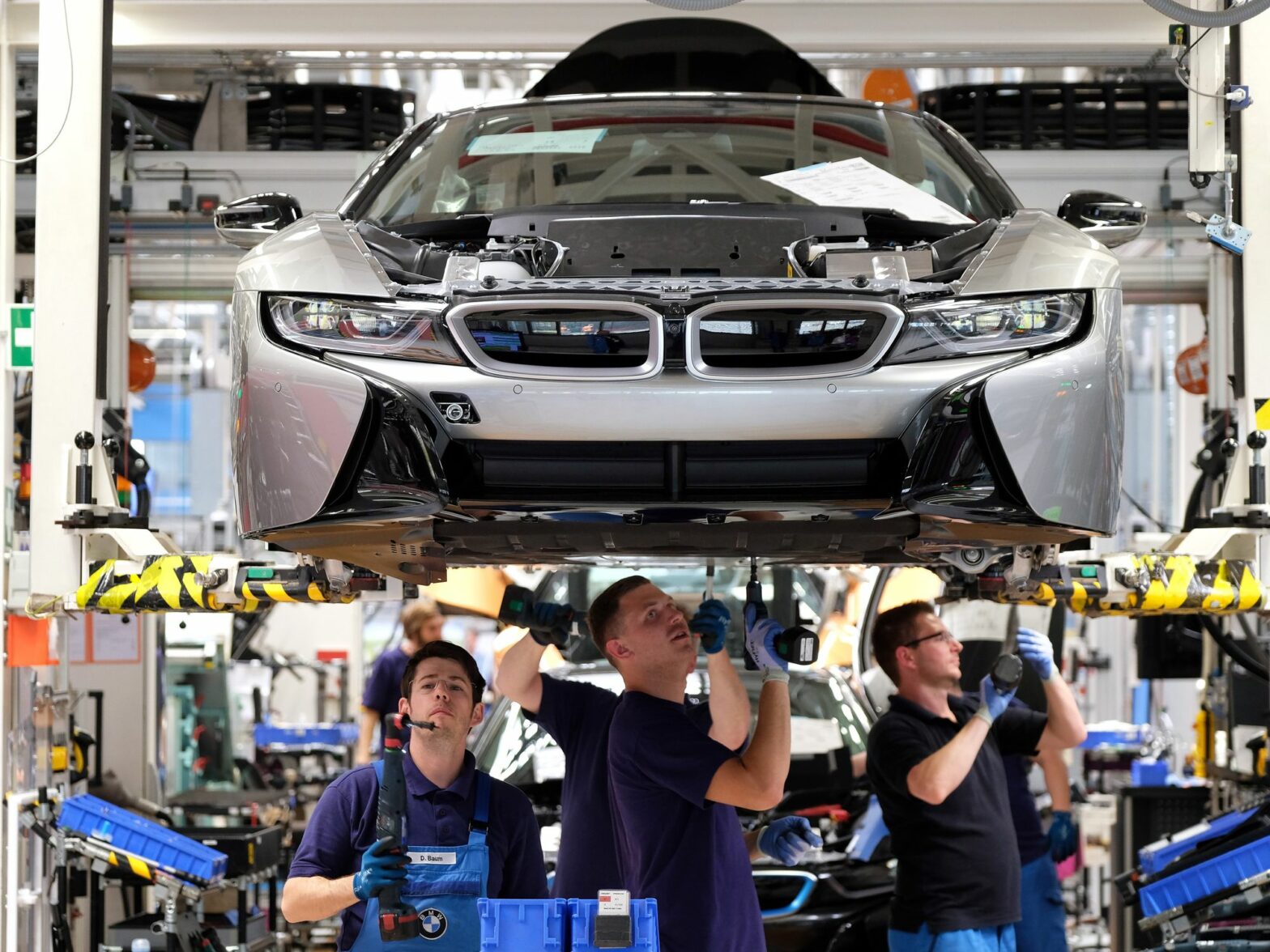
The EU should resist the temptation to retaliate against U.S tariffs on European cars. If we look closer at the recent past and the uncertain future, Trump’s bad intentions produce some good.

The industry needs to embrace innovation with technology towards novel drug development to remain relevant in the marketplace.
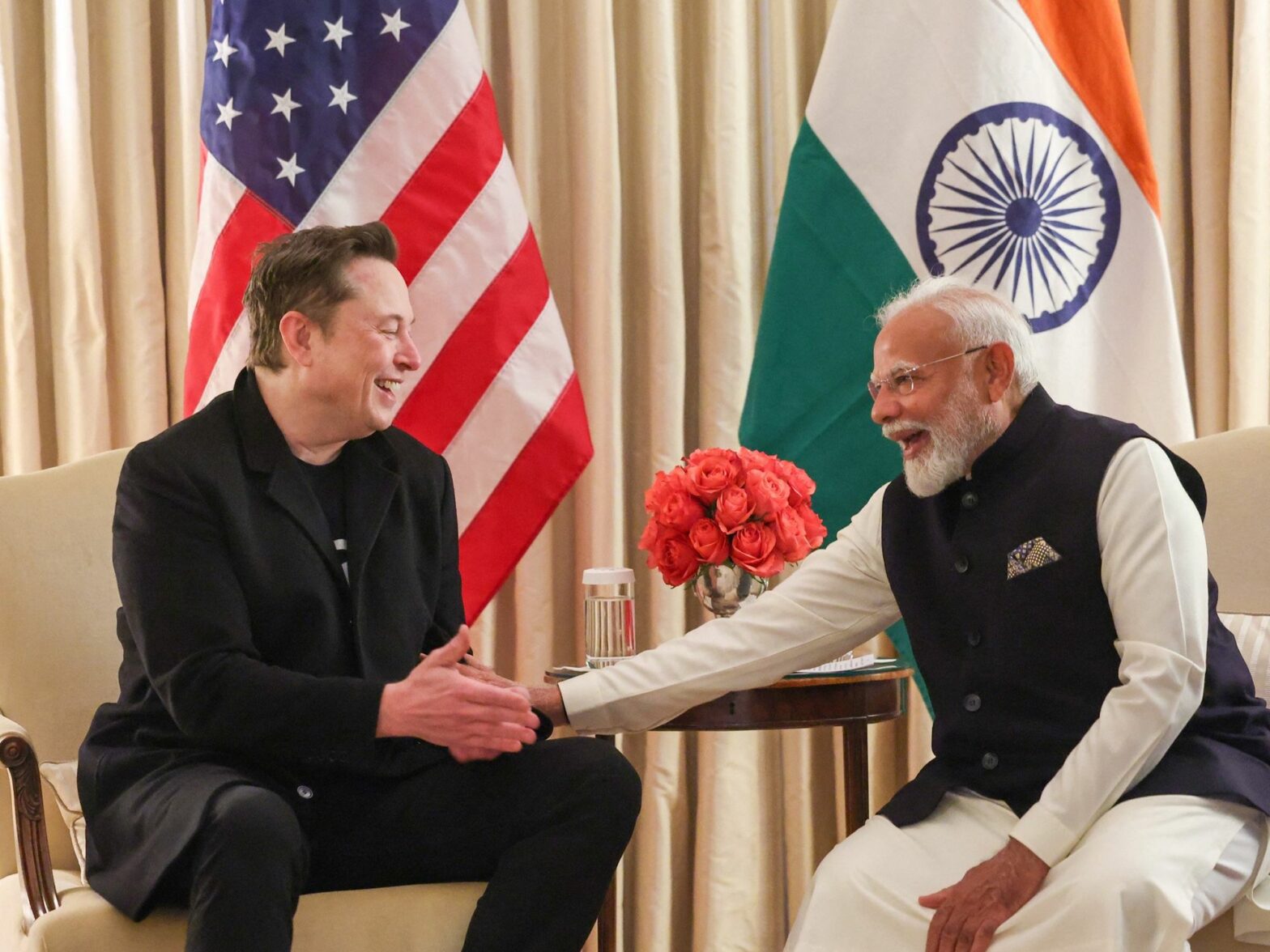
Elon Musk’s AI tool, Grok, has started challenging India’s political elite, calling out Narendra Modi, Amit Shah, and more. But will the government react to the irreverential bot?
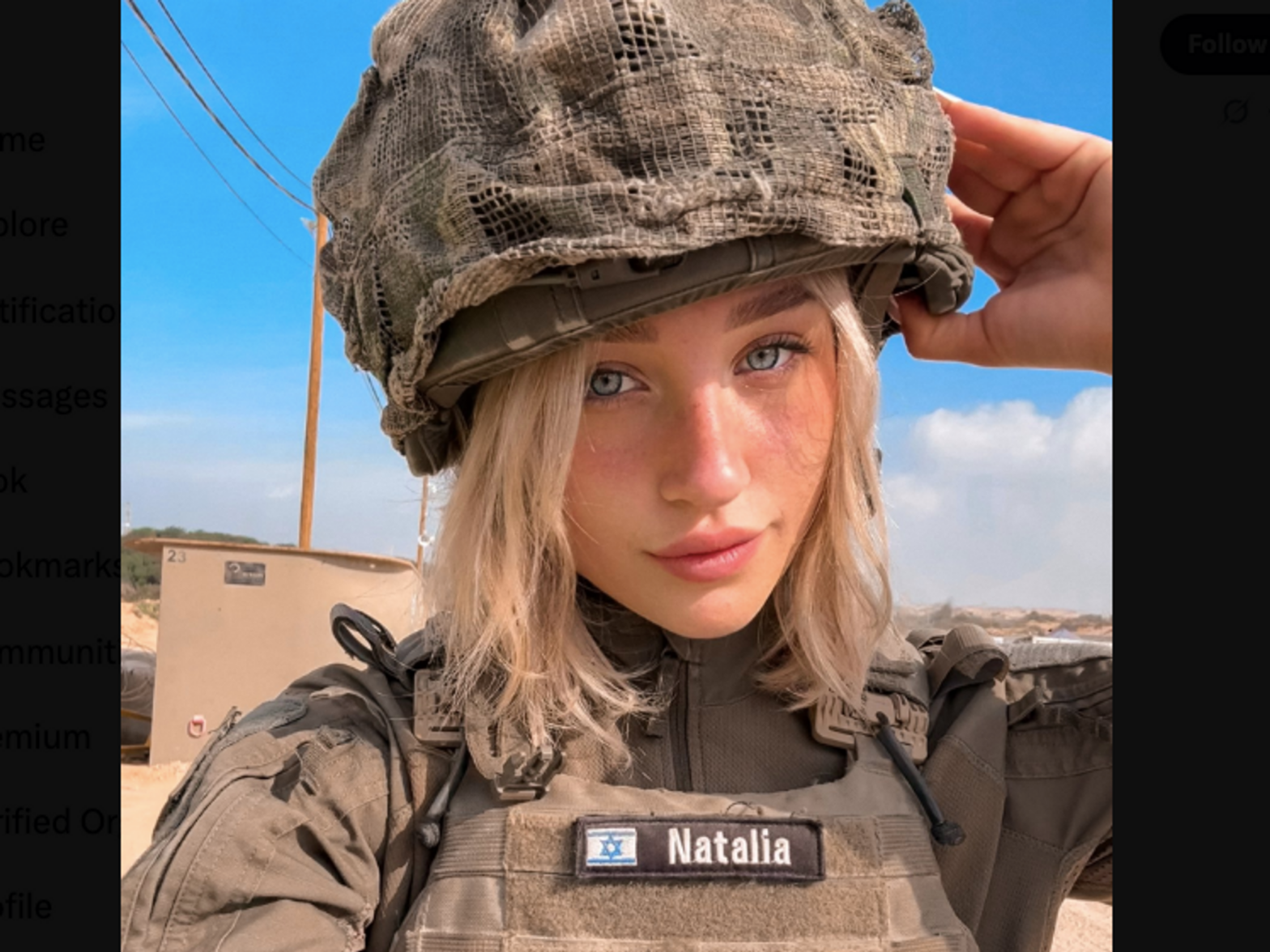
The porn industry and amateur and professional adult content plays a role in the Israeli war on Gaza. Some pornographic companies did not only provide support to Israel, but adult content also contributed to drawing a violative imagination about Israeli soldiers and their relationship with the battlefield and the Gazan victims. It is part of a long history linking pornography and war.
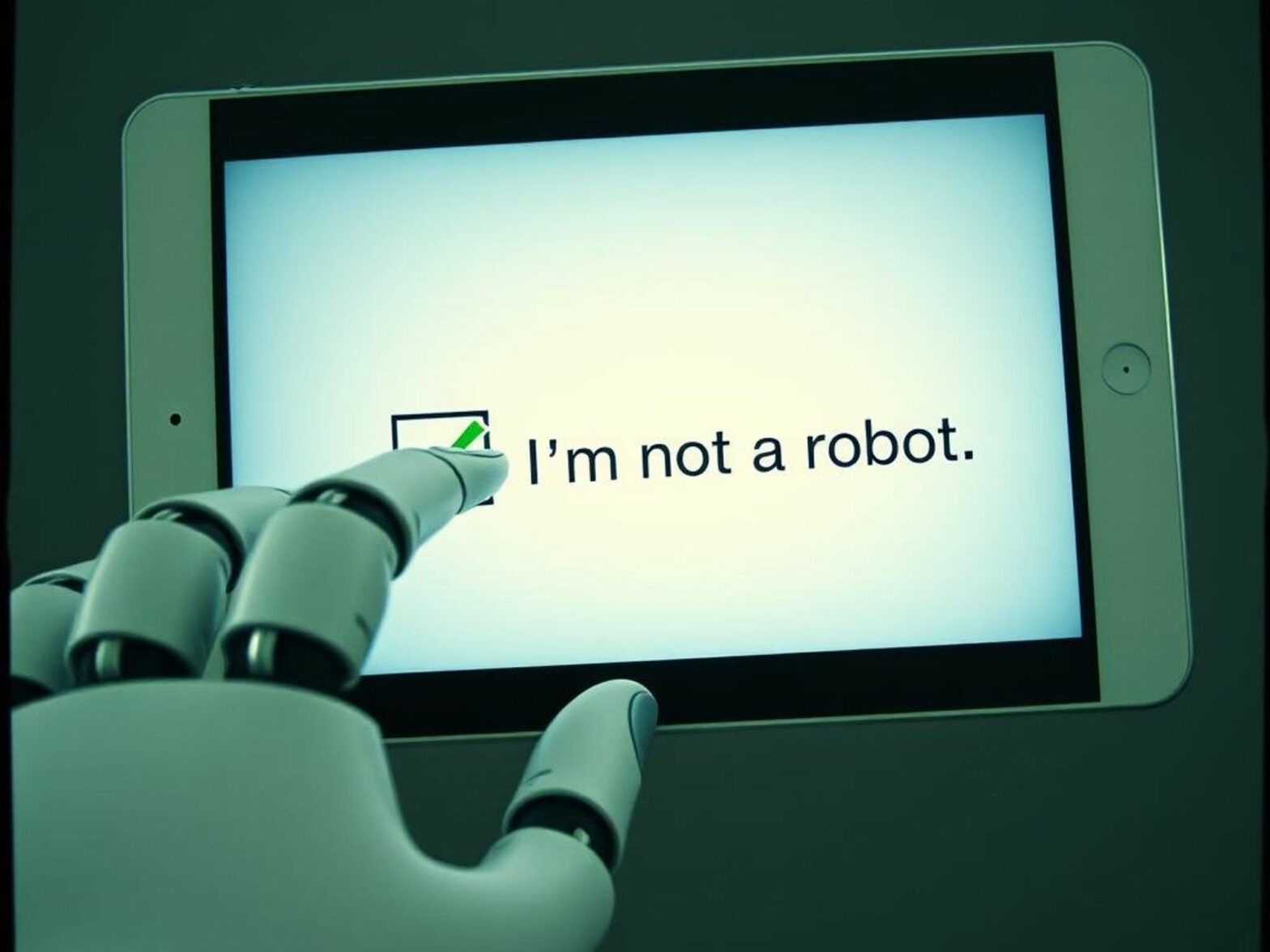
Artificial intelligence can solve tasks that previously only humans could solve. So what distinguishes us from machines?

An AI-generated video shared by Donald Trump on his social network depicts the transformation of Gaza he has proposed: luxury resorts, and no Palestinians. An abomination toward the victims of the war, it also contains a depiction of Trump himself that is the seed of his own inevitable downfall.
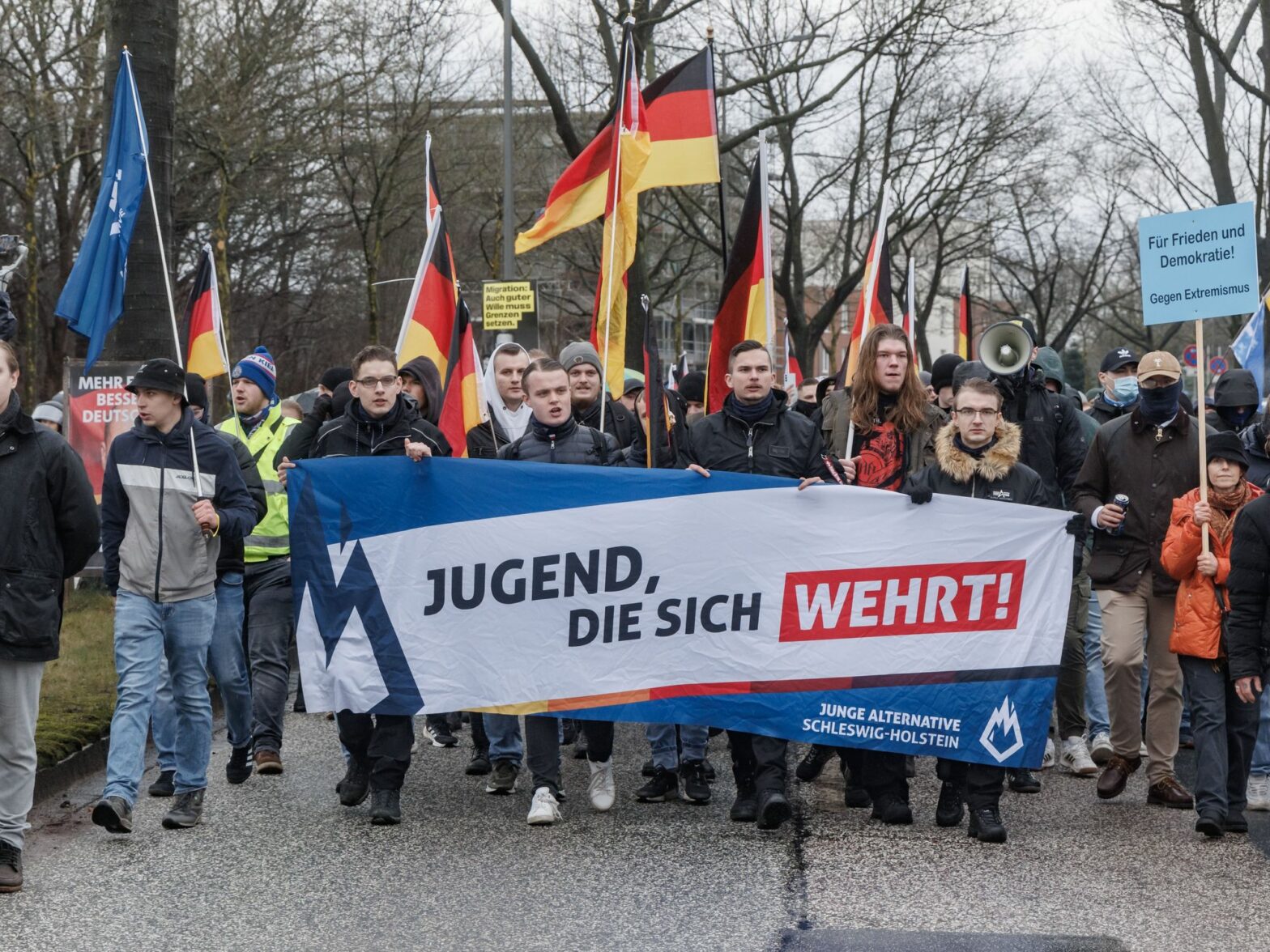
Young men showed one of the most dramatic shifts toward Donald Trump in this year’s election. But with rightward shifts among both men and women of the Gen Z demographic, the reality is reaching deeper — and farther — than most pollsters or analysts can explain.

Breaking through where no one expected it, the UAE is becoming a major power in AI. MGX, Abu Dhabi’s dedicated fund, has just joined Donald Trump’s gigantic Stargate project. It’s a new golden age for the Gulf.

Paris, Feb. 18, 2025 – Worldcrunch, the pioneering global journalism outlet that brings the world’s best journalism into English, is proud to announce the launch of “6 Minutes,” a daily news podcast that swiftly covers the latest stories making headlines in the international press. Monday through Friday, “6 Minutes” delivers a fast-paced, insightful briefing on […]
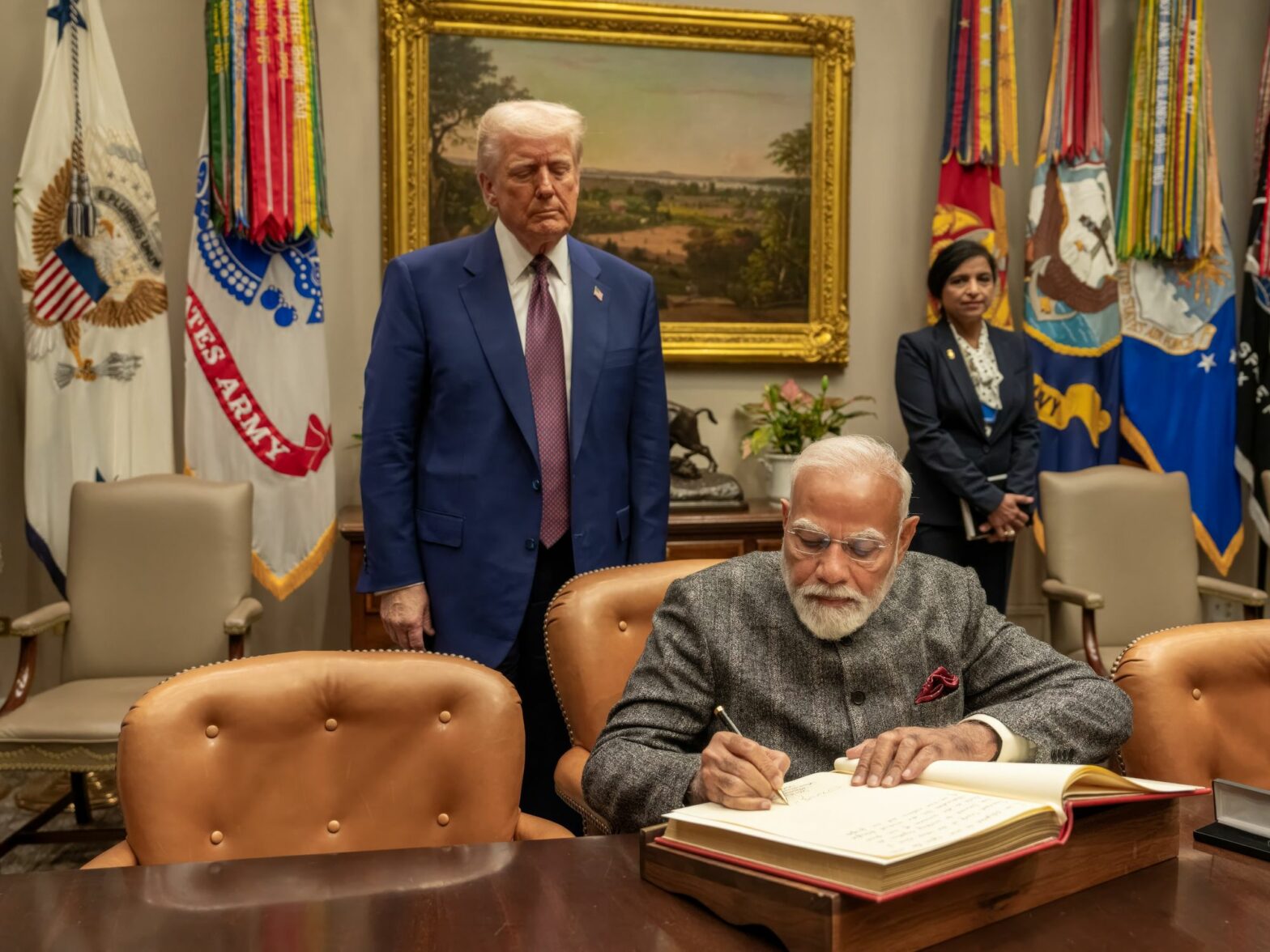
With the tremendous power it wields, the U.S. does not have, in real terms, any allies. All it has are servants. But

French author and philosopher Gaspard Koenig recently updated his Word software only to discover that the Copilot generative AI chatbot wants to do his writing for him. A real “existential threat…”?
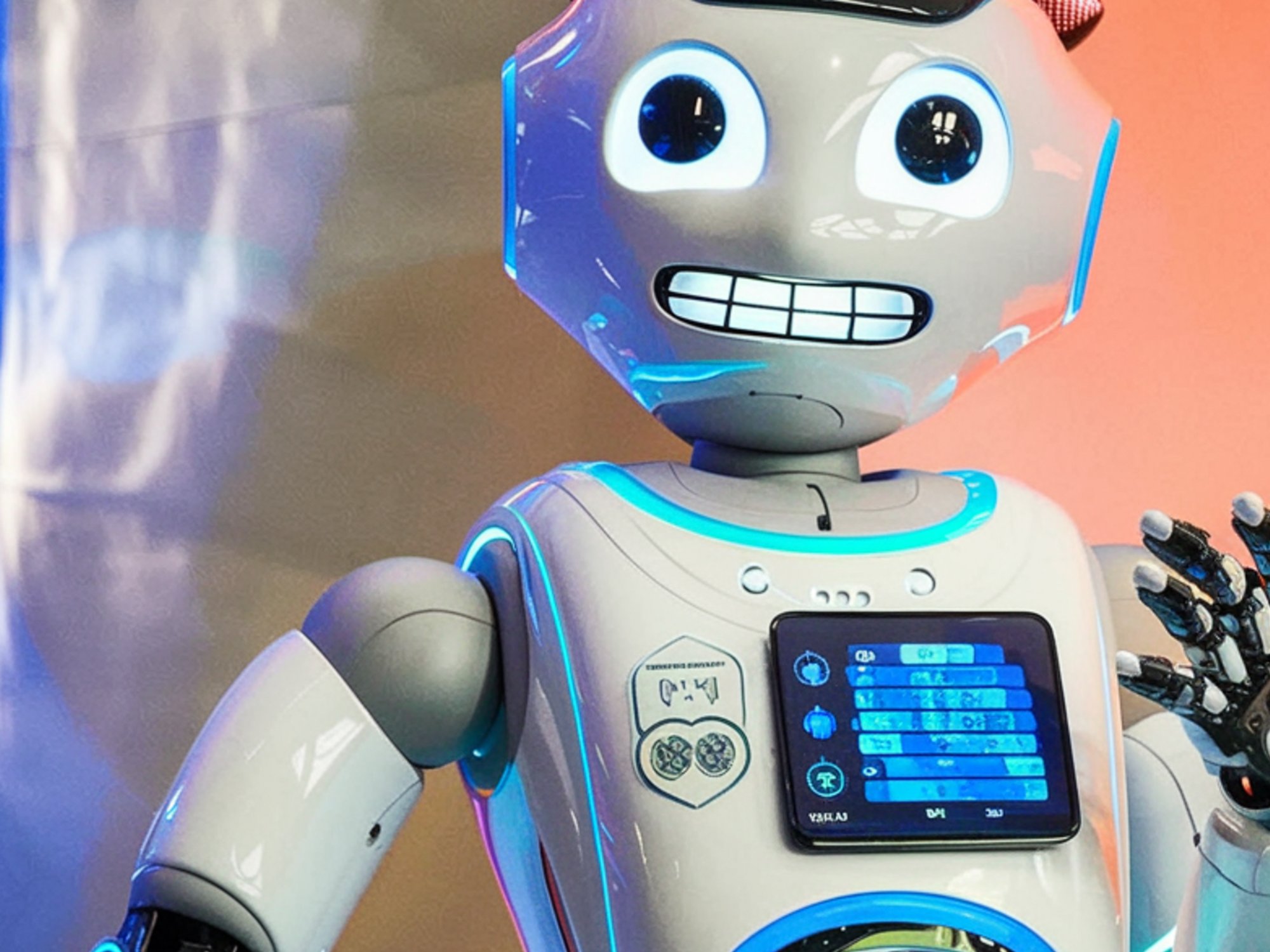
Artificial intelligence is now able to secretly pursue its own goals and hide its intents. How dangerous are these so-called treacherous “AI agents”?
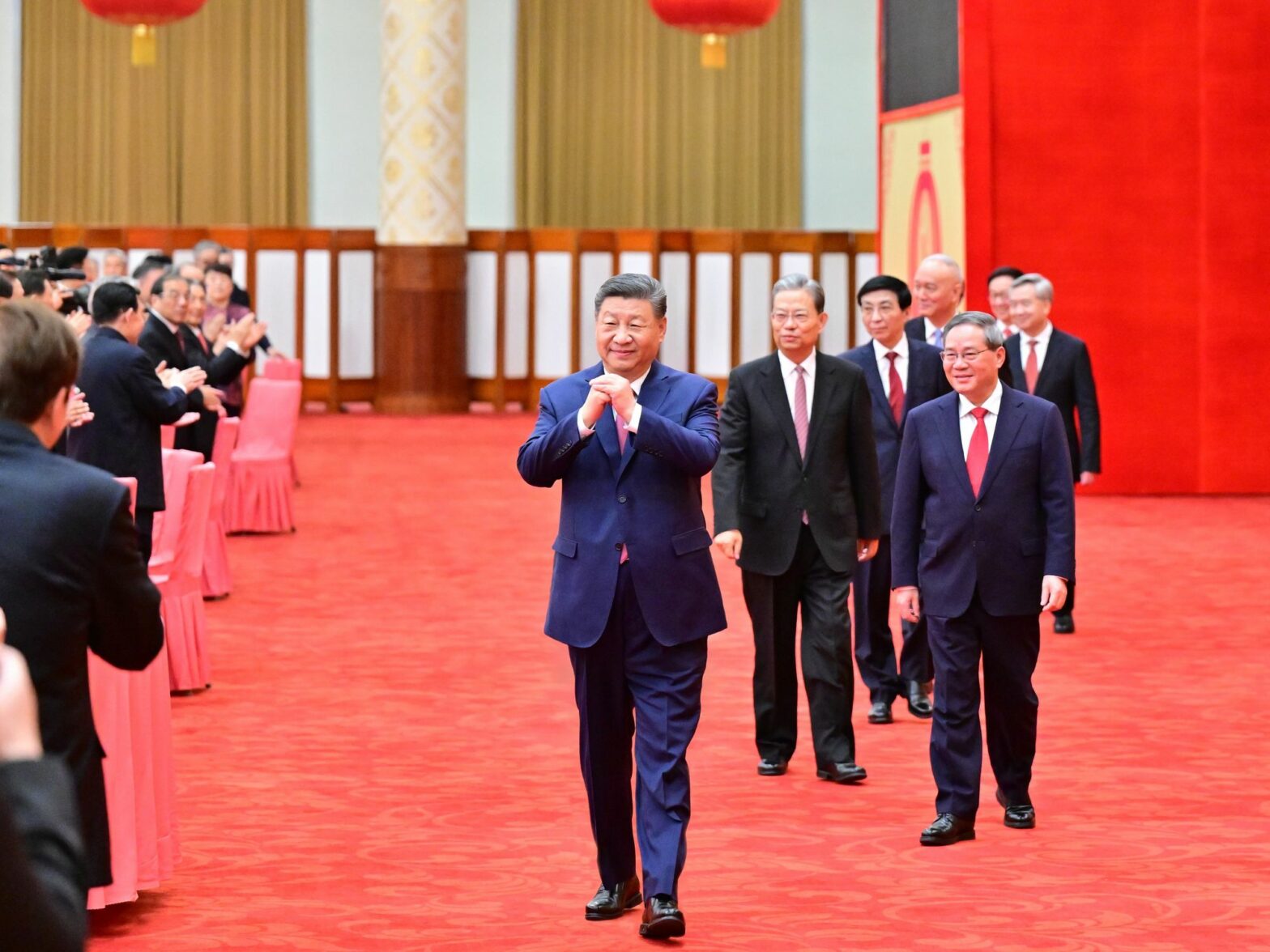
Donald Trump has spoken little about China since becoming president, leaving both Beijing and Taiwan’s leaders on edge. And Trump’s maneuverings on Greenland are not a good sign.
A Chinese startup is shaking the U.S. supremacy in generative artificial intelligence. Are we heading towards a collapse of barriers to entry accelerating the deployment of this technology? Could Europe offer a third way to the future?

The previous world order, based on the domination of a few superpowers, has been turned upside down in 2024. Will this be the year of explosions, or the year of reactions? French political theorist Jacques Attali explains the theory of order through noise.
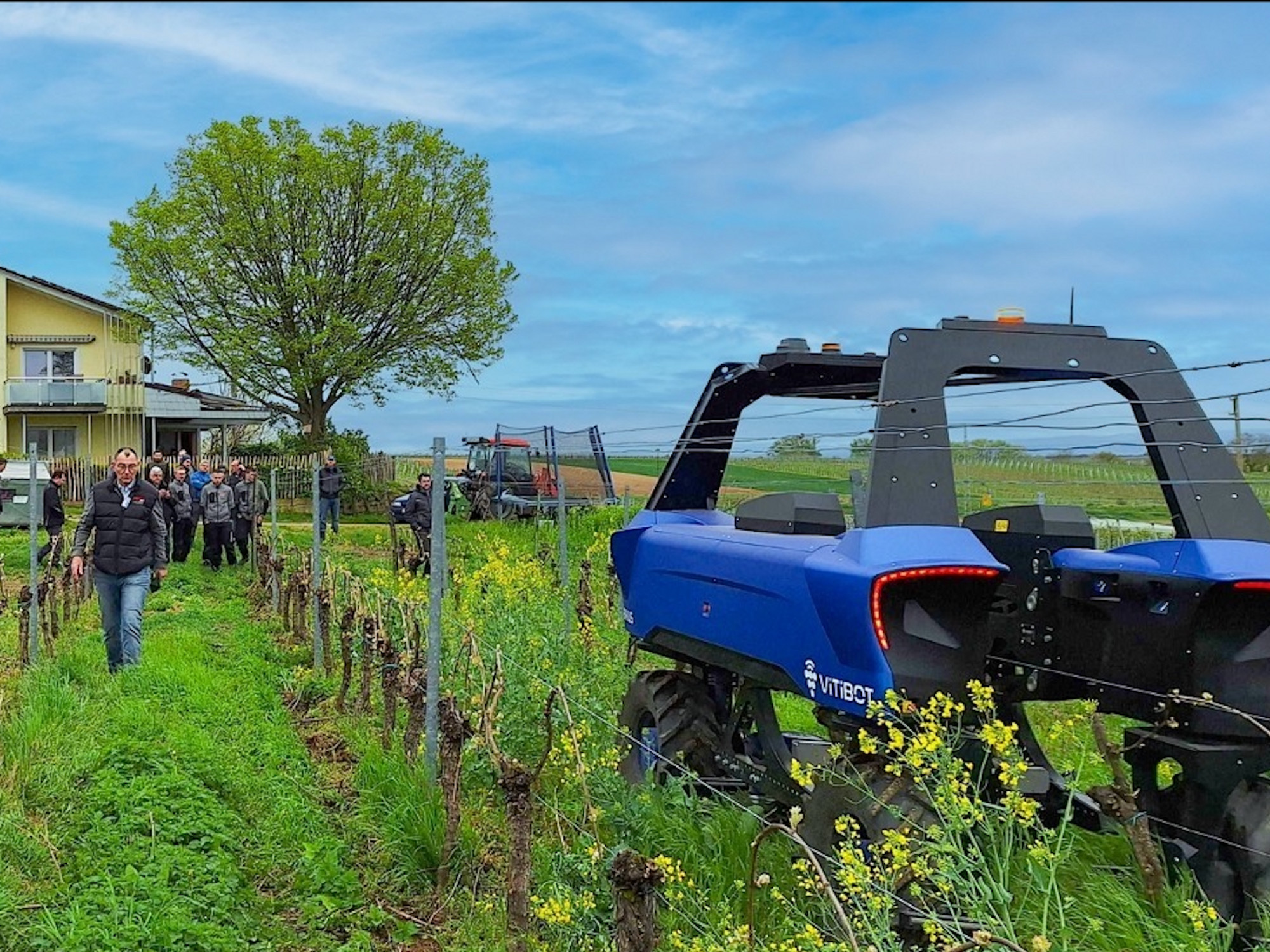
The vineyards around Bordeaux are known for preserving the region’s traditions. But they are also on the cutting-edge among French winemakers, leading the way in using new technologies, such as electric robots and AI monitoring, which allow them to reduce CO2 emissions and solve labor shortages.

Climate change and demographic collapse have driven bear attacks to reach a record high in Japan. In both the countryside and the cities, bears and other animals are taking back territory from humans. Should locals learn to live with them or take extreme measures?

A new blood test, designed to detect more than 50 types of cancer, could be the future of early cancer detection. Is it the next big thing, or just another marketing gimmick?

As concerns grow over the risks of social media and technology on young people, a new and largely unregulated digital frontier is emerging: interactions with artificial intelligence. Platforms like Character.AI allow users to create AI-generated characters that seem human, prompting critical questions about how these virtual experiences affect our understanding of reality and relationships.
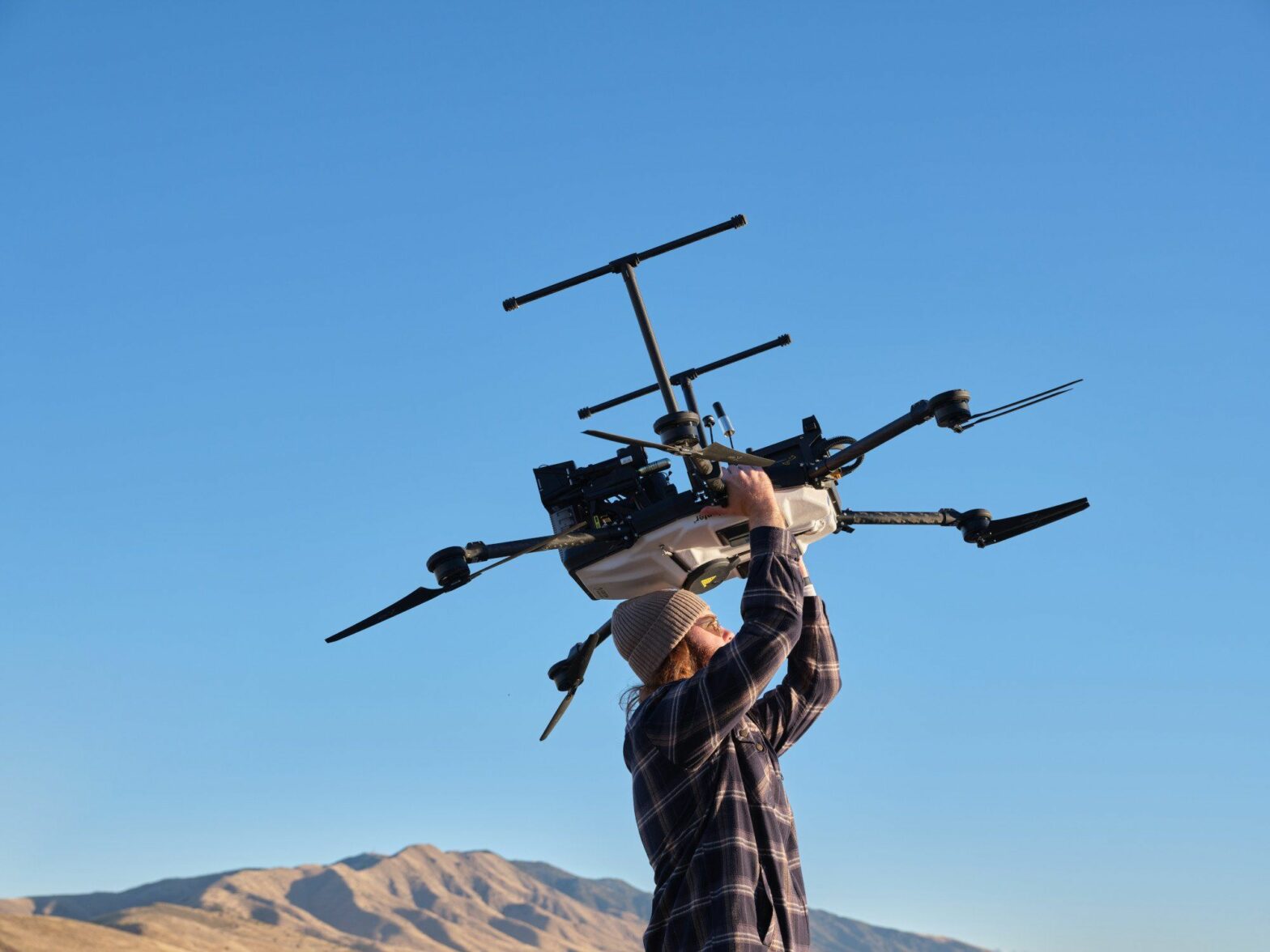
How autonomous and semi-autonomous technology will operate in the future is up in the air, and the U.S. government will have to decide what limitations to place on its development and use. Those decisions may come sooner rather than later…
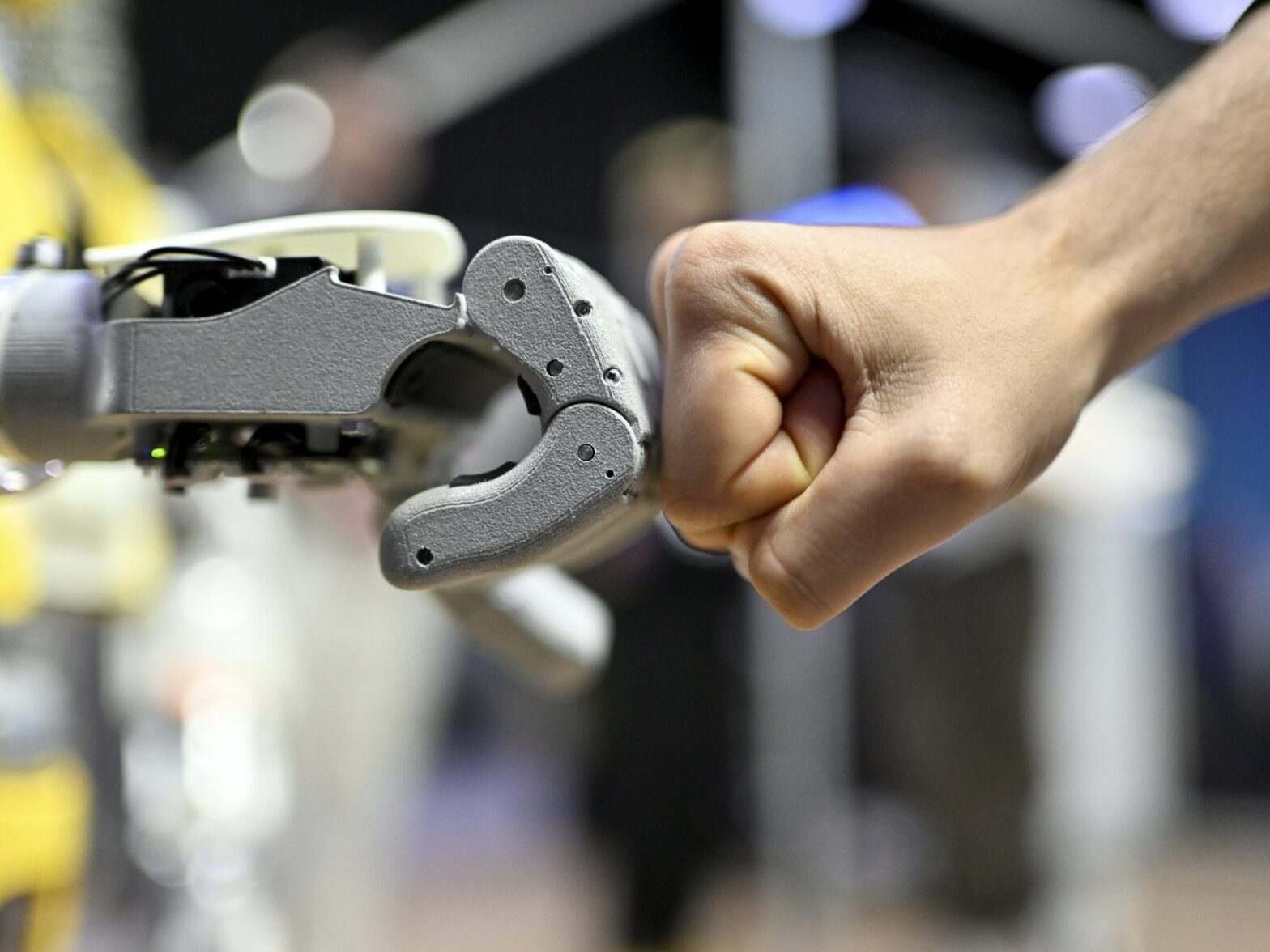
What will humans be like generations from now in a world transformed by artificial intelligence? Plenty of thinkers have applied themselves to questions like this, considering how AI will alter lives – often for better, sometimes for worse.
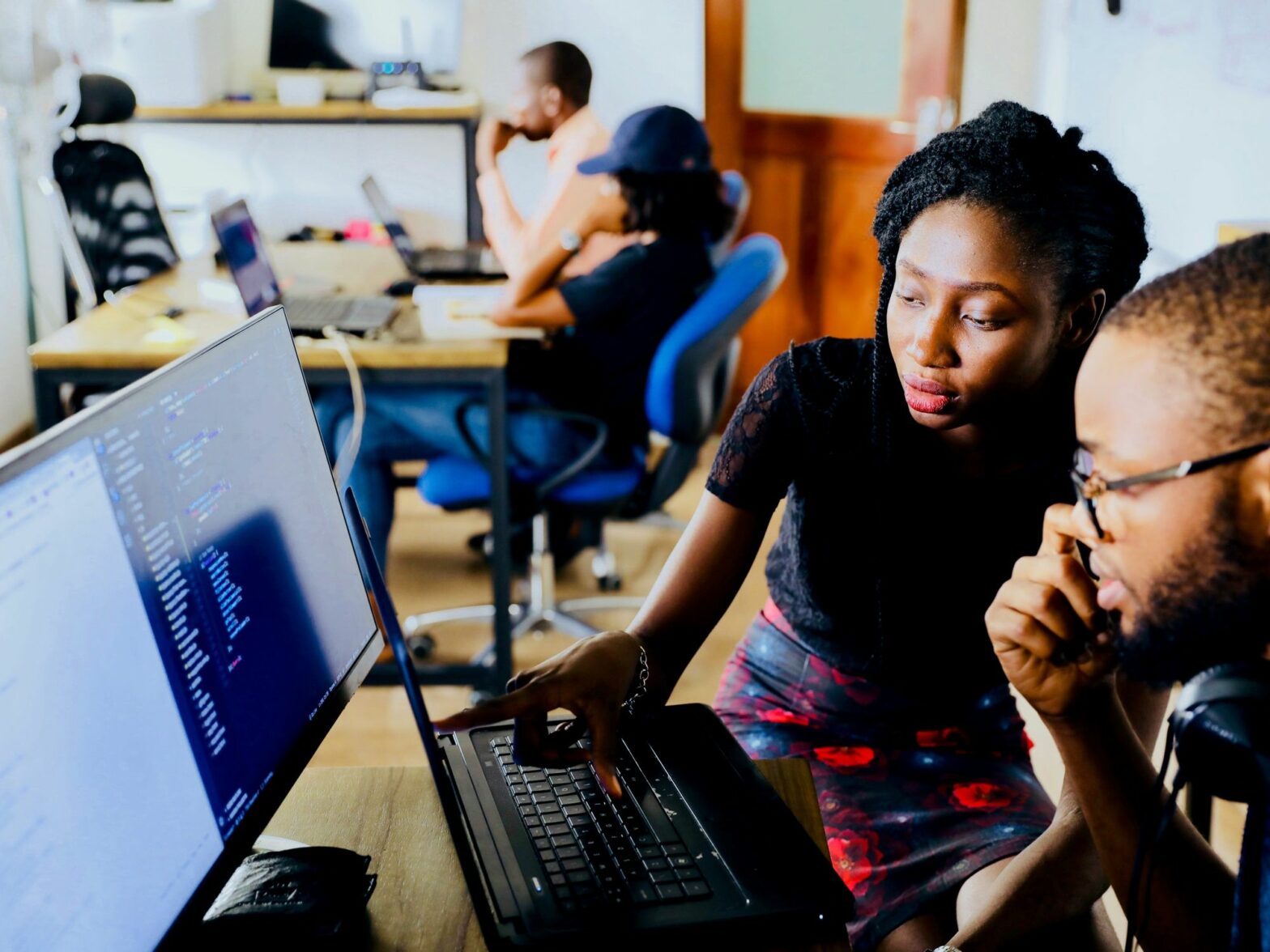
AI could offer a great new way in to the global economy for sub-Saharan Africa. Yet with some 20 million jobs needed to be created annually to absorb the massive influx of young people in the labor market, AI could also create new unemployment.
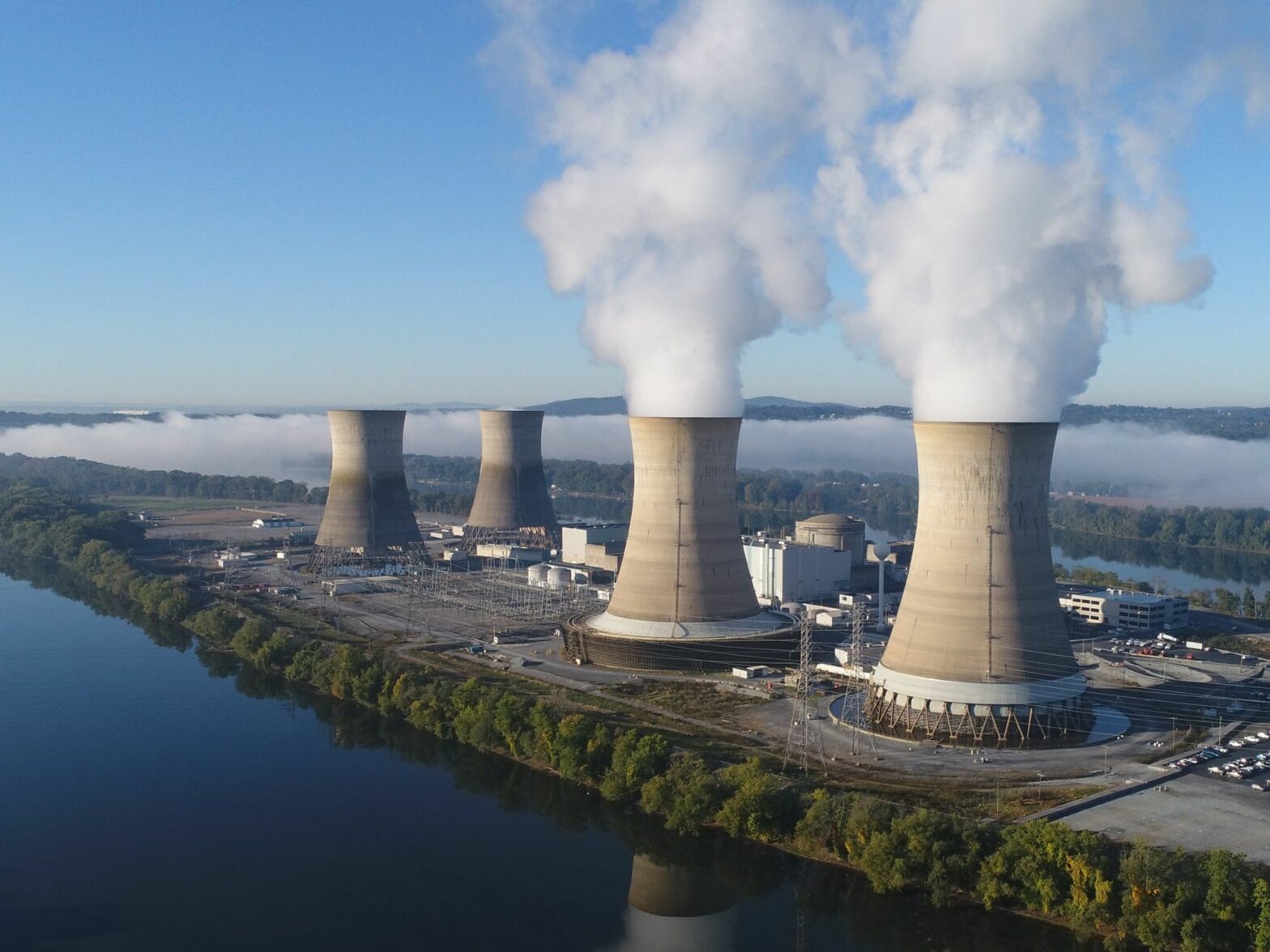
Should the U.S. revive nuclear power to satisfy the growing electricity demands of artificial intelligence? The Three Mile Island nuclear power plant offers a cautionary tale of technology outpacing expertise.
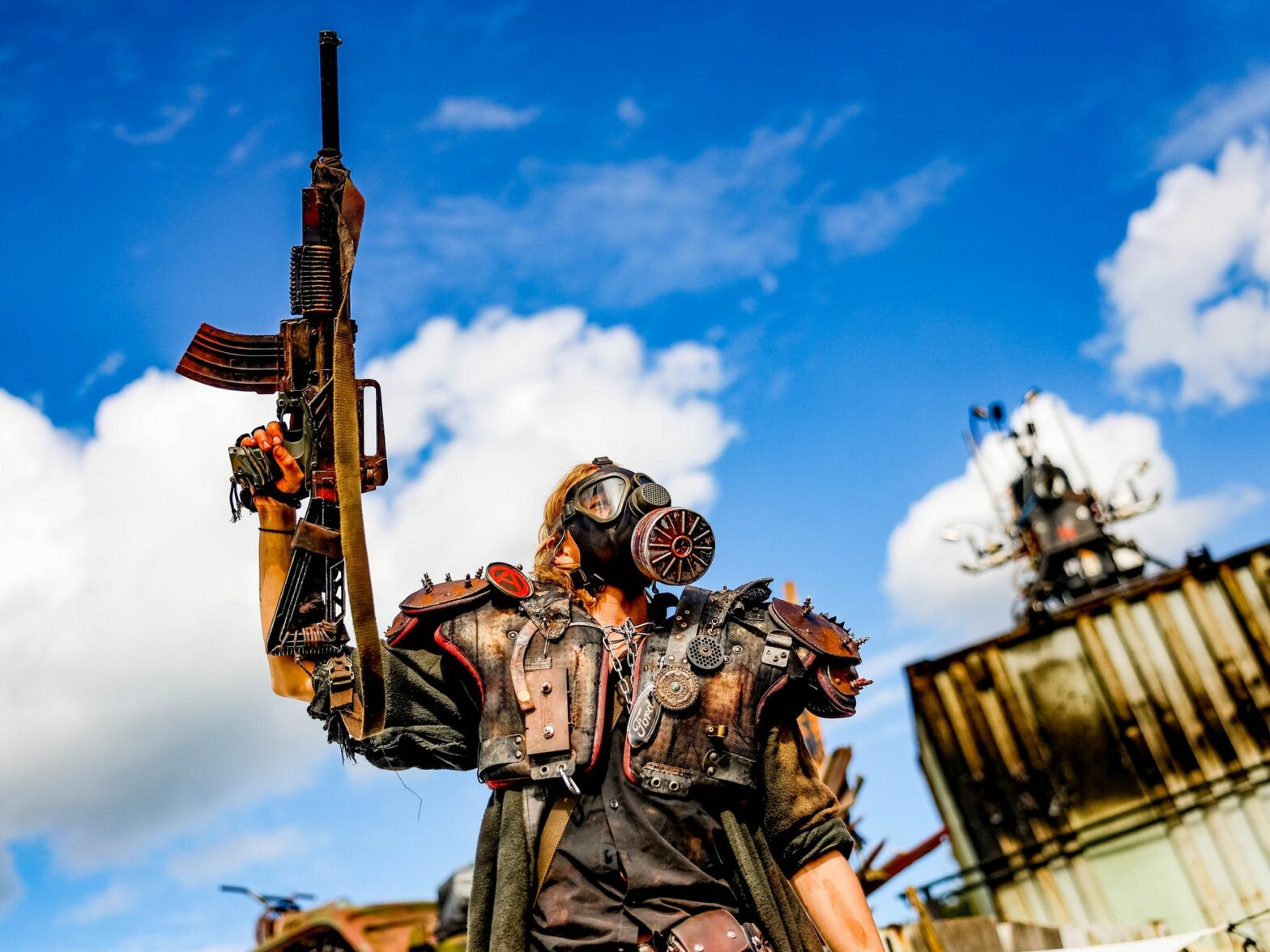
Eco-disaster fiction has changed since Soylent Green, one of Hollywood’s first eco-disaster films, came out in 1973; there has been an evolution from catastrophic fatalism to a certain optimism, with TV series like The Last Of Us.

If artificial intelligence-created content floods the internet, who decides what online information is worth archiving?

Has social media become a breeding ground for racism ? Elon Musk has turned Twitter (now called X) into his own opinion platform, giving free rein to disinformation and weakening fact checking and user moderation. Meanwhile, the AI feeding the platform’s algorithm is built on harmful, racist bias, writes Cem Say for independent Turkish daily Oksijen.

The porn industry and amateur and professional adult content plays a role in the Israeli war on Gaza. Some pornographic companies did not only provide support to Israel, but adult content also contributed to drawing a violative imagination about Israeli soldiers and their relationship with the battlefield and the Gazan victims. It is part of a long history linking pornography and war.

The Olympic Games in Paris will be the first in history with a video surveillance system linked to massive databases, algorithms developed by artificial intelligence and facial recognition. With bonafide security fears, as shown by Friday’s attack on rail lines, this new form of individual and collective control also raises real civil liberty concerns.

Technology is often blamed for our growing lack of focus. But our modern lifestyles — stress, a work system based on competitiveness and even our diet — also impair our ability to pay attention. Is this cause for concern or a natural consequence of our evolution? And what, if anything, can be done about it?