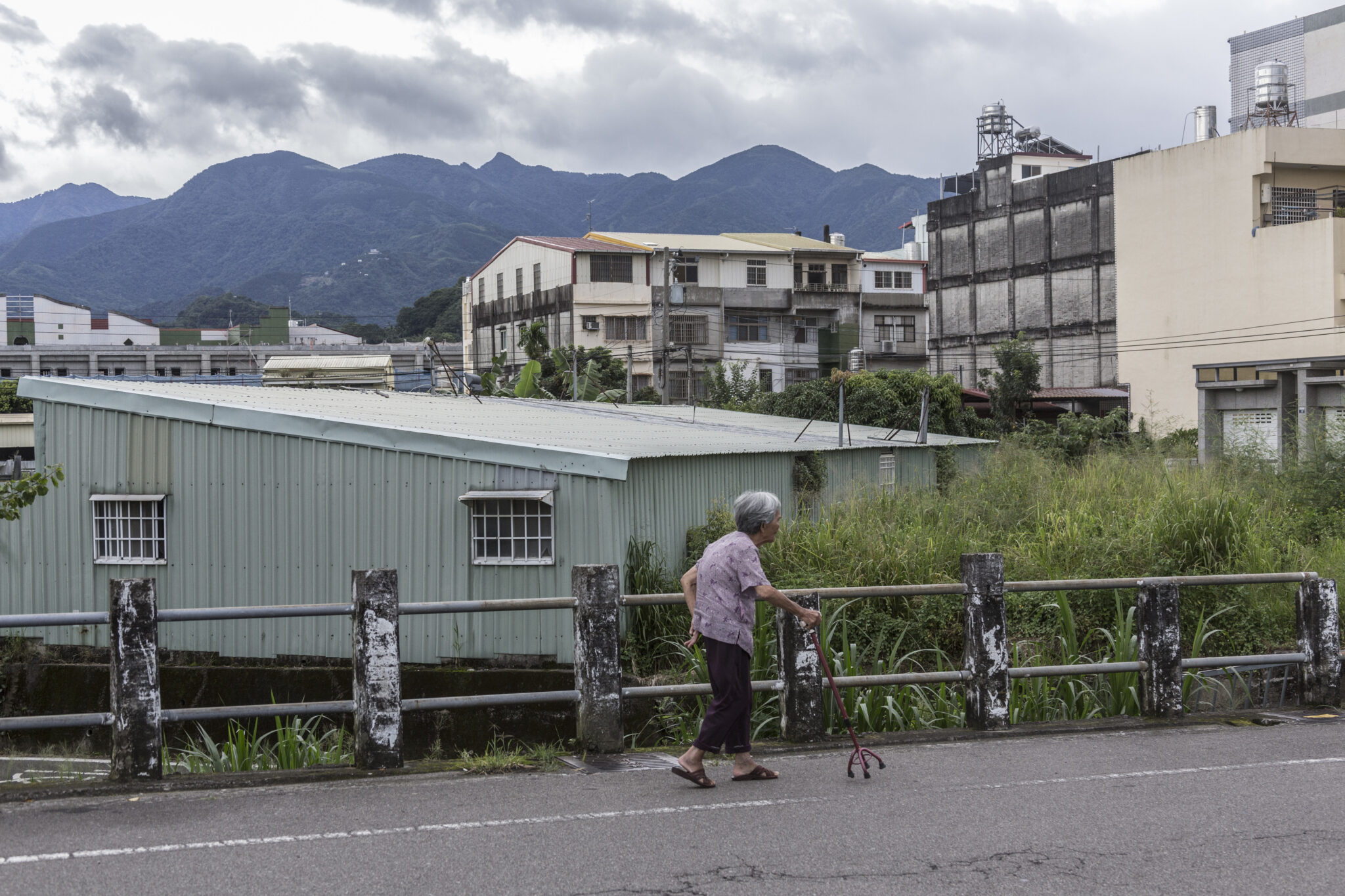
It used to be that Taiwan’s multi-generational family lived together and cared for each other. Low birthrates and rising economic pain are reformulating the equation for all.
 Worldcrunch
The Initium is a Singapore-based, Chinese-language digital media outlet that covers news, opinion, and lifestyle content directed to Chinese readers worldwide. It was founded in 2015.
It used to be that Taiwan’s multi-generational family lived together and cared for each other. Low birthrates and rising economic pain are reformulating the equation for all.
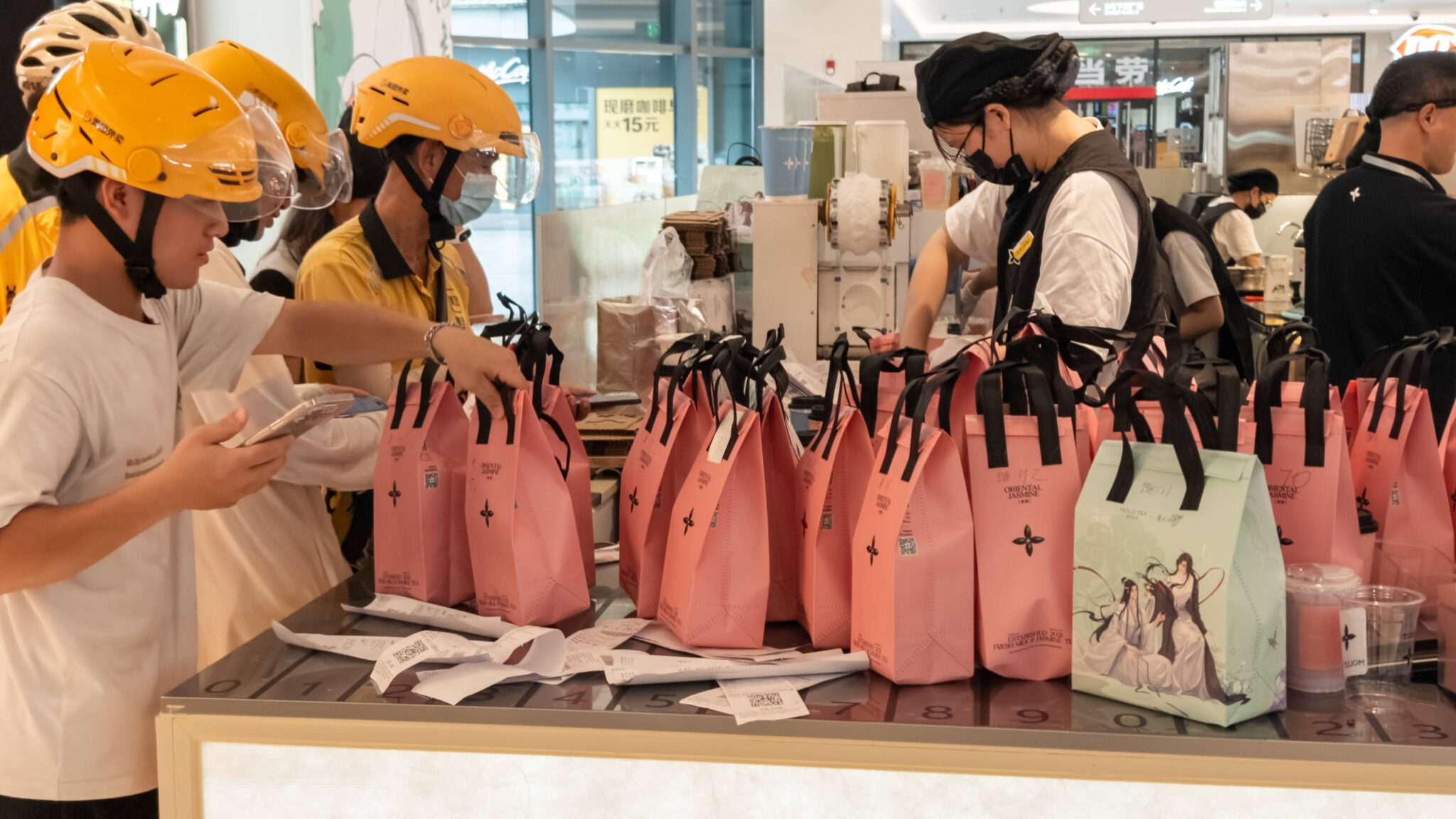
It’s not that food delivery has changed our lives, but rather that everything in our lives has been validated by food delivery.
As the U.S.-China standoff sways, President Donald Trump’s administrative stance toward Chinese students has wavered. In the U.S., they’re at times branded as potential spies; in China, coming home can carry the stigma of disloyalty. Caught in the middle, many are weighing life-changing decisions with no safe choice.
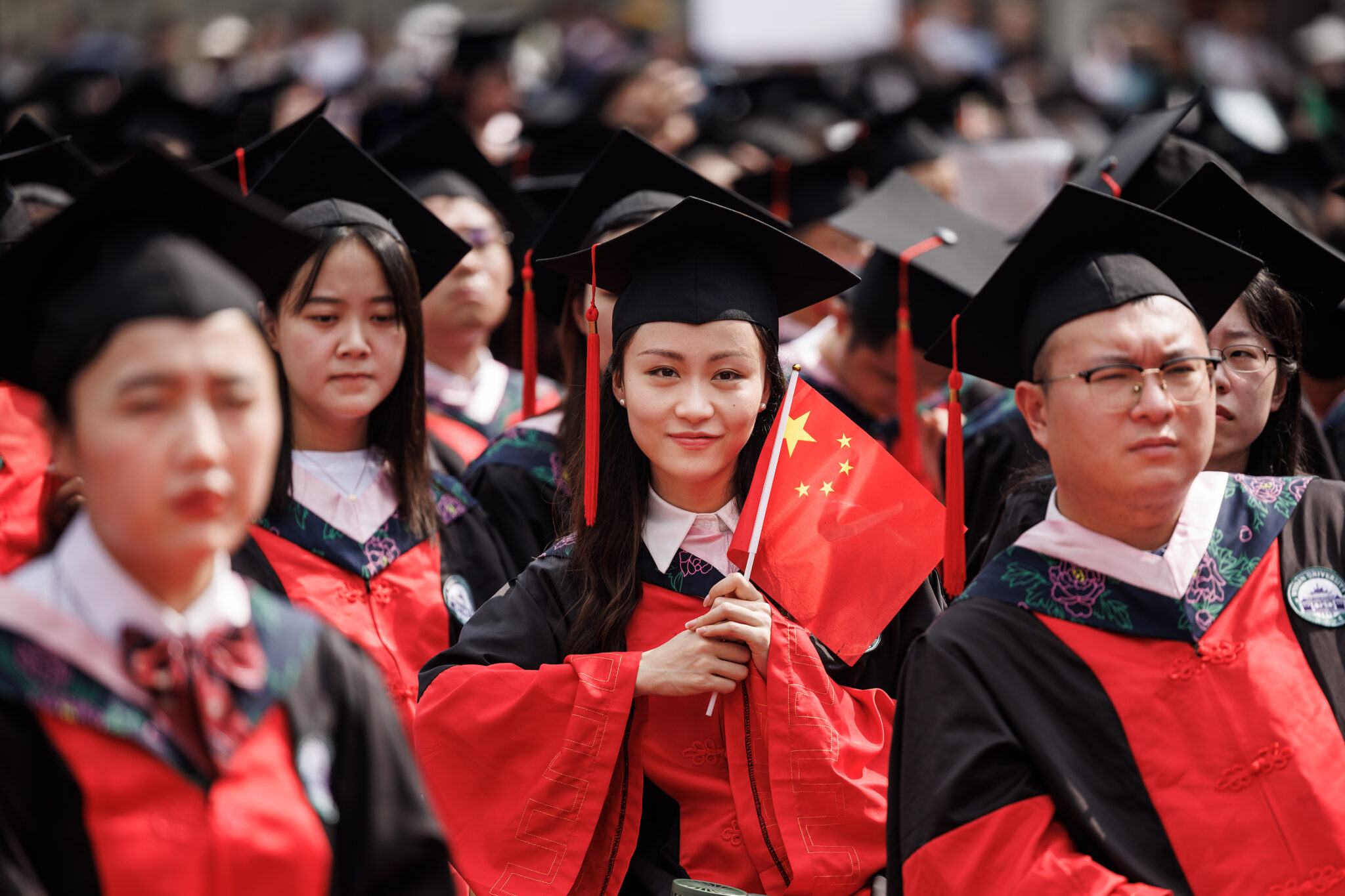
Researchers in China say a rising number of unemployed university graduates feel as though they are being forced to pursue master’s or doctoral degrees. It is distorting the entire Chinese academia system.

Will compulsory social security weigh down small and medium-sized enterprises and jobs, or safeguard the future of ordinary workers?

After several fruitless days glued to livestreams, Zhang Linwei thought about quitting. “When it went from giving me emotional value to draining my energy, I just didn’t want to continue.”

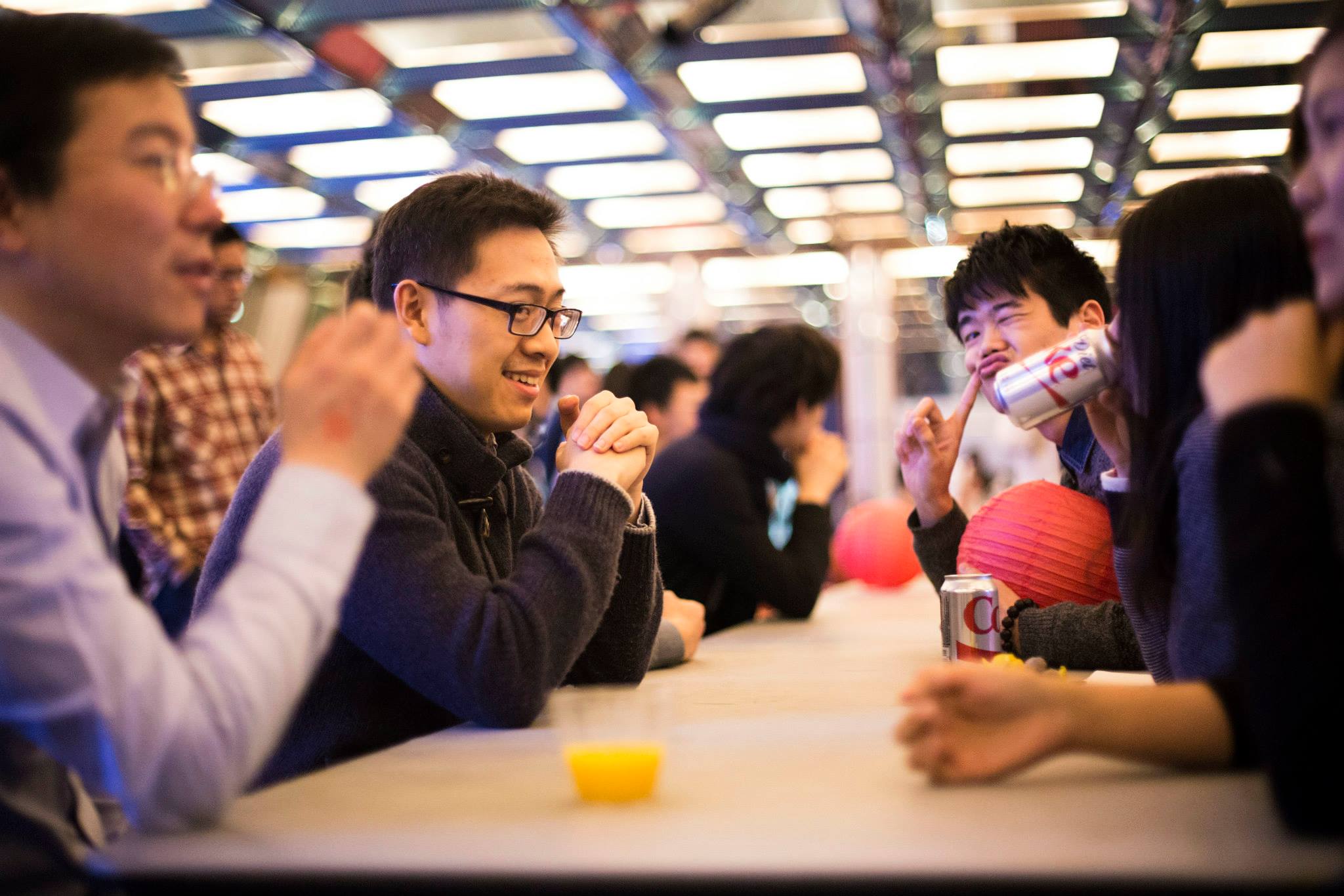
Tired of being set up on blind dates by family and friends, some young people in China are turning to live stream blind dating chats on the social media platform Xiaohongshu to look for potential partners — with an online audience.
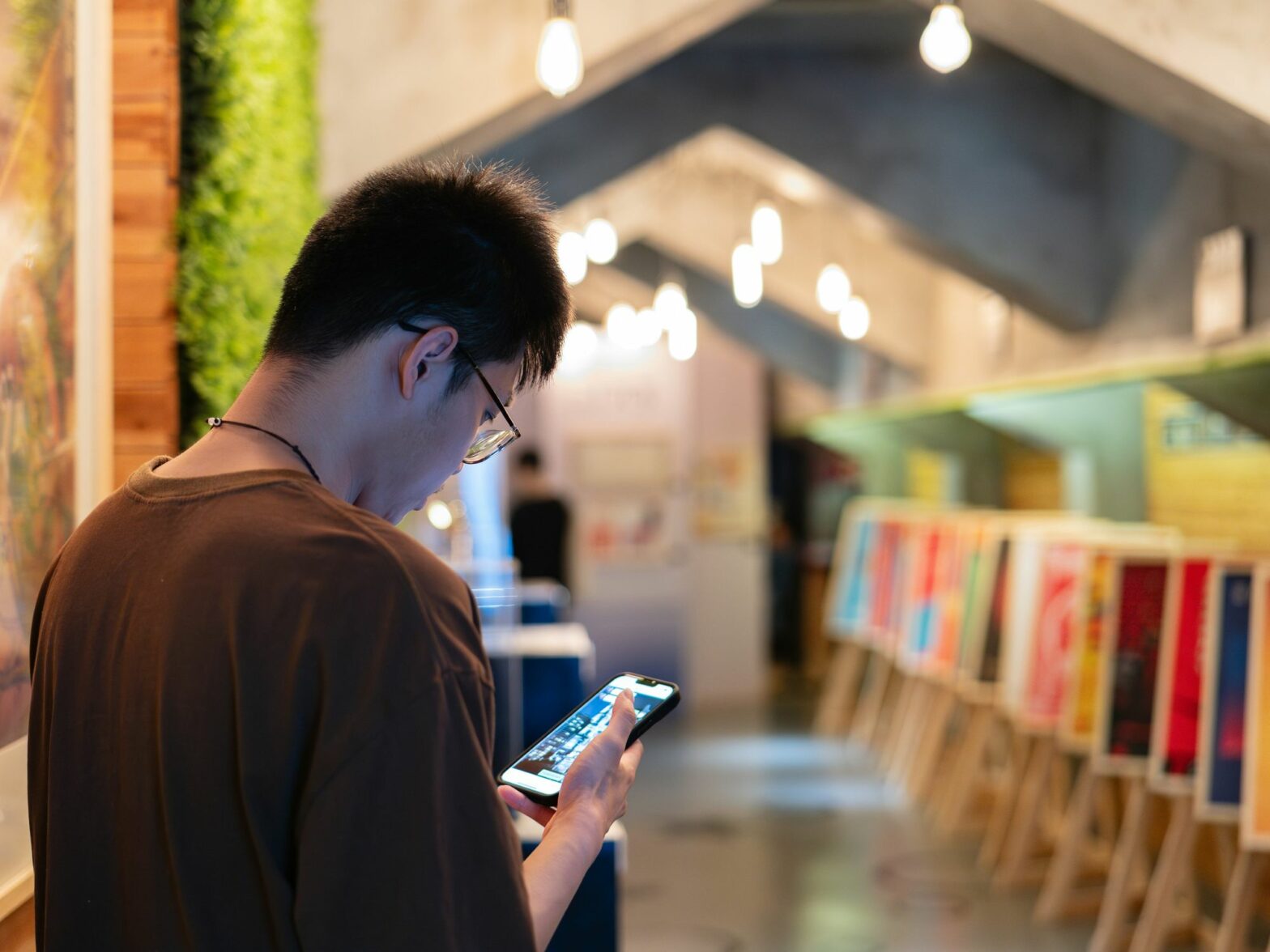
Washington once promoted an open, unrestricted internet, and criticized Beijing’s efforts to control its citizens’ access. But the recent “sell or ban” controversy over ByteDance’s social media platform TikTok shows that the United States may now be siding with China when it comes to digital sovereignty. Is internet freedom dead — and if so, who killed it?
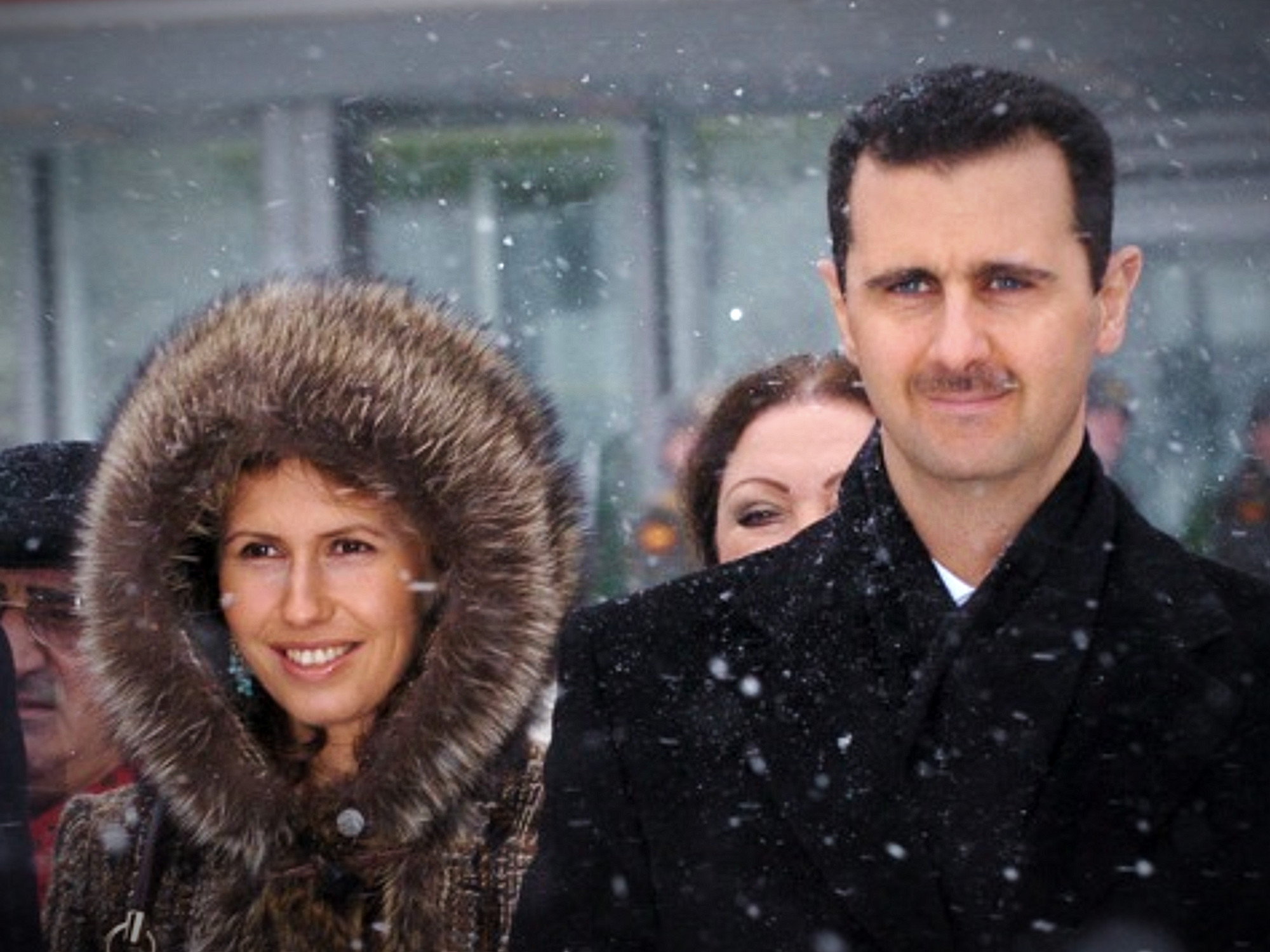
Despite her pleasant air and sense of fashion, the now former Syrian First Lady Asma al-Assad was bound to be tied to her husband’s fate. Born and raised in the UK, she was respected by some for openly battling cancer and later adored in China for her glamour. Still, she was largely despised at home for having helped cover her husband’s long list of alleged war crimes.
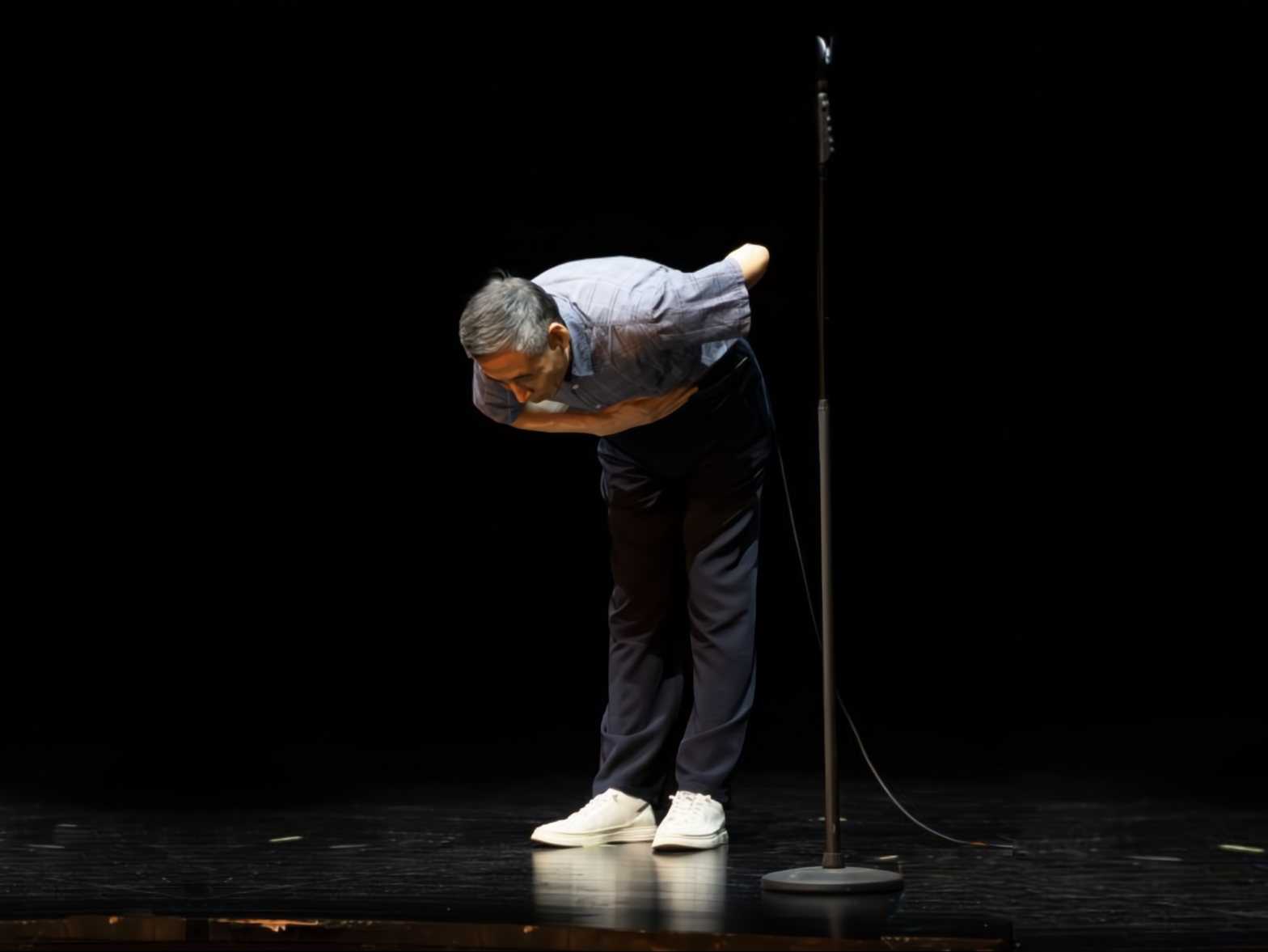
In China, stand-up comics must submit their sets to a state censor. Plus, there are self-appointed wannabe censors online (like on all social media!). How do would-be professional standup comedians handle this blatantly gray zone?
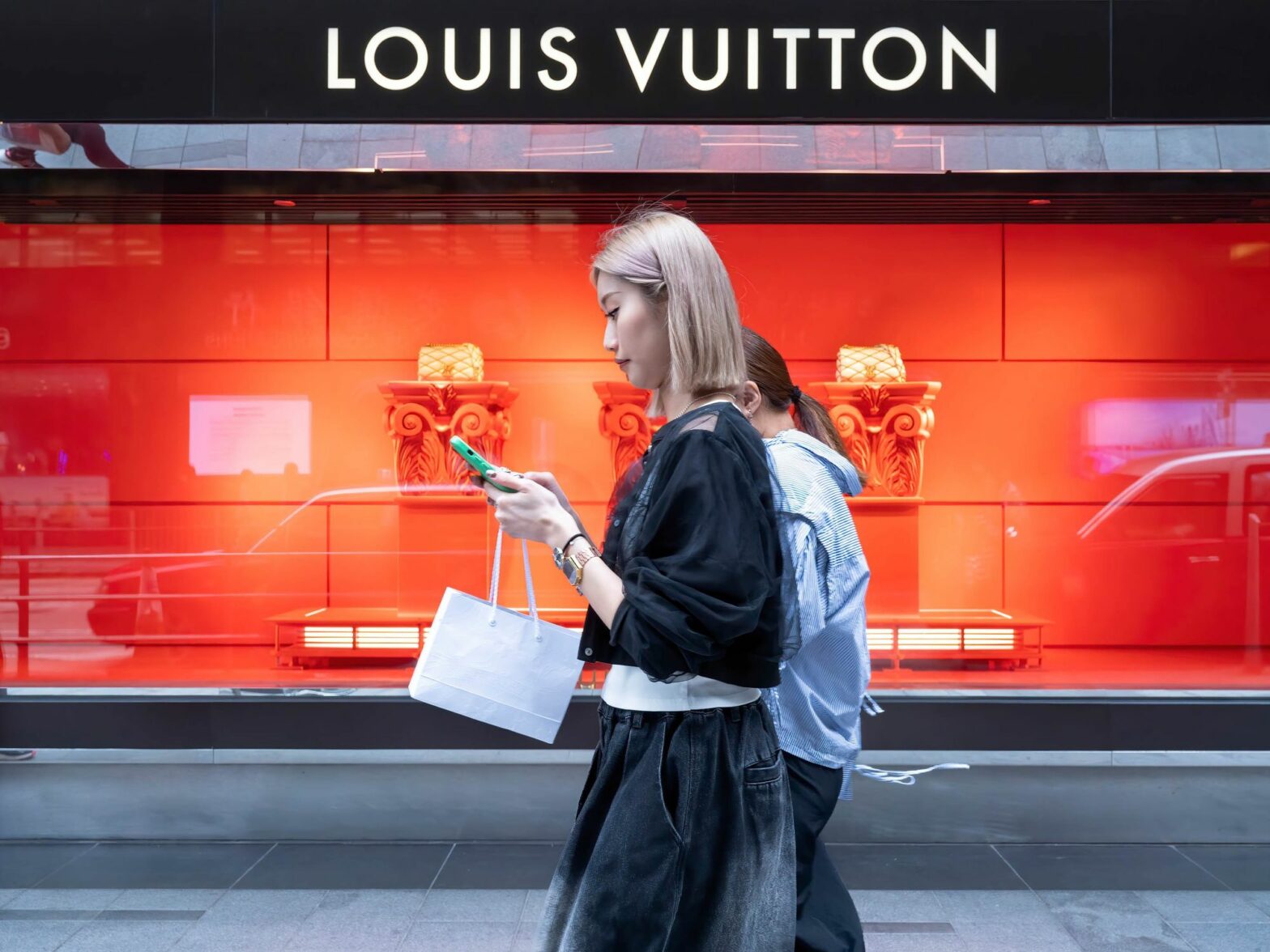
New reports indicate that luxury sales in mainland China have fallen by approximately 10% so far this year, and talking to those who used to buy European brand bags and clothes, it’s going to be virtual austerity for the foreseeable future.

With record-breaking ticket sales for Taylor Swift’s concert tour — mobilizing fans from all over the world to secure tickets — has it all been worth it?
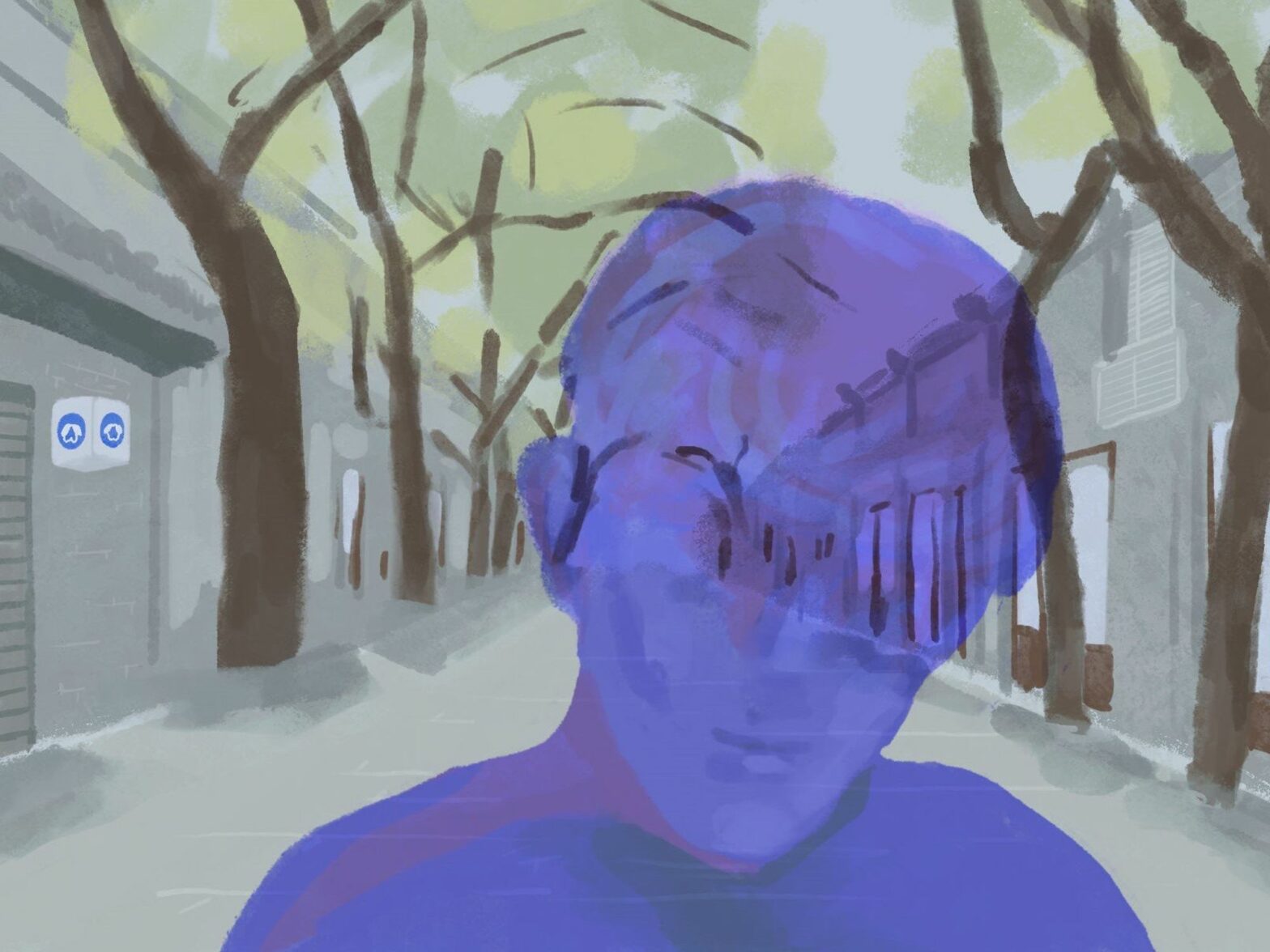
David Carey, an Irish musician who lived in China for nine years, built an independent record label and a thriving cultural space that was appreciated by foreigners and locals alike. But the screening of a film that included LGBTQ+ elements brought an end to all that.
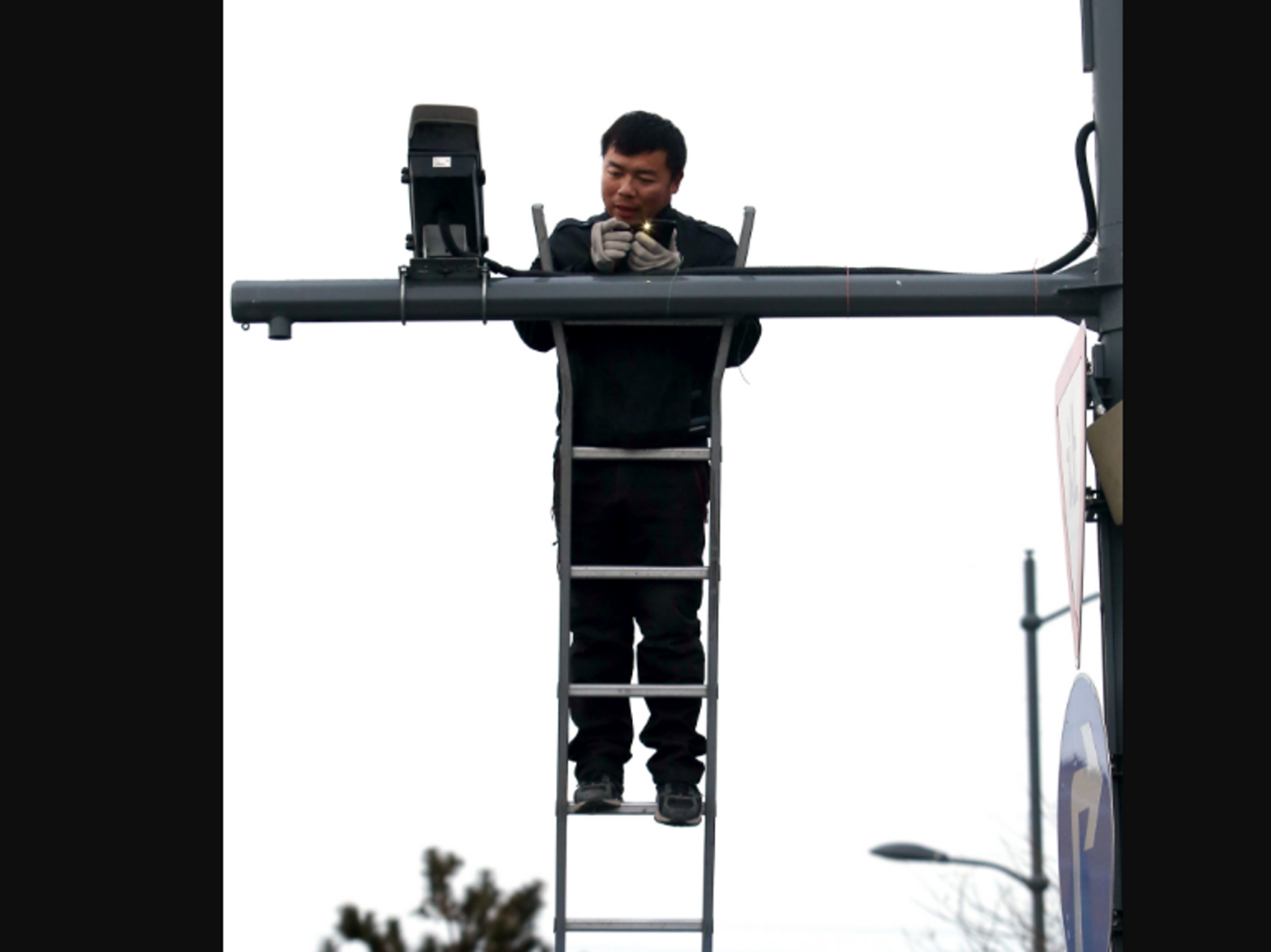
Twenty-five years in the making, China has developed a mass surveillance state, from Beijing alleyways to rural villages. And citizens don’t object because they’ve been co-opted into it.
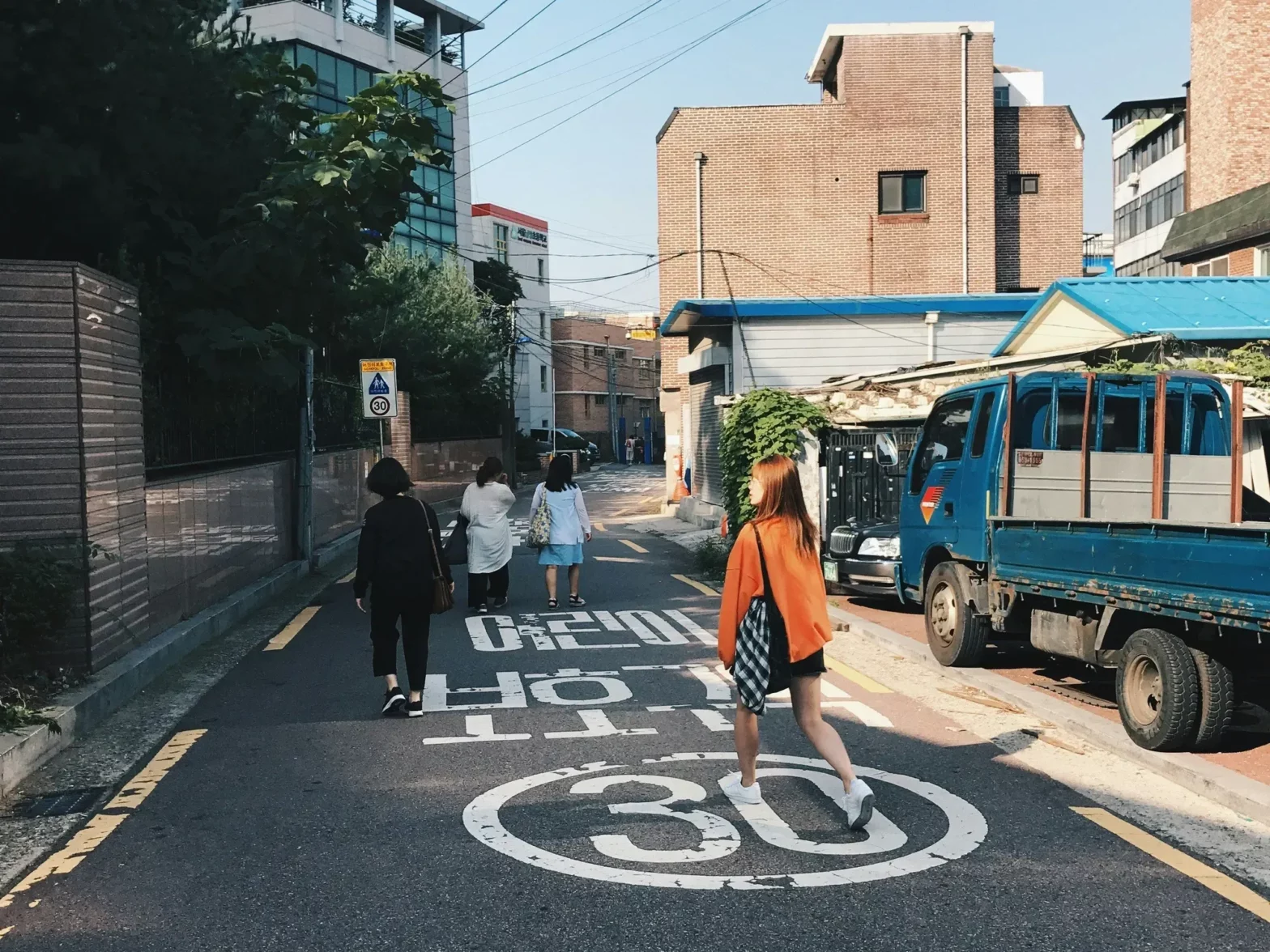
In just 60 years, from 1960 to 2020, South Korea’s fertility rate has plummeted from 6 to 0.8. Can a new round of government programs to incite pregnancies, or will it backfire gain?
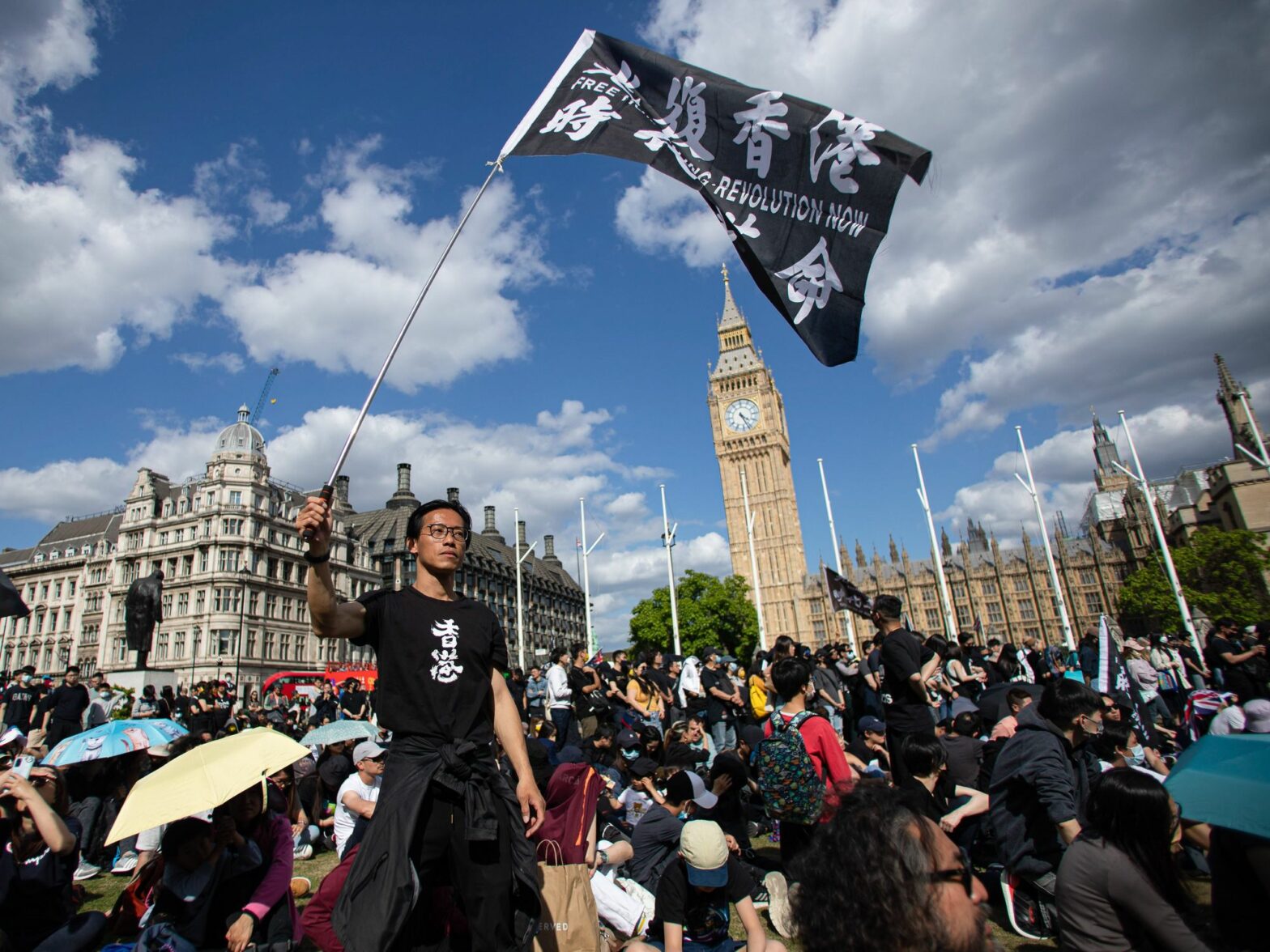
Hong Kongers who moved to the UK following the 2019 pro-democracy protests to seek political asylum face many social, mental and administrative challenges. Yet the organizations that have been building a safety net for them are now facing funding changes.
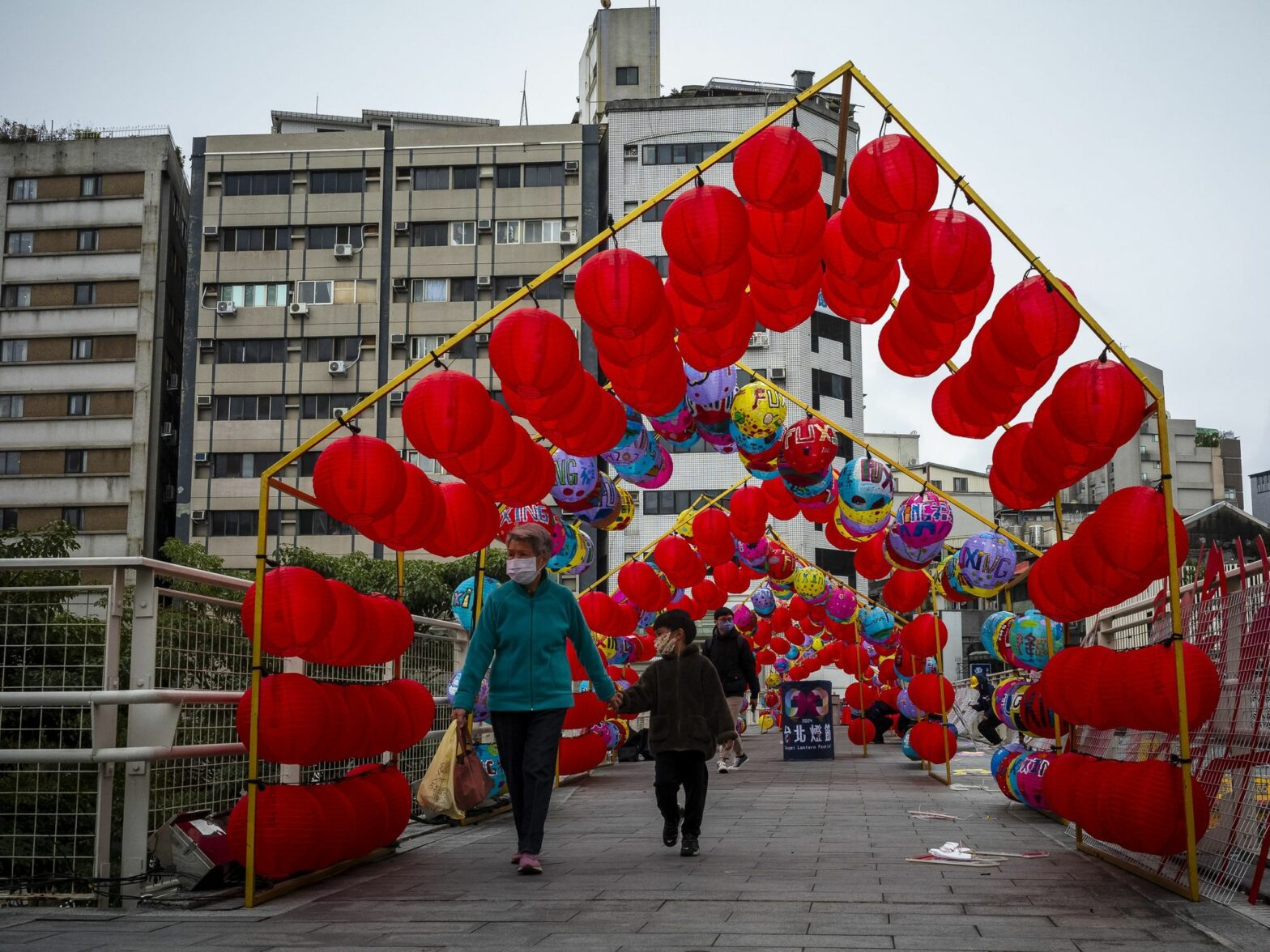
Despite a growing population and recent policies, “new residents” and their Taiwan-born children are not yet fully integrated into the country’s politics and society. Following the general election in early January, the Singapore-based Initium Media talks with young “new second generation” Taiwanese about their personal and political experiences.
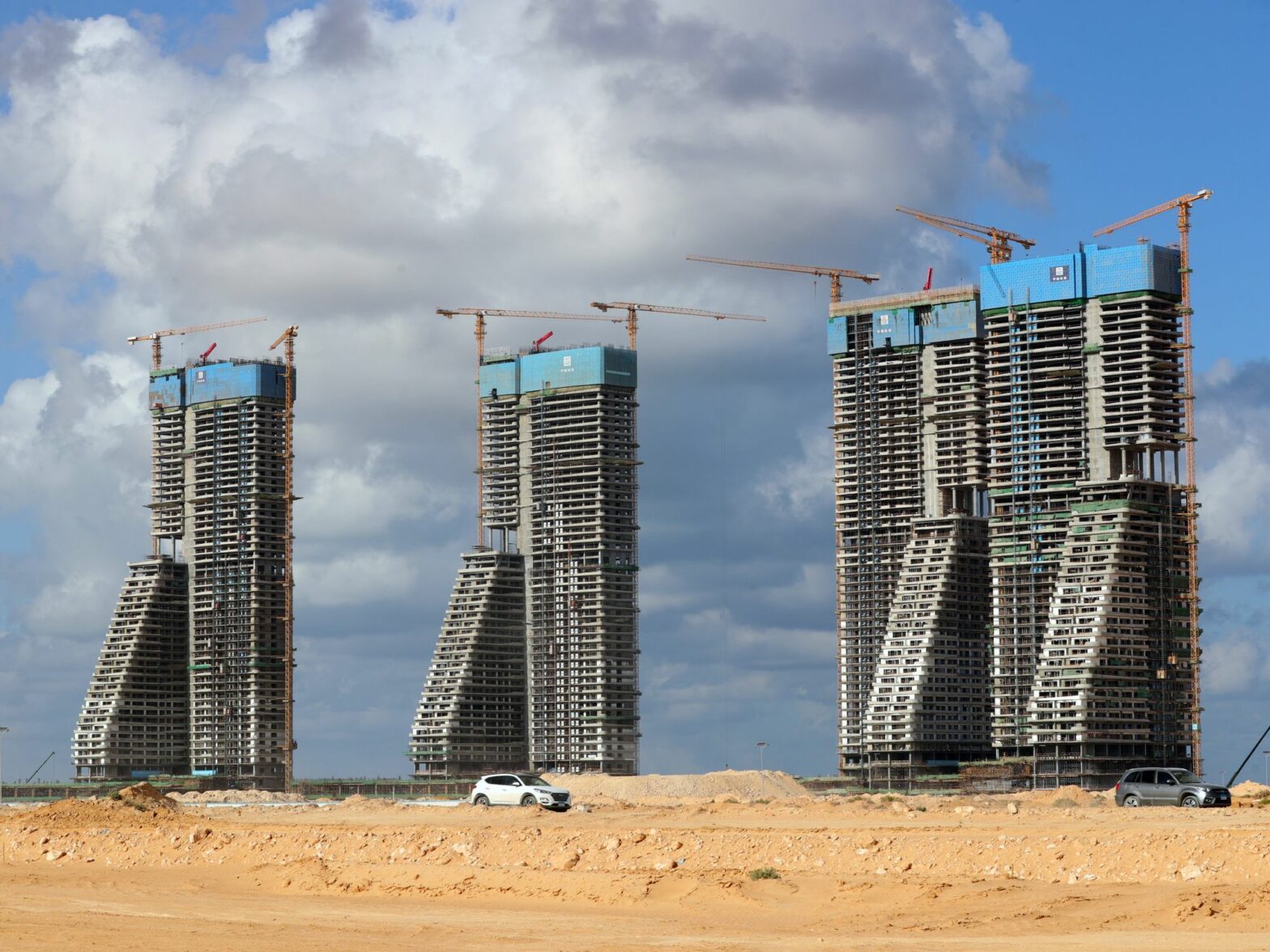
Ambition and ambiguity are the unspoken rules utilized by the participating parties in China’s much touted Belt and Road Initiative, launched 10 years ago, to expand its economic power across the world. But what has actually come of it is not so clear.
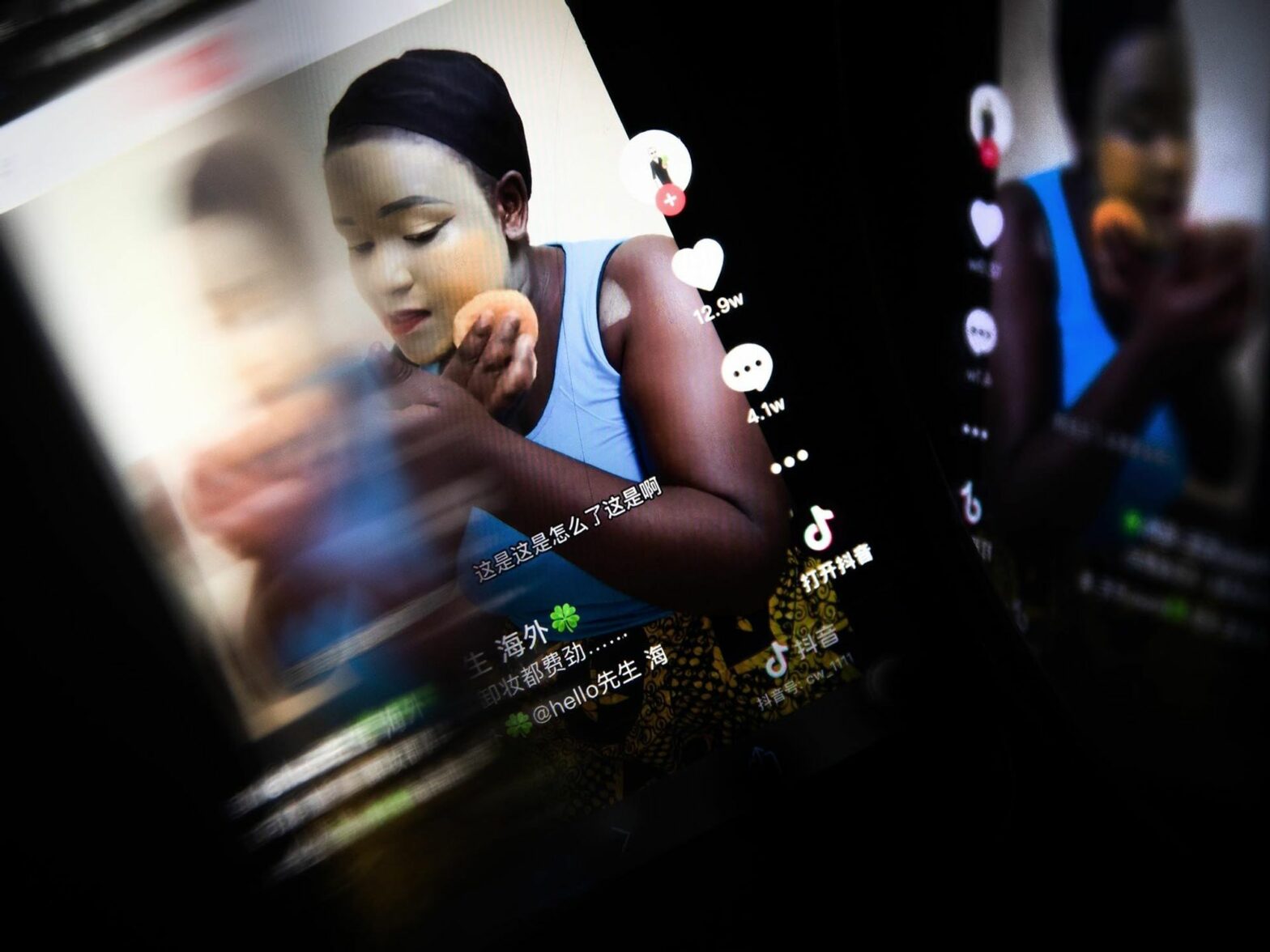
What has driven the rise and slow decline of Chinese social media influencers on the African continent? A mix of business, racism and censorship — and short attention spans of all of the above.
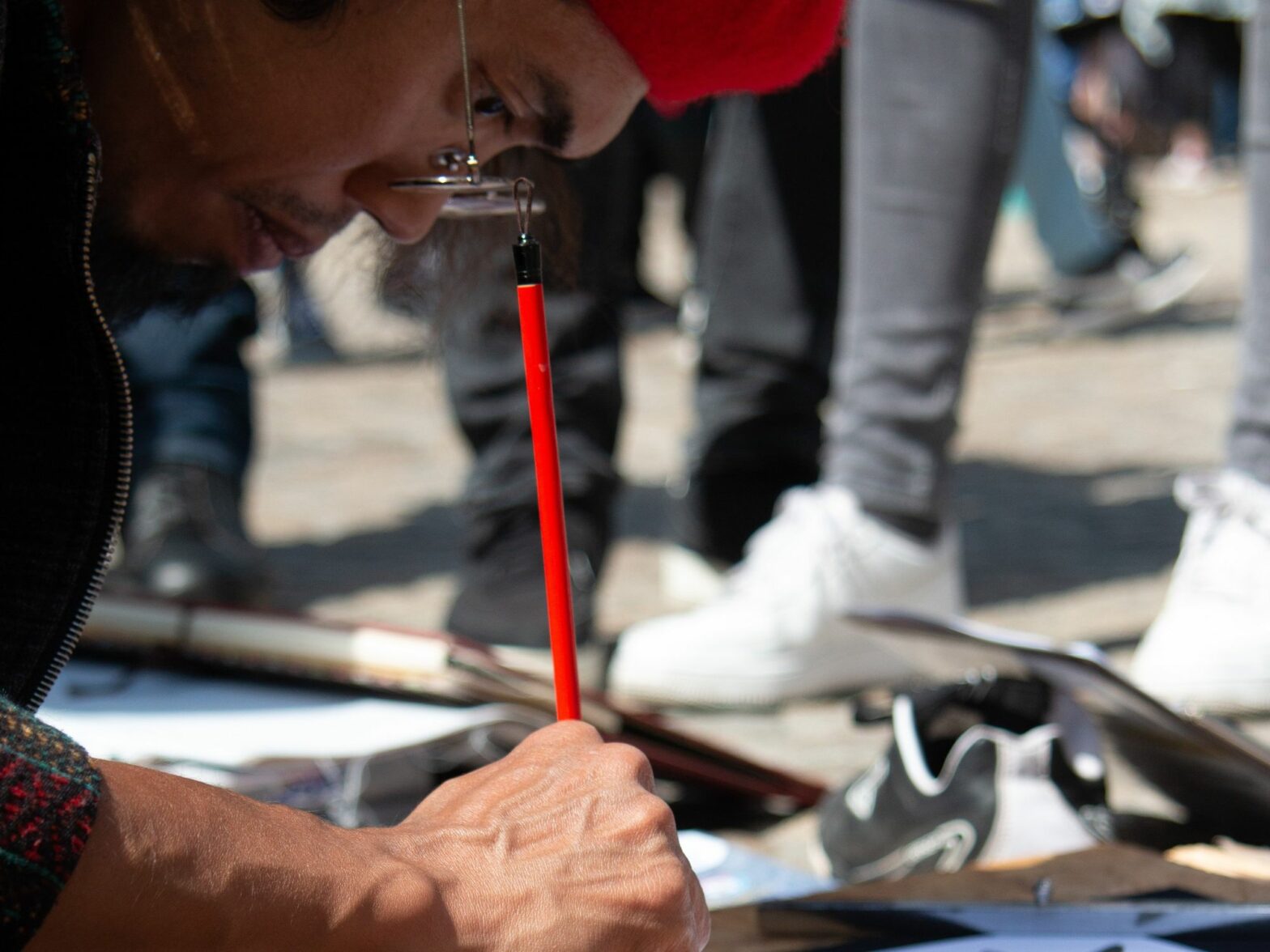
If Chinese food is a link to the homeland, then so is Chinese literature. Two Chinese immigrants in Europe have found a way to connect themselves and others to their culture by setting up spaces where people can buy or borrow Chinese paperbacks.
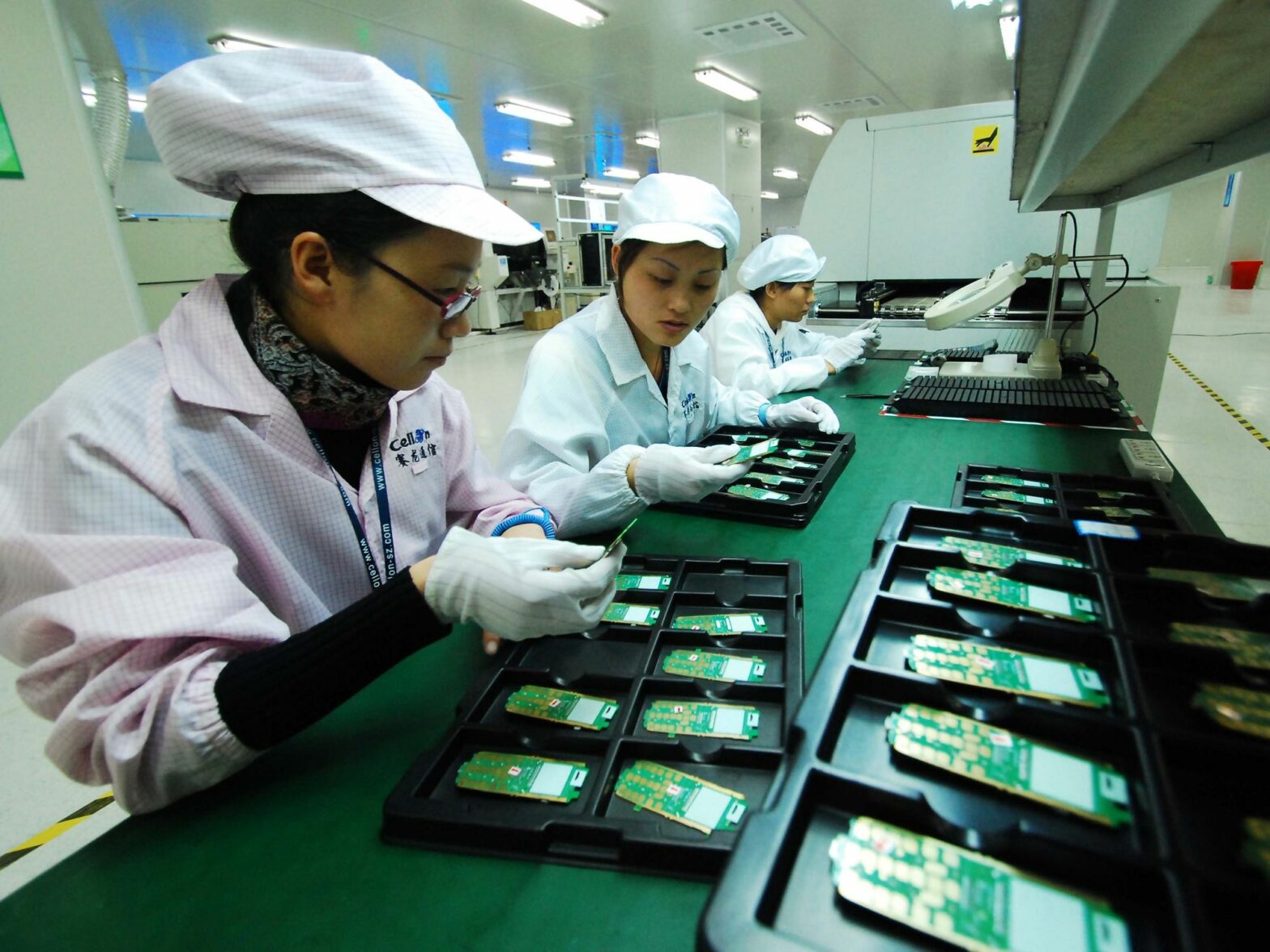
If computing power becomes a major tool for superpowers like China and the U.S., then what does the latest U.S. technology blockade mean for the race to a more powerful AI? Honk Kong-based daily The Initium looks at the nuclear race of our time, with chips as the modern-day equivalent of enriched uranium.
The credit giant becomes only the second player after American Express to be allowed to set up a bank card-clearing RMB operation in mainland China.
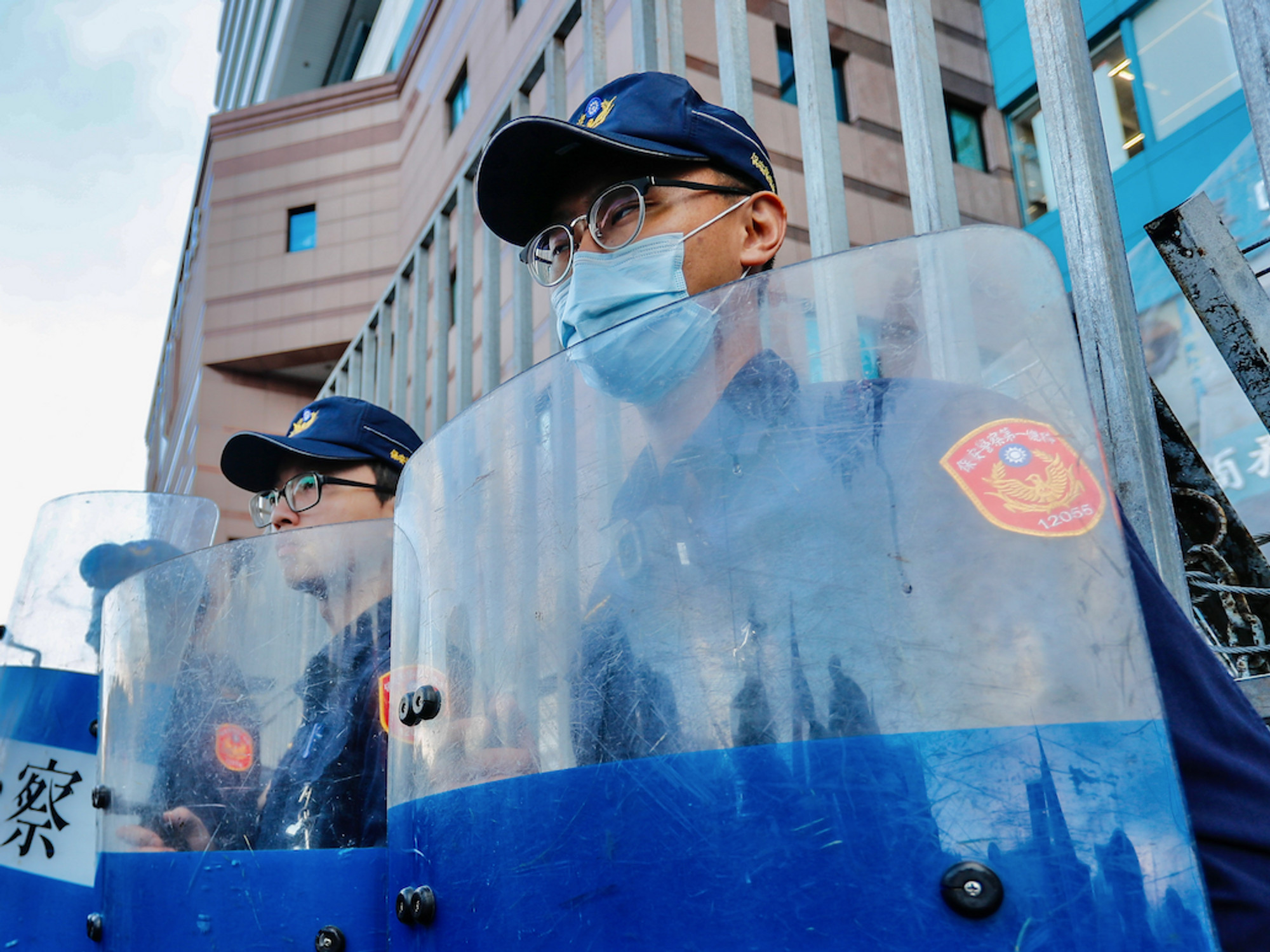
Taiwanese, though under the weight of a far more powerful neighbor, have the tendency to idealize Israel and fail to create a self-definition beyond the island nation’s anti-China image.

The use of “Xizang” instead of “Tibet” by Chinese officials is supported by some nationalists, but viewed by Tibetans, including those affiliated with the Dalai Lama, as veritable erasure of identity.
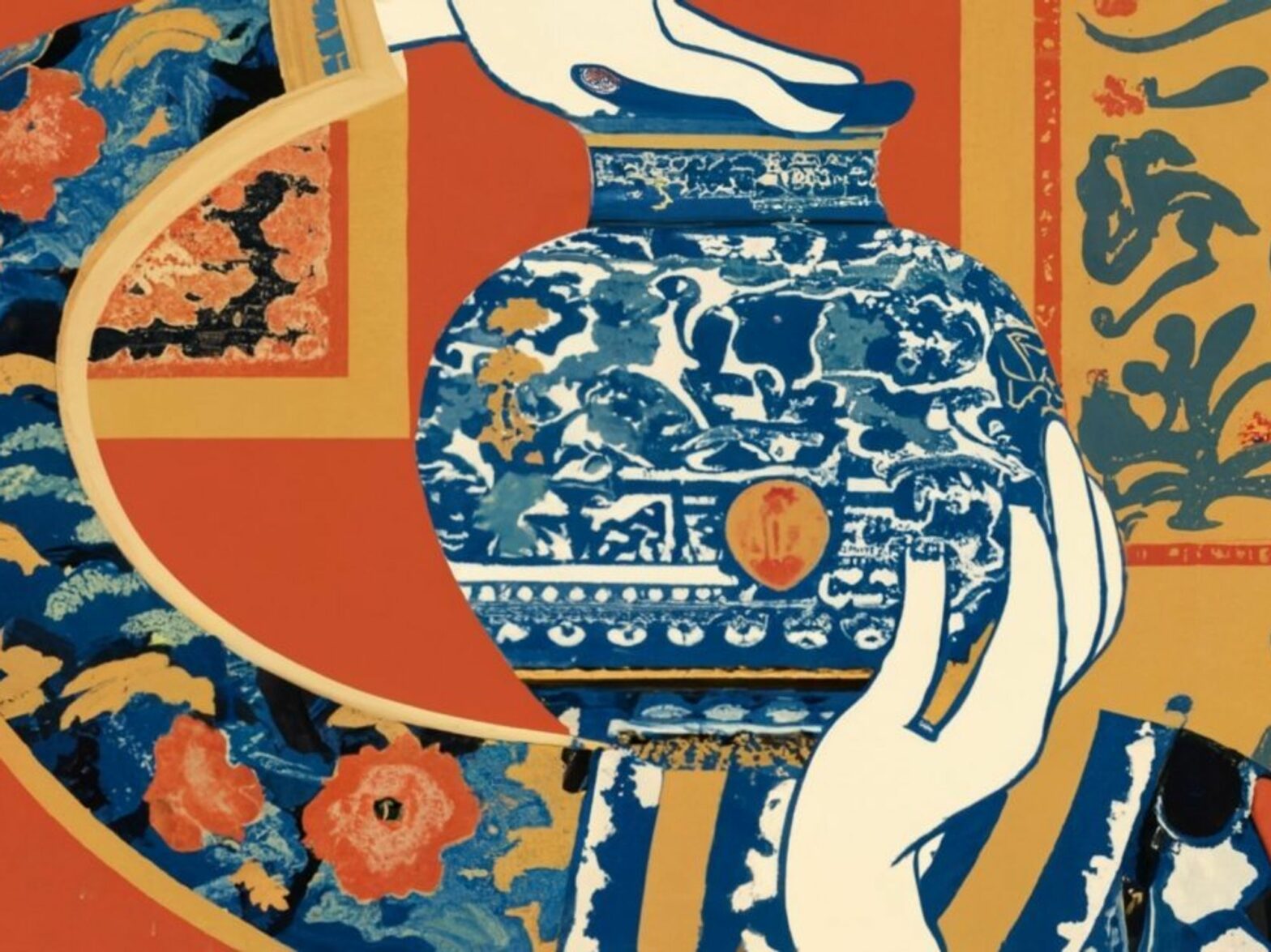
There is no doubt that the old museums in Europe and America bear deep imprints of the colonial era; in a mirror image, “protecting treasures” has become a transcendental reference for the new China.
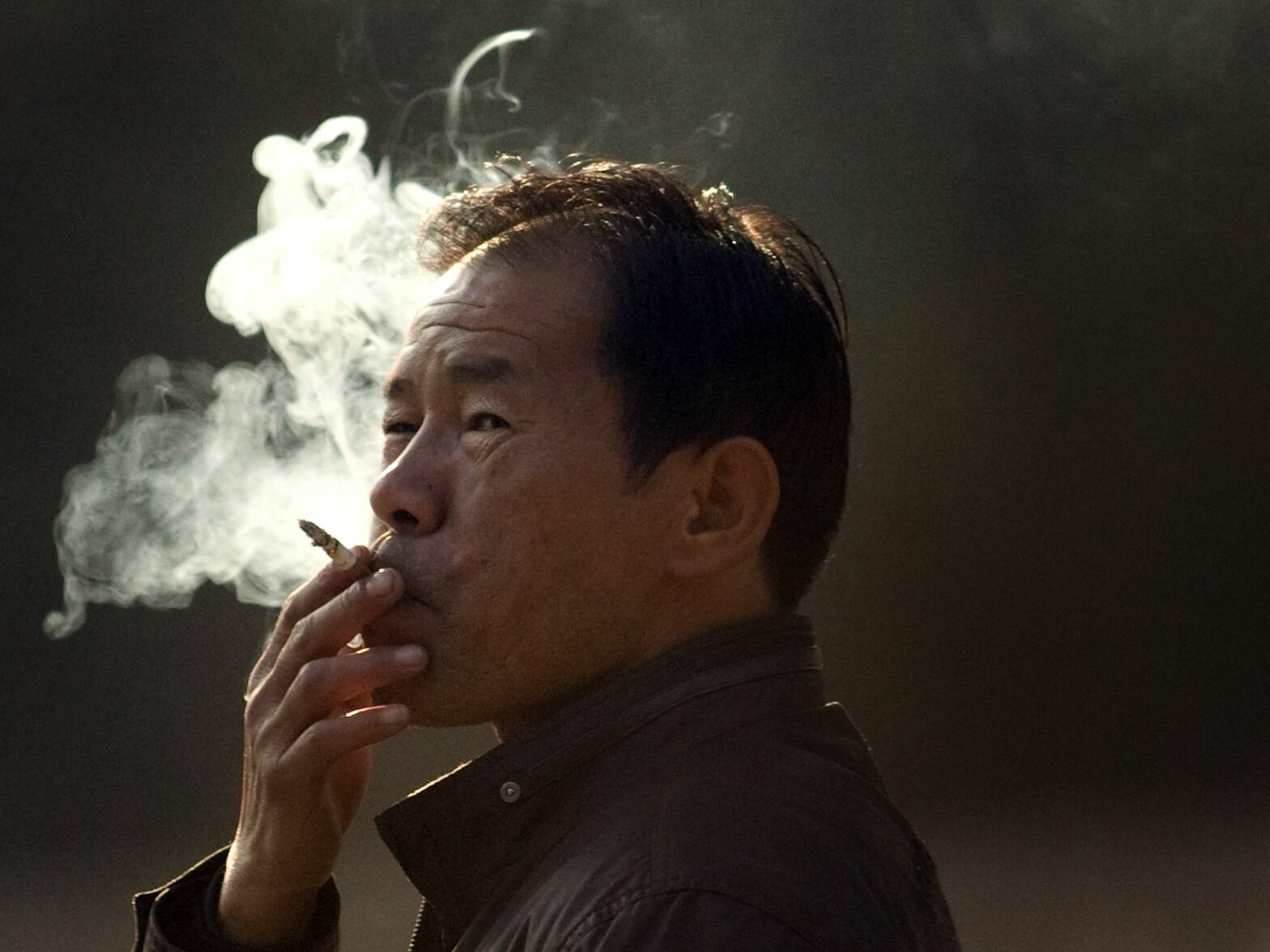
No country in the world has as big a cigarette industry as China. This is the story of how a giant state-backed monopoly created the industry, which provides more tax revenue than any other, and ultimately sabotaged the country’s anti-smoking efforts in the process.
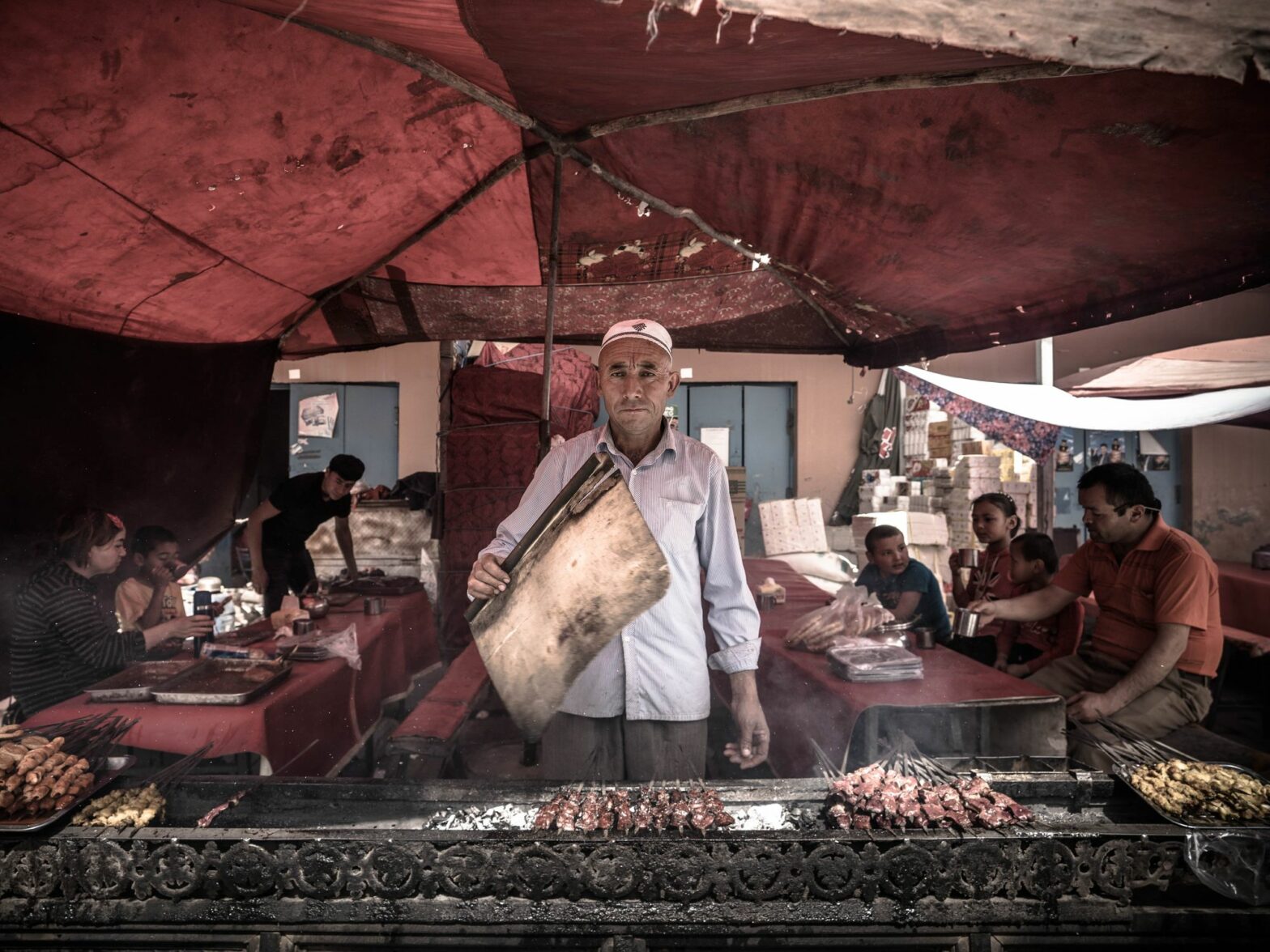
Research by anthropologist Darren Byler provides a rare look inside the surveillance state China has created to control the Uyghur population of Xinjiang province, where every move is tracked, people are forced to carry cell phones, and “re-education camps” await anyone suspected of trying to break free.
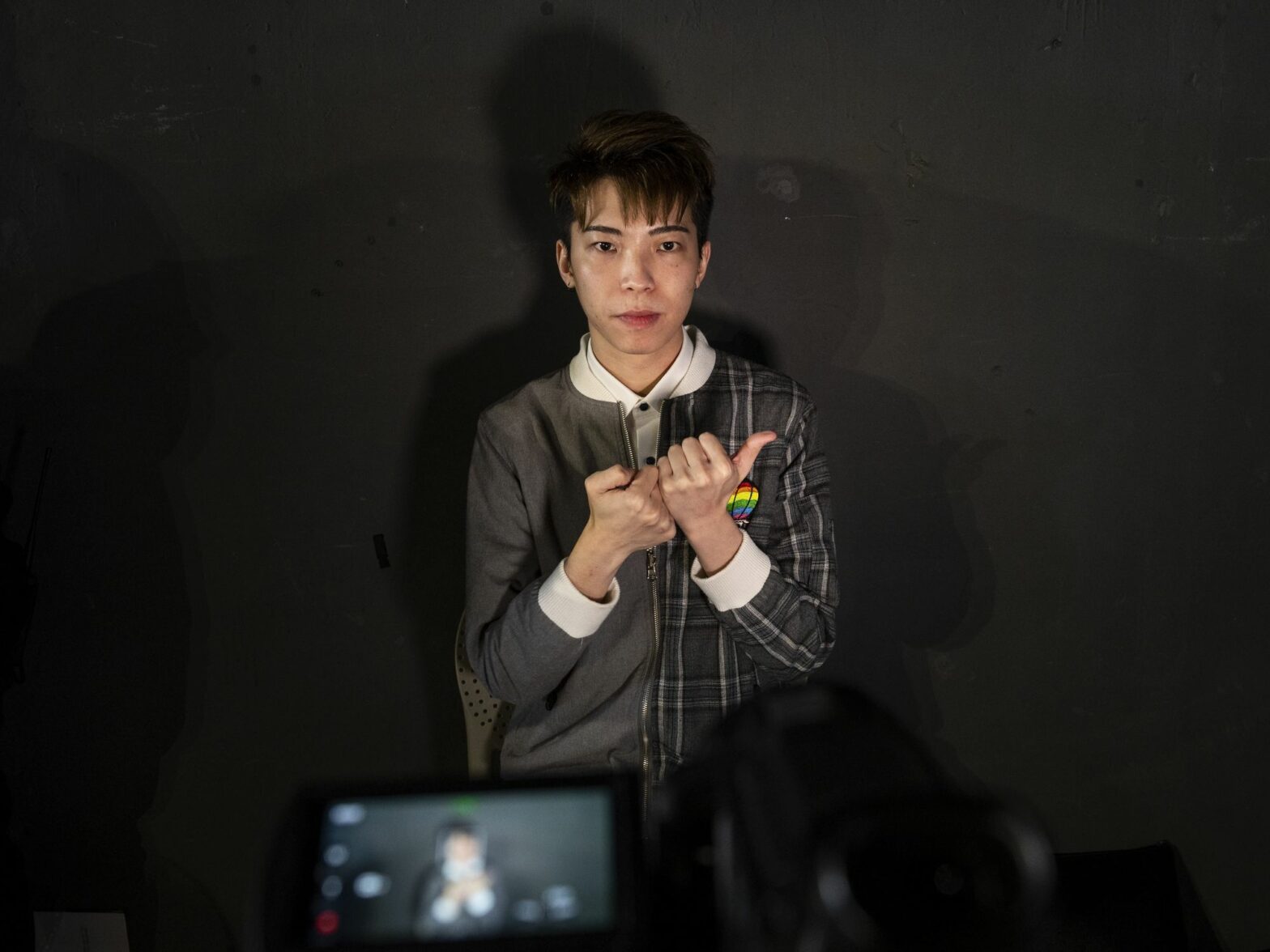
Sign language services are relatively good in such Asian countries as Japan, South Korea and Thailand. Why do they lag in Hong Kong? An exploration of the island’s particular circumstance

A new melodrama broadcast in China about sexual assault in the workplace is a sign that some difficult questions are being addressed, but that serious taboos remain in Chinese society and public life.
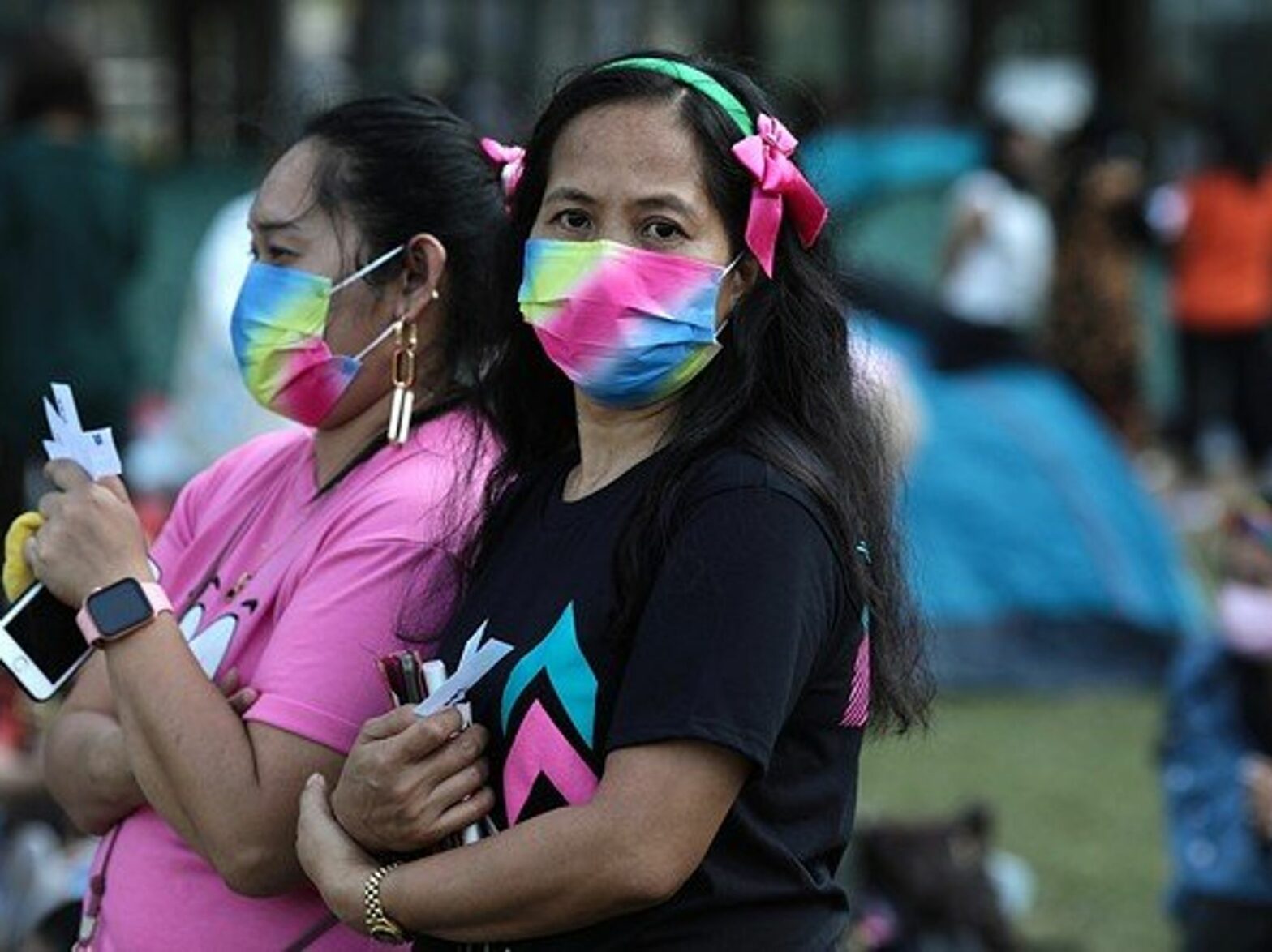
As advocates in Hong Kong work to spread the word that being LGBTQ+ is not an illness, conversion therapy centers like New Creation continue to harm and traumatize those who want to get “out of the gay life.” Members of the LGBTQ+ community struggle to reconcile their faith and their orientation in a society that continues to be institutionally homophobic.
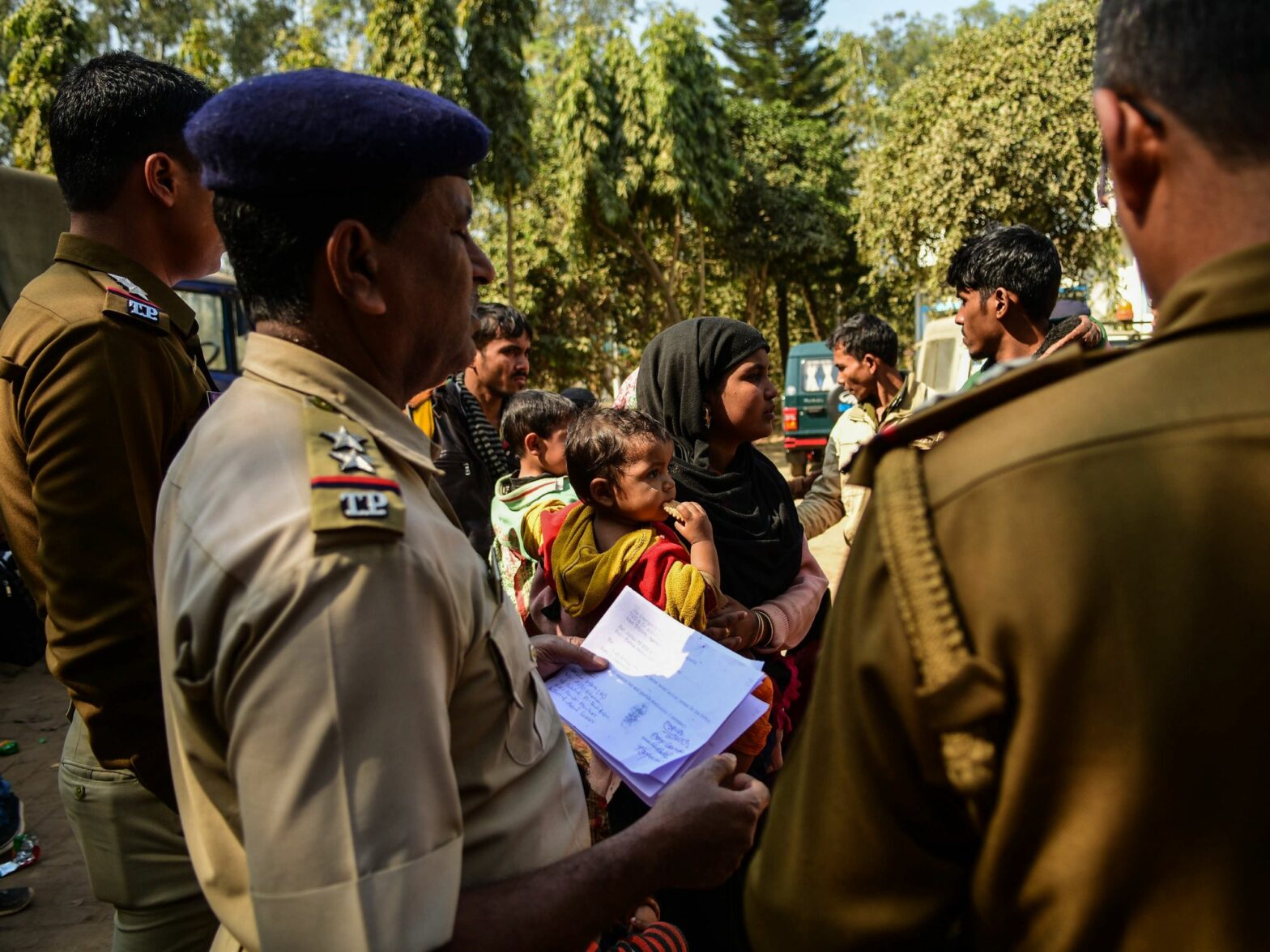
While the 1,600-kilometer border between India and Myanmar has seen waves of Burmese refugees fleeing to India as the civil war and air strikes have intensified, the Chinese government has been vocal about its support of Myanmar’s military junta. Inevitably, already tense relations between China and India
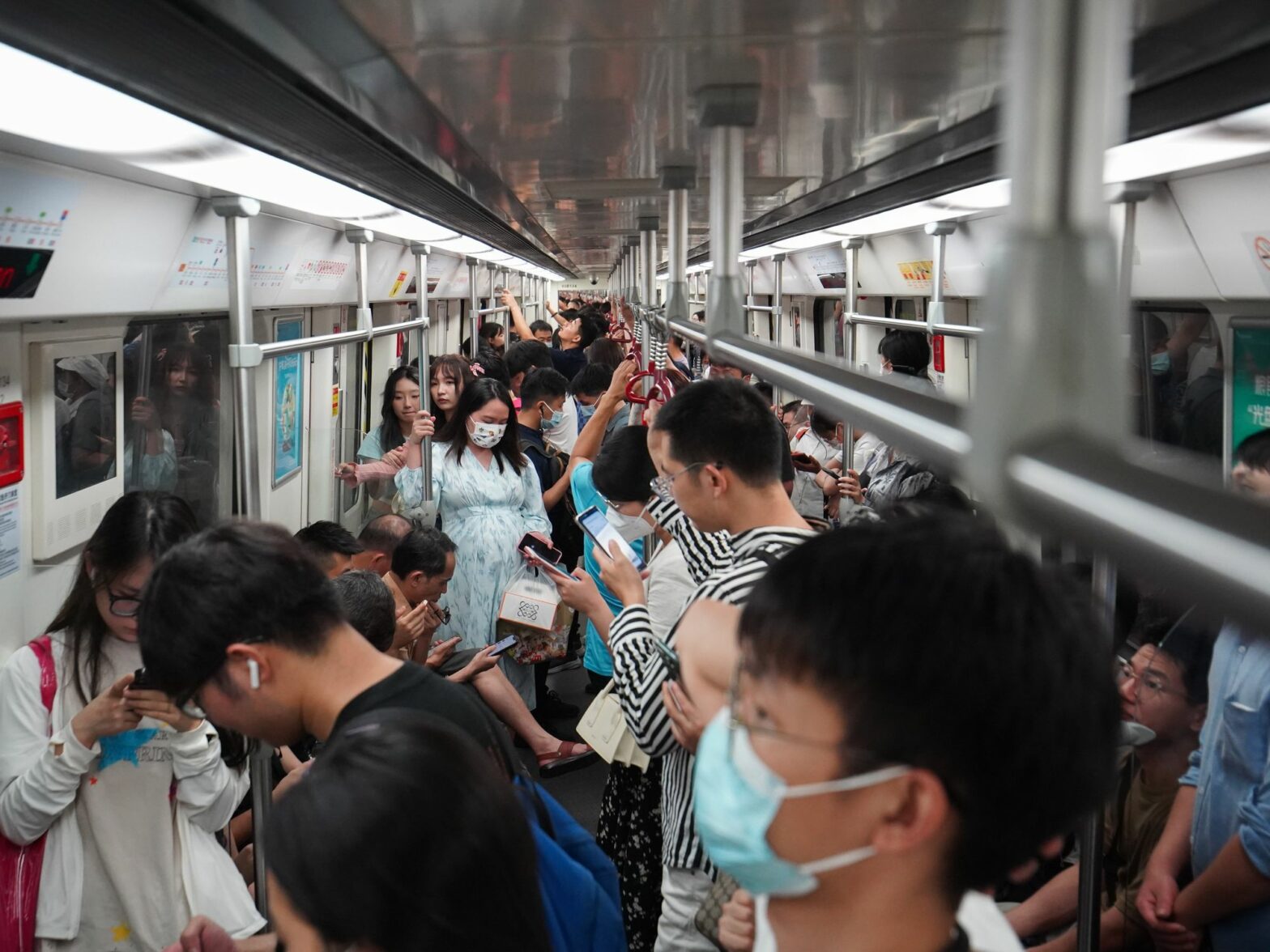
A woman in China who falsely accused a man of filming her on the subway has sparked an avalanche of vitriol against her. There are now fears that the case will stop the many real victims of secret filming from coming forward and fighting back.
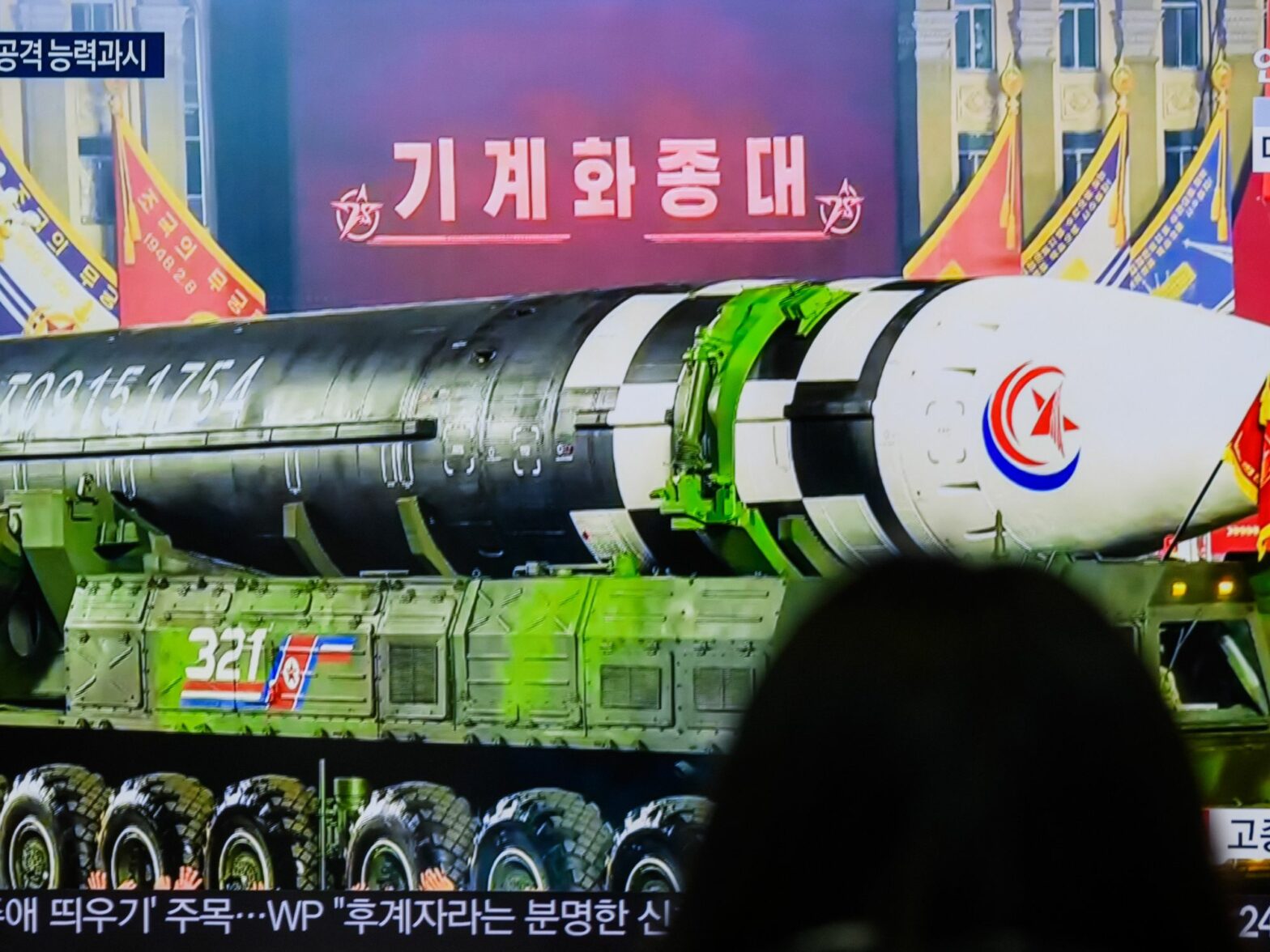
North Korea has industrialized the theft of cryptocurrency to finance its nuclear weapons program and its state-sponsored hackers are getting better at emptying digital wallets. But global law enforcement agents are in hot pursuit, and cashing in crypto is harder than ever.
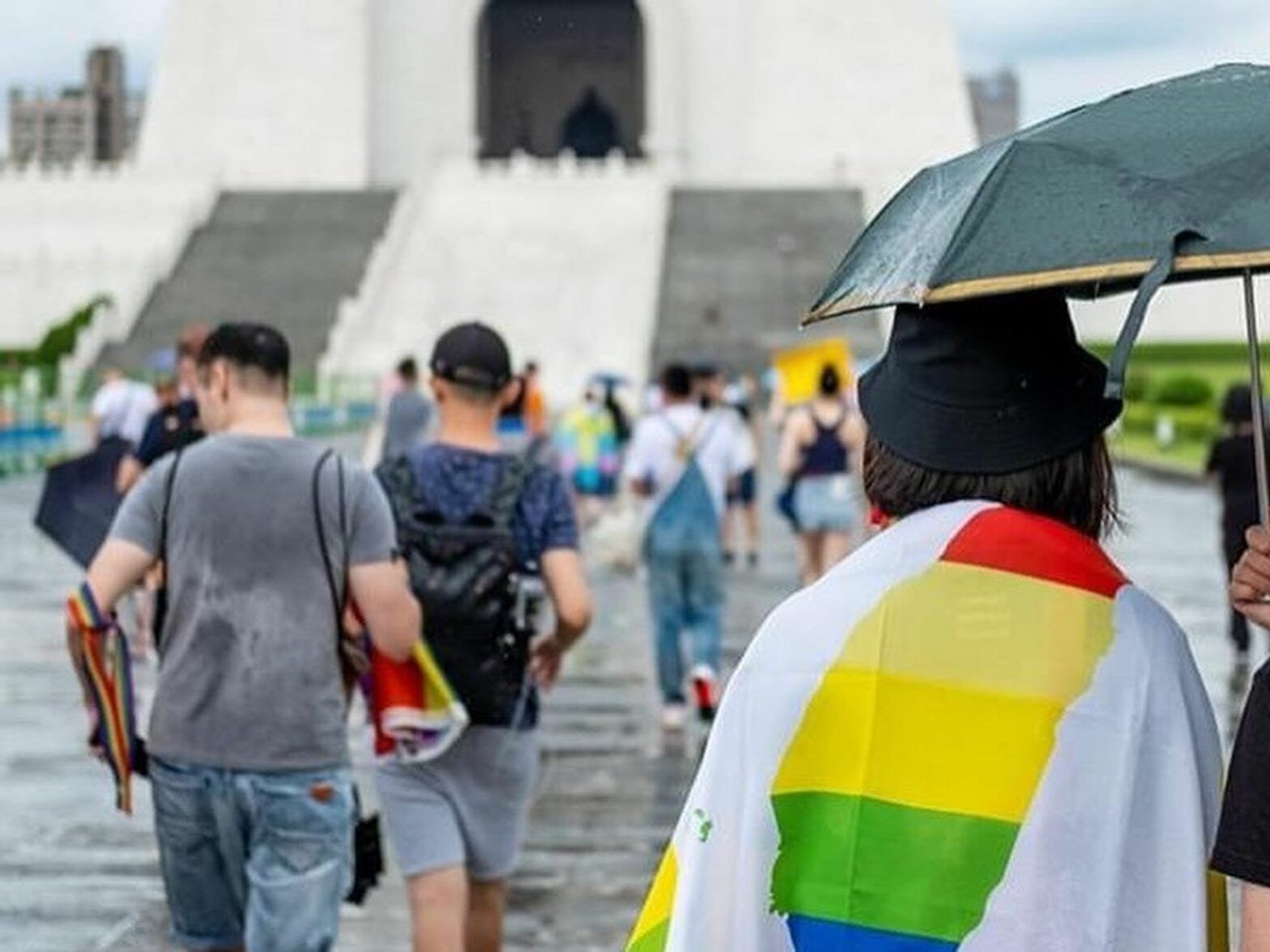
Cast out by family, discriminated against by the state, shut off from the medication, China’s “male-to-female” trans community is under immense pressure, as suicide rates rise and incomprehension continues to spread.
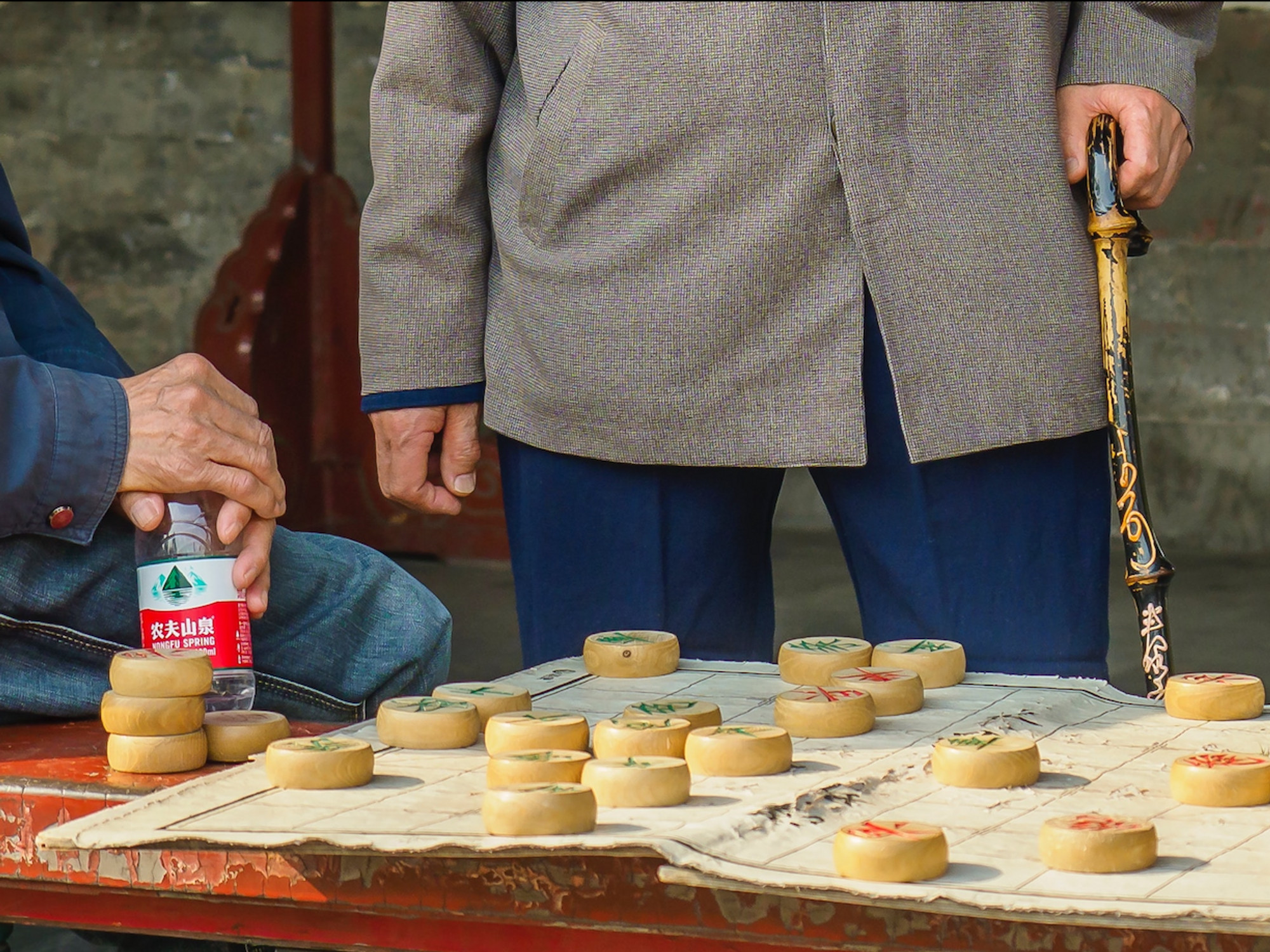
A series of interviews in Wuhan with aging gay men — all currently or formerly married to women — reveals a hidden story of how Chinese LGBTQ culture is gradually emerging from the shadows.
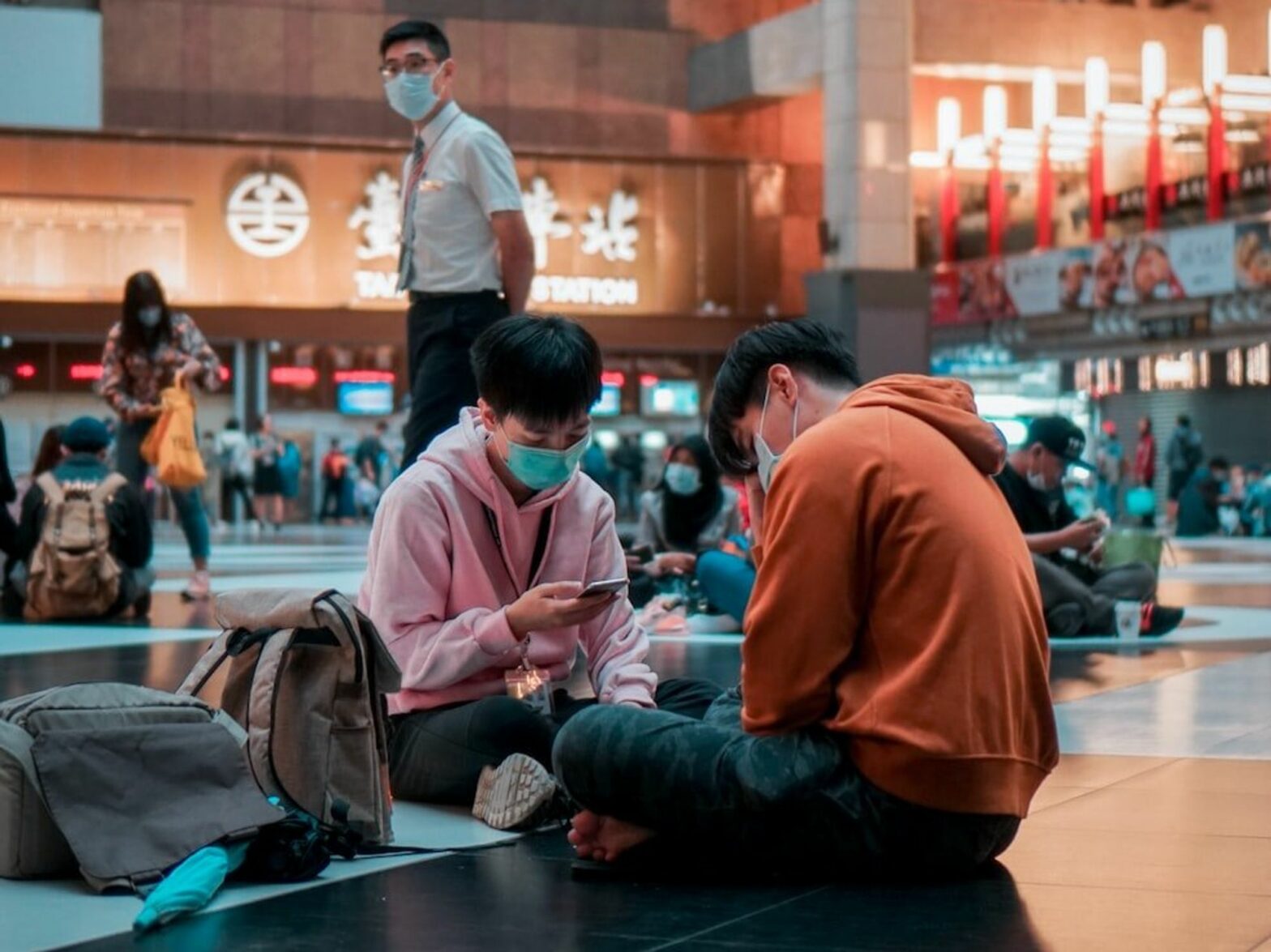
As more young people in Taiwan use Chinese social media, drawn to the fun and glitzy elements of life on mainland China, they need to learn to distinguish real life from propaganda.
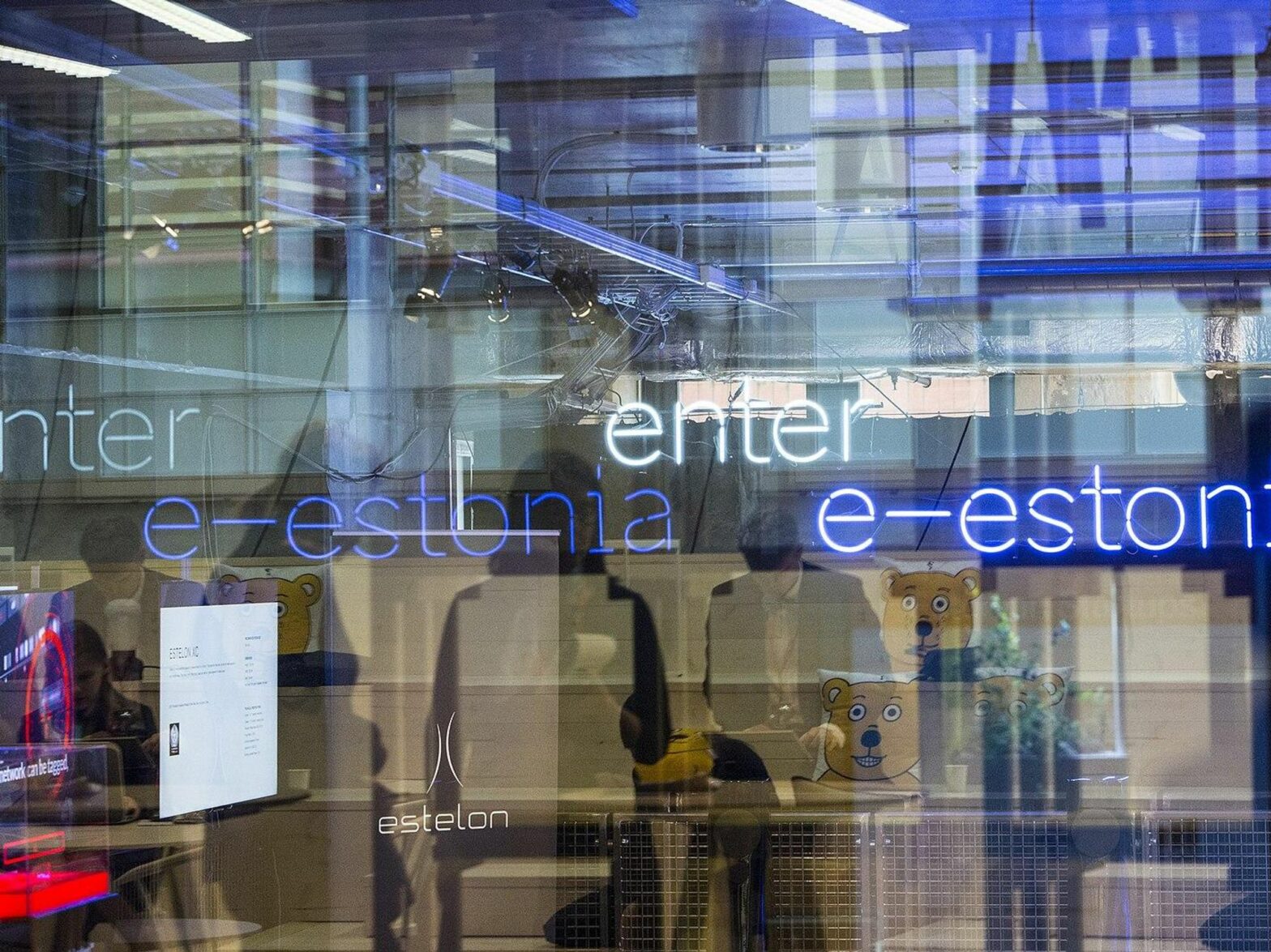
An Estonian e-residency that gives holders access to the country’s government services and business networks has growing takeup in both mainland China and Taiwan. For both business and political reasons.

COVID infections have skyrocketed since China eased restrictions as public health policy has not been able to keep up. Unable to find medications, many have turned to generic drugs of questionable safety. It’s the culmination of a longstanding problem.
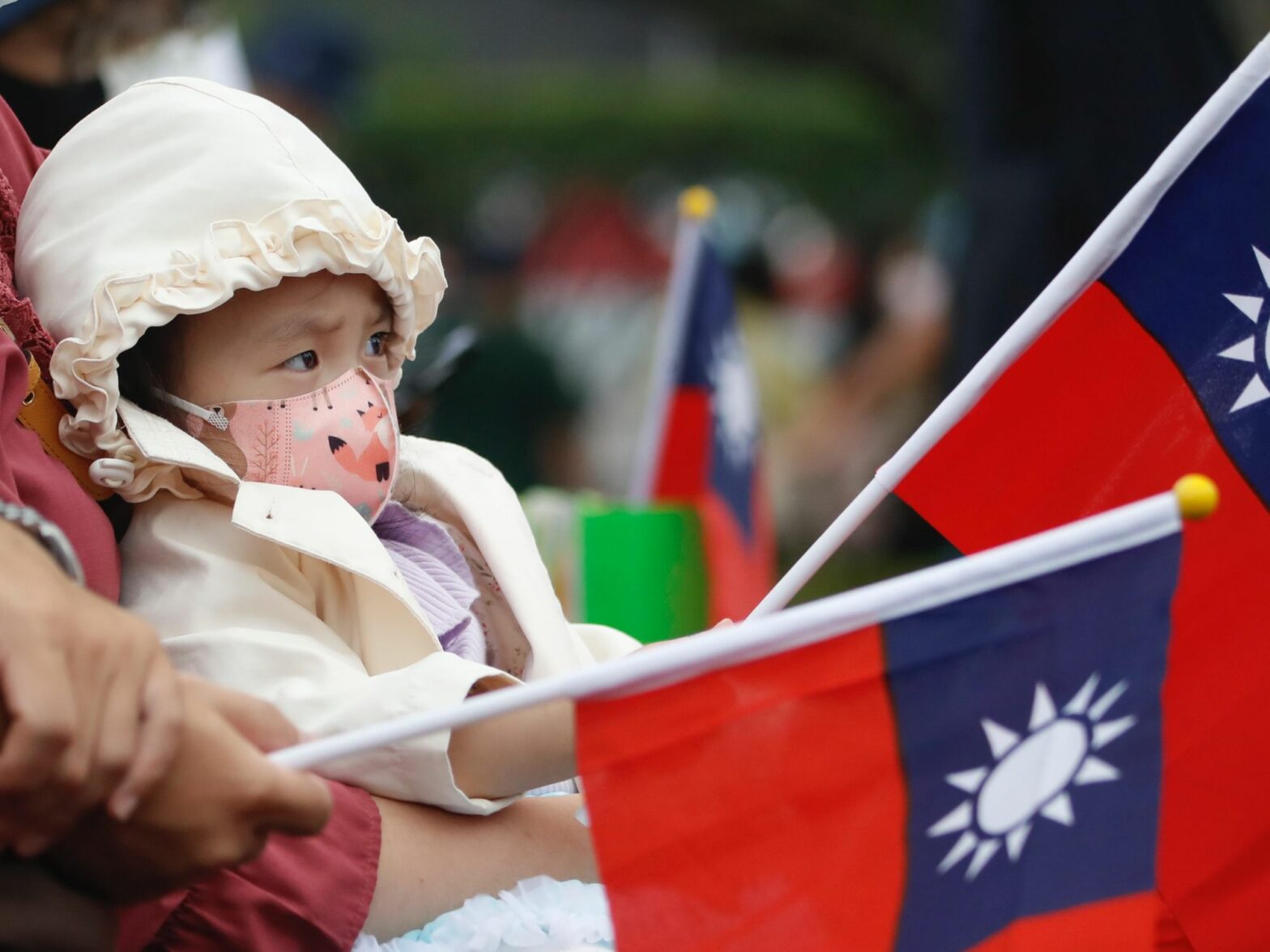
The past year has added new elements into the showdown across the Taiwan Strait, from Nancy Pelosi’s visit to the war in Ukraine to Xi jinping’s power grab. Now we may be reaching a tipping point that could lead to a military showdown, even if the question of when is still wide open.
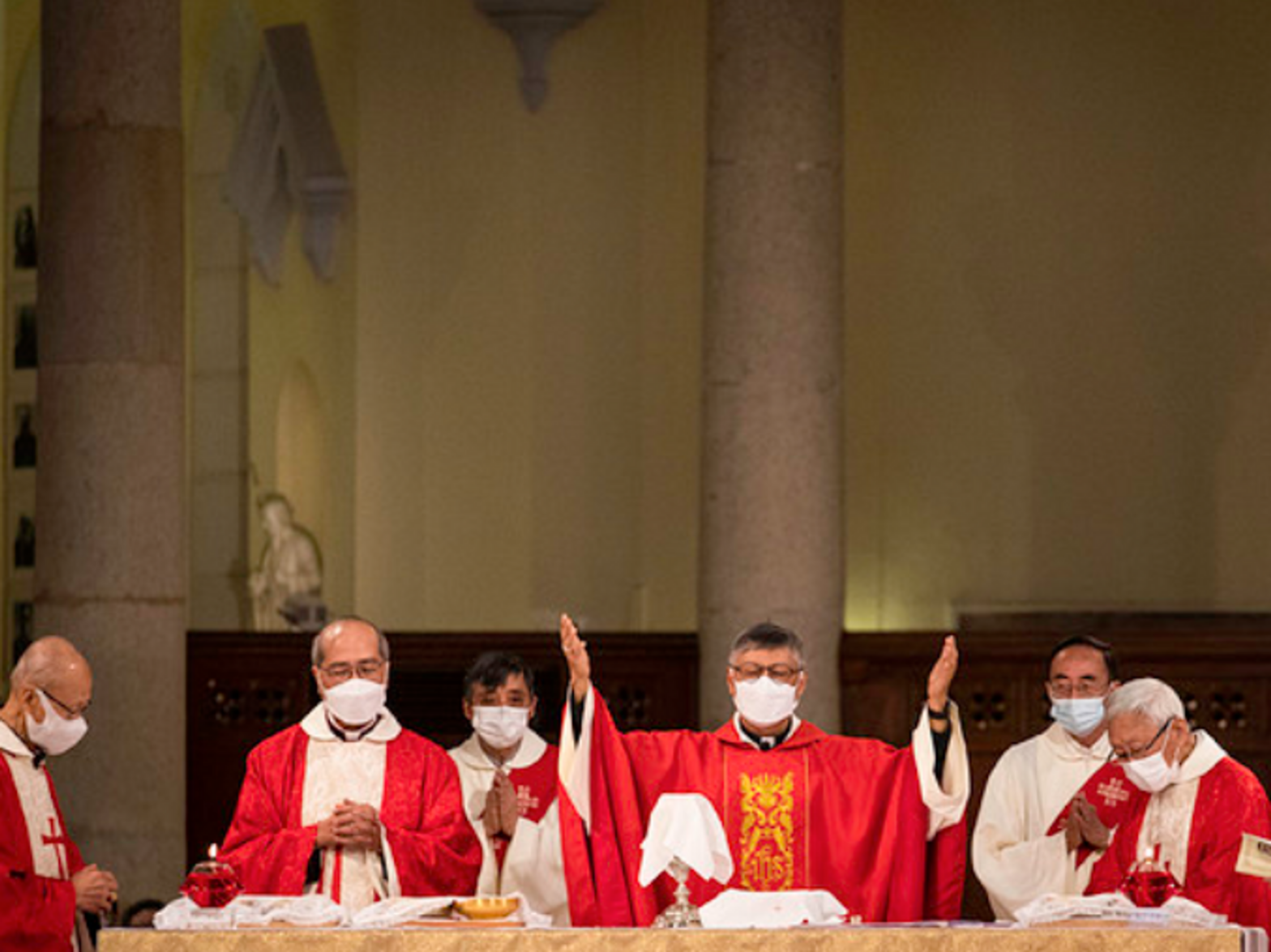
An agreement between the Vatican and Beijing was quietly renewed recently. However, China still views Catholicism with a mix of deep suspicion and general distraction. Meanwhile the faithful and pastors are caught between two very different worlds.