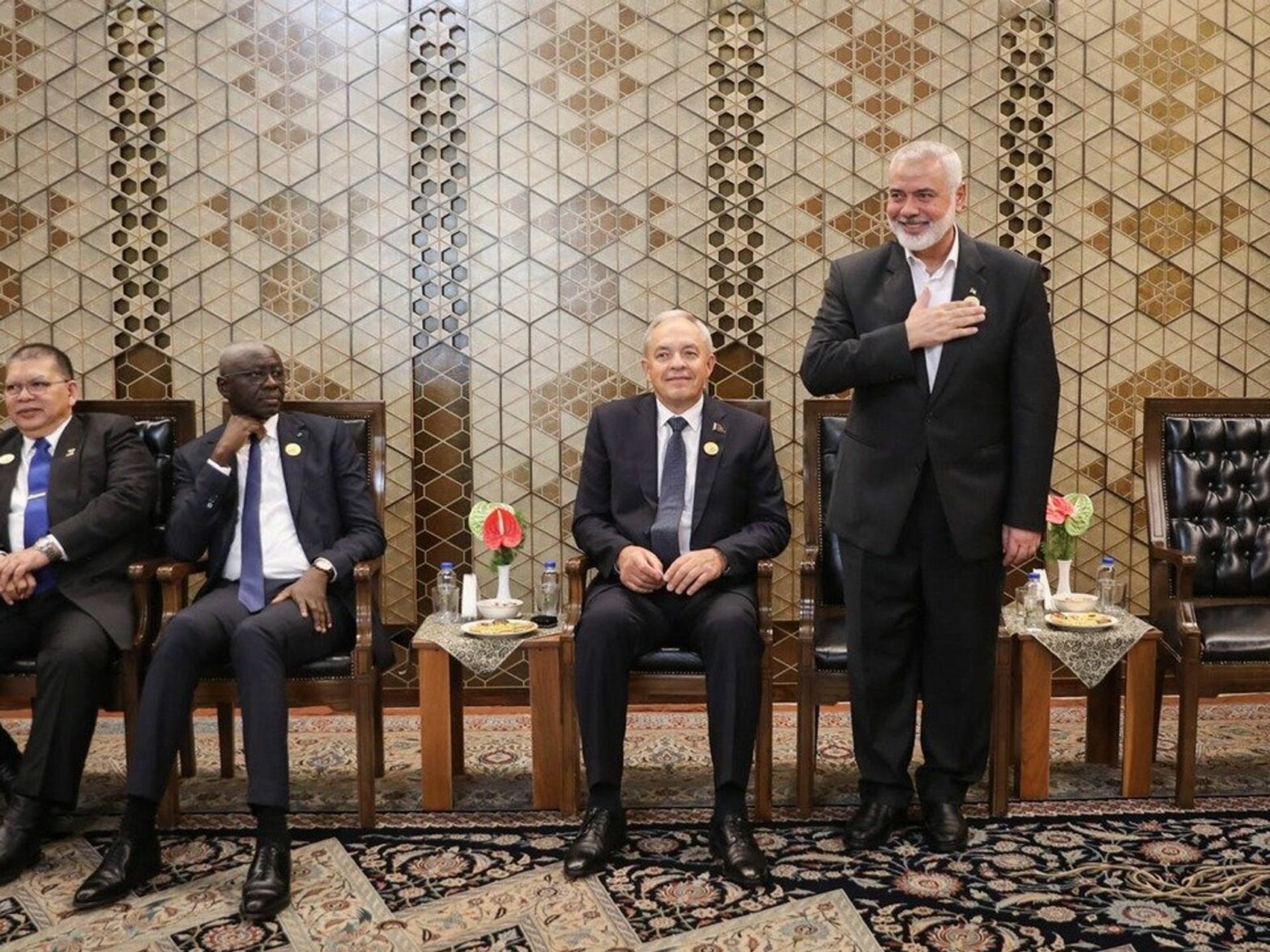
The killing of Ismail Haniyeh was not merely the assassination of Hamas’ political leader; it ended the life of a figure who could bring consensus to the Palestinian cause.
 Worldcrunch
Al-Manassa (“The Tribune”) is an Arabic-language, Egypt-based news website. It was created in 2011.
The killing of Ismail Haniyeh was not merely the assassination of Hamas’ political leader; it ended the life of a figure who could bring consensus to the Palestinian cause.
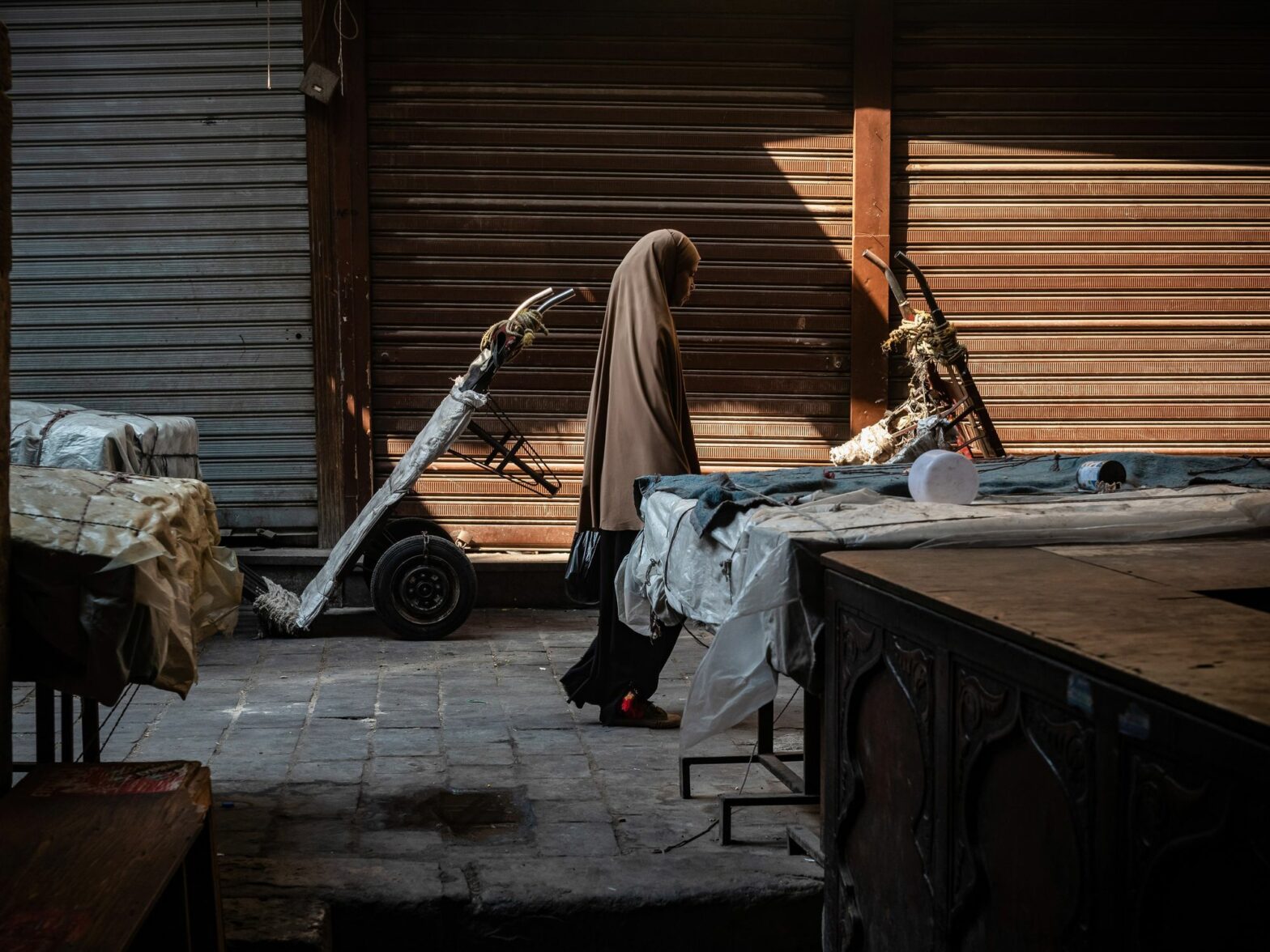
In Egypt, some 90% of cyber blackmail victims are women; yet only 10% of victims report these incidents for fear of social stigma or what they call “scandals” for their families. Expecting a lack of support from their families, they also turn to community initiatives.
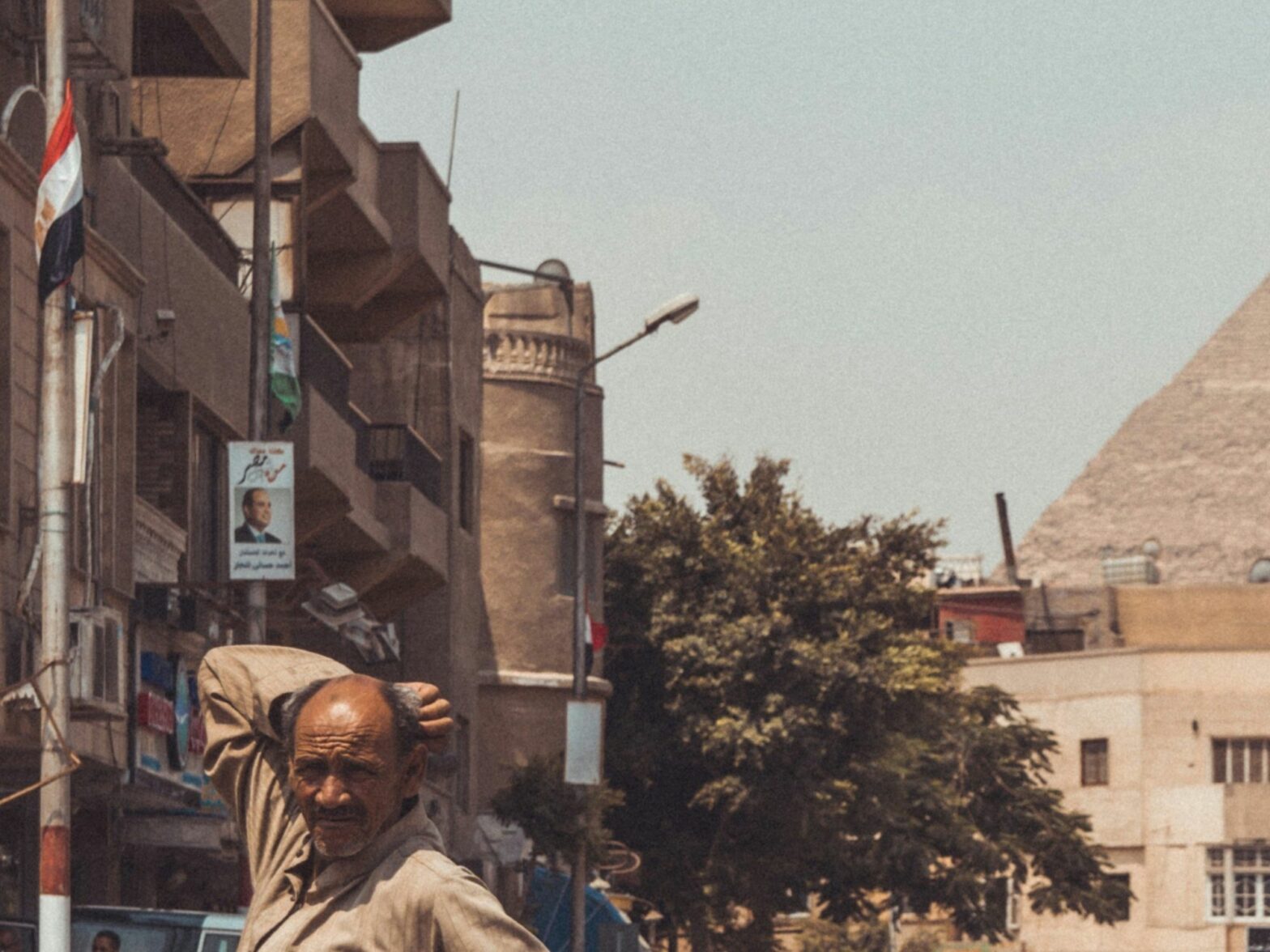
The Muslim Brotherhood called for anti-government protests on July 12, yet again failing to understand what is really on Egyptians’ minds and overestimating their readiness of taking to the street against the government of President Abdel-Fattah el-Sissi.
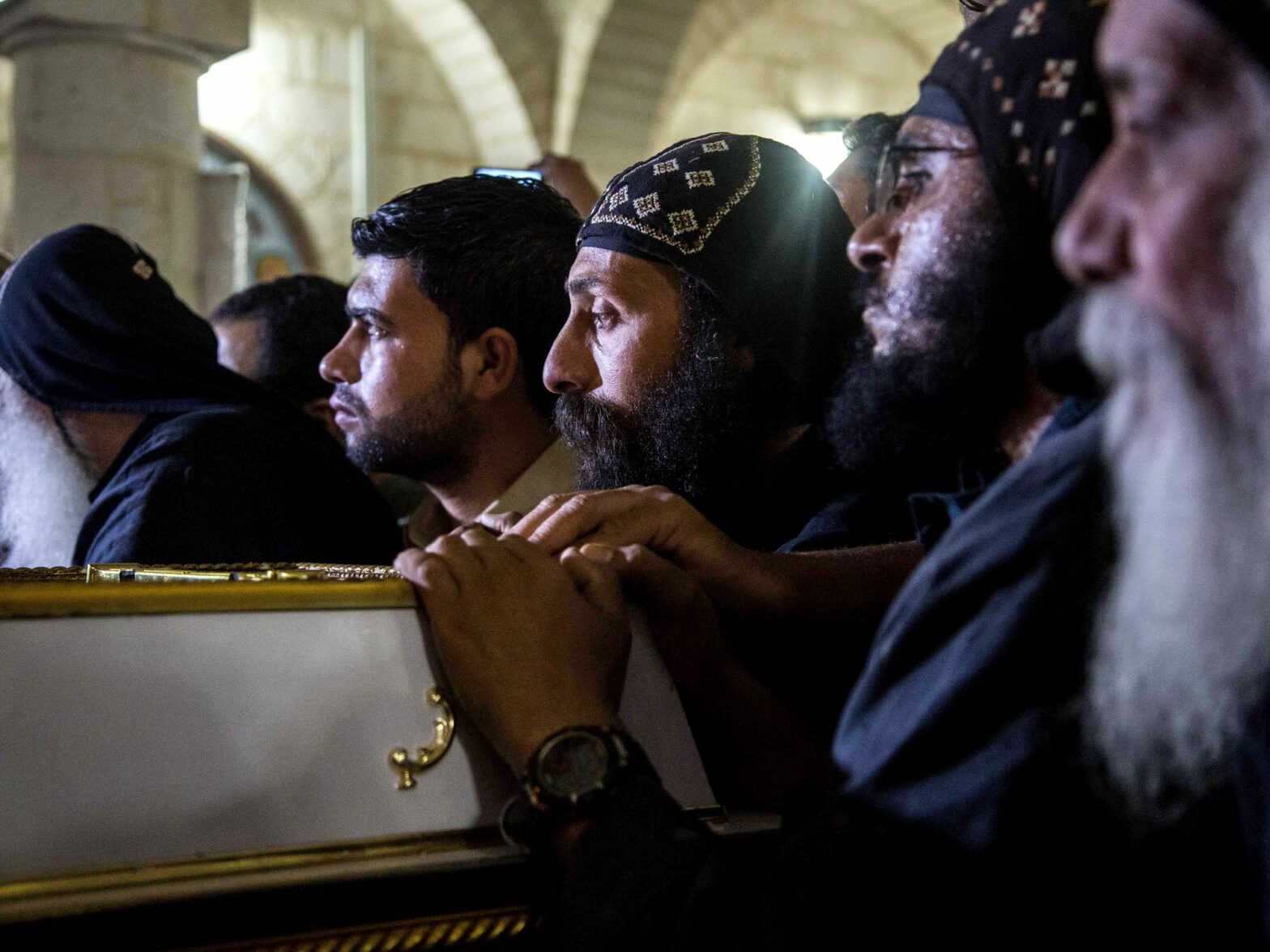
The positions of ultra-conservative Christian and Islamic Salafism supporters are almost identical on cultural, social and legal issues, such as their position on private and public freedoms. That often starts with women’s freedoms.
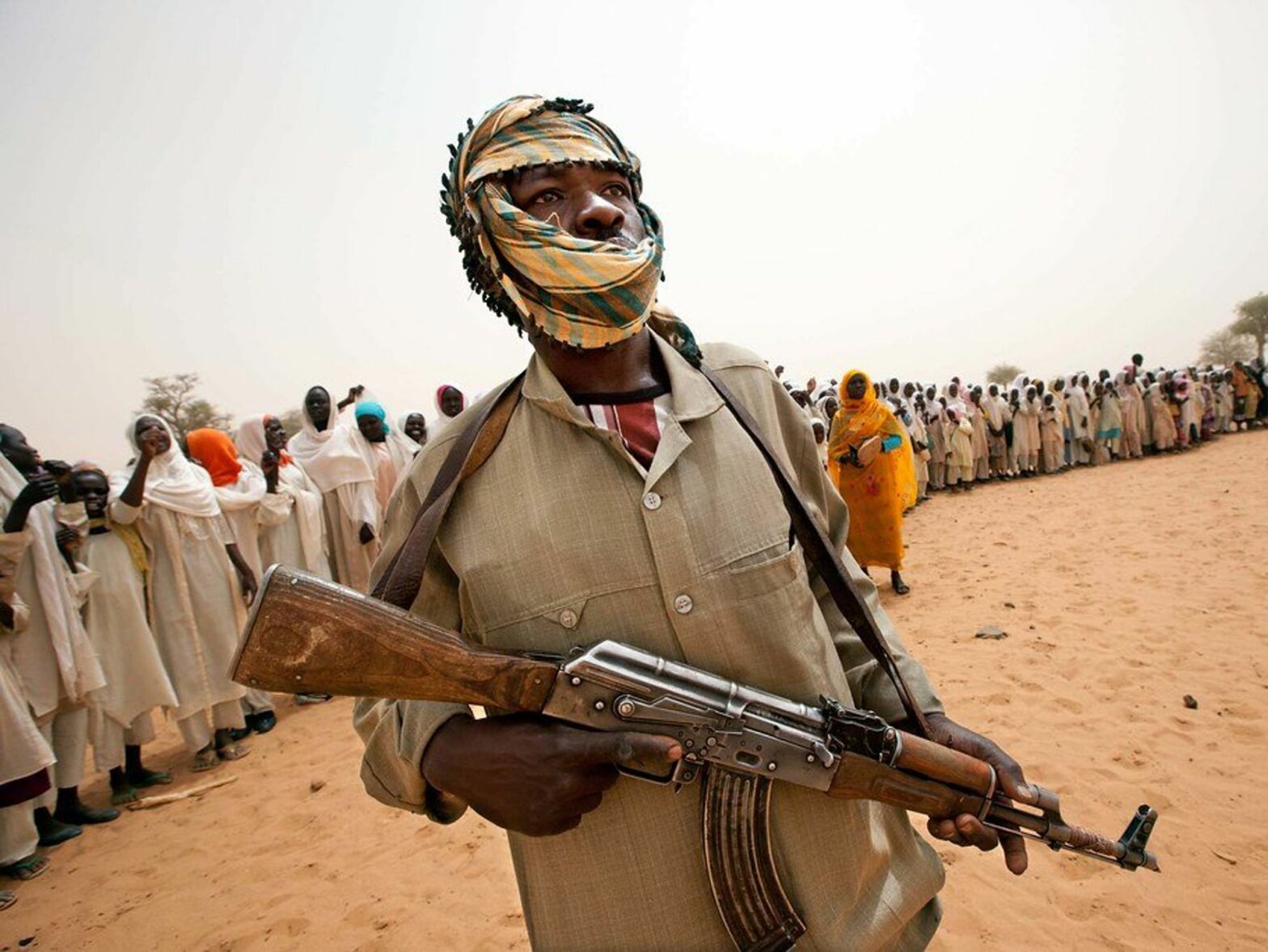
Egyptian author Alaa Khaled observes crowds of Sudanese refugees walking to and from the nearby UNHCR office, prompting him to imagine the story of each individual and to try to understand the root causes of the current civil war and of the eternal Darfur crisis.

Those hoping that Labour unseating the Tories could change the diplomatic dynamic in the Middle East will be duly disappointed. Keir Starmer, the new British prime minister, appears as just an updated version of Tony Blair.
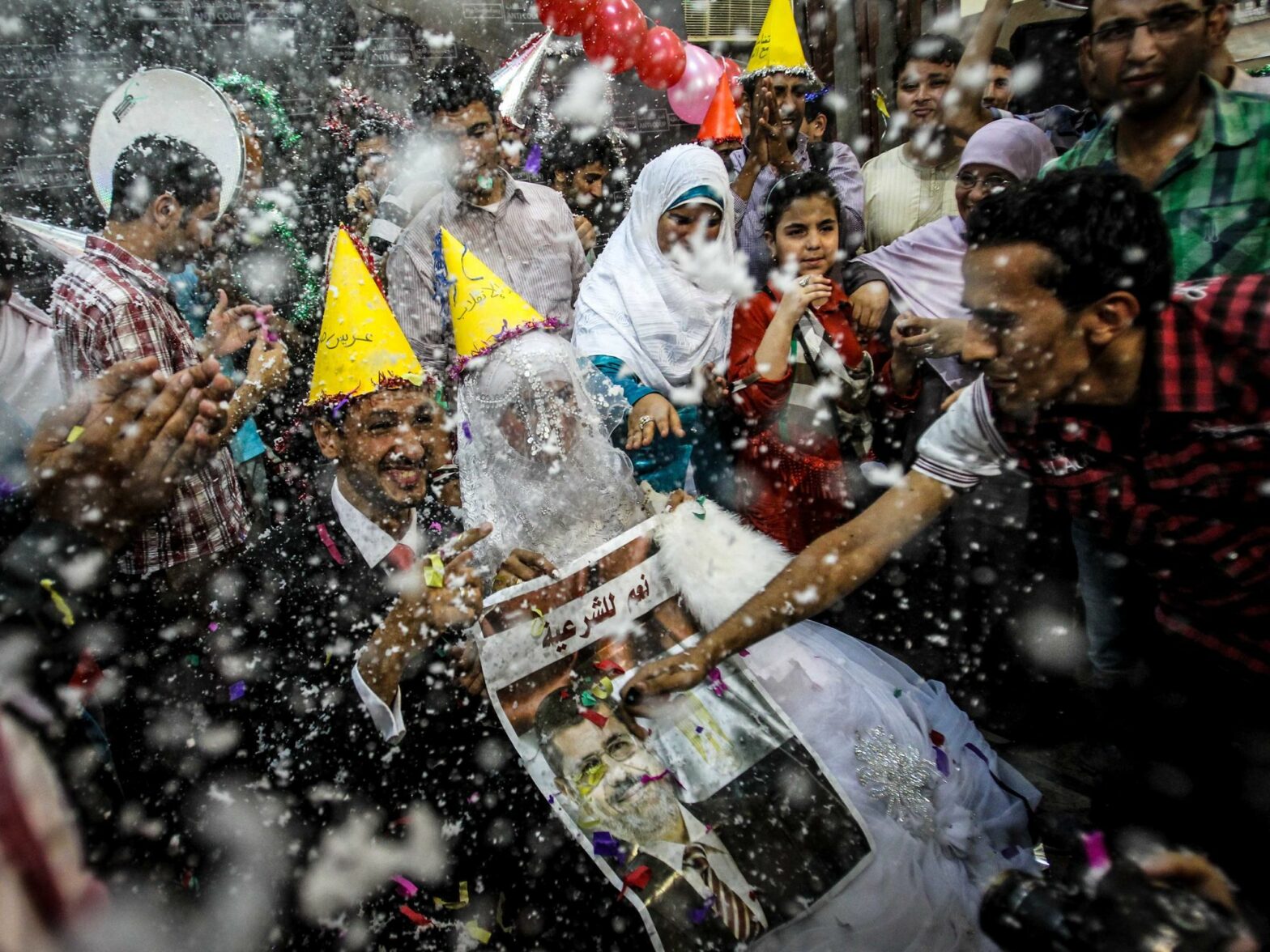
The Islamic Bands were especially popular in the early 2000s, then became a tool of the Muslim Brotherhood after their victory following the Arab Spring. Then they largely disappeared, until showing up more recently on social media.
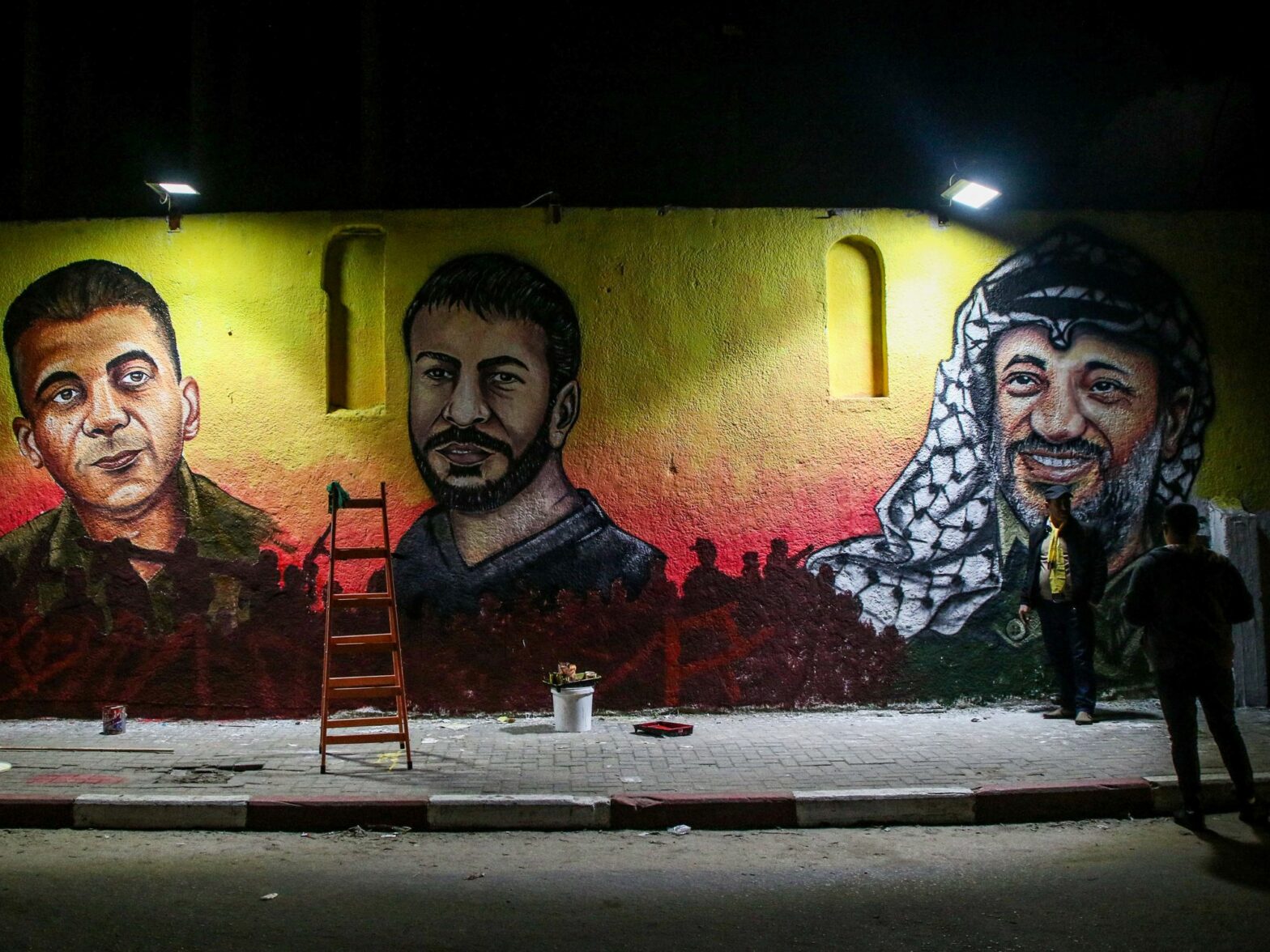
A new Palestinian body is crucially needed to unify the Palestinian people in Gaza, the West Bank, Israel and across the diaspora. The organization founded by Yasser Arafat and overseen since by Mahmoud Abbas has let its people down one too many times.
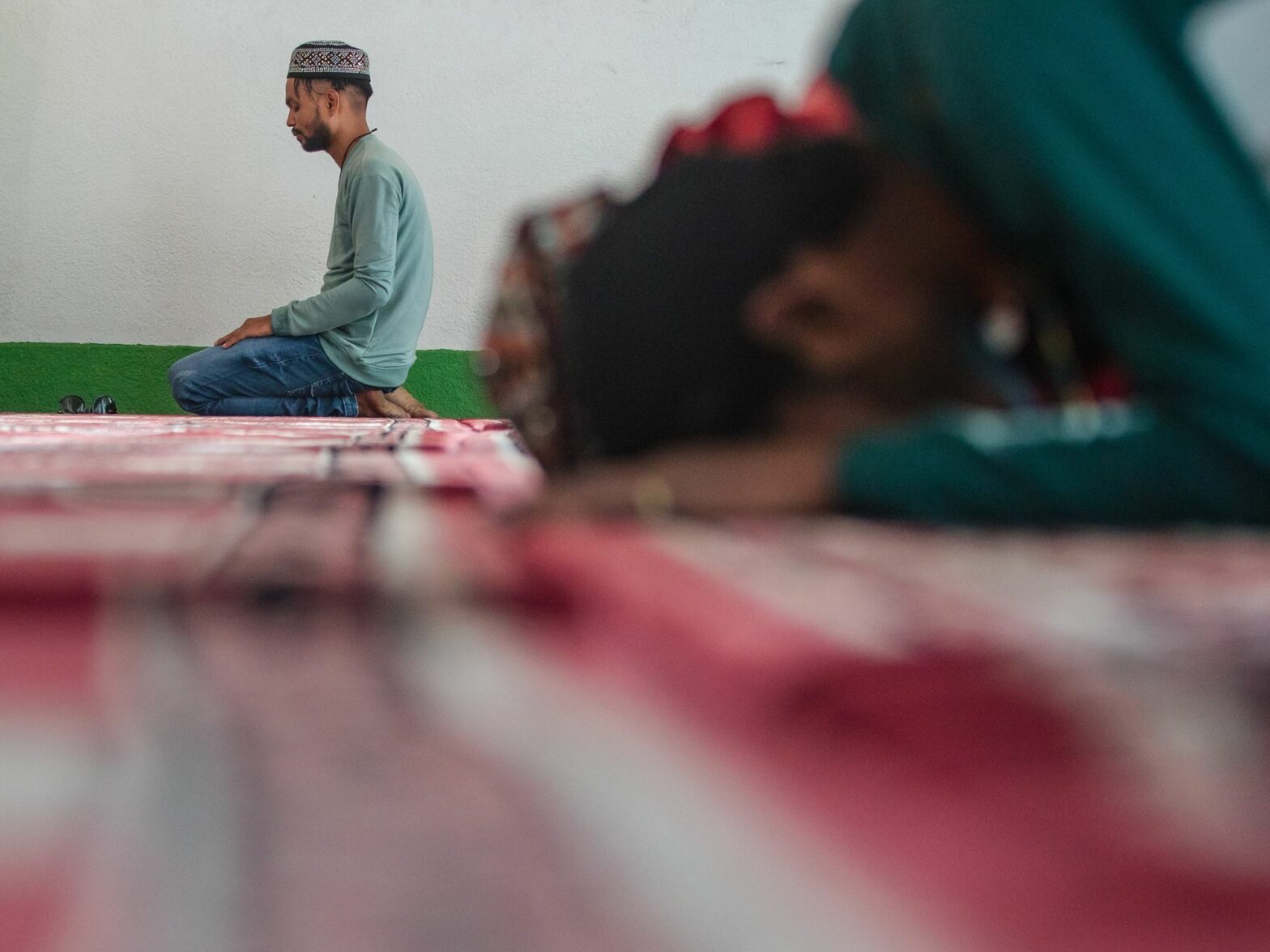
Violence and denunciation won’t beat political Islam. Its deconstruction must be through reasoned criticism, the methods of modern science and allowing space for religion to have its influence.
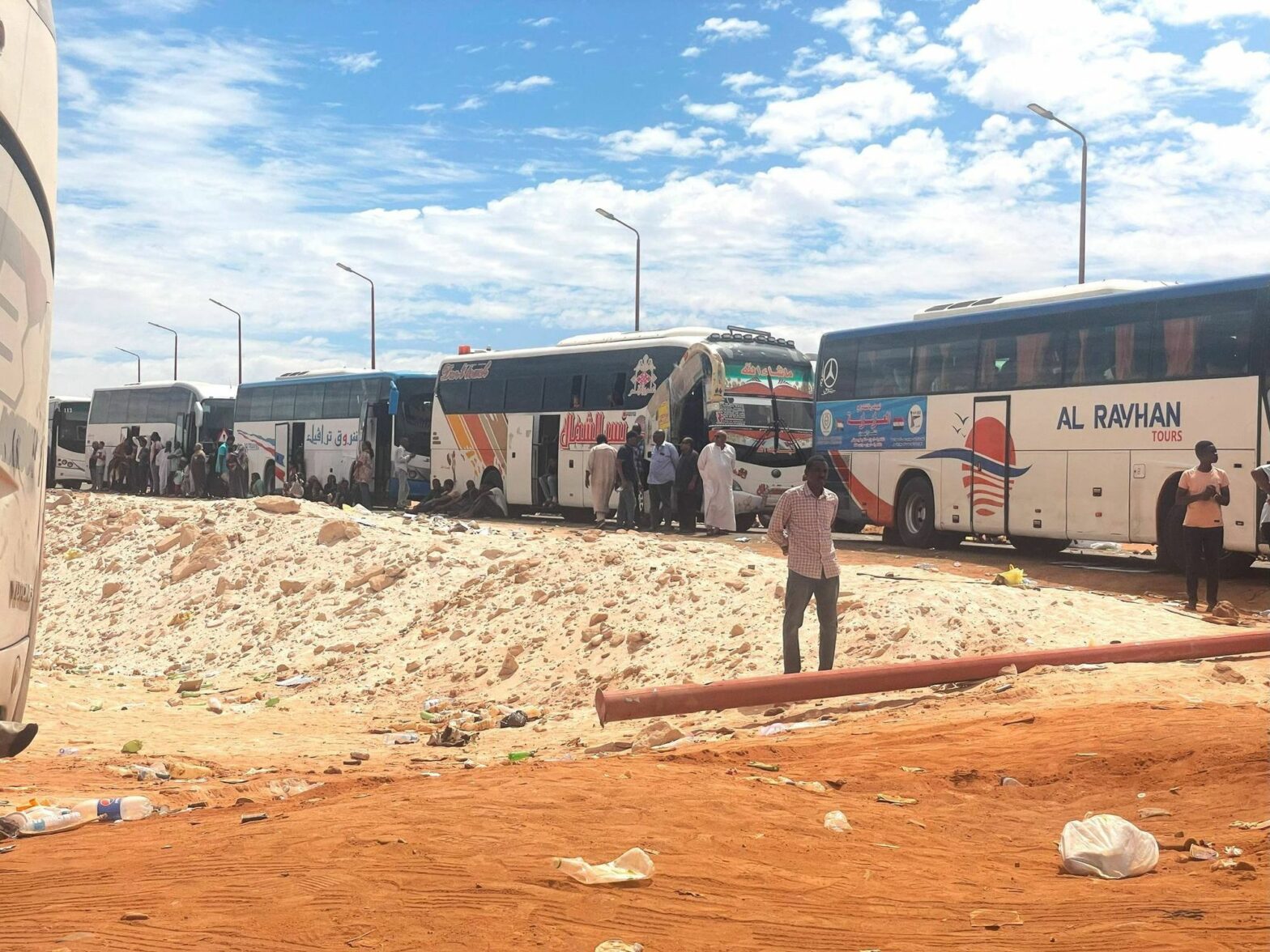
Hundreds of migrants and asylum seekers have been detained, many of them deported, in recent months in Egypt amid an orchestrated campaign that is targeting African refugees in the country.
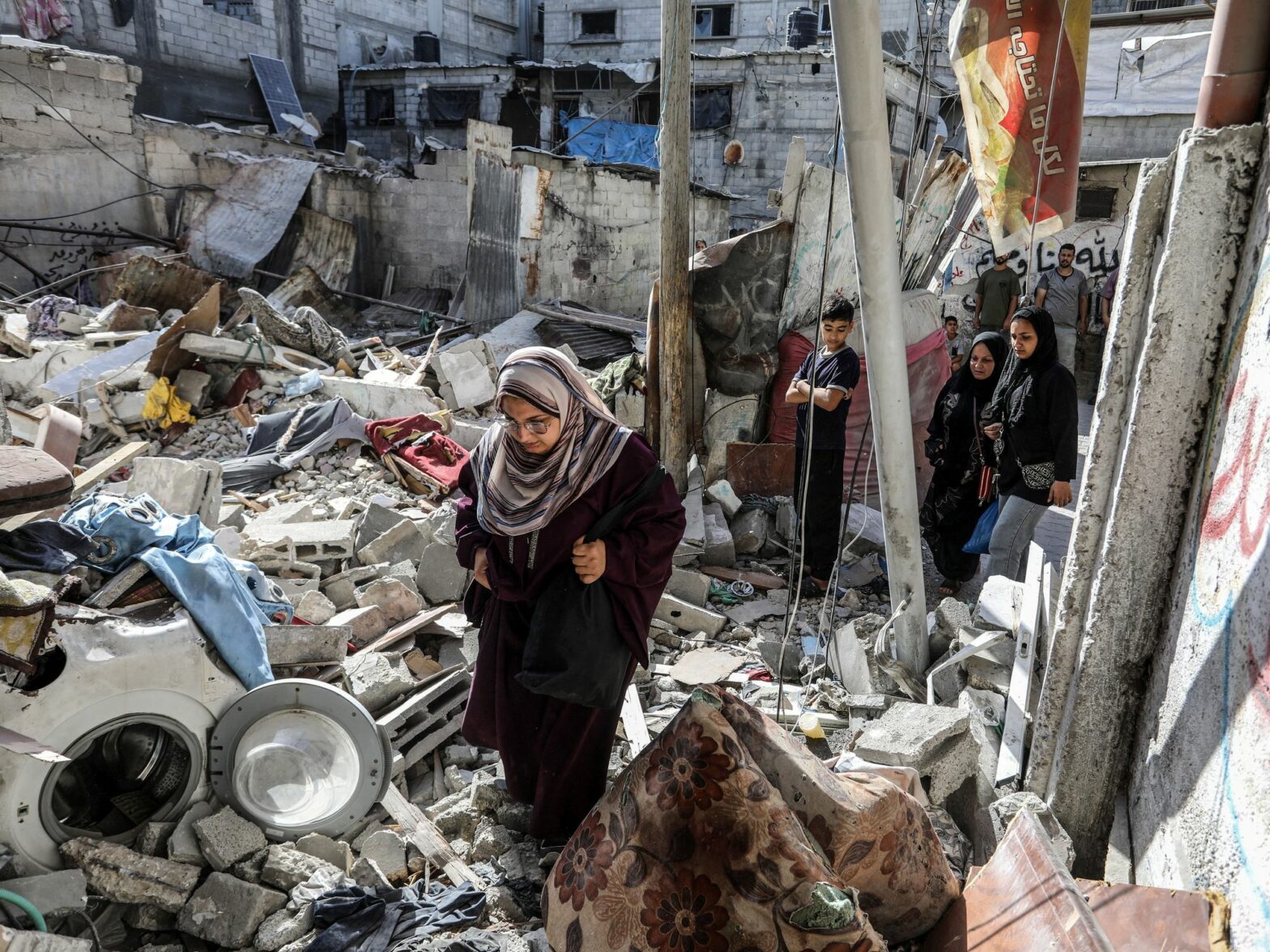
For three decades, negotiations to solve the Palestinian cause focused on giving Israel guarantees and reassurances out of fear for its security and continued existence, not to end the occupation and the suffering of the Palestinians.
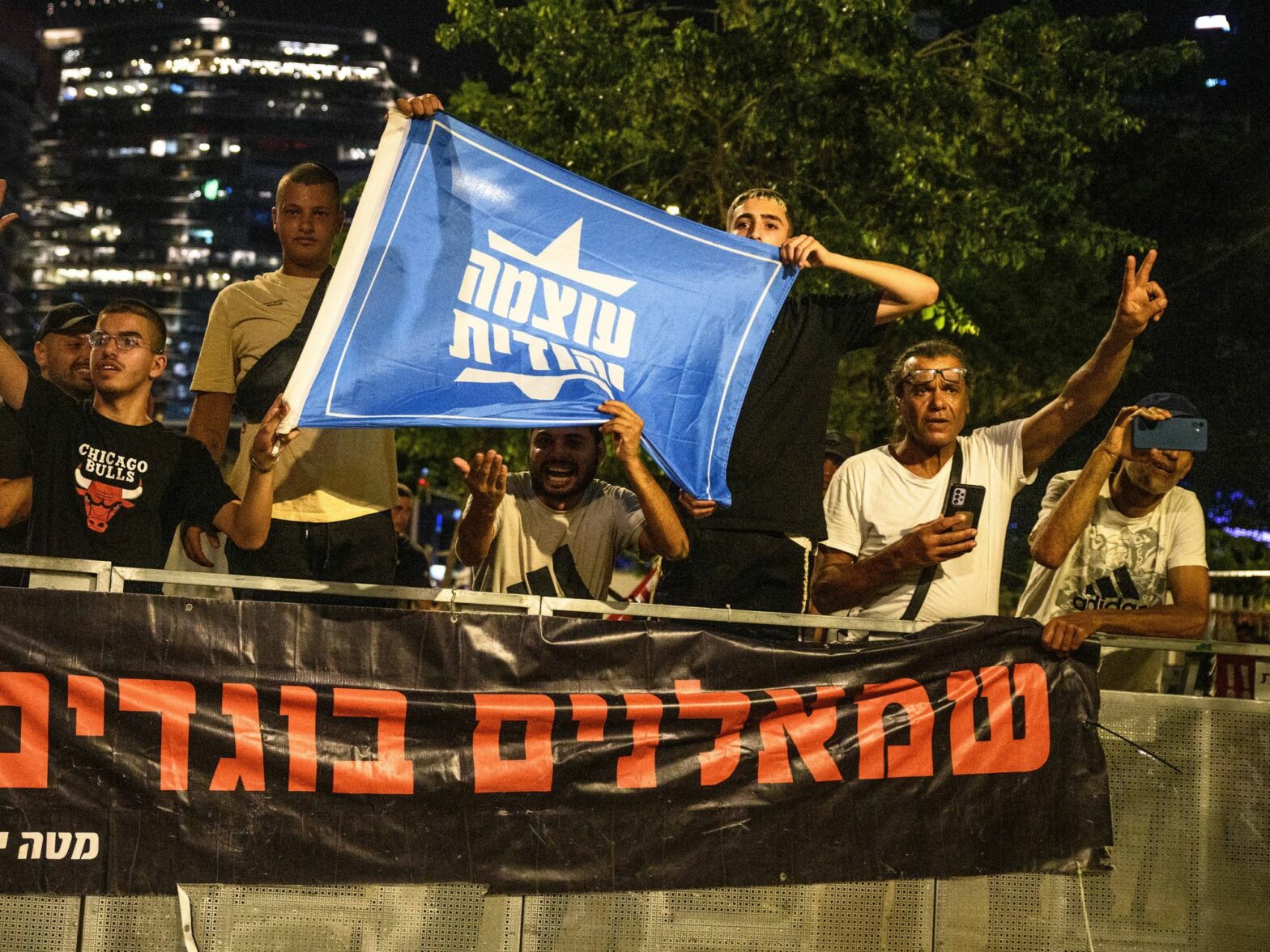
Zionism shares with Nazism the claims of building what they call National Socialism, though the nationalism always takes over. There are lessons in the Oscar-winning film The Zone of Interest, and the current politics of the far right in Europe.
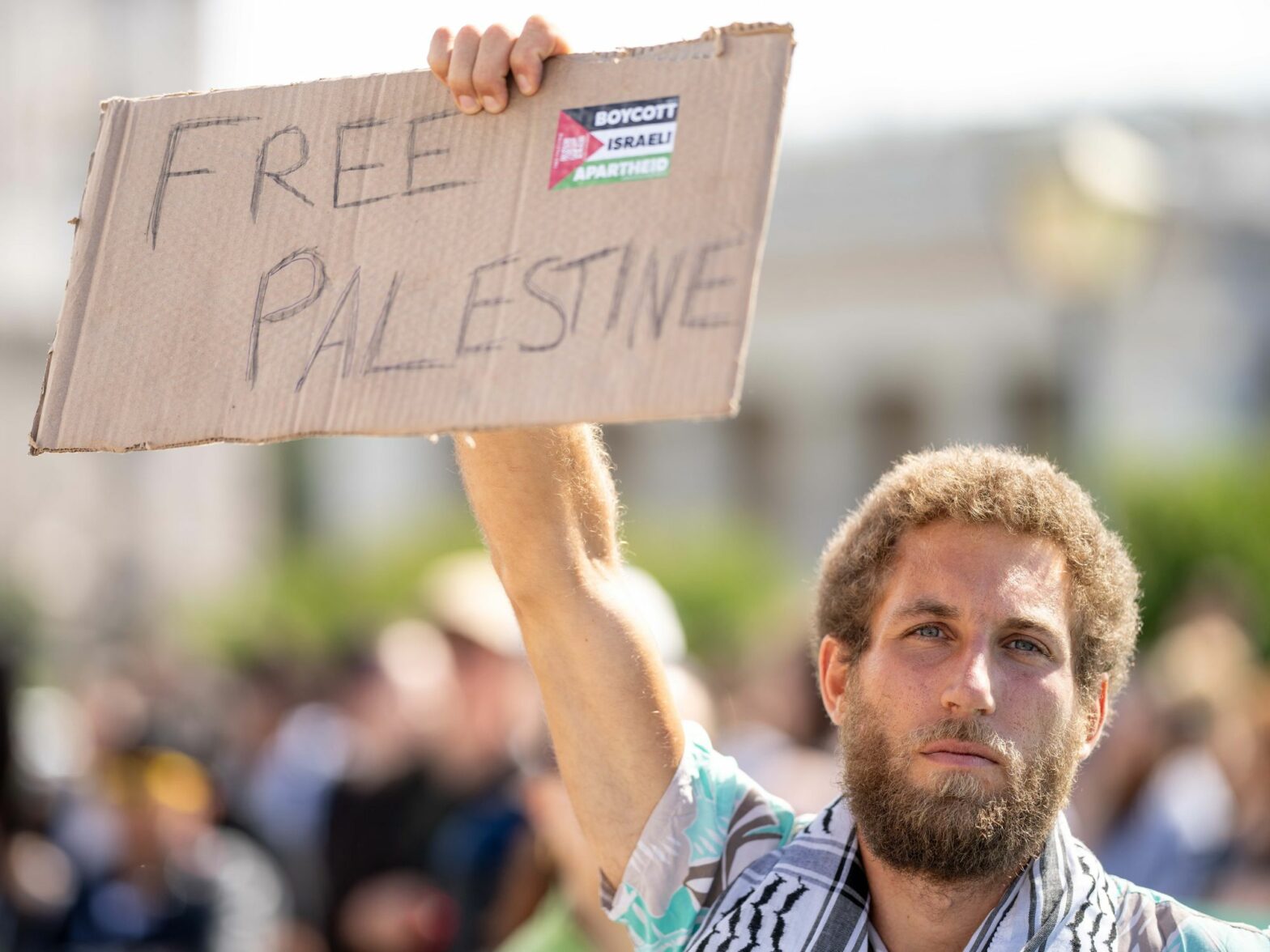
Spain, Norway, Ireland and Slovenia’s formal recognition of Palestine as a state highlights that Arab countries, many of which recognized Palestine in 1988, have not built upon that step.
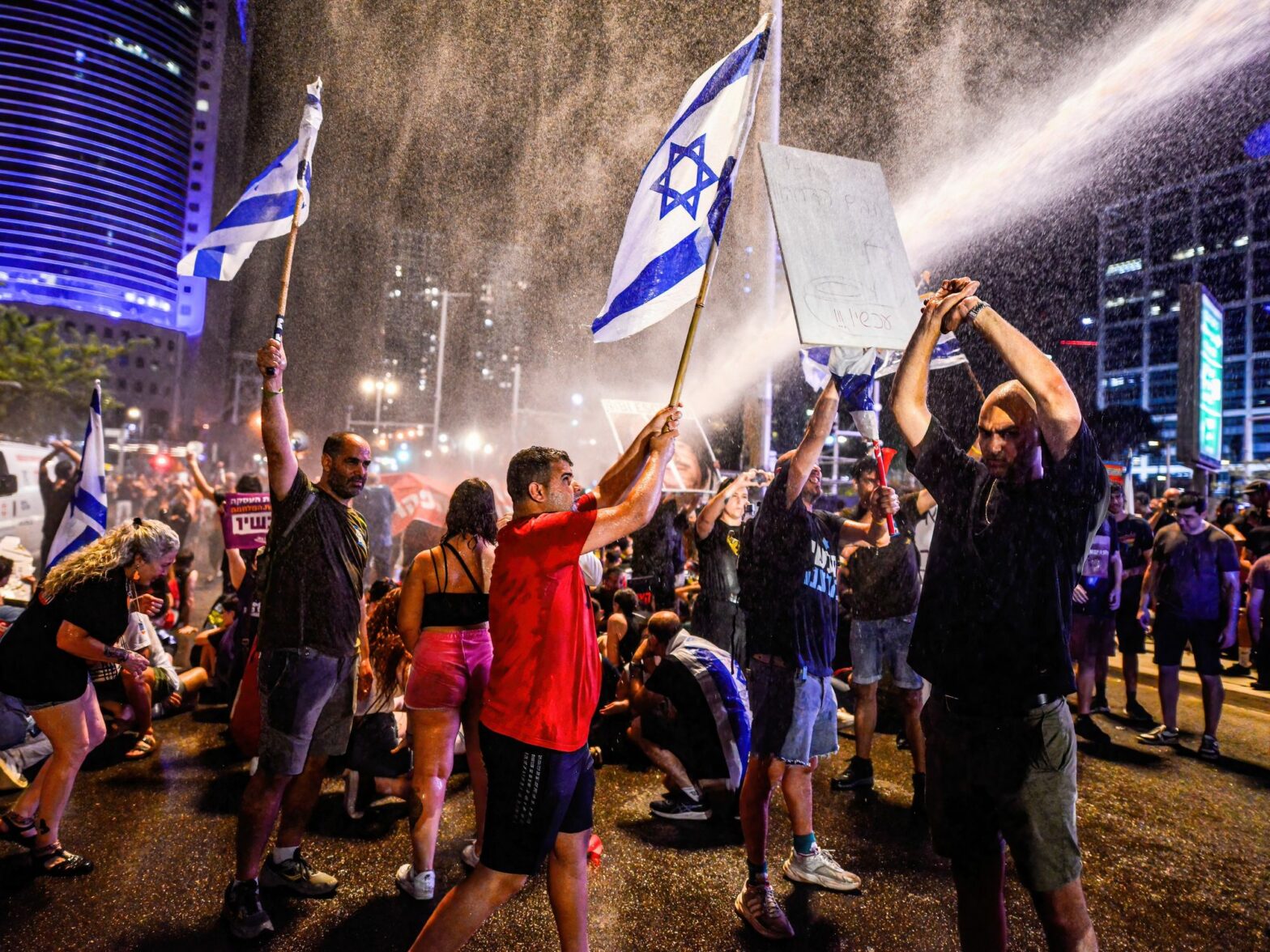
Hamas attack on Oct. 7 created a deep rift in the confidence of Israel’s citizens, in their country’s security, military and moral superiority. The Zionist project may never recover.
Israel’s special forces rescued four hostages on Saturday, an apparent major success of the war in Gaza. Yet, paradoxically, the operation has created a political crisis for Benjamin Netanyahu, leading to protests and the resignation of several war cabinet ministers.
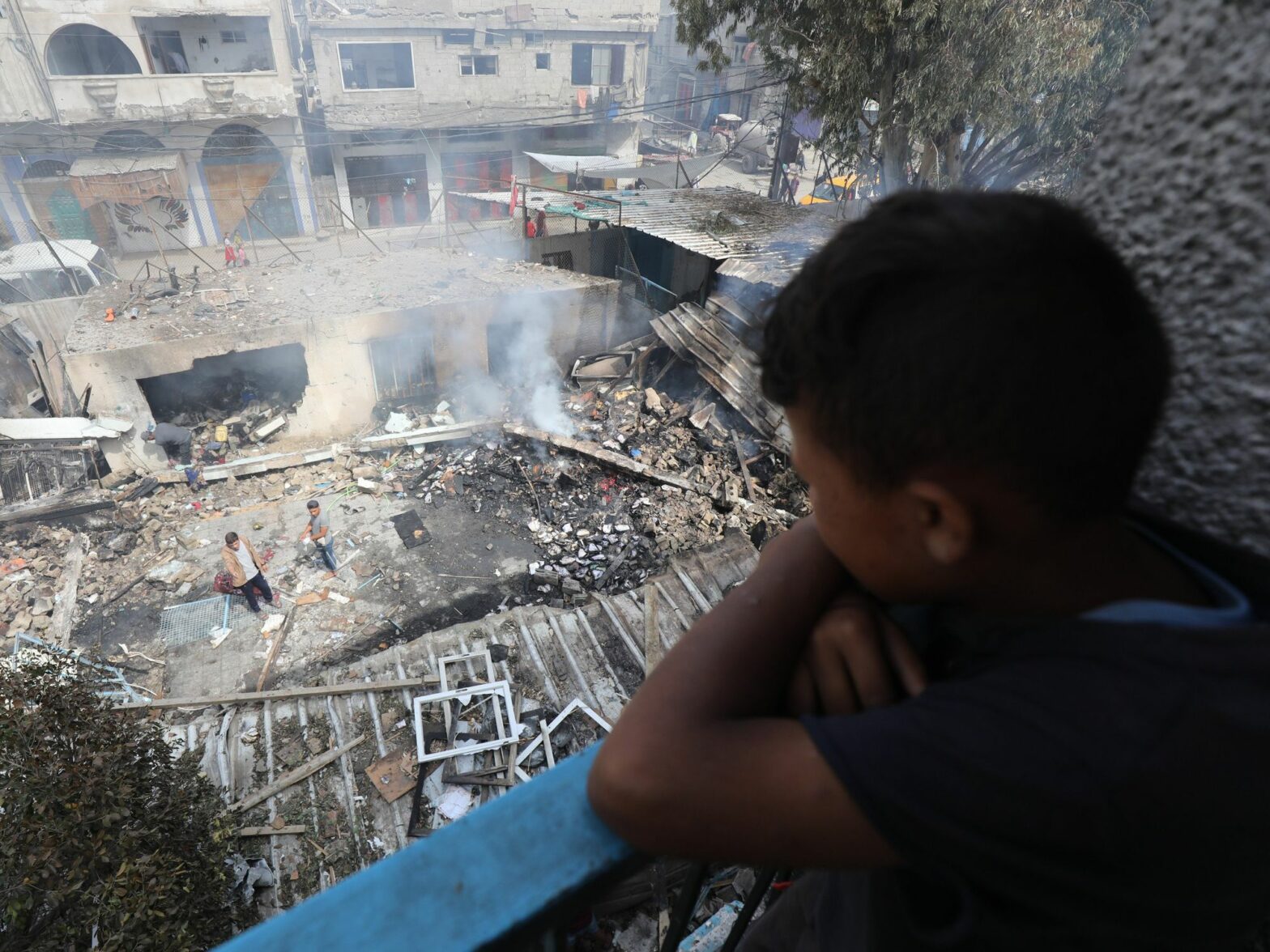
Israel is like a huge elephant in a room of fragile ceramic pieces. It may be able to get out, but Israel will certainly not emerge from its war in Gaza completely unscathed.
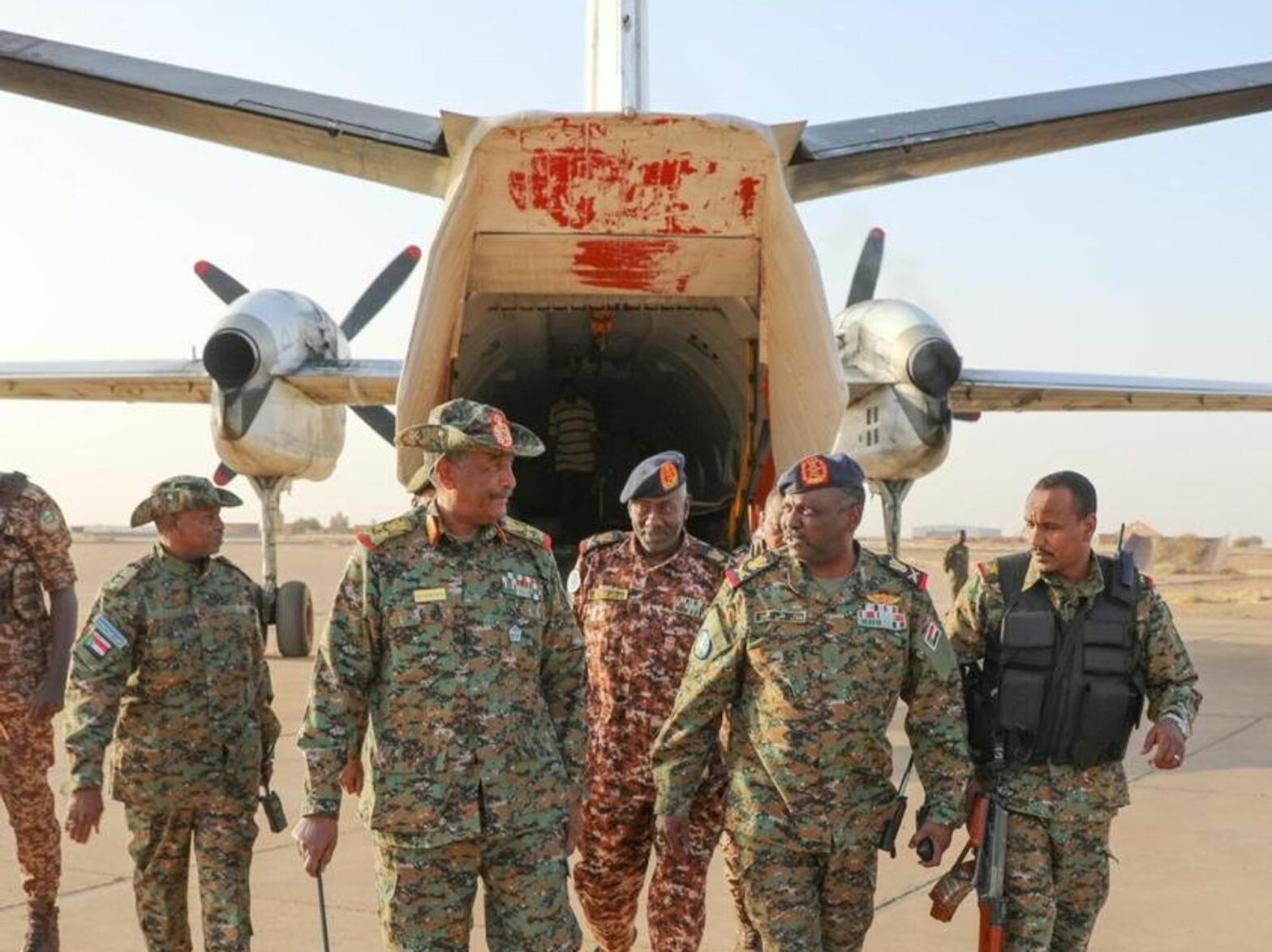
As neither side is able to achieve a decisive victory the Sudanese army and the paramilitary Rapid Support Forces have resorted to attrition tactics in their stalemated conflict.
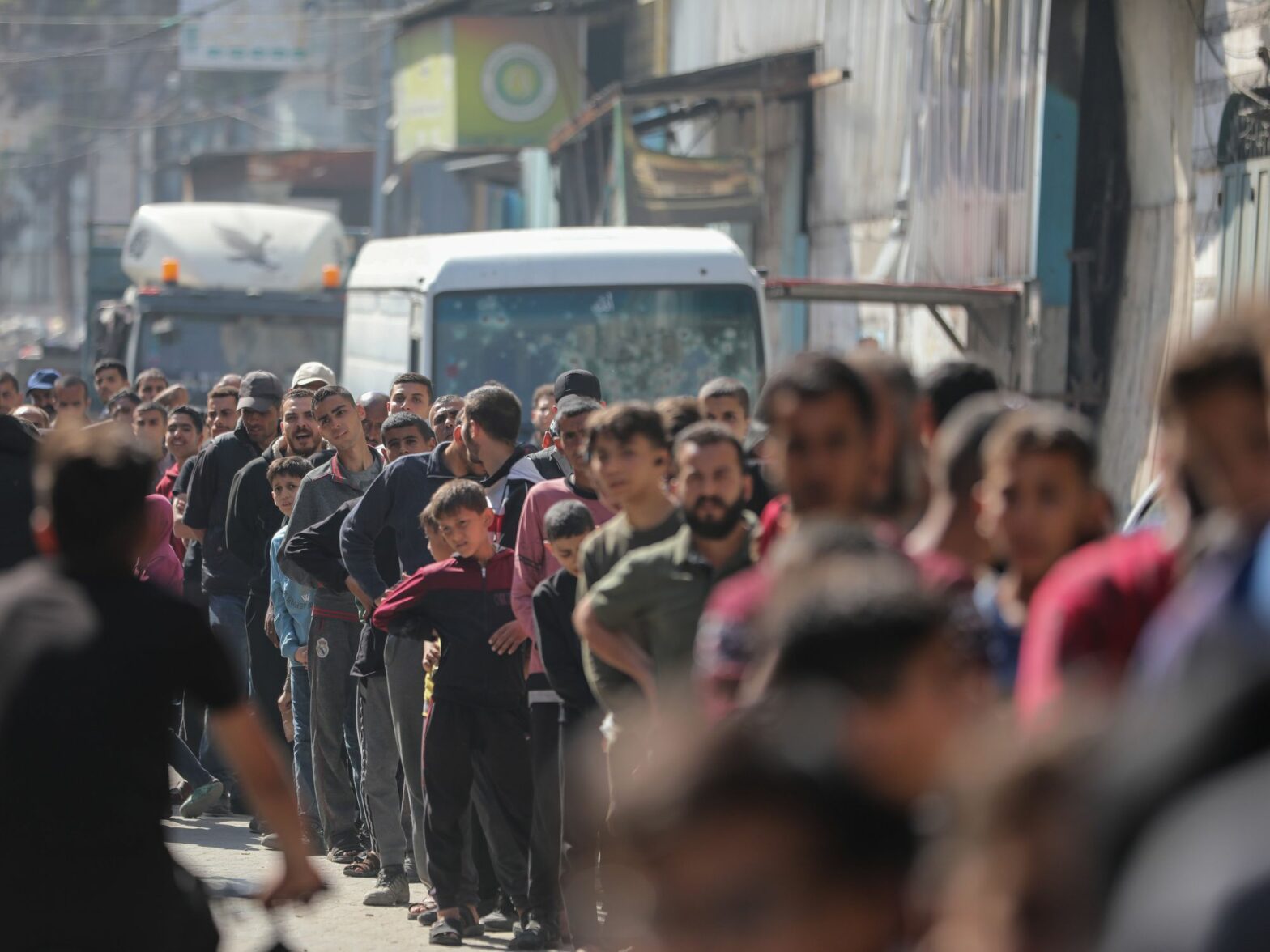
Israel’s war on Gaza, with the support of the West, is not far from the necessities of capitalist accumulation in many regions of the world, or at least about managing the crisis of contemporary global capitalism.
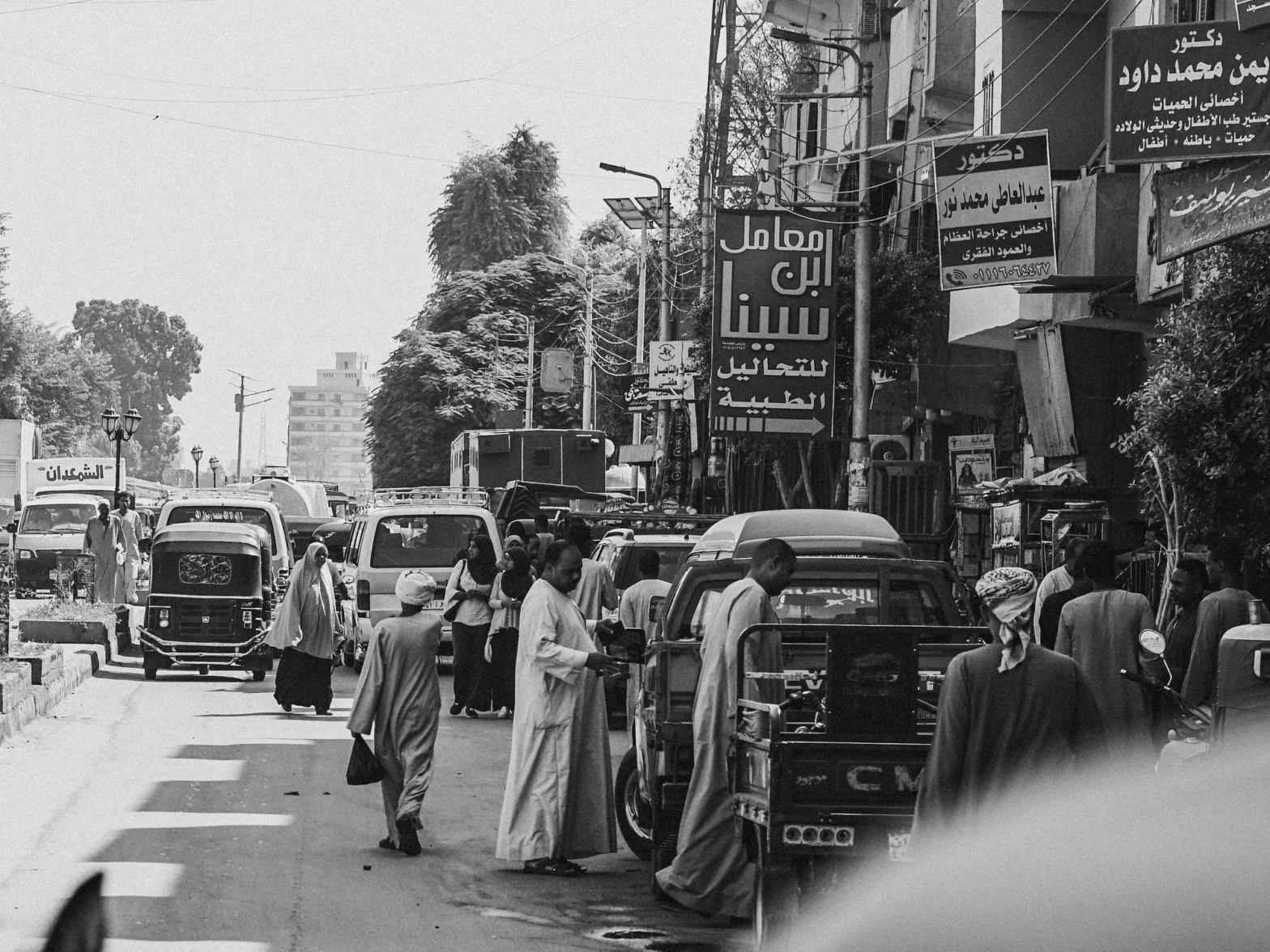
In Cairo and other Egyptian cities, transport for women traveling alone too often includes sexual harassment and assault — and the recent death of a woman who jumped out of a moving Uber because the driver tried to kidnap her has raised new alarms.
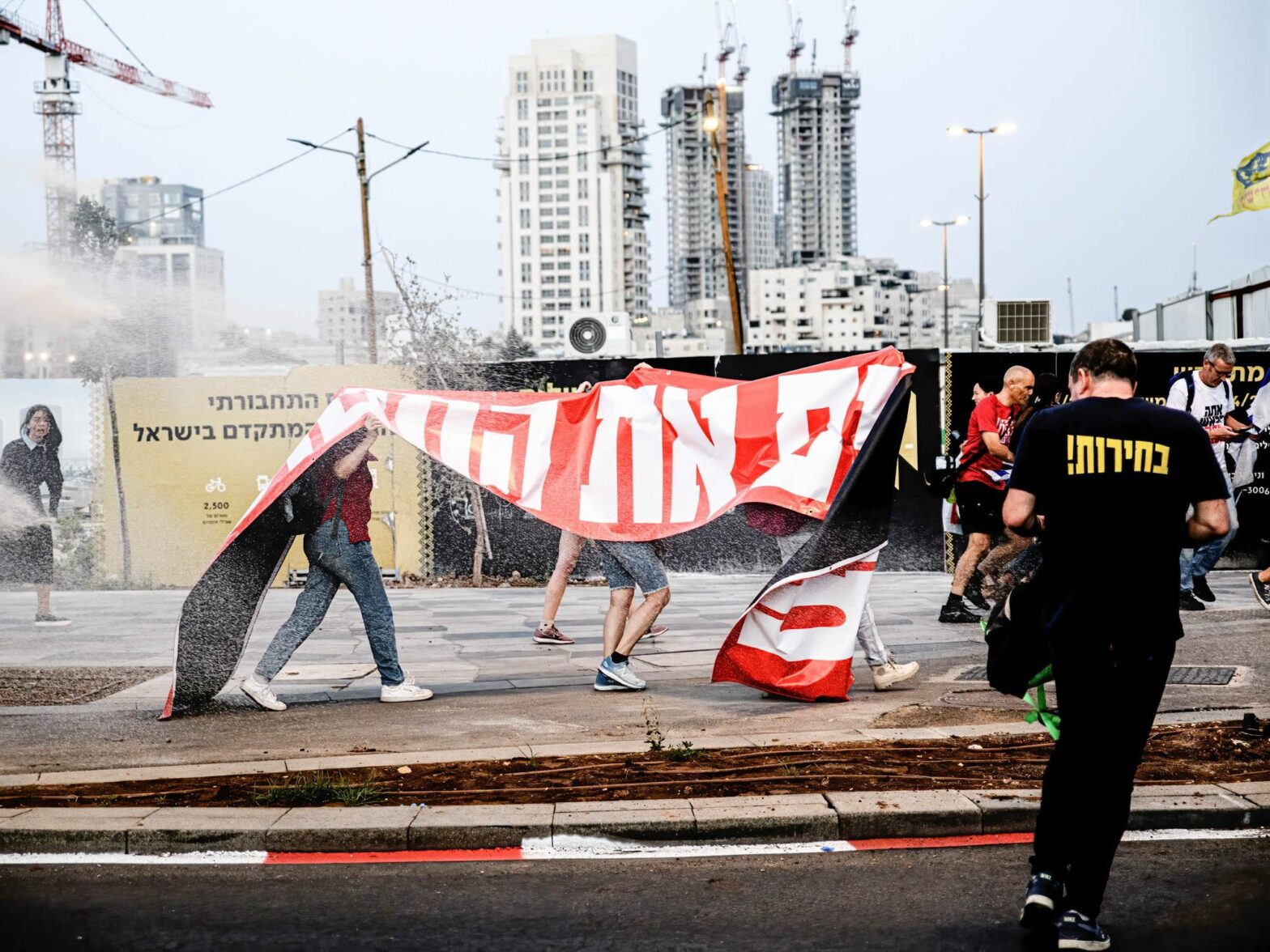
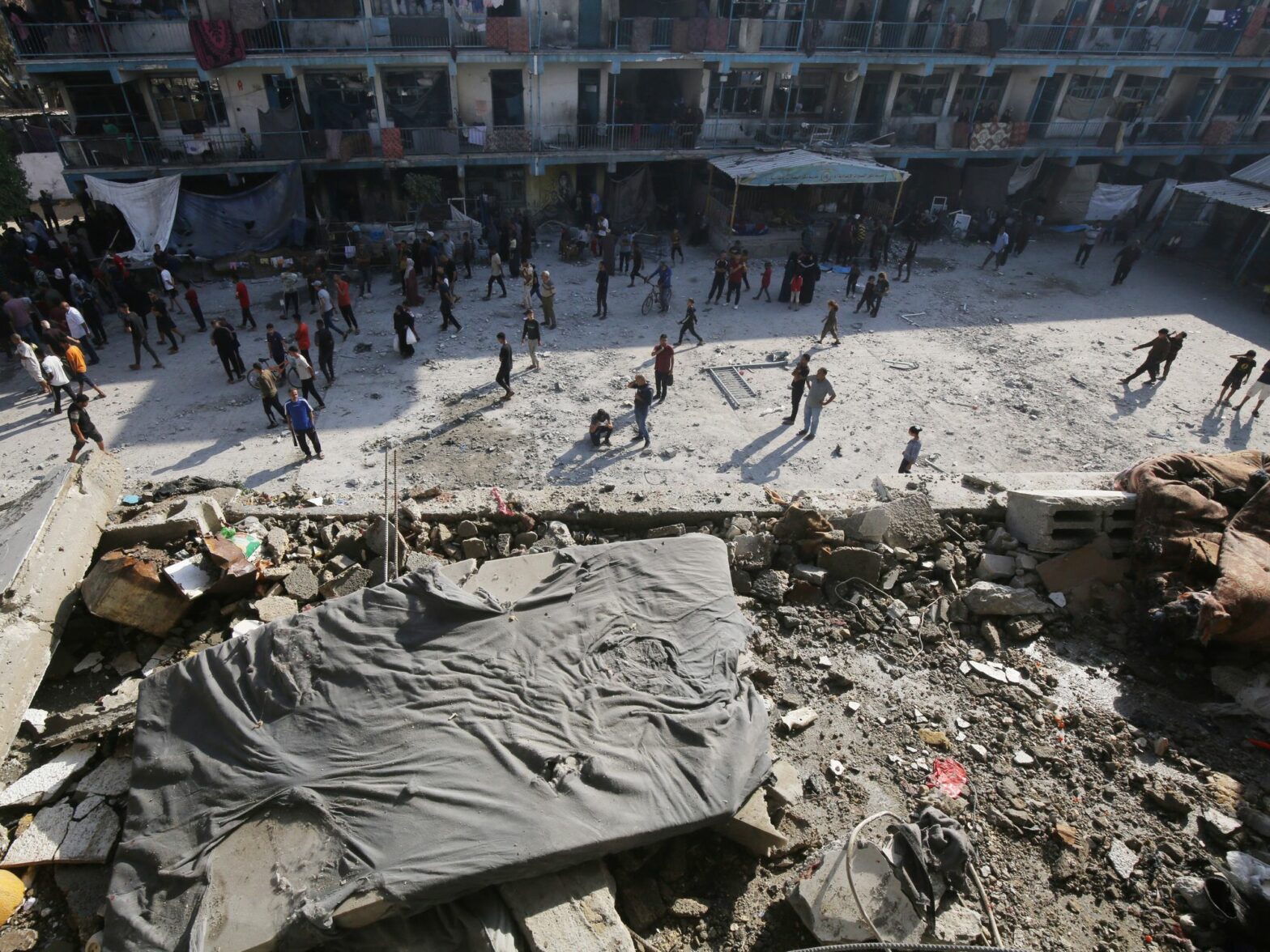
The “day after” the war in Gaza increasingly becomes hard to even imagine, as Israel’s prime minister sticks to his guns despite all evidence that says Hamas cannot be eradicated. The humanitarian toll, including Sunday’s airstrike on a displacement camp in Rafah, makes negotiations look increasingly impossible.
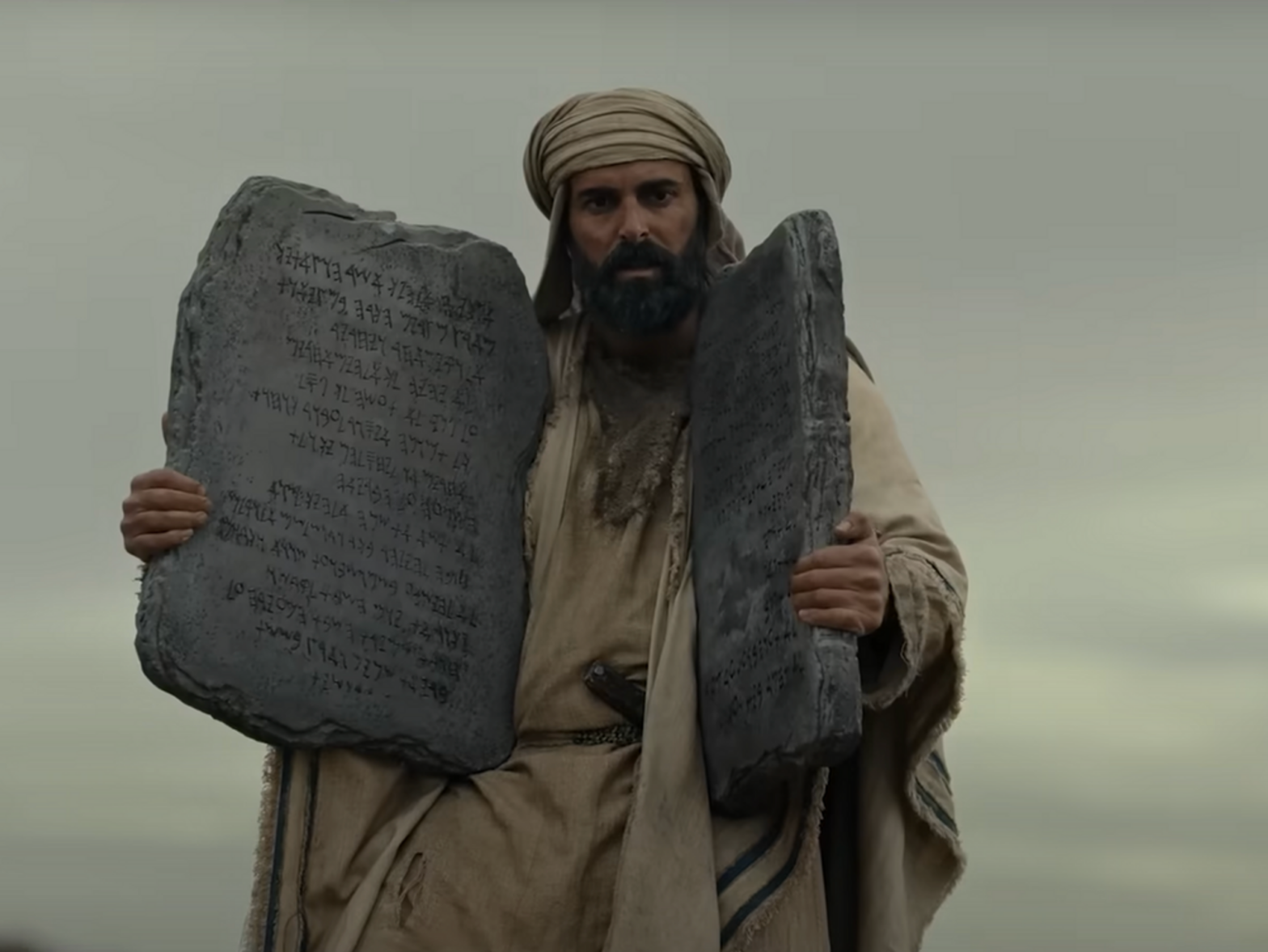
Egyptologists and religious scholars alike blasted the new Netflix docudrama series that chronicles the story of Moses, raising both current political issues and the deeper questions around the religion-science dialectic.
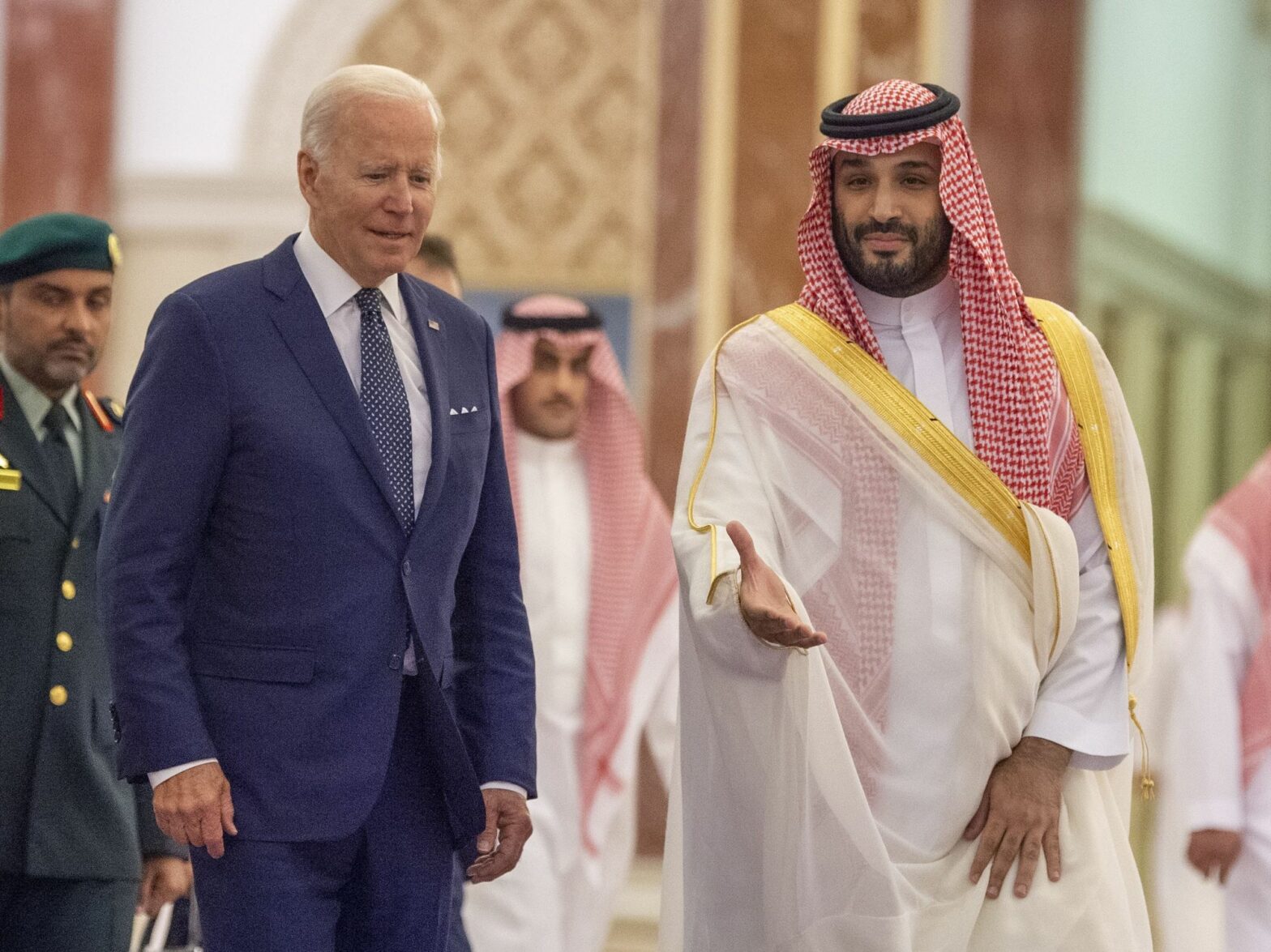
U.S. President Joe Biden is pushing Saudi Arabia and Israel to sign on to a broad “normalization” deal, which would be a landmark of his first term in the White House. But Israel’s Netanyahu and Saudi Arabia’s Crown Prince Mohammed bin Salman each have their own calculations standing in the way.
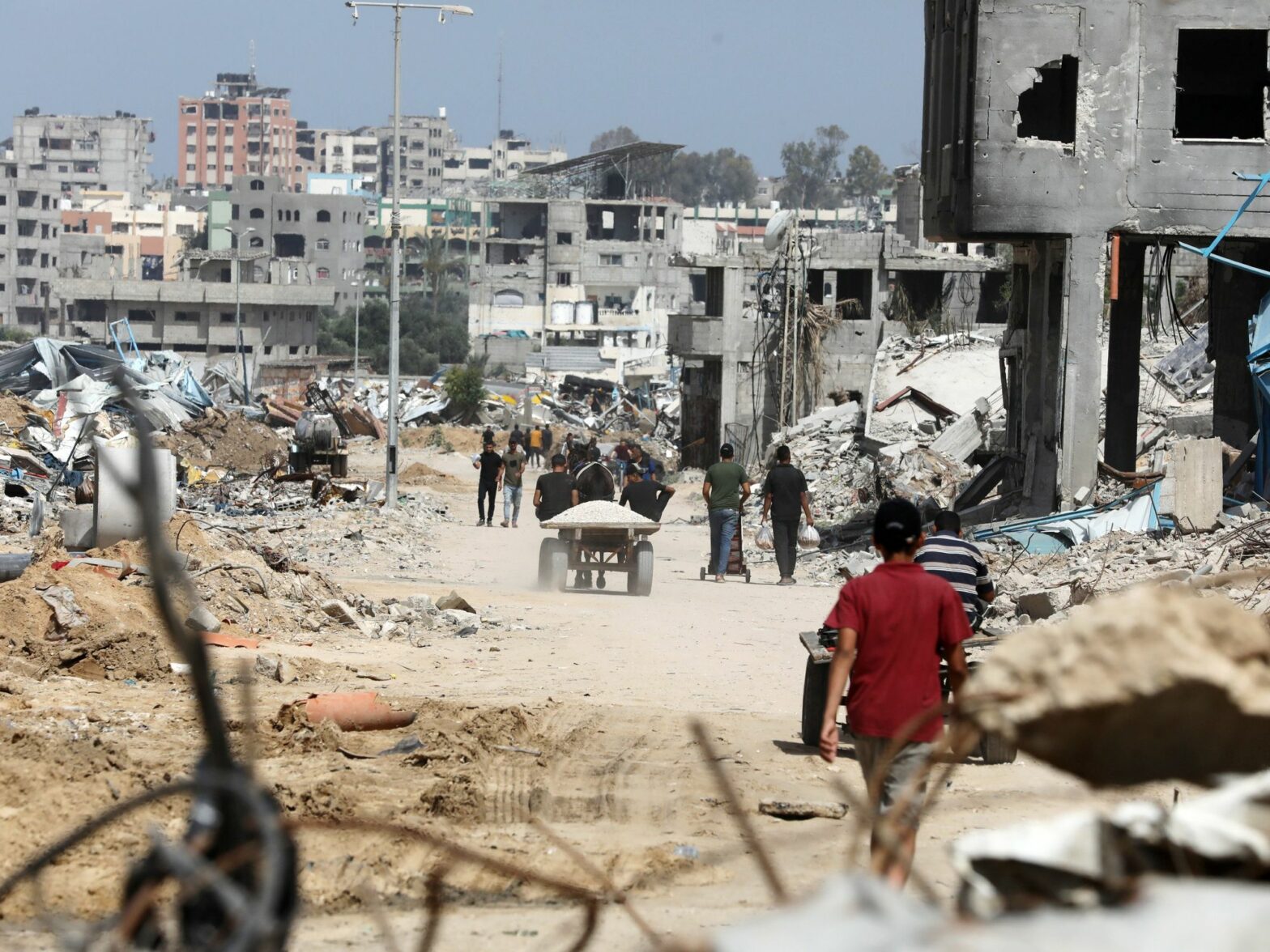
The Israel-Hamas war has revived the urgency of resolving the Israeli-Palestinian conflict through the two-state solution. The West views that this solution would soften polarization in Western societies, and calm down the Middle East, so the United States and NATO can again focus their efforts on confronting the real adversaries in Beijing and Moscow.
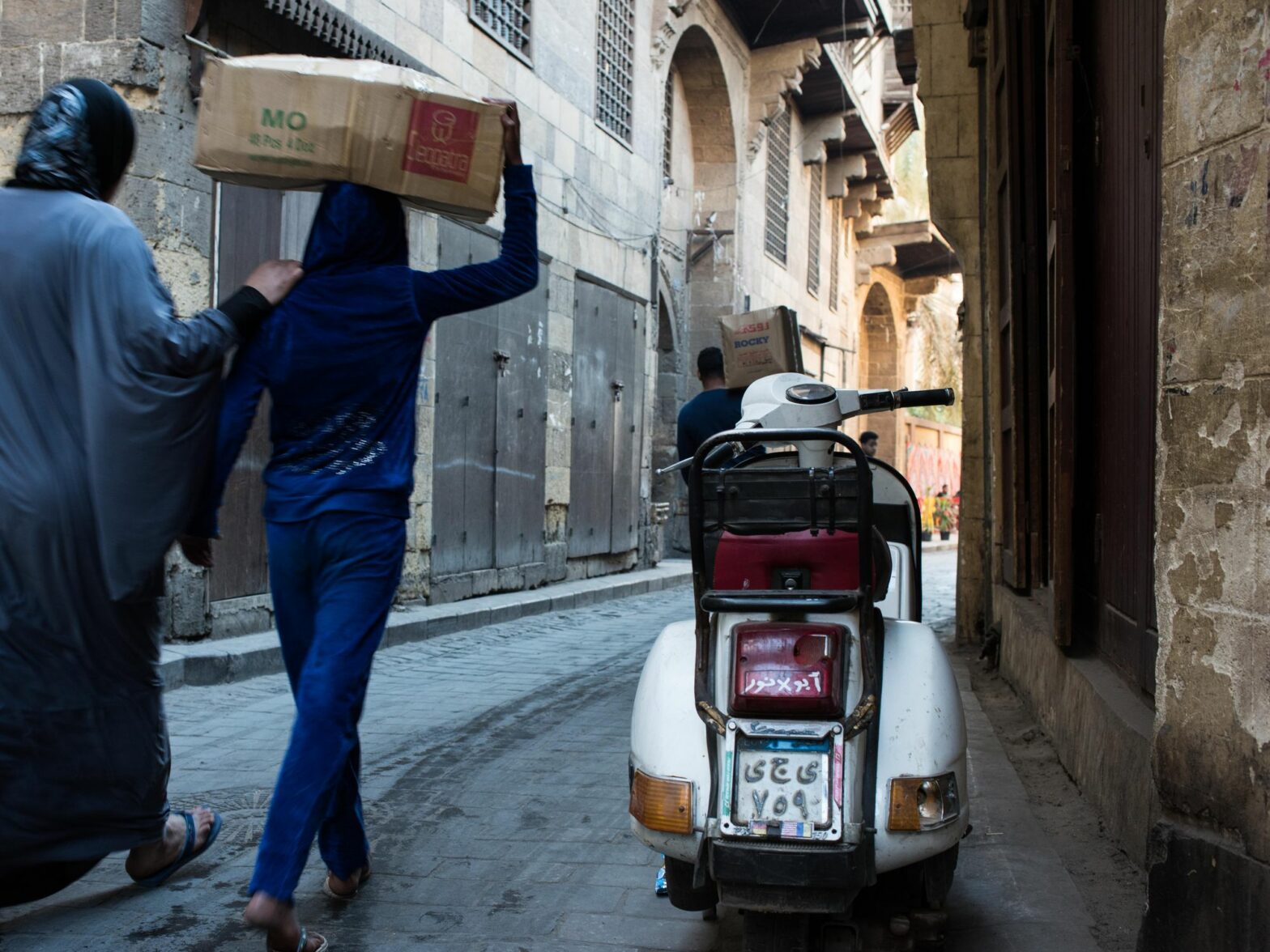
An anthropologist who has focused on urban geography and violence, Omnia Khalil reflects on how her daily movement was shaped by architectural design in Egypt, a country where sexual harassment is a widespread and serious problem.
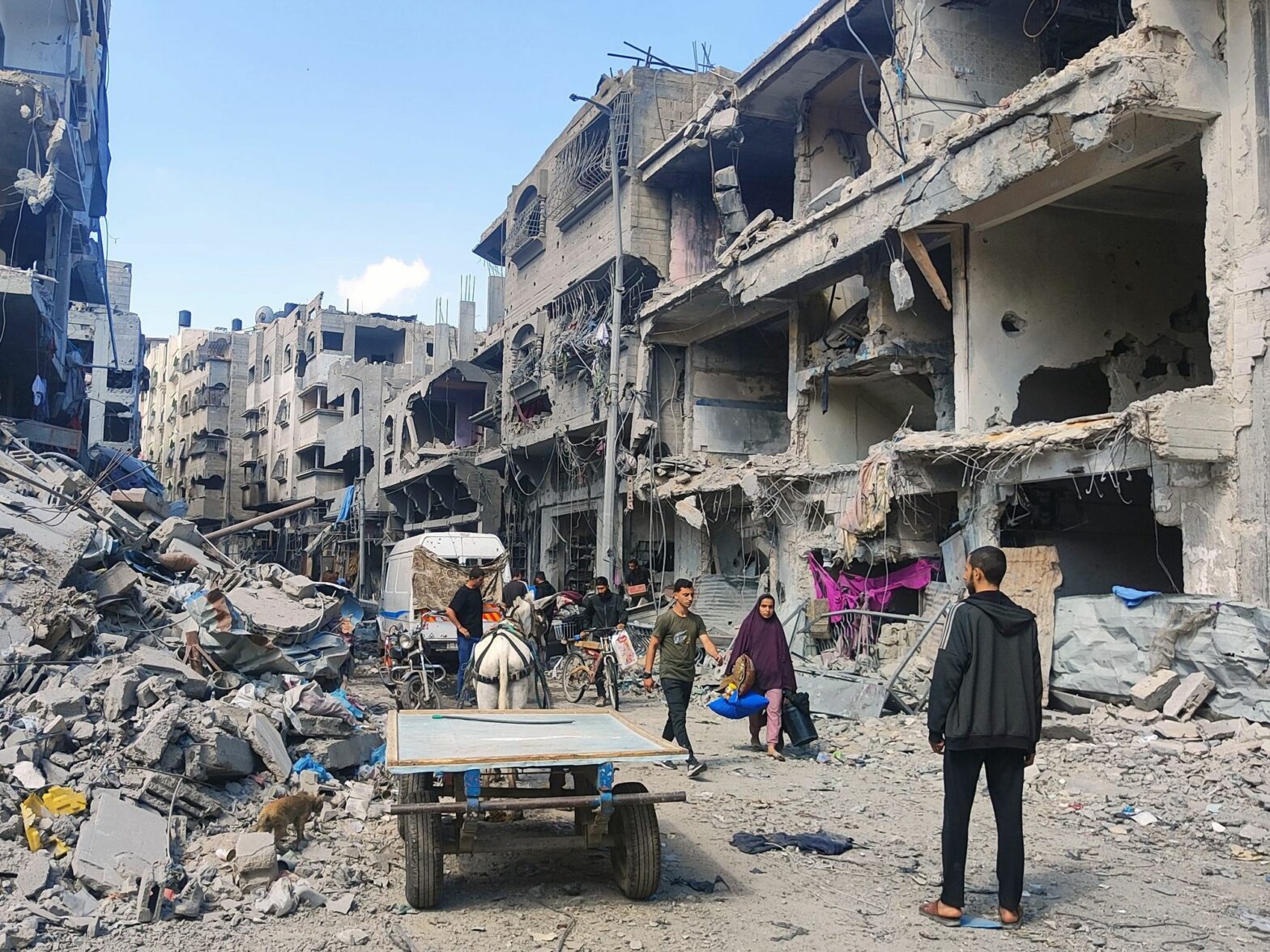
The Israel-Hamas war in Gaza has created an unprecedented crisis for moderate Arab countries, mainly for those who have ties with Israel, and for Saudi Arabia that was on the verge of reaching a normalization deal with Israel. It’s hard to envision a future for Gaza without them.
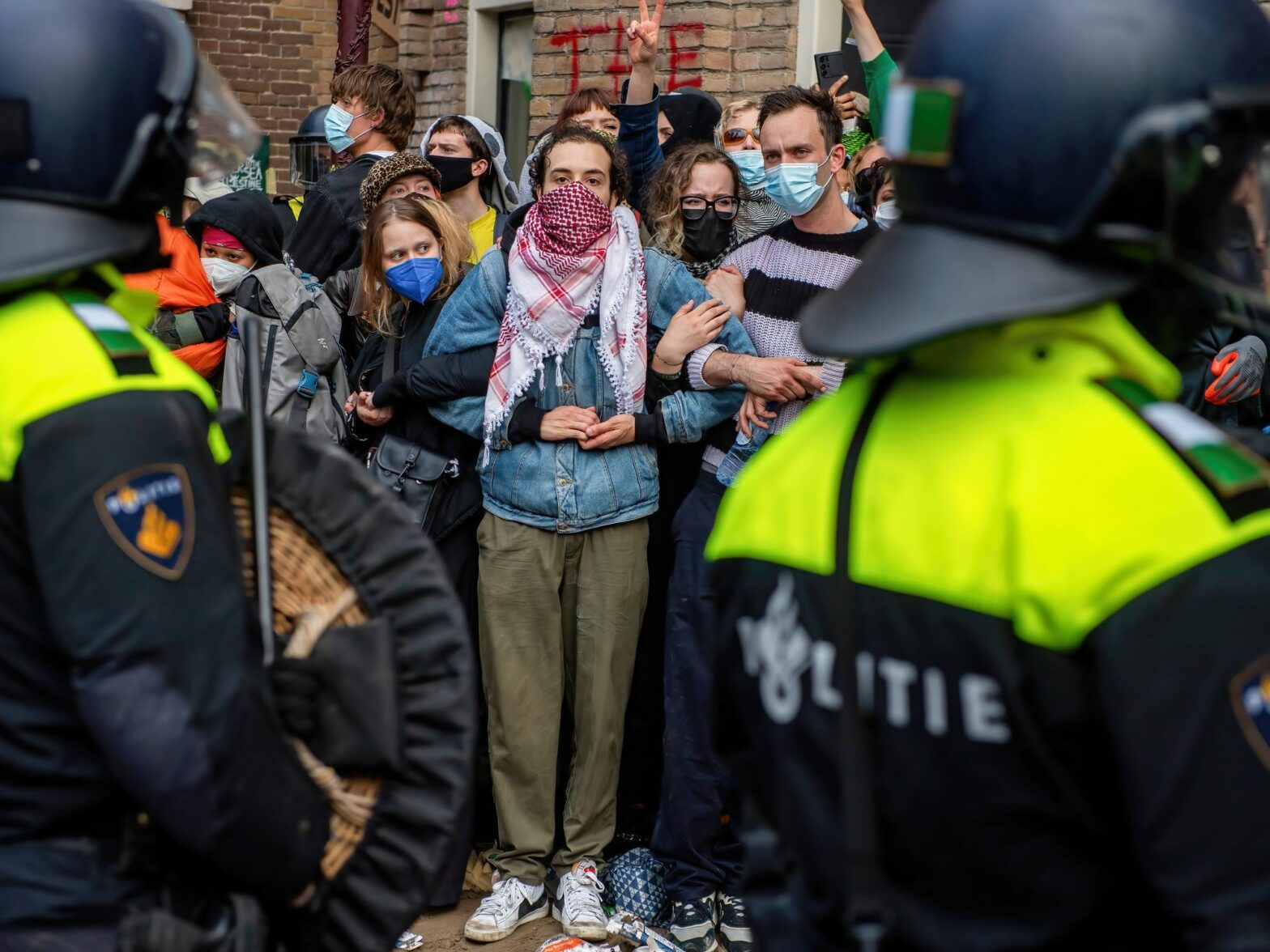
According to Egyptian poet Alaa Khaled, student protests in the universities in the United States and Europe are not only directed against the practices of Israel, and in solidarity with Palestine, but are an instinctive expression of the desires of young people lost in a nihilistic modern culture.
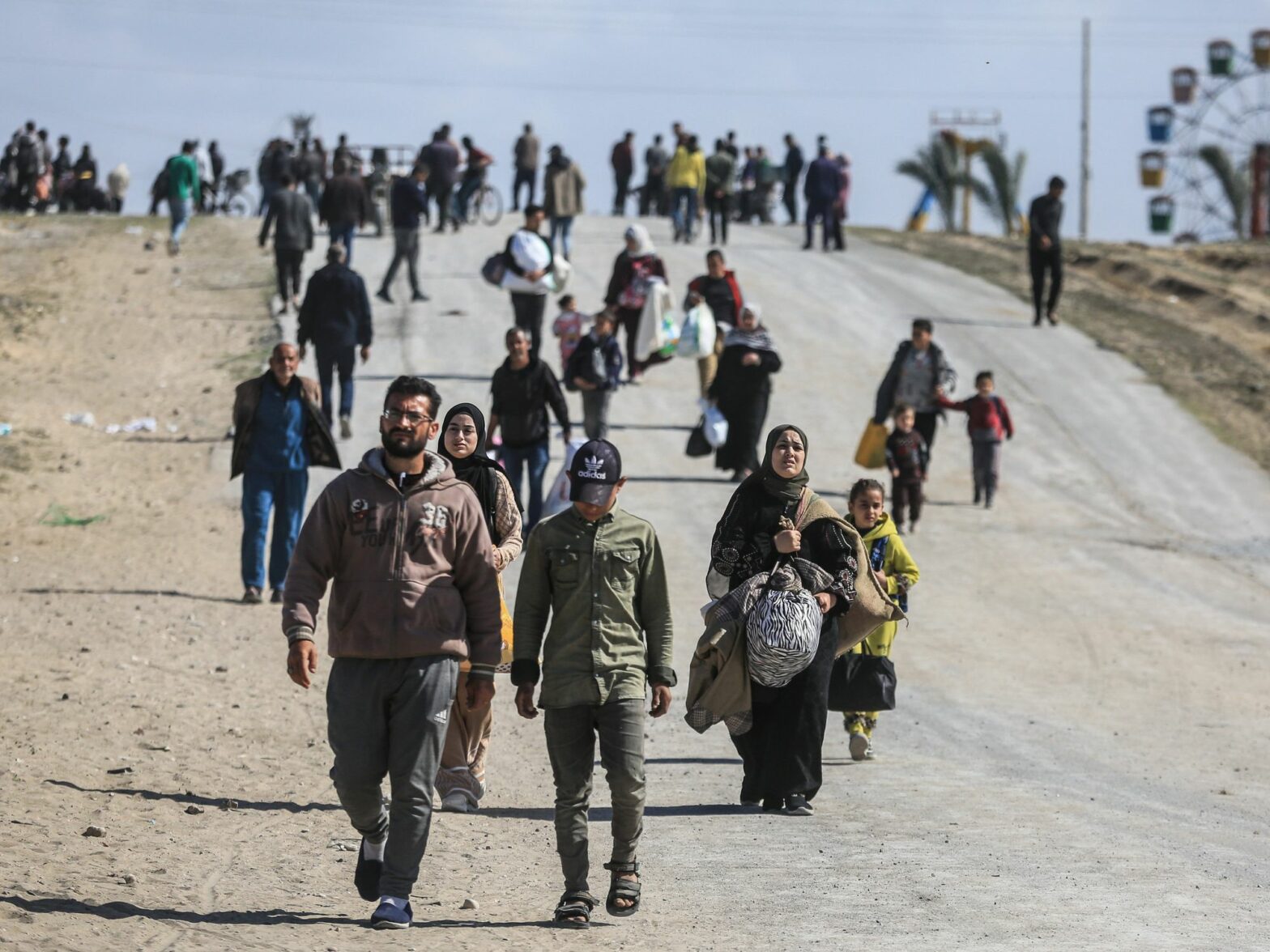
An Egyptian journalist surprised by the growing and incomprehensible campaign over the past months that raises slogans against Arab “refugees” who were forced by civil wars in their countries — Iraq, Syria, Yemen and Sudan — to reside in Egypt.
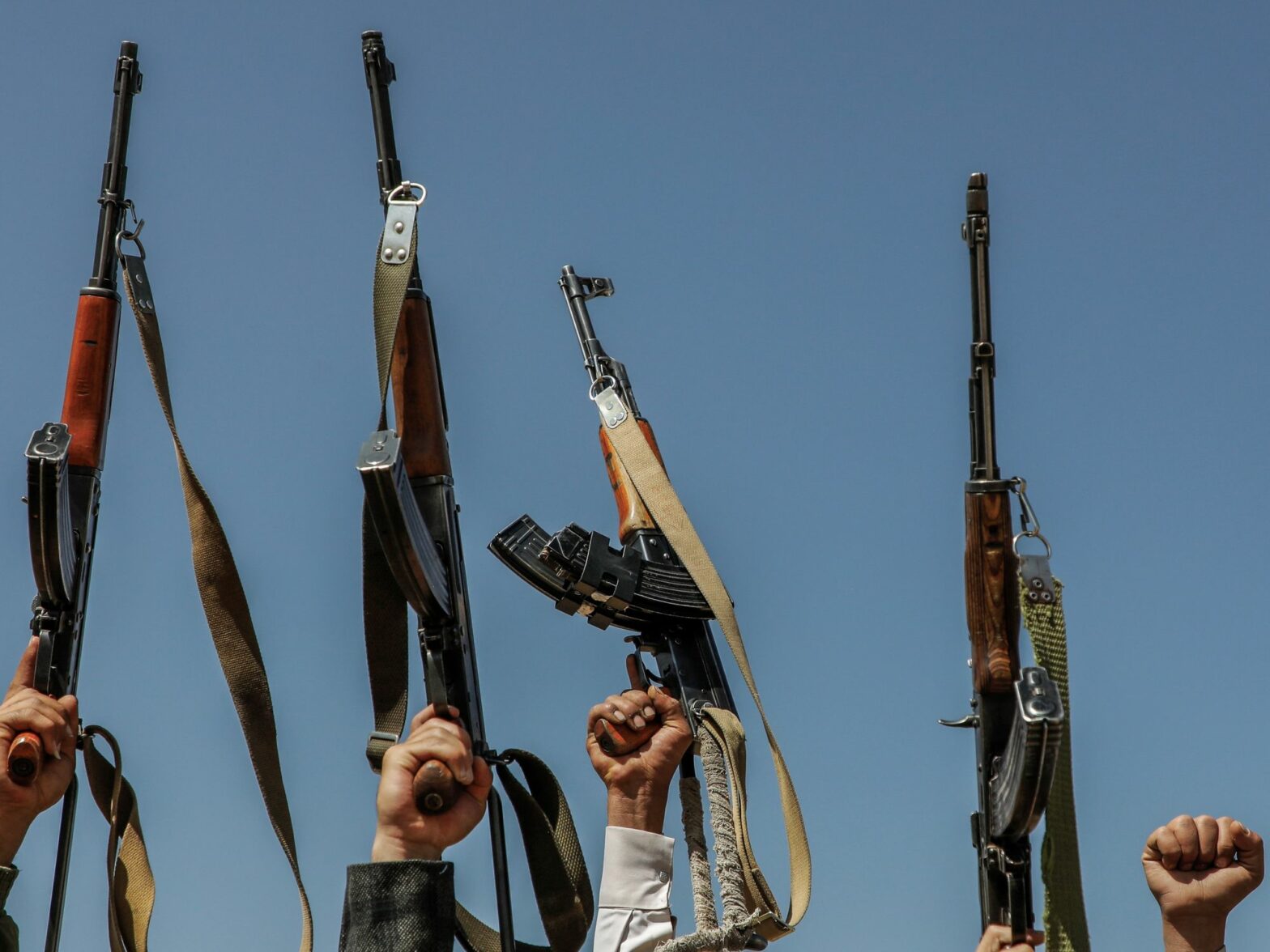
While the Palestinian cause is important for Iran and the Arab militias it backs, the return of this issue to the forefront may not benefit the resistance camp. And its tactic of strategic patience may not produce the intended results.
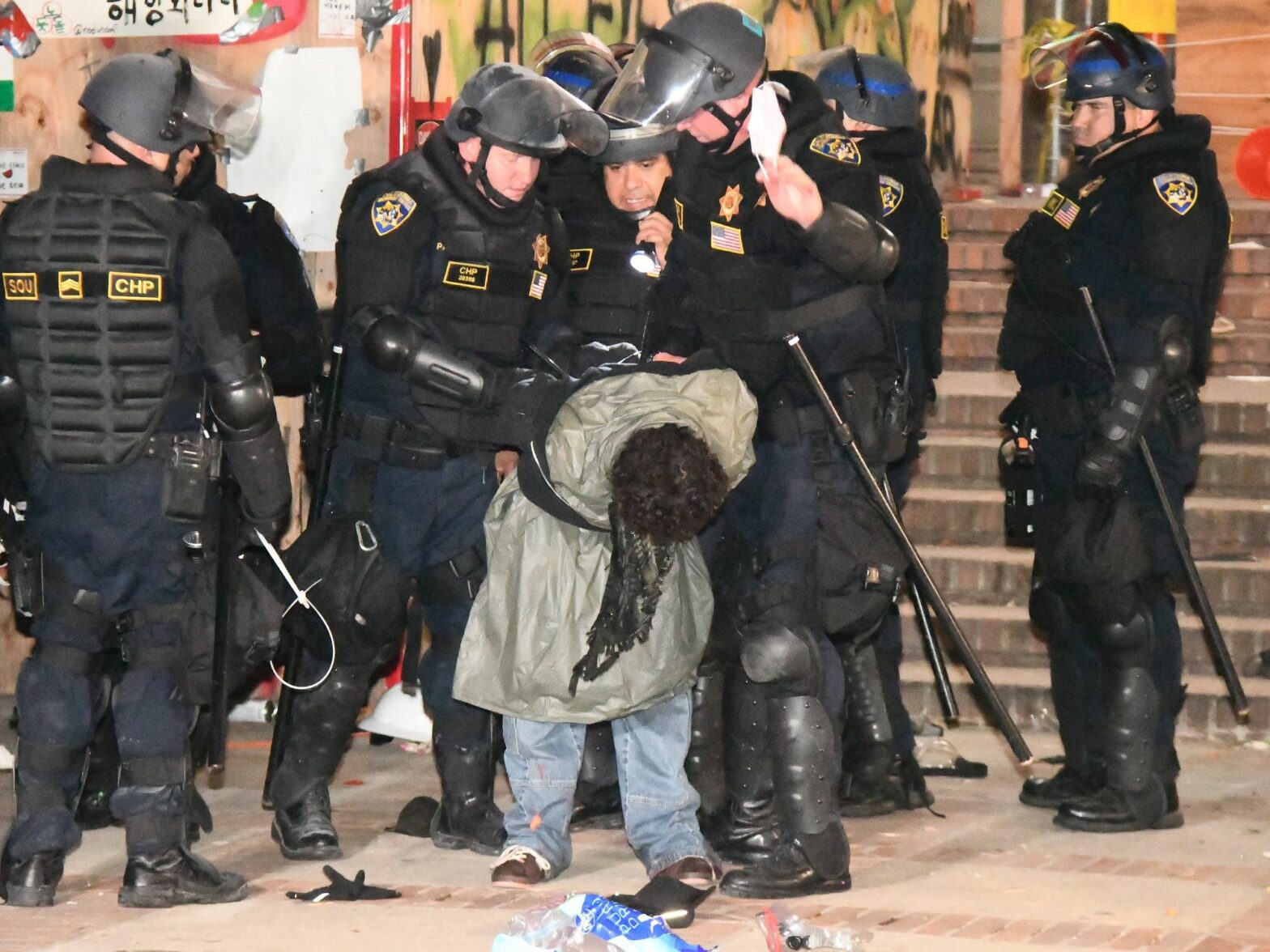
The context and scale are different, but there are common methods in the suppression of demonstrations in the Arab Spring in 2011 and crackdowns against pro-Palestinian groups on university campuses in the U.S. Will President Biden, like Hosni Mubarak 13 years ago, lose power as a result?
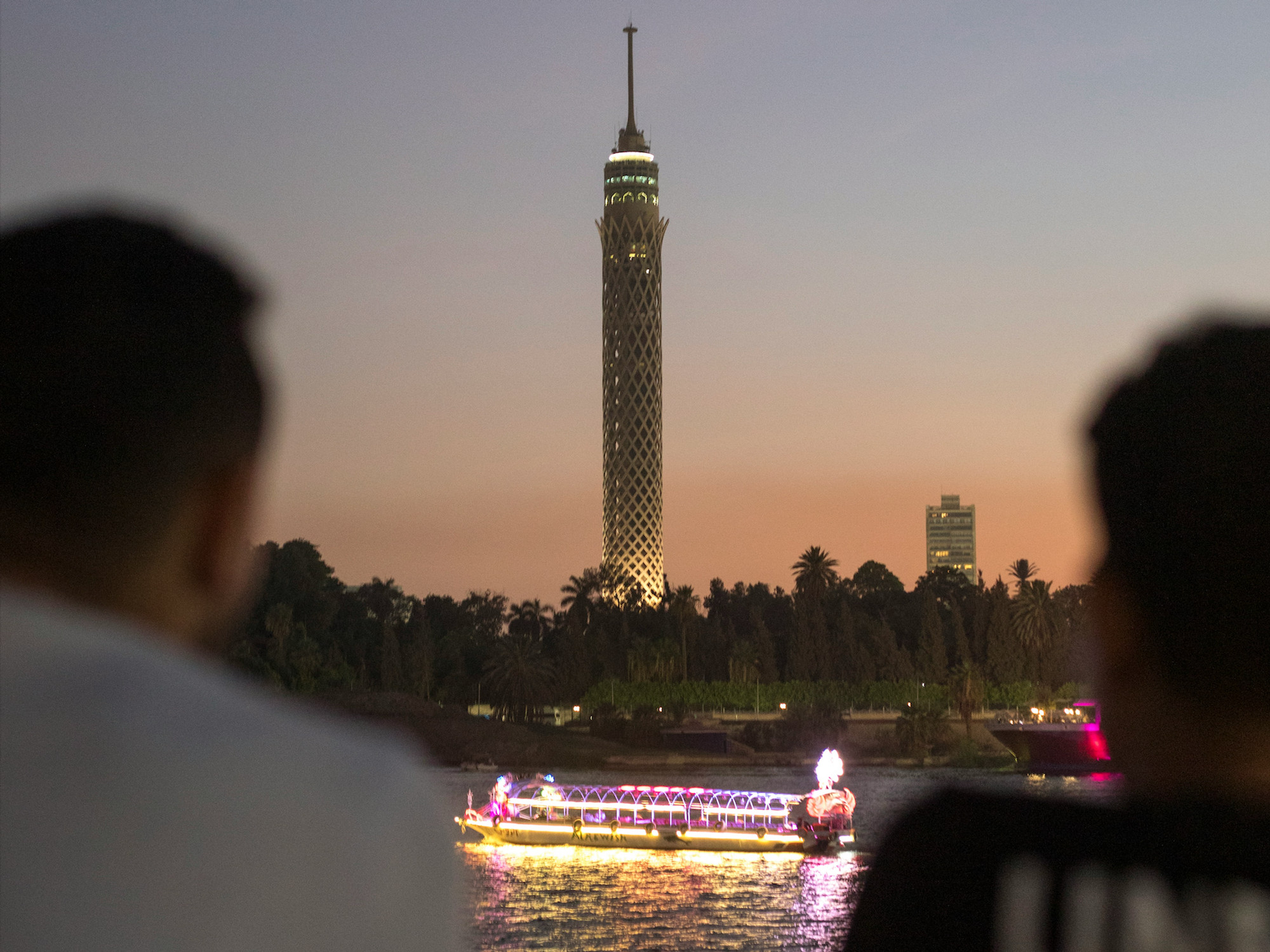
Very different attitudes of modern Egyptian men and women about contraception and family planning — with troubling proof that the idea of sharing responsibility has not gained much momentum in Egypt’s male-dominated society.
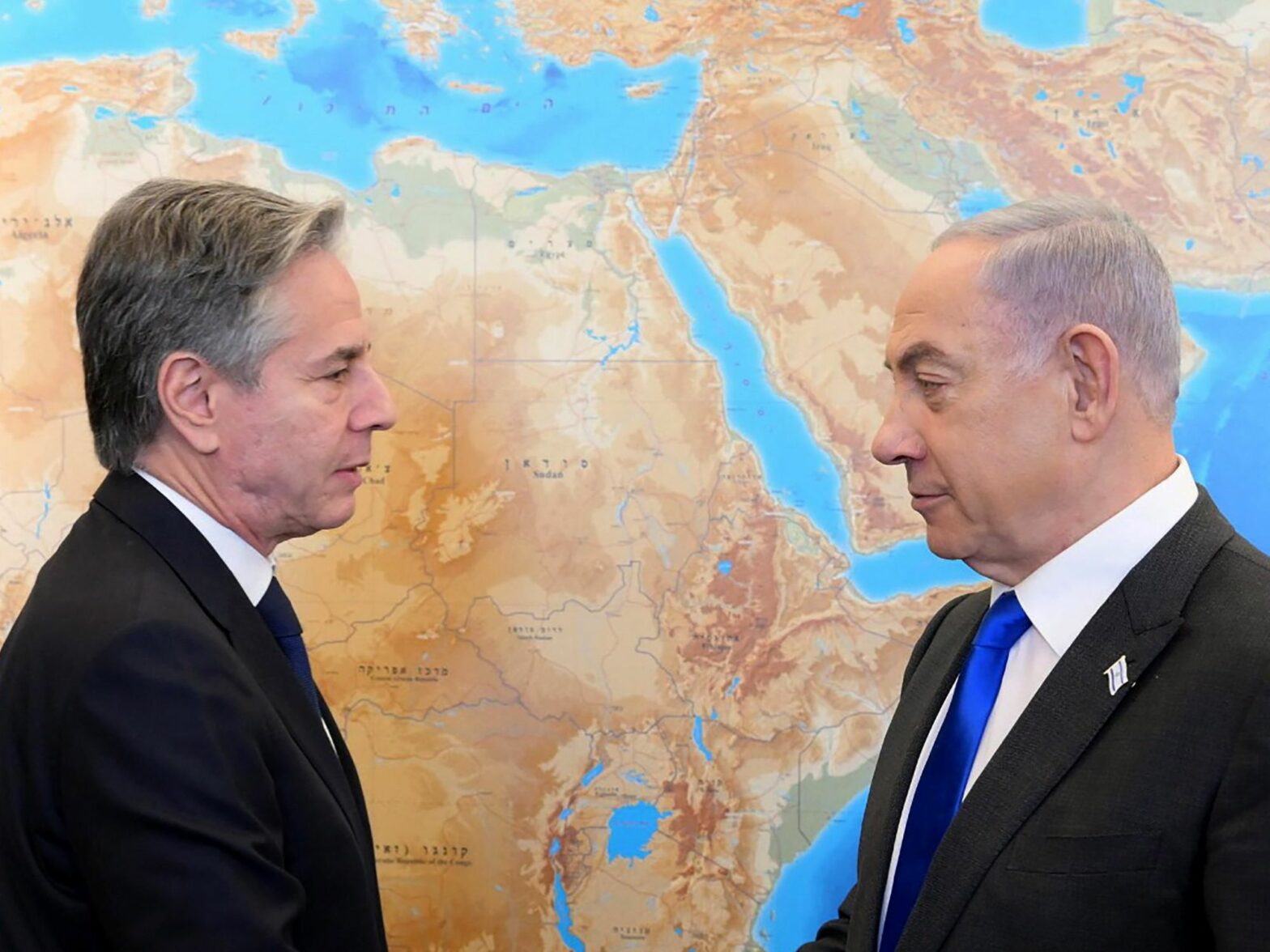
Have the ruling institutions in the United States learned the lesson and realized that the main means of confronting Iran’s influence — if they really wanted to — is to put pressure on Israel.
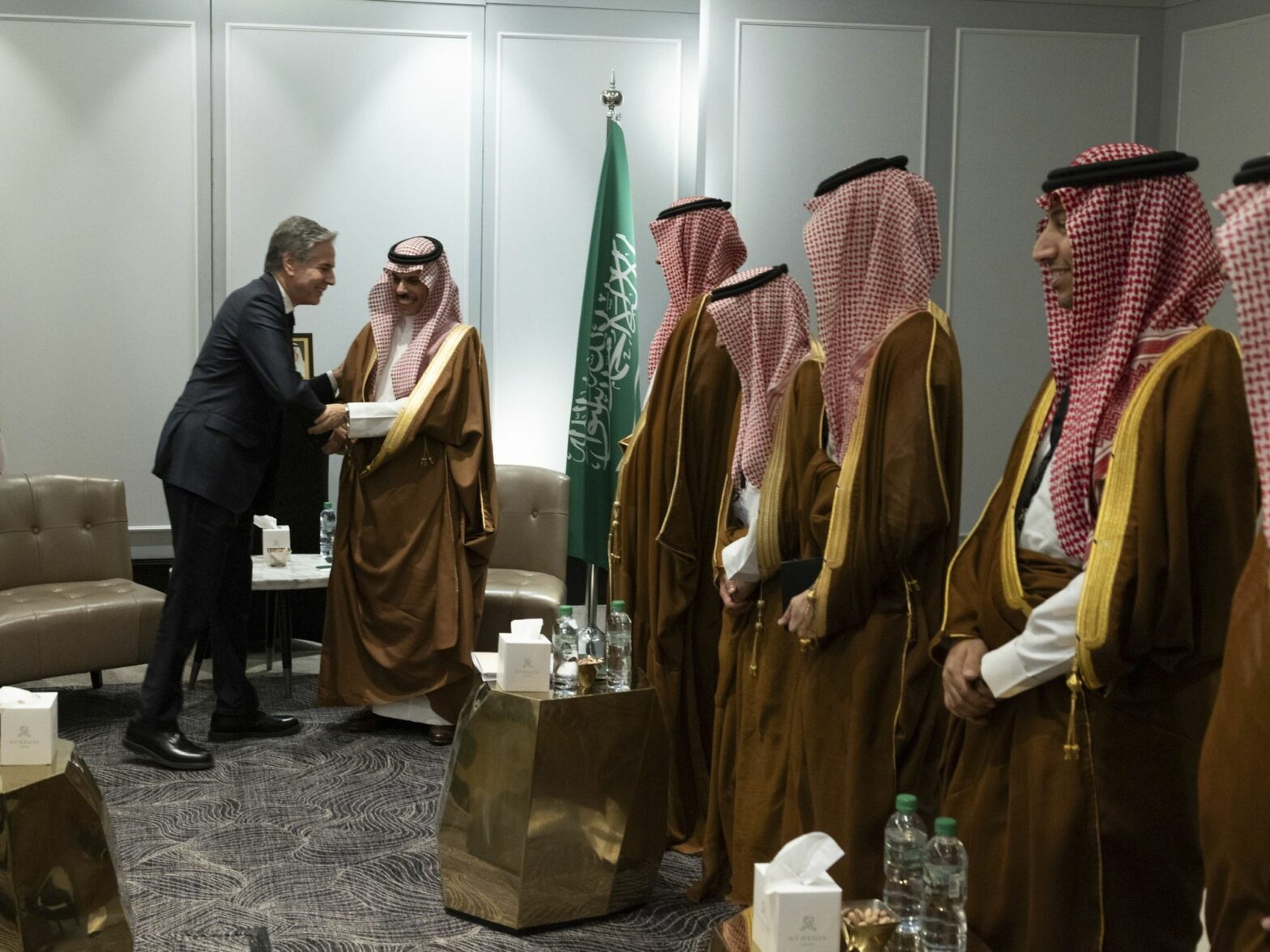
Washington has vetoed Palestine’s full membership to the United Nations and is using talk of the “two-state solution” to distract from Israel’s war crimes in Gaza. Pushed by the U.S. to normalize ties with Israel, what will Arab states do?
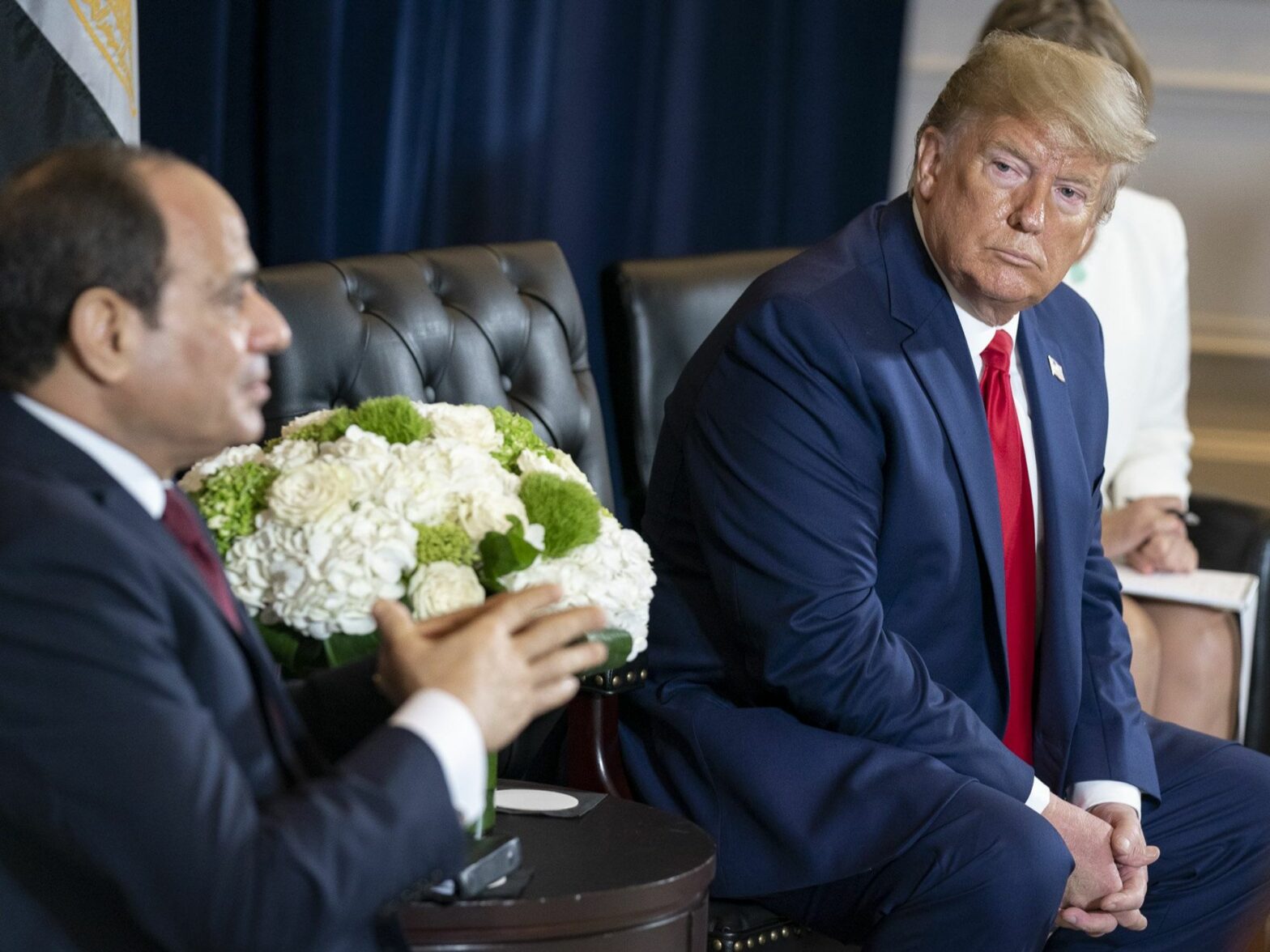
Will former U.S. President Donald Trump maintain his “dealmaker” approach towards Egypt in case he finds his way back to the White House?
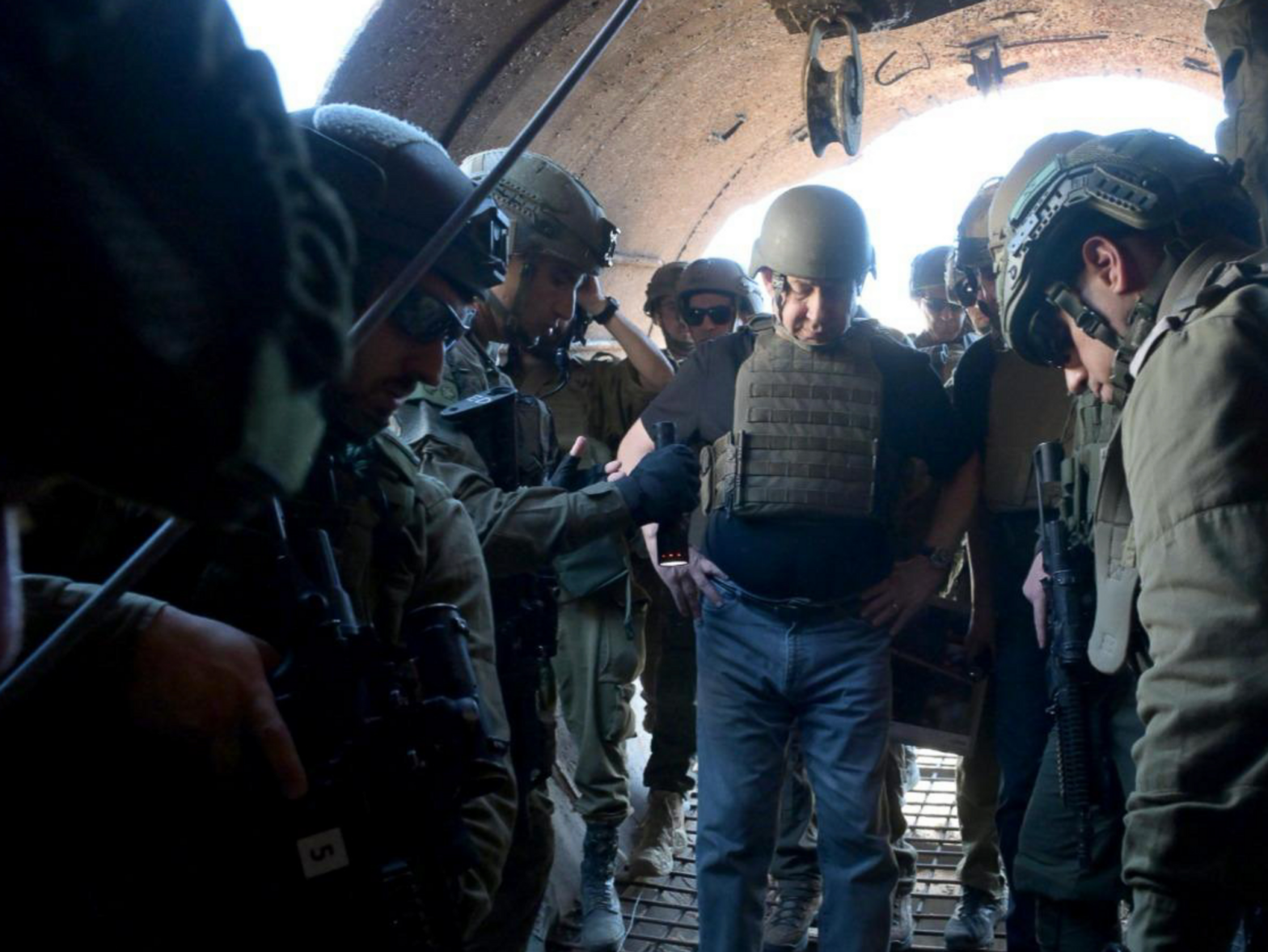
By helping to intercept Iran’s counter attack against Israel, the U.S. and Western allies, along with Jordan, have deprived Benjamin Netanyahu of a pretext to expand the war and to divert attention from his actions in Gaza.
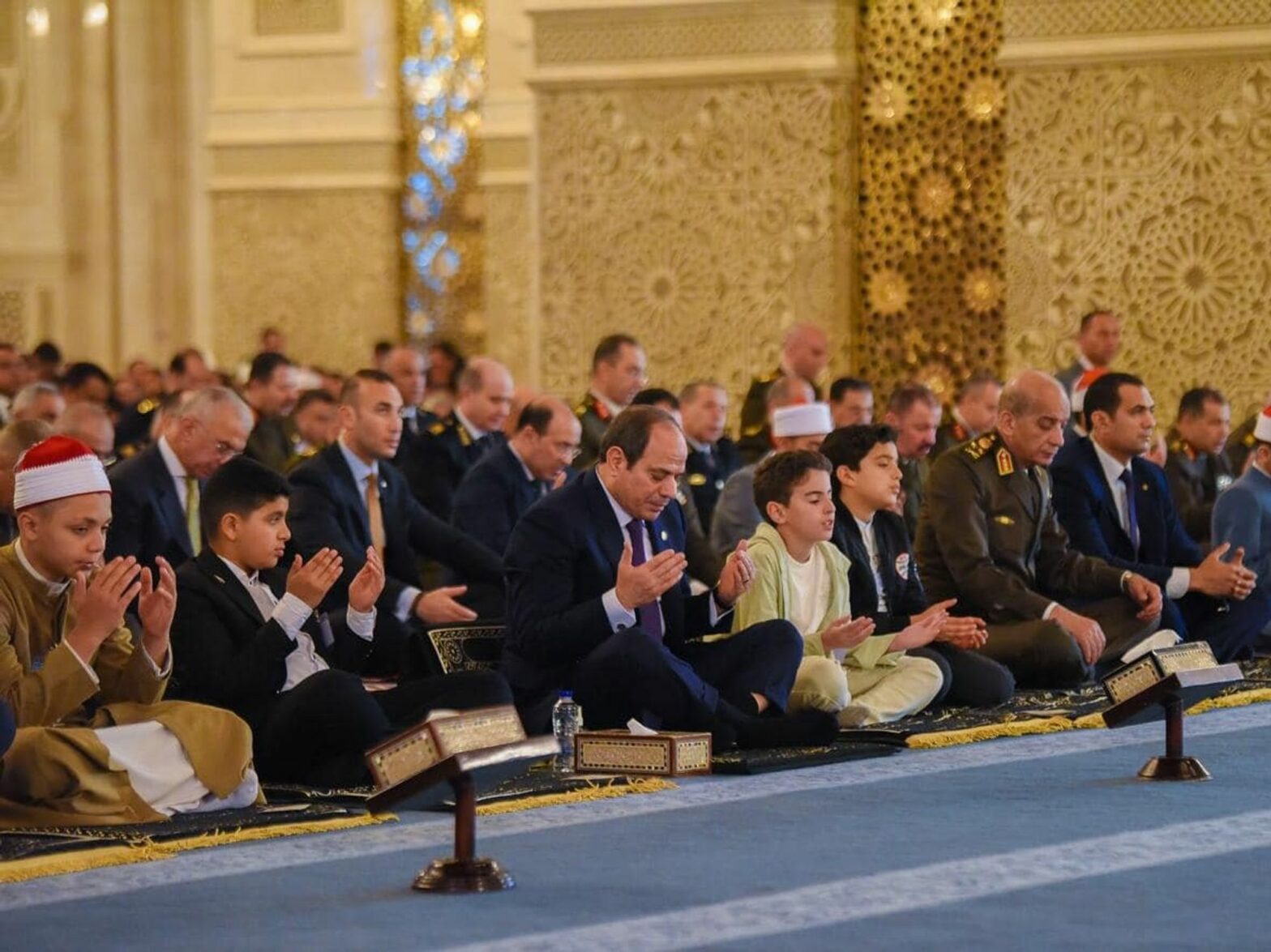
Amid increasingly dire economic, social and humanitarian conditions in Egypt, the charitable work of Islamic and Christian religious institutions is important. Yet these institutions also support the government’s failed economic policies.
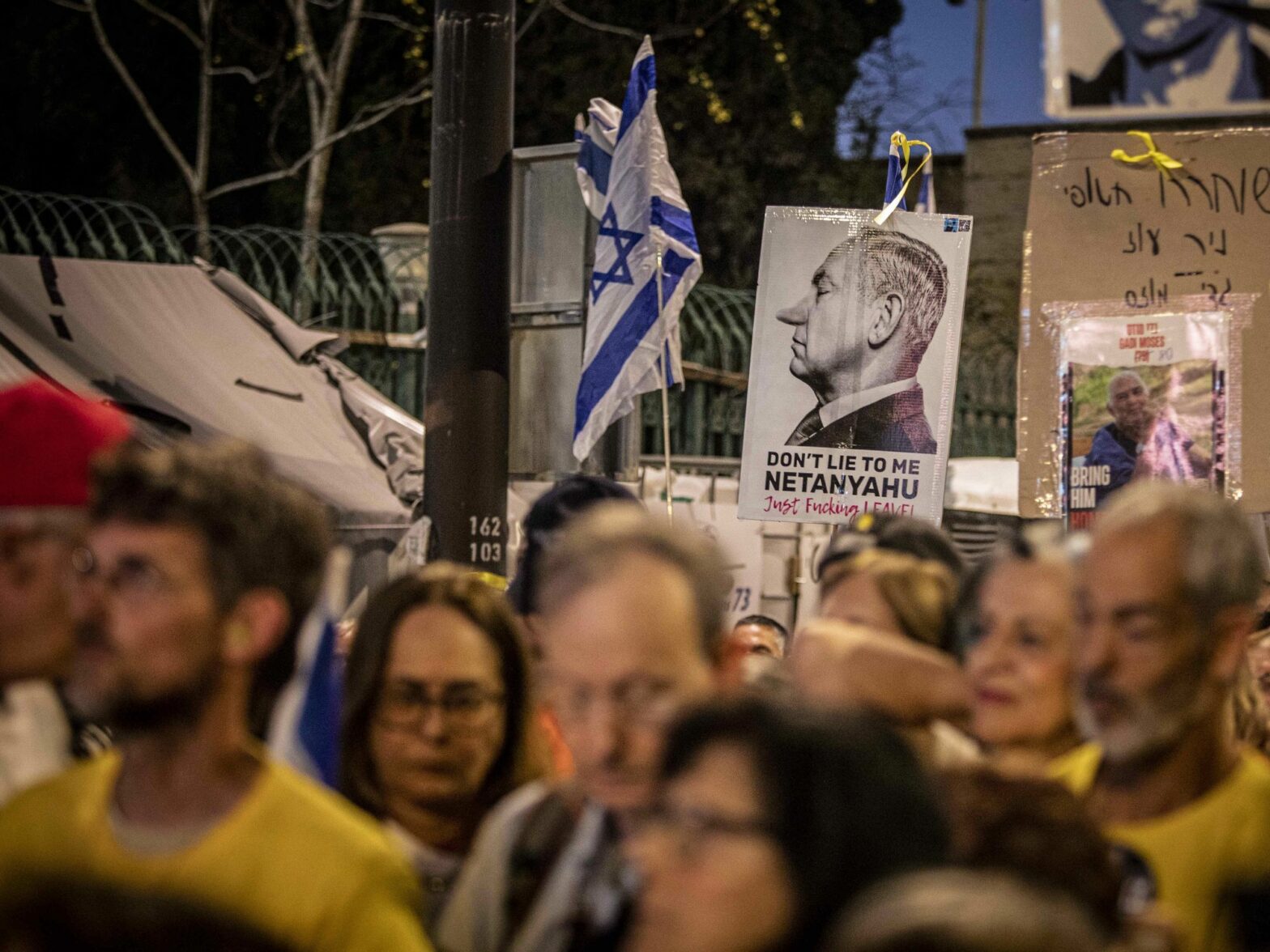
After Israel’s military killed seven aid workers from the World Central Kitchen — including six foreigners —, its closest allies in the West revolted. Some threatened to stop supplying Israel’s war machine. The Arab countries, meanwhile, are still taking the position of “concerned observer” of Israel’s killing of over 33,000 Palestinians, two thirds of them women and children.
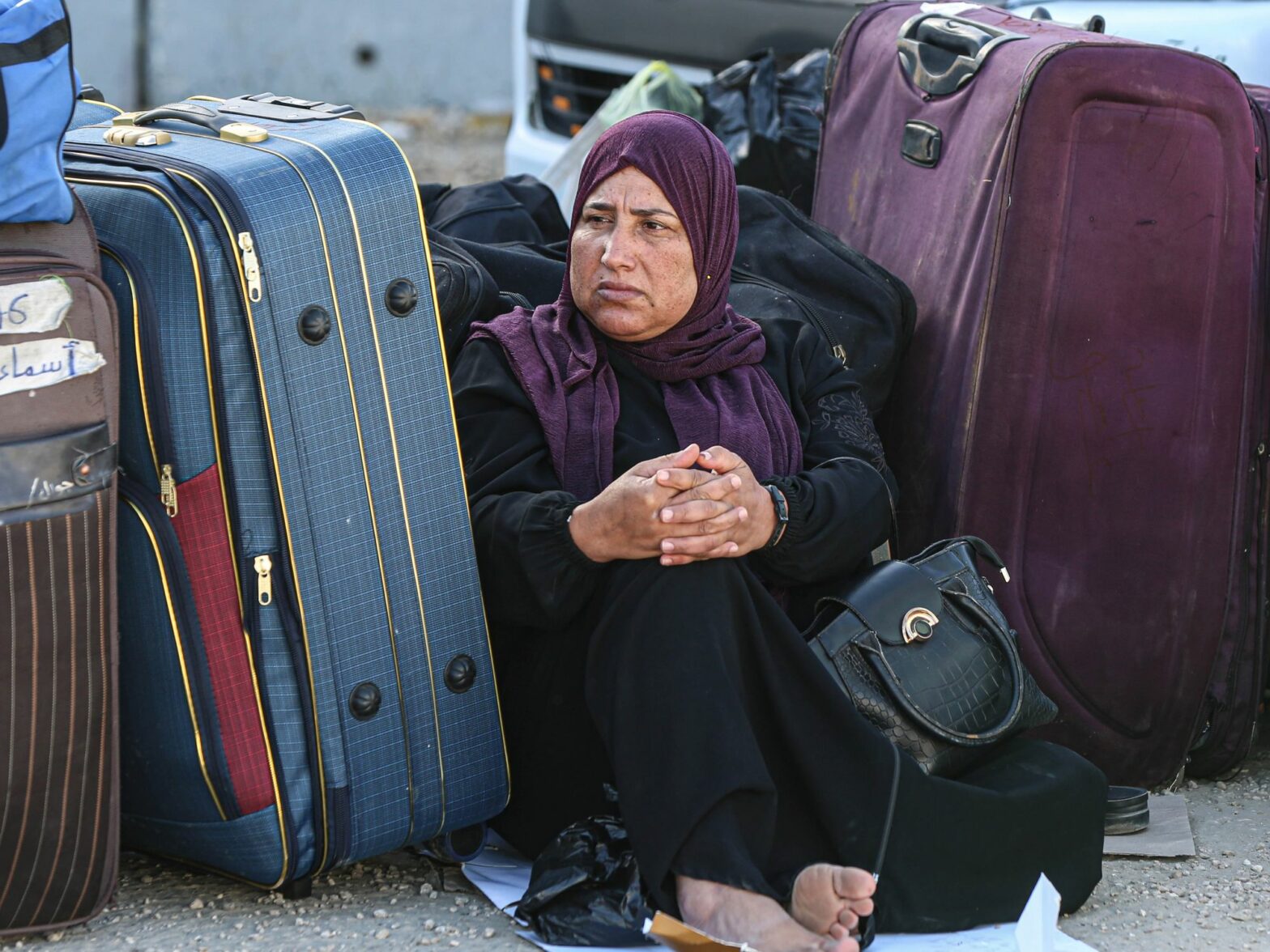
In late March, the Palestinian embassy in Cairo organized a crossing for Palestinians back into Gaza. Al Manassa talks with some of the Palestinians preparing to leave the safety of Egypt about their motivations for returning to the war-torn homeland.
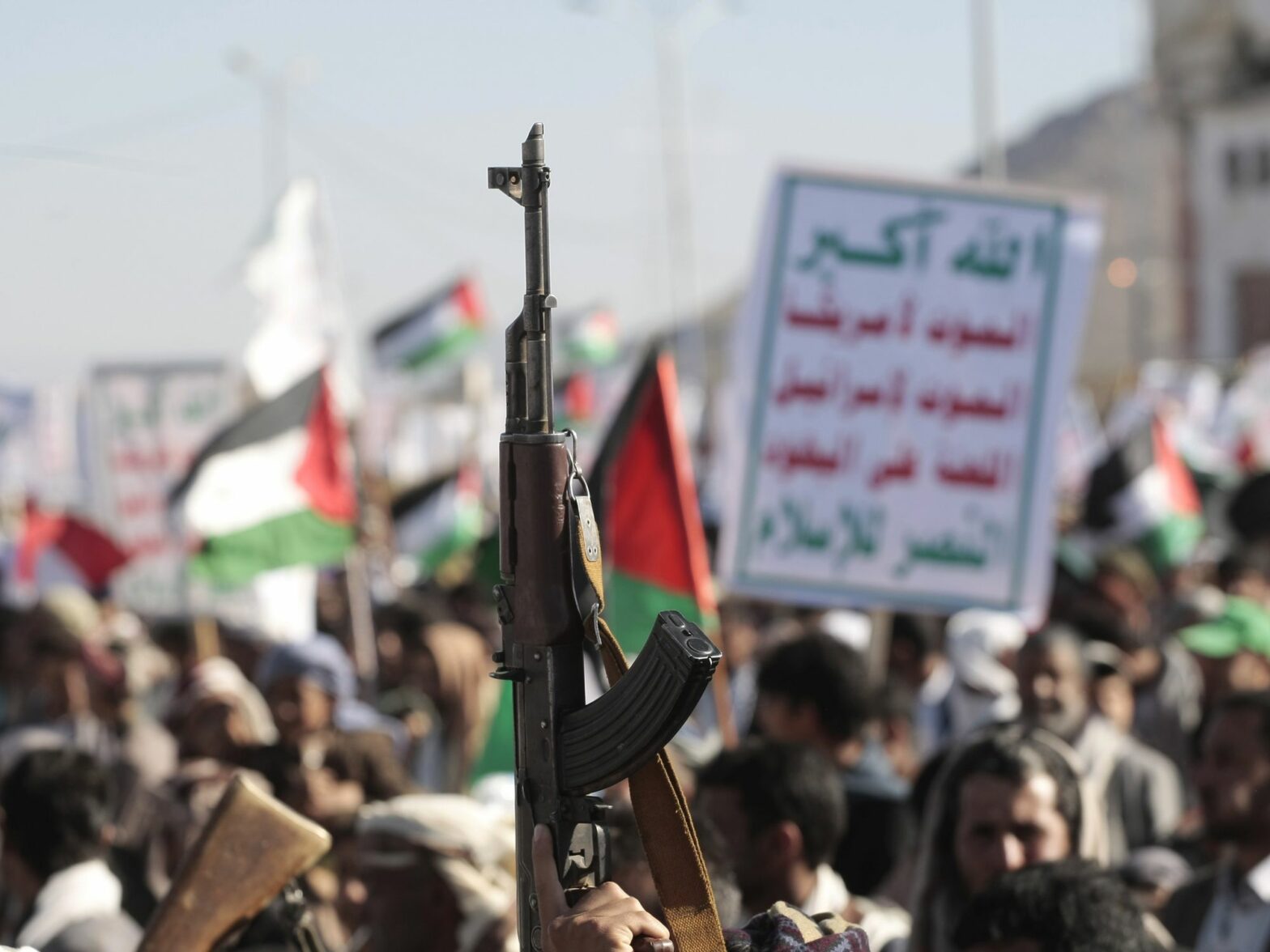
Hamas’s Oct. 7 attack and Israel’s subsequent war in Gaza have given Islamists new momentum and a new outlook on their recent political setbacks.
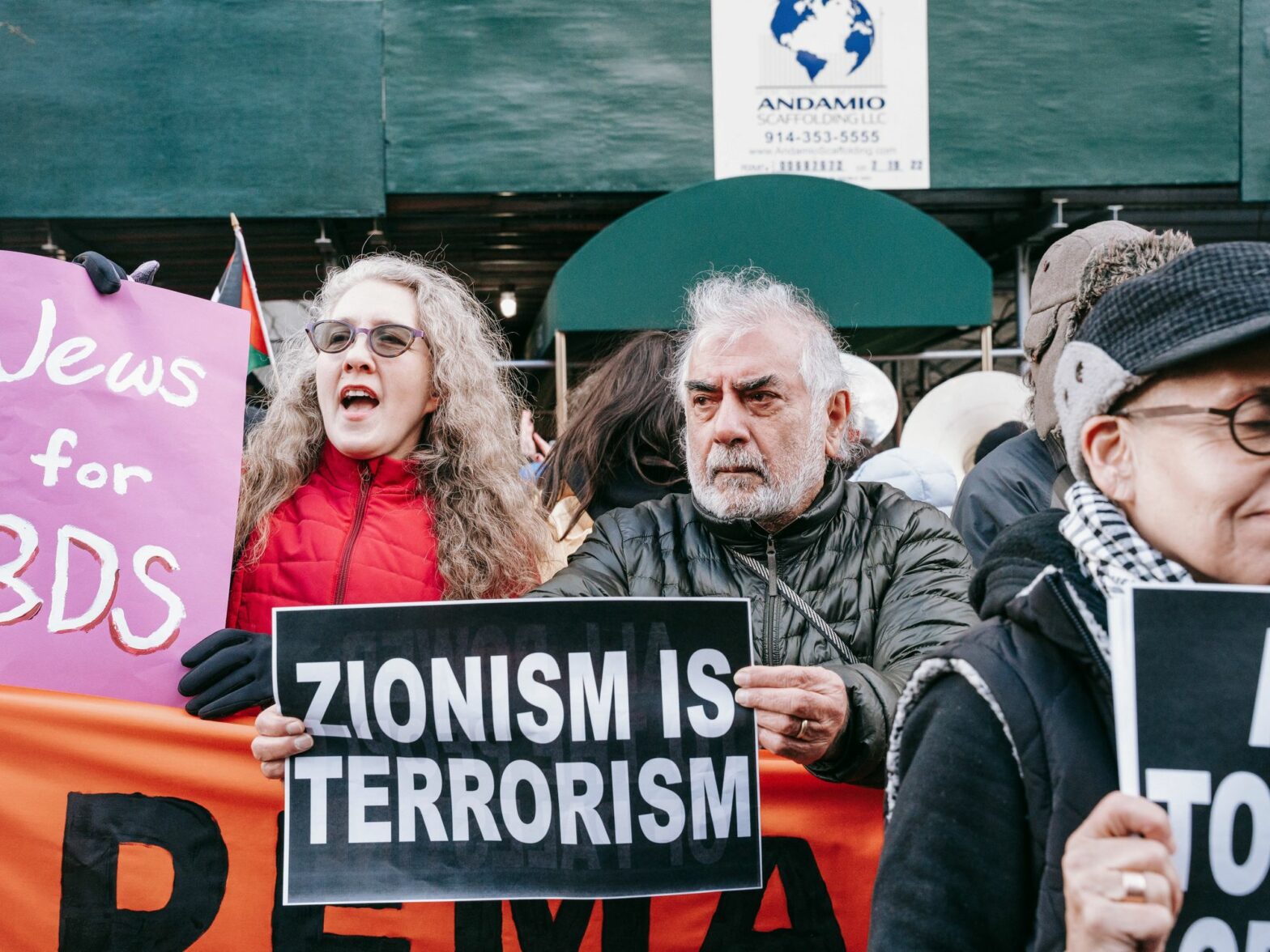
Criticism of Israel in the United States remained a taboo for many decades. But this has begun to change with new generations and Palestinians presenting their cause on a humanitarian basis. It may ultimately make it impossible to reconcile being both a progressive and a Zionist.
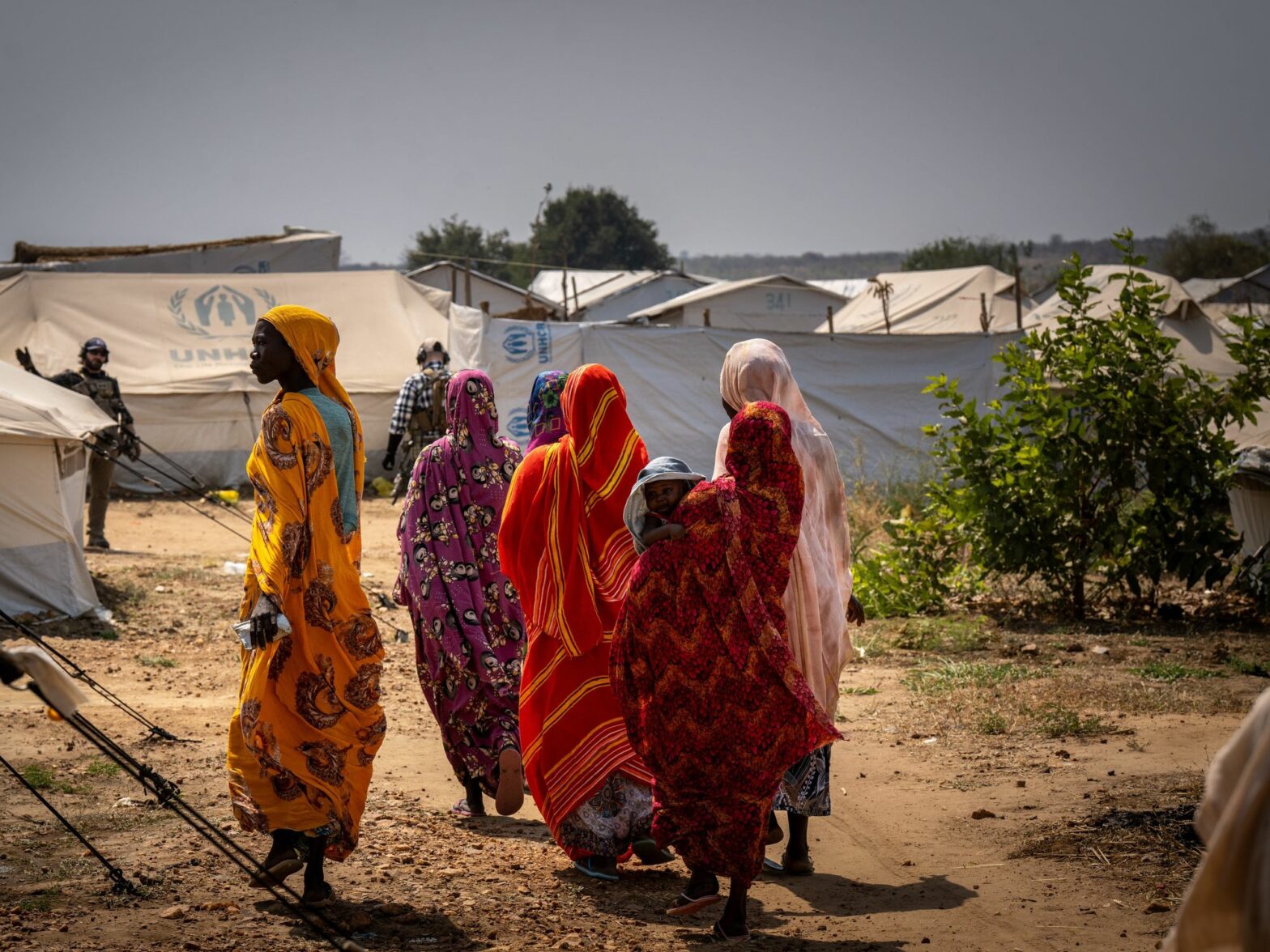
Violence against women, including rape, has been widespread in the war in Sudan, especially in the western region of Darfur. Now the women who led the uprising that toppled Omar al-Bashir in April 2019 are fighting to stop wartime sexual violence.