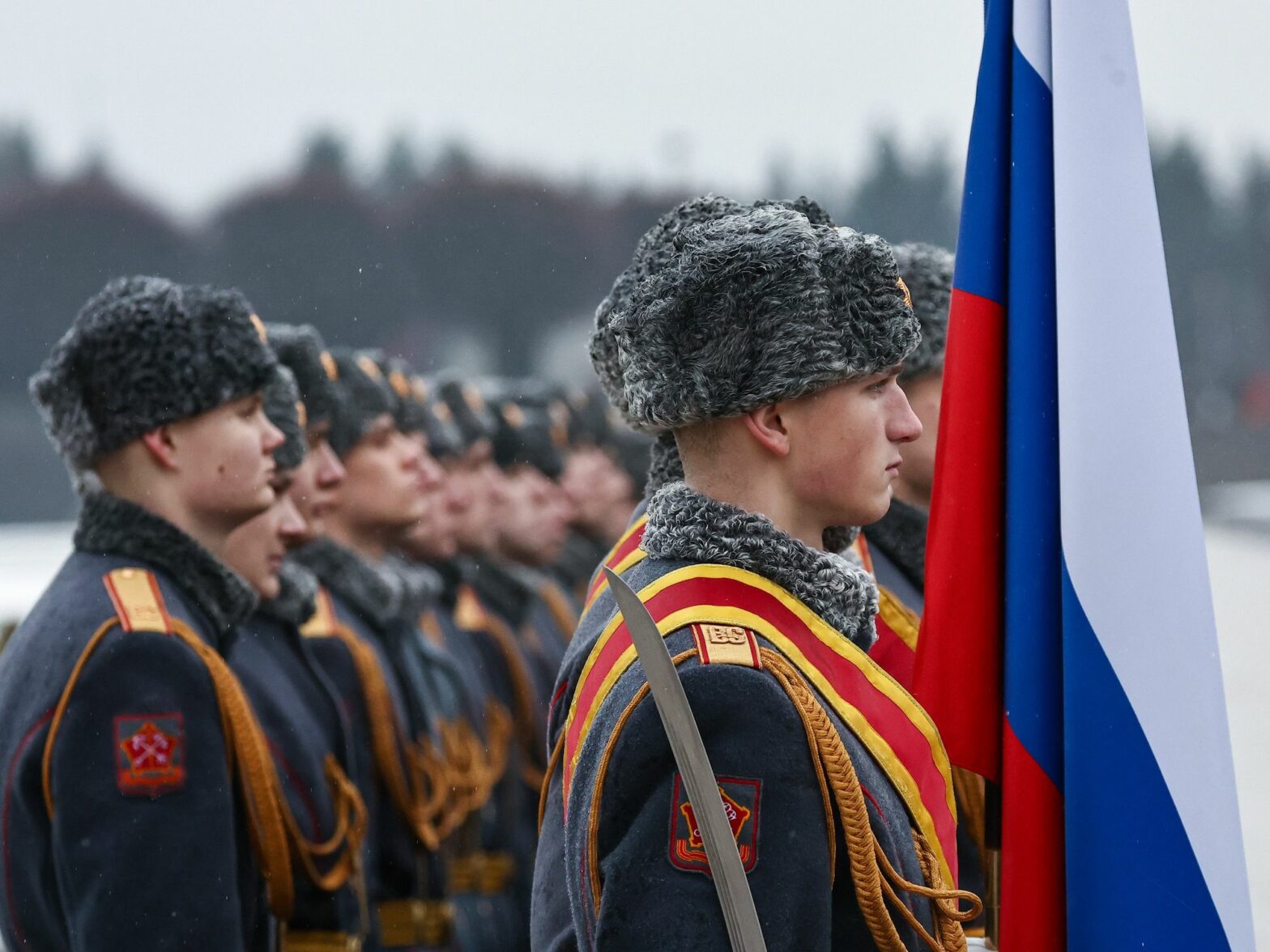
The war in Ukraine has reached a stalemate, and a ceasefire appears increasingly likely. Painful compromises with the aggressor may be inevitable. But what comes next?
 Worldcrunch
Important Stories (Важные Истории) is a group of independent Russian-language journalists founded in 2020, dedicated to reportage, investigative journalism, and data research.
The war in Ukraine has reached a stalemate, and a ceasefire appears increasingly likely. Painful compromises with the aggressor may be inevitable. But what comes next?
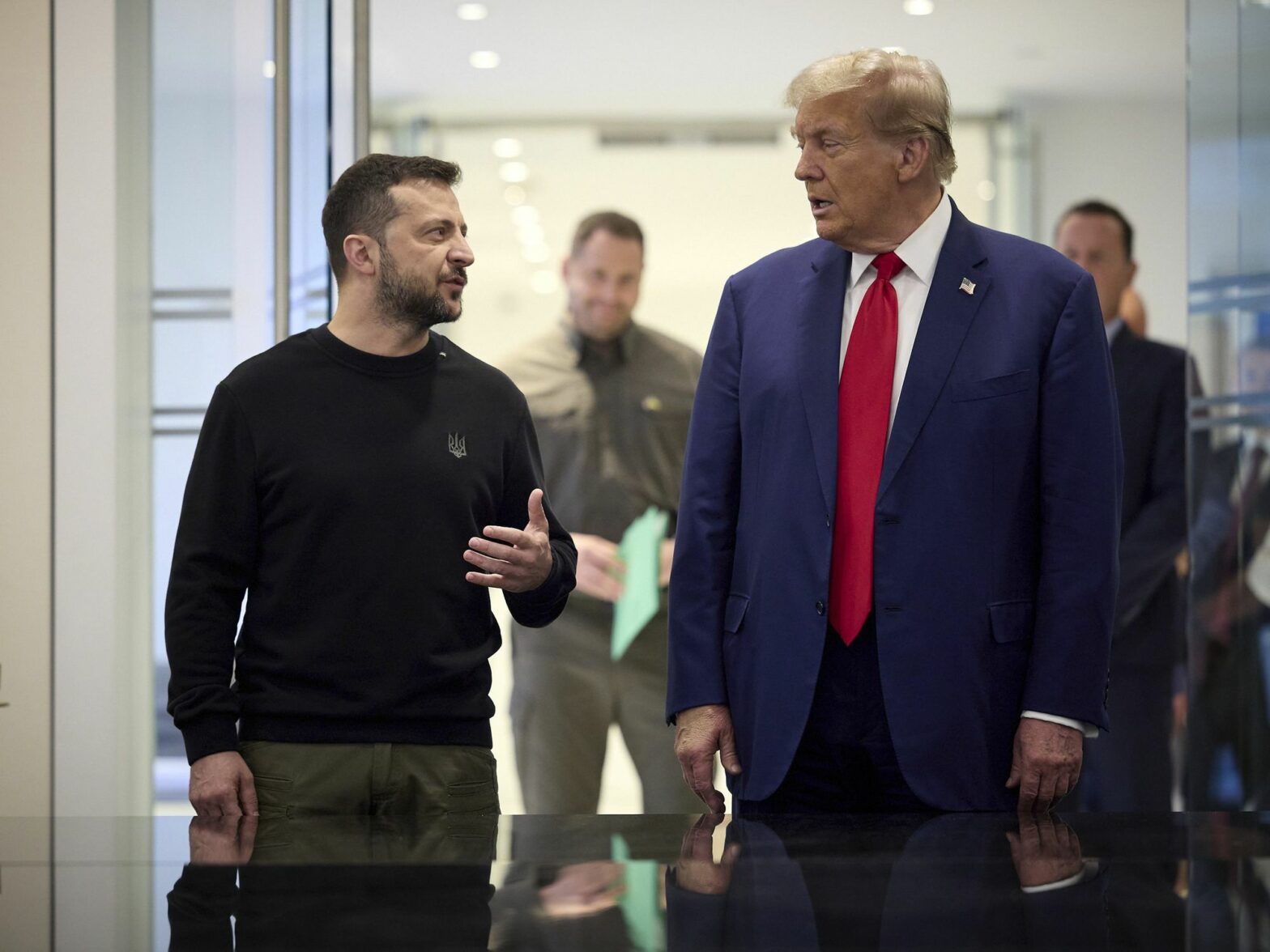
As a candidate, Donald Trump promised to end the war in Ukraine within his first 24 hours in office — a deadline the US president has now missed. Even so, negotiations to end the three-year conflict are expected to accelerate. What are Russia, Ukraine and the United States’ current positions? And what do experts think will happen?
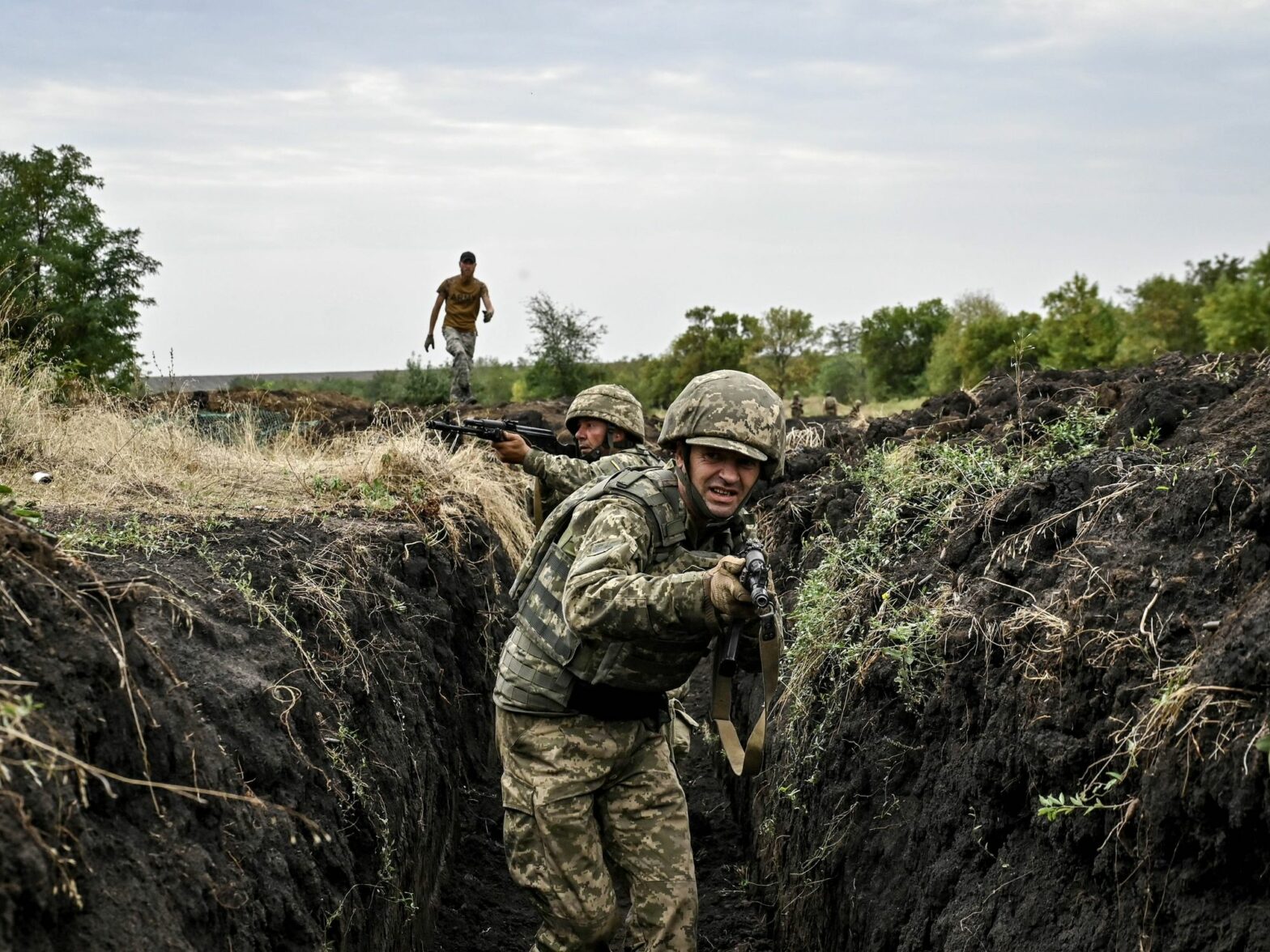
Drones and other new technologies are important, but the foundation of success remains the mobilization of the economy, numerical superiority, and artillery. A military expert reflects on three years since Russia’s invasion.
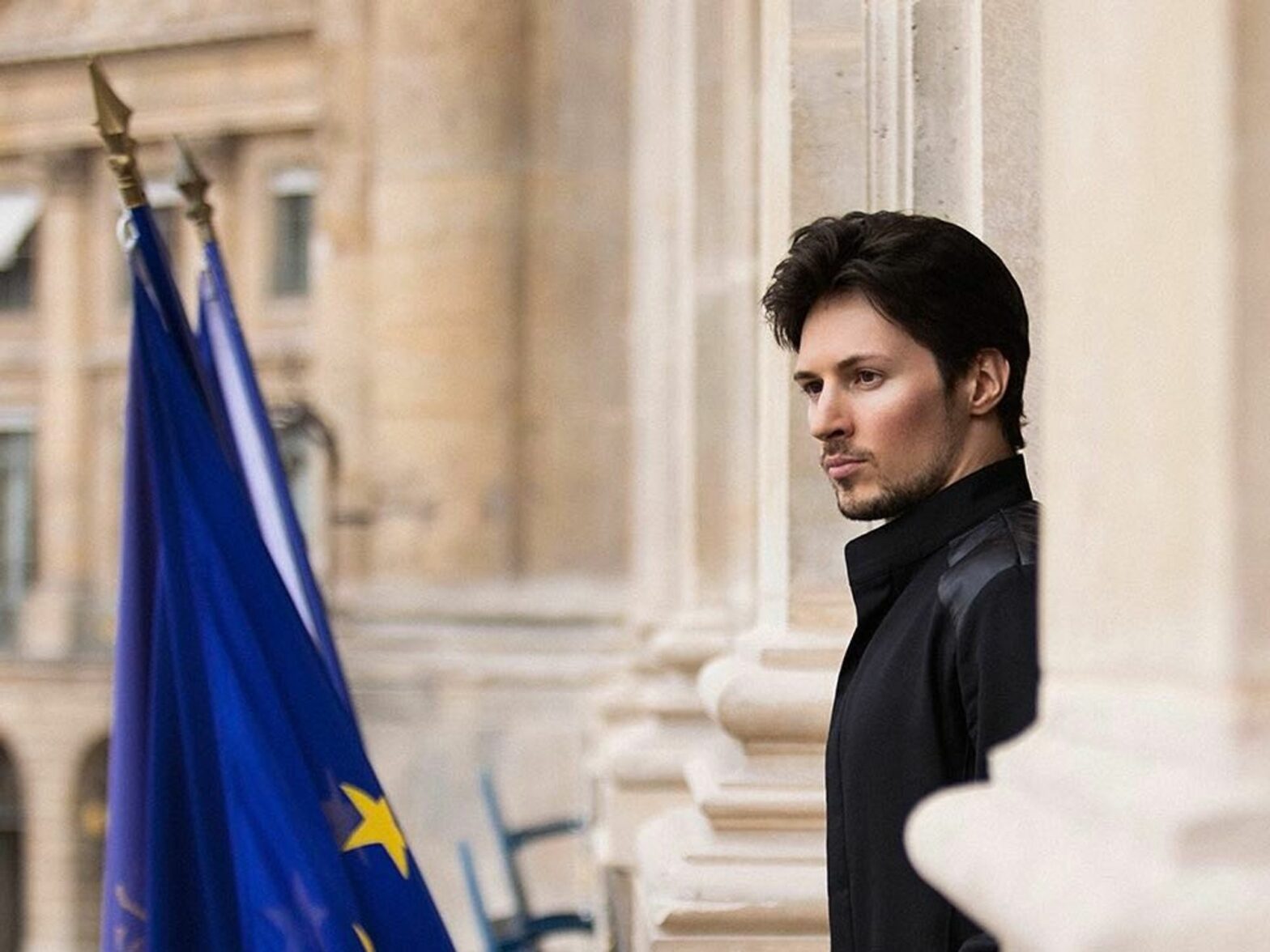
Following the arrest of Telegram founder Pavel Durov near Paris on Aug. 24, independent Russian-language media Important Stories looks into the claims Western authorities have made against Durov since the messaging application was launched in 2013, always keep its door open to the internet’s darkest corners.
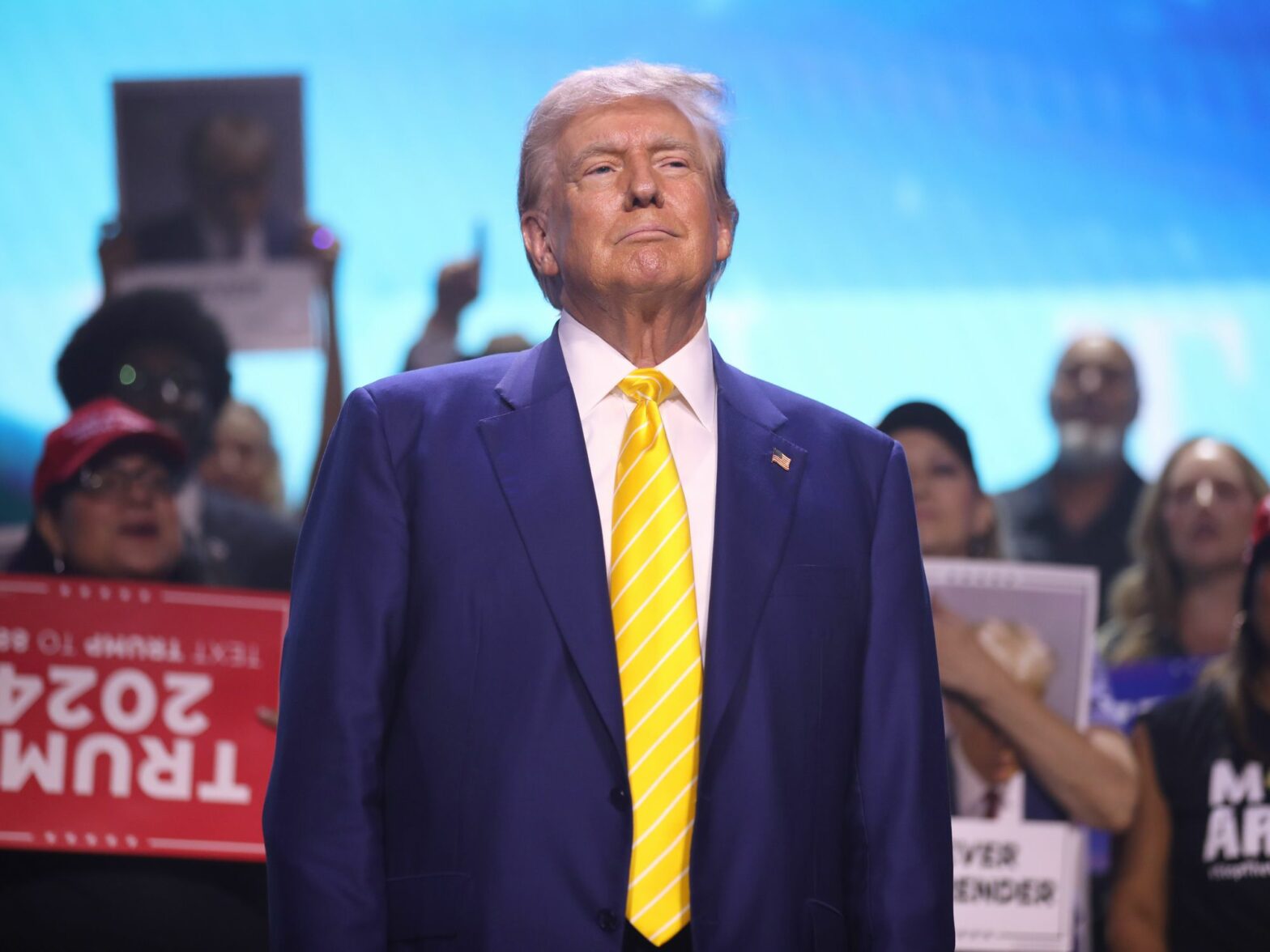
As the U.S. presidential election draws closer, independent Russian-language media Vazhnye Istorii spoke with American politics specialists about the possibility of a second Trump term and what it would mean for the Russia-Ukraine war, traditional U.S. allies and China.
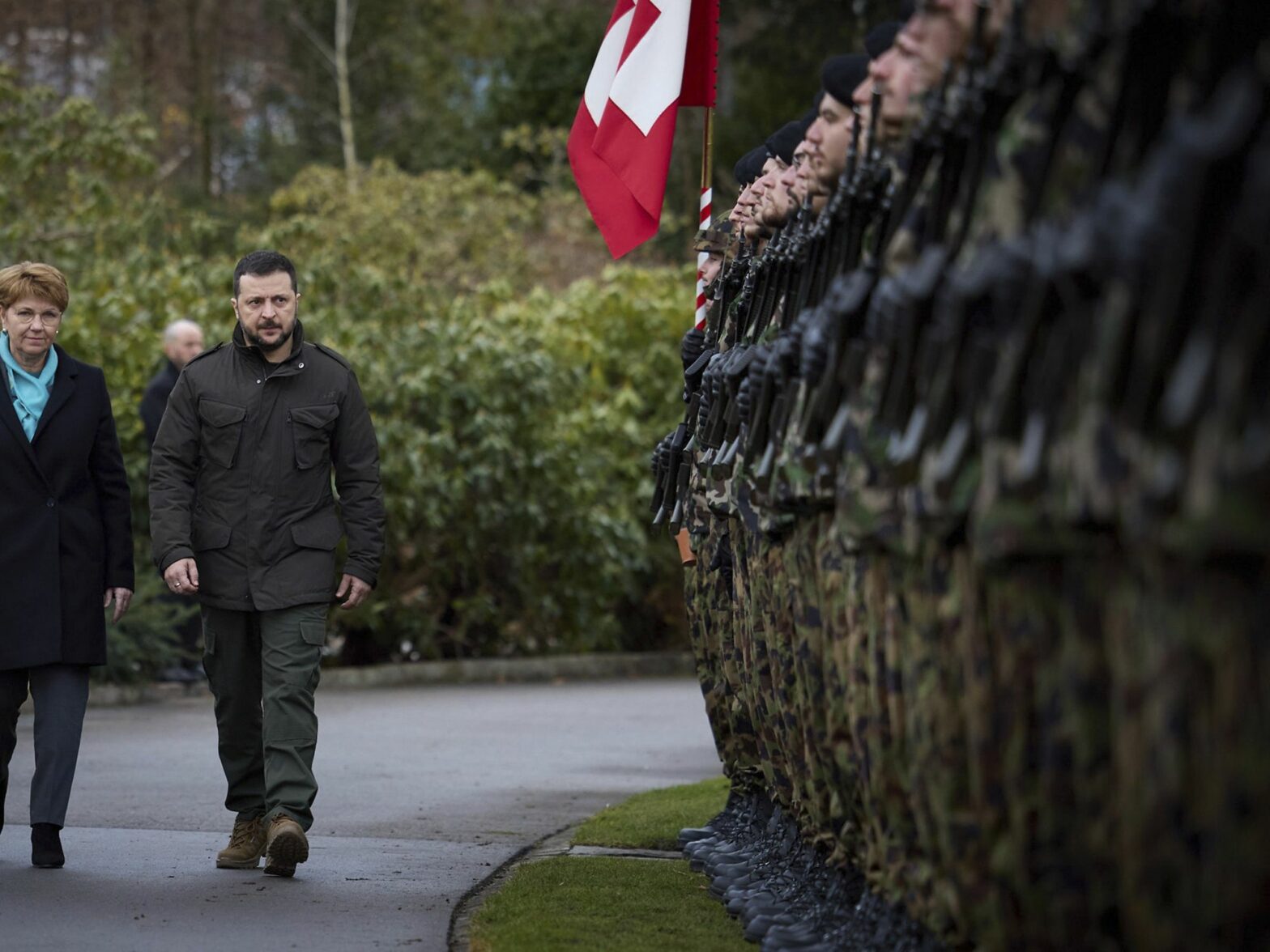
Switzerland announced, on April 10, that it would hold a peace conference on Ukraine in June. While some 100 countries are expected to attend, Russia will not. So what is behind these talks, and what can be expected from them?
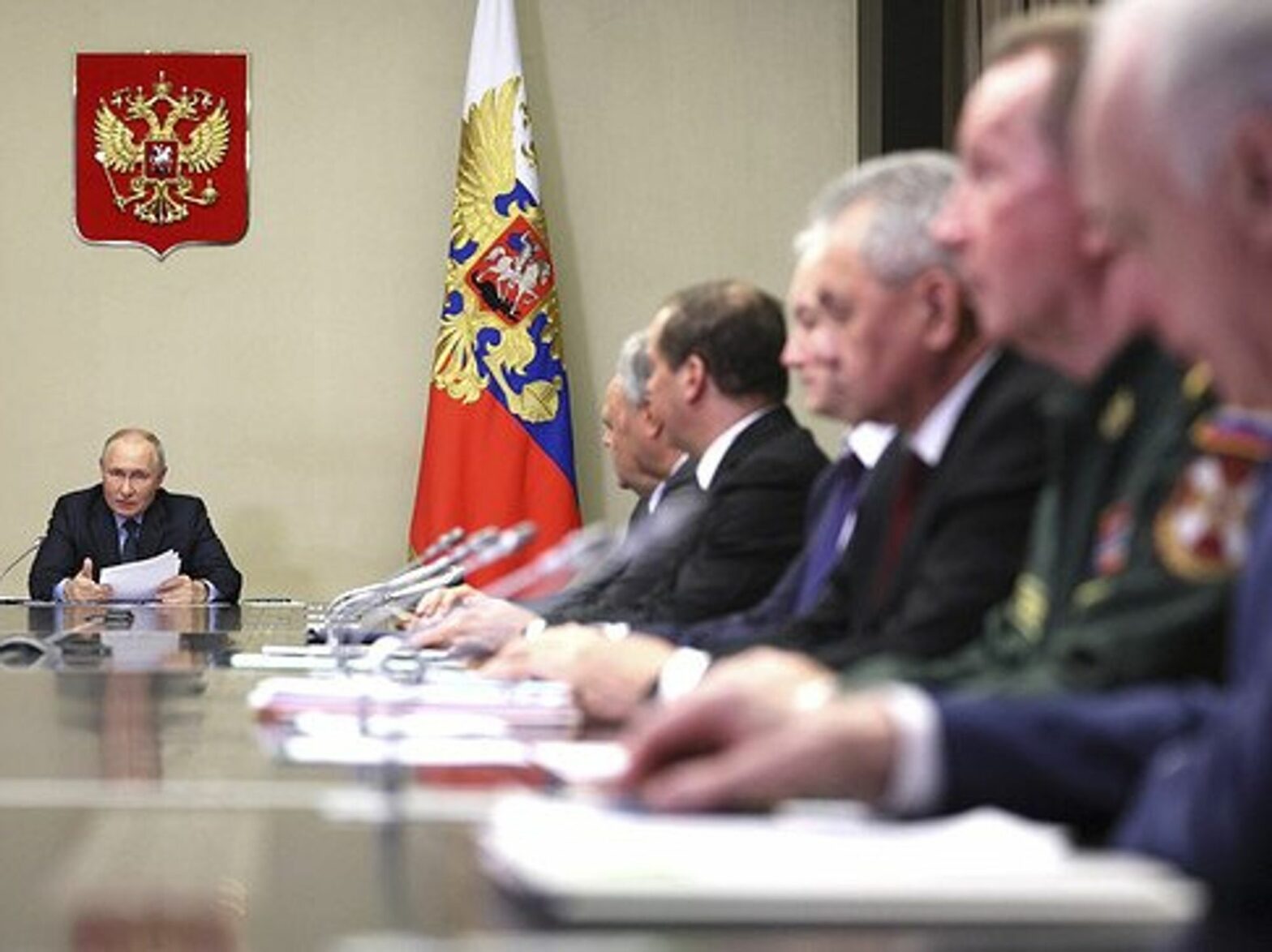
While Vladimir Putin wages his holy war against the West, Russian officials and their families are often seeking better lives there. Will these double lives be the downfall of the aging dictator’s fixation?
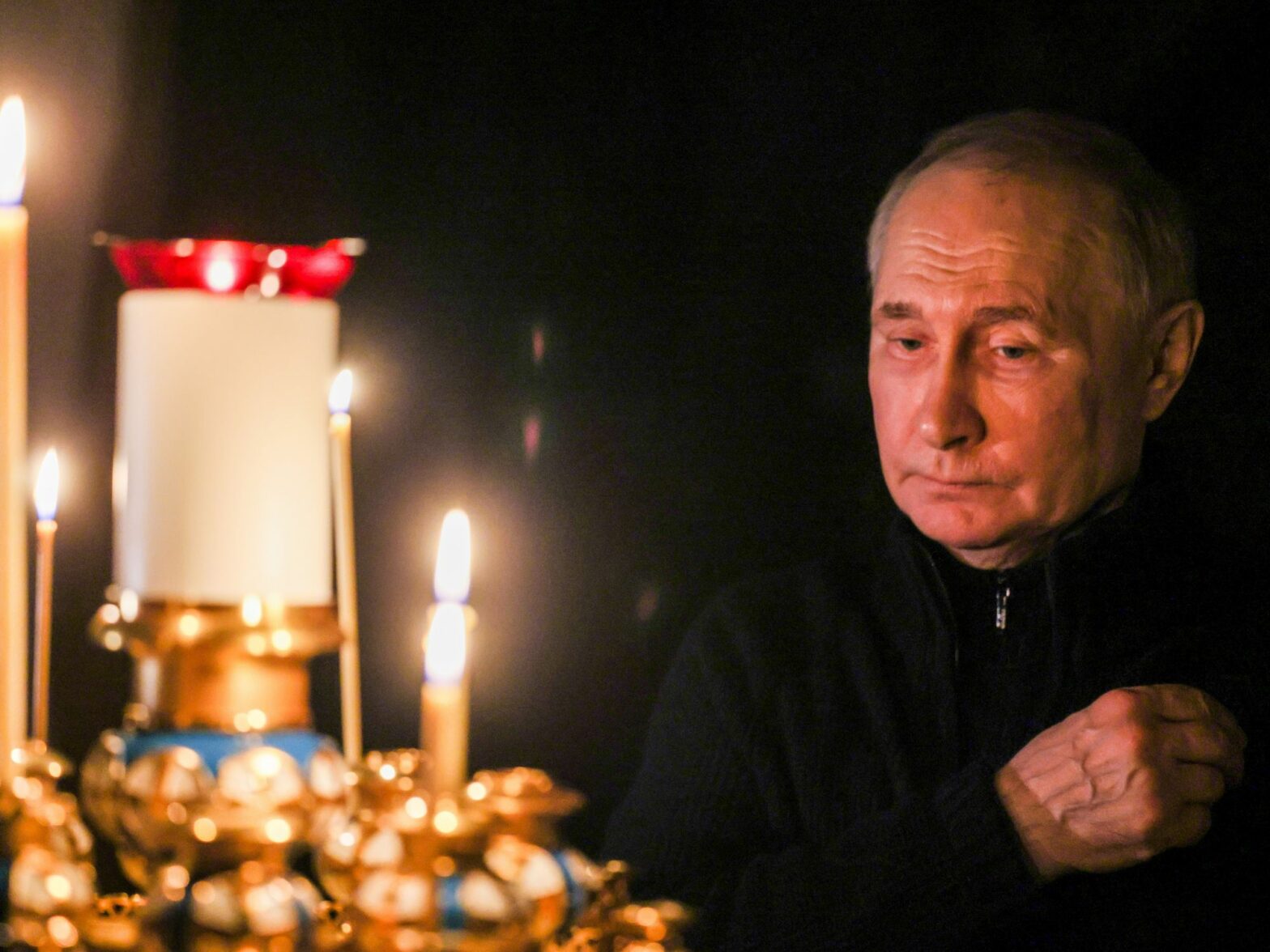
As Russia mourns the victims of the worst terrorist attack in the Moscow area in more than two decades, differing narratives about the attack are spreading, as well as questions about why Putin addressed citizens just once in three days and did not acknowledge ISIS as the perpetrators.
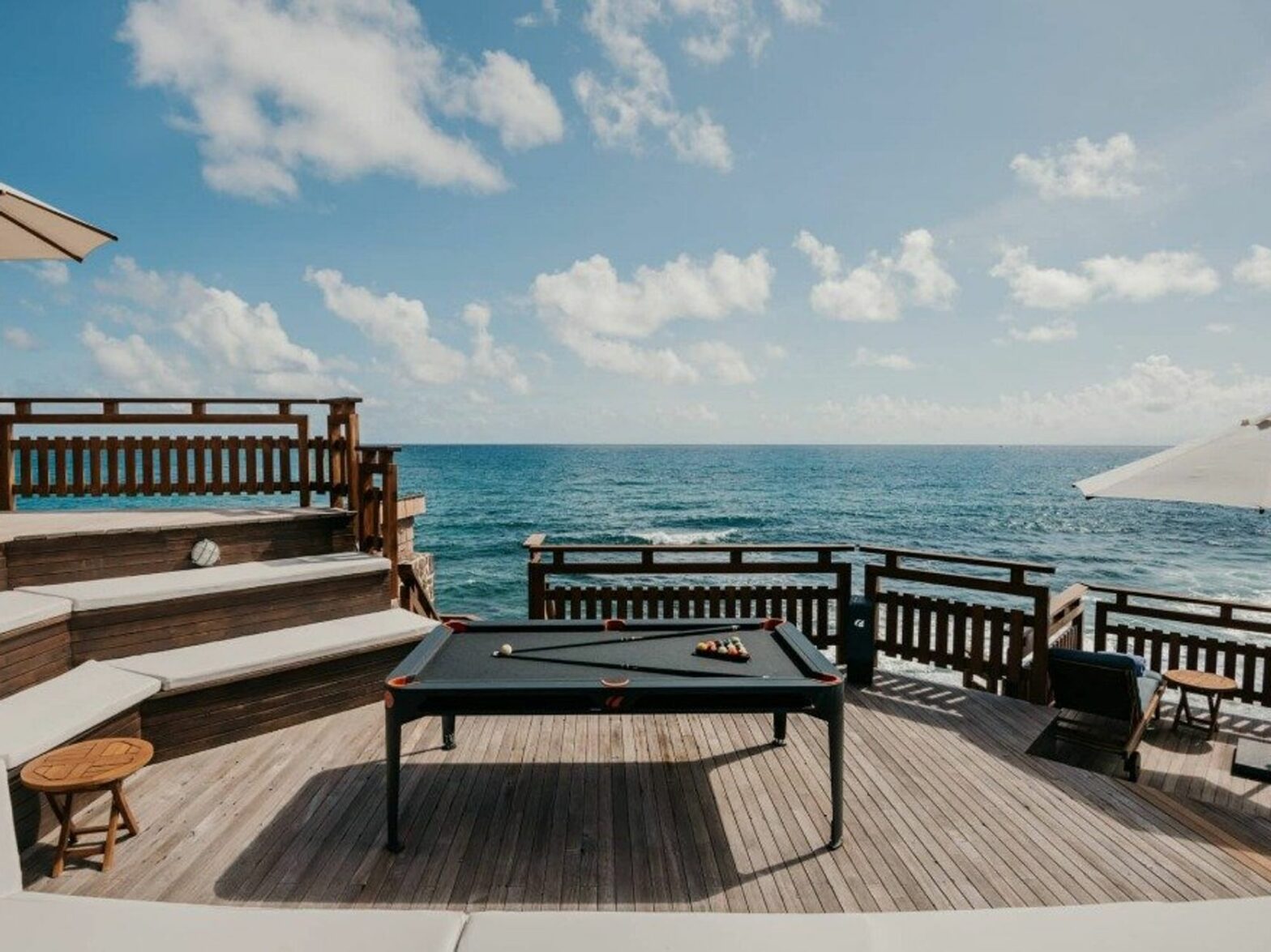
Andrei Akimov runs state-controlled Gazprombank and is part of the Russian leader’s inner circle, aligned with the condemnation of the “collective West” conflict. He also oversees a web of luxury holdings across the same West, thanks to schemes to hide behind the names of relatives.
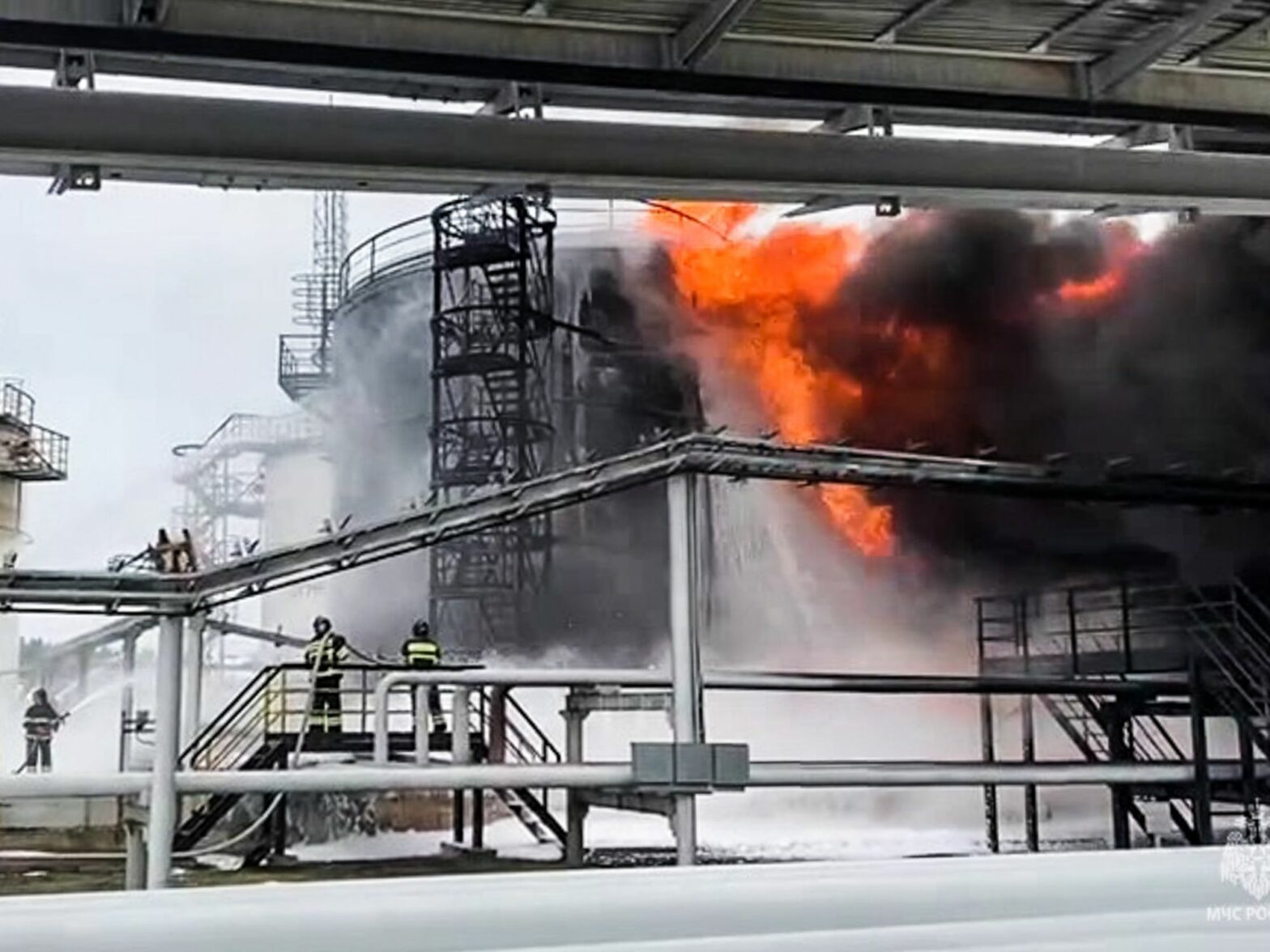
The targeting of oil industry sites in occupied or border regions has now been replaced by a series of drone strikes of energy-producing structures deep inside Russian territory. These attacks aim to cripple Russia’s economy, which could turn the tide on the war.