
-Analysis-
PARIS — When then U.S. President Joe Biden visited Israel in the days following the October 7 massacre to express solidarity, he offered the following advice: “I caution this: While you feel that rage, don’t be consumed by it. After 9/11, we were enraged in the United States. And while we sought justice and got justice, we also made mistakes.”
“Mistakes” is of course quite an understatement: 20 years of wars in Afghanistan and Iraq, ultimately for nothing.
And still, the Jewish state didn’t take Biden’s advice. It too entered into a series of endless wars, in Gaza and across the region. It won the military battles, thanks to its unmatched power in the Middle East, but lost the moral one through a harsh and vengeful response.
Now Israel is facing difficult choices.
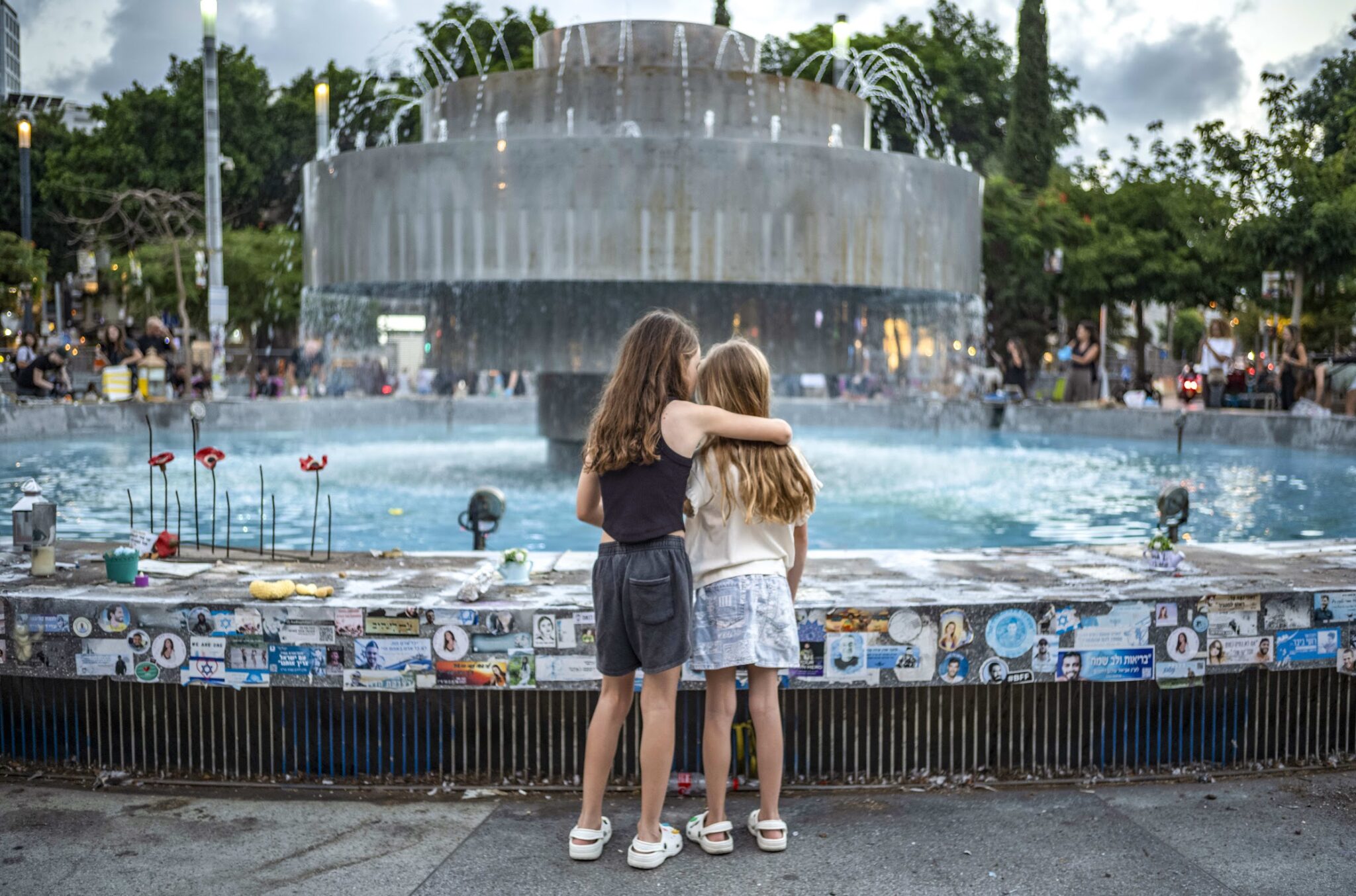
This second anniversary of the worst terrorist attack in the nation’s history comes with bitter memories, mixed with the hope that the painful chapter of the hostage-taking may finally come to an end. Israelis have still not overcome the trauma of that nightmarish October 7, and two years of war have given them neither the space to mourn the 1,200 victims nor to address the state’s devastating security failure.
Power and consequence
Benjamin Netanyahu is gambling with his political survival, keeping the country in a state of war that prevents any kind of calm national debate. Over the past two years, the Israeli prime minister has seemed to have lost public support more than once, appearing to charge ahead in a desperate bid to stay in power. Yet, like a phoenix, he has repeatedly managed to rebound, scoring military successes such as strikes against Lebanon’s Hezbollah and the bombing of Iran — actions that many Israelis have welcomed.
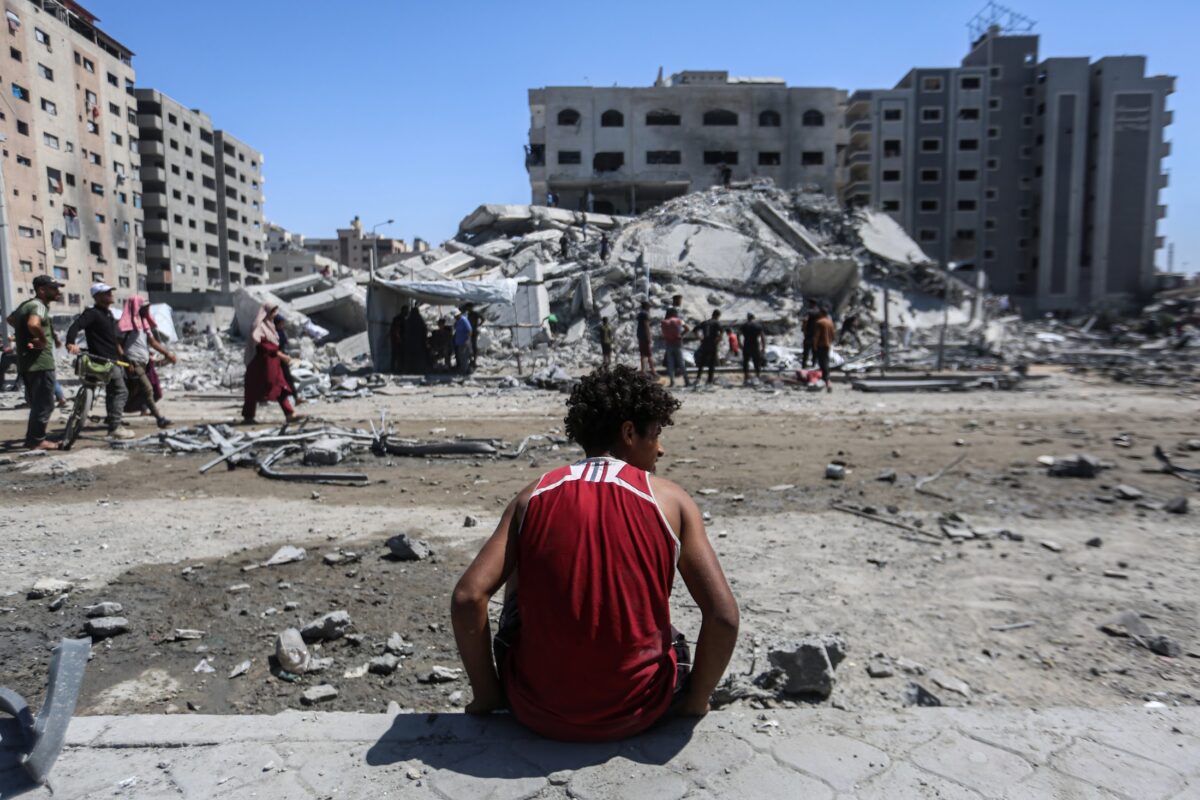
His main weakness, which is now becoming clear, is his lack of vision for the “day after,” because there inevitably will be an end to the war. He navigates between his far-right allies and their apocalyptic vision — a dream of ethnic cleansing and colonization — and the shifting moods of his greatest and only ally, Donald Trump.
A balance between Israel’s security and justice for the Palestinians.
Netanyahu embraced the U.S. president’s “Riviera” moment, knowing full well that it was delusional; and he now finds himself cornered by Trump imposing a plan that does not provide for the departure of Palestinians from Gaza.
A choice to make
The time to learn from Oct. 7 hasn’t yet arrived. It’s always hard to reflect in the heat of the moment, and Israel is no exception. Like the U.S after 9/11, Israeli leaders, following public sentiment, have sought revenge and flexed the force of their military. Public opinion has shifted over the past two years, and it will continue to evolve if the war ends and the hostages are released.
Eventully Israel will have to make a choice: Can it base its security entirely on the force it imposes on its Palestinian or Arab neighbors? Or rather, shouldn’t it instead try to find a balance between Israel’s security and justice for the Palestinians?
Israel had this debate 30 years ago during the Oslo Accords, which unfortunately failed. Three decades without a solution paved the way for the catastrophe of October 7. The question remains the same today — only now the context is even far more tragic.