
-Analysis-
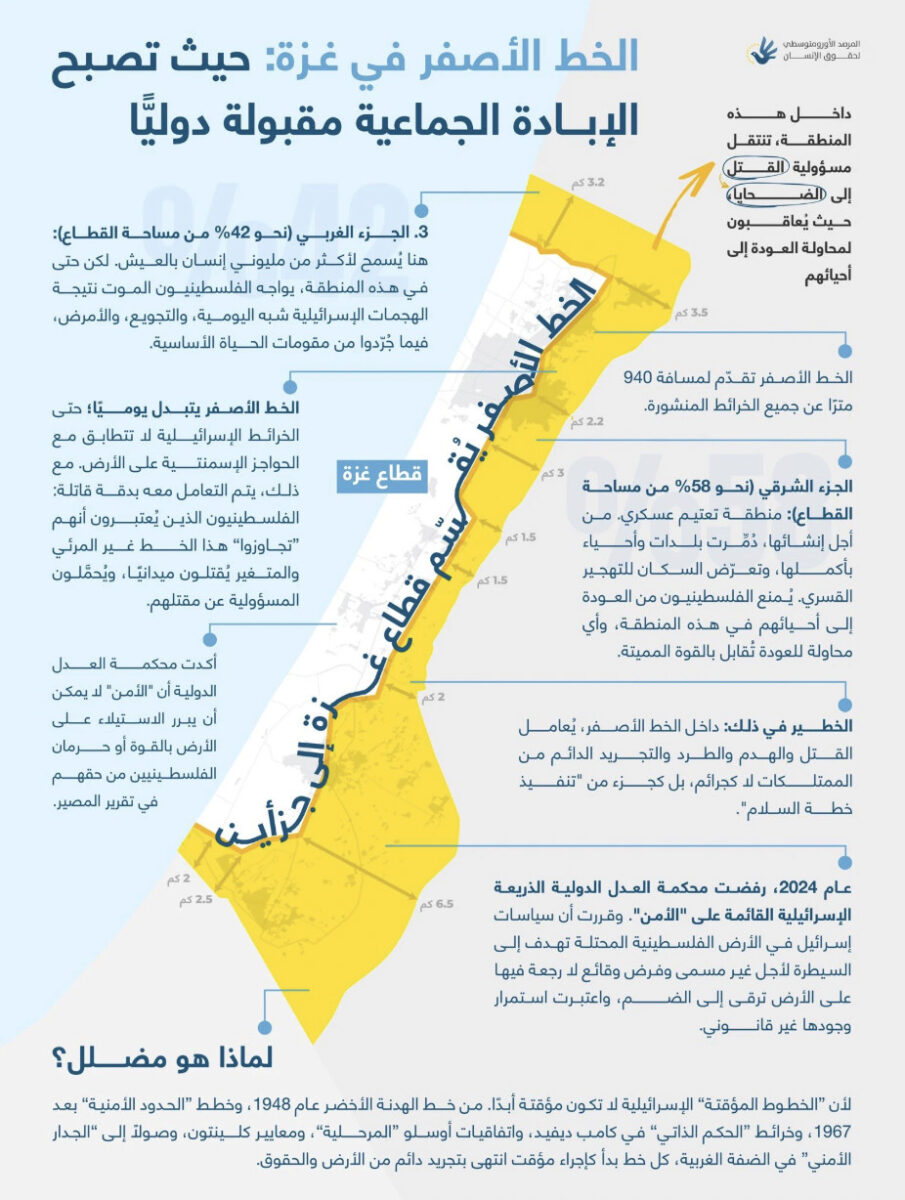
PARIS — A statement by the Israeli Chief of Staff, General Eyal Zamir, is raising alarms. He described the demarcation line between the two areas of Gaza, the one controlled by the Israeli army and the one where the Palestinian population is concentrated, as “the new border.”
This line, which cuts the territory vertically into two parts of roughly equal size, was not supposed to constitute a border, it was just a ceasefire line pending the implementation of the “Trump plan.” That plan was approved two months ago at a grand ceremony in Sharm el-Sheikh, Egypt, attended by the U.S. President.
Since then, the first phase of the plan has been implemented, with the release of the living Israeli hostages, the return of all but one of the dead, and the release of dozens of Palestinian prisoners. The ceasefire is in force, despite some bloody attacks, and humanitarian aid is flowing, albeit not at the expected levels.
But the next steps are stalled, and that is what makes the chief of staff’s statement so worrying.
If the “yellow line,” as the Israelis call it, is the “new border,” it means that the temporary situation is likely to last. And that in the process, the Palestinians have lost half of Gaza, the half that was also the most productive agricultural area.
Hamas is back
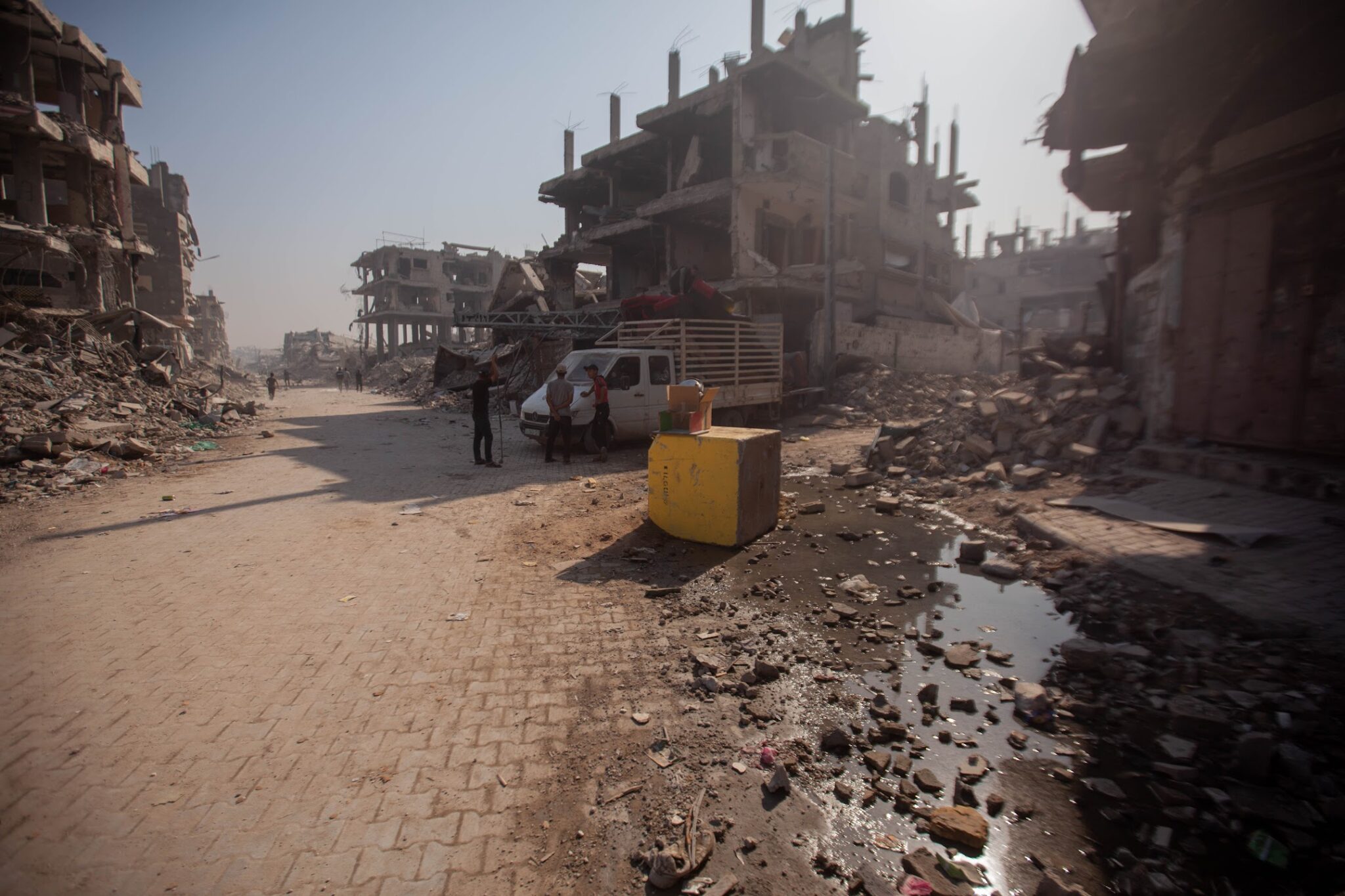
This is all the more worrying because the temporary situation that has lasted has allowed the Islamists of Hamas to regain control of the populated area: even though weakened, Hamas lays down the law, deploys its police, and controls the daily lives of two million Palestinians in the precariousness of a devastated area, where life cannot return to normal.
The second phase of the “Trump plan” is not likely to see the light of day: it involves the deployment of an international force, the disarmament of Hamas, the establishment of a committee of Palestinian technocrats, and a political authority led by Donald Trump himself. Former British Prime Minister Tony Blair, who was supposed to participate, was sidelined due to objections from Arab countries.
The plan is unrealistic, and the ongoing negotiations are not helping to break the deadlock. Take the international force: which country would agree to send its troops into a war zone to disarm a determined group like Hamas?
Trump benefits
Egypt believes that this force should have the mission of “overseeing peace,” not imposing it. It is hard to imagine an Egyptian or Jordanian soldier firing on Hamas when Arab public opinion is running hot after two years of Israeli bombing.
Gaza has all the makings of a disaster waiting to happen
The problem is that no one wants to budge. Israel does not want any change that could, directly or indirectly, signal a political settlement, and therefore dismisses the Palestinian Authority; Hamas is content with a status quo that leaves it in control of a desperate population — for Hamas, this is better than disappearing; Trump has reaped the benefits of the plan that bears his name and is not interested in what happens next; and the Arab world is not giving itself the means to push for a political solution.
Gaza has all the makings of a disaster waiting to happen: a new territorial partition for the Palestinians, humanitarian aid trickling in to prevent the very worst, and political deadlock. All while we await the next crisis, which is inevitable.