Israel’s war on Gaza, with the support of the West, is not far from the necessities of capitalist accumulation in many regions of the world, or at least about managing the crisis of contemporary global capitalism.
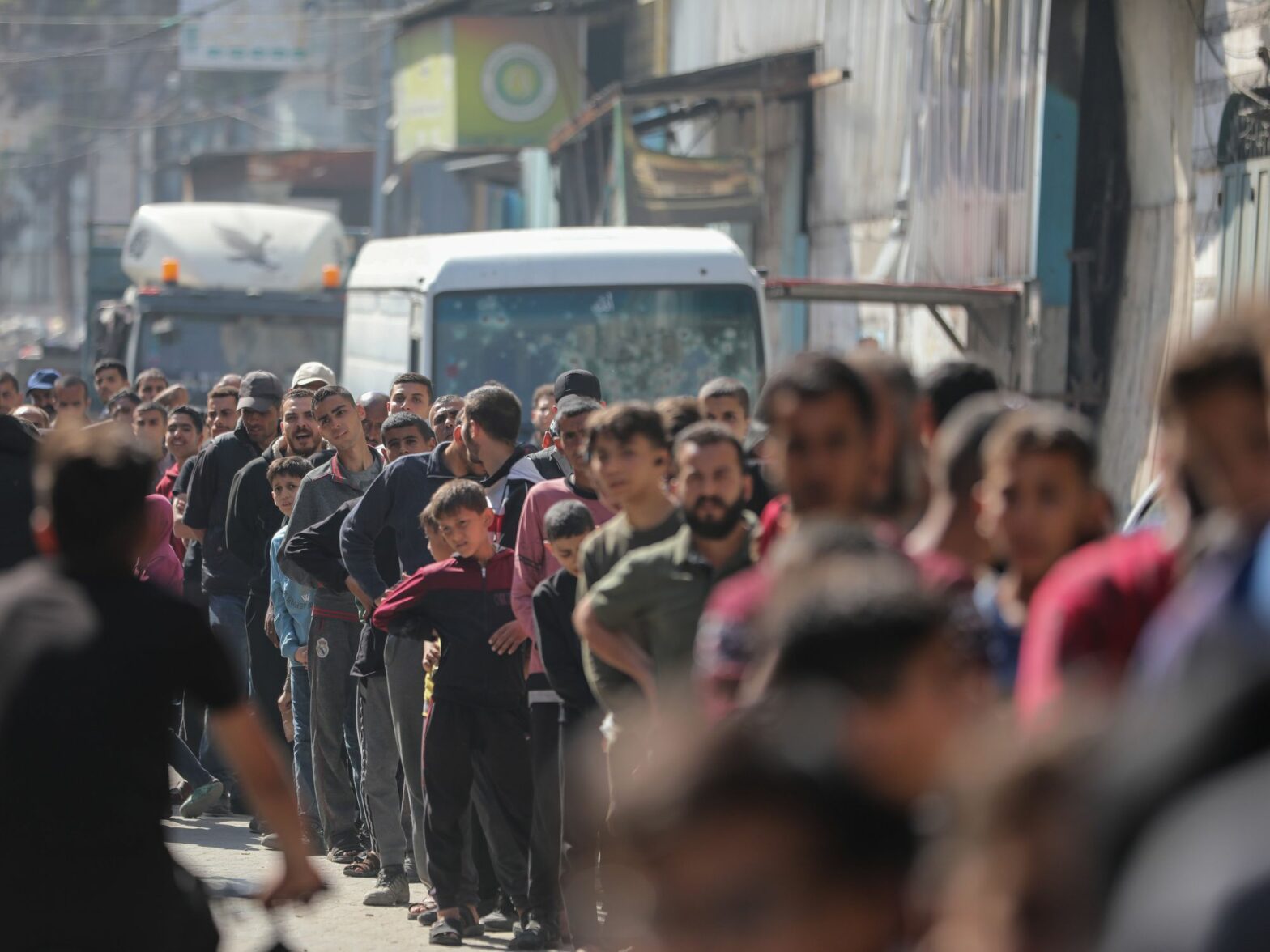
 Worldcrunch
Israel’s war on Gaza, with the support of the West, is not far from the necessities of capitalist accumulation in many regions of the world, or at least about managing the crisis of contemporary global capitalism.
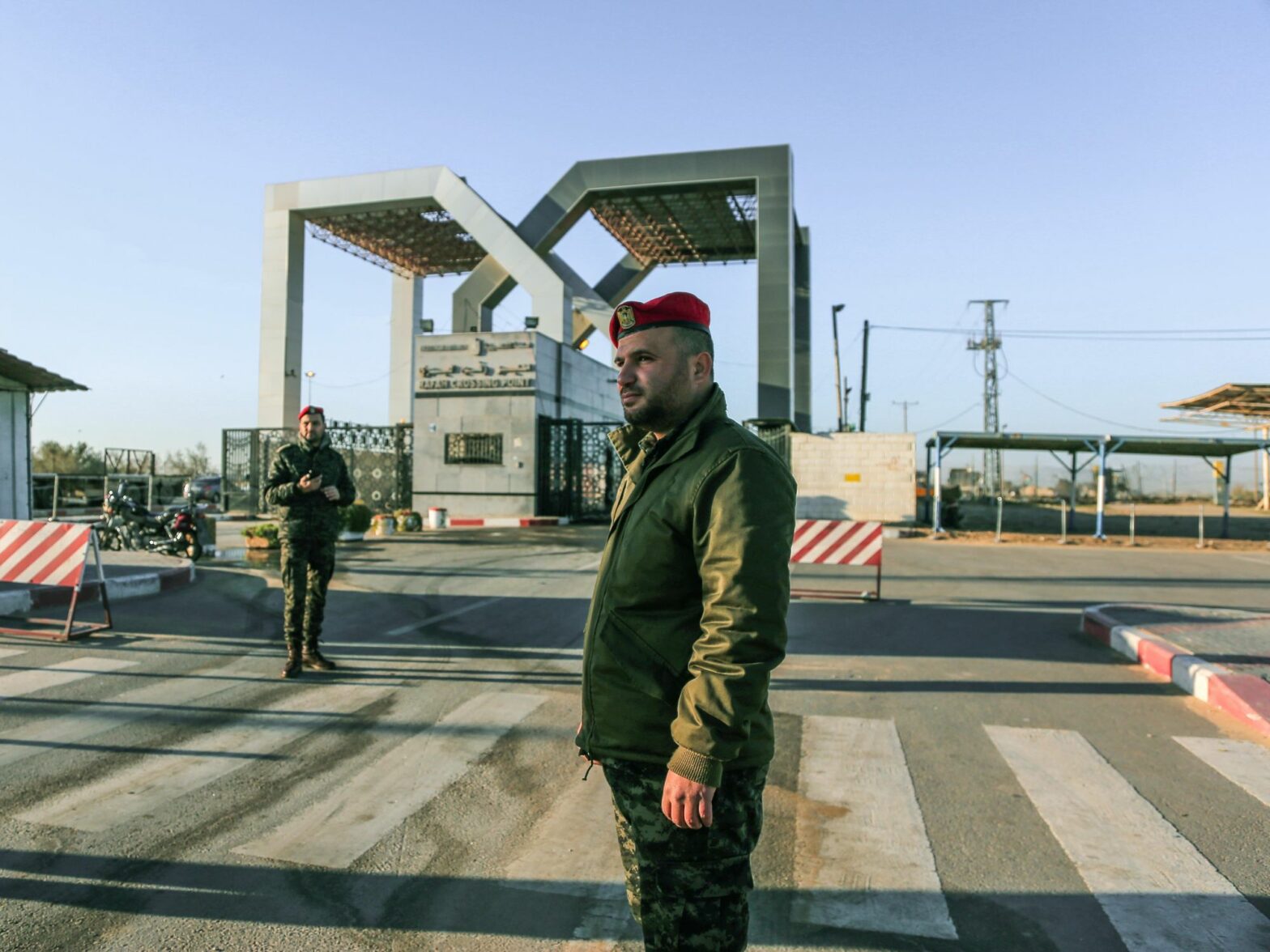
The killing of an Egyptian soldier by Israeli fire on the border with Gaza, and Israel’s control of a buffer zone has increased tensions between Israel and Egypt, which finds itself in a difficult position.
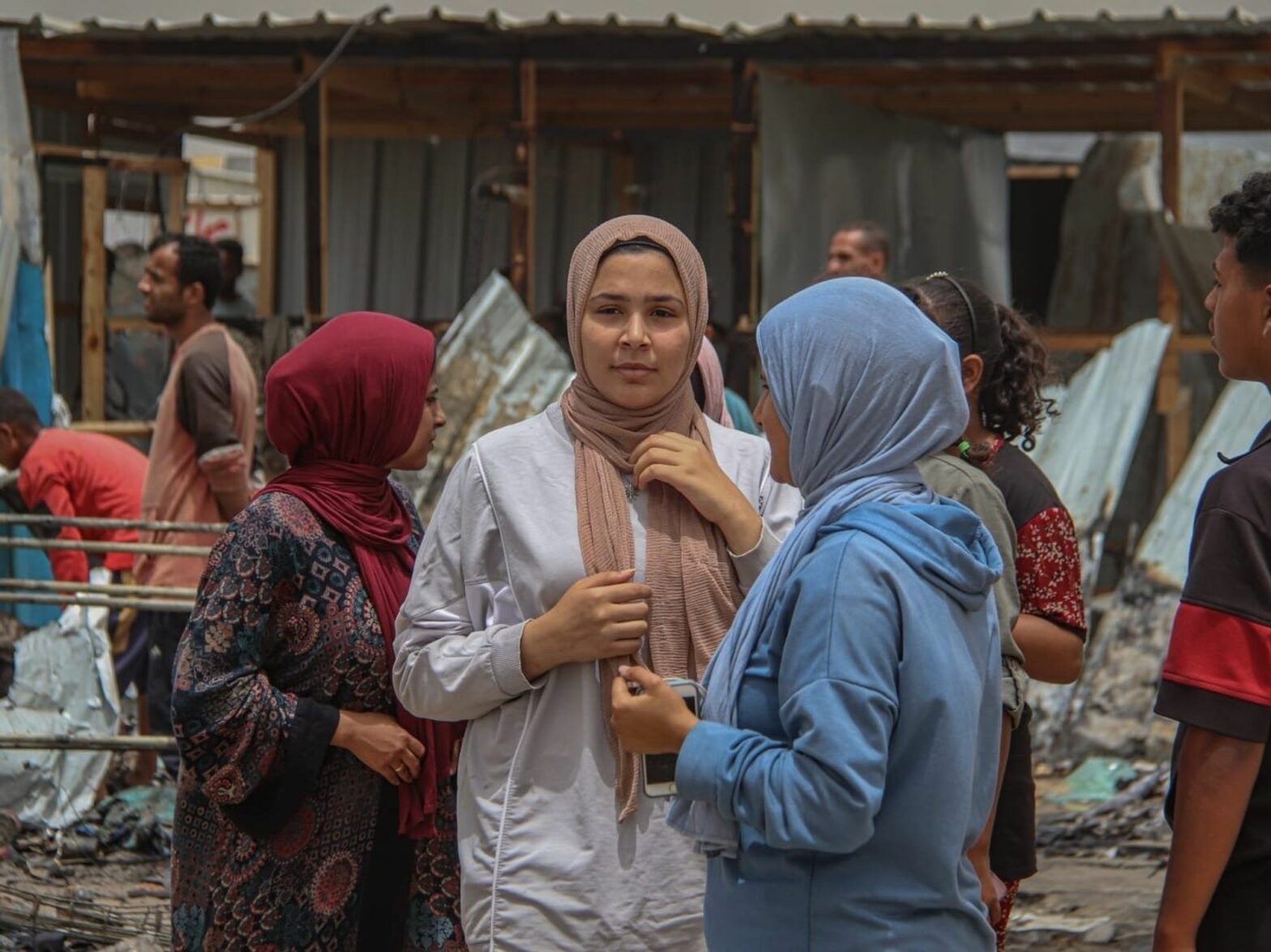
Palestinian women are suffering disproportionately in the Gaza conflict, where they represent 70% of casualties and more than half of the displaced people.
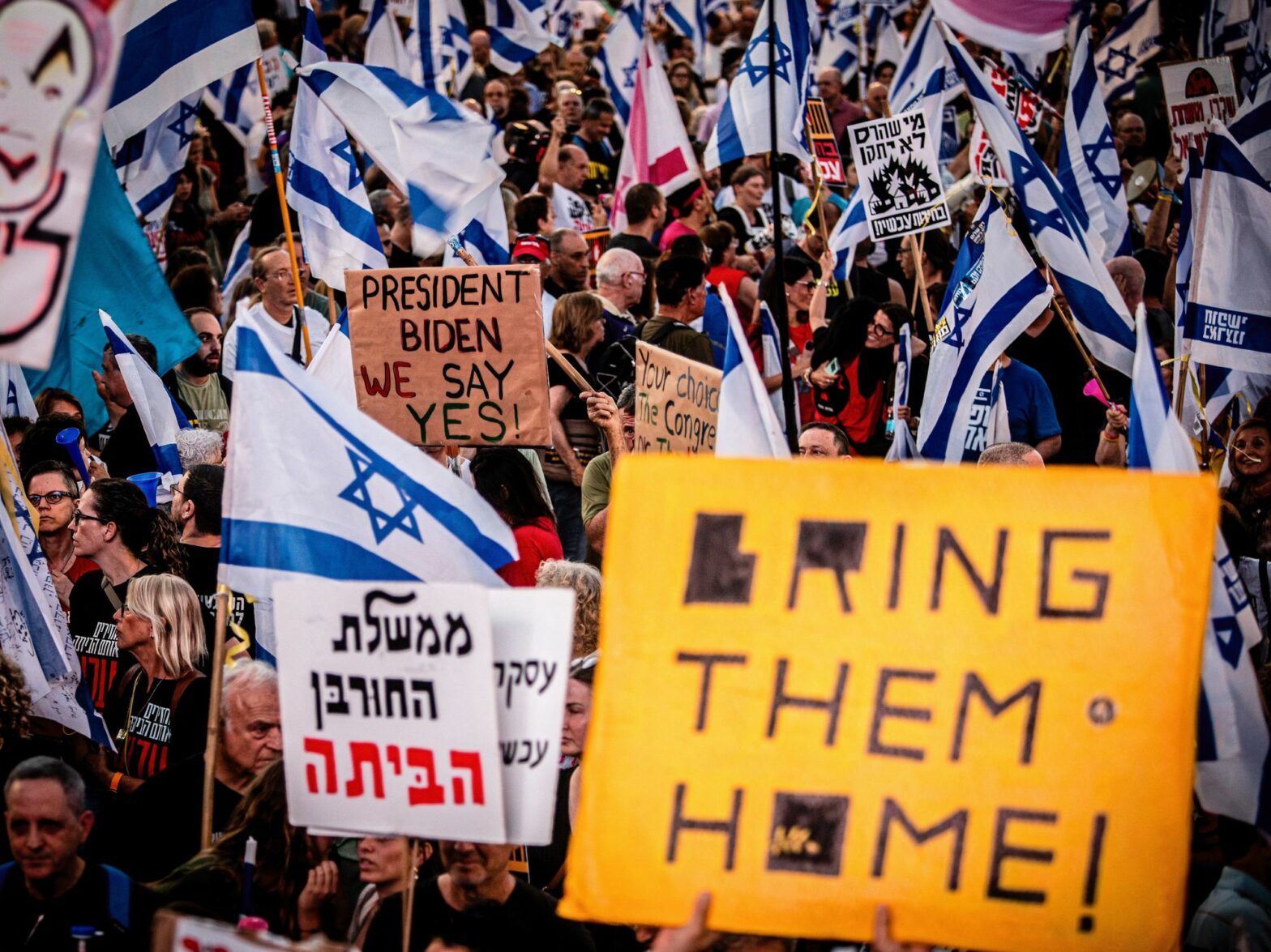
The U.S. president’s plan has been approved in principle by Hamas and the Israeli prime minister, but significant contradictions remain. In Israel, opposition voices are increasing, and the survival of Netanyahu’s government is at stake.
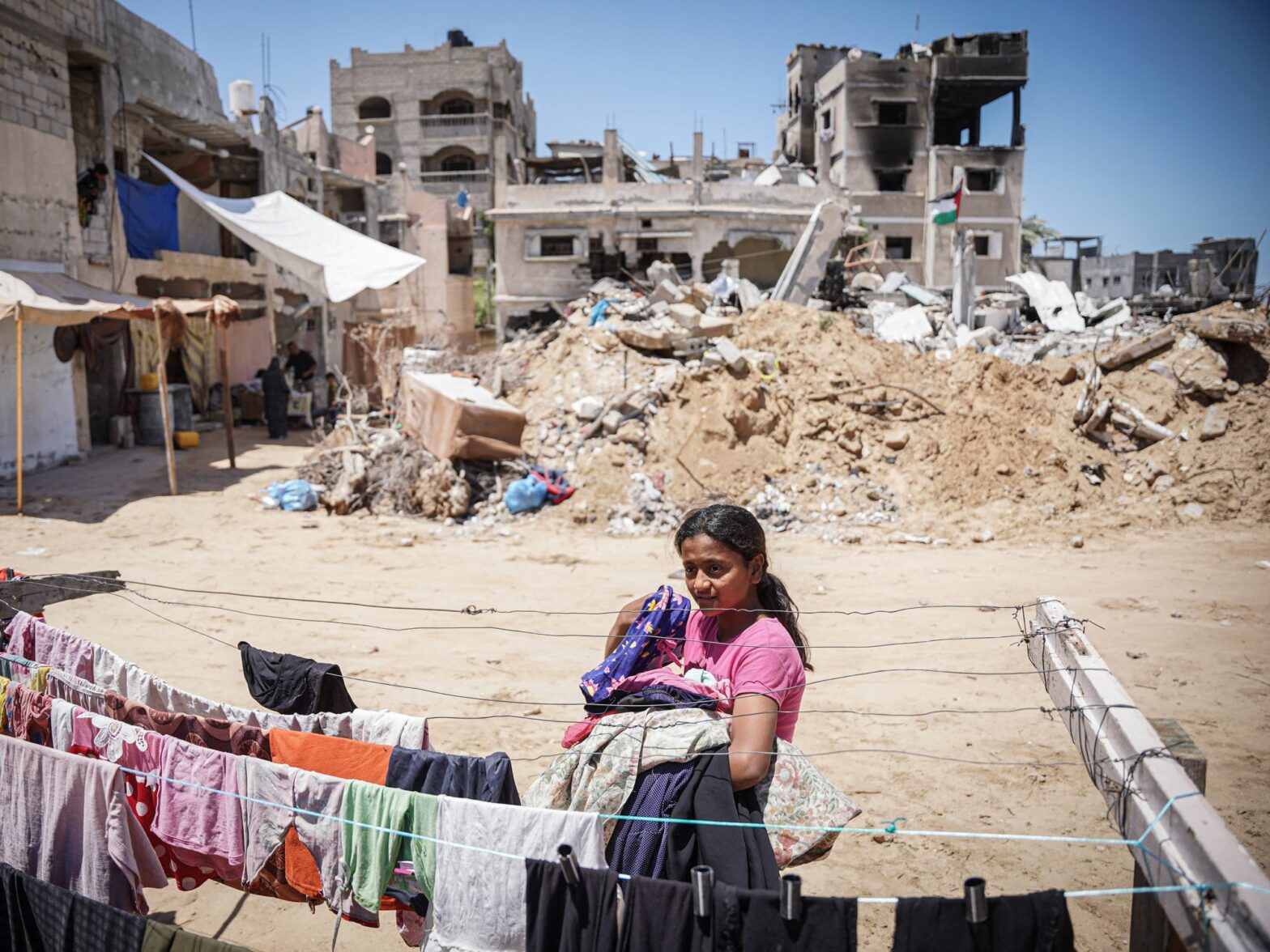
Eight months into the Israel-Hamas war, Israel has lost the battle of world public opinion. This may seem unfair to Israelis, but the right to self-defense does not authorize anyone to disregard international humanitarian law. And undermining these legitimate international bodies will only cause wider chaos.
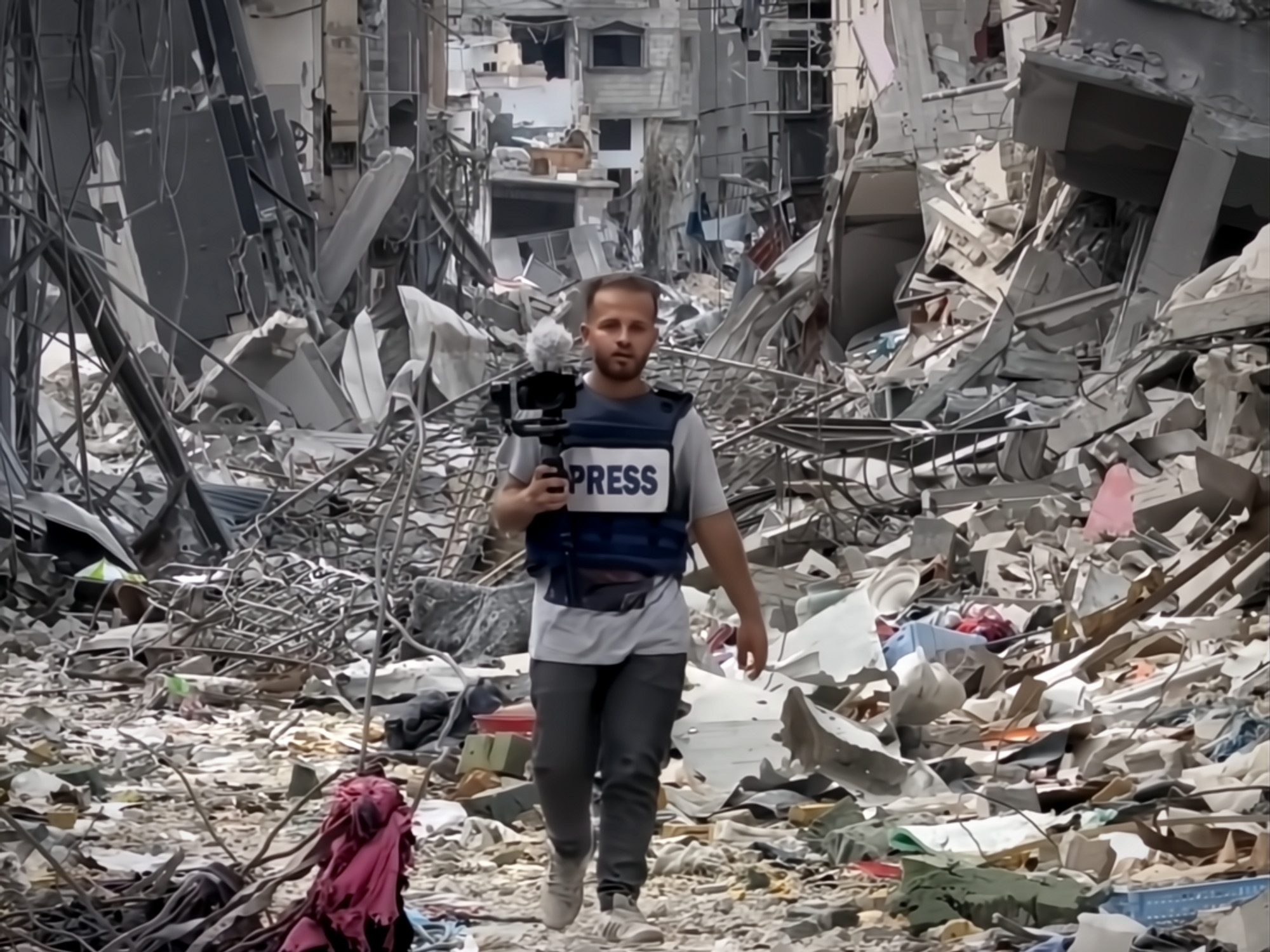
Since the war in Gaza broke out, the Israeli military sealed off the Palestinian enclave and barred independent journalists from entering. In many cases, it targeted the few journalists still working there, especially photojournalists. Daraj spoke with one such reporter, Ahmed al Danaf.

The Israeli Prime Minister appeared on French television to try to convince European audiences of his war aims. But his main weakness is his lack of vision for the “aftermath”: he has nothing to offer the Palestinians.
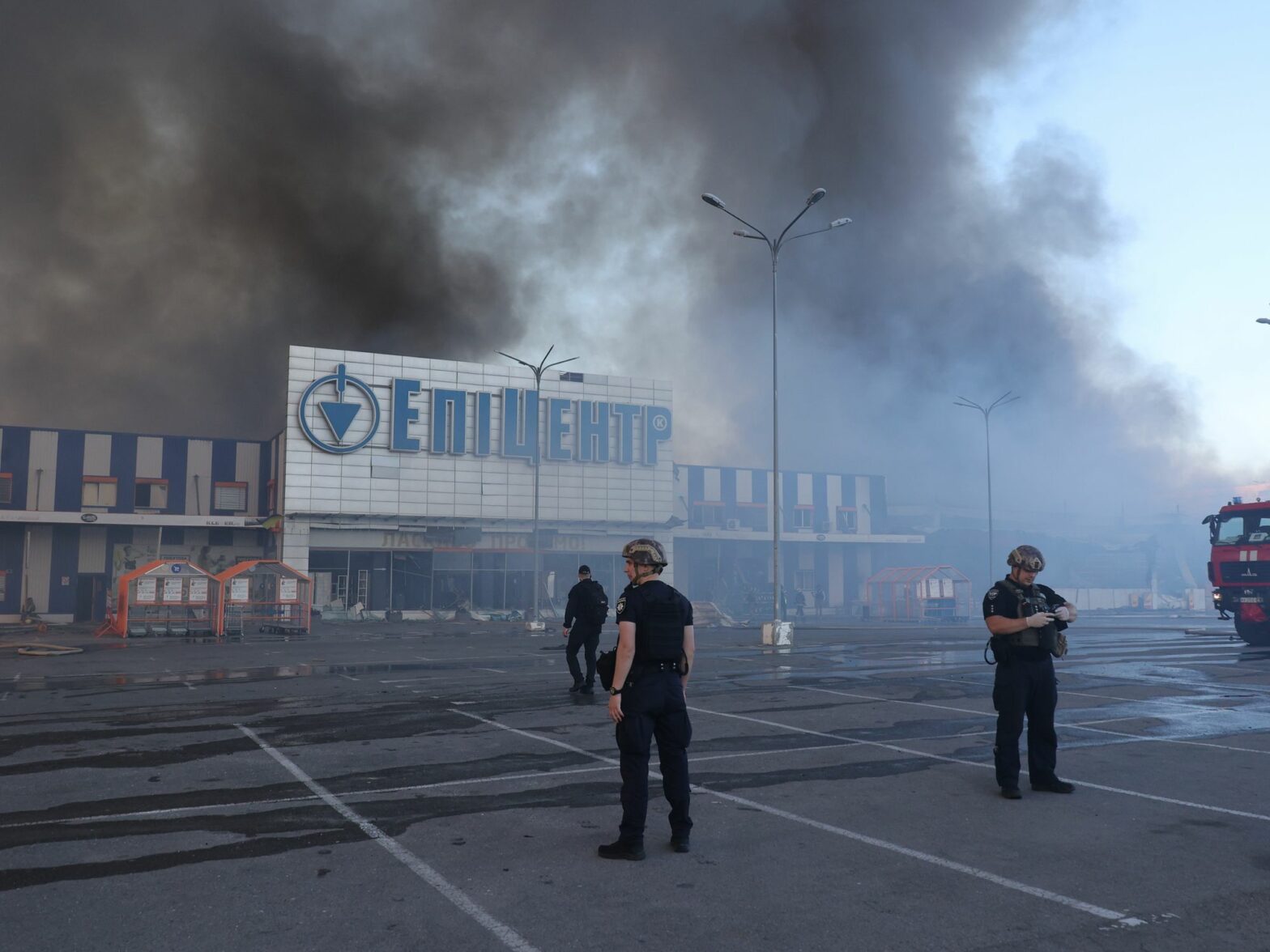
Ukraine is not allowed to attack Russian territory. Israel, on the other hand, has free rein. These are the would-be restrictions of Western weapons in two wars that might seem to have little in common.
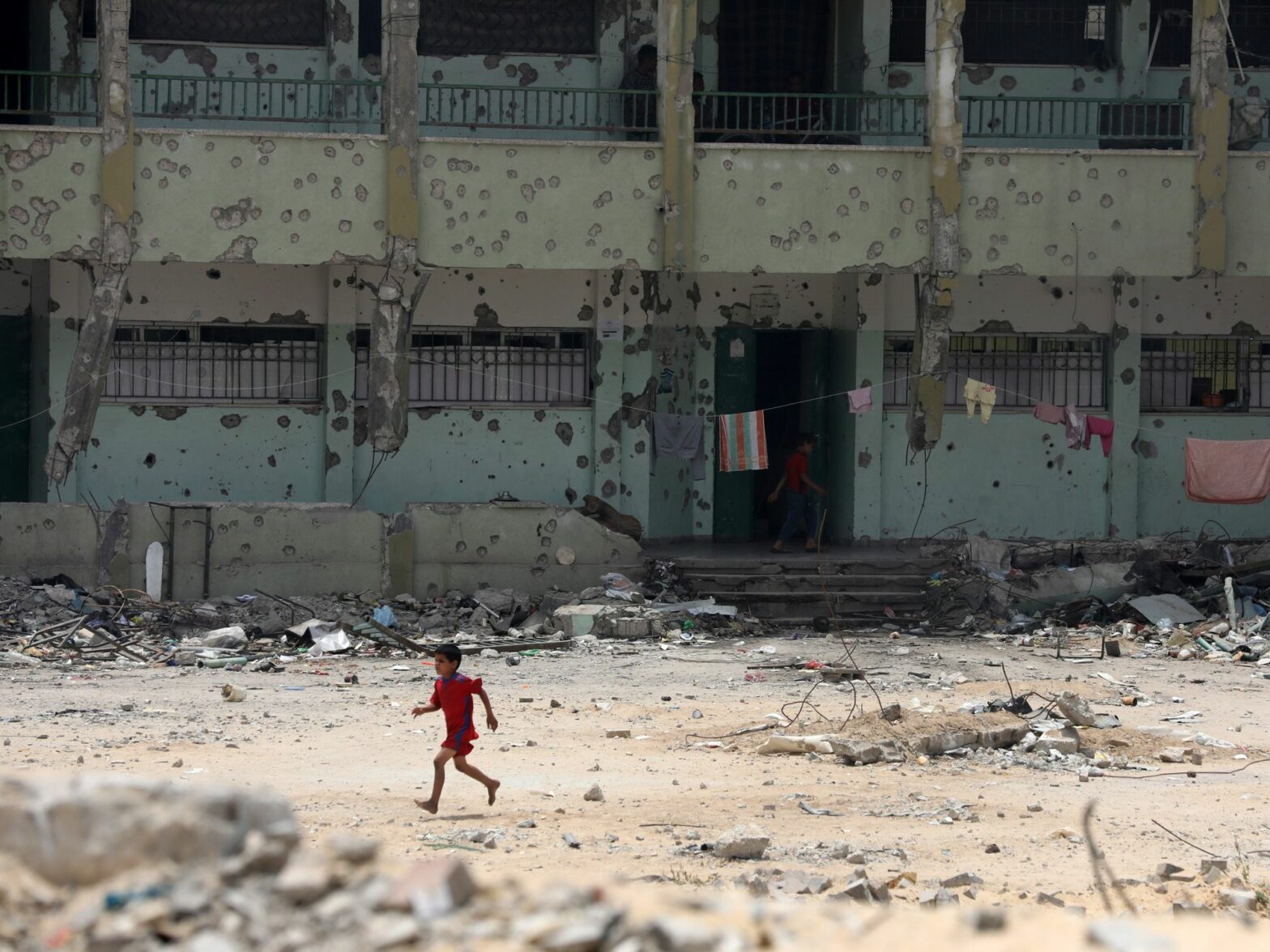
The efforts of chief prosecutor Karim Khan to try Israel’s Prime Minister and Defense Minister over the Gaza war could be a starting point to hold Israeli political and military officials accountable for crimes have committed over many years against Palestinians.
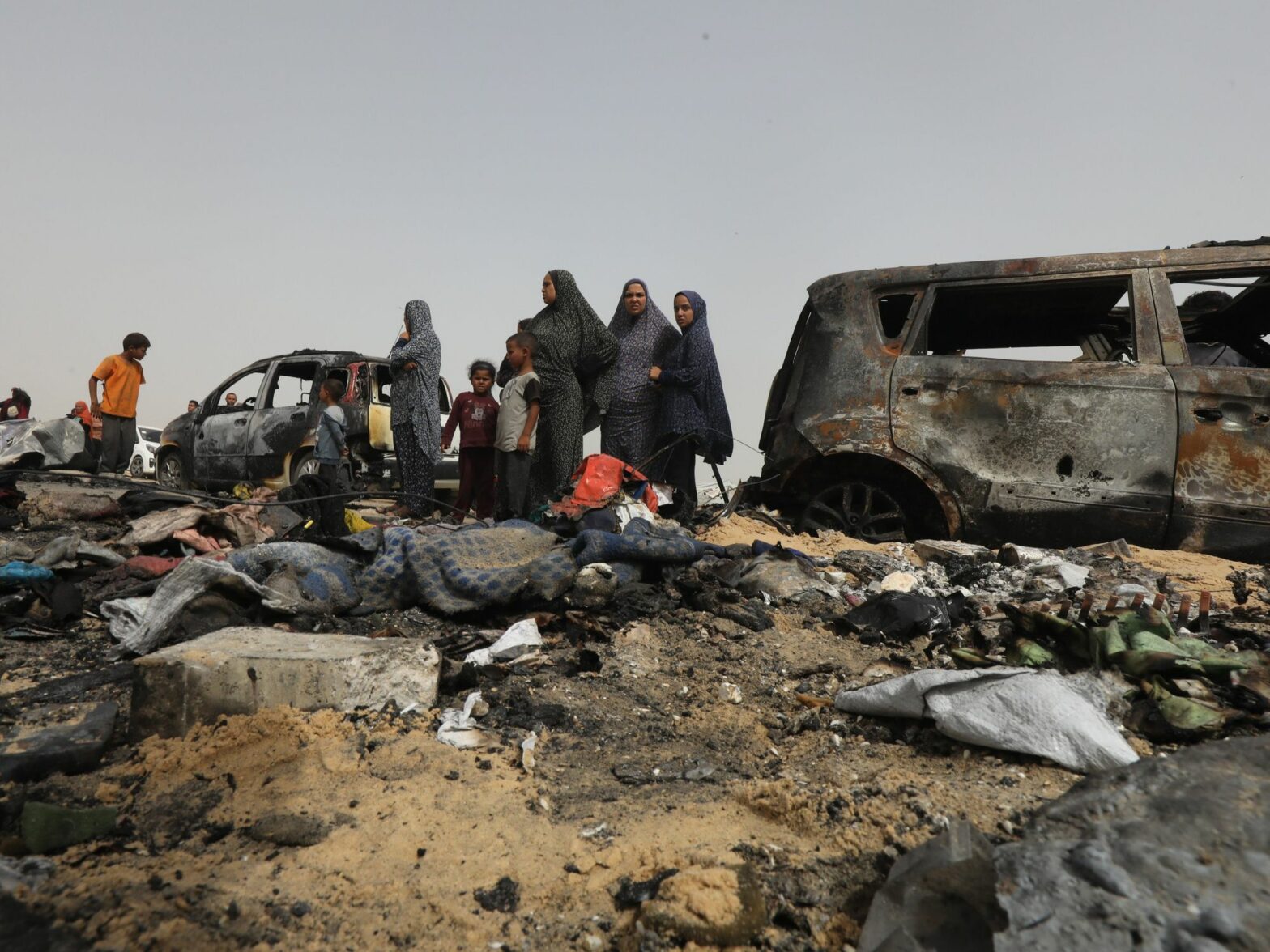
Benjamin Netanyahu spoke of a “tragic accident” after the deadly bombing of a camp for displaced Palestinians near Rafah; but this rare act of contrition does not mean the Israeli leader has changed his strategy, despite the indignation of the rest of the world at the number of civilians killed.
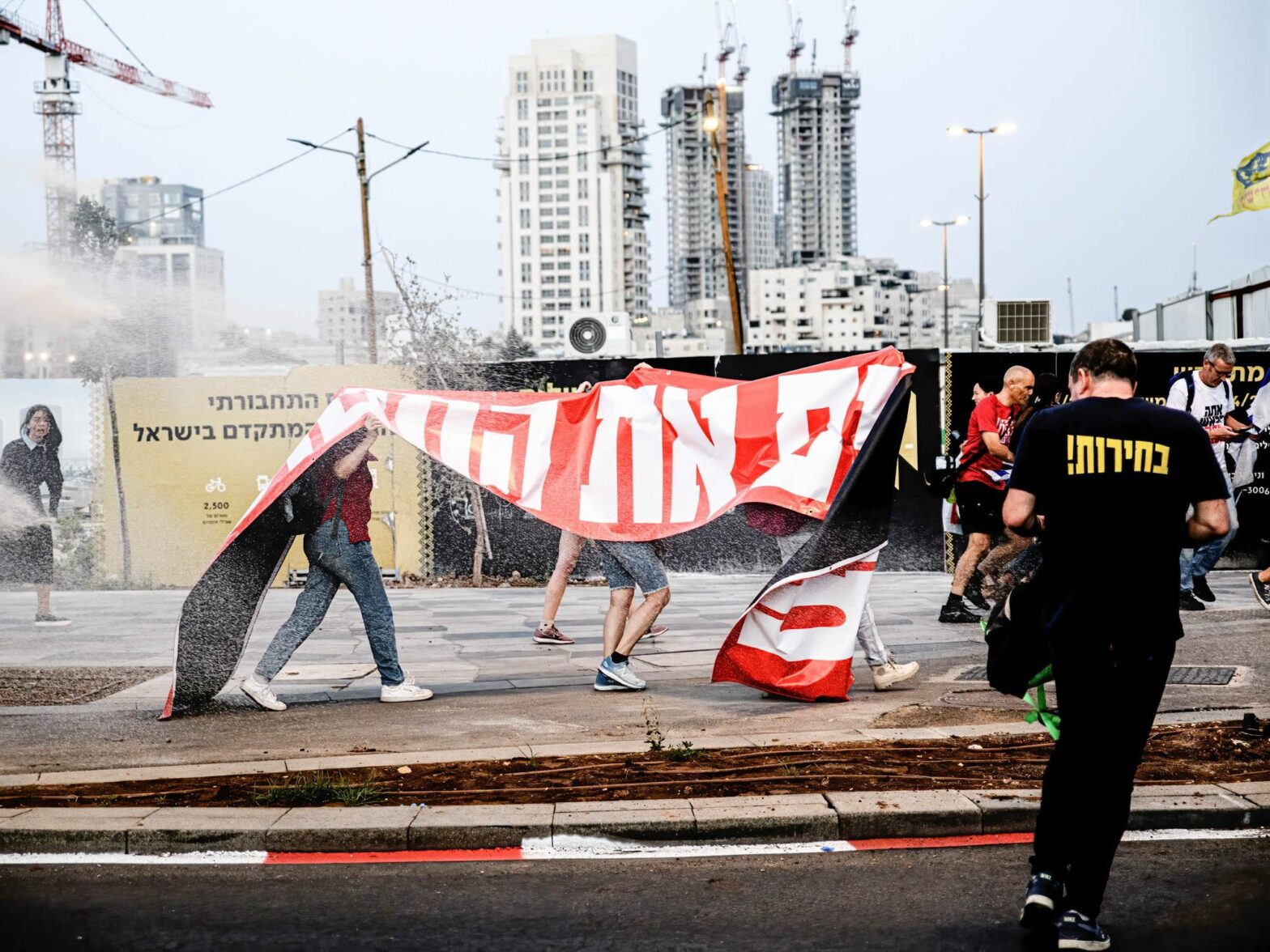
The “day after” the war in Gaza increasingly becomes hard to even imagine, as Israel’s prime minister sticks to his guns despite all evidence that says Hamas cannot be eradicated. The humanitarian toll, including Sunday’s airstrike on a displacement camp in Rafah, makes negotiations look increasingly impossible.
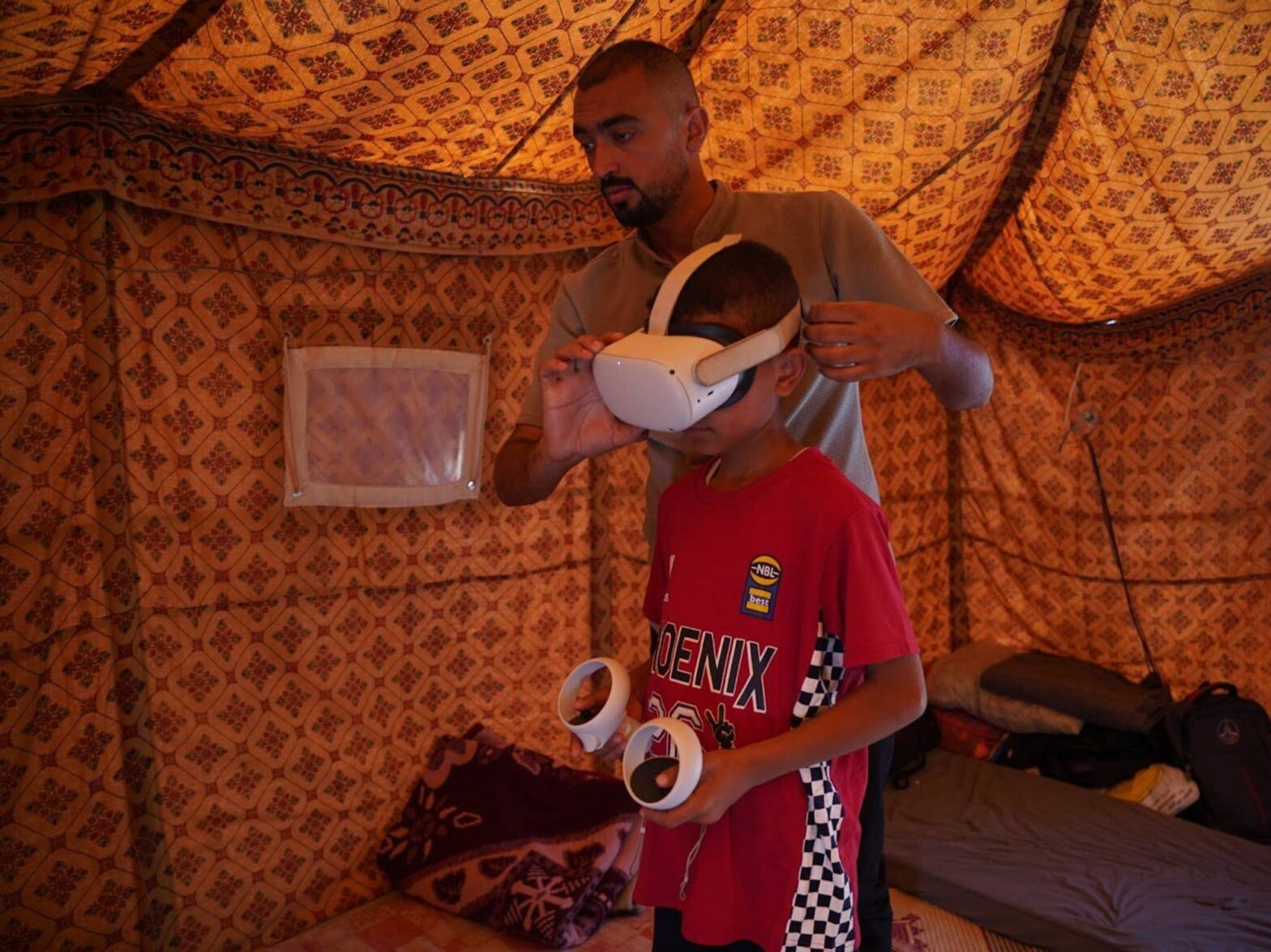
Two young Palestinians have sought to help children in war-torn Gaza. They first established a classroom between tents of displaced people to educate children. The second used virtual reality glasses as a psychological treatment especially for injured children.
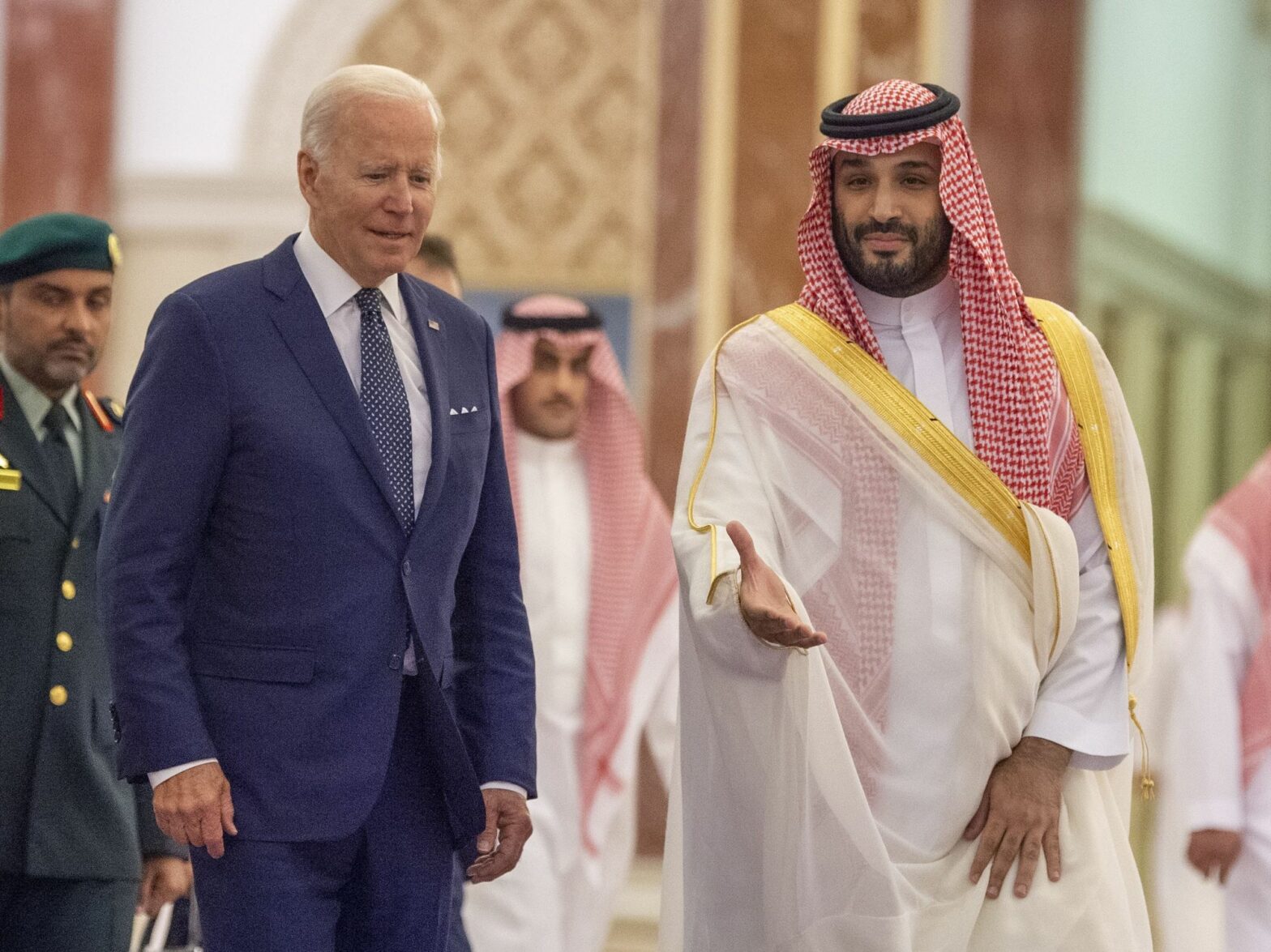
U.S. President Joe Biden is pushing Saudi Arabia and Israel to sign on to a broad “normalization” deal, which would be a landmark of his first term in the White House. But Israel’s Netanyahu and Saudi Arabia’s Crown Prince Mohammed bin Salman each have their own calculations standing in the way.
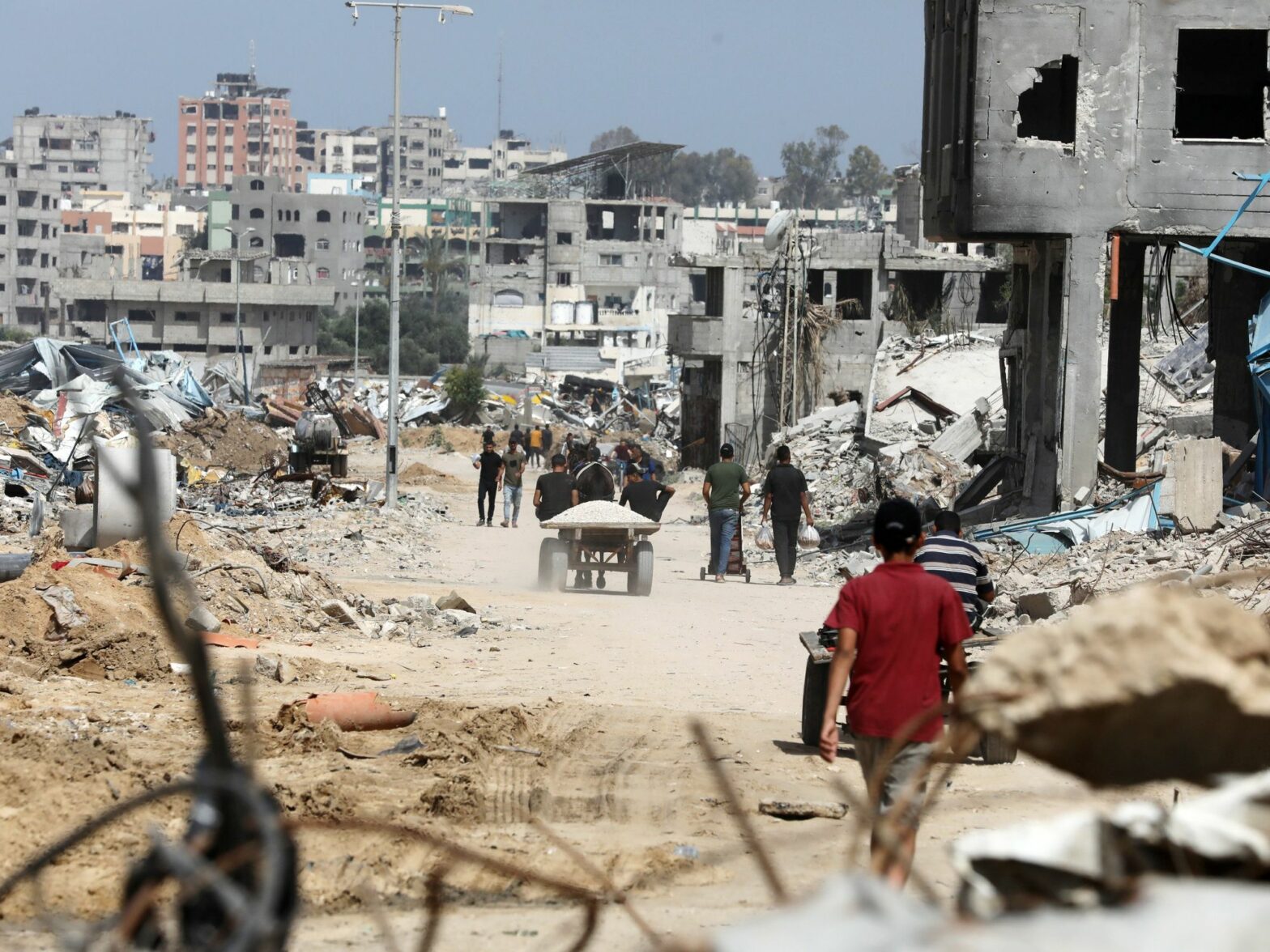
The Israel-Hamas war has revived the urgency of resolving the Israeli-Palestinian conflict through the two-state solution. The West views that this solution would soften polarization in Western societies, and calm down the Middle East, so the United States and NATO can again focus their efforts on confronting the real adversaries in Beijing and Moscow.
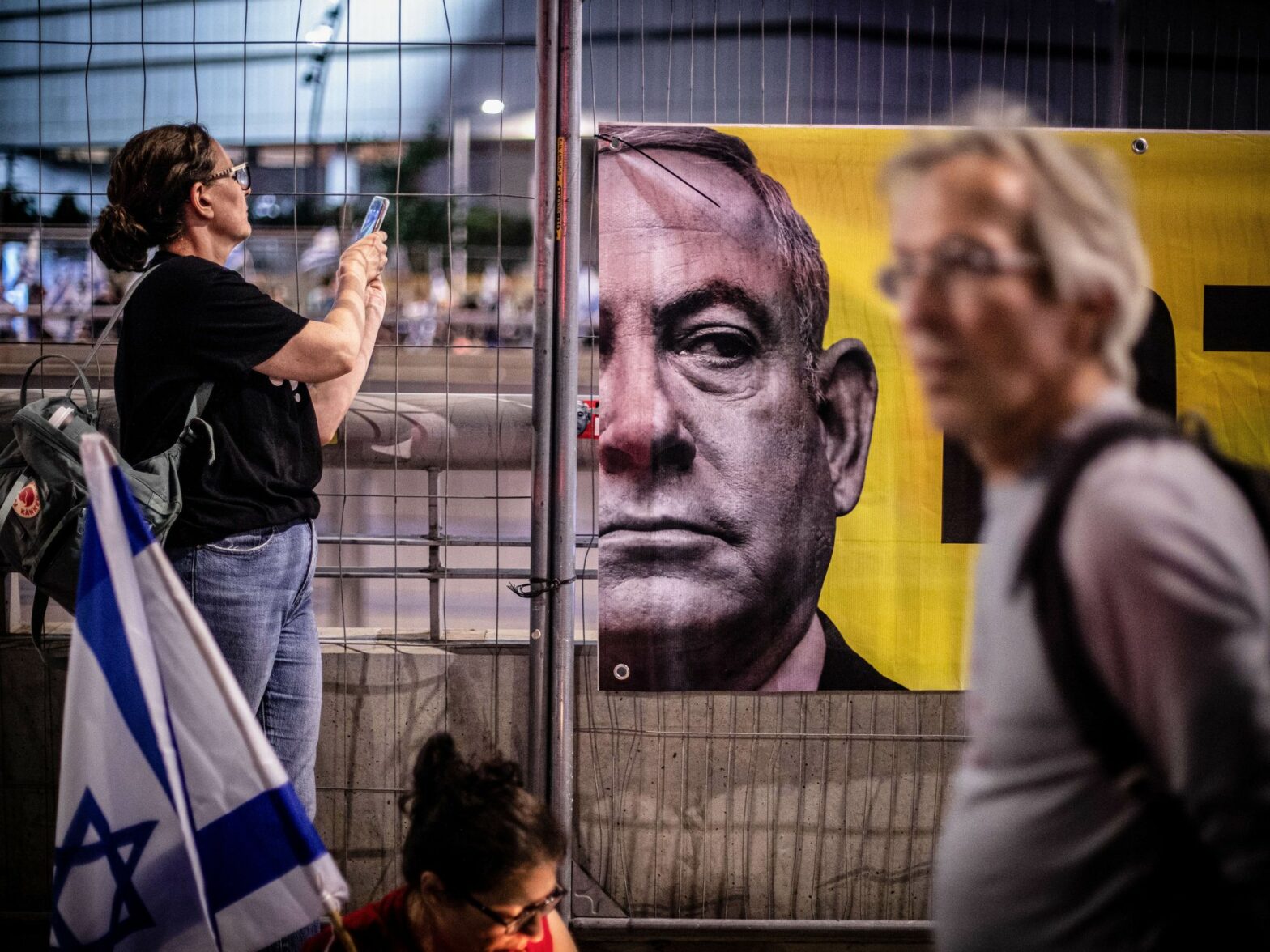
The announcement of the International Criminal Court’s prosecutor that he would seek arrest warrants for Israel’s prime minister and defense minister, as well as three Hamas leaders, provoked indignant reactions in Israel and the U.S. and revealed the rifts between the West and the global South.
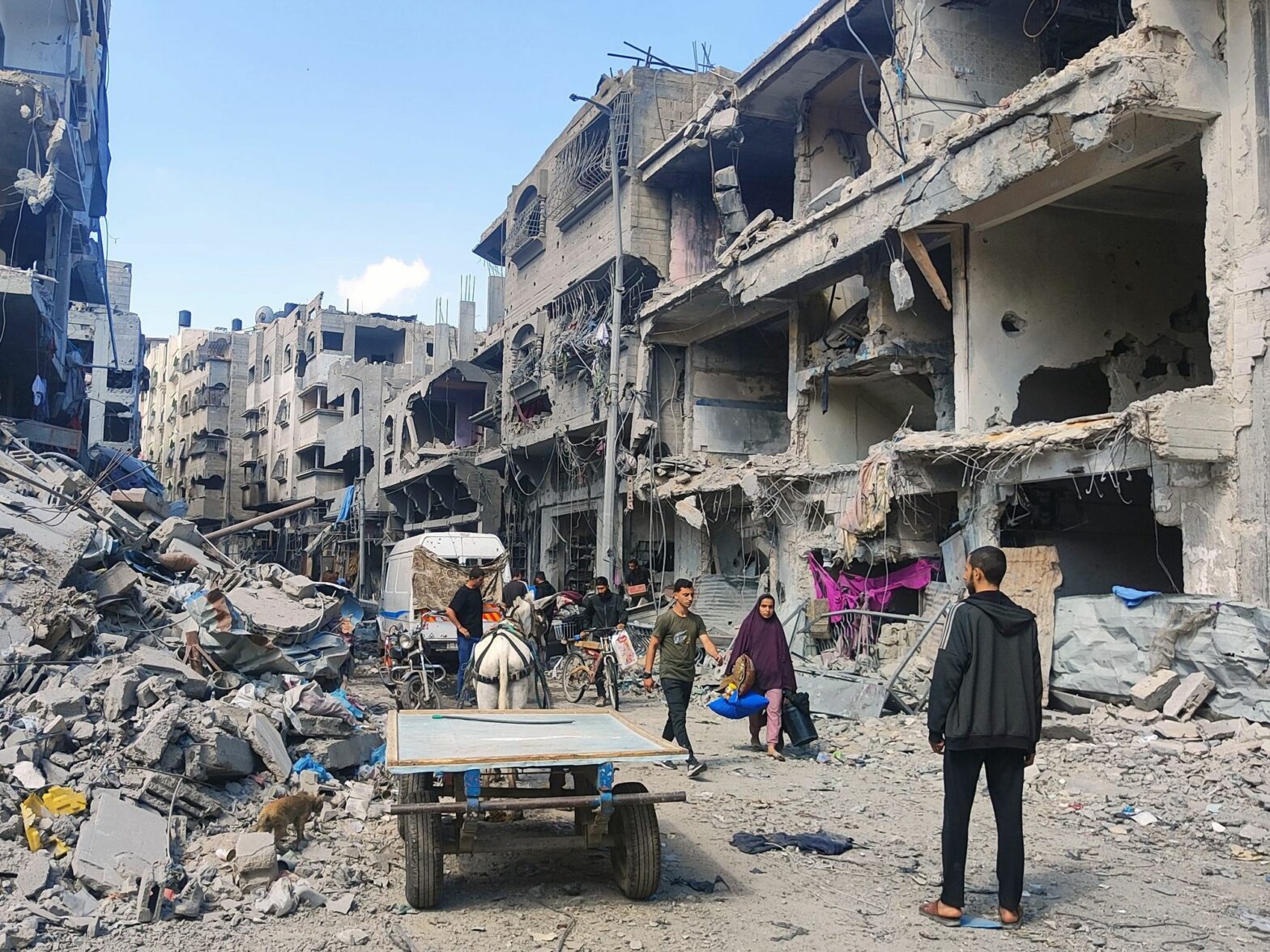
The Israel-Hamas war in Gaza has created an unprecedented crisis for moderate Arab countries, mainly for those who have ties with Israel, and for Saudi Arabia that was on the verge of reaching a normalization deal with Israel. It’s hard to envision a future for Gaza without them.
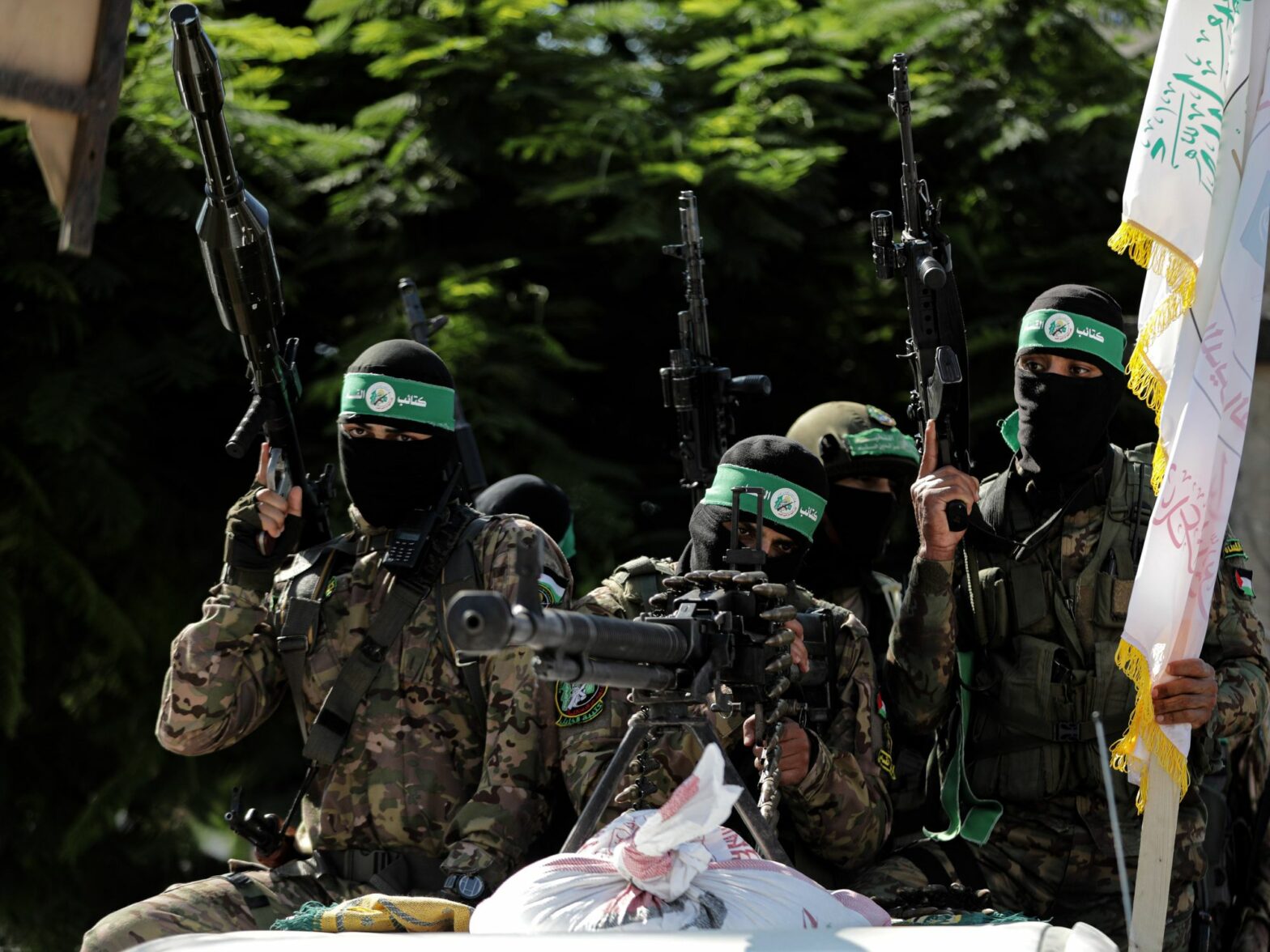
The higher cost of the war will not deter Hamas leaders from claiming victory once any truce is reached. It will only push the discussion of a real solution for the region farther away from all.
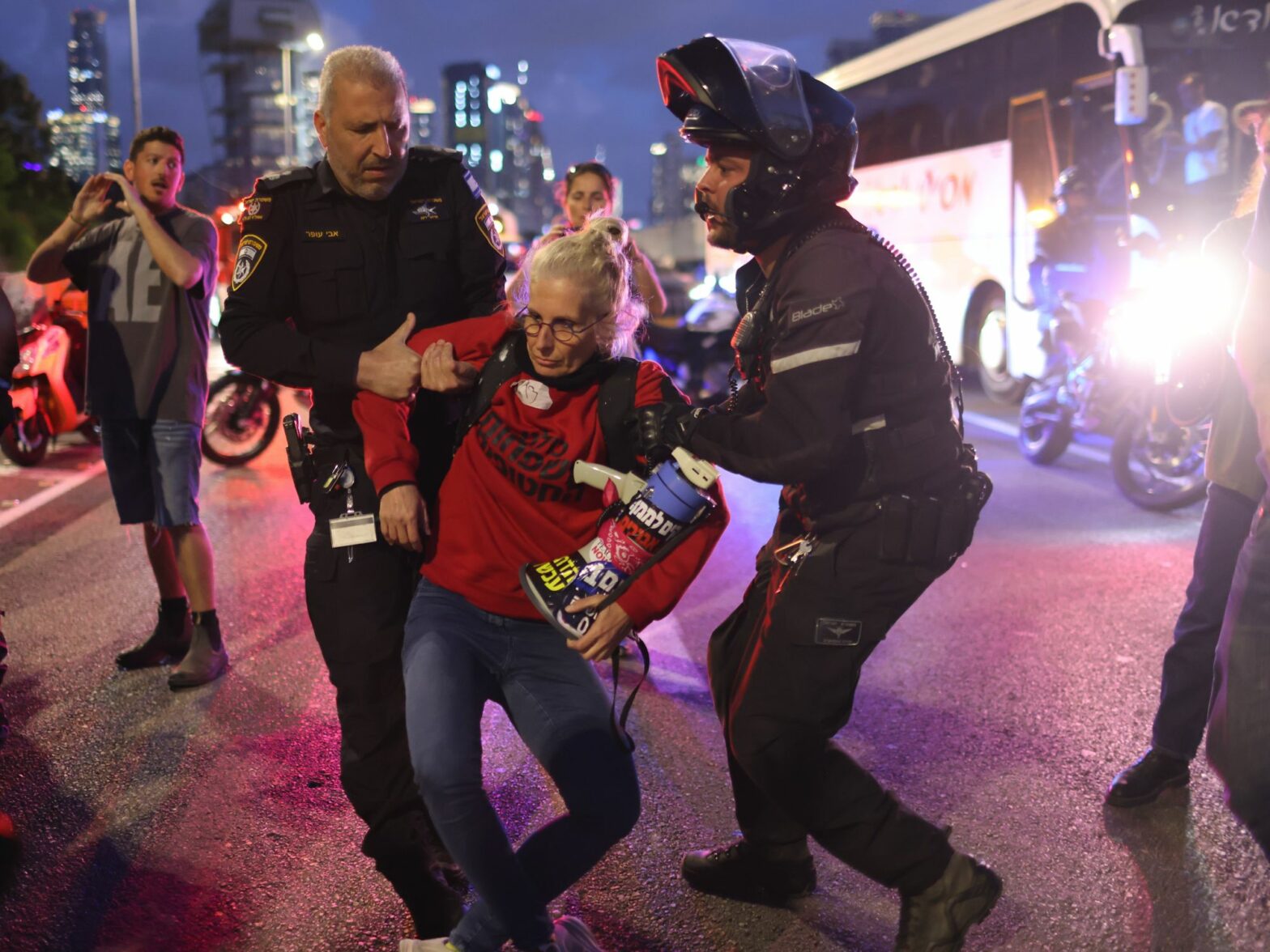
Israeli Prime Minister Benjamin Netanyahu was taken to task by hostage families during his Memorial Day speech on Monday — just the latest sign of the deep divisions in Israeli society as the war enters its eighth month, with no vision for the future.
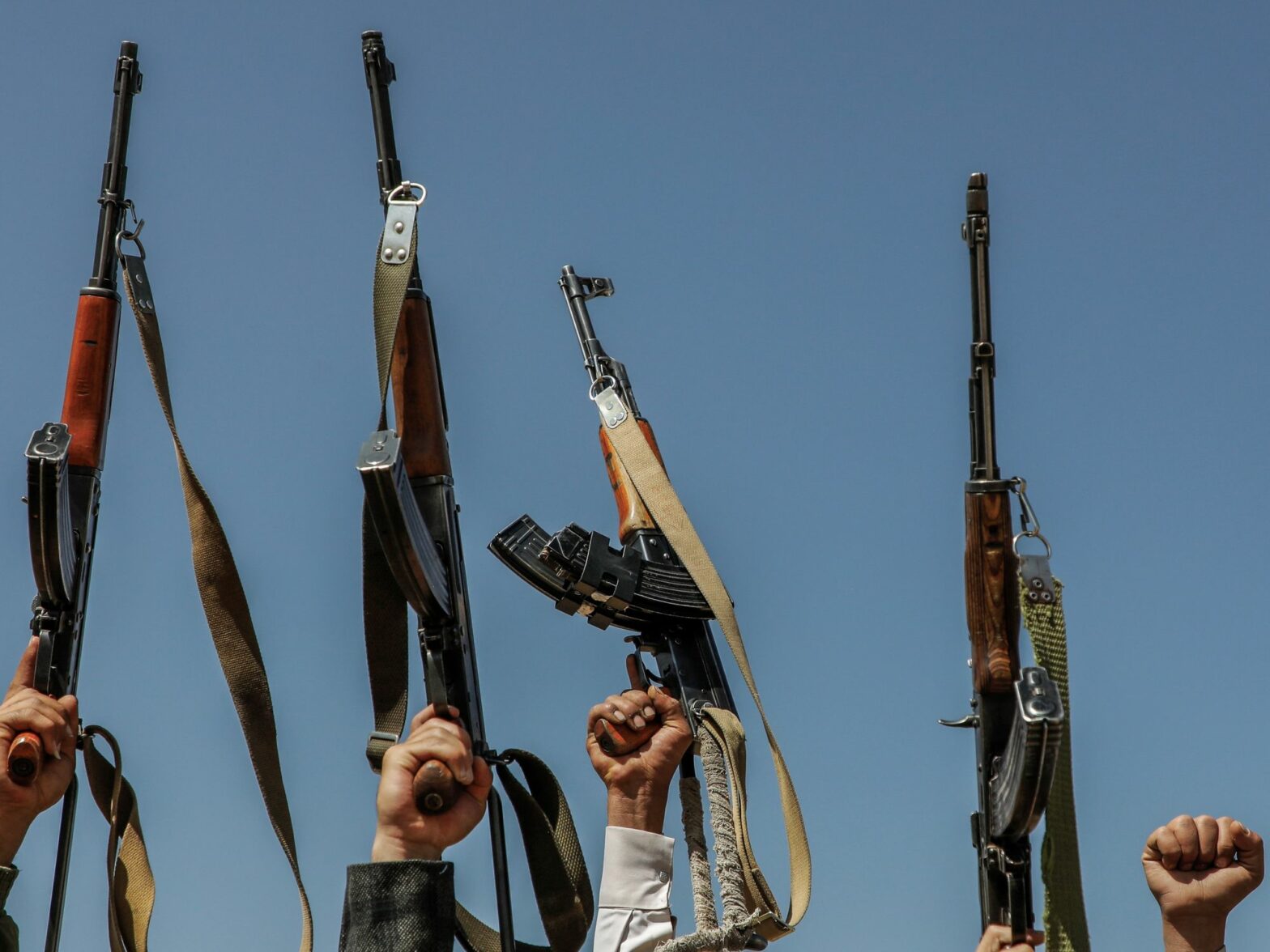
While the Palestinian cause is important for Iran and the Arab militias it backs, the return of this issue to the forefront may not benefit the resistance camp. And its tactic of strategic patience may not produce the intended results.
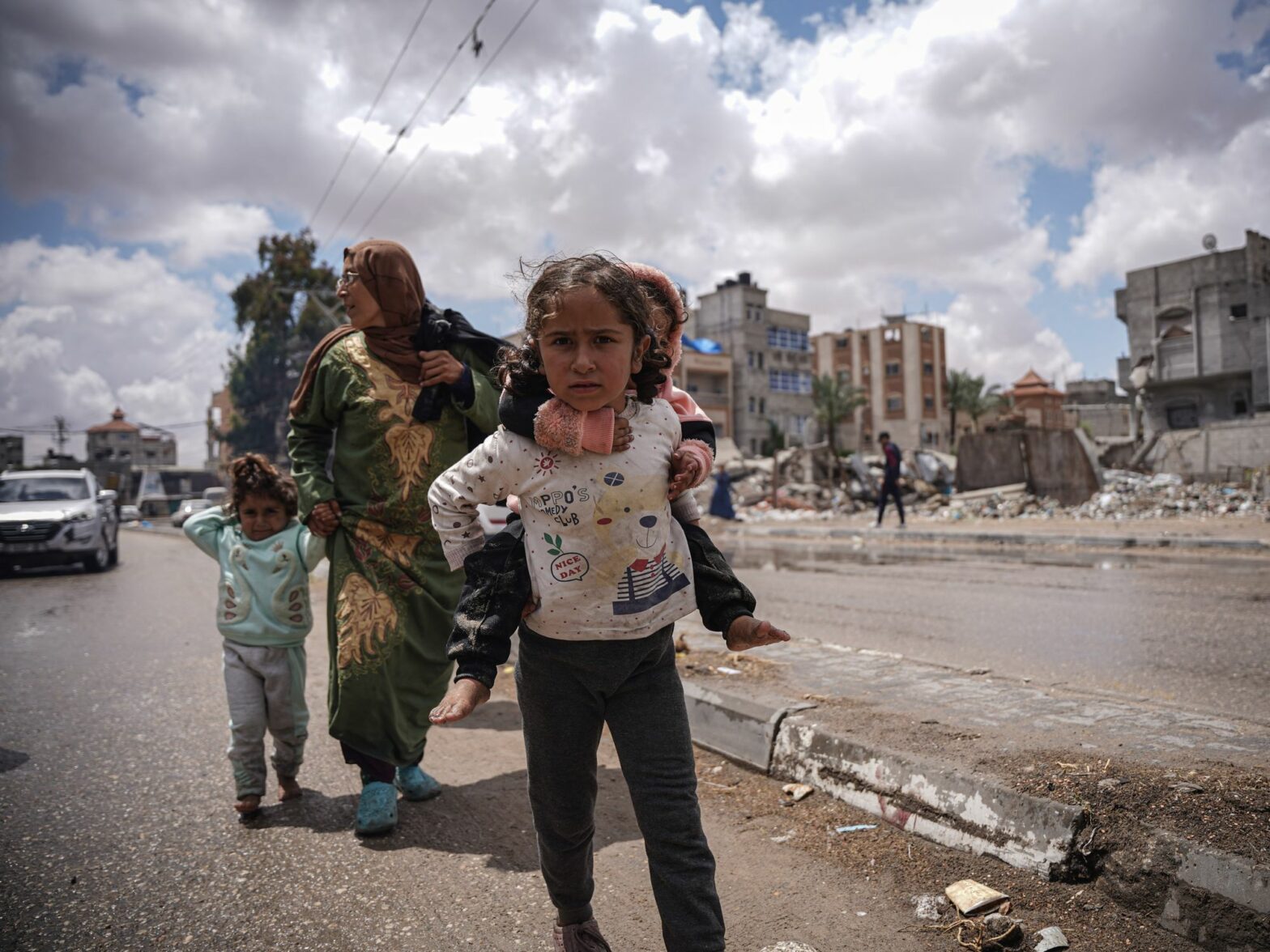
There have been countless graphic images circulating of the brutal Oct. 7 attack on Israel and the seven months of bloody retribution on the people of Gaza. Yet an image where you can’t see the victim has been recognized as the Photo of the Year.
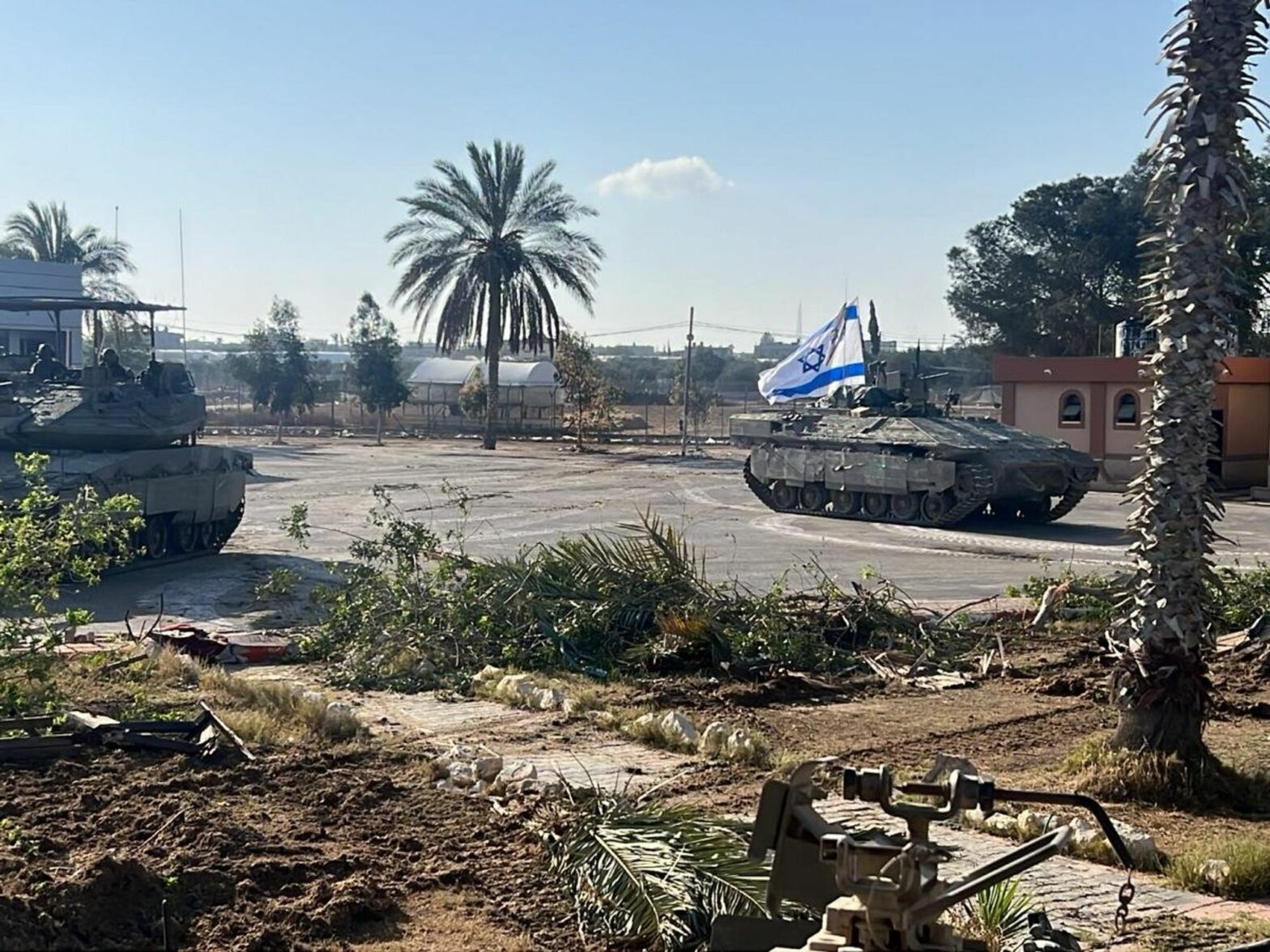
Prime Minister Netanyahu felt the pressure to follow through on his threats to enter Rafah, which may have earned him the space to finalize a ceasefire and get the hostages back.
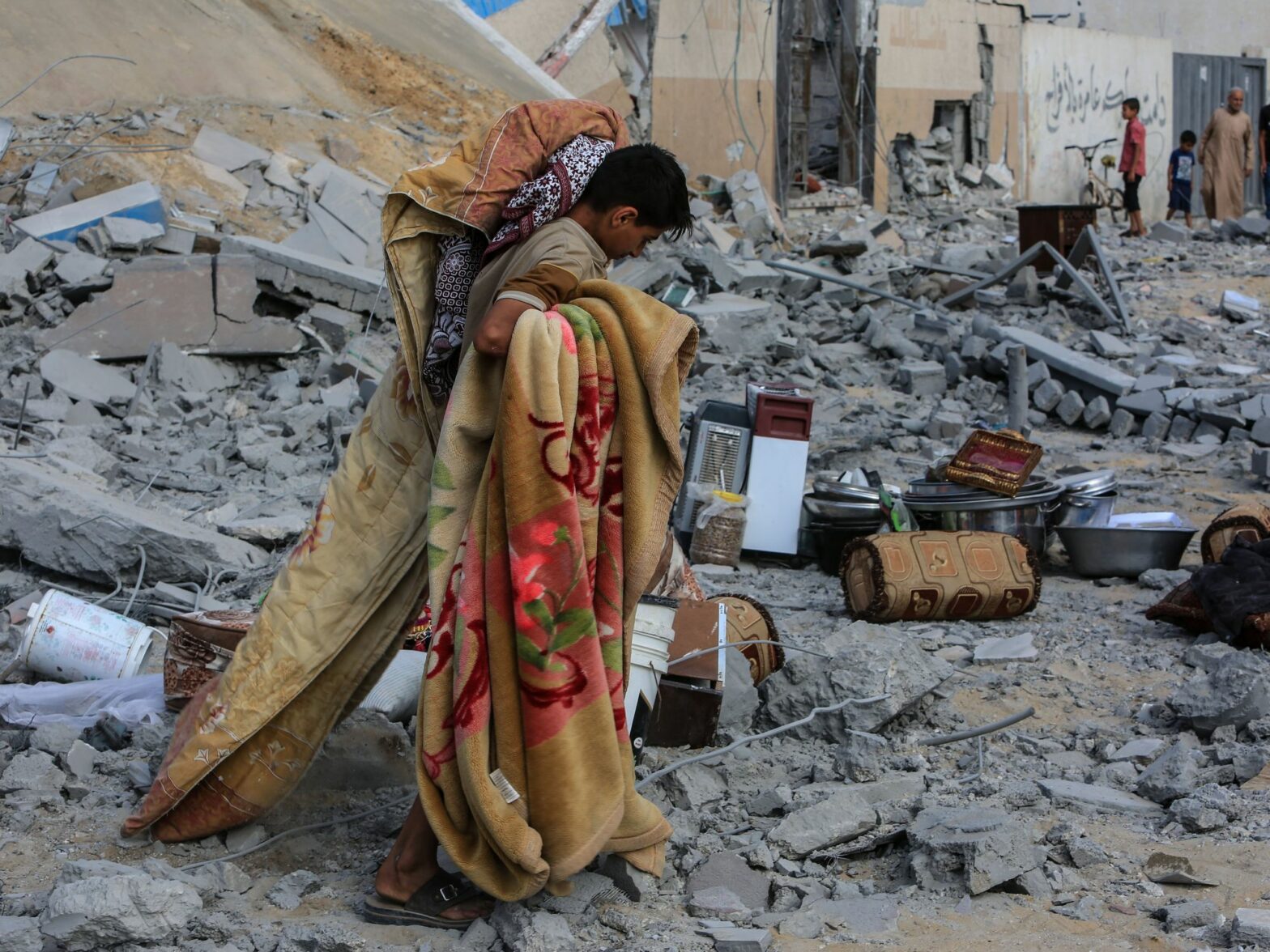
Entire Palestinian families have been wiped out over the past seven months in Gaza in Israel’s bombing campaign. Many families resorted to dividing their family members to different places, so at least some of them survive if their houses are bombed.
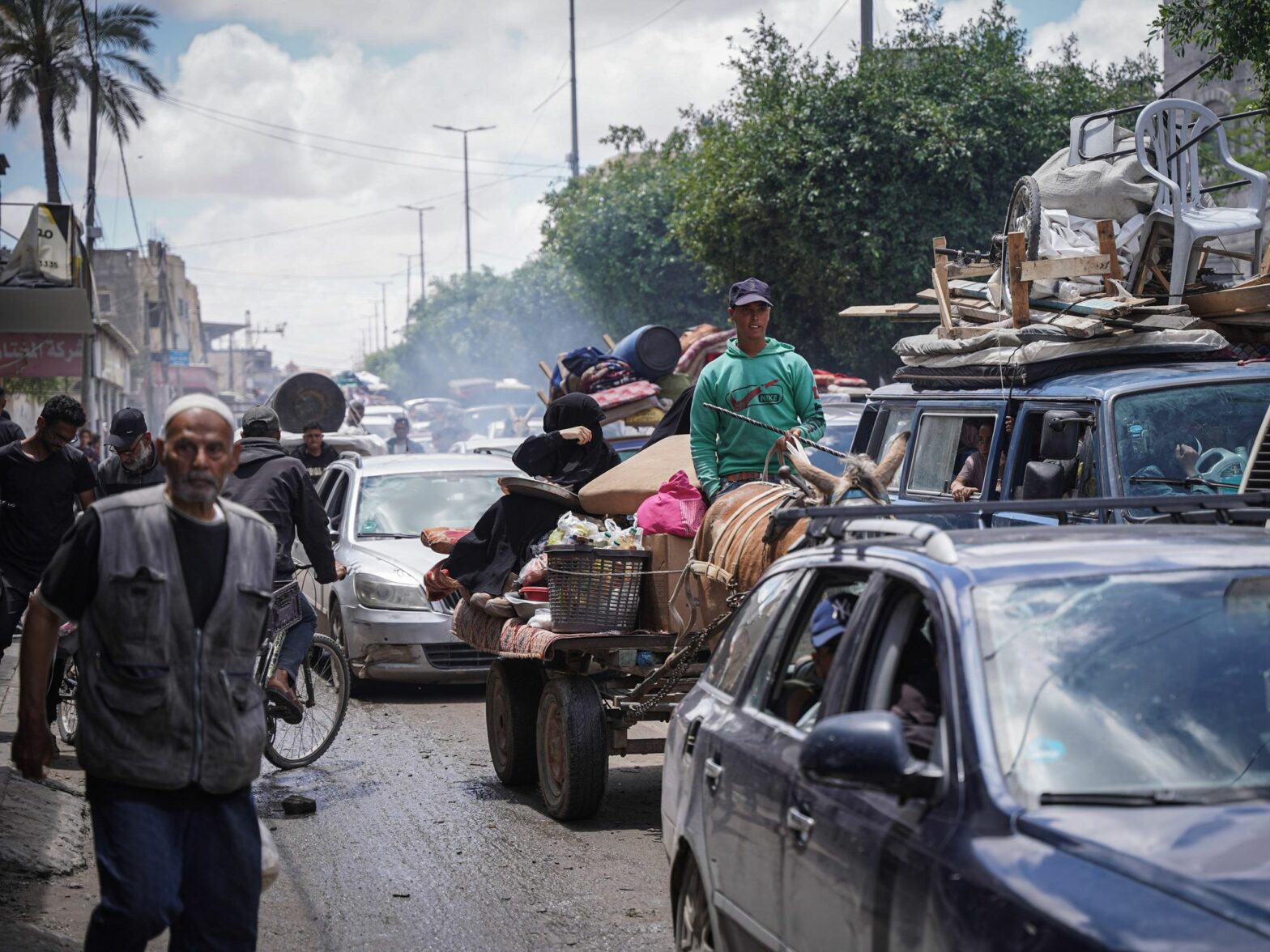
The Israeli prime minister has foreign and domestic pressure to accept a ceasefire deal, but he may be set to make the bloodiest decision of the war to date in the southern Gaza city of Rafah.
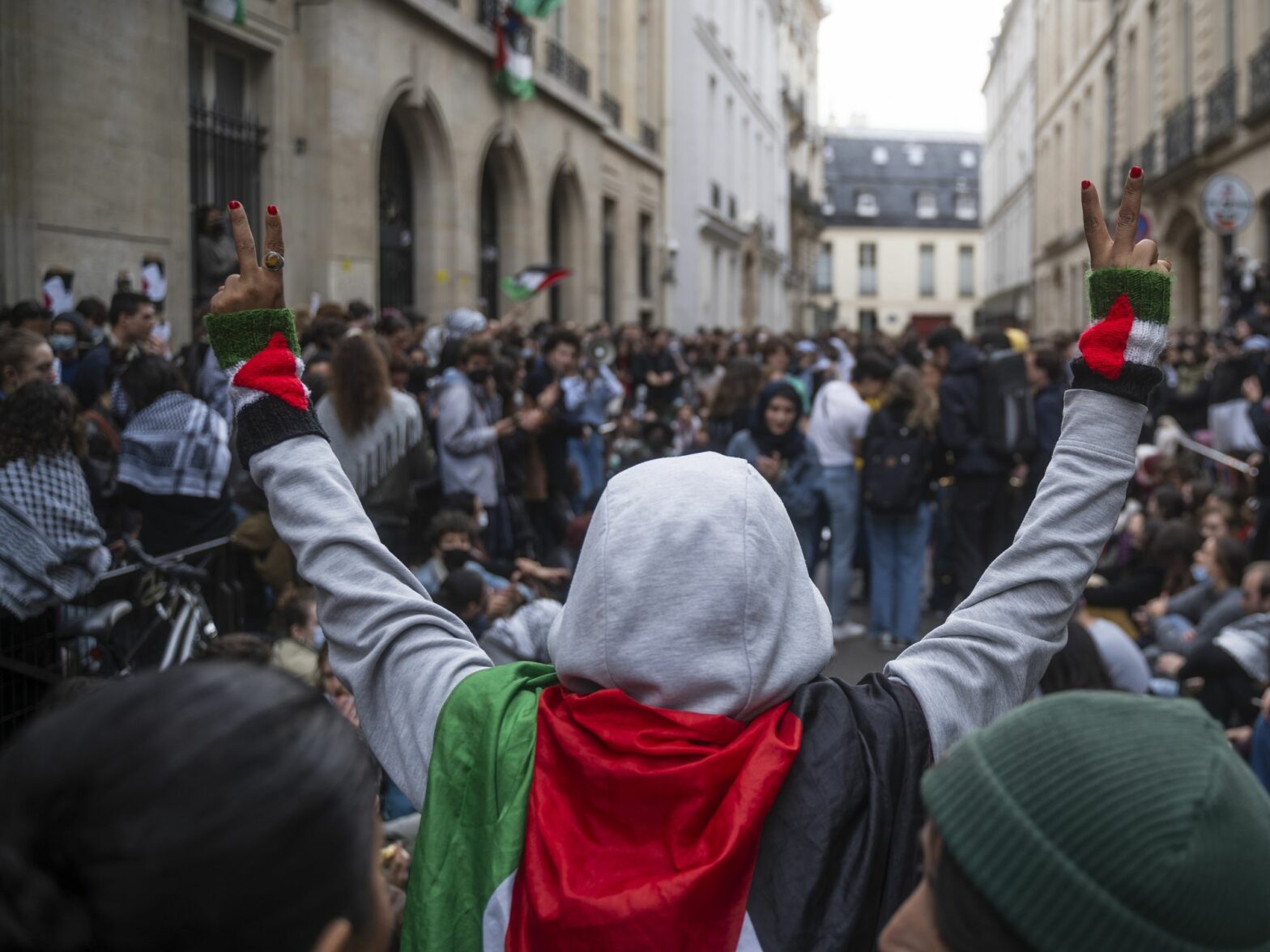
Images of recent student-led, pro-Palestinian protests across the world are reminiscent of the demonstrations of solidarity in support of Vietnam, that rocked campuses some 50+ years ago. But beyond the same indignation fueling the demonstrations, the context, and potential political repercussions, vary greatly.
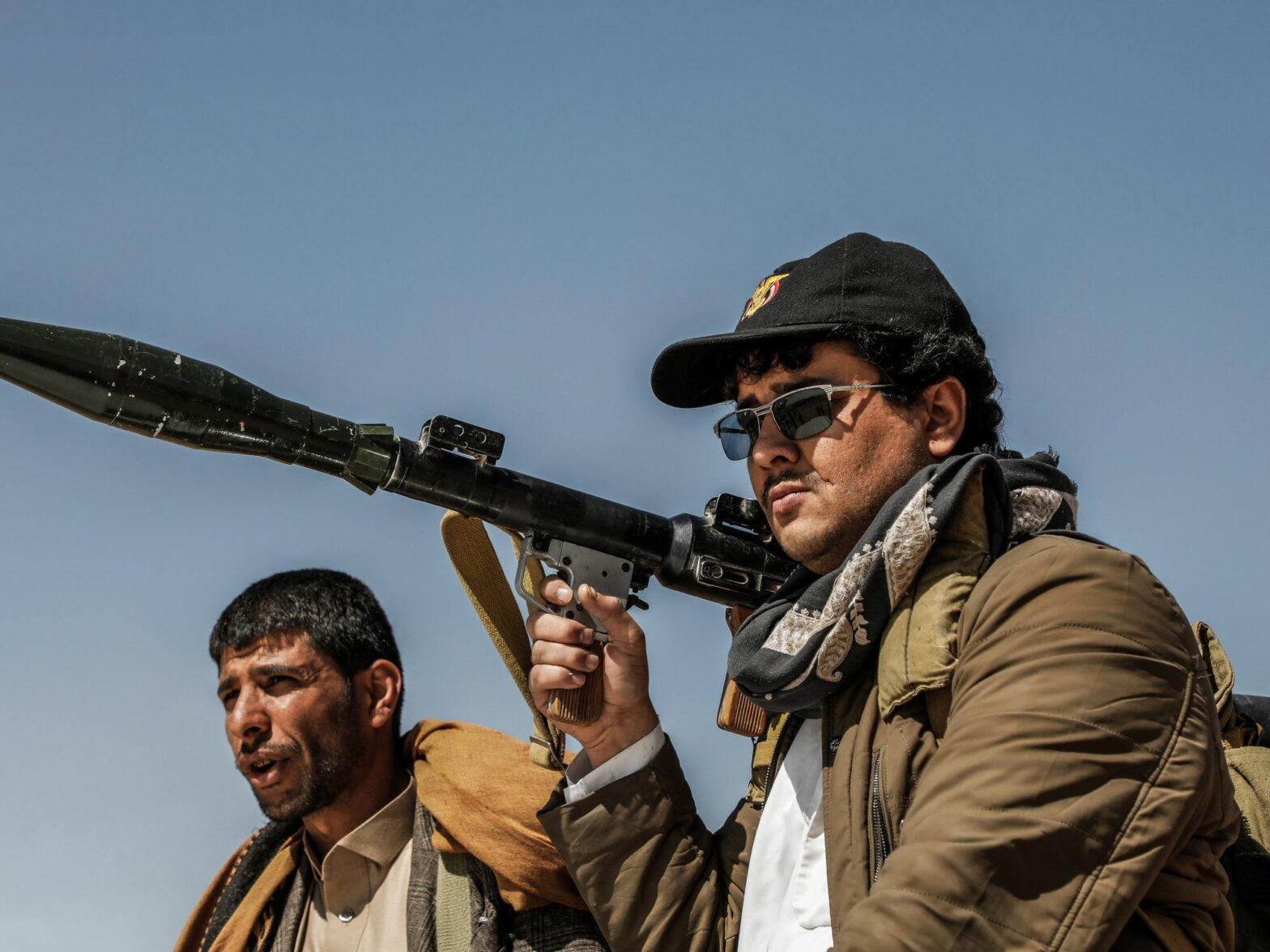
The Middle East’s militant and terror gangs, often described as Iran’s proxy forces, may have more in common with the cartels of a globalized war than with the fighters with a cause, more typical in the 20th century.
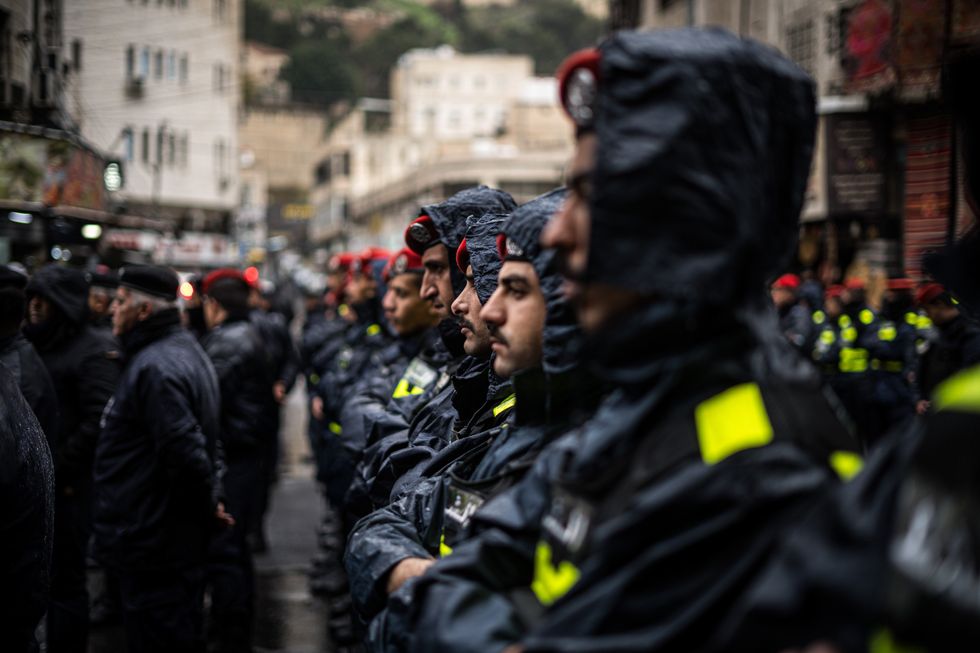
Iran has some influence over Hamas, but not like Hezbollah in Lebanon or other Iranian-backed groups in the region. Hamas, instead, has more links with Jordan, the birthplace of some of its top leaders.
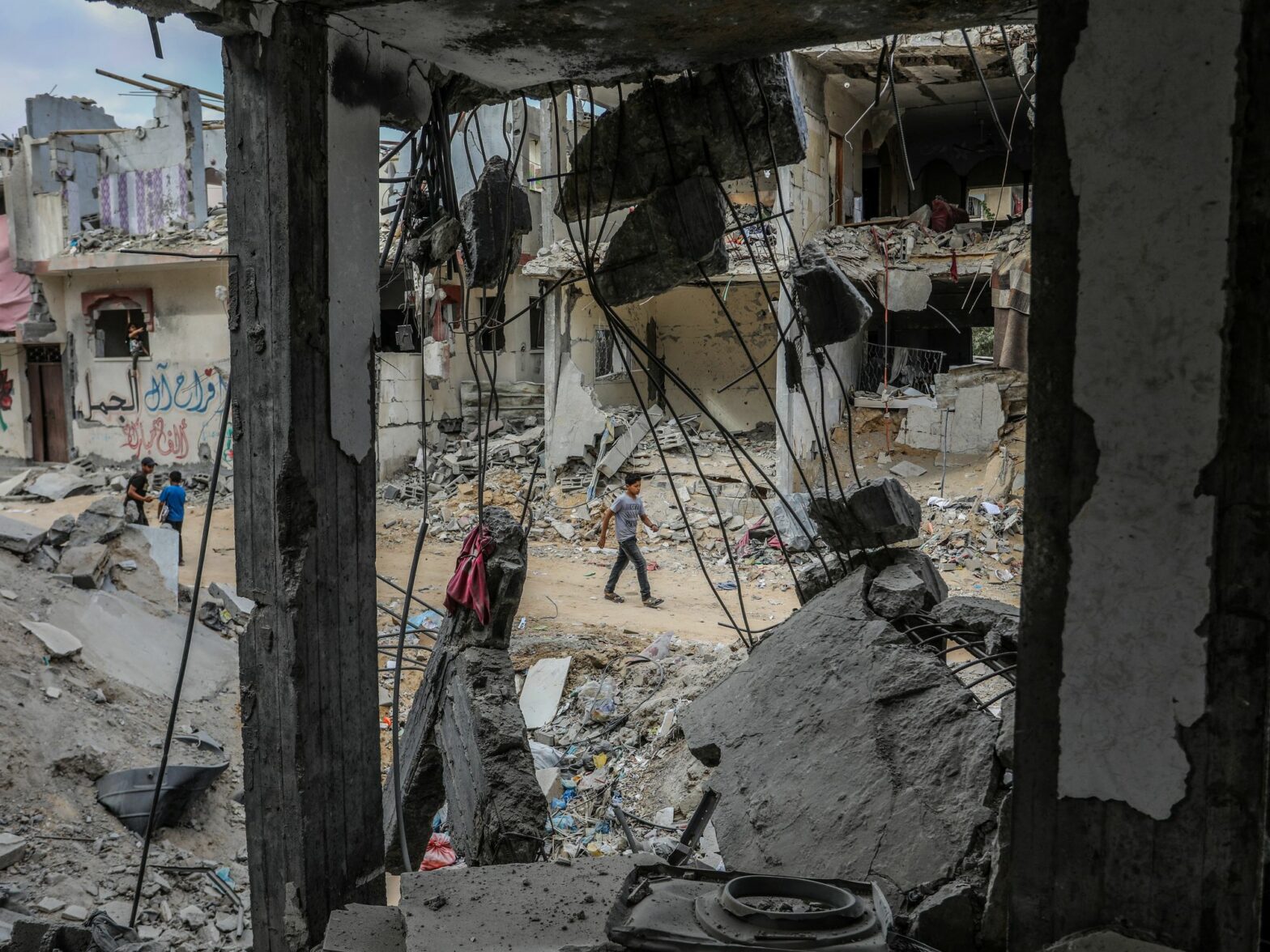
Israeli Prime Minister Benjamin Netanyahu and Hamas leaders both have deeply cynical reasons to prolong hostilities. Meanwhile, it’s in the self-interest of both the U.S. and Arab regimes to try all avenues to broker a ceasefire to ease the suffering of those caught in the crossfire.
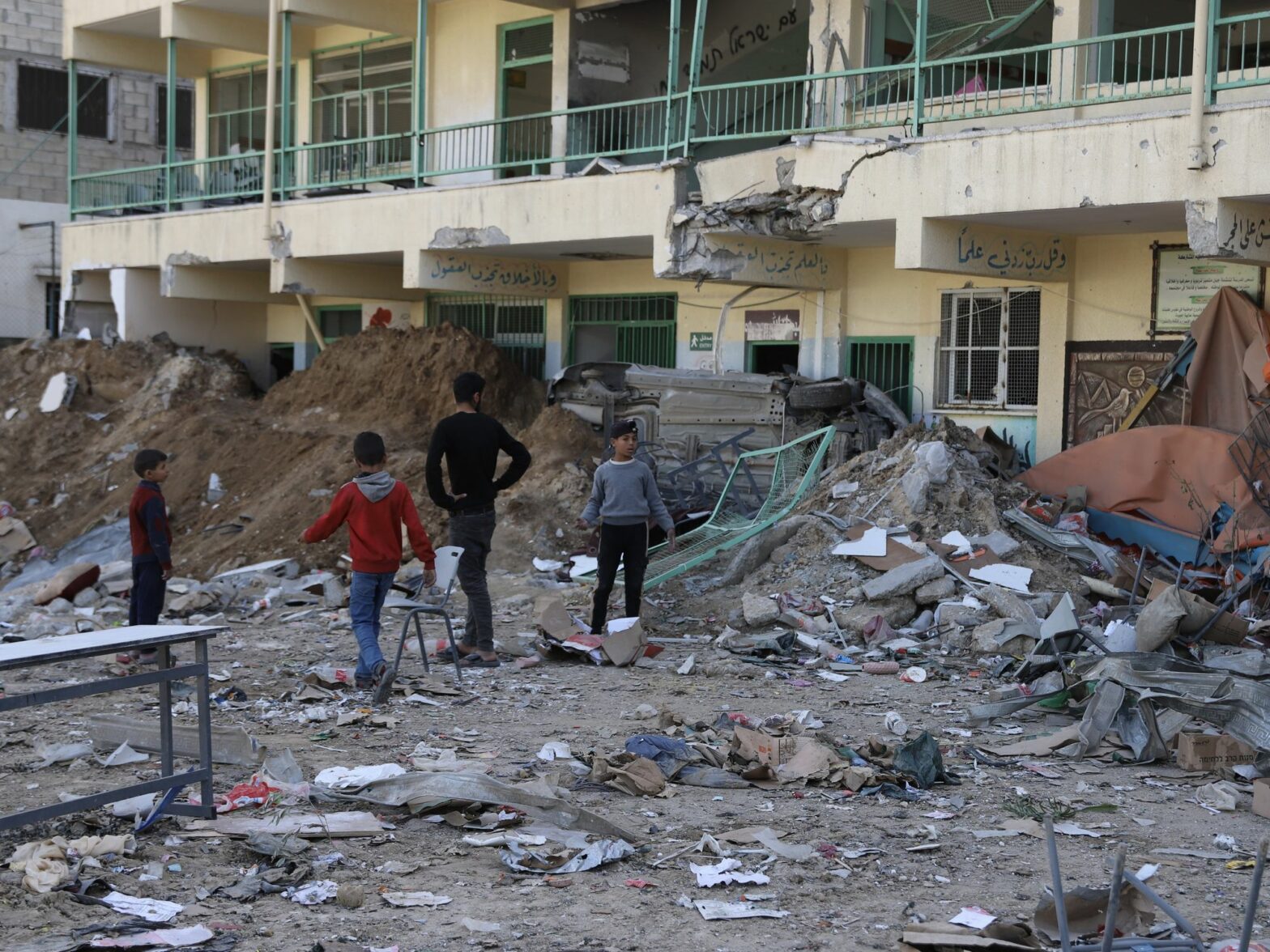
Besides repeated bombings of school buildings, the Israeli army also has turned many universities into military barracks and interrogation sites, before blowing them up. That’s part of a premeditated policy to destroy Gaza’s entire education system.
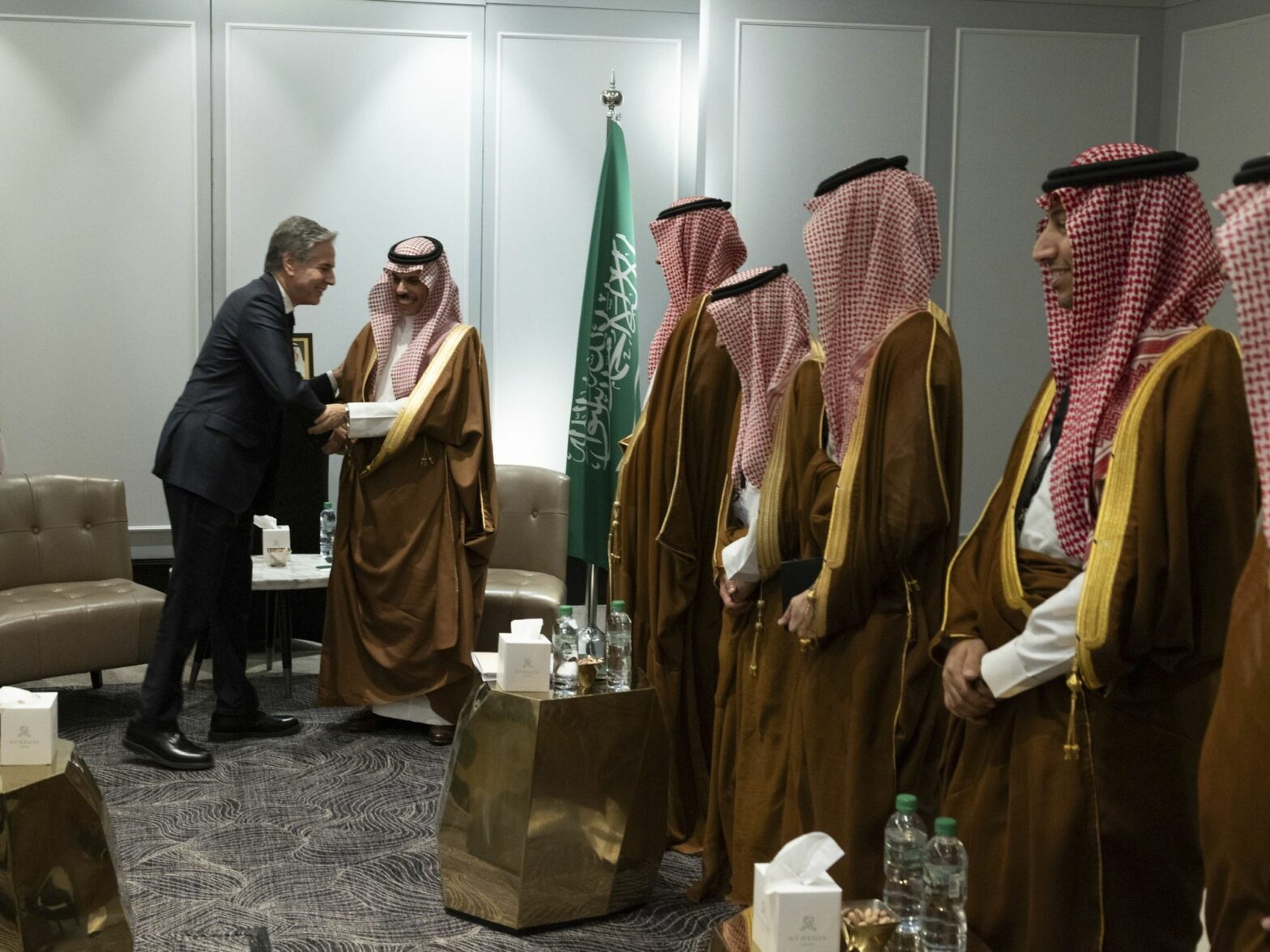
Washington has vetoed Palestine’s full membership to the United Nations and is using talk of the “two-state solution” to distract from Israel’s war crimes in Gaza. Pushed by the U.S. to normalize ties with Israel, what will Arab states do?
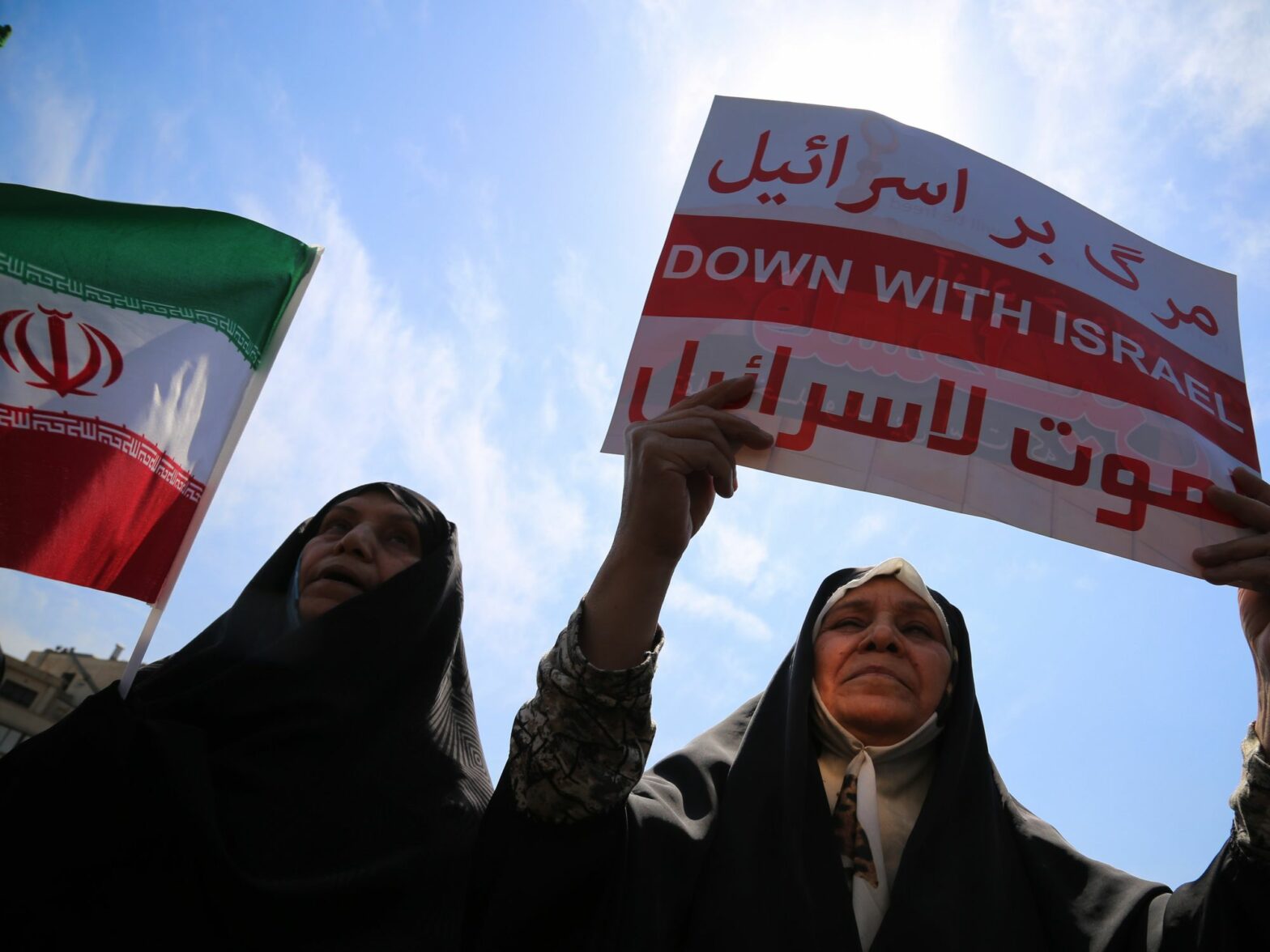
Israel’s recent strike on central Iran was a warning shot for Tehran, tempered by a desire to close the recent spate of tit-for-tat attacks and by pressure from the U.S. Yet this may have only ended round one of the Iran-Israeli showdown.
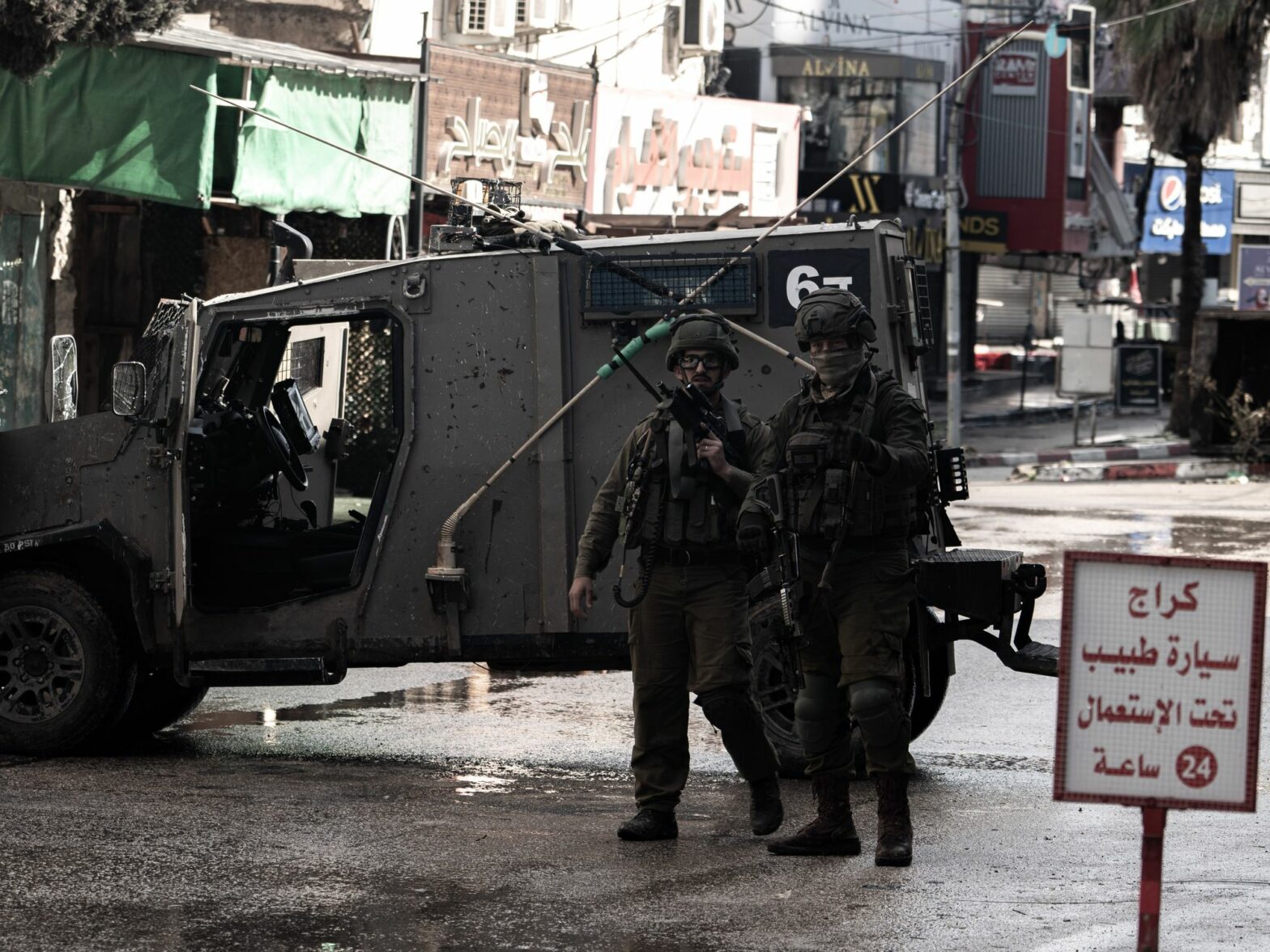
The Israeli Army Unit operating in the West Bank has been sanctioned by the Biden administration, accusing it of human rights violations. It’s the first time this has happened and it embodies a highly symbolic gesture that puts a stop to the excuse of “holy mission” that turn into crimes.
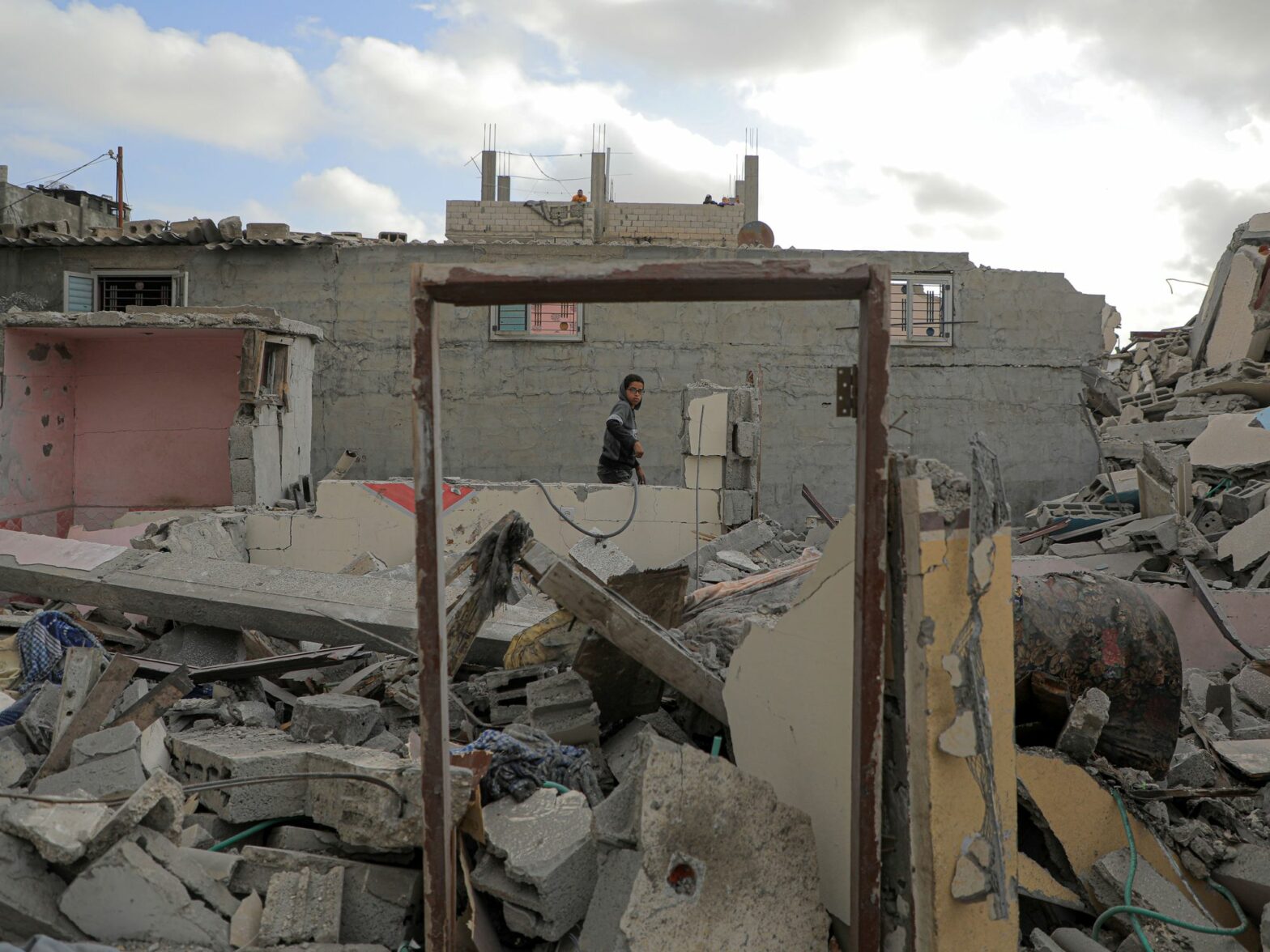
Despite talk of a smaller impact, Israel is prolonging its war on Gaza with more bombing campaigns that regularly kill civilians. The daily slaughter continues as the international community and Middle East have been focused on the growing tensions between Israel and Iran.
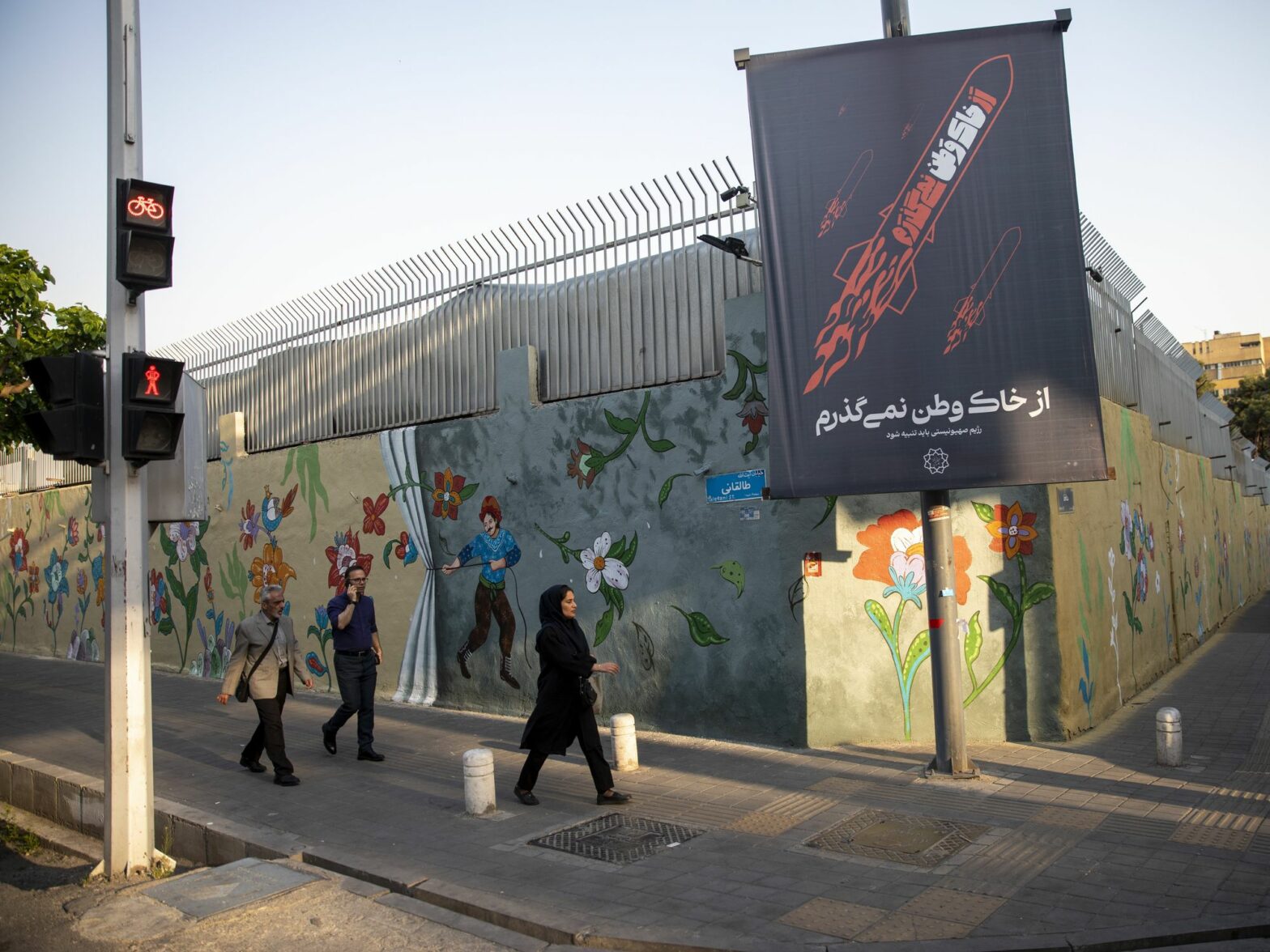
The Islamic Republic of Iran wants to destroy Israel and seems willing to obliterate Iran in the process. How do you deal with a regime that sees international chaos as serving divine wishes? Many in Iran see the direct challenge from Israel as the path to their nation’s liberation.
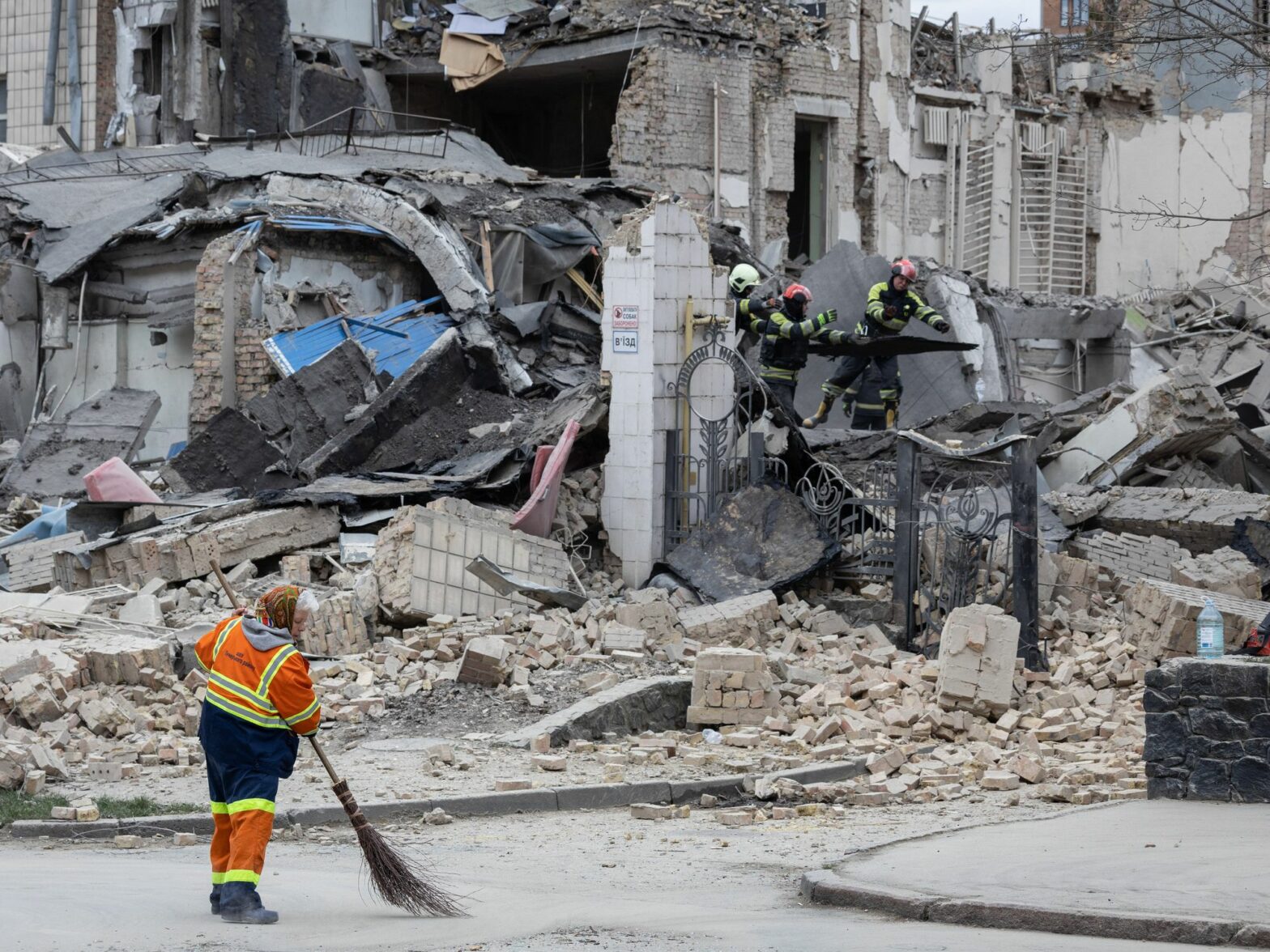
Seeing the near-perfect effectiveness of Israel’s defense against Iranian drones and missiles, Ukrainians are bitterly wondering why the West is denying them life-saving assistance. Fear of confrontation with a nuclear Russia remains the main reason.
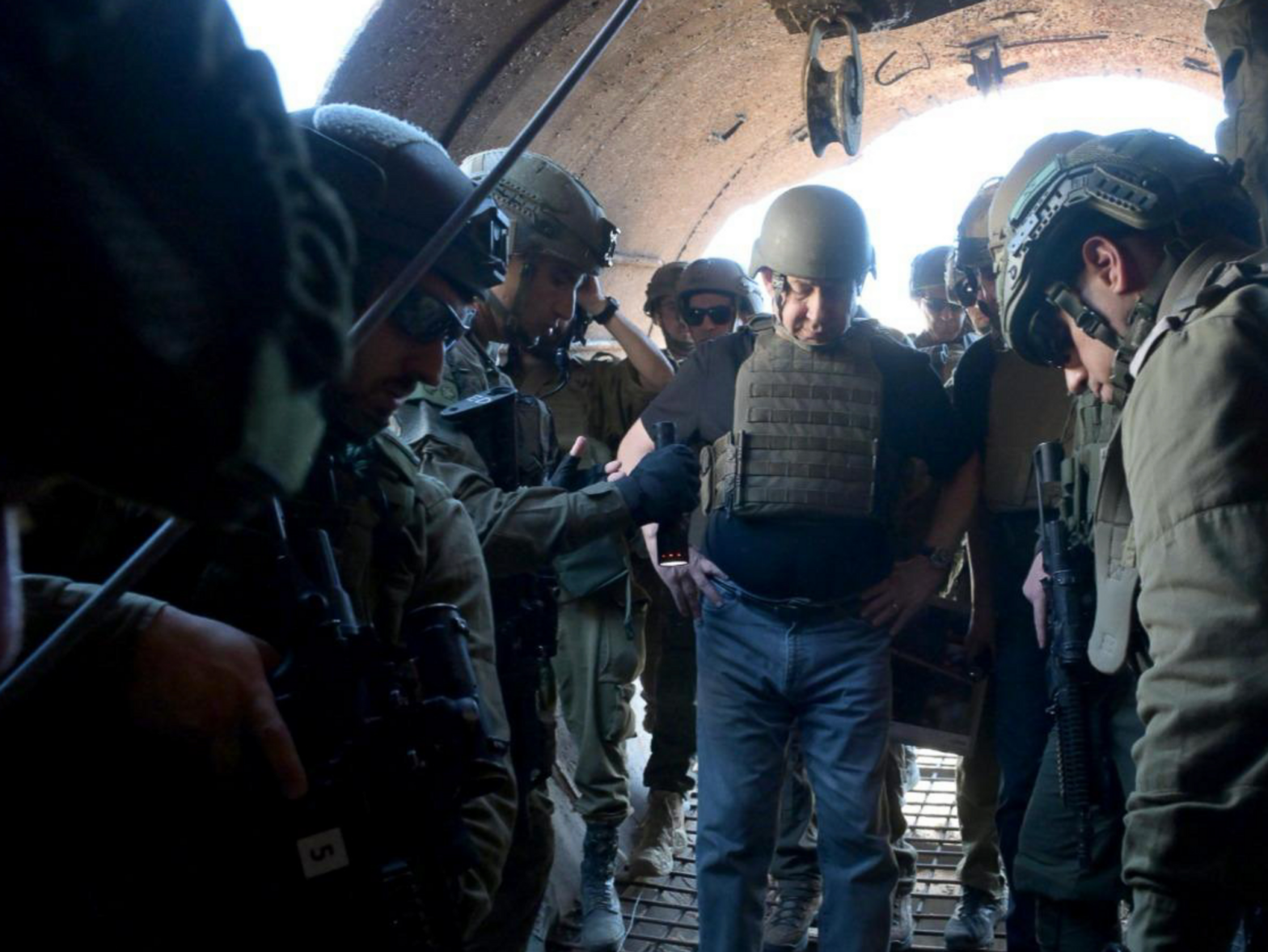
By helping to intercept Iran’s counter attack against Israel, the U.S. and Western allies, along with Jordan, have deprived Benjamin Netanyahu of a pretext to expand the war and to divert attention from his actions in Gaza.
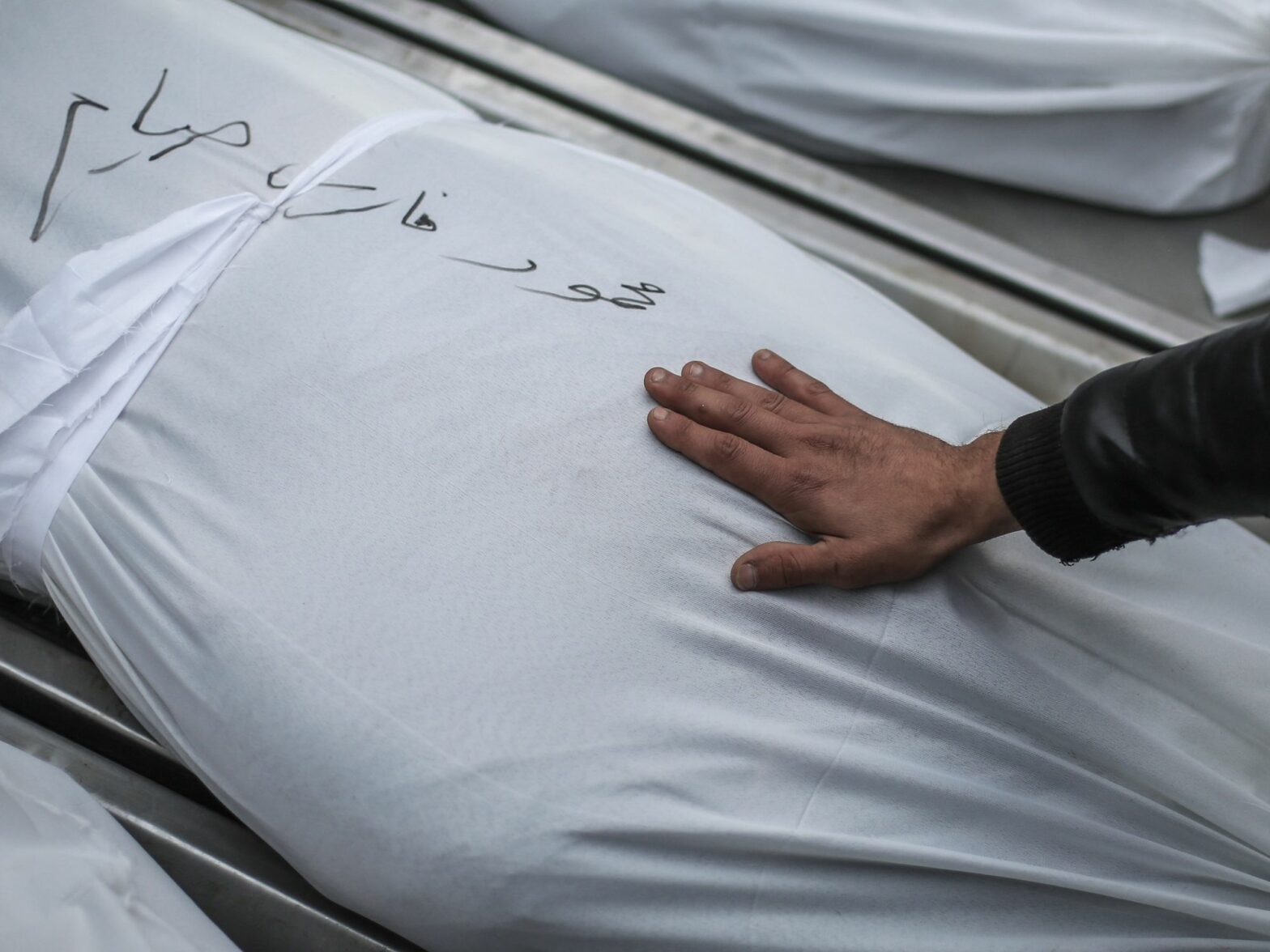
The brother of Palestinian journalist Mohamed Abu Shahma chose to return home to Khan Younis despite Israel’s offensive on the city. He paid the ultimate price.
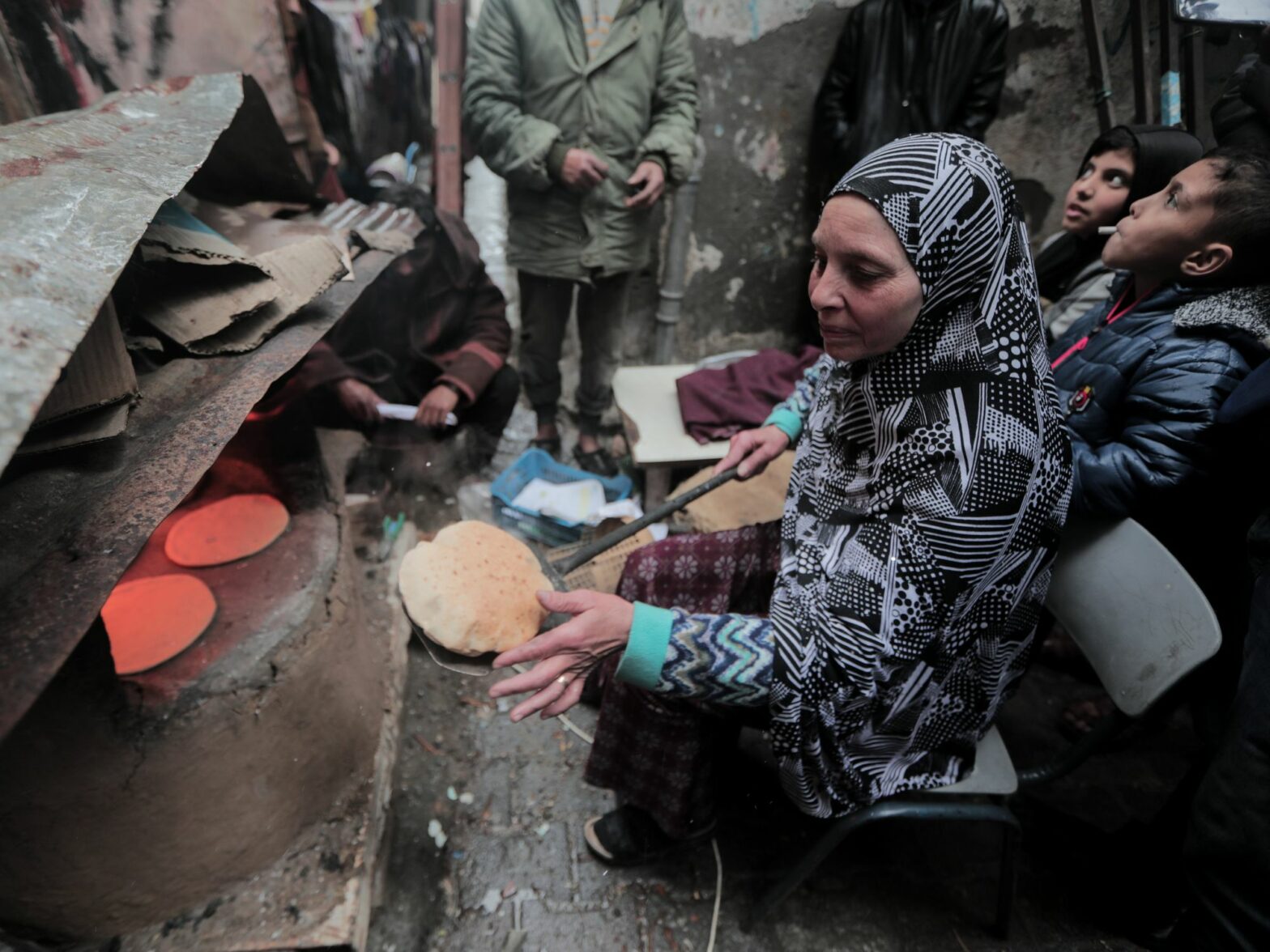
The Israeli blockade of food, water, fuel, and essential medicines and supplies is inflicting immense suffering on Palestinians. Women in the Gaza strip are forced to sell their jewelry to feed their children amid lack of humanitarian aid and soaring prices, reports independent Arab media Daraj.
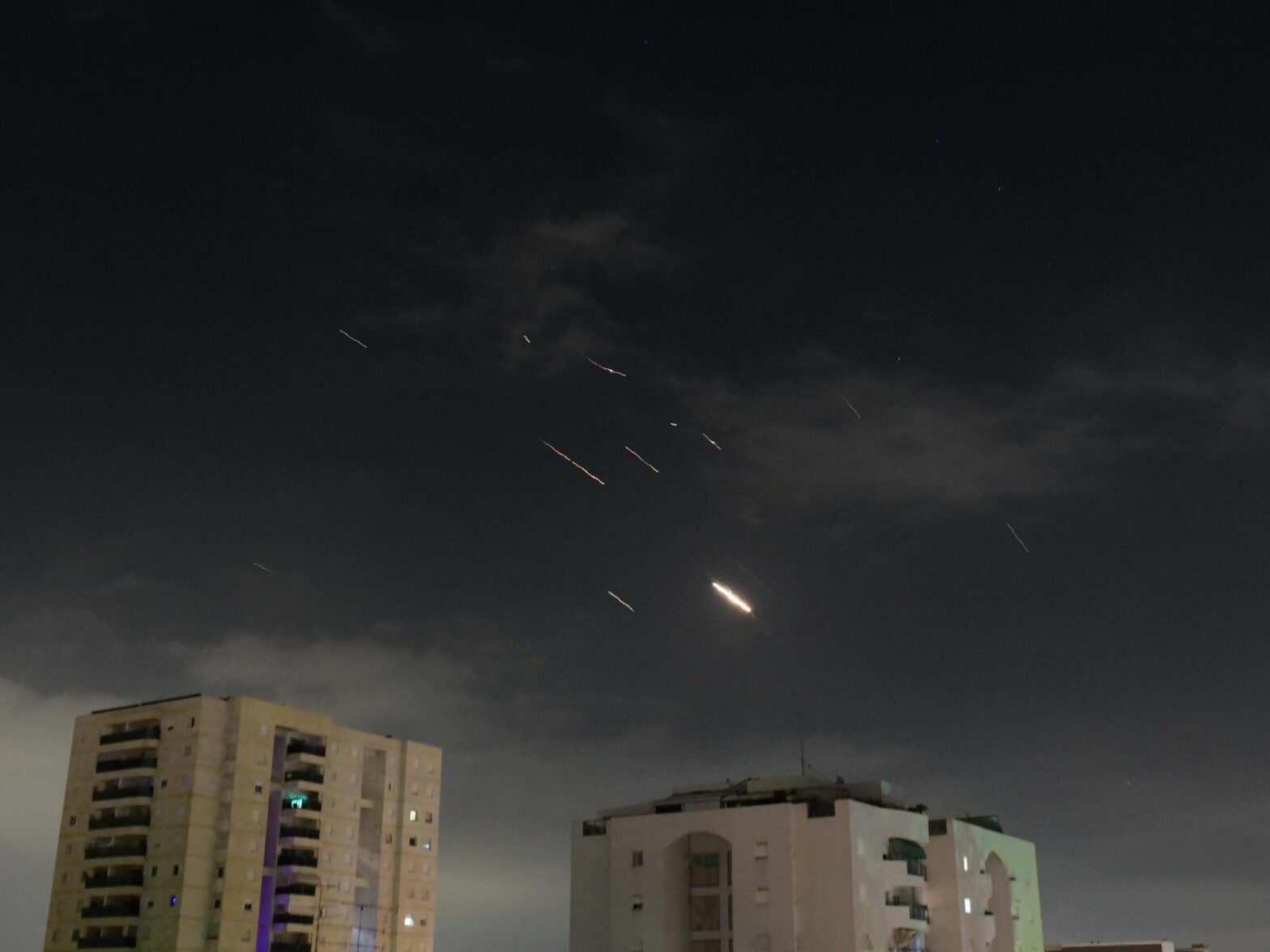
The world watches as Netanyahu walks that fine line between deterrence and escalation.
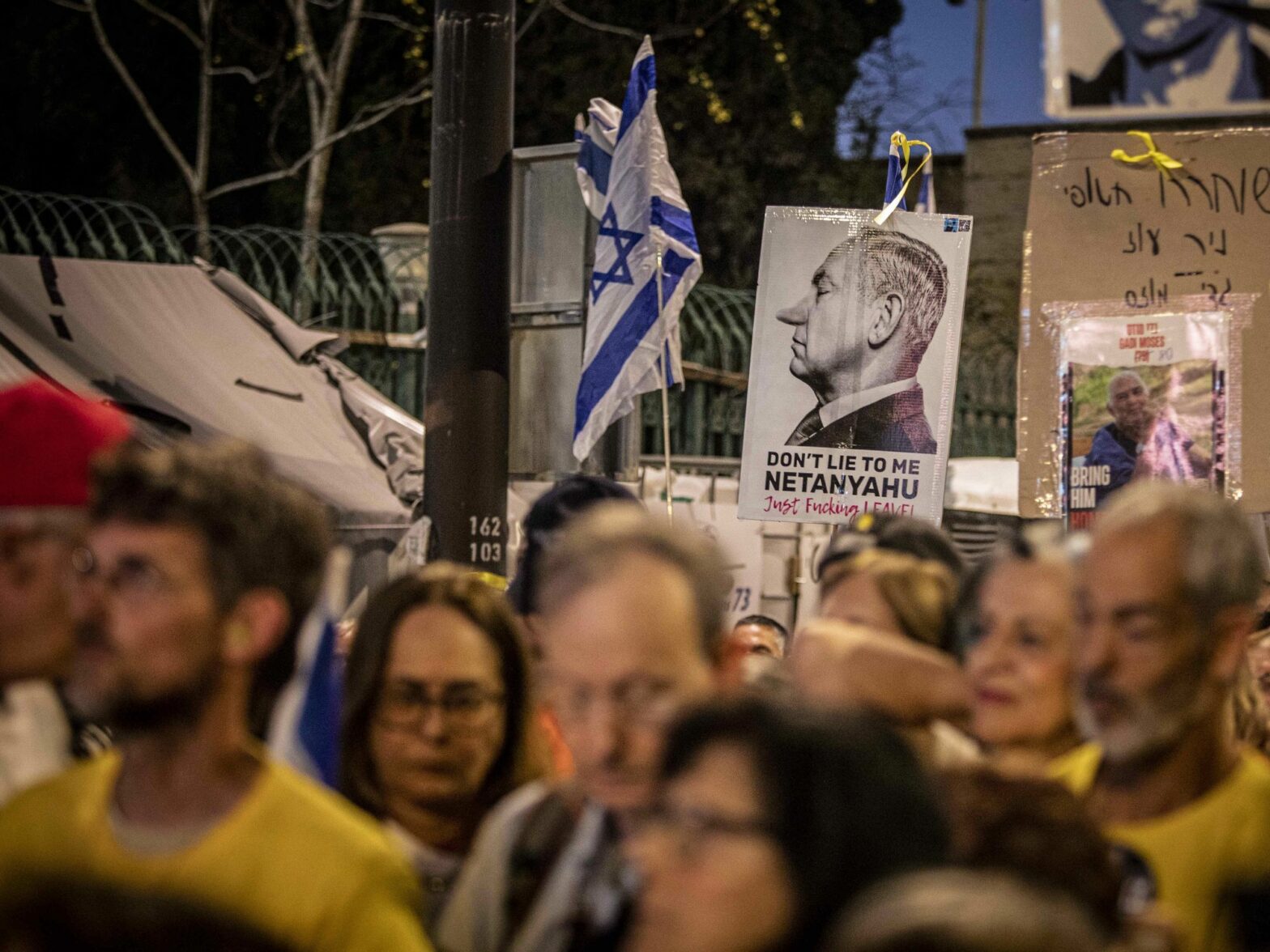
After Israel’s military killed seven aid workers from the World Central Kitchen — including six foreigners —, its closest allies in the West revolted. Some threatened to stop supplying Israel’s war machine. The Arab countries, meanwhile, are still taking the position of “concerned observer” of Israel’s killing of over 33,000 Palestinians, two thirds of them women and children.
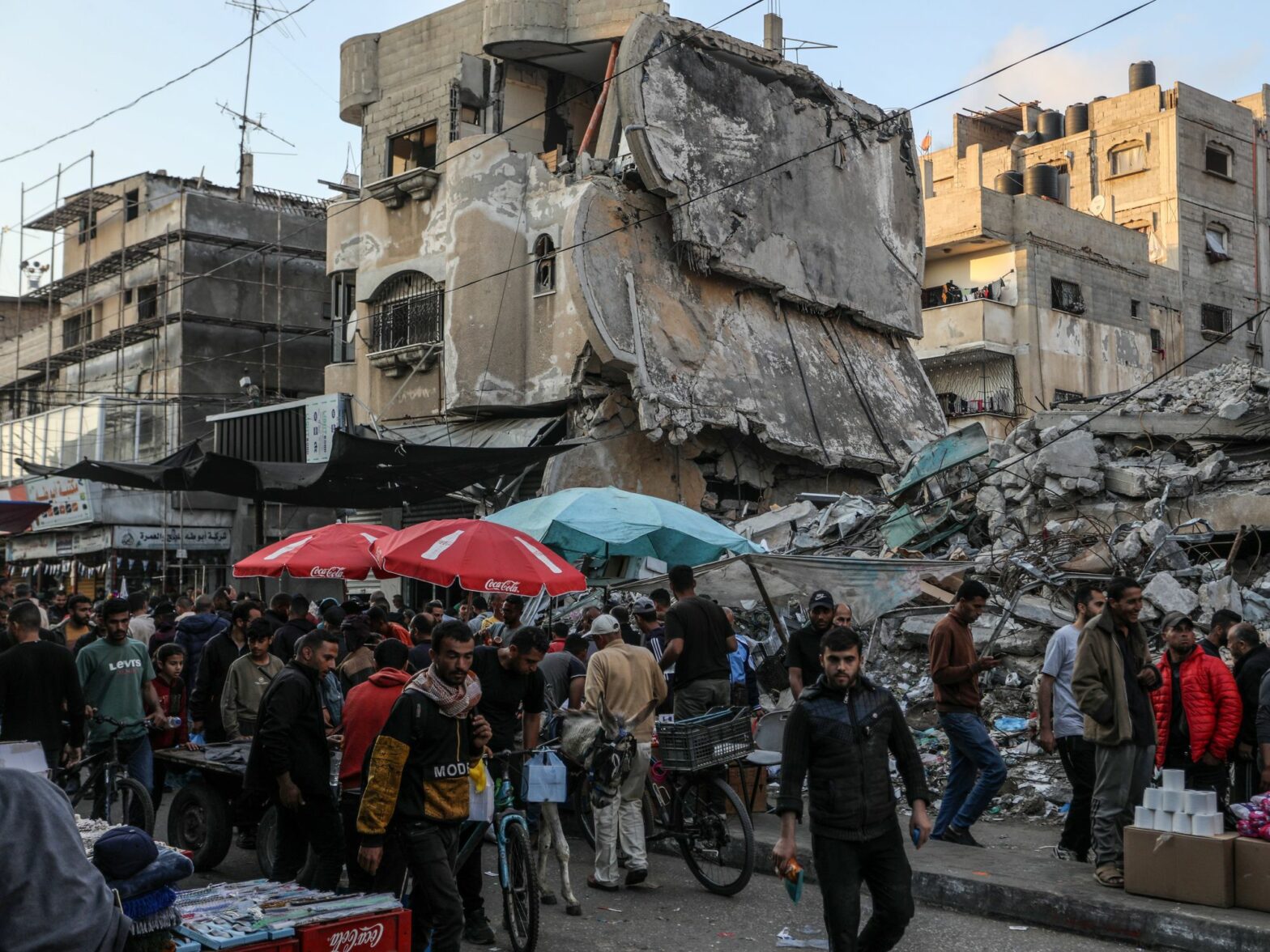
Rafah’s modern tragedy began with the U.S.-brokered Camp David peace treaty between Egypt and Israel. The misery brought on then peaked in 2014 with the forced displacement of the Egyptian city’s residents, and is now suffering more than ever as Israel vows to invade Rafah as part of its war on Gaza.