
-Analysis-
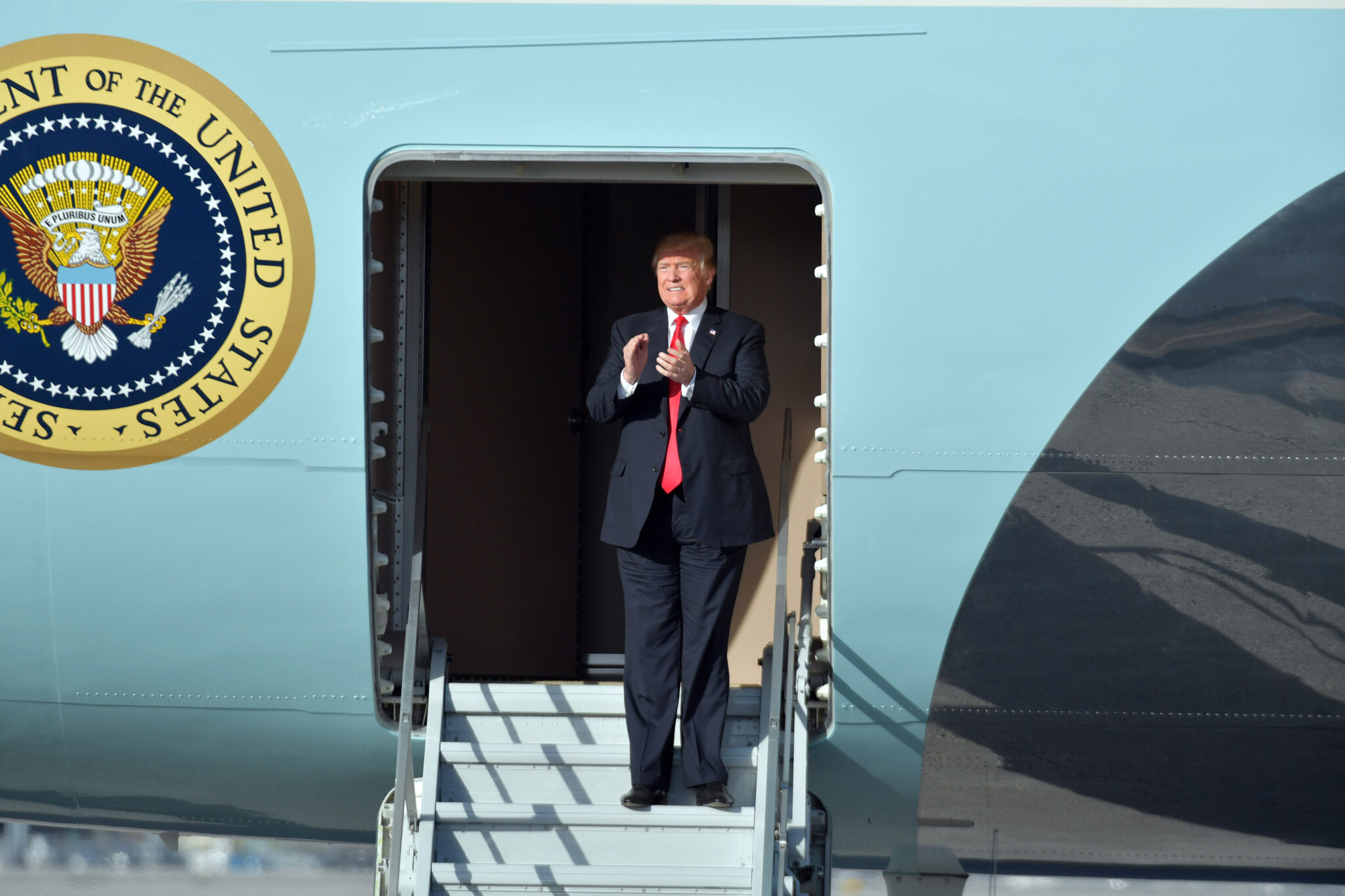
BUENOS AIRES — Donald Trump has spent much of his first year back in the White House intervening — with varying degrees of intensity — in three high-stakes conflicts: Israel-Hamas, Venezuela and Ukraine-Russia. At first glance, these are very different scenarios, with participants and dynamics that are difficult to compare. However, a clear pattern emerges from them: Trump is turning international politics into a dramatic extension of his domestic power strategy.
Since his rise in politics, many have cast him as an isolationist who, under the “America First” slogan, wanted to pull back the U.S. presence abroad. But that point of view overlooks today’s context: China emerging as a strategic counterweight, the fading of the 1945-built liberal order and a shift toward a world of fragmented political power.
In this setting, even a leader wary of multilateralism is forced to intervene. Trump does this in his own way — not to uphold the inherited architecture, but to create an environment that can restrain China’s increasing power and protect U.S. influence.
His interventions stem less from a classic peacemaking instinct than from a drive to secure strategic advantages and reinforce a narrative of personal prowess. To his supporters, he is the negotiator who finds solutions where others only saw limits.
Projecting authority
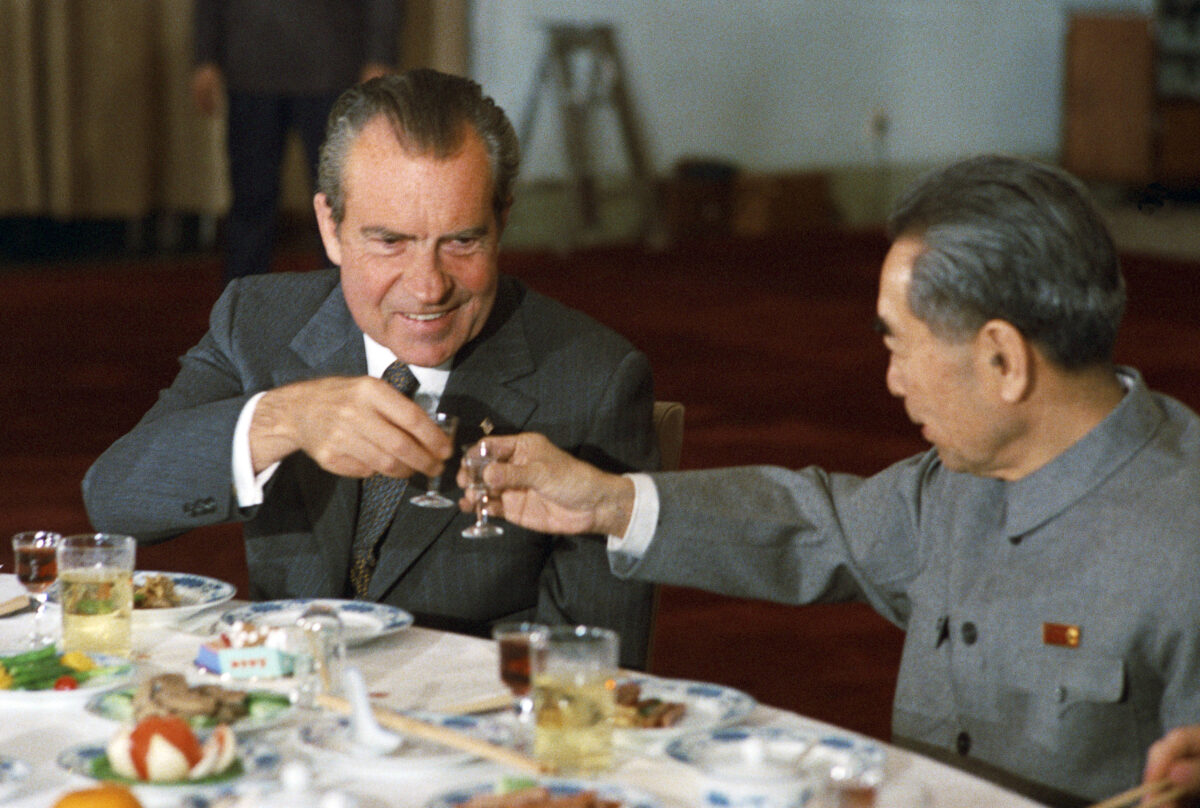
This rhetoric is part of a long Republican tradition: Richard Nixon opening dialogue with China in 1971 or Ronald Reagan negotiating with Mikhail Gorbachev before the Soviet collapse. Trump wants to be part of that lineage, though his style is radically different: personal, transactional, often improvised.
Calling himself a “peacemaker” doesn’t contradict the intensity of his language. Both are tools he uses to project authority. He insists he alone can strike deals because he isn’t bound by political correctness or diplomatic custom. His almost explicit pursuit of the Nobel Peace Prize follows the same logic: foreign policy is a stage for personal exceptionalism.
The line between foreign and domestic policy has always been blurred.
Behind the narrative is a geopolitical calculation aimed at other global players, especially China. Beijing is aiming to redesign globalism to its advantage, expanding the BRICS with Global South partners, and displaying hard power, as seen in a recent Beijing military parade featuring Russia, North Korea, and Iran. Every move Trump makes has to be read in contrast to these actions.
In the United States, the line between foreign and domestic policy has always been blurred. A country that defined the 20th century — with its role in two world wars and victory in the Cold War — cannot separate what it does abroad from what happens at home.
Today the link is even clearer. Society is deeply polarized, almost locked into irreconcilable halves, but foreign policy still draws bipartisan consensus. Trump knows this and exploits it. New technology also lowers political costs: actions like the bombing of Iran become short videos rather than images of the long lines of coffins he associates with “stupid wars.”
Foreign policy as electoral currency
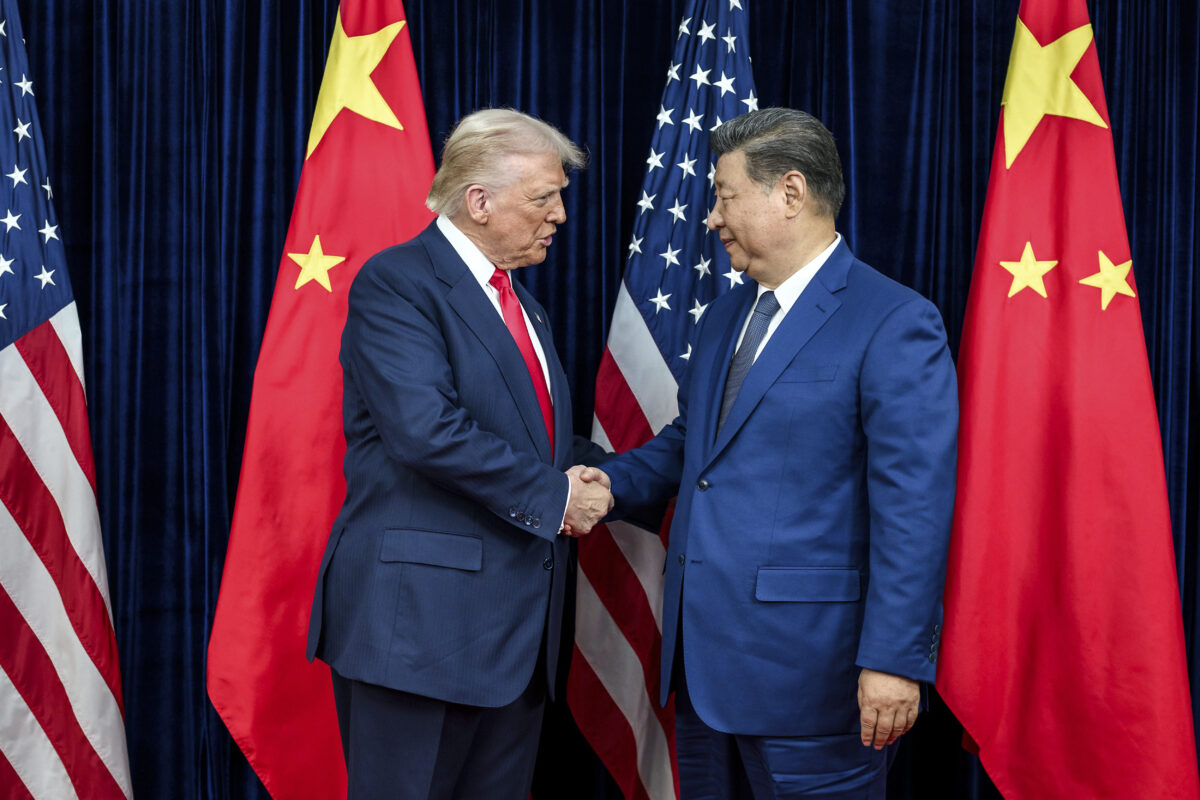
China remains a central electoral issue. For the average American voter, the Chinese ‘threat’ is expressed in terms of employment, inflation, and food prices rather than distant geostrategic disputes. That is why Trump announced a trade truce, a visit to China in 2026, and a review of tariffs that have made domestic goods more expensive. This is ideological moderation rather than electoral pragmatism: preventing the trade war from hurting his own home base.
Trump uses foreign policy the same way Jimmy Carter, Bill Clinton, and George W. Bush did, but in a different world. The U.S. no longer acts like the global corporation funding stability in exchange for access to markets, according to Adam Posen’s metaphor. Washington now believes it contributes more than it gets, a diagnosis that explains widespread tariffs and its push for Europe to boost defense spending within NATO.
There is a sense of systemic chaos.
The global context offers little stability. There is a sense of systemic chaos, with an underlying order still unclear. Trump moves through this uncertainty with personal, unpredictable diplomacy. Any agreements he reaches — if they happen — will be fragile by nature.
Whether this strategy strengthens or weakens him is hard to judge. U.S. politics has been highly unpredictable. In 2022, Democrats seemed headed for defeat in the midterms until an agenda centered on abortion rights changed the outcome.
Playing two games
Episodes like the one involving newly elected New York Mayor Zohran Mamdani, who Trump first insulted, then welcomed at the White House, reveal a landscape far less linear than Trump’s rhetoric implies.
The only thing that is clear is that Trump is playing two games simultaneously: one global, where he seeks to contain China and restore the United States central role; and another domestic, where he aims to present himself as an effective leader capable of achieving what others have failed to achieve. The two arenas overlap, and his moves in the Middle East, Venezuela, and Ukraine-Russia only make sense within this dual logic.
The world could change significantly before the 2026 elections, and so could the mood of American voters. But one thing seems certain: for Trump, foreign policy is not an end in itself. It is a means, a stage, and above all a tool for consolidating domestic power.