Here are the latest headlines.
 Worldcrunch
Stay updated with comprehensive news on India from Worldcrunch. Discover insights on Indian politics, economic developments, societal issues, and cultural landmarks with translations from top international sources. Highlights include New Delhi, Mumbai, and events like Diwali.
Here are the latest headlines.
Here are the latest headlines.
Here are the latest headlines.
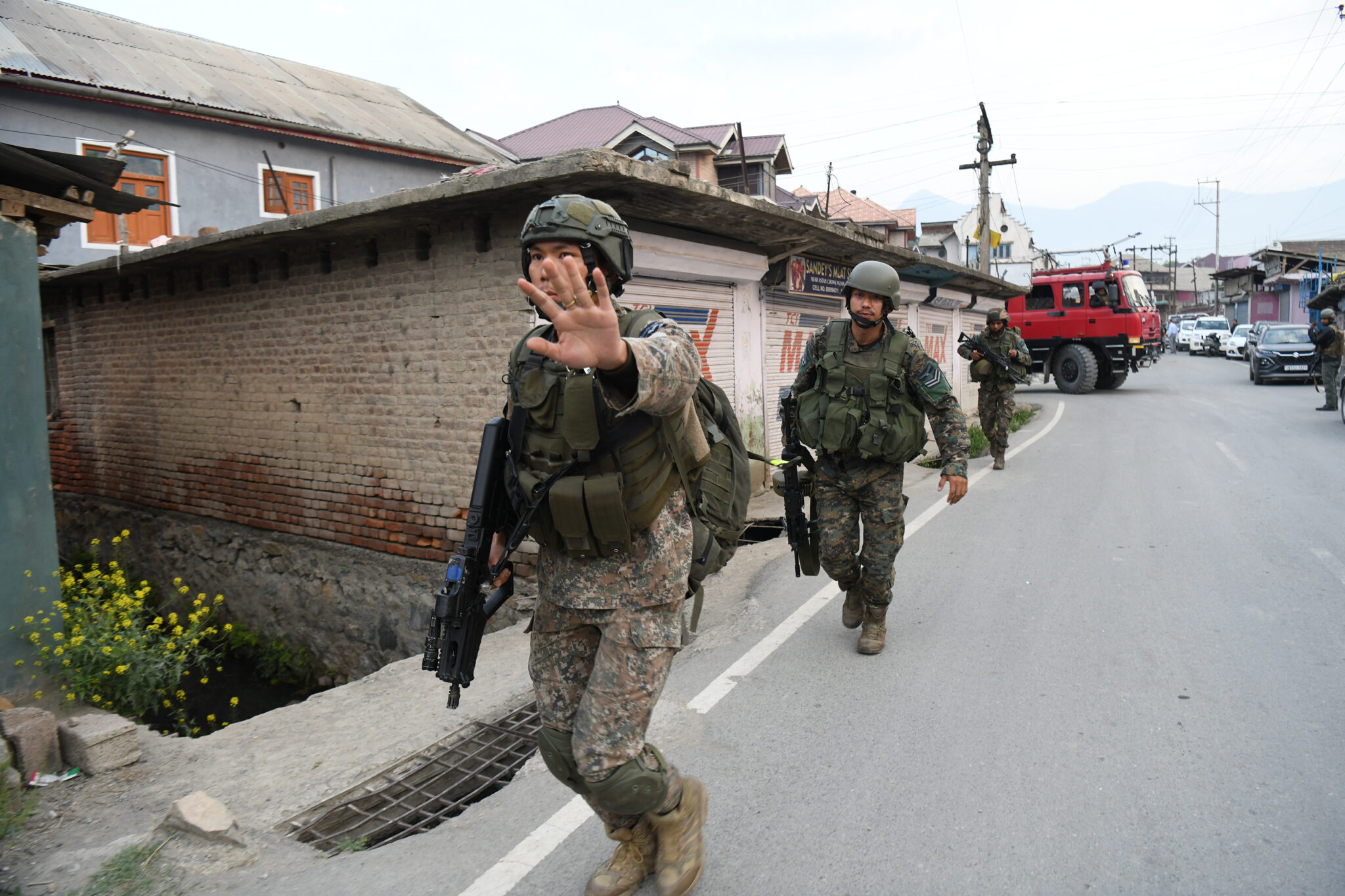
There were several high-profile facilities linked to the Islamist terror groups Lashkar-e-Tayyaba and Jaish-e-Mohammed, but Indian sources claim to have also targeted camps that the military believes are the ‘roots’ of various terror attacks, including last month’s Pahalgam massacre in in Kashmir.
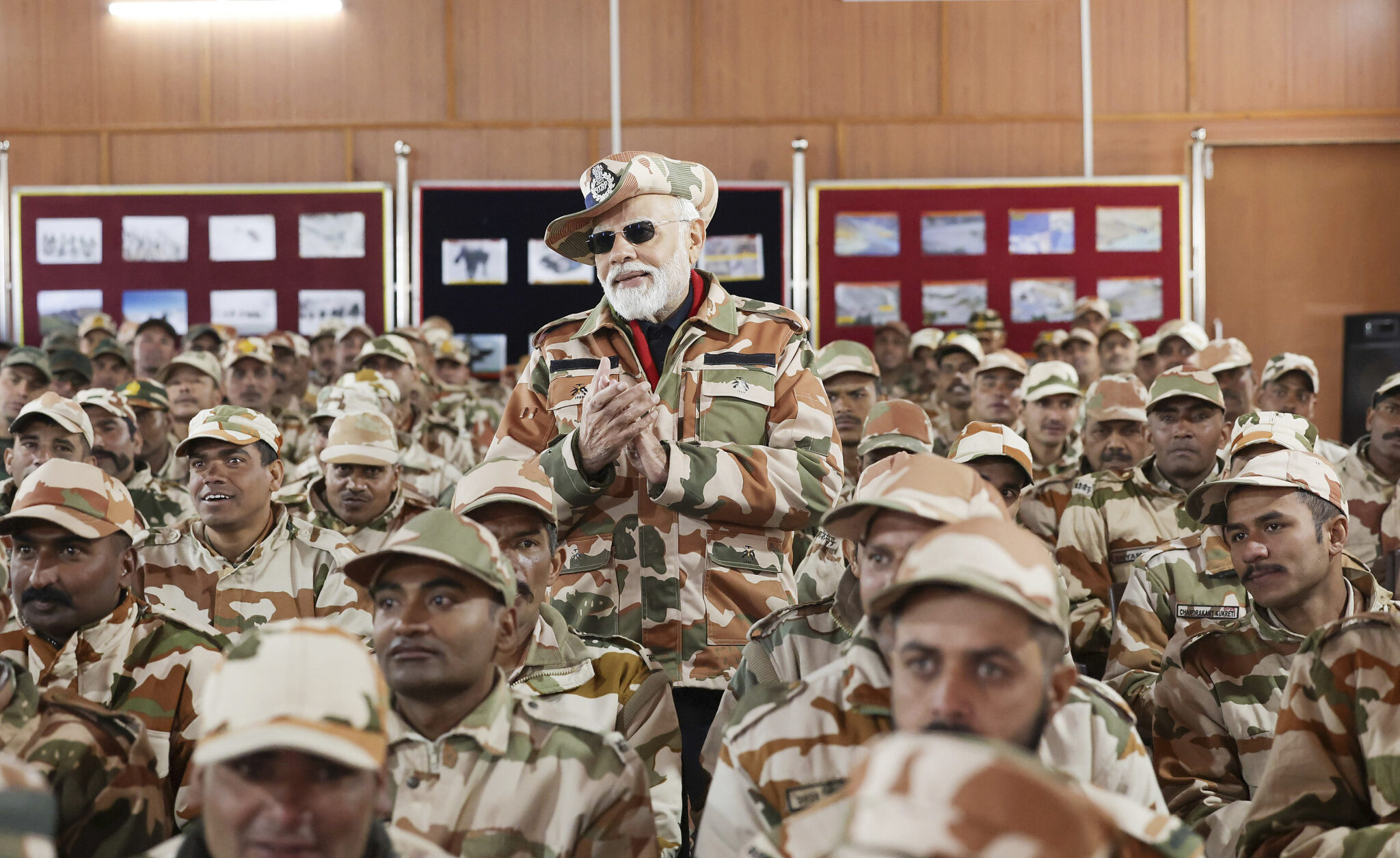
When in doubt, outsource to the soldiers. The Kashmir debacle shows Prime Minister Narendra Modi retreating behind India’s armed forces, leaving it up to them to mop up the mess, calm the rage, and maybe even help the politician save face.
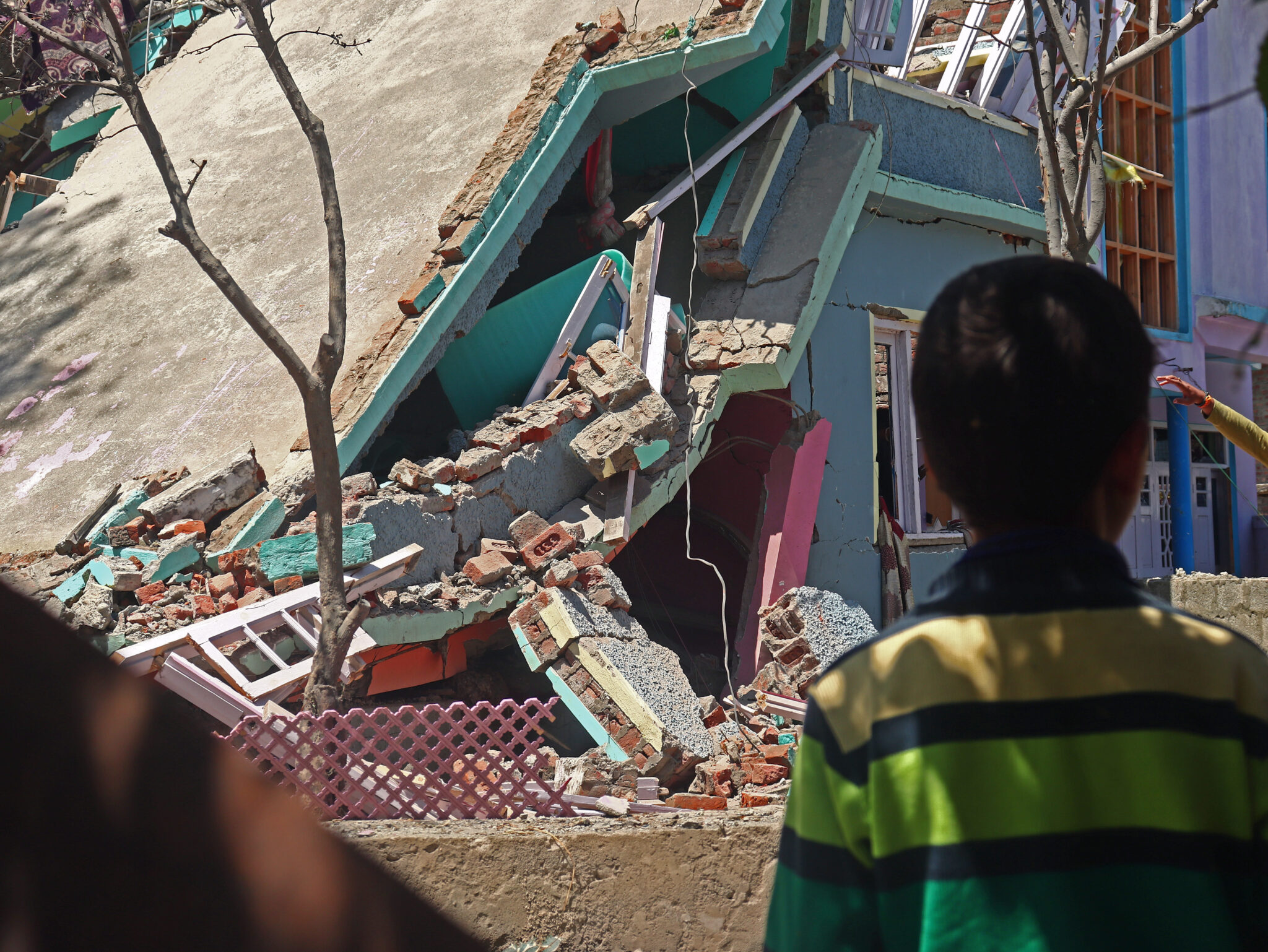
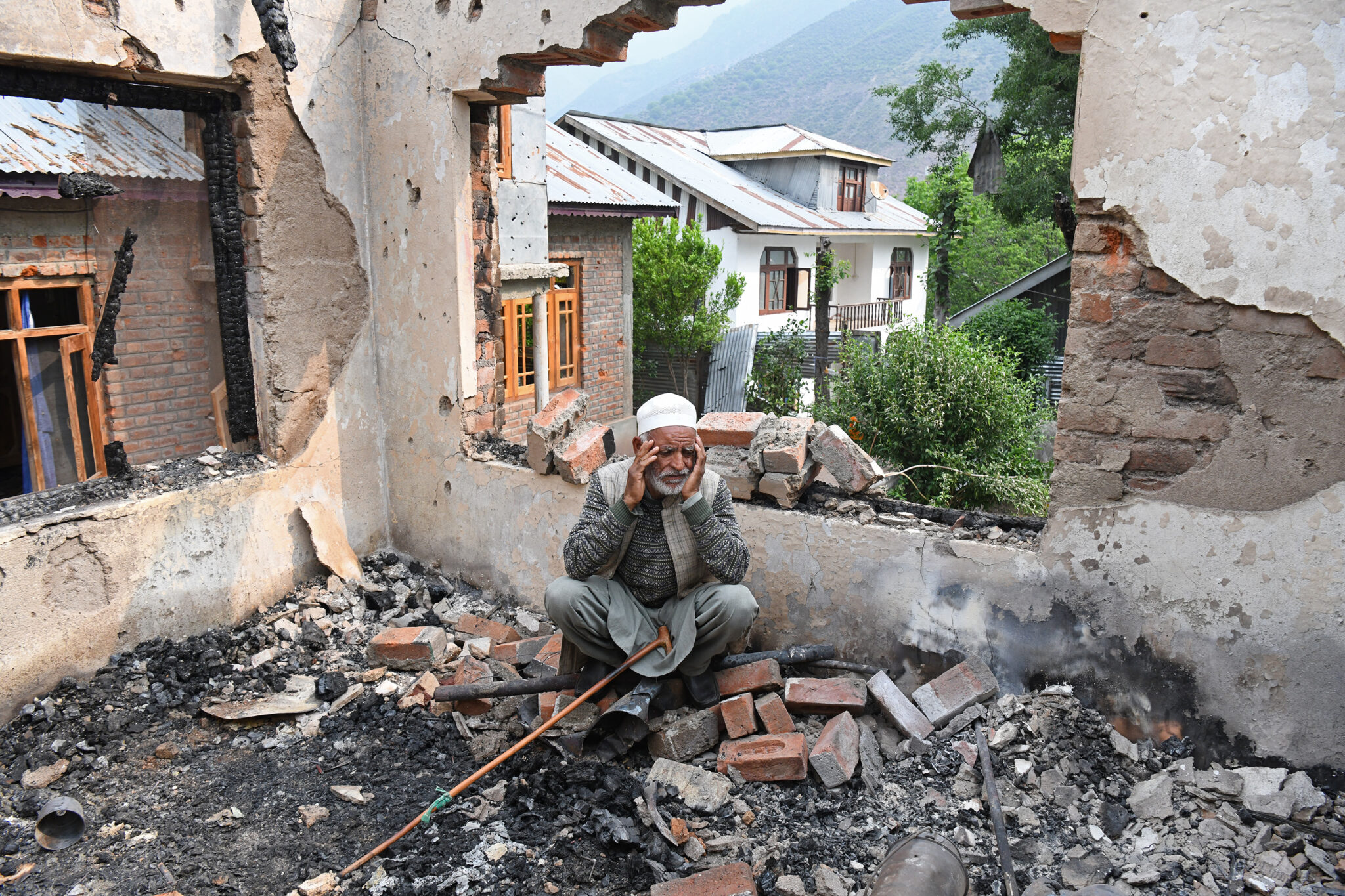
In the wake of the recent Kashmir attack, the Modi government has responded by demolishing homes allegedly linked to suspects, a move seen by some as more spectacle than justice. These retaliatory demolitions reflect a pattern of collective punishment that raises serious concerns about due process and human rights in conflict regions.
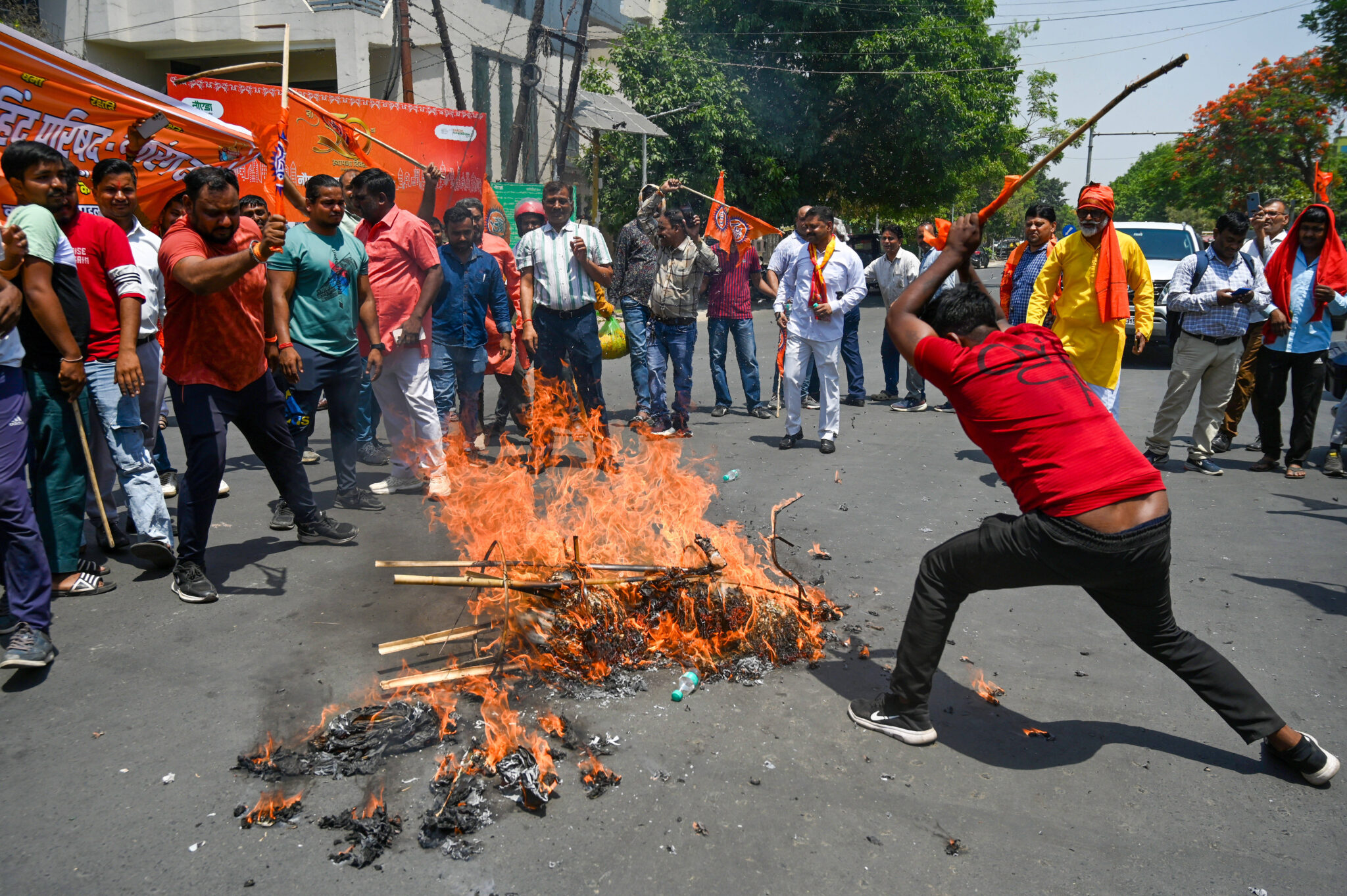
The Pahalgam terrorist attacks in Kashmir continue to stir the flames in the unstable political region of Kashmir. What can its government do to achieve peace?
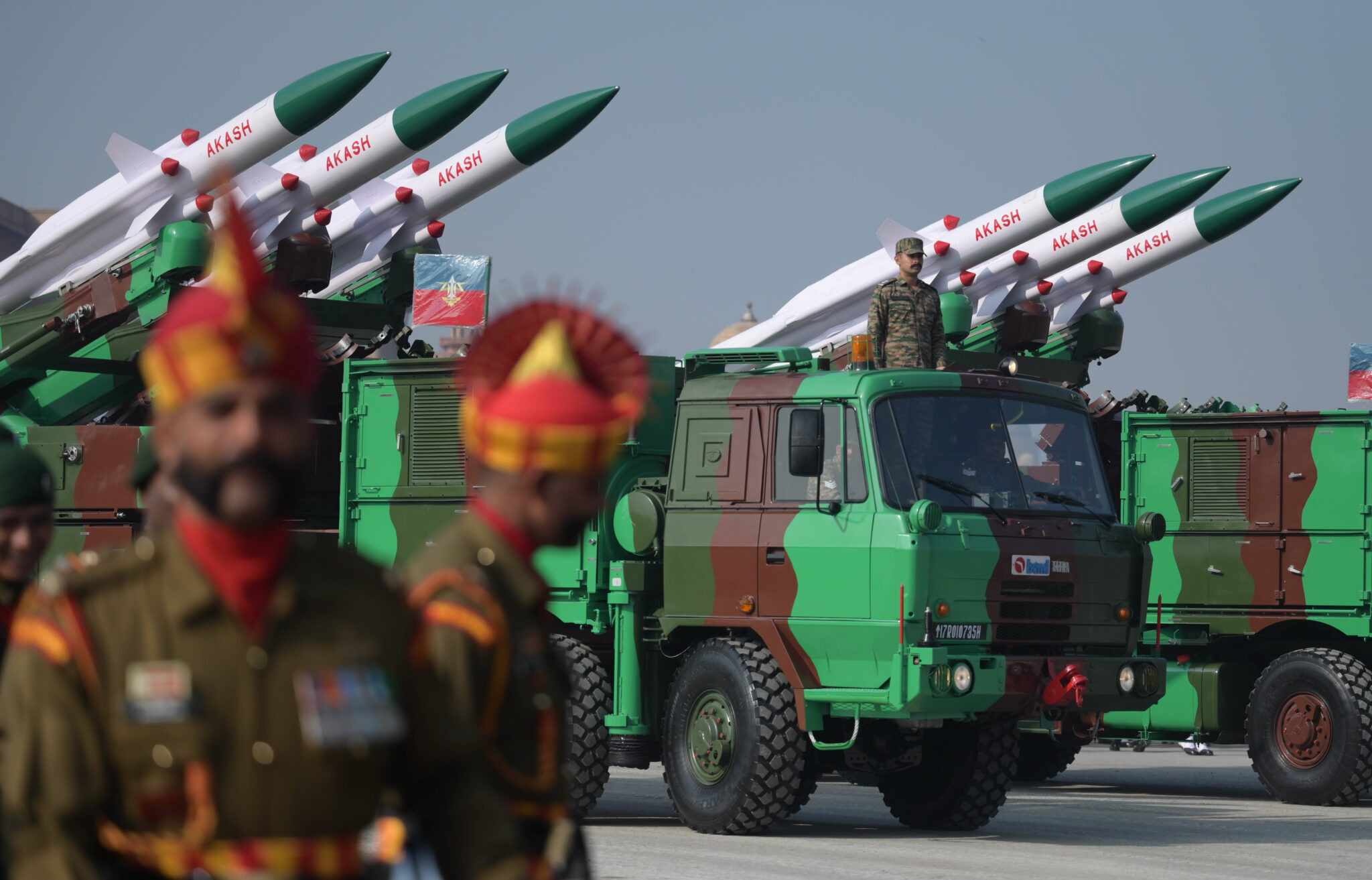
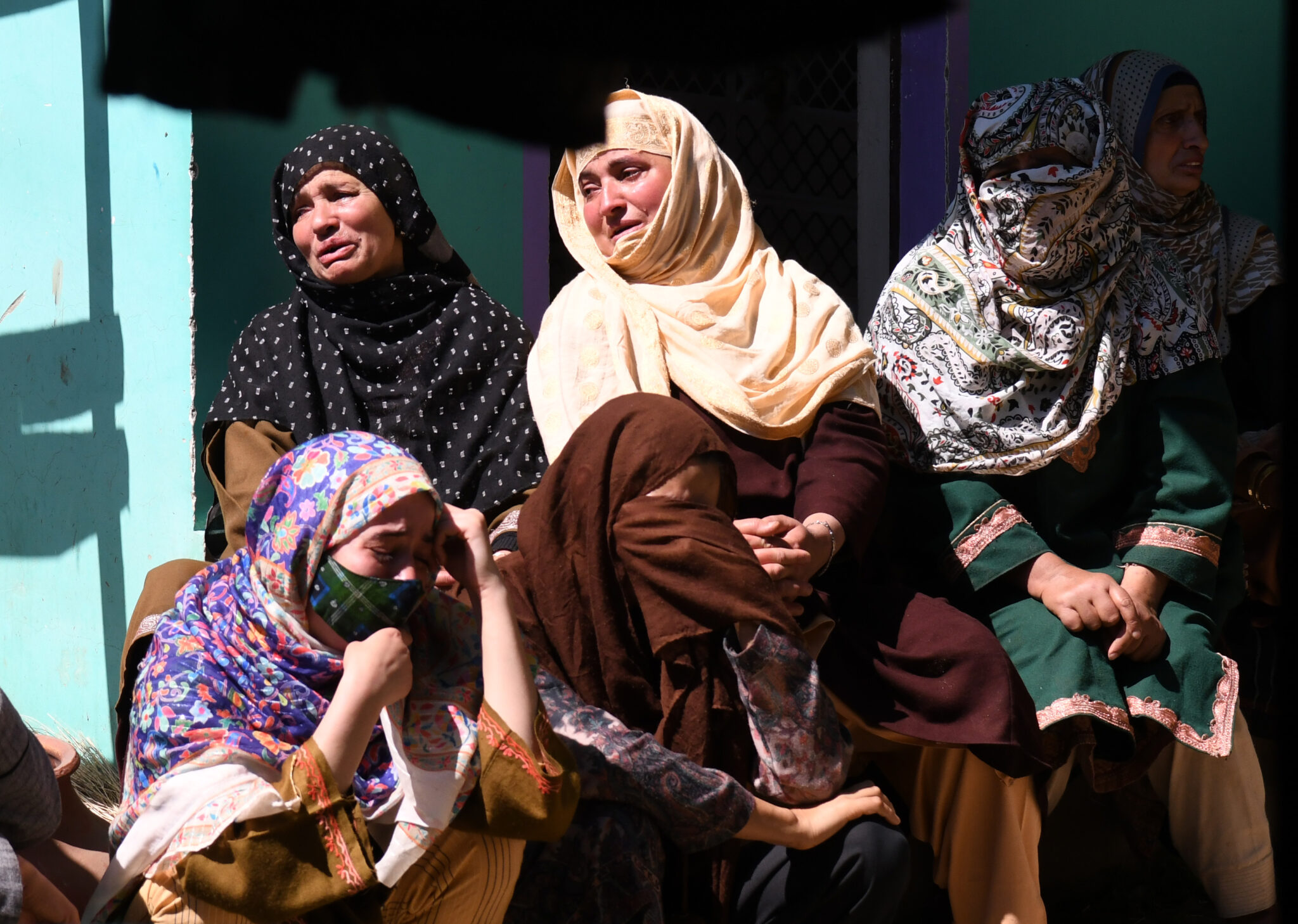
In only a few days, Tuesday’s murder of 26 tourists in Indian-controlled Kashmir has driven India and Pakistan to the edge of war. For obvious and not-so-obvious reasons, the stakes couldn’t be higher.
Here are the latest headlines.
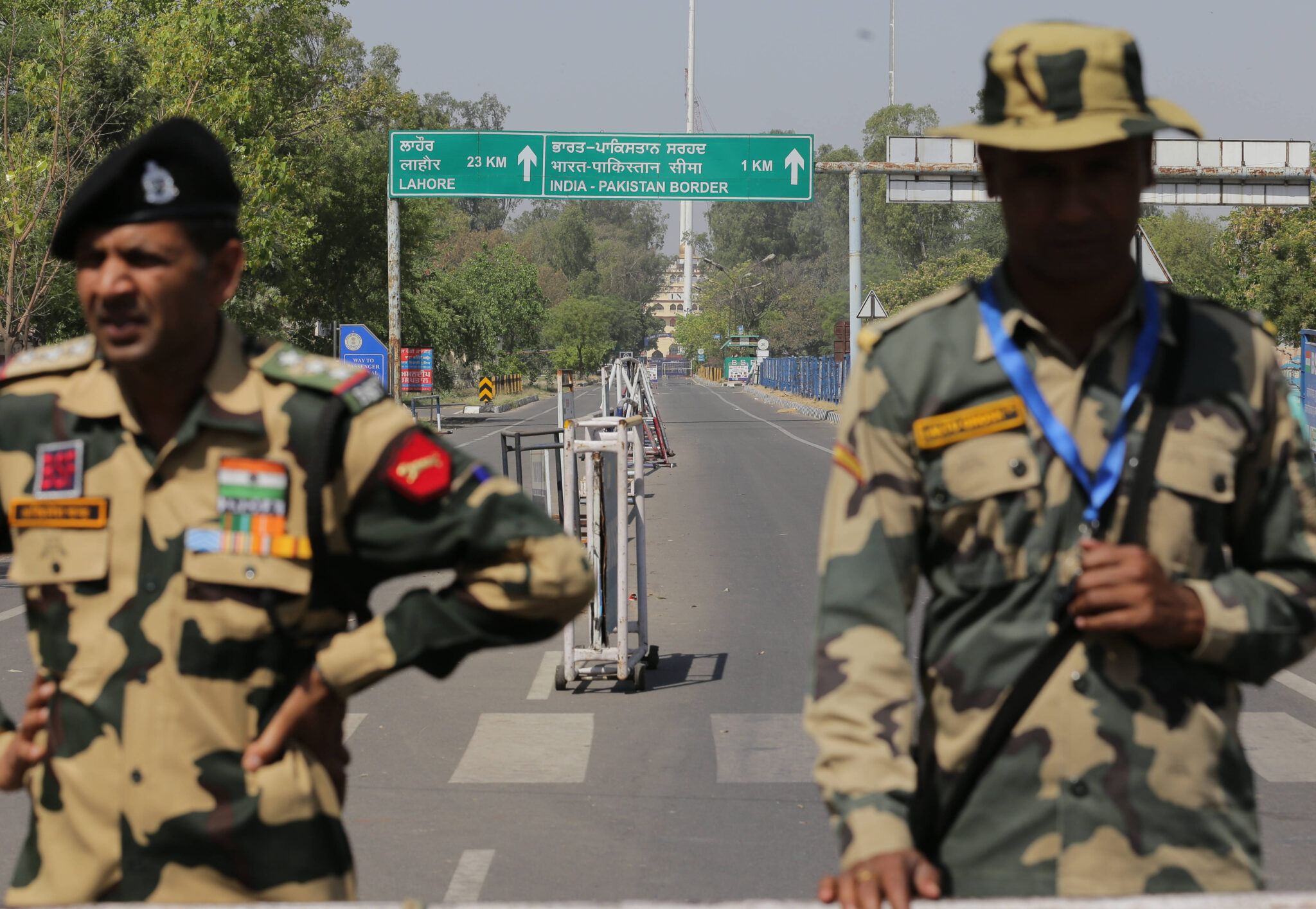
The massacre in northern Kashmir has reignited calls for retribution and nationalist bravado — but behind the noise lies a deeper challenge: can India’s leaders hold the line against communal rupture and resist falling into Pakistan’s strategic trap?
Here are the latest headlines
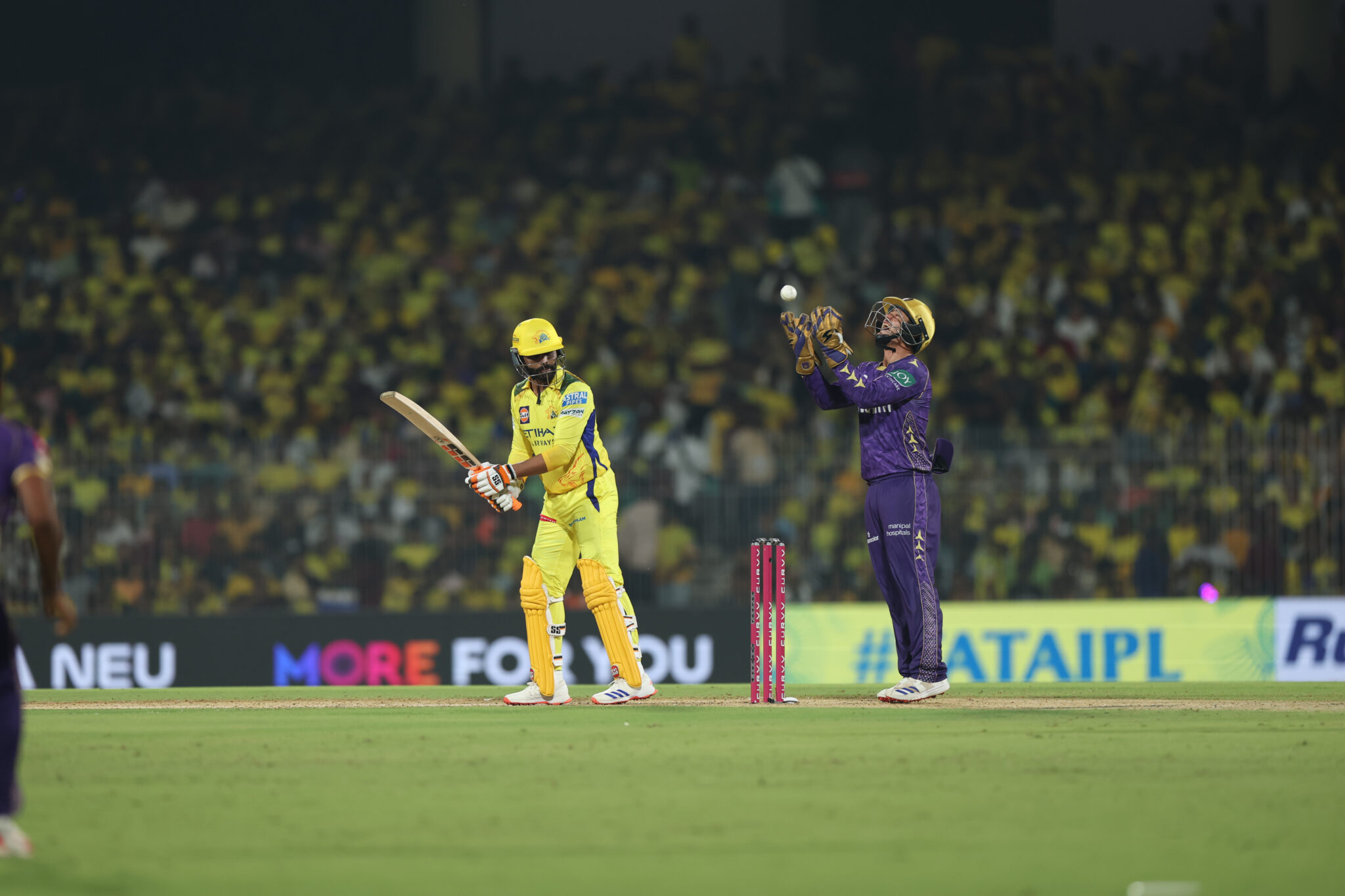
The relentless commodification of cricket, where sponsorship deals and advertising revenue dictate the sport’s future, only deepens the disconnect between the illusion of unity and the stark reality of social disparity.
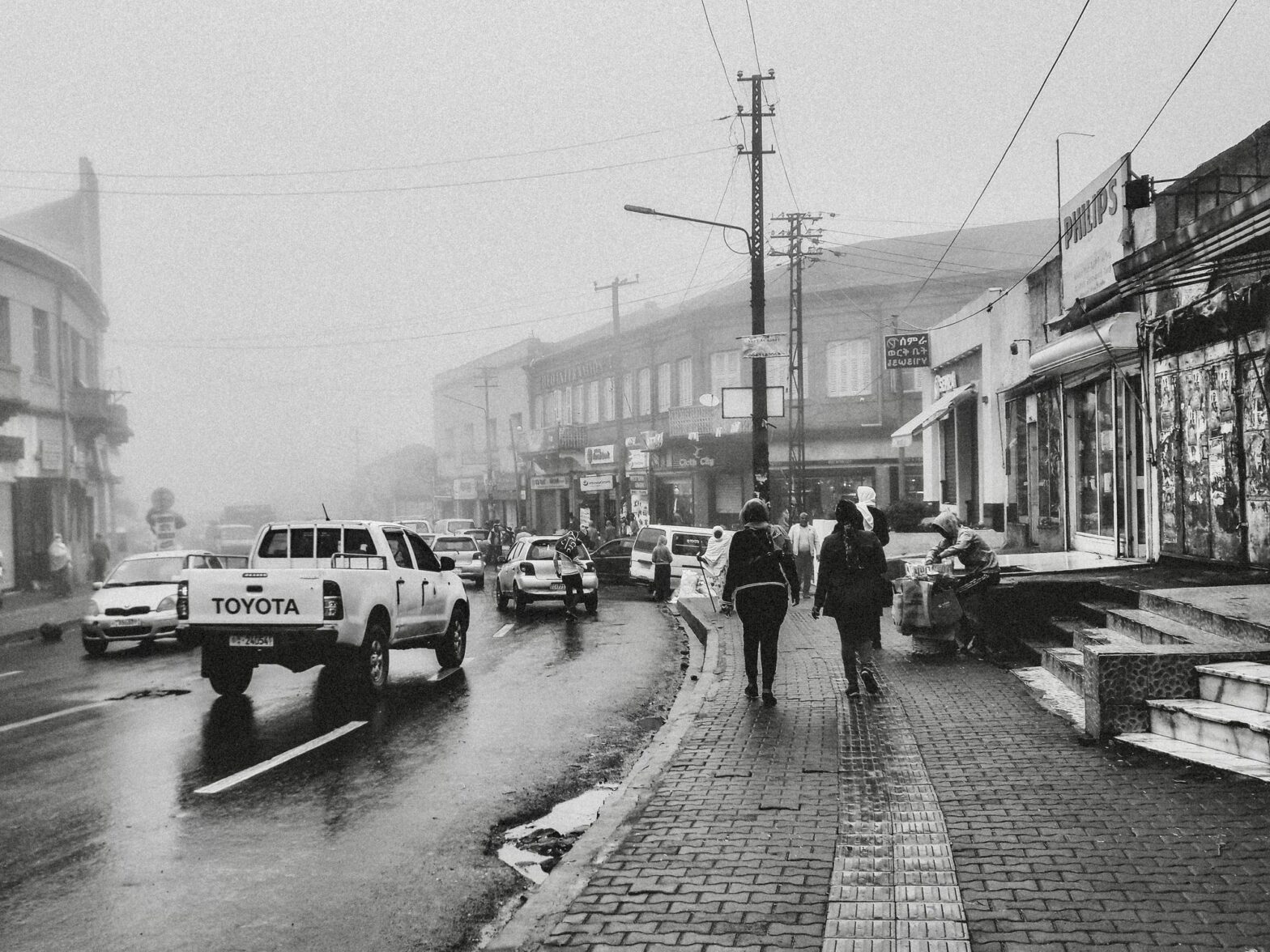
Trump’s “Liberation Day” tariffs may have sparked a new era of wealth for America’s economy, but at what cost? As trade wars escalate, vulnerable countries will bear the brunt of economic turmoil.
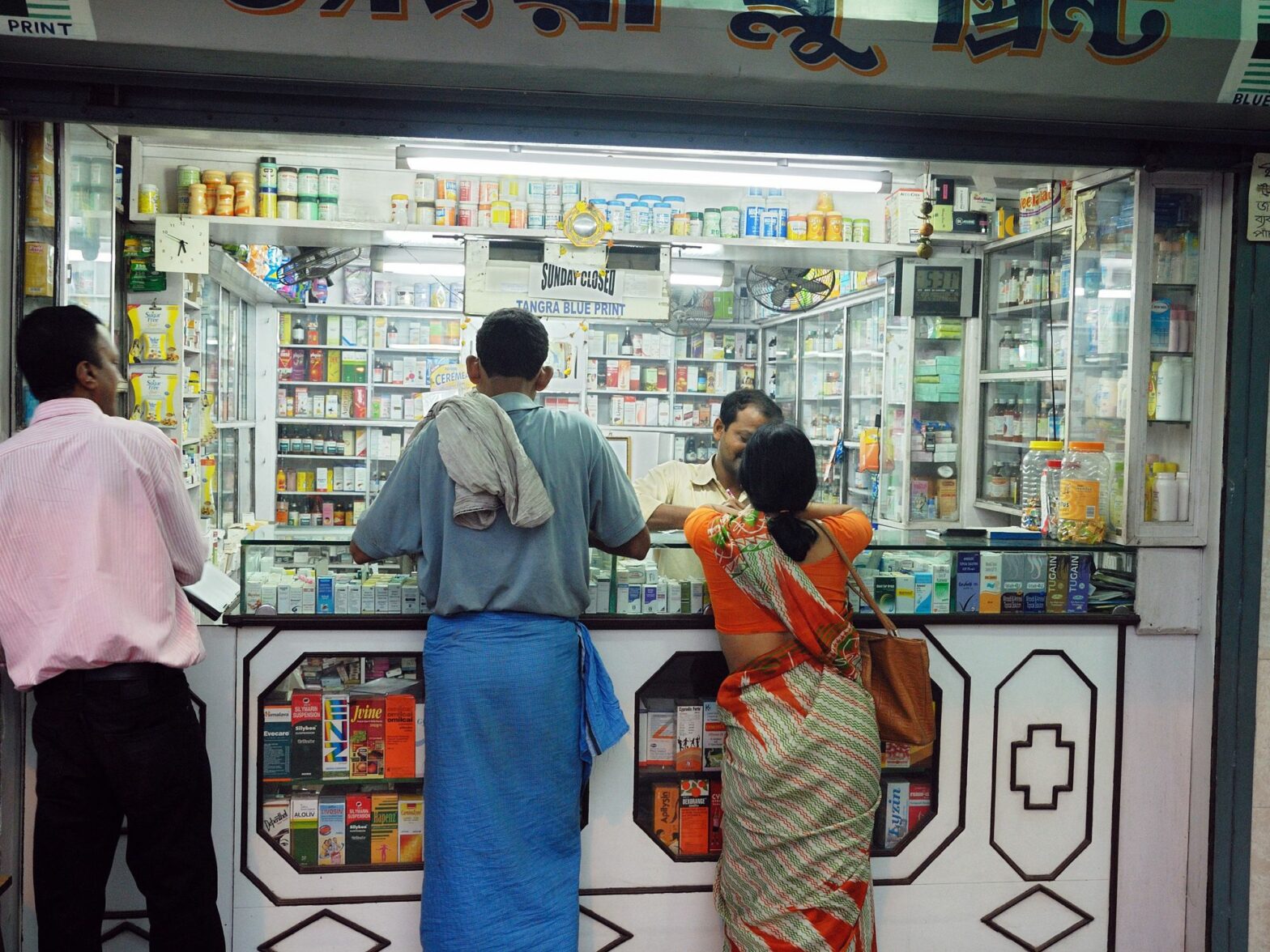
The industry needs to embrace innovation with technology towards novel drug development to remain relevant in the marketplace.
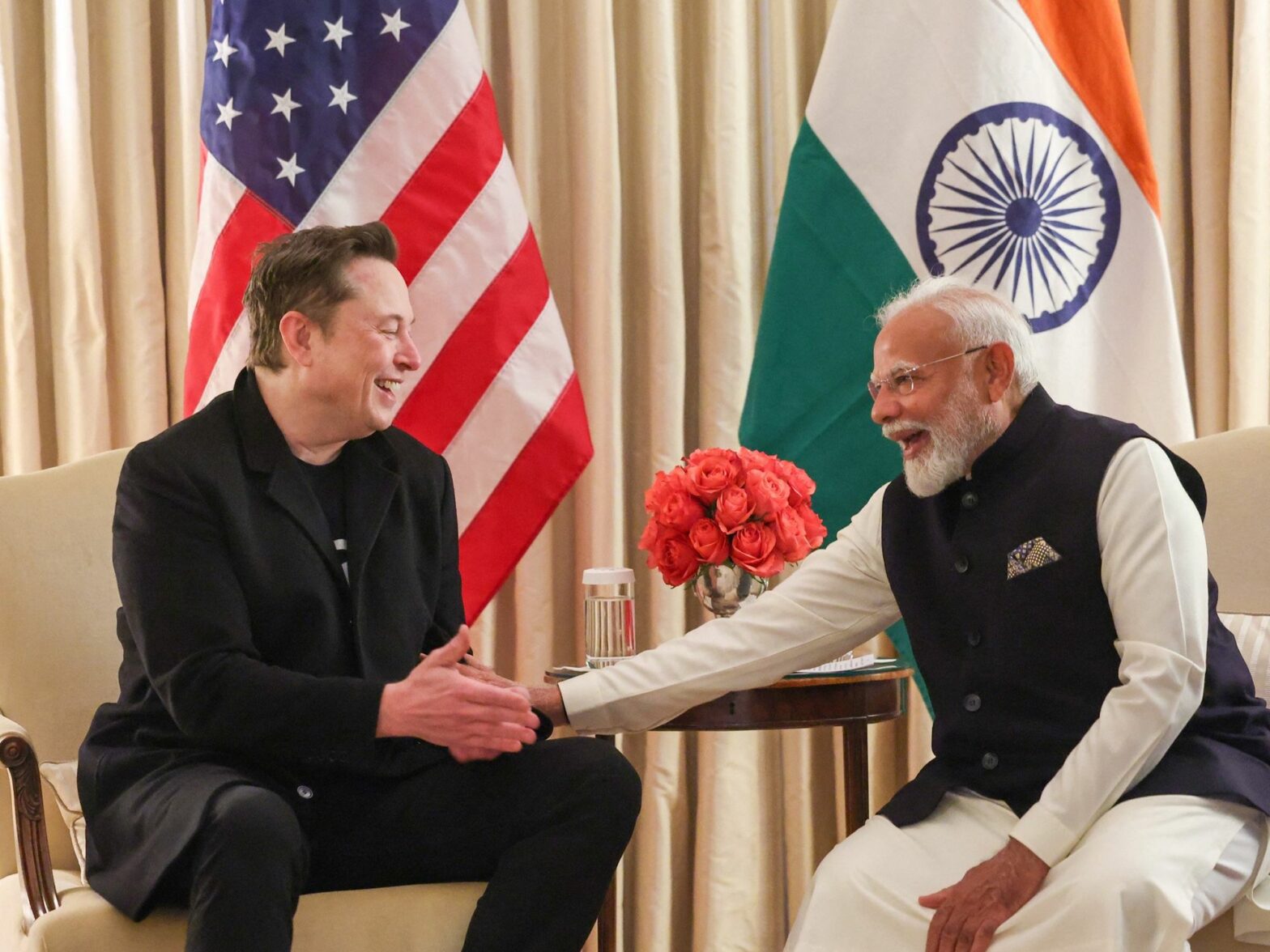
Elon Musk’s AI tool, Grok, has started challenging India’s political elite, calling out Narendra Modi, Amit Shah, and more. But will the government react to the irreverential bot?
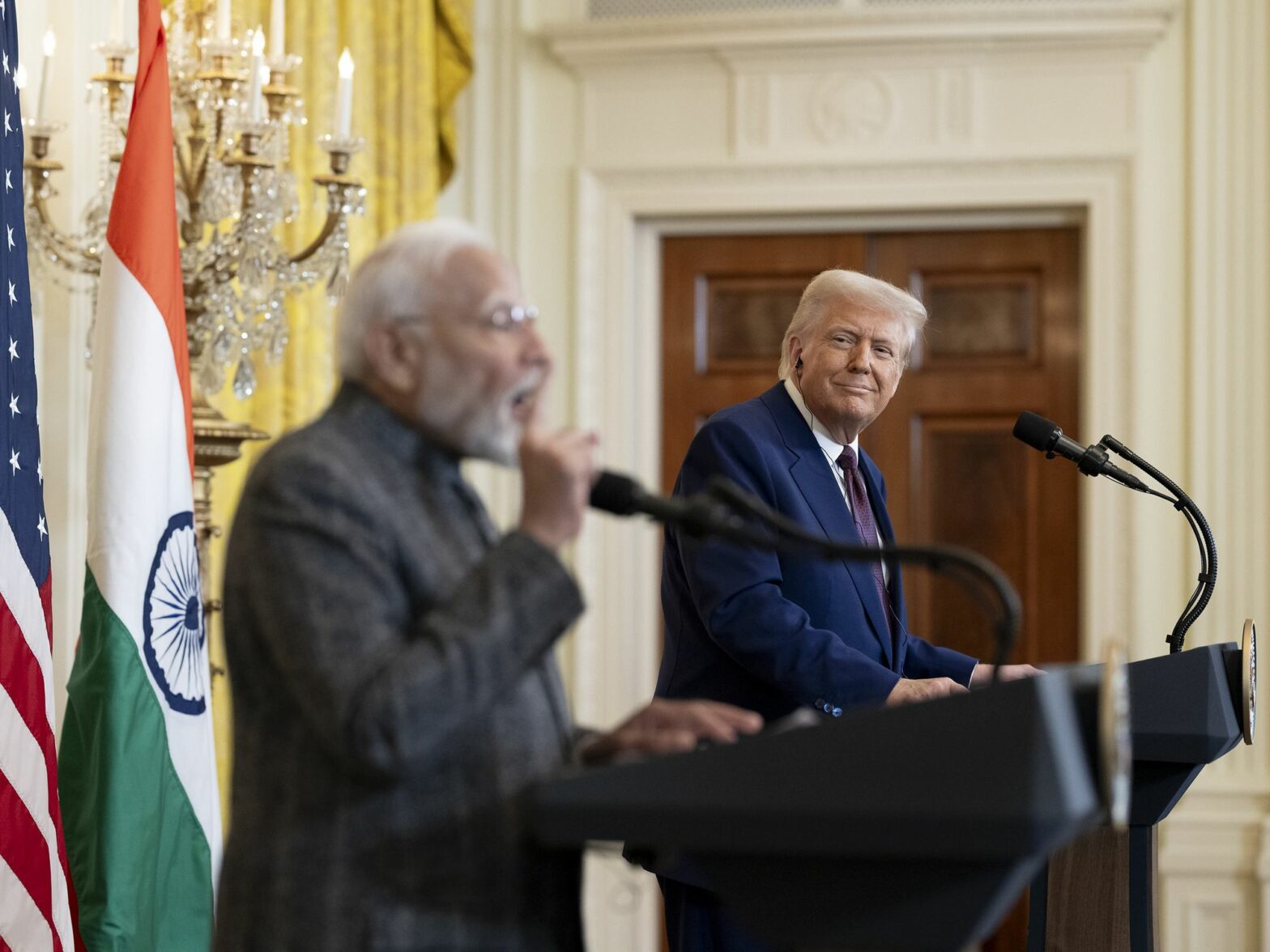
It is not surprising that many Hindutva groups in the U.S. support Trump’s policies. These align well with their own anti-migrant and anti-reservation stance back home.
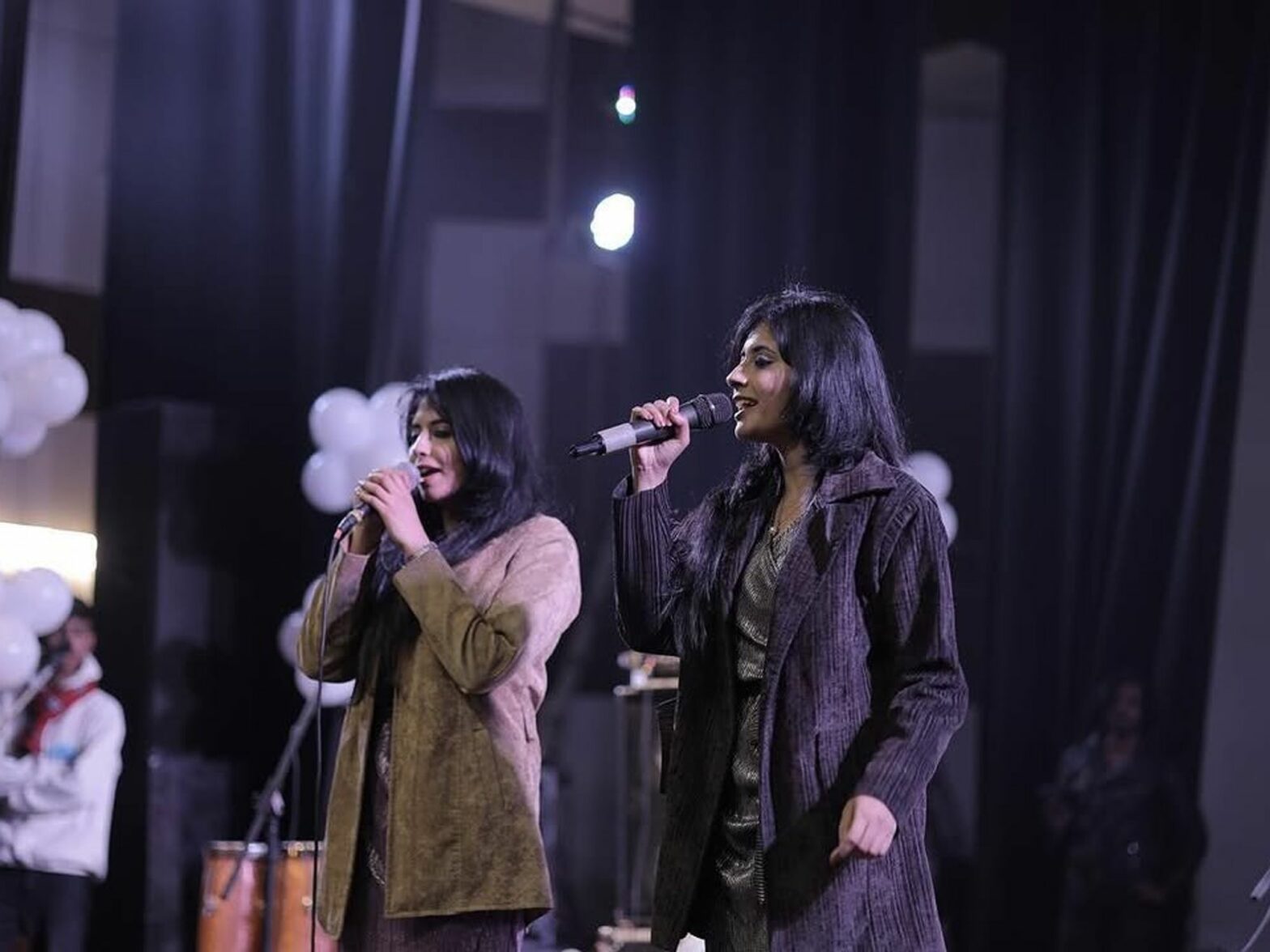
Led by young artists like Varsha and Sherin, Christian rap in India is emerging as a powerful genre used both for worship and protest. Gospel hip-hop, as it is also called, is gaining traction through social media and carving its own space in India’s spiritual and musical landscape.
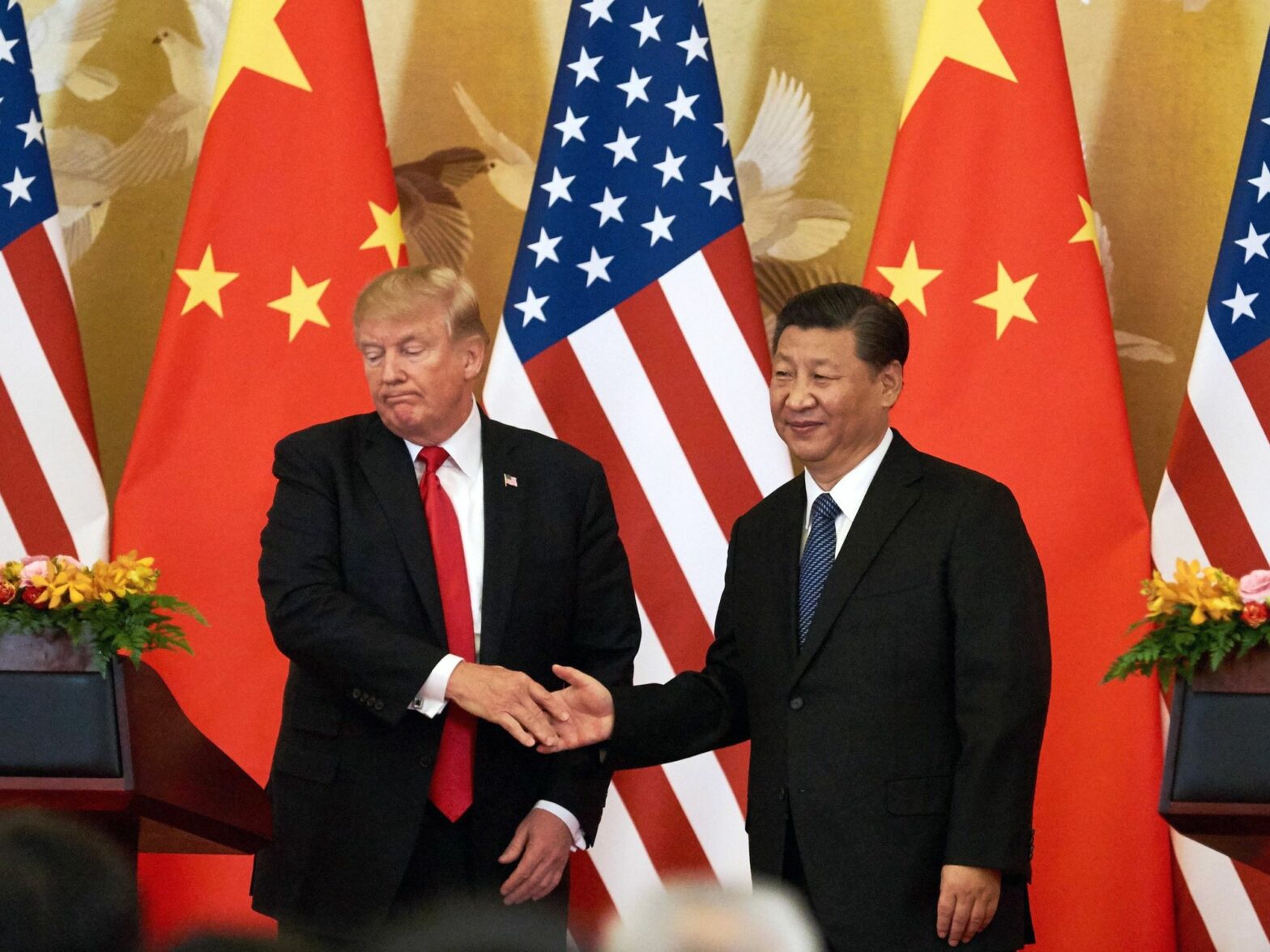
None of the major heads of state on the Asian continent has a direct link with U.S. President-elect Donald Trump, who regularly calls on America’s Far Eastern allies to “pay more” for their defense. Philippe Le Corre, professor of geopolitics, explains that military risk is a major concern in a region with many hotbeds of tension.

Moments of terrifying anxiety for a father and – no need for superfluous suspense here — a happy ending.
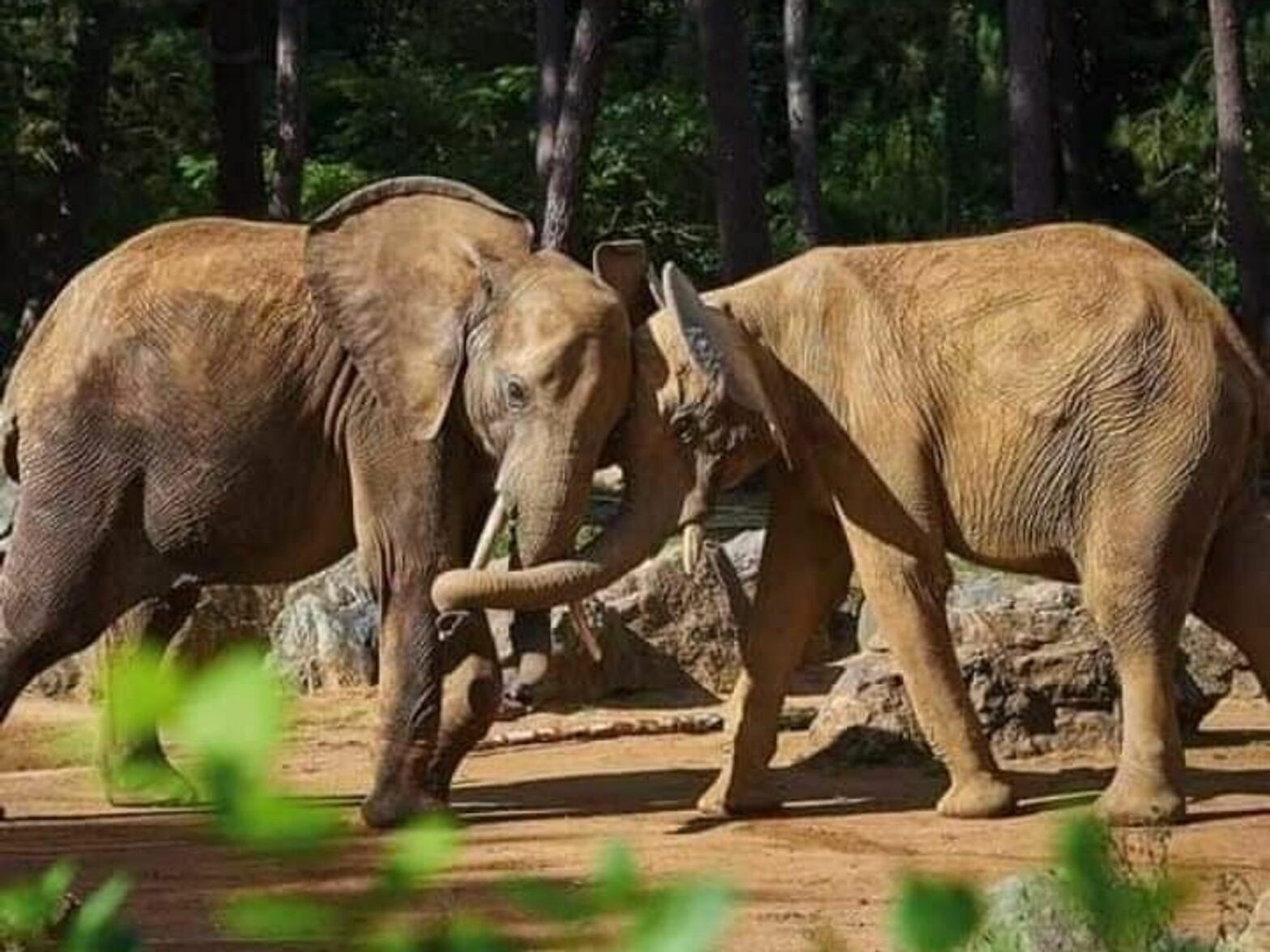
Tunisians are among the largest group of people migrating to Europe due to the lack of decent living conditions in the North African country. But now even animals are being pushed to the brink by the neglect and mismanagement of resources.
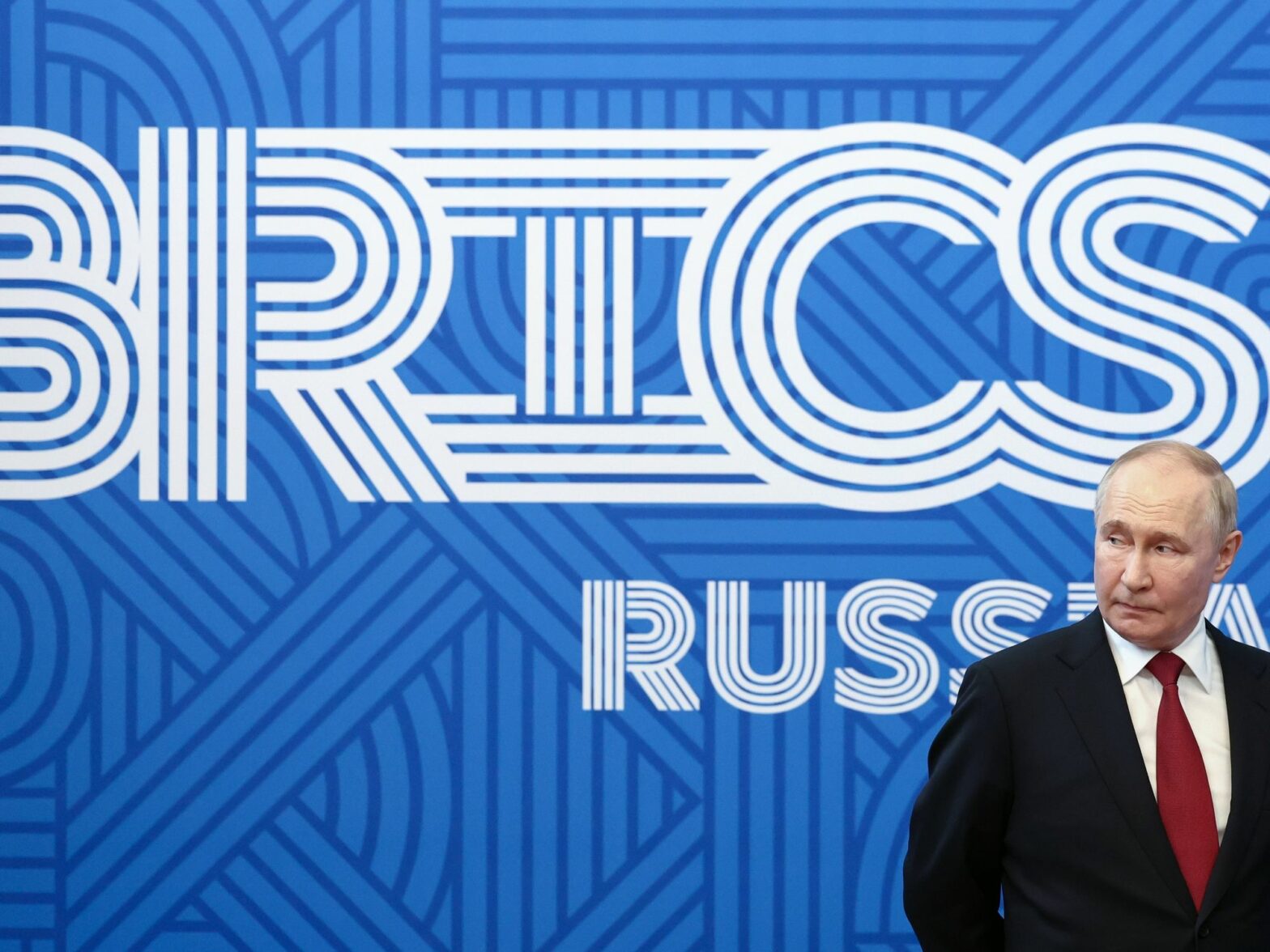
The BRICS Summit, which opens on Tuesday in Kazan, Russia, is an opportunity for Vladimir Putin to show that he is not isolated. But it is above all the power of attraction of this club of emerging countries that needs to be seen, in a world dominated by the West since 1945 and struggling to evolve.
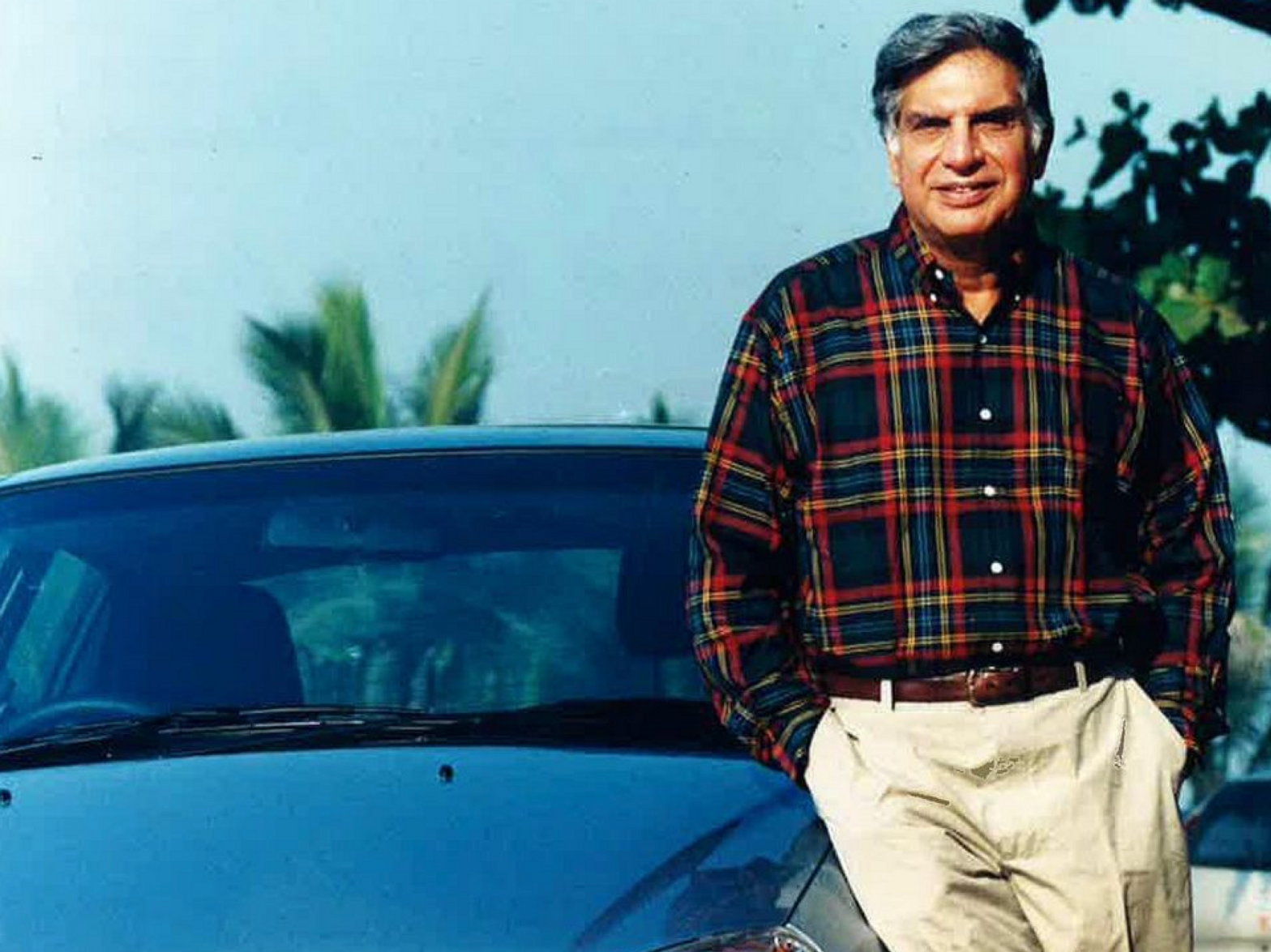
The “titan” of Indian business, Ratan Tata, has died at 86. Under his leadership, the Tata Group evolved into a global powerhouse, renowned for its integrity and expansive reach.
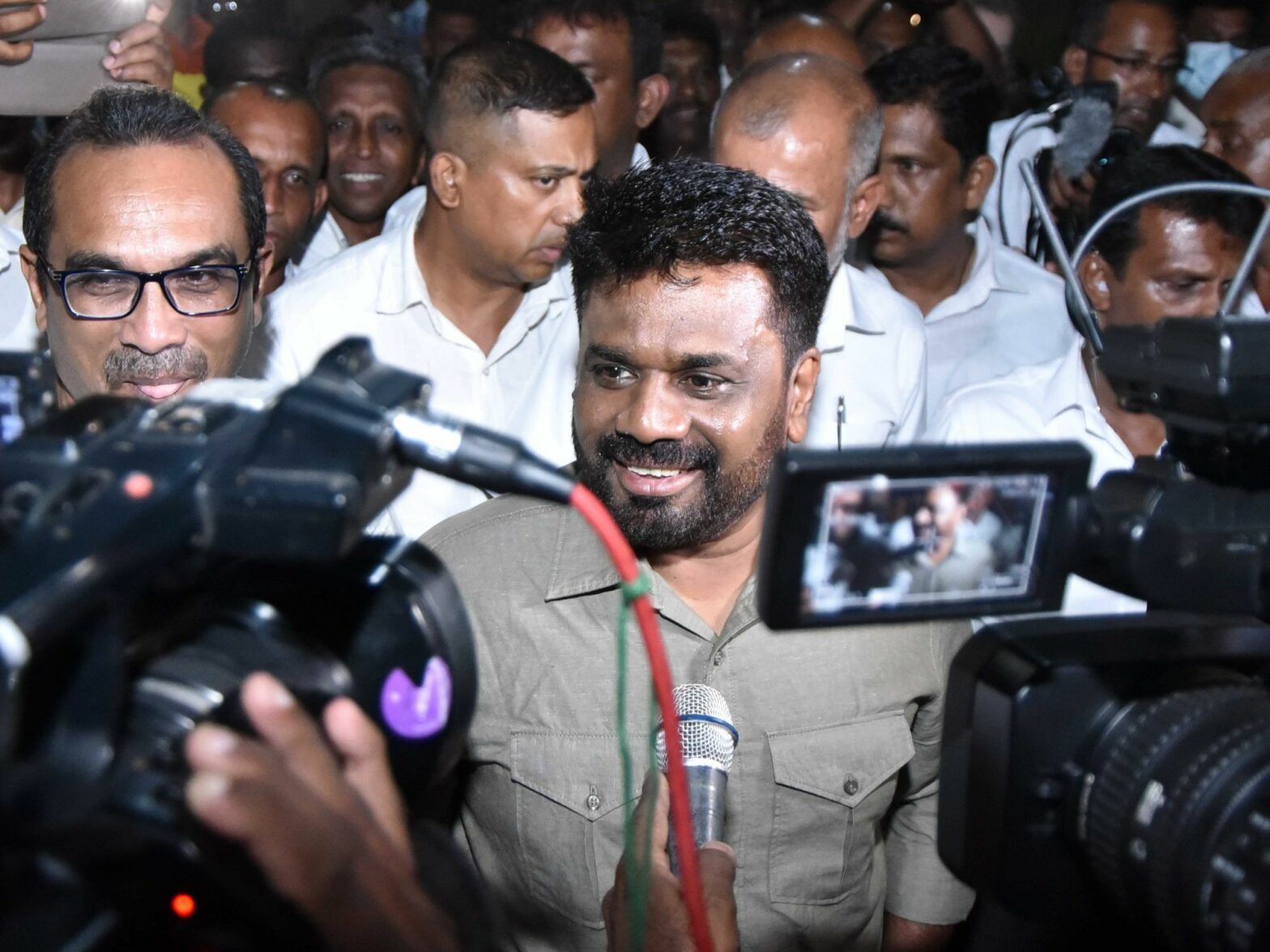
The outgoing Sri Lankan government had signed an agreement in secret for the Indian conglomerate Adani to build a wind farm in the north of the country. Now the newly elected President Anura Kumara Dissanayake arrives with plans to scrap the massive project.
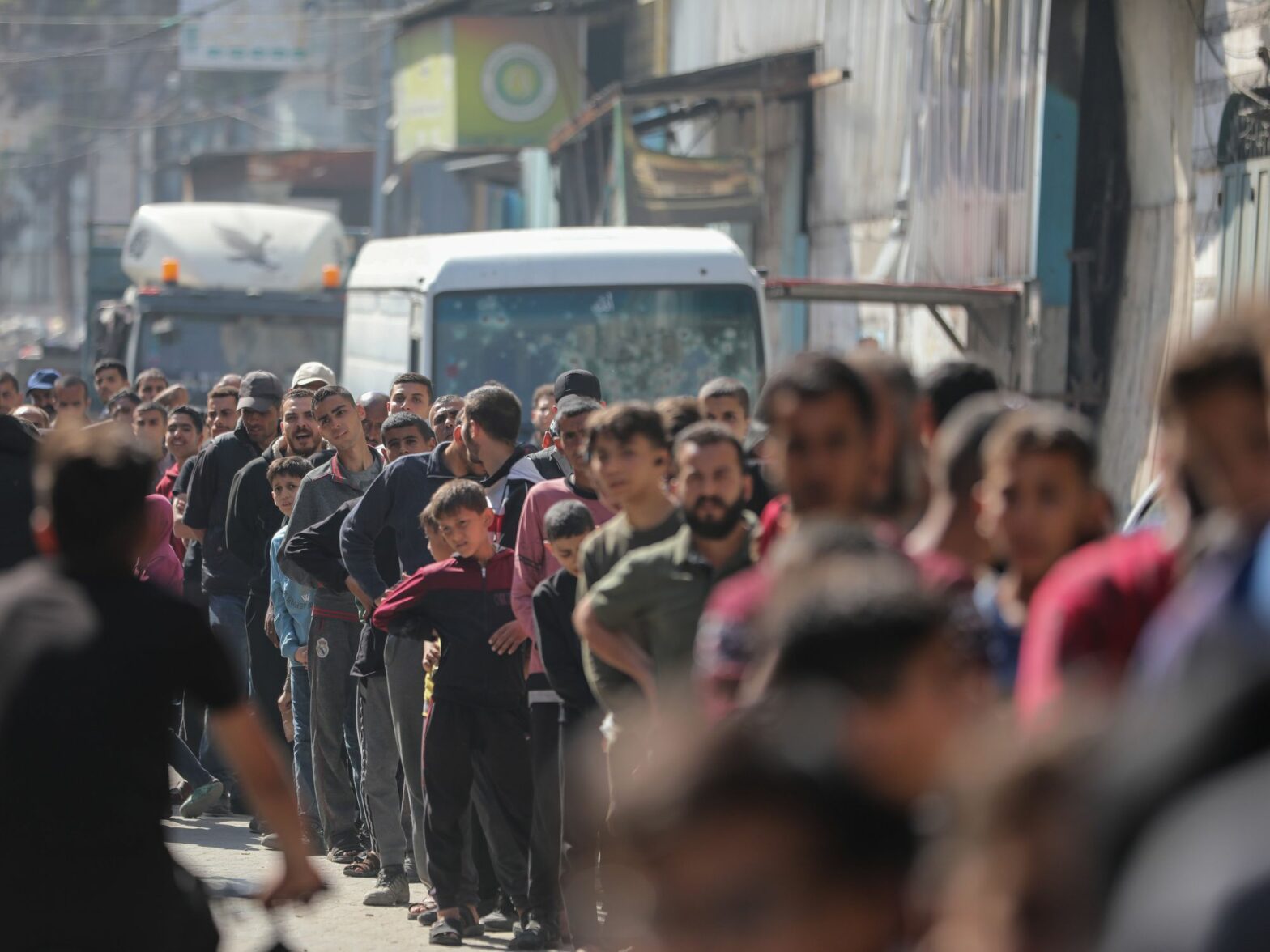
Israel’s war on Gaza, with the support of the West, is not far from the necessities of capitalist accumulation in many regions of the world, or at least about managing the crisis of contemporary global capitalism.

While Paris aims to host the greenest Olympics this summer, the French company Rebond is working to make soccer balls, typically pumped up with petrochemicals, more environmentally friendly by using bio-sourced and recyclable materials.
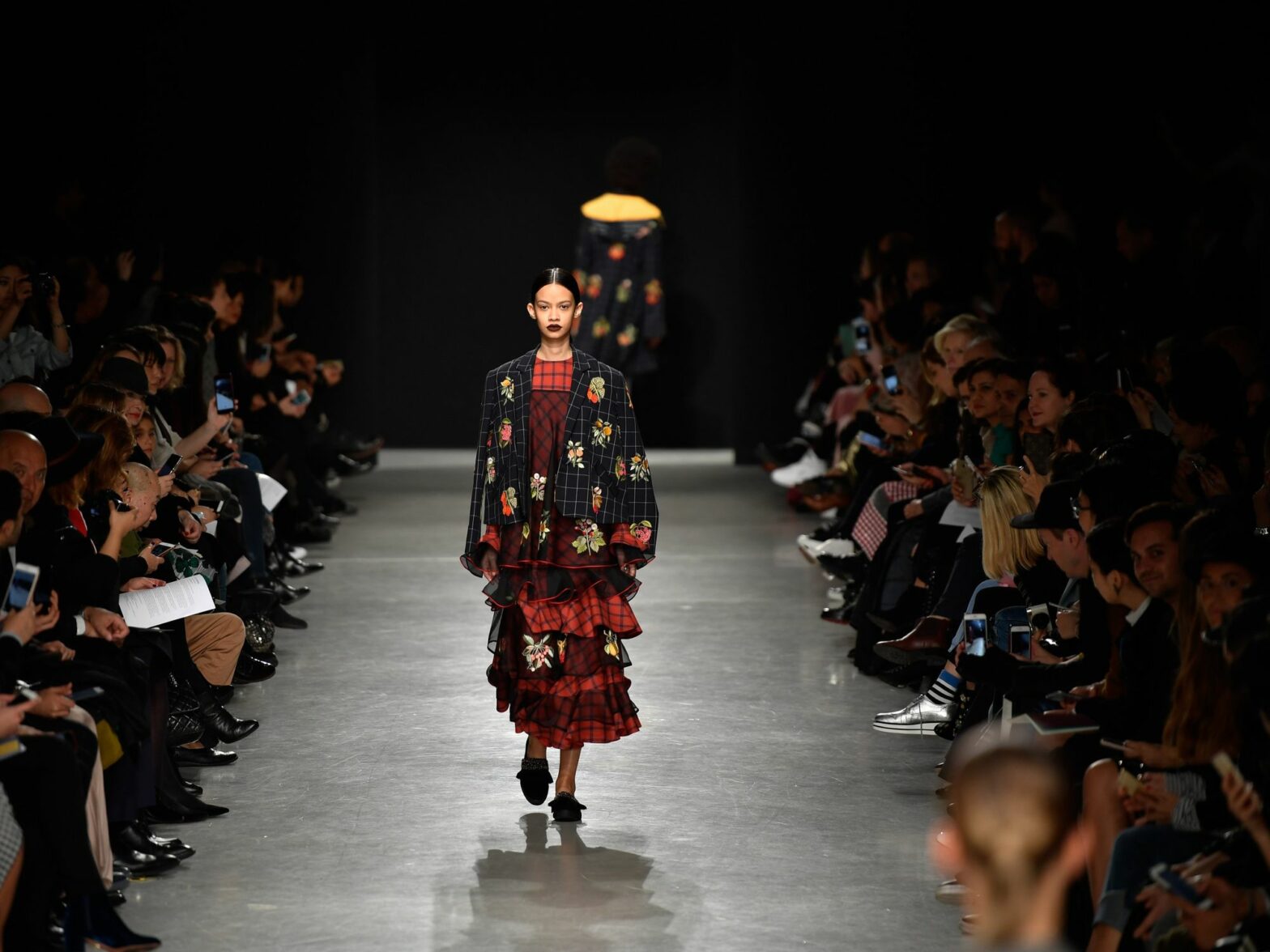
Their creations have been worn by international celebrities, such as Beyoncé and Zendaya. Their techniques have been used by major fashion houses, including Dior, Chanel and Balenciaga. With Indian designers Gaurav Gupta and Rahul Mishra making their mark on red carpets and runways around the world, Les Echos reports on the country’s rising luxury fashion industry.
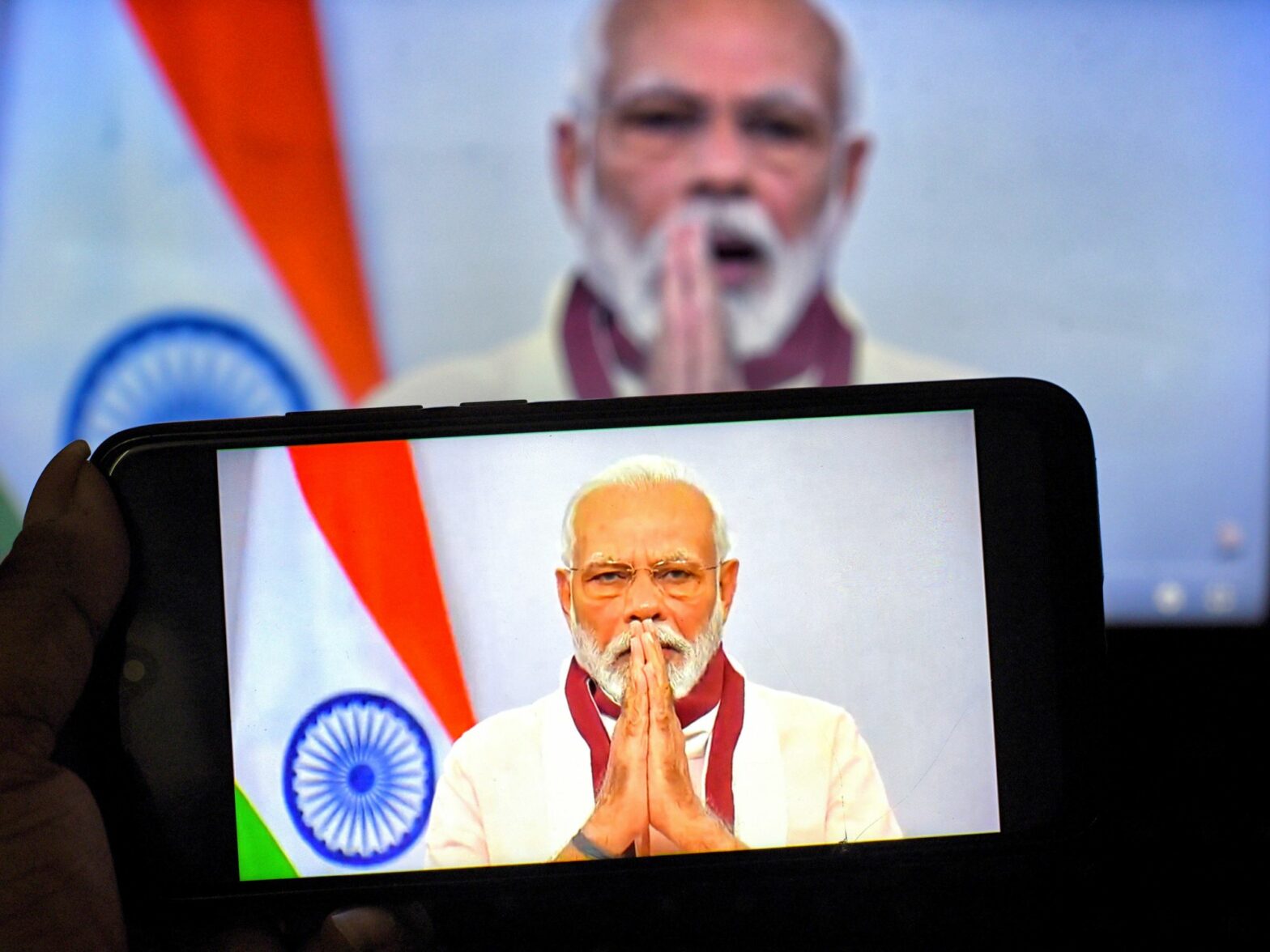
In the run-up to India’s general elections this spring, Prime Minister Narendra Modi has been showcasing his adventures in social media posts, his preferred method of communication, saturating the digital landscape of a highly connected country — and avoiding hard questions from the press.
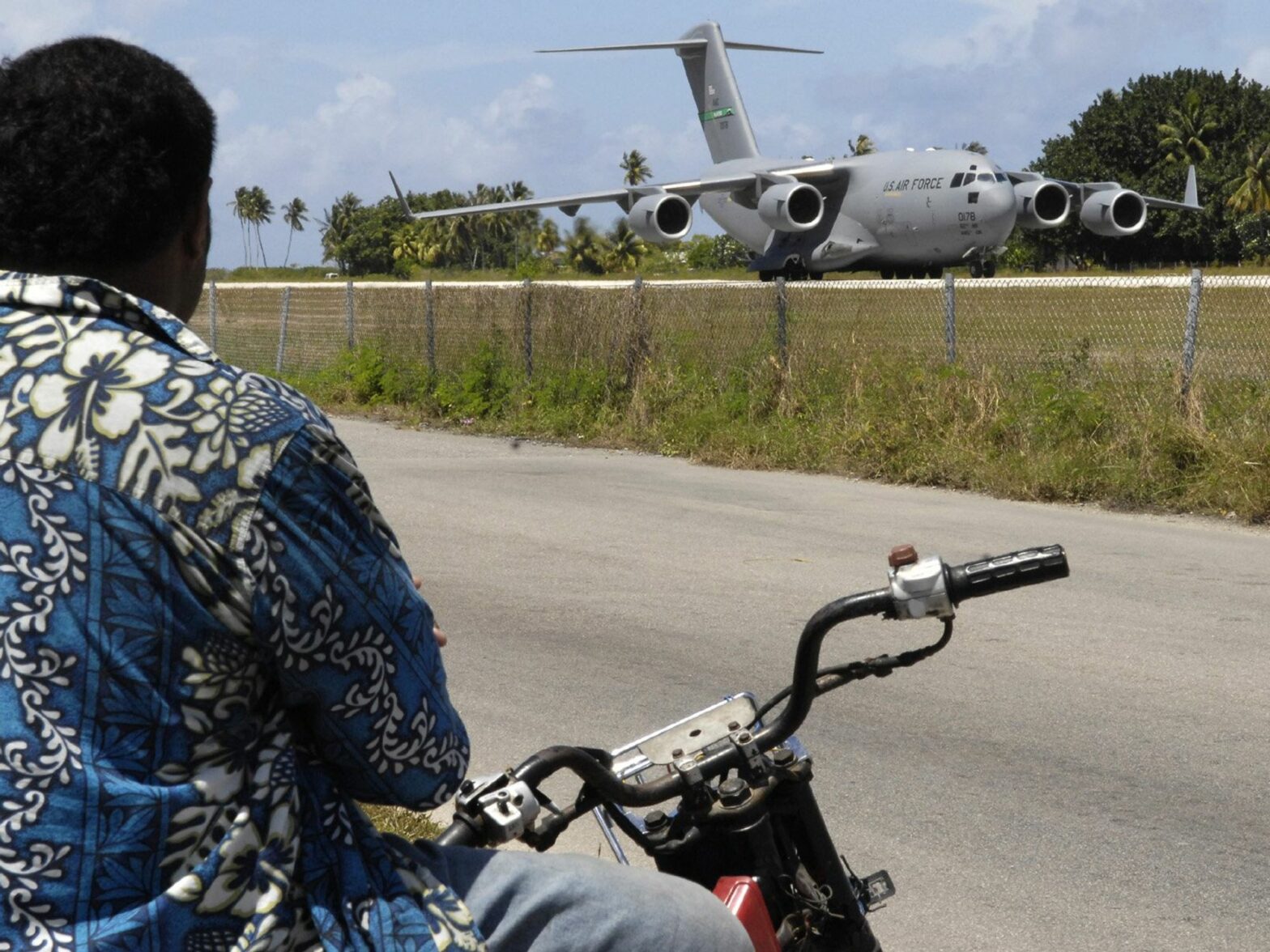
There is major maneuvering among the small but strategic islands in the South Pacific, with China offering security cooperation, and the United States reopening embassies and reviving dormant cooperation.
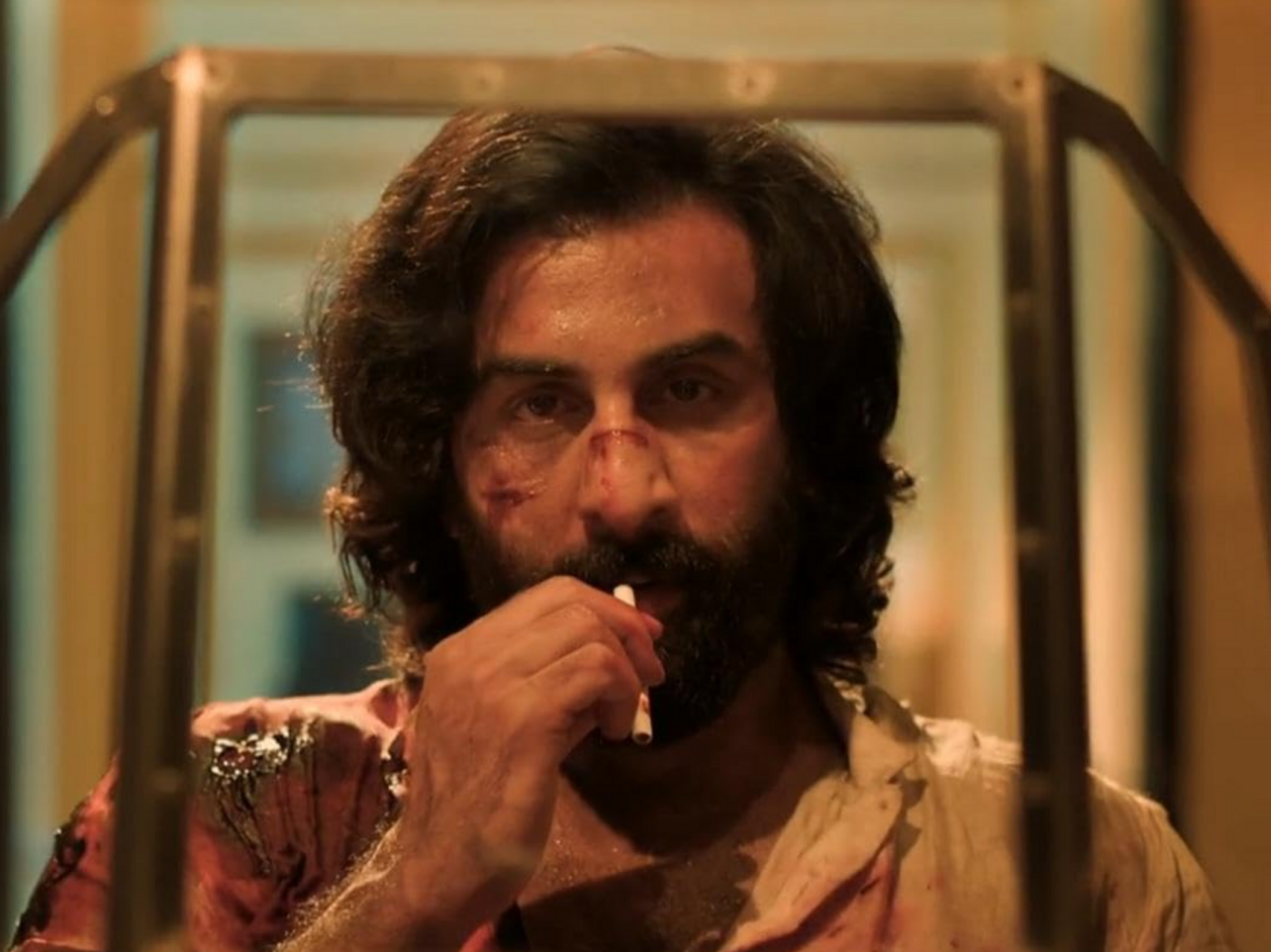
The violence and anger depicted in films, such as RRR, Pushpa, Kabir Singh, or Animal, prompt contemplation on the underlying reasons for the increasing appeal of such violently toxic masculine representations in Indian cinema.
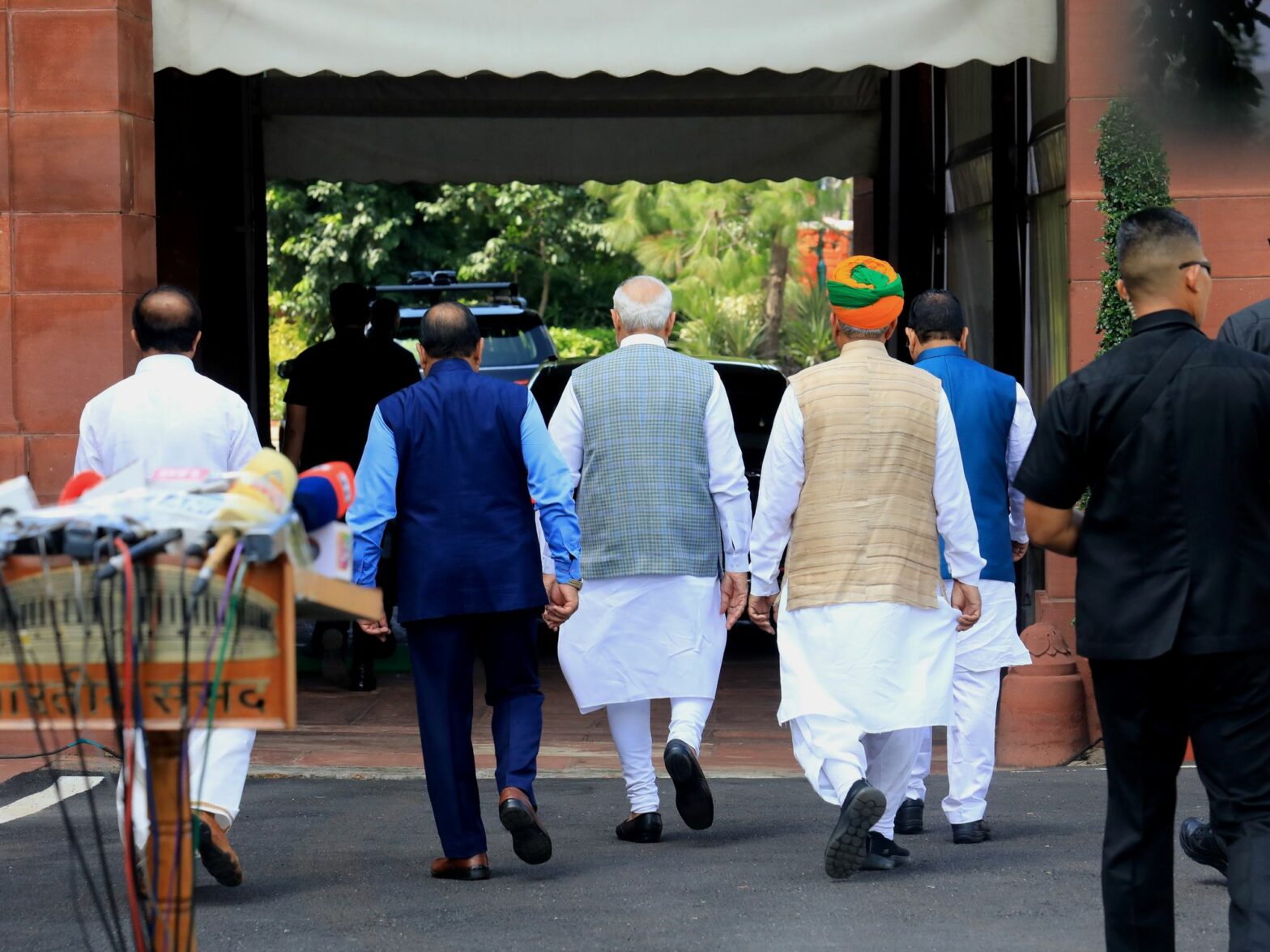
The diplomatic showdown between India and Canada continues to worsen, the latest sign of the rising power of former mid-level nations that increasingly are asserting themselves in the face of Western dominance.
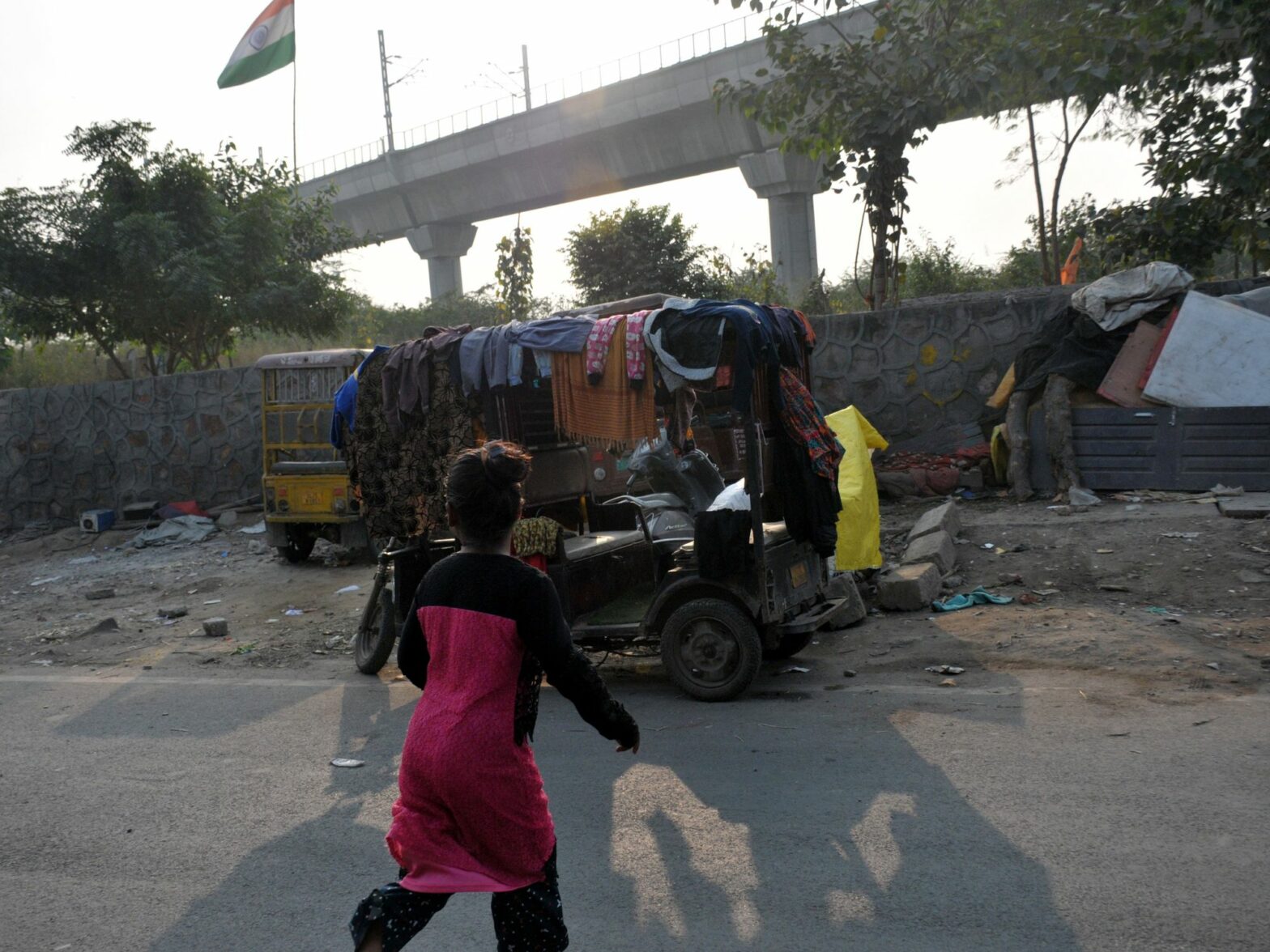
Before the G20 summit, which took place in New Delhi from Sept. 9-10, Indian authorities carried out a “beautification” of the city. Entire slums were bulldozed, forcing some of the city’s most vulnerable residents into homelessness.
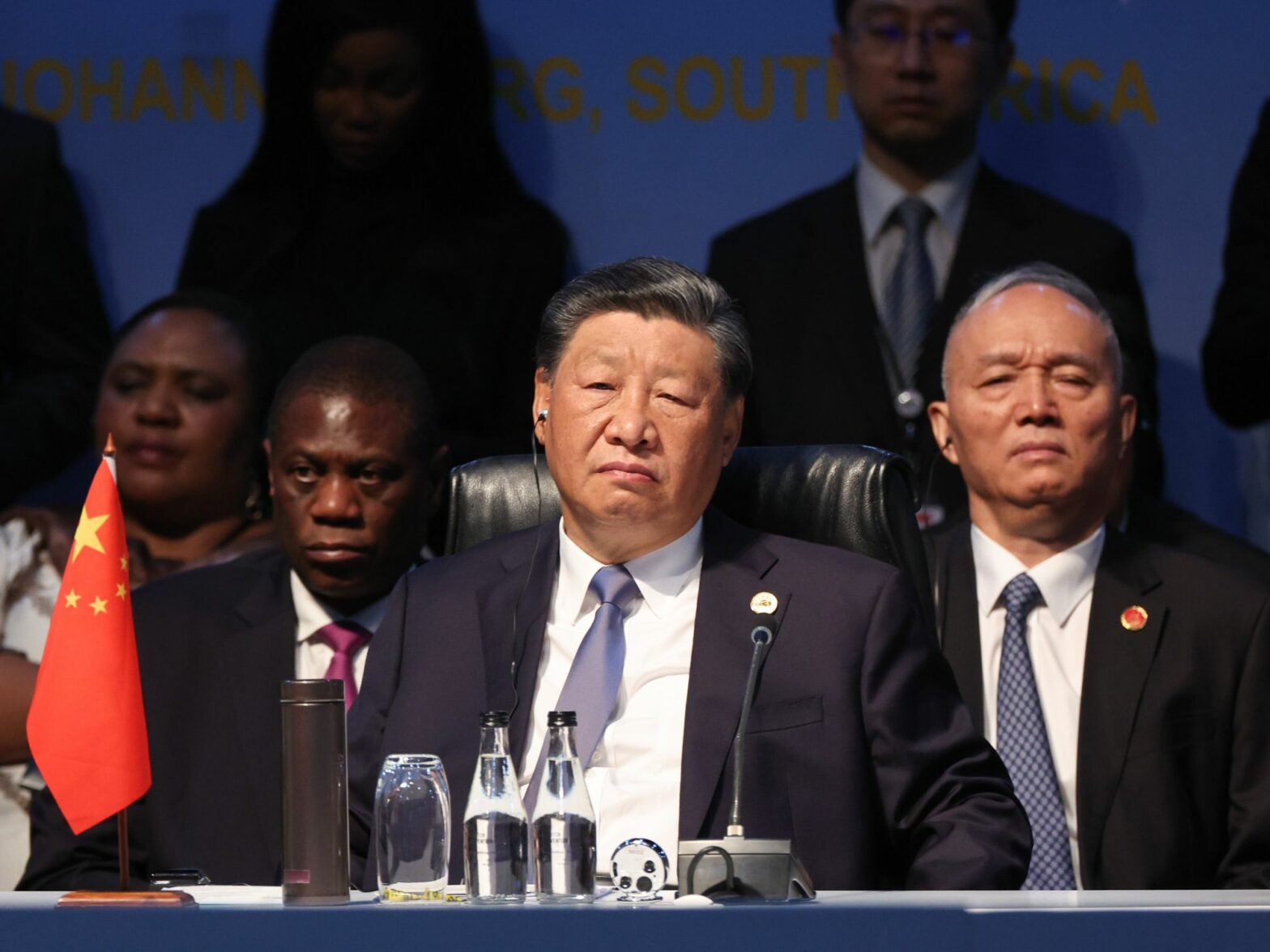
There will be no Vladimir Putin or Xi Jinping at this weekend’s summit of the world’s 20 leading economies in New Delhi: a symbol of the fragmentation of the world that has accelerated since Russia’s invasion of Ukraine.
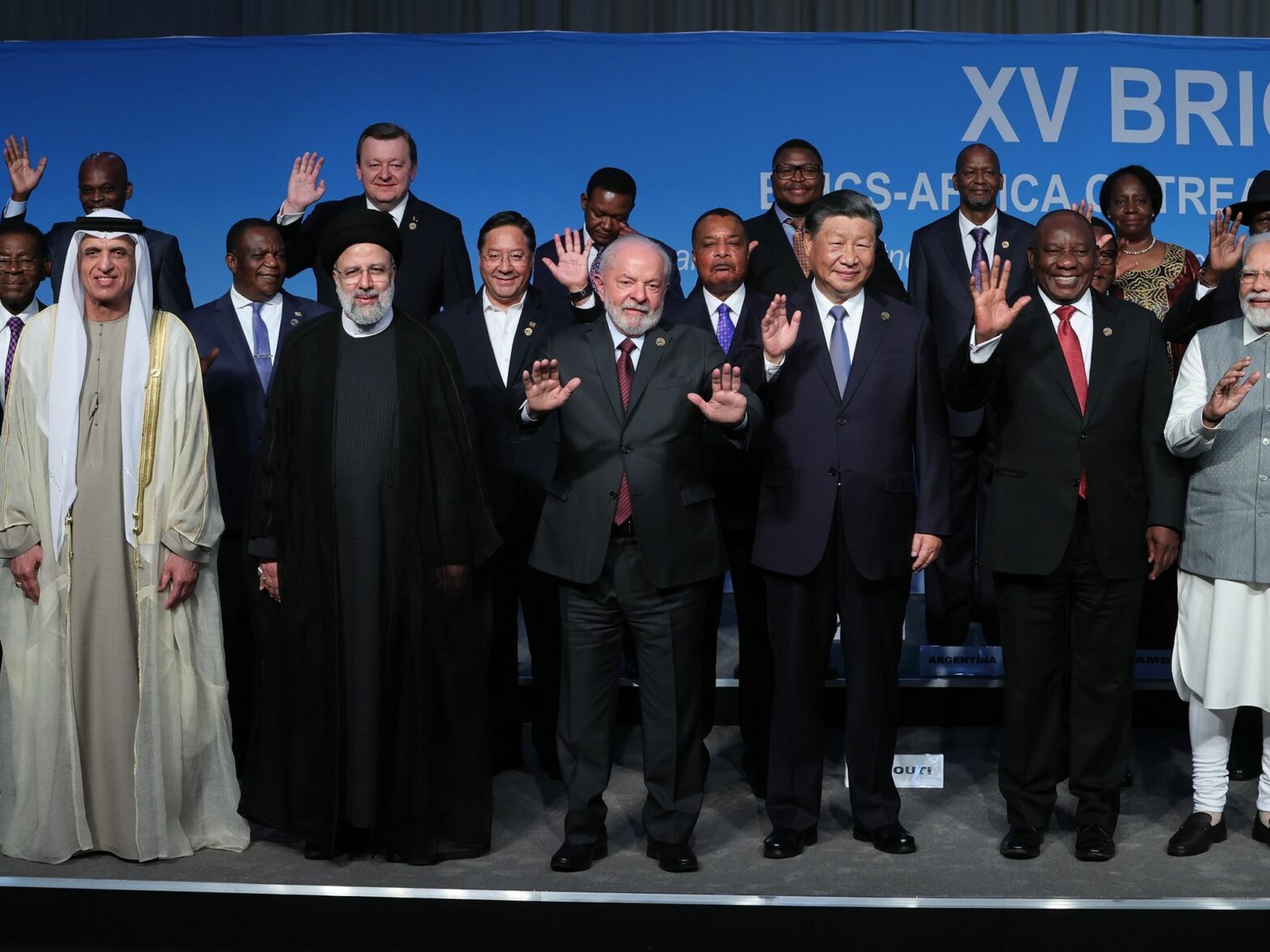
The West is losing influence on many fronts, embodied in the rise of the BRICS alliance as a kind of “counter-G7.” But Western leaders will need to decide if they want to be part of this change, or its victim.
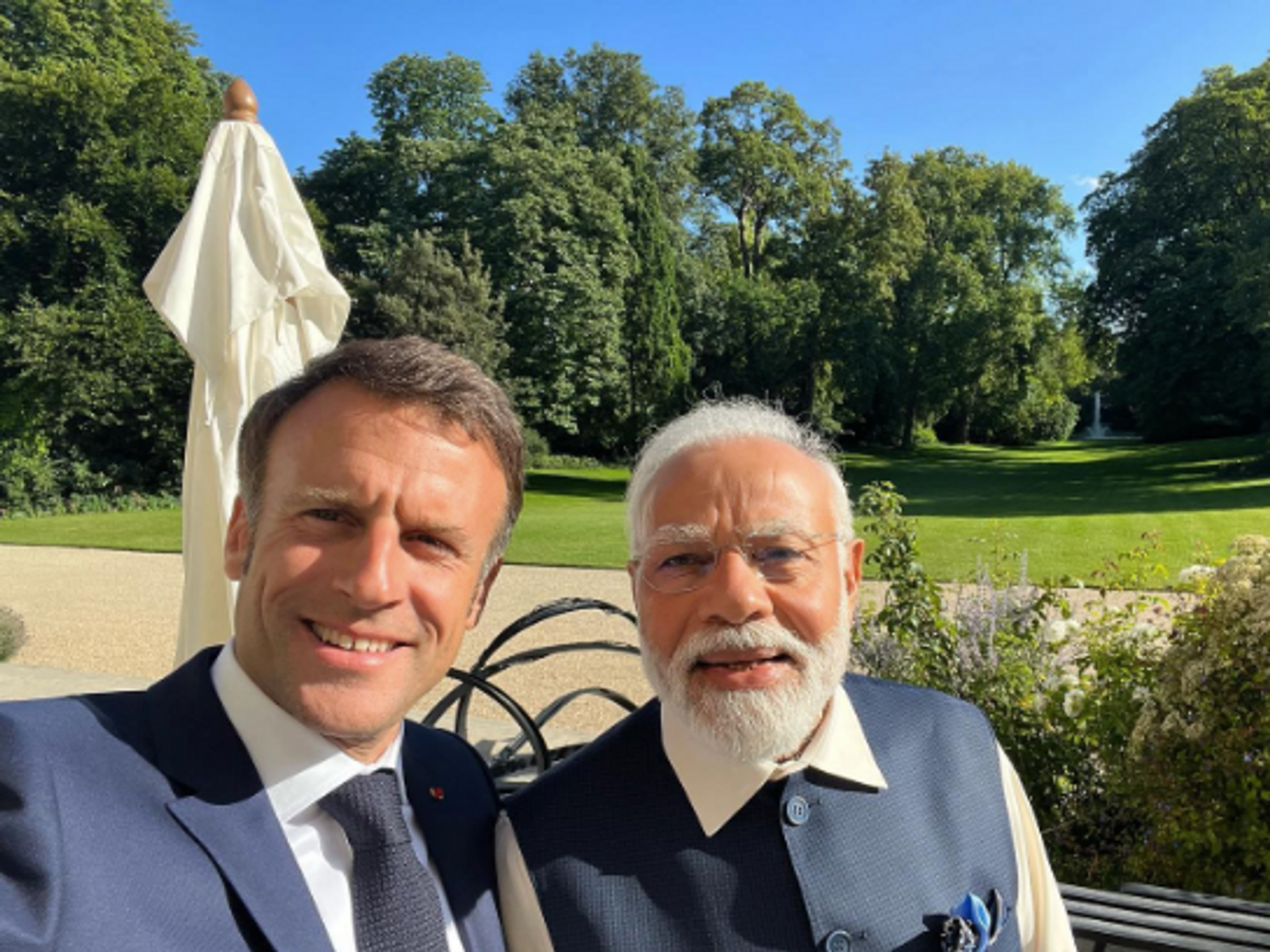
Indian Prime Minister Narendra Modi was received warmly in the U.S. and in France — visits which must have provoked some jealousy in Turkey, where President Recep Tayyip Erdogan, who faces many of the same anti-democratic criticisms as Modi, can’t expect the same kind of red-carpet welcome in Washington.
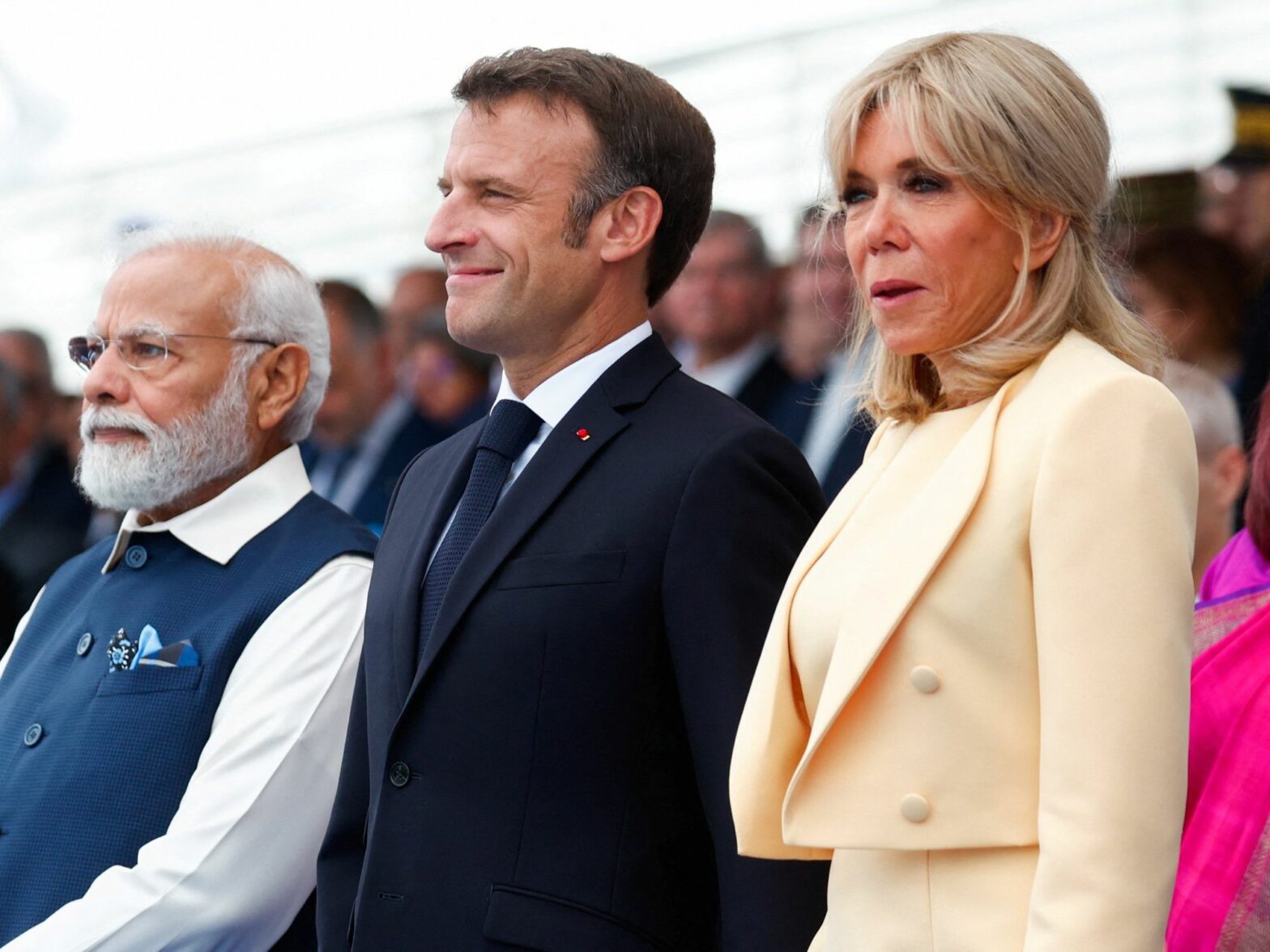
Indian Prime Minister Narendra Modi is the guest of honor for the July 14-Bastille Day celebrations in Paris, a choice that has benefits and risks for both France and India, two medium-sized powers cultivating their relative independence.
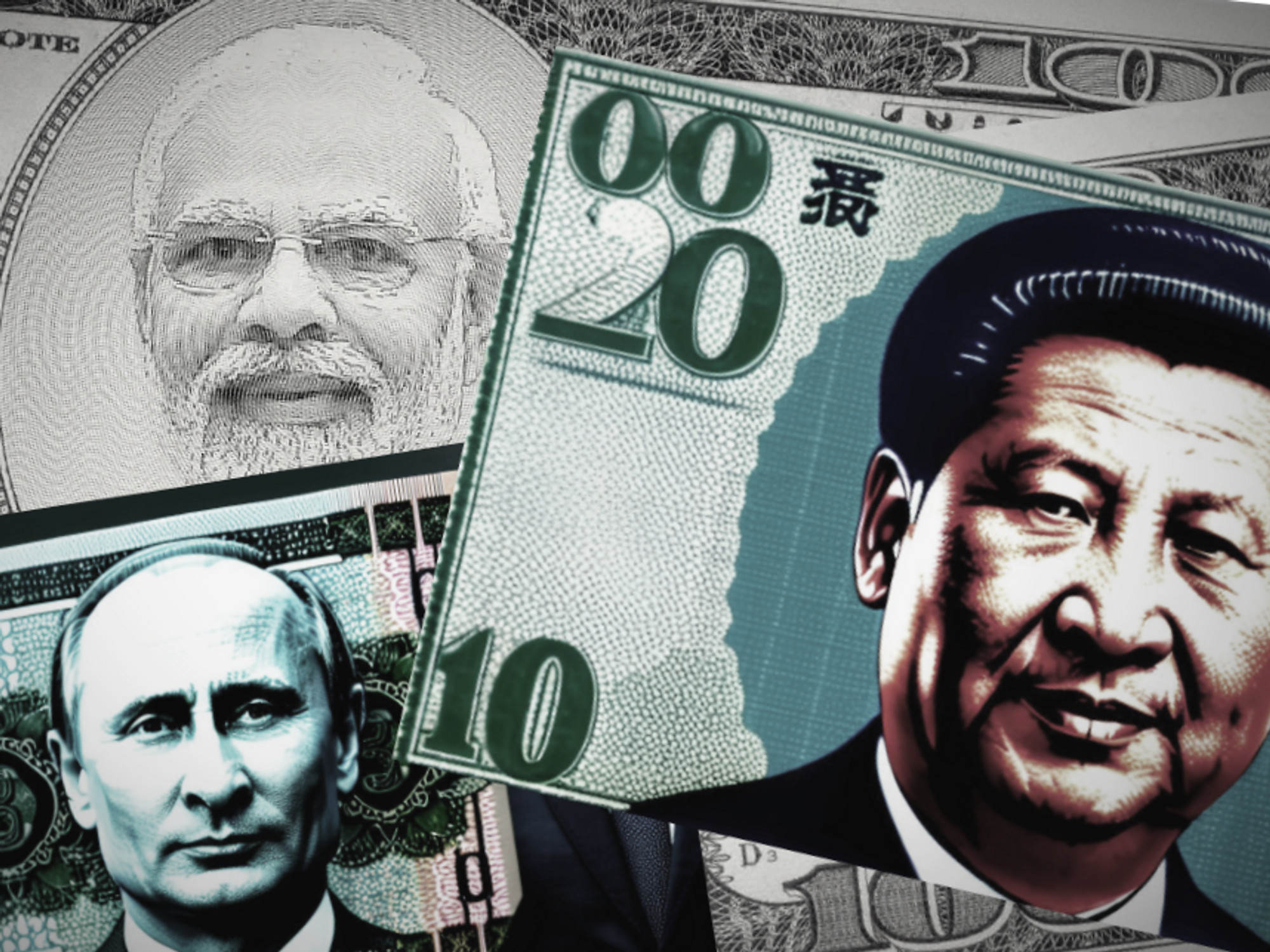
The creation of a new common currency will be one of the main questions on the agenda at the BRICS summit in South Africa in August. But there are still many obstacles to overcome before breaking free from the almighty dollar.
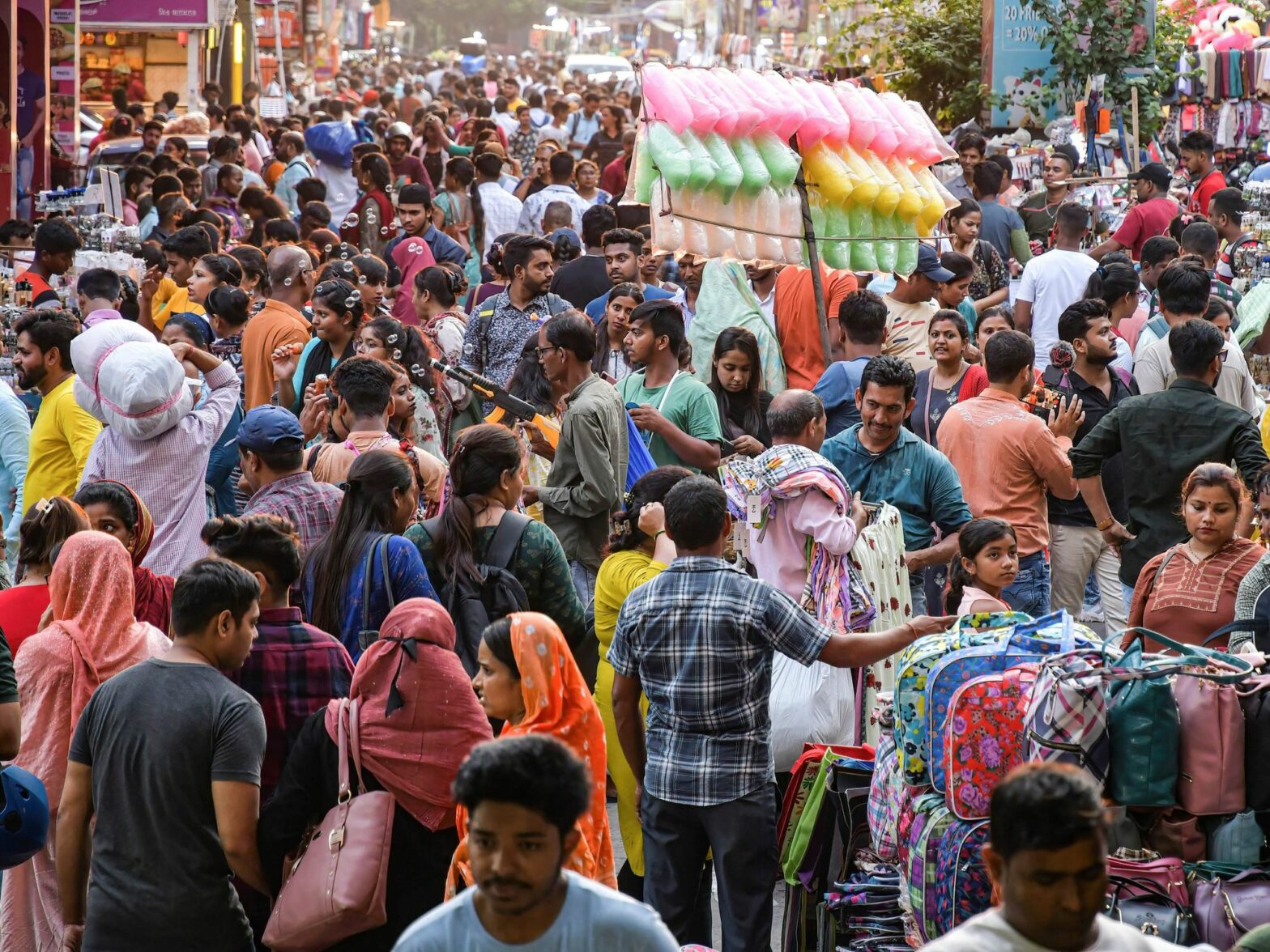
Two Asian giants are facing each other: China, whose economic and military power is no longer in doubt, and India, whose weapon is demography and who dreams of being the equal of its Chinese rival. The effects will reverberate everywhere.
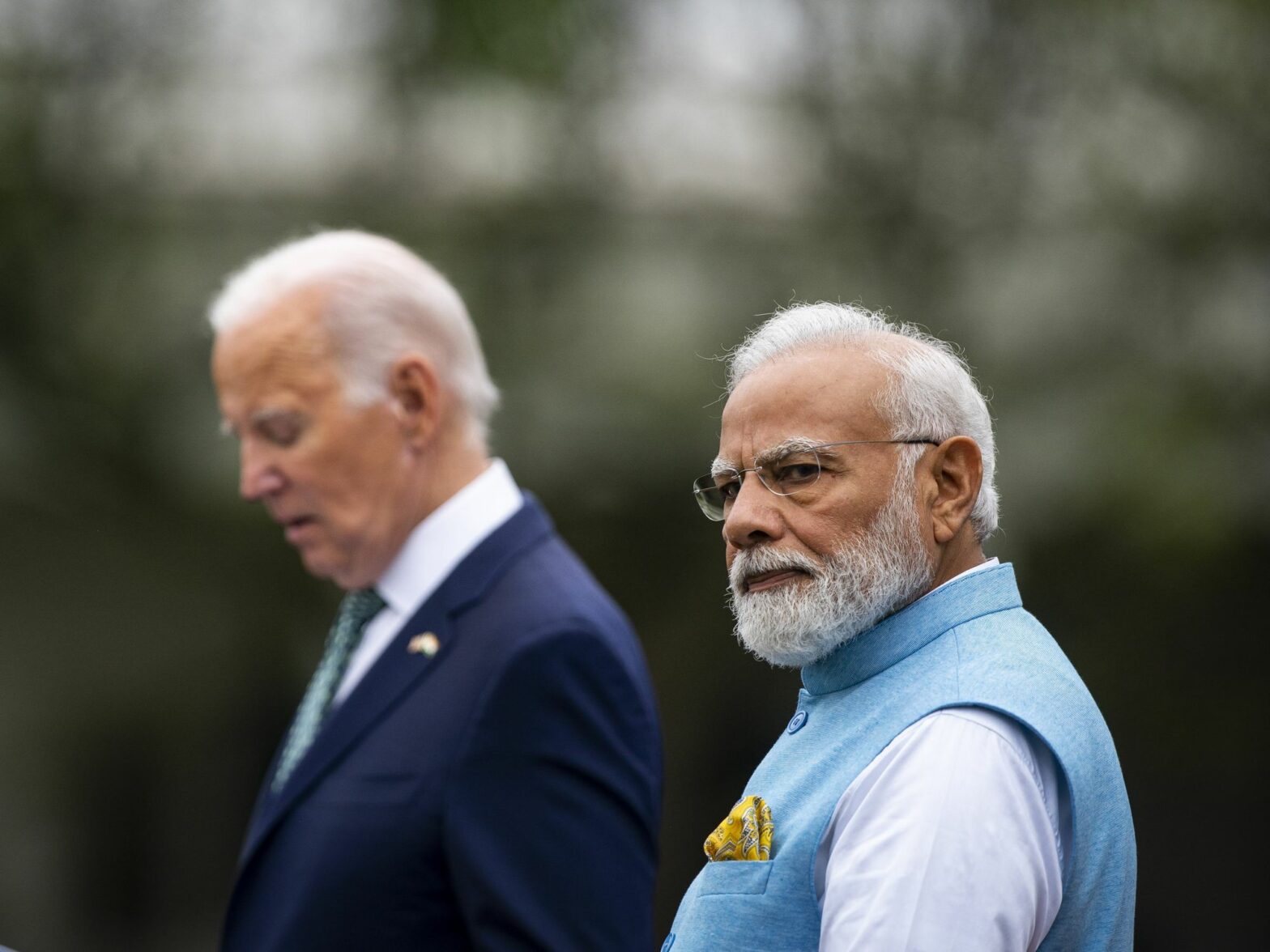
Indian Prime Minister Narendra Modi’s triumph during his state visit to the U.S. is part of a well-honed strategy of realpolitik and geo-economic opportunism. How the West responds says a lot about where the world is heading.
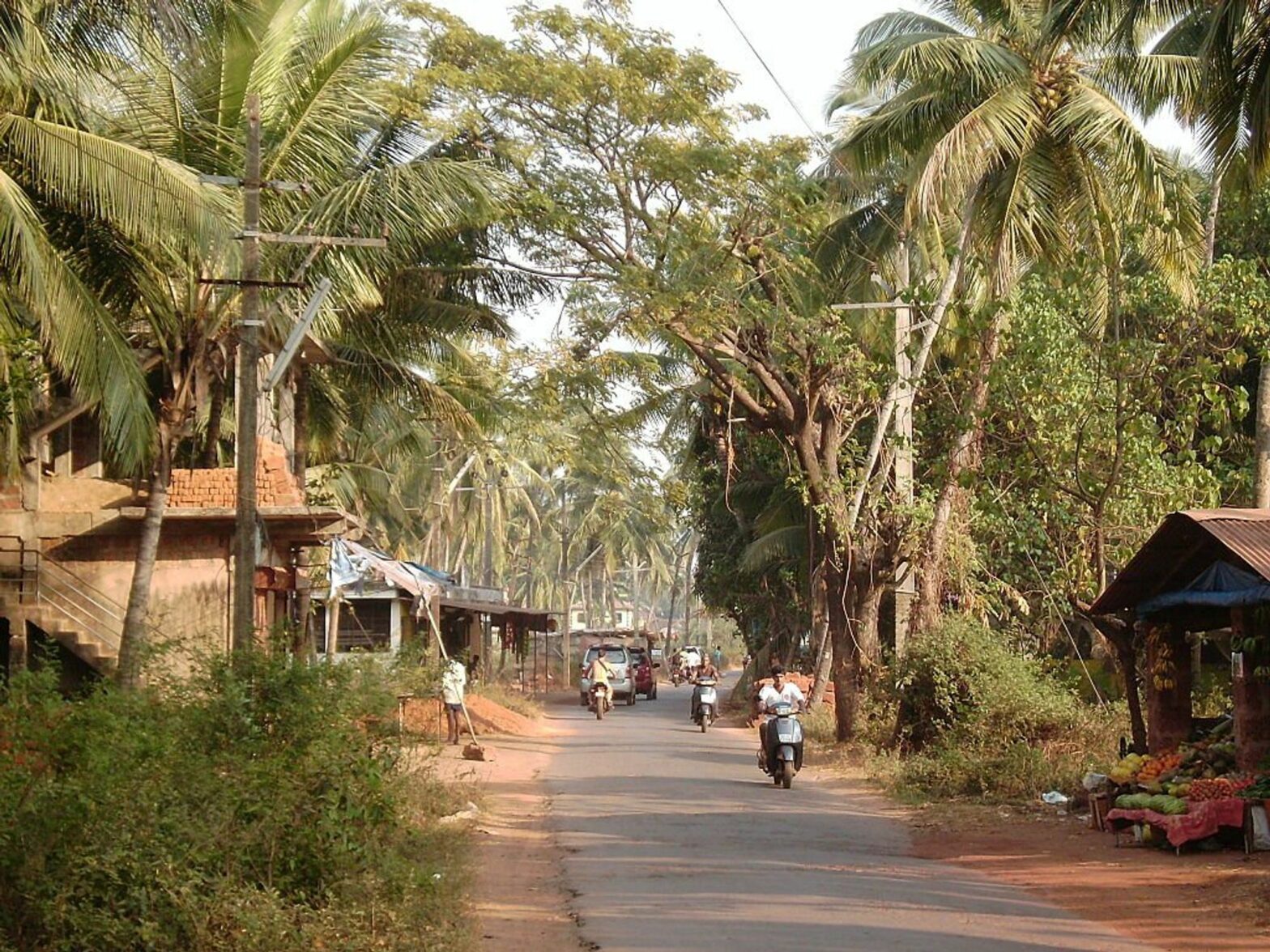
Since the beginning of the war in Ukraine, many Russians ordered to the front have fled to India’s scenic west coast. They enjoy sandy beaches, sun and a cheap life, but relations with pro-war Russians who have long settled there regularly disturb the peace.
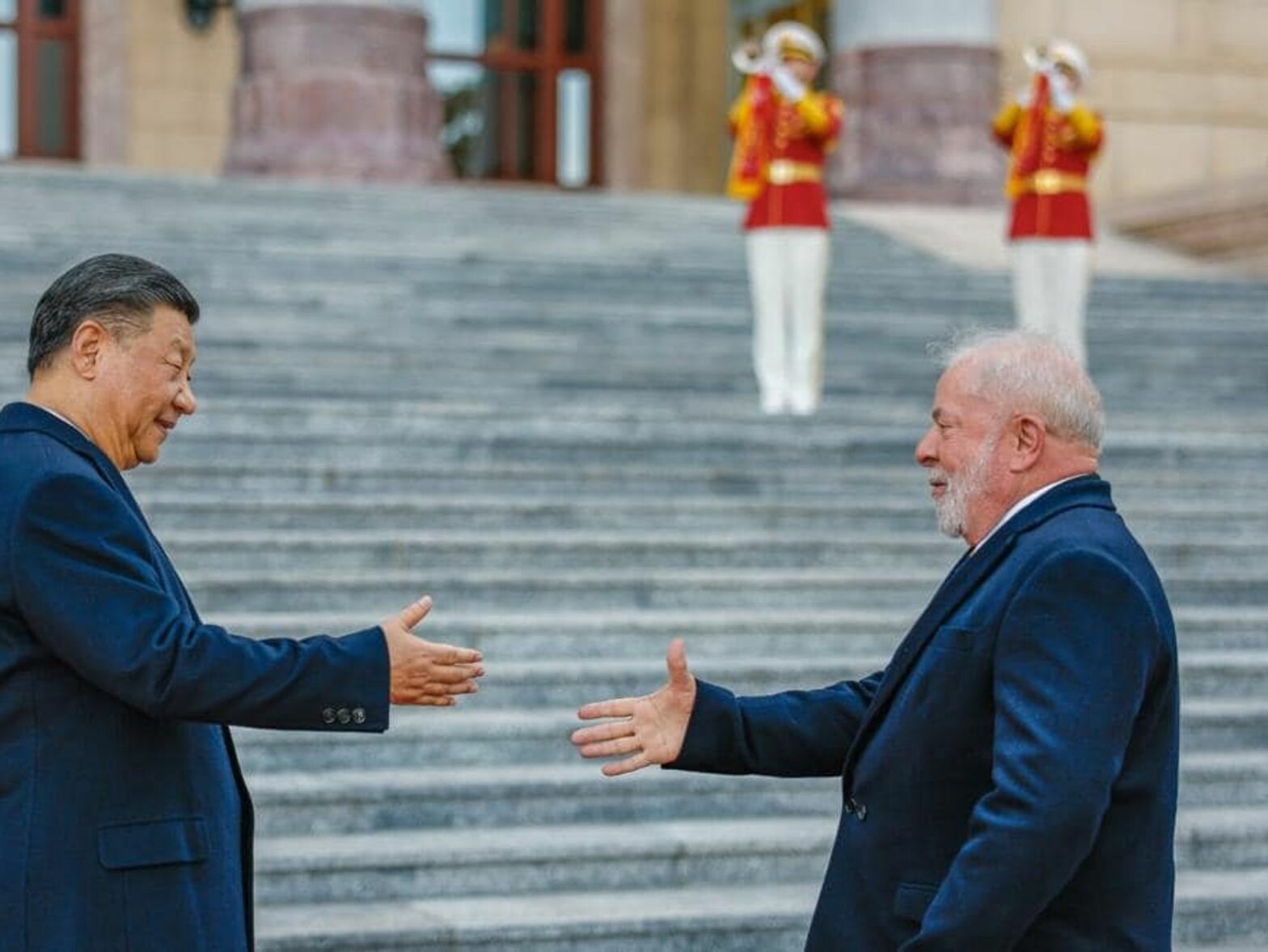
The Brazilian president, back in power after more than a decade later, has not lost his vision of a post-Western world in which the BRICS would occupy a central place. Lula’s visit to Beijing puts such a vision front and center on the global agenda.