Hamza Aydin challenged orthodox teachings and was hounded out of his university. His story reveals how Erdogan’s Turkey wields religion as a political weapon, reaching from Ankara to German mosques.

 Worldcrunch
Stay updated on Germany with Worldcrunch. Comprehensive articles on German politics, economic strategies, societal issues, and cultural highlights with translations from leading international sources. Focus on Berlin, Munich, Frankfurt, German engineering, philosophy, modern art, and events like Oktoberfest and Art Basel.
Hamza Aydin challenged orthodox teachings and was hounded out of his university. His story reveals how Erdogan’s Turkey wields religion as a political weapon, reaching from Ankara to German mosques.

Once trapped in bulimia and anorexia, our author sees the return of fragile bodies, Ozempic glamour, and weight-loss slogans: it’s threatening teenagers all over again.
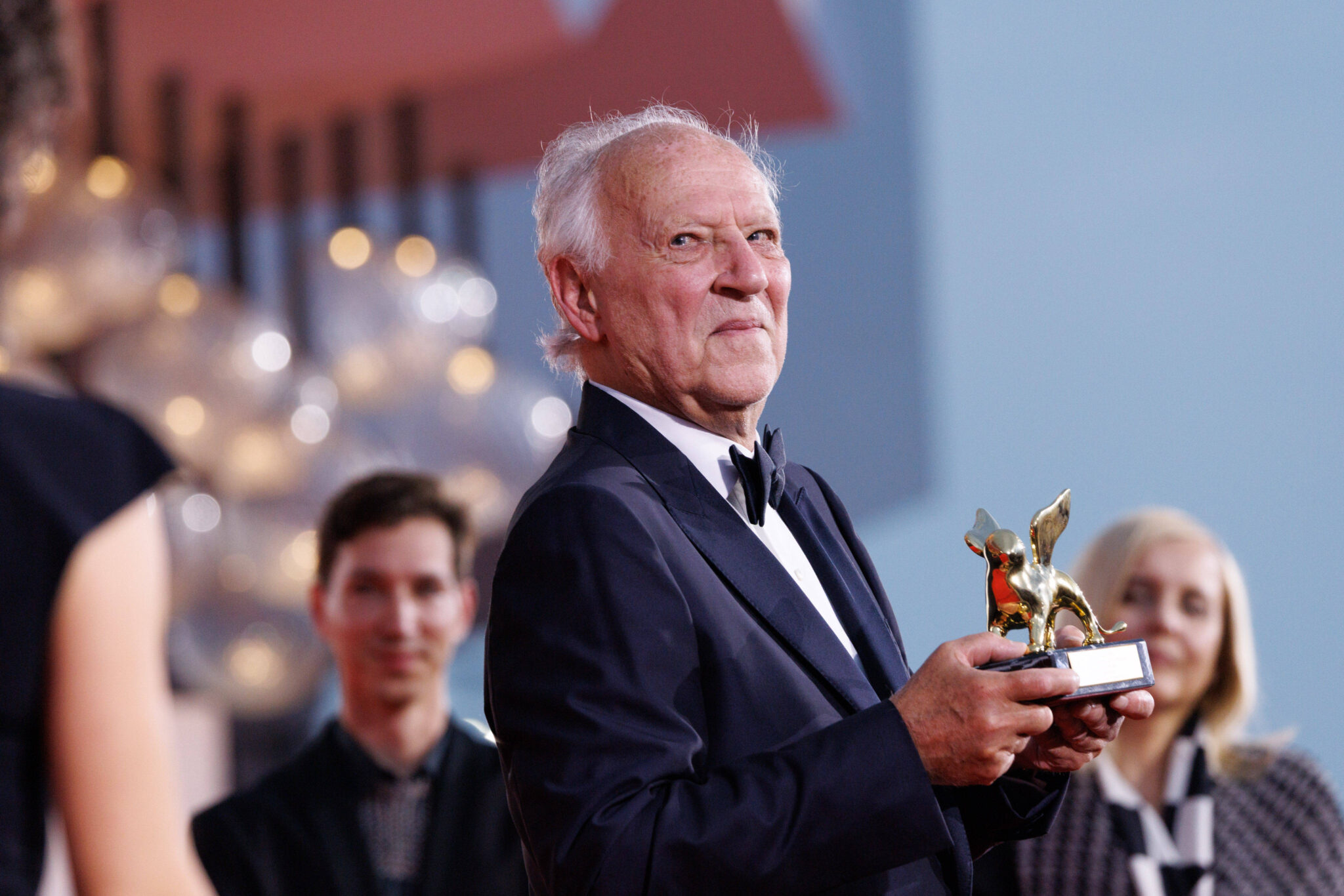
The German master, famous for his defiance and disdain for social media, suddenly opens a window onto his world. At 83, he seems gentler, yet still unmistakably Herzog.
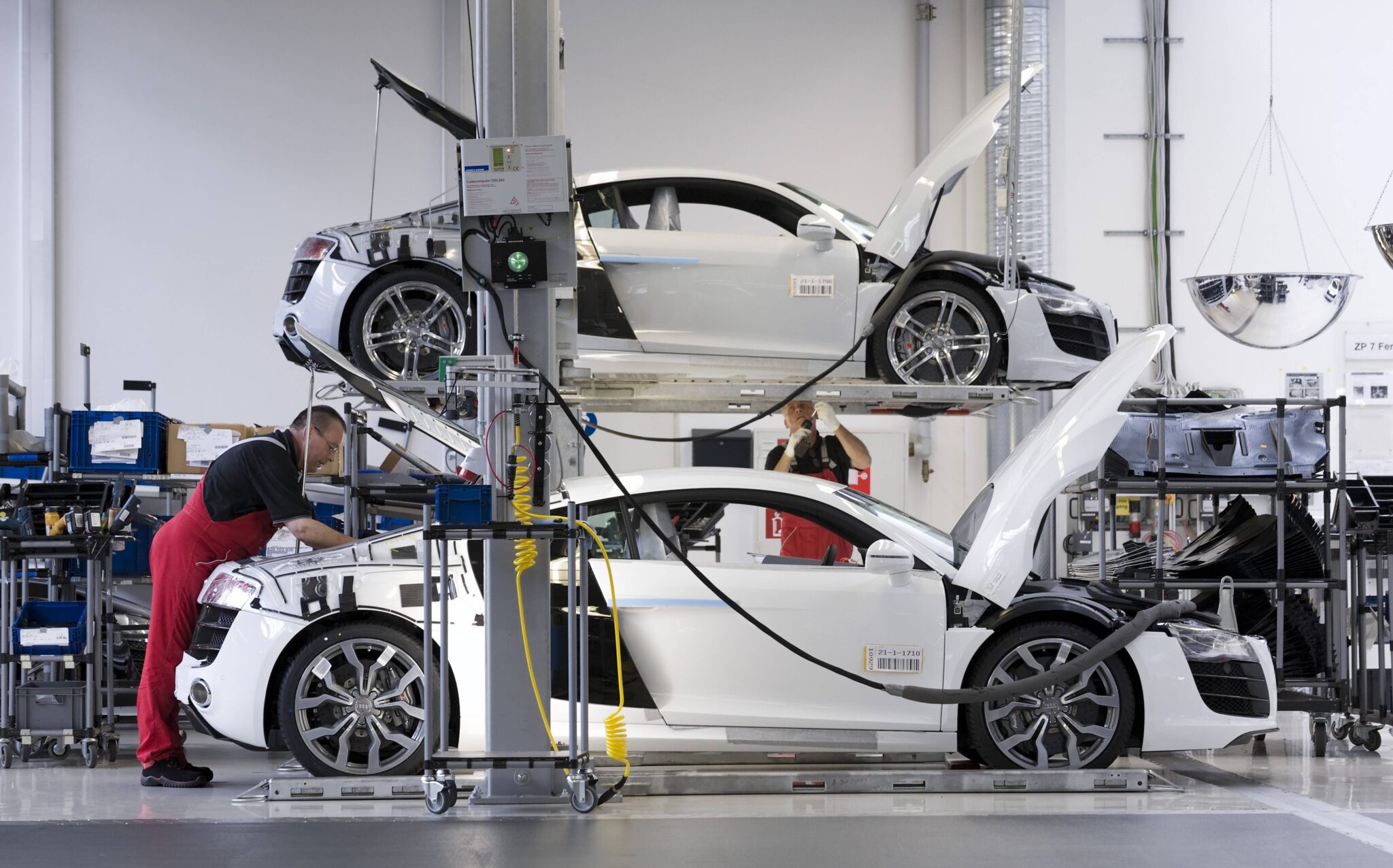
Sales are falling, rivals are surging, and China no longer craves the four rings. CEO Gernot Döllner is cutting bureaucracy, betting on speed, and trying to steer the brand through a maze of tariffs, scandals, and shifting markets.
By trading class struggle for identity politics and lifestyle dogmas, Germany’s left has estranged ordinary citizens and handed the far right a chance to pose as their defenders.
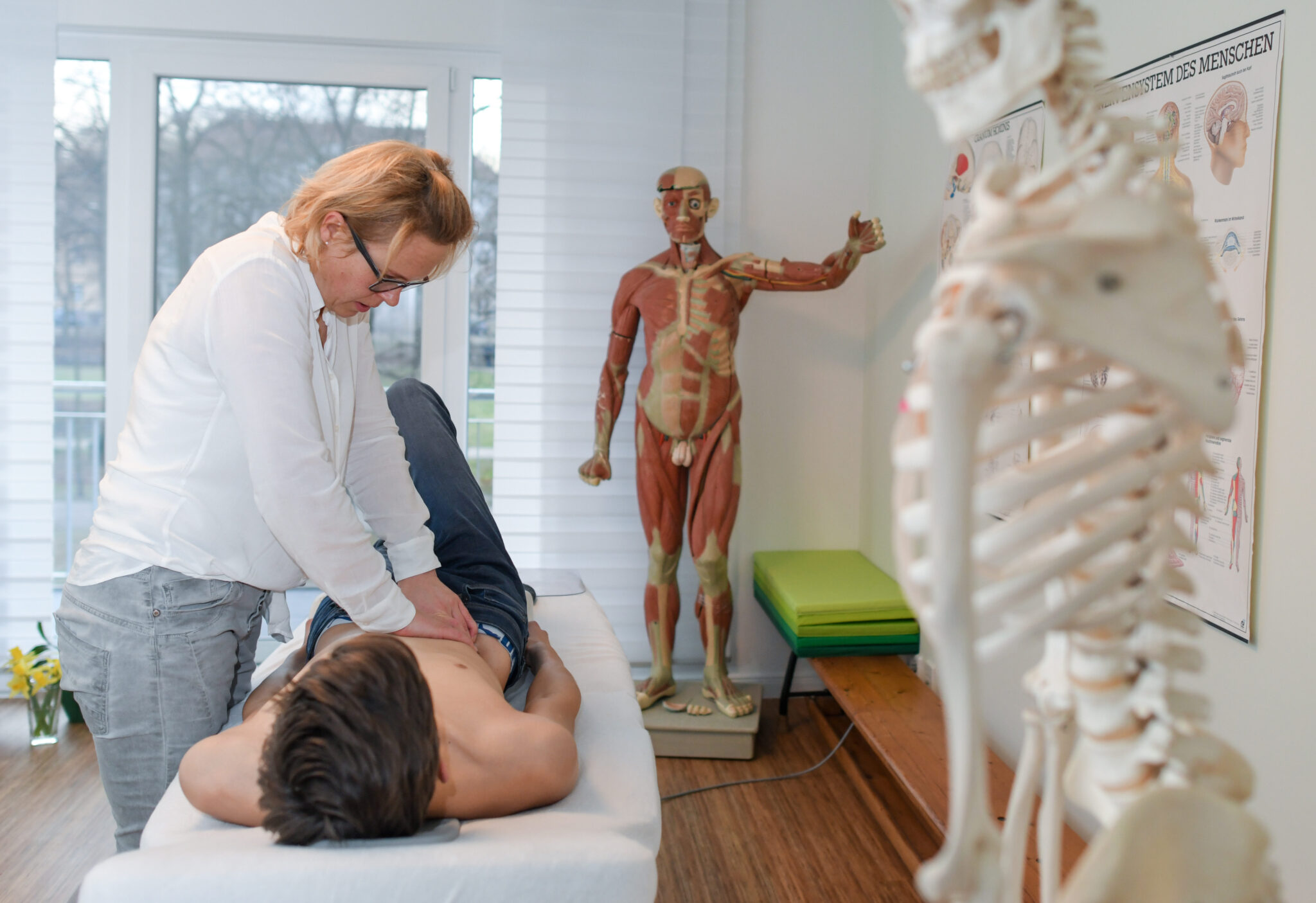
Practitioners want legal recognition, critics call it pseudoscience. Can osteopathy really heal? The problem is that evidence is not always consistent.
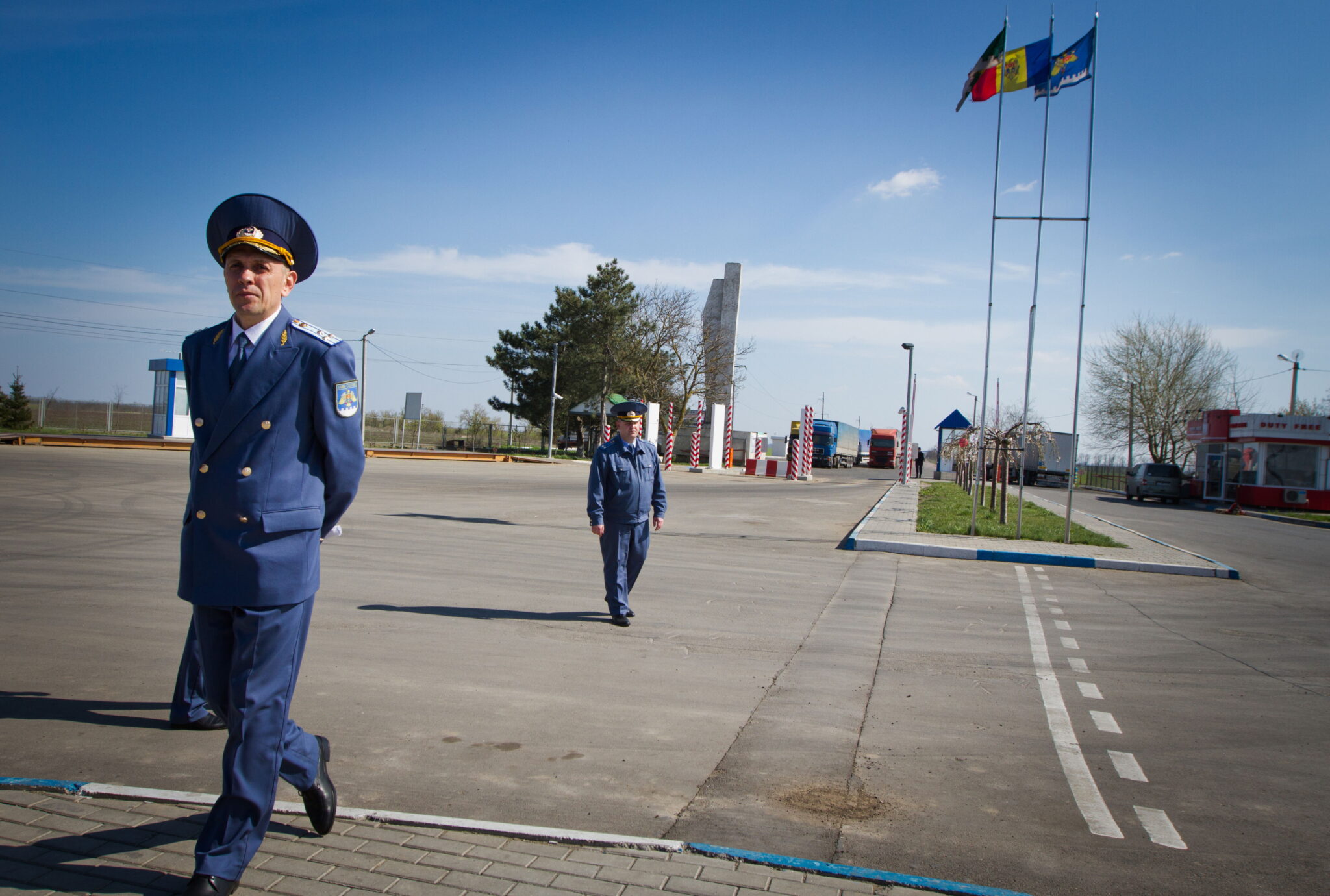
Macron, Merz and Tusk are in Moldova on Wednesday to celebrate the anniversary of its independence and to lend political support to pro-European President Maia Sandu, one month before parliamentary elections marked by a pro-Russian offensive.
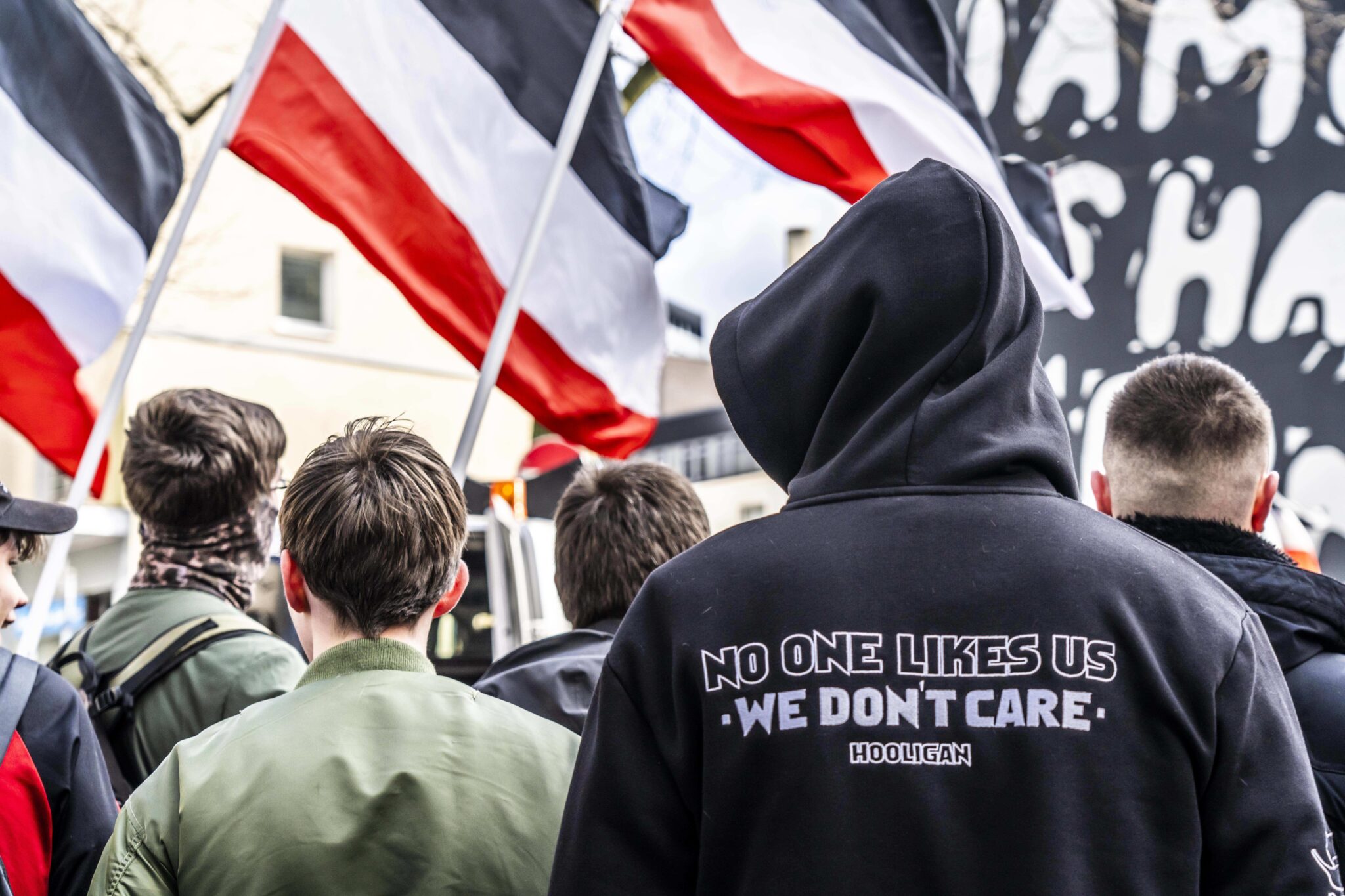
From the family home to online networks, the stories of Fabian K. and Hagen R. show how extremist ideas are passed down and reinforced.
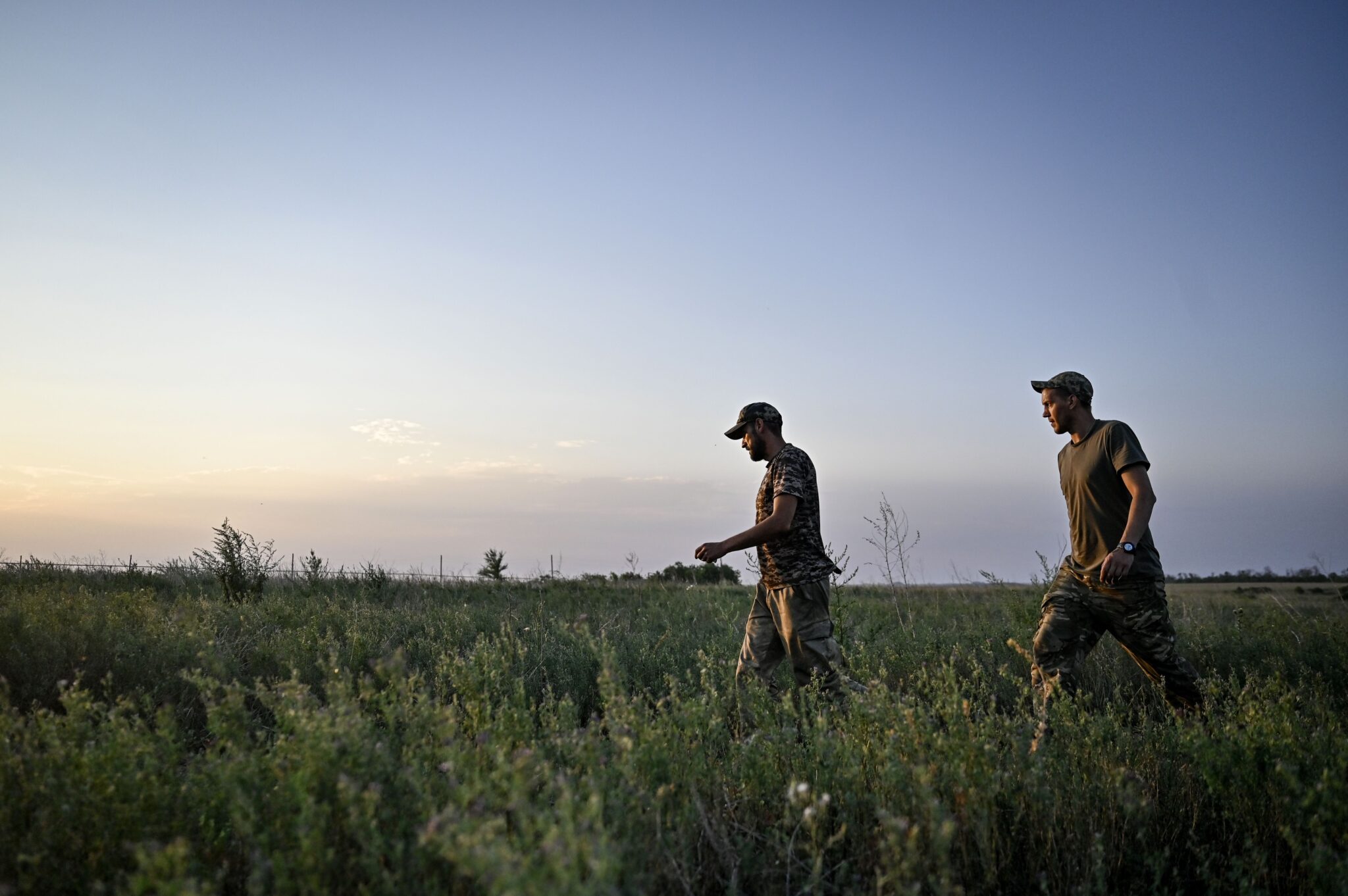
Washington is pushing for a security corridor protected by international and EU forces, with a certain degree of U.S. military, logistical and technological backing to deter Russia. It recalls the practical if imperfect decades-long status quo on the Korean Peninsula
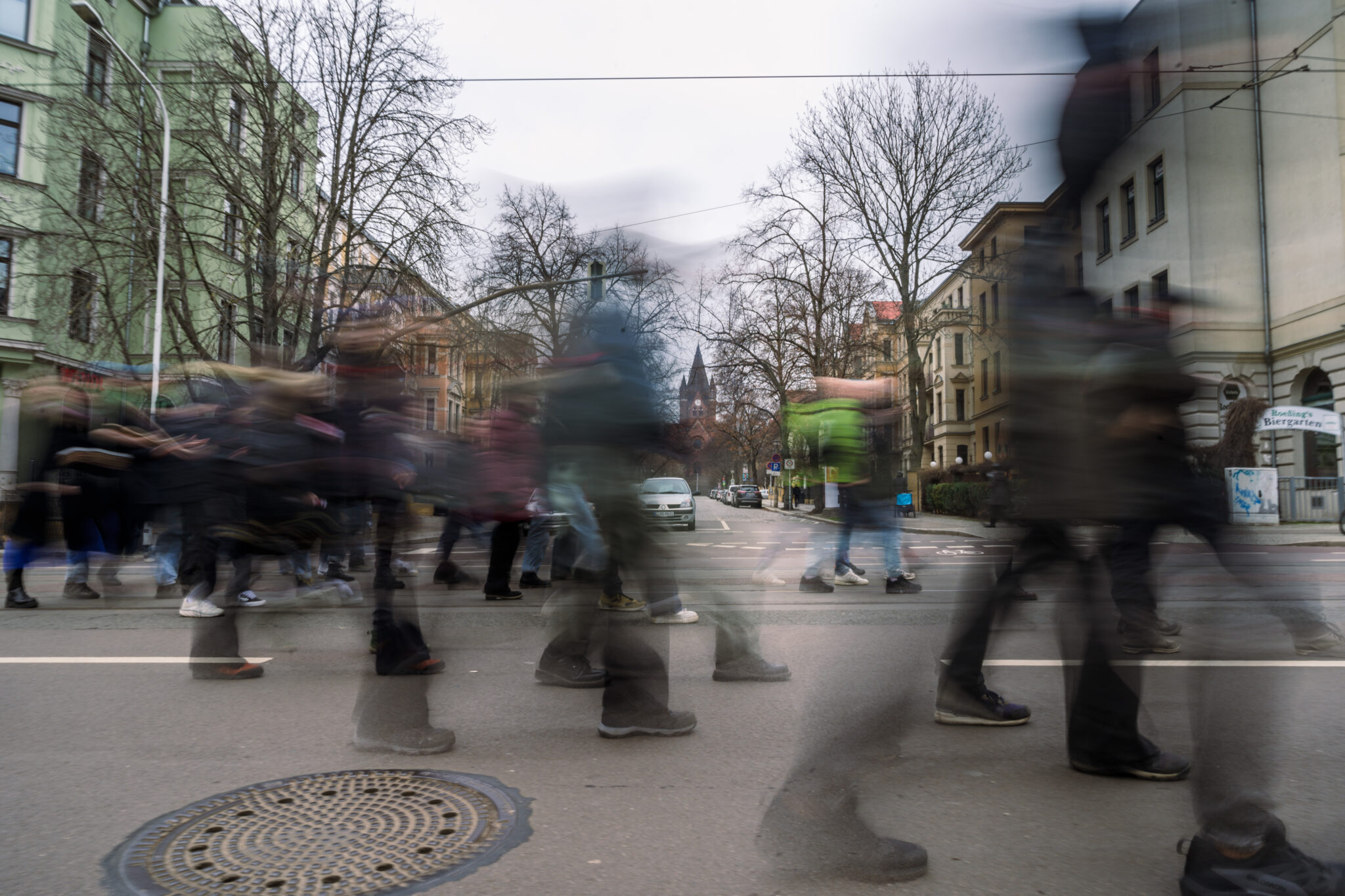
While the political debate and far right fixate on visible problems, new research shows that Germany’s everyday institutions quietly succeed in integrating refugees, often without anyone noticing.

With limited childcare and resources, parents are stretched thin during summer vacation months. If Germany wants more children, it needs to start giving parents more vacation days or more childcare options.
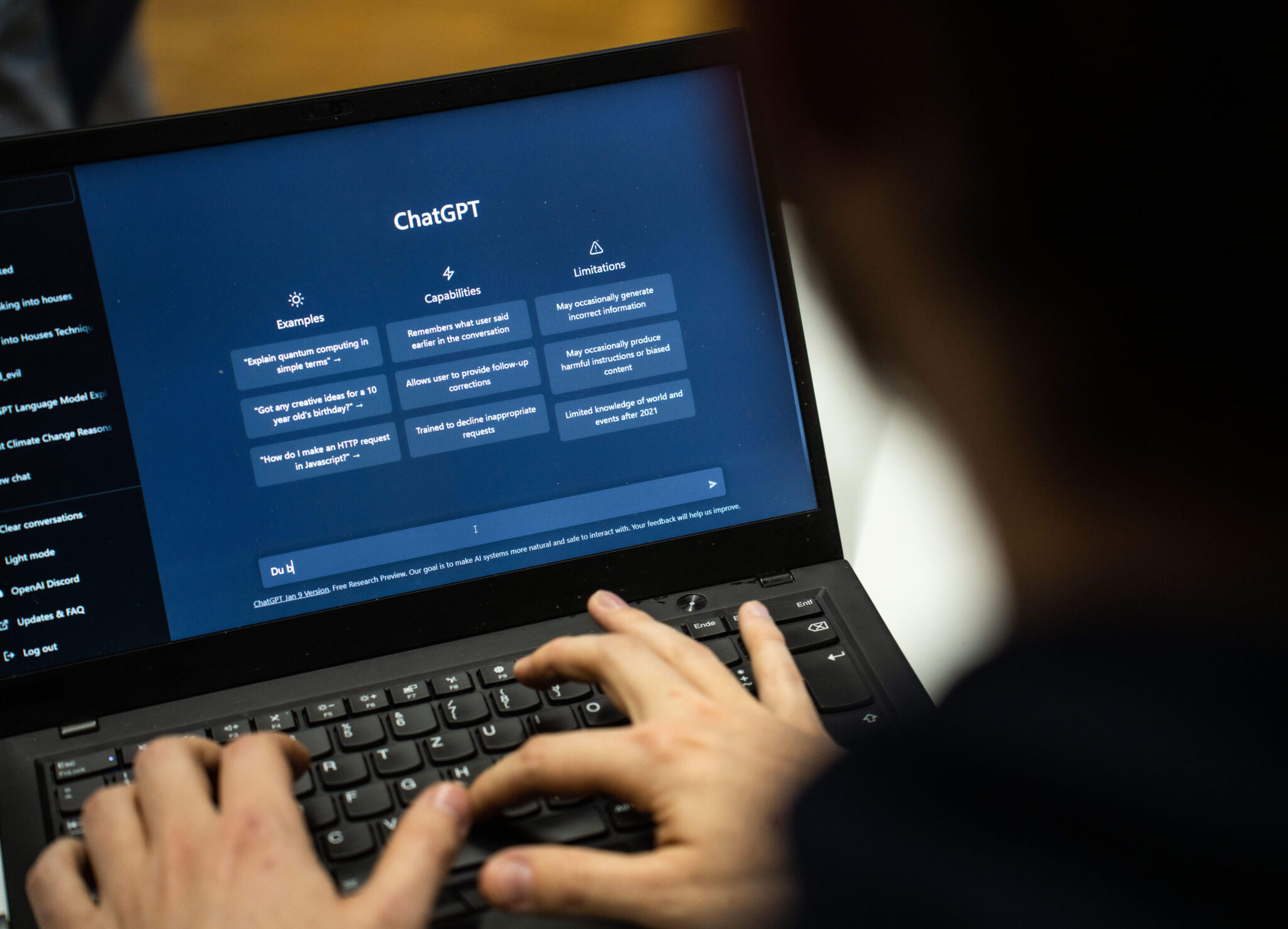
A study of hundreds of thousands of YouTube videos and podcasts reveals that AI isn’t just changing how we write, it’s subtly altering our spoken language too, raising new concerns about cultural homogenization and who controls the words we use.

As Spotify CEO Daniel Ek pours millions into an AI weapons company, bands like Deerhoof, Xiu Xiu, and King Gizzard & the Lizard Wizard are pulling their music from the streaming platform, challenging a model they say was never built for them.
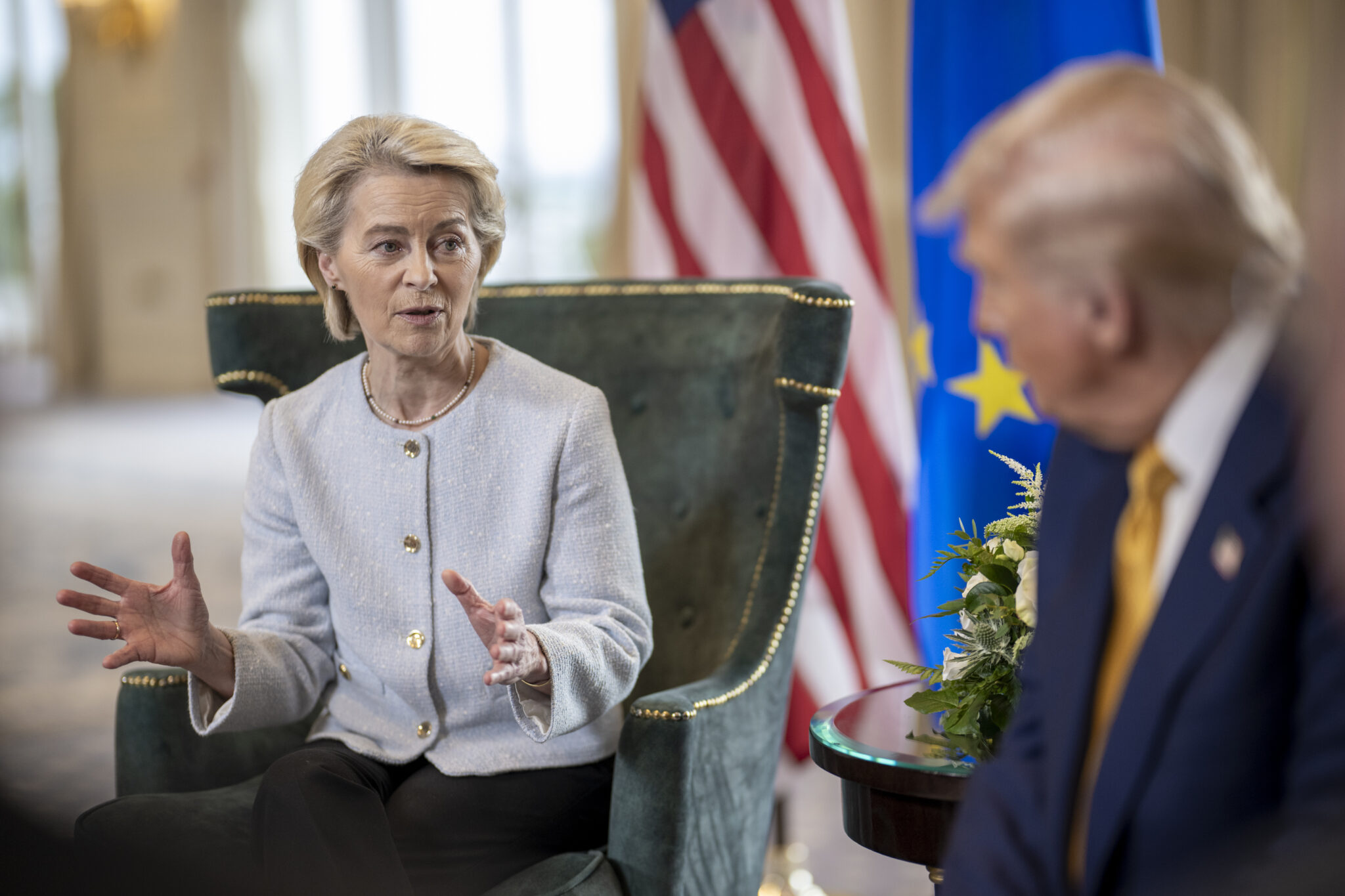
European Commission President Ursula von der Leyen’s controversial trade deal may look like a surrender to U.S. President Donald Trump, but it could be a calculated play in a surreal game of bluff, designed to keep Europe afloat — and Trump distracted.

Outdated labels are giving way to a new diagnostic model that sees personality traits on a spectrum. The newest revision of the International Classification of Diseases (ICD-11) introduces a shift in how we understand, treat and talk about personality disorders, focusing less on rigid categories and more on individual patterns and distress.
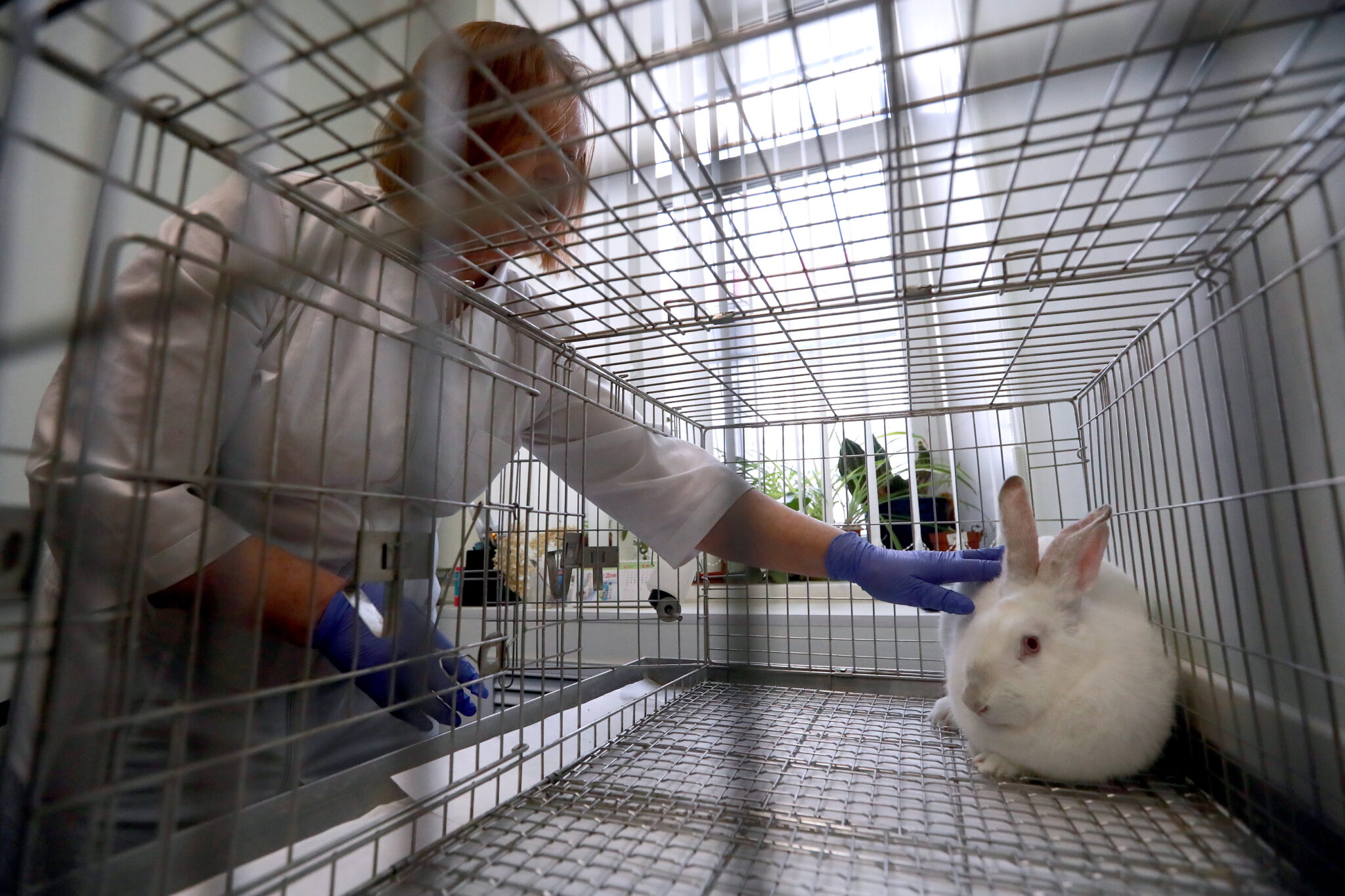
Most of us can accept that animal experiments are ok before allowing new drugs on the market. But allowing such animal testing is important even when no specific application is at stake. They are also crucial for understanding complex biological processes to help treat diseases like Alzheimer’s, Parkinson’s and depression.
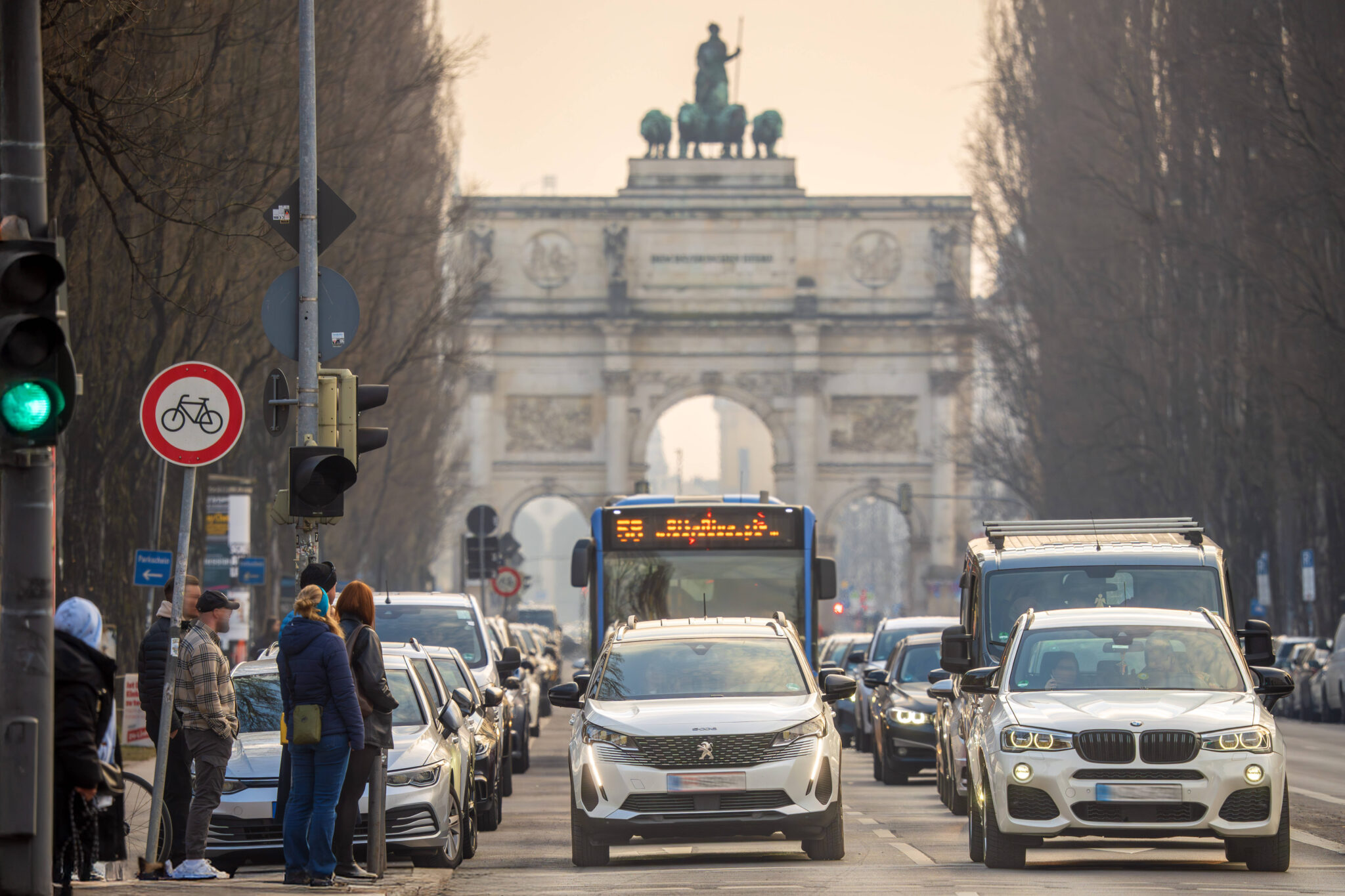
As Chancellor Friedrich Merz’s government doubles down on highways and combustion engines, critics warn that ignoring electric trends and digital innovation could cost Germany its place in the global auto industry.
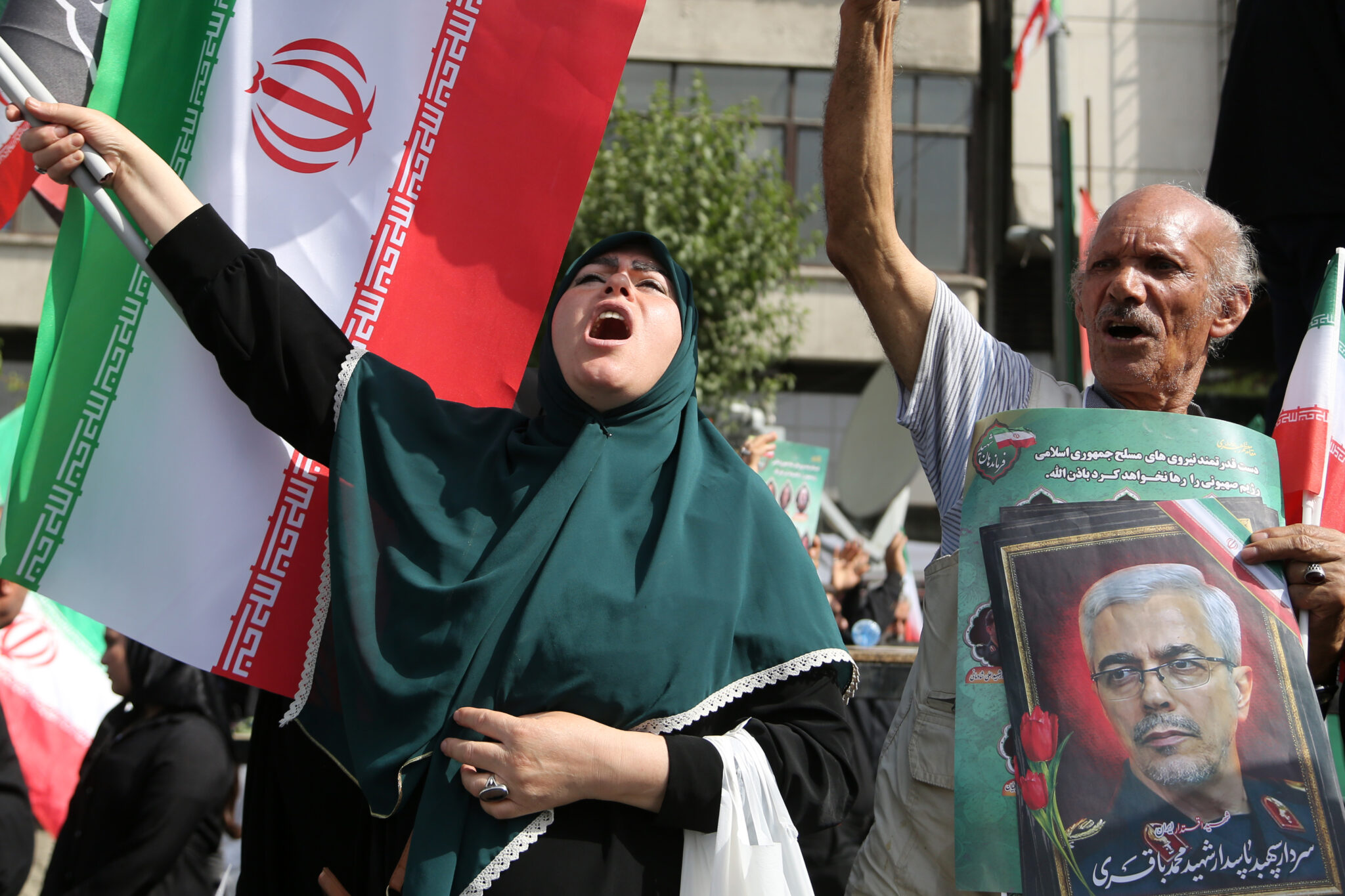
Negotiations over Iran’s nuclear program have resumed. While Europe demands guarantees that Tehran will not build a nuclear bomb, Trump is also pushing for a deal. Is the regime willing to give ground, or is it bluffing?

Getting along with your partner’s parents doesn’t mean becoming family. For writer Adam Fletcher and his partner, the secret to harmony lies (mostly) in boundaries.
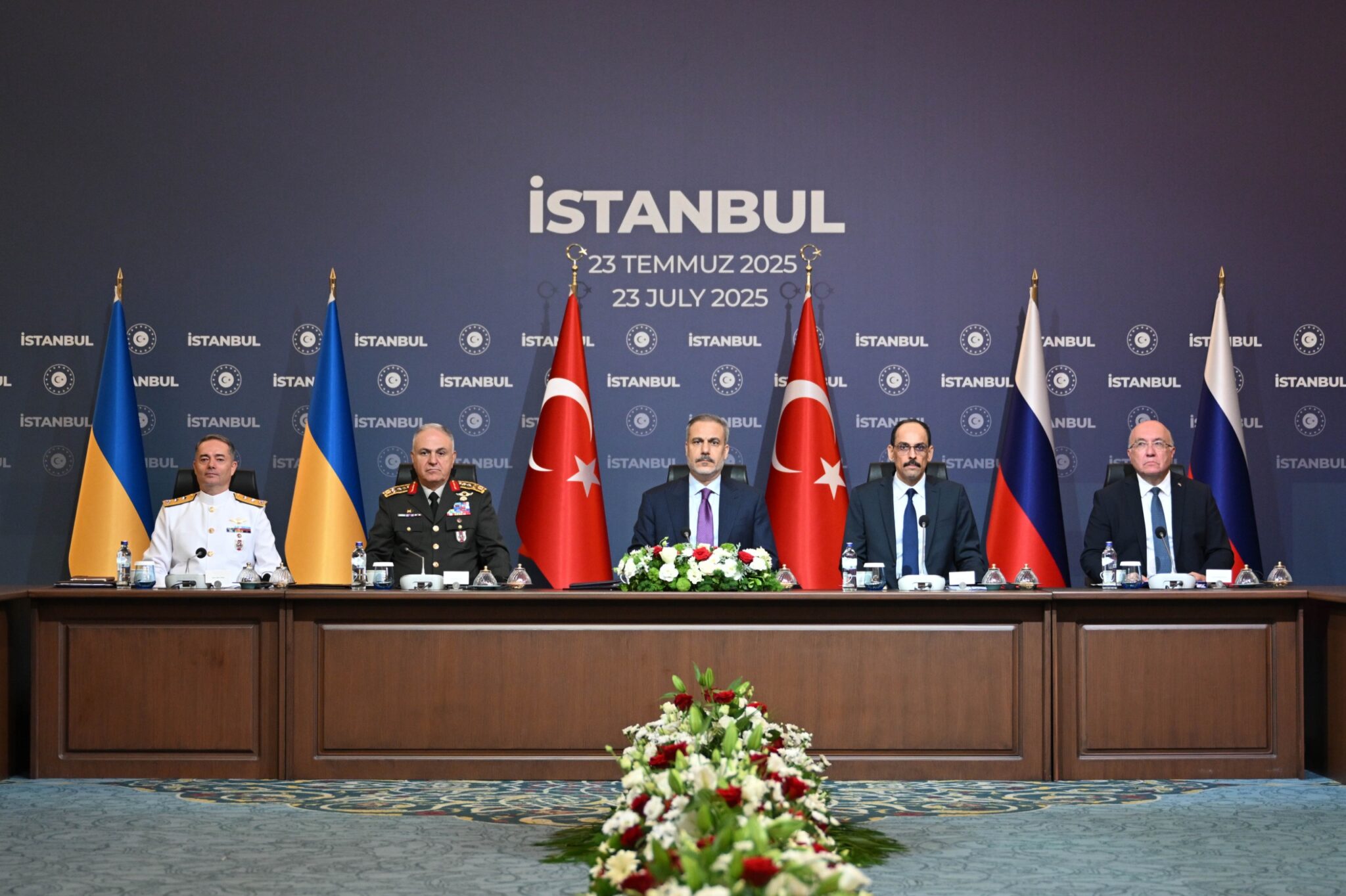
Europe, Iran and global powers are meeting in Istanbul on Friday to discuss Iran’s nuclear program. The talks may determine whether dialogue or confrontation will shape their future relations. It’s also a reminder that diplomacy is a better way than war to settle disputes.

In Frankfurt, a recent trial opened the door to holding accountable those who thought themselves safe from the law by sneaking out of Syria. Meanwhile, back in Damascus, justice that is geographically closer to the crimes seems impossible to hope for.
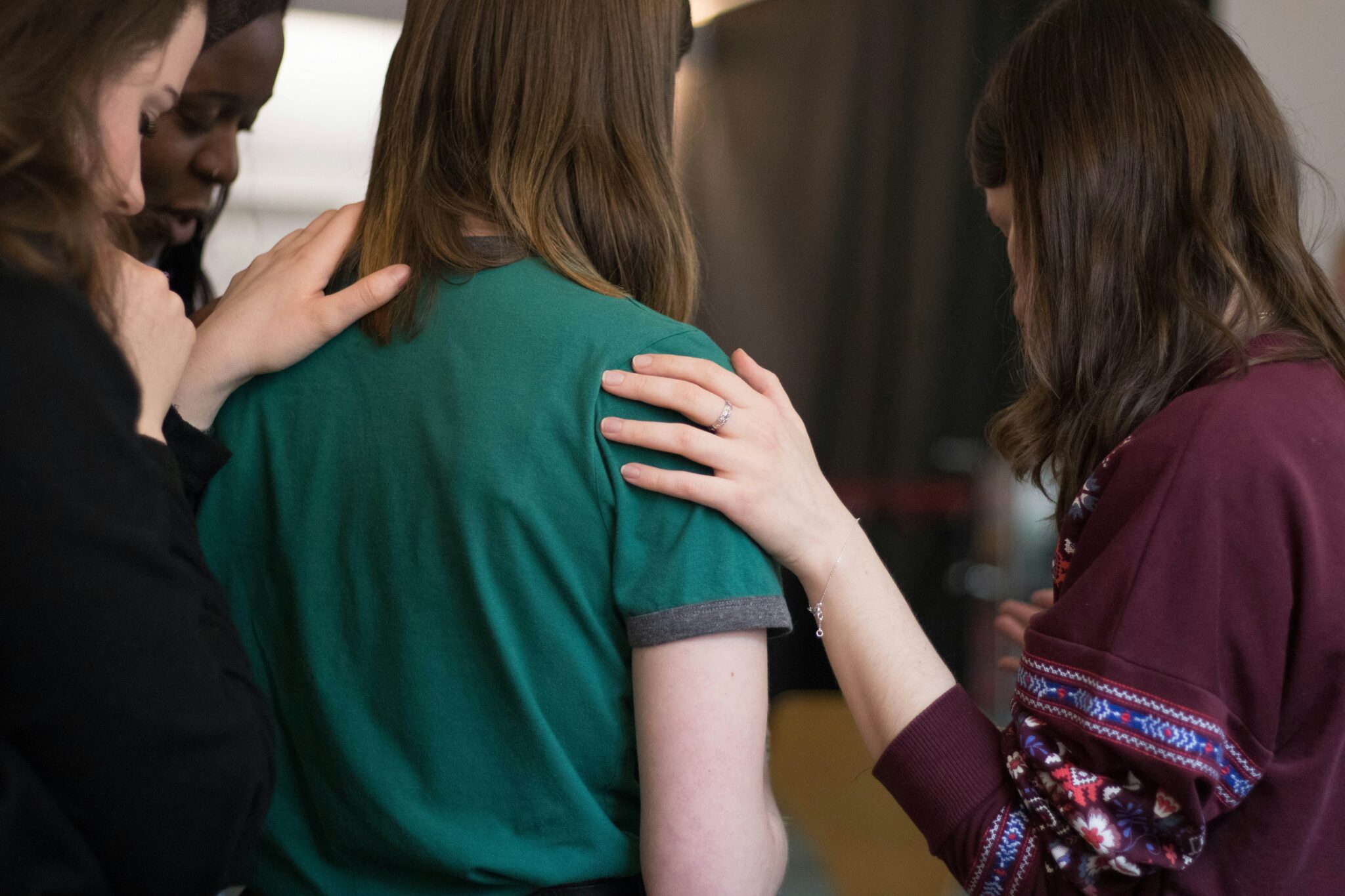
New studies from Finland, Denmark and Norway suggest that mental health disorders might spread through social contact. But how strong is the effect — and should we call it an epidemic?

Known in the past decade as a horse tranquilizer and surgical anesthetic, ketamine is now gaining popularity as a party drug and even a life-coping aid. But while it shows promise in treating depression, its misuse brings real risks and a growing blind spot.
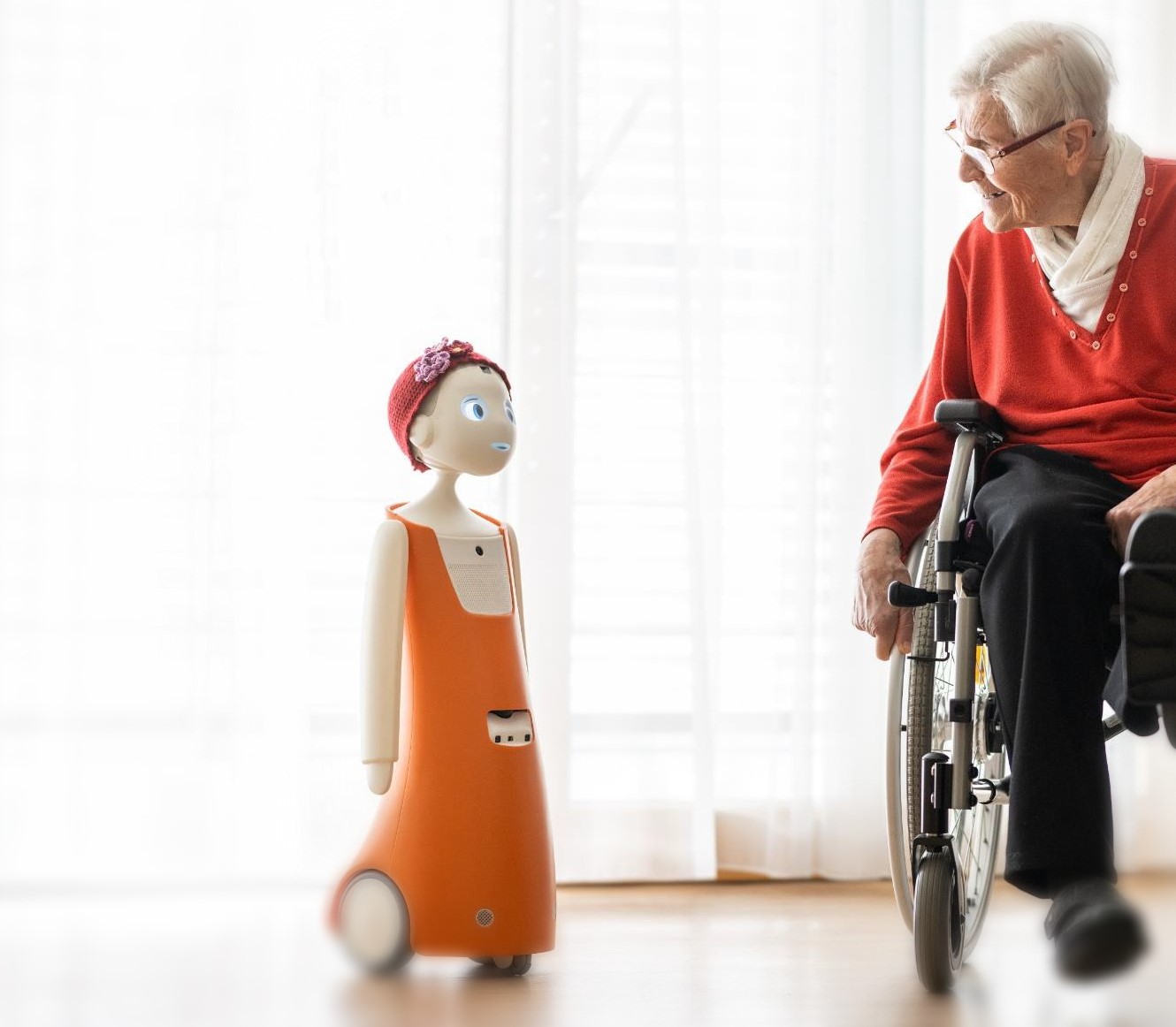
As staff shortages grow, a Munich startup is testing and training childlike AI companions designed to talk, remember and emotionally connect with the elderly — without ever losing patience.
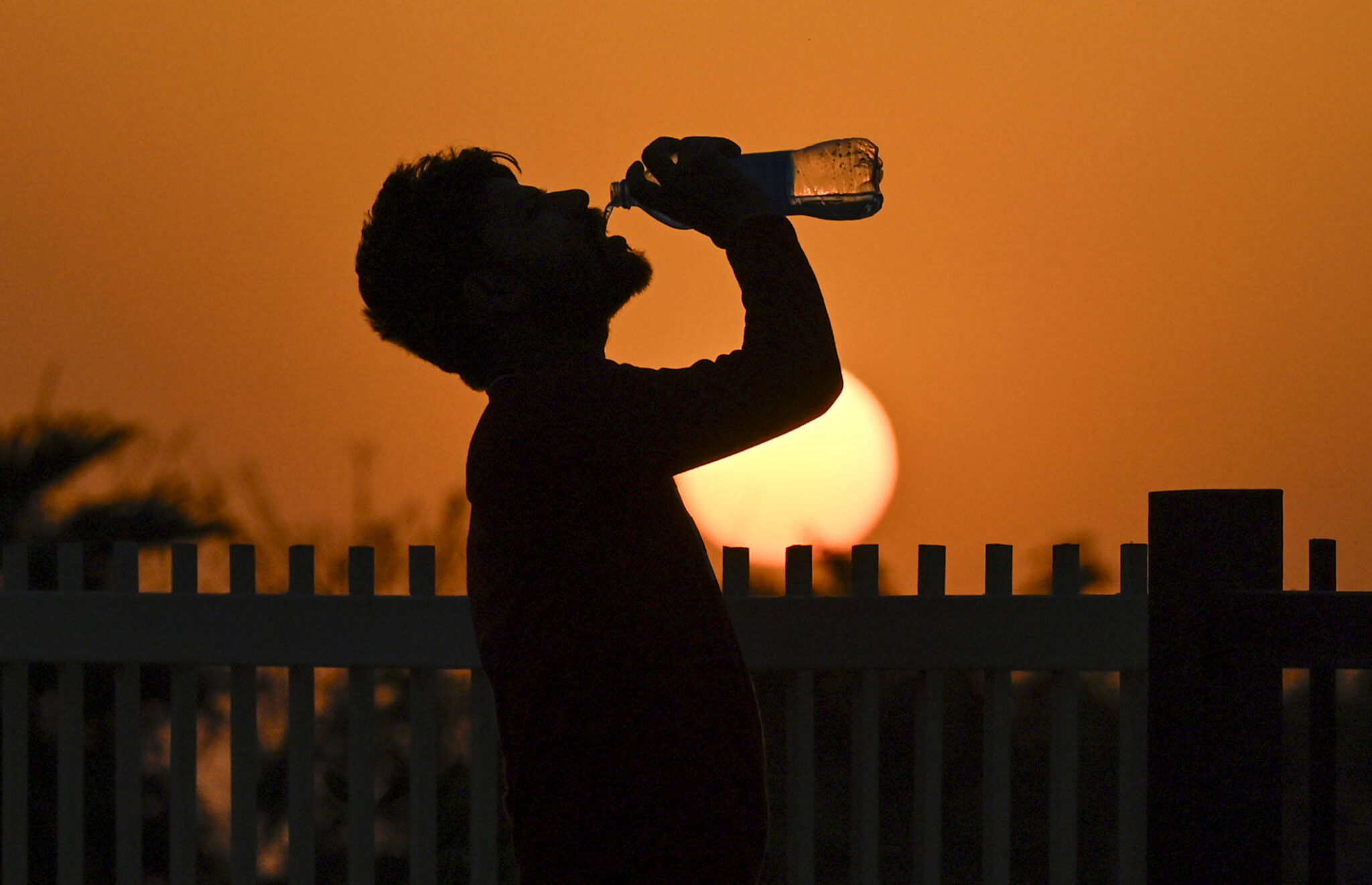
Very few people actually need two liters of water a day. But how much do they really need? What changes in the heat, whether coffee counts – and why many amateur athletes drink dangerously large amounts.

From unpaid caregiving and beauty routines to the hidden burden of emotional support, some women are starting to demand compensation for the work they do in relationships — work that often benefits men for a lifetime.

How are you feeling? Is it time to stop? Is it me or my therapist? Here are the questions to ask if you’ve taken that plunge.

Even four cups a day! Coffee can be good for you, and not just for waking you up. A series of recent scientific studies show drinking abundant good brew can prevent heart disease and dementia and help you live longer. But how and when you prepare are key.
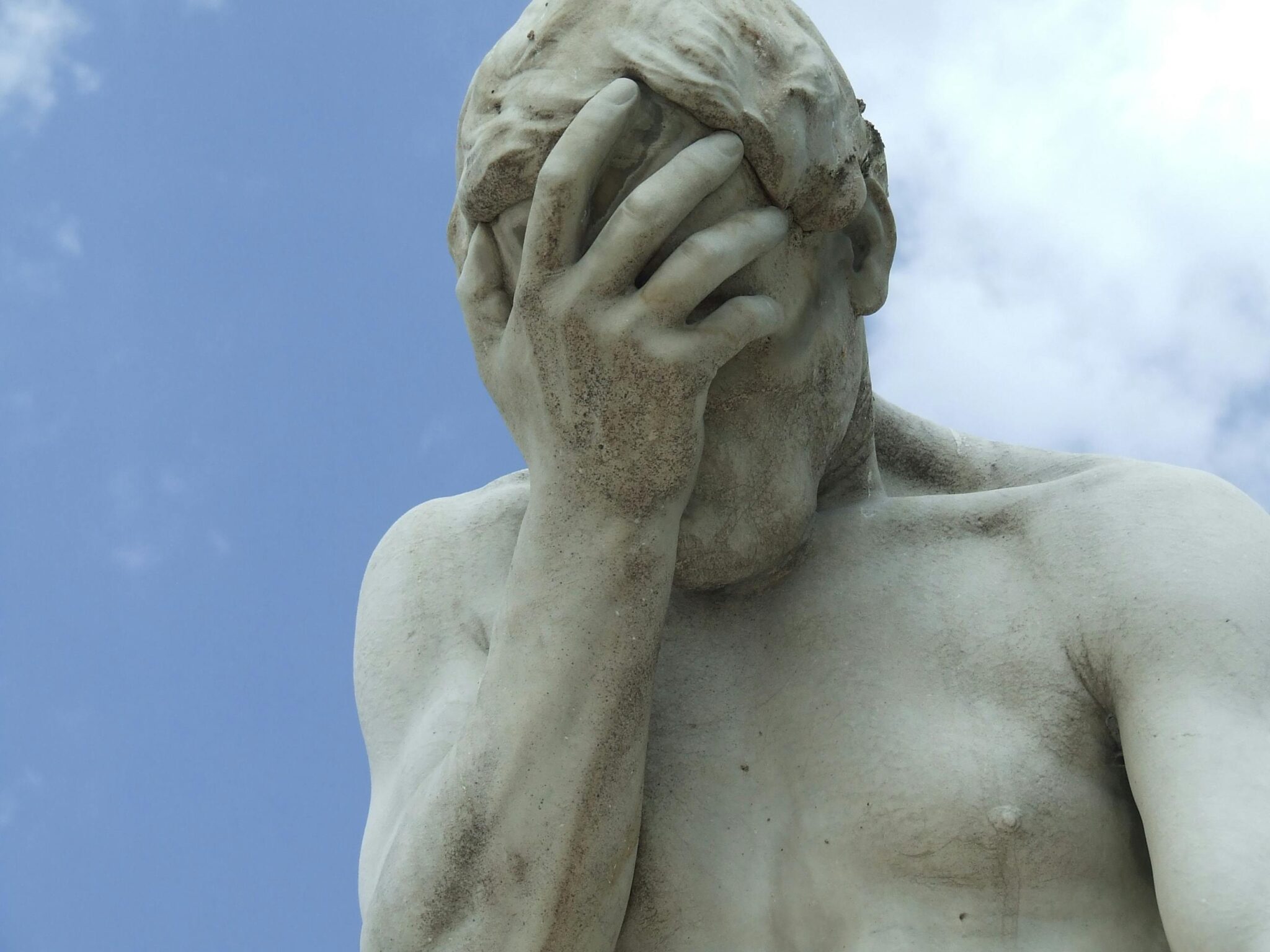
A new phone, a fancy car, a full fridge: for a long time, politicians assumed that prosperity was all it took to keep democracies running. But that view of human nature is now having serious consequences.
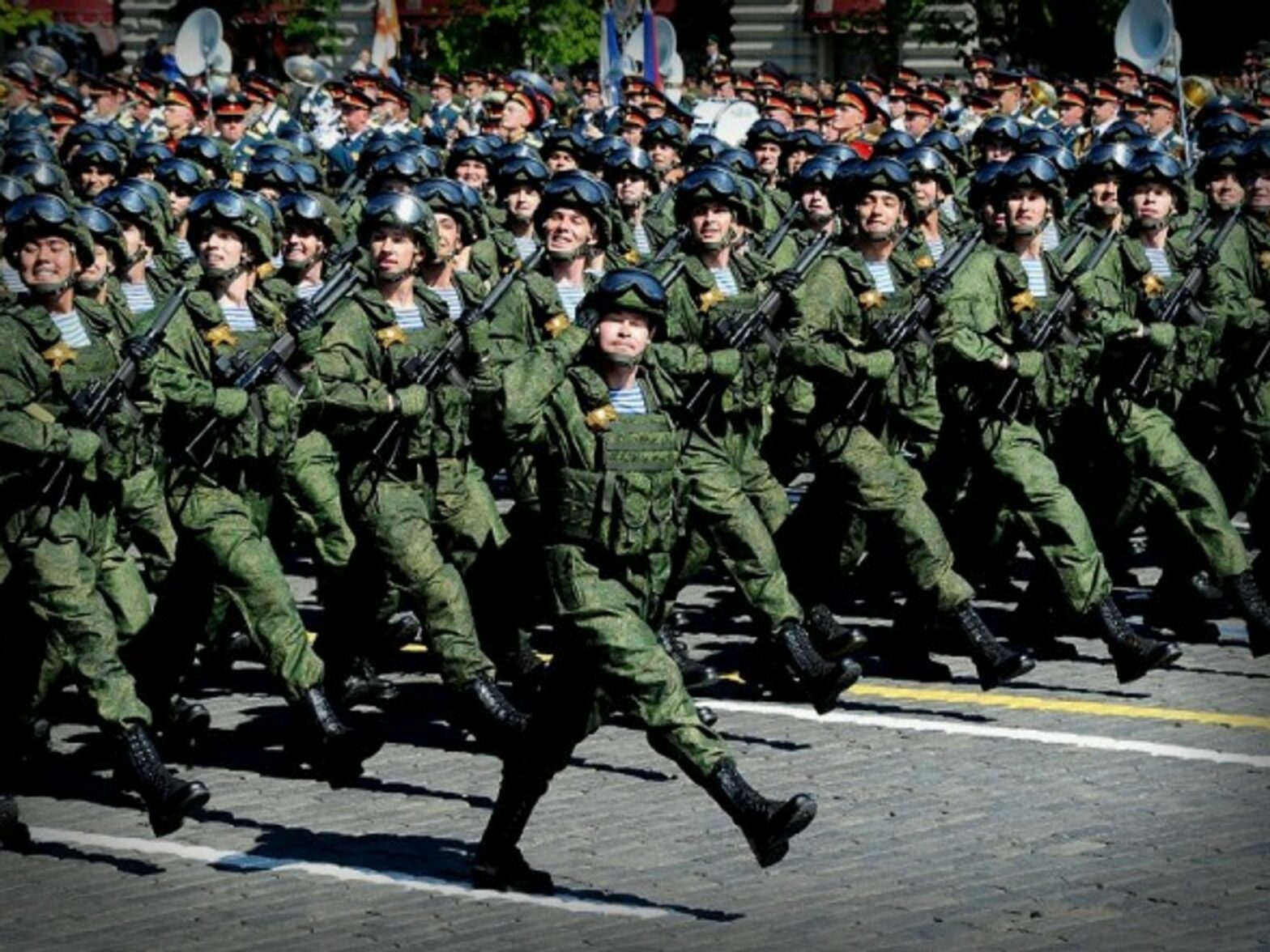
Chancellor Merz and Foreign Minister Wadephul warn of direct threats from Moscow on the lives of people in Germany, and yet hesitate to back their words with the kind of support Ukraine urgently needs to avoid that Putin goes further.

From social media filters to salary bumps, an exploration of how the beauty advantage plays out across cultures — and why pretty average looks might be just the right amount.
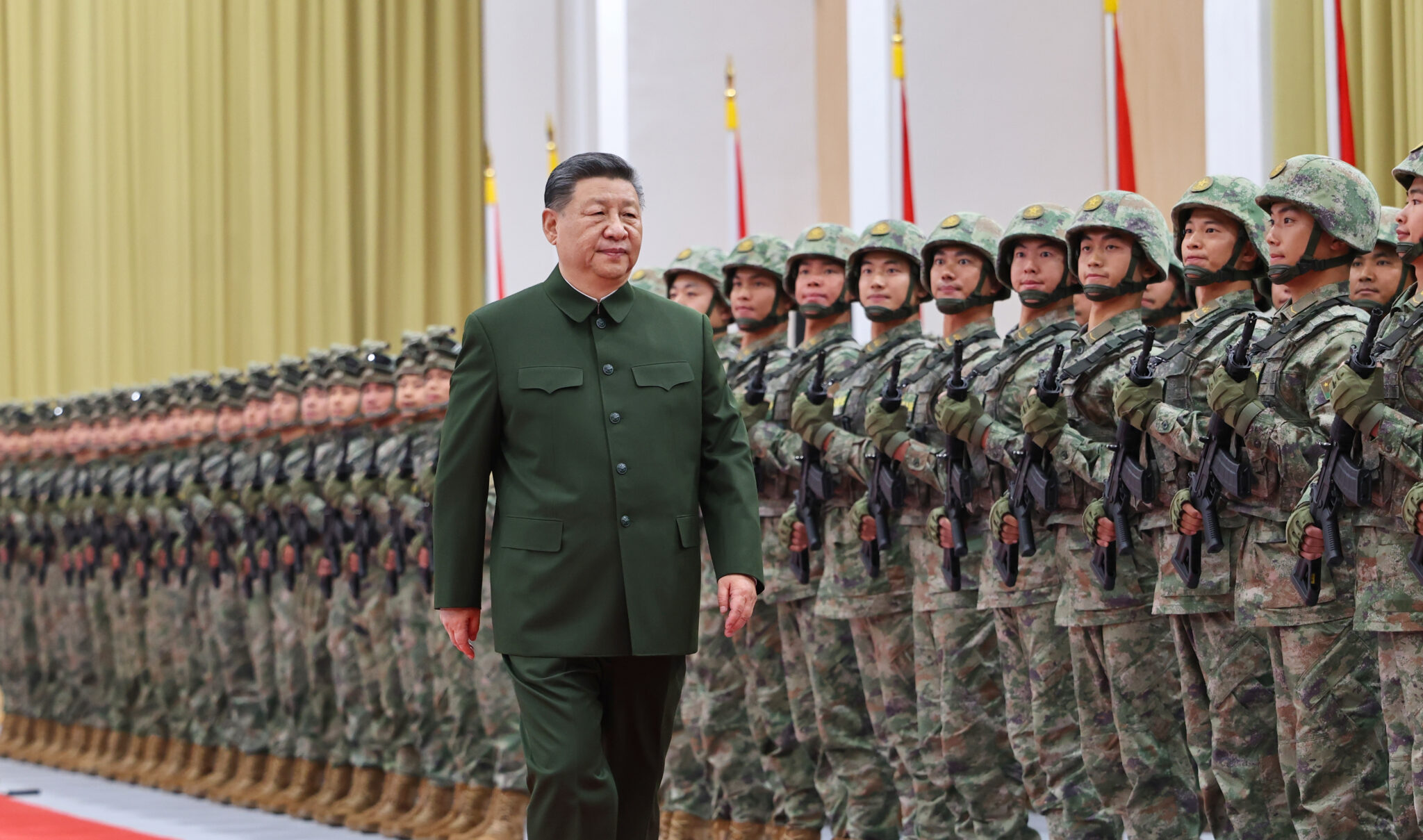
Eight decades after the UN Charter was signed, the so-called rules-based order is looking pretty battered. Still, the fact that someone breaks a rule doesn’t make it invalid. Law and reality never fully align. Otherwise, we wouldn’t need law.

From boardrooms to barroom debates, knowing what to say in the moment can change everything. You’re either born with the skill or not, right? A writer from Germany’s Die Zeit weekly joins a Berlin debate club to test whether quick wit can be trained.
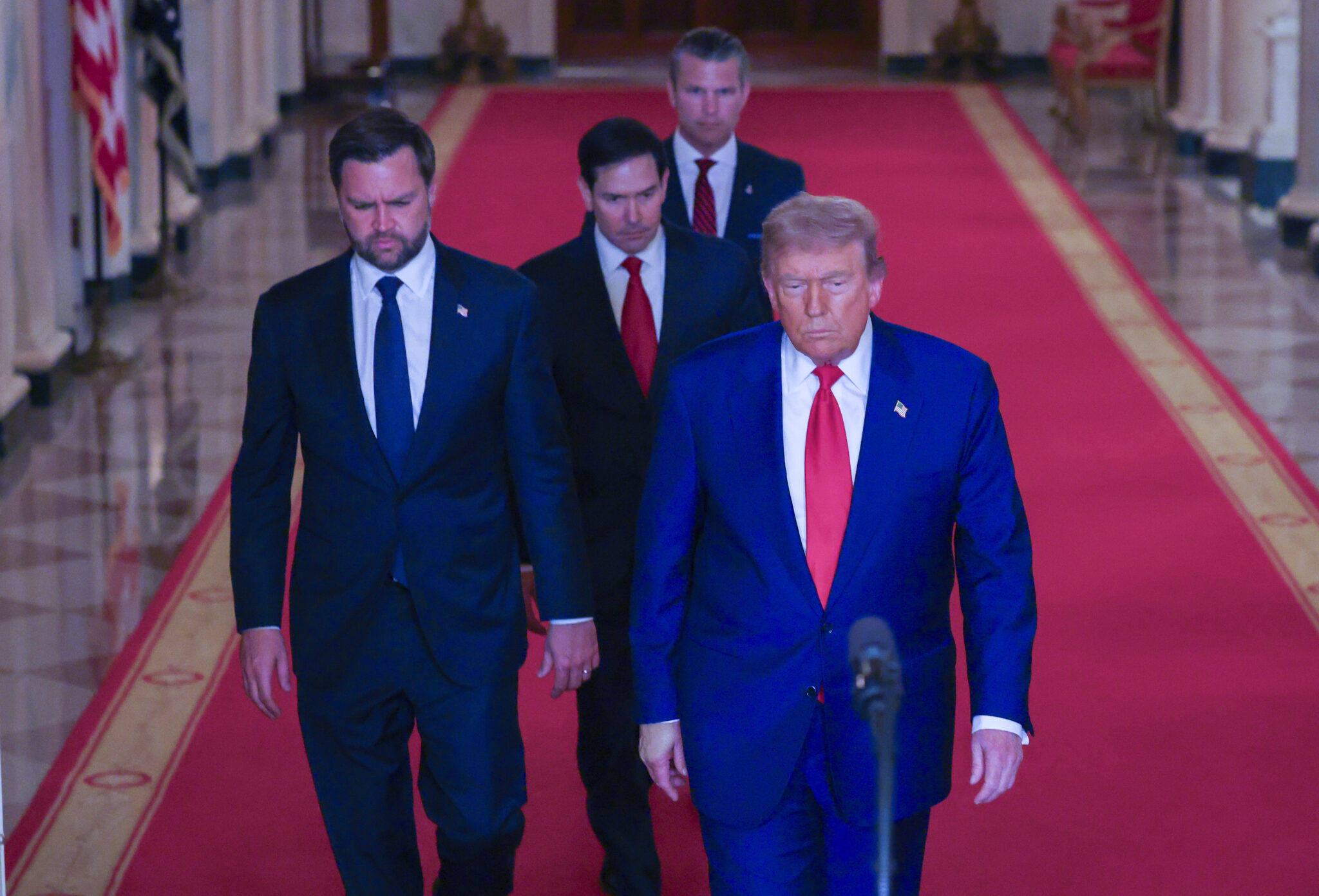
For nearly a century, the West has approached the Middle East with strategic interests — but little genuine understanding. From coups to regime changes to failed red lines, each intervention has produced unintended consequences. Maybe it’s time we admit: the problem isn’t the region. It’s us.

By declaring that Israel was “doing the dirty work for all of us,” German Chancellor Friedrich Merz shocked many and cast an ambiguous shadow over Europe’s position in the conflict. At a moment when Europe should be upholding the rule of law, he appeared to align with Israel and the United States, who seem to rely solely on force.
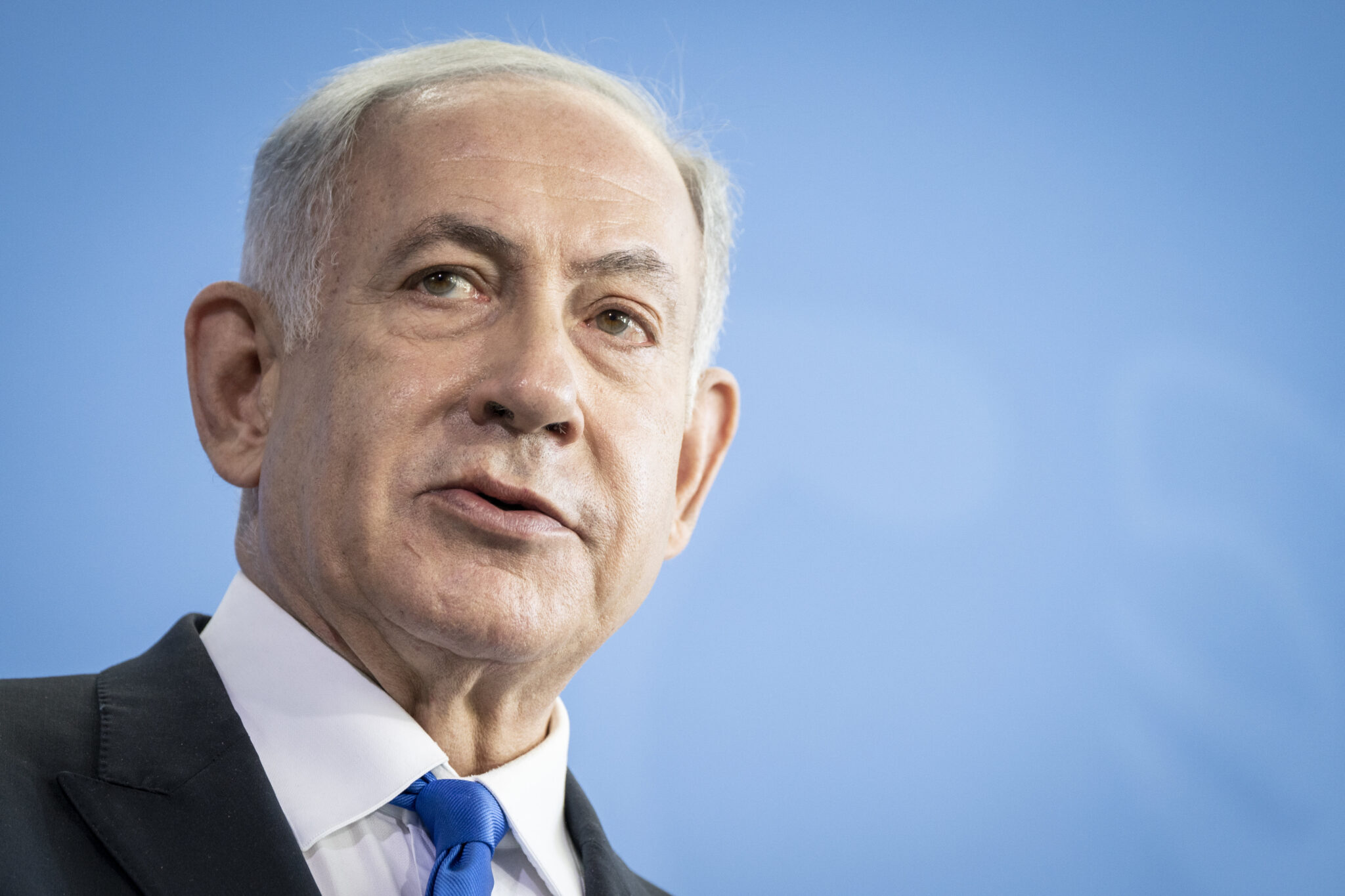
Israeli Prime Minister Benjamin Netanyahu has long viewed the Iranian regime as an existential threat to the Jewish state. Now, with direct strikes on Iran, he may be realizing a goal he’s pursued for decades — driven by history, personal conviction and political survival. But the risks for Israel and the region are huge.
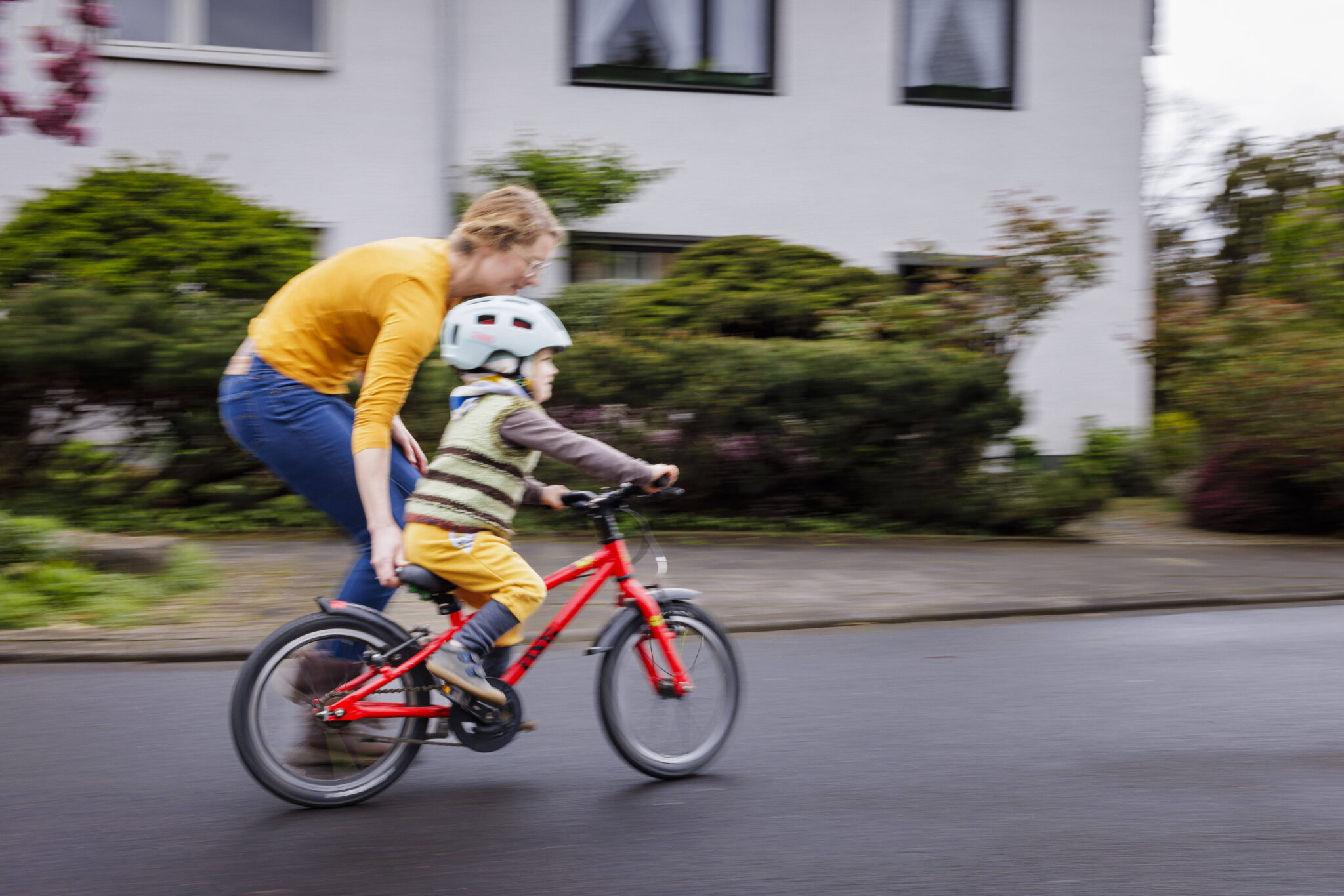
Despite being cheap, eco-friendly and empowering, the bicycle is losing ground among Germany’s youngest. Cities are not built for children, and cars are given priority. Together with parents’ fears and declining physical activity, this is making biking for children harder than in previous generations.
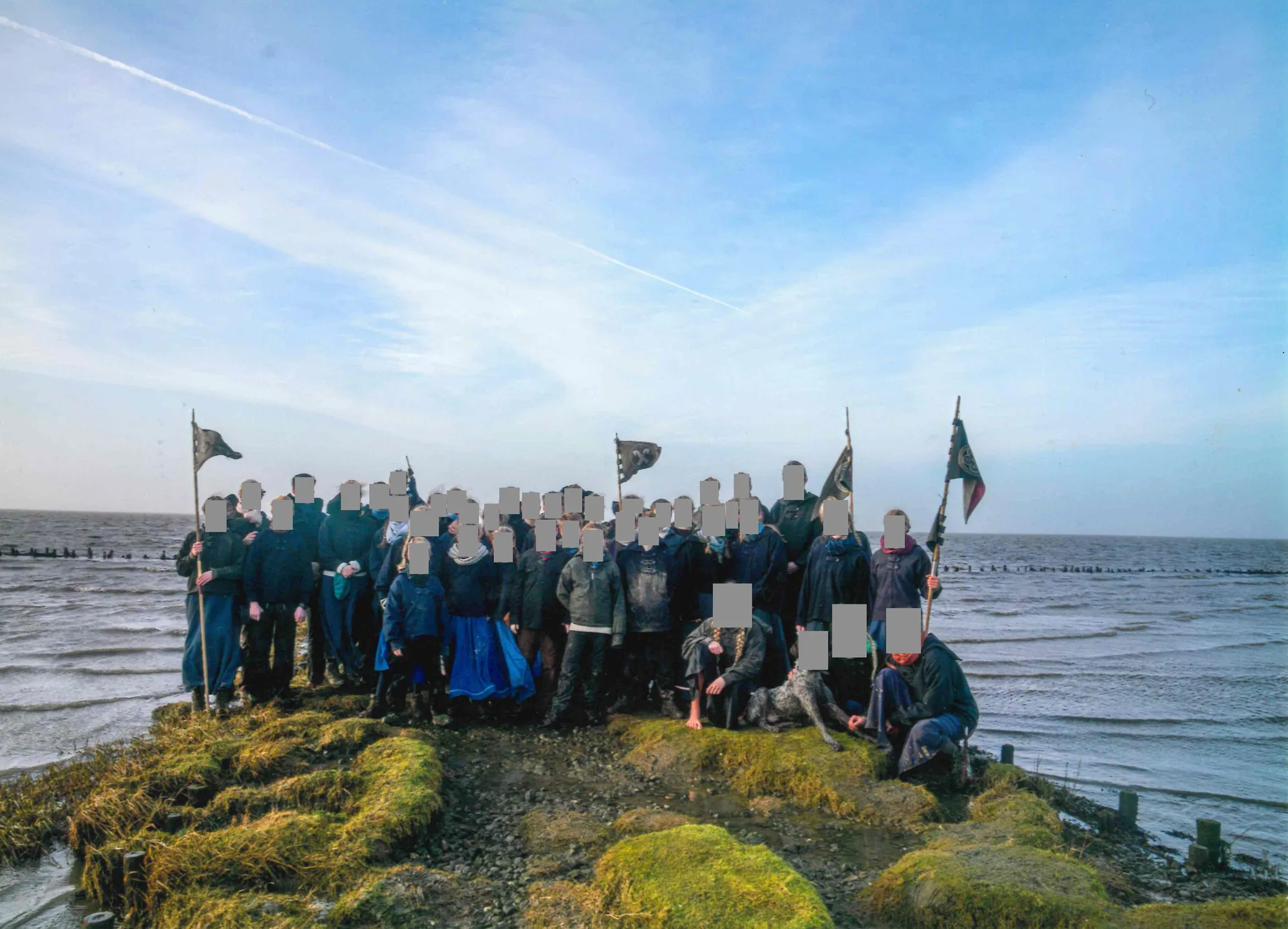
A secretive organization is training children in nationalist ideology, drawing on the legacy of banned neo-Nazi groups. With ties to former extremists and echoes of Hitler Youth rituals, the Jungadler operates under the radar — and may have been active for over a decade.

With remarkable shots from Stockholm, Tehran, and Leipzig, among other places.

The author, a 49-year-old Kindergarten mom, shares her own experience — and looks at the emerging science about raising children later in adulthood.