The fleet may not open a maritime corridor, and the hunger strike may not end the hunger, but their true strength lies in breaking the psychological isolation, in offering a sense that there is a moral refuge, even if it is materially powerless.
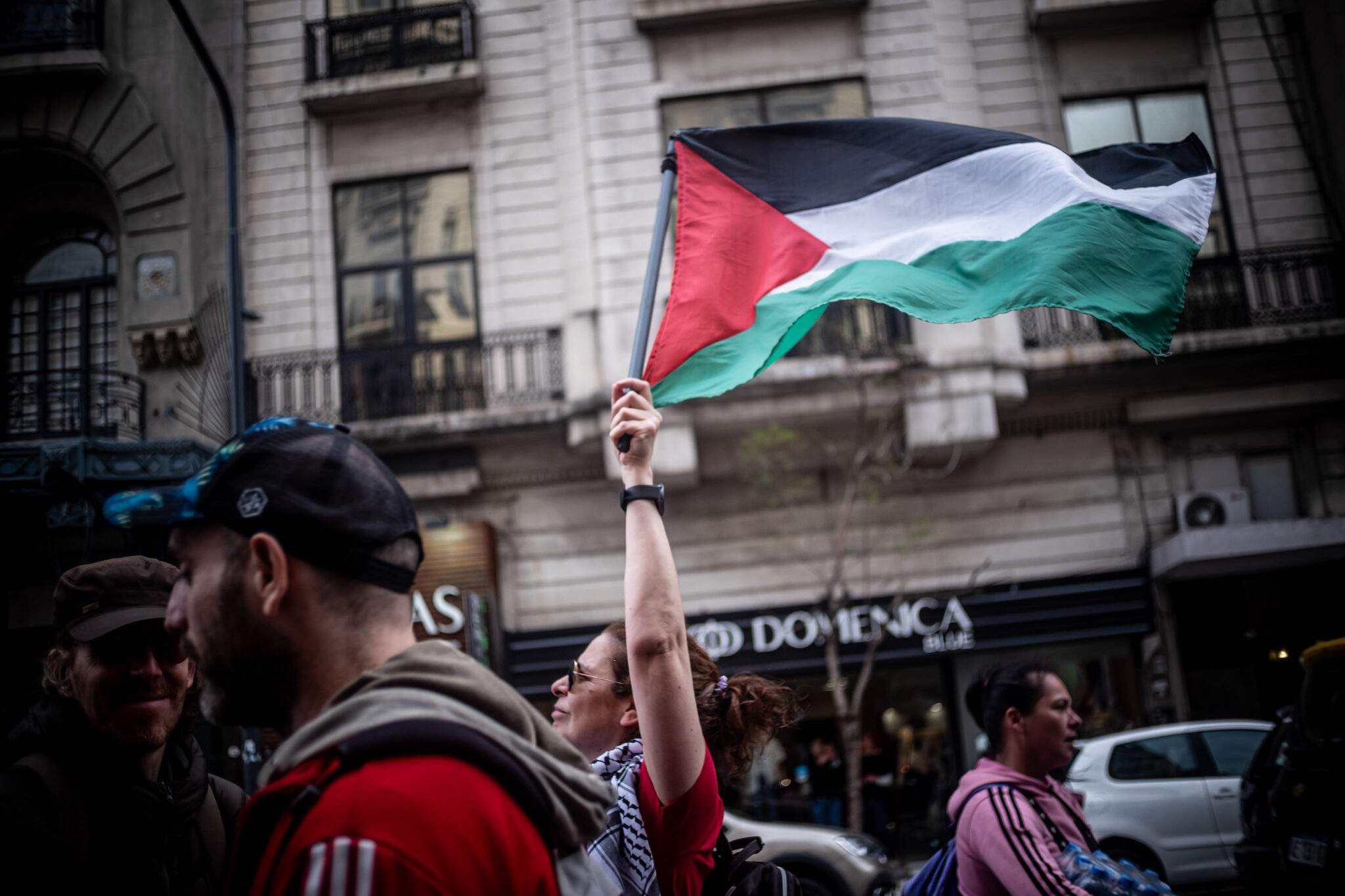
 Worldcrunch
The fleet may not open a maritime corridor, and the hunger strike may not end the hunger, but their true strength lies in breaking the psychological isolation, in offering a sense that there is a moral refuge, even if it is materially powerless.
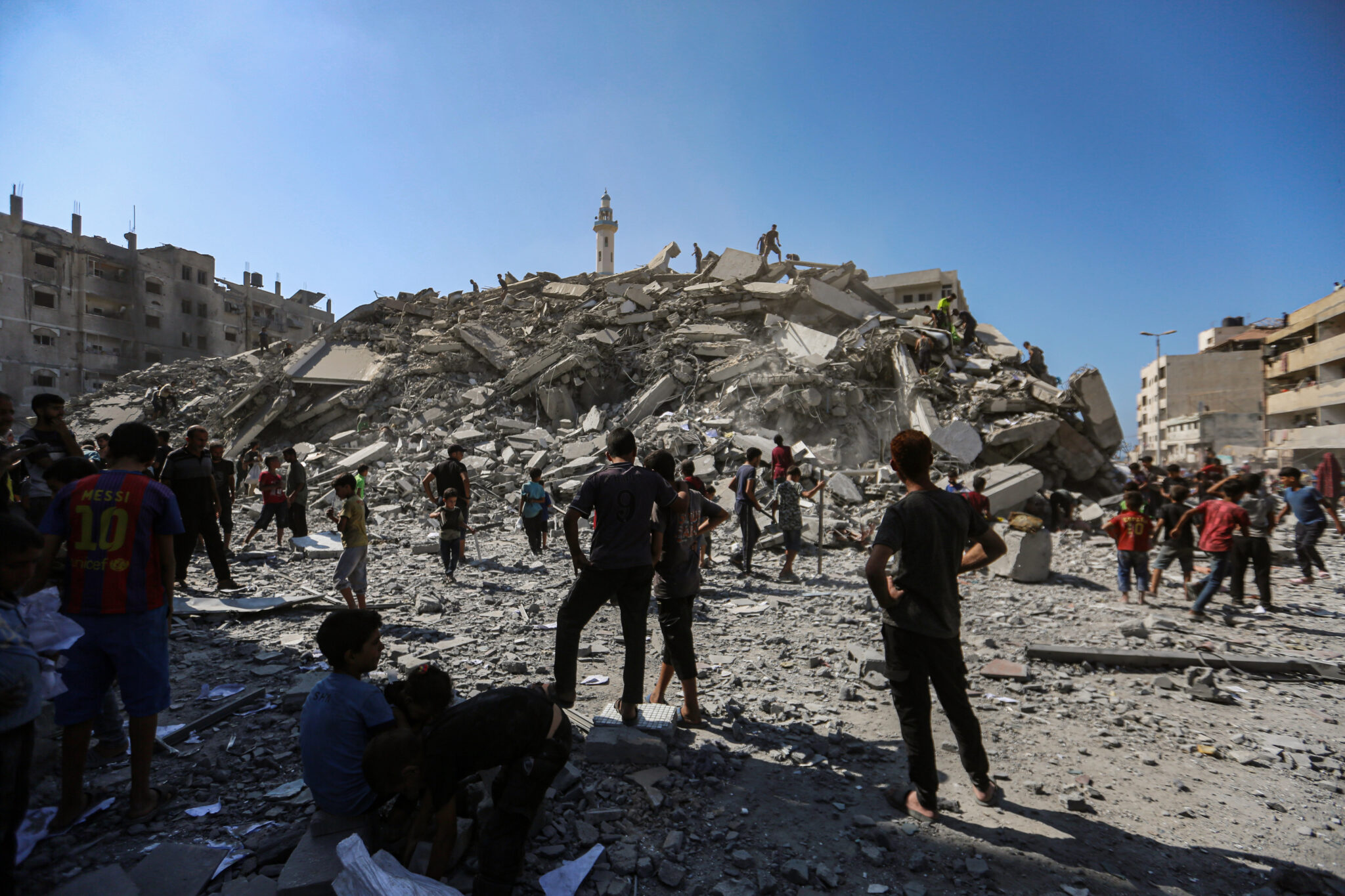
The Al Ghafri Tower, Gaza’s tallest residential building, was destroyed Monday after the Israeli army ordered its evacuation. The term “urbicide”— literally, “killing the city”—is used to describe this strategy aimed at rendering Gaza City uninhabitable.
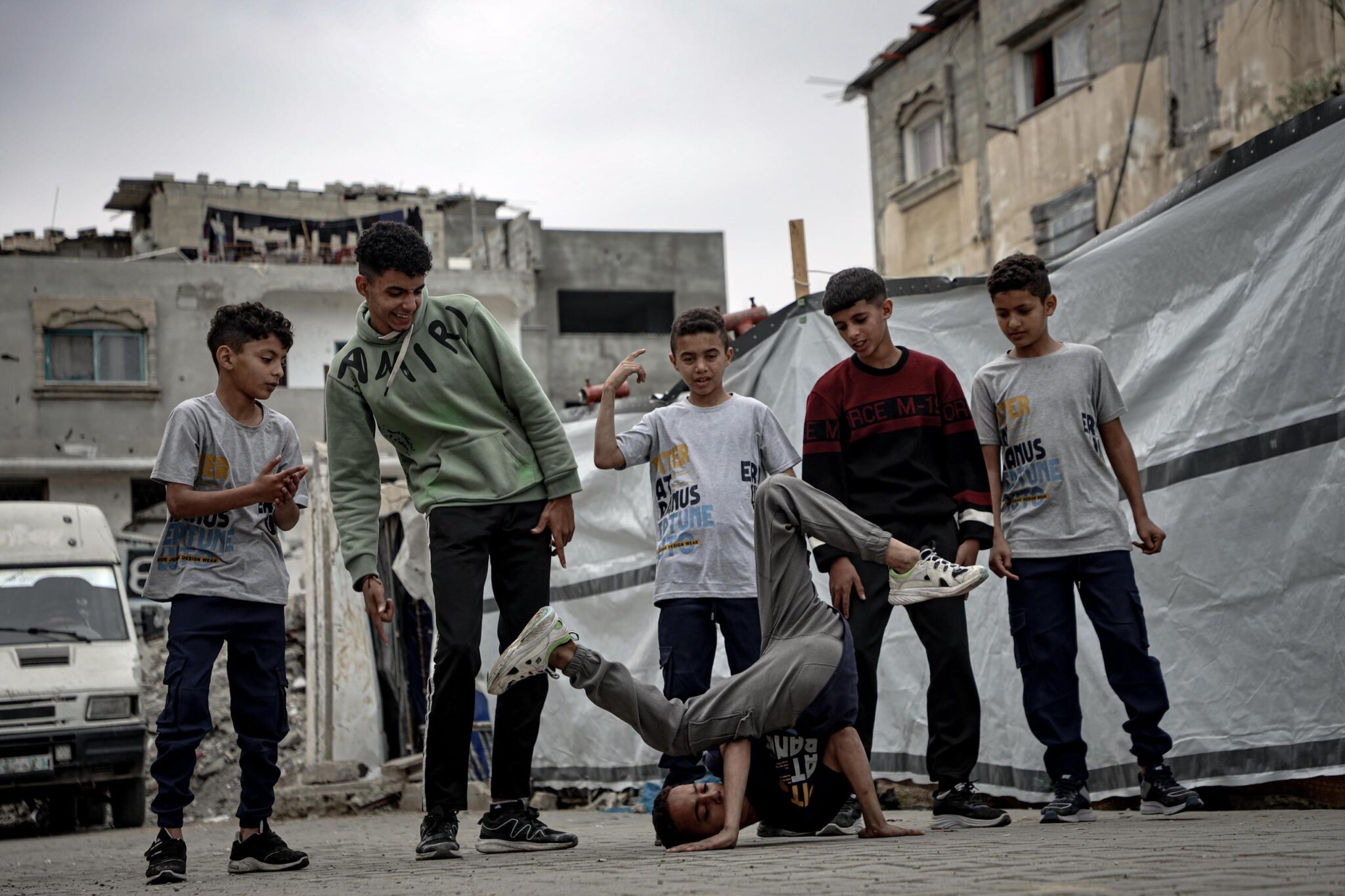
Breakdancing has taken root in one of the most unlikely places: In the refugee camps of Nuseirat and Gaza City, a crew called Breaking 48 trains children and teenagers in the art of hip-hop, amid ongoing conflict, shortages, and destruction. Their story is one of resilience, creativity, and community.
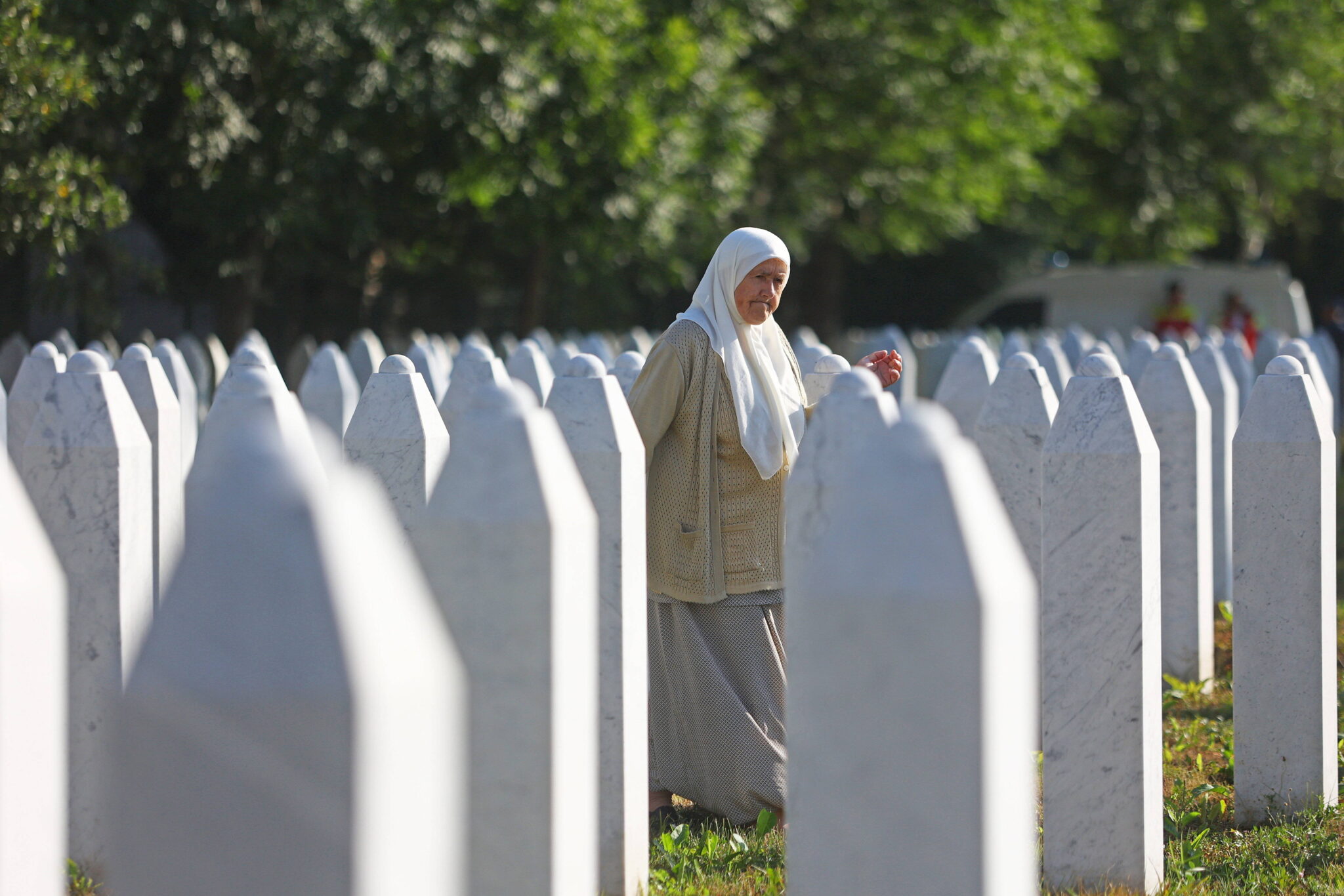
Once dismissed as a tragic anomaly of the post–Cold War era, the 1995 massacre of 8,000 Bosnian Muslims now echoes through today’s wars and ideologies. From Gaza to Ukraine, the logic of ethnic violence is back, and the world is once again looking away.
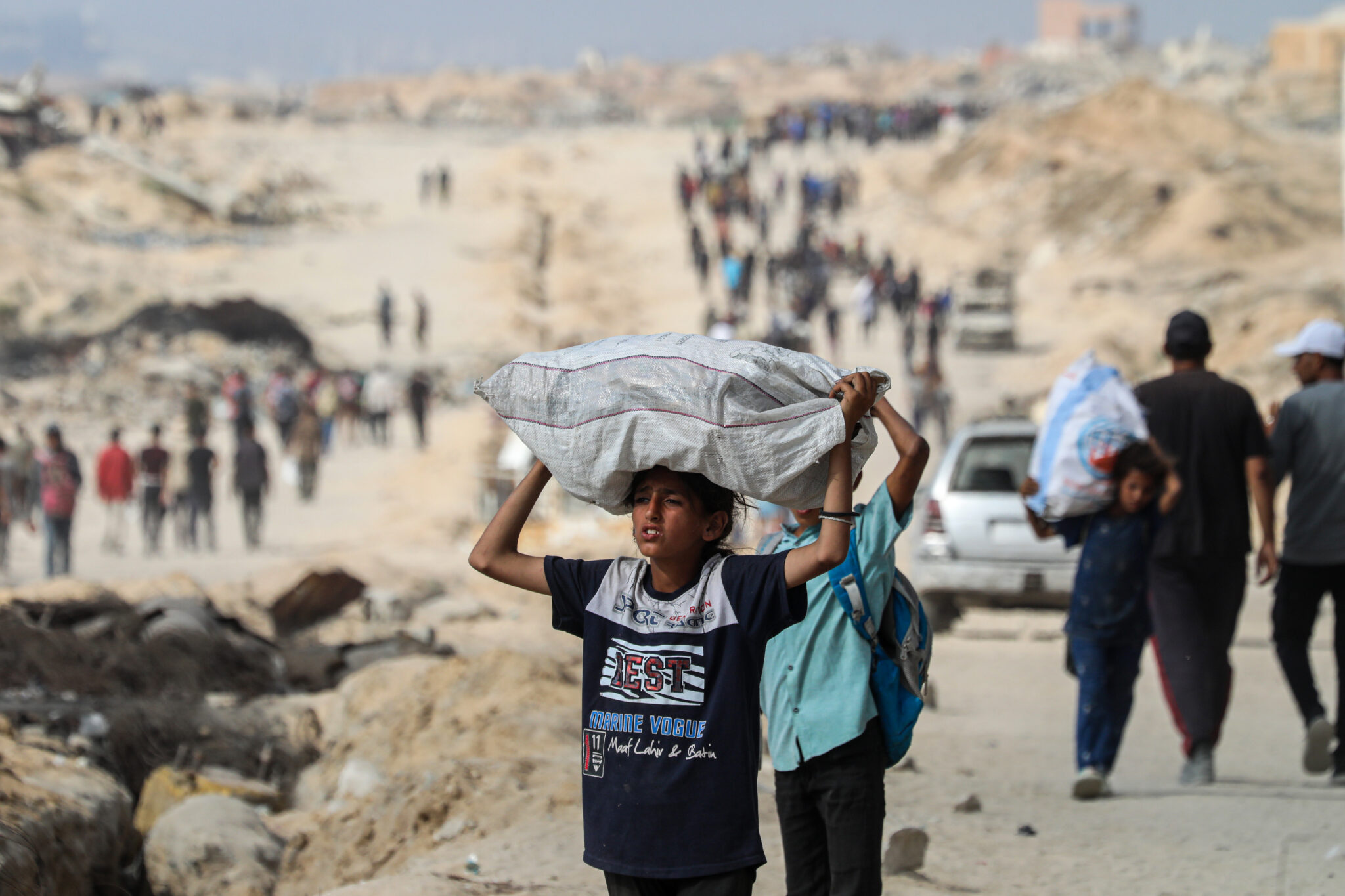
The’ “hell” continues in Gaza, with no explicit explanation of Israel’s goals. U.S. President Trump’s success in swiftly ending the missile exchanges between Israel and Iran could now be extended by pressuring the Israelis to find a solution to the Palestinian question, which is vital to progress in the Arab world. What will Trump do?
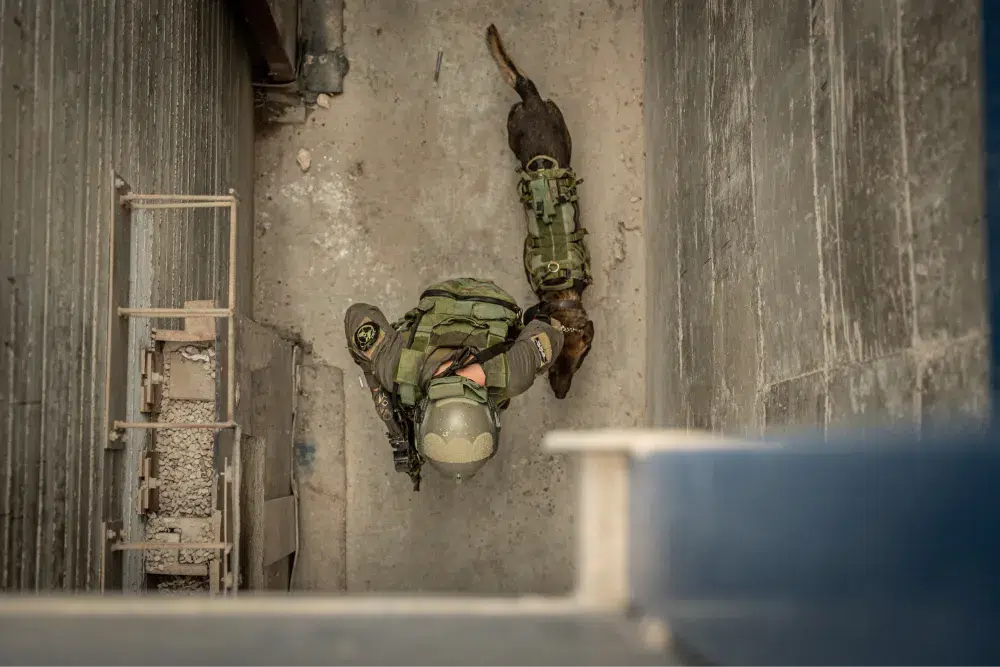
An exclusive investigation reveals Israel’s use of trained dogs — imported from European countries — as weapons against Palestinian civilians in Gaza and the West Bank. European companies specializing in training and selling these dogs to Israel appear to disregard ethical and legal standards.
With photographs from Gaza City, Madrid, Guwahati and Paris, among other places.
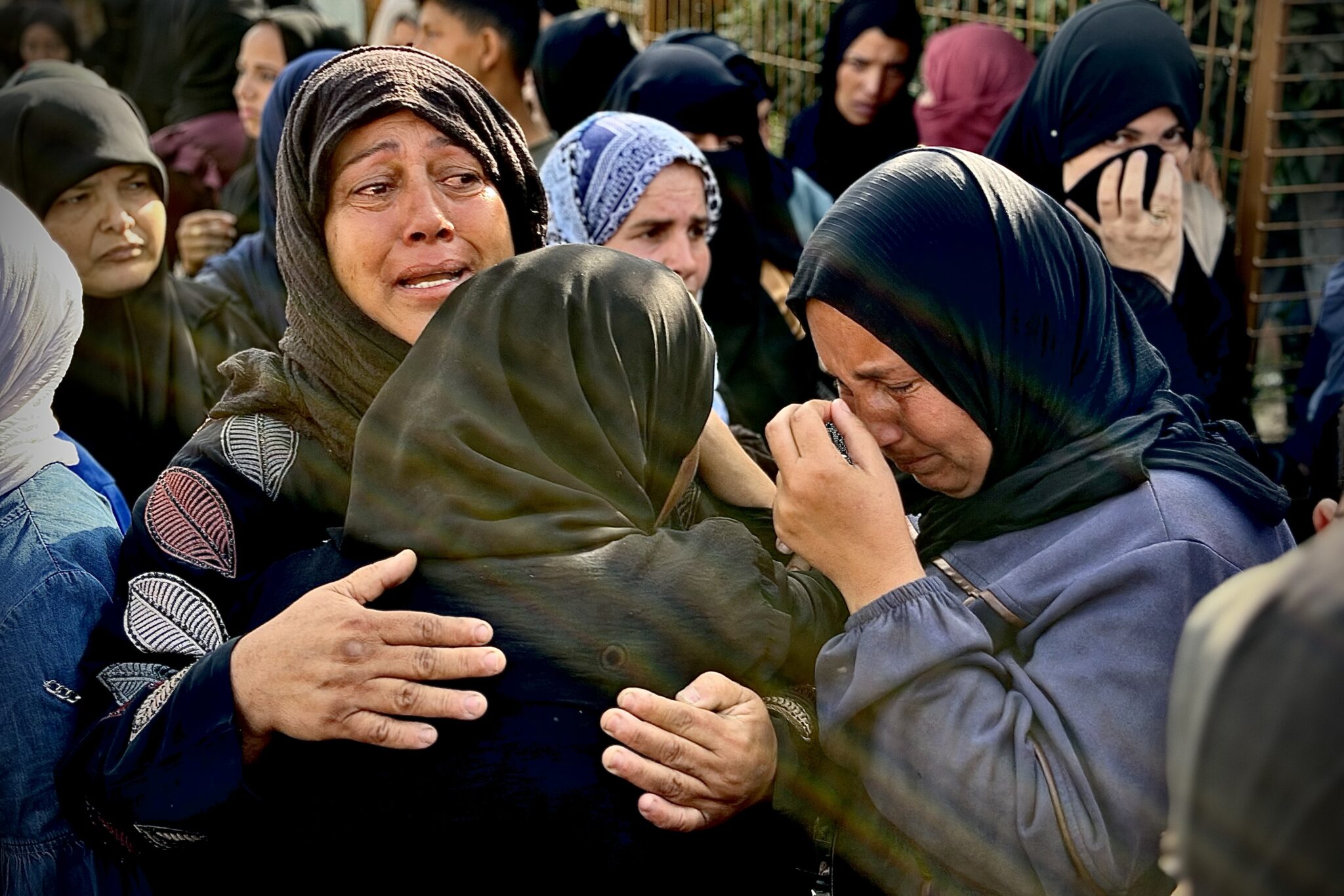
A new horror during food distribution in Gaza comes, with the warring parties digging in their heels at the expense of the population. Only the White House has the weight to impose a truce. Why is it waiting?

With photographs from Gaza City, Madrid, Guwahati and Paris, among other places.

Amid the ruins of Gaza City, women gather in a hair salon not to escape war, but to reclaim fragments of life, beauty, and selfhood. In a city scarred by loss, they color sorrow with dye, memory, and quiet defiance.
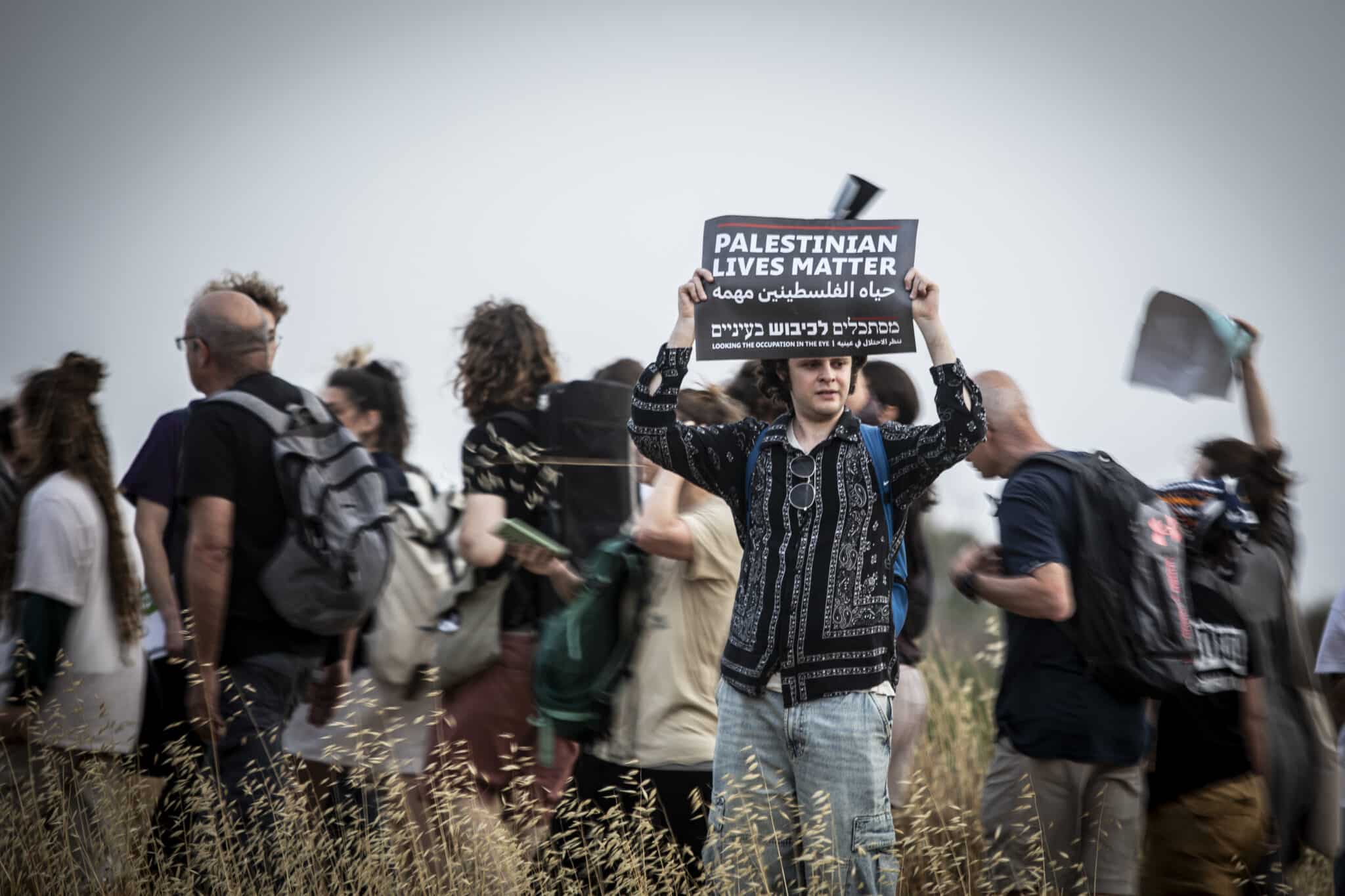
A growing number of Israelis oppose the ruthless war in the Gaza Strip and fear their country’s international isolation. Increasing criticism from Europe is fueling this sentiment, which, for now, has not stopped Benjamin Netanyahu from escalating the conflict.
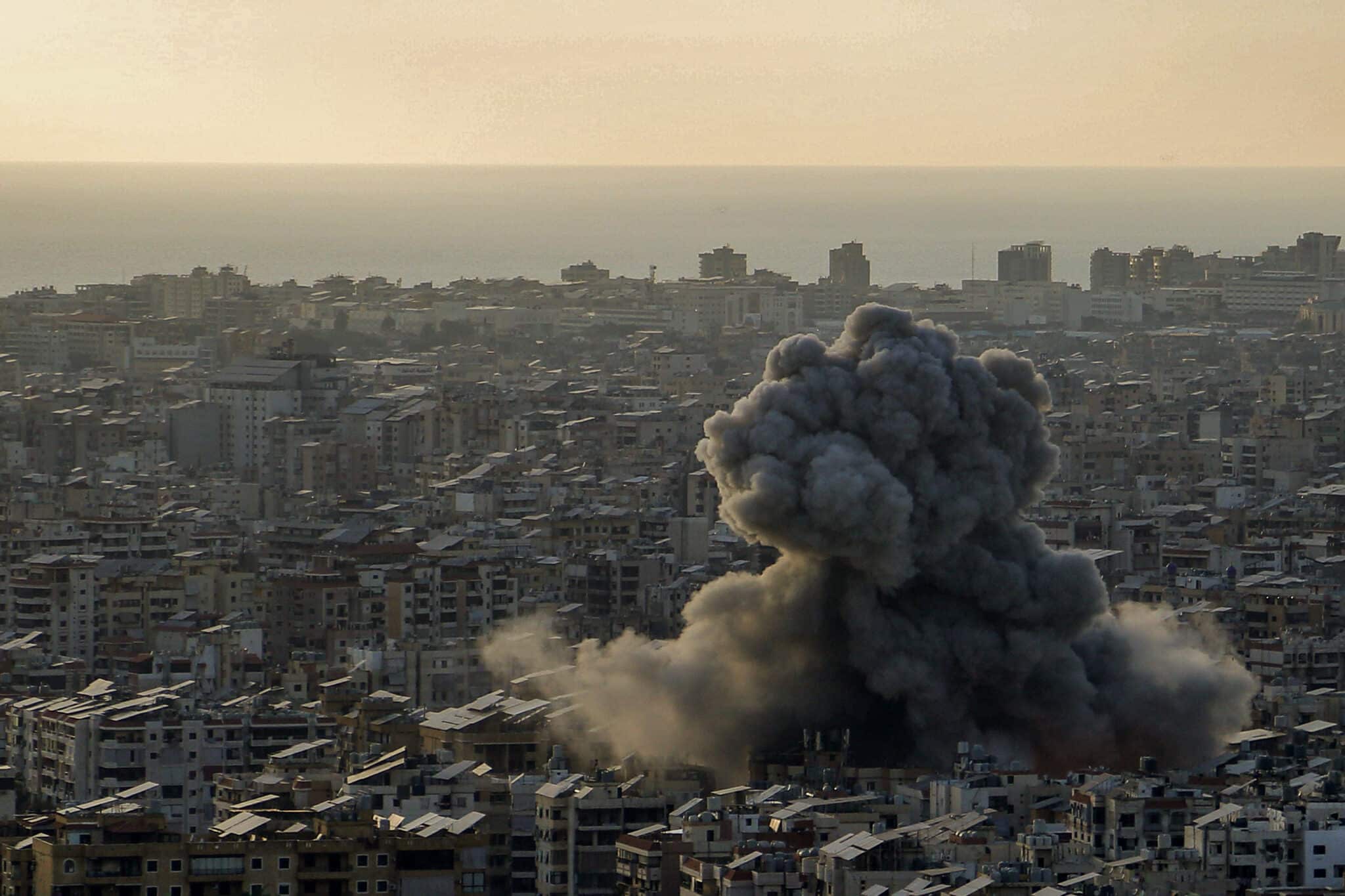
The Israeli army has imposed itself as the most powerful in the region in the wars waged since Oct. 7. But this military hegemony does not come with any political solution: This is Netanyahu’s weakness at a time when Trump is visiting the wealthy princes of the Gulf.
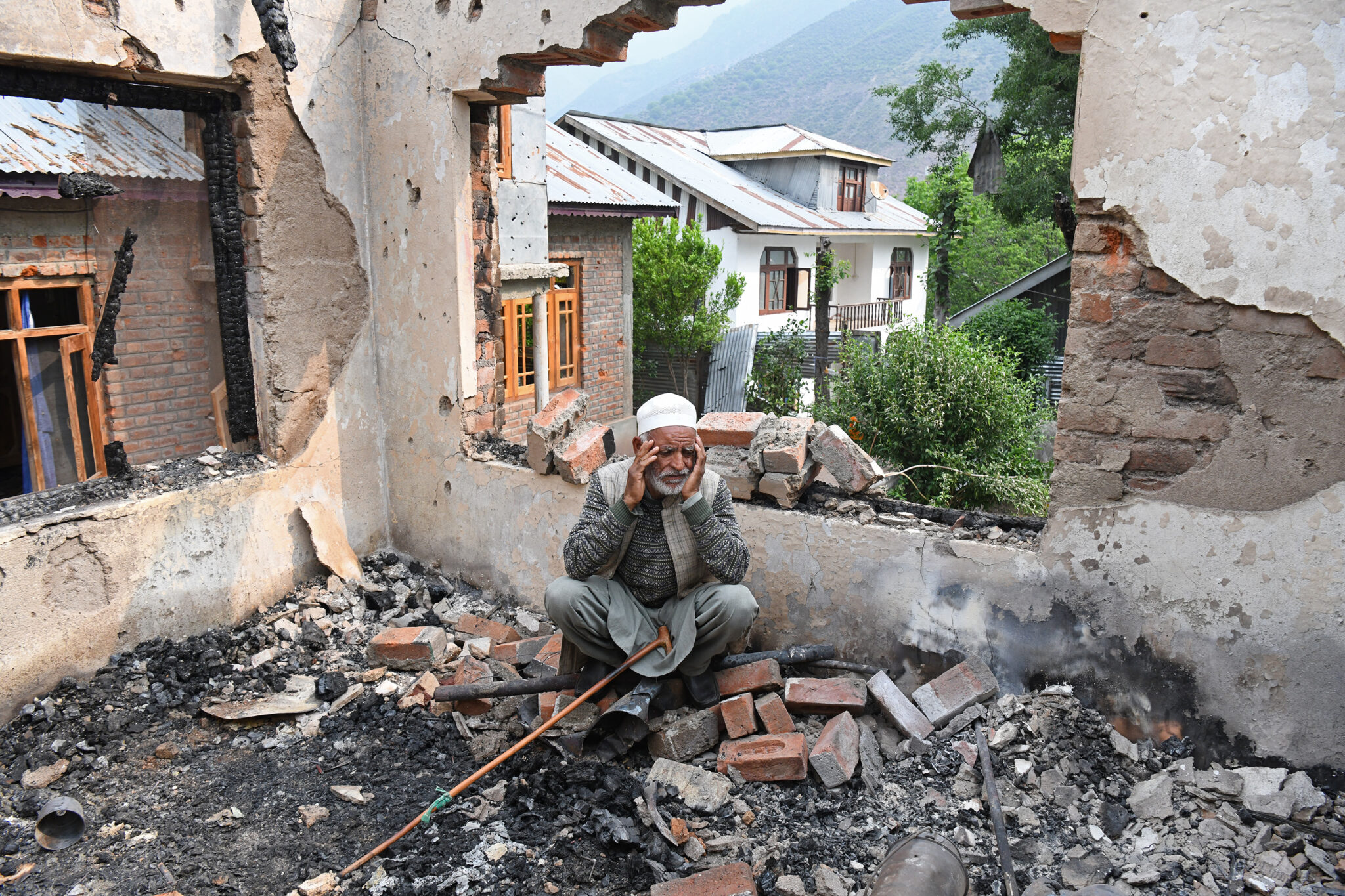
Here are the latest headlines.
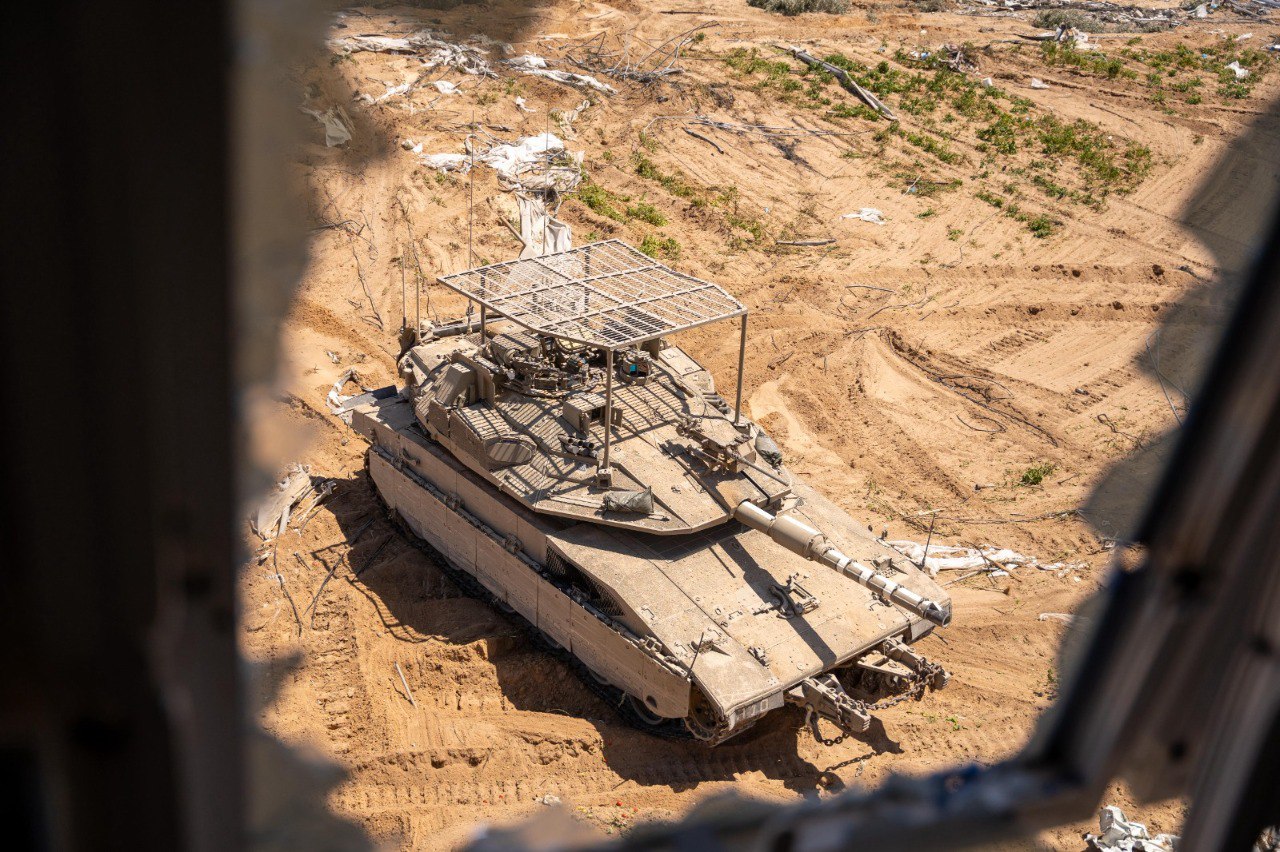
Israel is brutally asserting its plans to reoccupy Gaza and the “voluntary” expulsion of its inhabitants. France is attempting to make a modest counterpoint, in part by receiving Ahmed al-Sharaa the president of the Syrian transition.
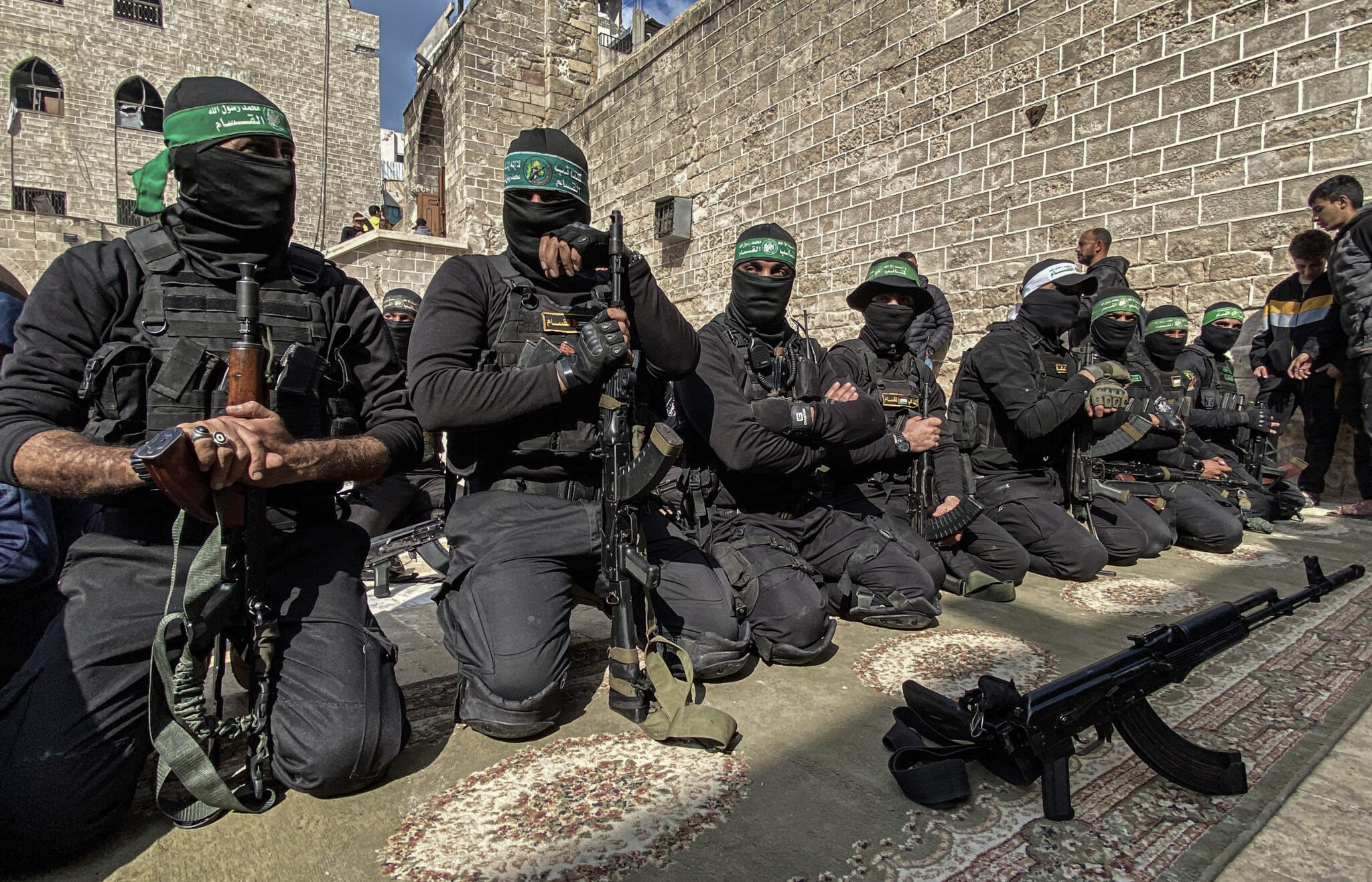
The citizens of Gaza have borne the consequences of not only the Israeli occupation but the authoritarian rule of Hamas for nearly 20 years. Is it finally reaching a breaking point?