
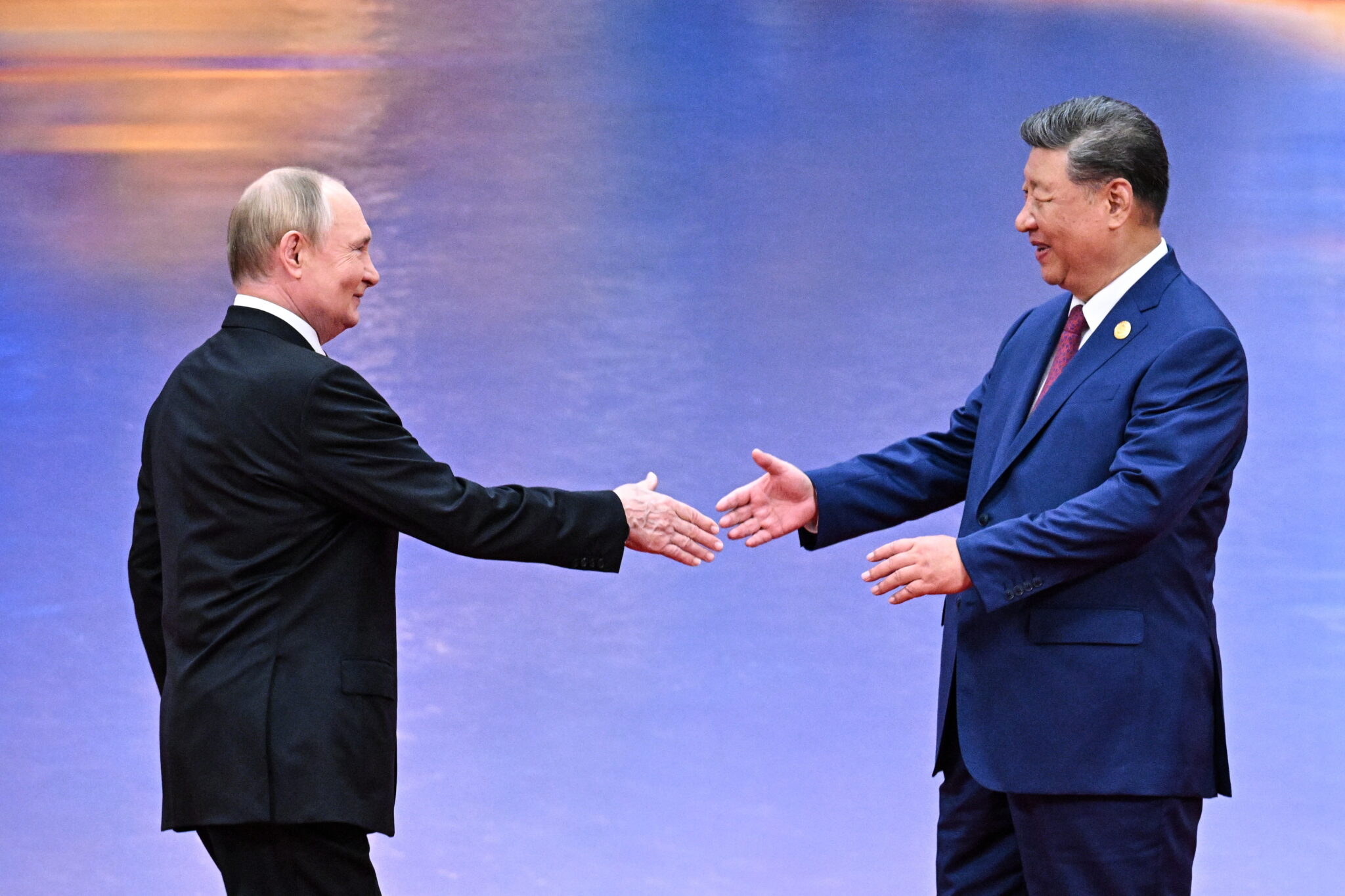
-Analysis-
PARIS— It has seemed in recent months as though only Donald Trump was driving the news — and the chaotic pace of the world. Now, China is back at the center of the major maneuvers to reorder the global balance of power.
Two events taking place this week in China illustrate this spectacularly, and with a tone of defiance aimed at the U.S. president, who is behaving as if he rules the world.
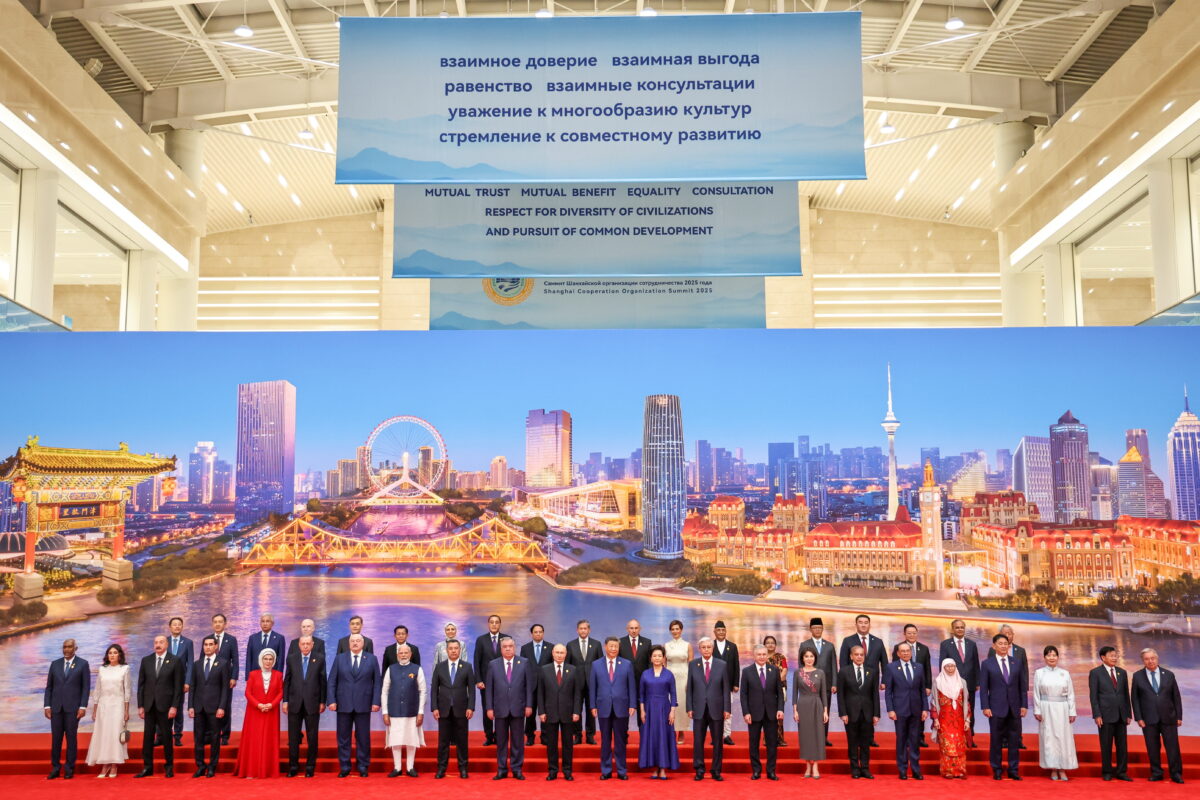
The invitation list for these events speaks volumes: the guest of honor is Vladimir Putin, who is spending four days in China and participating in both events; Narendra Modi, the Indian prime minister, who has been pushed into Beijing’s arms by Trump’s prohibitive tariffs; Iranian President Masoud Pezeshkian, who is in the midst of a nuclear standoff with the West; Kim Jong-un, the North Korean dictator, who rarely leaves his reclusive kingdom. And even, for the first of the two meetings, Recep Tayyip Erdogan, the leader of Turkey, a NATO member! And that’s just to name a few.
The first event is the summit of the Shanghai Cooperation Organization, a regional security structure co-sponsored by China and Russia, held Sunday and Monday in Tianjin, near Beijing. The second will be a major military parade to mark the 80th anniversary of the end of World War II in China.
The message is clear: to show that the world does not revolve around Trump. China is positioning itself, perhaps exaggeratedly so, as the leader of the non-Western world. Chinese leader Xi Jinping has seized on the opportunity created by the U.S. president’s heavy-handed approach to his dealings with a world in which there are no allies or enemies, only interests.
China is marketing itself above all as a nation of the Global South — the rebranding of what has been referred to as the “developing world” — despite its huge role in the global economy. It is also promoting itself as a champion of virtue, claiming to respect state sovereignty — except in the South China Sea, which it treats as a “backyard” issue. This is a deliberate offer of an alternative to the U.S. model.
A Chinese bloc?
The other message is one of power, embodied by Wednesday’s parade along Beijing’s Eternal Peace Avenue, which will showcase the modernity of the People’s Liberation Army. The flood of propaganda surrounding the event is focused on promoting the idea of sacrifice rather than submission, and it goes without saying who the message is targeted towards.
Putin played Trump like a pawn in Alaska
So is there now a “Chinese bloc”? It would be an exaggeration to talk about a “bloc” in the sense that was used during the Cold War with the USSR, as that is not how China operates. But while analysts have been watching for signs of a rift between Putin and China, the four days the Russian president is spending alongside Xi Jinping are a renewed rebuttal of these rumors.
Nothing set in stone
Putin played Trump like a pawn in Alaska last month, and then eagerly stood alongside China’s leader as they watched pass before them the army that is challenging the U.S. in Asia.
Perhaps the most surprising presence at the summit is that of Indian Prime Minister Narendra Modi, whose country has a particularly strained relationship with China. In just a few weeks, Trump has destroyed 30 years worth of patient American diplomatic efforts to build an alliance with India, which is now still reeling from Washington’s 50% tariffs.
Modi’s presence at the Tianjin Summit does not mark a change in alliances, but certainly makes it clear that nothing is set in stone in the present global landscape. This is to the great benefit of Xi Jinping, who certainly has Donald Trump to thank!