
-Analysis-
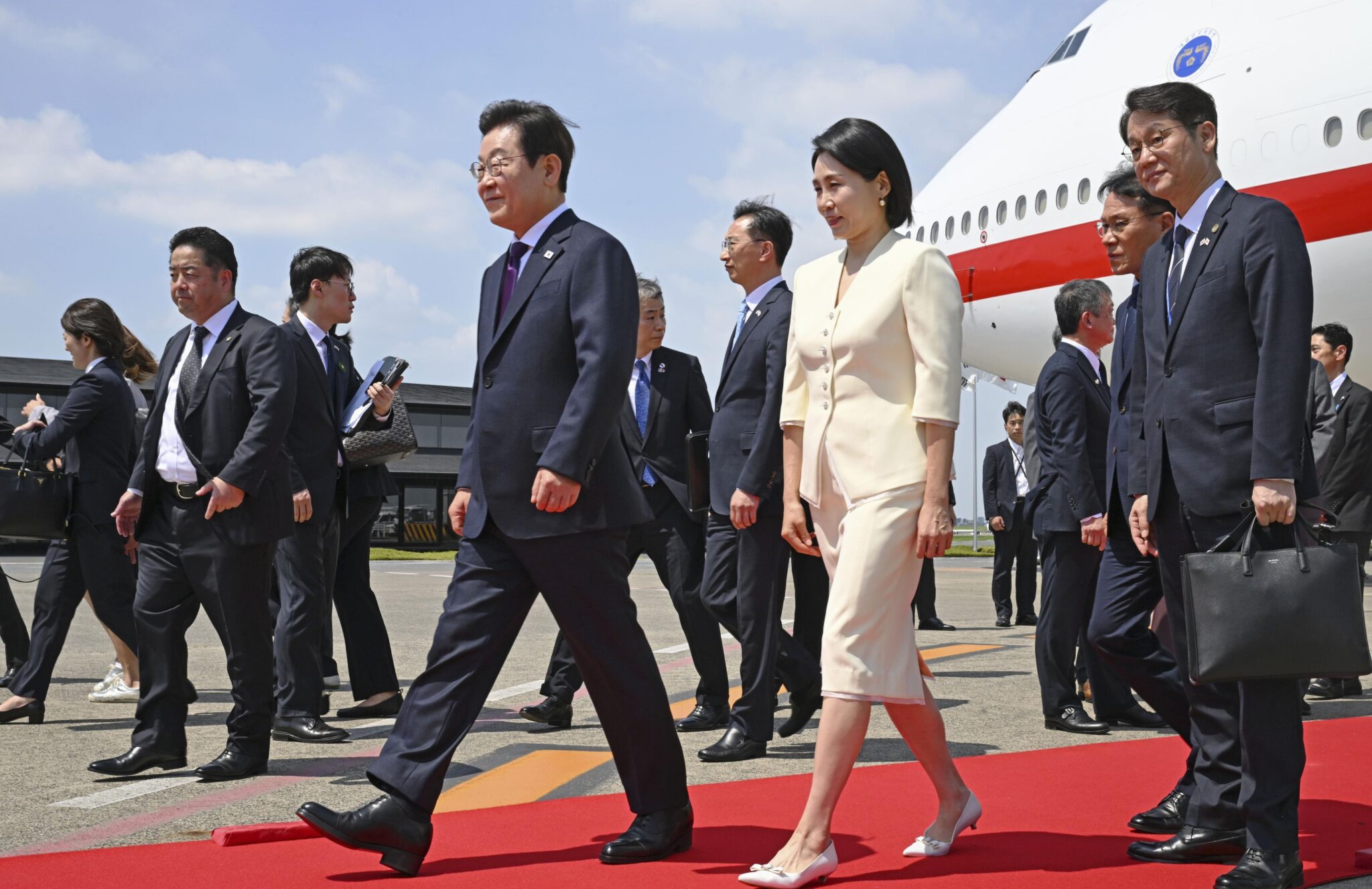
BUENOS AIRES — Foreign policy isn’t easy, especially in a world of shifting alliances, rising regional tensions, and weakening international norms. South Korea is a clear example. Its foreign policy is notoriously complex, and the country’s new president, Lee Jae Myung, is looking to shake things up — an approach that could offer some lessons for Argentina.
Lee is critical of his predecessor’s “values-driven” diplomacy, and wants a more practical, interest-focused approach. His priorities? Regional stability and securing trade. He took office in June, after the impeachment of Yoon Suk Yeol — partly over his declaration of martial law.
The impeachment showed how much South Korean society values its democratic institutions, even though the political culture remains fragmented. Yoon had presented himself as a staunch defender of liberal norms and a loyal ally to the U.S., but that stance limited his legitimacy at home and reduced Seoul’s flexibility on the global stage.
One of Lee’s main goals is to move beyond South Korea’s traditional dependence on the U.S. and the usual North Korea-focused diplomacy. He still wants strong security ties with Washington, but also plans to deepen relations with Southeast Asia, Japan, and the EU. At the same time, he has made it clear that he is not interested in having enemies. “We do not need to totally exclude or be aggressive toward China and Russia,” he said.
Sin0-American rivalry trap
Lee’s motto could be summed up as “diversify without alienating,” especially the U.S.. The idea isn’t entirely new — Seoul began exploring broader ties in 2010, trying to look beyond the main regional powers: the U.S., China, Japan, and Russia.
Seoul needs access to essential minerals, tech partnerships, and influence over industrial standards.
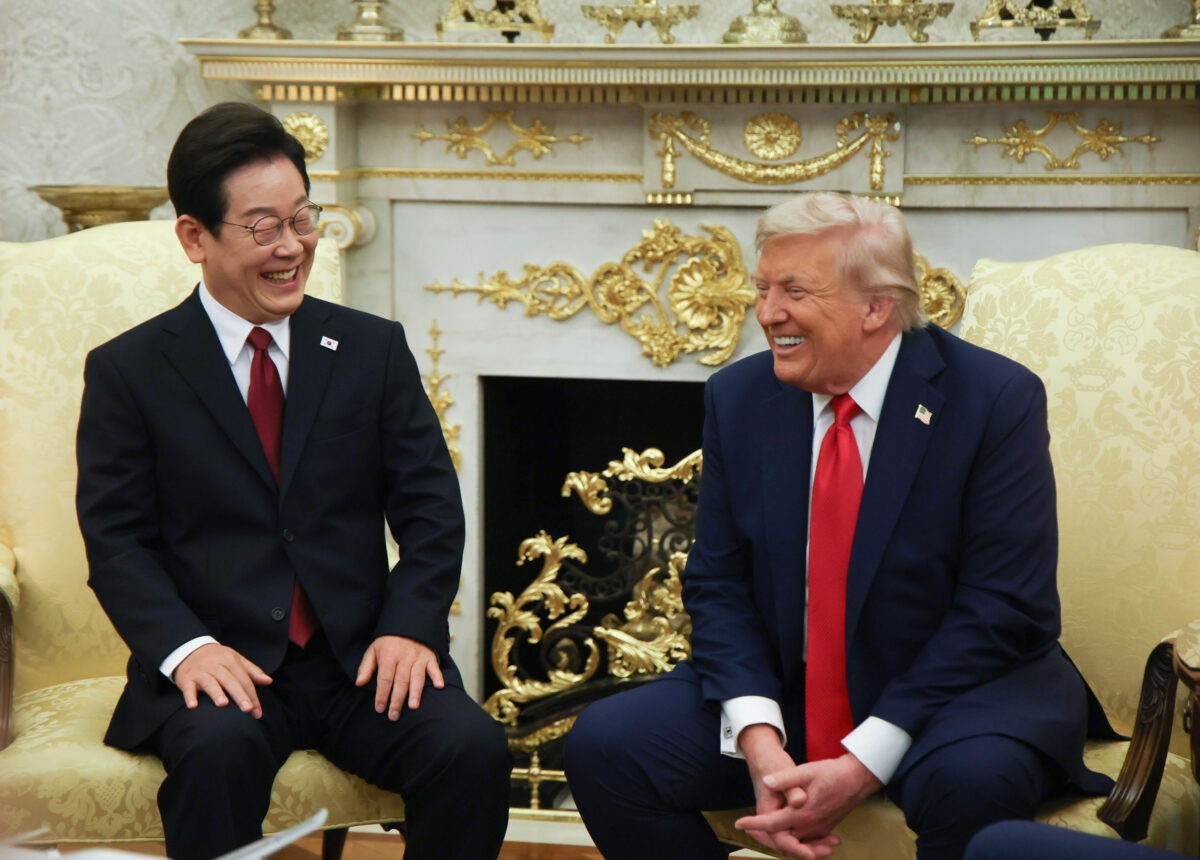
Now, the strategy is global: expand influence, avoid getting trapped in U.S.-China rivalry, and reduce economic dependence on any single power — all while keeping American military support intact. Lee’s meeting with President Donald Trump in Washington last August was a clear example of this balancing act.
Lee wants this diversification to be closely tied to South Korea’s real strengths. That means securing supply chains, boosting energy resilience, and managing technological interdependence. South Korea already excels in industry and innovation — from shipbuilding, electric vehicles, and military aircraft to semiconductors, batteries, and communication technologies.
To keep moving forward, Seoul needs access to essential minerals, tech partnerships, and influence over industrial standards. Expanding digital infrastructure in the Global South and investing in renewable energy and industrial automation are also key priorities. The challenge is combining practical international diversification with smart industrial policy.
Managing big powers
“Diversify without alienating” also means carefully handling the U.S. relationship — and it doesn’t make North Korea disappear. With Washington, Lee has to deal with Trump, who blends trade and security in tricky ways: tariffs on South Korean exports, demands for higher contributions to US troops, and calls for extra military responsibilities.
With North Korea, Lee wants to open channels after Yoon’s aggressive approach. He hopes to restart dialogue with Pyongyang while keeping military deterrence strong. He’s also in favor of future Trump-Kim meetings, seeing engagement as key.
Foreign policy should remain pragmatic, not driven by ideology.
Several aspects of Lee’s approach are relevant for Argentina. “Diversify without alienating” can help Buenos Aires manage its relationship with Washington while also reducing dependence on both the U.S. and China.
For Argentina, diversification should focus on areas of real strategic strength: agriculture and livestock, energy, mining, information industries, and industrial sectors that can compete regionally and globally.
At the same time, foreign policy should remain pragmatic, not driven by ideology. If blind loyalty to Washington is a problem for South Korea — a country whose security relies on the US — it is even less helpful for Argentina.
Strategic diversification isn’t disloyalty. It’s simply another way of exercising sovereignty in a complicated world.