
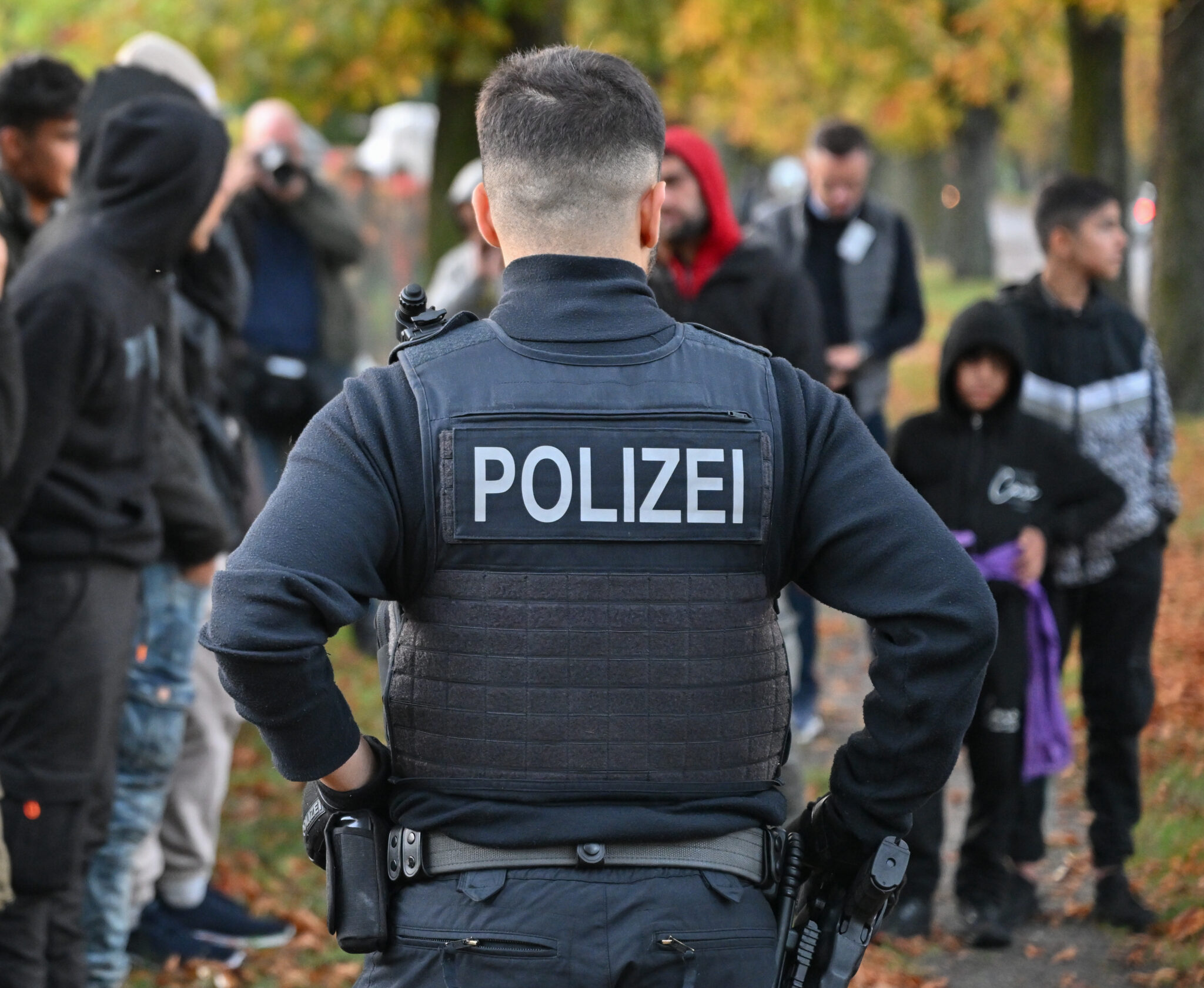
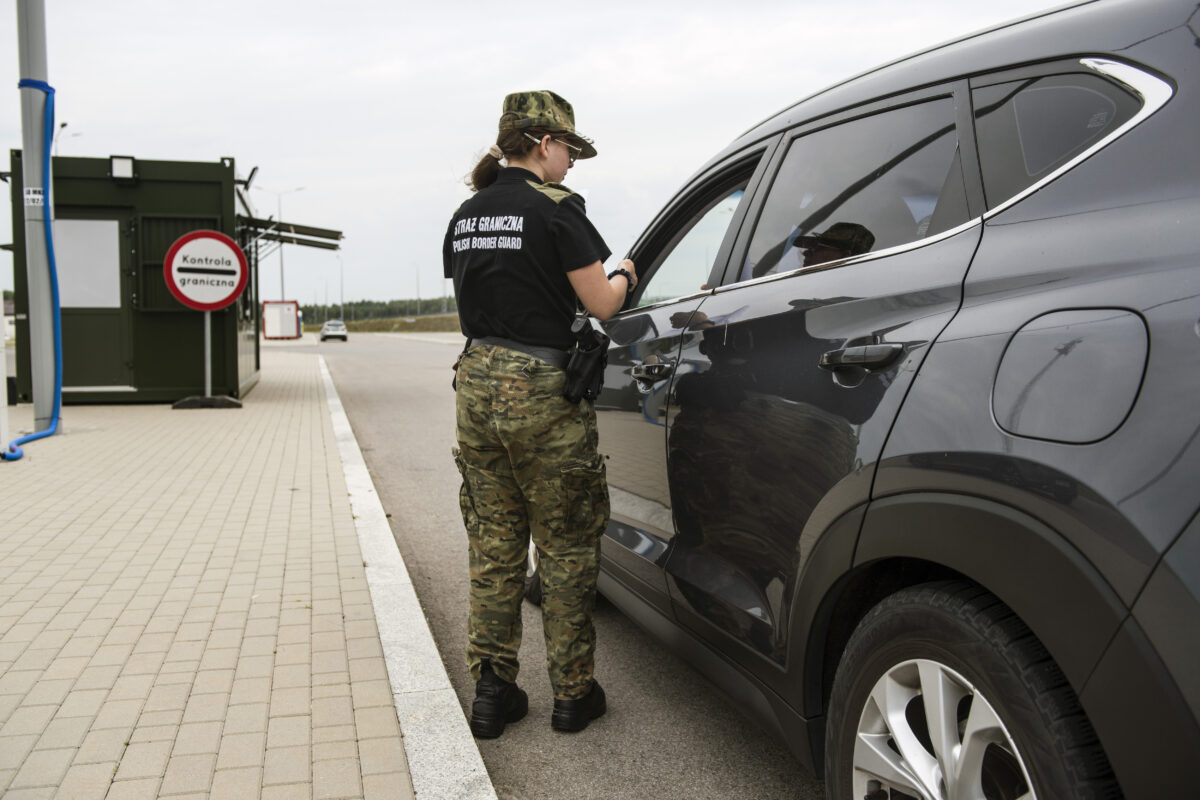
WARSAW — Poland is fighting illegal migration. For months, this message has been coming from the Polish government, which on March 27 suspended the acceptance of applications for international protection at the Polish-Belarusian border.
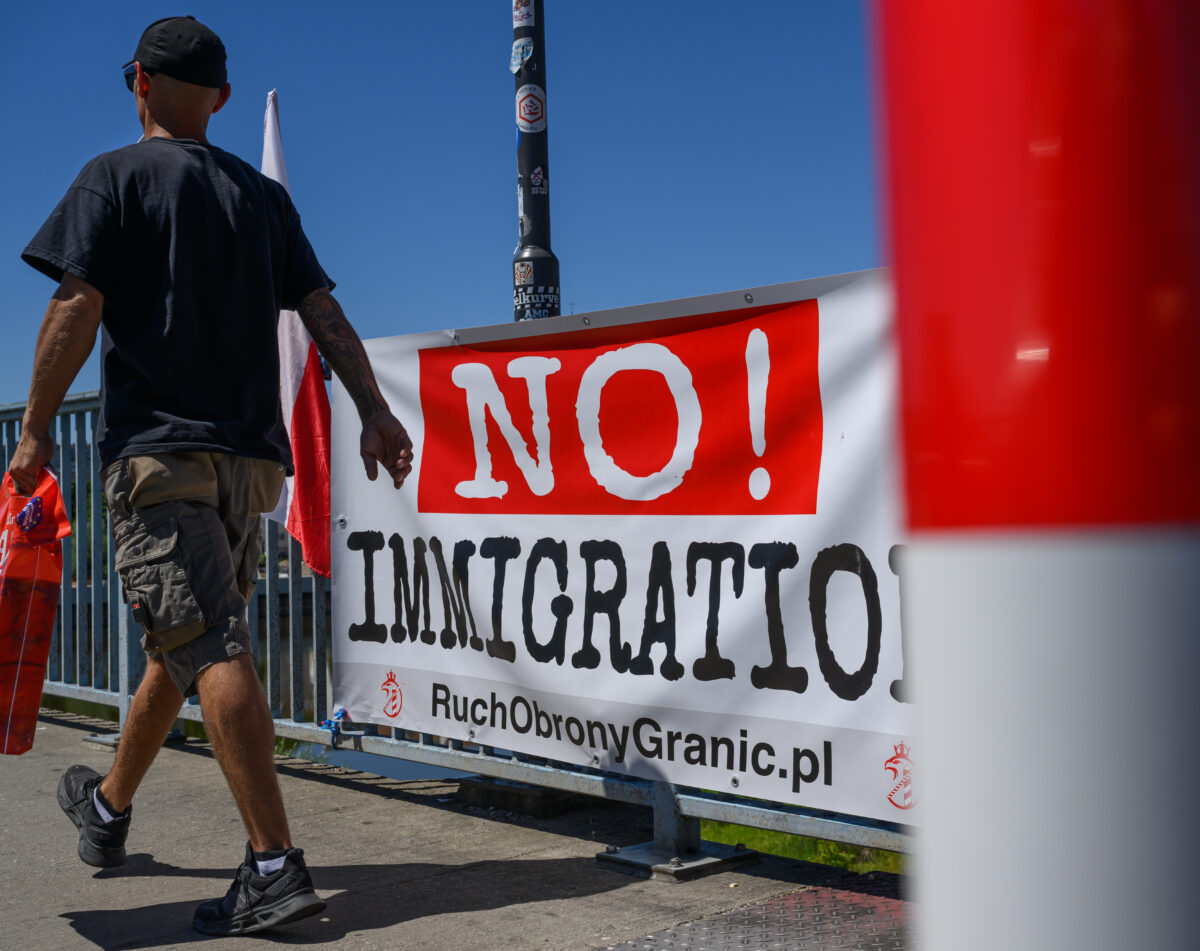
On July 7, Poland reintroduced controversial border controls with Germany and
Lithuania, arguing that it would curb the number of migrants being “sent back” to Poland
from the former, and stop westward crossings from the latter.
“We will not accept any migrants from Germany. Or from Lithuania,” said government
spokesman Adam Szłapka. He then clarified that he meant illegal migrants, who are not
covered by the readmission regulations. According to Polish Prime Minister Donald Tusk, the change was intended to deter foreigners from attempting to cross the Polish border: They were supposed to realize that they would not be granted asylum and not make any further attempts.
NGOs criticized the idea from the beginning. They explained that suspending the right to
asylum would not make migrants disappear; it would only make them invisible to Poland if they crossed the border.
Germany’s repatriation of foreigners to Poland is legally questionable. On June 2, the
Administrative Court in Berlin ruled that the German police should not have repatriated three Somalis from the border who had applied for asylum there. On May 9, they were travelling by train and were checked in Frankfurt. This was yet another attempt to cross the border that they had made.
Foreign fates
The court ruled that repatriating the migrants without considering their situation was contrary to EU law and that they should have waited in Germany until the relevant office verified their application. Only then can Germany possibly try to transfer them to Poland under the so-called Dublin procedure, which takes much longer than returning foreigners without checking under the new order.
At that time, Poland also became interested in the fate of foreigners who were repatriated to Poland from the Polish-German border in May and June. The procedure is usually as follows: German police order foreigners to return to Poland, where they may encounter a border guard patrol. The guard may apply to lock them up in a guarded center, or may apply so-called alternative measures, such as ordering them to report to a Border Guard post every week.
Some foreigners are also subject to a return procedure, and those who are already in the refugee procedure in Poland, i.e. have previously filed an application for protection with the country, must remain in Poland.
Worldcrunch Extra! 🗞️
Know more • Poland is one of the EU member states most known for its outspoken opposition to migration. During the 2015 European migration crisis, when Germany opened its borders to refugees, Warsaw declared that it would not accept any migrants as a part of the EU relocation scheme. Currently, politicians from both major parties, including Prime Minister Donald Tusk, are against implementing the EU Migration Pact.
One notable exception to this harsh stance came in 2022 with the outbreak of war in neighboring Ukraine, when millions of Ukrainian refugees crossed into Poland in order to escape. To date, more than 1 million Ukrainian refugees currently reside in the country.
Most recently, owing to German border controls with Poland, and what Poland has described as an ongoing migration crisis at the Belarusian border, Poland has instituted border controls with Lithuania and Germany, which some claim breaks Schengen Area regulations. The government has defended its decision, calling it an emergency measure. — Katarzyna Skiba (read more about the Worldcrunch method here).
Three Somalis
Elmi Abdi from the Good Start Migrant Foundation, who is of Somali origins but currently
lives in Poland, is one of the first people Somalis call when they arrive in our country. His
number is not on the list, it is circulated by word of mouth.
Abdi personally knows three Somalis who passed through Poland and eventually went to
Germany. They contacted him, and supposedly during their stay in Poland they spent the
night in a church and got food from Poles who ran a restaurant.
He knows the case of two young Somalis who called him on May 27. They were
wandering around the town of Zgorzelec with no one to call and had nowhere to sleep. They also did not have phones, but they were with a group of Afghans, who had also been turned away from the border. One of them lent them his phone before they went their separate ways, Abdi says. As he tells it, he instructed his compatriots to look for accommodation in a church or go to the train station. Later, the Somalis called him again, this time from the train station, saying that they still had nowhere to sleep.
The situation on the Polish-German border is becoming increasingly unregulated.
Abdi then contacted an organization known to have been helping refugees in crisis for years, who directed him to the local Caritas office. “The person who answered the phone said that Caritas does not provide shelter to migrants turned away from the German border, and that they have accommodation for pilgrims [following the Camino path] to Santiago de Compostela, [Spain],” says a psychologist, who referred them there for help.
Father Maciej Wesołowski, a priest from the Caritas division in Zgorzelec, in southwestern Poland, confirms that he received a call about foreigners. He says that there has been no refugee and migrant assistance office at the parish for years. For a dozen or so years it existed, as one of four or five in Poland, but under the previous government it was closed in favor of “on-site assistance.”
He adds that after Russia’s attack on Ukraine, his office spontaneously helped Ukrainians for several months, after which the local officials took over the matter. Wesołowski is surprised by our call and that the telephone number of Caritas in Zgorzelec is on the list of border guards among organizations helping migrants.
Following their call, the migrants disappeared without a trace.
A boy from Eritrea
“Many migrants do not have access to a telephone or the internet, they cannot translate the list of organizations and information and cannot call anyone. There is a lack of a systemic solution, cooperation between entities that have the knowledge, experience and possibilities to help in a given situation,” explains Książak.
“In western Poland, there is also not a single reception center of the Office for Foreigners,
where people returned from the border could be directed,” he adds.
Olga Lubicz from the Podlaskie Volunteer Humanitarian Emergency Service tells us about other cases. In May, she took care of two foreigners — from Eritrea and Somalia. They were sent back from the German border near Szczecin, in northwest Poland. They would be homeless if not for a coincidence.
“A boy from Eritrea ended up on the street. Earlier, at the border, he met a boy from India
and they sat together in the park. There, a Nepalese man, the owner of a local restaurant,
found them, took them in, looked up the activists’ numbers and put us in touch,” she says.
Forced migration is a phenomenon that exists and will continue to exist.
The Eritrean also did not apply for protection at the border crossing, he only received a
decision to initiate the procedure obliging him to return and an order to report to the Border
Guard post in Szczecin. “He went out into the street and if not for a lucky coincidence,
Poland would have another homeless person,” says the activist.
The activists bought the man a ticket to Warsaw, where Lubicz started trying to apply for
protection for him, which would allow him to be placed in a center for foreigners.
“It wasn’t easy, because the boy speaks the rare Tigrinya language. I spent three days with
him at the Border Guard post on Taborowa in Warsaw, and we couldn’t submit the
application. We only managed to do it when I arranged for an interpreter,” she says.
As their proxy, she also appealed to the border guard in Szczecin to stop ordering her
charges to report every week. They receive 70 PLN per month (about $19) for small
expenses at the center, they wouldn’t even have enough money to buy a ticket. Besides,
they are in a centre run by the Office for Foreigners. If they escape, their refugee status
procedure will be discontinued. Yet the border guard did not allow them to stop coming to the facility. They only decided that they could do it less often — once a month.
Kidnapped Ethiopians
Less than two weeks ago, local media outlets reported on two Ethiopians who were running
naked around the city of Lubin. A recording of the incident circulated on social media. There are also photos showing the men lying on the side of the road.
“What was supposed to catch the attention of commentators in particular were the marks on their wrists, which look as if the men had been previously tied up,” reads one local report.
The police took up the case. They confirmed that they had received a report about the two
men on the morning of June 14. The police launched an investigation. On July 2, the Central
Bureau of Investigation of the Police announced that they had broken up a gang of migrant
kidnappers for ransom who were supposed to have kidnapped Ethiopian citizens.
“By tolerating hatred and constant persecution of migrants, and even hysteria in various
media, the authorities are opening Pandora’s box,” warns Książak.
Closing your eyes and burying your head in the sand is neither the right nor the safe path.
“The situation on the Polish-German border is becoming increasingly unregulated and full of unhealthy emotions. Verbal attacks on peaceful migrants, frequent filming without their consent and other activities of groups inciting hatred are disturbing. As the case of Lubin shows, the lack of the right to asylum also opens up space for the activities of criminal groups that try to enrich themselves on illegal migration. This may pose a real threat to life and health safety, and may also cause Poland to become a country where people on the move will increasingly become victims of crime,” he warns.
In his opinion, the government should consider its policy, invite non-governmental
organizations, experts, local governments to dialogue, enter into a constructive dialogue with the German side and jointly seek solutions that respect basic human rights.
“Forced migration is a phenomenon that exists and will continue to exist. Closing your eyes
and burying your head in the sand is neither the right nor the safe path. You need to
approach finding solutions with an open mind and heart, cooperation programs, and not just with handcuffs, militias, hate speech and populist narratives,” the expert adds.