
-Analysis-
PARIS — Amid growing global chaos, the fate of little Moldova doesn’t carry much weight. Yet three European leaders — French President Emmanuel Macron, German Chancellor Friedrich Merz and Polish Prime Minister Donald Tusk — have come Wednesday to the Moldovan capital of Chisinau to support the country and its president, Maia Sandu.
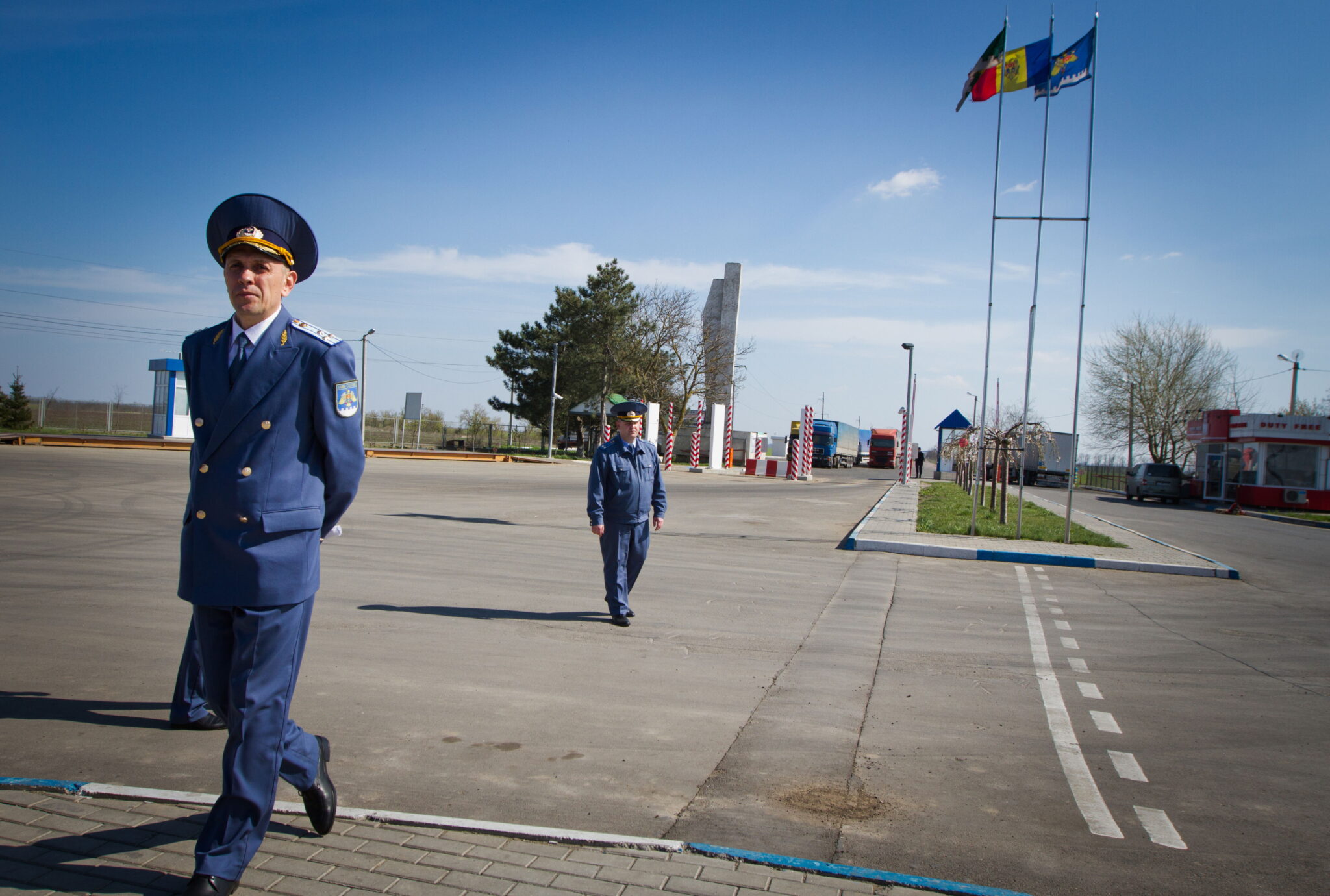
To understand what is at stake, you need to look at a map. In 1991, when the USSR imploded, Moldova was one of the Soviet republics that gained independence. The restructuring of Europe over the next few years left three countries strategically “orphaned,” stuck in a “gray zone” between a resurgent Russia and the countries of the European Union and NATO.
These countries are Belarus, Ukraine and Moldova. Belarus is subservient to Moscow with its unshakeable autocrat Alexander Lukashenko, who has been in power for 30 years. Ukraine has been at war since the Russian invasion in February 2022. That leaves Moldova, with its population of less than 2.5 million, a tiny speck of Europe in a dangerous area.
Russian destabilization
The three countries of the “Weimar Triangle” — France, Germany and Poland — will provide strong political support to Sandu. The occasion is Independence Day, but the visit comes just one month ahead of the Moldovan parliamentary elections, which are shaping up to be very difficult for the president’s party.
Sandu has chosen Europe, and Moldova has already been granted candidate country status. But she faces opponents, some legal, others in exile and very active from abroad, who are playing into Russia’s hands and want to neutralize Moldova’s march toward Europe.
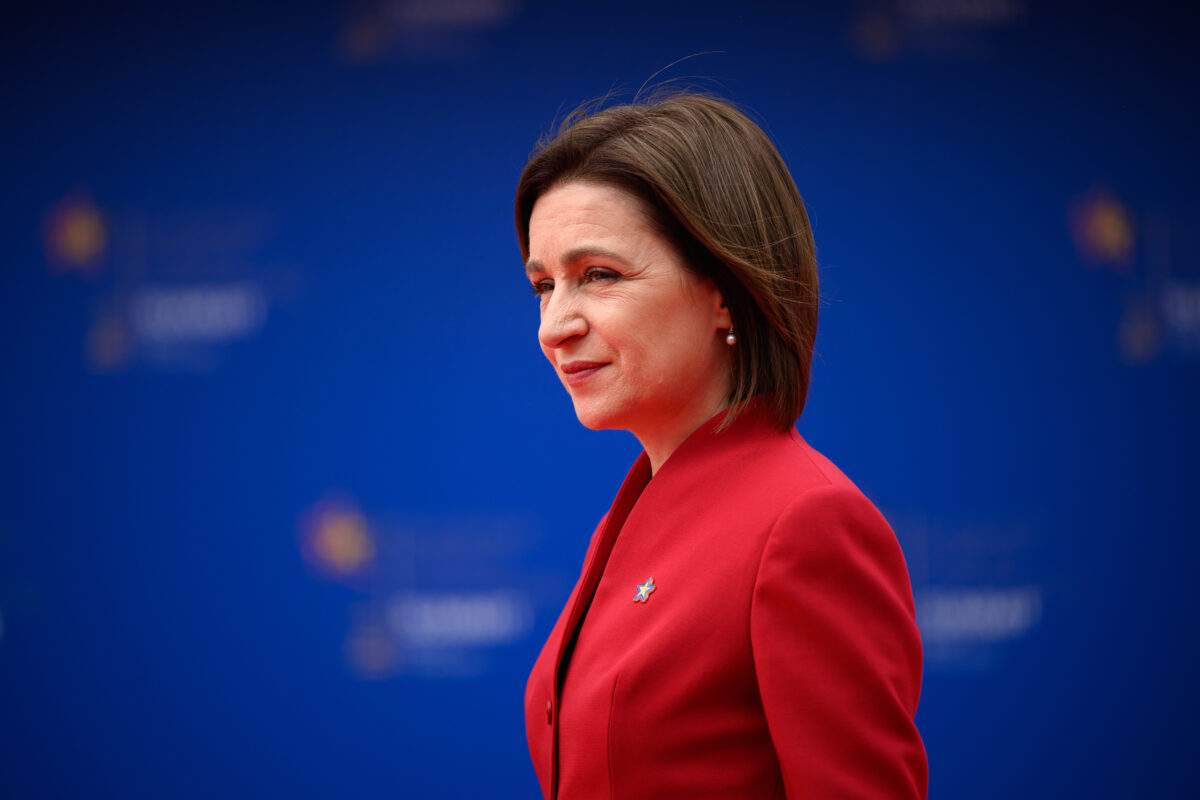
The Moldovan authorities have denounced vote buying by pro-Putin oligarchs and disinformation campaigns on social media, particularly TikTok, as in neighboring Romania. This is a genuine attempt to destabilize a country that has already lost part of its territory, Transnistria, which has seceded and is home to a Russian contingent.
The paradox
Europe can help Moldova through this difficult period. The country has been connected to Europe’s electrical grid, which mitigates the energy blackmail it has been subjected to by Gazprom, the Russian state-owned company.
“We have the means to withstand Russia’s pressure,” officials in Paris say. This may seem true for such a small country, which is not experiencing a war like Ukraine. But this is the problem with “hybrid wars” like the one Russia is waging: They are more difficult to counter, especially when one wants to respect democratic rules.
The Europeans defending Moldova are not in great shape themselves.
The Sept. 28 elections will be a decisive test, following the contested vote that saw Georgia, a little further south, swing into the Russian camp last winter.
The paradox is also that the Europeans defending Moldova are not in great shape themselves: France is on the brink of political crisis; Poland is experiencing difficult cohabitation between centrists and far right; and Germany has a fragile chancellor. From Moscow’s point of view, this is no reason to back down from a prey like Moldova, despite Sandu and her European friends.