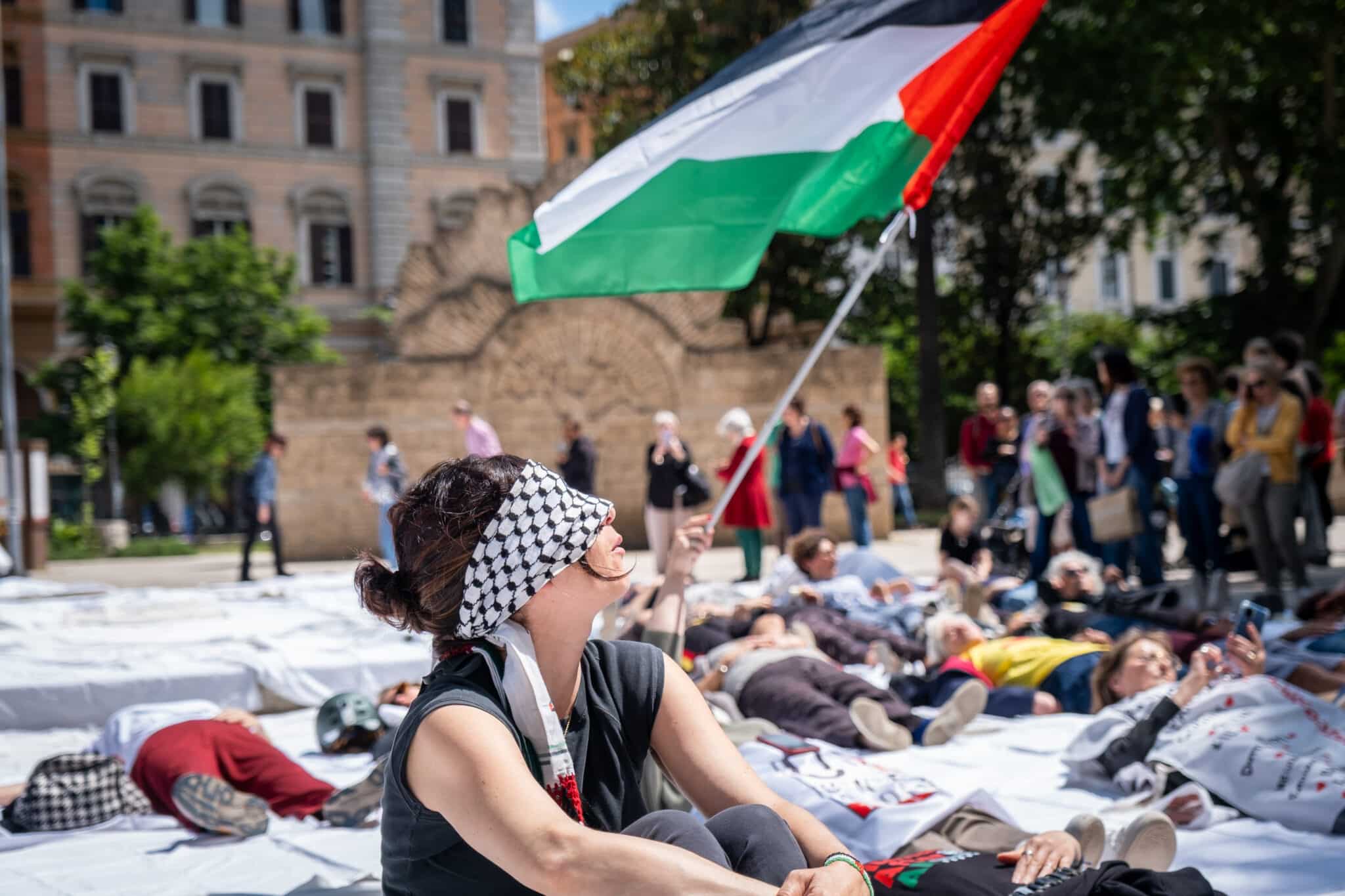
There may be plausible explanations for the delay in international reactions to the tragedy in Gaza. But in the past two months of killing and blockades, the tide has turned.
 Worldcrunch
There may be plausible explanations for the delay in international reactions to the tragedy in Gaza. But in the past two months of killing and blockades, the tide has turned.
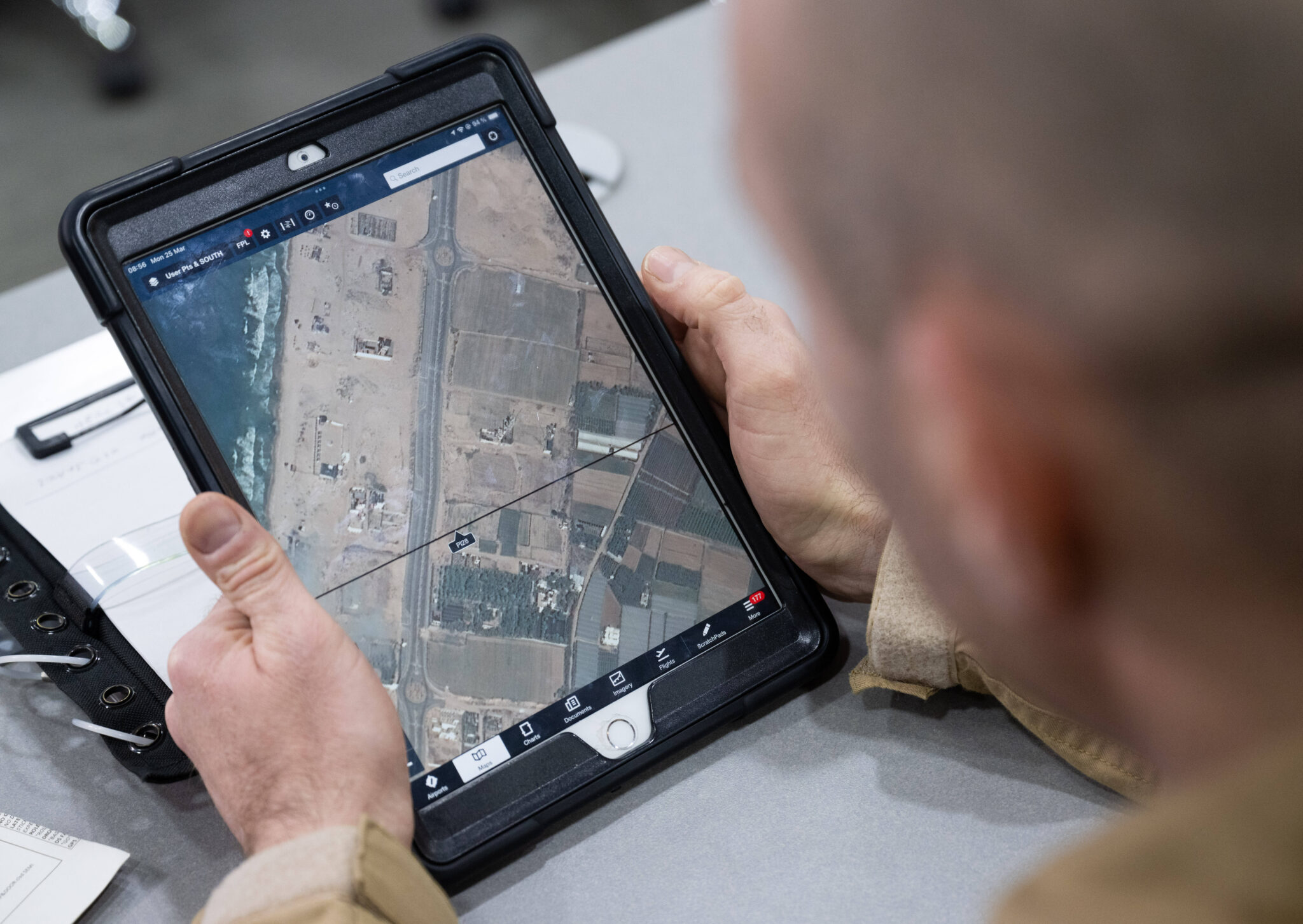
In Gaza, Geographic Information Systems (GIS) — which collect, store, analyze, manage and display geographic data — are helping various organizations to distribute aid, track patterns of violence and destruction, and preserve collective memory.
Palestinian writer Feda Ziyadh shares a personal fear, which she says cannot be understood or explained: that of getting used to a sense of the present that has been created by what she calls a “saga of displacement.”
Multilateral diplomacy may seem to be exhausted today as wars and violence proliferate unchecked, but nobody should think its time is past and expect to see peace in the world.
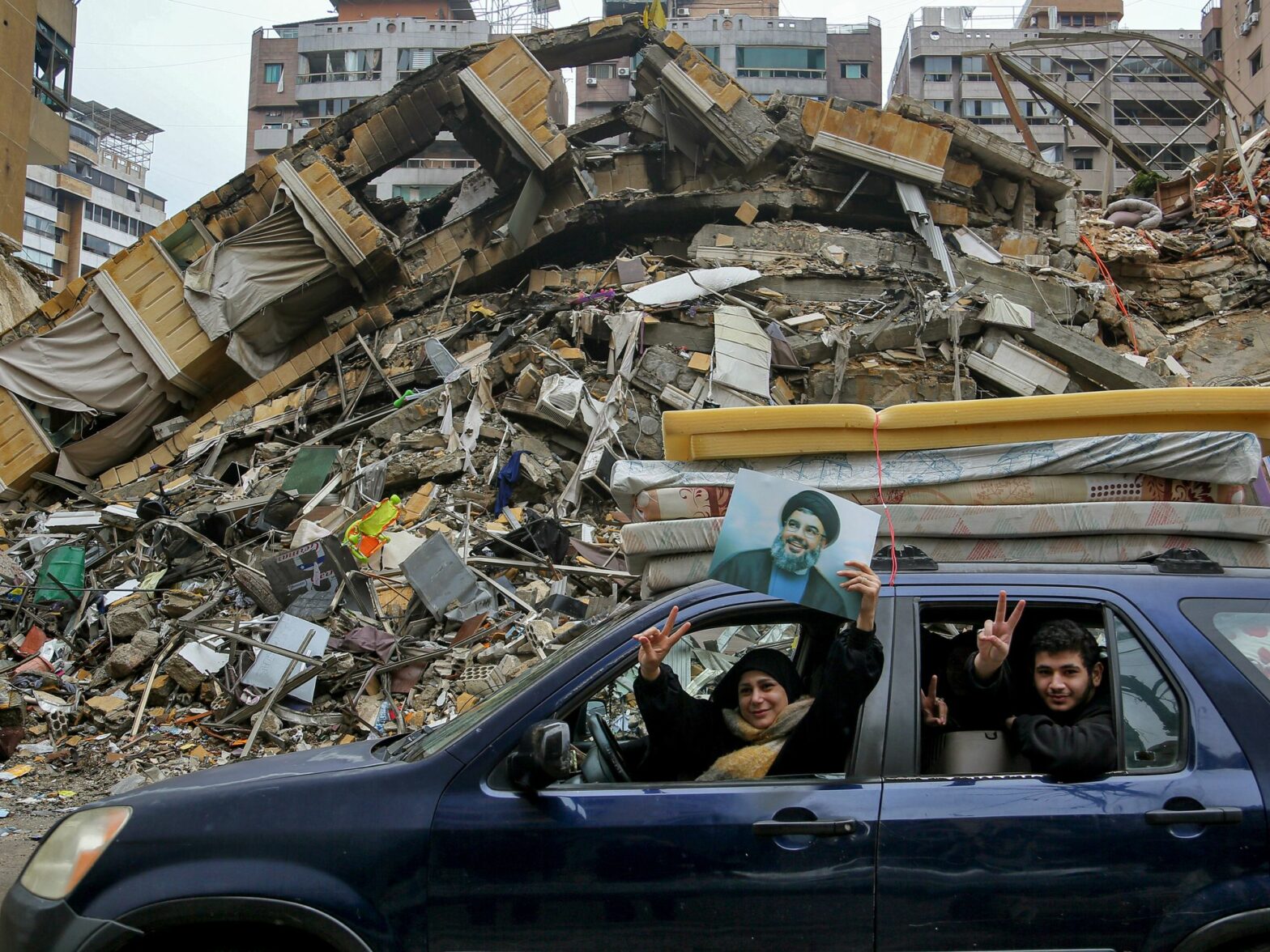
One might think that the rush to announce the completion of the deal refers to its preemptive failure with each party blaming the other for this failure. But there are many moving parts in the negotiations, like there are in the region.
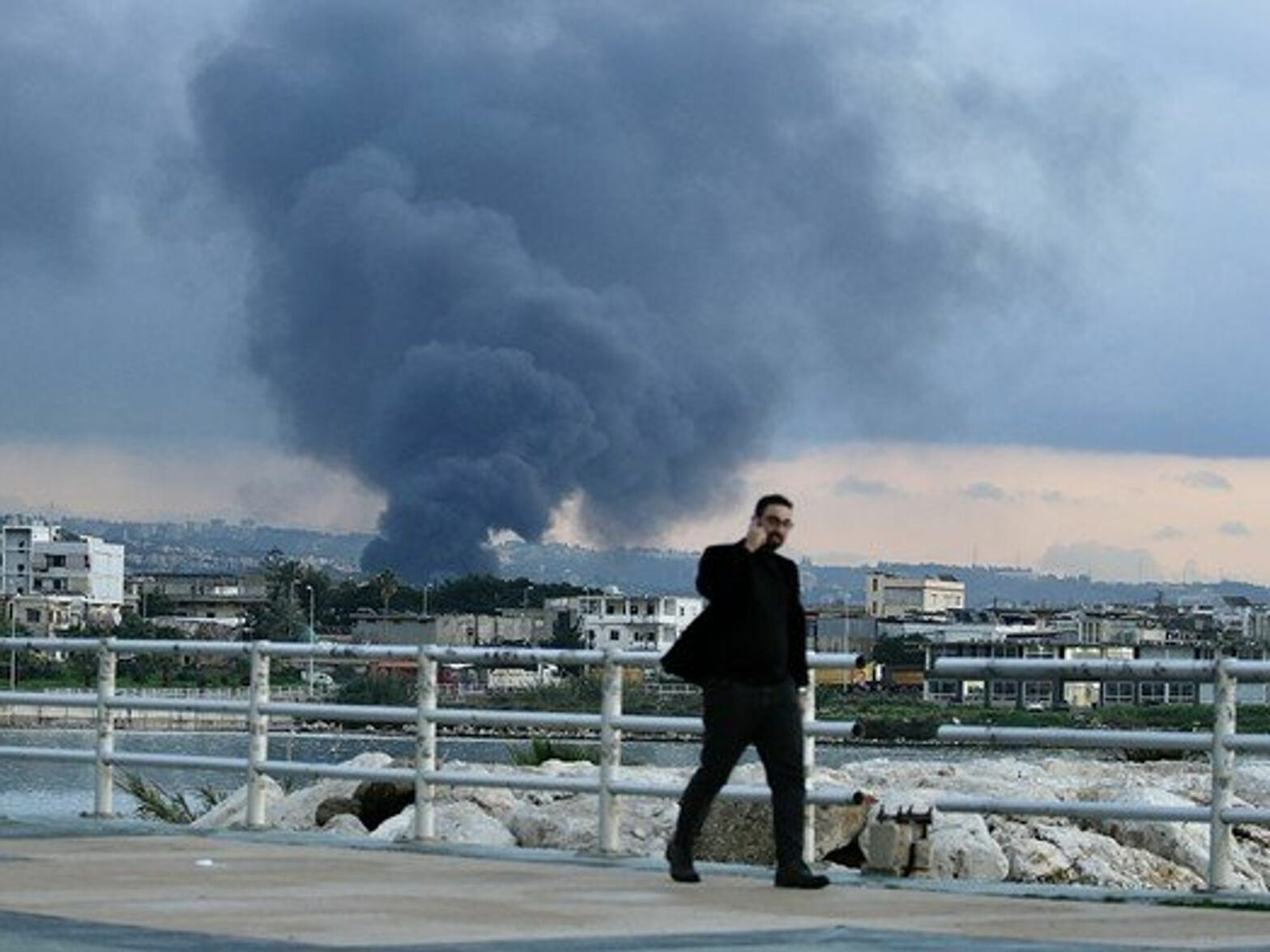
Residents of southern Lebanon believe that their hometowns will remain an open arena for a long-term war between Israel and Hezbollah, even if this has only happened so far in a way that allows both sides to stop short of declaring an all-out war.
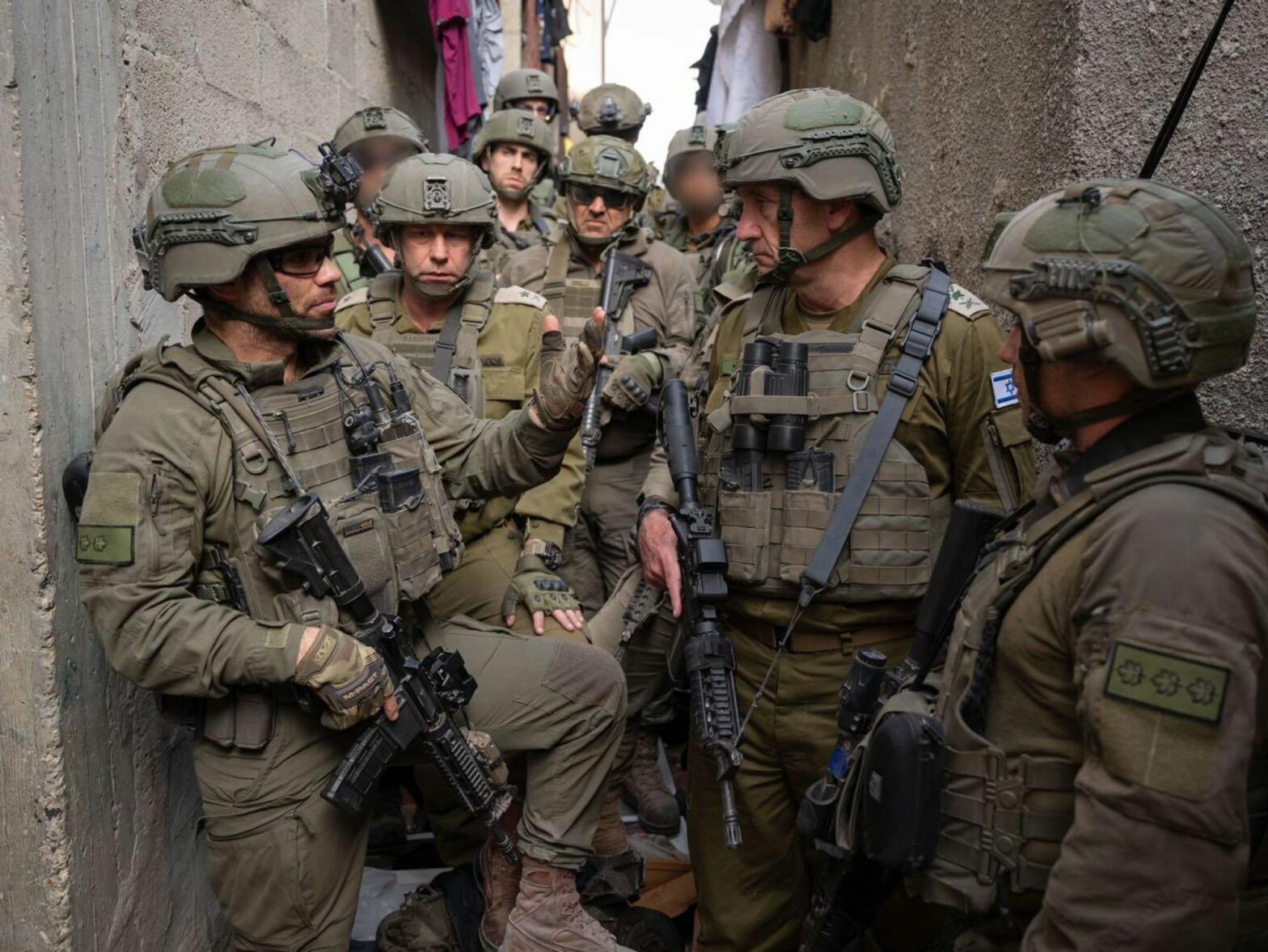
The recent images showing a wounded Palestinian tied to the hood of an Israeli military vehicle is not an isolated incident. Despite the accumulation of evidence indicating the Israel is committing genocide in Gaza, the country’s politicians and officials continue to claim that their army is the world’s most moral.
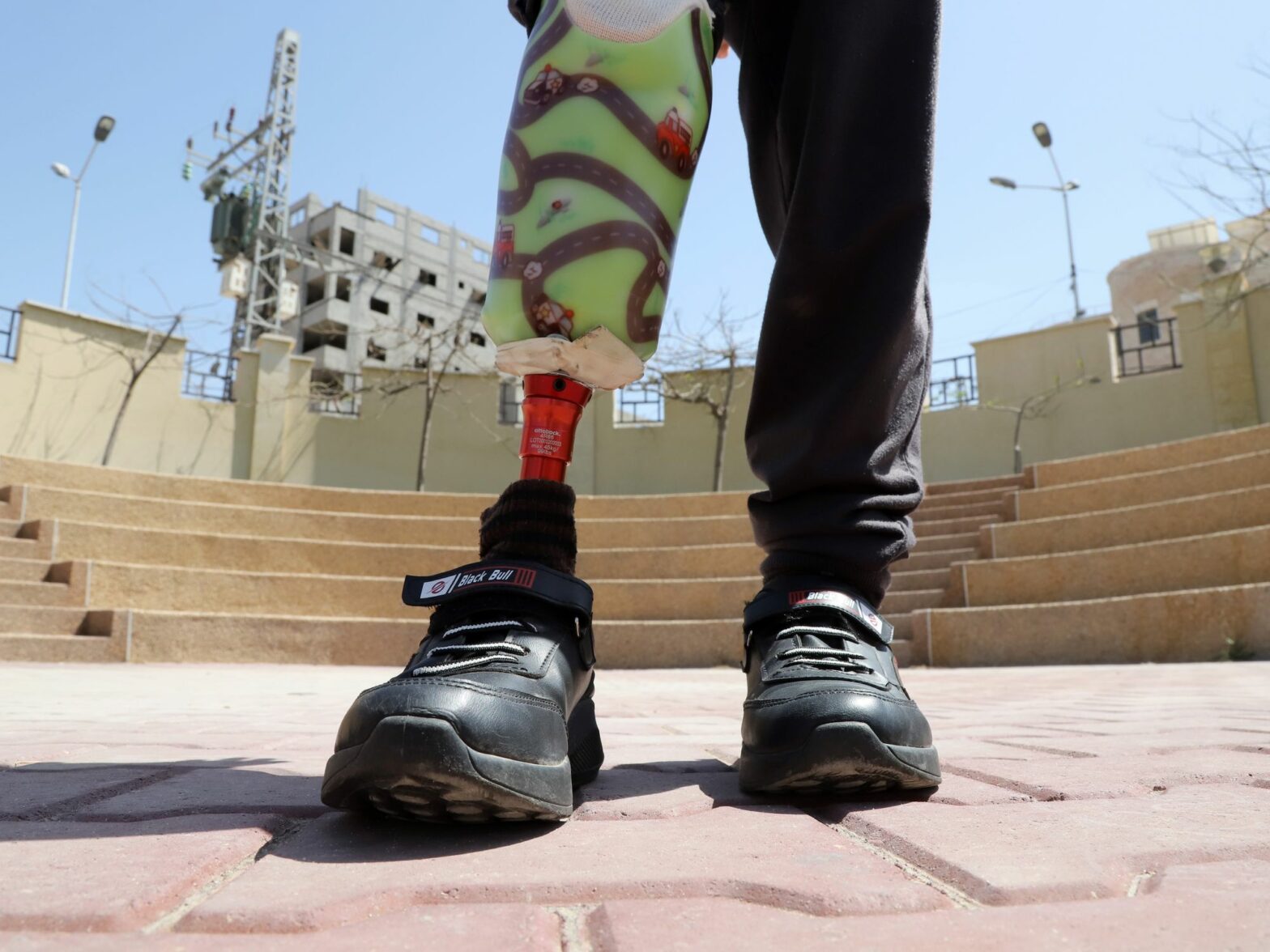
From the Nakba to now, Palestinian authors have used the trope of amputation as a literary symbol of loss and unity in the face of adversity.
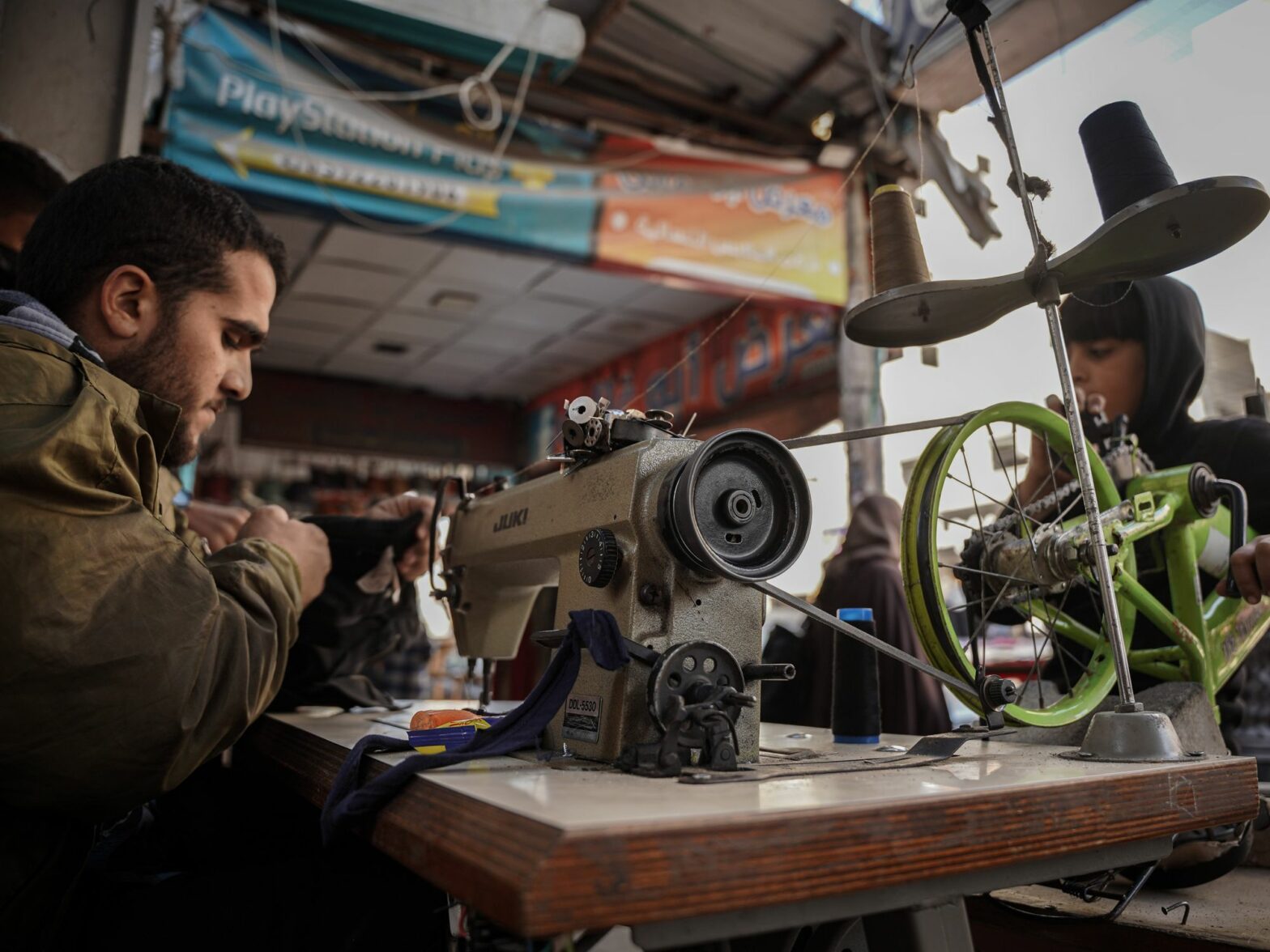
More and more Palestinians in Gaza have no choice but to resize their clothes after losing weight after eight months of war. They desperately search for tailors to fix or tighten their clothes, who try to do their job despite the lack of electricity.
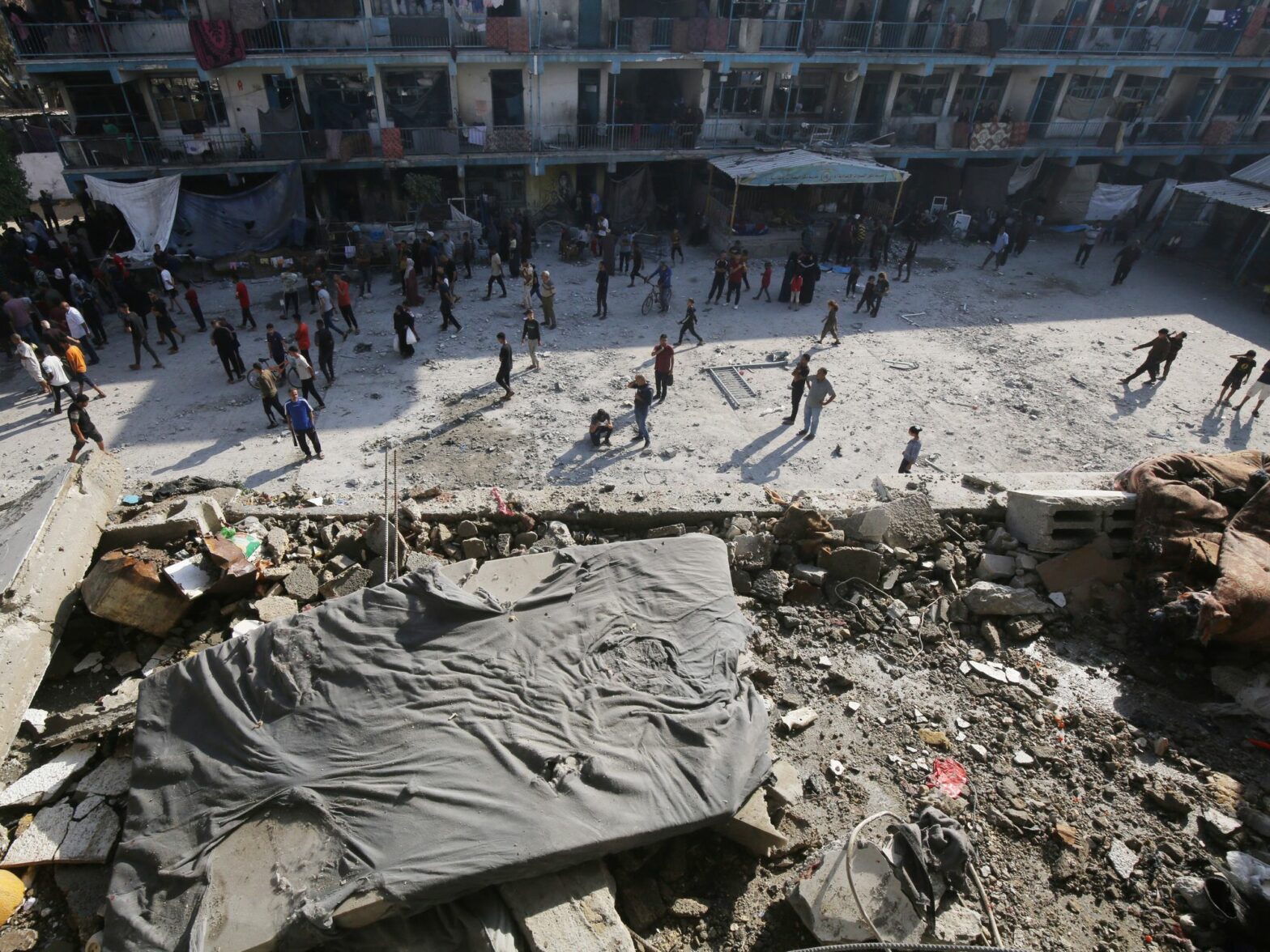
Israel is like a huge elephant in a room of fragile ceramic pieces. It may be able to get out, but Israel will certainly not emerge from its war in Gaza completely unscathed.
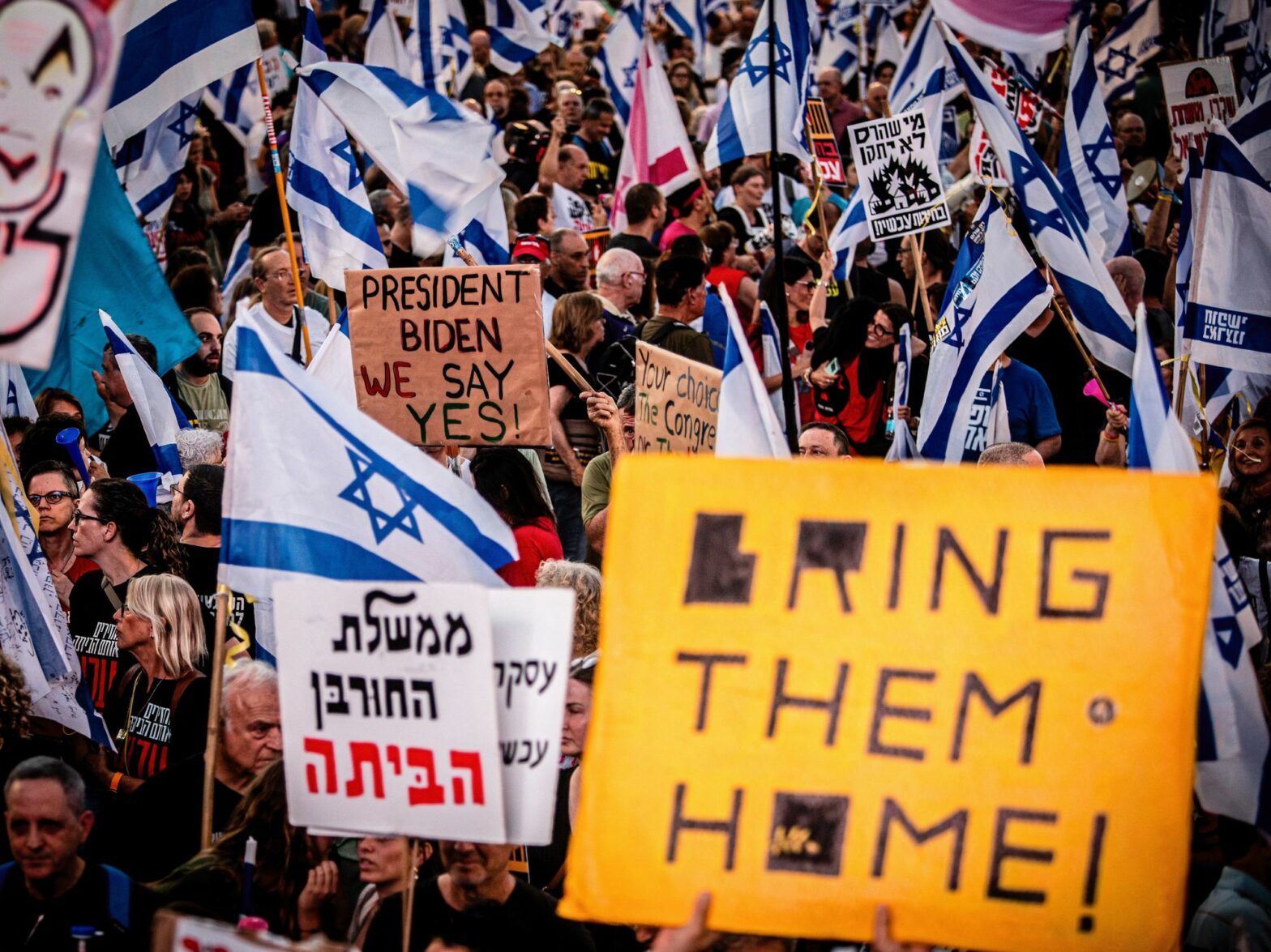
The U.S. president’s plan has been approved in principle by Hamas and the Israeli prime minister, but significant contradictions remain. In Israel, opposition voices are increasing, and the survival of Netanyahu’s government is at stake.
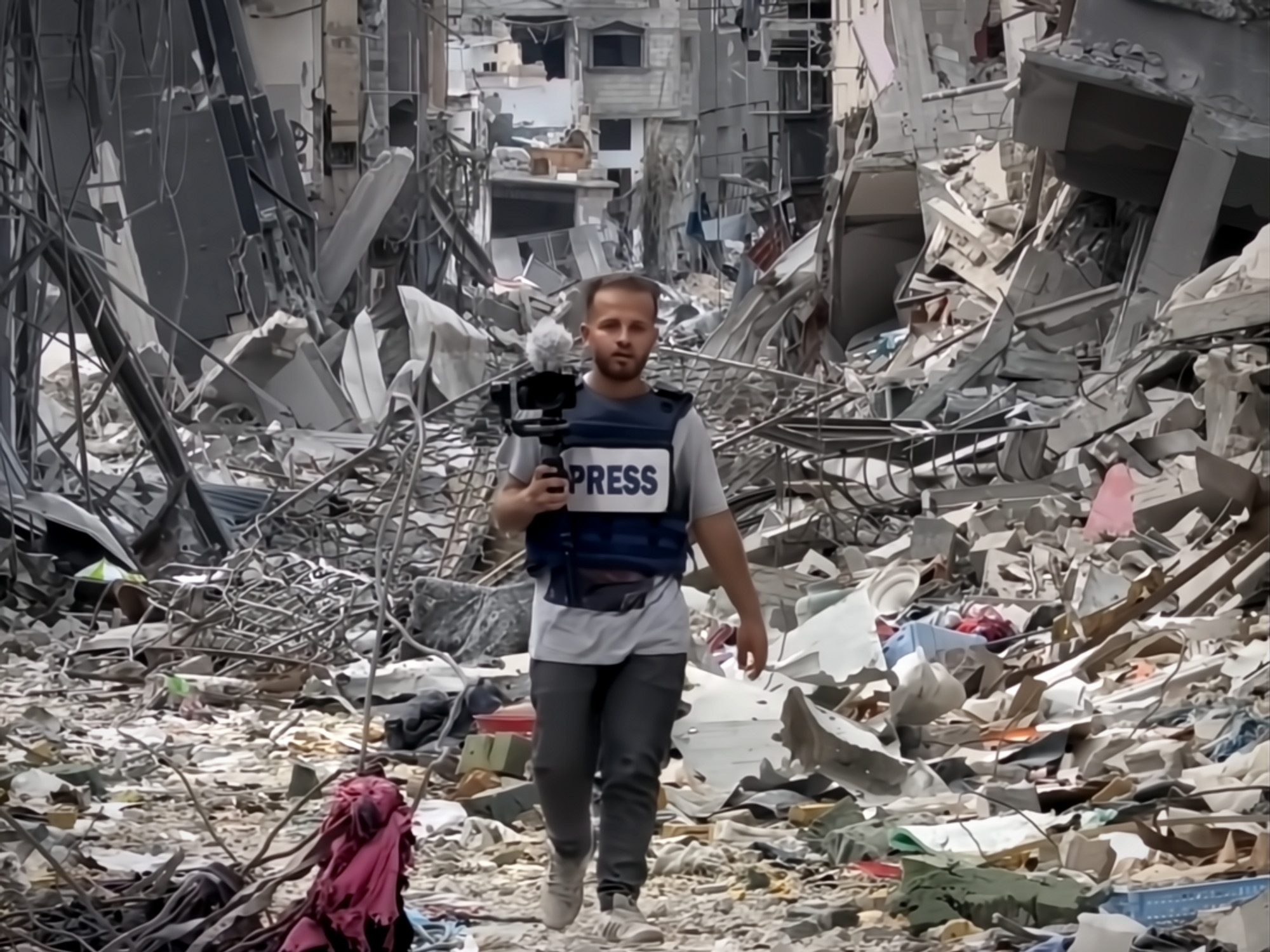
Since the war in Gaza broke out, the Israeli military sealed off the Palestinian enclave and barred independent journalists from entering. In many cases, it targeted the few journalists still working there, especially photojournalists. Daraj spoke with one such reporter, Ahmed al Danaf.
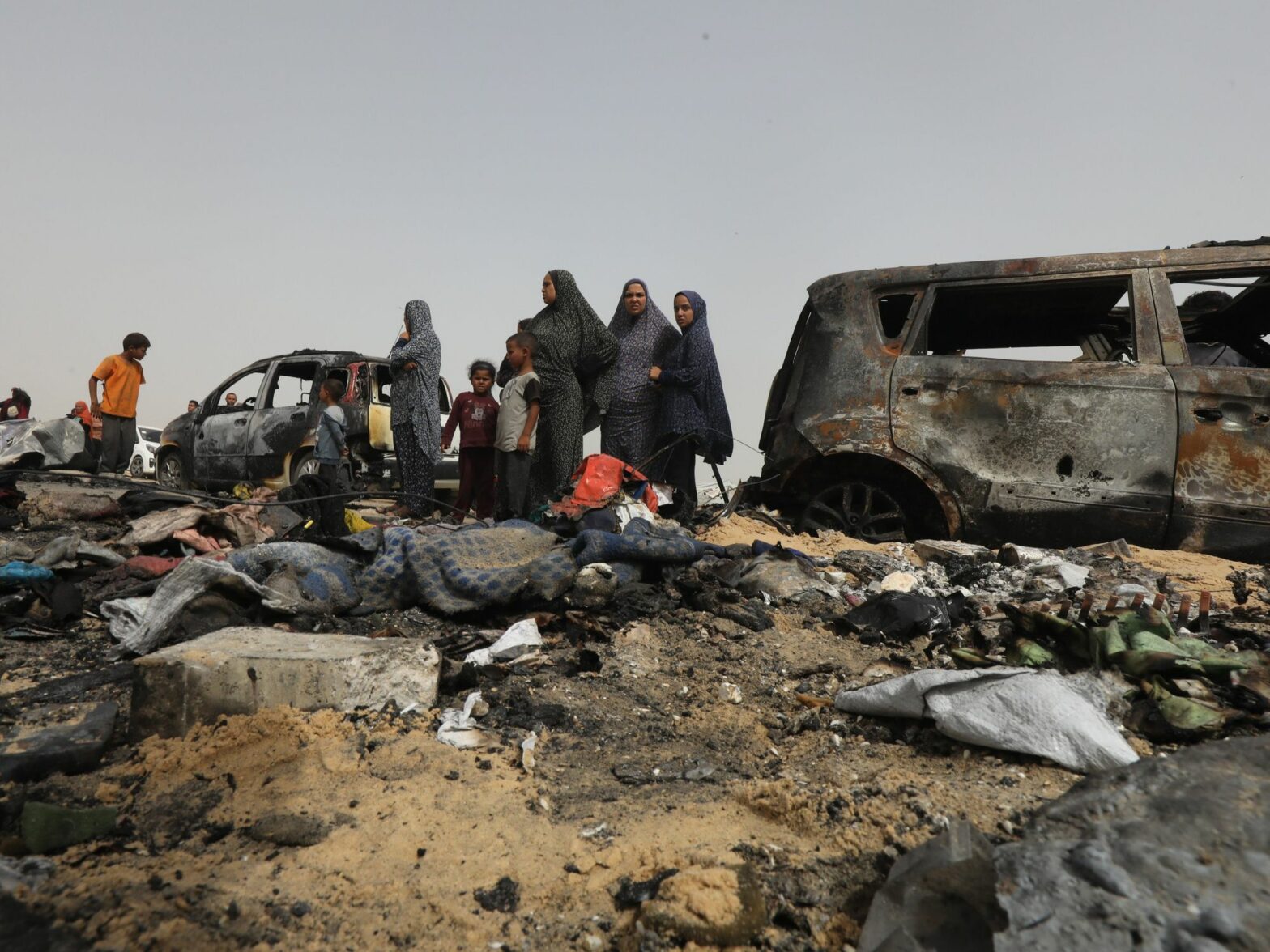
Benjamin Netanyahu spoke of a “tragic accident” after the deadly bombing of a camp for displaced Palestinians near Rafah; but this rare act of contrition does not mean the Israeli leader has changed his strategy, despite the indignation of the rest of the world at the number of civilians killed.
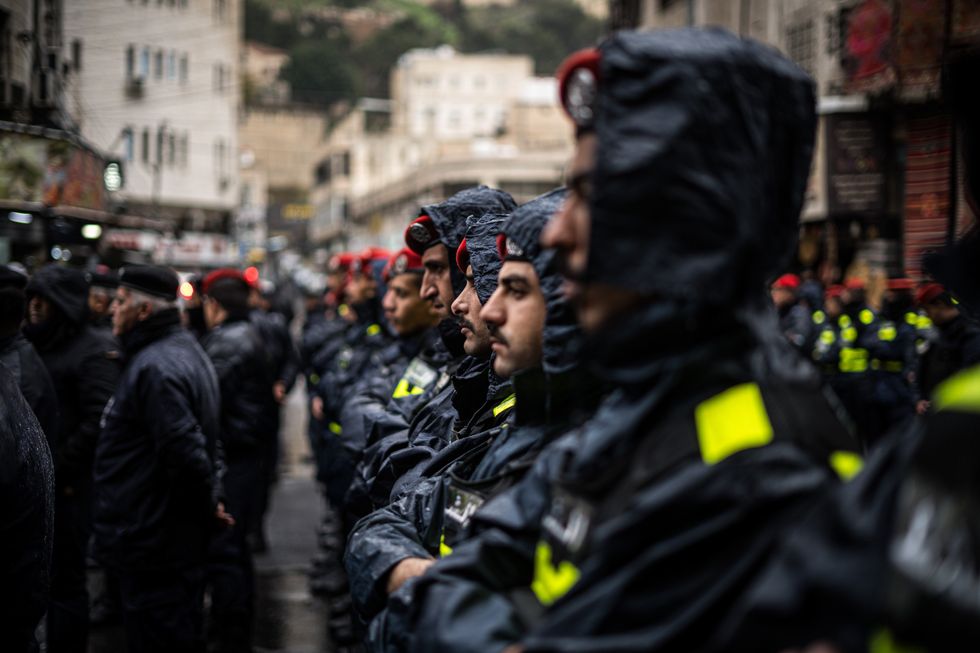
Iran has some influence over Hamas, but not like Hezbollah in Lebanon or other Iranian-backed groups in the region. Hamas, instead, has more links with Jordan, the birthplace of some of its top leaders.
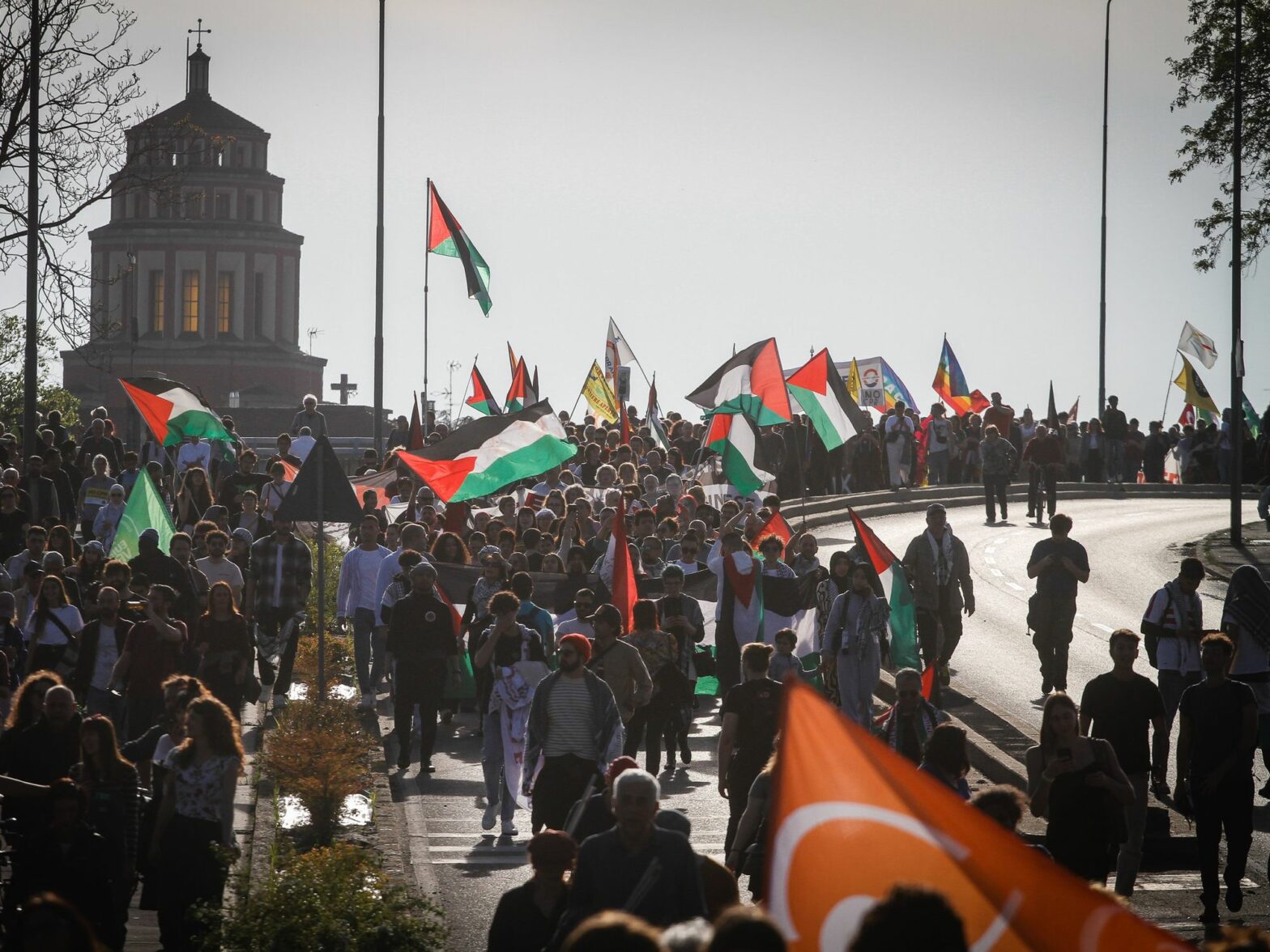
Spain is leading the way on European recognition of the state of Palestine. Ireland, Malta and Slovenia have also signed a joint statement asserting readiness to recognize the warring region. Will other European Union countries follow suit?
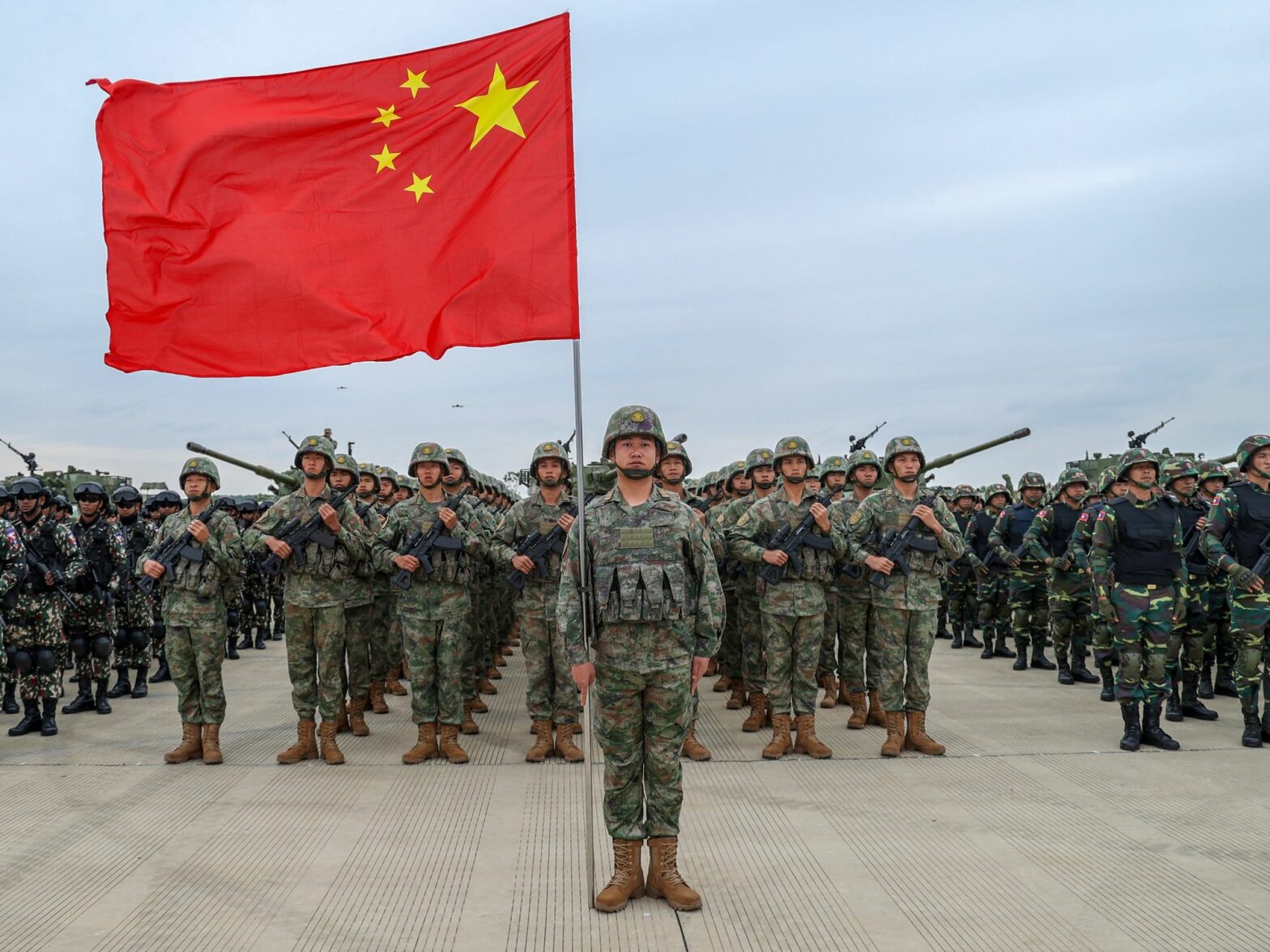
Just because war appears more likely to spread to Europe or the Middle East than Asia, we should not forget China’s enormous weight. But does Beijing want to do with it?
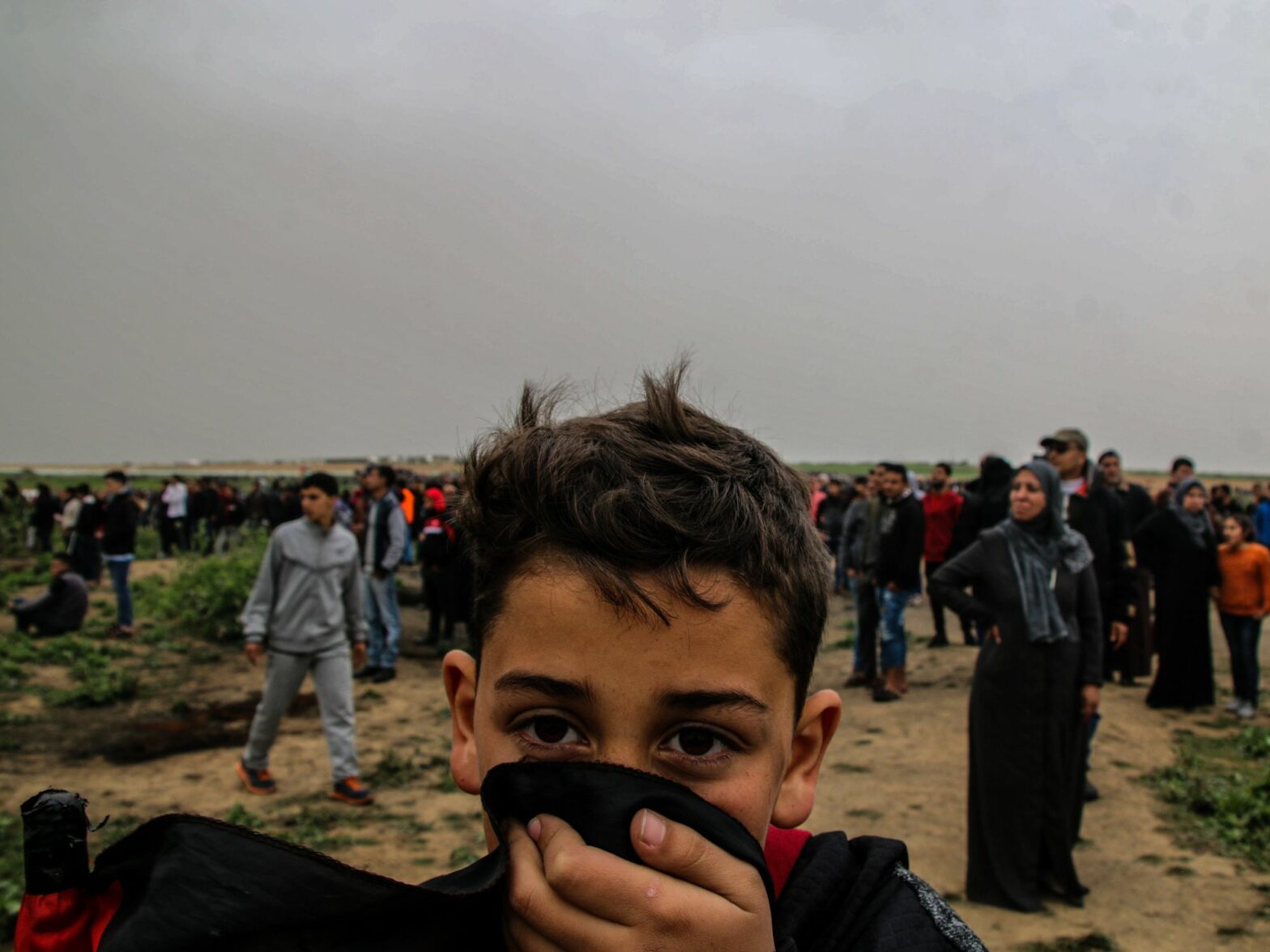
When Arab countries started normalizing relations with Israel, they did so disregarding the fate of Palestinians. It was a terrible error of judgment, and worse. Yet while the Palestinian cause remains a cornerstone of political legitimacy in the Arab world, few reasonable solutions are being brought forward, and radicalization continues to gain ground among the masses.
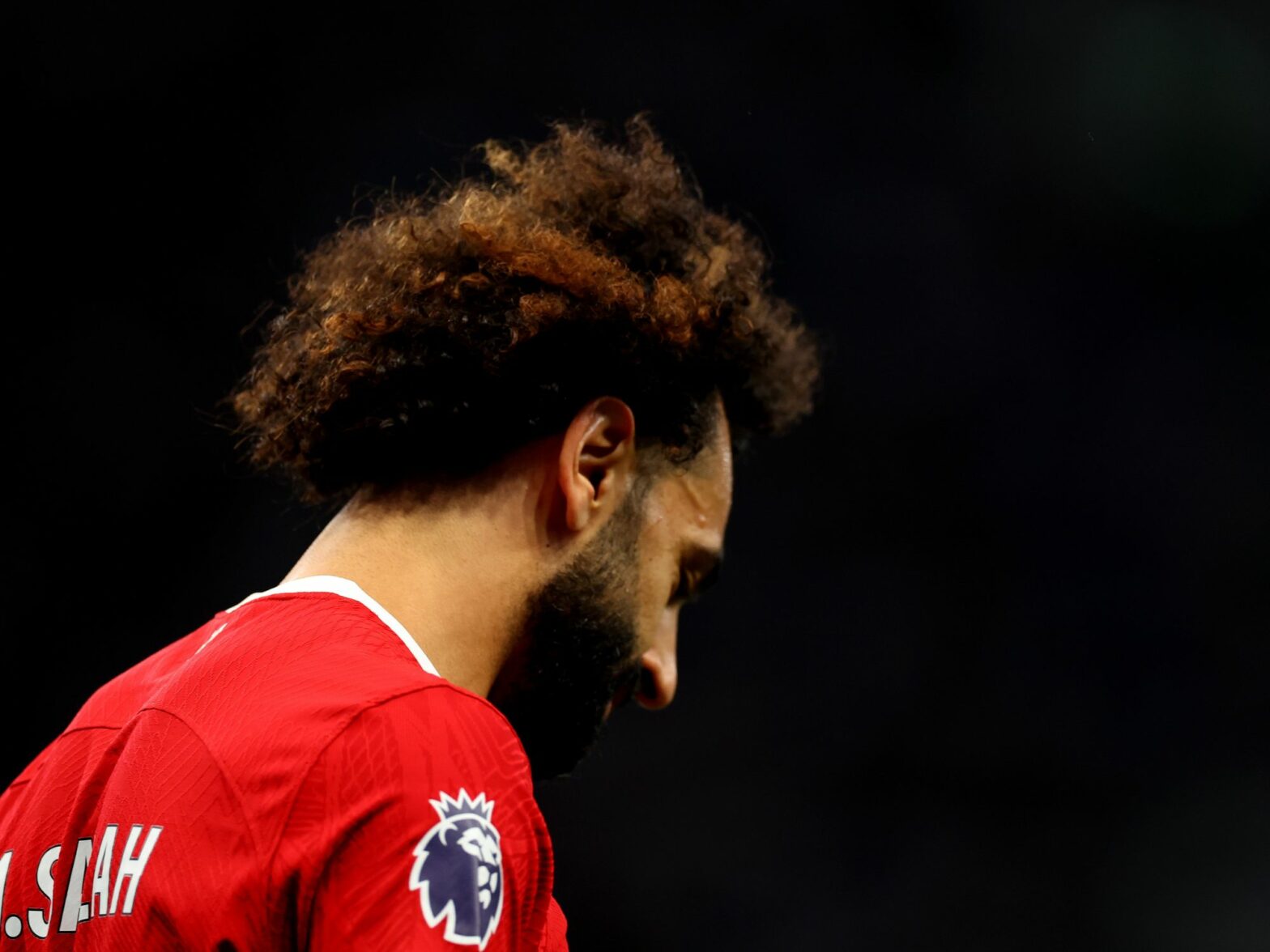
Egyptian football legend Mohamed Salah’s careful positioning on the Israeli war in Gaza sparked discussions from fans and non-fans alike. Is it about ideology or sponsorships? And should any of it matter when his job is to score goals not play politics?