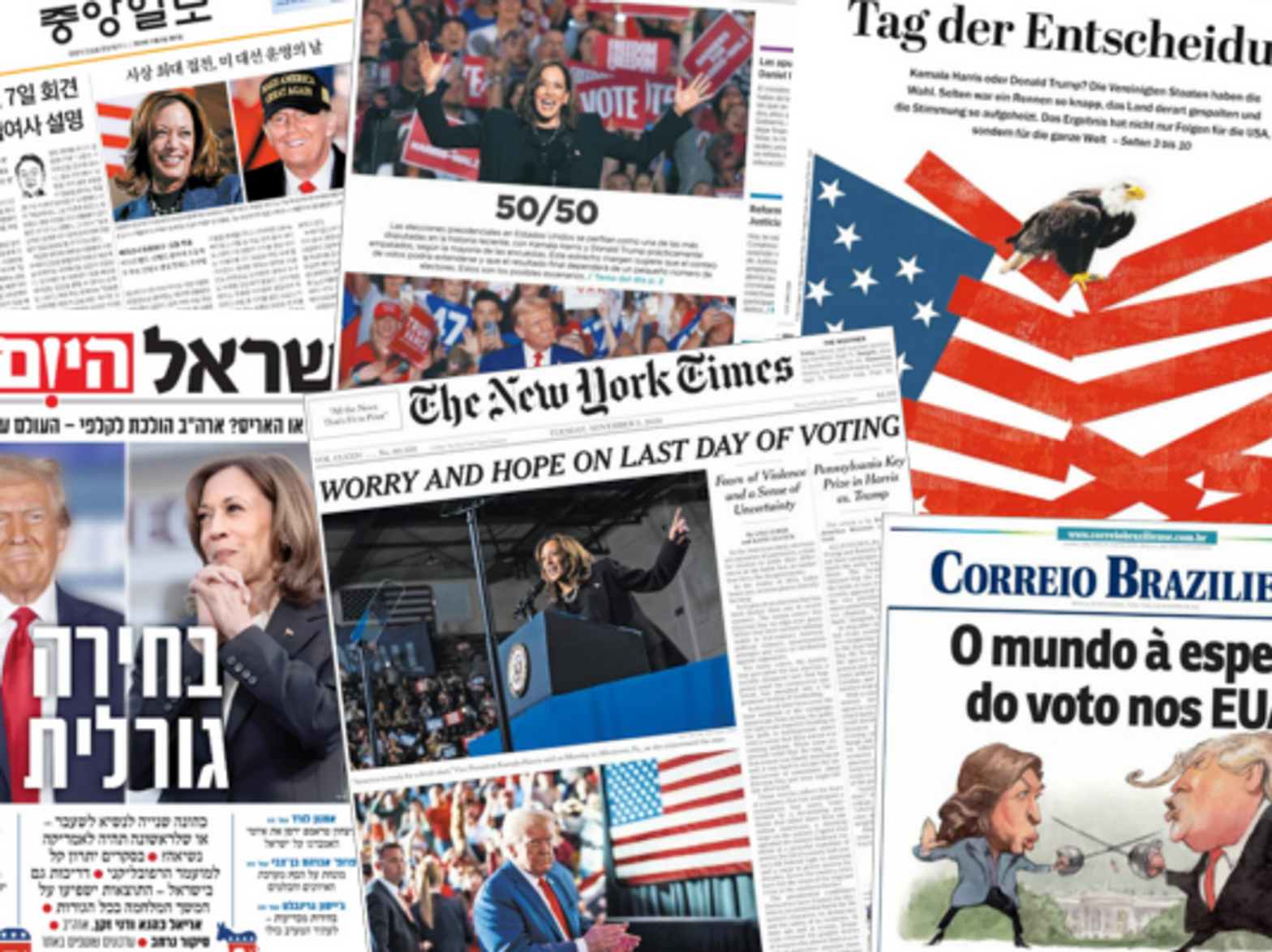
Global media are reacting to the victory of Republican Donald Trump, who will become the 47th U.S. president after a turbulent, defiant and ultimately triumphant campaign against Kamala Harris.

 Worldcrunch
Global media are reacting to the victory of Republican Donald Trump, who will become the 47th U.S. president after a turbulent, defiant and ultimately triumphant campaign against Kamala Harris.
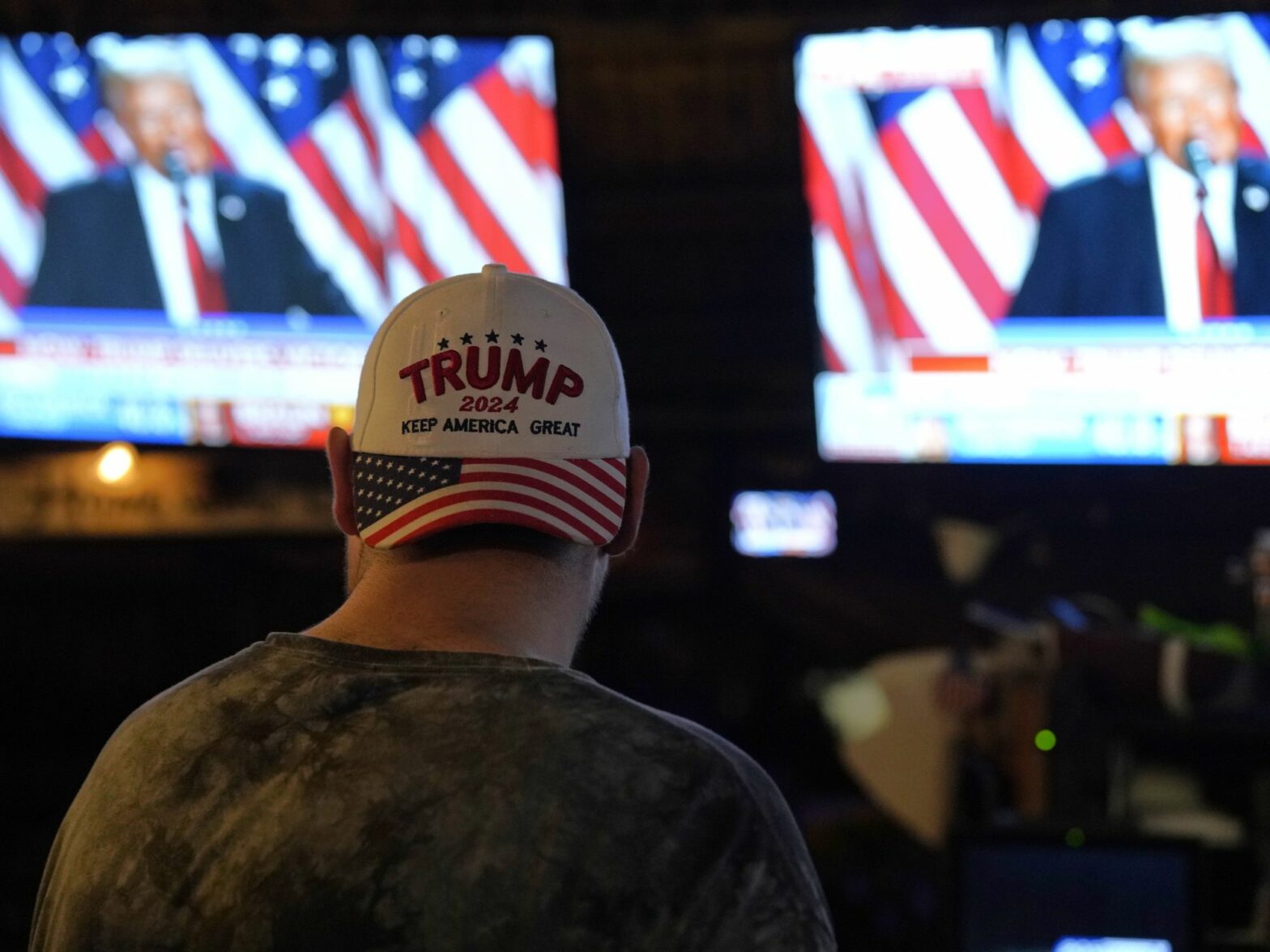
As Republican candidate Donald Trump is confirmed to have secured the U.S. presidential election, international news websites are devoting their homepages to the 78-year-old politician’s historic comeback.
Stay tuned on this page for Worldcrunch’s real-time, multilingual coverage of the U.S. election 2024.
All media eyes are riveted on the U.S. where voting has begun in a tight presidential contest that will send either Vice President Kamala Harris or former president Donald Trump to the White House.
Allegations of widespread fraud in 2020 have left lasting impacts in Georgia. The state hopes to avoid renewed tensions this year, but both Democrats and Republicans are bracing for potential disputes in the case of a close result.
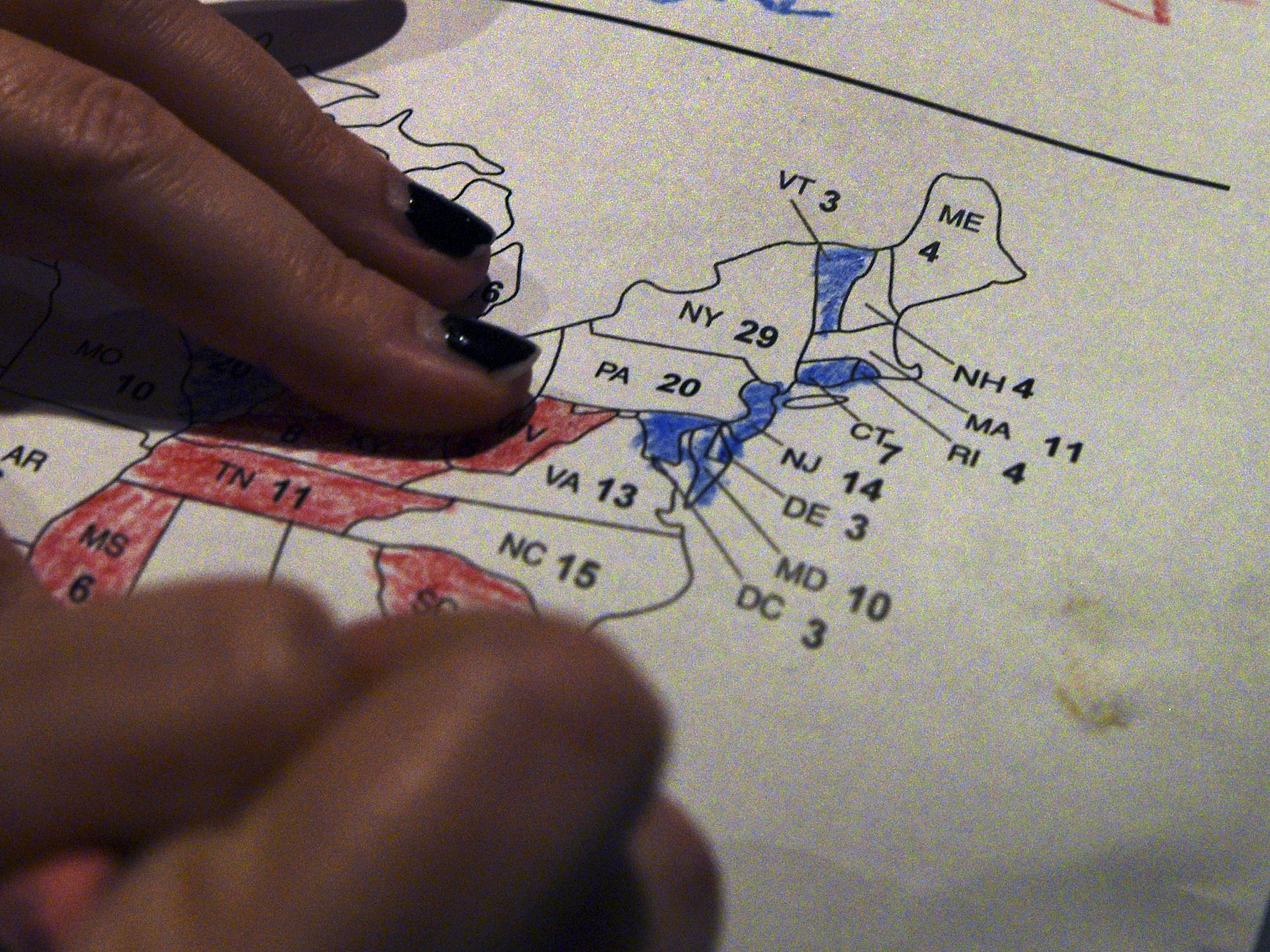
If the 2020 U.S. presidential election taught us one thing, it’s that it shouldn’t be about who’s the quickest to announce electoral results: it should be about being accuracy.
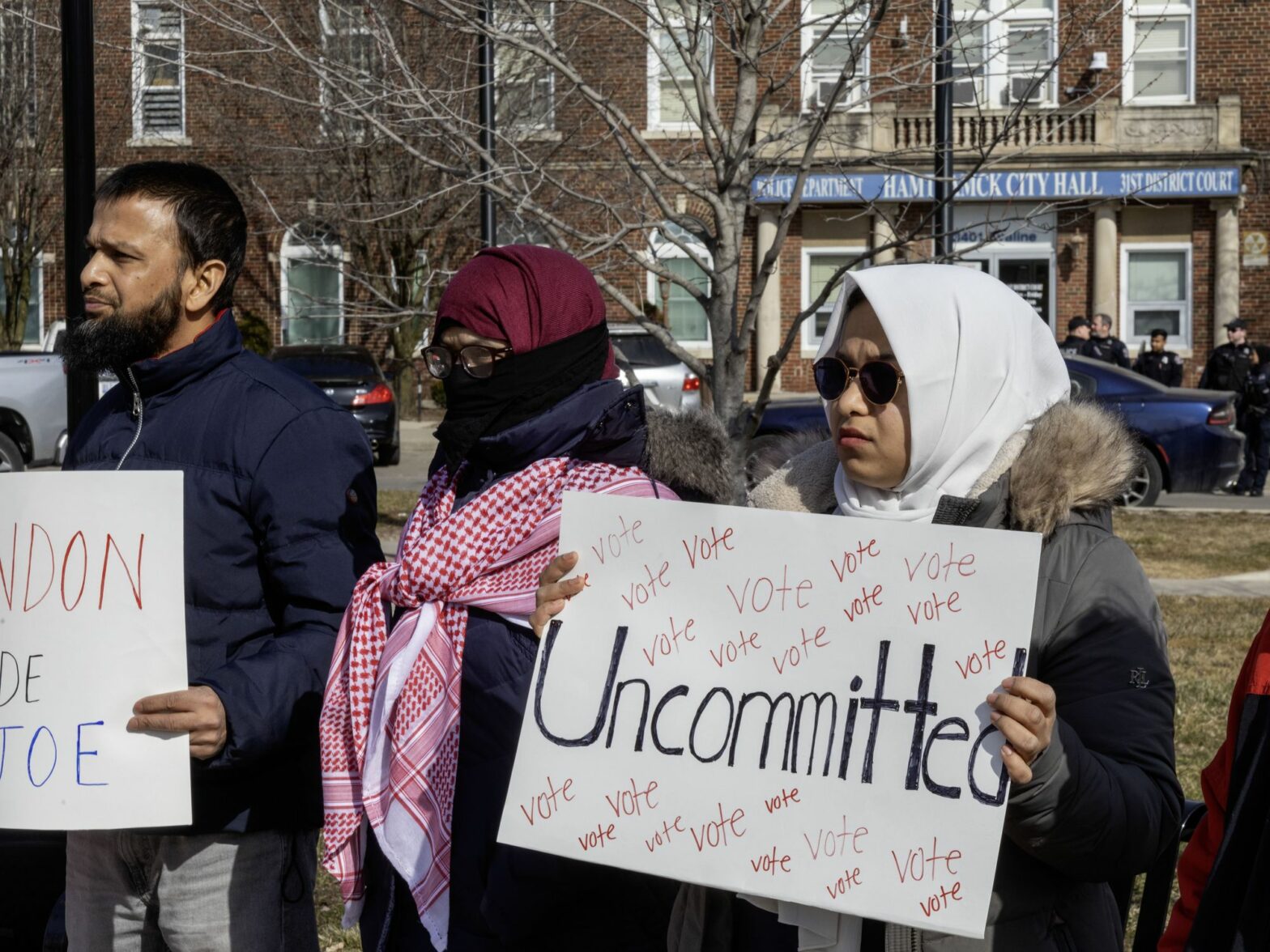
The Arab community has long supported the Democrats during elections, but the ongoing conflict led by Israel in Gaza and Lebanon is changing the dynamics, and could give Trump an opening in this crucial swing state.

North Dakota’s last abortion clinic was forced to move to neighboring Minnesota two years ago, when the U.S. Supreme Court struck down federal protection of this right, guaranteed since 1973. Ahead of the presidential election, the fight for women’s rights is rallying Democrats.

Tensions have suddenly escalated after North Korea accused South Korea of sending drones over its capital. Threats from Pyongyang are common, but amid an uncertain international context, experts are taking these latest ones more seriously.
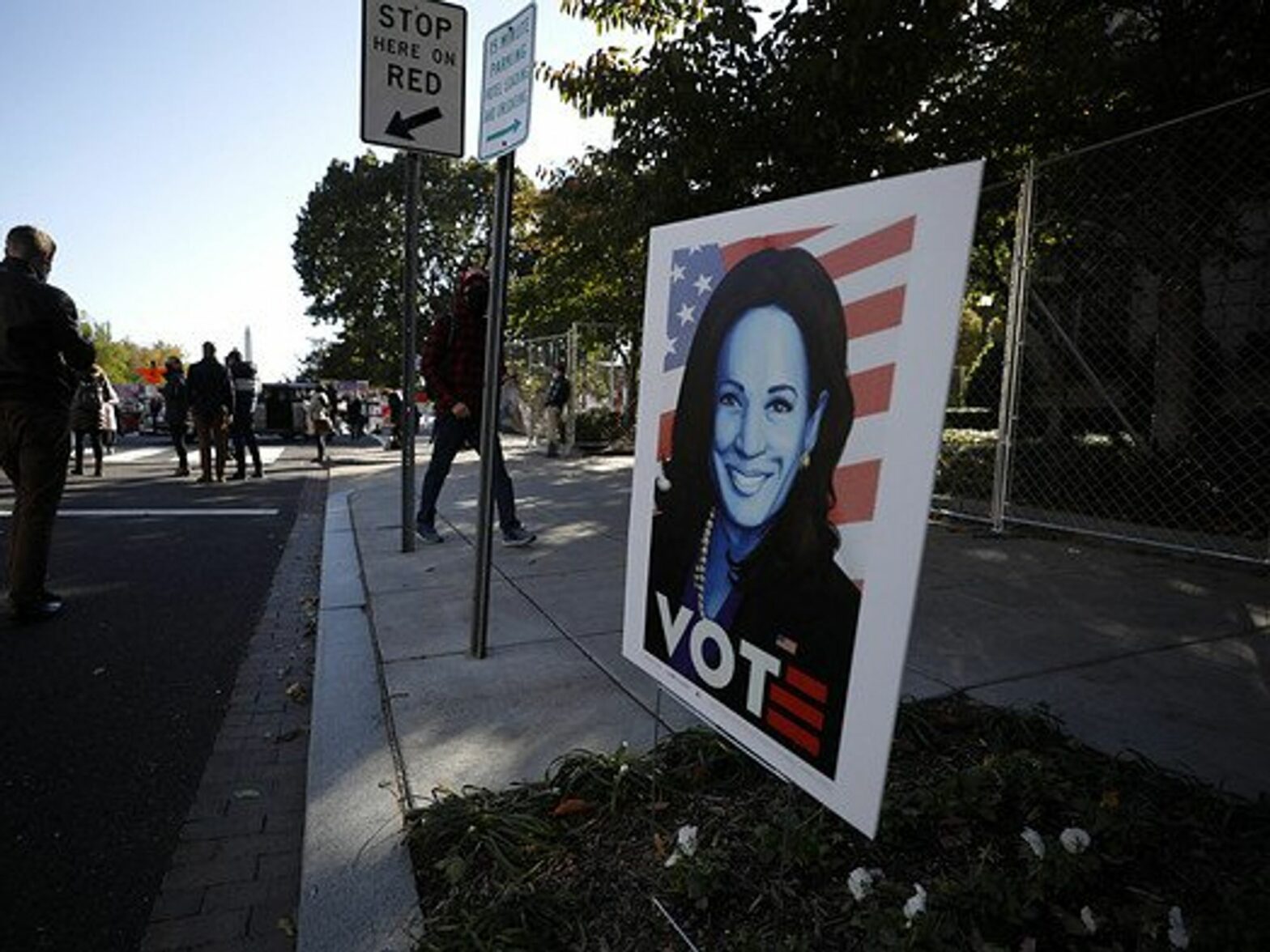
Arab Americans’ outrage over the Biden-Harris administration’s politics is understandable. But boycotting the election — or voting for a third-party candidate — would benefit Donald Trump, who has played up his relationship with Benjamin Netanyahu. What choice does that leave?
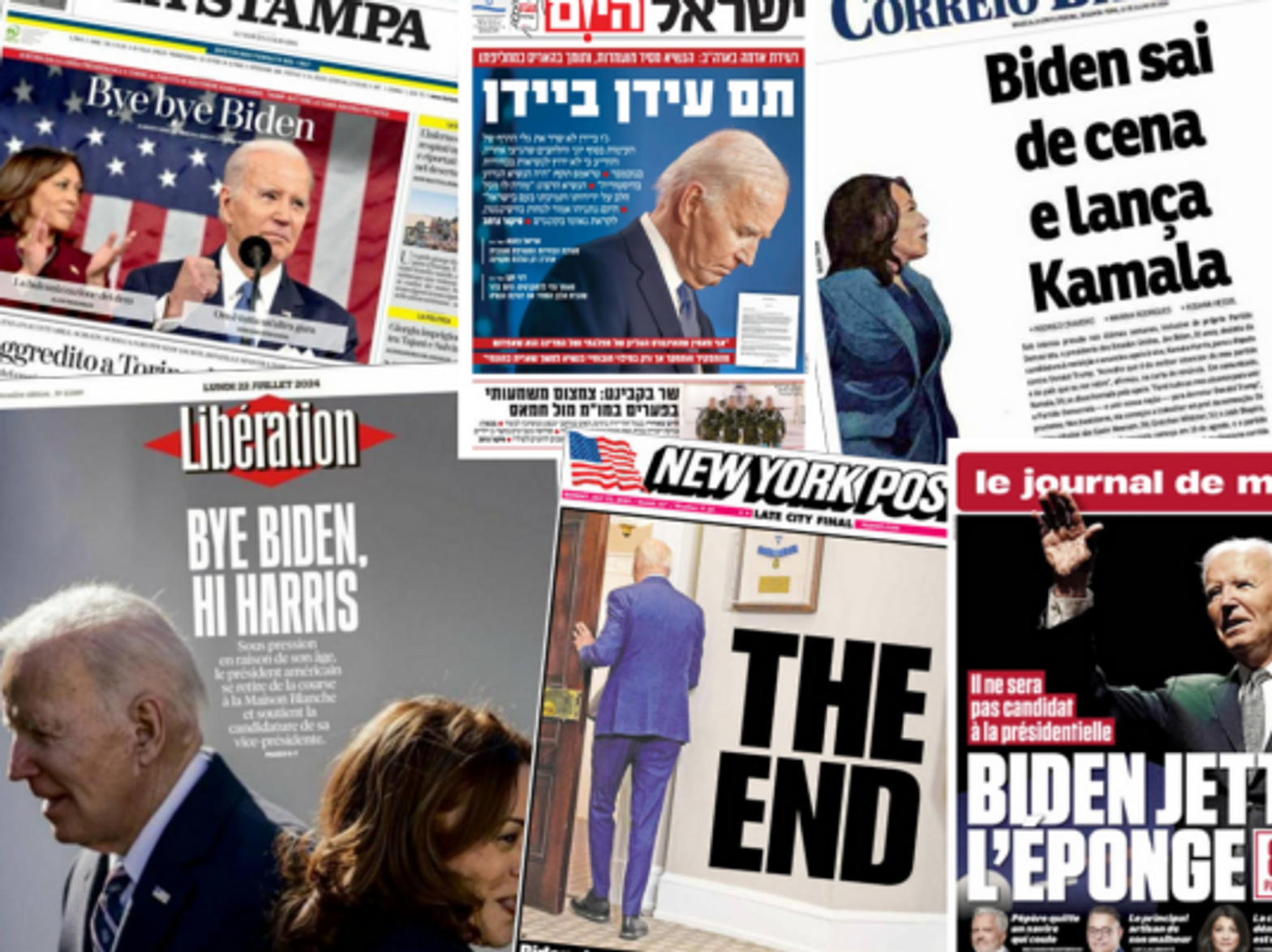
U.S. President Joe Biden has announced his withdrawal from November’s presidential election after weeks of pressure from fellow Democrats. Newspapers from around the world have reacted to the news, bidding au revoir to the Democratic leader on their front pages.
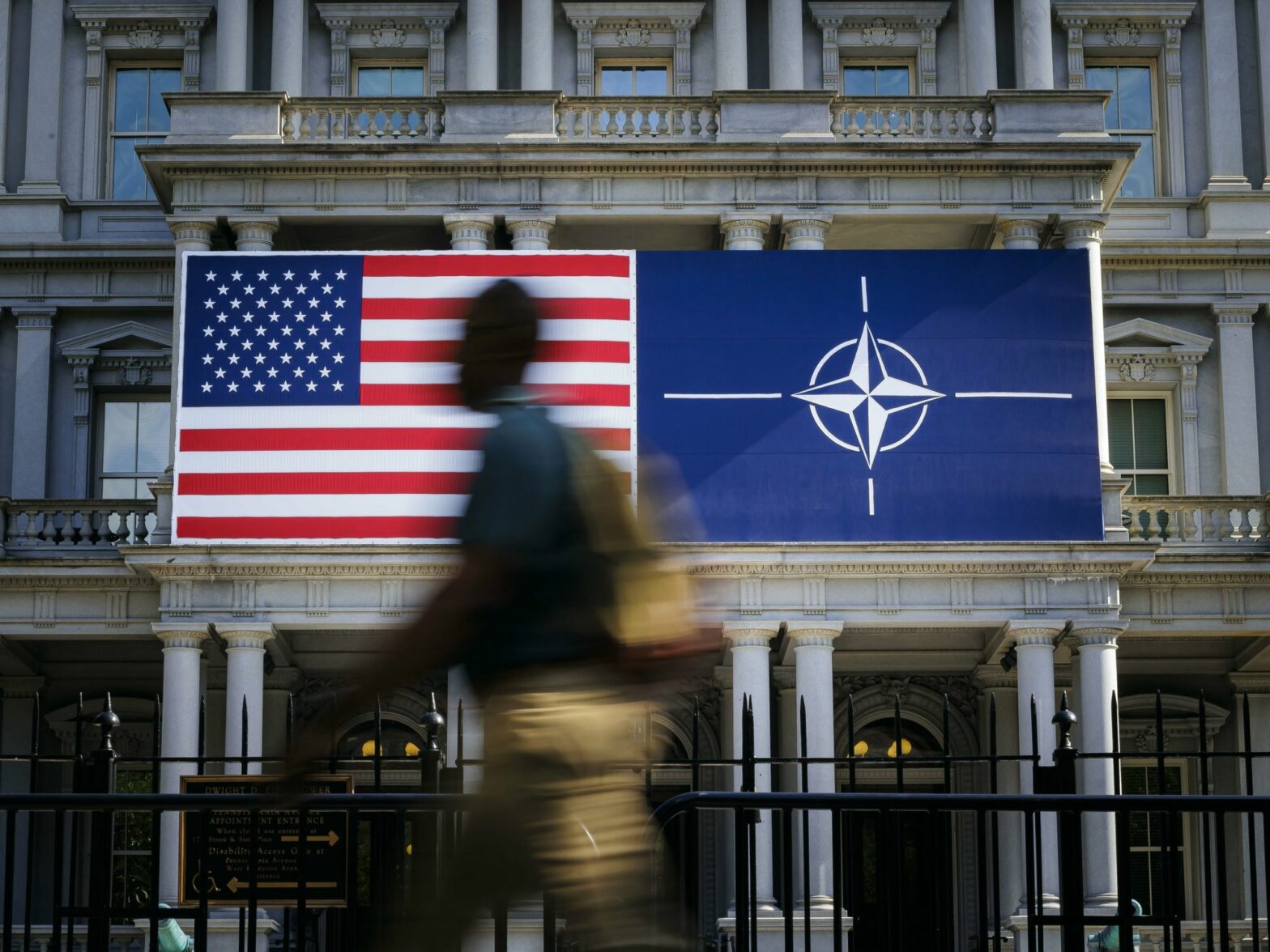
As the alliance’s 32 countries celebrate their 75th anniversary at a summit in Washington, uncertainties over the possible reelection of Donald Trump in November, and dark clouds over Europe and France are raising serious questions about NATO’s future.
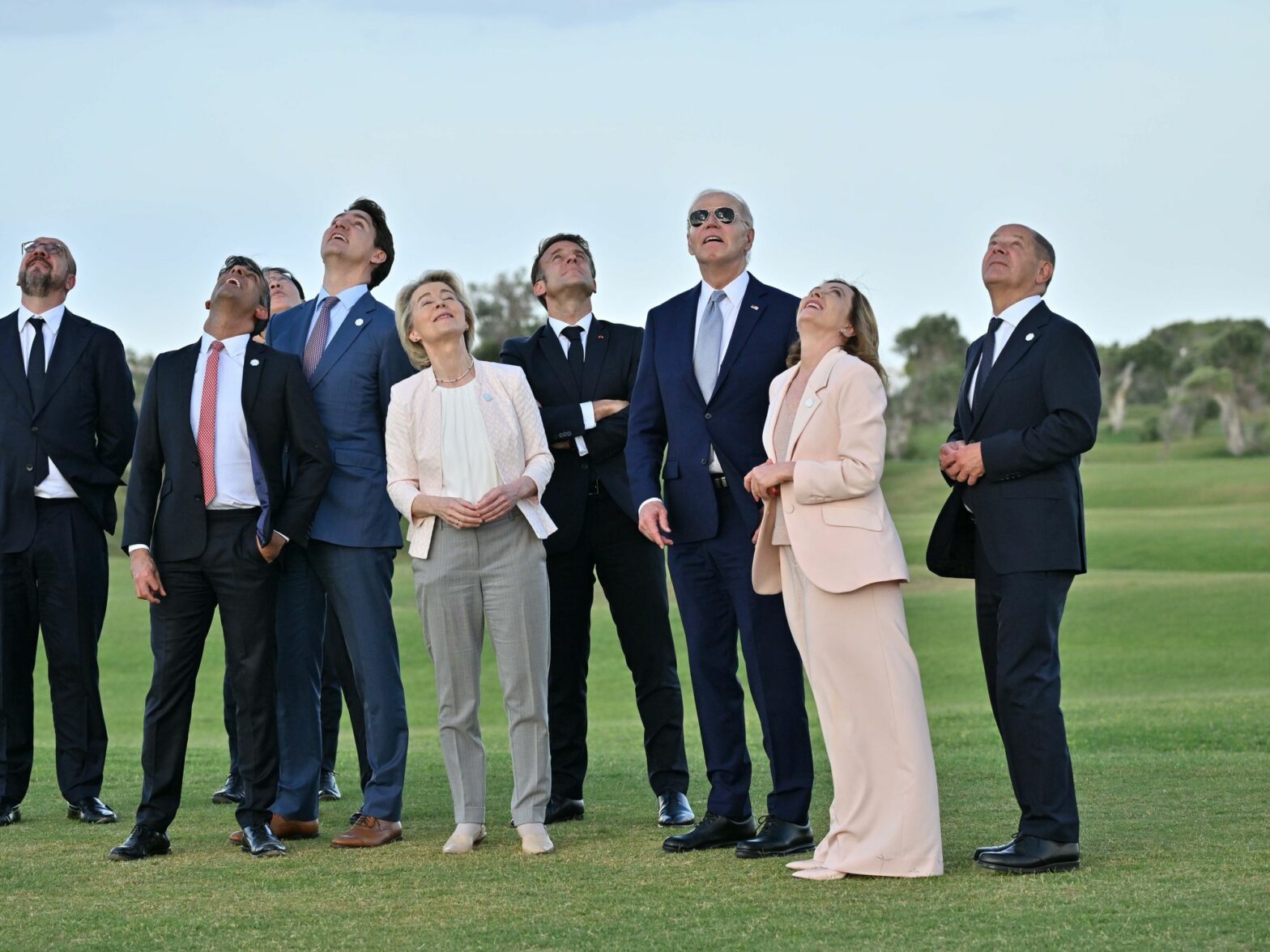
As the upcoming French and American elections show, the Western democratic model is being put into question — both externally by revisionist powers, and internally.
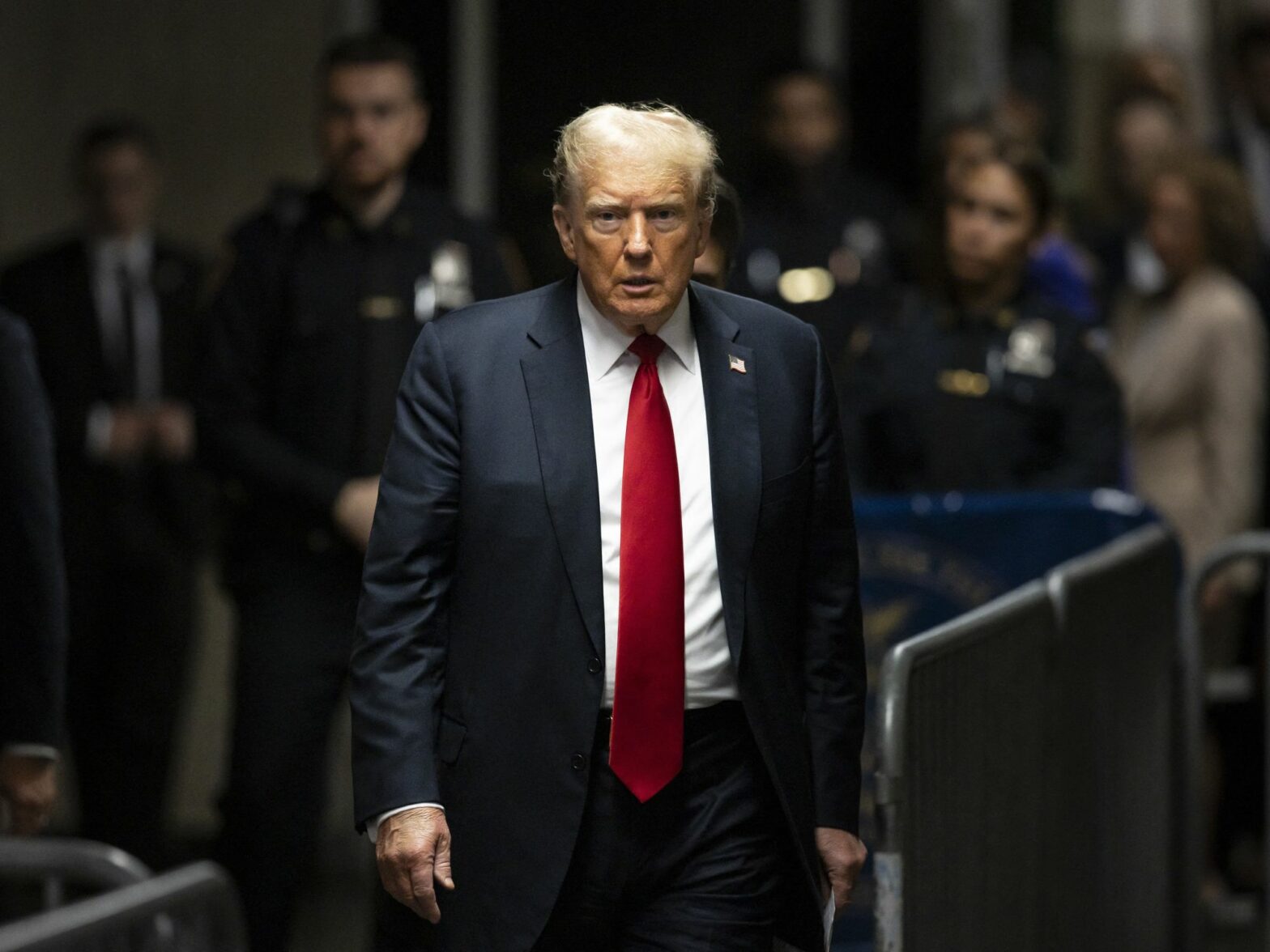
Psychologists call it “moral decoupling” when people continue to support notable people in politics, media and sports even when they believe these leaders have significant moral failings outside of their professional vocation.
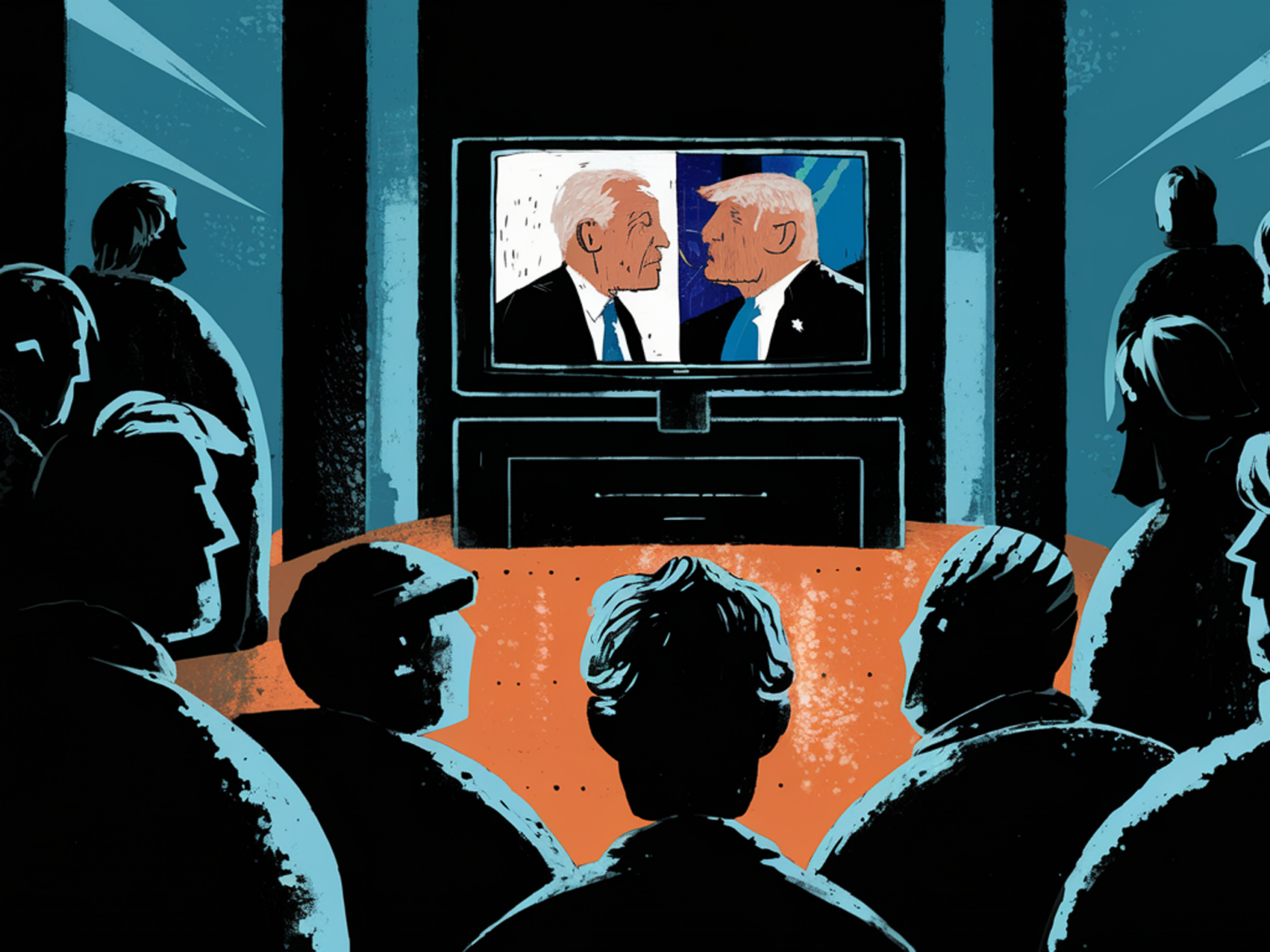
After Super Tuesday, Americans (and the world) are now virtually assured of another Biden-Trump showdown in November. It’s a chilling reminder to Europe that their fate is tied too closely to the whims of U.S. politics.
Updated Jan. 20, 2024 at 12:00 p.m. Barack Obama is inaugurated as 44th President of the United States on this date in 2009, making him the first African-American president. What did Barack Obama do before becoming president? After working as a writer and editor, Barack Obama became a community organizer in Chicago, lectured on constitutional […]

Washington, Moscow and Beijing can all, in different ways, emerge stronger from the war in Gaza war, says French geopolitical expert Dominique Moïsi. The U.S. has been more present in the Middle East since Oct. 7 — but so has Russia, while China is keeping relatively quiet.
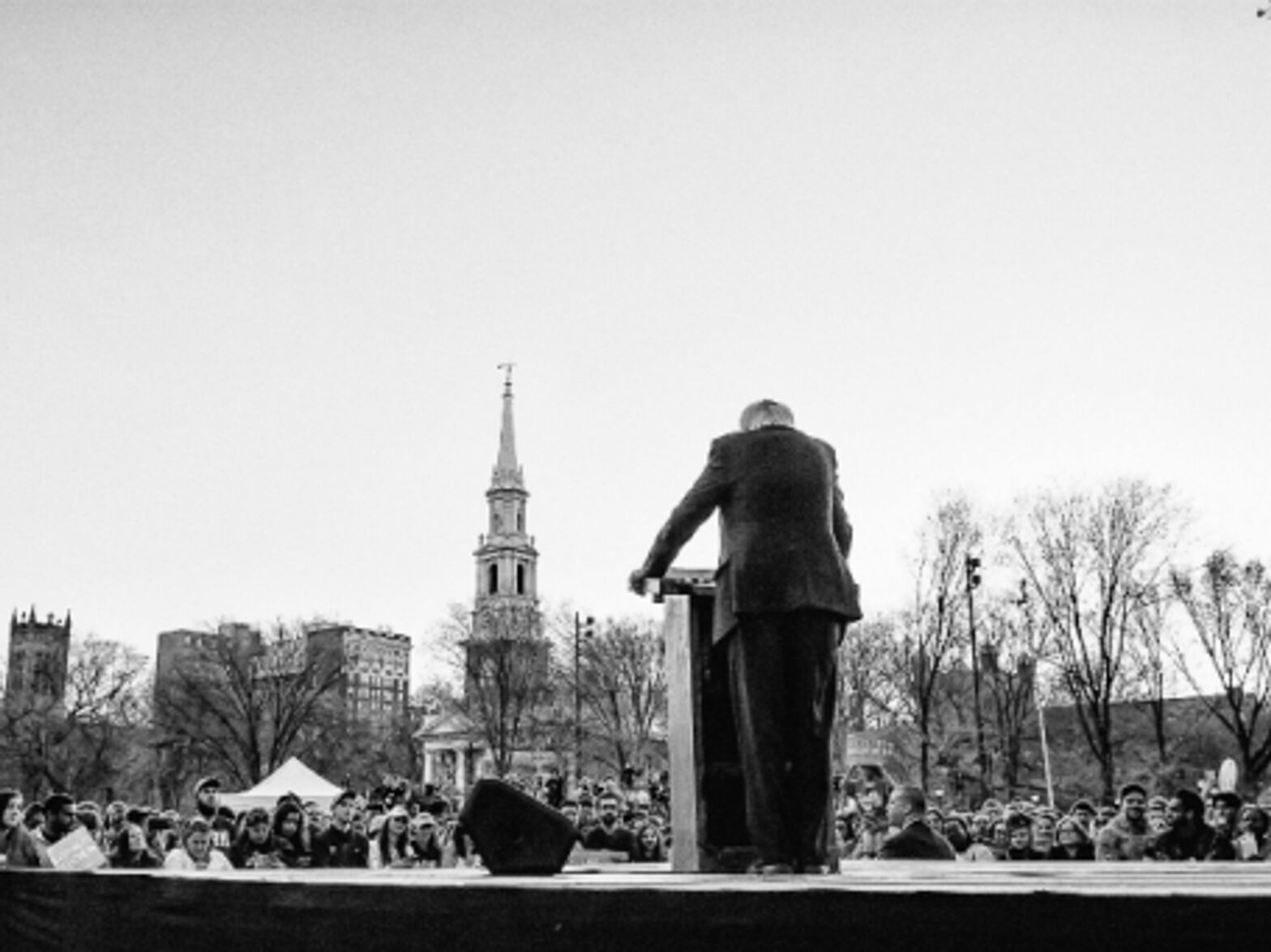
-Analysis- WASHINGTON — Eight years ago, I spent an election night in a basement gymnasium in Manhattan, watching Hillary Clinton and her campaign advisers take up residence in a parallel universe. It was June 3, 2008, and Barack Obama had just clinched the Democratic presidential nomination, making official a victory that had seemed inevitable for months. But Terry McAuliffe, then the campaign chairman and emcee of this Clinton “victory” party, recited a list of Clinton’s primary wins and introduced her as “the next president of the United States.” Clinton that night made no mention of her defeat, boasting that she […]