With striking photographs from Poland, the DR Congo, Gaza and the Shetlands, among other places.

 Worldcrunch
With striking photographs from Poland, the DR Congo, Gaza and the Shetlands, among other places.
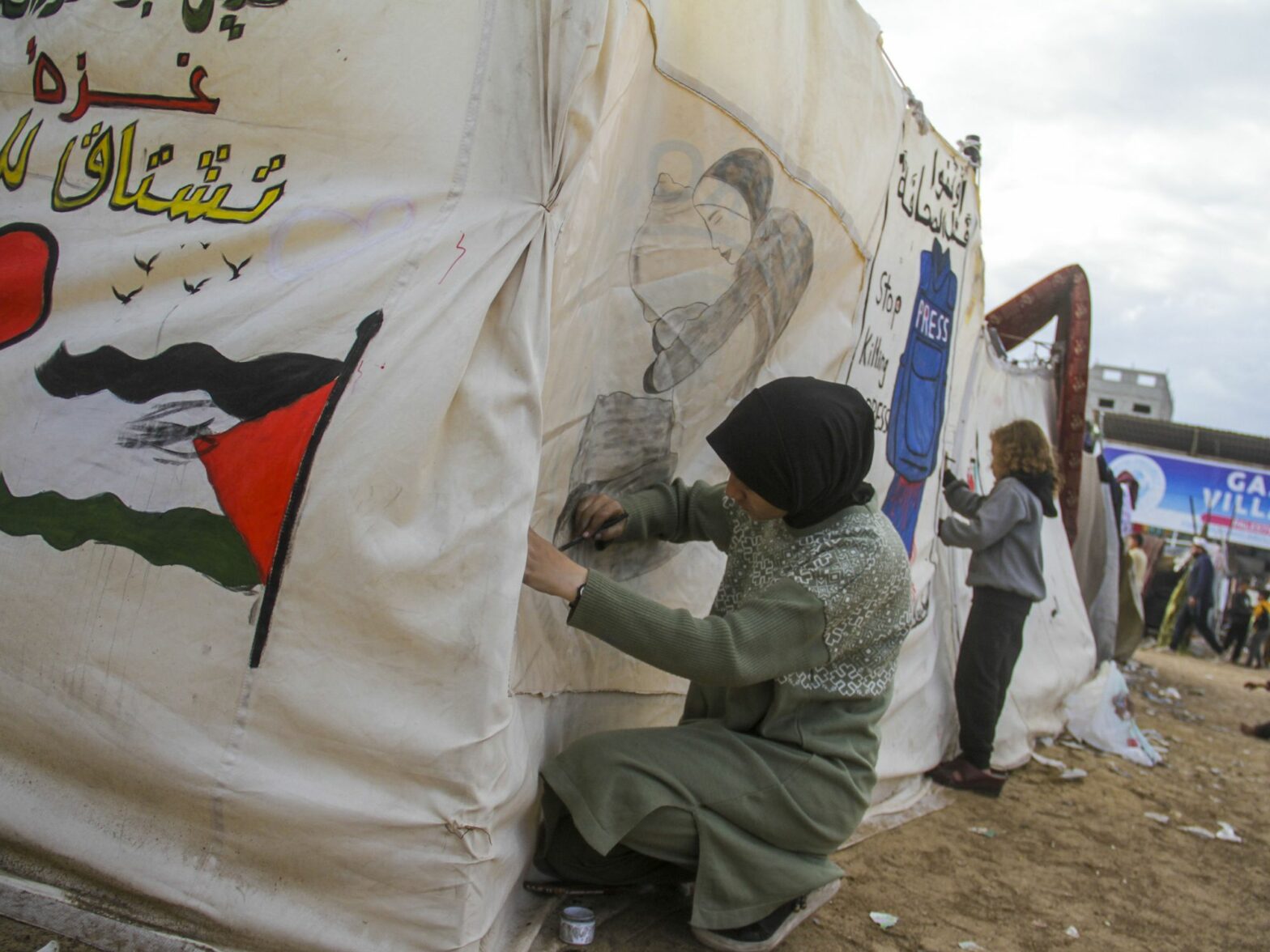
Palestinians need to rationalize their anger and resentment for the sake of a humanitarian project that enjoys global support.
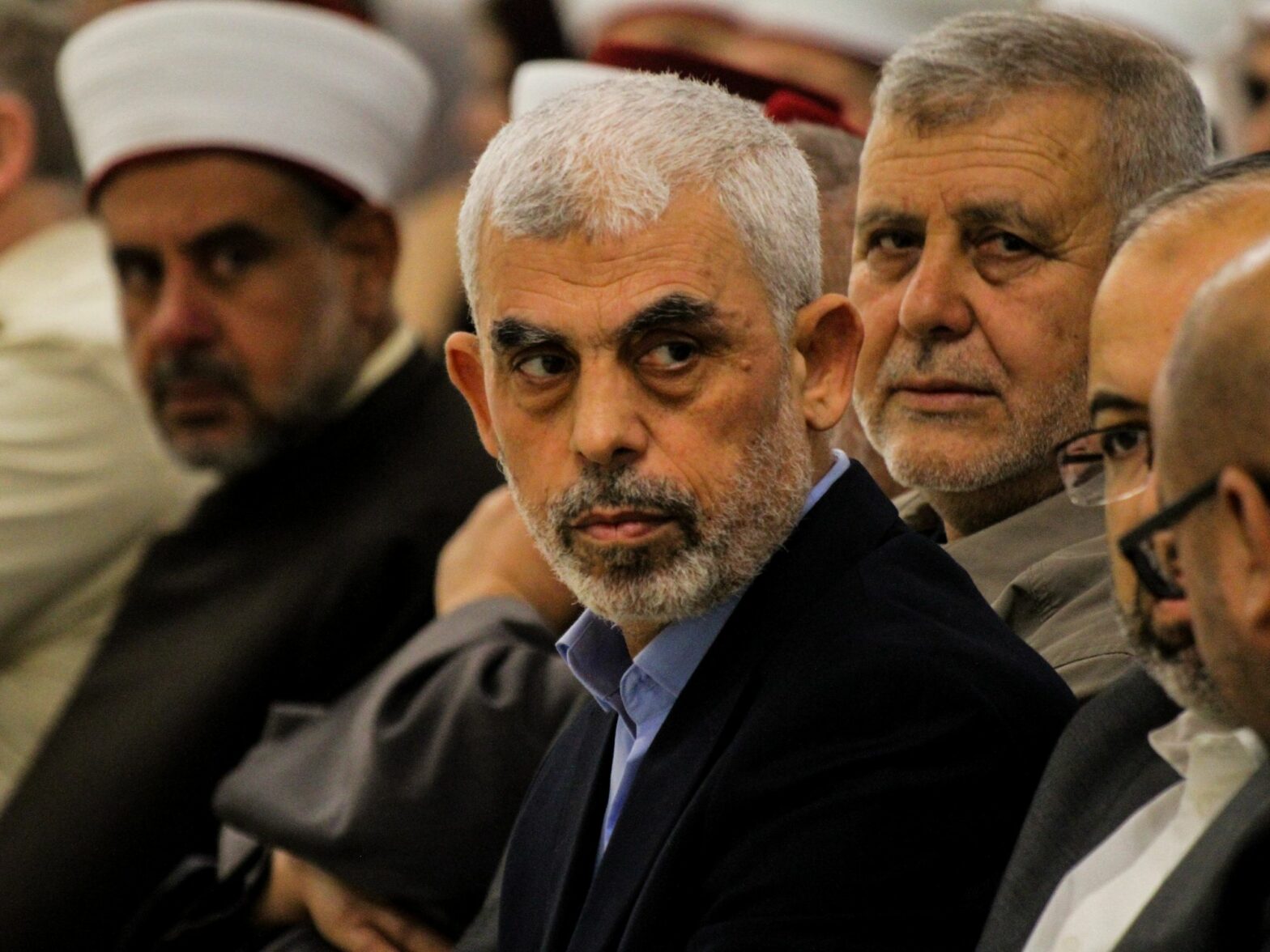
The Israeli military says Yahya Sinwar, the Hamas leader, has been killed in Gaza. The strike is a major victory for Israel, closing a chapter in recent Palestinian history in which Sinwar rose to the top of Hamas, and bet everything on the Oct. 7 attack, which made him more divisive than ever among the people of Gaza.
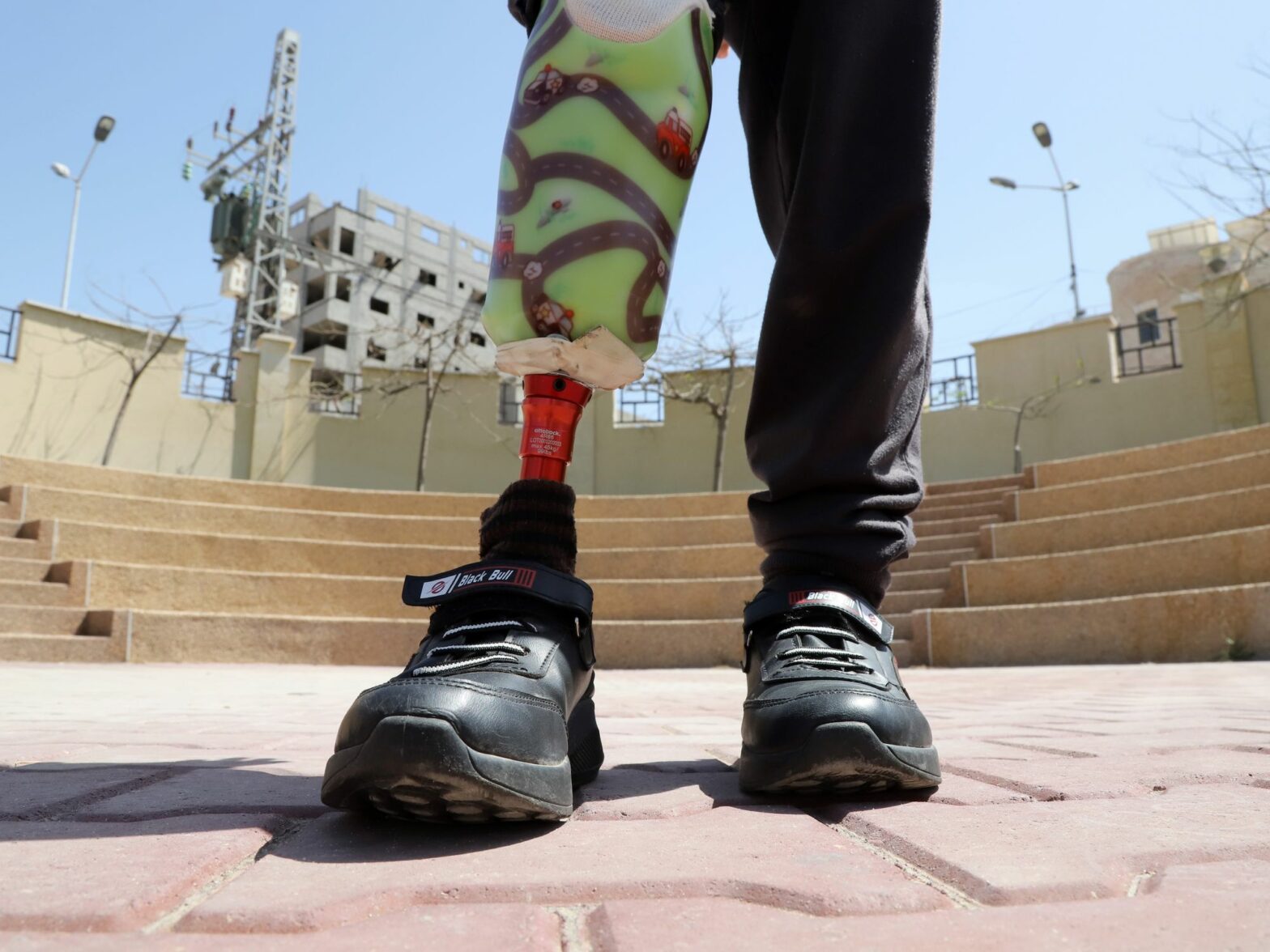
From the Nakba to now, Palestinian authors have used the trope of amputation as a literary symbol of loss and unity in the face of adversity.
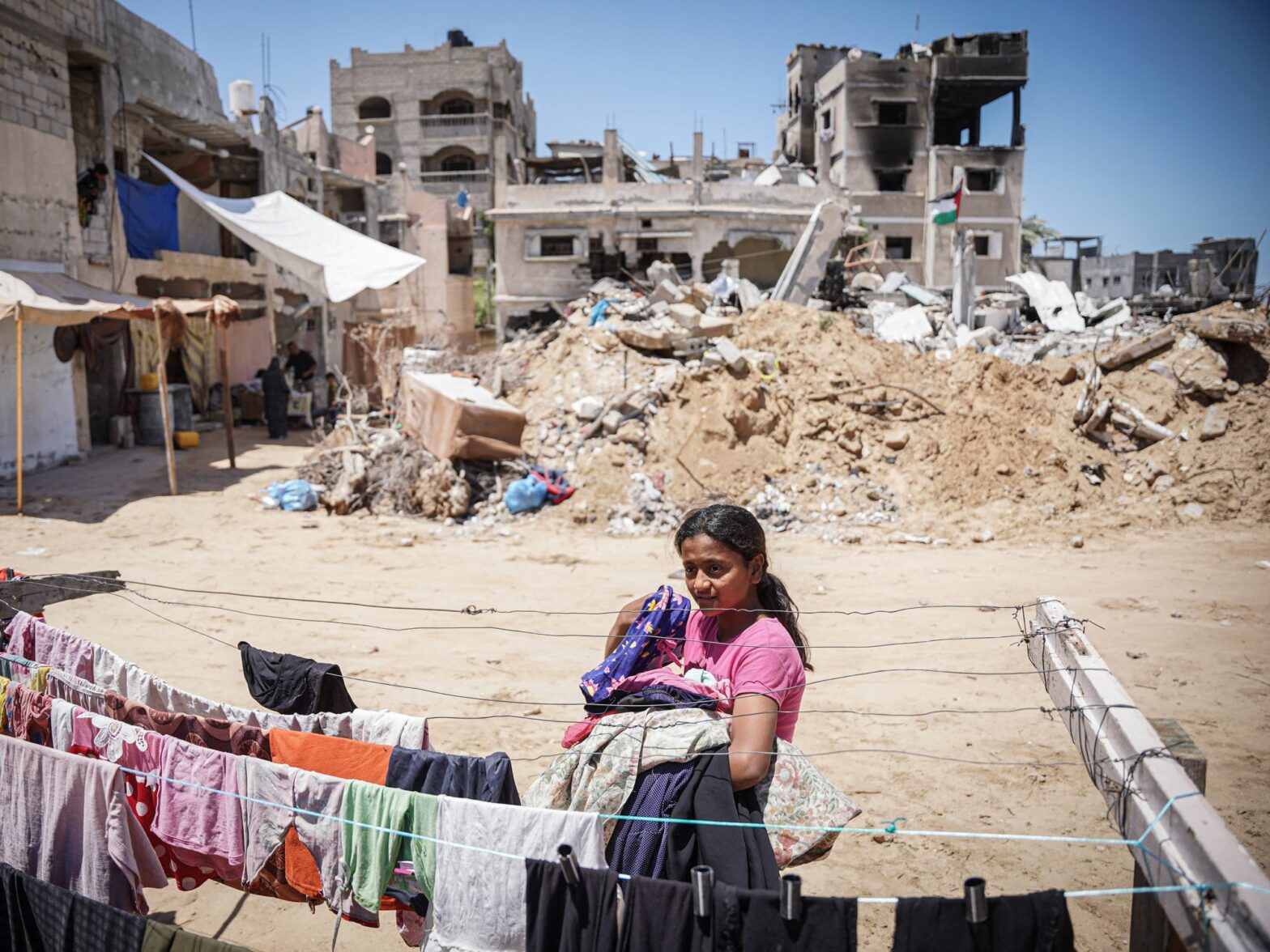
Eight months into the Israel-Hamas war, Israel has lost the battle of world public opinion. This may seem unfair to Israelis, but the right to self-defense does not authorize anyone to disregard international humanitarian law. And undermining these legitimate international bodies will only cause wider chaos.
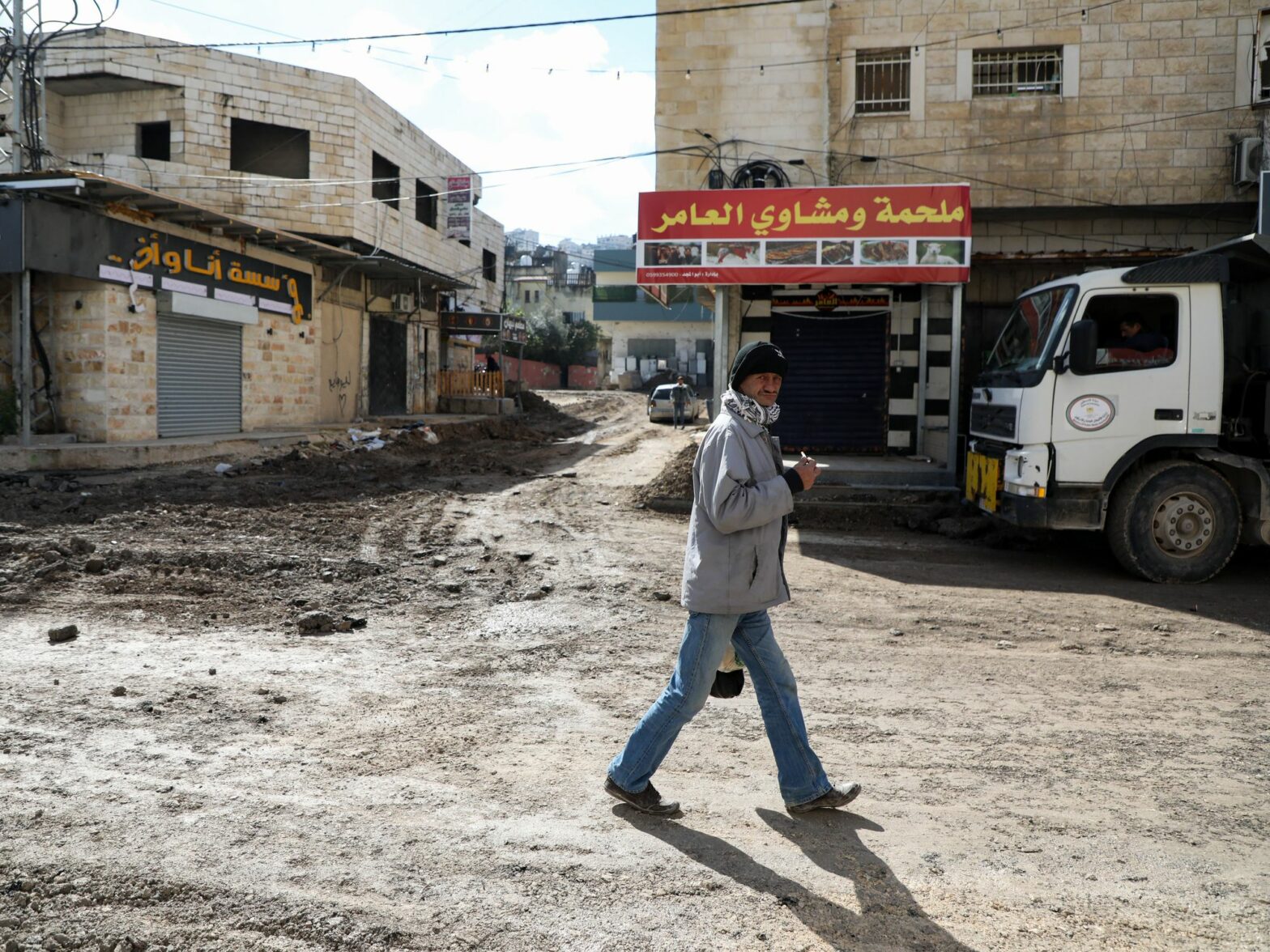
Since the Israel-Hamas war began in Gaza, Israel has imposed severe restrictions and economic sanctions on the Palestinians in the occupied West Bank, further exacerbating the already dire living conditions of Palestinians there.
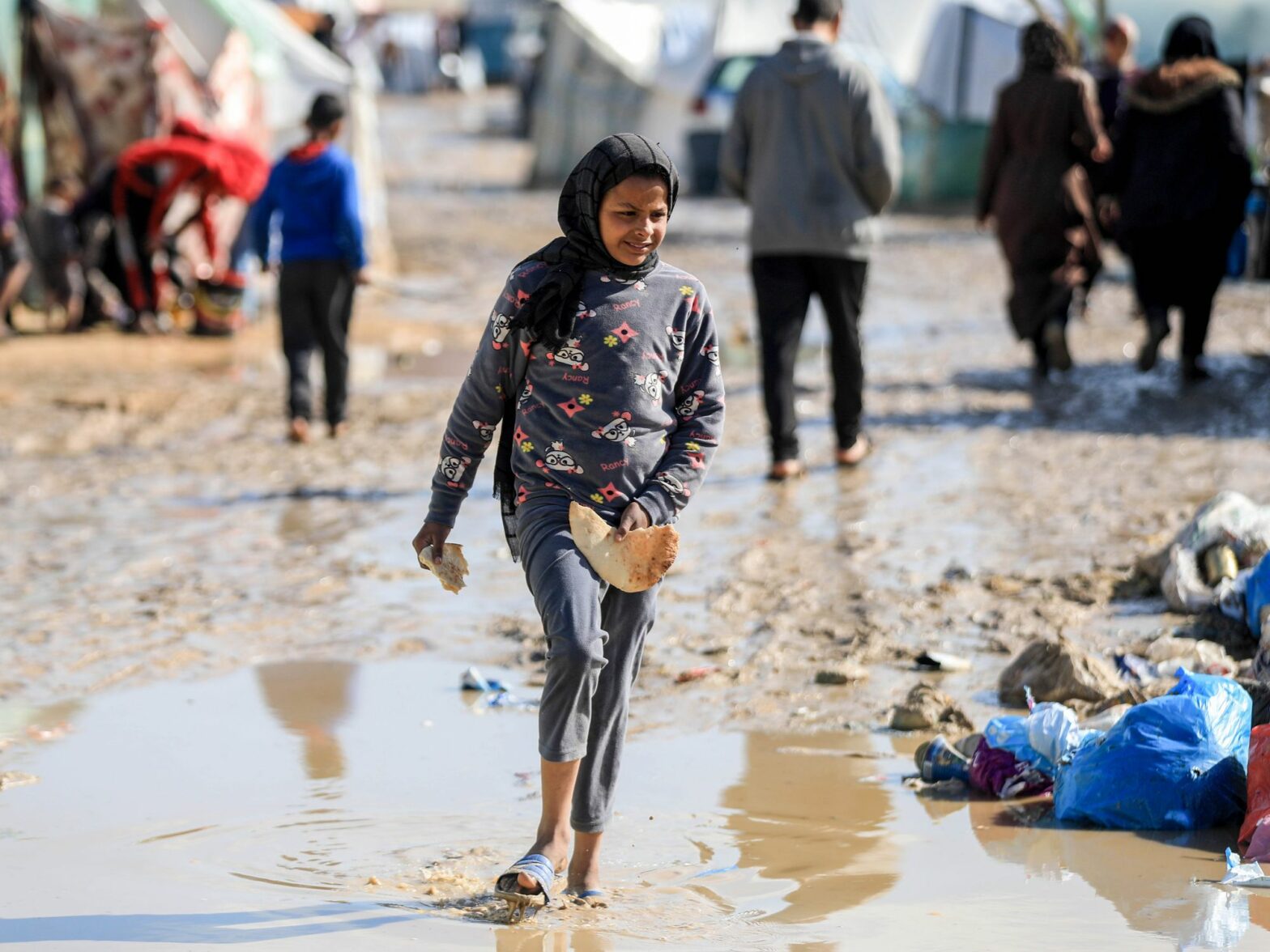
Going to the bathroom, one of the most basic human needs, has become extremely difficult to address in Gaza, as hundreds of thousands of people are left without the proper infrastructure, and streets are sometimes flooded with wastewater.
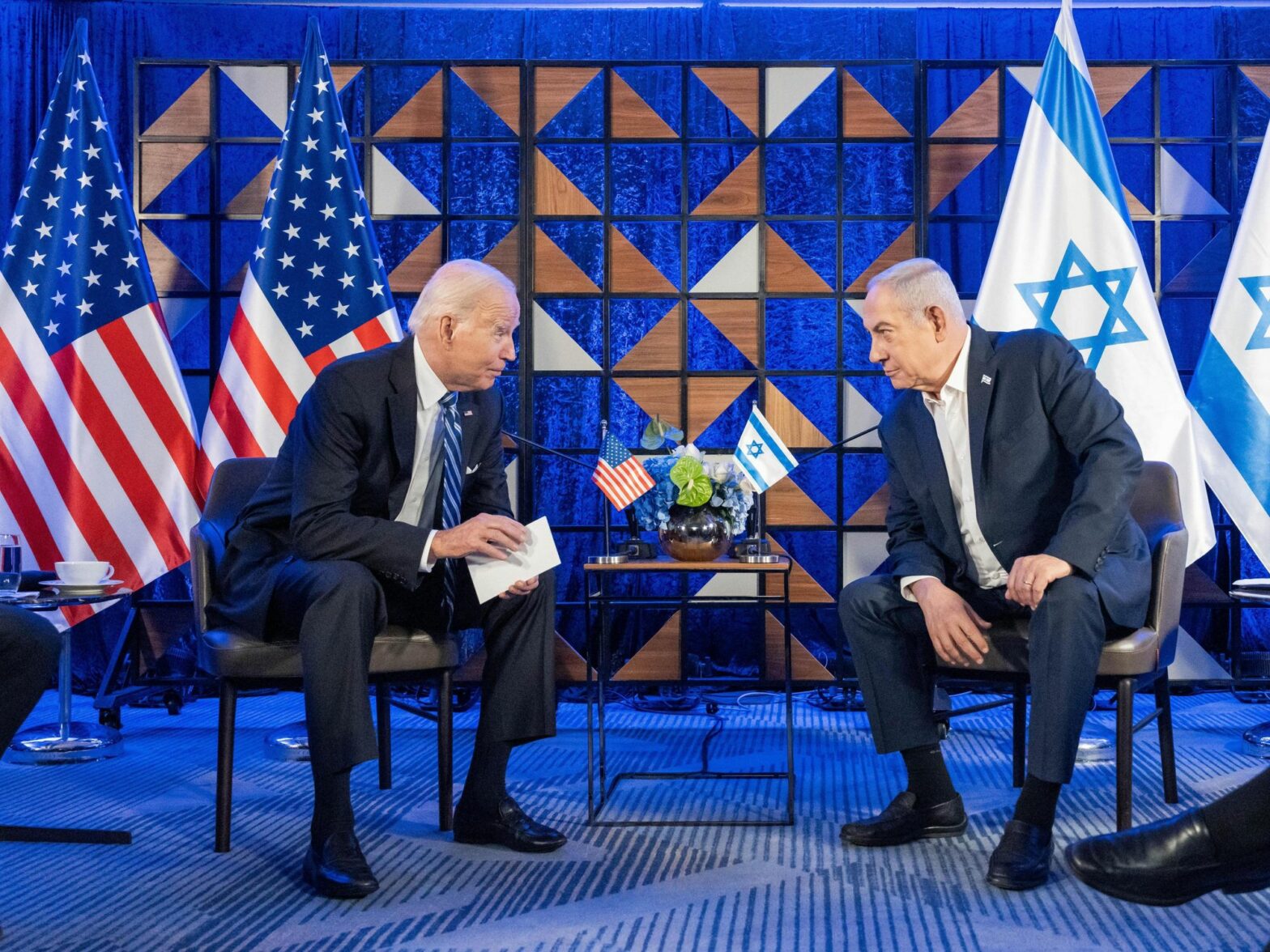
The rising tensions between U.S. President Joe Biden and Israeli Prime Minister Benjamin Netanyahu are about different visions of the geopolitics of the Middle East — but the stakes are also personal for each leader.
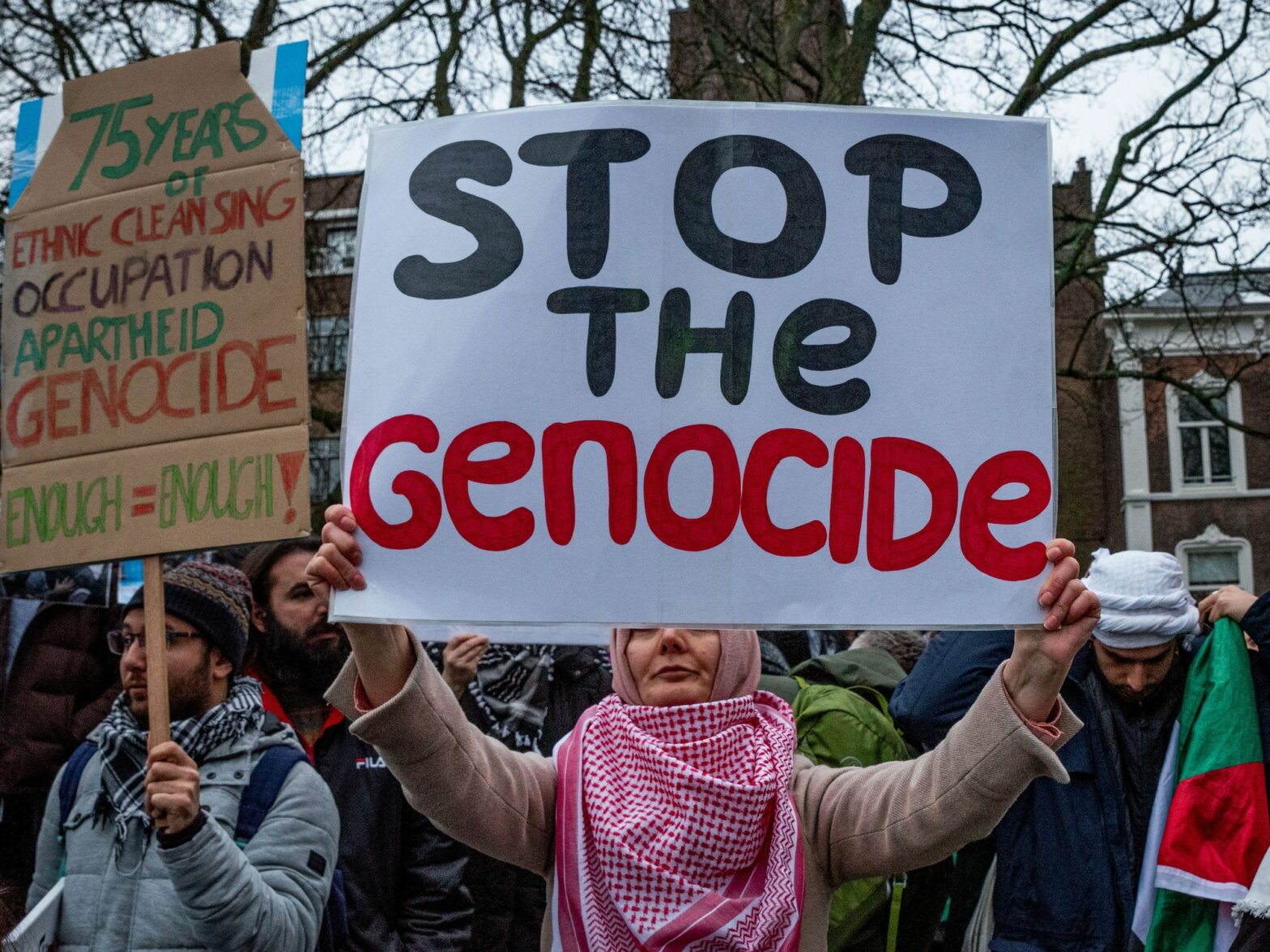
South Africa’s genocide case against Israel at the International Court of Justice attempts to turn longstanding international law on its head, writes Kai Ambos, a top expert on international law, for German daily Die Welt.
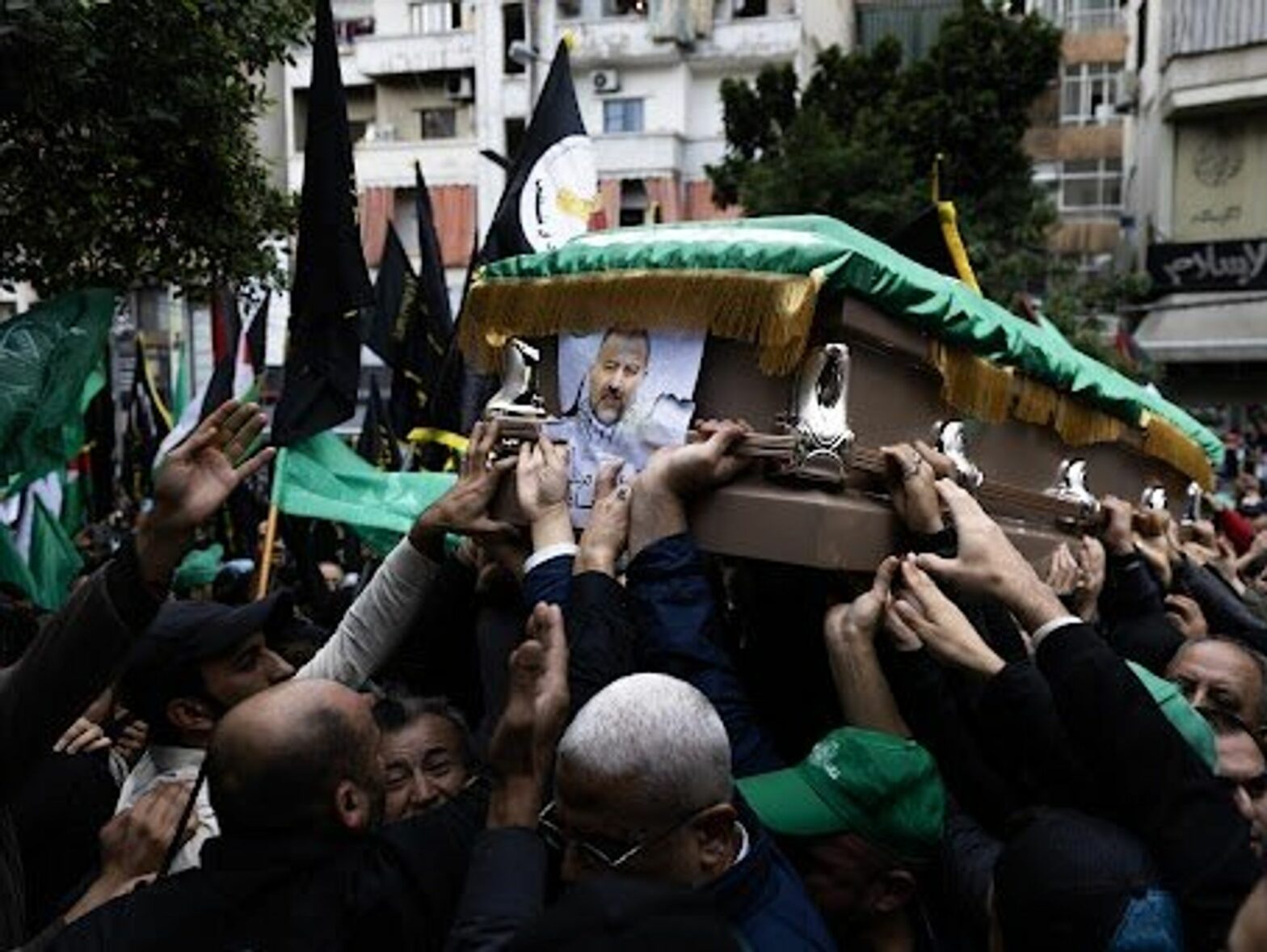
The assassination of a top Hamas leader this week was a much needed victory for Israel’s intelligence apparatus, still reeling from the Oct. 7 attack. But even if other targets are hit, it does not amount to an actual battle plan against Hamas.
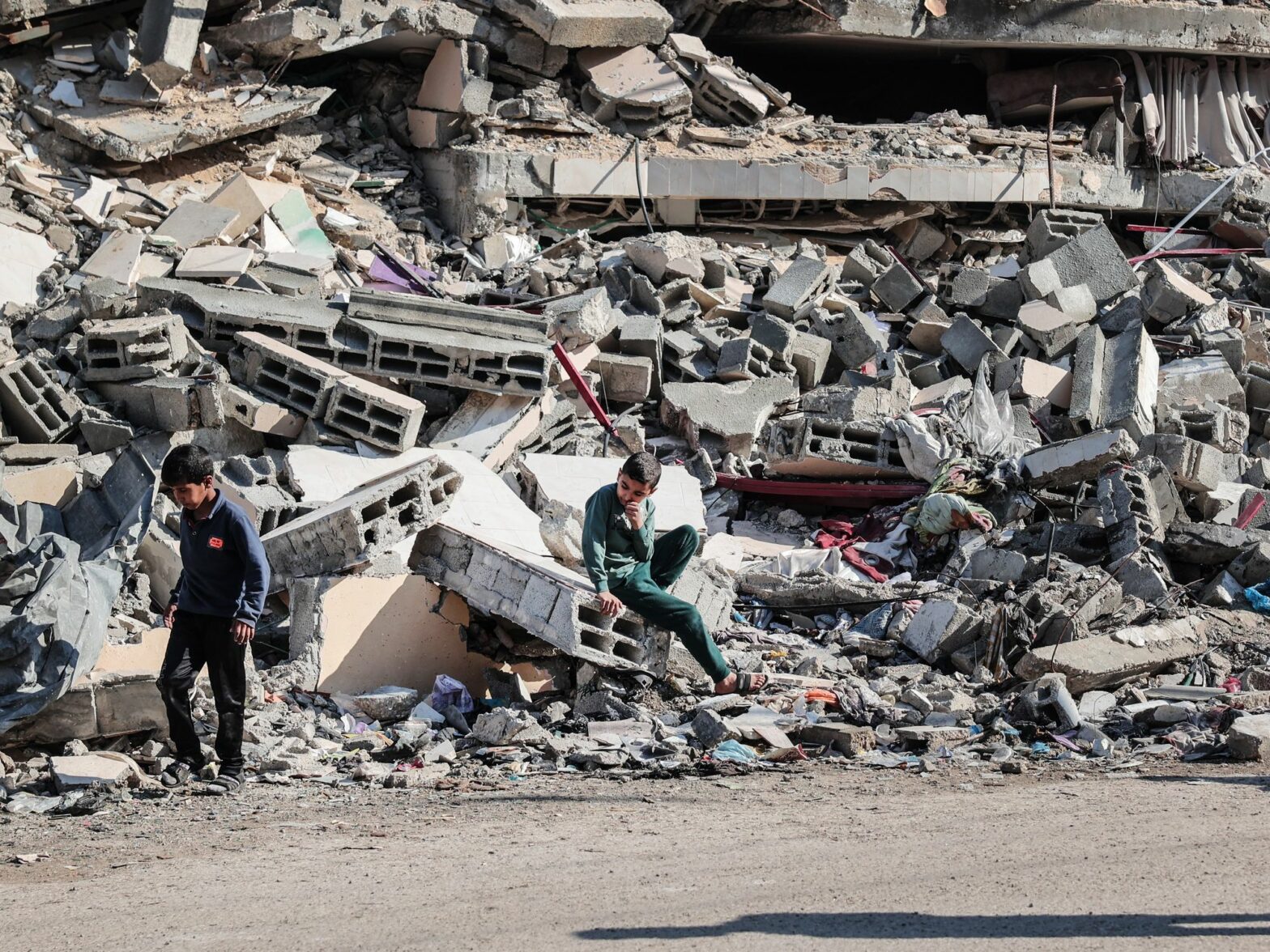
Sooner or later, Hamas’ reign in Gaza will come to an end. What will happen then? An Israeli occupation? The handover of power to local stakeholders? There are clear parallels with Germany’s situation after World War II.
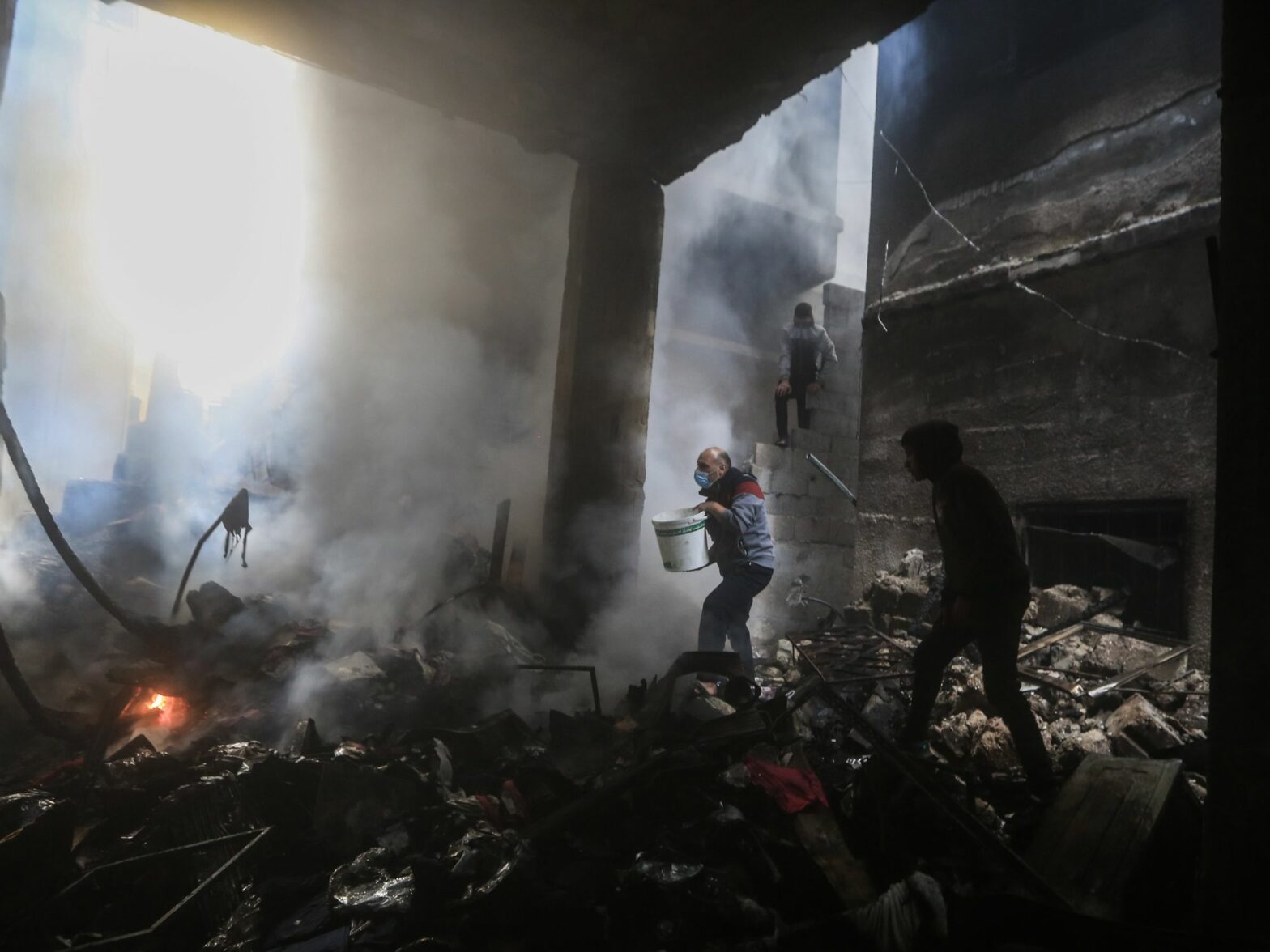
Daraj looks at the long-term deadly effects of Israeli munitions which will threaten Gaza for years after the current war ends.
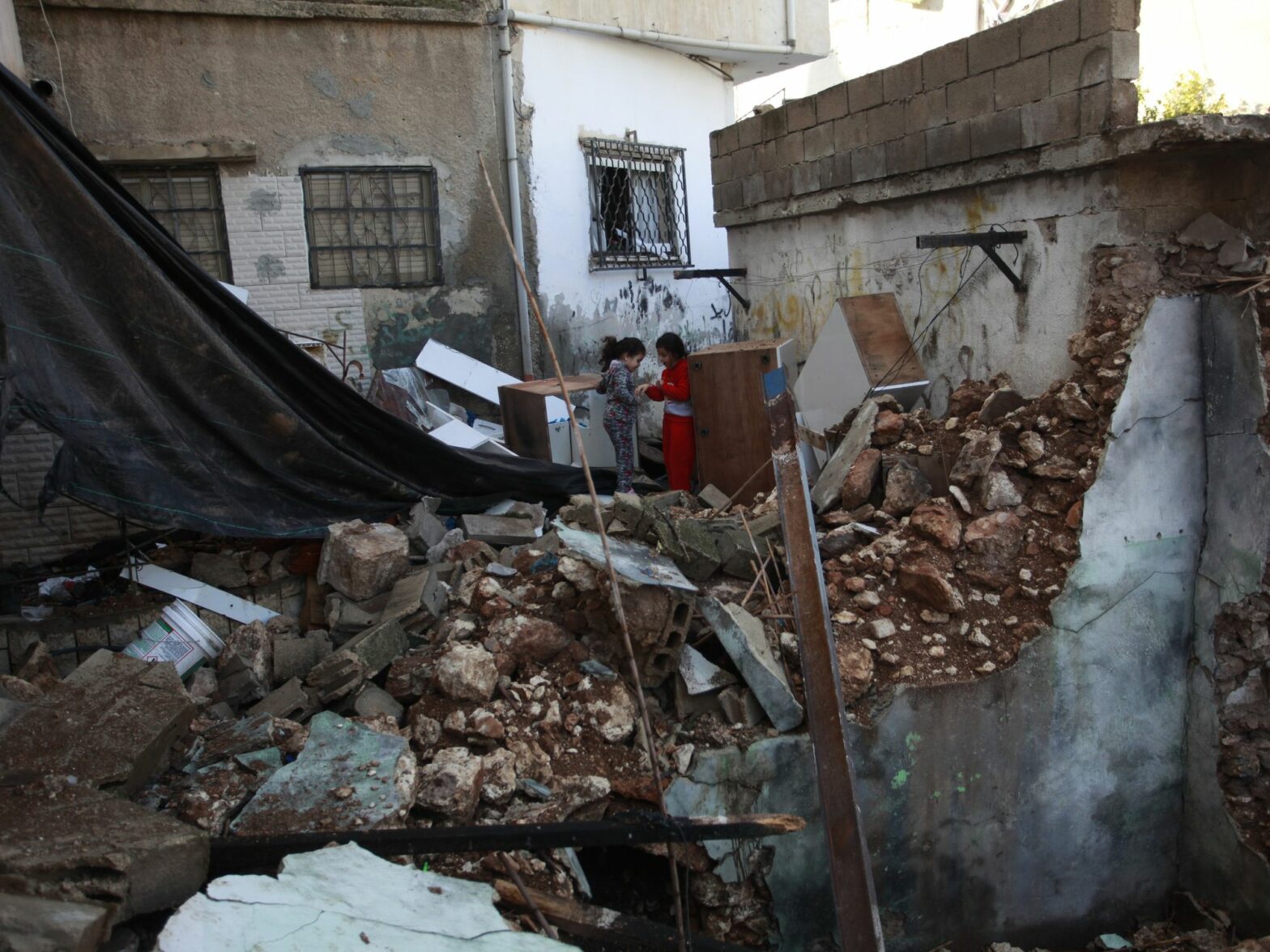
The Jenin refugee camp is rapidly spinning out of control, as the West Bank security coordination between Israel and the Palestinian Authority dissolves. The Israeli military wants to make an example of this symbol of Palestinian resistance in the West Bank.
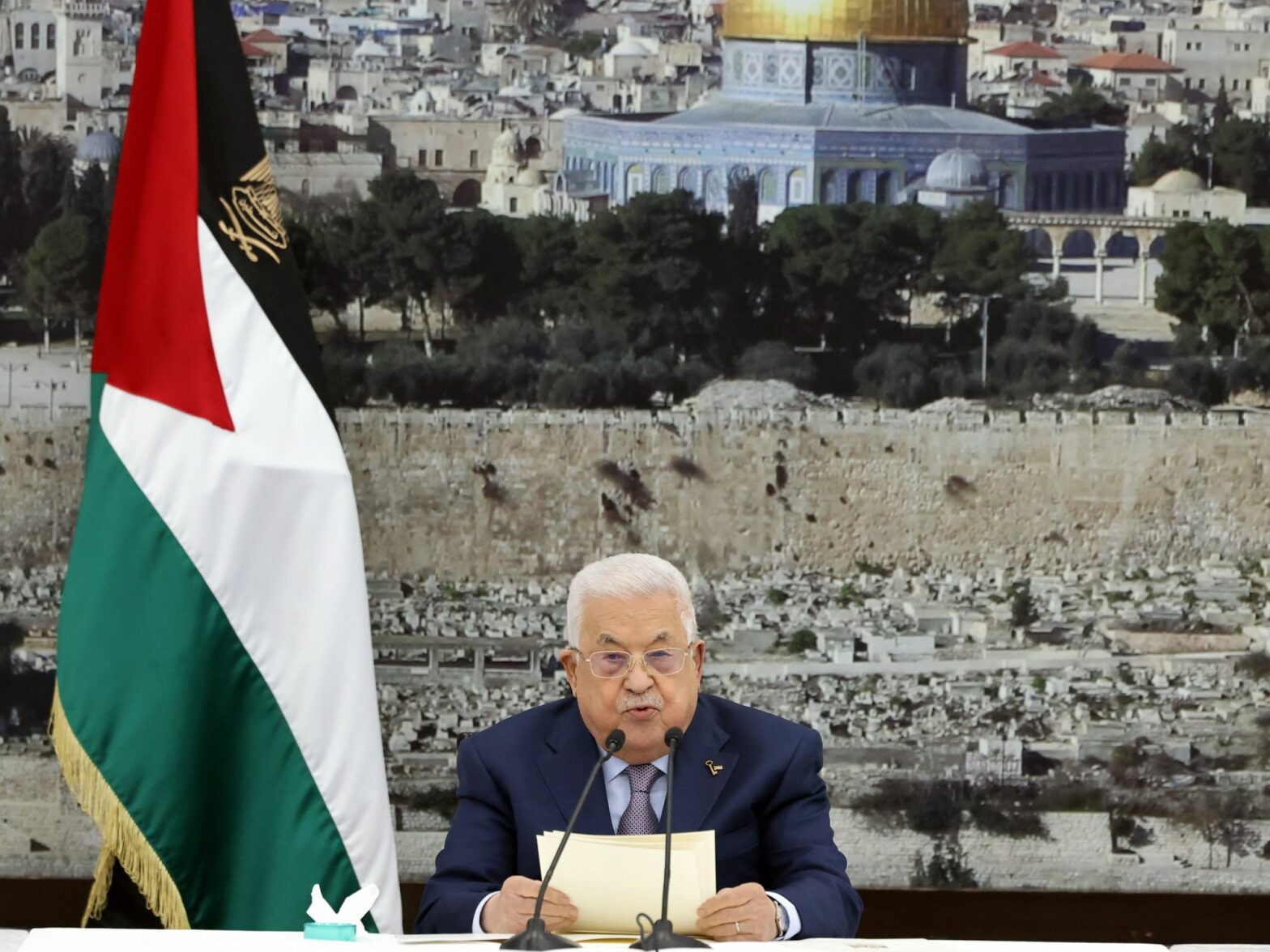
Israel and the West have often asked: Where is the Palestinian Mandela? The divided regimes between Gaza and the West Bank continues to make it difficult to imagine the future Palestinian leader. Still, these three names are worth considering.
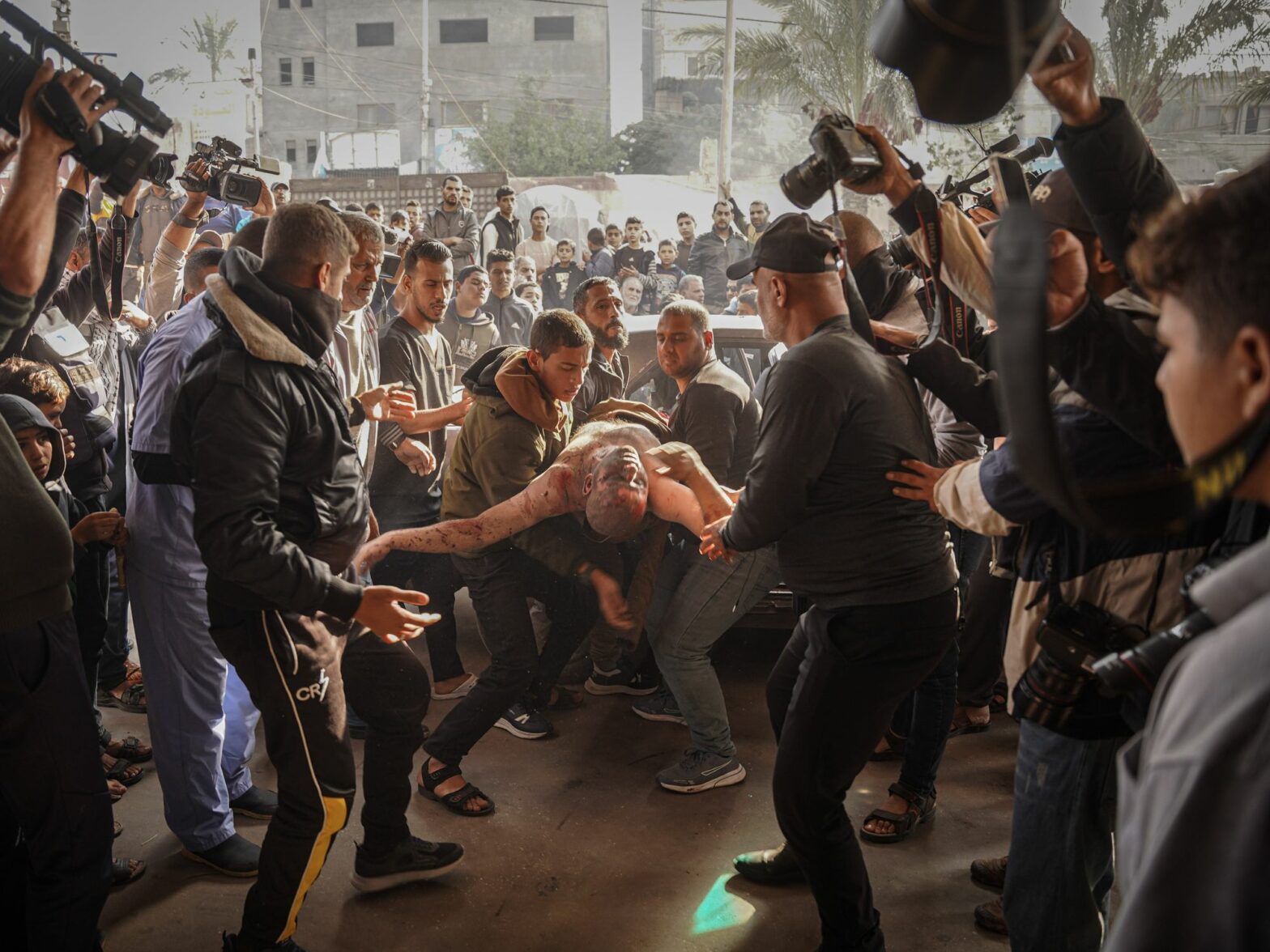
As fighting has resumed and intensified in the southern area of the Palestinian territory, more and more criticism builds from around the world. How much longer can Israel fight this war for if it loses the support of even its most steadfast allies?
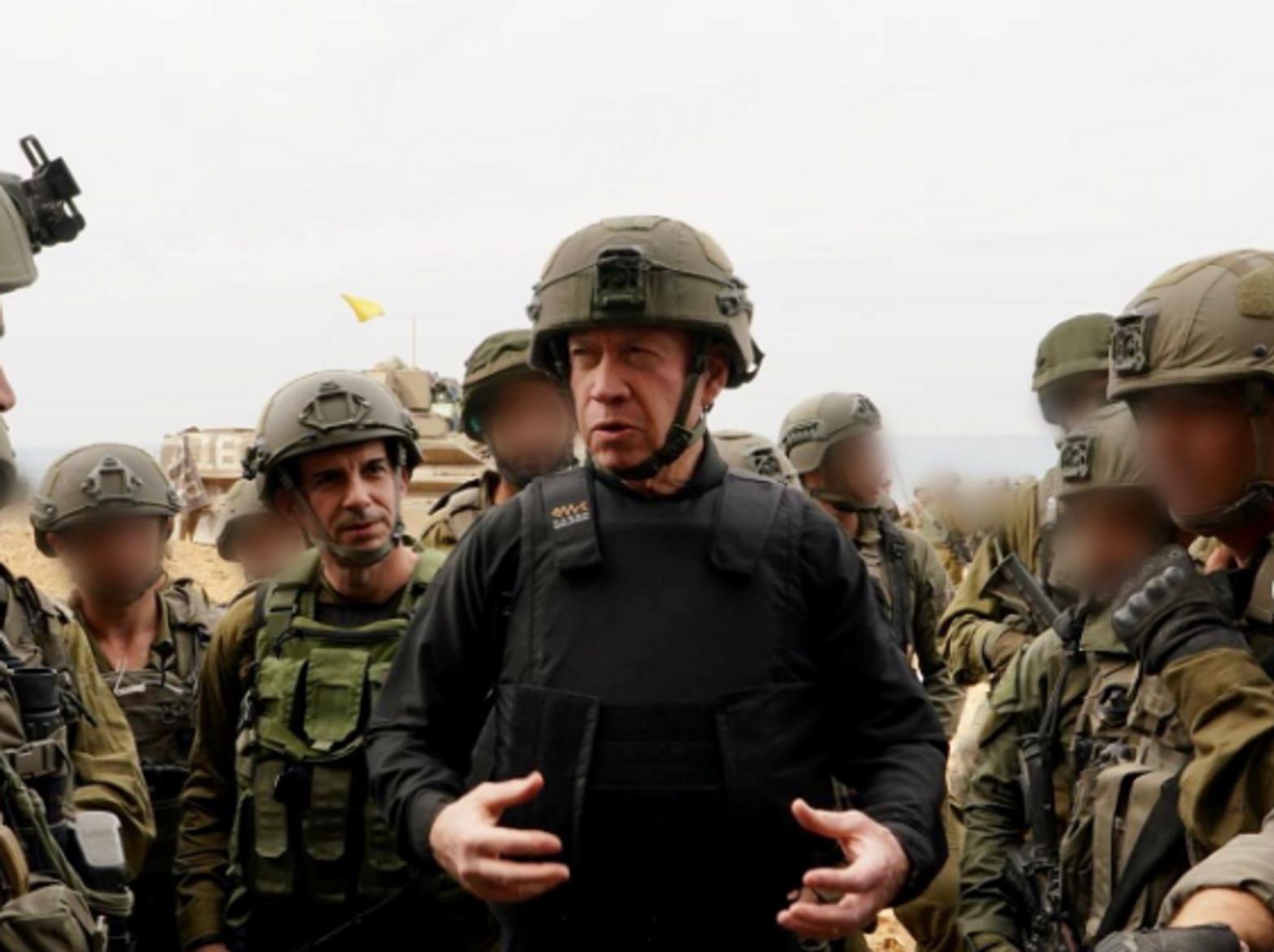
The Israel-Hamas temporary ceasefire may not end today, but it will end. But when the war in Gaza resumes, the Israeli offensive against Hamas may be different.
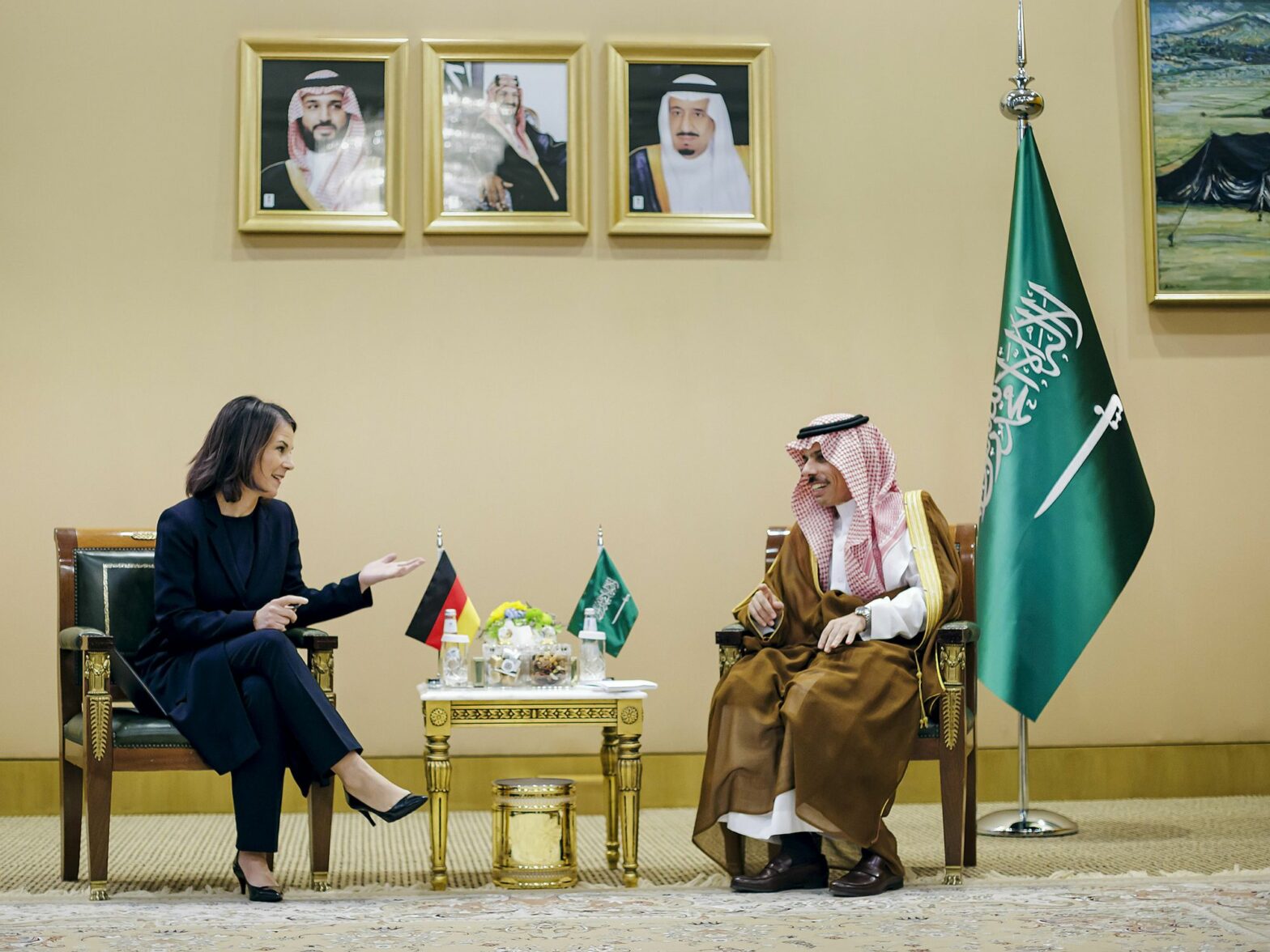
Can Europe play a role in the current conflict in the Middle East? During the recent visit to the region by German Foreign Minister Annalena Baerbock, it appeared clear that Gulf States are in a much better position to negotiate a possible solution.
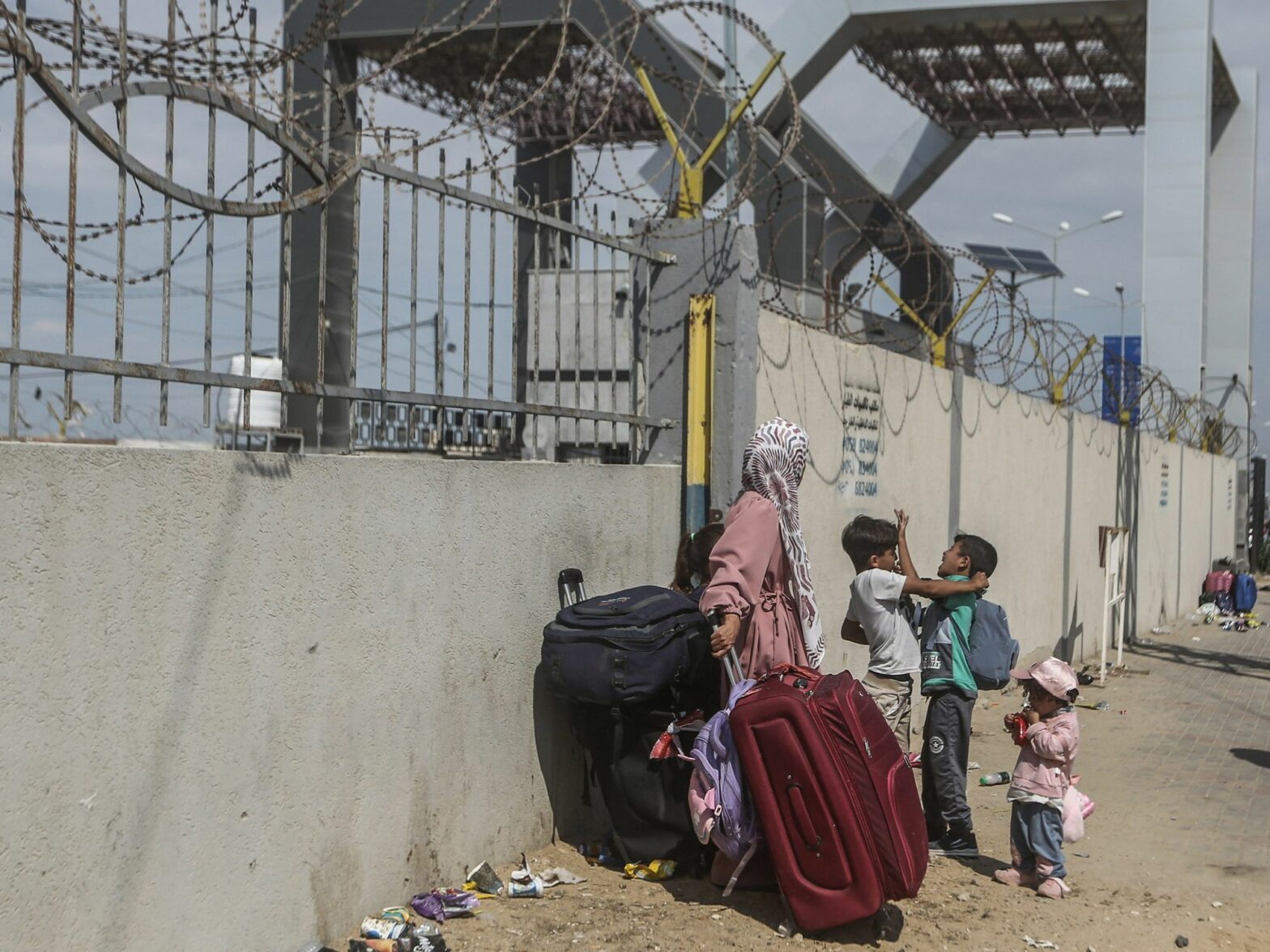
Dubbed by some as the ‘Eiland plan,’ after a retired Israel general, Egypt is vehemently opposed to any attempt to transfer Palestinian refugees from Gaza, which could turn Sinai into a launch pad for operations against Israel, and ultimately redraw the map of the Middle East again.
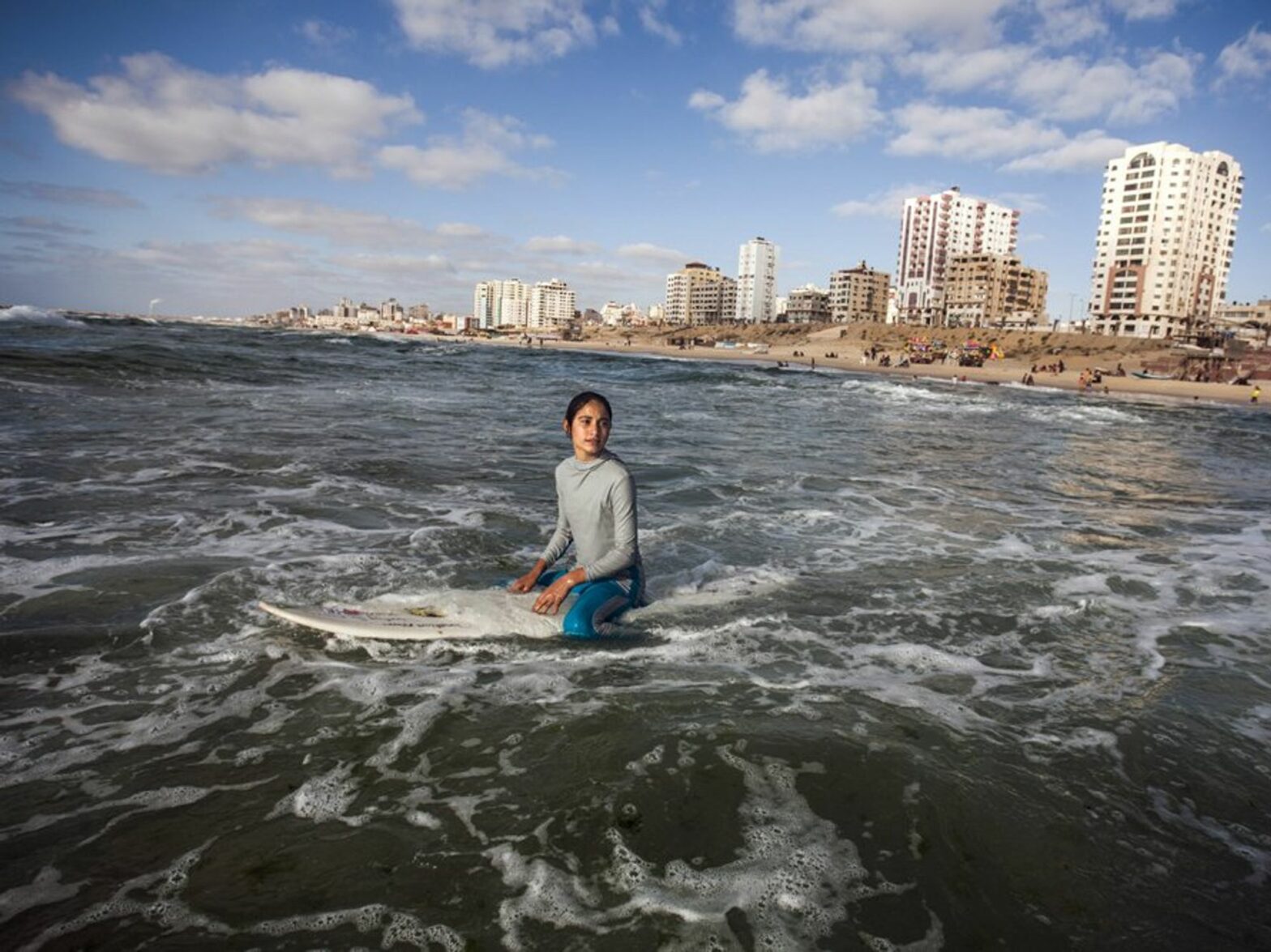
Ten years after the publication of this award-winning photographic series of daily life in the Palestinian Territories, Tanya Habjouqa’s “Occupied Pleasures” is a poignant testimony to both the living and the dead.
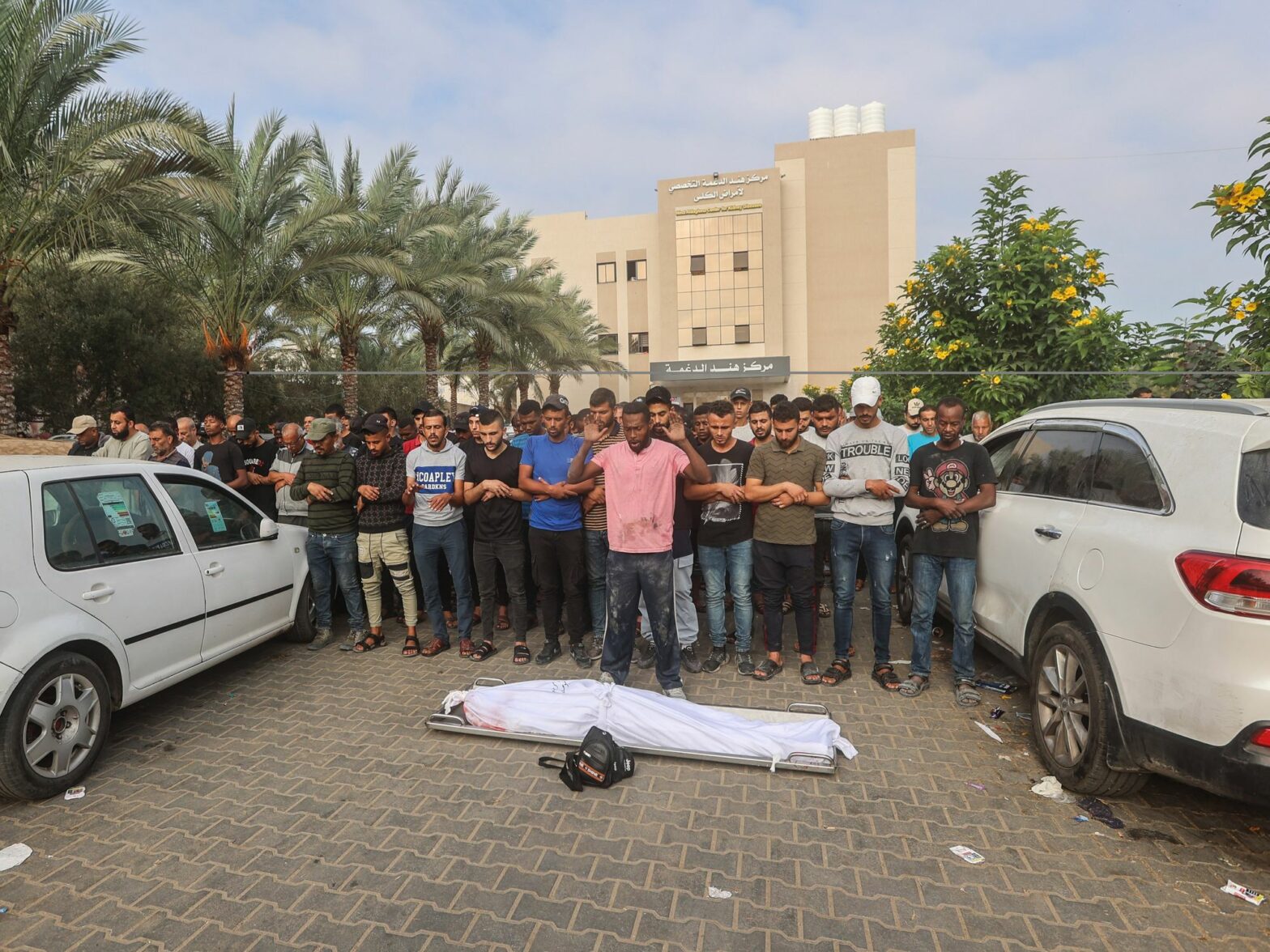
While everyone acknowledges the civilian toll is climbing in Gaza, a new doubt has begun to spread in recent days about the reliability of the death counts given by Gaza’s government, which is run by Hamas. U.S. President Joe Biden now says he doesn’t believe the numbers at all, which has set off criticism about his lack of both sources and “empathy.”
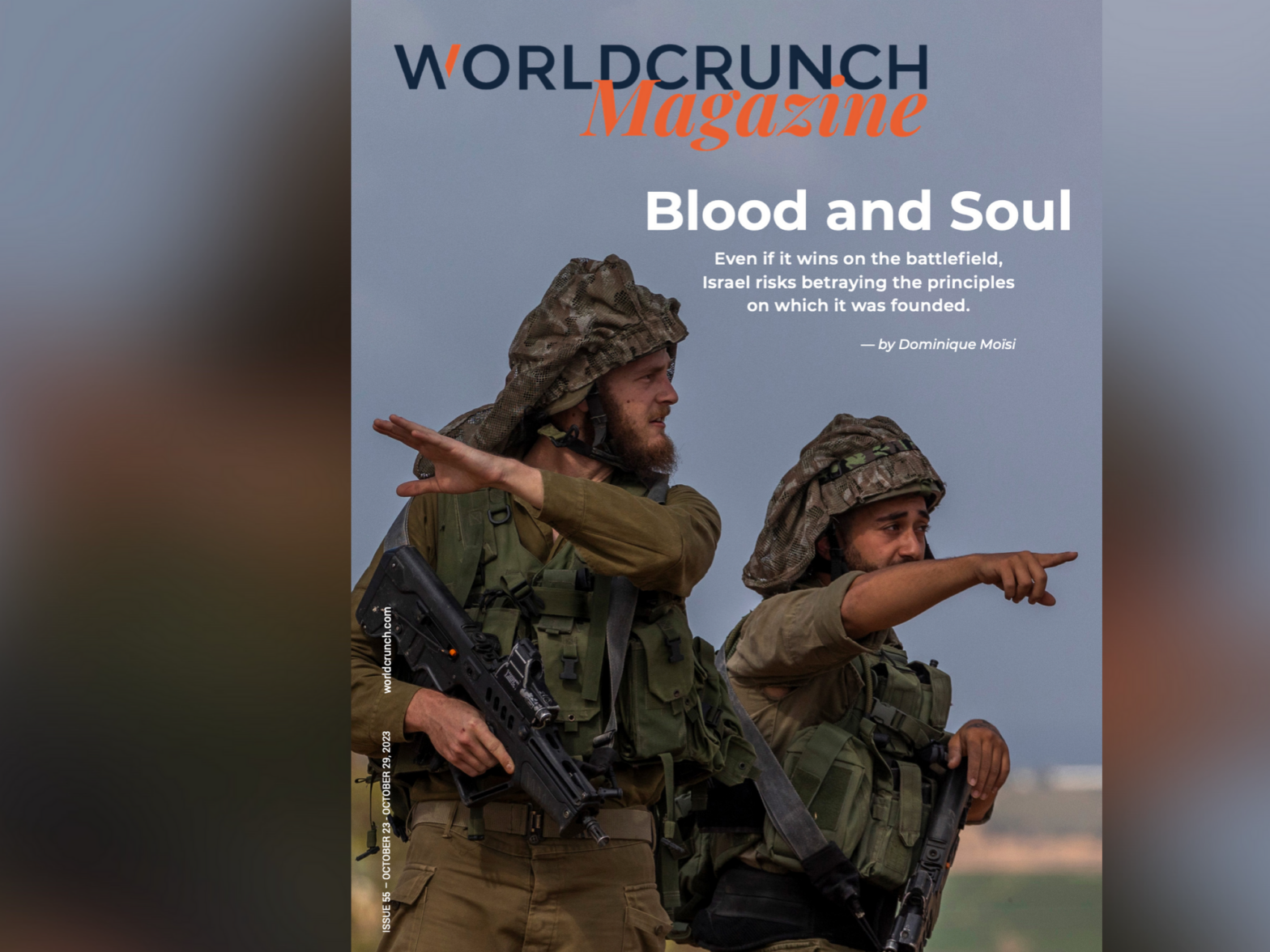
October 23 – October 29, 2023
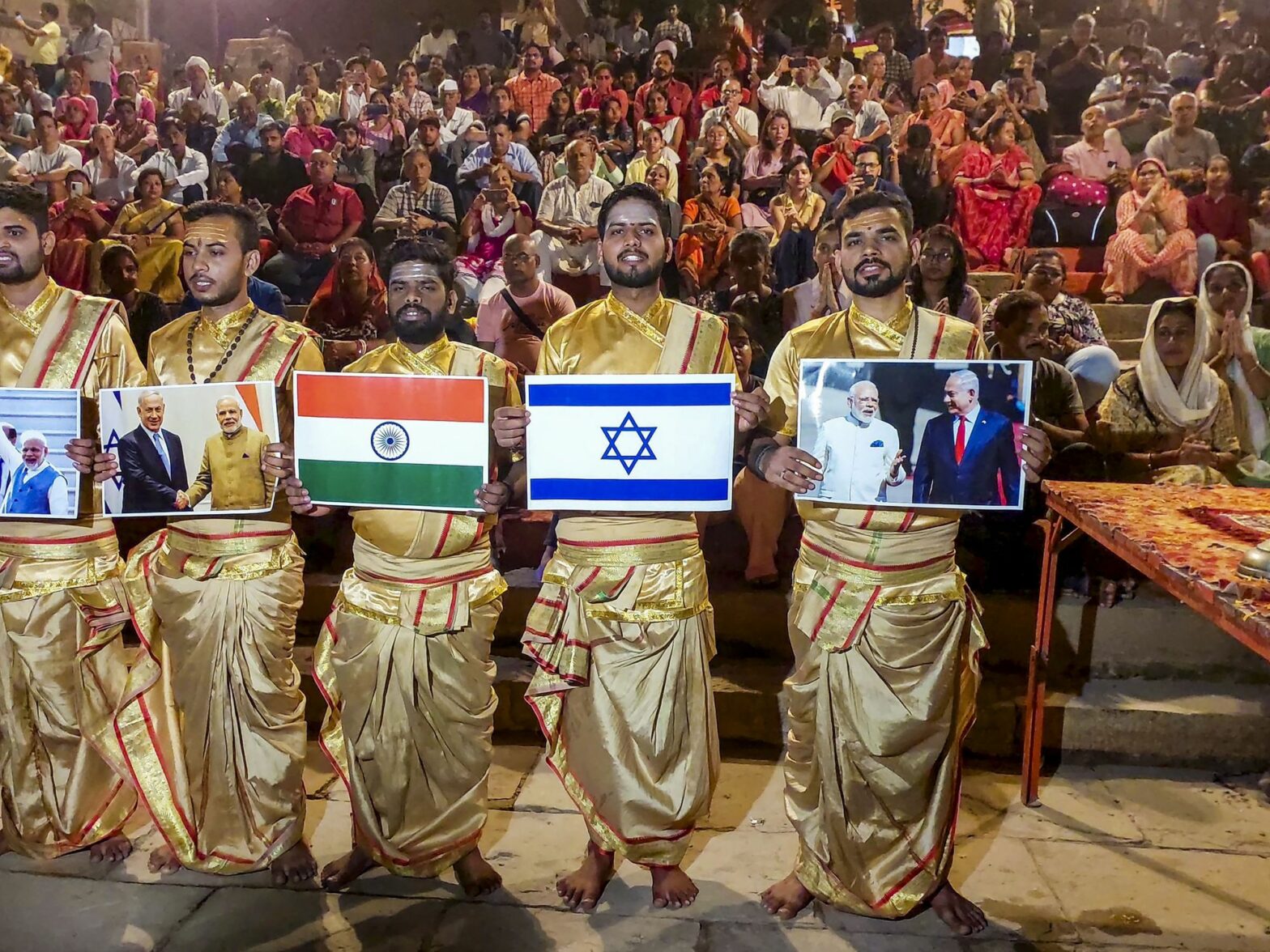
The flood of pro-Israel support from right-ring Hindu nationalists reveals more about the nature of their political project, its aspirations and ideological directions through the decades, than it does about Zionism.
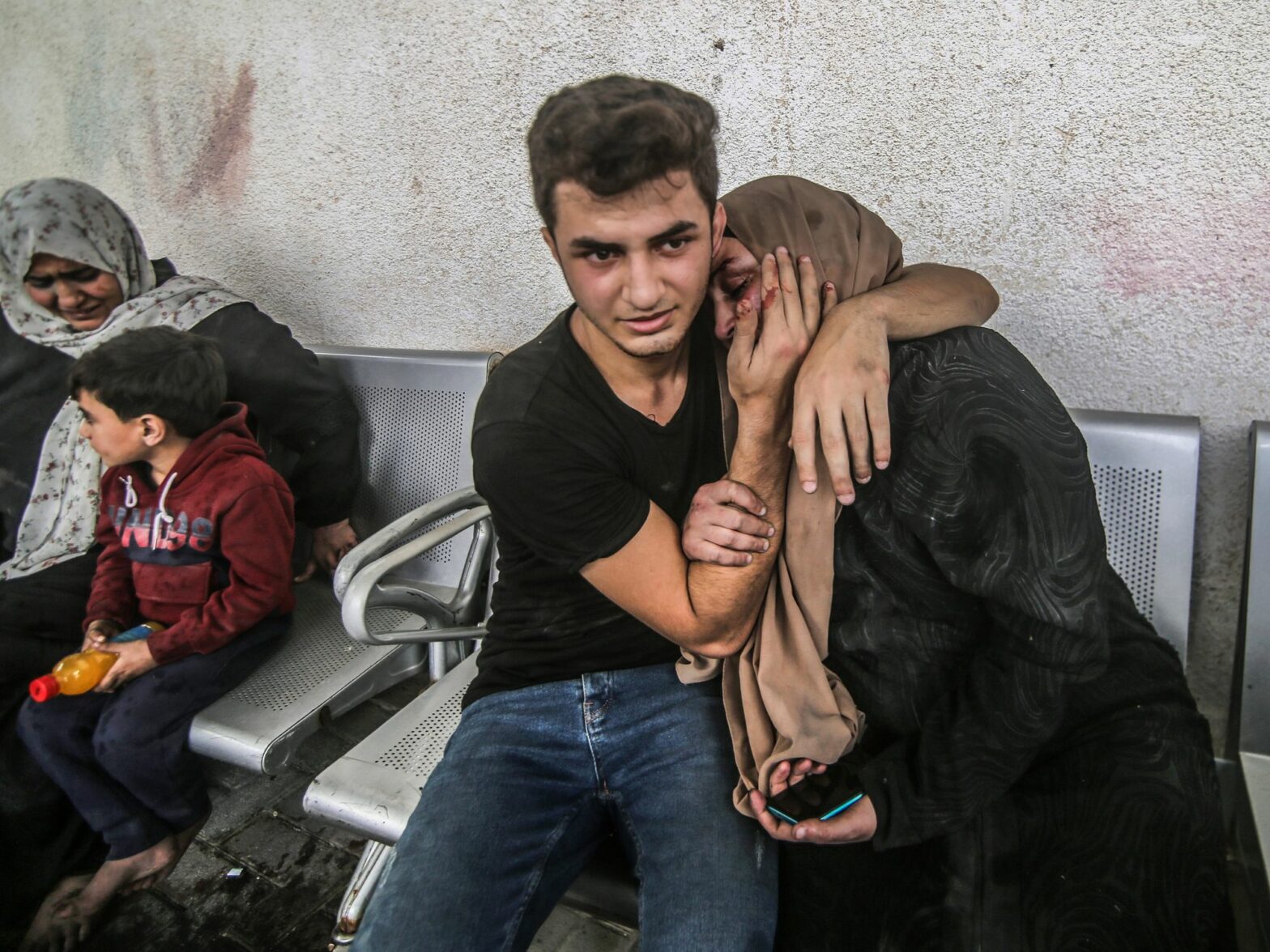
A full siege is on in Gaza, and there’s little room for escape for civilians.
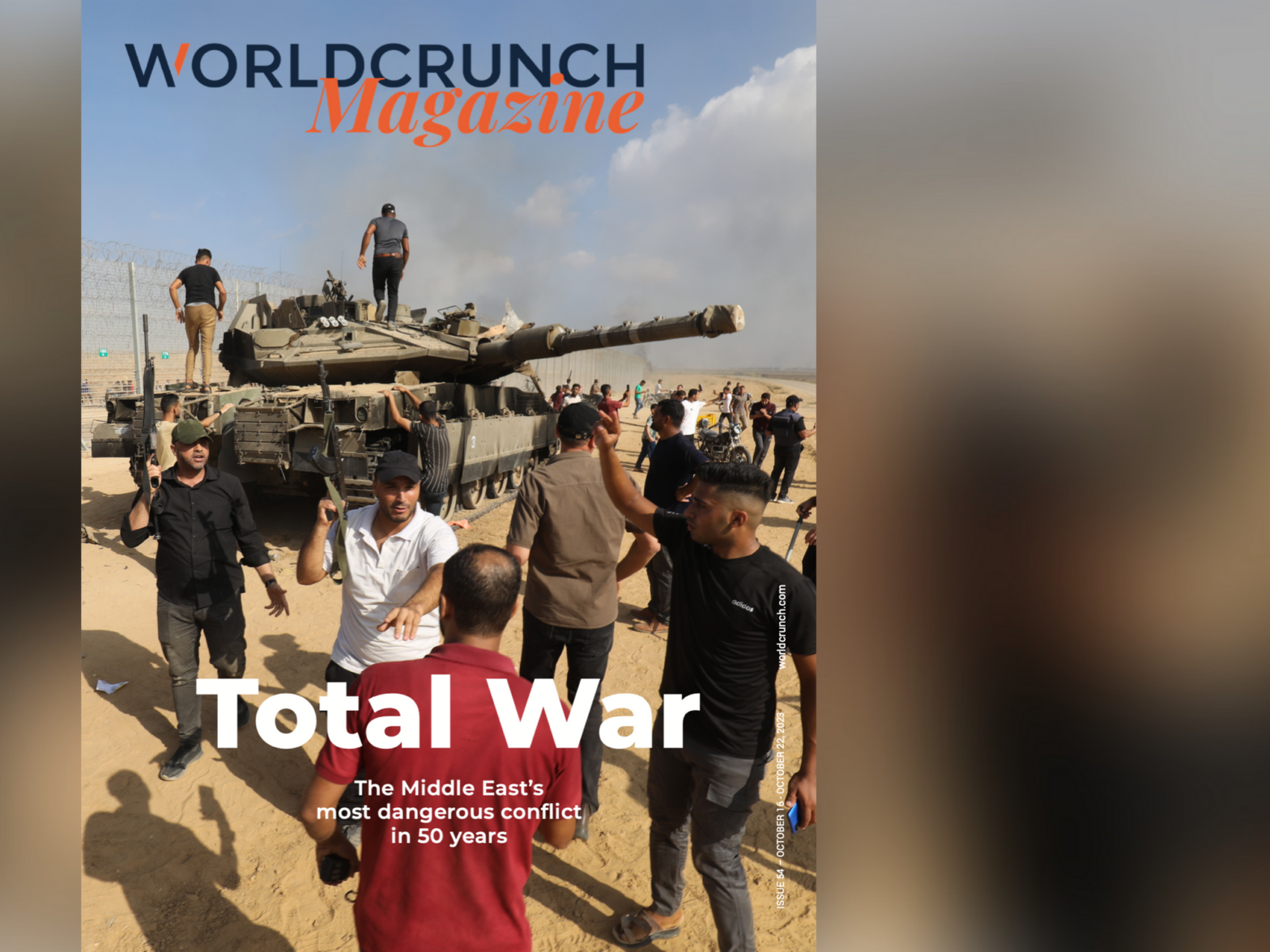
October 16 – October 22, 2023
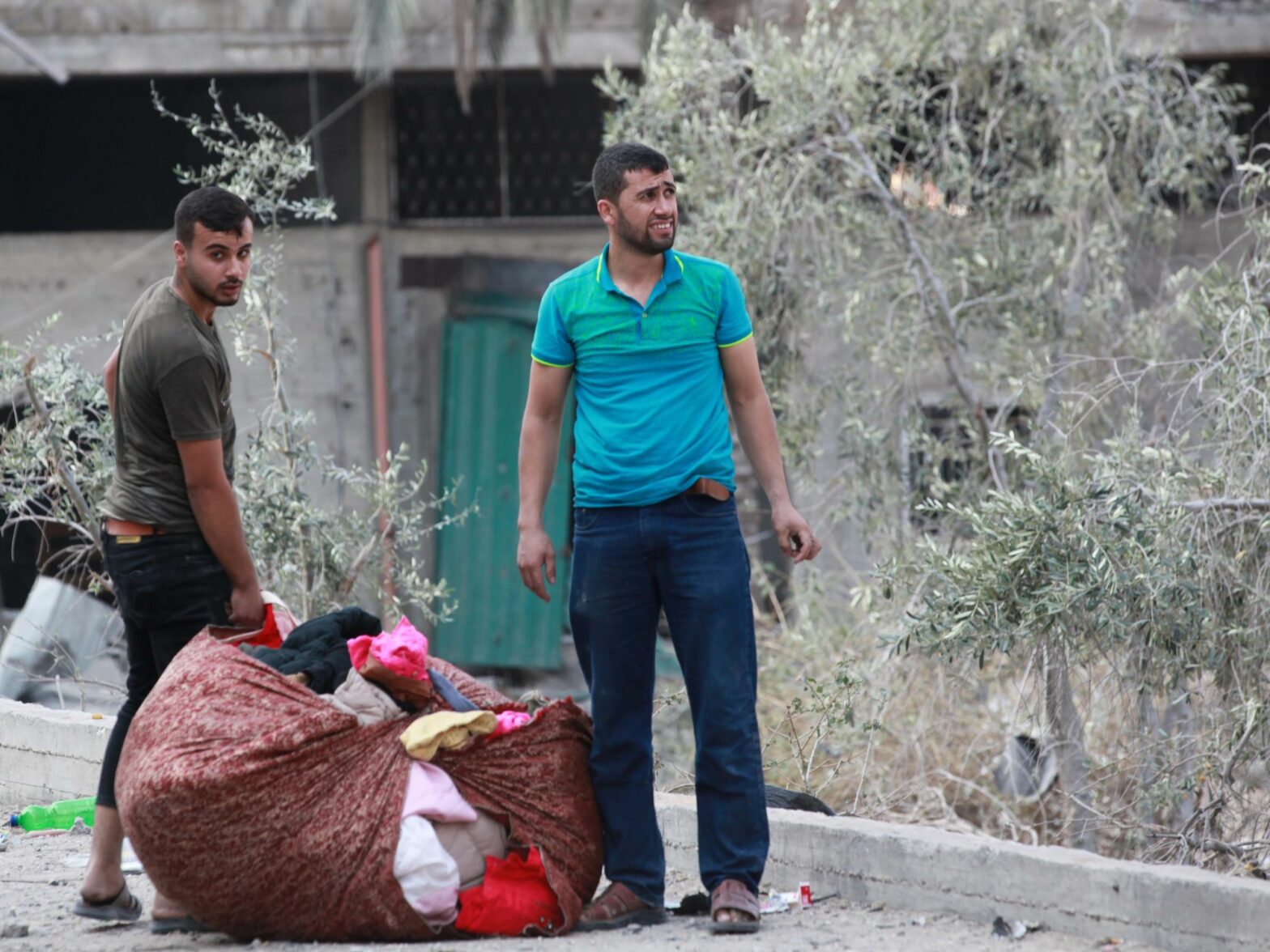
The U.S. is said to be in talks with Cairo about setting up a humanitarian corridor into Egypt for the Palestinian civilians fleeing Israeli airstrikes and shortages brought on by “complete siege” announced earlier this week. Also new brutal revelations of Hamas massacre of Israeli children.
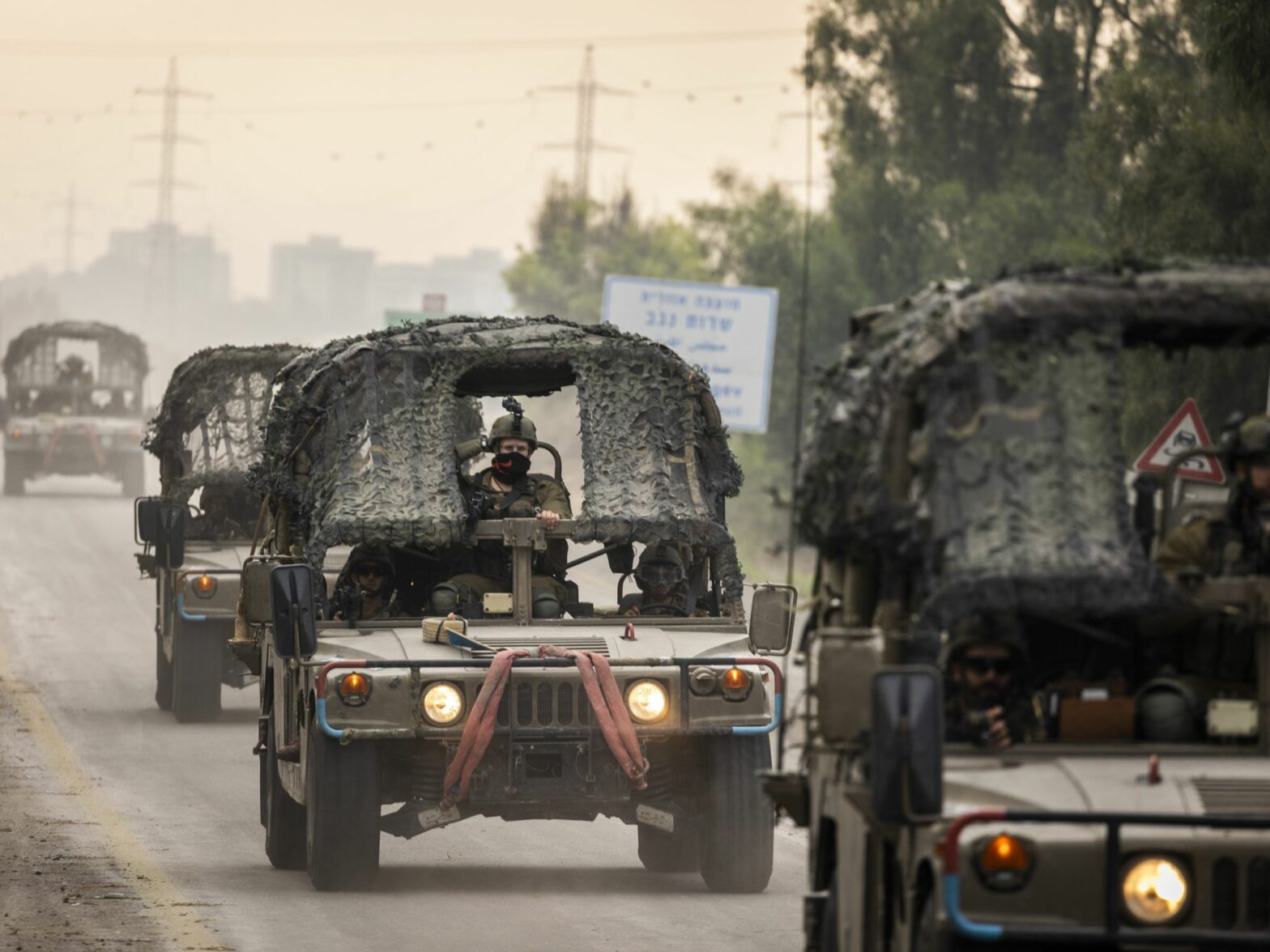
The Israeli army has secured its own territory, and is now focused on what all believe is an impending ground assault into Gaza. The ground war now appears more a question of when rather than if.
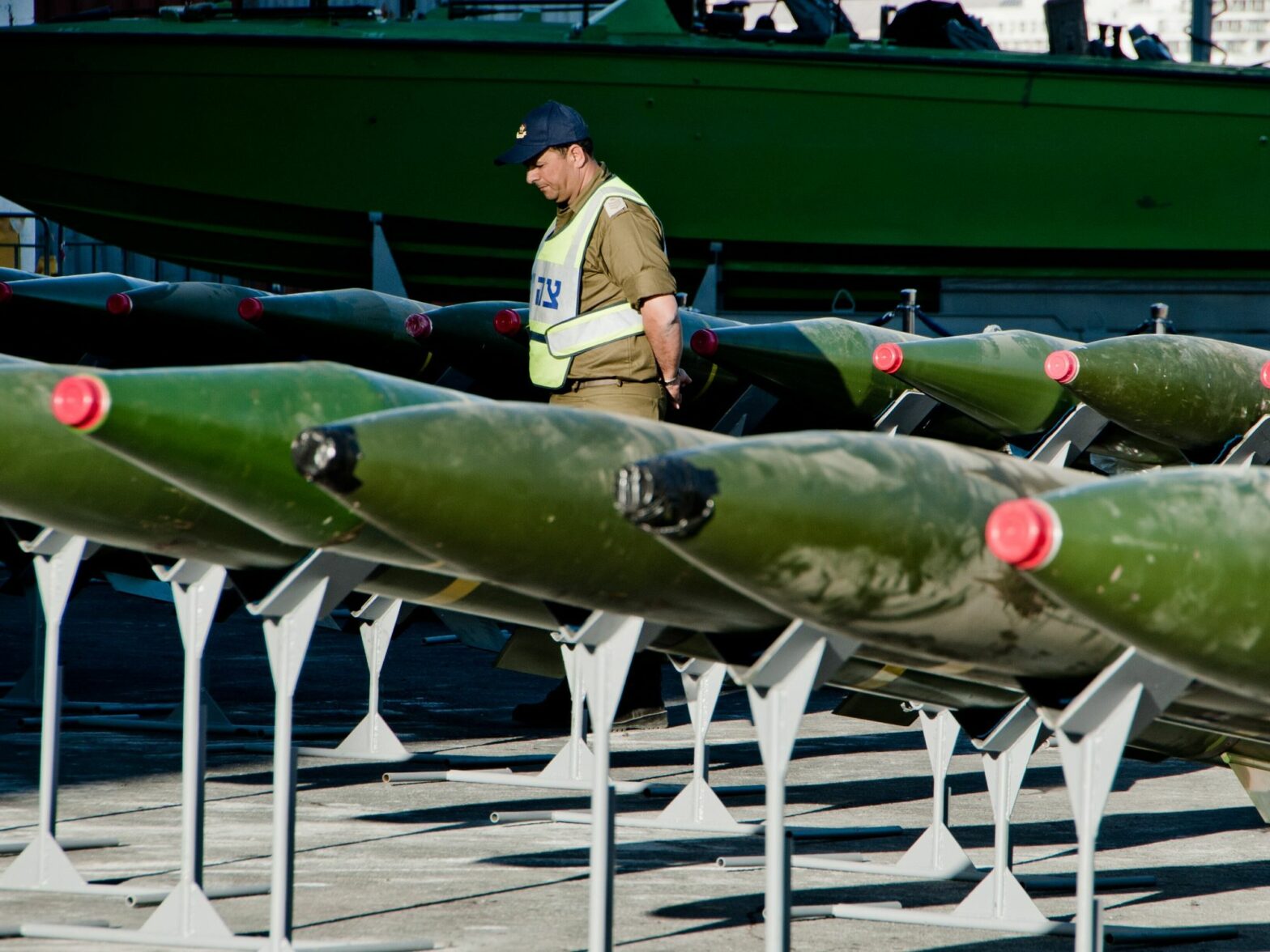
Iran says European courts have ordered repayments of $1.7 billion more of its money frozen in Western banks, which risks being transferred to help fund Hamas’ war with Israel. Other observers suspect the news is meant to stop financial panic in Tehran.
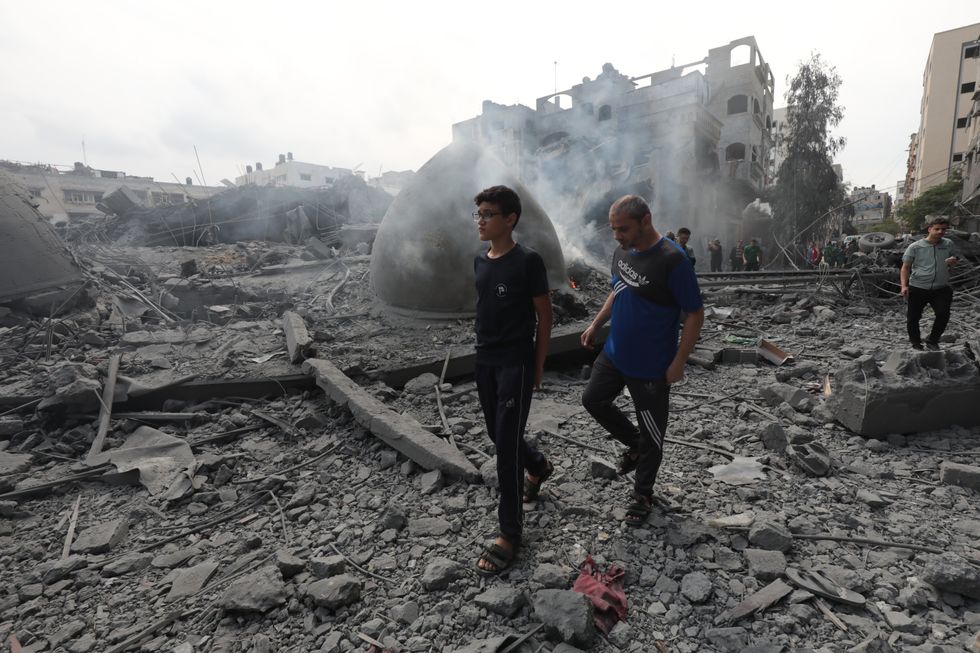
Civilians in the crowded Palestinian enclave may be forced to face a long-term cut off of basic necessities, food and water. Is this an alternative to a ground war.
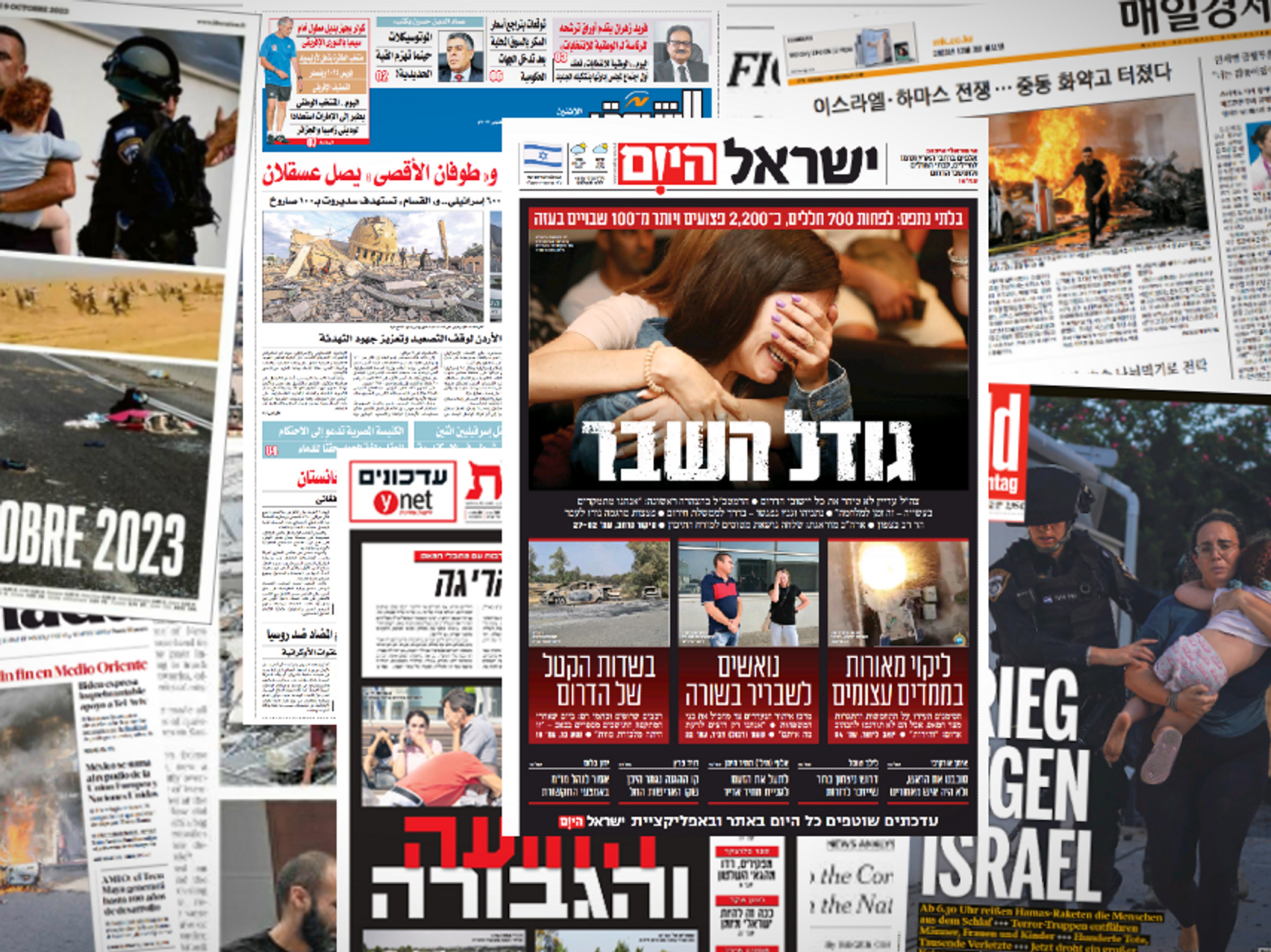
The vast majority of newspapers around the world are dedicating their front pages to the sudden escalation of violence in the Middle East.
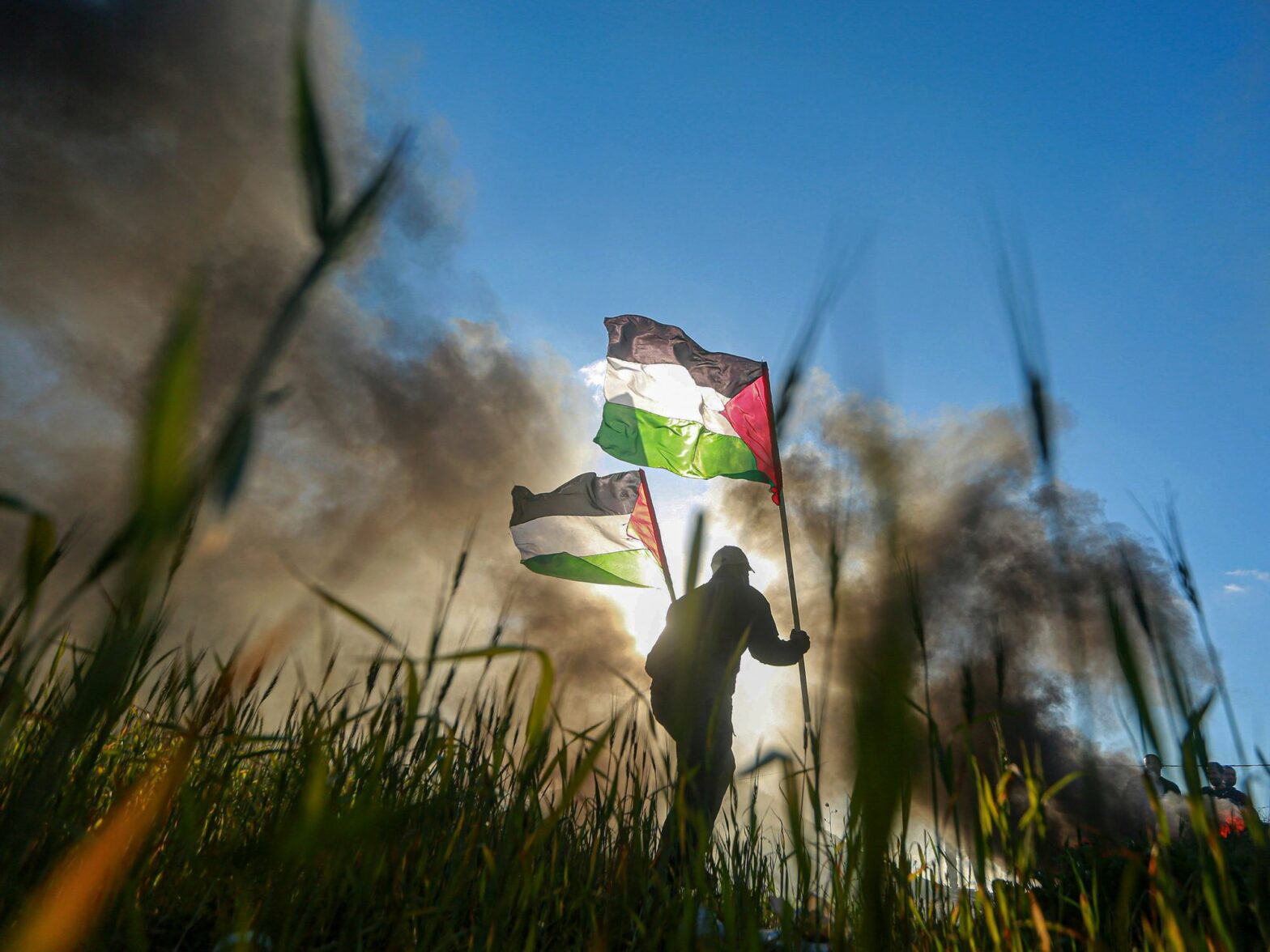
The signing of the Oslo Accords 30 years ago was followed by a failure that set back the very idea of peace between Israelis and Palestinians. A look back at this historic episode and the lessons we can learn from it today.
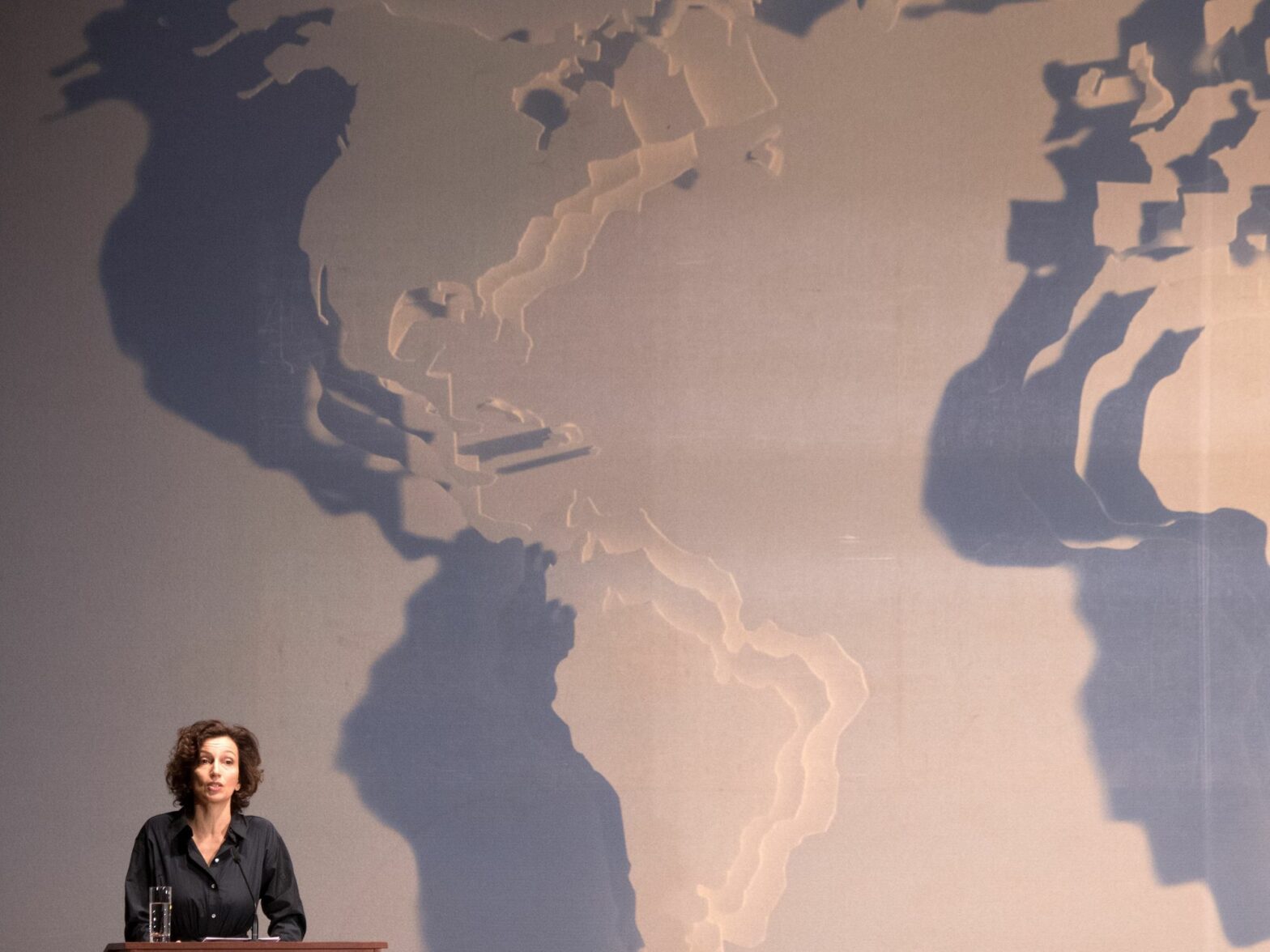
The U.S. is set to rejoin UNESCO, after Donald Trump pulled the country out in 2017, accusing it of being biased against Israel. The reasons for the return include artificial intelligence and pure geopolitics.
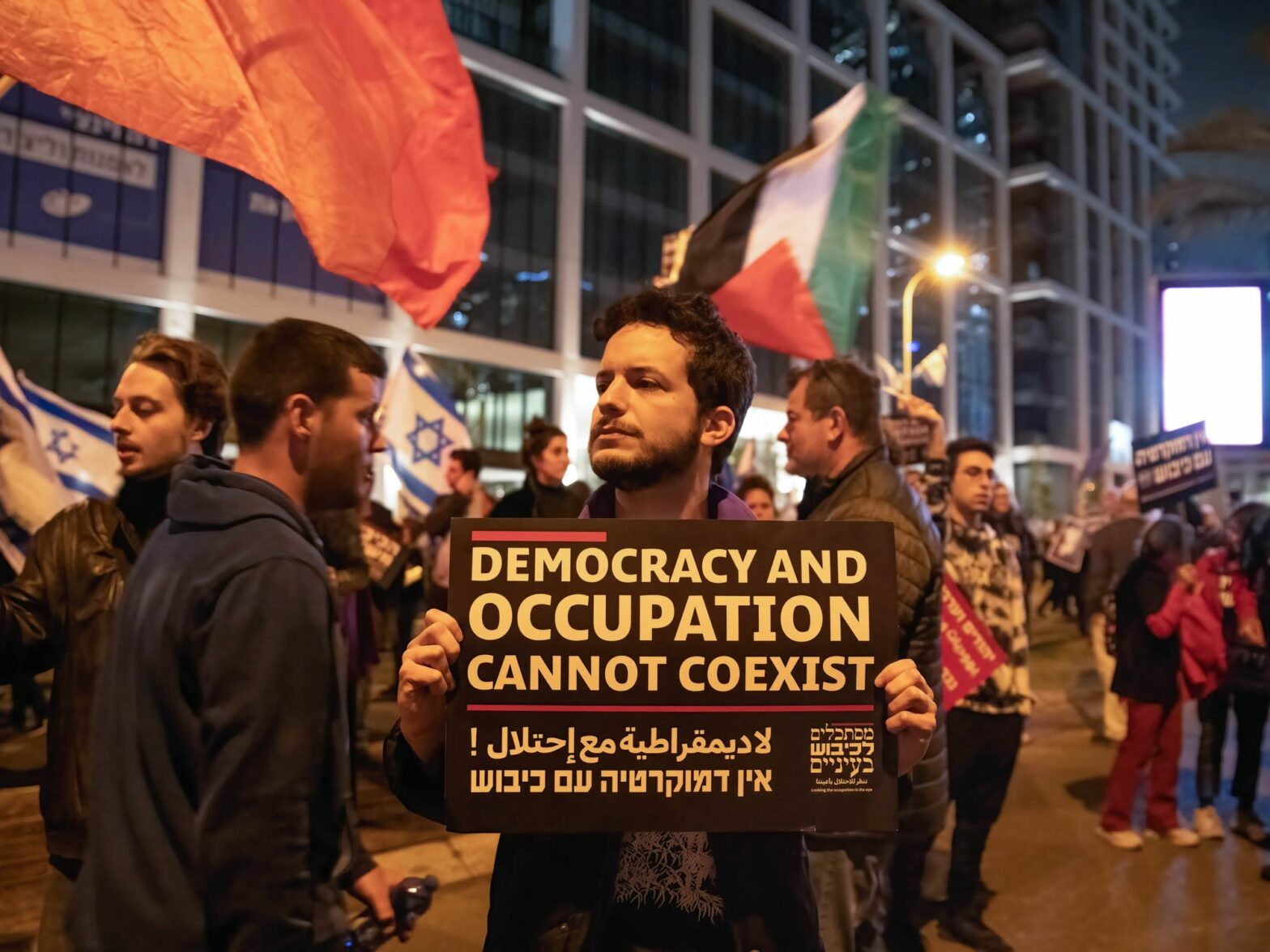
Praise in the West has been heaped on the popular protests in Israel that have halted undemocratic judicial reform proposed by the Netanyahu government. But this supposedly noble fight for democracy doesn’t apply to 20% of its citizens, not to mention the policies carried out in the Occupied Territories.
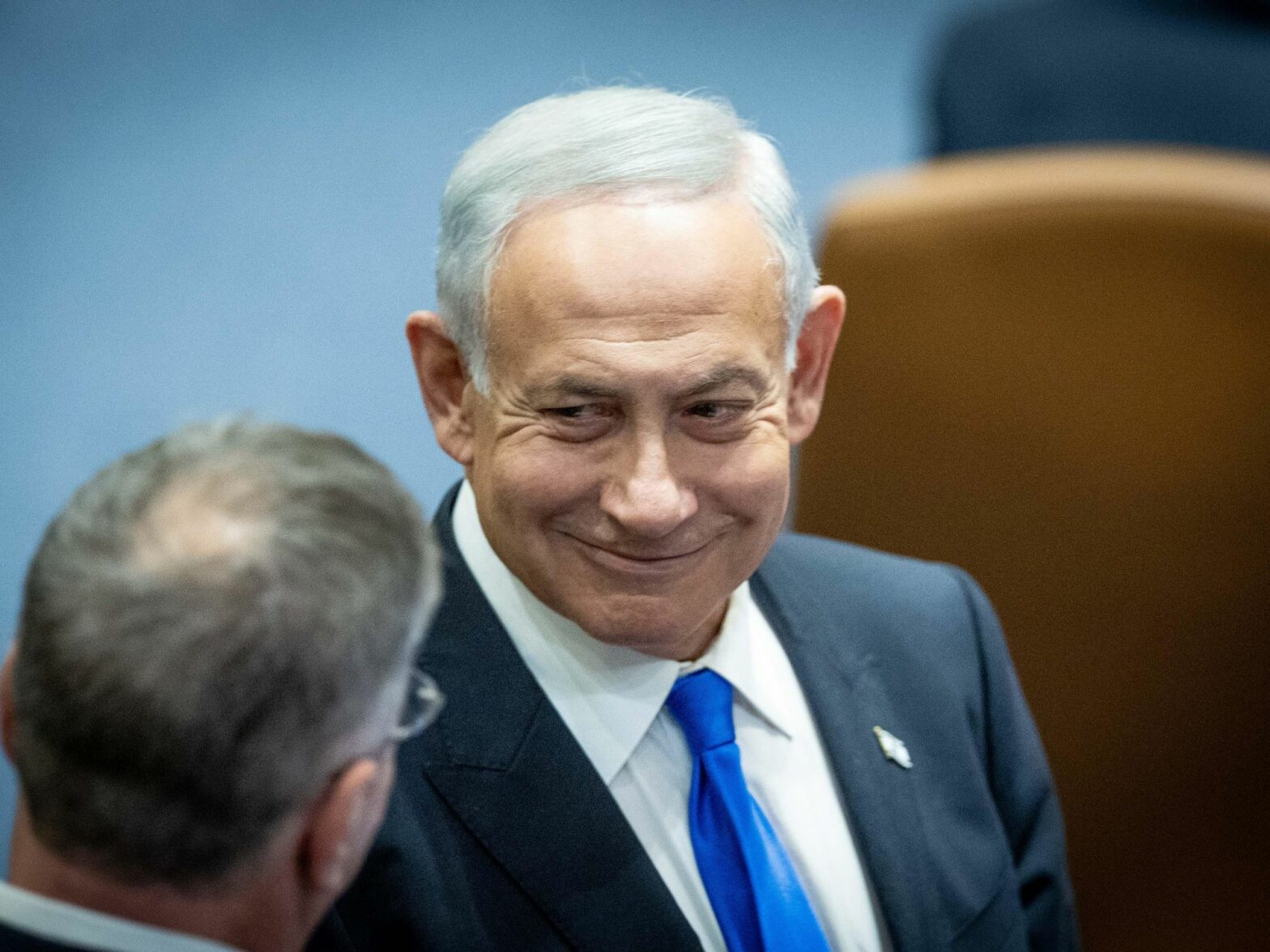
After forming a governing coalition with right-wing extremists, will Israeli Prime Minister Benjamin Netanyahu face a chill in relations with the West? The reshuffled geopolitical cards offer a fair share of paradoxes.
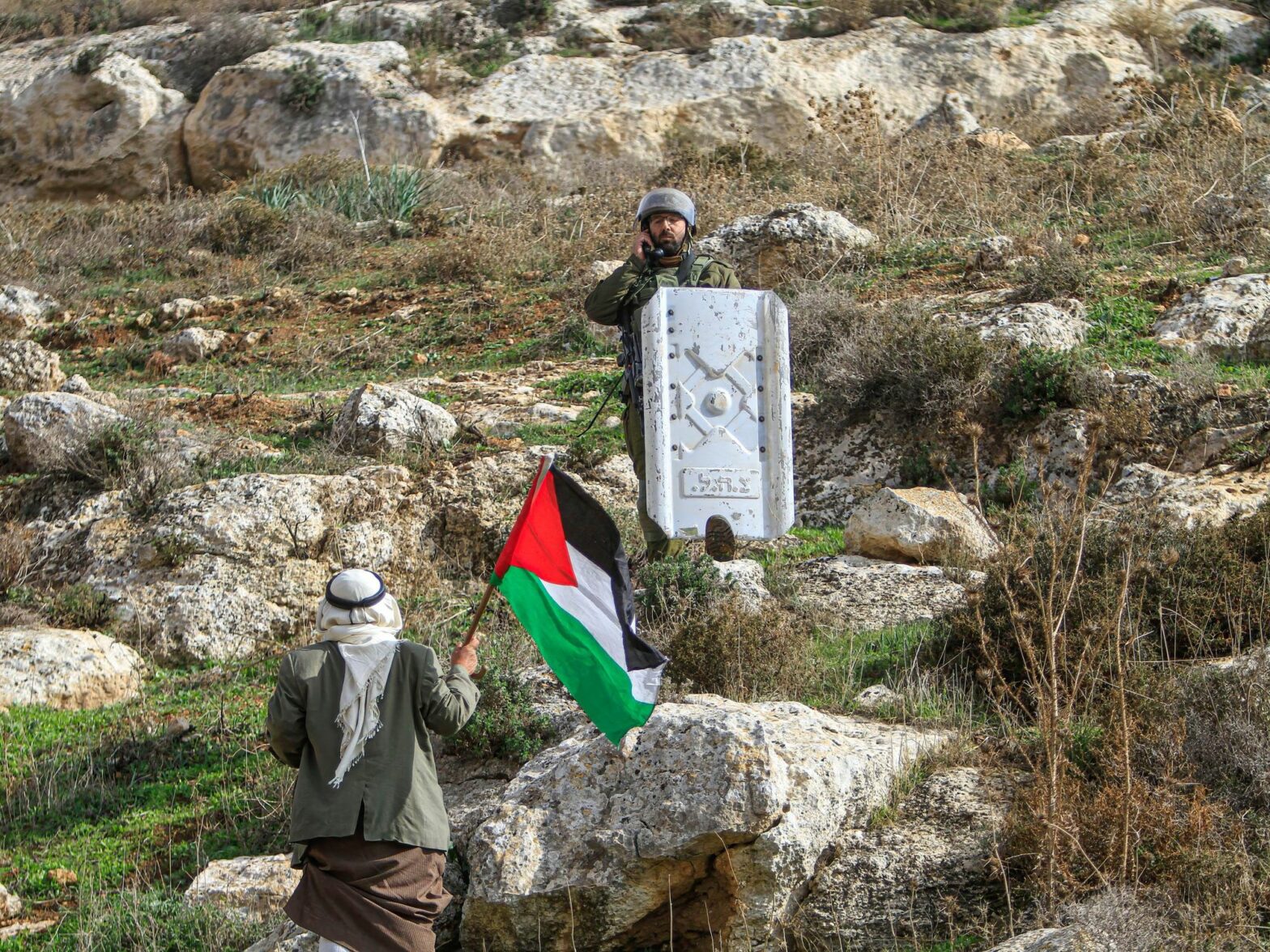
Right now, according to a joint survey of Israelis and Palestinians, hopes for a peaceful solution of coexistence simply don’t exist. The recent spate of violence is confirmation of the deepest kind of pessimism on both sides for any solution other than domination of the other.
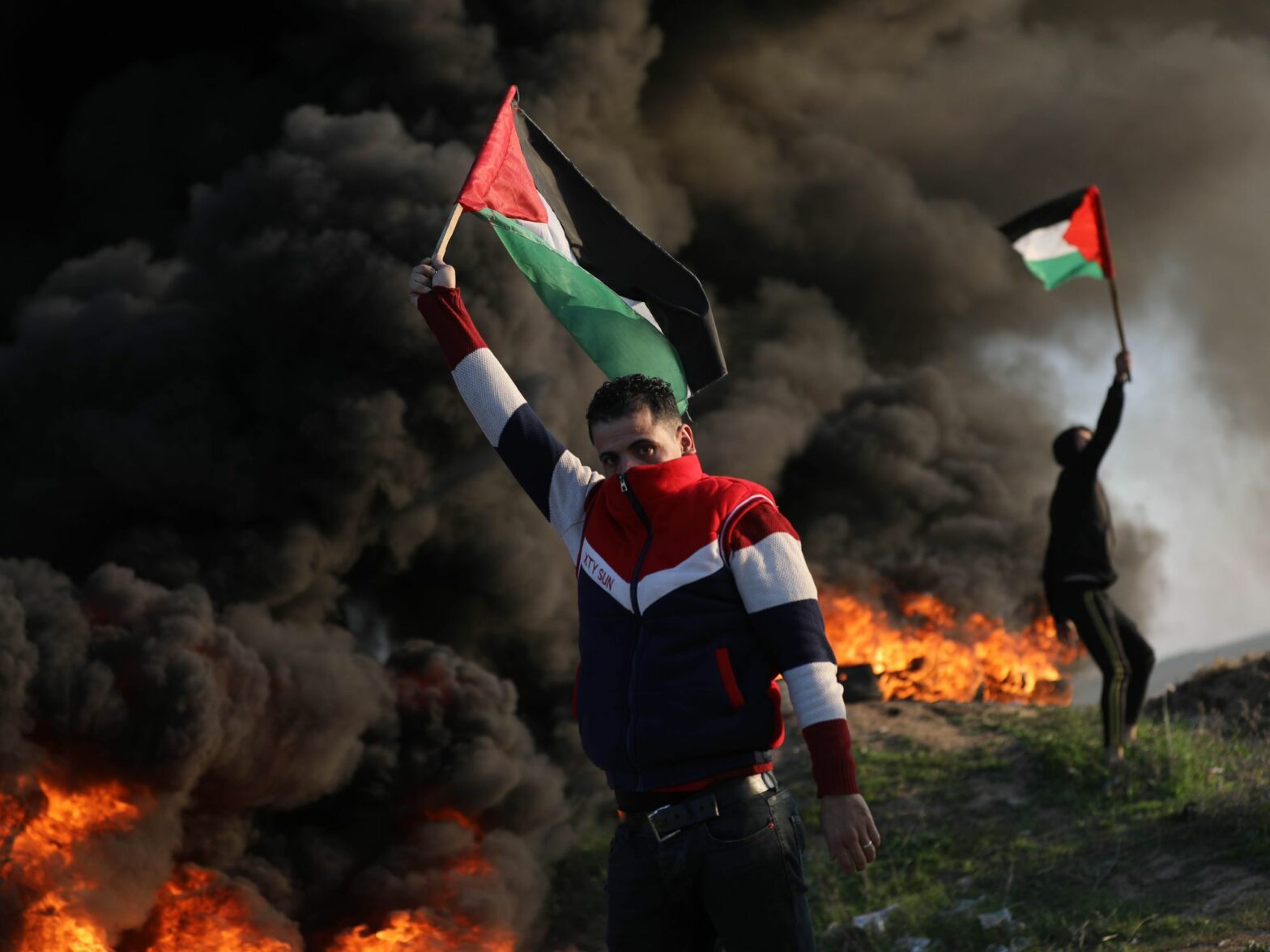
… and it runs much deeper than Benjamin Netanyahu’s new government.
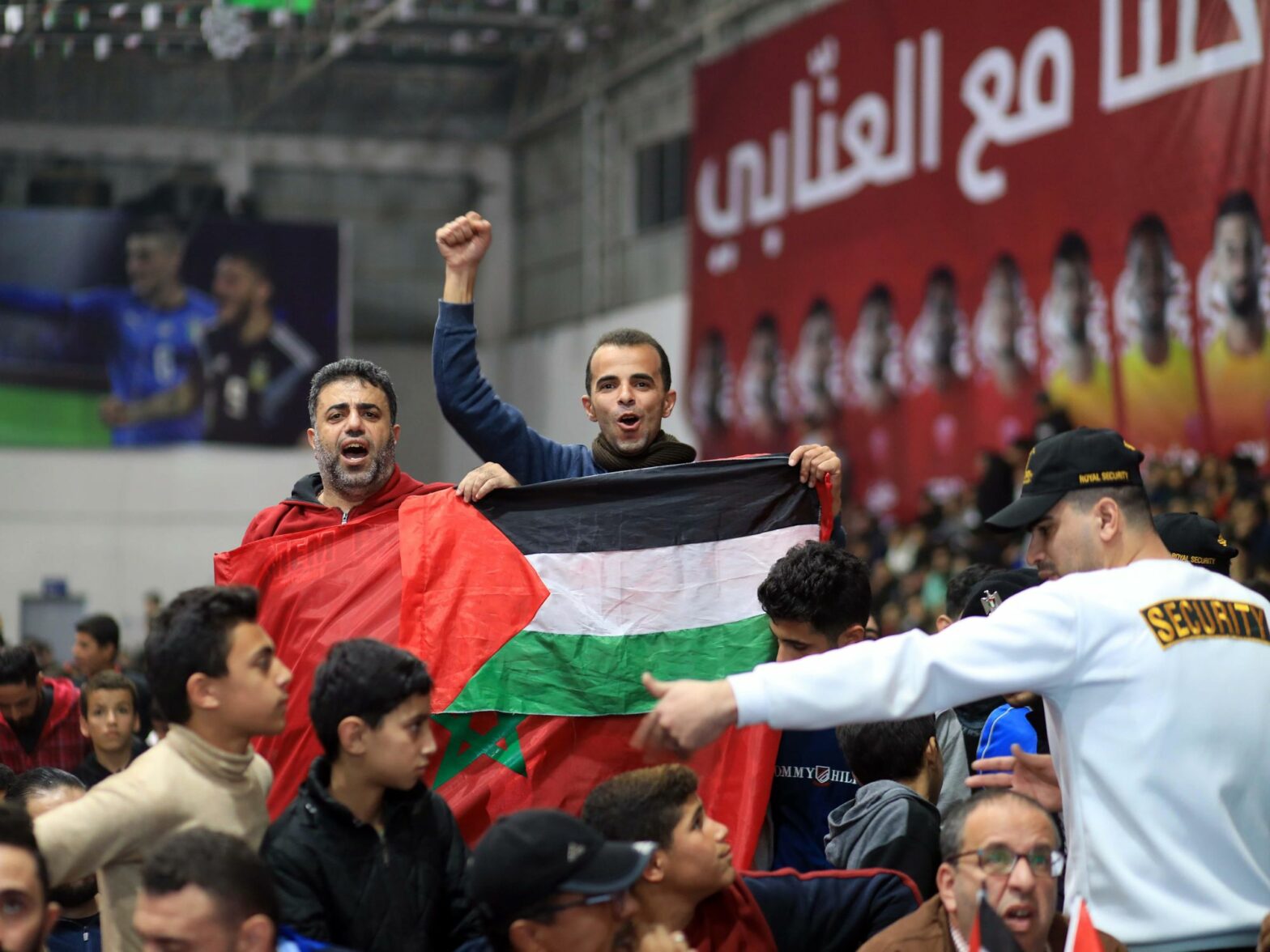
The World Cup in Qatar has been political on many fronts. Right now, with the event in an Arab country for the first time and Morocco as the first Arab team to make the quarterfinals, the Palestinian question is now very much on the agenda.
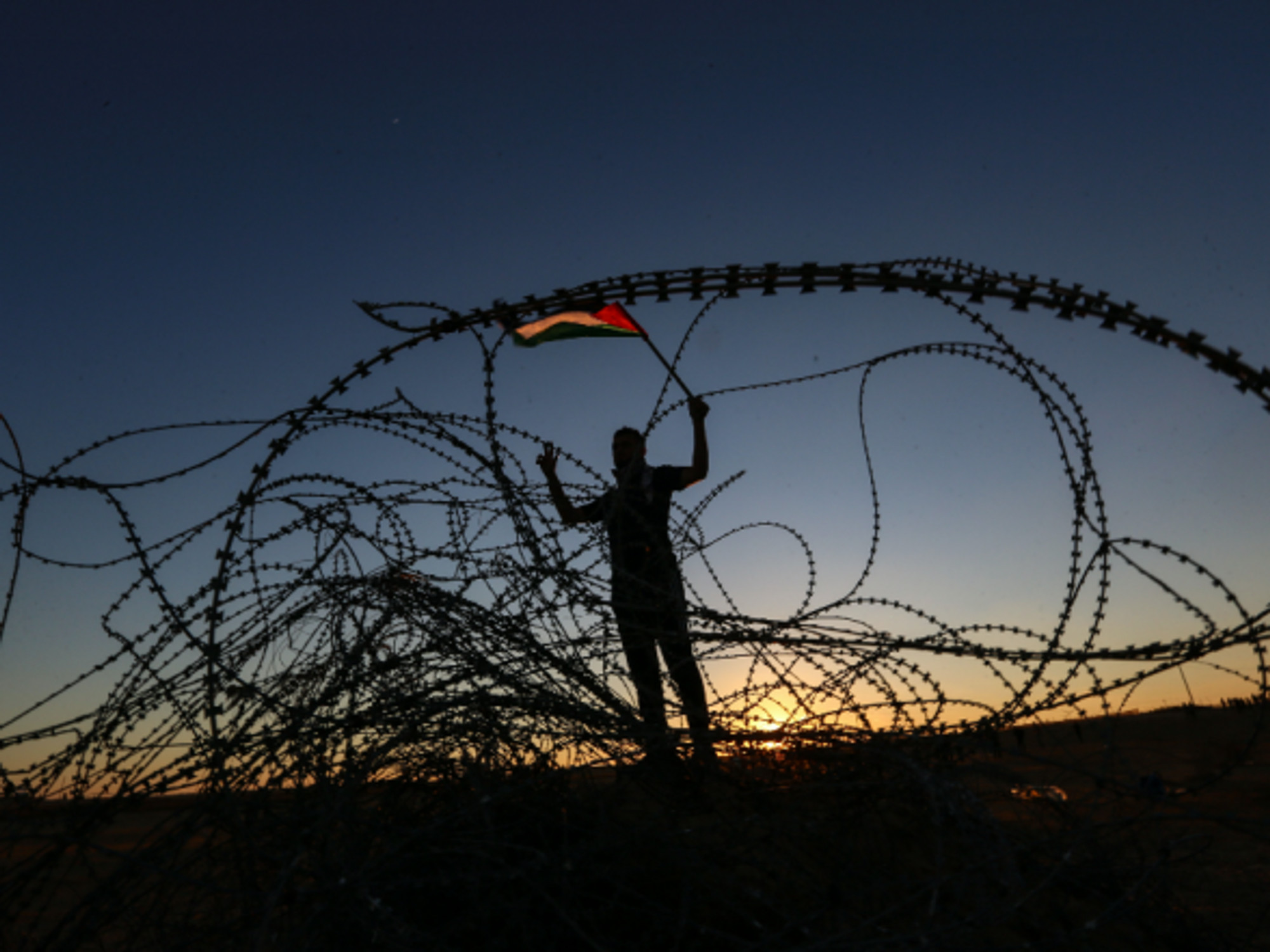
In the latest Palestinian uprising, the greatest accomplishment has been to demonstrate the actuality of liberation.
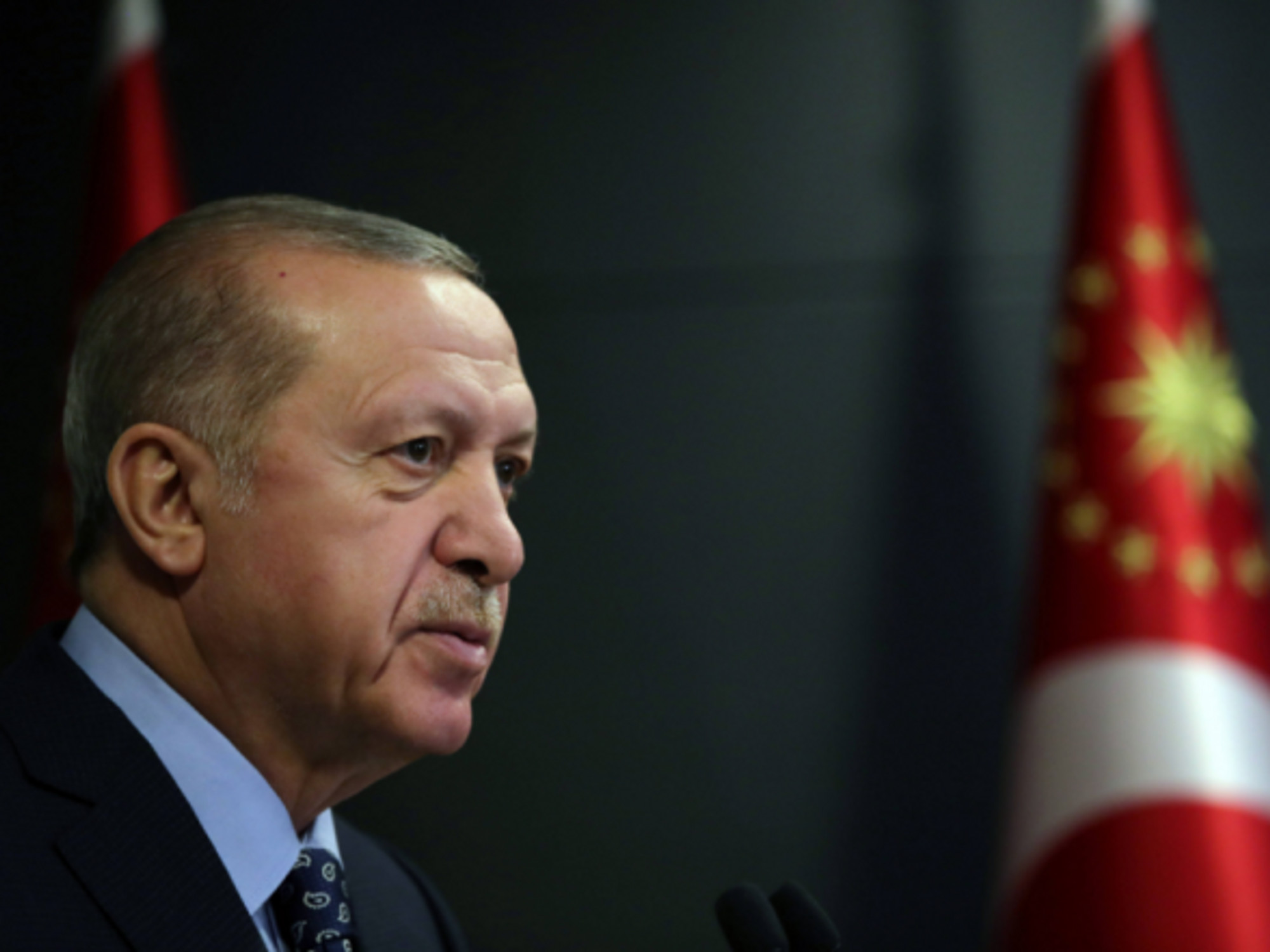
Even as other Muslim leaders were treading more carefully on the Palestinian question, Turkey’s leader knows no better way to express his global ambitions than a frontal assault on Israel.
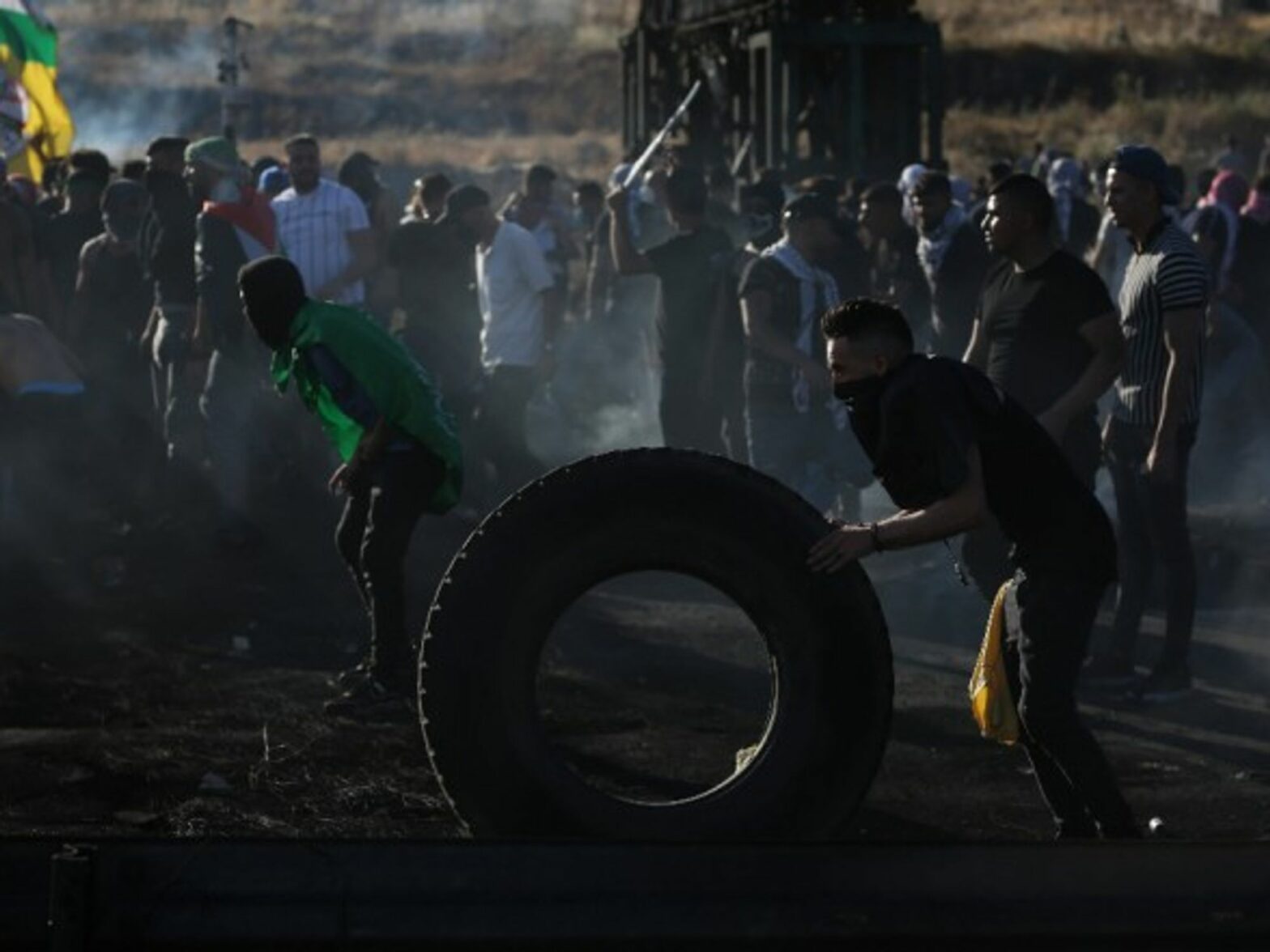
For fear of losing legitimacy to Hamas, supporters of the ruling Fatah party have joined the riots that have left at least 19 people dead since Friday.
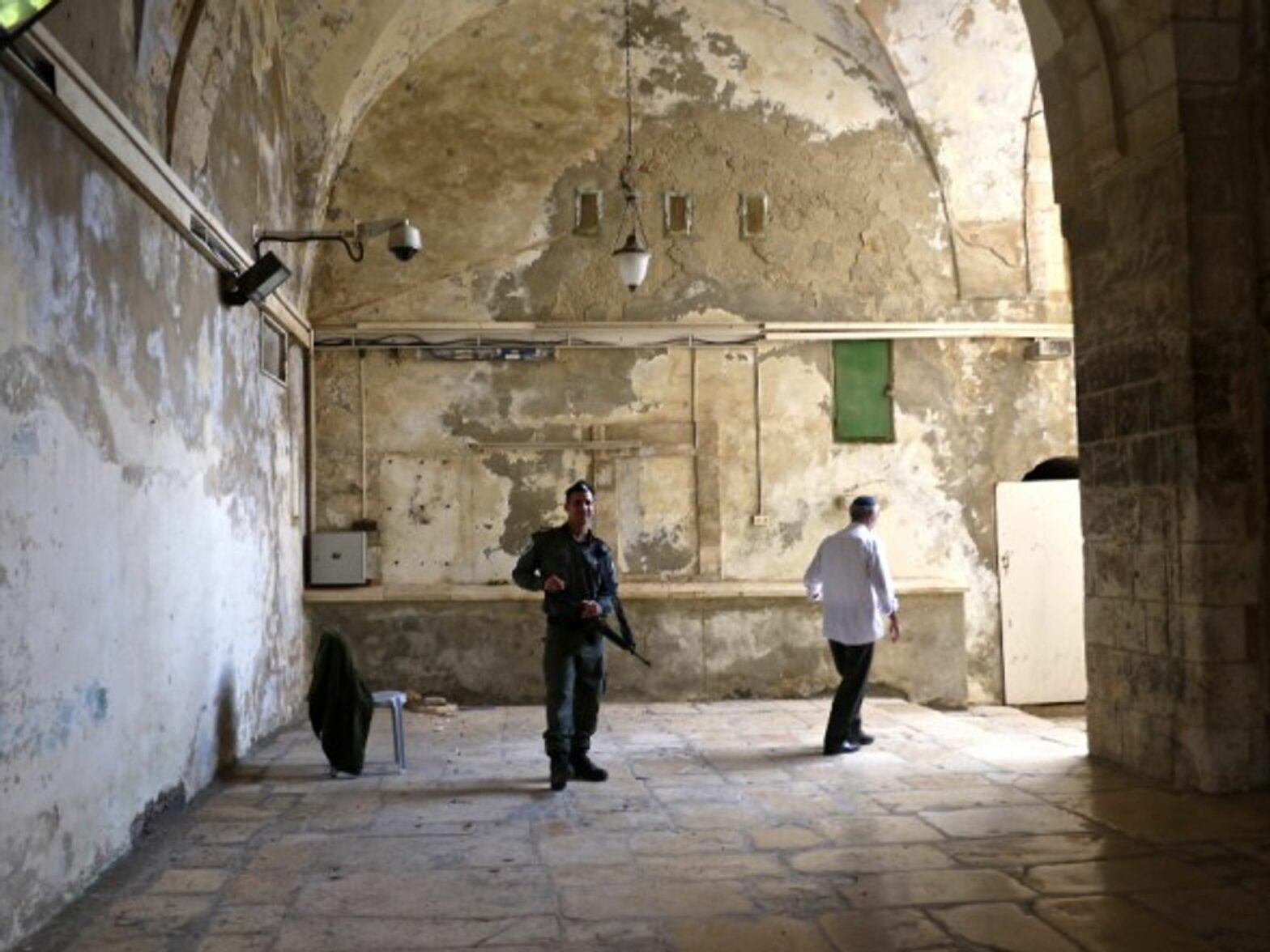
Also known as al-Khalil — the friend — the historic, contested city is steeped in enmity and overshadowed by Israel’s commanding military presence.