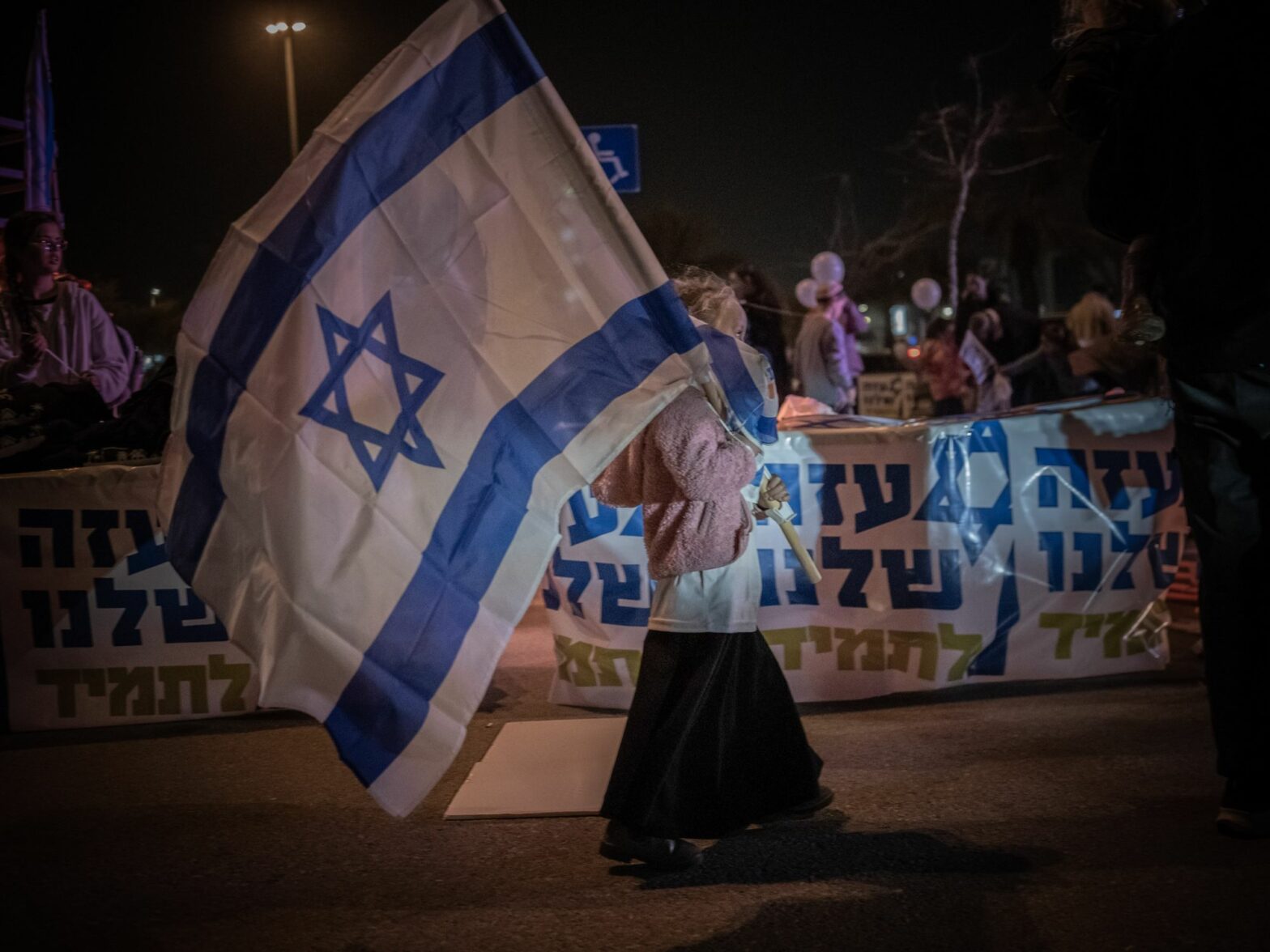
The radical far-right in Israel’s government is demanding to build settlements in the Gaza Strip. Israel’s army is creating the conditions for this.
 Worldcrunch
The radical far-right in Israel’s government is demanding to build settlements in the Gaza Strip. Israel’s army is creating the conditions for this.
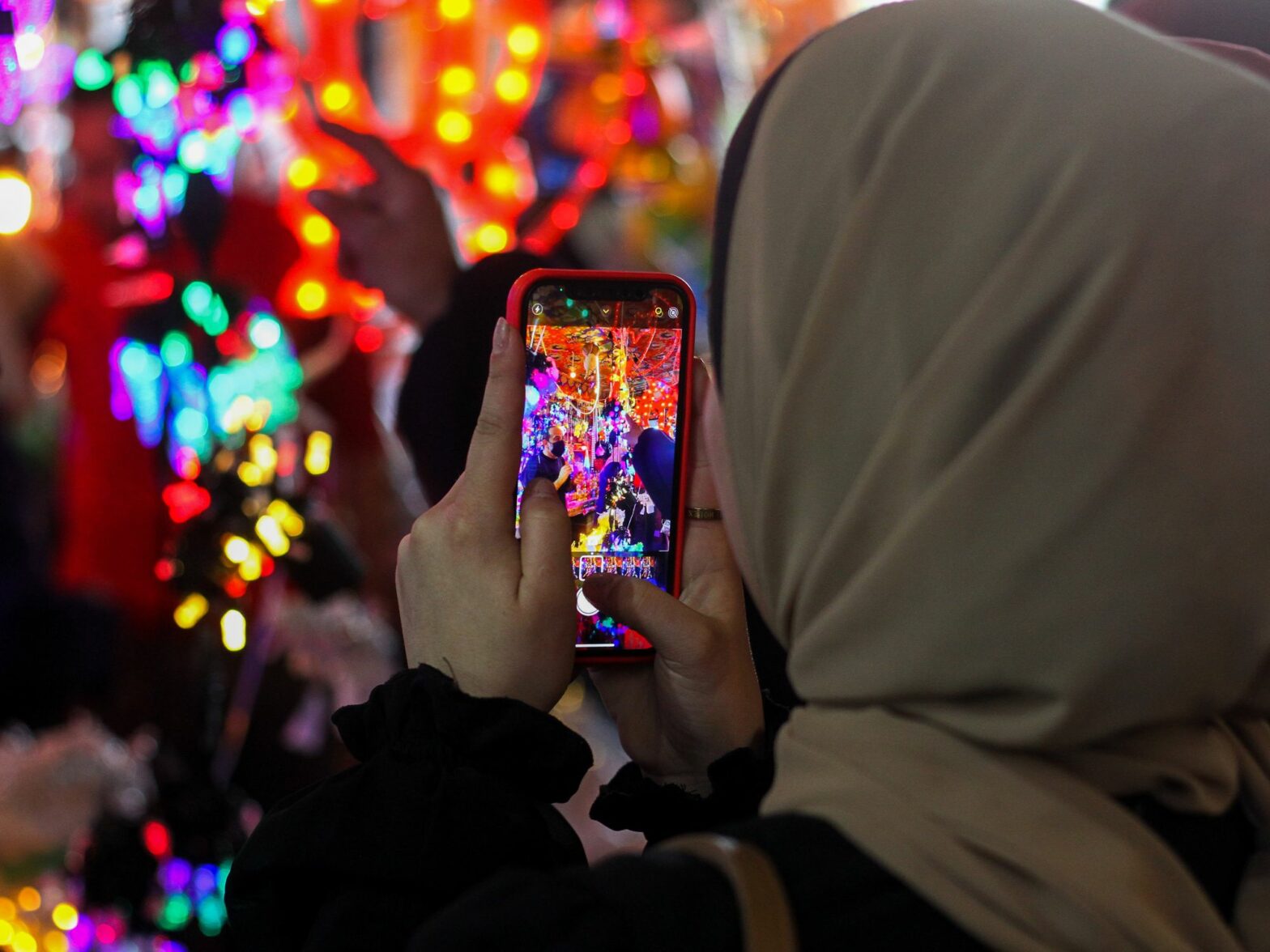
Palestinian writer Feda Ziyadh shares a personal fear, which she says cannot be understood or explained: that of getting used to a sense of the present that has been created by what she calls a “saga of displacement.”
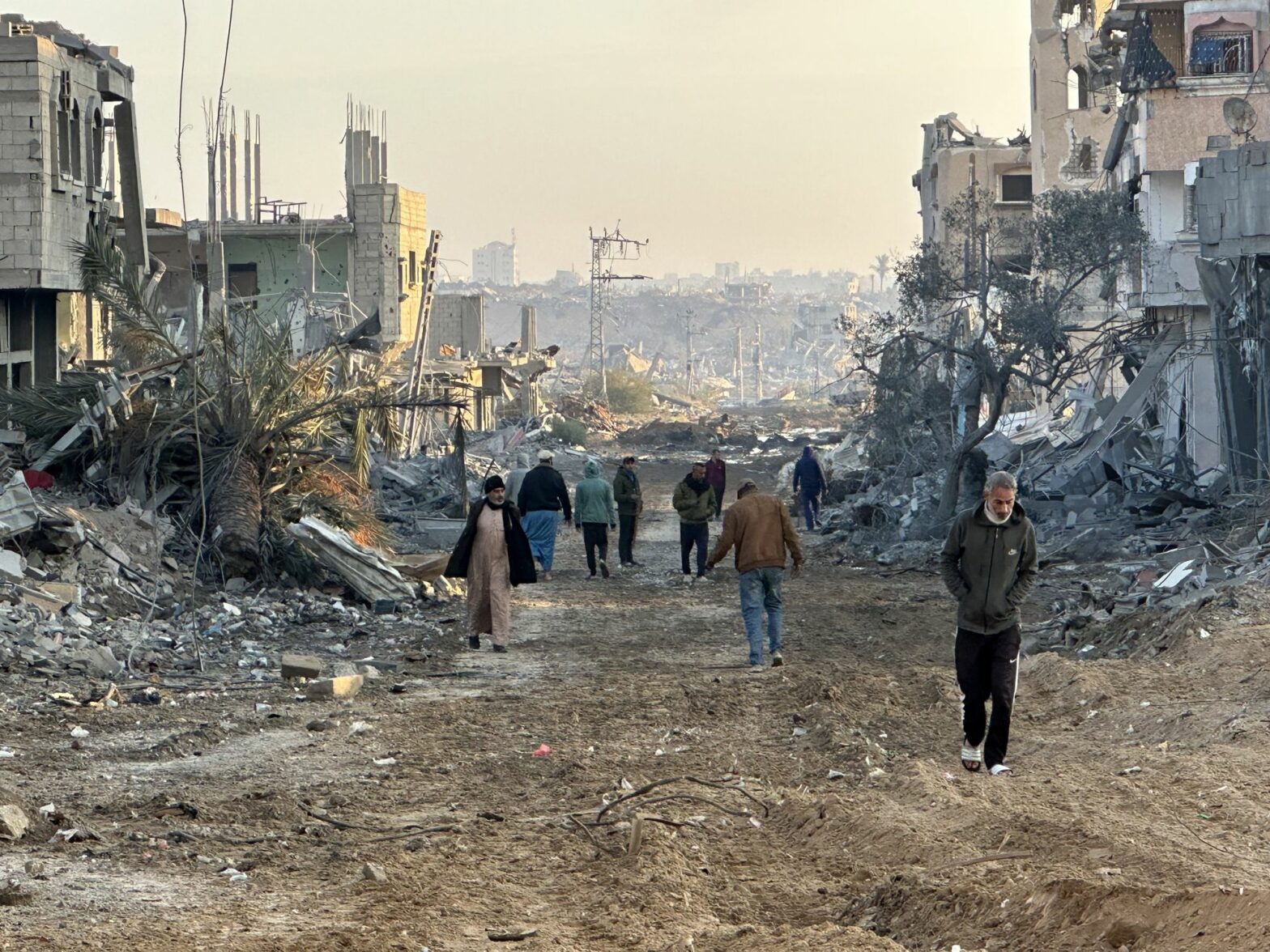
Israel has been long hailed as an oasis of democratic rule in a region of would-be savage Arabs. But now, the International Criminal Court (ICC) has essentially ruled that it is a racist rogue state.

After recovering from a series of crises in recent years — Lebanon’s economic collapse, the COVID-19 pandemic — the country’s national basketball team is playing qualifiers for the 2025 FIBA Asia Cup to be held in Saudi Arabia. With their country embroiled in the Israel-Hezbollah conflict, the team’s players have infused social importance in their matches.
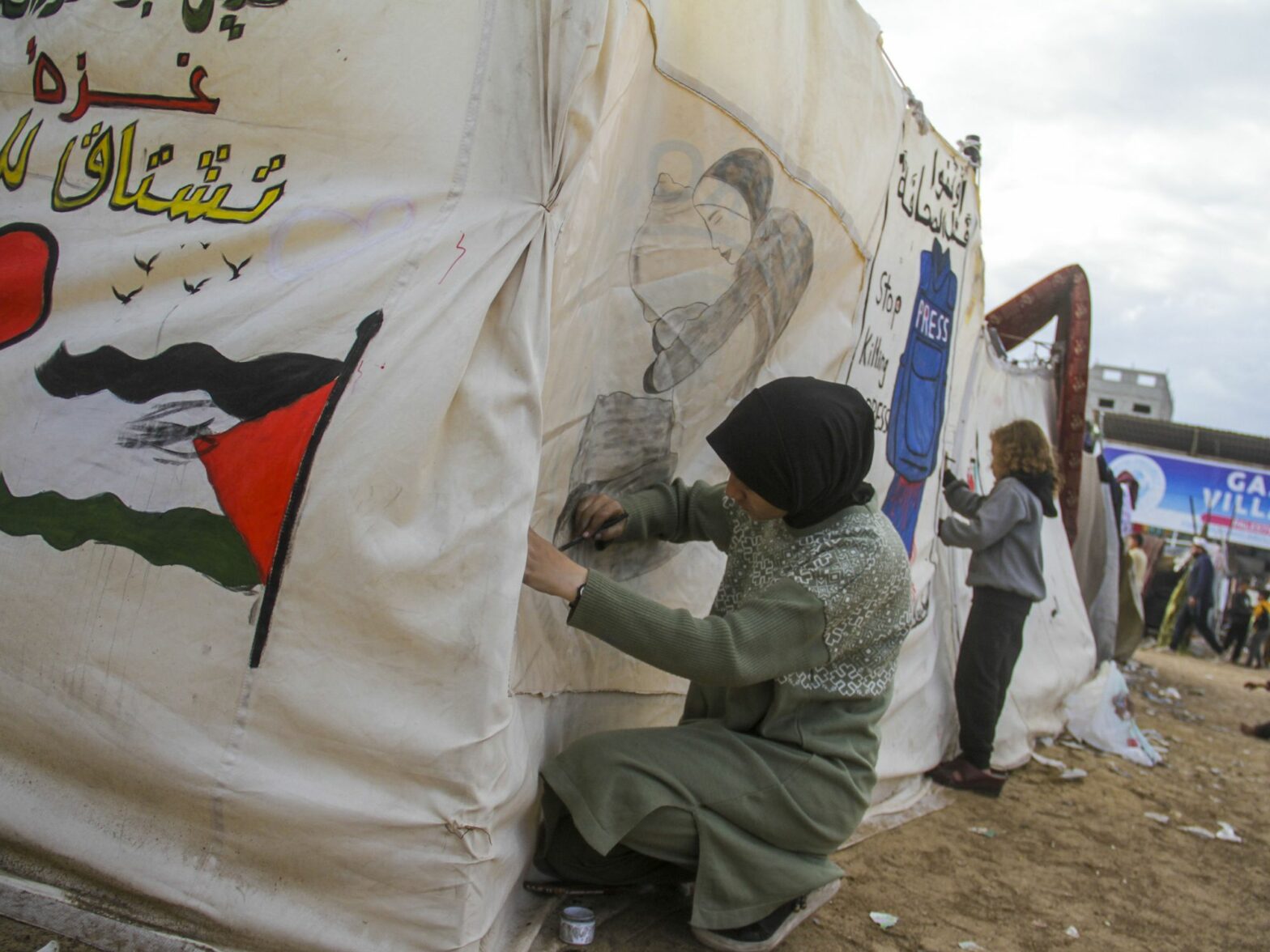
Palestinians need to rationalize their anger and resentment for the sake of a humanitarian project that enjoys global support.
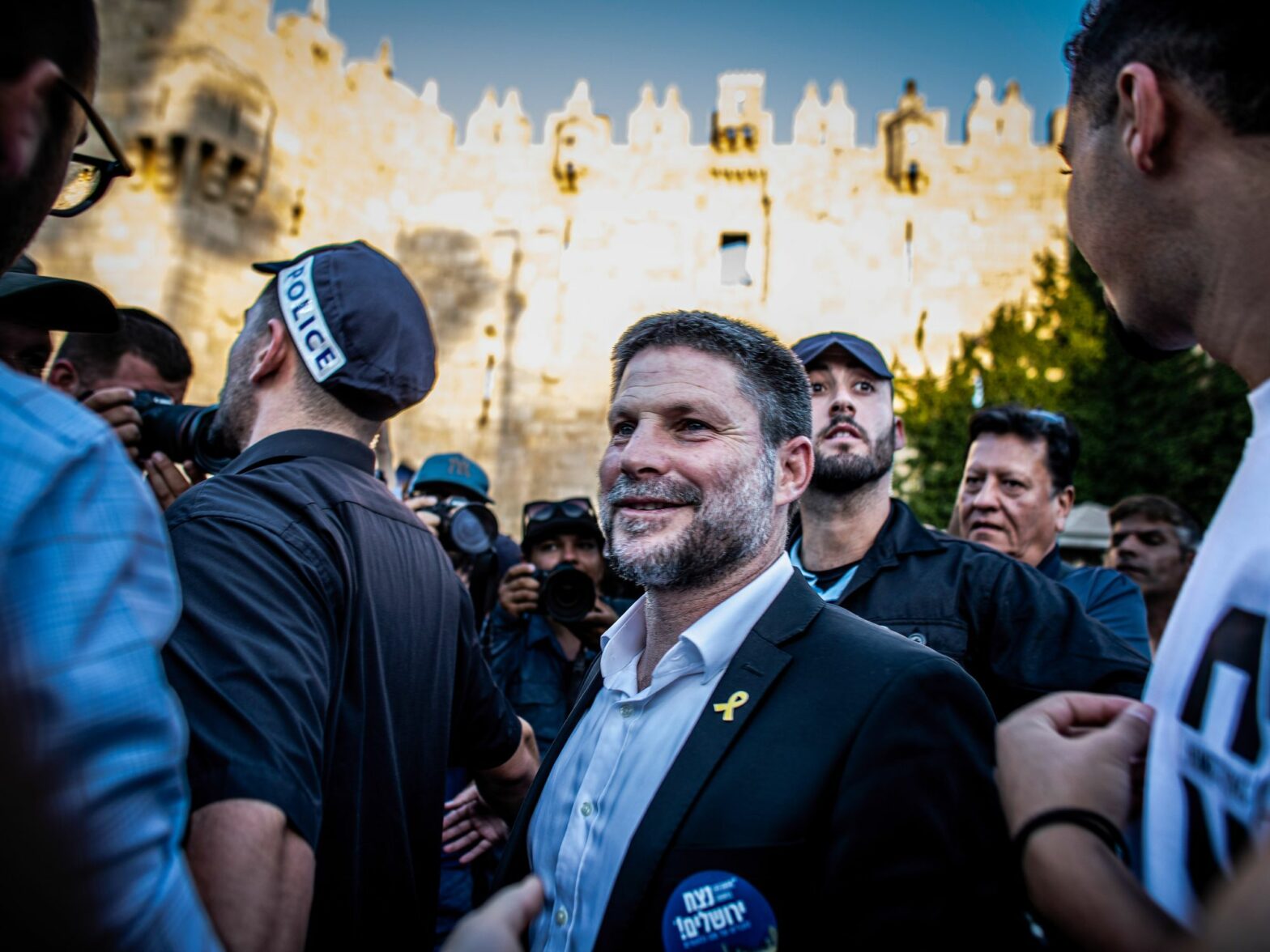
A prominent figure of Israel’s far-right, Finance Minister Bezalel Smotrich has announced that 2025 will be the year of the West Bank’s annexation. With Donald Trump’s victory, supporters of colonization hope he will back their approach, despite it being contrary to international law.
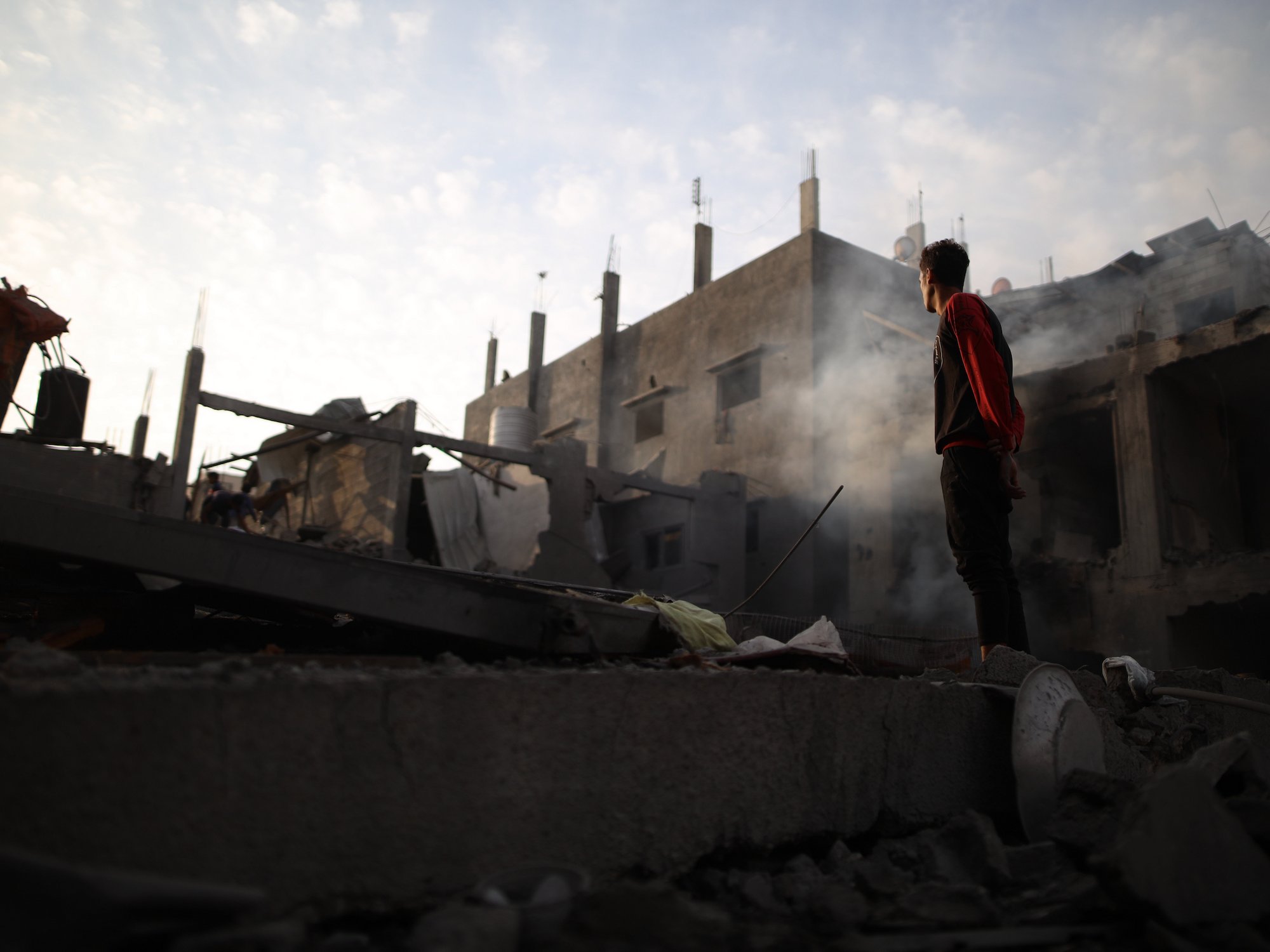
One Arab writer takes issue with a noted scholar who assigns the lion’s share of the blame to the establishment of the Jewish State. Israel has excelled, not only, because of its military strength and Western allies, but also because of its ability to build a state of institutions and relative freedom.
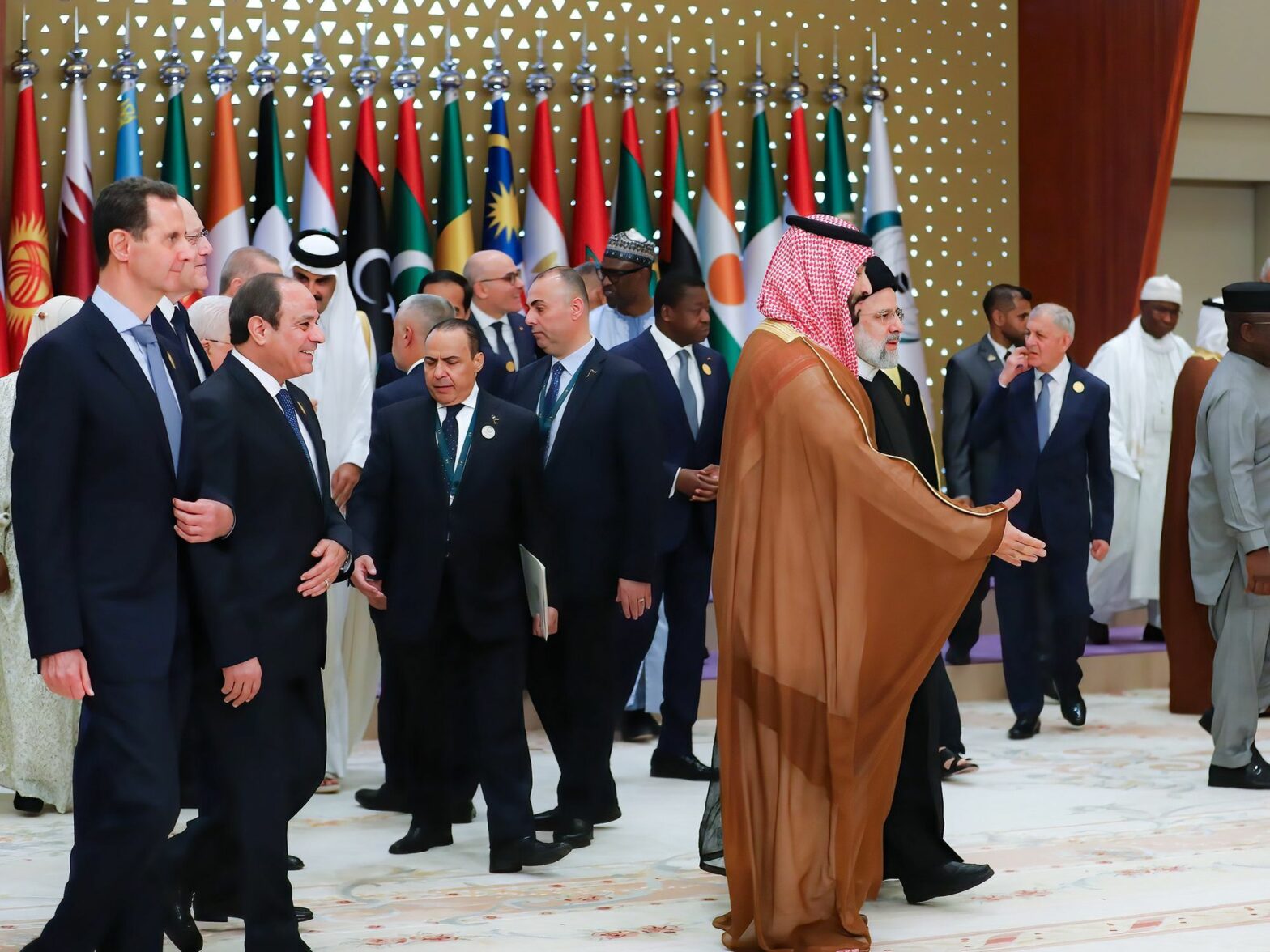
Will the Arabs take the initiative to take tangible measures before the fire reaches their countries, or will they be forced to be mere tools and bases to protect Israel? After the six-day war of 1967, the Three No’s of an Arab Summit set a new hardline. That should be the model now.

The crowning of an emperor, a political assassination and the trial test of a giant wooden airplane.
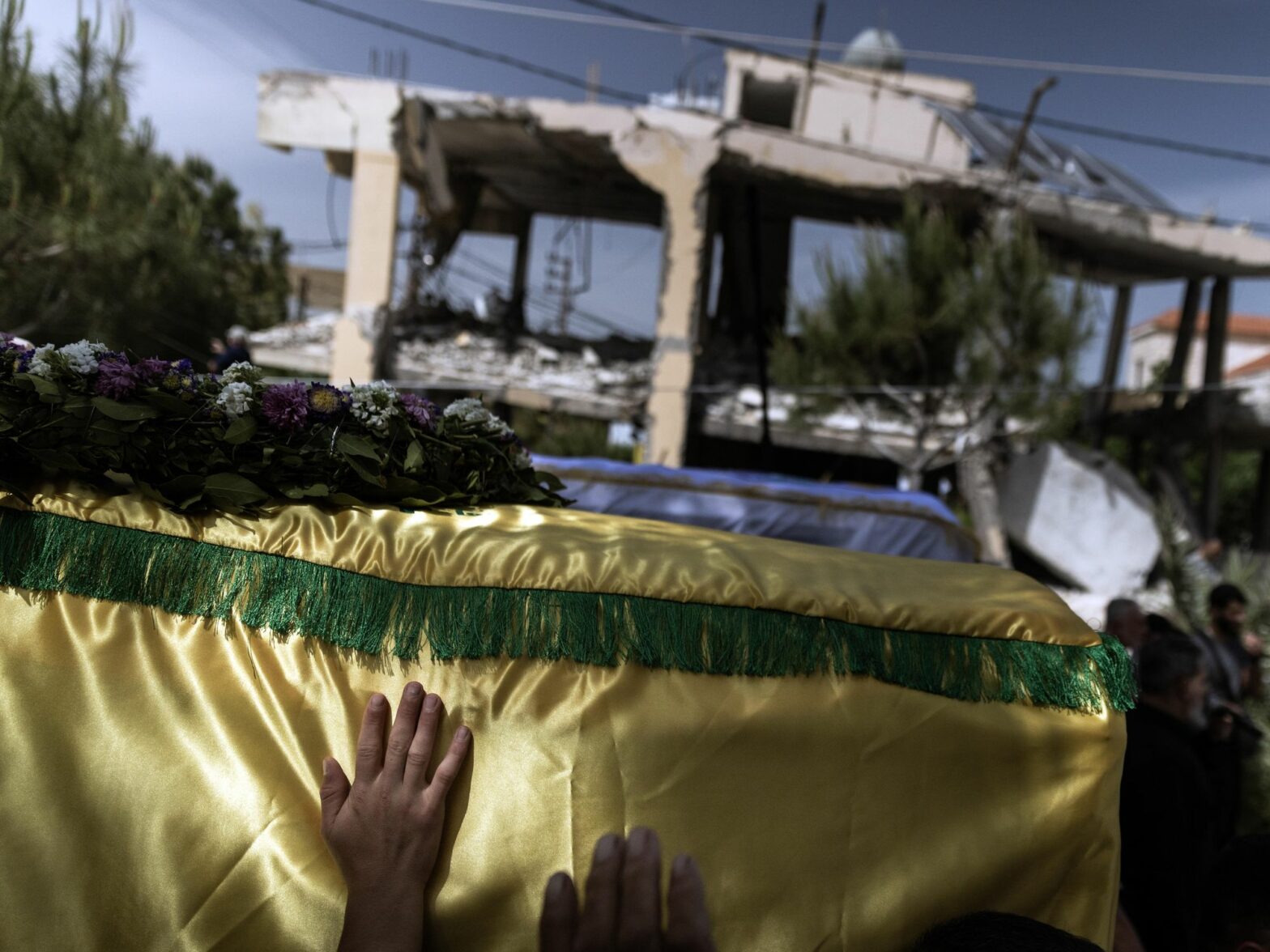
We, the children of “front edge” villages, have seen thousands of homes disappear into rubble. Our loss is not limited to memories and dreams, but also to the stories of our villages.
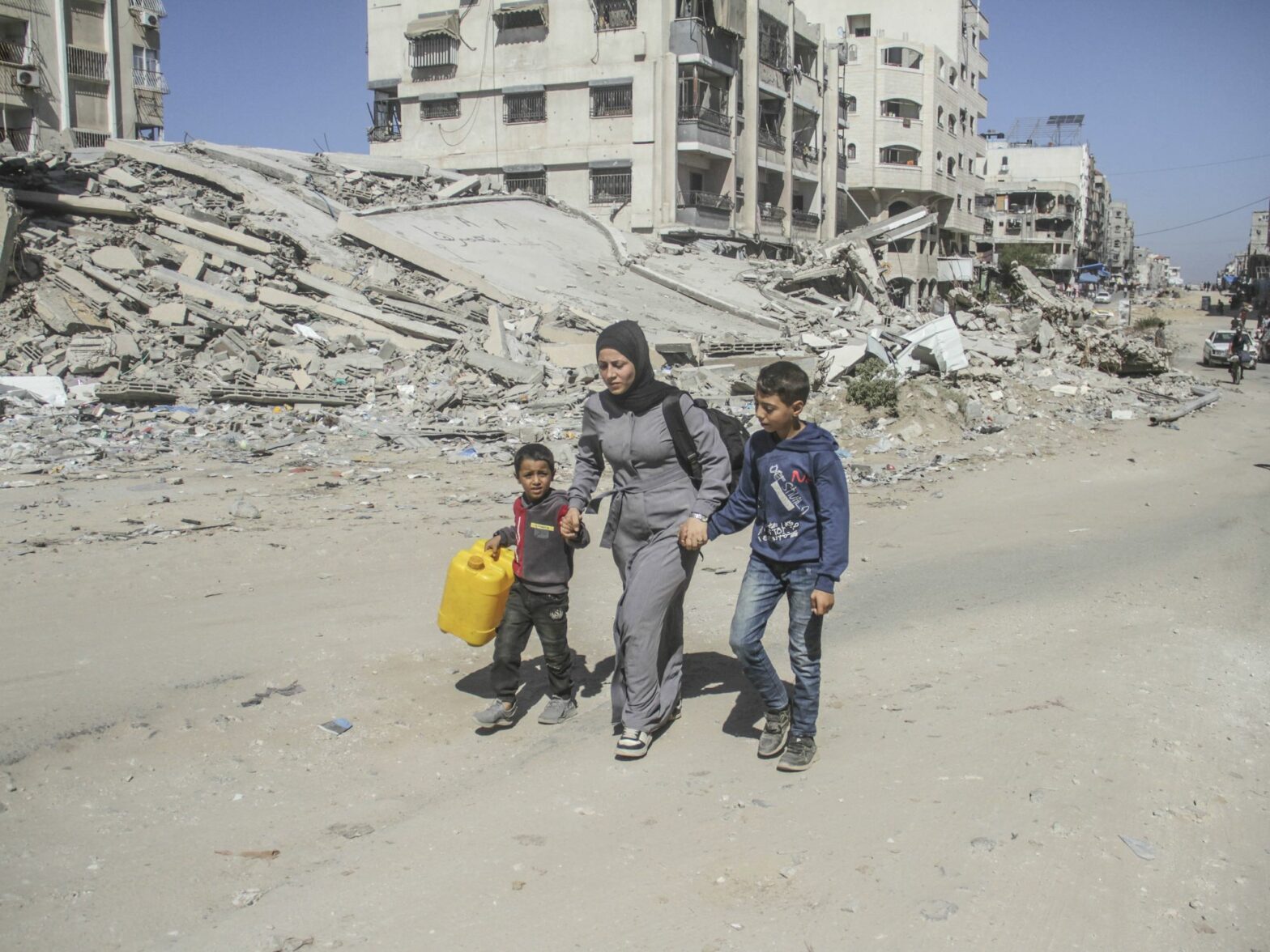
Israel’s new offensive in northern Gaza is trying to make the region uninhabitable, and force Palestinians into the south, toward the Egyptian border and into the Sinai. But since the start of the war, Egypt is dead set against taking in more war refugees.
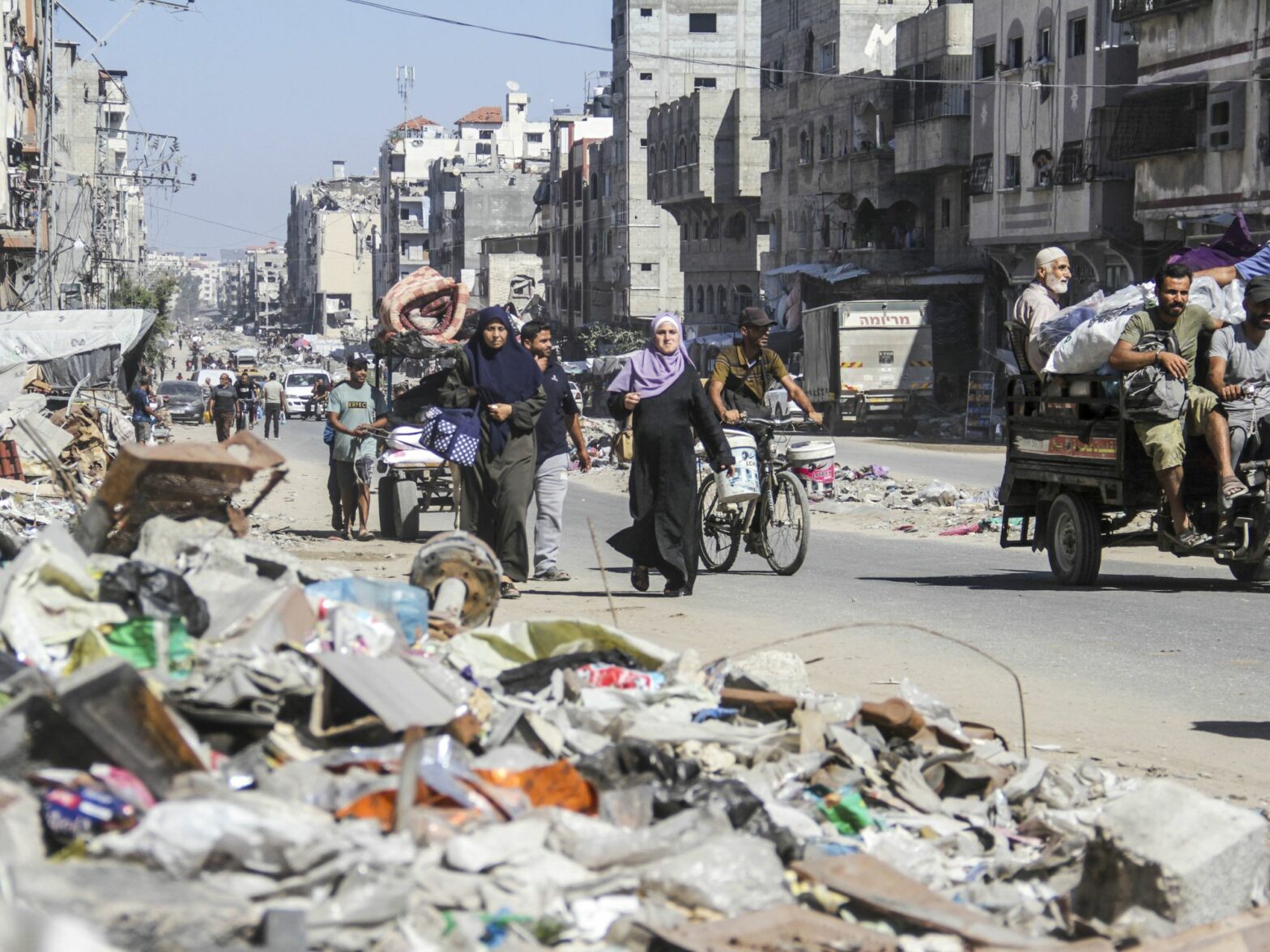
Observers believe that the military operations targeting civilians and blocking humanitarian aid in northern Gaza is the prelude to Israel reoccupying the region and establishing Jewish settlements.
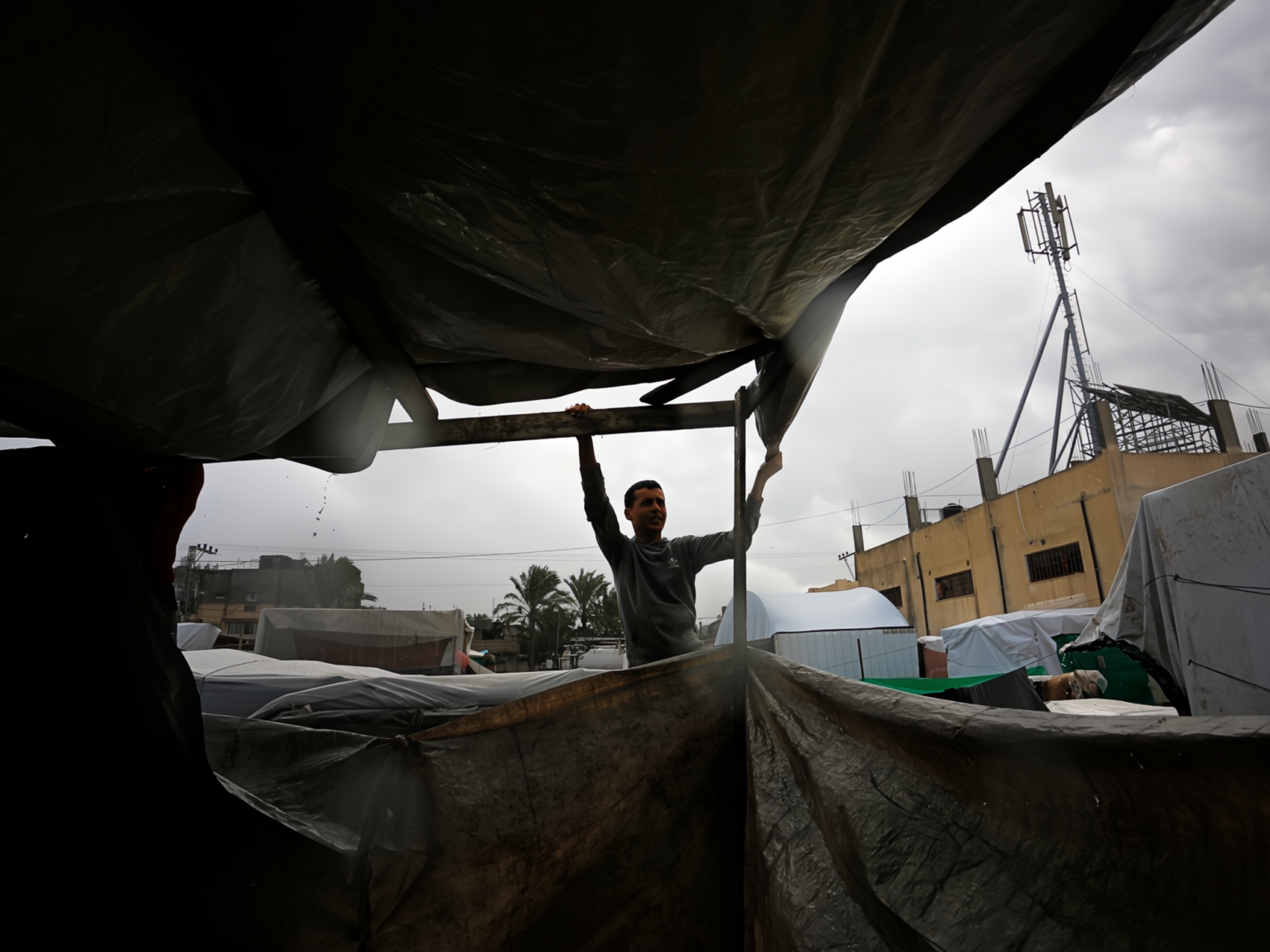
With up to two million displaced, United Nations designated more than 50 sites and shelters as the most vulnerable areas for floods and rainfall across Gaza. But as some people have been displaced multiple times, and humanitarian aid is being blocked, refugees have few options to shelter themselves ahead of the upcoming winter.
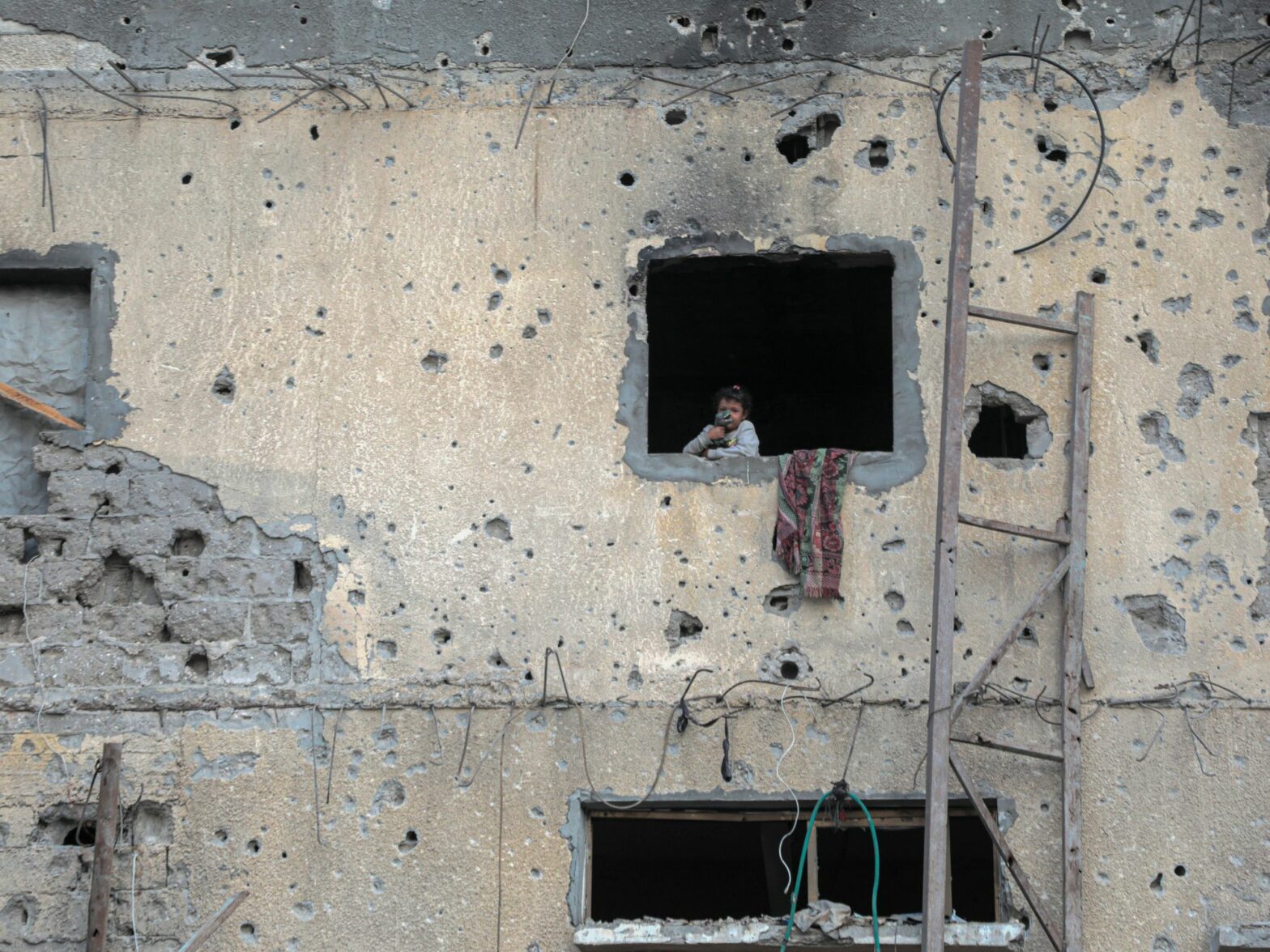
It’s clearer than ever that Israel — backed by a number of militarily and economically powerful countries that claim to abide by international law and human rights — continues to destroy these laws and standards that are based on the equality of all human beings.
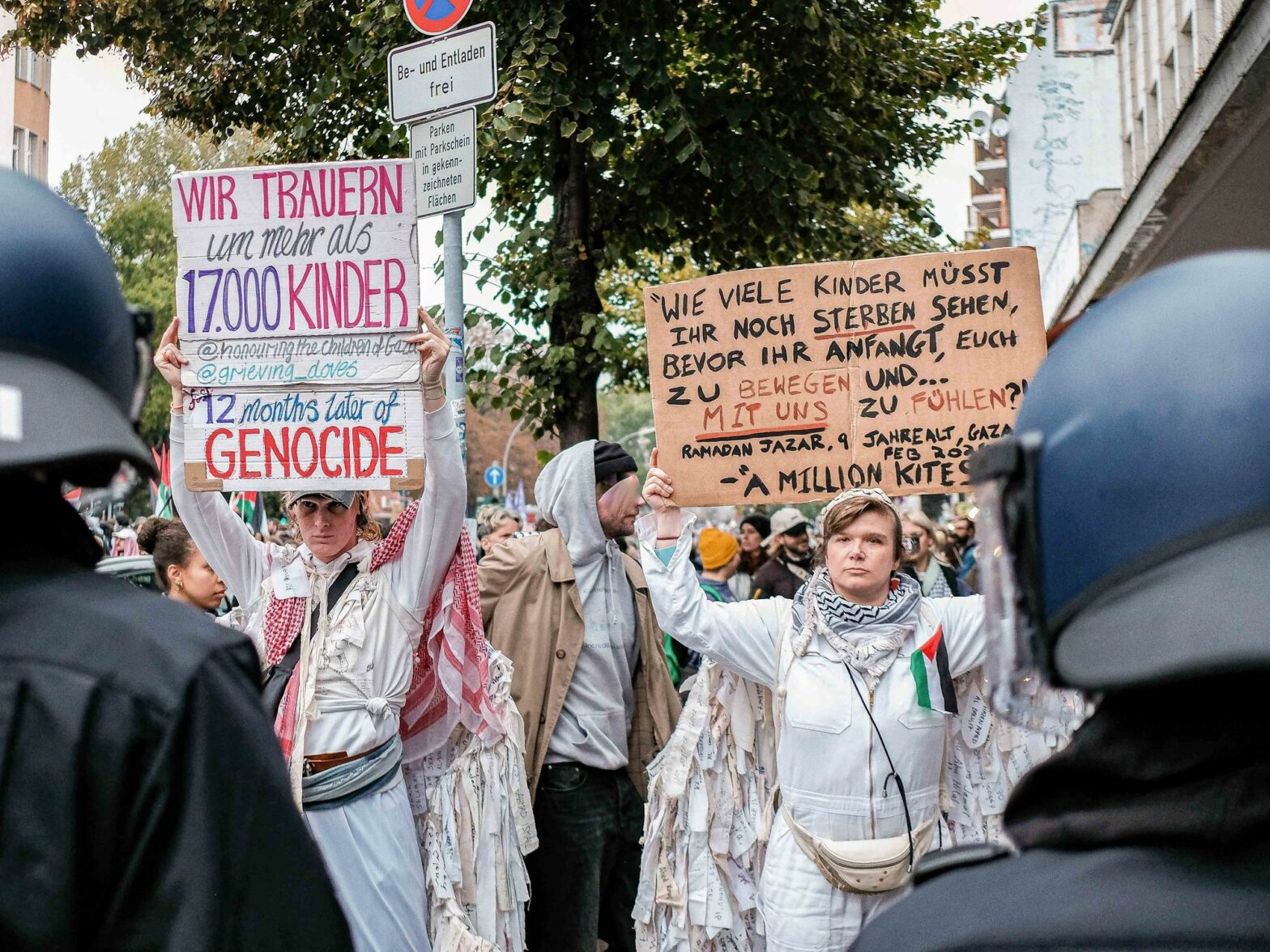
An increasingly positive era of post-Holocaust Jewish life in Germany ended one year ago — the sense of progress and confidence gave way to a new, age-old fear, writes Sascha Chaimowicz in Die Zeit.
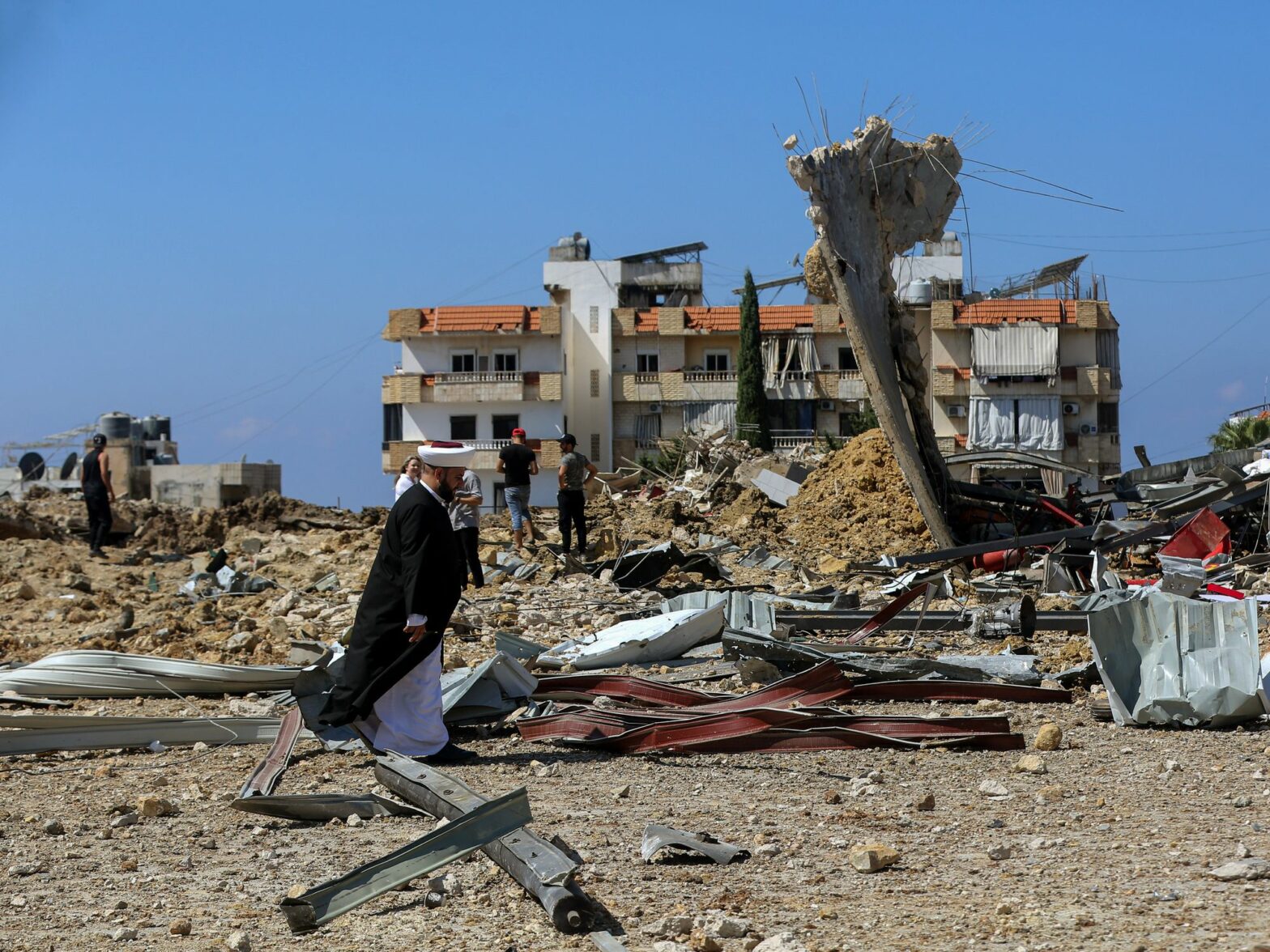
Israeli Prime Minister Benjamin Netanyahu laid out a careful plot to push and ultimately shatter the long-established “rules of engagement” in the Middle East. It caught everyone, from Iran to Hezbollah to the White House, by surprise. The aim is to remake the whole region to revolve around Israel.

Wounded by the bombs, some had to face surgeries on kitchen tables. La Stampa reporter Francesca Mannocchi met them and their parents in Doha, Qatar, where they seek refuge.
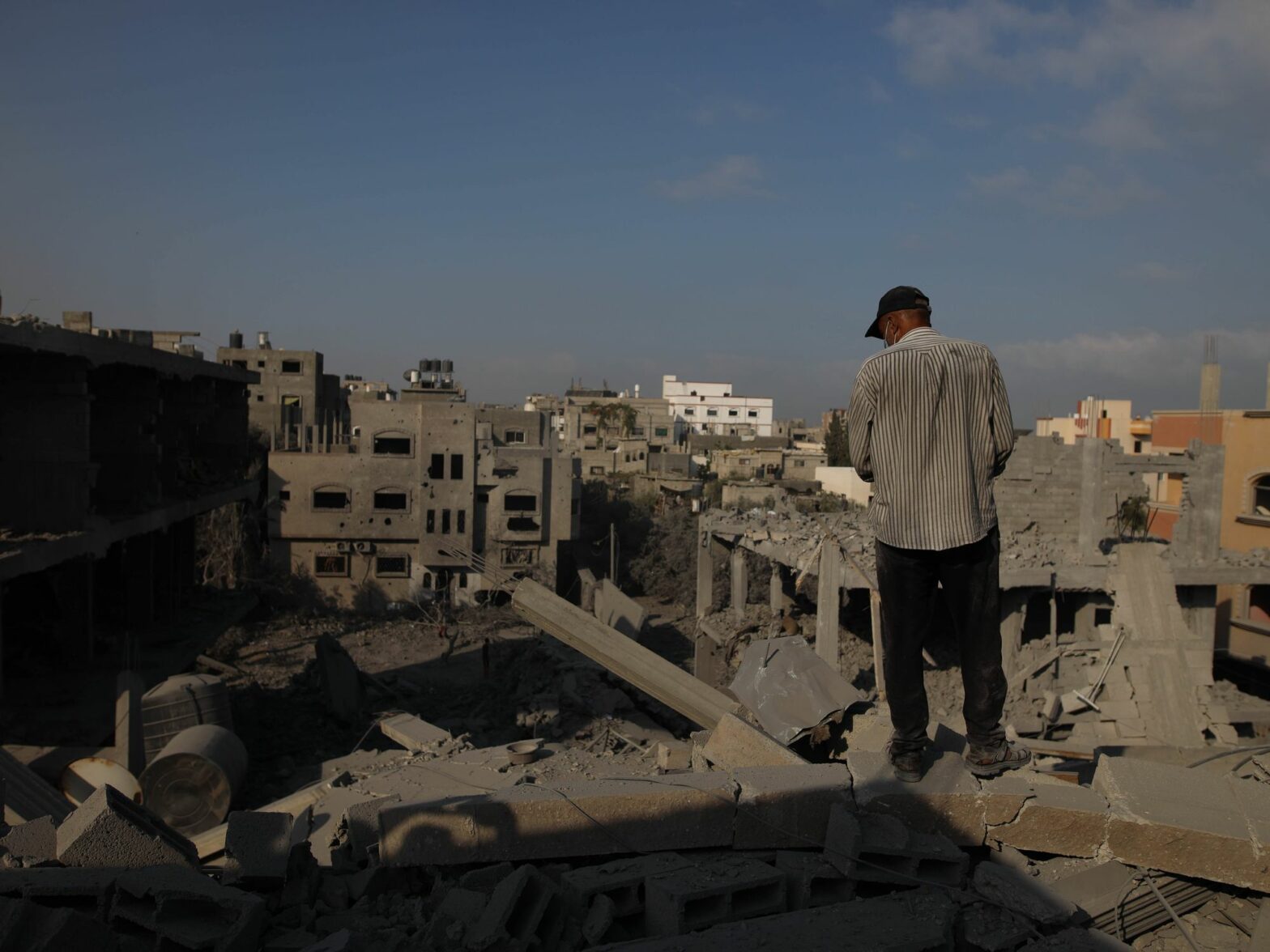
The author, whose family was forced to flee during the 1947 “Nakba” expulsion of Palestinians, sees how the event has been used by leaders in the Arab world to wield authority without actually improving anyone’s life.
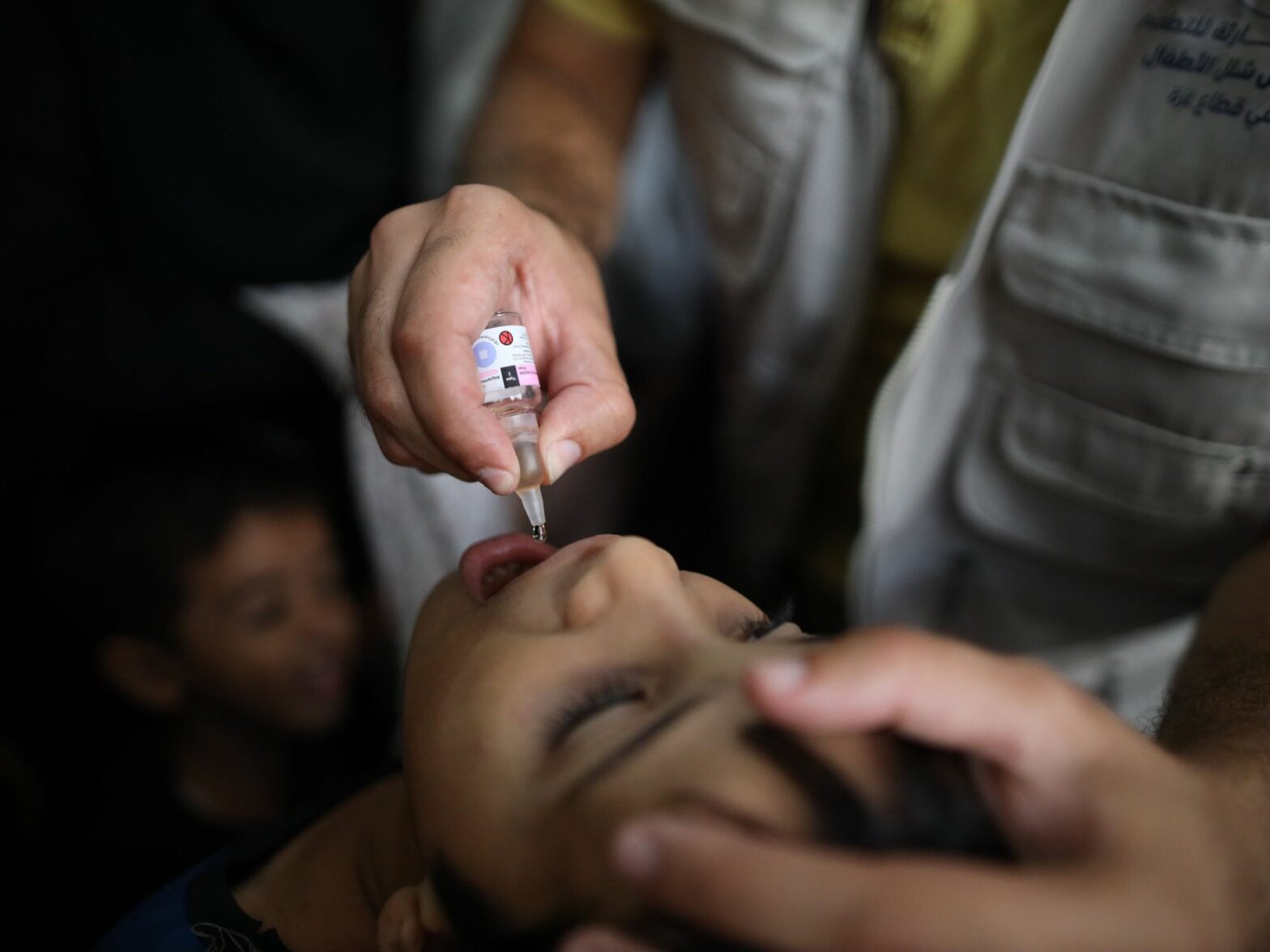
Efforts to vaccinate children in Gaza are undoubtedly motivated in part by moral reasons, but they also stem from the world’s concern – especially in neighboring countries – about the virus becoming endemic in the Palestinian enclave. The writer recalls how it can all implode, or spread, at any time.

Updated Sept. 5, 2024 at 09:40 a.m The Munich Olympics terrorist attack happened on this day in in 1972. What was the Munich Olympics terrorist attack? The Munich Olympics terrorist attack was a tragic event that began in the early morning hours of September 5, 1972, when eight Palestinian militants entered the Olympic Village in […]
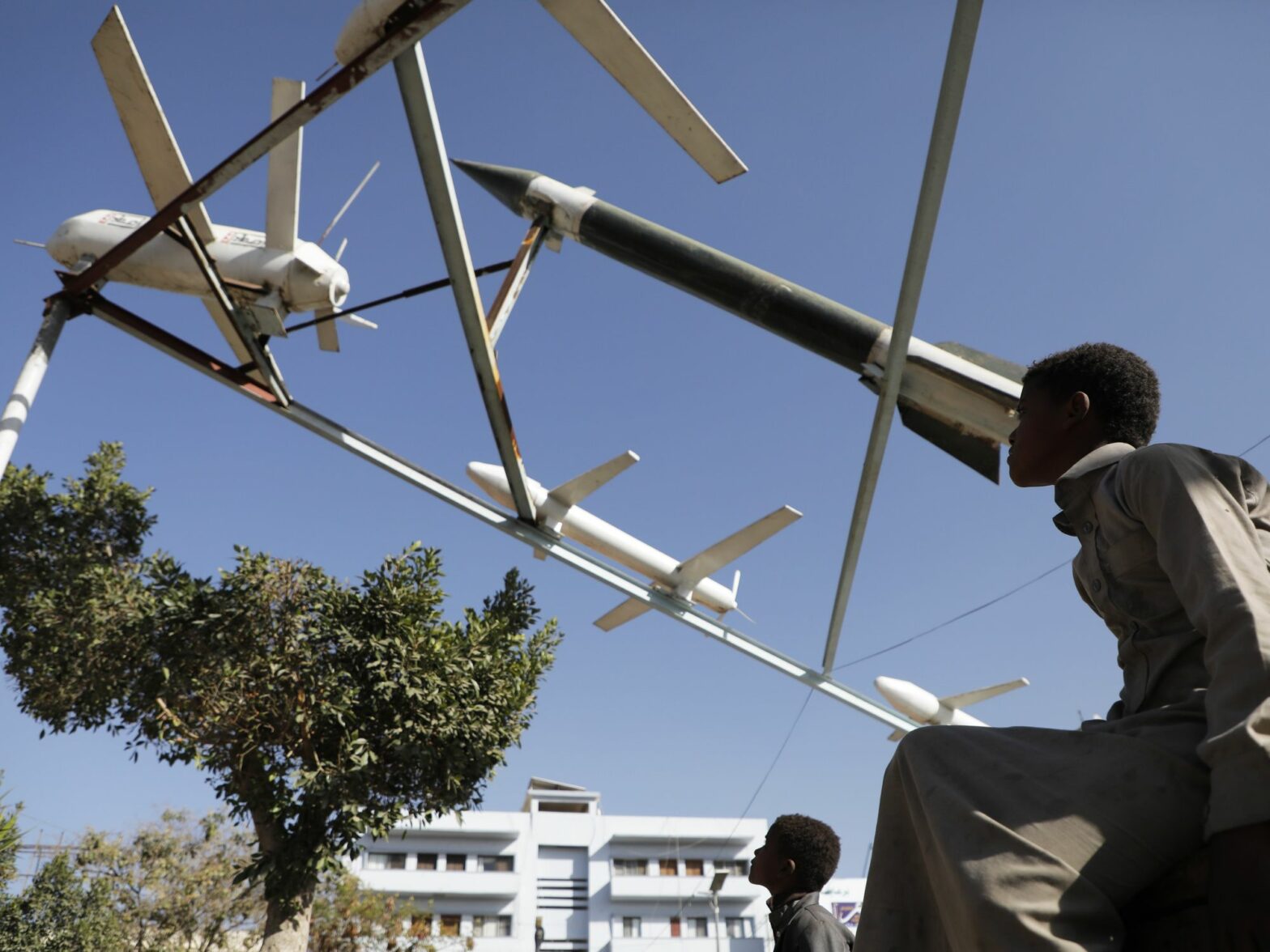
Many people, especially in the Arab region, hailed the Houthis’ attacks against Israel. But what they may not know is that Yemeni people have been caught in the crossfire.
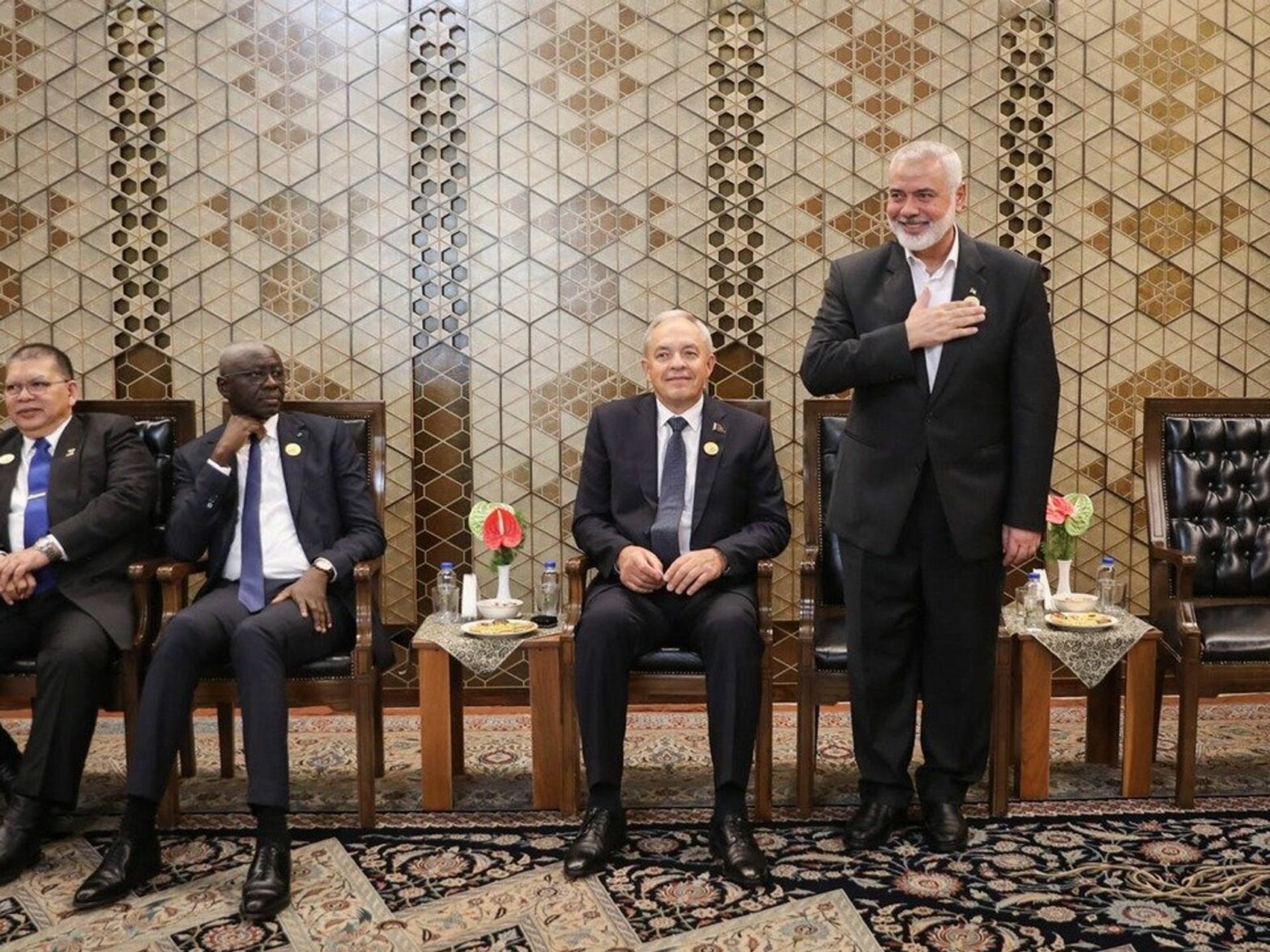
The killing of Ismail Haniyeh was not merely the assassination of Hamas’ political leader; it ended the life of a figure who could bring consensus to the Palestinian cause.
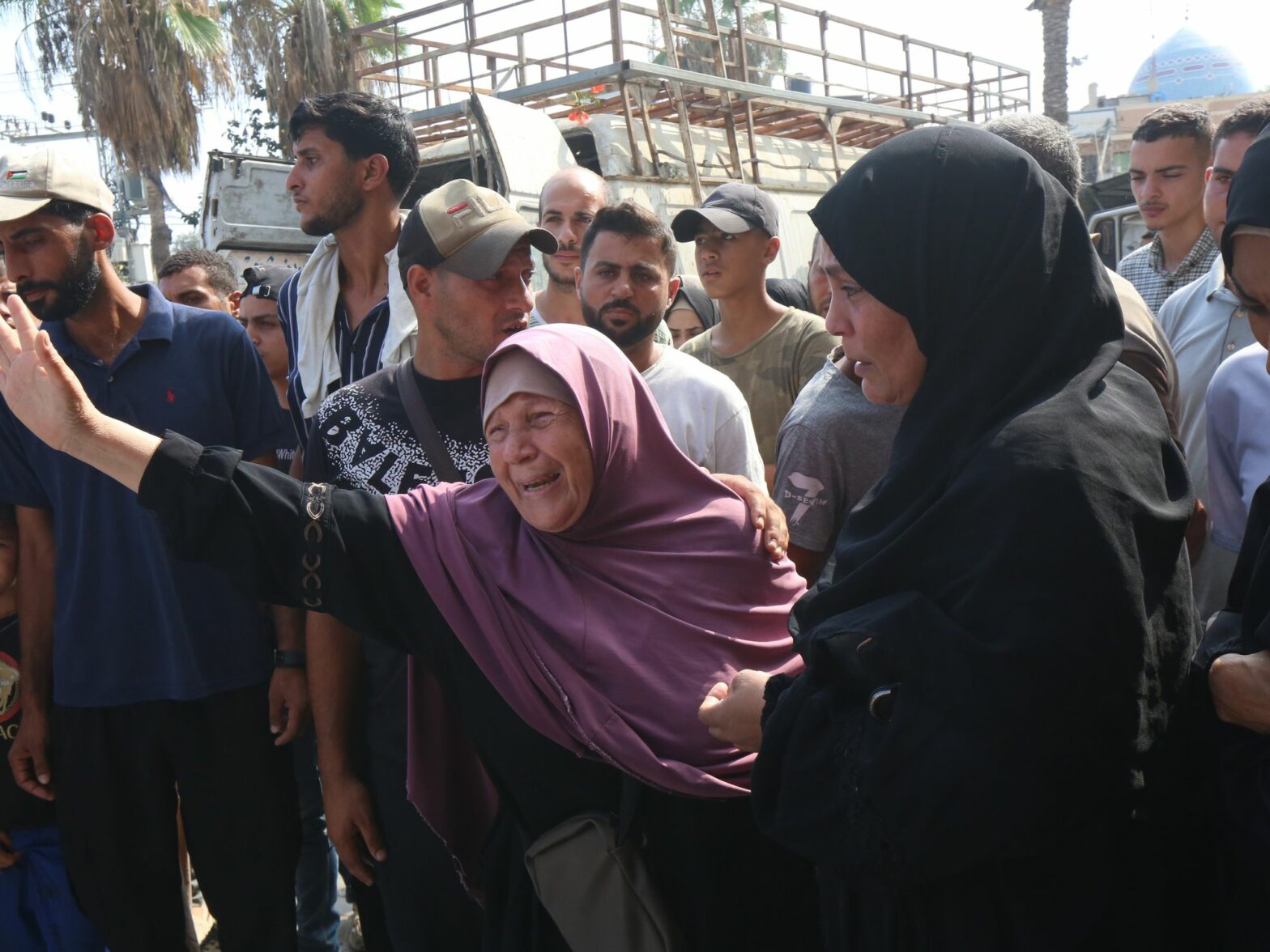
Questioning the choices that Hamas makes is a necessary step to bring forward the Palestinian cause.
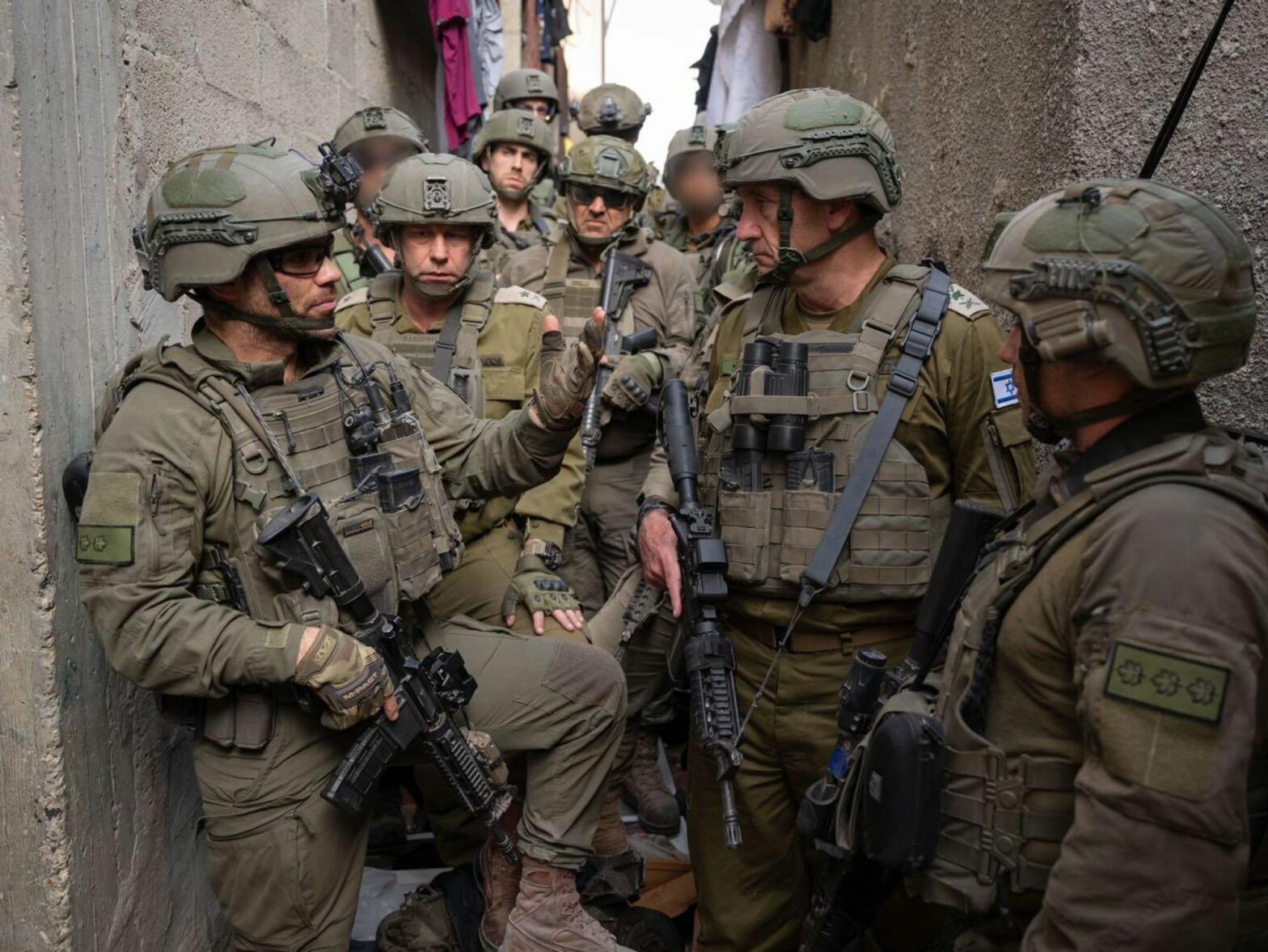
The recent images showing a wounded Palestinian tied to the hood of an Israeli military vehicle is not an isolated incident. Despite the accumulation of evidence indicating the Israel is committing genocide in Gaza, the country’s politicians and officials continue to claim that their army is the world’s most moral.

Those hoping that Labour unseating the Tories could change the diplomatic dynamic in the Middle East will be duly disappointed. Keir Starmer, the new British prime minister, appears as just an updated version of Tony Blair.
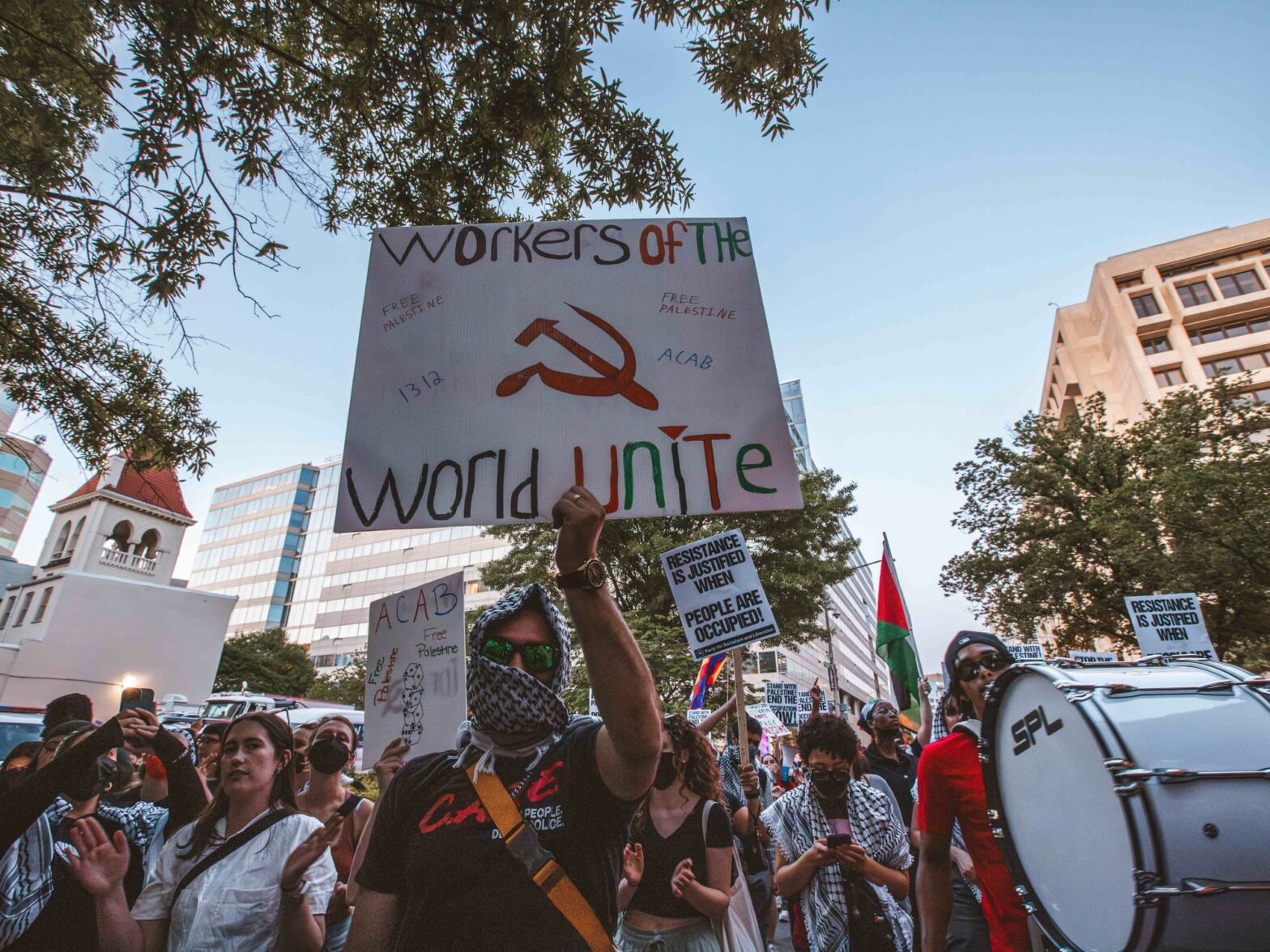
A confounding alliance between leftists, wokism and Islamic fanatics is the perfect smokescreen for an insidious enemy targeting the West’s liberal values. It’s happened before.
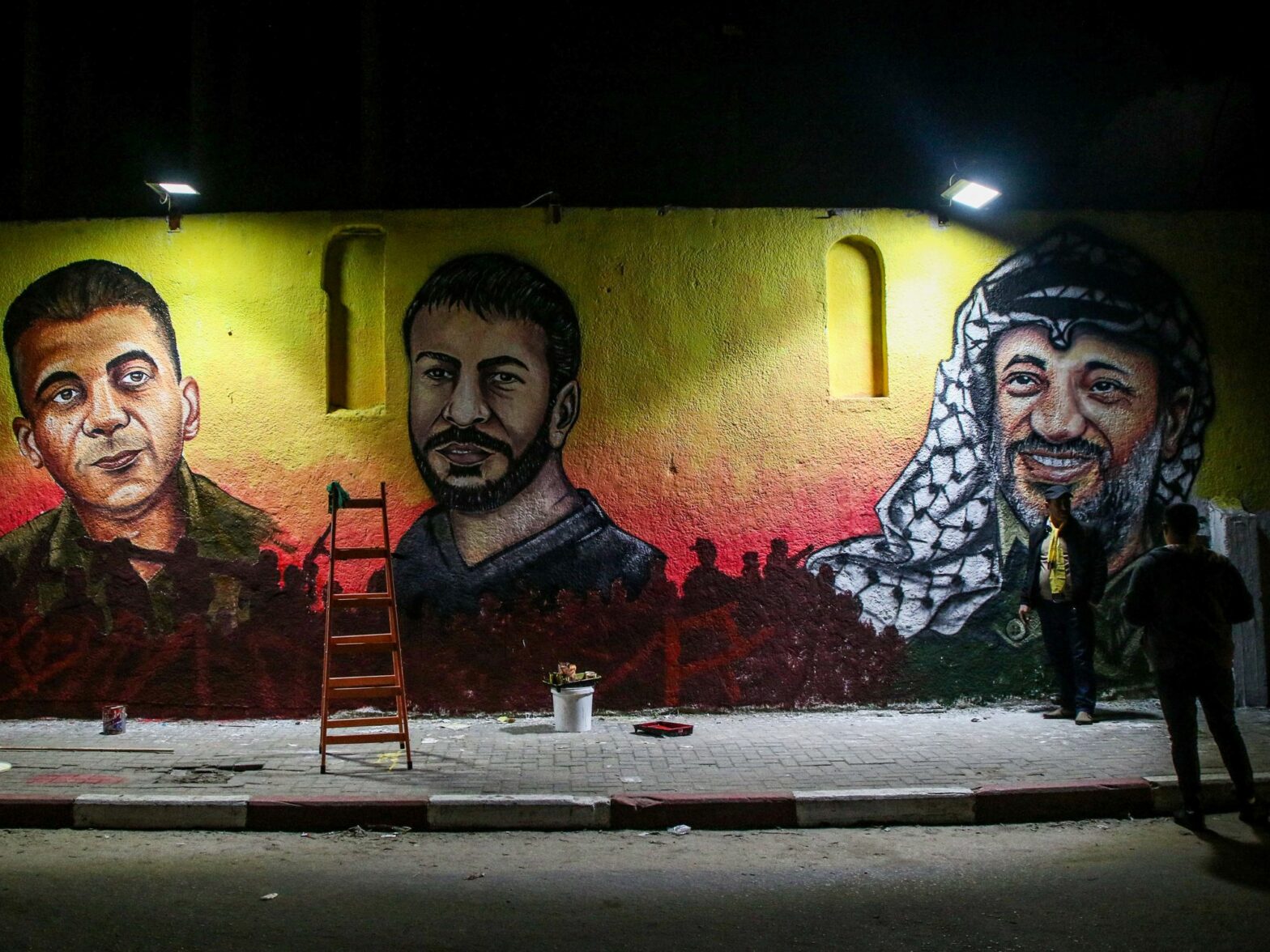
A new Palestinian body is crucially needed to unify the Palestinian people in Gaza, the West Bank, Israel and across the diaspora. The organization founded by Yasser Arafat and overseen since by Mahmoud Abbas has let its people down one too many times.
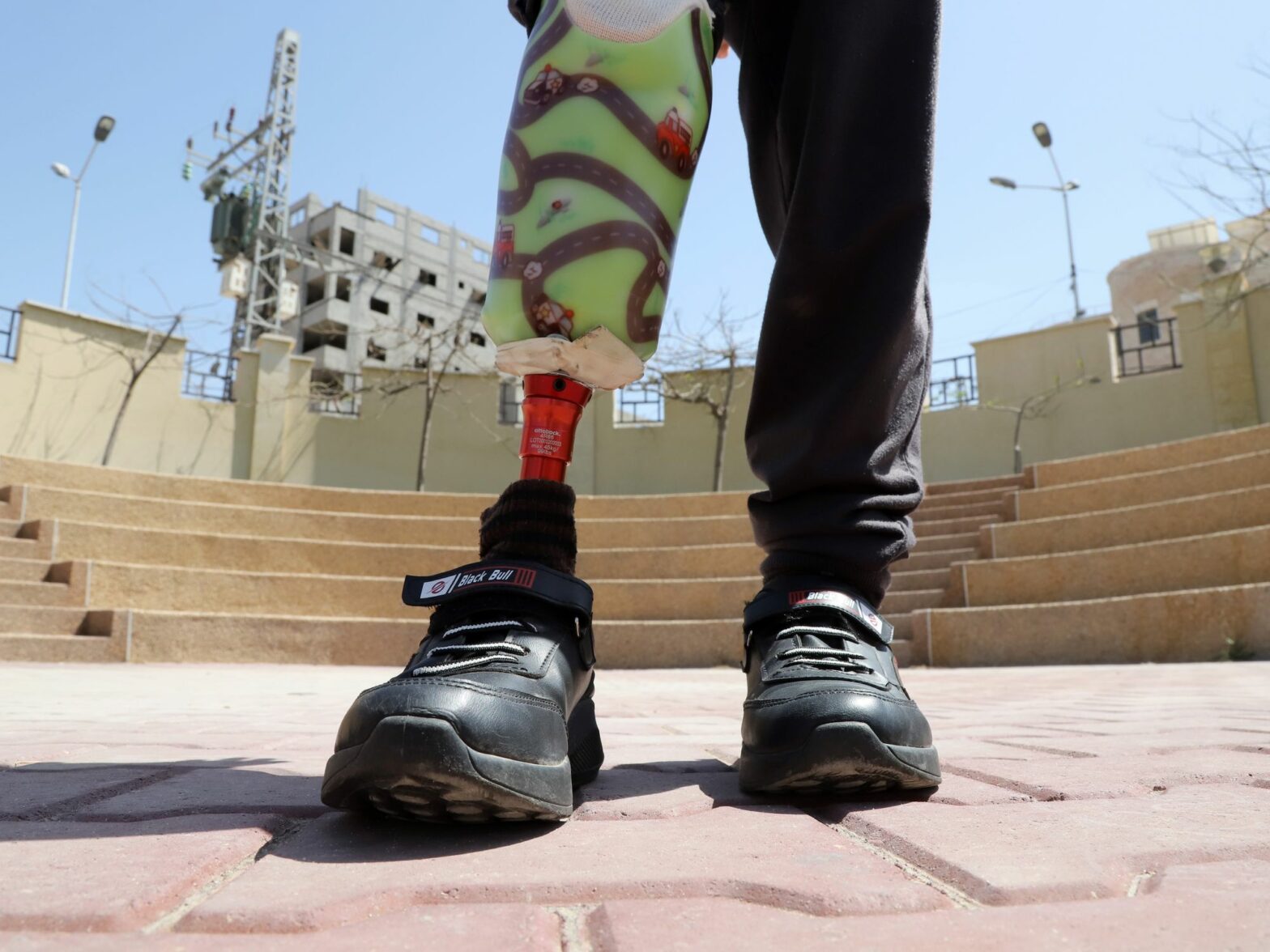
From the Nakba to now, Palestinian authors have used the trope of amputation as a literary symbol of loss and unity in the face of adversity.
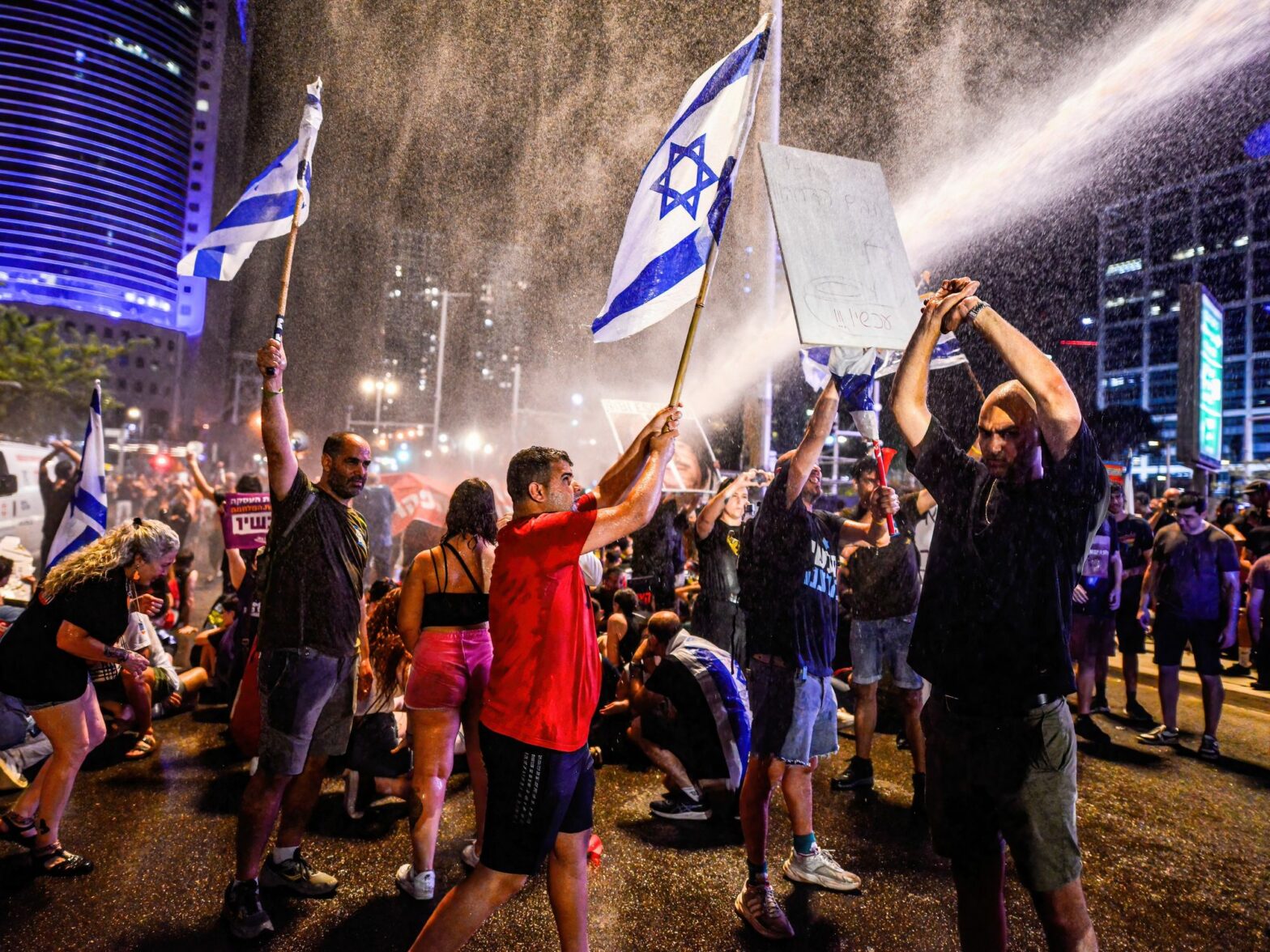
Hamas attack on Oct. 7 created a deep rift in the confidence of Israel’s citizens, in their country’s security, military and moral superiority. The Zionist project may never recover.
Updated June 10, 2024 at 12:40 p.m. On this day in 1967, the Six-Day War ended, as Israel faced off against its Arab neighbors, including Egypt, Jordan, and Syria. How did the Six-Day War end? The Six-Day War ended with Israel achieving a decisive victory. Israel successfully captured and occupied territories from Egypt (Sinai Peninsula […]
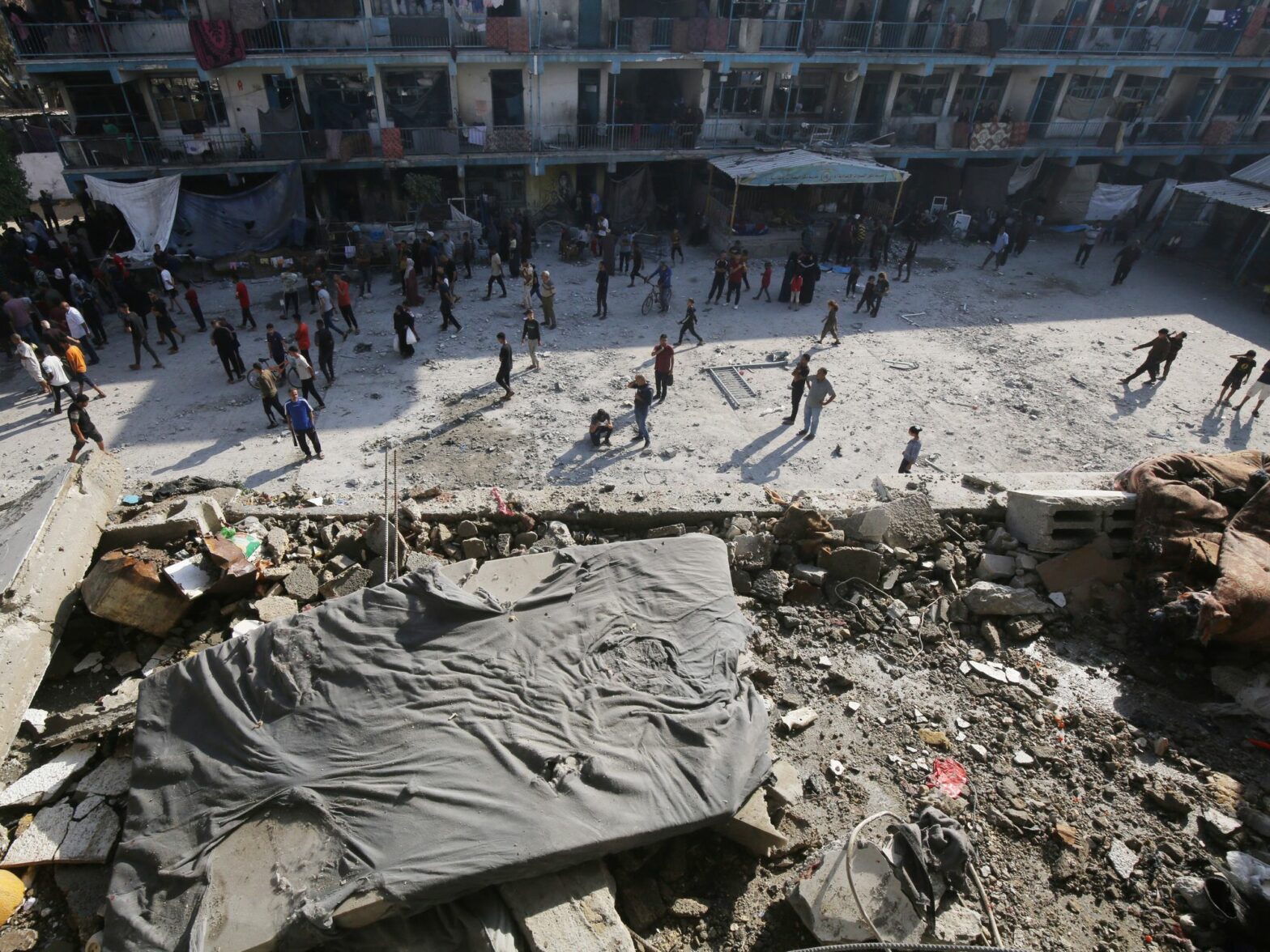
Israel is like a huge elephant in a room of fragile ceramic pieces. It may be able to get out, but Israel will certainly not emerge from its war in Gaza completely unscathed.
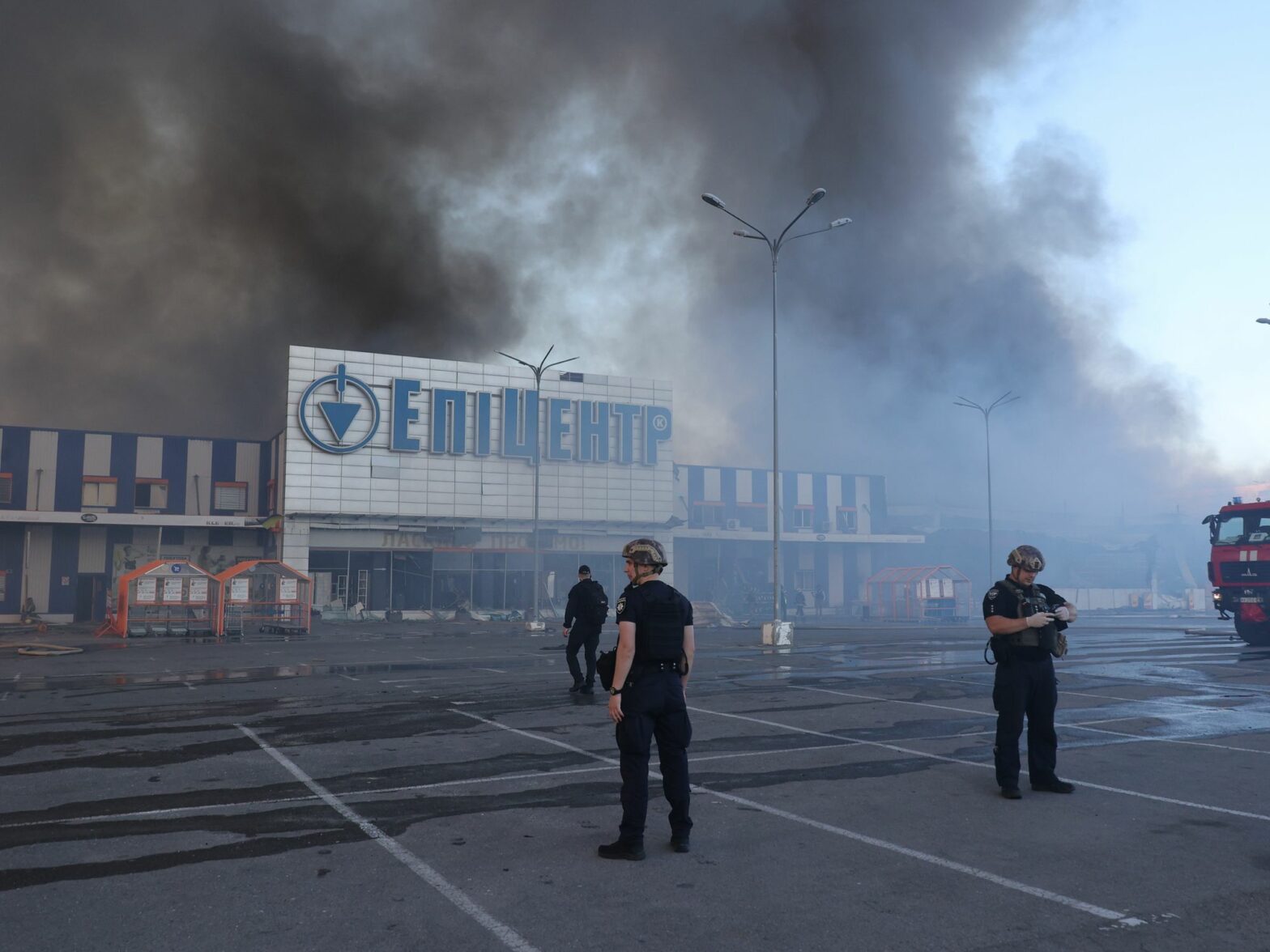
Ukraine is not allowed to attack Russian territory. Israel, on the other hand, has free rein. These are the would-be restrictions of Western weapons in two wars that might seem to have little in common.
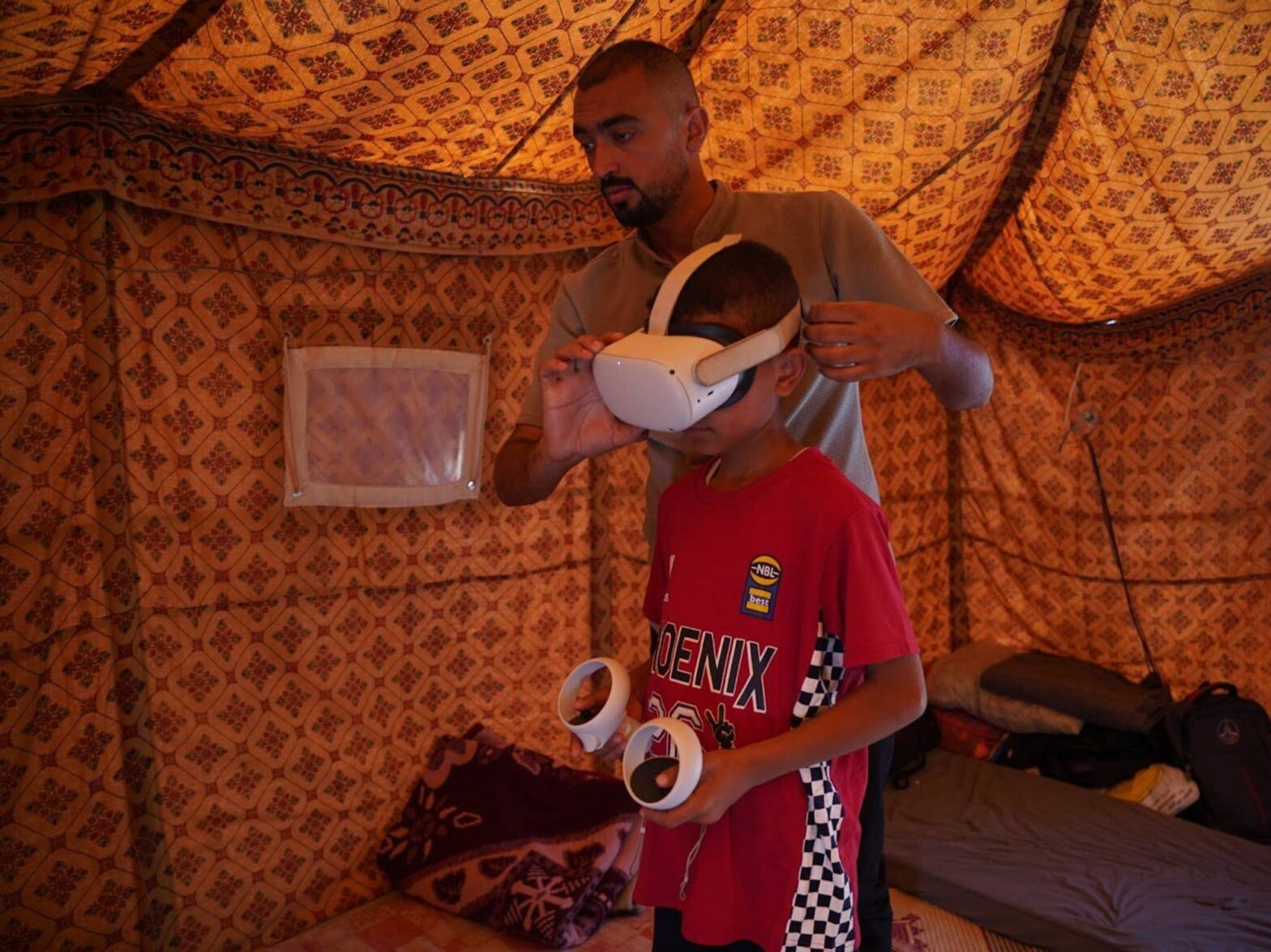
Two young Palestinians have sought to help children in war-torn Gaza. They first established a classroom between tents of displaced people to educate children. The second used virtual reality glasses as a psychological treatment especially for injured children.
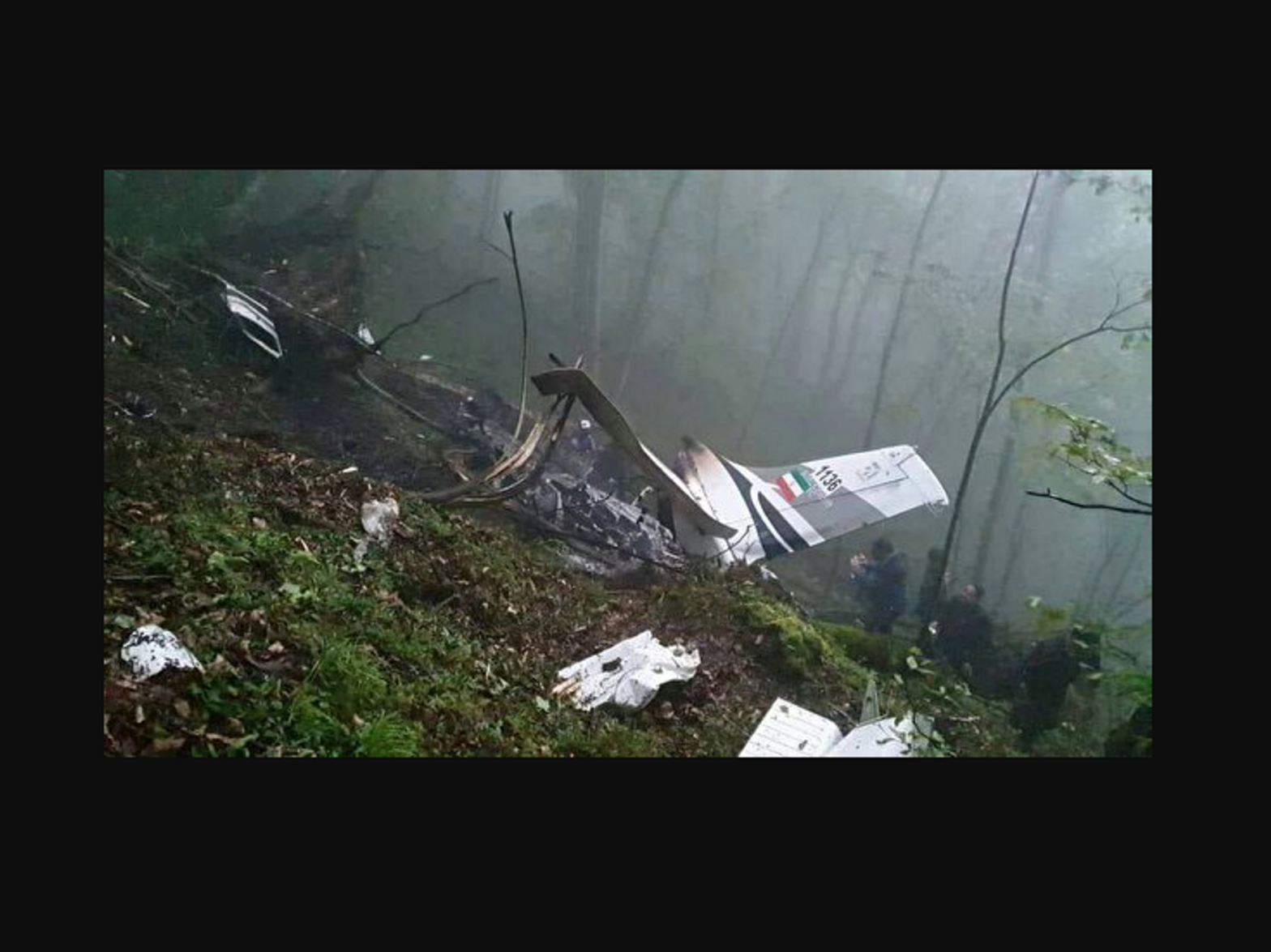
The death of Iranian President Ebrahim Raisi in a helicopter crash comes in an already tense context, five weeks after Iran’s confrontation with Israel. The consequences are heavy, both in terms of regional and domestic conflicts.
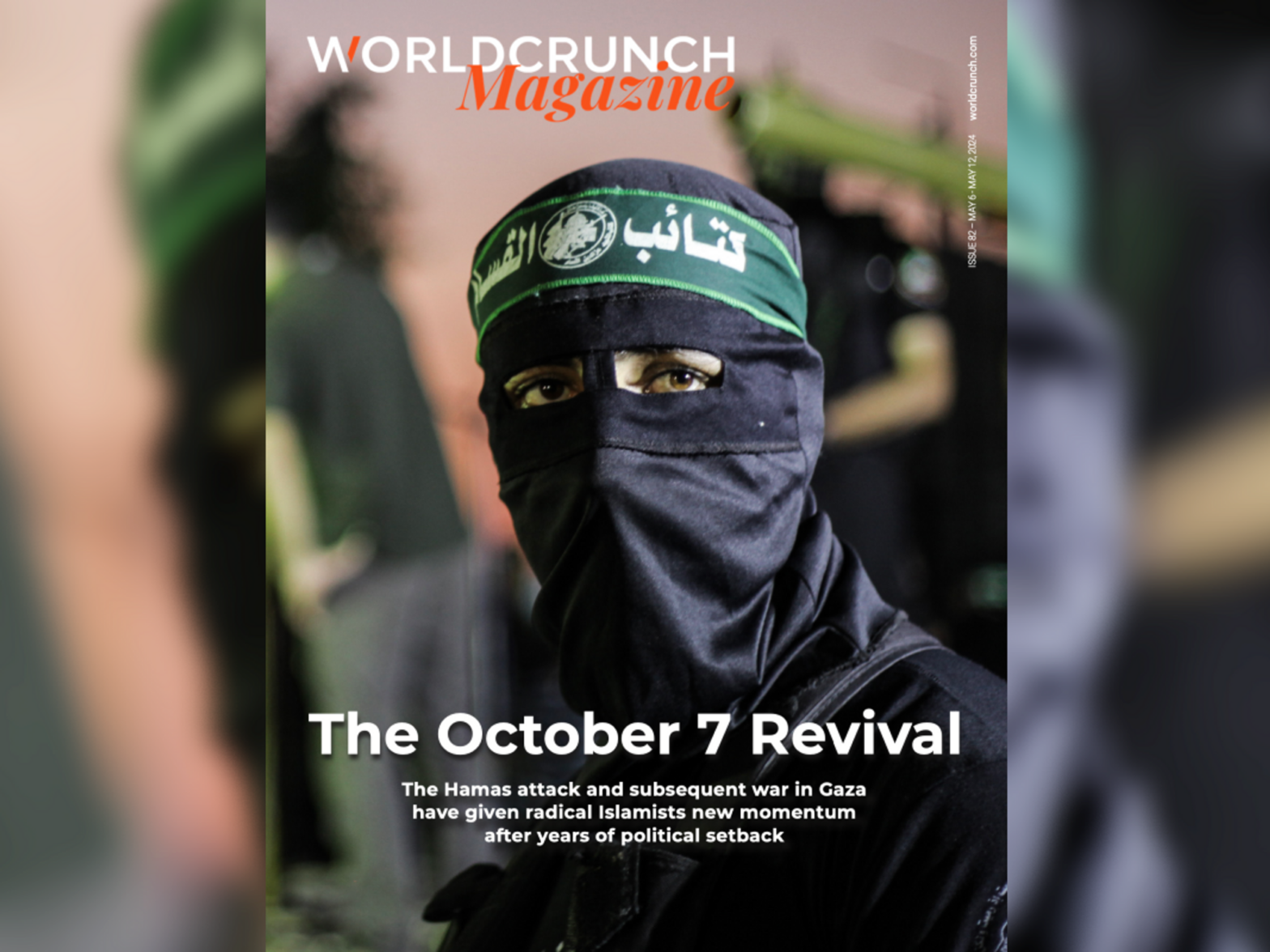
May 6 – May 12, 2024
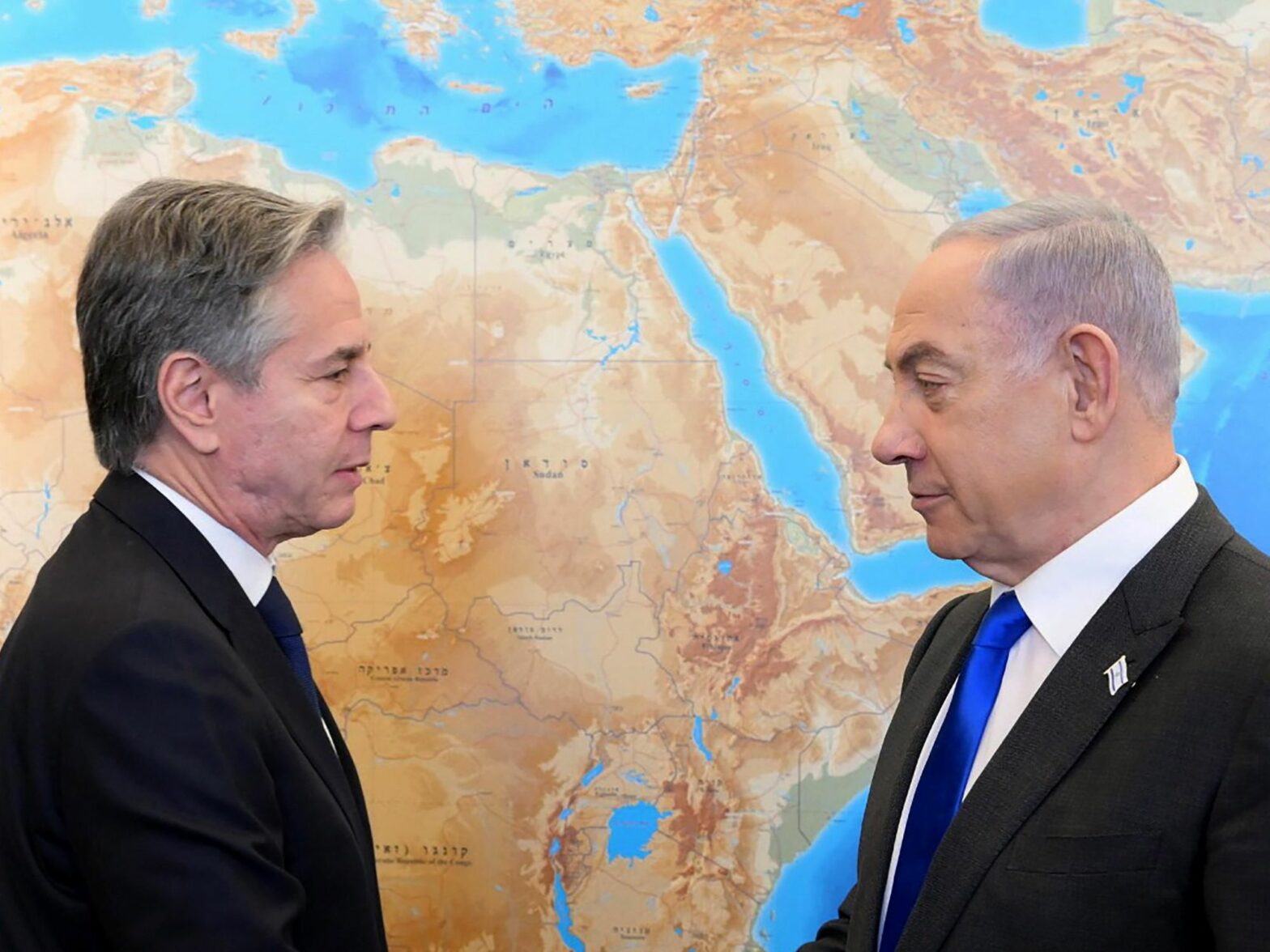
Have the ruling institutions in the United States learned the lesson and realized that the main means of confronting Iran’s influence — if they really wanted to — is to put pressure on Israel.
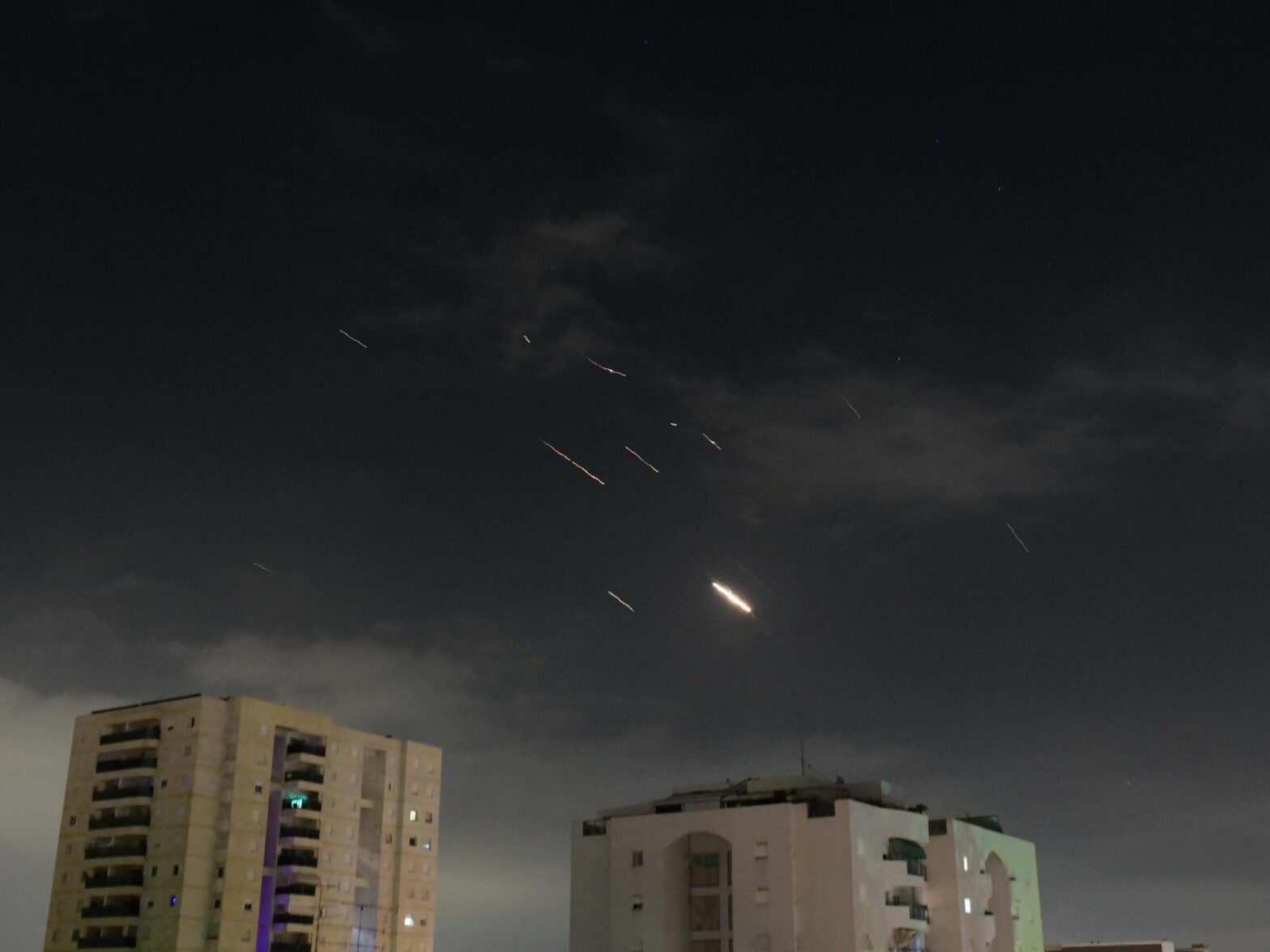
The world watches as Netanyahu walks that fine line between deterrence and escalation.
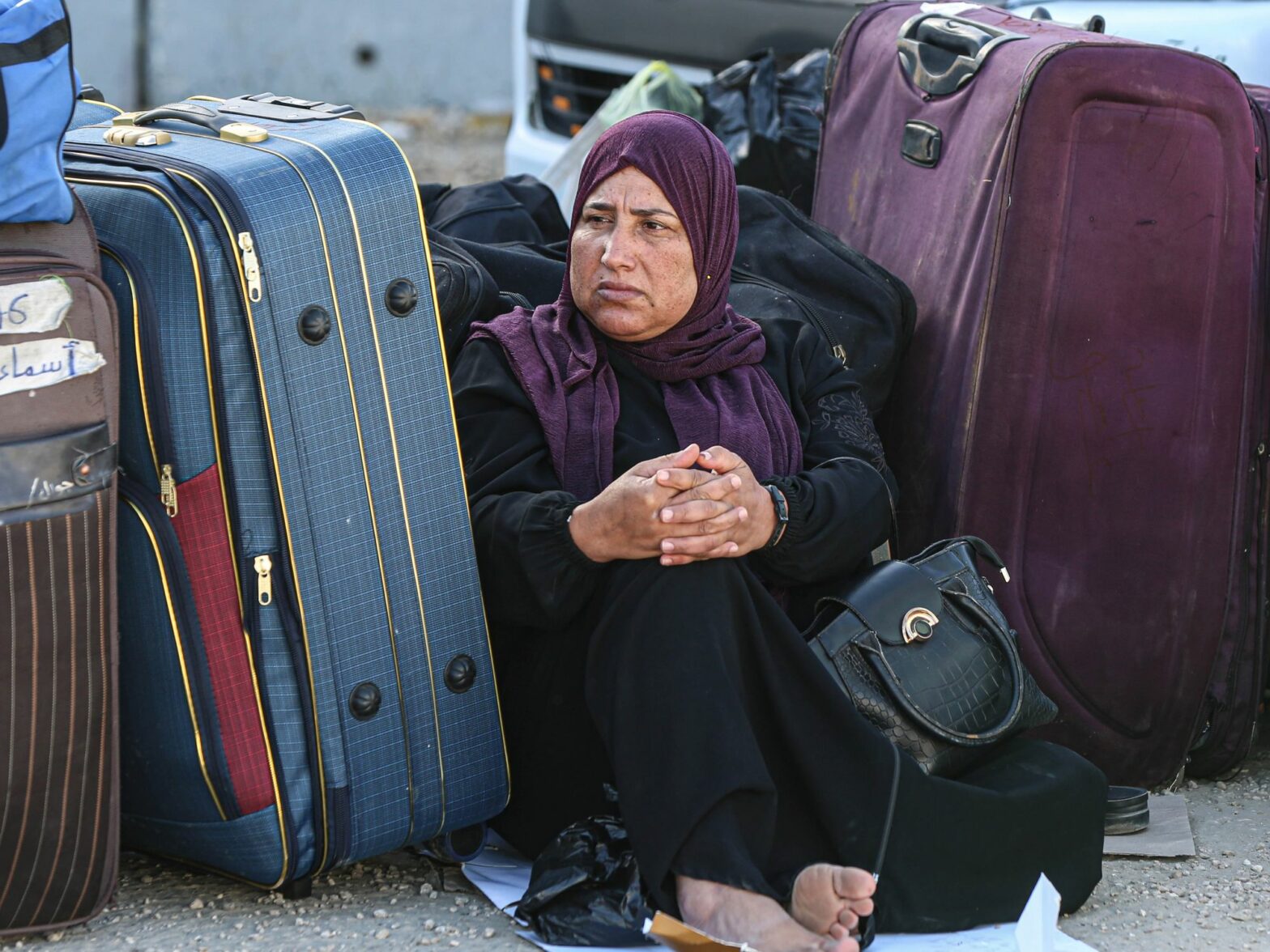
In late March, the Palestinian embassy in Cairo organized a crossing for Palestinians back into Gaza. Al Manassa talks with some of the Palestinians preparing to leave the safety of Egypt about their motivations for returning to the war-torn homeland.
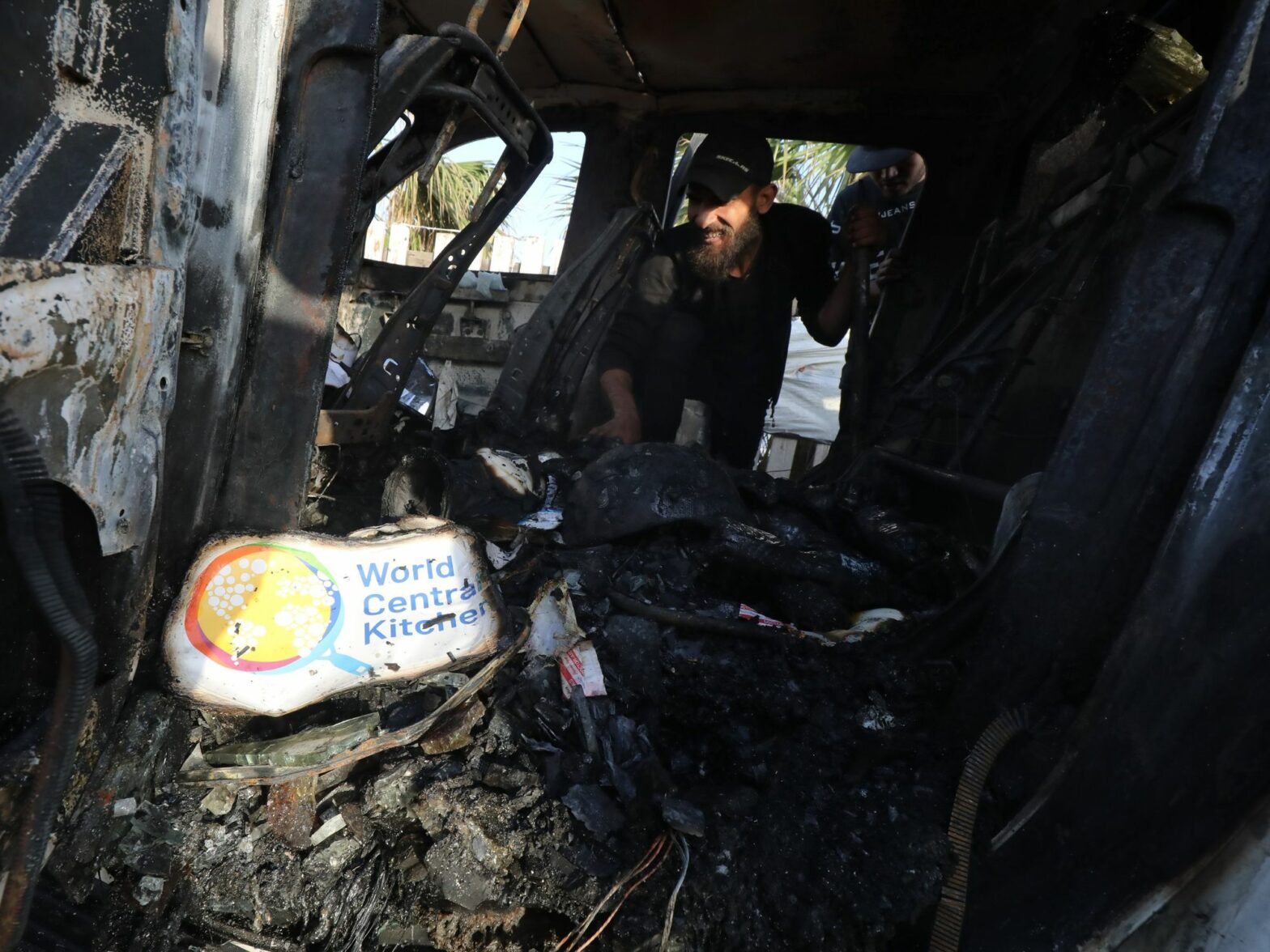
The Israeli drone strike that killed seven aid workers in Gaza has set off an international outcry. And Israeli Prime Minister Benjamin Netanyahu’s reaction was a reminder that cutting off humanitarian aid has been part of the strategy from the start of the war in Gaza.
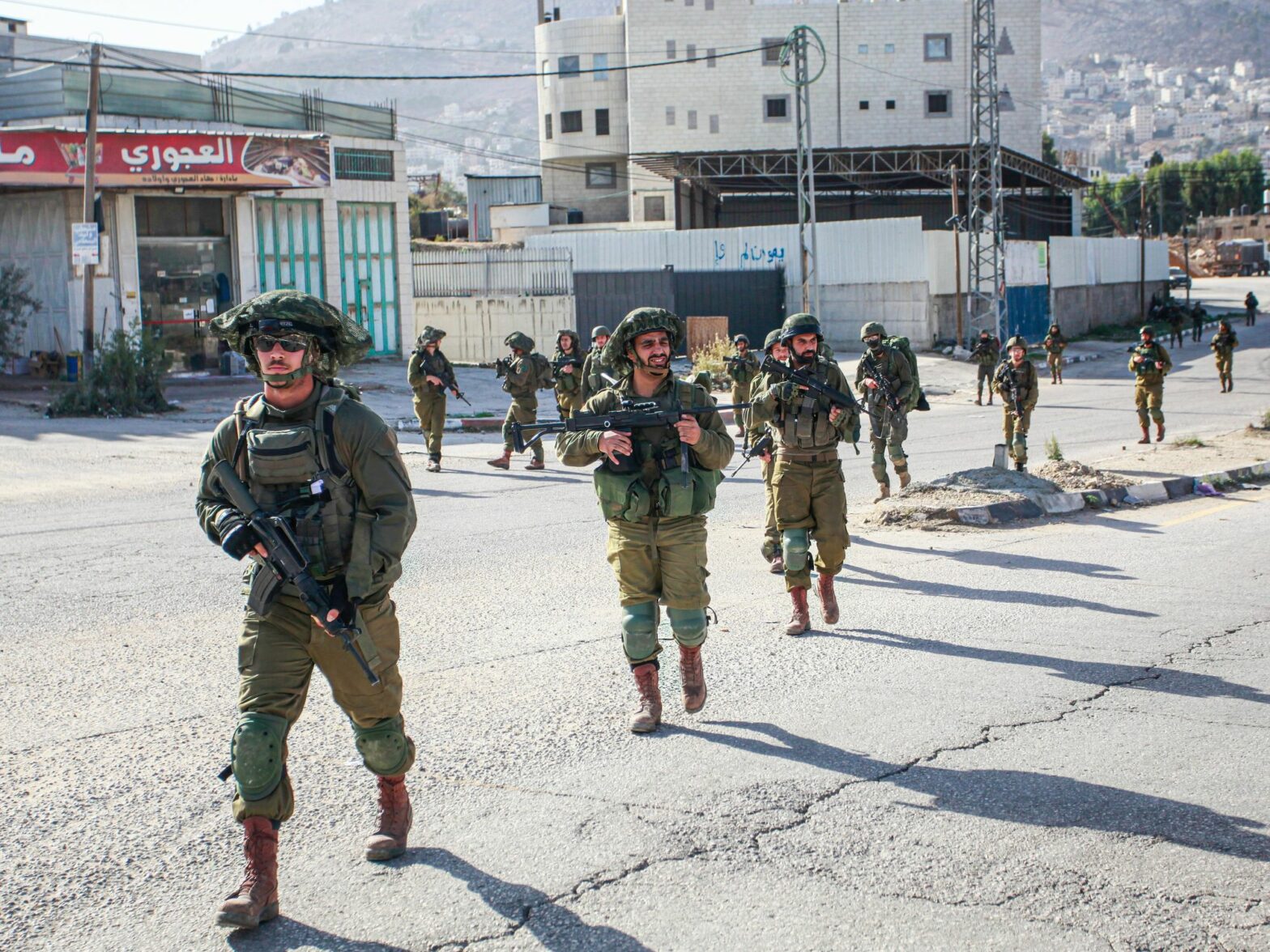
Released detainees detail how Israel’s military used them as human shields in its war against Hamas in Gaza. Soldiers would put civilian Palestinians in front of military targets, endangering their lives, according to accounts from recently-released detainees.