The reality is that Hezbollah no longer poses a threat to Israel, but rather to the Lebanese state itself; whereas Israel represents an existential threat to the state, to Hezbollah, and to Lebanese society as a whole.

 Worldcrunch
The reality is that Hezbollah no longer poses a threat to Israel, but rather to the Lebanese state itself; whereas Israel represents an existential threat to the state, to Hezbollah, and to Lebanese society as a whole.
The Saudis could regain the political and financial clout they once enjoyed in Lebanon, which was lost for two decades to Hezbollah and its foreign patrons. Could that restore a measure of prosperity to a country brought to its knees by decades of civil war and the unwelcome interventions of Tehran and Damascus.
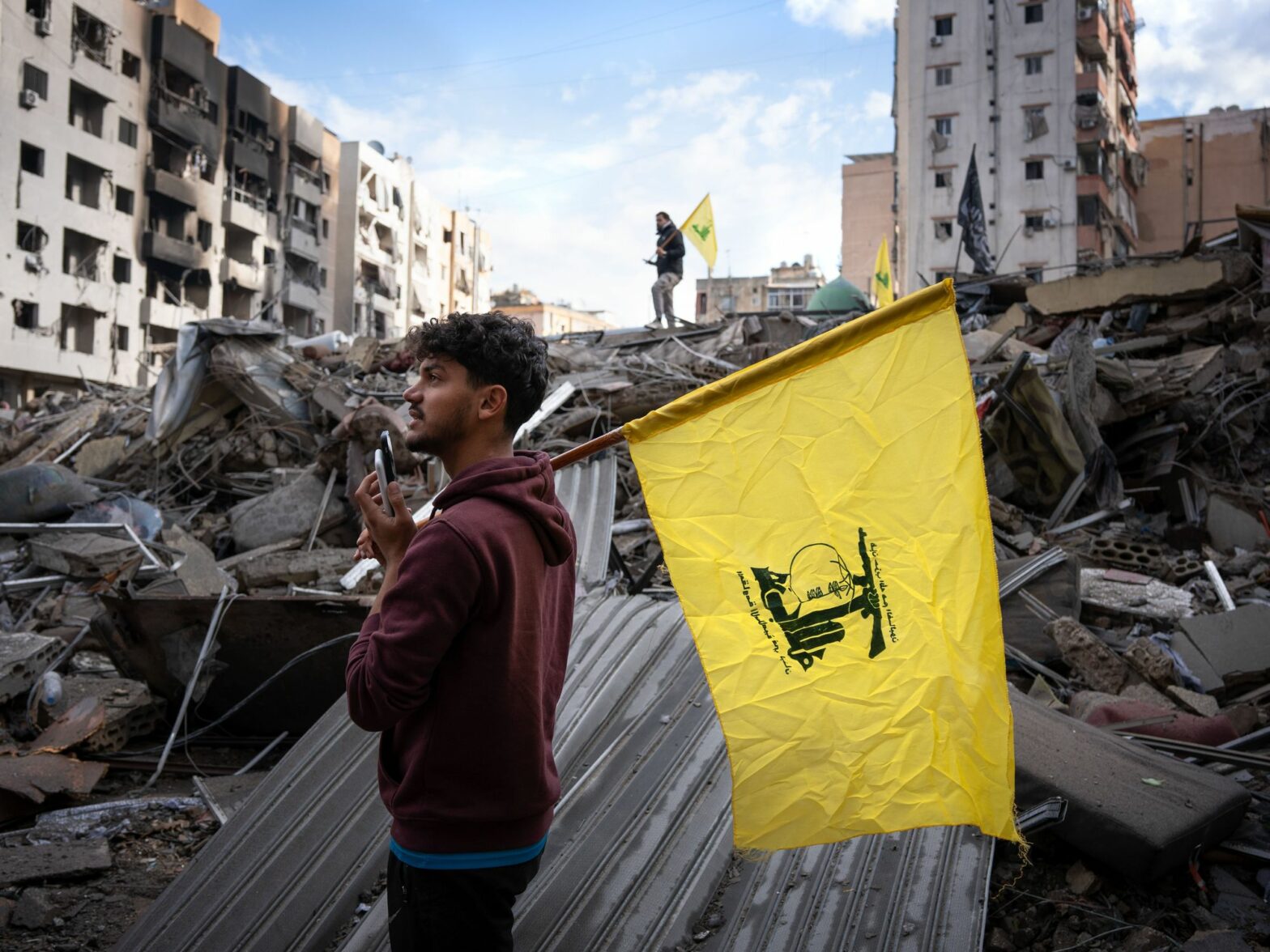
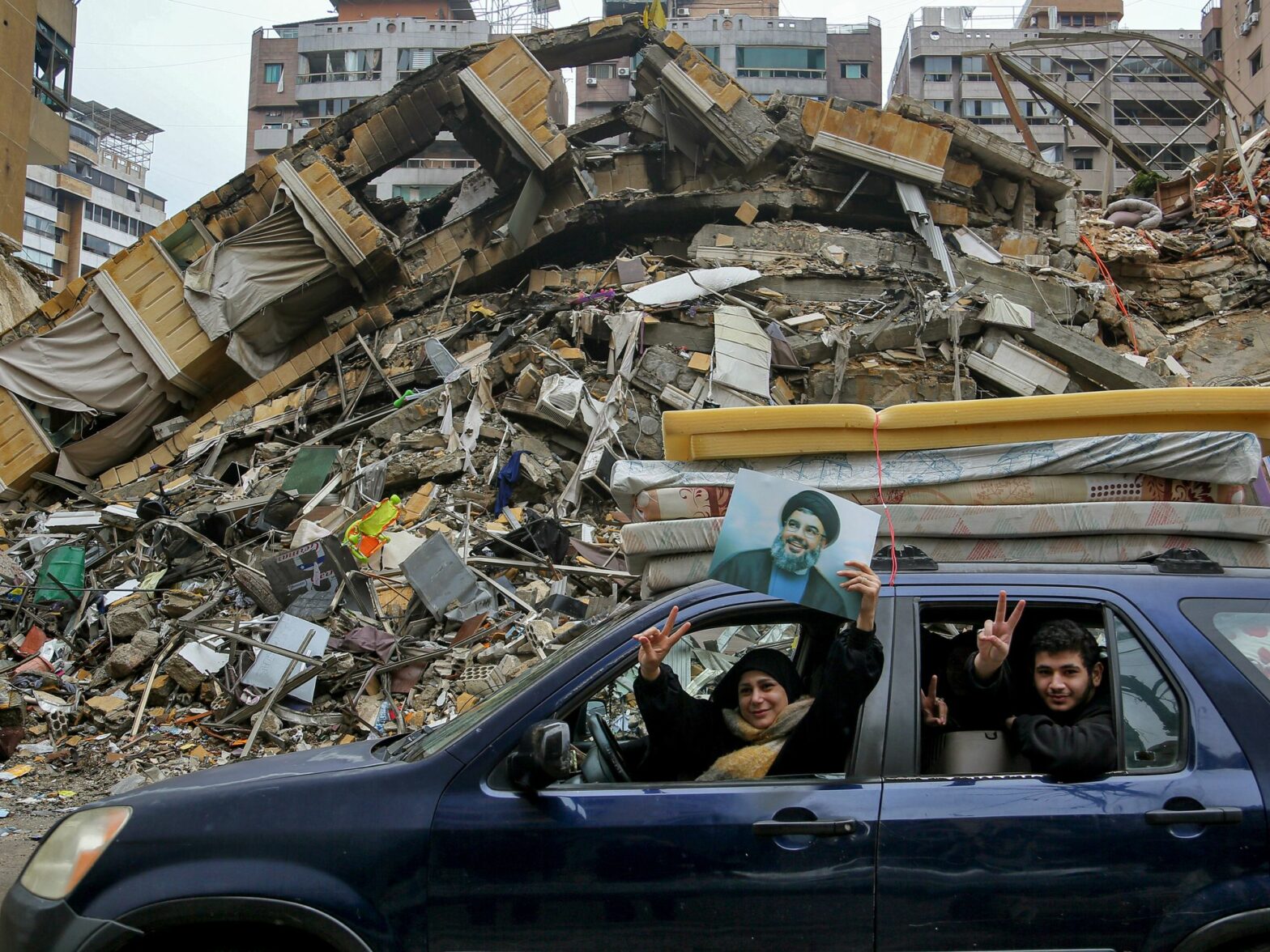
Hezbollah has emerged notably weaker from the war with Israel. The image of the protector that it had entrenched in Lebanon’s Shiite consciousness was shattered by the war in favor of an idea that calls for the Lebanese army as an alternative guardian. Yet Hezbollah is hardly fading away.
One might think that the rush to announce the completion of the deal refers to its preemptive failure with each party blaming the other for this failure. But there are many moving parts in the negotiations, like there are in the region.
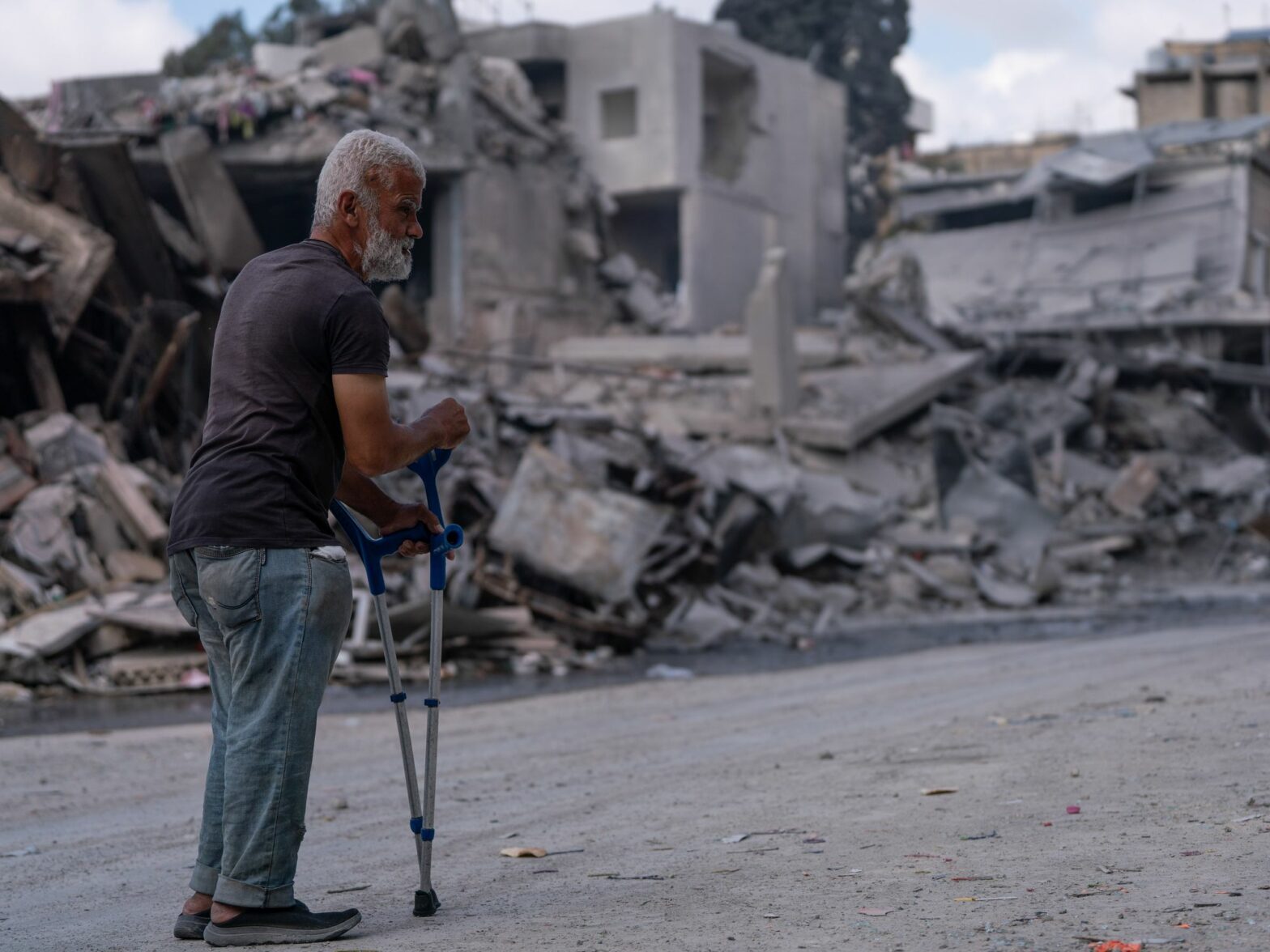
Around 80 countries are taking part in the ‘International Conference in Support of the People and Sovereignty of Lebanon’ in Paris on Thursday. And yet, nobody is even talking about stopping the war.