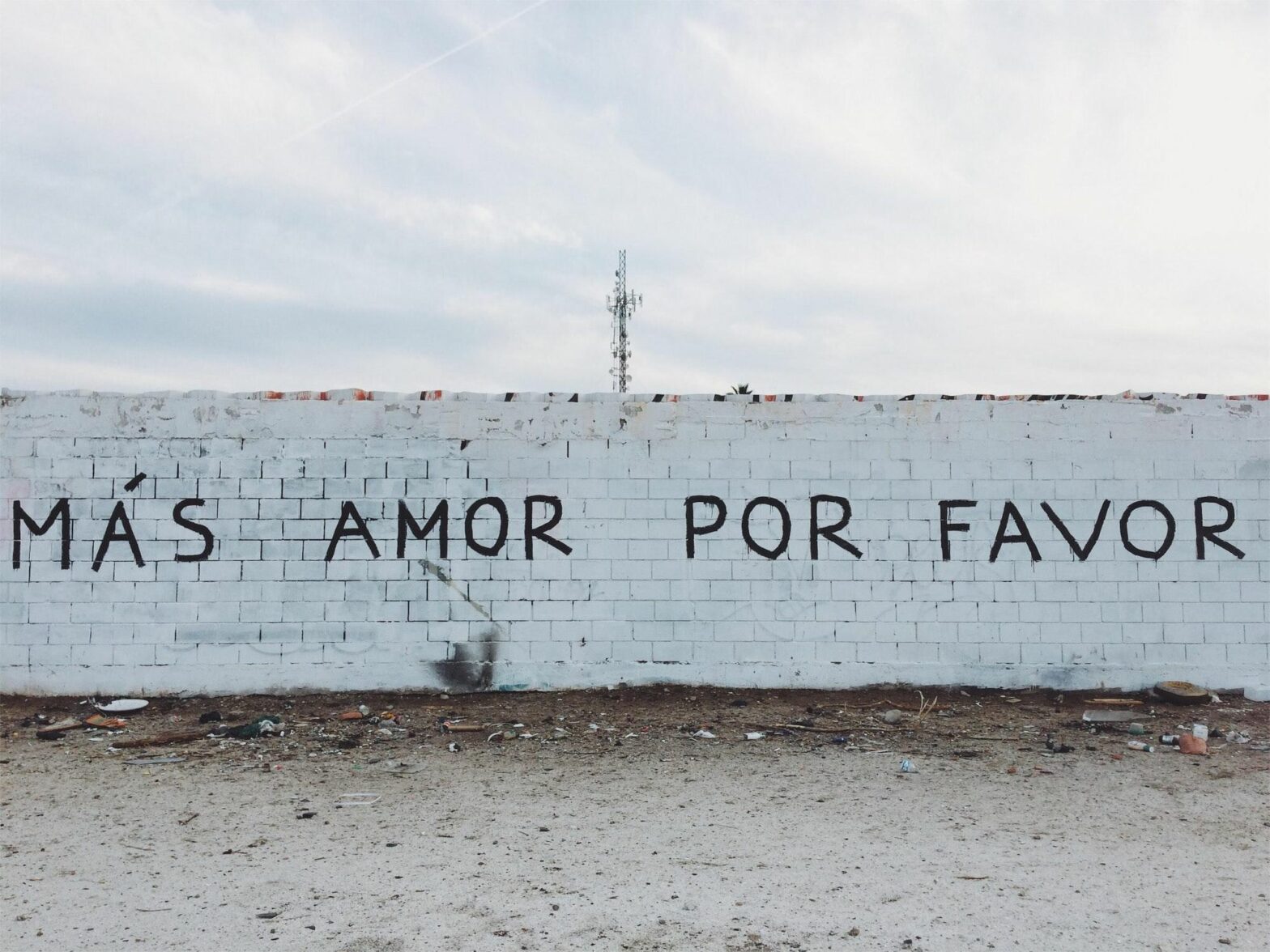
The clash over language teaching is less about classrooms and more about who gets to define what it means to be Indian.
 Worldcrunch
The clash over language teaching is less about classrooms and more about who gets to define what it means to be Indian.
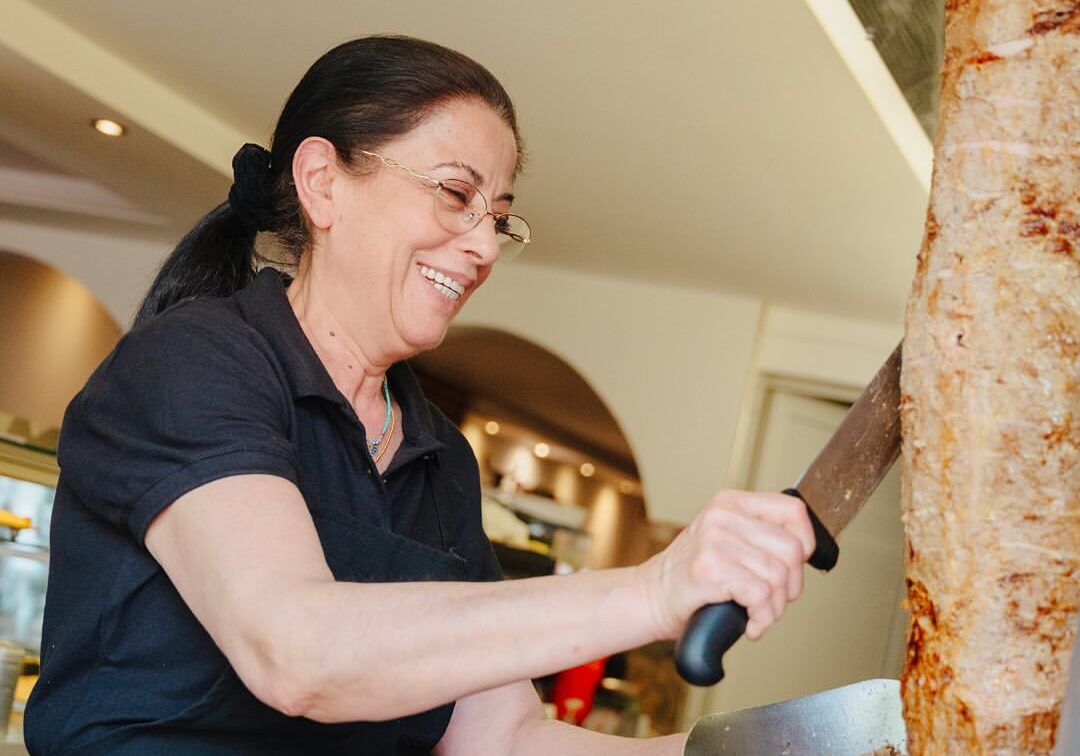
It’s 122° F at the kebab grill. My mother has been standing there for 35 years, and I’ve been joining her there every day now, even though I’m still at university. Because that’s our form of resistance.
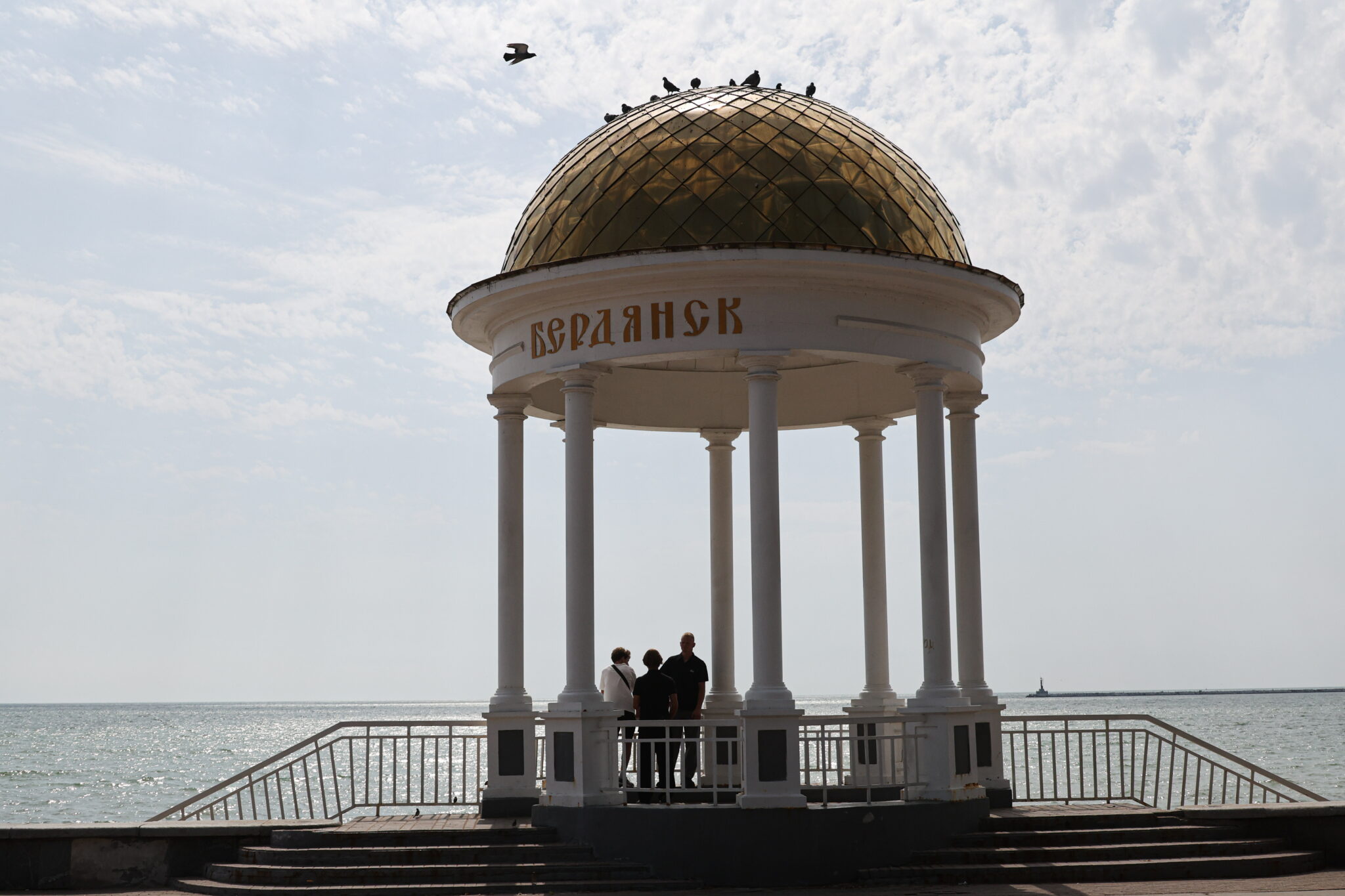
From language bans to property seizures, residents of the Ukrainian port city of Berdyansk live under constant surveillance, intimidation, and the threat of losing everything.

A study of hundreds of thousands of YouTube videos and podcasts reveals that AI isn’t just changing how we write, it’s subtly altering our spoken language too, raising new concerns about cultural homogenization and who controls the words we use.
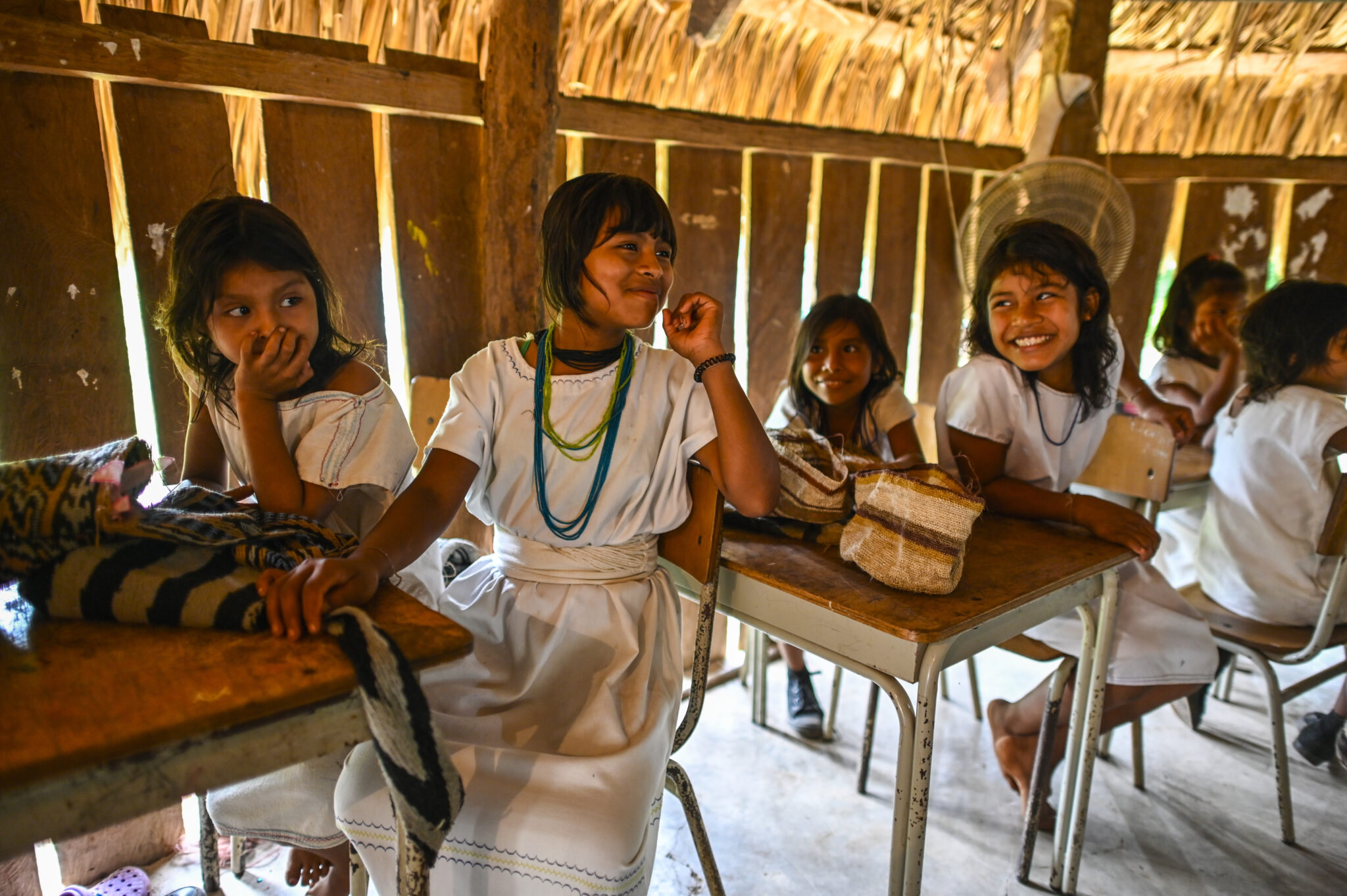
Miraña, spoken by just 170 people, is one of the indigenous languages that is in danger of disappearing in Colombia. Researchers and activists are working to save it from extinction.

Many of the world’s languages aren’t adequately represented in the data used to train chatbots and other AI-based tools. If we fail to be more inclusive, the next generation of AI will encode a world that risks being extremely biased, both linguistically and culturally.
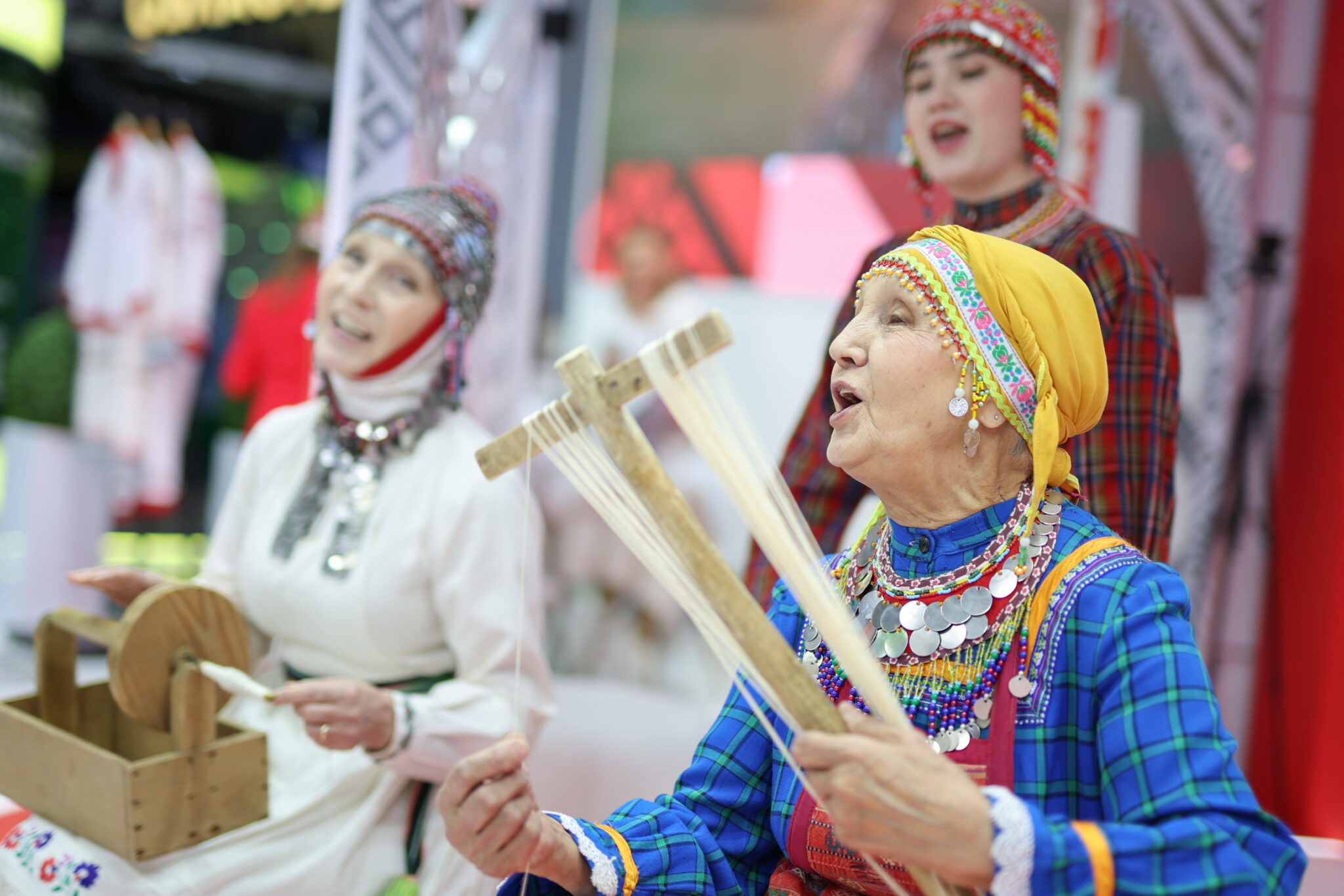
The Kremlin accuses Ukraine of persecuting the Russian language as propaganda to justify the Ukraine War. But on the home front, Vladimir Putin uses language oppression as a power play — endangering Russia’s diverse native languages as a means of consolidating his rule.

Ukrainians are still processing Friday’s meeting. Donald Trump speaks about Zelensky’s “cards.” It’s as if he doesn’t realize what a war is.

Public broadcaster TV3 in the Spanish region of Catalonia has decided to air Dragon Ball, a ’90s anime classic that marked an entire generation in the autonomous community of Spain. But despite its cultural significance at the time — as the first series broadcast in the Catalan language — Dragon Ball’s return seems more like a comfortable wink to the past than a brave commitment to the future.

Despite recent advancements in message transmission and keyboard technology, Indigenous communities still face barriers in ensuring their languages are accurately encoded and accessible on digital platforms.
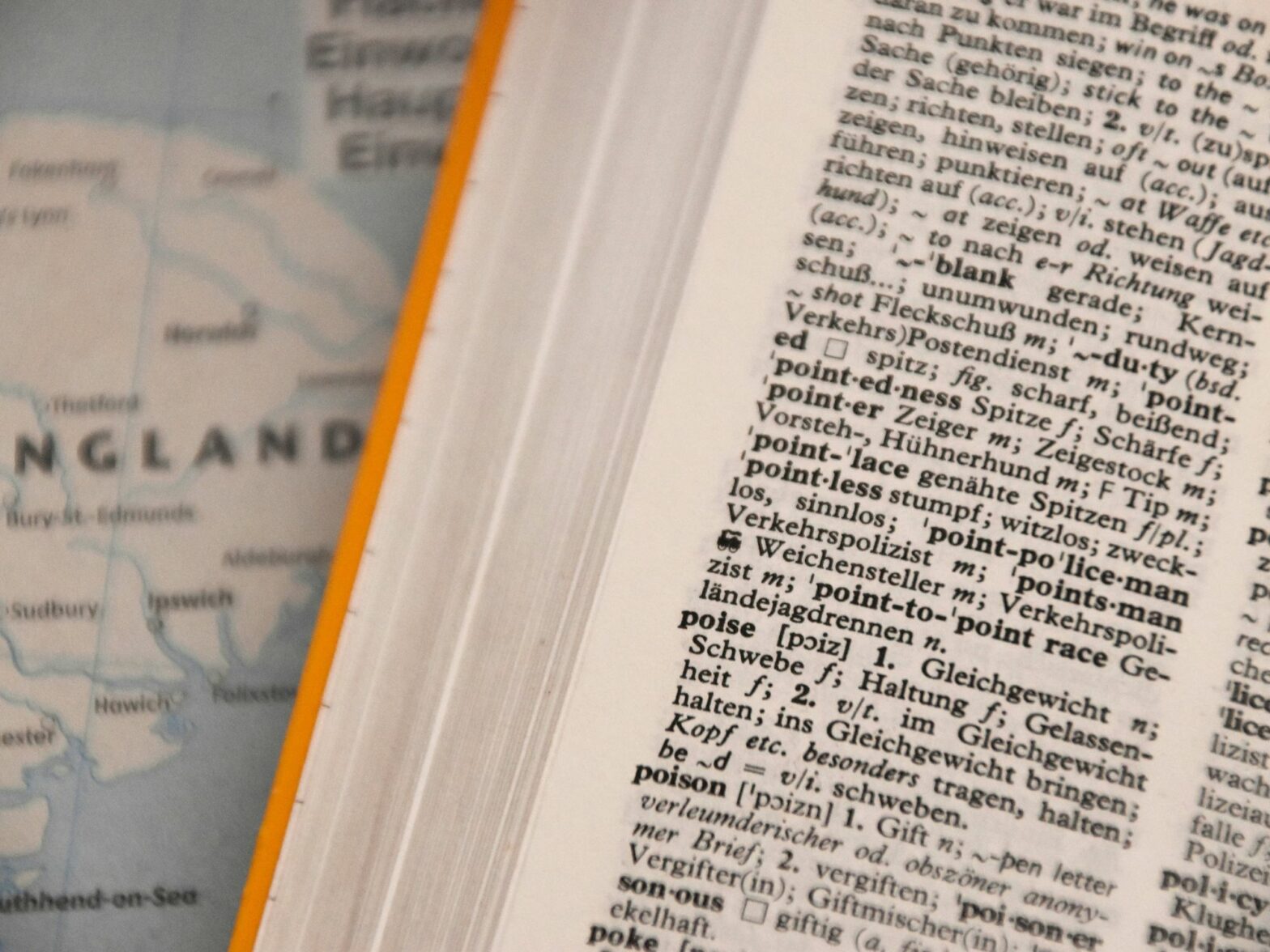
As 2024 comes to an end, the words we’ve chosen reflect a year of division, from “polarization” in the U.S. to “brain rot” in the UK, or Switzerland’s “non binario”, international Words of the Year show how languages mirror the complex issues of our world.
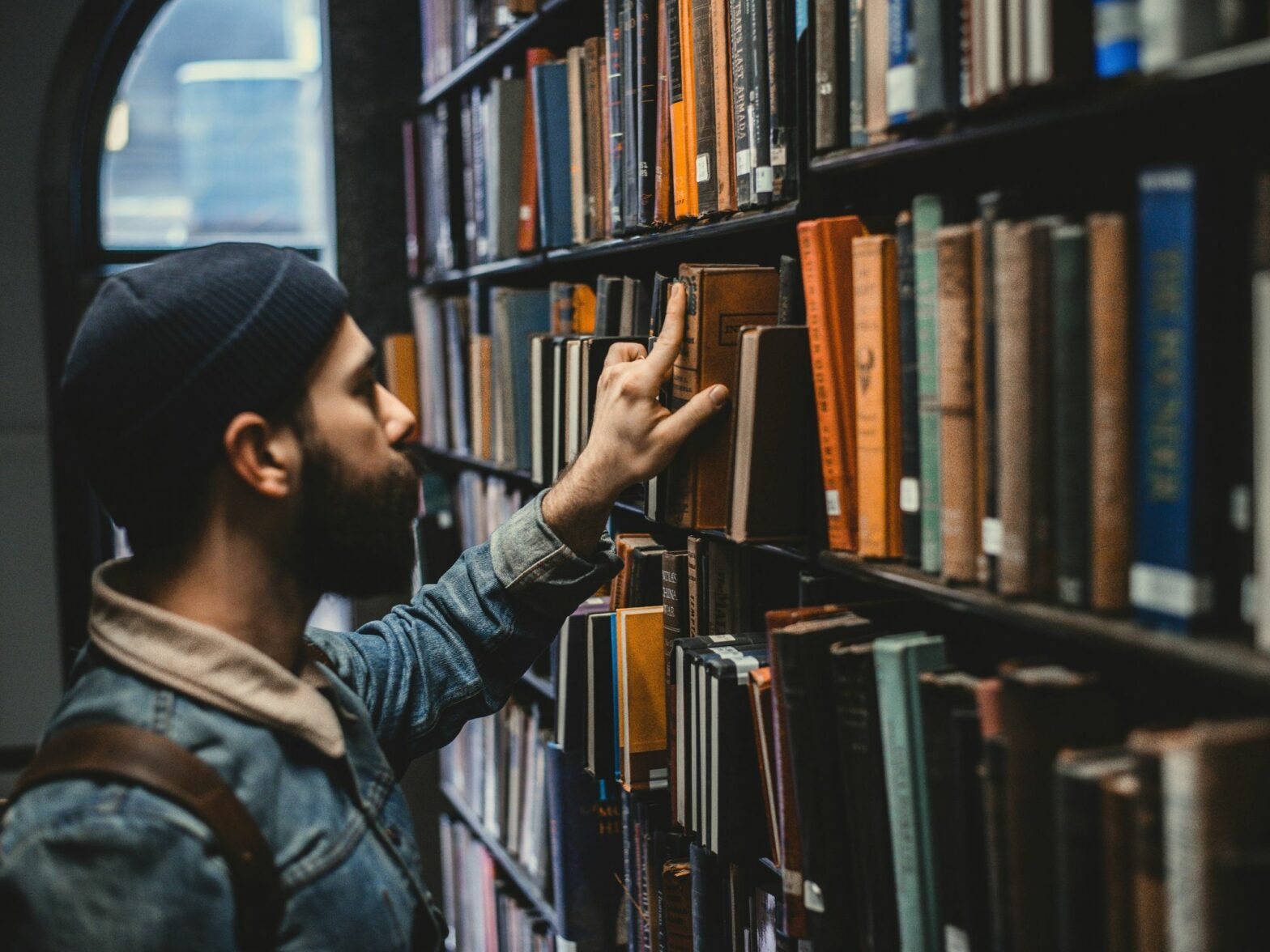
Putting authors and artists in categories may help pinpoint their work in socio-cultural and stylistic terms, but is inevitably restrictive of literature’s essential universality. In South America, there is one, tiresome if profitable label literature seemingly cannot shake off, namely Magic Realism.

Profanity is a kind of national sport in Turkey. But it can also be risky business, sometimes leading to lawsuits or even death. One political scientist researching Turkey’s unique way of conjuring curse words explains what the country’s inventive slurs reveal about its fears and prejudices.

The author’s mother shares a name with the Democratic nominee for U.S. president. How our names are spoken in different countries and cultures has some surprising twists, even if Donald Trump’s weaponizing Kamala Harris’ name is pure bigotry and bullying.

Tim Walz speaks Mandarin. But don’t expect to hear Kamala Harris’ running mate deploying his Chinese language skills on the U.S. election campaign trail.

We all know good communication is the bedrock of a healthy relationship. Here’s why keeping some of your thoughts to yourself, and a practiced lack of utter sincerity, is a bedrock of a healthy couple.

A recent bilingual edition of Shakespeare’s complete works has turned new attention to the English playwright’s lasting (but not always appreciated) influence on French literature.
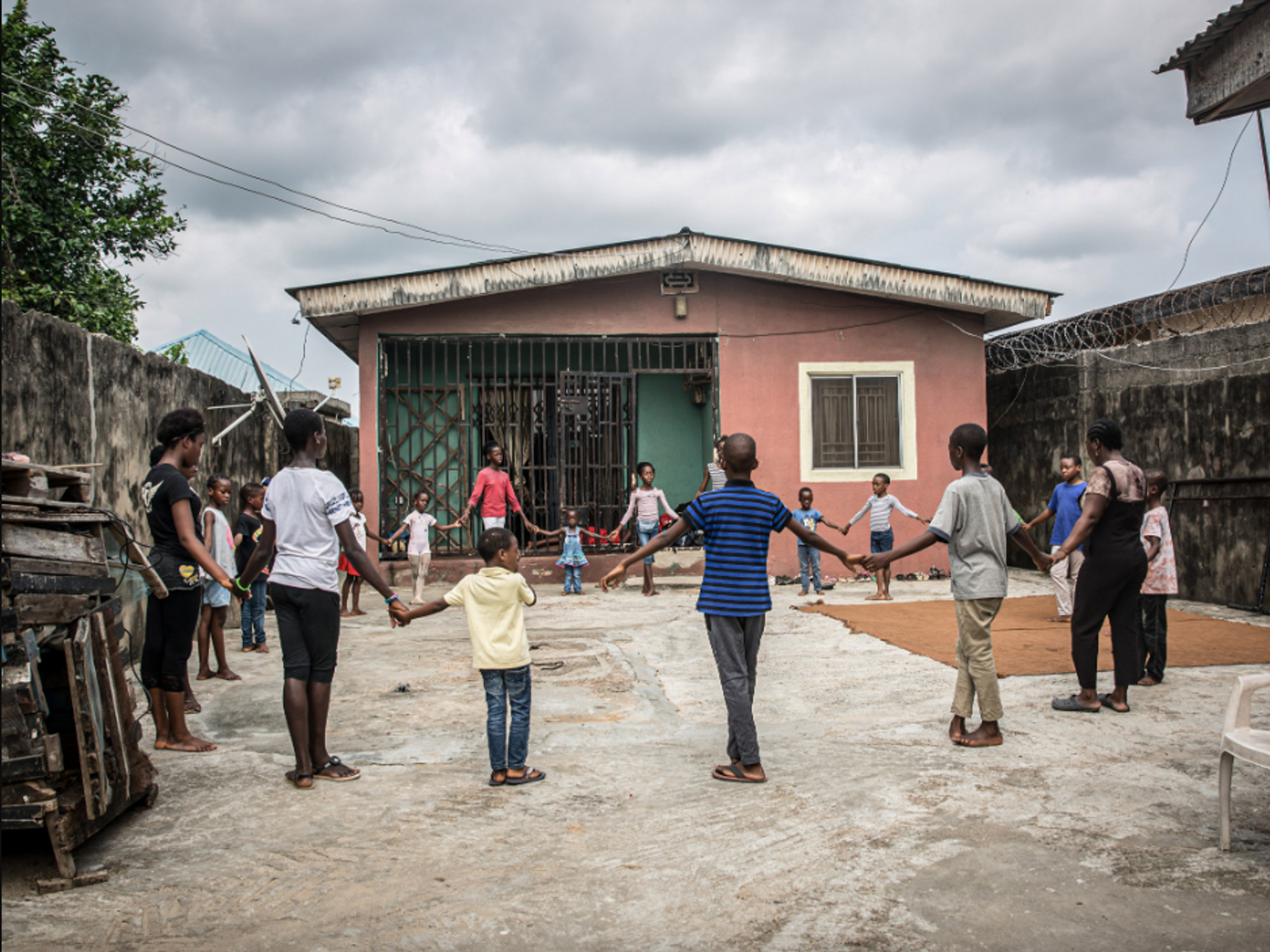
As technology advances, machine translation threatens to replace the art of learning languages. Will we lose the cultural richness and personal growth that comes from mastering a foreign tongue?
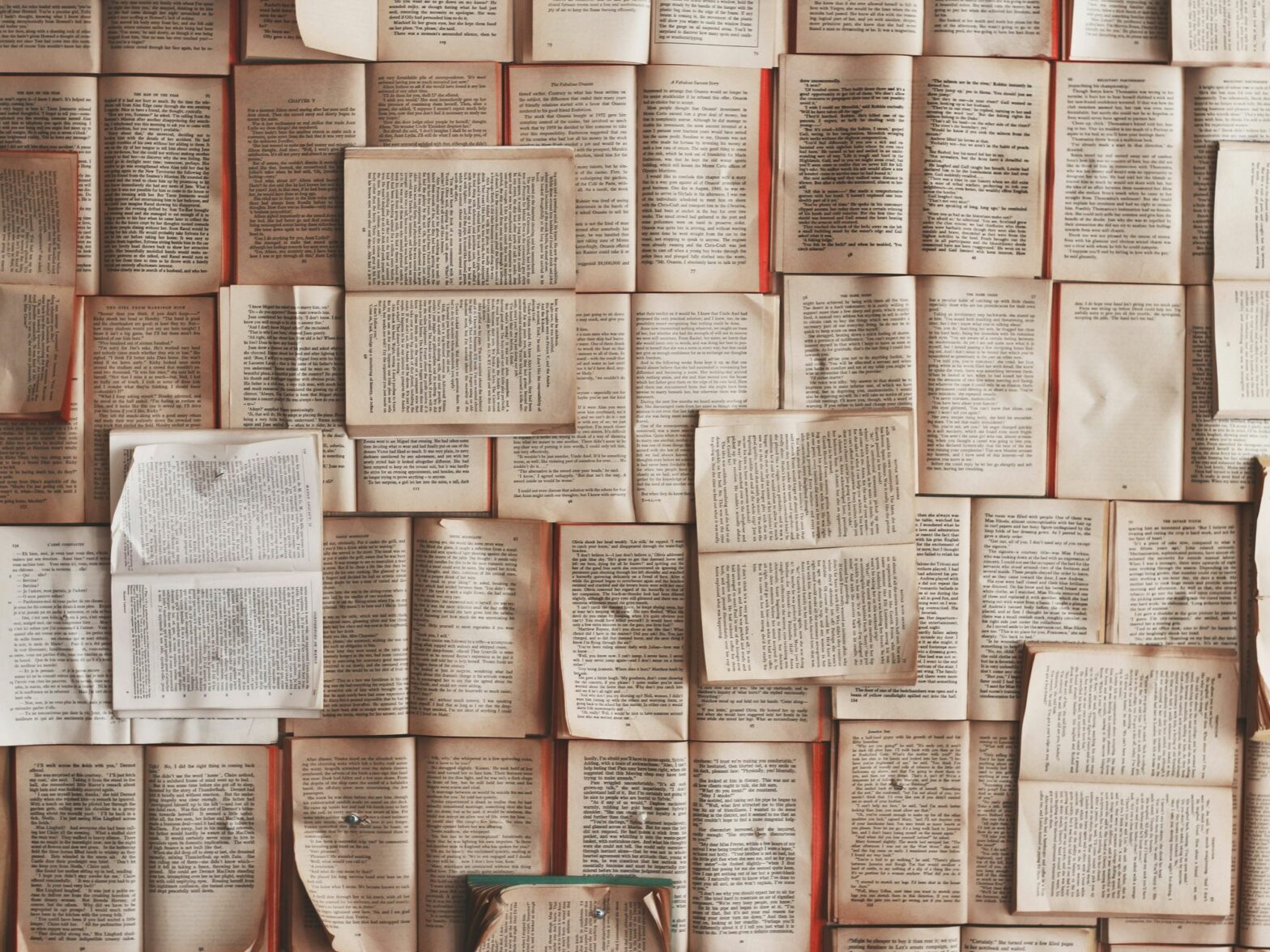
The phenomenon of retranslation is both paradoxical and inherent in every culture but it’s also a true source of vitality for literature, as well as pleasure for the readers.
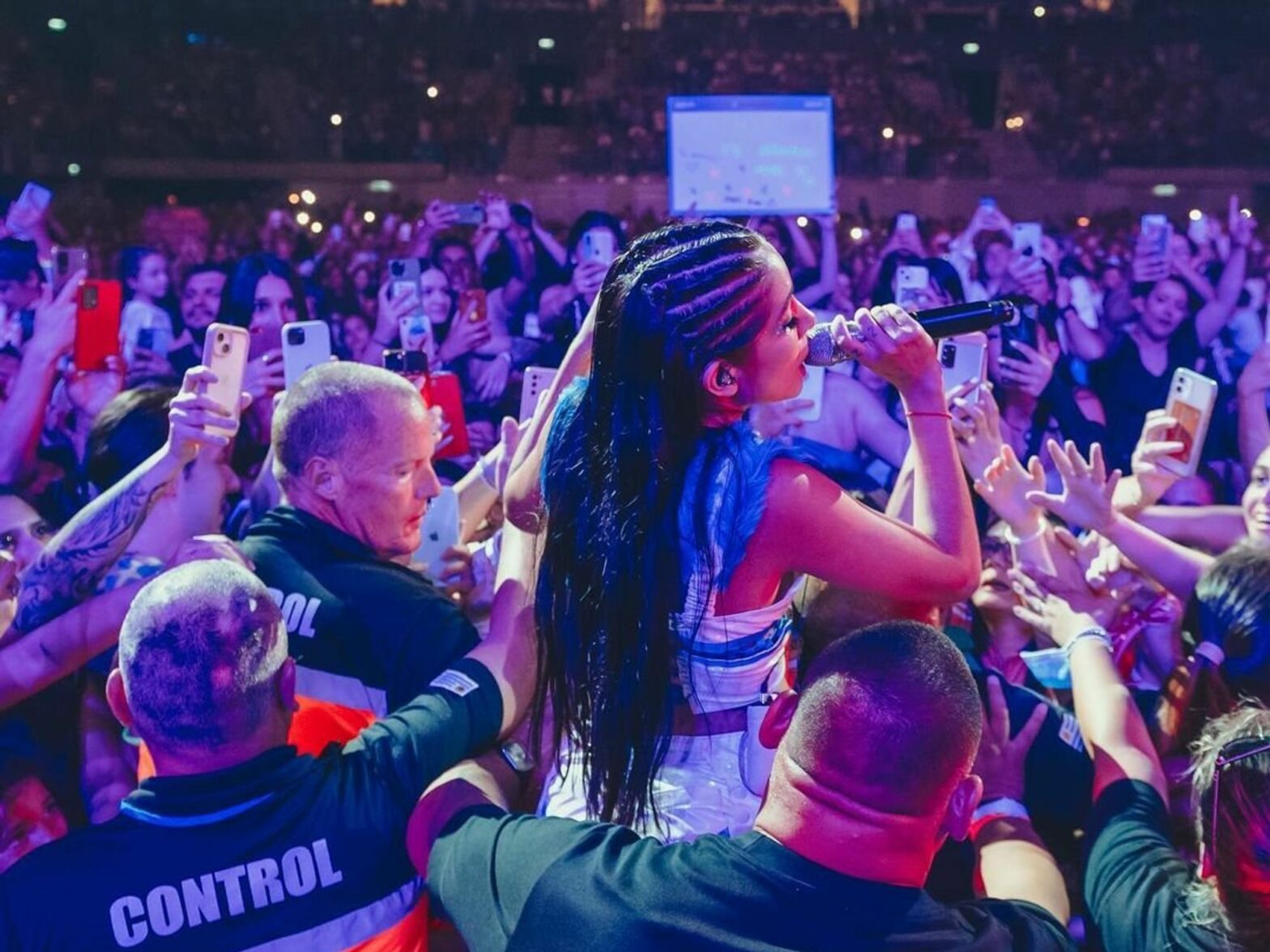
From Reggaeton and Dembow to Dancehall, Latin hip hop and others, Spanish-language music makes up almost a quarter of the charts on a global level.
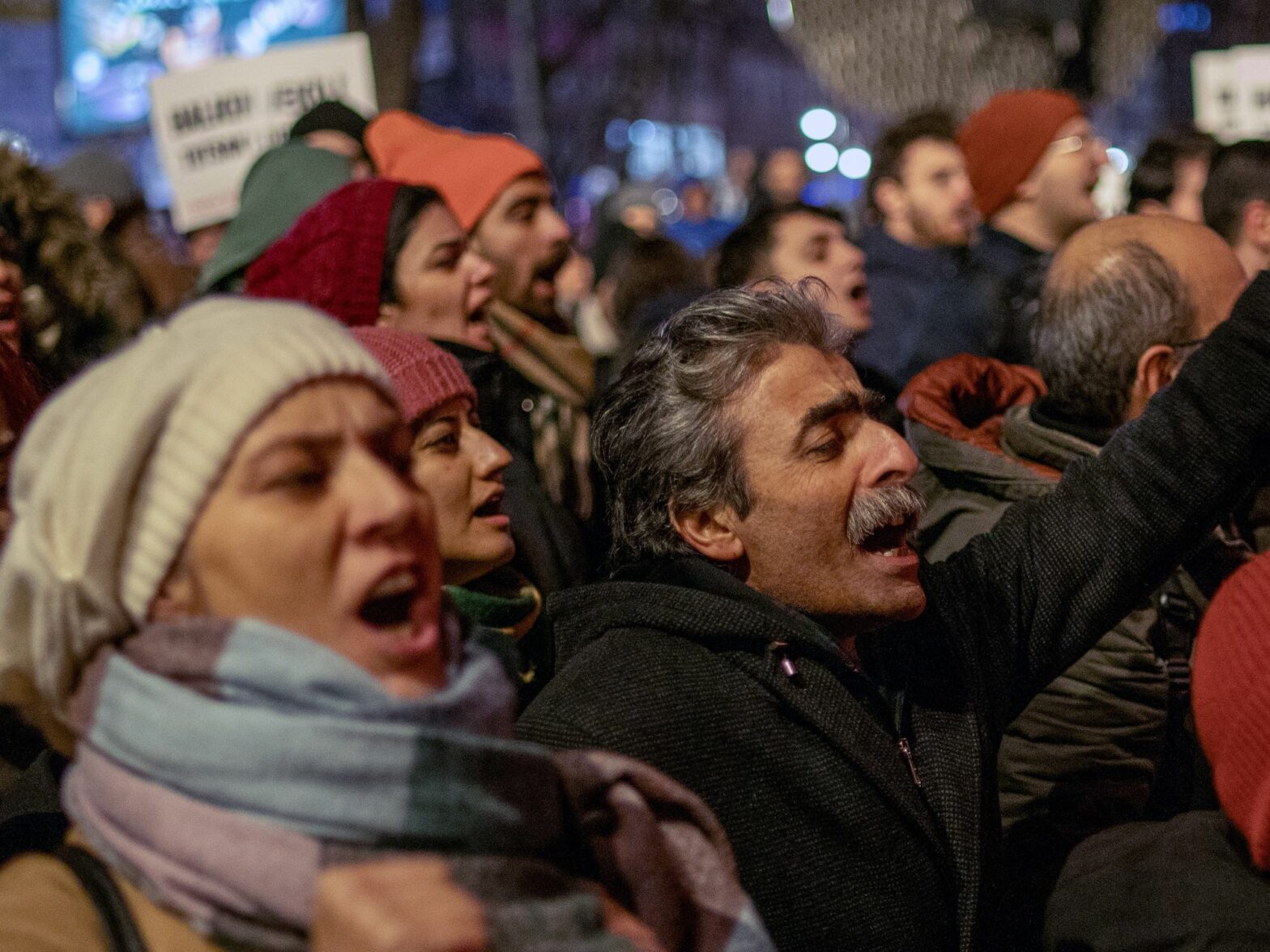
As nearly half of the world prepares to vote in elections this year, Turkish journalist and author Ece Temelkuran warns, in the Istanbul-based weekly Oksijen, that many countries are following Turkey’s path from democracy to dictatorship.

In the wake of Giulia Cecchettin’s death, our Naples-based Dottoré remembers one of her old patients, a victim of domestic abuse.

Phd candidate Tashi Dema, from the University of New England, discusses how social media apps, particularly WeChat, are helping to preserve local Bhutanese languages without a written alphabet. Dema argues that preservation of these languages has far-reaching benefits for the small Himalayan country’s rich culture and tradition.
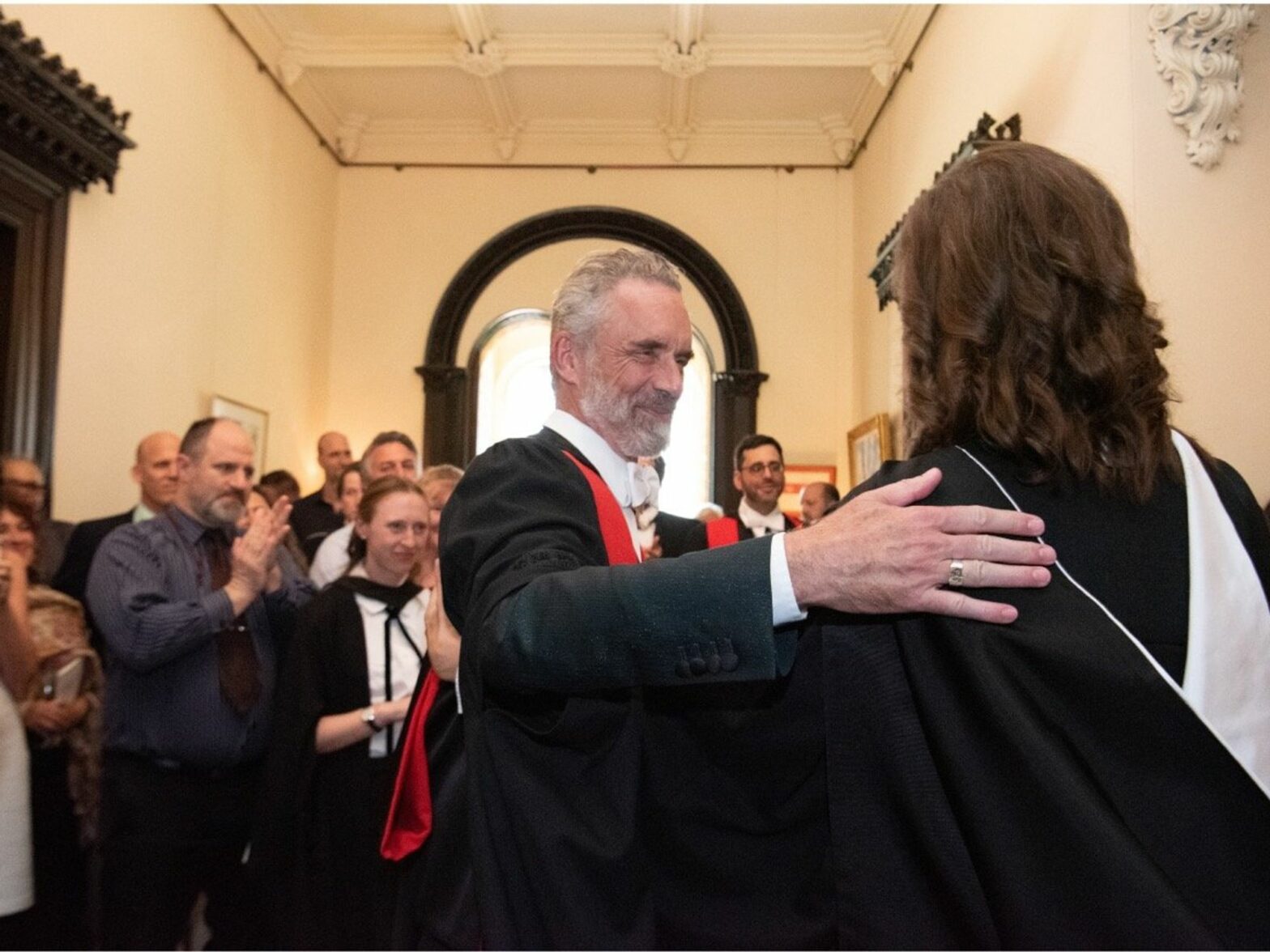
The Canadian-born psychologist Jordan B. Peterson is one of the most prominent opponents of what’s been termed: left-wing cancel culture and “wokism.” As part of his mission , he serves as chancellor of Ralston College in Savannah, Georgia, a picturesque setting for a unique experiment that contrasts with his image of provocateur par excellence.
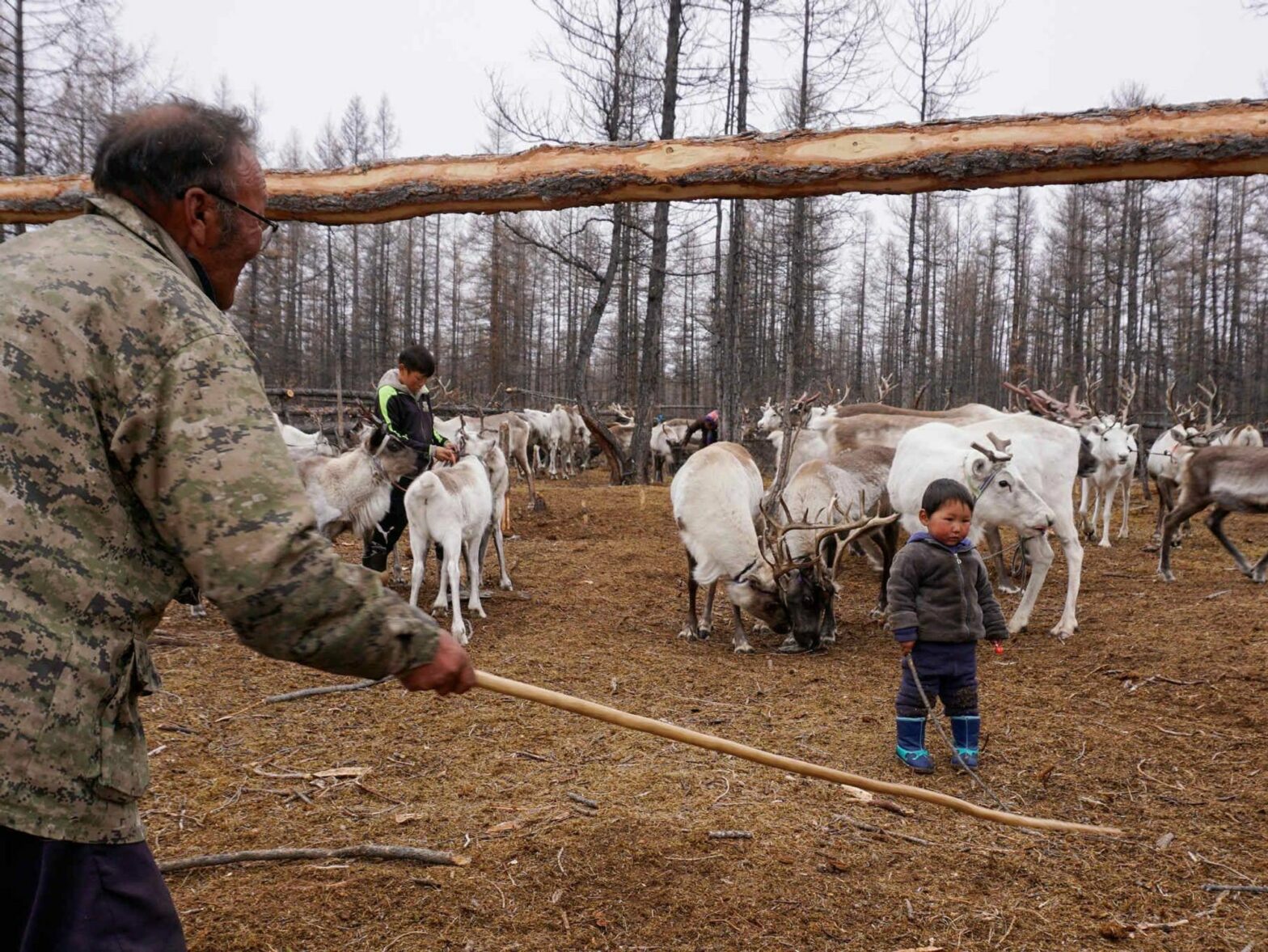
Her museum houses relics of a disappearing culture in the frozen taiga. Will cash payments and new language classes be enough to help her save the Dukha way of life?
The clear lack of words, in Hindi and other Indian vernaculars, to describe feminine reproductive organs, feminine hygiene or women’s reproductive rights, says a lot about a country plagued by violence against women and rampant rape culture.
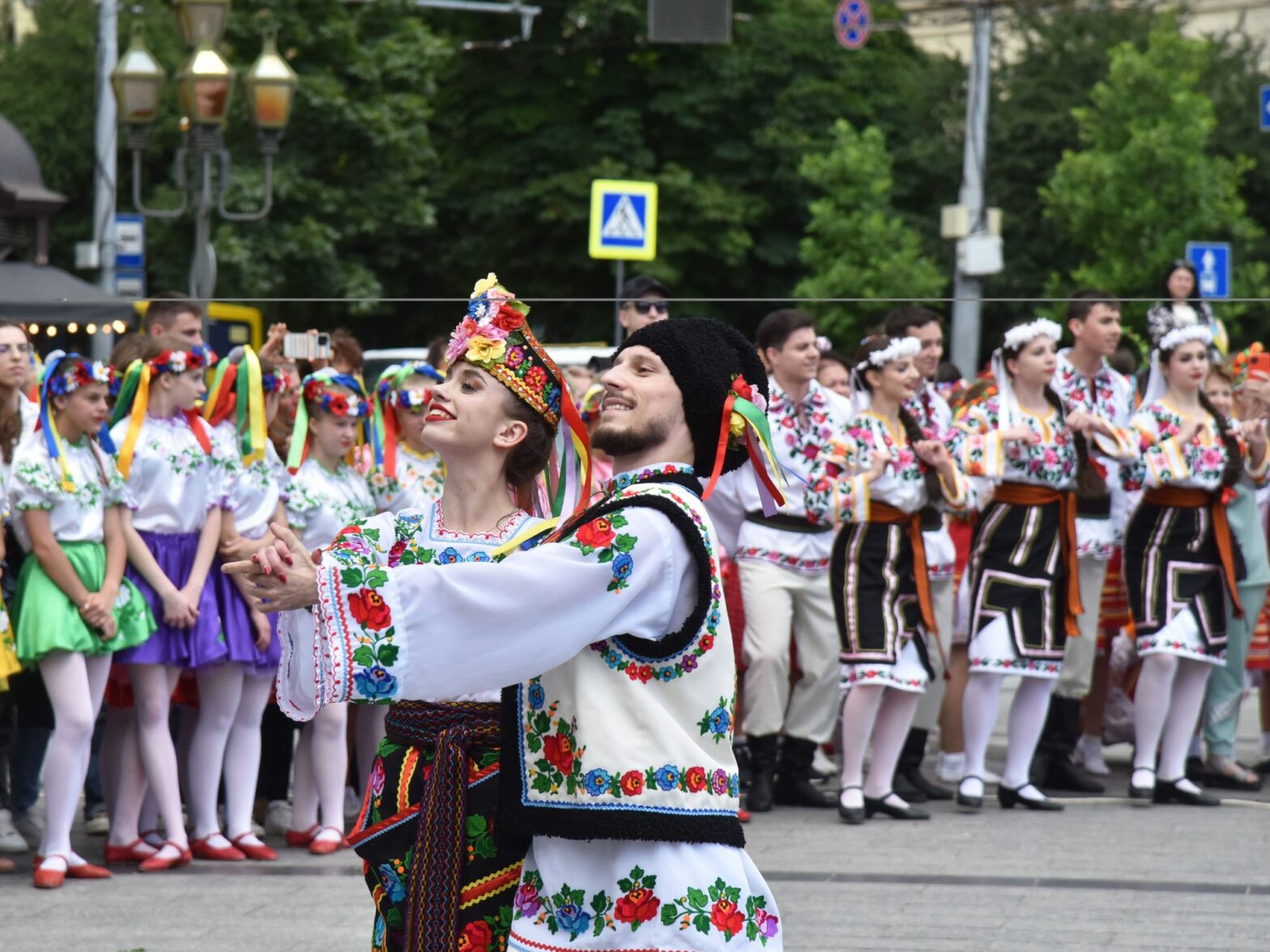
Volodymyr or Vladimir? As the Ukraine war rages on, Kyiv is also defending itself against Russian aggression on the linguistic battlefield, countering Russification attempts, past or present.
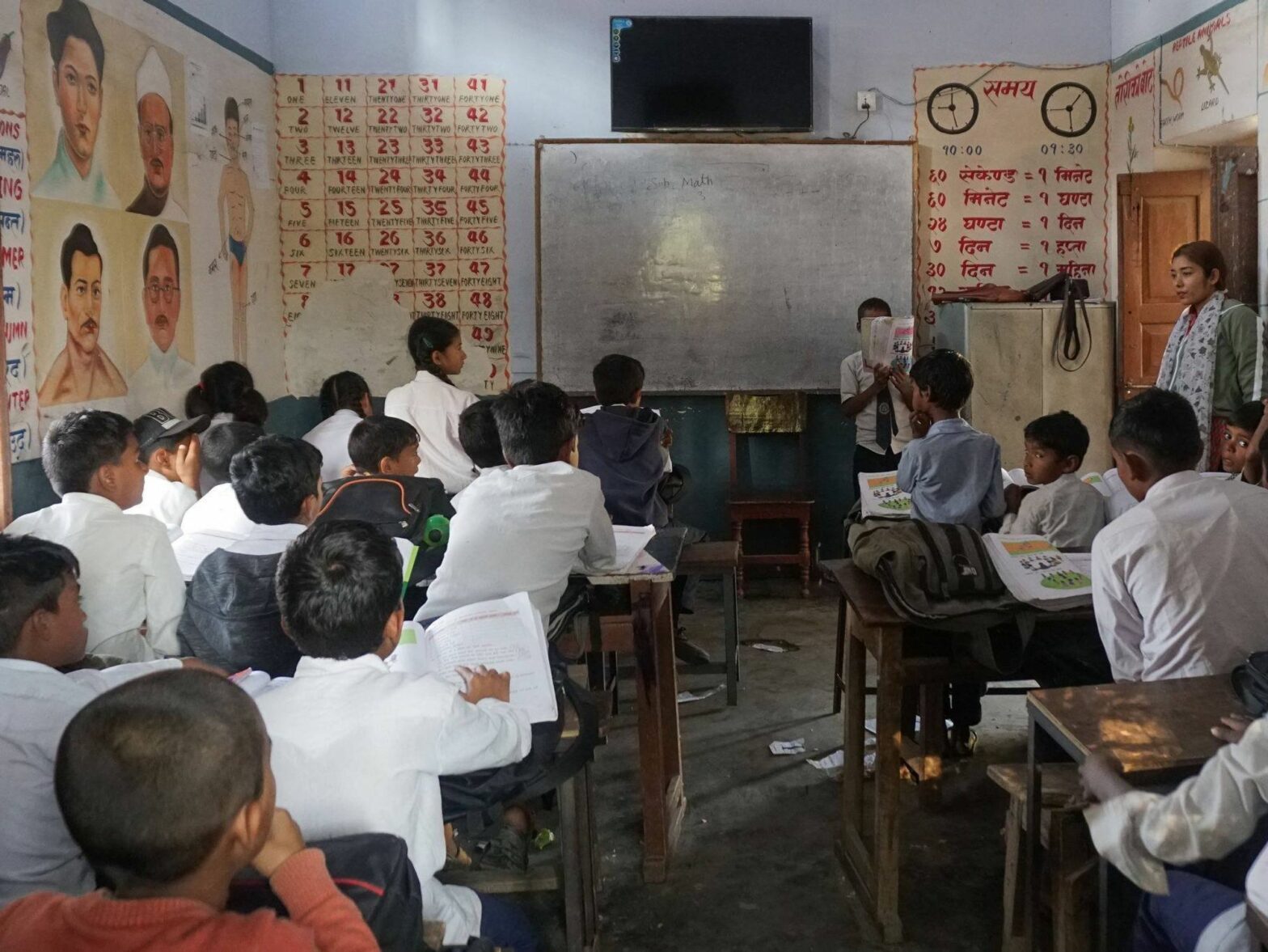
In Nepal, local schools are encouraged to offer instruction in the first languages of their students. But even in linguistically diverse regions, the only words they still hear and read are in Nepali.
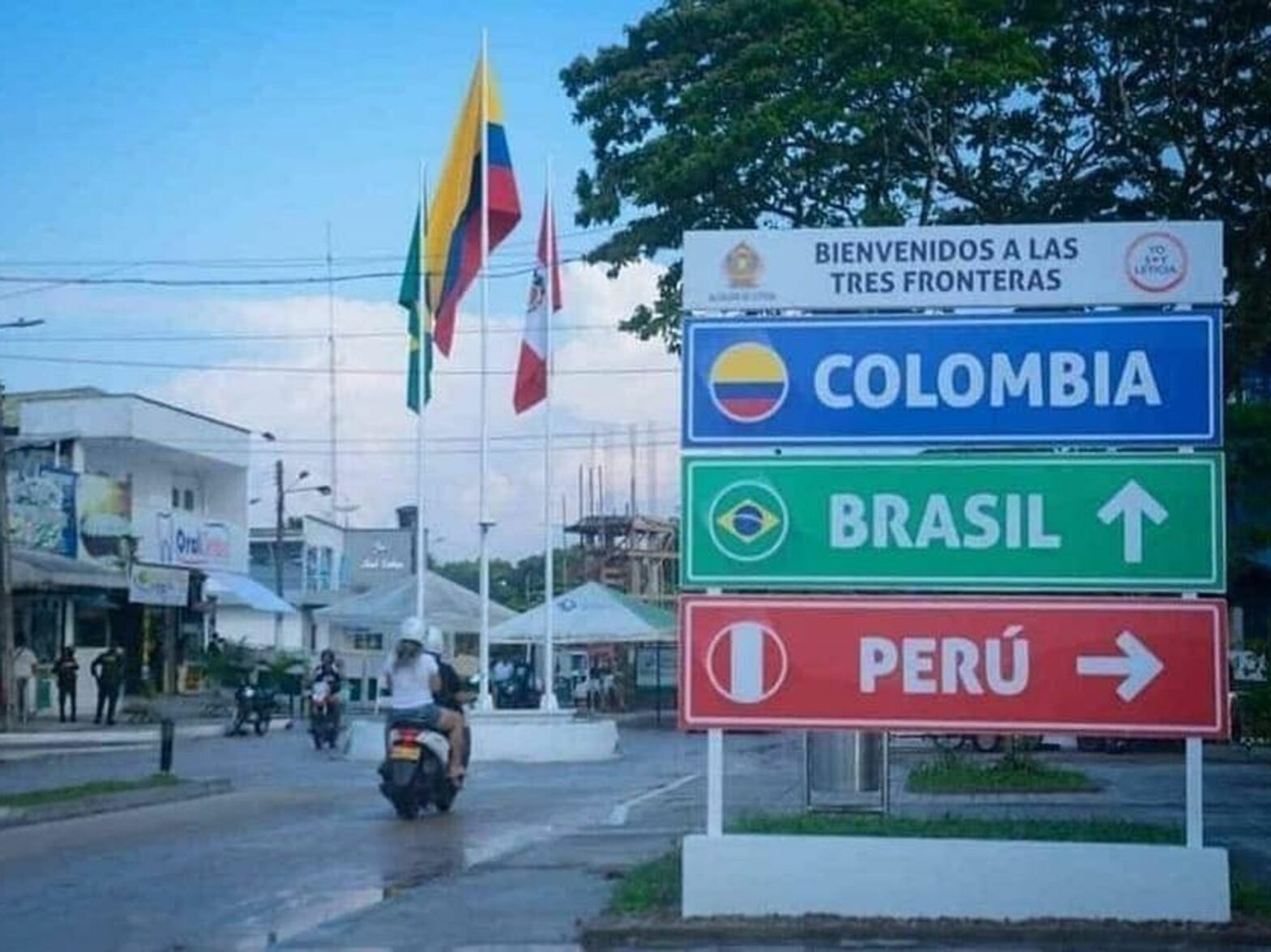
Portunhol is a hybrid language spoken on the borders of Portuguese-speaking Brazil and its Spanish-speaking neighbors. The author’s time learning it was a reminder that language is so much more than just a means of communicating.
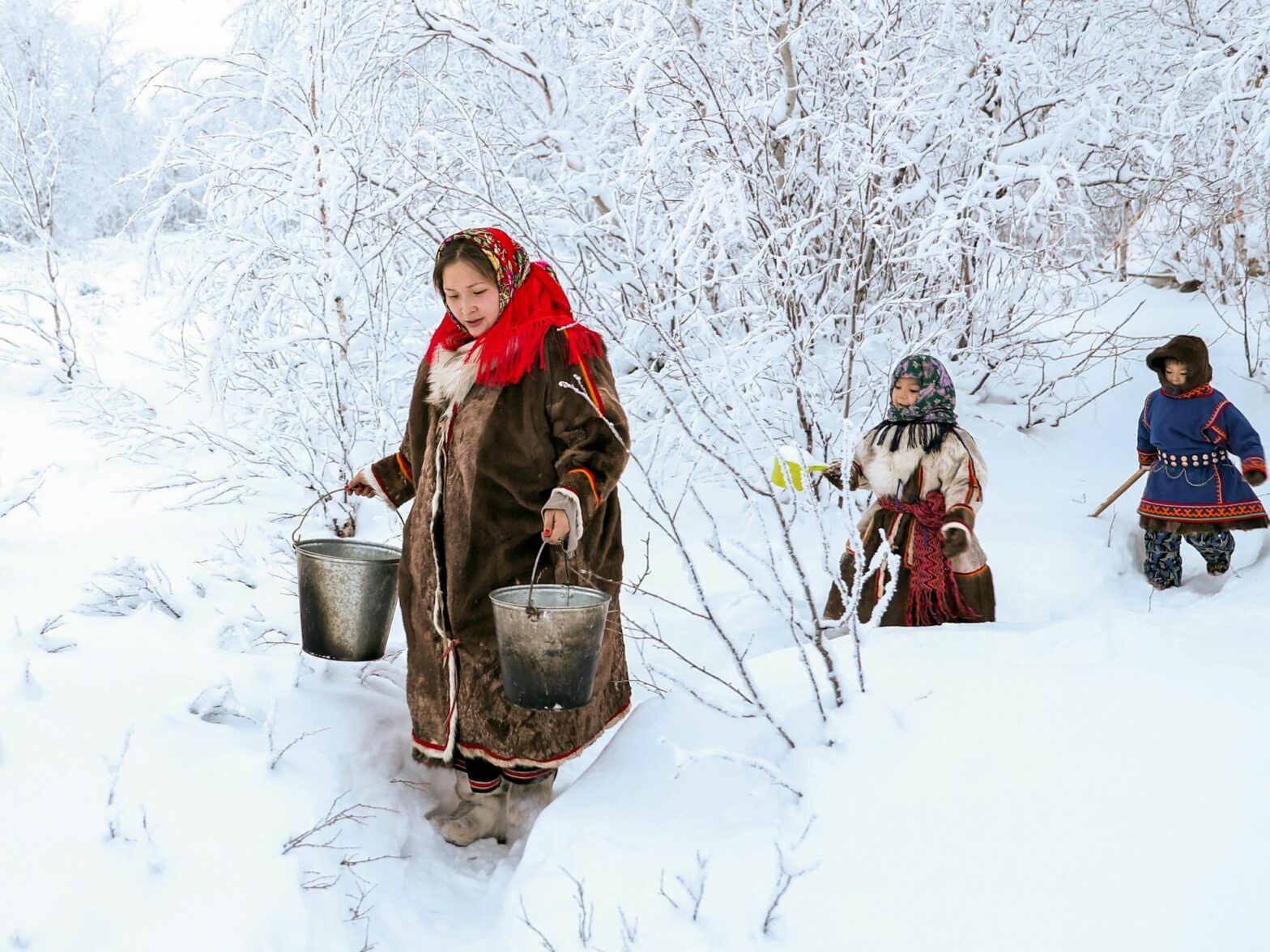
The number of indigenous people in Russia has been declining for decades, but the war in Ukraine has accelerated the trend. Already vulnerable, indigenous groups are more likely to be mobilized and bear the brunt of Western sanctions.

A widely mocked tweet by the Associated Press tells its reporters to avoid dehumanizing labels such as “the poor” or “the French”. But one French writer replies that the real dehumanizing threat is when open conversation becomes impossible.
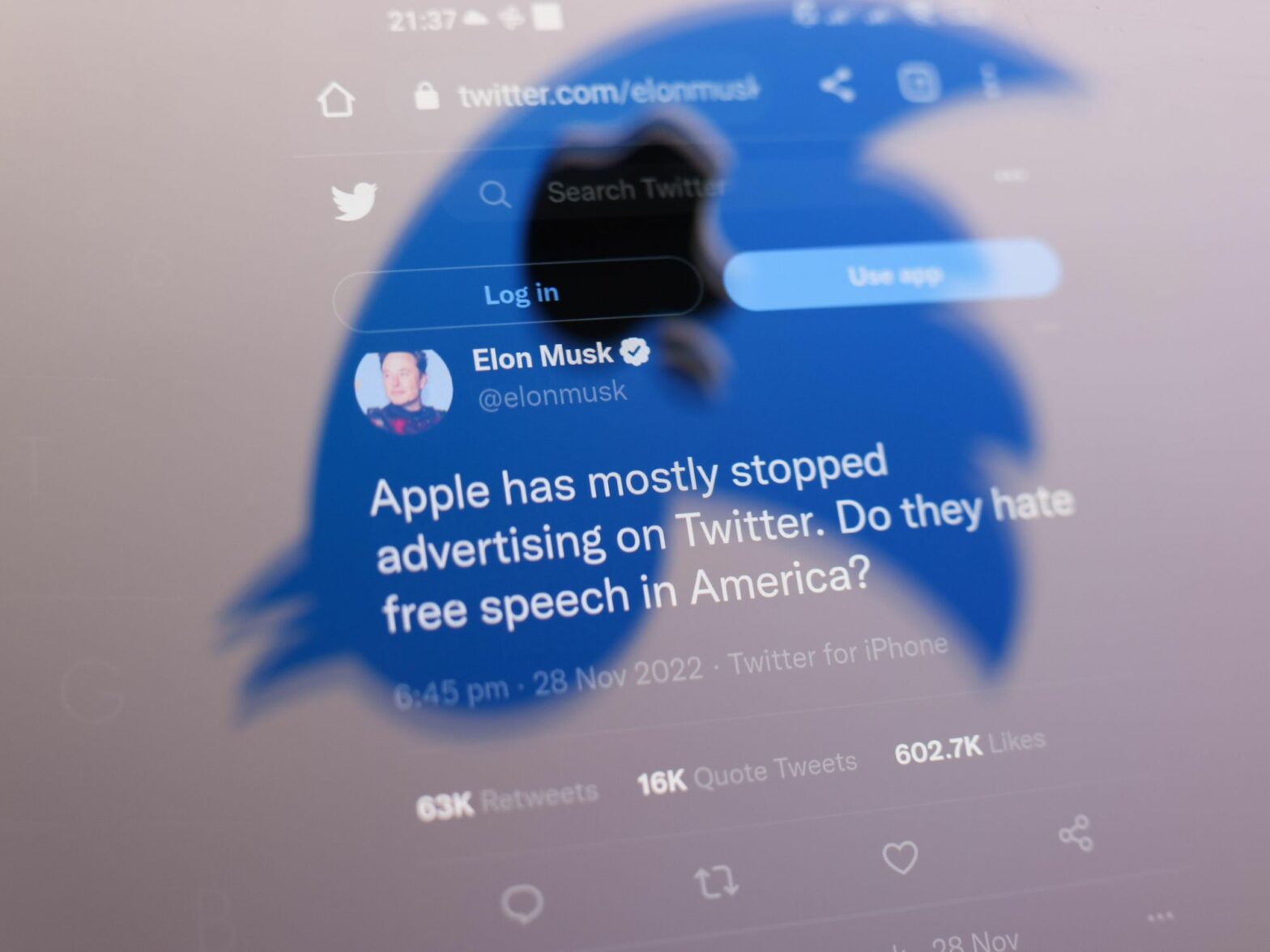
For Worldcrunch’s editor-in-chief, the arrival of ChatGPT, a stunningly powerful AI-driven tool for automated writing, combined with the rising noise on social media, have brought us to a troubling inflection point in the way we communicate with each other.

Nearly a century since the post-Ottoman reform of the Turkish alphabet, which replaced the Arabic letters with Latin based ones, the issues it evokes on both the personal and political level are still very much alive.

“It’s just that all the hardships he has faced have made him more appreciative of the simple things — he’s happier than us.”

Instead of going trick-or-treating, our Naples-based psychiatrist asks herself a dialectal question.
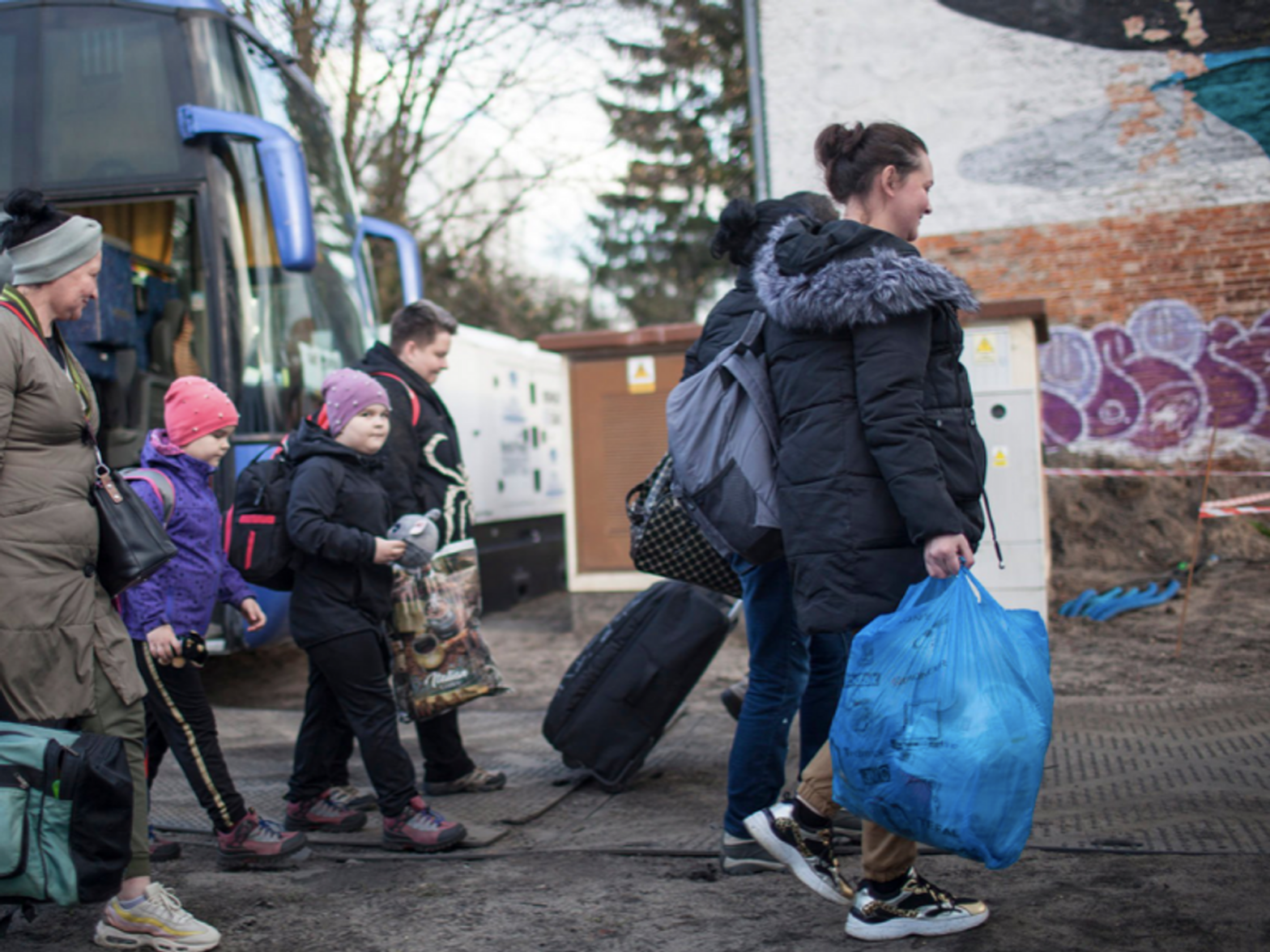
After fleeing the war, many Ukrainian teachers have found new jobs in Poland. But their work involves more than just teaching — they’re helping Ukrainian children adapt to a whole new life.
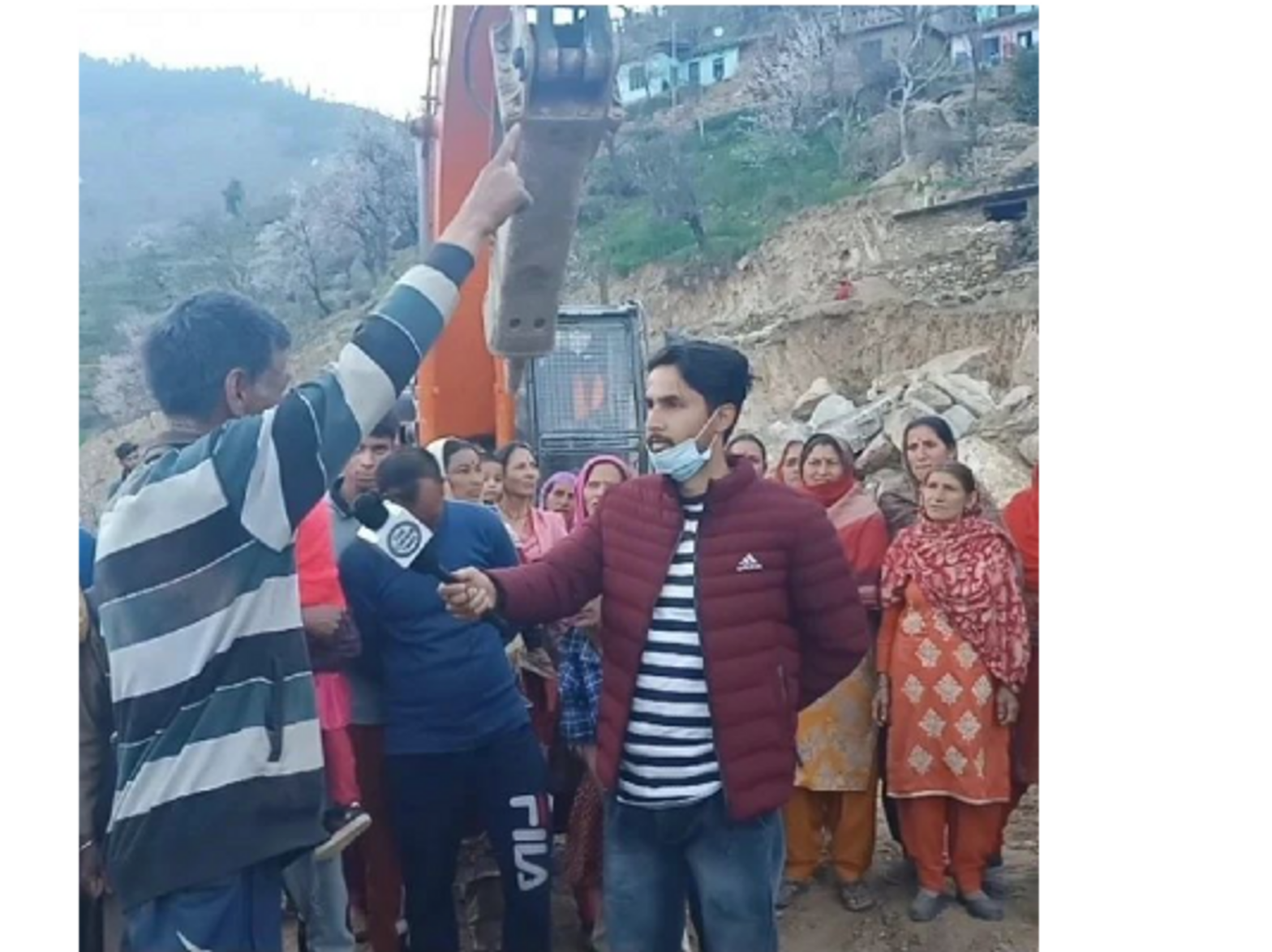
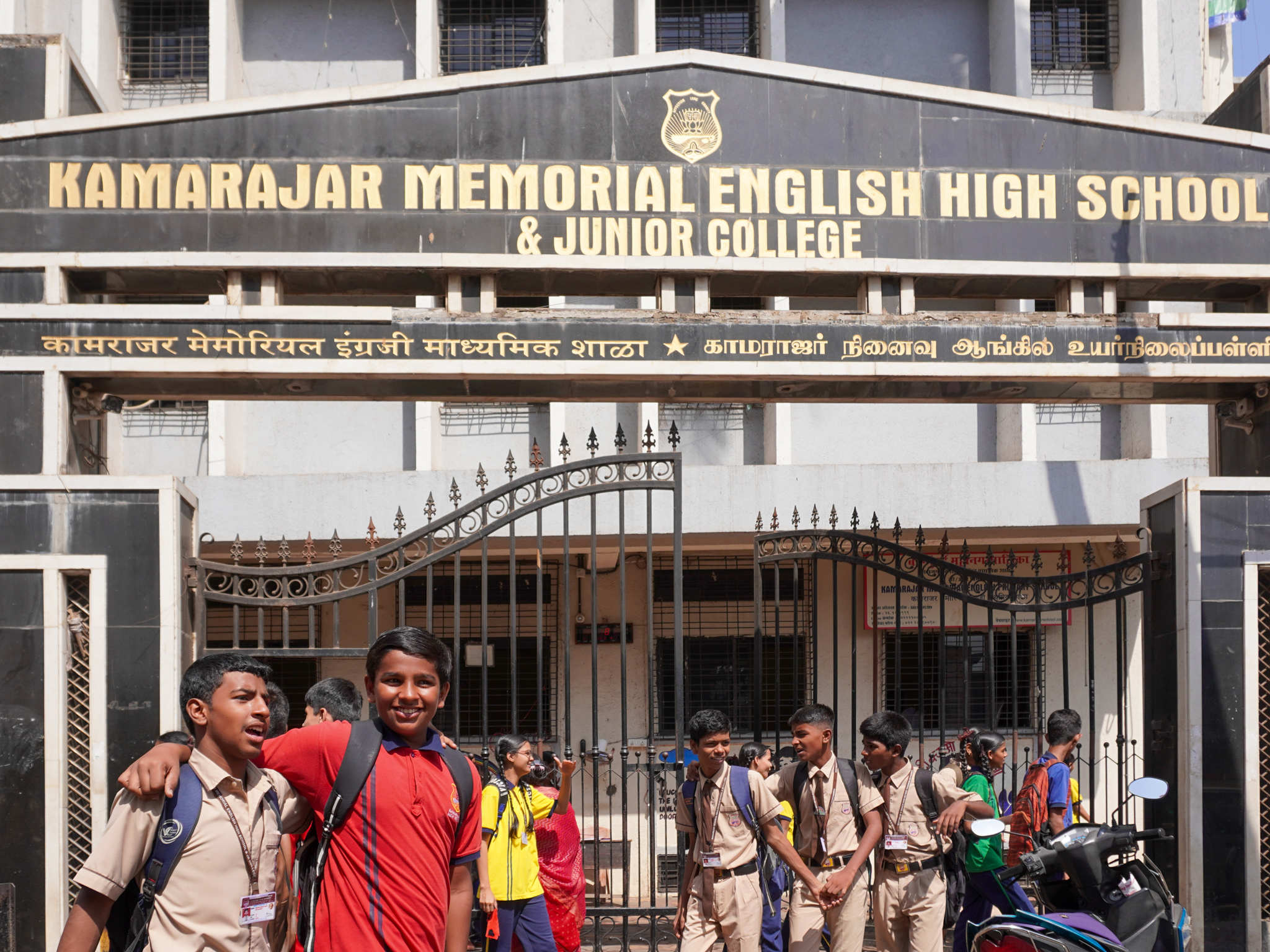
After a bill by Indian parliament sidelined local languages in India, one digital newspaper took up the task of helping preserve them.
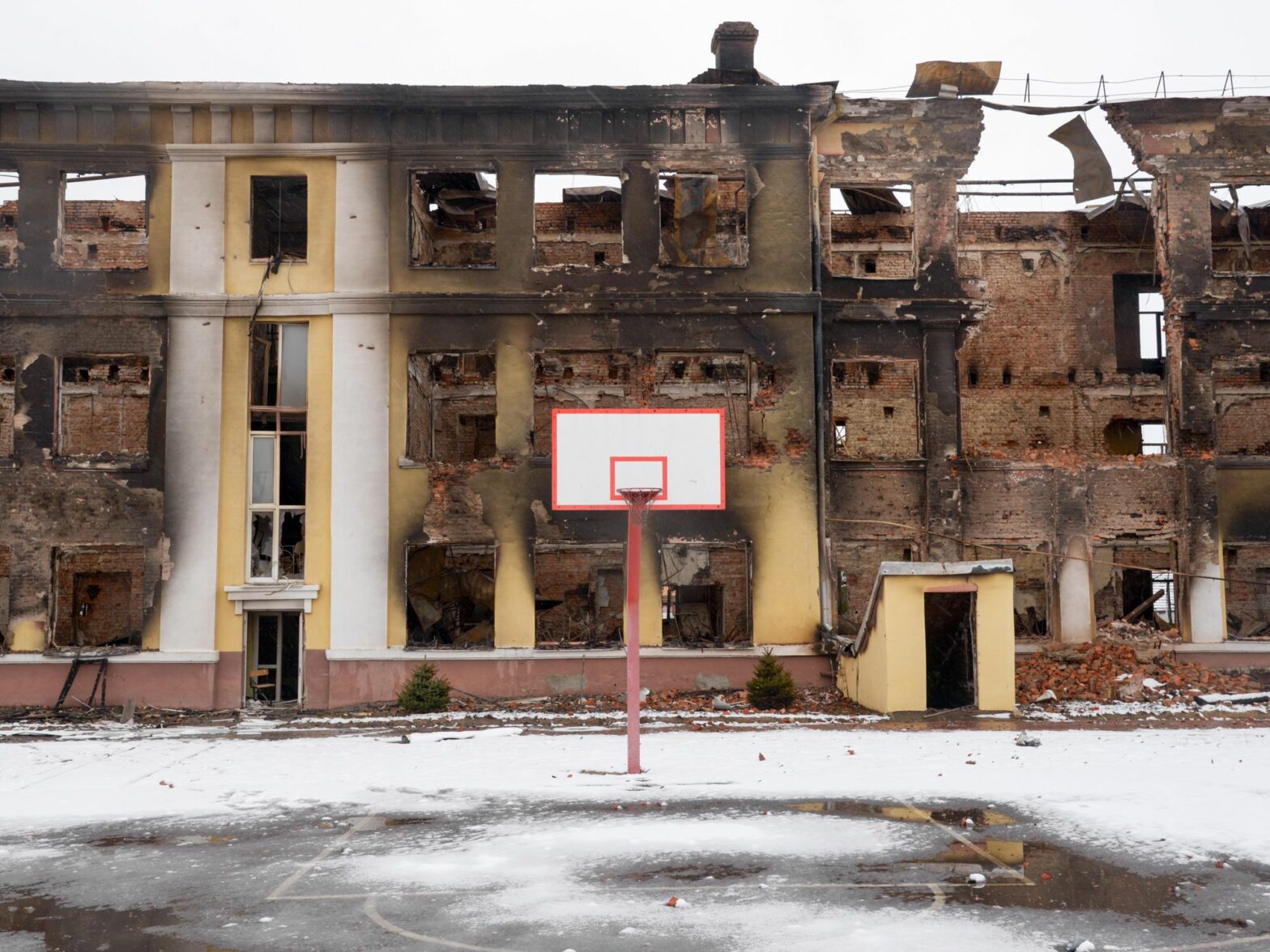
From Kharkiv to Mariupol, the targets of some of the worst Russian attacks on civilians are largely Russian-speaking cities. It is the worst possible twist to Putin’s bogus claim that his war was to “de-nazify” and prevent “genocide” of Russian speakers.

The European Commission’s efforts to push for more inclusive language are important. But we should be careful and make sure we make room for differences.