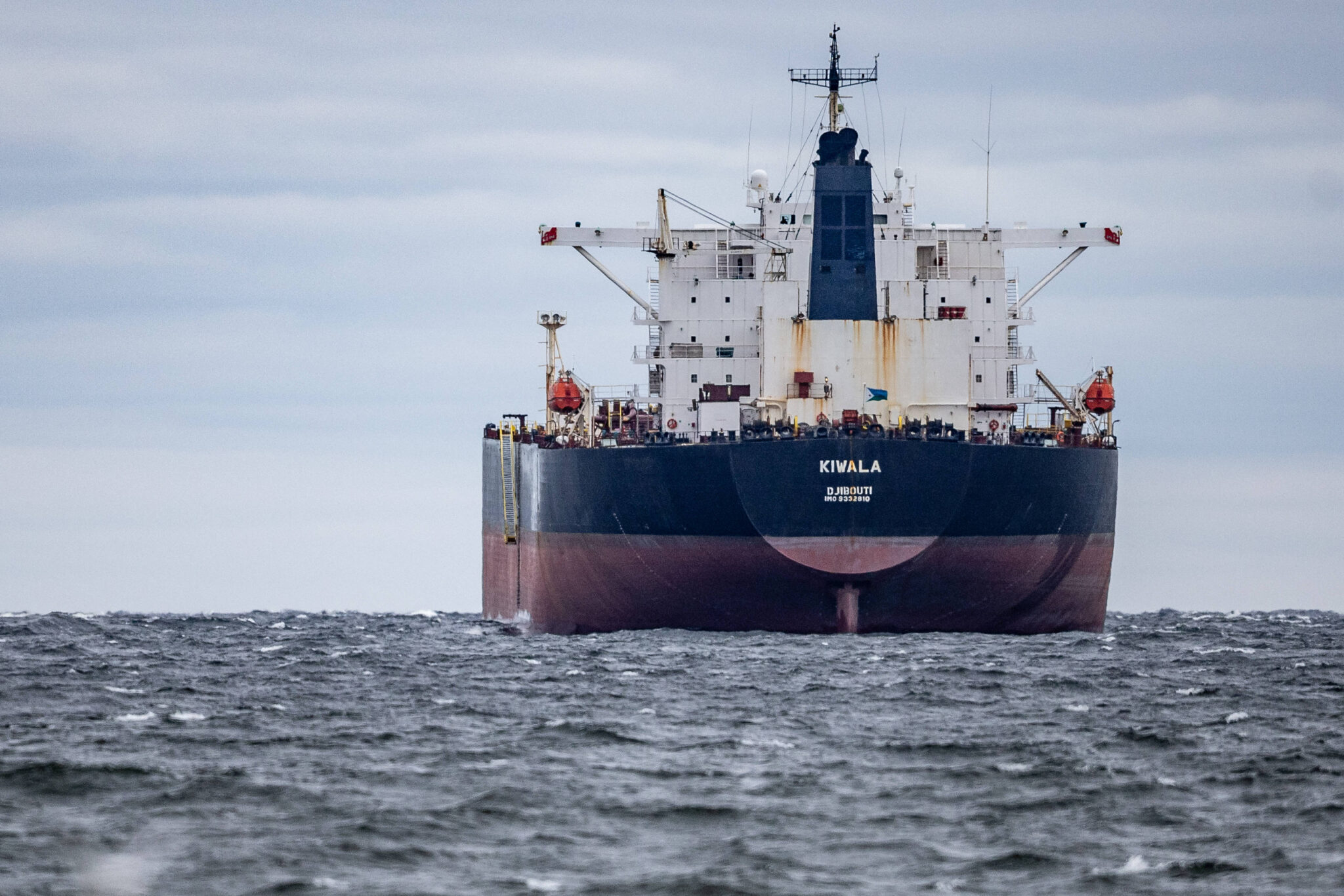
Ukrainian sea drones have been attacking Russian tankers in the open sea for the first time in recent weeks. The risky tactic is proving effective and has angered Putin. But even allies are issuing warnings.
 Worldcrunch
Ukrainian sea drones have been attacking Russian tankers in the open sea for the first time in recent weeks. The risky tactic is proving effective and has angered Putin. But even allies are issuing warnings.

In one of the world’s most connected countries, cyber soldiers protect critical systems against constant foreign attacks while preparing for the day when artificial intelligence could take control of the battlefield.
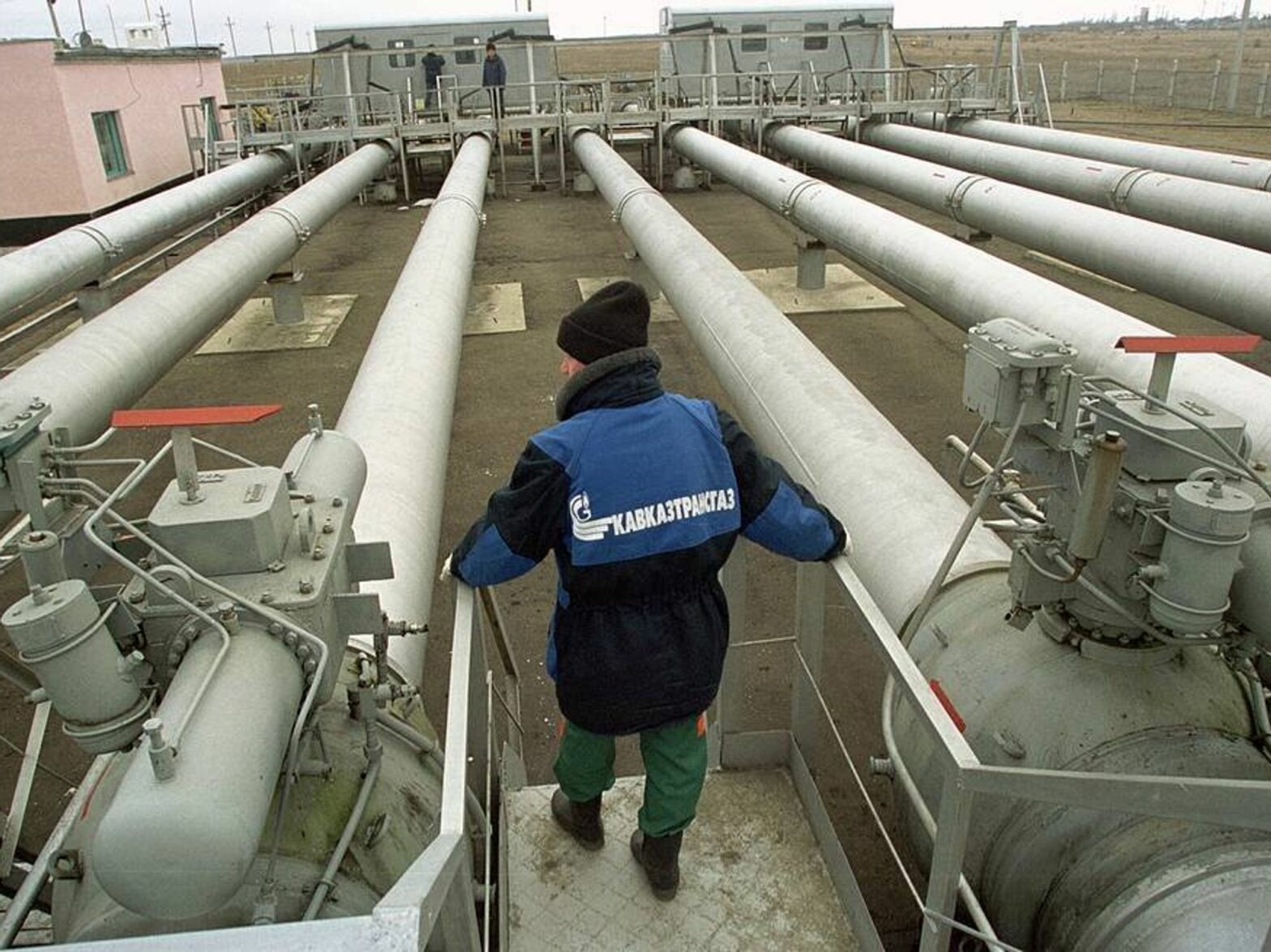
It is a gas and electricity war that extends from Moldova to Slovakia to Finland, with very real consequences for millions, which is ultimately a reflection of how Russia is waging a hybrid war with any means to bring both Ukraine and Europe to its knees.
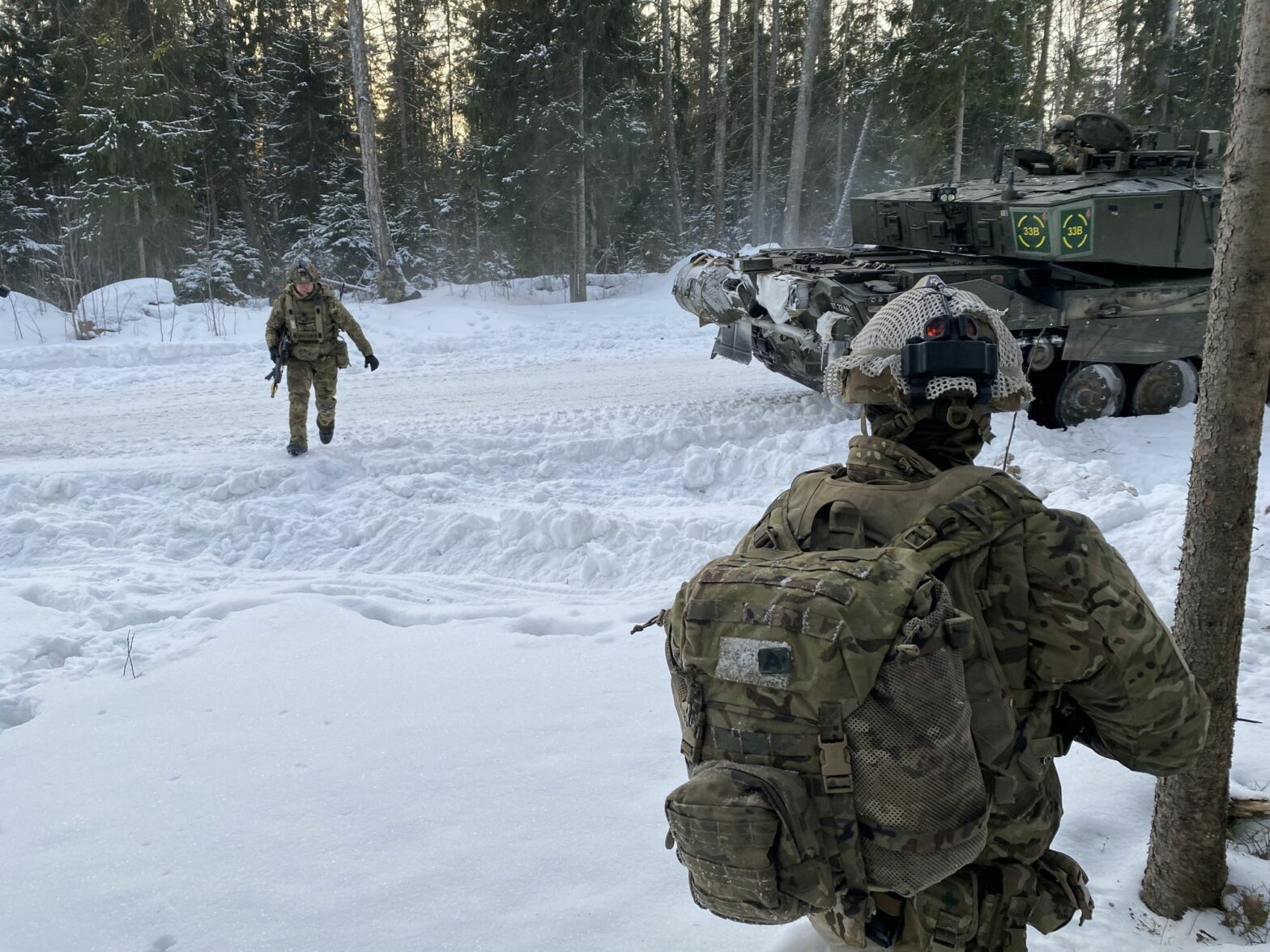
With Estonian Prime Minister Kaja Kallas suddenly appearing on Moscow’s wanted list, both the past and present offer plenty of evidence that the small Baltic nation — with 40% Russian speakers — could be the next neighbor after Ukraine in the Kremlin’s crosshairs.
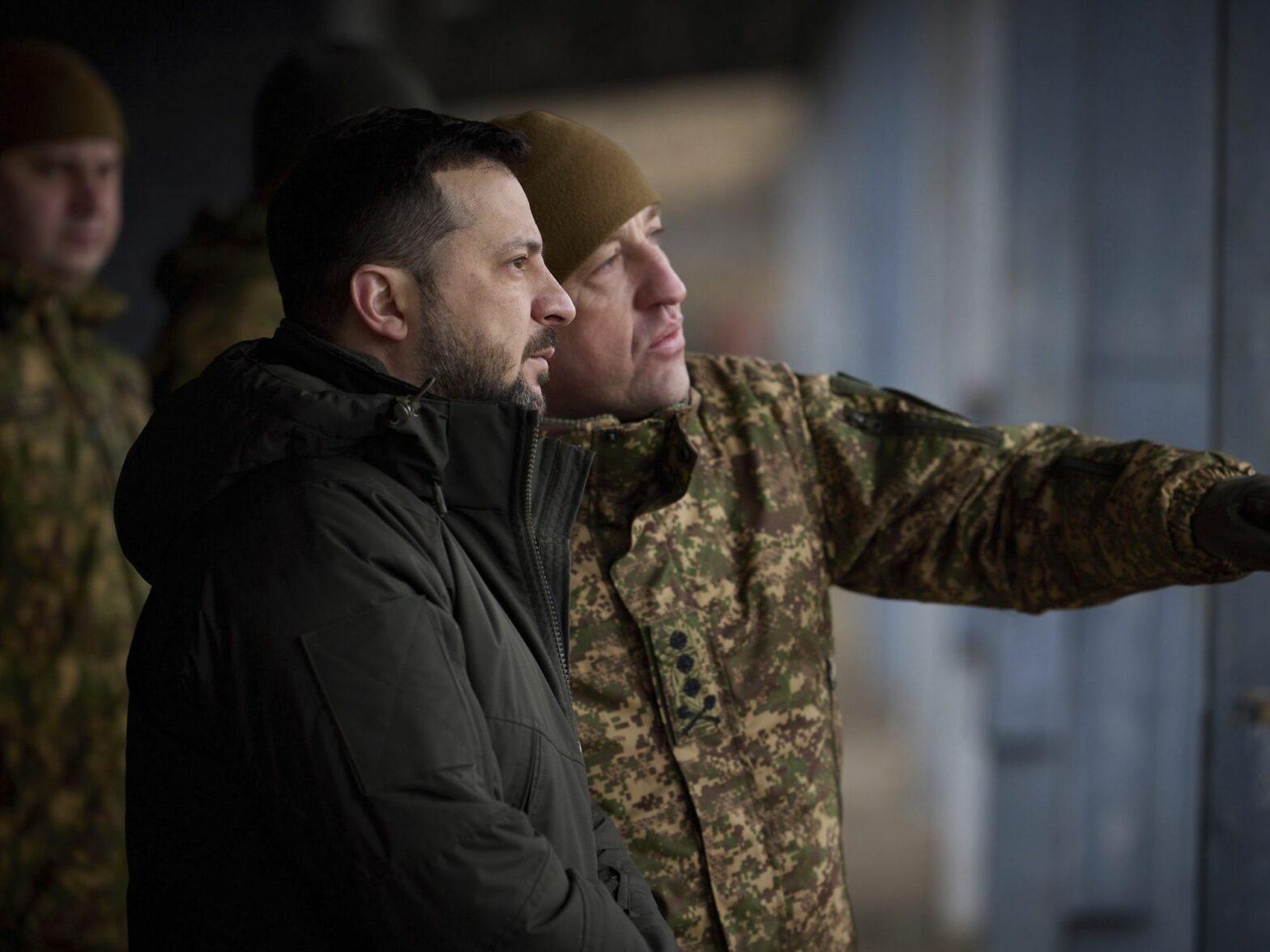
Even as questions swirl about whether Zelensky will replace Valery Zaluzhny, commander-in-chief of Ukraine’s armed forces, the bigger question is Ukraine’s strategy. Rather than liberating occupied territories, Ukrainian forces should be focused on destroying the Russian army. Or put another way: “It is not the big that eat the small, but the fast that eat the slow.”