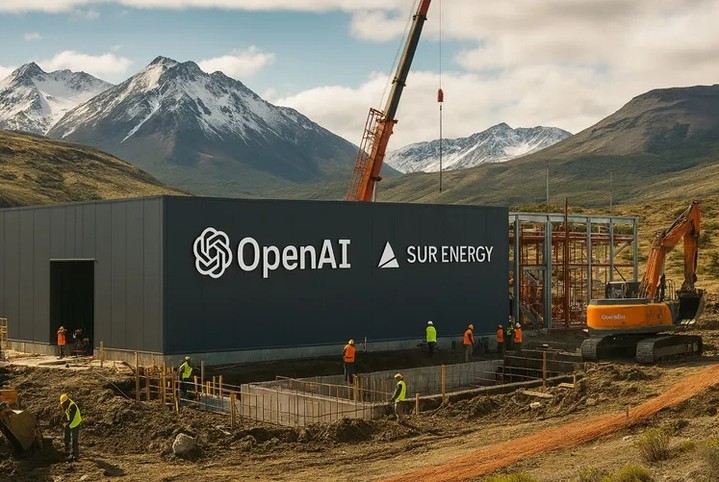
The arrival of OpenAI in Patagonia marks the beginning of a new hub: a southern location combining clean energy, scientific talent, and political stability.
 Worldcrunch
The arrival of OpenAI in Patagonia marks the beginning of a new hub: a southern location combining clean energy, scientific talent, and political stability.
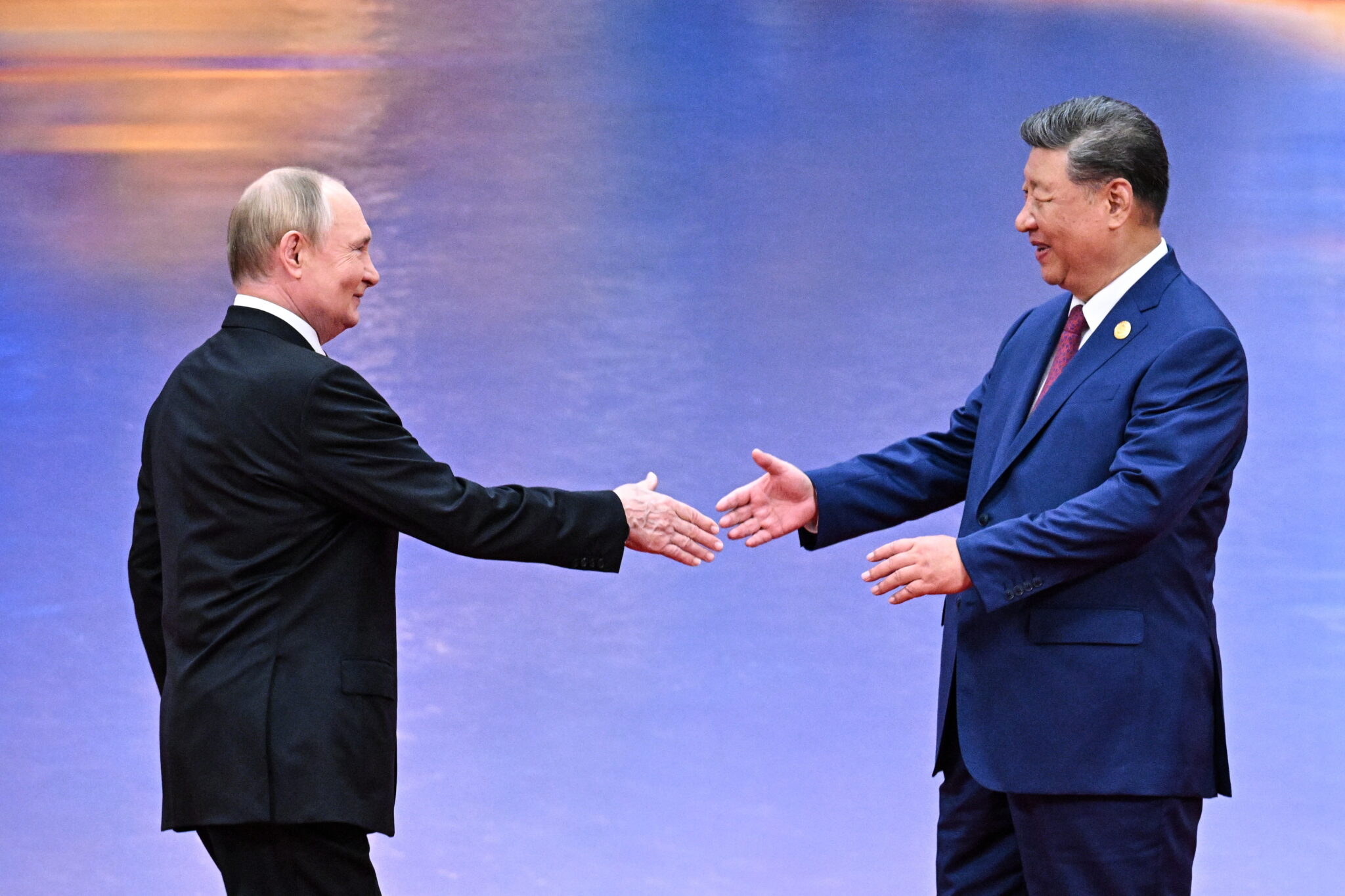
With the regional summit in Tianjin and the impressive military parade planned for Wednesday in Beijing, to be attended by Vladimir Putin and other non-Western leaders, Xi Jinping’s China is showing its ambition to position itself as the leader of a “front of opposition” to Trump’s America.

While disinformation and authoritarianism grow stronger in the U.S., countries across the Global South are leading the charge for regulation and resistance. It may be the beginning of a worldwide reckoning with Silicon Valley’s dominance.
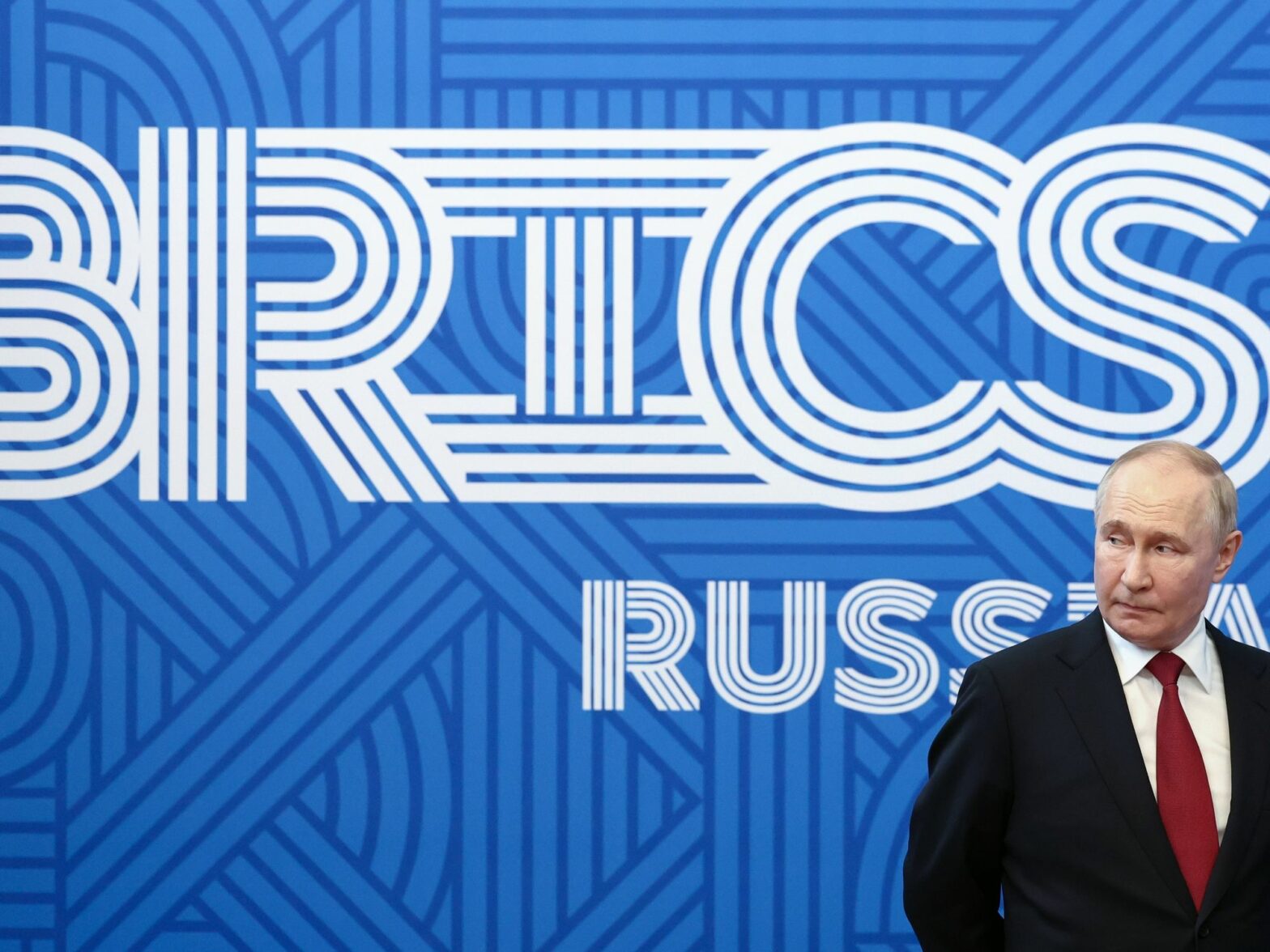
The BRICS Summit, which opens on Tuesday in Kazan, Russia, is an opportunity for Vladimir Putin to show that he is not isolated. But it is above all the power of attraction of this club of emerging countries that needs to be seen, in a world dominated by the West since 1945 and struggling to evolve.
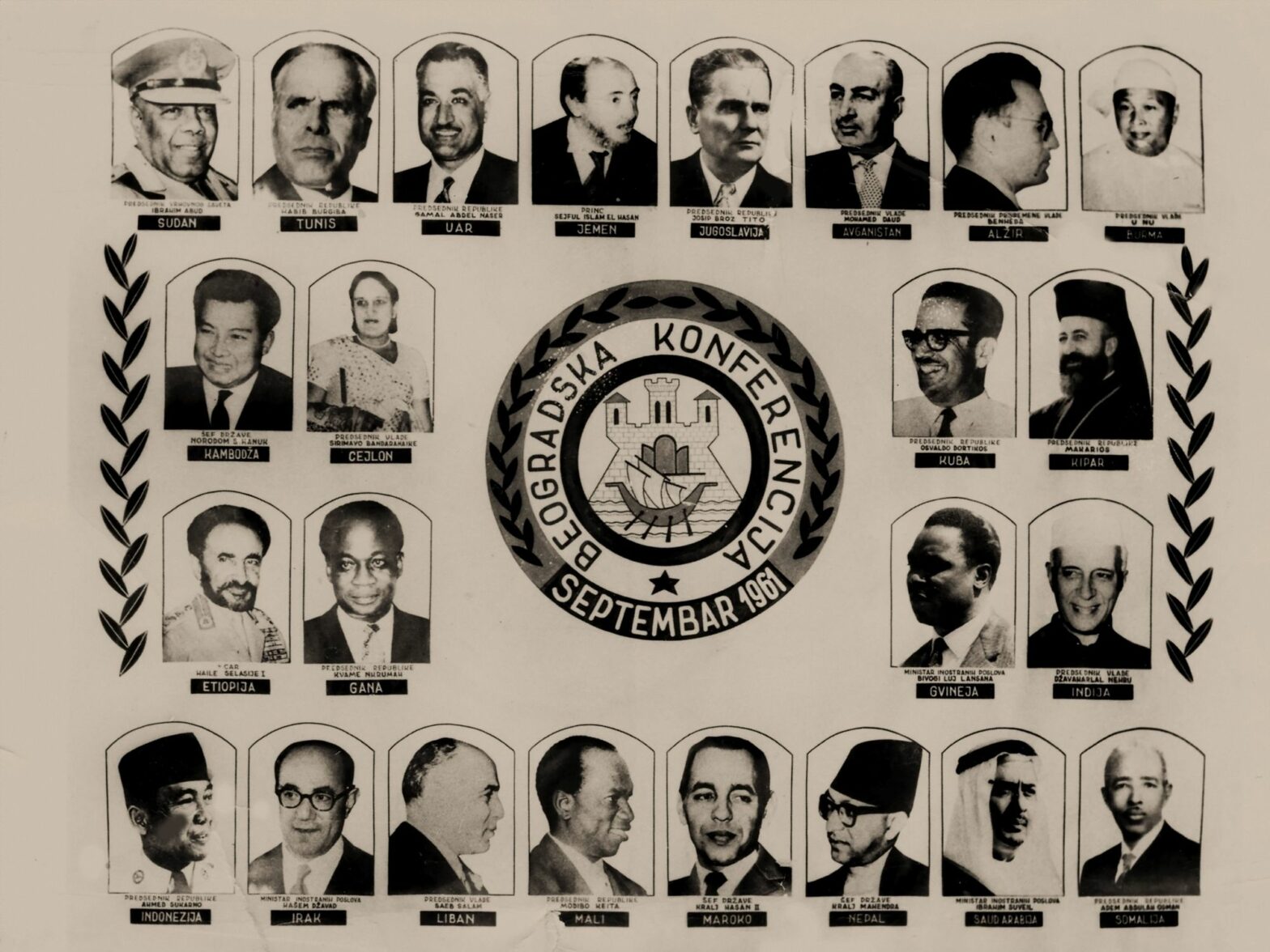
It’s called Active Non-Alignment. The end of a bipolar world and of Western supremacy has created a more fluid, and threatening, geopolitical map. For smaller powers, especially in Latin America, this is the time to “get the best deal” for themselves with the superpowers.
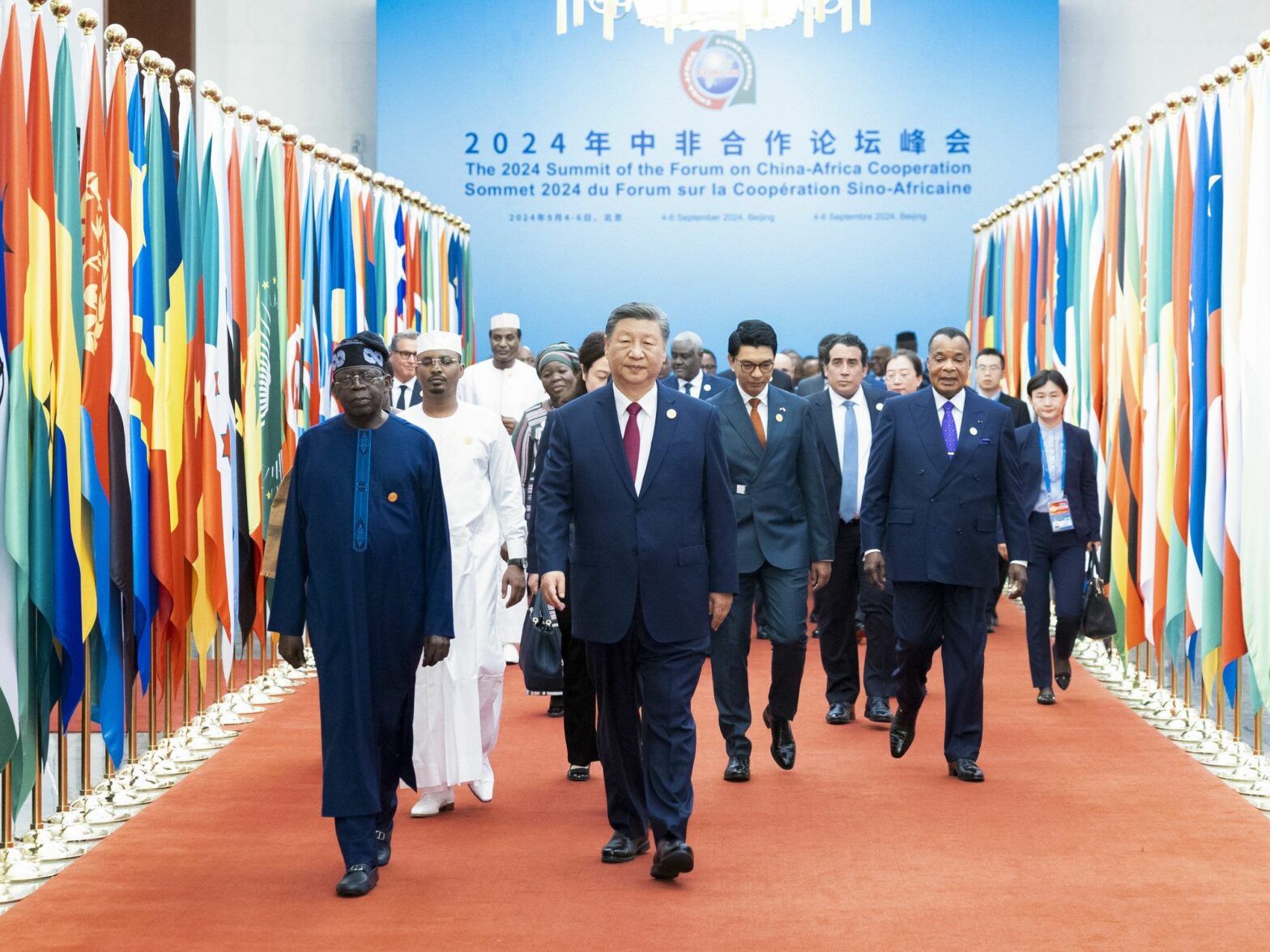
A spectacular summit is being held in Beijing, with almost all African leaders paying heed to President Xi Jinping, who has pledged another $50 billion to the Continent. The investment in Africa is a boost in Xi’s global influence and an insurance policy in China’s new Cold War with the U.S.
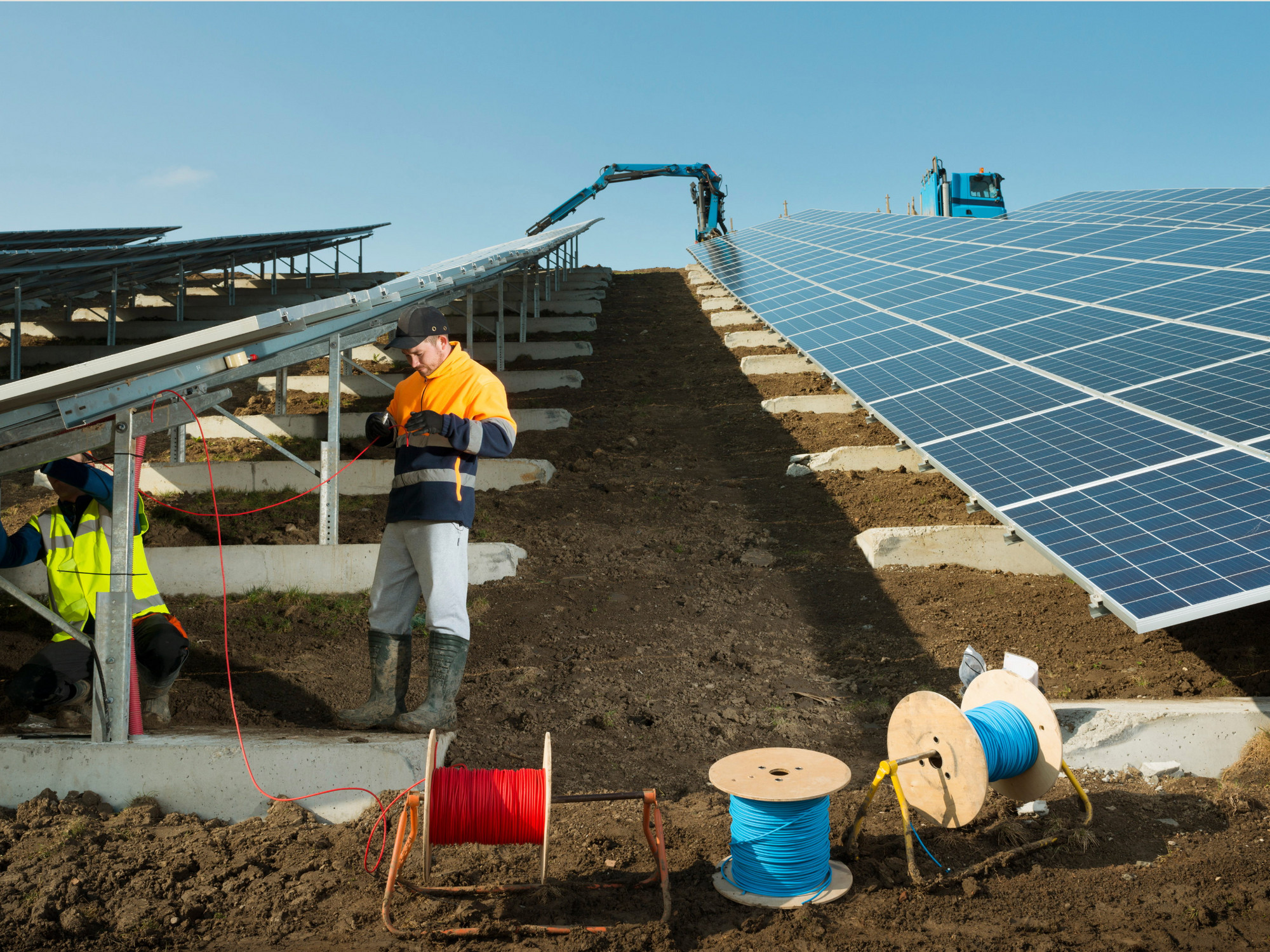
The global fight against climate change is essential, but the solutions are not universal. Measures must account for the local realities of the Global South, where economic development is equally important and where the imposition of strict environmental standards by the North has devastating social and economic consequences.

The Argentine comic strip, who is now about to get its own Netflix series, was created at a time when Latin America was going through political censorship. A testament to Mafalda’s innocent-but-serious attitude toward world problems, an excellent example of how young people often see more clearly than the rest of us.
In matters of foreign policy, whether the war in Ukraine or in Gaza, the rejection of extremes should appear as an obvious fact of reason and ethics. Unfortunately, this is not the case.
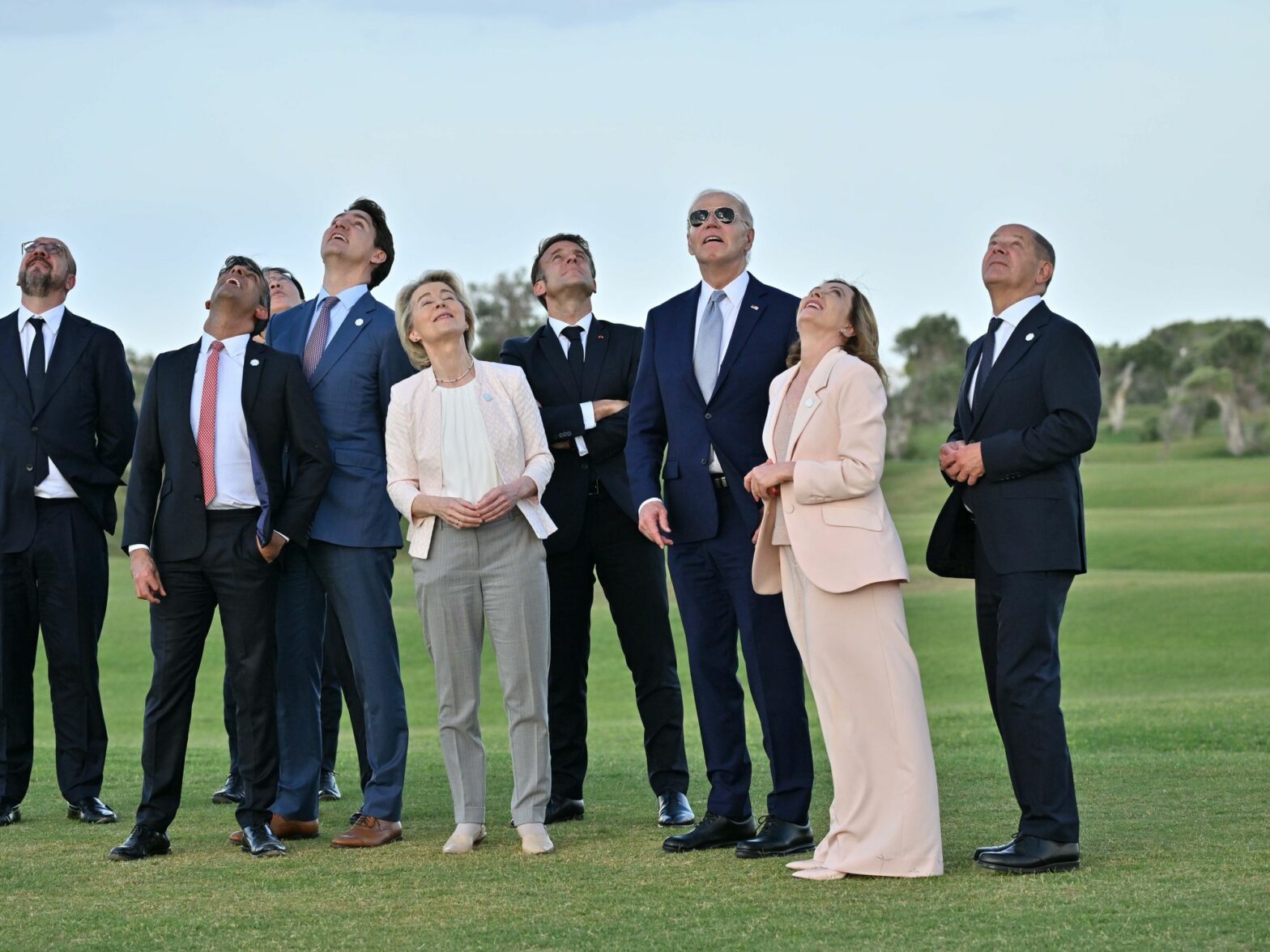
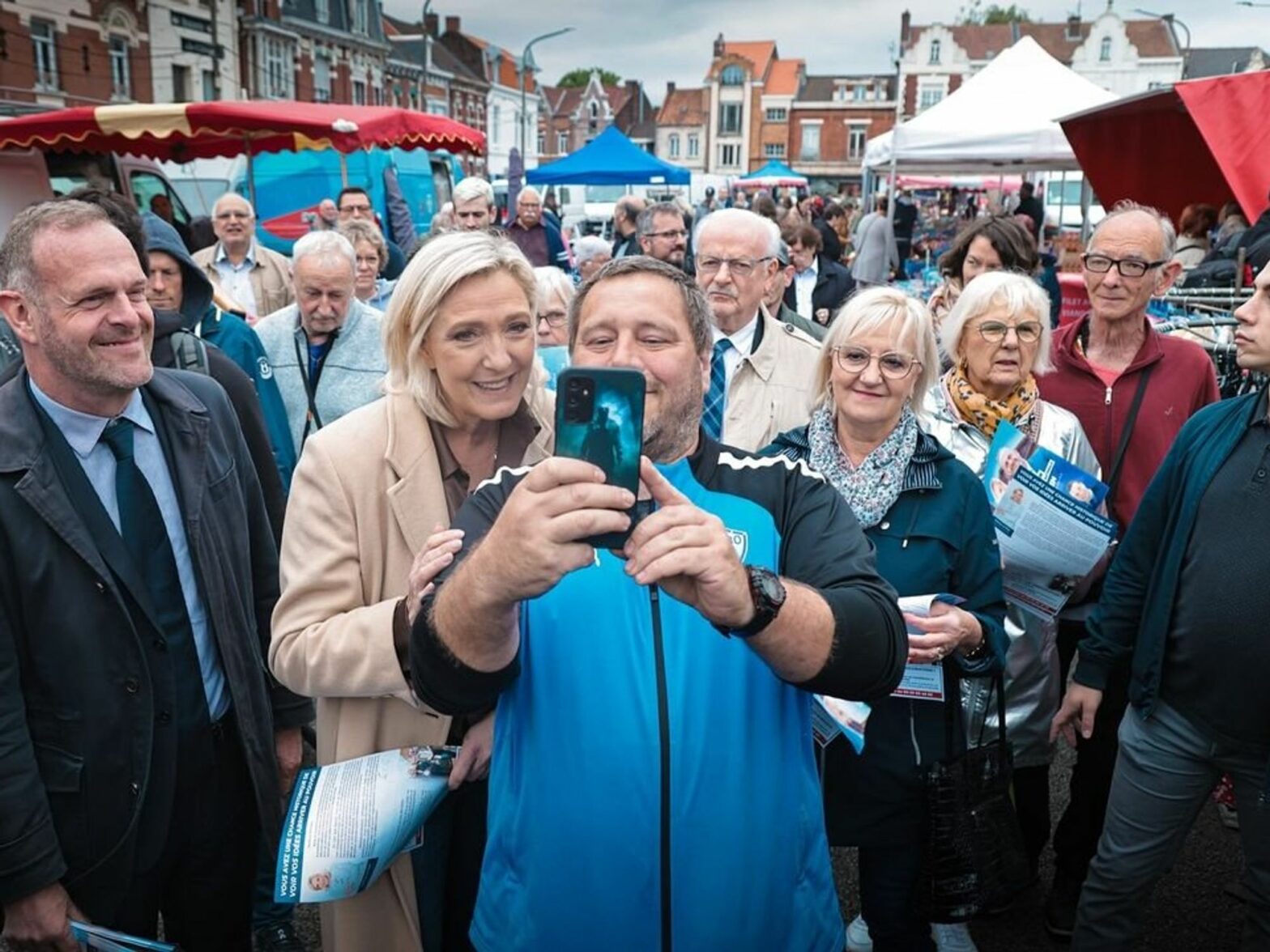
As the upcoming French and American elections show, the Western democratic model is being put into question — both externally by revisionist powers, and internally.
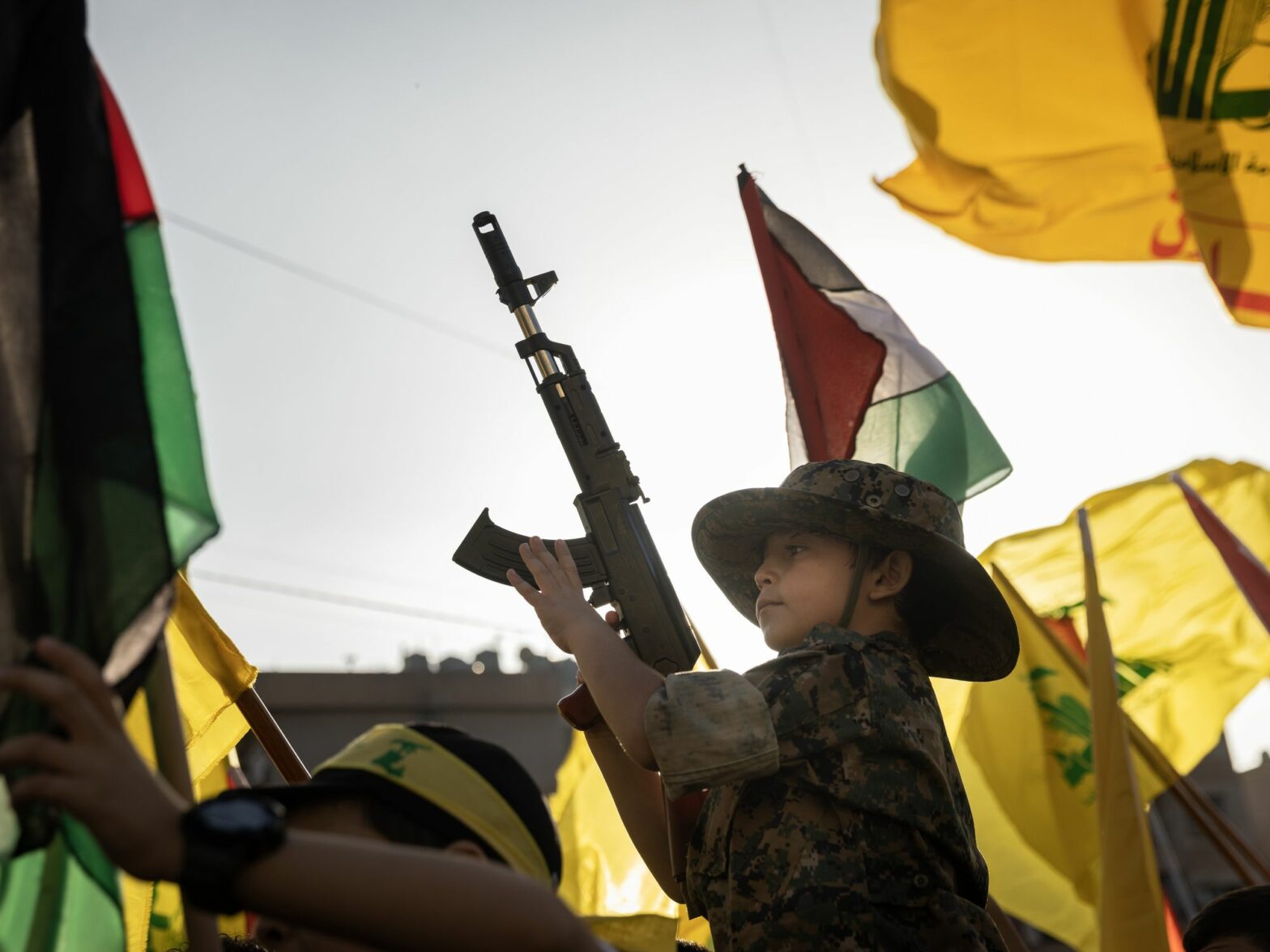
Not for the first time in history, simplistic dualism is taking hold of people’s minds, often rooted in religious beliefs. Is this a prelude to even more violent intolerance and — in the worst scenario — another big war? asks Argentine poet and writer Miguel Espejo.
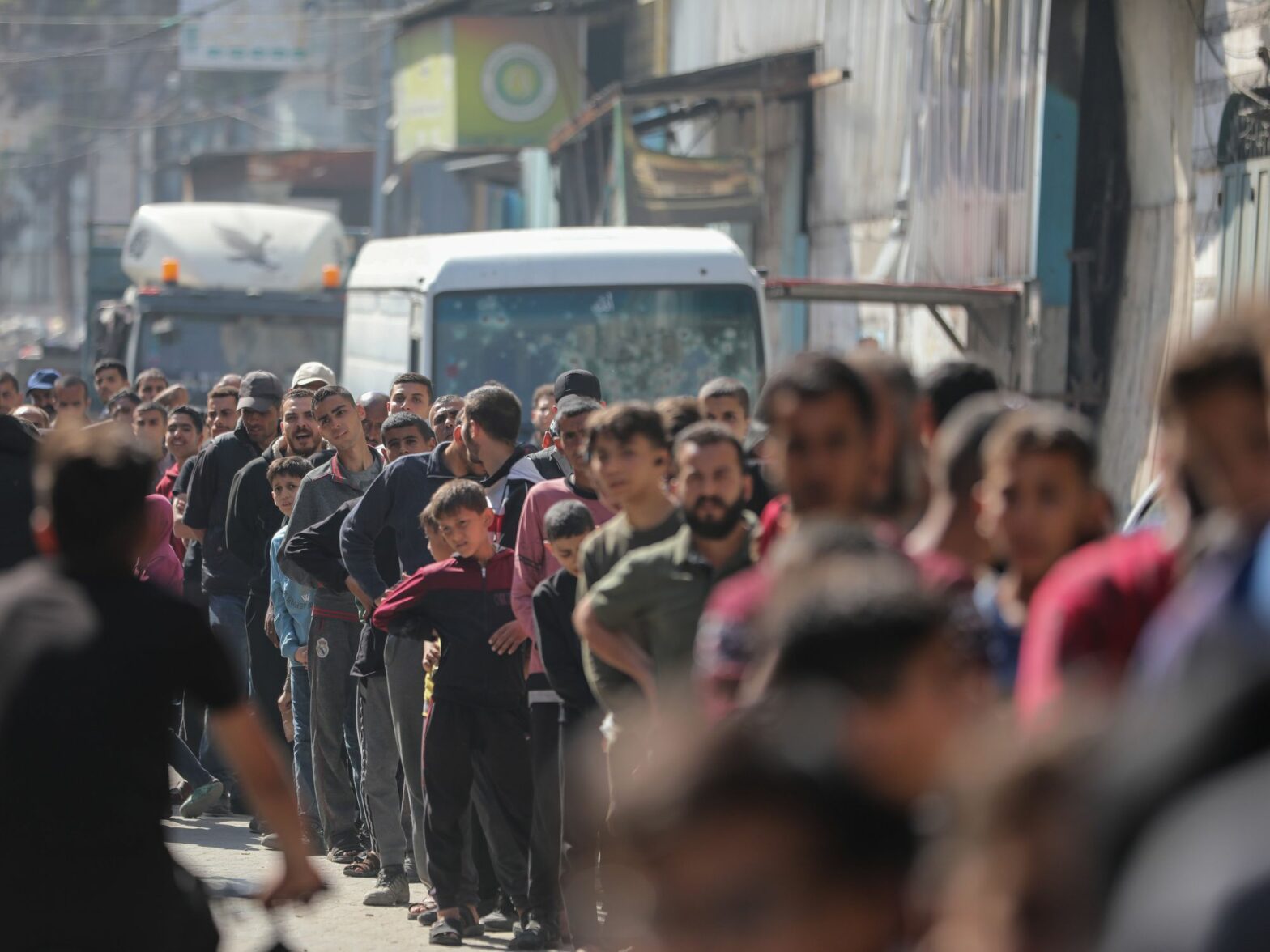
Israel’s war on Gaza, with the support of the West, is not far from the necessities of capitalist accumulation in many regions of the world, or at least about managing the crisis of contemporary global capitalism.
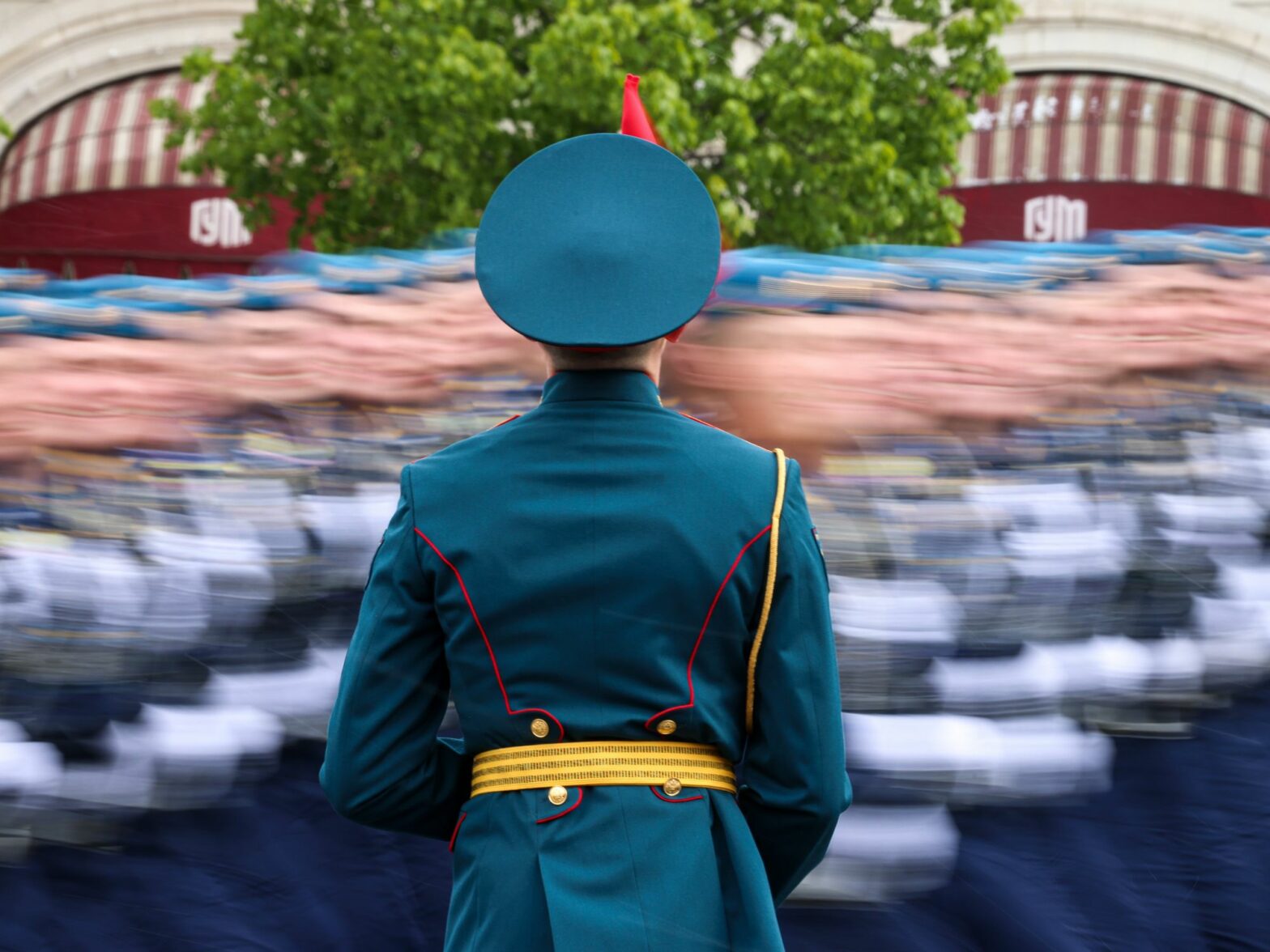
The competing May 8 and May 9 World War II victory celebrations, and an upcoming D-Day snub to Vladimir Putin, show how uncertain the future appears right now. Perhaps even more uncertain than the Cold War.
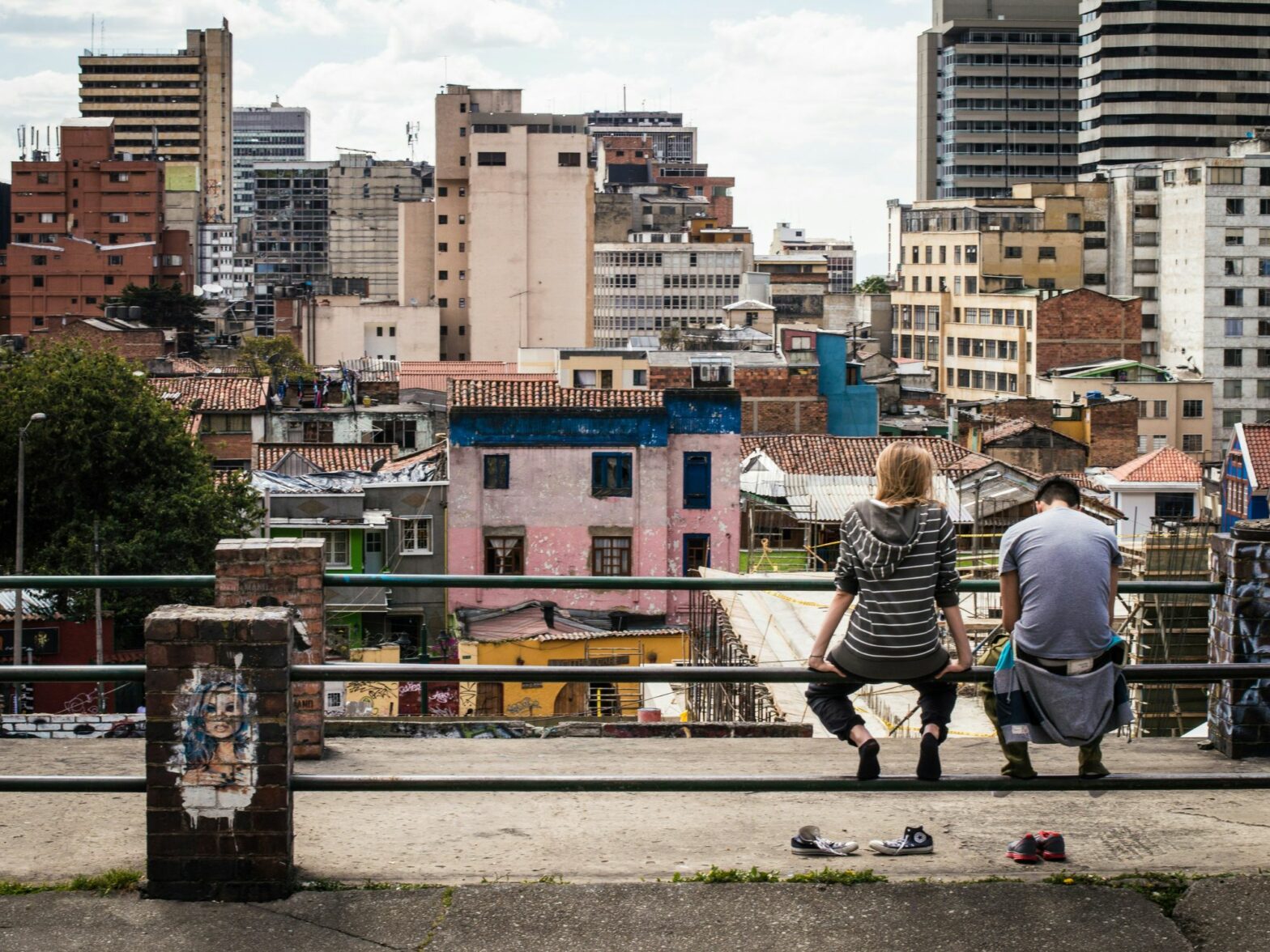
Latin American governments have barely denounced the Russian attack on Ukraine, partly for lingering distrust of the United States. But there is also a regional misperception of Russia as a new Soviet Union and friend of “lesser nations” struggling for betterment.
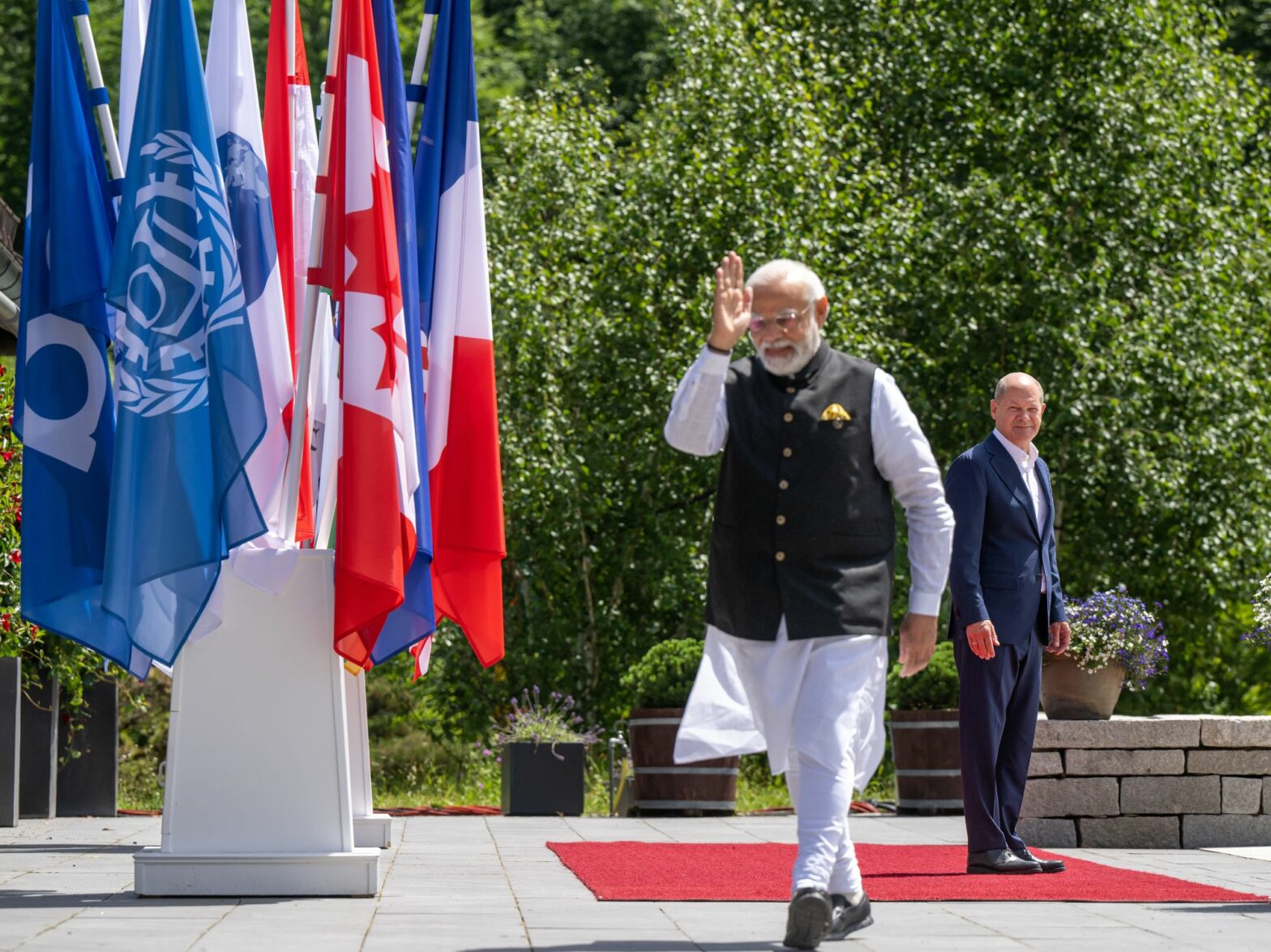
In not condemning Russia and openly siding with Israel, India’s foreign policy establishment is merely jettisoning the thin layer of politically-expedient, feel-good idealistic post-colonialism that veils an iron-fisted pragmatism.
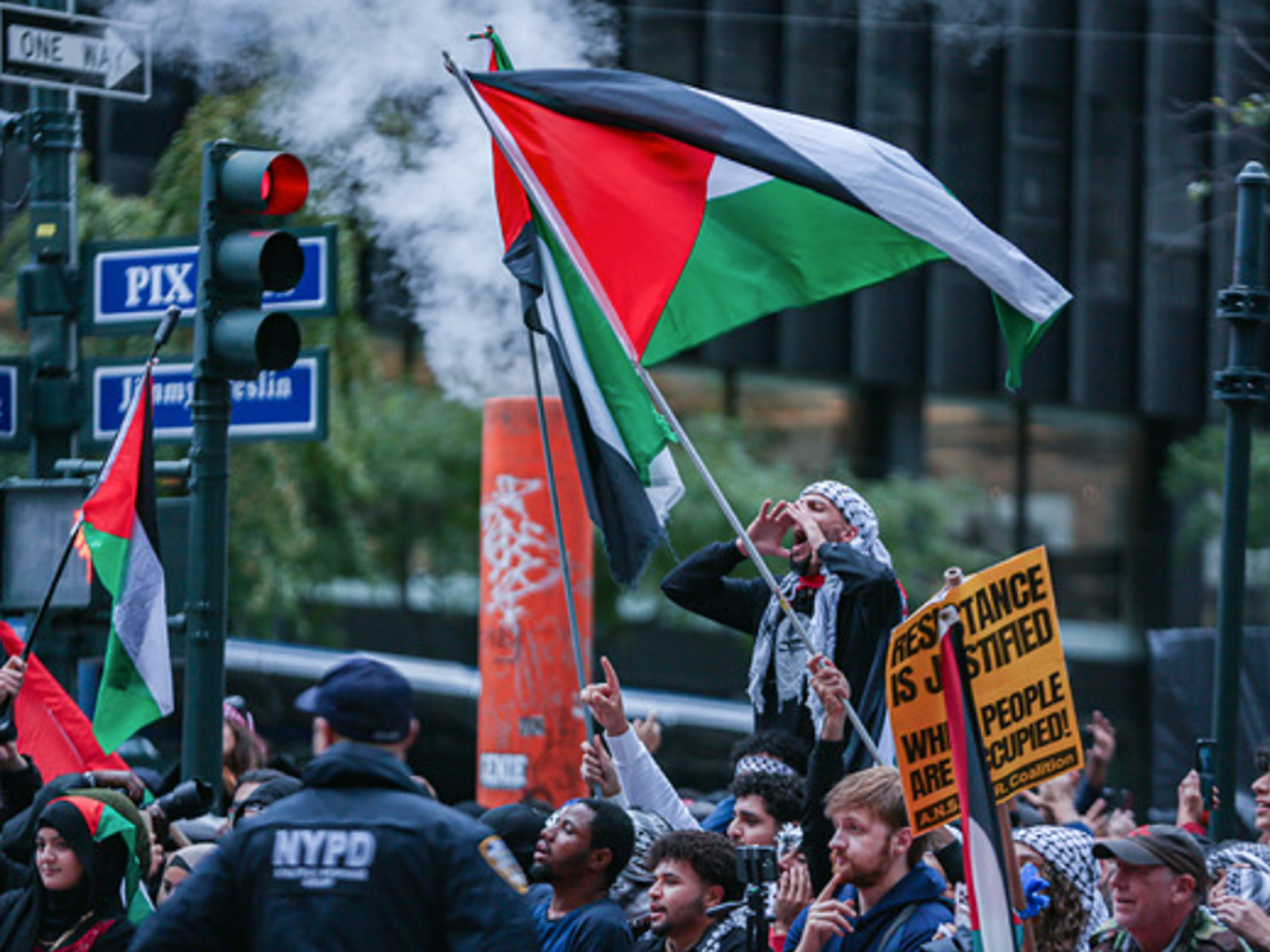
The author’s native country, India, is both a burgeoning world power and part of the Global South. And yet, its ambitious Prime Minister Narendra Modi hasn’t dared to say a single word against Israel’s actions in Gaza and the West Bank, even when countries in South America and Africa have severed their diplomatic relationships with Israel.
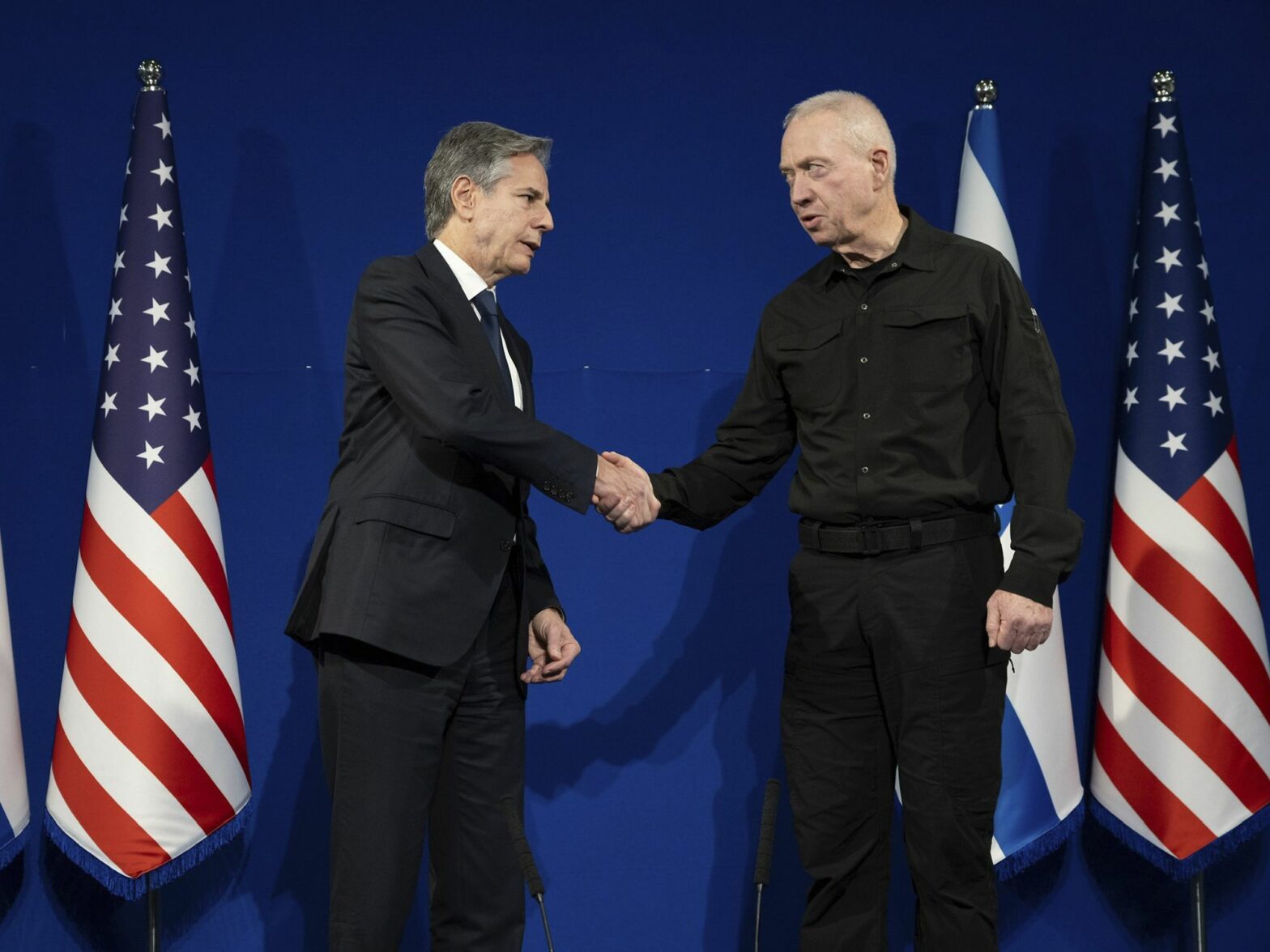
In the Israel-Hamas war, Qatar now plays the key role in negotiations, while the United States appears increasingly disengaged. Shifts in the region and beyond require that Washington move quickly or risk ceding influence to China and others for the long term.
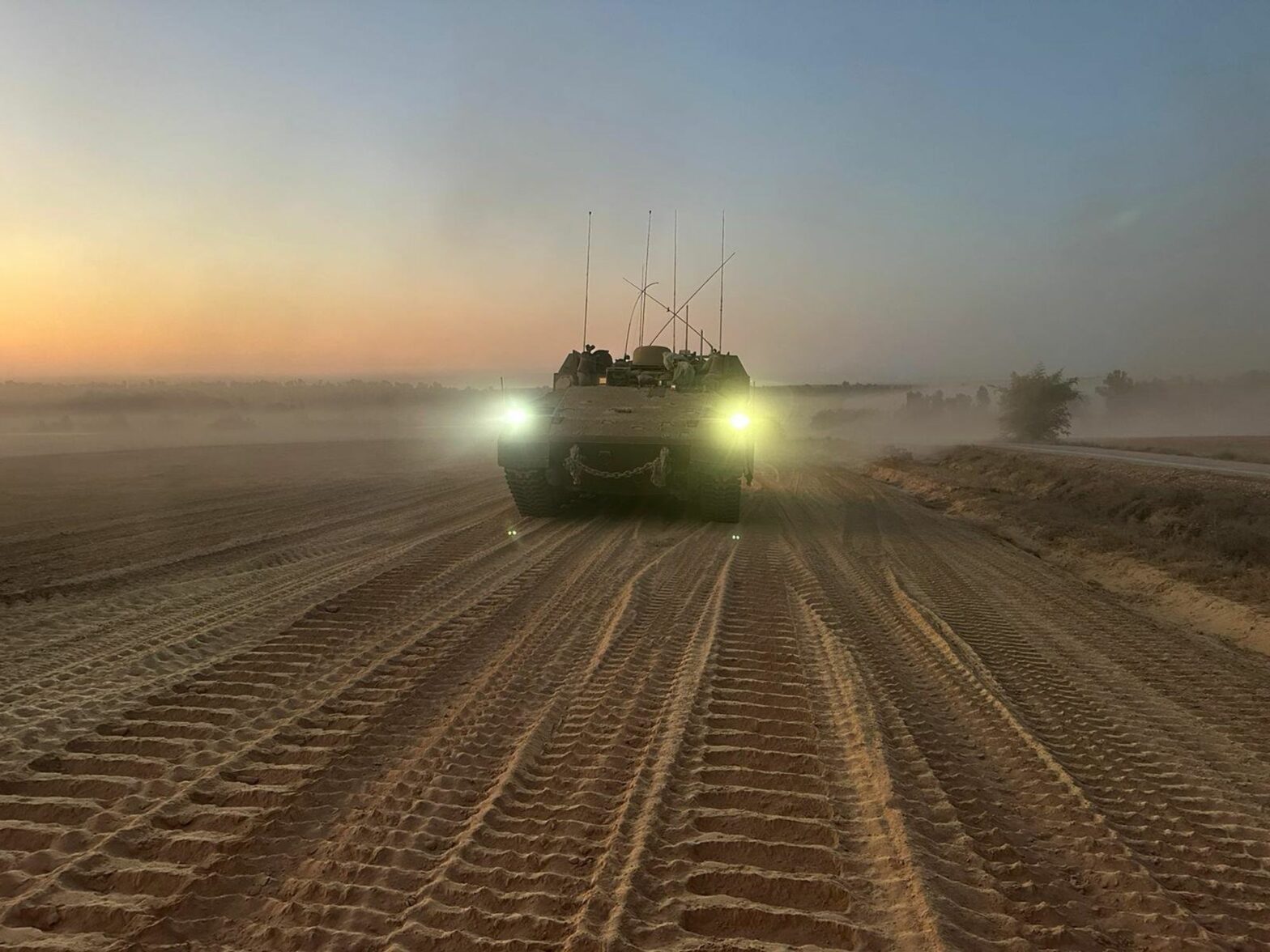
Marking one month of war in the Middle East, French political commentator Pierre Haski takes stock of three major geopolitical consequences.
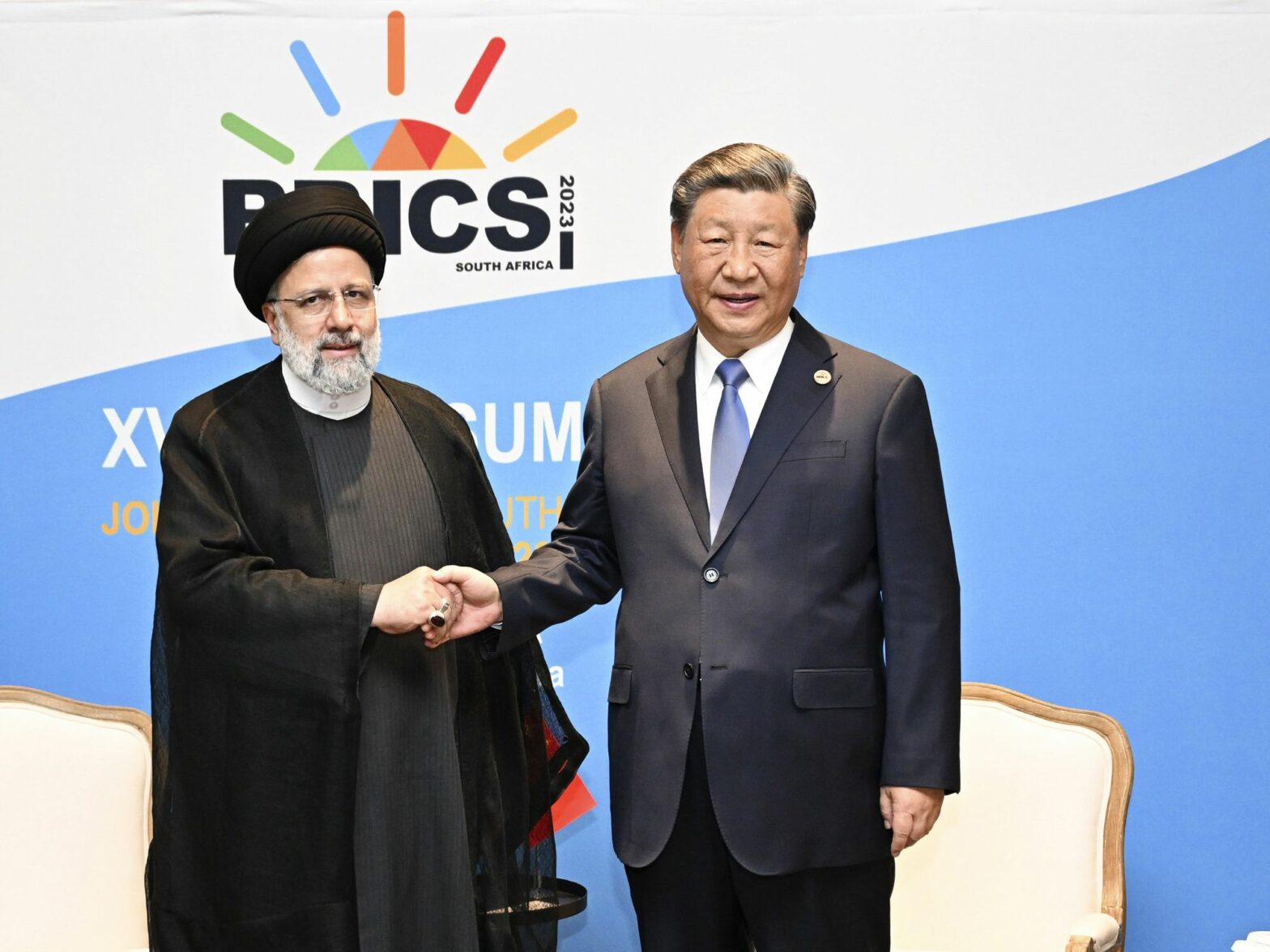
The BRICS economies’ inclusion of new members like Iran may not make business sense, but it fits with the Sino-Russian strategy of drawing states of the Global South into their orbit in open confrontation with the U.S. and the rest of the West.
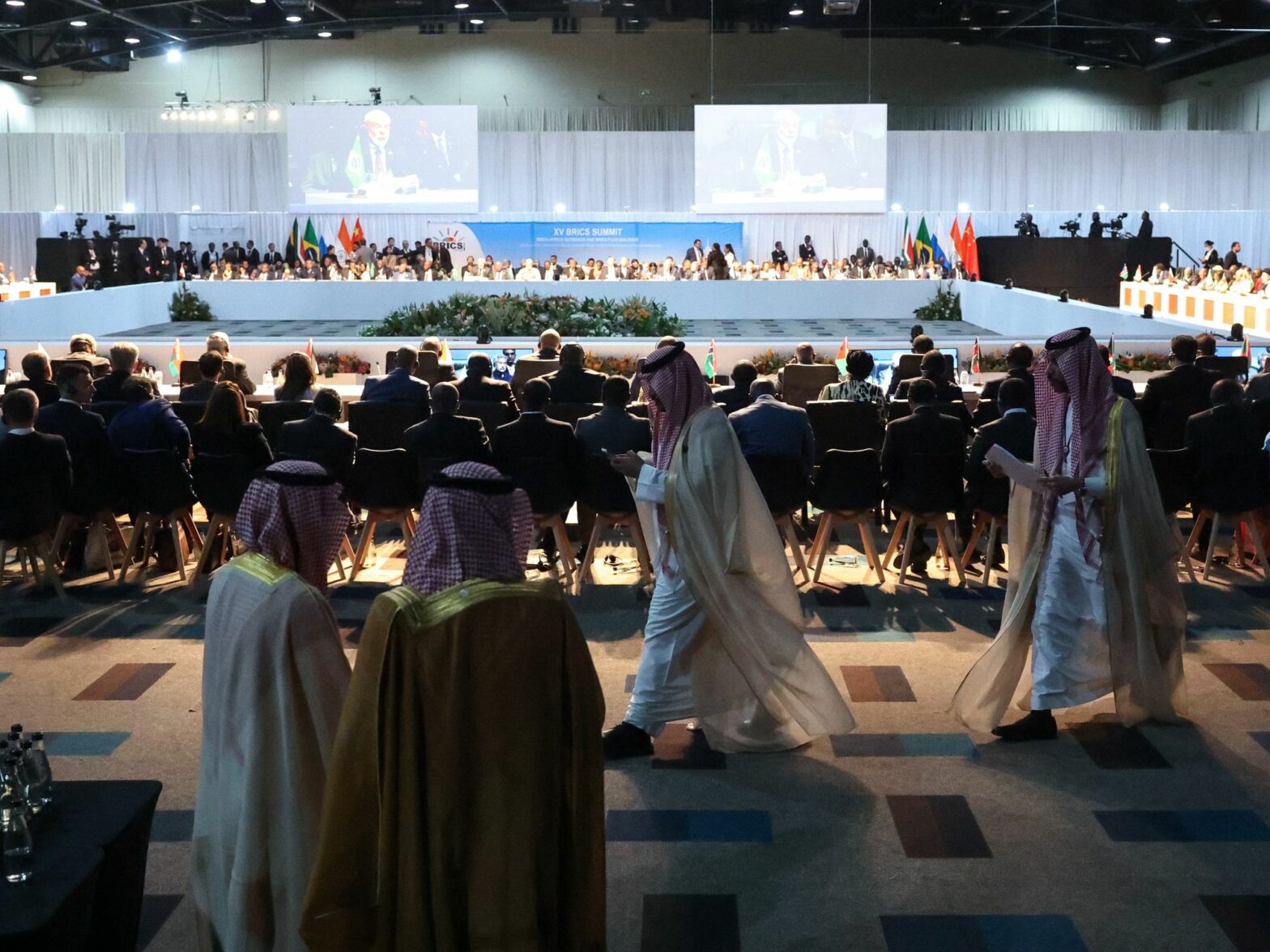
With the G20 in New Delhi around the corner, India risks finding itself the wrong side of history, and end up as an observer and not one of the drivers of a “once in a lifetime” change.
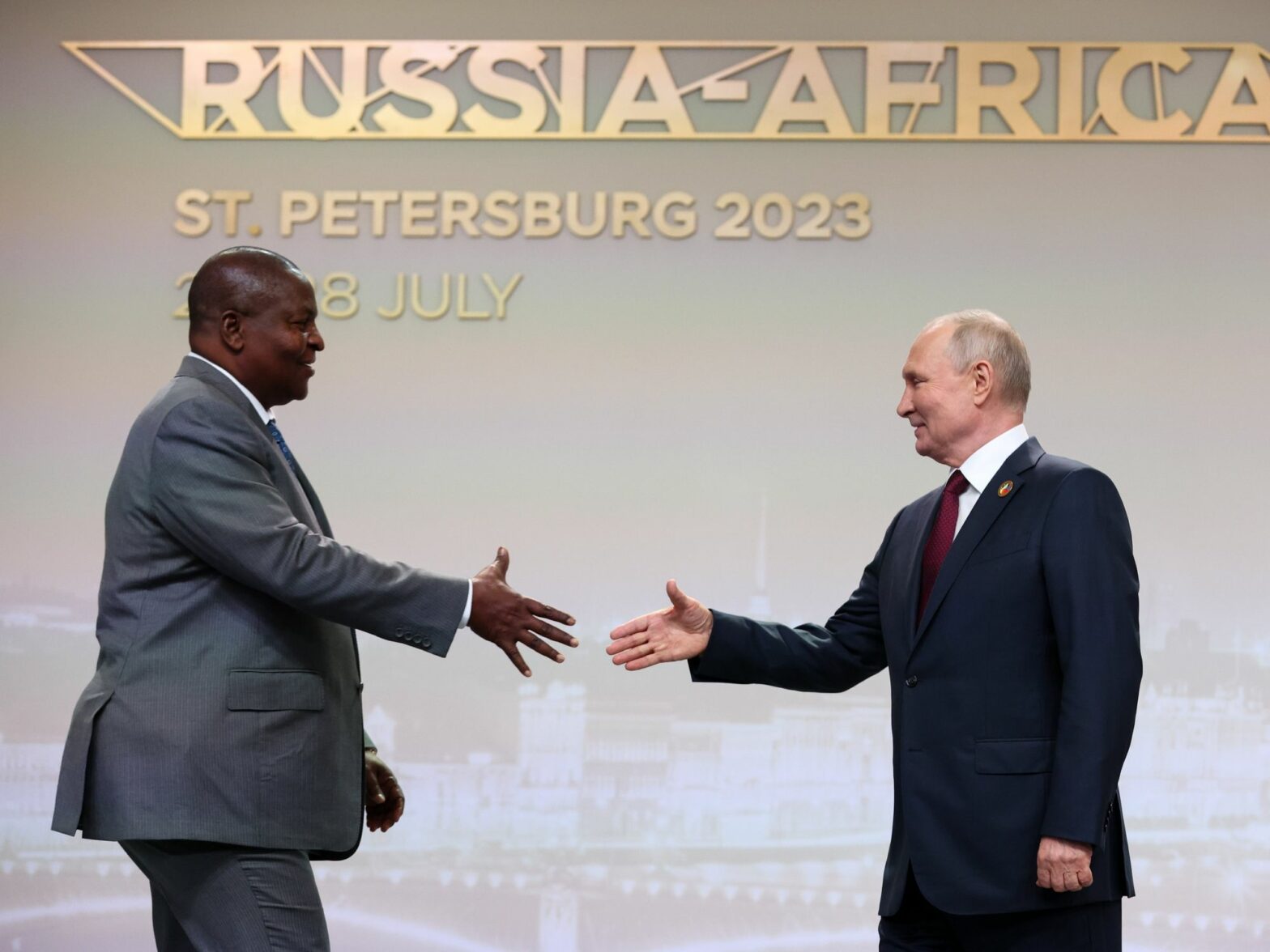
Russia has entered the race for influence in Africa over the past decade, largely on the shoulders of the Wagner Group and its founder, Yevgeny Prigozhin. What happens now is unclear, though Vladimir Putin won’t want to cede any ground to other world powers in the race for influence on the continent.
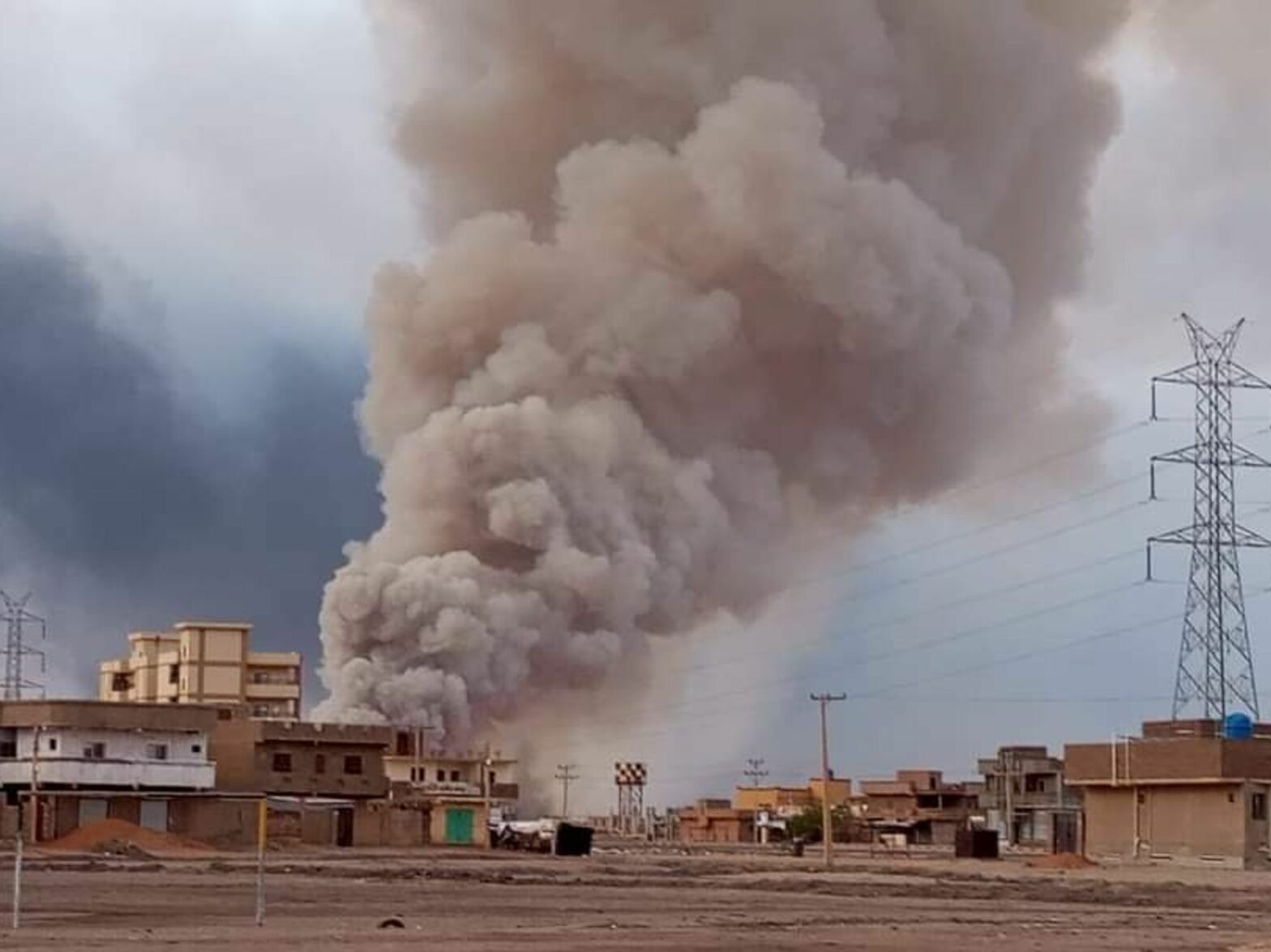
Why is the admirable funding for Ukraine not matched in Sudan, which now counts a stunning 2.5 million displaced people since fighting erupted two months ago? The West’s double standard of media attention must not be left to fester.
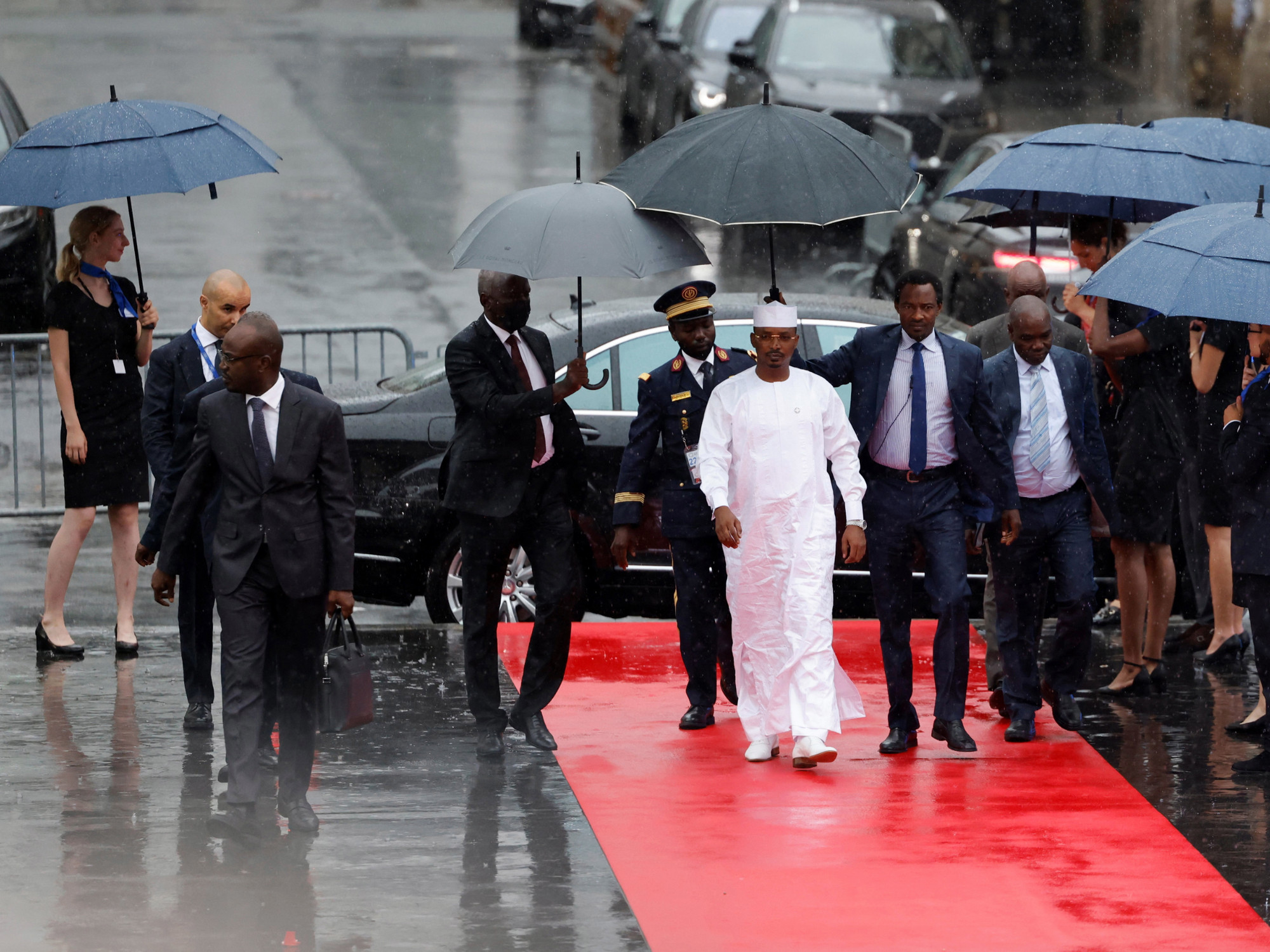
French President Emmanuel Macron has called a unique summit that aims to reset relations between Western countries and the Global South. But the message from China and Russia will be not to trust such diplomatic maneuverings.
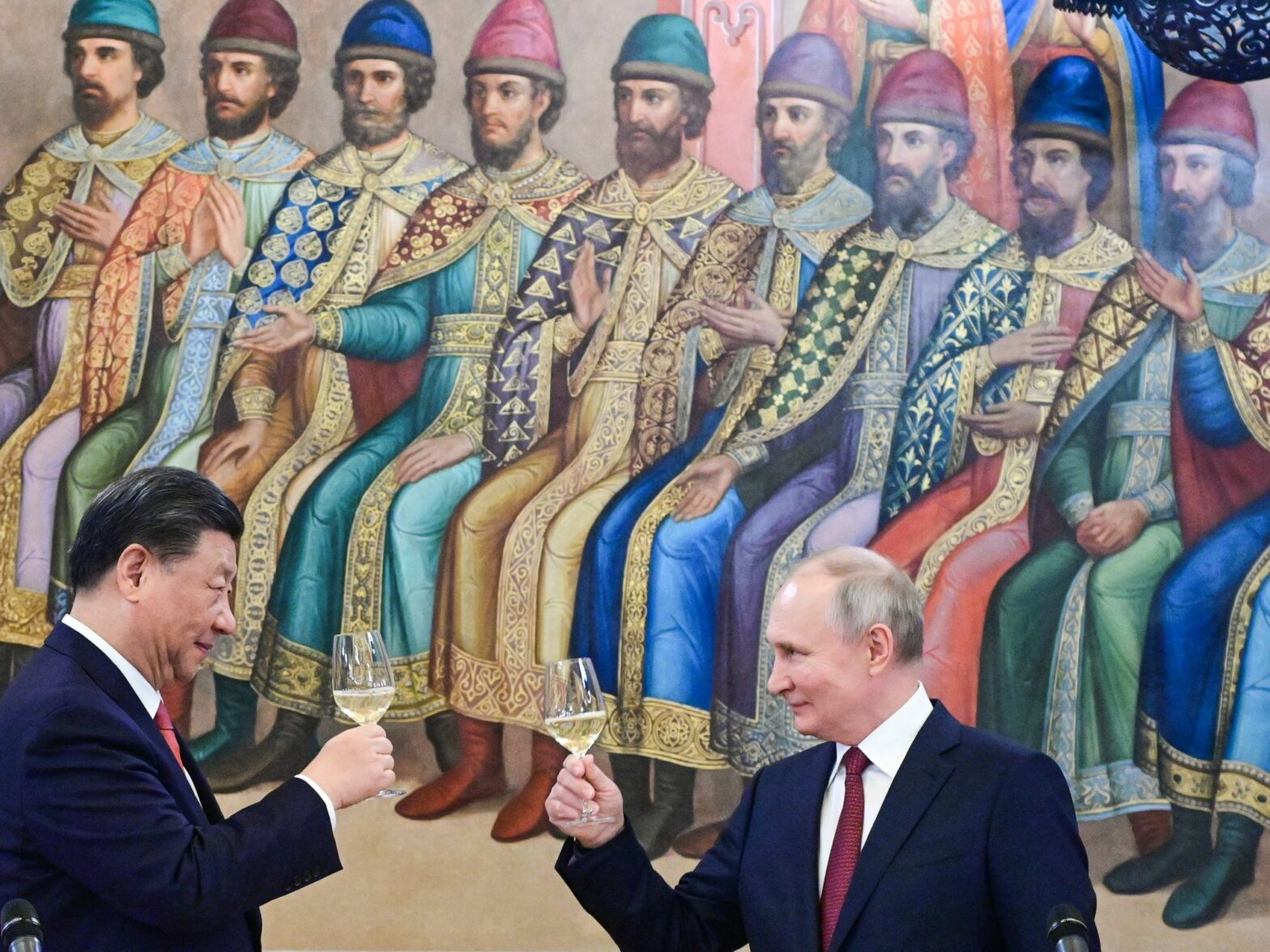
The Spief, the political-economic forum dear to the Russian president, takes place this weekend in Saint Petersburg. The West will be absent, as the Kremlin increasingly appears beholden to Beijing.
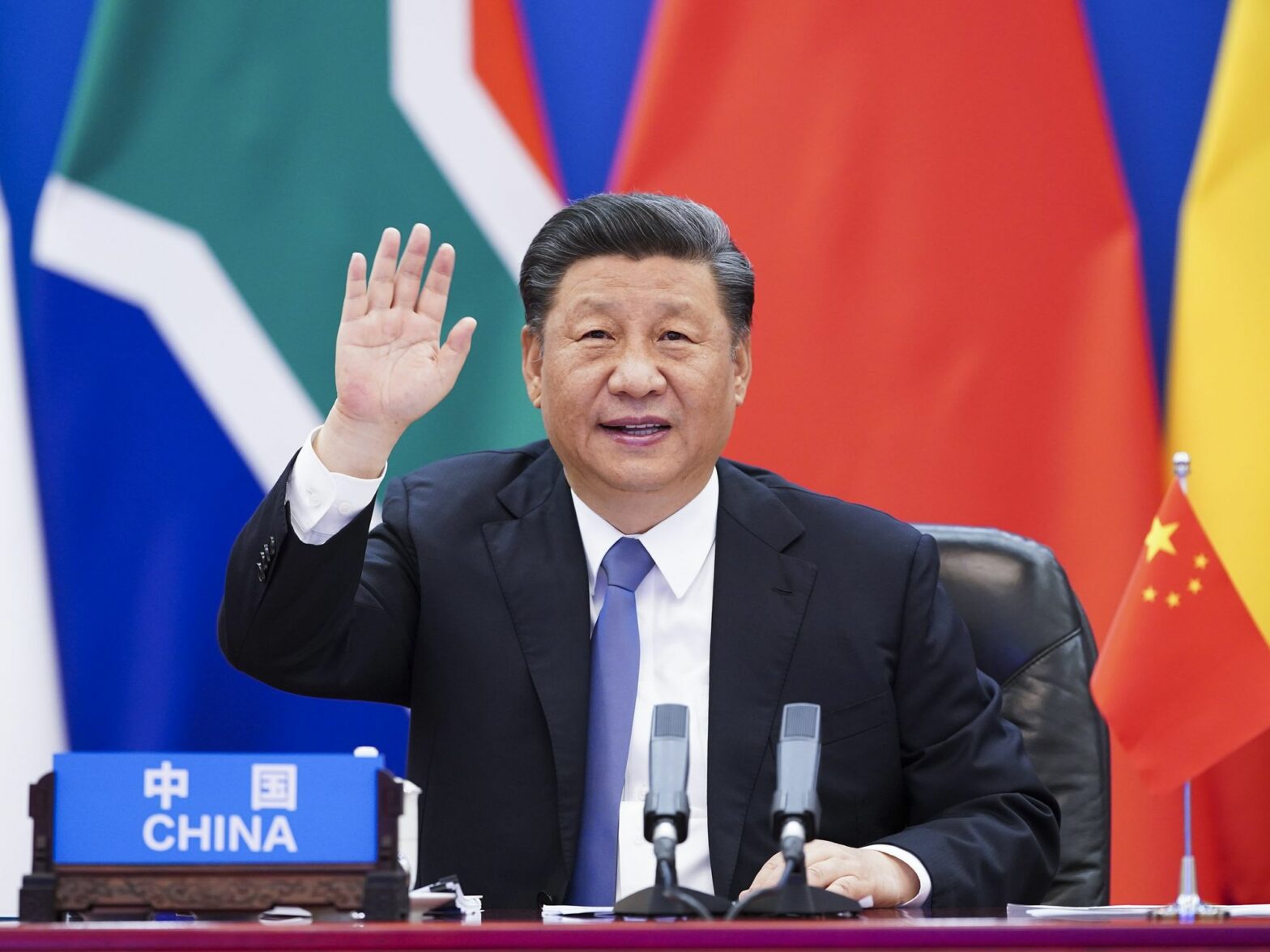
Approaching the world as a simple opposition between East and West falls short. An emerging “tripolar” geopolitics requires we establish new ways of thinking and managing both conflict and opportunity.
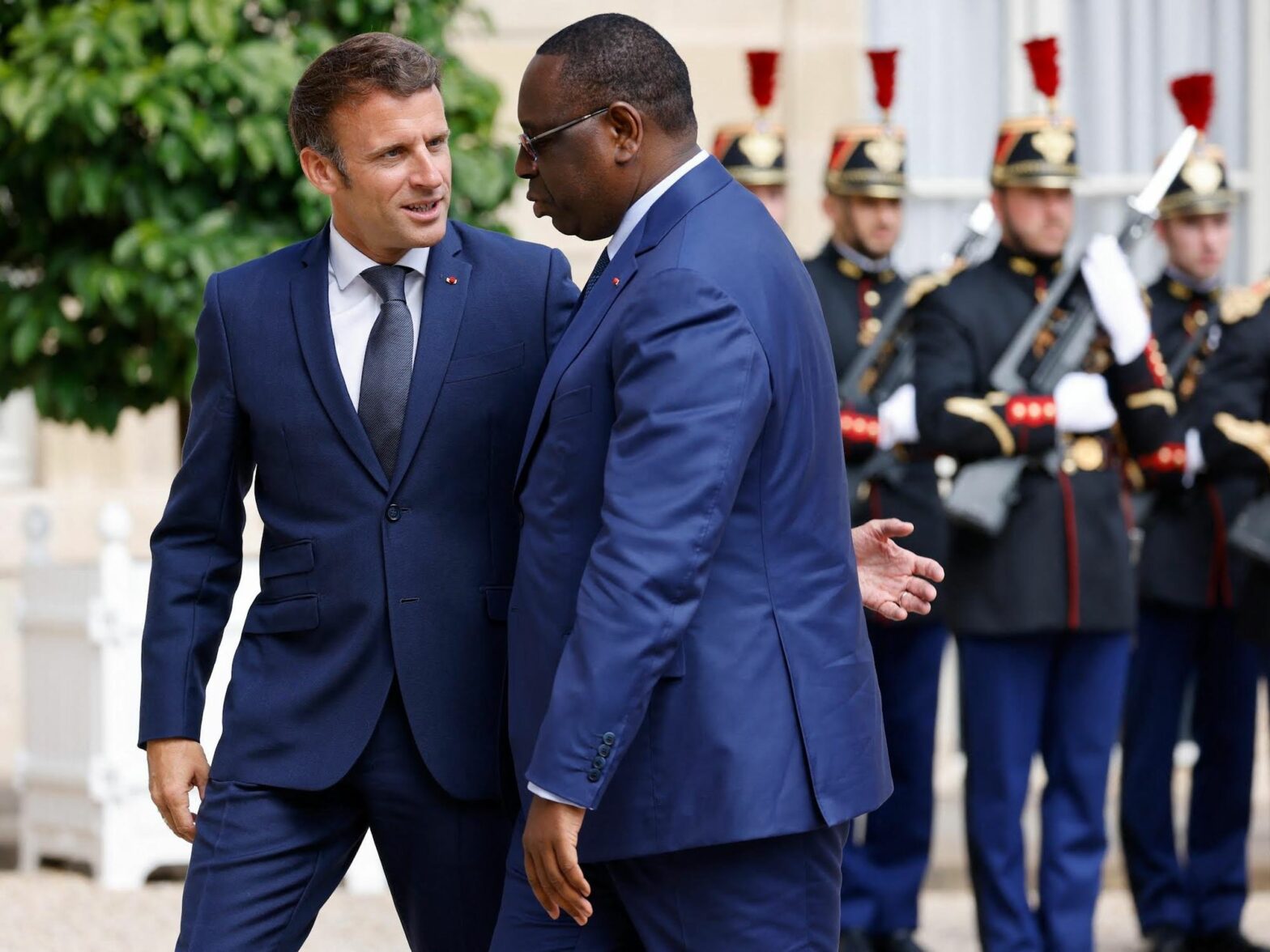
French President Emmanuel Macron has outlined a new policy for France’s relationship with Africa, recognizing the need for a departure from post-colonial mindsets. But he faces challenges at home and abroad.