From the Mufti of Ukraine to the Facebook aunts and uncles of Brazil to Chinese influencers in Africa… and more!

 Worldcrunch
From the Mufti of Ukraine to the Facebook aunts and uncles of Brazil to Chinese influencers in Africa… and more!
In two very different ways, the failure of the United Nations to inhibit aggressive nations is a sign of only more trouble ahead.
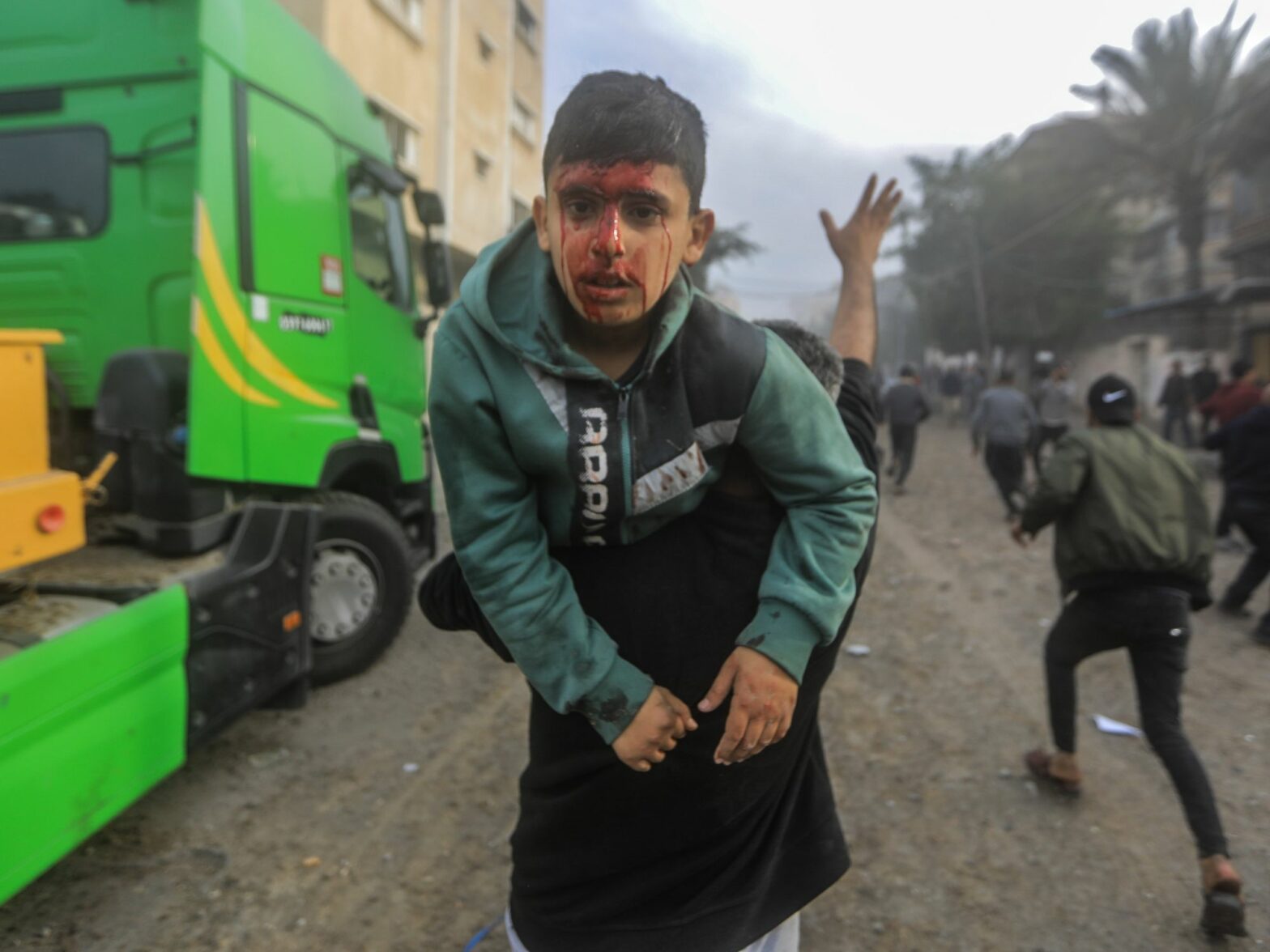
Within 15 minutes, the life of Youssef al-Bazm turned upside down. The Palestinian father had considered himself the luckiest person in the world because of his small family. But everything changed on Dec. 1. His story is just one of thousands of parents looking for their lost kids.
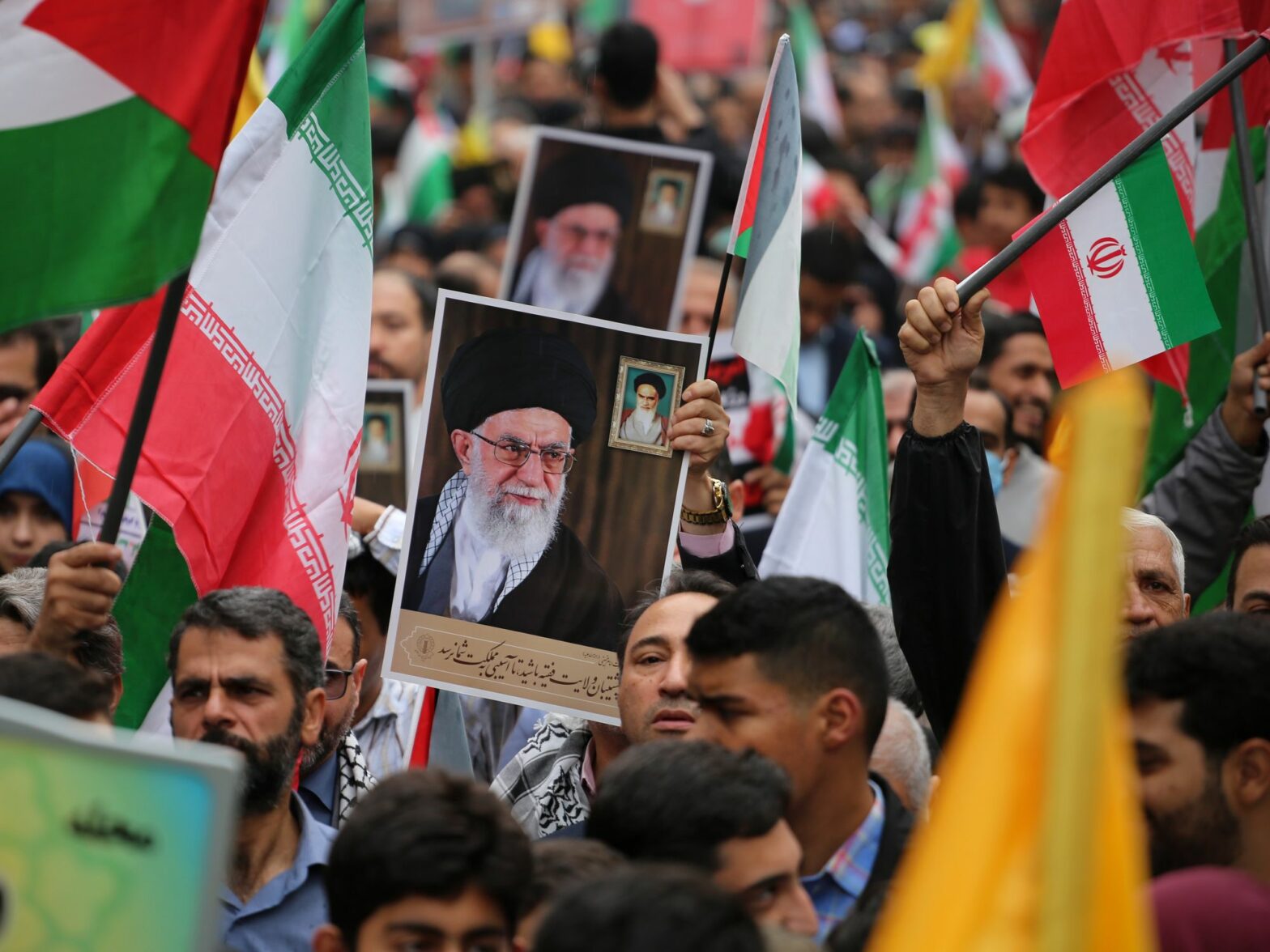
The recent repression of an old man dancing at a fish market shows how on edge Iran’s regime is domestically, writes Pierre Haski. While Iran may be stepping up its game regionally, its fragile attitude domestically can be a sign of what an irrational actor the mullah regime can be.
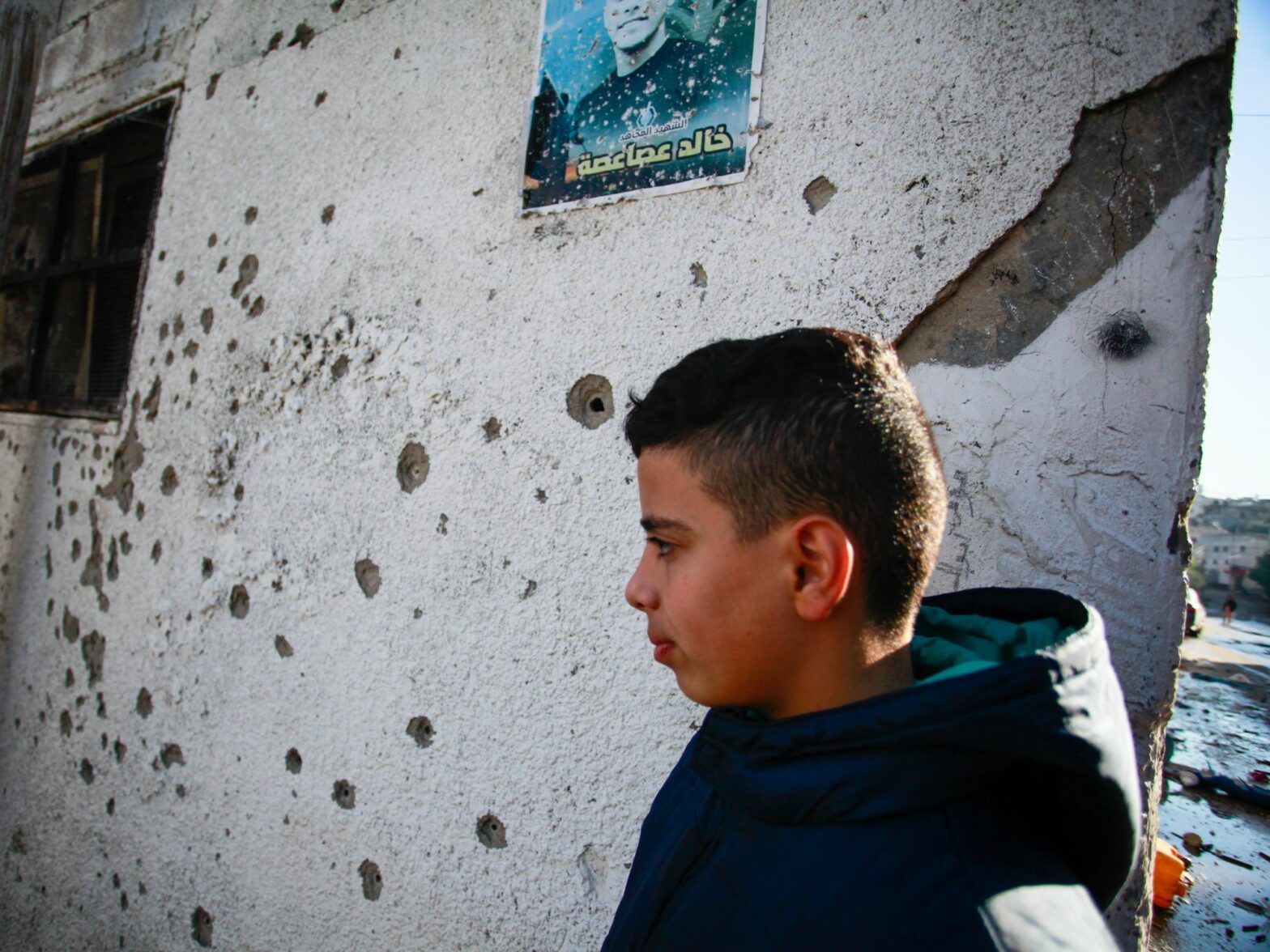
Fedaa Zeyad is tired of seeing all the attempts to portray the people of Gaza as superheroes, somehow undeterred in the face of death. She prefers to present them simply as human beings: fearful, tired, desperate, objecting to the terms and conditions of this war.
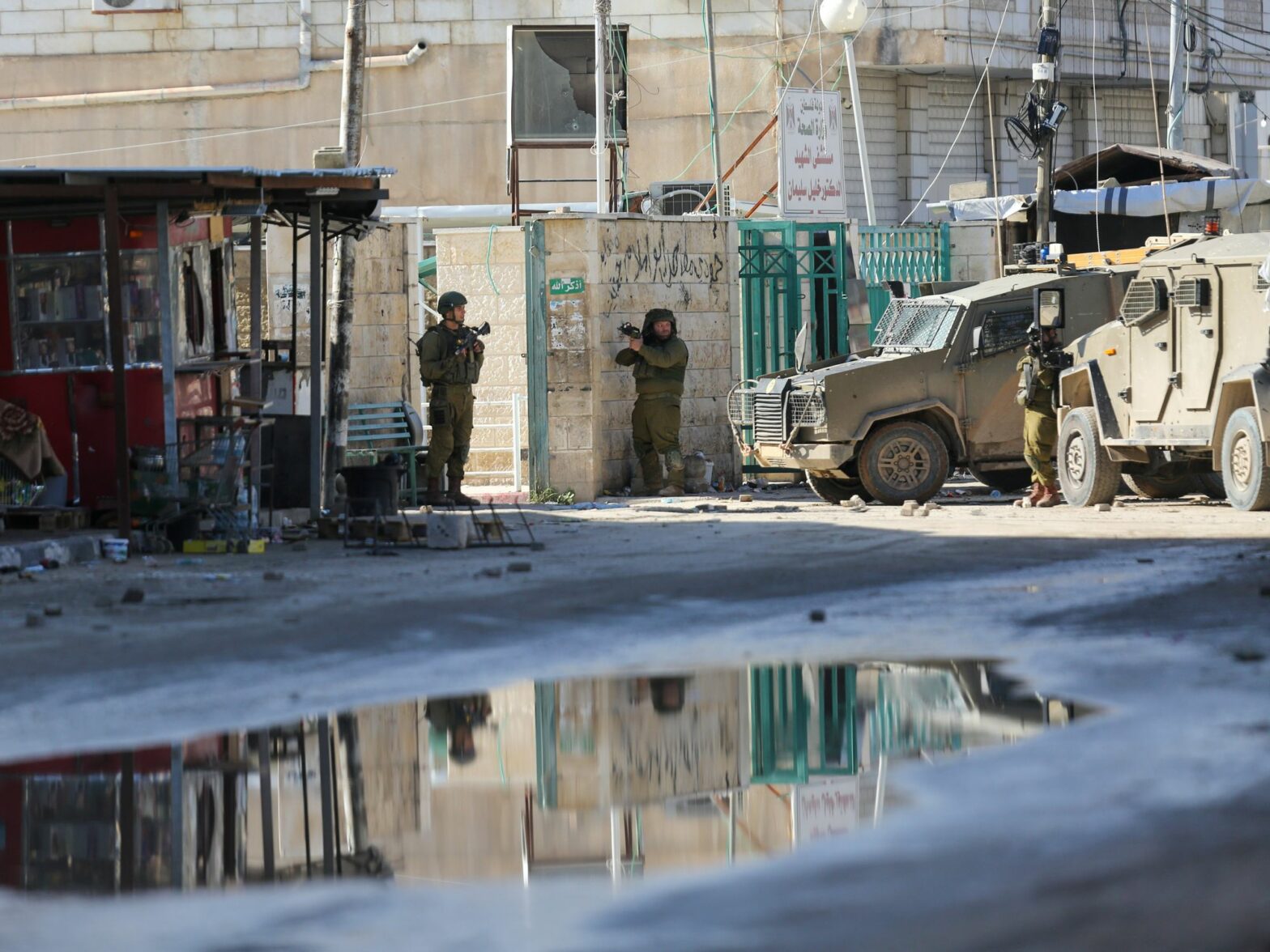
Israel has launched a massive campaign of retaliatory detentions in the occupied West Bank. The campaign aims not only to humiliate the detainees, but it has also targeted those who have been released and it has revealed widespread violations and Israel’s determination to punish “all” Palestinians.
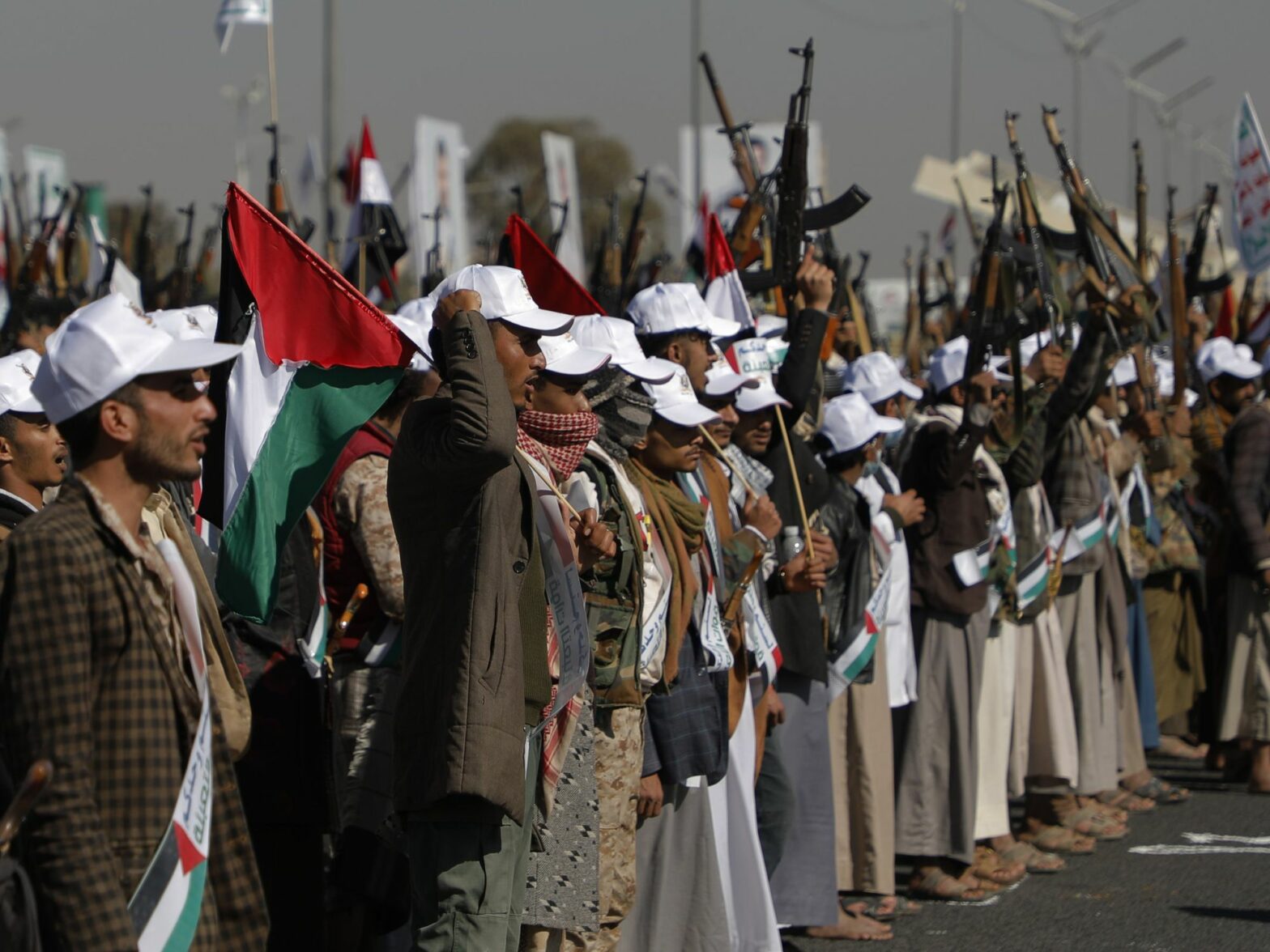
Nuclear weapons are a constant fear simmering in the background of modern-day conflicts. With the potential for Iran to join the Israel-Hamas war, and a threatening Russia at war with Ukraine, there is a more urgent necessity of reestablishing communication channels and confidence-building measures among nuclear powers.
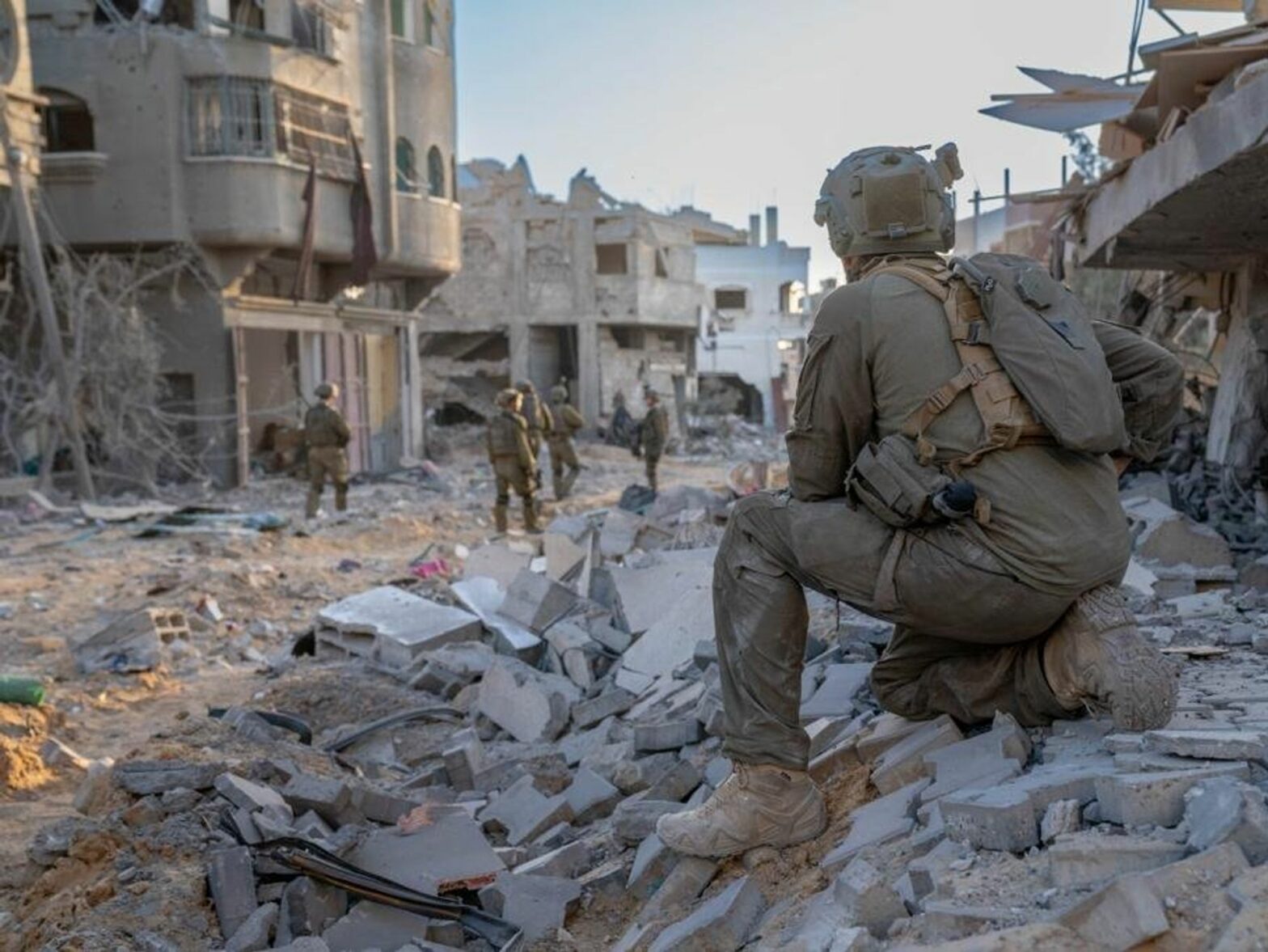
A poll shows increased Palestinian support for Hamas since the October 7 attacks, making the Israeli government’s objective of taking military action alone unrealistic. Continuing to bombard Gaza with no end in sight is not only cruel, but counterproductive.
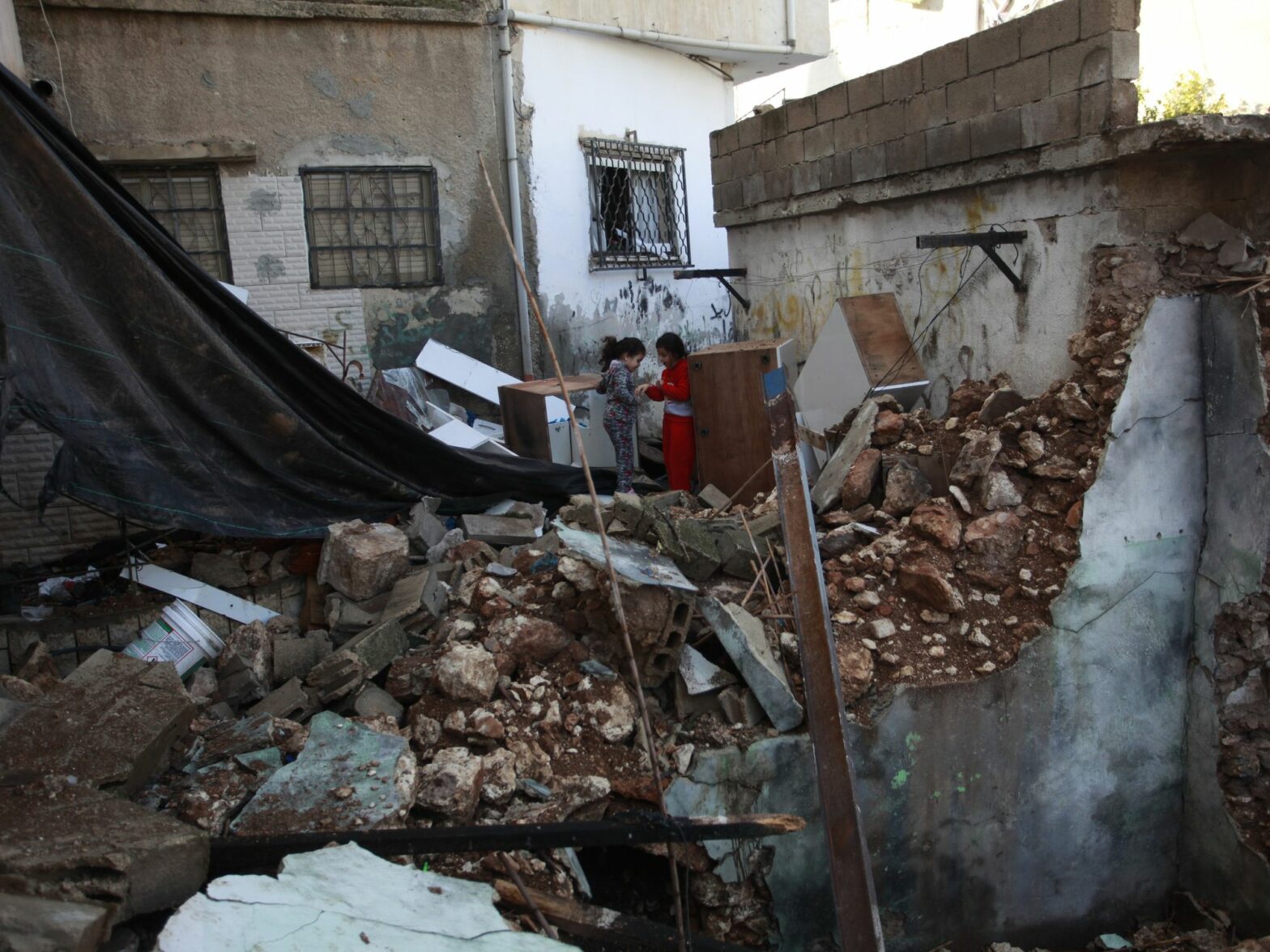
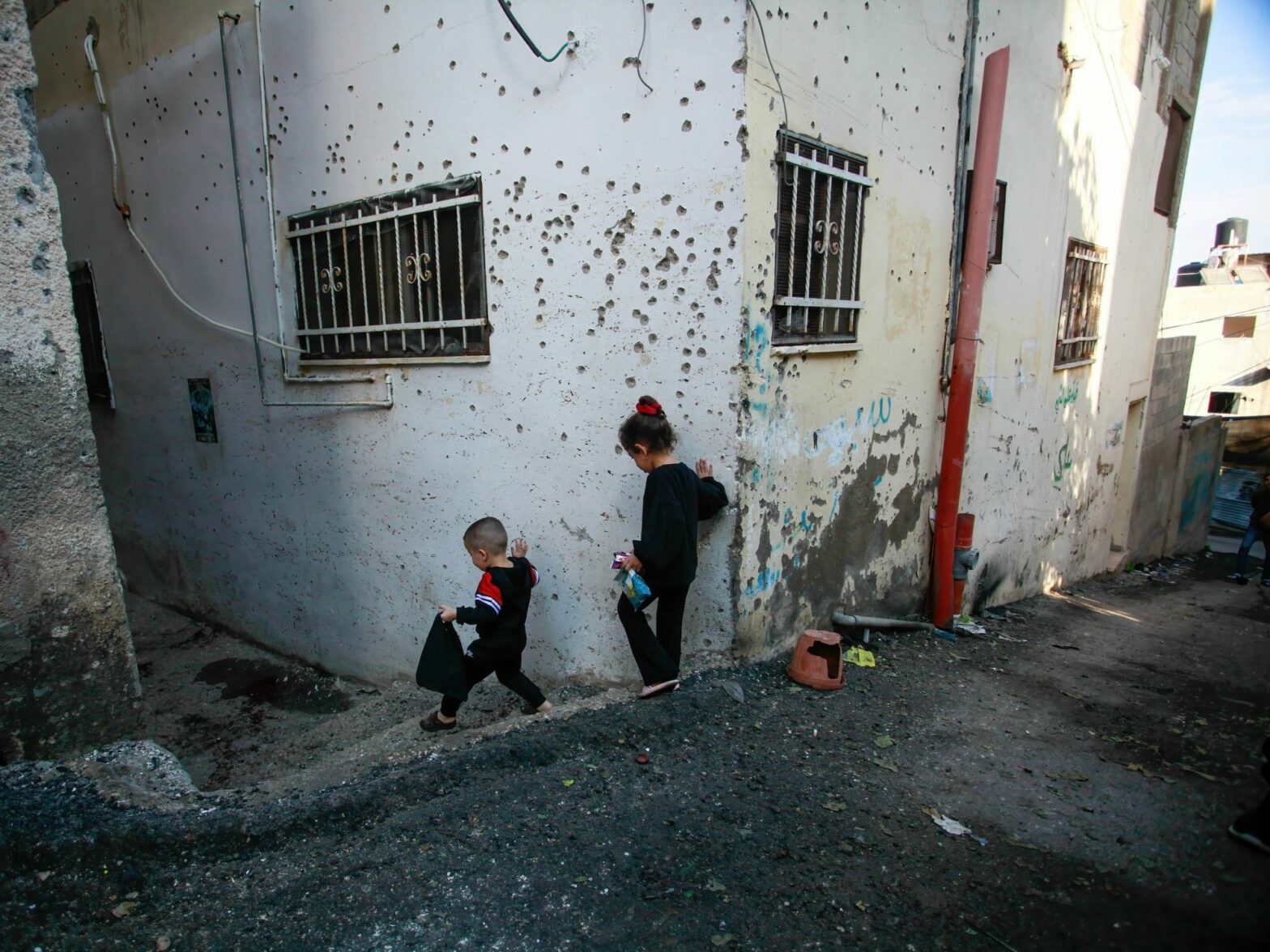
The Jenin refugee camp is rapidly spinning out of control, as the West Bank security coordination between Israel and the Palestinian Authority dissolves. The Israeli military wants to make an example of this symbol of Palestinian resistance in the West Bank.
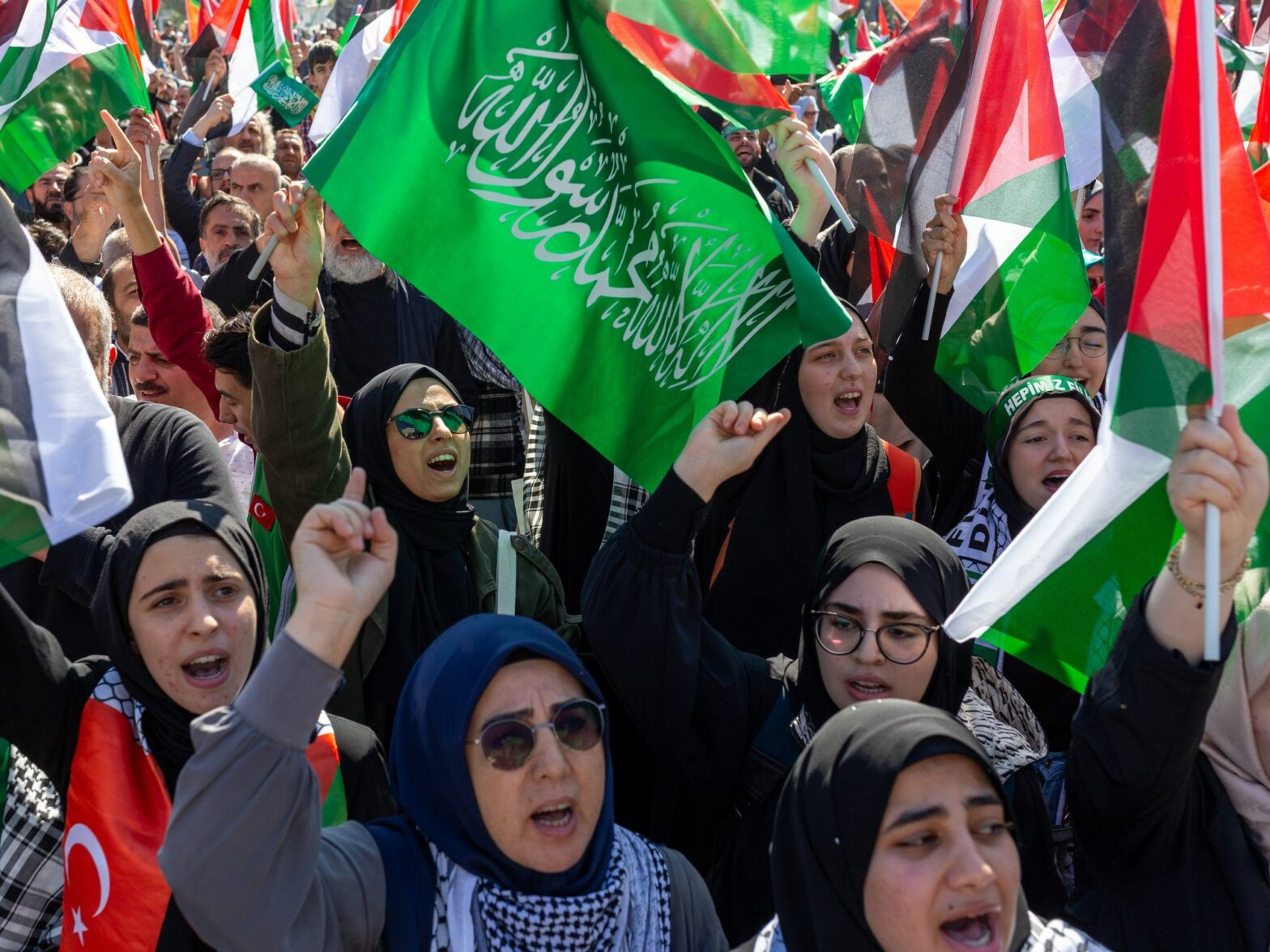
As Israel ramps up its attacks on Gaza, and support from the West continues, ordinary people in Turkey are falling into the trap of seeing the world as an inevitable showdown between East and West.
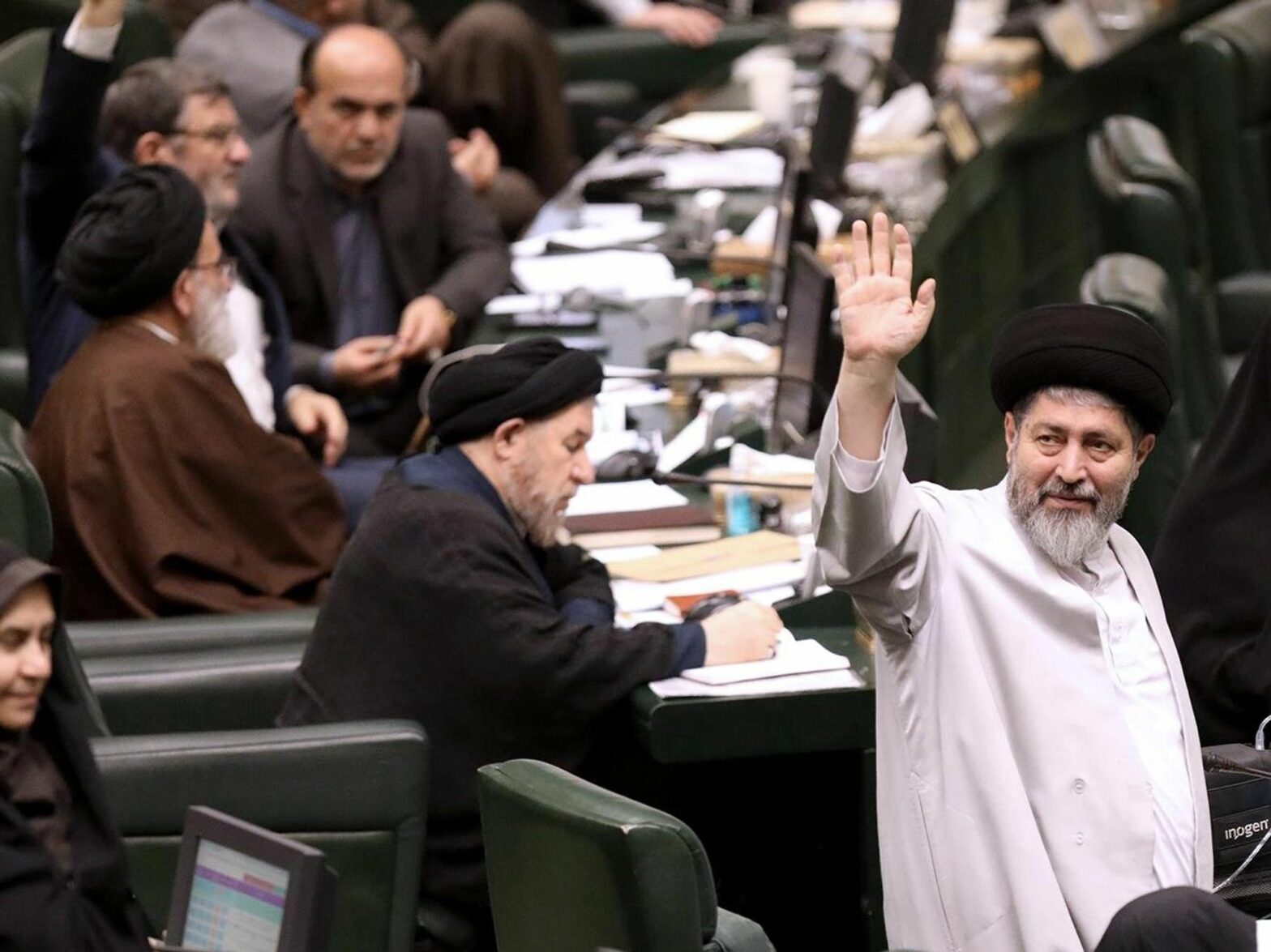
Middle East attention is focused on the war in Gaza, which has given the Iranian regime a great opportunity to lock down control on the situation at home and try to break the protest movement of the past year with extreme violence.
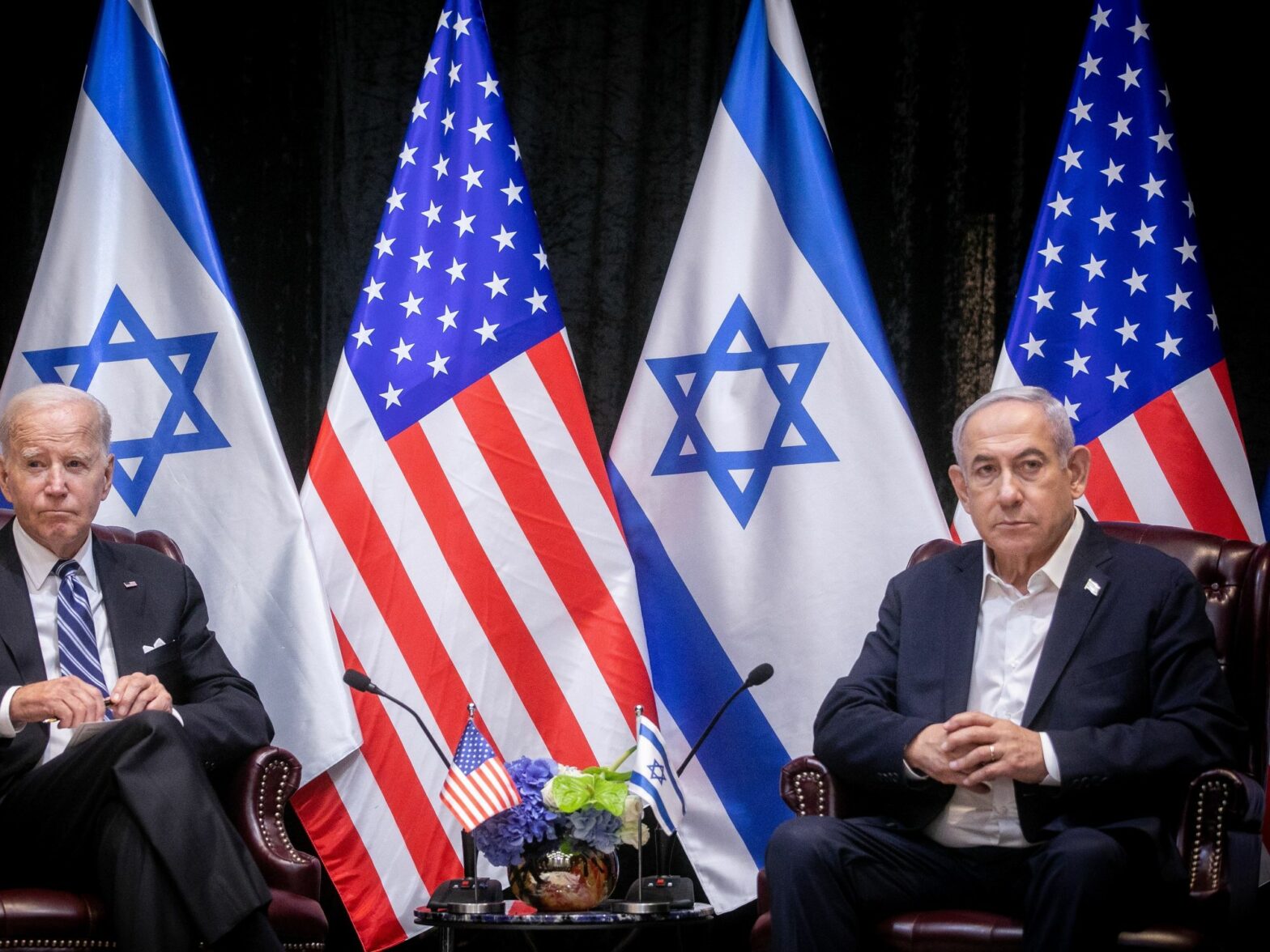
U.S. President Joe Biden’s tough words for Benjamin Netanyahu cannot really be reconciled, and point to a paradox: Netanyahu may be the warlord whom the army obeys, but he is also a politician whom the vast majority of his fellow citizens would like to see leave.
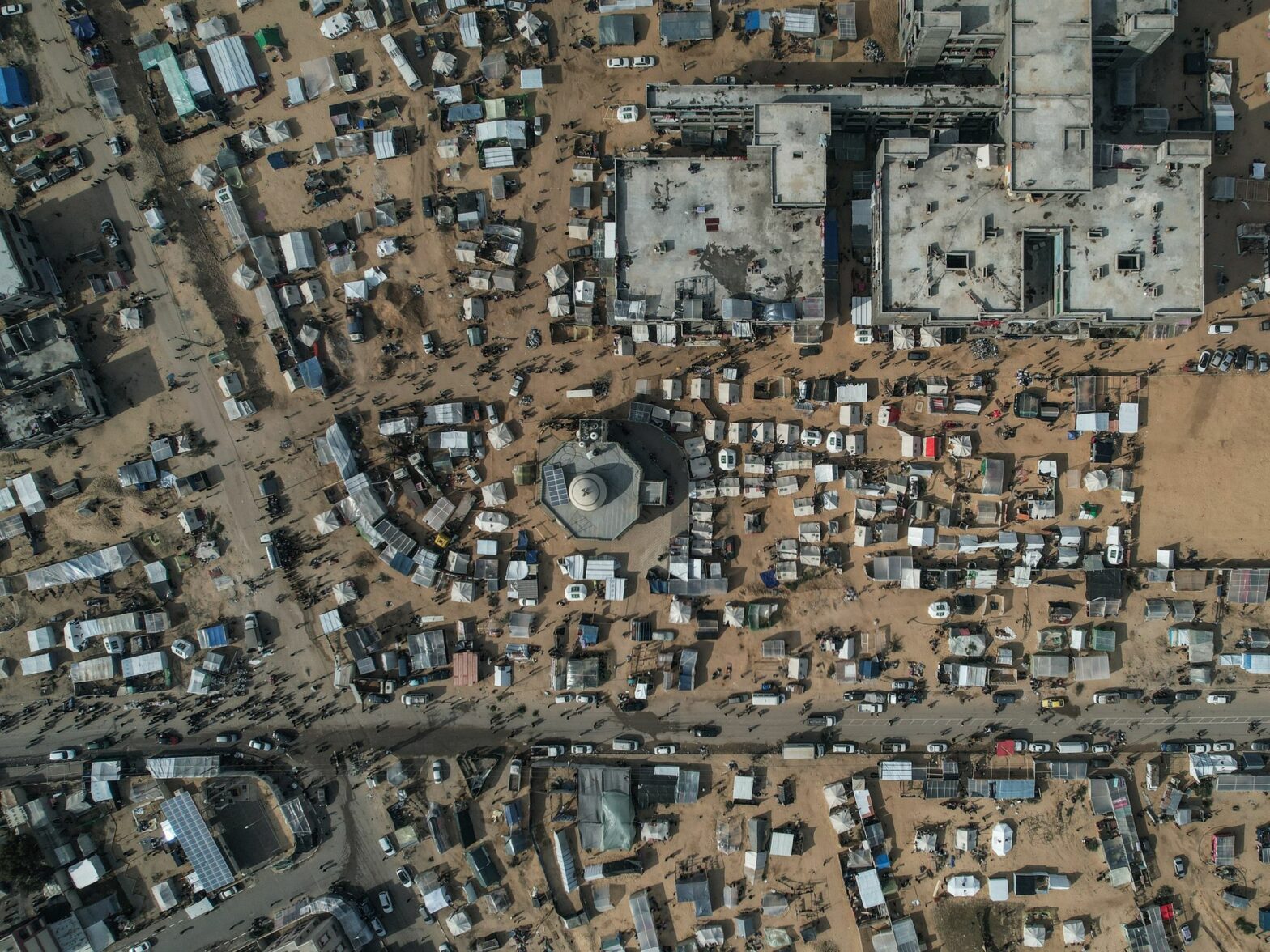
Palestinians are being terrorized by Israel’s attacks and constantly shifting evacuation orders. Meanwhile, no country in or out of the region has agreed to take in refugees, and Gazans may not even go, still haunted by the “Nakba,” the mass displacement of Palestinians after 1948. The rising death count is the clearest sign of a truly desperate situation.
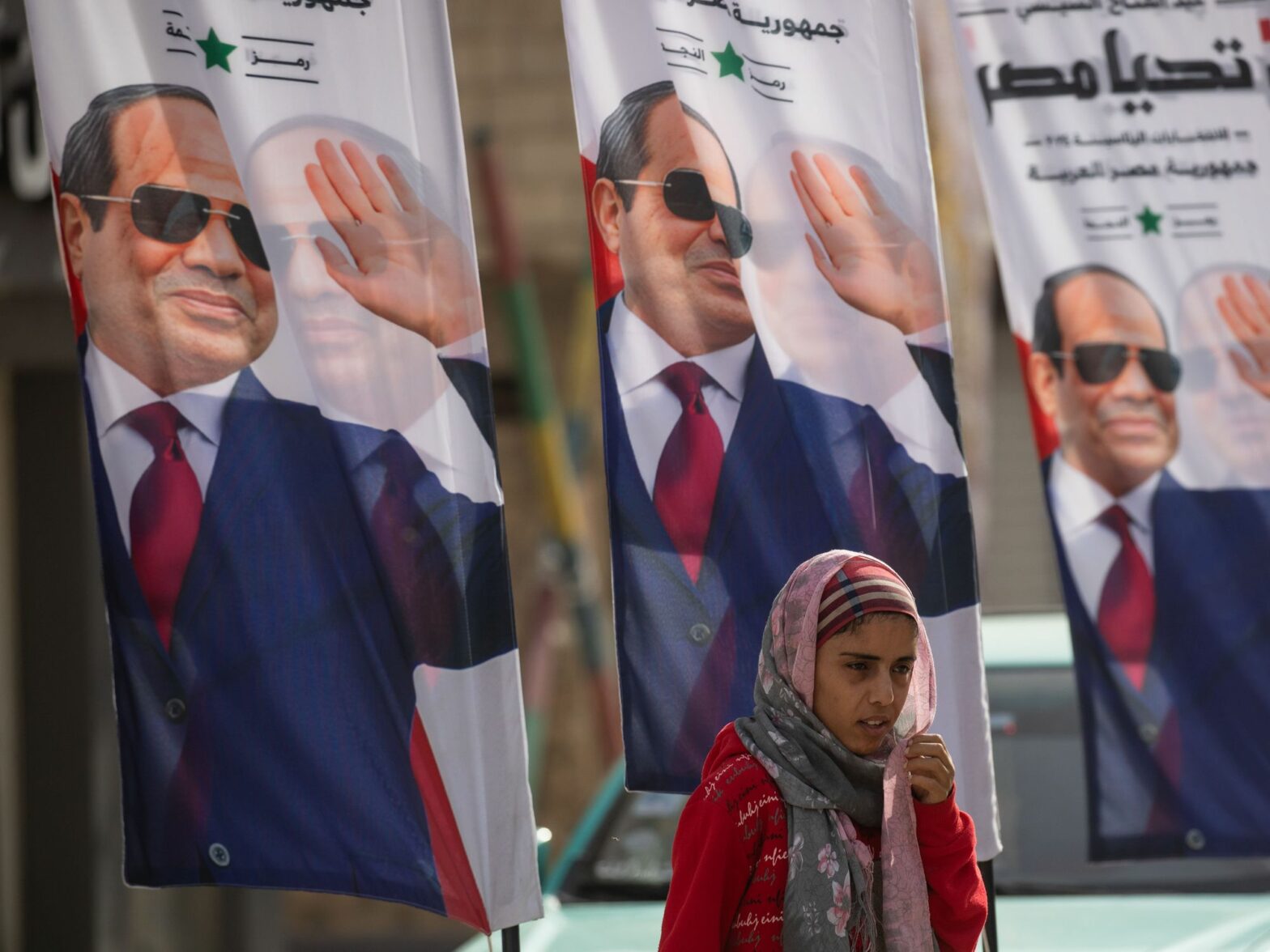
Egypt is holding a presidential election during which President Abdel Fattah el-Sisi is certain to win another term. To protest a lack of genuine democracy, some opponents have chosen to boycott the whole process, others opted to invalidate their votes. It’s a loaded calculation.
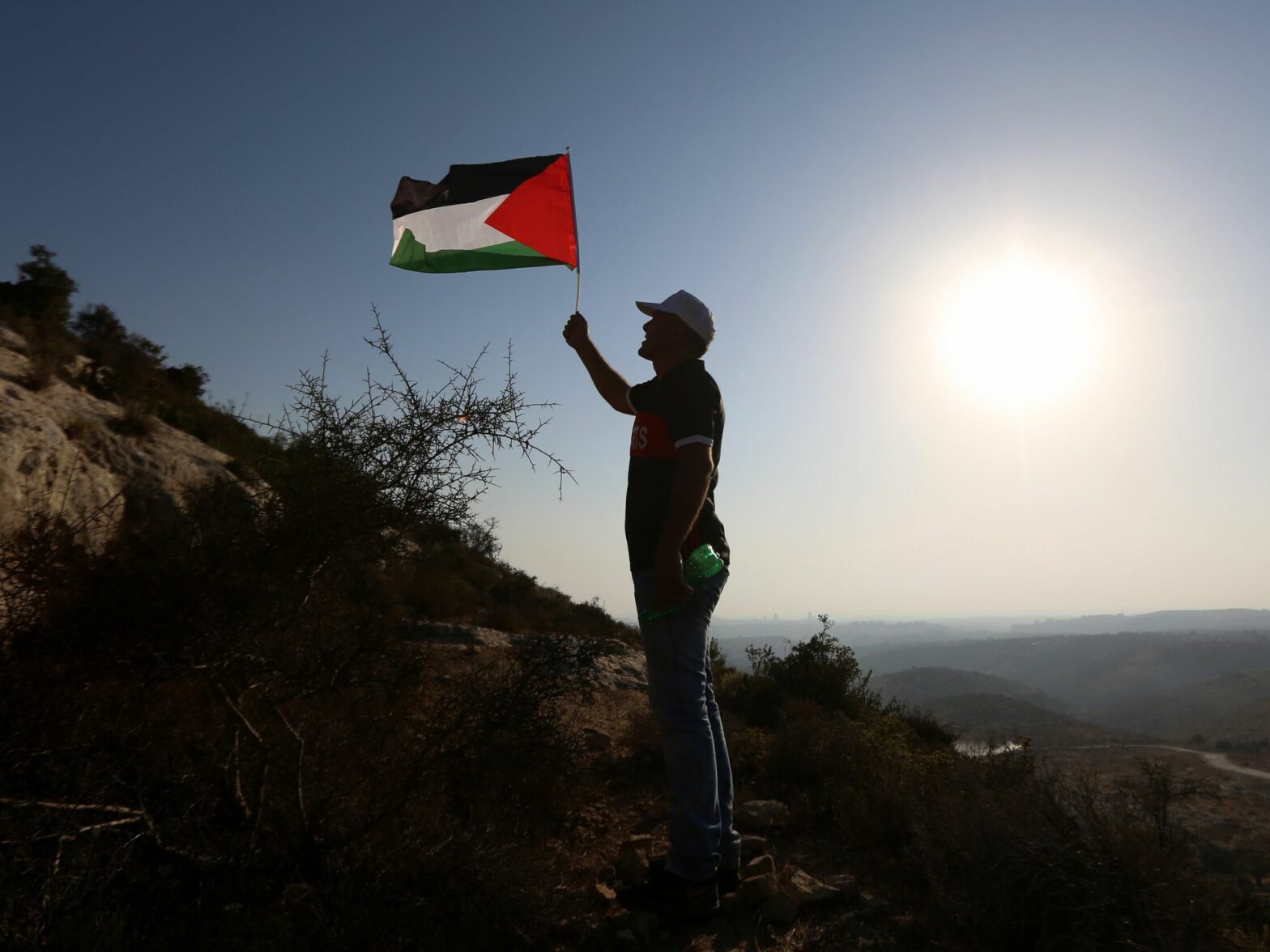
For decades, the Israeli-Palestinian conflict has been left unresolved. Hamas’s recent attack has forced politicians to confront facts: the conflict needs a definitive solution. Yet the expansion of Jewish settlements in the West Bank may make the two-state solution impossible to implement.

Updated Dec. 9, 2023 at 12:20 It was on this day in 1987 that a series of Palestinian protests and violent uprisings began in the West Bank, Gaza and Israel in defiance of Israeli occupation. The confrontation would last for nearly six years. How did the first Intifada begin? An Israeli Defense Forces’ (IDF) truck […]
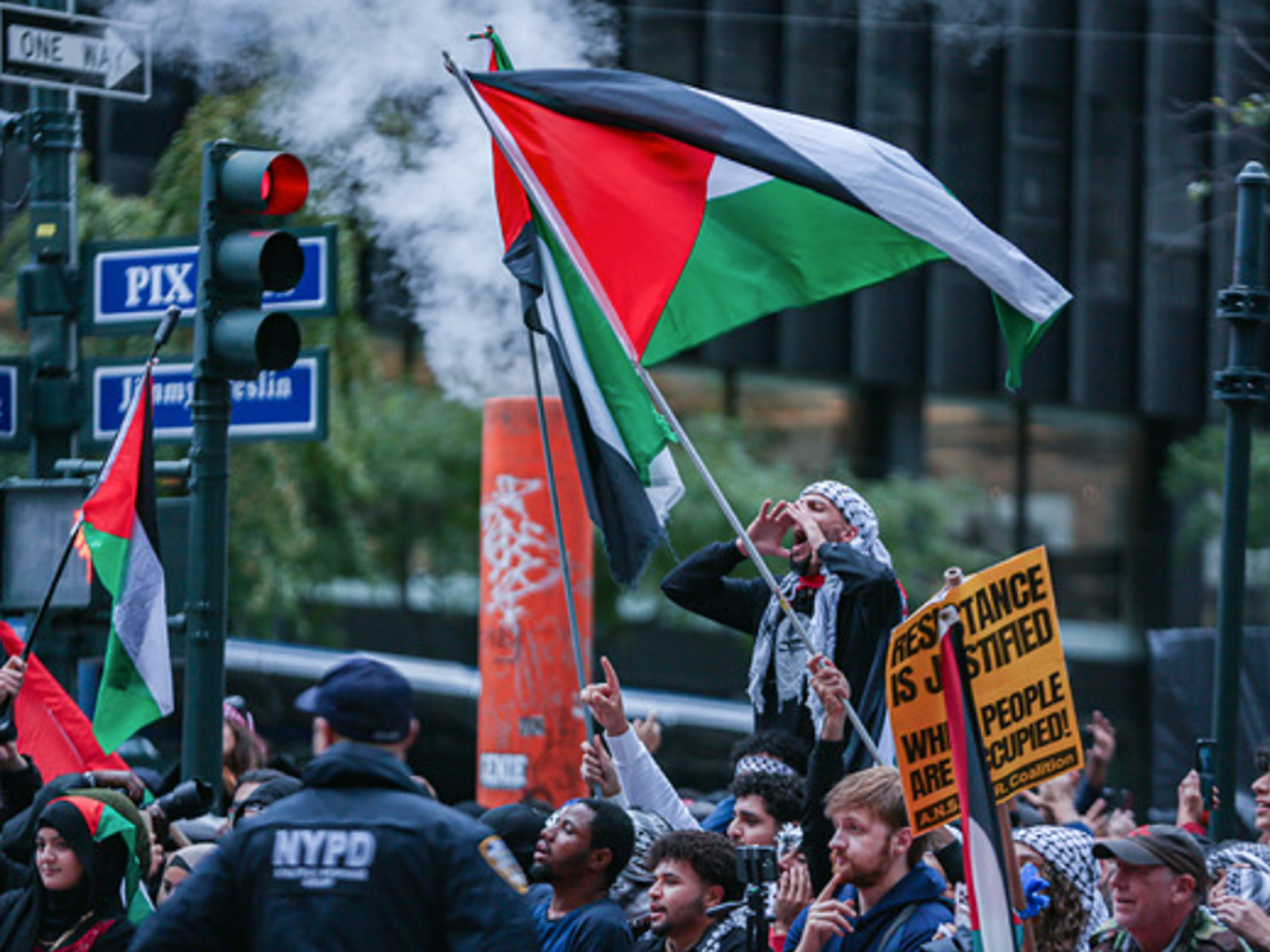
The author’s native country, India, is both a burgeoning world power and part of the Global South. And yet, its ambitious Prime Minister Narendra Modi hasn’t dared to say a single word against Israel’s actions in Gaza and the West Bank, even when countries in South America and Africa have severed their diplomatic relationships with Israel.
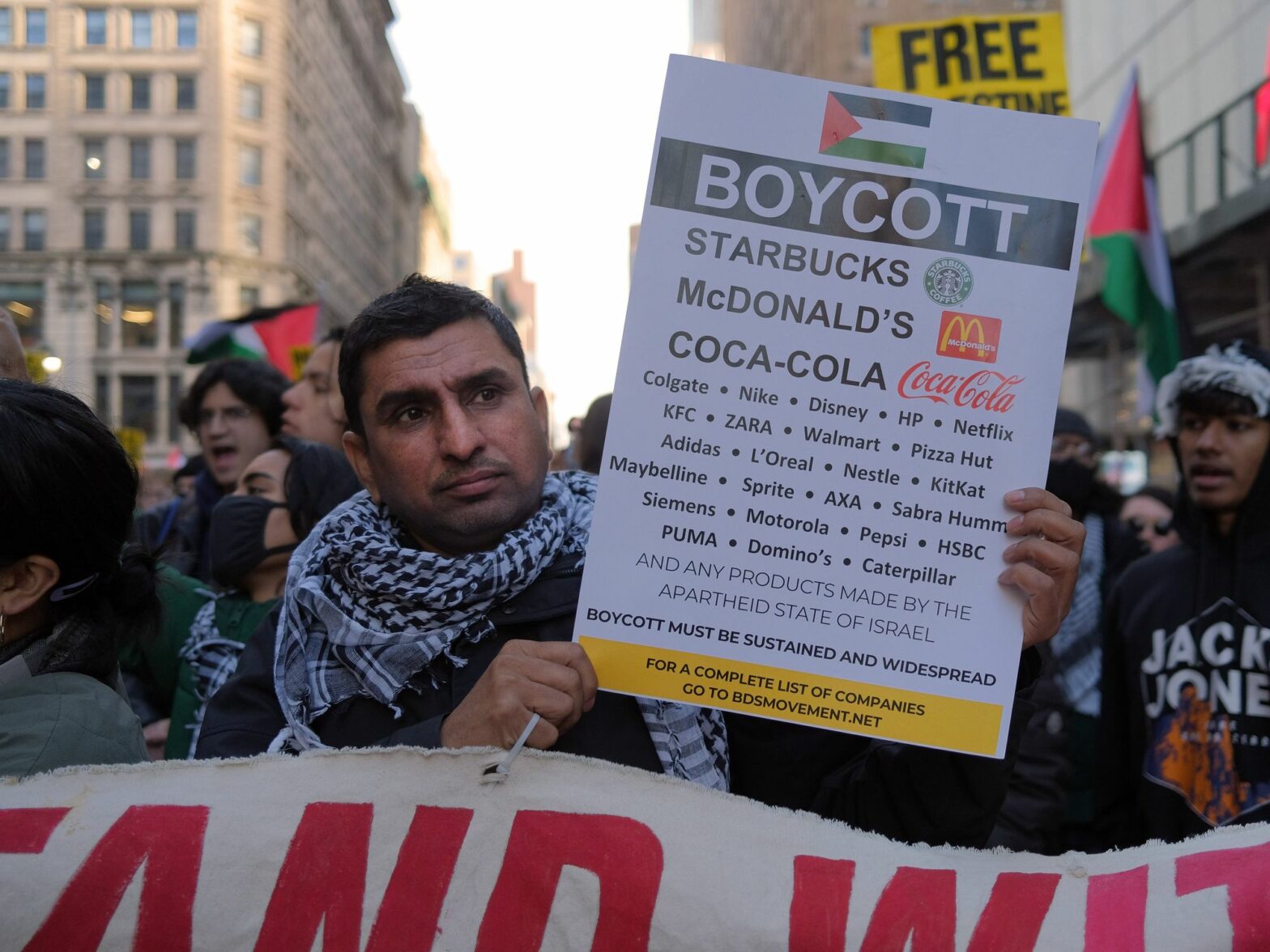
In Egypt and elsewhere in the region and the world, families and movements are mobilizing against companies that support Israel’s war on Gaza. The power of the people lies in their control as consumers — and the list of companies and brands to boycott grows longer.
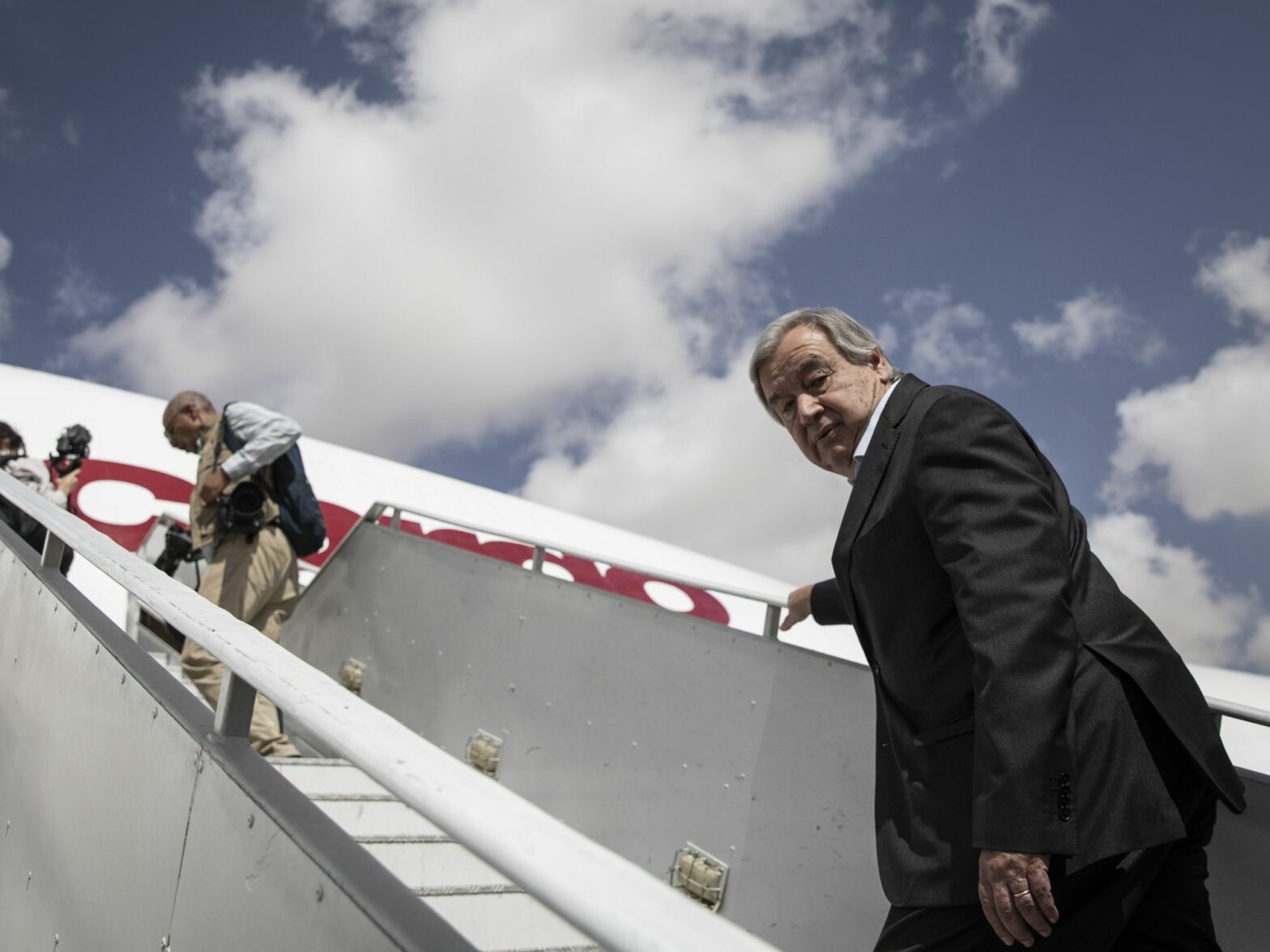
The UN Secretary-General is raising the tone in the war in Gaza, but it comes at a time when international institutions are extremely weak. Looking back at history, that’s a dangerous thing.
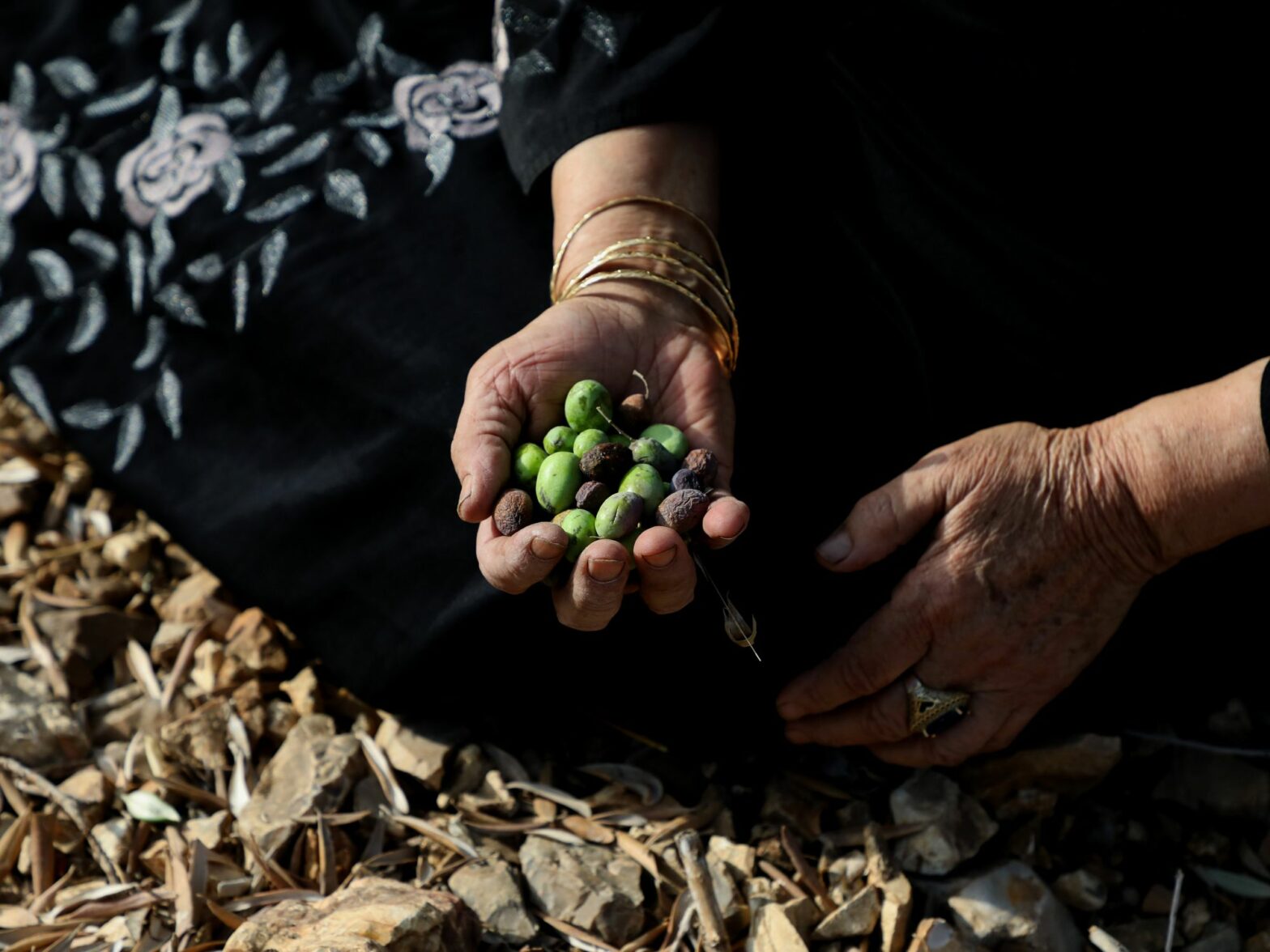
In the West Bank, a quieter form of oppression has been plaguing Palestinians for a long time. Their olive groves are surrounded by soldiers, and it’s forbidden to harvest the olives – this economic and social violence has gotten far worse since Oct. 7.
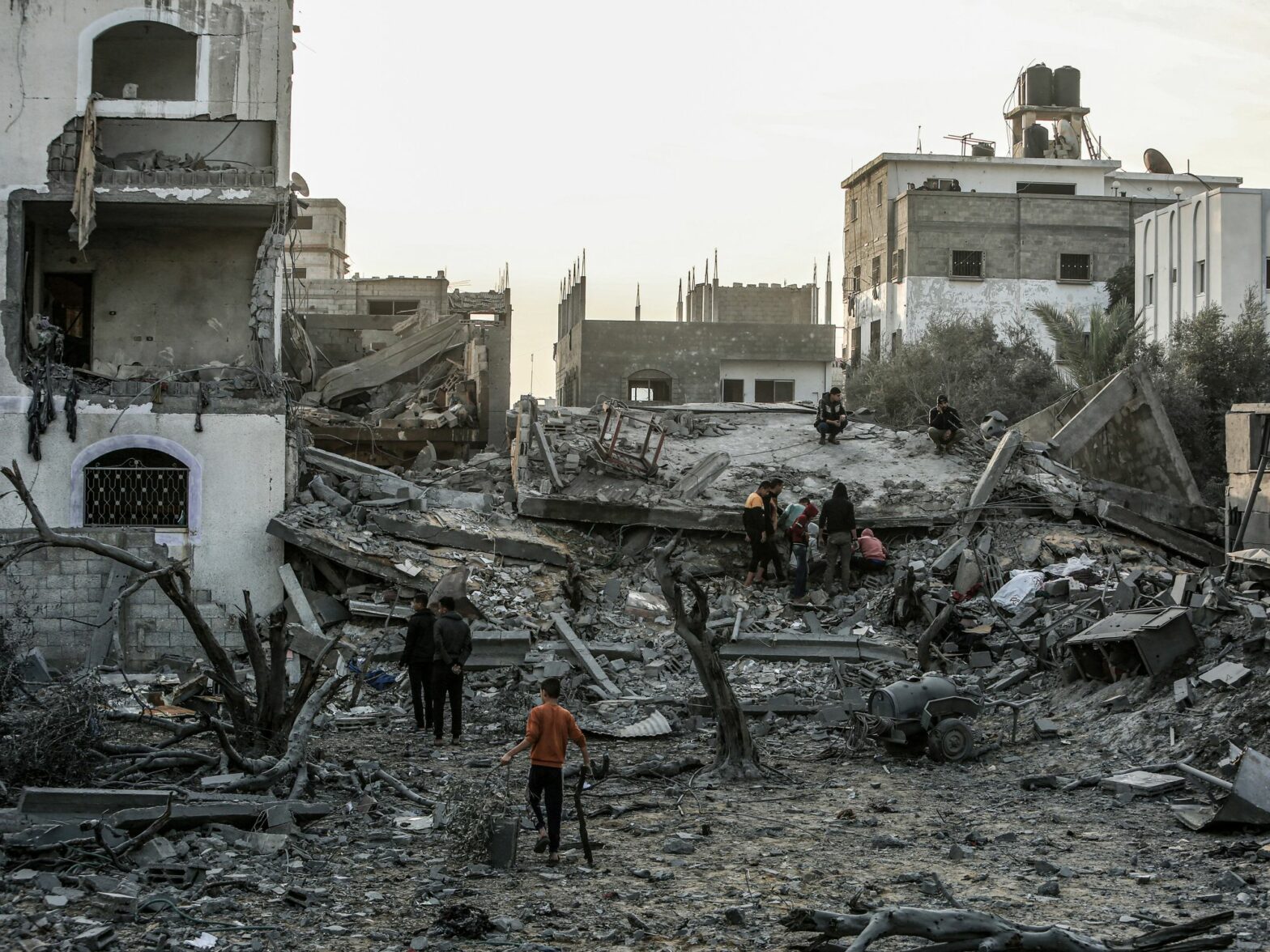
Three days since the truce ended, the Israeli army announced that it had launched 10,000 airstrikes on Gaza since the beginning of the war. Total war continues, with the invader’s fiercest fight waged against life itself.
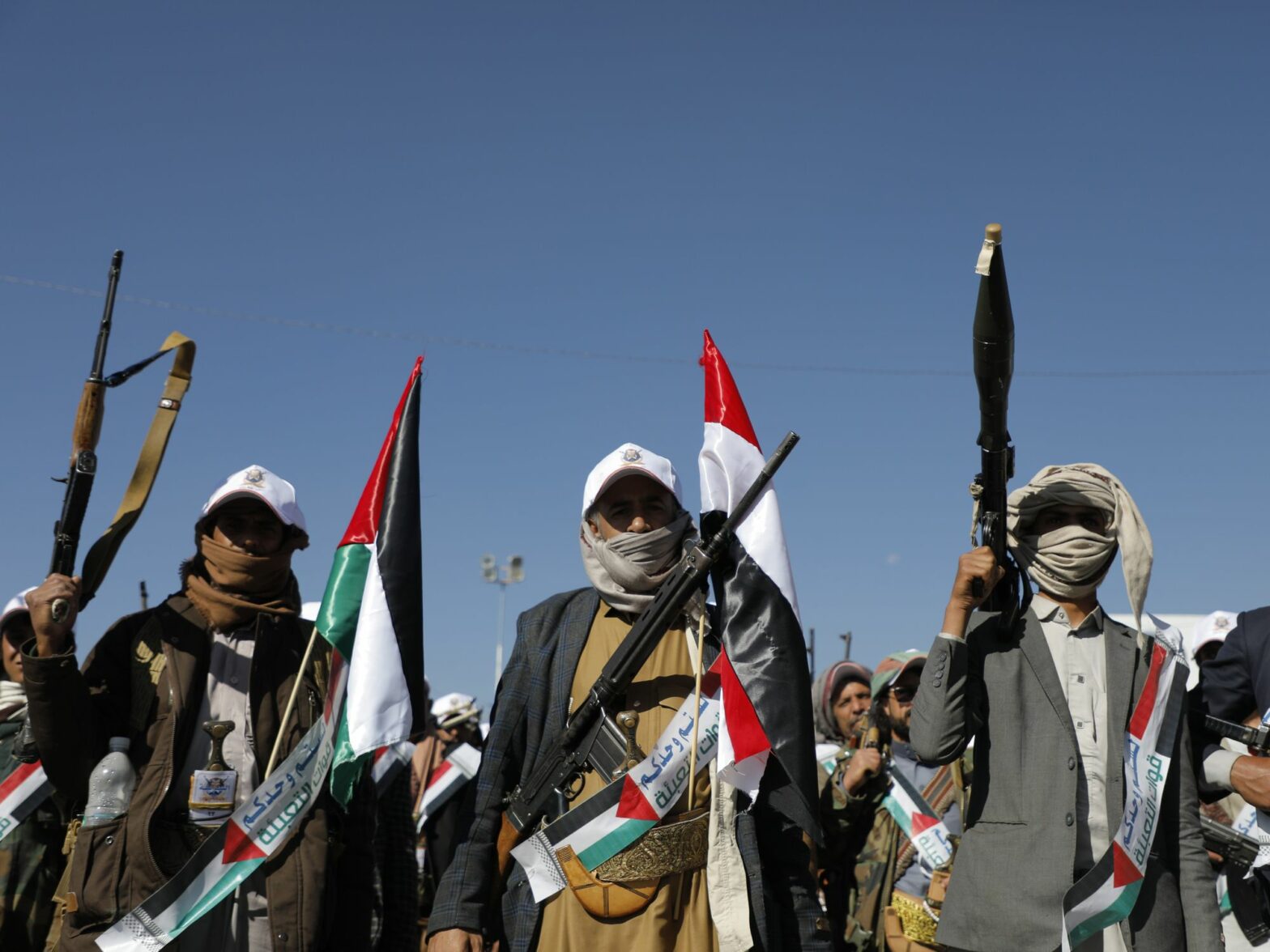
Houthi rebels in Yemen have escalated their maritime attacks in the strategically vital Red Sea. Both their links to Iran, and the decision to target key shipping routes raises the risks for international escalation.
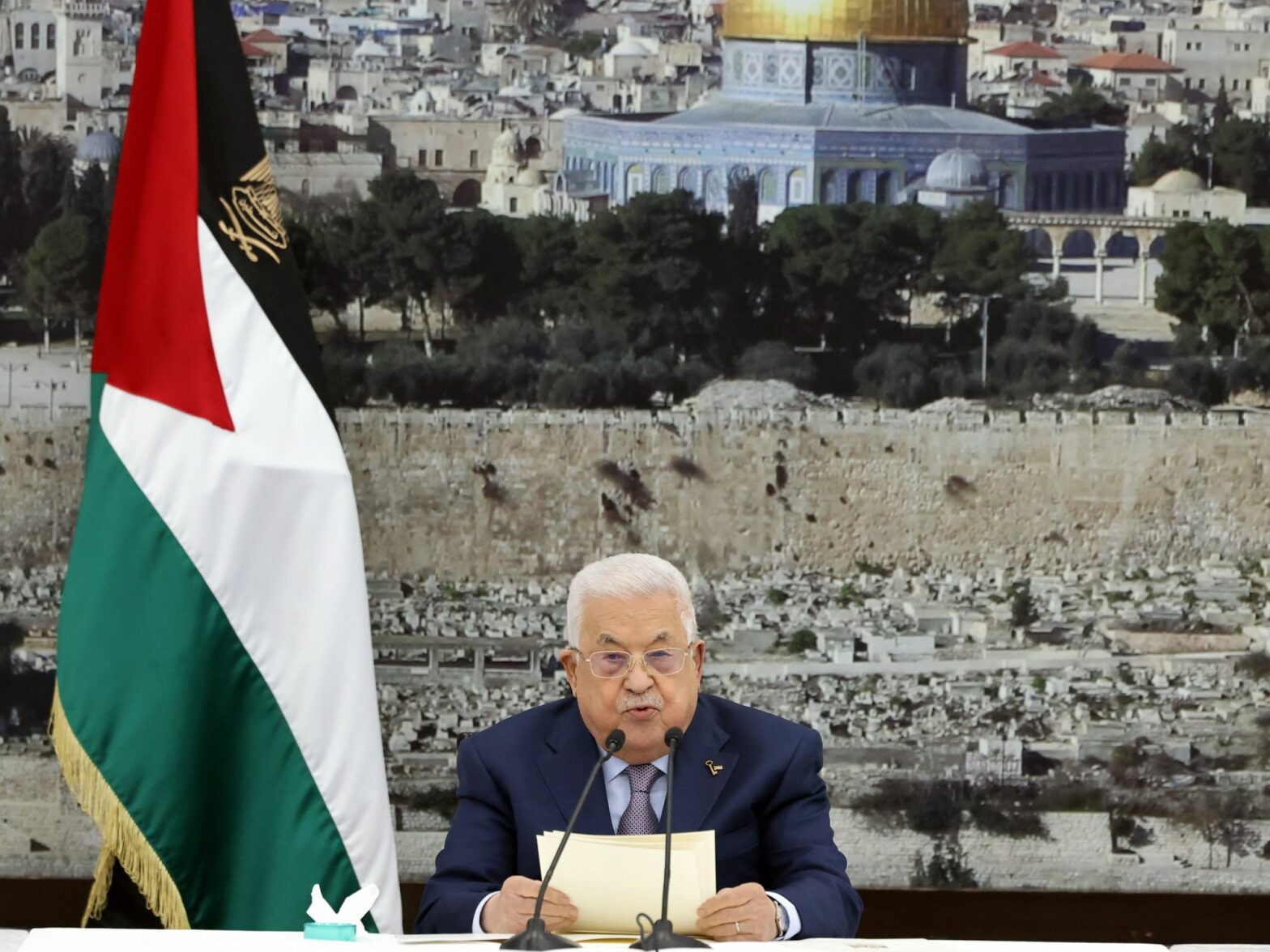
Israel and the West have often asked: Where is the Palestinian Mandela? The divided regimes between Gaza and the West Bank continues to make it difficult to imagine the future Palestinian leader. Still, these three names are worth considering.
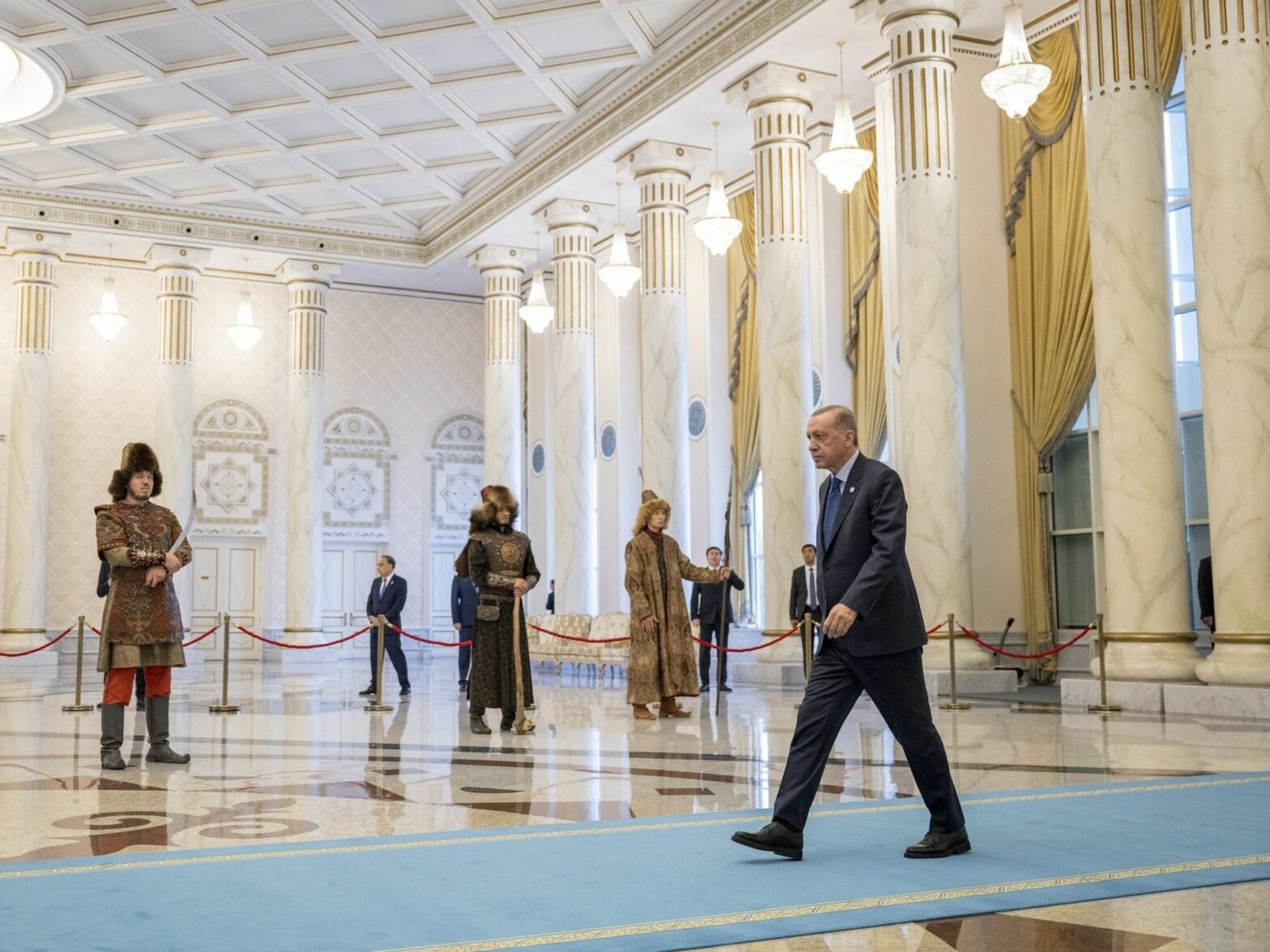
Turkish President Erdogan has now called on the International Criminal Court to go after Israeli Prime Minister Netanyahu for war crimes, as the clash between the two regional powers has reached a new low.
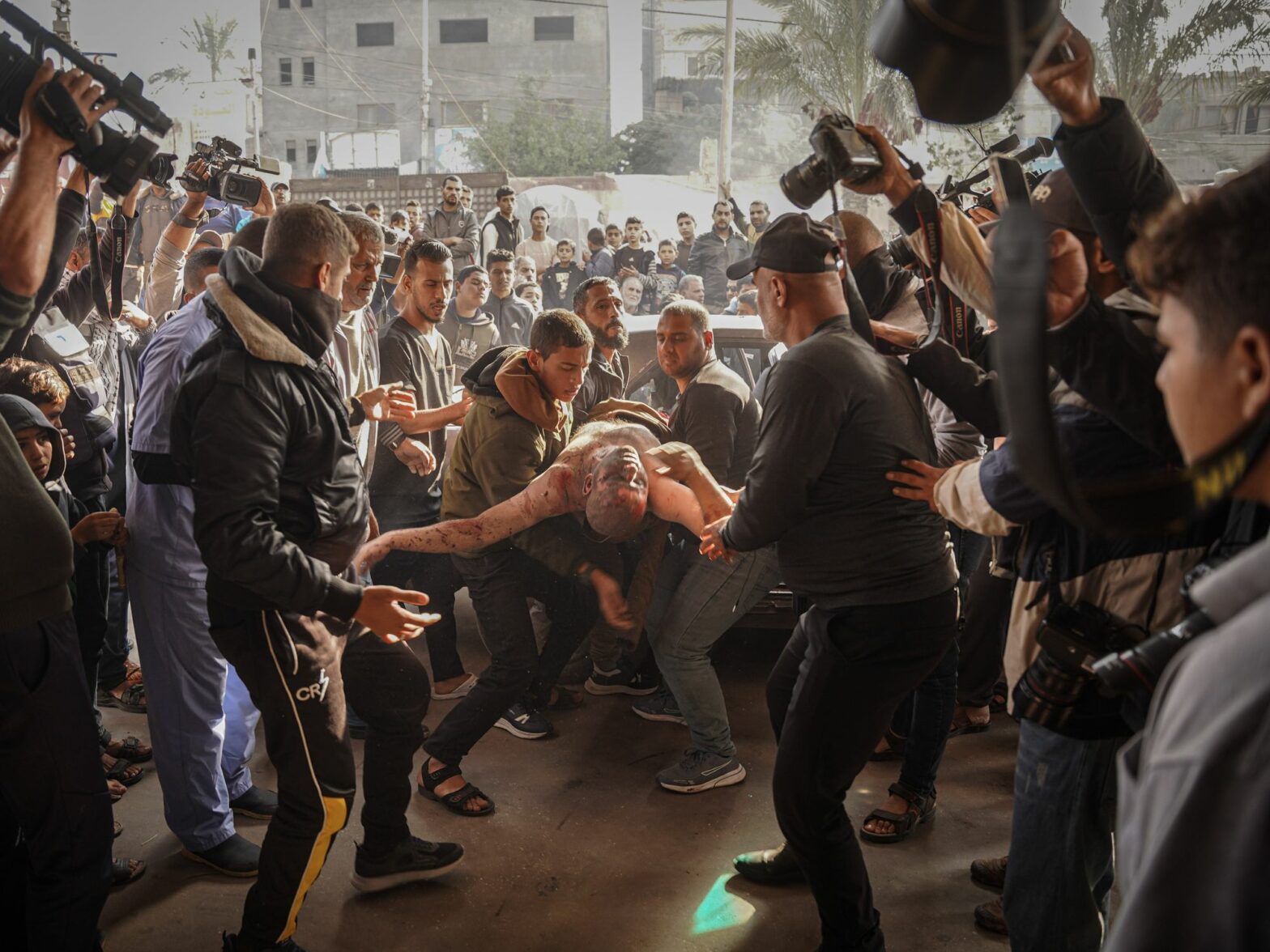
As fighting has resumed and intensified in the southern area of the Palestinian territory, more and more criticism builds from around the world. How much longer can Israel fight this war for if it loses the support of even its most steadfast allies?
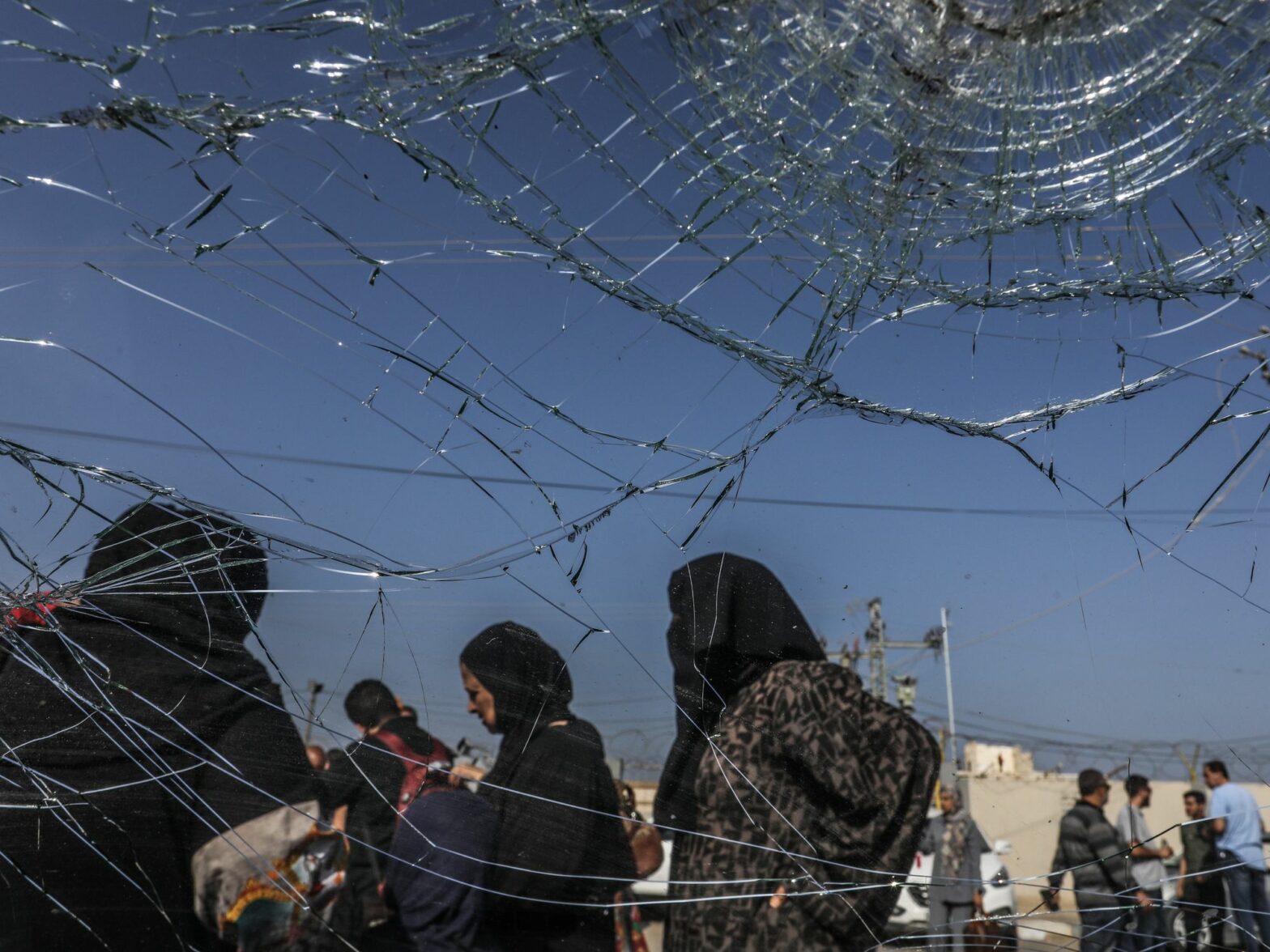
Ever since Hamas launched its attack on October 7, experts have feared that the conflict, alongside the one in Ukraine, could spill over into a large-scale war between the world’s major geopolitical players. Nikolai Kozhanov, associate professor at the Center for Gulf Studies at Qatar University, analyzes how likely this is and who would benefit from such a conflict.
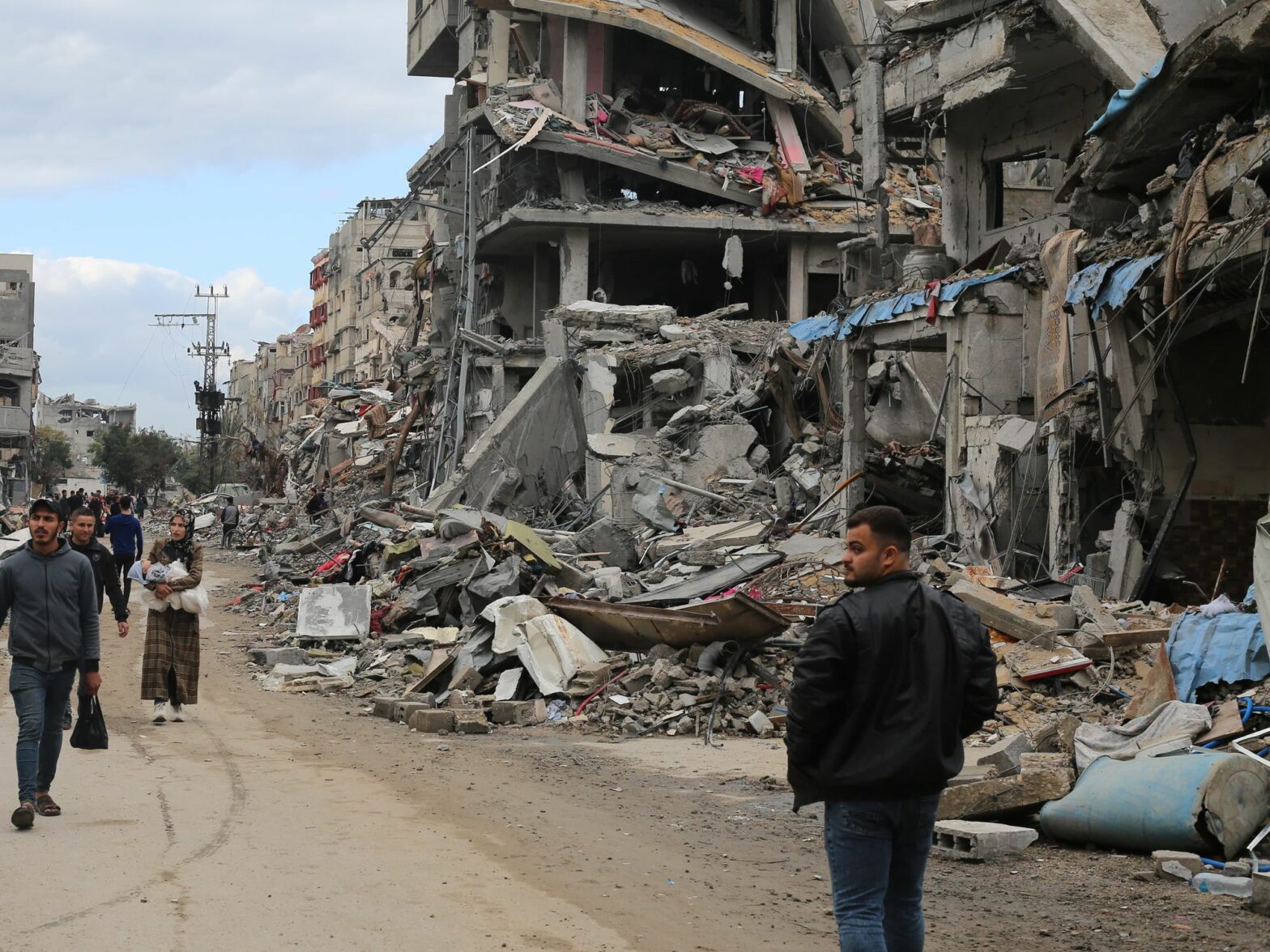
The information coming out of the Palestinian enclave is scarce but undoubtedly grim. An Italian reporter from across the border gathers information from inside Gaza amid a fragile and inevitably temporary ceasefire.
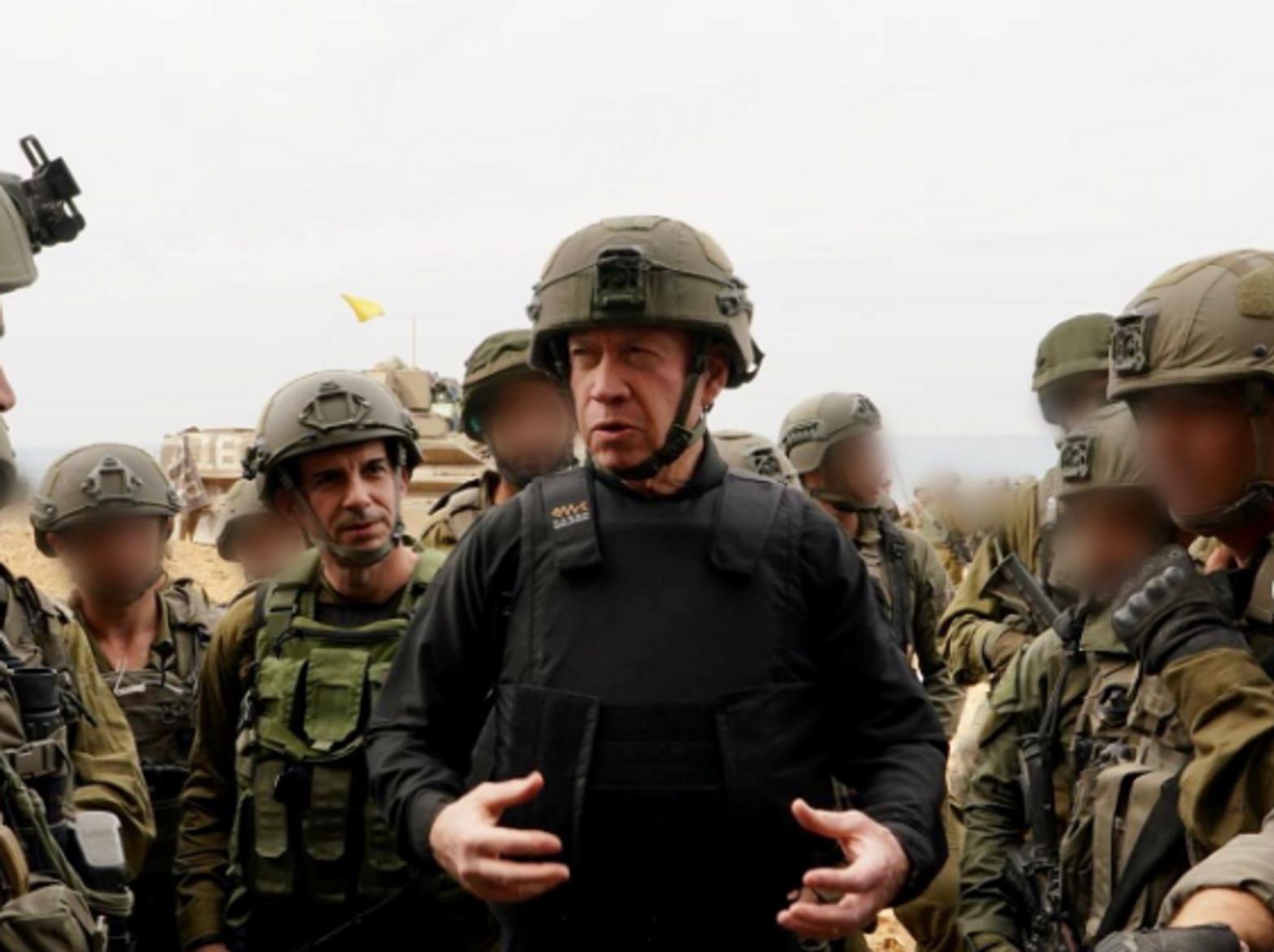
The Israel-Hamas temporary ceasefire may not end today, but it will end. But when the war in Gaza resumes, the Israeli offensive against Hamas may be different.
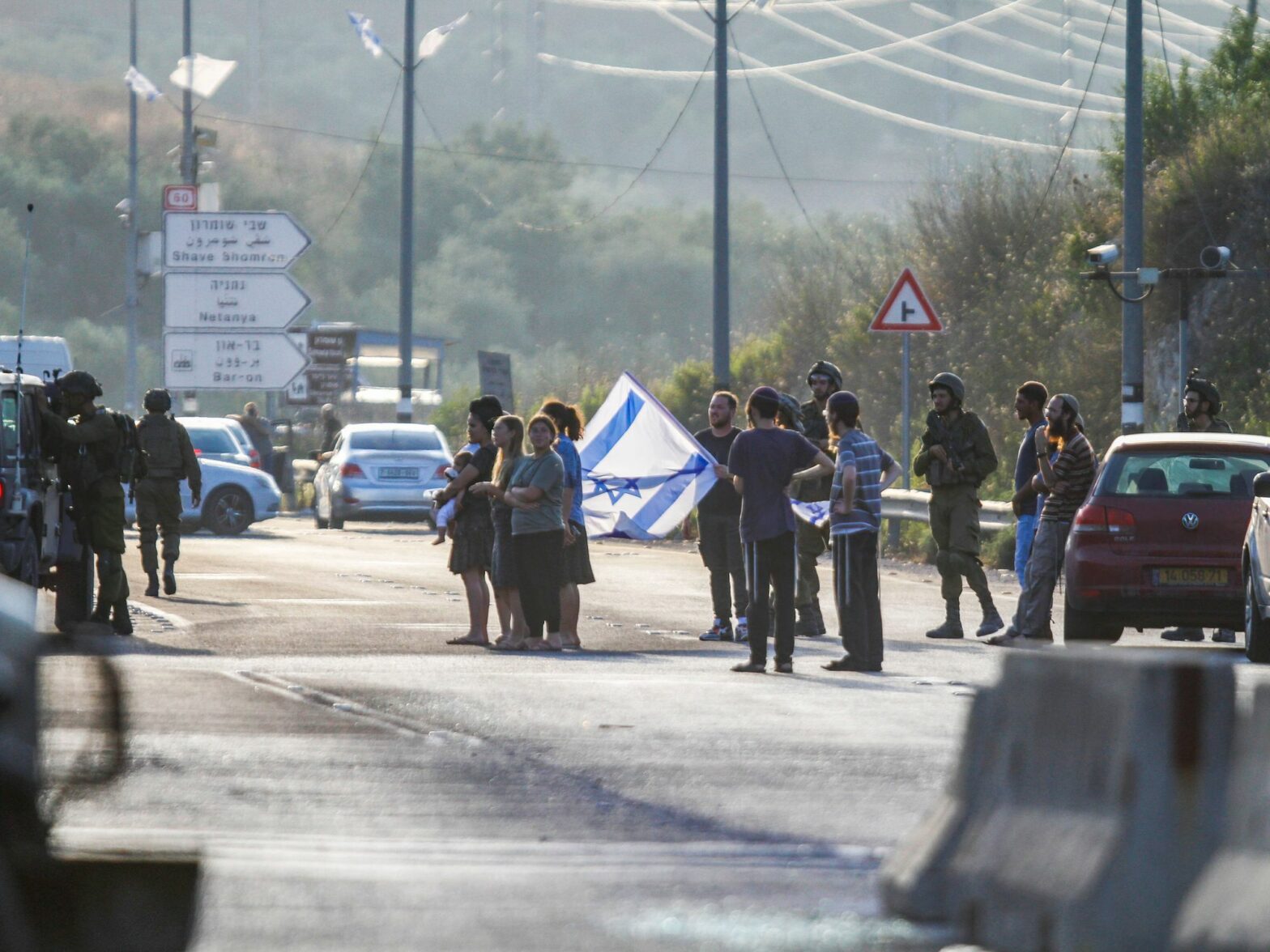
Heated debate in Israel and abroad over the increase in the budget for settlements in the occupied West Bank is a reminder that wartime national unity will not outlast a deep ideological divide.
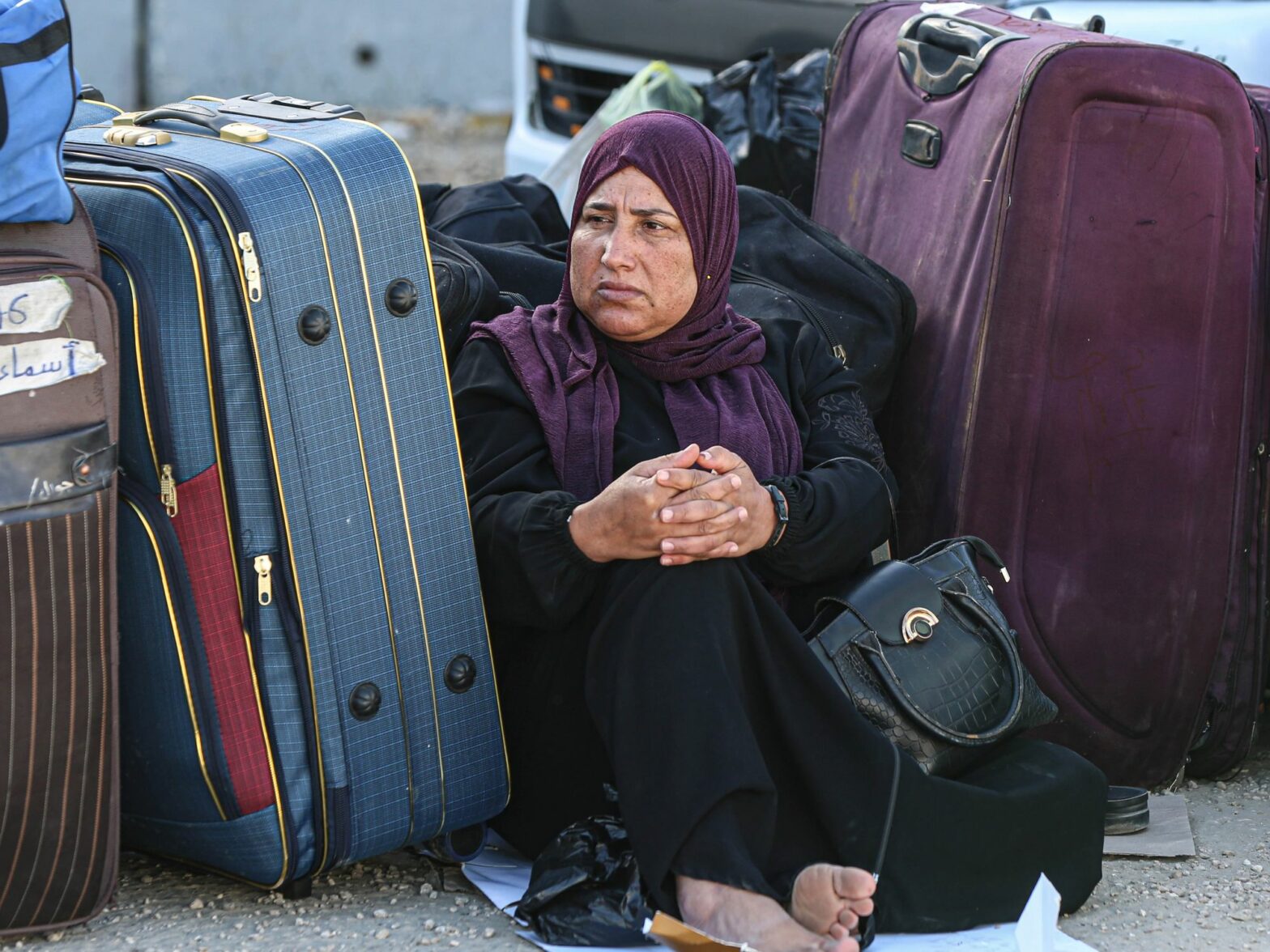
Having been stuck outside their besieged homeland, hundreds of Palestinians have reentered Gaza, preferring to risk it all to be close to loved ones.
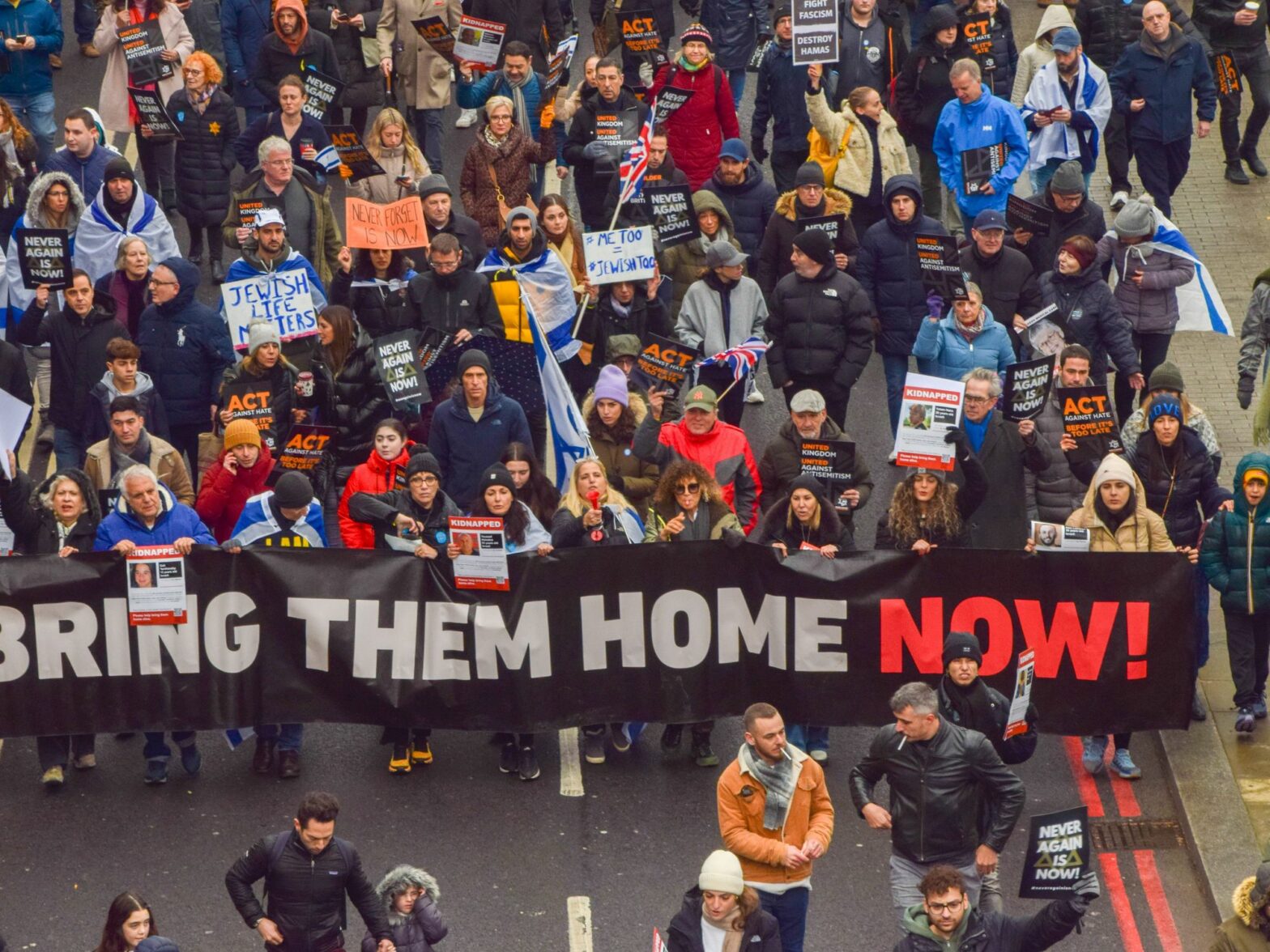
The Israeli government has declared it is opposed to any ceasefire with Hamas. But one of its key objectives — and the top priority for Israelis — is to recover hostages. And only the ceasefire can achieve that…

Israel and Hamas have reached a deal to exchange 50 Israeli hostages held in Gaza for a four-day pause in fighting and the return of Palestinian prisoners. Orna Dotan, leading a team of therapists tasked with aiding these hostages and their families, takes us inside a uniquely charged personal and political situation.
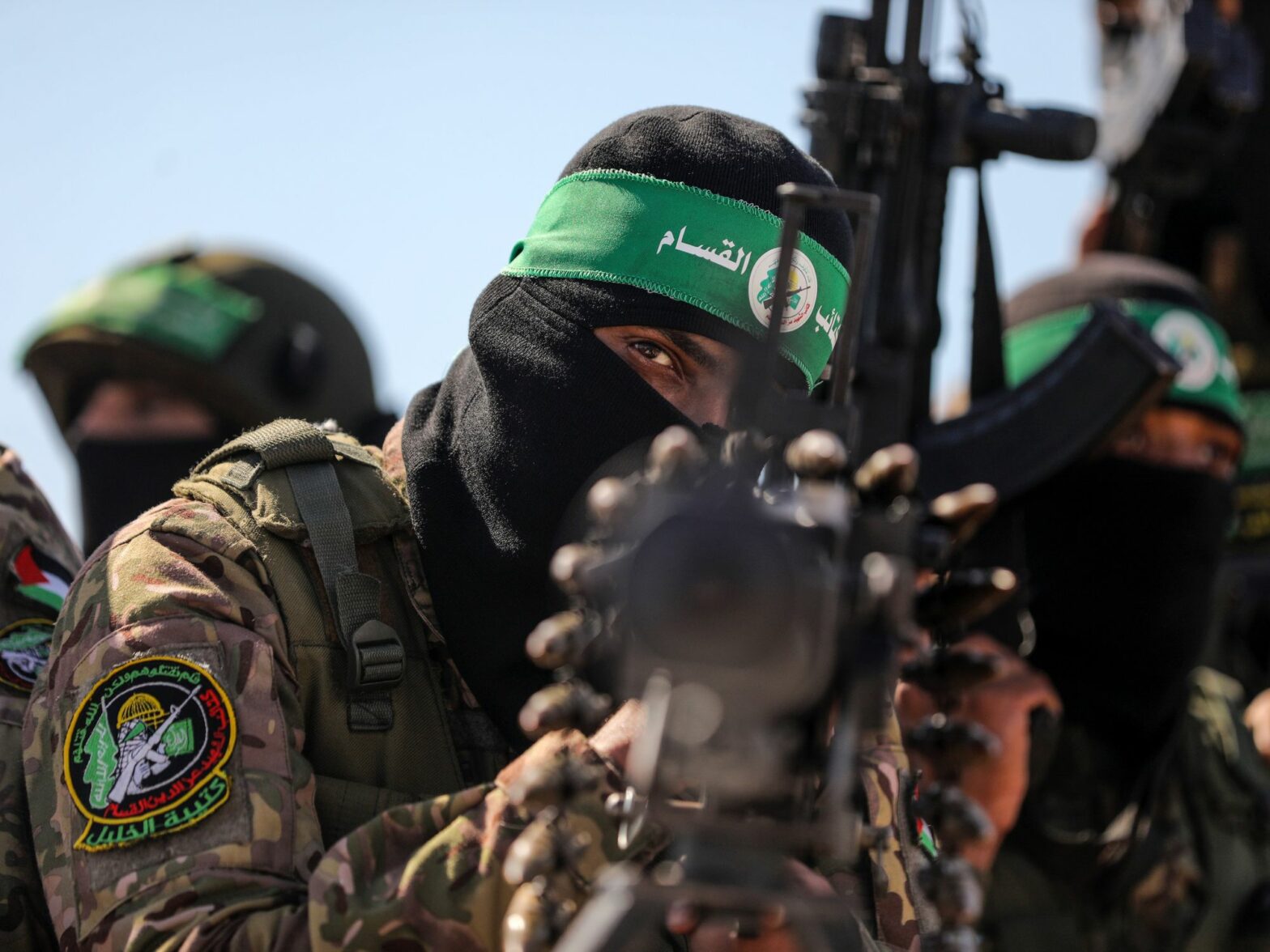
As long as there are criminal regimes with technological, military, and financial capabilities, defeating them militarily is the only route to lasting peace.
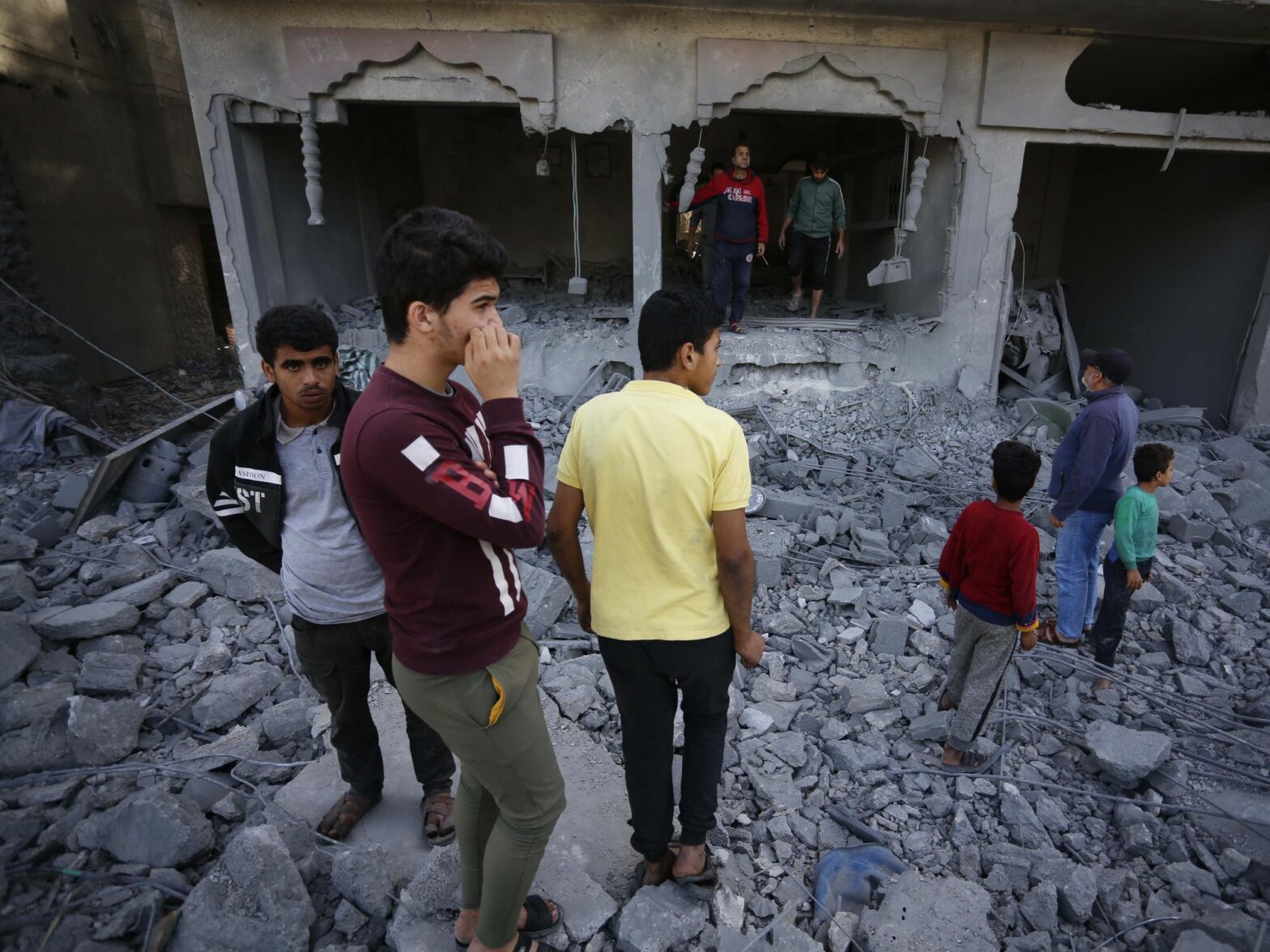
With Qatar now confirming that the temporary truce will begin Friday morning, ordinary Gazans may be able to breathe for the first time since Oct. 7. But for most, the task ahead is a mix of heartbreak and the most practical tasks to survive. And there’s the question hanging over all: can the ceasefire become permanent?
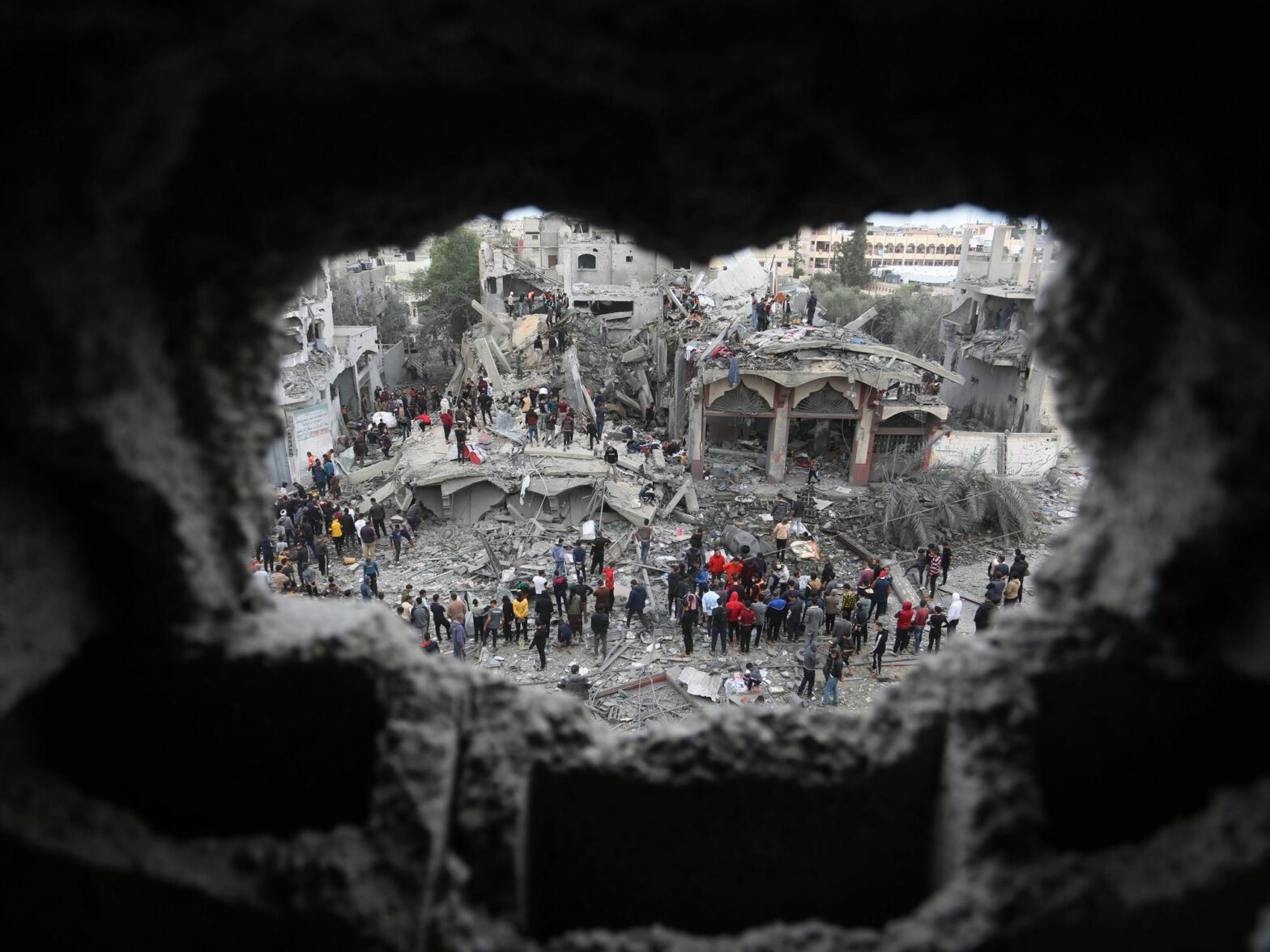
The agreement for a temporary ceasefire between Israel and Hamas was shaped by the political situation in Israel and the Palestinian territories. But now, the politics on the ground could change moving forward.
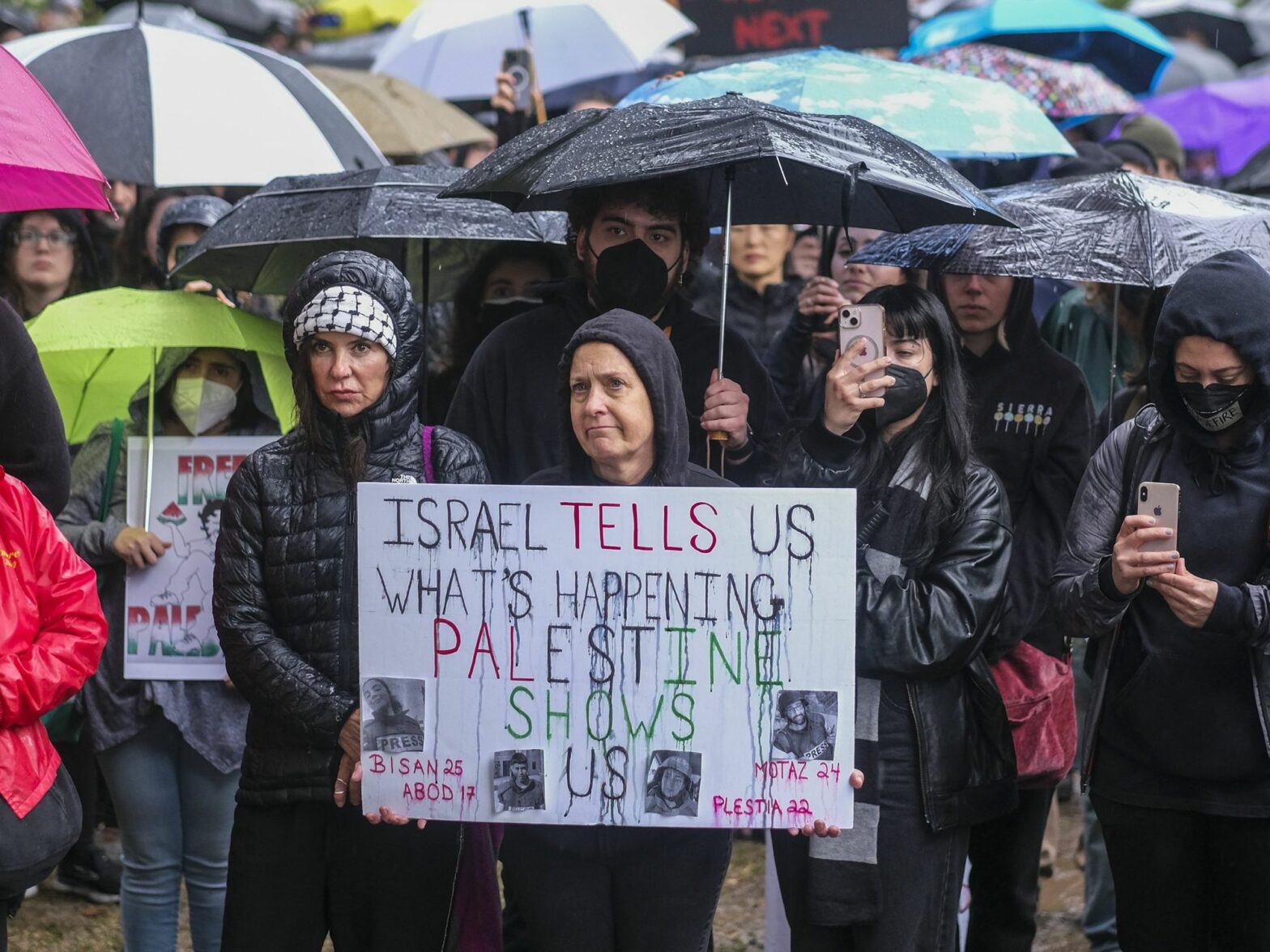
Protests in big cities in the U.S. and Europe against Israel may remind some Iranians of the Western Left’s deluded, and arrogant, support in 1979 for a revolution that turned Iran and the Middle East into a cesspool of terrorism.
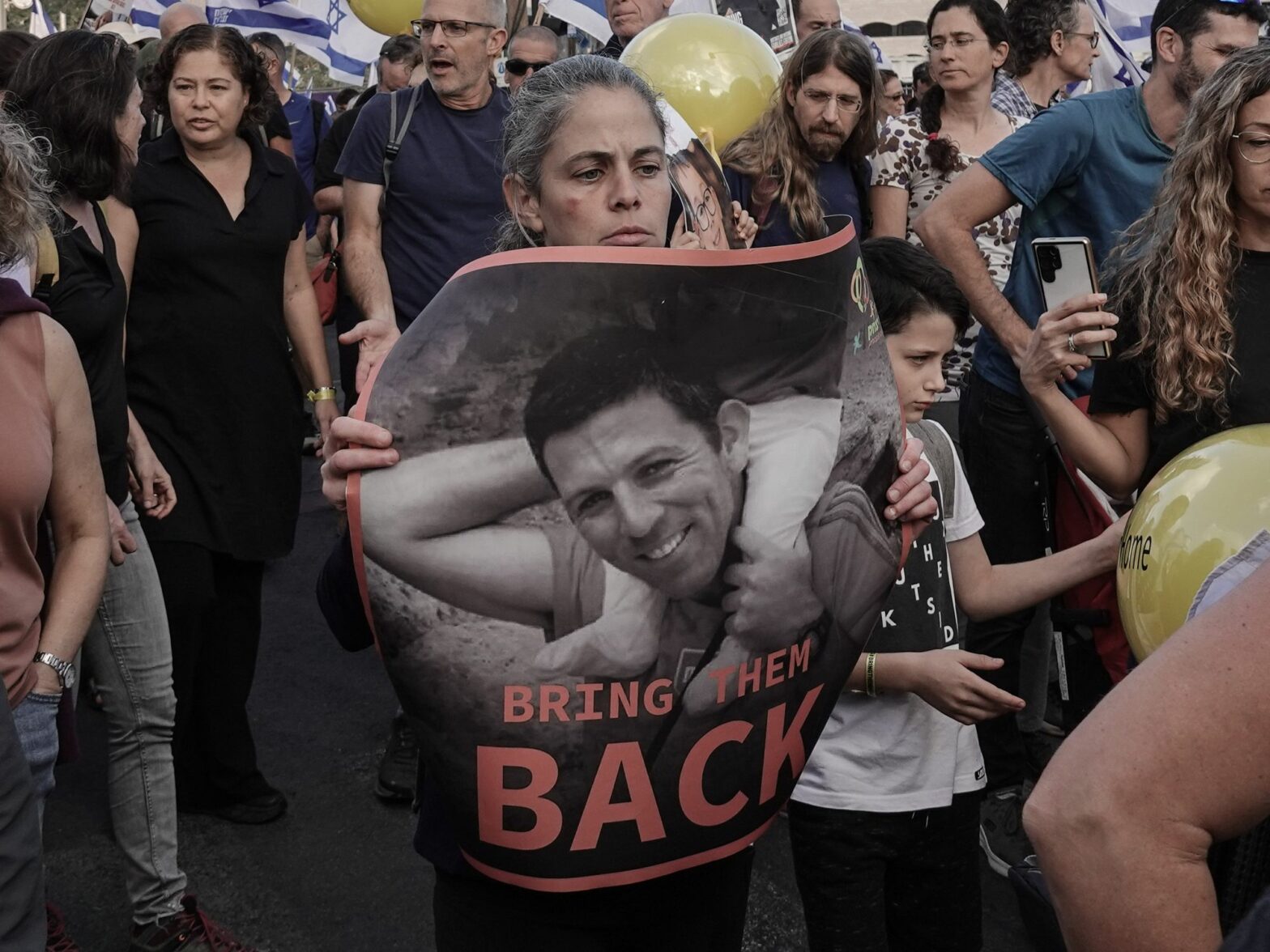
Israeli Prime Minister Benjamin Netanyahu has pushed ahead a deal negotiated via Qatar, for a four-day truce and an exchange of 50 hostages for 150 Palestinian prisoners. Though the humanitarian and political pressure was mounting, Israel’s all-out assault is suddenly halted, with unforeseen consequences for the future.
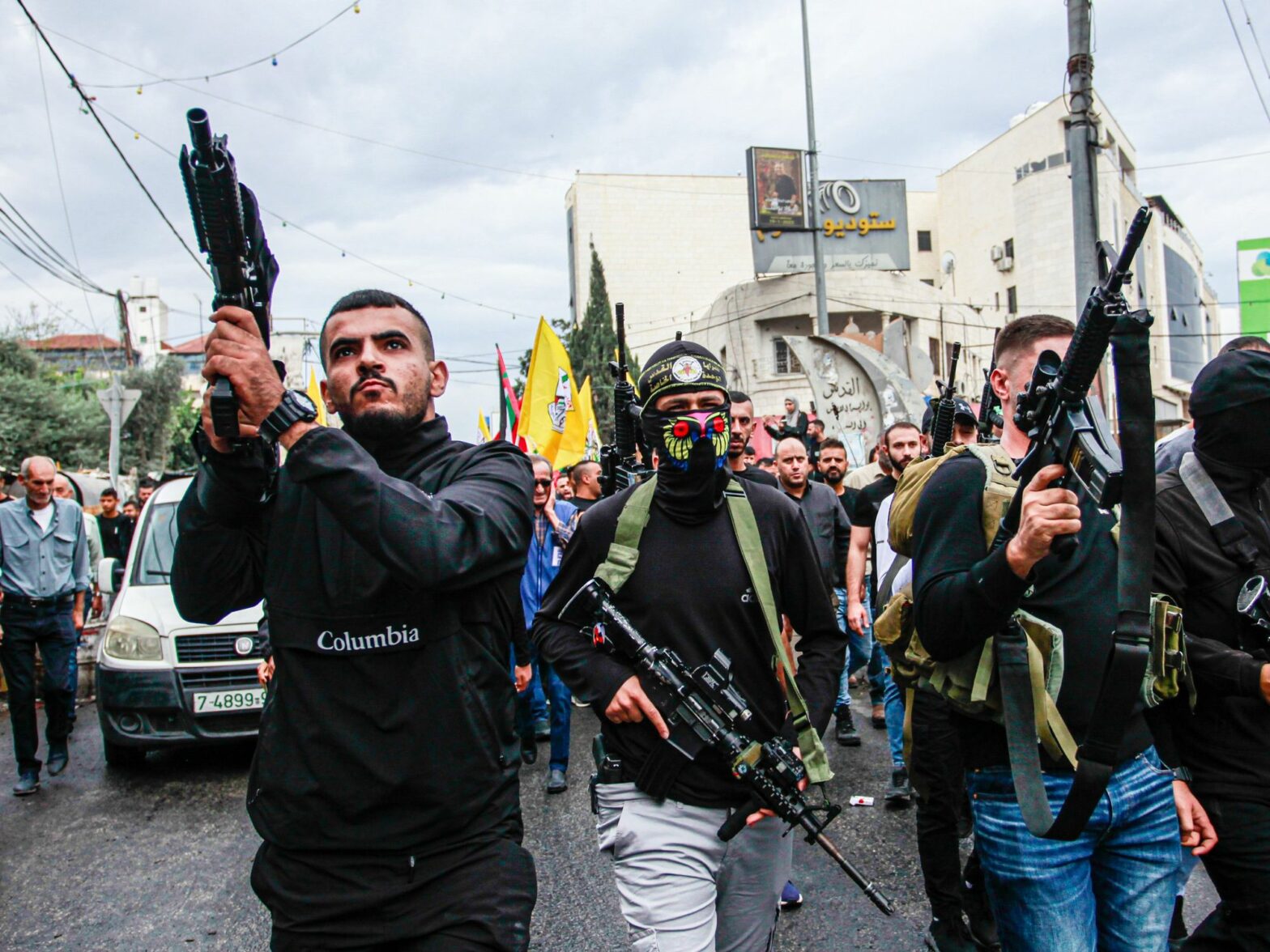
A visit to so-called “Little Gaza,” where destruction reigns and children roam with rifles in their hands. But the enemy isn’t just the IDF, it is also the Palestinian Authority — and become prime recruiting territory for Hamas.
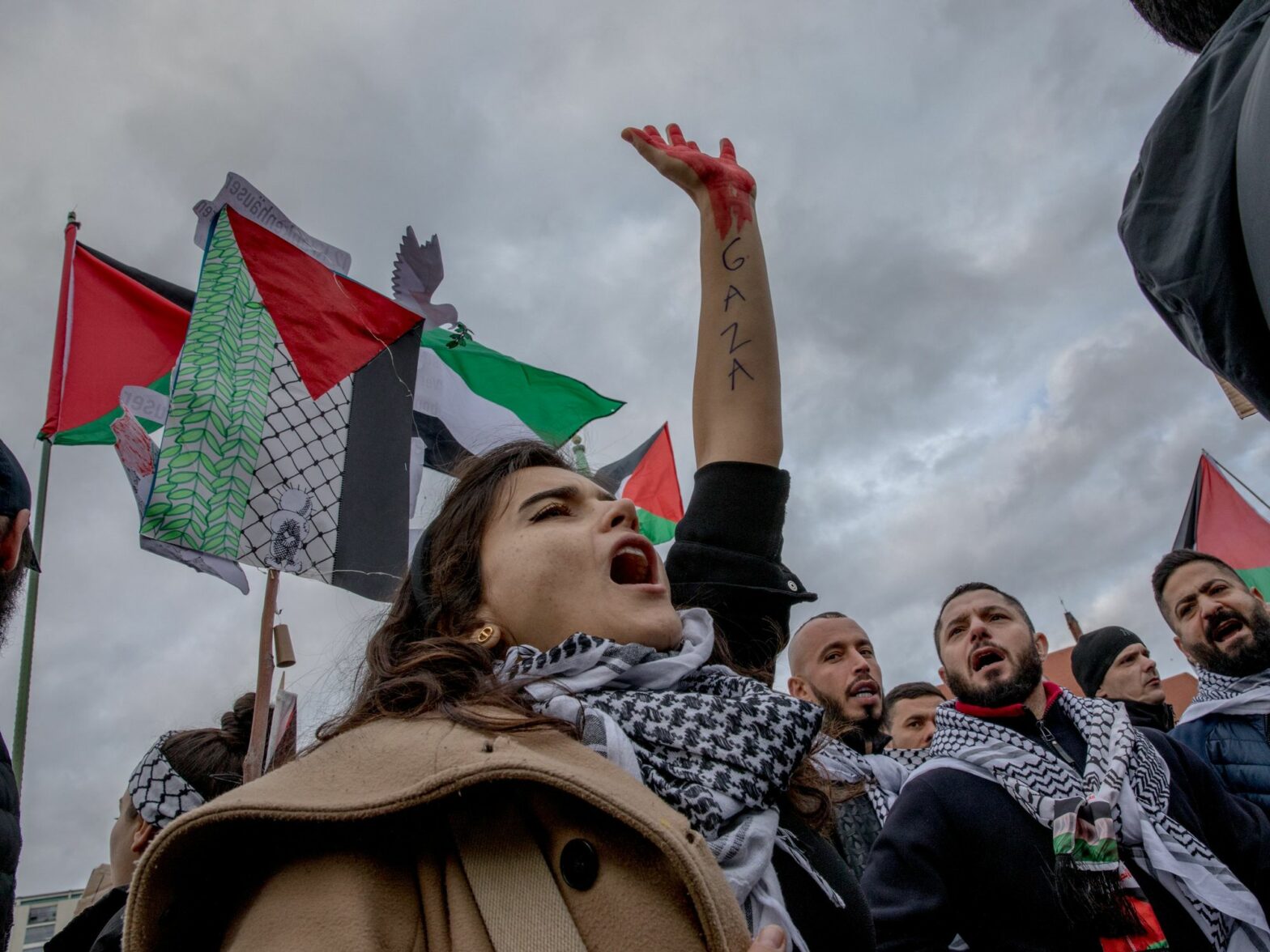
There are certain watershed moments where the world comes together in defense of an idea or a people, or maybe both. A call from afar to stand up in the name of the Palestinian people.
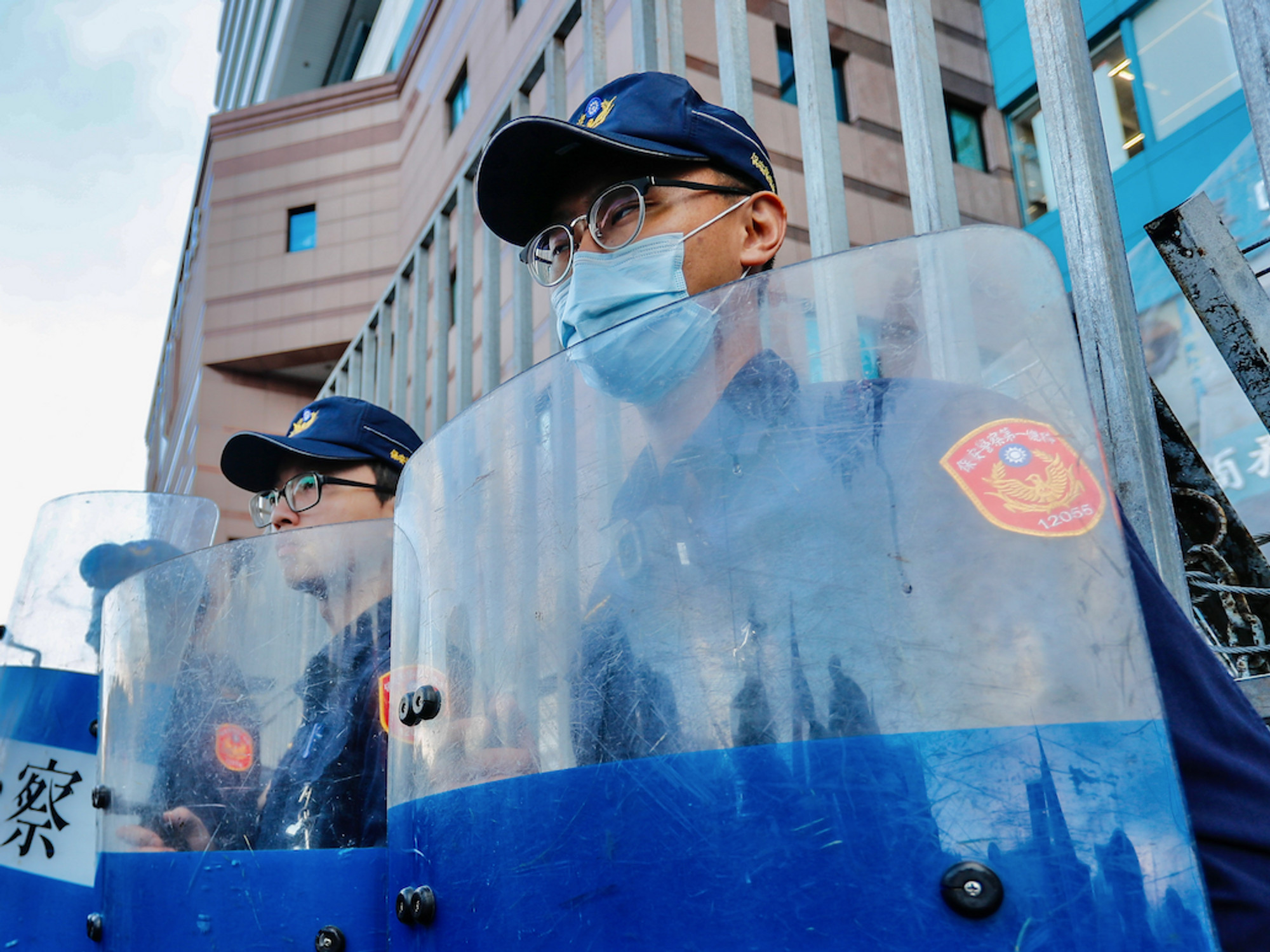
Taiwanese, though under the weight of a far more powerful neighbor, have the tendency to idealize Israel and fail to create a self-definition beyond the island nation’s anti-China image.