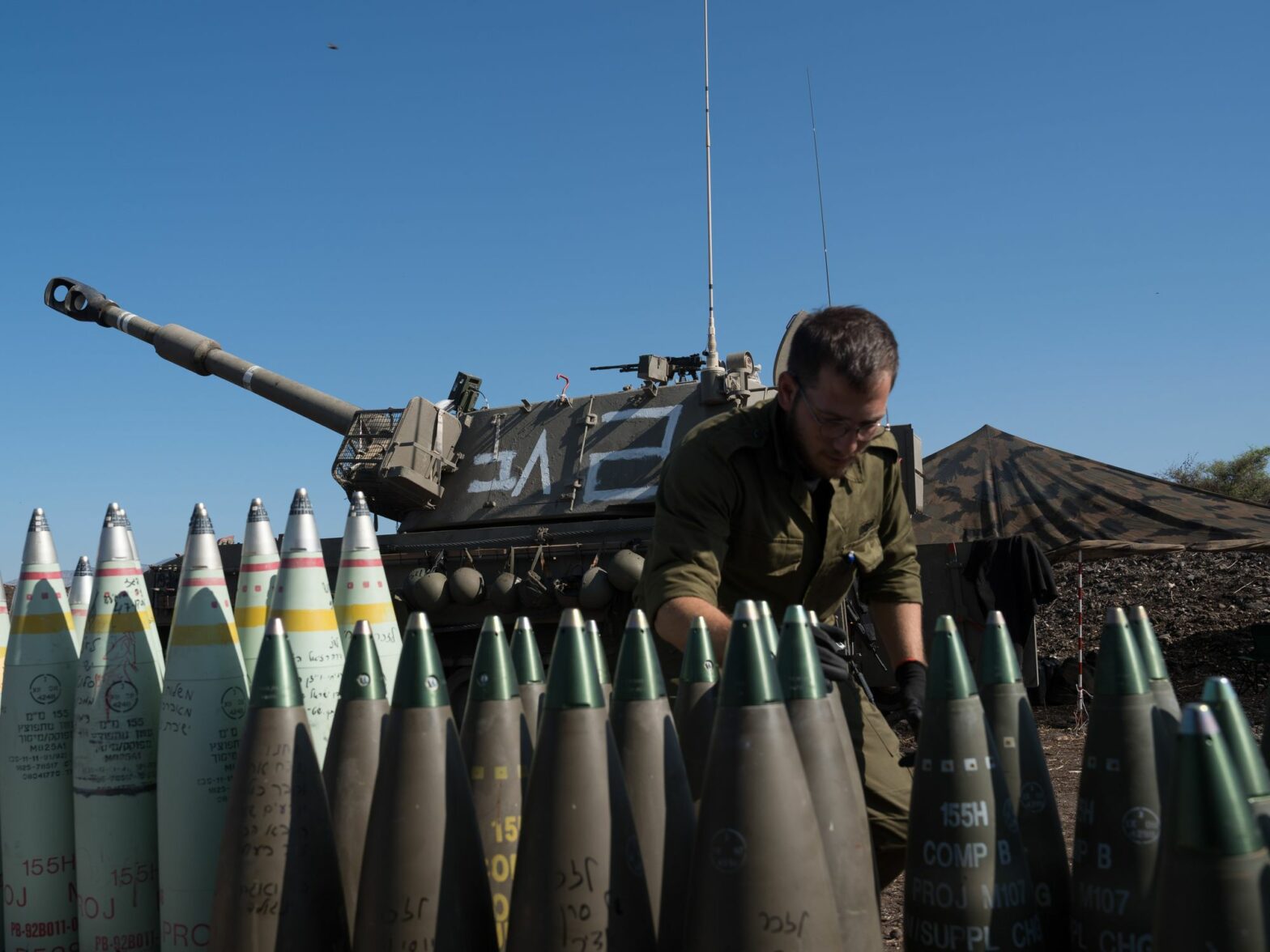
Israel has reacted sharply to the French president’s criticism of the IDF continued bombing of civilians in Gaza. France is the first country to break with Western unanimity on Israel since October 7, which explains the virulence of the reaction.
 Worldcrunch
Israel has reacted sharply to the French president’s criticism of the IDF continued bombing of civilians in Gaza. France is the first country to break with Western unanimity on Israel since October 7, which explains the virulence of the reaction.
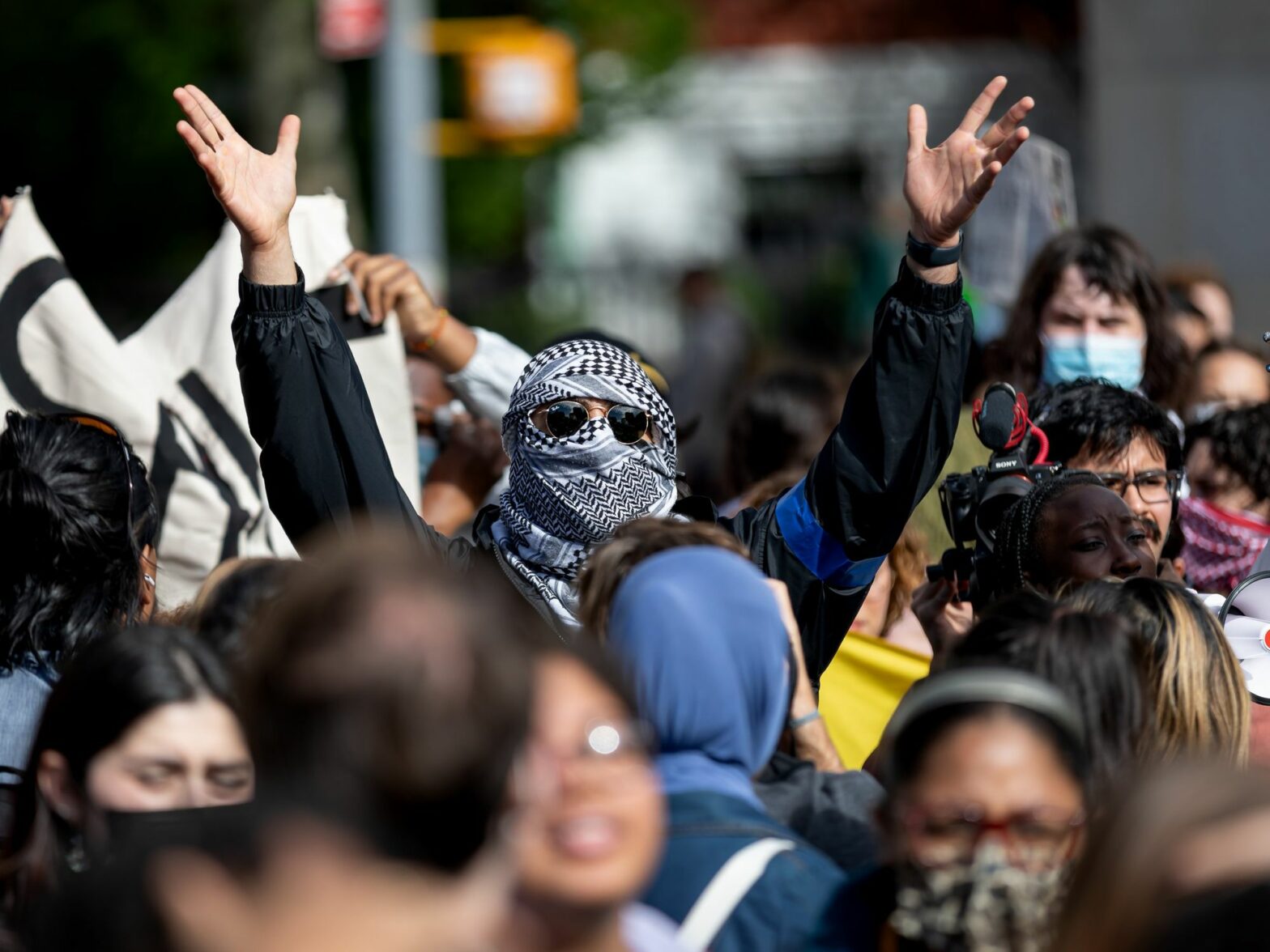
Even as casualties are mounting and bombs keep falling on civilians in Gaza, Western countries fail to reach a consensus and unambiguously call for a ceasefire. It’s a mix of history, alliances and being too careful.
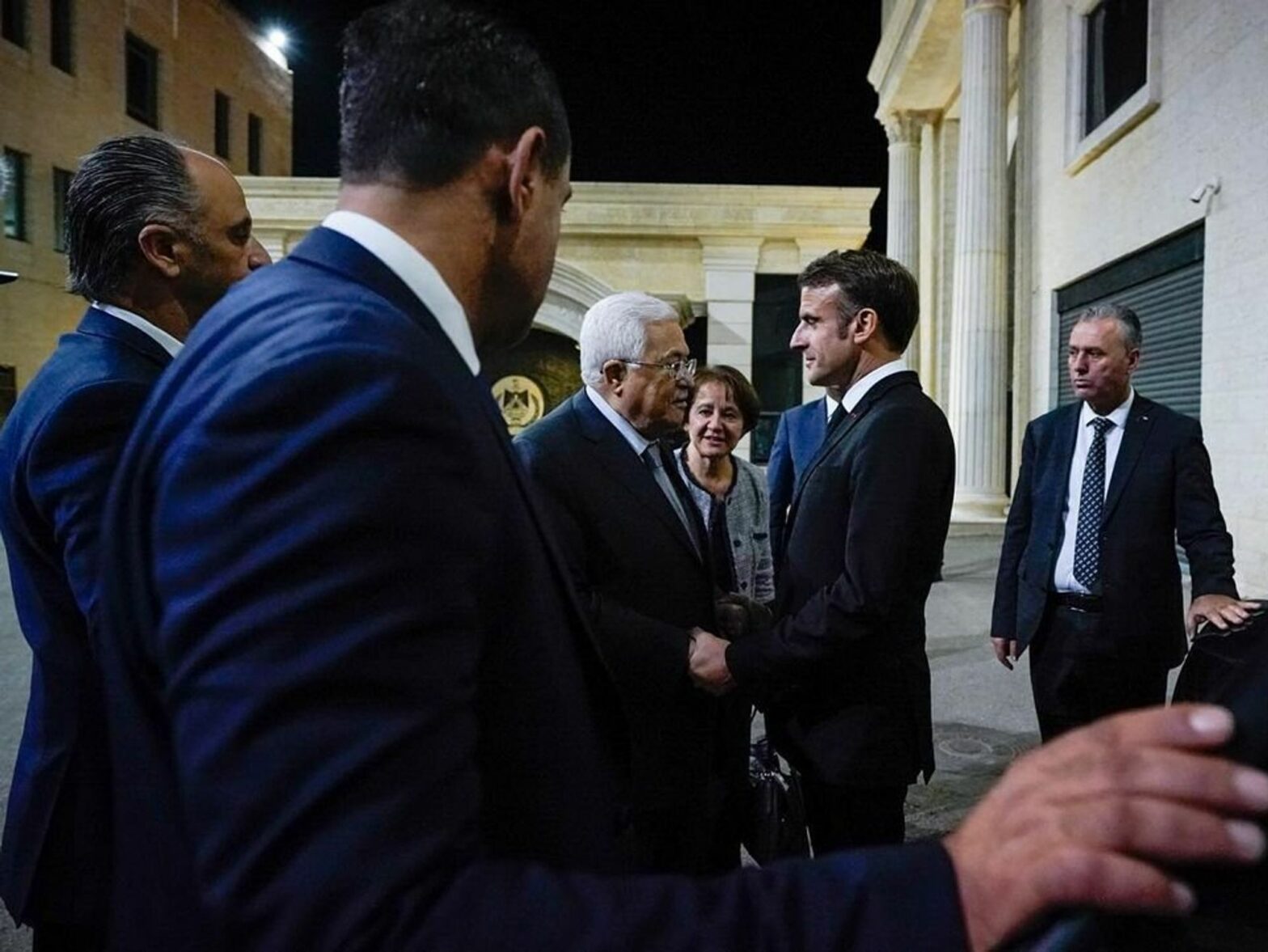
The French president expressed his solidarity with Israel while calling for a political solution for the Palestinians; but he also made a surprise proposal for an international coalition against Hamas, which faces several obstacles — but is also a way to “frame” the conflict so that the dormant two-state solution can return.
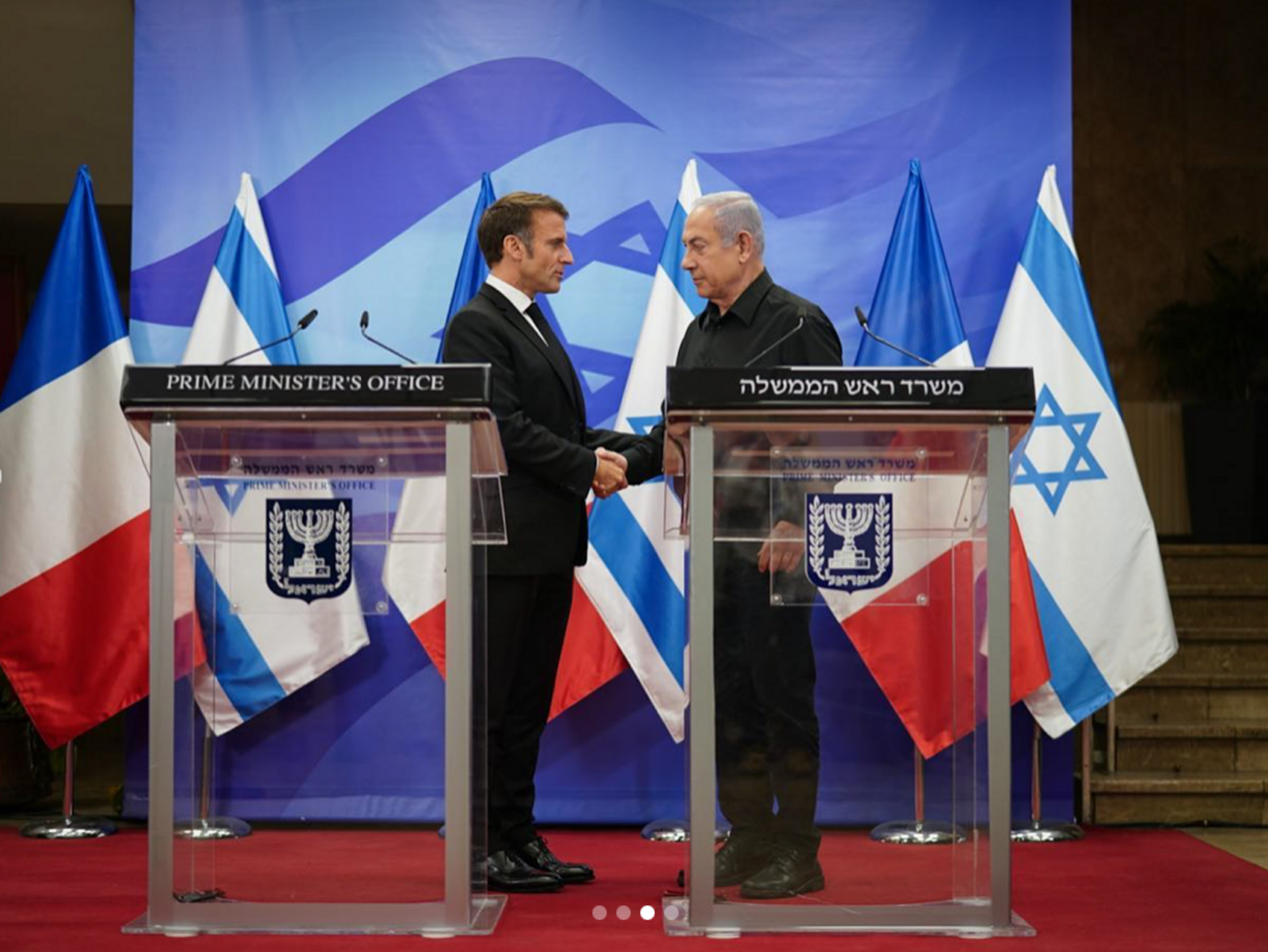
The French president is expected to call for a “humanitarian pause” in Israel and the opening of a “political perspective” for the Palestinians, while displaying his solidarity with Israel. A singular voice, which recalls France’s past commitments, but in a radically changed context.
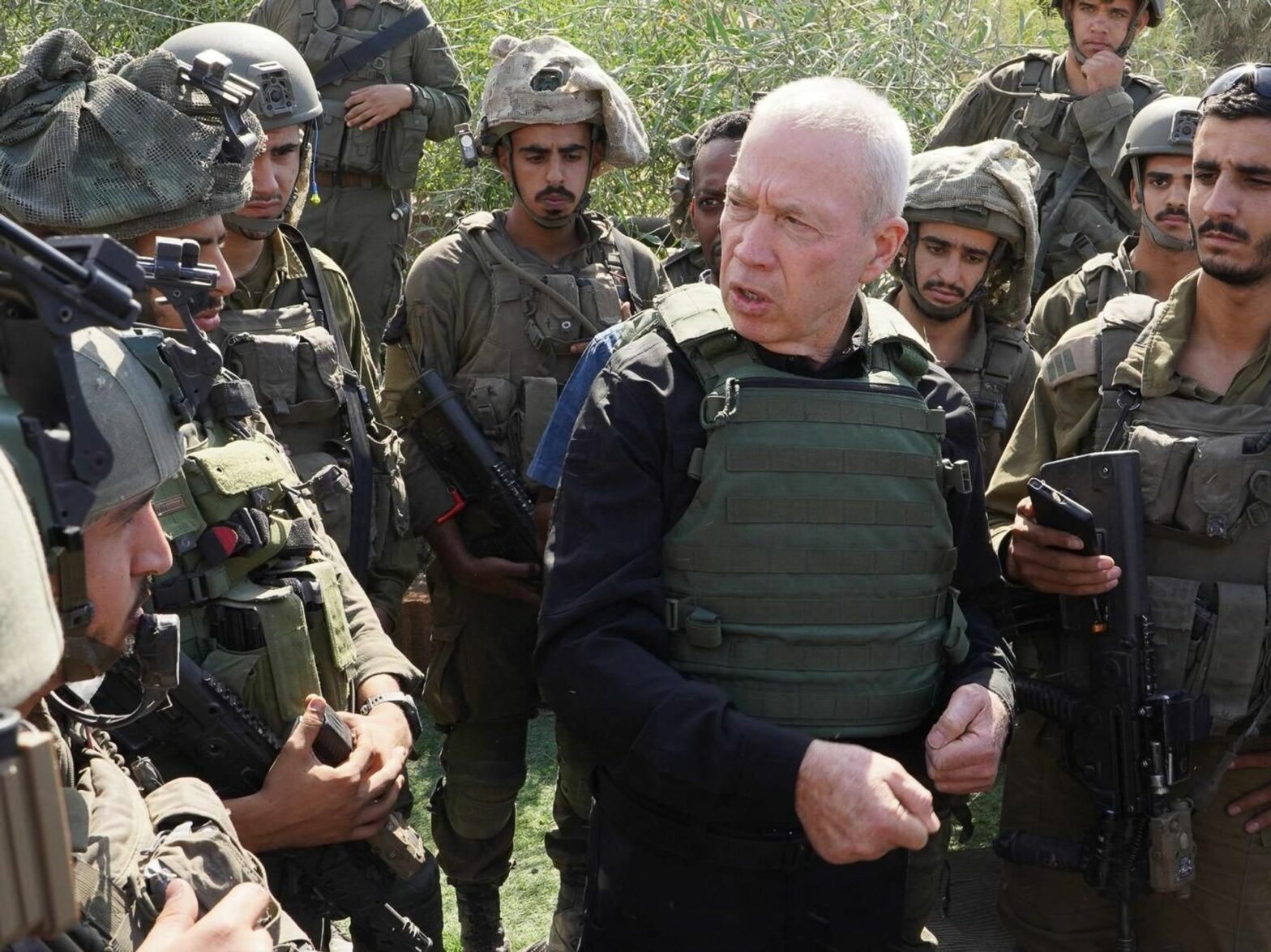
Also: Russia and Iran blast Biden’s speech, Aid blocked at Rafah crossing, Explosion at Gaza’s oldest church. And more…
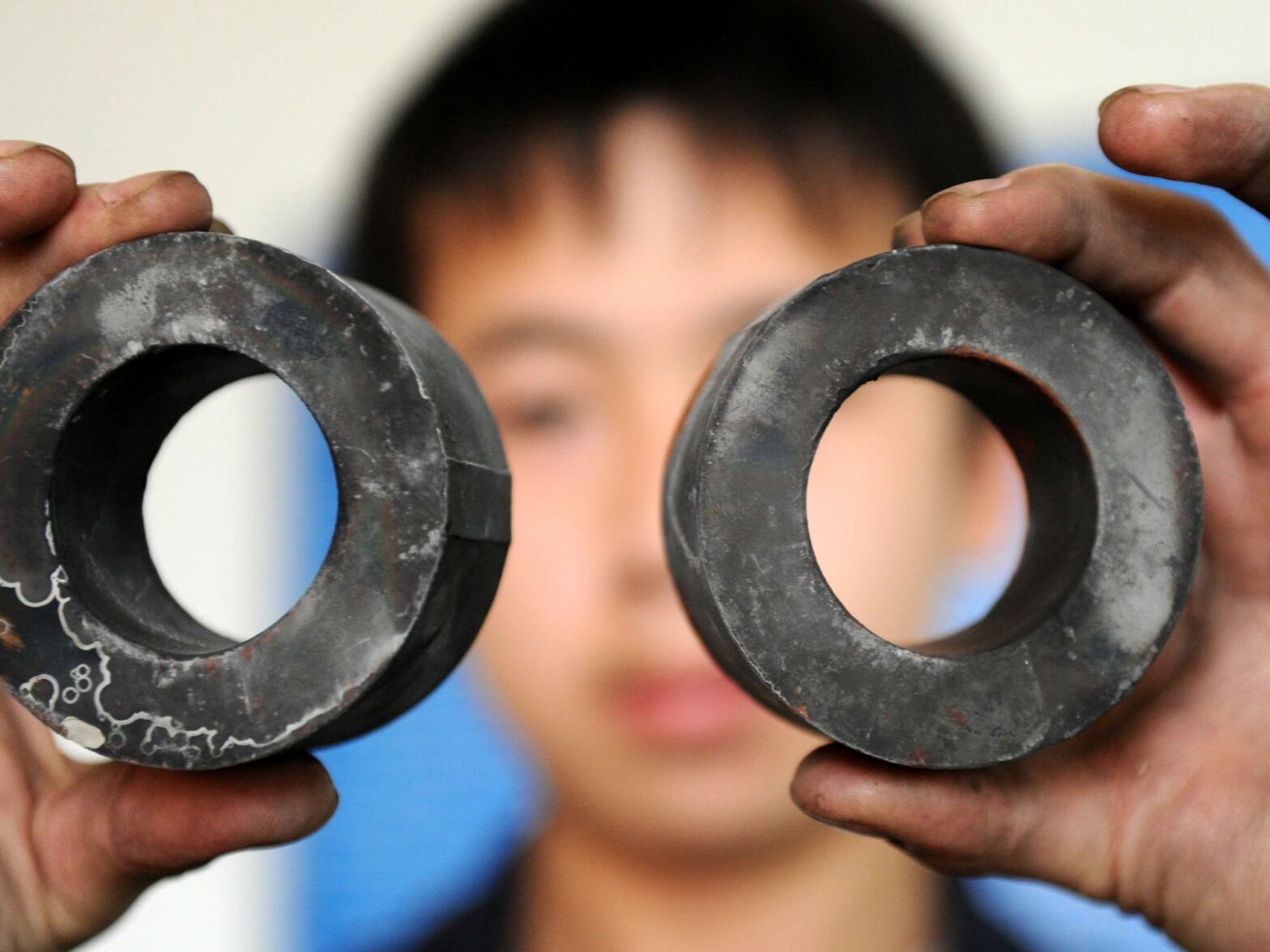
The government is launching a “major inventory of French mining resources”, to prepare for the relaunch of mining in France of the minerals needed for the ecological transition. A concern for sovereignty in the face of Chinese domination of the sector.
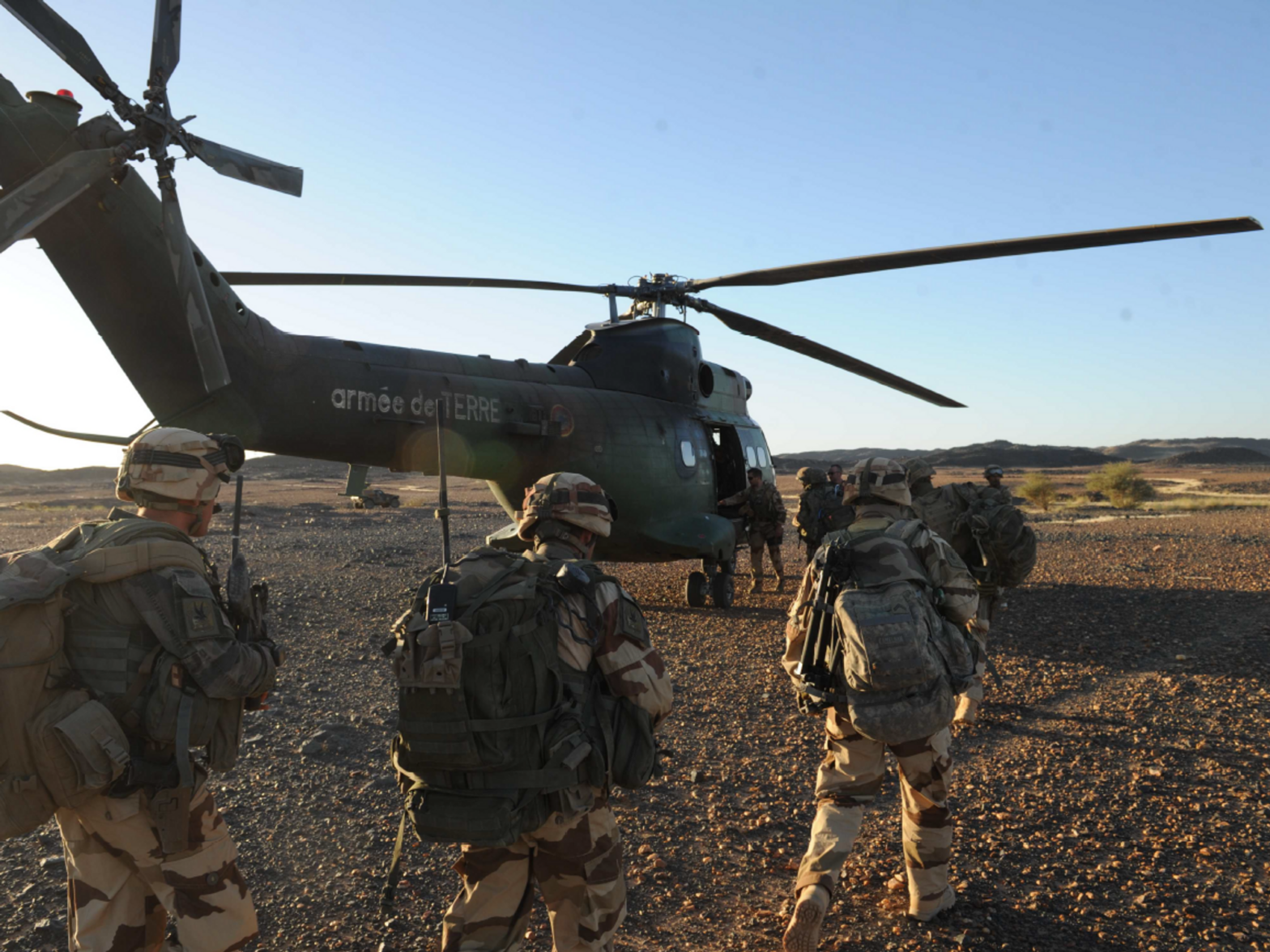
Emmanuel Macron announced on Sunday evening the recall of the French ambassador to Niger, and the departure of the 1,500 French soldiers stationed there: the end of a dangerous impasse. France is being forced to wholly review its African policy.
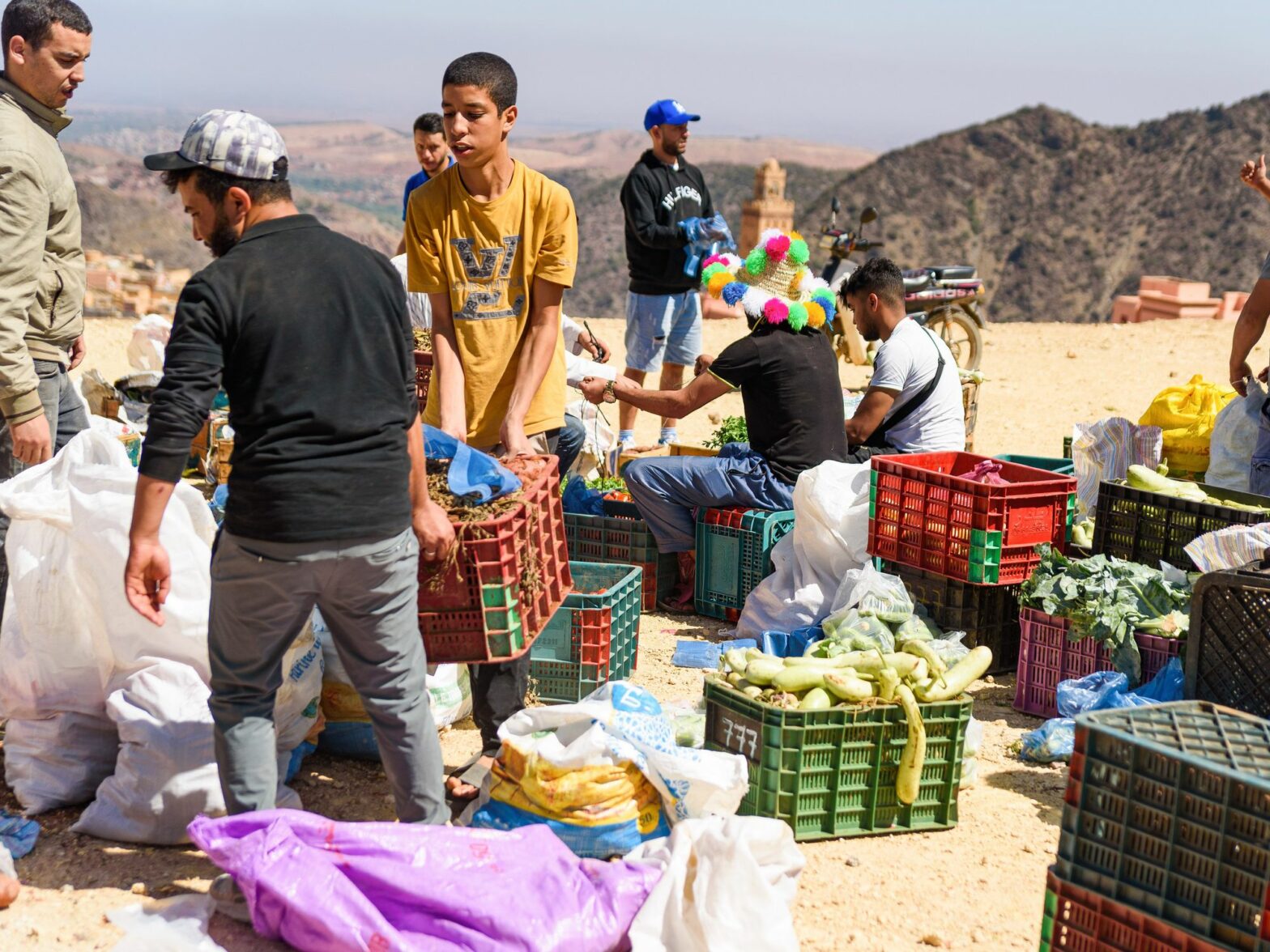
Time is the most precious resource when it comes to disaster relief, and yet French teams have been left waiting for Morocco’s approval for their aid. Looking at recent tensions might explain why the country is hesitating on accepting help in a time of such dire need.
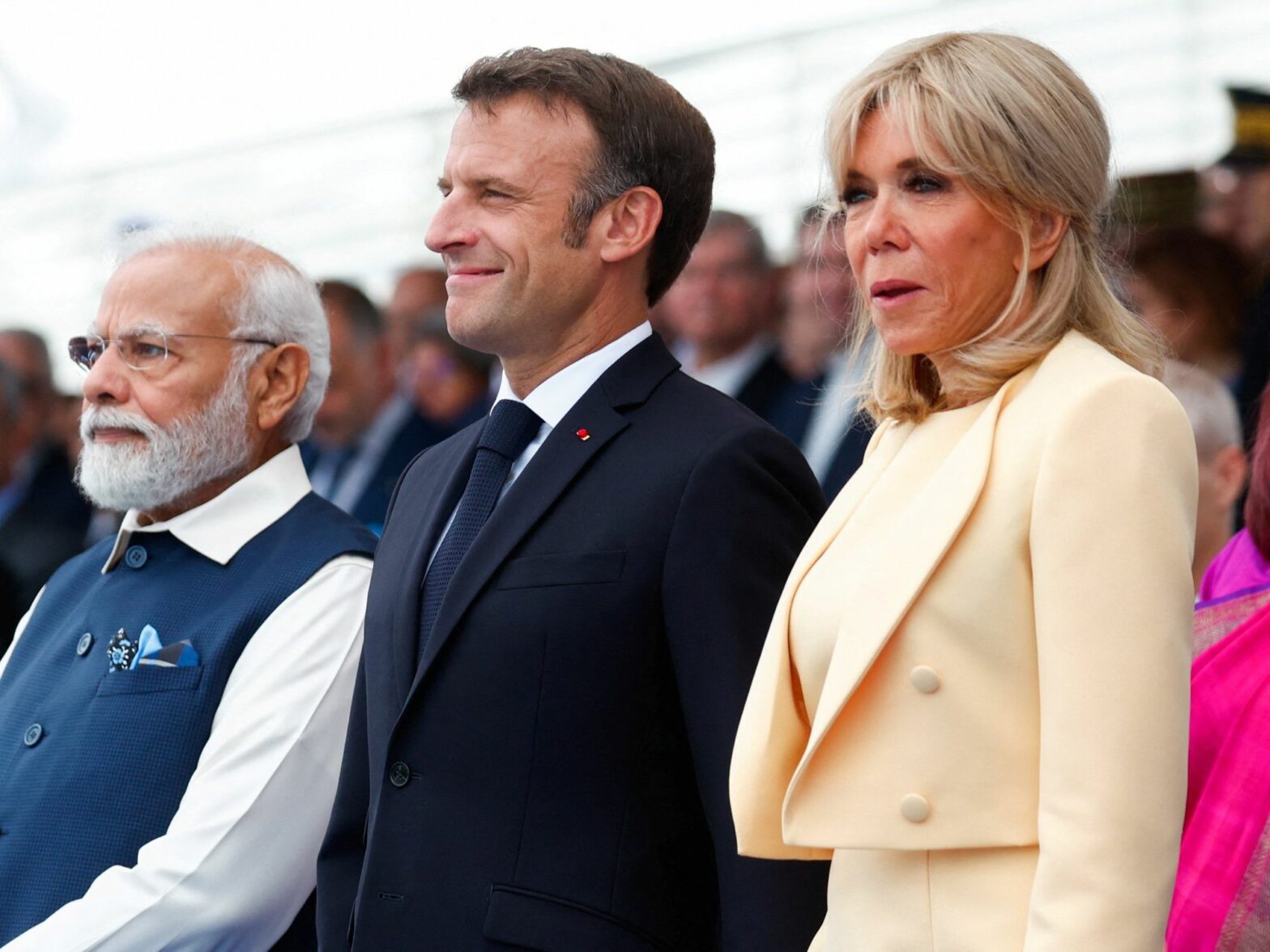
Indian Prime Minister Narendra Modi is the guest of honor for the July 14-Bastille Day celebrations in Paris, a choice that has benefits and risks for both France and India, two medium-sized powers cultivating their relative independence.
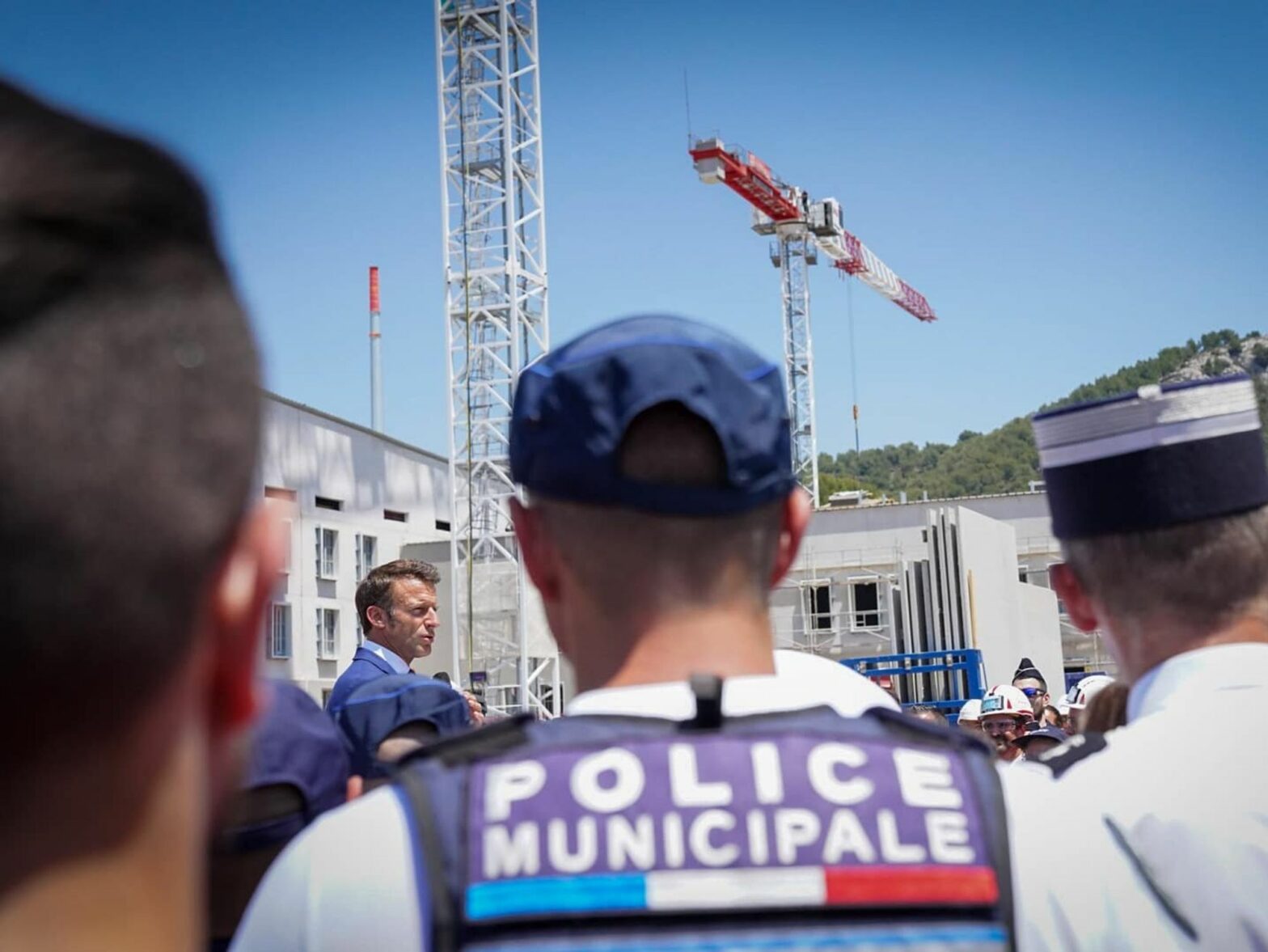
The riots and looting continue after the police shooting death of a 17-year-old in the outskirts of Paris. Already embattled over labor reforms, French President Emmanuel Macron’s hopes to make peace with center-left allies are getting pushed aside by demands for law and order.
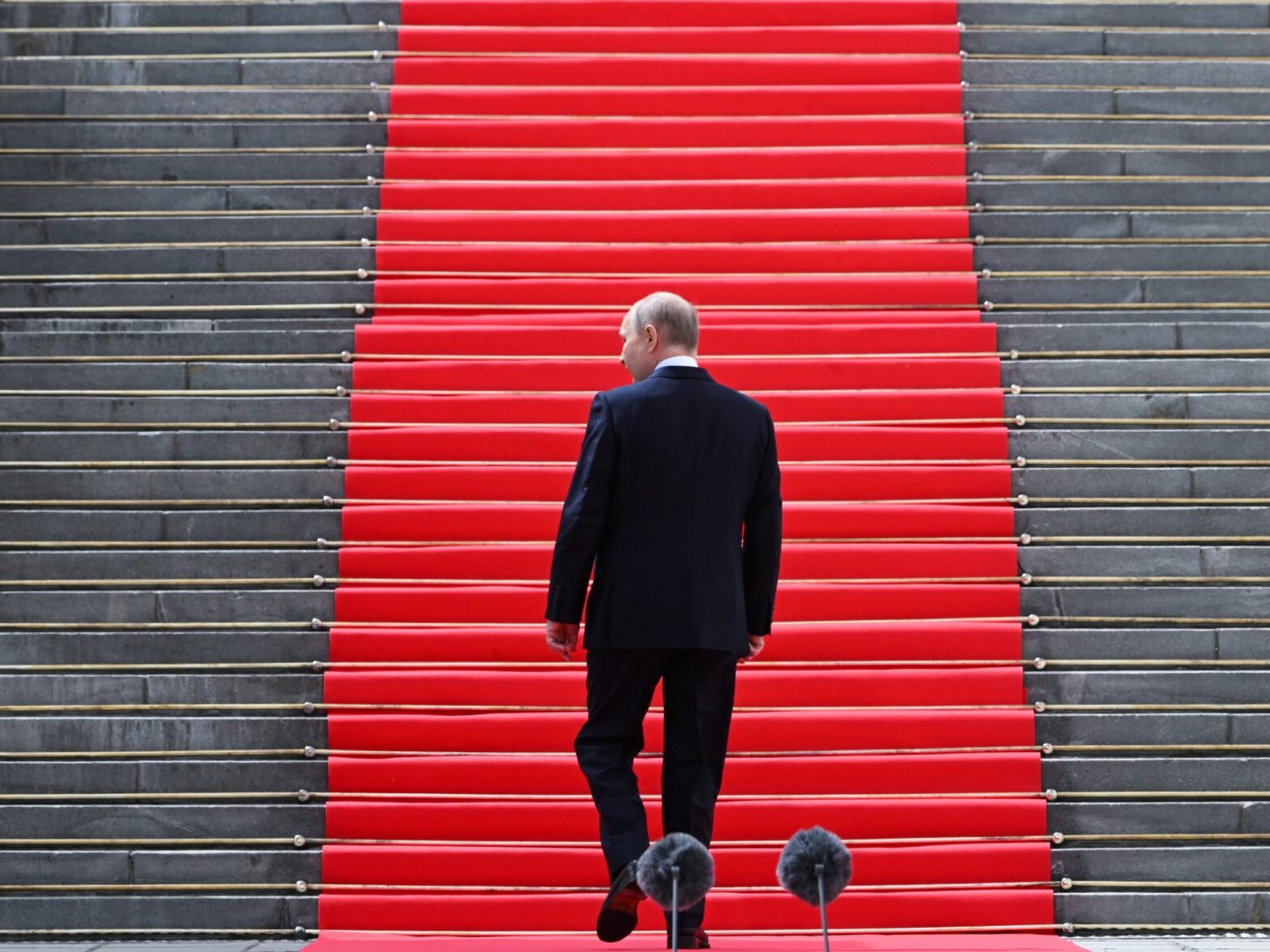
There are many lessons to be taken from Yevgeny Prigozhin’s aborted uprising in the halls of power China. Going forward, Beijing will see Russia as a model on what to avoid in maintaining stability autocratic rule.
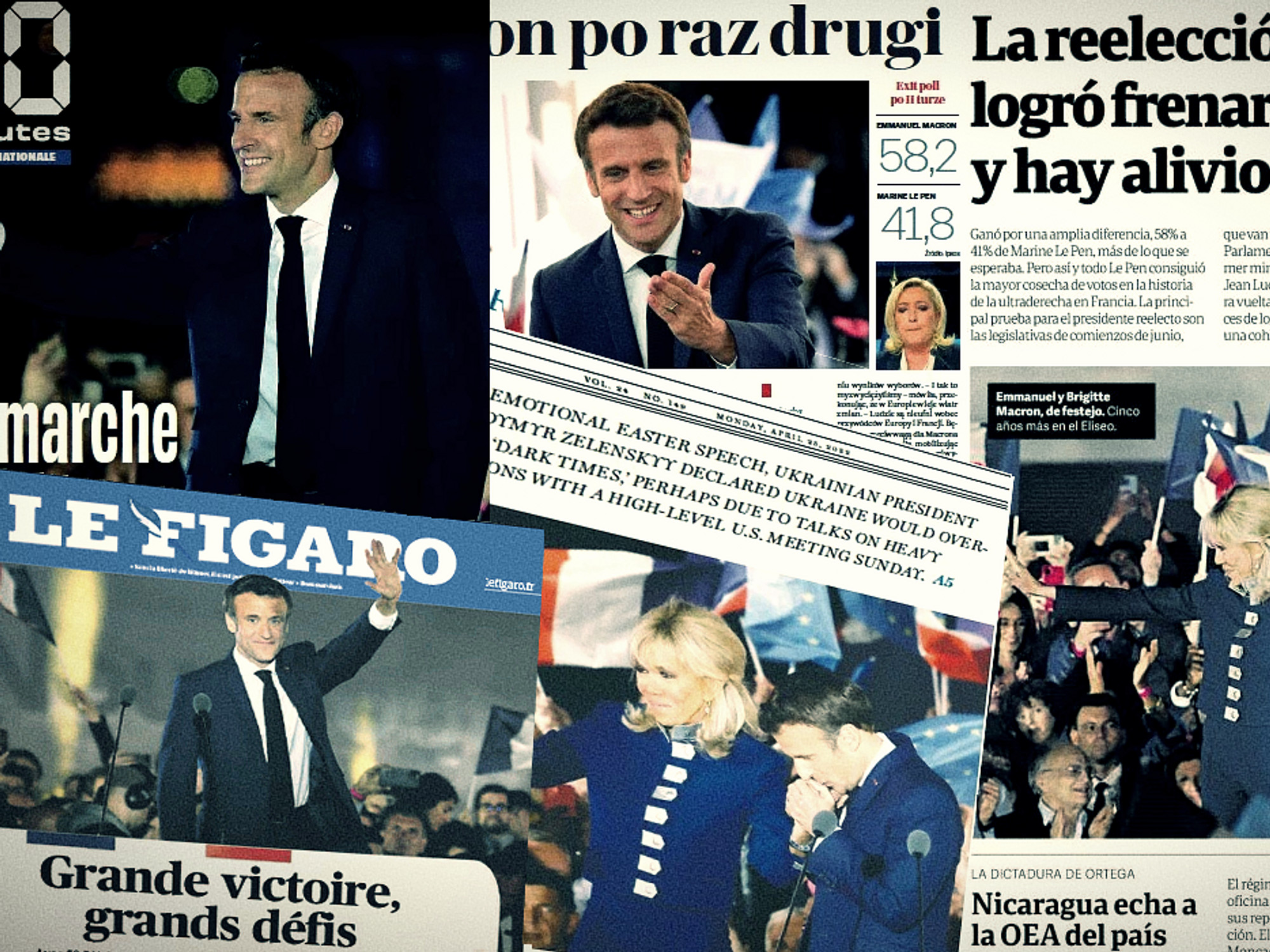
Newspapers in France and around the world are devoting their Monday front pages to Emmanuel Macron’s reelection as French president.
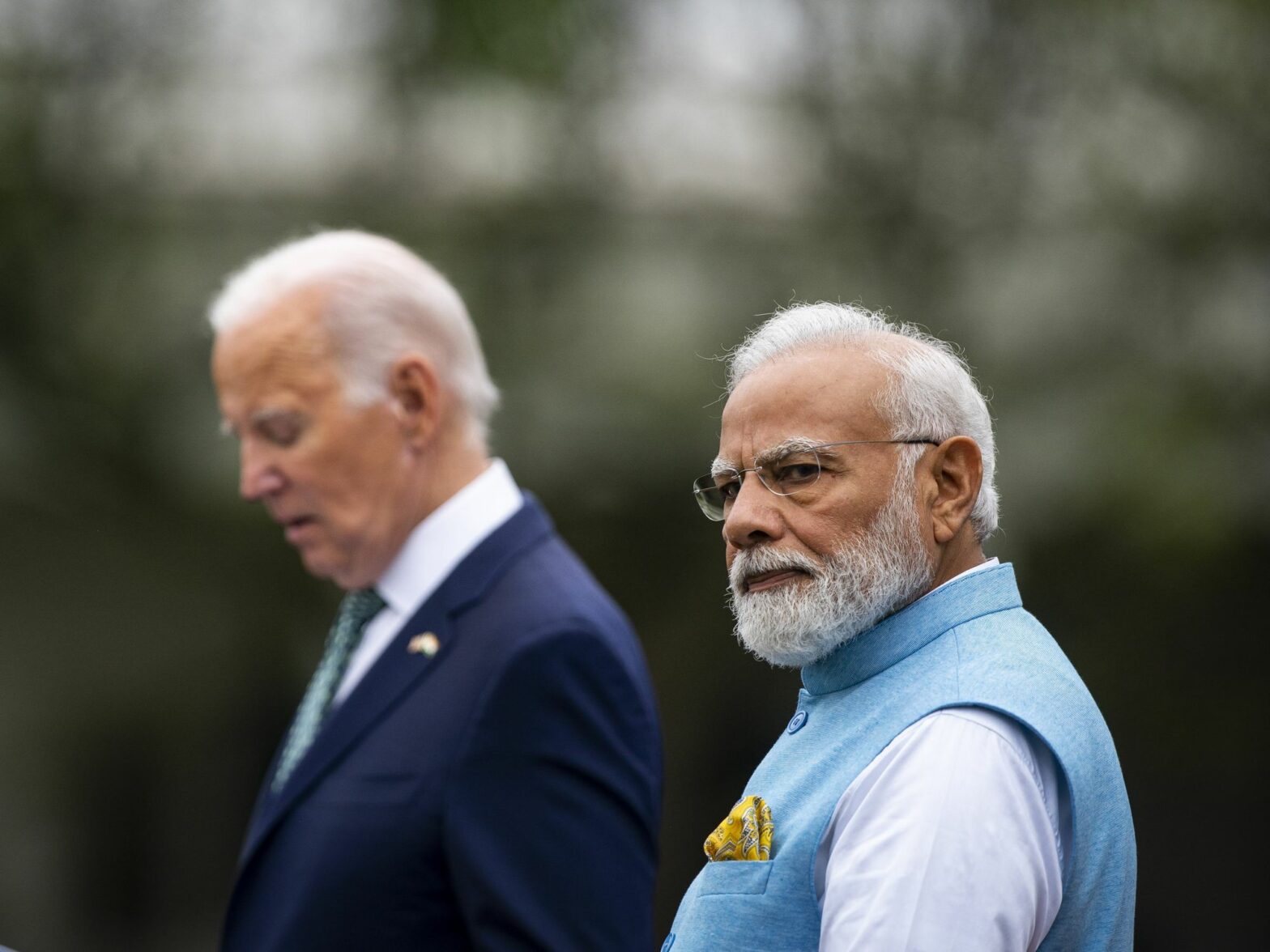
Indian Prime Minister Narendra Modi’s triumph during his state visit to the U.S. is part of a well-honed strategy of realpolitik and geo-economic opportunism. How the West responds says a lot about where the world is heading.
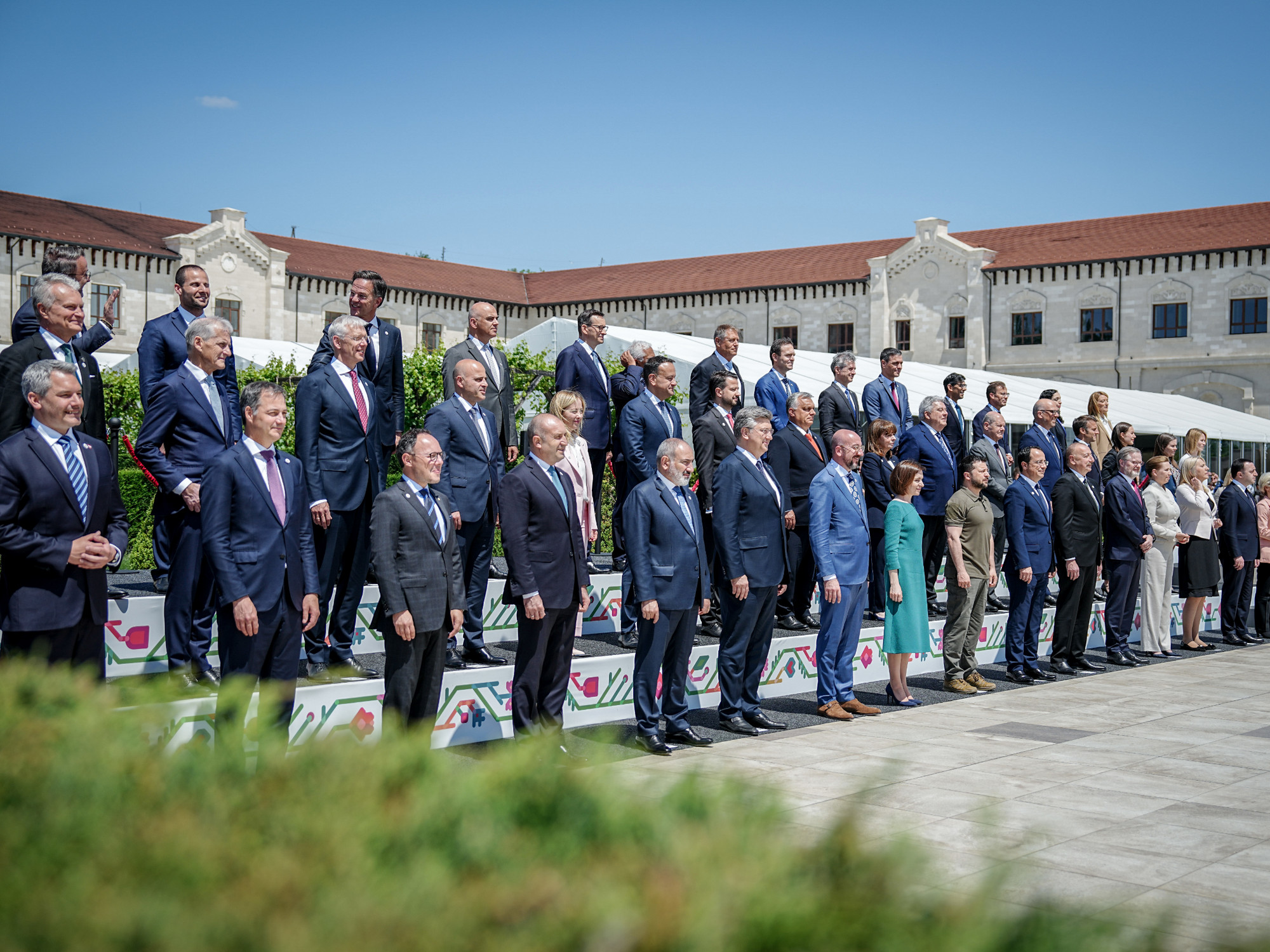
Europe’s leaders are in Moldova as tensions increase with Russia and in Kosovo. The summit is already making an impact as Europe pushes back against Russian interference.
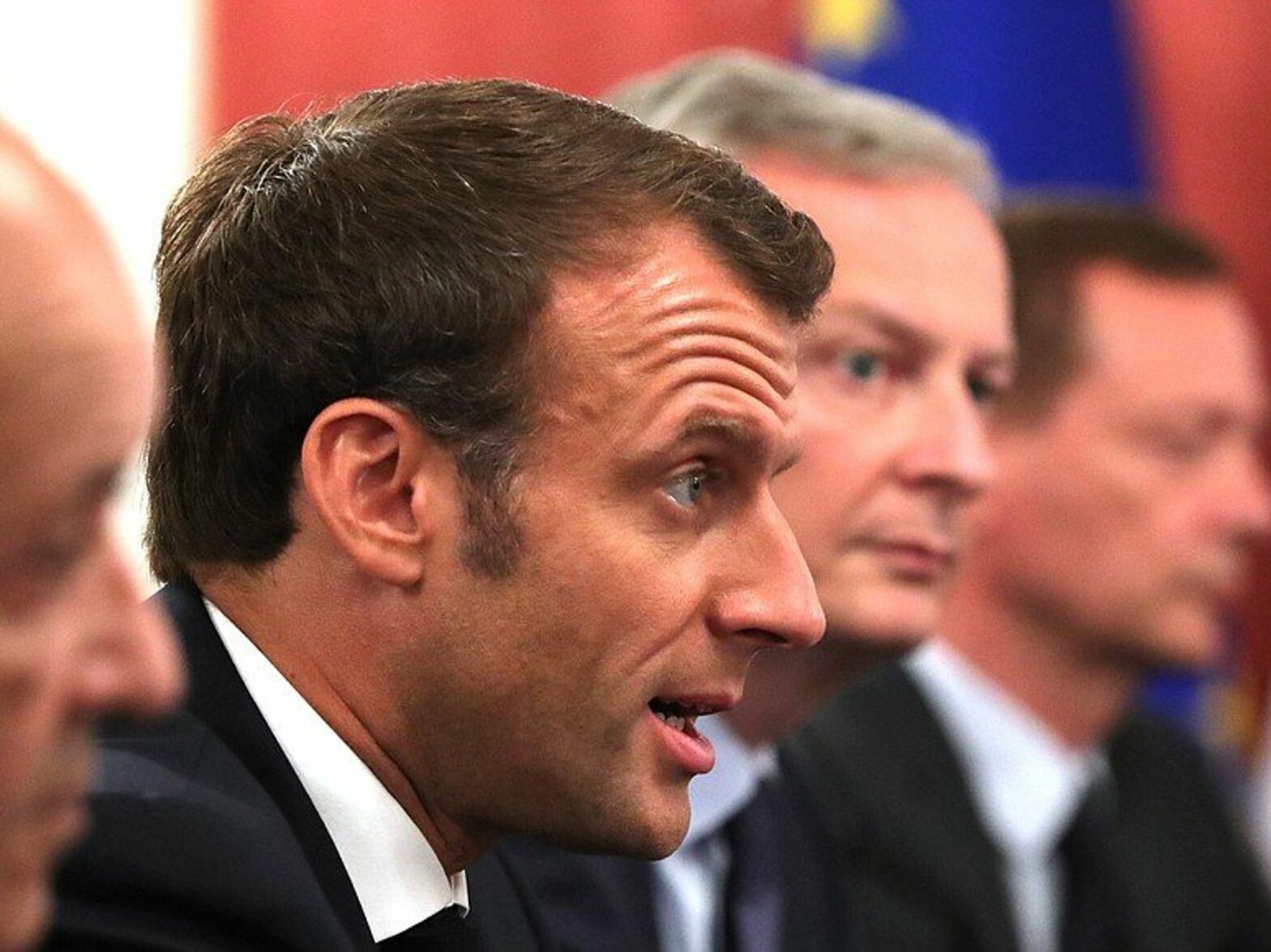
Translated in full from French, here is the exclusive interview French President Emmanuel Macron gave to three reporters on his way back from his trip to China, in which he insisted that Europe needed more autonomy from the United States.
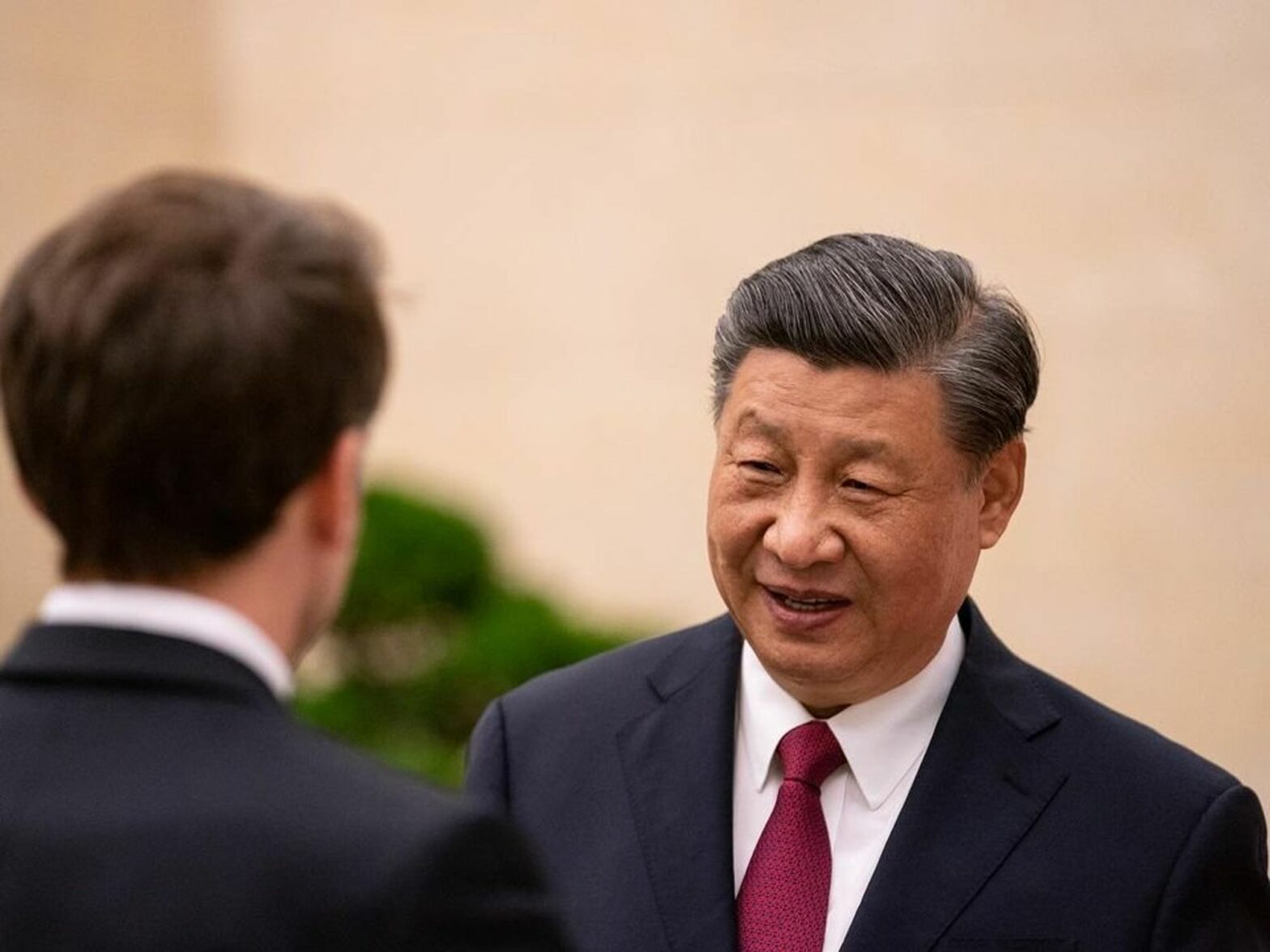
Ukraine was the trickiest part of French President Emmanuel Macron’s state visit to China. And though Xi Jinping didn’t say much, Macron made his voice clear on the war and possible arms shipments to Russia — and the West is watching closely.
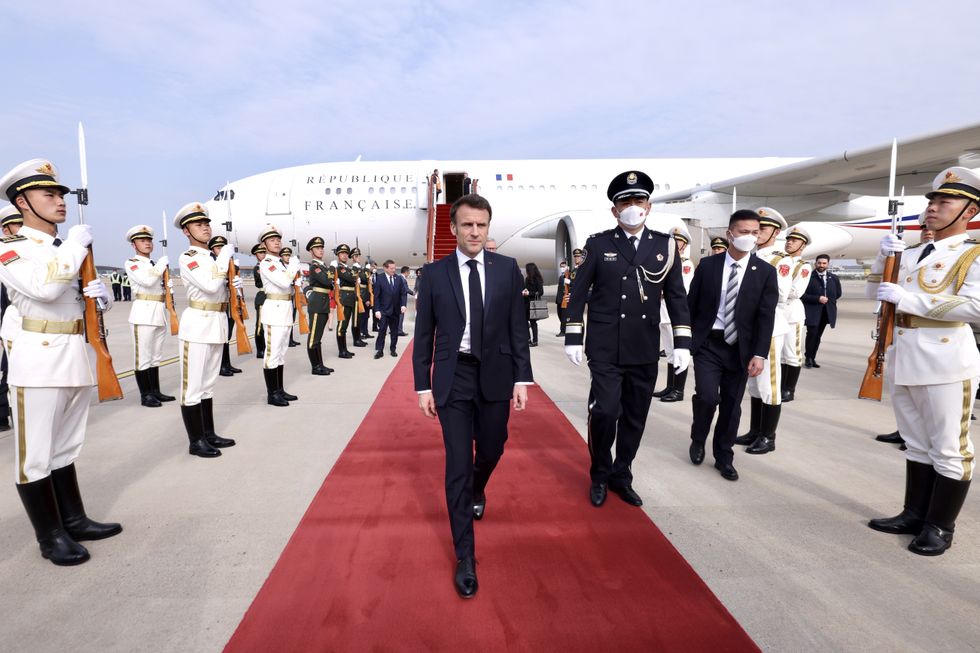
The French President begins a three-day visit to China. He has the difficult task of forging a “third way” for Europe between U.S. and Chinese interests in an increasingly polarized world.
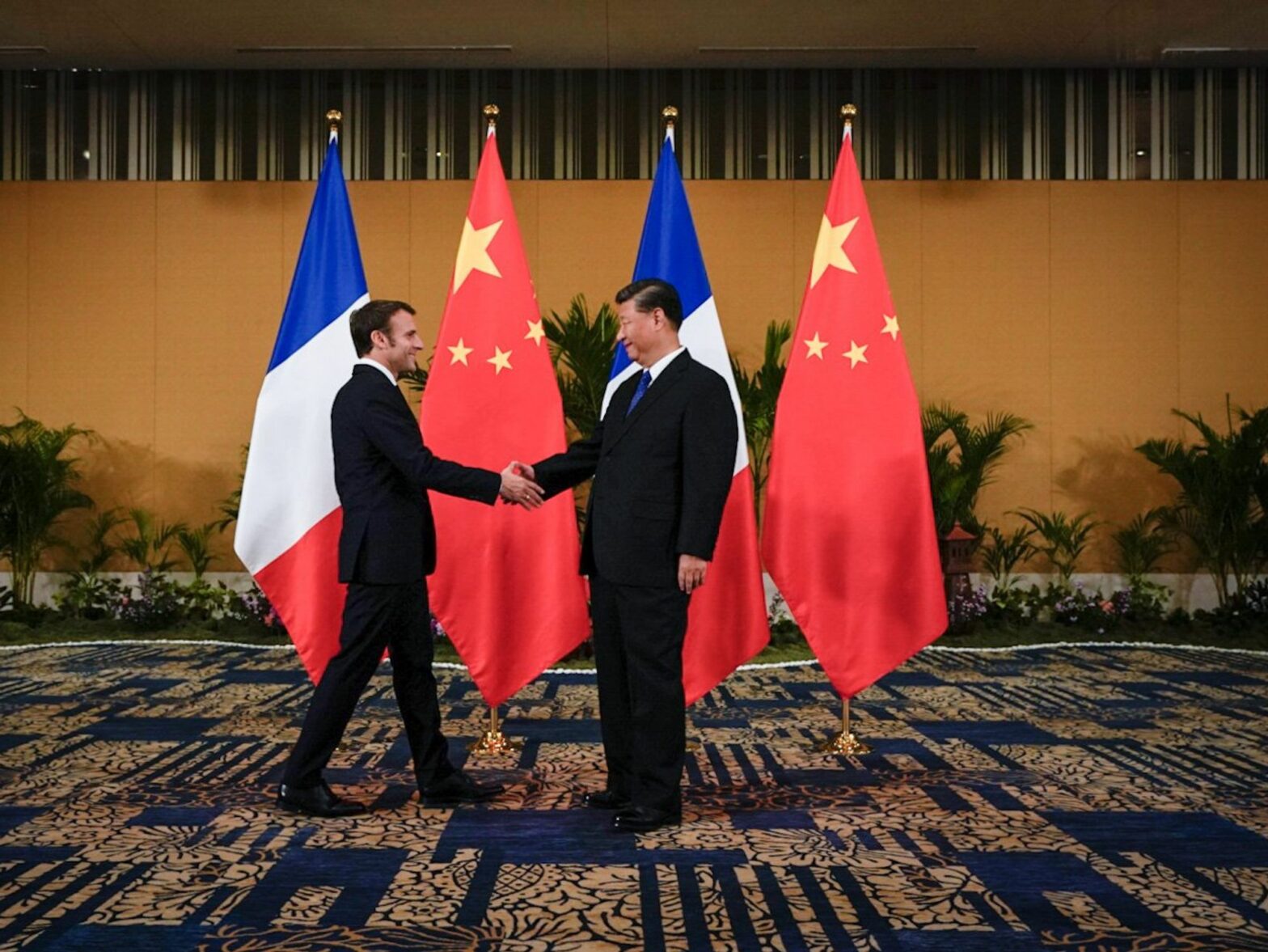
On a visit to China this week, French President Emmanuel Macron will try to improve the image of French companies and to renew diplomatic ties with Beijing, which may be the most pivotal outside player in the Ukraine-Russia conflict.
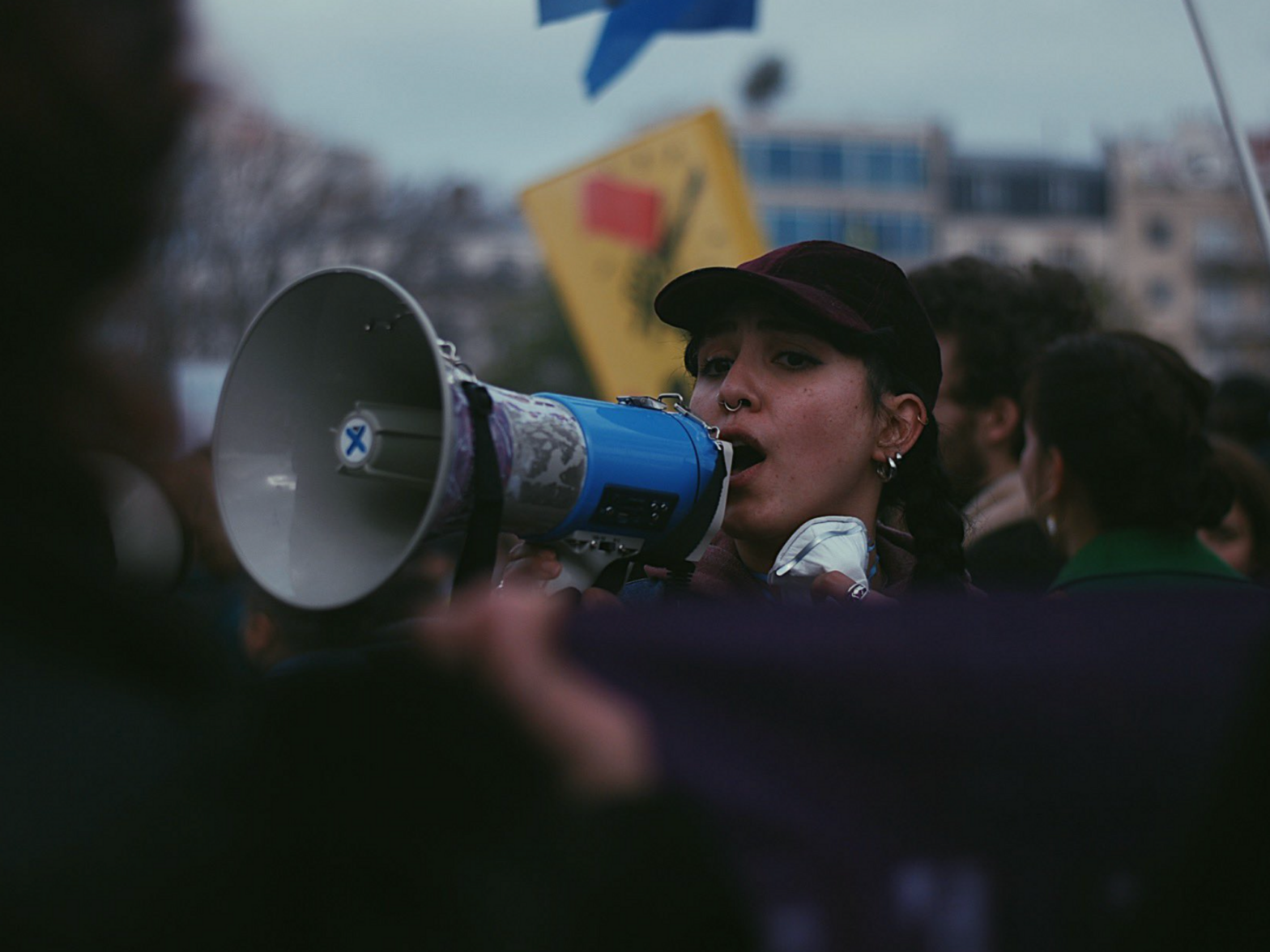
To prevent France’s current institutional crisis from leading to a regime crisis, it is not a question of the much criticized pension reform — or even that Emmanuel Macron must resign. A change is needed in the very way French democracy functions.
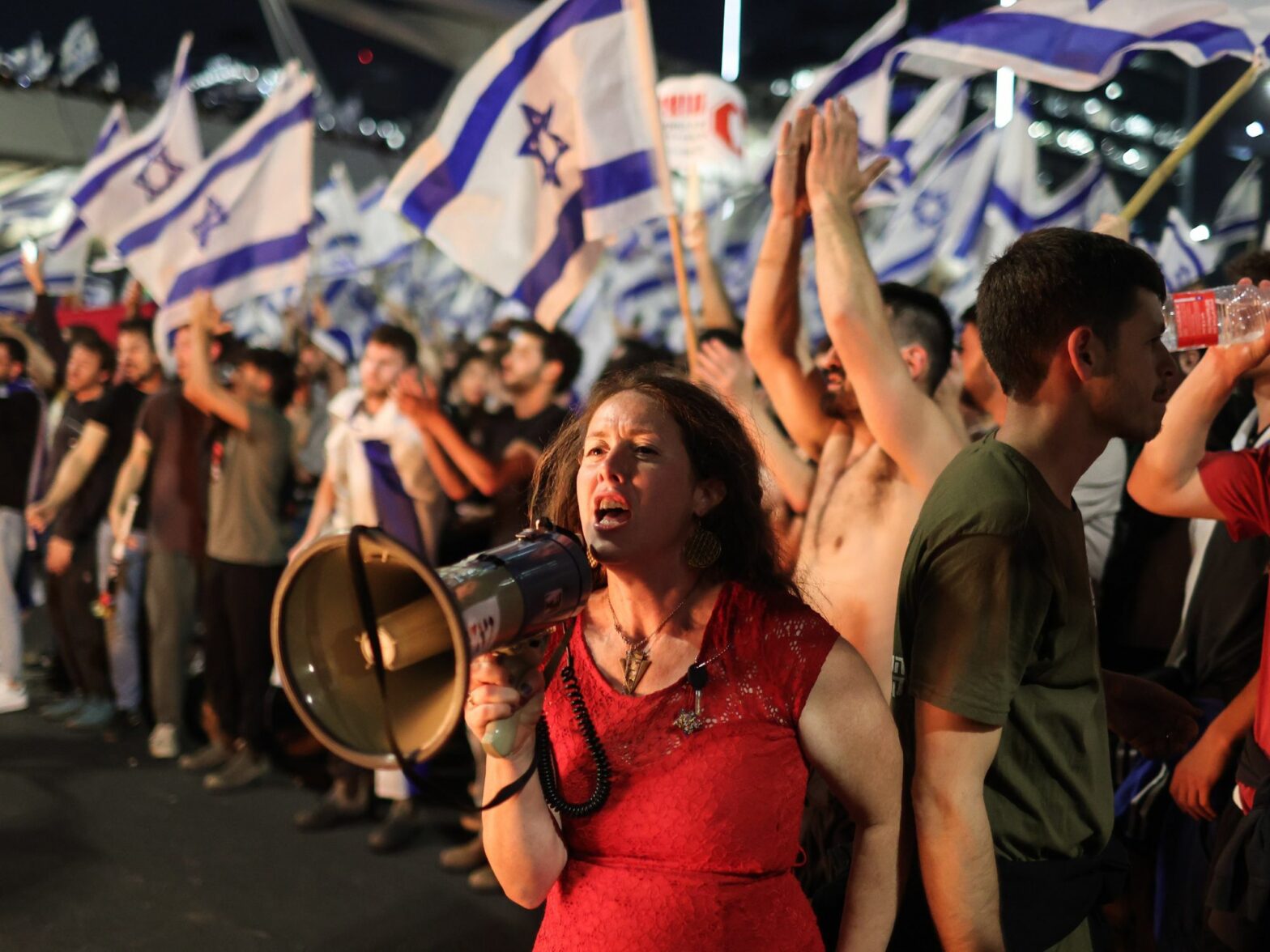
France, Israel, United States: these three democracies all face their own distinct problems. But these problems are revealing disturbing cracks in society that pose a real danger to hard-earned progress that won’t be easily regained.
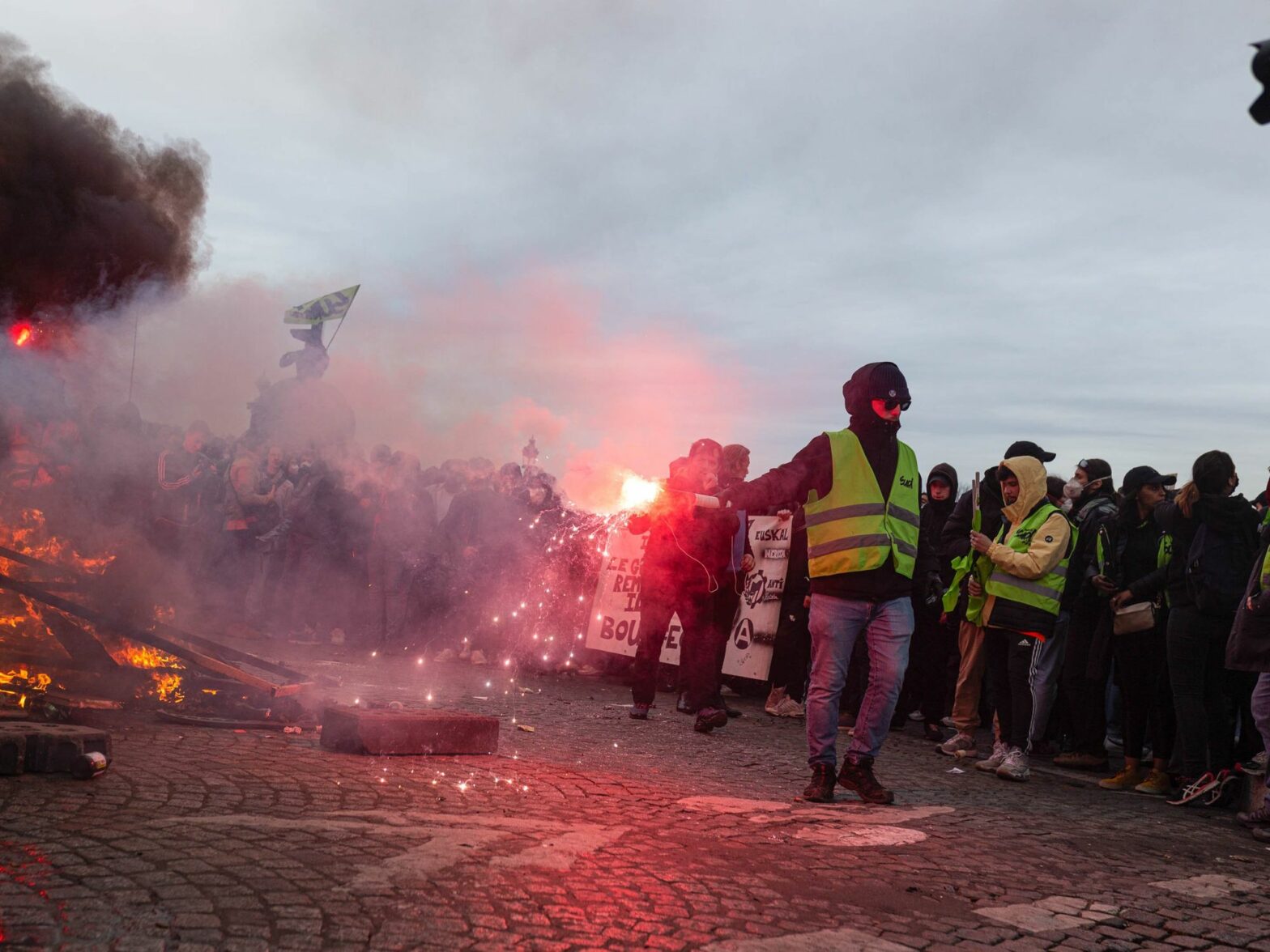
The pushing through of a bill to raise the retirement age in France has caused widespread, sometimes violent, protests. The government is worried the movement will spread, as unions warn the protests are just beginning.
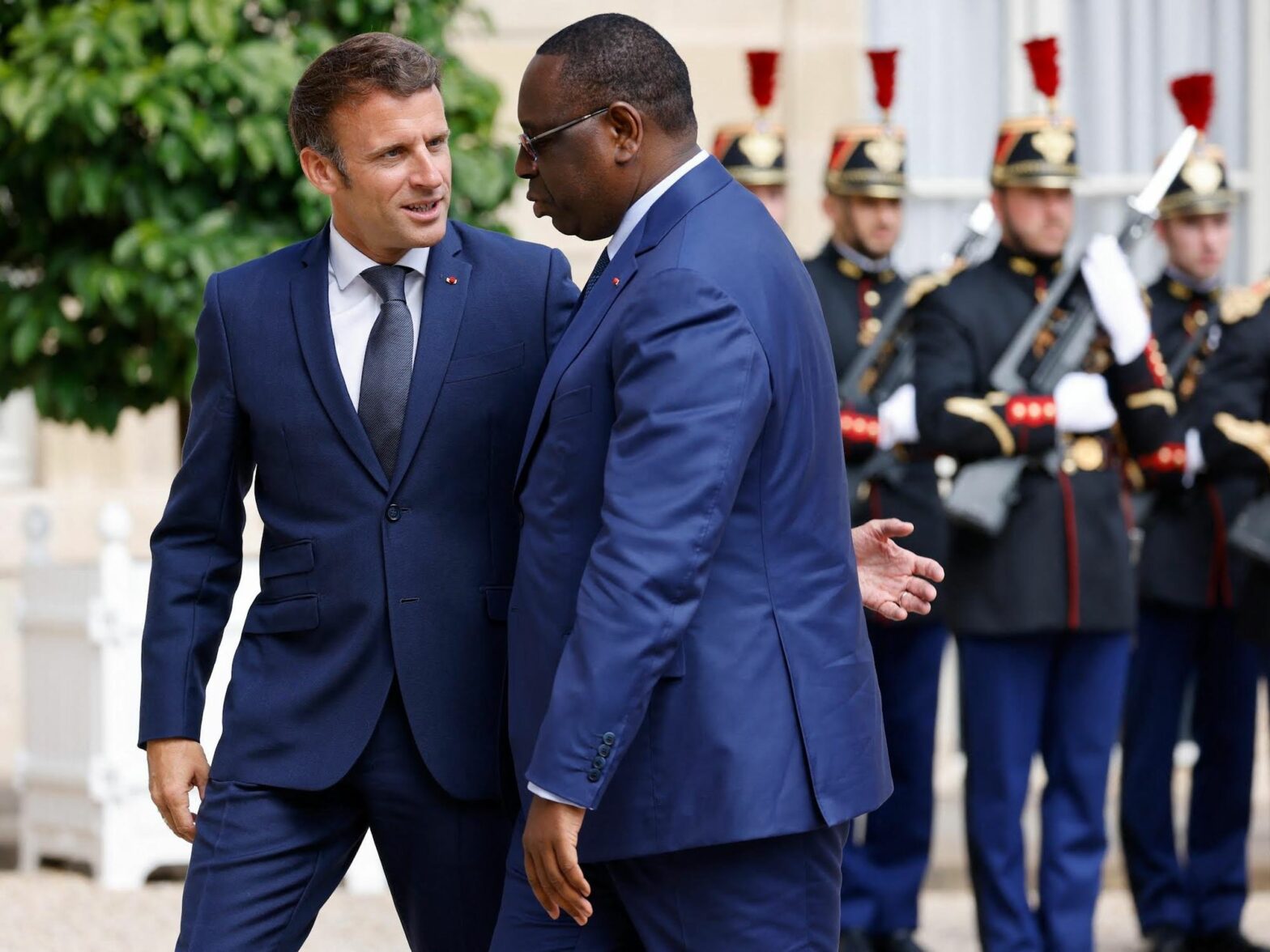
French President Emmanuel Macron has outlined a new policy for France’s relationship with Africa, recognizing the need for a departure from post-colonial mindsets. But he faces challenges at home and abroad.
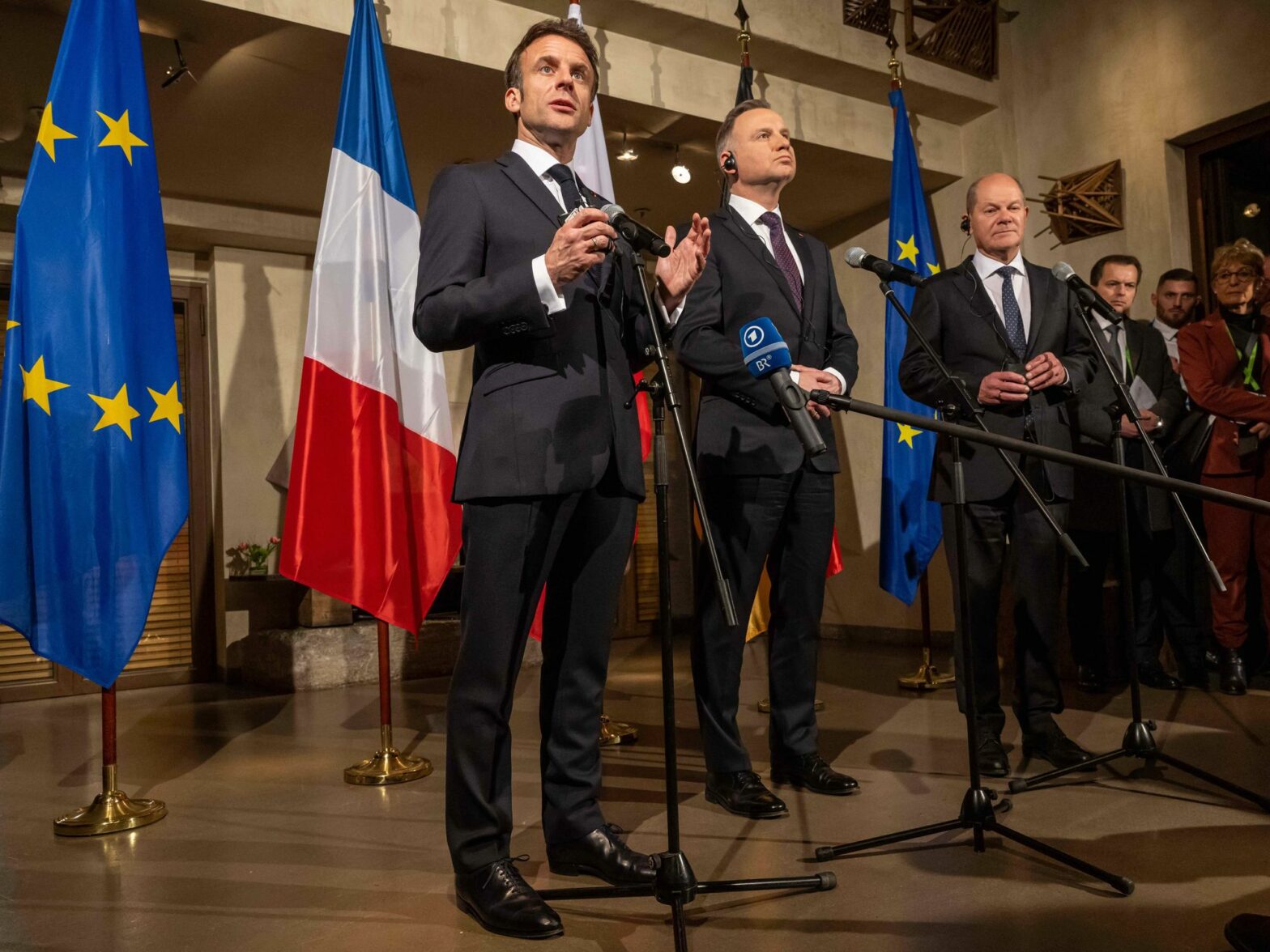
Returning from this weekend’s Munich Security Conference, French President told France Inter public radio: “I do not think that Russia should be defeated completely, or attacked on its soil. These observers want above all to crush Russia. This has never been the position of France and it never will be.”
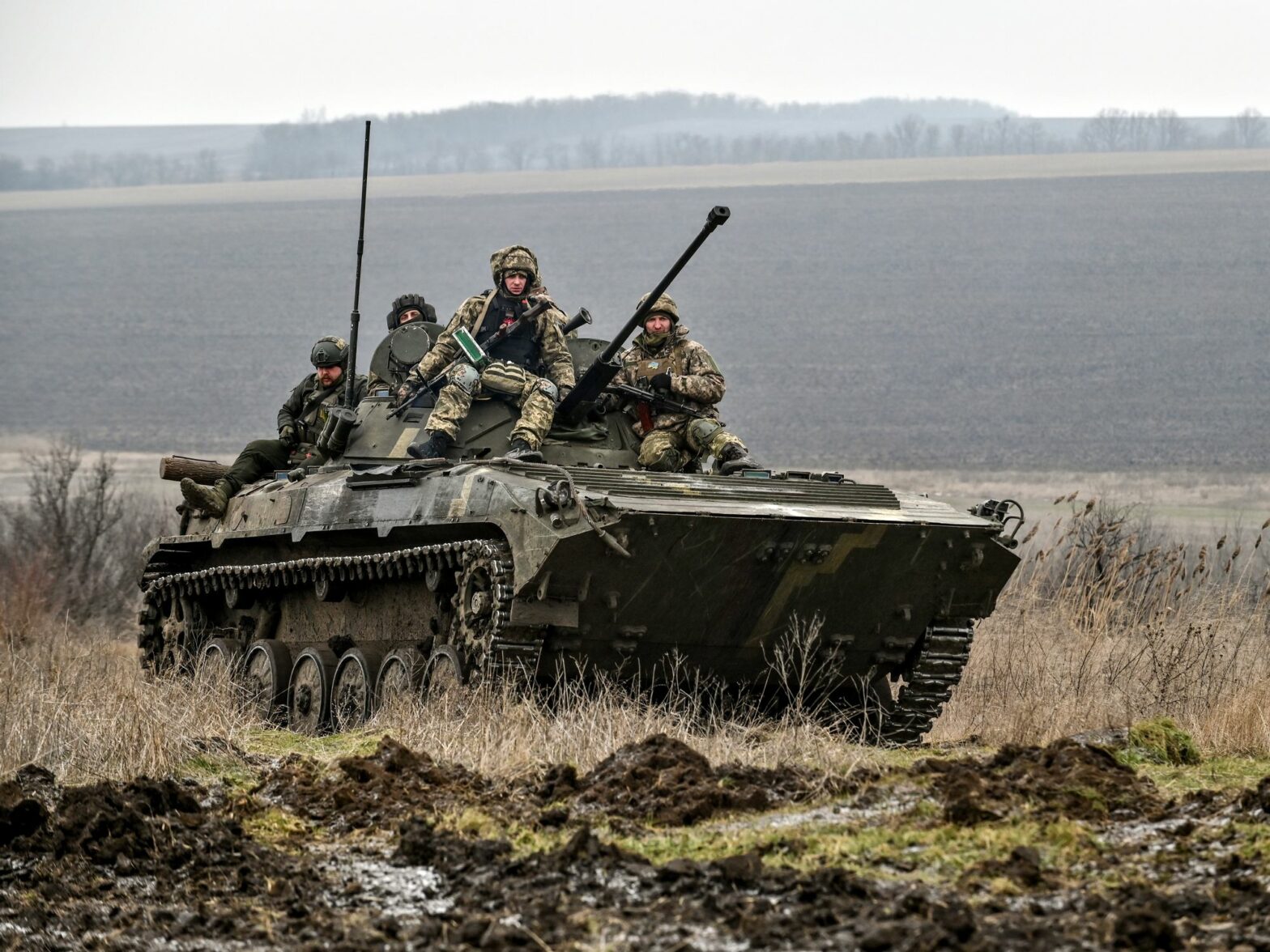
French President Emmanuel Macron turned heads by saying that his objective was to defeat Russia, without “crushing” it. This diverges with the objectives of Ukraine and other allies. It’s a question that will ultimately be answered on the battlefield.
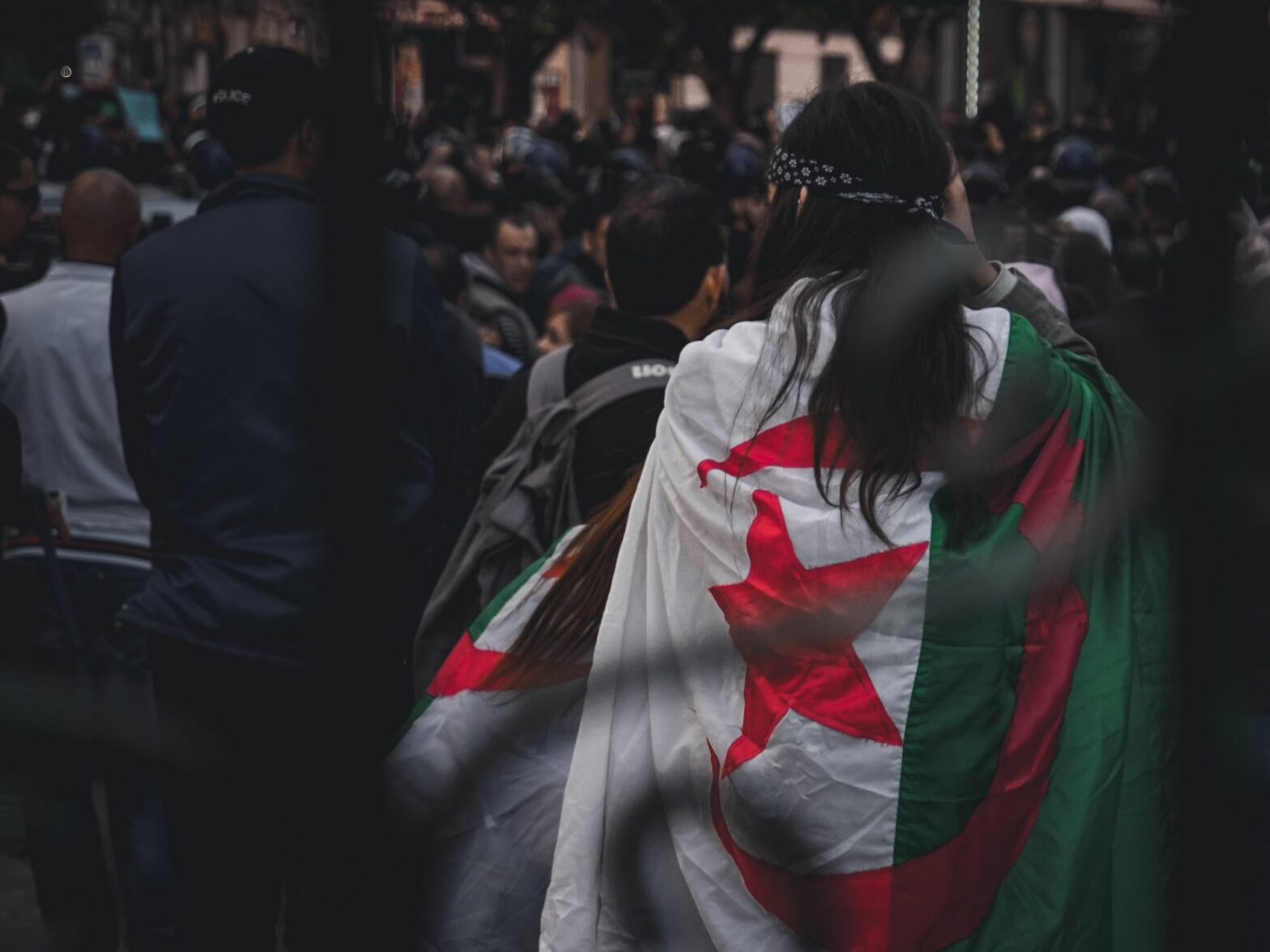
Whether it’s in Tunis, Algiers or Rabat, France is faced with the near-impossible task of finding its diplomatic footing in countries that were under its colonial rule last century.
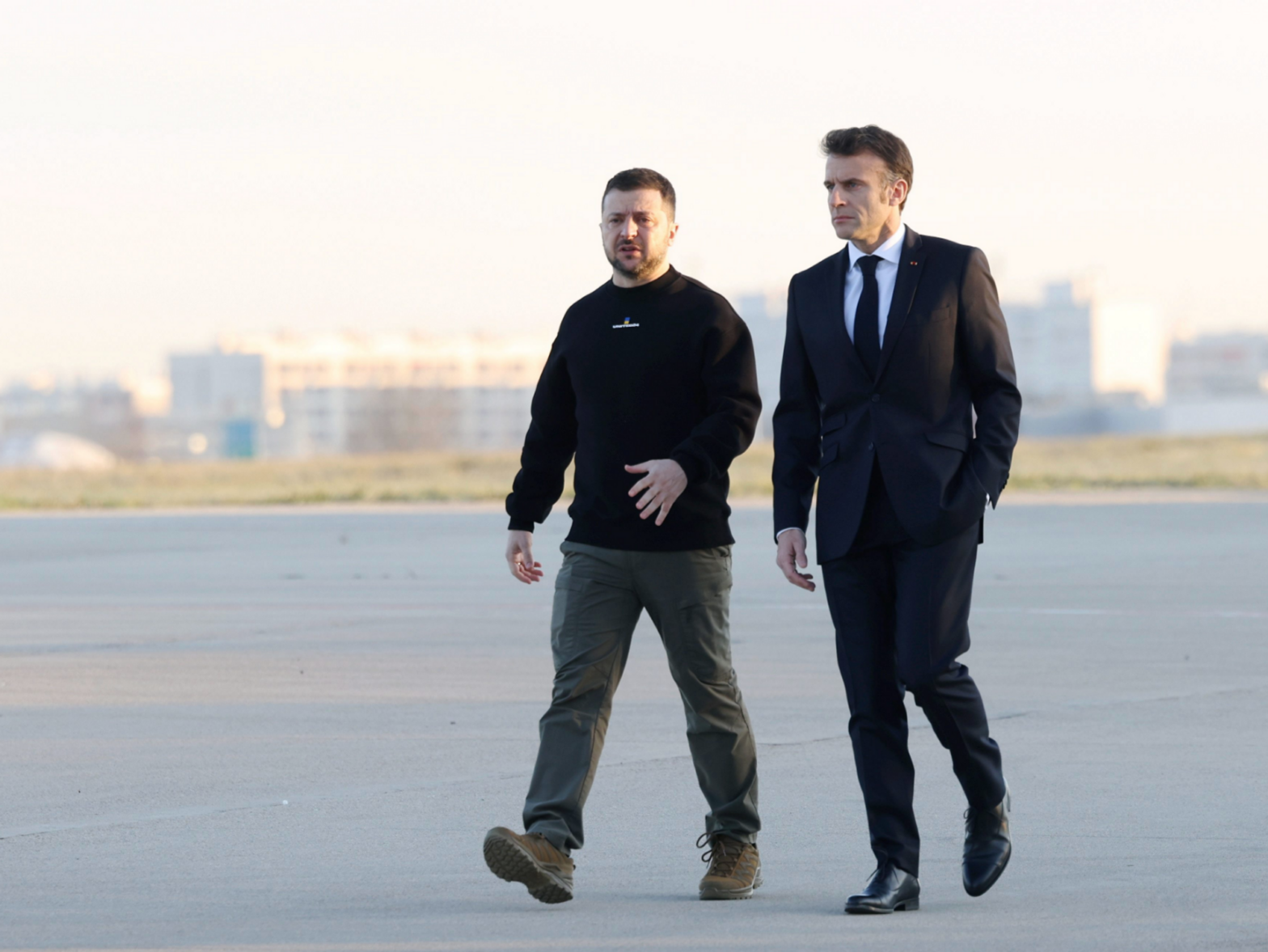
Volodymyr Zelensky’s visits this week to London, Paris and Brussels reinforce the intertwined fates of Europe and Ukraine. And for Kyiv that will ultimately mean more weapons support.
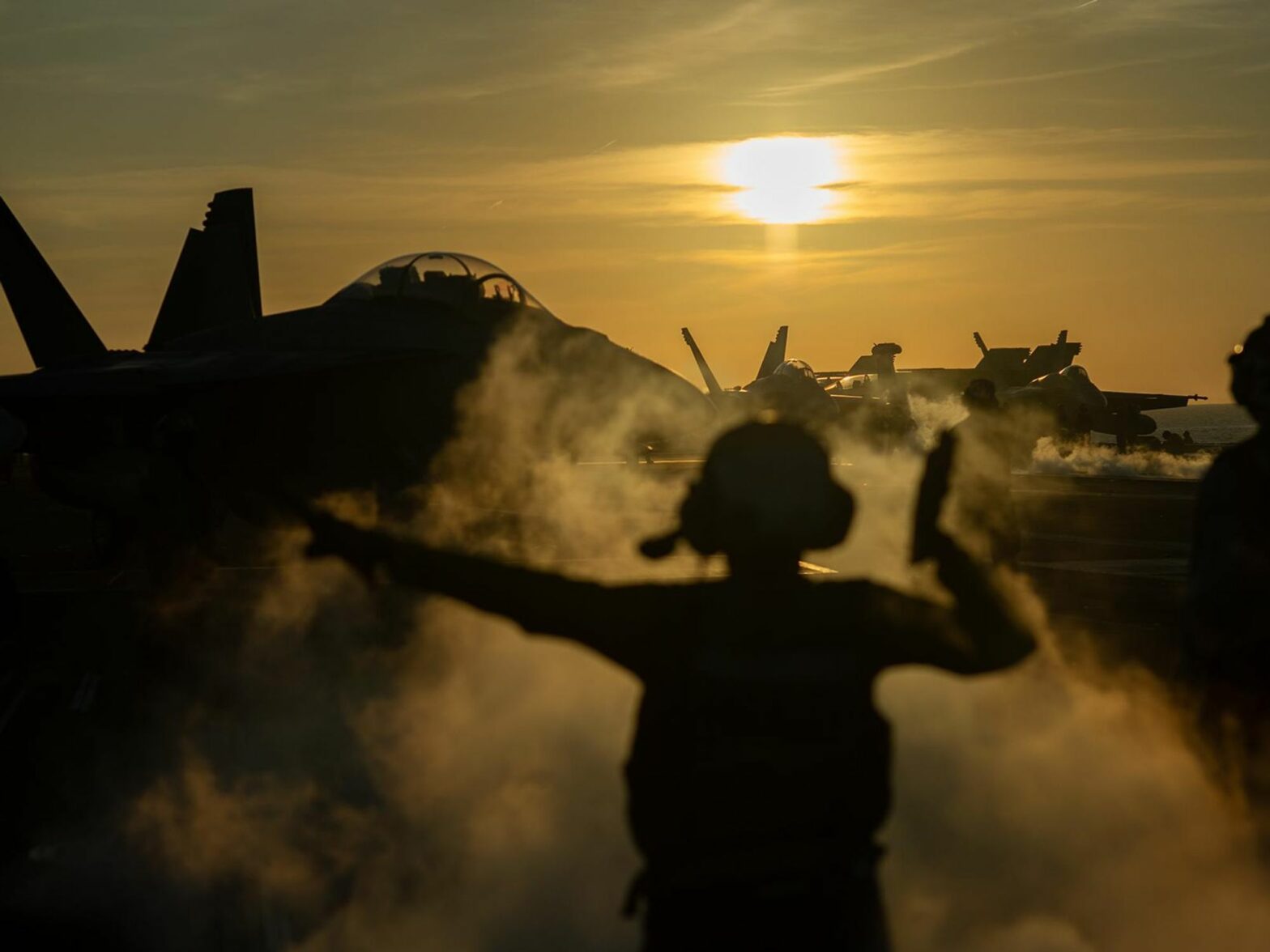
The open debate on weapon deliveries to Ukraine is highly unusual, but Kyiv has figured out how to use the public moral suasion — and patience — to repeatedly shift the question in its favor. But will it work now for fighter jets?
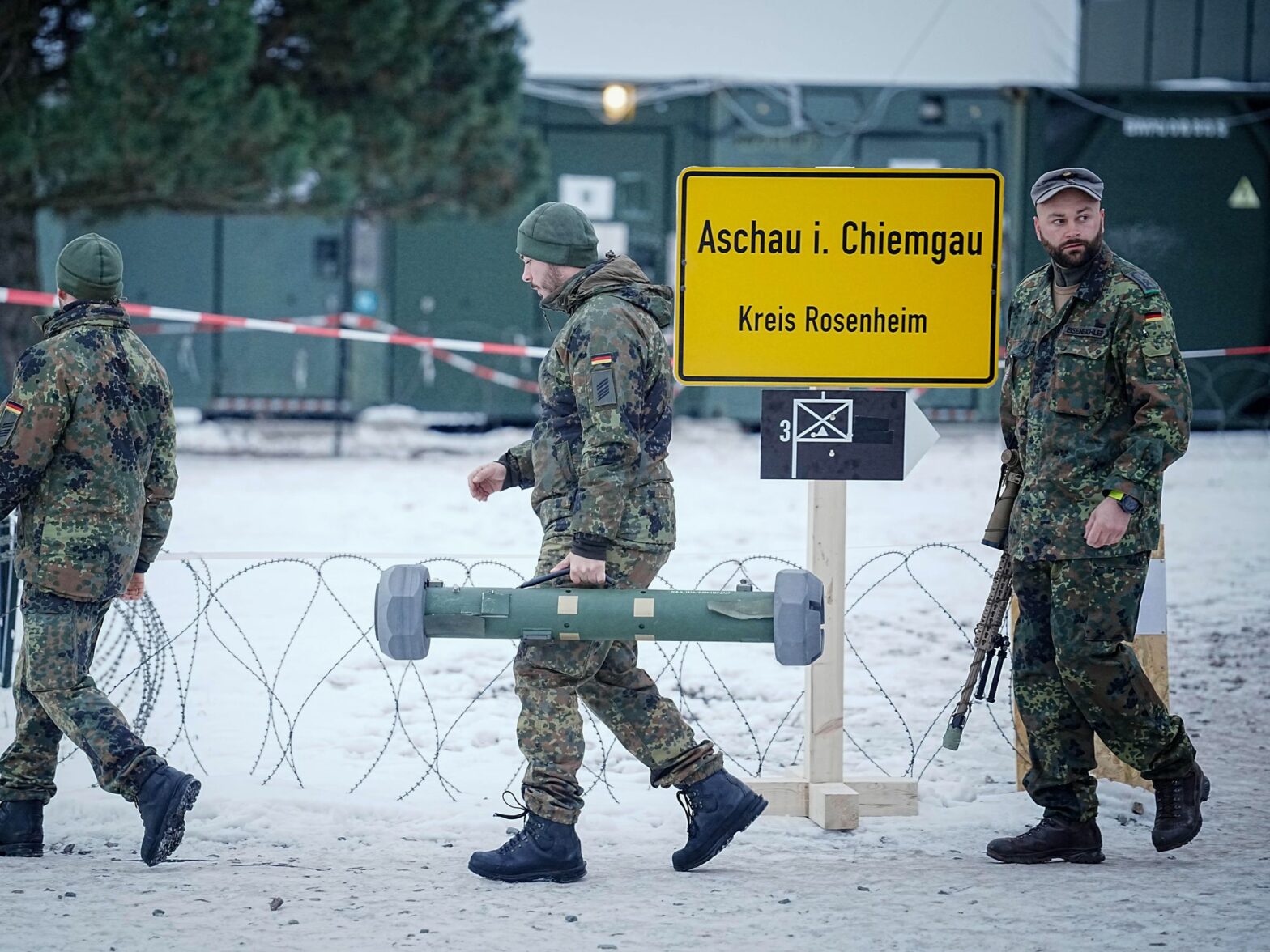
A new future is unfolding in real time, one that leaders in France, Germany and beyond could not have envisioned even a year ago.
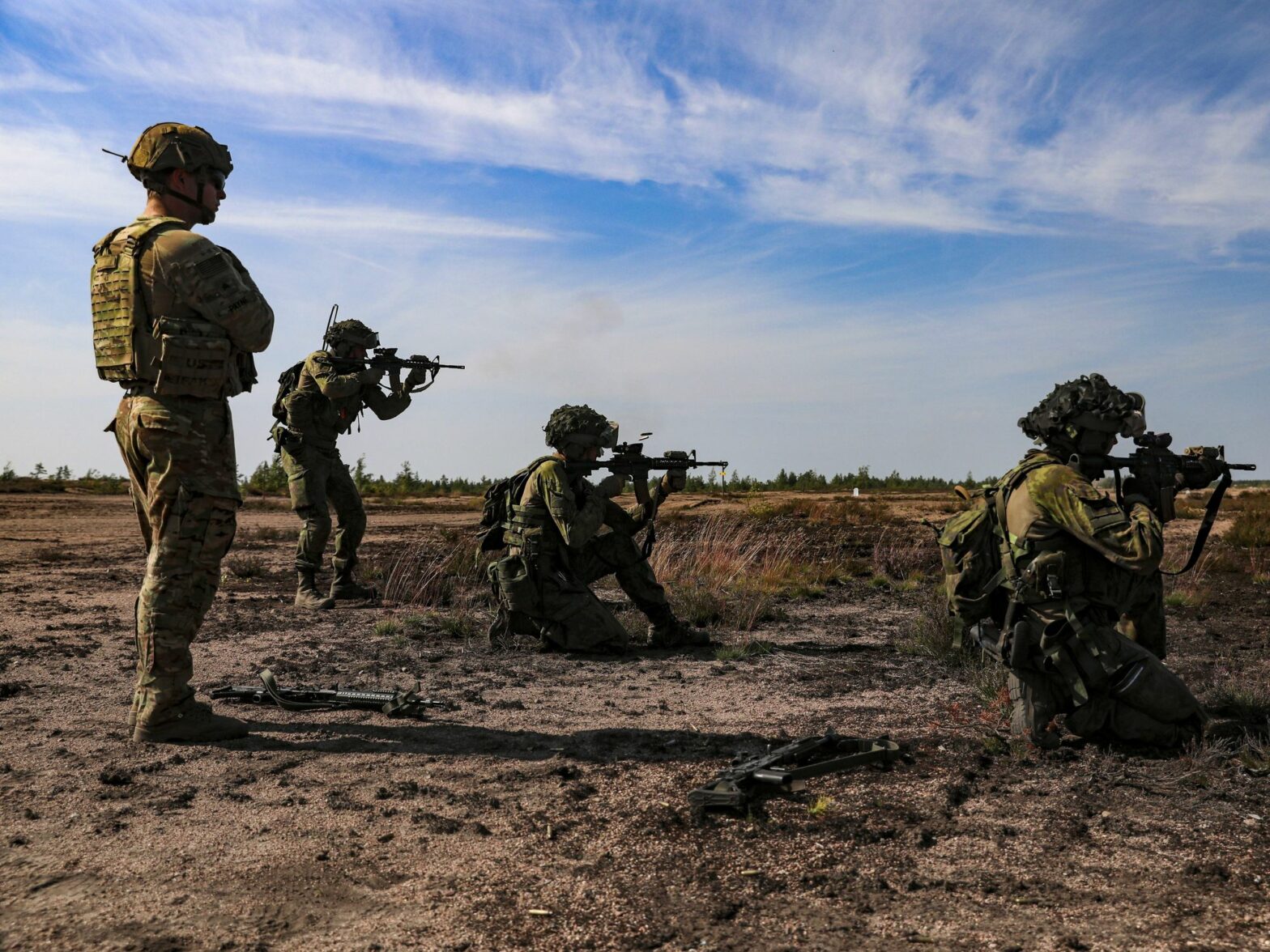
The EU and NATO have vowed to expand cooperation, which may mean a major long-term shift in European defense strategy. Still, the French know that the reality on the ground means that European defense effectively still means NATO.
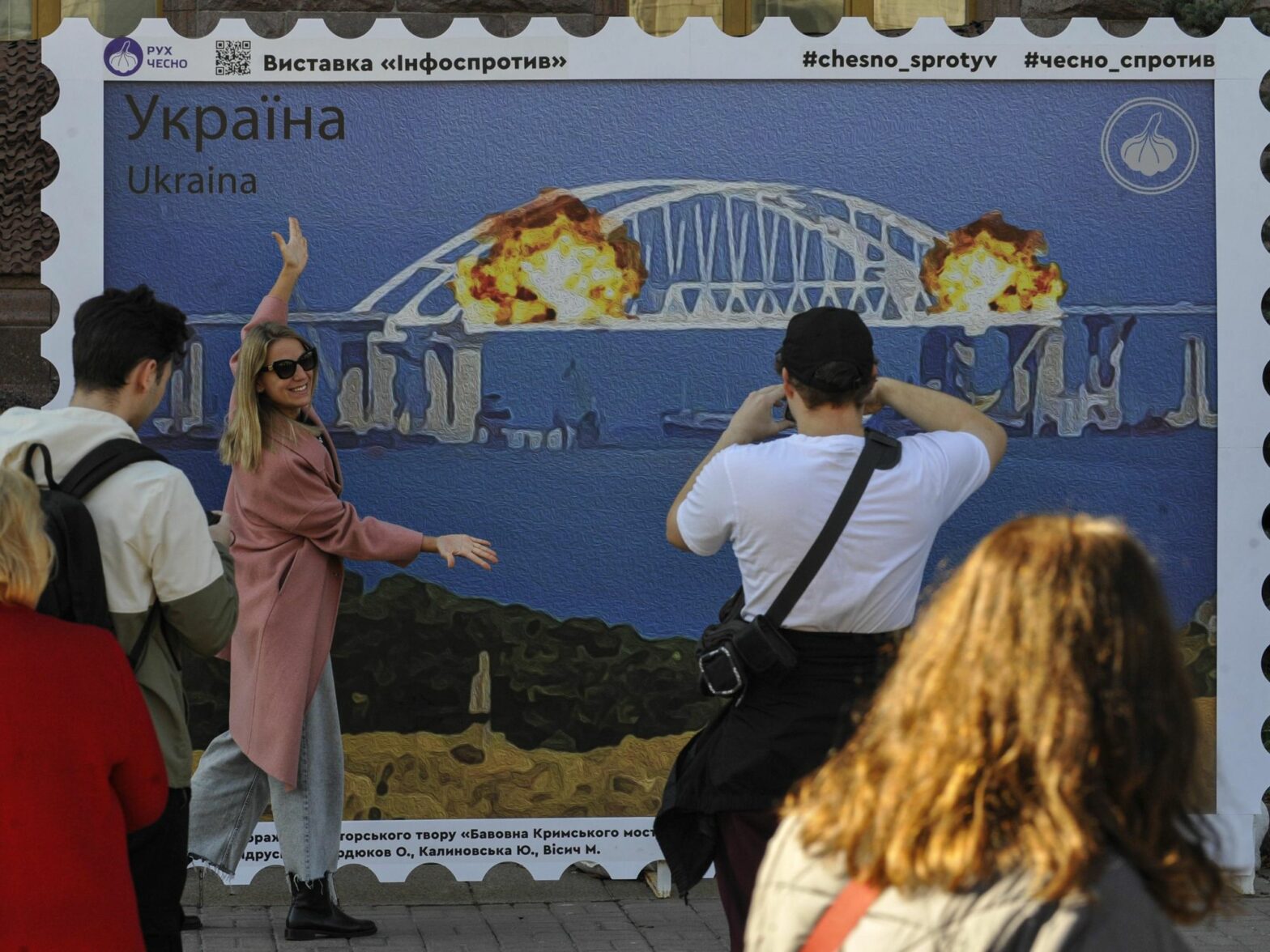
The Kremlin blamed the Oct. 8 Crimea bridge explosion on the “Main Intelligence Directorate of the Ukrainian Ministry of Defense” and its director, Kyrylo Budanov, and detained five Russians and three citizens of Ukraine and Armenia.
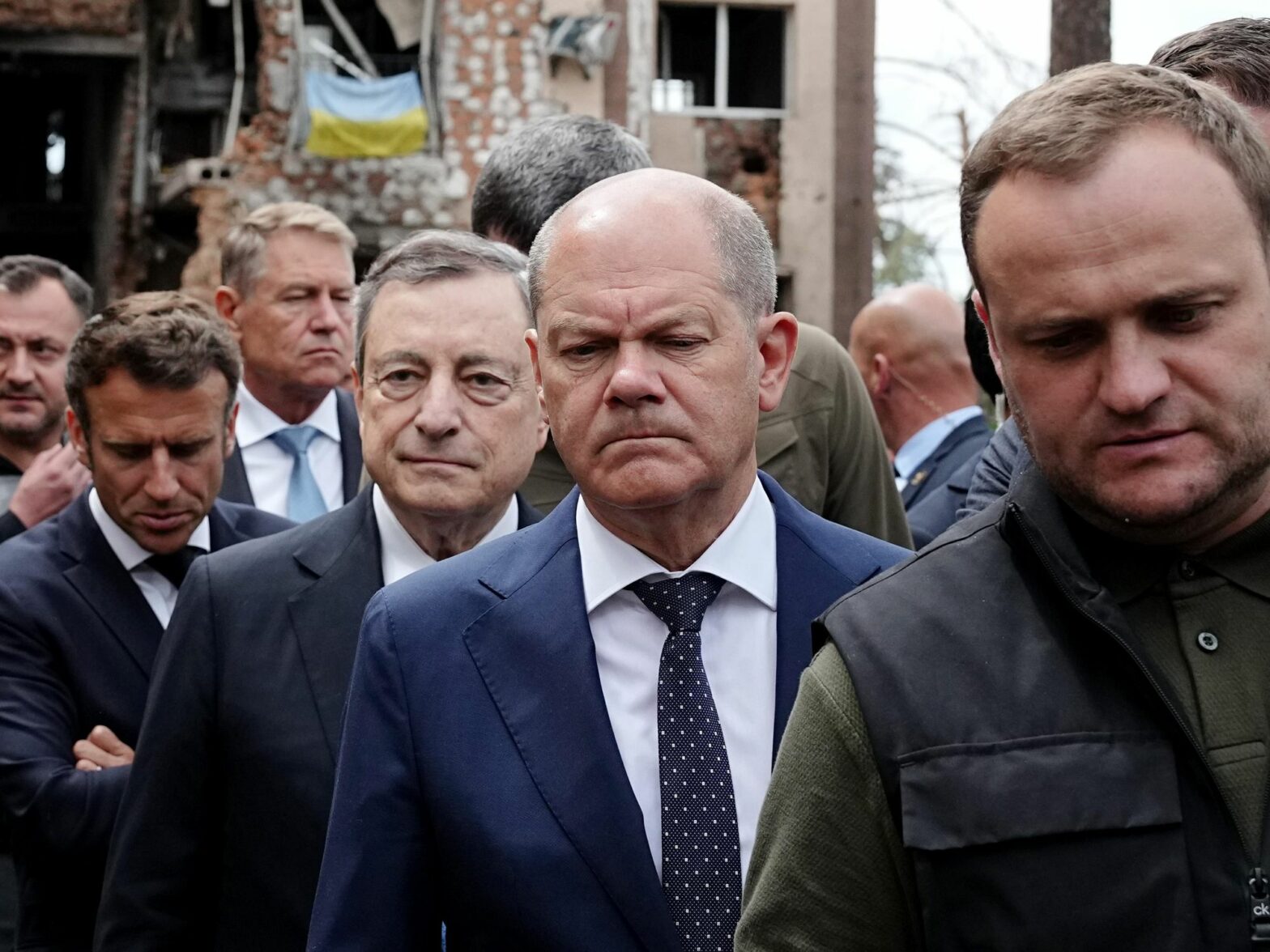
Ukrainians assess their friends, enemies and frenemies…
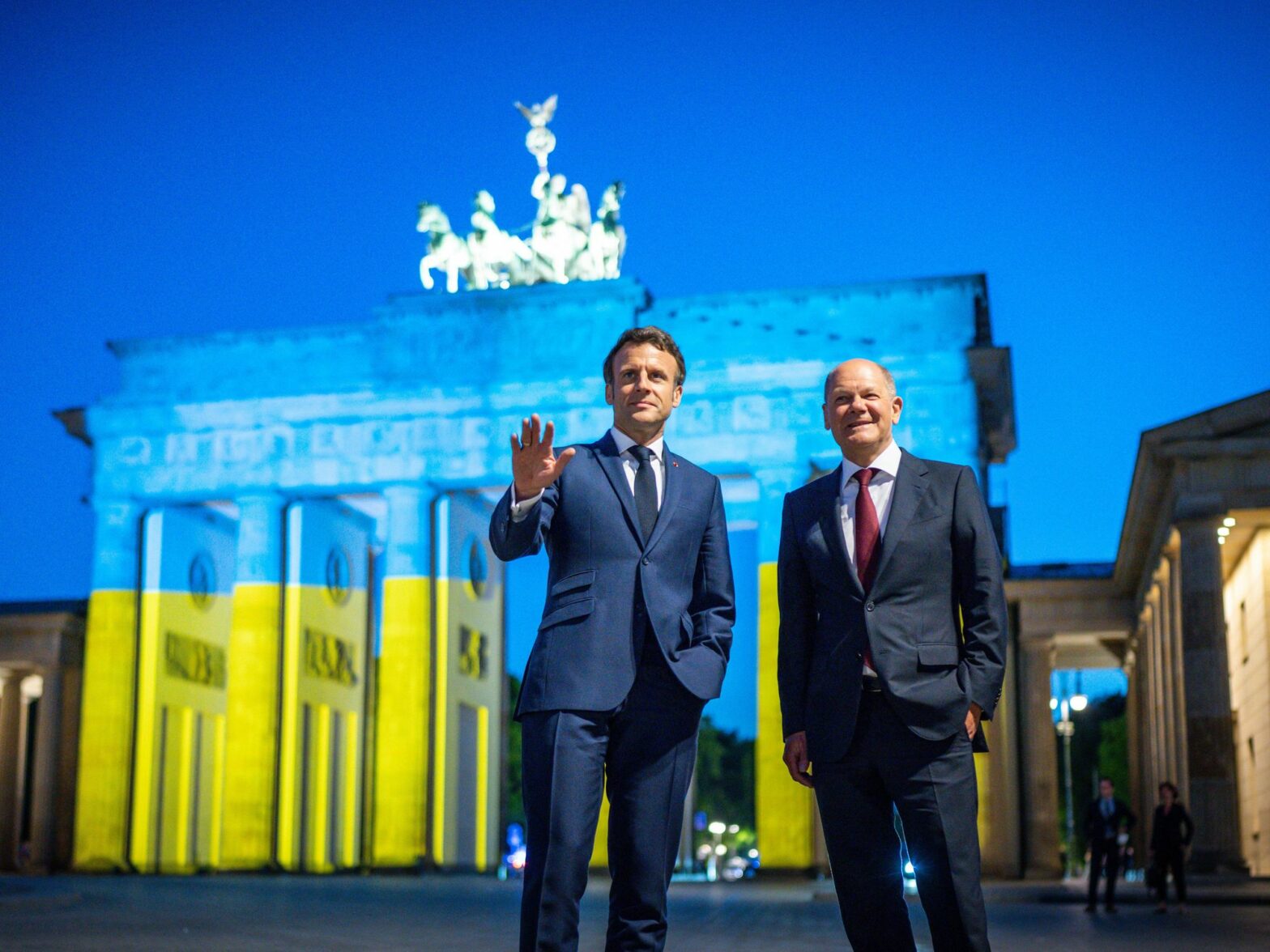
French President Emmanuel Macron has proposed a new European Political Community, with support from Germany’s Olaf Scholz, that would include Ukraine in a second-tier union. No, this is not about European “core values” — it’s just the latest attempt by the EU’s two biggest players to be sure not to upset Vladimir Putin.
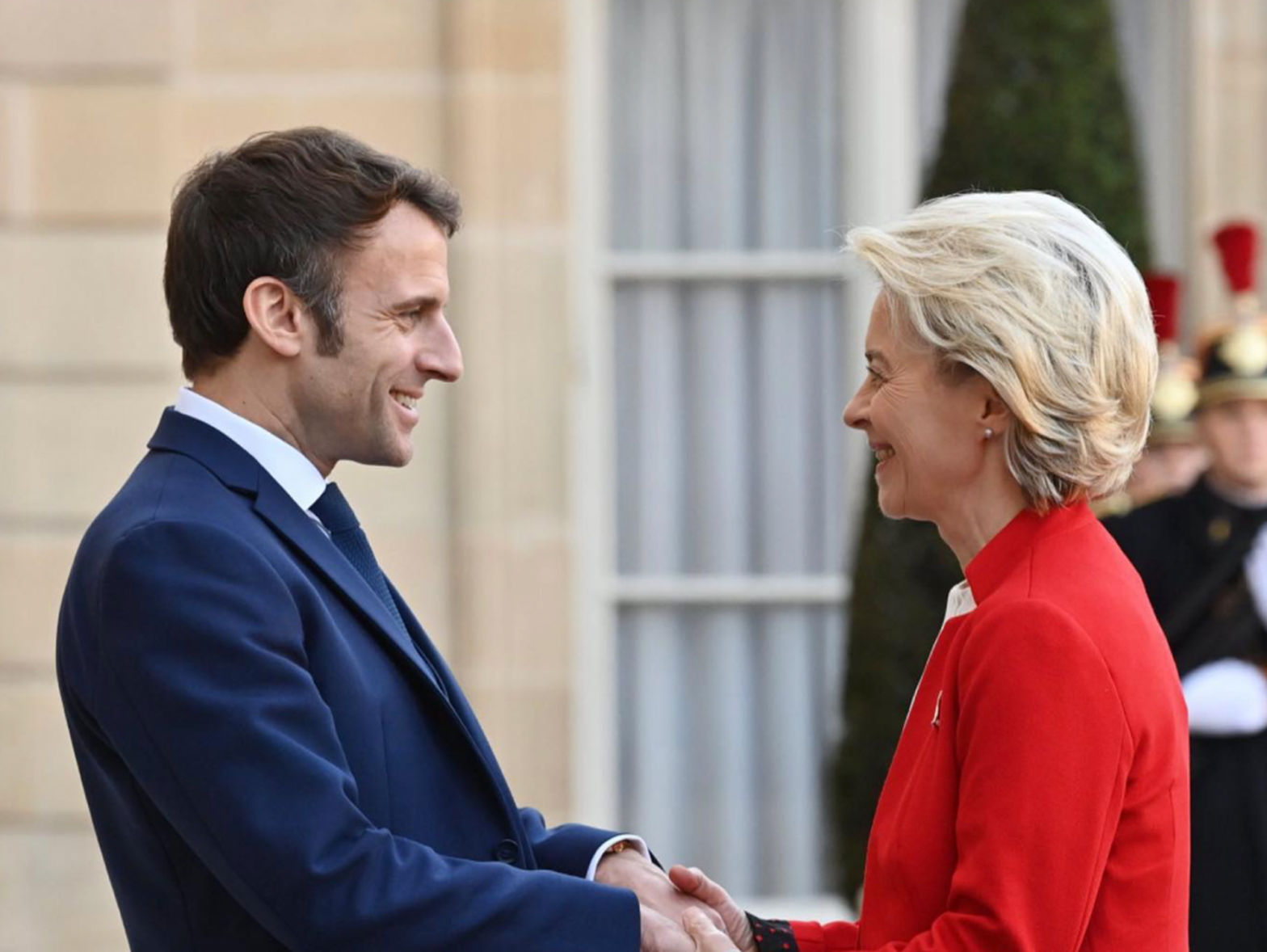
Having long articulated a strong pro-European stance, Emmanuel Macron’s reelection comes on the heels of Russia’s invasion of Ukraine and Angela Merkel’s departure. It is a clear opportunity for the French president to take a key leadership role in the world. How should he approach it?
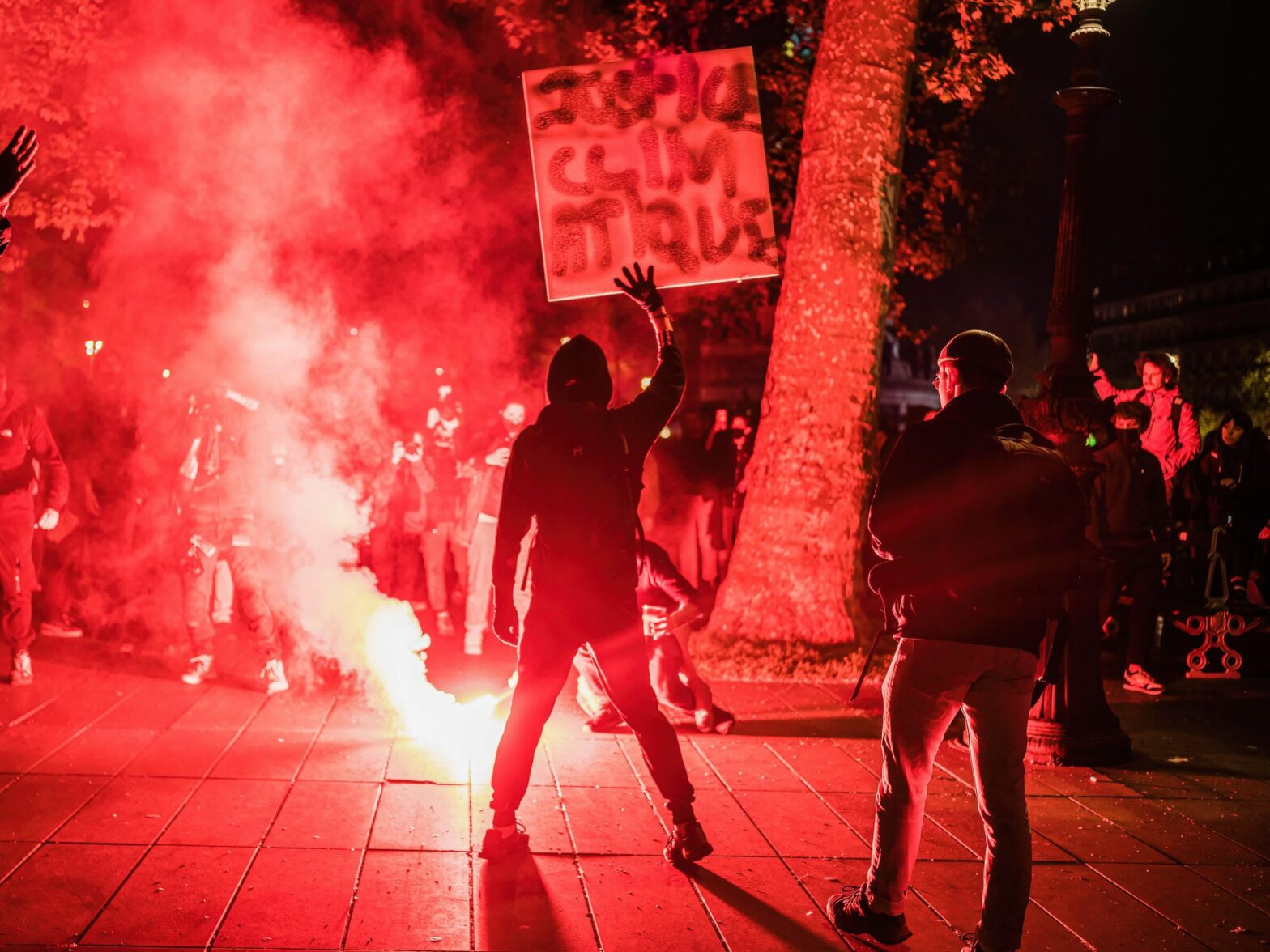
Despite his clear victory yesterday in the French presidential election against far-right candidate Marine Le Pen, Emmanuel Macron now faces immense challenges in a highly polarized country.
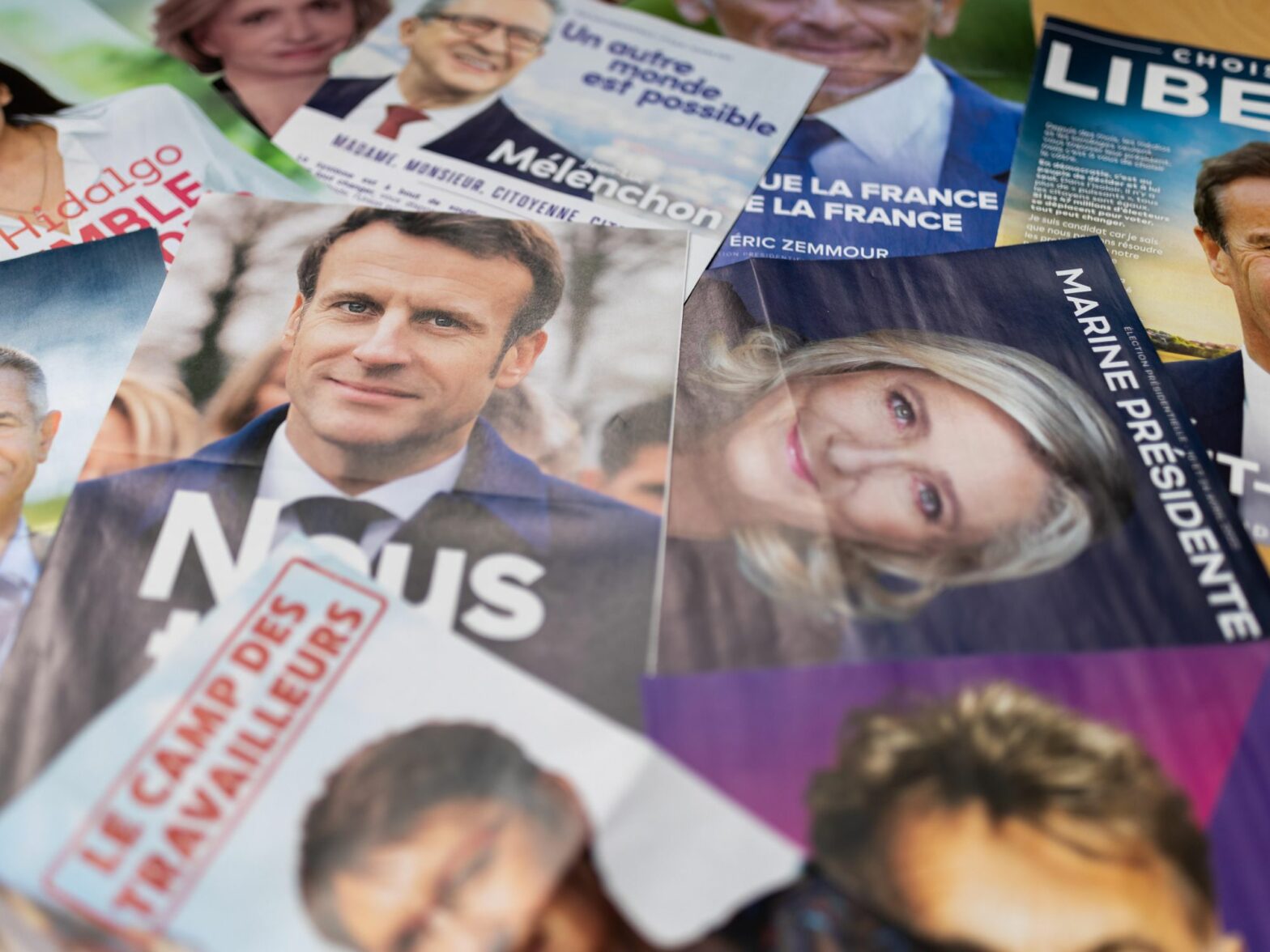
The replay of the 2017 duel accentuates the political divide in the country, but holds higher risks for Macron as Le Pen adjusts her approach. Two key unknowns: how will Le Pen’s past support of Vladimir Putin play out, and what left-wing voters will do?
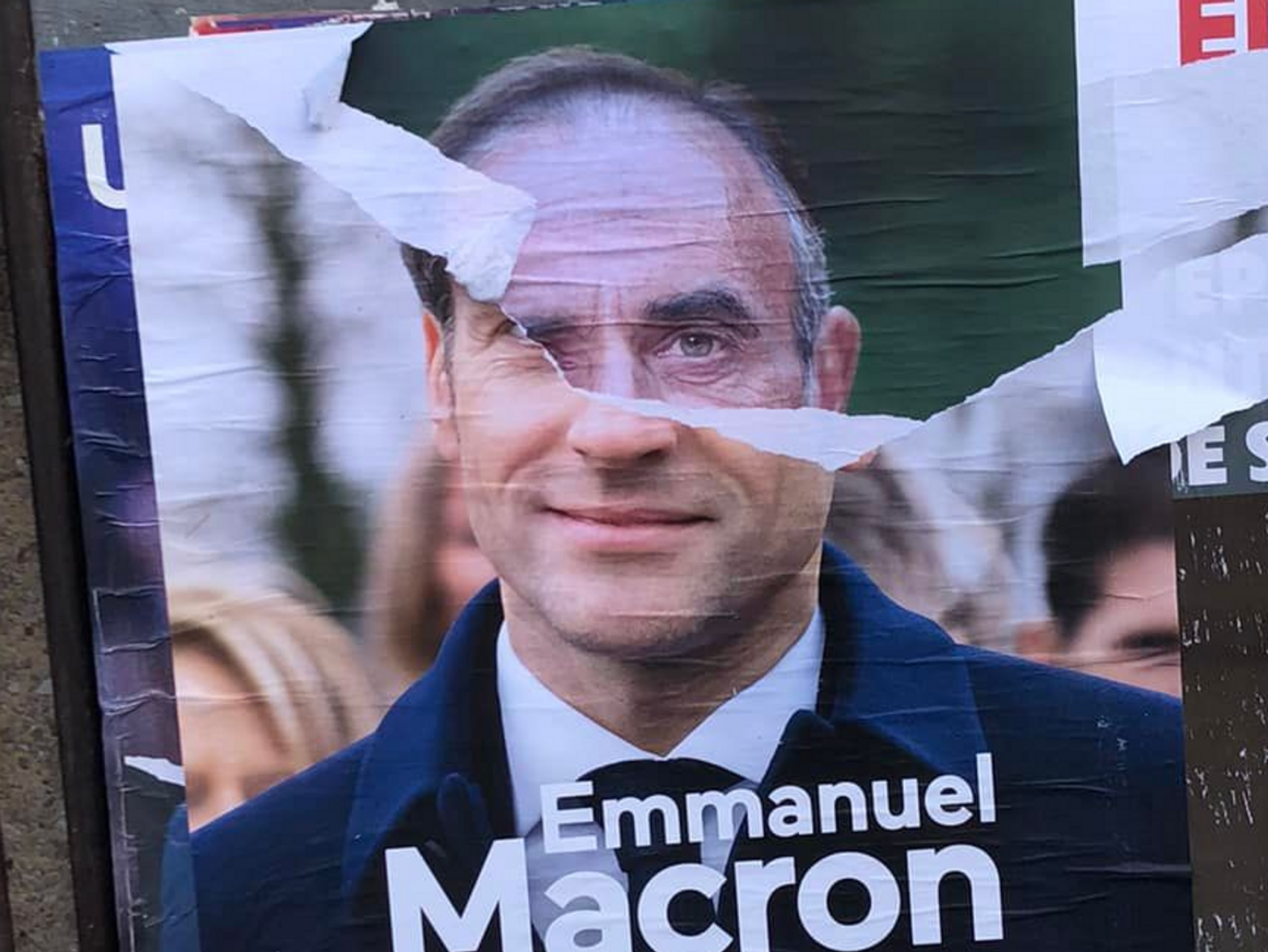
After the surprising arrival of Emmanuel Macron five years ago, followed by protest movements, COVID-19 and now Ukraine, a sense of indifference has spread among voters. This could lead to a surprise victory of the far-right candidate, Marine Le Pen.
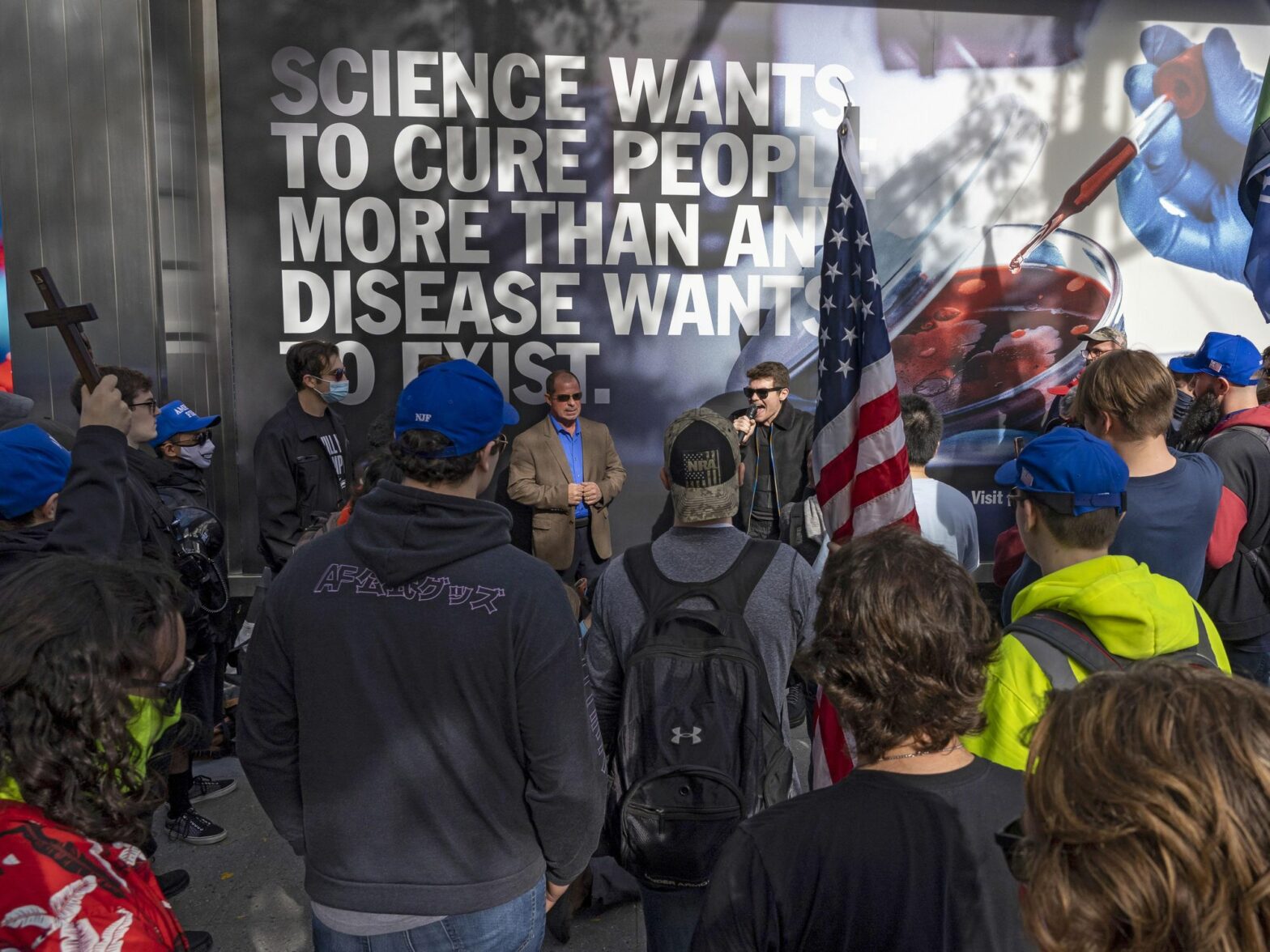
The number of political leaders who have science or technology backgrounds is disturbingly low. It’s not just the specifics of issues such as climate change, cybersecurity and COVID-19, but rather democracy itself and being able to dialogue with those who have lost trust in the facts that the governments are giving us.
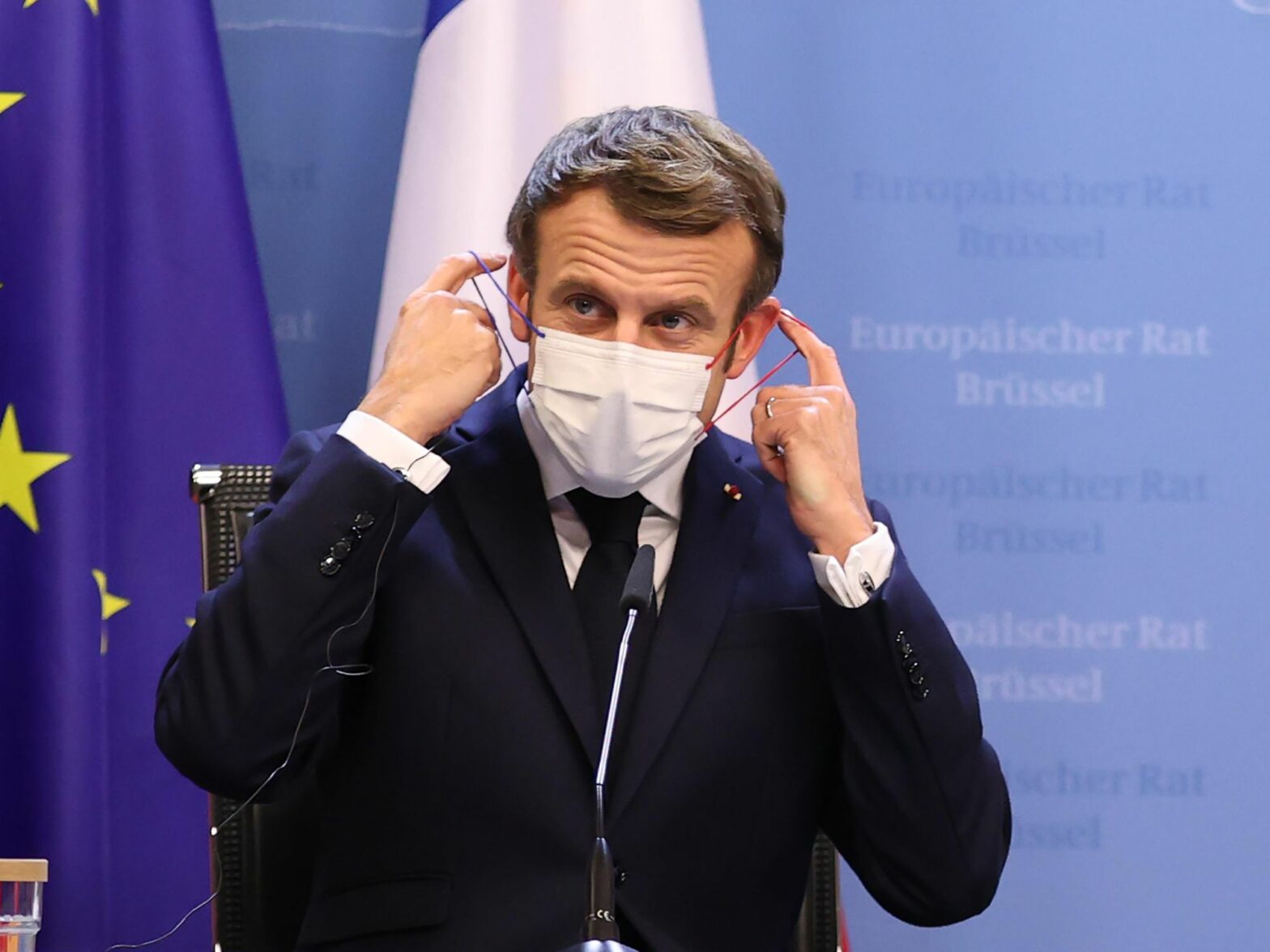
The French President used a rather vulgar verb to tell us how he feels about those who refuse to get the COVID vaccine. It’s a linguistic and political stink bomb with a message that has a history of its own.
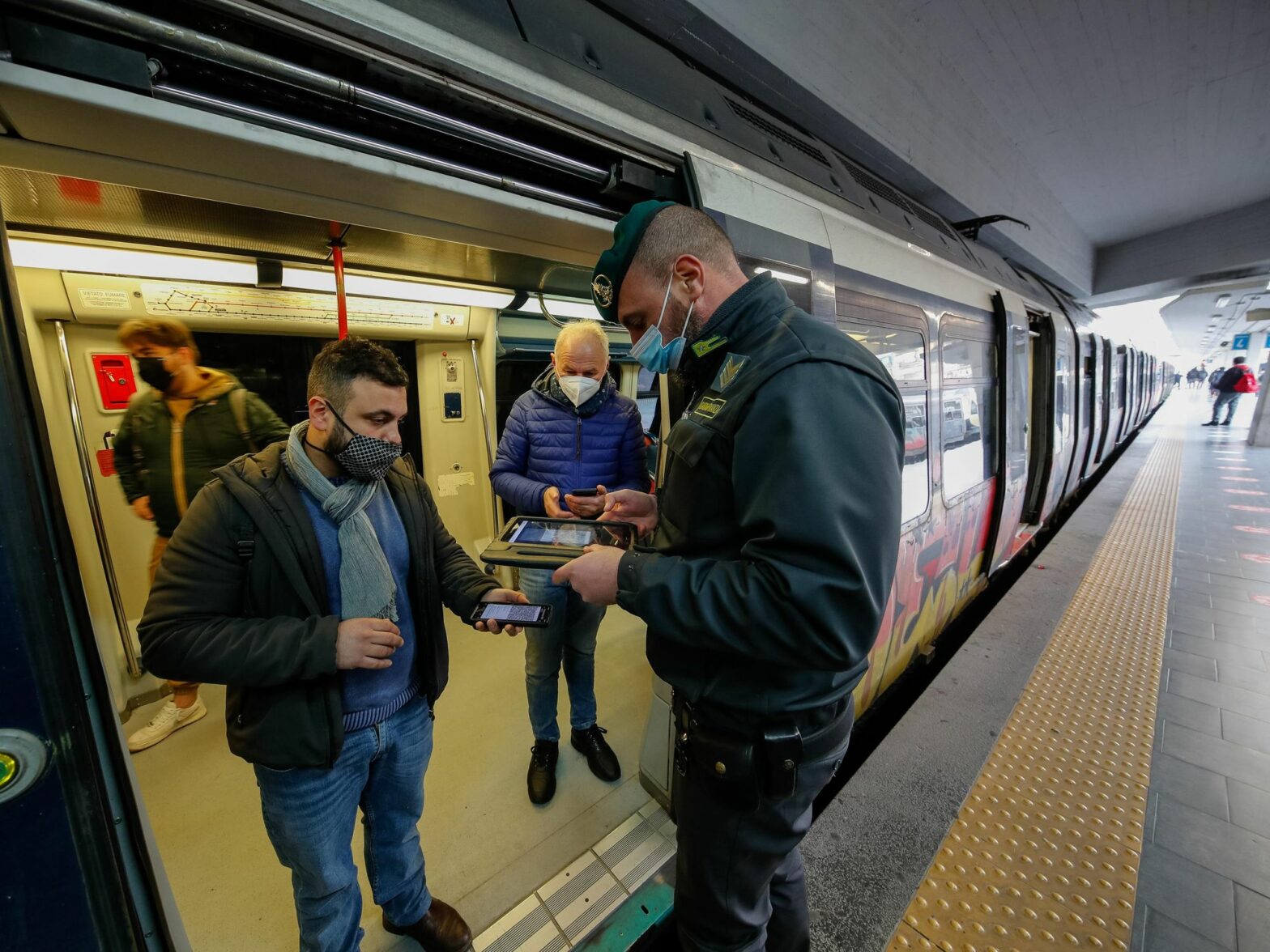
Countries are going all-in on virtually forcing citizens to get vaccinated: From the French President openly acknowledging his readiness to make life unpleasant for the unvaccinated to un-jabbed Canadians not qualifying for unemployment benefits to Greeks imposing monthly fines on the unvaccinated.
-Essay- PARIS — I’ll admit it straight away: As a bilingual journalist, the growing use of Franglais by French politicians makes my skin crawl. Not because I think this blend of French and English is a bad thing in and of itself (it is!), or because the purity of the French language should be preserved […]