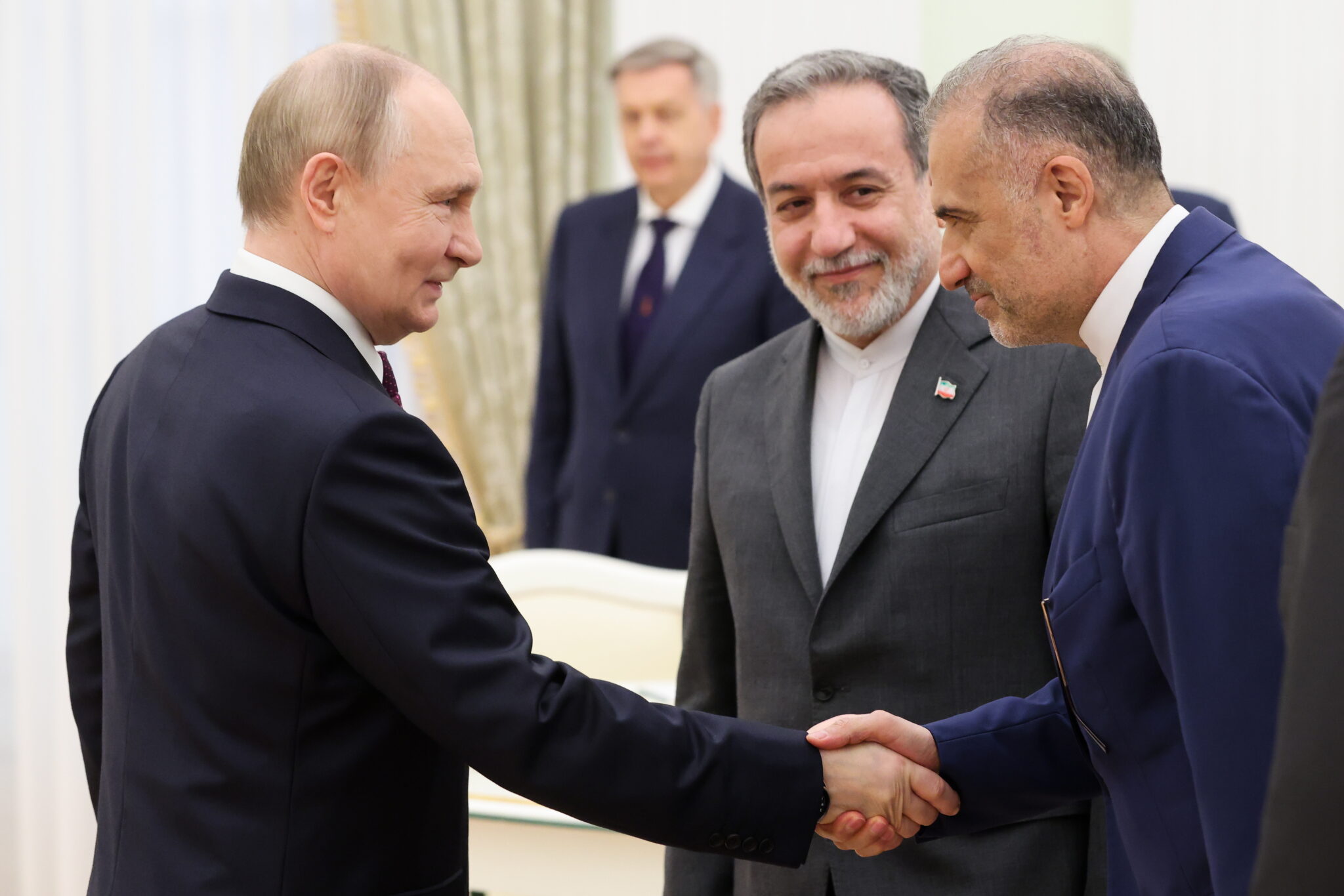
Like two centuries ago, Tehran is caught between two competing powers: Vladimir Putin’s Russia and the West, led by the U.S. and UK.
 Worldcrunch
Like two centuries ago, Tehran is caught between two competing powers: Vladimir Putin’s Russia and the West, led by the U.S. and UK.
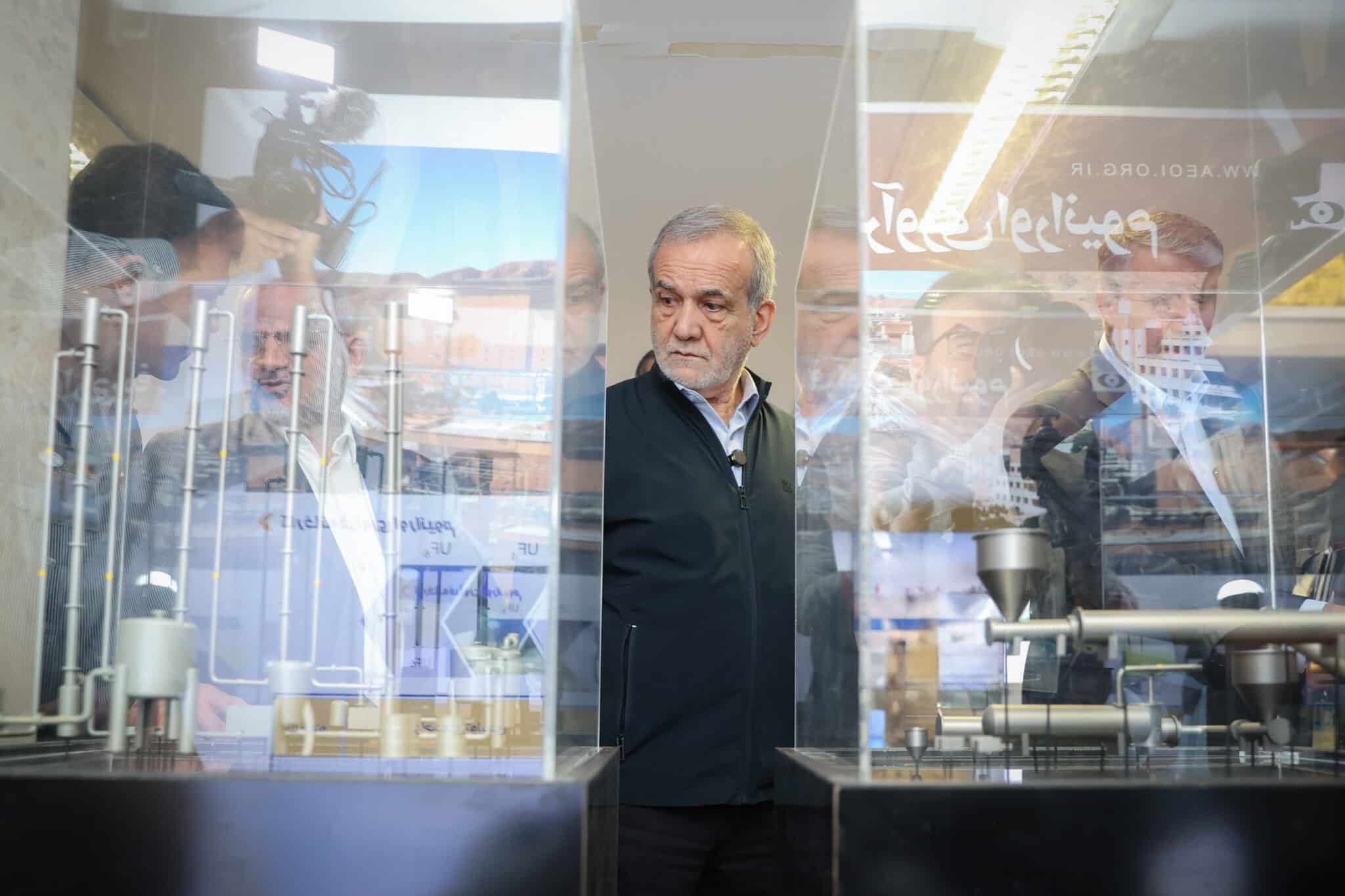
Both Iranian negotiators and U.S. President Donald Trump have stated that they are on the verge of a major deal on the Tehran’s nuclear program. But a closer look reveals an old game of bait and switch.
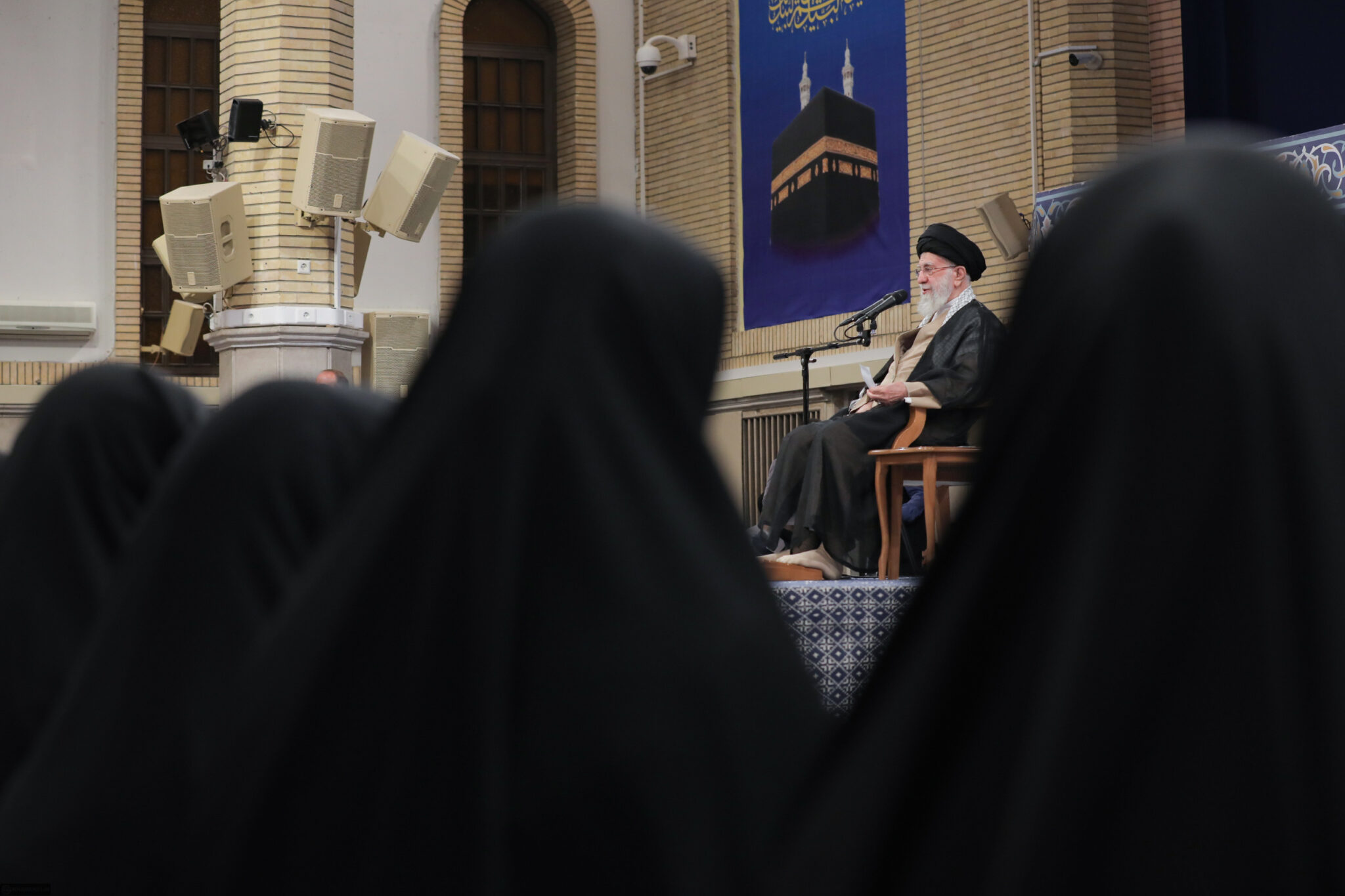
Despite widespread discontent at home, Iran’s regime is likely to survive for the foreseeable future — in part, because Western powers prefer maintaining the regional status quo to the unknown.
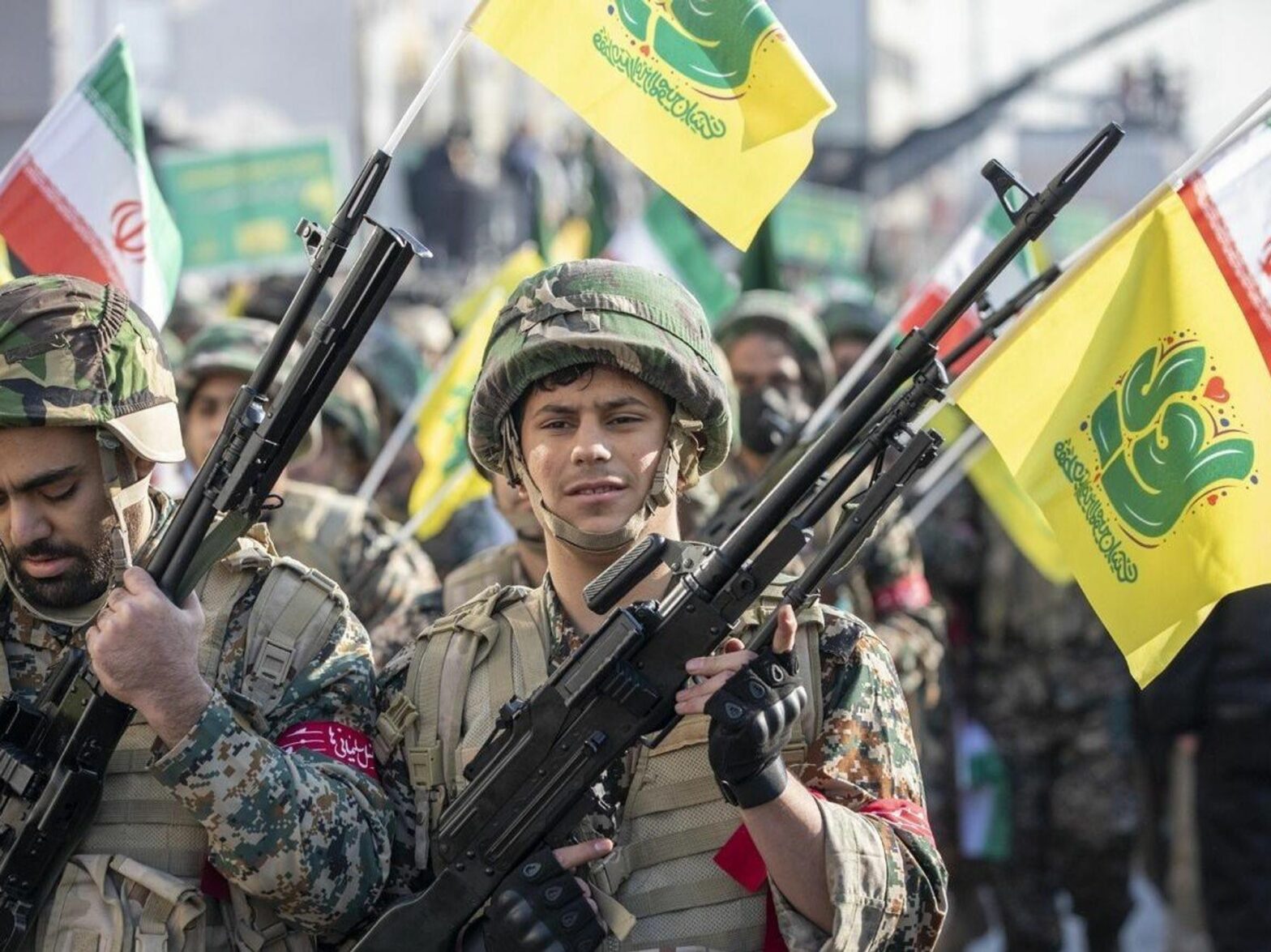
Iranian officials have been unnerved by the Assad regime’s collapse, with one top general admitting the country was “defeated very badly” in Syria. A shaky ceasefire in Gaza follows 15 month of war in which Tehran’s proxy Hamas was decimated. Will unrest in the region spill over to Iran, where problems — both foreign and domestic — are piling up for the regime?
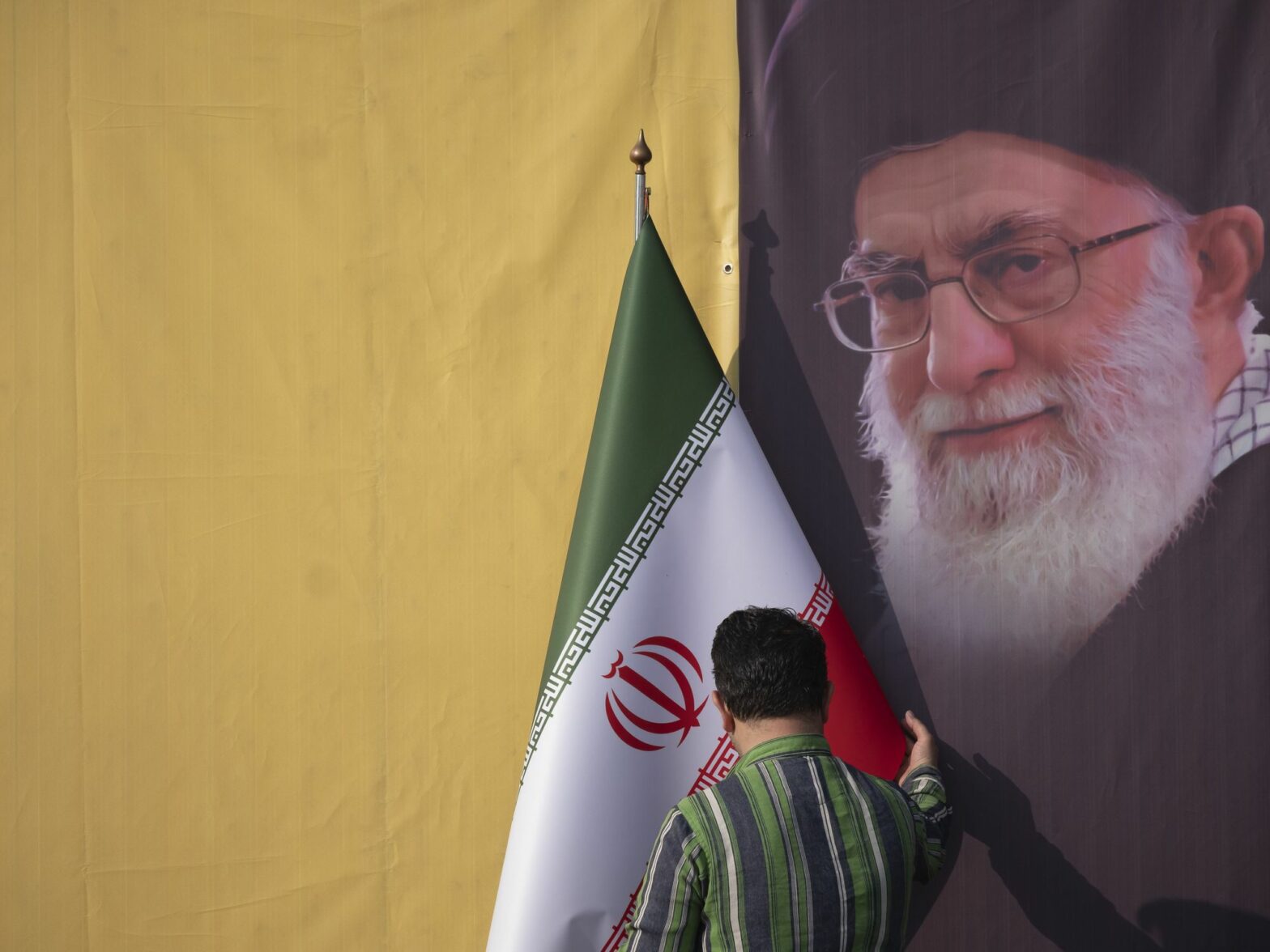
Members of the Tehran regime are cautiously broaching the question of who will be Iran’s next Supreme Leader, but is this of real public concern or a ploy to distract an exasperated population from the country’s dismal socio-economic conditions?
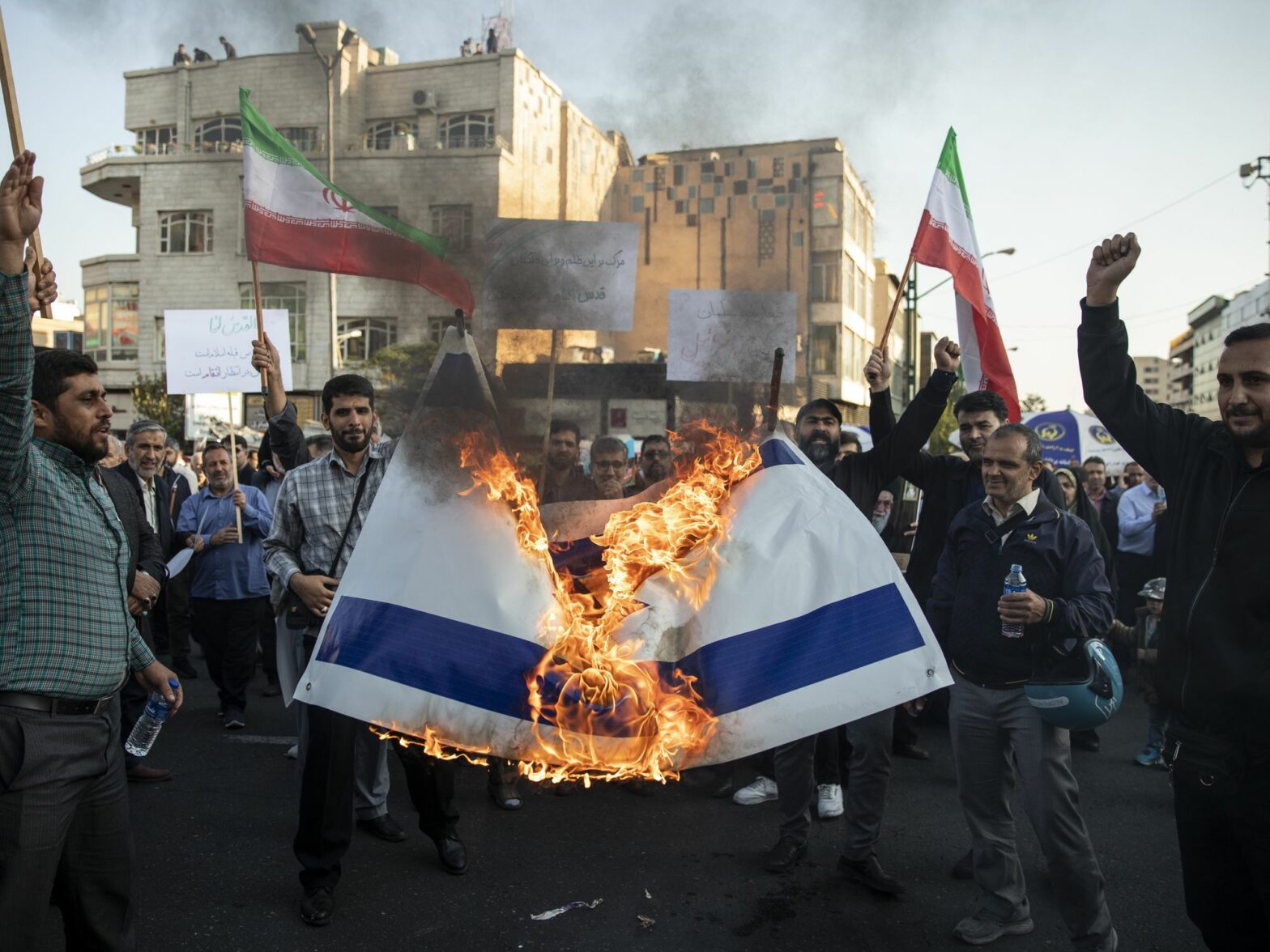
Iran’s 40-year policy of seeking the destruction of the Jewish state and “taking back” Jerusalem became the north star of the Tehran’s foreign policy. Now it may be its undoing.
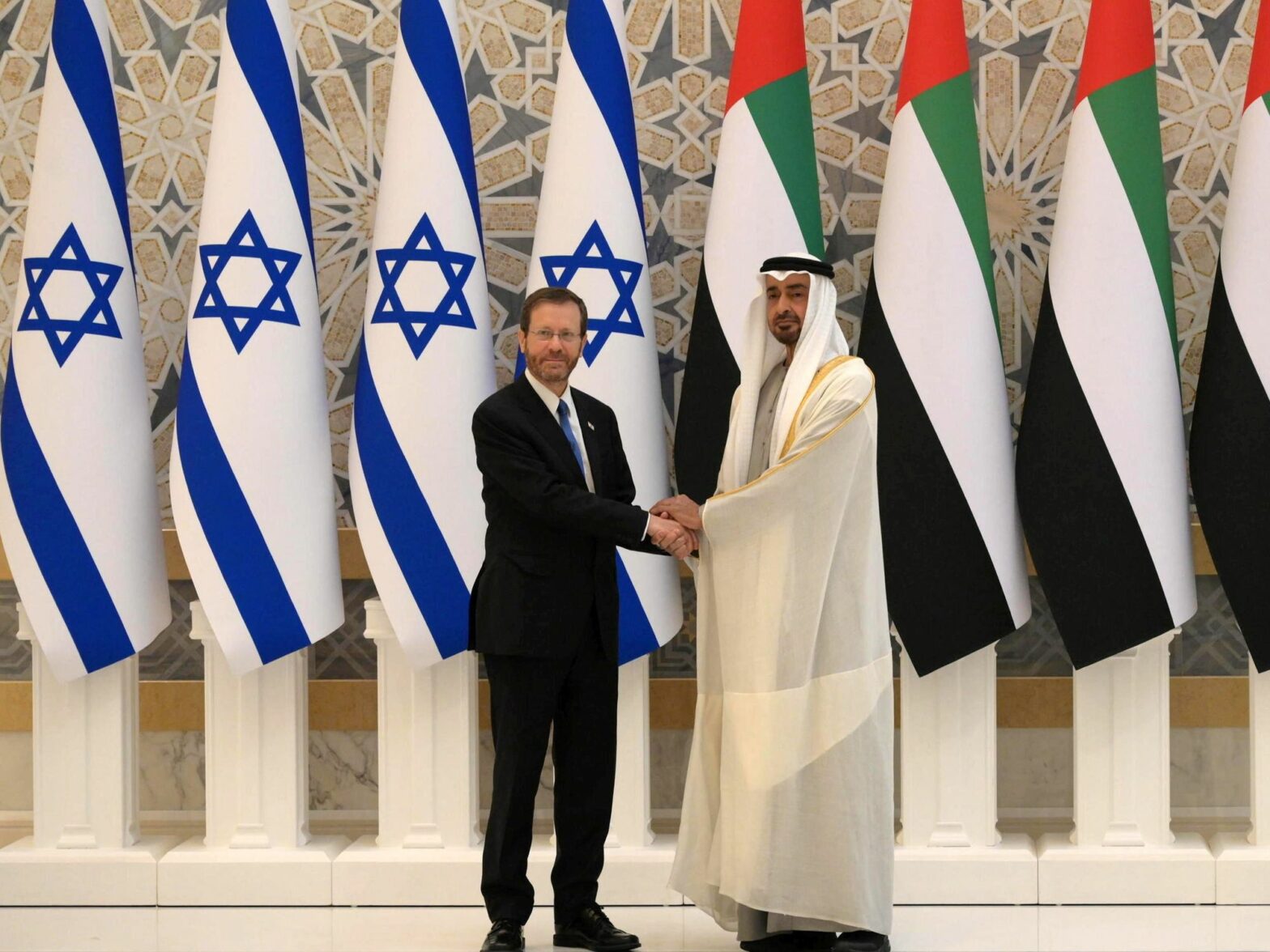
Israel’s aggression over the past few months, no matter how successful, is ultimately a sign of its weakness. Yet it is able to achieve its goals from the support it receives from a number of players inside and outside the region, whether they realize it or not. That even, paradoxically, includes Iran.
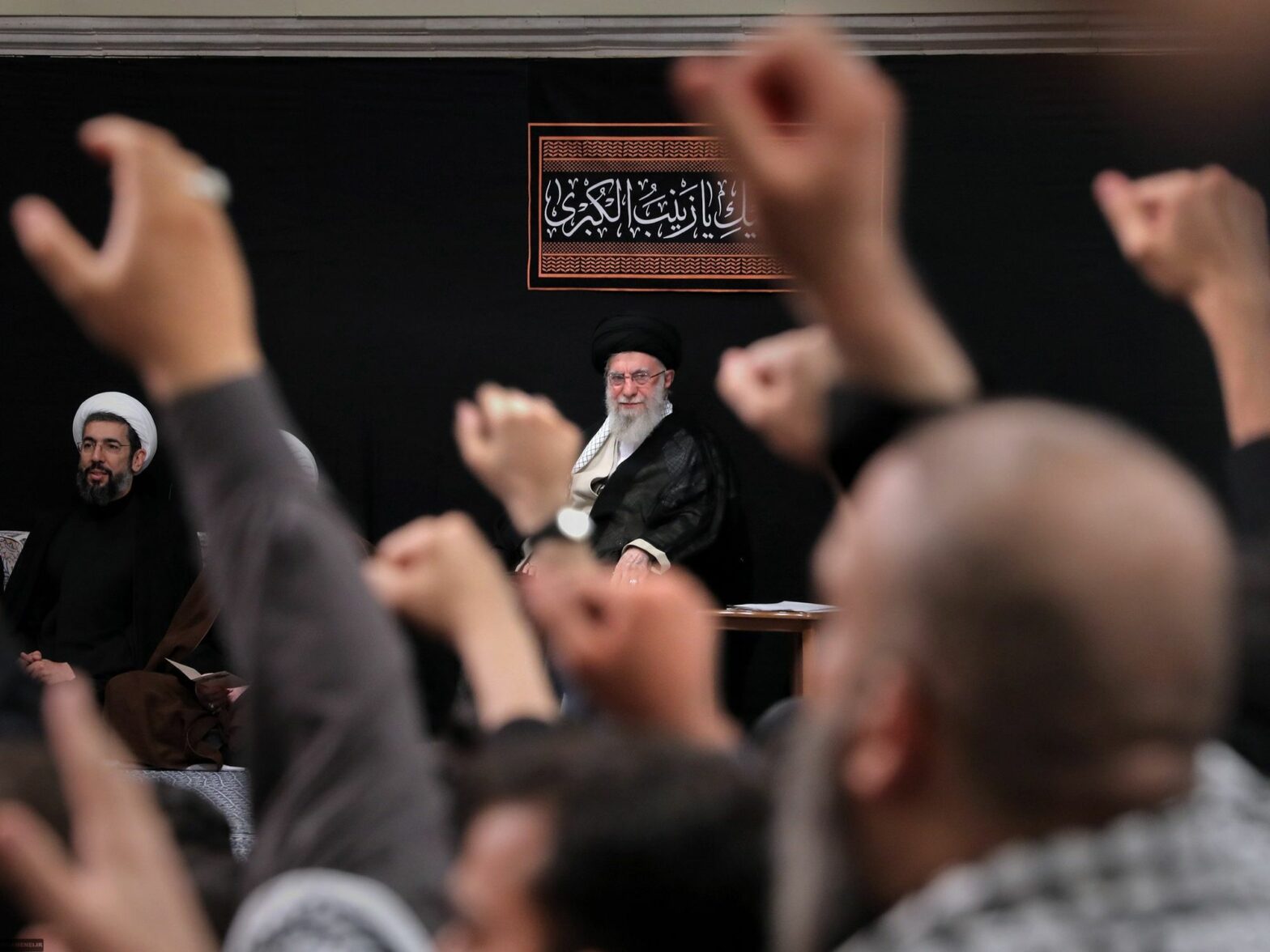
With an economy in ruins and facing an unstable foreign environment, the Islamic Republic of Iran has signaled, with the return of seasoned diplomats to top positions, that it wants to talk again. But, as always, those who call the shots in Tehran are loath to negotiate anything crucial with the West.
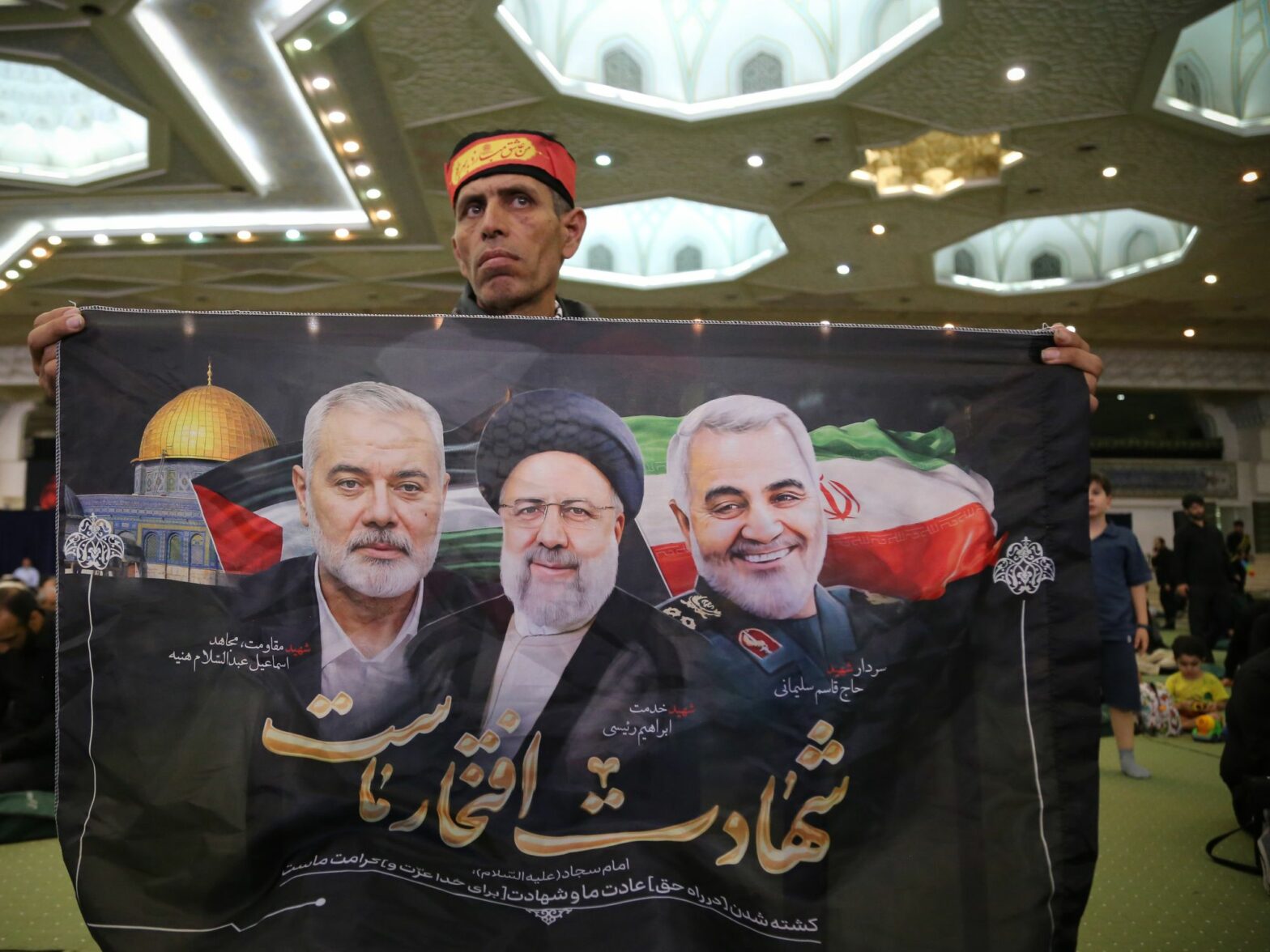
It’s been weeks since Hamas leader Ismail Haniyeh’s killing in Tehran. Will Iran end up striking Israel, as it promptly said it would, or persist in an unnerving waiting game, leaving the rest of the word in the dark as to its plans, resolve and capabilities?
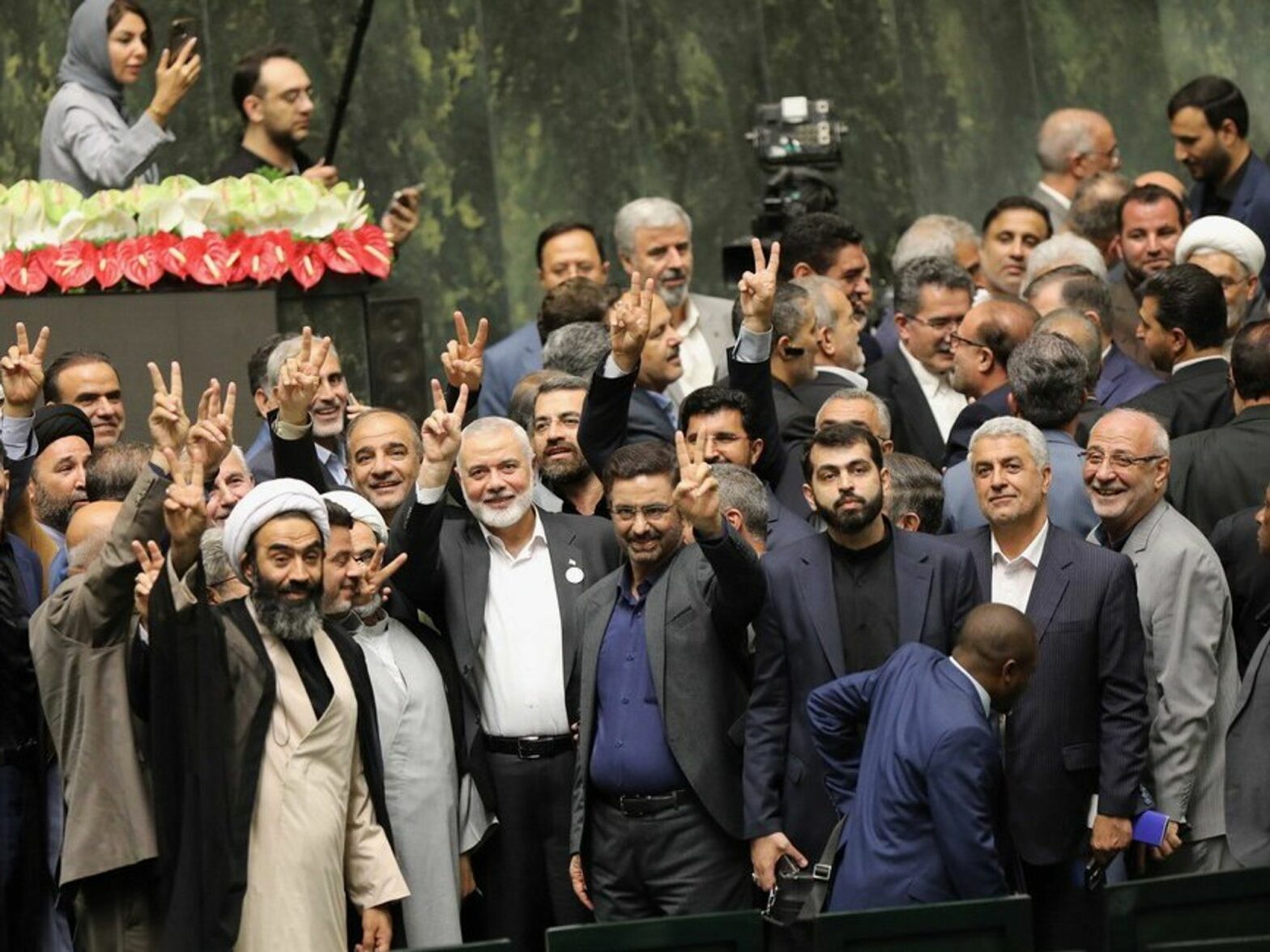
Tehran claims the visiting Hamas leader was struck down in the capital with a “high-tech” missile or drone, so his killing could not be attributed to another security lapse on the ground against the chief suspect, Israel.
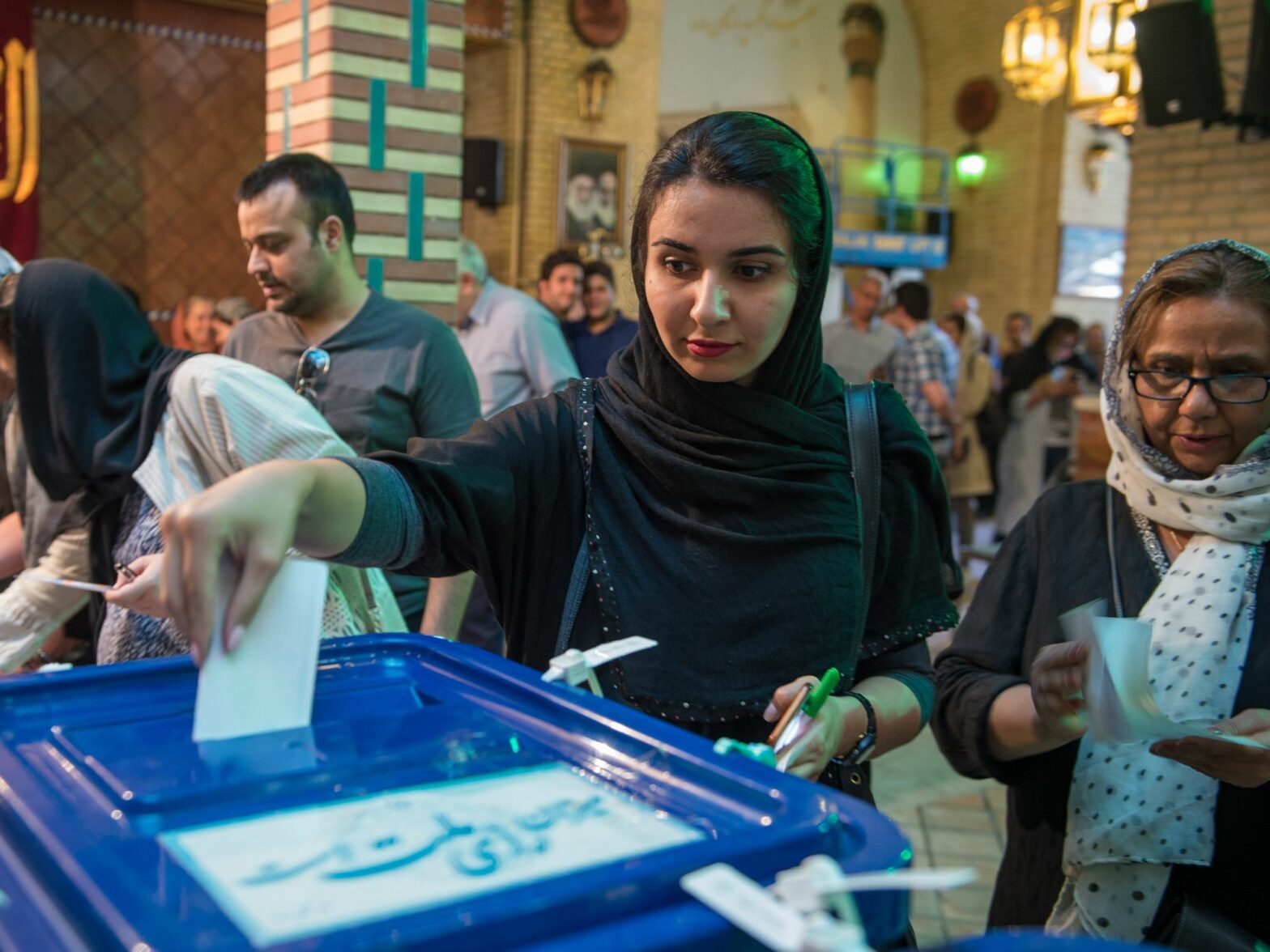
Iran’s regime has selected six candidates for the presidential elections due in late June, and possibly even a winner, just as millions of Iranians may have made their own choice, to no longer vote in a dictatorship.
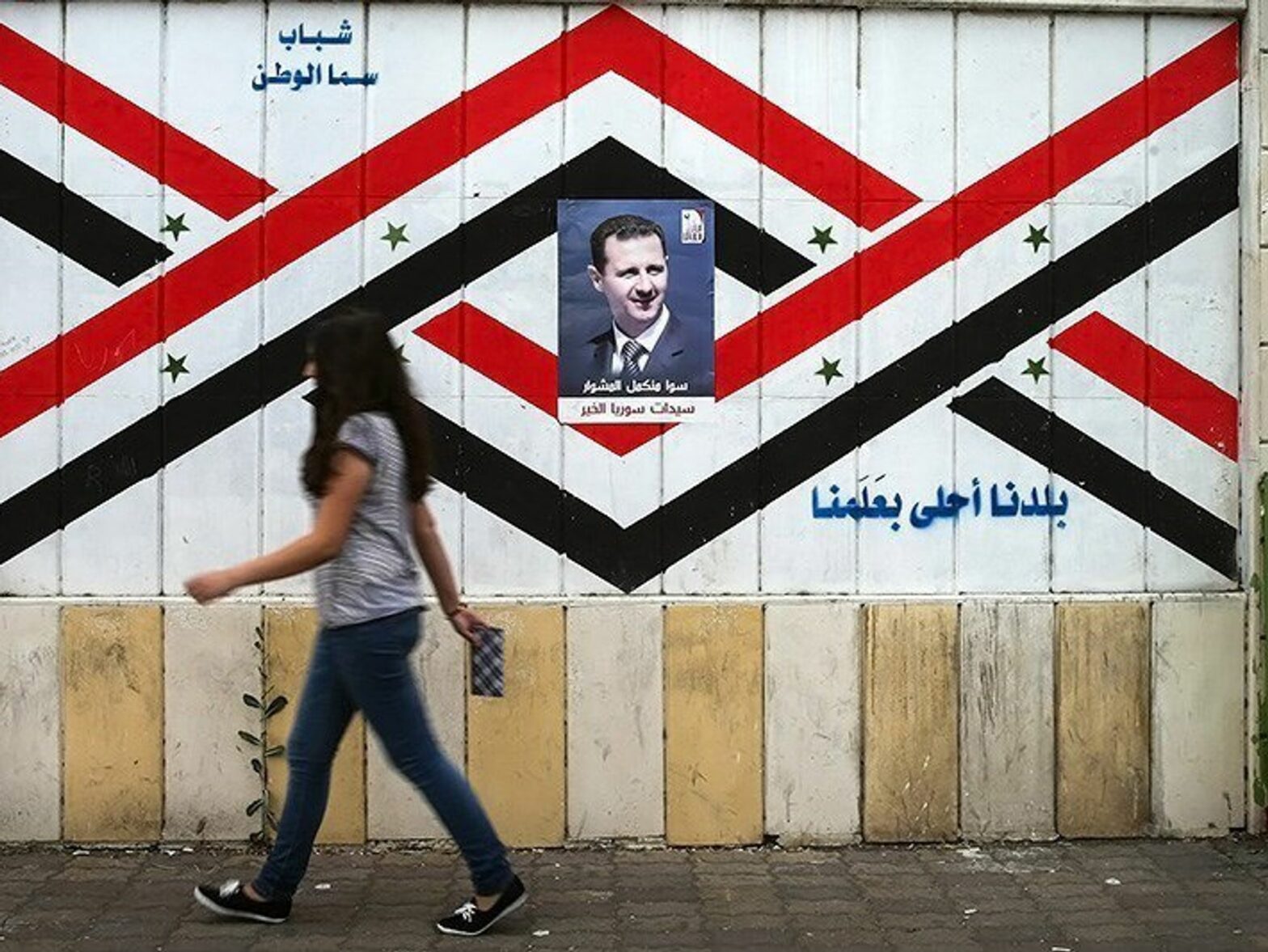
Under pressure from Arab states and Russia, which calls the shots in Syria, President Bashar al-Assad is tiptoeing away from the Iranian regime, a troublesome ally that has nevertheless spent billions of dollars to help keep him in power.
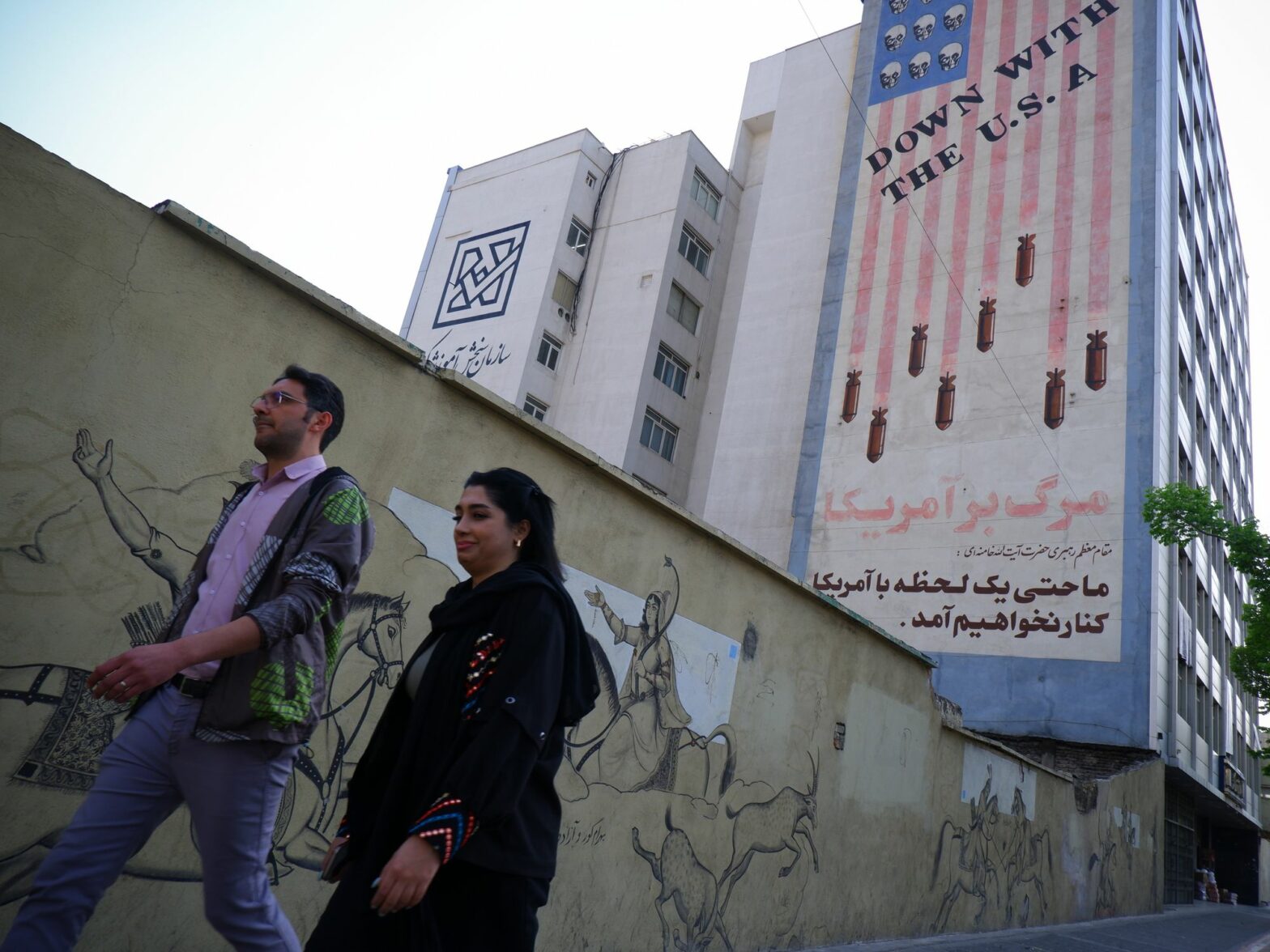
Iranian authorities are enforcing Islamic dress norms with renewed vigor and the backing of a new law, and insist a “hostile West” is goading Iranian women into living indecent lives.
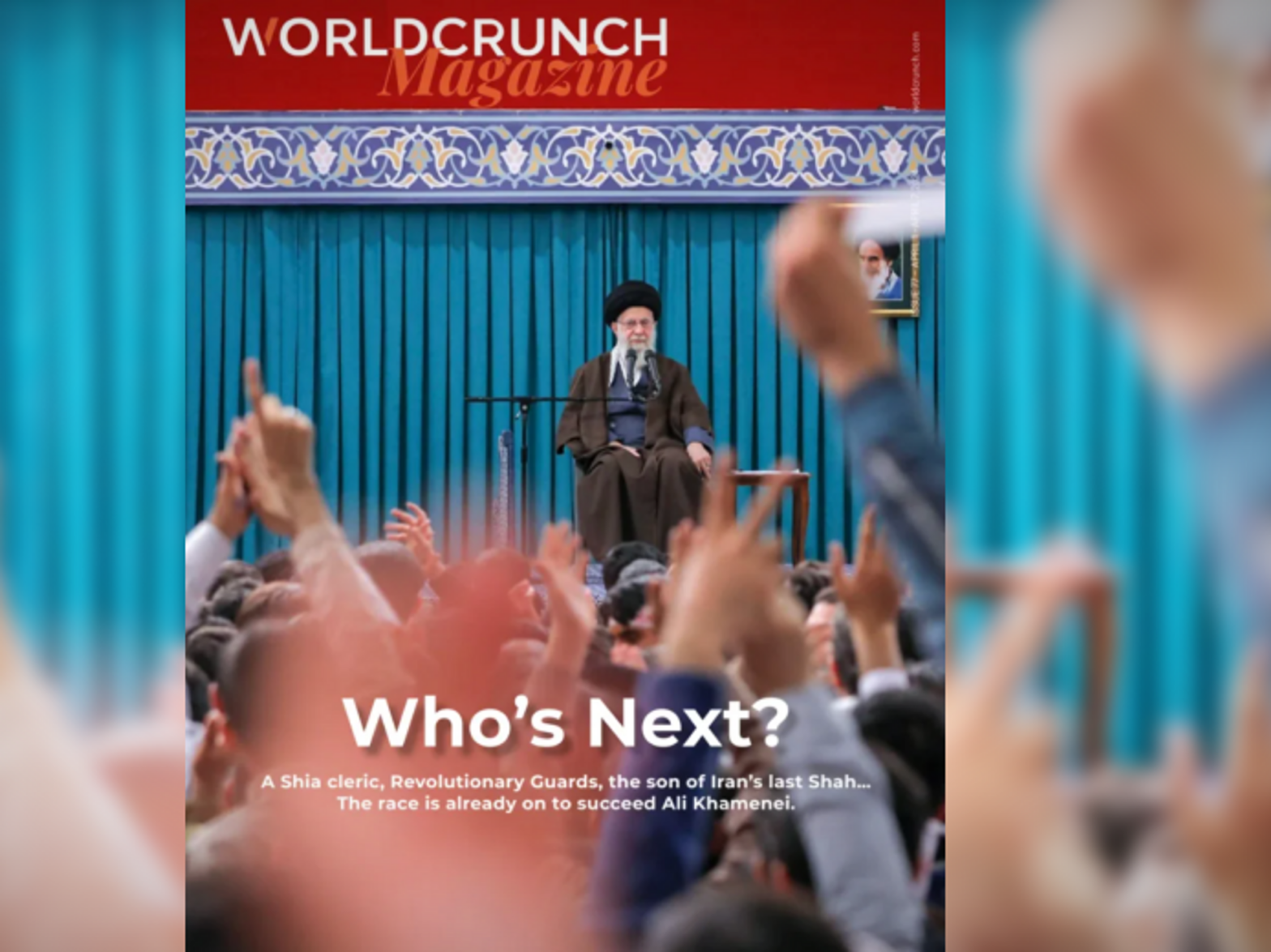
April 1 – April 7, 2024
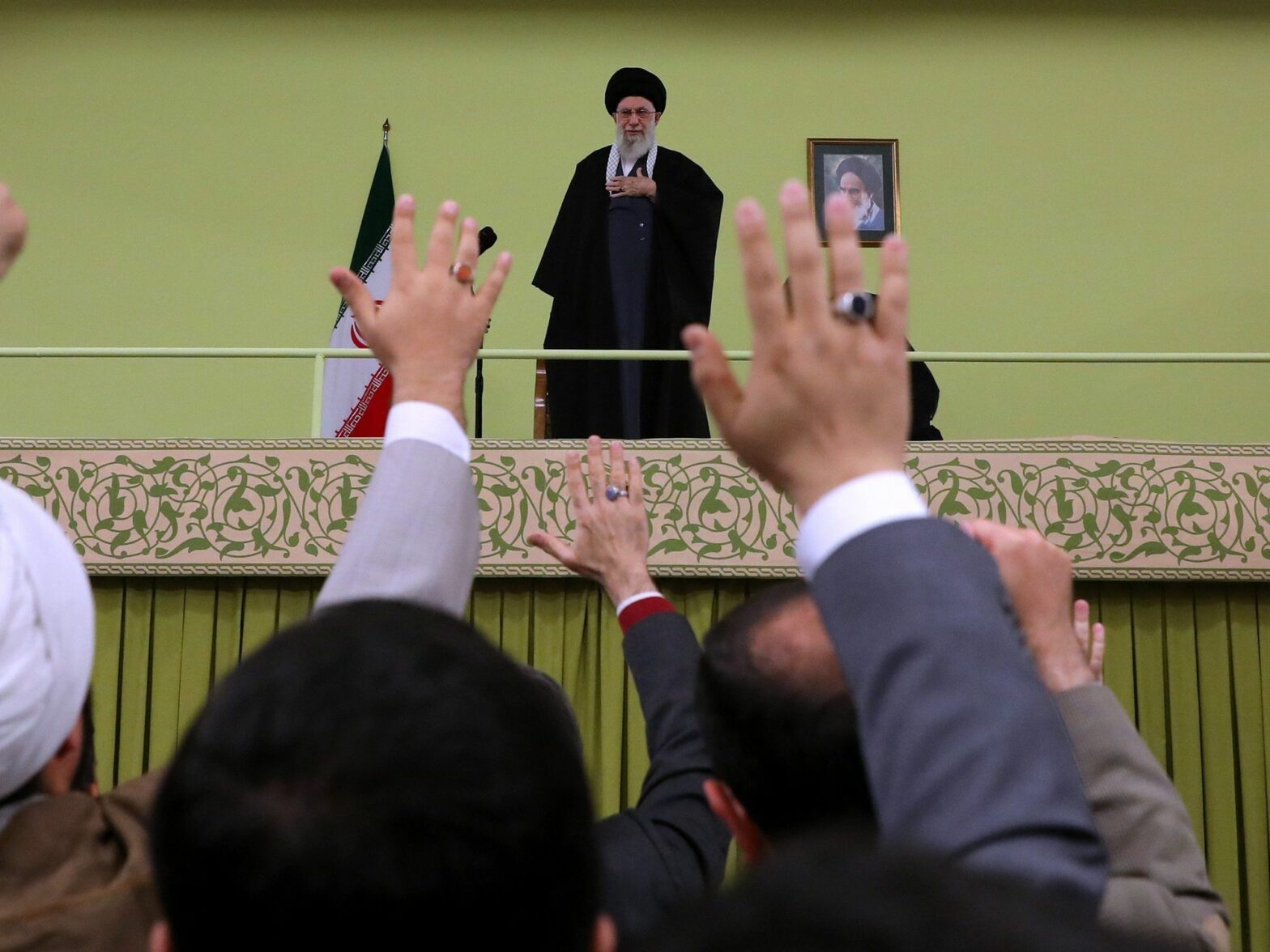
Iran’s Supreme Leader Ali Khamenei, now 84, has been in power since 1989. What will happen when he dies? His death may lead to a hybrid military-Islamic regime, with members of the Revolutionary Guards imposing a more pragmatic yet equally corrupt regime. It is time for the opposition to find a unified leader they can rally behind and that can help mobilize Iranians in the transition.
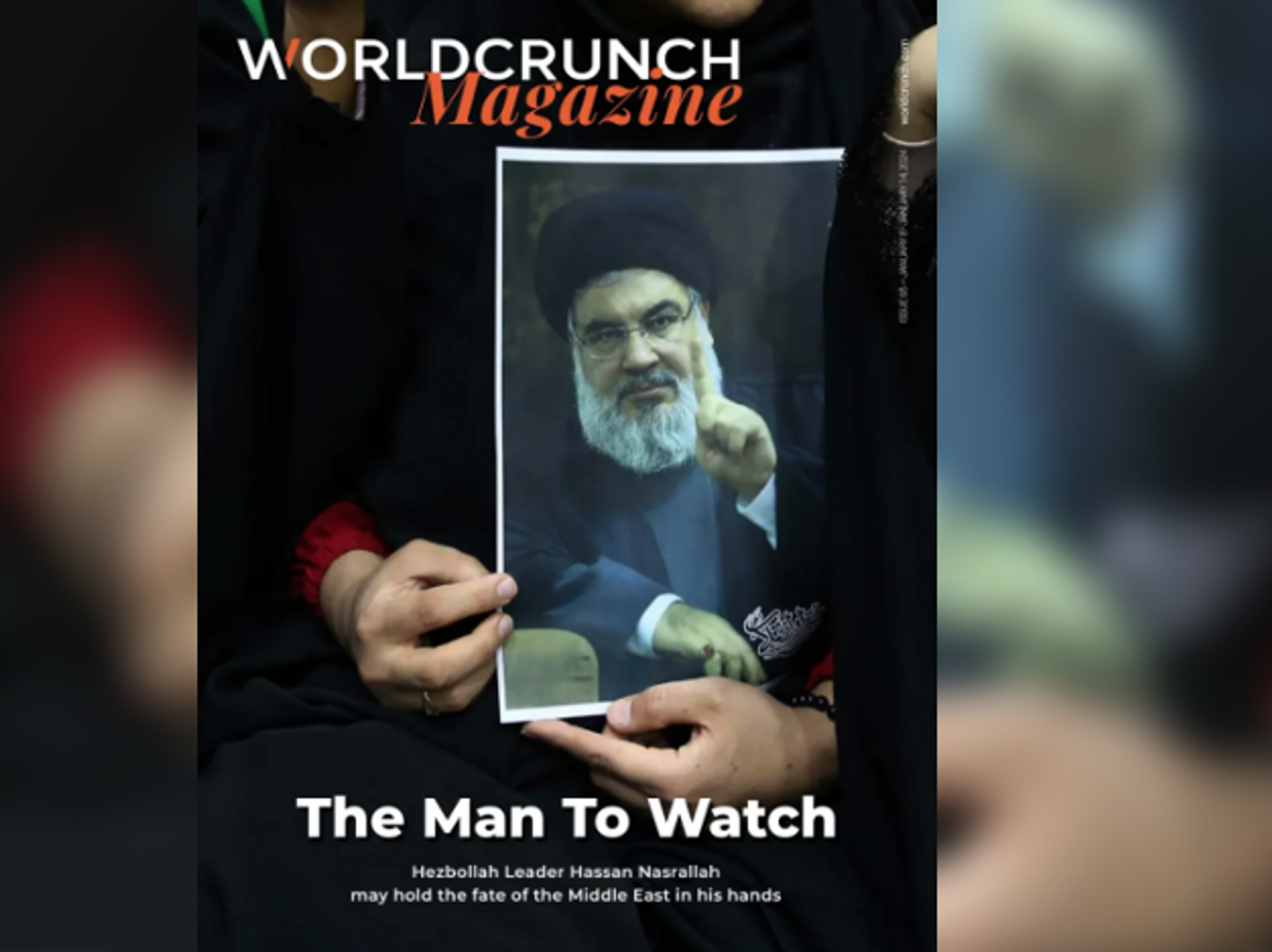
January 8 – January 14, 2024
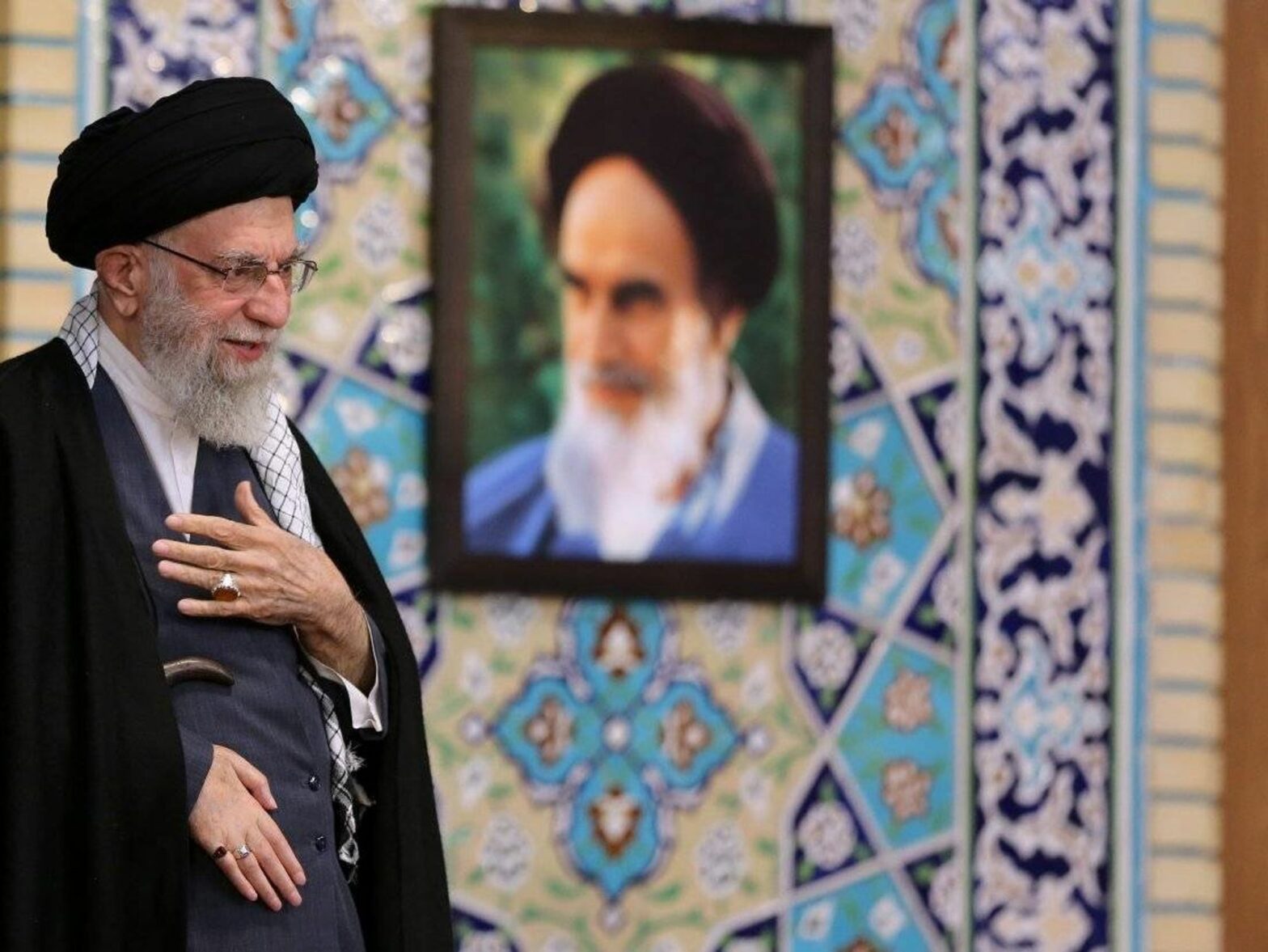
Iran’s Supreme leader Ali Khamenei recently sent out a special envoy to ease tensions with wealthy Arab neighbors. He’s hoping to end the country’s international isolation and dismal economic conditions that contributed to last year’s mass protests.
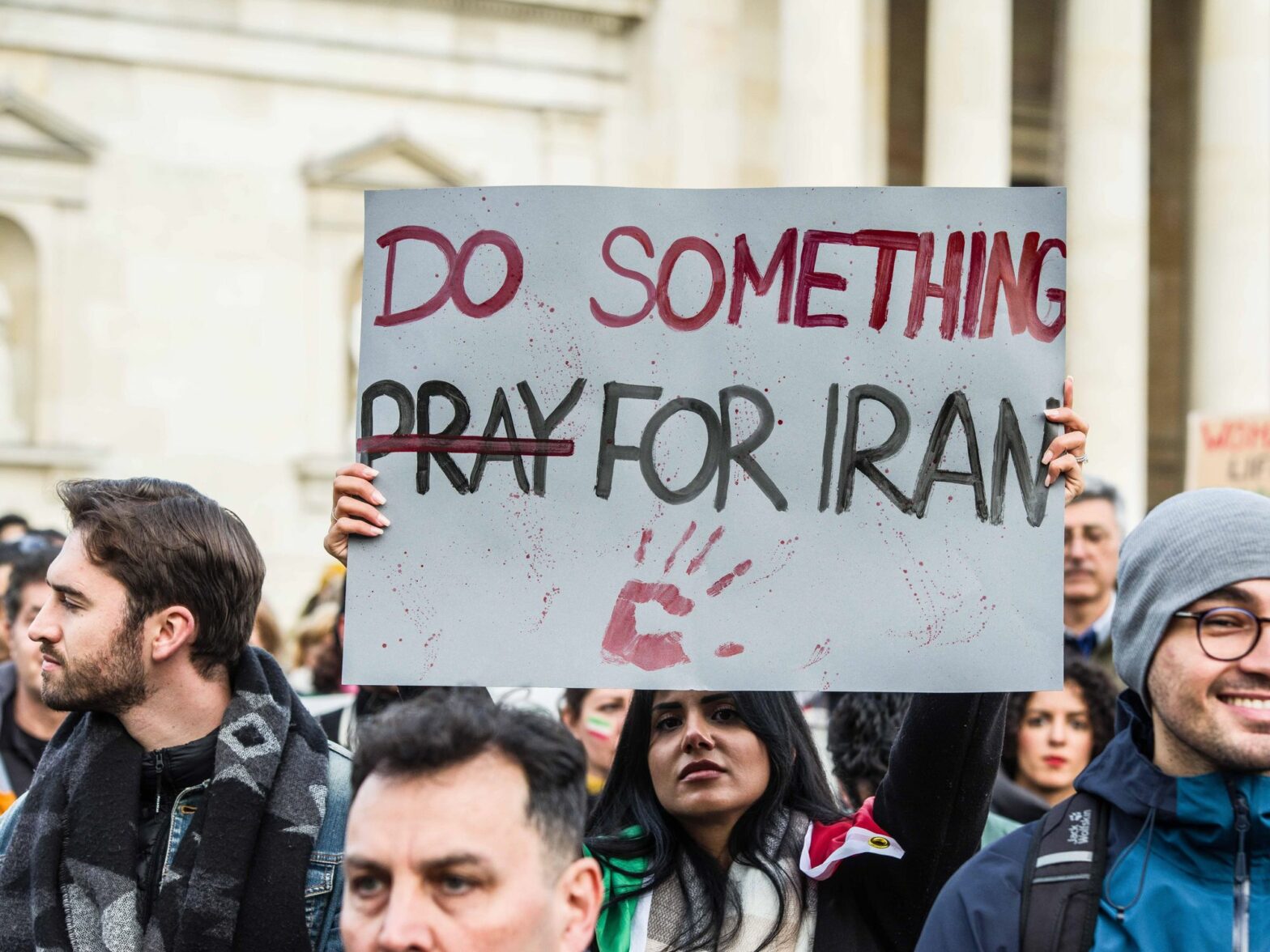
Inside Iran, people are risking their lives to fight the oppressive Islamic Republic. Now, they need support from compatriots abroad and Western democracies to bring an end to this decades-long fight for democracy.
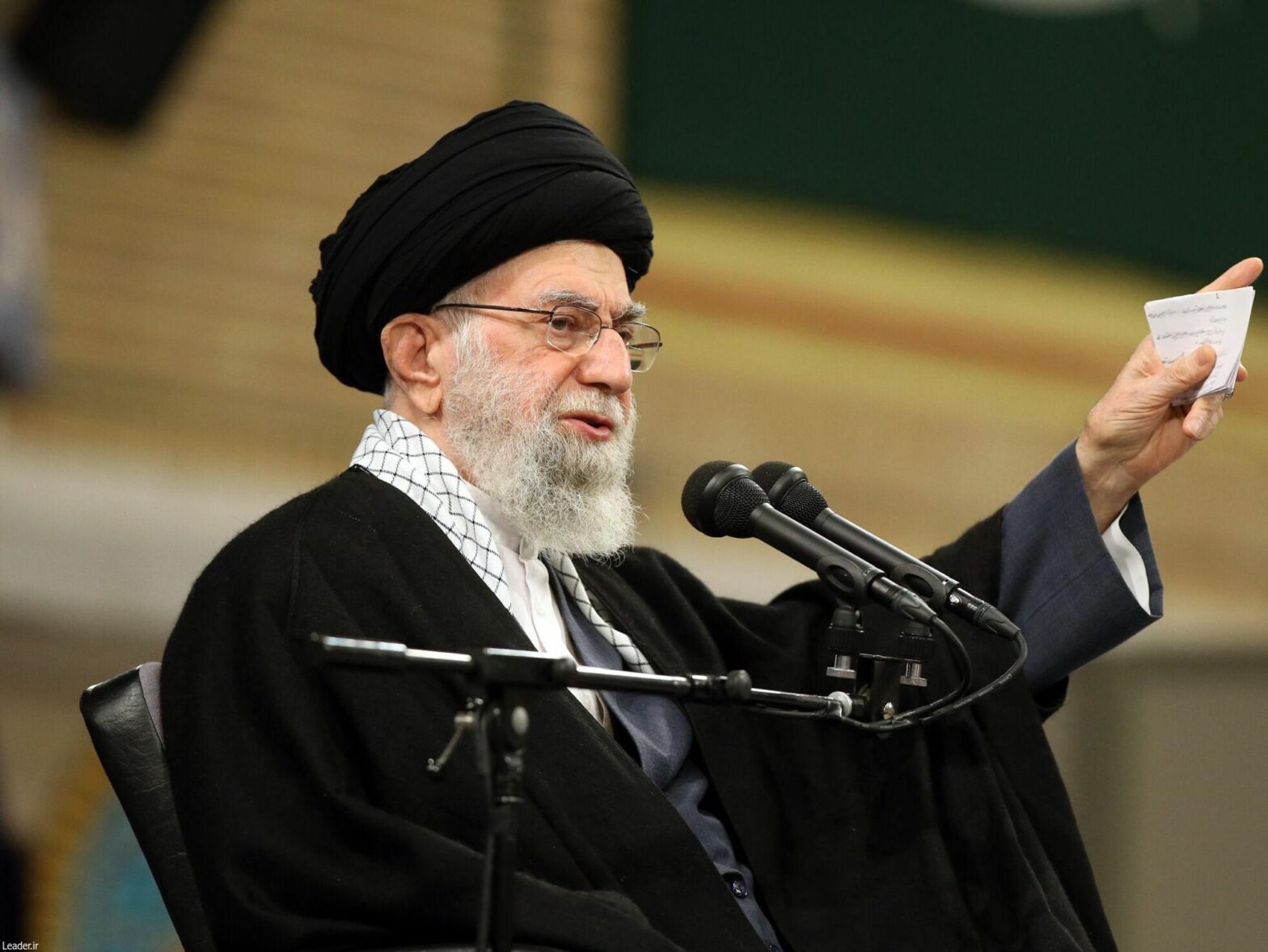
In recent weeks, Ali Khamenei, Iran’s Supreme Leader, has made repeated references to the end of Iran’s last regime in 1979. It may be a sign the country is indeed approaching another kind of revolution.
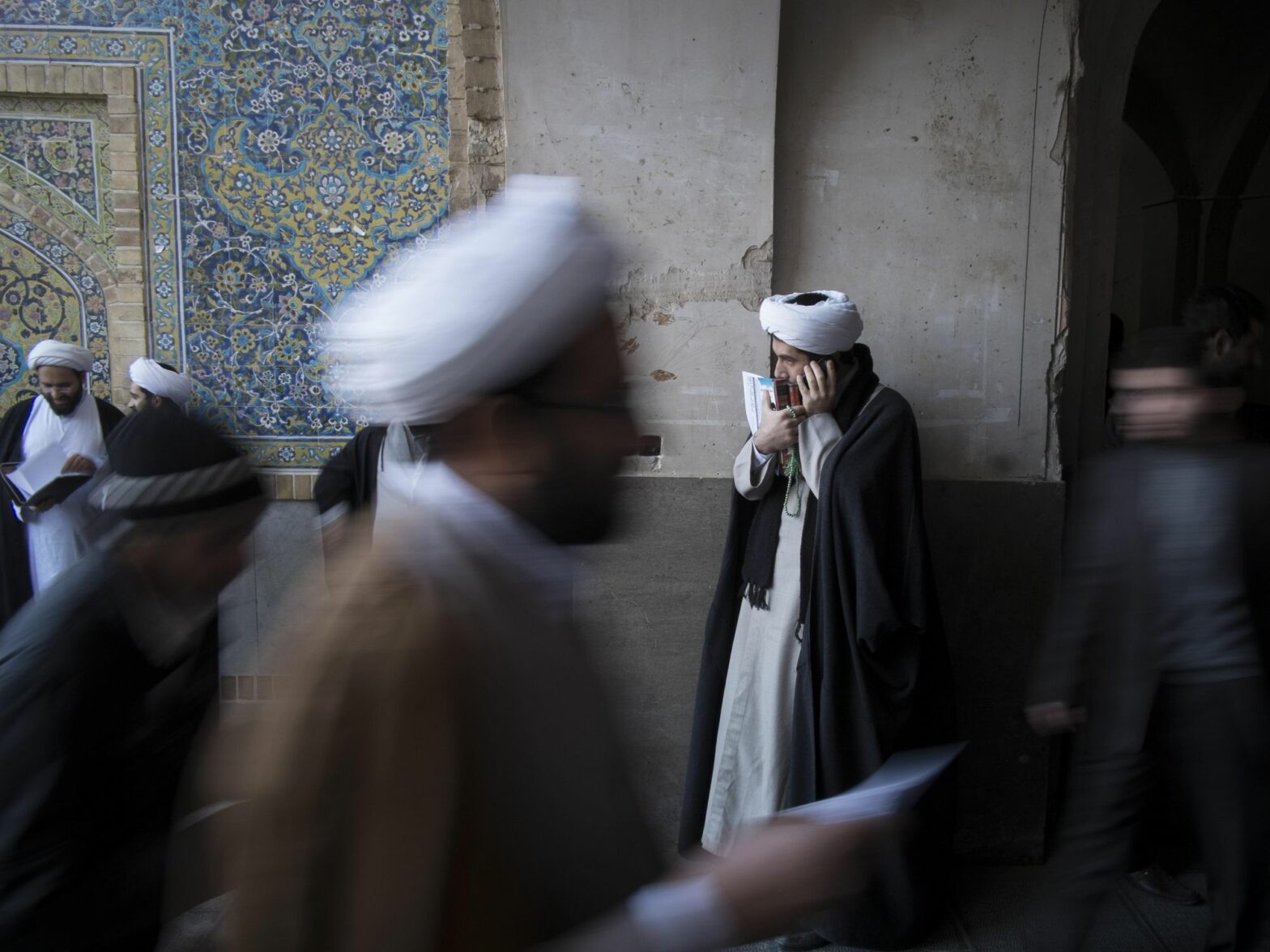
In an unusual challenge to Iran’s senior leaders from Shia clerics in the country, a group of theologians and jurists in Qom say the state has been incompetent and had no right to execute protesters. At least two Iranian demonstrators have been executed this month, with the latest publicly hanged on a crane.
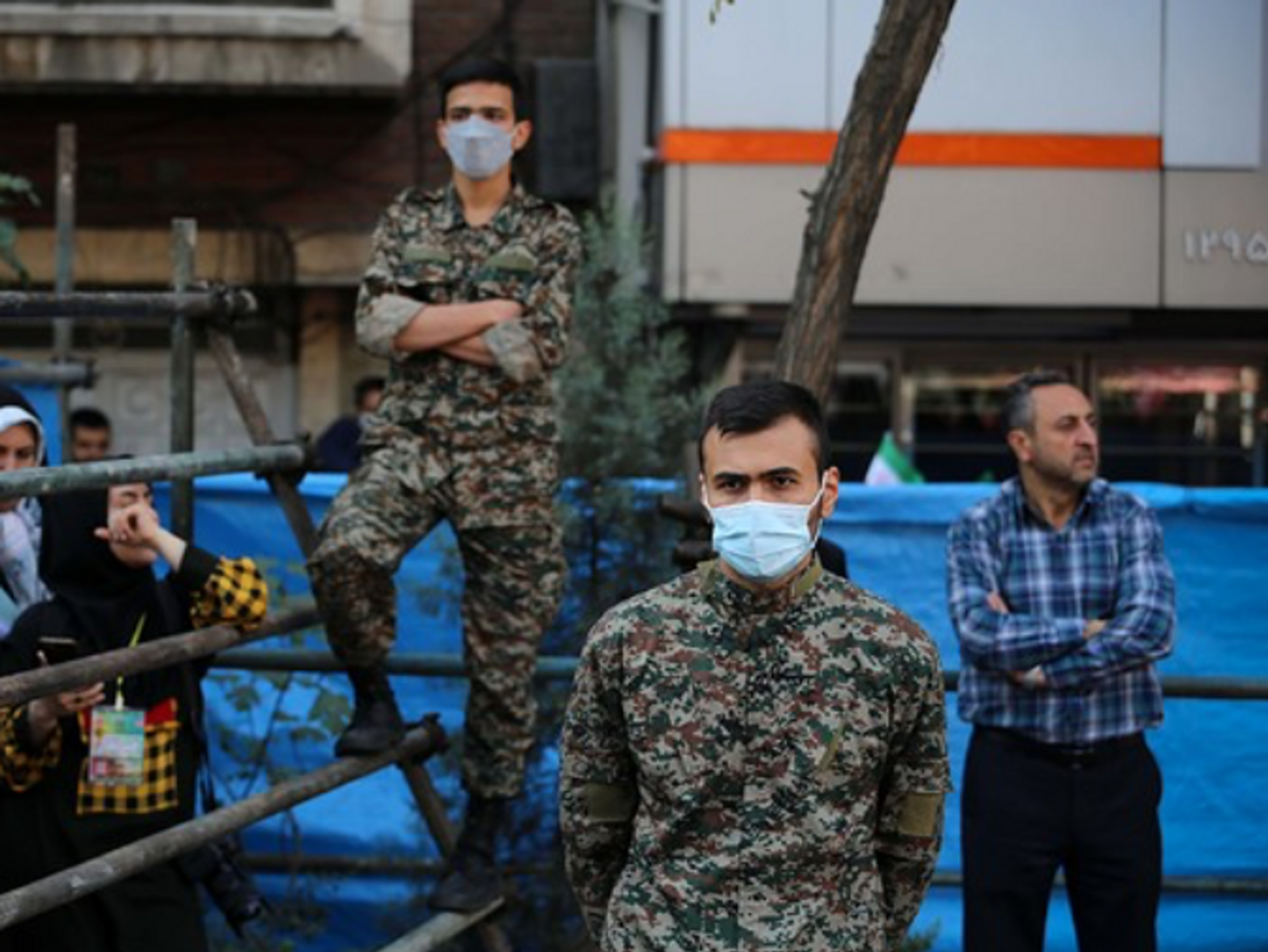
Amid increasing tensions prompted by ongoing anti-government protests, reports from Tehran show increased surveillance of some foreign embassies. Iranian agents are said to be particularly curious about visas to get out of the country.
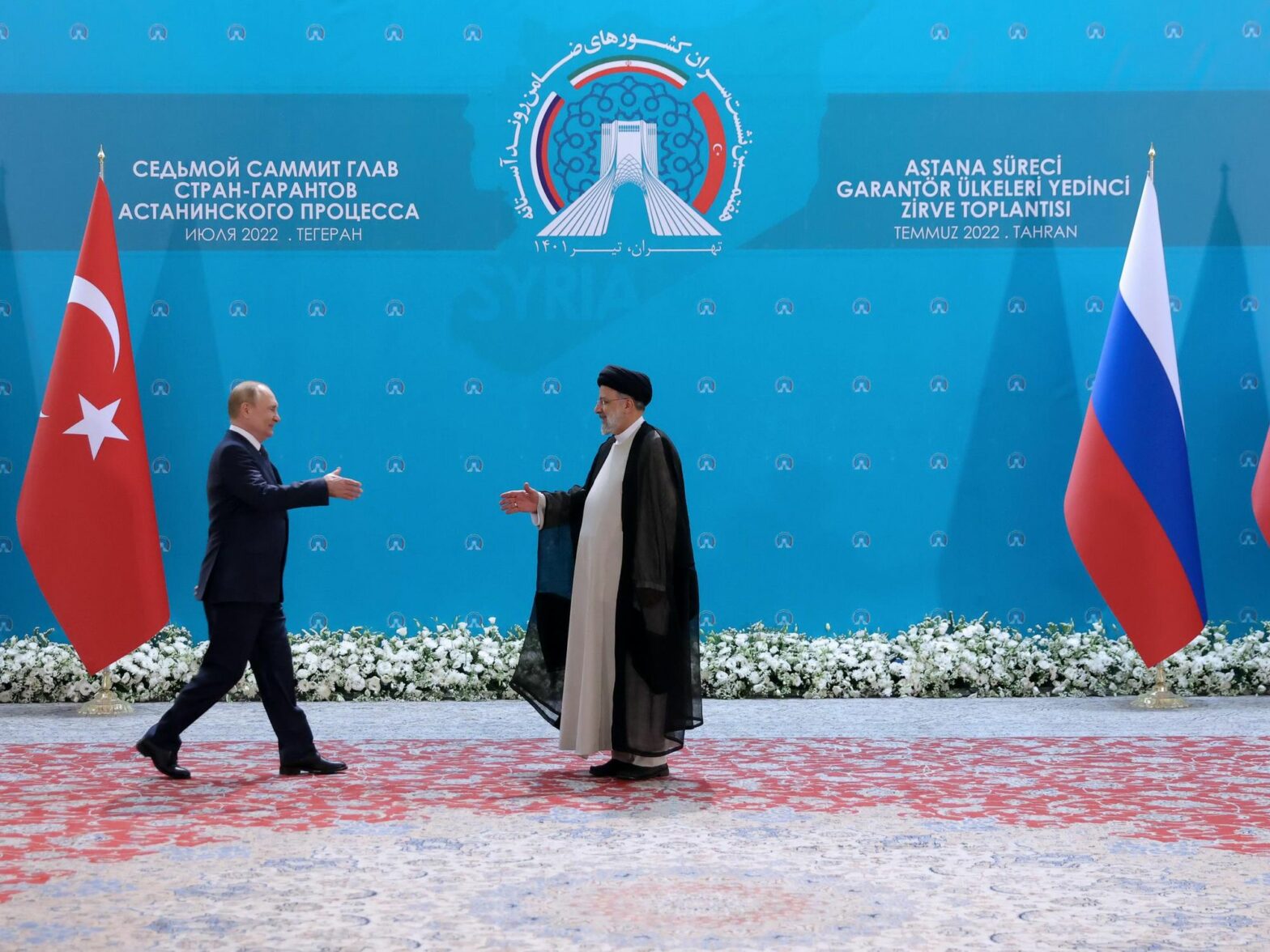
The Supreme Leader’s advisers in Tehran argue the Islamic Republic must back Russia in Ukraine because Russia is fighting a common enemy: the Western alliance.
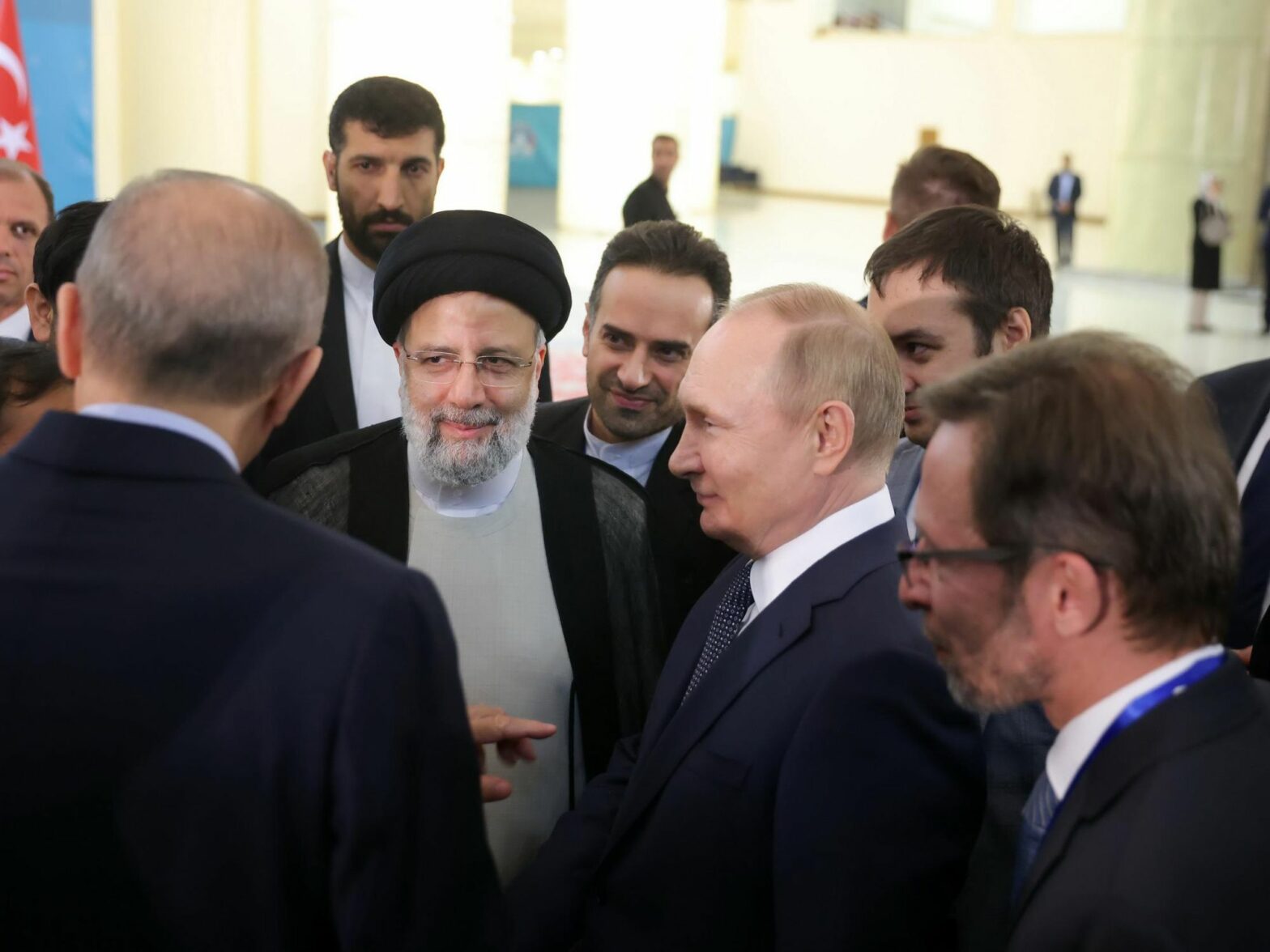
Nuclear talks between Iran and the West are stalled, as Russia signs deal with Tehran for drones. But does the increasingly isolated Iranian regime risk becoming another Russian vassal like Syria or Belarus?
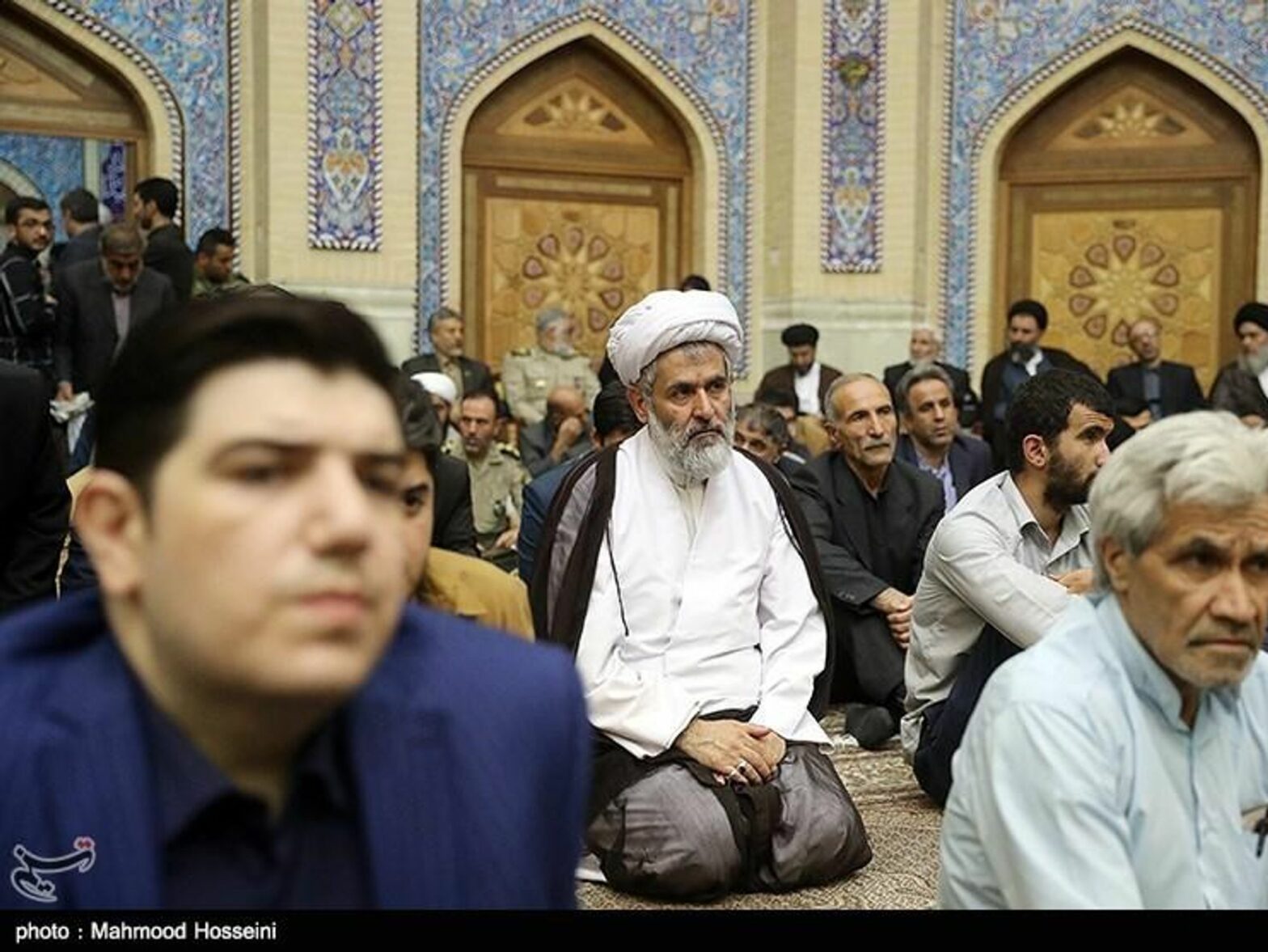
The recent departure of a top Iranian military intelligence chief, supposedly over security lapses and bad decisions, reveals regime weakness in an area key to its survival: espionage and state intelligence.
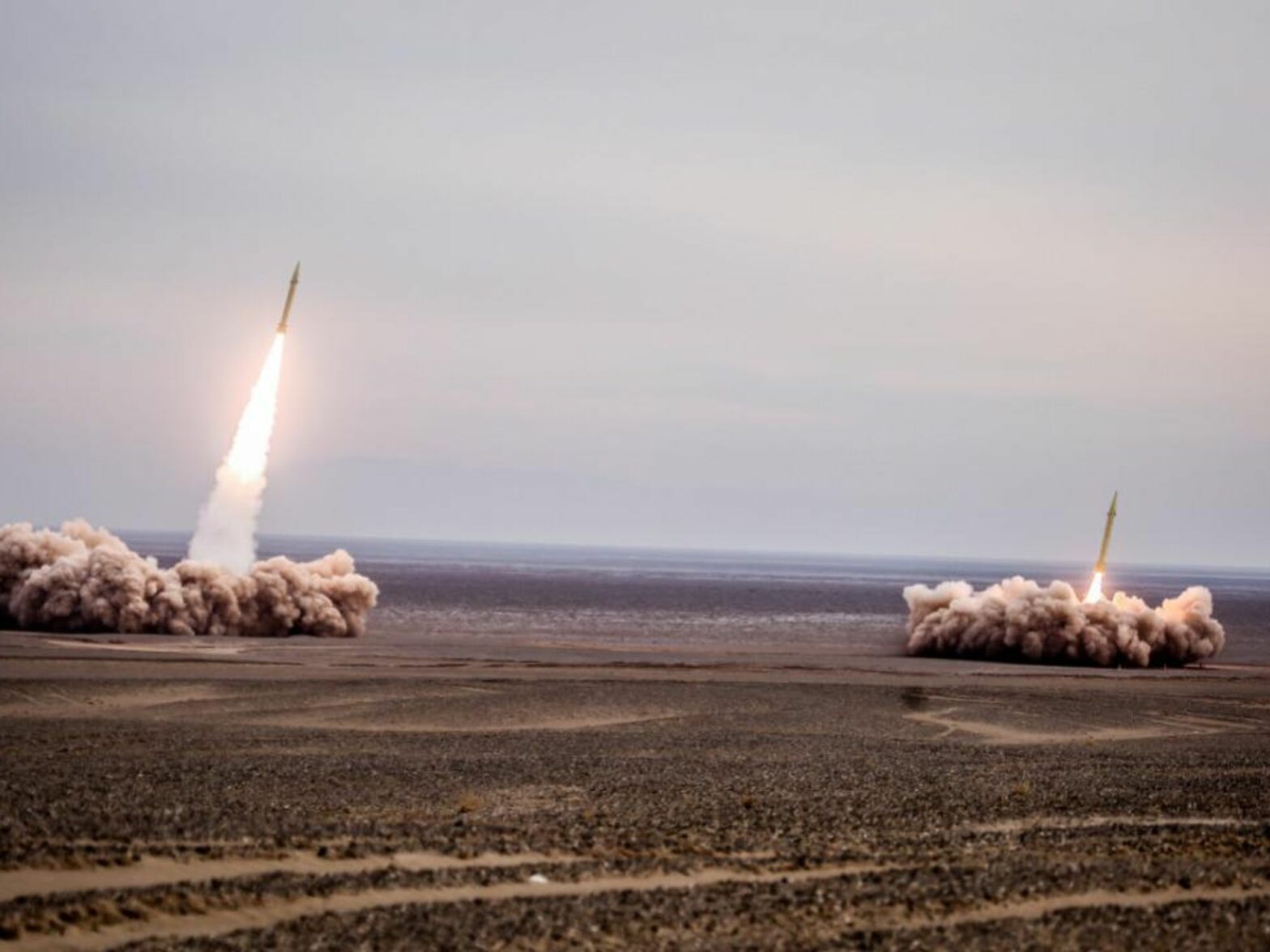
A new round of comments from inside Iran’s leadership ranks reaffirms its intention to produce a nuclear bomb, a decades-long cat and mouse game between the regime and an ever cautious West that hasn’t seemed to change even as the Russia-Ukraine war brings in a new world order.
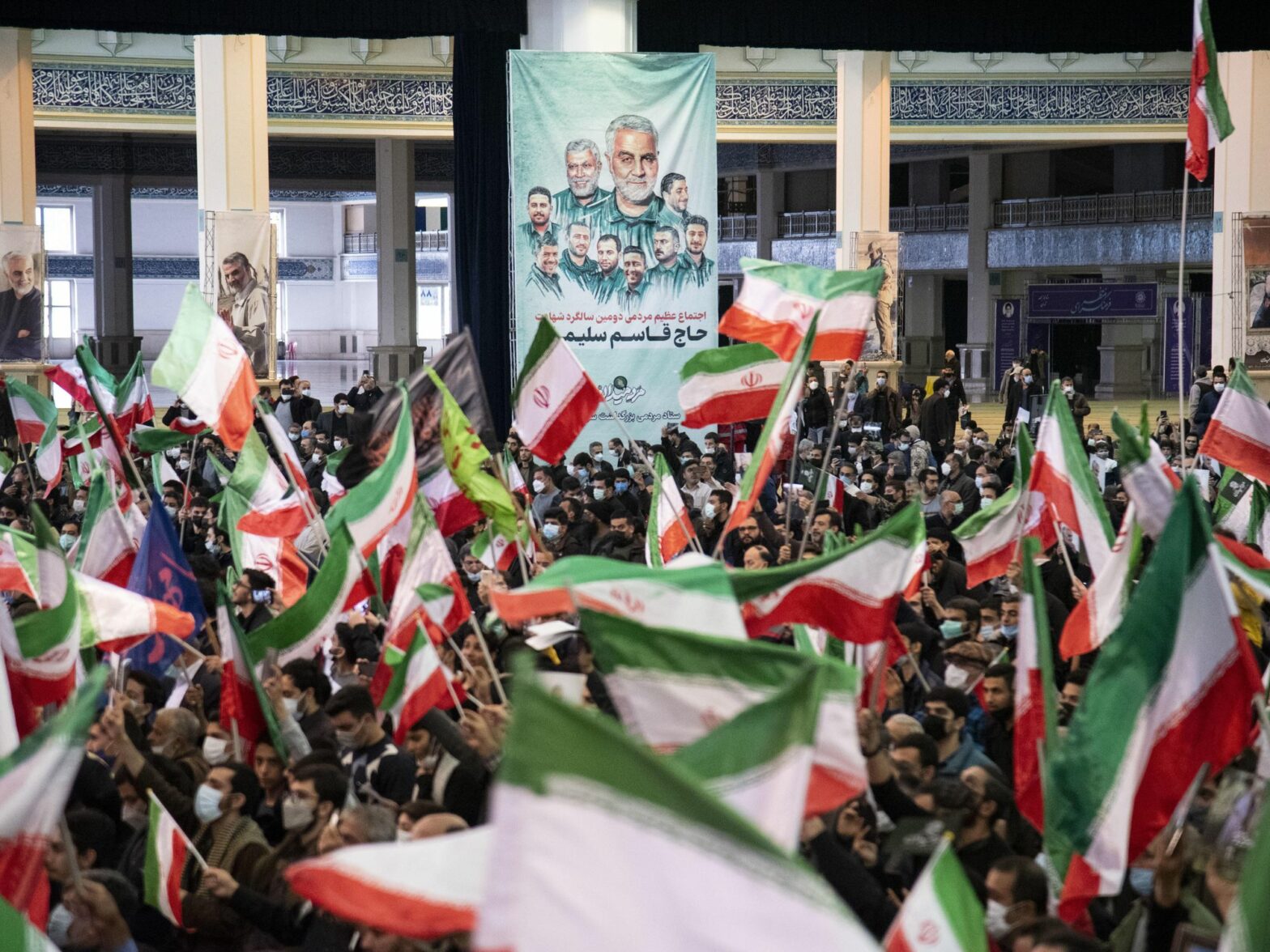
Is there calculated diplomacy or just confusion behind the Biden administration’s ambivalent positions on what can only be defined as ‘terrorism’ of the Iranian Revolutionary Guards?
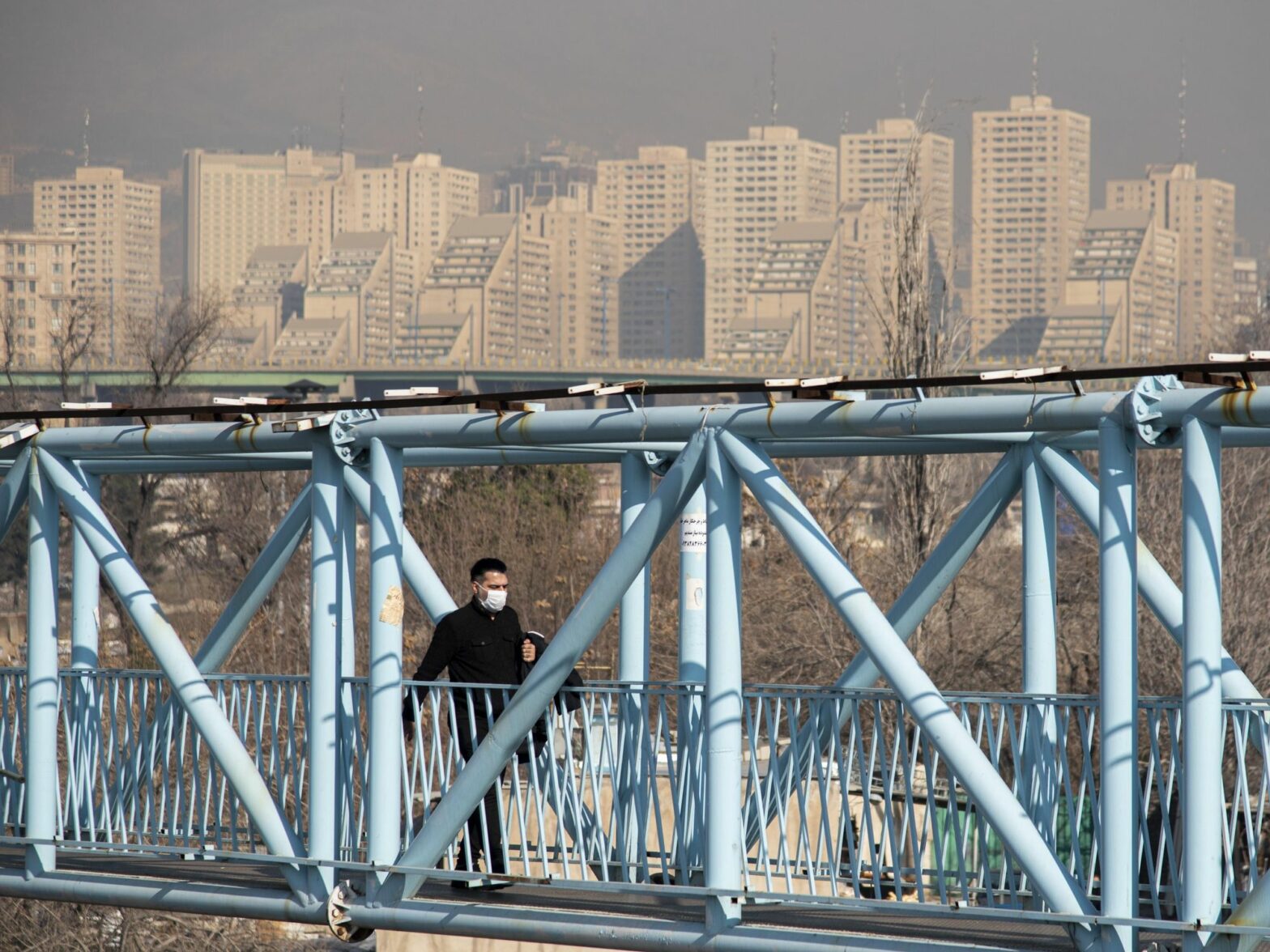
Iranians only have online speculation to guess how much the country’s clerical regime has conceded to China as part of the New Silk Road initiative. There are now reports of 5,000 Chinese security agents being deployed in Iran to “protect” Chinese personnel working in the oil sector.
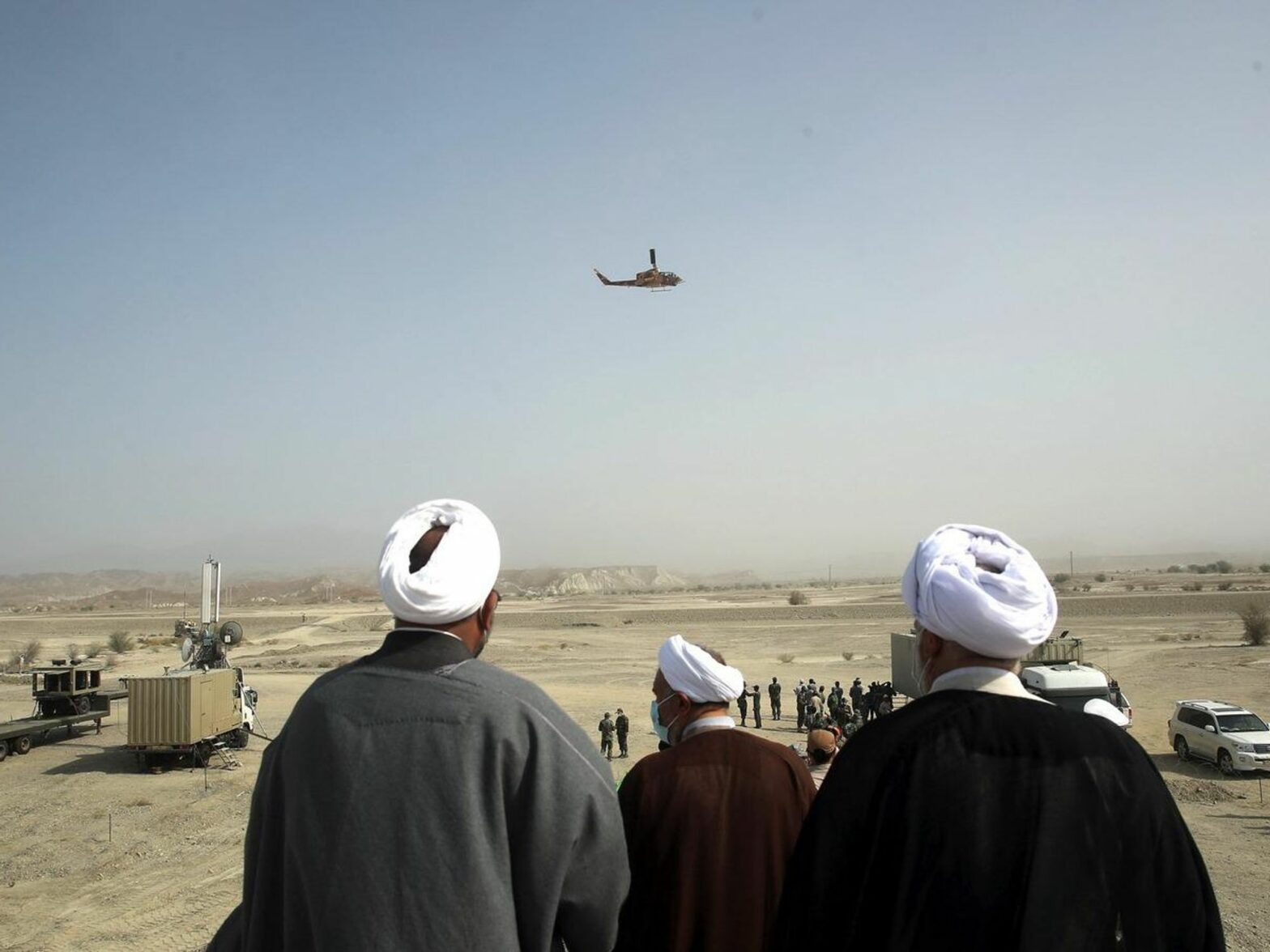
Russia’s role in in Iranian affairs goes to the highest levels of its military and security structures. But will anyone in Iran dare question Supreme Leader Ali Khamenei, in spite of the grave risks to the country’s national security?
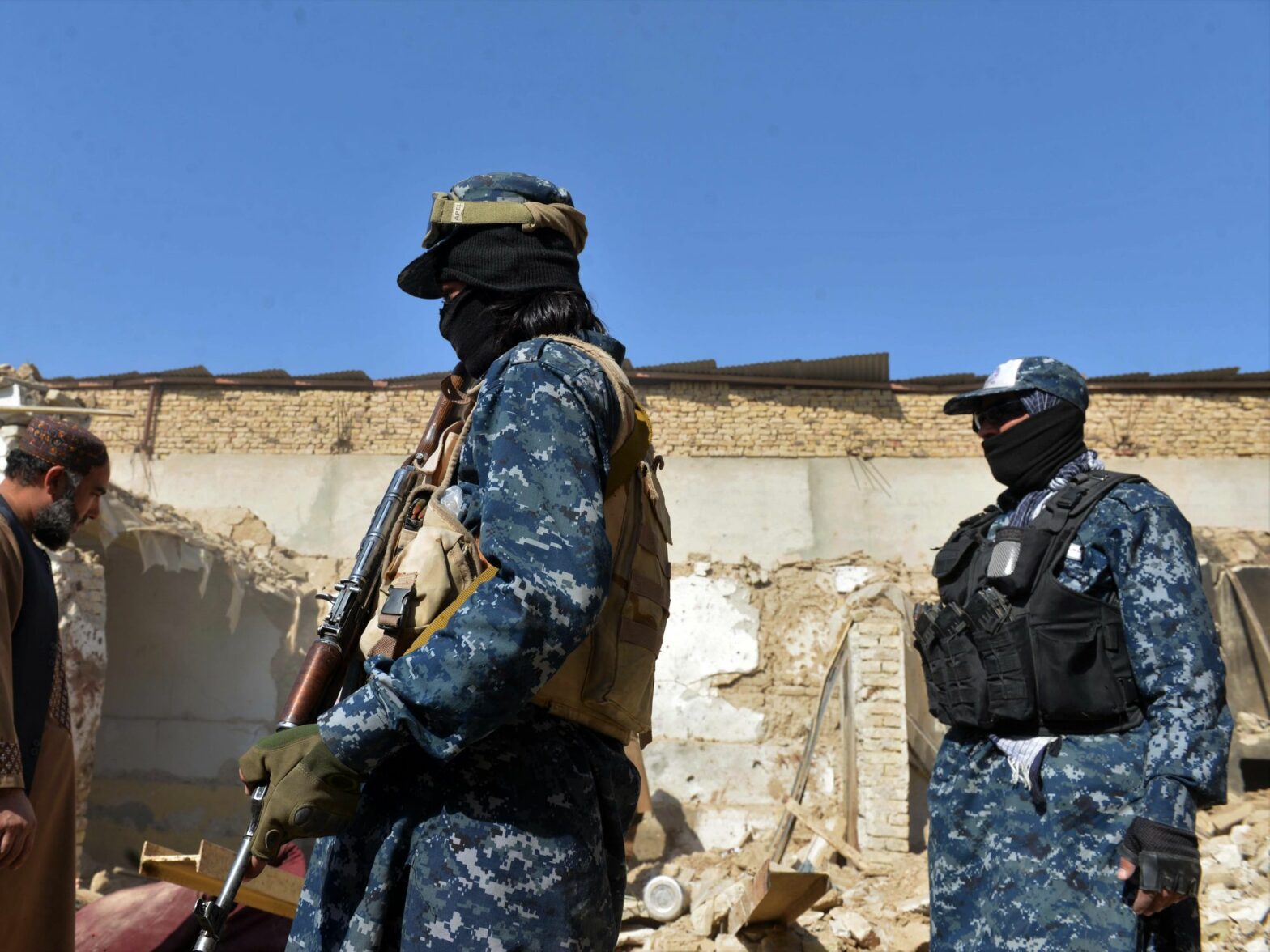
After the Sunni fundamentalist Taliban rulers retook control of Afghanistan, there were initial, friendly signals exchanged with Iran’s Shia regime. But a recent border skirmish recalls tensions from the 1990s, when Iran massed troops on the Afghan frontier.
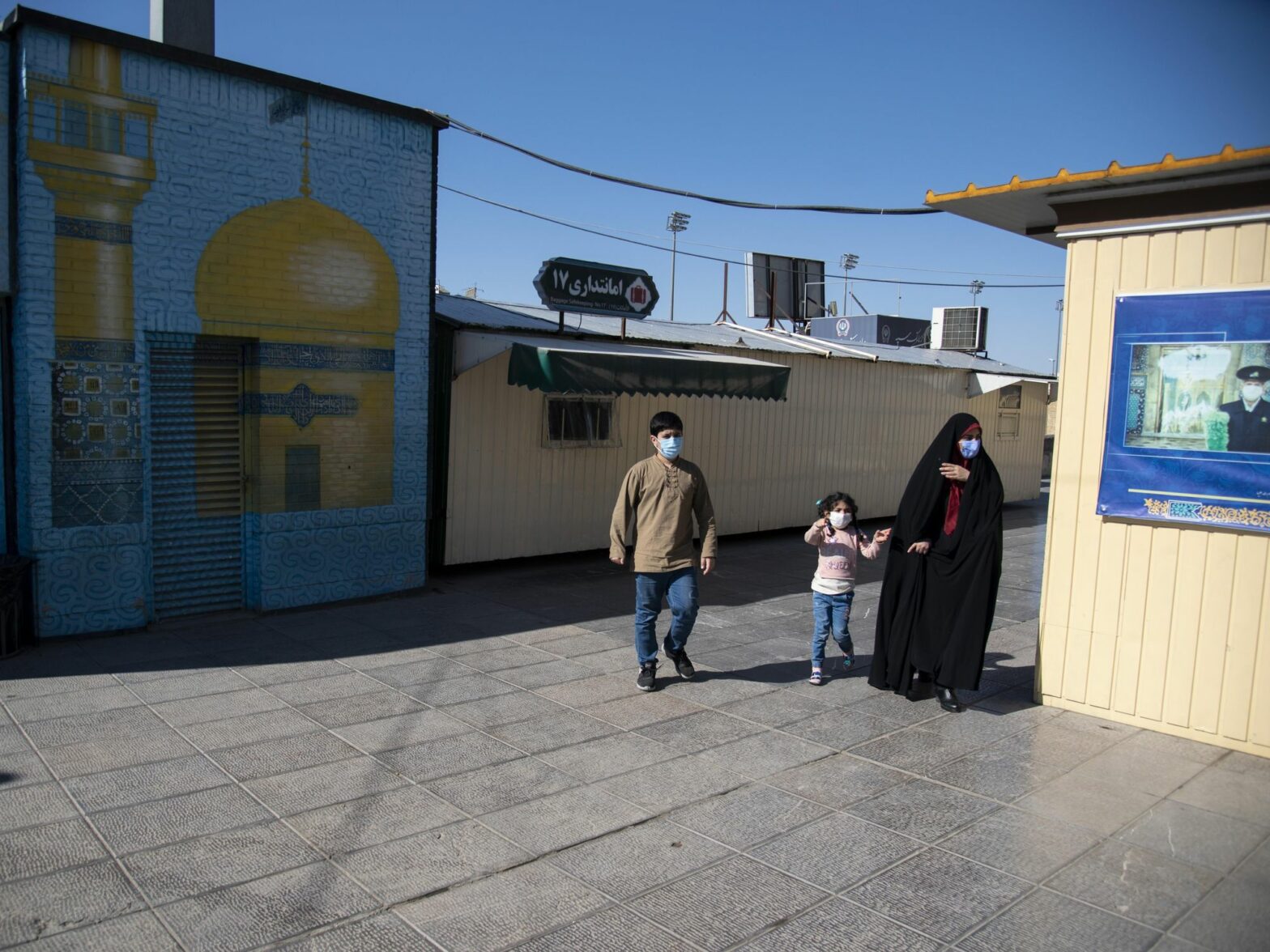
An Iranian public healthcare official warns that a parliamentary bill to boost birth rates will cut access to condoms, and could fuel sexually-transmitted diseases like AIDS.
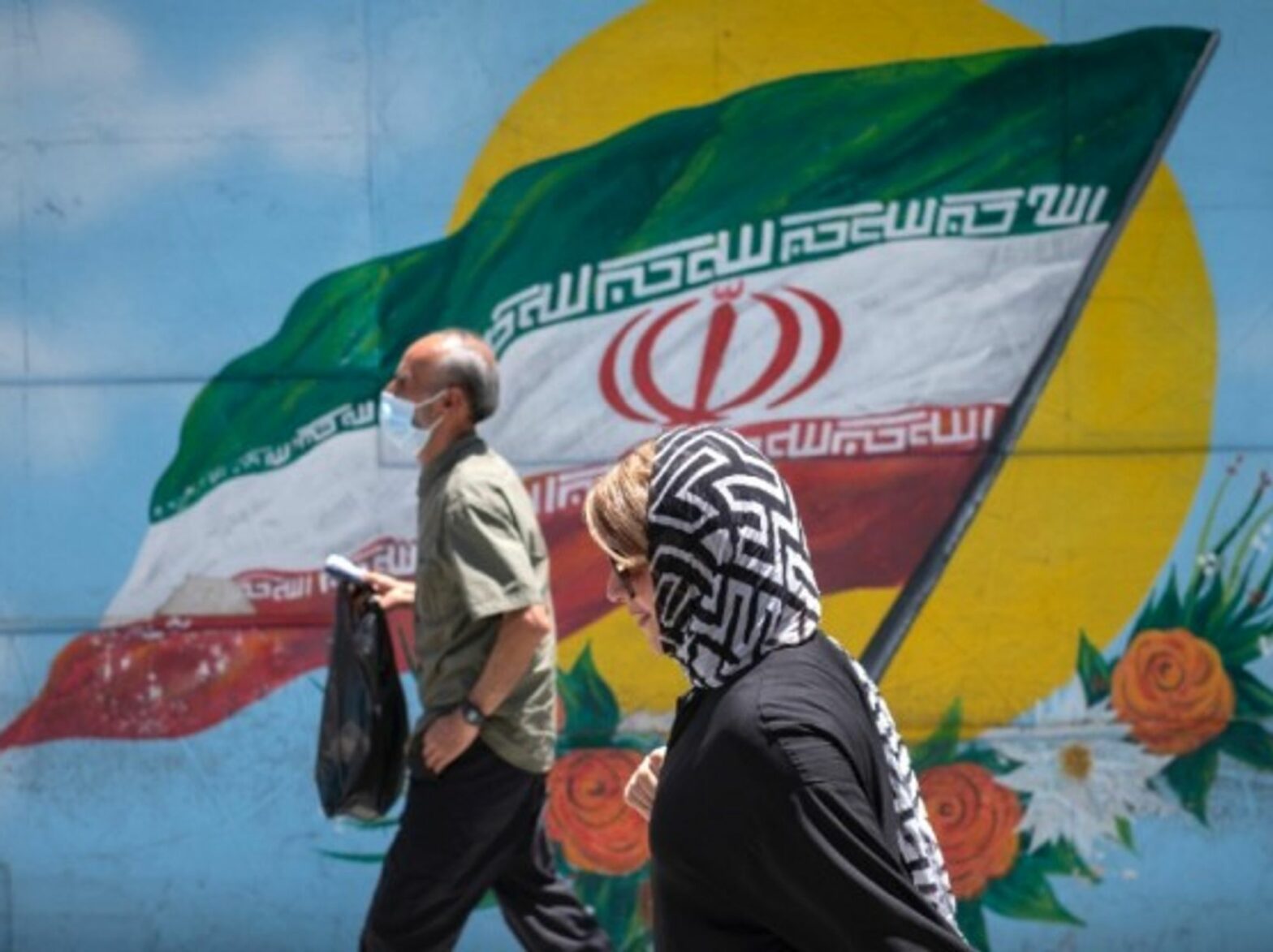
By denying the right to moderate candidates for the upcoming presidential elections, the regime shows it has little interest in even a semblance of democracy.
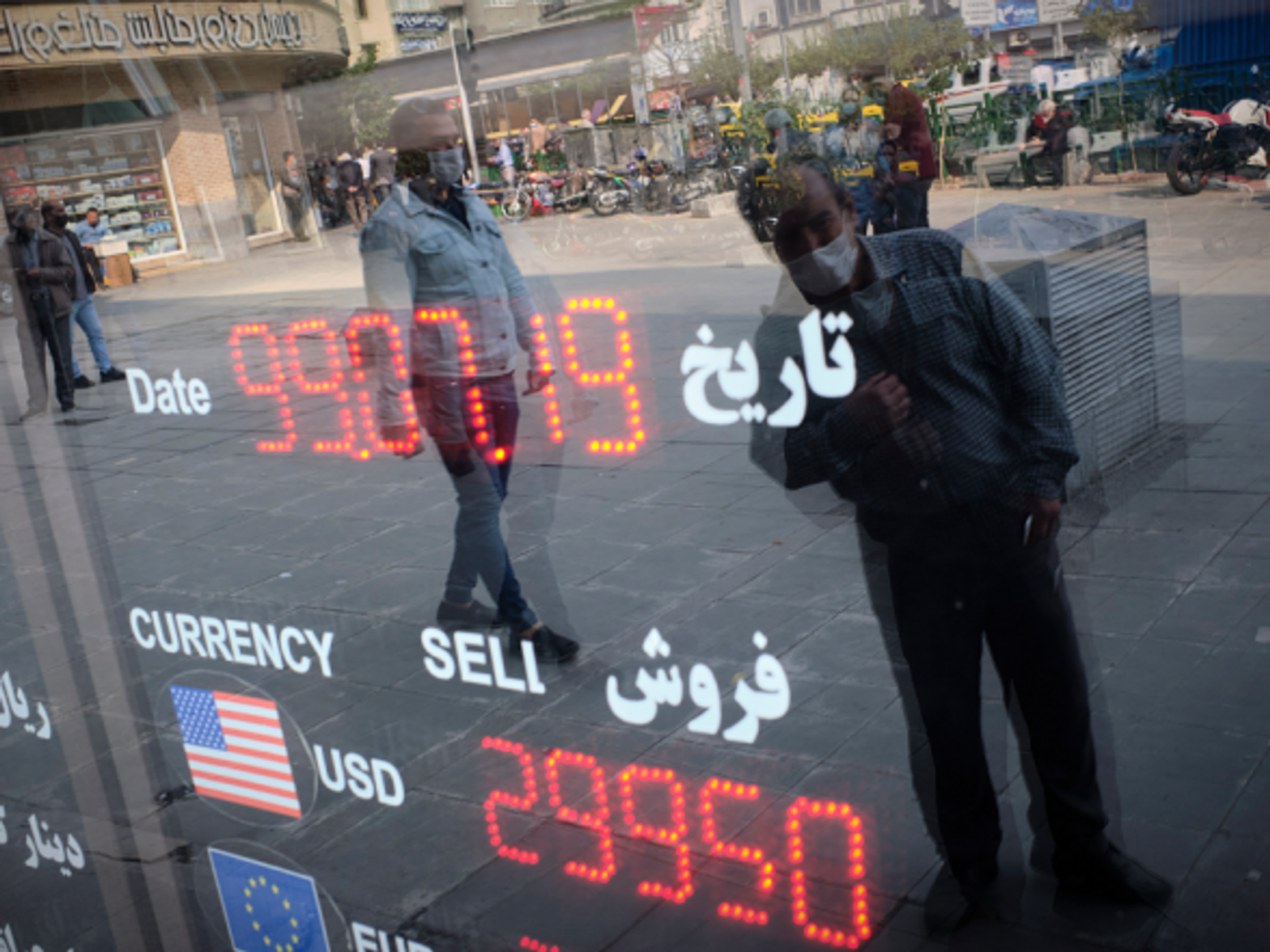
The leaders of the Islamic Republic say the economy will soon improve. But the numbers — the result of sanctions but also decades of economic mismanagament — paint a far more dismal picture.
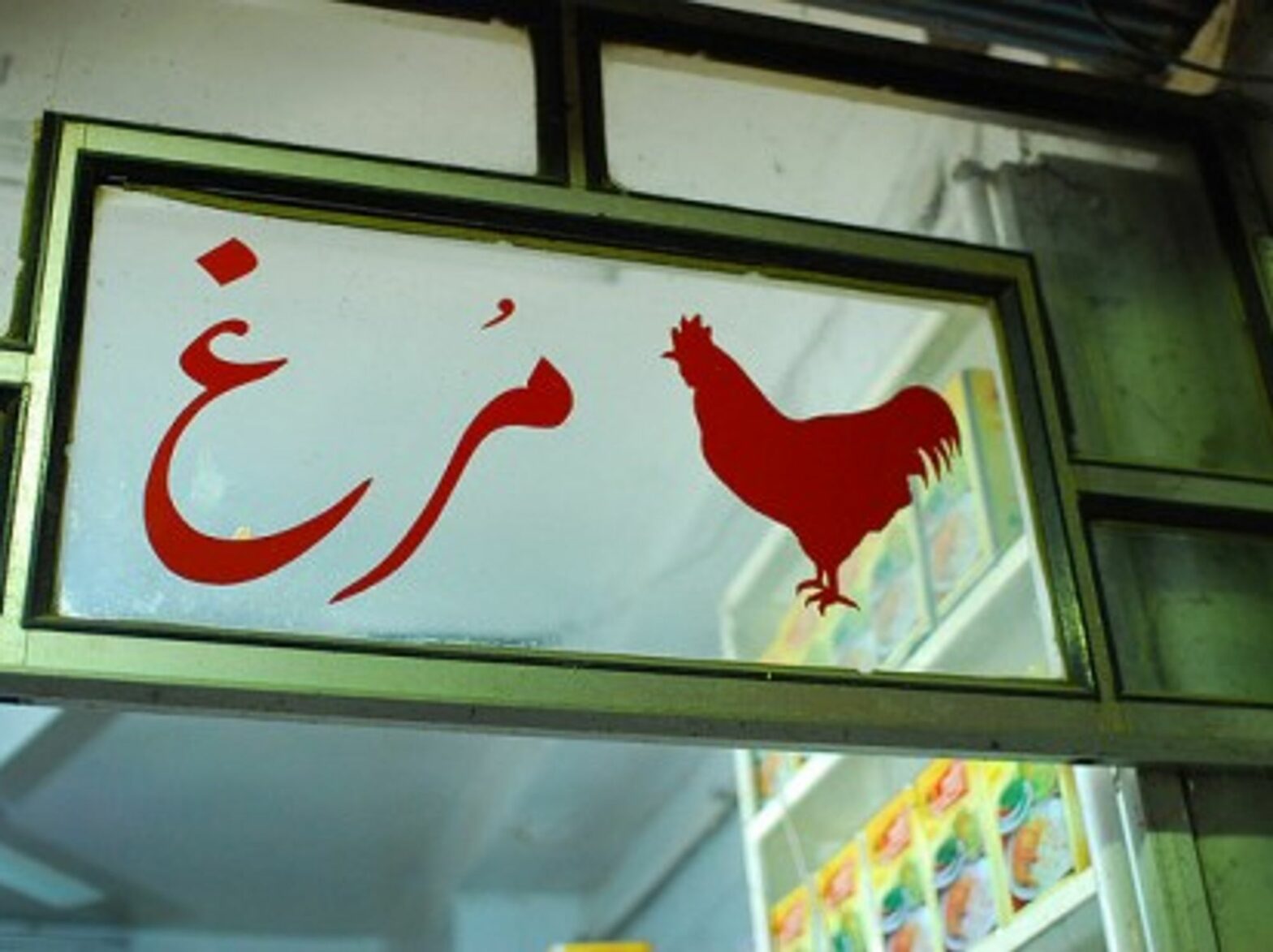
In Iran, the shortage of poultry has become the symbol of the economic “war” imposed on the Iranian regime by the West to pressure the country into abandoning its nuclear program. Since a new round of European and American-led economic sanctions were enforced on July 1, the price of chicken has soared in Iran, rising […]