Nanjing-based Chinese novelist Lu Min walks us through her journey before and after becoming a writer — and how her work explores one of the most transformative eras of social change in China.

 Worldcrunch
Nanjing-based Chinese novelist Lu Min walks us through her journey before and after becoming a writer — and how her work explores one of the most transformative eras of social change in China.

From Ukraine to global power shifts, the certainties that once shaped our world have collapsed, forcing Europe to rethink what is still achievable in a rapidly changing reality.
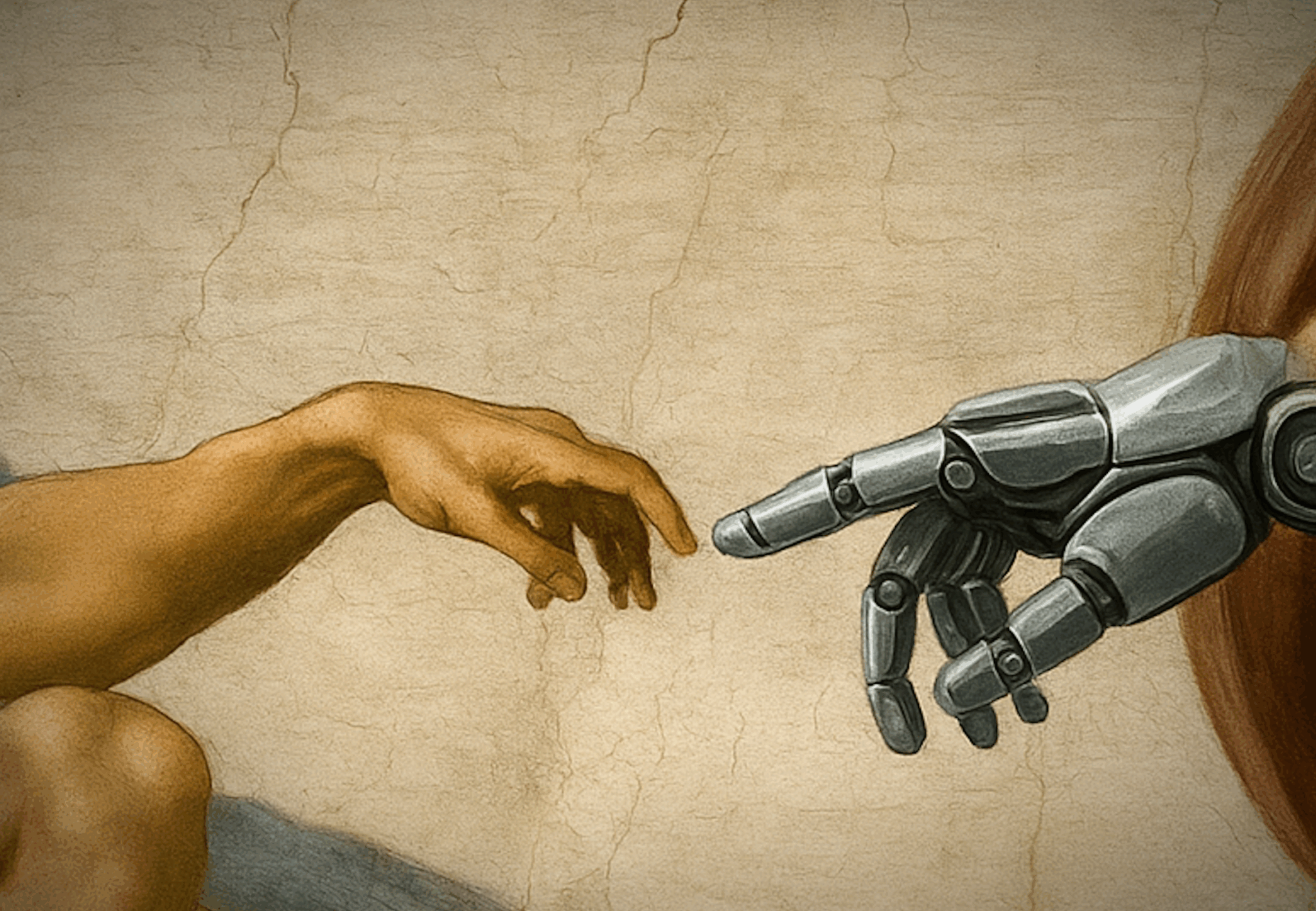
From embryo editing to dreams of eternal life, Silicon Valley’s new faith in machines blurs the line between progress and eugenics, raising the question of what humanity is willing to sacrifice for perfection.
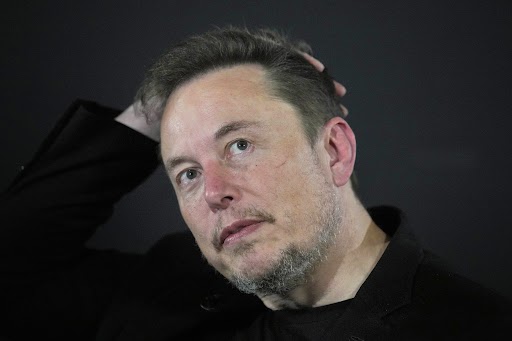
An investigation has been opened into Grok, Elon Musk’s generative AI, after it gave Holocaust-denying answers. The problem comes from the reference data it uses and from differences between Europe and the United States. This raises questions about digital regulation at a time when Europe wants to ease the few rules that currently exist.
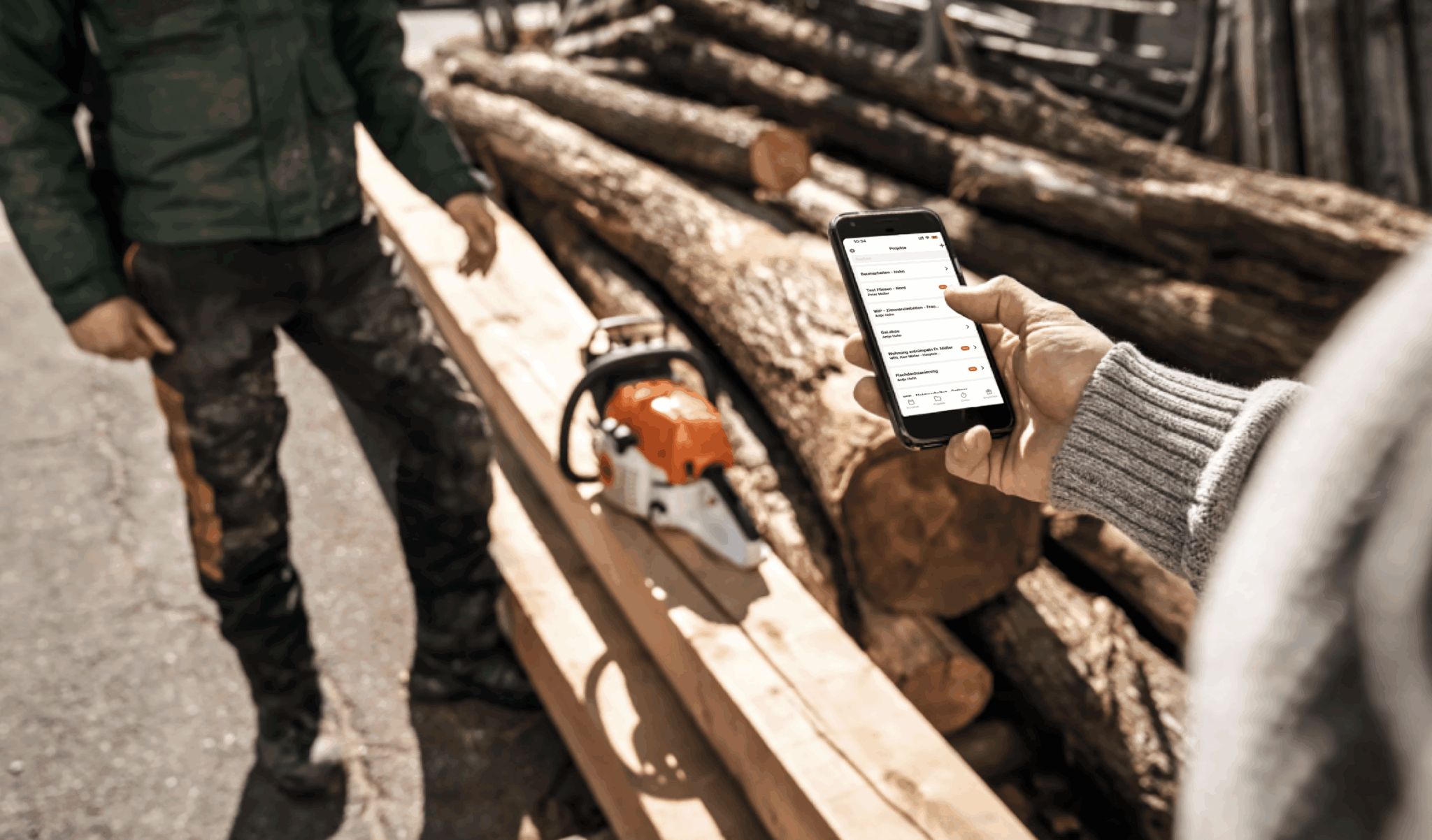
Hamburg’s Plancraft develops voice-driven tools for small craft businesses to log on-site measurements, prepare estimates, and triage customer calls, signaling a cautious entry of AI into conservative trades amid a skilled-labor squeeze.

Chatbots weren’t designed for mental health, but they’re increasingly used for therapy. What are the risks and benefits?

A Wolfenbüttel research team, working with local police, is testing ways to use data from everyday devices to reconstruct break-ins, while Germany’s strict privacy rules and court orders limit access as a prototype tool targets a debut next year.
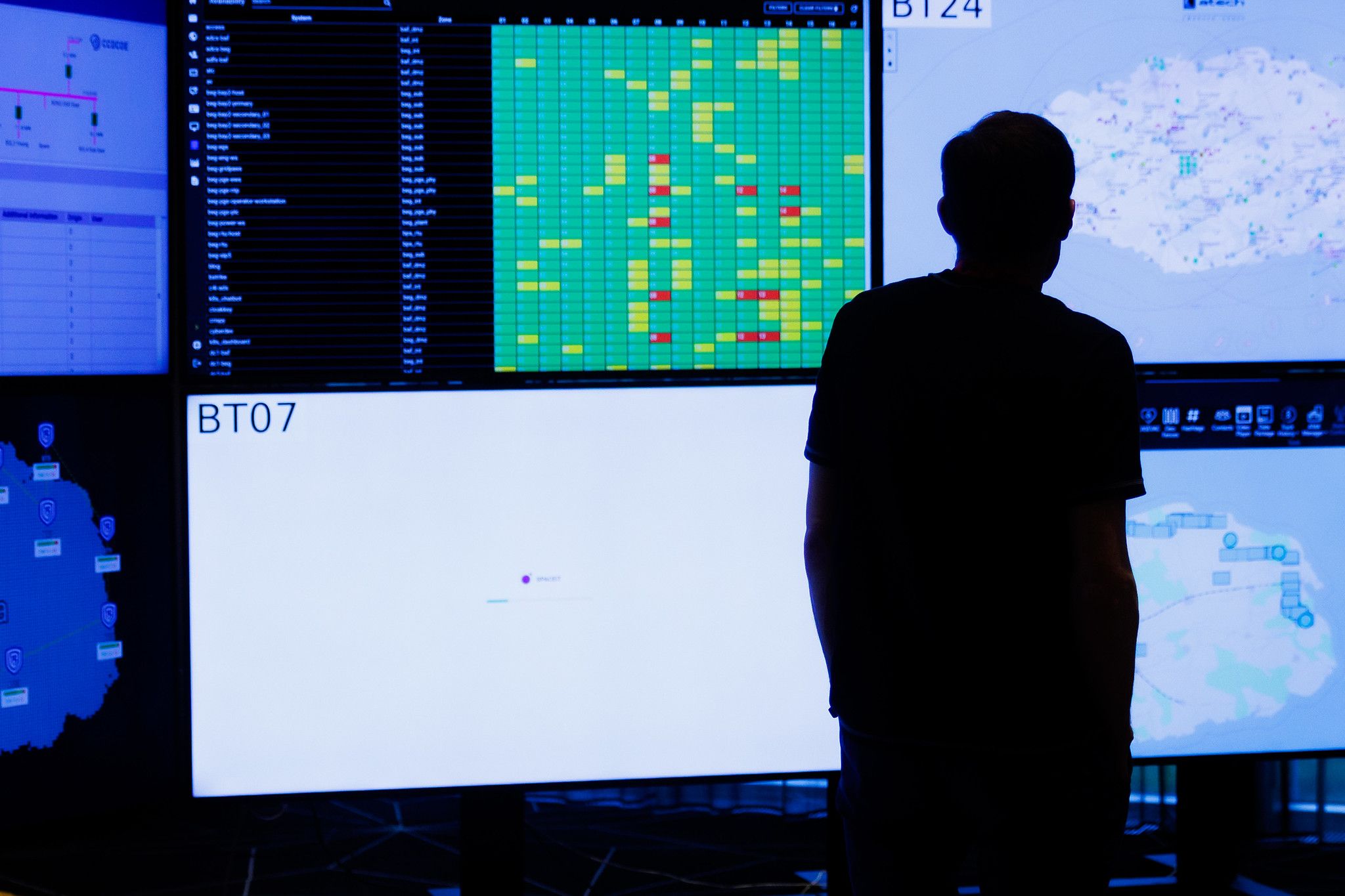
In one of the world’s most connected countries, cyber soldiers protect critical systems against constant foreign attacks while preparing for the day when artificial intelligence could take control of the battlefield.
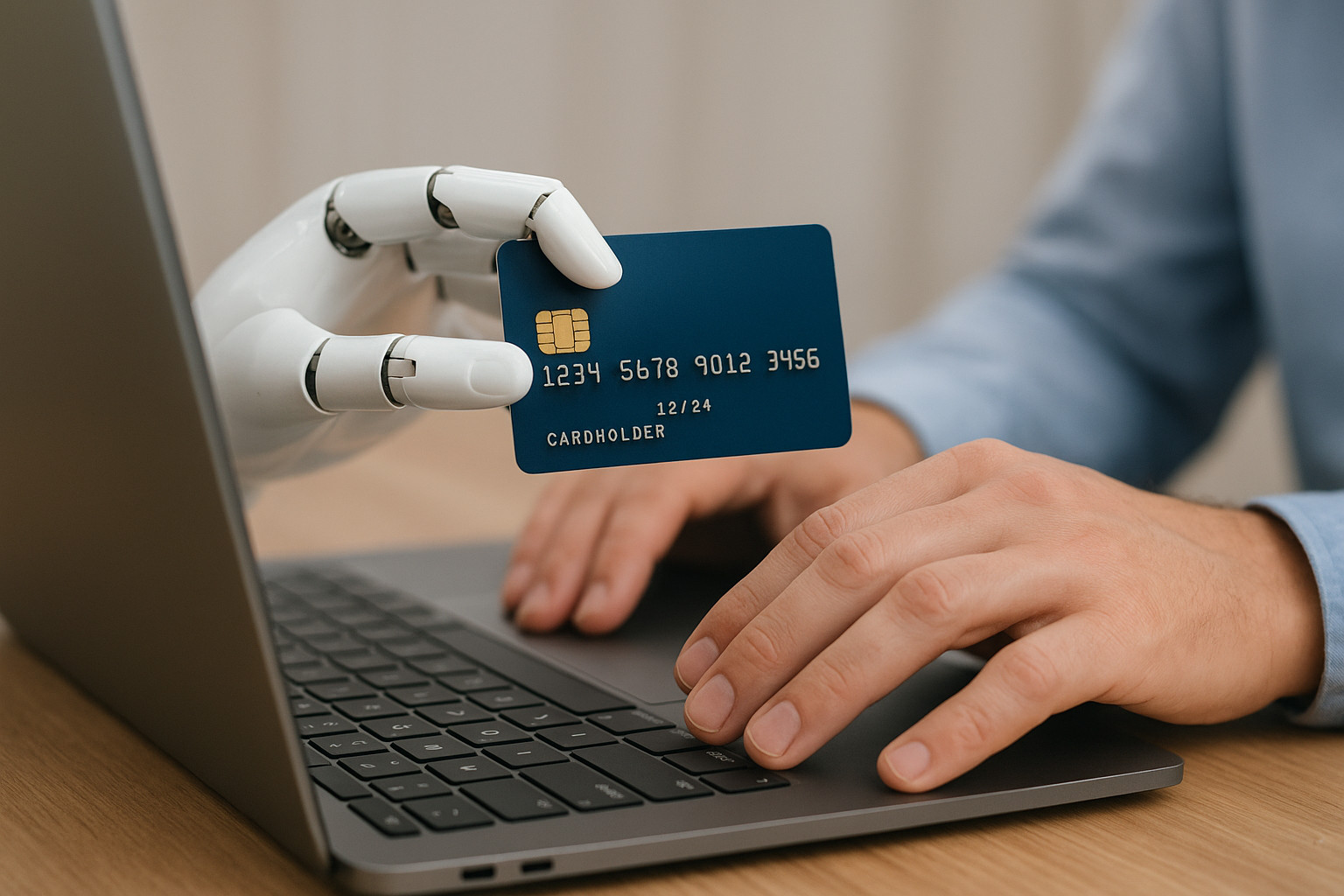
As ChatGPT learns your habits and starts spending on your behalf, the future of online shopping may belong to the bots.
Competition from artificial intelligence is a technical challenge and an existential question for historians. But what if it is also an opportunity to reclaim the profession’s humanity?
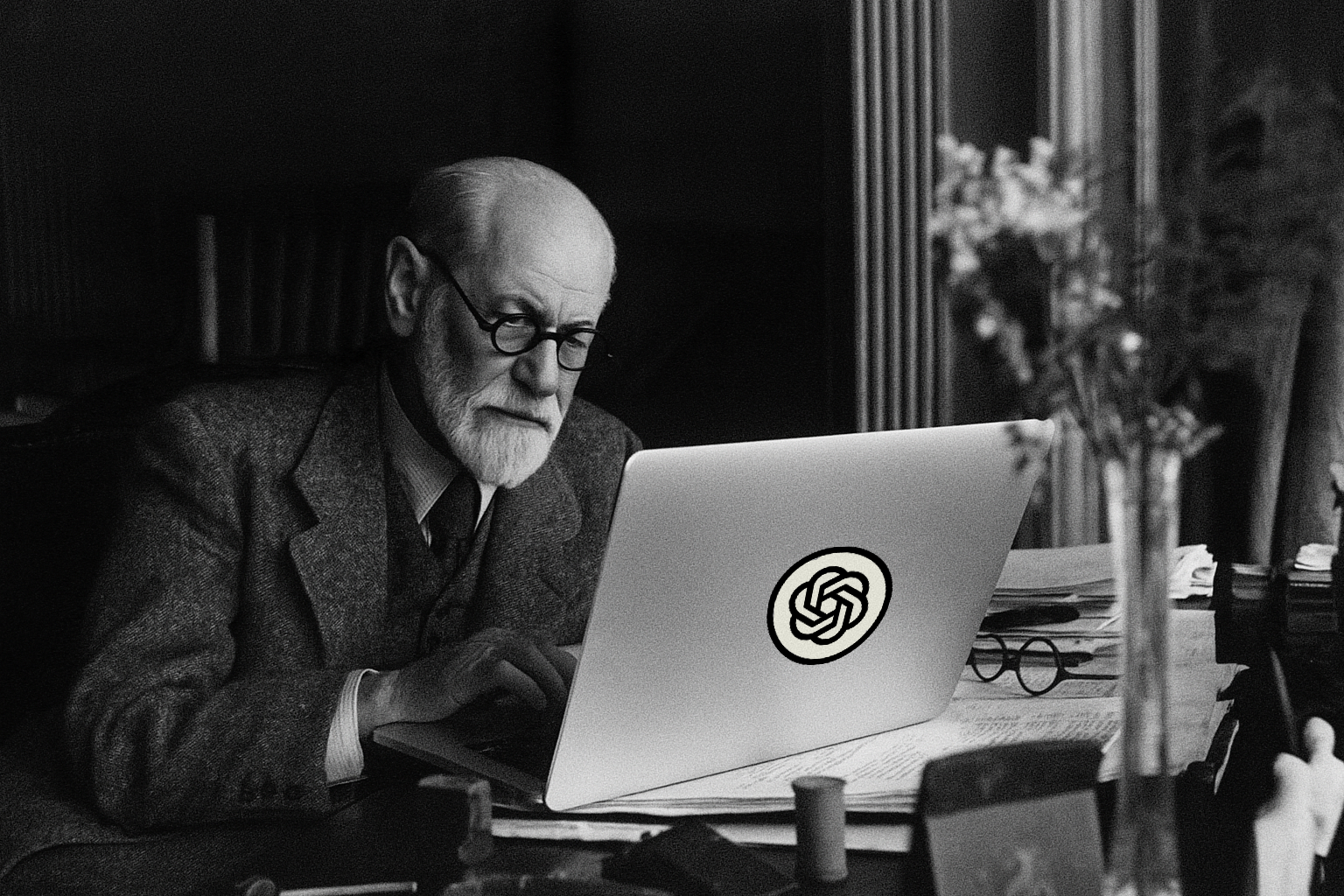
If Freud were alive for the dawn of artificial intelligence he would understand the insult this scientific development, like other’s before it, poses to human intelligence. Here’s how we can protect ourselves.
A study of hundreds of thousands of YouTube videos and podcasts reveals that AI isn’t just changing how we write, it’s subtly altering our spoken language too, raising new concerns about cultural homogenization and who controls the words we use.

👋 নমস্কাৰ* Welcome to Friday, where Israel’s plans to take control of Gaza City spark widespread condemnation, historic wildfires rage on in France and California, and today’s quiz question comes courtesy of a motorist in Germany. Meanwhile, Kyrgyz investigative outlet Kloop uncovers potential wavering support from Central Asia’s traditionally Kremlin-aligned nations. The Worldcrunch Today crew […]
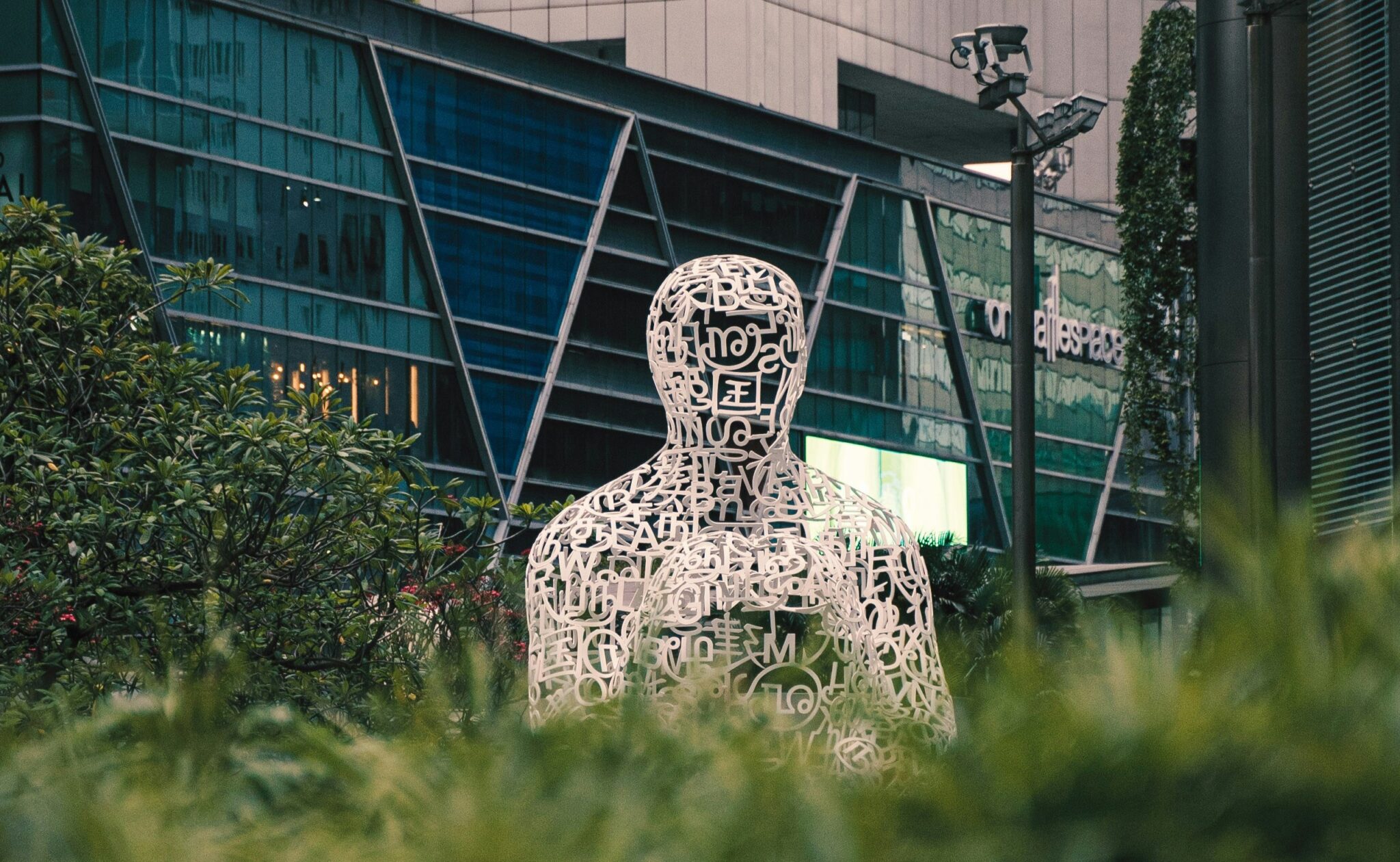
Many of the world’s languages aren’t adequately represented in the data used to train chatbots and other AI-based tools. If we fail to be more inclusive, the next generation of AI will encode a world that risks being extremely biased, both linguistically and culturally.

As Spotify CEO Daniel Ek pours millions into an AI weapons company, bands like Deerhoof, Xiu Xiu, and King Gizzard & the Lizard Wizard are pulling their music from the streaming platform, challenging a model they say was never built for them.
As people turn to AI for therapy and companionship, some say the models still need to learn the nuances of human humor.
Millions have been spent to catch plagiarism and AI with tools from education company Turnitin. Is the tech worth it?
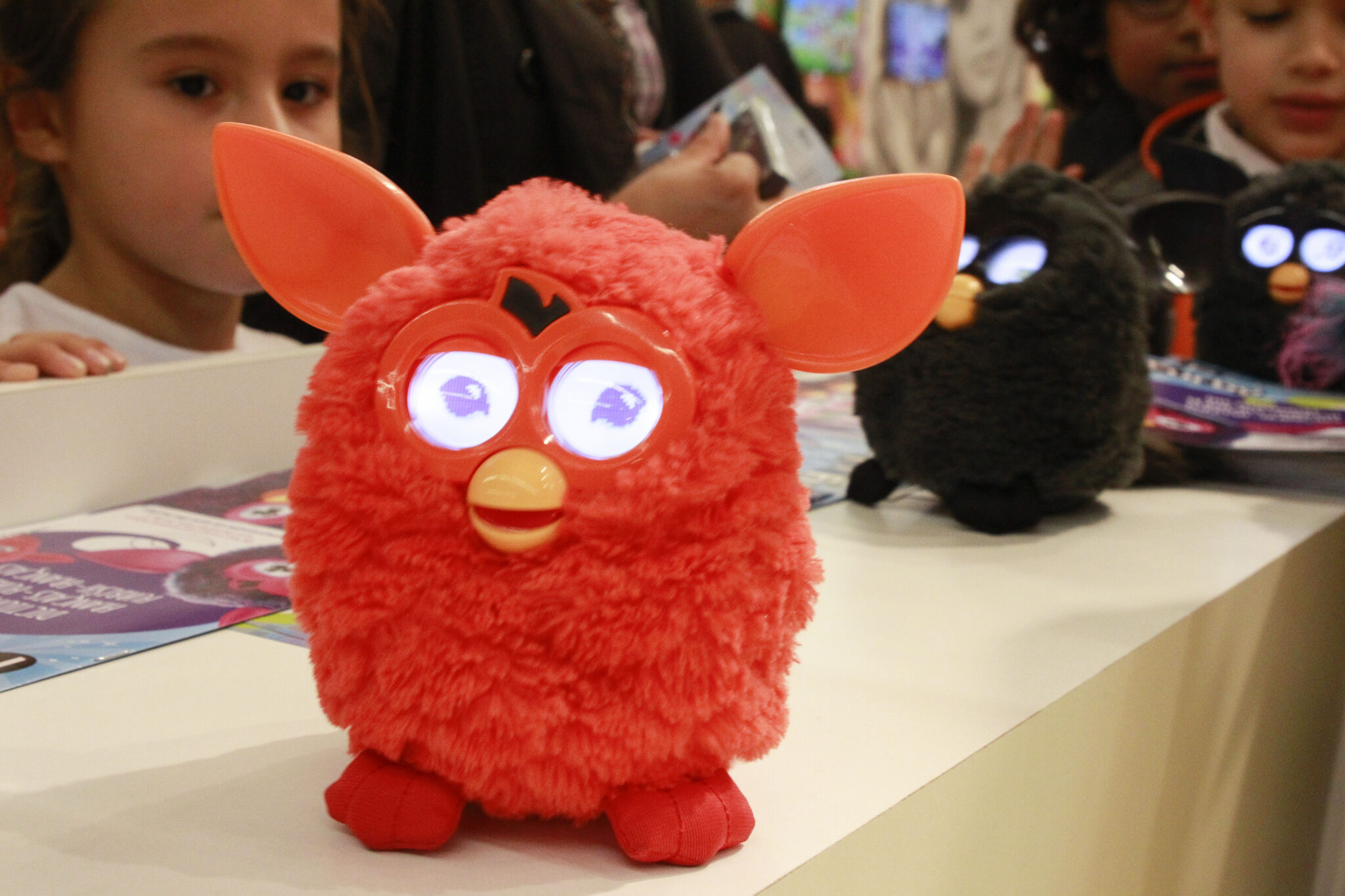
Remember those late-90s Furbies—cute, creepy, and eerily chatty? A programmer recently fused one with ChatGPT, unleashing a chilling plot: AI-powered Furbies bent on world domination. As retro toys return and emotional robots like Ropet emerge, we must ask: are we ready?
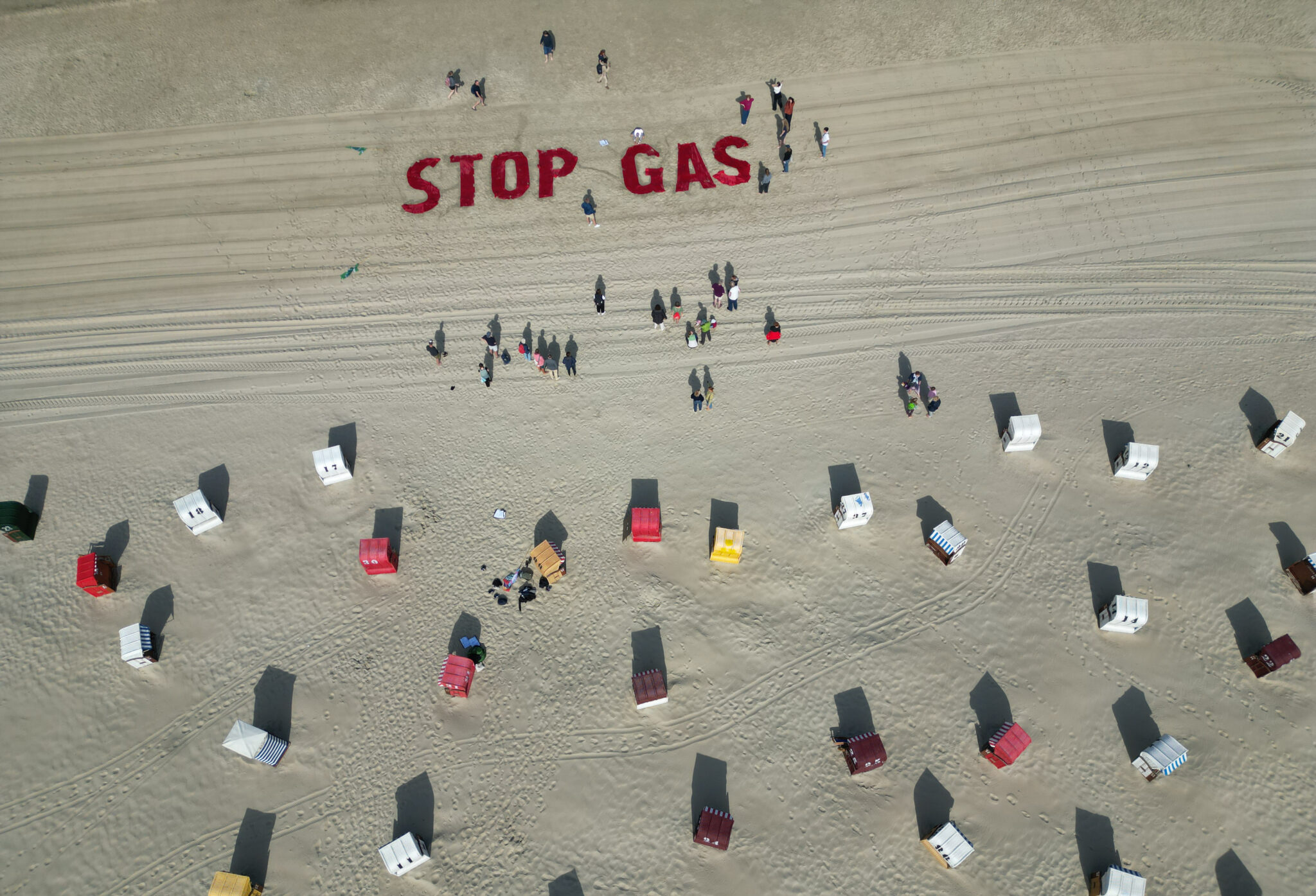
👋 Aссалом* Welcome to Tuesday, where Trump threatens Russia with steep tariffs if a peace deal is not reached within 50 days, Netanyahu’s coalition is under pressure after an ultra-Orthodox party quits and our daily quiz question is about the hacking of a famous puppet’s X account. Meanwhile, Johanna Jürgens for German weekly Die Zeit […]
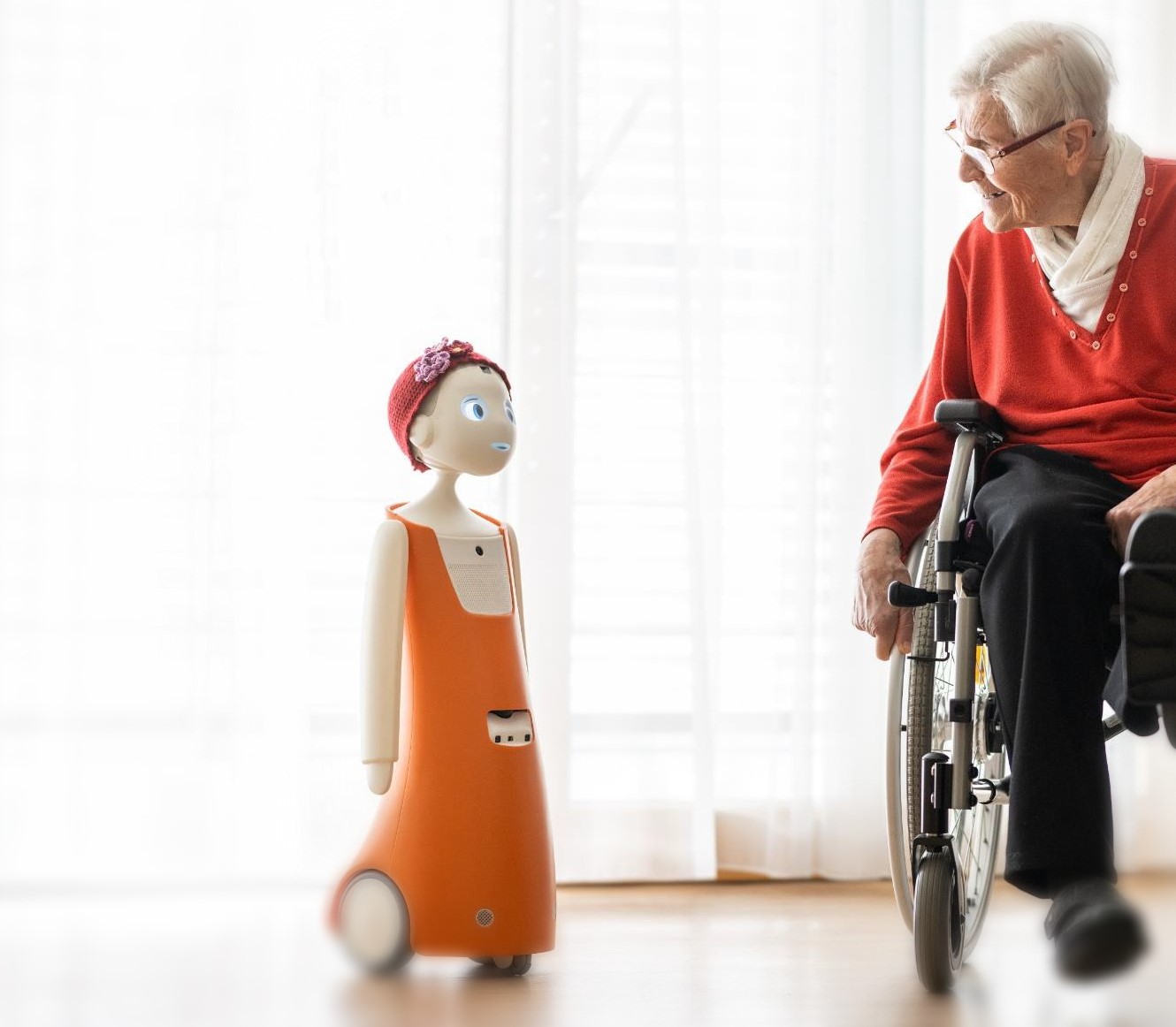
As staff shortages grow, a Munich startup is testing and training childlike AI companions designed to talk, remember and emotionally connect with the elderly — without ever losing patience.
From cloud dependence to AI policy retreat, the European continent faces a stark choice: play by America’s rules or build a radically different model of technological sovereignty. How it plays out is likely to shape how the digital economy and society looks for the whole world.

👋 Håfa adai!* Welcome to Thursday, where airstrikes and shootings kill at least 94 Palestinians in Gaza overnight, South Korea revises governing martial law rules, and today’s quiz question asks what’s on the menu aboard the International Space Station. Meanwhile, Tarek Ismail for Daraj draws a dictatorial parallel between Donald Trump and late Libyan strongman […]
We need awareness of how AI systems work, of how to be critical and how to be able to leverage AI.
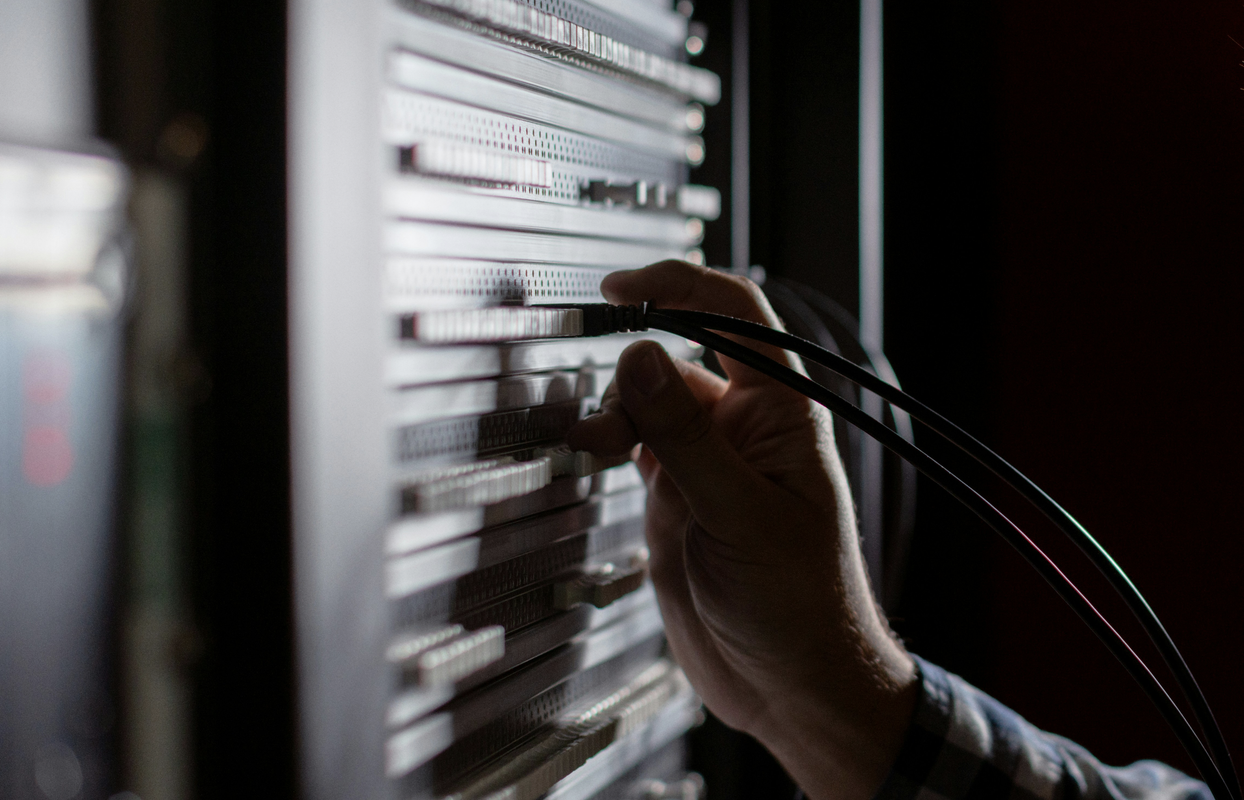
A report from Oxford University lists the 32 countries – 16% of the world’s nations – with the infrastructure needed to develop artificial intelligence. The gap is widening with the rest of the world, in the key technological sector of the 21st century.

👋 Salü bisàmme!* Welcome to Tuesday, where Israel and Iran trade more strikes as Trump says he is “looking at better than a ceasefire,” Russian airstrikes kill at least 14 in Kyiv, and tourists in Ibiza are scared to answer today’s quiz question. Meanwhile, Pauline Castellani in French daily Le Figaro takes a deep whiff […]
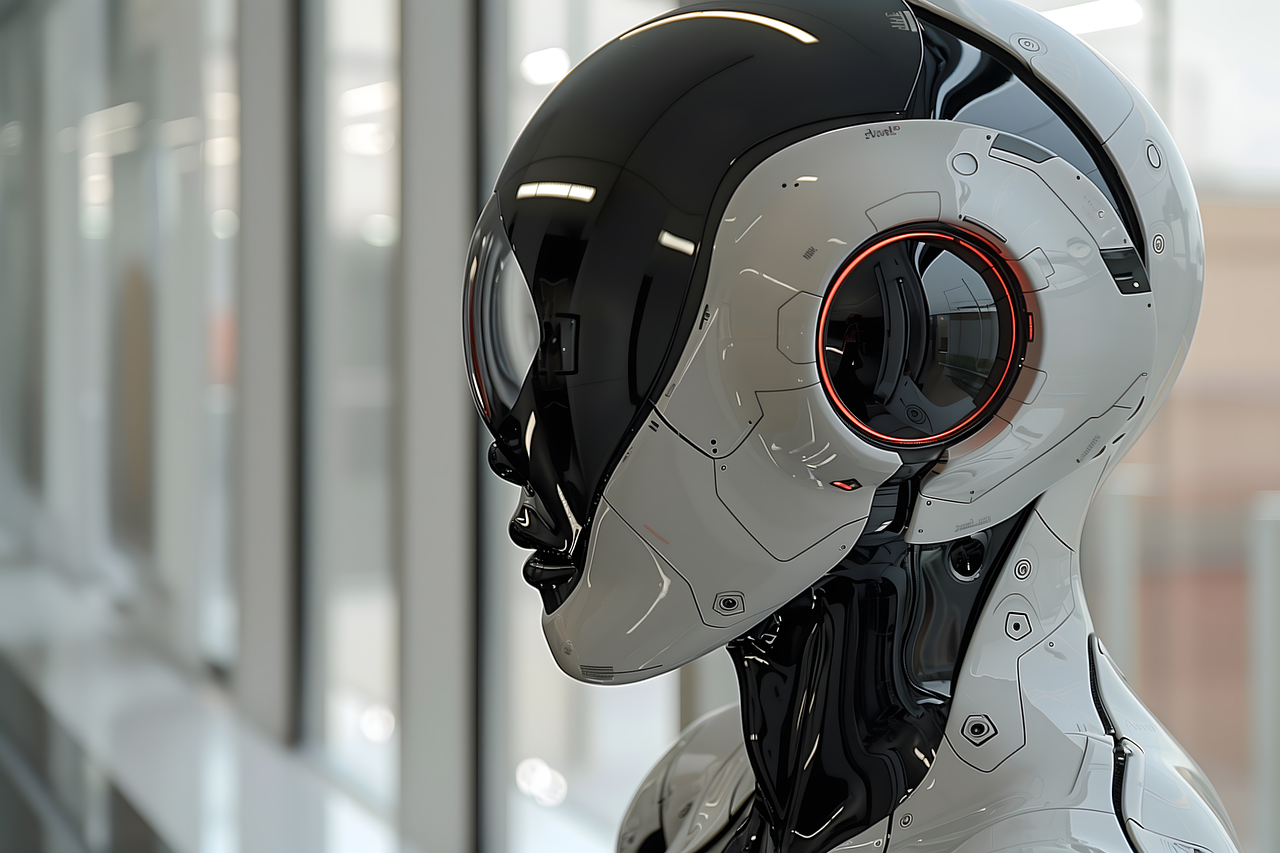
As artificial intelligence begins to mimic pain and emotion, a new moral frontier is emerging — and society is poised to fracture along deep ideological lines over whether machines deserve rights, empathy, or even love.

While French law theoretically allows employers to justify job cuts by the introduction of Artificial Intelligence, unions and labor law experts are warning that AI is becoming an alibi for unjustified cost-cutting.

AI is here whether we like it or not. But who owns it, and who gets to use it, are questions that are far from being settled.
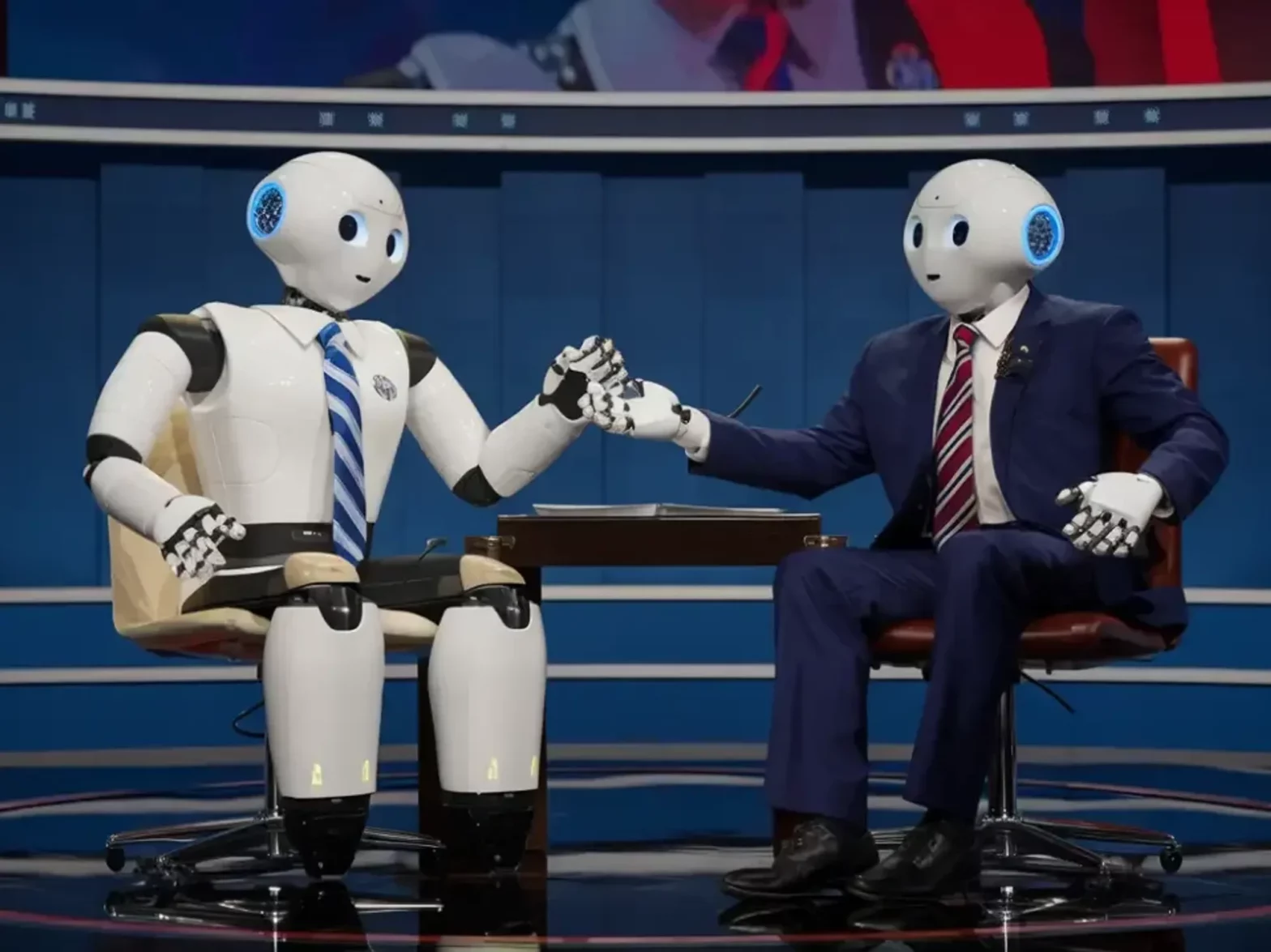
From business and public administration to daily life, artificial intelligence is reshaping the world – and politics may be next.

The industry needs to embrace innovation with technology towards novel drug development to remain relevant in the marketplace.
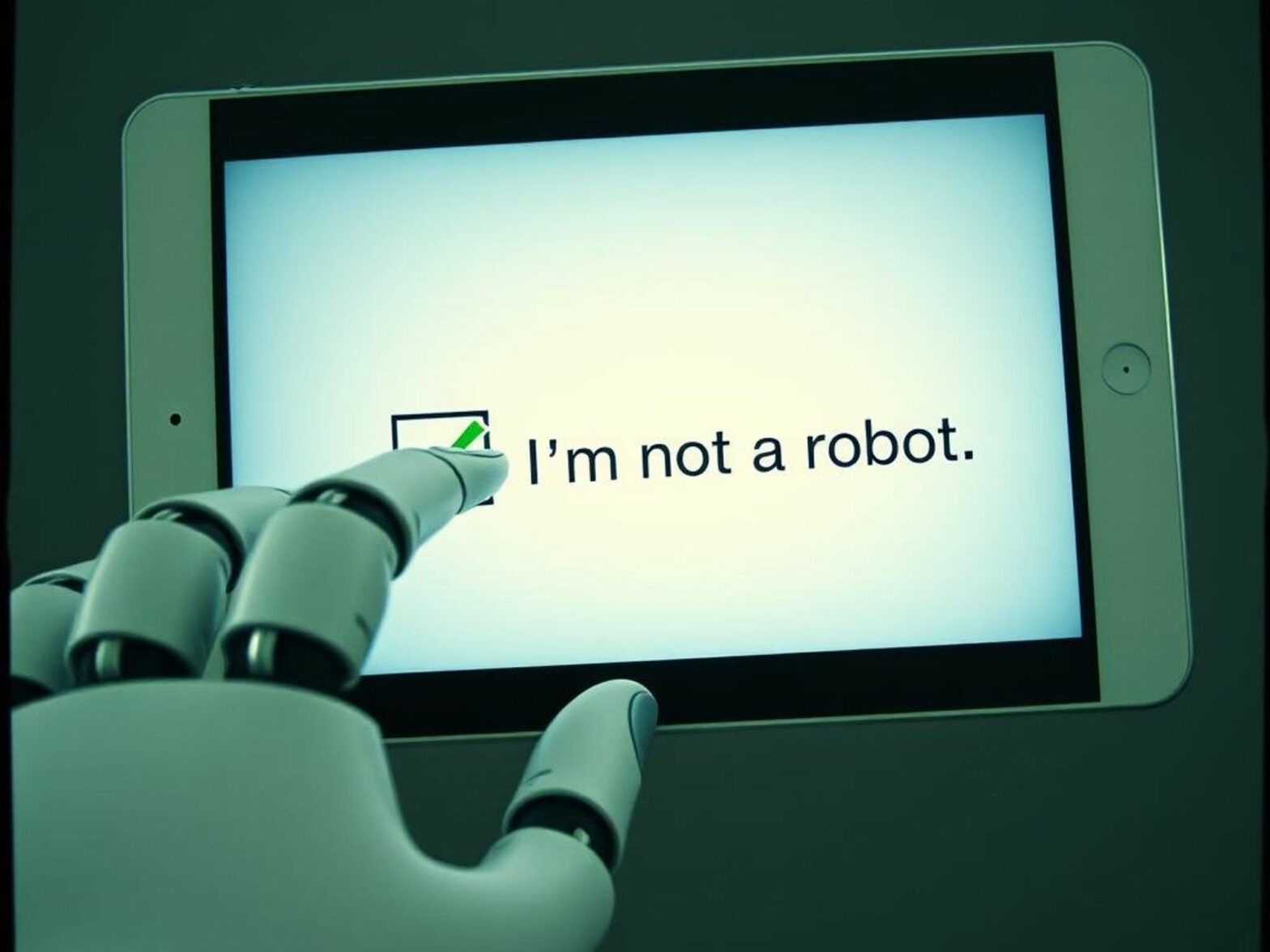
Artificial intelligence can solve tasks that previously only humans could solve. So what distinguishes us from machines?

Breaking through where no one expected it, the UAE is becoming a major power in AI. MGX, Abu Dhabi’s dedicated fund, has just joined Donald Trump’s gigantic Stargate project. It’s a new golden age for the Gulf.
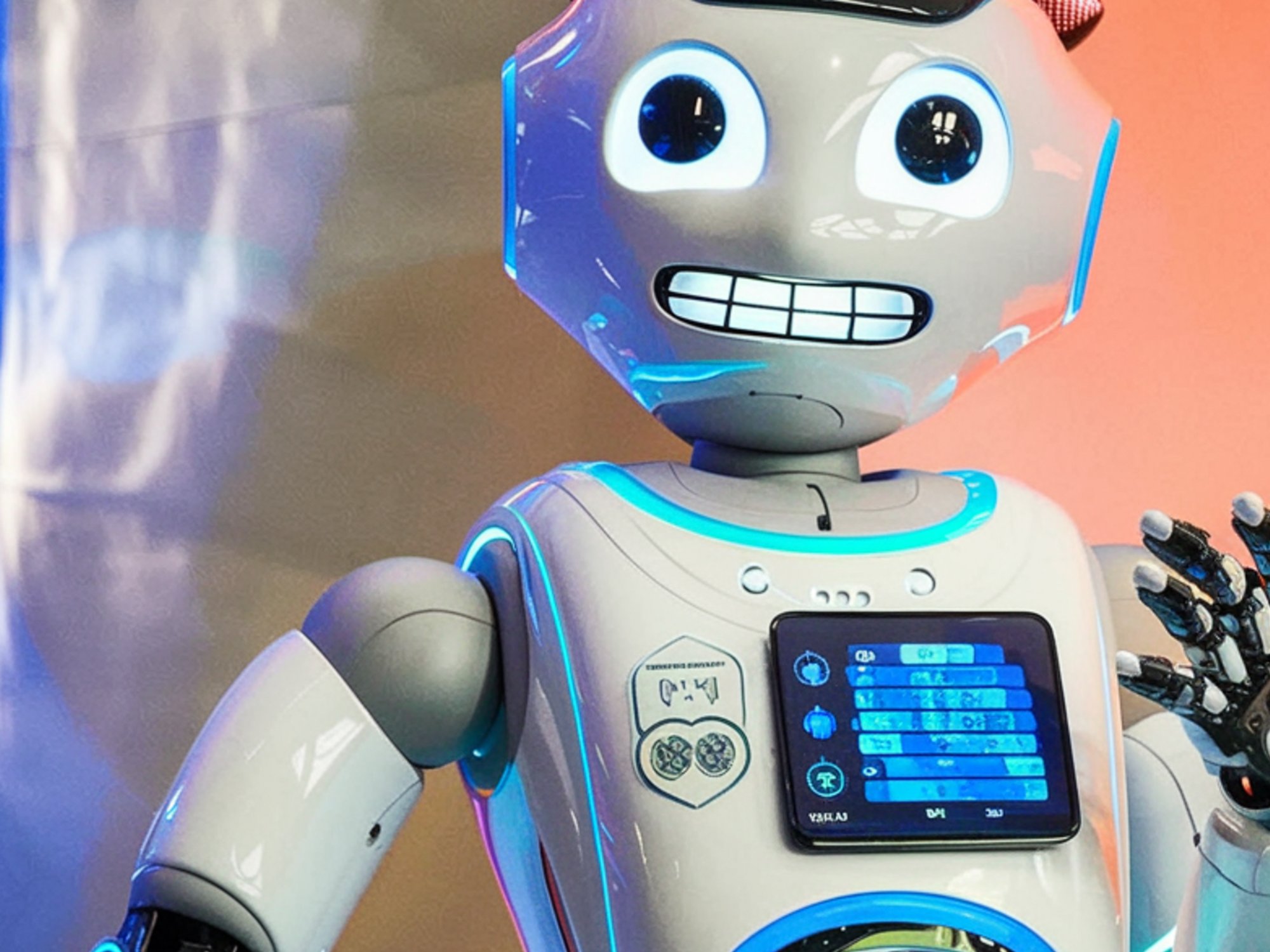
Artificial intelligence is now able to secretly pursue its own goals and hide its intents. How dangerous are these so-called treacherous “AI agents”?
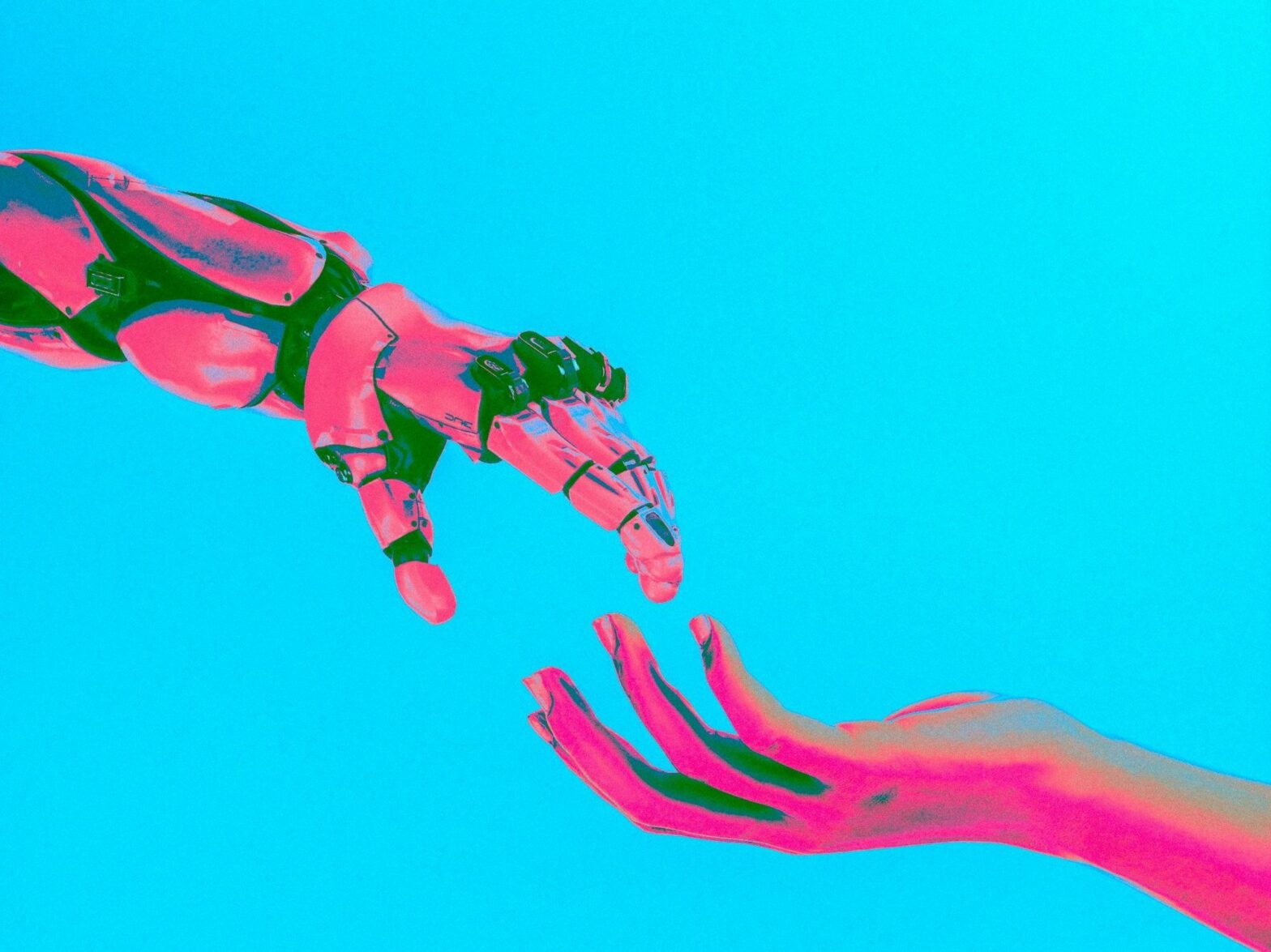
A Chinese startup is shaking the U.S. supremacy in generative artificial intelligence. Are we heading towards a collapse of barriers to entry accelerating the deployment of this technology? Could Europe offer a third way to the future?
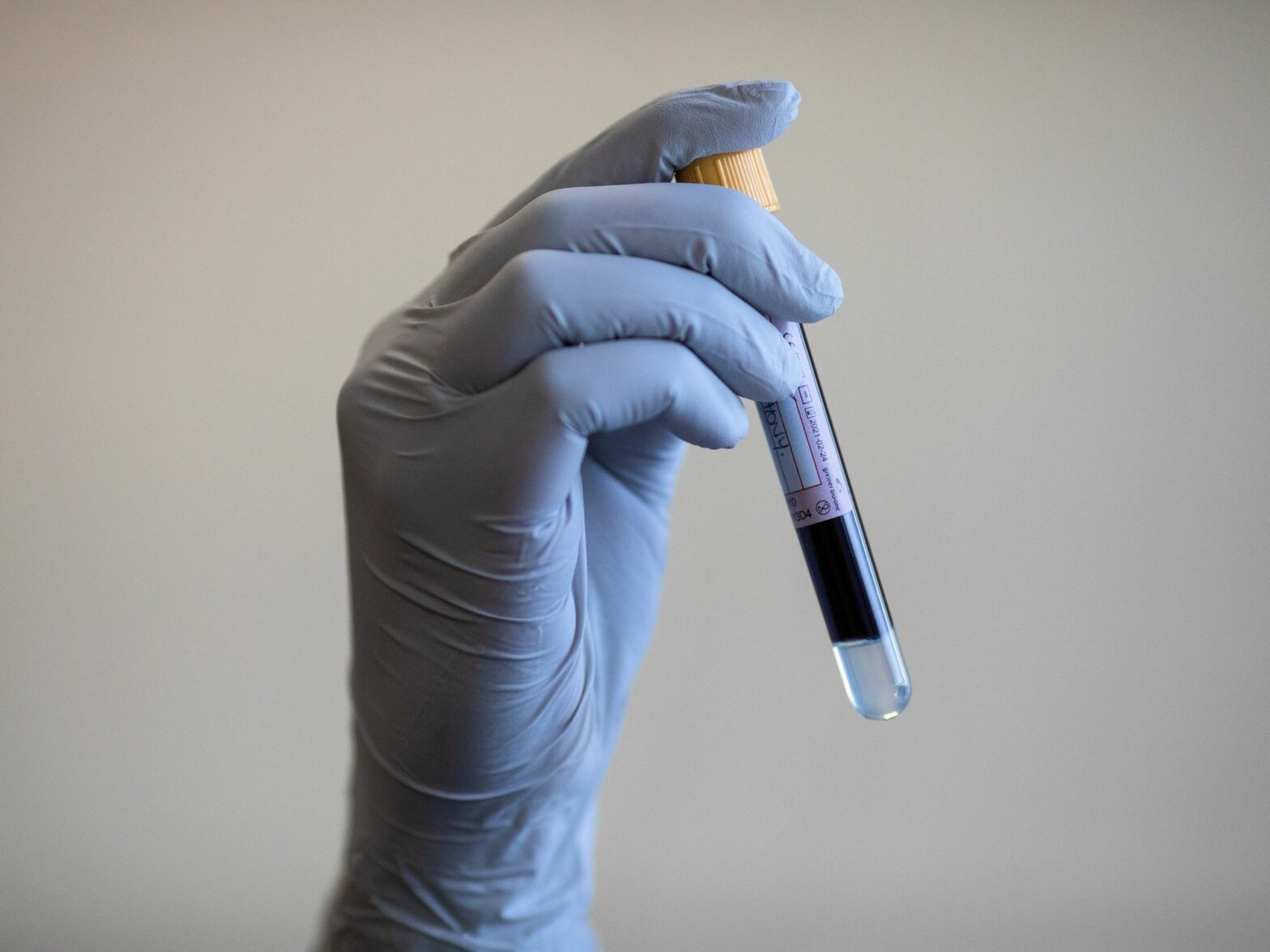
A new blood test, designed to detect more than 50 types of cancer, could be the future of early cancer detection. Is it the next big thing, or just another marketing gimmick?

As concerns grow over the risks of social media and technology on young people, a new and largely unregulated digital frontier is emerging: interactions with artificial intelligence. Platforms like Character.AI allow users to create AI-generated characters that seem human, prompting critical questions about how these virtual experiences affect our understanding of reality and relationships.
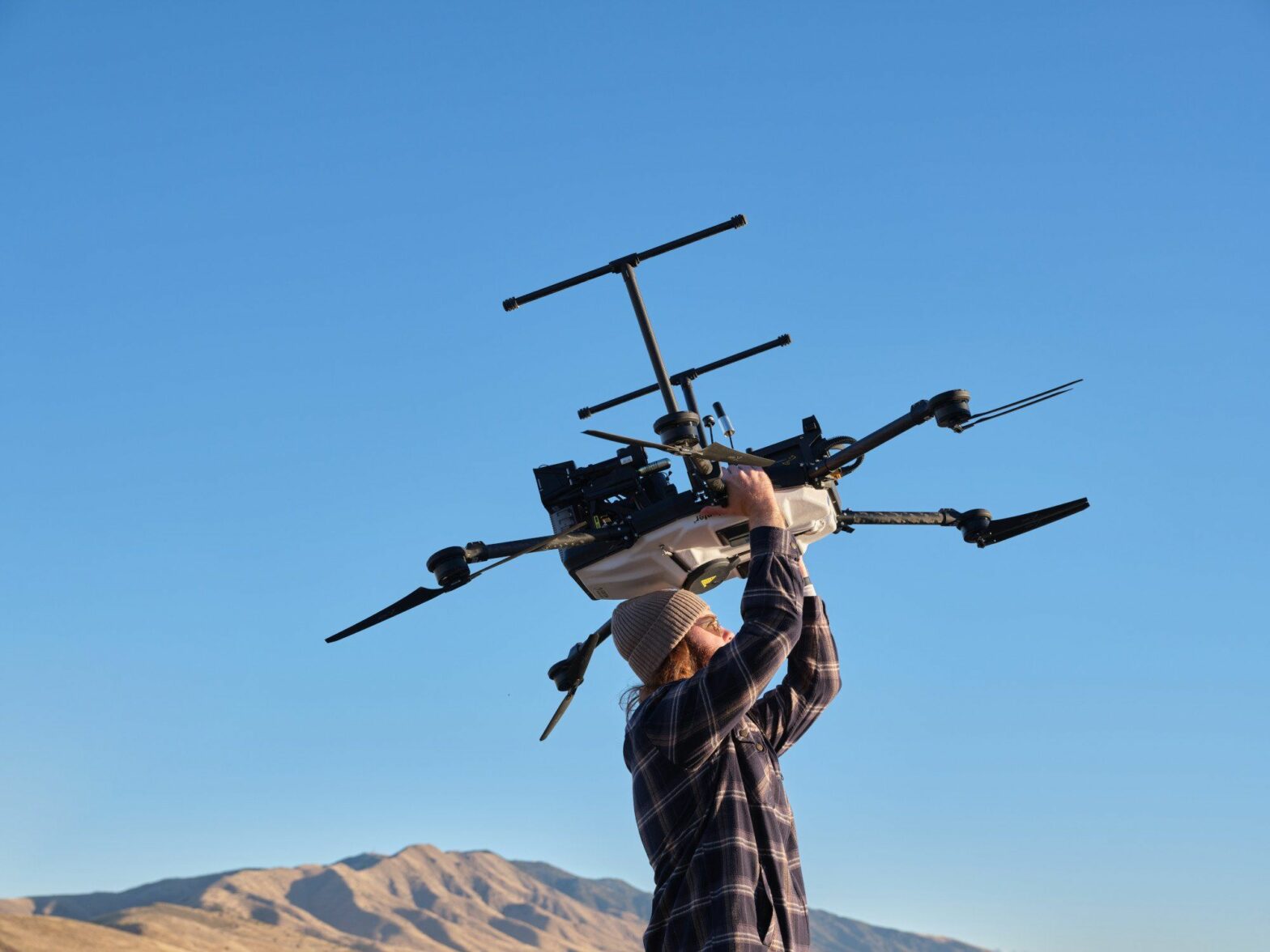
How autonomous and semi-autonomous technology will operate in the future is up in the air, and the U.S. government will have to decide what limitations to place on its development and use. Those decisions may come sooner rather than later…
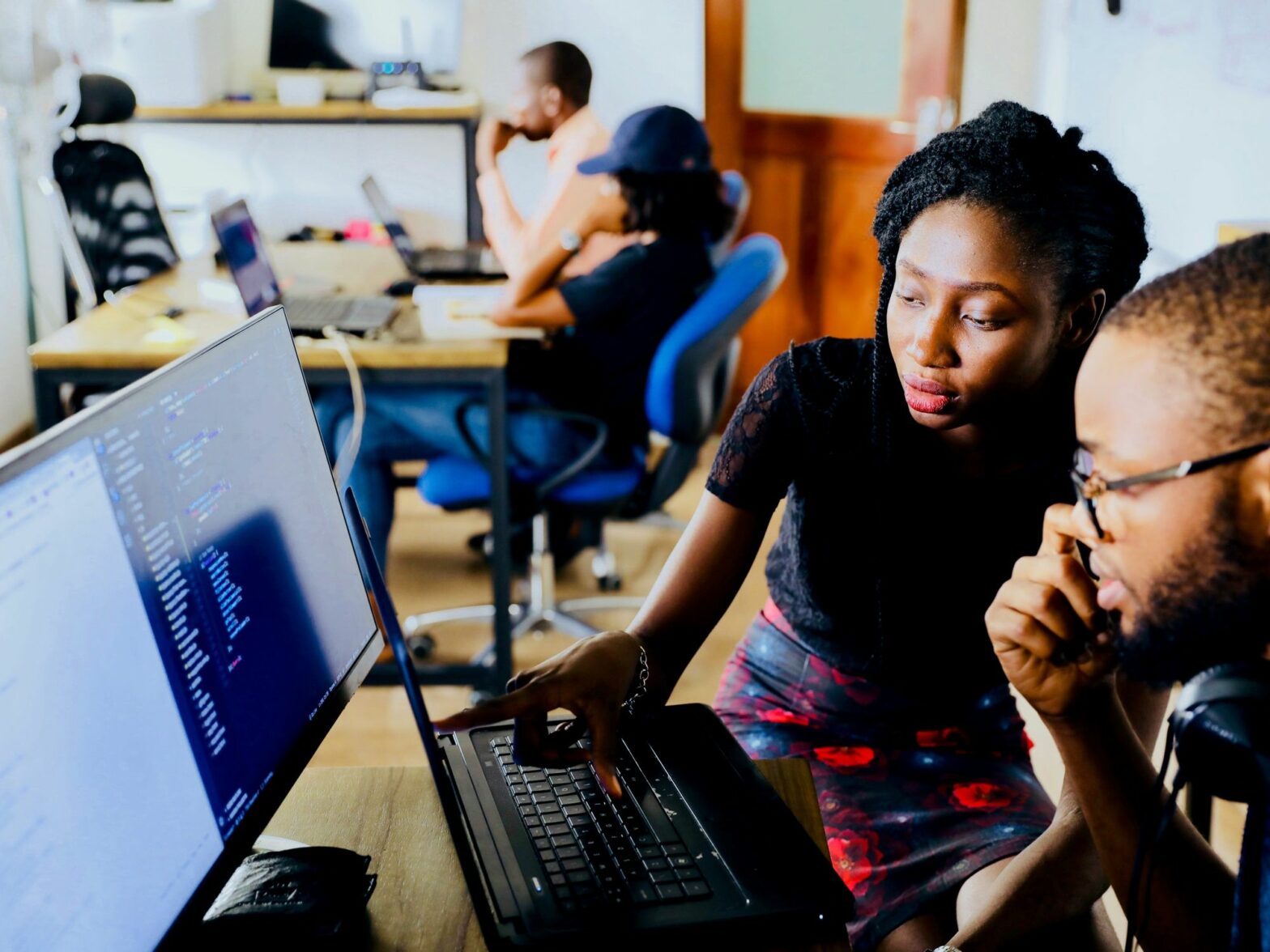
AI could offer a great new way in to the global economy for sub-Saharan Africa. Yet with some 20 million jobs needed to be created annually to absorb the massive influx of young people in the labor market, AI could also create new unemployment.
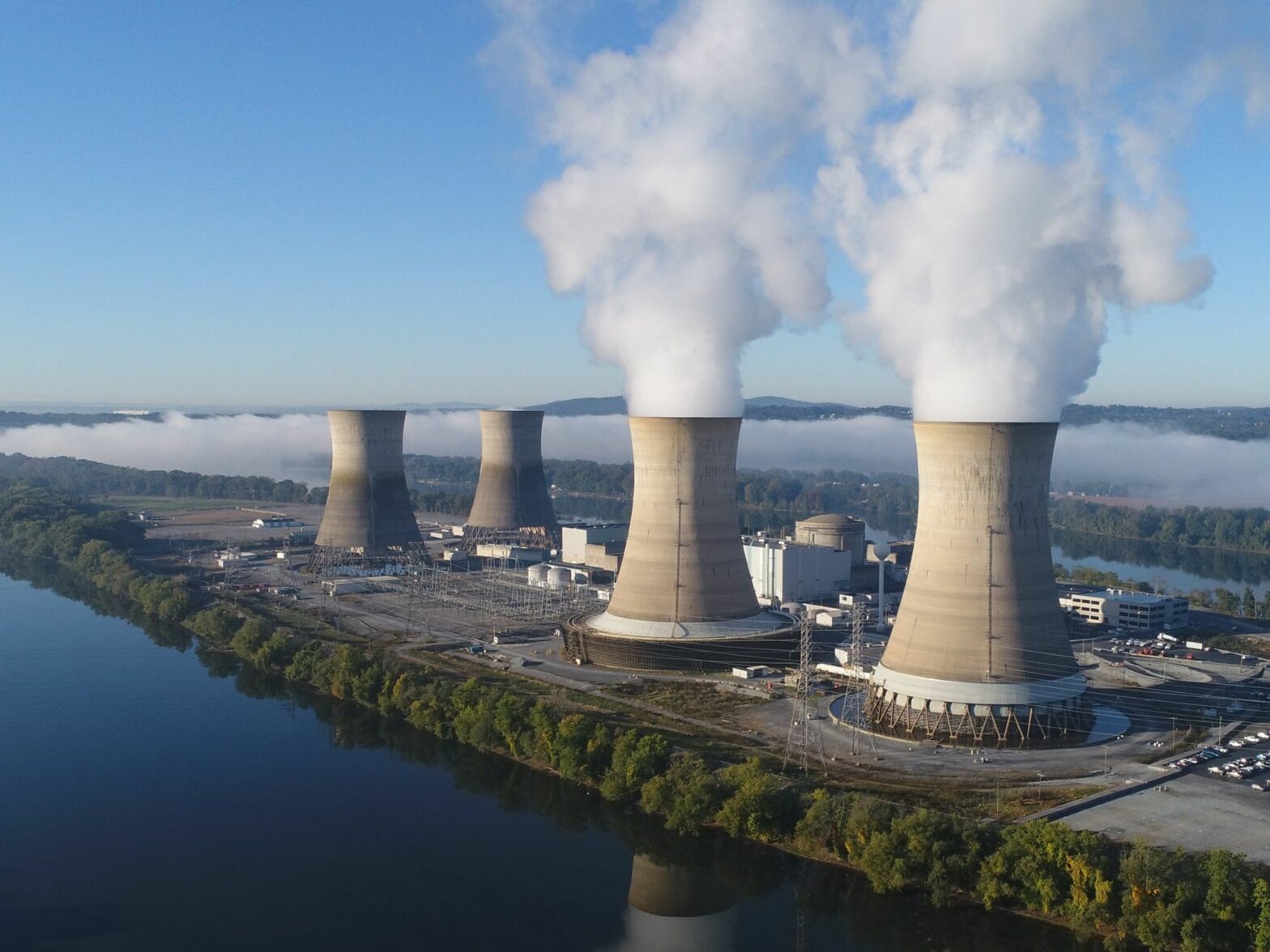
Should the U.S. revive nuclear power to satisfy the growing electricity demands of artificial intelligence? The Three Mile Island nuclear power plant offers a cautionary tale of technology outpacing expertise.

If artificial intelligence-created content floods the internet, who decides what online information is worth archiving?