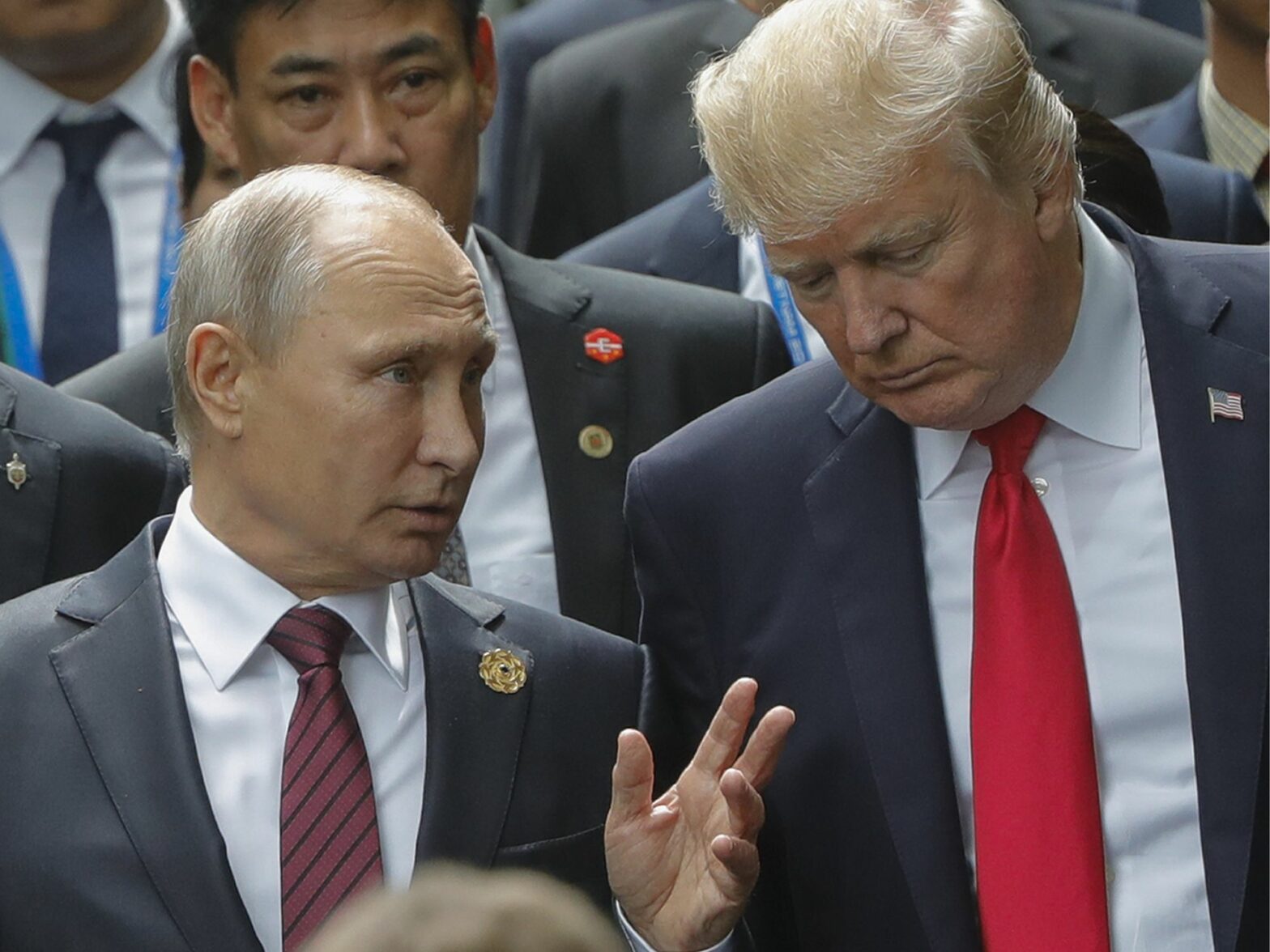
It’s as if, before our very eyes, the president of the United States were reading a script written by the Kremlin. French political analyst Dominique Moïsi, says the reversal on Ukraine is an ally’s betrayal of historical proportions.
 Worldcrunch
Moisi, a French political scientist, was a co-founder and is a senior advisor of the Paris-based Institut Français des Relations Internationales (IFRI), and has taught at Harvard University and the College of Europe, the oldest educational institution in European affairs, in Natolin.
It’s as if, before our very eyes, the president of the United States were reading a script written by the Kremlin. French political analyst Dominique Moïsi, says the reversal on Ukraine is an ally’s betrayal of historical proportions.
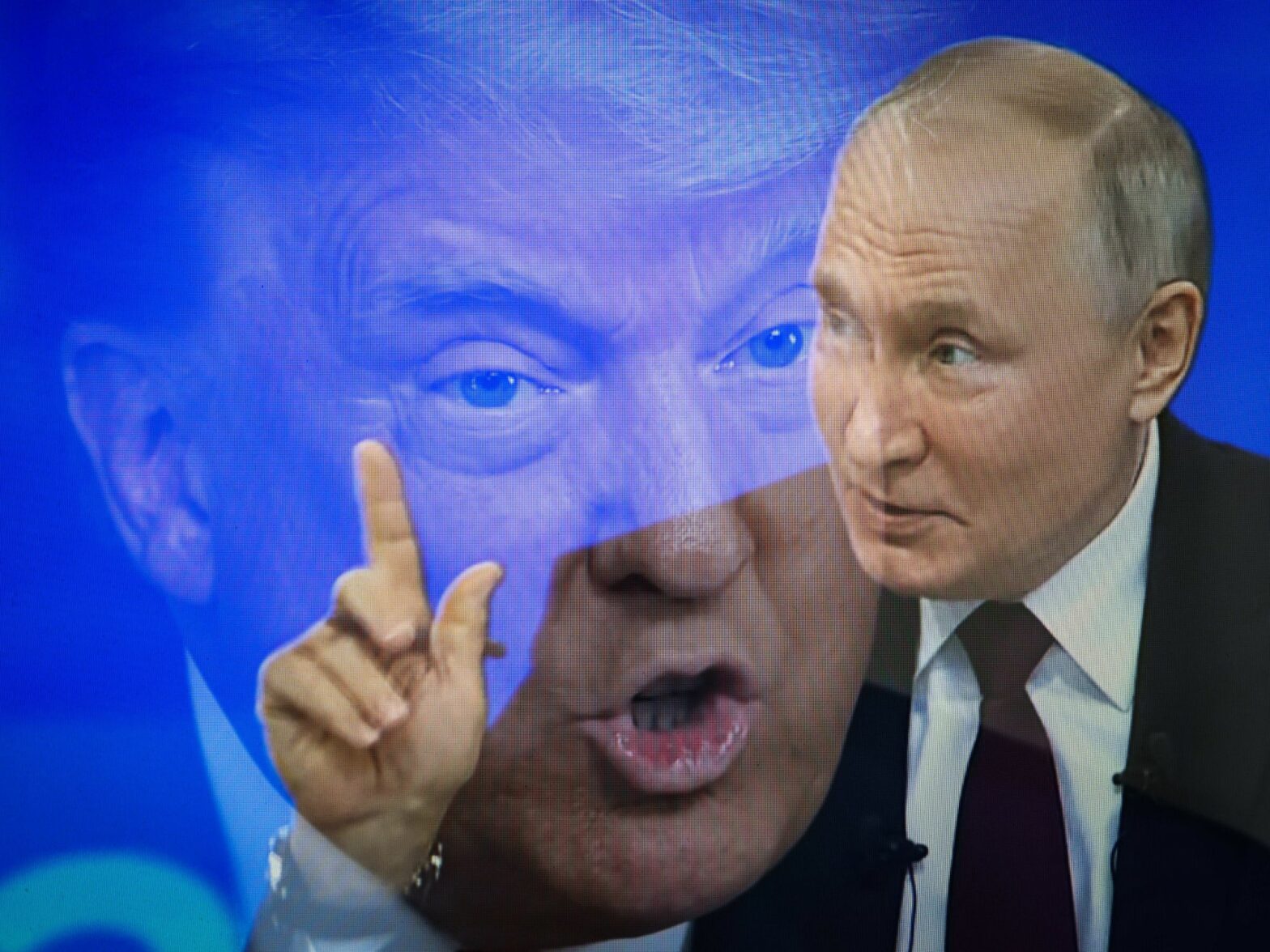
In the span of just a few hours last week, Donald Trump turned Putin’s Russia from a pariah state to a partner. For French political analyst Dominique Moïsi, the “useful idiot” role that Trump is playing does however raise a fundamental question for Europe about its own global autonomy in the future.
Will America become revisionist, unilateralist and expansionist under Donald Trump’s second term? In the early 1970s, French philosopher Raymond Aron spoke of the United States as an “imperial republic,” Now, in 2025, there is potentially much less “republic,” and much more “imperialism.”
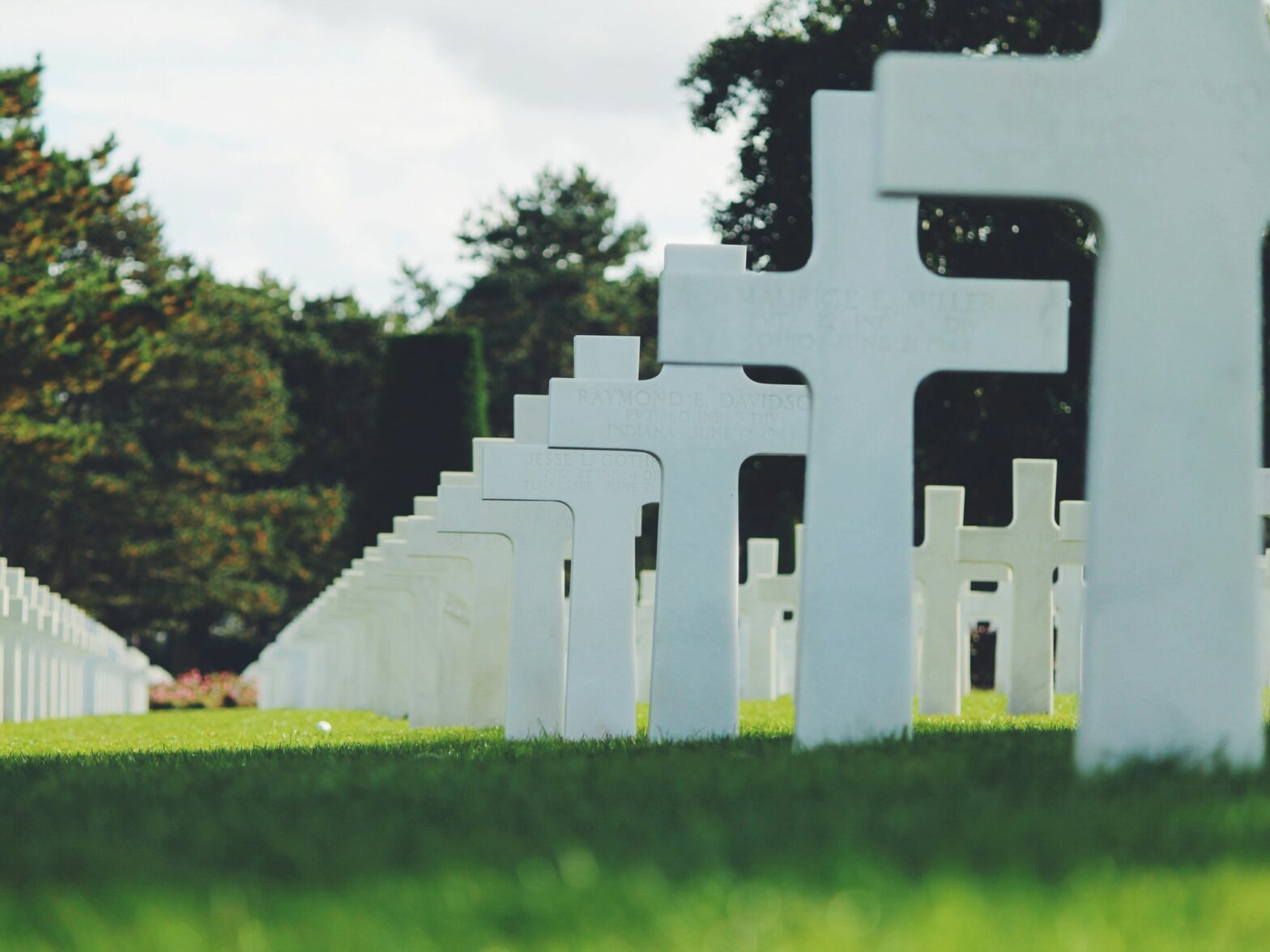
From Ukraine to the South China Sea, images of war are highly reminiscent of the horrors of the past. As the world marks 80 years since the Normandy landings of World War II, geopolitical analyst Dominique Moïsi wonders if history is bound to repeat itself.
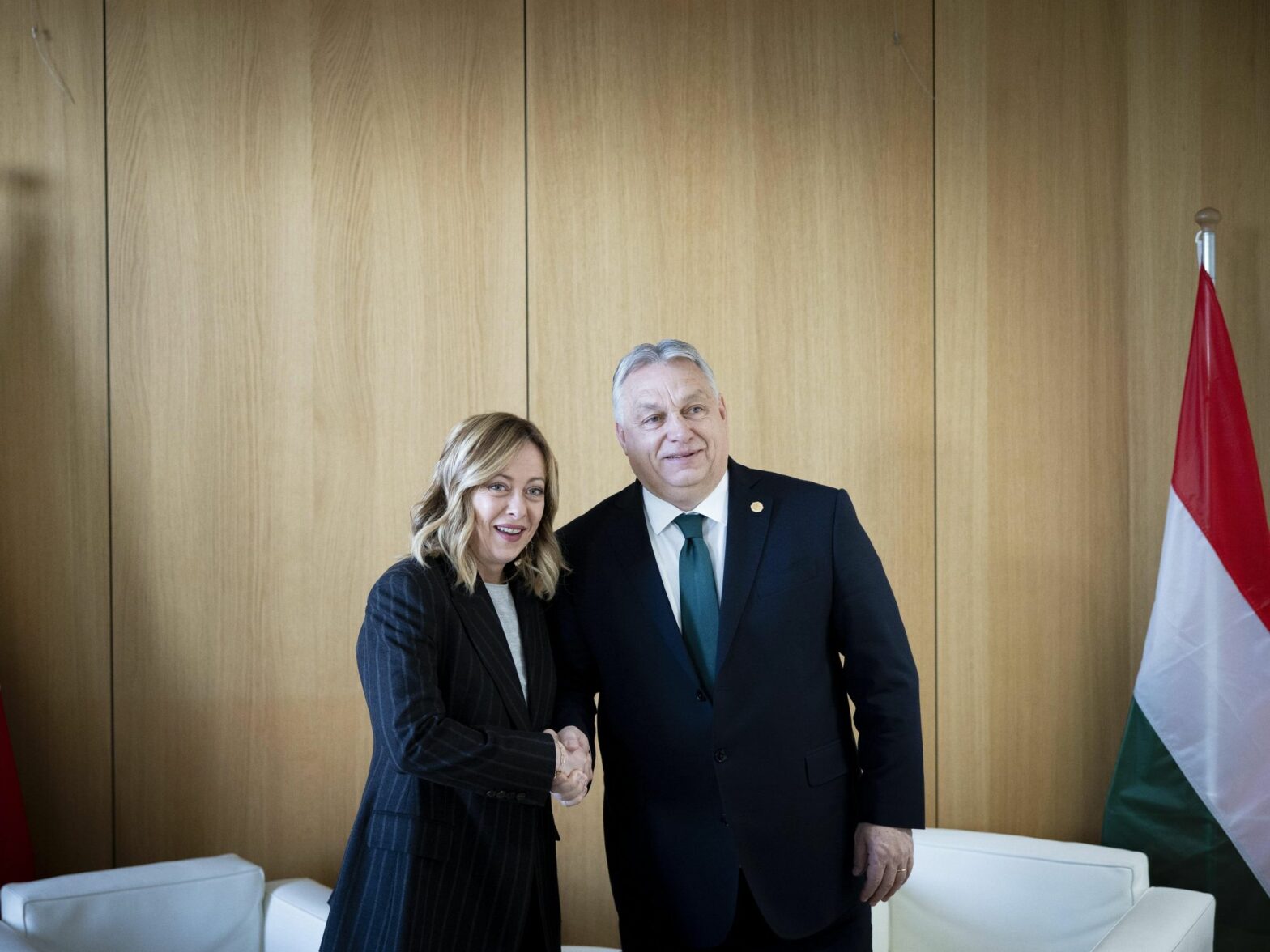
Ahead of the June’s EU elections, Europeans are deeply divided between fears of migration and of the Ukraine war, between emotion and reason. How can the EU respond in the most united and credible manner to the Russian threat?
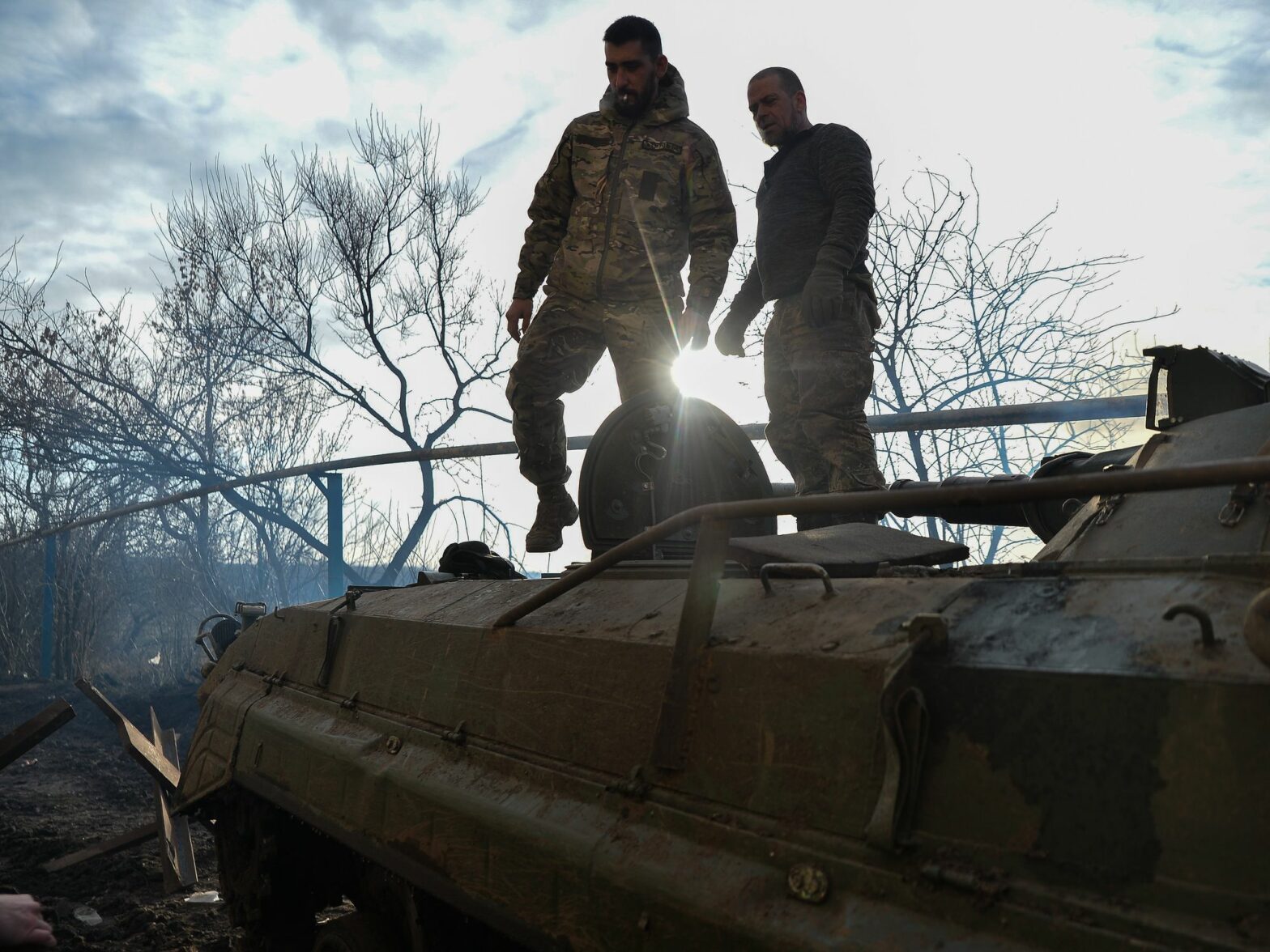
There are many analogies between 1916 and 2024, two years into World War I and the War in Ukraine respectively. It offers a clear way to try to understand what may happen next in Ukraine — and the world.
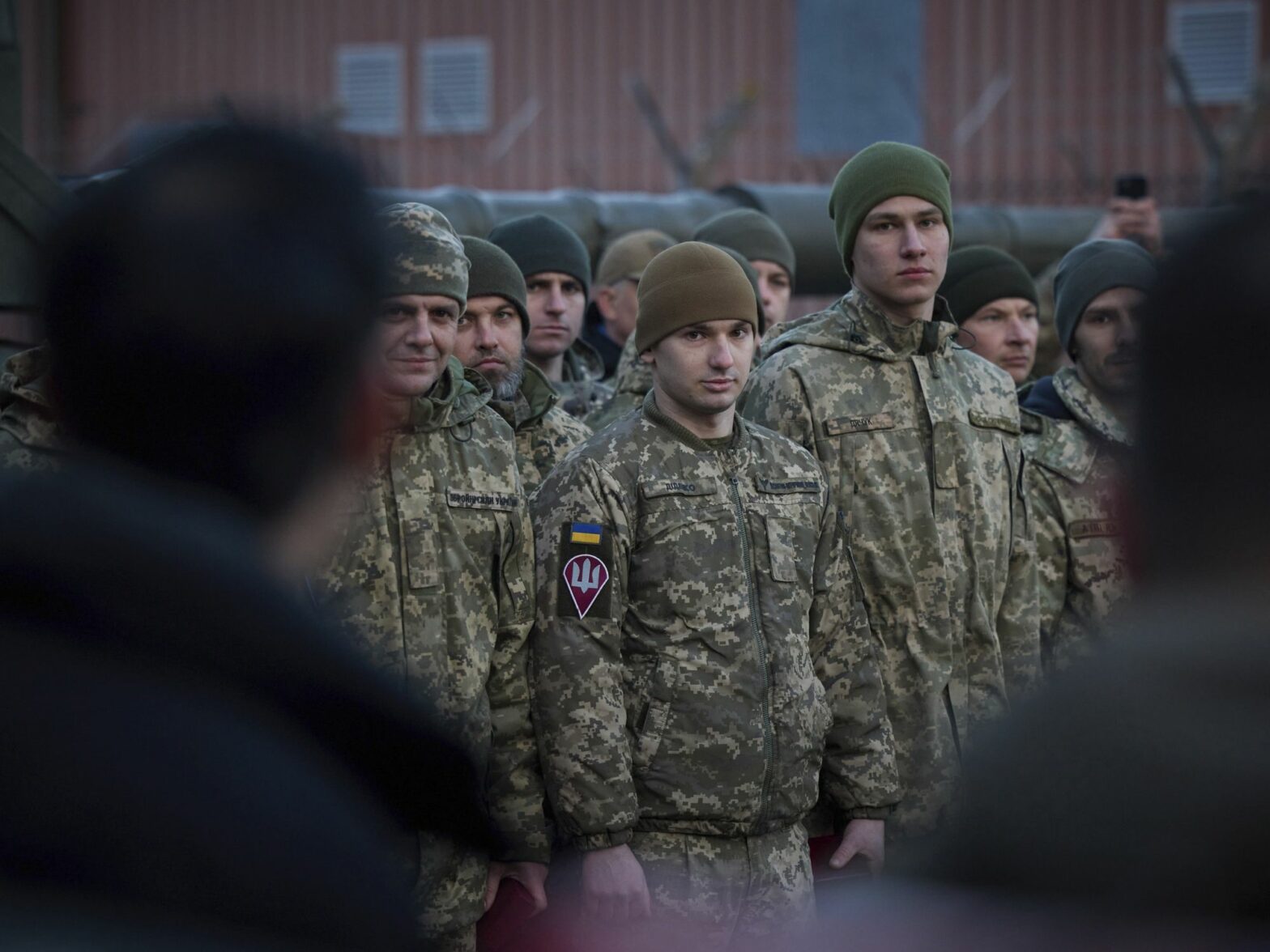
Nearly two years on, the Ukraine war is confirming to be one of those decisive moments where history calls on us to respond. The Spanish Civil War was one too, and despite its obvious differences, there are lessons about the failure a century ago that should make us redouble our support for Kyiv.
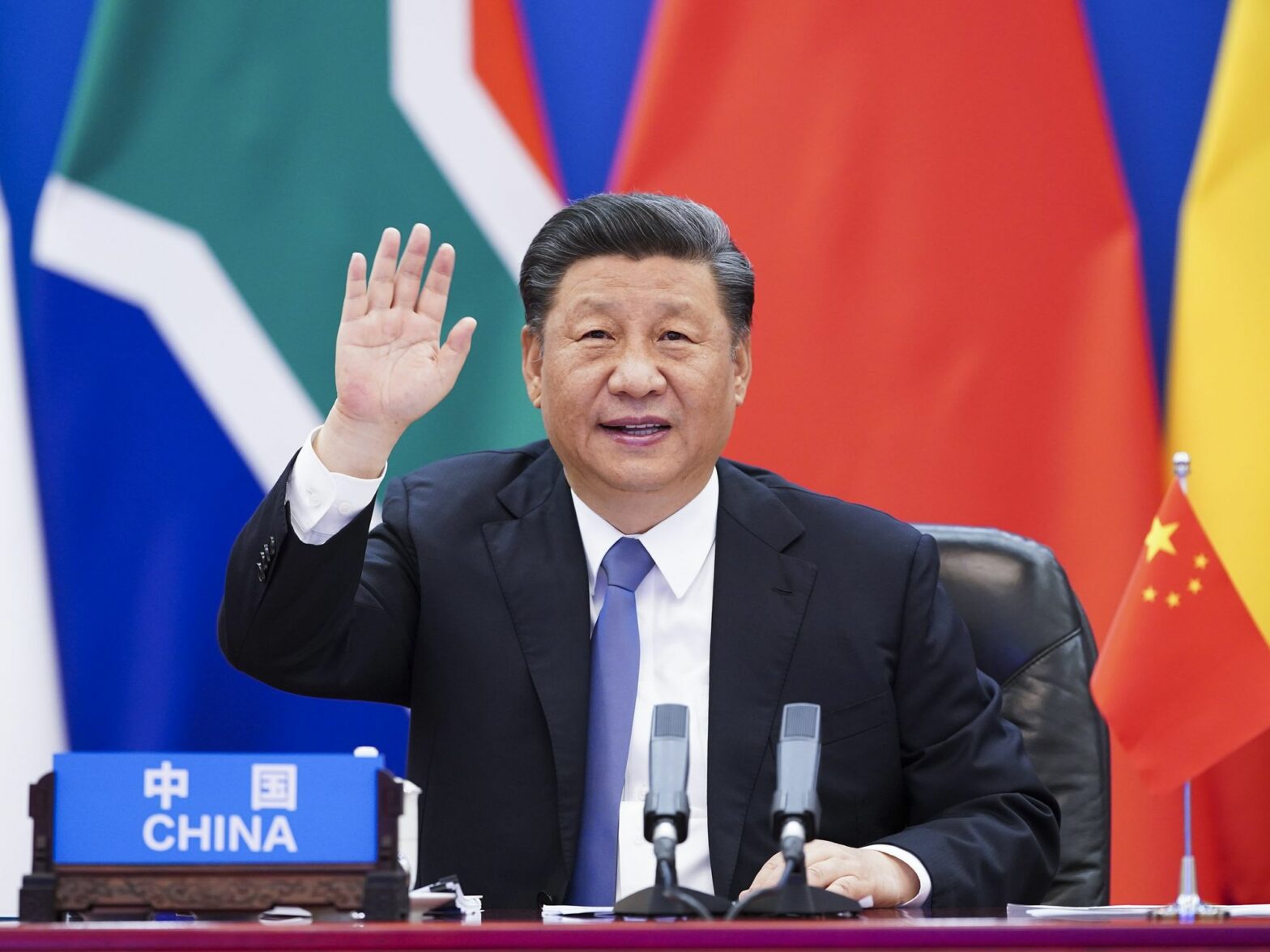
Approaching the world as a simple opposition between East and West falls short. An emerging “tripolar” geopolitics requires we establish new ways of thinking and managing both conflict and opportunity.
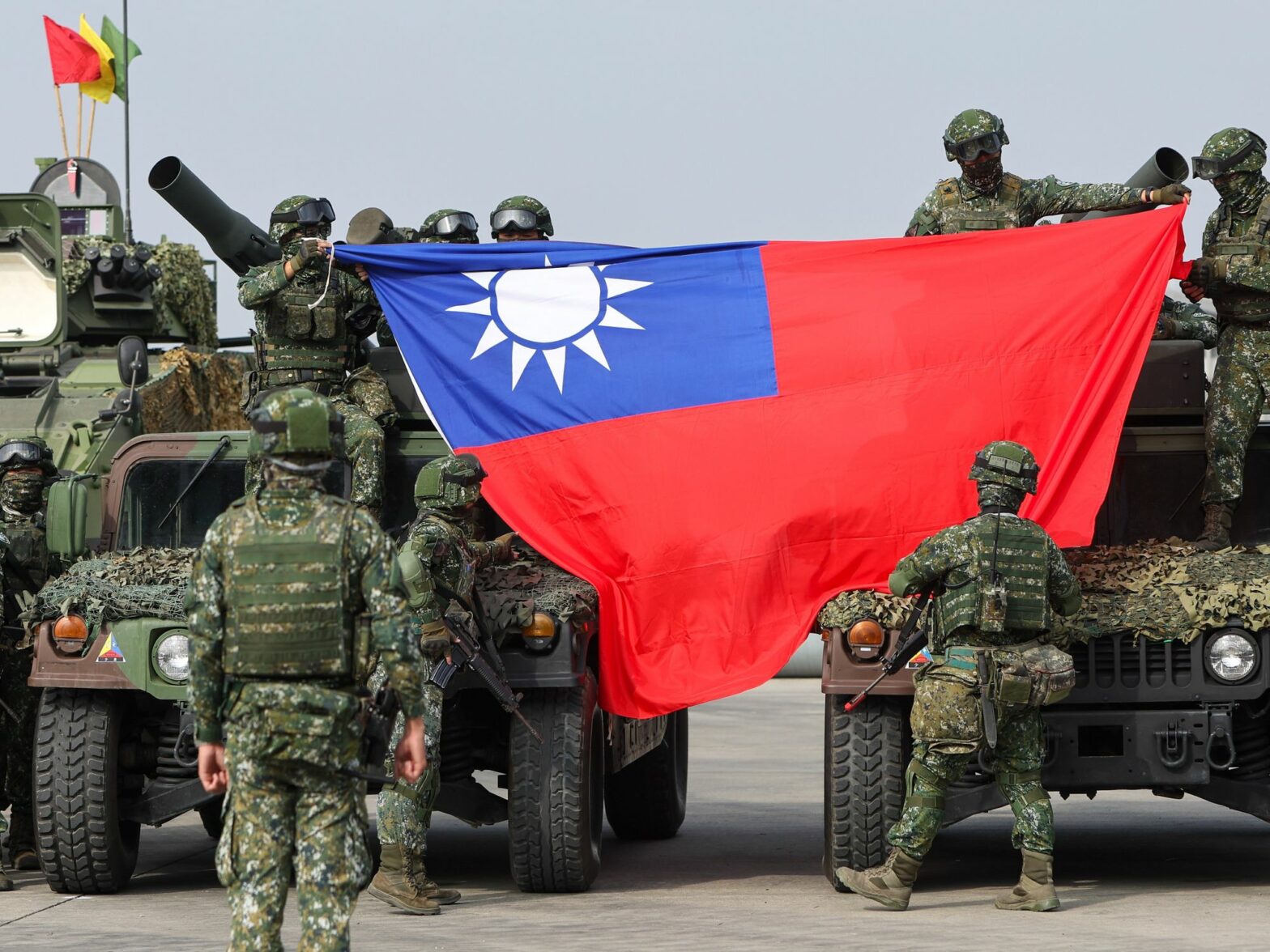
To some, tensions between the U.S. and China look like a remake of the U.S.-Soviet Cold War. Yet the West’s nemesis this time is more sophisticated and tied to us commercially in ways Moscow never was. There are, however, also new kinds of danger.
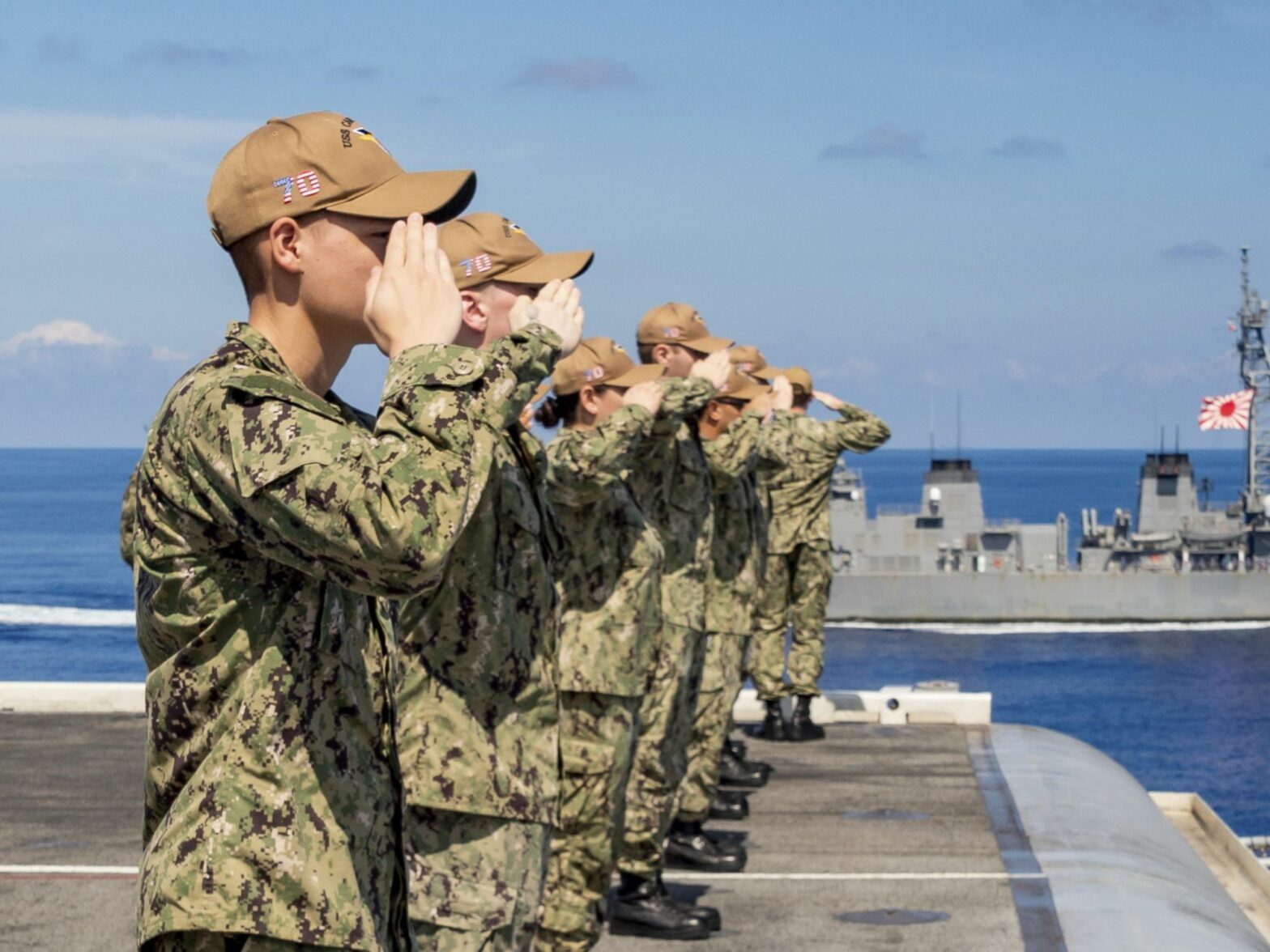
Asia has become the new center of the world because of China’s growing power, which in Washington’s eyes has turned Japan from an important ally to the most important. But is Tokyo ready for the newfound responsibility?