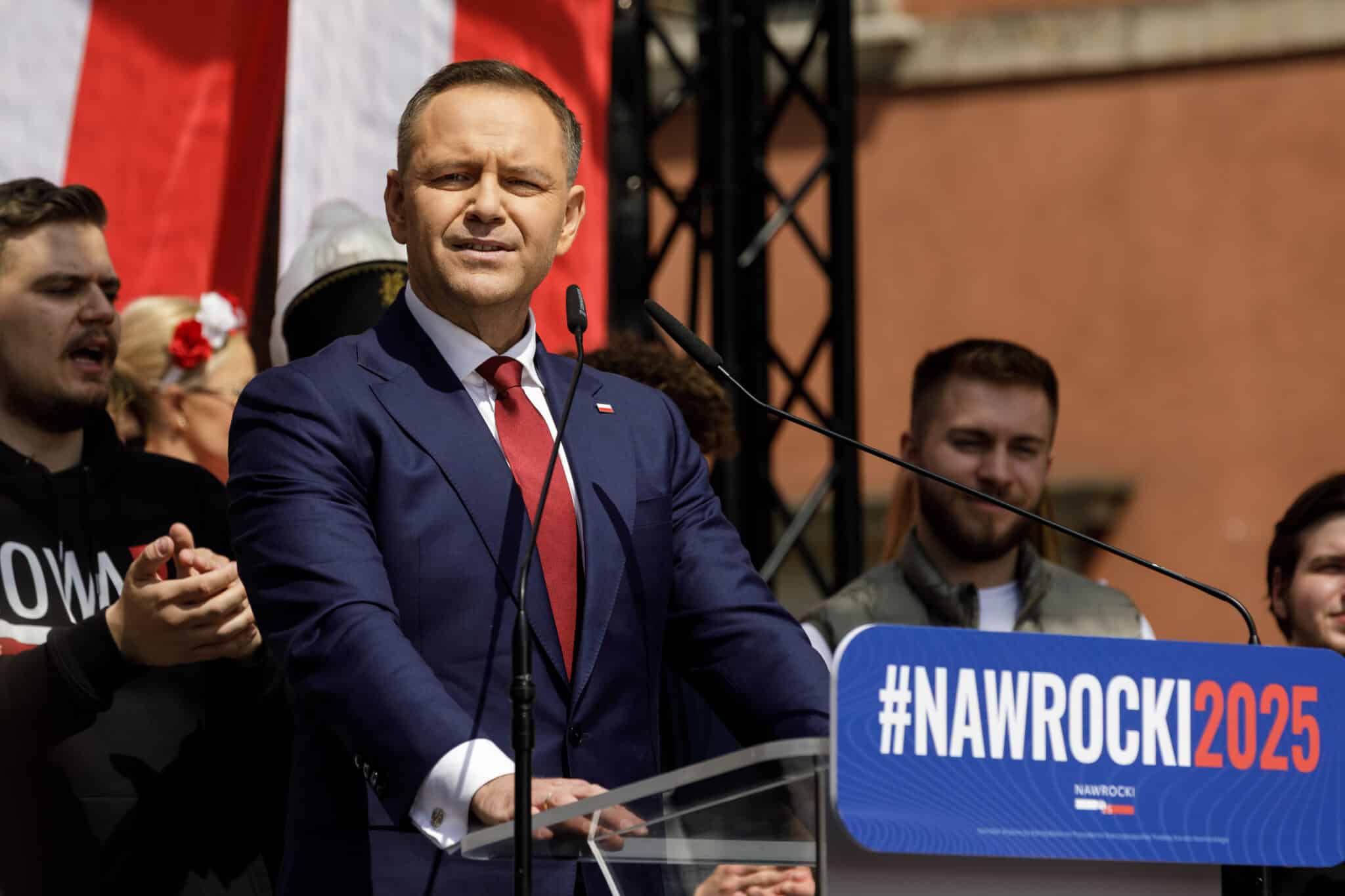
Romania and Poland, both countries divided between their liberal Pro-European and conservative nationalist parties, both countries with a communist past, have now had to make a choice about which direction they wish to go in.
 Worldcrunch
Romania and Poland, both countries divided between their liberal Pro-European and conservative nationalist parties, both countries with a communist past, have now had to make a choice about which direction they wish to go in.
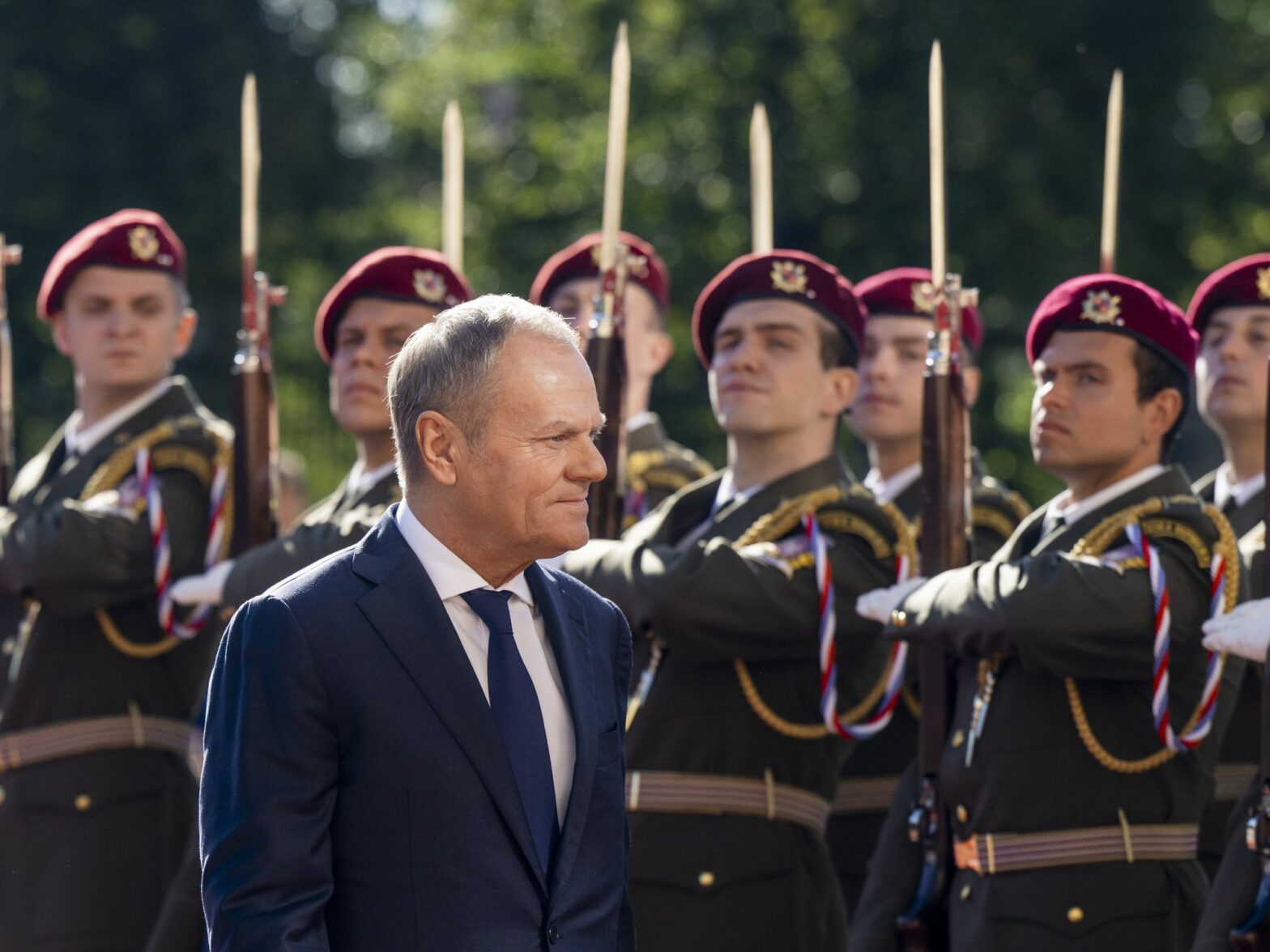
Poland, which borders Ukraine and has been their close ally since the beginning of the war, is one of the many European countries that began reasserting their security priorities after Donald Trump began peace talks with Russia. Now, wanting to deter Russian aggression, Polish political leaders are floating the idea of procuring nuclear weapons.
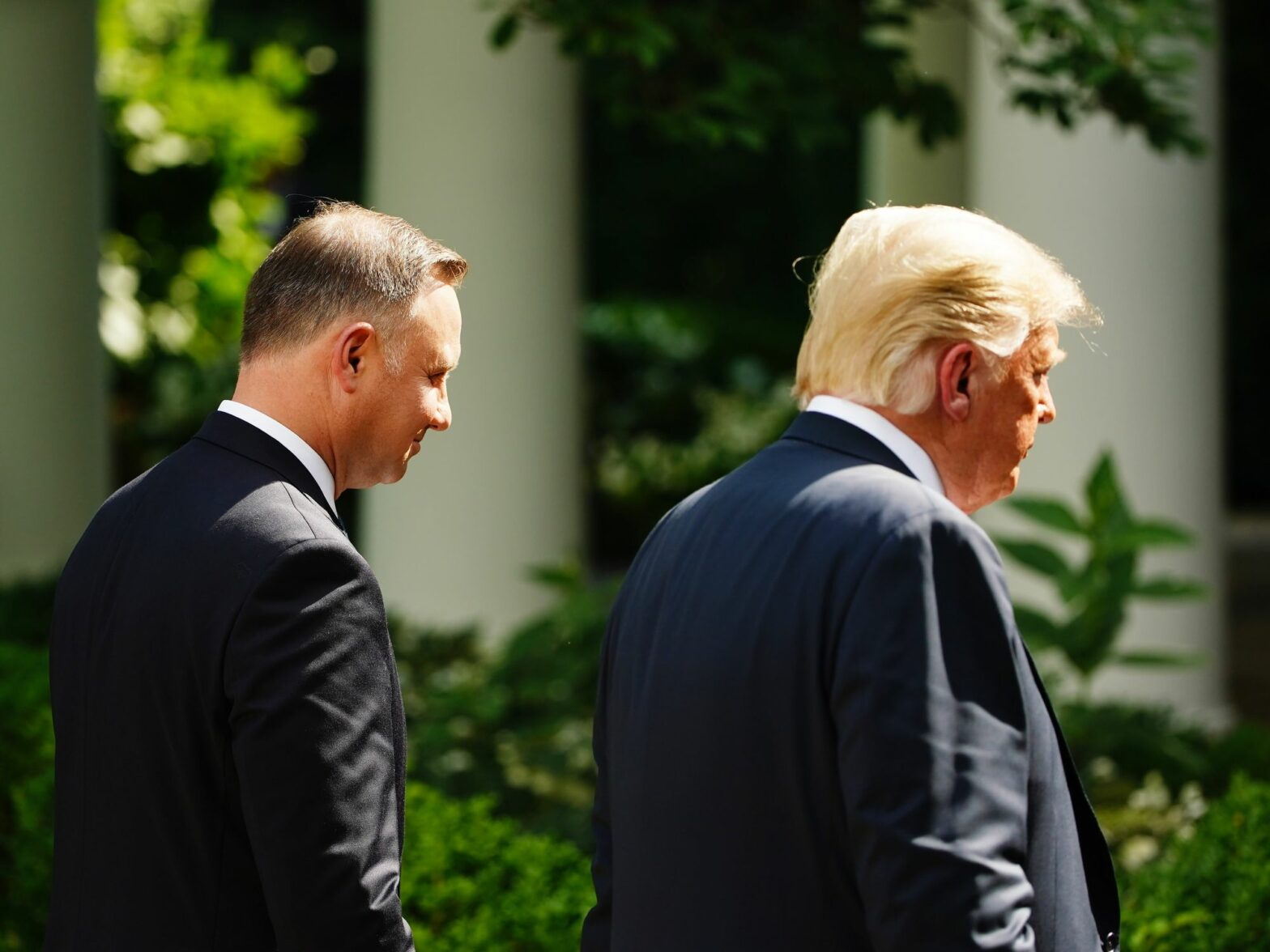
Poland was right to vote alongside Ukraine and other Western countries on a UN resolution this week that clearly indicated President Vladimir Putin’s Russia as the culprit in the outbreak of the war in Ukraine. But would Polish diplomats have made that same choice if the nationalist-conservative Law and Justice Party (PiS) were in power. The election in May could see that happen.

The German elections showed rising support for the far-right AfD, and increased dissatisfaction running rampant in German society, Polish columnist Bartosz T. Wielinski asks whether this runs the risk of history of the early 20th century repeating.
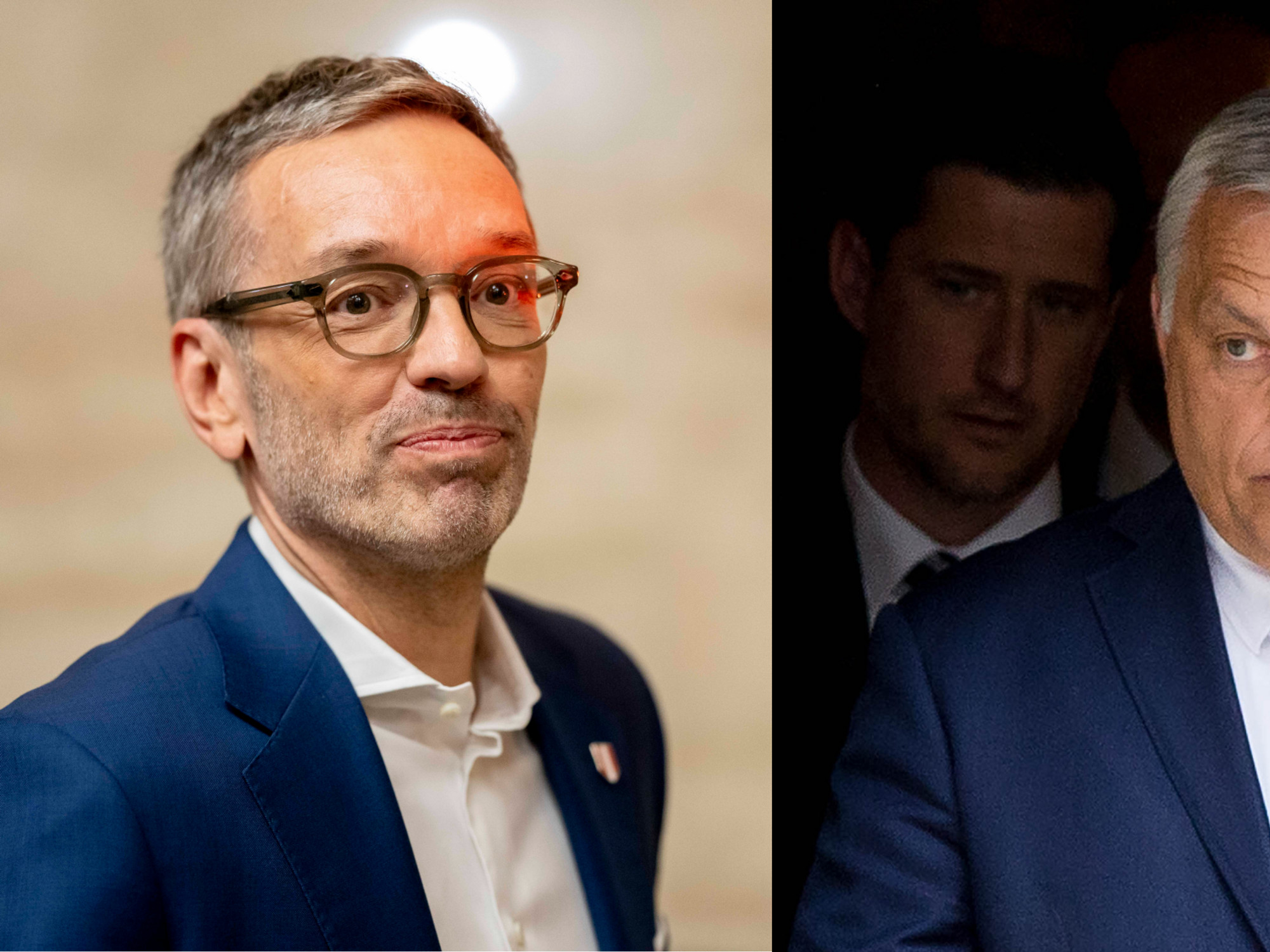
Just like the far-right electoral triumphs in France and Germany earlier this year, Sunday’s electoral victory by the Freedom Party of Austria (FPÖ) is likely to create political chaos within the country. Will Austria’s new leadership turn to Viktor Orbán’s Hungary and reignite their old alliance?