
-Analysis-
PARIS — And that makes five. In just six weeks, the U.S. Navy has sunk five boats in the Caribbean, killing everyone on board — dozens of men in total. On Tuesday, Donald Trump took to social media to personally announce the latest incident, which reportedly took place in international waters. According to the president, the six men aboard were drug traffickers.
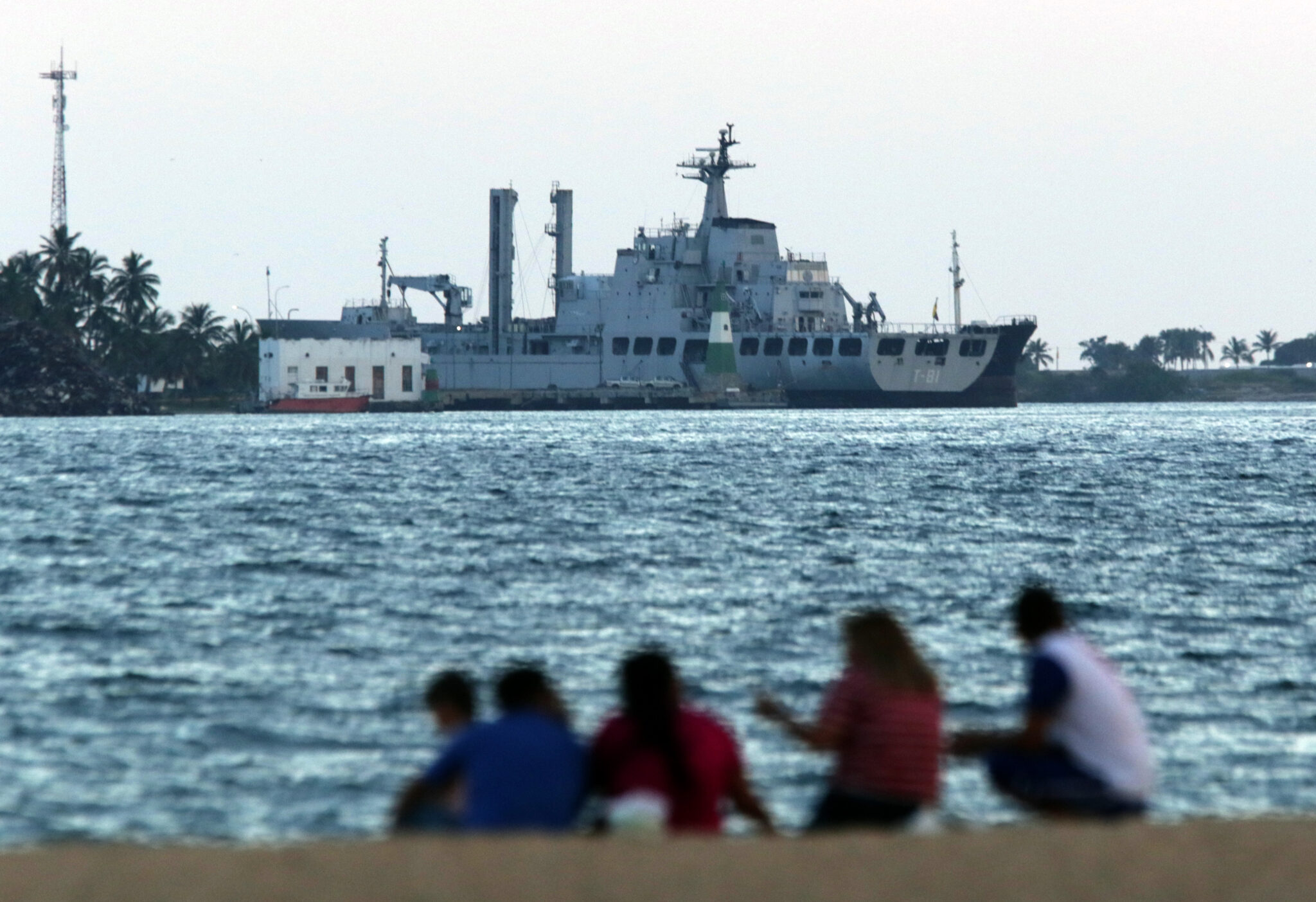
The U.S. has now officially declared itself in a “non-international armed conflict” with the drug cartels ferrying narcotics by boat to its shores. A full-scale naval deployment is underway in the Caribbean — a veritable armada that even includes a nuclear submarine and 10,000 troops.
The problem is twofold. The White House has provided no evidence that these boats were actually transporting drugs, and is simply asking the world to take its word for it. Furthermore, the administration has not requested authorization to start a war — not even from Congress, as is required by U.S. law.
Centralized power
Last week, Democrats tried to force Trump to seek congressional approval, but Republicans voted unanimously against it, as they have done since January, effectively abandoning any effort to hold to account the president, who continues to centralize power in his own hands.
Trump’s main goal seems to be projecting raw, unchecked power.
As in other cases, Trump’s main goal seems to be projecting raw, unchecked power — both toward political rivals at home and toward the cartels and governments of Latin America.
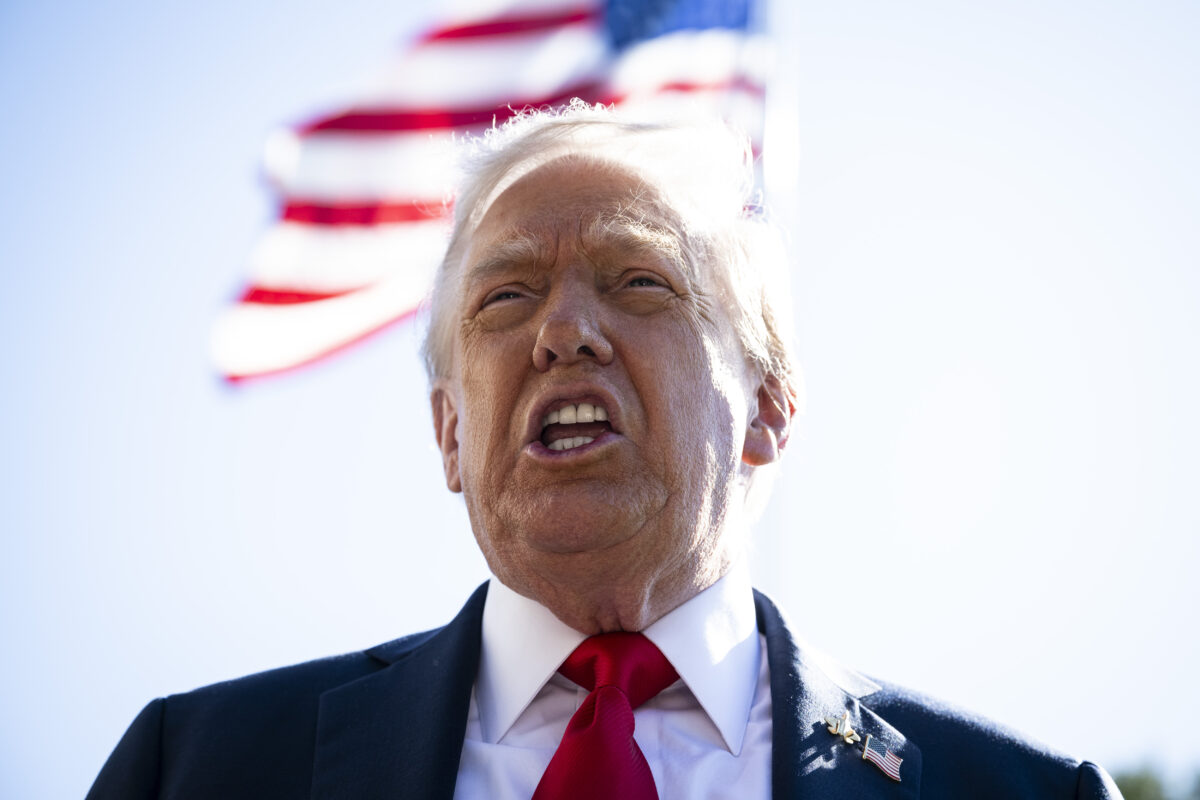
He has openly floated the idea of launching air strikes on Venezuelan soil and, according to The New York Times, has authorized the CIA to take action against the Caracas regime.
Is Trump moving toward a plan to topple Nicolás Maduro, his longtime nemesis, under the guise of fighting drug trafficking? The Venezuelan leader, who is clinging to power after rigging last year’s elections, has dealt with threats like this before — but would Trump really risk another attempt at a regime change after the U.S. has failed so many times in the past?
Latin America on alert
Across Latin America, governments are watching with growing unease as a new kind of Monroe Doctrine seems to be taking shape — named after the fifth U.S. president, James Monroe, who in the early 19th century declared the Americas were Washington’s sphere of influence. His warning was aimed at European colonial powers, urging them to stay out of the Western Hemisphere. But over time, the doctrine evolved into a justification for U.S. interventionism — first across Latin America in the 19th century, and later during the Cold War.
Trump seems to draw inspiration from that imperial era. His political idol, whose portrait hangs in the Oval Office, is President William McKinley — elected at the turn of the century and remembered as “the imperialist president.”
Since his election, Trump has sought to reclaim the Panama Canal, imposed surcharges on Brazil to support his friend ex-President Jair Bolsonaro, and has not hesitated to interfere in Argentina’s internal affairs, providing massive financial aid that the country needs, on condition that his ally Javier Milei wins the midterm elections.
The policy of gunboat diplomacy in the Caribbean Sea and intimidation of Venezuela is part of this logic of a return to the survival of the fittest. That means for Trump, it’s worth sinking a few boats without worrying about the law.