-Analysis-
TURIN — We have repeated it countless times ourselves: “Yes, we can.” Almost a collective spell. That night in Chicago, Barack Obama on stage and millions of people convinced that history had taken a benevolent turn. The first Black president, a symbol of faith in a solid democracy and the promise of a fairer society. The future seemed to take shape in three words that held the hope of a different world: it is possible.
For the latest news & views from every corner of the world, Worldcrunch Today is the only truly international newsletter. Sign up here.
Kyiv, today. A peace agreement that looks more like surrender, in a world where fluid borders slide like cards in a giant moving game of Risk. The players of history, with their bombs, bargaining chips and gas pipelines, take turns reshaping the planet. The others adapt. We watch, stunned, without a role, caught in a destiny imposed on us, almost without the strength to comment on it. The same words of hope suddenly shift into a darker question: Is it possible?
Force in charge
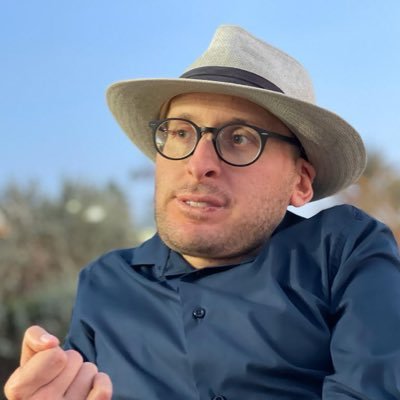
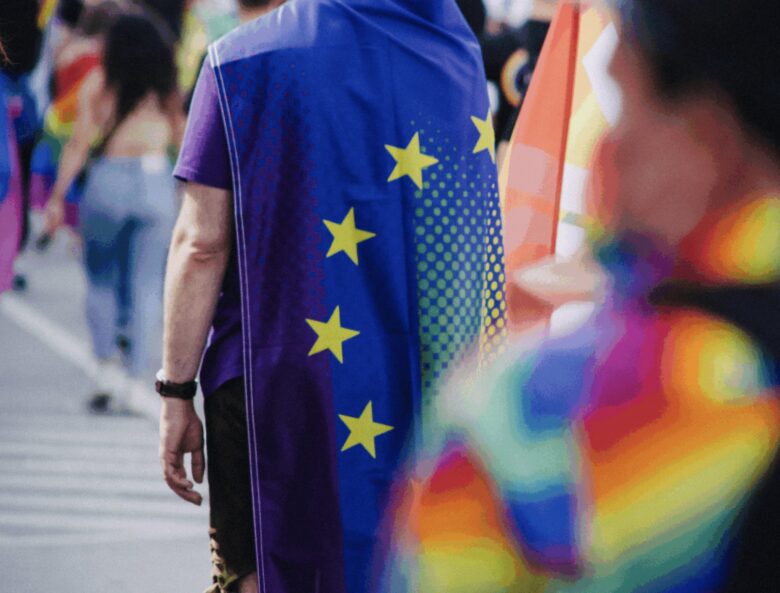
Those two photographs and that question mark capture the entire distance between the world then and the one we face now. Even more than anger, even before fear, the feeling spreading today is disbelief. We had assumed that certain gains were irreversible, solid foundations of an orderly world. Instead, we are watching events unfold with disconcerting ease, as if someone had changed the rules of the game just as we were about to roll the dice — and we, distracted by other things, failed to notice.

With every passing day, those events become the new normal. Everything becomes possible: that a war in the heart of Europe breaks out over our heads; that an allied country becomes a negotiable pawn; that the final bill for the conflict falls on those left on the sidelines. And that means us. If only Ukraine were a tragic exception. Or Gaza. Or Trump. Or Elon Musk. It is not so.
Every front delivers the same message: what seemed unthinkable yesterday not only happens, it repeats itself, multiplies, and takes hold. Force once again sets the agenda, dragging along immediate and shifting interests that change direction with the first gust of geopolitical wind. And we, having built our identity on the idea of a history moving toward stability and cooperation, are caught unprepared, as if the rhythm of the world had flipped and we failed to notice.
In this tangled landscape, every signal feels like an alarm, every small crack a warning of a larger shift we cannot yet name.
Disbelief is creeping in everywhere. We truly struggle to accept that democracies are slowly unraveling, or worse, being torn apart entirely. Meanwhile, China watches from the sidelines with a quiet, calculating patience, piecing together its geopolitical mahjong with a calm that is more unsettling than any threat, and with moves we can barely interpret.
Swinging markets
Markets swing like frantic seismographs, technology accelerates with unexpected swagger, and at defense trade fairs, prototypes of humanoid soldiers appear that look as if they have stepped straight off the set of Terminator. In this tangled landscape, every signal feels like an alarm, every small crack a warning of a larger shift we cannot yet name. There is no longer any doubt: anything is possible.
Compared to the recent past, defined either by the belief that everything would work out anyway or by a comfortable indifference to what was not working, disbelief is already a step forward. It means we have finally understood that reality has taken a different path than the one we assumed.

Between two extremes
But that is only half the work. The next step is figuring out how to replace the certainties that have vanished. For years, we have swung between these two extremes, but it is clear that neither offers enough. They give us an exact portrait of our state of mind, but they offer no guidance and point toward no direction.
Today we need a new idea of the possible. More sober and more concrete, capable of existing within the world as it is, without illusions and without resignation.
For Europe, as a start, it would be enough that, if we truly cannot speak with one voice, we could at least manage to stammer together. While we debate the decline of democracy and the collapse of multilateralism, we genuinely work on rebuilding strategic supply chains that can free us from dependencies leaving us exposed to any form of blackmail.
And, alongside ethical regulations and philosophical debates about the future of AI, we must seriously invest in skills, research, and innovation. Small goals, certainly, but real ones, spaces to reopen rather than reinvent every time. Because there is only one way to move beyond disbelief: define what we can still do, and do it. This is how the possible can become real again.