
-Analysis-
PARIS — Of course, it’s never easy to put yourself in the mindset of someone like Vladimir Putin, Xi Jinping or Donald Trump. Entire books have been written trying to do just that.
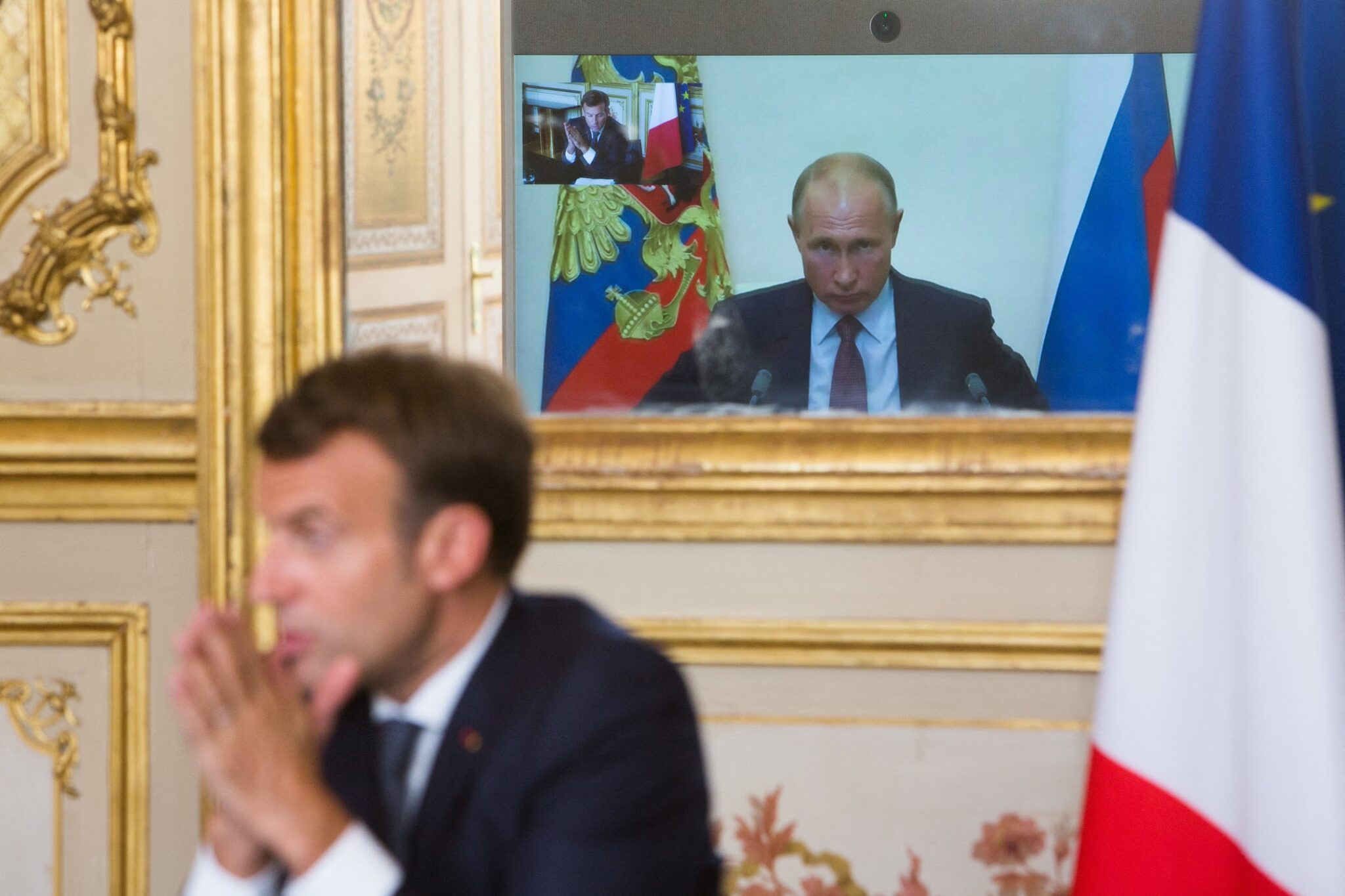
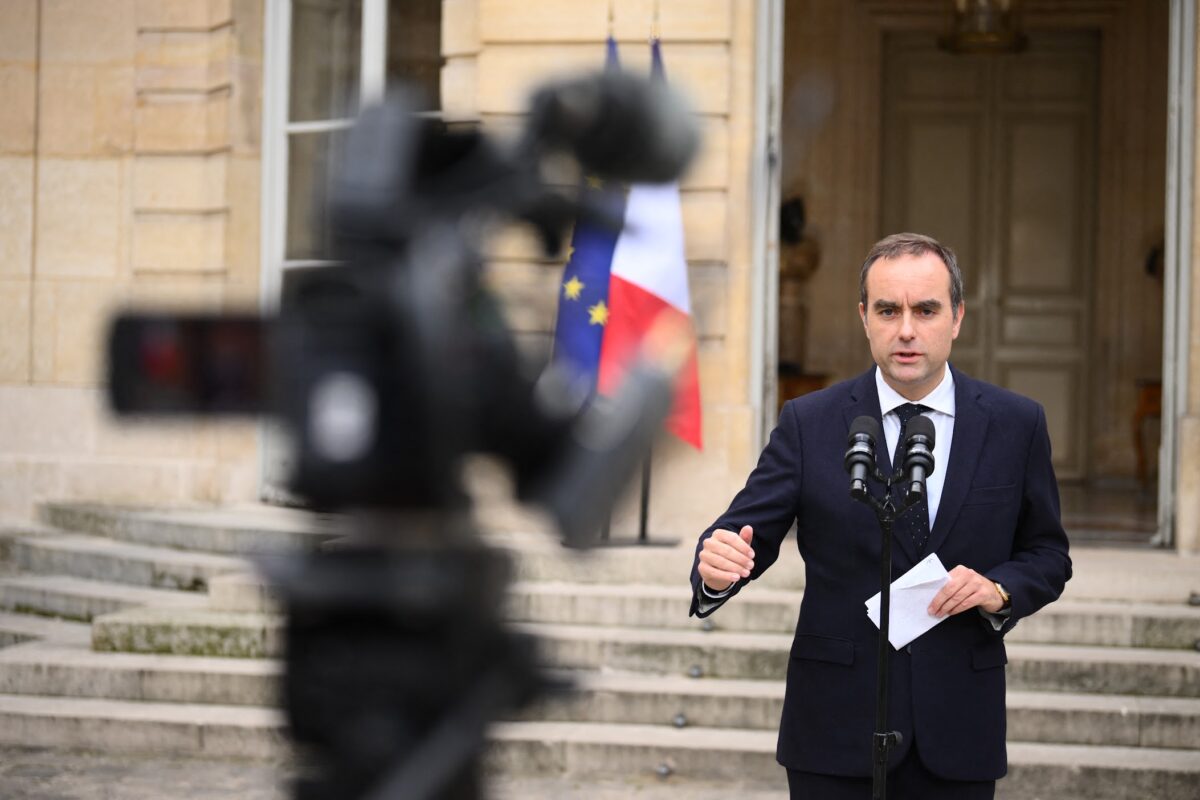
Not this time: picture yourself inside the Kremlin, as Putin receives the notification on his phone — the alert announcing brand new French Prime Minister’s Sébastien Lecornu’s resignation, just 14 hours after the unveiling of his government. A smile, perhaps? Or a raucous laugh? I’d bet on a quiet, satisfied smile.
Not that Lecornu’s fate means anything to the Kremlin leader, who probably didn’t even have time to remember his name. What must be satisfying, however, is seeing France — a co-leader, alongside the United Kingdom, of the “coalition of the willing” supporting Ukraine— slide into political chaos and chronic instability.
Every day seems to bring good news for the Kremlin. Tuesday it came from Prague, with the election of Andrej Babiš, a populist who, like his counterparts in Hungary and Slovakia, opposes aid to Ukraine.
As for Xi Jinping, China’s leader has less immediate interest than Putin in seeing France sink into political paralysis. Still, he can surely take some of his own quiet satisfaction — perhaps while savoring a mooncake during this week’s annual autumn festivities. The weakening of the Western democratic model allows him to praise the “stability” China’s communist regime to his 1.5 billion citizens. Authoritarian systems thrive on the failures of their ideological rivals, and liberal democracy has lost much of its shine.
China can also take comfort in France’s instability, which is reverberating across Europe at a time when tensions with Beijing are already high — from the flood of Chinese goods blocked in the U.S. to the electric vehicles the EU is seeking to restrict. Less Europe means more China.
In Washington, putting yourself in Trump’s head means thinking like a man waging war on the home front — dismantling checks and balances, disregarding Congress, and no doubt seeing Europeans as weak and pathetic.
Europe under pressure
The impact will be felt most keenly in Ukraine. Putin is waging a “hybrid war” against Europe — forms of conflict that stop short of open invasion. It takes the shape of disinformation campaigns, psychological pressure such as drone incursions, and acts of destabilization, like the recent placement of pig heads outside mosques in France.
The political crisis is playing into the hands of the Kremlin leader
The political crisis is playing into the hands of the Kremlin leader, who wants to weaken Europe and its support for Ukraine, and push Europeans into the arms of parties that see the world as he does — and which, incidentally, are also ideological favorites of Trump and his Vice President J.D. Vance.
The causes of this crisis are obviously not linked to Russia. But its effects are unfolding just as Putin would like: a weakened Europe, still trying to play a role in world affairs, and for which the war in Ukraine is a crucial test.
Amid the commotion of France’s political bubble, the rest of the world seems to matter little. Yet French party leaders should try, if only for a moment, to put themselves in the minds of Putin or Trump. It’s an enlightening exercise.