
-Analysis-
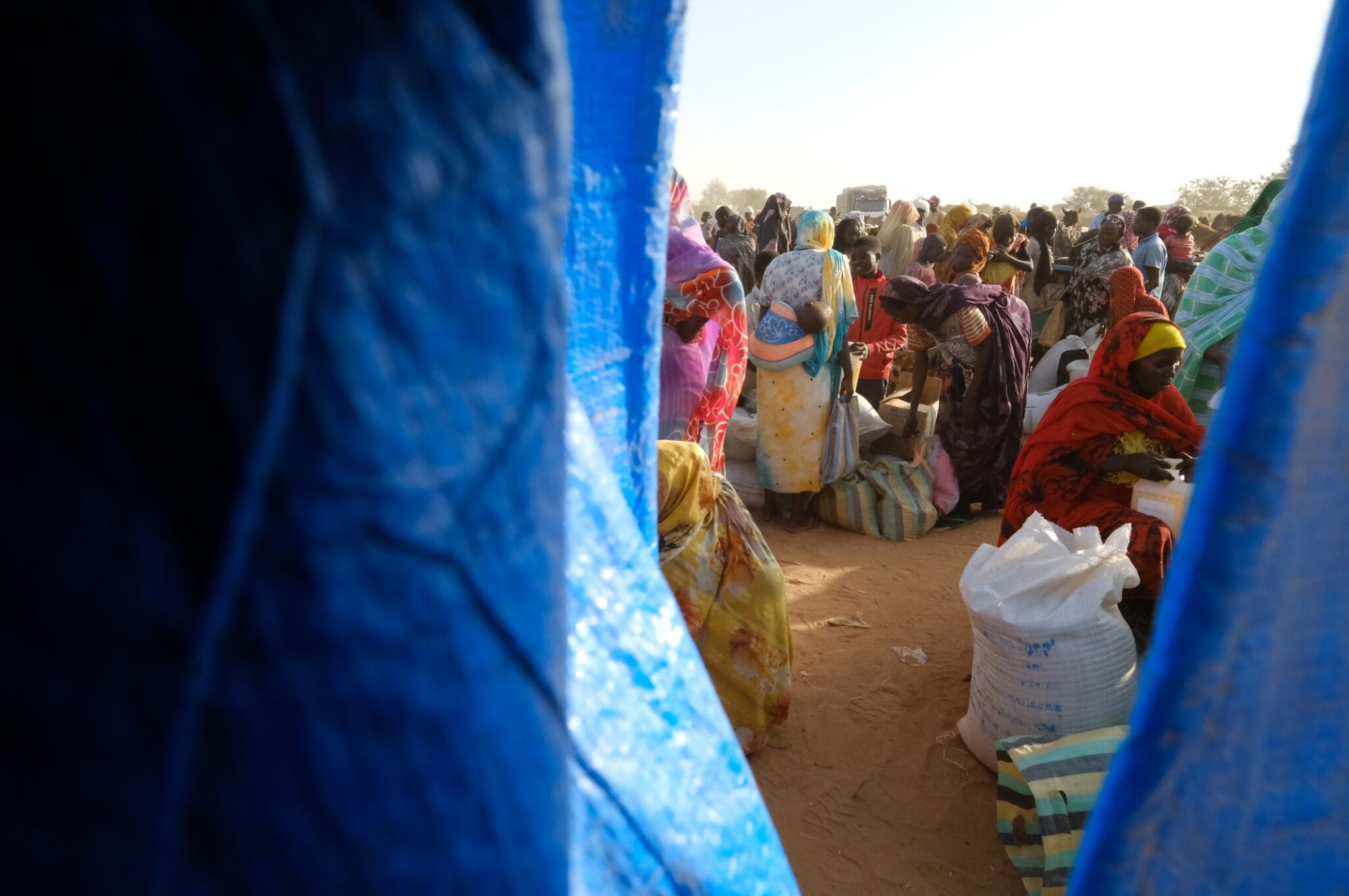
PARIS — Ten days ago, the civil war in Sudan broke through global media silence. This two-and-a-half-year-old conflict returned to the headlines when the town of El Fasher, in the province of Darfur, fell to a militia, with reports of terrible massacres.
A few days later, however, the war faded back into obscurity, with little change after the brief flurry of emotion. UN Secretary-General Antonio Guterres said that violence in Sudan is “spiraling out of control.” The testimonies of survivors are such that the International Criminal Court has taken up the case; and humanitarian organizations are trying to help civilians.
Yet no one seems willing — or able — to act. Why the indifference? First and foremost, it reflects the collapse of the international system. The UN is crying out into the void, and no one is listening. There are only humanitarian responses, except when Donald Trump thinks he has something to gain. An American envoy tried in vain to mediate in recent days.
Indifference becomes shameful
Ending the bloodshed begins with ending the arms flow. In the past, when there still seemed to be some rules, the first step was to impose an embargo on arms deliveries to the warring parties. Today, there is no longer any authority to decide on this, let alone enforce it — especially when the civil war in Sudan has powerful sponsors.
The Rapid Support Forces (the militia led by Mohamed Hamdan Daglo — also known as Hemedti — a man suspected of war crimes for years) are mainly supported by the United Arab Emirates, according to reports from the UN and independent researchers. The UAE supplies weapons, Chinese-made drones, and even Colombian mercenaries to Hemedti’s militia.
However, the Emirates are too important a player in the Middle East, and a major economic partner to Trump and France — which has a base in Abu Dhabi — for any pressure to be exerted on them. We can condemn the massacres in El Fasher, but what remains unsaid is the support provided by the Emirates.
It is one thing to let things happen, and quite another to add fuel to the fire.
Other regional countries are involved, like Egypt and Saudi Arabia, which are backing the national army led by General Abdel Fattah al-Burhan, the other protagonist in the civil war.
No collective action in sight
The world did nothing when General al-Burhan, then allied with Hemedti, the militia leader, overthrew the civilian leadership that had been ruling Sudan after decades of dictatorship. And it did nothing when these two warlords fought over power, plunging the country into all-out war.
But it is one thing to let things happen, and quite another to add fuel to the fire, as these regional powers are doing.
Admittedly, there is little appetite for collective action in the current climate, with wars raging in Ukraine and the Middle East, but at the very least, countries with some modicum of influence could exert pressure to put an end to external interference. This would be a modest first step toward ending the suffering of millions of civilians held hostage by irresponsible warlords.