-Analysis-
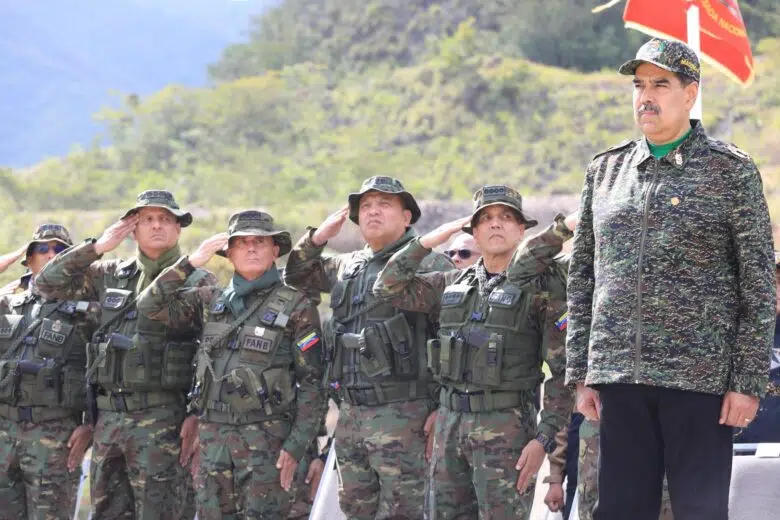
PARIS — Donald Trump and Nicolas Maduro, the presidents of the United States and Venezuela respectively, spoke on the phone 10 days ago. The conversation had seemed unlikely, given the differences and conflict between the two men — but it did actually take place.
For the latest news & views from every corner of the world, Worldcrunch Today is the only truly international newsletter. Sign up here.
According to The Miami Herald, the Florida daily newspaper that closely follows Latin American affairs, Trump presented his Venezuelan counterpart with an ultimatum: resign and leave the country immediately. The U.S. president offered him safe passage for himself, his family and close associates, but only if he resigned immediately. Maduro refused.
So what now? The next step could be military action. The United States has amassed a veritable air and sea armada and negotiated the support of small Central American countries — and Trump has given the green light for covert CIA operations. To tighten the noose, Washington has just announced that Venezuela’s airspace is closed, the beginning of an unspoken blockade.
Trump wants Maduro’s head, and he will try to drive him from power one way or another. For now, he is increasing pressure on the Venezuelan dictator, hoping that he will leave or be ousted by a faction of his own army.
Bomb and see
But it is unlikely that Trump will launch an Iraqi-style ground invasion, with the risk, as the United States experienced in Iraq, of becoming bogged down in an unwinnable and costly war. Trump’s philosophy seems to favor striking a few targets hard, such as the bombing of Iran in June, and then seeing what happens.
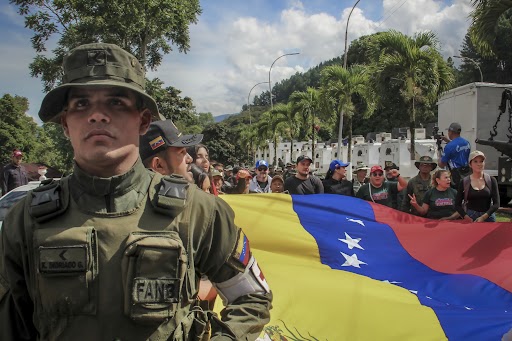
The U.S. campaign against Maduro began three months ago, first with attacks on boats accused of transporting drugs. The strikes have killed a total of 83 people. The second step was to designate Maduro as the head of the drug cartels. The third step, logically, will be to eliminate him.
How legal are these actions? It’s a valid question, but one that Trump isn’t asking himself. He flouts international law, ignores the United Nations, which has described the deaths on the sunken boats as “extrajudicial killings,” and backs his Secretary of War, Pete Hegseth, who has also ordered that survivors of the strikes in the Caribbean Sea be hunted down and killed.
Law of power politics
What is confusing about Trump’s actions is that at the same time, he has pardoned the former president of Honduras, Juan Orlando Hernandez, who was languishing in a U.S. prison cell, sentenced to 45 years for drug trafficking to the United States. Trump justified this choice by citing “political persecution” against the former president, but it’s hard to understand: hard-line on the one hand, lax on the other.
Although Maduro’s regime may be considered disastrous on all fronts, it is not Trump’s place to overthrow it.
Although Maduro’s regime may be considered disastrous on all fronts, it is not Trump’s place to overthrow it, even if he has the support of opposition leader Maria Corina Machado, who won the 2025 Nobel Peace Prize. Invoking international law has become obsolete and naive, but the alternative we are seeing unfold is the law of power politics, and a rapid return to the 19th century.