Europe sends part of its textile surplus to unregulated hubs, sometimes returning it to the same country of origin, tripling emissions in the process.

 Worldcrunch
Europe sends part of its textile surplus to unregulated hubs, sometimes returning it to the same country of origin, tripling emissions in the process.
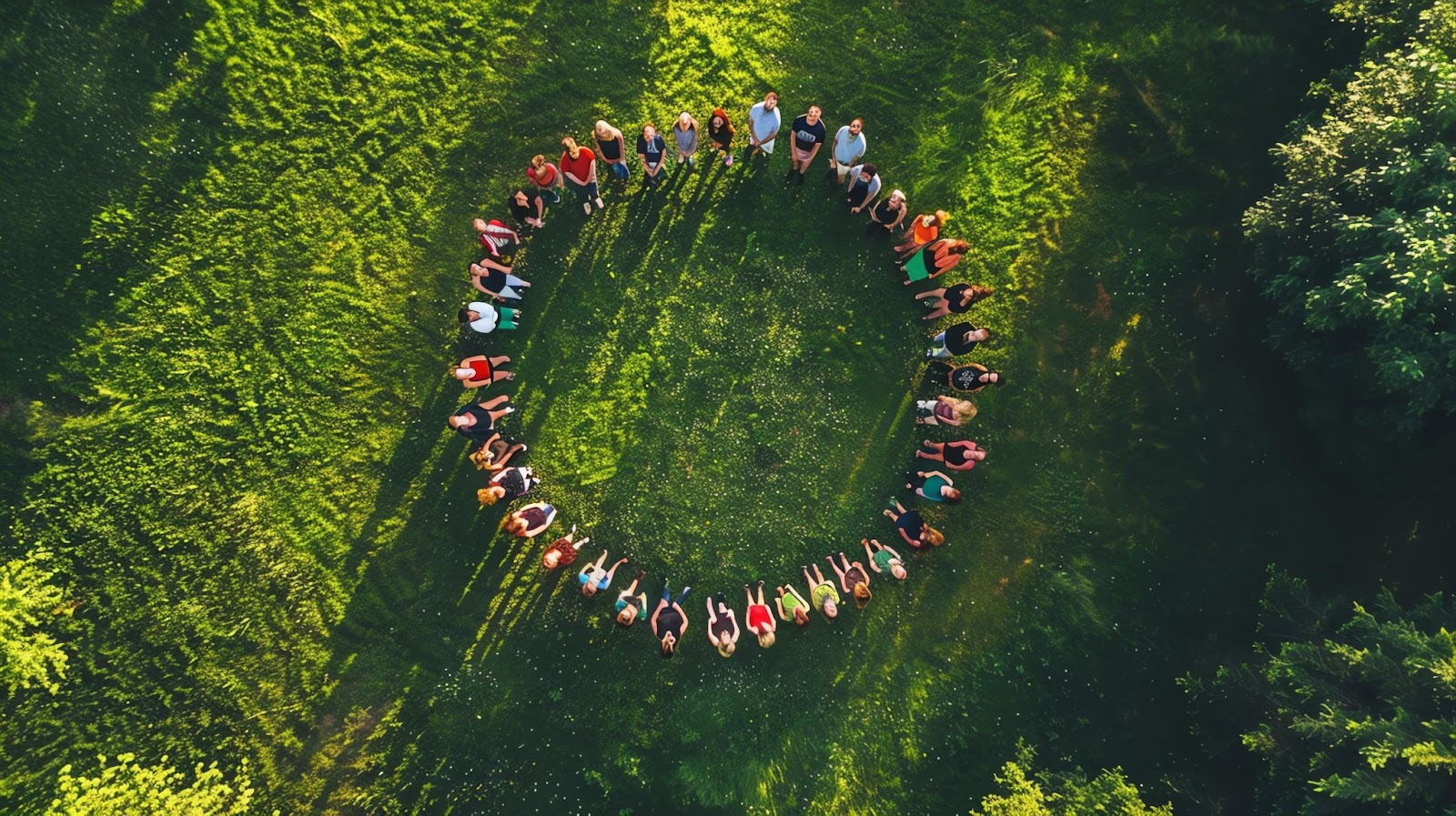
It has long been the case that access to certain technologies has been restricted to a limited group of users, usually for work reasons. This also happened with satellites, which were first restricted to military use and later to certain groups, such as scientists, government agencies, and large companies able to afford the high initial […]
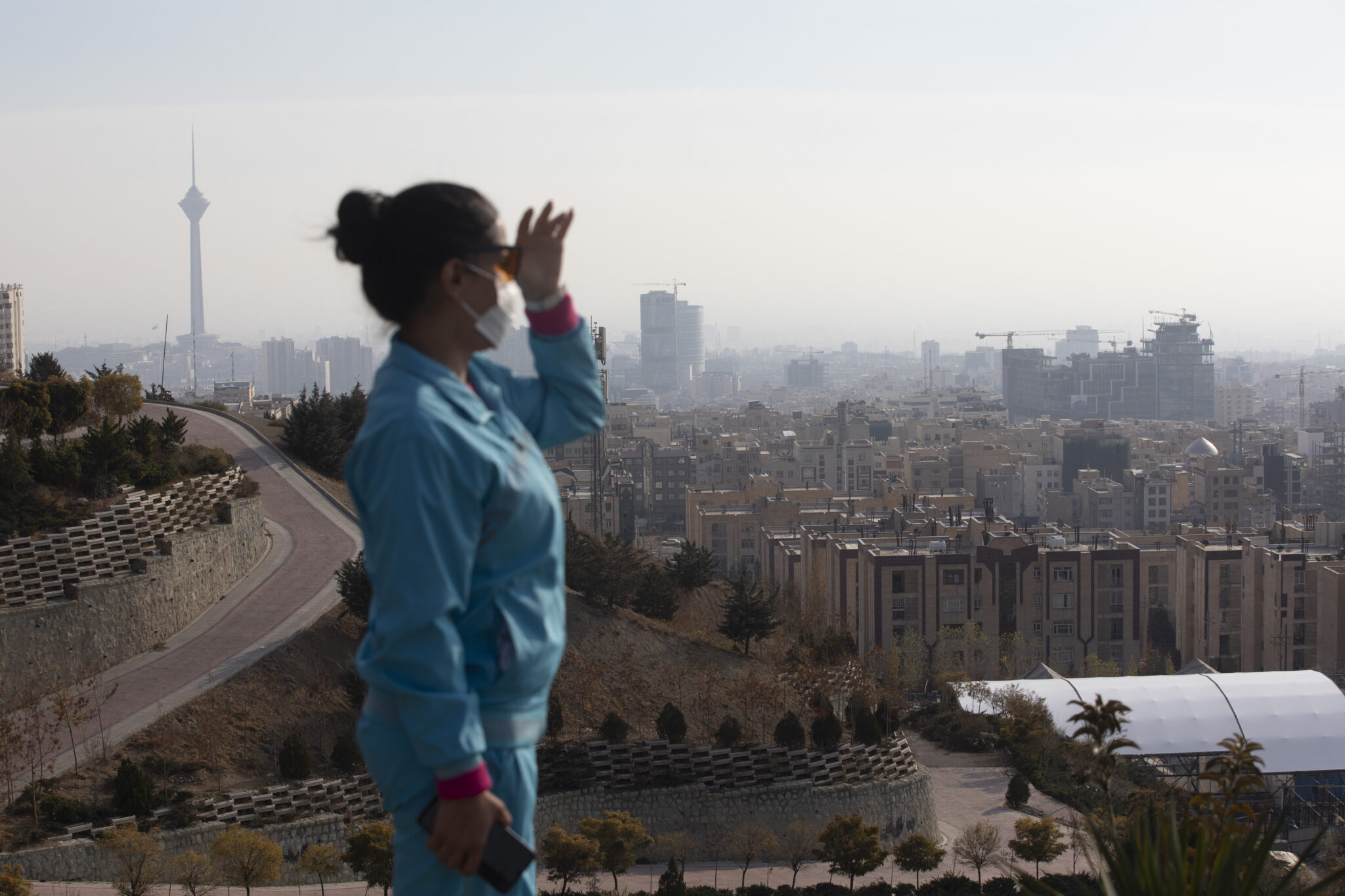
As Iran faces one of its worst droughts in decades, President Masoud Pezeshkian has revived a long-debated plan to move the capital city Tehran. But the country needs to address first the root causes of its water bankruptcy.
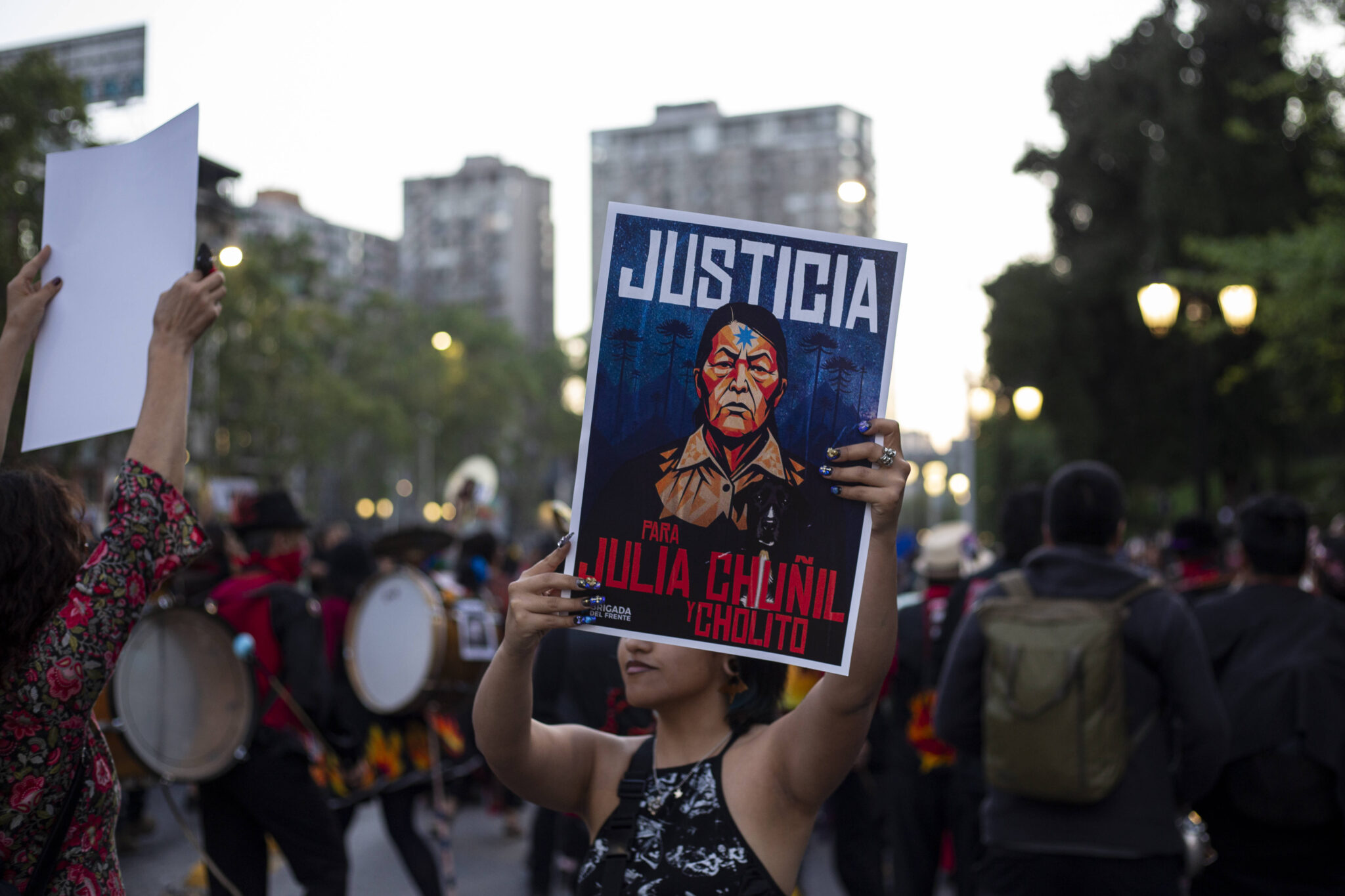
In 2024, there were 146 murders and long-term disappearances of environmental and land activists, according to a report by the NGO Global Witness.
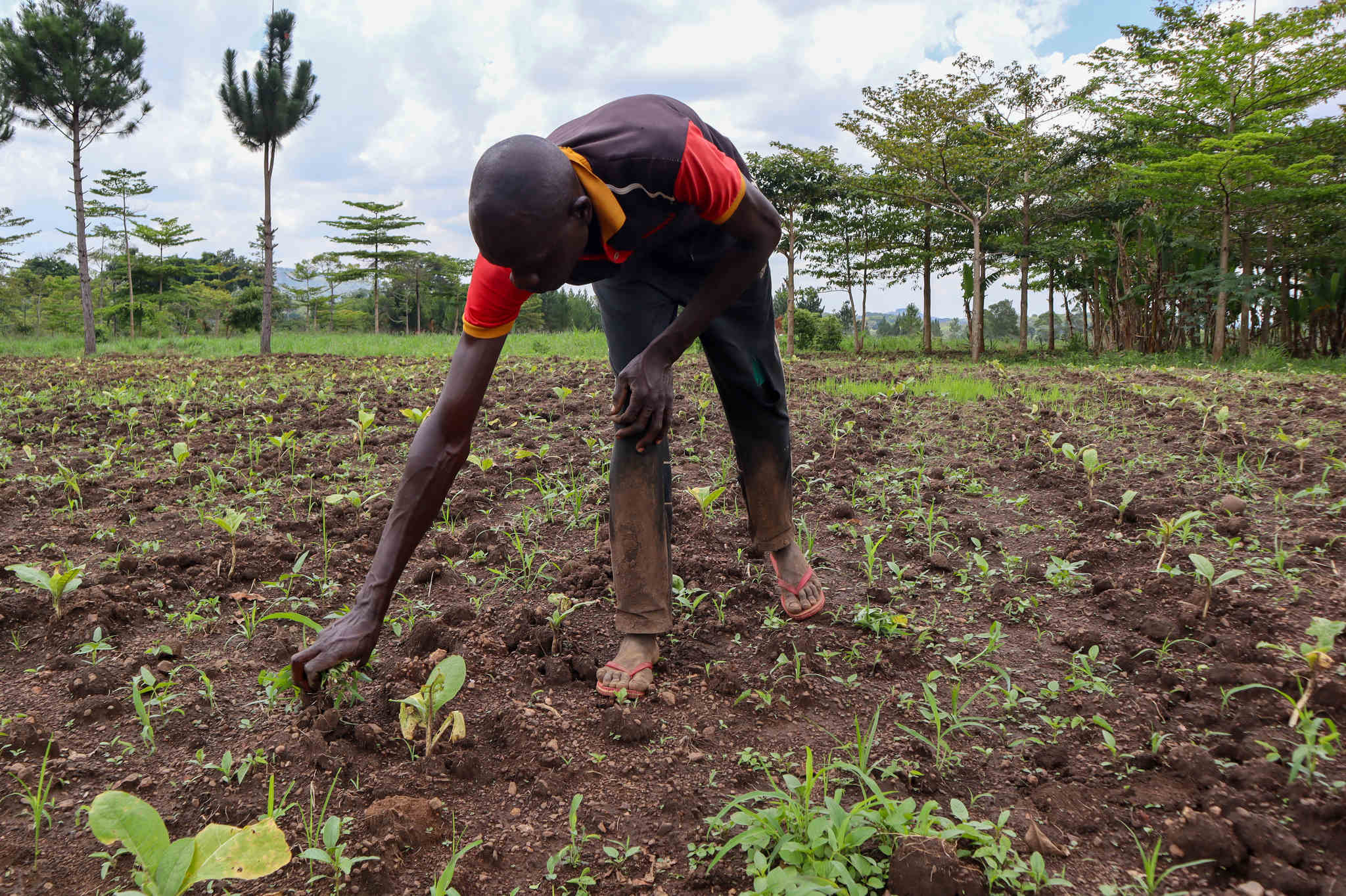
Tobacco farming in Uganda has resulted in the loss of trees key to the diets of chimpanzees and baboons, increasing human-primate interactions — and the risk for disease spillover.
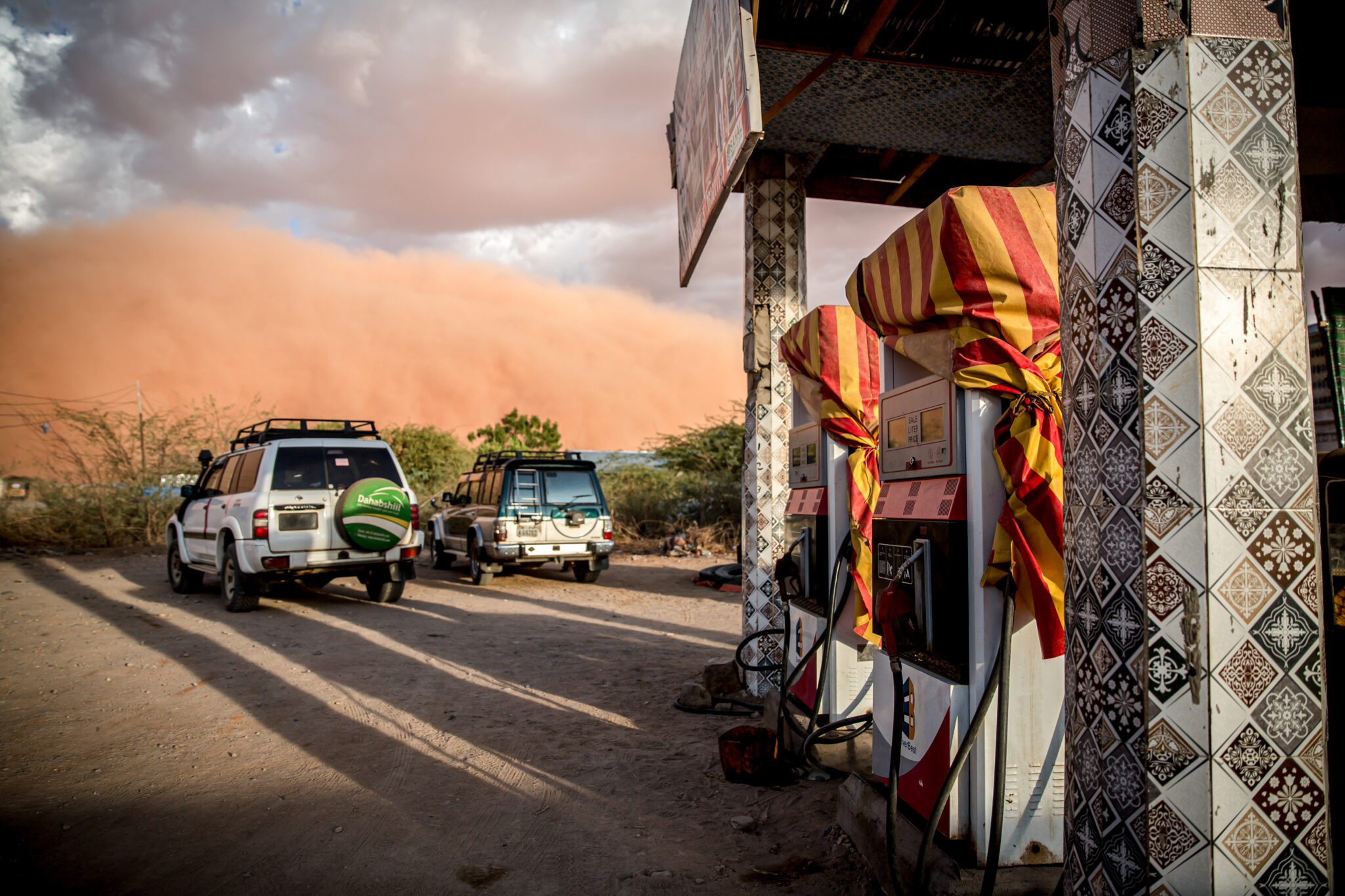
China is positioning itself as the world’s champion for renewable energy and has been heavily investing in the sector for the last 20 years. In order to support its renewables sector and consolidate the supply chain, it has also been financing mega-projects that exploit natural resources such as coal and oil — particularly in Africa.

As Israel’s devastating war on Gaza continues, Swedish climate activist Greta Thunberg draws a clear link between environmental devastation and political violence. Her stance is based on a reality: in Gaza, like elsewhere, environmental destruction is yet another weapon of war.

China’s current food waste challenge is more of a production than a consumption problem.
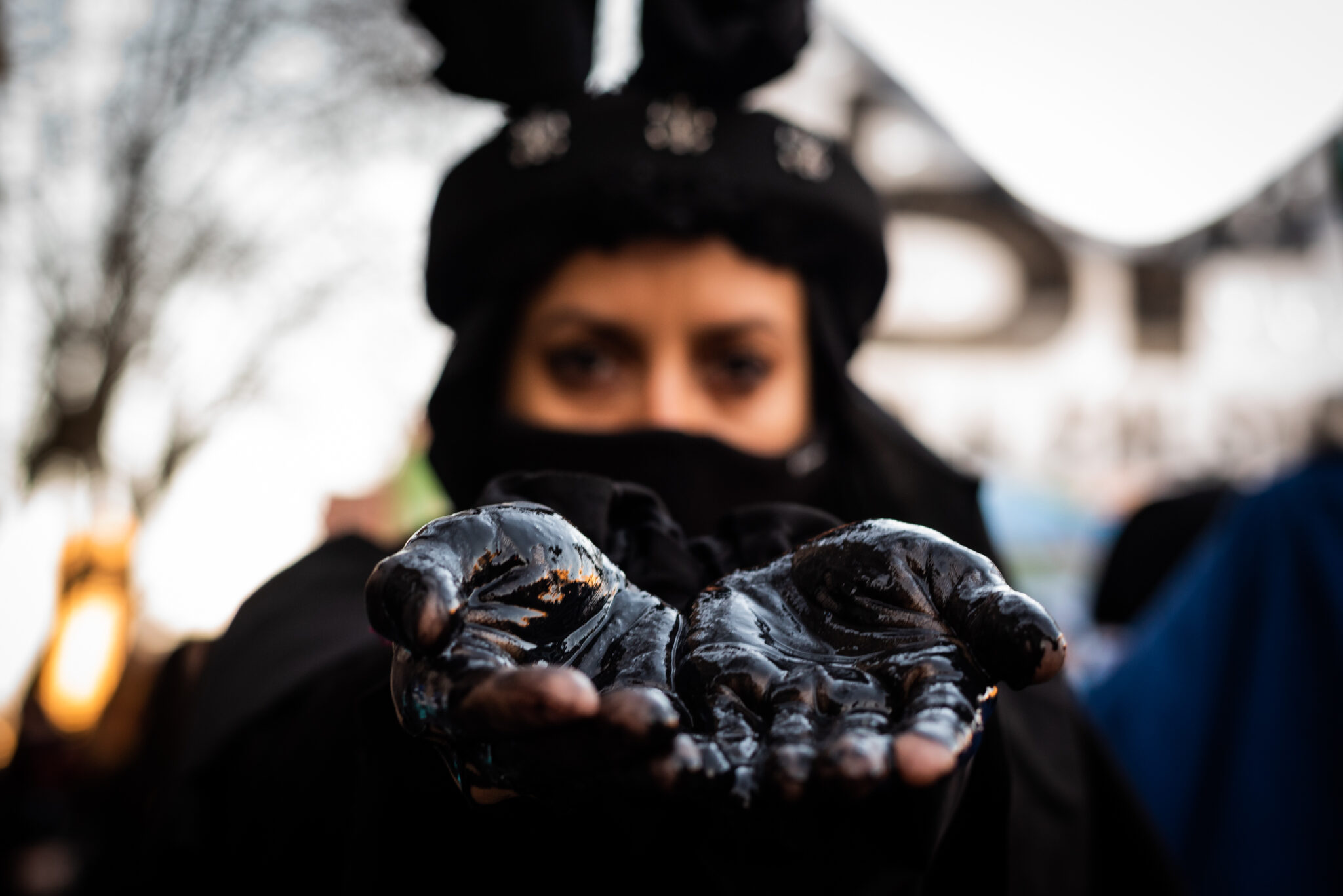
In Argentina, gas and oil are more than fuels — they’re sacred words, woven into the nation’s identity. But this devotion is not just economic, it’s linguistic: The way Argentinians talk about hydrocarbons builds a cultural fortress, which makes any shift toward cleaner energy all the more difficult.

From elephant ivory crucifixes to rhino horn handles for Muslim ceremonial daggers, sacred wildlife products fuel an overlooked driver of the illegal trade. This unbridled demand is pushing some species toward extinction, forcing faith leaders to reconcile devotion with biodiversity conservation.
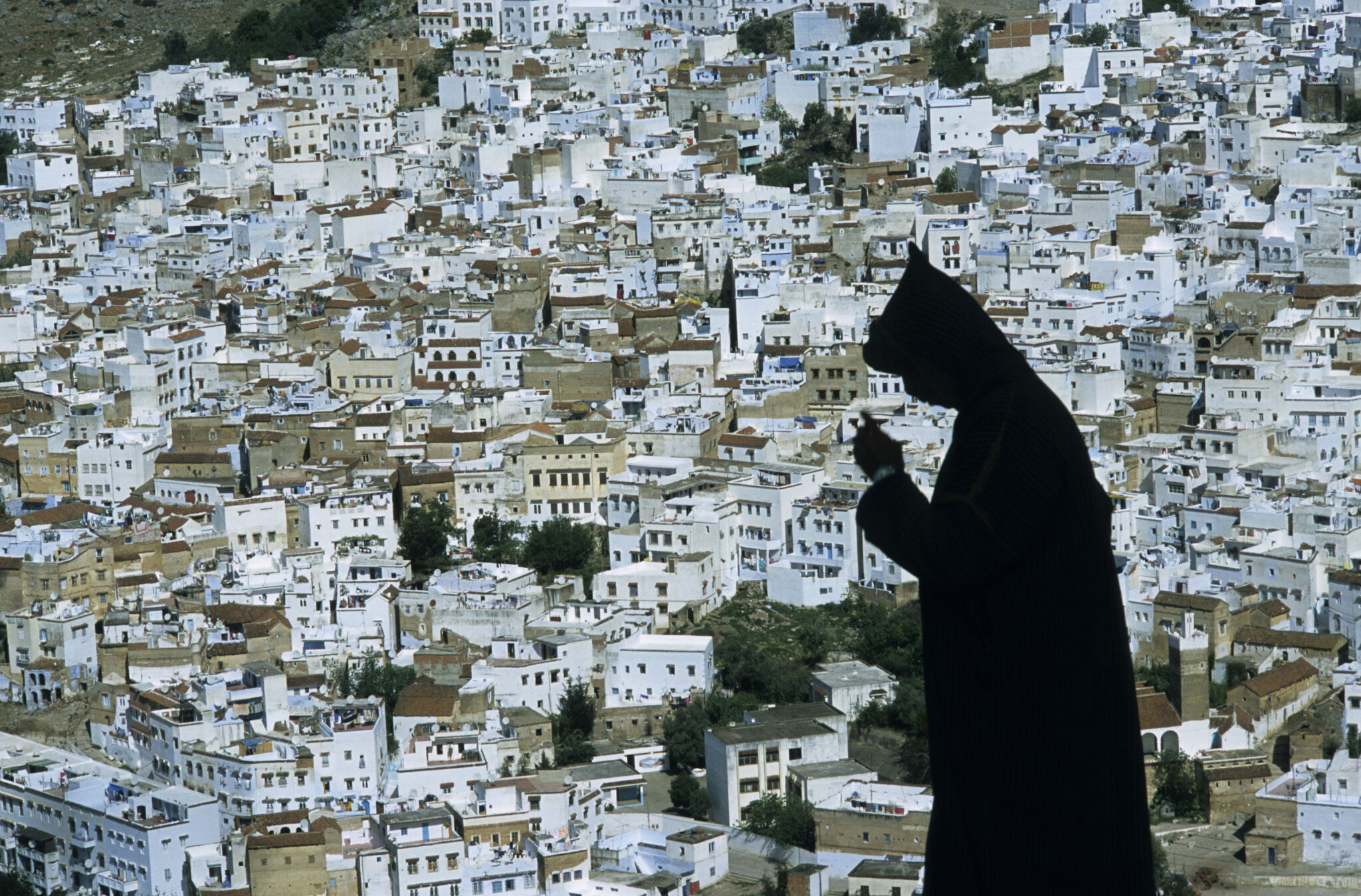
Years of drought followed by sudden floods have unsettled Morocco’s mountainous regions where rainfall has long been seen as a divine blessing. What is at play may be bigger than the heavens.

Environmentalists crusading against air conditioners are mistaken: excessive heat actually harms economic growth and, indirectly, the decarbonization of our society.
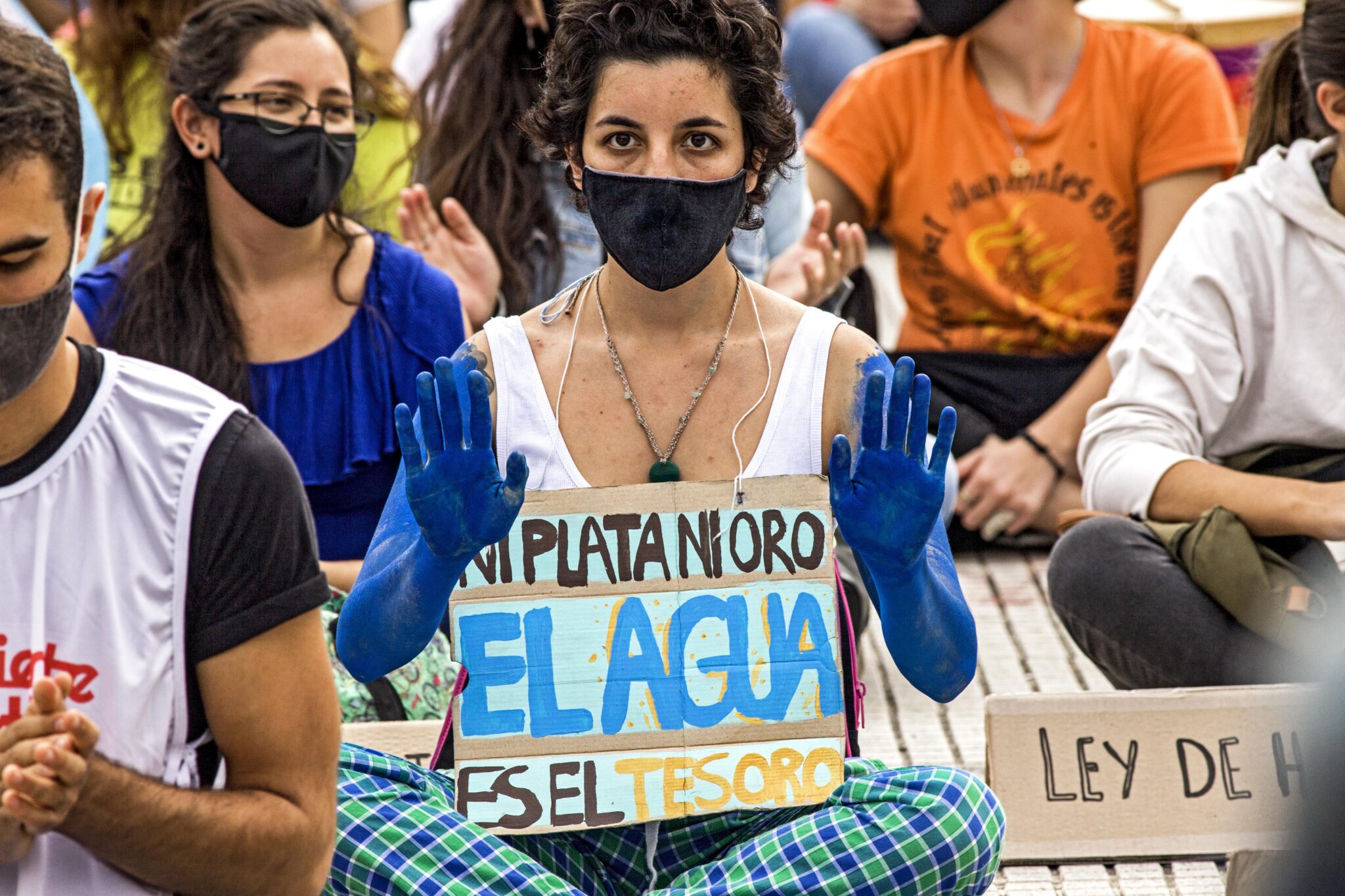
In the midst of discussions about the use of artificial intelligence, ecofascist narratives have crept in. How did this happen? What are the dangers?

As surf tourism expands around the world, overcrowded spots and increasing pollution have created tensions between locals and tourists eager to catch waves.
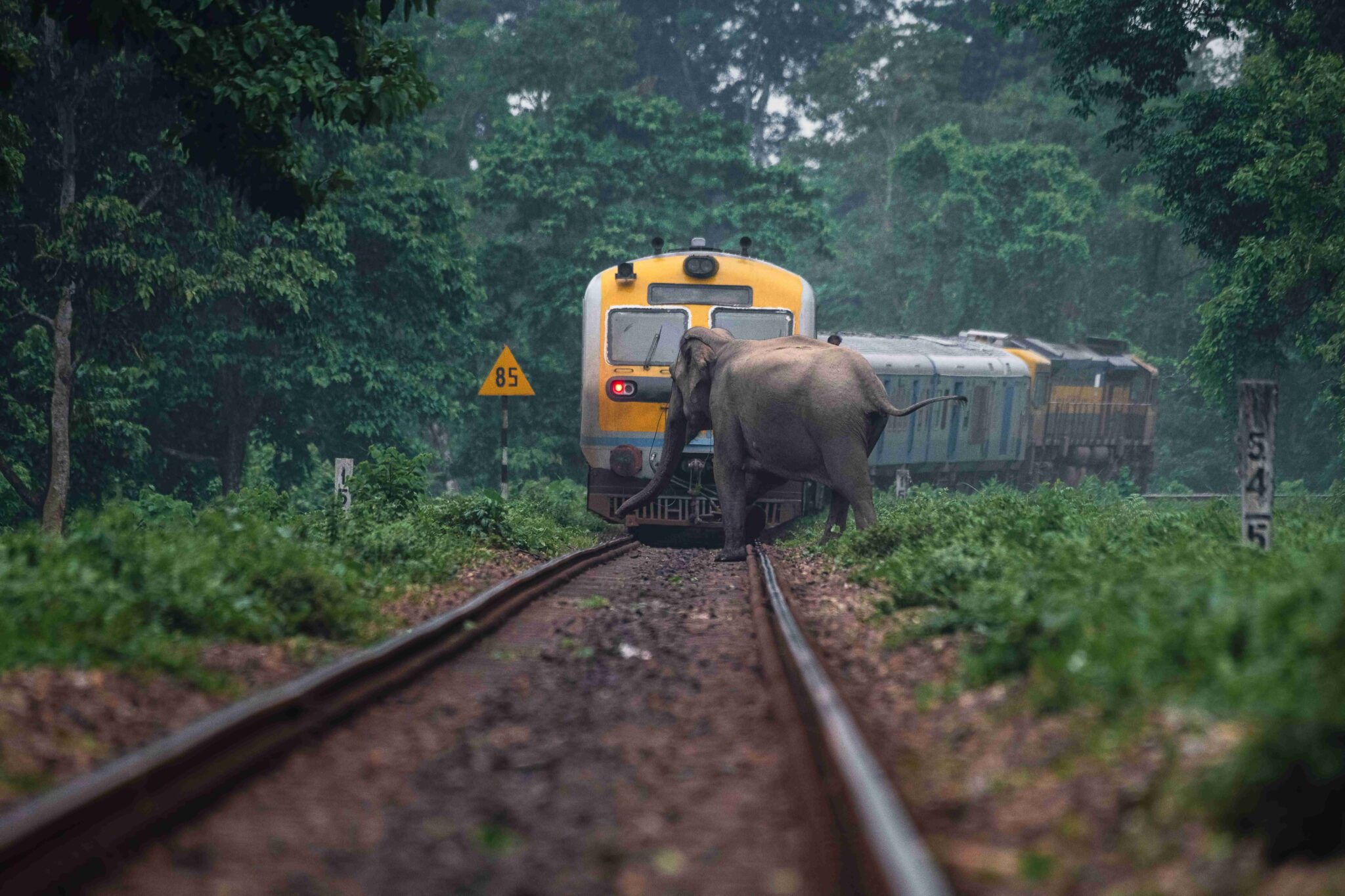
Neither conflict nor harmony, the concept of “coexistence between humans and wildlife has been a meaningful goal. But in reality, it is being misused or superficially invoked to the benefit of neither person or animal.
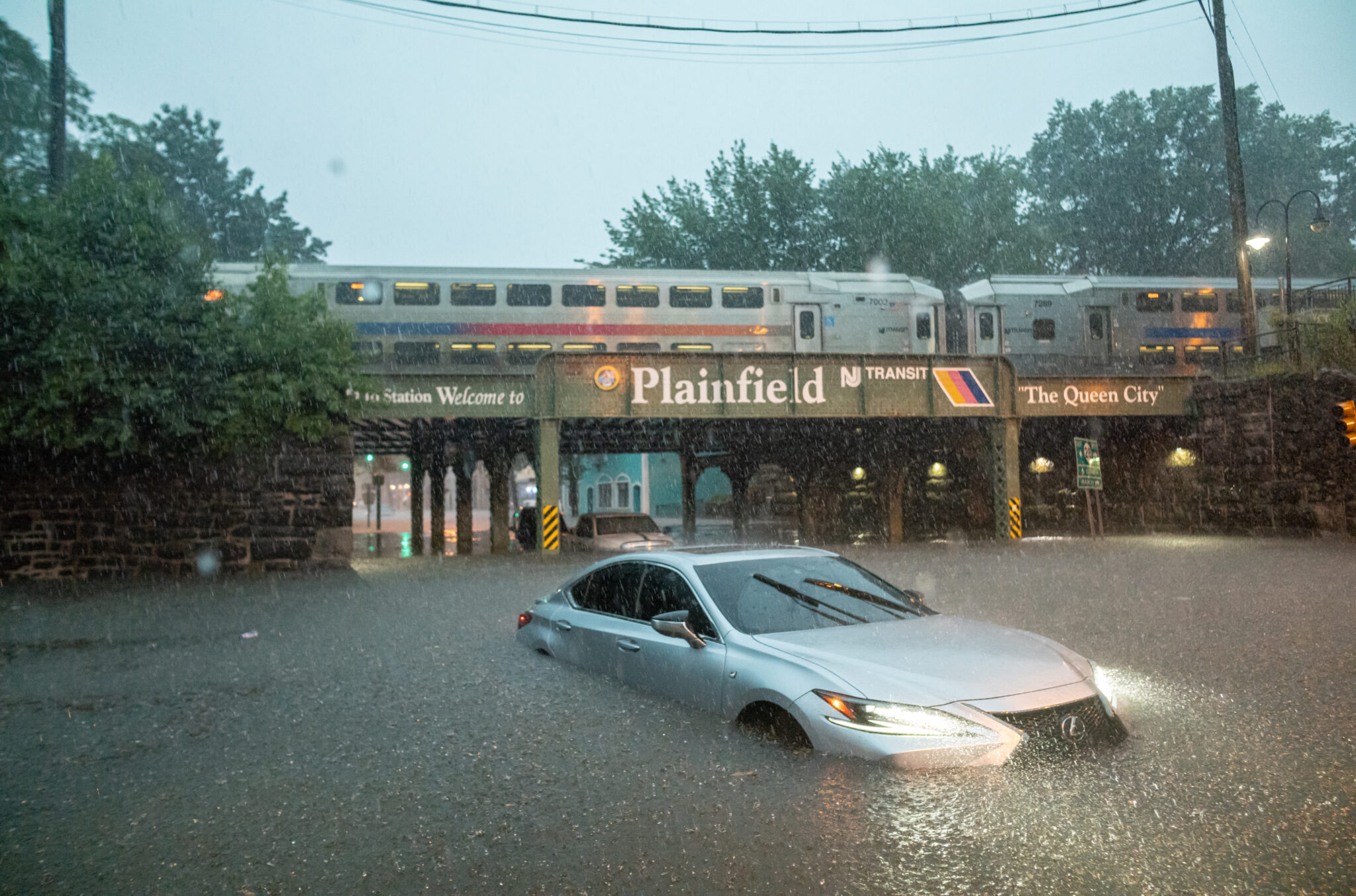
As climate threats increase, thousands of communities become at risk of floods and other natural disasters. Americans have witnessed deadly flooding this month in Texas, New Jersey and New York. Here, we look at those communities around the world that have been relocated after a disaster, or are thinking of changing location to avoid further risks.
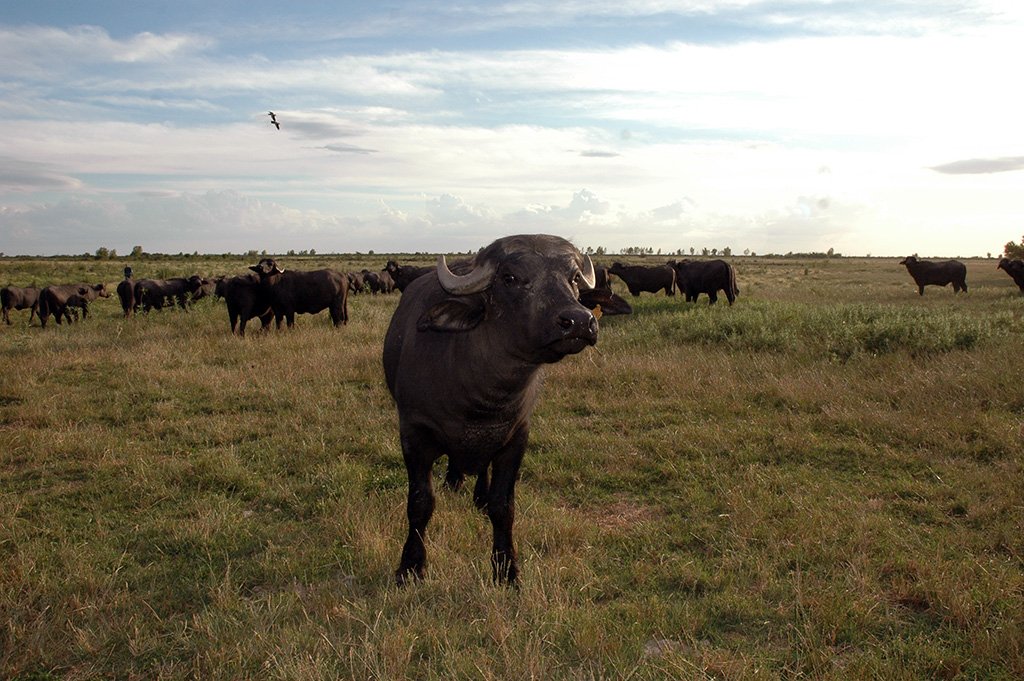
Water Buffalo farming and consumption are expanding in beef-loving Argentina, where chefs and younger diners are already noting advantages: it’s lean, nutritious and helps preserve swamplands.

The devastating effects of rising temperatures include denying to people across the world their favorite staple sweet. While 2050 is the date cited for the risk of chocolate disappearing, there are efforts to reverse the effects of climate change on the production of cocoa.
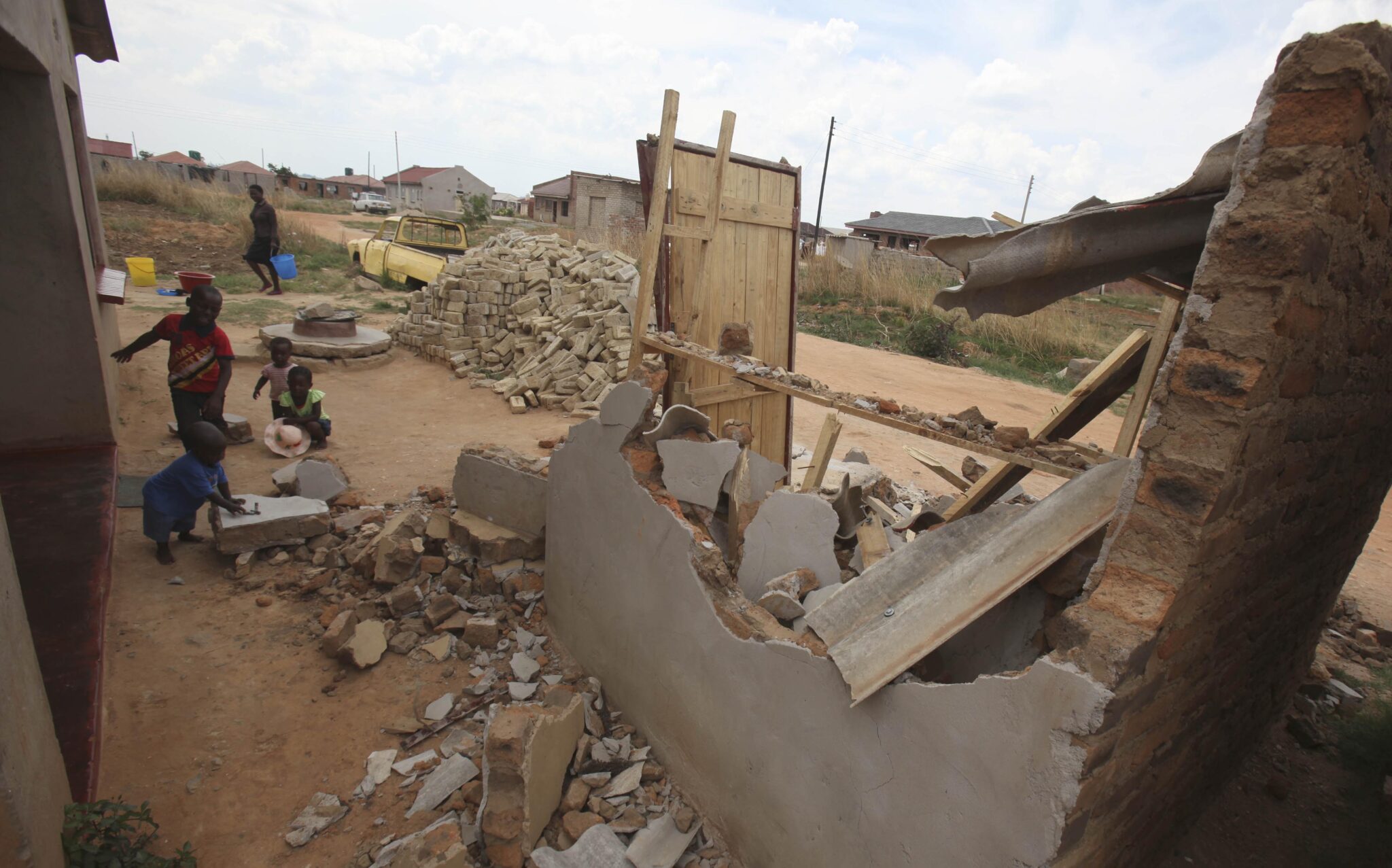
As Zimbabwe prepares to host a global wetlands summit, its own wetlands are disappearing at an alarming rate.
As Argentina deregulates pesticide and herbicide drones, residents in Lobos fight the growing threat to health and the environment.

A rare wildfire in New York has reignited debate over the role of controlled burns in forest management. As climate change fuels more extreme weather, experts and policymakers are divided on whether fighting fire with fire might actually make sense.

He’s France’s most powerful and most criticized business leader. Le Figaro sits down with the man who has headed the oil and gas giant for the past 10 years.
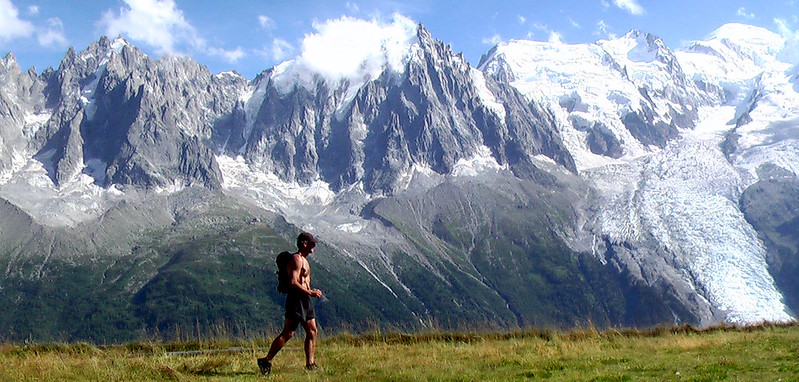
Stepping into the wild is more than just a journey — it transforms the way we think and feel. Here’s the science to prove it.
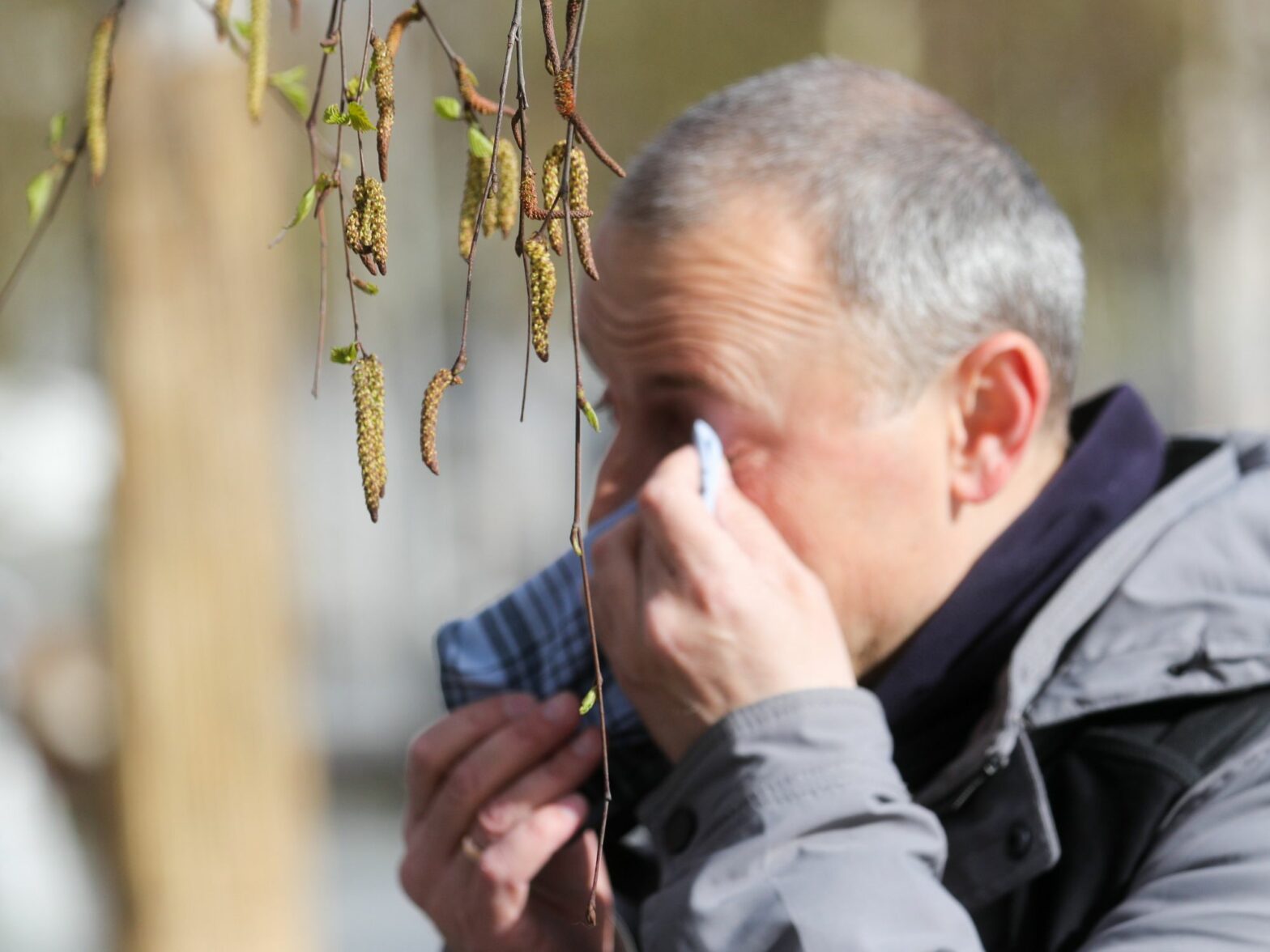
Have you suddenly developed hay fever? Have you had seasonal allergies, but it’s progressively worsened in recent years? You’re not alone. Why pollen is more aggressive in cities, why playing in the mud helps as a child, and what doctors recommend.
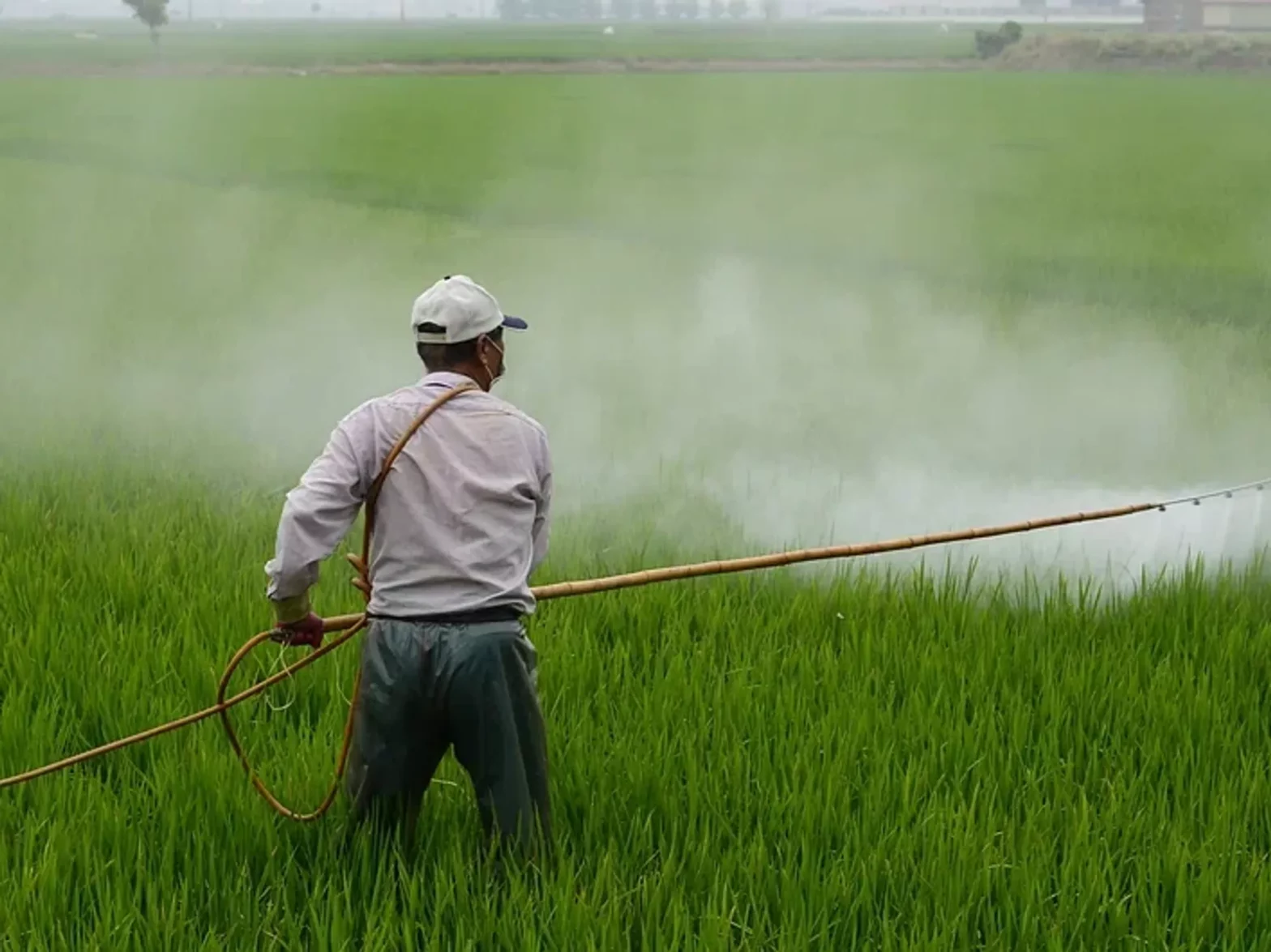
Herbicides pose environmental and human health risks but are also an essential tool for controlling invasive plants.
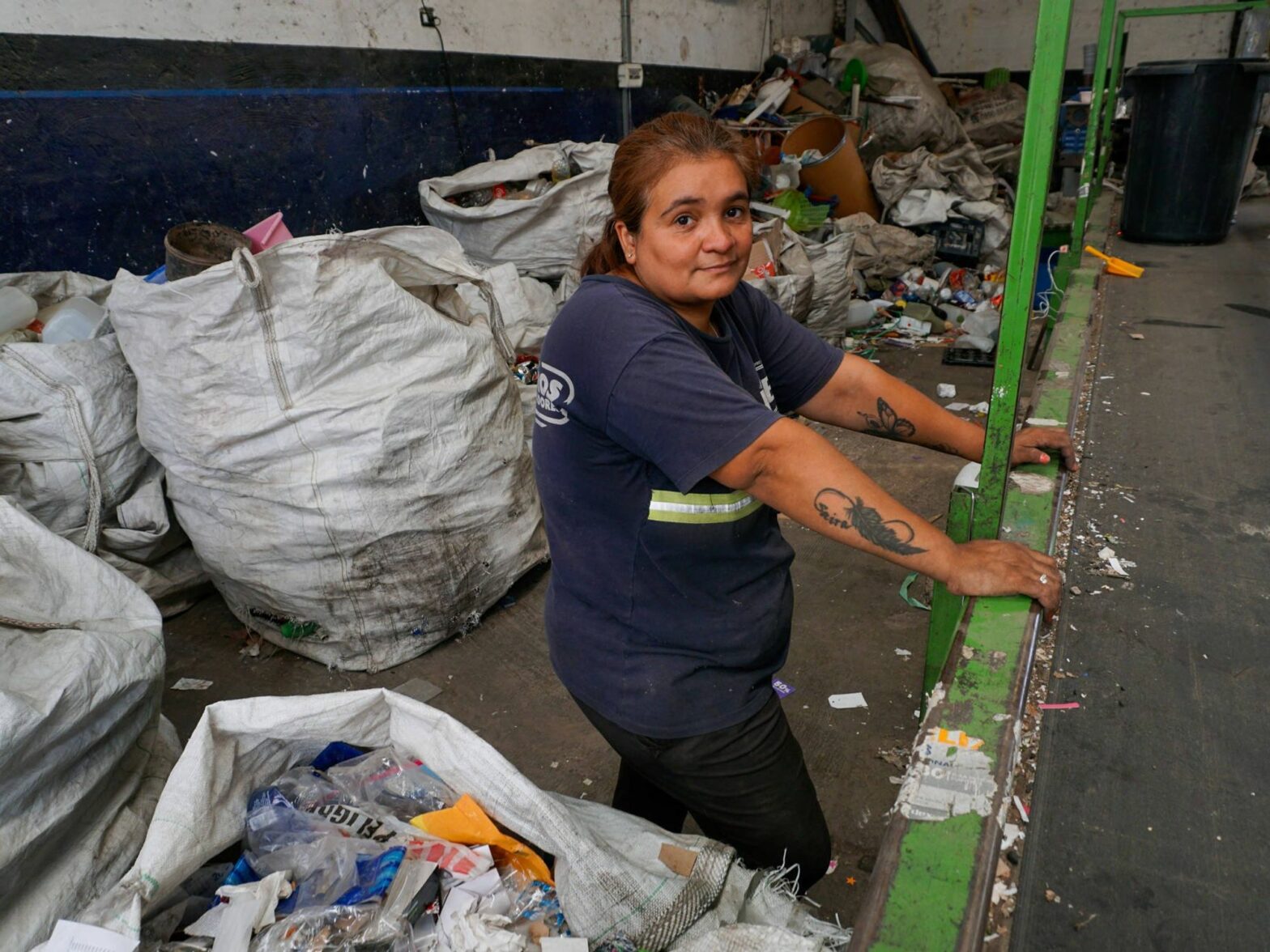
Argentina’s informal recycling network, once a lifeline for thousands, is unraveling as falling prices and new policies make waste-picking unsustainable.
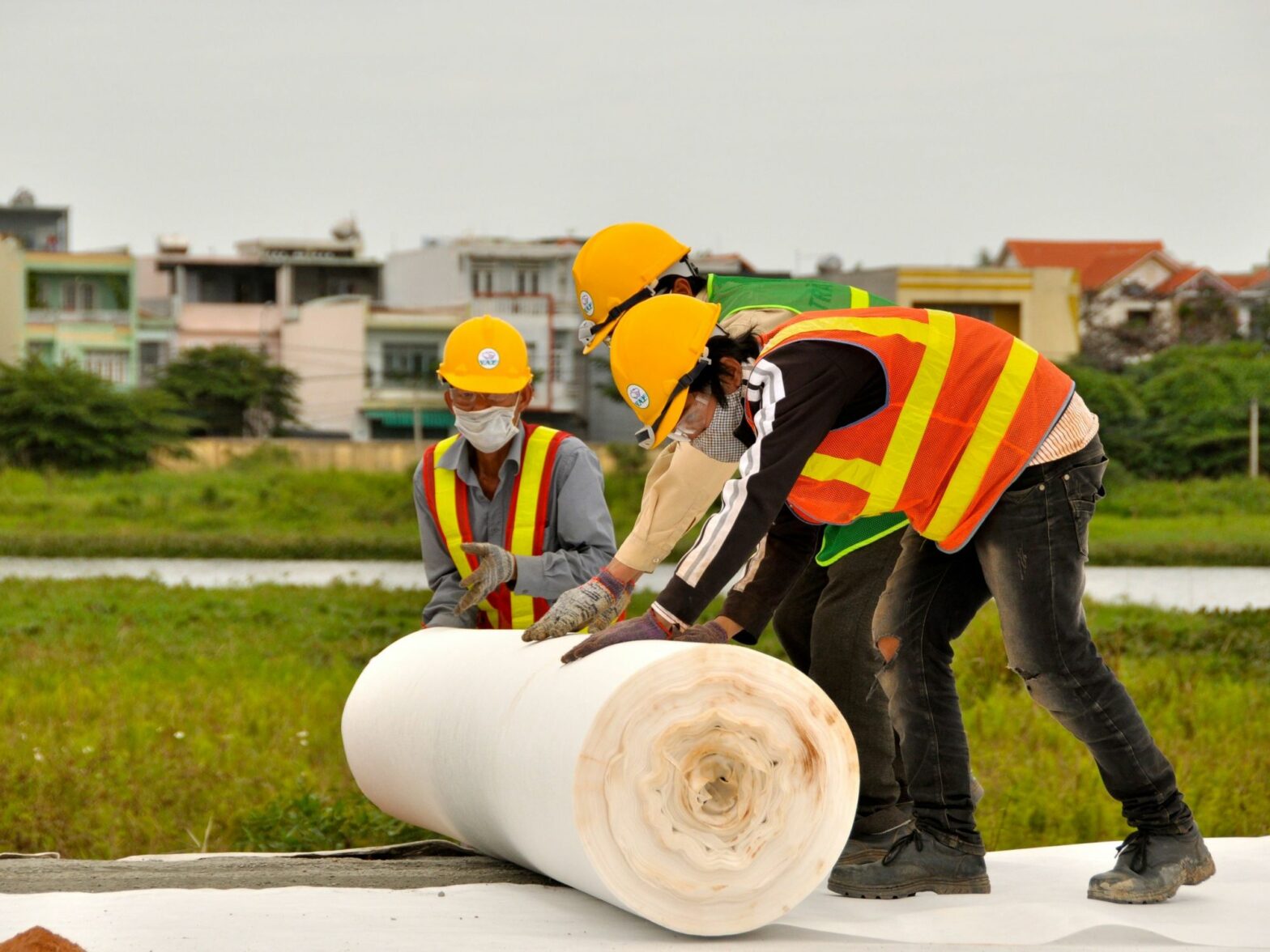
Diplomats in Vietnam warned Washington that halting USAID’s efforts to clean up the massive deposit of postwar pesticides would be a catastrophe for public health and relations with a key strategic partner in Asia.
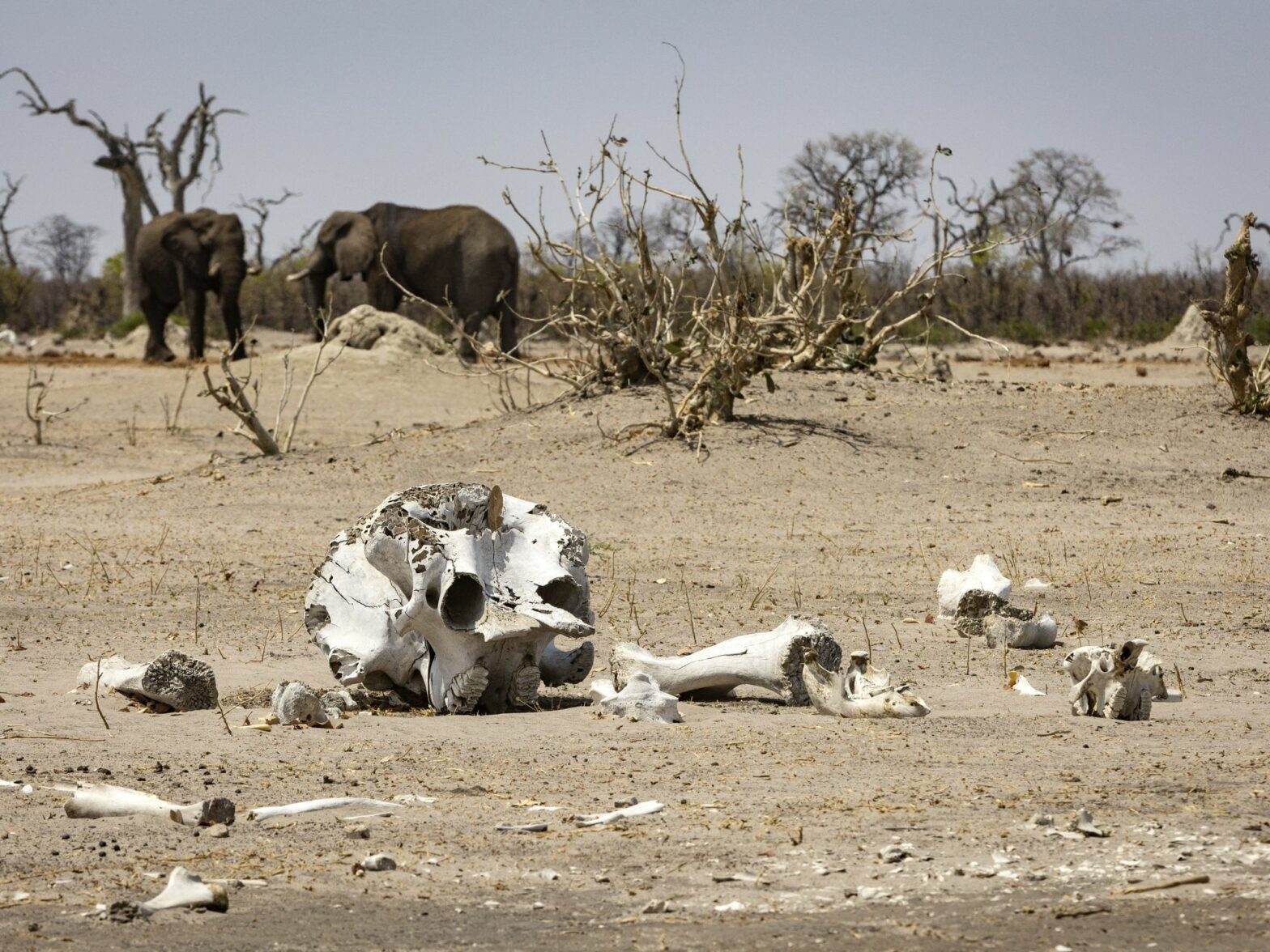
In Botswana’s Okavango Delta — declared a UNESCO World Heritage Site in 2014 — warming trends over the past two decades are approximately twice the global average.
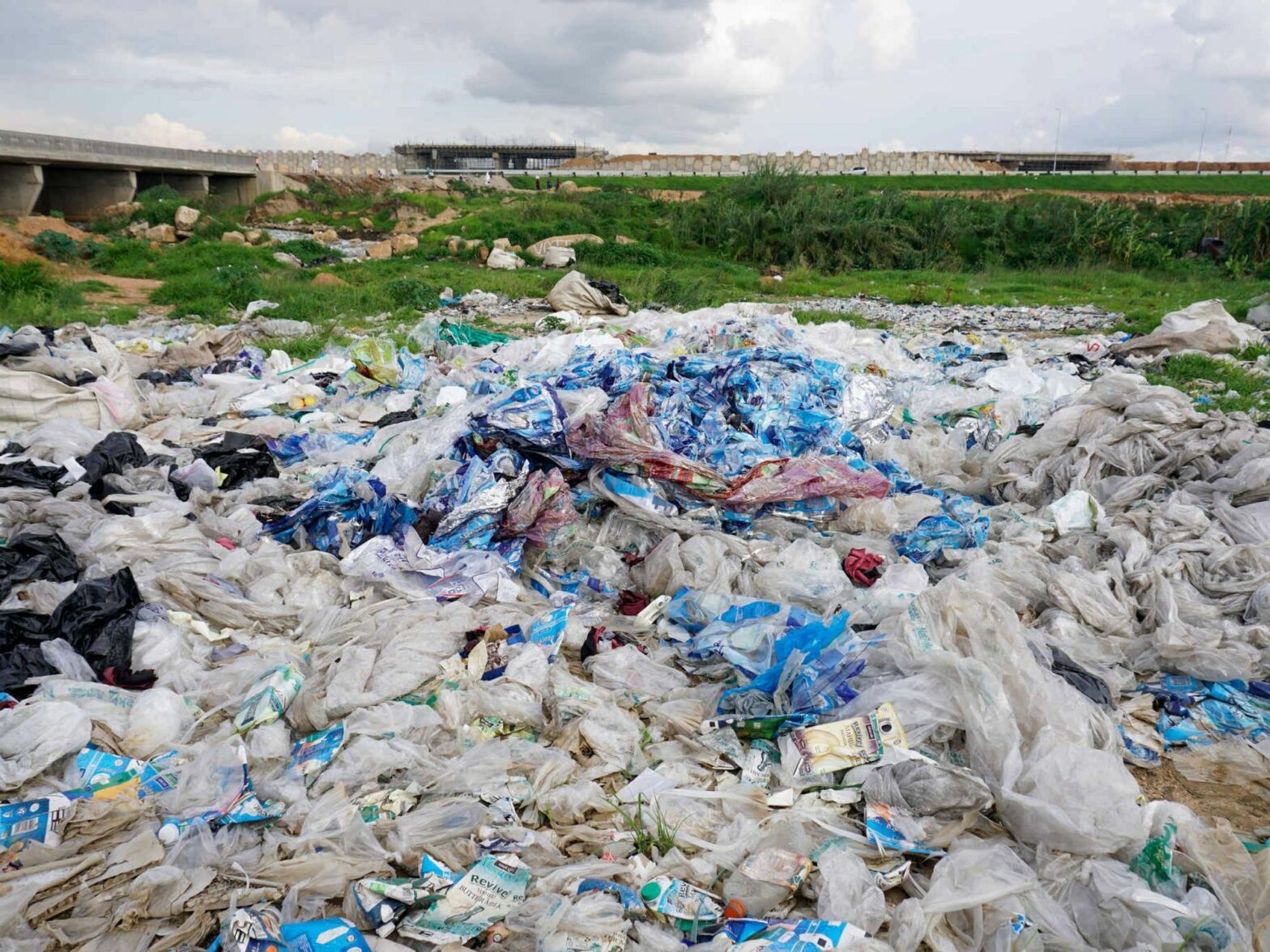
Piles of Chinese-made plastics are now an inescapable part of Zimbabwe’s landscape, and corruption is making it impossible to clean up the mess.
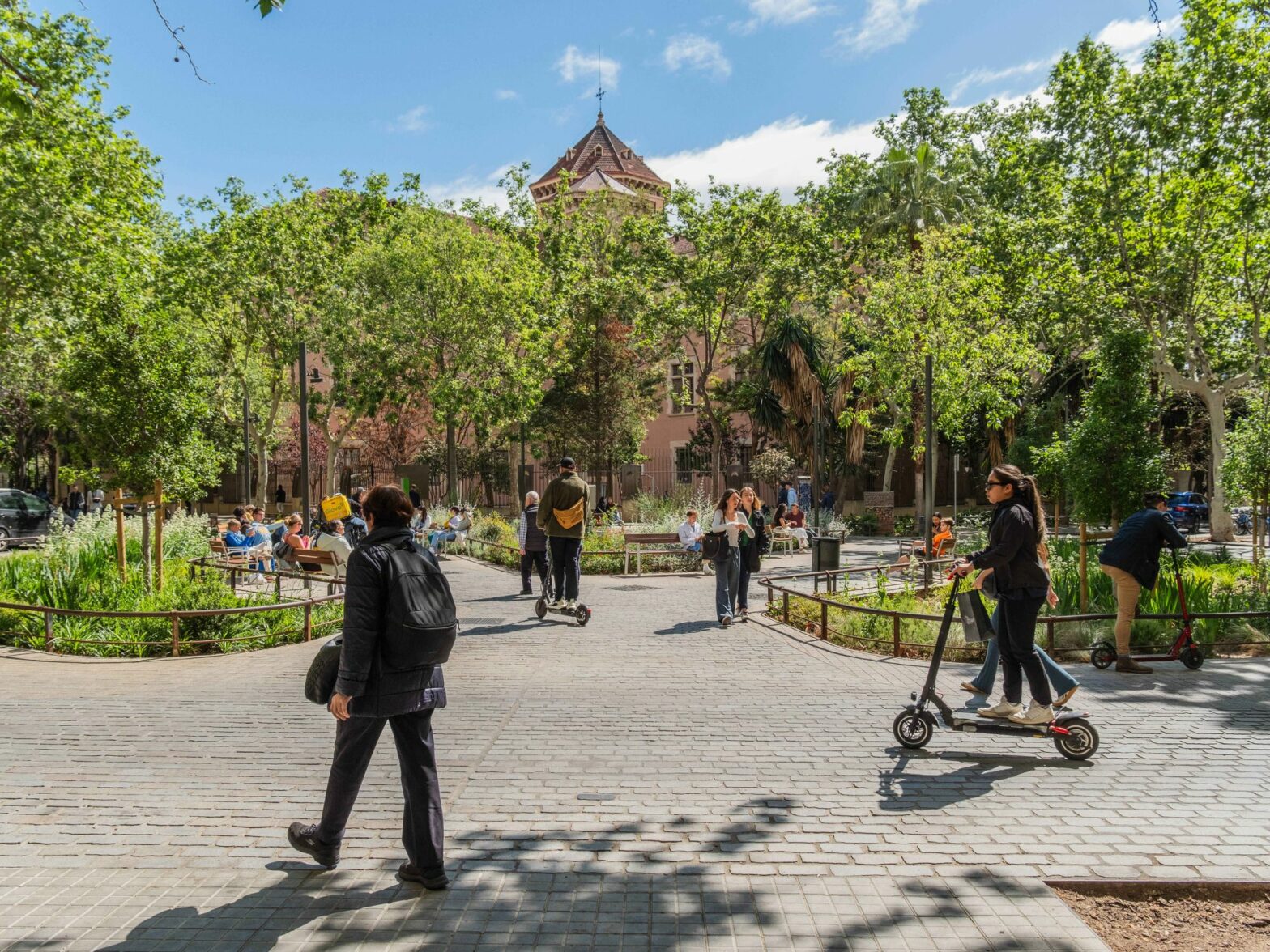
Pollution and climate change have prompted some cities to convert into more sustainable and liveable spaces. But these same policies can widen social inequality. How can cities fix this paradox?
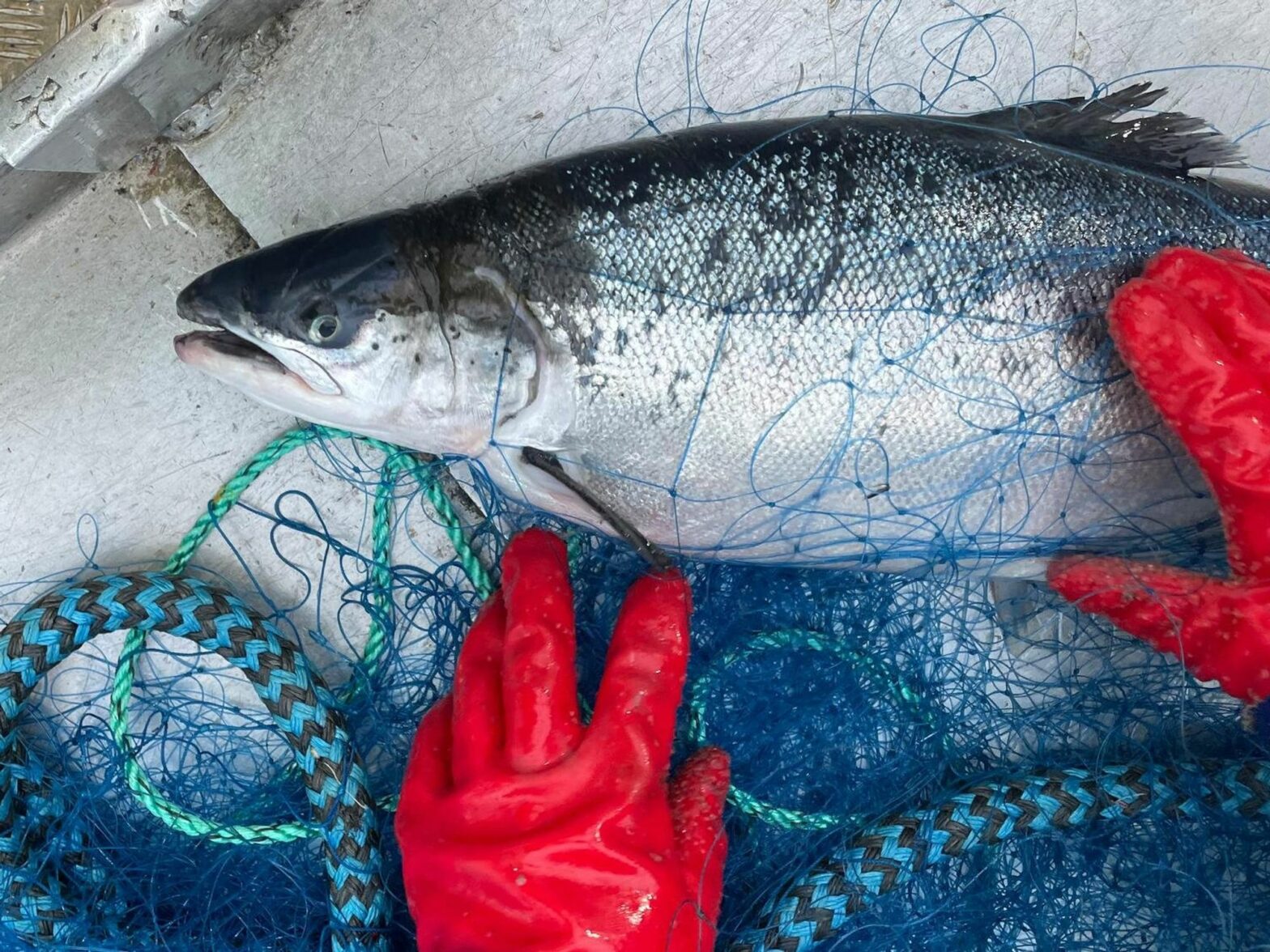
When 27,000 farmed salmon escape from a Norwegian aquaculture facility, it sets off a high-stakes chase that could determine the fate of wild salmon populations. With a bounty on each fish, local fishermen set out to recapture them — both for profit and to protect the fragile ecosystem.

Several Argentine fashion designers are among the pioneers of upcycling, turning used textiles from the home into unusual clothes with a focus on cultural regeneration and respect for the environment.

Demand for the U.S. automaker’s vehicles is waning, with sales of new Tesla cars almost halving in Europe in January 2025. While this is partly due to its CEO Elon Musk’s cahooting with President Donald Trump, there are also other factors at play.
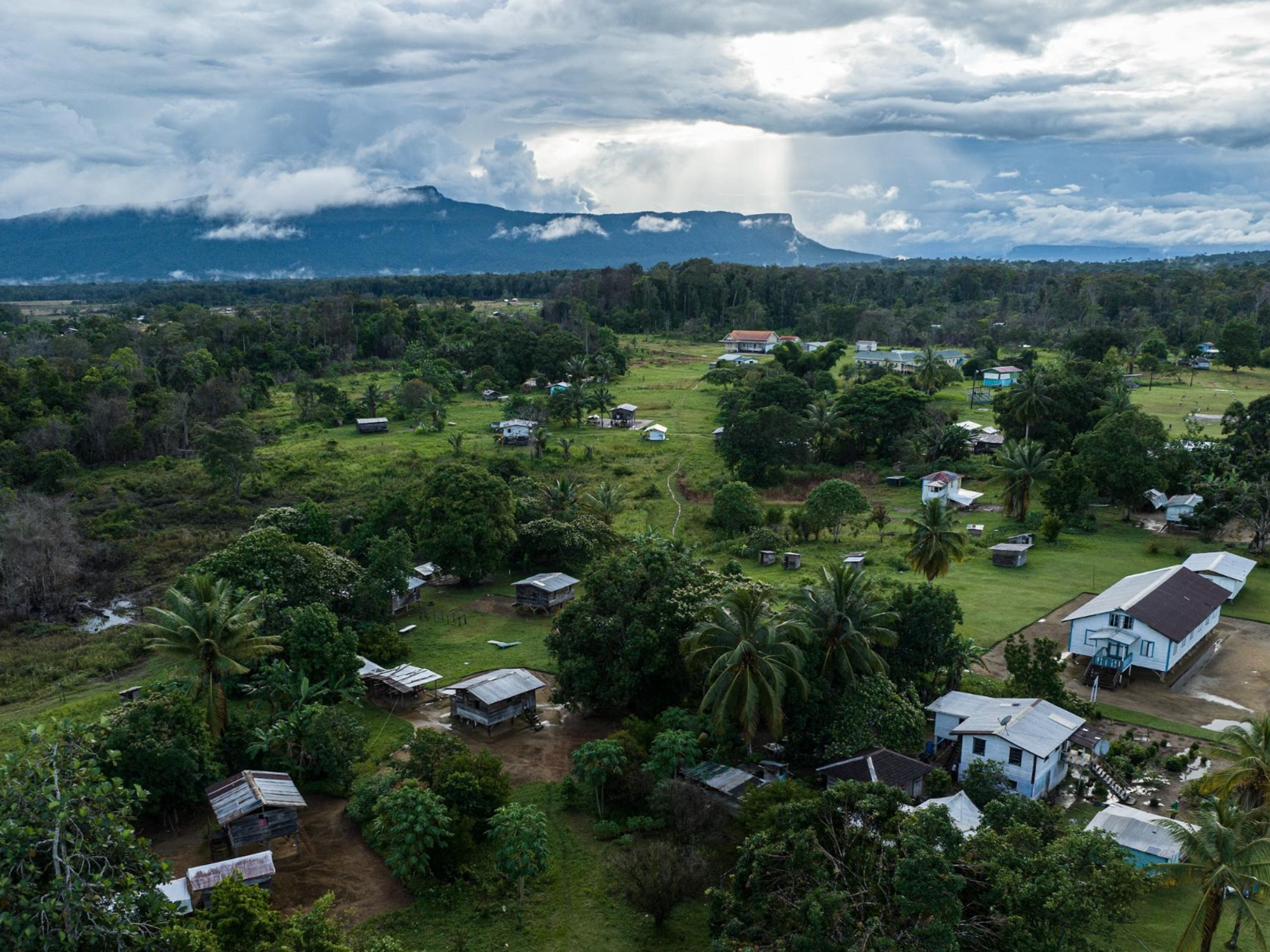
Andy’s Mall is the result of the first payment made by Guyana’s government to the Indigenous people of the Kako area, who are proud to say that they were the last to give in and sign the contract with the government that determined the conversion of their forests into carbon credits, sold to the Hess Corporation, an American oil company.

The U.S. automaker is struggling with a severe drop in sales. This is, of course, partly due to its CEO Elon Musk’s cahooting with President Donald Trump. But there is something else going on.
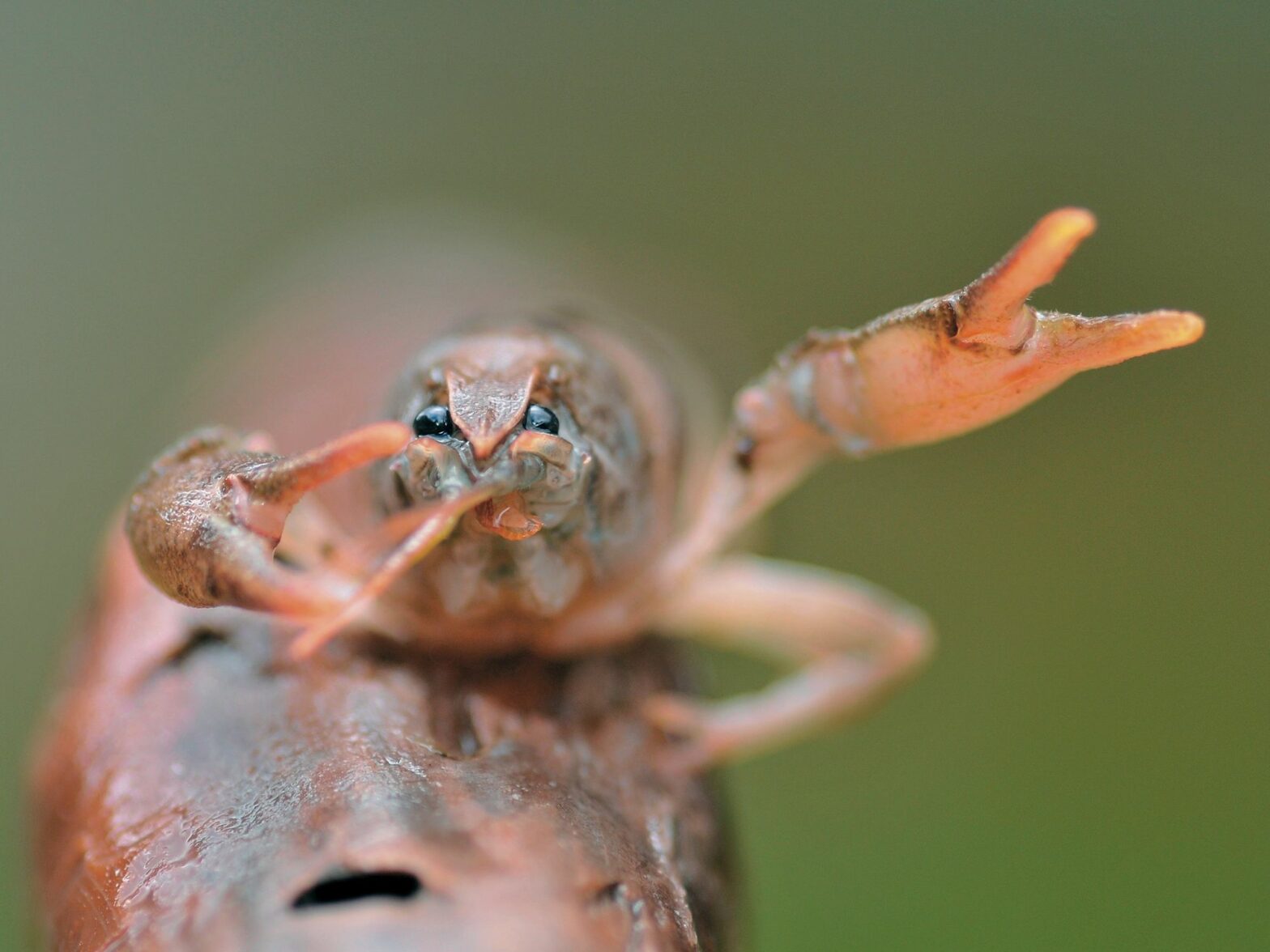
American crayfish, introduced to Spain in the 1970s, have decimated Iberian crayfish populations. However, experts debate reintroducing Iberian crayfish, as they too may not actually be native to the region.
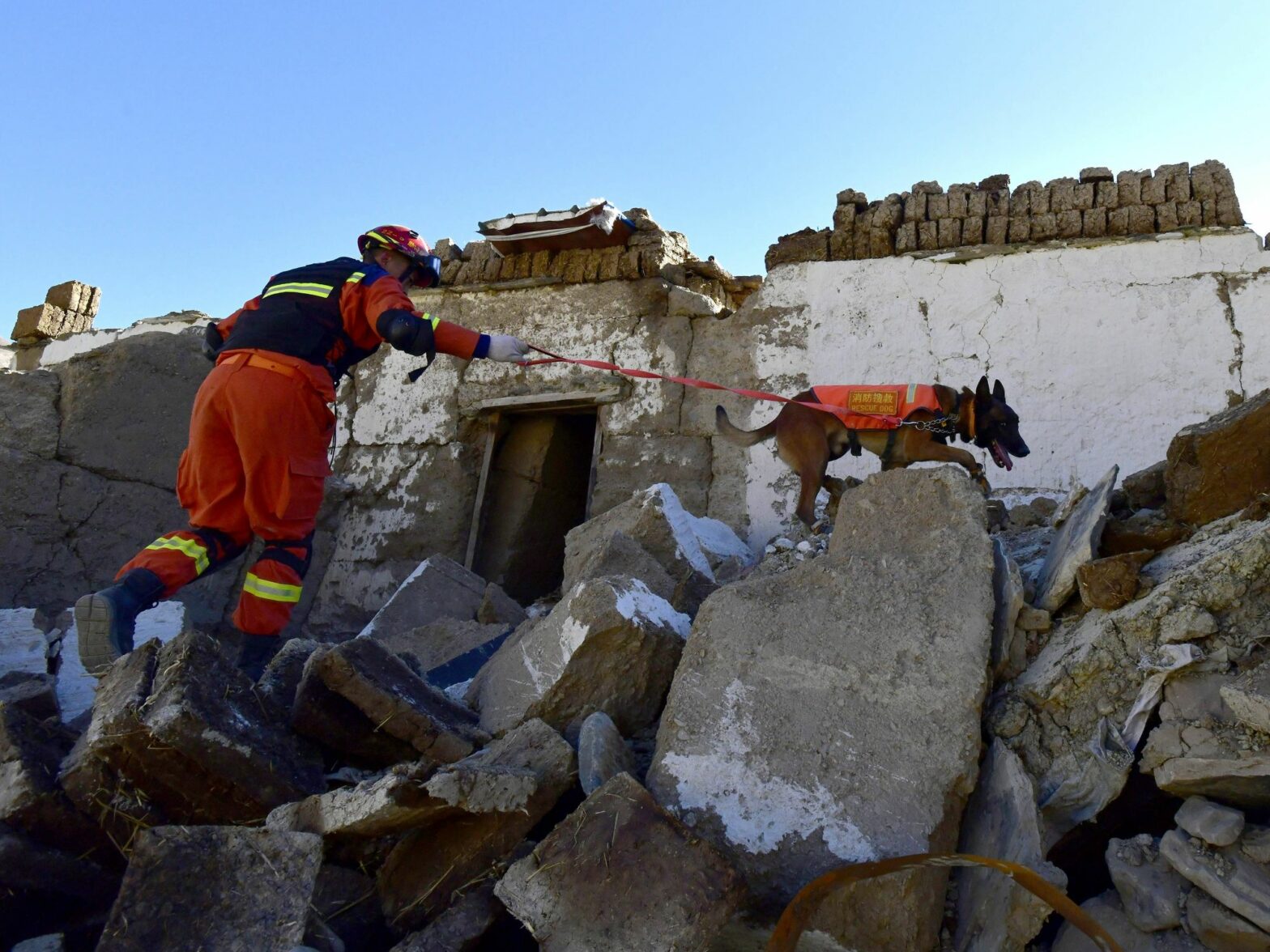
Researchers have identified a possible link between climate change and the frequency of earthquakes — and the quakes may also start a vicious circle of accelerating climate change.
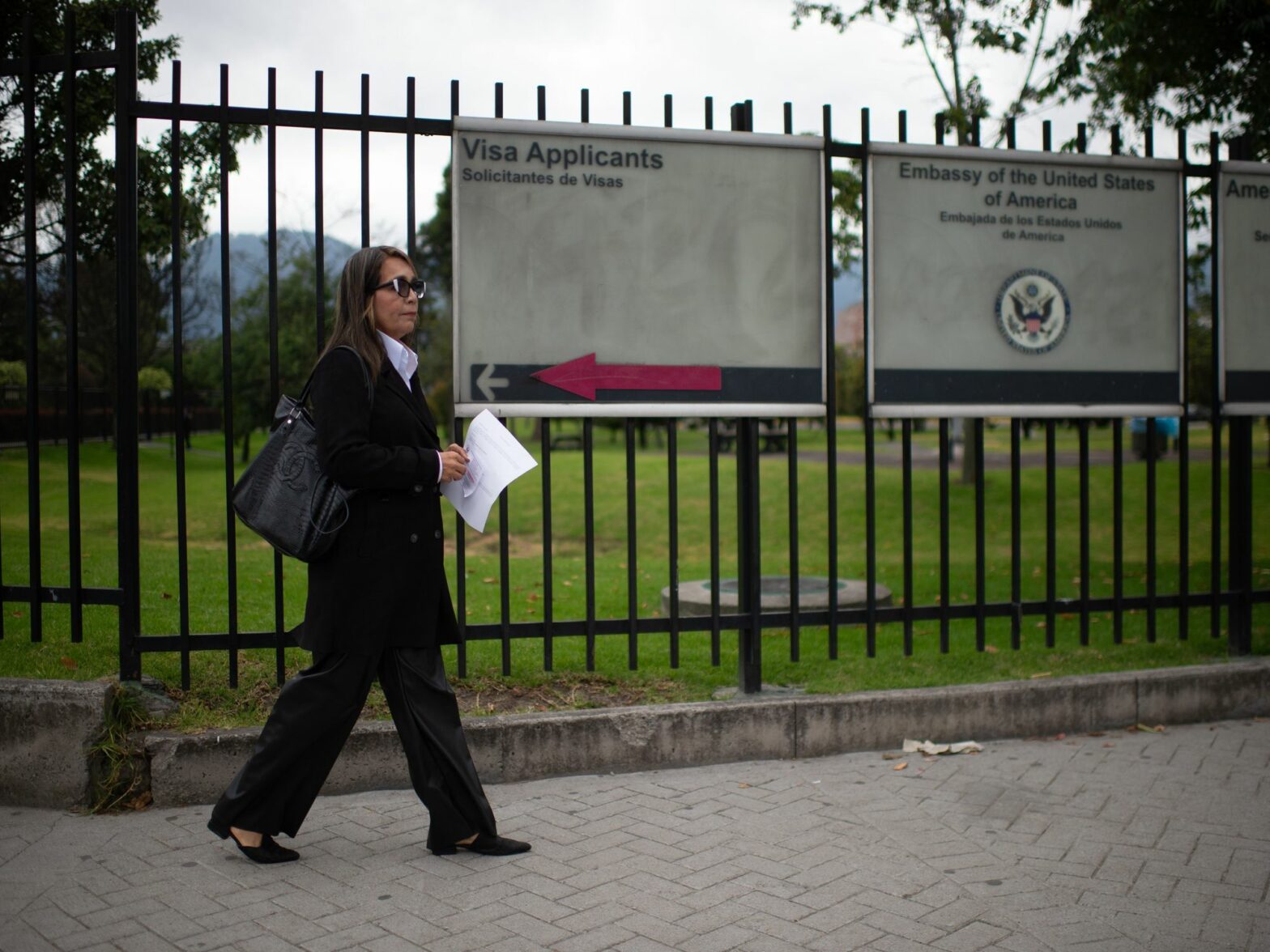
After waiting more than two years for a visa appointment at the U.S. embassy in Bogotá, Héctor Abad Faciolince’s meeting was cancelled following the Jan. 26 spat over migrants between Gustavo Petro and Donald Trump. Nevermind, the Colombian novelist and essayist writes; in a world clearly run by idiots, we’re better off staying at home.
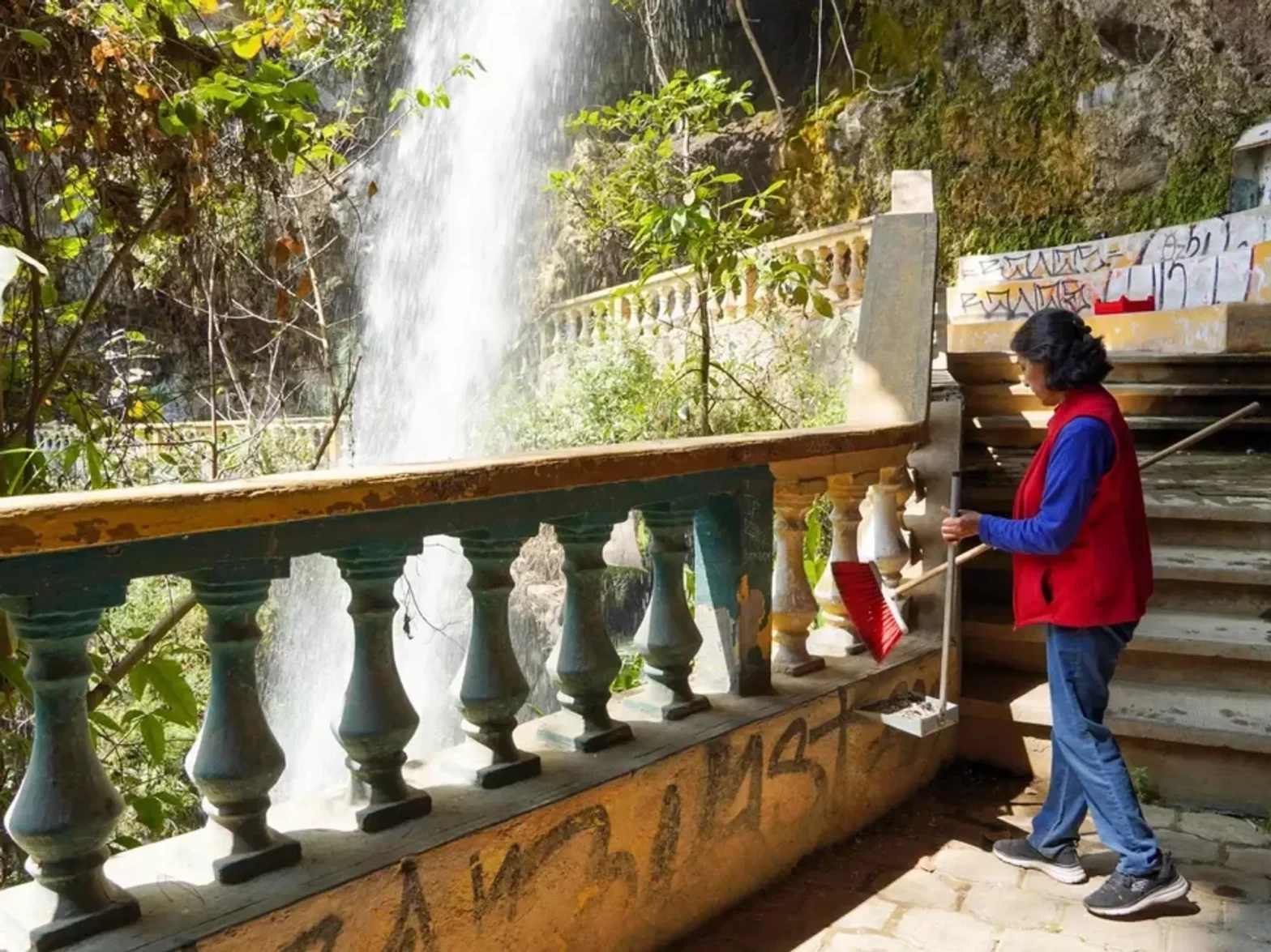
Authorities say they don’t have the funds to clean up the scenic gem. Instead, a determined community has stepped up.
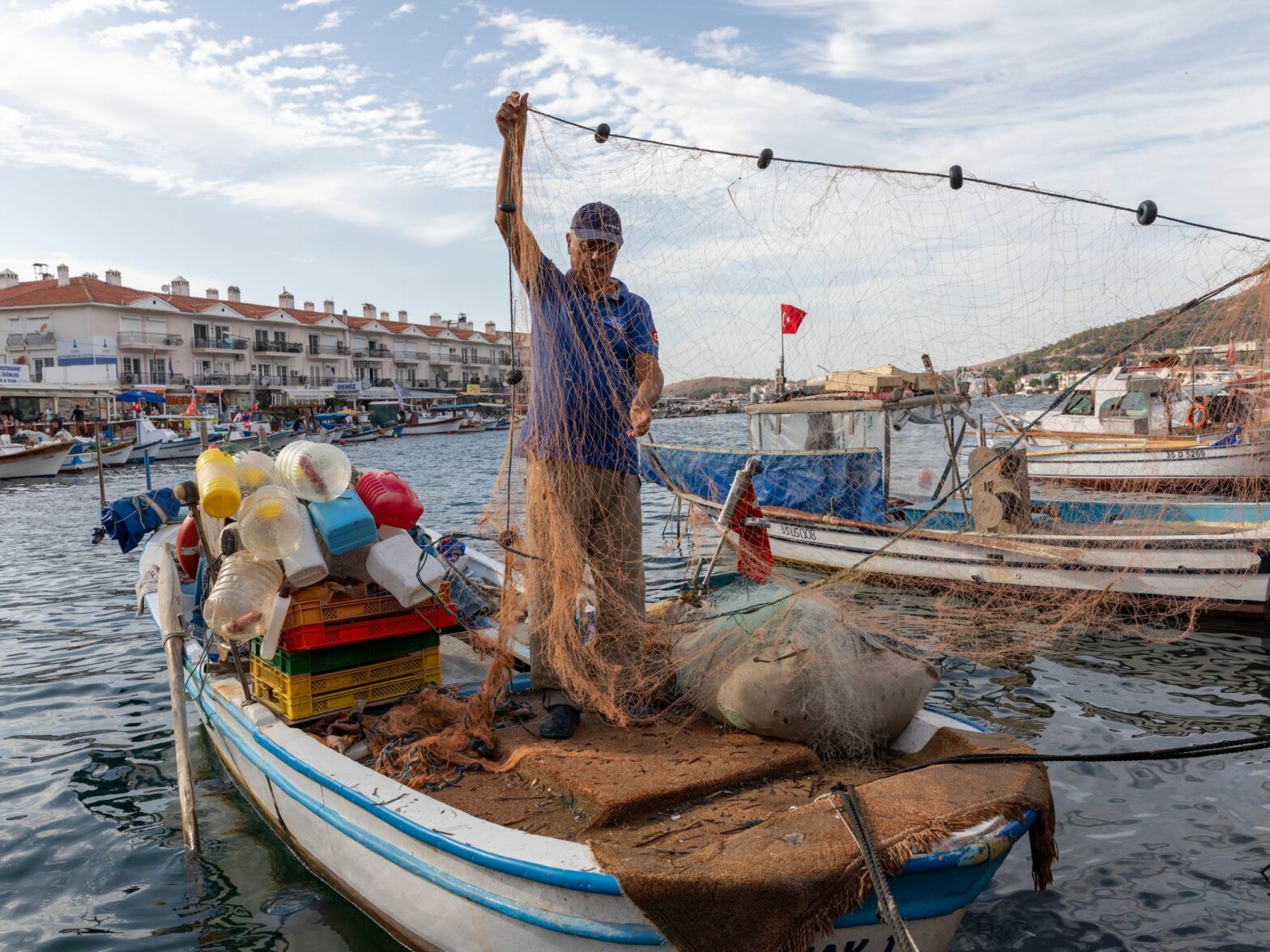
Currently, the majority of Turkey’s fish currently comes from cultivation, also known as fish farming, compared to just 10% two decades ago. The short-sightedness of this shift risks eliminating fishing output from both the farms and the open seas along Turkey’s 5,200 miles of coastline.