-Essay-
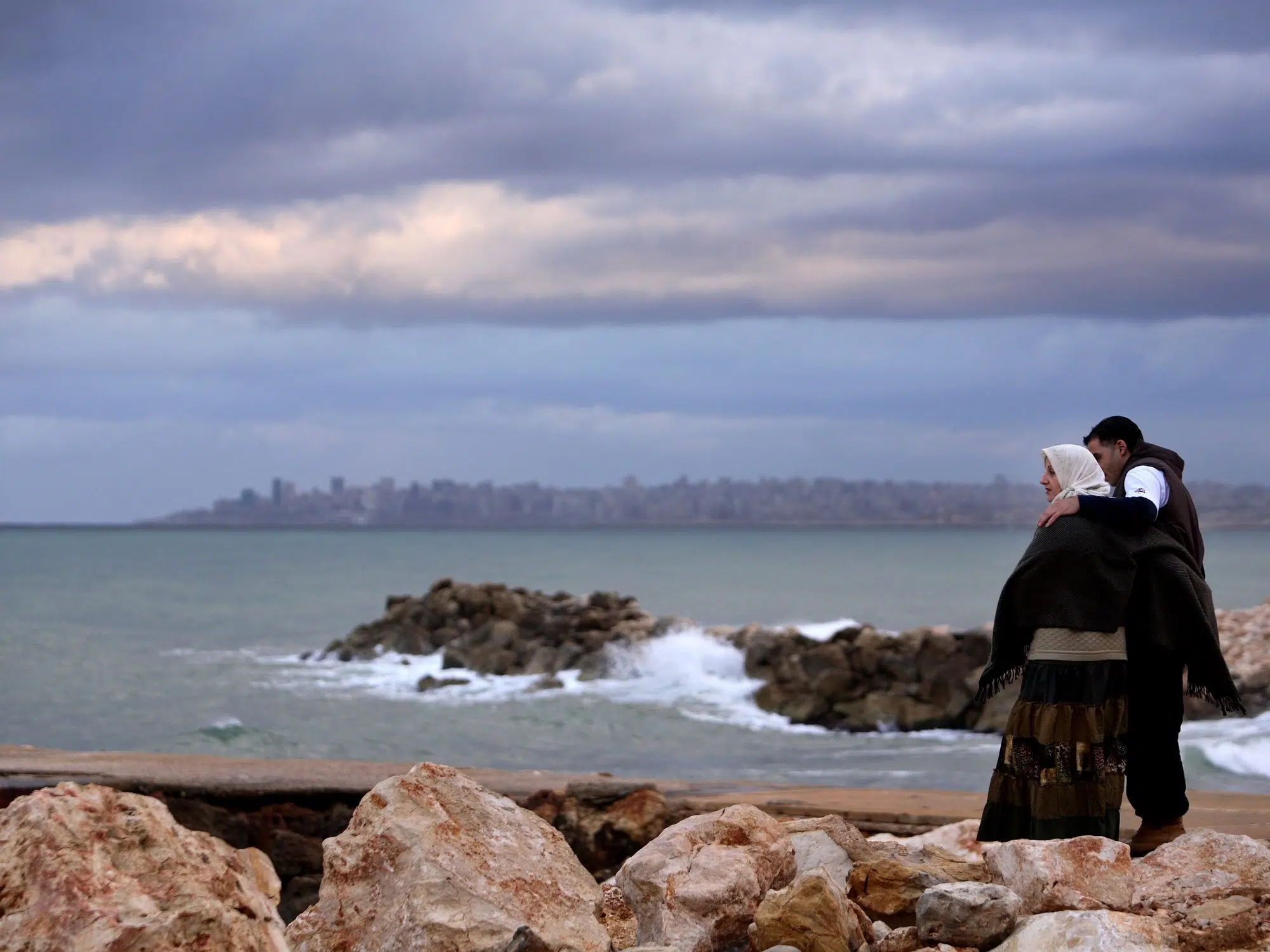
BEIRUT — We don’t see our own country as others do. Our cities get tired and forget their citizens, but they continue to give to their guests.
For example, my sister describes Beirut’s sky as illuminating and embracing hearts. But my Lebanese friend does not see that same light in the sky. I wish I could see it, he says.
For the latest news & views from every corner of the world, Worldcrunch Today is the only truly international newsletter. Sign up here.
I understand this because I don’t see my hometown of Baghdad clearly. It’s as if my glasses are dirty. But Beirut in my eyes is like the afternoon sun, golden even in its sadness.
“For the first time in my life, I can be myself: I can wear what I want, act as I want. No one will give me orders: wear a longer skirt; don’t laugh so loud; girls don’t speak like that,” I told myself on my first visit to Beirut. I promised myself to walk at night in Beirut without being afraid of returning home late and to walk in the city streets with confidence, without fearing racist or sexist comments.
Fairuz in a red dress
I had always admired Lebanon as a country but never imagined it. I saw it as a country in the form of a self-made person, who created himself and made himself a prominent “superstar.”
I felt I had another homeland there.
My mother told me that visiting Lebanon was the dream of young people in Iraq the 1970s. The lucky ones were those who experienced the feeling of the Arab Love Revolution, which started in Lebanon. She remembers the 1968 film Bint El-Hares starring the iconic singer Fairuz wearing a red dress, saying “We imitated her in Baghdad. There was nothing like Beirut fashion. The swaying of Lebanese actors in a TV series makes you feel the air of the village.”
I traveled to Lebanon countless times in search of this air and refreshment, until I reached I felt I had another homeland there. Yet I tried hard to stay away from politics and its painful implications, which put us all in the same sinking boat.

Lebanonization of Iraq
I only saw the side of Beirut that I wanted to: the noise, joy and love on the ruins of sadness.
“Did you know that Iraq is divided on religious and sectarian bases like Lebanon?” a friend asked me, adding sarcastically “the system was originally made in Lebanon.”
We are similar in sadness, as the map of wars conveys our experiences. We copy our sorrows and transmit them from us to you and from you to us. Friends tell me about the civil war. Yes, the same sad stories happened to us.
Moving to Lebanon or Syria is like moving from one city to another in Iraq. The faces carry the same features, memories, regrets and questions without answers. This sometimes relieves me from my bitter memories. It is the collective feeling, the shared trauma.
On my first visit to Lebanon, some friends asked me to meet them a stadium, where I found young men dancing. Am I lost? No? They are innovating the industry of life. I thought “Oh God, make Iraq Lebanese” in the love of life — not just in politics. Why did Iraqi politicians borrow from their Lebanese counterparts and not borrow a single civil advantage?
Similar division?
I did not see much of the 2006 war in southern Lebanon, nor did I find anyone outside the borders of our Middle East who knew that Iraq, at the time, was also facing a hidden war between its citizens. It was a war that left hundreds of corpses and explosive cars every morning. So I was very busy trying to find innovative ways to compare the two countries, to find two versions of different and diverse corpses and killers.
Even our revolutions and most important demonstrations happened at the same time: October 2019.
The Lebanese love life to the point that you wouldn’t believe even if you saw with your own eyes; they face death with the phrase “Let’s dance until the morning.” They have developed an awareness that they have nothing to lose, due to the number of wars that occurred on their land, and robbed their lives.
The Lebanese are the most experienced at overcoming crises. A friend repeated to me the slogans of past “revolutionary” stations. “We have the same chants, with an Iraqi twist of course,” I told him. We are both governed by the same sectarian political division, and are controlled by the same occupying countries. And even our revolutions and most important demonstrations happened at the same time: October 2019.
I walk in Tahrir Square and hear “From Baghdad to Beirut… One revolution will never die.” Hope grows inside me. I feel a thread of hope extending towards us from an Arab place, as we watch the protesters fall. Demonstrations emerge in Lebanon to support us.
What does victory look like?
I don’t want any country to experience war. My feelings toward Beirut are the same as my feelings toward Baghdad. For me, Beirut is like Baghdad. Is it because it faced the same long wars and conflicts that my city faced? Is it because it suffers from the same sectarian parties? I don’t know.
What I have to master is to try — despite my extreme despair — to train my memory to retain the face of Lebanon and its cities and my unique moments where I smelled its air, felt it and touched it with my hand, and to form its images in my eyes as a green strip of cedar trees and mountains that I climbed to see the the green spaces and the sun.
I love Lebanon today more than ever, and I dream of victory.
How can the world see this fire and smoke covering the beauty of Beirut without saying a word? Is there anything more hideous than allowing all this fear to enter people’s hearts and not moving a finger? I ask, how does Fairuz feel now? Is she safe? Is this how she and others — who inspired us — are to be rewarded? Raids, missiles, fear, killing and silence?
I love Lebanon today more than ever, and I dream of victory. What does victory look like for a woman who has lived through three wars? Simply to be safe, to have a home that she is not afraid to leave at any moment, to hold on to even a small part of her dreams.