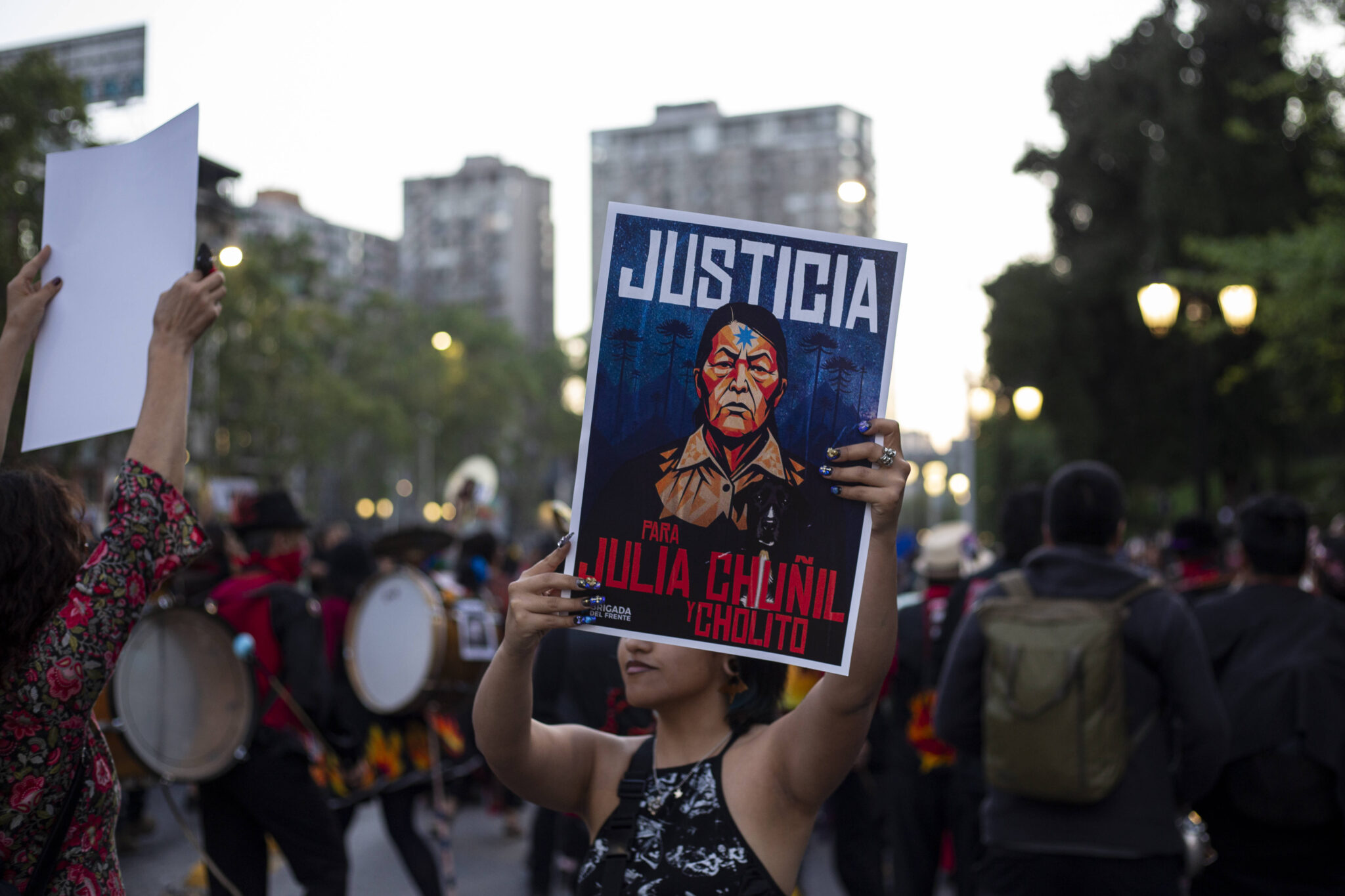
In 2024, there were 146 murders and long-term disappearances of environmental and land activists, according to a report by the NGO Global Witness.
 Worldcrunch
Stay updated with comprehensive news on Mexico from Worldcrunch. Discover insights on Mexican politics, economic strategies, societal issues, and cultural landmarks with translations from top international sources. Highlights include Mexico City, Mexican history, and cultural events.
In 2024, there were 146 murders and long-term disappearances of environmental and land activists, according to a report by the NGO Global Witness.
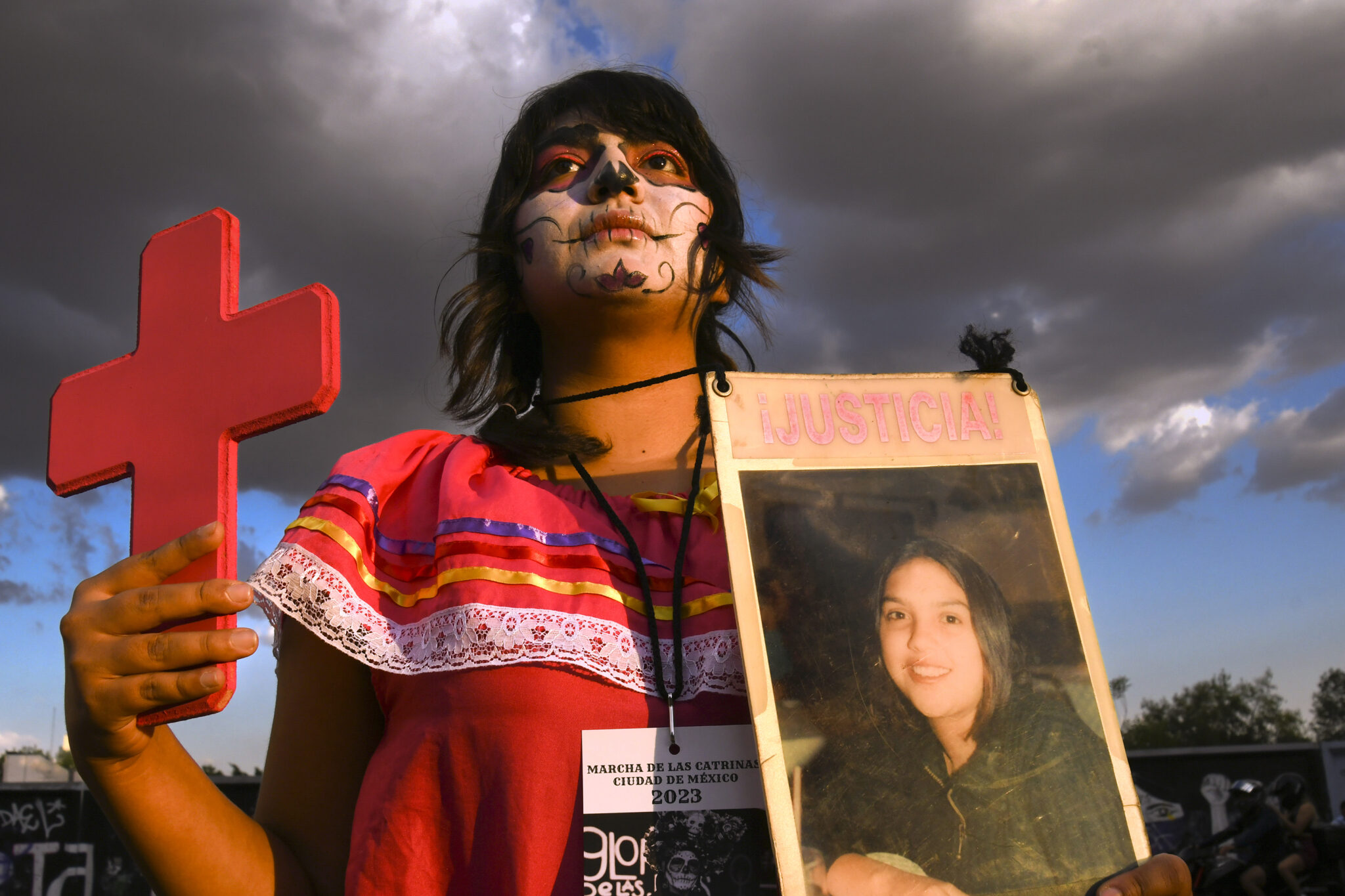
Since its entry into force in June 2016, a Mexican law intended to protect juvenile criminals has been flagged by the families of femicide victims as hindering their access to justice.
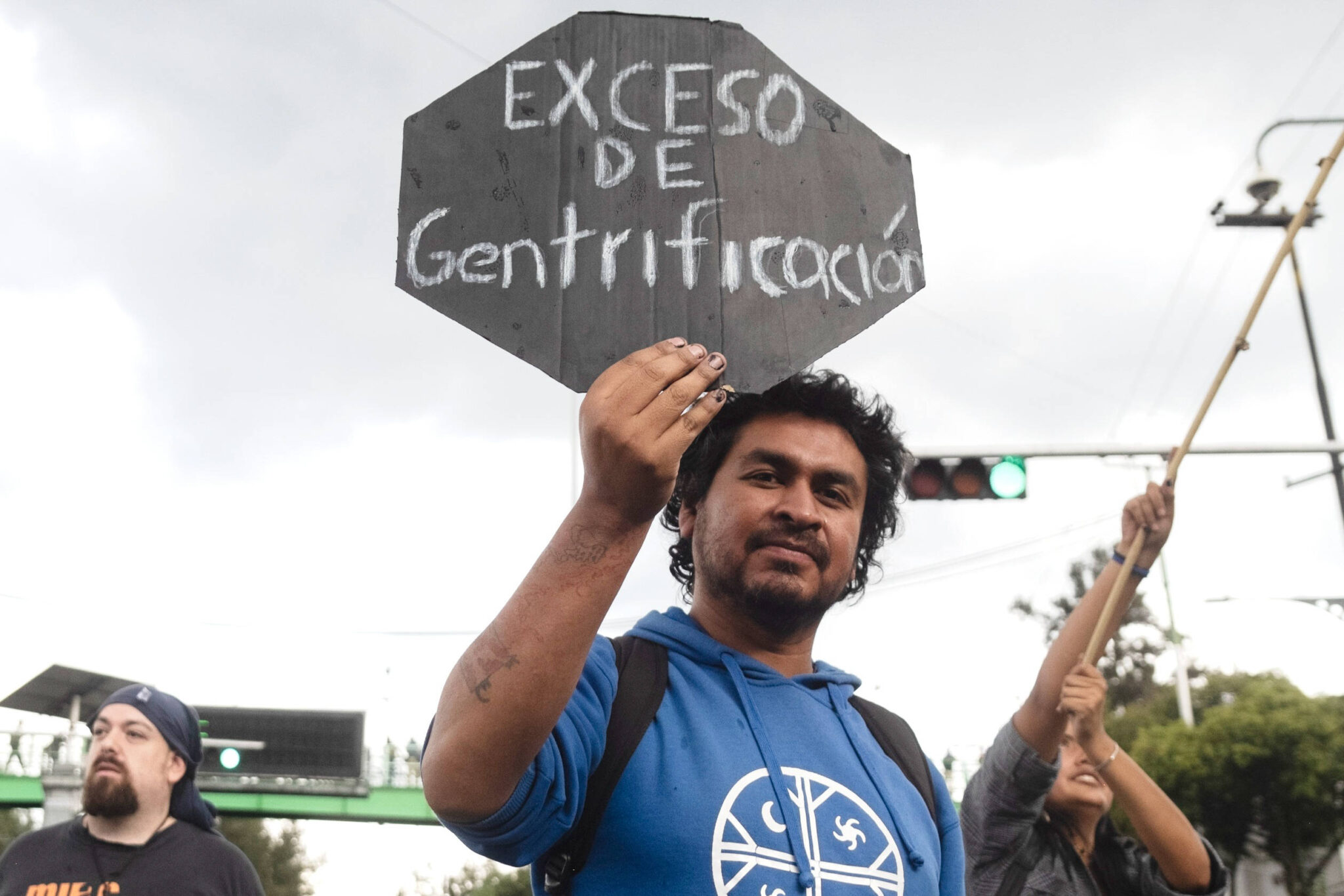
Across Mexico, where gentrification has pushed housing prices up by 247% from 2005 to 2021, locals are angry over their forced displacement and lack of housing rights. They recently protested against mass tourism and “digital nomads.”
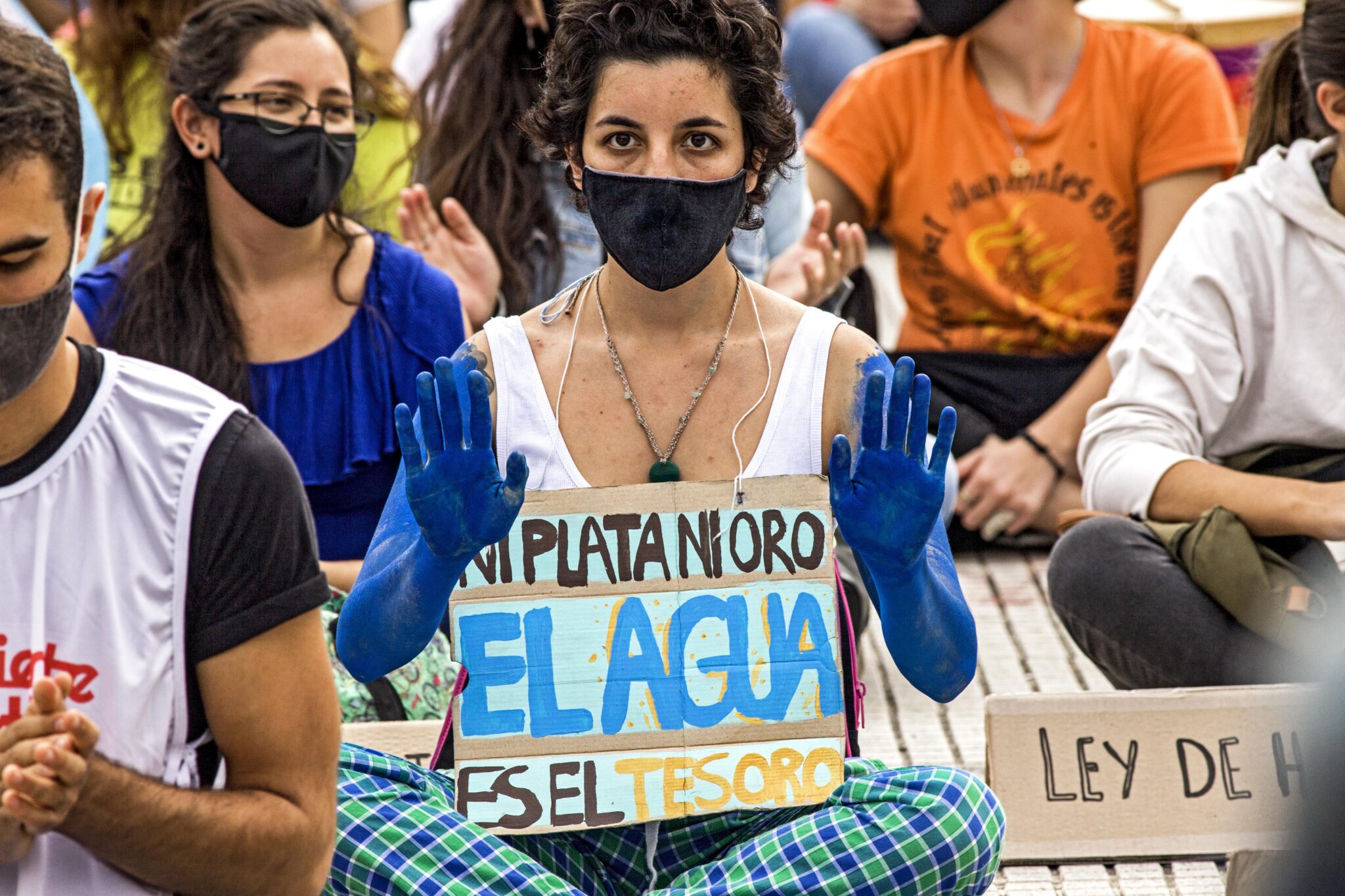
In the midst of discussions about the use of artificial intelligence, ecofascist narratives have crept in. How did this happen? What are the dangers?
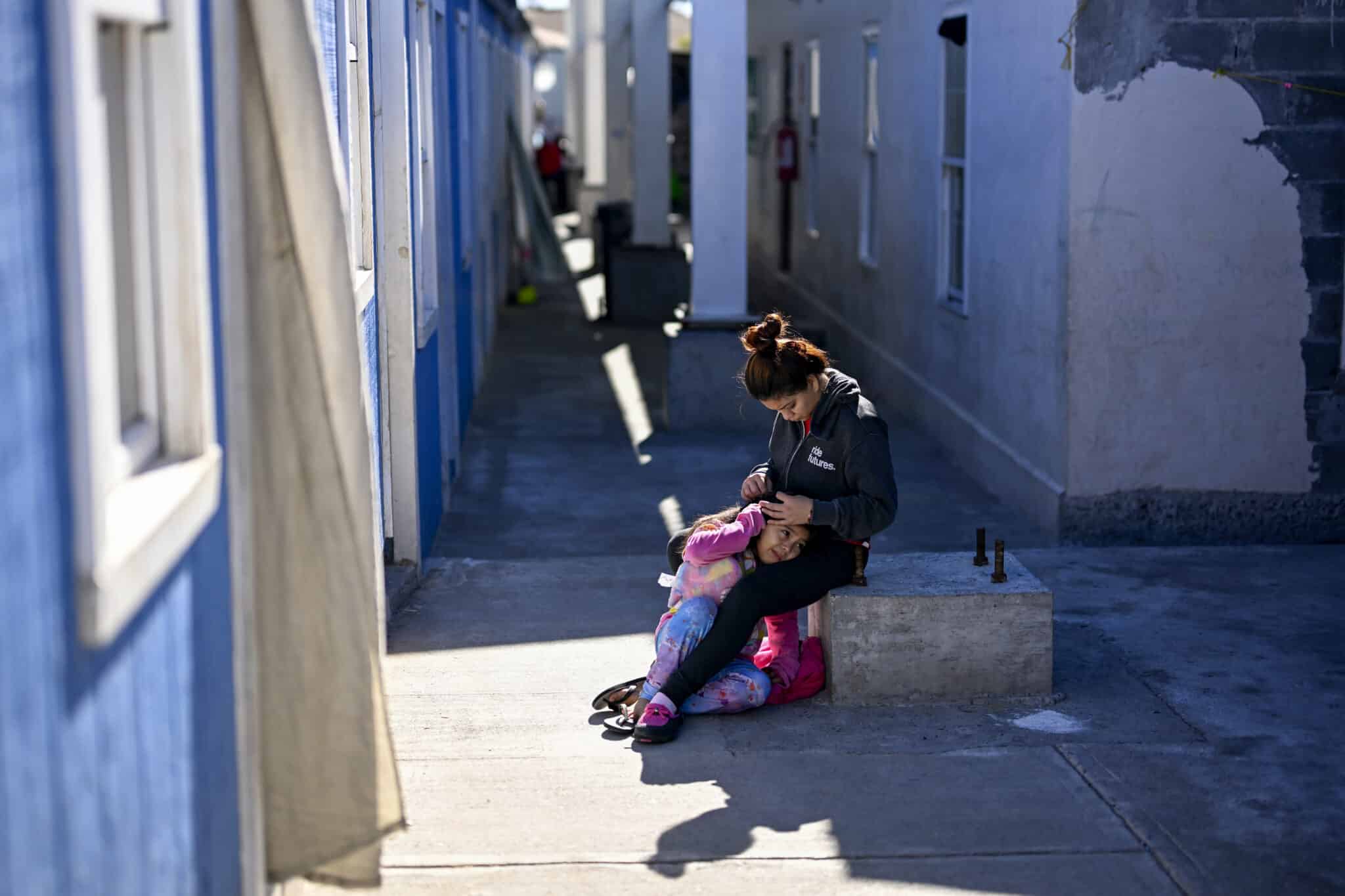
Far fewer Latin American migrants are trying to reach the United States under the Trump administration, but is this a “problem solved”? For now?
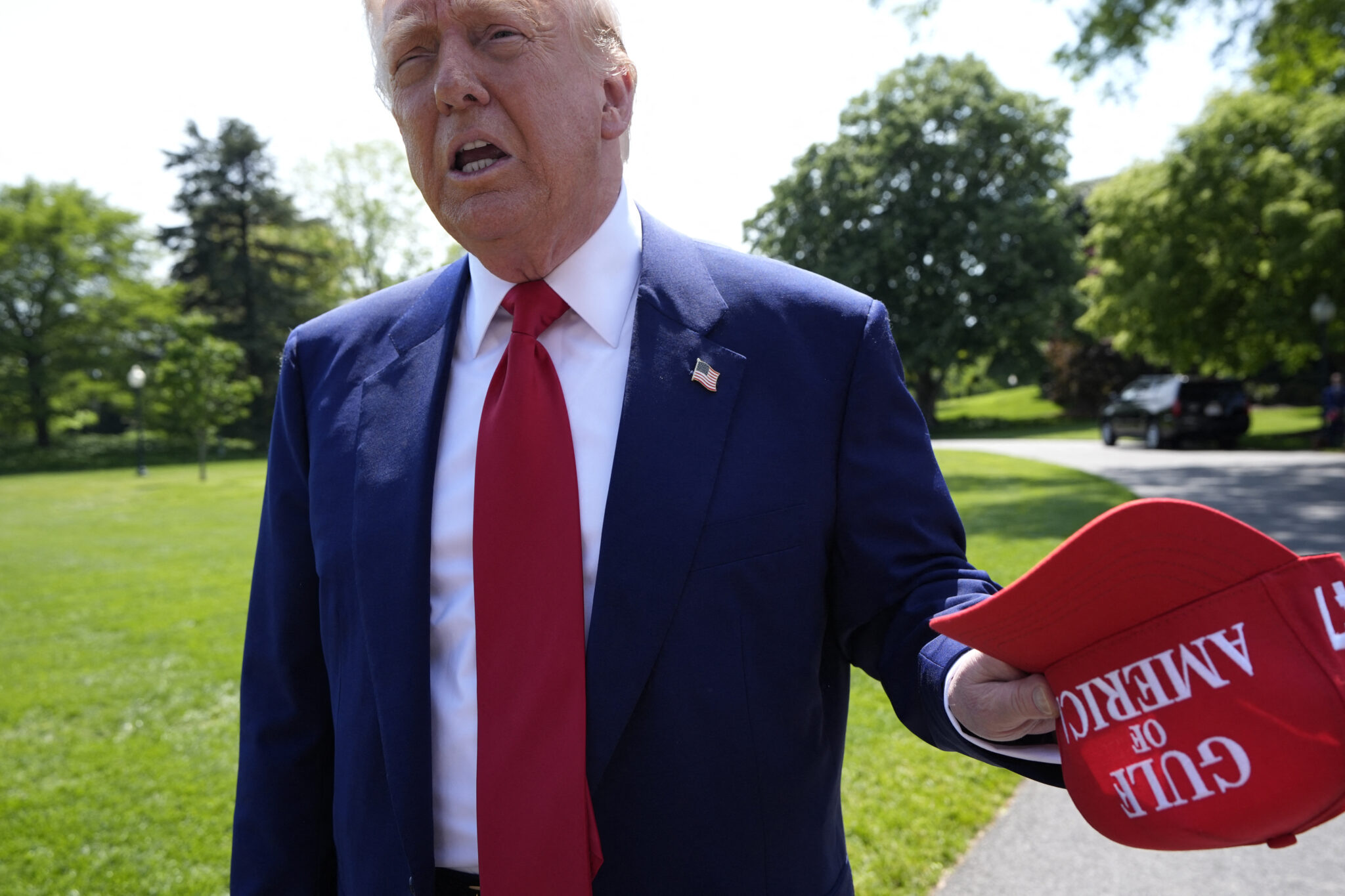
While place names often change in history — closely following power dynamics — there is very little geographical or historical justification for the Trump administration renaming the Gulf of Mexico.
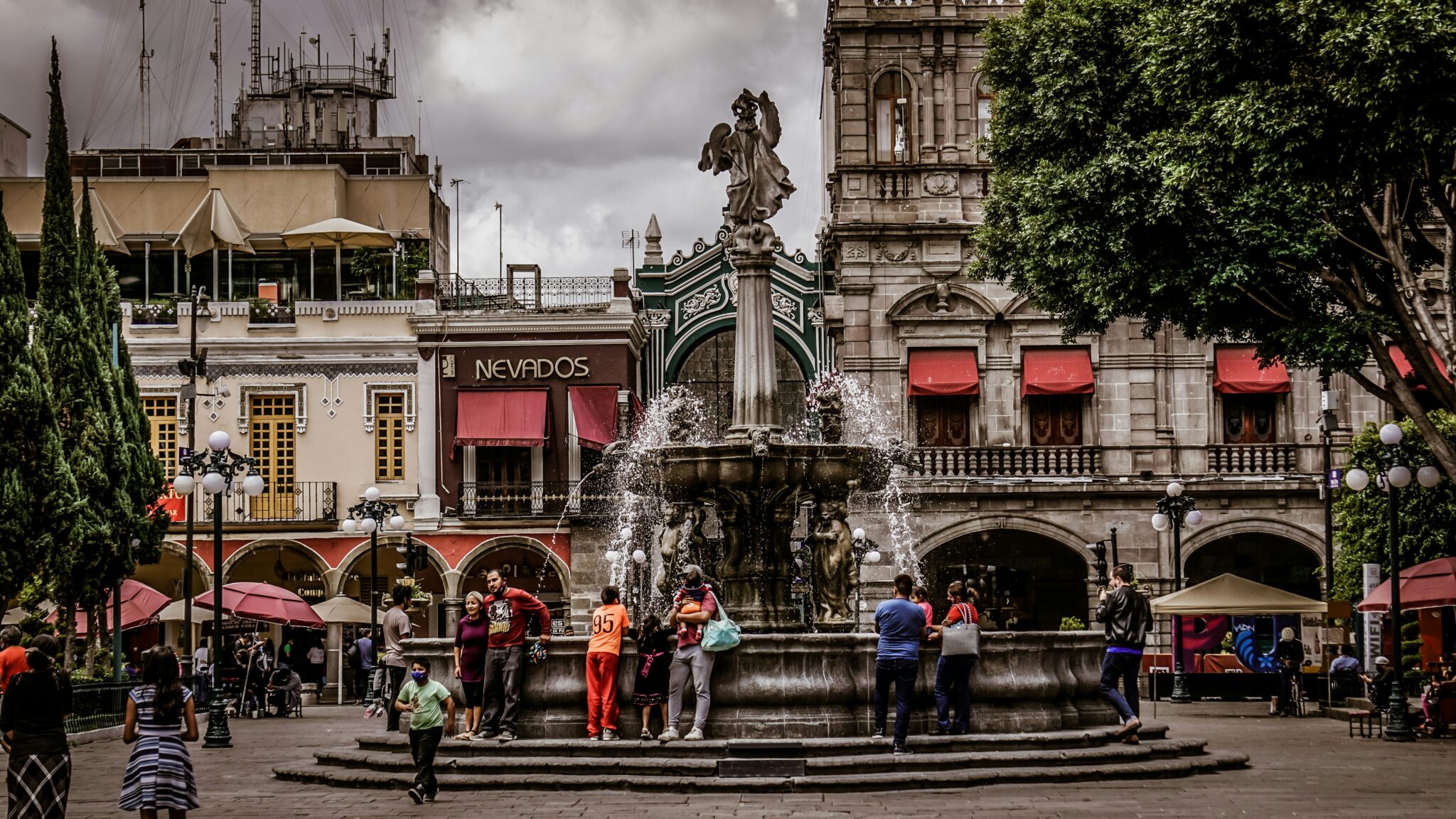
Mexico failed to use the legal stability provided by the NAFTA treaties to consolidate lawful governance at home. Now, as U.S. President Trump shakes up all his country’s ties, millions of Mexicans are up against the consequences of their country’s endemic and unresolved problems.
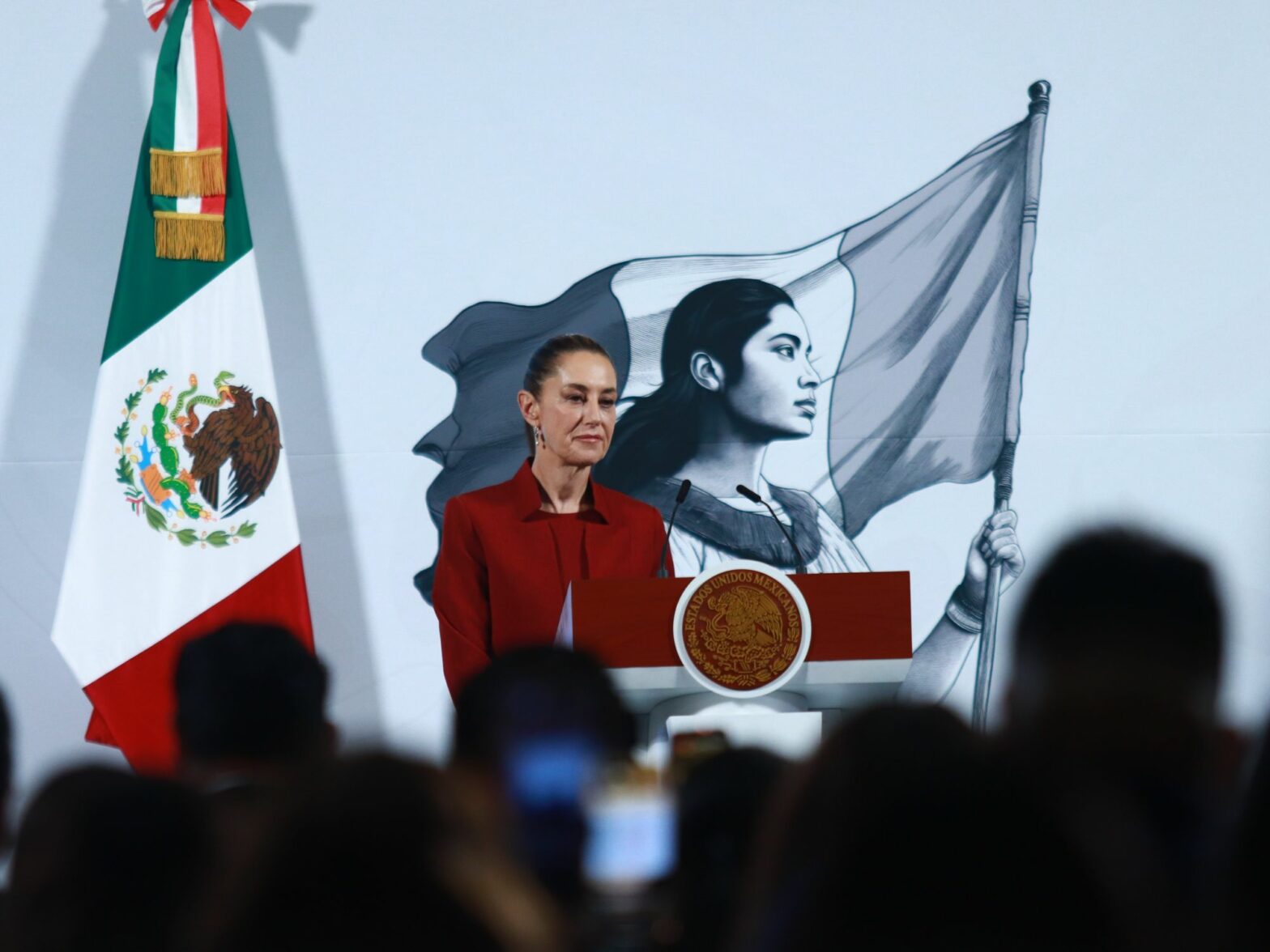
More good news this week from Mexico’s President Claudia Sheinbaum, who has avoided new tariffs from the U.S. What’s the secret to her success? It has to do with her pragmatic interpretation of from the same socialist National Regeneration Movement as her predecessor, Andrés Manuel López Obrador.
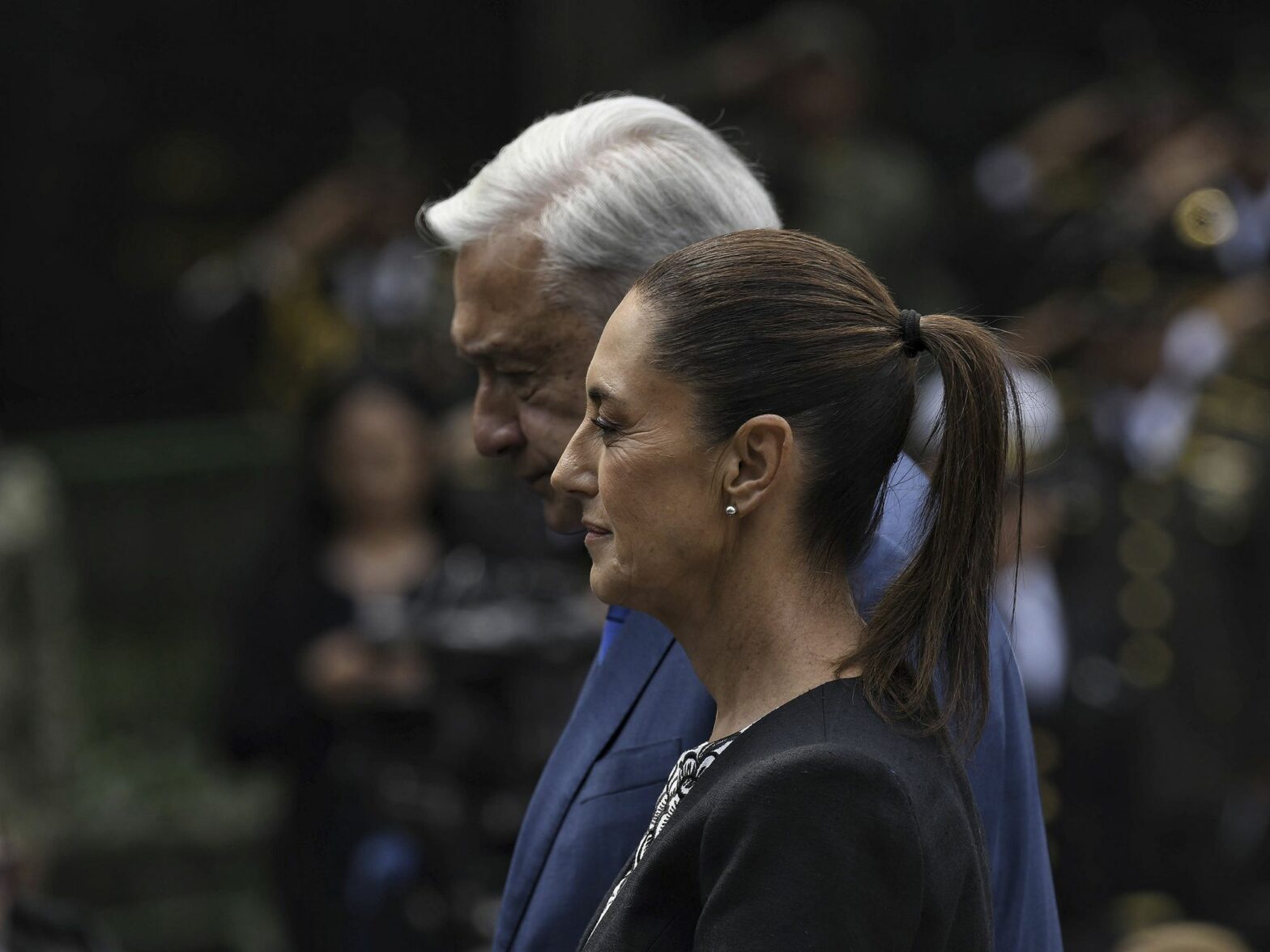
While Mexico’s President Claudia Sheinbaum comes from the same socialist National Regeneration Movement as her predecessor, Andrés Manuel López Obrador, their stories are different. What does that mean for the country’s future?

In a not-so-distant future, Latin Americans will find they too were wealthy like their overbearing northern neighbor, only their “capital” consisted of art, music and resilience, combined in one of their biggest assets home-bred superstar Shakira.

Washington increasingly lukewarm. EU security is not a priority, so the future of NATO is at stake. Trump asks allies to increase military spending but the EU remains disoriented and uncertain.
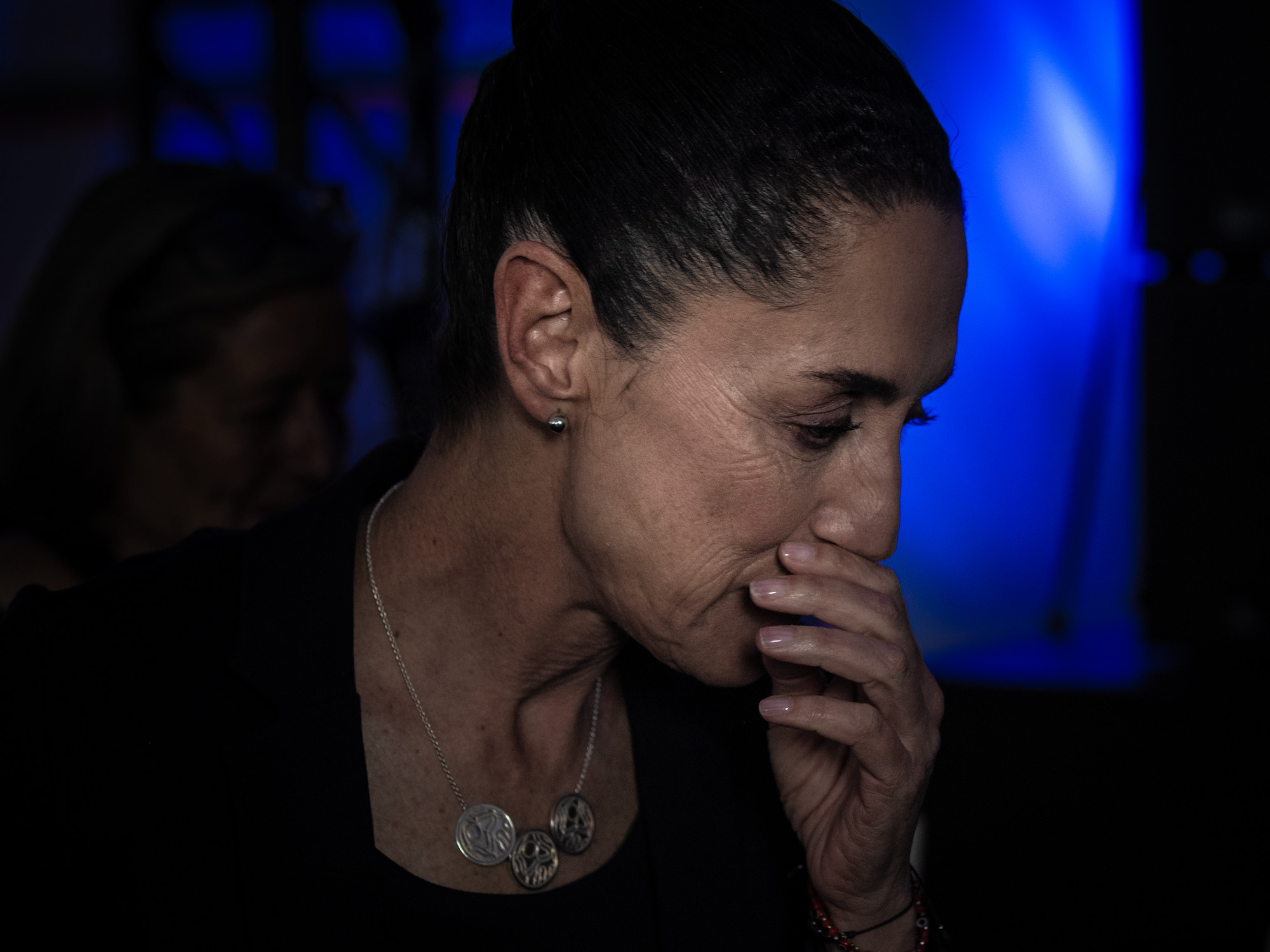
After Colombia’s president took on U.S. President Trump and lost, Mexican President Claudia Sheinbaum has managed this new complex relationship with remarkable deftness and clarity of purpose. But can this strategy be maintained with Trump’s mind set on tariffs everywhere?
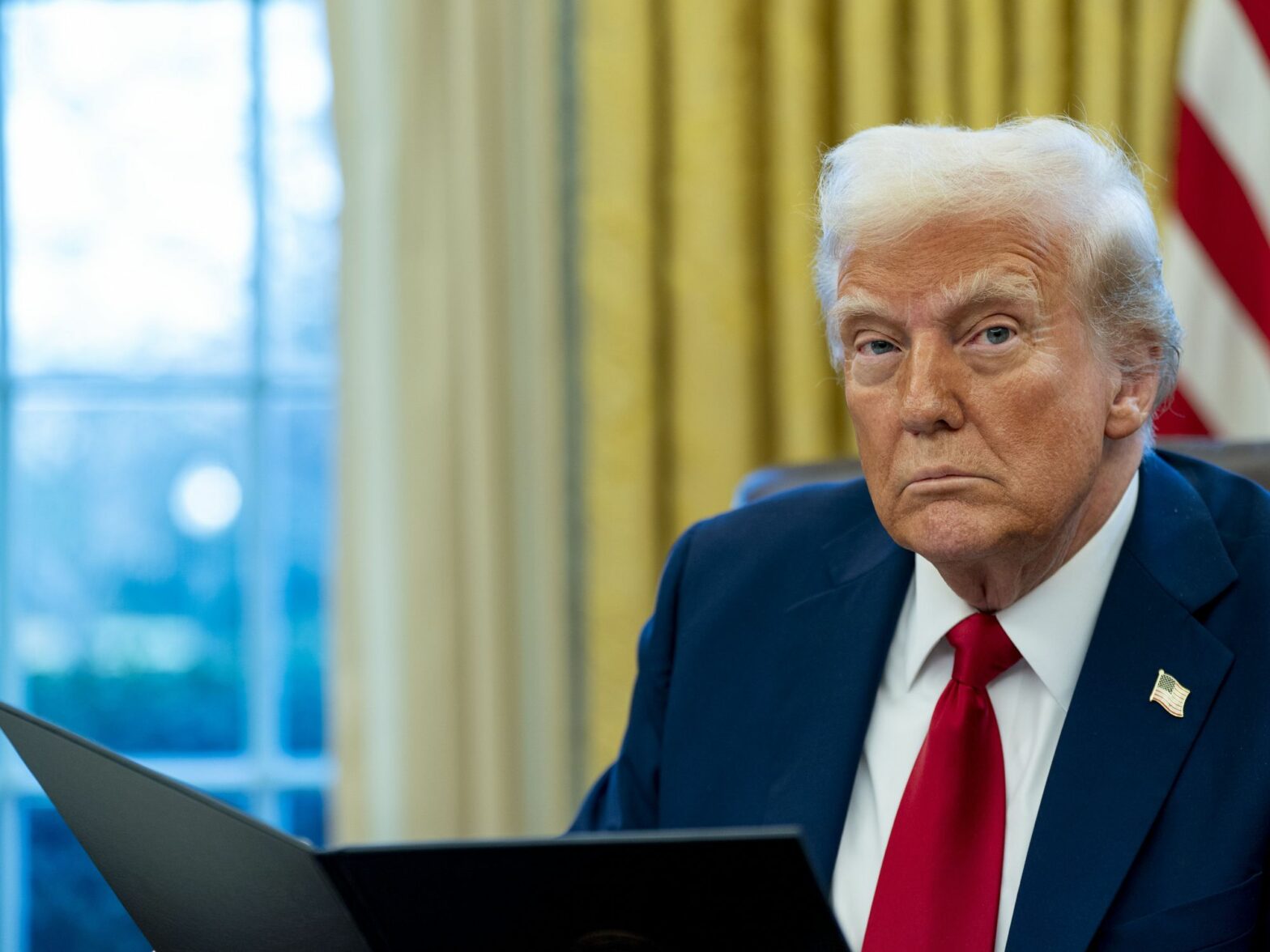
What’s Donald Trump aiming for with his flood of provocative statements? Part distraction, part negotiating ploy, it’s all meant to allow the marketer-in-chief to always claim victory.
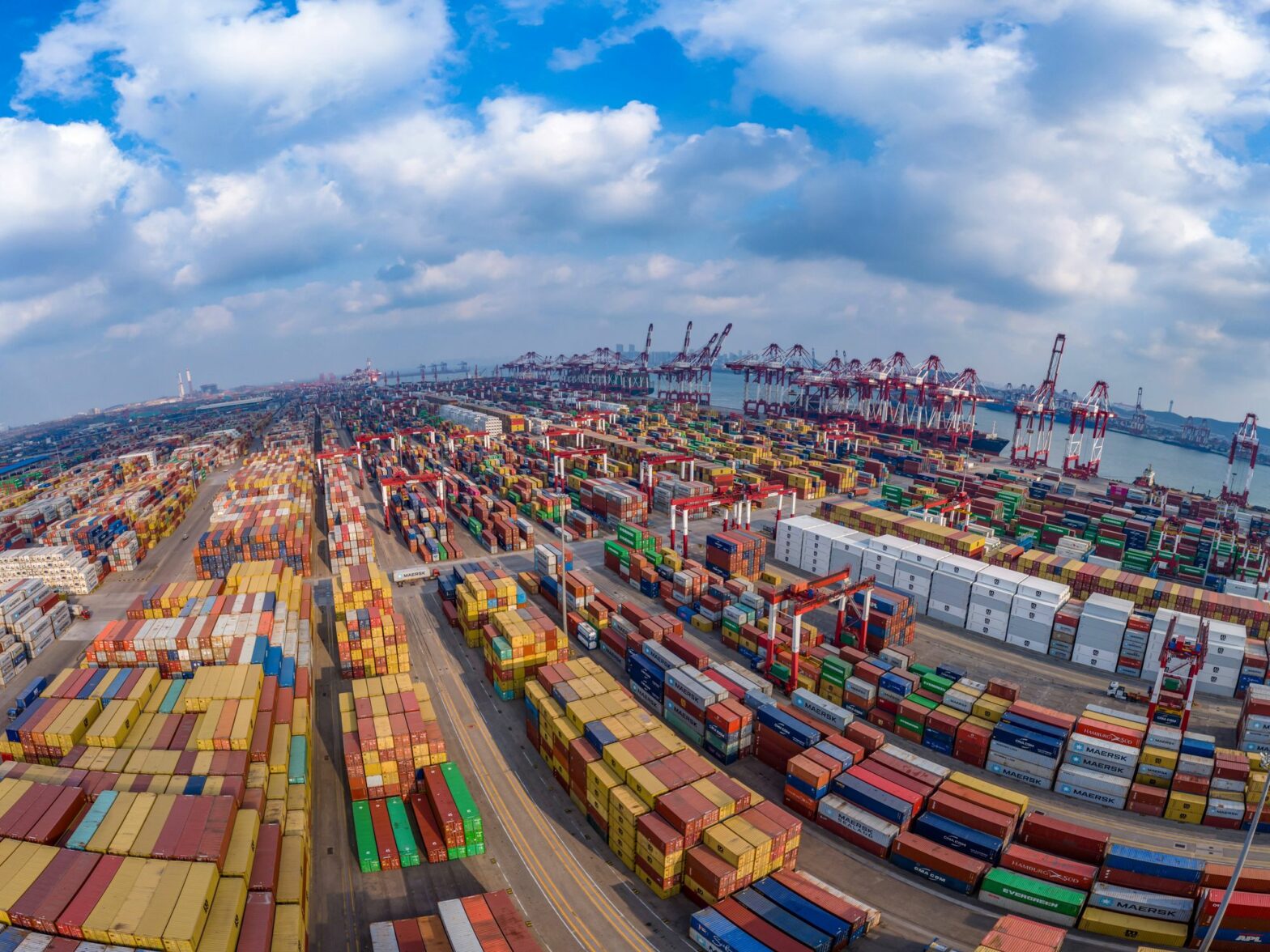
The American president had promised tariffs of at least 60% on all Chinese products. For now, it will be only 10%. Washington has other issues to negotiate with Beijing. Hitting old allies harder is part of a much different approach.
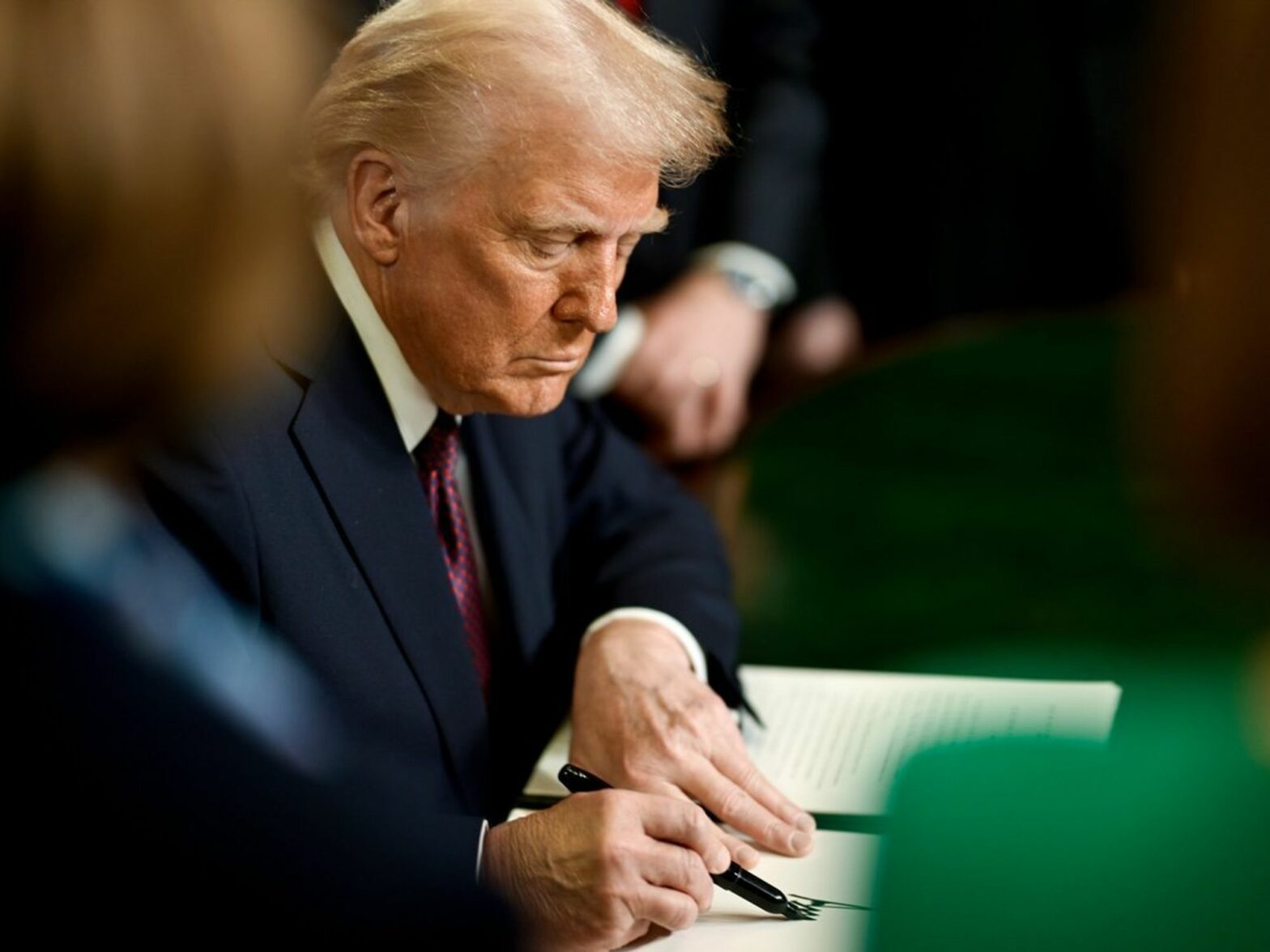
Just hours after taking office, Donald Trump signed his first presidential decrees, the well-known Executive Orders, swiftly advancing parts of his ultra-conservative agenda on issues like the Mexican border, immigration, and climate policy. His goal: to make a strong impression and neutralize any opposition.
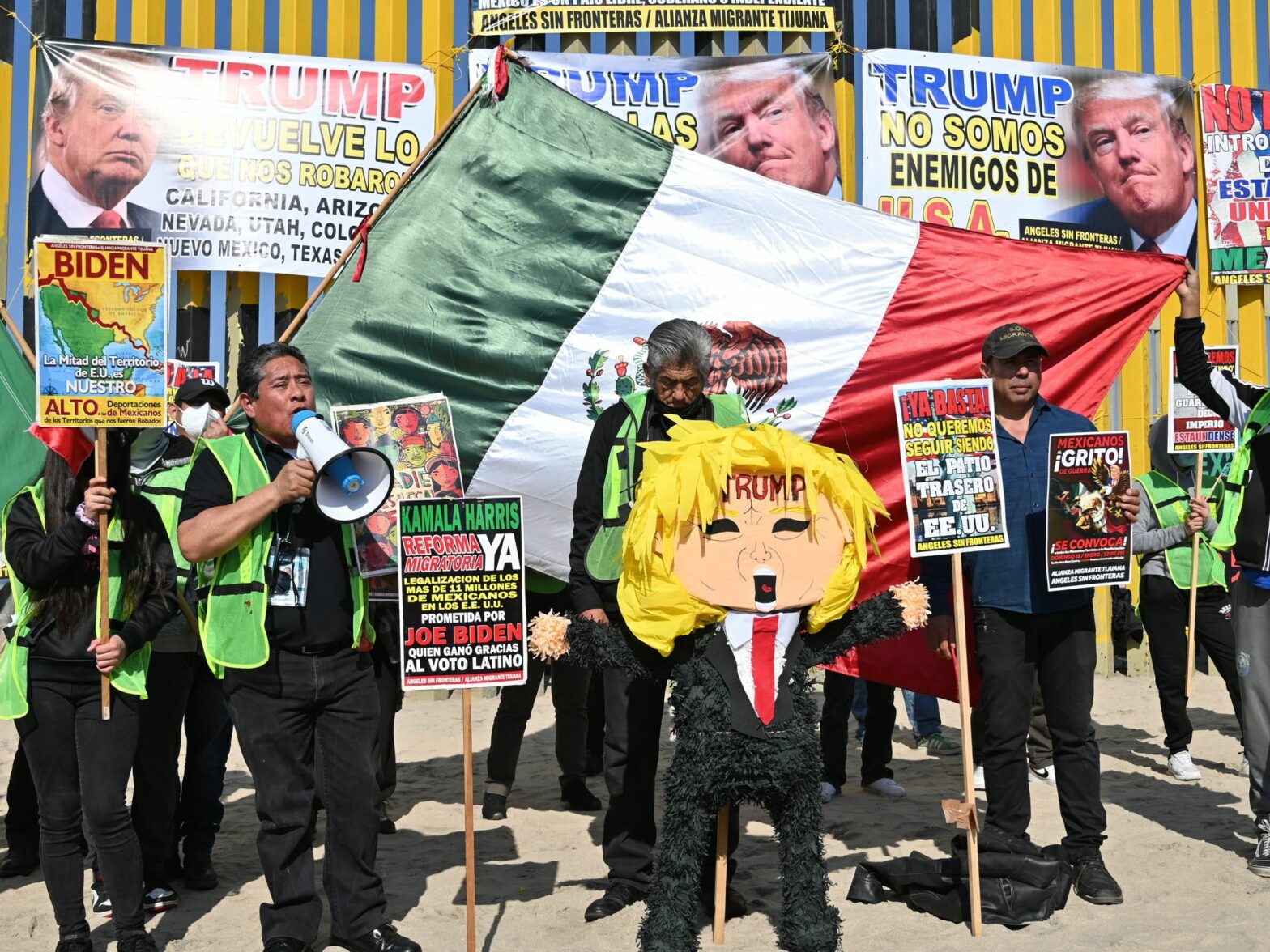
Mexico must dial down the nationalism in dealing with Donald Trump, and try to think instead how it might use his intransigence to solve some of its biggest problems — like massive, unchecked crime.
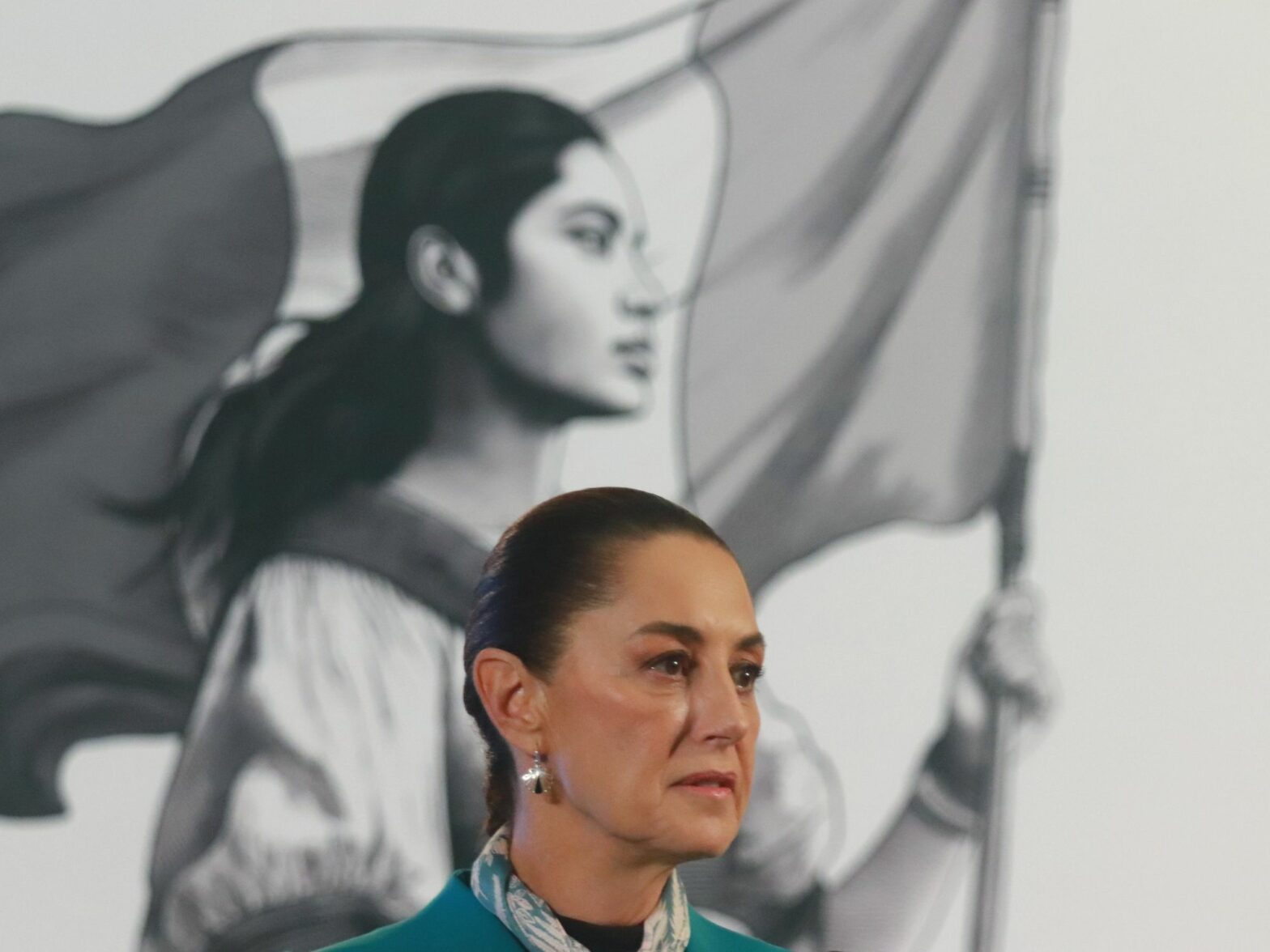
Will Mexico’s leftist government show pragmatism in dealing with the next U.S. administration or just keep bashing Donald Trump and watch the dismal effects on its economy, asks Mexican political commentator Luis Rubio.
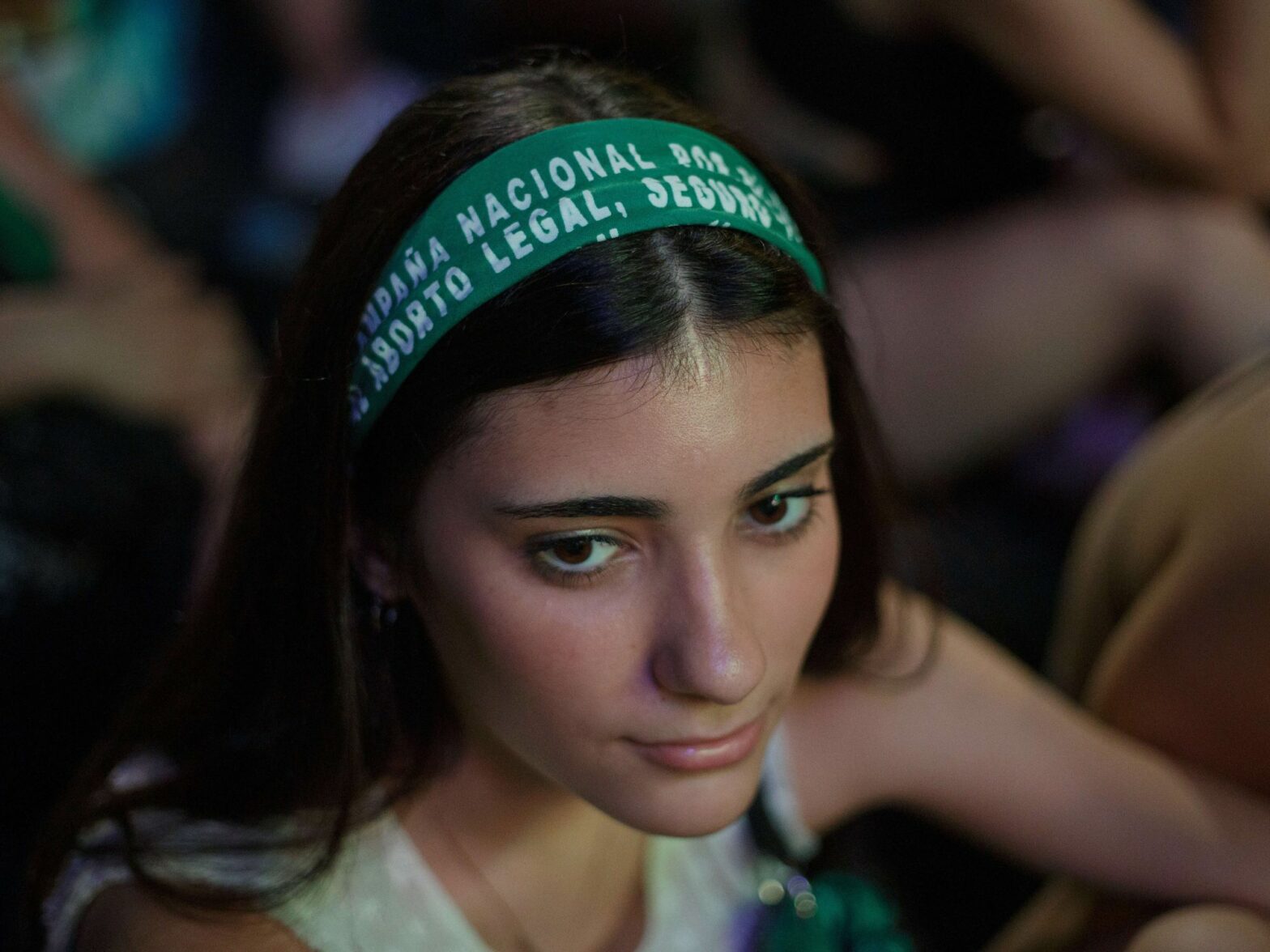
Founded in the United States in 1971, Heartbeat International has grown into one of the largest anti-abortion networks in the world, with more than 3,250 affiliated centers in 89 countries, including 288 in Latin America. But it uses misleading advertisements, inaccurate information and sketchy data collection to achieve its goals.
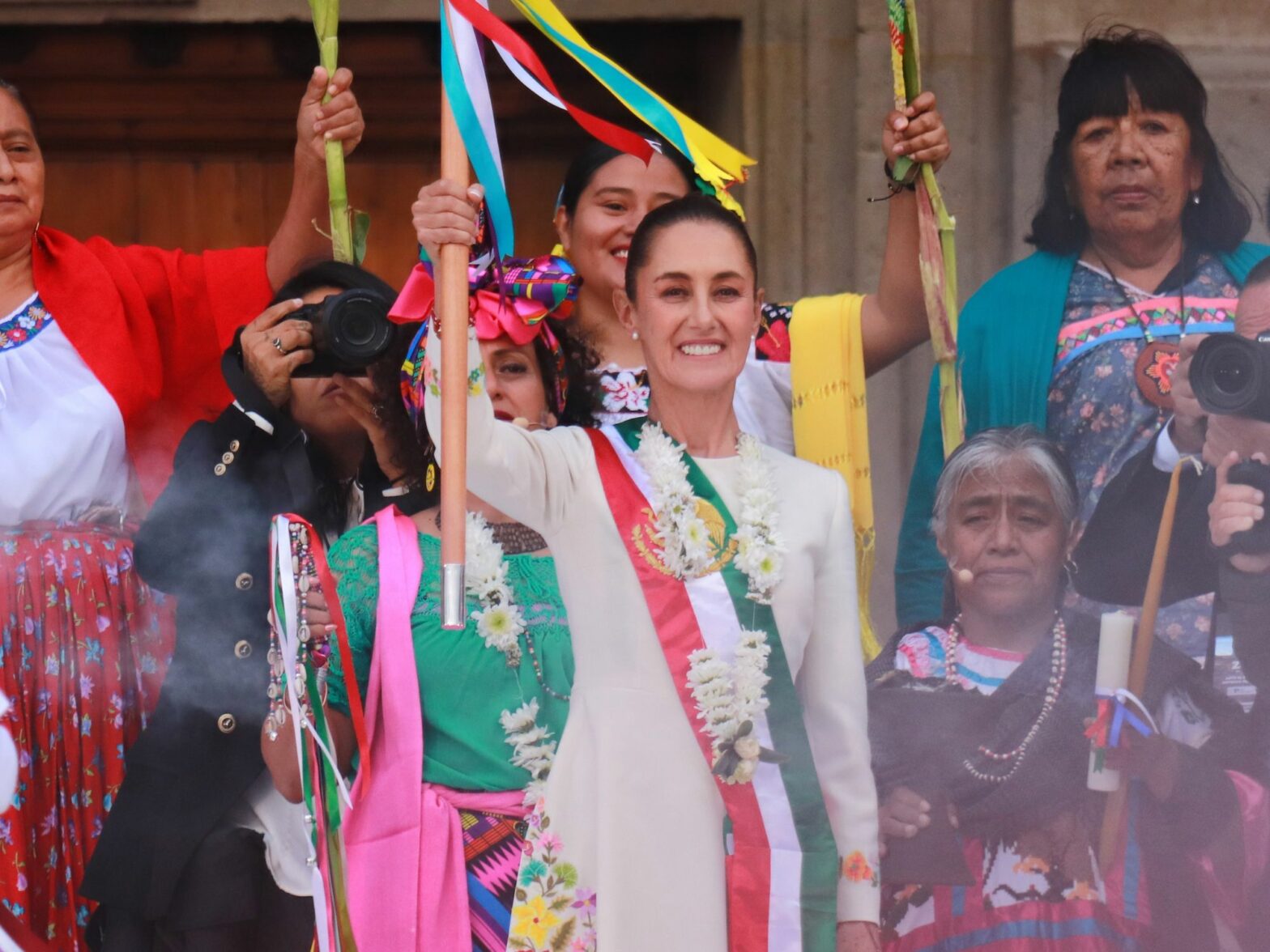
When Mexico’s new president, Claudia Sheinbaum, chose not to invite King Felipe VI to her inauguration, Spain could have reacted differently. It could have taken the opportunity to evaluate its colonial past and apologize to the native peoples of the Americas. But imperial nostalgia and a conflictual relationship with diversity are leaving Spain in the past.
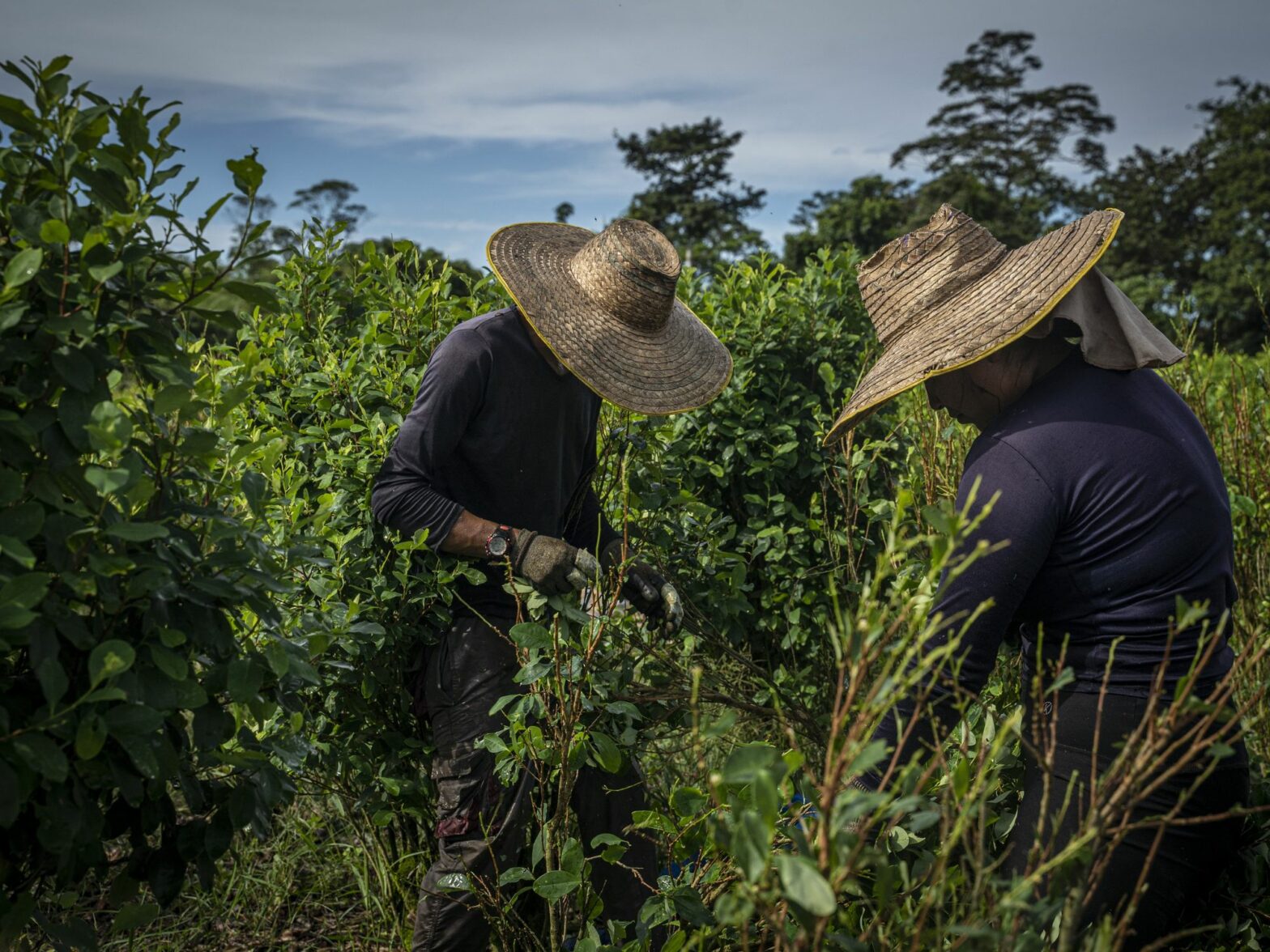
A new generation of coca leaf growers and pickers is posting video content on social media. They show their life in the fields, how the crops grow, the laboratories where they create the coca paste, and even the exit routes for drug trafficking. And while they used to be stigmatized, and threatened by armed groups, their content is escaping censorship and violence.
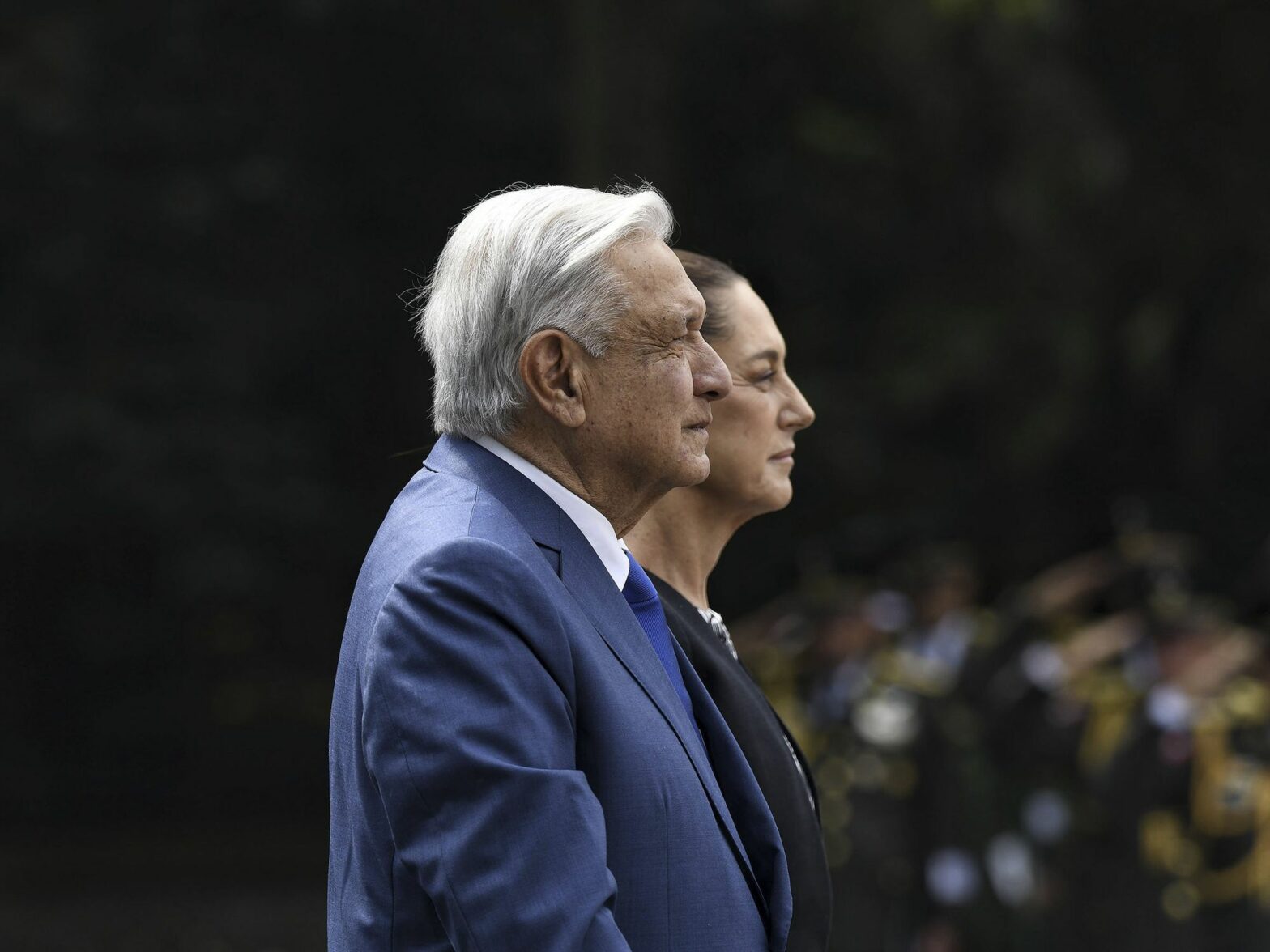
Mexico’s ruling party has reformed the constitution, forcing judges to run for office, supposedly to make them accountable to the people. But given the country’s history and singular problem with crime, it may turn them instead into ordinary politicians vulnerable to bribery and mob terrorism.
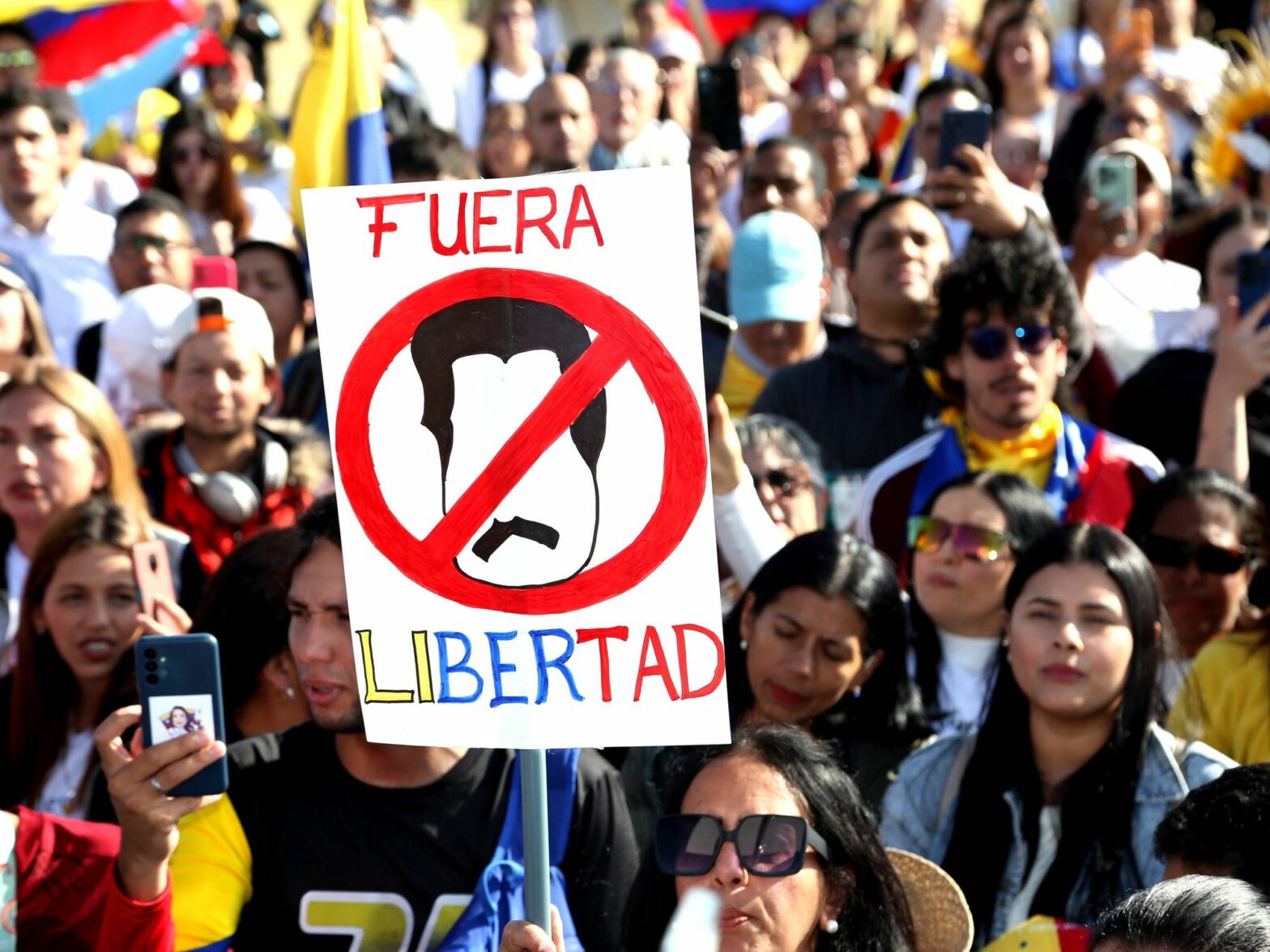
The leaders of three big Latin American powers, Colombia, Brazil and Mexico, have shown they believe keeping a fellow socialist in power is more important than respecting the votes of millions of ordinary Venezuelans who chose freedom over socialism.
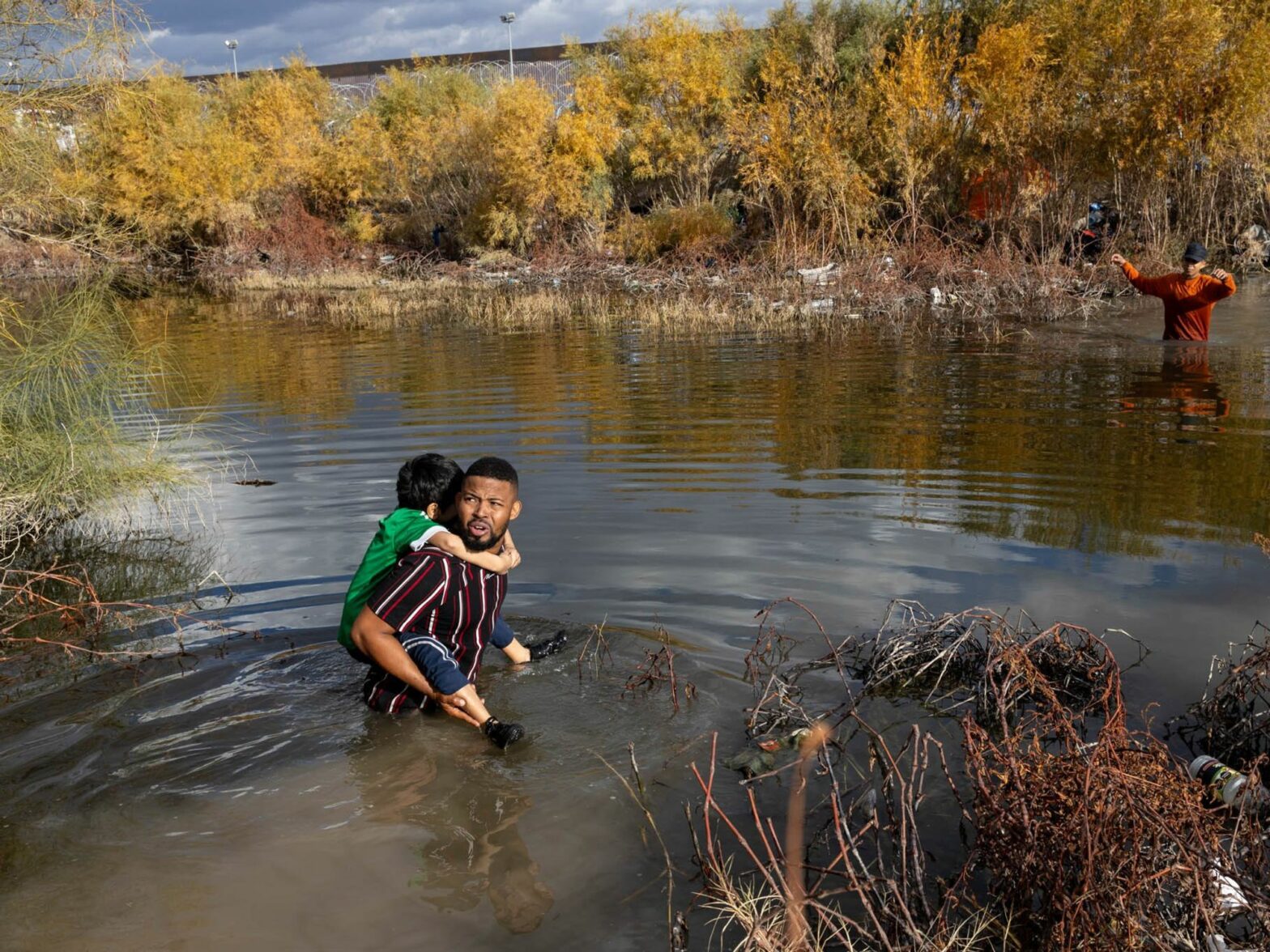
Since U.S. immigration laws were tightened in the 1990s, at least 8,000 people have died trying to cross from Mexico to the United States. Of those, more than 4,000 died in the Sonoran Desert in Arizona. While authorities call for migration through legal channels, NGOs argue that regulatory barriers are pushing people to make this dangerous journey.
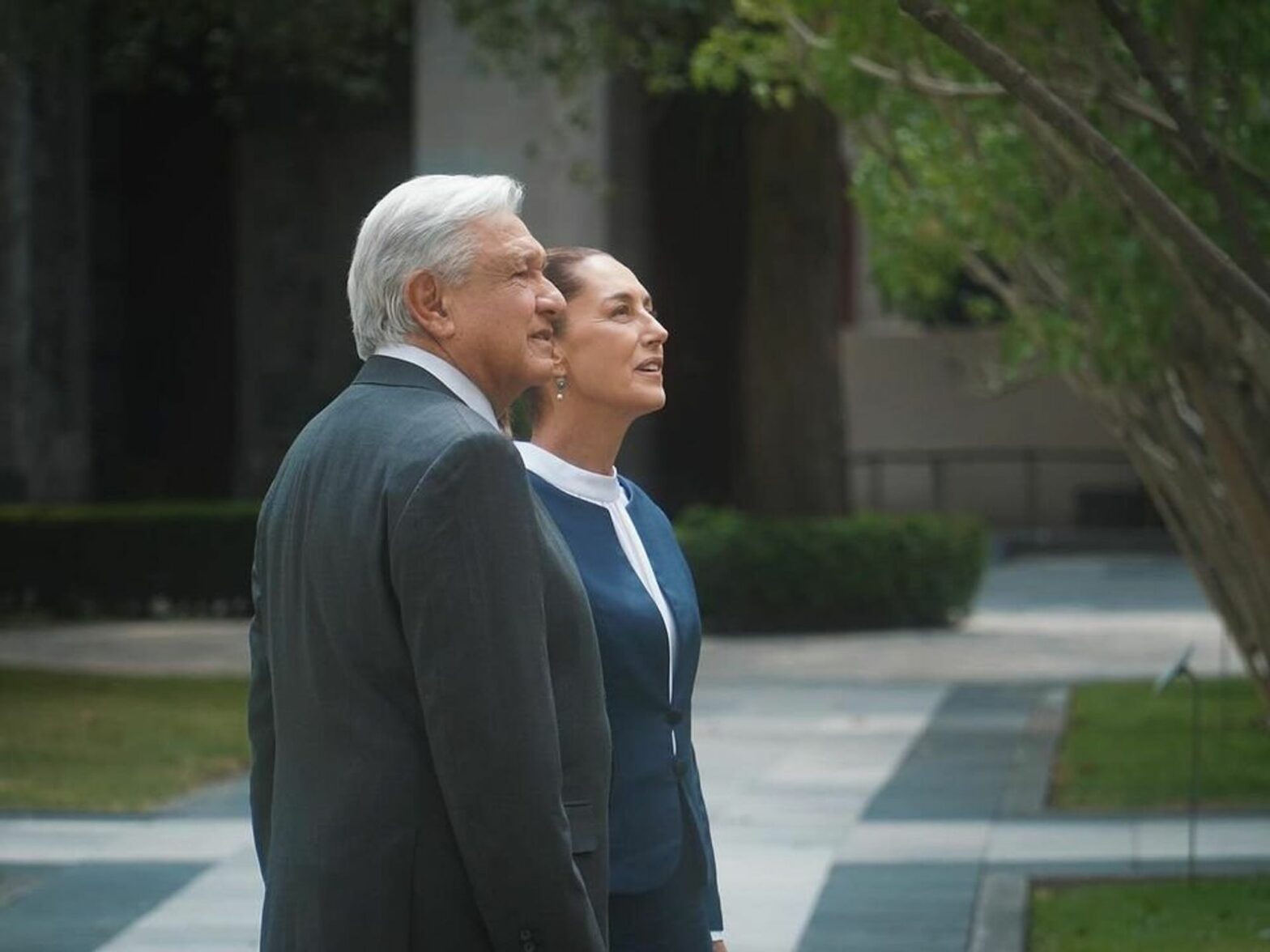
Mexico is already suffering the effects of the climate emergency. And president-elect Claudia Sheinbaum — a climate scientist and former environmentalist — will have to choose between taking her predecessor’s fossil route and a harder but more sustainable path.
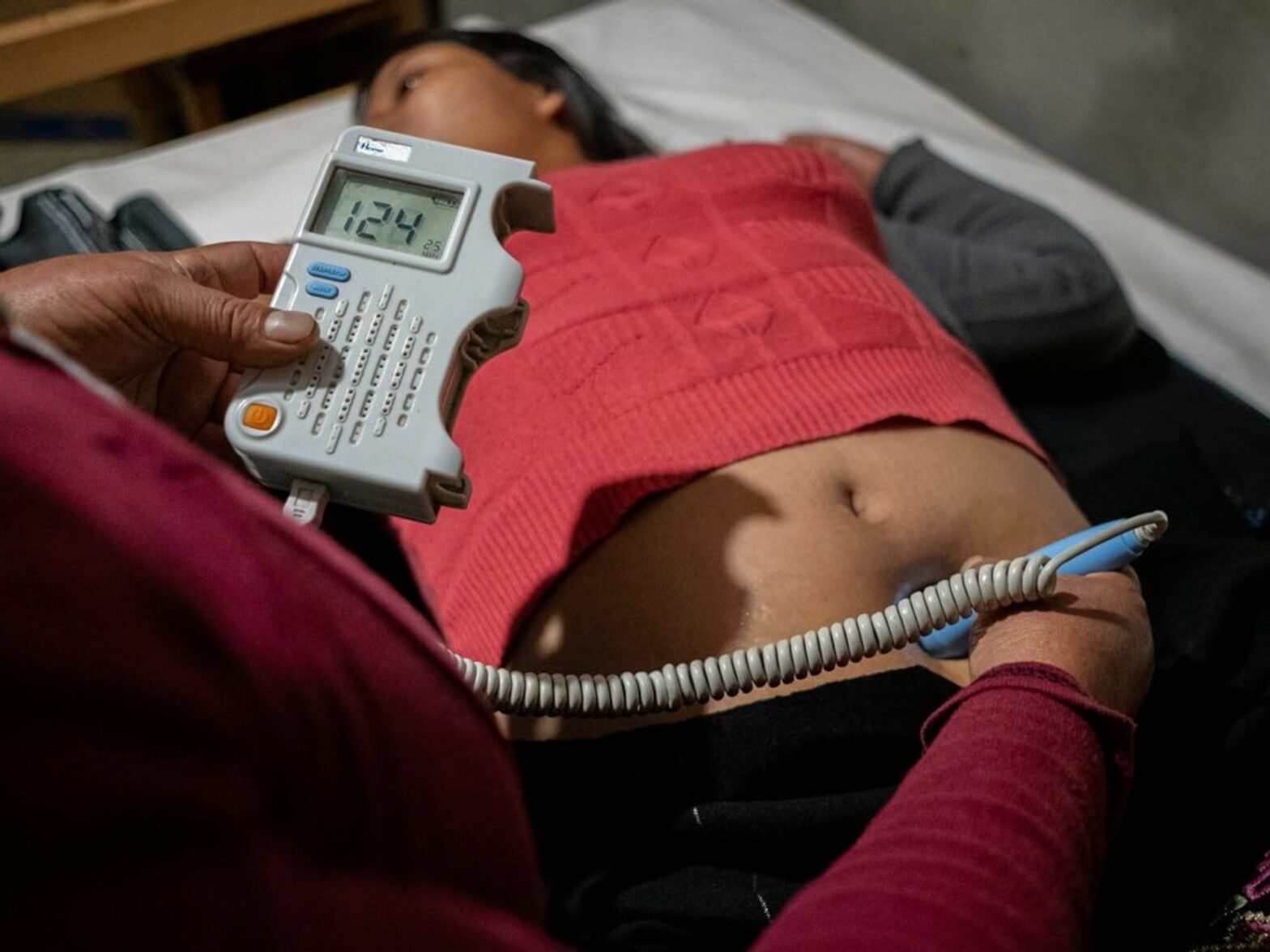
Erasing the practice of midwifery through legislation seems impossible, yet fear persists in Mexico, which counts at least 16,000 midwives, trusted by thousands of women every year, especially peasant and indigenous women.
Can Mexico’s next president, Claudia Sheinbaum, forge a “progressive” foreign policy or must she submit, as Mexican governments generally have, to the dictates of vital trade with the United States and Canada that may yet turn choppy if Trump returns to power?
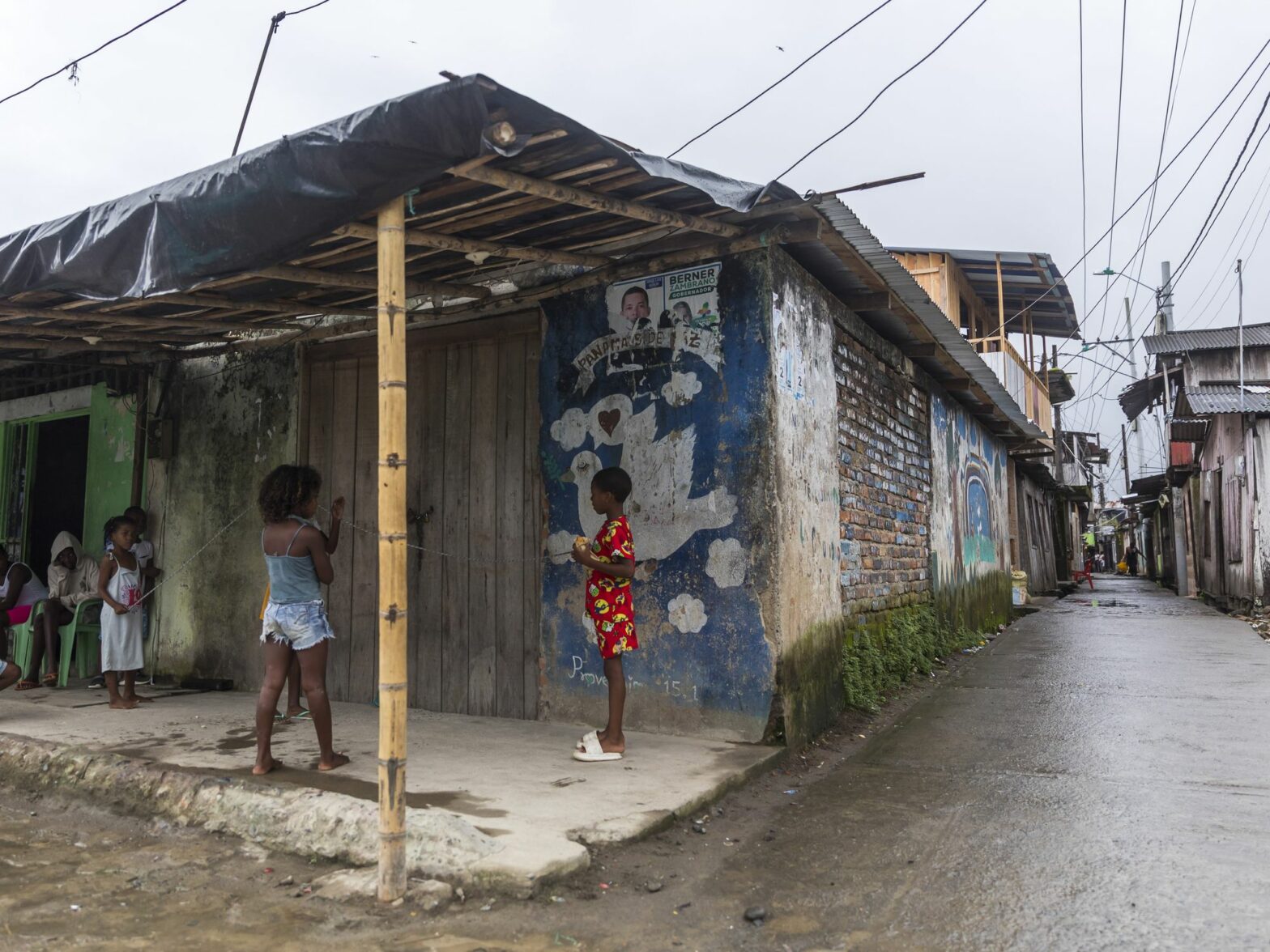
Trafficking people, especially for sex, between Colombia and Mexico is rife and rising, buoyed in part by pervasive social and media contempt for the working-class girls who are among the chief victims.
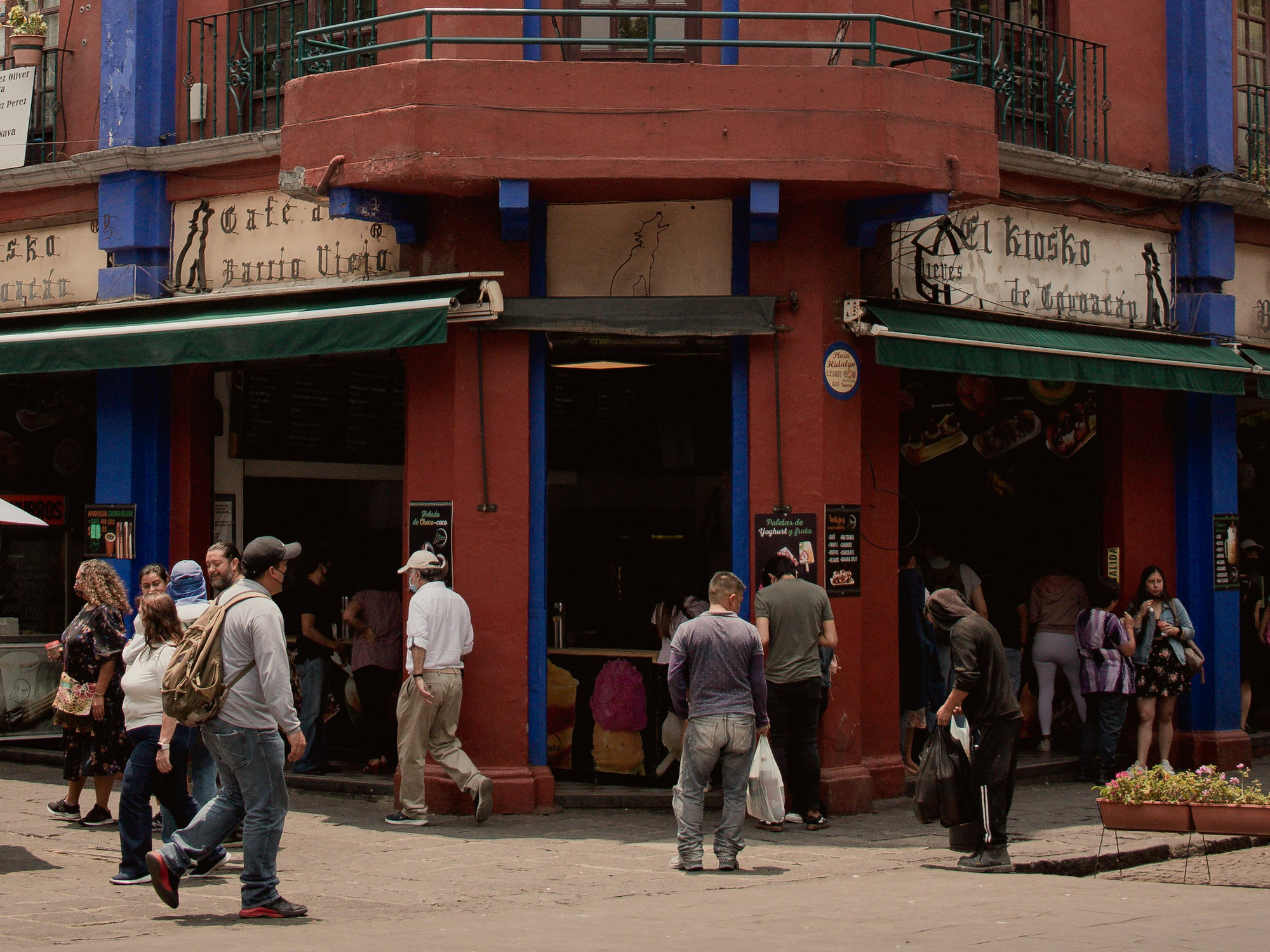
An often dysfunctional state has turned Mexicans into a vigorously self-reliant, hard-working nation. But plans by the leftist presidential candidate to create a welfare state seem like the sure-fire way of pushing Mexico toward “Argentine-style” reliance on the government.
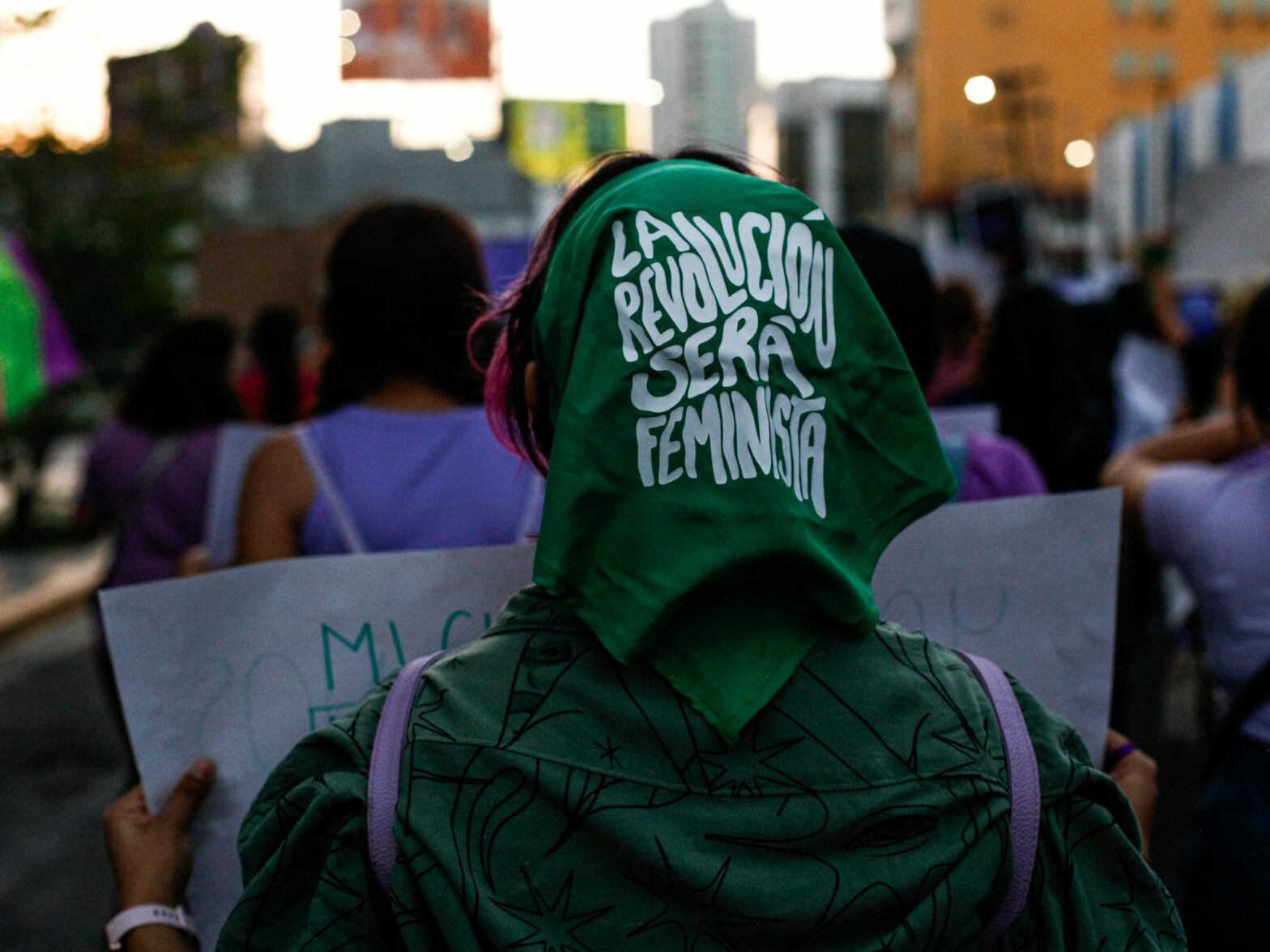
For decades, feminists have accused Marxism of not addressing women’s specific struggles. With presidential elections in Mexico approaching in June, an interesting experiment may happen, as two female candidates are in the race. A vision for how Marxism and feminism, together, can help change Mexican society — with a woman at the helm.
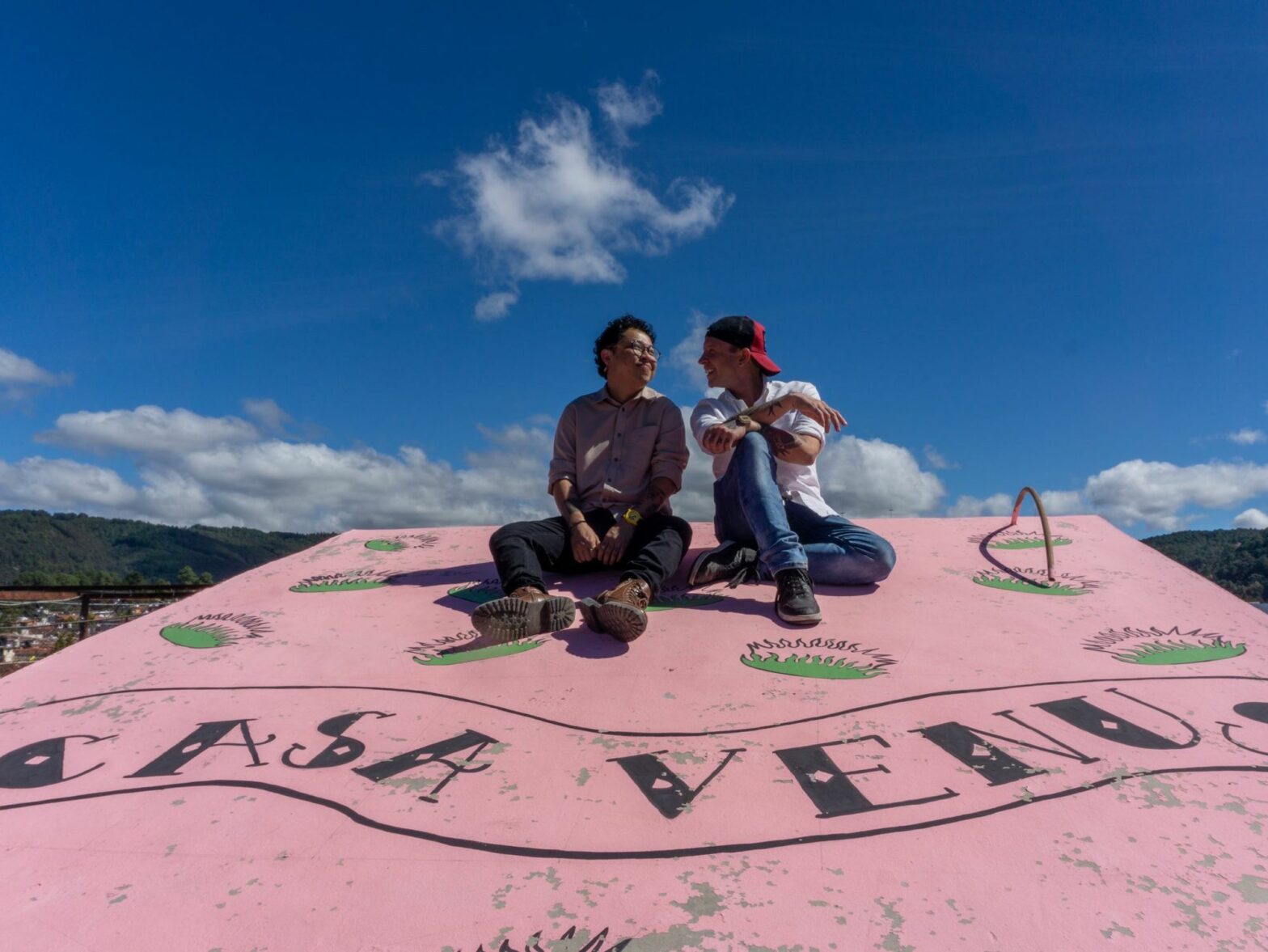
The hotel, the first in San Cristóbal de Las Casas to be staffed by a mostly queer team, is bringing the marginal into the mainstream.
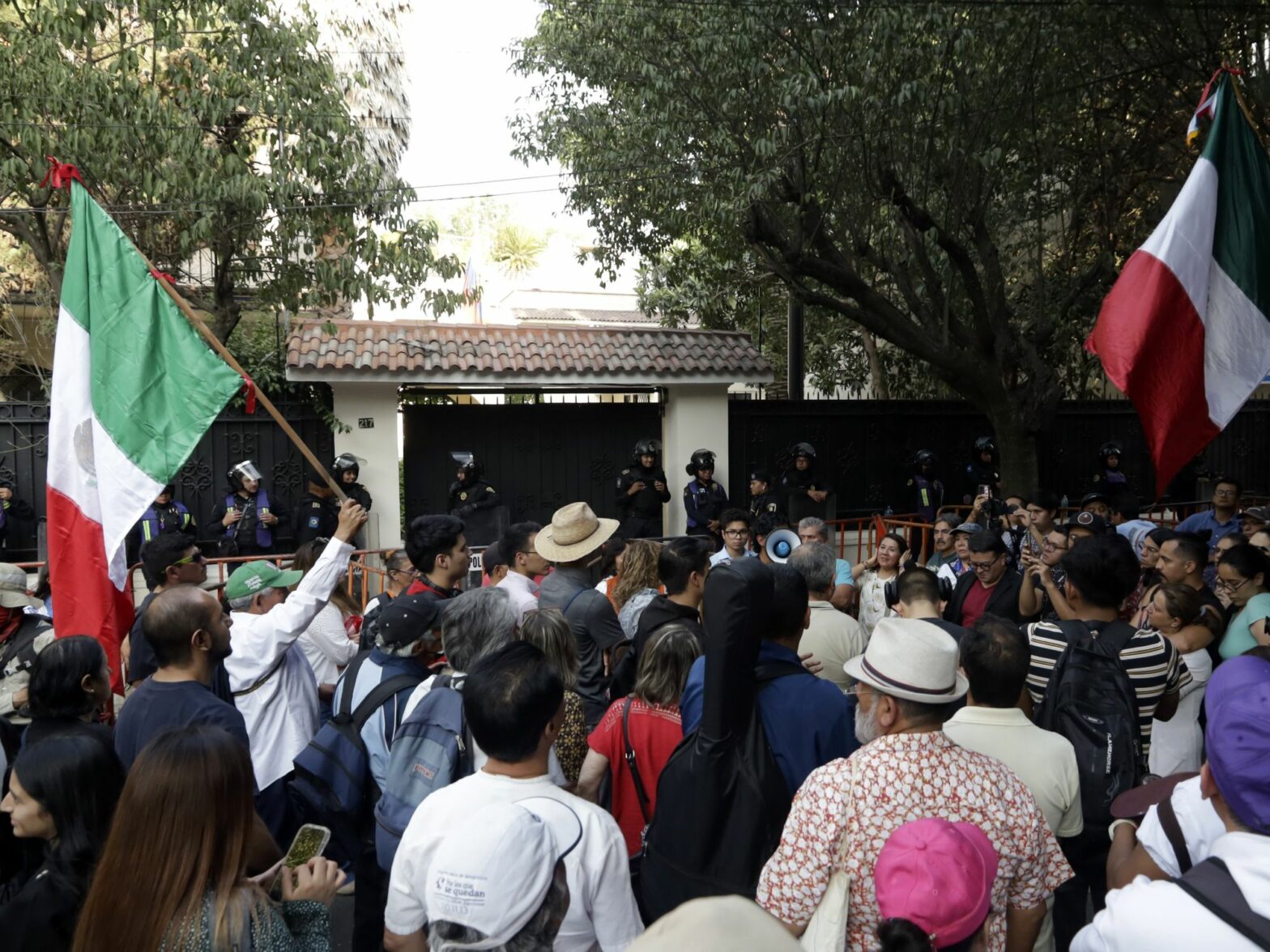
Ecuador’s forced entry into Mexico’s embassy has been roundly condemned, but its worst effect in Latin America may be to undermine a regional tradition of dissidents seeking protection in an embassy in their country.
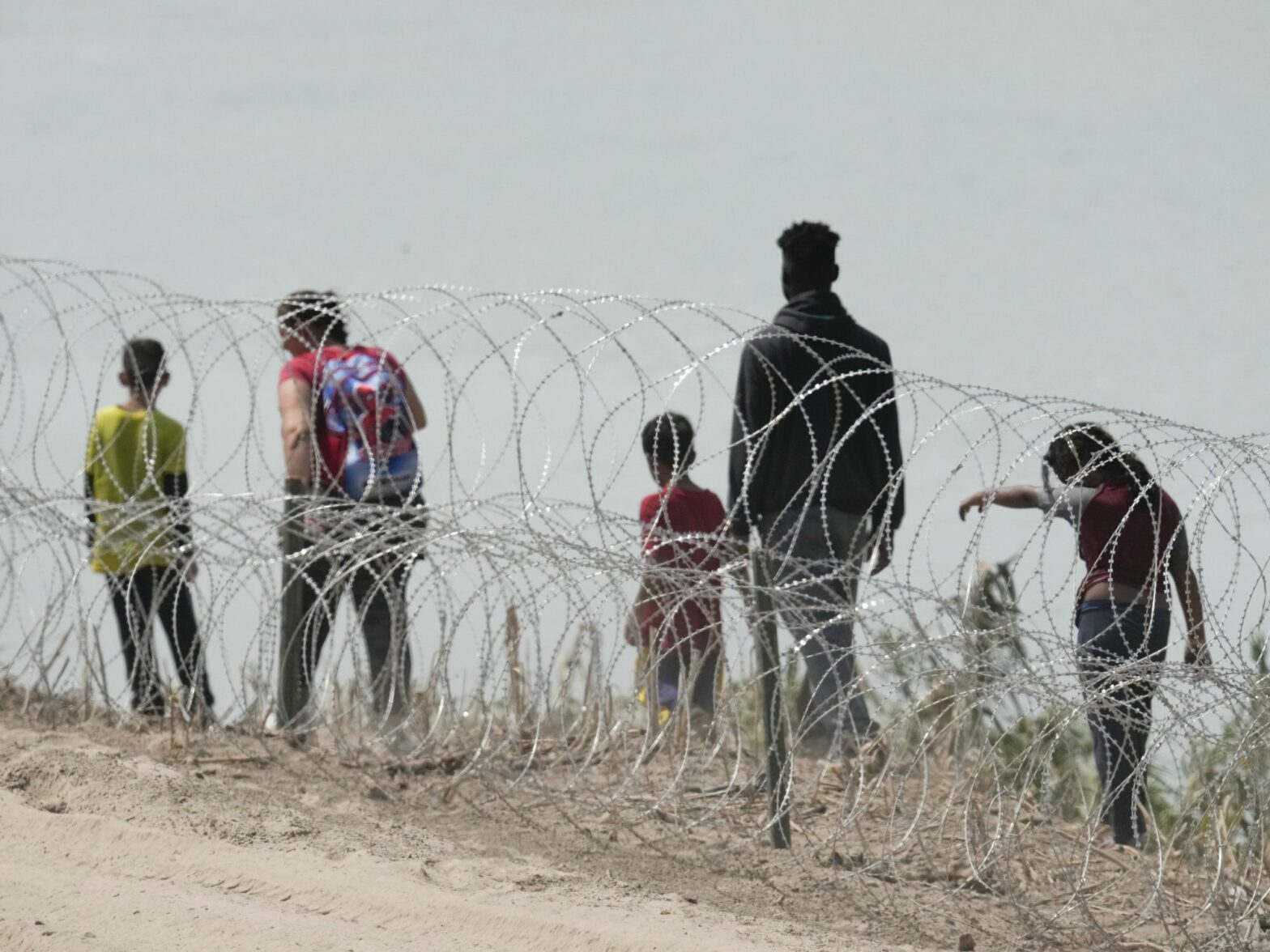
Since the 1990s, thousands of migrants have tried to enter the U.S. by crossing the borders of Arizona and Texas, and many have died in the desert. Yet there is no unified DNA program to identify the remains of missing migrants. So who identifies them and how do they do it?
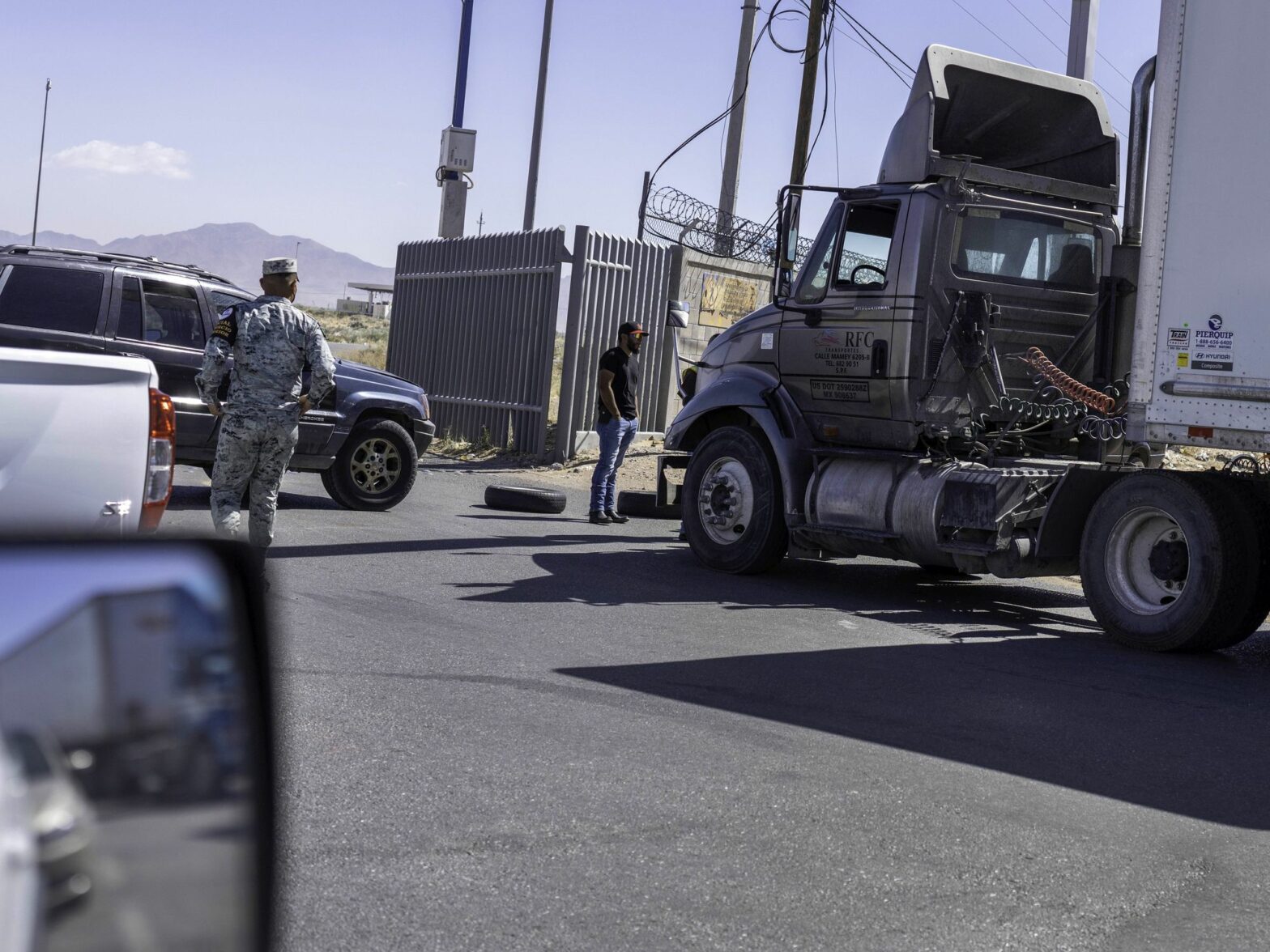
U.S. President Biden has quietly turned his Republican predecessor’s anti-foreign posturing into economic policies that strongly favor domestic manufacturing. Does Mexico, which depends on massive exports to the U.S., have anything to look forward to in the upcoming presidential elections?
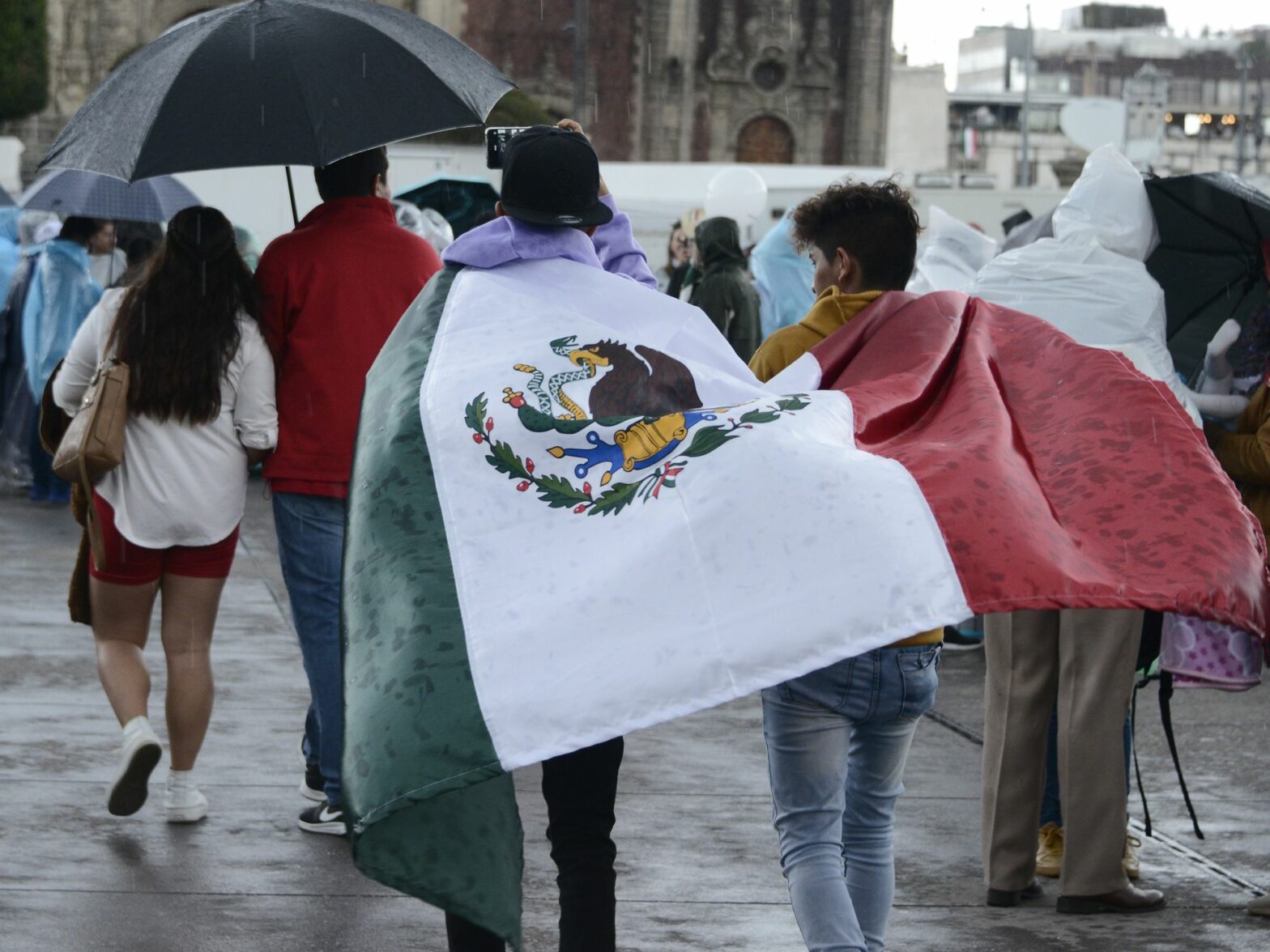
As Mexico’s president seeks to consolidate his power ahead of the 2024 general elections in the fall, will voters and institutions react to safeguard the country’s democracy or fall deeper into outgoing President López Obrador’s authoritarian impulses?

The Patio de la Estrella neighborhood being hailed as a “magical” place in Córdoba, Mexico is a perfect example of “touristification,” where the most vulnerable residents suffer the consequences.

Journalist Daniela Pastrana thought she knew how to be a mother — until her child came out as non-binary. Pastrana’s journey to acceptance took her through Mexican history and deep into herself and her own prejudices.
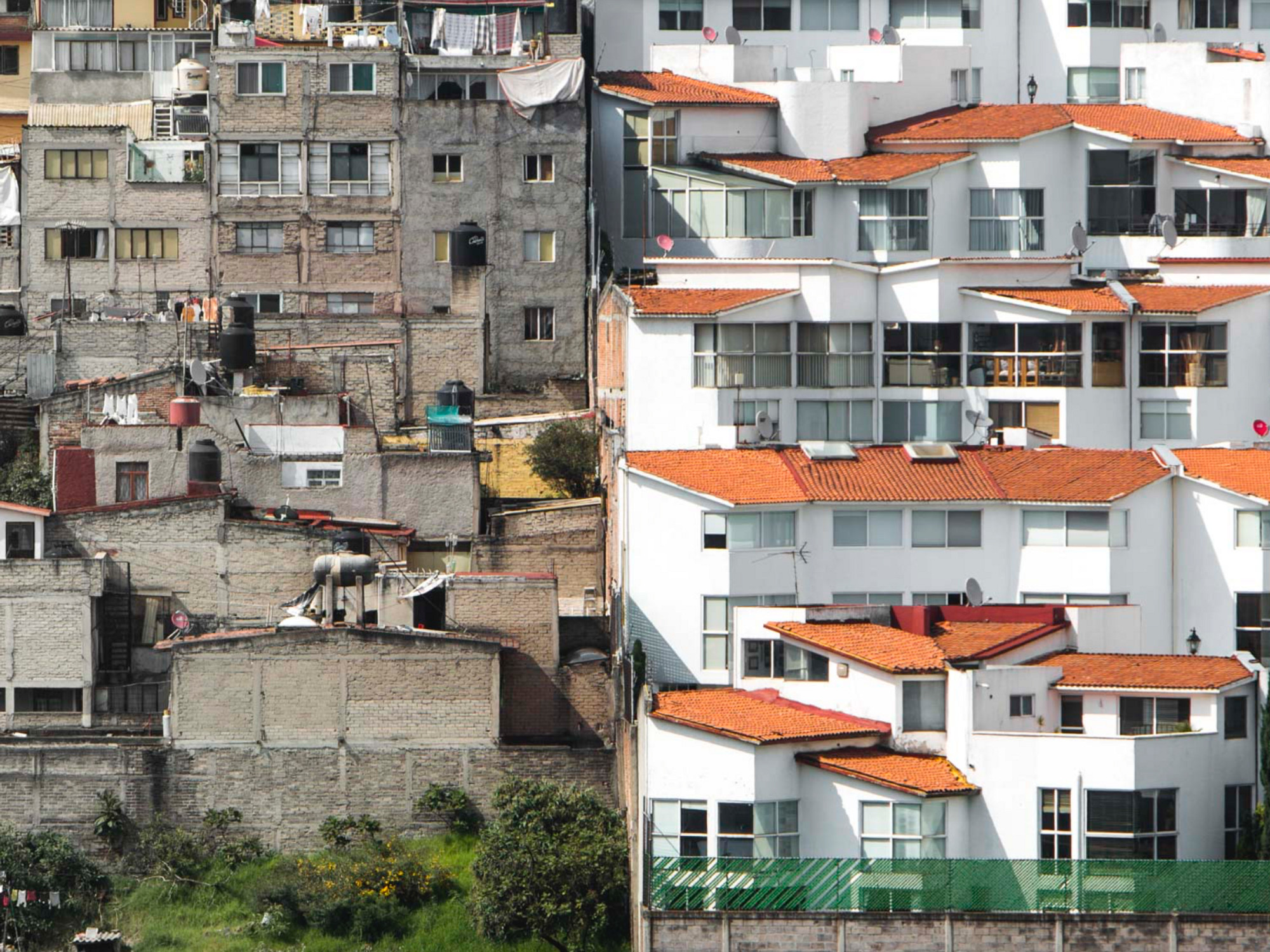
Gentrification is affecting many Latin American cities. As residents push back, there are worries that existing residents and cultures alike will be erased.
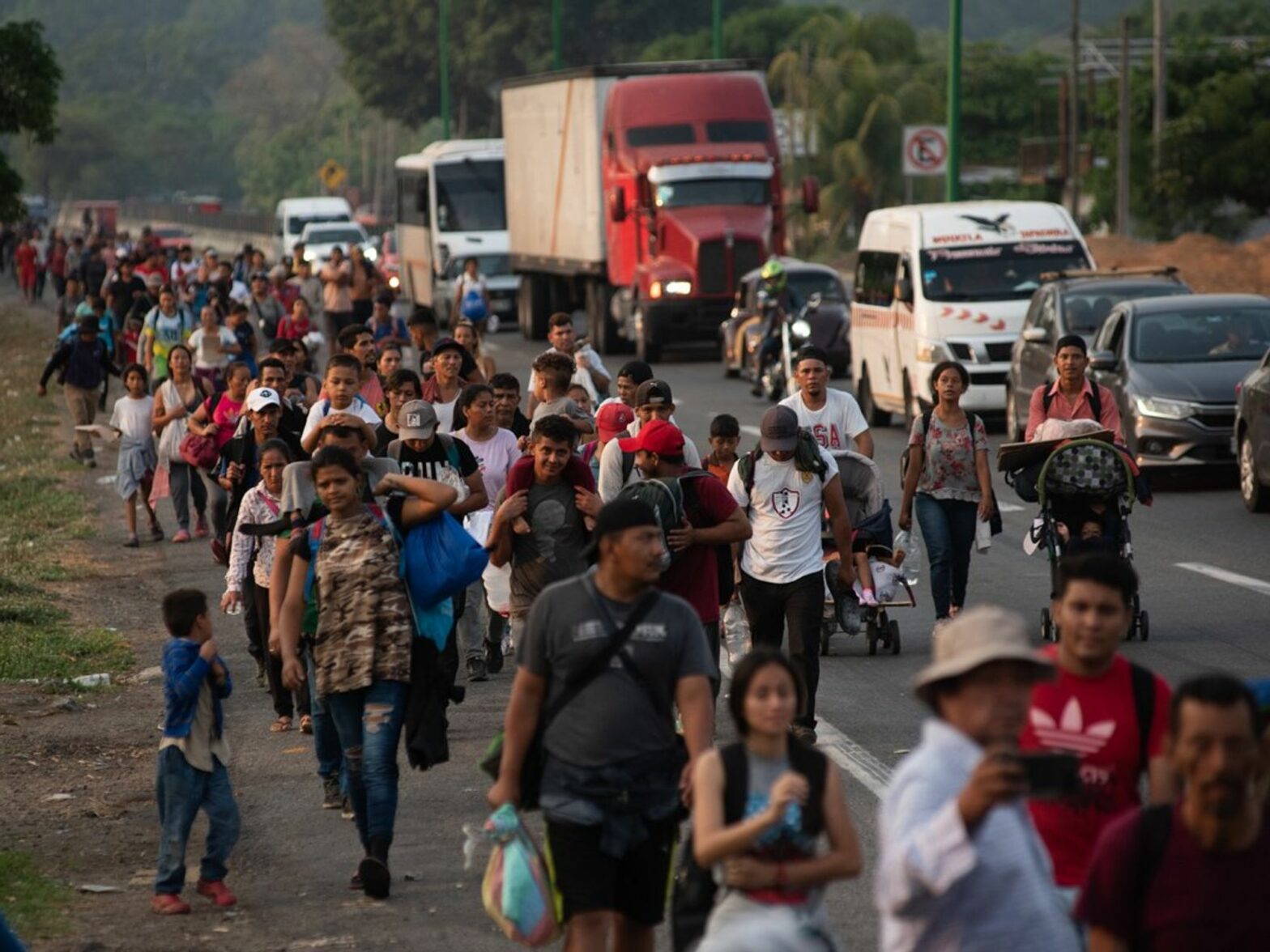
If the United States insists on treating Latin American countries as unruly neighbors rather than partners, then it must expect problems from them in the form of fugitives, drugs and crime.

In Mexico City, the “Football, Sweat and Joy” football club is creating a welcoming space for women and LGBTQ+ soccer players to play and socialize.

Dior recently tried to fight gender violence in Mexico City, in a catwalk inspired by late artist icon Frida Kahlo. However, this took place in the form of an elitist show, with hollow slogans and no real action.