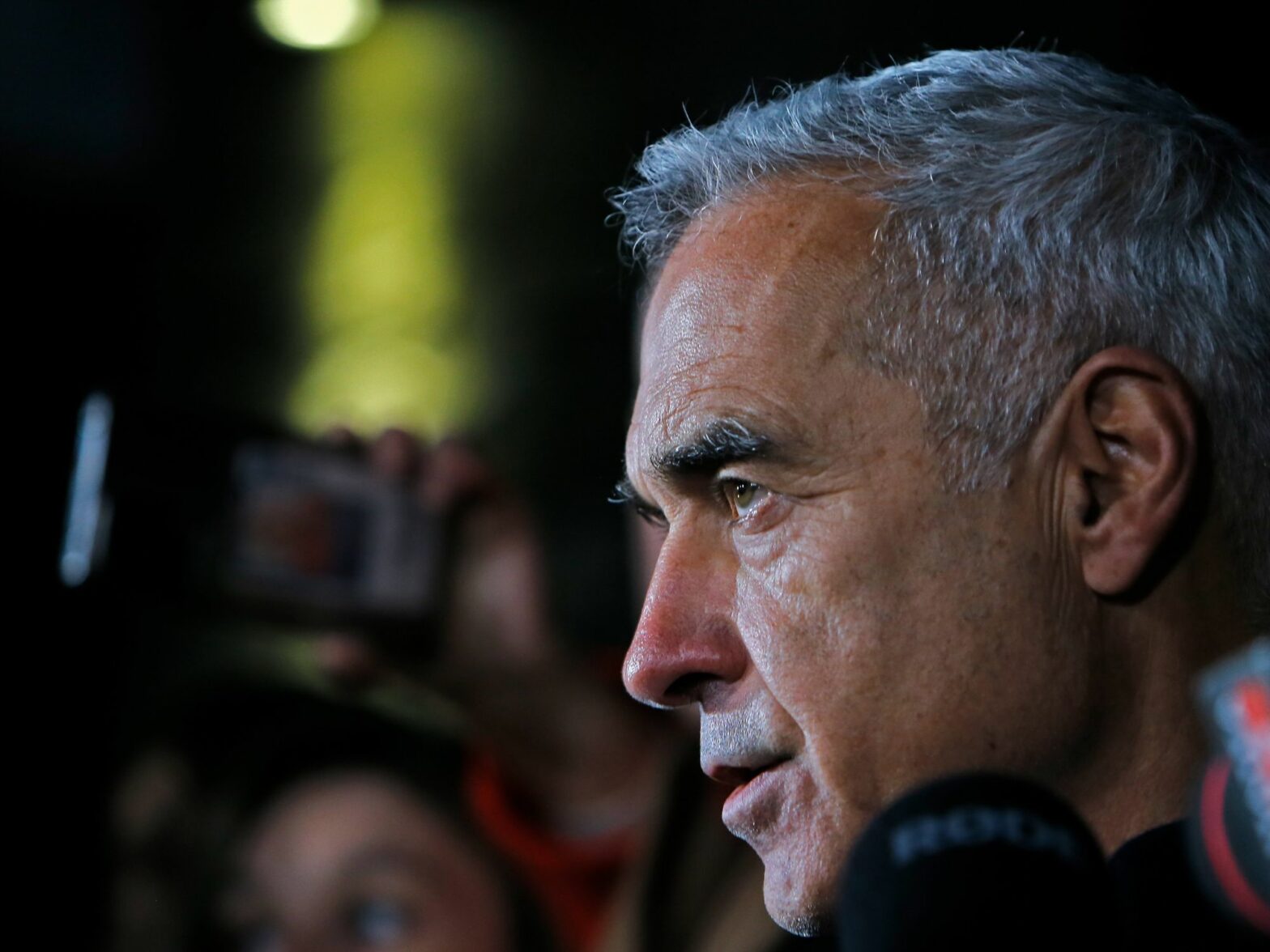
Romania’s out-of-nowhere far right presidential candidate Călin Georgescu has become the latest case study showing just how much sway social media platforms can have over elections, going even farther than Donald Trump on Elon Musk’s X.
 Worldcrunch
Stay updated on Germany with Worldcrunch. Comprehensive articles on German politics, economic strategies, societal issues, and cultural highlights with translations from leading international sources. Focus on Berlin, Munich, Frankfurt, German engineering, philosophy, modern art, and events like Oktoberfest and Art Basel.
Romania’s out-of-nowhere far right presidential candidate Călin Georgescu has become the latest case study showing just how much sway social media platforms can have over elections, going even farther than Donald Trump on Elon Musk’s X.
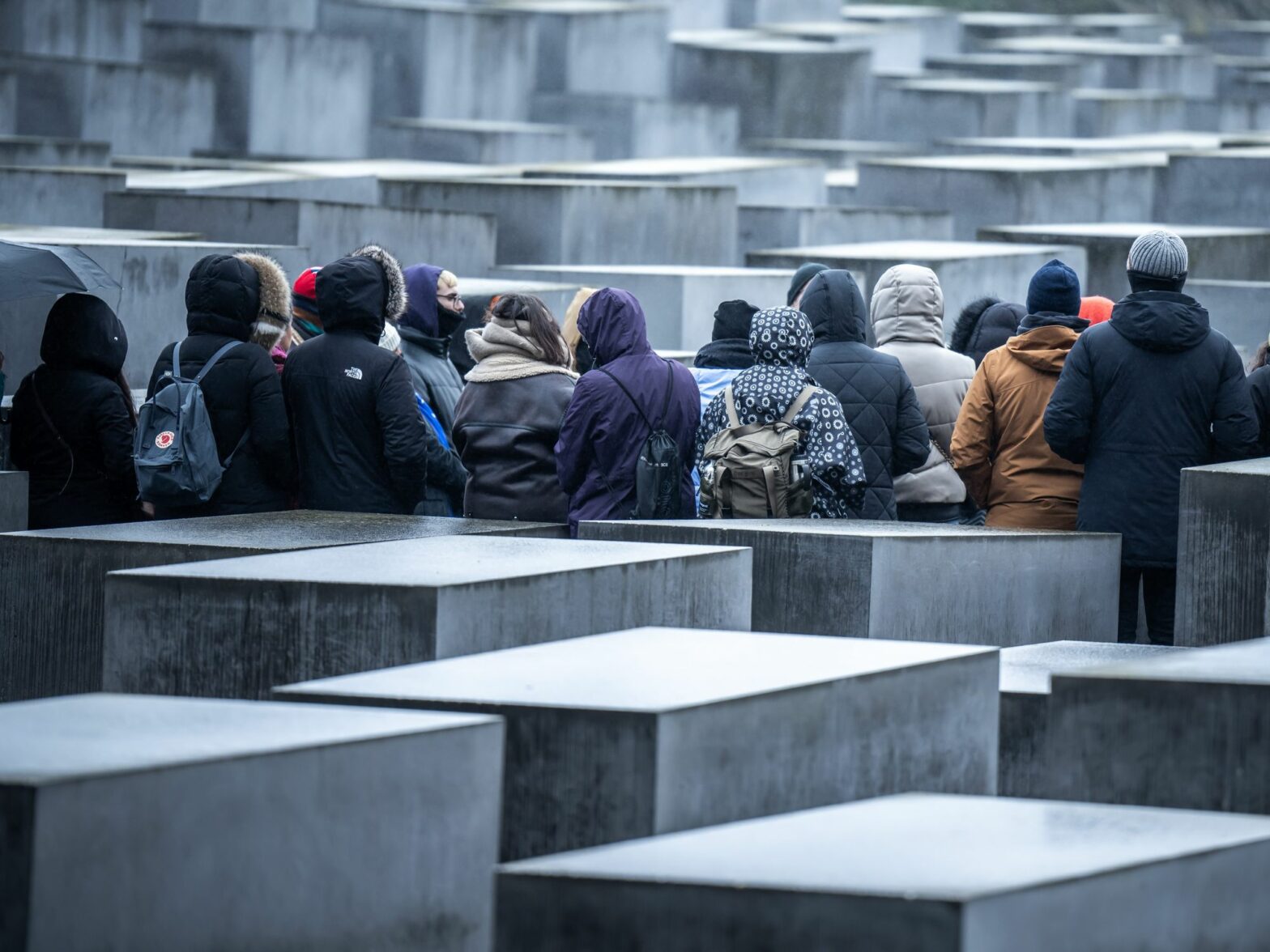
German history teachers talk about teaching their subject during a resurgence of the far-right AfD party and rising antisemitism in the country.
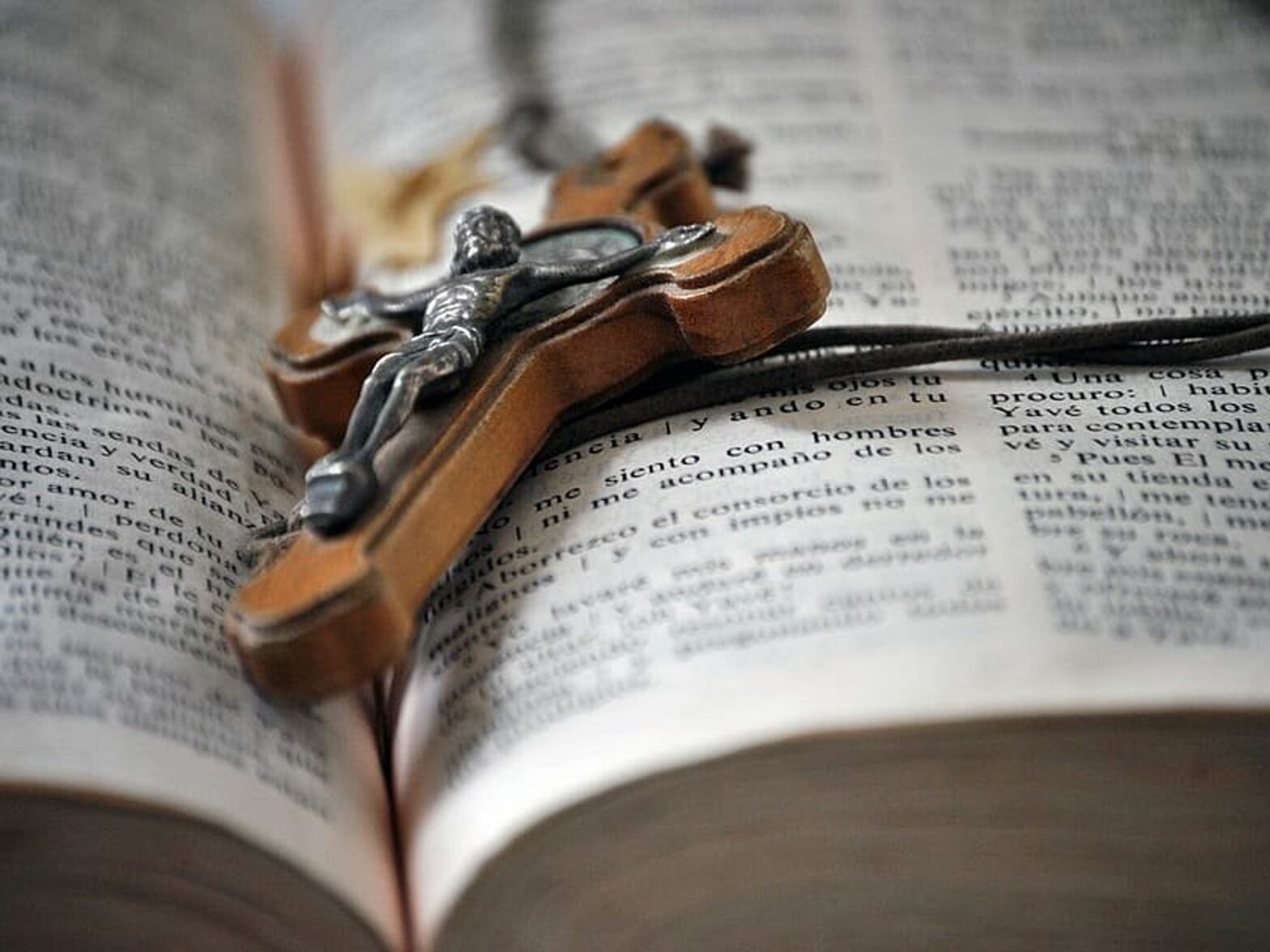
Jesus spoke Aramaic, but the Bible has been translated from Greek. Many mistaken translations of the Gospels have skewed the development of Christianity — and the course of history. It’s time to let the Bible be retranslated to let its true message be known.
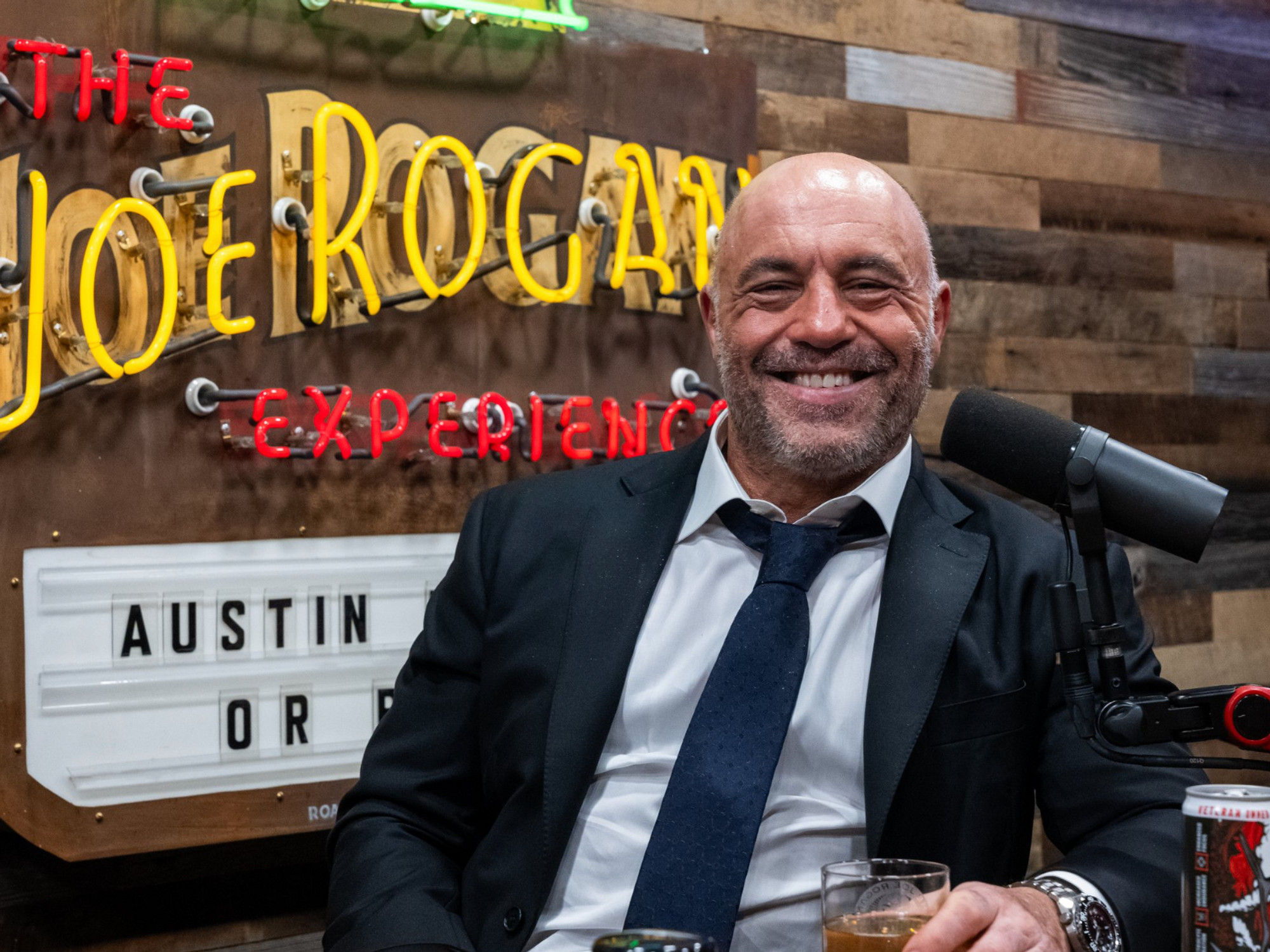
Joe Rogan is considered America’s king of podcasters and the voice of hyper-masculinity in the United States. His support for Donald Trump is considered by some to have been decisive in the presidential election. But what’s behind this world of hyper-masculine podcast bros? For Die Zeit, Berlin-based author Norman Ohler writes about his experience as a guest on Rogan’s show.
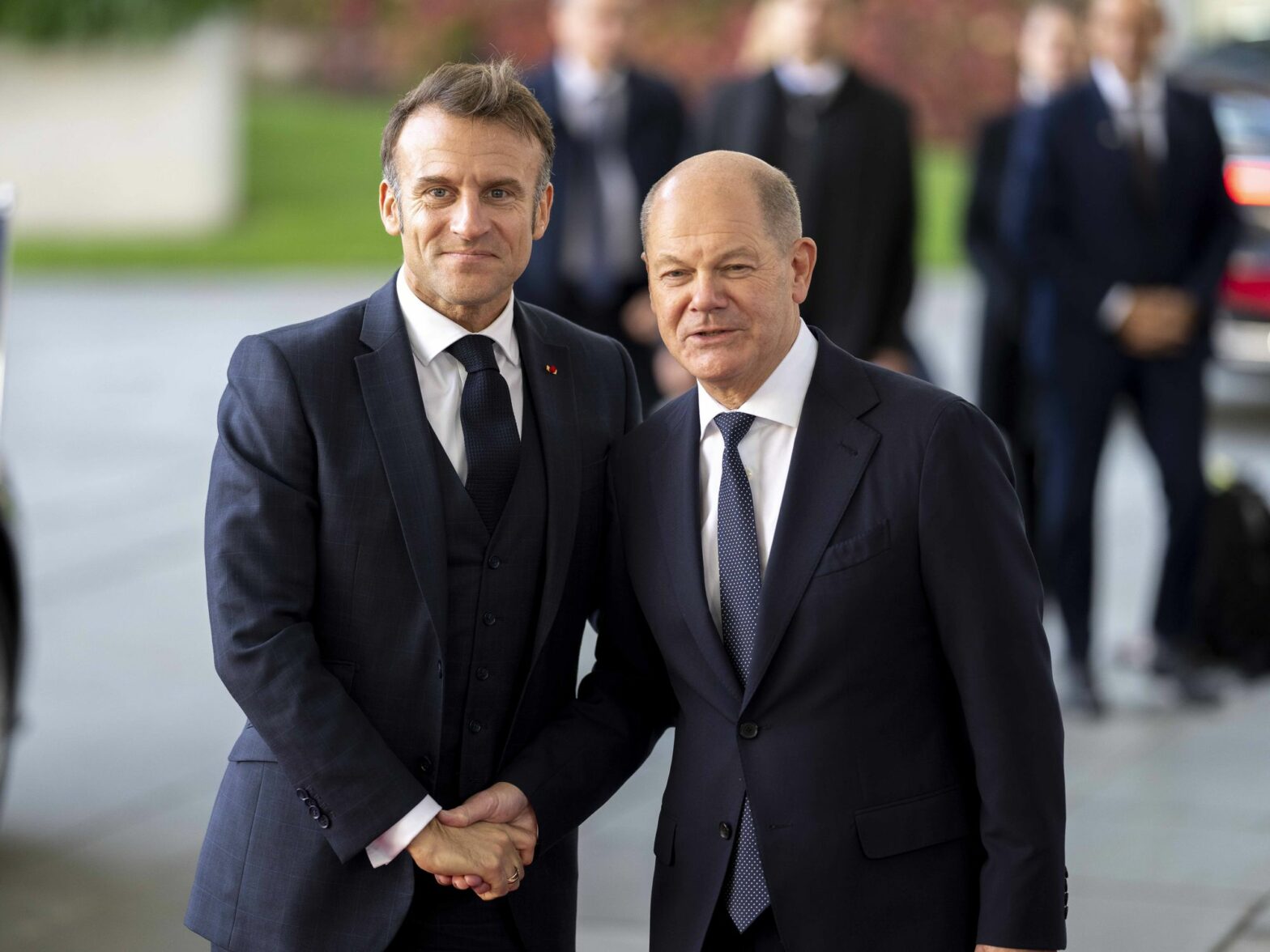
Having long been the driving force of the European Union, France and Germany are facing multiple crises simultaneously, threatening the balance of their relationship. It couldn’t have come at a worse time.
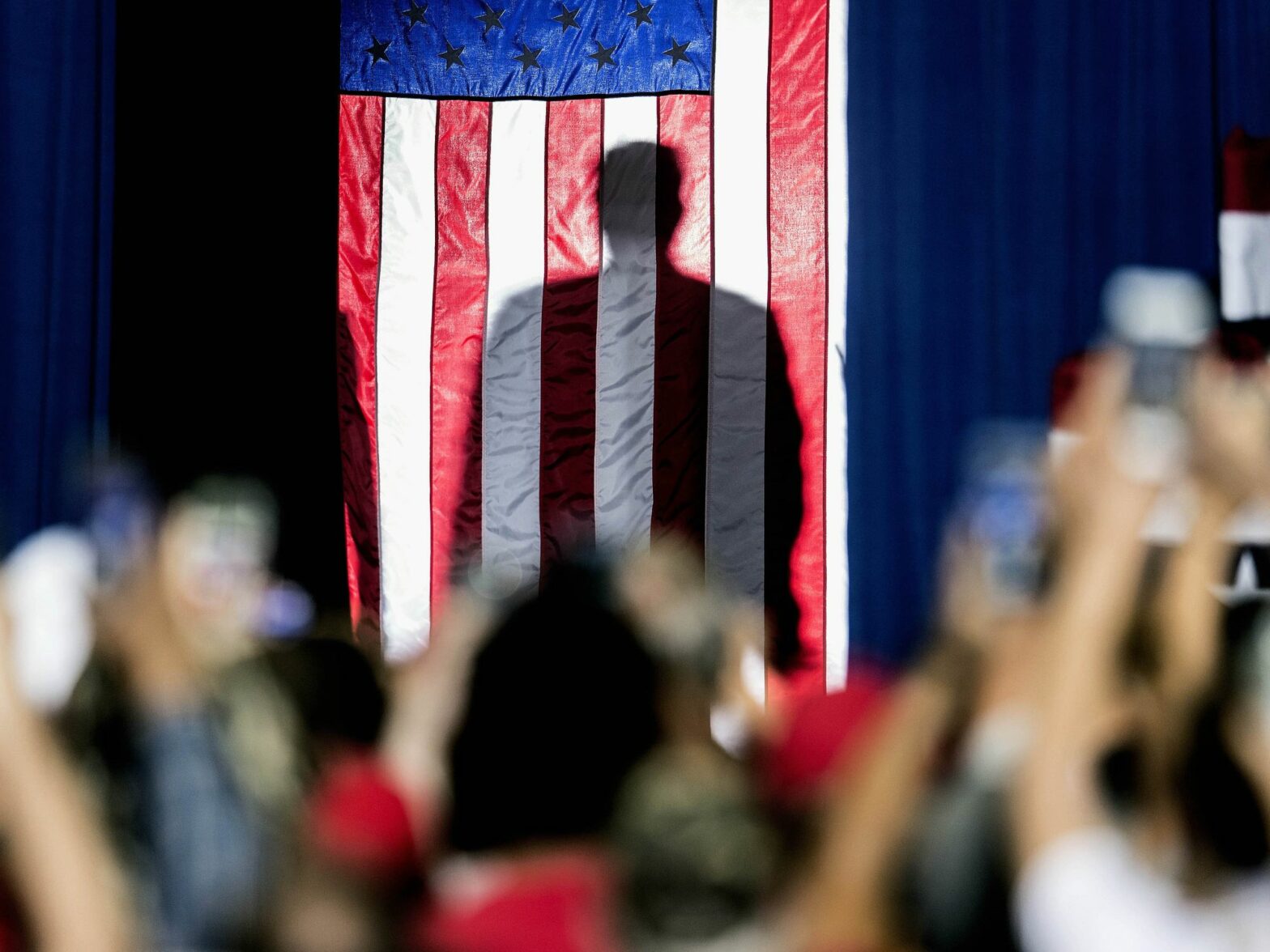
Opponents and former supporters are issuing urgent warnings about Donald Trump, saying he is a fascist. But is he really a new Mussolini or Hitler? What should we be looking for in the months to come? Christian Staas of Germany’s Die Zeit asks historians on both sides of the Atlantic.
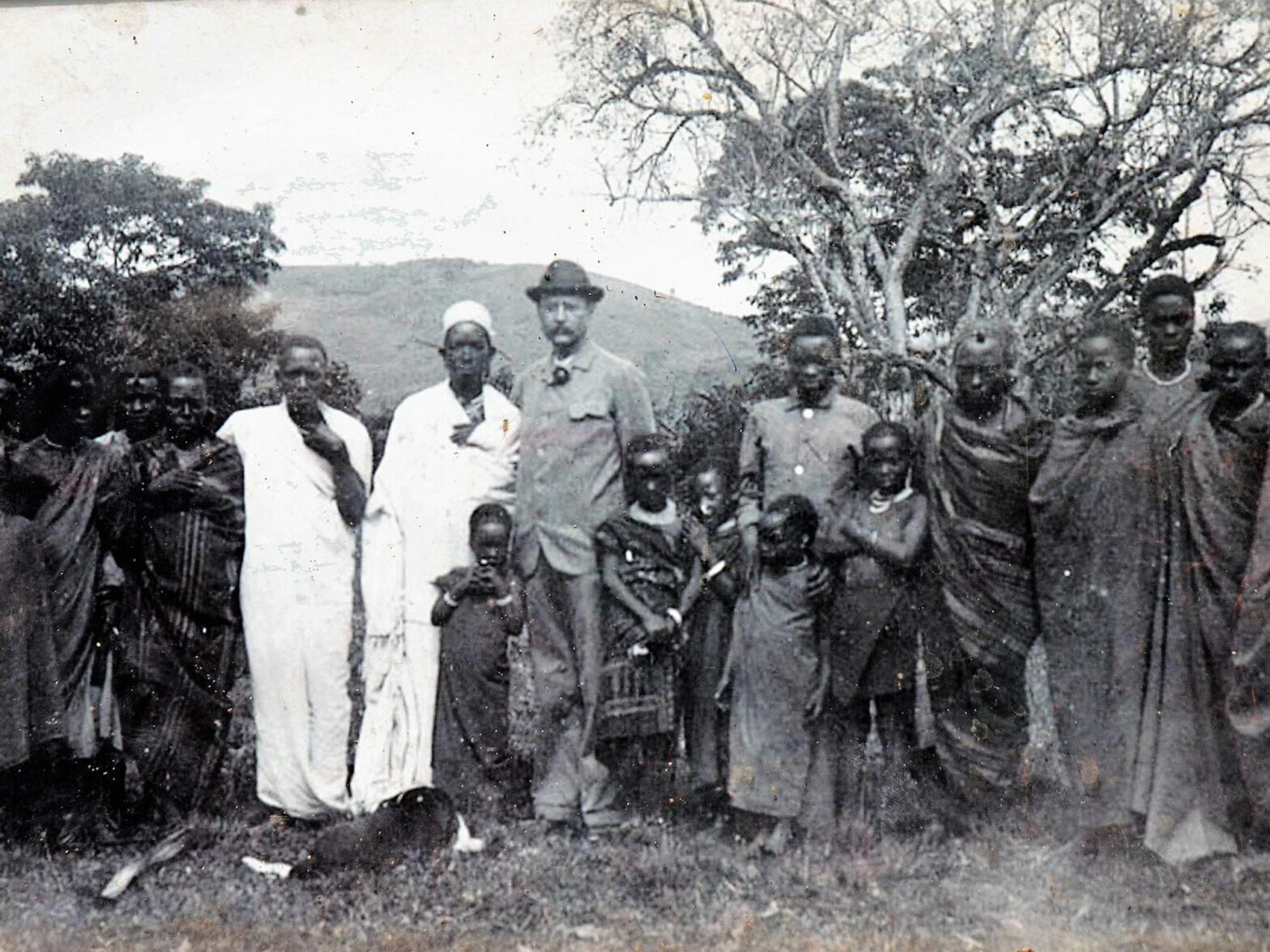
More than 100 years ago, German colonists destroyed the culture of the Chagga people in Tanzania. Now the Chagga are trying to regain their lost history through books by German missionary to the region Bruno Gutmann, the author’s great-grandfather.
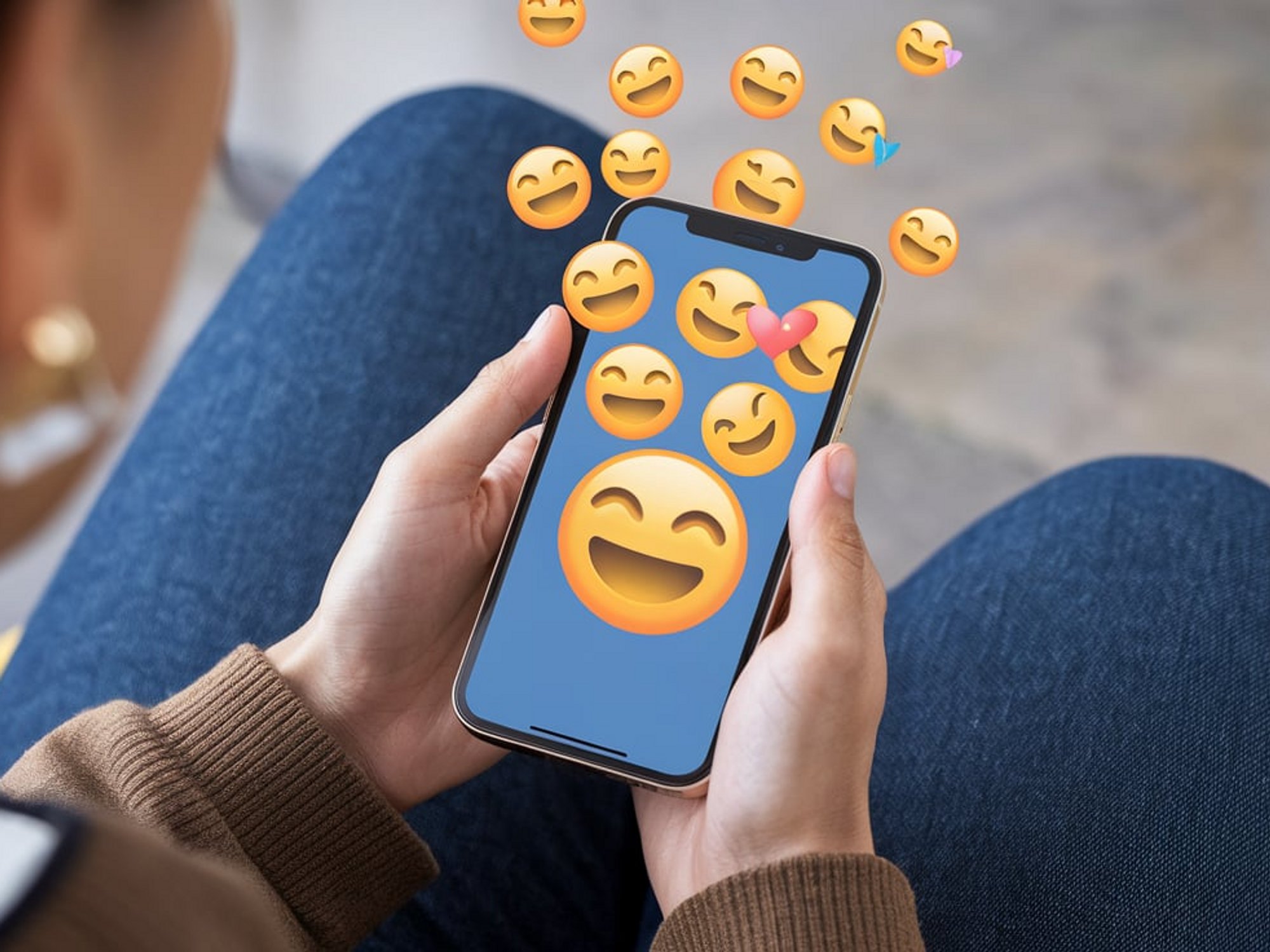
Happiness applications promise to make users measurably happier in eight weeks. But is happiness a skill that can be taught? For Die Zeit, science writer Maria Mast put an app to the test.
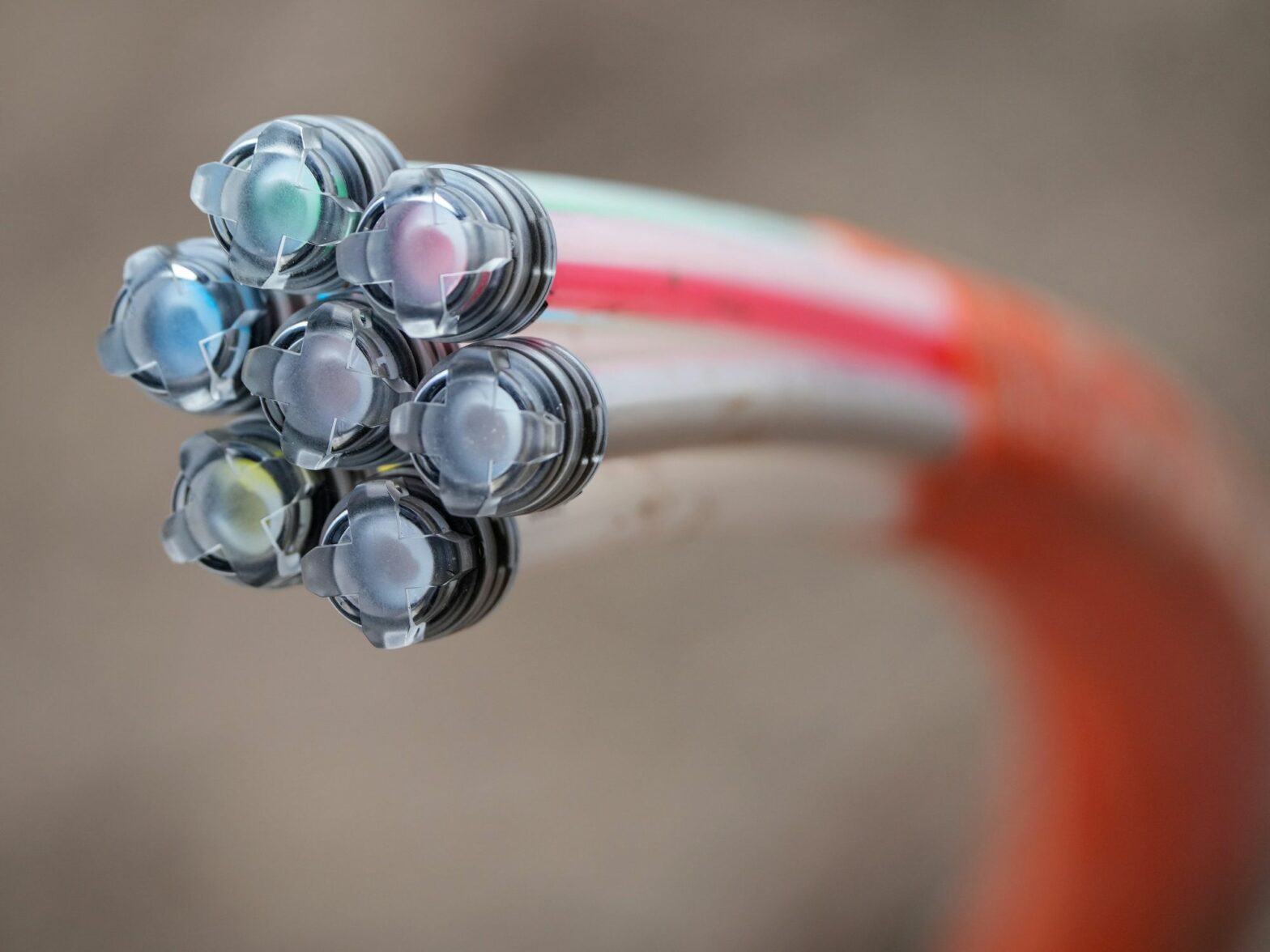
Two undersea communication cables were severed in the Baltic Sea this weekend, prompting Germany’s defense minister to say that “no one believes” it was an accident. Many suspect a new escalation of hybrid warfare in a sea where Russia is the only country not part of NATO.
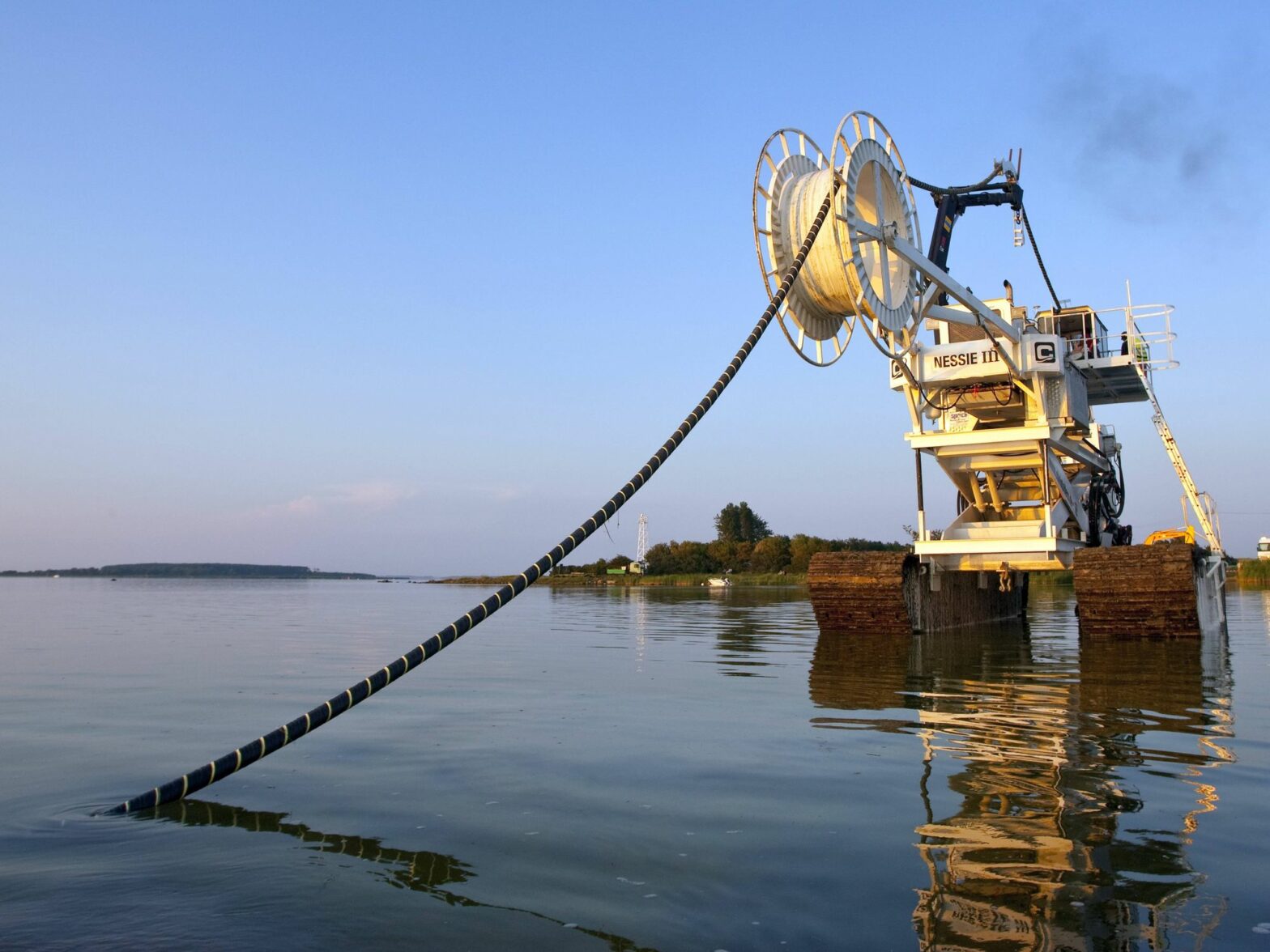
Forget about the satellites: 99% of global data traffic runs over fiber optic cables on the seabed. Now, climate change and political sabotage might put the infrastructure at risk.
For centuries, doctors have taken women’s diseases less seriously, saying they were psychological or made up. But now, social media is helping these women report their misdiagnoses and confront an unjust system.
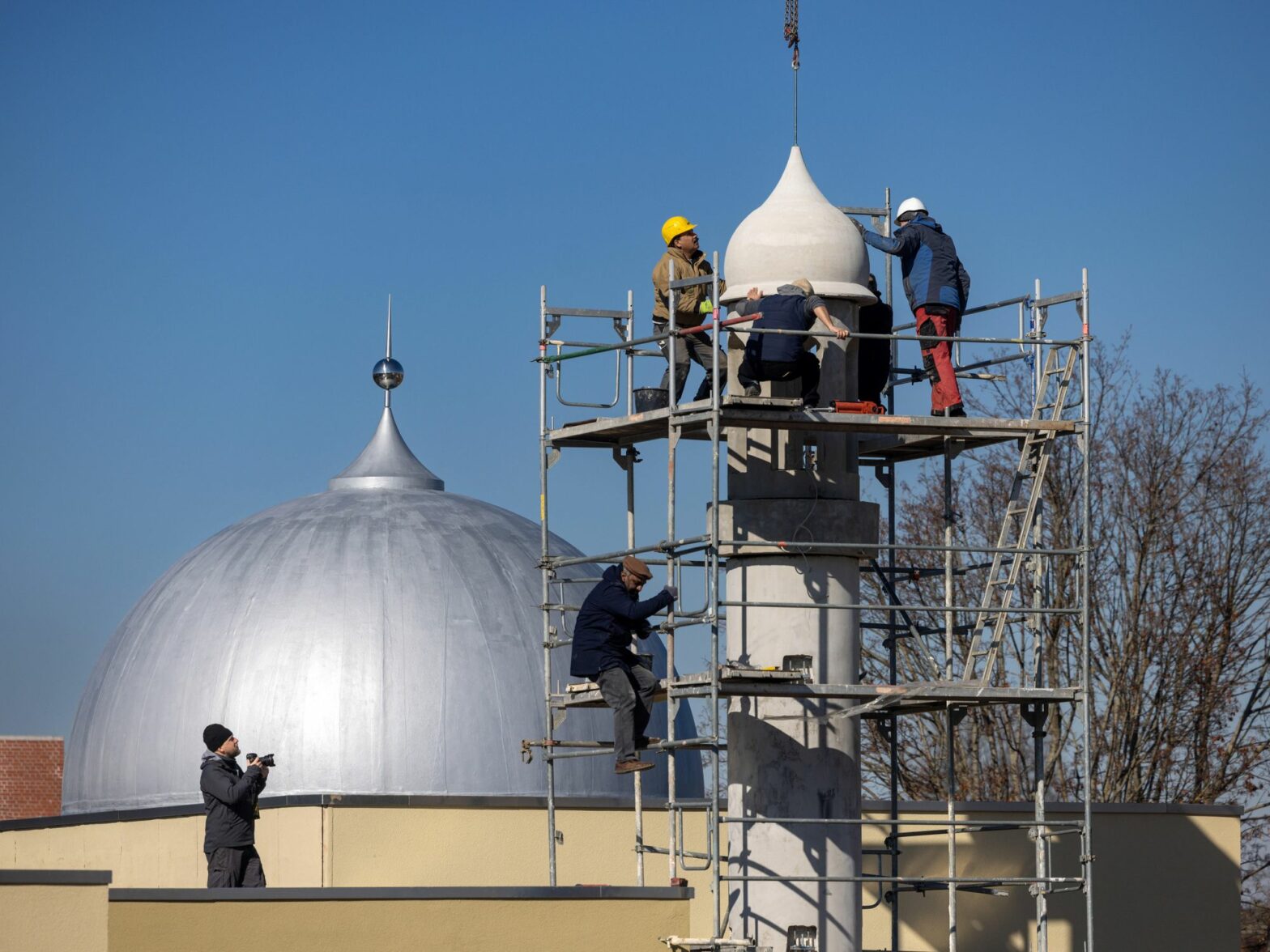
The first mosque in East Germany to have visible Islamic architecture is soon to open in Erfurt, in the State of Thuringia. But it’s already become a target for Islamophobic attacks, including pig heads and wooden crosses tossed on the premises.
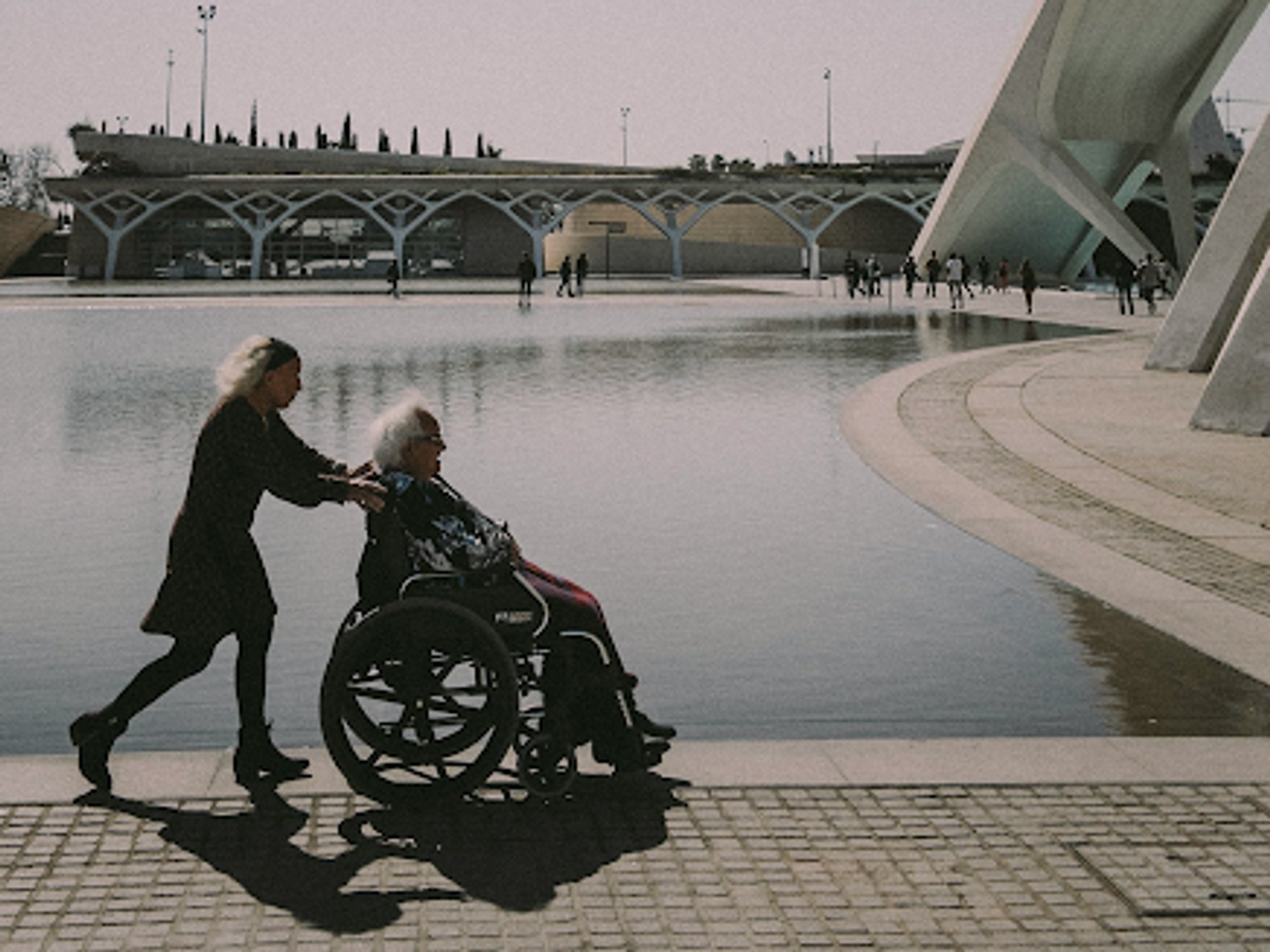
Lecanemab, marketed as Leqembi, is the first drug targeting the root cause of Alzheimer’s disease to be approved by the European Medicines Agency. Despite its side effects and limited efficacy, it finally offers a glimmer of hope for effective therapies.
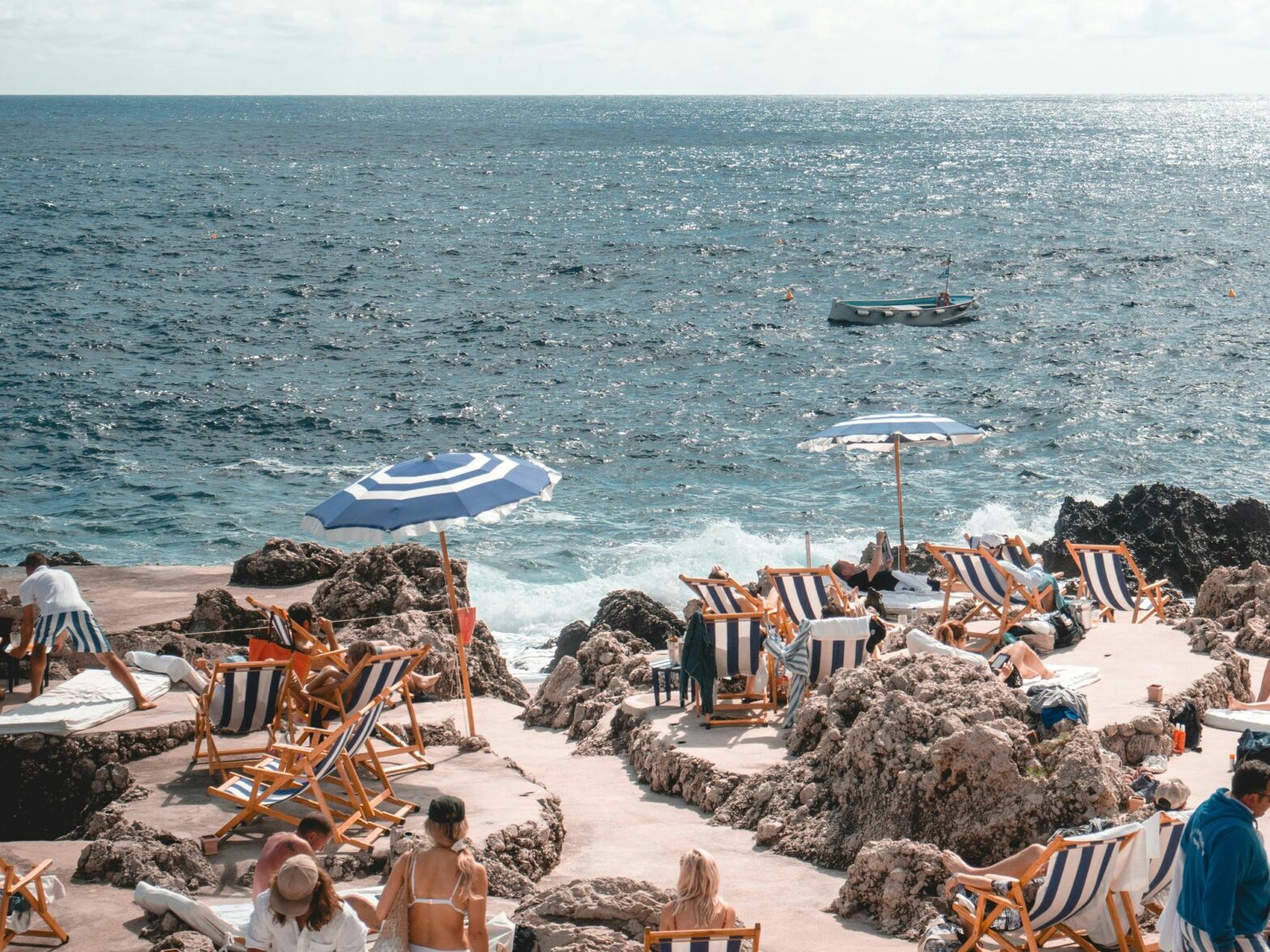
The sun, the food, lazy days and pastel colors… but is that the real Italy? The particular fascination that Germans have for the Bel Paese says plenty about both countries.
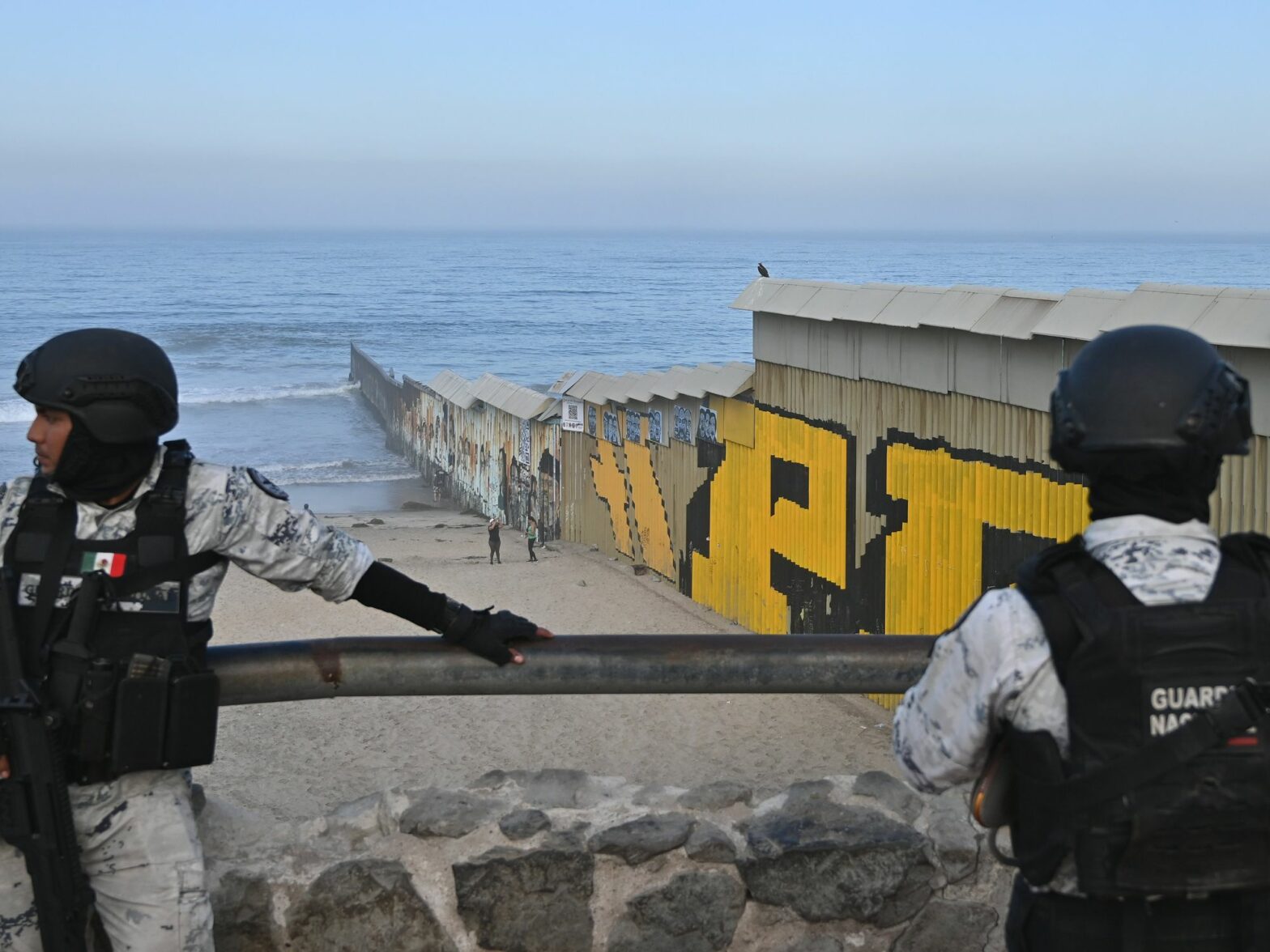
November 9 marks 35 years since the fall of the Berlin Wall. Once seen as a step toward open borders, walls and fences now span a quarter of the world’s land borders today. It’s central to what’s being called the “rebordering” among nations around the world.
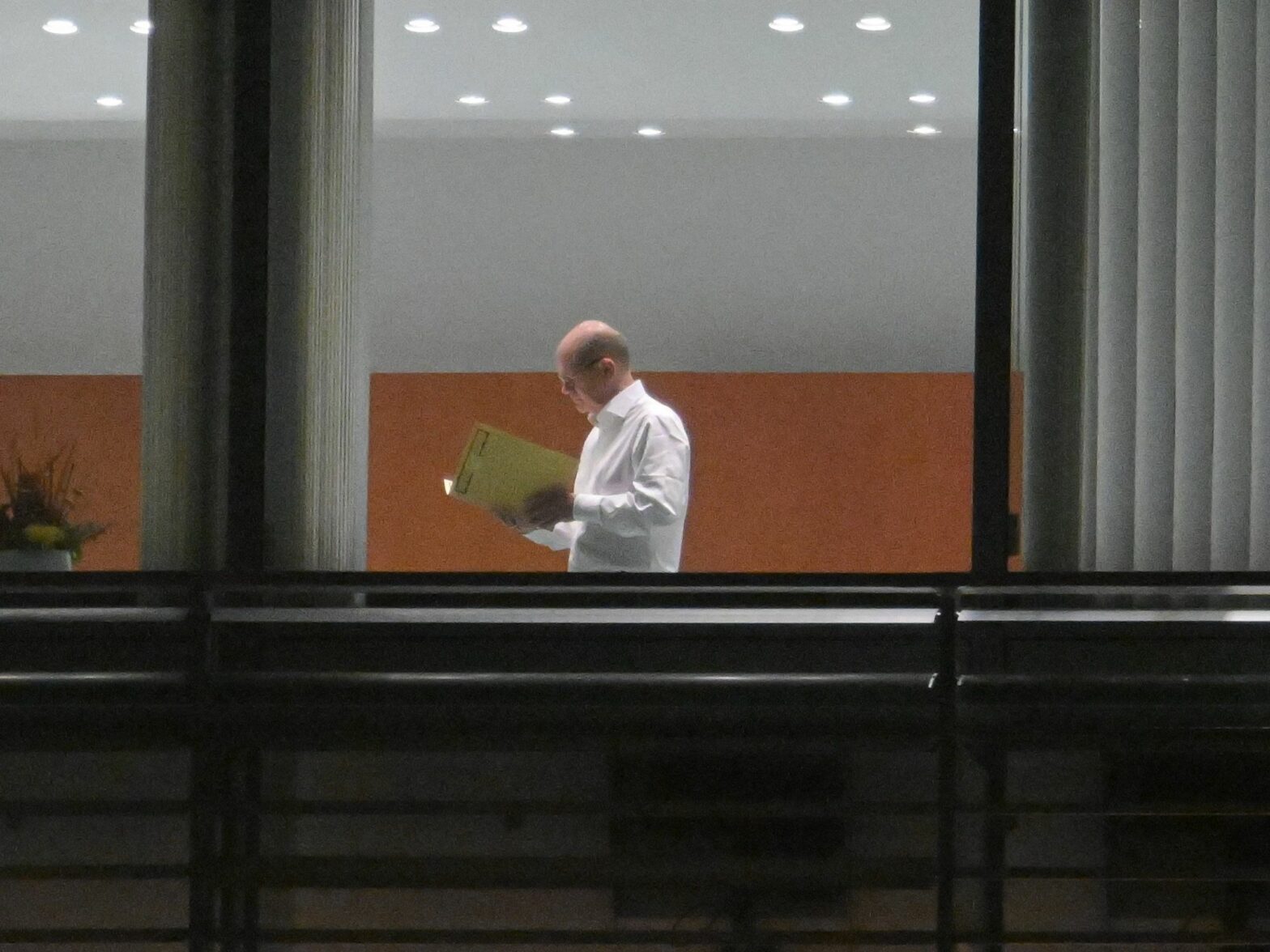
Following the collapse of Germany’s governing traffic light coalition on Wednesday, Chancellor Olaf Scholz and former Finance Minister Christian Lindner are pointing fingers at each other — hardly a wise move as Donald Trump’s reelection sends a chill through democracies worldwide.

Trump’s victory is not some unforeseen accident. Europe should have been preparing for this. It didn’t. The actions we take now are vital for the future of democracy and the free world, writes Giovanni di Lorenzo, Die Zeit‘s editor-in-chief.
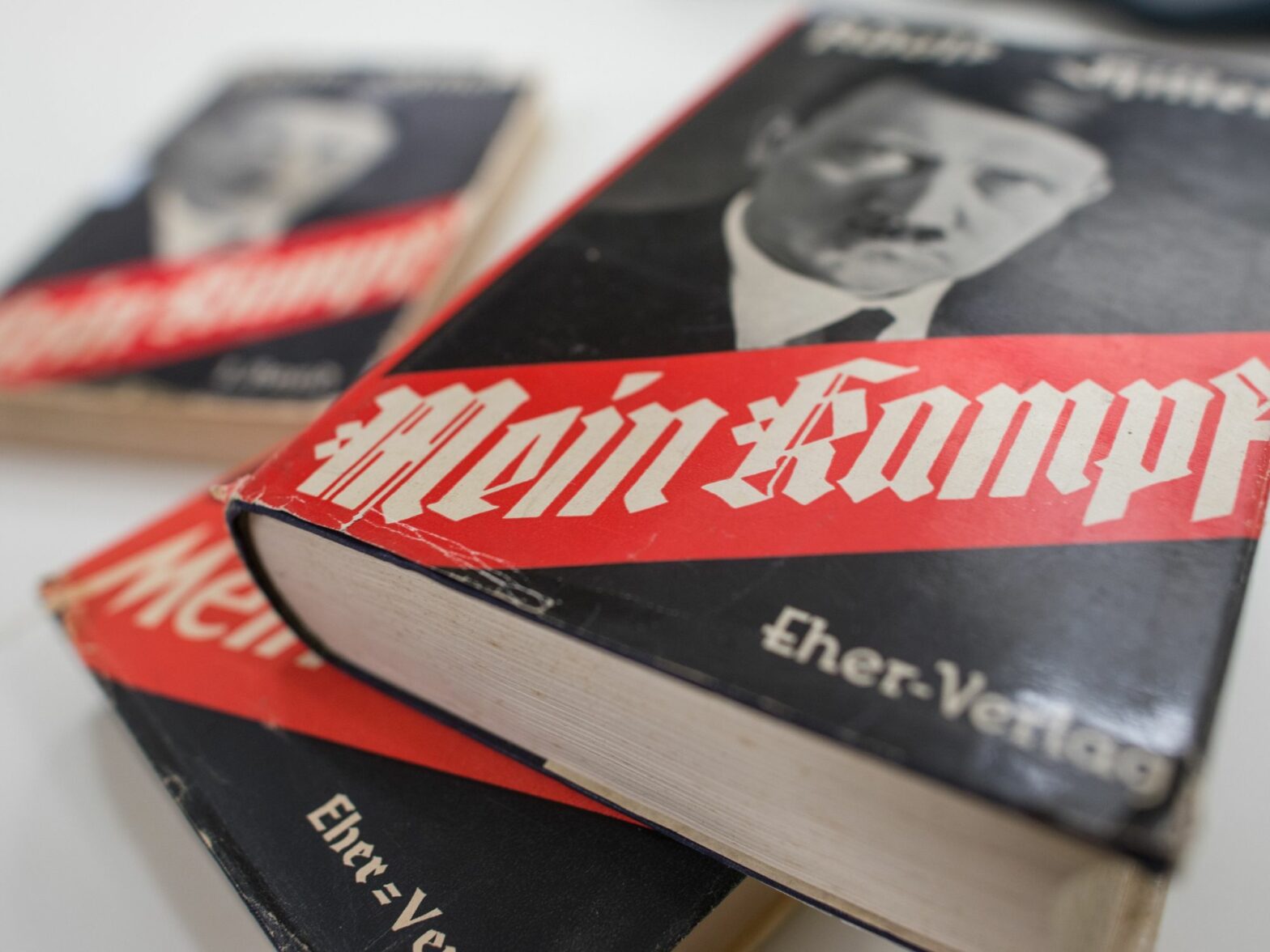
The edict was both covert and surprising: On Jan. 3 1941, Nazi official Martin Bormann announced that Hitler no longer wanted to see Gothic typefaces used in print. But the stated reason for this decision was pure invention.
How does déjà vu happen? Psychologists have long avoided the complicated question, but researchers are now trying to understand this uncanny phenomenon.
People with dementia are often patronized and their movements restricted — like in prison, some say. Gammeloase, a retirement home in Germany does things very differently. For Germany’s Die Zeit, Anna Scheld asks whether this approach is sustainable and whether it could be replicated elsewhere.

After a five-year break, Victoria’s Secret is once again putting on a lingerie fashion show. But are women still willing to buy push-up bras as a way to empower themselves? Claire Beermann, style editor for Germany’s Die Zeit, says the time for polyester lace is now over.
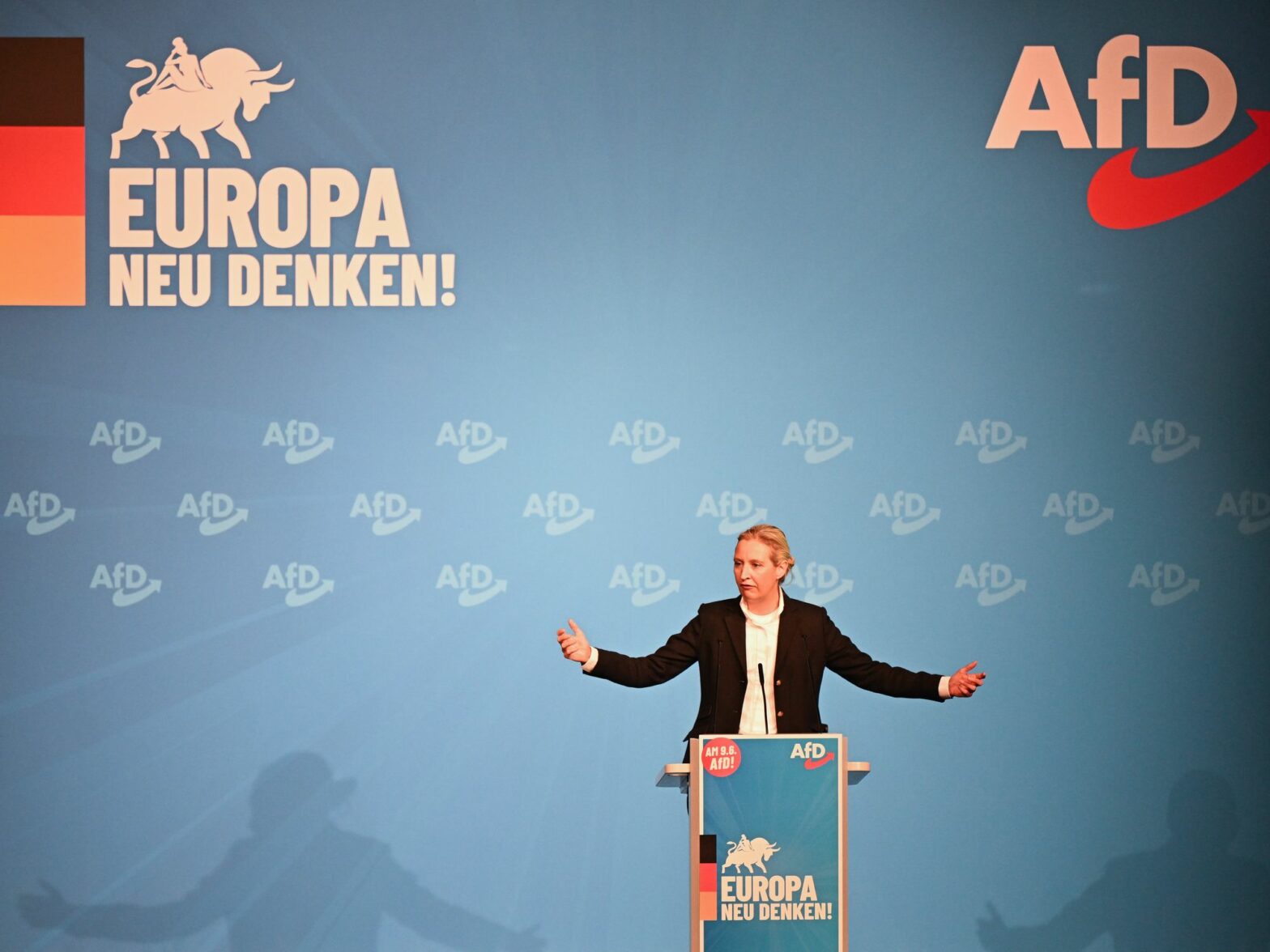
The German Parliament has taken up discussion on a bill for an outright ban on the AfD, the country’s increasingly popular far-right party. Here’s the case to remove a political force that wants to dismantle the institutions of democracy from within. Germany, of course, has its own history on the question.
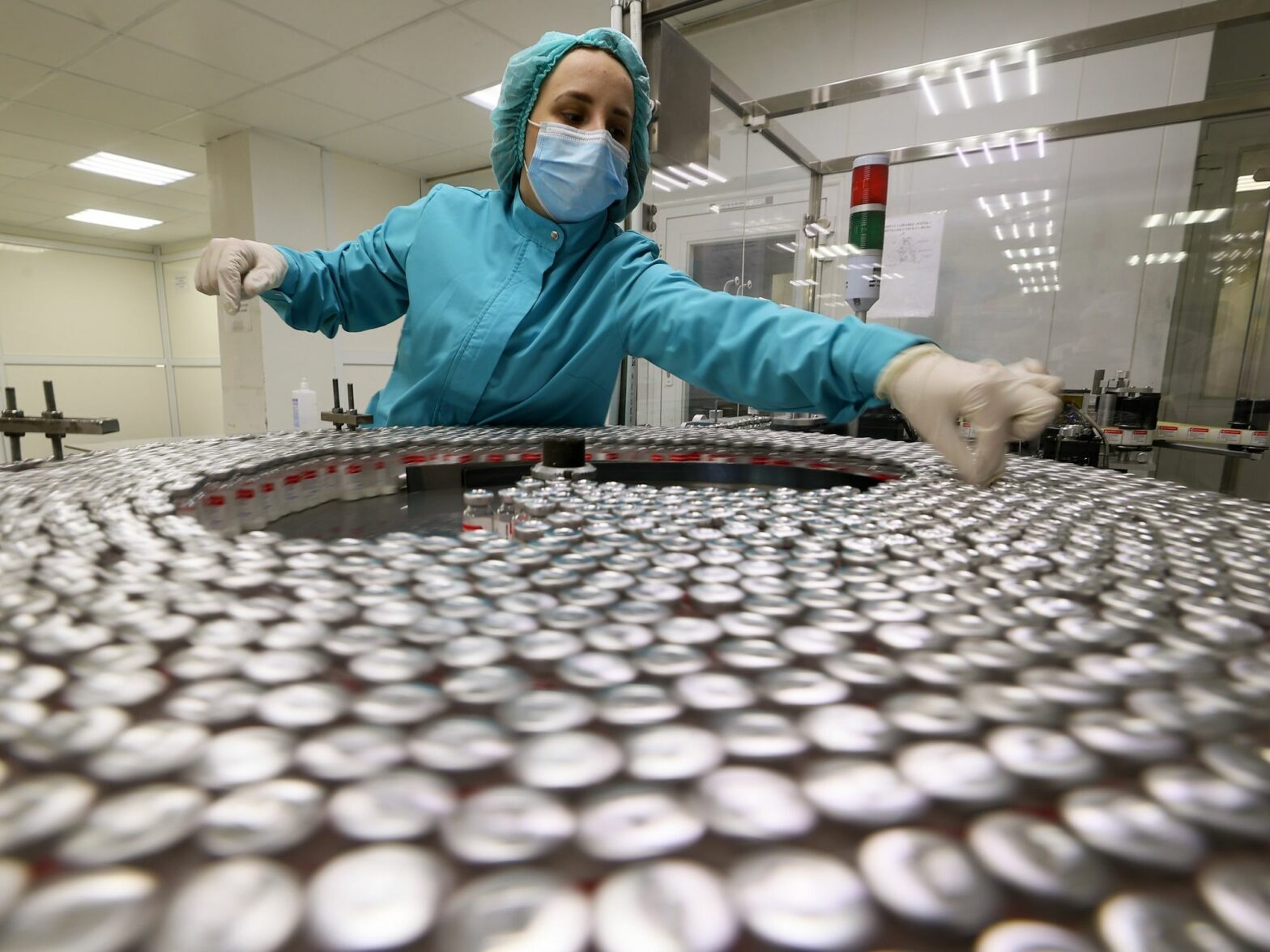
Millions of people could die from antibiotic-resistant germs in the near future. But there are very few new antibiotics in the research pipelines of the big pharmaceutical companies, which are focused on developing more profitable drugs. What is behind this blatant injustice — and what can be done about it?
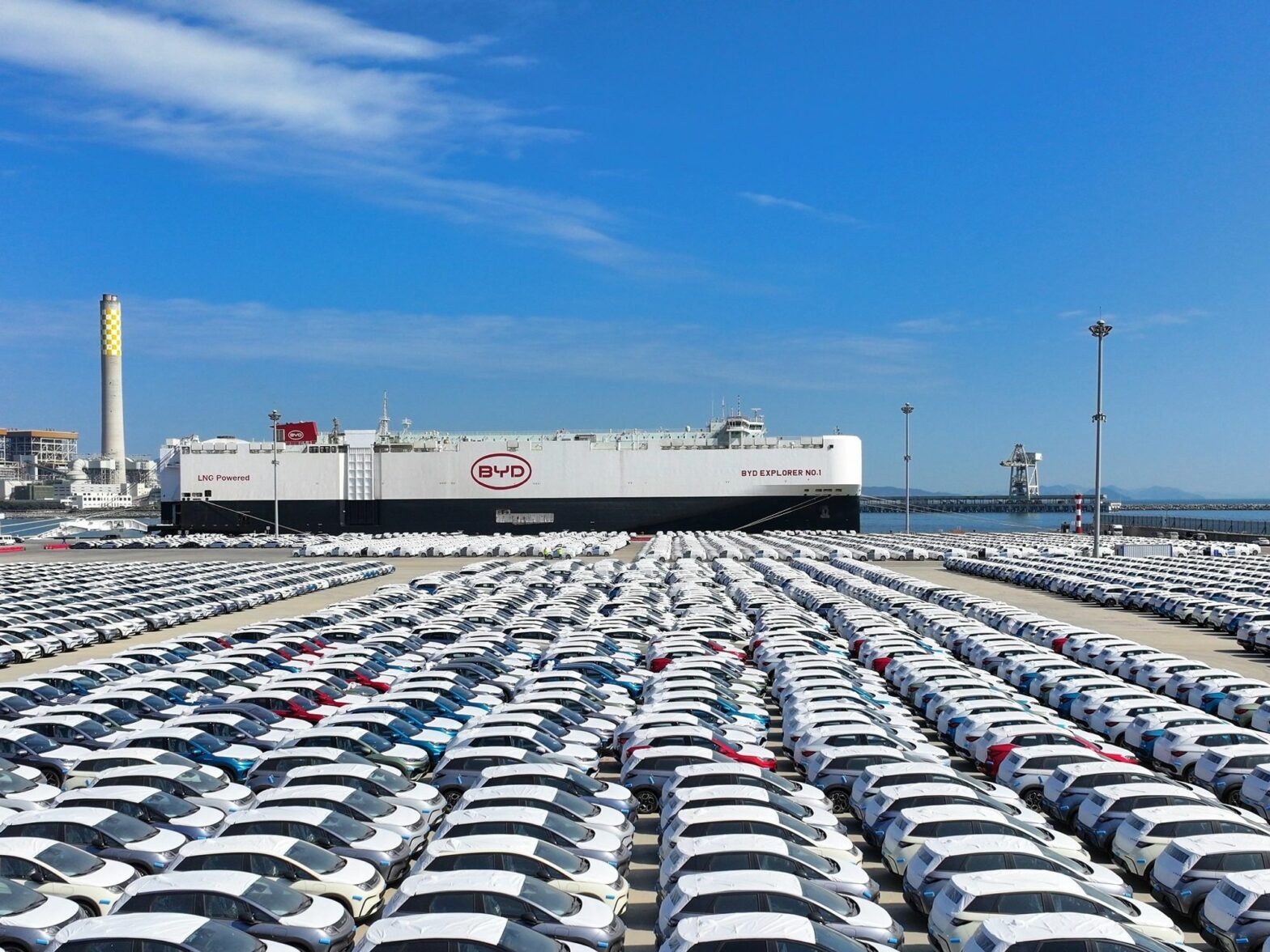
Germany is trying to avoid tariffs on Chinese electric cars because it is interested in selling its own cars to China — and wants to avoid direct confrontation. But the European Union has decided to impose new tariffs. All of this may wind up as a full-fledged new trade war between China and Germany.
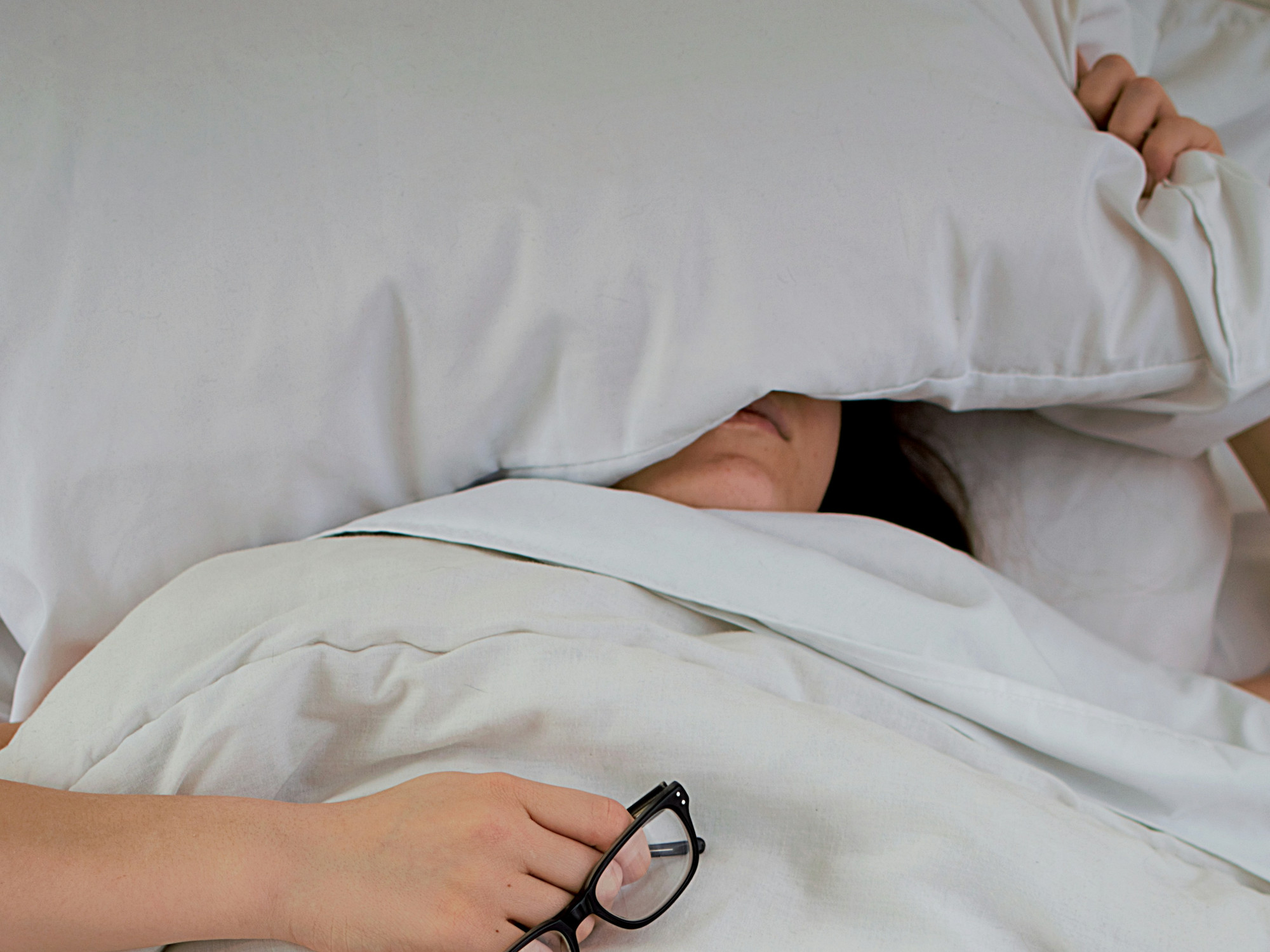
Many people want to sleep better, but available solutions either have little effect or severe side effects. Ultimately, there’s really only one approach that seems to work.
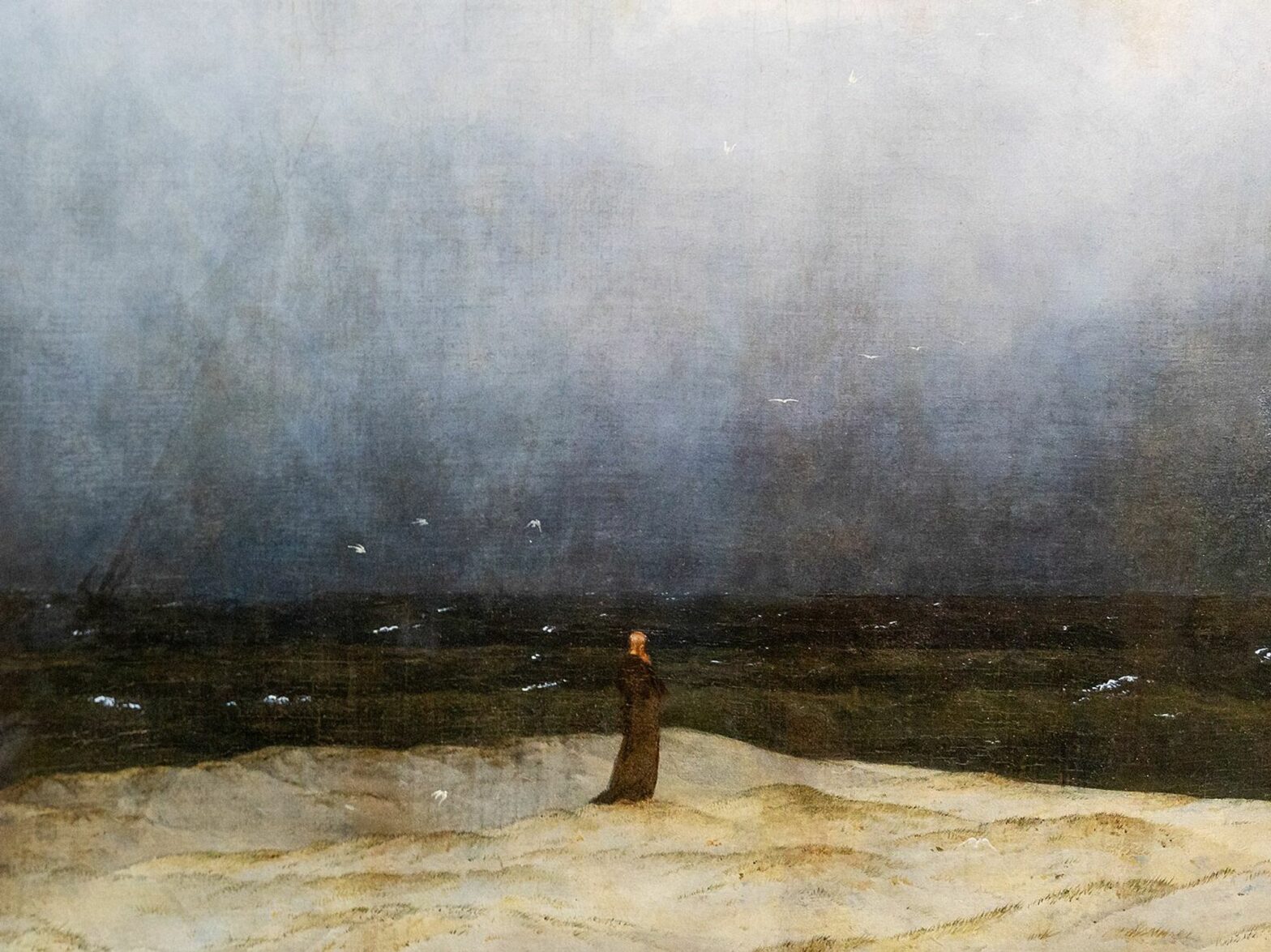
Nowhere is loneliness celebrated as much as in literature and music. For centuries, this celebration of proud or penitent solitude was an artistic luxury, but it has also inspired a powerful political concept.
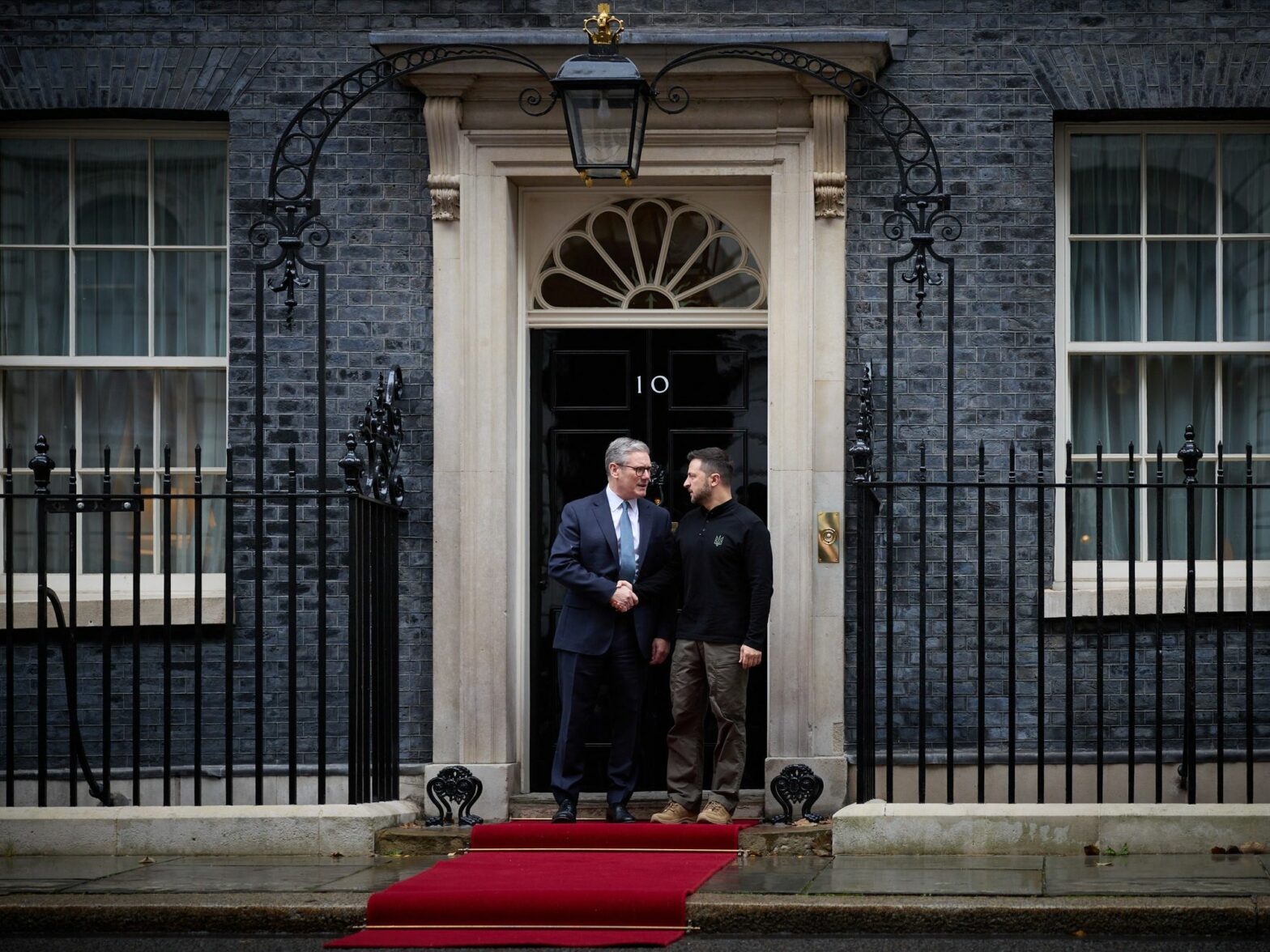
The Ukrainian president has begun a tour of Europe to present his “victory plan,” designed to reverse the balance of power with Russia before negotiating. It’s almost like asking for war and peace at the same time.
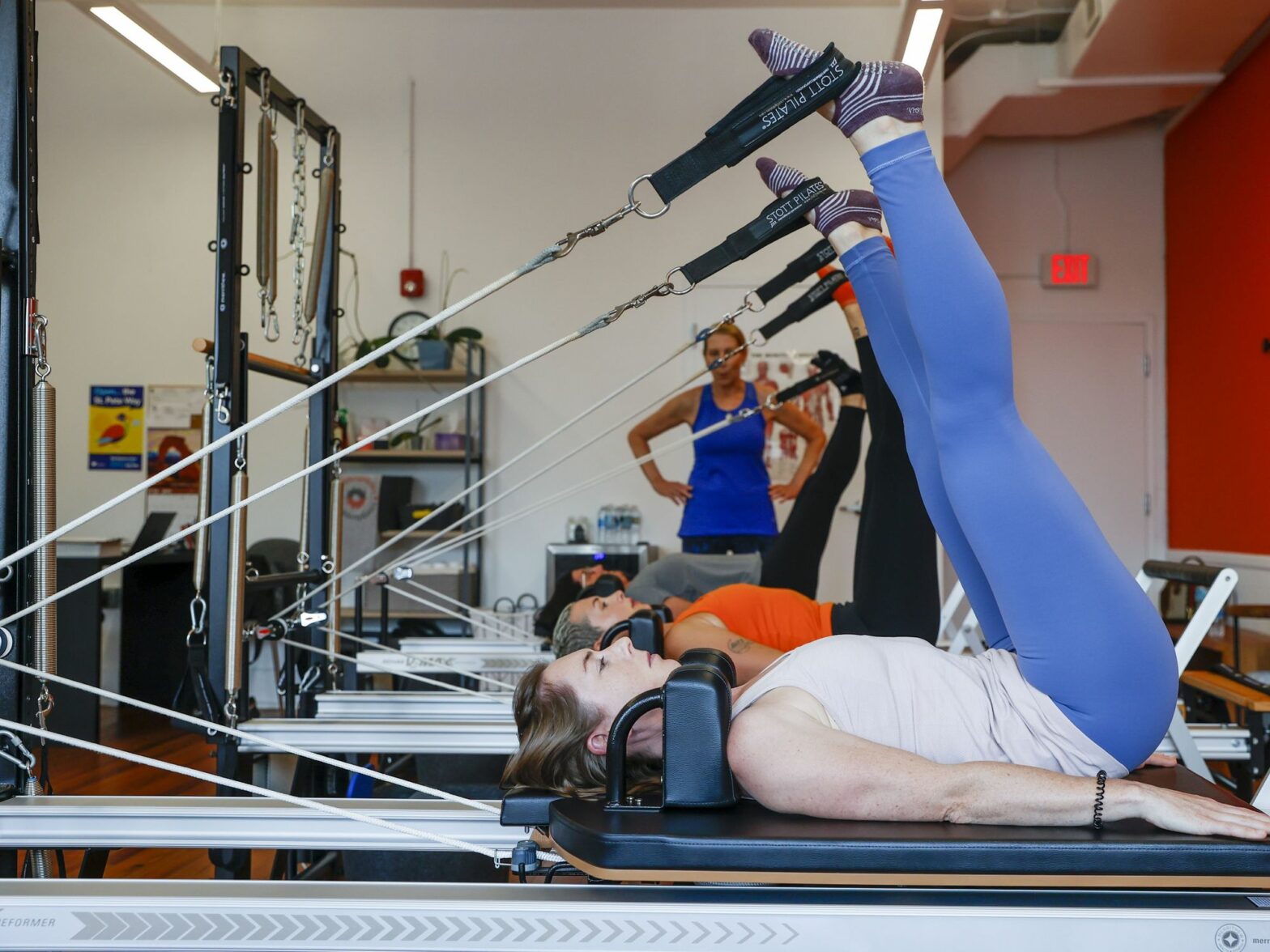
Invented 100 years ago in Germany, the Pilates Reformer is the most sought-after piece of fitness equipment at the moment. But the hype around this expensive training reveals what we are really striving for.
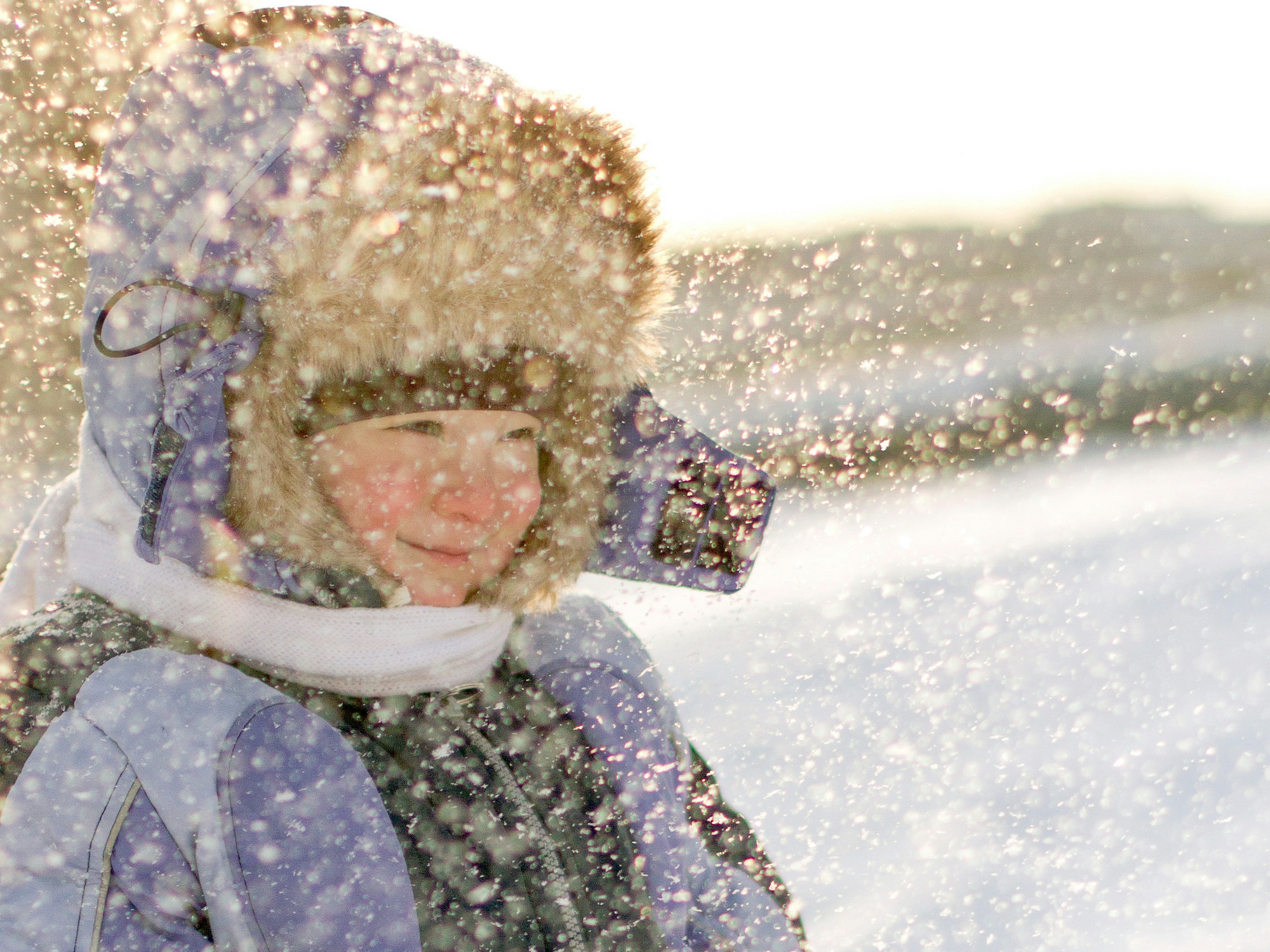
Robust winter babies? Allergic autumn infants? Researchers are finding increasing evidence that the month and season of birth can have an influence on our health. For Die Zeit, health editor Andrea Böhnke explores how light, weather, mother’s diet and other factors linked to the time of the year we are born shape us throughout our lives.
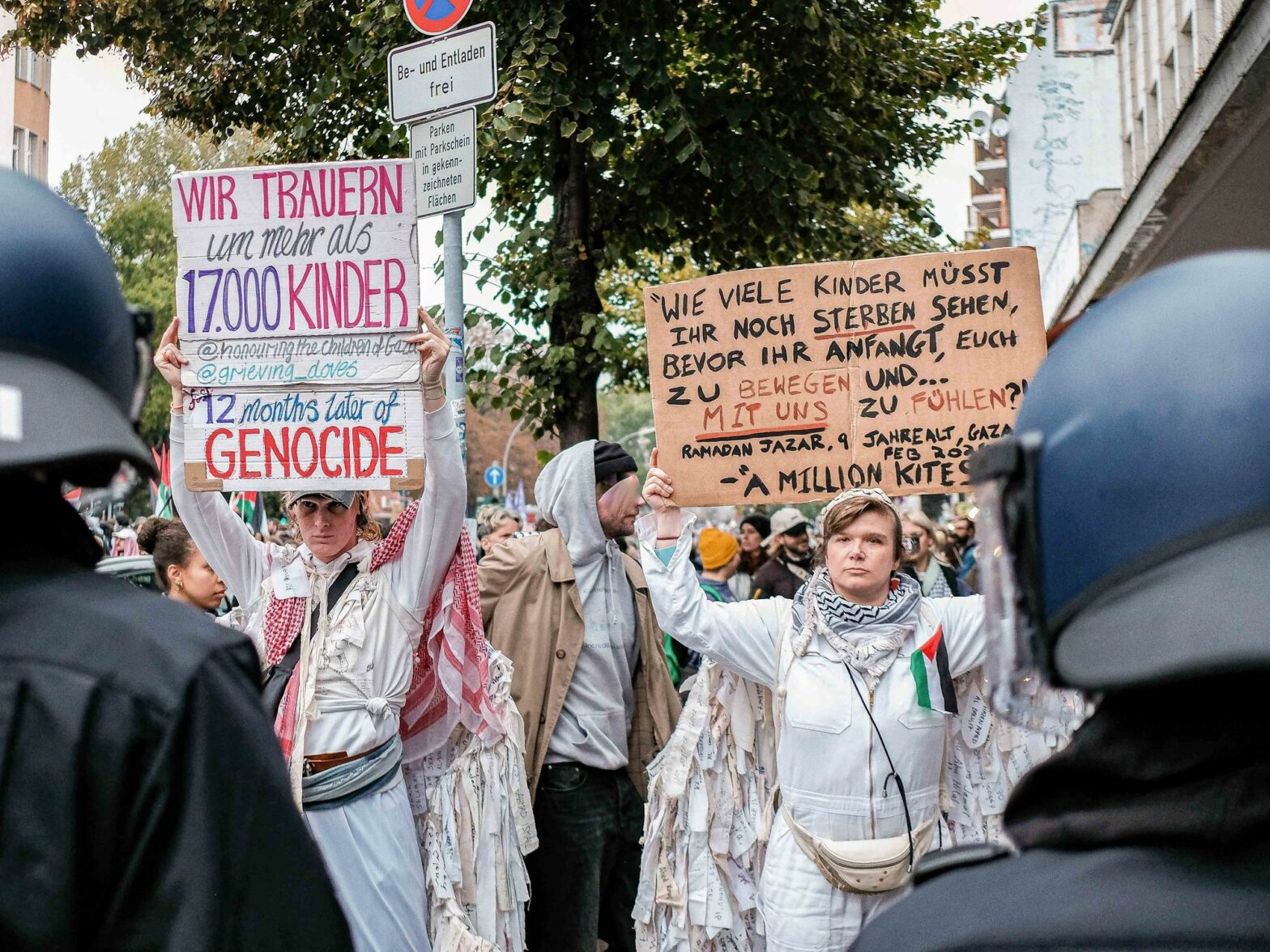
An increasingly positive era of post-Holocaust Jewish life in Germany ended one year ago — the sense of progress and confidence gave way to a new, age-old fear, writes Sascha Chaimowicz in Die Zeit.
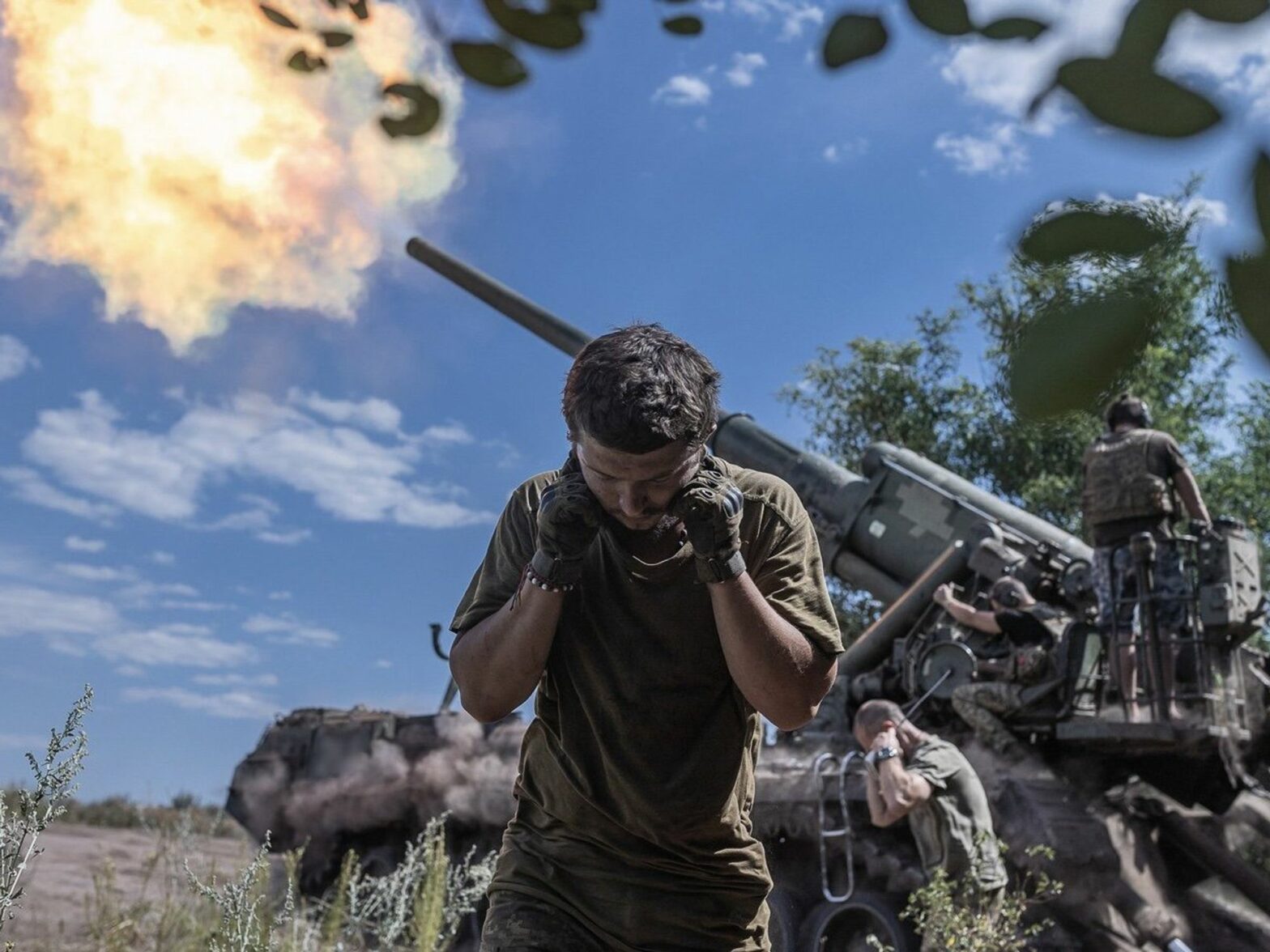
Calls for negotiation between Russia and Ukraine are growing louder. But peace would require strong security guarantees for the invaded country.
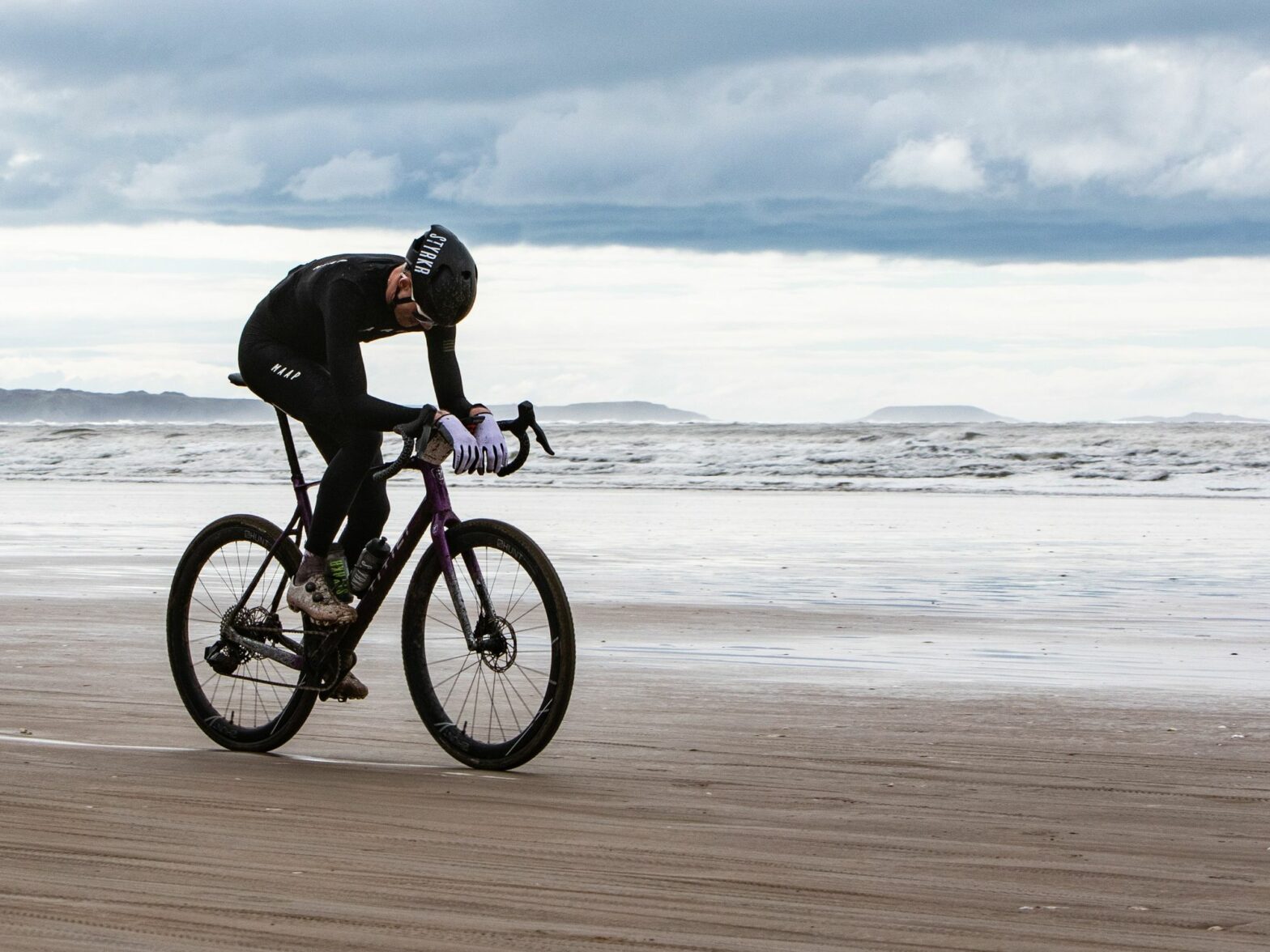
For a long time, the VO2 Max value was only of interest to competitive athletes, but today it can be found on many fitness watches. So what can it tell us about our overall health, and how can we improve it?
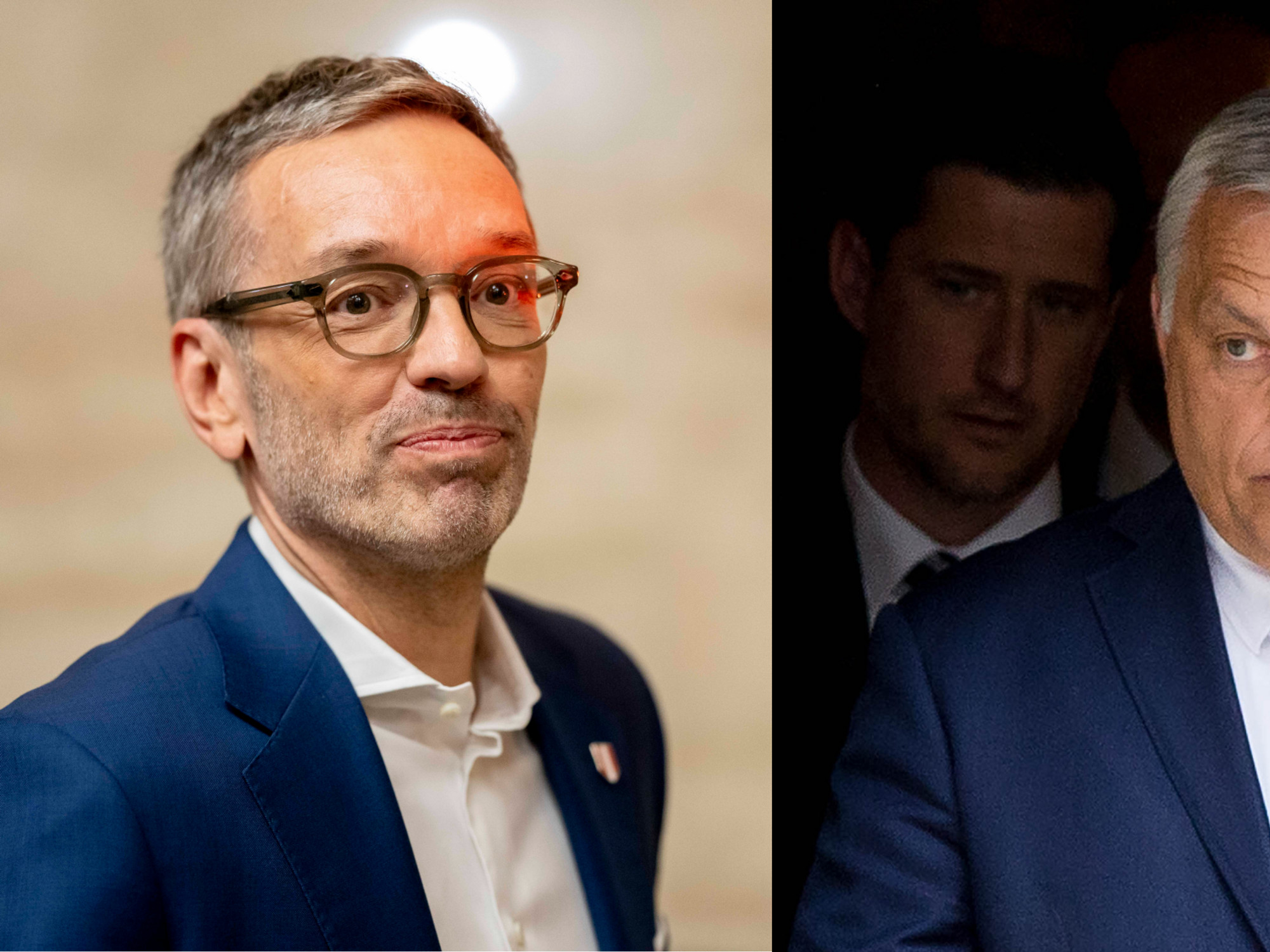
Just like the far-right electoral triumphs in France and Germany earlier this year, Sunday’s electoral victory by the Freedom Party of Austria (FPÖ) is likely to create political chaos within the country. Will Austria’s new leadership turn to Viktor Orbán’s Hungary and reignite their old alliance?
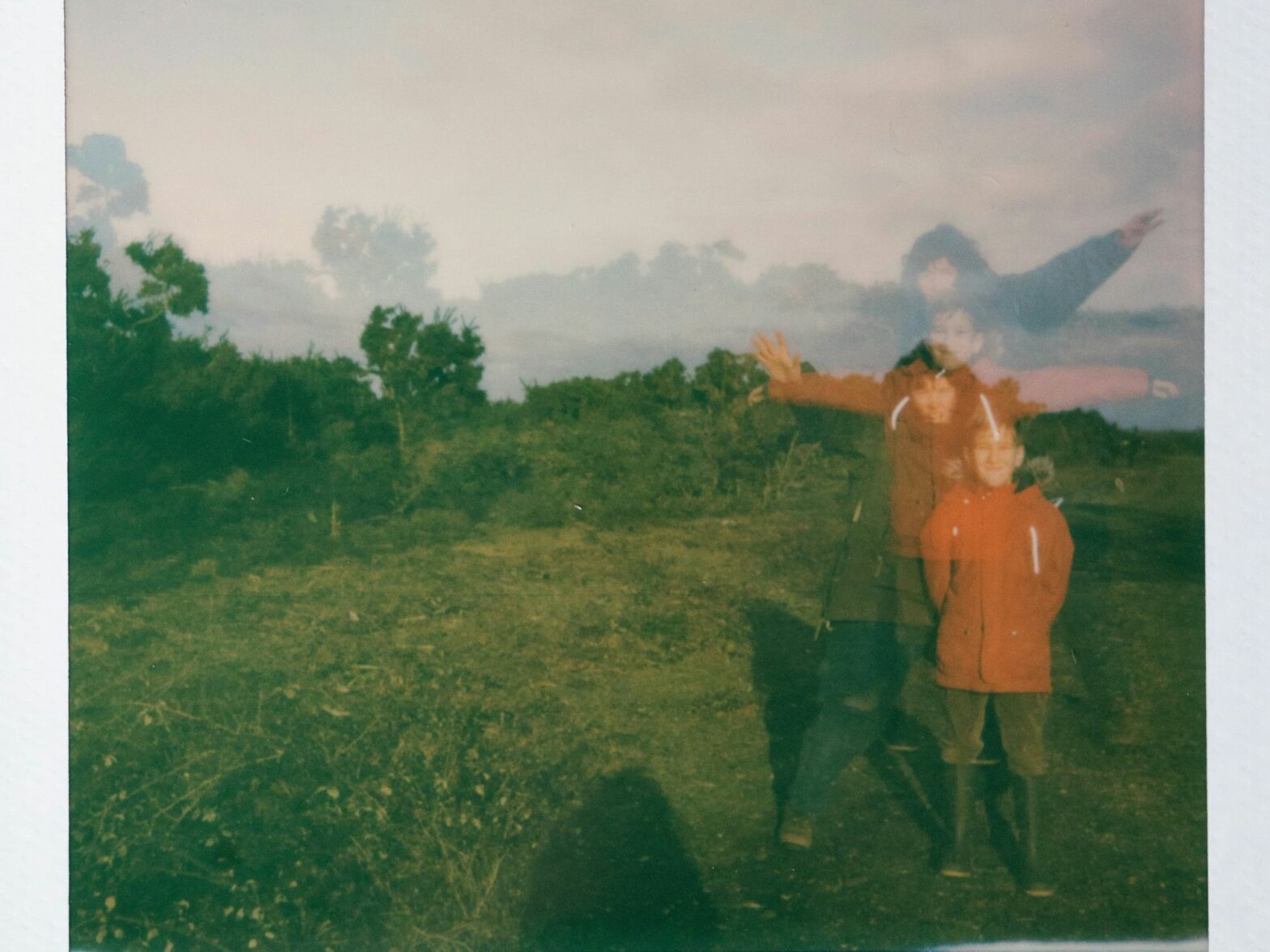
When was the last time you called your cousin? As people have fewer siblings — and fewer cousins — research shows it might be a good idea to keep close all the ones that you have.
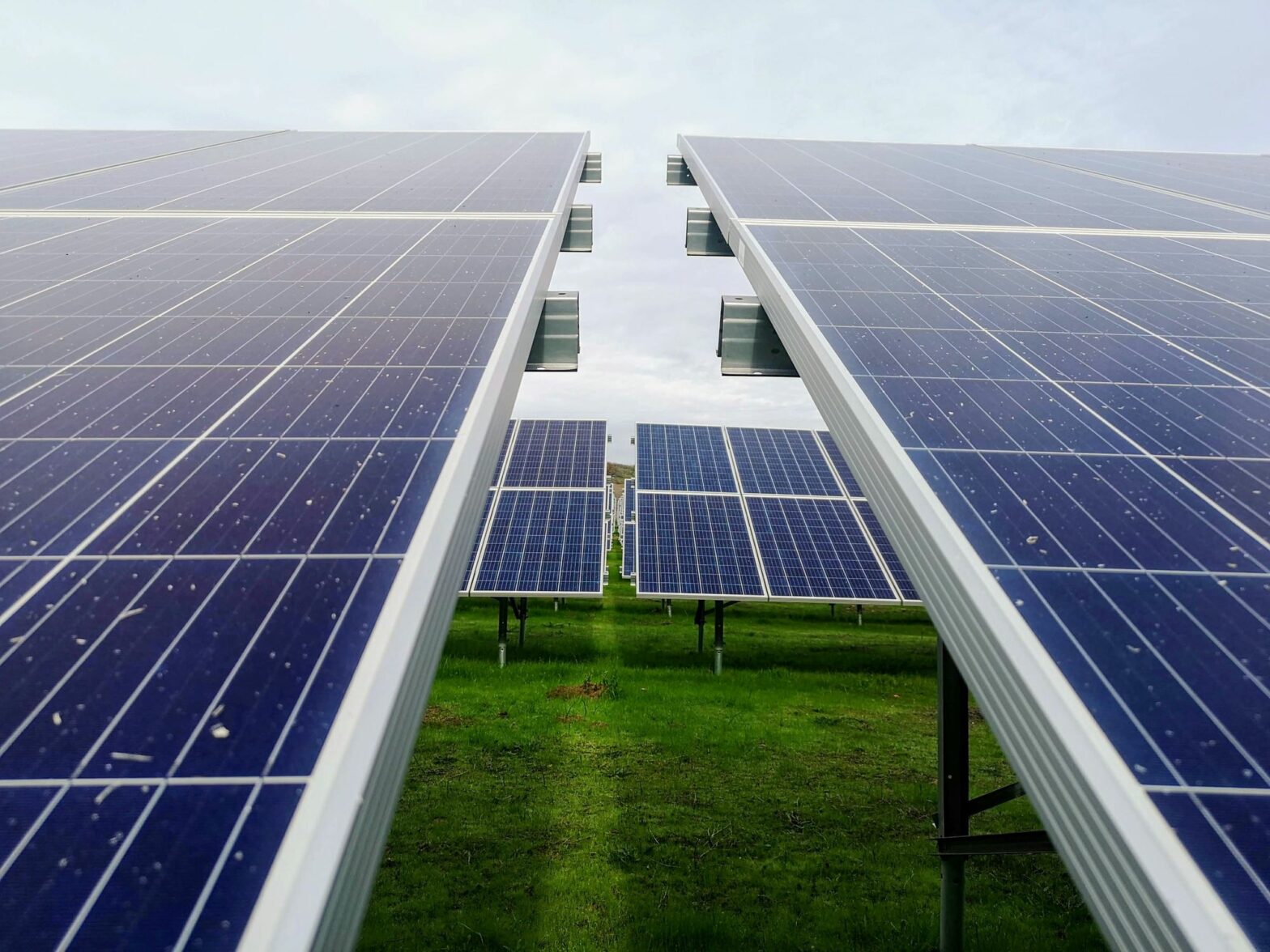
Data shows solar energy is booming worldwide. Is humanity about to have energy in abundance for the first time in its history?
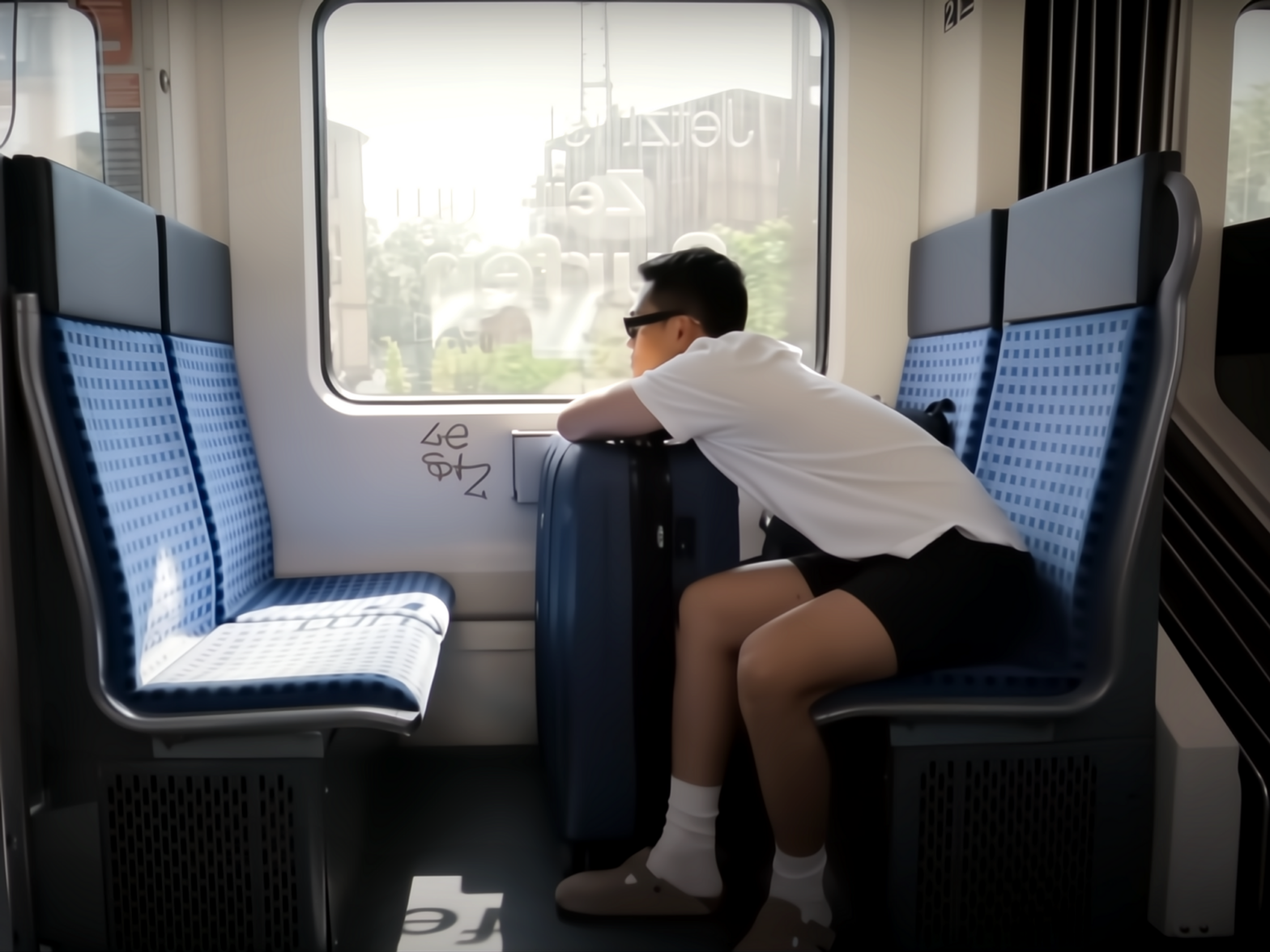
Many young Vietnamese pay huge sums to get a training position in Germany. Only very few of them have any idea what they are getting themselves into. It’s a troubling twist to the eternal struggles of the immigrant journey.
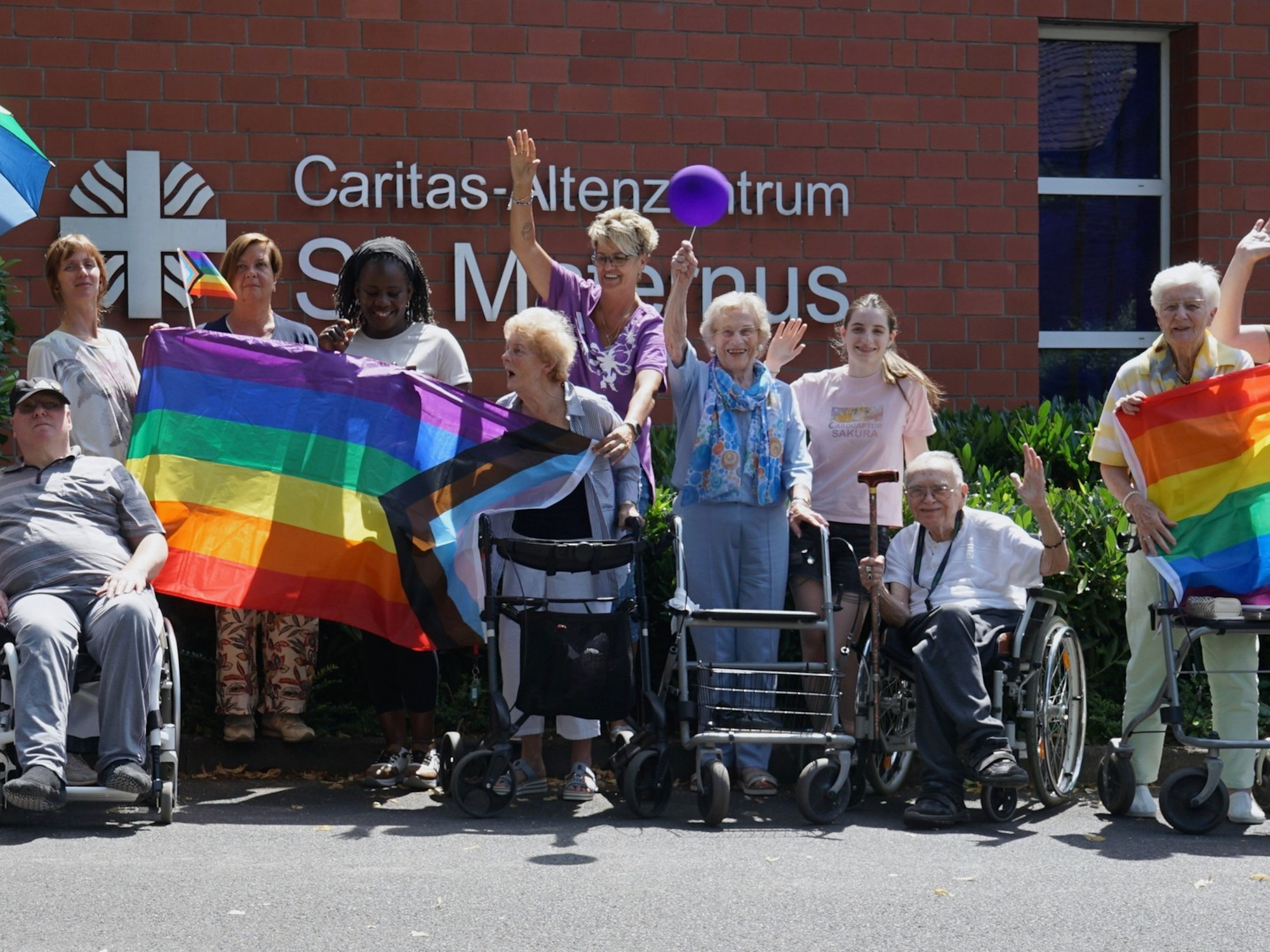
Retirement homes in Germany are increasingly improving their levels of care for queer residents – yes, even the Catholic ones.
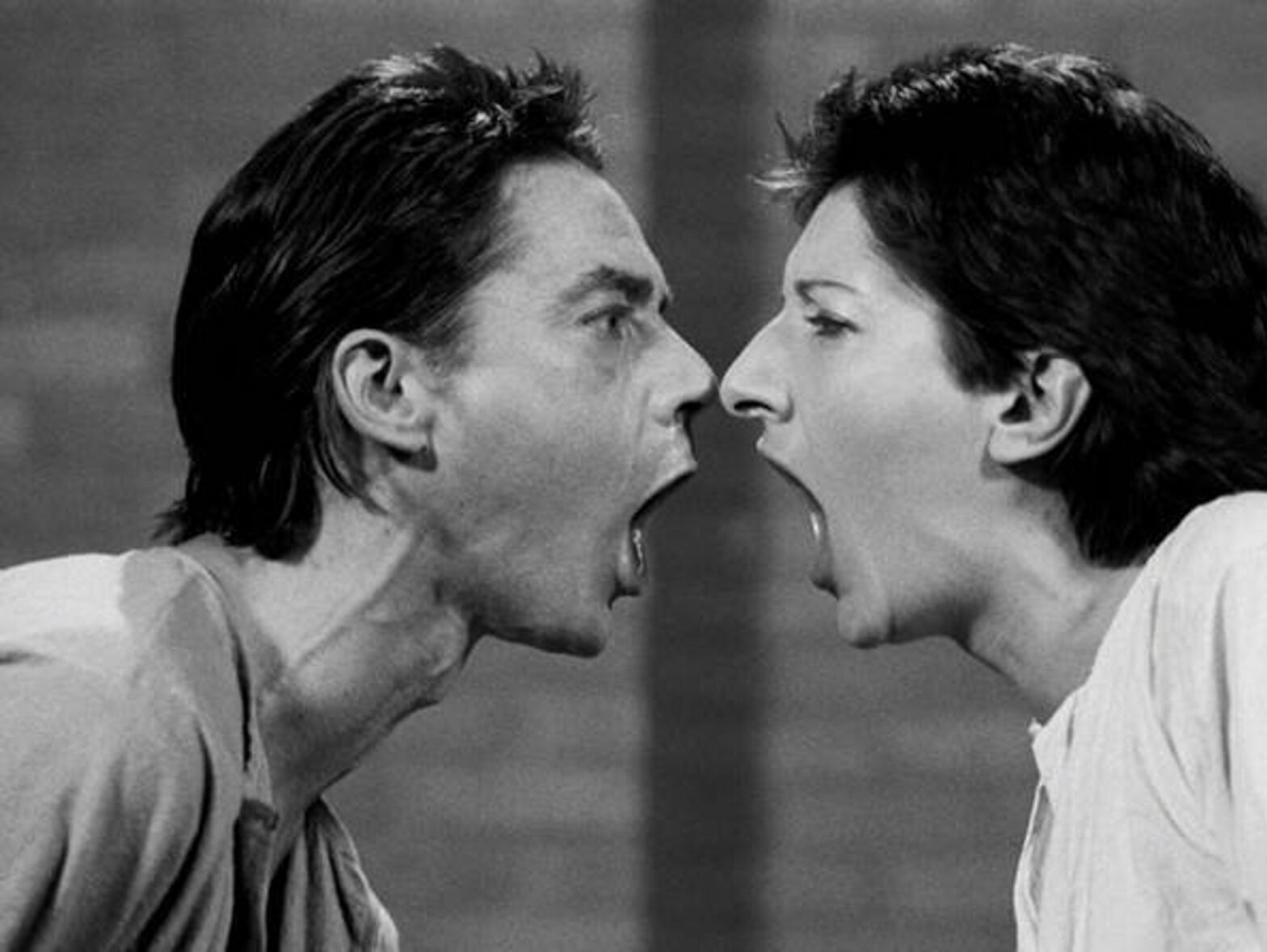
For a long time, contemporary art was the rage room of a conformist society. Now, it is filled with educational purposes. Where have all the angry artists gone?
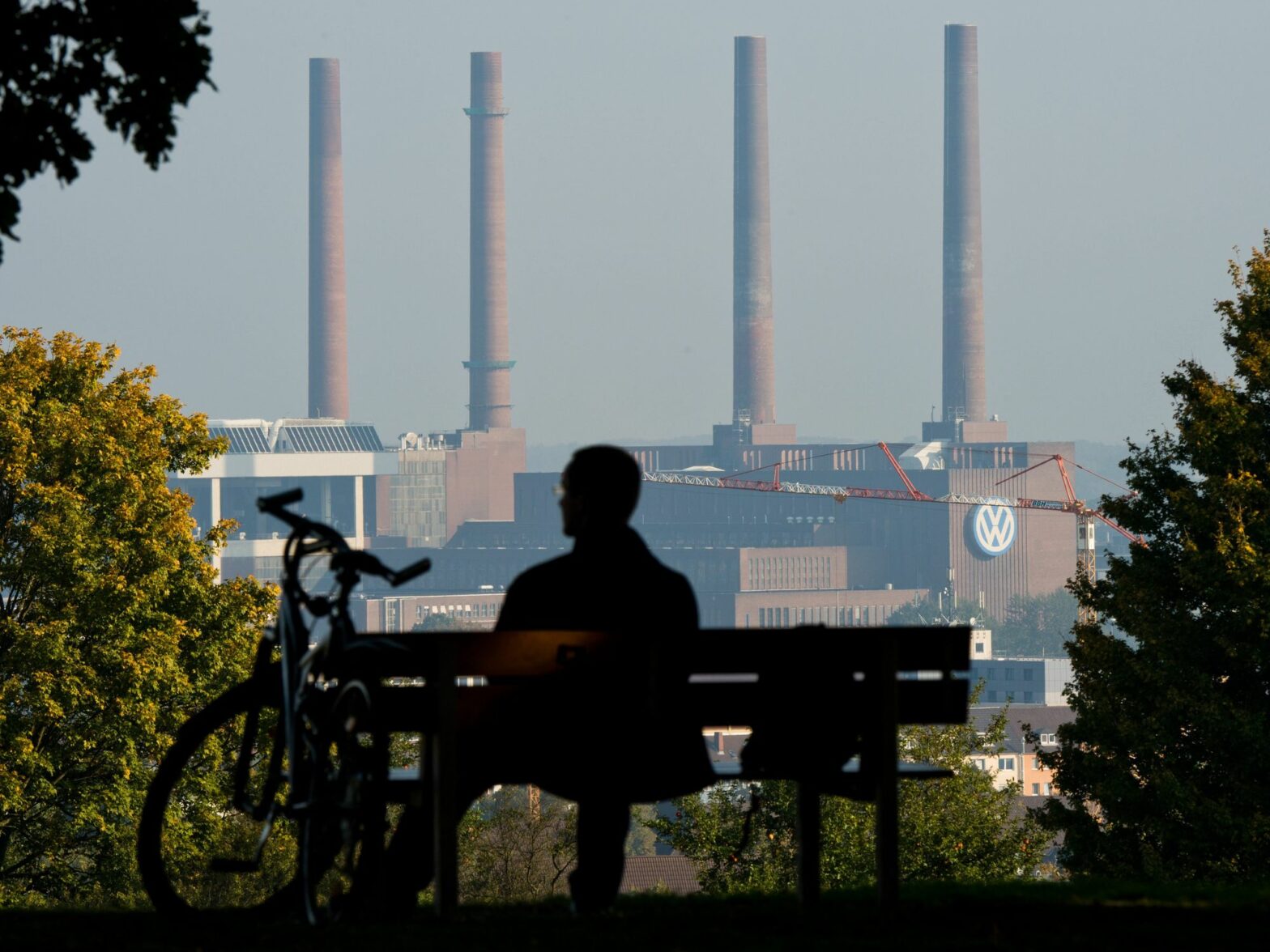
No place says Volkswagen like Wolfsburg. The city and the brand live in symbiosis, and for a long time, this has been beneficial to both. Now, the times of prosperity might be over. A visit to the quiet and historically prosperous corner of western Germany.
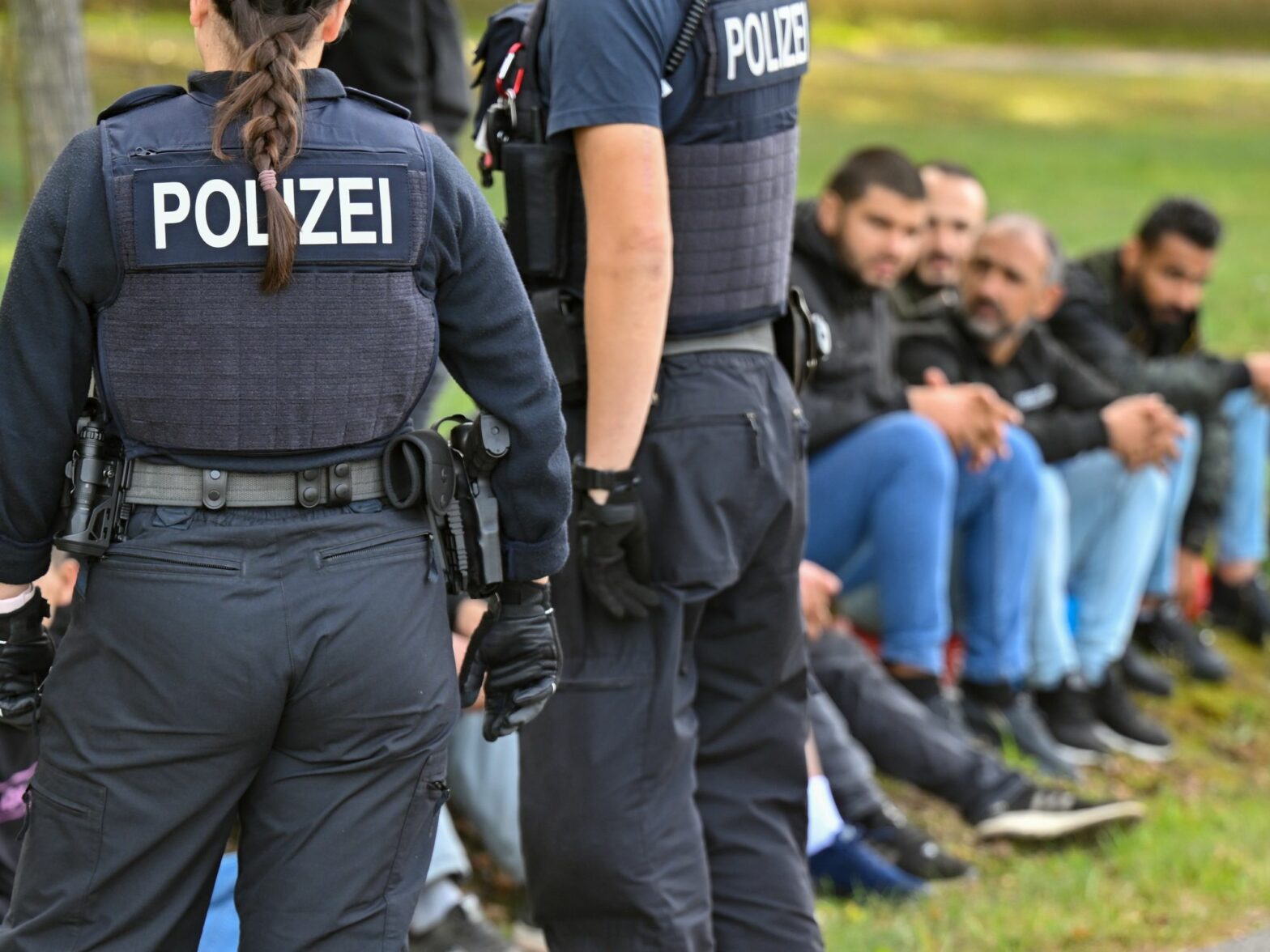
With new border controls with its EU neighbors, Germany is once again proving that it does not trust its European partners. This puts the whole European single market project at risk.