A note from our editor & co-founder

 Worldcrunch
A note from our editor & co-founder
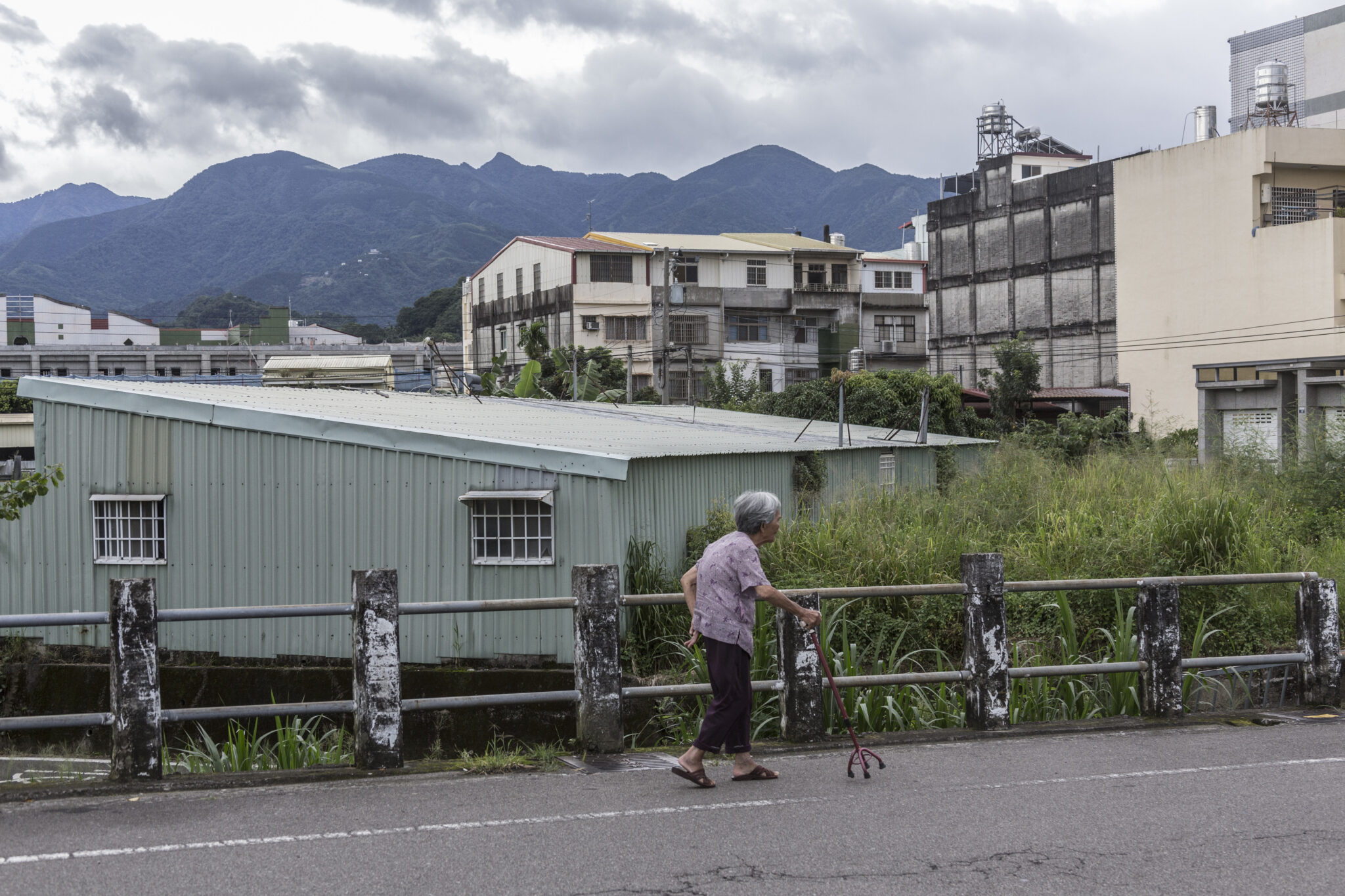
It used to be that Taiwan’s multi-generational family lived together and cared for each other. Low birthrates and rising economic pain are reformulating the equation for all.
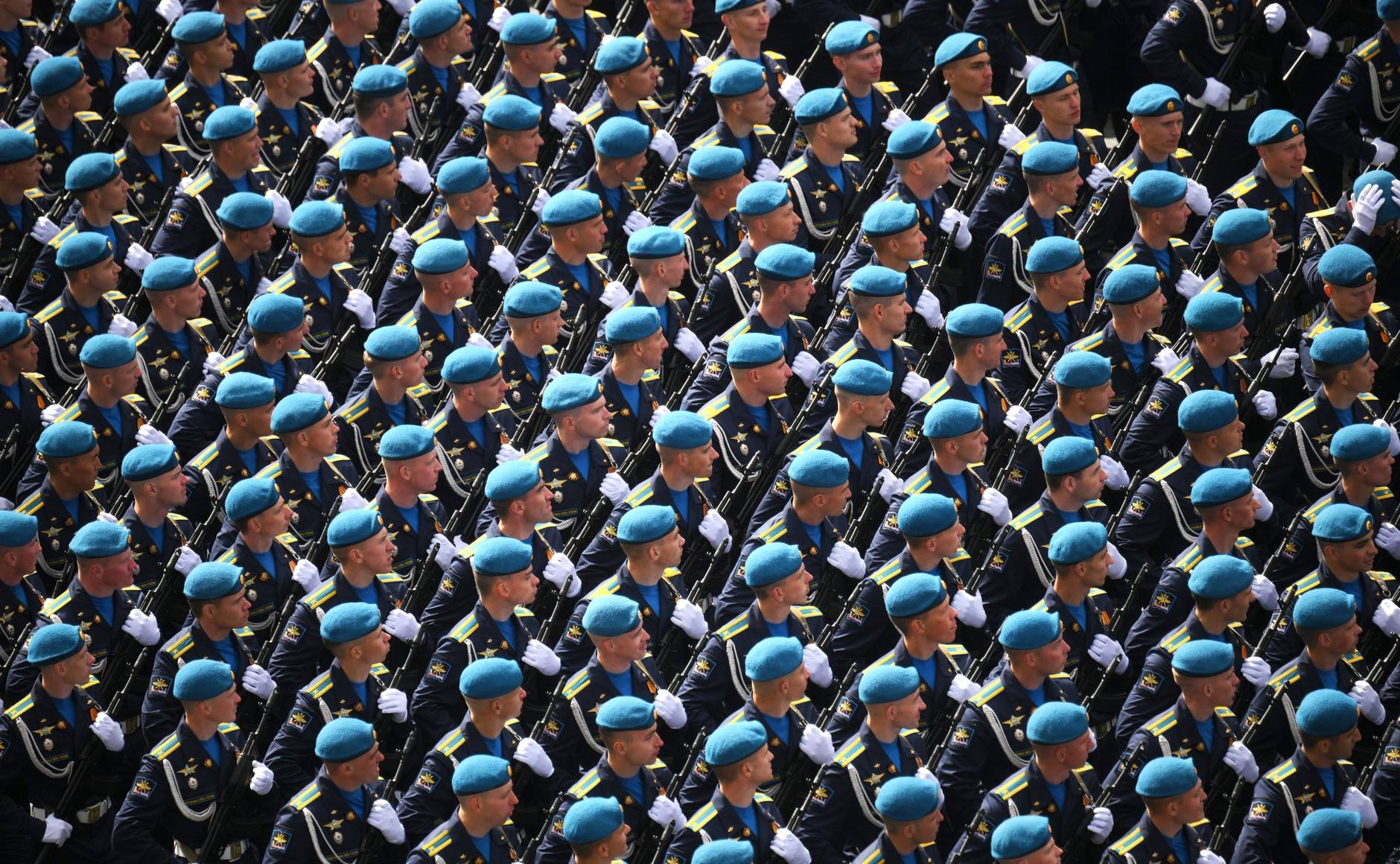
NATO’s warning signals a shift in how Europe must confront Russian cyber attacks, sabotage, and pressure on critical infrastructure, as Moscow turns sub-threshold conflict into a strategic weapon.
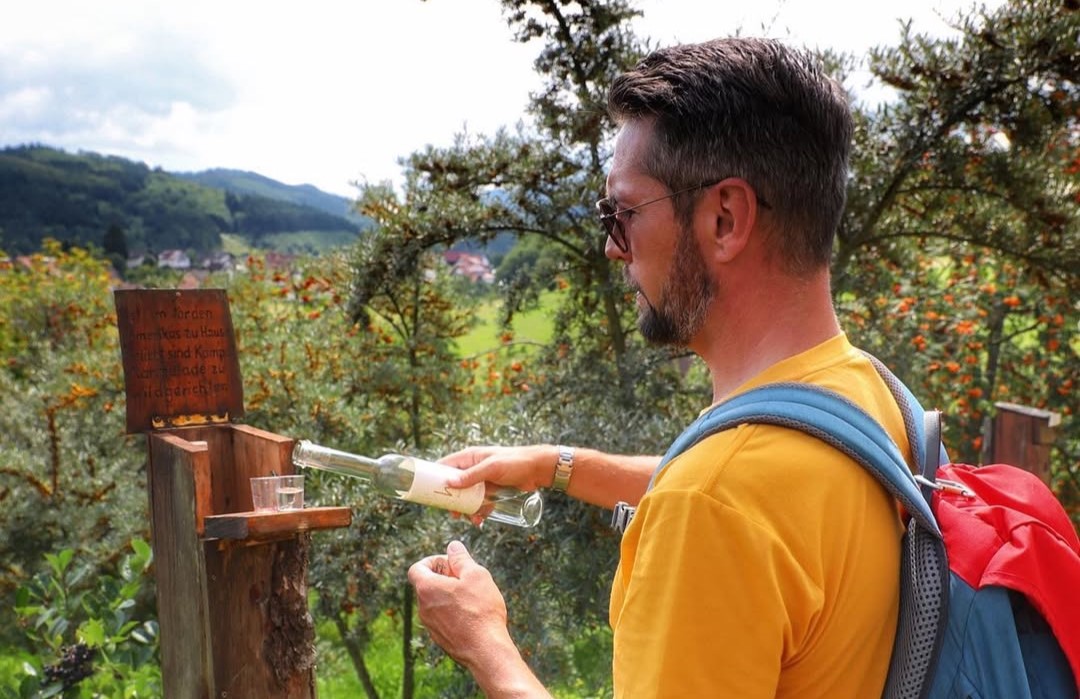
On the Brennersteig trail, a German journalist follows a route lined with orchards, distilleries, and endless tiny temptations, discovering how easily a simple hike becomes a pilgrimage from one bottle to the next.
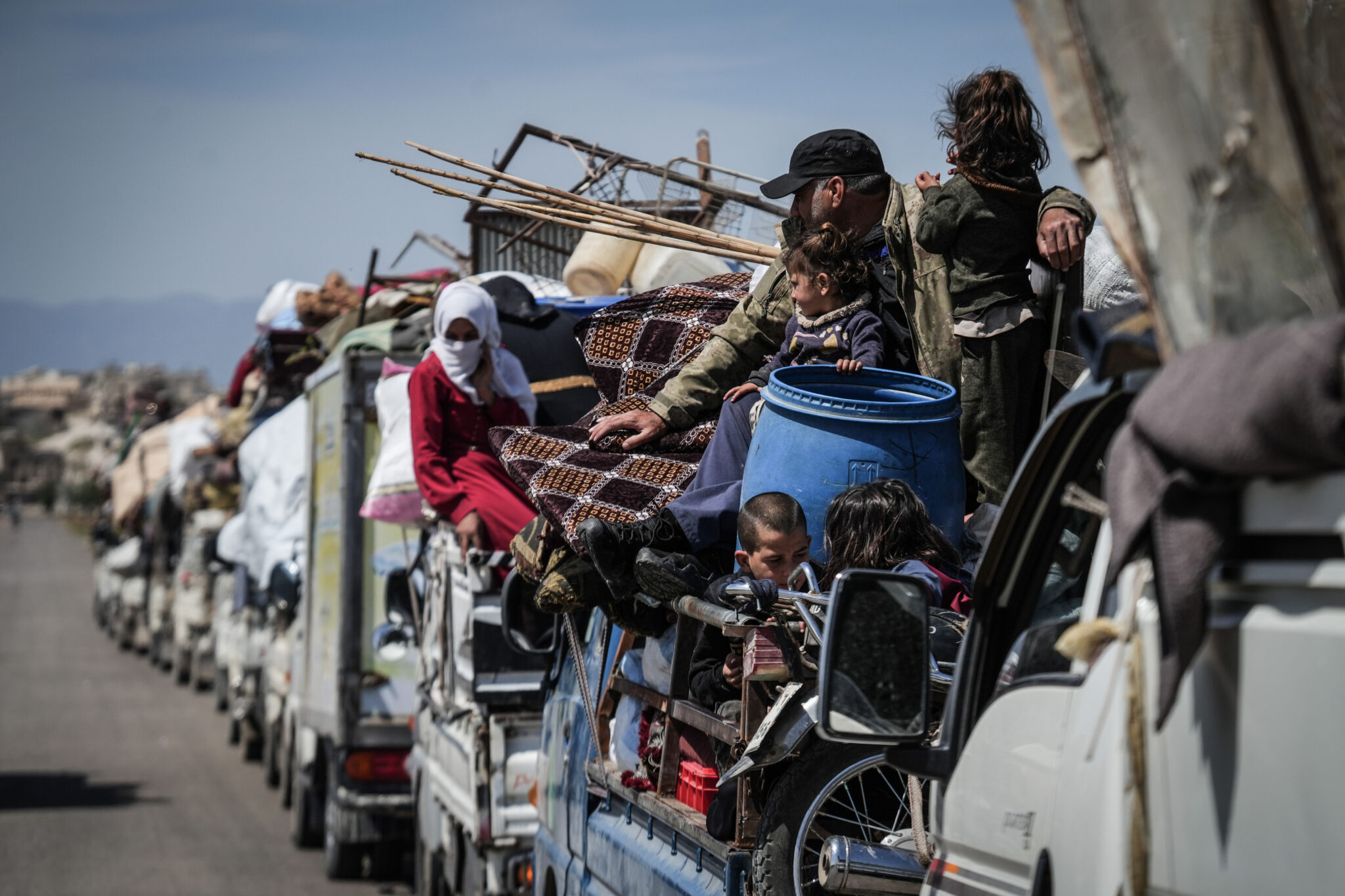
After Assad fled to Russia, Moscow opened the door for asylum and humanitarian protection to many Syrians, including former military members. Yet their journeys north are very different.
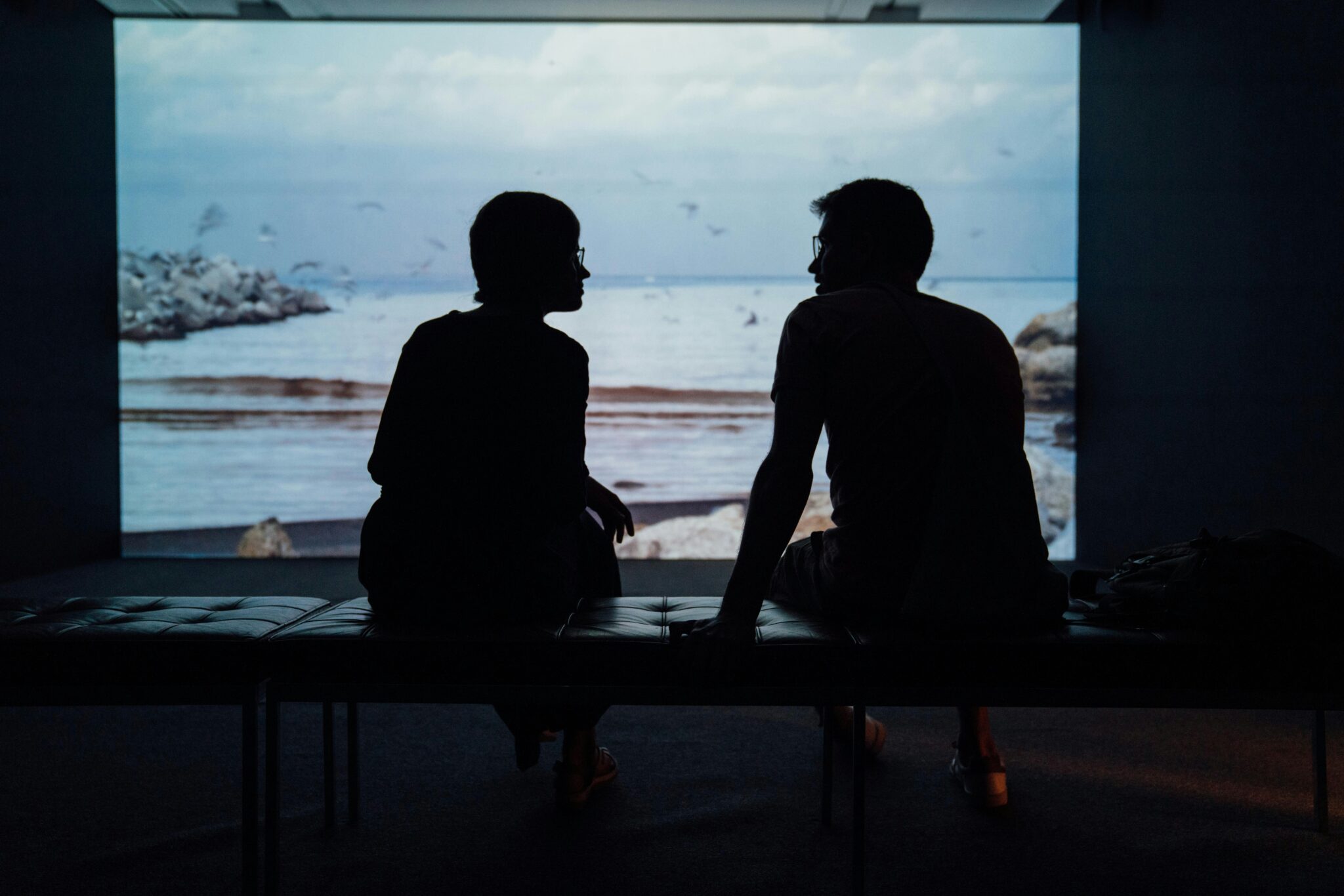
Their brains are wired differently, and those living with a “High Intellectual Potential” individual can be a daily challenge. Sometimes, intellectual intensity is accompanied by a destabilizing emotional hypersensitivity.
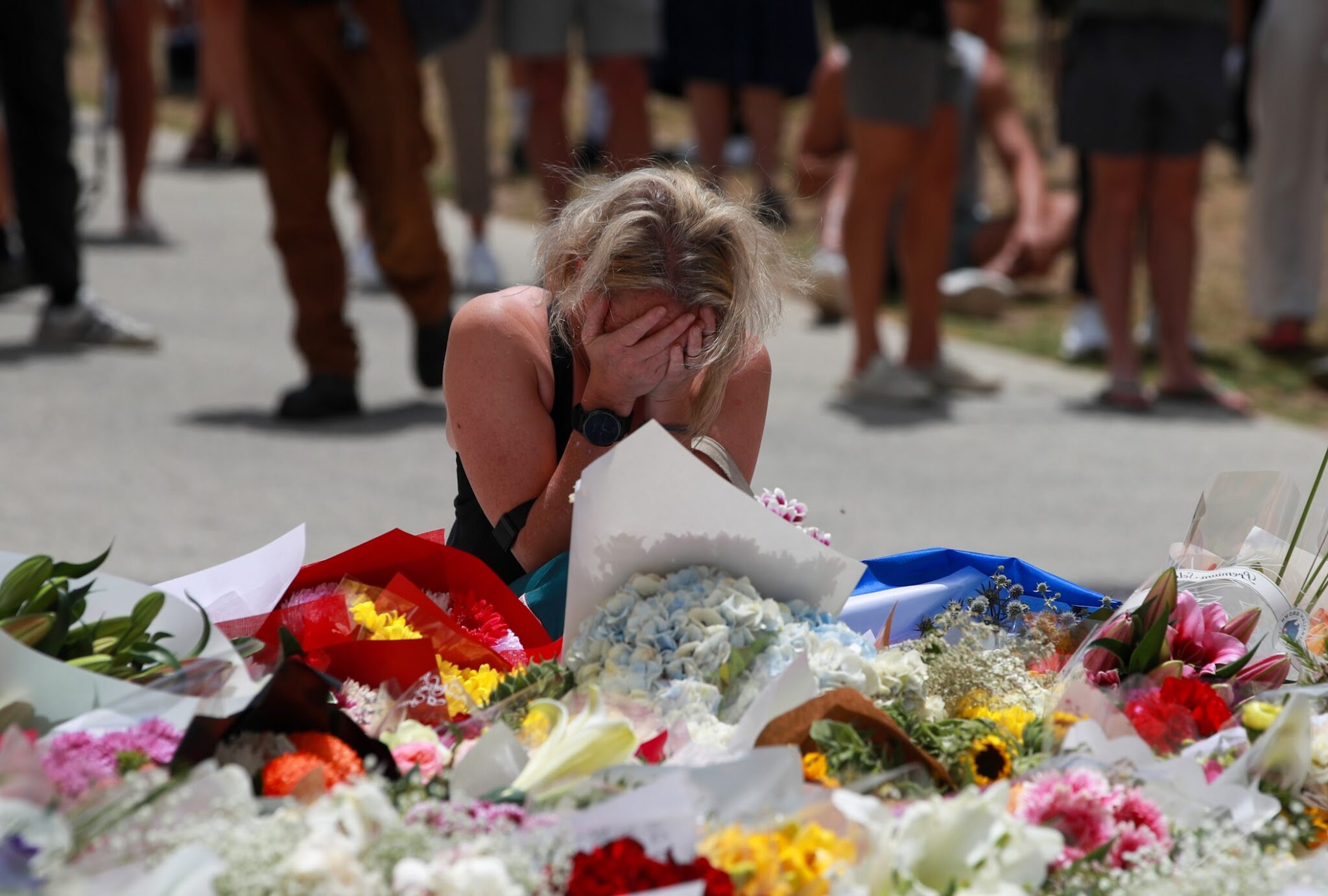
The anti-Semitic attack on Bondi Beach has given rise to unnecessary controversy at a time when we should be united against this scourge and showing compassion for the victims. The resurgence of anti-Semitism around the world is too serious to be used as a political ploy, especially by the Israeli prime minister
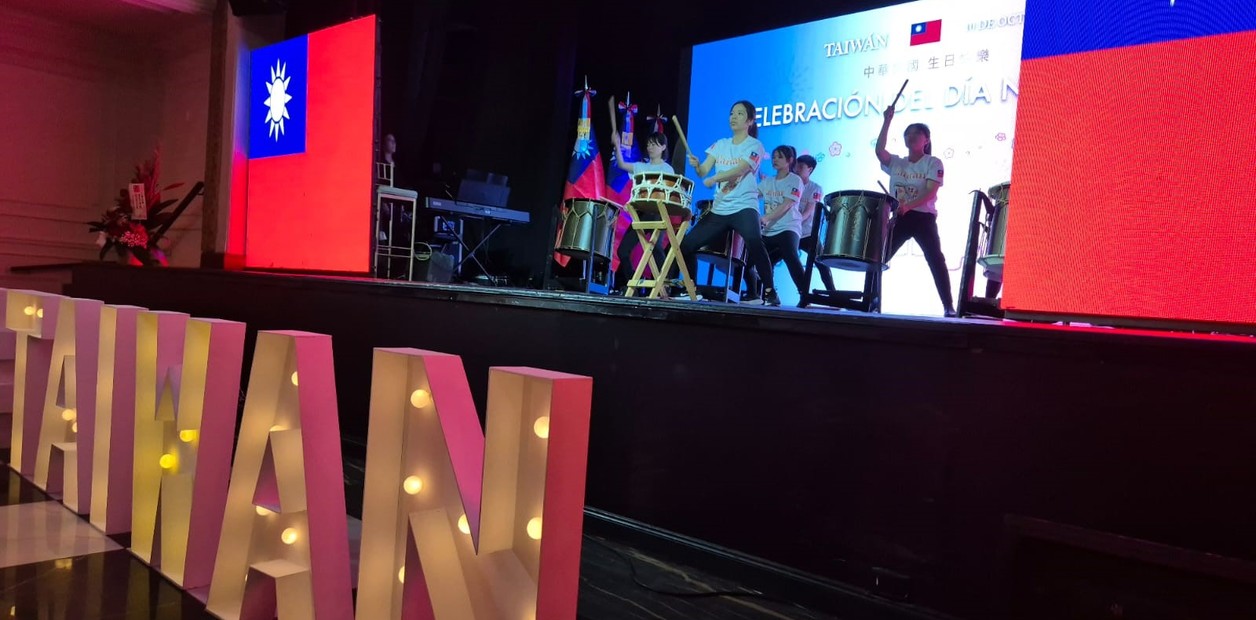
In several Latin American countries, there is renewed interest and advocacy to reactivate bilateral ties with Taiwan, after years of broken political promises and economic contracts.
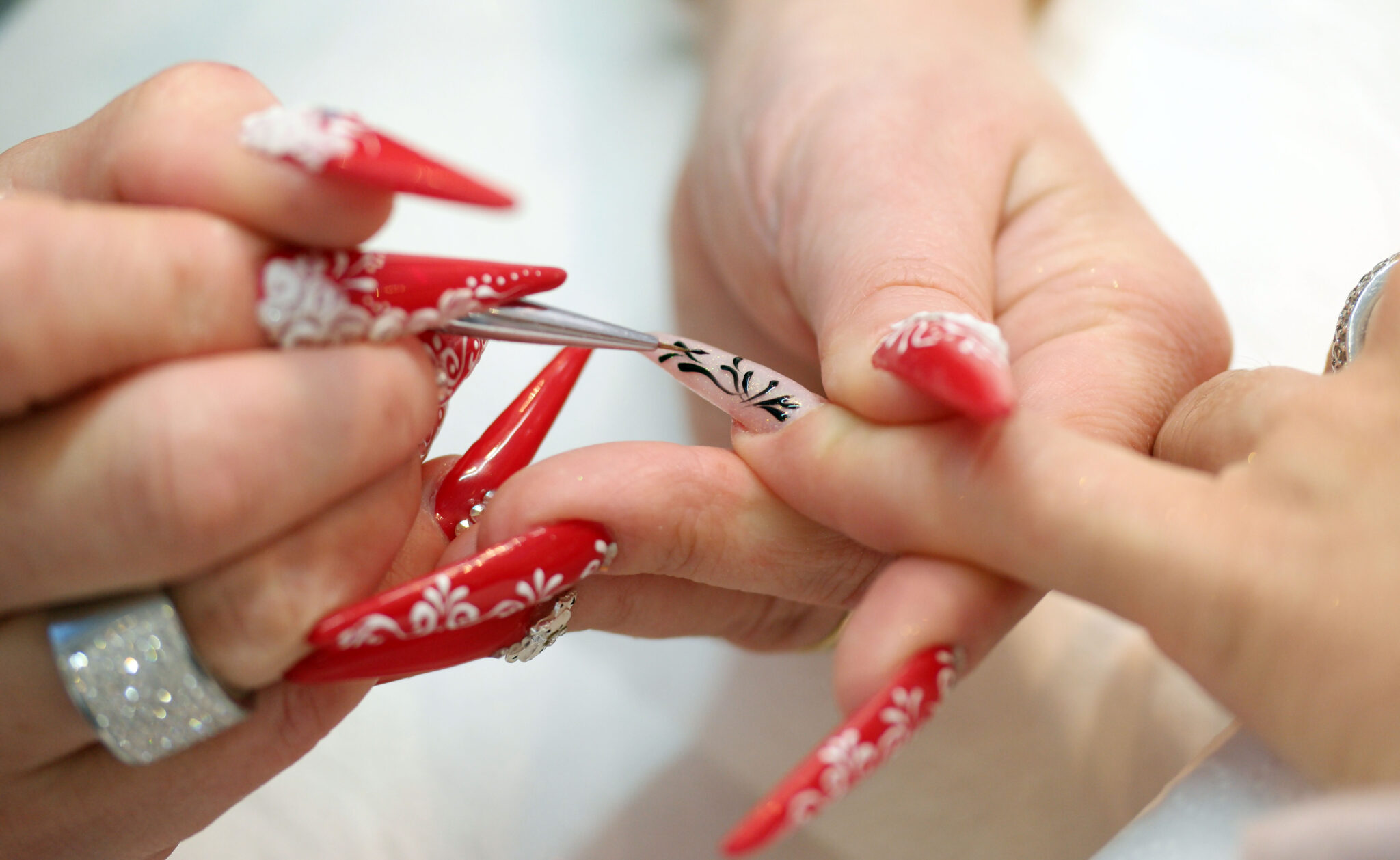
Investigators warn that low-cost manicures in Berlin and across German cities are often sustained by labor exploitation and human trafficking networks, particularly involving Vietnamese workers.

Nanjing-based Chinese novelist Lu Min walks us through her journey before and after becoming a writer — and how her work explores one of the most transformative eras of social change in China.
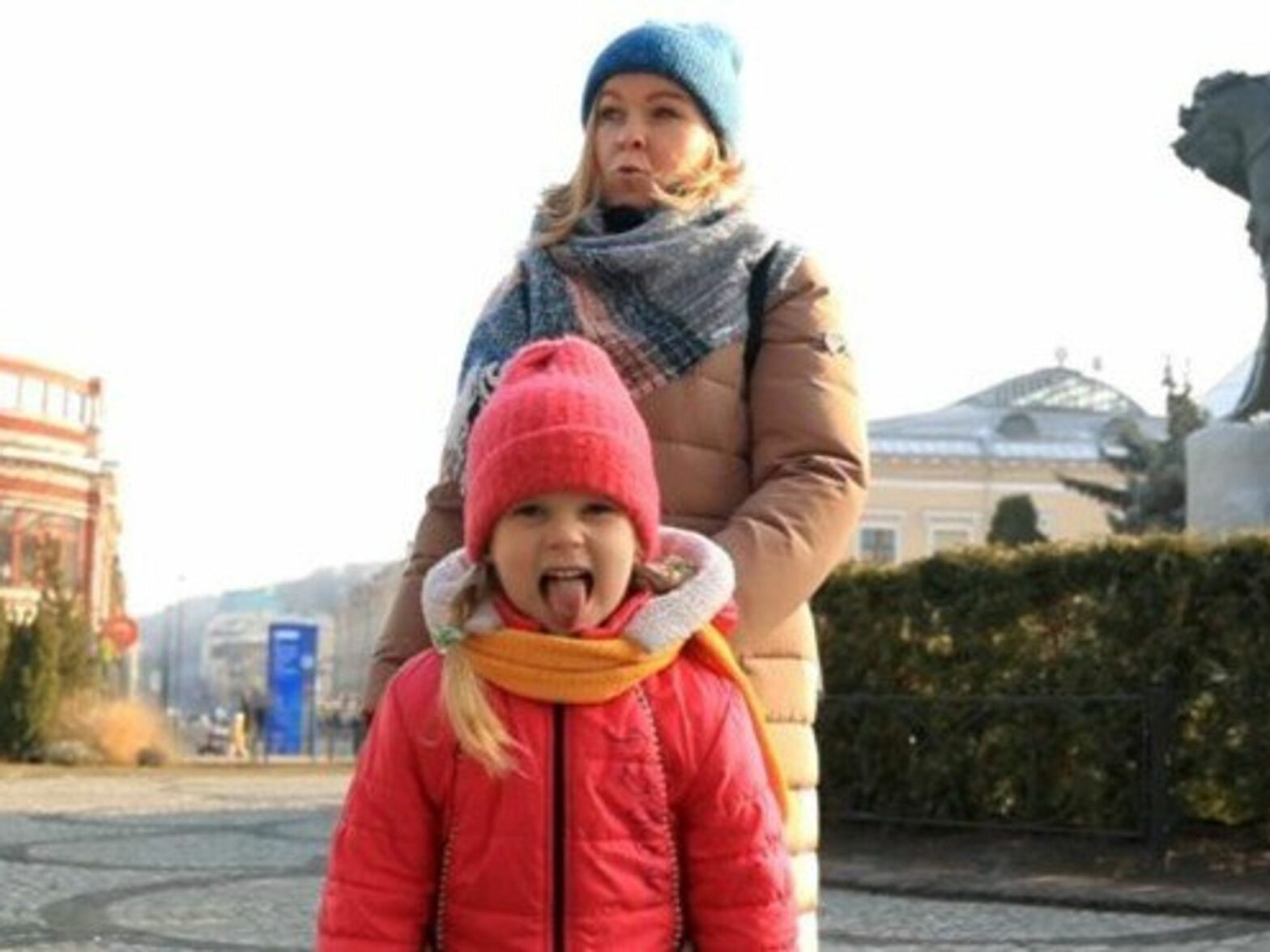
Russia’s invasion pushed some 8 million Ukrainians to leave the country. While some are starting to return — for their families, education or other reasons — the total number of Ukrainians who return home depends on the duration of the war. And some demographers warn that only one-third or one half of emigrants may come back.
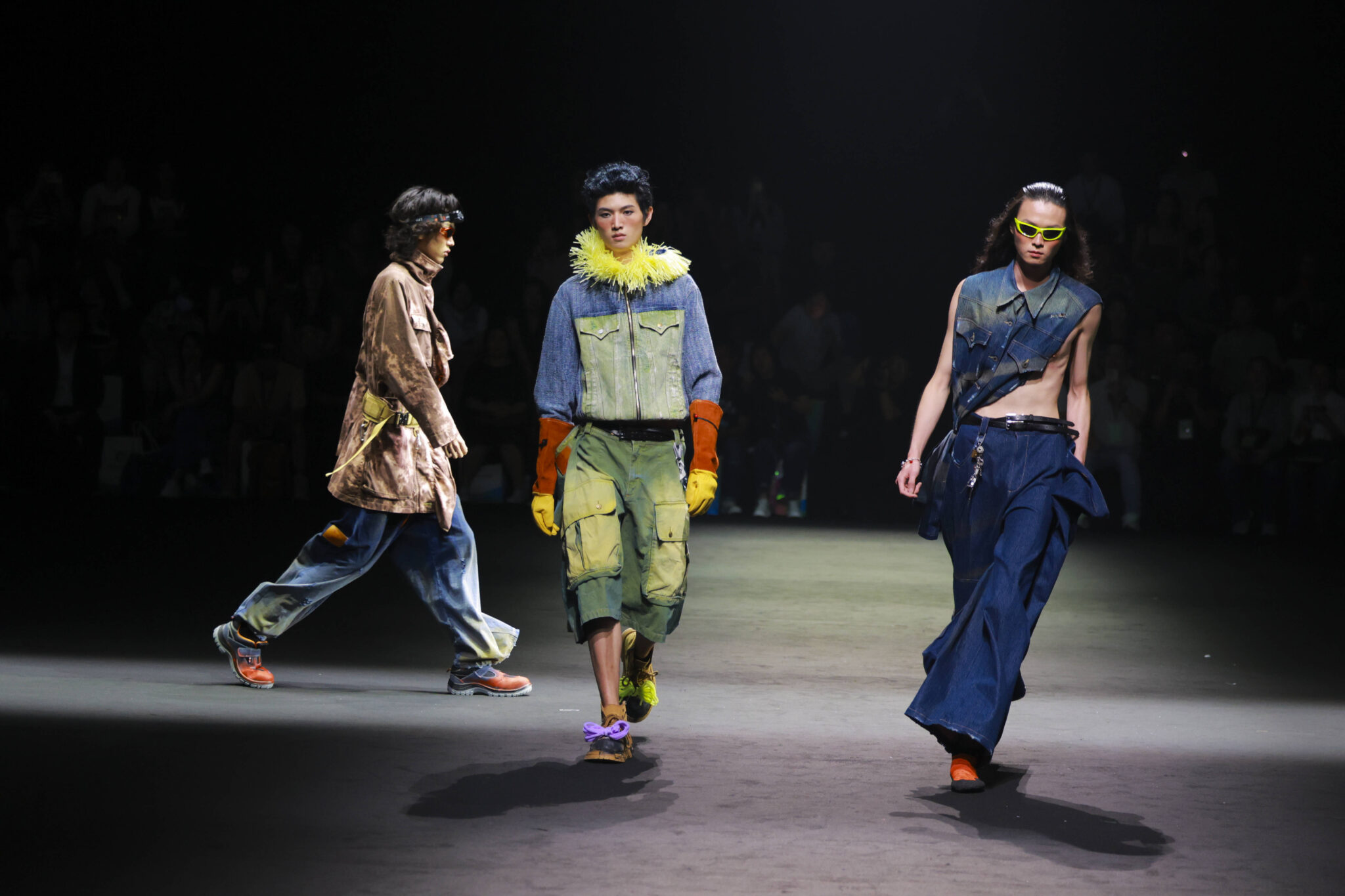
Fashion is a phenomenon that reaches far beyond clothes, influencing social and cultural behaviors. Is there a way to not be a slave to them?
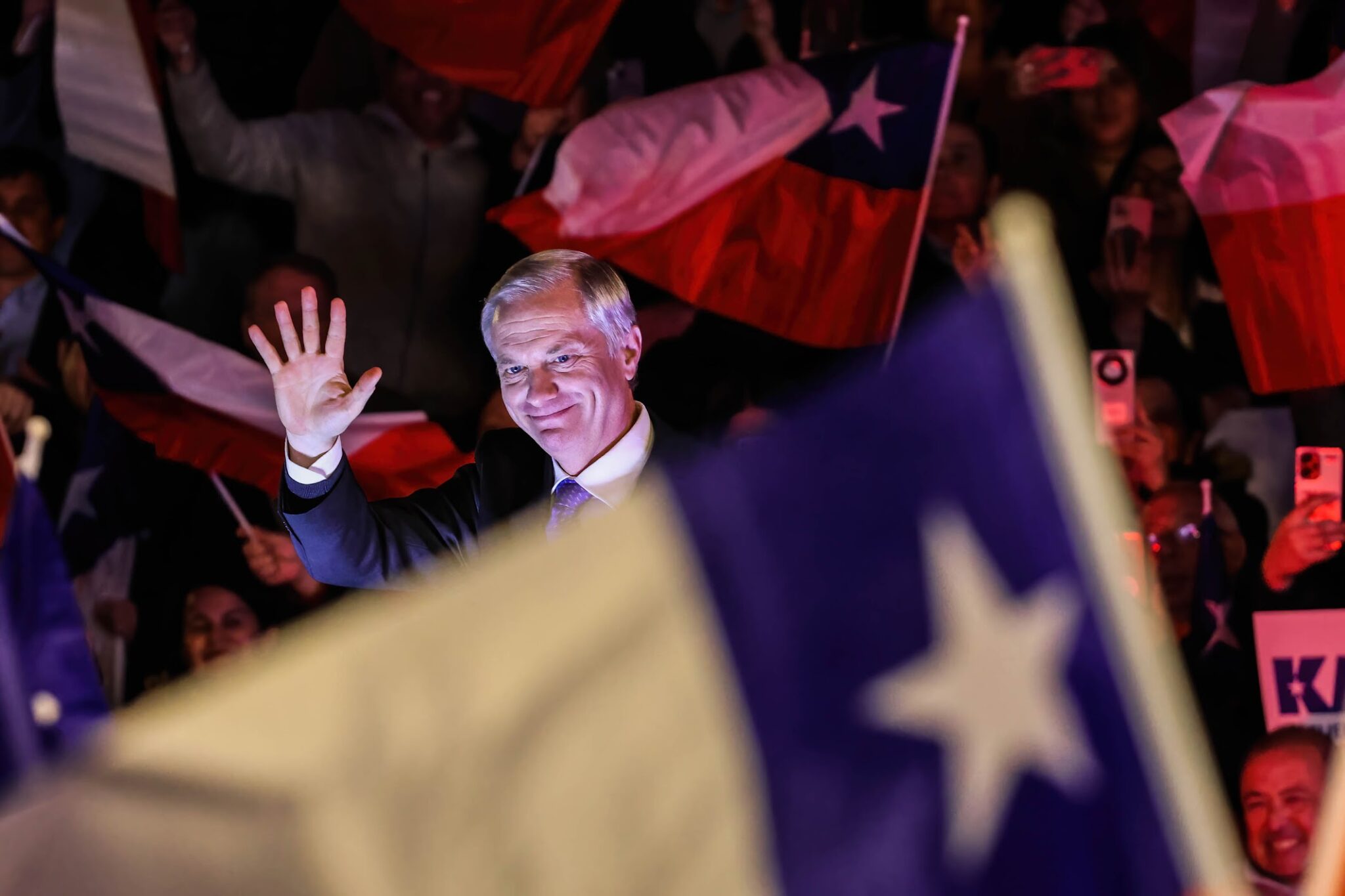
What explains why 51 years after Pinochet’s coup, Chile has elected someone who is nostalgically fond of dictatorship? The far-right candidate focused on immigration and insecurity, with rhetoric inspired by Trump and Milei.
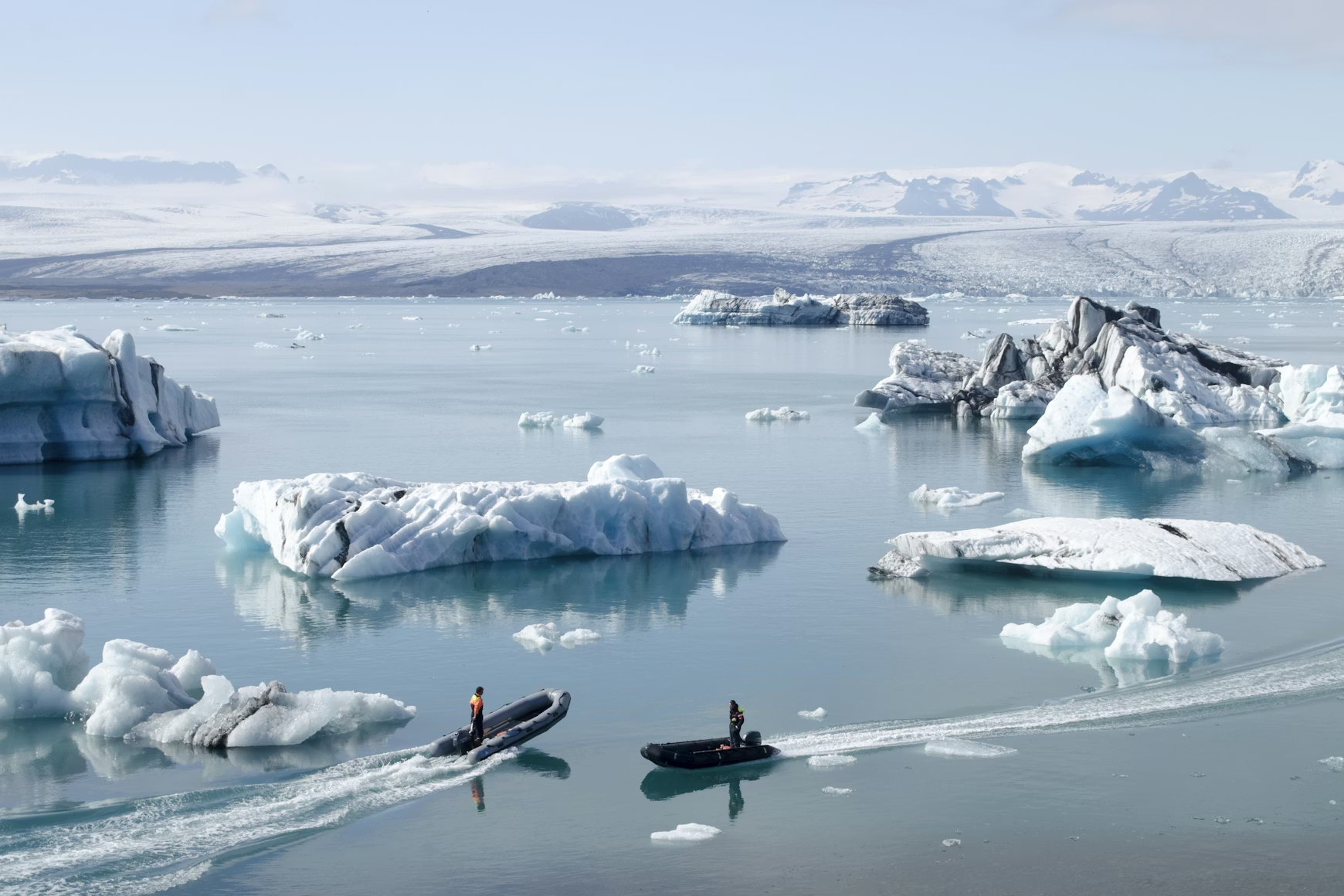
From volatile volcanoes to fragile winter landscapes, Icelanders live between wonder and risk as scientists race to understand a land that both sustains and endangers them.

Europe sends part of its textile surplus to unregulated hubs, sometimes returning it to the same country of origin, tripling emissions in the process.

Women are urged to work more and aim higher, yet the share of female managers in Germany has barely moved in a decade. Structural barriers, family pressures, and workplace networks continue to hold them back.
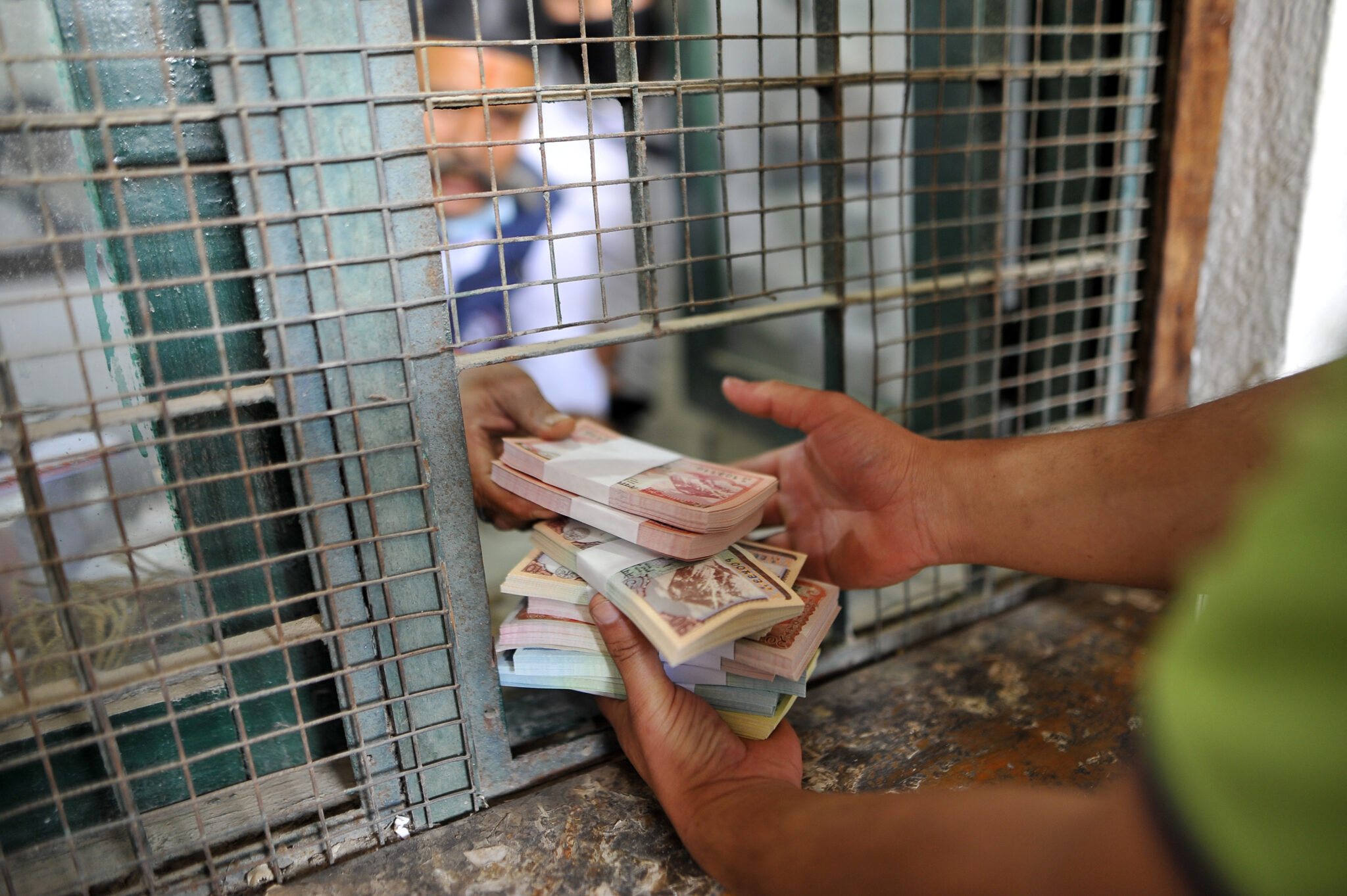
Centuries-old network faces government heat as authorities link it to cryptocurrency, gold smuggling and tax evasion.
It has long been the case that access to certain technologies has been restricted to a limited group of users, usually for work reasons. This also happened with satellites, which were first restricted to military use and later to certain groups, such as scientists, government agencies, and large companies able to afford the high initial […]
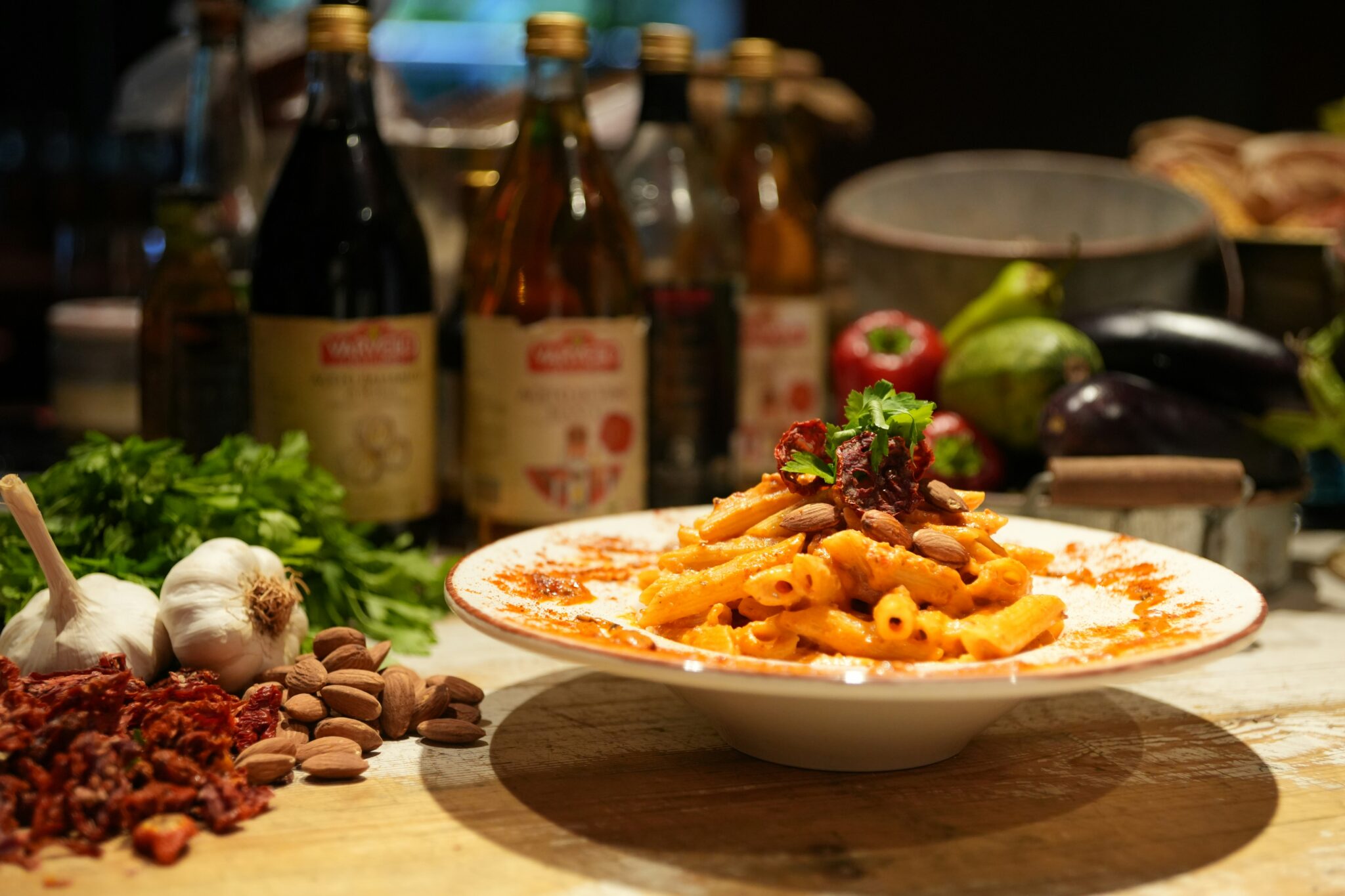
UNESCO’s recognition highlights how migration, exchange, and diversity shaped Italian food, and why that legacy still matters today.
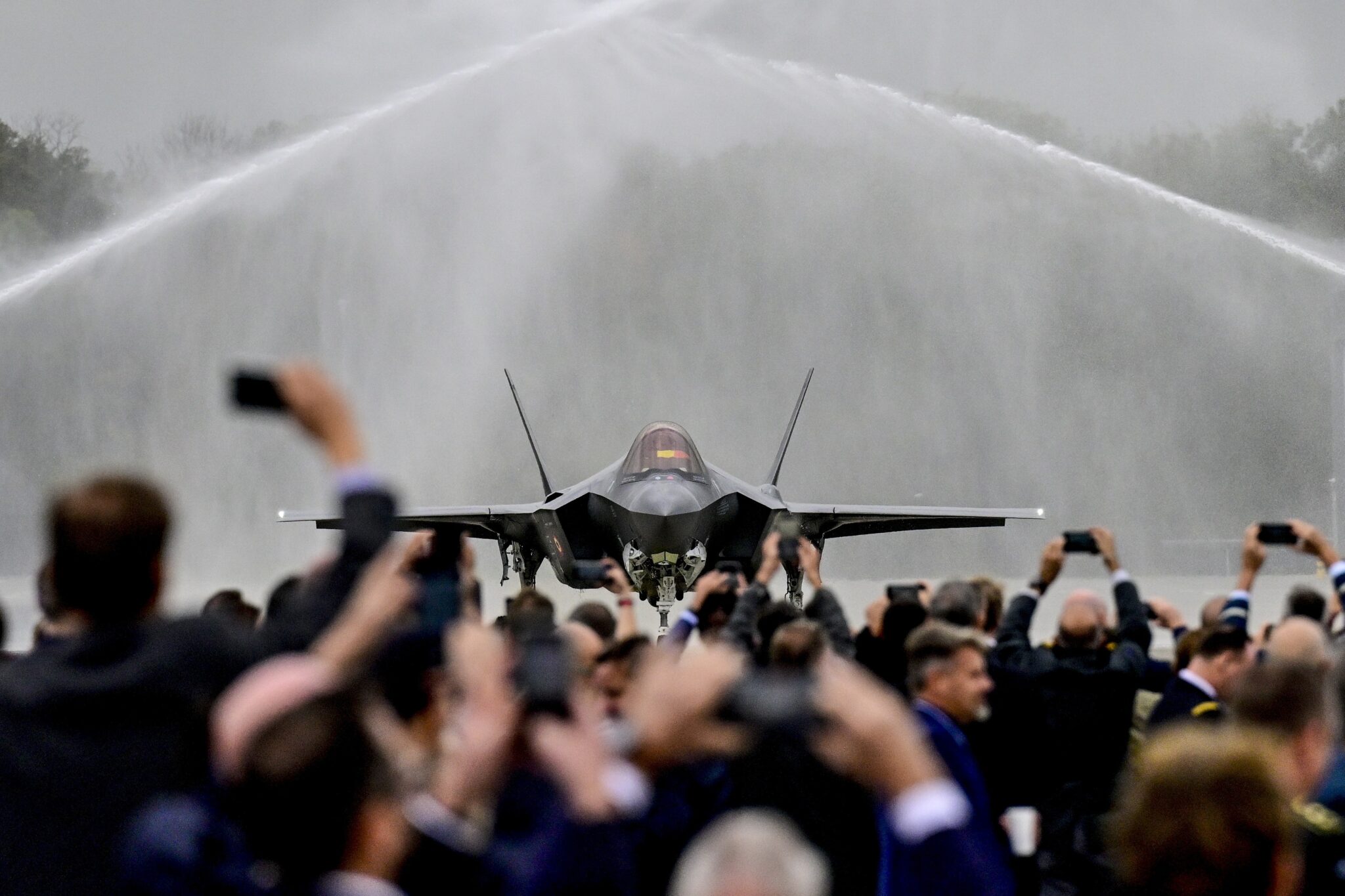
Germany and France once saw FCAS as the future of European defense, but political rifts and industrial rivalry now threaten the project itself.

Why do the autocrats of this first quarter of the 21st century from Donald Trump to Jair Bolsonaro hate women so much? It may have something to do with the role of female activism in strengthening and expanding democracy.
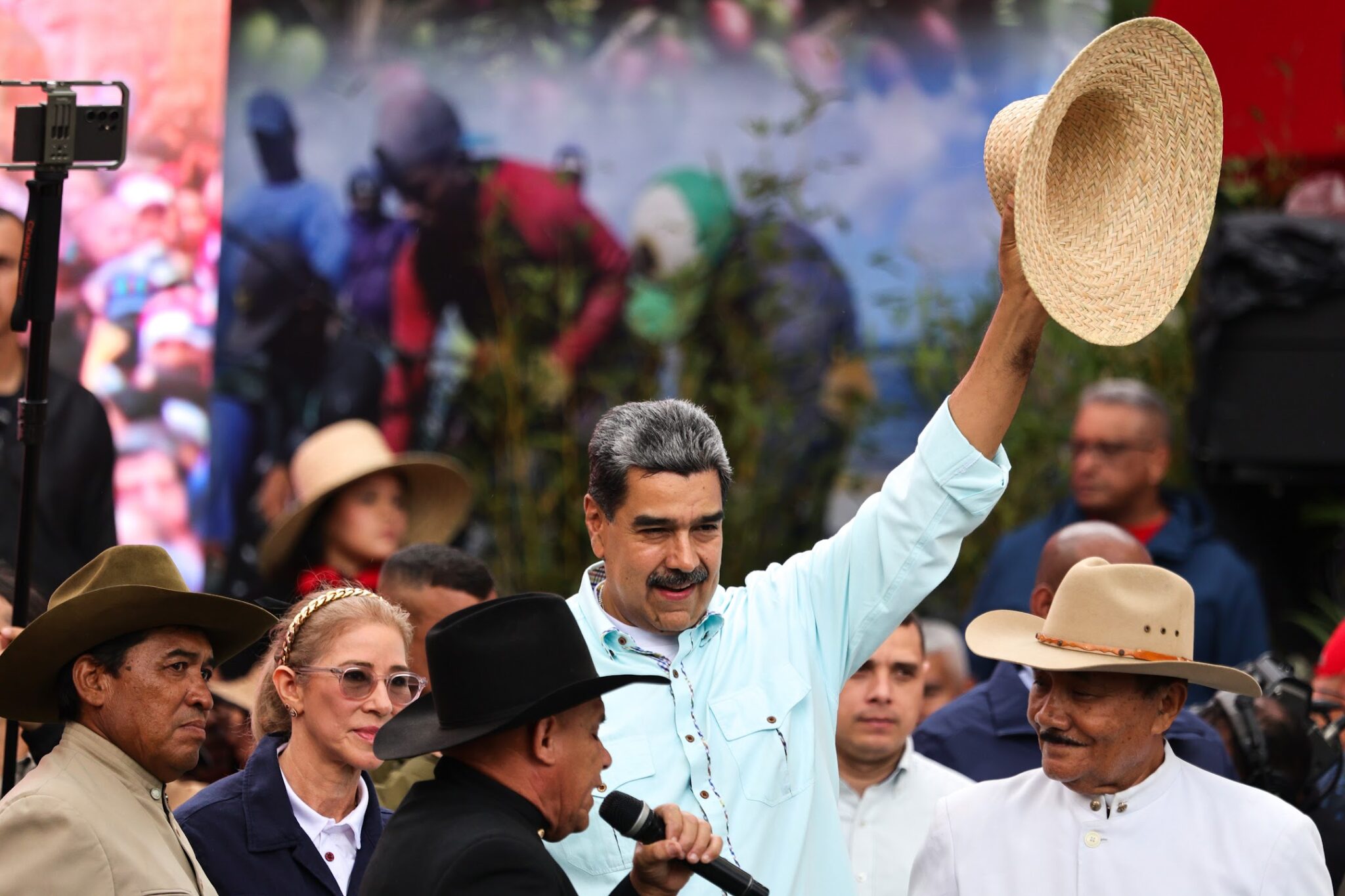
The United States has seized a Venezuelan oil tanker, attacking the country’s main source of income in an escalation of pressure aimed at bringing down the Maduro regime. Opposition leader Maria Corina Machado, who is in Oslo to receive the Nobel Peace Prize, supports the U.S.’s pressure tactics. But our Americans ready to revive imperialism?
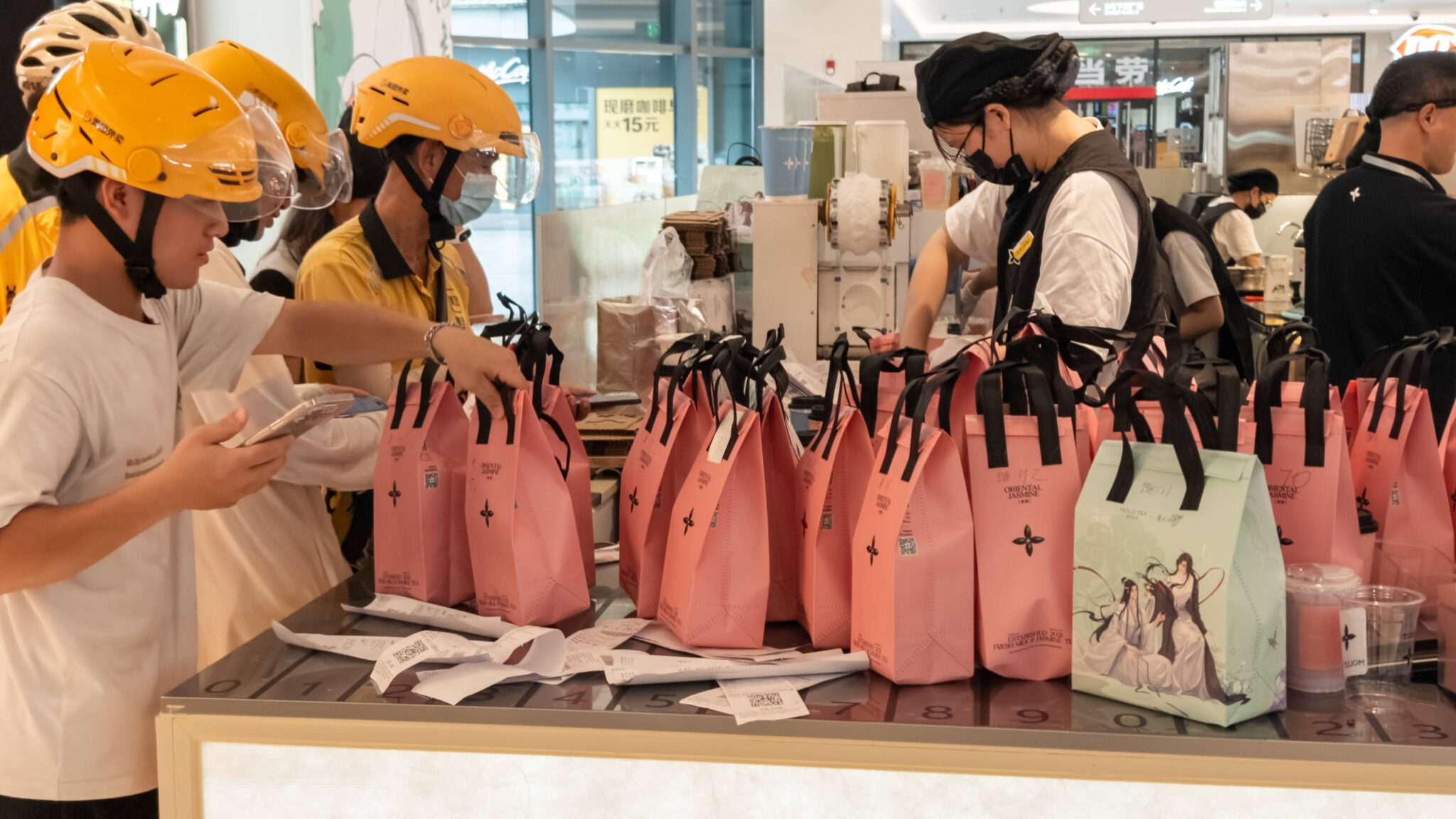
It’s not that food delivery has changed our lives, but rather that everything in our lives has been validated by food delivery.
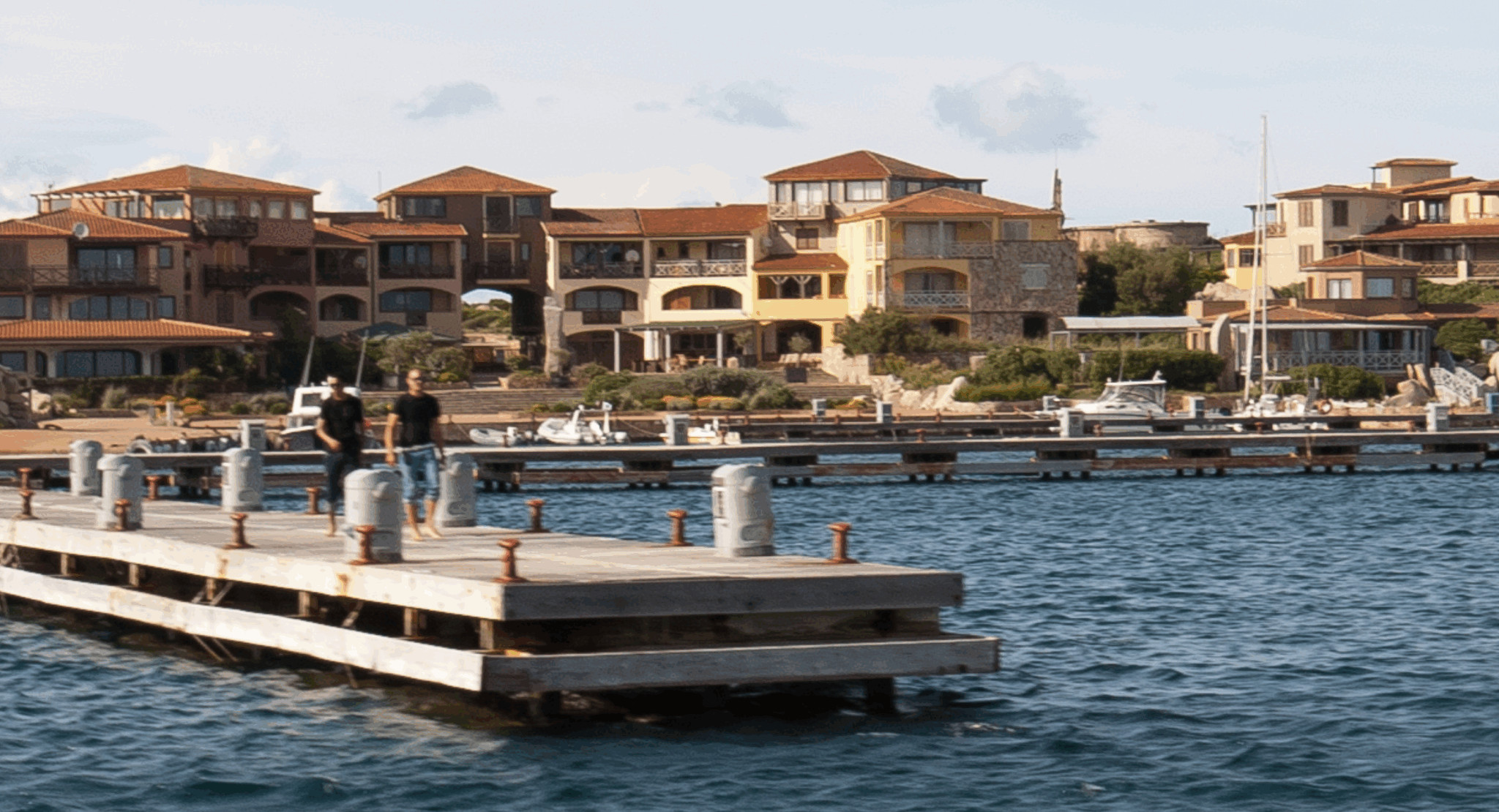
This 120-hectare islet with a notorious reputation, located between Bonifacio and Sardinia, is virtually off-limits to visitors by order of its private owners. While public authorities are seeking to regain control, the courts are now moving to put an end to the situation.
For several years now, experts from various fields of medicine and psychology have expressed concern about the possibility that children are starting puberty at an earlier age than previous generations. What evidence supports this claim and what are the consequences?
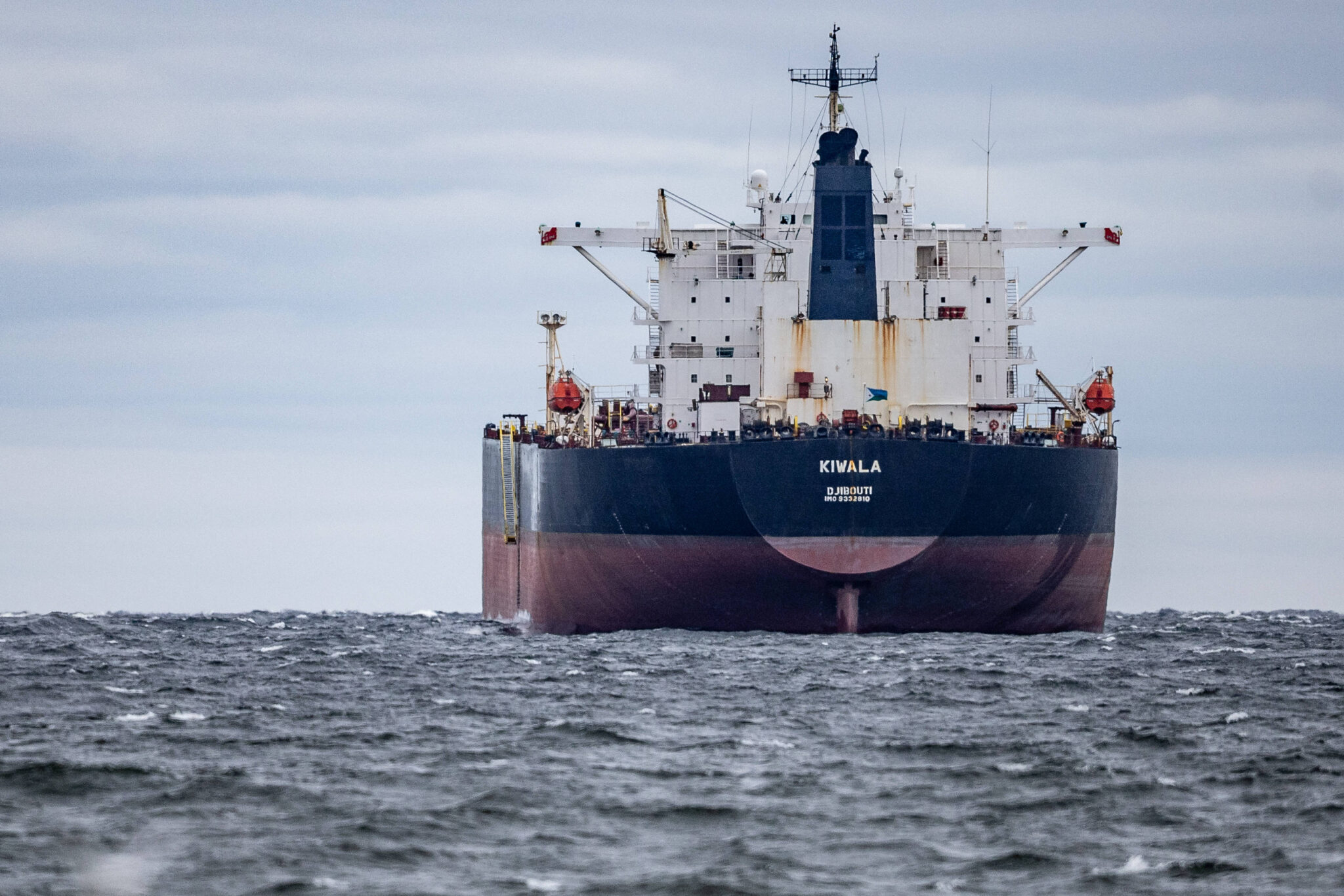
Ukrainian sea drones have been attacking Russian tankers in the open sea for the first time in recent weeks. The risky tactic is proving effective and has angered Putin. But even allies are issuing warnings.
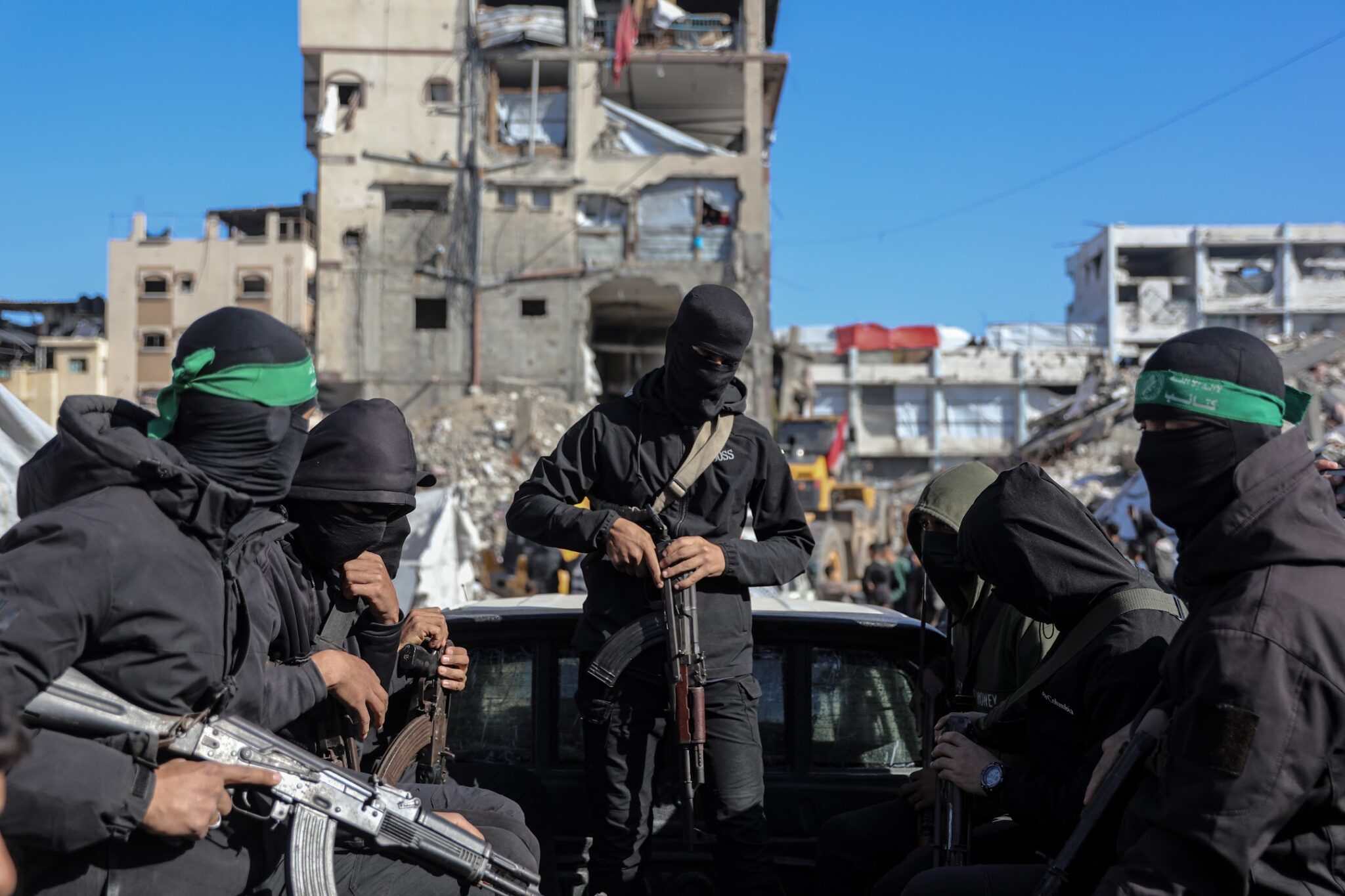
Amnesty International has published a report accusing Hamas of war crimes and crimes against humanity. The report is particularly significant given that the human rights organization had previously accused Israel of committing genocide in Gaza. It’s a timely reminder that the law applies to everyone.
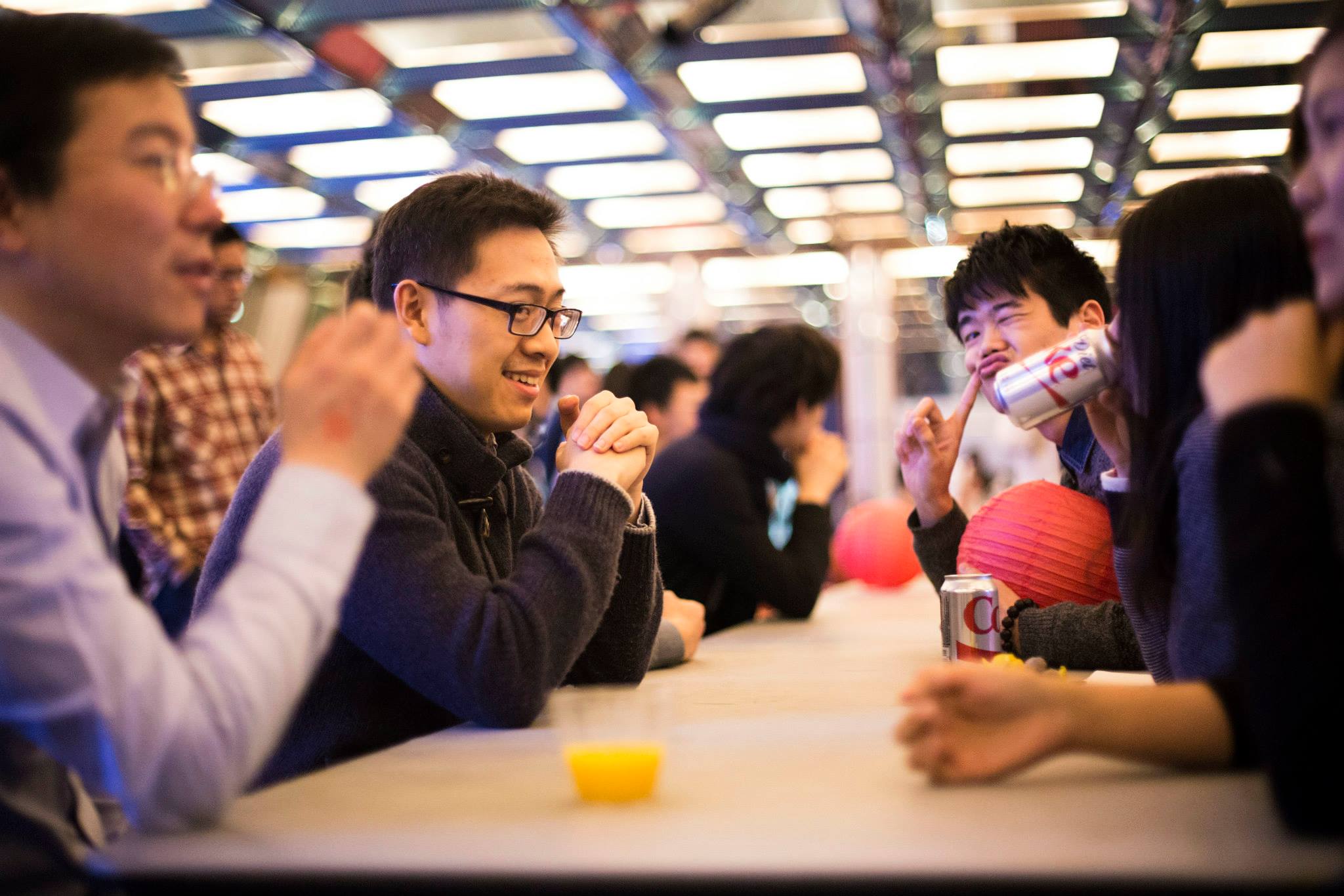
As the U.S.-China standoff sways, President Donald Trump’s administrative stance toward Chinese students has wavered. In the U.S., they’re at times branded as potential spies; in China, coming home can carry the stigma of disloyalty. Caught in the middle, many are weighing life-changing decisions with no safe choice.

OpenAI, Nvidia, Microsoft… all caught inside the same investment circle. Here’s why the AI bubble is poised to pop.
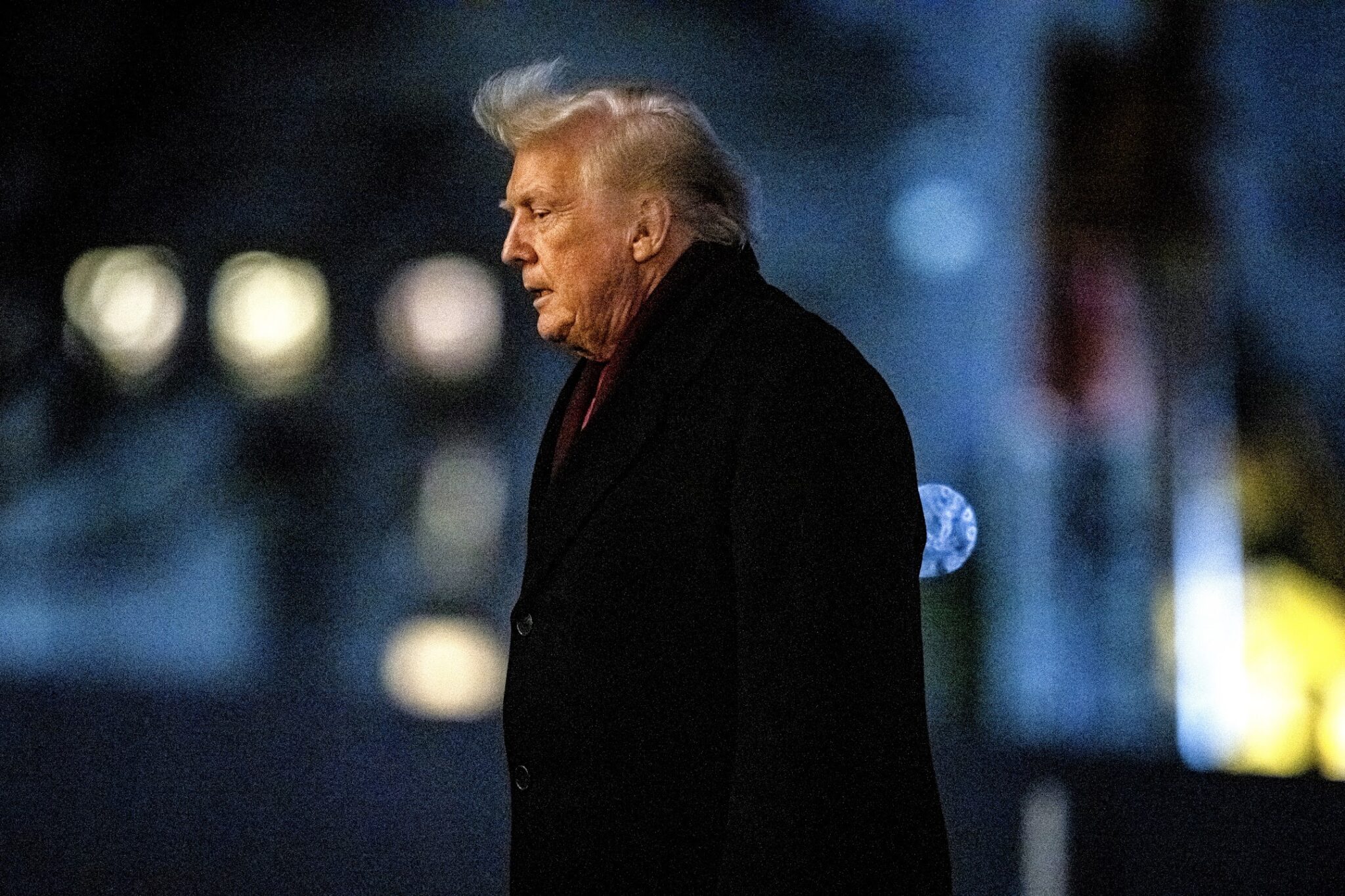
Donald Trump has doubled down on his criticism of Europe, calling it “weak” and “ decaying,” and of Ukraine, which he said has no chance because Russia is “bigger.” Why so much hatred?
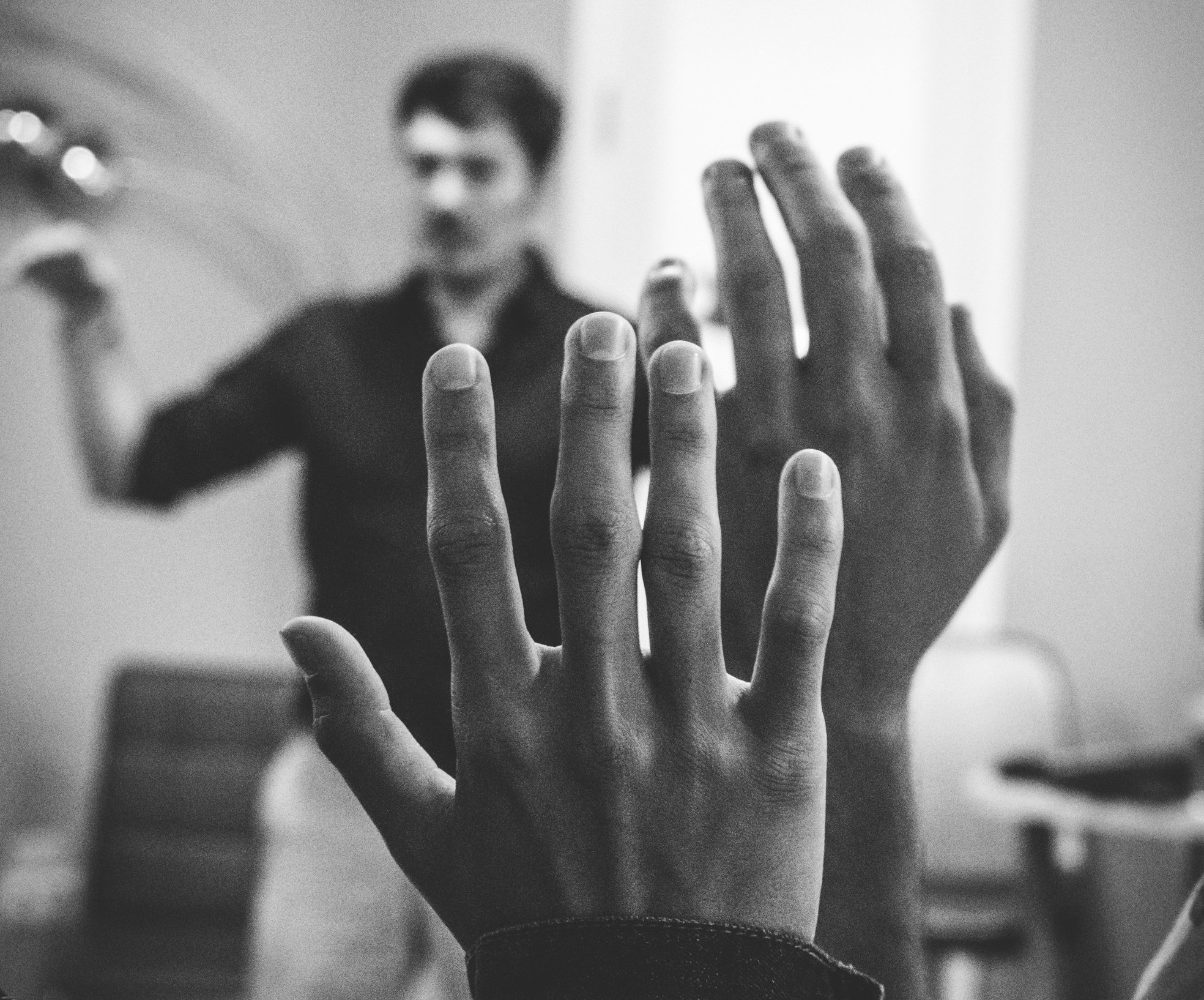
Knowledge is acquired when students grasp the essential characteristics of the subject being studied and are able to transfer them.
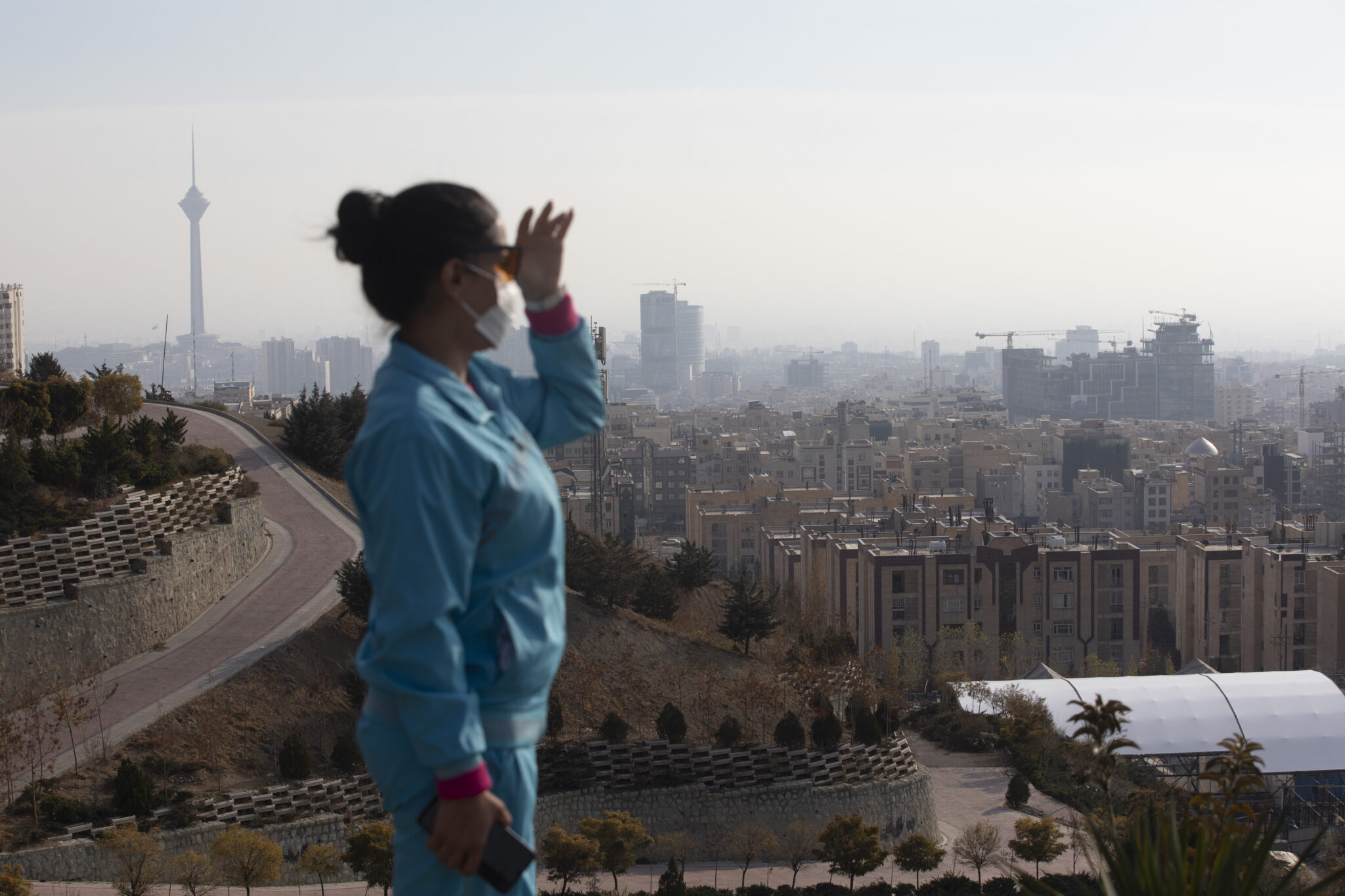
As Iran faces one of its worst droughts in decades, President Masoud Pezeshkian has revived a long-debated plan to move the capital city Tehran. But the country needs to address first the root causes of its water bankruptcy.
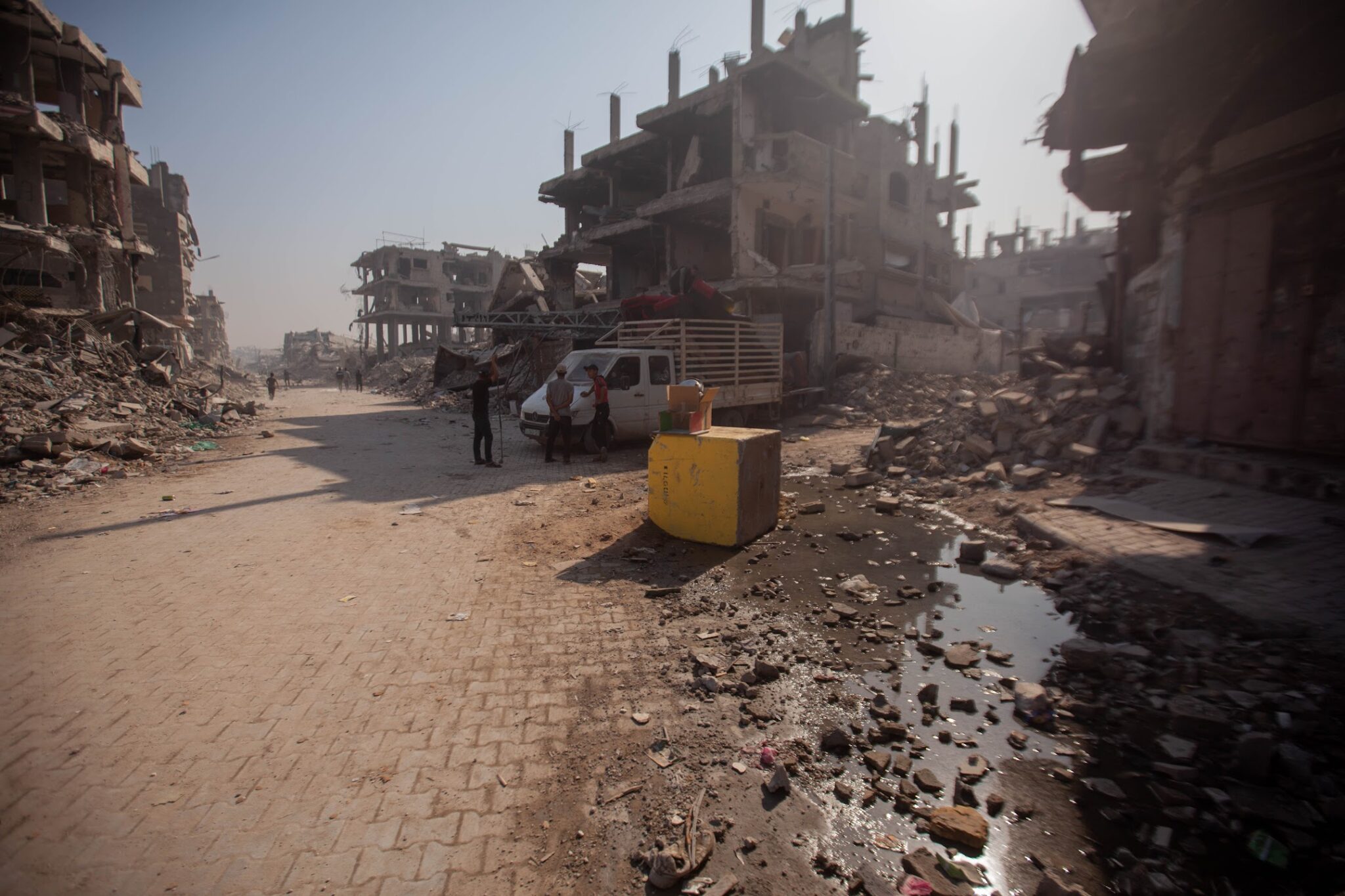
The Israeli army chief of staff has described the separation between the two areas of Gaza as a “new border,” raising fears that the situation will become permanent when it was only supposed to be temporary pending the second phase of the “Trump plan.” But that plan may be destined to go nowhere.
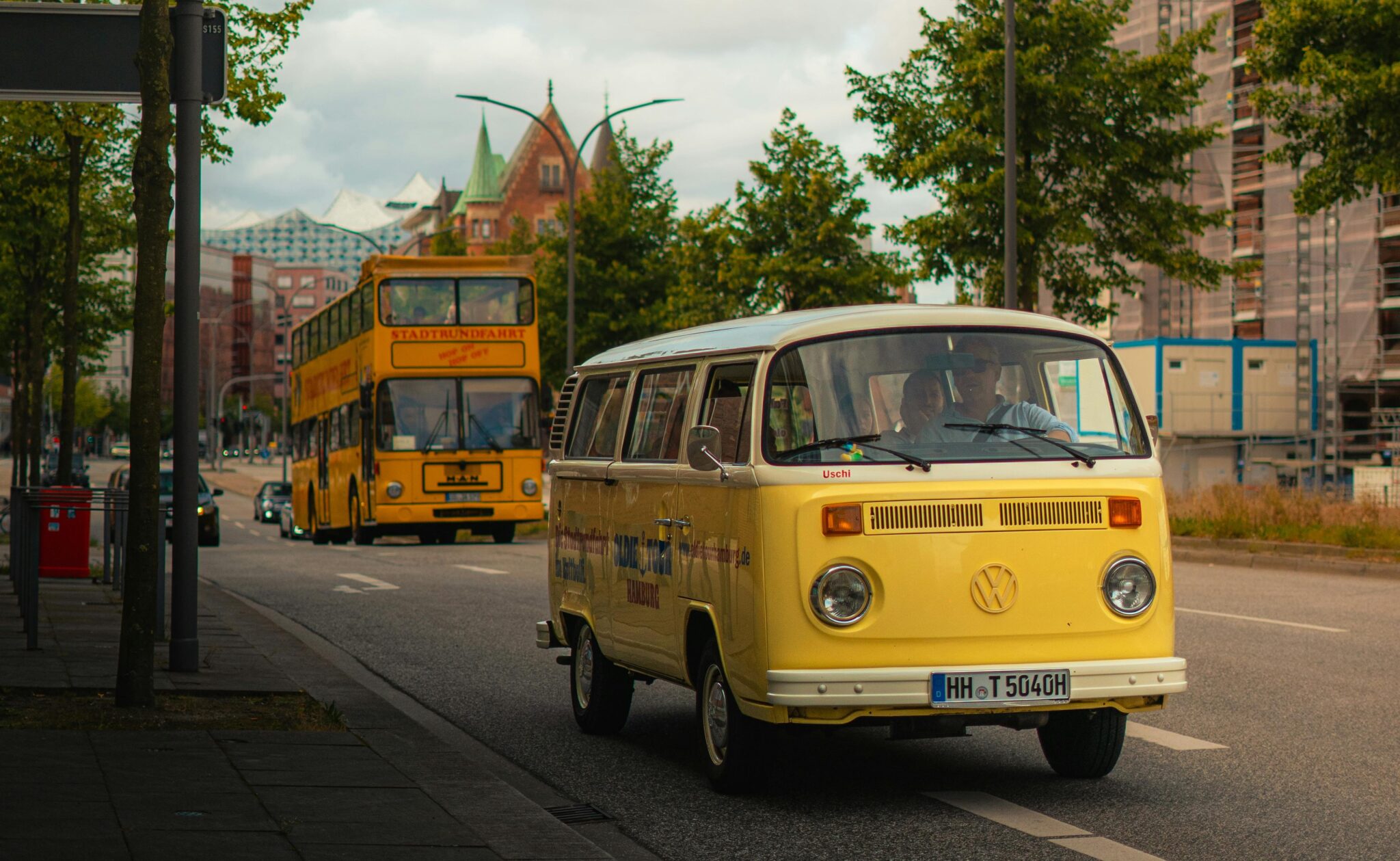
Residents in Hamburg report a wave of tire slashings targeting campervans, exposing growing tensions over parking, public space and the city’s lack of solutions.
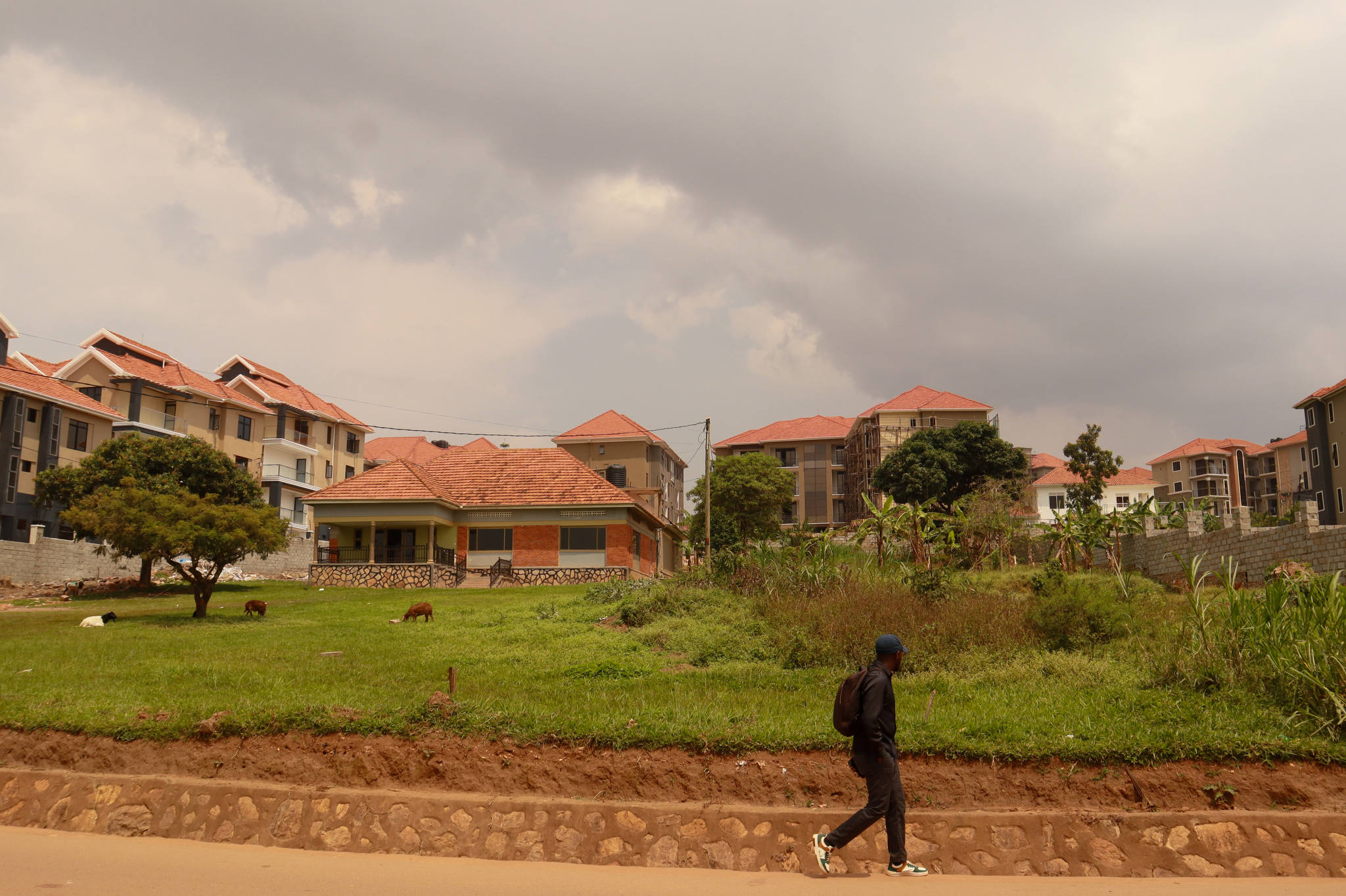
As well-to-do refugees settle in Kampala’s suburbs, Ugandans say they’re being priced out.
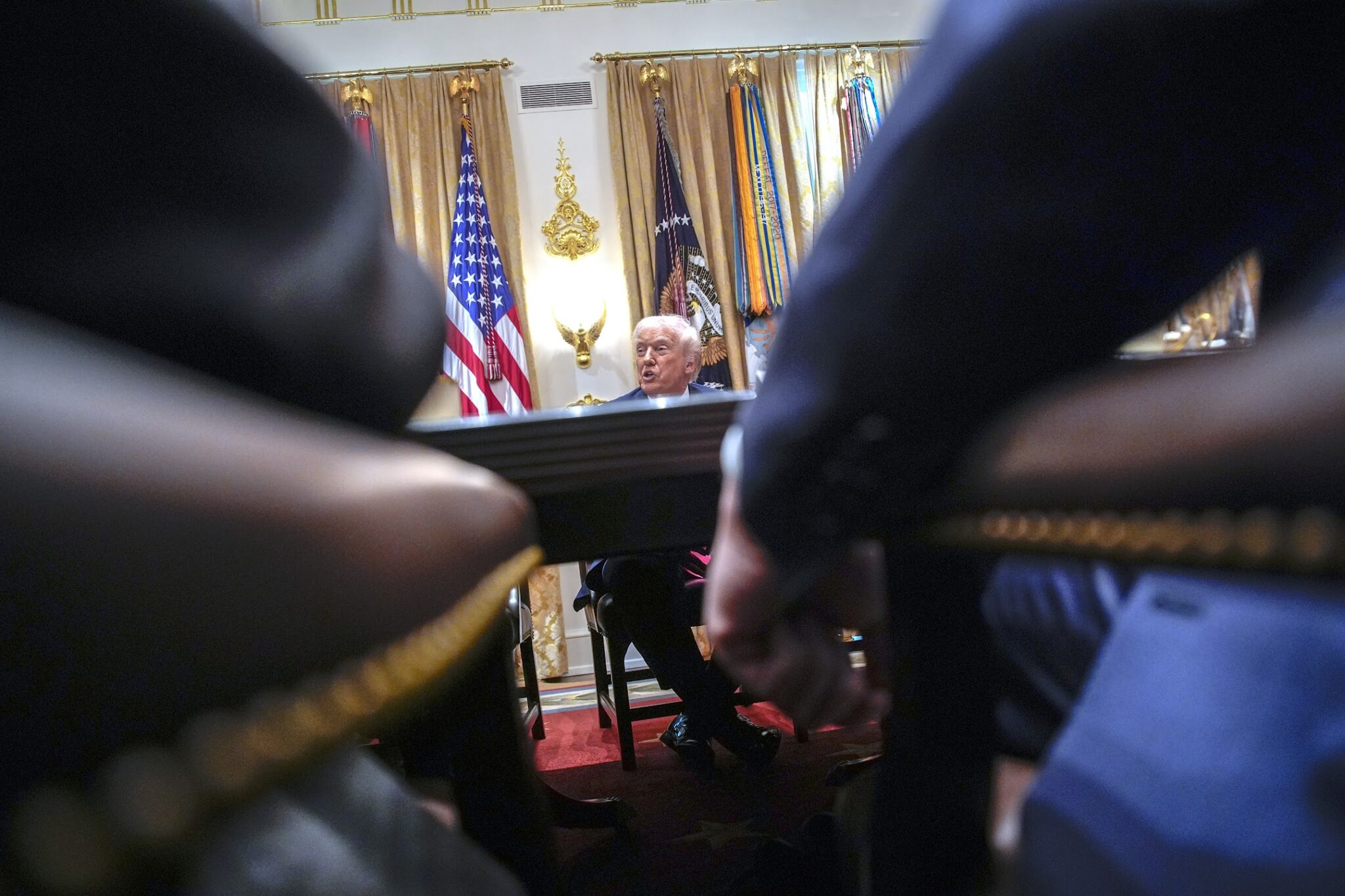
The National Security Strategy, an official document released Friday in Washington, delivers a sharp attack on Europe while echoing far-right themes. It signals a break with the Europe we know, one that threatens support for Ukraine and the continent’s security.
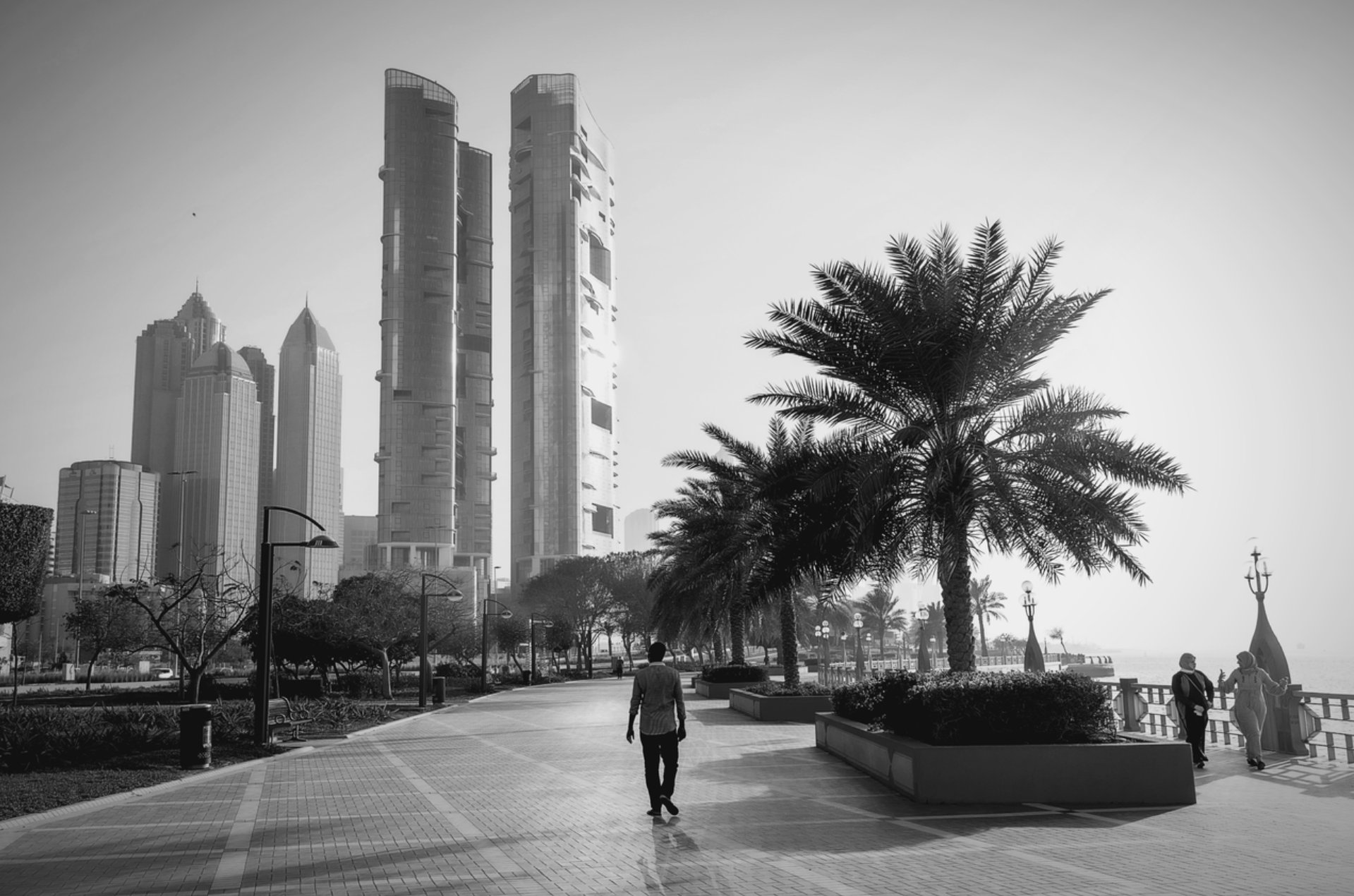
Former German government ministers and lobbyists have been meeting Putin associates in the Gulf, preparing reciprocal visits that could undermine Berlin’s official Russia policy.
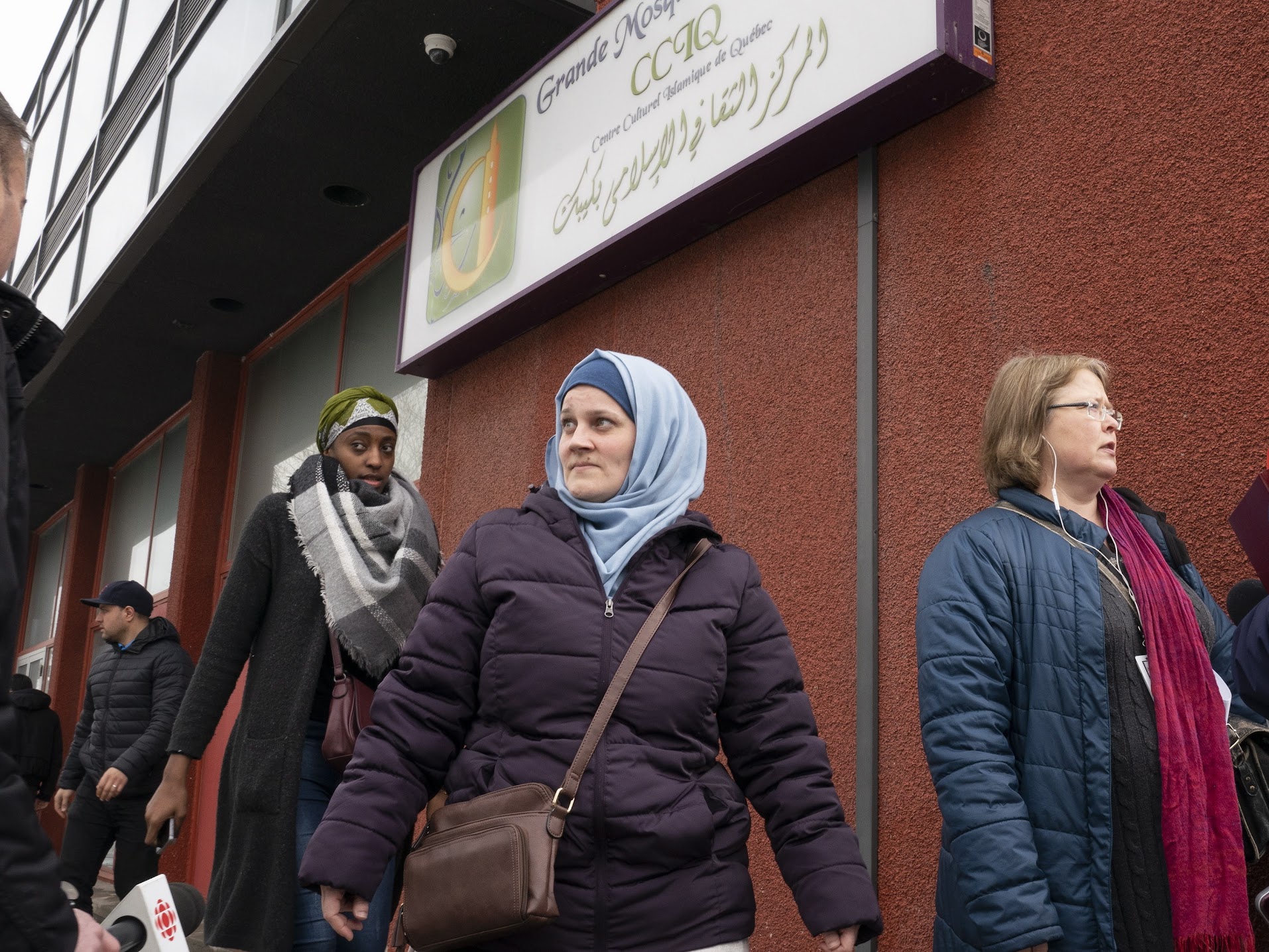
A new proposal in Quebec reignites the battle over where secularism ends and religious freedom begins.
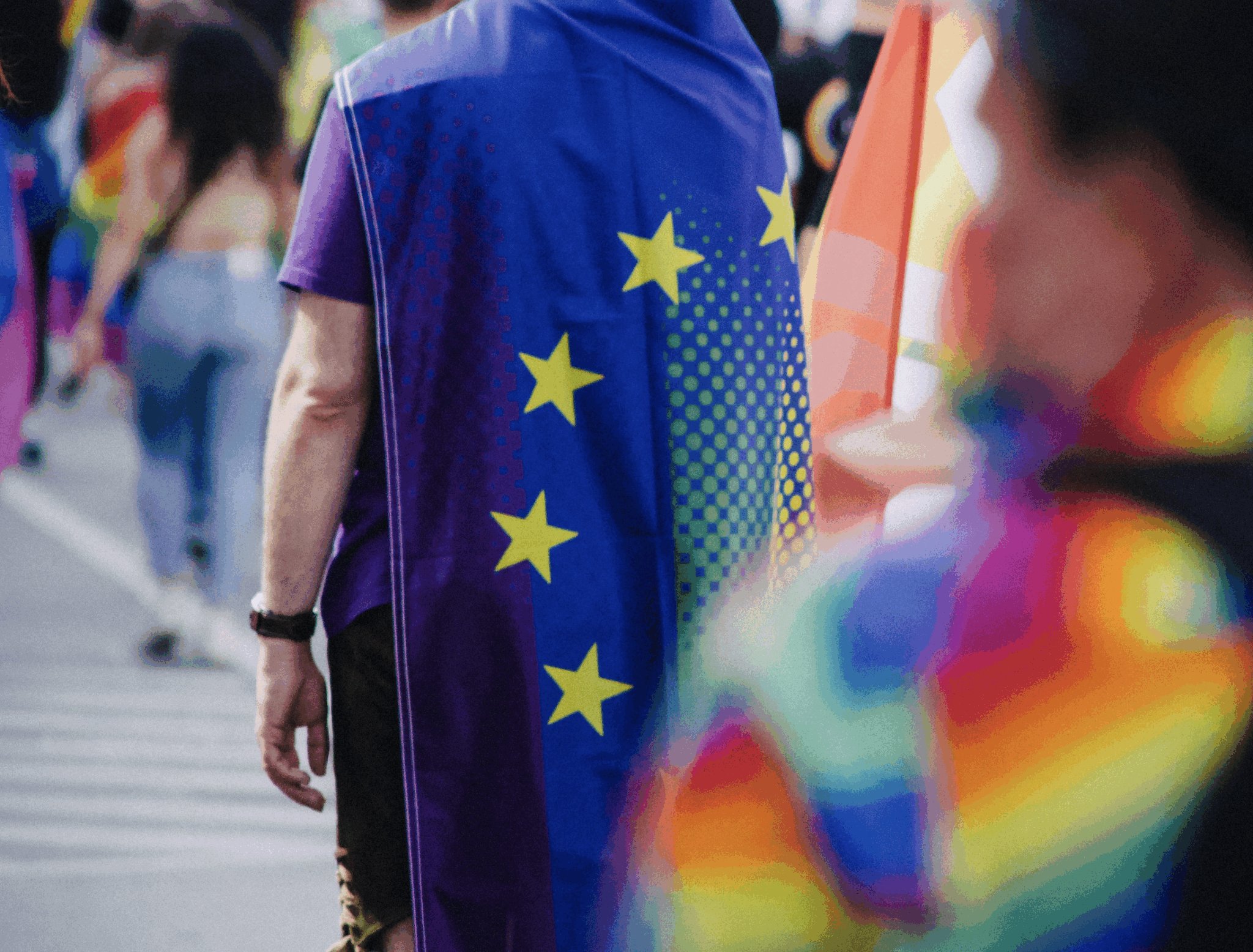
From Ukraine to global power shifts, the certainties that once shaped our world have collapsed, forcing Europe to rethink what is still achievable in a rapidly changing reality.
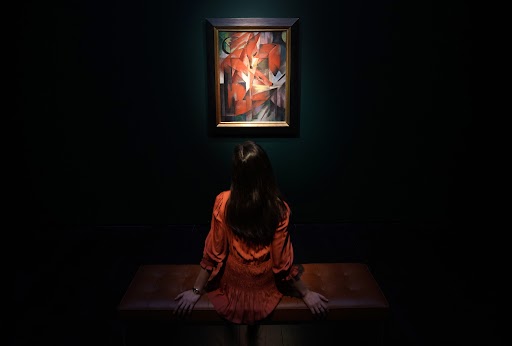
Who owns a work of art that was looted or sold under duress during the Nazi era? This question has remained unresolved in many cases since the end of World War II. A new arbitration panel will now decide on ownership.